text by Dani Iwakoshi
photography by Raquel Tucker
Anna Collins and Cindy Gomez, founders of a new cycle-syncing fitness studio in Los Angeles, worked together for five years at a Pilates studio, where they watched fitness become increasingly synonymous with intensity: hotter rooms, harder workouts, and the assumption that a class is only worth it if you leave completely depleted.
“We saw a lot of [fitness] culture was going hard every day,” says Cindy as Anna recalls watching clients burn out, plateau, and even faint during classes. The two bonded when they discovered cycle syncing—adjusting diet, exercise, sleep, and daily habits to align with hormonal and energy changes that come with the four phases of the menstrual cycle. In order to change the intensity levels of their workout based on their cycles, Anna describes needing several memberships to different studios across LA to find that range. With FOLM, an acronym for Follicular, Ovulation, Luteal, Menstrual, they wanted all these levels under one space.
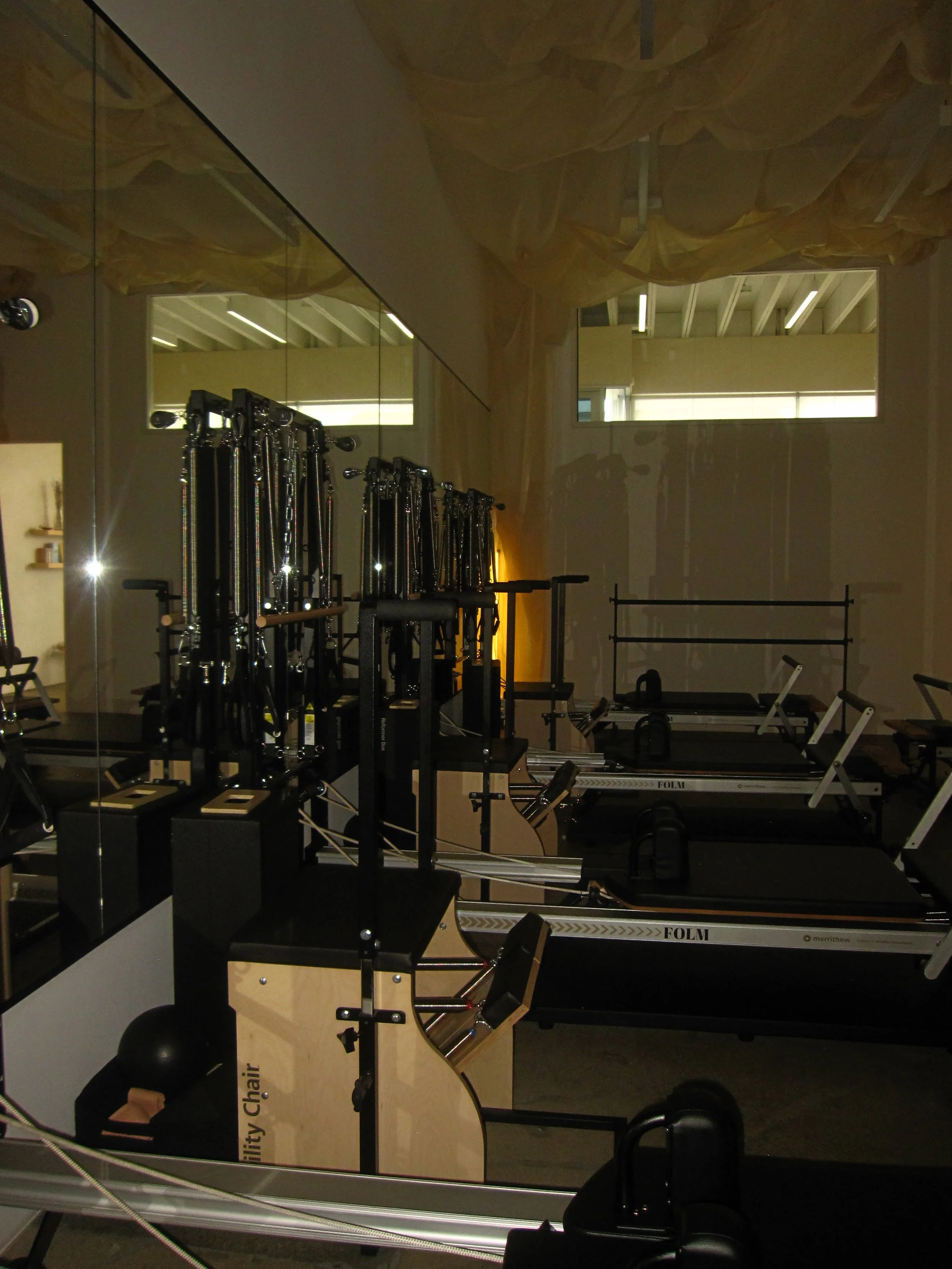
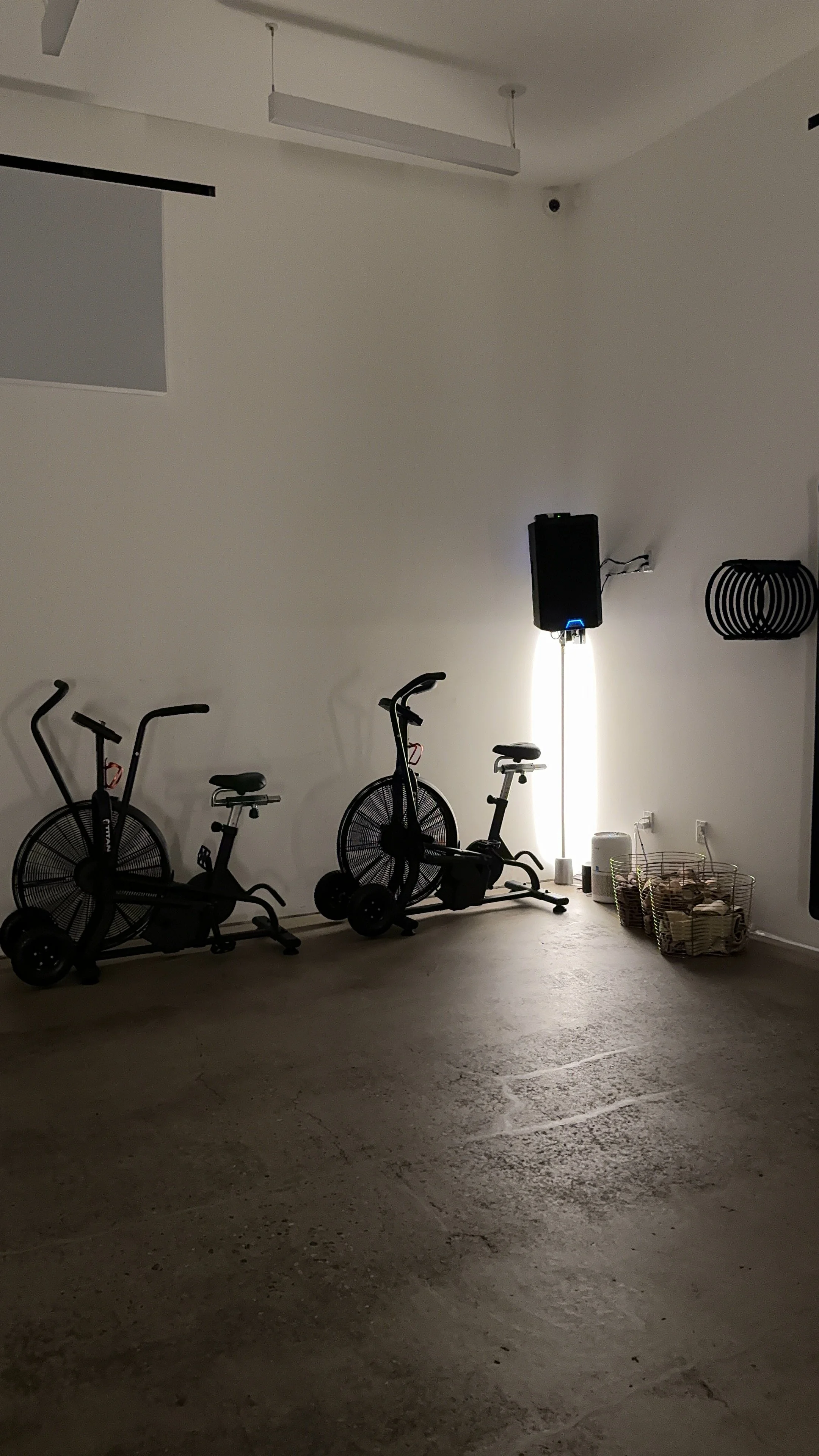
The FOLM method takes place in two different rooms that offer opposing types of movement. Higher-impact workouts, such as circuit classes, are taken in the Weight Room and are suggested when some may experience higher energy levels during the follicular and ovulation phases. Lower-impact classes are taken in the Reformer Room and are suggested when some may experience fatigue or other symptoms during the luteal and menstrual phases. Several lower-impact classes are also suggested for those going through menopause.
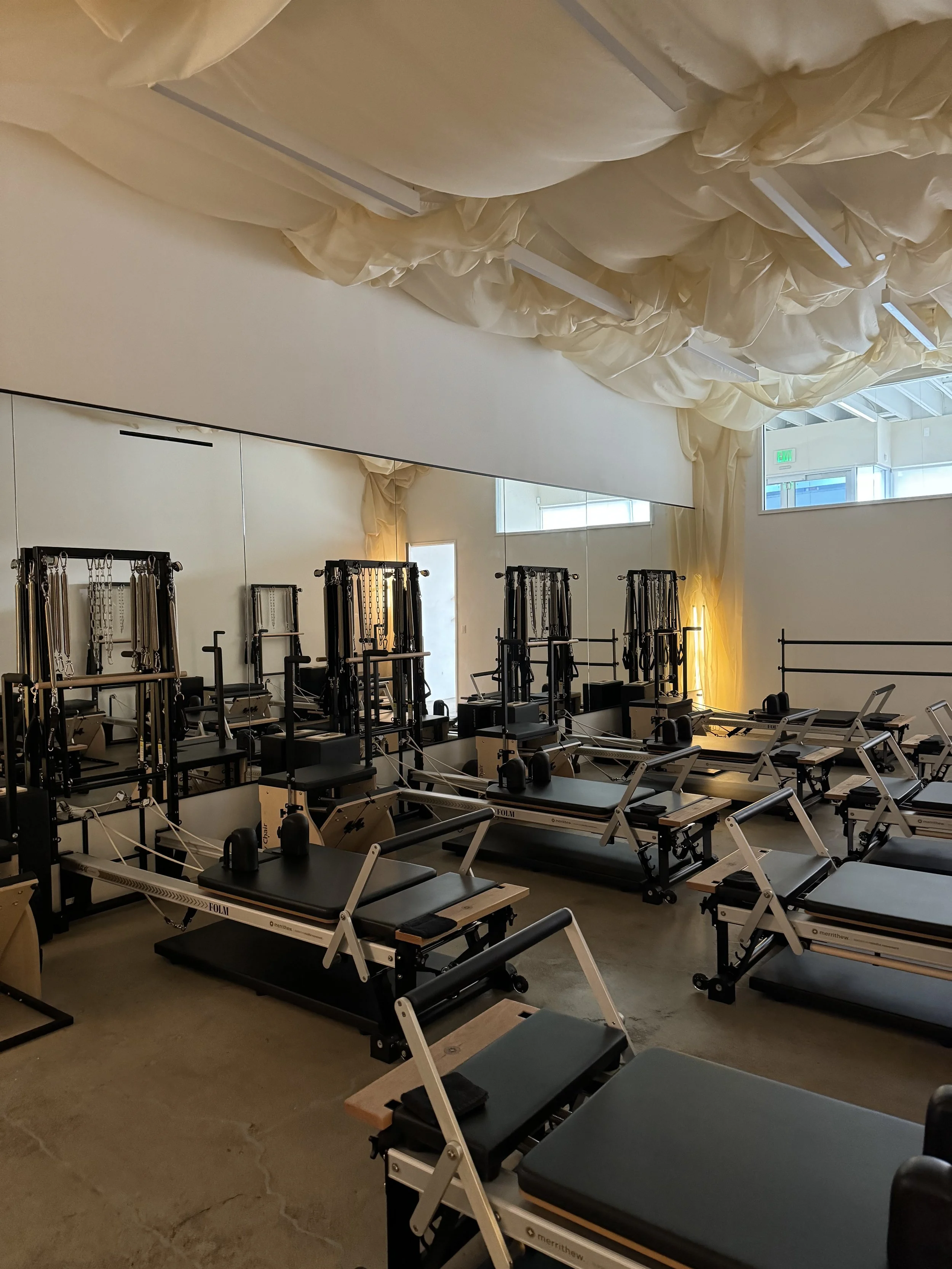
Reformer Room
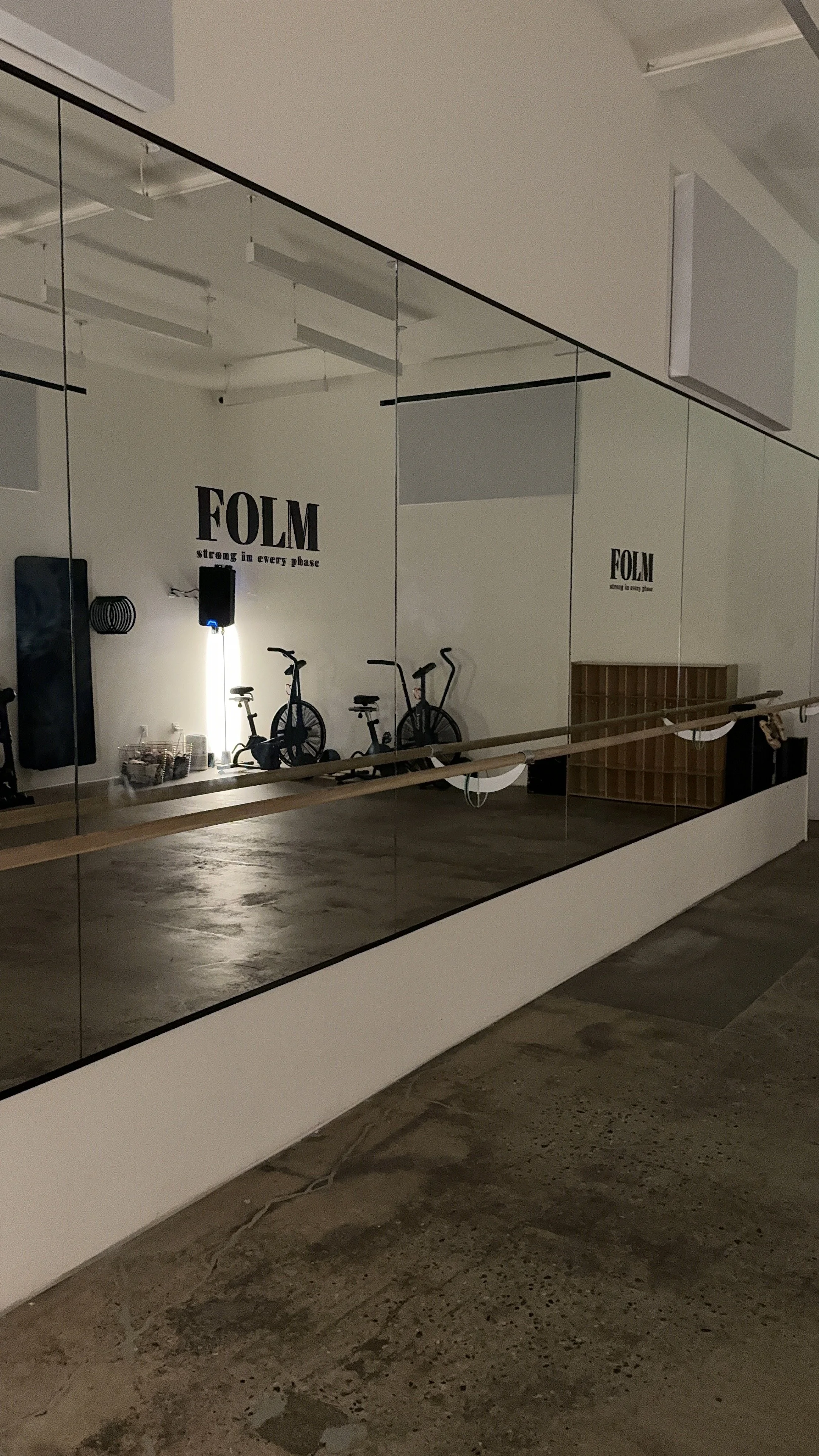
Weight Room
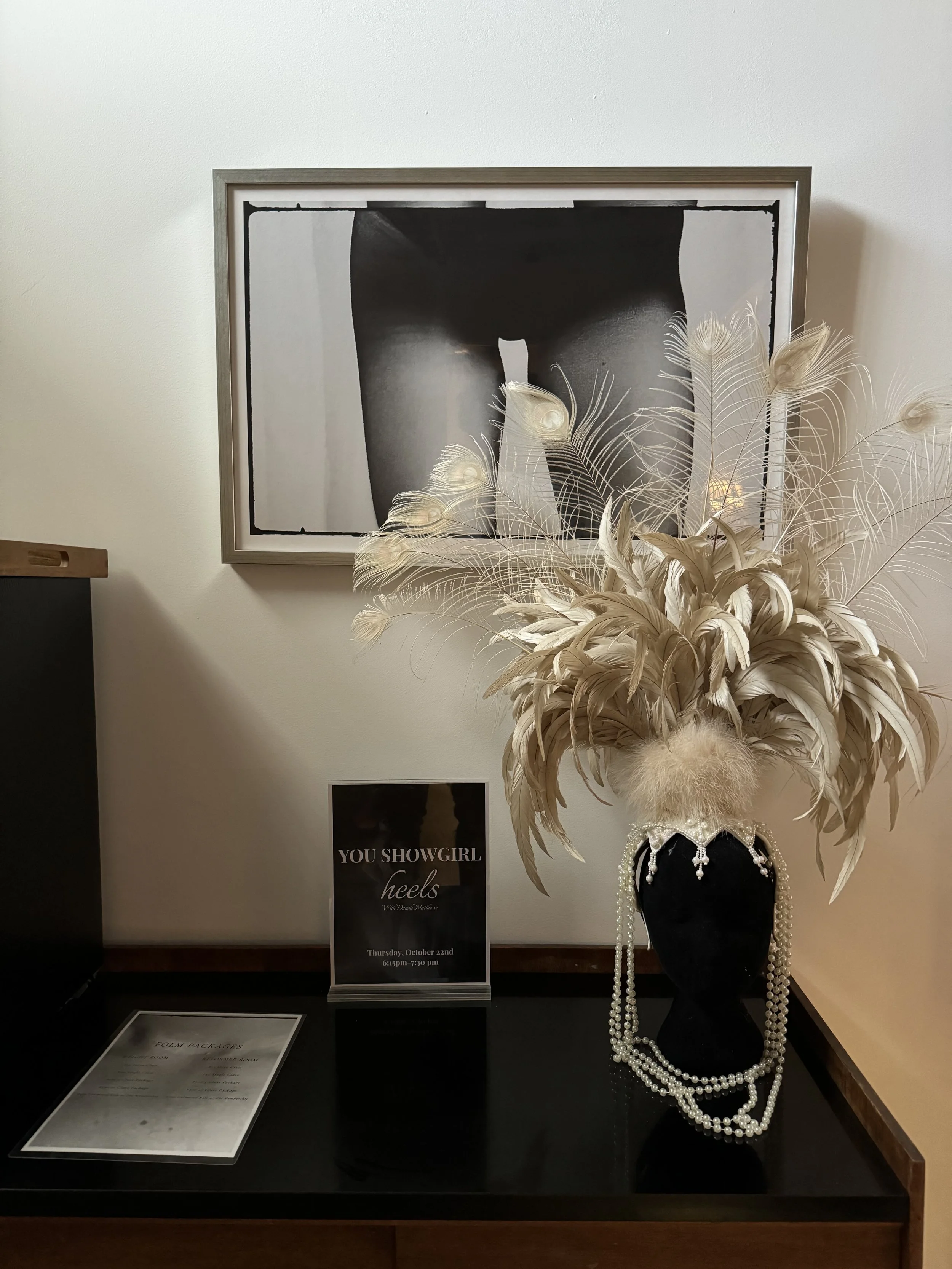
The studio doesn’t insist that women follow a strict schedule that aligns with their menstrual cycle; they acknowledge that every woman has different needs and hormonal symptoms. Instead, clients are encouraged to track their individual cycles and decide what they need from one day to the next. FOLM also offers a wide variety of themed classes, from a burlesque-esque dance class taught in heels to a Mommy and Me mat class.
“Strong in Every Phase” is FOLM’s slogan, but the philosophy extends beyond the studio. The point is not simply to become stronger, but to recognize what strength means in different moments.
Research on cycle syncing, however, remains inconclusive. Scholars have pointed to the difficulty of accounting for the complexities and individual variability of menstrual cycles in previous research. Cycle length, phase duration, and hormonal fluctuations differ from woman to woman, making it difficult to accurately identify and measure menstrual cycle phases in research settings. Consequently, existing studies have not demonstrated significant differences in strength, performance, or muscle growth between phases.
However, this does not necessarily mean cycle syncing lacks value. For many women, its usefulness may have less to do with optimizing physical performance and more with understanding and anticipating changes in their bodies, such as fluctuations in energy, cramping, and mood. These experiences are more subjective and vary considerably between individuals, making it harder to quantify in controlled studies. The goal isn’t necessarily to exercise better, but to accommodate the body as its needs change from one day to the next.
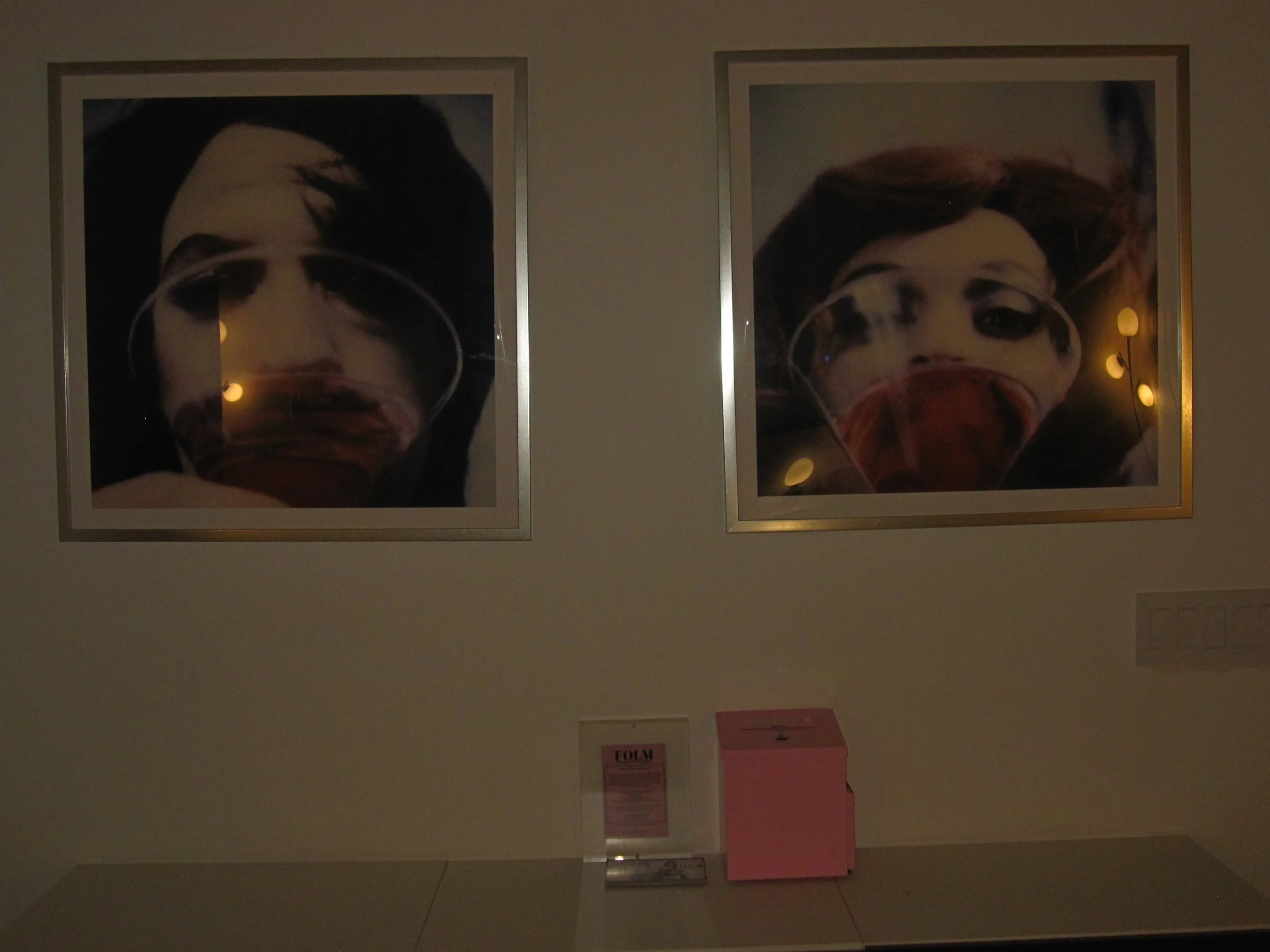
Question Box for OB/GYN Dr. Erica Kessselman, @thegirlfriendsgyno on Instagram
I thought about this as I gripped the barre, my glutes beginning to shake through another set of lunges as a Charli xcx song pushed me through. I was in my luteal phase, so I chose the Barlates class, because it was lower impact and I was feeling particularly fatigued.
Women of all ages and body types moved through the same sequences, sweating, shaking, and focusing together. Anna led the class, shifting our sonic accompaniment in accordance with the set’s intensity. The pace was fairly easy to follow, and the class was small enough for us all to receive gentle corrections on our form when needed.
Later Anna tells me, “A common theme in our classes is we always take our time, even when it’s a high-intensity class. We’re not rushing through anything. We’re focused on actually moving our body to feel our muscles rather than just lifting your weight to lift weight.”
Several sets of crunches and grand pliés led to one final push before we settled into cool-down. A Mazzy Star song started as I closed my eyes, feeling a sense of accomplishment for doing something challenging. As cold, citrus-scented towels were passed out, I enjoyed my hard-earned endorphins.
Anna and Cindy describe this shared vulnerability as one of the things they value most about FOLM, and wanting clients to feel comfortable from their first class. Creating a space exclusively for people who identify as women or nonbinary was fundamental to that vision. Anna admitted, “We’ve had to turn boyfriends away.”
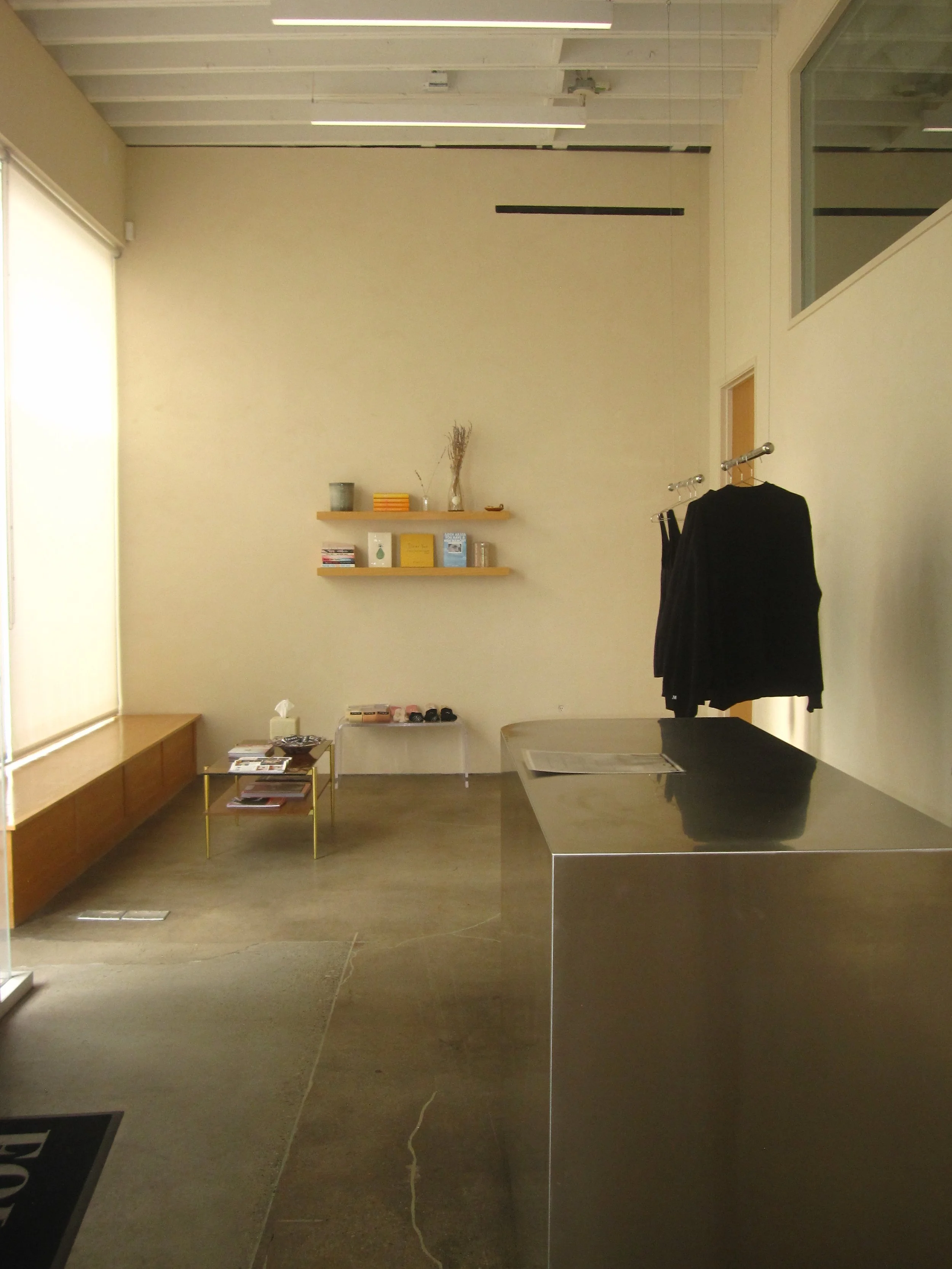
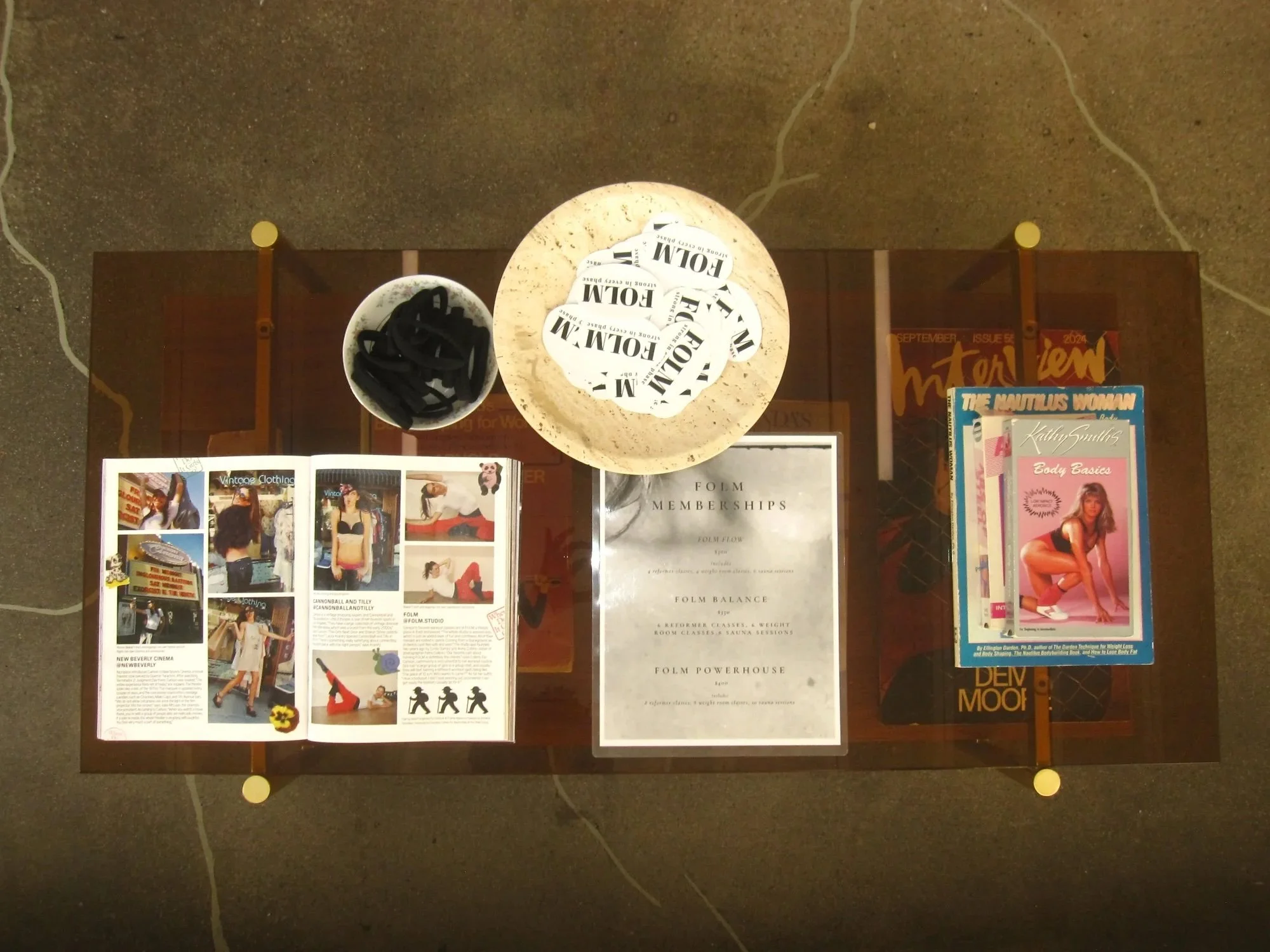
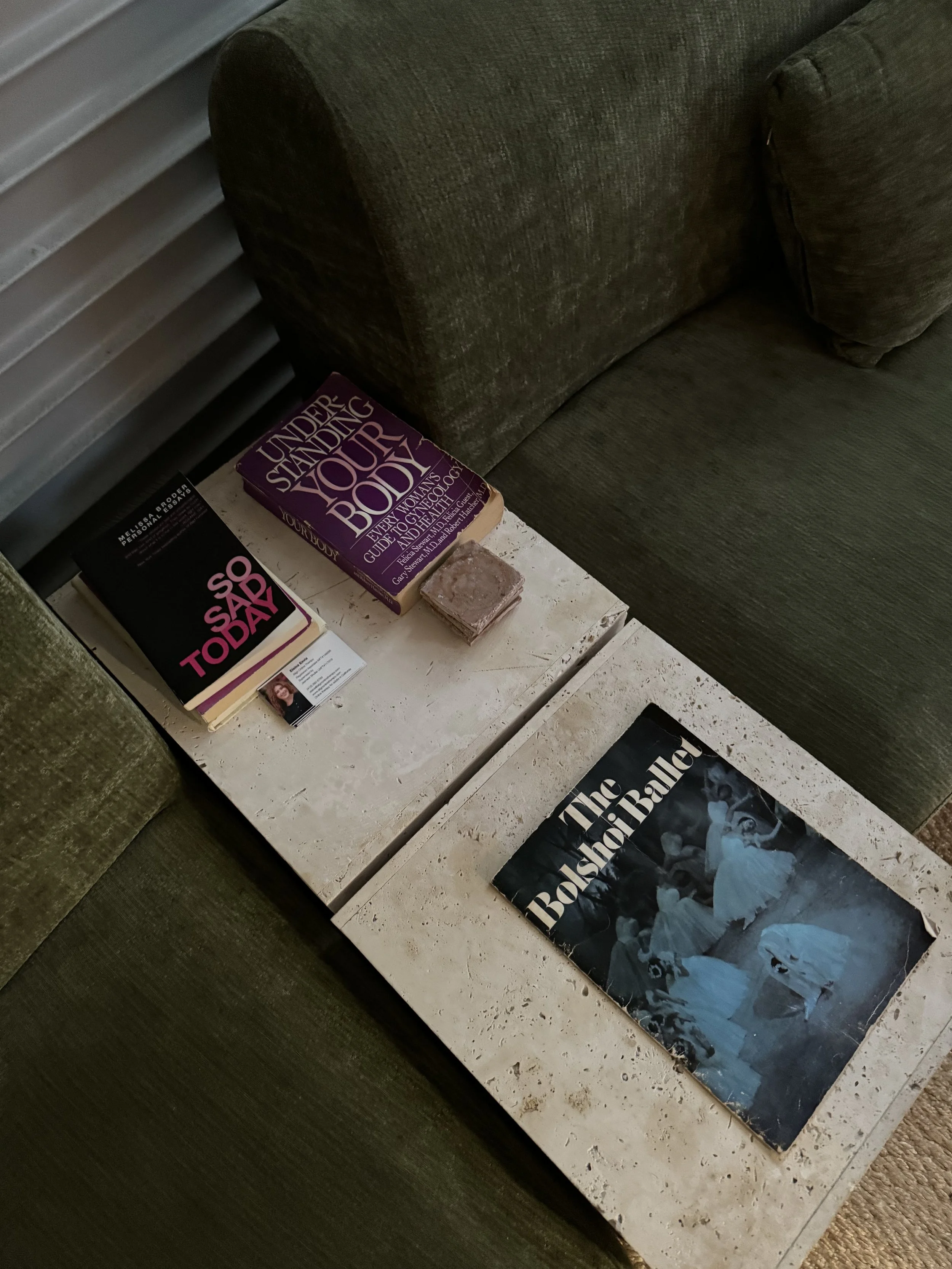
This small detail is one of many that reflects their core intention of making FOLM a meticulously curated third space for women. The lobby bookshelf is curated by Melissa Broder, author of So Sad Today, and features an array of contemporary women authors such as Alissa Nutting and Aiden Arata. Understanding Your Body: Every Woman’s Guide to Gynecology and Health, the landmark 1987 publication offering an accessible guide to women’s reproductive anatomy, healthcare and wellbeing sits next to the photobook Fairy Tales, featuring FOLM client Alexa Demie and shot by Anna’s sister, Petra Collins. Vintage VHS tapes like Buns of Steel provide a tongue-in-cheek reminder of how far women’s fitness has come.
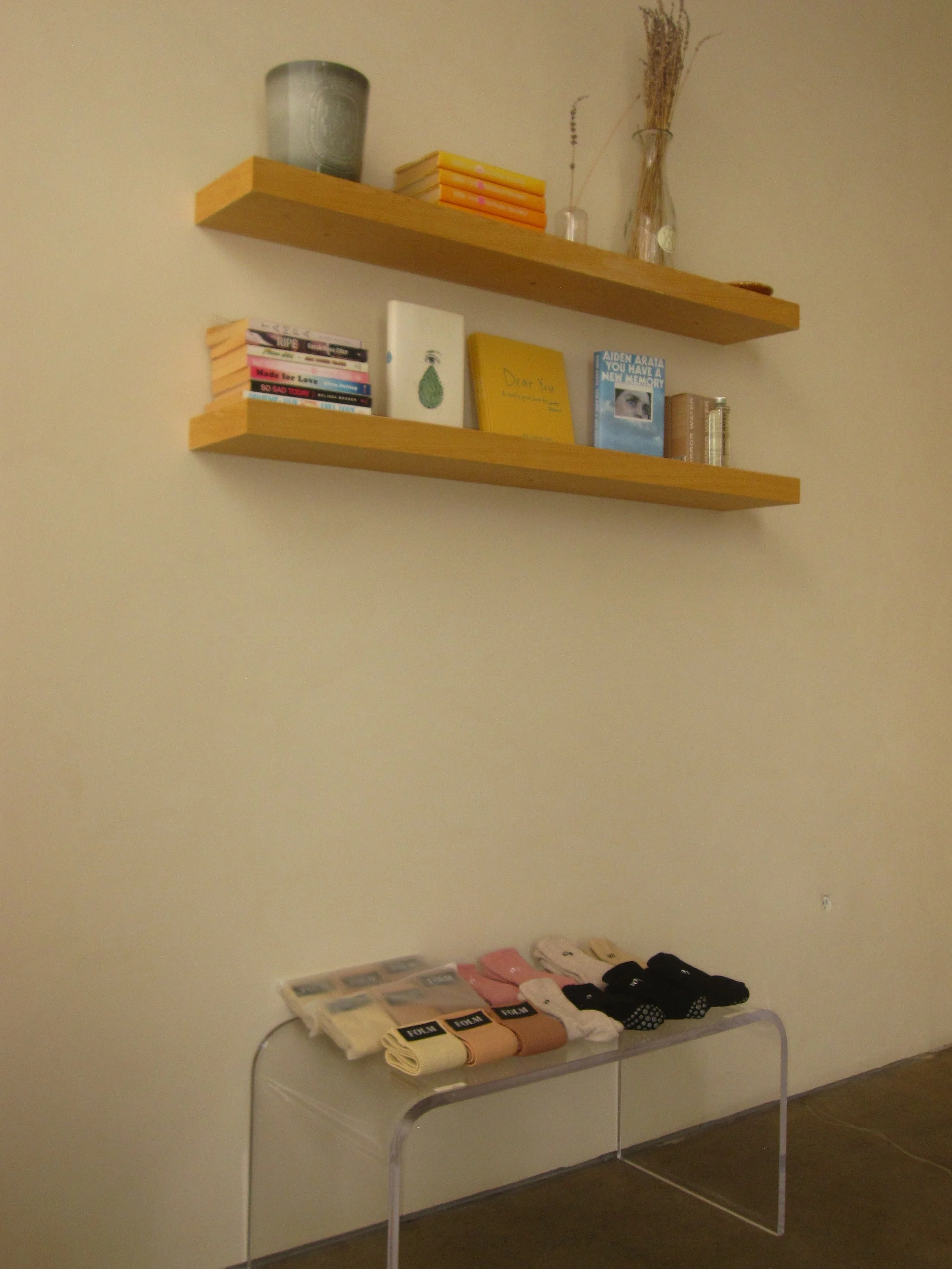
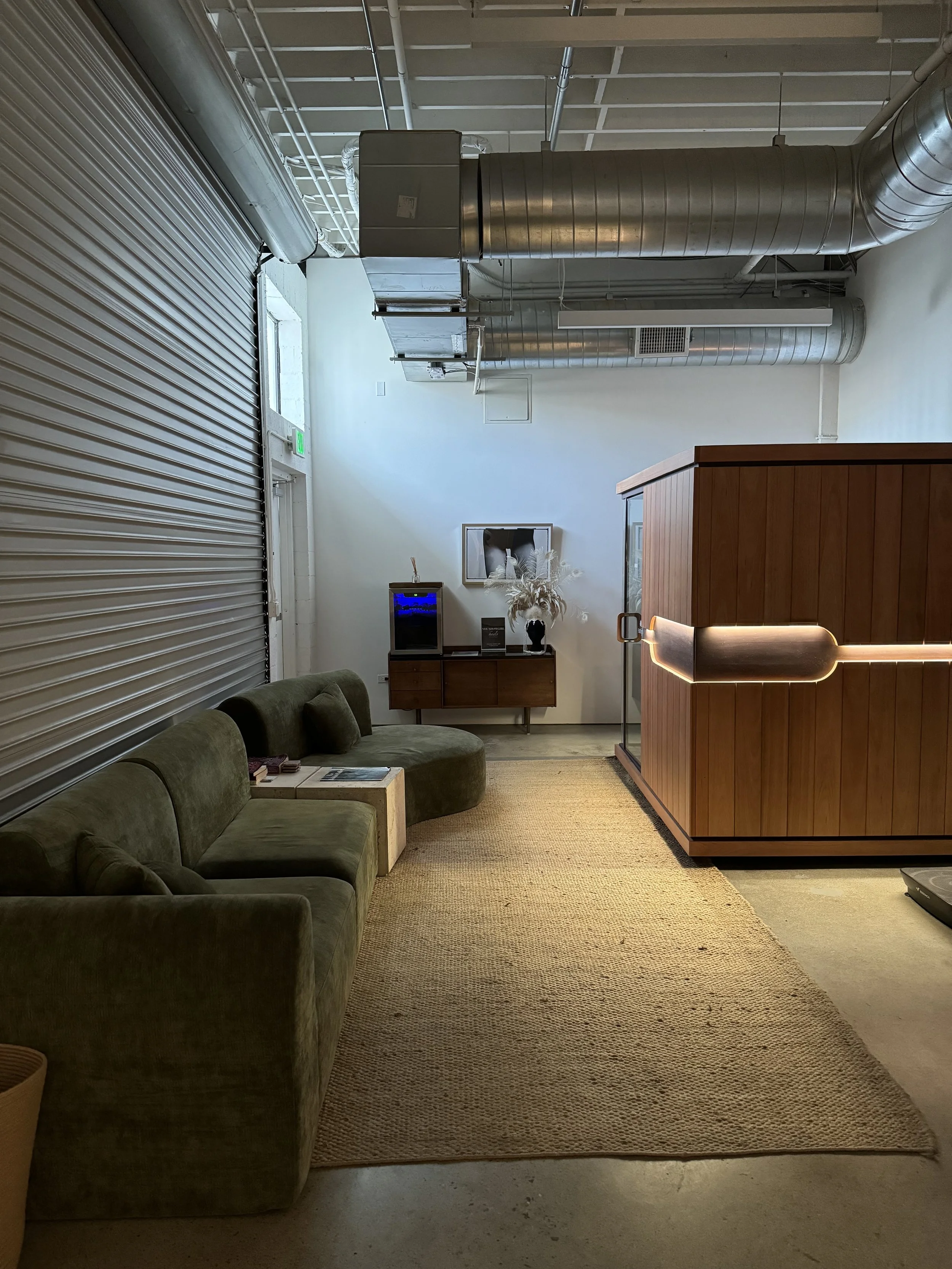
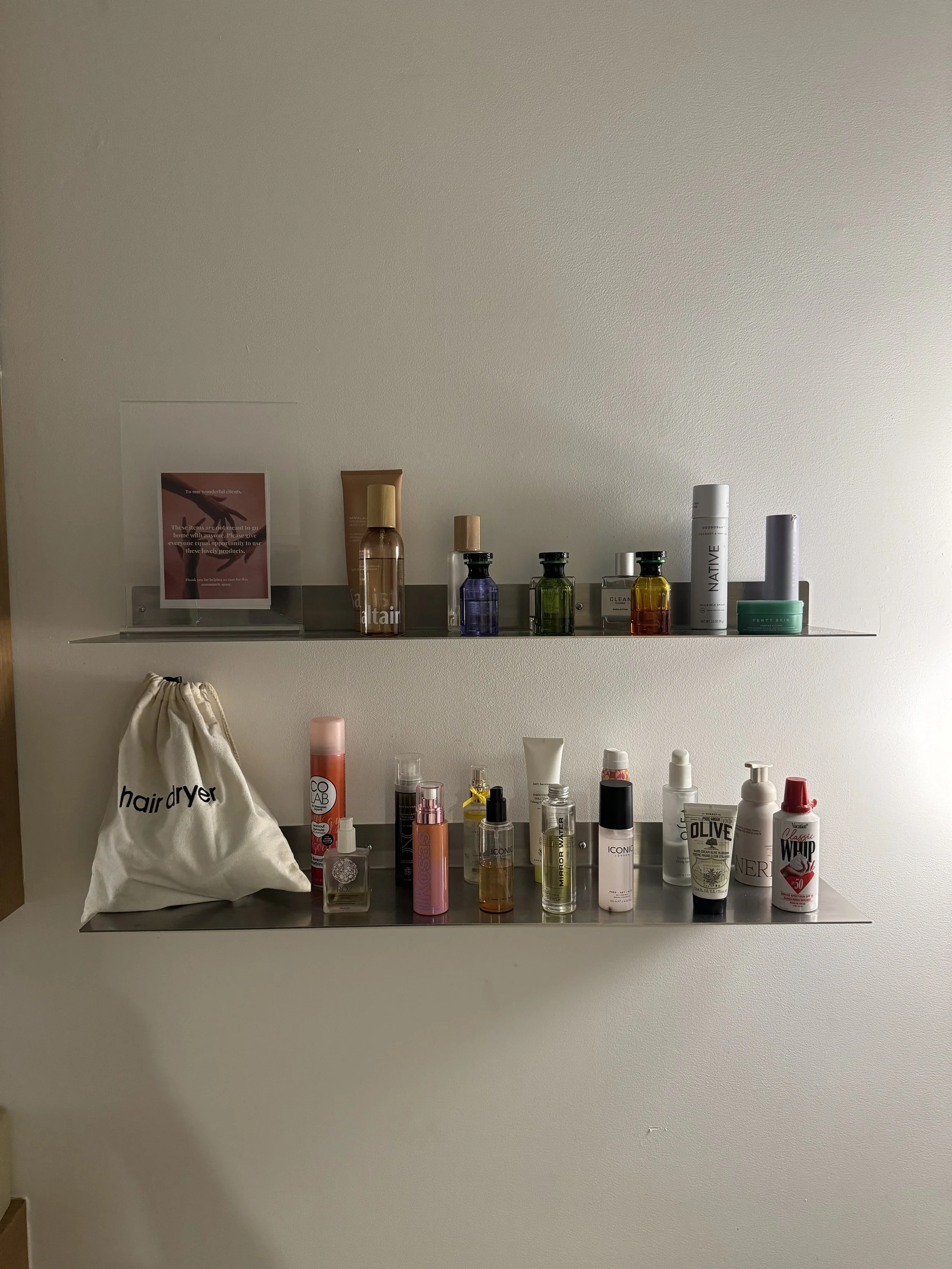
The bathroom is stocked with tampons and a wall full of women-owned products ranging from body mists, face masks, and body lotions. These gestures seem minor, but together they made the studio feel attentive to needs that extend beyond the workout itself. “We wanted to make it feel like home. Everything’s within reach,” Cindy says. The studio becomes a “one-stop shop” where women can feel comfortable enough to recover, take a shower, do a face mask, use the sauna, and hang out.
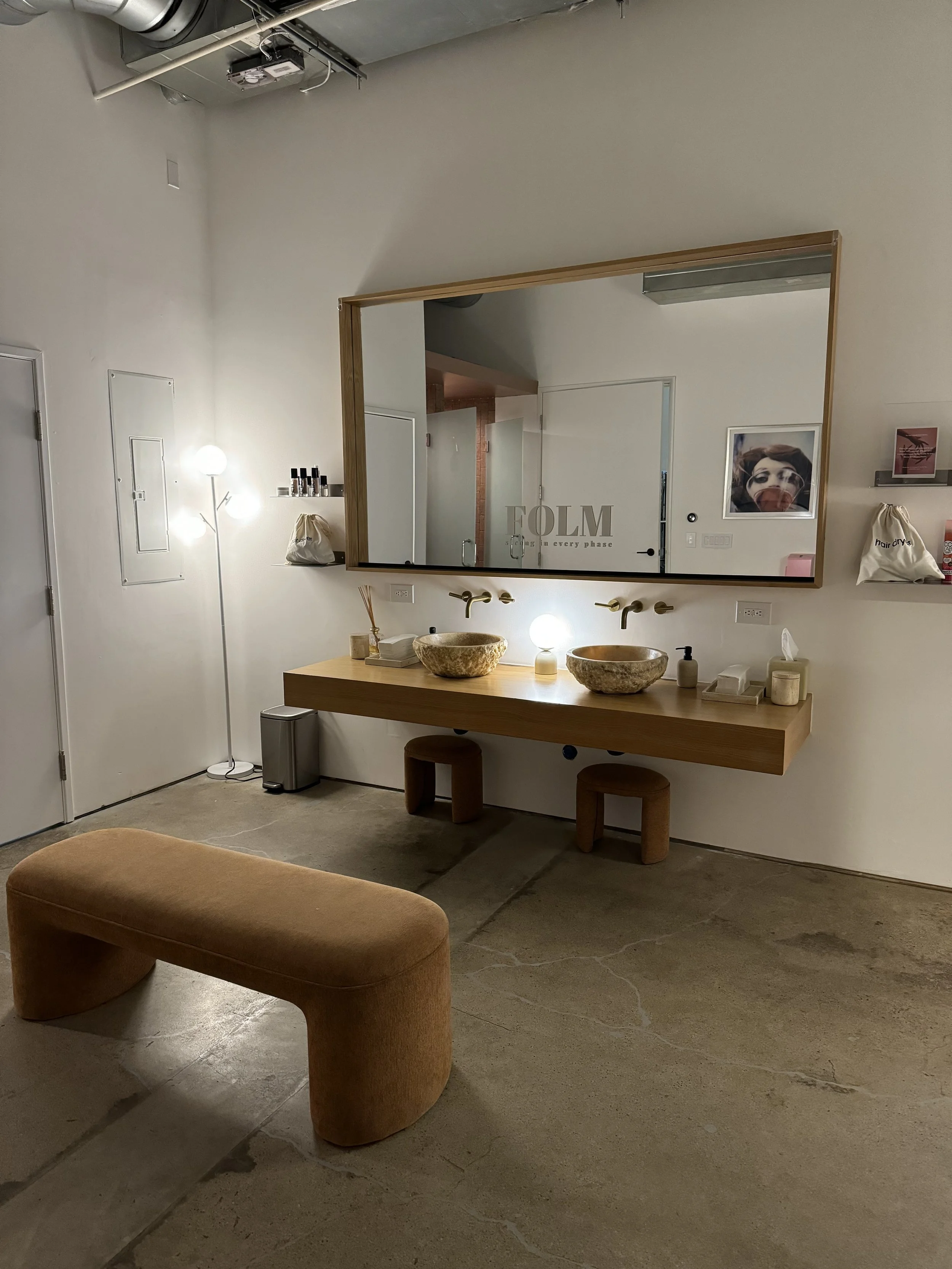
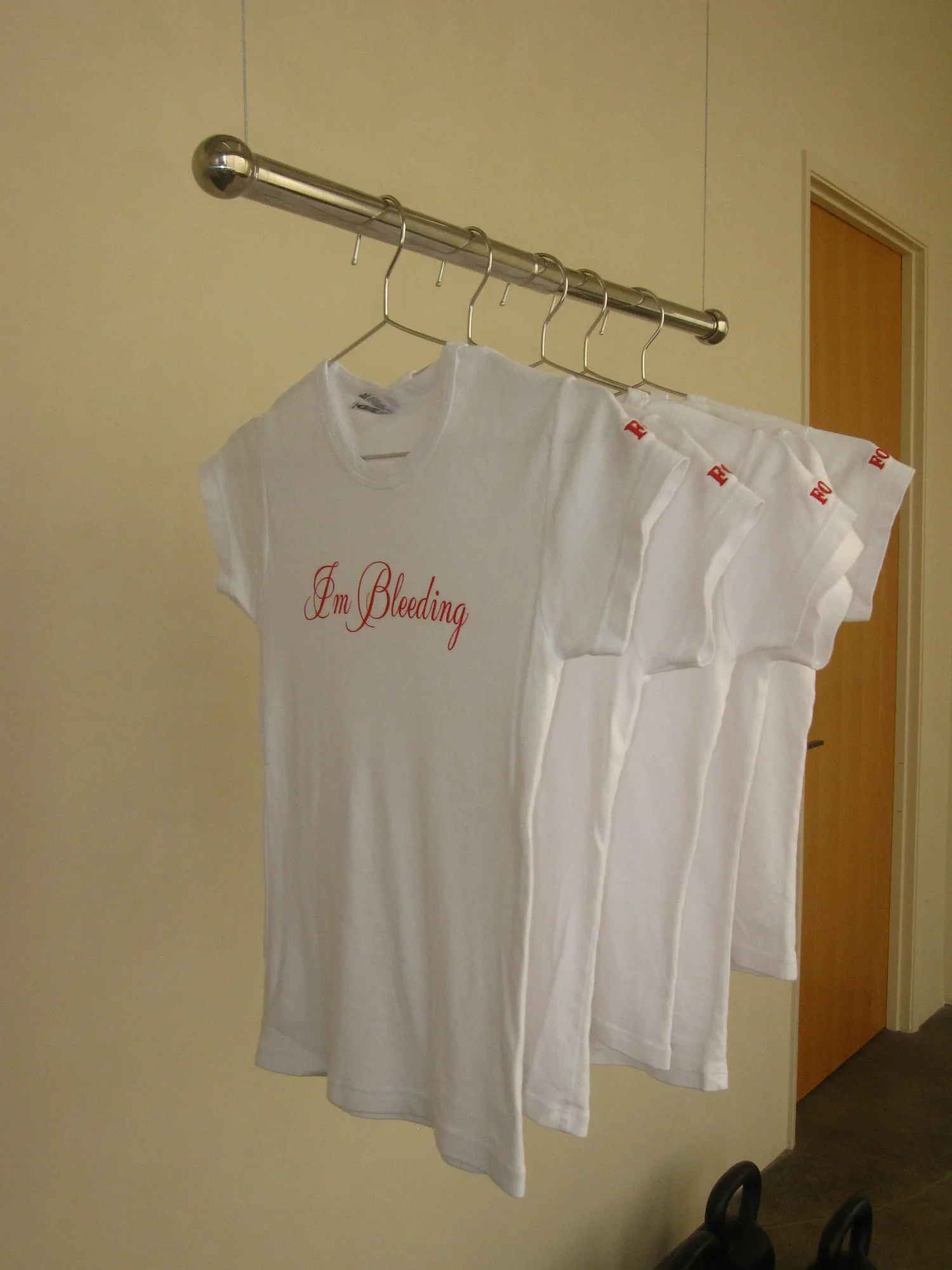
Between the neutral color palette, curated playlists, and branded baby tees that read “I’m Bleeding” available for purchase, the studio feels as much like a place to be seen as to exercise. But my experience complicated what I had originally thought to be its aesthetic purpose. I had been drawn to FOLM partly because the studio looked like somewhere I wanted to belong. What stayed with me was something much less visible: feeling comfortable, seen, and celebrated in my body.
I might ask my mom to join me for my next class. She wouldn’t recognize the LA it-girls or the cultural references, but she would appreciate the opportunity to experience strength on her own terms rather than simply being shown how to perform it.