Munch Ado About Nothing

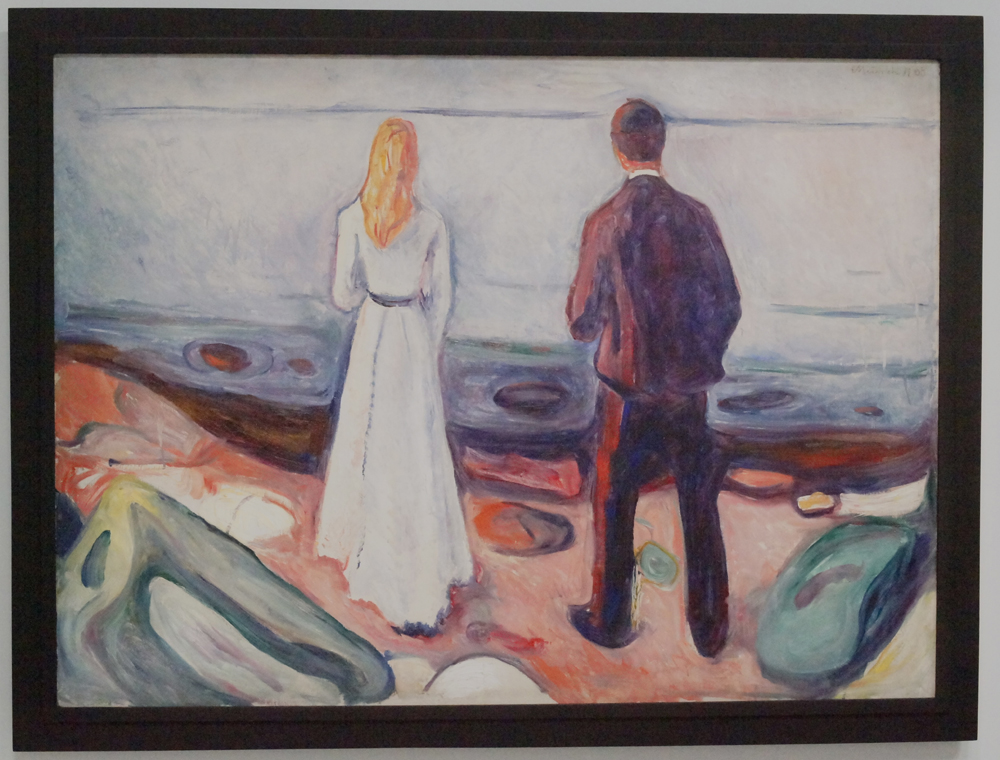
Edvard Munch (pronounced Moonk) is best known for The Scream – the painting itself is an expressionistic exclamation point marking an emotional era in art. After walking through the recent Munch exhibit at the Centre Pompidou in Paris, The Scream seemed to me to be the culmination of a life's work; an exasperated attempt to express the entirety of life's frustrations and anxiety. The exhibition portrayed the work of a man gripped with the beauty and fatality of every moment. Images of vampires, sick women, and the famous painting entitled "two lonely ones" standing by the water's edge (pictured below).

Munch was also obsessed with self-portrait photographs. I was overcome with a sense of earnest loneliness walking past his 4 x 6 washed out photos of Munch in bed, or gazing sternly out the window, or of his own profile. Was he trying to see if others' saw his paintings like he saw them: full of color, visceral objects in constant motion, jumping off the frame, still for a moment, and then gone?

He seemed to be overwhelmed with the beauty and solitude in life – using color and exaggerated reference points to impose a sense of urgency, of tragedy and stillness at the same time. Figures with faces stand out in great detail – serving as the proverbial punctuation marks, while the supporting roles stand as auxiliary auras – holding still in space. Munch instills the unbelievable power to feel within one figure the emotion of the entire room – with empathy to the all-to-common human experience of standing alone in a room and with many.

Edvard Munch: The Modern Eye just concluded at the Centre Pompidou in Paris, but will resume at the Tate Modern in London this summerfrom June 28 to October 14, and in the meantime Edvard Munch's Masterpieces is on view now until May at the Munch Museet in Oslo, Norway which houses a majority of his works including 1,100 paintings, 4,500 drawings and 18,000 prints. Text by Angelina Dreem for Pas Un Autre. 

Photo by Angelina Dreem

Frieka Janssens' Smoking Kids

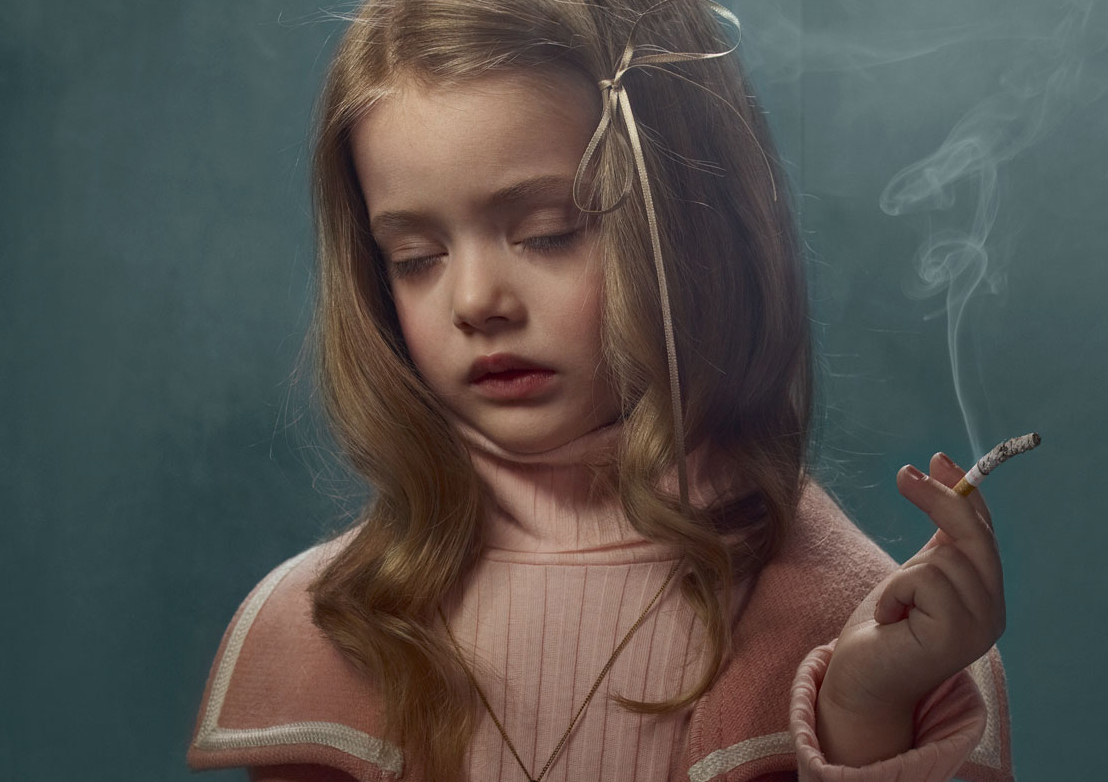
Beligum based photographer Frieka Janssens' series of children smoking is a stark reminder of the perverted glamour of something that once deemed a symbol of cultural cool, but what is now as good as poison. Janssens says, "A YouTube video of a chainsmoking Indonesian toddler inspired me to create this series, "Smoking Kids". The video highlighted the cultural differences between the east and west, and questioned notions of smoking being a mainly adult activity. Adult smokers are the societal norm, so I wanted to isolate the viewer's focus upon the issue of smoking itself. I felt that children smoking would have a surreal impact upon the viewer and compel them to truly see the acts of smoking rather than making assumptions about the person doing the act.....The aesthetics of smoke and the particular way smokers gesticulate with their hands and posture cannot be denied, but among the different tribes of "Smoking Kids," - Glamour, Jazz, and The Marginal - there is a nod to less attractive aspects, on the line between the beauty and ugliness of smoking." But not to worry, these kids weren't actually smoking.  Much more after the jump. 

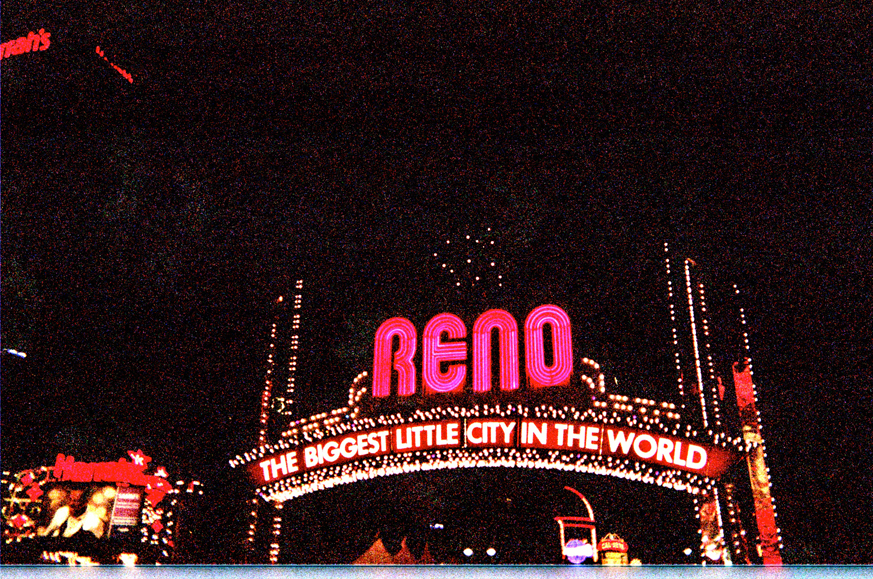
September: RENO – The Biggest Little City In The World

Presenting a year in the life of Adarsha Benjamin, part nine: September: Reno – The Biggest Little City in the World. 

July: Here, There, and Everywhere

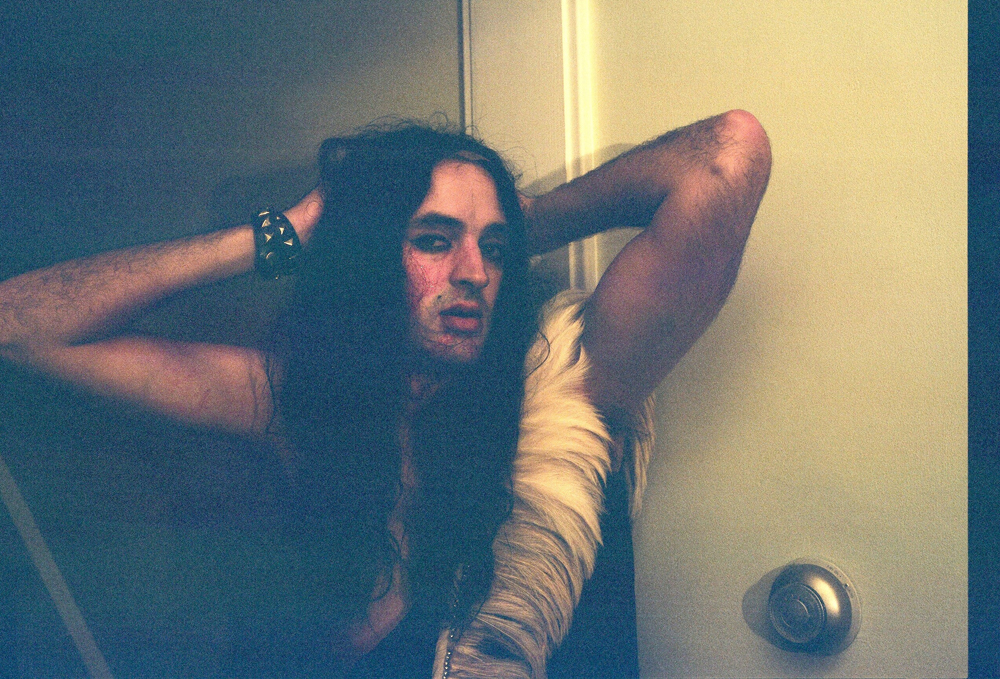
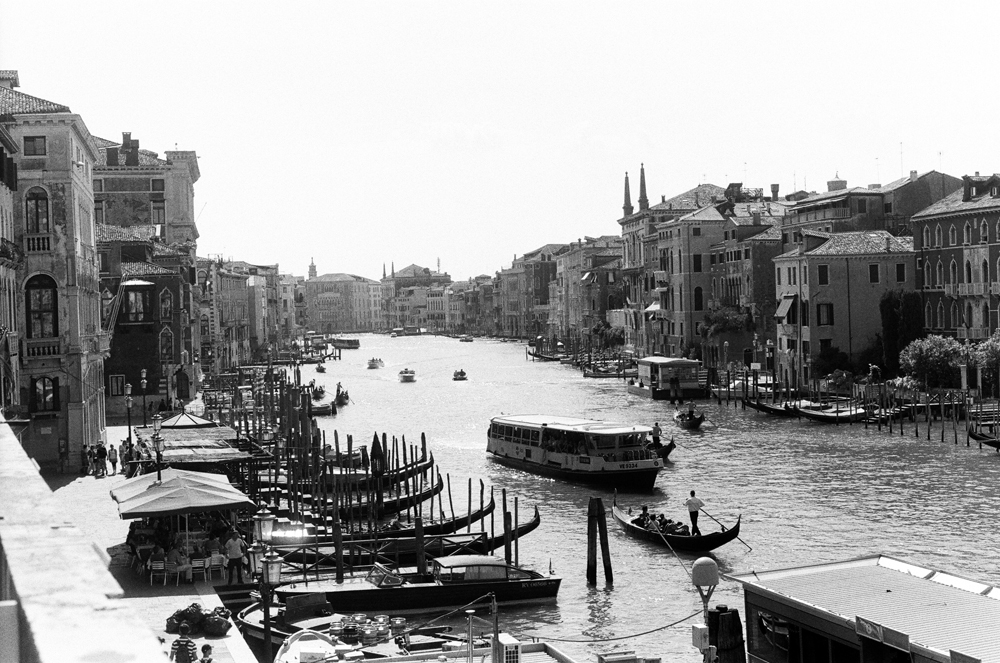
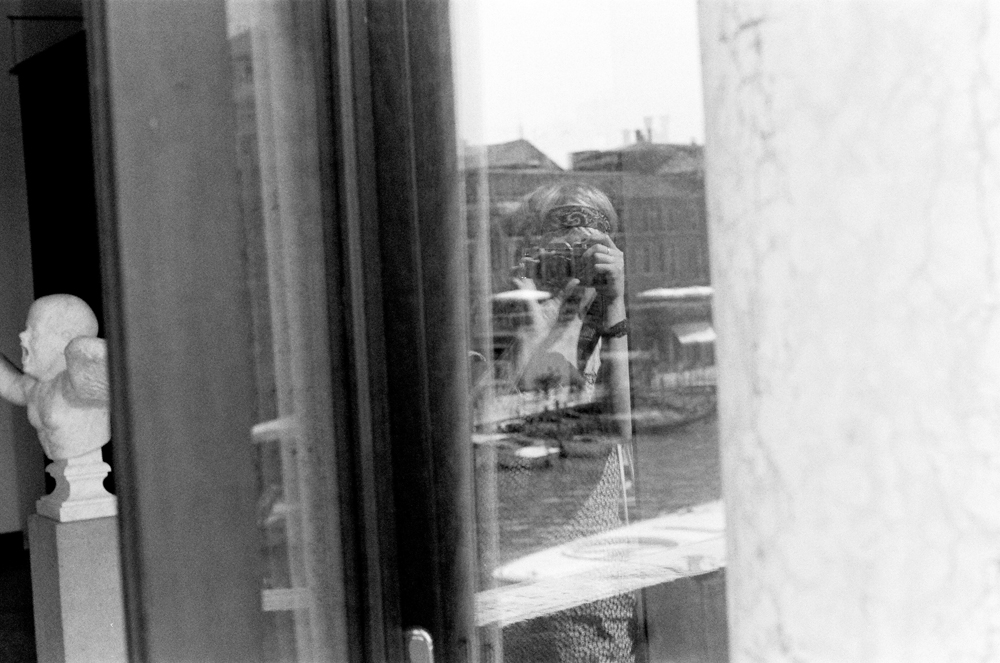
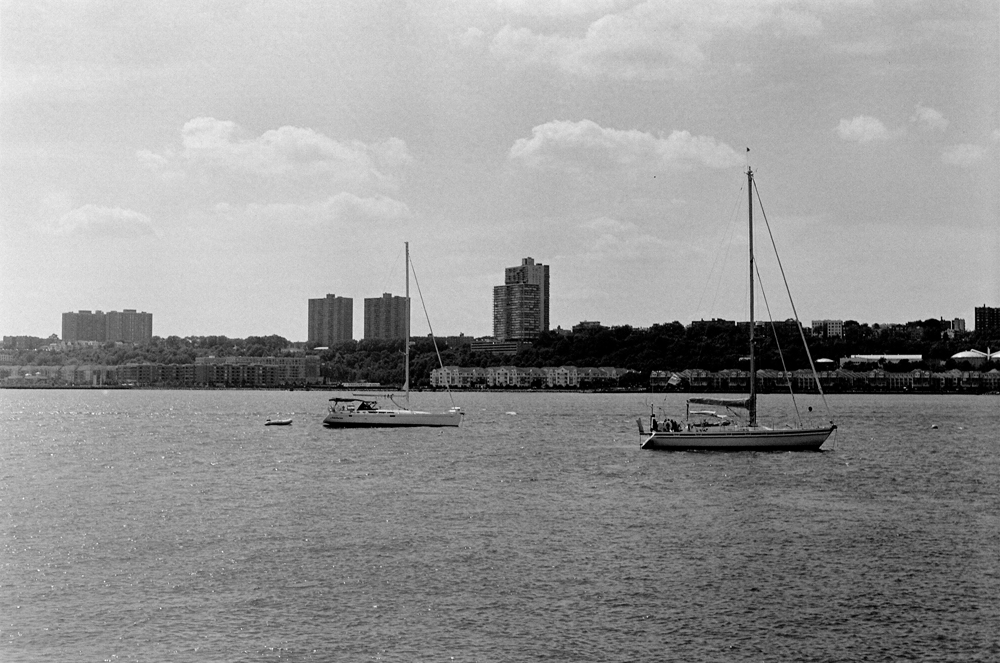
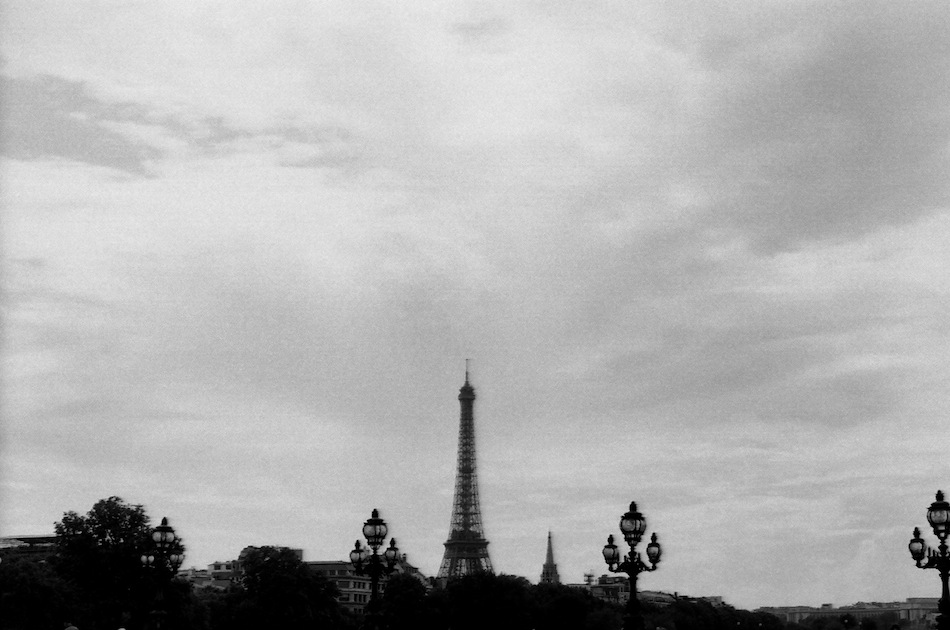
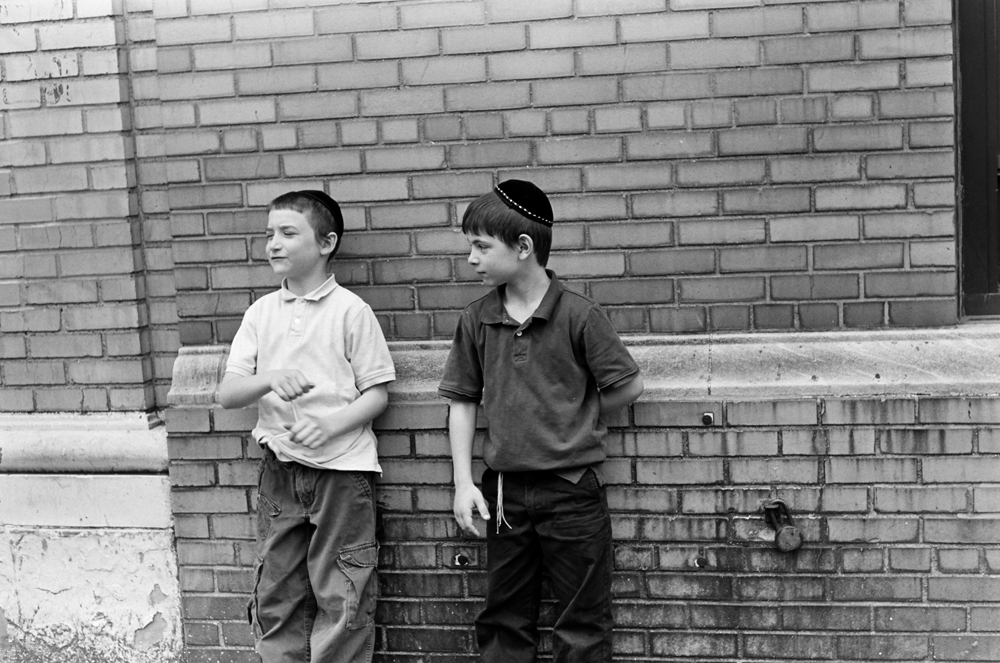
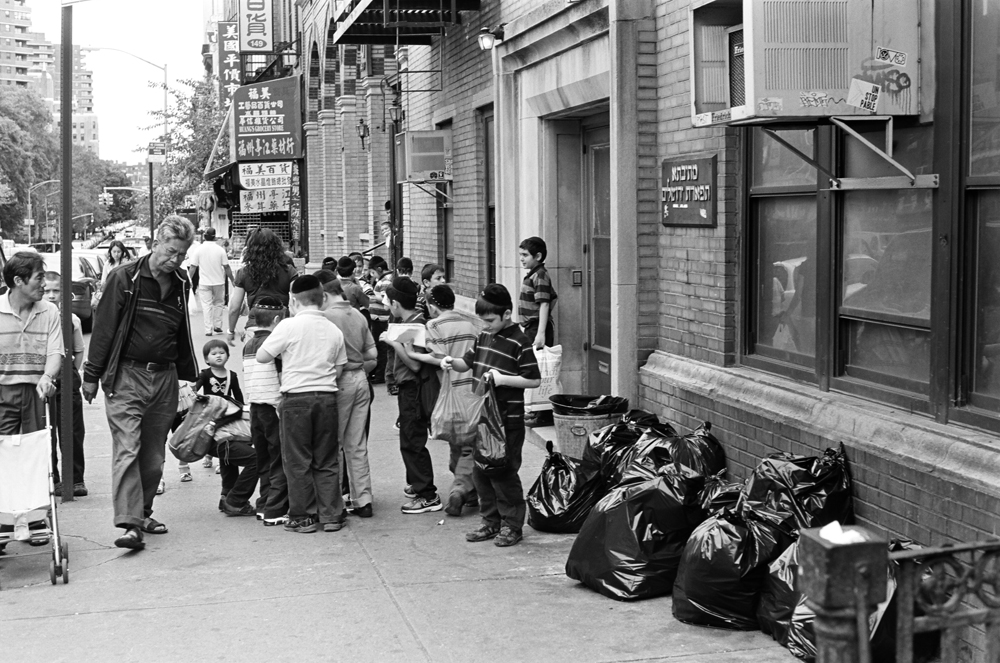
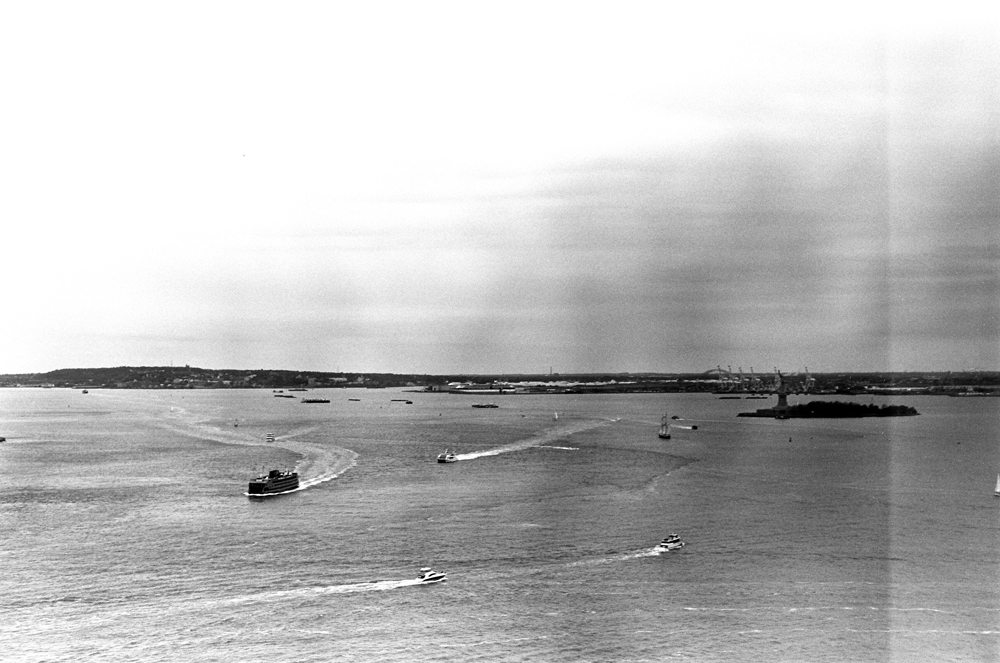
Presenting a year in the life of Adarsha Benjamin, part seven: July: Here, There, Everywhere. Photographs from Venice, Paris, and New York with a smattering  of self portraits and a visit to Hebrew summer school.

Looking Forward: ART IN 2012

Terry Richardson, Untitled (red lips), 2011

As everyone looks backward – best album, film, book, art exhibition of 2011 – Pas Un Autre looks forward to a few important and exciting exhibitions held around the world in 2012. As you'll see – there will be a trend in Japanese contemporary visual art and Japanese artist's getting their due in major museums, Damien Hirst attempts to take over the world with spots, British artist Gillian Wearing taps into the human psyche, and Terry Richardson has his first solo exhibition in Los Angeles. 

1.  The first exhibition of renowned Japanese photographer Daido Moriyama's work at a Los Angeles museum. Fracture: Daido Moriyama, which is on view from April 7 to July 31 2012 at the Los Angeles County Museum of Art,  highlights the raw power of Moriyama’s work through a selection of photographic prints and books spanning four decades, as well as an installation of more recent color prints.

2. In 2012 British artist Damien Hirst will take over the world with his famous "spot paintings."  From January 12 to February 18 at all ten Gagosian Gallery locations around the world, from Madison Avenue to Hong Kong to Geneva, will be presenting the exhibition Damien Hirst: The Complete Spot Paintings 1986–2011.

3.  Japanese artist Yayoi Kusuma, famous too for her repeating dot patterns, but also for her painting, drawing, sculpture, film, performance and immersive installations, will be having a major retrospective at the Tate Modern in London. Kusuma, who grew up in rural Japan and became the center of the New York avante-garde art scene in New York in 60s and has spent the last few decades in a psychiatric institution in Tokyo, will be having a series of major retrospectives in the coming year.  Kusuma's retrospective at the Tate Modern will be on view from February 9 to July 5 2012.

4. Turner Prize-winning British artist Gillian Wearing’s photographs and films explore the public and private lives of ordinary people. Fascinated by how people present themselves in front of the camera in fly-on-the-wall documentaries and reality TV, she explores ideas of personal identity through often masking her subjects and using theatre’s staging techniques.From March 28 to June 17 at the Whitechapel Gallery in London presents a major exhibition that surveys Wearing’s work.

5. Terry Richardson’s first solo exhibition in Los Angeles, titled Terrywood, presents over 25 of his latest photographs. Inspired by the multiple facets of Hollywood life, Terrywood unveils a series of images of the famous locale, as seen through Richardson’s eyes. Terryworld meets Hollywood, as the local characters, familiar landscapes, and architectural details, now verge on having a new identity. With images such as Untitled (Hollywood), and Untitled (Nude), both photographs of the proverbial chintzy signs that are ubiquitous throughout Hollywood, Richardson illustrates his proclivity for branding whatever subject matter he approaches. Terrywood will be on view at the OH WOW gallery on La Cienaga in Los Angeles from February 24  to March 31, 2012.

June: Lost Weekends and Love At First Sight

Presenting a year in the life of Adarsha Benjamin, part six: June: Lost Weekends and Love At First Sight. Take a trip to Brooklyn to see the So So Glos, who we featured in the first issue of Autre, and then to the Berkshires – North Adams, Massachusetts – where Wilco curated the Solid Sound Festival at an old electrical sprocket factory.

May: The Month of Solitary Sunshine / Summer is Almost Here

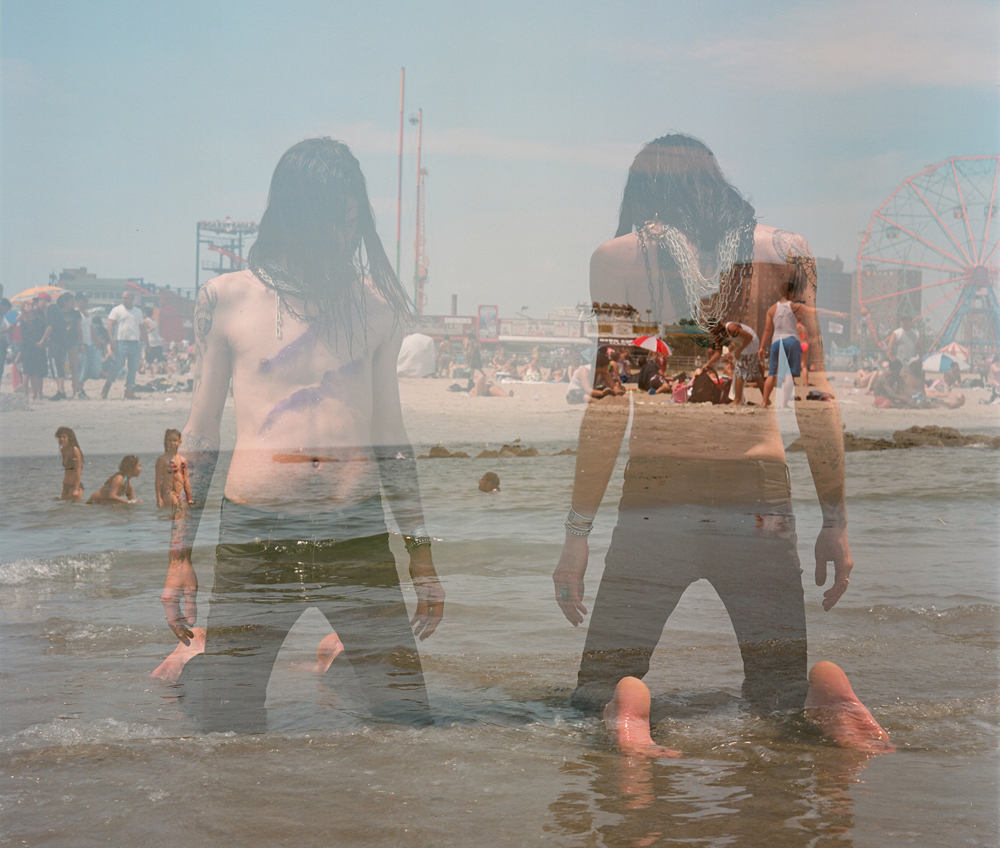
Presenting a year in the life of Adarsha Benjamin, part five: May: The Month of Solitary Sunshine / Summer is Almost Here. This time Adarsha takes us to New York City and Coney Island.

March : Rebel Walk – Los Angeles, CA

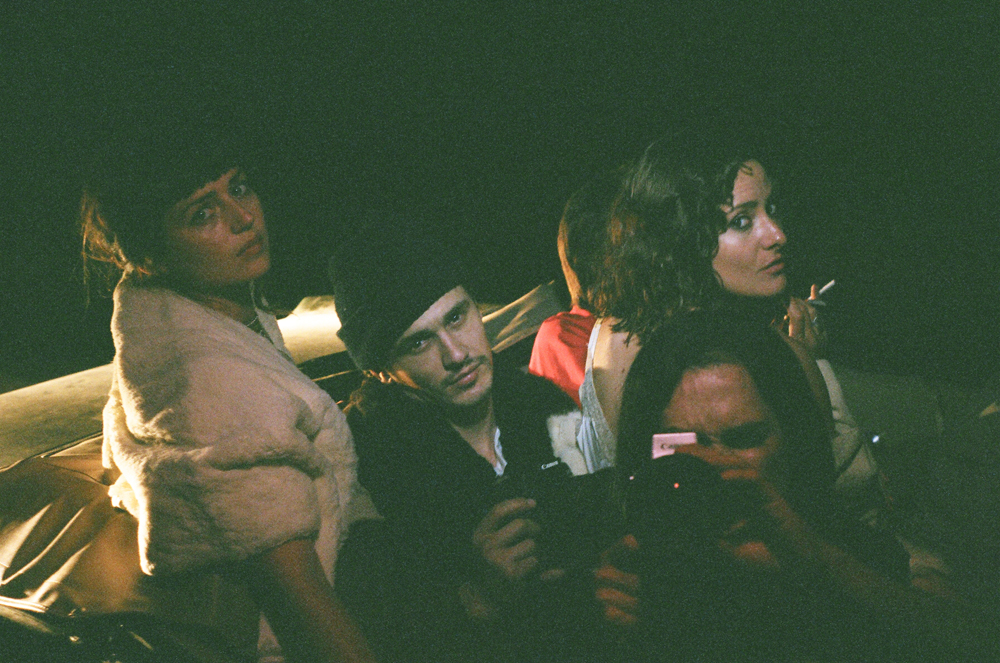
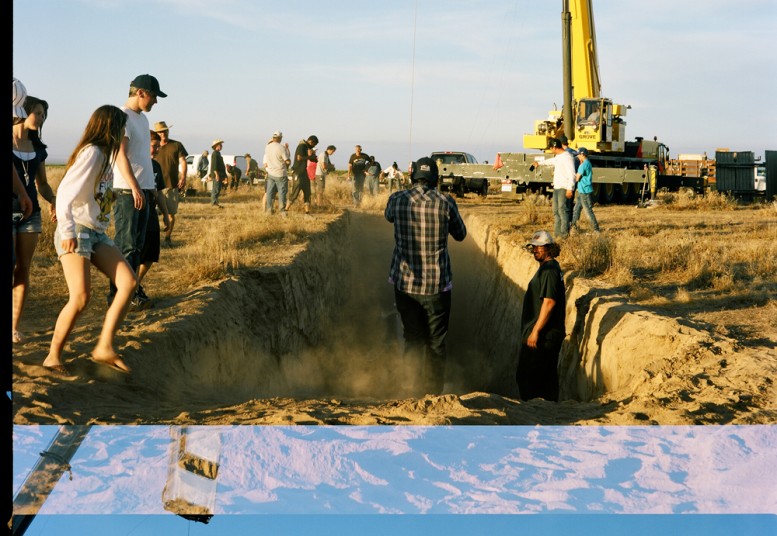
Presenting a year in the life of Adarsha Benjamin, part three: March : Rebel Walk – Los Angeles, CA which includes behind the scenes photographs of Aaron Young's contribution to James Franco's Rebel where a replica of the car the killed James Dean was dropped from an 80 foot crane in a ditch and motorcycles were crashed along a lonely stretch of highway.

February : Nostalgia for the Light – Los Angeles, CA

Presenting a year in the life of Adarsha Benjamin, part two: February: Nostalgia for the Light – Los Angeles, CA. "I am a February baby. The month of my birth. The month of my new born existence; every year. Its my sacred time of unraveling and unveiling. I did't take a lot of photos that month, just shots of people and the streets of LA on black & white. I listened to this song every day."

January: The Fool of Illusion – BIG SUR

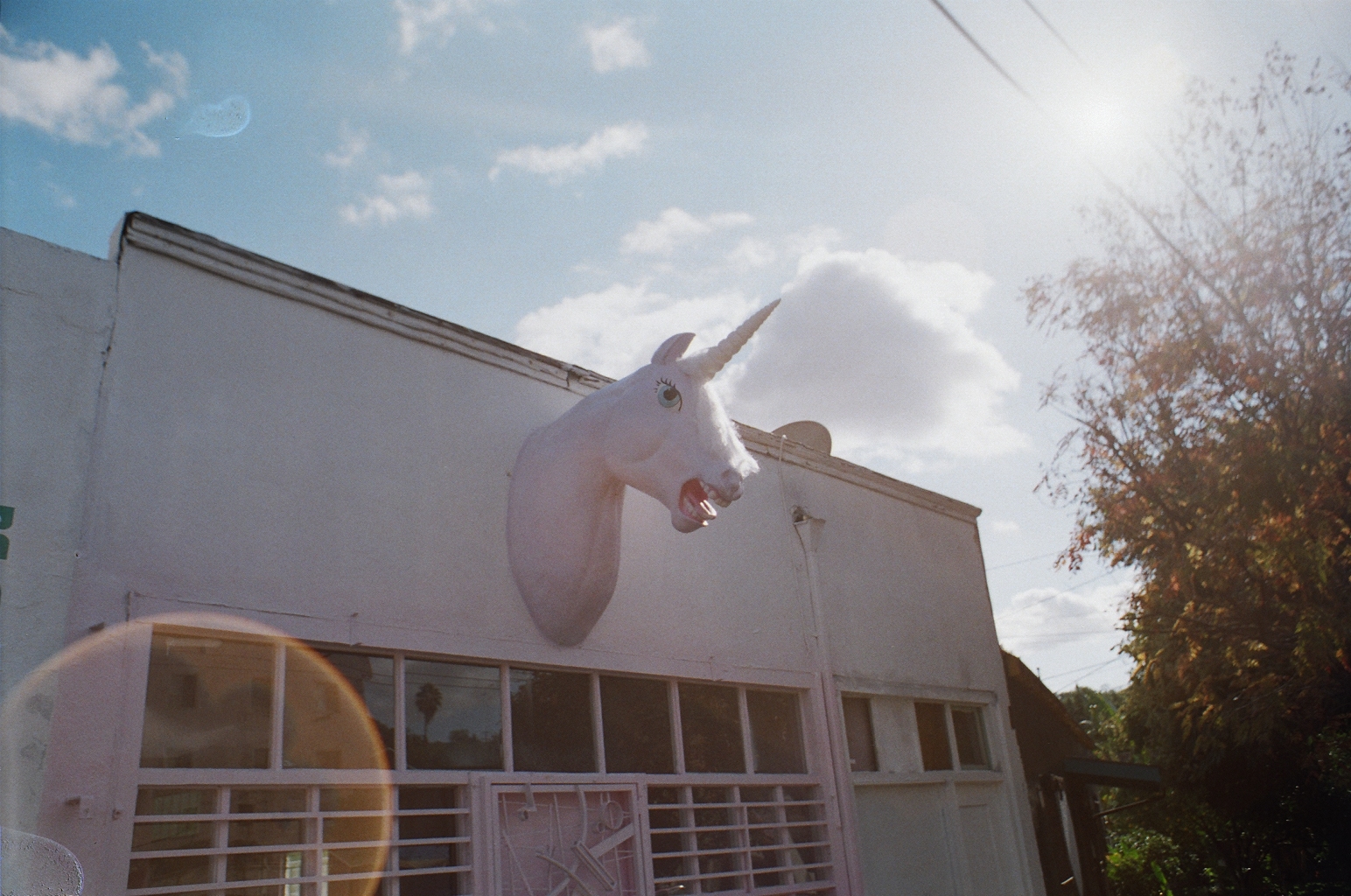
As the end of the year nears we'll all undoubtably be taking a look back on our lives during last twelve months. Luckily, photographer and Autre creative director Adarsha Benjamin has visual documentation. During the next twelve days we'll be rolling a out a series, a retrospective of sorts, of photographs by Adarsha Benjamin and a specially selected song for each month of her life in 2011. Presenting a year in the life of Adarsha Benjamin, part one: January 2011: The Fool of Illusion – BIG SUR.

LOWLIFE, a Memoir by Scot Sothern

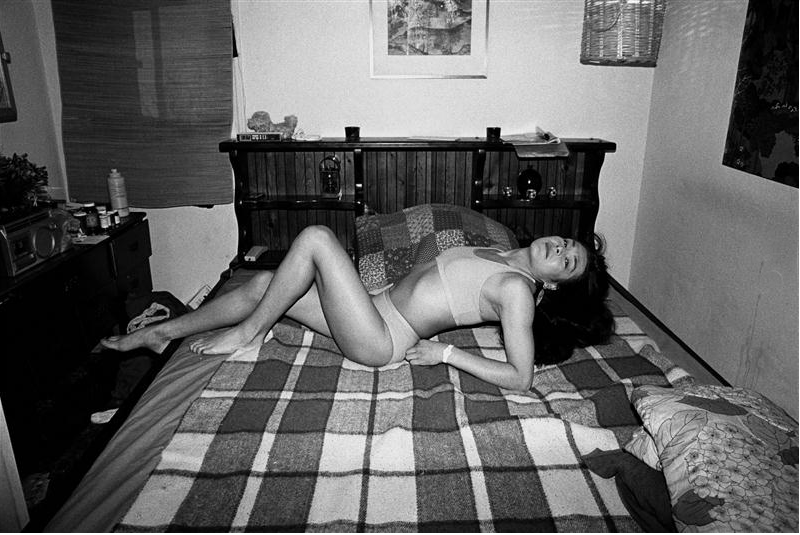
California, 1986–When I pulled off the freeway into San Diego, I had a single twenty dollar bill in my wallet. My car, a 1973 Toyota station wagon, rattled my teeth and died in idle. At stops I had to divide my right foot: heel on the brake, toes revving the accelerator. I had barely enough gas to get back to Los Angeles. See more after the jump....

On El Cajon Boulevard I drove slowly and studied the street walkers. In their eyes I could see desperation-induced madness, premature death. In my eyes they could see my craving for the nasty little secret I kept from friends and family. I could give my twenty dollars to any one of these women. I could buy a quick sex fix and she could buy enough crack to put a smile on her face for an hour or so.

In the passenger seat, belted and buckled, frail and beautiful, my four-year-old son, Dashiell, slept curled around his best friend, a pillow-sized stuffed facsimile of Hulk Hogan. It was Sunday night and my weekend with my little boy was over.

When we arrived at his mother's house, Dash awoke. He cried and clung tightly, arms around my neck. He didn't want me to go. His mother Sylvia, my ex-wife, was happy to see me go, but first she wanted money. I made lame excuses. She called me a jerk and pried our son from my embrace. I took my twenty dollars and drove back to El Cajon Boulevard.

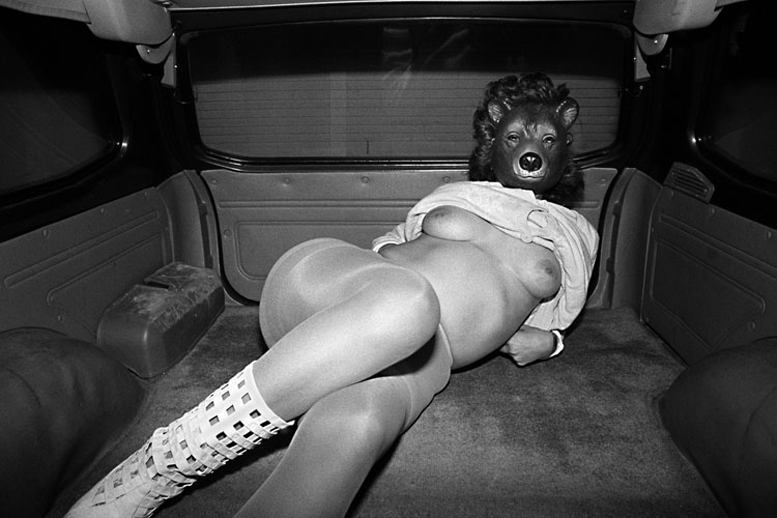
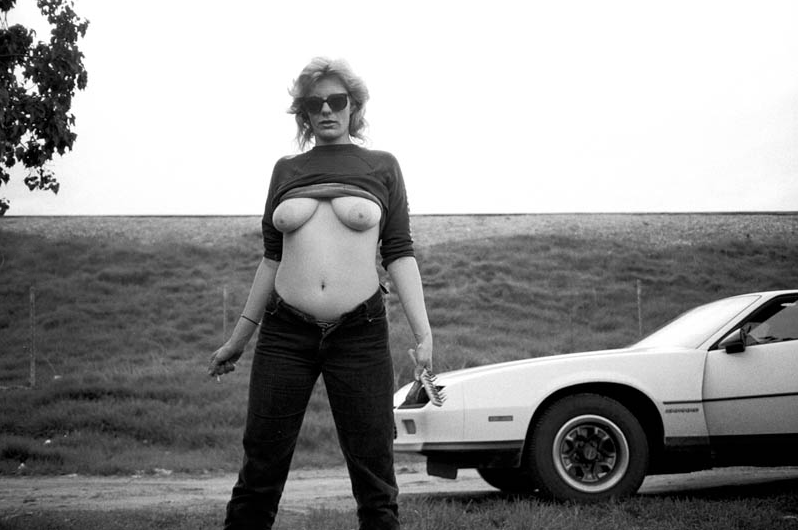
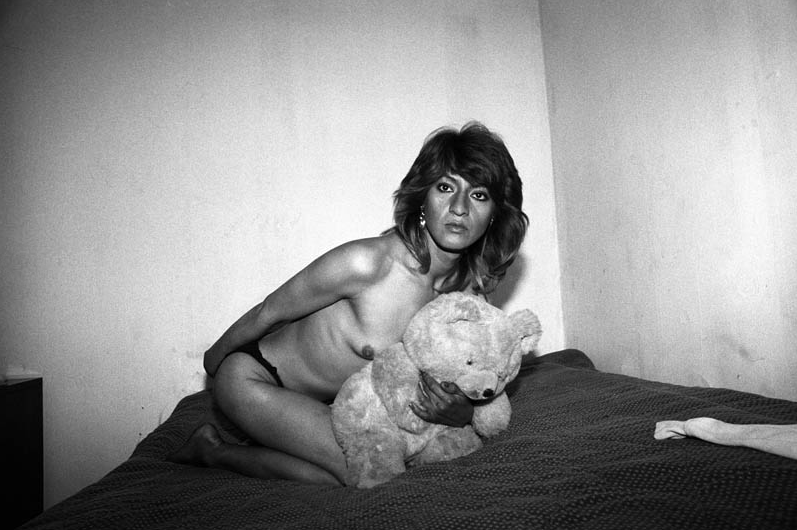
Cruising nighttime byways for an adrenaline high, Scot Sothern first patronized the marketplace of curbside prostitution on a prurient whim. Diving to the murky depths of sexual obsession he resurfaced five years later, shell shocked, and without excuse. While there, trusty Nikon in hand, Scot snapped what he saw: full-frontal X-rated realities, fine-art documents, black and white, pathos and pizzazz.

LOWLIFE is an illustrated diary of dysfunction; the confessions of a befuddled baby-boomer maintaining a precarious connection to propriety and fatherhood while side-tripping into noirish infatuations. These stories and images, shot mostly in Southern California between 1986 and 1990 record the existence of the many disenfranchised Americans, men and women, hawking body and soul for the price of a Big Mac and a fix, struggling in a culture that deems them criminal and expendable.

On view starting November 5 (on view until December 3) at the Drkrm Gallery in Los Angeles presents Lowlife Photographs and Literary Vignettes by Scot Sothern with an opening night book signing of Lowlife the book, a limited edition monograph published by Stanley Barker UK now publishing. 

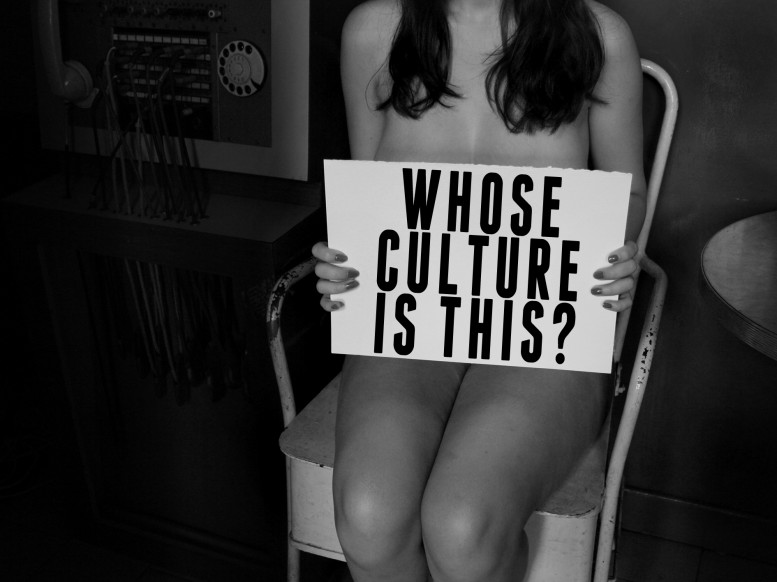
Alice Arisu: Whose Culture is This?

Alice Arisu is a 24 year old artist based in Milan. Her work leans on the powerful ability to communicate with the psychological methods advertising – she is studying Theories and Methods for Communication at the University of Milan – so Arisu uses slogans, in effective, passive protest, to articulate our societal shortcomings – namely the identity of women in the multi-fragmented, exploitive landscape of mainstream media.

I was interested in Arisu's latest series, entitled Who Culture Is This?, which is so apropo to our current zeitgeist, so I asked her what her thoughts were behind this project. Here is what she had to say:

In my previous project, “Sin Cara” (“Faceless” in Spanish, which was created for an exhibition in Madrid), the main idea was to suggest how universal female condition could be by hiding or erasing their faces: women may lose their identity for many different, oppressive influences. The "Whose Culture is This?" series shares the same sentiment, but now I am using black and white photography which I used to love at the very beginning of my “ career”, with its peculiar light and an attempt to lack in perspective. I fuse it with the use of written word, which is inspired by advertisements, but there's no slogan, just sharp sentences and questions, which I hope will lead to reflection as unique way of release.

www.alicearisu.com

Chasing Shadows by Santu Mofokeng

They are strewn like litter across the floor in my office. Others are kept in cabinets, and a few are in frames. Whatever lies, deceptions or promises brought them into being, I wonder. I am referring to the products of my gaze, refracted and reflecting, somewhat muted, not unlike light dancing on the surface of the dirty puddle that is my memory: Images of people in moments of contemplation, performance, confrontation and perhaps celebration. My exploration and participation in the fictions we call relationship and community. And of environments, real and imagined. Insignificant experiences, selected and isolated from tedium, moments reduced to mere appearances, simply as surfaces reflecting light, arrested and stored in the long memory of film. A brooding corpus of so many episodes remembered and forgotten.

This anthology of photographs was initially conceived as a metaphorical biography, though I now have reservations about that conception. The bias for the dark, the bizarre and the allegorical in the work is my entire fault. For, like Ezekiel in the Bible, I embrace the apocalypse. I can easily blame my mother and father for my obsession with meaning and purpose, and the fact that I find beauty without truth unsatisfactory. Except, I suspect the problem lies elsewhere. It is located somewhere between 1956 and now.

These photographs explore a part of me which I have so far neglected in my work, – my spirituality. There are several reasons why it was ignored: ambivalence, embarrassment, fear of the political and other implications or perhaps the deflection of my gaze. This exhibit is an attempt to come to terms with my schizophrenic existence. The expression I take as a title for this exhibition, "Chasing Shadows" has quixotic connotations in English, but in African languages its meaning is antithetical.

"...while I feel reluctant to partake

in this gossamer world, 

I can identify with it."

"Shadow" does not carry the same image or meaning as seriti or is'thunzi. The word in Sotho and Zulu is difficult to pin down to any single meaning. In everyday use seriti or is'thunzi can mean anything from aura, presence, dignity, confidence, power, spirit, essence, status and or wellbeing. The words in the vernacular also imply the experience of being loved or feared. One's seriti / is'thunzi can be positive or negative and can exert a powerful influence. Having a good or bad seriti / is'thunzi depends on the caprice of enemies, witches, relatives both dead and living, friends or associations, and on circumstance or time. Having and defending one's own seriti / is'thunzi from evil forces or attacking the seriti / is'thunzi of one's perceived enemies preoccupies and torments many African people. Those Africans who disdain these notions are at least aware of seriti/ is'thunzi. Especially the elite, when they engage in conversation with white South Africans, they often deny this black African consciousness.

I grew up on the threshing floor of faith. A faith that is both ritual and spiritual – a bizarre cocktail of beliefs that completely embraces pagan rituals as well as Christian beliefs. And while I feel reluctant to partake in this gossamer world, I can identify with it. It does not strike me as 'peculiar'. Yet, I still try to avoid being trapped in its hypnotic embrace, which seems to mock my carefully cultivated indifference and self confidence. I feel ambivalent about my ambivalence, embarrassed at my embarrassment.

This project has steered me to places where reality blended in freely with unreality, where my knowledge of the photographic medium was tested to the limit. While the images record rituals, fetishes and settings, I am not certain that I captured on film the essence of the consciousness I saw displayed. Perhaps, I was looking for something that refuses to be photographed. I was only chasing shadows, perhaps.

Text by Santu Mofokeng, 1997

Santu Mofokeng, Shadow Hunter is on view now at the Jeu de Paume in Paris - The exhibition and the accompanying book bring together a unique selection of the photographic essays made by Santu Mofokeng over the last thirty years. Well-known from his projects Black Photo Album/Look at me: 1890-1900s, Township Billboards: Beauty, sex and cell phones, Trauma Landscapes and Chasing Shadows, the South African artist took the opportunity of the invitation for this show and the production of his first comprehensive monograph, to delve deep into his artistic archive. "Santu Mofokeng, Chasing Shadows – 30 years of photographic essays" presents a selection of more than 200 images (photographs and a slideshow), texts and documents. The photographic essays he composed over the years, some of which are a life-long work in progress, range from the Soweto of his youth, from his investigations of life on the farms, the everyday life of the township and in particular, representations of the self and family histories of black South Africans, to images from the artist’s ongoing exploration of religious rituals and of typologies of landscapes, including his most current project Radiant Landscapes, commissioned specially for this retrospective.

Not So Sad Moon: The Photography of Luna Tristá

Cuban photographer Luna Tristá's photography is a pastiche of black and white popshots of cut up glamor and a nod to a distant, more decadent age.  Her images are sexy as hell without being put on, and the people captured have a seemingly fearless honesty.  But what I like most about Tristá's photographs is the tinge of sadness with romanticism–almost like a visual excerpt from one of Jean Genet's diaries or the aura of the calm background characters of a Toulouse Lautrec painting. "I don't search perfection but the untiring conquest of their monsters. The obscurity, at the same time, is the beauty that seduces" Luna Tristá. "