Beverly Buchanan in Berlin: "Beverly Buchanan. Weathering" @ Haus am Waldsee

text by Arlo Kremen


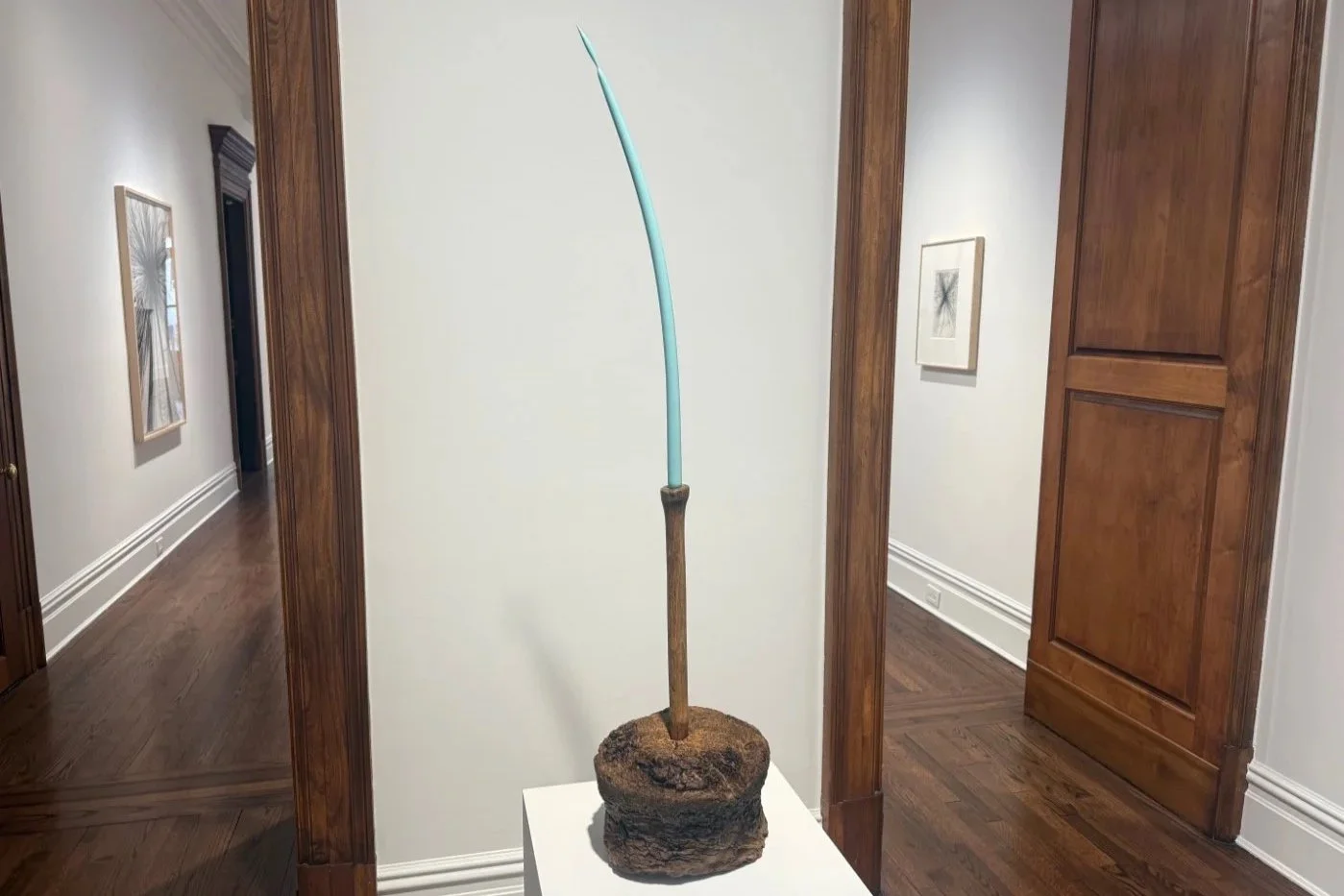
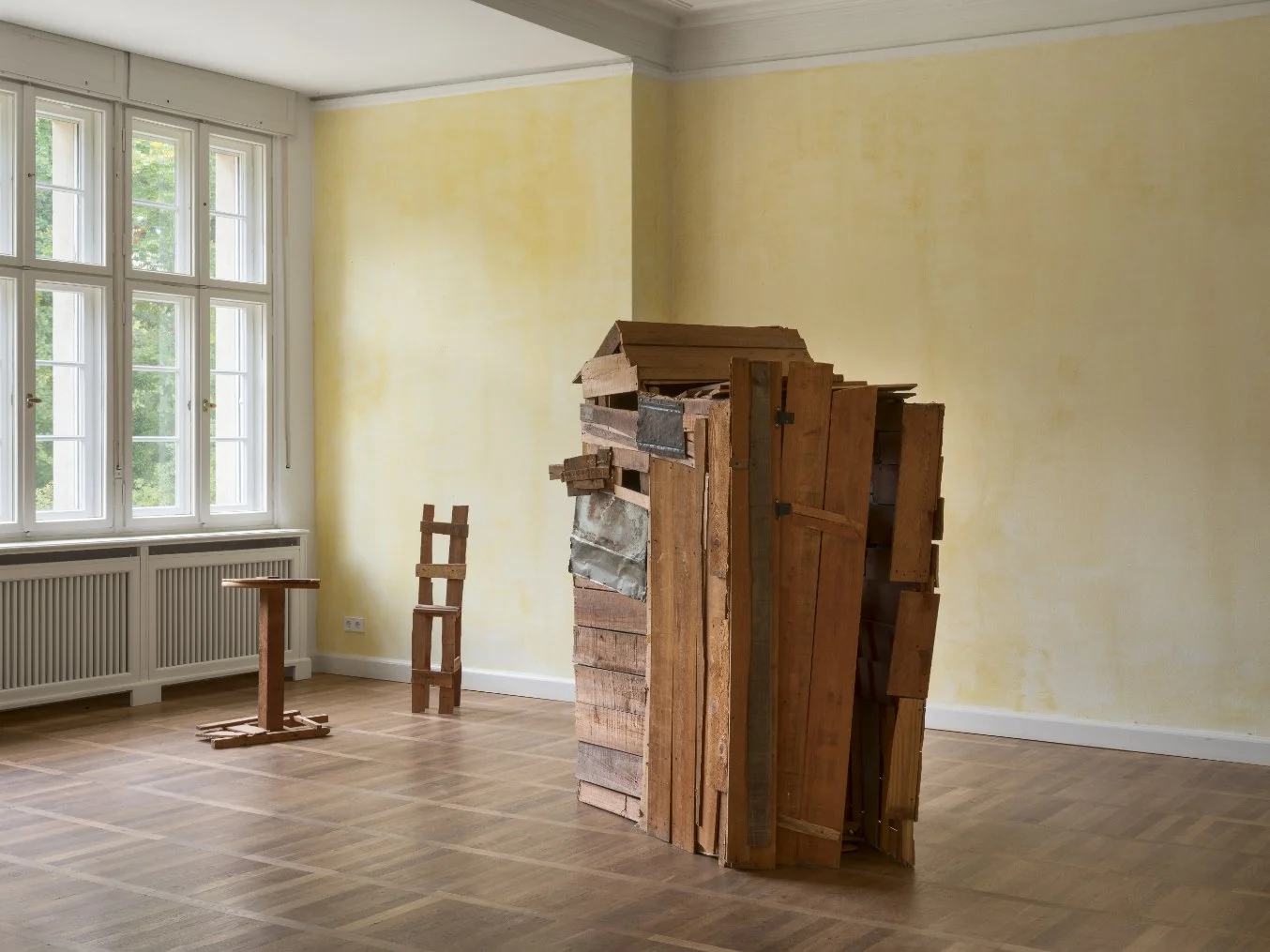
Standing a block away from the last stop of the U3 at Krumme Lanke, Haus am Waldsee, a beautiful residence turned art museum, sits by the Zehlendorf quarter’s local lake, or Waldsee. Haus am Waldsee is the only property on the lake where all visitors are free to access the water, a facet of the institution deeply in line with the ethos of the late Beverly Buchanan’s work. For her “shack” works, Buchanan regularly trespassed onto the grounds of these structures of Southern American vernacular architecture for photos and inspiration, coming face to face with many upset, disgruntled, and irritated homeowners, but also new friends. In this regular practice, she met Ms. Mary Lou Fulcron, a woman who had built her house and lived alone. In an excerpt of the artist’s writing, Buchanan shares how she helped carry logs for Ms. Fulcron, and her challenge of ingratiating herself with an isolated black woman in Georgia, a challenge that had become a regular exercise for the artist. From her brief diary entry pinned up in the show, Ms. Fulcron meant a lot to Buchanan. A woman of endurance, who, when hospitalized, escaped back to her house on foot, ten miles away, scared something would happen to her home.

These are the stories Buchanan saw in every shack she came across, with many of these structures being somewhat-restyled slave cabins. She saw power, endurance, and survival in each and every one. When speaking to curators, Beatrice Hilke and Pia-Marie Remmers told another story of Buchanan entering a home at night without a roof. All she wrote about was how clear the stars were. She never came to a home with judgment, critique, or patronizing worry; she came to these homes as if they were art objects—monuments to those who live and have lived in them.

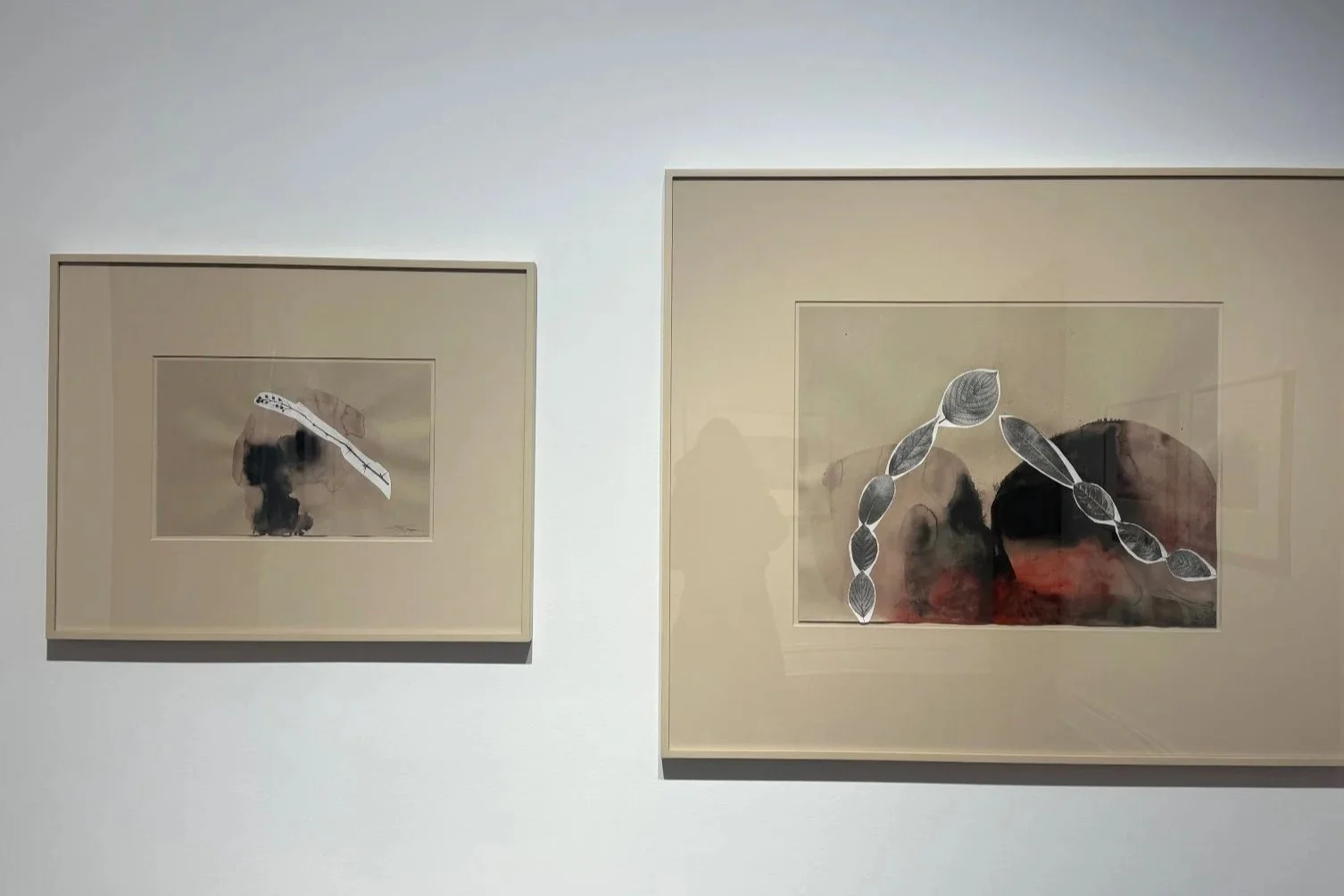
Beverly Buchanan
Three Families (A Memorial Piece with Scars) [with legend], 1989
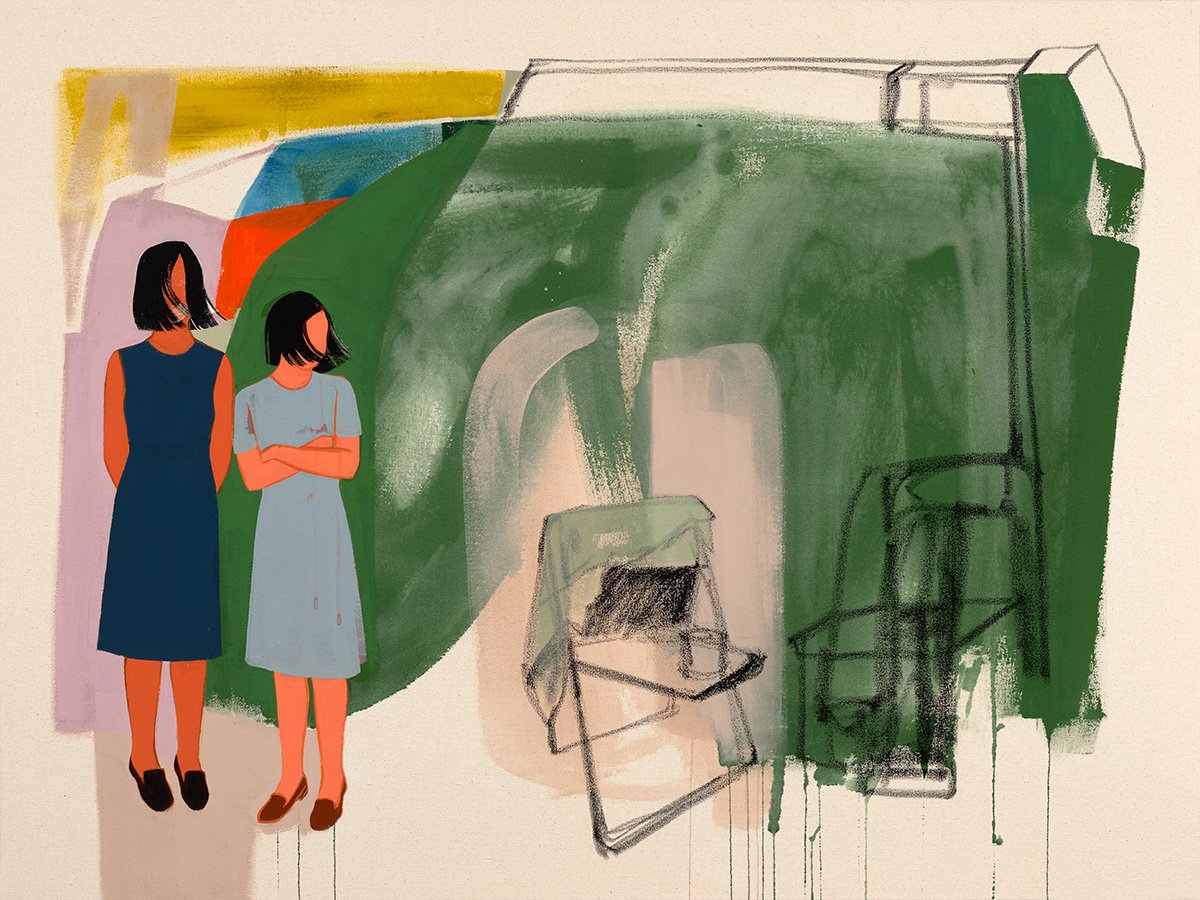
Print on paper
10 x 23 cm
Courtesy of the Estate of Beverly Buchanan and Andrew Edlin Gallery

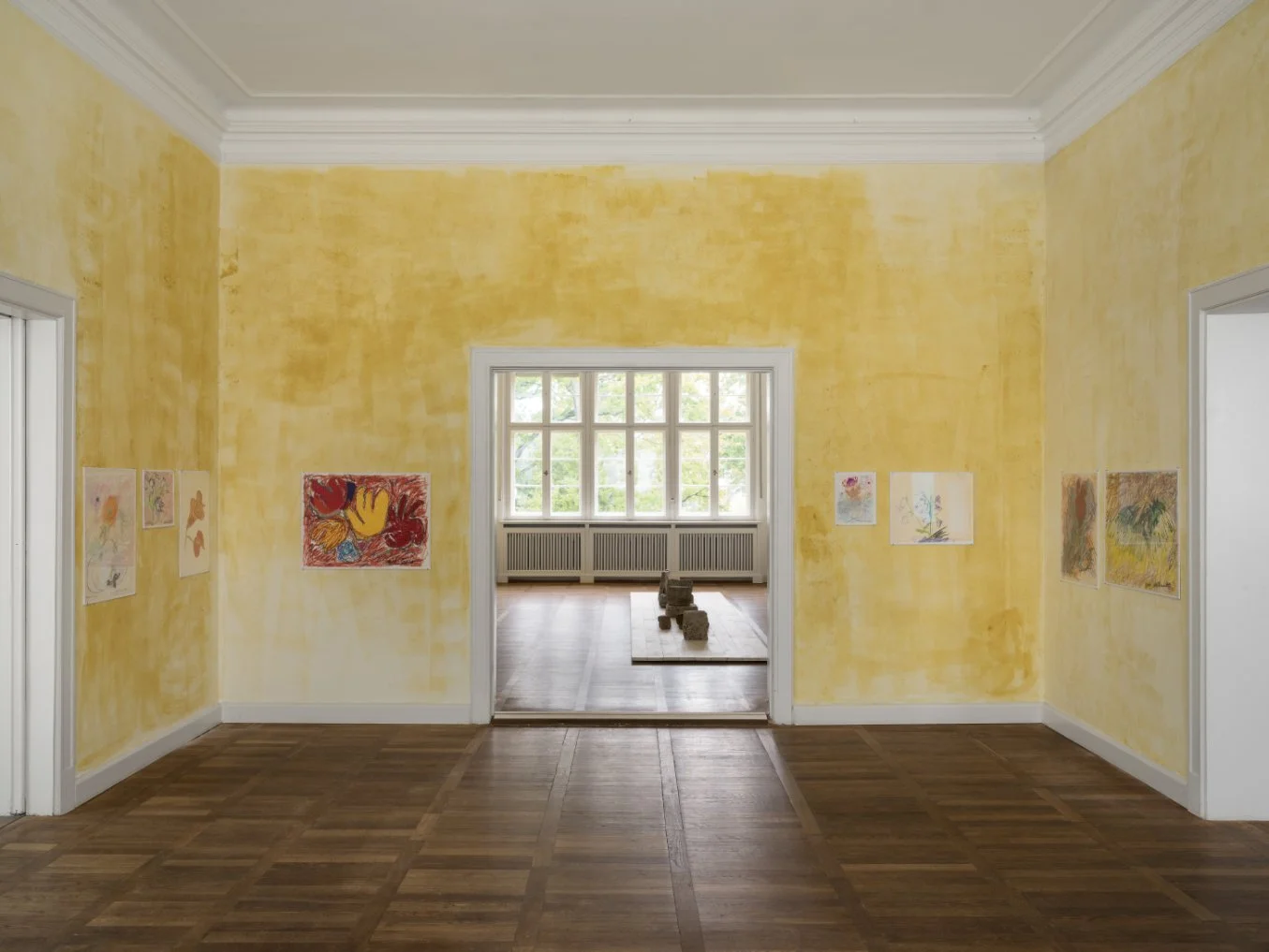
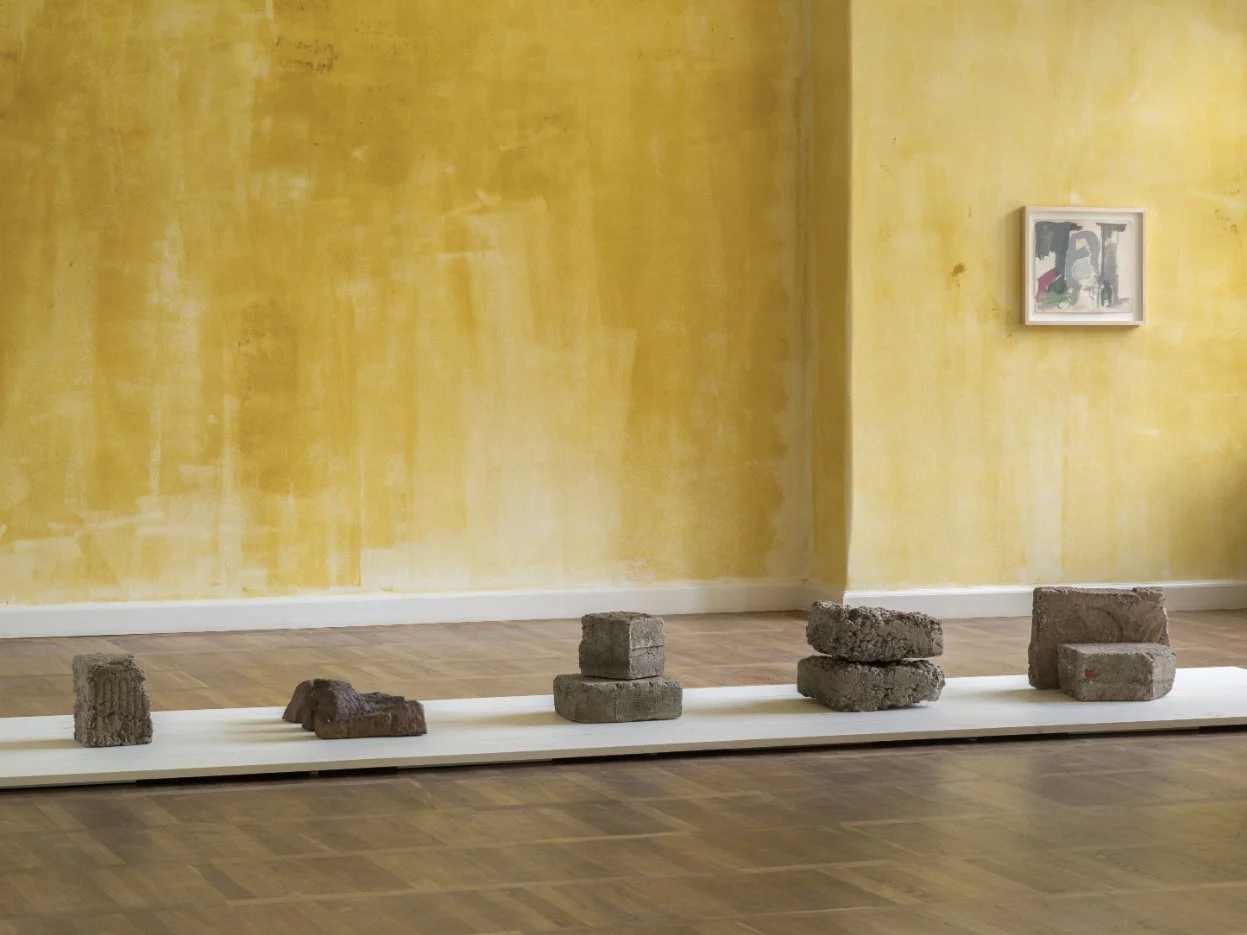
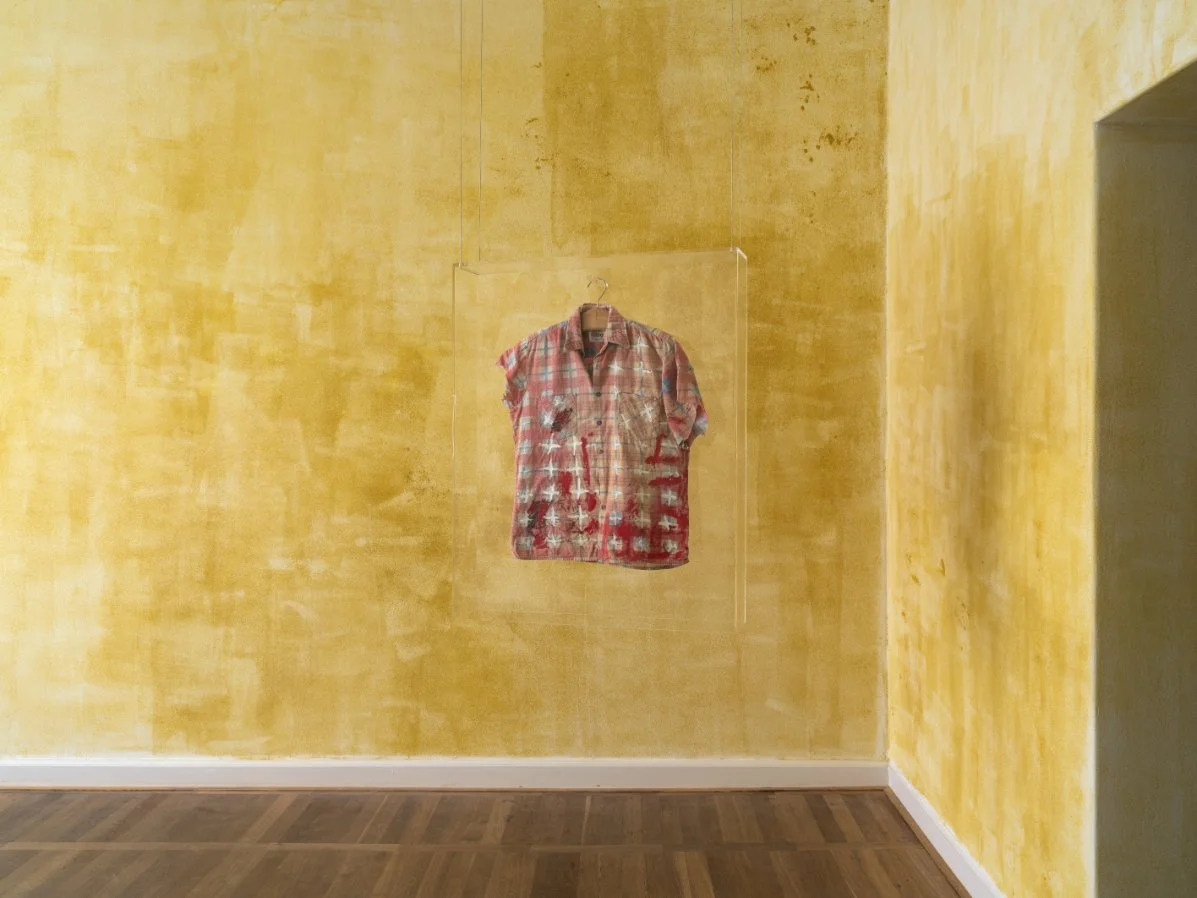
Ima-Abasi Okon made two accompanying works to the show. The first involved lockboxes outside the premises that take visitors to the lake and onto the private property around the museum. In these lockboxes are lube and organic materials. Lube is a substance to bring an object into a space where it does not belong. With its sexual connotations, the interaction between foreign object and intruded upon space can be procreative and pleasurable, referring to Buchanan’s trespassings and their paramount role in her practice. The other works Okon made were wall paintings covering every inch of wall with pollen. Titled Sex (2025), the walls are streaked yellow, bringing the materiality and smell of the outside inside. Here, Okon submits the walls to environmental degradation, a frequent technique of her more labor-intensive sculptural works. With a title like Sex, Okon also propounds this feature of her work as similarly pleasurable and procreative. 

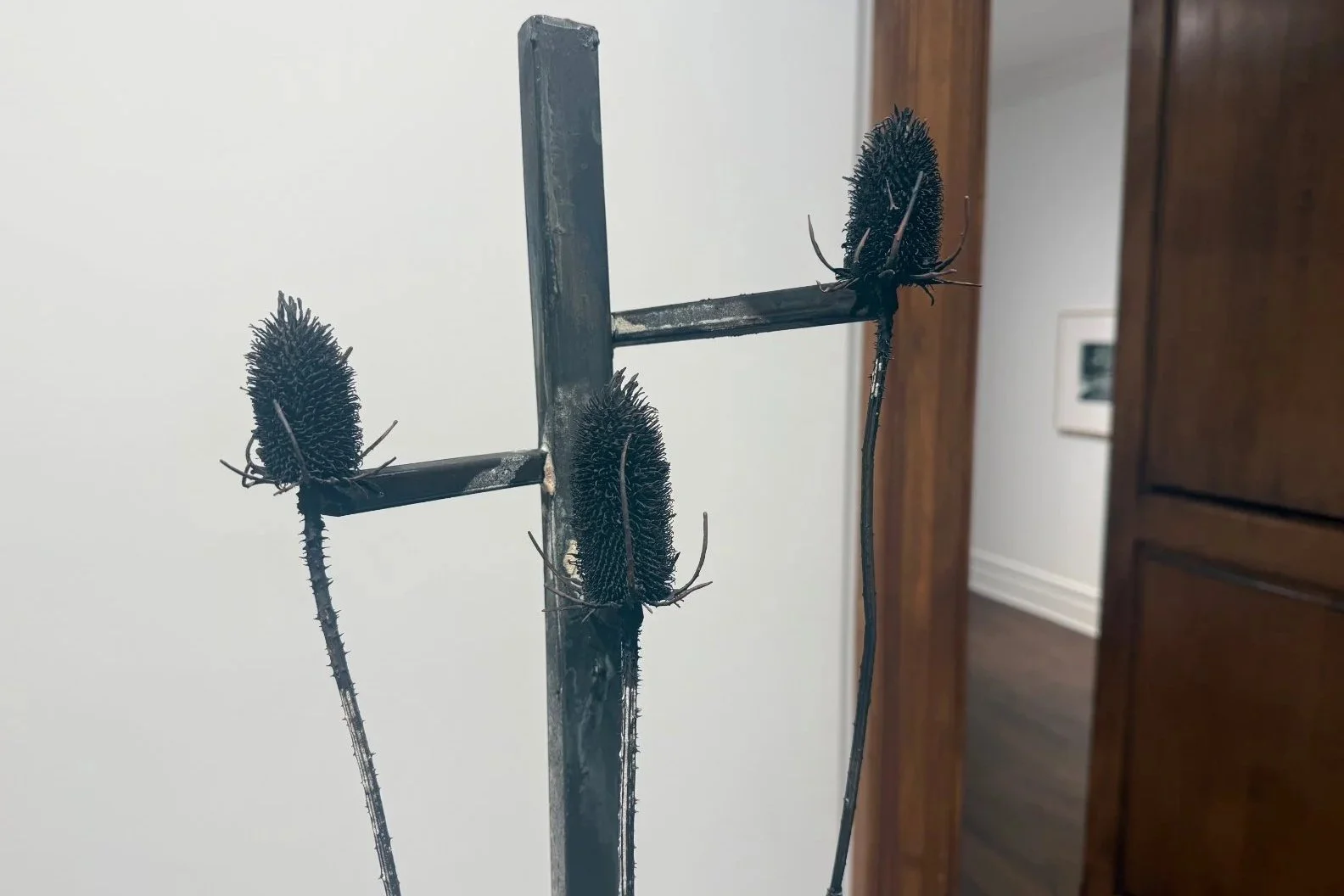
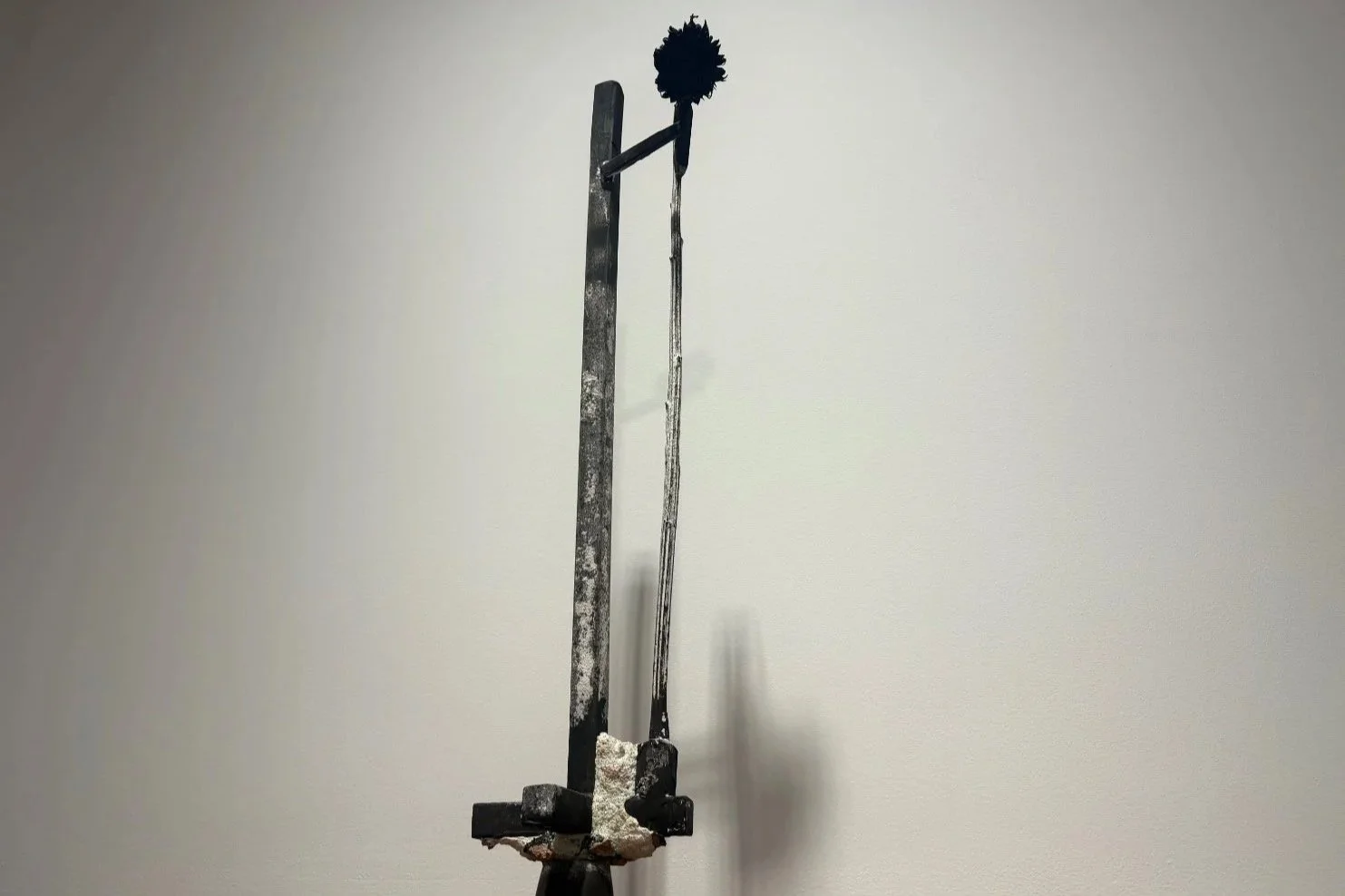
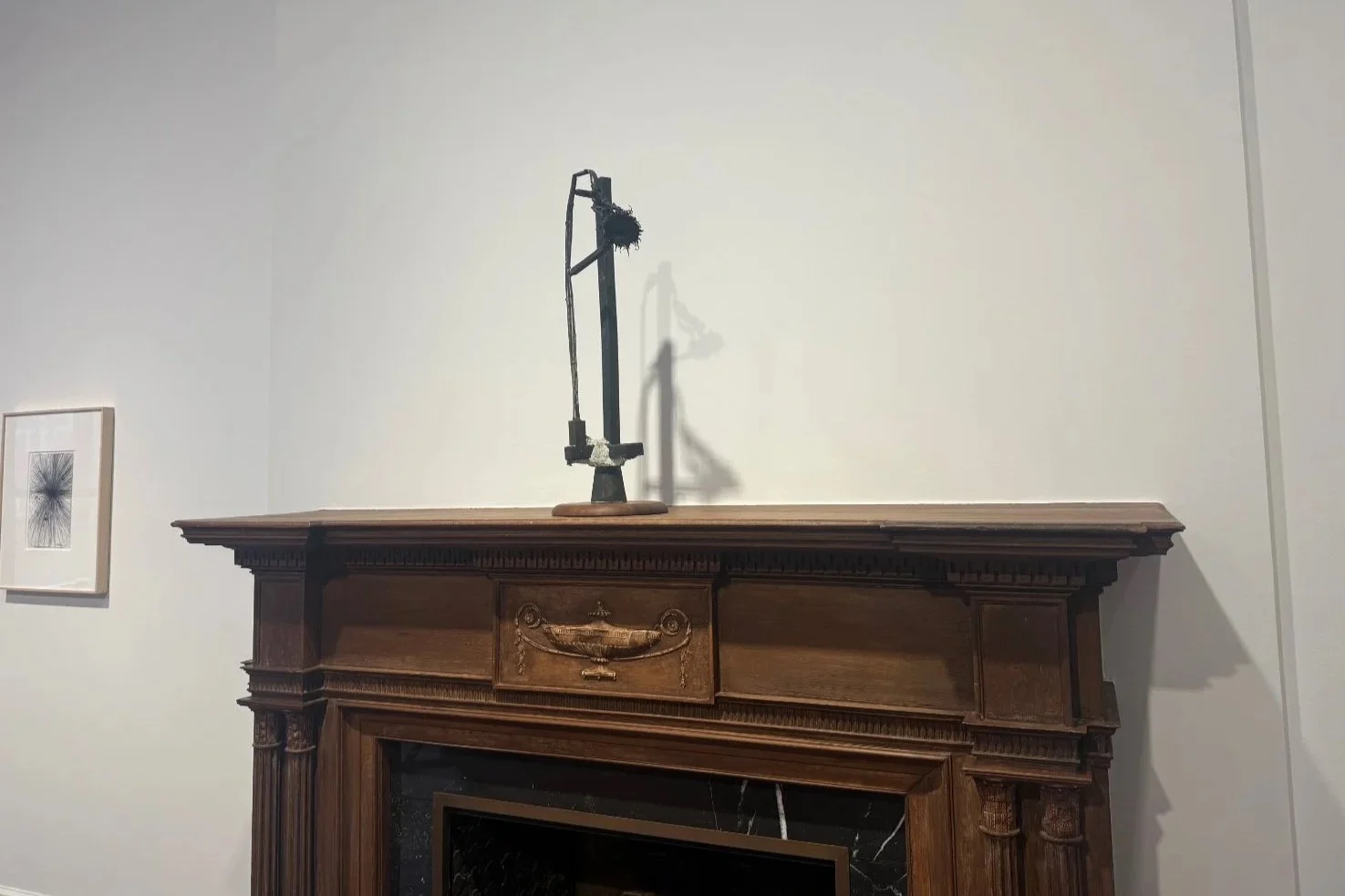
A common misconception of Buchanan’s oeuvre is that she is an outsider artist. However, the artist had been exhibited at A.I.R. gallery alongside contemporary and friend Ana Mendieta and started out as an abstract expressionist under the tutelage of Norman Lewis. Buchanan was trained as an insider. Her works are of the trends of her time, land art, conceptual art, and post-minimalism, but her works have a D.I.Y. inflection to them. Her shacks, alongside her other wooden construction pieces, are undeniably in conversation with the folk art of the South. According to Buchanan, she always “made things,” never really understanding her creations as art objects until later. She began her professional life in medicine, studying parasitology at Columbia University, which brought her to New York, where she eventually connected with the Art Students’ League. 

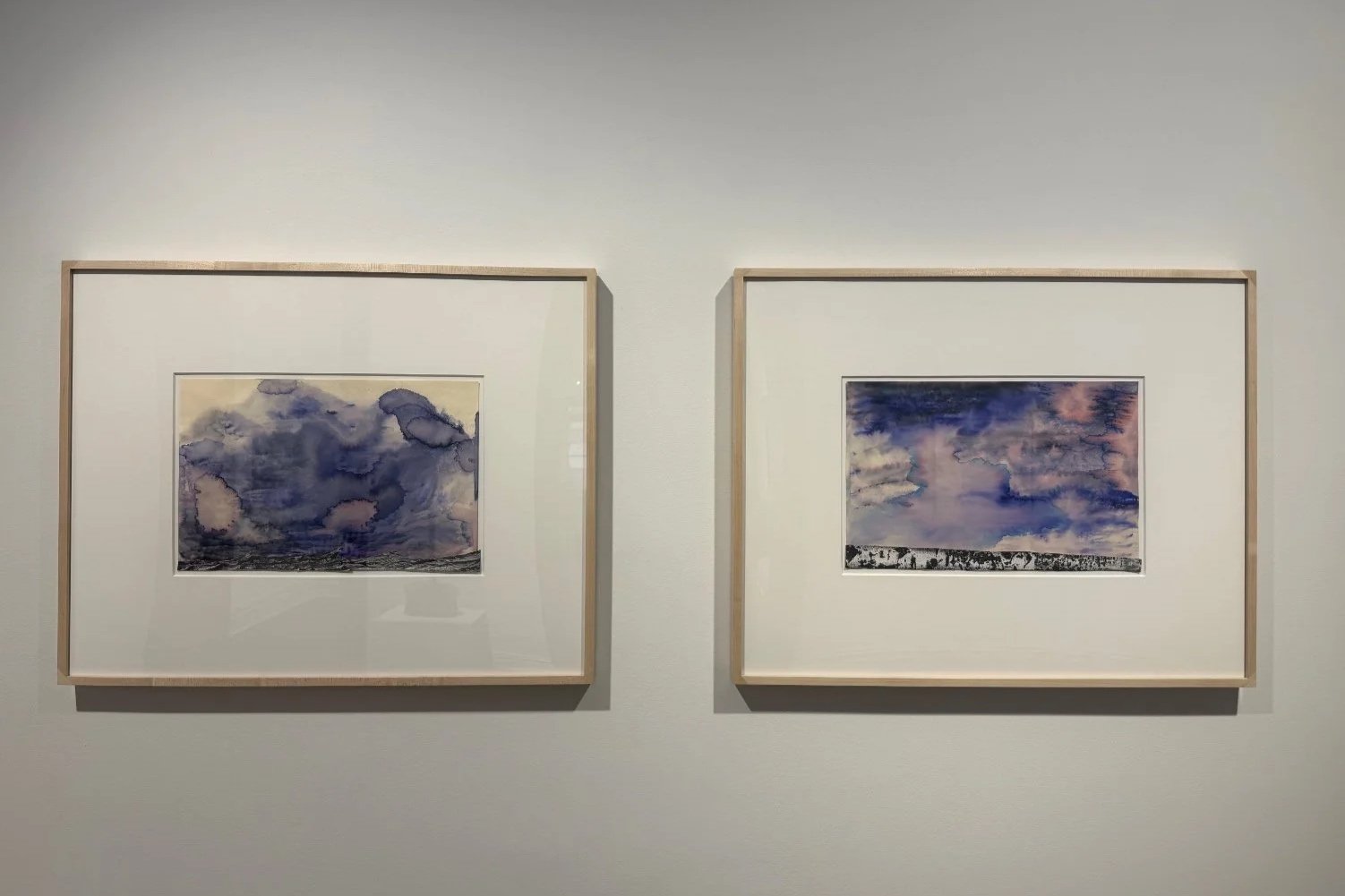
Beverly Buchanan,
Lamar County, GA, 2003
Oil pastel on paper
56 x 76 cm
courtesy of the Estate of Beverly Buchanan and Andrew Edlin Gallery

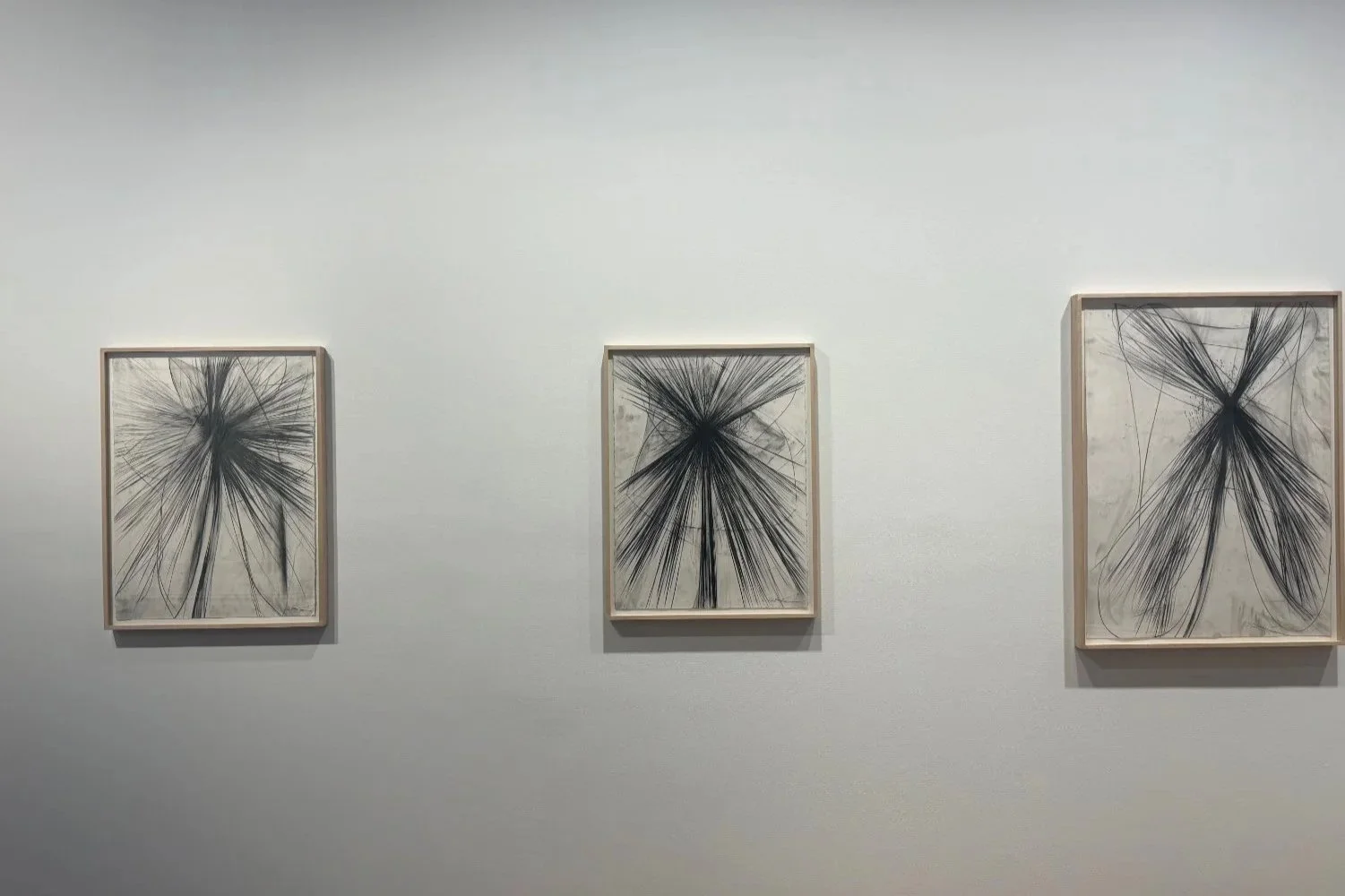
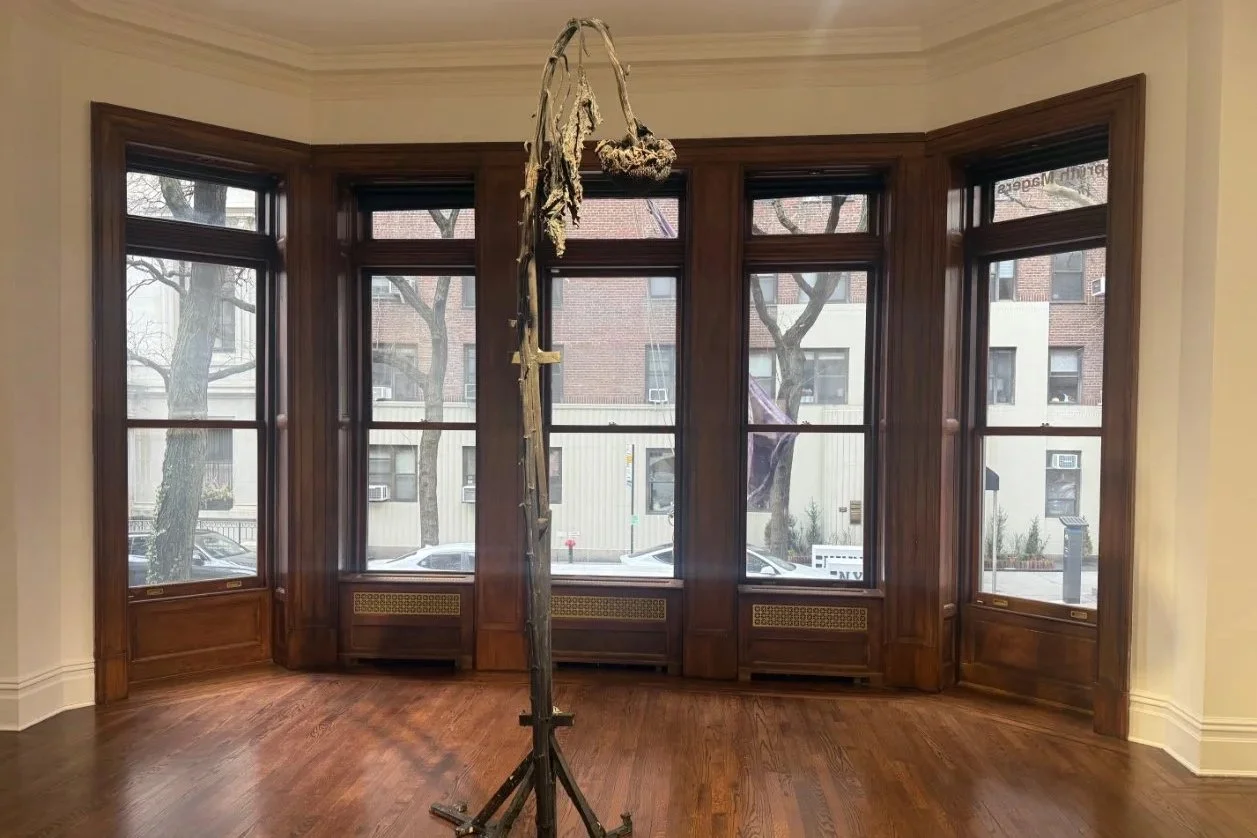
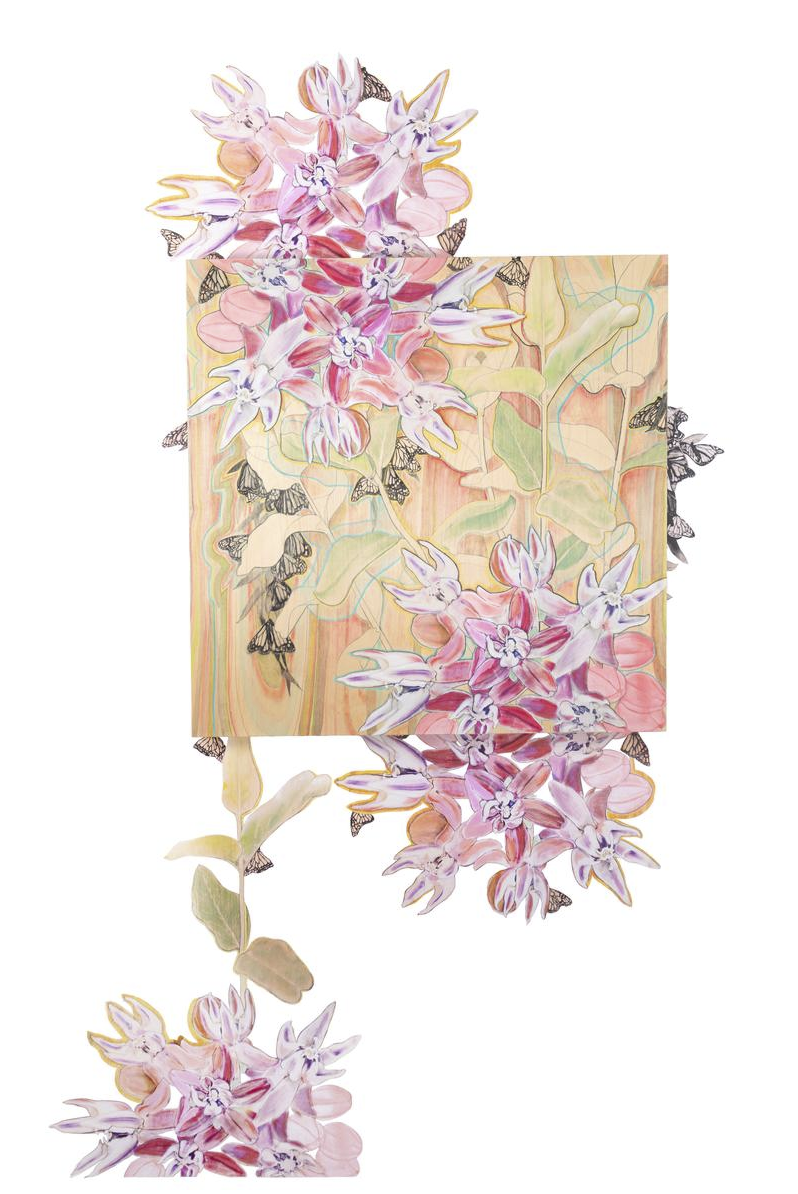
The artist suffered from several chronic illnesses, having stacks of medical bills to pay at any given time. To pay these bills, Buchanan sold many of her works for the exact prices of different bills, spreading her work across a plethora of private owners in and outside of Macon and Athens, Georgia. Hilke and Remmers, doing research in the state to prepare for this show, ventured into many homes only to find different Buchanan works on unassuming walls and tables. All of her flower works exhibited in the show came from these homes. The flowers were put together by Okon, offering a contrasting side to the artist, who, in adjoining rooms, has her still sculptural works. One such room includes her monumental frustula, cement sculptures whose molds she made from bricks and found materials like milk cartons. The frustula works, while many being of different cement mixtures, all have a timeless, enduring quality—shaped by time. The flowers, on the other hand, are electric. Quick, loose-colored scrawlings across paper build up a shape that could be called anything but still lives. Her shack pastels have an identical effect. Often exhibited with the shack sculptures, the curators made the decision to show the pastels on the second floor, overlooking the sculpture garden. By separating pastels from sculptures, both mediums could stand autonomously, the curators prevent the unfortunate hierarchy that tends to favor the shack sculptures as the more prominent representations.

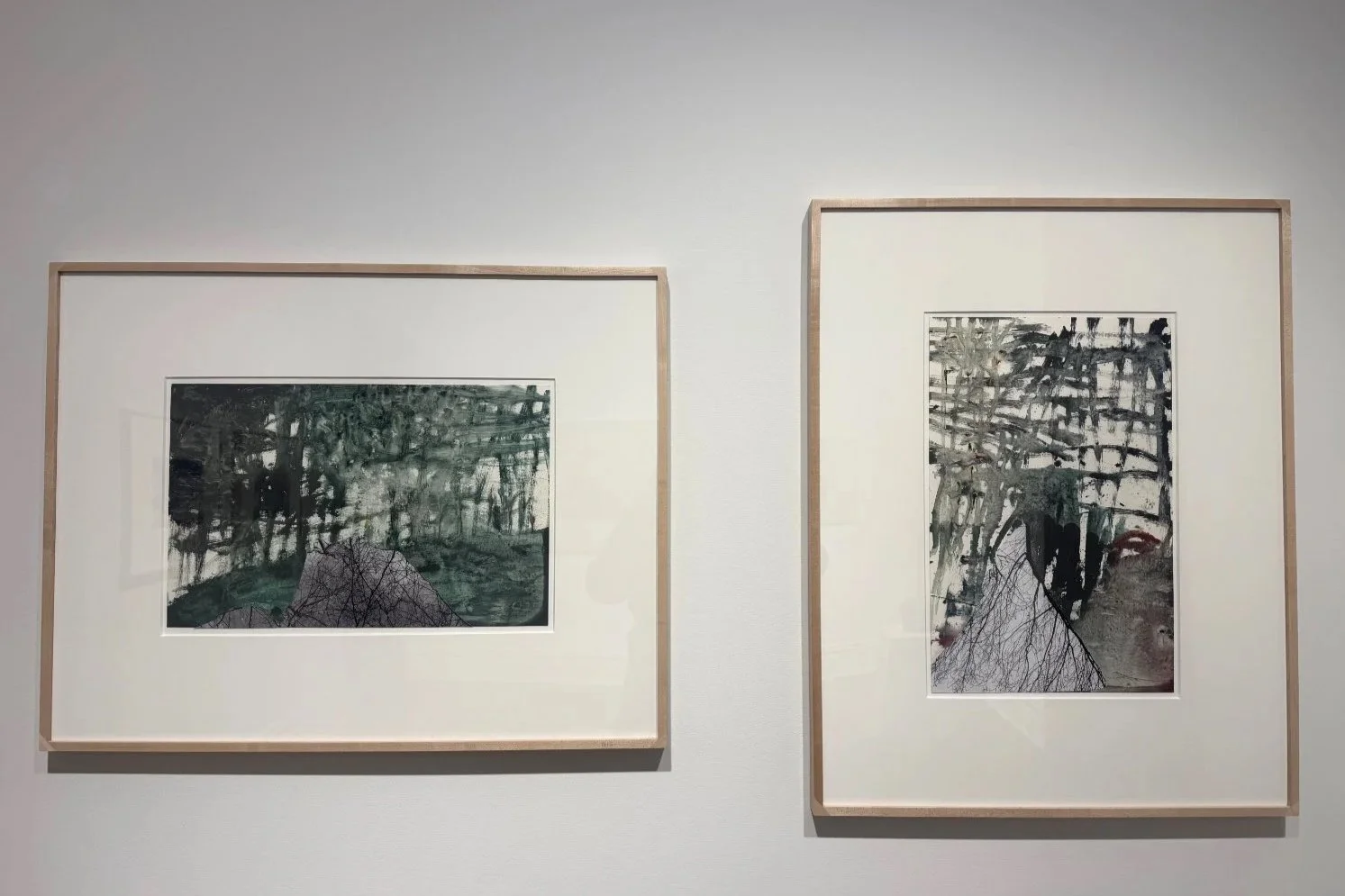
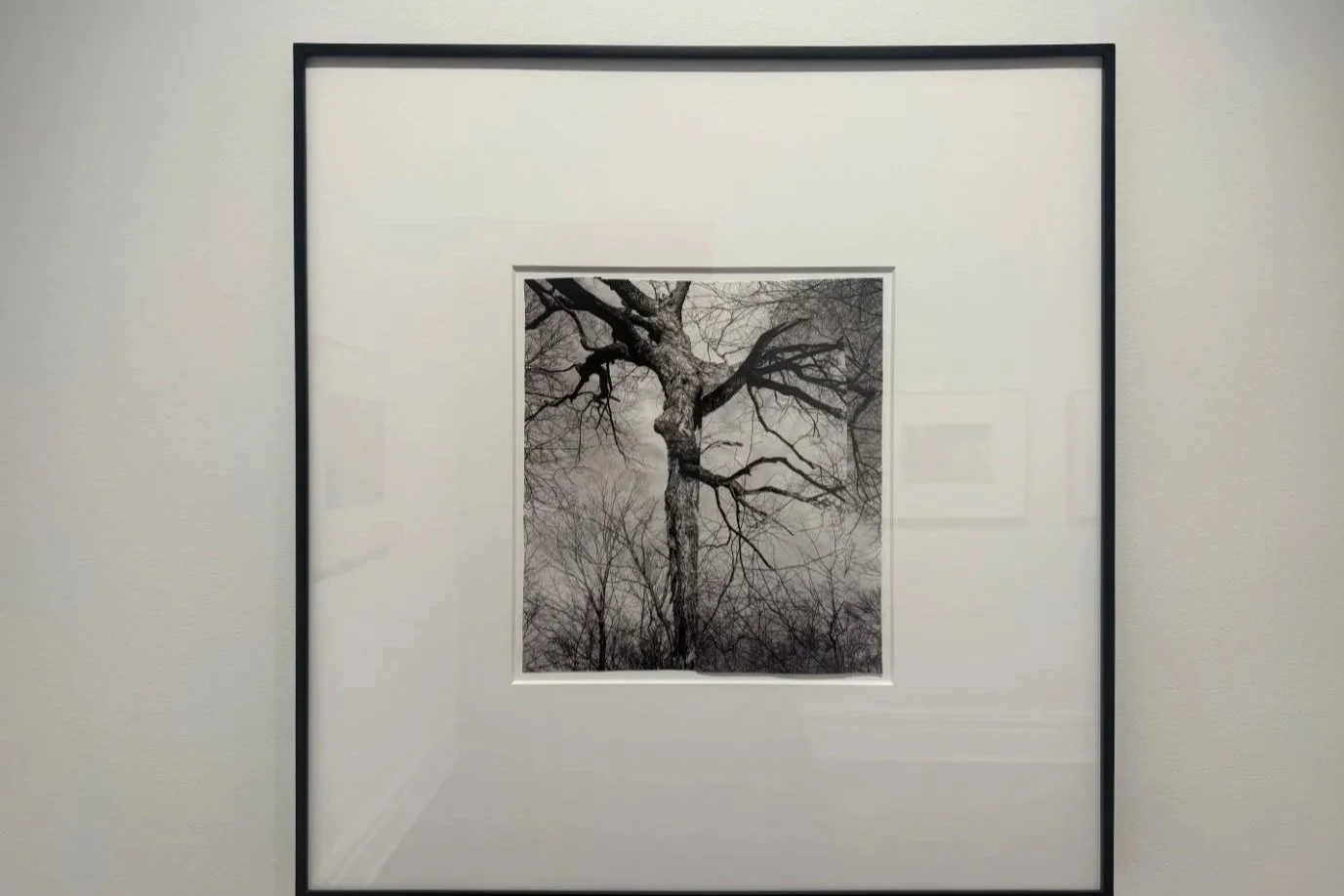
Beverly Buchanan
Untitled, 1978—1980
Print on glossy paper
20 x 25 cm
Courtesy of the Estate of Beverly Buchanan and Andrew Edlin Gallery


Beverly Buchanan. Weathering took a very gentle, nuanced approach to the wide-ranging work of Beverly Buchanan, permitting her work to breathe and soak up the space as individual works and as series, while simultaneously forwarding the artist’s massive archive. Buchanan had a rigorous documentation process—photos, writings, poems, and drawings—spread by the stairwell on the second floor, situating her ephemera as a prime feature of her practice. Her archiving instinct became of sizable importance to her Marsh Ruins (1981). For this land piece on the coast of Georgia, Buchanan built a memorial to the enslaved people who, once landed on American soil, raced to the water and drowned as an act of return to their homes. Funded by the Guggenheim grant, Buchanan worked with a few other laborers to make tabby stones that blend into the swamp landscape, becoming nearly unrecognizable as human-made objects. Shown as a slideshow, the recording covers the correspondence between the artist and the Guggenheim, the work proceeds through the day-by-day photographic coverage with supplementary captions taken by the artist to prove the project was completed. Although not necessarily Marsh Ruins, the work shown is an artwork in its own right, turning bureaucratic processes into a creative act. Beverly Buchanan. Weathering showcases a nuanced approach to Buchanan’s work, all while giving visitors a glimpse into her mind to reveal a singular person who stretched her art into every corner of her life.


Beverly Buchanan. Weathering is on view through February 1st @ Haus am Waldsee, Berlin.

Walter de Maria’s New York Earth Room Is an Unchanging Link to Nature in an Ever-changing City.

Walter De Maria, The New York Earth Room, 1977. © The Estate of Walter De Maria. Photo-John Cliett, Courtesy Dia Art Foundation

text by Isabella Bernabeo

I buzz myself in and start to walk up a narrow, rickety old staircase inside an old New York City building located at 141 Wooster Street. A pungent smell greets me as soon as I hit the second floor and turn to enter the exhibit. That’s when I see it. Mounds of dirt thrown inside an apartment’s meant-to-be living room. It’s an unusual sight, and it causes me to think, what am I supposed to make of this?  

Built in 1977, The New York Earth Room has been hidden behind a Soho door for nearly half a century. Walter de Maria installed the piece on the second story of German art dealer Heiner Friedrich’s gallery and apartment building, where it still lies to this day. 

The exhibition contains a white room filled with 250 cubic yards of unsterilized dirt, 22 inches deep, across 3,600 square feet. Originally, the exhibit was intended to last only three months, but it remained on display indefinitely. 

The New York Earth Room wouldn’t be what it is if it were placed in a small town in the middle of the rural Midwest. It’s the fact that it is installed in such a fast-paced city that makes the experience special, especially in the middle of Soho, where materialism and consumerism are practically the only things on visitors’ minds.  

This artwork forces its visitors to slow down and take in their surroundings. The dirt is slow and unwavering, offering a relaxing getaway from the bustle of activity outside. Yet, it is also quite surprising and provocative to witness so much dirt thrown inside a room, where it is so quiet that all one can hear is their own breath.   

The space is not just for tourists. New Yorkers who love hiking and camping also find meaning here. The piece provides locals with an escape from the city’s constant chaos. It is very much a sanctuary space. Spaces like this are hard to find without taking the Metro-North upstate.

As such, it fits perfectly in the city’s melting pot. It proves that anyone can belong. 

Maria himself never commented on the meaning of this piece, wanting each person to create their own connection. However, it’s notable that the Earth Room was installed only a few years after the United States Environmental Protection Agency was formed. And just a few years prior to that, Rachel Carson’s Silent Spring was released. This was a time when environmental awareness was exponentially on the rise. I’d like to think that this piece has been preserved to represent humanity’s obligation to care for our own Earth.  

This context adds to the artwork’s significance. However, this wasn’t Maria’s first or even second Earth Room installation.

Maria had actually built the first Earth Room in Munich, Germany, in 1968, and the second one was made in Darmstadt, Germany, in 1974, both of which were temporary exhibits that were dismantled after a few months. 

Maria died in 2013, and since then, Bill Dilworth has been the face of The New York Earth Room through the Dia Art Foundation, founded in 1974 by Friedrich. Dilworth cares for and maintains the exhibit by constantly watering, raking, and weeding the dirt, and even cleaning mold off the walls. 

Visitors can see The Earth Room Wednesday through Sunday between the hours of 12:00-3:00 pm and 3:30-6:00 pm for free. People can ring the bell to be buzzed into the apartment and make their way to the second floor for viewing. Photography is not permitted.

A 360-Degree David Attenborough Experience @ the Natural History Museum

text by Poppy Baring

Often described as a national treasure, David Attenborough acts as a grandfather figure to those who have watched his explorations across our planet, a wise adventurer who always talks with warmth and kindness while discussing a subject that is ever-growing in its melancholy. Our Story is a fifty-minute, immersive cinematic experience that takes visitors through the start of human life, to our present, and ends with a hopeful prediction of our future that can be achieved if we are willing to work together.

As summers pass, natural disasters persist, and the world’s balance seems so completely off-kilter in more ways than one, this experience, which explains the development of life and the continuous redevelopment of our world and its inhabitants, leaves your chest tight and heavy with emotion.

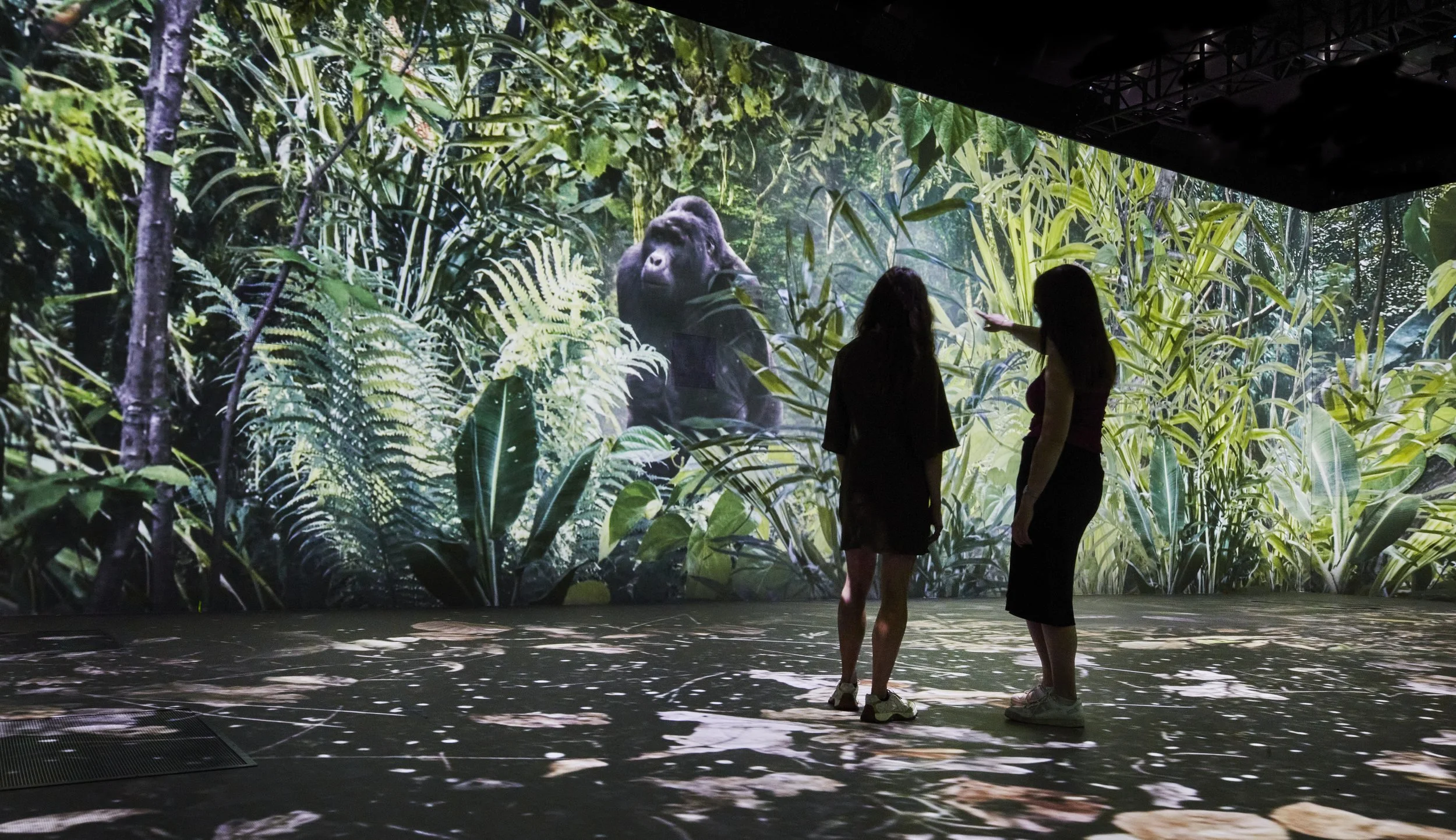
Audiences take their seats in a room full of stars projected onto the surrounding walls. The Hunger Games effect of a room made out of pixels is only felt while waiting for the show to begin. Once it does, you no longer feel surrounded by computers, but are traveling through space with the spark of life fully ignited. Stars begin to pass you, as do galaxies and planets, until we pass over the moon and reach our planet.

What is our significance? Attenborough asks. We are significant because the Earth is significant and the Earth is significant because of us, he answers. Earth is the only planet we know of that thrives in the way it does. Once unable to support life because of its unstable climate, Earth changed when temperatures became predictable and microbes expanded in their complexity. With every asteroid attack, to which Attenborough explains there have been at least six that have led to mass extinction, the last of which was 66 million years ago, our planet rebuilds, and with it so do new biospheres.

After coming face to face with gorillas, being immersed amongst hunter-gatherers, and being told the hopeful story of how great blue whales were saved from extinction, we are brought back up into space with humans’ first mission beyond the atmosphere. This was the moment we gained perspective and the first time humans saw Earth from afar, allowing us to see our home as vulnerable and finite.

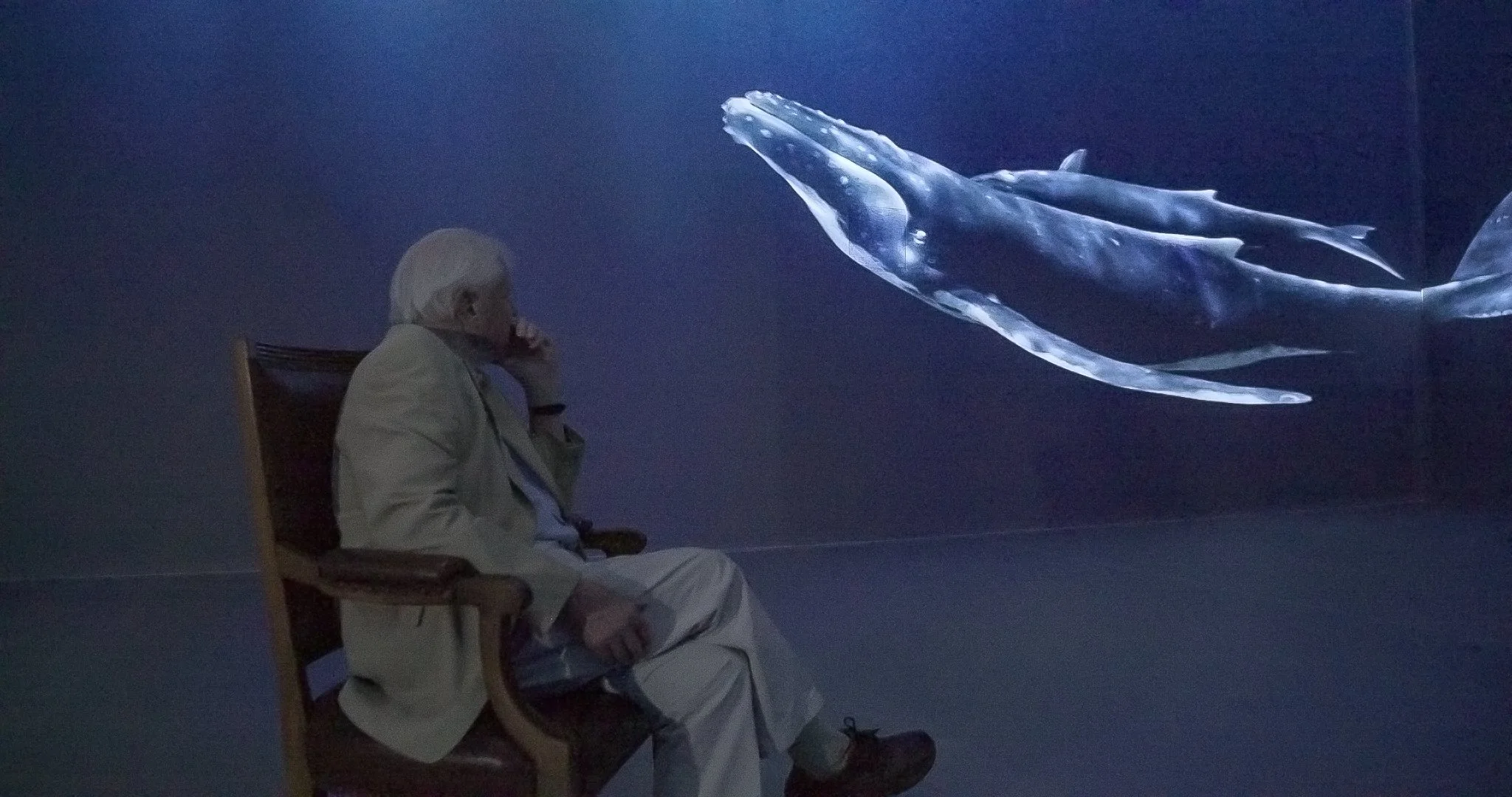
Somehow, this perspective, described by astronauts as “the overview effect,” has not been enough to create an adequate change in our behaviors, and today we ourselves are responsible for disrupting Earth’s balance. The show, however, ends with a hopeful message: we can make a difference. We are all important, and there has never been a more exciting time to exist on this planet. David Attenborough sits in a chair to talk face to face with visitors, and there is a feeling that when he is no longer here, the hope that he brings to this conversation will fade, and we will all be left fully responsible, with no grandfatherly comfort to soften our fate.

Our Story is on view through January 2026 at the Natural History Museum, Cromwell Rd, South Kensington, London SW7 5BD

Willfully Surrender to the Chaos of Nature in Tali Lennox's Tremors @ Nicodim in Los Angeles

In her first solo exhibition with Nicodim, artist Tali Lennox enlists erupting volcanoes, glowing forests and mystical landscapes to explore the pleasure of submitting to the chaos and the power of nature. Tremors finds a range of female bodies in varying states of capitulation to an onslaught of mother nature’s harshest elements, finding common ground between internal and external states of disorder.

Originally inspired by the German anthology of illuminations Das Wunderzeichenbuch: The Book of Miracles, this collection takes the lead from the book of Renaissance paintings that depict both biblical and folkloric tales with a decidedly apocalyptic flair.

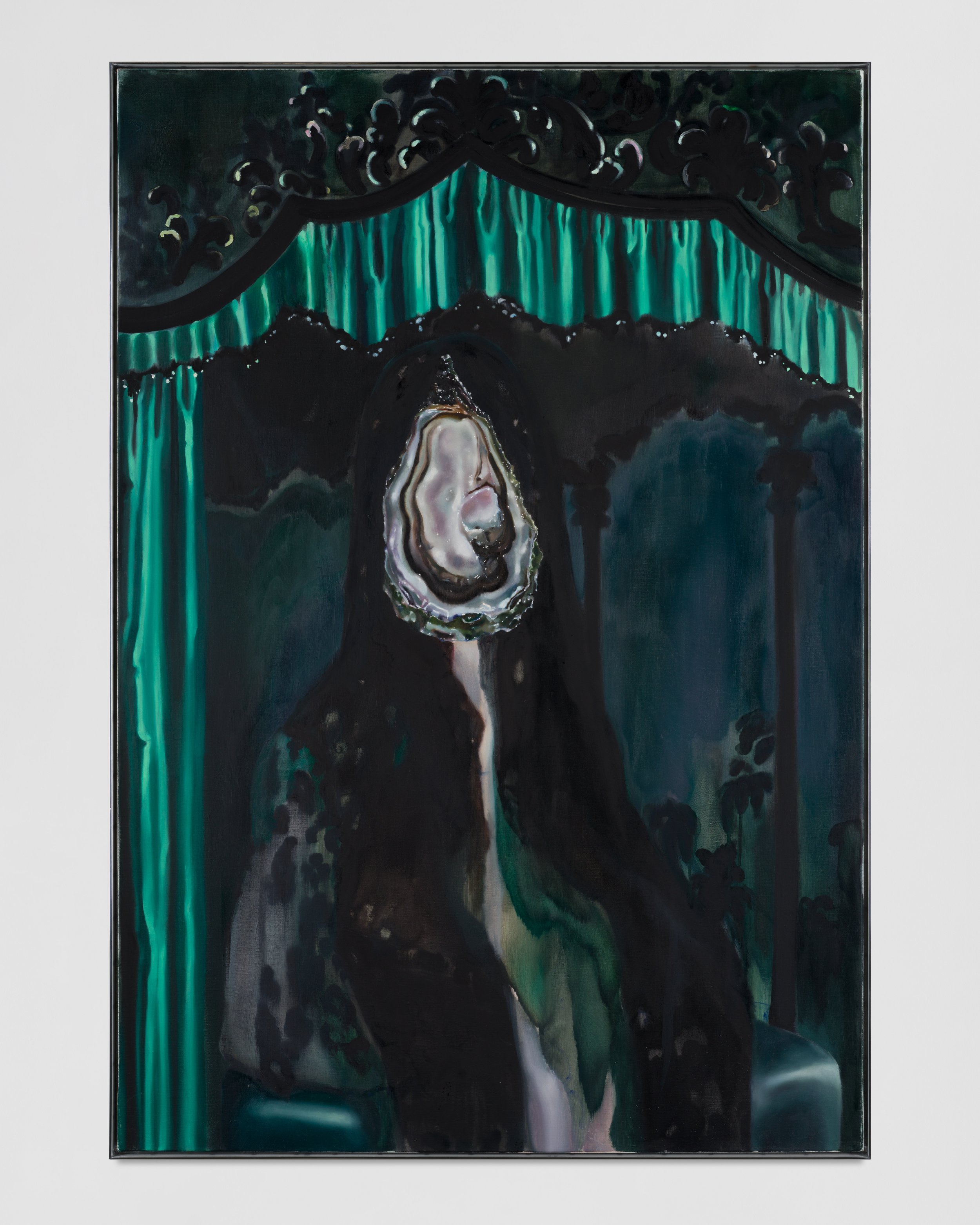
Shells and oysters proliferate the canvases, appearing sometimes as ominous hallucinations and at other times morphing directly into the features of the painting’s subjects, symbolising a surrender and a fusing to nature.


Tremors is on view through April 6 @ Nicodim, 1700 S Santa Fe Avenue #160 Los Angeles, CA 90021

[REVIEW] Nurturing Nature in Lost Wild: Art on the Edge of the Anthropocene @ Whitney Modern in Los Gatos

text by Chimera Mohammadi

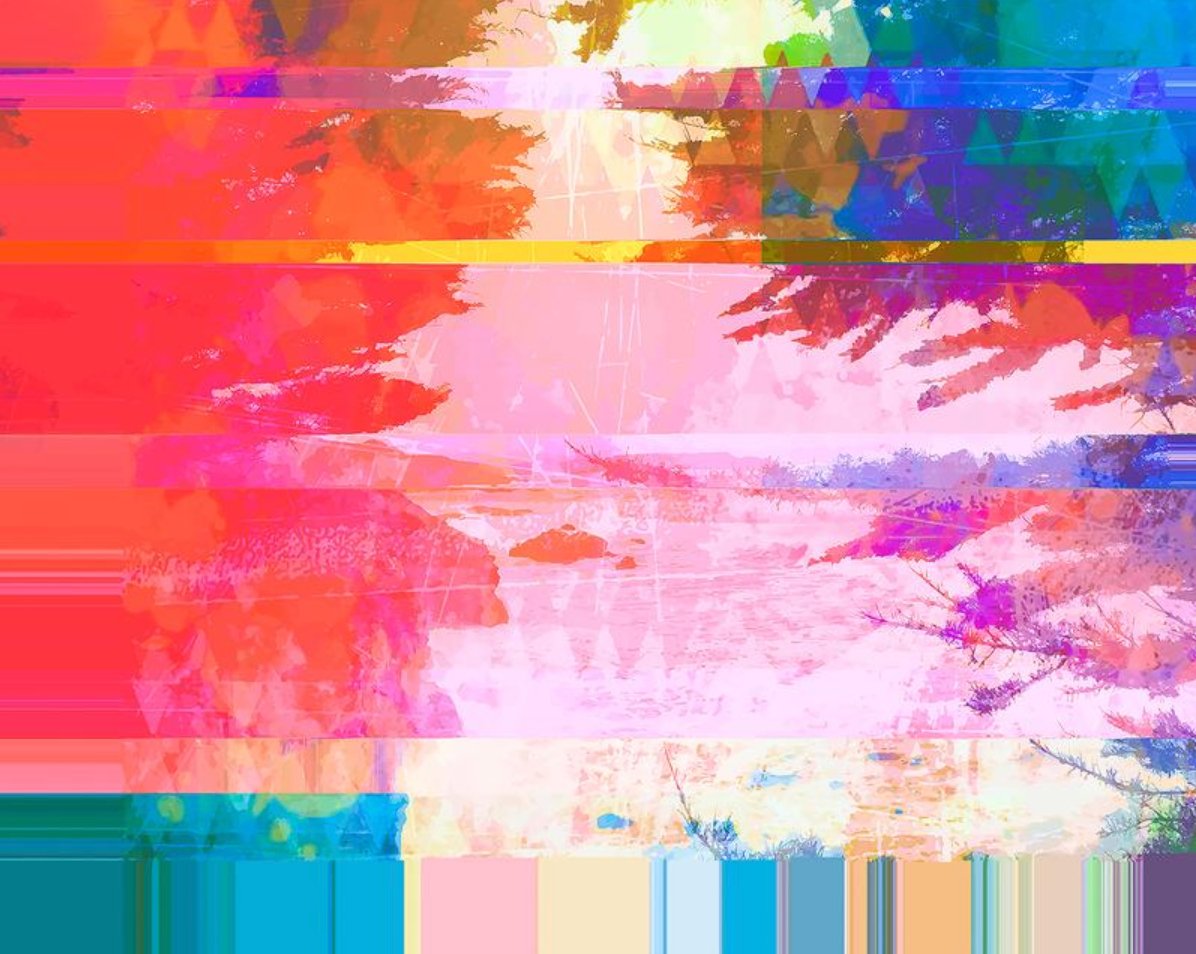
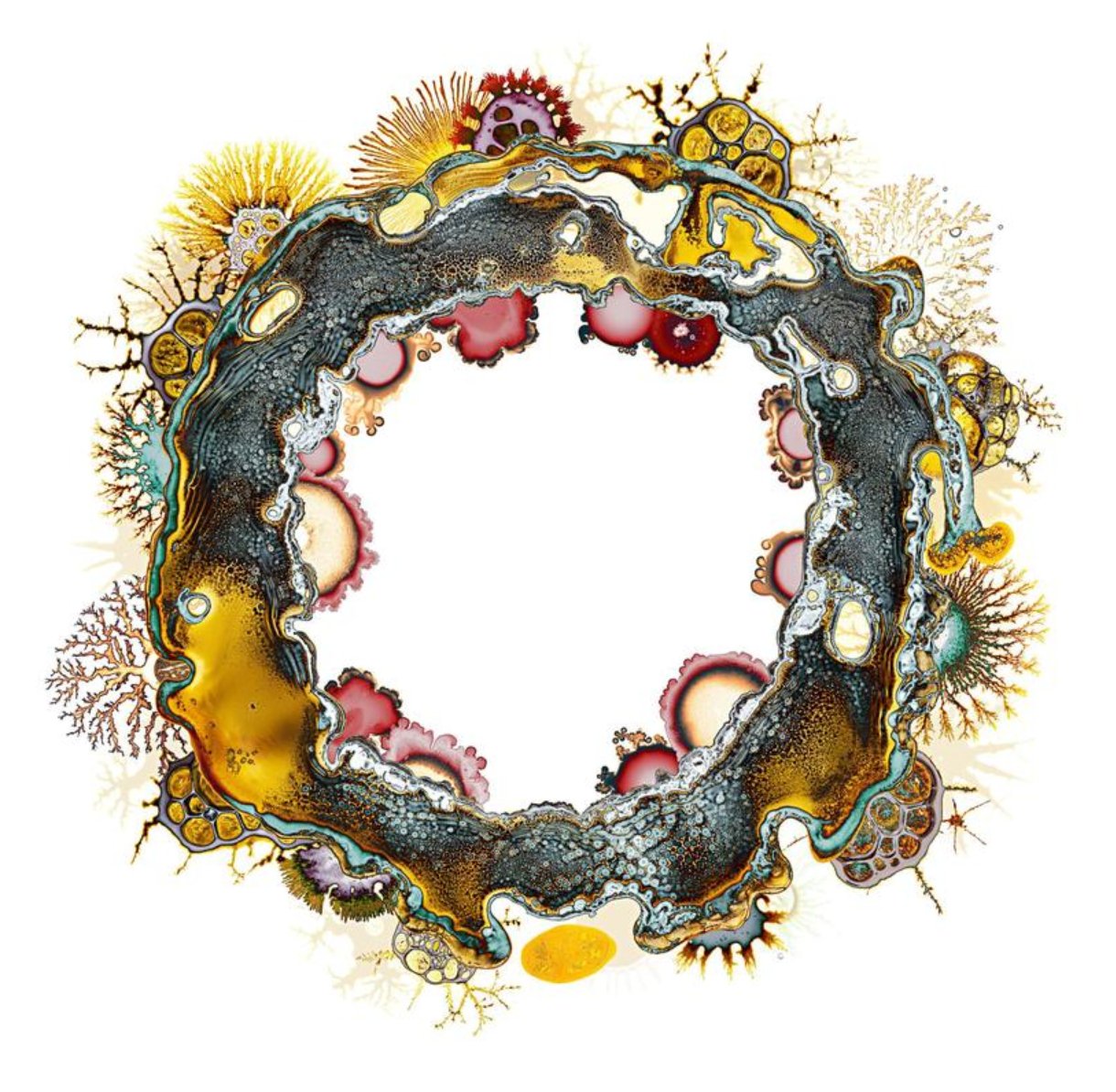
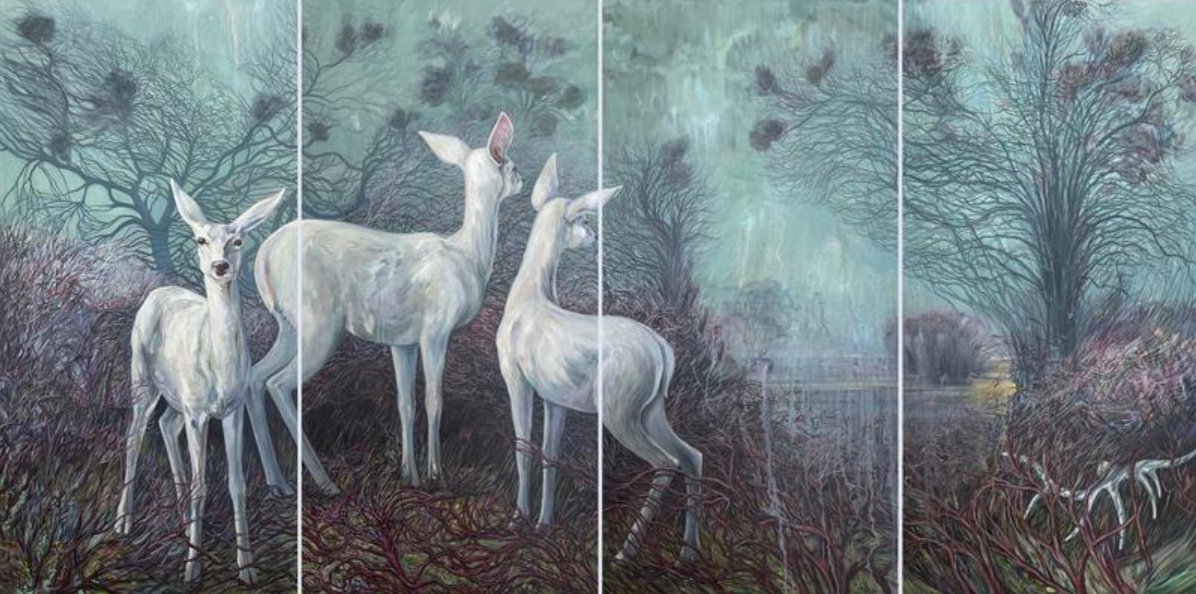
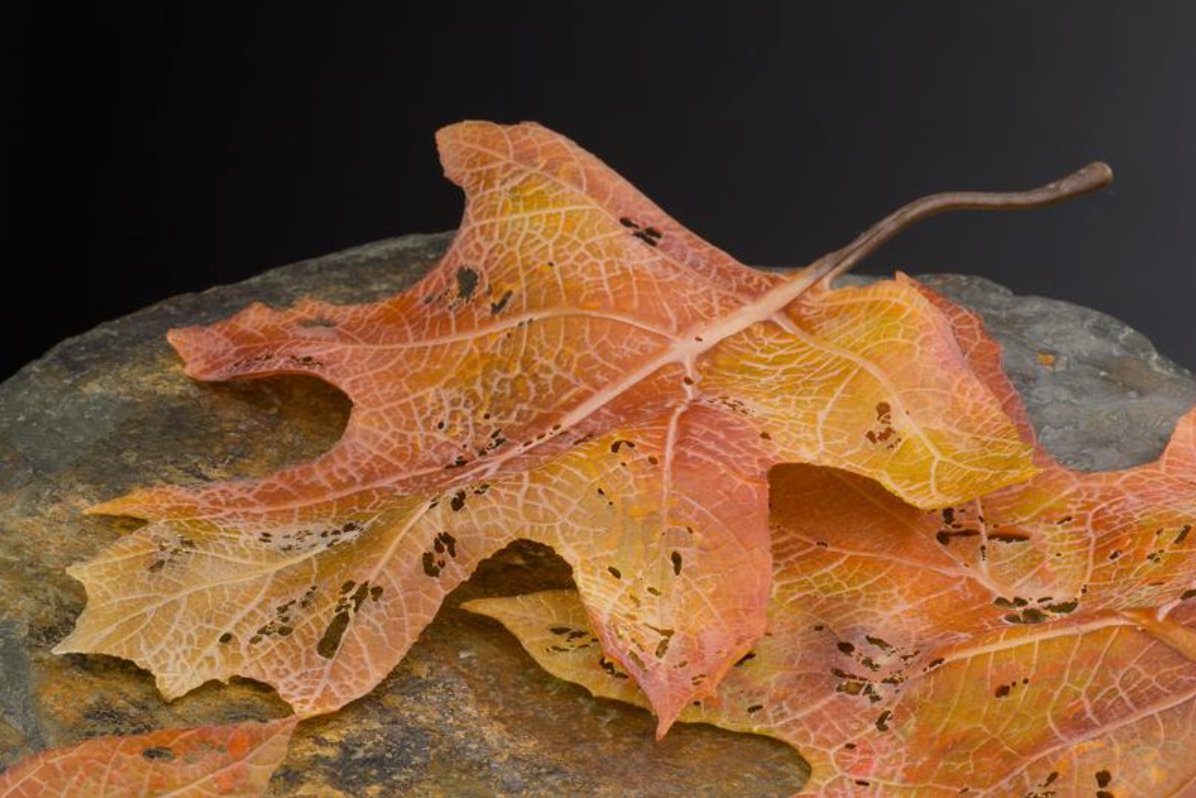
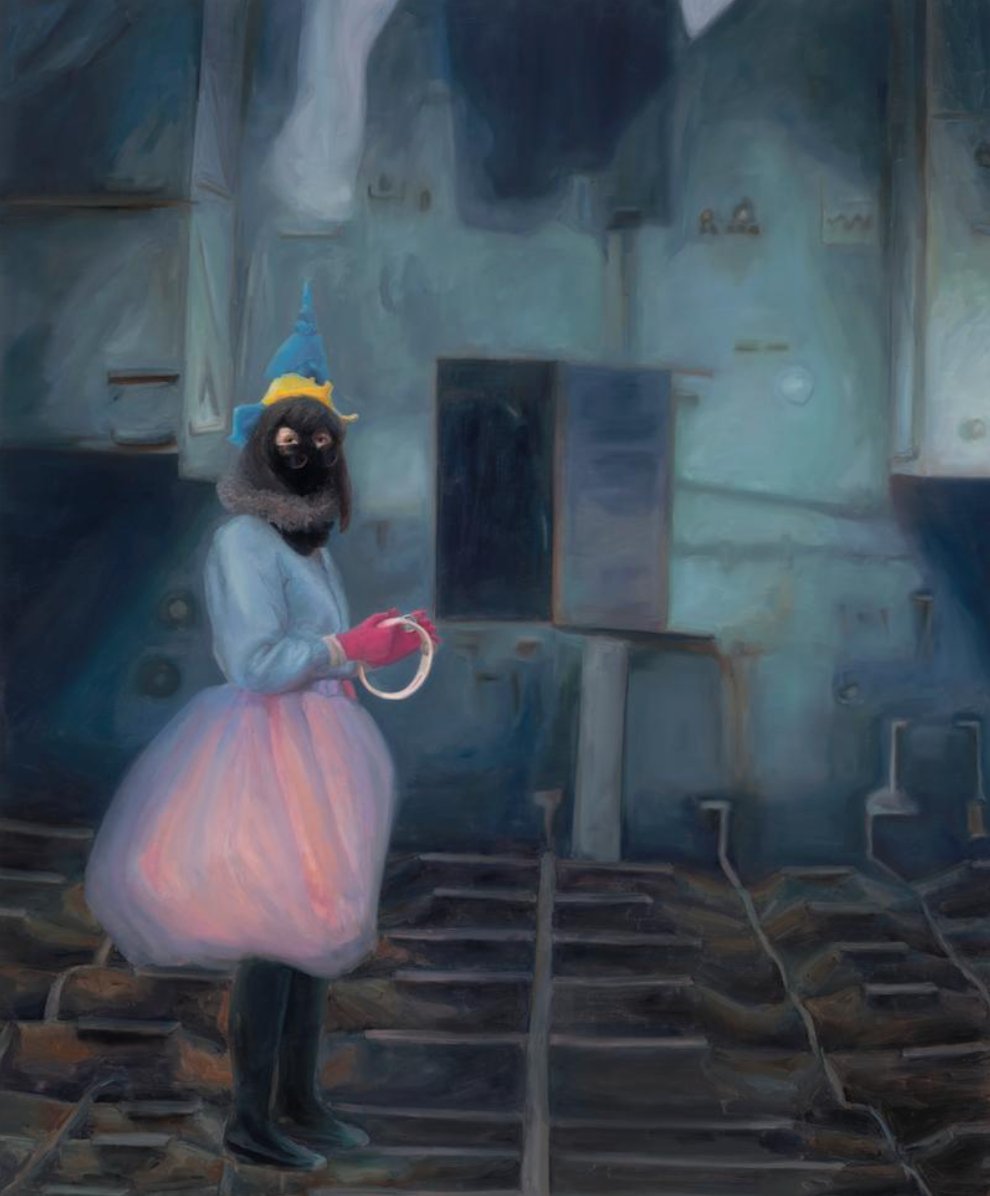
How do we nurture the force that created us? This seemingly paradoxical question defines Lost Wild, the group show on view at the Whitney Modern in Los Gatos. The show grapples with various such paradoxes tethered to our relationship with nature: Keith Petersen’s breathtaking photography of chemical reactions claims organic aesthetics through inorganic means, and Karen Olsen-Dunn’s otherwise conventional landscapes glitch and freeze off the canvas and out of the realm of recognition. Dean Bensen and Demetra Theofanous’s glass leaves and bird nests solidify typically flexible structures into embodied fragility, reminiscent of the environmental precariousness that defines our current global epoch. After luxuriating in these contradictory states, the show sets about to address that core question of nurturing, calling in motifs of youth, restoration, and lushness. Tamera Avery’s tenderly rendered masked subjects are at once children and revolutionaries, often modeled after her own son. Marie Cameron’s paintings cope with climate change through a fantastical fairy tale lens, while Sheila Metcalf Tobin’s burst out of the confines of the canvas in radiant, sun-dappled celebrations of natural nostalgia.

Lost Wild is on view through March 30th at Whitney Modern, 2nd Floor of 24 N Santa Cruz Ave 2nd floor, Los Gatos, CA 95030.

Jota Mombaça Uses Berlin's Decompositional History to Slow Time for Mourning @ CCA Berlin

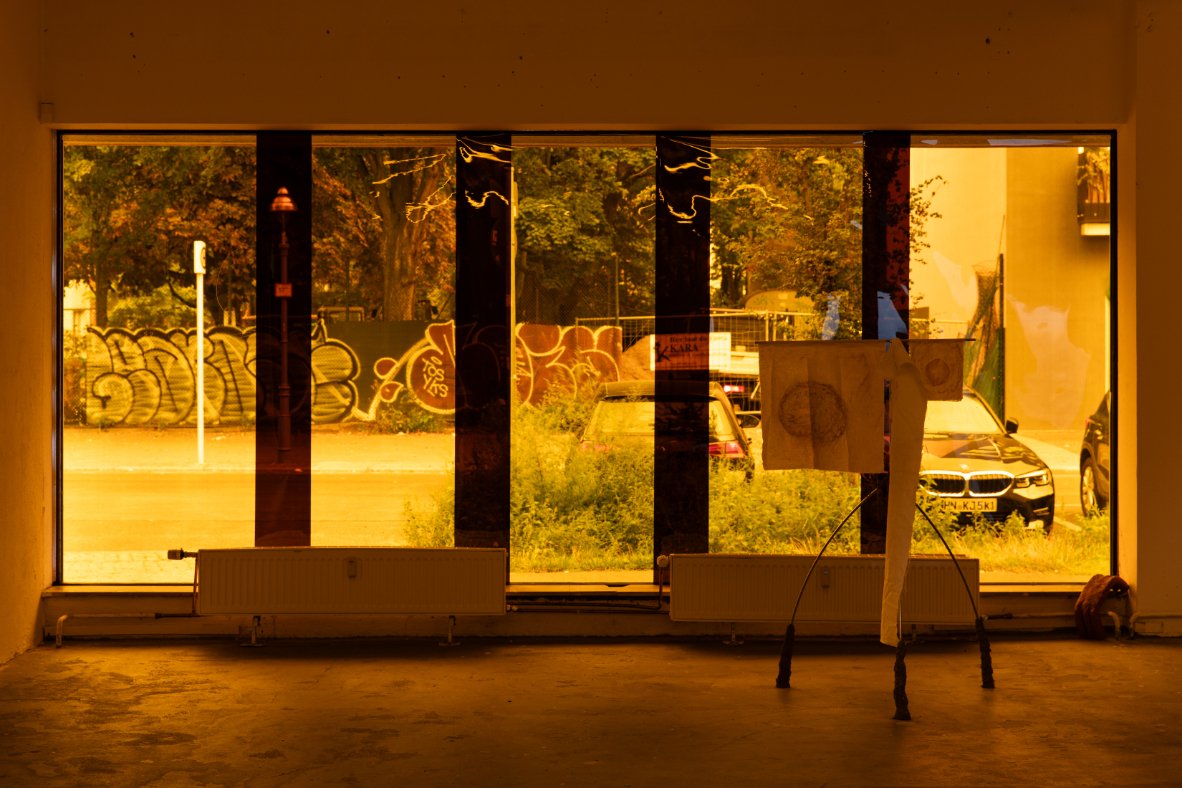
A CERTAIN DEATH/THE SWAMP, Jota Momaça’s exhibition at CCA Berlin – Center for Contemporary Arts, was conceived, at first, through extensive conversations around the curious topography of Berlin, said to be entirely built atop drained wetlands. From swamp to city, a teleology of progress, a survival scheme, emerges. Looking at the devastating flash floods of 2021 that affected parts of Belgium, Germany and surrounding countries, Mombaça then conjures up reversal—what of cities that again turn into swamps, a form of dissolution fascists went in terror of (‘Drenare la palude!’, once howled a determined Benito Mussolini) throughout the twentieth century? From Berlin’s locality, we shift our gaze towards a planetary predicament: that of atmospheric phenomena continuously threatening terminal collapse across disparate geographies. until the last morning (2023), a newly commissioned video work, was shot among the mangroves and marshlands of Pará, in the Brazilian Amazon. Covering about 700,000 hectares, these mangroves and marshlands depend on a constant influx of fresh water from rainfall and from the Guajará Bay rivers and streams. To that end, the camera pans to the sky, observing cloud formations, their movements and maneuvers. The ecosystem’s survival depends on this unpredictable choreography—to observe the weather is thus to forecast whether or not a line of continuity can be drawn into the future. 

A CERTAIN DEATH/THE SWAMP is on view through December 2nd at CCA Berlin, Kurfürstenstraße 145, 10785 Berlin.

The Yellow Light at 6pm @ Galerie Max Hetzler

Left to right: Günther Förg, Vivian Suter
Installation view: Galerie Max Hetzler, Berlin, 23 June – 19 August 2023
Courtesy the artists and Galerie Max Hetzler, Berlin | Paris | London, Photo: def image 

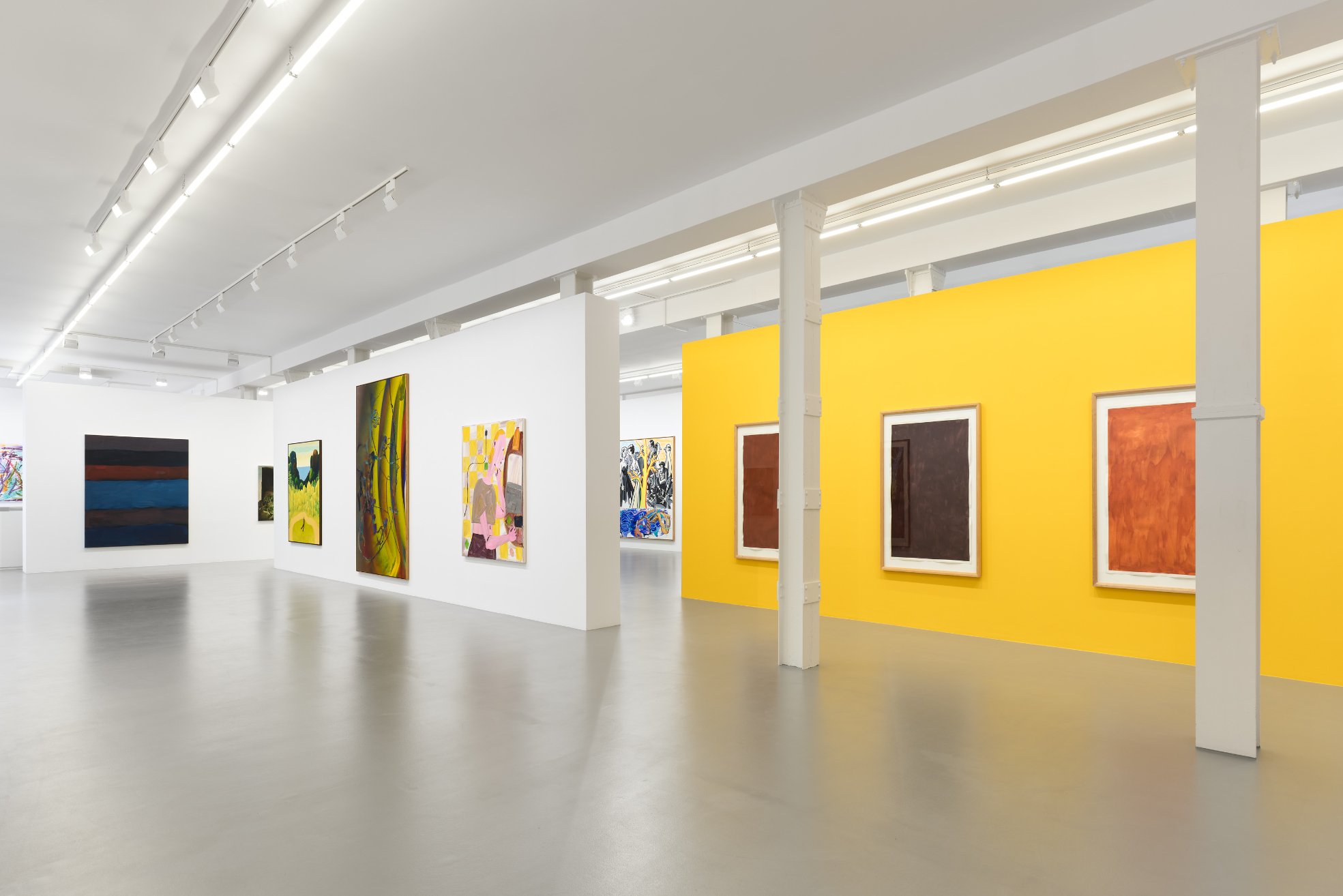
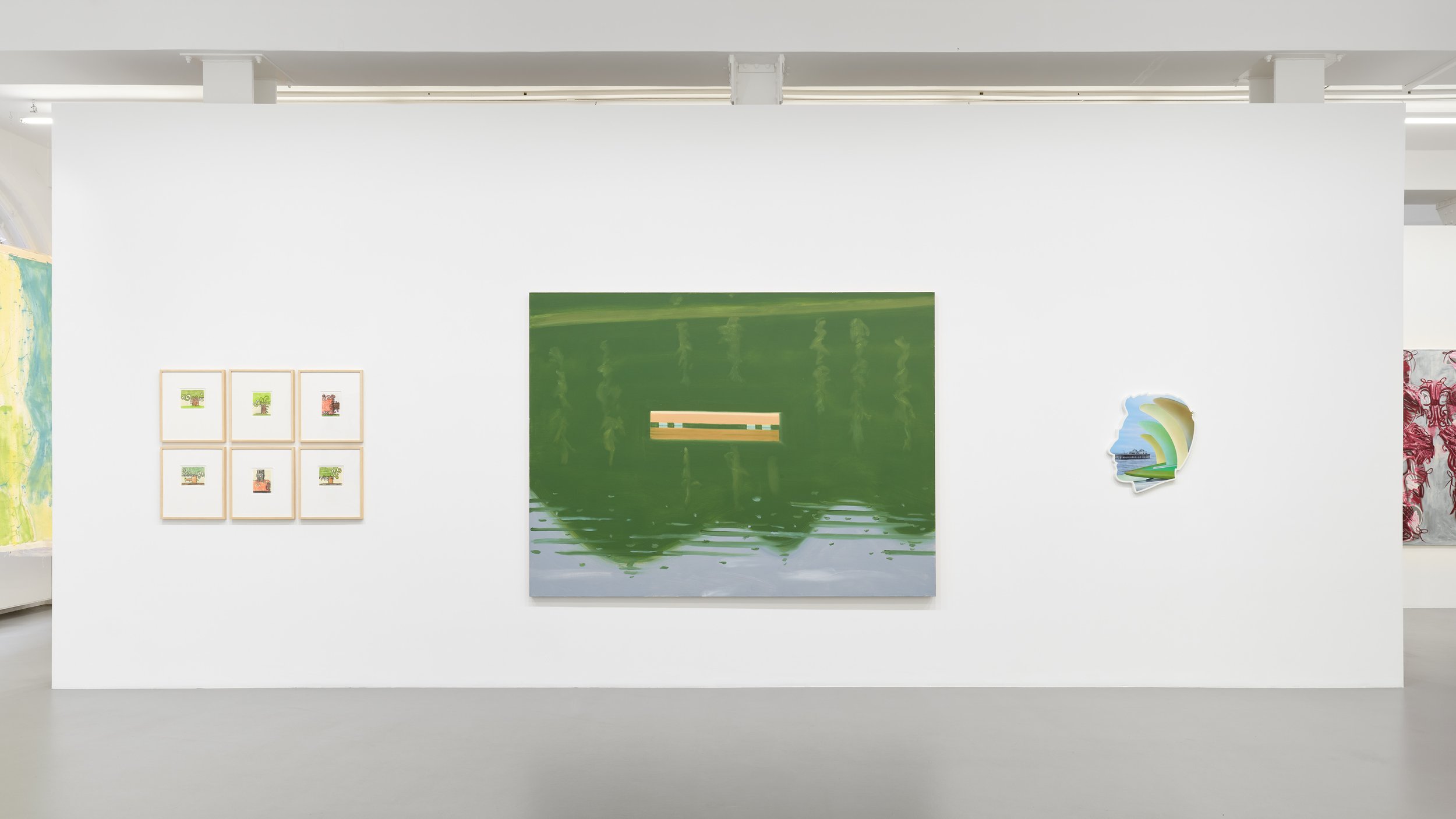
Galerie Max Hetzler explodes into colorful, ethereal questioning with a group show featuring work by Darren Almond, Georg Baselitz, Glenn Brown, André Butzer, Sarah Crowner, Carroll Dunham, Hedwig Eberle, Ida Ekblad, Günther Förg, Katharina Grosse, Alex Israel, Melike Kara, Alex Katz, Friedrich Kunath, Beth Letain, Jake Longstreth, Tal R, David Salle, Julian Schnabel, David Schutter, Sean Scully, Ben Sledsens, Mònica Subidé, Vivian Suter, Liliane Tomasko, Tursic & Mille, Rinus Van de Velde, Grace Weaver, Emma Webster, and Toby Ziegler.

Despite Cézanne’s insistence that the world, with all its strangeness, only becomes present, comprehensible and recognizable in images, the onset of modernity initiated a disappearance of nature and landscape in the course of a rational logic of progress. Matisse, Munch or Klee were already only able to preserve them in pictorial form. With 30 individual views on landscape and nature, the group exhibition das gelbe Licht 6 Uhr nachmittags (the yellow light at 6pm) maps out the hazy mosaic of a frail present: whether as a melancholic reminiscence of man-made devastation, a stoic contemplation of the fragile fabric of everyday life or a daring invention of an uncertain future yet to come.

The work is largely without people. Yet, as the exhibition title, a line of poetry by the late Rolf Dieter Brinkmann suggests, we, looking and empathizing, are ourselves the missing human reference. For the question of how we want to fit into the world arises again and again.

the yellow light at 6pm (das gelbe Licht 6 Uhr nachmittags) is on view until August 19th at Galerie Max Hetzler, Bleibtreustraße 45, 10623 Berlin

Seonna Hong Presents MURMURATIONS @ Hashimoto Contemporary in New York

Seonna Hong, Super Position, 2023. All images courtesy of Hashimoto Contemporary.

Seonna Hong, Super Position, 2023. All images courtesy of Hashimoto Contemporary.

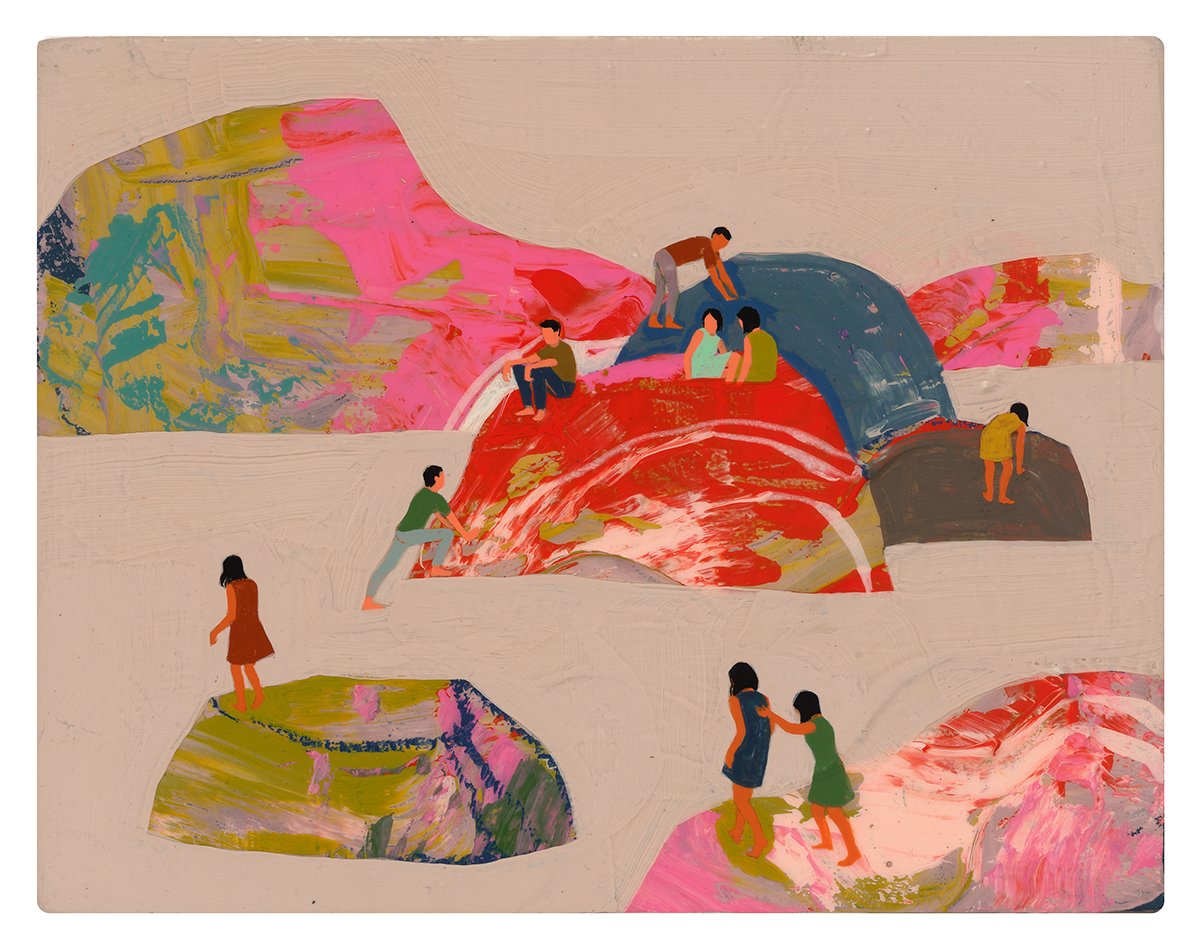
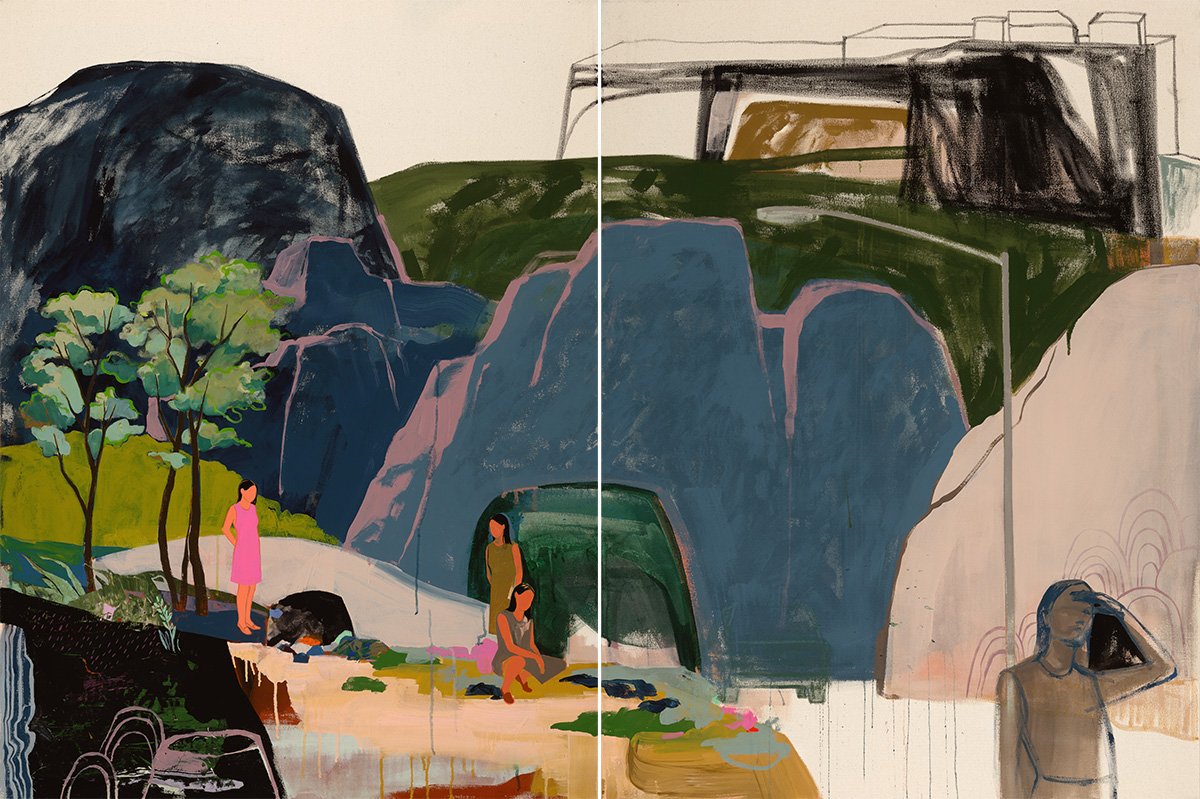
On June 10, Hashimoto Gallery is set to present Murmurations, a solo exhibition by Los Angeles-based artist Seonna Hong.

In her latest body of work, Hong revisits larger figurative themes, relational dynamics and human connection. Looking to these themes as a way of understanding how people are emerging from the pandemic, Hong seeks to reconnect with the world around her.

Finding inspiration in murmurations (defined both as the way in which birds flock together, as well as the utterance of low continuous sounds) and its two distinct meanings, the artist is searching to find ways to connect and communicate. Through this journey, Hong came to understand that human connection is needed not only for contentment, but also for mental and physical well-being. The paintings in Murmurations reflect Hong’s attempt to connect with forgotten landscapes, encouraging us to rediscover the world around us.

Murmurations is on view through July 1 @ Hashimoto Contemporary, 54 Ludlow Street New York


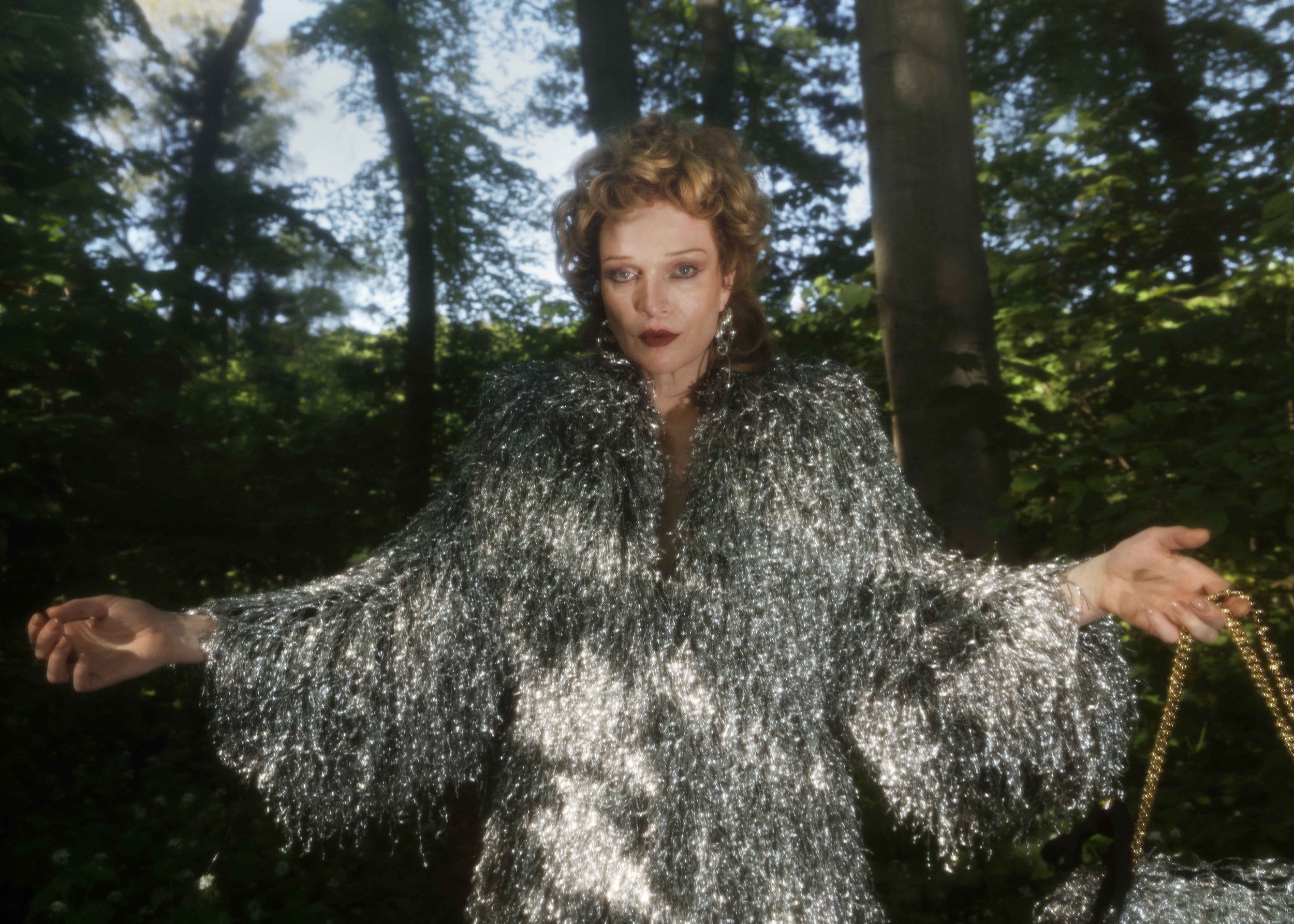
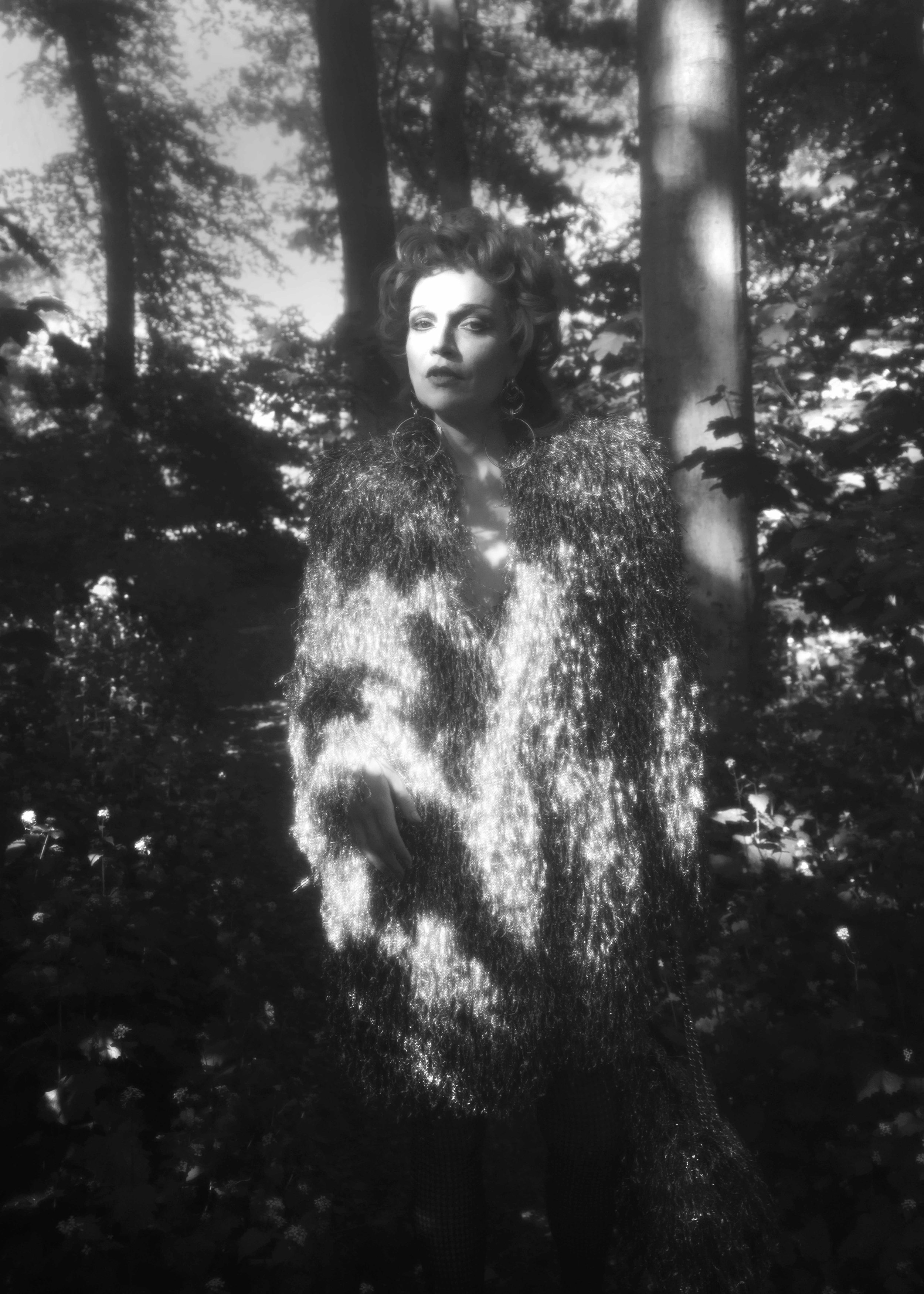
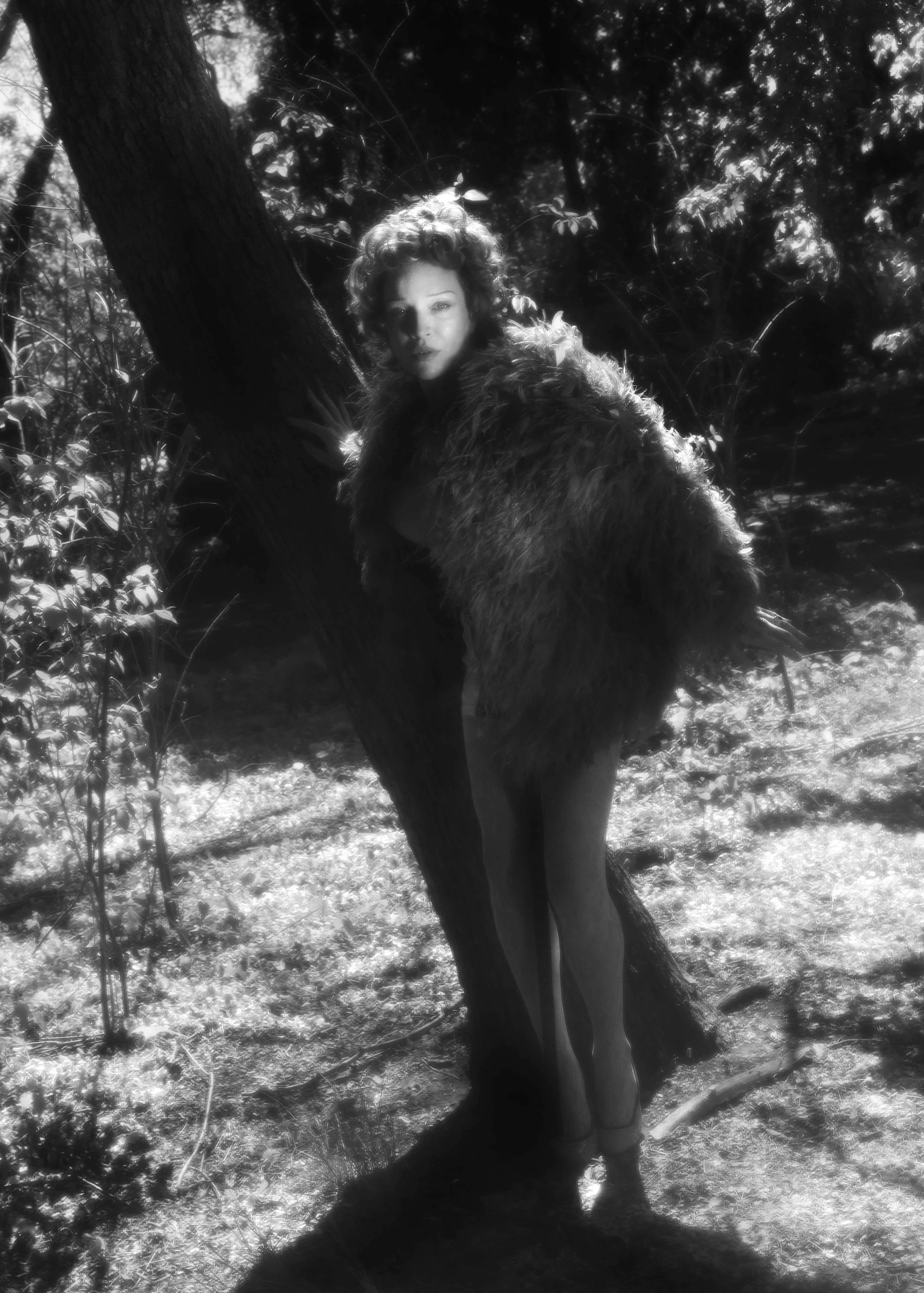
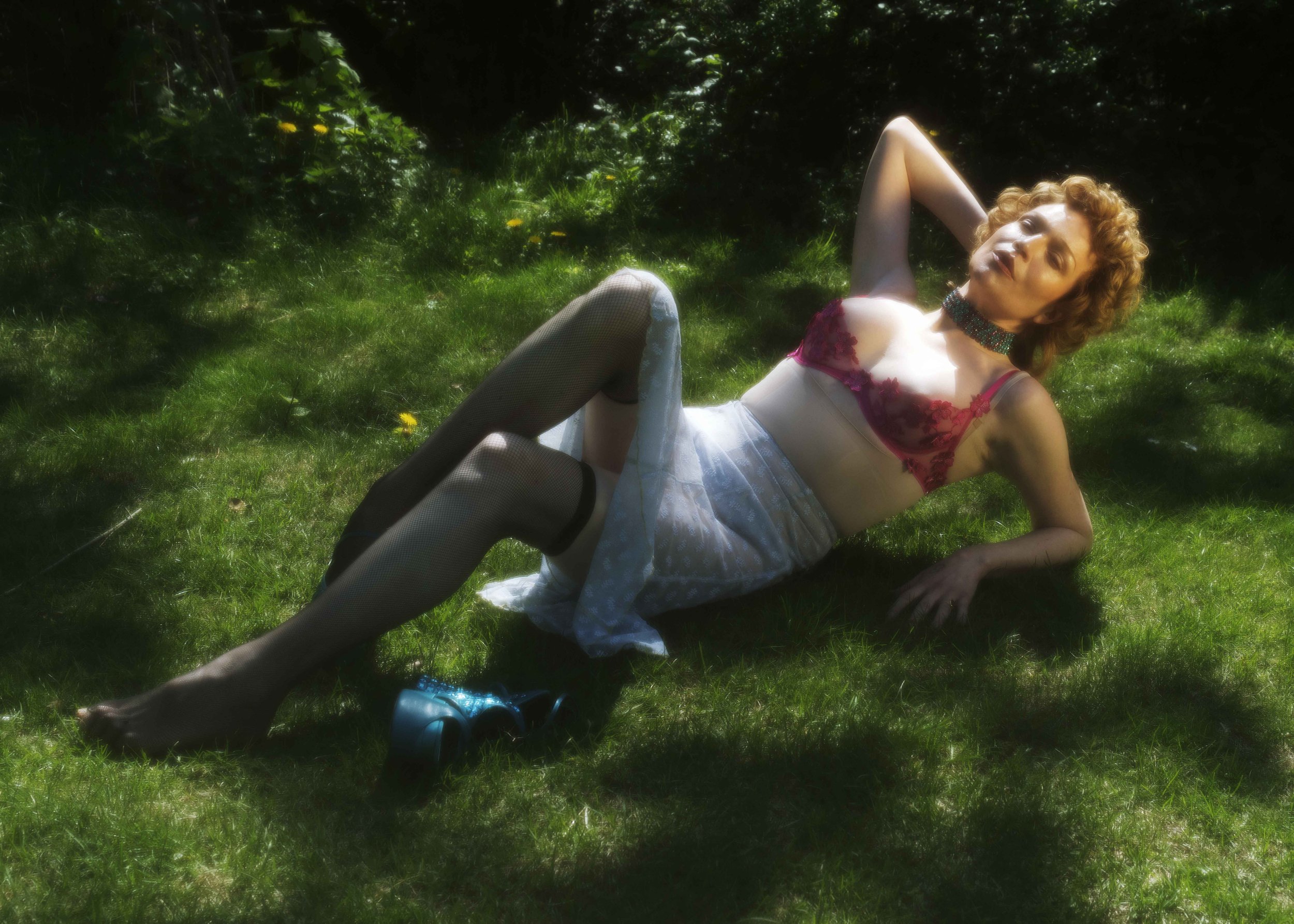
Antler: A Fashion Editorial By Jaara Lange & Camille Pailler

photography by Jaara Lange
art direction and styling by Camille Pailler
styling assistance by Katya Makhno
makeup by Leana Ardeleanu
hair by Reiya Yamaoka
modeling by Gigi @ Let It Go

AUTRE: Where does your inspiration come from?

JAARA LANGE: Looking back, my art was born from a deep need to escape a world that was not safe for me. So, I created a world for myself accordingly. Even today, I am inspired by daydreams, science fiction, and fairy tales. I created my own world where I could exist, which was beautiful and dark at the same time. I think this deep experience still inspires me today.


AUTRE: What drew you to Gigi as a muse?

LANGE: Gigi is a powerhouse and role model for me at the same time. I don't know anyone who enters the room with such presence — that fascinates me a lot. In her I see strength, beauty, and above all, resilience. We are all very grateful for what she does for the Berlin trans community and as sisters we support each other.


AUTRE: Why is nature such a dominant subject in your photography practice?

LANGE: Nature has always fascinated me. It represents a place of refuge for me. Out in the green, I have always felt freer — nature is a space without condemnation or connotation. It forms a complete projection surface for me with its wealth of forms, surface structures, and change. It is the perfect stage for me. Today, I only need to embed my protagonists in nature as a stage, wait for the right light and the spectacle is complete. I find this fascinating every time anew, because it is also so simple.


Kate MccGwire Mines Tension Between Nature & the Manmade World In Undertow @ galerie Les filles du Calvaire in Paris

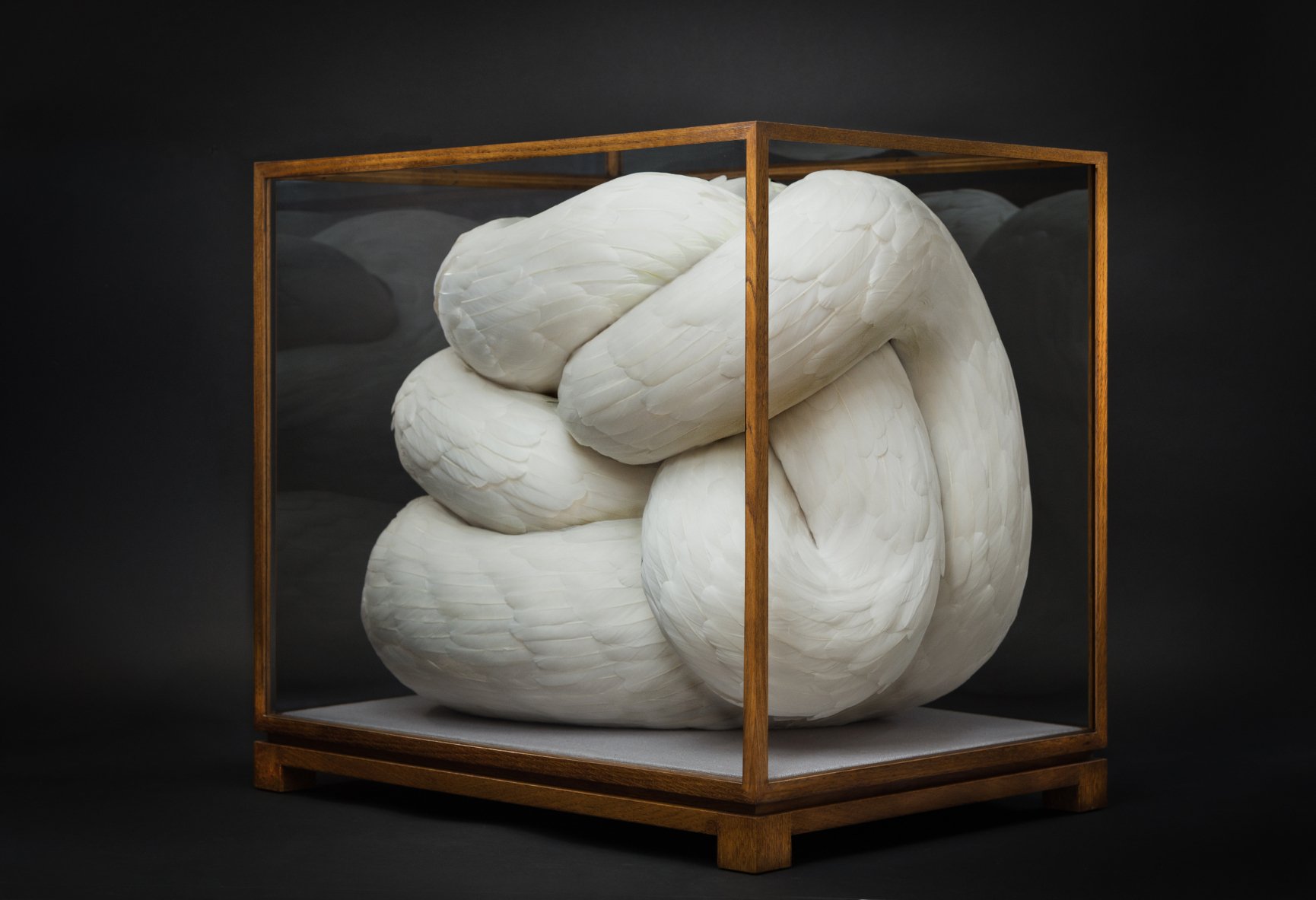
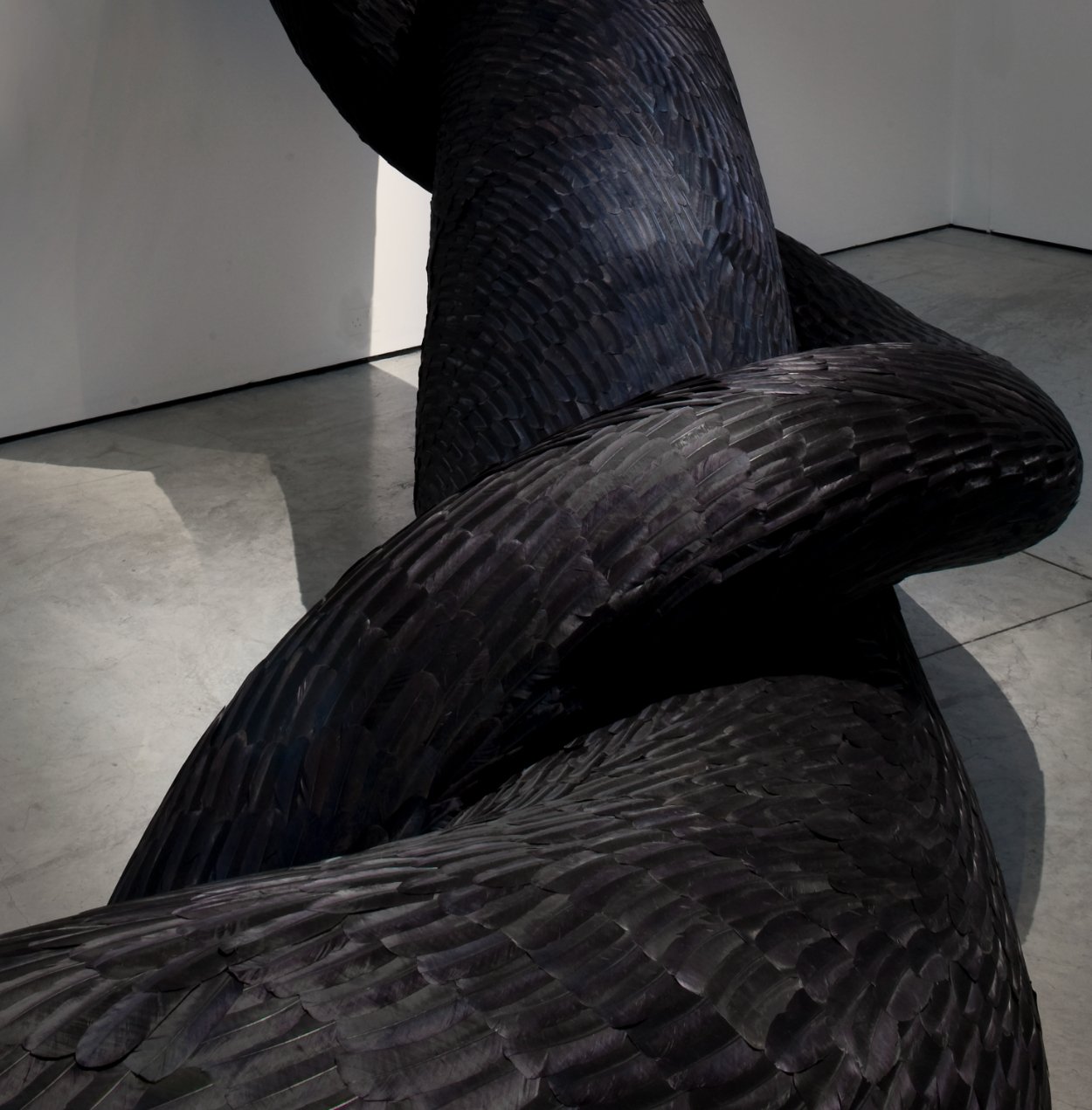
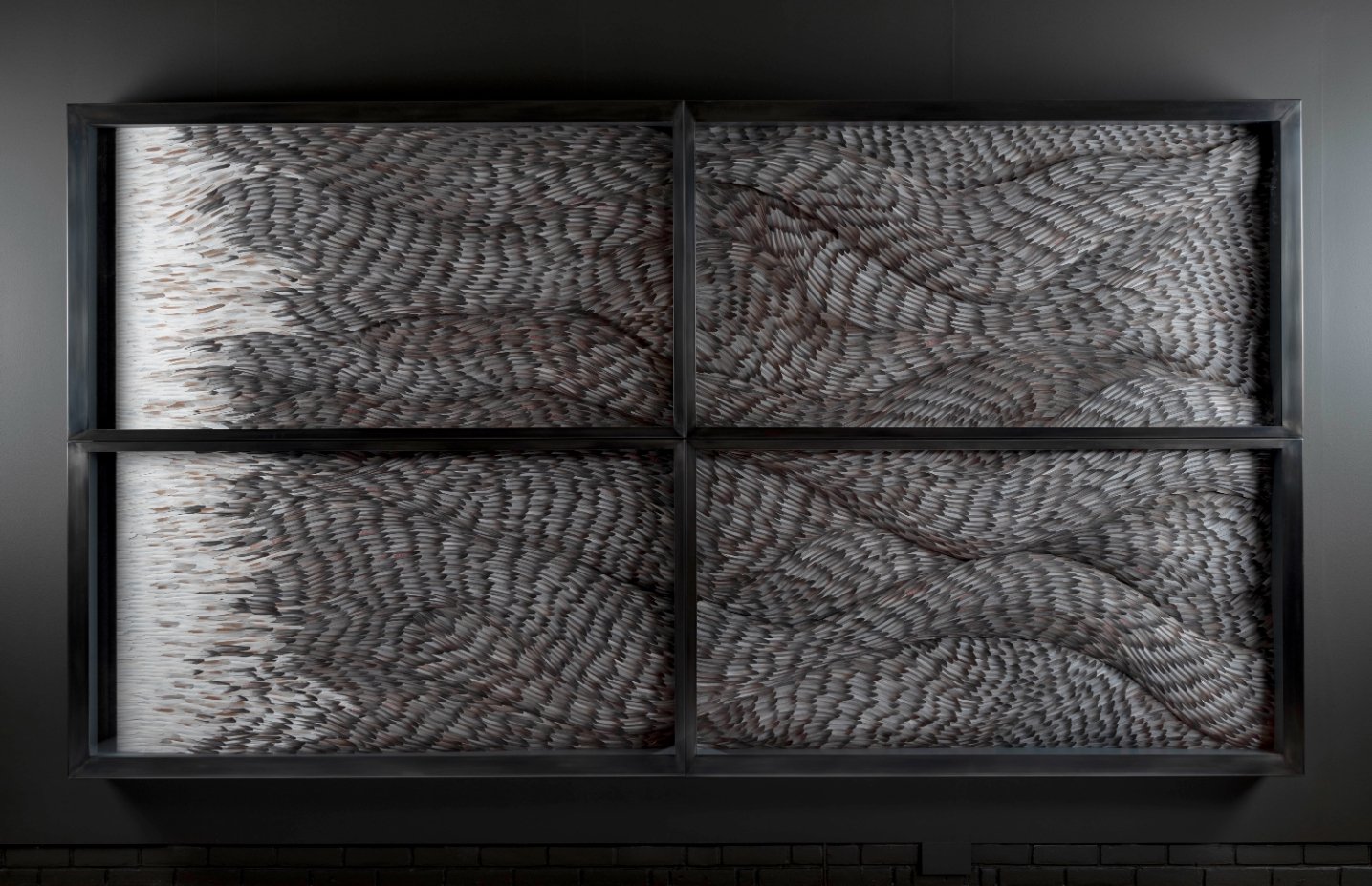
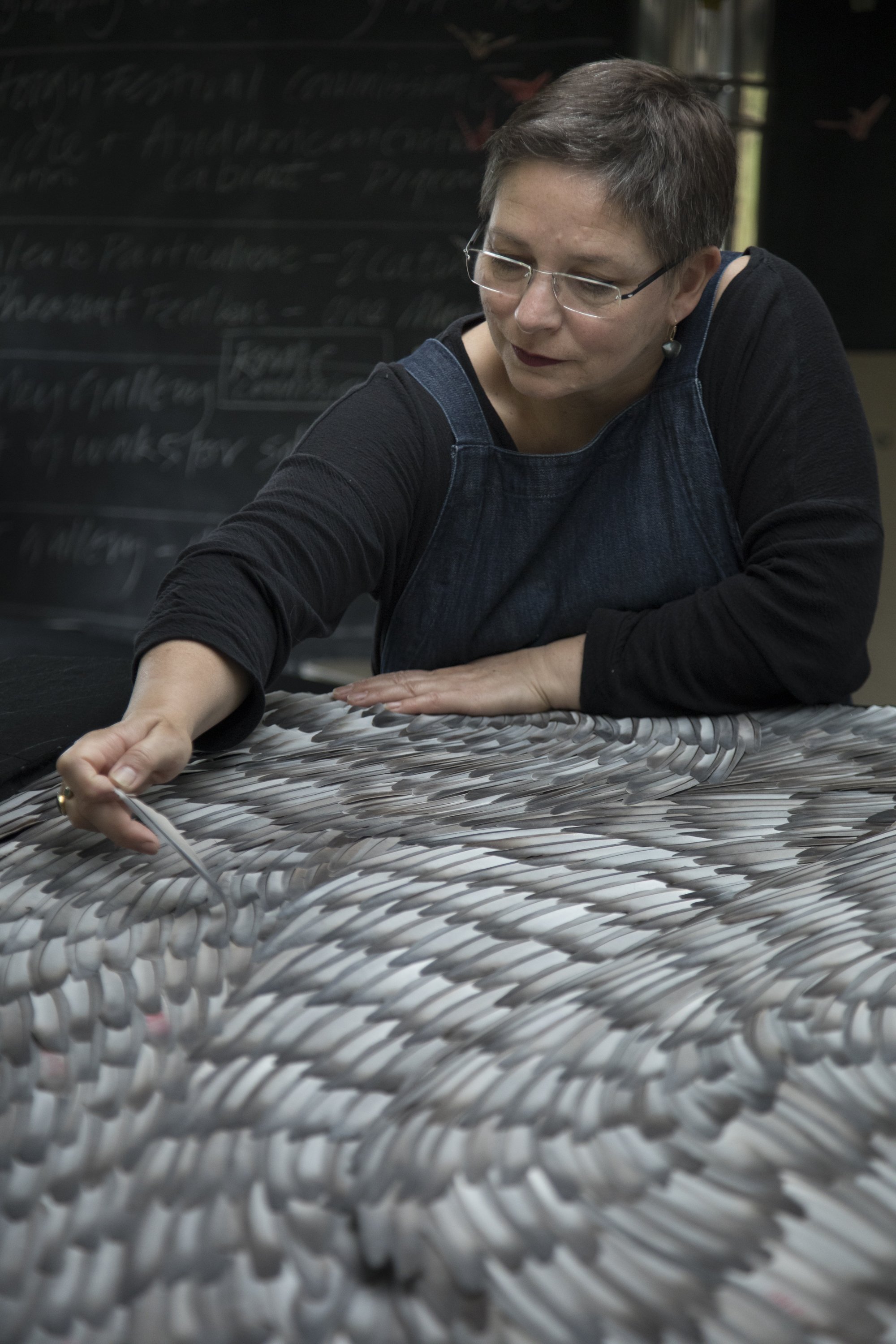
Known for her muscular, writhing forms made with feathers, and reminiscent of Classical sculpture and creatures from mythology, Kate MccGwire’s works explore dualities of aesthetics, being simultaneously seductive and repulsive; form, being both organic and abstract; and movement, appearing fluid yet being static. As she has noted, “I am interested in the interplay of opposites which runs like a leitmotif through everything I do. It is as if the work needs that tension to create its own internal equilibrium; it is an expression for me of the duality I see all around me and the materials I choose need to be able to physically embody this.”

Influenced by the cycles, patterns and currents of water, these works explore conflicting relationship between nature and the manmade world. Observing the dichotomies of nature on her daily wild swims and walks, MccGwire makes work inspired by visual rhythms and sequencing observed in flowing water, but also its rupture, control and diversion through human interference with dams and weirs.

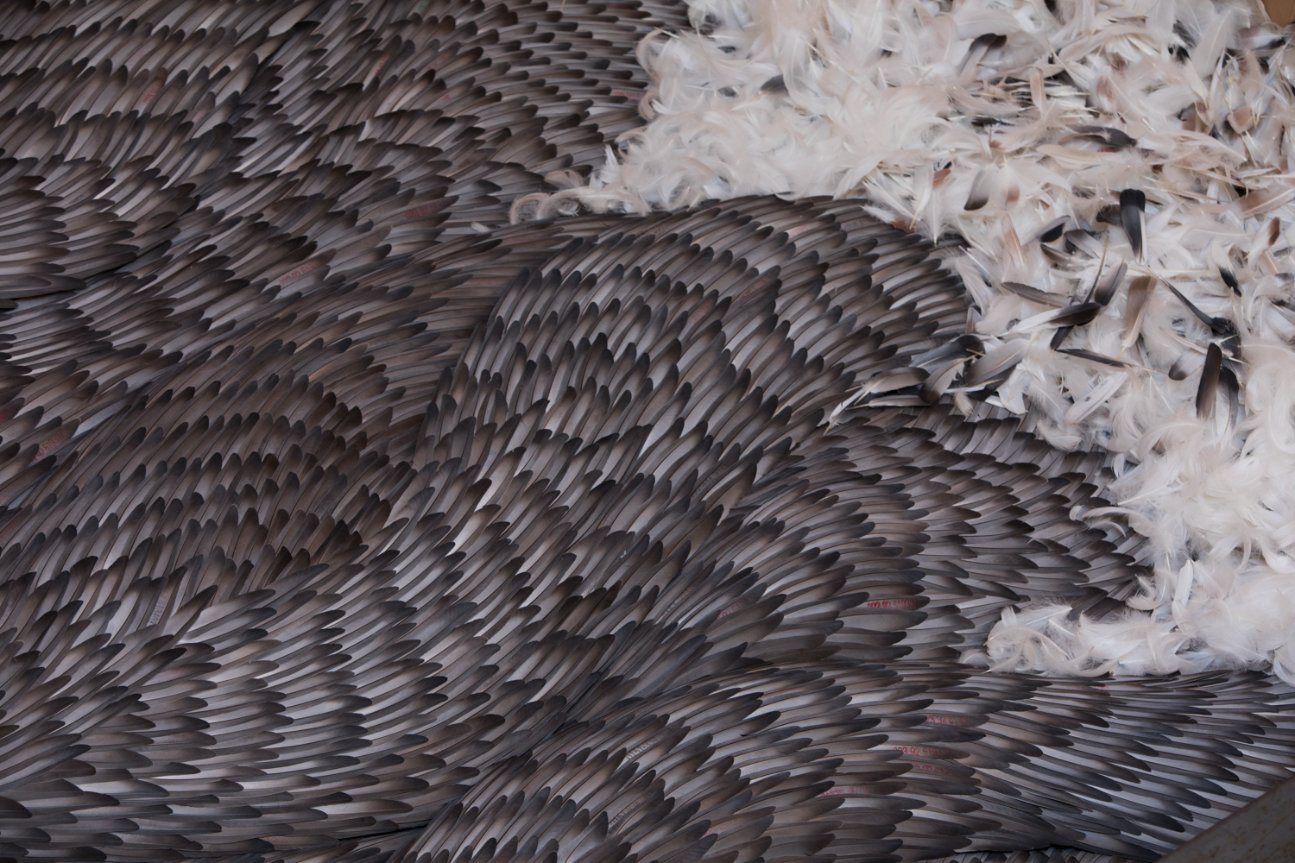
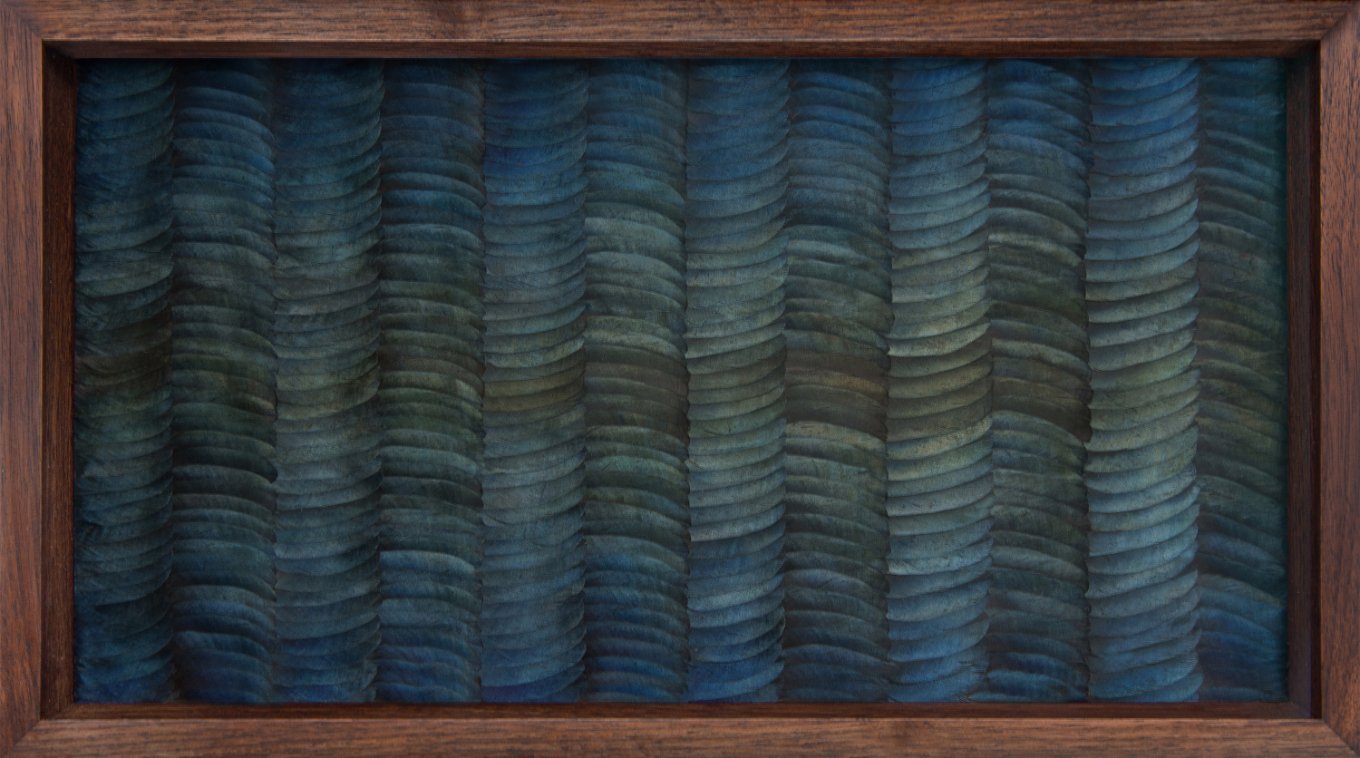
The artist’s process of creation begins with the intense and repetitive method of collecting and preparing the feathers, each of them carefully examined and classified according to its size, shape and natural color. In a compelling and meditative process, MccGwire arranges the feathers to mimic the overall form and patterning of the pieces informed and inspired by the anatomy of birds’ wings. Discarded, impermanent and overlooked materials have always fascinated the artist. In her piece TAINT she contrasted lead sheet with intricately arranged feathers, creating an anaemic, skin-like surface. In the visceral forms of UNDERTOW, the artist is seduced by the beauty, flow, power and turbulence of flowing water and ultimately drawn to the danger that lies beneath the surface.

Undertow is on view through May 7 @ galerie Les filles du calvaire 17 rue des Filles-du-Calvaire, 75003 Paris

 
The Artist holding a feather in her hand and sitting over an art piece.

Kate MccGwire
Making of SASSE/SLUICE, 2018
Photo : Jo Scott


Melike Kara, My Beloved Wild Valley @ Arcadia Missa in London

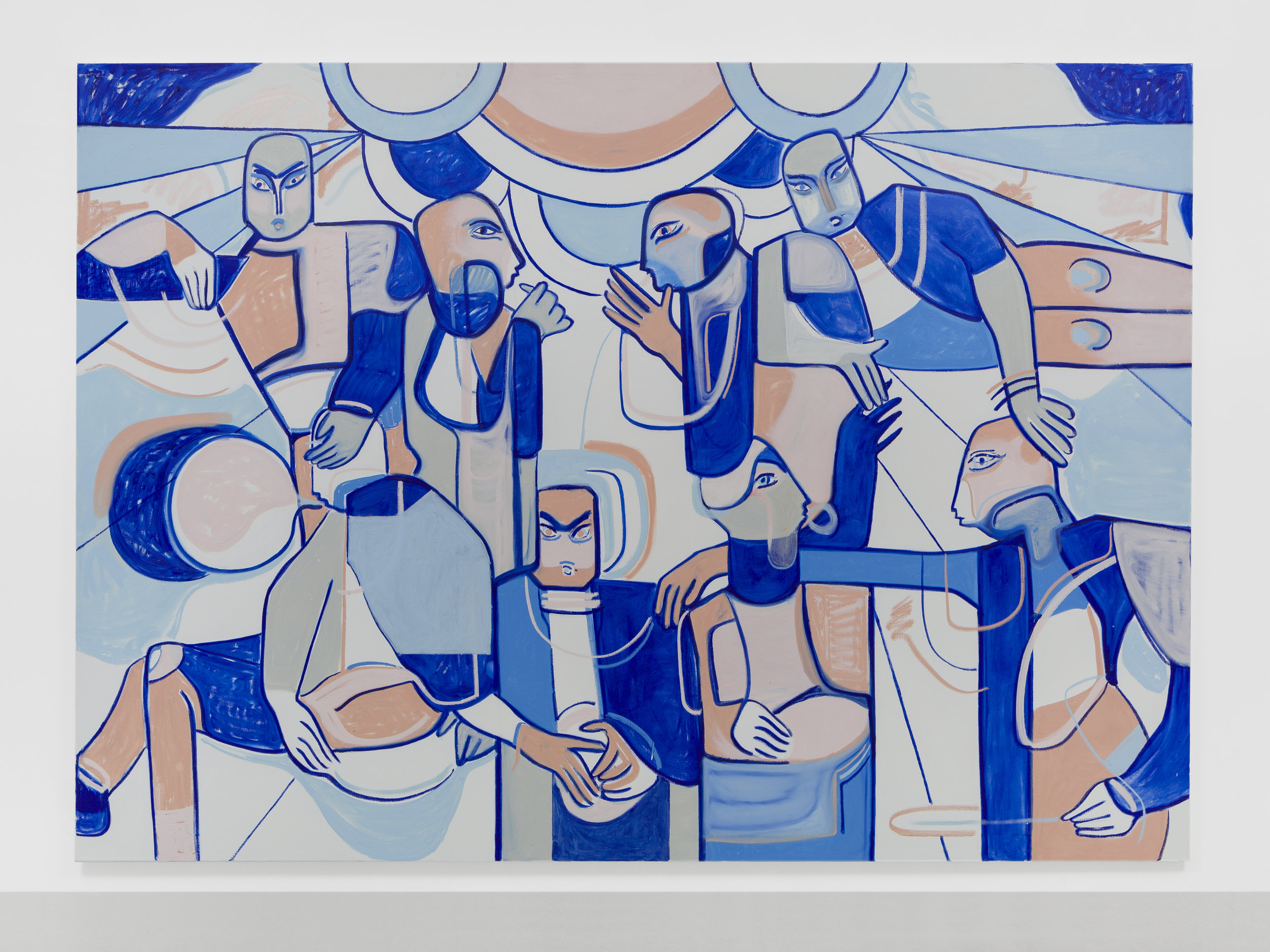
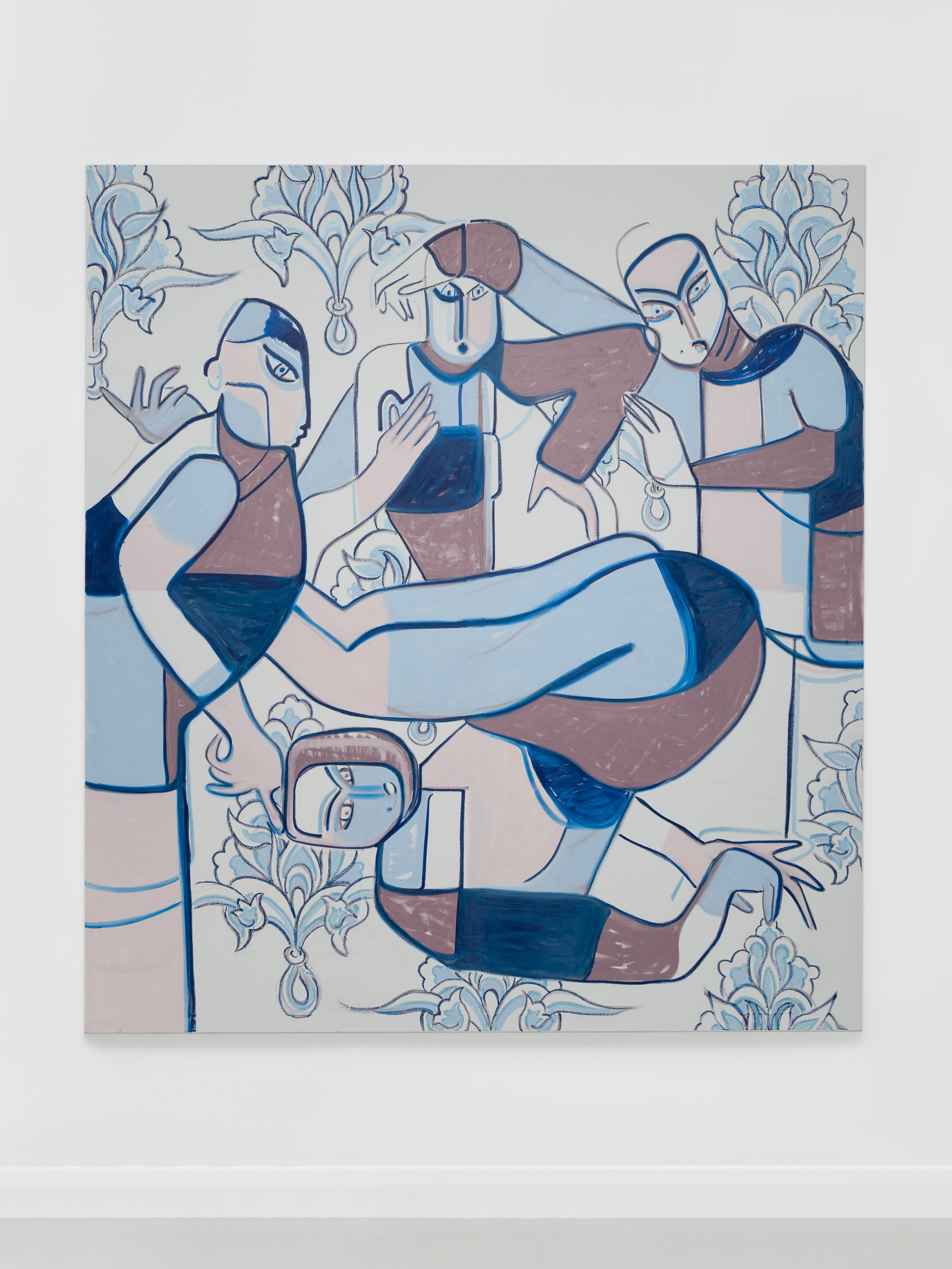
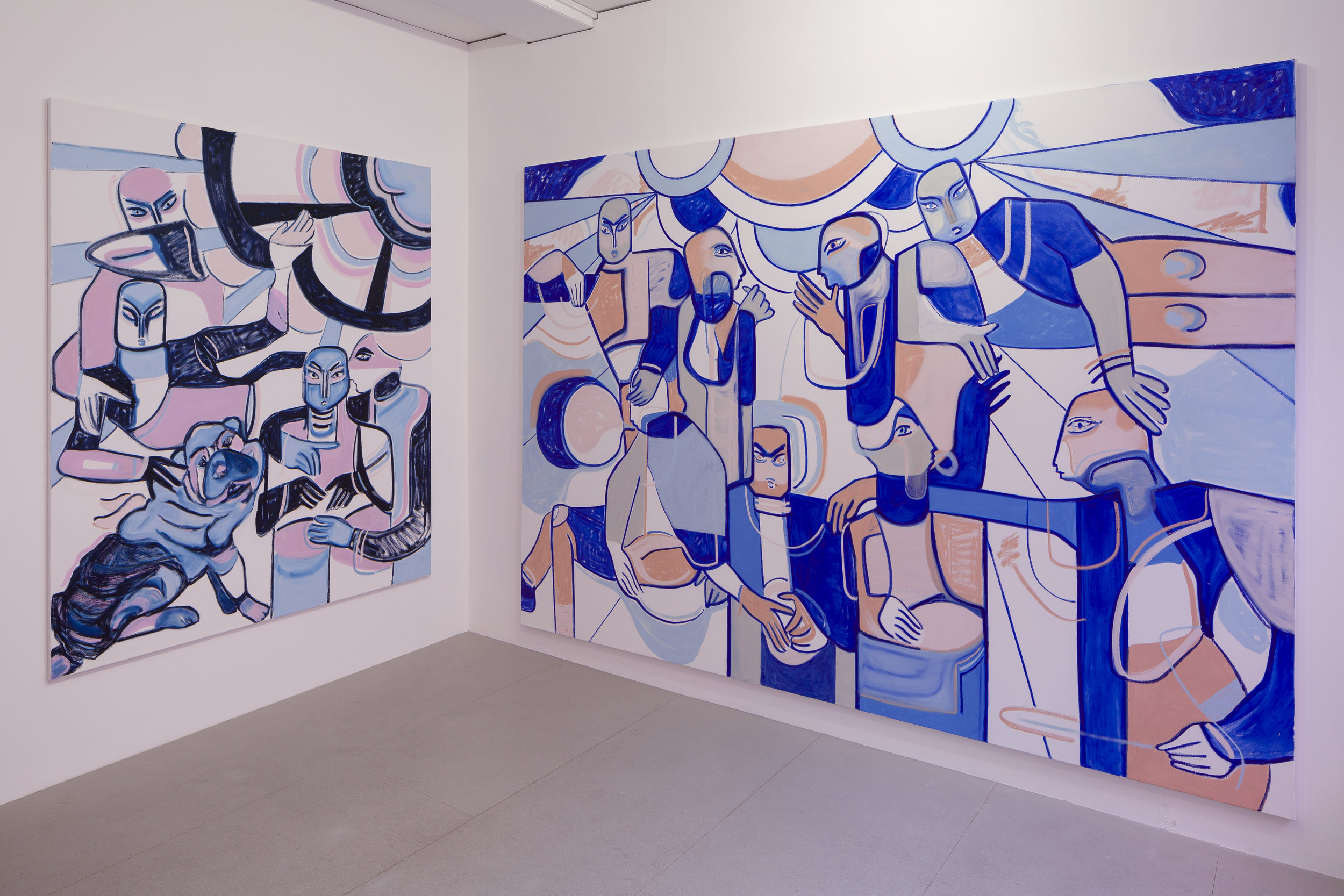
Artist Melike Kara’s first solo exhibition in London, “My Beloved Wild Valley,” is now on view at Arcadia Missa. For this exhibition, Kara’s figures are encircled with signifiers of place; perhaps locating their identities as connected to the heritage of the artist herself, as well as outside of being read simplistically through the body. These figures are read through their landscapes and histories. Markers of site and culture, such as sunflowers and the setting sun, speak of history as identity, a more complex matrix from which to map a sense of self, one made from ghosts. The presence and characters of Kara’s figures are created through the interaction they have with one another on the canvas and the placing of them within contexts, signifiers, or even areas of negative space.

“My Beloved Wild Valley” is on view through July 31 at Arcadia Missa 14 – 16 Brewer Street, First Floor
Soho, London. photographs by Ollie Hammick. courtesy the artist and Arcadia Missa, London

Hammer Projects Present: Max Hooper Schneider @ Hammer Museum In Los Angeles

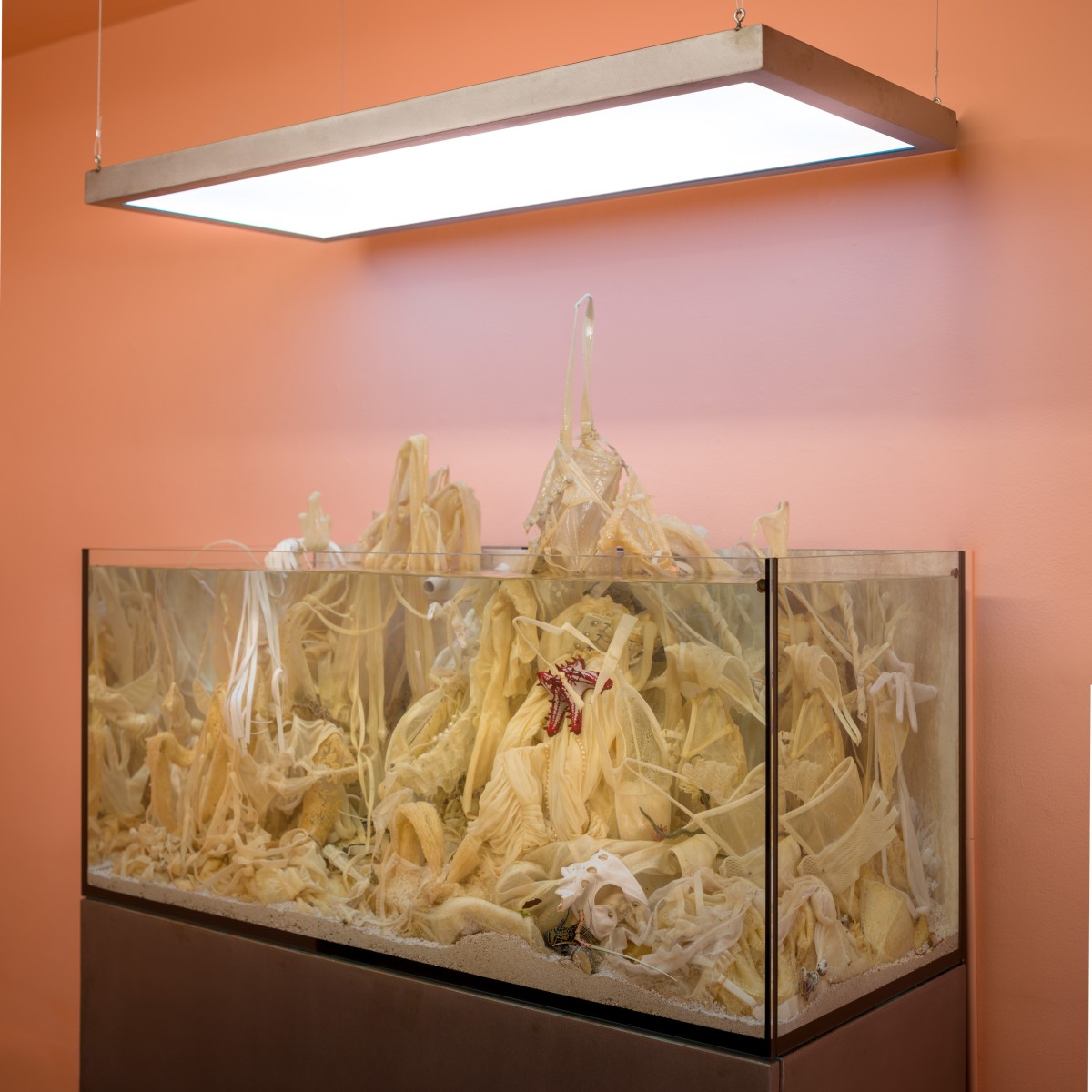
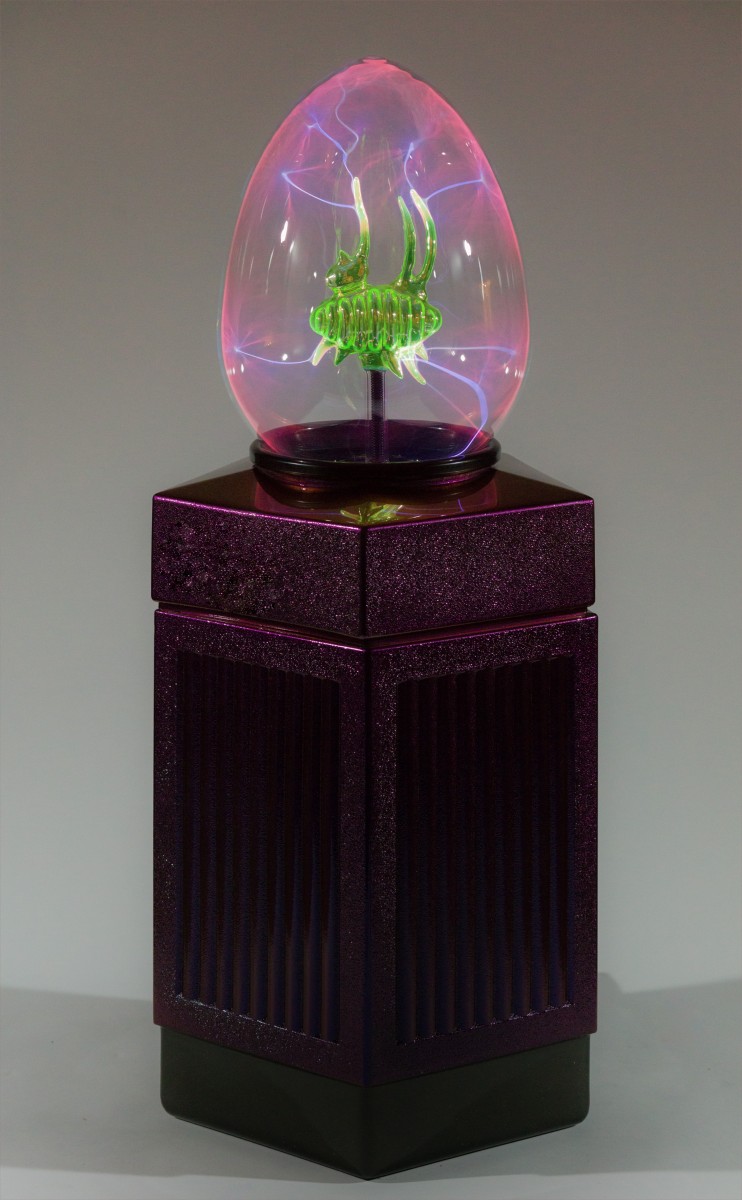
Artists are often likened to inventors or scientists, and in the case of Max Hooper Schneider the comparison is more than metaphoric. Schneider’s background in landscape architecture and marine biology strongly informs his artwork. Research and scientific investigation are key to his process. He explores the relationships between philosophy and nature, the personal and the political, destruction and construction, and what he calls nonhuman and human agents. Blending his diverse areas of expertise, his idiosyncratic sculptures, installations, and drawings challenge conventional systems of classification, suggesting a worldview that strives to dislocate humans from their assumed position of centrality and superiority as knowers and actors in the world. Schneider created a new immersive installation for his Hammer Projects exhibition, his first solo museum show. The exhibition is on view through September 1 at the Hammer Museum 10899 Wilshire Blvd.
Los Angeles. photographs courtesy of the gallery