
The Lake and Stars S/S 2011
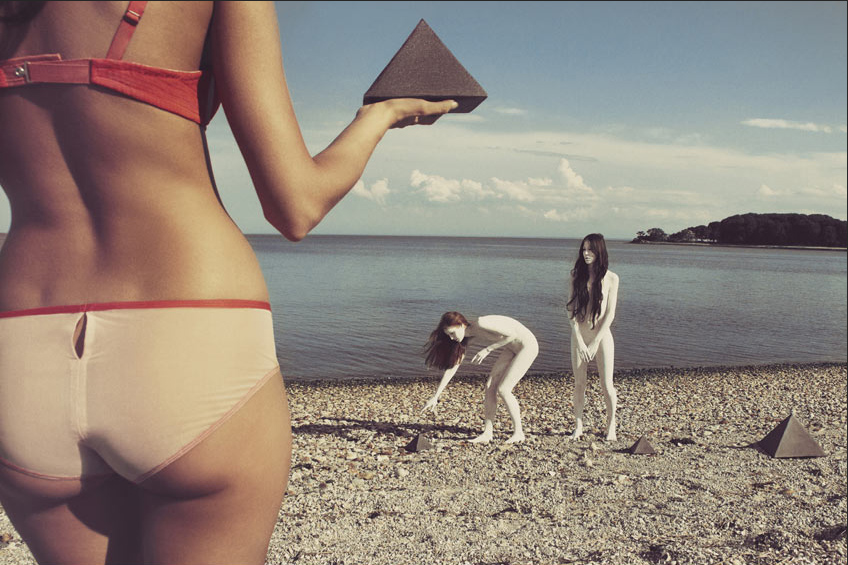
Named after a Victorian euphemism for a woman’s skill in the bedroom, The Lake and Stars intimates balance provocation and humor, intelligence and sensuality, for a new vision of feminine style.
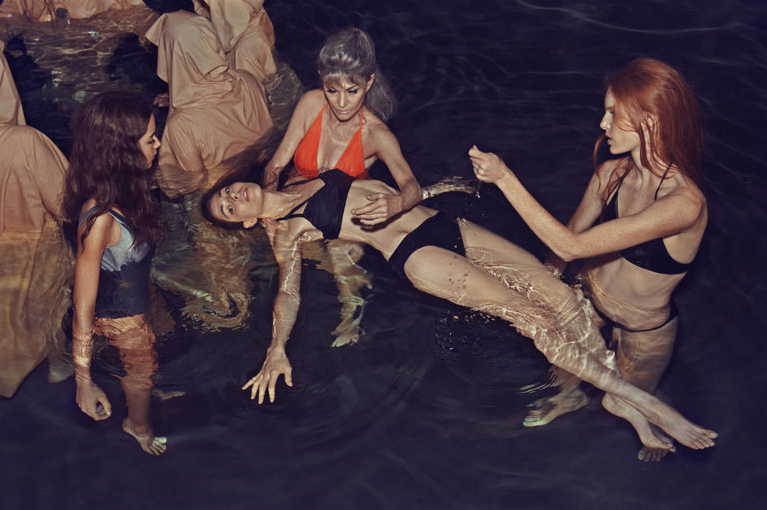
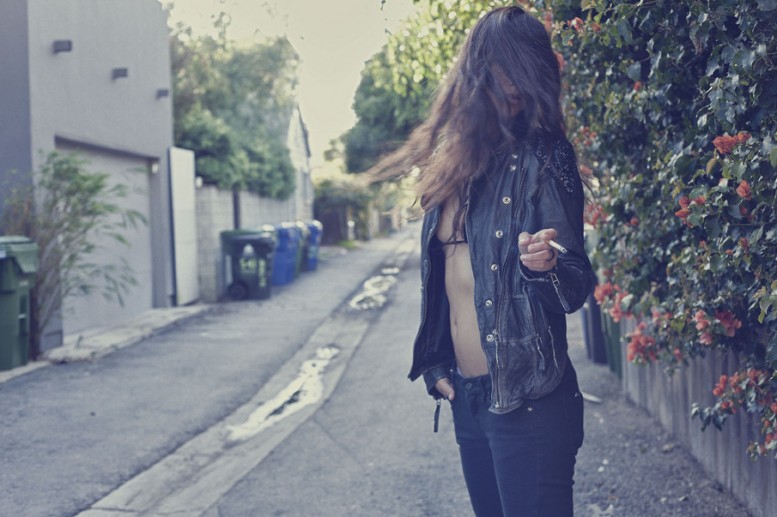
Streamlined lingerie and swimwear find a place among more traditional lingerie essentials, for creative pairings that revive the classic and redefine the seductive. Designed to stand alone or in complement to other clothes, the pieces themselves embody a broader view of lingerie as fashion expression, rather than costume. Their clean lines and assertive detailing describe unique stylistic characters all their own, making them as personal as they are diverse, and as accessible as they are luxurious. They are intimates meant to be seen—reflecting, as a fashion statement, on the open and sophisticated tastes of their wearer.
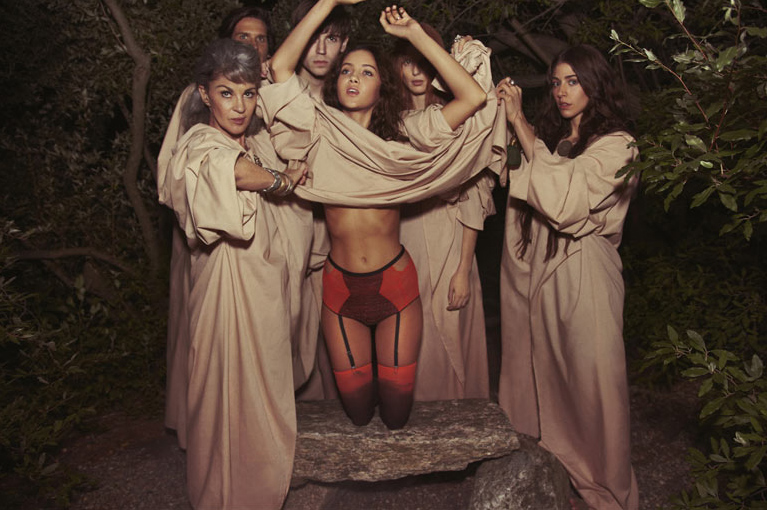
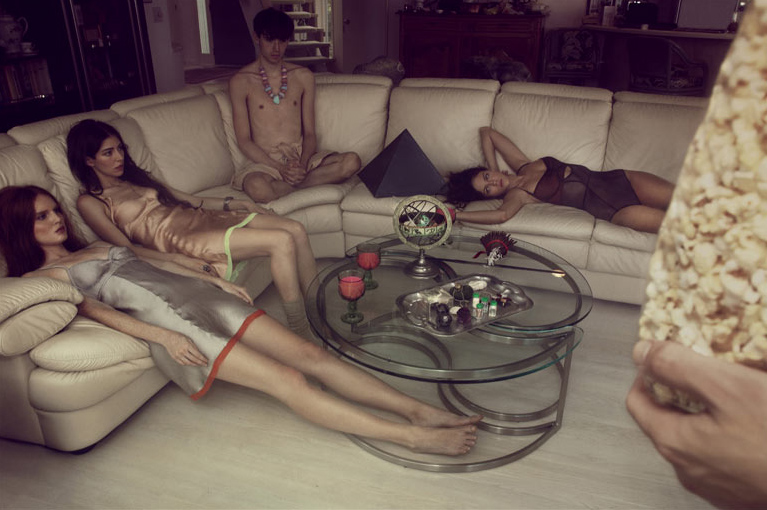

lingerie
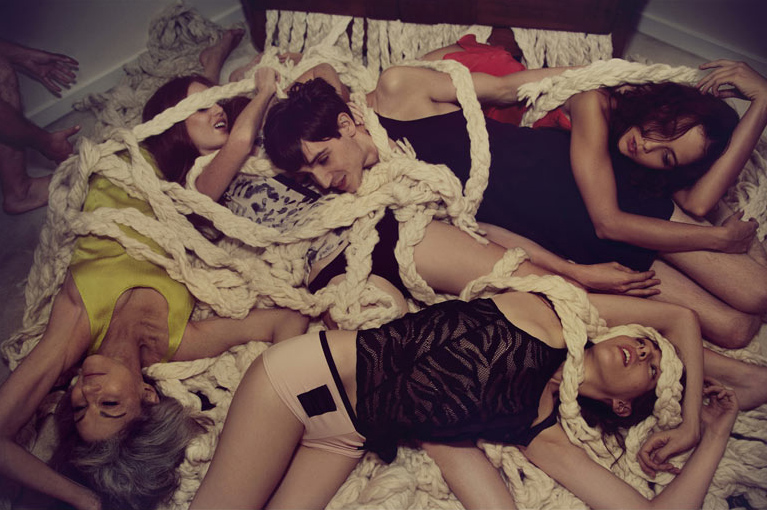
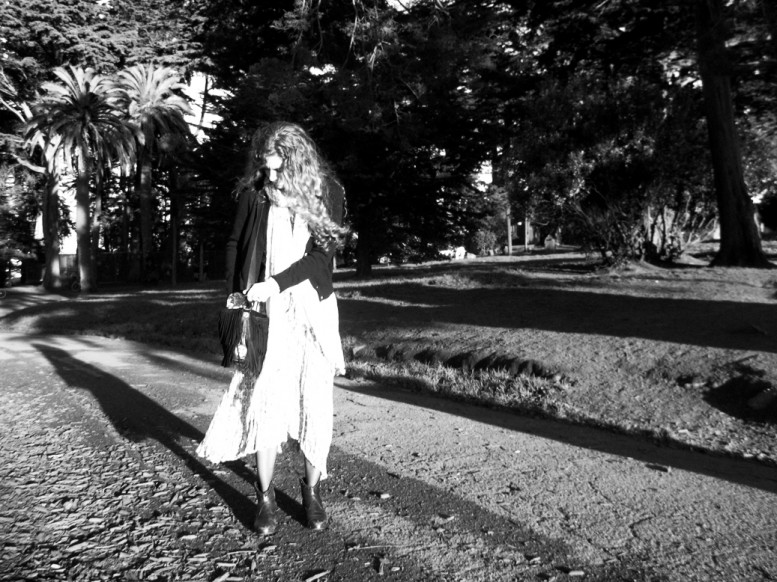
For Spring 2011, designers Nikki Dekker and Maayan Zilberman took last season’s idea of “fetish” and explored it as a means of “ritual”. Inspired by the ‘80s New Age approach to spirituality and well-being, and today’s resurgence of communal living and cult practices, the team created their own “family” environment to stage various rituals. Playing with the notion that lingerie can be a key player in the ritual of romance, the new slideshow album, photographed by Tom Hines, offers tongue-in cheek advice on how to stay grounded and how not to take it all too seriously.

BVLGARI: THE ART OF JEWELLRY MAKING
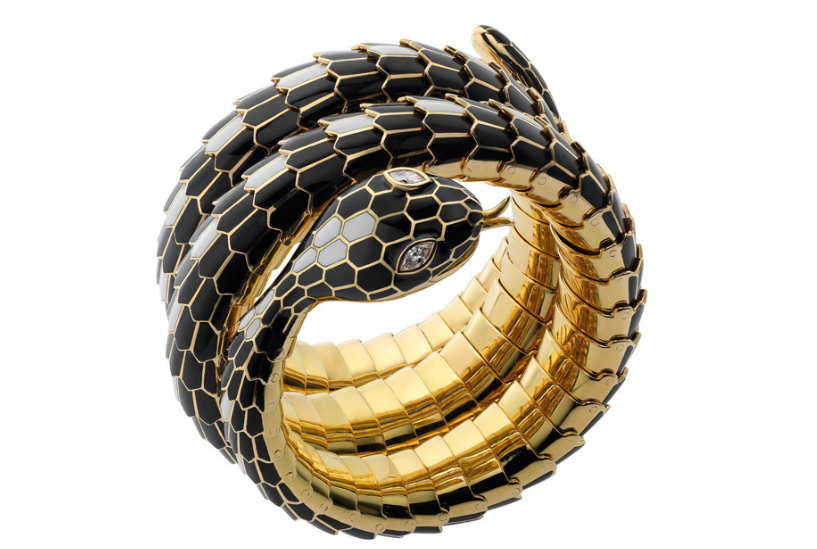
Snake bracelet in gold and polychrome enamel, diamond eyes, ca. 1965
Slightly more demure and underrated, glimmering in the shadows of Cartier, the house of Bulgari – the 127 year old jewelry company – is taking new approaches and readapting vintage styles that have made them adored by so many of the glitterati: from hollywood to the royal palaces of Europe. By far their most elegant pieces are from the famous Serpenti collection.
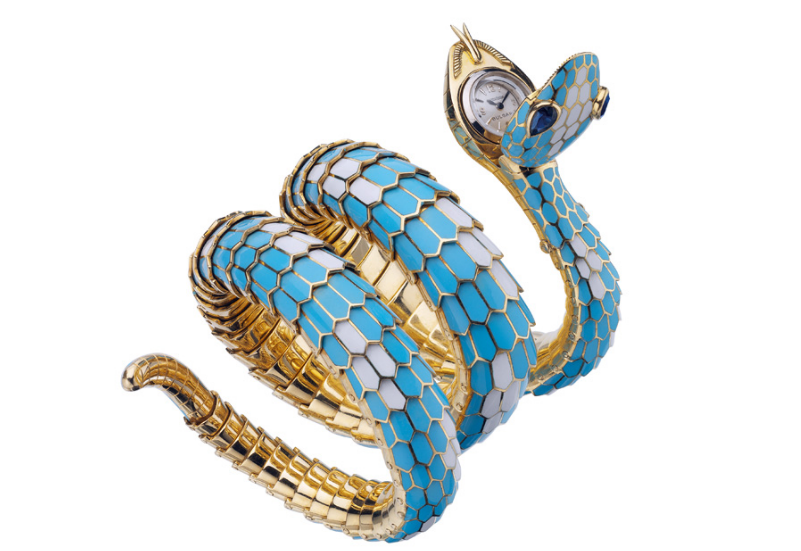
bulgari_blue_serpentine
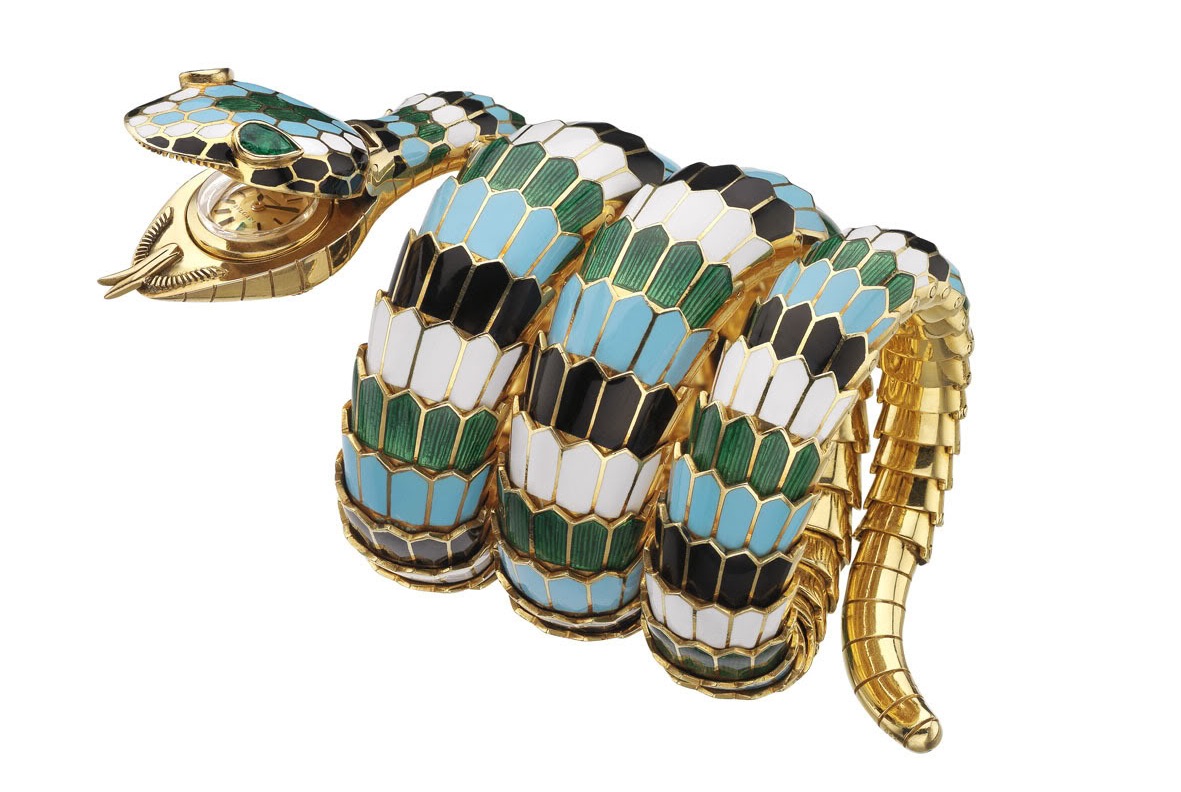
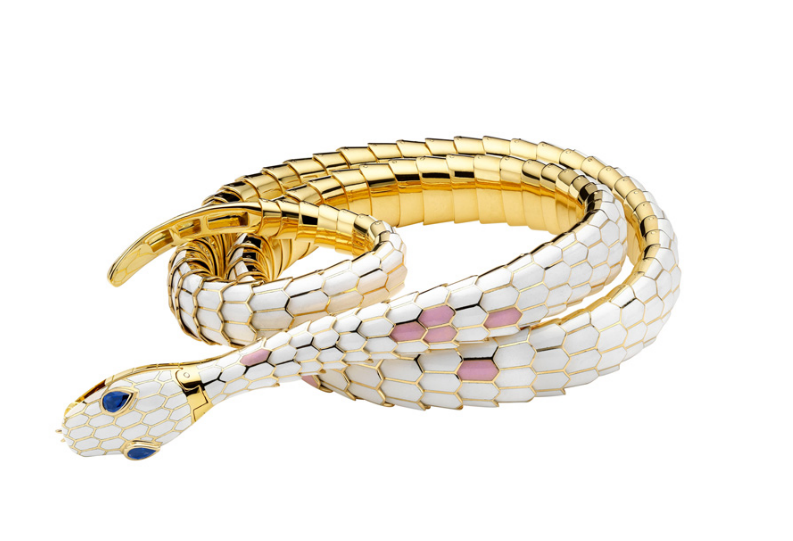
Snake belt in gold and white enamel, sapphire eyes, ca. 1970
Vist the Bulgari to see an small online retrospective of Bulgari jewellry - there will also be an exhibit at this summer's Art Basel in Switzerland. en.bulgari.com
Henry Leutwyler's Sacred Artifacts of Pop
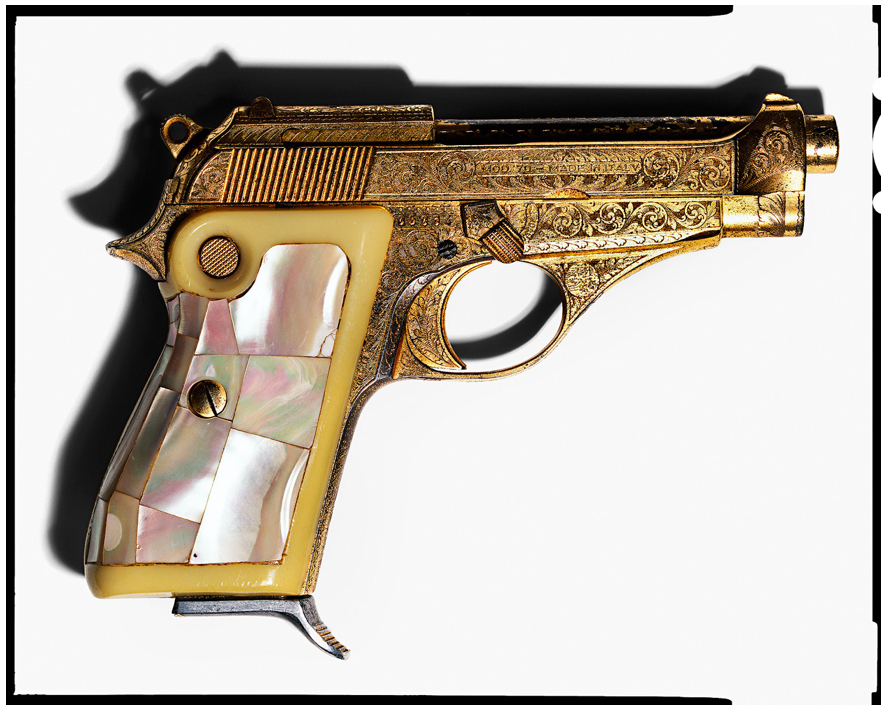
Gold Beretta Elvis
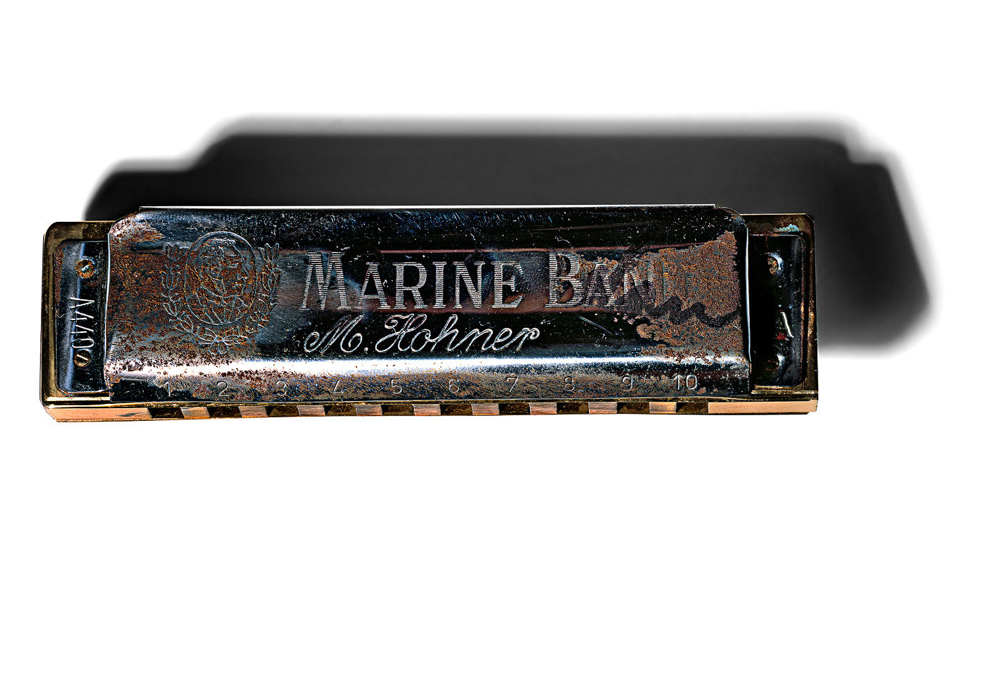
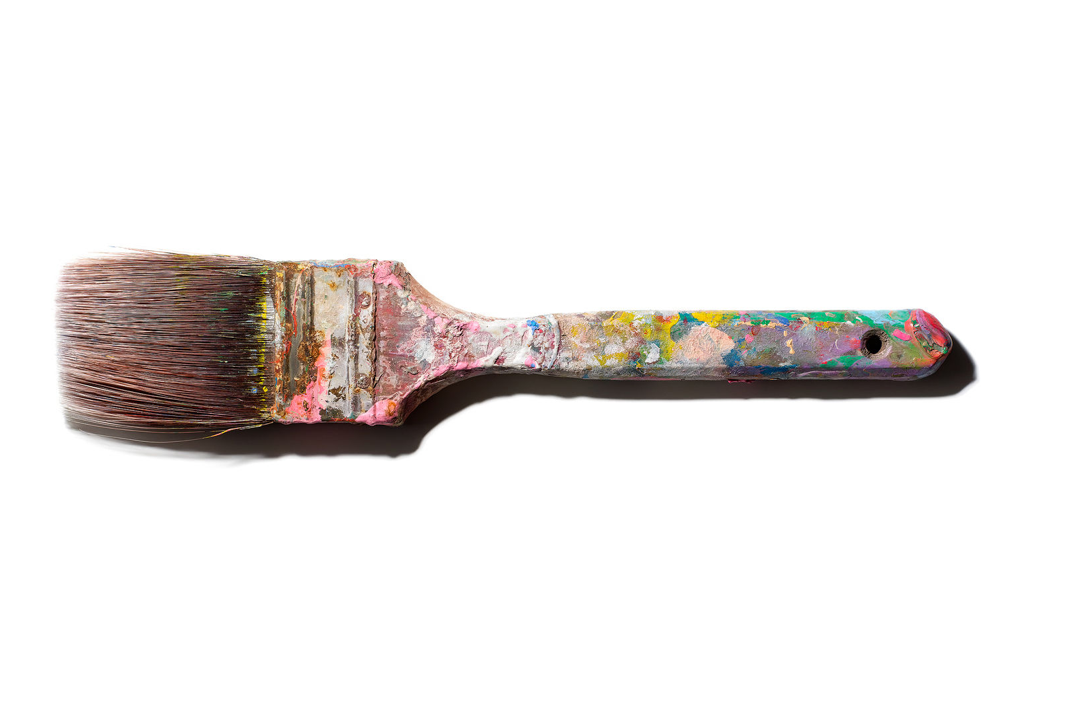
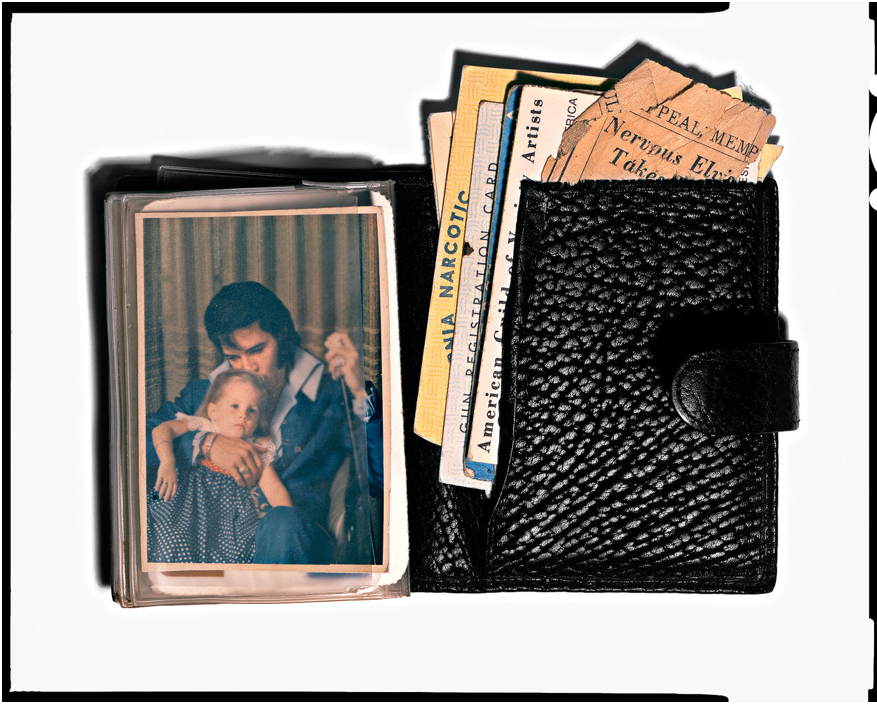
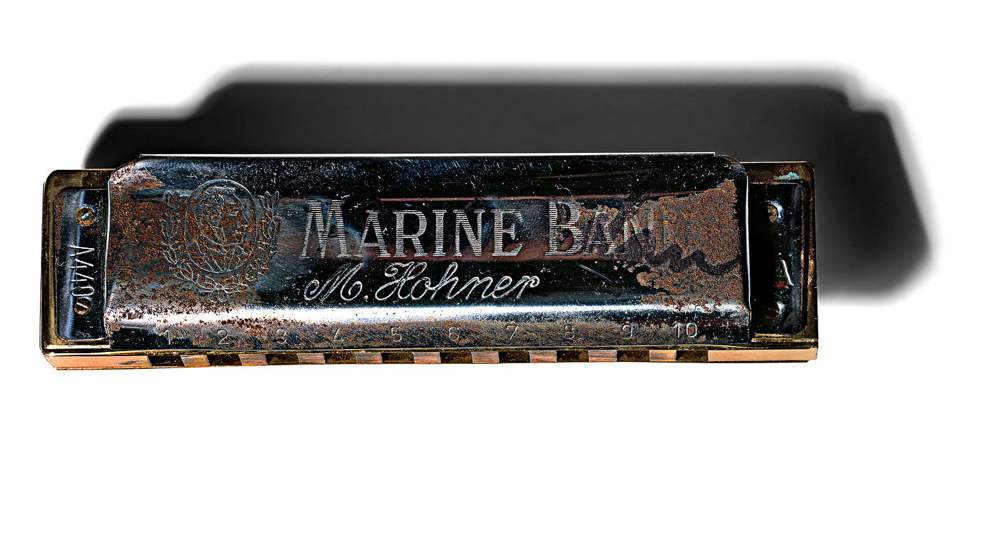
Elvis Presley's Gold Beretta Henry Leutwyler's Artifacts series instantly turns this photographer into a brilliant archeologist of pop culture; carefully, methodically recording the contents for posterity. There's Elvis' gold Beretta, Bob Dylans's harmonica, the pistol that took John Lennon's life and most famously Michael Jackson's glove. Neverland Lost, a portrait of Michael Jackson, an exhibit at Foley Gallery in New York explores a series of photographs Leutwyler captured at Jackson's Neverland Ranch a year before the singer died.
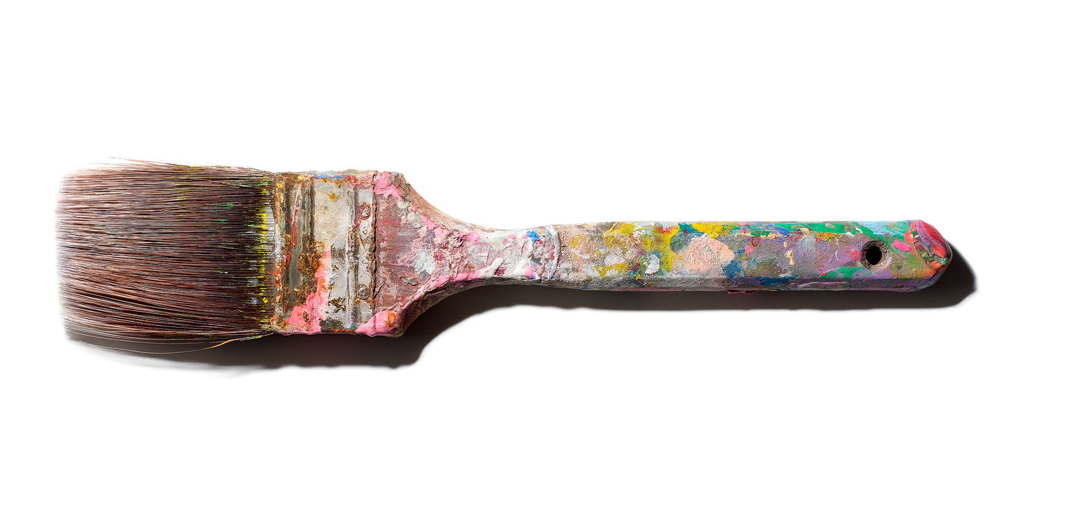
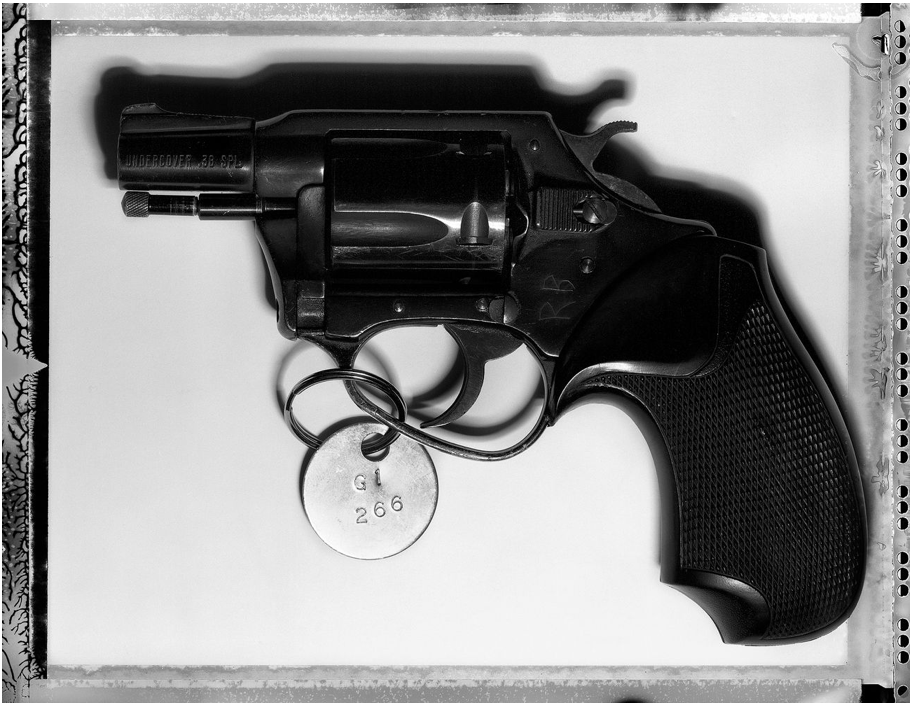
Bruce Davidson's Rebellious Teenagers

Bruce Davidson 1959, New York City, Coney Island, 1959.
Bruce Davidson, unlike other photographers before him, embedded himself in the world of his subjects for extended periods he even joined a circus in 1958 in order to get the right pictures the results of which formed themselves into series of powerful photo-essays. Brooklyn Gang' and East 100th Street' are perhaps his two most famous, and are the results of months and months living with both a gang of youths on Coney Island, and the inhabitants of a run-down tenement block in Harlem, New York. Through a combination of familiarity and his own visual poetry, Davidson brought these, and other subjects, to life in the many books and exhibitions that resulted from these projects. Opening in May 2011, an exhibition in London will focus on several of these key photo-essays, namely, The Circus, Brooklyn Gang, Civil Rights Movement, East 100th Street, England/Scotland/Wales - 1960, and Central Park. www.chrisbeetlesfinephotographs.com

Bruce Davidson, Kiss, 1959.

Bruce Davidson 1959, New York City, Coney Island, 1959.

Bruce Davidson 1959, New York City, Coney Island, 1959.
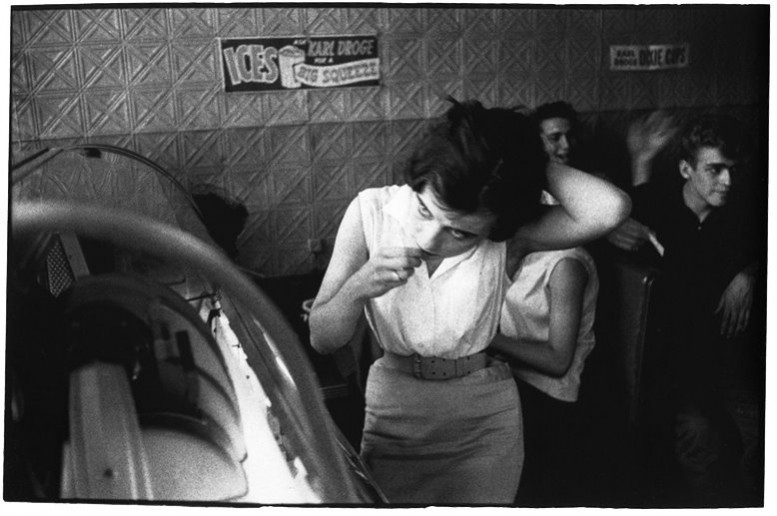
Bruce Davidson 1959, New York City, Coney Island, 1959.
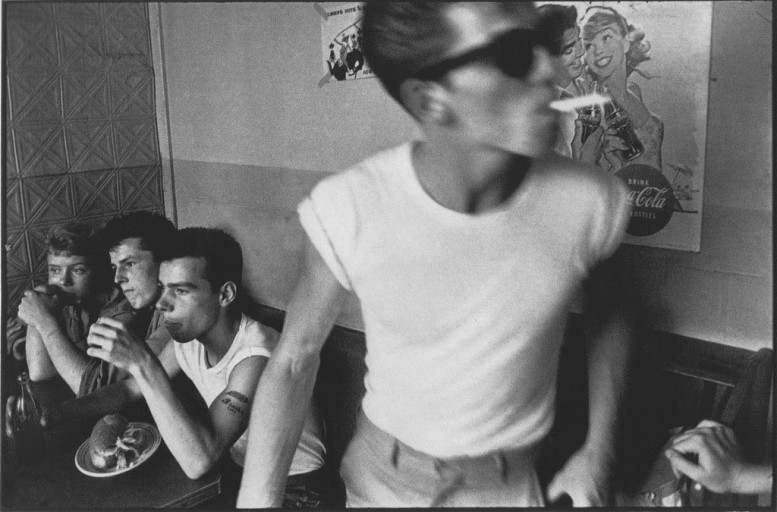
Bruce Davidson 1959, New York City, Coney Island, 1959.
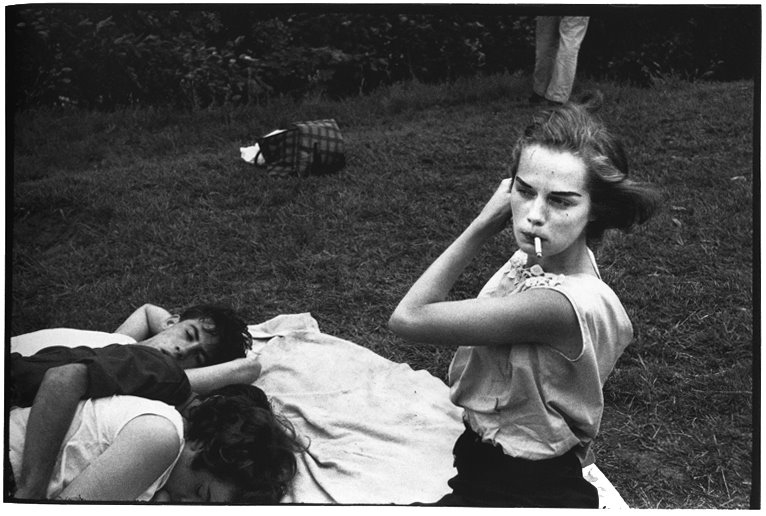
bruce_davidson_photography_new_york_brooklyn_gang
Bruce Davidson 1959, New York City, Coney Island, 1959.
Kevin Hayes: The Dirtiest Rainbow

Kevin Hayes' photography is a bloody car wreck on a hot summer highway - hard to take your eyes away from. Hayes seems to have the rare opportunity of complete access to the pig pen of diseased swine - the keys to the dark kingdom of humanities other side; and quite naturally I might add. It begs the question: what is on the other side of the dirtiest rainbow?


Visit the Dirtiest Rainbow here.
The Mystery & Ambiguity of Christer Strömholm
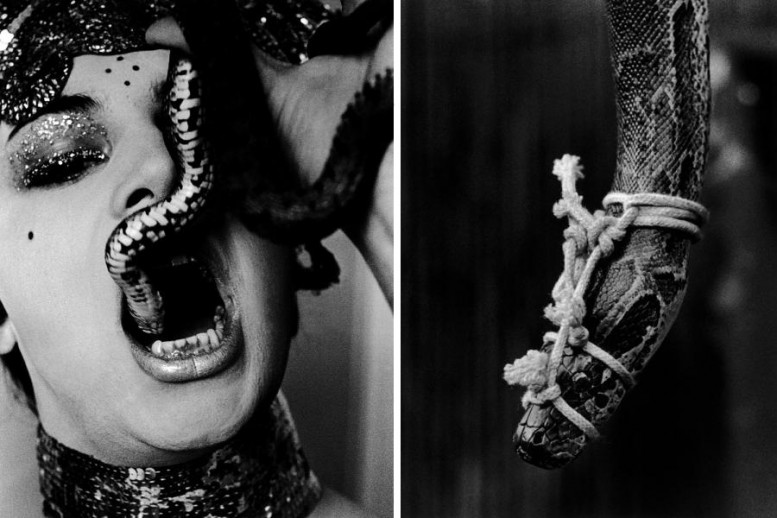
left + right: Foire de Pigalle, Paris, 1955*
Originally published in 1967, Poste Restante has become one of the most collectible photography books from the mid-twentieth century, ranking alongside the better known publications of Robert Frank and Ed van der Elsken. Strömholm’s photographic autobiography details his extensive travels across the globe in a book constructed as an Existentialist diary. Juxtaposing the urbane and the macabre, combining portraiture and street scenes with abstract photographic fragments, the book uses metaphor and visual pun in an unrelenting stream of consciousness. In its sequence and design it is a book which pre-figures much of contemporary photographic publishing and art practice.
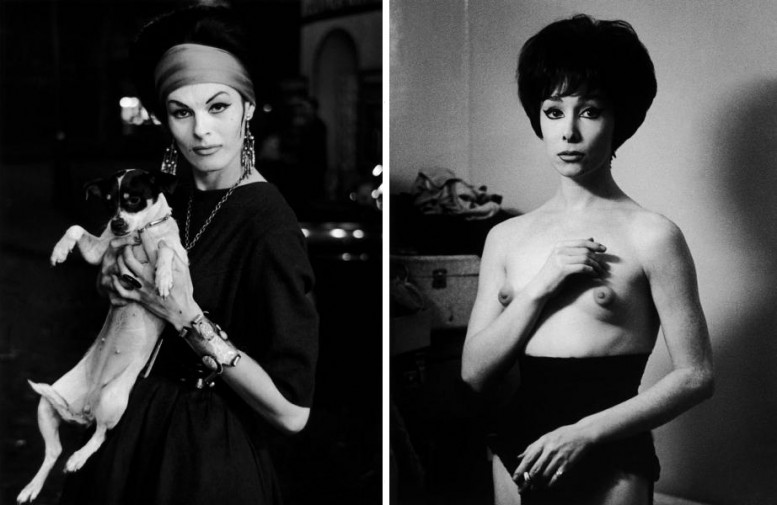
left: Jacky with dog, Paris, circa 1950 right: Cobra, Paris, circa 1960**
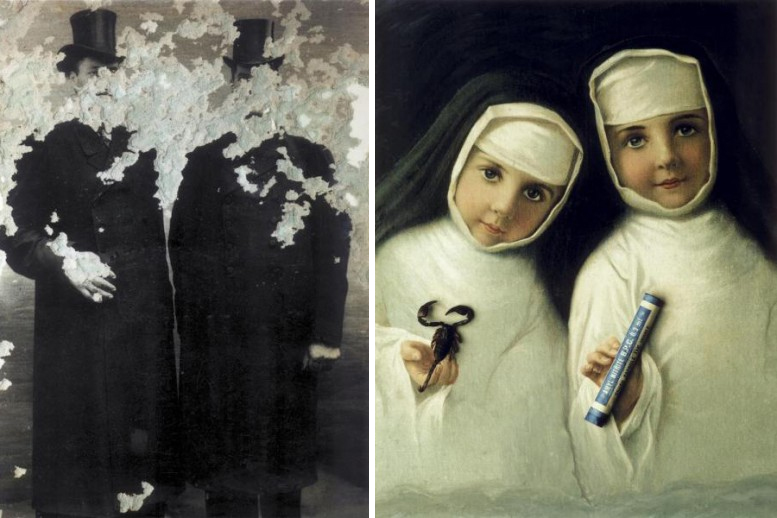
left: Stockholm, 1976 right: Merciful sisters, 1976***

left: Ingalill, Paris, 1979 right: The Kiss, Paris, 1962****
Poste Restante by Christer Strömholm will be available this April by Steidl books. www.steidlville.com
* Pigalle - The show occupies an essential place in the work of Christer Strömholm who photographs cinema and theater posters and produces a series on the Pigalle square. He likes fixing his attention on the spectators who introduce new points of view and invites us to imagine scenes beyond the picture.
** Place Blanche, 1956-1962 - The series Place Blanche, created between 1956 and 1962, is dedicated to the transvestites and the transsexuals of this Parisian district. Strömholm does not pose his models in the nude. Never a Peeping Tom, he knows how to protect mystery and ambiguity.
*** Polaroïds , 1976 - About twenty Polaroids created by Strömholm in 1976 present the assemblies of images and objects and constitute so many visual plays on words that reveal the profound influence of surrealism on Strömholm.
**** Paris - It is by the end of the 40’s, at the college of Beaux-Arts in Paris, that Christer Strömholm dedicates himself completely to photography. Far from the humanism of Doisneau or decisive moment of Cartier-Bresson, he develops a subjective and eclectic photography that refuses any anecdote and any hierarchy among the subjects. In addition to portraits stolen from the street, he multiplies the photos of objects. Strange and ghastly rubbish, these last ones return to the surrealist found object and evoke the recovery of the new realists to whom Strömholm was close.
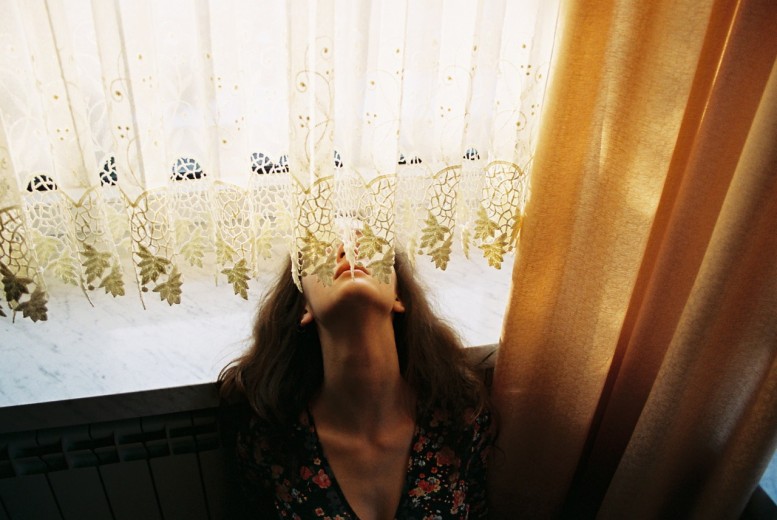
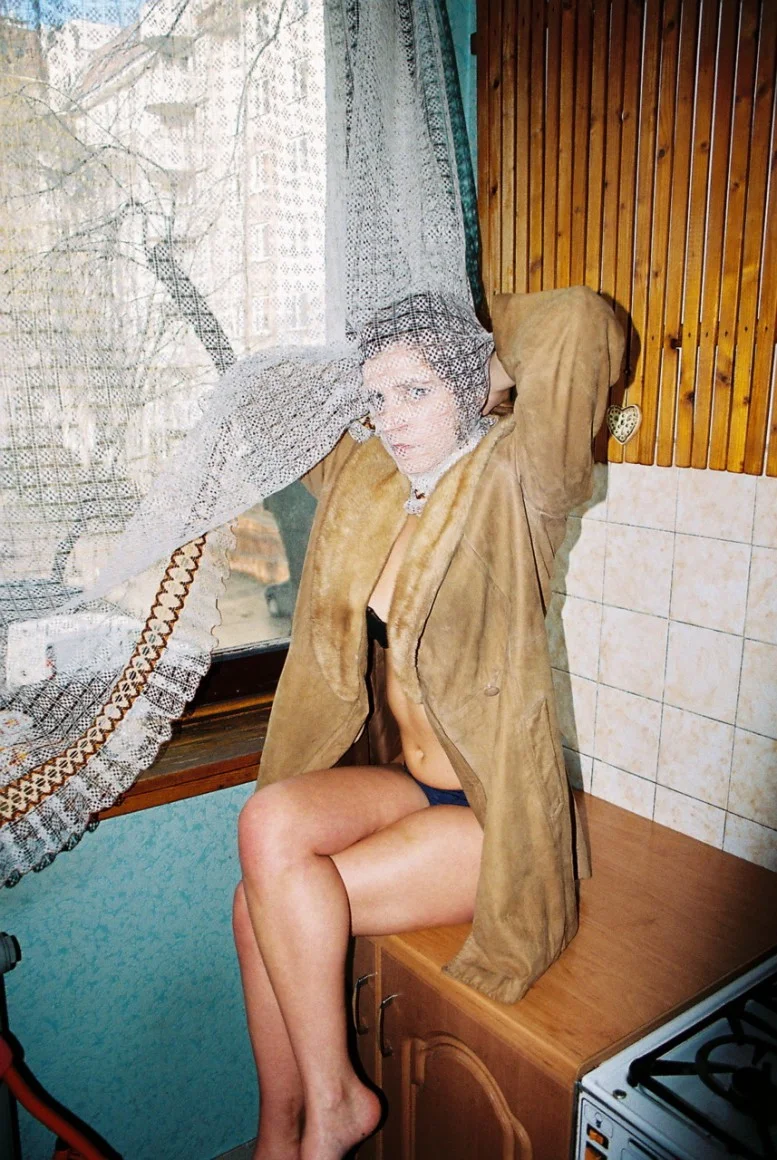
Sequin Covered Swans: the Images of LUKASZ WIERZBOWSKI



The Face in the Lens: Anonymous Photographs

Anonymous photography has a magic all its own. The intriguing images assembled here by collector and curator Robert Flynn Johnson are all mysterious, but their appeal is various. By turns poignant, humorous, erotic, and disturbing, their subject is the human condition.

In ten stunning chapters every aspect of human experience—both public and private—is explored. Richly reproduced and with subtle tonalities marking their age, over 220 photographs showcase the work of photographers whose identities have been lost in time. The images are never anything less than mesmerizing and include previously unseen portraits of such stars as Cary Grant, Richard Burton, and Marlene Dietrich.


France, circa 1910


Introduced by Alexander McCall Smith, this follow-up to Johnson's widely acclaimed Anonymous touches on birth, marriage, death, disease, hope, glory, and despair and a plethora of additional emotions, events, and human states, and will capture the imagination of any reader. The Face in the Lens: Anonymous Photographs by Robert Flynn Johnson will be available in the United States and Canada this coming April by University of California Press. www.ucpress.edu
Wim Delvoye's Sexrays

Wim Delvoye, born 1965, is a Belgian neo-conceptual artist known for his inventive and often shocking projects. Much of his work is focused on the body. He repeatedly links the attractive with the repulsive, creating work that holds within it inherent contradictions- one does not know whether to stare, be seduced, or to look away. Wim Delvoye has an eclectic oeuvre, exposing his interest in a range of themes, from bodily function, to the Catholic Church, and numerous subjects in between. He lives and works in Belgium, but recently moved to China after a court of law judged his pig tattoo art projects illegal. Delvoye is additionally well known for his “gothic” style work. In 2001, Delvoye, with the help of a radiologist, had several of his friends paint themselves with small amounts of barium, and perform explicit sexual acts in medical X-ray clinics. Wim Delvoye then used the X-ray scans to fill gothic window frames instead of classic stained glass.


Delvoye suggests that radiography reduces the body to a machine. When he was not an active participant, Delvoye observed from a computer screen in another room, allowing the subjects enough distance to perform normally, although Delvoye has described the whole operation as "very medical, very antiseptic." Delvoye also creates oversized laser-cut steel sculptures of objects typically found in construction, customized in seventeenth century Flemish Baroque style. These structures juxtapose "medieval craftsmanship with Gothic filigree." Delvoye brings together the heavy, brute force of contemporary machinery and the delicate craftsmanship associated with Gothic architecture. www.wimdelvoye.be
"Last Days" from Lovers & Fuckers



Nostrum

Photography: Oliver Maxwell KupperModel: Jessica HudsonSan Francisco, CA, January 2011