Lust and Vice

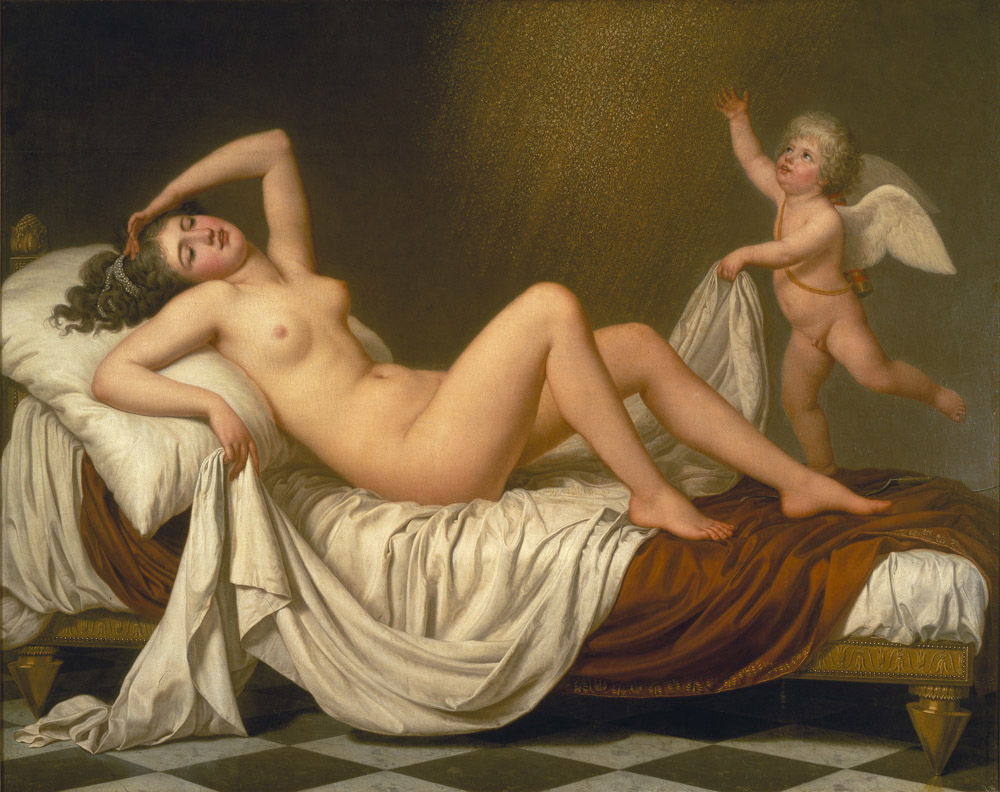
Adolf Ulrik Wertmüller: Danaë och guldregnet. NM 1767

Danaë and the Shower of Gold, Adolf Ulrik Wertmüller, 1786

The exhibition Lust & Vice shows examples of how sexuality, virtue and sin have been depicted in art since the 16th century – from an age when the Church preached that sexual contact was only permitted within wedlock to today’s questioning of who erotic art is created for. A total of 200 works are on show from the museum’s own collections, a mix of paintings, drawings, sculptures and applied art. You can also see a genuine chastity belt! Now on view at the National Gallery in Stockholm 24 March 2011–14 August 2011. www.nationalmuseum.se

The Cult of Beauty

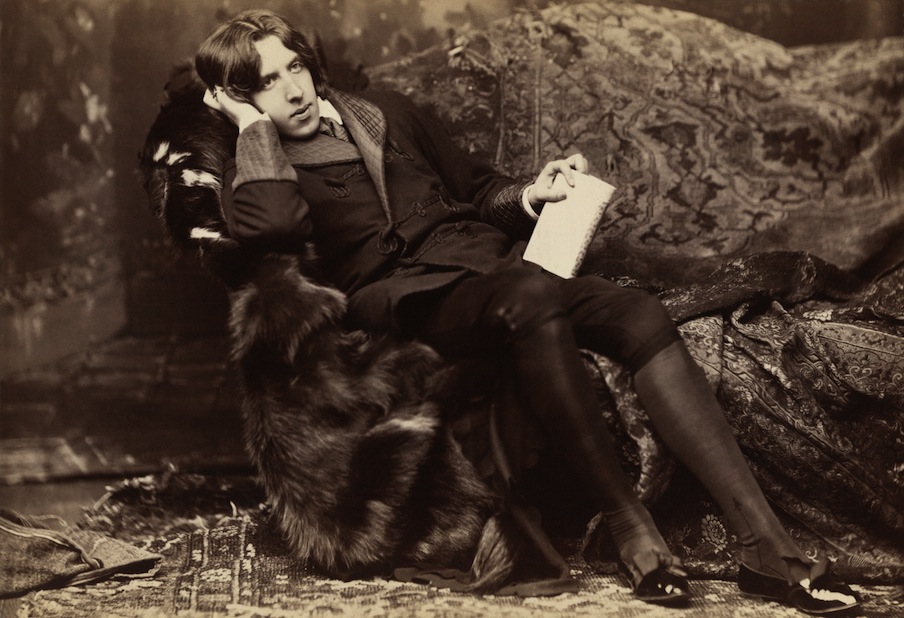
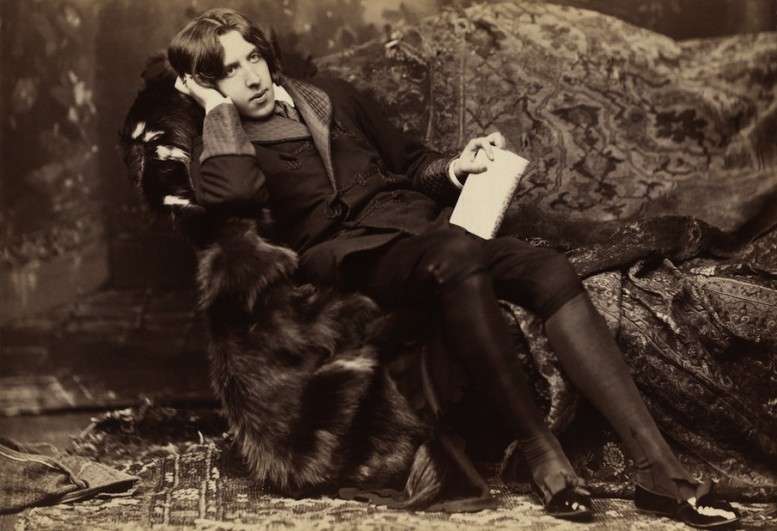
The Cult of Beauty: The Aesthetic Movement 1860-1900, opening April 2 at the Victoria & Albert Museum in London, is the first exhibition to comprehensively explore Aestheticism, an extraordinary artistic movement which sought to escape the ugliness and materialism of the Victorian era by creating a new kind of art and beauty.

The well spring of the 'new art' movements of the late 19th century, Aestheticism is now acknowledged for its revolutionary re-negotiation of the relationships between the artist and society, between the 'fine' and design arts, as well as between art and ethics and art and criticism. Aesthetic sensibilities produced some of the most sophisticated and sensuously beautiful artworks of the Western tradition.

Featuring superb artworks from the traditional high art of painting, to fashionable trends in architecture, interior design, domestic furnishings, art photography and new modes of dress, this exhibition traces Aestheticism's evolution from the artistic concerns of a small circle of avant-garde artists and authors to a broad cultural phenomenon.

The exhibition will feature paintings, furniture, ceramics, metalwork, wallpapers, photographs and costumes, as well as architectural and interior designs. Included will be major paintings by Whistler, Rossetti, Leighton, and Burne-Jones. Architecture and interior design will be represented by the works of Edward Godwin, George Aitchison, Philip Webb and Thomas Jeckyll, among others. Art furnishings designed by these and others, including William Morris, Christopher Dresser, Bruce Talbert, Henry Batley, and Walter Crane will showcase not only the designers and manufacturers they worked for, but also new retailers, such as Liberty's.

The Cult of Beauty: The Aesthetic Movement 1860-1900 is on view from April 2 to July 7 the Victoria & Albert Museum in London.  www.vam.ac.uk

Photography: David Goldblatt's Apartheid

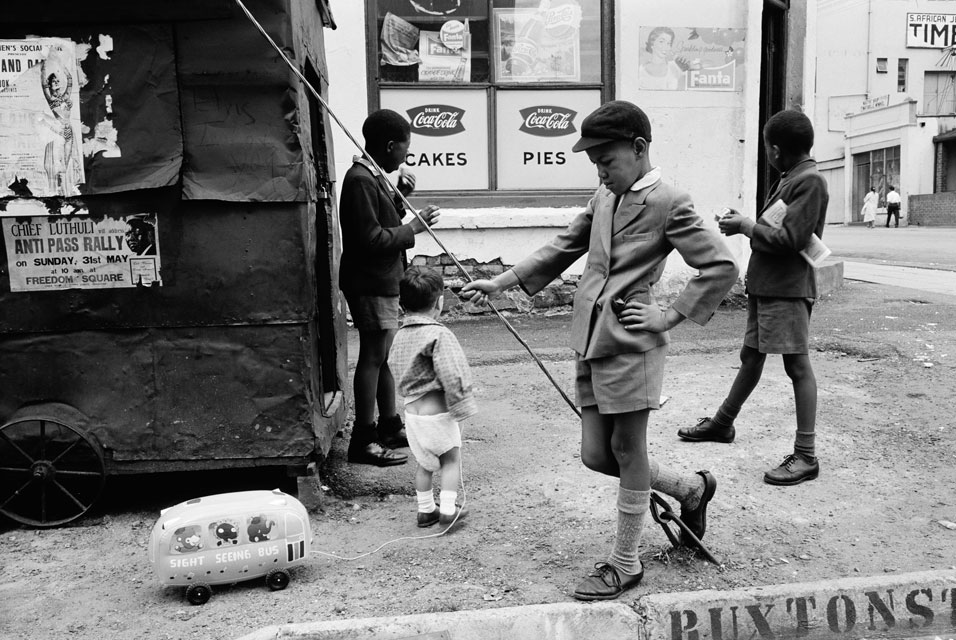
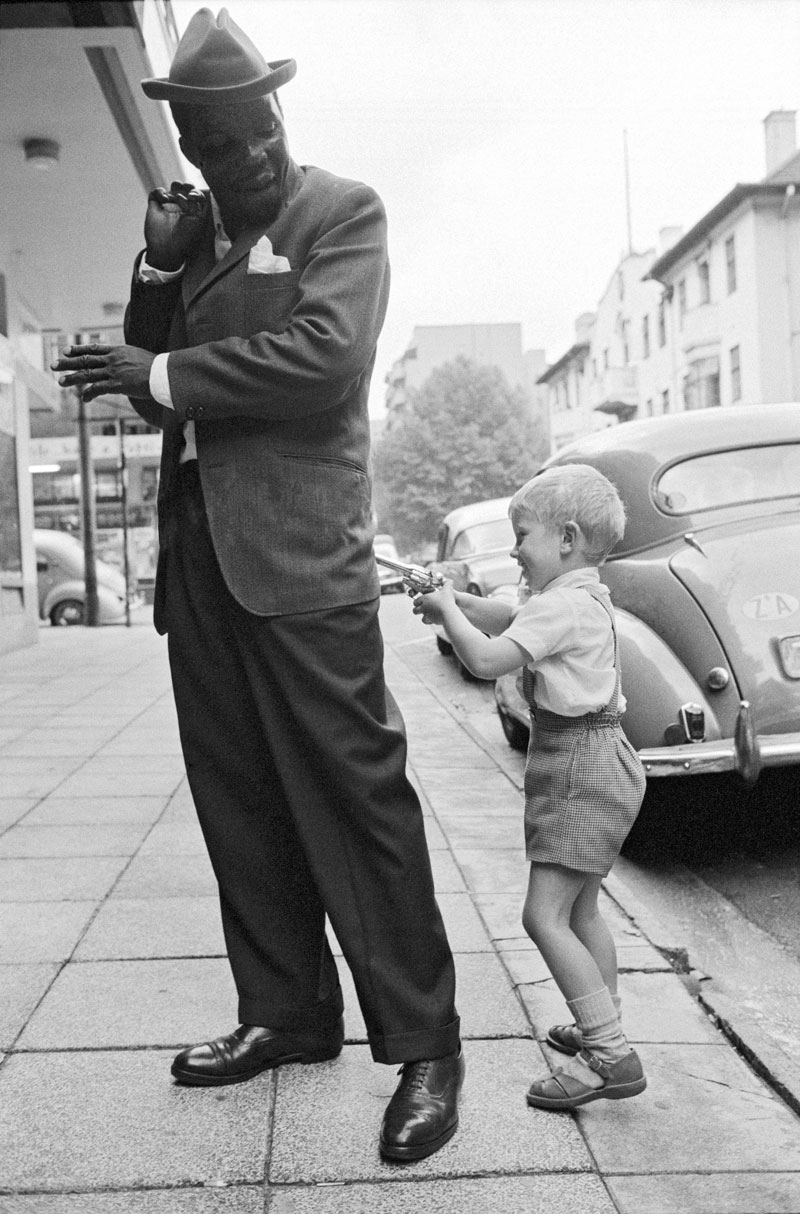
A farmer’s son with his nursemaid, Heimweeberg, Nietverdiend, 1964 Photographer David Goldblatt has explored the social landscape of South Africa since the late 1940s. In 1987, he generously donated a large collection of his work to the V&A. The display will present a selection of these images, focussing on the later years under apartheid rule. The display complements the exhibition Figures and Fictions: Contemporary South African Photography in the Porter Gallery.

Steven with Sight Seeing Bus, Doornfontein, Johannesburg, 1960

Miss Lovely Legs Competition. 1979/80 Holdup in Hillbrow, Johannesburg, November 1963

www.vam.ac.uk
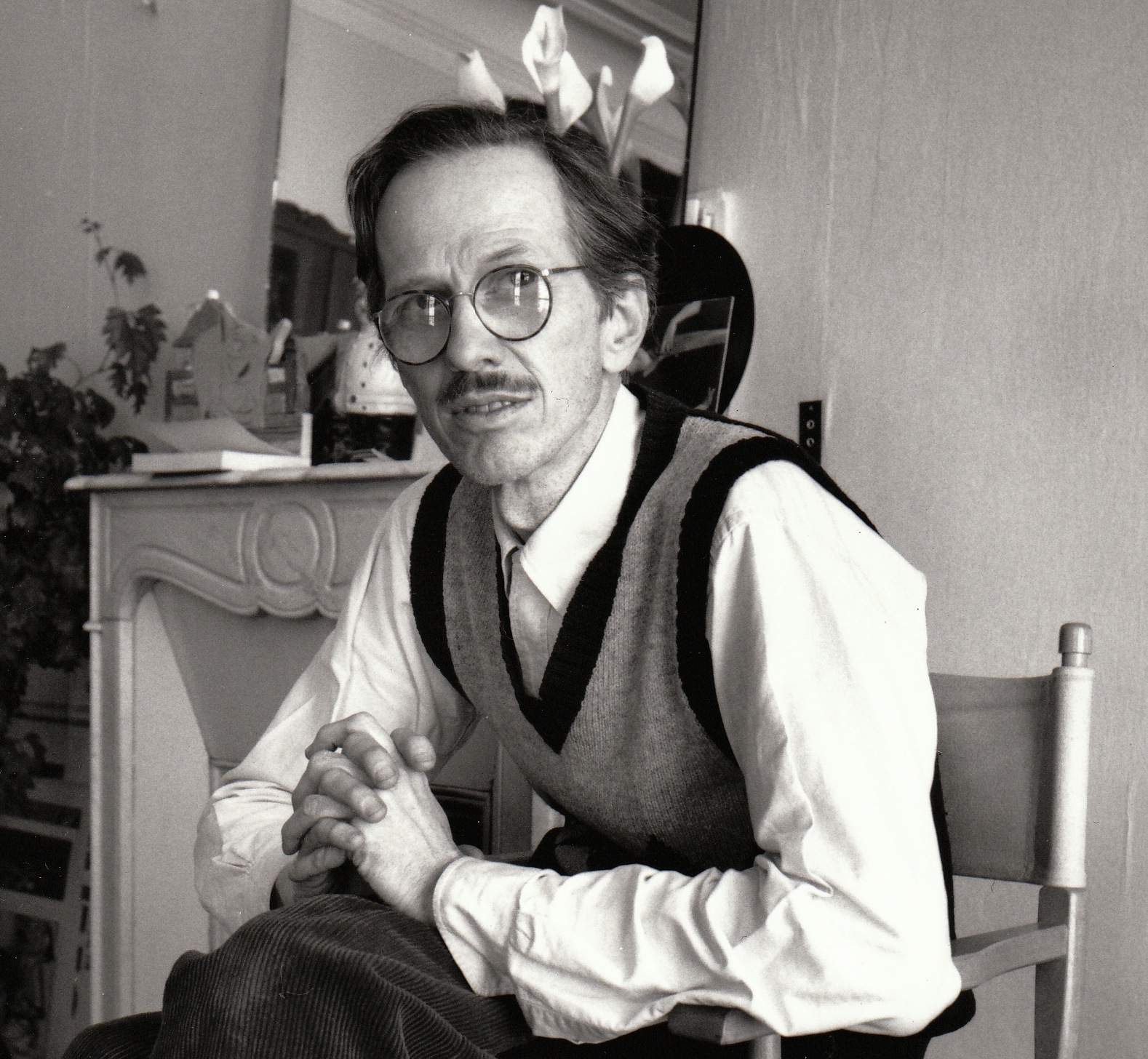
Robert Crumb: Lines on Paper

Photo by Diane Tell

“R. Crumb: Lines Drawn on Paper” opened on Wednesday, March 23rd at the Society of Illustrators in New York with a special appearance by the revolutionary comic artist himself at the opening party. Curated by BLAB! Magazine founder Monte Beauchamp, the retrospective showcases 90 pieces of the controversial Crumb’s original work from the past four decades. A pioneer of the underground comic movement in the 1960’s, Crumb is notorious for his exaggerated, painstakingly detailed renderings and his penchant for dark, taboo and often salacious subject matter—not to mention his infamous appreciation for the buxom female form (which has garnered him much criticism from feminists). On display at the Society of Illustrators’ two-level gallery are some of Crumb’s original printing plates and a wide array of original prints and drawings, many of which would appear in Zap Comix, The East Village Other, Motor City, Head Comics, Despair and other counterculture comic magazines.  R. Crumb: Lines Drawn on Paper is now on view at the Society of Illustrators, 128 E. 63rd St, New York. www.societyillustrators.org

Text by Annabel Graham

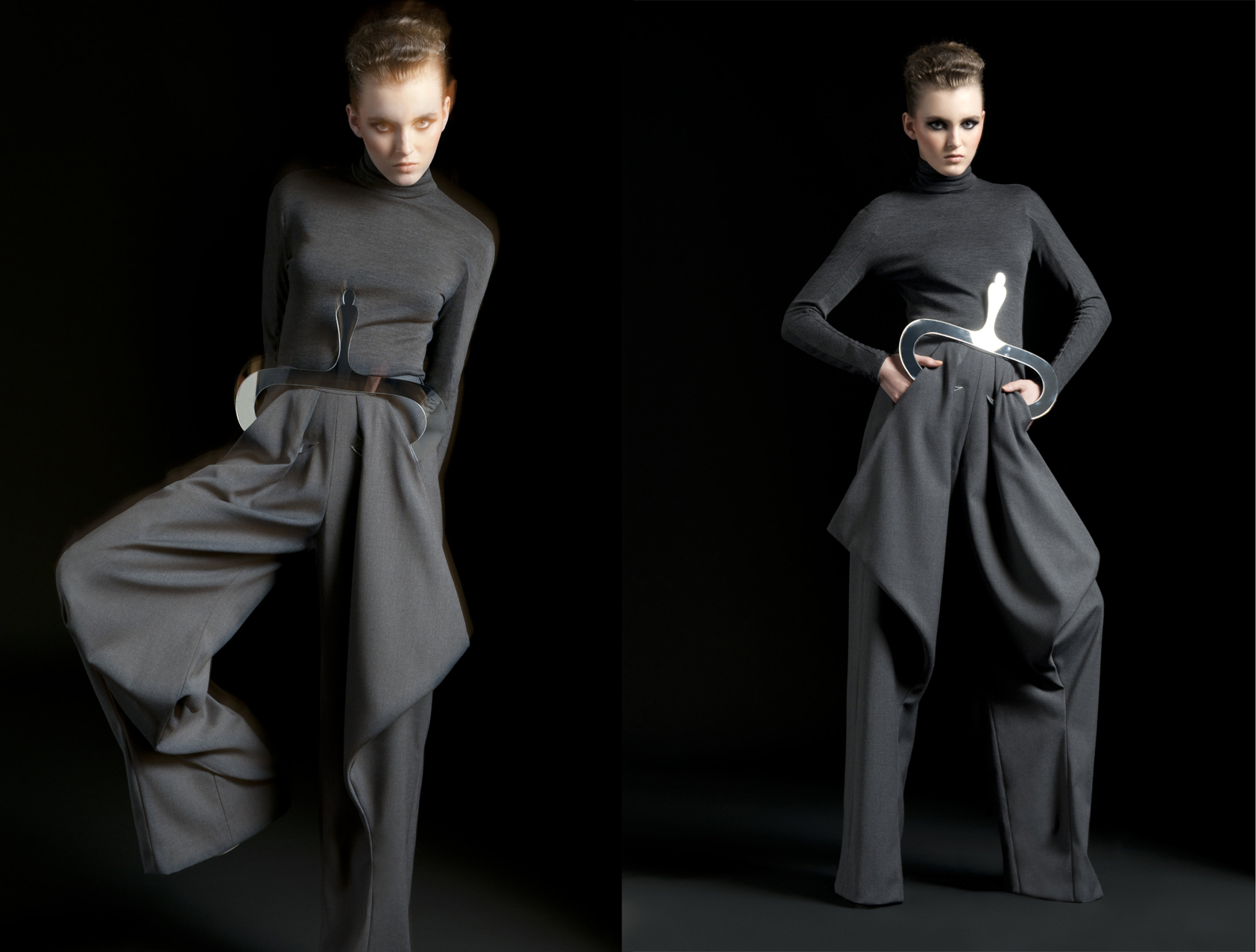
First Look: Sylvio Giardina Fall/Winter 2011/12

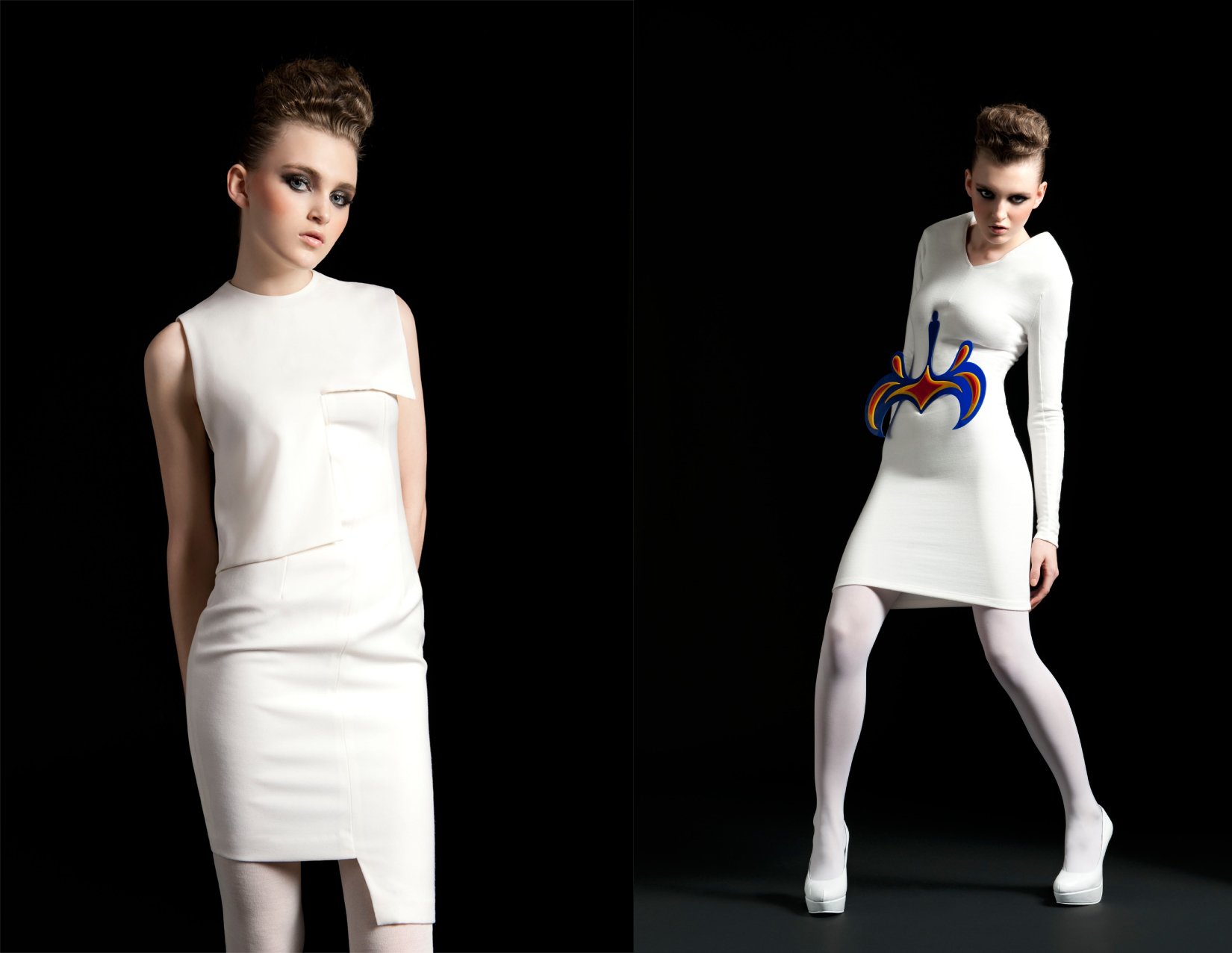
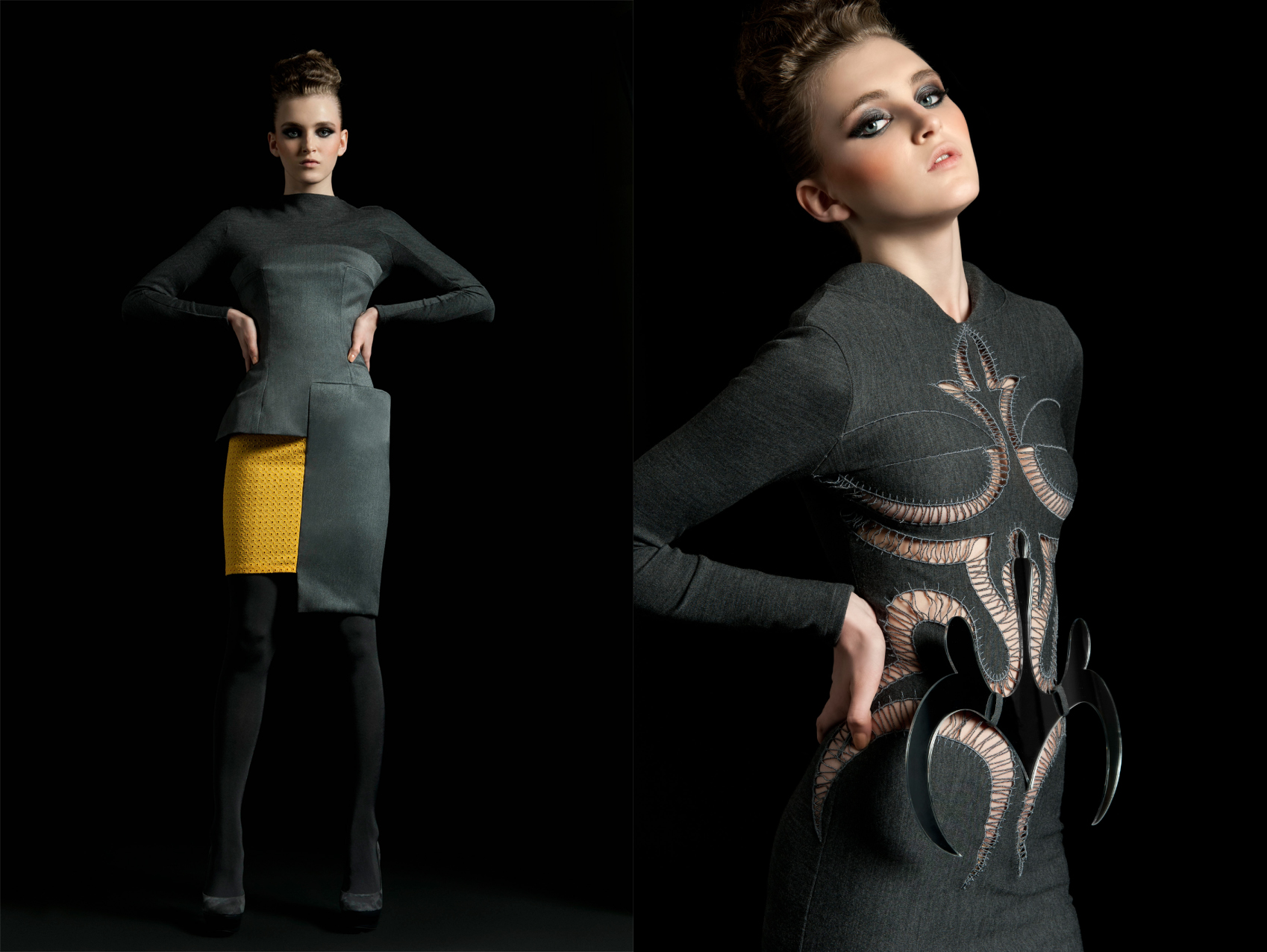
Sylvio Giardina's new fall-winter 2011/12 collection is based on experiments with brand new silhouettes. "The stylistic investigation aims at a moved centre of mass, an imbalanced balance which will change shapes, volumes and lengths made up together by asymmetrical panels to redesign the figure. It’s like an a architecture of the fabrics that re-edits proportions to give a new female identity which finds the final product and the subjective taste."  Giardina attempts to kill homogeneity whilst maintaing the tradition of Italian fashion and contemporary culture. For instance, "Embroideries on jersey fabric find new lines sew on together: no armhole for the sleeves, exaggerated curves set up by upside down strapless to emphasize décolleté (neckline). A synthetic colours palette, like helio-blue and yellow cadmium, joins anthracite grey and impure white of the wool of the pants, tube-dresses, jersey shirts and jackets." Primary fabrics, such as male-wools, fresh-wool, jersey-wool and crêpe wool are all embroidered in San Gallo, in Italy.

"Accessorizes break harmony with strong mirror and colored plexiglass buckles in relief on the tissues like sculptural elements. No prêt-à-porter, no Haute Couture, this is a collection full of contaminations: the most important from art and design influences, where Sylvio Giardina finds himself as spectator and artist."

www.syviogiardina.com

Listen To Cults "You Know What I Mean"

Photo by Tommy Kearns

New York-based band Cults released their new single, “You Know What I Mean,” early this week. Cults is comprised of real-life couple Brian Oblivion and Madeline Follin, two film students in their early twenties who initially started the group “as a joke,” posting a few songs on the internet for their friends’ enjoyment. The duo soon became an internet sensation with their self-released single, “Go Outside,” quickly landing a record deal and gigs with Best Coast and Sleigh Bells.

The few sugary, 60’s-inspired pop tracks they’ve released as of yet balance a certain undefinable innocence and elation with decidedly haunting undertones—think a modernized, lo-fi lovechild of Soft Cell and the Supremes— while their lyrics bring darkness and depth to Follin’s otherwise-joyous soprano. “You Know What I Mean” is the fifth original addition to Cults’ slowly growing repertoire.

Text by Annabel Graham

Cults - You Know What I Mean by cultscultscults

Van Dongen: Fauve, Anarchist, Socialite

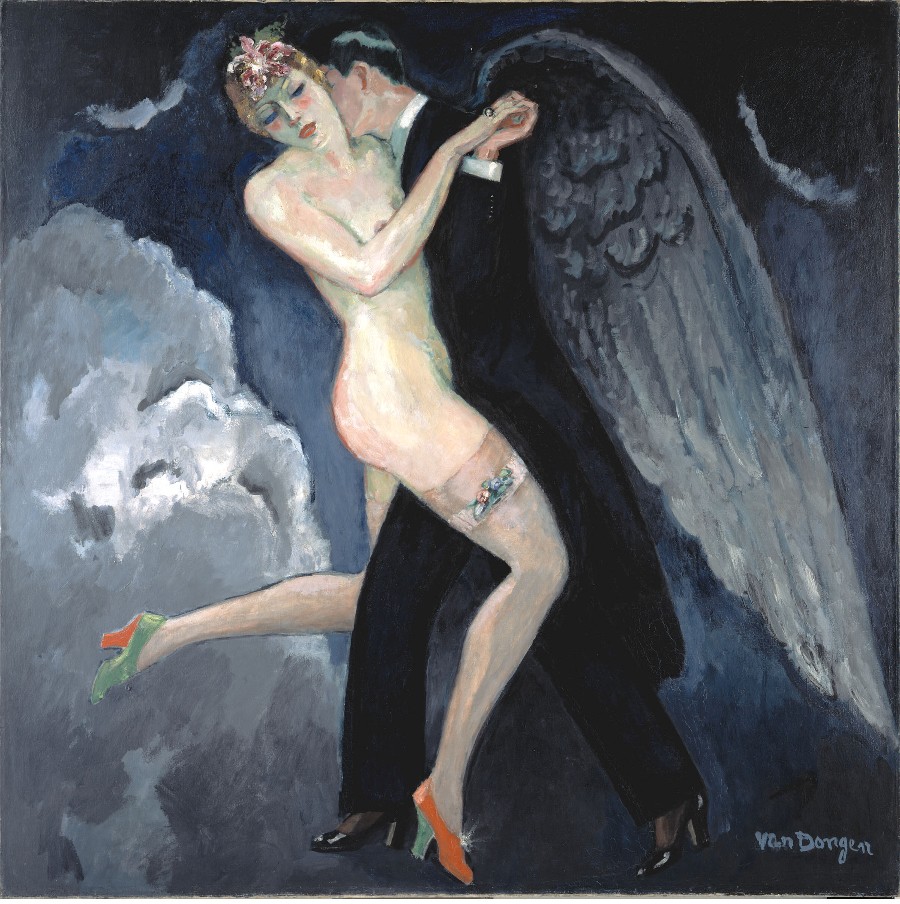
Tango with an Archangel

The Musée d’Art Moderne is offering a fresh appreciation of Kees Van Dongen (1877–1968), the dazzling, disconcerting painter who made his reputation in Paris in the 1920s. This is a comprehensive look at a multifaceted personality: the socially-conscious Dutchman ever ready to caricature and denounce, the avant-garde artist and iconic Fauve, and one of the Roaring Twenties' leading figures on the trendy Paris scene. The exhibition includes and adds to "All eyes on Kees Van Dongen", shown at the Boijmans Van Beuningen Museum in Rotterdam (18 September 2010 – 23 January 2011). www.mam.paris.fr

THE NUDIE ARTIST: BURLESQUE REVIVED, at the Museum of Sex

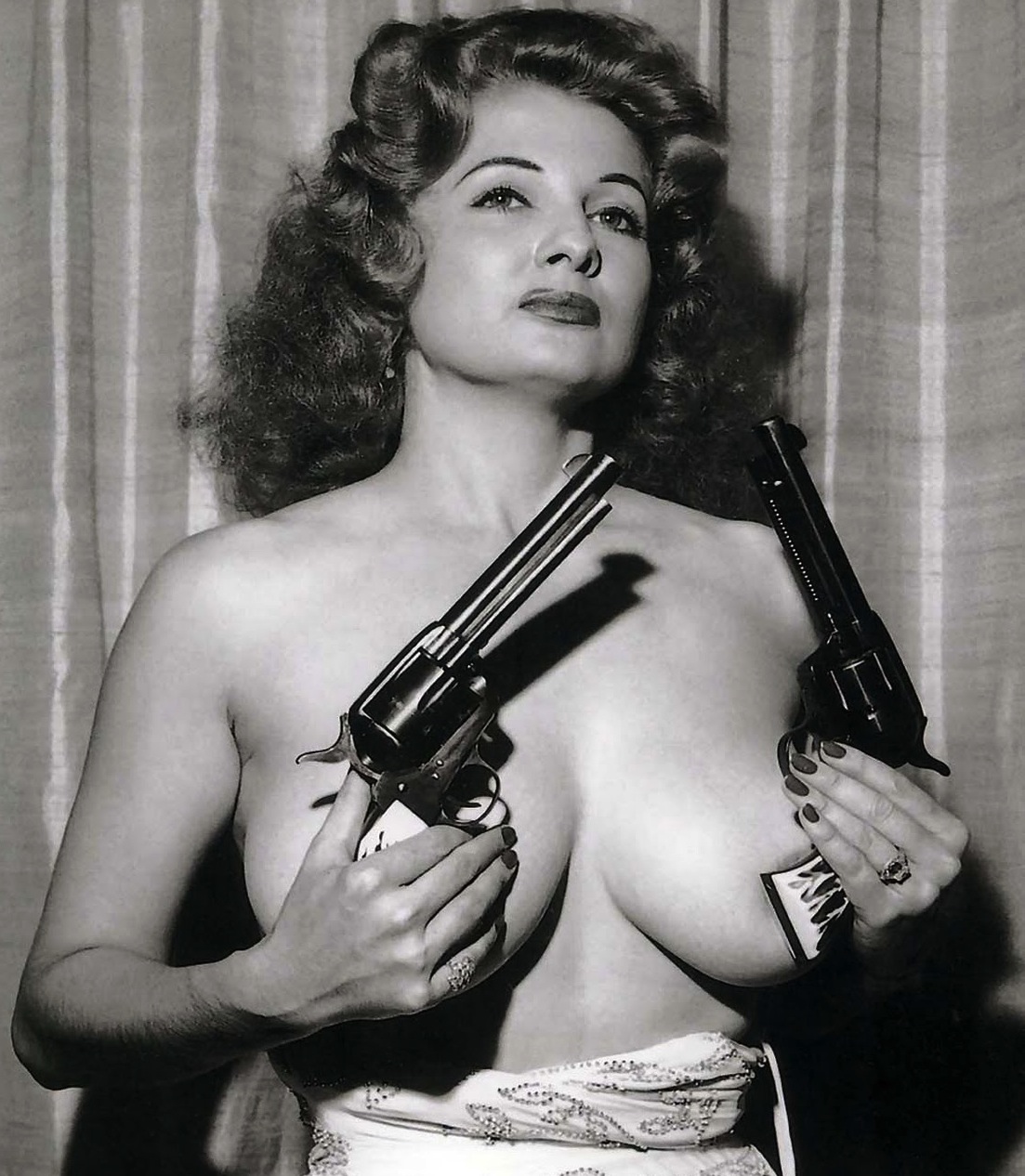
Beginning March 31, the Museum of Sex will showcase select works from two contemporary artists along with historical items related to the art and performance of burlesque. The exhibit, entitled The Nudie Artist: Burlesque Revived, will feature select artifacts from the 1880s to the 1950s, modern works of art from burlesque photographer Leland Bobbé and artist Luma Rouge and footage from Behind the Burly Q, a film by Leslie Zemeckis. The Nudie Artist: Burlesque Revived allows visitors to peek inside the world of burlesque and see the performance art from a personal angle. Inspiring artwork, personal photos and rare footage of the time, as well as costuming will be on display to provide a glimpse into the past life of an art form that is resurging in today’s modern world. www.museumofsex.com

On The Press: Pablo Neruda's Odes, New Translation

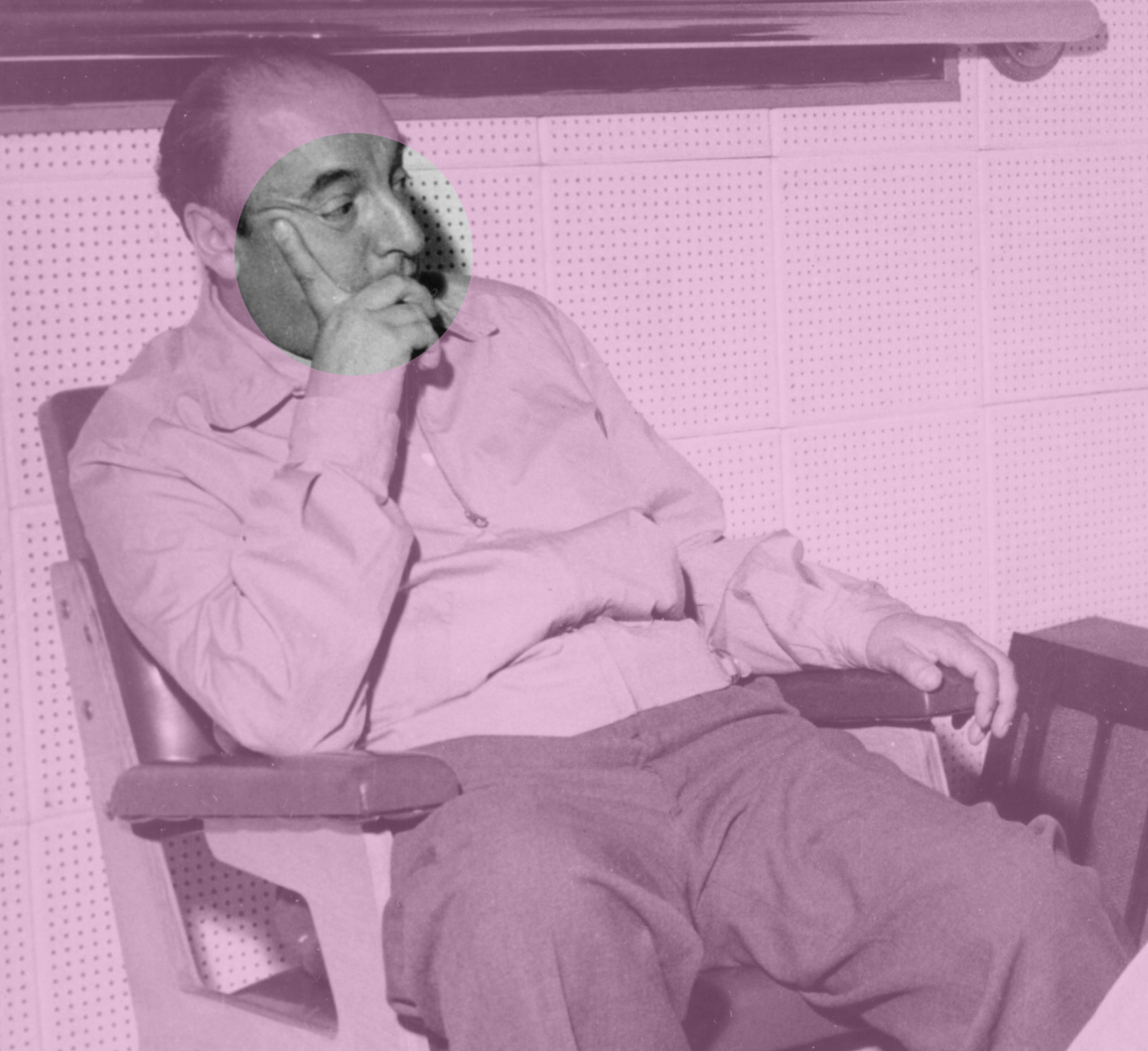
The atom, a tuna, laziness, love—the everyday elements and essences of human experience glow in the translucent language of Neruda's odes. Chilean poet Pablo Neruda (1904-1973) wrote three books of odes during his lifetime.Odas elementales was published in 1954, followed in subsequent years by Nuevas odas elementales and Tercer libro de las odas. Margaret Sayers Peden's selection of odes from all three volumes, printed with the Spanish originals on facing pages, is by far the most extensive yet to appear in English. She vividly conveys the poet's vision of the realities of day-to-day life in her translations, while her brief introduction describes the genesis of the poems.  To write simply of simple things was a task the poet undertook consciously, following his experiences in the Spanish Civil War, the "social conversion" that resulted from a visit to Macchu Picchu, and the writing of his epic Canto general(California, forthcoming). The odes are arranged in brief, sinuous lines that flow down the page and connect the poet to the animal, mineral, and vegetable world, to people and objects, and to the landscape of history. "Chile," Neruda once said in reference to the work of sixteenth-century poet Alonso de Ercilla, "was invented by a poet." In accepting the Nobel Prize for Literature in 1971, he declared that "We [writers from the vast expanse of America] are called upon to fill with words the confines of a mute continent, and we become drunk with the task of telling and naming." The odes reflect what Neruda saw as both an obligation and a privilege—the naming and defining of his world. Selected Odes of Pablo Neruda of Pablo Neruda will be released in May on University of California Press.

LAST WEEK: WILLIAM E. JONES SHOW IN LOS ANGELES

From Ooga Booga in Los Angeles, where tonight William E. Jones will be signing some of his books: “William E. Jones is an artist and filmmaker who grew up in Ohio and now lives and works in Los Angeles. He has made several amazing films including the feature length documentary Is It Really So Strange? (2004, about L.A.’s Latino Morrissey fans); and many video installations. The blog Amber Waves of Brain is a collection of his writings. He has worked in the adult video industry under the name Hudson Wilcox, and he currently teaches film history at Art Center College of Design under his own name.” This is also the final week of his exhibition in culver city: www.davidkordanskigallery.com

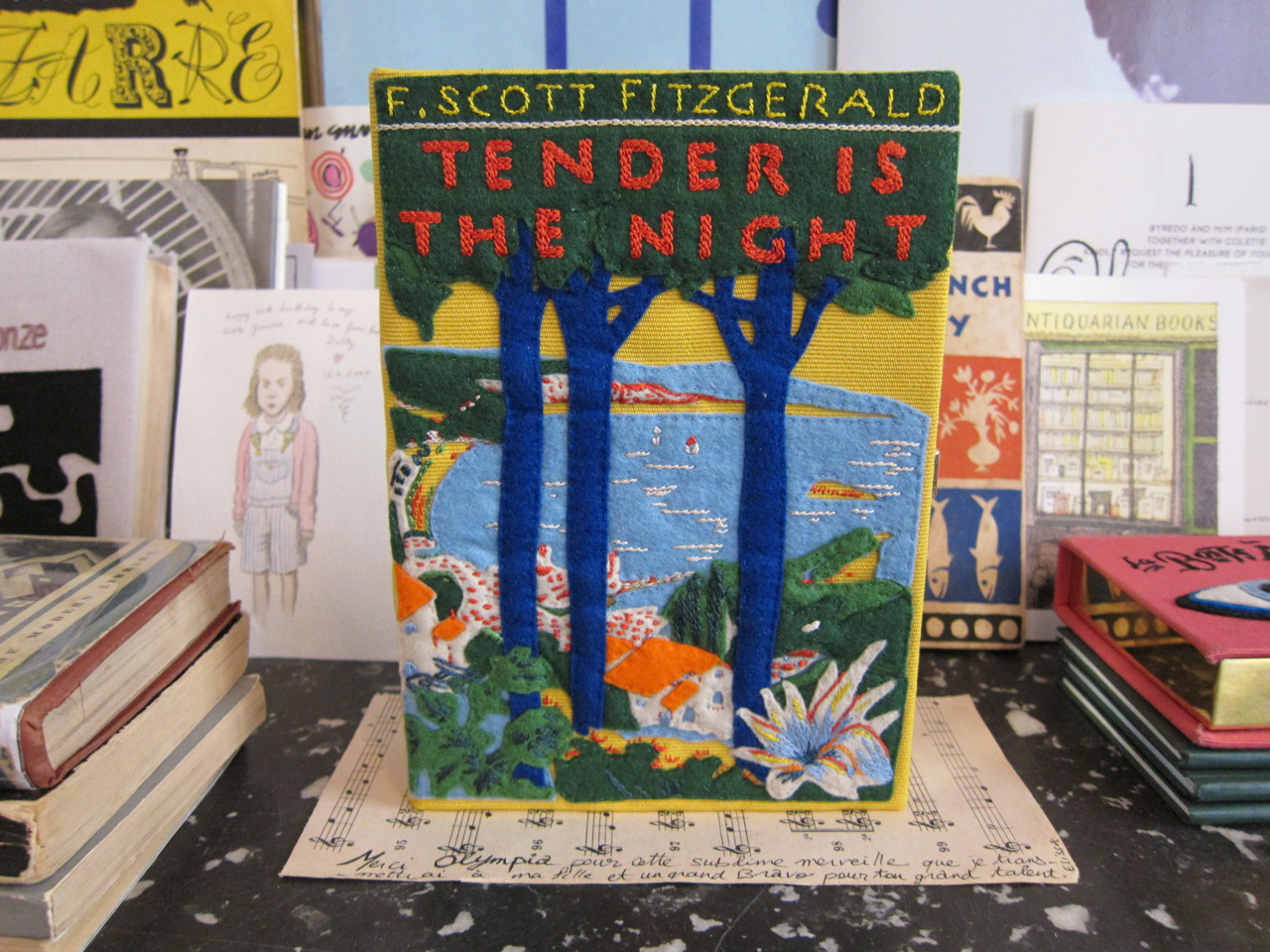
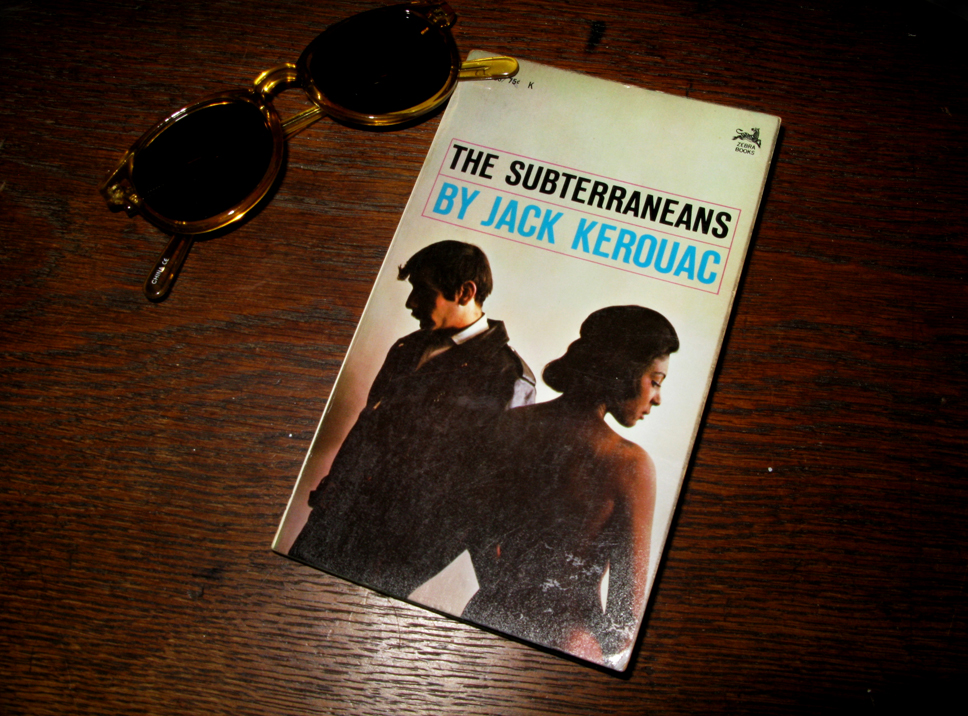
FIRST PARAGRAPHS: JACK KEROUAC “THE SUBTERRANEANS”

first edition on Zebra Books

“ONCE I was young and had so much orientation and could talk with nervous intelligence about everything and with clarity and without as much literary preambling as this: in other words this is the story of an unself-confident man, at the same time of an egomaniac, naturally, facetious won’t do-just to start at the beginning and let the truth seep out, thats what I’ll do-. I’ll begin on a warm summer night-, ah, she was sitting on the fender with Julien Alexander who is…..let me begin with the history of the subterraneans of San Francisco….”

Ryan McGinley: Somewhere Place - Exhibition in Amsterdam

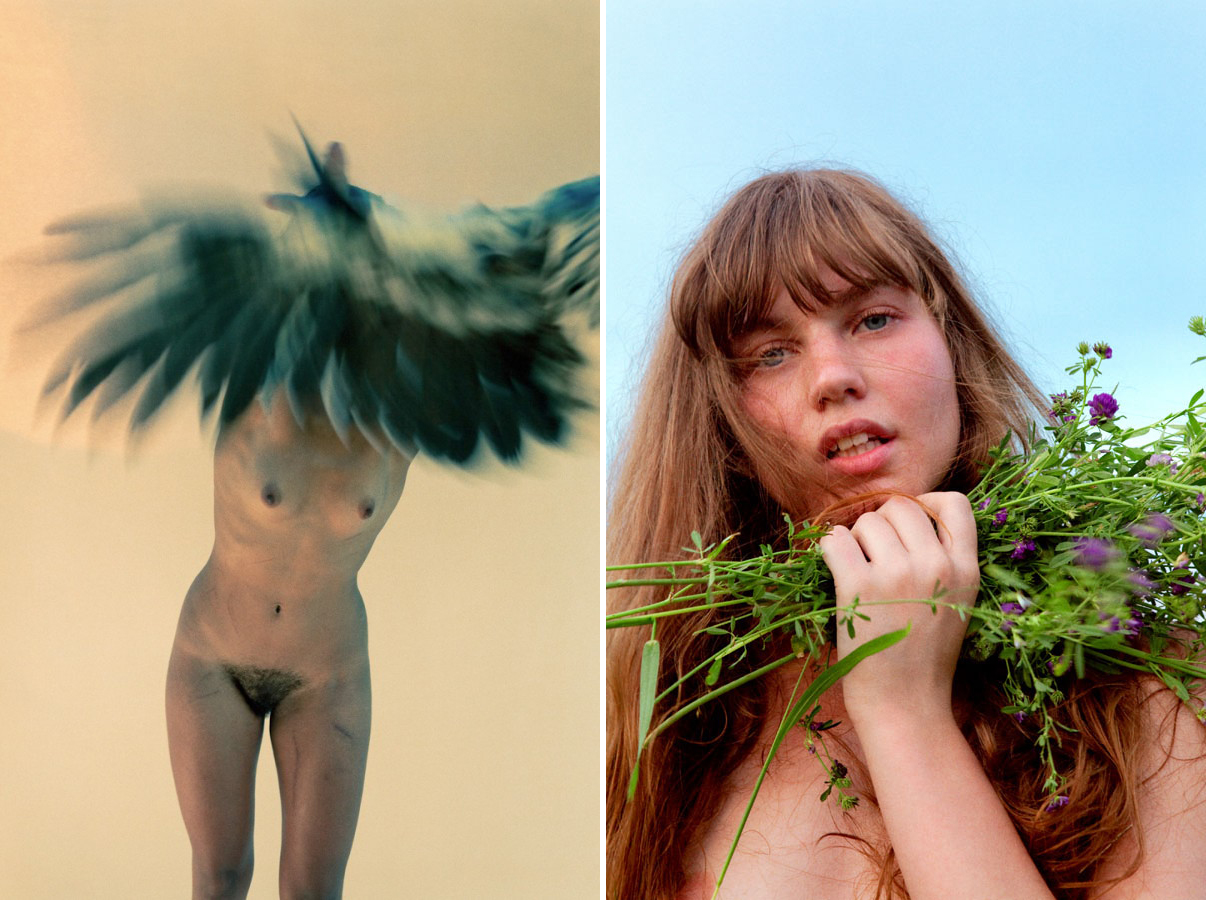
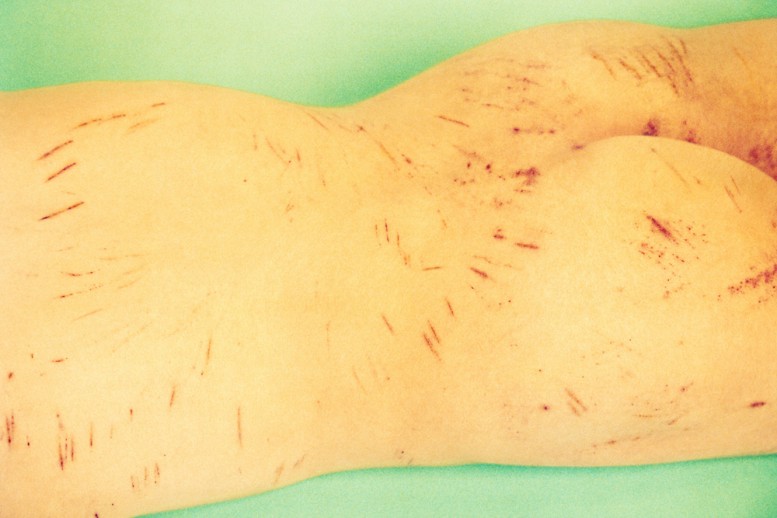
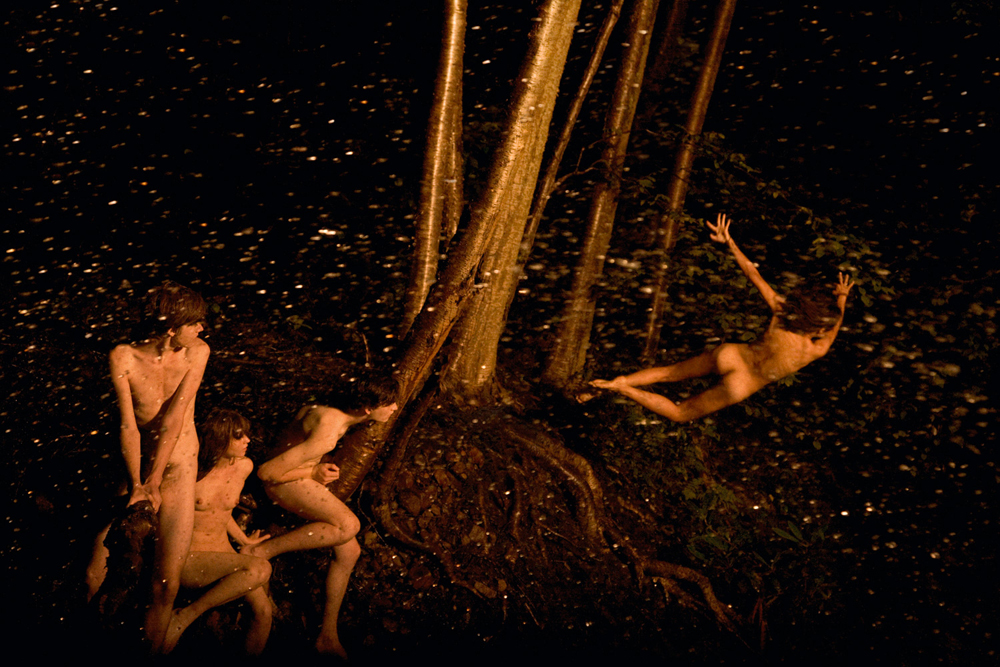
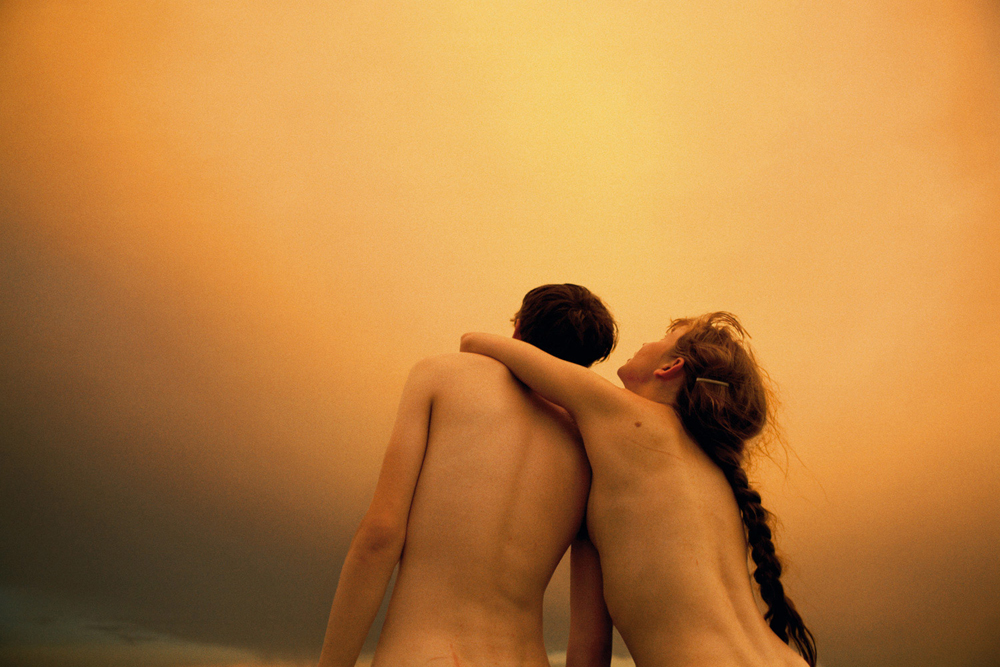
Ryan McGinley, illustrious darling of the New York downtown arts scene, who is now seemingly more serious in the direction and cohesiveness of his photography, is having a solo show in Amsterdam. Over the last decade McGinley's photography has earned him a strong reputation with his images that capture youth culture in a certain cinematic rawness,  mostly in the nude, save for maybe a pair of dirty tennis shoes. From the gallery, "Youth, liberation and the joy of losing yourself in the moment are elements that feature throughout Ryan McGinley’s work, from his early roots in documenting the urban adventures of his downtown Manhattan friends to his subsequent cross-country travels in utopian environments throughout America to his most recent studio portraits. McGinley’s elaborate and rigorous process of photo-making creates moments of breathtaking beauty: naked feral kids poised in ecstatic abandon. The lack of clothing and other contemporary signifiers along with the archetypical landscapes give the photos a sense of timelessness in which the viewer can project his or her own story."

Galerie Gabriel Rolt Gallery in Amsterdam will be presenting a new series of works by McGinley entitled Somewhere Place.  April 9 to May 14. www.ryanmcginley.com


German Expressionism: The Graphic Impulse

"From E. L. Kirchner to Max Beckmann, artists associated with German Expressionism in the early decades of the twentieth century took up printmaking with a collective dedication and fervor virtually unparalleled in the history of art. The woodcut, with its coarse gouges and jagged lines, is known as the preeminent Expressionist medium, but the Expressionists also revolutionized the mediums of etching and lithography to alternately vibrant and stark effect."  A, exhibit at the Museum of Modern Art in New York, German Expressionism: The Graphic Impulse, explores this incredible epoch in German art history with holdings from the museum's own holdings of expressionist prints. "The graphic impulse is traced from the formation of the Brücke artists group in 1905, through the war years of the 1910s, and extending into the 1920s, when individual artists continued to produce compelling work even as the movement was winding down." The exhibit runs from March 27 to June 11. www.moma.org