
TOMOKO SAWADA: Reflection
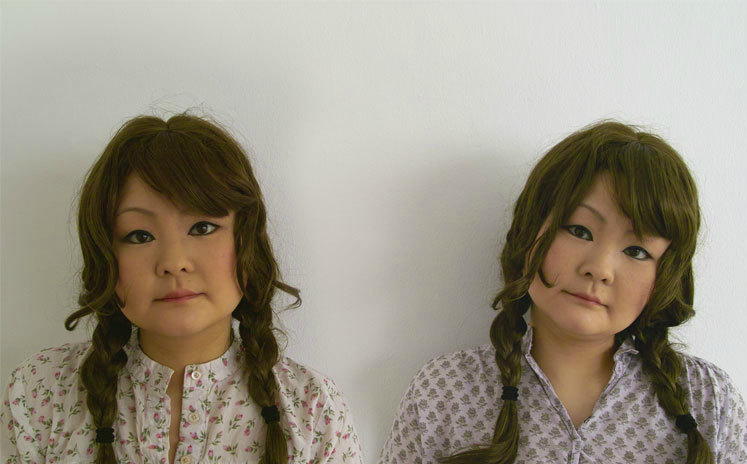
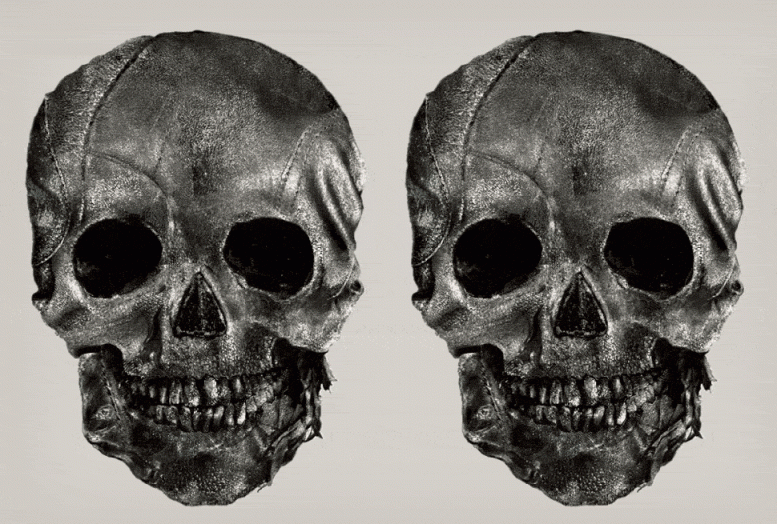
The Rose Gallery in Los Angeles presents the surreal self portraits of Japanese artist Tomoko Sawada. For her latest series, entitled Reflection, Sawada "....tackles the issue of identity by questioning the boundary between one’s own appearance and the self-image reflected in a mirror. The dual images in each photograph are presented like twins and while they bear a striking resemblance to one another, a closer inspection reveals how different they truly are." On view until September 17. www.rosegallery.net
Dear Fate: The Photography of Dana Lauren Goldstein
 Dear Fate (Jame's Portrait) by Dana Lauren Goldstein
 The Spark by Dana Lauren Goldstein
Louisville, Kentucky–birthplace of bourbon whiskey, the Kentucky Derby, and photographer Dana Lauren Goldstein. Her punk tinged photographs fall in a place between eternal youth and temporary amnesia. She states that her work is "highly influenced by theosophical and neo-plasticist principles,"–yeah, whatever, all I know is that her photographs are fucking awesome. www.danalaurengoldstein.com
text by Oliver Maxwell Kupper for Pas Un Autre
Fame Kills
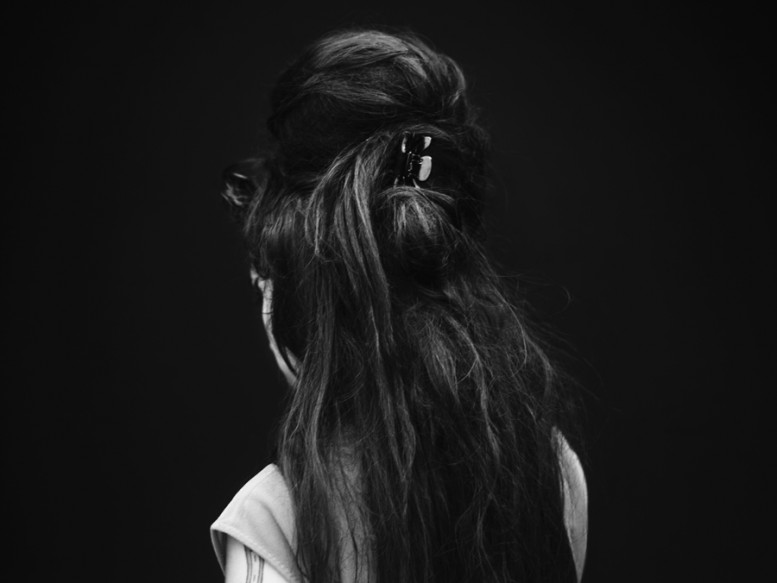 Amy Winehouse by Hedi Slimane
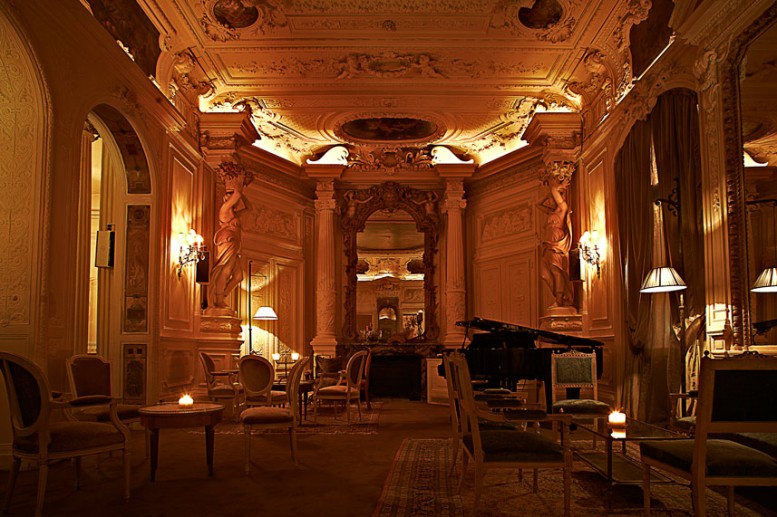
[PARIS] Bizet's Former Residence to Host Autre Launch Party
Magic for Beginners
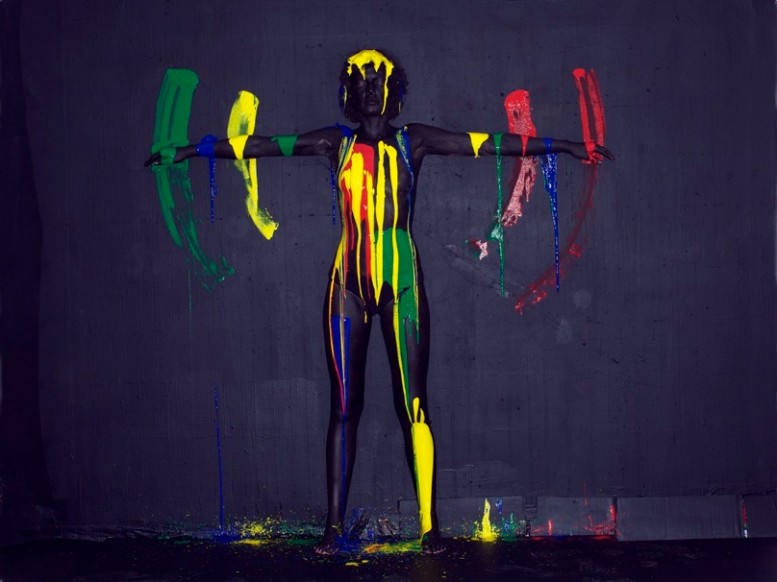 Olaf Breuning, Emmanuelle 2009
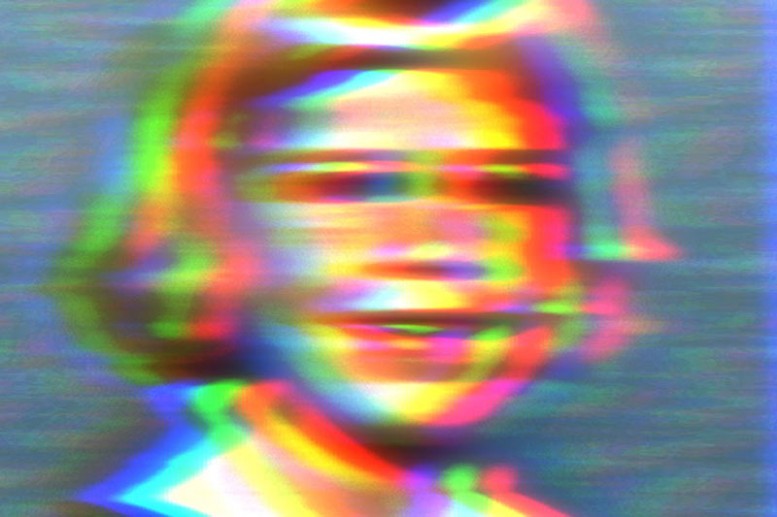 Jesse McLean, Magic For Beginners 2010, 20 min video
Ten artists are a part of a group show entitled Magic For Beginners at P.P.O.W. Gallery in NYC–including Bas Jan Ader and Olaf Breuning. "Their works concern themselves with an intensely personal present tense, with lives lived and documented in real time. These works are inward, solipsistic, and in some instances, similar to an occult experience or an exercise in ritualized revelation." Magic for Beginners is on view from July 28 to August 27. www.ppowgallery.com
[MUSIC VIDEOS] Pure X - Easy
...Video for Pure X's "Easy," the first in a series from Pleasure that visually explore the record's themes of pain/pleasure and agony/ecstasy. In collaboration with director Malcom Elijah the band works with images of numbness and the pleasure of control. These images, in the context of a traditional music video, reflect bleak lyrics in the context of a semi-traditional bright-sounding pop song. Director: Malcolm Elijah.
[IMAGE MAKERS] Michel Comte
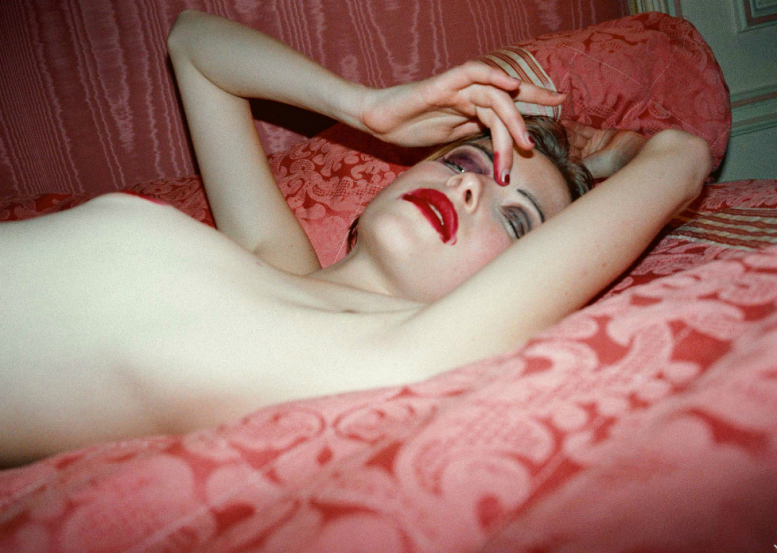
Fashion house Miu Miu just held a bash at photographer Michel Comte's 1920s California jazz age mansion. Michel Comte was born 1954 in Zurich, Switzerland. The professionally trained art restorer approached photography autodidactically. 1979 Comte received his first international advertising assignment from Karl Lagerfeld for the fashion house of Chloe and moved to Paris. Work for the American Vogue lead him in 1981 to New York and later on he took residence in Los Angeles. "I have always lived on the edge", Comte states on his restless persona. "If I no longer have a sense of risk I immediately move on. I probably inherited that from my grandfather." (Swiss aviaton pioneer Alfred Comte.)
[DOING GOOD] Warby Parker

Founded on much the same spirit as Toms Shoes, sunglassier Warby Parker donates a pair of optical glasses for every pair of sunglasses sold. Warby Parker has available 27 limited styles and one monocle. www.warbyparker.com
Go West Young Cowgirl: New Wildfox Swim Collection
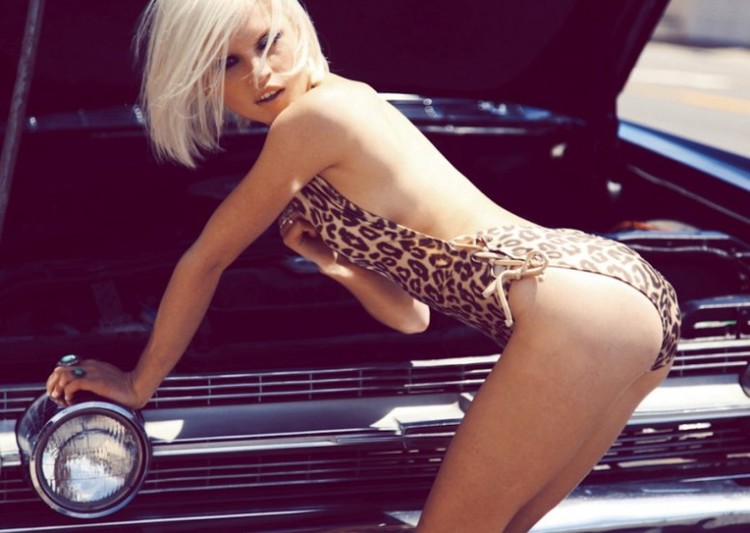
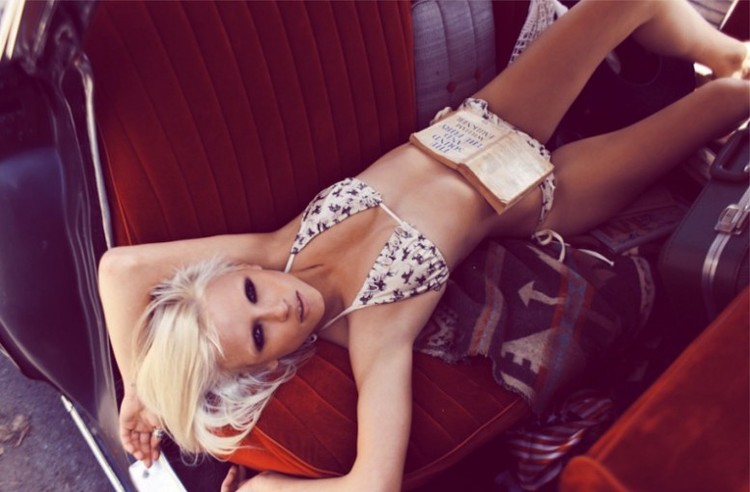
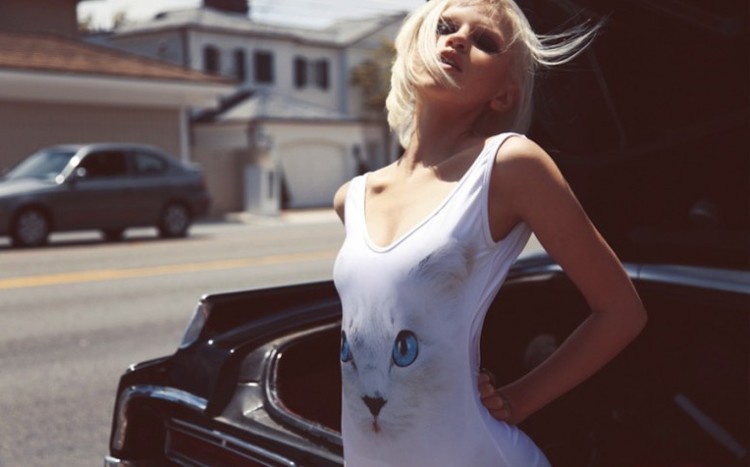
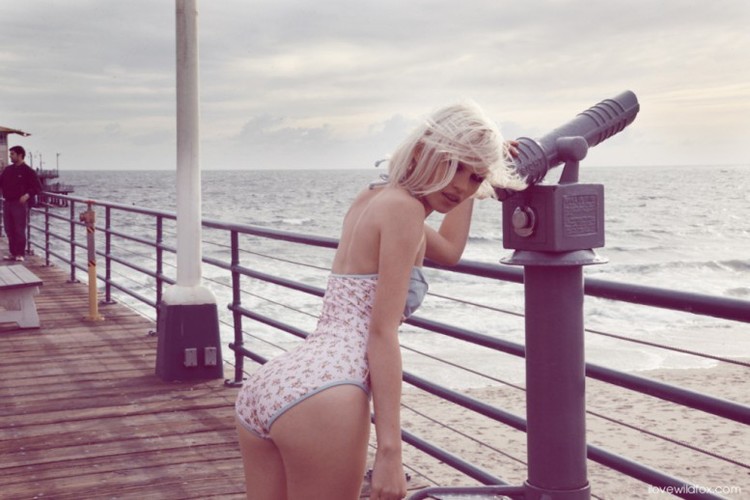
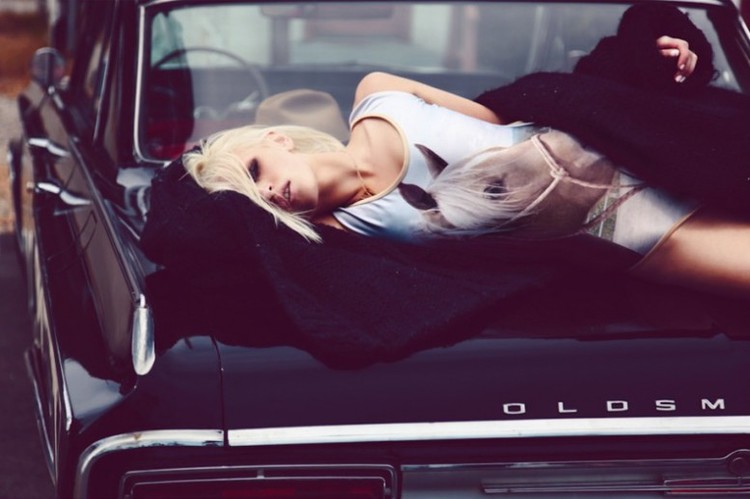
Wildfox premiers their brilliant debut swimwear line for resort 2011. Wildfox’s Swim collection "draws inspiration from bombshells of the past including the unforgettable Brigitte Bardot, Marylin Monroe and Raquel Welch." See the full collection here.
Photographs by Mark Hunter.
URGENT SUBTLE CONCISE ROBUST: PAINTER LUCIAN FREUD IS DEAD
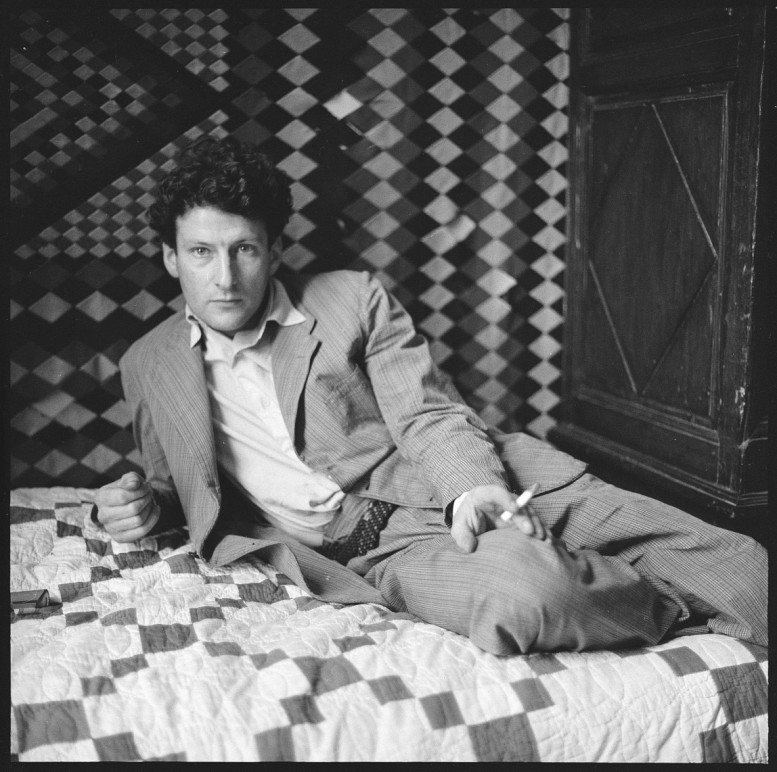 photograph by Walker Evans, 1950s
Painter Lucian Freud dies in London at 88.
Marilyn Monroe Pornographic Film To Premier in Buenos Aires
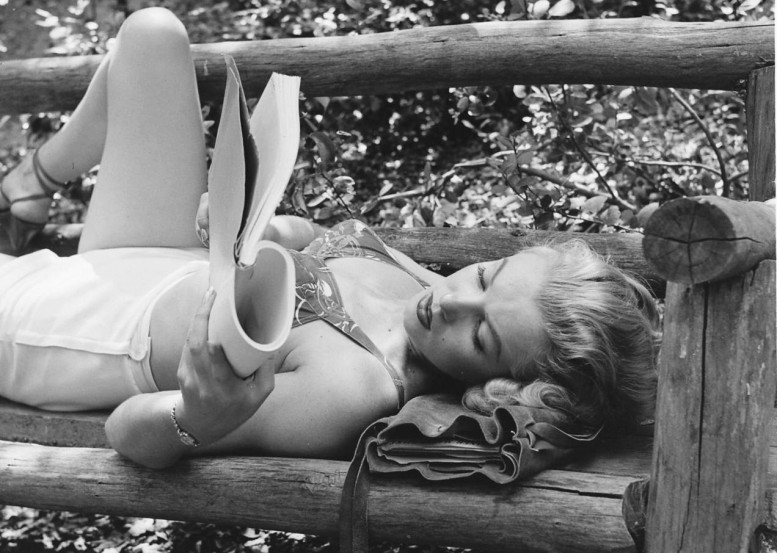
marilyn_monroe_pornographic_film
In 1946, Norma Jean, later known as Marilyn Monroe, starred along side an anonymous actor in a 6 minute long nudie flick. In the possession of a Spanish collector, no one knew of the film's existence, until he died, and now his children have decided to auction it off. It is now on sale for a base price of half a million dollars and will premier this August at the Buenos Aires International Independent Film Festival in Argentina.
On the Racks
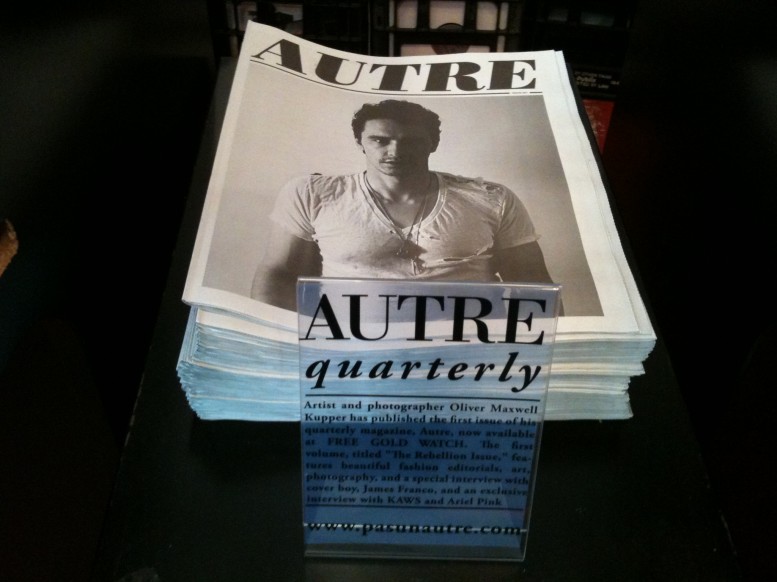 San Francisco....Free Gold Watch
Leather Skulls: Galen Pehrson
[STRANGE FUTURE] Numerically Controlled Posters
Matt W. Moore, the brain behind MWM Graphics–a design and illustration studio based in Portland, Maine–just released his numerically controlled poster series; a collaboration between engineer Aaron Panone, Paper Fortress Films, and MWM Graphics. Aaron Panone, who engineered the jig explains, "Vector graphics are converted into a tool path and then a machine language which controls a 3-axis CNC Machine retrofitted with a special fixture that holds a marker [a sharpie] and mimics hand pressure during the act of drawing. Thirty-three mechanical drawings in three designs were produced using this process." Each drawing comes with one of the Sharpies used.
www.mwmgraphics.com
Images: Tierney Gearon
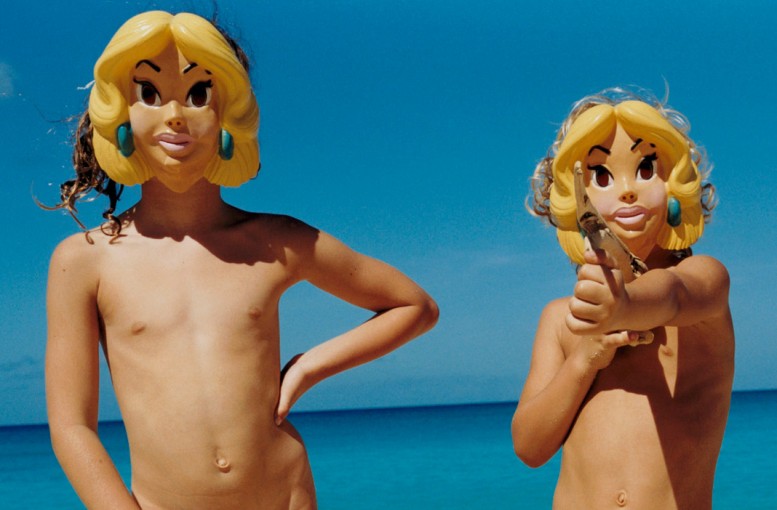
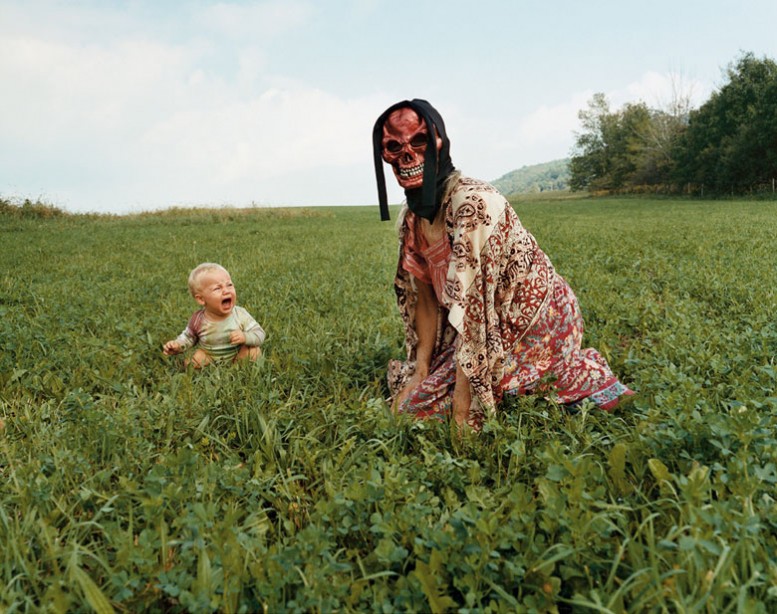
Photographs: © Tierney Gearon www.tiernygearon.com
[REQUIRED READING] Trout Fishing in America
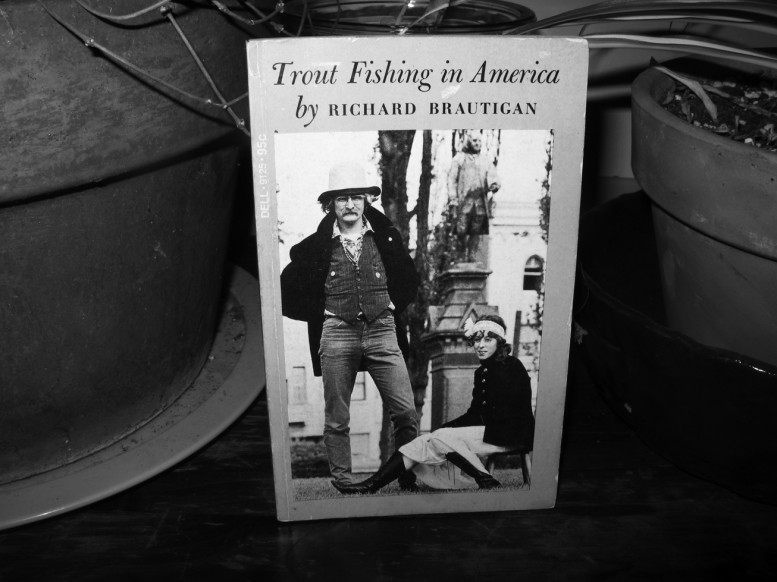
Trout Fishing in America is not at all about trout fishing. Trout fishing is merely an ambiguous metaphor. The cover of the book is a photograph of Richard Brautigan and a friend identified as Michaela Le Grand, whom he referred to as his "Muse." The photo was taken in San Francisco's Washington Square Park in front of the Benjamin Franklin statue. The first chapter of the book is an extended and fanciful description of this photo. Richard Brautigan was a seminal figure in 196os literature. He died of a self-inflicted .44 Magnum gunshot wound to the head. He left a suicide note that simply read: "Messy, isn't it?"
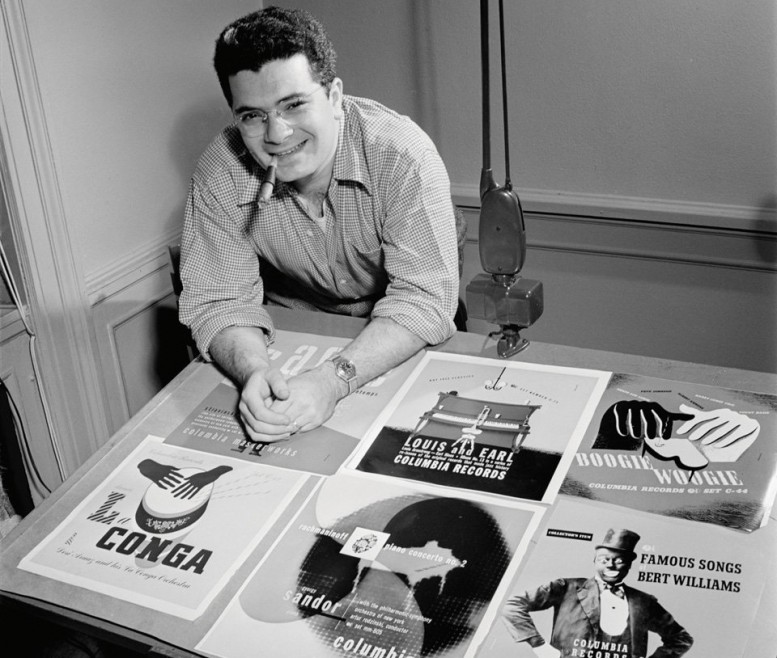
R.I.P. ALEX STEINWEISS - Inventor of the Graphic Album Cover
 [
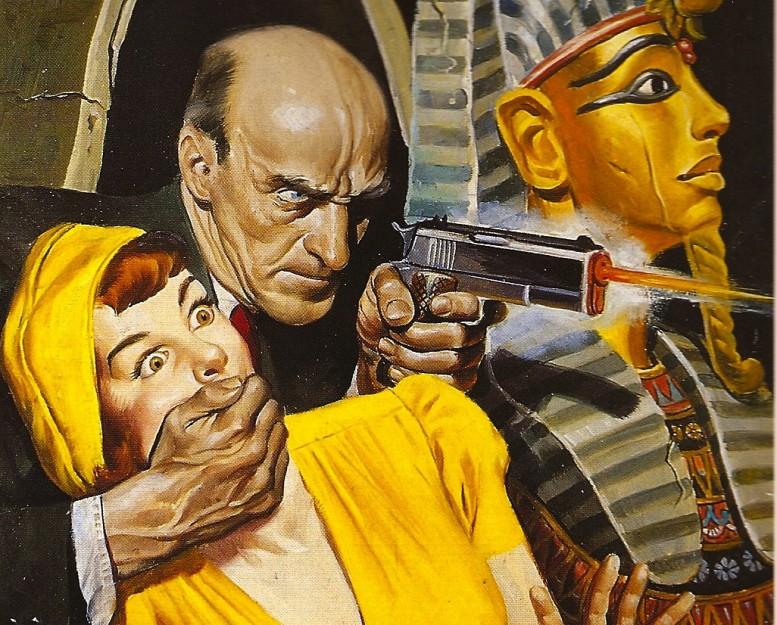
[Pulp Art: The Robert Lesser Collection
blood-on-my-doorstep_Pulp Art-The_Robert_Lesser_Collection
Robert Lesser began collecting pulp paintings, comic books, and comic-character toys in the 1950s. As a student at the University of Chicago, Lesser’s literature studies combined with his fascination with popular culture kindled his interest in studying and collecting pulp art and comic memorabilia....In 1975 he wrote A Celebration of Comic Art and Memorabilia, an informational collectors guide; in 1997 he published Pulp Art: Original Cover Paintings for the Great American Pulp Magazines, a full-color collection of pulp paintings and history that includes expert interpretation. The style of artwork created for pulp magazines is often compared to Norman Rockwell’s cover designs for the “Saturday Evening Post,” but the character of the paintings was quite disparate from Rockwell’s jovial depictions of everyday life. Pulp Art flaunted unsettling images of violence, racism, sex, and crime. The publishing houses that produced pulp fiction such as Popular Publications, Street & Smith, Condé Nast, and Frank A. Munsey Company destroyed much of the artwork produced for the magazines after printing. The images weren’t suitable for display in homes or museums so artists and auctioneers deemed them worthless. Tens of thousands of pulp paintings were created, out of which only a small number survive today.The 90 works on display at the Museum of American Illustration are now a part of the collection of the New Britain Museum of American Art, promised gift of Robert Lesser. Now on view until July 31. www.societyillustrators.com
Listen to M83 "Midnight City"
'Midnight City' is the first track from M83's forthcoming album 'Hurry Up, We're Dreaming'. Download the track here.