The Art of Cruelty
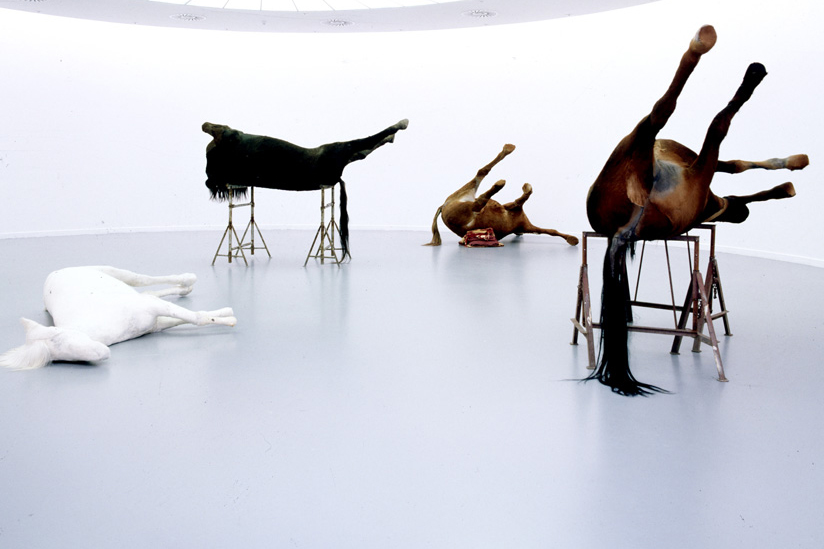
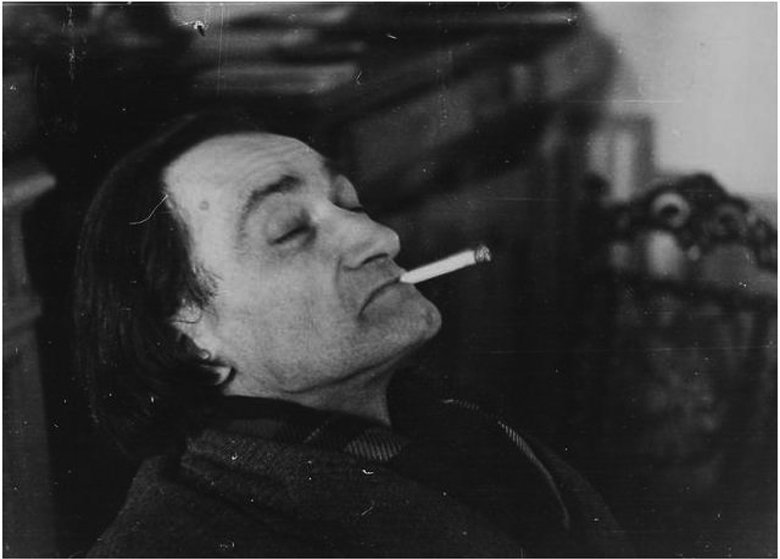
"This book asks different questions. It asks whether there are certain aspects or instances of the so-called art of cruelty – as famously imagined by French dramatist and madman Antonin Artaud – that are still wild and worthwhile, now that we purportedly inhabit a political and entertainment landscape increasingly glutted with images – and actualities – of torture, sadism, and endless warfare." In her book, The Art of Cruelty: A Reckoning (W.W. Norton), author Maggie Nelson asks vital questions about violence in art in a society where violence is ubiquitous and thus not intellectually viable for a balanced social order. Nelson elucidates her inquiries by drawing upon the thoughts and teachings of philosophers such as Friedrich Nietzsche, thinkers such as Antonin Artaud, and painter Francis Bacon. When is enough enough?
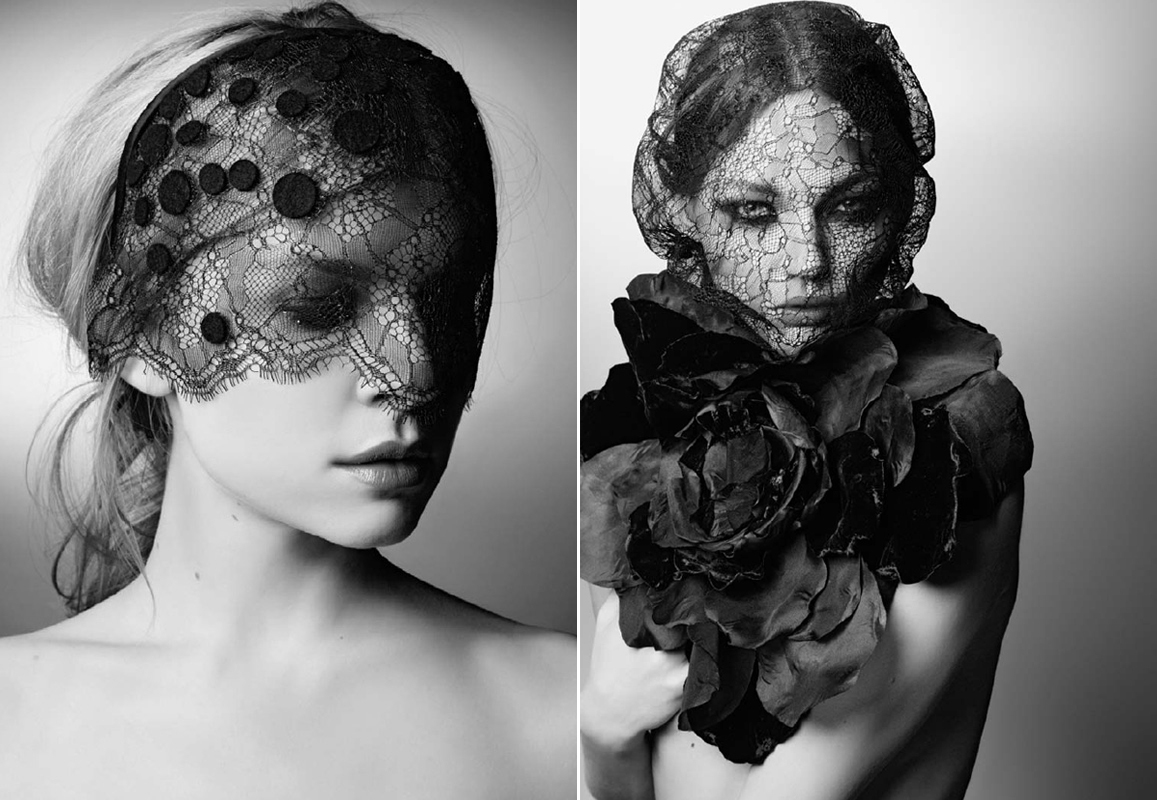
Arsenic and Old Lace: Maison Michel AW 2011
Karl Lagerfeld shoots Sasha Pivovarova & Clemence Poesy for the 70 year old Parisian millinery house Maison Michel's AW '11 collection.
JOHN MAUS: A Prophet for the New Generation
At the forefront of the brand-spanking-new “synth-pop deconstructionist” genre of lo-fi contemporary music is John Maus — a manic, inexplicable enigma unto himself. Maus hails from Austin — Minnesota, not Texas — and that’s just one thing that’s “different” about his sensibility and entire way of being. Exploring themes of the familiar and the strange, the real and the surreal, all drenched in a disarming expression of pure emotion, Maus takes pop music to an entirely new level. There’s no straightforward way to describe the experience of a live John Maus show other than to say that it will, without a doubt, go far beyond all possible expectations. Maus toys with notions of performance, singing over his own pre-recorded backing tracks. He sweats, spits, cries, shrieks and gasps for air. He paces back and forth, emotes with his hands and face, runs in place, jumps, pulls at his own hair. It’s not uncommon to leave one of Maus’ shows baffled, puzzled, enlightened, relieved, inspired or even unsure of what you have just witnessed. It is easy, too, to scoff or raise eyebrows when the roadies clear all visible indications of any sort of musical instrument off the stage and Maus lopes out humbly like an overgrown, misplaced frat boy, awkwardly slumping his shoulders to conceal some of his stature, dressed in a pinstriped button-down, straight-leg jeans and blindingly white running sneakers (it’s no wonder he pulls off the college look, as he taught philosophy at the University of Hawaii and is currently working towards a PhD in Political Science). Yet with a few twists and turns of various nobs on a synthesizer contraption he keeps on the floor (and kneels sporadically throughout his set to operate), Maus transports audience members into his world — a world of raw, unadulterated emotion yearning to break free from the physical entrapment of a body — expressed through jarring, fantastical manipulated synth beats and frantic, resonant vocals (we’re talking screams, howls and wails). In interviews, Maus has been known to spew philosophical aphorisms, eschew comparisons and avoid talking about Ariel Pink — with whom he attended CalArts and collaborated with musically for many years (and who was spotted in the audience at the Echoplex — word has it he lives with Geneva Jacuzzi, one of the opening acts for Maus and another member of the eclectic deconstructionist set).
Maus’ live act is like a beautiful car wreck — it’s nearly impossible not to wince as he simulates a nervous breakdown onstage; melting, crumpling and exploding into different shapes and perspiring through his neatly-ironed shirt to a soundtrack of murky, grating, echoing “retro-futurist” pop — yet this emotional metamorphosis is uncannily mesmerizing. It is an intensely visceral, interactive experience — almost more of a performance art show or a method acting piece than a concert — and, as became clear at the July 15th show at The Echoplex in Los Angeles, his cult of diehard followers (of the beer-spraying, lyric-chanting, moshing variety) just can’t get enough. His latest album, We Must Become the Pitiless Censors of Ourselves, was released on June 27th after a nearly four-year hiatus from recording.
Text and photography by Annabel Graham

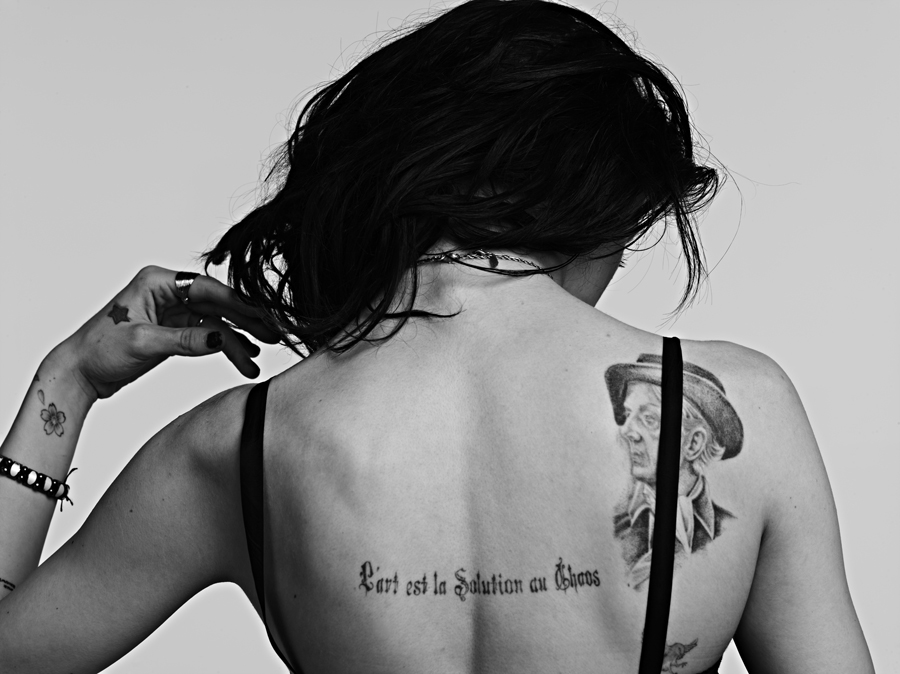
L'ART EST LA SOLUTION AU CHAOS
[BOOKS] Adventures in the Orgasmatron
Released only a few days ago, Adventures in the Orgasmatron: Wilhelm Reich and the Invention of Sex: How Renegade Europeans Conceived the American Sexual Revolution and Gave Birth to the Permissive Society (Fourth Estate) is the untold story of Wilhelm Reich and the dawn of the sexual revolution. An illuminating, startling, at times bizarre story of sex and science, ecstasy and repression. In the middle of the 20th century, the United States became an adoptive home for dozens of expatriated European thinkers, who saw this rich, young country ripe for sexual liberation. One of the most left-field of them was the Viennese psychoanalyst Wilhelm Reich, a disciple of Freud’s who had broken with the master. Reich’s own approach was based on his theories of the orgasm and sexual energy, which he dubbed ‘orgone energy’. Instead of the couch, he made use of a tall, slender construction of wood, metal, and steel wool, which he called the orgone box. A highly sexed man himself, Reich thought that a person who sat in the box could elevate their ‘orgastic potential’ ridding the body of repressive forces, improving sexual potency, and enhancing overall health. After World War Two, Reich’s theories caught on among writers and artists, the early adopters of the counter-culture. Norman Mailer and Saul Bellow were amongst those for whom the orgone box represented a yearned-for synthesis of sexual and political liberation, and of physical science and psychology. Meanwhile, Reich himself faced one debacle after another. Albert Einstein heard him out before rebuffing him. The FBI investigated him as a Communist sympathizer: it turned out that they were hunting the wrong man. The federal government banned the orgone box and tagged Reich as a fraud. There were claims of sexual misdeeds, and bouts of Reich’s own mental instability. This is the story of the blossoming of the 20th century’s sexual revolution, and the unshackling of a repressed society, and sex before science.
A Scattering of Blossoms & Other Things
The Museum of Contemporary Art presents Cy Twombly Tribute: A Scattering of Blossoms & Other Things, a memorial exhibition of the late painter Cy Twombly on view at MOCA Grand Avenue through October 2, 2011.
[MUSIC VIDEO] Hunx and His Punx 'Lovers Lane'
Official Hunx video for "Lovers Lane," release a couple days ago, off of their first album Too Young To Be In Love LP released last march. "Too Young To Be In Love is the first fully-realized Hunx and His Punx album, and the group’s first for the Hardly Art record label. It was recorded in New York City by Ivan Julian—one of the founding members of inimitable NYC punk legends Richard Hell and the Voidoids. This record was made in the same studio that one of Hunx's idols, Ronnie Spector, once recorded in. While it is preceded by the Gay Singles LP (True Panther Sounds/Matador Records, 2009), a collection of hard-to-find and out-of-print 7” singles, Too Young To Be In Love is the first proper studio record from Hunx and His Punx.
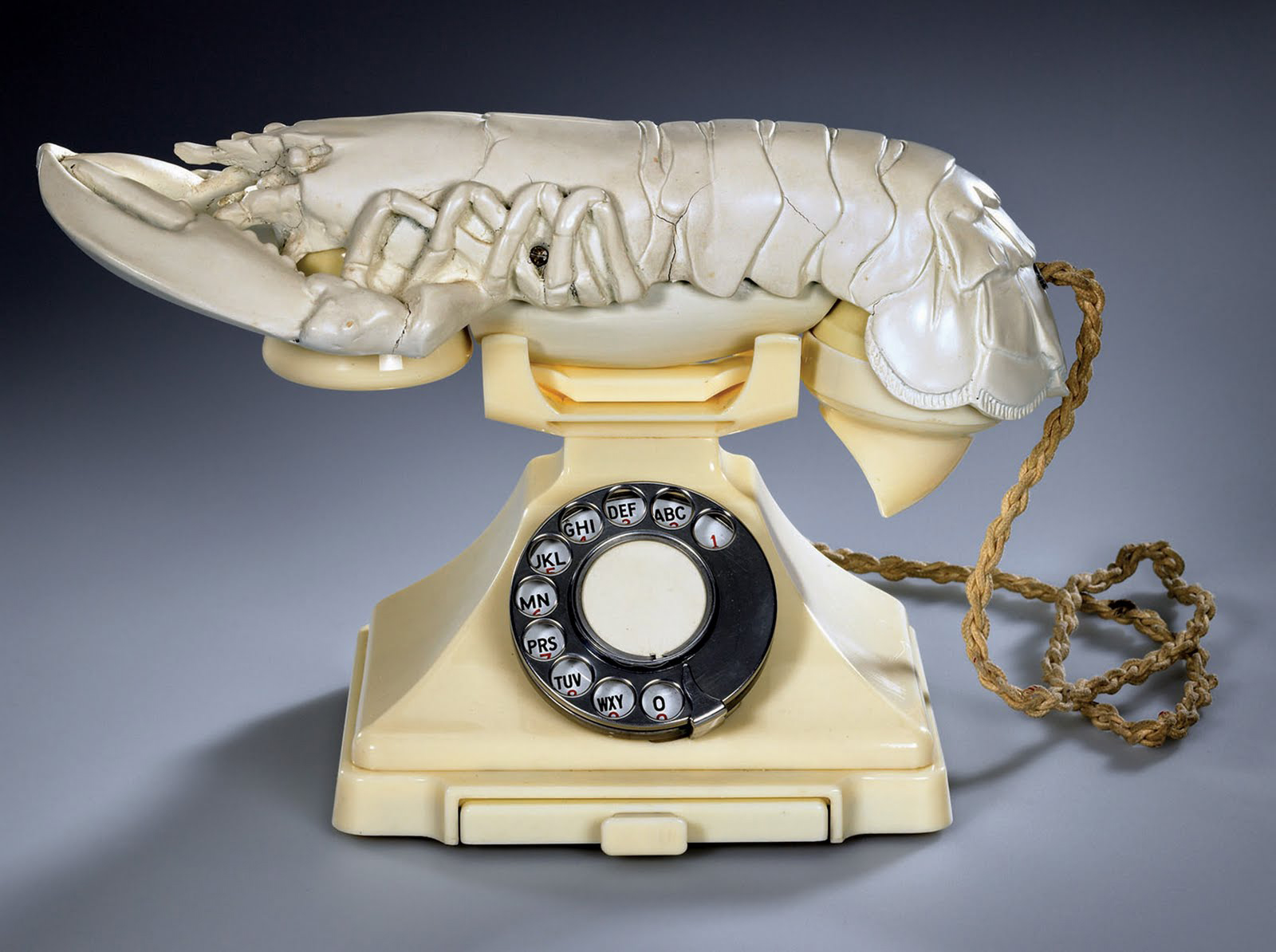
Dalí: Mind of a Genius
The aphrodisiac telephone by Salvador Dali
SINGAPORE: Explore over 250 artworks which highlight the creativeness of Dalí across different mediums, including bronze sculptures, rare graphics, furniture, gold jewelry and crystal pieces in three themed areas – Femininity and Sensuality, Religion and Mythology, Dreams and Fantasy. Highlights include Dance of Time I (Dalí's famous representation of melted clocks), Woman Aflame (sculpture uniting two of Dalí's obsessions - drawers and fire), Spellbound (a huge painting featured in Alfred Hitchcock's movie of the same name) and the Mae West Lips Sofa (inspired by actress Mae West's sensual lips). Now on view at the Marina Bay Sands in Singapore until October 11.
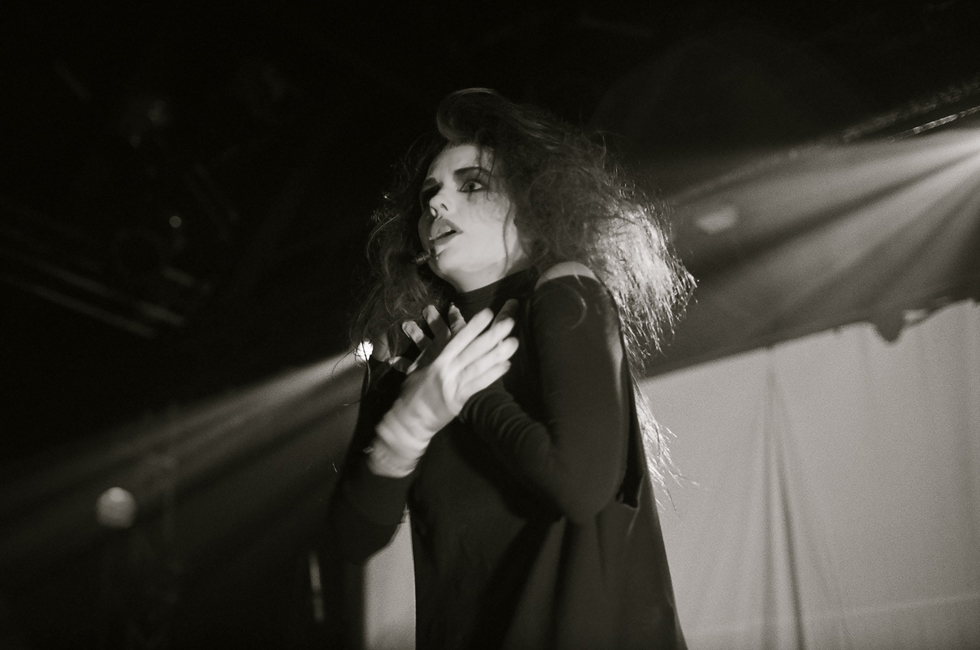
GENEVA JACUZZI
Freak-pop ingénue GENEVA JACUZZI at the ECHOPLEX in LOS ANGELES. Photograph by ANNABEL GRAHAM for PAS UN AUTRE.
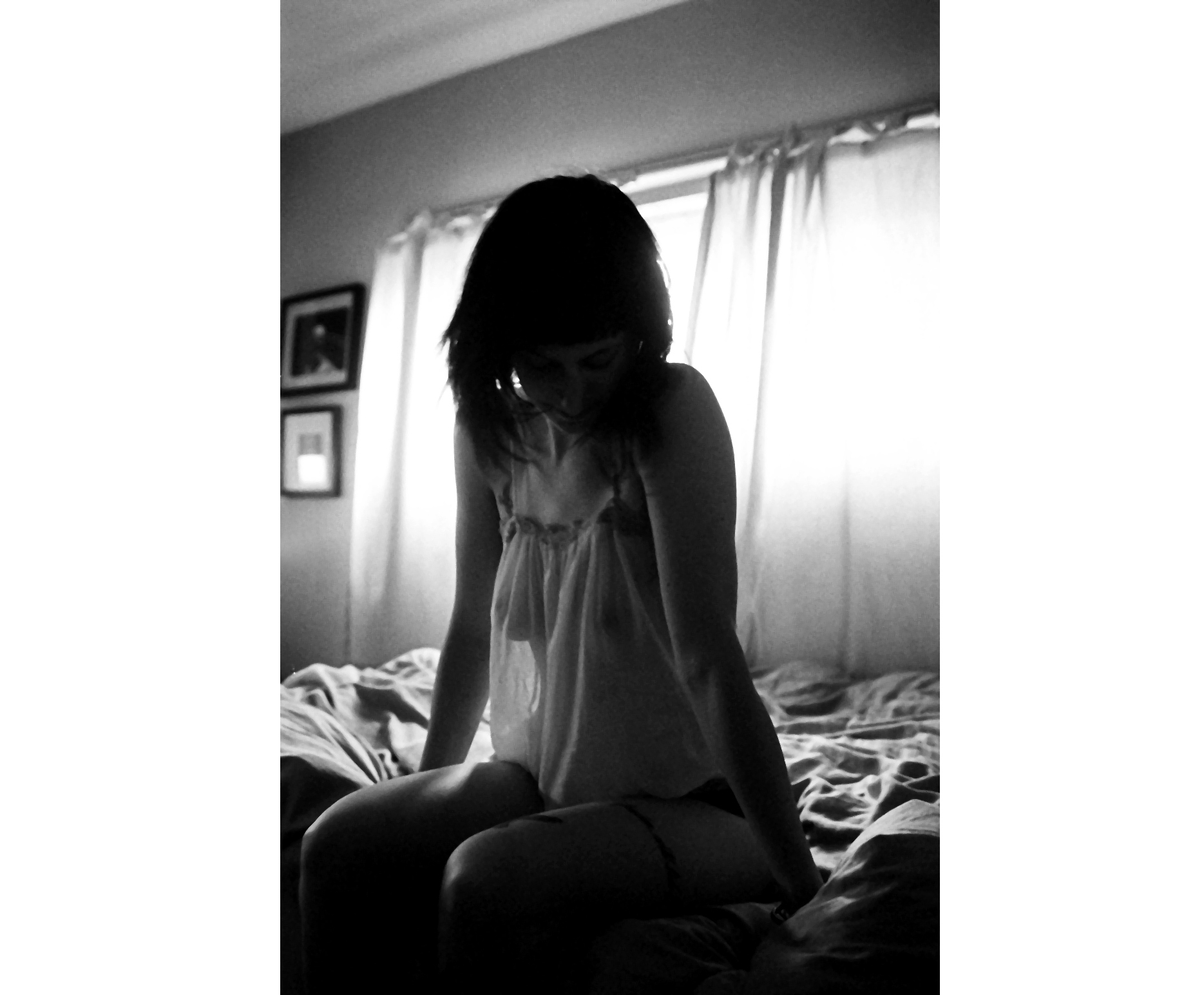
Shadow Play
Photography by Abbey Meaker
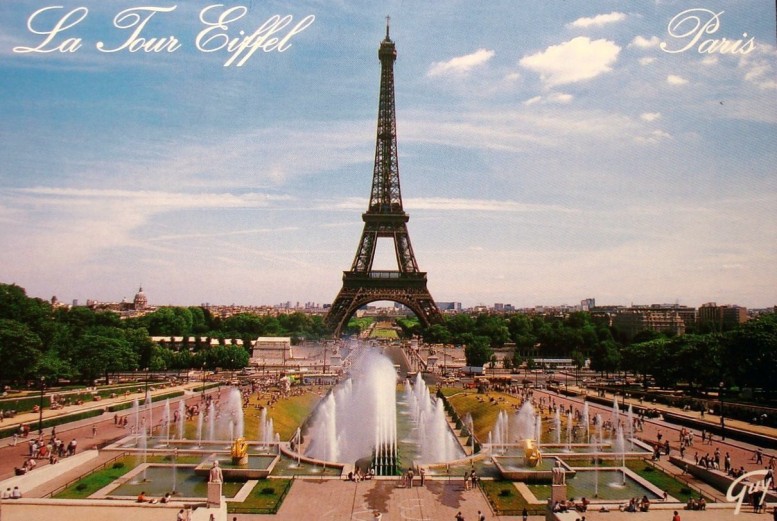
AUTRE now available in PARIS
AUTRE is now available at COLETTE, in PARIS–213 Rue Saint-Honoré.
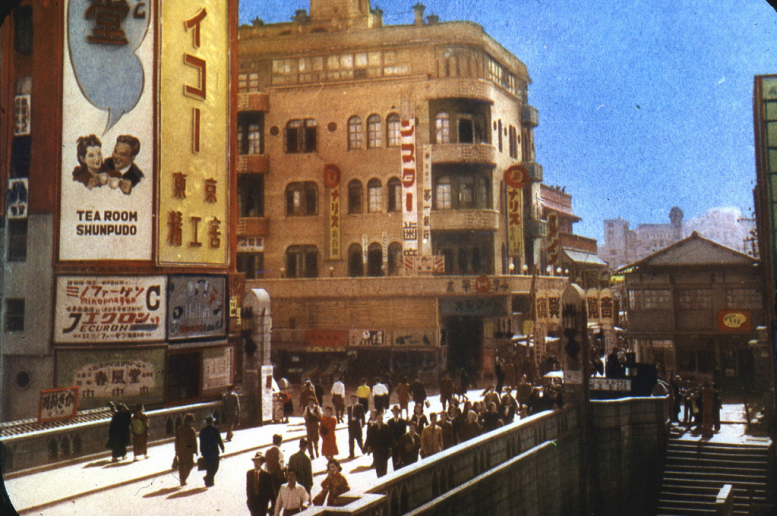
AUTRE now available in OSAKA
AUTRE is now available at the amazing STANDARD BOOKSTORE in OSAKA, JAPAN–Crysta Grand BLGD. 1F&BF, 2-2-12, Nishi-Shinsaibashi, Chuo-Ku.
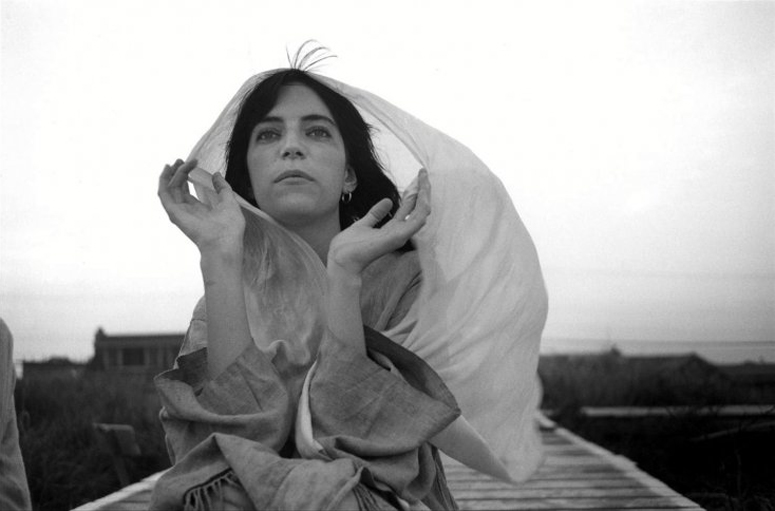
[BOOKS] PATTI SMITH & TOM WAITS
Dancing Barefoot: The Patti Smith Story by author Dave Thompson – Dancing Barefoot is a measured, accurate, and enthusiastic account of Smith’s career. Guided by interviews with those who have known her—including Ivan Kral, Tom Verlaine, Richard Lloyd, John Cale, and Jim Carroll—it relies most of all on Patti’s own words. This is Patti’s story, told as she might have seen it, had she been on the outside looking in. You can purchase the book here.
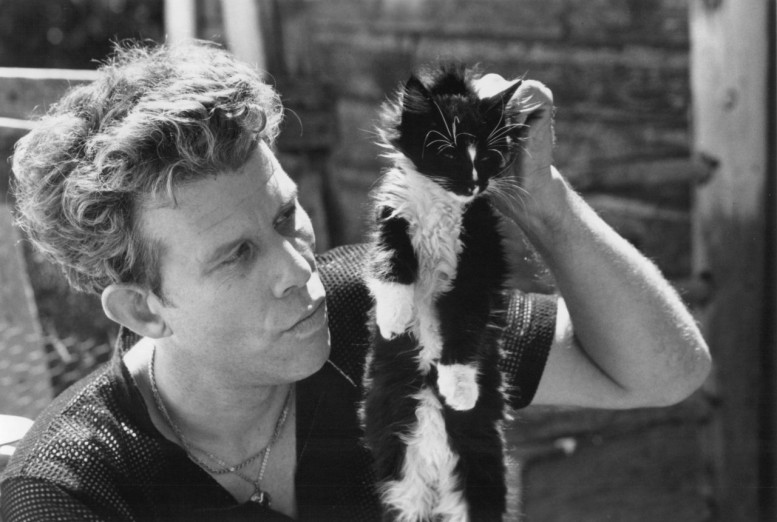
Tom Waits on Tom Waits: Interviews and Encounters, edited by Paul Maher, Jr. – Tom Waits on Tom Waits is a selection of over fifty interviews from the more than five hundred available. Here Waits delivers prose as crafted, poetic, potent, and haunting as the lyrics of his best songs. Available on Chicago Review Press

Are We There Yet?
Photography by CARLOS NUNEZ
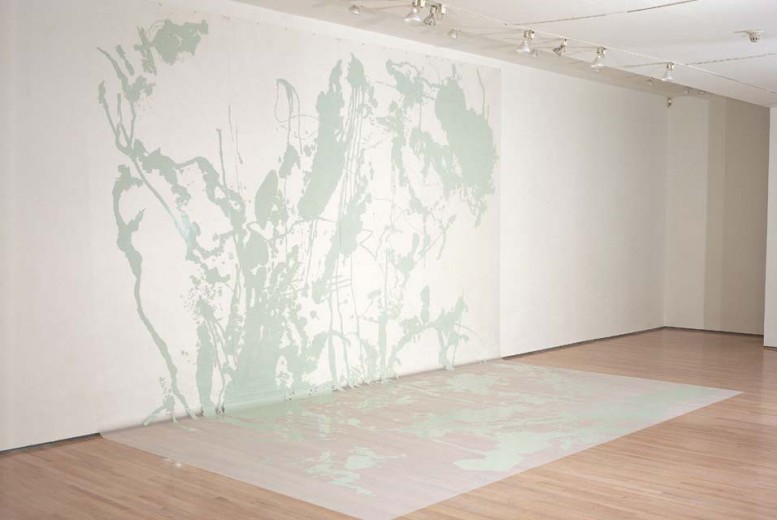
Ingrid Calame at the Edinburg Art Festival
Calame’s paintings and drawings all begin with Calame tracing marks, stains and cracks on the ground. She then combines, layers and retraces the tracings before transforming them into drawings in coloured pencil or pure pigment and paintings in enamel or, more recently, oil paint. The works that result from this singular process are beautiful and intelligent abstractions. Displayed in a gallery, they retain their connection with the world outside at several removes, exerting an oddly insistent presence. Ingrid Calame's solo show is now on view at the Fruitmarket Gallery in Edinburg until October 9.
Lost Film of 24 Year Old Hitchcock Found in New Zealand
A lost 1920s Alfred Hitchcock film that provides clues into the legendary director's early working style has been discovered in New Zealand, archivists said on Wednesday. Recently uncovered film "The White Shadow" features a 24 year-old Hitchcock's work as a writer, assistant director, art director and editor. The film was first released in 1924. It is considered to be the earliest surviving feature film in which Hitchcock received a credit, according to the U.S.-based National Film Preservation Foundation. Only the first three of the movie's six reels survive. That adds to the movie's mystery, which some film buffs see as fitting for Hitchcock, because he was famous for creating mysterious stories full of suspense.
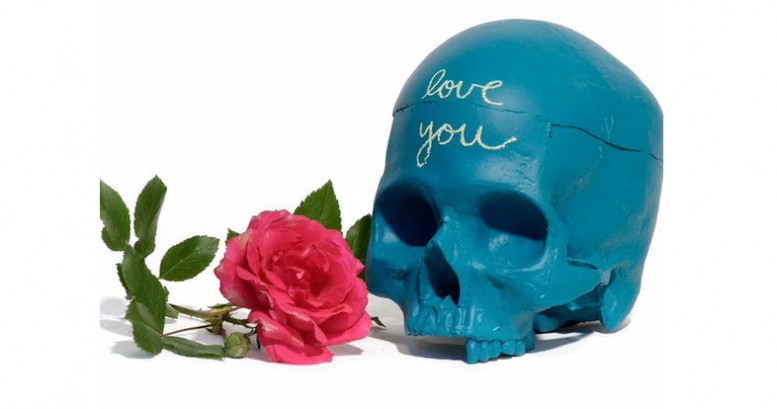
[MOMENTO MORI] Chalkboard Skulls
Momento mori and momento to pick up the milk, some things are better said written on a human skull. Chicago-based artists and designers Sarah Belknap and Joseph Belknap's matt colored plastic chalkboard skulls should replace post-it notes all together. www.iamhome.us
All Hail Kimiko Yoshida
Since I fled my homeland to escape the mortifying servitude and humiliating fate of Japanese women, I amplified, through my art, a feminist stance of protest against contemporary cliches of seduction, against voluntary servitude of women, against “identity” defined by appurtenances and “communities”, against the stereotypes of “gender” and the determinism of heredity....Art is above all the experience of transformation. Transformation is, it seems to me, the ultimate value of the work. Art for me has become a space of shifting metamorphosis. My Self-portraits, or what go by that name, are only the place and the formula of the mutation. The only raison d’être of art is to transform what art alone can transform. All that’s not me, that’s what interests me. To be there where I think I am not, to disappear where I think I am, that is what matters.....
Text by Kimiko Yoshida
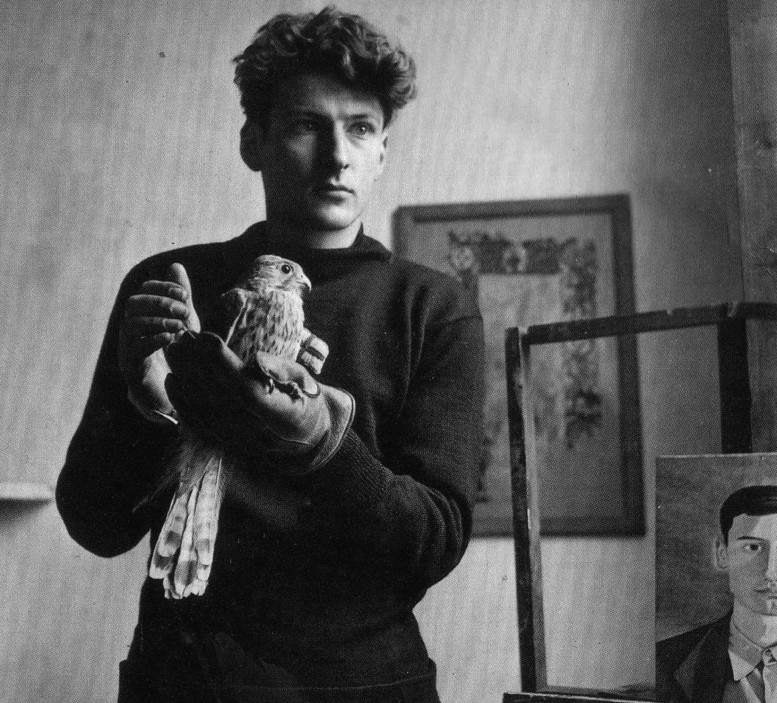
Lucian Freud on Obsession