Polly Borland: Interrupted Innocence

interview by Summer Bowie
photography by Damien Maloney

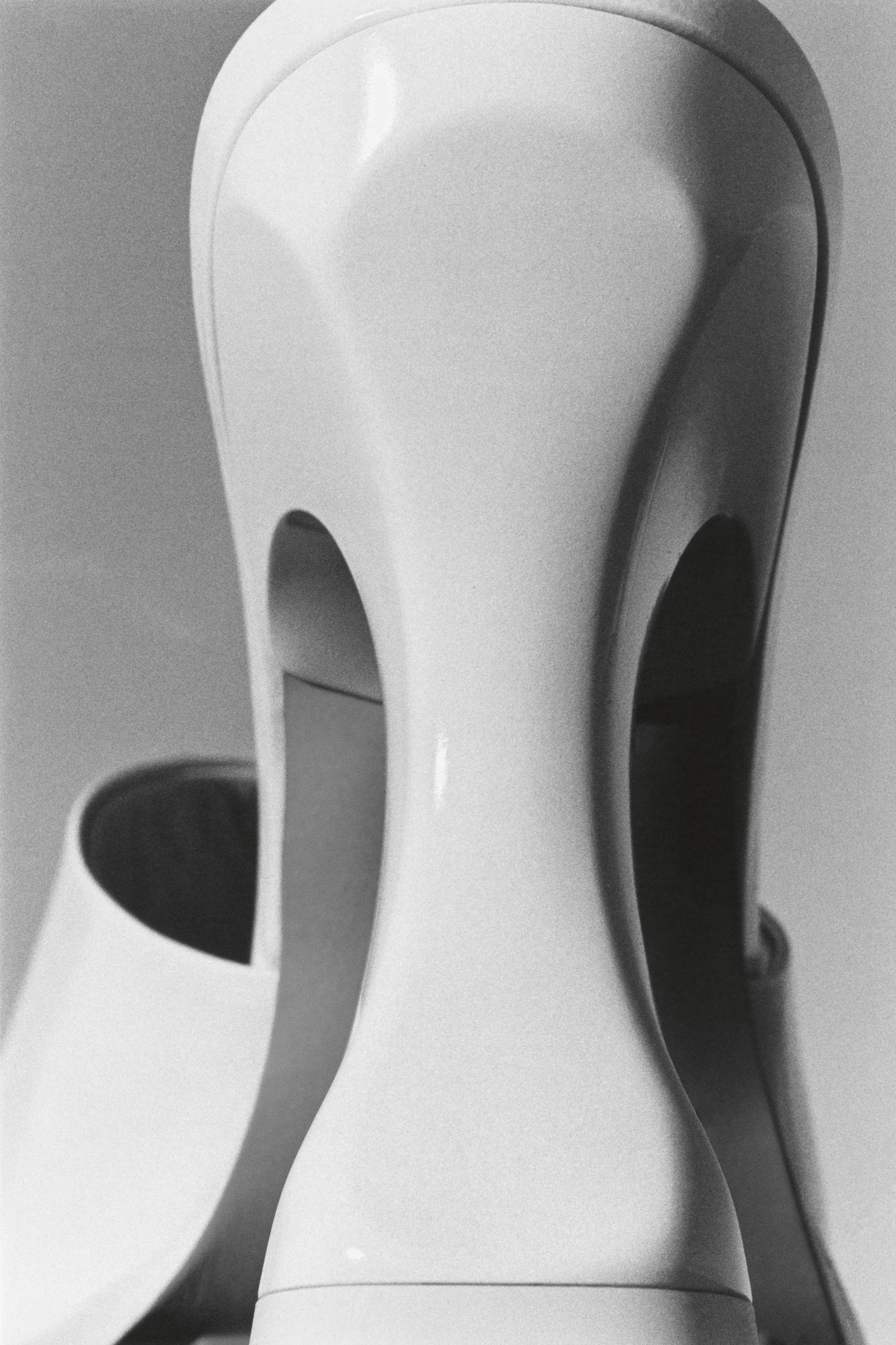
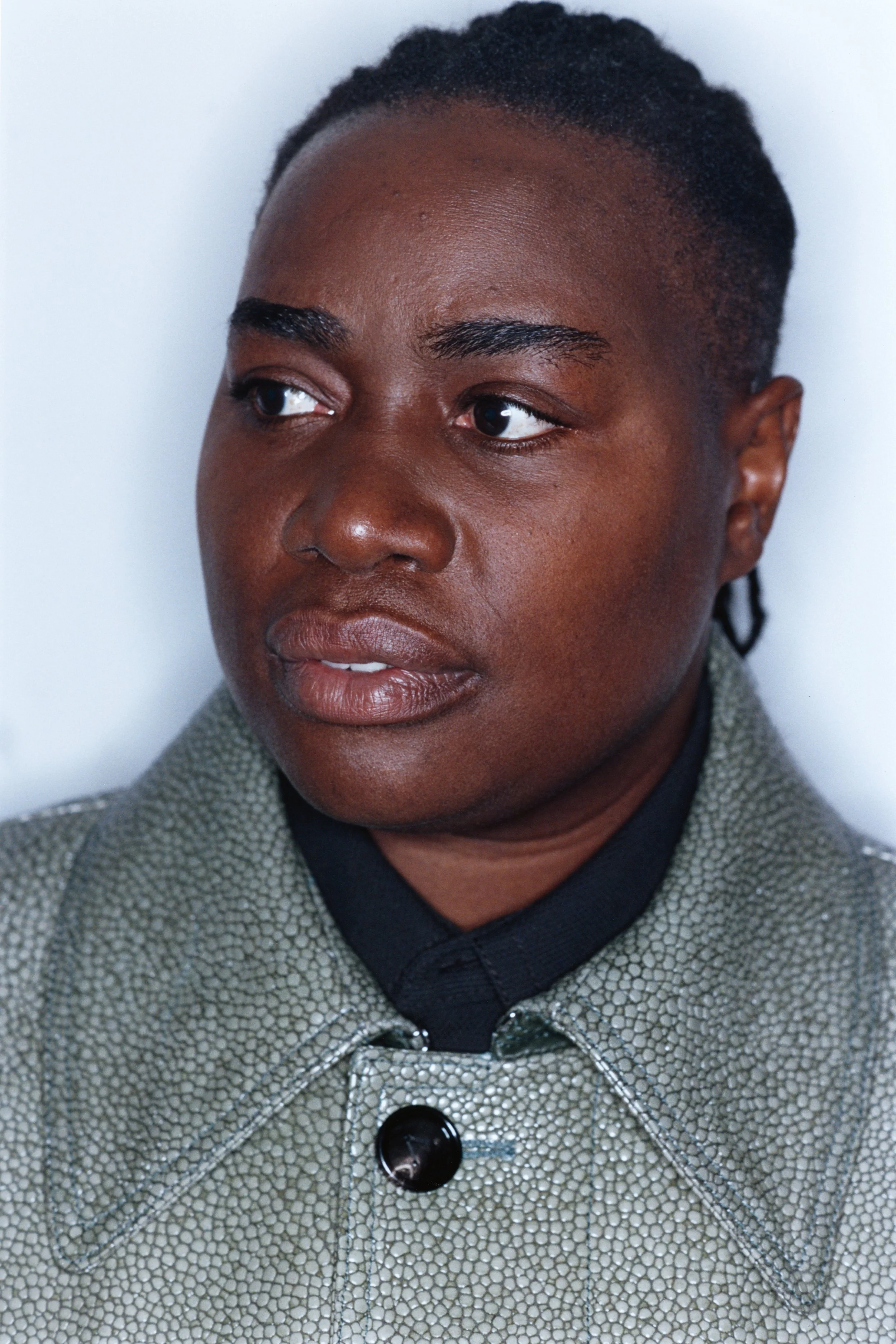
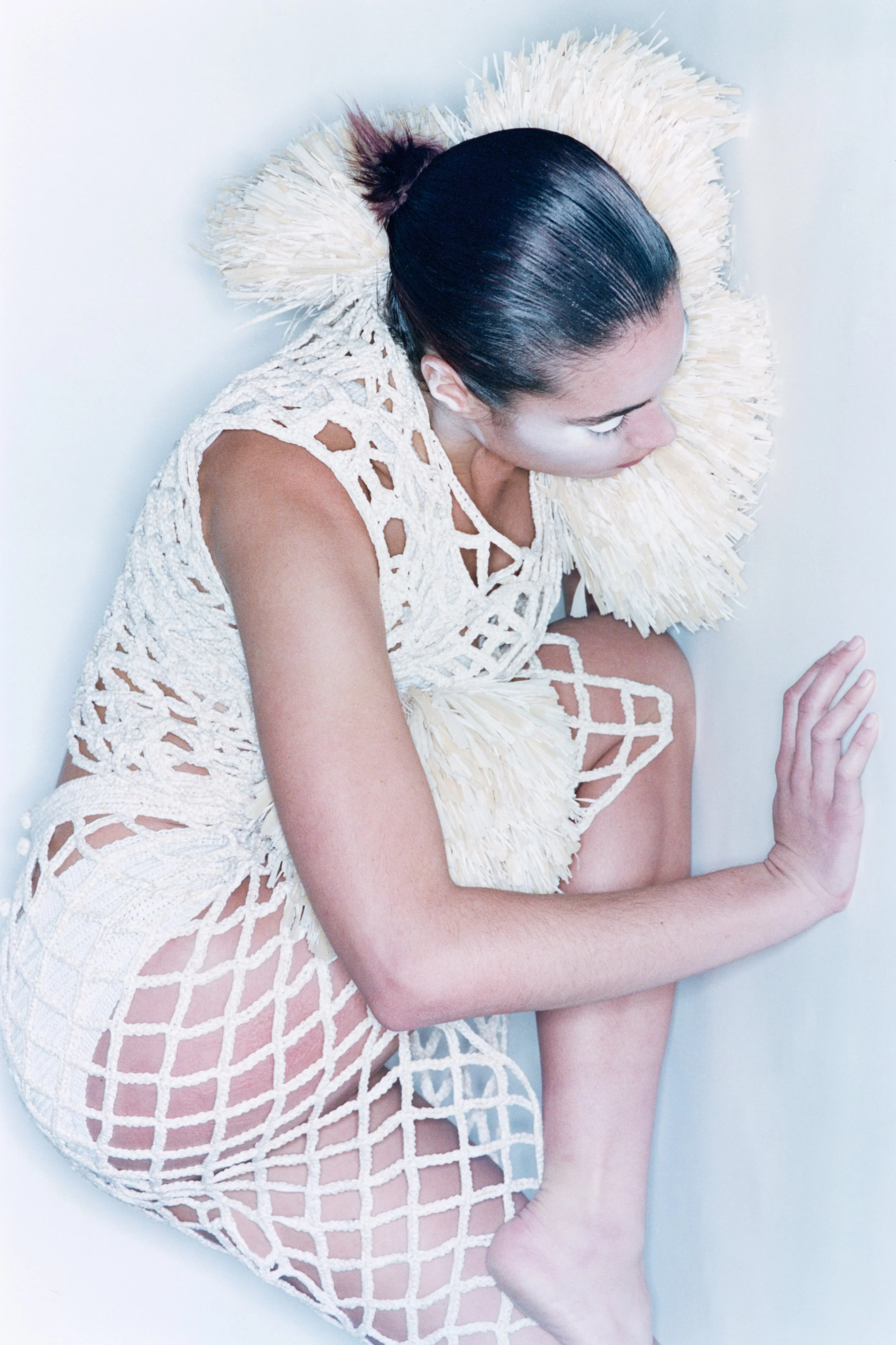
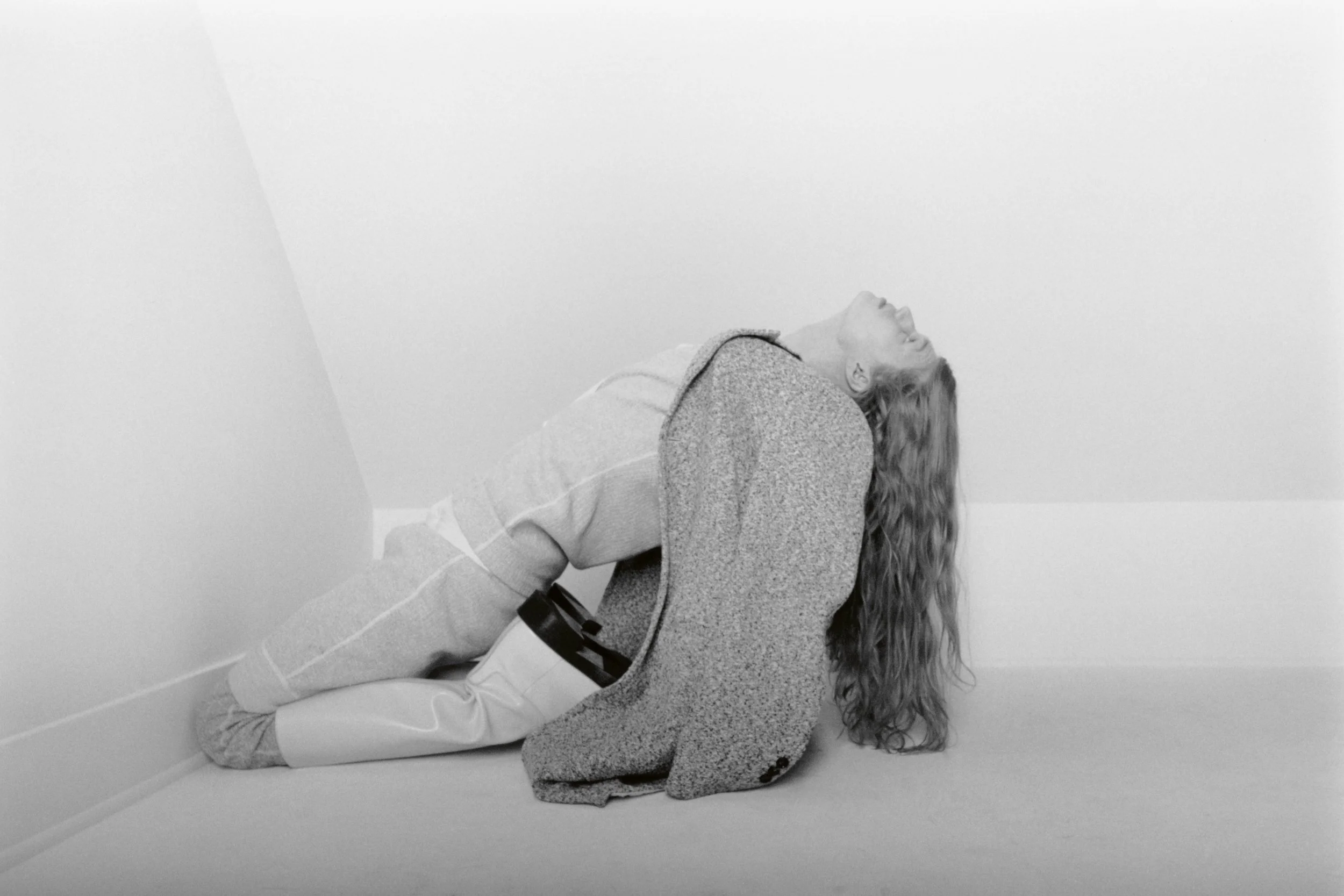
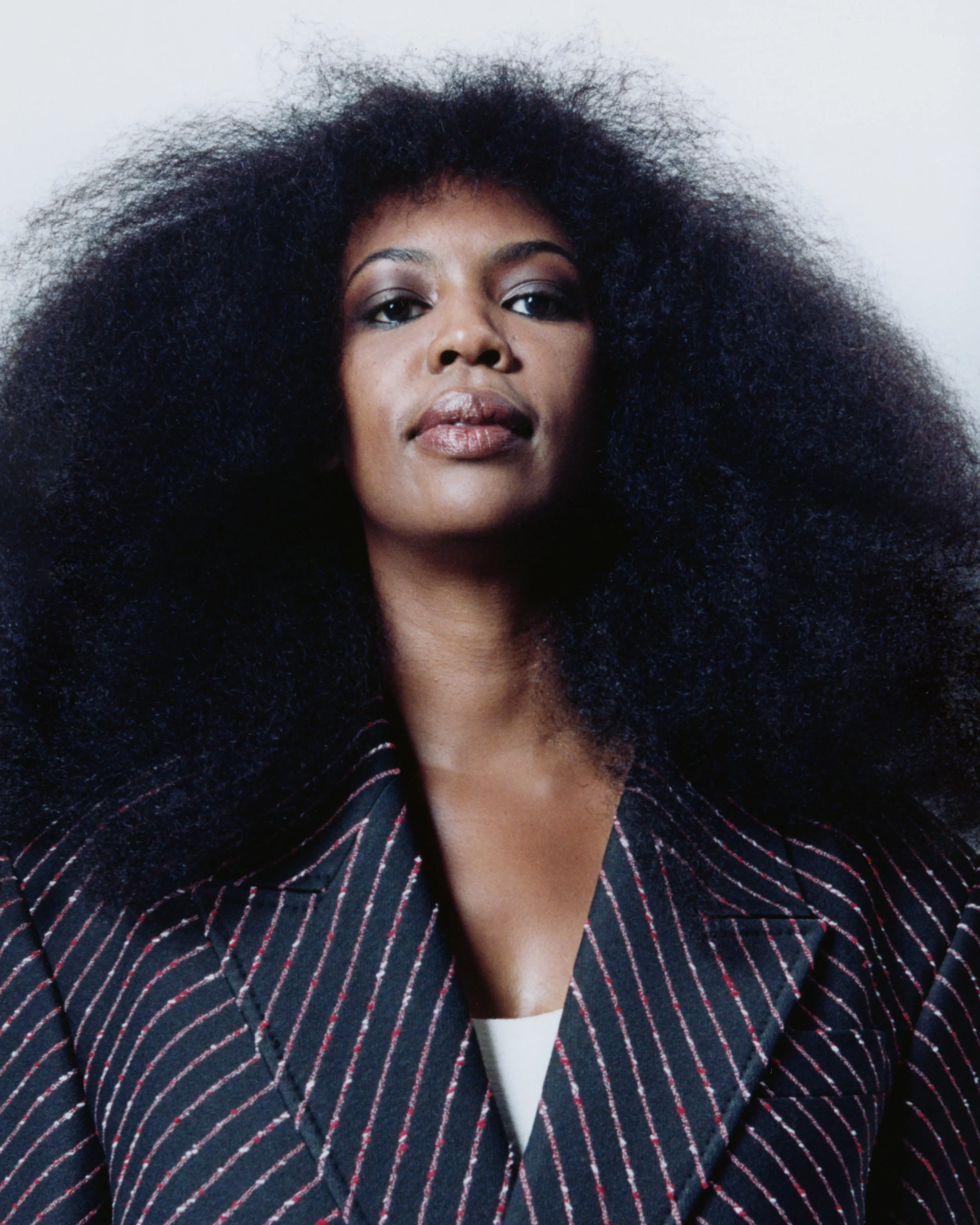
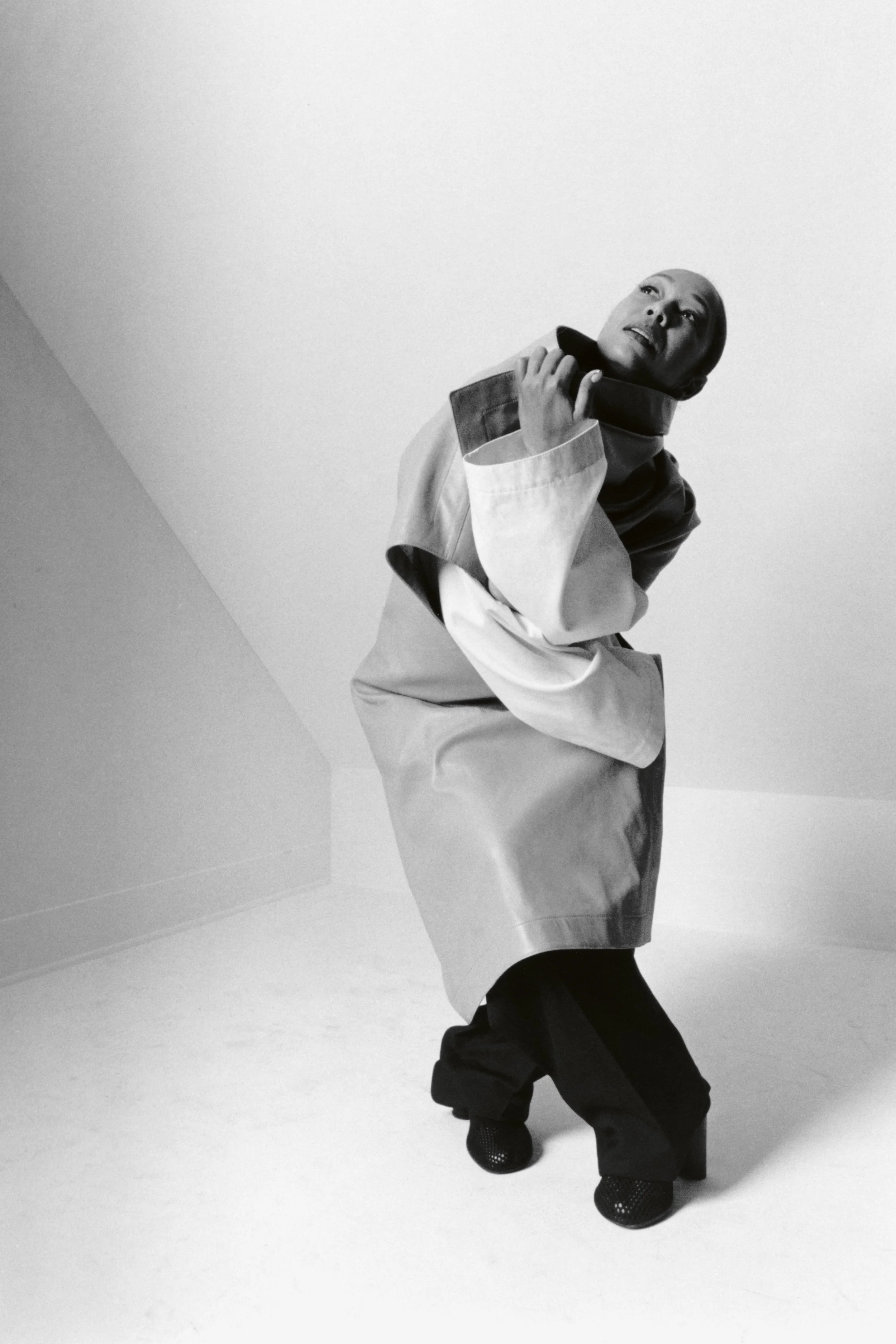
The playfully disturbing works of Polly Borland have an uncanny way of tapping into our inner child’s psyche. Her recent foray into sculpture features abstract animal and humanoid forms that challenge notions of gender and beauty—themes that were foundational to her early photographic works and have remained central to her oeuvre. Born and raised in Melbourne as the third of seven children, Borland lost her mother at the age of twenty-one and was thrust into a maternal role within the family while navigating a burgeoning punk scene saturated in violence and addiction. Her early work was regularly published in Australian Vogue and her career as a portrait and reportage photographer quickly gained momentum after she moved to London in 1989. In 2001, her first book, The Babies, turned a motherly gaze on a cohort of infantilism fetishists with an essay by Susan Sontag, effectively establishing her as a proper art photographer. Shortly thereafter, she was selected as one of eight photographers to take portraits of Queen Elizabeth II for her Golden Jubilee. Following several books of photography that muse on surrealist themes of ego, eros, and pathos, Borland finds herself living in Los Angeles using models to create soft sculptures that are 3D scanned and cast as hard sculptures in a puckish improvisational process that is layered with an amalgam of discreetly suppressed memories from her youth.

SUMMER BOWIE I want to start with you first picking up a camera. I think your dad gave you your first camera. 

POLLY BORLAND Yes. I was doing art history in Australia, and at the time, it had to accompany a practical art subject, but I didn’t feel like I could draw. So, my teacher said, "Well, why don't I build a darkroom in the closet and you can take photos?" That’s when I started taking photos, and the minute I started, my father lent me his camera. It was a Nikon 35mm and I was shooting originally in black and white. I absolutely loved it. I could edit, control, and curate my environment. I was always, from the get-go, photographing people. My sisters were models, my friends were models. And so, the final two years of my high school life were spent taking photos as well as other academic subjects. Then, I decided to apply to a photography college. I took a year off, and worked shitty jobs, and lived at home. I was only interested in photographing cool things or cool people. And so I used that year to get a folio together, and get into an art school. I got in and never looked back. 

BOWIE Would you say that your discovery of the adult babies was a foundational step in finding a subject that combines so many of your interests and your approach to documentation? 

BORLAND Well, that was the thing, the subject matter was hugely important to me, but I was also very interested in making photography less about reality and more about painting, almost. For me, it was the light, and the framing, and the texture—almost taking away the photographic element. During art school in Australia, I went to an exhibition at the Photographer’s Gallery. It was Larry Clark before Larry Clark became a thing. And there were these photos literally pinned to the wall. You could see all the scratch marks. And then, the subject matter of teenage lust in Tulsa. I'd never, ever seen anything like that, even though I was surrounded by heroin users. There's something horrific about those photos, but also very seductive. I liked the push and pull of that. Diane Arbus, for me, was similar. People like to say that she was very cold, but her photos are very human to me. I think there's a deep connection between her and her sitters. They're up close and personal. 

So, the subject matter was always key, but it was also the craft or the art involved in elevating them just from being documentation. I think a very formative influence for me was the Mary Ellen Mark photos of the working women in Bombay. And there was that book Nicaragua, from Susan Meiselas where there's a stylization of color and drama in the lighting. Everything is fused to make something that transcends just a document. 

 
Polly Borland at work
 

BOWIE There always is a degree of power that you have as the photographer. With the adult babies, they were allowing you to document them in states of extreme vulnerability, which meant that they had to trust that you weren’t going to exploit them for other people's entertainment. Most of us don't know what it's like to want to wear a diaper and have it changed by another adult. But there's a humanity that you bring to those images where we can connect with the inclination to be taken care of. 

BORLAND What I realized quite early on was that the camera gave me license to go into other people's lives. All human beings are the same, some just have more power than others. But people like attention. Not everyone, but it's a general rule that I instinctively knew. The leap from my school years was that I found myself living in England, and I was doing portraits for a lot of the magazines. Then I discovered the adult babies through a friend, and it really felt like I had died and gone to heaven when I went there. These giant babies are crawling around the floor. It was a mixture of pathos. It was very carnivalesque. It was surreal. All my favorite things all wrapped up into one. Originally, I photographed them for The Independent in London, and they were obscured by masks. But then, we established a level of trust and they took off the masks when we shot the book. We talked about it a lot, and they liked the attention they were getting from me. I would say for most photographers behind the camera it's an intense gaze. So in a way, I was replicating the mother's gaze. 

BOWIE Was this before you became a mother yourself? 

BORLAND The book came out in 2001, just before I had Louie. 

BOWIE So, you were just about to become a mother when you released the Babies book. There’s a similar vibe to the Bunny book, in terms of this very gritty approach that also feels very childlike in its playfulness. However, this was the first time you started to work with stockings, which have been a theme within your work ever since. 

BORLAND Yes. Basically, I'd seen Gwendoline Christie walking around Brighton, where I lived in England, and she worked in a knick-knack shop called Pussy. Gwendoline was very tall. She looked like a 1950s starlet. And I had had a child, so suddenly I couldn't do all my traveling, and I really was just trying to focus on my own books and exhibitions. And so, the original idea for the photos with Gwen was a series of Bunny Yeager-style pinup photos. But, quickly, that idea got tired. It was a five-year project with Gwen, so it just kept evolving. She went off to drama school and she'd come back on the weekends. We slowly realized that we were using a lot of different feminine clichés and turning them on their head. The stockings came about because I was trying to turn her into a doll. In the ’70s, and even earlier, you could get dolls that had painted stockings, and Bunny obviously feeds into the whole idea of the Playboy bunny, Bunny Yeager, the pinup. And then we did cat photos and horse photos. It was everything you associate little girls with, but we'd always subvert it in some way. The more she was doing her drama course, the more playful the photos became. 

BOWIE You guys were playing so much with humor and pathos. 

BORLAND Take Charles Laughton in The Hunchback of Notre Dame (1939), or Diane Arbus, any of her photos, they have this incredible pathos in them. For me, in particular, there is an interest in childhood and the loss of innocence. Pathos can move you in ways, like Fear Eats the Soul (1974) by Fassbinder. I can name many films that just have so much pathos for me. If I was to achieve anything, it would be that pathos in my work. There is always that clash of the beauty and the innocence with some kind of horror, some kind of jarring element. 

BOWIE It's the impending killer of that innocence, right? 

BORLAND Almost interrupted innocence. I'm sure some people just went through childhood and it was maybe an easy transition. But for others, there are outside circumstances that can come in and rob children of being children, like the death of a mother or adverse people within the family. It's not just an awakening for me. The loss of innocence is circumstantial. It’s as physical as the environment. As a teenager, you realize the world isn't as friendly as you would have liked it to be. It's a kind of interruption that is more omnipresent than defined. If you look again at the Larry Clark photos, you think, People live like that? People can embrace that lifestyle with guns and needles in their arms, and a lot of them are young. Those situations are not just found. It's like outside forces have come in and disturbed. 

BOWIE It seems to me to be the overall entropy of life. At some point, these outside forces are beyond our parent’s or community's capability to protect us and we have to confront them because life is not completely safe. 

BORLAND Yeah, and if you go back to where I was right at the beginning of the conversation, photography for me was creating, curating, and controlling. 

BOWIE You can, at least temporarily, create a space where the chaos has parameters. 

BORLAND But at the same time, when people view the photos they don't necessarily feel safe. 

BOWIE Sure. But it’s like BDSM, there are safe words and protocols between all parties to create something that looks like trauma, and yet when done ethically, there is full control over the degree of pain, and what direction it goes, and how it all ends. Where the frame is held—which goes into what I wanted to ask you about the Smudge series, where you worked with three subjects, one of which being your good friend Nick Cave. In reference to that series, he said, “I had to give myself over to this process of being degraded, initially degraded and there was quite a beautiful thing that happened out of that.” It’s as though you inspire a level of liberation for those who are willing to submit themselves to this sort of infantile play. 

BORLAND Well, he liked the fact that he didn't have to think. It was interesting because the first day he gave himself completely over to the process and there were no mirrors in the house. He couldn't see what costumes I was putting him in and what I was doing. I think he quite liked the sensual feel of the leotard and the Lycra that I was putting him in. He found the whole thing very sensual. He also just gave himself to the process, he didn't have to think he wasn't in control. Which, if you know Nick, he's a control freak. But he came back the next day and he'd been thinking about what I'd been doing, and had real doubts. He became really self-conscious and the second day was not easy. 

 
portrait of Polly Borland with her sculpture
 

BOWIE I love being in the sensory deprivation of your costumes. You’re so in the moment that you are sort of delivered from your ego. When we're capable of looking in the mirror, or at the screen with digital photography, there's too much control. And if you can't lose control, then you can't feel that liberation at all. 

BORLAND The thing that interested me about photography when I started, and for years this kept me captivated, was the delay between taking the photo and getting the film, not really ever knowing what I got until I saw it. It was very instinctual. You had to go off of how you felt. When I was dressing you up the other day for a sculpture—which is what I now do—I get that excitement. That excitement that I was feeling was what I used to feel. In photography, with forty years of experience, I know what works and what doesn't work. There's always an element of surprise, but you go on how you feel. It is magic, photography. When you do it the old-fashioned way. 

BOWIE Recently, for the first time, you stepped in front of the camera and allowed Penny Slinger to shoot you. What did you learn in that process of being on the other side? 

BORLAND I loved working with Penny, and I felt uninhibited, which my whole life I've been very inhibited in my own physicality. The only way I could get to the point where I could do that work with Penny was because I'd spent a few years photographing myself for my Nudie series with my iPhone, and the minute that work went out into the world, I knew that I had gotten rid of any attempt to cover myself up in any way. But the Penny work freed me in order to get in front of somebody else and be photographed. What I did find hard, which Gwen found hard, was then you have to live with the photos and you have to be okay with them being out in the world. But I think it's necessary. We're living in pretty dark times. And I've never been afraid in my work. The things that have informed me and my life have been people that are really unafraid. So, Penny and my work is really important work. It's not pretty. I've got a whole thing about ugly and pretty. I like things to look beautiful, but I like the jarring. 

BOWIE We all have demons that we need to exorcize. Gwen needed to find acceptance for her unusual height and unique body type so that she could develop the confidence to go on and become a big actor. But once you're liberated from those demons, you want to believe that you never had them to begin with. Other people do it in therapy, but for artists it's often public domain. 

BORLAND Yeah. It’s very cathartic. If you look at all the work I've done over my lifetime, one thing has always led to another. It's never staying in the same place. Someone said to me the other day, "It's hard to be good at one thing, but when you're good at lots of different things, people find that confusing." I have kept changing, but thematically all my work is about the same things. 

BOWIE There's a very clear continuum. I read that your Morph series were originally going to be hallucinogenic mindscape experiences, these sort of pre-conscious creatures that eventually evolved to have human-like qualities. Were you originally attempting to transcend the human condition? 

BORLAND Yes, exactly. And I have got a film. It's called The Morph Movie. It has only been shown at the National Gallery of Victoria in Melbourne. The Morph series was definitely meant to transcend the human experience. I just wanted to strip everything away from that work, like the eyes, the mouths, the noses. It was also rooted in Doctor Seuss and Dumbo (1941) as well—that surrealist, childlike, dream effect. 

BOWIE That’s really where your photography started moving into sculpture. 

BORLAND It was all because of a chance meeting at a tiny art event in this little country town. I met Dan Tobin from a foundry called UAP in the middle of Covid in the outback in Australia. He just said, "You've been making sculpture in your photos, and we want to take the sculpture out of the photos and put it into the real world." It revitalized my relationship with my work. Because it's given me a whole new playground to play in. I'm in my sixties and it's like I'm starting again. But it makes sense as a thing for me to be doing if you look at what was happening in my photos, it was all costumes. 

BOWIE And there's this connection with the animal play and the Bunny series, because many of them start to become these scrutable animals. Is that something that you plan ahead of time, or is that something that happens in the improvisational process? 

BORLAND That happens in improvisation. And like with Gwen, we were coming up with ideas and then I'd get props or bits of costumes and have ideas, but a lot of how I work is in the moment. I did do some drawings before I dressed you yesterday. I've got this weird drawing with big bosoms and a big bum, so it's pretty much how I imagined it, but I don't always pre-imagine. A lot of the time the session will take me to a different place. That's how I used to photograph. There's a whole visual logic to how I think and it's very rooted in the imagination. Also, I think I'm conjuring up visual references from my childhood in a lot of ways. 

BOWIE You approach sexuality in a very playful way. There's always these breasts, and asses, and penises, and vaginas, and sometimes they're where they should be, and sometimes they're where they shouldn't be. I got such a kick out of seeing the sculpture after I came out of it. There were these huge labial folds that were created by the stockings. But why is sex so funny? 

BORLAND Well, I actually don't know if I think it is funny. I think it's deadly serious, actually. But, I feel like I was playing with the non-binary, the genderless. The non-specific, but also the very specific. Mixtures of the binary genders way before we even started having these discussions. I remember as a child, I wanted to be a boy. I was obsessed. I used to have this gorgeous little pillow for a baby that was very soft. I used to stuff the pillow down my pants to pretend that I was a boy. But I also became aware from a very young age that boys were more empowered than girls. So, it was a bit like, fuck you, I'm not playing that game. I never really felt like I fit into a feminine type or what we were all told was a feminine type. Those are hints to where it comes from, but at the same time, it's just playful. I also don't necessarily want it to be easily digested. 

 
portrait of Polly Borland with her work
 

Rose Wylie by Juergen Teller

portrait of Rose Wylie at her home in Kent, United Kingdom

interview by Jennifer Higgie
photography & portfolio by Juergen Teller
creative partnership by Dovile Drizyte
postproduction by Lucas Rios Palazesi at Quickfix

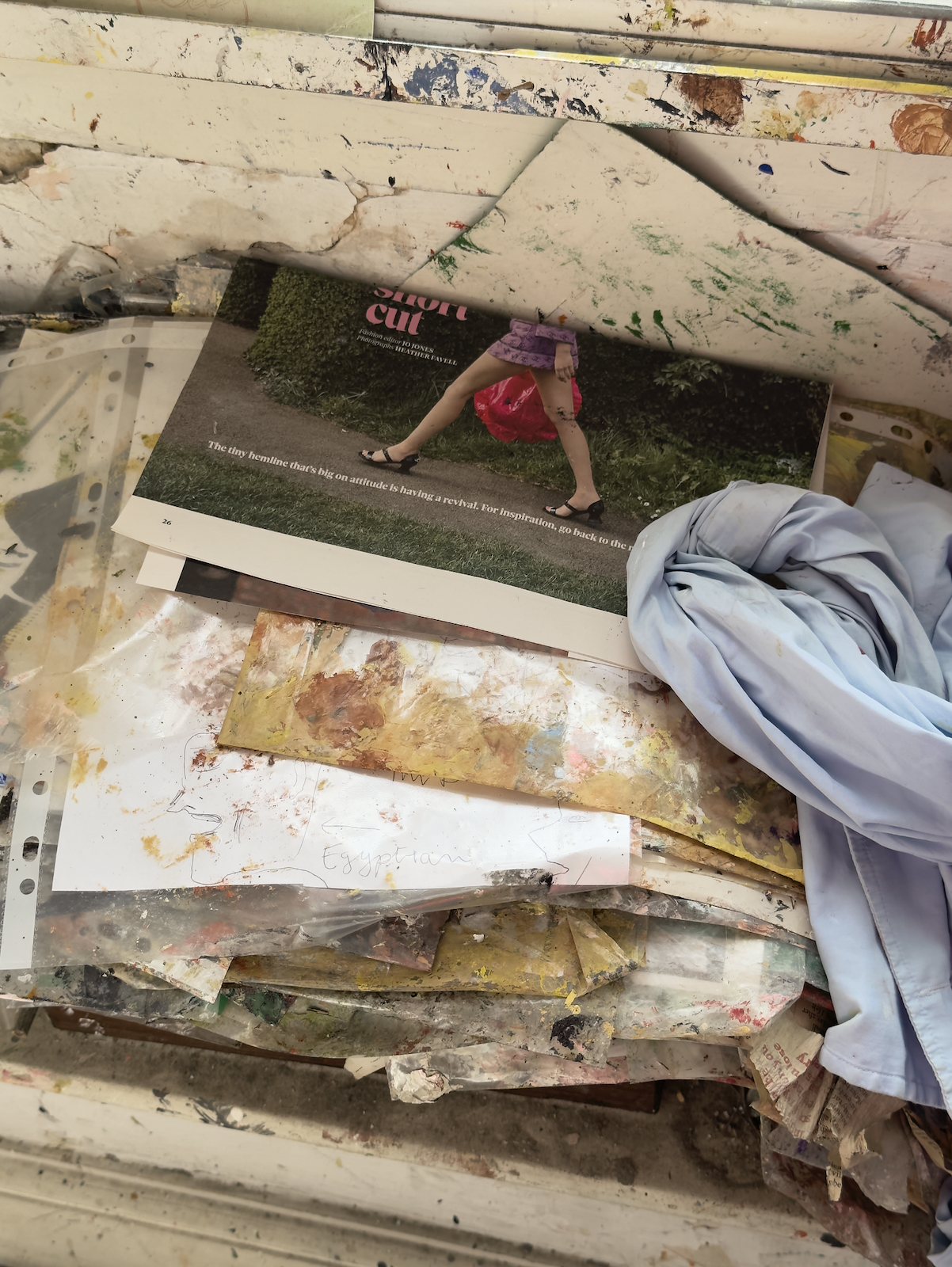
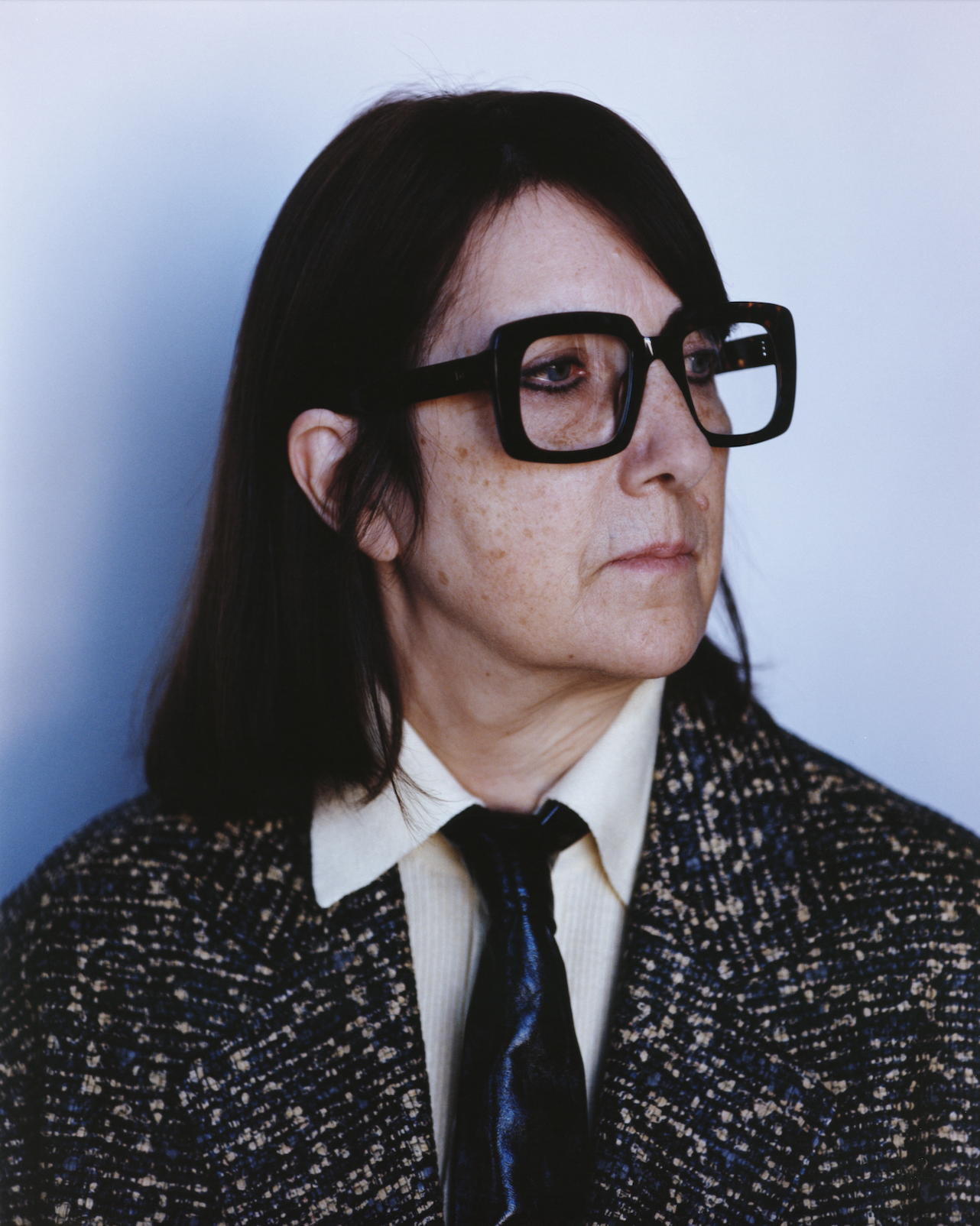
Art and life are as inextricably linked as inhaling and exhaling for British figurative painter Rose Wylie. Her cottage studio in the English countryside is evidence of her prodigious output. Newspapers, magazines, brushes, sketches—the flotsam and jetsam of a creative life, mirror the frenetic energy of her large-scale, unprimed canvases that are rife with references from Hollywood movies, art history, lost civilizations, and her own domestic environs. At almost ninety years old, Wylie is more prolific than ever. On the occasion of her first solo exhibition in Los Angeles, CLOSE, not too close, at David Zwirner, novelist and art critic Jennifer Higgie explores the hidden archetypes and symbolism of her paintings; and Juergen Teller visits her studio in Kent for a picnic lunch and a document of portraits.  

JENNIFER HIGGIE How are you, generally?  

ROSE WYLIE Painting most of the time.  

HIGGIE I can see that from these amazing paintings. It's extraordinary.  

WYLIE I can stand up. I can move around okay. No, I'm fine. I’m in my ninetieth year.  

HIGGIE I'd love to start with your show in Los Angeles, CLOSE, Not Too Close. It's such an intriguing title. How did that come about?  

WYLIE It comes from 17th-century poet Samuel Taylor Coleridge. Coleridge doesn't go for wax works; he doesn't like copies. He doesn't think art should be a copy. It is about finding the likeness in the unlikeness. What I often do is make a list of characteristics: age, type of hair, type of physical makeup and additions, tall, wide, big shoulders, huge hips, tiny ankles, all these sorts of things. That's what CLOSE, Not Too Close, refers to: it's close to the image that you're looking at, but it's not too close, a lateral slant, but connected. This title suits me perfectly. I don't want it too close because I think art has to go through a process of transformation.  
HIGGIE It makes sense to me that there are, say, portraits or resemblances that aren't necessarily about the actual way something looks. It's about how something feels or the resonances.  

WYLIE Exactly. It's how it feels, how it smells, how you sense it. It's all those things. It's putting all this stuff together, which is what Matisse called the ‘synthesis,’ rather than the ‘analysis.’  

HIGGIE Do you believe in the idea of the spiritual in its broader sense, like the idea that objects or people have a spiritual dimension or a dimension of some other reality? 

WYLIE I do, but I'd call it mood, or quality, or transcendence. A shift into something outside the subject or the painting. But it's mostly about appearances, how the painting looks. That's what our business is about. 

portrait of Rose Wylie at a table in her garden

HIGGIE Considering it's your first major exhibition in Los Angeles, and I know you've long been interested in the movies and movie stars, was it an extra dimension for you that this show was in LA? And did knowing that they would be in LA shape some of the paintings that you were making?  

WYLIE Well, it did interest me, but it didn't shape anything. I do paint from films. It's one of my genres. I love films, and I've done a lot of paintings based on film. I didn't do anything in the show specifically for LA. I think often if you do that, it doesn't actually come out too well. Maybe for some artists it does, because it's an impetus; it tricks them into something new, but sometimes you go into it and it just doesn't work.  

HIGGIE Have you ever been to LA, just out of interest?  

WYLIE No. But I love Mexico, so it's sort of going down in that direction.  

HIGGIE And maybe it's good not to go to LA in a sense, because Hollywood is such an idea of a place,  rather than an actuality sometimes.  

WYLIE No, it could be a good thing not to go. Some writers, when they write, they research and go everywhere. Other writers deliberately don't. I mean, it's a way of working, isn't it?  

HIGGIE Do you feel that, in some ways, all of your paintings are a kind of self-portrait, even when you're not painting an image of yourself?  

WYLIE They are and they aren't. This particular show is a kind of self-portrait. Without actually painting myself. If you say that the subject I choose and the way I paint is a self-portrait, then it's all a self-portrait.  

HIGGIE But maybe it could be said that these are portraits of your life, that it's a friend's Sunday garden, or things that you have in your home, or films that you've watched. And humor has always been important to you. I really love your painting, Lying In The Sun (2022), with “cautionary tale” written across the top. Is it a cautionary tale because she's naked or because she's getting sunburned?  
WYLIE If you lie in the sun too much, you can get moles later, and moles are often cancerous. So in fact, it's a suggestion that to lie in the sun and fry is not a good idea. And then, top right in that picture is a fire department sprinkler boat. It is funny. She's on fire. She's burning. She's roasting. It's almost medieval, and yet, it's not medieval at all. It’s transtemporal.  

HIGGIE What do you mean by transtemporal?  

WYLIE Well, I mean it could turn up in the history of painting at any time. It could be medieval. It could be well before medieval: early wall painting, before Christ, or Pompeii. People have always painted objects, girls, women, clothes. I think the painting I do fits something which crosses time.  

HIGGIE That was really noticeable in this group of pictures. I thought that time moved very swiftly around. I was looking at Wing Tips and Blue Doodlebug (2022), which I think are references to your memories from World War II. And then Spindle and Cover Girl (2022), which has “Observer Magazine” written across the top, and also “Assyrian hair.” You're moving around thousands of years. 
WYLIE It’s using what you've got. Often artists think, What shall I paint? If you do a lot of drawing and ideas, there’s often something you can just use. If you look back at what you’ve done, something turns up. So that's how “Assyrian hair” came up. The sarcophagus eye came up. Those pink plants, the spindle from the hedges, I just put them together.  

portrait of Rose Wylie in her studio

HIGGIE And when you said they came up, where did “Assyrian hair” come up? (laughs)  

WYLIE (laughs) I watch television programs that deal with Mari Art, that deal with history and Easter Island, Syrian, Babylonian. I like ancient art.  

HIGGIE What is it you like about it?  

\WYLIE I mean, it's often isolated. It's not hugely detailed or textured. It's not flashy and arty. If you just look at ancient art, it's often not terribly realistic. Sometimes it is. But the way it's realistic is somehow not quite photographic, it’s universal.  It’s close, but not too close.  

HIGGIE In our 21st-century world, we're bombarded with images all the time. But you can look at very ancient images, and surprisingly, they seem very fresh. It's like we haven't seen the world or a body represented like that before.  

WYLIE It can be exciting and, well, intensely compelling. But there are so many contemporary artists I like as well.  

HIGGIE Who are the contemporary artists that you like?  

WYLIE Well, there's Alida Cervantes. She does very fresh painting. And Tschabalala Self I have a particular affection for. She's young and she's very fresh and very vigorous, but also there's a pleasant splash of vulgarity. But it's not hideous. It's vulgar ... nice, but it's not cheap. I don't mind cheap when it's the right kind of it. Jonathan Meese I've liked, and he's very gestural. But I think I'm off gestural at the moment.  

HIGGIE Why is that?  

WYLIE I tire of it. I prefer other images. I like Giorgio de Chirico and El Greco. I mean, there's no gesture in sight in de Chirico. El Greco or Giovani di Paulo. Today, if a painting is too gestural, I get rid of it. That's just how I work, because you work through ideas and faces in your painting life, and you just keep moving on 

HIGGIE So has that been quite a recent shift in your work, this move against the gestural?  

WYLIE It's been coming up, but probably I’ll be back on it tomorrow. I do both … I like two apparently contrary things going on together. 

HIGGIE In terms of how you go about making your paintings, at the moment, are you doing many preliminary drawings, or do you just go in there and work instinctively? 

WYLIE I do a lot of drawings, pick one and work from it, then put it down, and think I should have started with another, and then I use another, and then I go back to the first one. It's all flexible and fluid. There's no real fixed rule for it. But I often have a drawing because that's where all the decision-making is, you can do a lot of getting the image into something which you can bear to look at. And then, the painting goes on from the one you like the look of most, or the one that you think will translate better, and then the other decisions begin.  

HIGGIE Is there a lot of slippage between the preparatory drawings you do and the final painting? Do you change things a lot when you're making the painting?  

WYLIE There isn't. Sometimes it's very close, and I want to get it close. And if it's not close, I go on with it. Other times, I just let it go.  

HIGGIE Would you describe yourself as a very instinctive painter?  

WYLIE I think both. Both instinctive and—what would be the opposite of instinctive?  

portrait of Rose Wylie desktop, her Mac computer

HIGGIE I think it might have been Caspar David Friedrich who had his palette in one room and the easel in the next room so that he could never make an instinctive gesture. He had to move slowly between the two rooms, so every gesture would be very considered. Maybe very considered is the opposite of instinctive.  

WYLIE I do both, instinctive and considered. I'm a hybrid. I'm a combination of any kind of attitude that you can dredge up. I mean, the painting My House Front, and Back (2022)—I took nine hours drawing the blackberry leaf. I had the leaf in front of me and I just kept thinking, That's cheap. It's horrible. I can't bear it. I don't want to look at it. That's no good. It's not good enough. For hours, I kept changing it. And then finally, I did the painting quite close to the drawing because such a lot of decision-making had gone into the drawing that there was nothing more for me to do, and why not use it? 

HIGGIE How long would you spend on most of your large paintings do you think?  

WYLIE Sometimes I work obsessively for two, three days, you know really, just all the time because no one is here to stop me. And then, I leave it for a bit, just simply because I've got somewhere, and then I come back to it and if I don't like it, I change it again. So, I would always leave a painting for at least two weeks, and then come back to it, perhaps, and change it. Occasionally, you can do one in two days, but not often. Very, very rarely.  

HIGGIE Do you abandon many paintings?  

WYLIE I usually go on with them. I don't like wasting the paint and the time, so I push on. I just change it, scrape it all off, and put more paint on. 

HIGGIE And at what point do the titles come in? Do you begin with a title, or do you come up with a title once you've finished?  

WYLIE It gets an affectionate nickname, and I sometimes stick with that. One of the paintings in the show, I nicknamed Tarantino's Sister. Really, though, it was a bit too close to Hollywood. If you look at the heads, the middle head looks a bit like Tarantino. But because it's a girl, I called it Tarantino's Sister. Now it’s called Up the Bikers.  

HIGGIE Where did that title come from?  

WYLIE I live in a village, and up the road, there's a lot of spare land. The Prince, now King of Wales, bought a plot of land and gave it over to ex-army people who had motorbikes. It was a kind of rally-point. Motorbikes stream past the window and they can use this plot of land for racing.  

HIGGIE So, you don't mind the bikers going past the window?  

WYLIE No, I don't mind them at all. It's life. It's noise. It's only sometimes—four times a year or something. No, I don't mind the noise coming in. The bikers and the noise and the traffic—I like it. It's the opposite of death. My studio is generally thought to be a bit messy, but it's the opposite of sterile, and hospitals.

HIGGIE It's life. And there's almost a feeling in that painting of a slippage with time. They look like Easter Island heads or something. They feel very ancient in that picture.  

WYLIE Well, I hope so. I like Easter Island heads. And they're also quite current because I think the hairstyles are current.  

HIGGIE Do you ever make paintings which please you, but you don't fully understand what each component is? One of the many things I love about painting is that however full of resemblance it might be, painting is still enigmatic. The meaning is often enigmatic even to the painter.  

WYLIE It can keep on accruing, can't it? It can get more and more.  

HIGGIE How important, or not, is it for you that people looking at your paintings understand the references? Or can they take away their own new meanings from them?  

WYLIE It doesn't matter at all. I think it can be enriching for the audience if they do see, or interpret it in some sort of way, but it need not necessarily be what I intend. I think it should be open. But it's quite nice if they've seen films, like For A Few Dollars More (1965) or Blazing Saddles (1974). I think it can help. 

HIGGIE I'd love to hear more about your thoughts on color, because I remember you telling me once actually, in that piece that you wrote for Thin Skin, the exhibition I curated, you talked about your love of yellow and green. I'd love your thoughts on that.  

WYLIE I love yellow and green. I had a bed for my daughter, Henrietta. I painted it green. It was metal. It had yellow flowers on it and was early Victorian. But while I do like yellow and green, I also like pink and black. I like black and brown. I love pink, but I think color depends on how much and how it's used.  

HIGGIE I'm sure there are artists who you particularly admire for their use of color.  

WYLIE Manet and El Greco, something about the black keeps it all together. But then, I don't necessarily like to have too much black. Matisse is good at color, but then so is Picasso, and look at Ugo Rondinone or Franz West. 

HIGGIE We've obviously talked a lot about extraordinary painters, but I'd love to hear a little bit more about your thoughts on caricature and cartoons, which I know that you've spoken about before.  

WYLIE I'm not so interested in caricature, it’s too distorted. What I do is transform and extend. And the thing about cartoon language is that it has to be immediately recognizable or the cartoon has no point. If you're painting something like a brick or an ice cream, it's quite useful if people can see what you're doing. I do like predellas and little paintings at the bottom of big paintings which show movement—they link into cartoons in a way that I can completely accept. Cartoons are a move away from reality, which I also like. And the cartoon language is actually very useful if you grab hold of it and channel it. Sometimes I get accused of being too cartoon-like. And from my point of view, they're not cartoon-like at all. I'm simply using everything at my disposal. For instance, if you paint a hot dog, you paint the lines of heat. I use cartoon language, but I also use Renaissance devices of foreshortening and cross-hatching. I put it all in, mix it up. I think distortion can go too far, and that's perhaps more to do with the comical or the tiresome. Exaggeration, I don't actually go for that either. I go for poetic transformation. 

Could It Be: I'm Falling in Love?


photography by Parker Woods
styling by Julie Ragolia
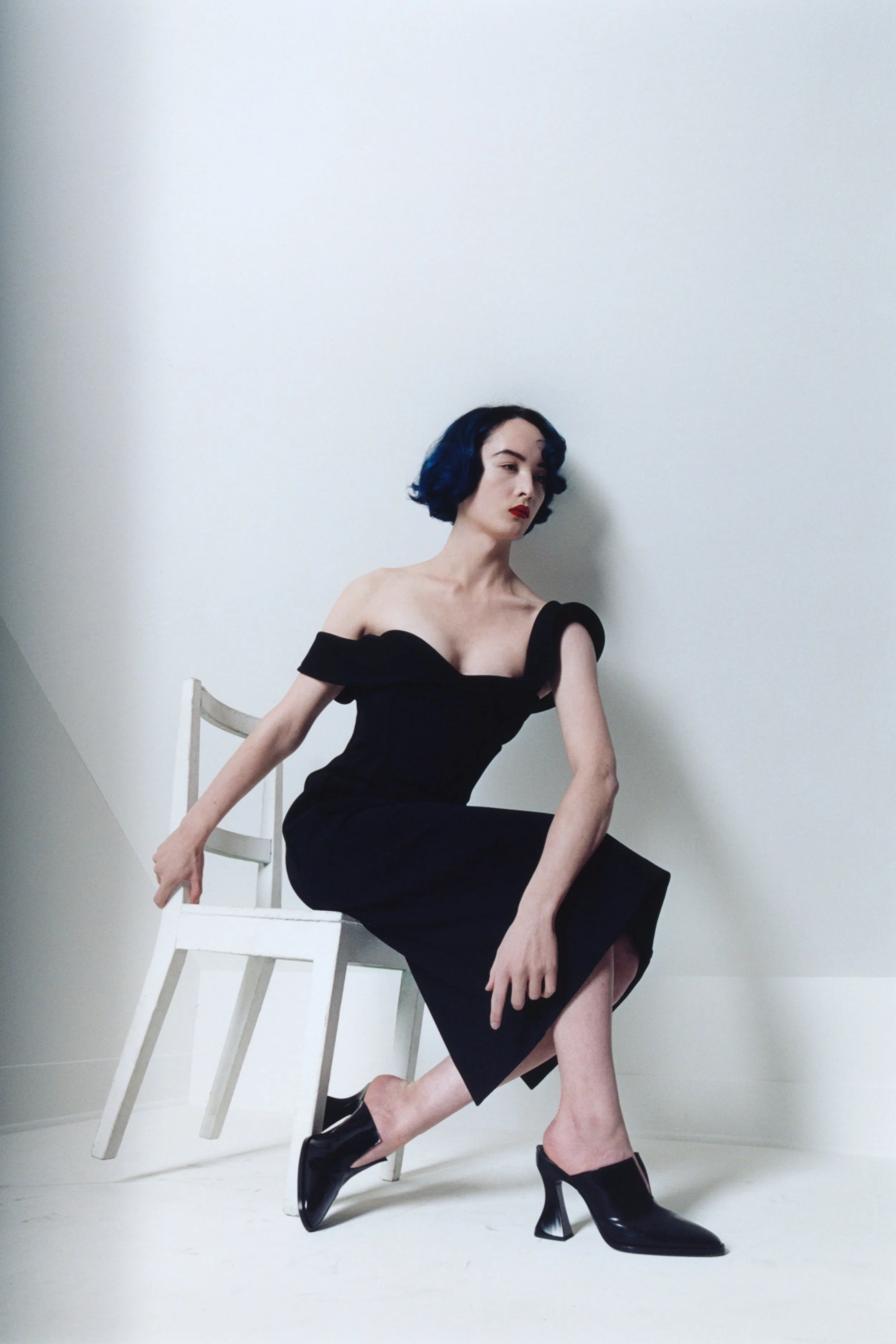
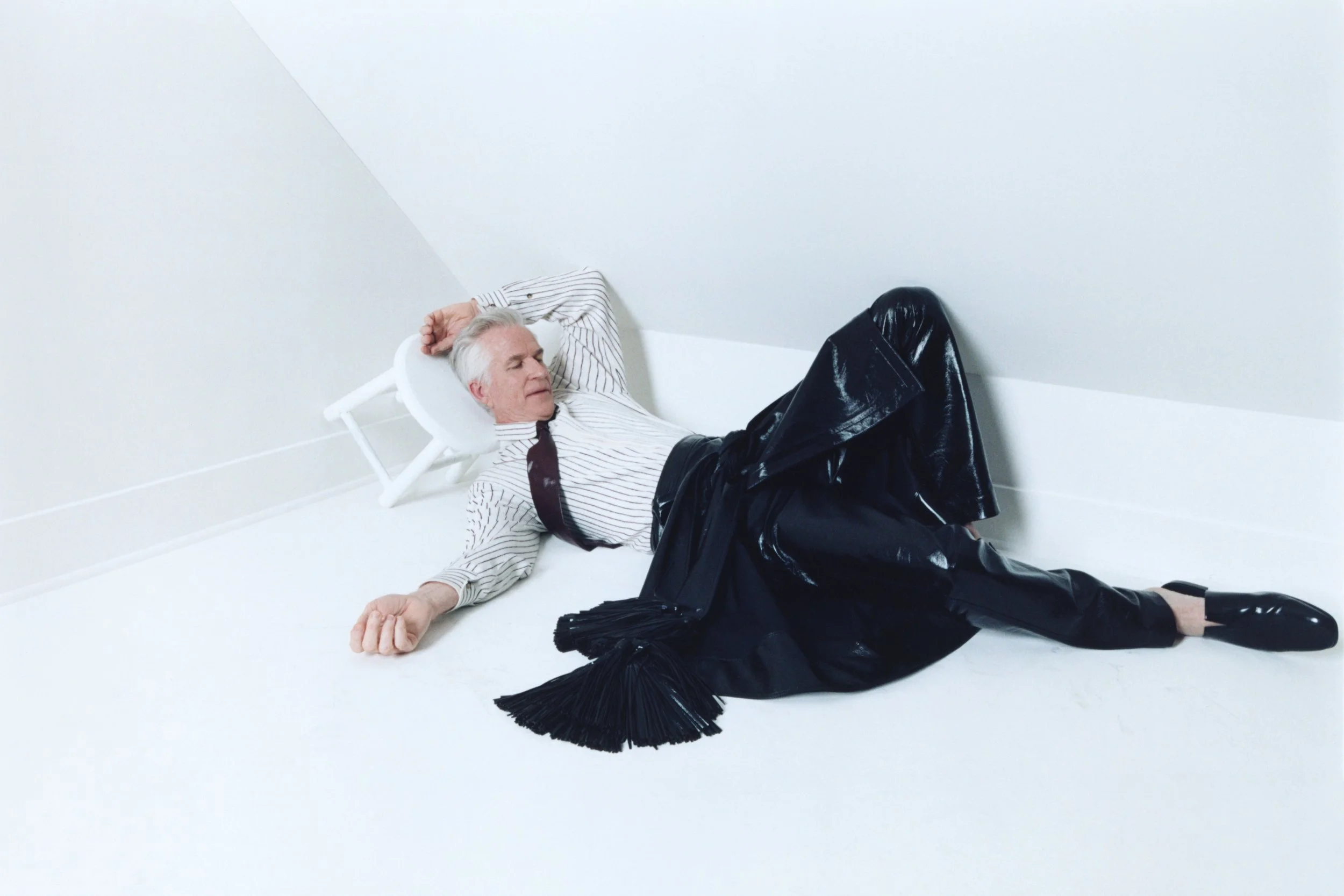
all clothing Bottega Veneta
casting directing by Ben Grimes Casting
hair by Matt Benns
makeup by Allie Smith
set design by Eric Mestman
stylist assistance by Amy Bialek


God Turn Me Into a Flower: A Conversation Between Adam Curtis & Natalie Mering

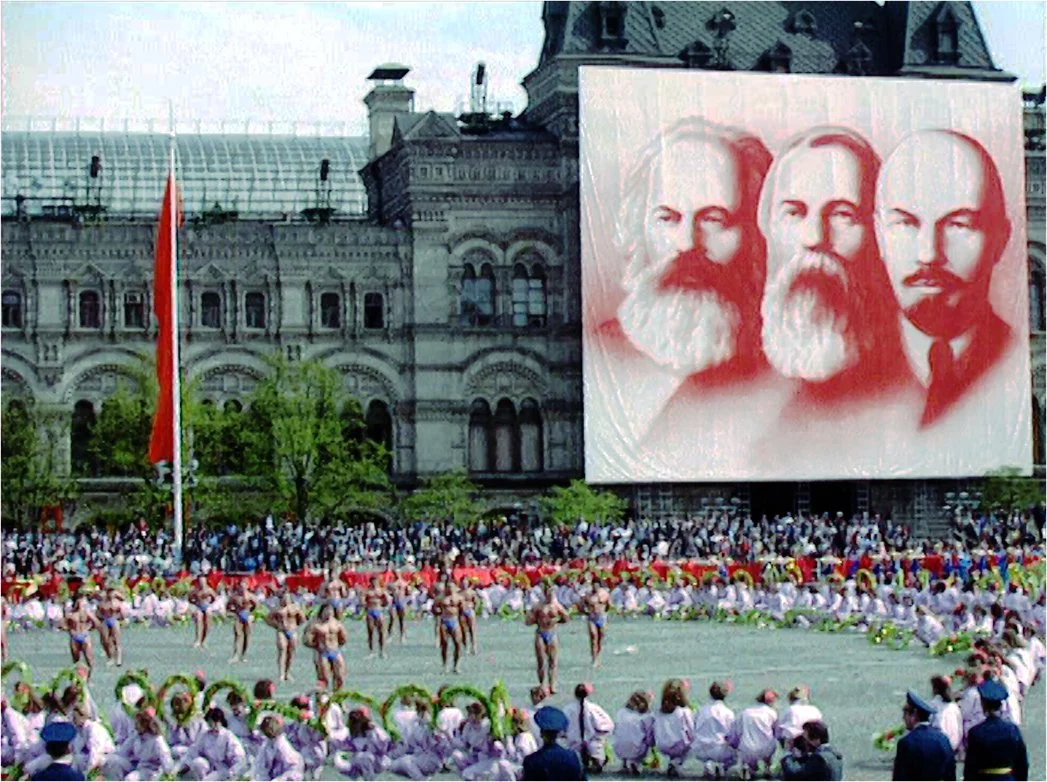
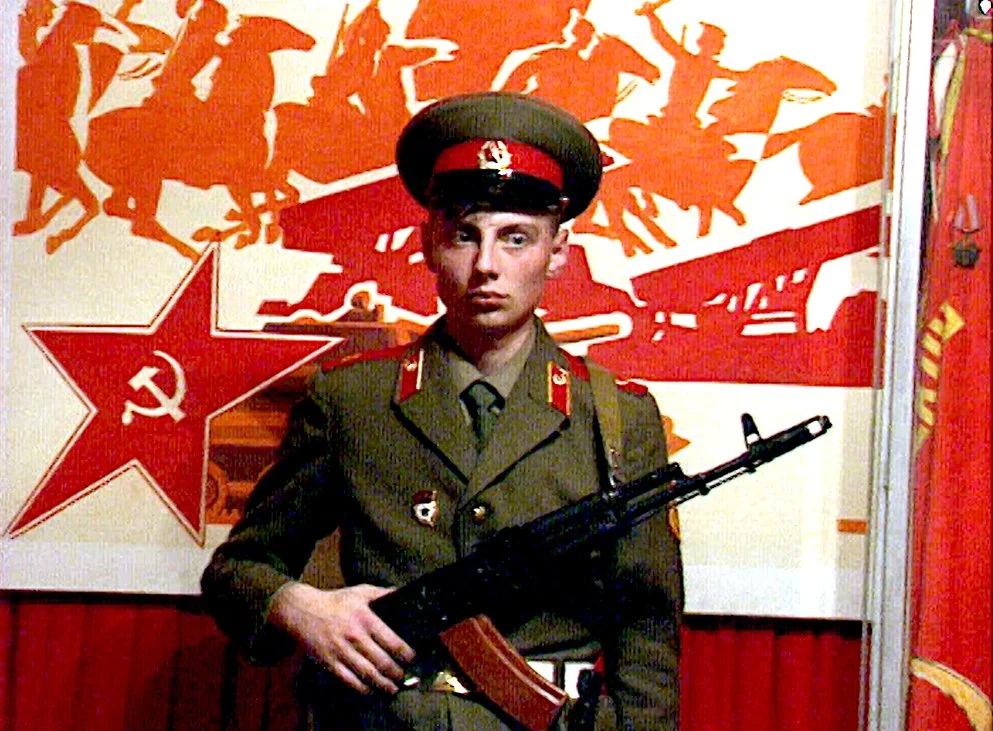
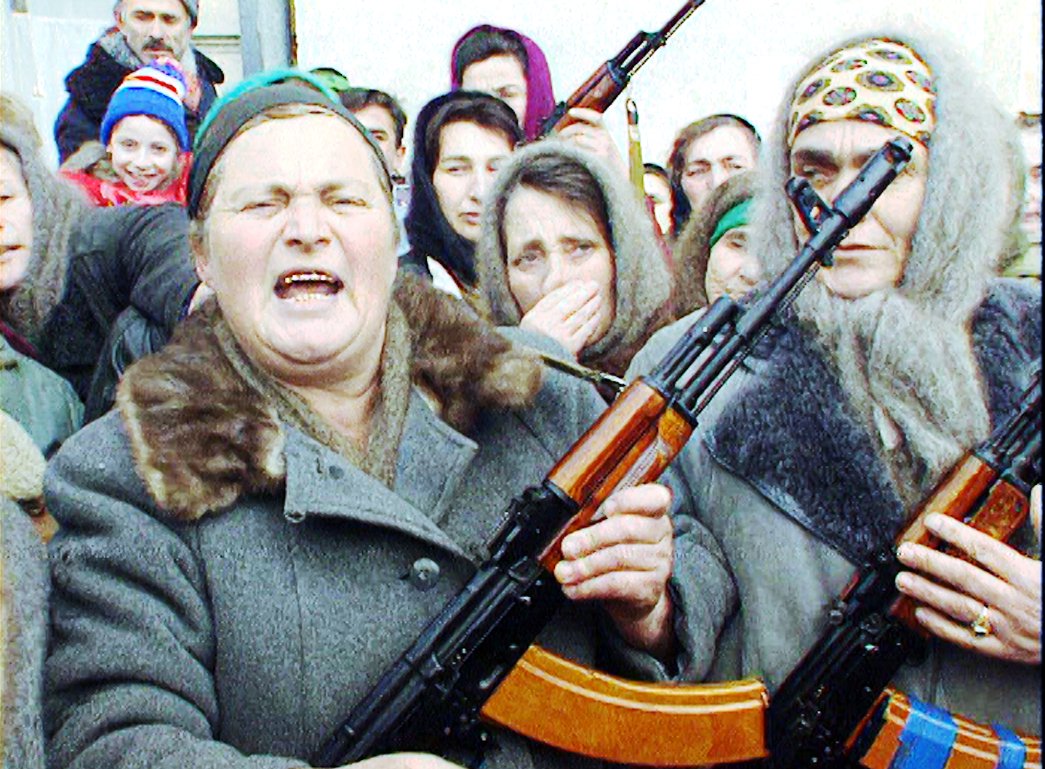
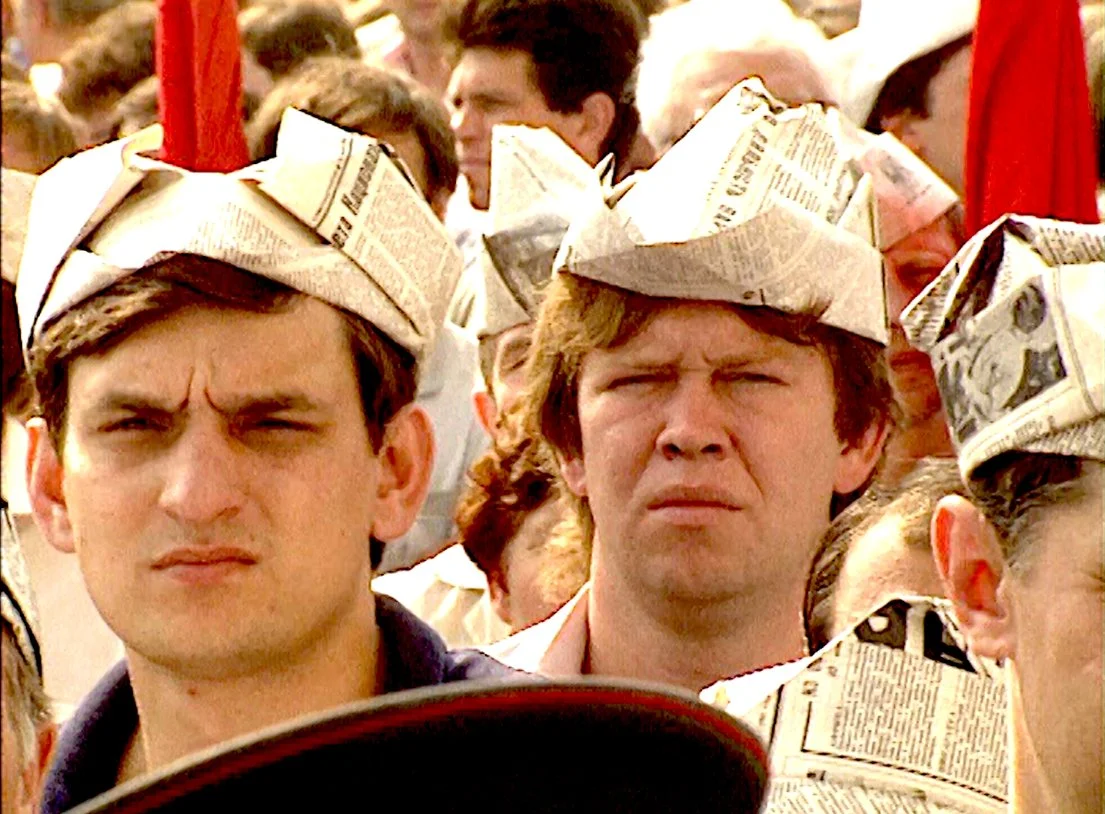
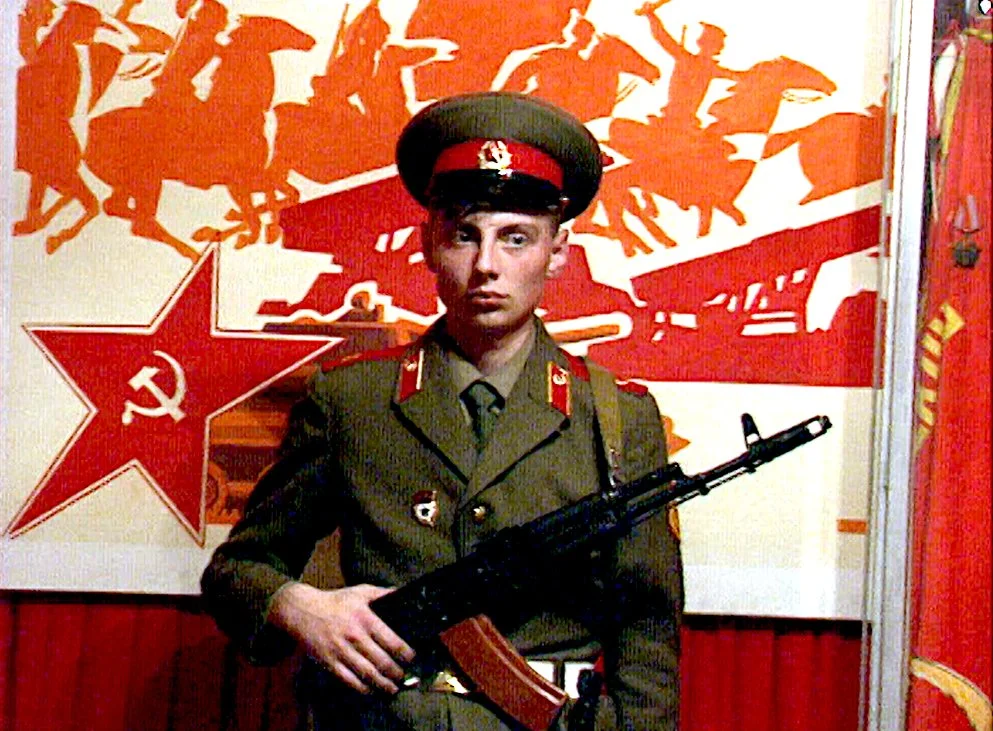
For nearly forty years, the documentaries of elusive BBC journalist Adam Curtis have told us fascinating, complex stories about power and disillusionment—particularly the disenchantment caused by the fables we tell ourselves to make sense of a violent and chaotic world. His narration is instantly recognizable in films like Century Of The Self (2005), about Freud’s theories of the unconscious mind and how PR machines used them to manipulate mass populations of contemporary society, or HyperNormalization (2016), about how we got to our present post-truth zeitgeist. His most recent film, Russia 1985–1999: TraumaZone (2022), encapsulates these ideas. Told through a dizzying array of found footage, the documentary features the collapse of both communism and democracy and the rise of a corrupt group of oligarchs who placed Vladimir Putin in power for financial gain. Last year, Curtis tapped into his vast trove of video archives to create the concert visuals for Weyes Blood (the moniker of critically recognized American musician Natalie Mering) to support her 2023 album And In The Darkness, Hearts Aglow. He also created the music video for the single, God Turn Me Into A Flower, a poignant track about the myth of Narcissus, but also our eternal fall into the black mirror of a technology-obsessed world.

ADAM CURTIS I think the reason you and I got on was because we share the same interest in what happened to that optimism of individualism and to what extent it was retreating. What I liked about the song [God Turn Me Into A Flower] was that while it was about the retreat from that optimism, it also has a sort of optimism of its own. I thought that was very unusual in modern culture. The thing with the doom loop vibe at the moment is that there very much is a sense that there's nothing else.

NATALIE MERING There are many parallels between what we're doing to the planet and what we do to ourselves. When I first read the actual myth of Narcissus, I was so amazed that our culture had notoriously misinterpreted it. Everybody thinks of it as this person who’s obsessed with their own reflection; wasting away in their vanity. But the real crux of the myth is that he doesn't recognize the reflection as himself. He thinks of it as this otherness. In our culture, everybody is seeking external validations and identities to be happy. If I had that, or if I had this—there's always this postponement of experiencing reality. There are so many different ways that this applies to modern consumer culture and the inability to witness ourselves within nature.

CURTIS The idea of being truly yourself now depends totally on the idea that you are being watched. If you have ever seen Paris Is Burning (1990), marginalized groups—gay, Latinx, and Black—know that they have absolutely no chance of getting into the mainstream of society, so they decide to act it out. They act out being business people, or they act out being heads of the army, and they do it absolutely perfectly. They created what they called ‘realness.’ What's intriguing about it is that, in a way, that's what everyone does now. Everyone pretends to be something, but it only works if you feel you are being watched. If you don't feel you are being watched, you're not real. That's the paranoia at the heart of our society. That sense of believing in yourself as yourself has disappeared, or receded even further.

MERING Generationally, the difference is having principles. Because there was no social media for Gen X or previous generations, whatever you did in person, or whatever you did in action, or in relationships, that was an advertisement for your persona. Now, I feel like people can create a persona online and not actually have to live by those principles in reality. It's such a perfect platform for performance.

CURTIS It's also because that system was created by engineers and engineers work on the basis of feedback. So, you're always being fed back information about yourself. And therefore, you begin to perform. I think it's inevitable. The really interesting question is what, then, happens to the real self? It sort of disappears. We live in this incredibly emotional age, but the paradox is that what you're seeing is a performing dramatic self. 

MERING As a performer, this is a very interesting and very confusing topic for me. Sometimes the way I feel, which I can imagine could be applied to a lot of people in generations that are very influenced by technology, is like a huge sail. And when there's wind, you're open and you're feeling okay; I'm serving a purpose. But when there’s no wind, a sail is this weird, crumpled, empty, flat, flabby thing. It's a very intense feeling for me to come off-stage and feel all that deflation. The first thing I feel is a weird disassociation. If I’m just this floppy, empty sail, what is the ultimate purpose of what I'm doing? This is really personal to admit, but I can imagine that if a lot of people were stripped of their phones and the opportunity to feel the wind fill their sail, they would feel like, what is the shape of this person that I've become?

CURTIS That's exactly right. But what you’re doing, it's real. The tragedy for most people is that they inflate that sail and they don't know why. They just hope that people are watching, which is quite tragic. At least you're in a venue, and you can see them, and you can feel their reaction. What we used to do—and this is true in religion, and in wider parts of society—is that we used to have a private self and a public self. In the 19th century, and actually way up until the 1950s, people would have their public persona that they would go out and perform. For instance, a self-confident Englishman. But then, you went home, and you were someone else. You had your private world, you had your friends, and the two were distinct. And then, somewhere, way before the internet came along, the ‘authentic individual’ took over, meaning all those elements—both the public and the private—must be authentic. I think that confused a lot of people because a new question arose: Am I being authentic in private, or am I always acting?

MERING I forget who said this quote, but it was something like, “If we could collect all of our subconscious impulses into a basket and make art out of it, it would really just be a repetition of advertisements.” At this point, our subconscious is so overloaded with ads that, in the end, it's like the subconscious could actually be this kind of garbage pail for the trash of our society. And yet, people would love to believe there's something more awe-inspiring than just biological impulses.

CURTIS I blame Sigmund Freud, myself. He was such a pessimist; he believed that there were these dark things inside us that you'll never get rid of. I've always thought that this idea rather holds us back. I don't disbelieve in the unconscious, but I just think it's not that powerful. And I think, possibly, we fetishize it because we feel weak and unable to actually change ourselves, or change the world for a better purpose. So, we blame it on these dark forces inside us. I don’t know if you've been on TikTok recently, but everyone is talking about trauma.

MERING Trauma is the perfect golden ticket to explaining the discontent of our modern world. People are desperate to understand the more subtle negative impacts of modern consumer culture and what that does to your mental health and your physical body. I'm the first guinea pig generation that grew up eating the most processed food imaginable in America. All this stuff is radically different from my corn-fed boomer parents. I feel like that is another reason why the younger generation is continuously scrubbing their past, looking for reasons why they don't feel how they thought they should feel.

CURTIS When I look at these TikTok things about trauma, I think I'm watching a modern ghost story. It's just people telling me that they're haunted by something inside them all the time. You're really sympathetic. You feel that there's something holding them back. But there are other, wider questions at work, such as: is it possible that the kind of society you are living in is making you feel so bad that you are retreating into yourself? But no one says that. What they say is, “No, it's you. It's your fault.” 

MERING I do feel like that kind of pop psychology, self-help, self-diagnosis, “go online, do some reading, and figure things out,” is definitely a huge diversion from confronting the bigger societal structures that contribute to the downfall of community. The isolation, more than anything else, is creating the overall scope of people's reactions. For the most part, people are dealing with these feelings within the vacuum of their algorithm.

CURTIS When we last met, we were talking about how new religious feelings might reemerge in society. The power of religion was to offer people in the past a sense that they were part of something bigger than themselves. There are other ideas of freedom than just individual freedom. We live in a very pessimistic time when people feel that they can't change things. But there were other periods of history where people felt that if they gave themselves up to something, it might change the world and they would be part of something that went on beyond their existence. That's a lost idea at the moment, but I think it might come back.

MERING In America, especially right now, the young people that are against what’s going on in Palestine—I think that is the closest thing I've seen to that kind of unity, that kind of fervor, and the kind of passion to try to do something. The whole idea of self-immolation within this time seems so abstract because most people are just online posting about this stuff. And then, Aaron Bushnell lights himself on fire. That was a big moment for the younger generation; a moment for them to not feel as powerless. It was almost like, okay, somebody did something. We did something. We're not as selfish and distracted as everybody says we are. But I would say, based on the way information is controlled via phones and media, it’s hard to get that kind of grassroots organization. The ’60s or ’70s political activism is lost because our systems of information and communication are completely fielded by tech giants.

CURTIS The ’60s radicals had a politics which had a map to it. It may have been a decaying one, but at least they had a map. What now? There is no alternative map, and there is this real sense—and this is sort of what I'm gonna make some films about—that the map that we are given by older generations no longer describes the territory we're living in or experiencing. And I think that if you are protesting, it's sort of incoherent at the moment. You know what you're against, you know how angry you are, but no one's giving you a map of what you do with it. And it's up to them to come up with that map. But it's really interesting, left and right, it makes no sense any longer.

MERING I call it the culture divorce. There's been a cultural divorce in America. There's so much fighting within each camp that the division isn't as traditional and strong.

CURTIS I was reading a book about the revolutions of 1848; when revolutions rose up everywhere across Europe. The writer of the book, historian Mike Rapport, was arguing that before 1848, the traditional political divisions, which we have grown up with—left and right, the establishment, the idea of what's real—didn't really exist. They were created then. Prior to that, he said, they lived in a hazy and fluxy world. And I think that's where we've gone back to now. We're in a hazy, fluxy world where the sense of the ways you ordered this reality have all dissolved, which gives you people like Trump. I don't think you can blame Trump. He's the ringmaster for this crazy world. What we're waiting for is someone to not be a ringmaster, but to actually give us a map. If you are twenty-five years old now, it's very difficult. But it's also quite exciting.

MERING It's uncharted. I remember very distinctly when I was at Occupy Wall Street. That was a big moment for me because I felt this youthful excitement. And I think the biggest criticism of Occupy was that we couldn’t write a manifesto. There were no actual concrete terms. It’s super random, and you guys are also punk and you're living in tents. I remember thinking, of course, there's no manifesto written because it's not as organized as it used to be and people stopped reading as many books as they used to. The onslaught of the liberal arts education brought on this idea that you don't need to read the classics, so you don't need to have those kinds of skills. You just need to follow your bliss. Now, they're saying that college students are having trouble with reading comprehension.

CURTIS If I was a college freshman, I would argue in retaliation that actually those who are supposed to be telling us what's going on—journalists, politicians, think tank people—seem to have problems comprehending what's going on in the world. I had to give a talk at the American Embassy to a lot of very posh journalists and think tank people. I just said, “Look, people don't trust us any longer because we haven't predicted anything. We didn't predict the financial crash of 2008. We didn't predict Donald Trump. We didn't predict Brexit. We didn't predict the Ukraine war. So, we have problems comprehending the world, and that's why they're turning away from us. It's not just because of the internet.” They got so cross that I thought, Oh, I think I've probably touched on something here. And the reason it’s true is that there is no map.

MERING What do you think of YouTube and the rise of everybody as a journalist?

CURTIS I think that's inevitable. But actually, if you watch those things, they're still trying to pretend to be old-fashioned journalists. They're still working with the old map. What you were talking about with the Occupy movement and the rise of the Black Lives Matter movement in the middle of the pandemic—it's incoherent and that's why older generations are shocked by it. And, in a way, it's not making sense because there is no map. They're just reacting. There are some very good YouTube journalists actually trying to ask interesting questions, but a lot of it is still trying to imitate mommy and daddy. And that's a bit sad. The information that's passed around in these new venues of journalism tends to actually be created by the original old legacy media. YouTube doesn't have a news-gathering organization. Facebook doesn't have a news-gathering organization. The actual facts come from mostly old organizations plus a few people on the ground with video. But that's different. That's raw data. I think that YouTube is sort of best, like TikTok is best, when it's showing you raw data. It galvanized people somehow because it felt real.

MERING Everything online with what you can witness in Gaza is extremely techno-dystopian. All that raw, intense, traumatizing information in between memes and funny advertisements–I can understand the cognitive dissonance and the pain of witnessing that information unprocessed.

CURTIS I was reading about a woman in Odesa who can't sleep at night because she's terrified that the Iranian-made drone above her sent by Russia is going to drop a grenade into her window. It's like some weird 1980s cyber-tech novel. Drones were invented by Israel in the ‘70s. Iran makes drones, sends 'em to Russia, and a woman in Odesa gets a grenade dropped into her window. It's strange. But what I'm saying is that fragmentary strangeness is what is going to galvanize the next politics because there is no map that explains it.

MERING My theory about our culture is that we're weirdly frozen within the 20th century. The movies, and the media, and everything are convincing us that life is still that way. But I think that it changed so radically and so dramatically so long ago that when people catch up to the idea of how different things are, instead of creating a new map, they’ll be grieving this death. There's a lot of grief in the process of realizing that movies and plot lines of TV shows have a bigger impact on our concept of reality than we're willing to admit.

CURTIS There's a melancholy to a lot of the TV culture at the moment and in the stories. For instance, The Last Of Us. It's melancholic: we are the last people on Earth.

MERING It is strange. And there aren’t a lot of comedy shows because people aren’t sure how to be funny.

CURTIS I have not a cynical theory, but a sort of ruthlessly practical theory. I find it very strange that the class of which you and I are also a part—who are well-educated, liberal-inclined, nice people—we are the most narcissistic group ever in the history of the world. Individualism has gotten to this incredible stage. We've also decided that we're the class that is going to witness the end of the world. It has a terrible, deadening effect on the idea that you could actually do anything because you just think, Oh, the world's going to end. I don’t know whether you find that in America, but here in the UK, the climate movement, which I always thought should be fighting to make a better world for people, is paralyzed by a sense of apocalypse.

MERING I really think that what people deal with nowadays—with the way the economy works and how you make money—if you don't have the support of your parents and you're just out there on your own, you have to become a pirate. At a certain point, Peter Pan goes away and your youthful idealism about politics might shrivel in light of the reality of making enough money to feed your kids. The crushing weight of even trying to achieve that middle-class life that our parents might have had is in itself a big enough distraction. It does leave the idealism for the people who are living a little bit more comfortably, which definitely adds to the dissonance.

CURTIS Here and in Europe there is a big backlash against the climate movement coming from the working class, because they are, for the first time, being told they're going to have to pay. They're going to have to buy more expensive cars, get rid of boilers for their heating, and install complex heat pumps. And the liberals running the climate change movement have been dealing with it in an almost dream-like technical way. There's a woman called Sahra Wagenknecht who just formed a new party last month in Germany, which is left-wing in all kinds of economic ways, but culturally quite conservative. It's already got 23% of the vote behind it within a month. Over the last twenty years, people at the top have done very well and people at the bottom have gotten much poorer, and they are very frightened. This all goes back to not understanding the reality of the modern world. Not having a map. You are up against raw power.

MERING This also would make the map so much more important because power has been so weirdly decentralized to hide itself. It's not necessarily one thing. It's this myriad of different cumulative forces. So, it's even harder to sniff out where the energy should be put. There was a moment in America when garbage was not the citizen's responsibility. If a company in the 1920s started making disposable products, it was the company's responsibility to deal with the detritus that would come from those disposable products. And the companies won something in the Supreme Court that said the consumer is ultimately the one that's responsible. This sentiment carries through now to this idea of cleaning up the planet. That it’s the consumer’s responsibility. And that's completely wrong.

CURTIS It's presented as empowering, but actually, it's totally disempowering. Did you know that the idea of the carbon footprint was invented by British Petroleum around 2005? It was a way of turning attention away from the fact that, actually, the reason why a 35-year-old mother has to drive 40 miles to work is because of the kind of society they are told to live in. So, it's not their carbon footprint, it's a society that has carbonized itself in a particular form that forces those people to actually behave in that way. But they are blamed. I think what I'm saying is that the radicalism of now is going to actually deal with raw power.

MERING Do you feel like the first step towards reclaiming that power is admitting our powerlessness?

CURTIS There are so many powerful groups within the media that are actually clashing over this. Suddenly, power comes back into focus. I remember a member of Parliament saying, “I don't think anyone knows where the power is any longer. I know that I've got no power.” But then, you talk to a journalist and say, “Well, you've got the power.” And he goes, “No, we haven't got any power. It's the bankers who've got the power.” And then, you go and talk to a banker and the banker says, “Well, we sort of have power, but actually we're just slaves to this crazy market that just goes up and down all the time. We don't know who's in power.” 

MERING I mean, maybe the tech guys in Silicon Valley have the power.

CURTIS The other people I've gotten interested in recently are called short sellers. They're the people who now go and research big companies and find out what's wrong with them, publicize it, and bet that the shares are going to crash. So actually, the people who know the most information in the world are no longer traditional journalists, but people who want to benefit from disaster.

MERING It's a society of pirates.

CURTIS Hustlers and grifters have the power. But then, they would say, “Well, we do, but we don't know what we're doing with it. We're just making money out of it.”

MERING It's interesting to think of this idea that there was a time in America when education was quite good—before a lot of the neoliberal financial policies. Do you think that was when they knew where the power was? Was that a time when people were more accountable for their actions? Or has it always kind of been a pirate hustler mentality in power and the difference was the strength of the myth, which is now falling apart?

CURTIS I'm gonna weasel out of that one by saying that myths always create reality. I mean, you are right. There was a period, I presume, from the 1920s through to the 1970s when people thought they knew where the power was. Politics had more control over the economy, and they would stop a lot of the corruption. That's not to say there wasn't corruption. If we talk about America, it's going to have to look back at how the Vietnam War not only tore the nation apart in terms of morality and politics, but also the shock waves from it that led to a shift in power. No one quite knows how that happened. Out of that came inflation chaos, a new kind of left-wing politics, and actually, it was the death of left-wing politics. And out of that came a sort of crazy individualism, which we are now at the end of.

MERING When Columbine happened, it was this huge historical moment of horror. How could this possibly happen? But then, the shootings became more common and they just kept happening. A real strong desensitization started happening, almost to create this feeling of post-history. I feel like the reaction to Sandy Hook in the ’60s or ’70s would've been so different than it is now.

CURTIS It was a turning point because that was when the apocalypses began. There was 9/11, there was the war in Iraq, and then there was the financial crash in 2008. In the past, journalism's job was to go and find out bad stuff and then it told the people about that bad stuff, so we would then put pressure on our politicians and lawmakers to change things. That didn't always work, but it sort of worked. Nowadays, if I'm just being a typical reader or a watcher of news, if I see someone telling me something terrible, I'm not interested because I think, Yeah, well, everyone knows that happens and everyone knows that nothing's gonna change. If I read extraordinary evidence of how practically everyone who is in power in my country hides large amounts of their wealth abroad illegally, I go, Yes … and? To go back to the idea of having a new map, investigative journalism no longer has any traction because it tells us terrible things and nothing happens. Journalism should now be telling us why nothing happens.

MERING Well, I think that's what you're trying to do. And that's why I was so attracted to your work. Here's somebody that's actually trying to break this all down for us and go behind the curtain and say, “Look, there's a wizard behind the curtain.” (laughs) I really think your documentaries are more like maps. Even in their structure, they're kind of non-linear. It’s a more holistic approach. You combine philosophy and history and speculation into one. I definitely see younger people realizing there's more to it than meets the eye.

CURTIS That's what journalists should be trying to explain. That's partly what I try to do, but I still think a new political movement is going to have to do that. To return the compliment, I think what you do in your music reflects how people navigate their way through the world at the moment. Every age has its own type of realism. You are evoking that feeling through a series of moods. Because that's really how people navigate now—they have emotional reactions to situations or places that resonate with them. And sometimes they link that to the past, which is where nostalgia lies, which is both very strong and also very destructive. It’s almost like that gives them security. And it gives them a sense of, not tradition, but being part of something that feels like it’s from the past. It’s also like a terrible ghost calling them back, saying, “Come and live with us now. Forget the now, just come and live with us.” Someone said something terrible to me the other day. They said, “If you watch a lot of the archives of comedy shows on YouTube, you are listening to the laughter of the dead.” So, there’s a modern ghost story about culture.

MERING How do you feel about Mark Fisher’s theory of hauntology—his idea that we're haunted by the future that we never had?

CURTIS I agreed with him. I mean, we used to meet and talk about this actually quite a lot. You know, he killed himself. His observations of the nostalgia in British music was very good—that sense of an old power that had gone within contemporary music. Every age creates its own ghost stories, but we don't seem to have created the right ghost stories. It's something to do with modern culture. I have a theory that AI has nothing to do with the future. AI is simply about giving machines masses of culture from the past and letting them read it and regurgitate it to us in new forms. We are living in a haunted house is really what I'm saying.

MERING We're still living under the umbrella of this myth. Like with music—there are a lot of times in the industry where music is still treated as if it impacts culture and society. I don't know whose job it is to keep that myth going, but it must be serving some purpose. Do you think the purpose is distraction or to keep the haunted house alive?

CURTIS I think it depends on where you are in the society. It's a comfort blanket in the face of everyone telling you that the future is dark. If you are a politician or someone in a position of power, it's a way of disguising the fact that you also have no idea of the future anymore. It performs all kinds of functions. And it is divided into two kinds of people. There are people like Taylor Swift who try to take the chaos and turn it into nice little stories so you can recognize yourself in it, which sort of makes you feel safe. Then there is what you are doing, which is trying to give a feeling of what it's like to move through it. If you are an AI computer learning, you are fed billions and billions of images and things to compute. Well, that's exactly what we are being fed. And to be honest, I'm one of the worst offenders. I take old footage and repurpose it. Of course, I do it to say something about the modern world. But we are stuck within a haunted house and some of us are trying to find the way out, or at least draw a pathway to the door out. Others are just relishing a haunted house.

MERING I do think nostalgia is a perfect tool for capitalism. I see that with my generation—the way they repackaged the ’90s for us. This pre-cell phone era. It has leaked into fashion. I just see how nostalgia is taking advantage of this sickness and yearning and capitalizing off of it.

CURTIS In modern physics, their latest theory after multiverses, is that time doesn't really exist. It’s as if we're in a terminal station where all the trains are coming in from the past and just dumping stuff, whether it be from the ’90s or the ’60s or the ’50s. If you are what's called Generation Alpha, the people who've actually grown up with social media, you have no sense of a historical timeline. You live in a swirling matrix of all these trains coming in from the past and just dumping their stuff.

MERING Do you feel like we're all voyeurs looking back at different eras? Pagan time travel is what I call it.

CURTIS It's time travel without a purpose. But I think there will be parts that are going to crack—with Gaza, but also with what's happening to the climate movement. When it comes up against people's financially difficult lives, it's going to reawaken the sense of power and purpose. And when you challenge power, you have a purpose. And that leads to thinking about the future. I mean, you can't go on repurposing and replaying culture, can you?

MERING That was Mark Fisher's fear—that we would be stuck in this infinity loop; hitting the same note over and over again. Because that was the last note of authenticity before everything was splintered into a million different fragments from the internet and technology. But I do think the biggest hurdle, like you talked about, is drawing a map and finding out where the power is. It’s like we haven't fully addressed the widespread sense of grief.

CURTIS Someone showed me a video game called Red Dead Redemption the other day. In the game, you are riding around this beautiful world on your own in 1900, or whatever. It exquisitely rendered this sense of melancholy that people have now as they're traveling around the world pretty much by themselves as if there's no future. In this country, I always thought the melancholy, especially in my class, is due to the loss of the empire. And Britain may disintegrate even further. In America, there is that deep melancholy, but I don’t know where it comes from.

MERING My theory is that it represents the disparity between our belief in what the world should be and what it actually is when we're confronted with reality. For my generation, it’s growing up with the idea of being able to buy a house and build a family.

CURTIS I think that's true here. If you are ever going to buy a house, you are going to be in debt to a large financial corporation for the rest of your life. And that is going back to something way before democracy. It goes back to feudalism, when the Lord of the manor owned the cottage you lived in, and you would live there indentured to him for the rest of your life. There is this sense that you've somehow gone back in time in this country. It's quite weird. You've got this nostalgia for an empire, but also the fact that you've gone even further back in time to an old system of power and you have no idea how you can confront it. Because how do you confront a large financial corporation in which your pensions are probably invested and your parents' pensions are invested? It is really complex. No one has got their head around it and I think that leads to a deep melancholy as well.

MERING It's really interesting to think about a time when people were exposed to less information. This younger generation—the amount of information that they're bombarded with, it must also be a source of melancholy.

CURTIS Speaking as a journalist, one of the things journalists learn very early on is: don't overdo the information. It'll stop you from turning it into a narrative that will connect with the people. You can go back and check and add stuff on, but just don't overdo it.

MERING How do you narrow it down for yourself?

CURTIS You find the stories that inspire you. I take the view that I'm quite normal and if I find a story that connects with the way I am feeling about the world, I'll think, Well, probably that's what other people will connect with. It’s the same with the music I use. You edit stuff on the basis of what you genuinely react to, rather than another piece of information that seems to be relevant but actually in your heart of hearts, you think it's quite boring. You've got to create an emotional story that will grip you and therefore other people. That's what good journalism is about. This is why I don't think journalists create maps. I think people who challenge power create maps because they can see a way of taking the stories people like you and me tell, and the moods that people like you and me create, and they go, Oh yes, that connects with the way I'm feeling at the moment. I've always thought that if what you're making doesn't actually vibrate in the back of your head, you shouldn't do it. The way reality is described by most journalists does not connect to that humming thing.

MERING Last question. How do we imagine a future through the lens of levity? How do we put values and meaning into things so it isn't this grief-stricken process?

CURTIS One of the things I have been thinking about is making a film, and I would give it the title, Apocalypse Now And Then. It would look back at all the events from 9/11 onwards. I suppose levity is a way of doing this, but you want to pull back and make people look at these events again. At the moment, we have accepted ways of dealing with 9/11, the financial crisis, Trump. They've become so accepted that people don't even look at them anymore. So, using levity, I would be pulling back and saying, we fetishize apocalypse. So much so that it's being used as a comfort blanket and a way of disguising the fact that we have no idea how to change the world for the better. Apocalypse Now and Then would not make light of apocalypses, but it would be irreverent about them. Do you believe in levity, then?

MERING I do, but I might be more on the emotional side. If I can just break everybody's emotional shell just a little bit and get to that gooey center of humanity, that is where the biological internet is. That's where we can feel the interconnectivity and the empathy. As an adult, keeping your empathy gets harder. Maybe you are born with that membrane being a little thinner. As you get older and you learn how to protect yourself, the membrane gets a lot thicker. The idea of levity I might be interested in is learning how to cultivate a naïveté and innocence, to not become so desensitized. I think keeping hope alive is a sense of levity, even in times where it seems preposterous or very ignorant. I'm always using humor. That's my form of levity: respectfully trying to laugh at the spectacle.