The Source Family
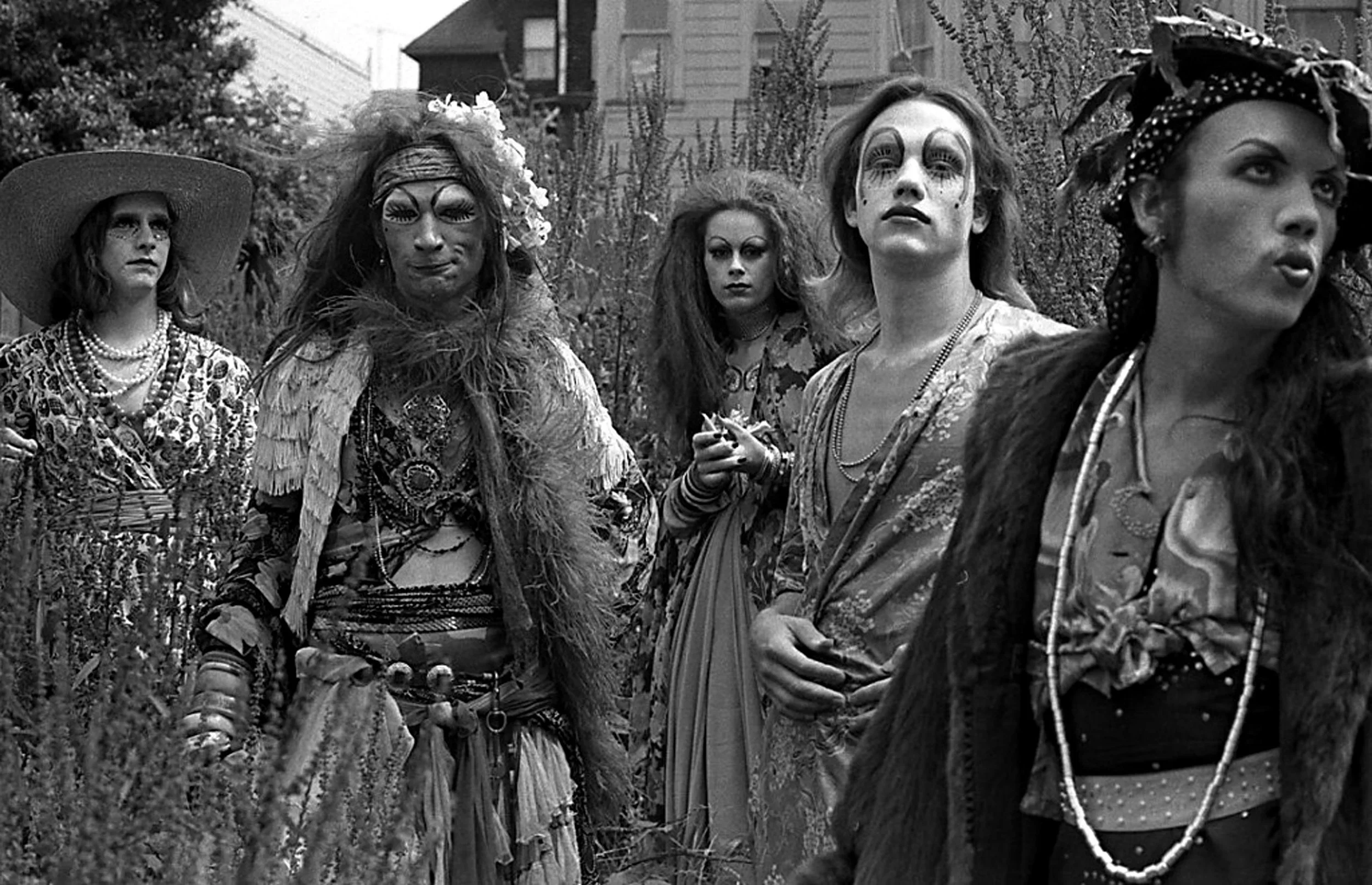
Source Family women posing for Ya Ho Wa 13 album promotion
1974
35mm still/ digital file
Special Research Collections, UC Santa Barbara Library
Courtesy of Isis Aquarian Source Family Archives
interview by Caia Cupolo
For over two decades, filmmaker and curator Jodi Wille has acted as a primary cartographer for the American underground. Known for her empathetic deep dives into intentional communities—most notably in her documentary The Source Family—Wille’s work consistently bypasses the “kooky cult” headlines to find the sincere human yearning beneath the robes and rituals.
Her latest endeavor moves from the screen to the gallery floor with Utopia: Three Centuries of Sexuality in American Cults and Communes. Invited by the Museum of Sex, Wille has curated an expansive exhibition that bridges 300 years of history through 300 rare artifacts. From the celibacy of the Shakers to the “complex marriage” of the Oneida Community and the Neopagan experiments of the 1970s, the show reframes these groups not as failed experiments, but as vital “think tanks” for human freedom.
CAIA CUPOLO: What initially drew you to the field of new religions and what inspired you to narrow your focus on their respective sexual practices and creative output for this exhibition?
JODI WILLE: I have been fascinated by outsider culture and alternative spirituality for probably the last twenty-five years, and I’ve been studying it passionately, and I’ve gotten to know a number of different communities. Personally, I like to immerse myself when I get to know a group, and I’ve gotten to know a number of the most respected scholars in the field of new religions and intentional communities.
I’ve noticed along the way, because I’ve been able to see a number of archives too, that the histories of these groups are very different from what we are popularly told about them. I’ve also always been interested in art, but particularly self-taught art, visionary art, outsider art. When I got to immerse myself in a number of communities in their archives, I found that there was a lot of extraordinary process-based art, visionary art, and I always wanted to put a show together of art and artifacts by these groups.
The Museum of sex curator approached me out of the blue and asked me if I wanted to do a show. And my work has never been that focused on the sexuality of these groups, although it’s always a part of it. But I felt like that was a very interesting doorway into the culture and focal point. And so I was thrilled to have the opportunity to do it!
CUPOLO: The exhibition spans groups with practices ranging from celibacy to complex marriage and communal relationships. Can you talk about your curatorial approach to defining utopia in this context?
WILLE: It was very interesting to have sexuality be the focal point of the exhibition, because with so many of the groups that I’ve gotten to know and that I researched for the show, what I was most interested in presenting were spiritual communities who had a sacred relationship to sexuality. Many of them infuse some sort of spiritual intention or awareness with their sexual practices or their abstinence. And I consider abstinence a sexual path. It’s a sexual choice not to have sex.
The abstinent groups are some of my favorite in the show who don’t get enough attention. It was important to me in this day and age when a lot of people aren’t having sex—some of which are experiencing sexuality through porn and have this denatured idea of sexuality—to be able to bring in these groups who often have uncommon ideas and new ways of looking at the most fundamental aspects of our lives. So, that’s how I approached it with the show.
Most of us have grown up thinking of utopia, and it's been this way for centuries, as something that doesn’t exist. It can’t possibly exist. It’s an impossible dream, utopian thinkers are foolish, and utopias always fail. What I’ve noticed after years of studying radical idealists and visionaries and utopian thinkers, but not just utopian thinkers, more importantly, utopian doers, people willing to put their lives on the line and take a risk by living by their principles. I found so many groups who, unlike the popular stereotypes, endured for decades, were able to ride out difficult times and provided communities for people who ended up influencing the larger culture in interesting ways.
So what I aimed to do with this show was to see the idea of utopia through a new lens. And for me, it’s more like a North Star; it’s more of a guiding idea. It’s not a place that you land and then you’re there. It’s a desire to find a more beautiful, equitable, peaceful, just world, and to have that yearning and that dream. And I feel that most of the groups and people that I featured in this exhibition had that dream, and many of them still have that dream, because a number of the groups are still active.
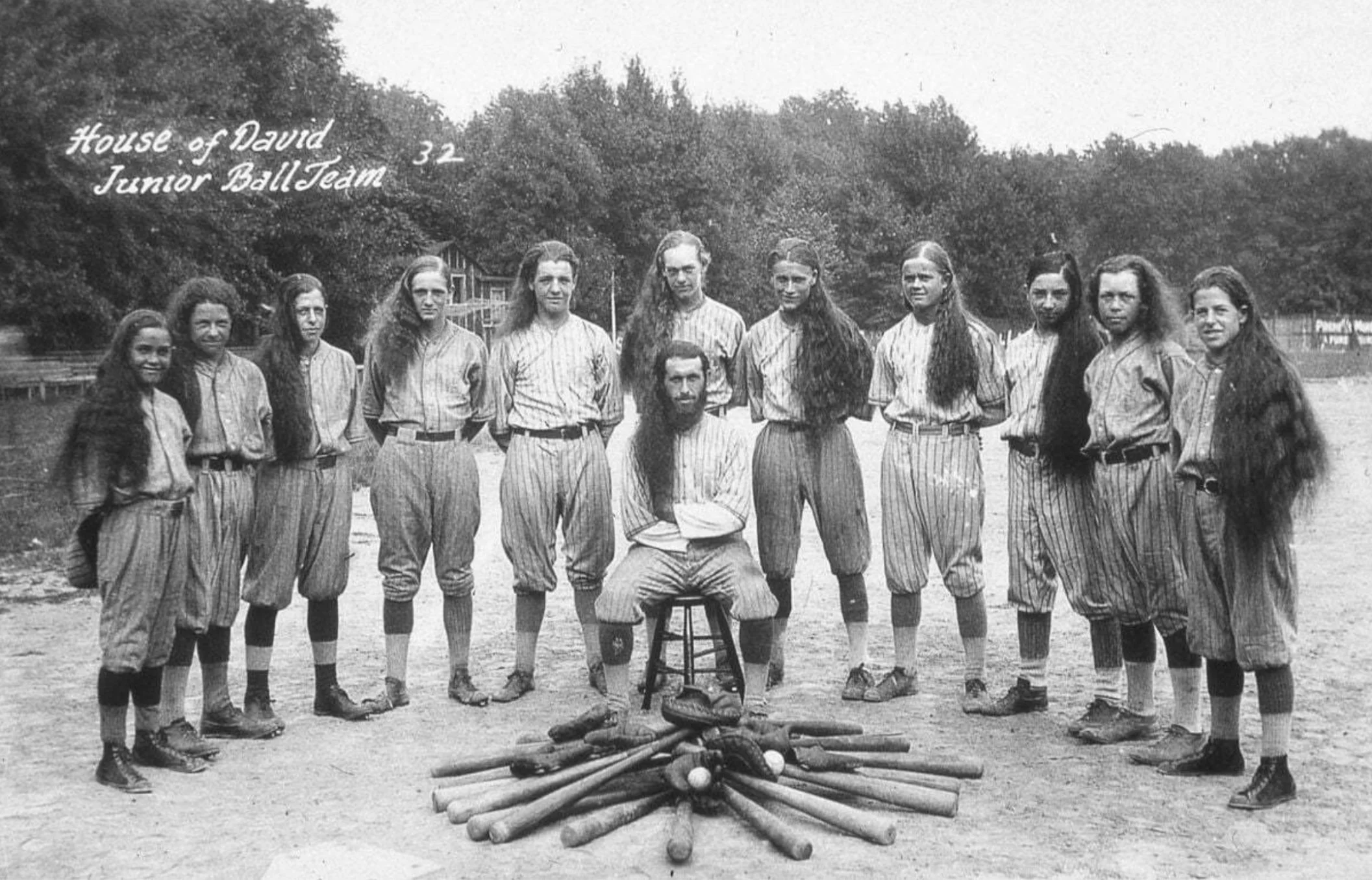
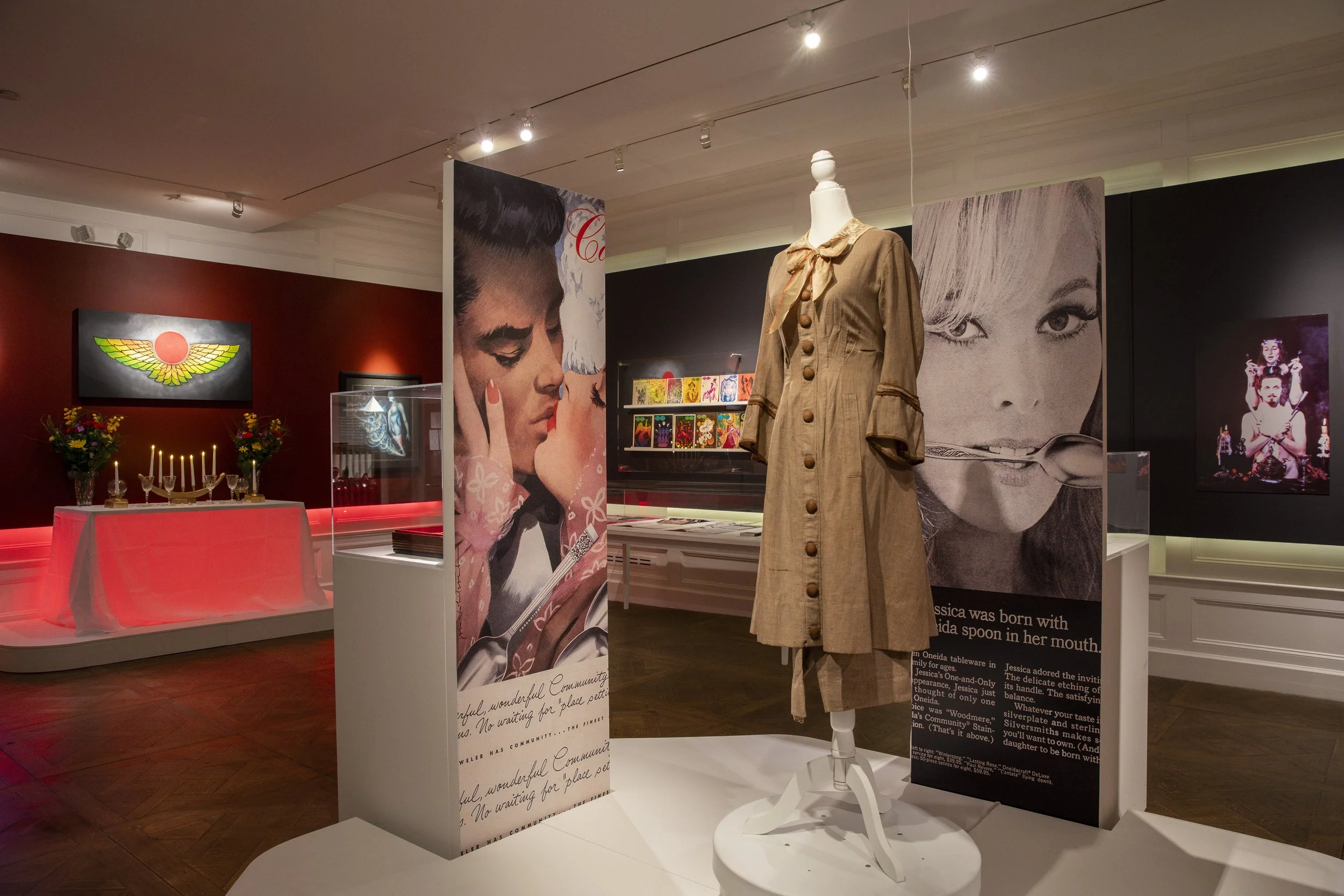
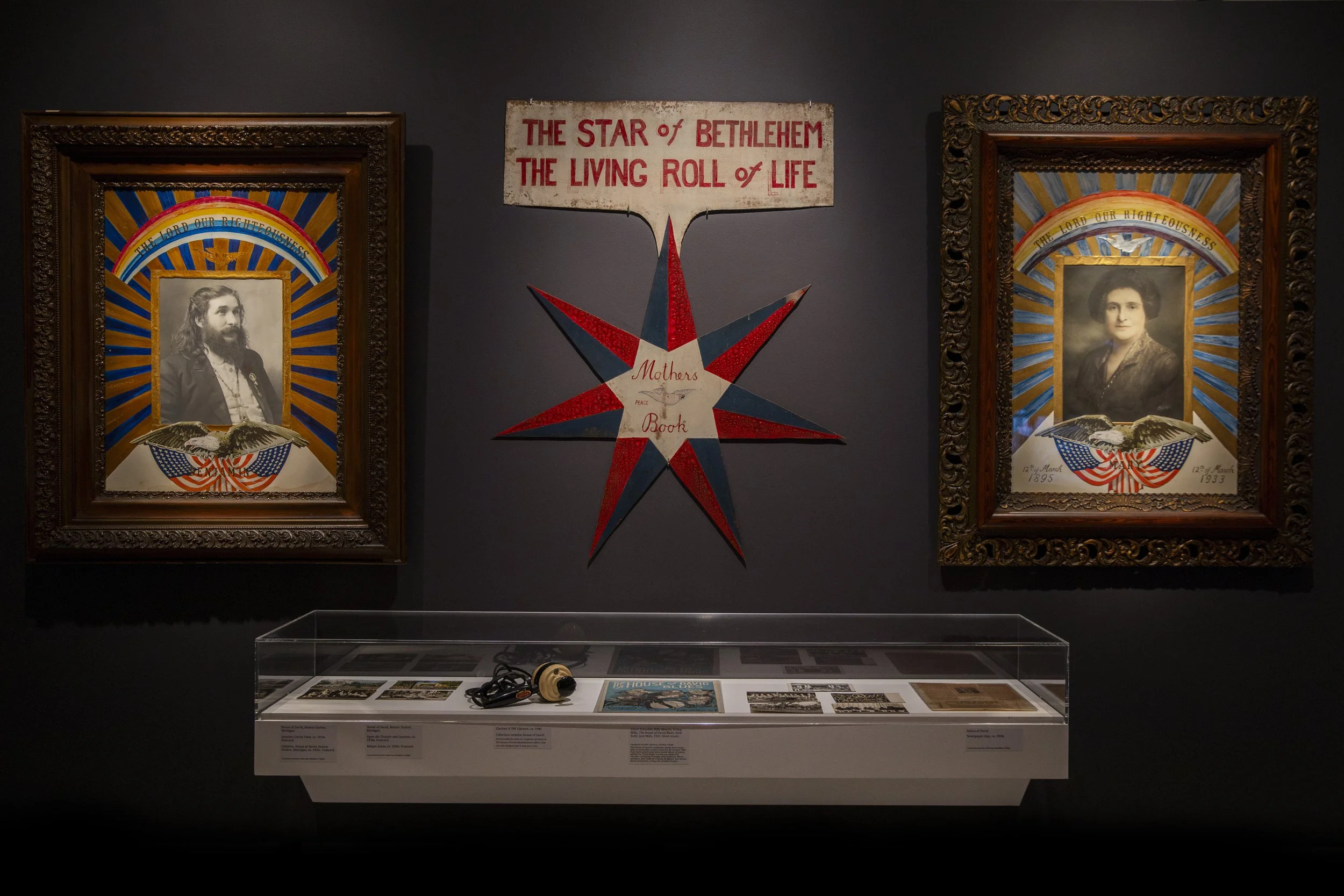
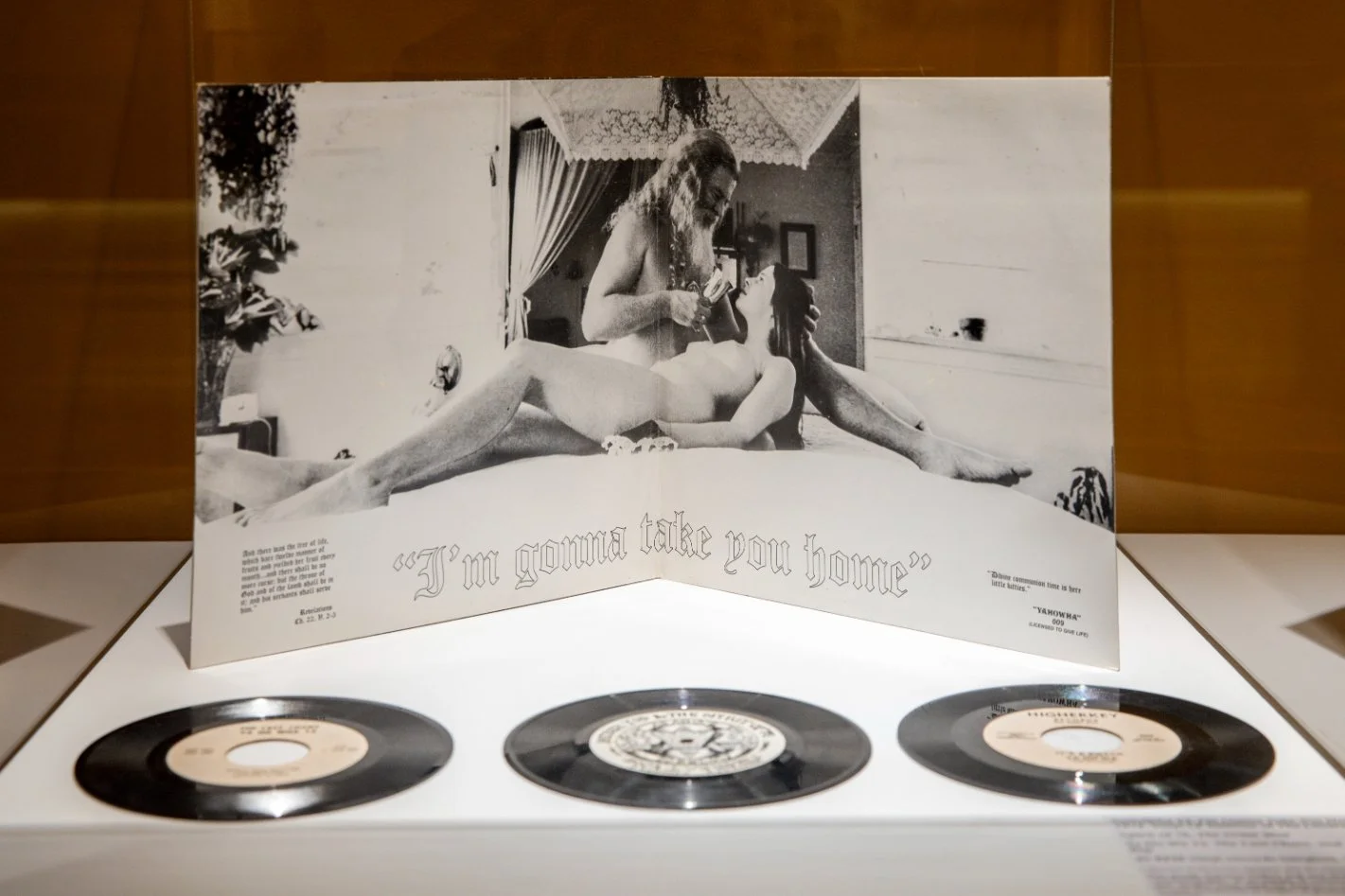
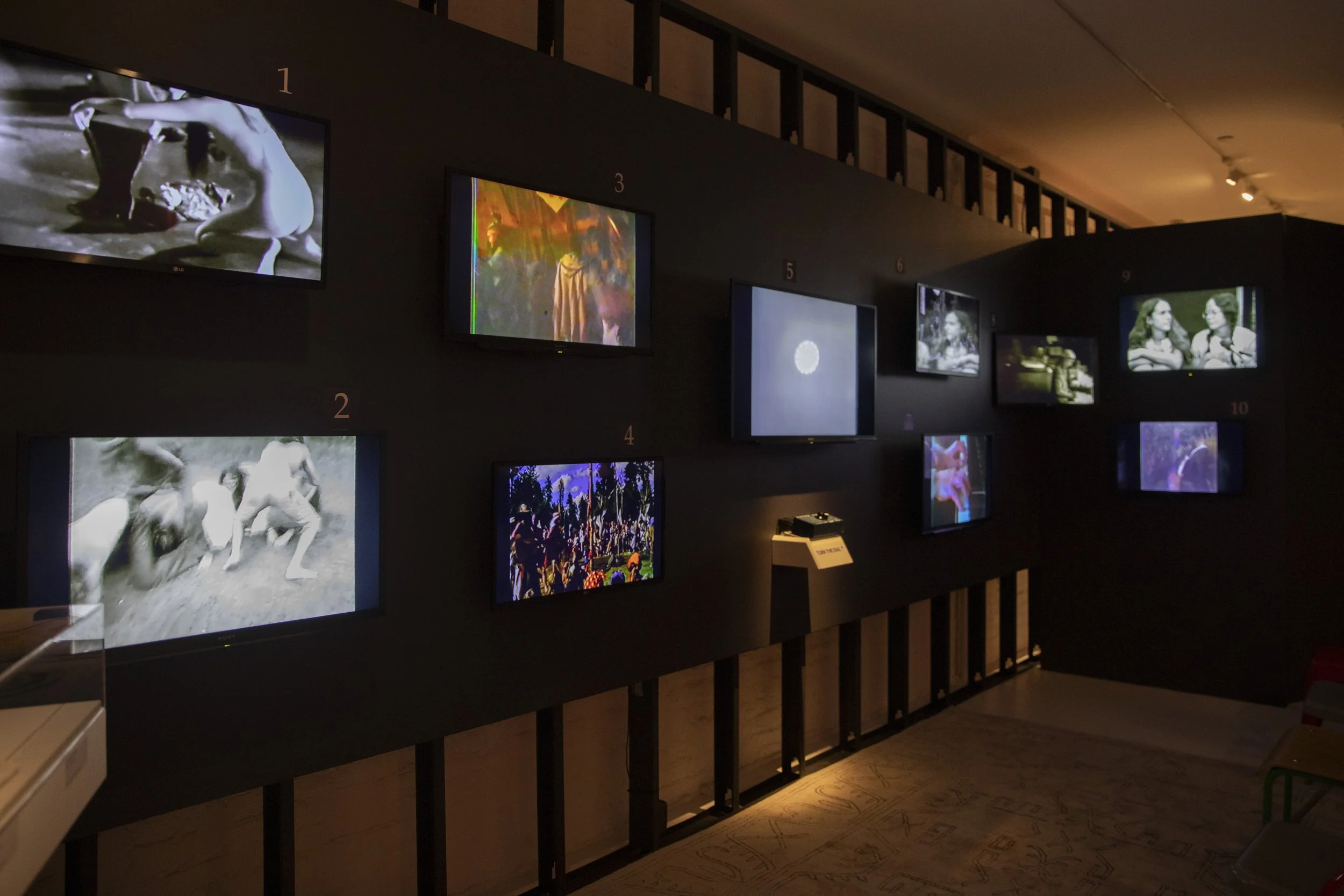
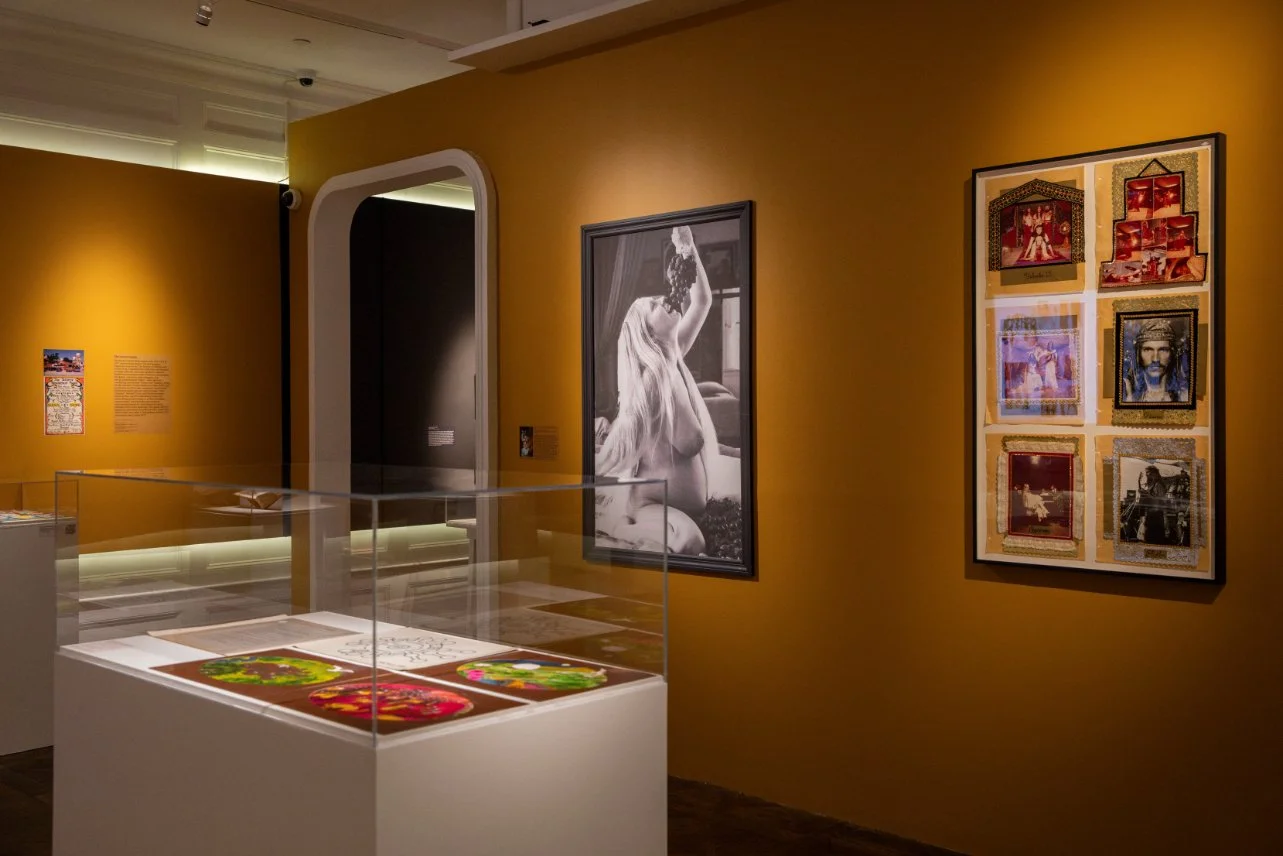
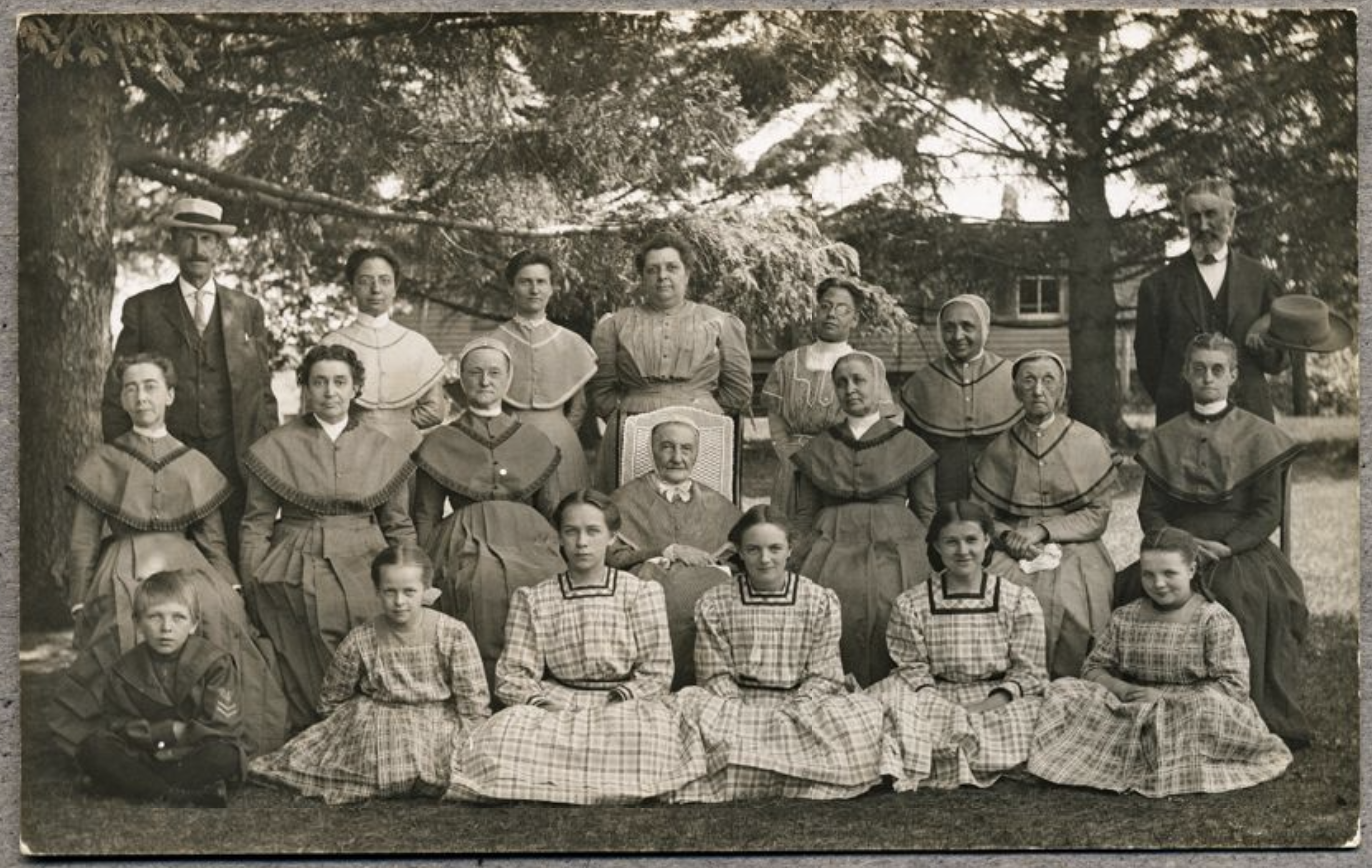
CUPOLO: With over 300 rare artifacts, what was the most surprising or unexpected item you found while researching and is there a single piece you feel most powerfully encapsulates the show’s theme?
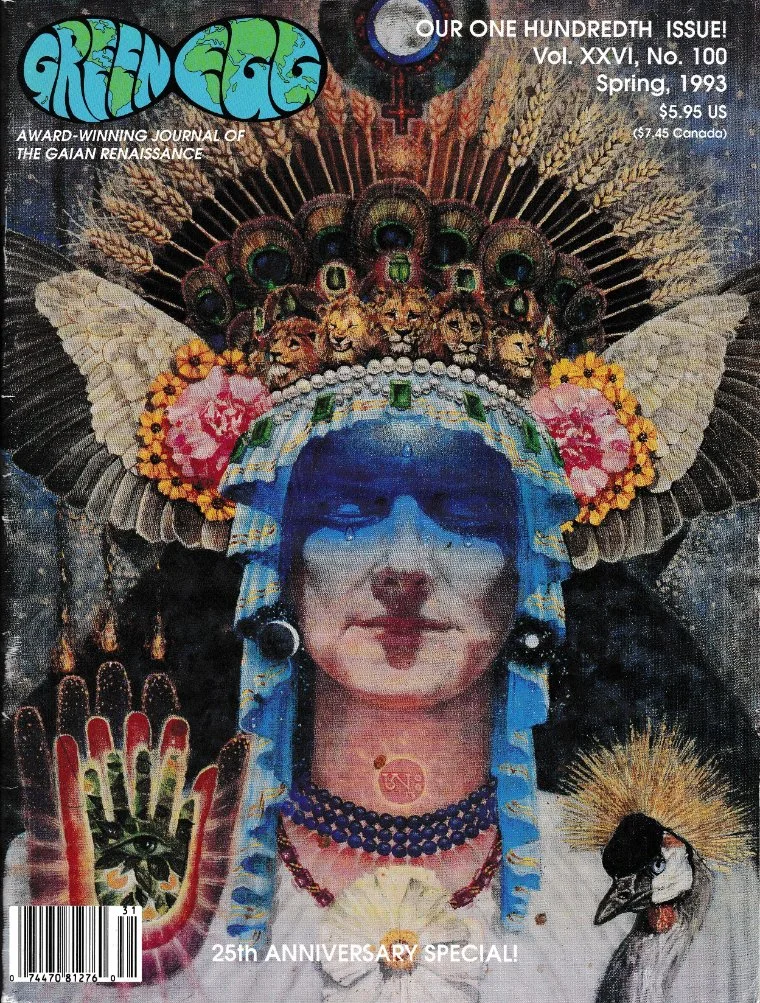
WILLE: One of the pieces that really encapsulates the show is the hot pink Barnum & Bailey poster of Lancelot, the unicorn that was bred by the occult Neopagan group, Church of all worlds. I would say what it encapsulates is the bonkers “I can’t believe that this really exists” quality because this Neopagan group were surgically altering goats and turning them into unicorns and then selling them to the biggest circus production in the country, Barnum & Bailey Circus.
We think of these groups as anomalies in our culture that pop up and flame out and leave a trail of tears and devastation, and then disappear. But what you can see with a number of these groups is that they last far longer than you might imagine, and they influence our culture in surprising ways. My friend James got that when he was a 10-year-old with his parents at Bailey’s circus.
CUPOLO: Due to the sensitive nature of this subject, what was the process like gaining access to these artifacts and personal stories, and what was it like interacting with these communities on such a vulnerable topic?
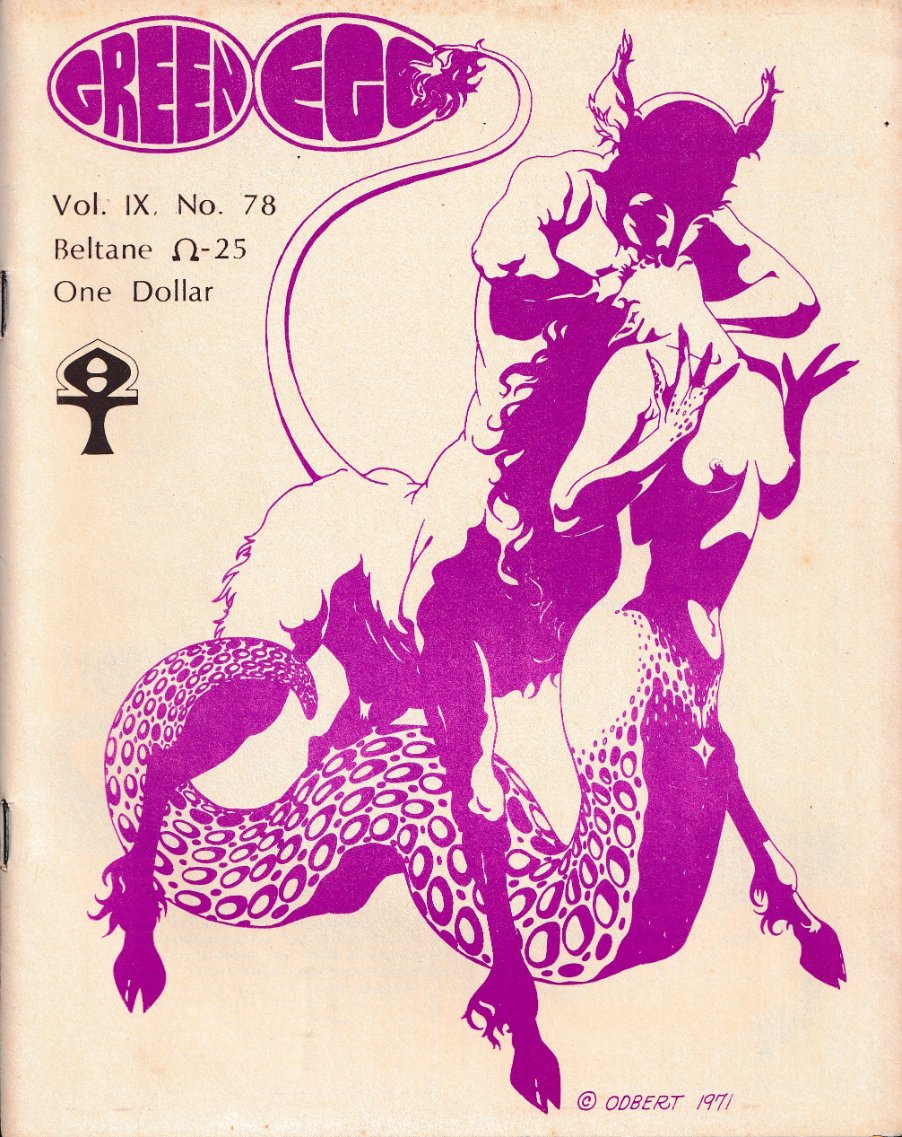
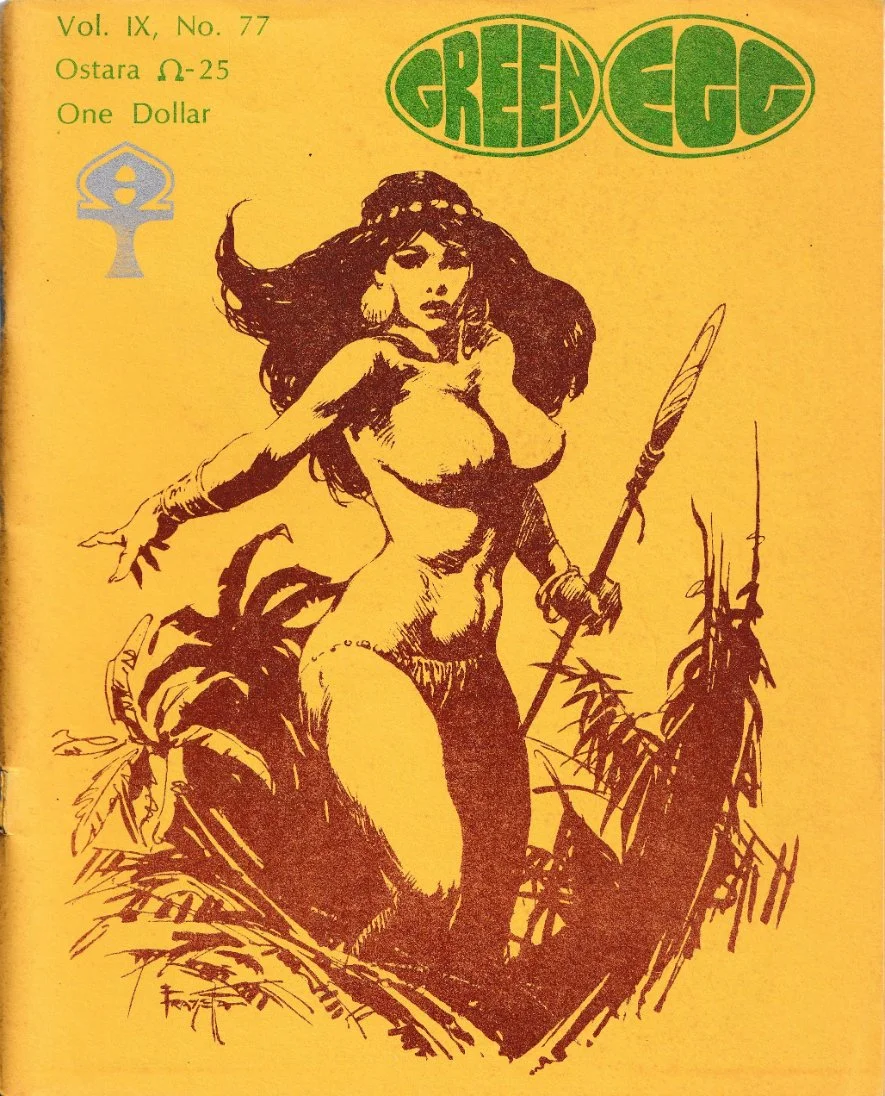
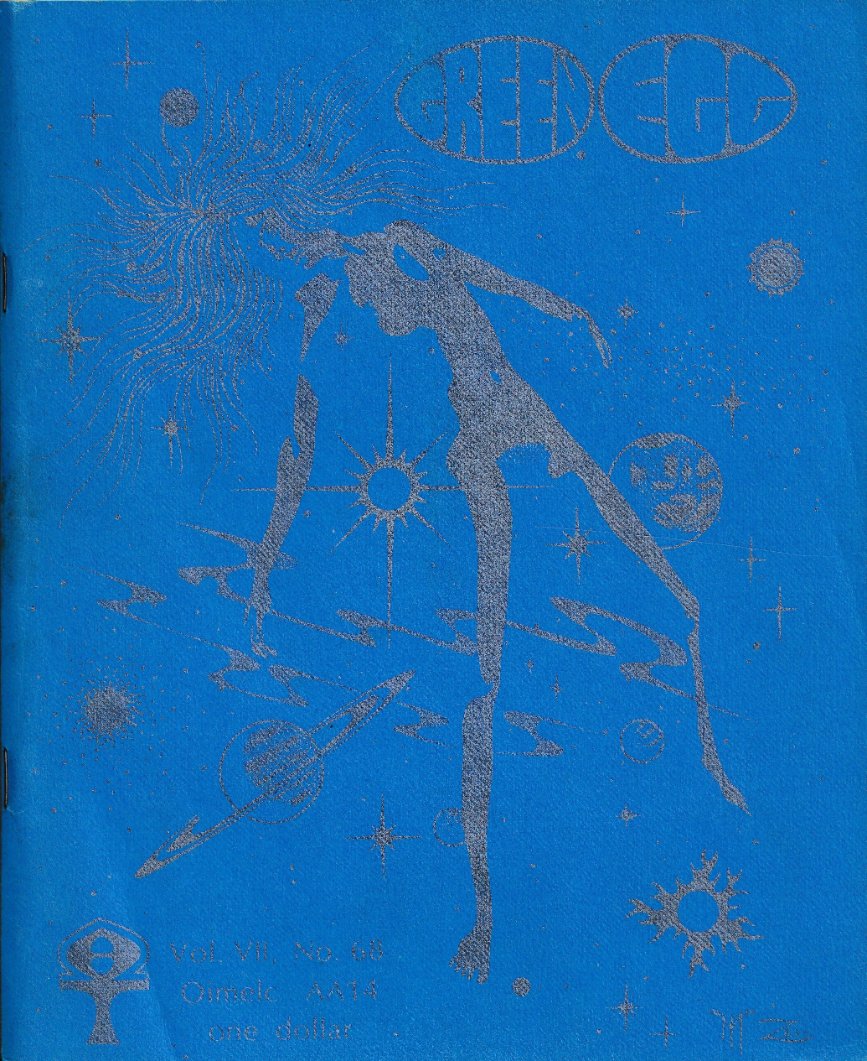
WILLE: I’ve been researching these groups and getting to know them over the last twenty-five years now, so I’ve developed a lot of relationships. I’ve always been fascinated in meeting the experiencers of these groups, and I find that those are always the best stories, and it’s where I get the best research, the primary research to try to understand these these groups, especially the groups who don’t have established histories, or those who do, but their history is written by people who don’t understand their reality. And so, because of my relationships with certain groups, I was able to get people to agree to participate, like the Source family. That was easy. The Unarians, I had to really talk into it, because they’re not really a sex-oriented group, and they were slightly suspicious, but they did trust me, because I’ve been putting their work into museums and galleries for the last ten years.
Then other people were really excited about it, like Fayette [Hauser] from the Cockettes. Her stuff has been shown in museums everywhere. And then other people, like Dudley from Dudley and Dean, the video documentarians of all of those groups.
I just had to have conversations with them and let them know my perspective for the show. I didn’t really include the tragic stereotypical groups that we usually hear of in the show, and a number of the participants thought this was a very refreshing point of view, so they trusted me, which I'm very grateful for.
CUPOLO: With all of that, how did you manage to build a cohesive narrative that bridges over 300 years of history, especially because of the vast differences in available primary sources whether it be 18th century or 20th century? How did the narrative fit together?
WILLE: Much of the history of these groups is pretty sparse, and that’s why I was very fortunate to be able to do this as an actual three-dimensional exhibition with artifacts, instead of doing this as a book or a documentary. I felt very grateful to lay out the proof that these groups existed and show what they created and for me, what became the thread to tie all of these groups together was this search for a different way of living. It was, to me, a search for freedom within this larger society that tends to box people in and move them into certain places and norms that don’t always speak to people.
Also what I noticed over the centuries, especially in the 1700s, 1800s, and then the ’60s and ’70s, was that a number of these groups, who were often dismissed as dangerous or kooky cults, actually had principles and actions that were aligned with reform movements, like women’s rights, children’s rights, abolition, health reform, ecological reform. In a time when the progressive culture has just been so weaponized, I thought it would be fascinating to go back through history with these subcultural communities who really lived with shared principles, and present their principles, whether they endured or flamed out, regardless of the outcome.
CUPOLO: How would you say your curatorial work differs or is similar to your work in film and book publishing?
WILLE: It was similar in that it involved the heavy use of archives. Most of the work that I’ve done in film and book publishing involves working with people who have amassed these extraordinary amateur, participant-driven archives and subcultural archives. It was very different in that I didn’t have a big crew shooting interviews, and I didn’t have to spend months with an editor. This show came together much more quickly than my new film, which is coming out in the spring. I had to put this show together in about six months, and so it was a much more intense process than my most recent film, which was edited during covid, and had a more drawn out arc to it. I like to work between different media and installations like this. It all ultimately connects together, because it’s about the depth of knowledge and access.
CUPOLO: Are there any threads of research, maybe a certain community or concept that you wish to explore in a more in-depth project?
WILLE: Well, for years, I’ve wanted to do a Bigfoot movie! I’m fascinated by the supernatural dimensions of Sasquatch throughout both American and Native American cultures, as well as Indigenous cultures throughout the world. There’s something far more than our superficial ideas of Sasquatch that rises above current political situations and can bring people together to examine something outside of that framework.
I also am working on turning this exhibition into a book. These micro cultures are like think tanks in a way. They’re people living collectively with each other, which feels incredibly important for us to examine, just knowing that we can have community and share resources to move forward in ways that we feel are right. I’ll probably do more work in that zone.
CUPOLO: What is the primary takeaway or conversation that you hope visitors have after experiencing this exhibition?
WILLE: I truly hope that visitors will walk away after they see the show, feeling lighter, feeling inspired, feeling astonished by this hidden history of Americans, regular Americans, who have done extraordinary things, and who have courageously lived in ways that that other people may not have approved of when they did it, but were able to to explore notions of freedom outside of societal norms. I hope it inspires people to know that there are many different ways to live and find a rich and meaningful life, and these groups are just a very small sampling of people who have done that before us.
Utopia: Three Centuries of Sexuality in American Cults and Communes is on view through April 12, 2026 @ the Museum of Sex in New York 233 5th Avenue, New York. Wille’s newest feature documentary, Welcome Space Brothers, about The Unarius Academy of Science, will be released in theaters in spring and summer 2026