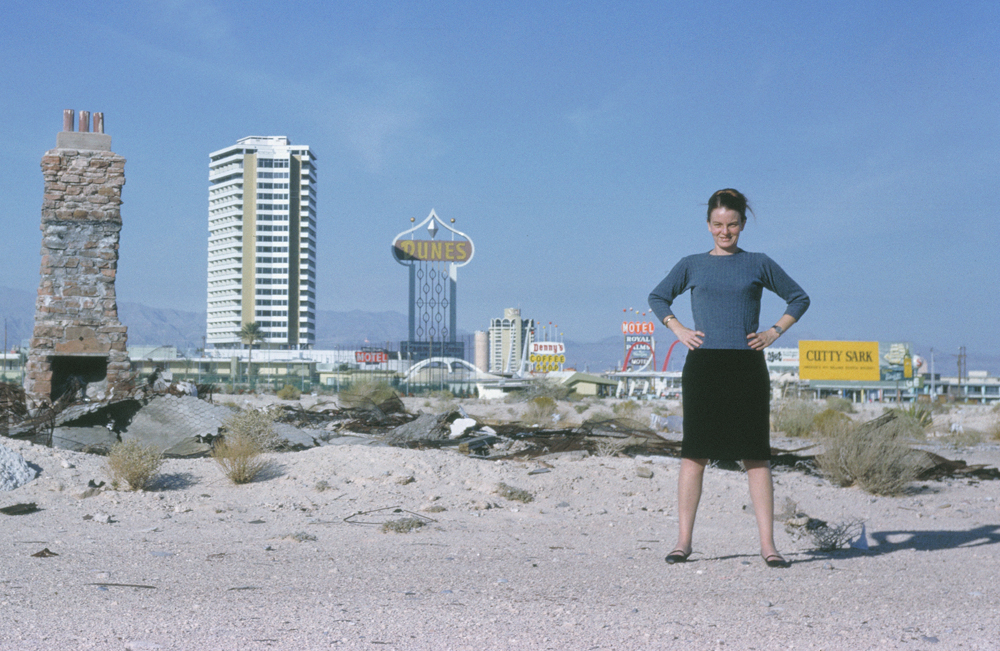
Postmodernism: Style and Subversion

Vegas, Venturi, Scott Brown and Associates, 1966
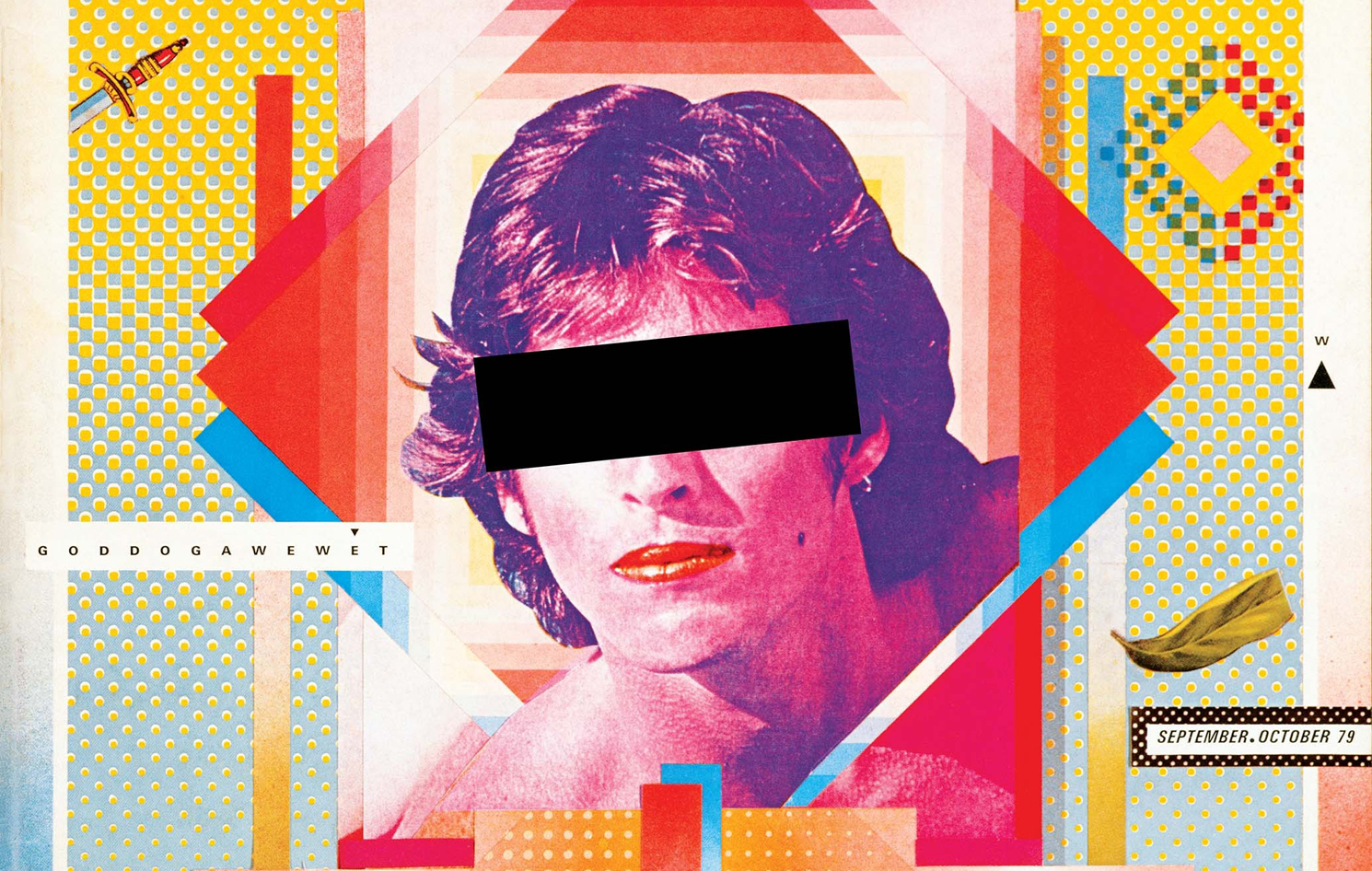
Wet Magazine, April Greiman and Jayme Odgers

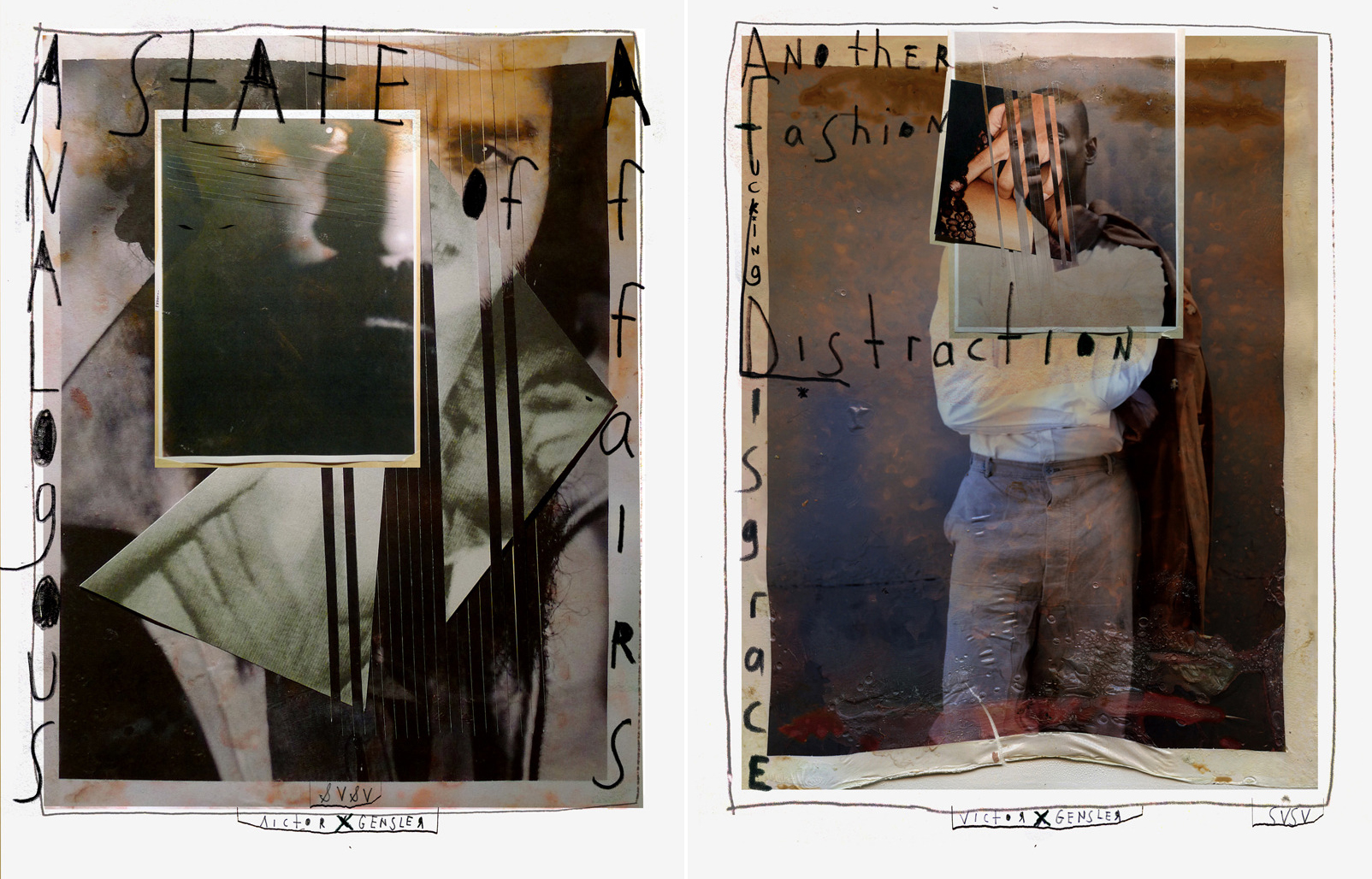
Of all movements in art and design history, postmodernism is perhaps the most controversial. This era defies definition, but it is a perfect subject for an exhibition. Postmodernism was an unstable mix of the theatrical and theoretical. It was visually thrilling, a multifaceted style that ranged from the colorful to the ruinous, the ludicrous to the luxurious. What they all had in common was a drastic departure from modernism’s utopian visions, which had been based on clarity and simplicity. The modernists wanted to open a window onto a new world. Postmodernism, by contrast, was more like a broken mirror, a reflecting surface made of many fragments. Its key principles were complexity and contradiction. It was meant to resist authority, yet over the course of two decades, from about 1970 to 1990, it became enmeshed in the very circuits of money and influence that it had initially sought to dismantle. Postmodernism shattered established ideas about style. It brought a radical freedom to art and design, through gestures that were often funny, sometimes confrontational and occasionally absurd. Most of all, postmodernism brought a new self-awareness about style itself. Postmodernism: Style and Subversion 1970 to 1990 is on view until January 15 at the Victoria & Albert Museum in London.
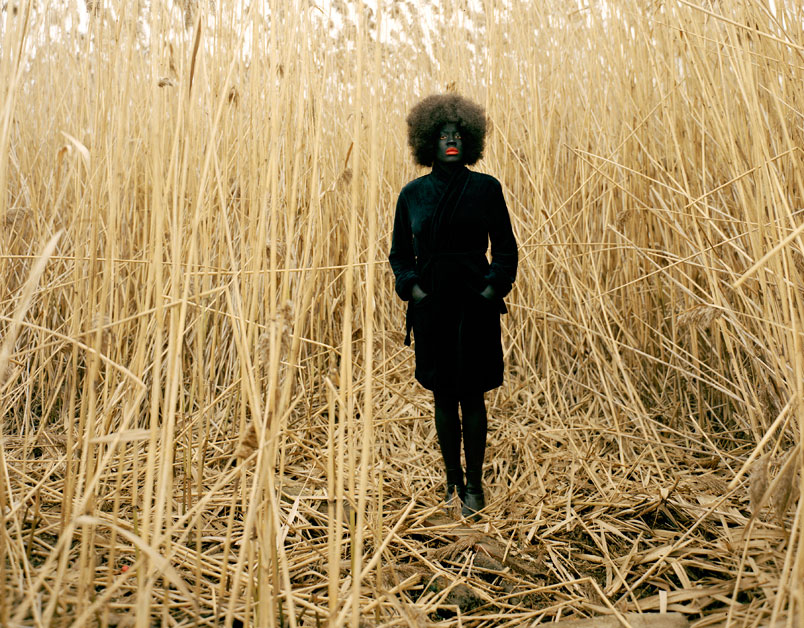
30 Americans

Xaviera_Simmons_30_americans

Xaviera Simmons, One Day & Back Then (Standing), 2007. Courtesy of Rubell Family Collection, Miami.

30 Americans is a wide-ranging survey of work by many of the most important African American artists of the last three decades. Selected from the Rubell Family Collection, the exhibition brings together seminal figures such as Jean-Michel Basquiat and David Hammons with younger and emerging artists such as Kehinde Wiley and Shinique Smith. Often provocative and challenging, 30 Americans focuses on issues of racial, sexual, and historical identity in contemporary culture. It explores how each artist reckons with the notion of black identity in America, navigating such concerns as the struggle for civil rights, popular culture, and media imagery. At the same time, it highlights artistic legacy and influence, tracing subject matter and formal strategies across generations. 30 Americans consists of 76 paintings, sculptures, drawings, photographs, and videos, and includes spectacular works of art such as Leonardo Drew’s massive cotton and wax sculpture Untitled #25, several of Nick Cave’s exuberant Soundsuits, and a large-scale silhouette by Kara Walker. On view October 1 to February 12, 2012 at the Corcoran Art Gallery in Washinton, DC.

Alina Szapocznikow: Sculpture Undone

Kunsthalle_41
Alina Szapocznikow_Sculpture_Unknown

On view now at the Wiels contemporary art center in Brussels is an expansive survey of little known Polish sculptor Alina Szapocznikow (1926-1973) which coincides with the Polish presidency of the European Union and is one of the first major solo exhibitions of the artist's work outside of Poland. It concentrates on her most experimental period from the 1960s and 1970s, before her untimely death at age 47. As a Holocaust survivor who began working in the post-war period in a rather classical, figurative manner, her later experimentation and re-conception of sculpture left behind a legacy of provocative objects - at once sexualized, visceral, humorous, and political - that sit uneasily between Surrealism, Nouveau Réalisme, and Pop Art. Her tinted polyester-resin casts of her lips and breasts transformed into quotidian objects like lamps or ashtrays, her spongy polyurethane forms often embedded with casts of bellies or live grass, and her construction of resin sculptures that incorporate found photographs remain as remarkably biting, visionary, and original today as when they were first made. The exhibition features extensive archival materials as well as more than 100 artworks, including drawings and photography alongside Szapocznikow's sculpture and object-making. On view until January 8, 2012.

Double Solitaire

The Davis Museum at Wellesley college presents Double Solitaire: The Surreal Worlds of Kay Sage and Yves Tanguy, the first major touring exhibition to explore the dynamic exchange of ideas that shaped the astonishing landscapes of these Surrealist artists. This groundbreaking exhibition, which features approximately 25 paintings along with selected ephemera by each artist, provides unprecedented access to the couple’s intertwined artistic and personal lives. Sage and Tanguy were inseparable throughout their 15-year marriage, sharing adjoining studios in Woodbury, CT and communicating only in French until Tanguy’s untimely death in 1955. As Karen Rosenberg writes in the New York Times, this “fascinating” exhibition “intently explores the couple’s sinister dreamscapes of polymorphous pebbles (his) and menacing monoliths (hers).” Both artists sought to create paintings that the French poet André Breton called “peinture-poésie,” a style influenced by poetry and dream-like imagery.  Double Solitaire: The Surreal Worlds of Kay Sage and Yves Tanguy is on view Oct. 19, 2011 - Jan. 15, 2012 - 106 Central Street Wellesley, MA, 02481

This Side of Paradise

From the pages of Jonas Mekas diary: “Unpredictably, as most of my life’s key events have been, for a period of several years in the late 60s and early 70s, I had the fortune to spend some time, mostly during the summers, with Jackie Kennedy’s and her sister Lee Radziwill’s families and children. Cinema was an integral, inseparable, as a matter of fact, a key part of our friendship. The time was still very close to the untimely, tragic, death of John F. Kennedy. Jackie wanted to give something to her children to do, to help to ease the transition of life without a father. One of her thoughts was that movie camera would be fun for the children. Peter Beard, who was at that time tutoring John Jr. and Caroline in art history, suggested to Jackie that I was the man to introduce the children to cinema. Jackie said yes. And that’s how it all began. I bought them a very easily operable 16mm movie camera, and even wrote a “mini-textbook” suggesting some simple movie exercises…The images in the exposition, with a few exceptions, they all come from the summers Caroline and John Jr. spent in Montauk, with their cousins Anthony and Tina Radziwill, in an old house Lee rented from Andy Warhol, for a few summers. Andy himself spent many of his weekends there, in one of the cottages, as did Peter Beard, whom the children had adopted almost like their older brother or a father they missed. There were summers of happiness, joy and continuous celebrations of life and friendships. These are ‘Little Fragments of Paradise.’ " Tomorrow night marks the opening of “This Side of Paradise,” an exhibition of photo prints taken from original 16mm film from Jonas Mekas’ celebrated film “This Side of Paradise: Fragments of an Unfinished Biography” (1999). The exhibition will mark the first time these rare and personal images of the Kennedy and Radziwill families are on view in NYC in their entirety. Opens September 24 at the Agnès B Gallerie Boutique - 50 Howard Street New York, NY.

Blooming in the Shadows

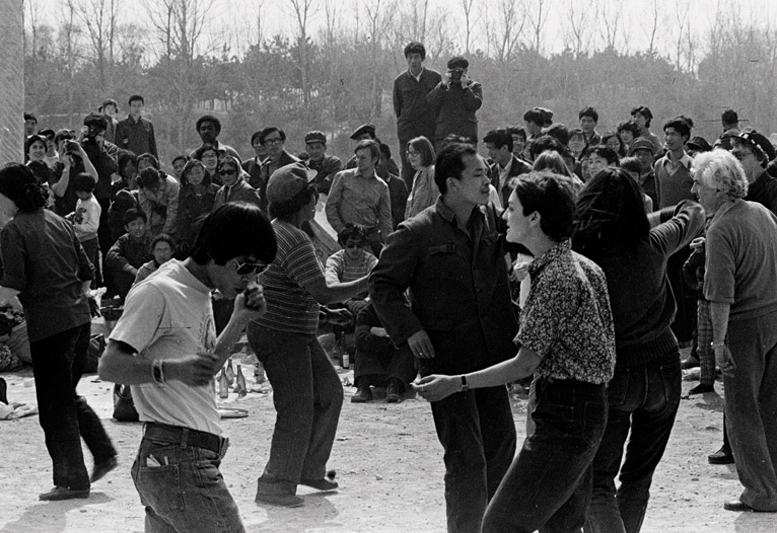
Contemporary Chinese art has taken the art world by storm in the last decade through heralded museum exhibitions, well-read publications, and heavily attended art auctions. However, even with all this attention, few exhibitions have asked the question of how, against the background of thirty-five years of Socialist Realism, this internationally-oriented artwork suddenly appeared and why it captured the attention of the international art market. Blooming in the Shadows: Unofficial Chinese Art, 1974 –1985 at the China Institute in New York will introduce the work of three unofficial Chinese art groups who worked in this vein: the No Names, the Stars, and the Grass Society, all of which arose following the end of the Cultural Revolution and helped launch the avant-garde movement in China. These artists pursued creatively diverse paths to personal artistic freedom under the harsh political circumstances of the time. Blooming in the Shadows will examine work produced by these three significant groups of young artists in the critical decade after the end of the Cultural Revolution leading up the Communist Party’s 1985 decision to allow modern artistic practices. On view until December 11 at the China Institute – 125 East 65th Street, New York.

Beyond Limits

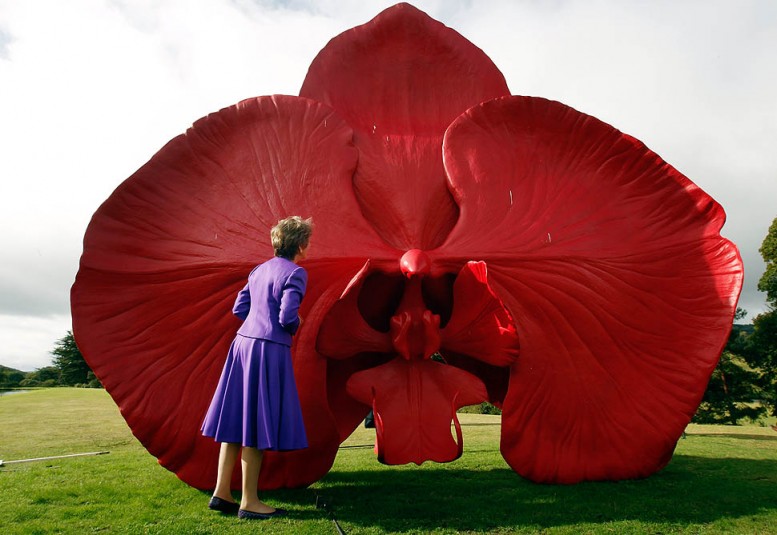
CHATSWORTH, ENGLAND - The Duchess of Devonshire views the sculpture Burning Desire by Marc Quinn in the gardens of their home Chatsworth on September 9, 2011 in Chatsworth, England.  The work is part of the Beyond Limits exhibition of modern and contemporary sculpture displayed in the gardens of Chatsworth by Sotherby's between 9th September to 30th October 2011.  (Photo by Christopher Furlong/Getty Images)

Larry Clark: Tulsa

FAP_CP_VISART_Larry_Clark_2282

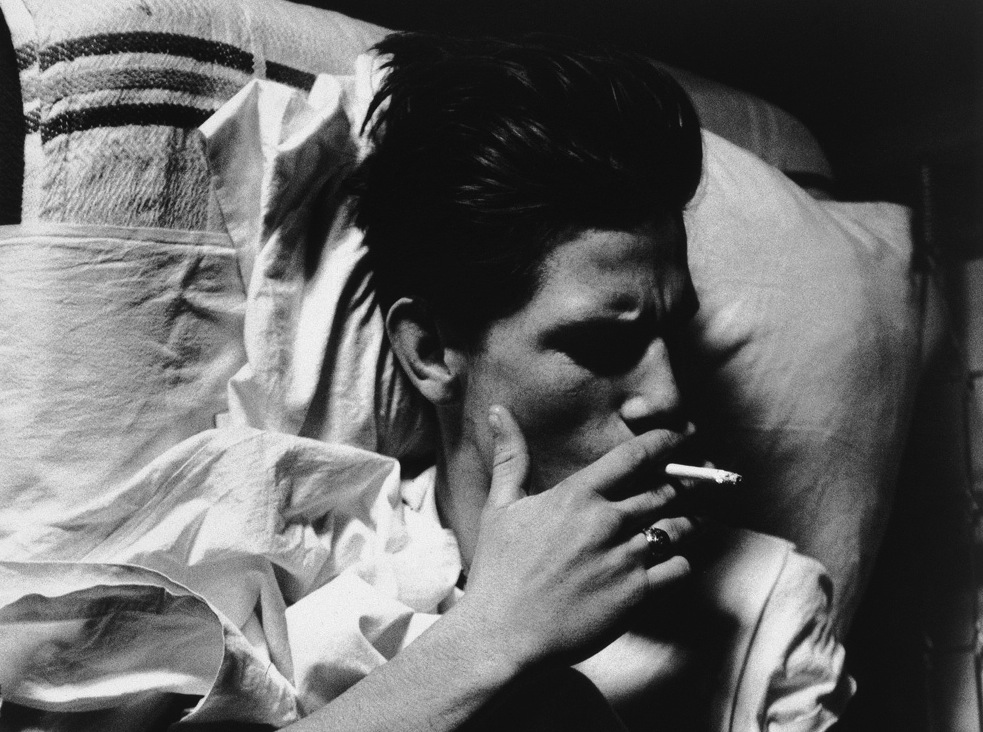
Presentation House Gallery in Vancouver presents an exhibition of vintage gelatin silver prints by photographer Larry Clark. The series of photographs on display graphically documents Clark’s exploration of the underworld of drug use, sex and violence in his hometown, Tulsa, Oklahoma from 1963 to 1971. Clark first gained notoriety when these images were compiled as a photo essay in his independently published 1971 book Tulsa. Now regarded as a classic photography project, Tulsa has been acclaimed as a powerful and highly personal social documentary, still emulated by art and fashion photographers alike—a reputation due in no small part to its enduring capacity to shock. The sleazy and poignant aspects of the lives portrayed draws the viewer into a prurient and compassionate relationship with the images. On view until October 30.

RICHARD HAMILTON 1922 - 2011

British artist Richard Hamilton died yesterday London. His most well know artwork, a collage entitled Just what is it that makes today's homes so different, so appealing?, is considered one of the earliest examples of pop art. The above work, entitled Swingeing London 67, was a response after his his art dealer Robert Fraser was arrested and imprisoned for the possession of heroin. On 12 February 1967 the police raided a party at the Sussex farmhouse of Keith Richards where they found evidence of the consumption of various drugs. On 27 June 1967, Fraser and Mick Jagger were found guilty of the possession of illegal drugs. The following day the two men were handcuffed to each other and driven to court in a police van, where they were sentenced to six months and three months respectively. After the defence lawyer’s appeal, Jagger’s sentence was reduced to a fine but Fraser’s appeal was rejected and he spent four months in jail. The painting is derived from a press clipping.  Richard Hamilton was preparing for a major traveling retrospective before he died.

Speaking in Tongues

Wallace Berman (1926-1976) was born in Staten Island, NY and came to Los Angeles with his parents when he was four years old. In 1955 he founded the small but influential mail art publication Semina – a brilliant, loose-leaf compilation of the most advanced artists and poets of his time, including William Burroughs, Allen Ginsberg, and Jess (Collins) to name a few. Today, Berman is best known for his Verifax collages, softly sepia-colored works created with a forerunner of the photocopy machine. Influenced by surrealism, assemblage, and contemporary artists such as Robert Rauschenberg, John Cage, and Andy Warhol, Berman produced multi-layered works that combined the picture of a hand-held transistor radio with images culled from newspapers and popular magazines. An exhibition at the Armory Center for the Arts in Pasadena, California, entitled Speaking in Tongues: Wallace Berman and Robert Heinecken, brings two seminal yet under-studied Los Angeles artists into close conversation with one another for the first time. This exhibition is concurrent with the Pacific Standard Time showing across Los Angeles in an en masse celebration of the Los Angeles art scene. Speaking in Tongues will on view October 2 to January 22, 2012. 

Plugged In

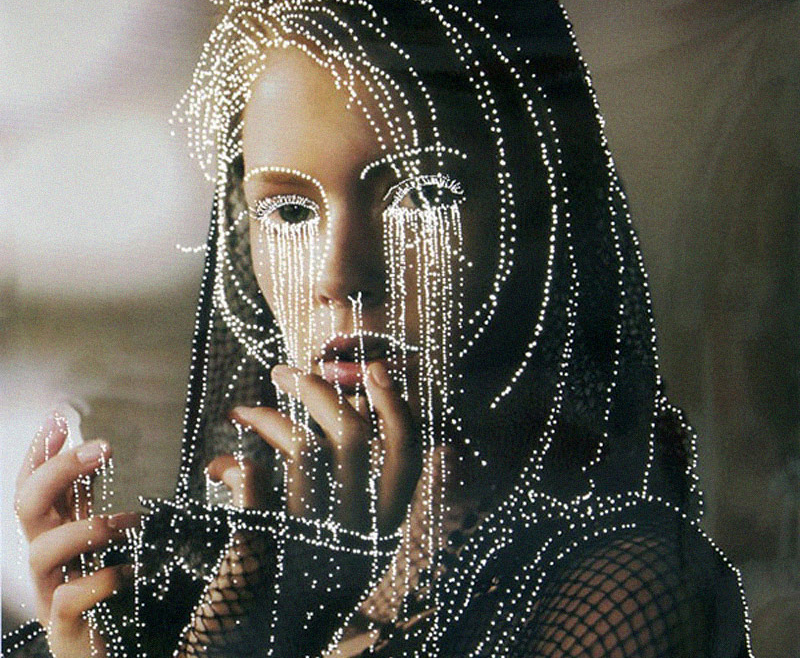
Daniele Buetti is a Swiss artist working in photography, video, sound, drawing, light box, sculpture, and digitally assisted work. Buetti makes use of advertising tools to expose the frailty of popular culture, explore our perceptions of beauty, and reveal the omnipotence of the media in our society. In Buetti’s works, beautiful colors and figures merge with light reveal unspoken feelings of ambivalence and despair, asking what function the role of media plays in the formationof identity, and questioning whether society can form identity without the media’s influence. Buetti uses light to attract the viewer in the same seductive way that the media uses beauty, forcing us to realize the inherent manipulation.Jenkins Johnson Gallery is presents Plugged In, a group exhibition of forward-thinking artists working with the electronic arts. All of the artists, including Buetti, Jeremy Bert,  and Andrew Bovasso, take contemporary approaches to their conceptual missions and use non-traditional media. Plugged in opens September 15 and runs through October 29.

Icons of the Invisible

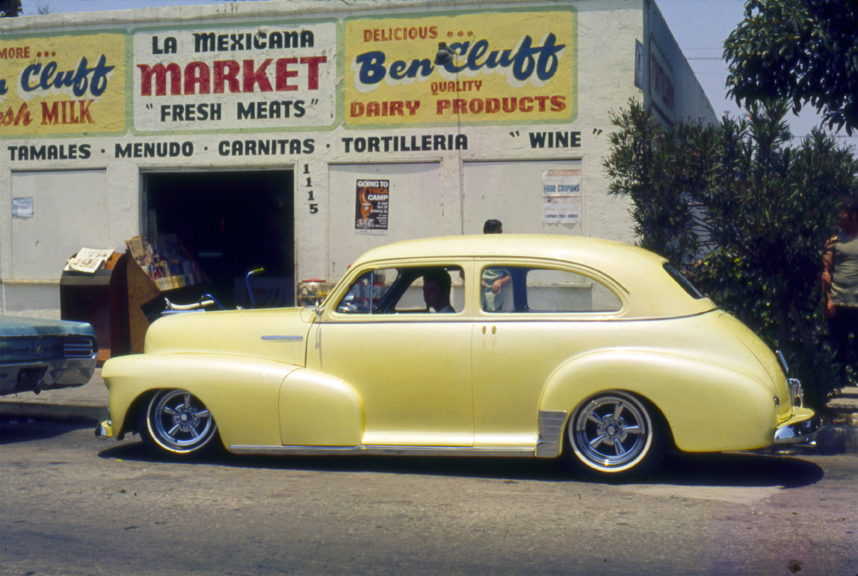
06LaMexicanaMarket_Oscar_Castillo_icons_of_the_invisible

As part of the Pacific Standard time art exhibitions in Los Angeles, the Fowler Museum at UCLA presents Icons of the Invisible: Oscar Castillo. Since the late 1960s, Oscar Castillo has documented the Chicano community in Los Angeles, from major political events to cultural practices to the work of muralists and painters. This exhibition will present rarely seen photographs from 1969-1980 exploring major themes (social movement, cultural heritage, urban environment, and everyday barrio life) and approaches (photojournalism, portraiture, art photography) that have guided Castillo’s work. Complementing the concurrent exhibition on Chicano art groups, Mapping Another L.A., the exhibition will provide another level of contextualization of L.A. history during this pivotal period. Icons of the Invisible will be on view from September 25 to February 26, 2012.

Thaweesak Srithongdee: Bruised

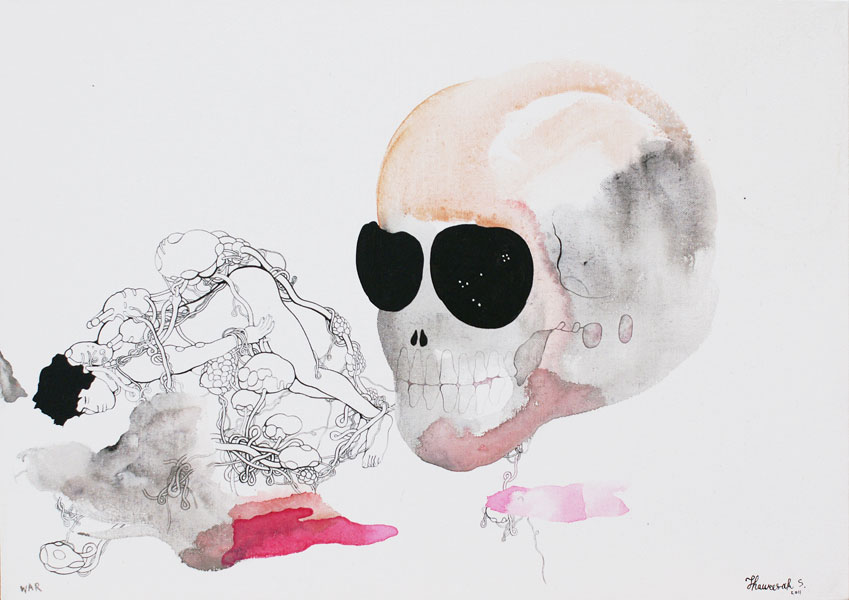
thai_art_Thaweesak_Srithongdee_bruised
Thaweesak Srithongdee "War"
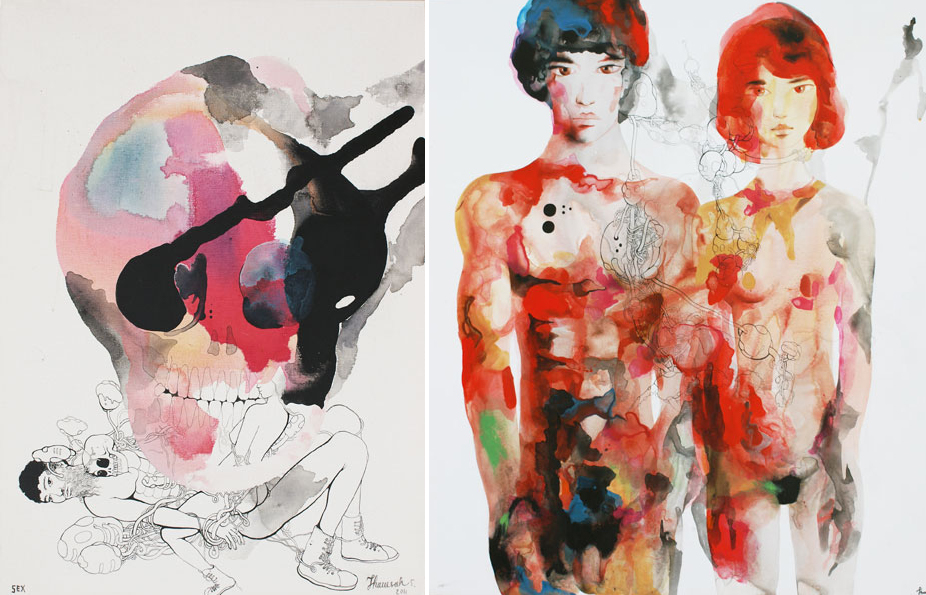
Thaweesak_Srithongdee_sex_death_art
Thaweesak Srithongdee: left "Sex" right "Love"

Thaweesak Srithongdee, or Lolay as he is commonly known, is a thirty year old artist from Thailand.  His style echoes the influence of Surrealism and Pop Art. Lolay is a keen observer of people, their physical and mental characteristics. Having previously engineered a spurious race of Adonic, pectoral defined, super-beings that played with perceptions of body image Lolay expands his fascination with the human condition to question our existence and ultimate survival. Bruises and scars bear the physical trace of individual fallibility, but they also provoke assumptions as to the history and determiners behind such inflictions. A selection of Lolay's work will be on view at an exhibition, entitled Bruised, the Thavibu Gallery in Bangkok, Thailand from September 17 to October 15.

GUY BOURDIN, An Introduction

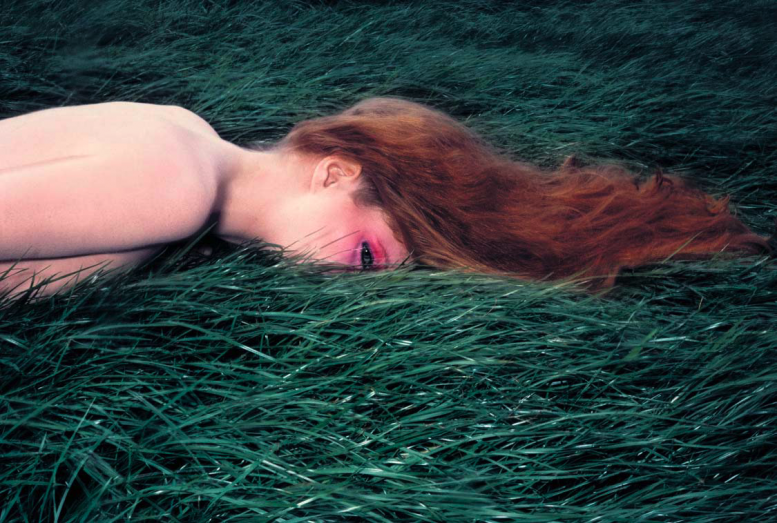
Sadist, genius, artist, monster – call him what you will – Guy Bourdin's titillating images changed fashion photography forever. A new book by Phaidon makes a small, but generous introduction to the work of Guy Bourdin with an introductory essay by Alison Gingeras that provides a fresh perspective on Bourdin’s life and work, including his considerable influence on the world of commercial and fine art photography.