
New Paintings by Lisa Yuskavage
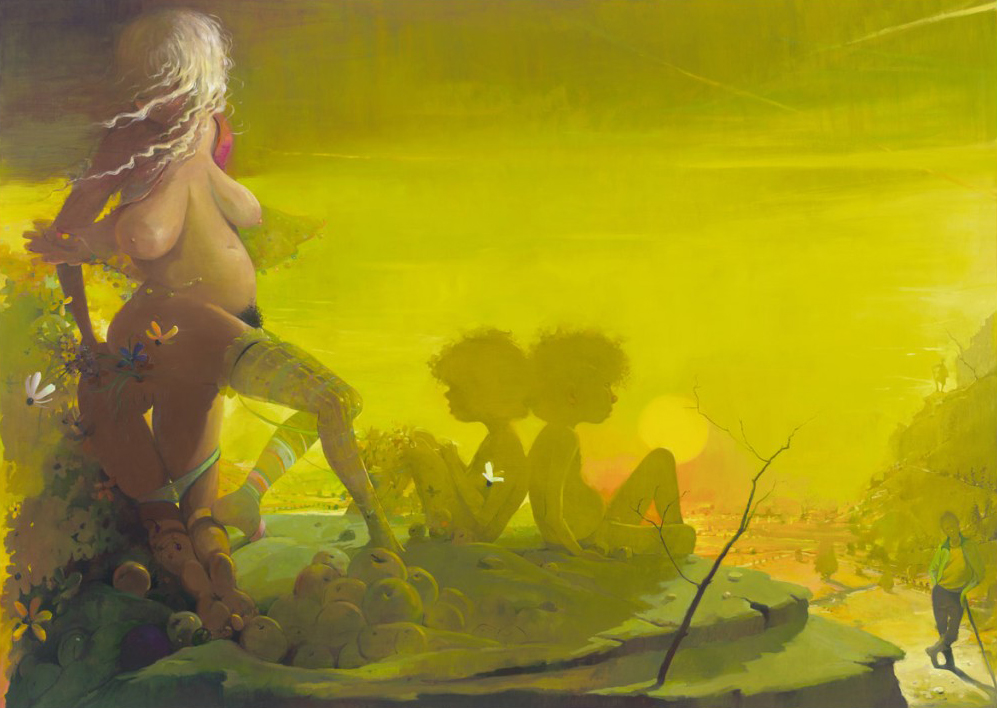
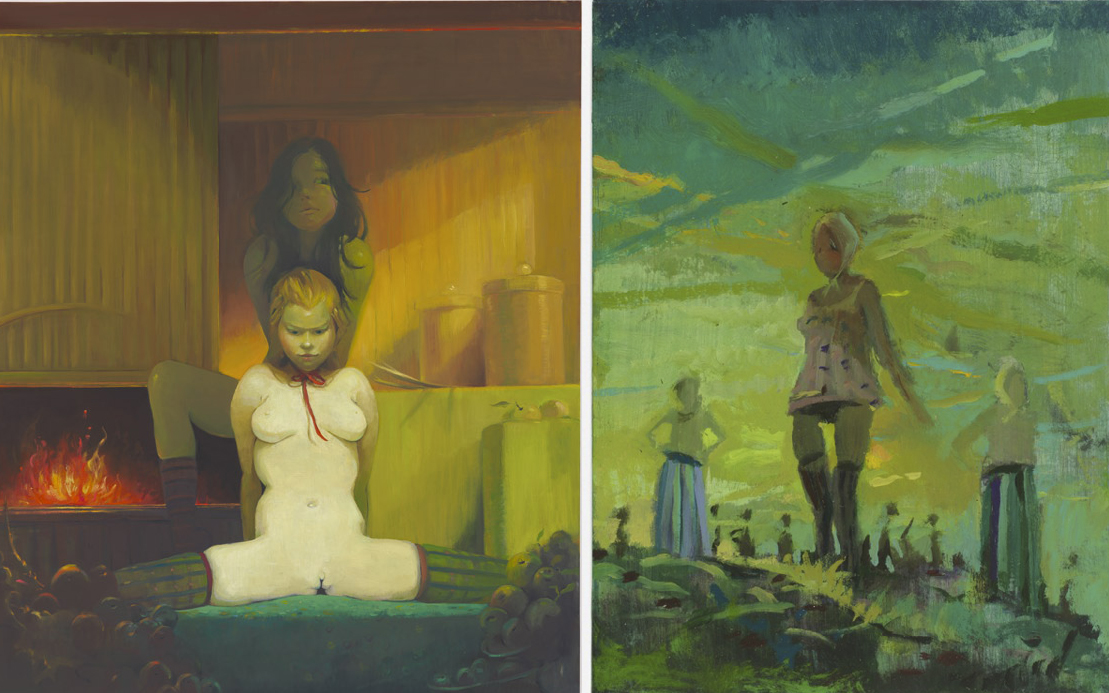
Over the past two decades, Lisa Yuskavage has developed her own genre of the female nude: lavish, erotic, cartoonish, vulgar, angelic young women cast within fantastical landscapes or dramatically lit interiors. They appear to occupy their own realm while narcissistically contemplating themselves and their bodies. Rich, atmospheric skies frequently augment the psychologically-charged mood, further adding to the impression of theatricality and creative possibility. On view now, David Zwirner gallery presents an exhibition of new paintings by Lisa Yuskavage, at the gallery’s 519 West 19th Street space. This will be the artist’s third solo show since her first exhibition at the gallery in 2006. On view until November 5th.
Hello Glasses
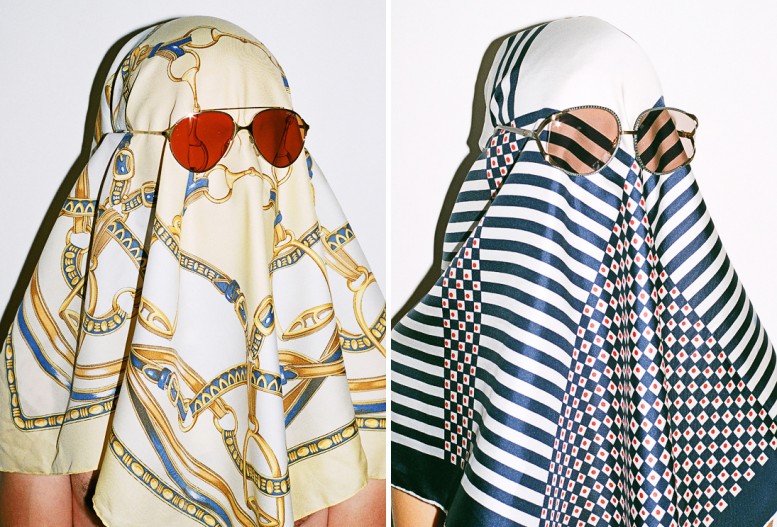
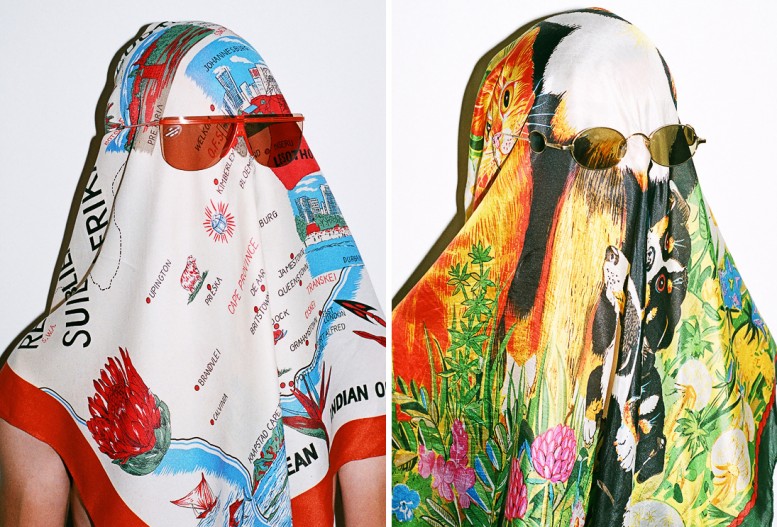
Photography by Tania Shcheglova and Roman Noven of Synchrodogs for Hello Glasses
Burka Curfew
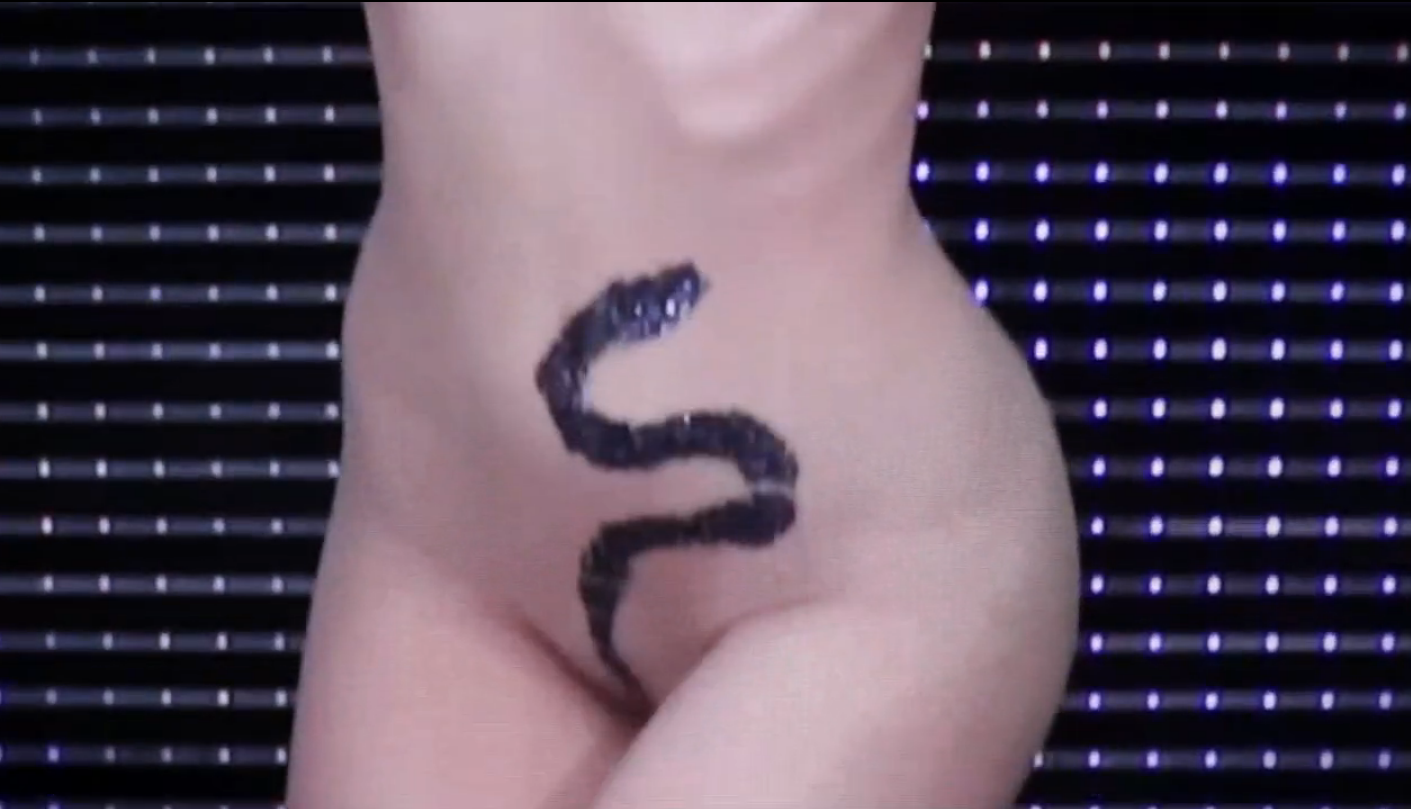
CHARLIE_LE_MINDU_S:S_2012
Concept film for Charlie le Mindu's Spring Summer 2012 collection, entitled Burka Curfew with clips from the runway show at Paris Fashion Week. Film features Spanish actress Rossy de Palma.
Niqab
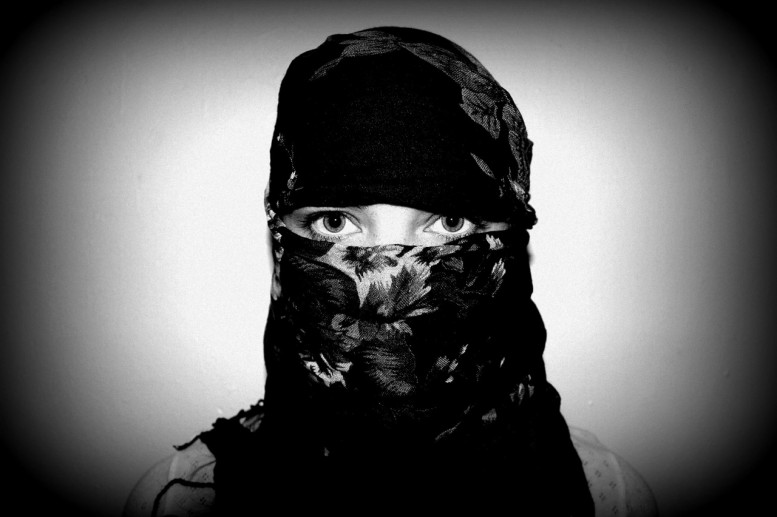
Photography by Christopher Lusher
Jill Greenberg's 'Glass Ceiling'

Los Angeles - photo of a billboard that was up until a few days ago on Sunset Boulevard featuring a photograph, as part of a series entitled entitled Glass Ceiling: American Girl Doll, by Los Angeles based artist Jill Greenberg. Billboard was commissioned by LA><ART, a non-profit arts space, to serve as "a compelling juxtaposition of imagery and pictorial intent" in juxtaposition to the other billboards that line the famous boulevard. In 2010 Greenberg hired professional synchronized swimmers and photographed them while herself scuba diving in a Culver City swimming pool. She was severely physically restricted in a wetsuit, with over 50 pounds of scuba gear including an air tank, weights and a massive and state-of-the-art camera system with underwater lights, which captured the 180 megapixel images allowing for an unprecedented level of information in each image. Glass Ceiling marks Greenberg’s return to her explorations throughout the 90s of the depiction of the female body.
Rock n' Roll Photography

Rock & Roll music provided the soundtrack to American culture and shifting social dynamics in the late 20th century. While the genre has undergone many shifts since its origination mid-century, Rock & Roll and its outgrowths have continued to define and shape the social relations and culture of future generations. Drawn from the largest private collection of photographs of rock musicians in the United States, Backstage Pass: Rock & Roll Photography now on view at the Currin Museum of Art in New Hampshire, captures the intimate relationship between photographer and musician. Featuring 175 photographs—many rarely seen by the public—this exhibition provides a portal into the musical and cultural history of Rock & Roll, from its development in the 1950s to its influence on the sounds and styles of future generations. Photographs will be on view of artists as disparate as Kurt Cobain to Chet Baker. Backstage Pass: Rock & Roll Photography will be on view until January 7, 2012.
Black Magic
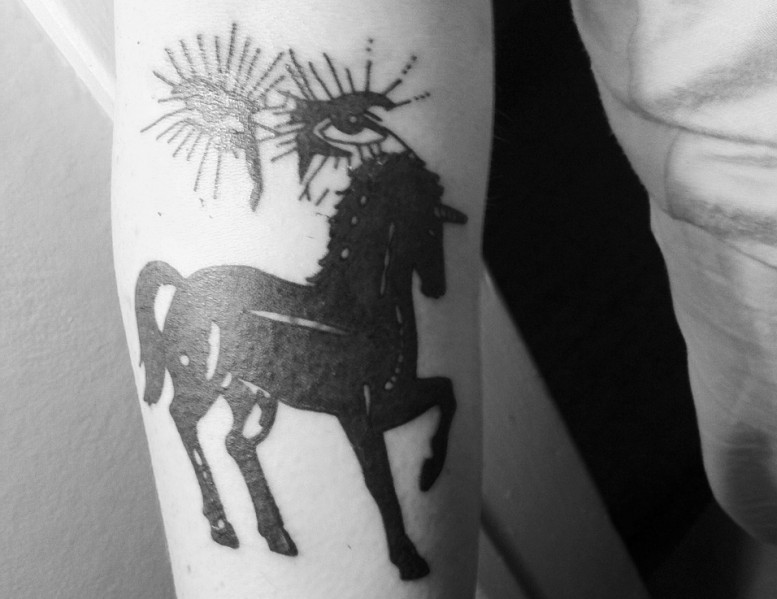
Abbey's new black magic tattoo.
New Zealand Fashion: Salasai
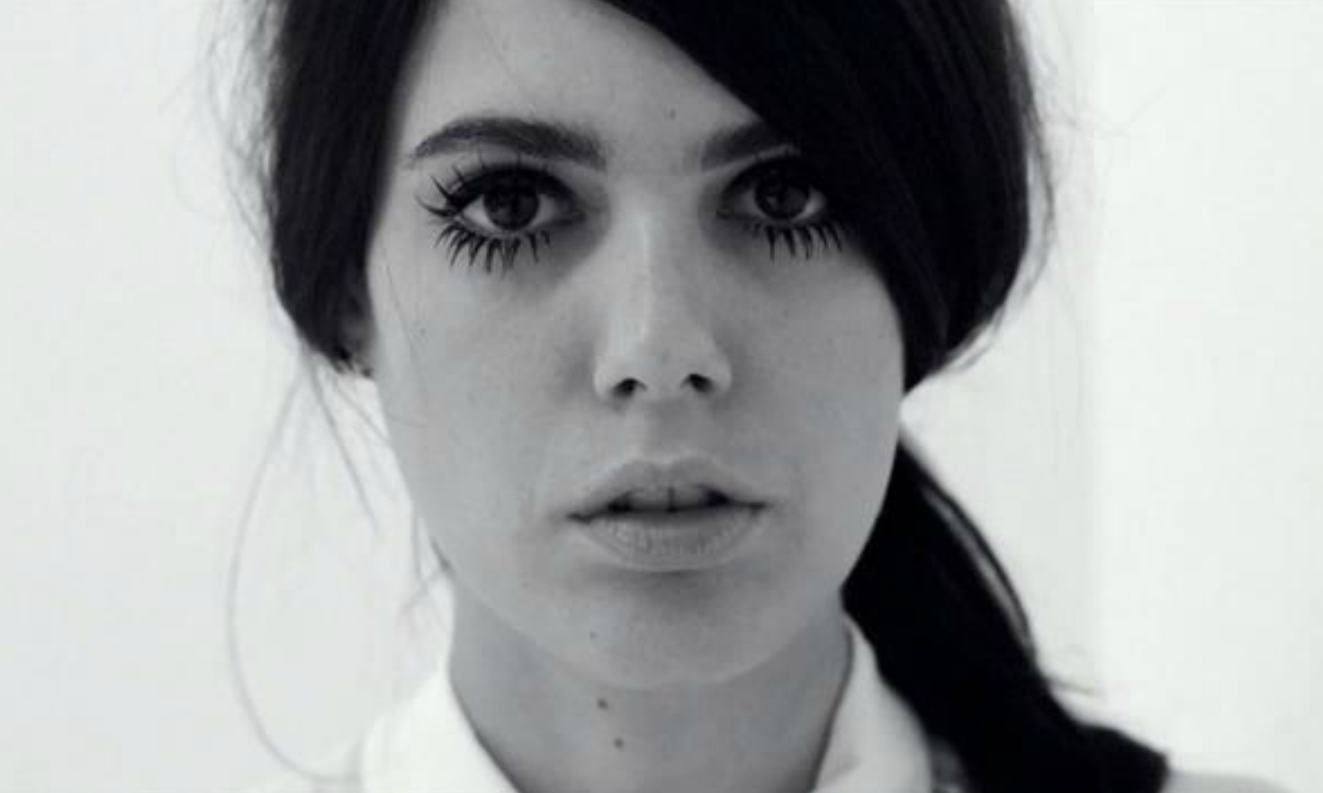
Salasai_AW2012
Established in 2006 by designer Kirsha Whitcher, the Salasai label has fast gained a reputation as being a major player in New Zealand fashion, known for its conceptually designed codes on dressing, Whitcher uses her understanding of design and innovative approach to develop a sculptural aesthetically pleasing androgynous fashion brand committed to producing clothing of quality, function and nonchalant grandeur.
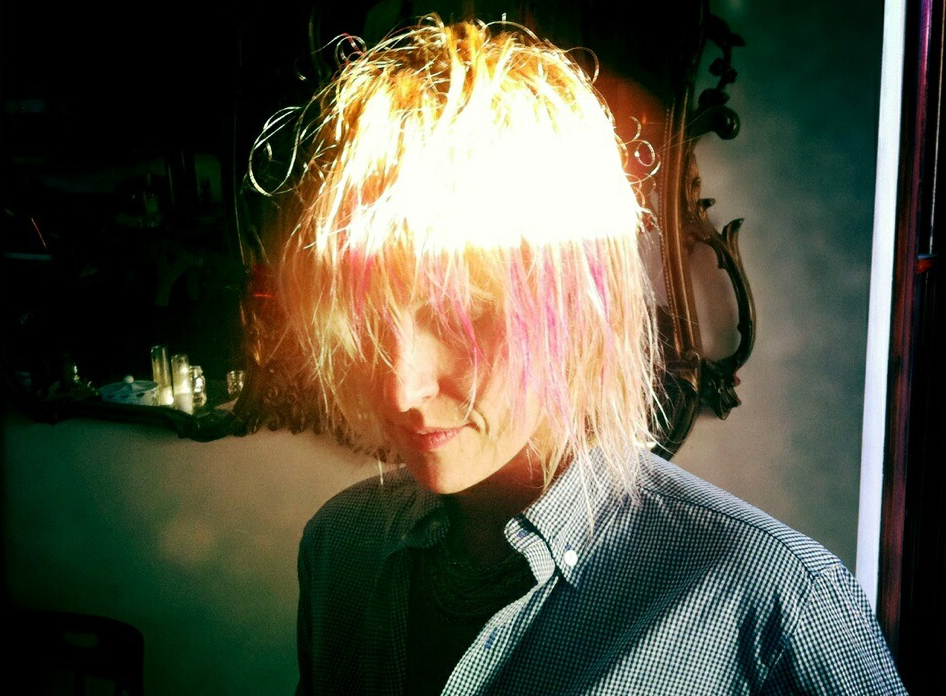
Adarsha Channeling Kurt
[SHADES] Prabal Gurung
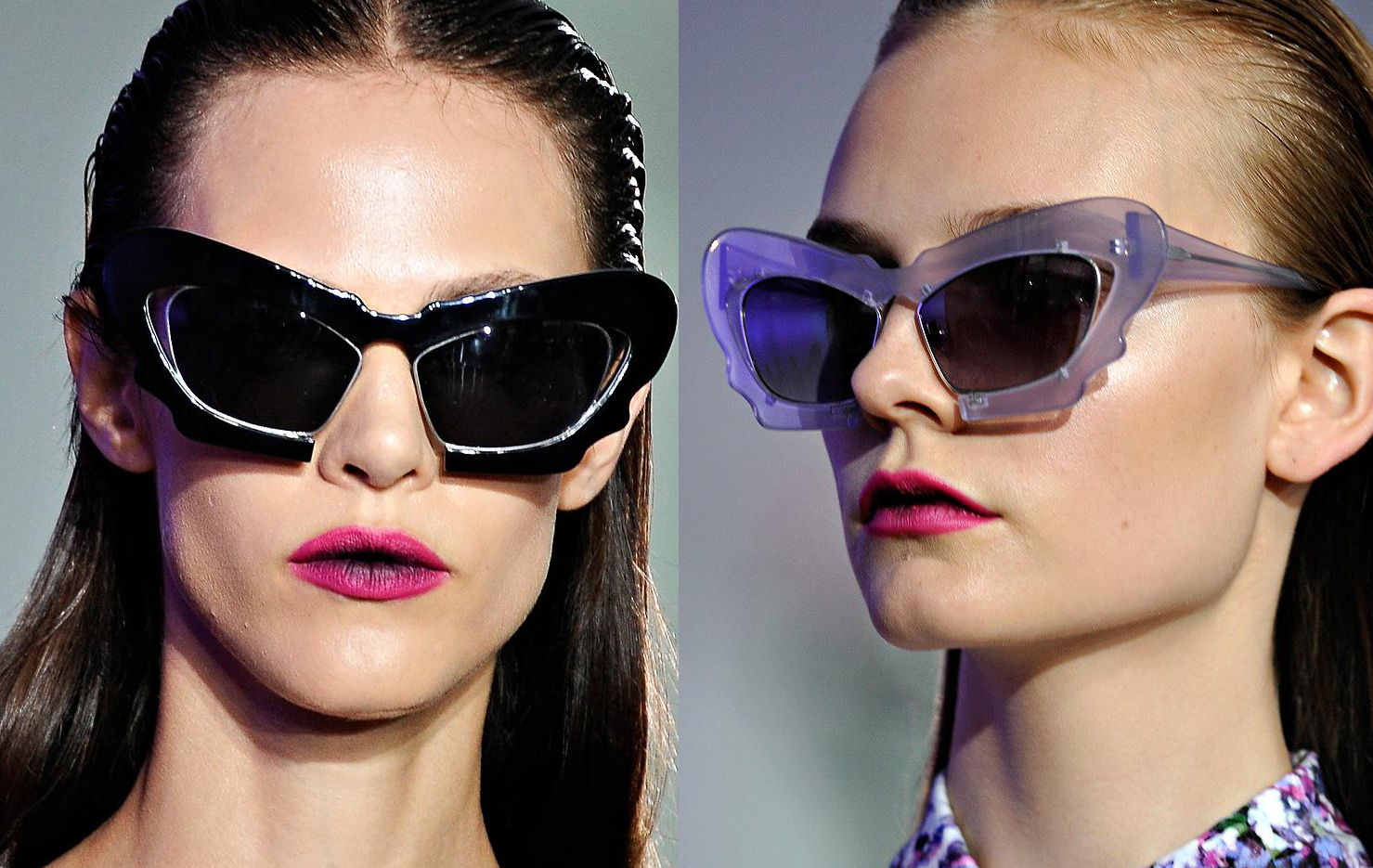
Prabal Gurung Sunglasses Spring 2012
[BOOKS] WHITE RIOT
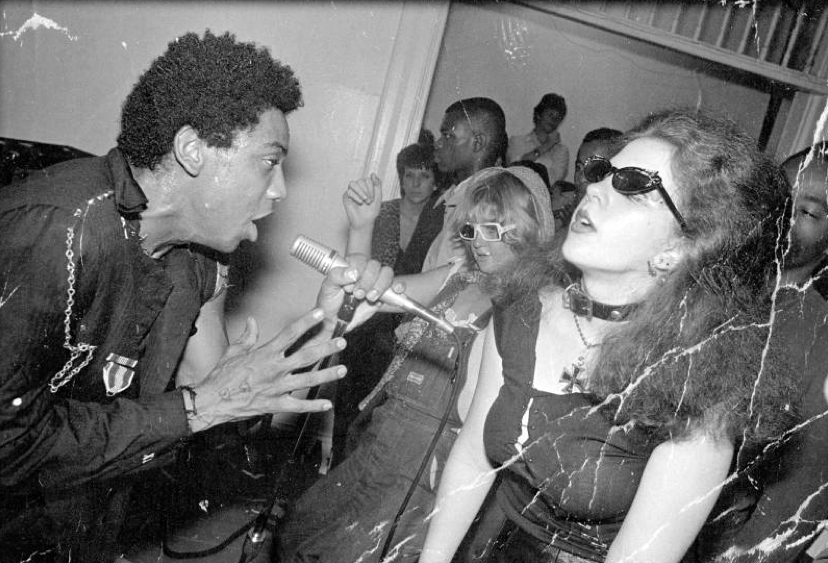
White Riot: Punk Rock And The Politics Of Race, a new anthology edited by NYU professor Stephen Duncombe and New School Ph.D. student and Maximumrocknroll writer Maxwell Tremblay, intersperses essays with primary documents like zines, interviews, song lyrics, and letters to tell the complicated story of punk rock and its relationship with race over the decades. Through the words of Norman Mailer, James Baldwin, Patti Smith, Lester Bangs, Greil Marcus, The Clash, Black Flag, and Tasha Fierce, the story moves from punk’s early articulation of whiteness in the U.S. and U.K. to Afro-Punk and faraway shores where punk has morphed into new, culture-specific forms. You can purchase the book here.
Everything He Loved in Life, and Lost
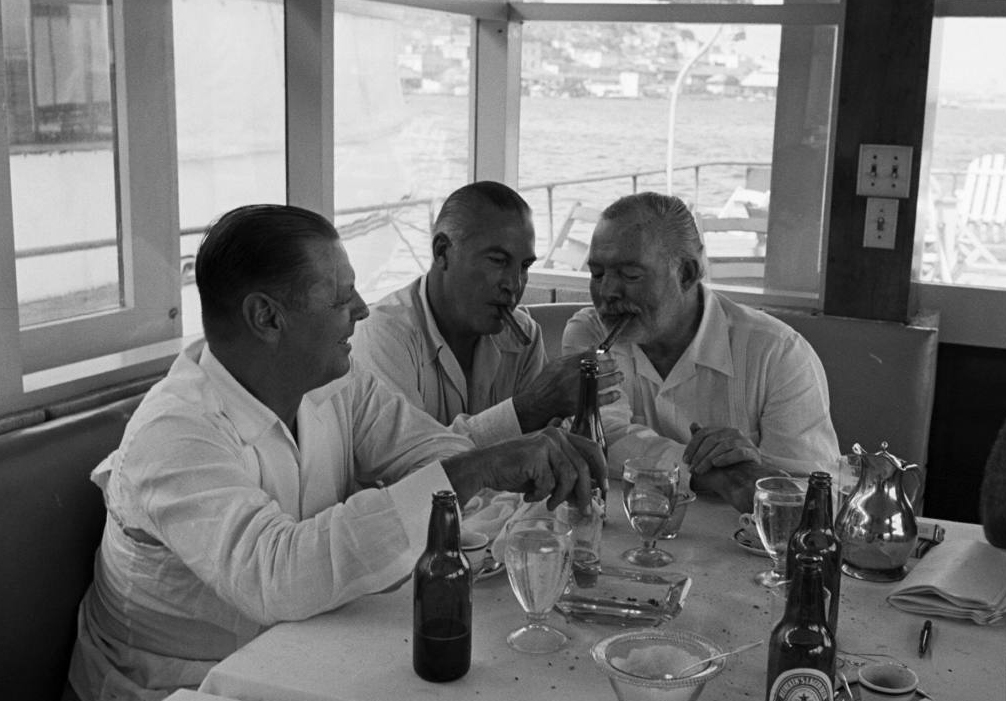
Hemingway's_Boat_Everything-He_Loved_in_Life_Paul_Hendrickson

Focusing on the years 1934 to 1961—from Ernest Hemingway’s pinnacle as the reigning monarch of American letters until his suicide — a new book by Paul Hendrickson, entitled Hemingway's Boat: Everything He Loved in Life, and Lost, traces the writer’s exultations and despair around the one constant in his life during this time: his beloved boat, Pilar. We follow him from Key West to Paris, to New York, Africa, Cuba, and finally Idaho, as he wrestles with his best angels and worst demons. Whenever he could, he returned to his beloved fishing cruiser, to exult in the sea, to fight the biggest fish he could find, to drink, to entertain celebrities and friends and seduce women, to be with his children. But as he began to succumb to the diseases of fame, we see that Pilar was also where he cursed his critics, saw marriages and friendships dissolve, and tried, in vain, to escape his increasingly diminished capacities. "All things truly wicked start from innocence," E.H.
Autre in Moscow
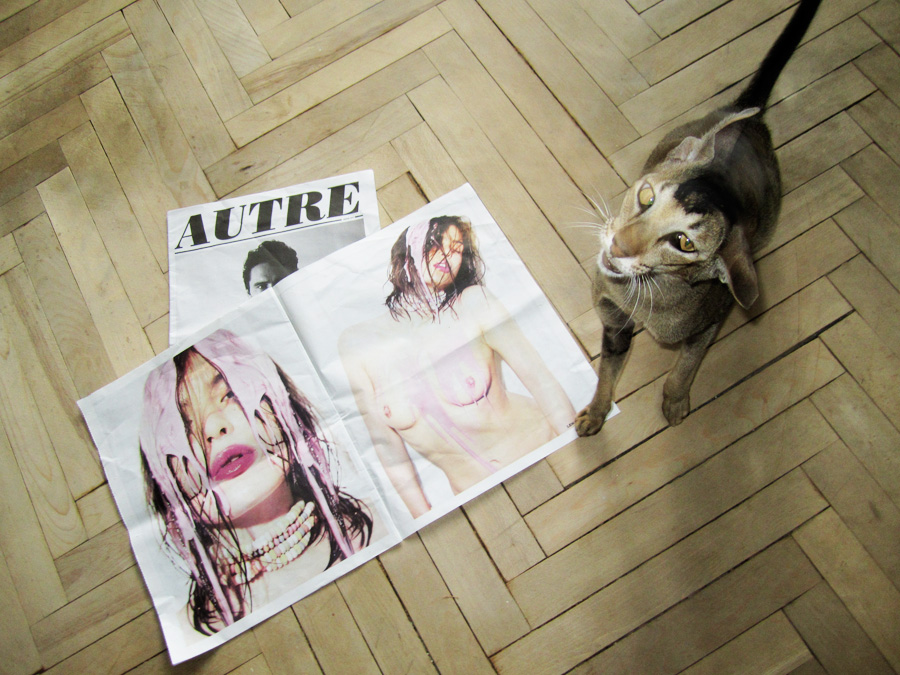
Lena Vazhenina, whose photographs are in the above spread, sent over a photo of her copy of Autre and her amazing looking cat, Doctor in Moscow.
Edie
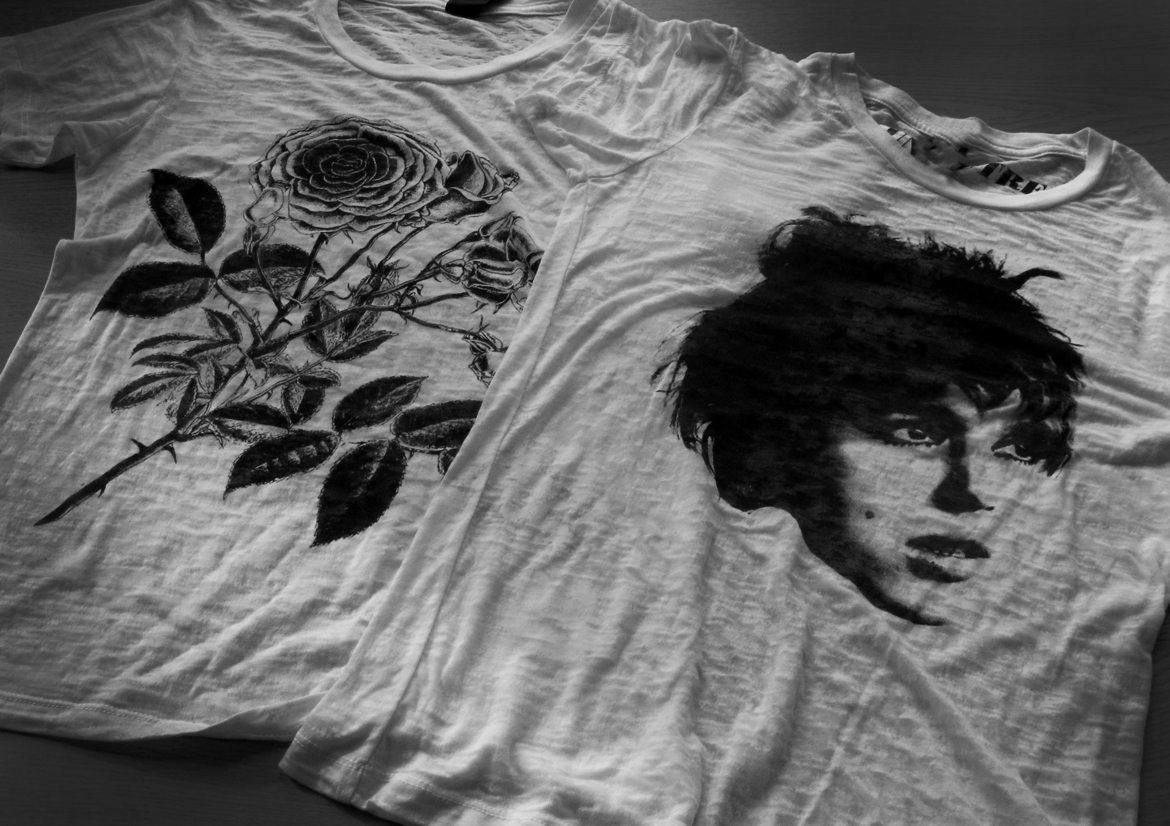
More Pas Un Autre tees. Stay tuned on how to pick one up.
KATE SYLVESTER AW12 SHOW AT THE AUCKLAND ART GALLERY
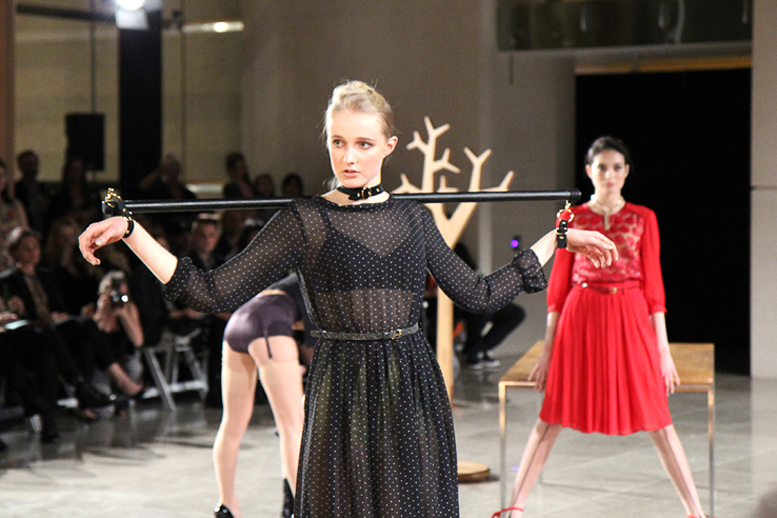
Kate_Sylvester_aw_2012_the_secretary
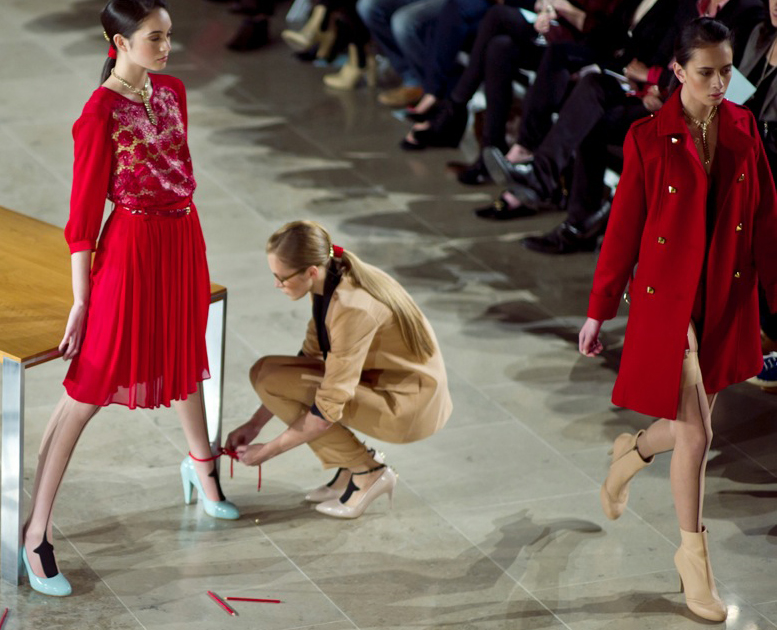
KATE_SYLVESTER_AW12_SHOW_AT_THE_AUCKLAND_ART_GALLERY
New Zealand – Kate Sylvester AW12 Show yesterday at the Auckland Art Gallery recreating many scenes from the 2002 film The Secretary.
King Krule
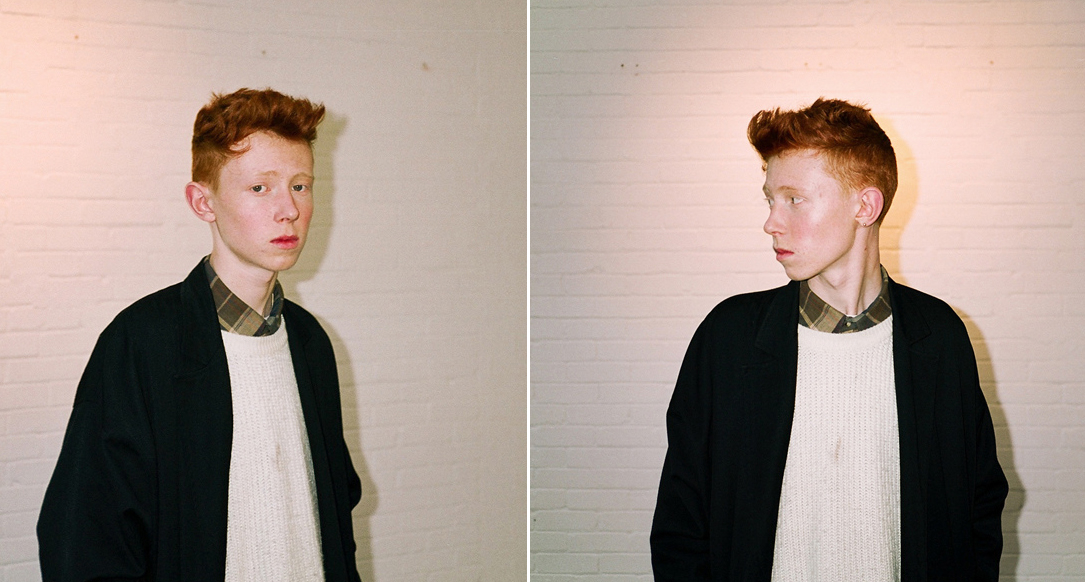
The_Noose_of_Jah_City_zoo_kid_king_krule
17 year old from South East London Archy Marshall, formerly known as Zoo Kid, now known as King Krule is about to release his second album, entitled King Krule, on True Panther this November 8.
King Krule- The Noose of Jah City
[BOOKS] Françoise Hardy by Jean-Marie Périer
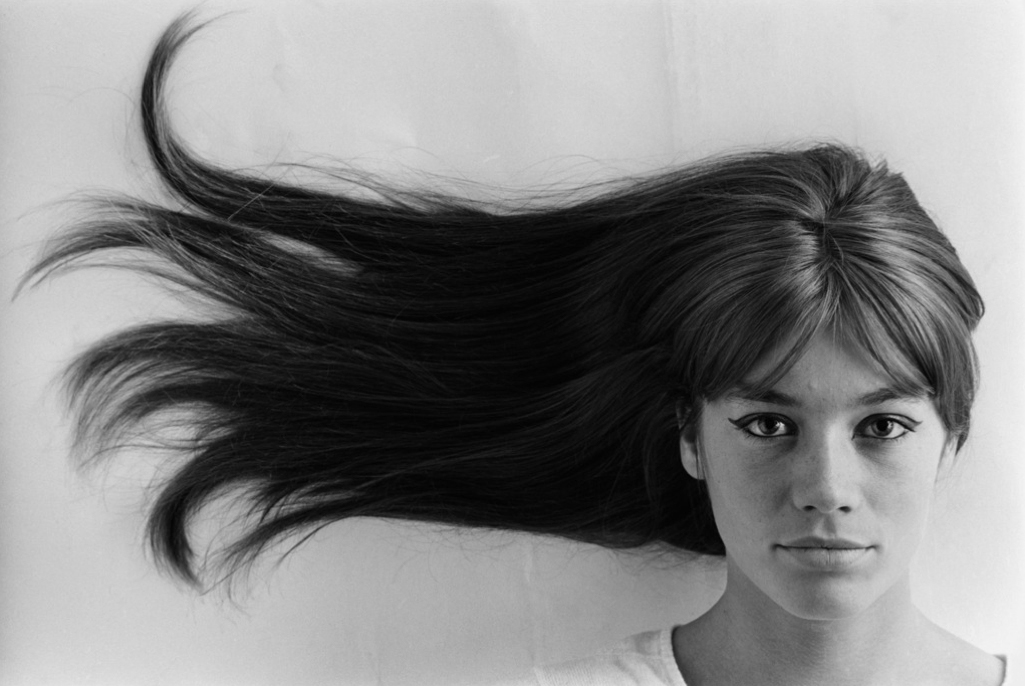
I couldn't think of a cooler friend to have than Françoise Hardy. Since the 1960s photographer Jean-Marie Périer has taken over 200 photographs of the French pop icon – which are now presented in a new book, entitled Françoise Hardy par Jean-Marie Périer (Editions Du Chêne). On October 29th an exhibition with the same title will open at Galerie PHOTO12 in Paris: "For the very first time in Paris, an entire exhibition is dedicated to the iconic French singer of the sixties: Françoise Hardy. Through the eye of the famous photographer and long-time friend Jean-Marie Périer. The exhibition shows famous beautiful portraits of the star but also unpublished confidential photographs."
Bert Jansch, November 3rd 1943 – October 5th 2011

Autre remembers the great Bert Jansch, Scottish acoustic guitarist, singer/songwriter, and founder of the band Pentangle.
The Unseen Eye
 "Hooded Witness," from an unknown photographer,
All eyes will be on George Eastman House International Museum of Photography and Film this fall as it presents one the largest exhibitions in its history — The Unseen Eye: Photographs from the W.M. Hunt Collection. More than 500 photographs by the masters of the medium will be on view Oct. 1, 2011 through Feb. 19, 2012. The Eastman House is dedicating all of its primary gallery space to this exhibition. Earlier this year The New Yorker referred to the collector as “the legendary” W.M. Hunt. He is a renowned curator and dealer who has been collecting photographs for 40 years. A self-described “champion of photography,” he is well-known for his “eye” and sense of humor. Hunt describes the collection as “magical, heart-stopping images of people in which the eyes cannot be seen.” The photographs of The Unseen Eye have a common theme — the gaze of the subject is averted, the face obscured, or the eyes firmly closed. The images evoke a wide range of emotions and are characterized, by what, at first glance, the subject conceals rather than what the camera reveals.