
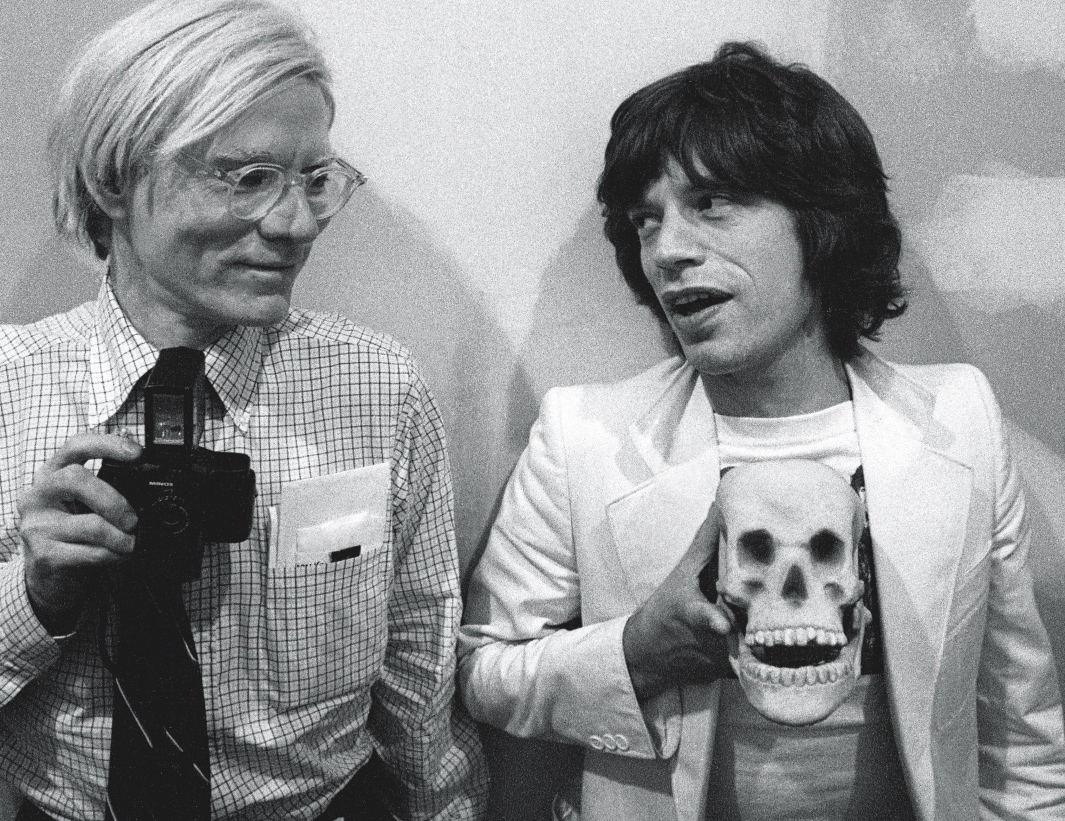
 Photograph by Ken Regan
Warhol & Tennessee Williams
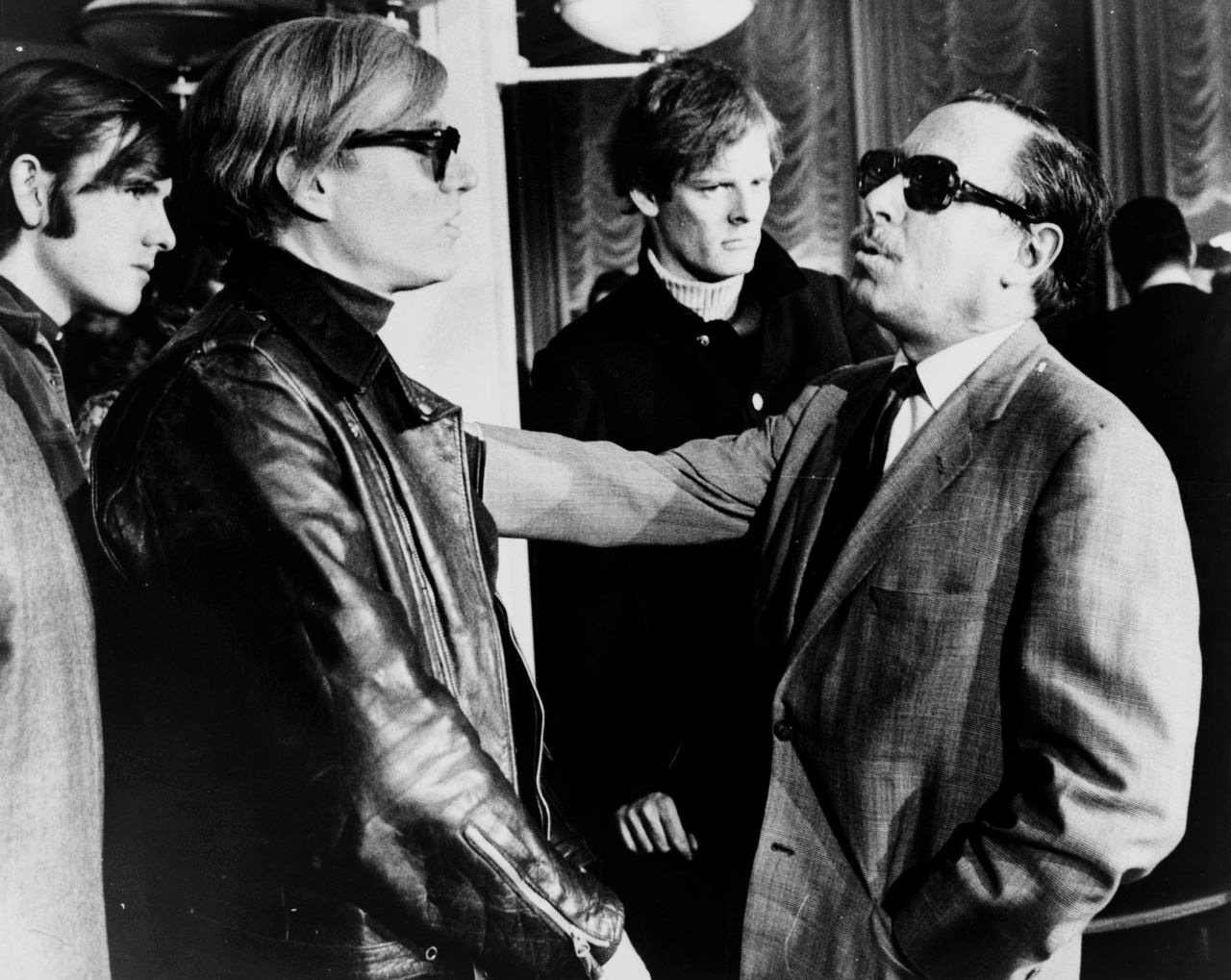 Photograph by James Kavallines, New York World-Telegram and the Sun staff photographer
Adarsha As Kurt
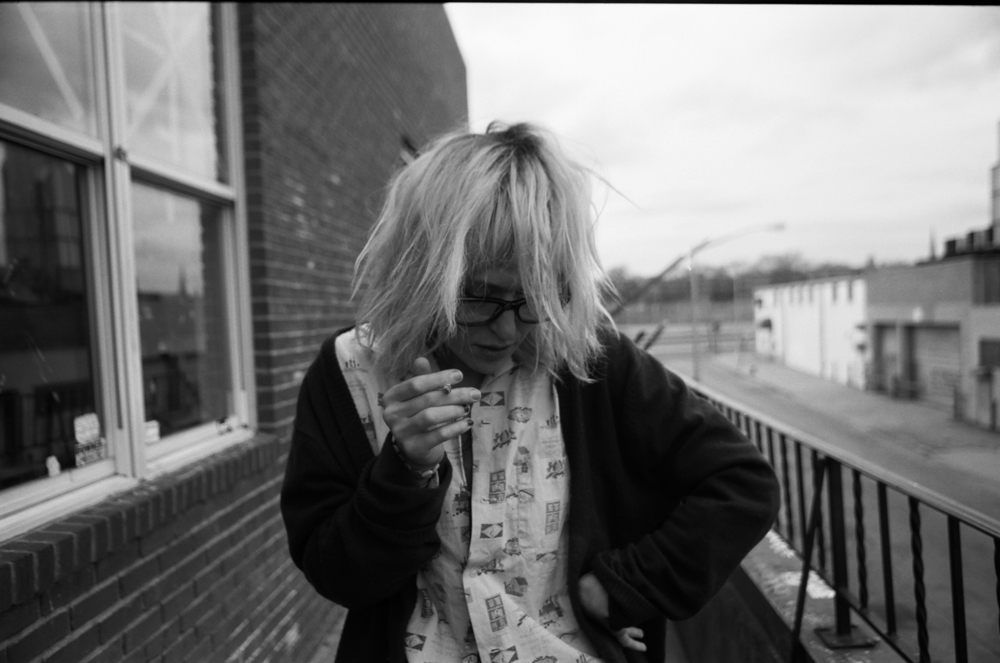 Adarsha Benjamin channeling Kurt Cobain, Brooklyn, NY
PAINTER AS VAGRANT
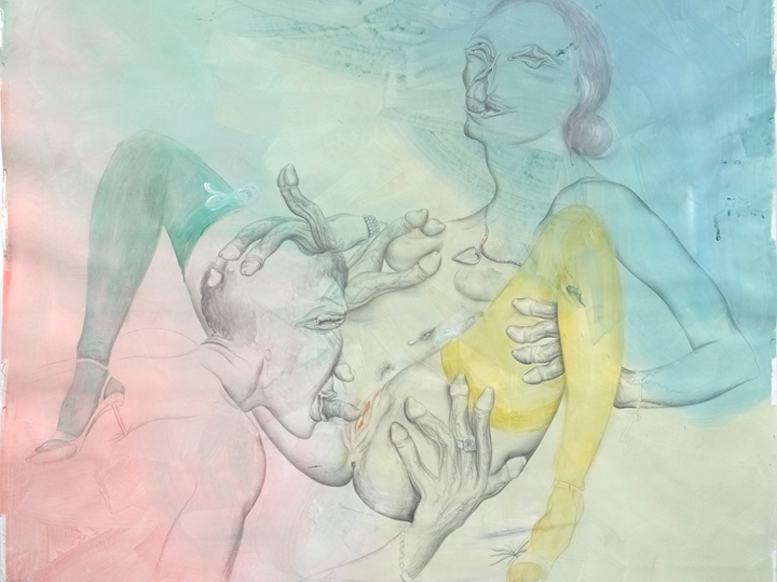
Illustration by German artist Bernhard Martin on view now at an exhibition, entitled Painter As Vagrant: Itinerant Sources in the Work of Bernhard Martin, at the Union Gallery in London.
Castles in the Air
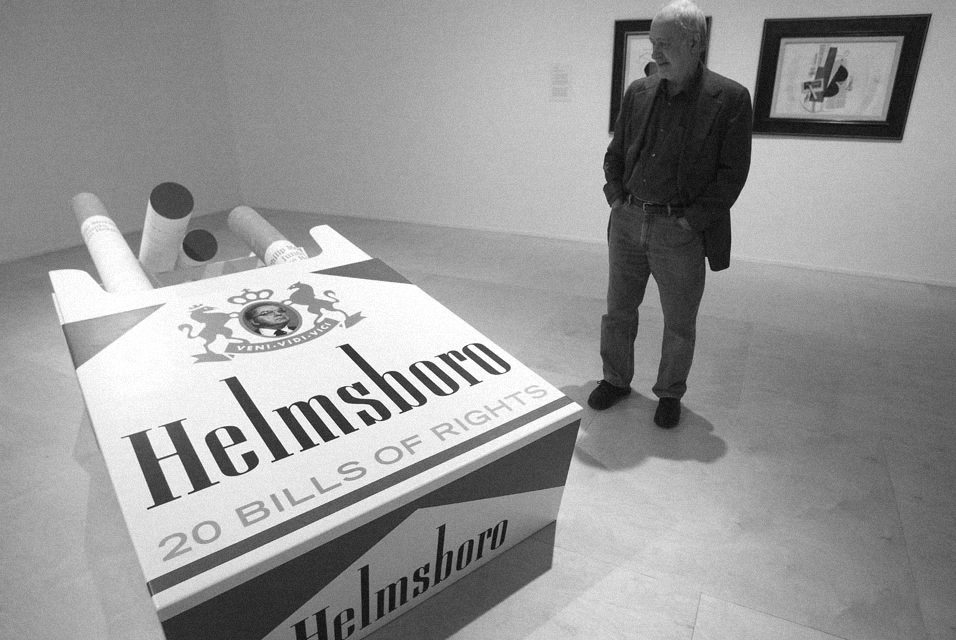
German artist Hans Haacke poses next to his artwork entitled Helmsboro Country, on the opening day of his retrospective exhibition, 'Castles in the Air', at the Reina Sofia museum in Madrid, Spain. Hans Haacke (Cologne, 1936) is considered a pioneer of what has come to be known as institutional critique, a branch of conceptual art that emerged at the end of the 1960s. He received his training and resides in the United States. His art moves from pure conceptualism at the beginning of his career towards a more critical discourse in later years. Haacke's pieces question the mechanisms and functions of cultural, political and economic institutions, which serve as active tools in the construction and transmission of identitary and ideological values that bolster the discourse and the expansion of globalisation. He constructs systems of relations using literal elements taken from daily life, the critical meanings of which become apparent upon the symbolic collision that occurs when they are juxtaposed. The underlying intention is to reveal, more than to denounce, the relationship that exists between art and social behavior. Castles in the Air is on view at the Reina Sofia Museum in Madrid until July 23, 2012 Santa Isabel, 52 28012
Bruce LaBruce's Obscenity Show Hugely Controversial
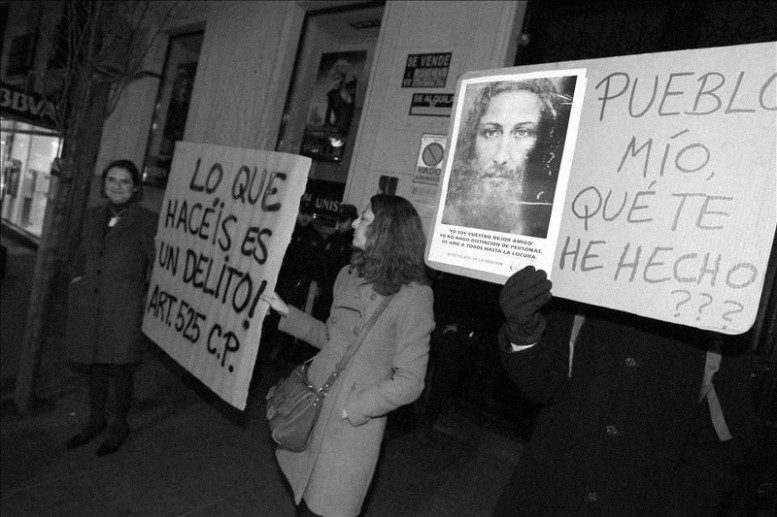
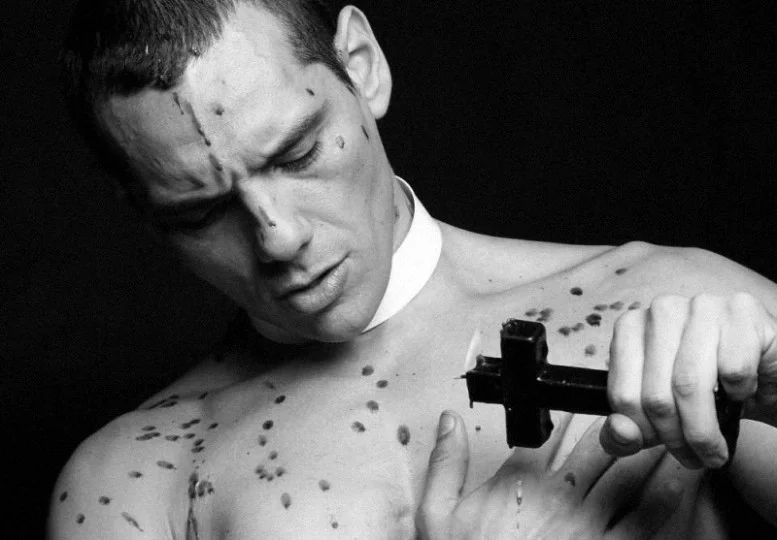
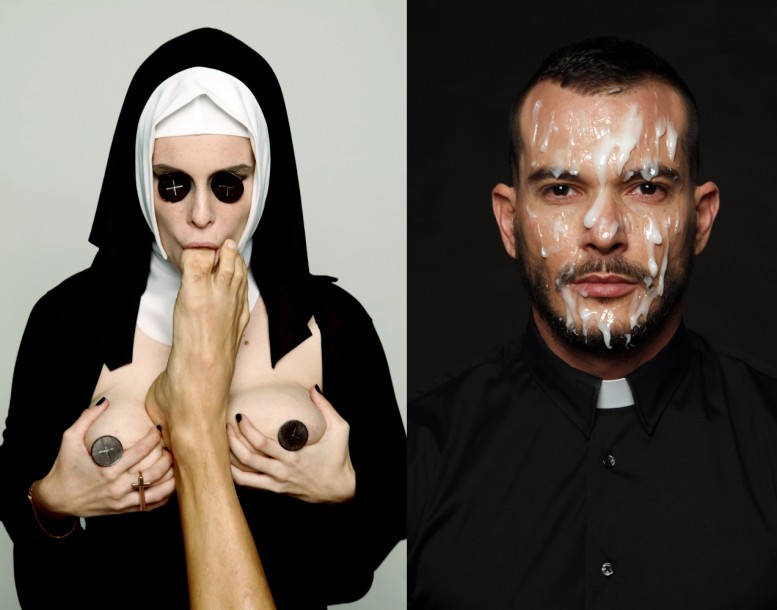
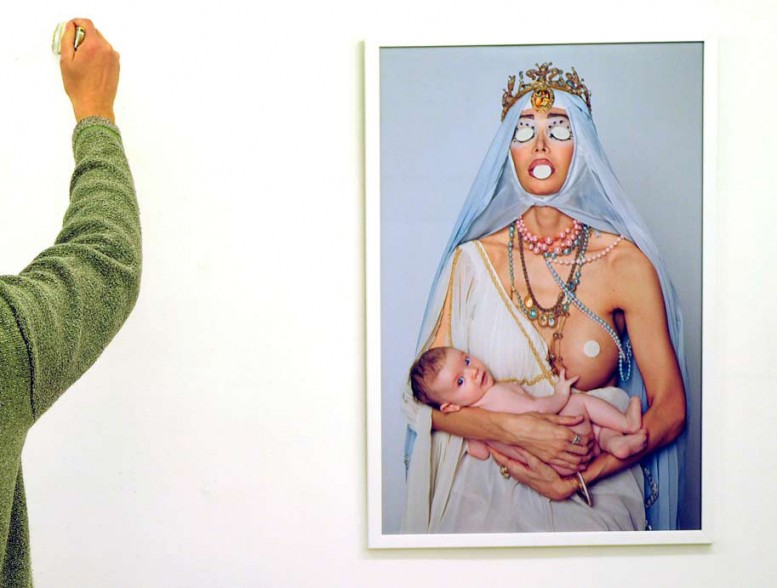
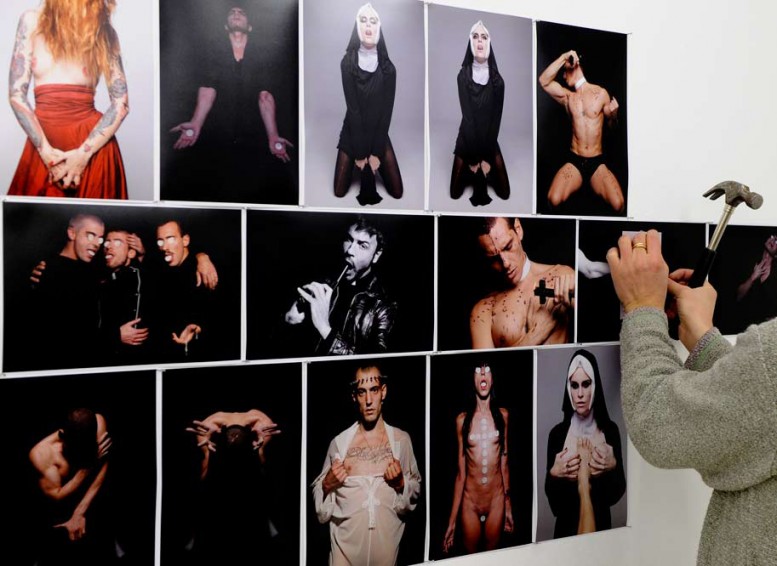
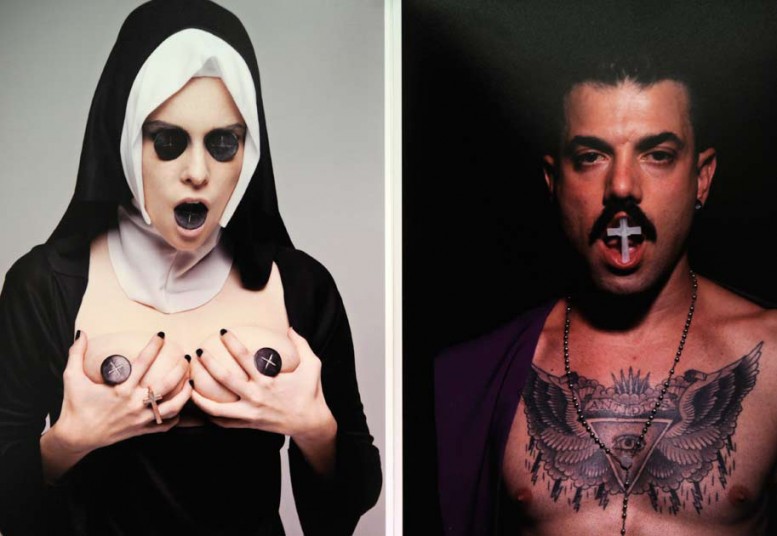
With a priest's face suggestively covered in semen, actress Rosy DePalm biting down on a rosary, and naked nuns, Bruce LaBruce's new show at LaFresh Gallery in Madrid is inciting immense fury among Catholics and conservatives who are calling the exhibition of 50 photographs blasphemous and depraved. See photos from the show and protesters after the jump. "Obscenity" will be on view until April 4, 2012 at LaFresh Gallery in Madrid, Conde de Aranda, 5 28001.
Still Frame
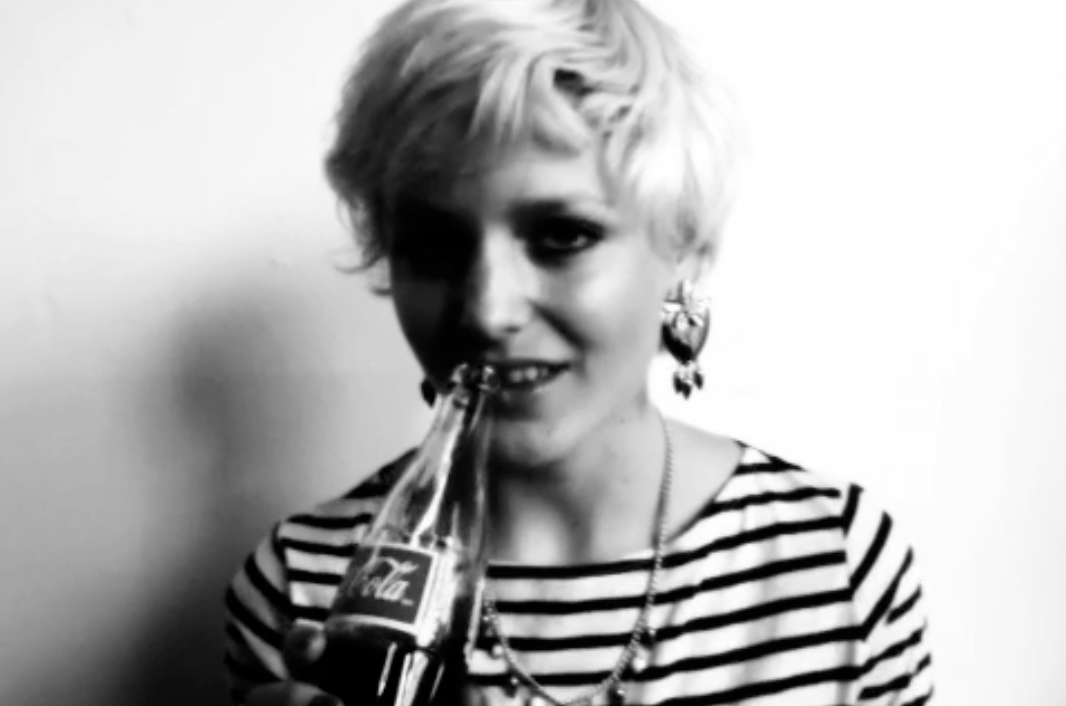
Still from a video we shot over the weekend – directed by Oliver Maxwell Kupper – for Pretty Little Thing jewelry. Coming soon...
Nick Haymes' Unflinching Portrait of Teenage Angst
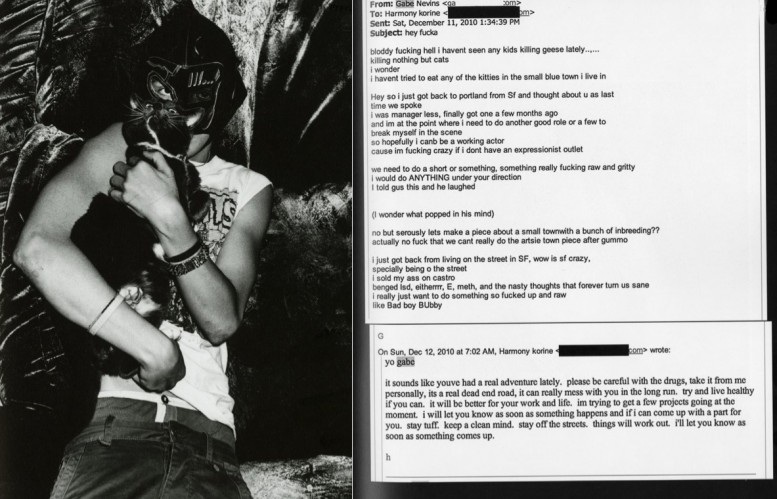 Selections from the book - email correspondence between Gabe Nevins and Harmony Korine
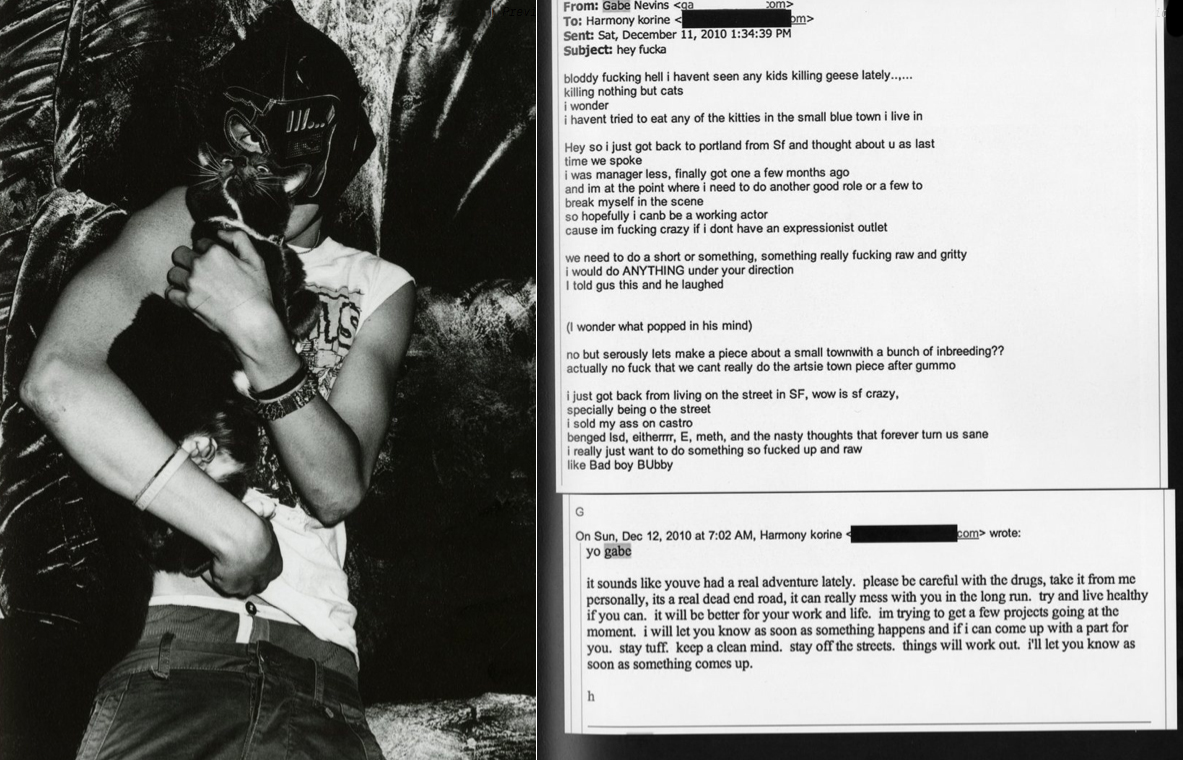
Nick Haymes first met Gabe Nevins on an editorial assignment in the summer of 2007. Gabe had just wrapped up his lead role in Gus Van Sant's Paranoid Park, in which he had played a teenage skateboarder who accidentally kills a security guard. Gabe had never acted prior to starring in the film; he had heard about Van Sant's casting call from a skateboard store and initially auditioned as an extra. Meeting the teenager, Haymes recalls: "Initially, Gabe was fairly shy, but it quickly transpired that he had seen some of my skateboarding images online and an instant friendship was struck. When the assignment was over, I approached Gabe about the possibility of working on more photographs as there was something entirely captivating about him and his energy." A new volume, published by Damiani Editore, tracks the highs and lows of Gabe's teen years, from stardom to emotional breakdown and homelessness. On Wednesday, March 1st, from 6.00 to 8.00 pm, Haymes will be signing the volume at Dashwood Books in NYC.
[London Fashion Week] Pam Hogg A/W 2013
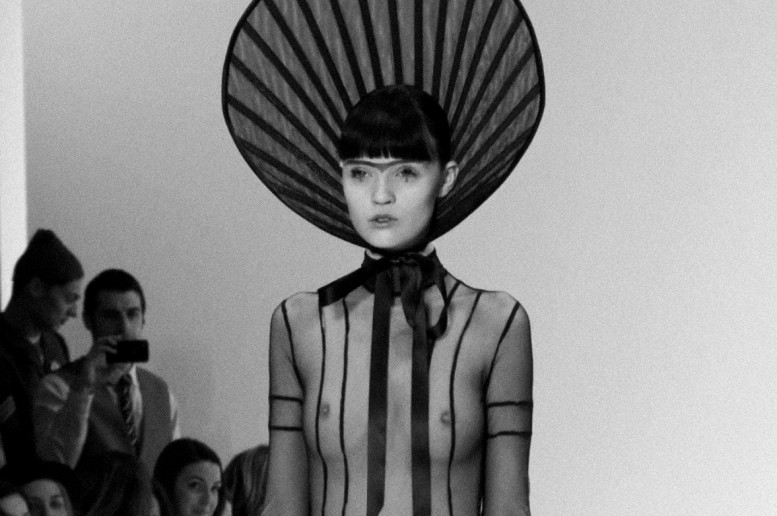
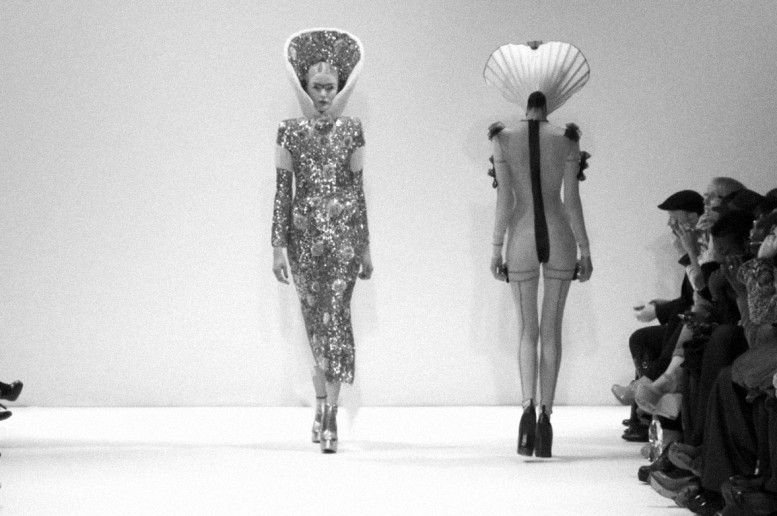
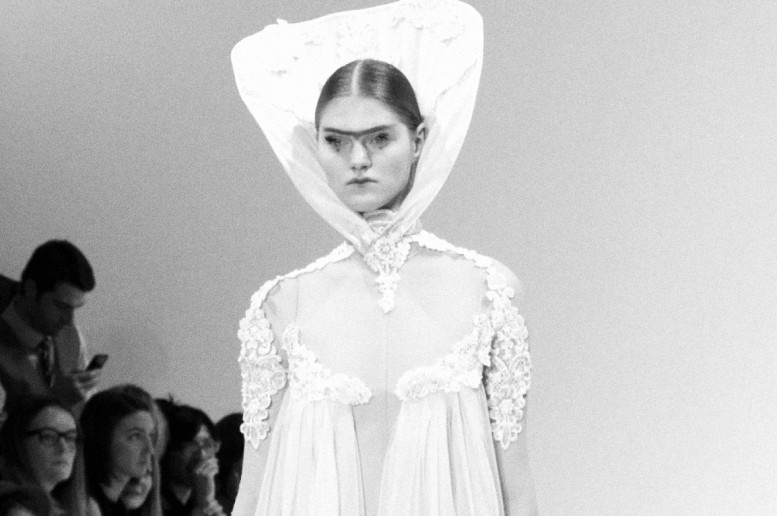
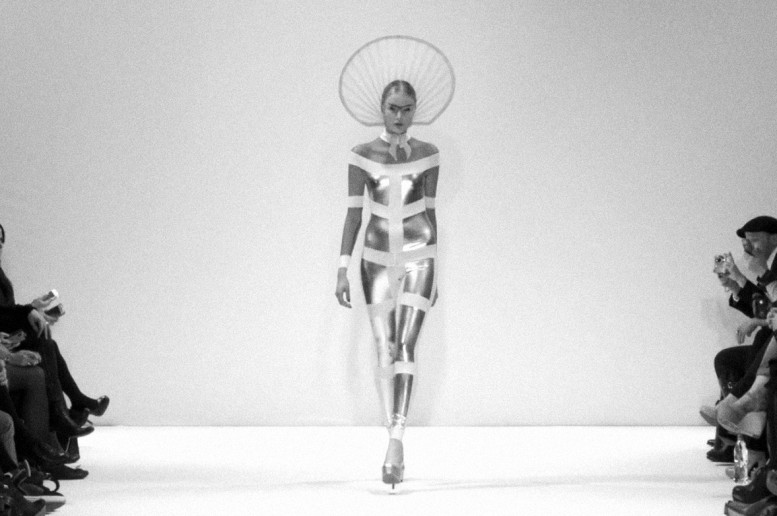
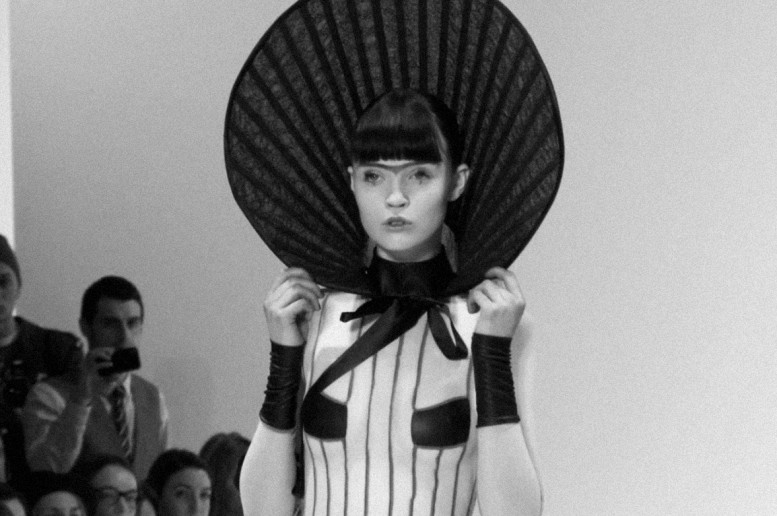
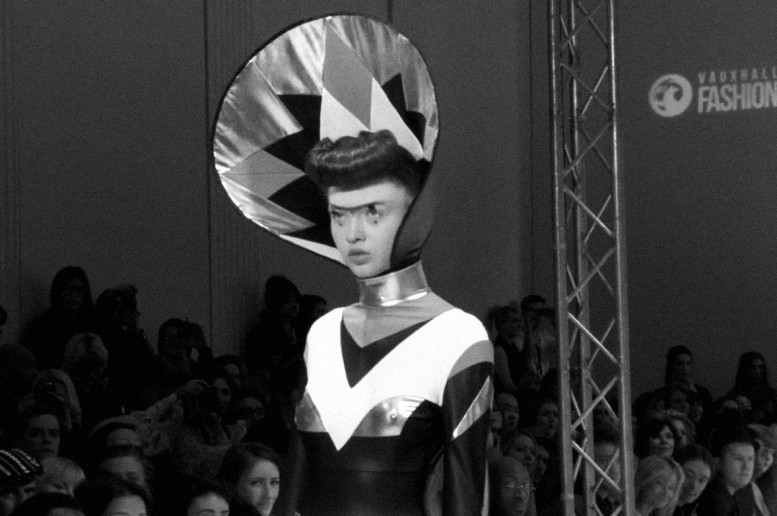
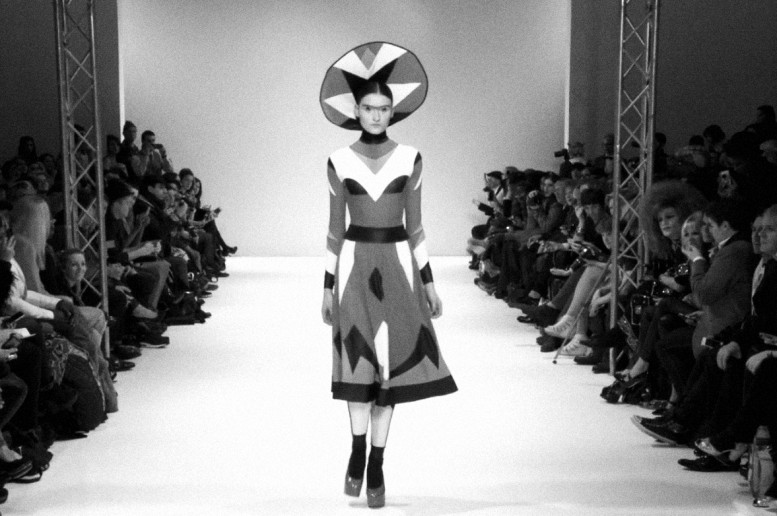
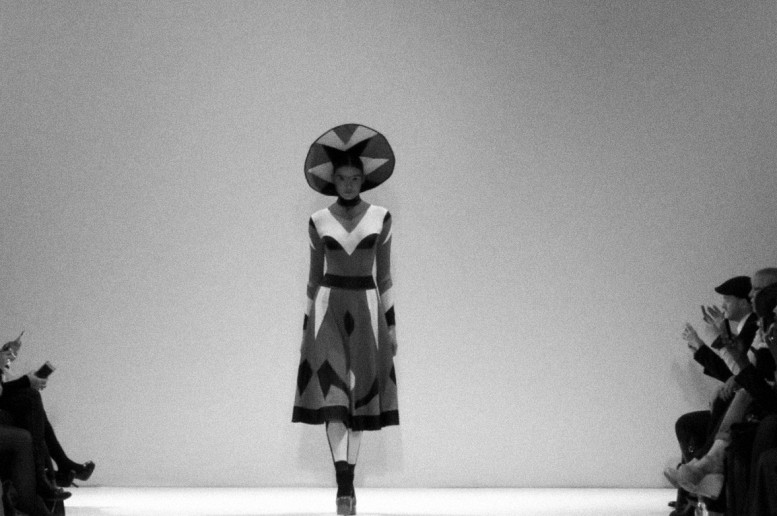
An amazing Autumn/Winter 2012/2013 collection by Pam Hogg presented during London Fashion Week.
Everyone Loves A Good Trainwreck
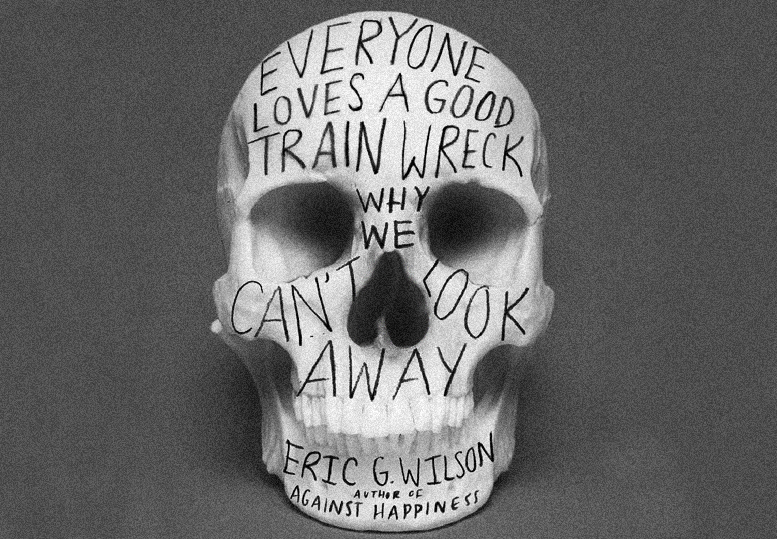
Why can’t we look away? Whether we admit it or not, we’re fascinated by evil. Dark fantasies, morbid curiosities, Schadenfreude: As conventional wisdom has it, these are the symptoms of our wicked side, and we succumb to them at our own peril. But we’re still compelled to look whenever we pass a grisly accident on the highway, and there’s no slaking our thirst for gory entertainments like horror movies and police procedurals. What makes these spectacles so irresistible? In a new book, Everyone Loves a Good Train Wreck: Why We Can't Look Away
Serge et Jane
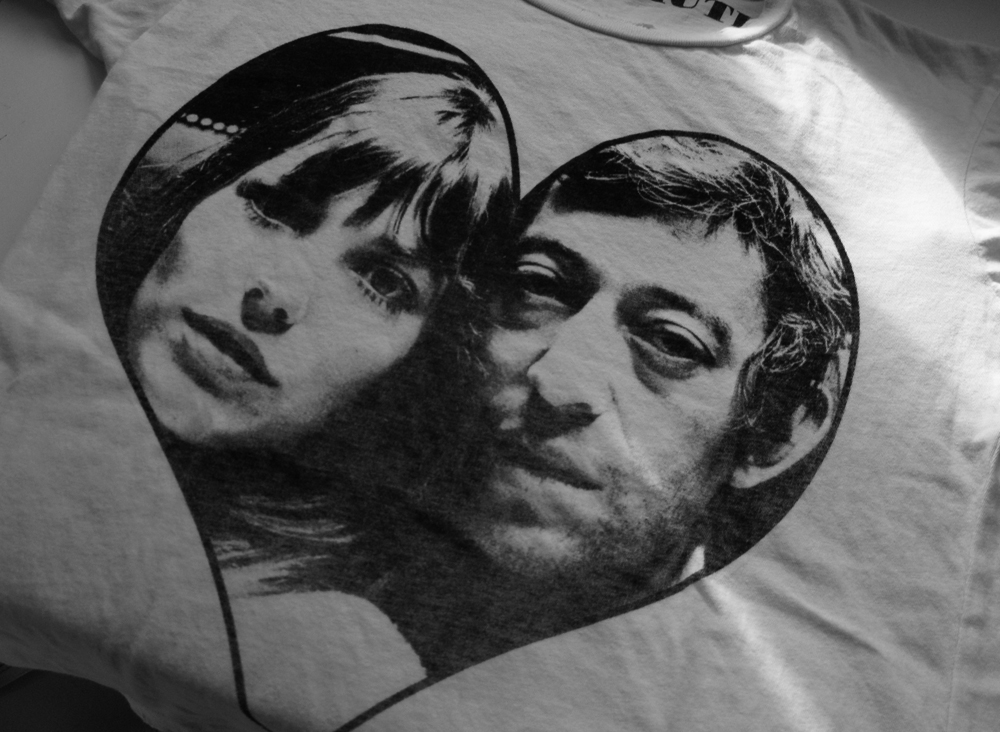
Super cool belated Valentine's Day tees made by Pas Un Autre - exclusively available at Viola London
Matthew Henri & His Nudie Playing Cards
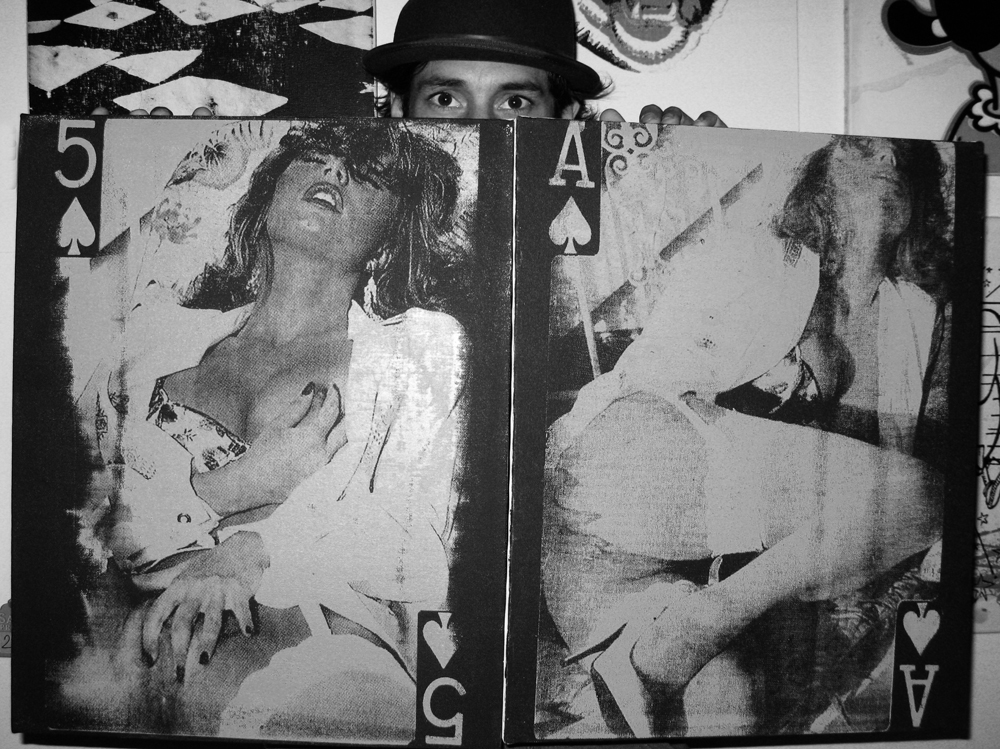
One of the most incredible new pop artists Matthew Henri holding up two of his silkscreened paintings from a new series. Photography by Oliver Maxwell Kupper
Patti Smith by Judy Linn
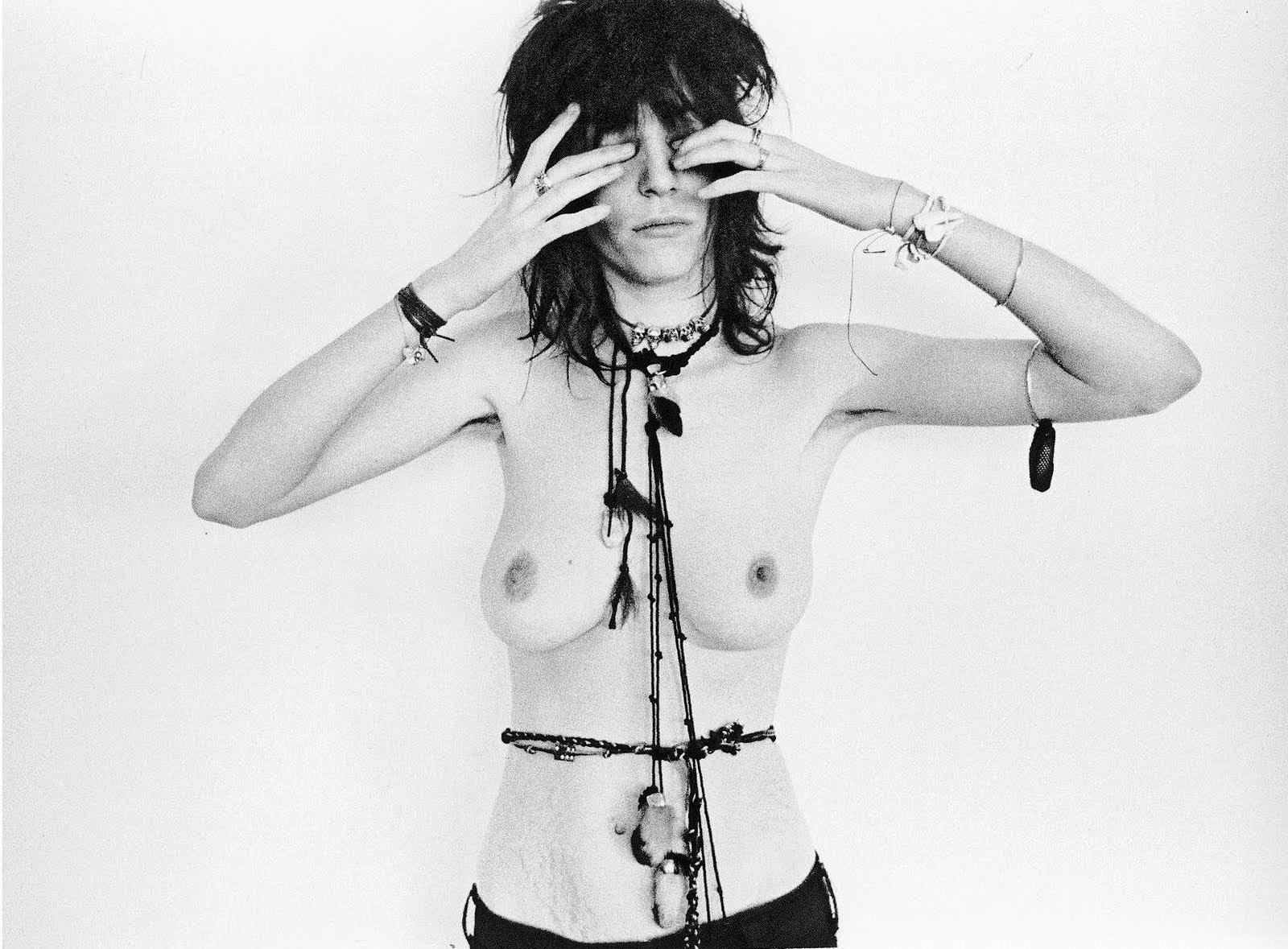
Linn's images of Patti Smith range from the vulnerable to the iconic, focusing on shifting influences and relationships with artists such as Robert Mapplethorpe and Sam Shepard. The black-and-white photographs capture Smith in the intimate and grainy atmosphere of a bygone New York when Smith--a struggling poet, pre-rock'n'roll--agreed to pose for Linn. A new exhibition, entitled Patti Smith: 1969-1976, of photographs by Linn opens at LUAG (Lehigh University Art Galleries) February 20 and runs until May 25, 2012. 420 E. Packer Avenue Bethlehem, PA
[London Fashion Week] Maison Fin De Saison – On Air/Off Air
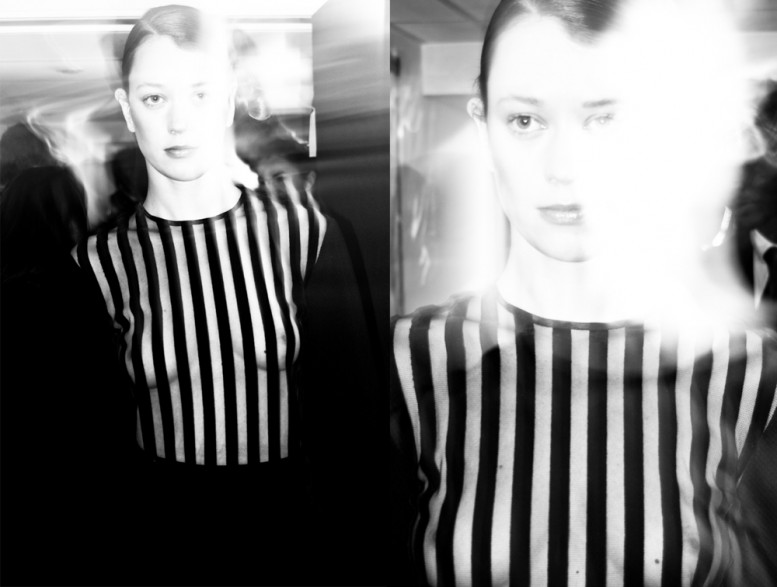
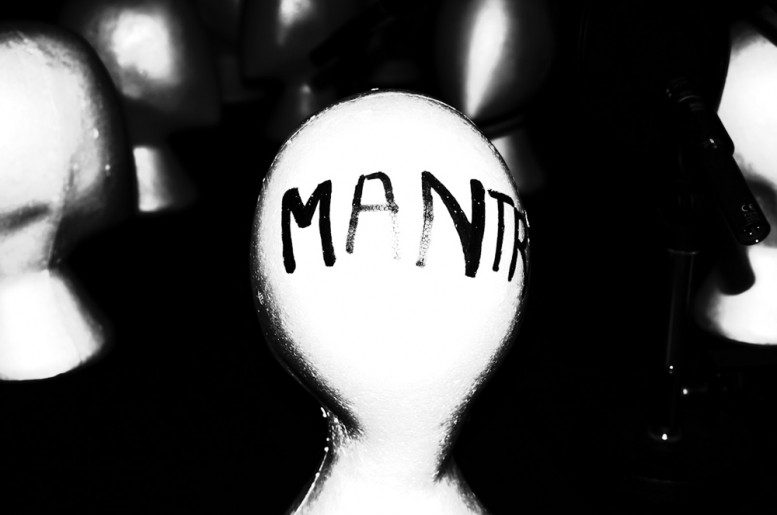
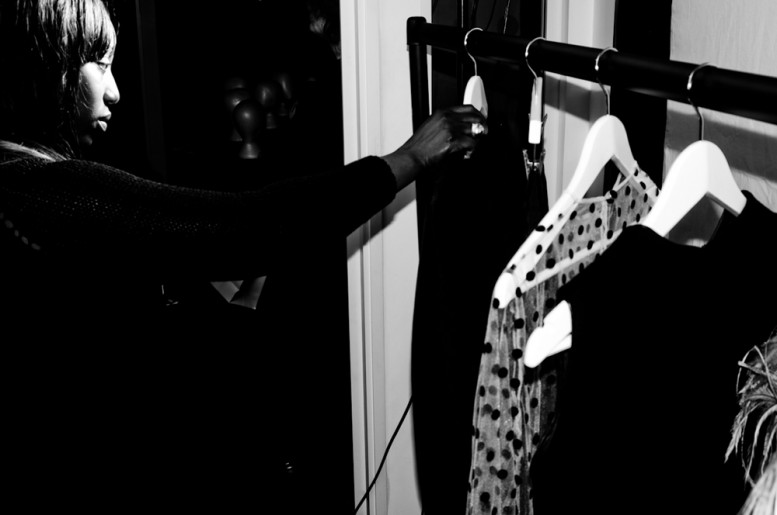
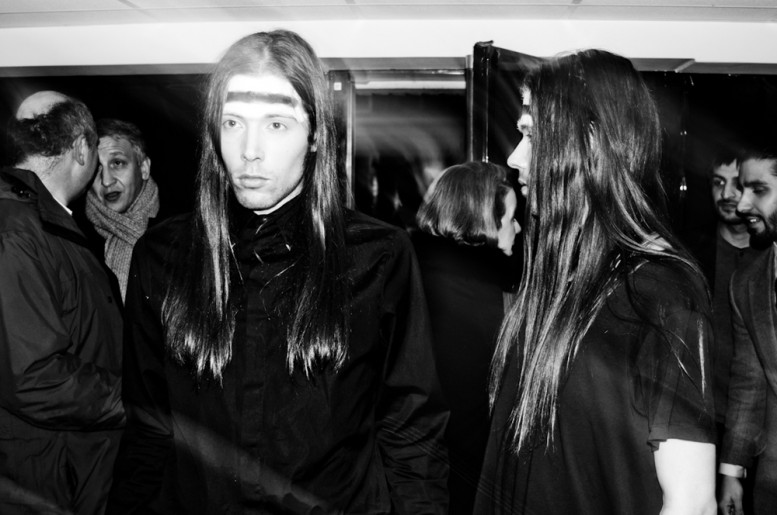
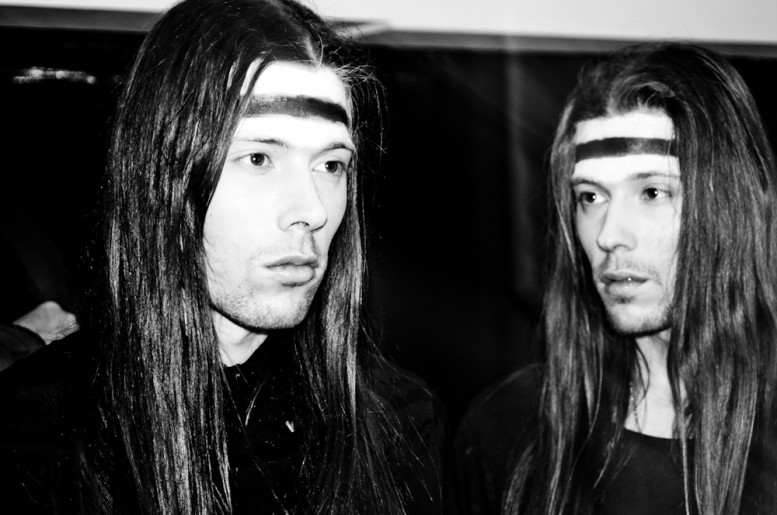
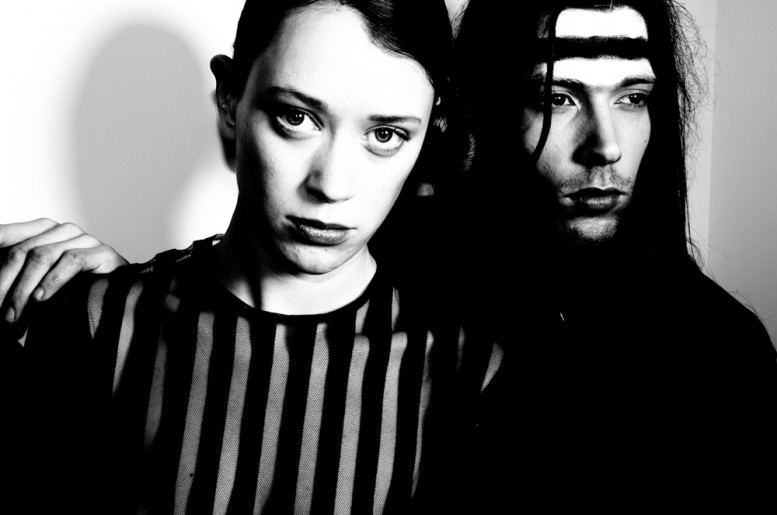
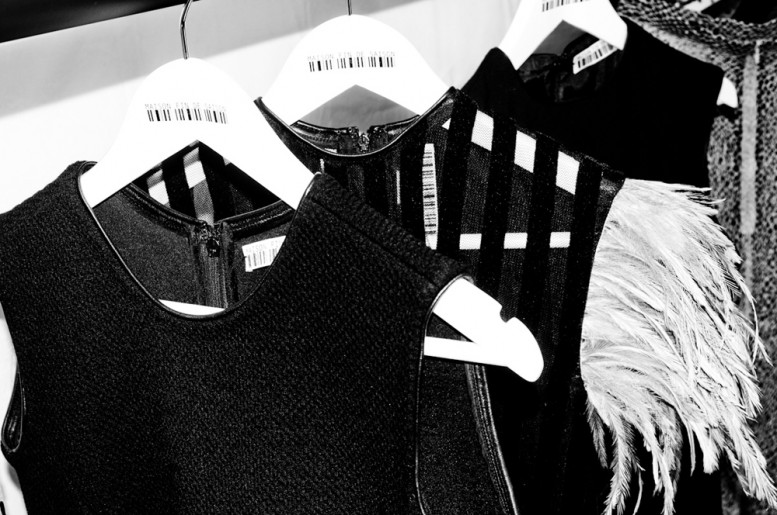
Maison Fin de Saison presented their F/W 2012 at an event entitled On Air/Off Air in collaboration with French Radio London last week for London Fashion Week.
These Days
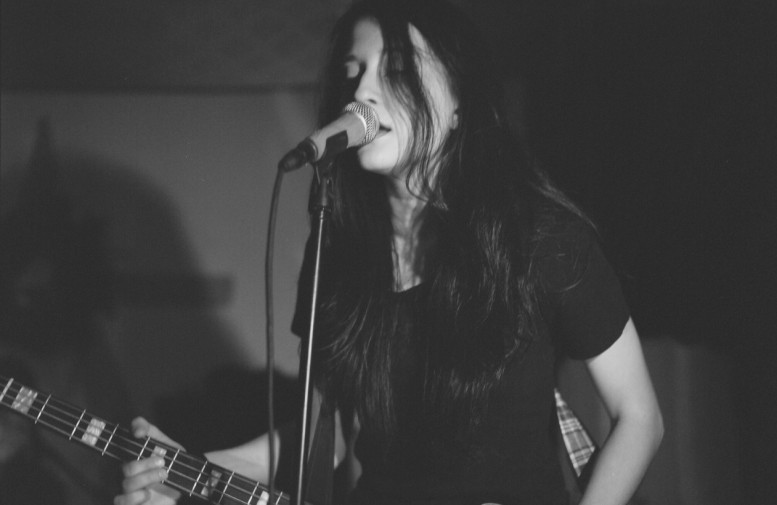 Nina Ljeti as Krist Novoselic, by Adarsha Benjamin
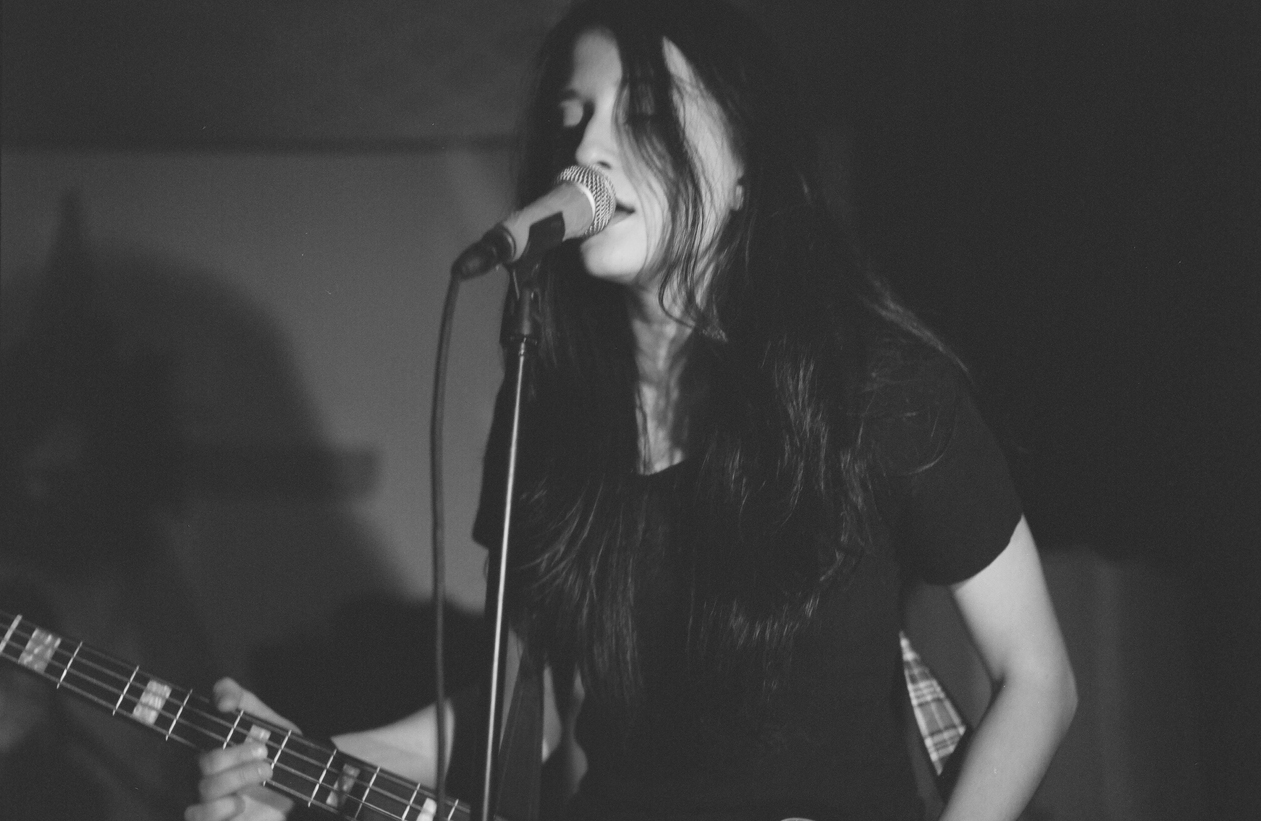
Eras end, Begin again. Money, lovers, Promises are pretend. 30 is old age -- You plan to kill yourself, Or be far away by then. Try so hard To make a name, But they forget Again and again. Change your mind, Change your style, Your politics, philosophy. A punk, a hippie, A model on the cover of a magazine. Alone or lonely, '91 or '65 A better story. Your Gods are dead, And Jesus ain’t your friend. No one calls. Connection's gone. Looking for the other, Floating past each other, Duck and cover. Empty-headed, absent-minded Lost forever, we are blinded. What it means to hold a hand, What it means to be free,
What it is to see beyond The illusion of reality.
These Days, by Nina Ljeti
Nudie Cards
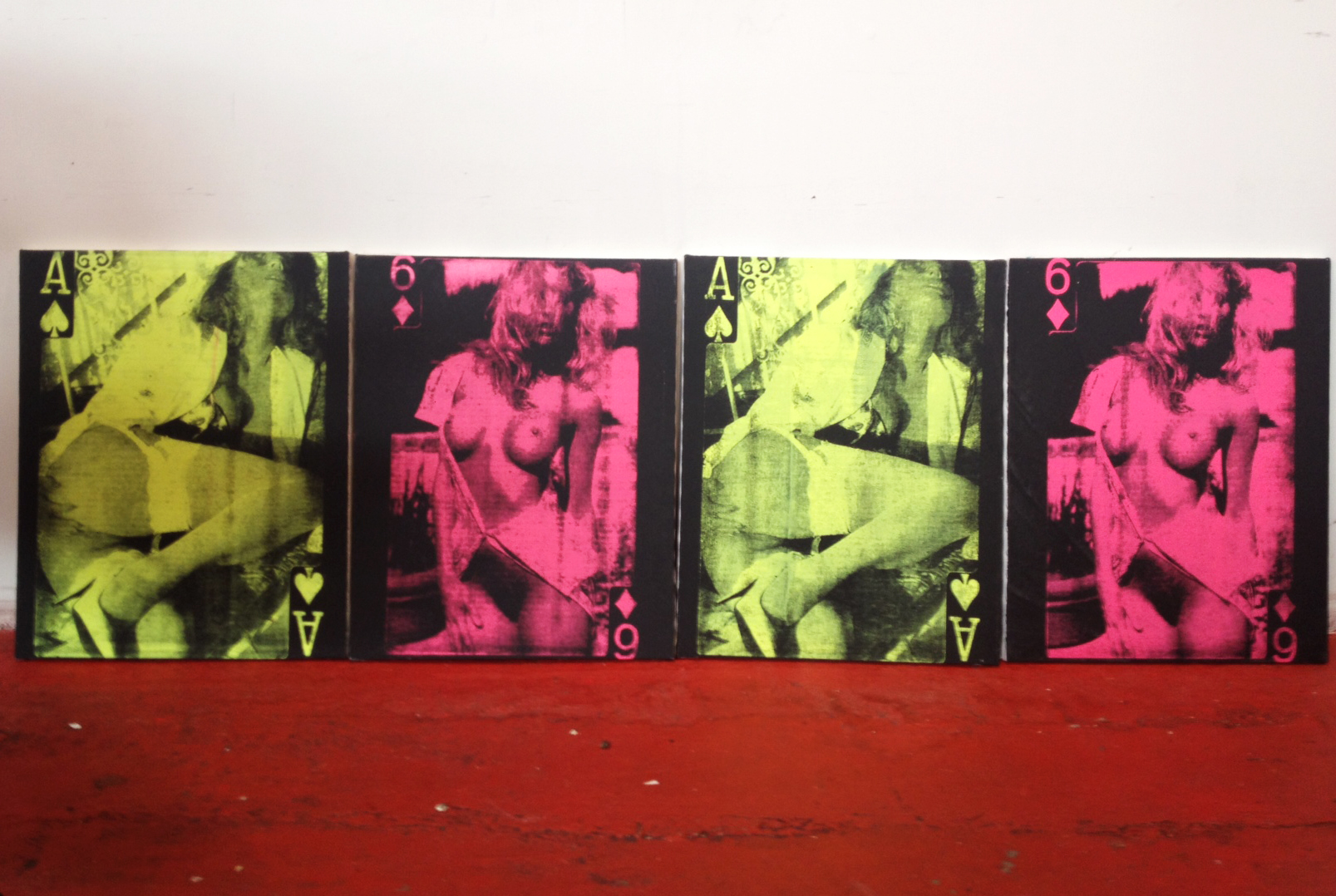
Fresh off the silkscreen press – an incredible new series by artist Matthew Henri.
Song for the Dead
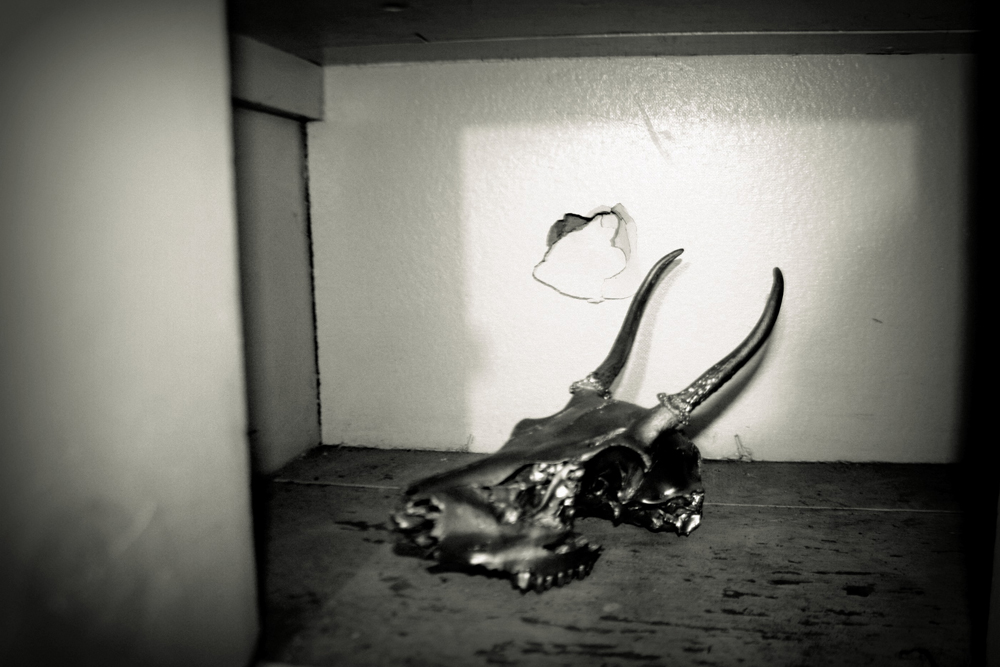 Photography by Christopher Lusher, West Virginia
A Tribute to Mike Kelley
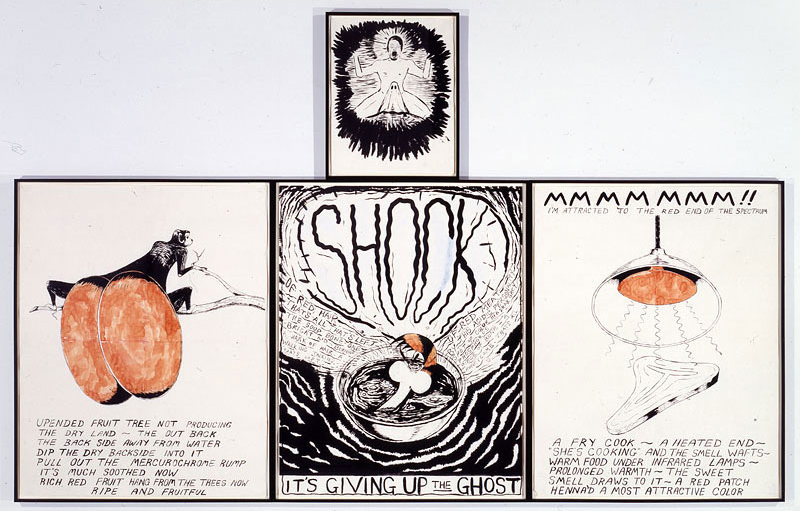
The Museum of Contemporary Art Los Angeles presents A Tribute to Mike Kelley, an exhibition dedicated to the work and legacy of Mike Kelley, who took his own life earlier this month, on view at MOCA Grand Avenue from February 18 to April 2, 2012.
The Aesthetics of The Photobooth
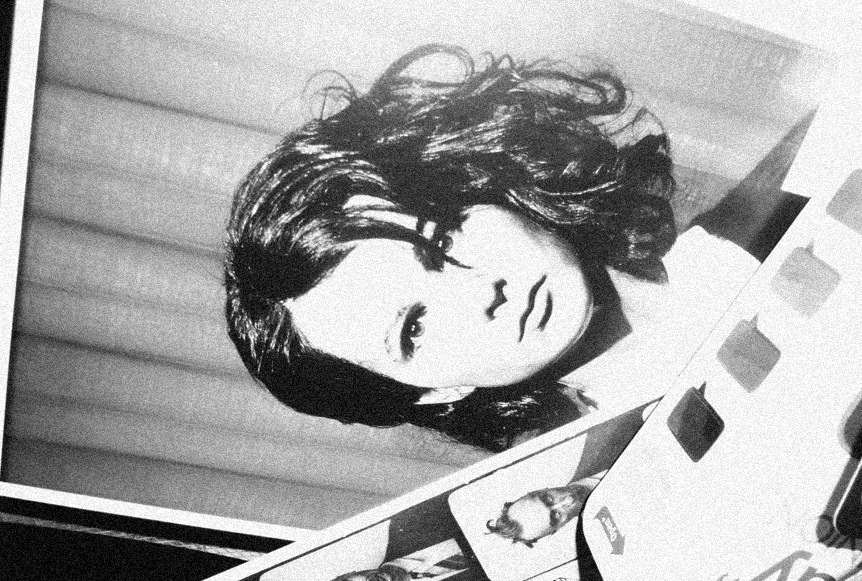
cindy_sherman_2011_MUSÉE_DE_L'ÉLYSÉE_LAUSANNE_photobooth_automaton
When the first photobooths were set up in Paris in 1928, the Surrealists used them heavily and compulsively. In a few minutes, and for a small price, the machine offered them, through a portrait, an experience similar to automatic writing. Since then, generations of artists have been fascinated by the concept of the photobooth. From Andy Warhol to Arnulf Rainer, Thomas Ruff, Cindy Sherman and Gillian Wearing, many used it to play with their identity, tell stories, or simply create worlds. Behind the Curtain - the Aesthetics of the Photobooth, an exhibition created by the Musée de l’Elysée, is the first to focus on the aesthetics of the photobooth. It is divided into six major themes: the booth, the automated process, the strip, who am I ?, who are you ?, who are we ?. Provider of standardized legal portraits, it is the ideal tool for introspection and reflection on others, whether individually or in groups. By bringing together over 600 pieces made on different media (photographs, paintings, lithographs and videos) from sixty international artists, the exhibition reveals the influence of the photobooth within the artistic community, from its inception to the present day.
Amanda Shooting For The Upcoming Issue of Autre
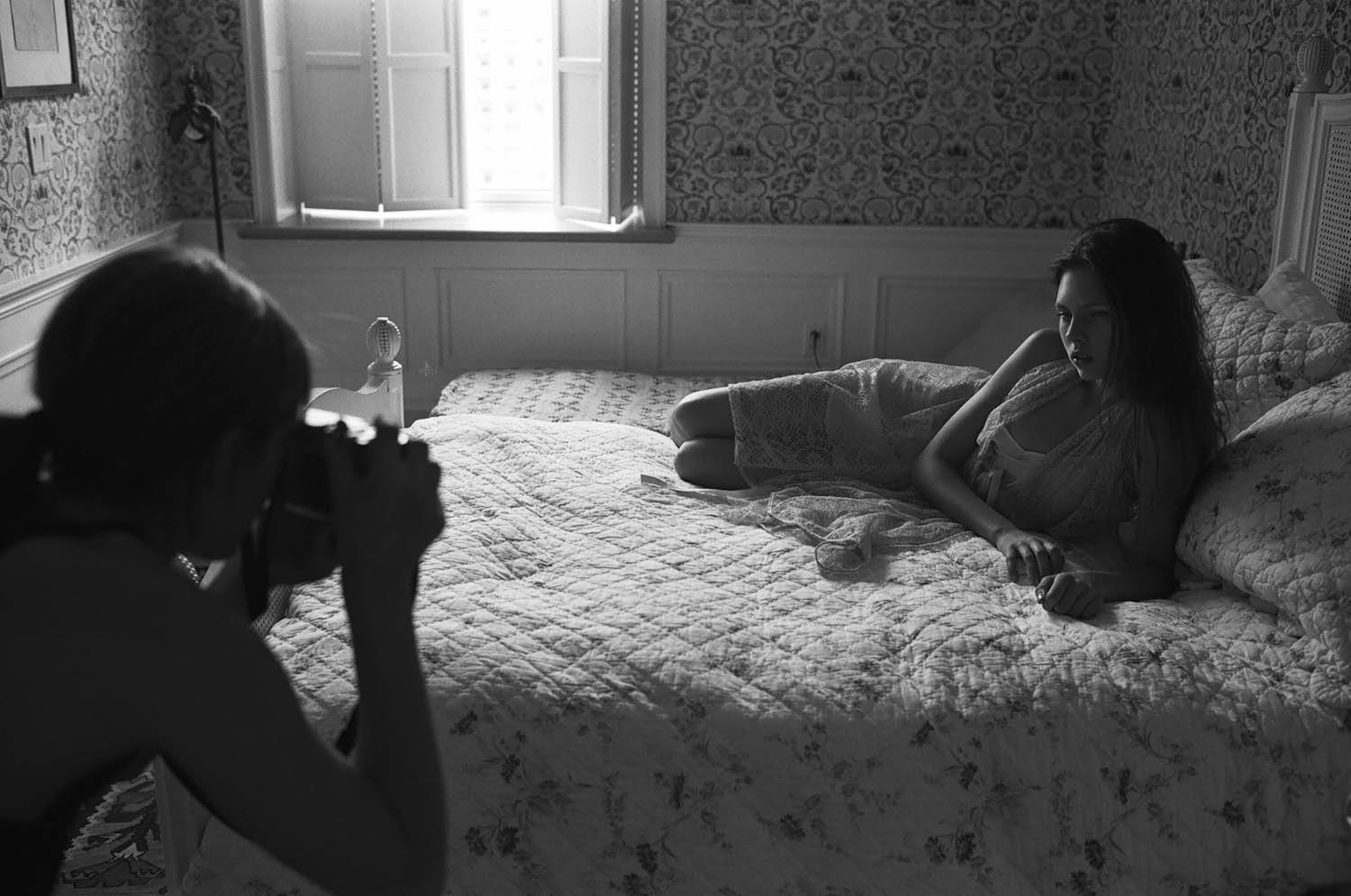
Photographer Amanda Zackem shooting a beautiful spread to be included in the upcoming printed issue of Autre – due out next month. Sign up for the newsletter to find out where to find a copy. Photo by Adolfo Doring