Dan Flavin’s Luminous Grids @ David Zwirner Gallery in New York

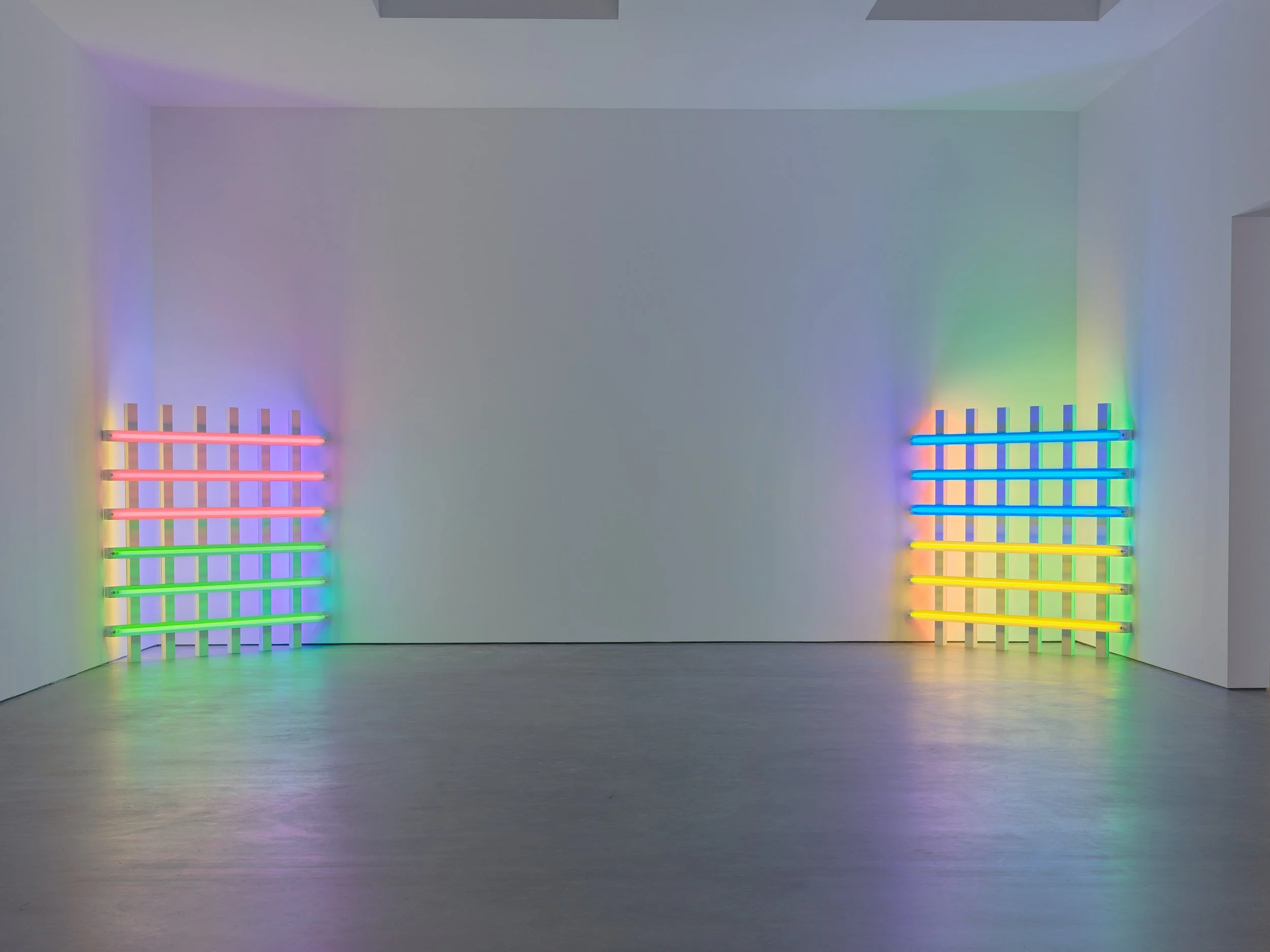
Installation view, Dan Flavin: Grids, David Zwirner, New York, January 15–February 21, 2026.
Courtesy David Zwirner

text by Emma Grimes

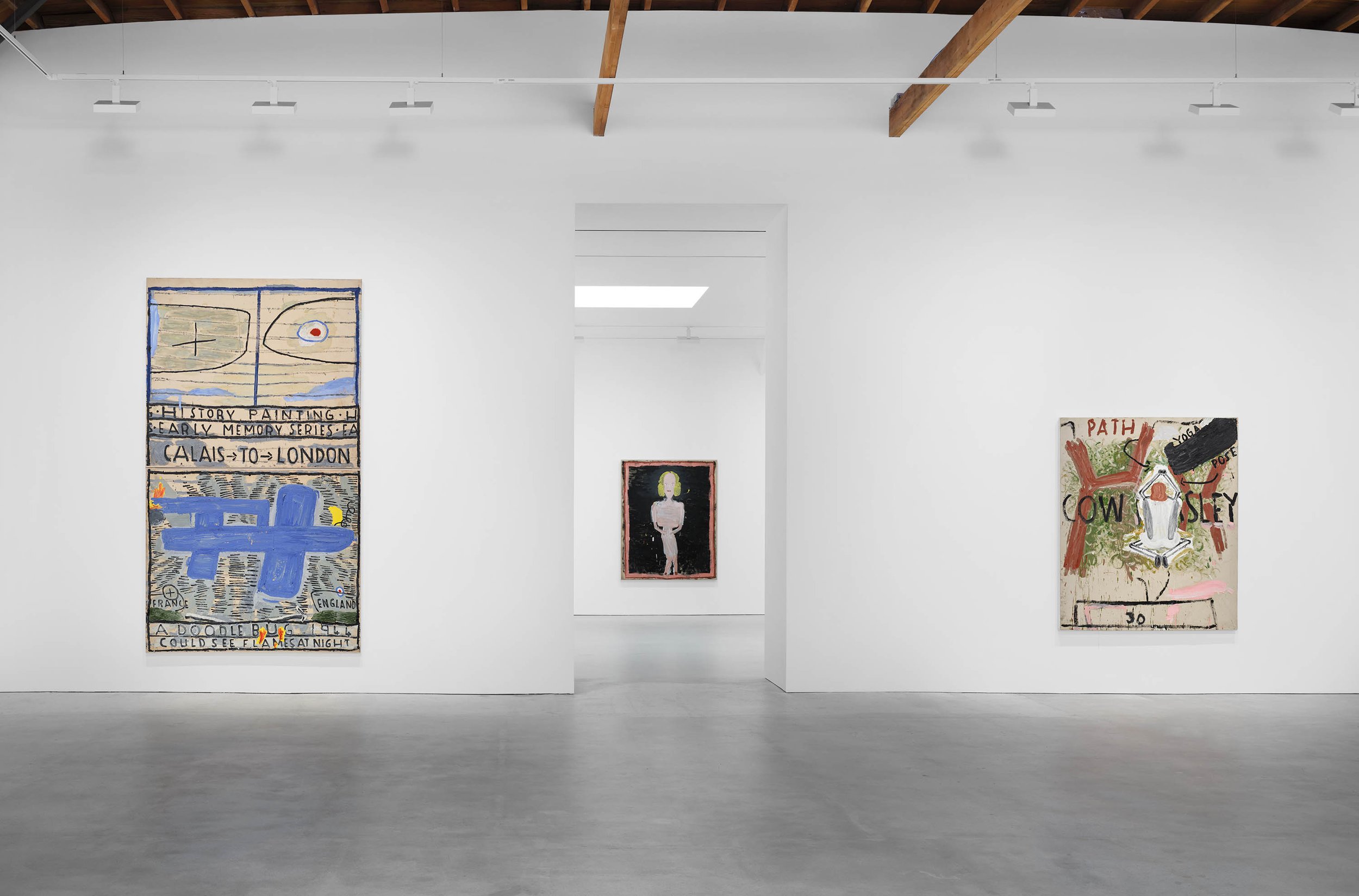
Visiting David Zwirner’s new Dan Flavin exhibit feels more like exploring an incandescent expanse than walking through a gallery. Every room contains just one or two of his fluorescent installations, giving each of them the space to settle and saturate the ceiling and walls. The ongoing exhibition focuses on Flavin’s grid pieces, which are a denser and more complex development of the spare, one or two-bulbed installations that first brought the artist to recognition. 

Flavin called his works “situations,” a term that underscores their interdependence with space and context. The word also hints at their delicacy: the light bulbs can always be switched off, the tubes replaced. What matters is not the bulbs themselves, but your experience encountering them: the bulbs of colors radiating off the grids, suffusing the white walls, and one’s own body drifting through the space.

The first room holds the artist’s 1987 untitled (in honor of Leo at the 30th anniversary of his gallery) — one of many pieces dedicated to his longtime dealer, Leo Castelli. Three identical, five-by-five grids adjoin, and each horizontal tube glows in one shade of the rainbow. On the floor below, the images reflect on the concrete, radiating in an ombre duplicate.

As you walk closer to the structure, the reflection on the floor recedes. As you retreat, the ombre reemerges. The grids themselves are not changing, of course, but your image of them does. Perception reveals itself to be—to use Flavin’s word—situational.

Behind the installation, a purple-pink light bathes the wall. Flavin has been described as a painter because of the way his installations color everything near. But painting feels slightly too vague and inexact as an analogy. The light is soft and diffuse. The neon grids light the walls, saturating them in radiant pastel shades so definitively that they erase the boundary between artwork and space.

In the following room, two grids appear in adjacent corners with opposing color schemes. One is pink and green; the other is blue and yellow. Each reflects the opposite color combination on the wall behind (the pink/green one has a blue/yellow reflection, and vice versa). Whereas in the previous work, you encounter the effect of the light and its source simultaneously, here you first encounter the effect, and only upon walking up close to the grid can you notice that there are lightbulbs on the backside, responsible for the reflection.
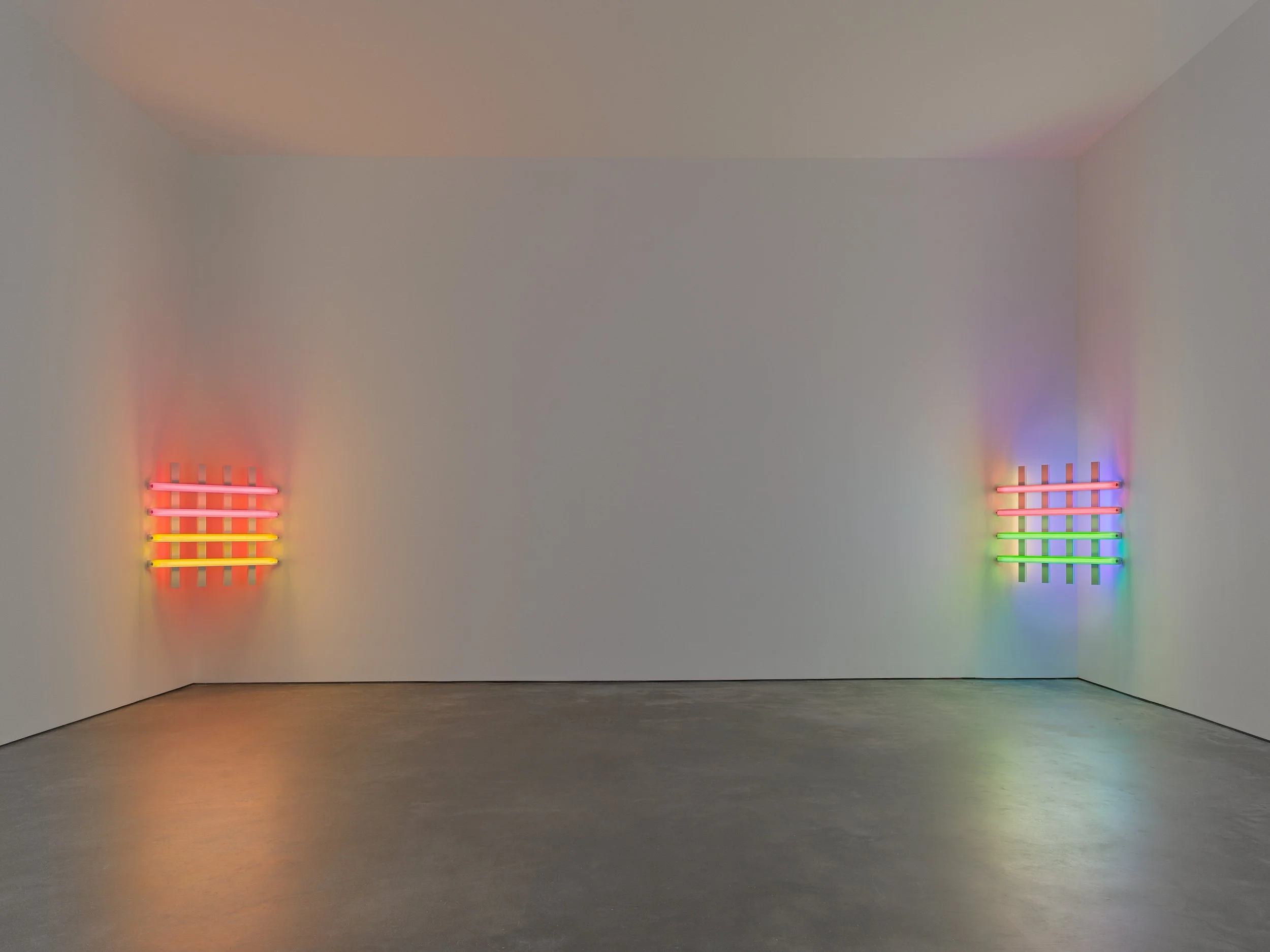
Installation view, Dan Flavin: Grids, David Zwirner, New York, January 15–February 21, 2026.
Courtesy David Zwirner

Flavin’s work centers on a compelling paradox: the grids themselves occupy very little space, yet his work fills the entire room. They implicate their container in the completion of the work itself. This use of light set him free from the boundaries of a canvas or 3D form.

His oeuvre also ensnares the viewer’s body as a significant part of the encounter. If you stand close enough, you’ll feel the warmth of the electricity. And if you stare long enough, your eyes will see an afterimage.

Flavin disliked it when critics overanalyzed his work or ascribed excess meaning to it.  There’s humor in the fact that he chose a medium at which you’re discouraged from looking for too long. But if you do, you’ll notice an afterimage; it isn’t quite the work itself, but it isn’t entirely separate from it either.

Dan Flavin: Grids is on view through February 21 at David Zwirner Gallery, 537 West 20th Street, New York.

Absorb the Color of Late Capitalism in Baby Blue Benzo @ 52 Walker

David Zwirner at 52 Walker in New York City announces its thirteenth exhibition, Baby Blue Benzo, which features work by Canadian-born, New York–based artist Sara Cwynar. This presentation focuses on a new film—for which the show is titled—shot on both digital video and 16mm and projected at monumental scale. To complement Baby Blue Benzo, a series of related photographs will be installed throughout the gallery space.

Engaging with vernacular photography and the moving image, as well as their attendant technologies, Cwynar’s practice—which also includes collage, installation, and performance—explores how pictorial constructs and their related systems of power feed back into real life. Such projects as Rose Gold (2017) and Baby Blue Benzo consider color—namely, how its use and value are constantly renegotiated by the shifting conditions of consumerism, technology, and desire. Drawing from her background in graphic design and a lineage of postwar conceptual photography, Cwynar tampers with visual signifiers to deconstruct notions of power and recontextualize image culture in late capitalism.

In her new film, Cwynar combines newly produced video and photographs with found images amassed in her archive. The principal scenes for Baby Blue Benzo were filmed at a studio in Los Angeles, where Cwynar staged a surrealistic shoot—featuring two sets of circular camera tracks—with massive props and elaborate historical costumes that became a kind of stand-in for the artifice and arbitrariness of composing images. The artwork’s central visual pillar is a replica of the titular 1955 Mercedes-Benz 300 SLR, which is to date the most expensive car to be sold at auction.

Baby Blue Benzo is on view through December 21 @ 52 Walker Street, New York City

Rose Wylie Captures Atemporal Resonances in CLOSE, not too close @ David Zwirner Los Angeles

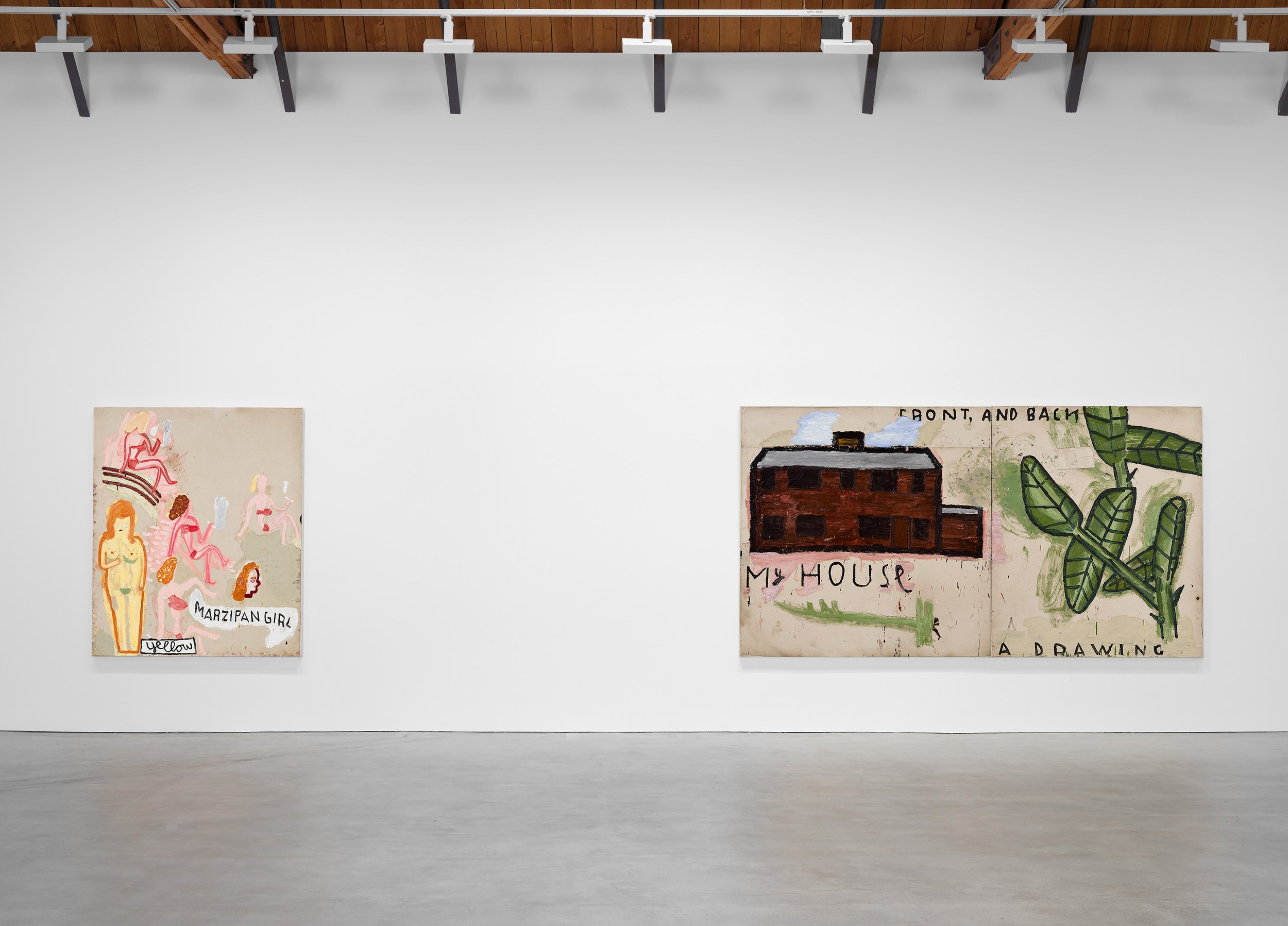
Rose Wylie Spindle and Cover Girl, 2022 © Rose Wylie Photo by Jack Hems Courtesy the artist and David Zwirner

Rose Wylie’s CLOSE, not too close presents a group of canvases that evoke in the viewer a feeling of immediacy, each depicting Wylie’s observation of a particular moment that is atemporal yet also grounded in her everyday existence.

Wylie has become known for her uniquely recognizable, colorful, and exuberant compositions that at first glance appear aesthetically simplistic, not seeming to align with any discernible style or movement, but on closer inspection are revealed to be wittily observed and subtly sophisticated meditations on the nature of visual representation itself. The artist has long been interested in exploring perspectival and compositional strategies other than—and along with—traditional Renaissance perspective, frequently making numerous iterations of a given motif as a means of advancing her formal investigation. Working in both single- and multi-panel formats, she regularly juxtaposes apparently disparate imagery, creating visual rhymes and resonances that coalesce into a unified composition. As curator Tanja Boon aptly notes, Wylie’s “paintings exemplify the artist’s ability to absorb powerful impressions from her immediate surroundings. They also illustrate her broad knowledge of cultural production, spanning popular and cliche styles as well as underexamined and non-Western visual traditions.”

CLOSE, not too close is on view through October 14 @ David Zwirner, 612 North Western Avenue, Los Angeles

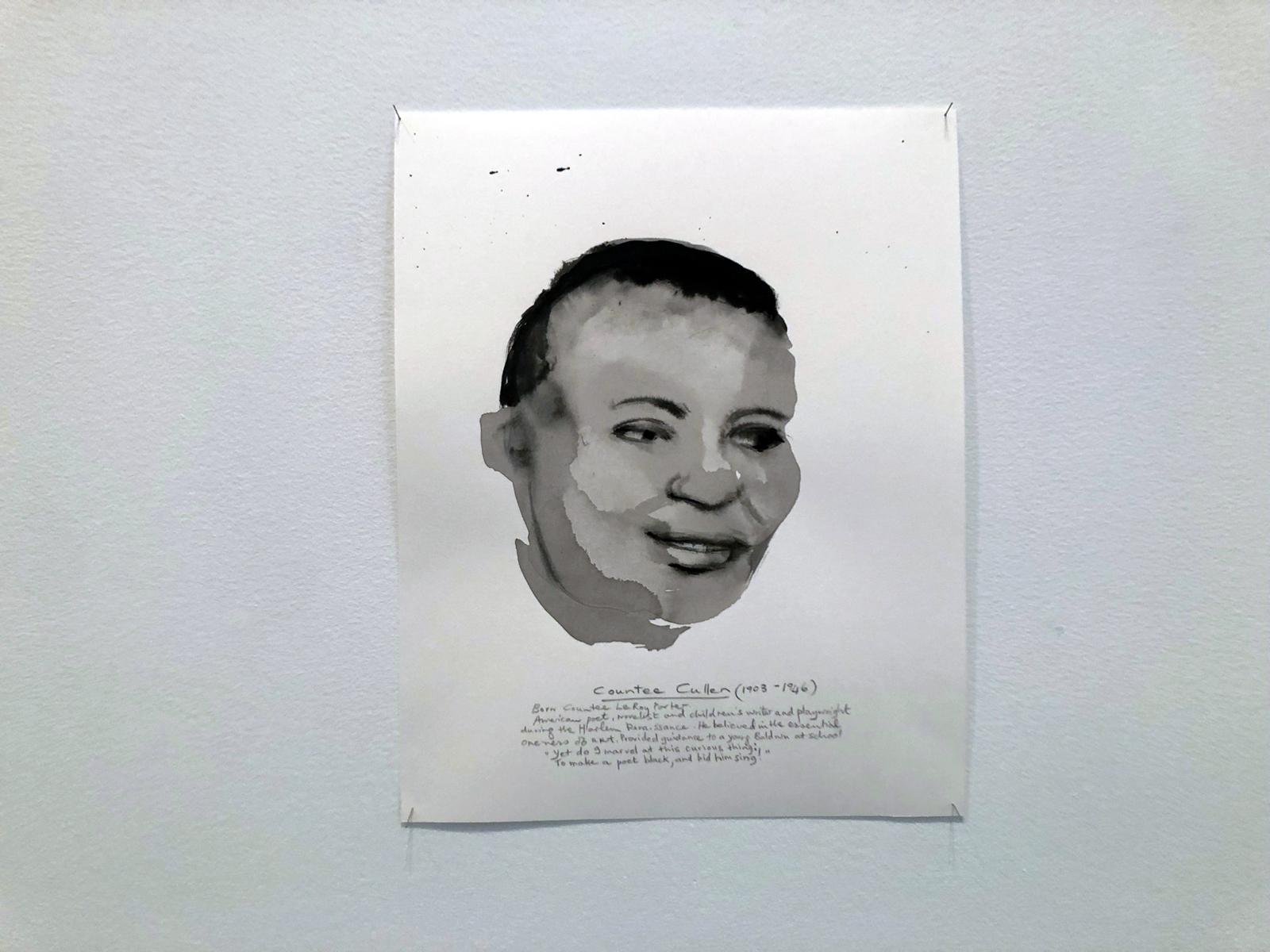
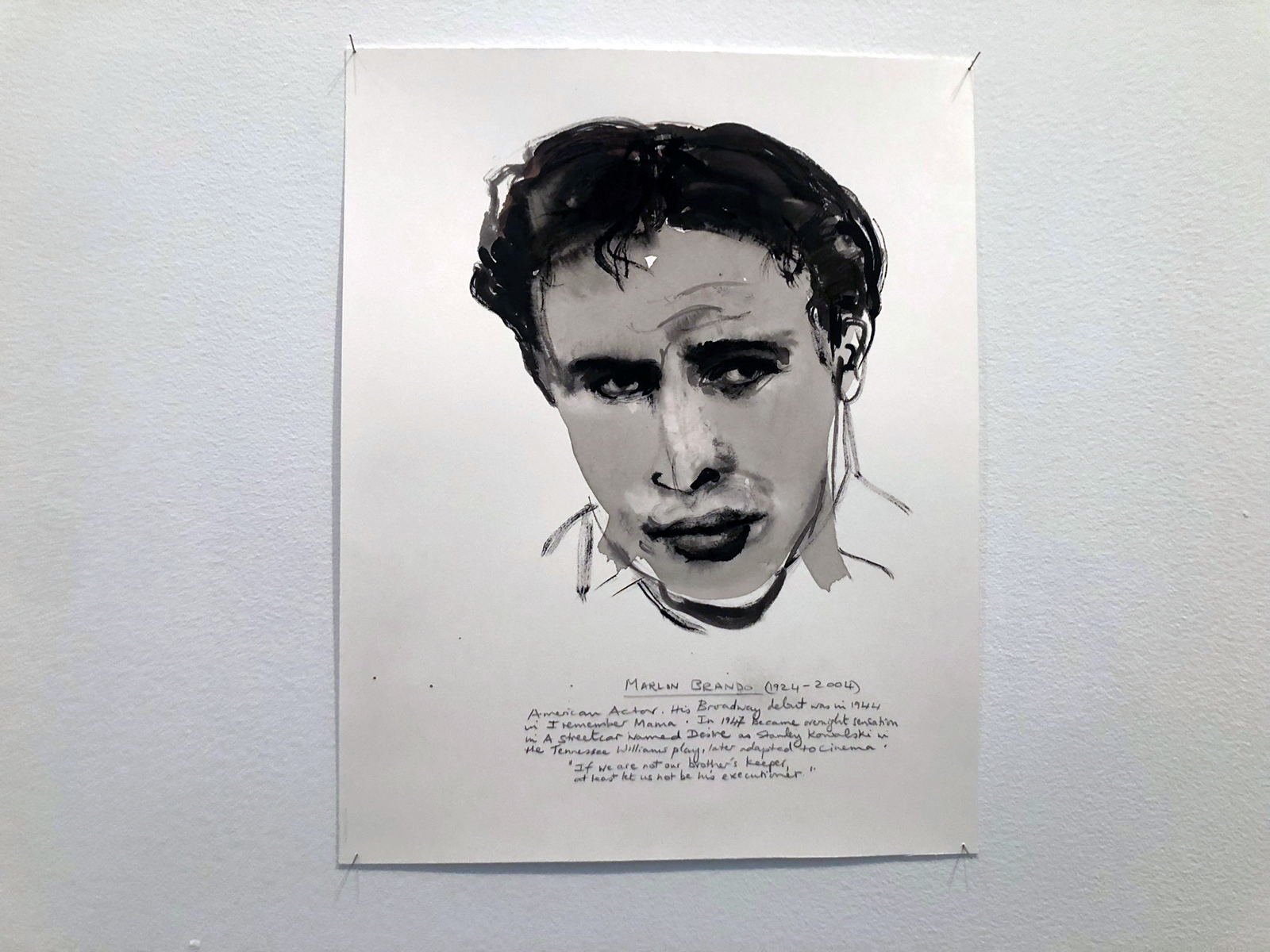
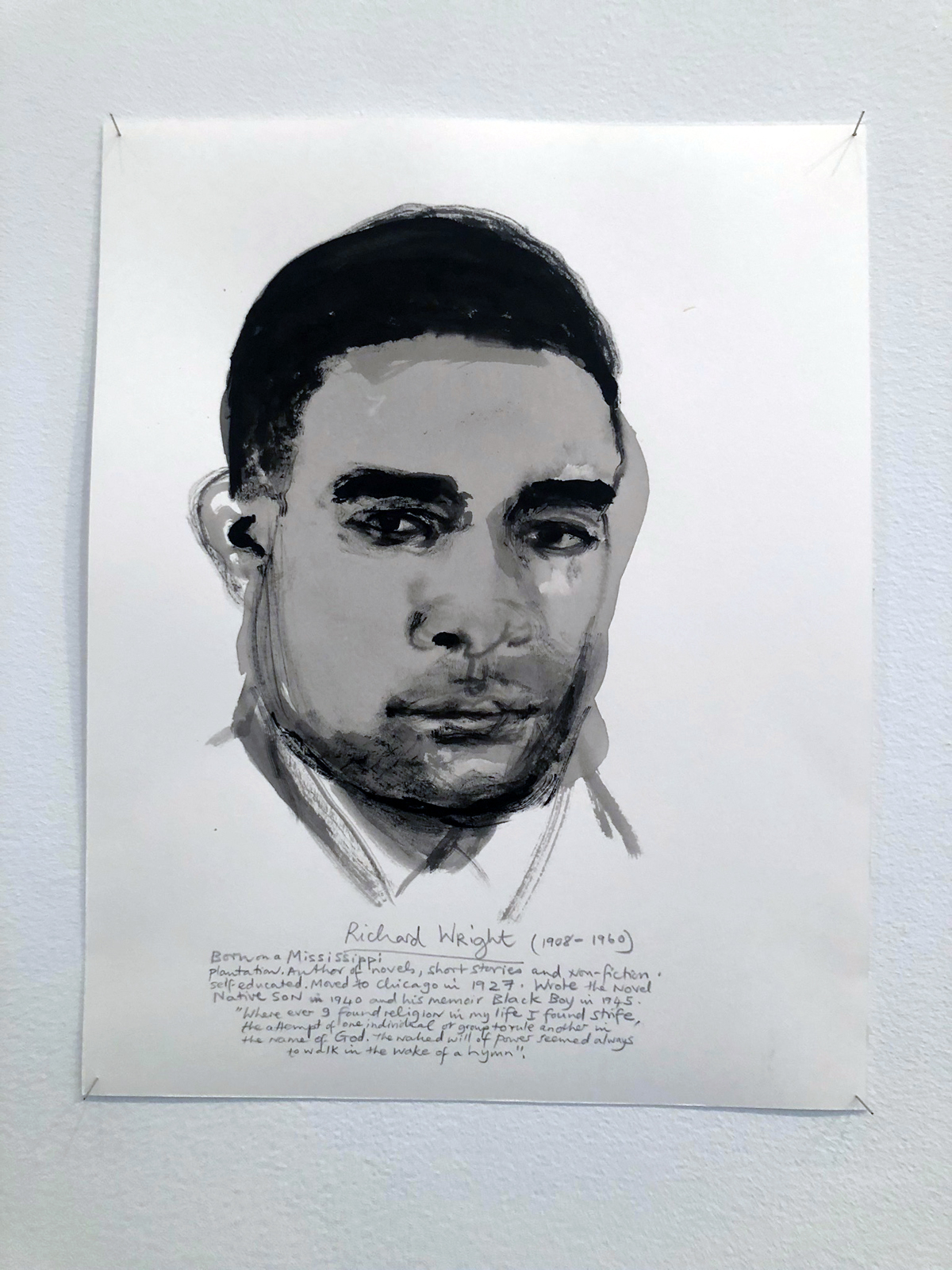
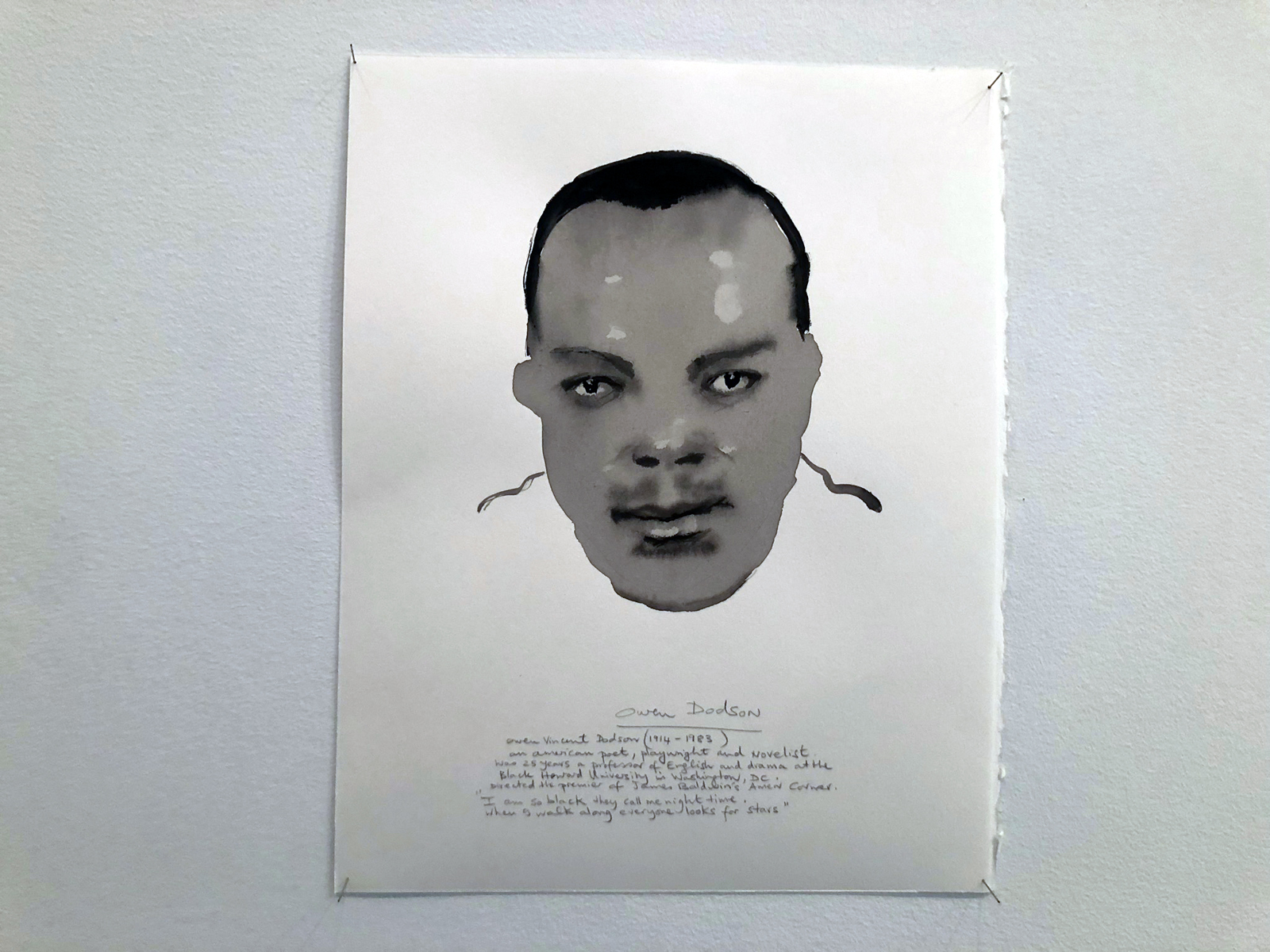
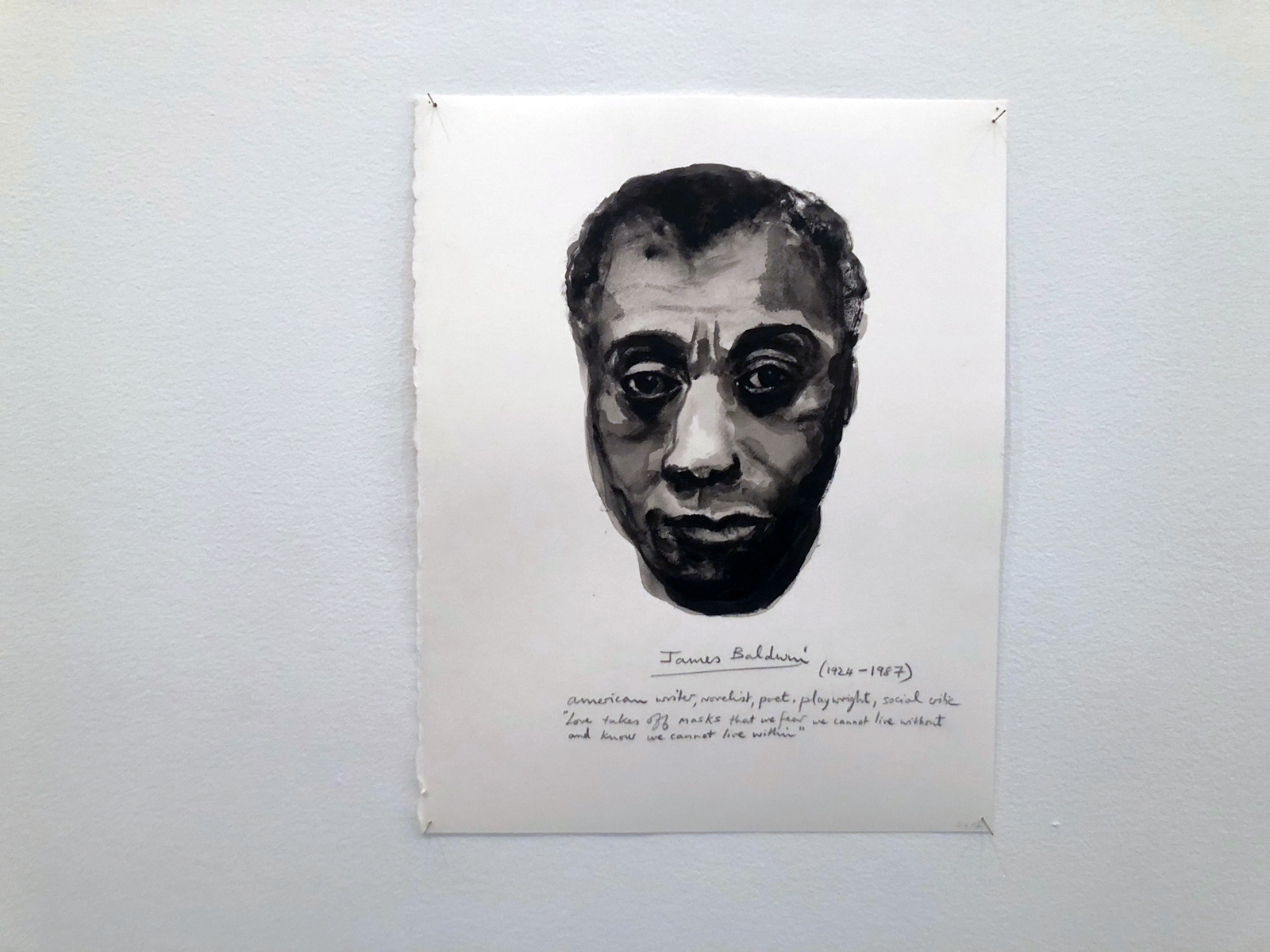
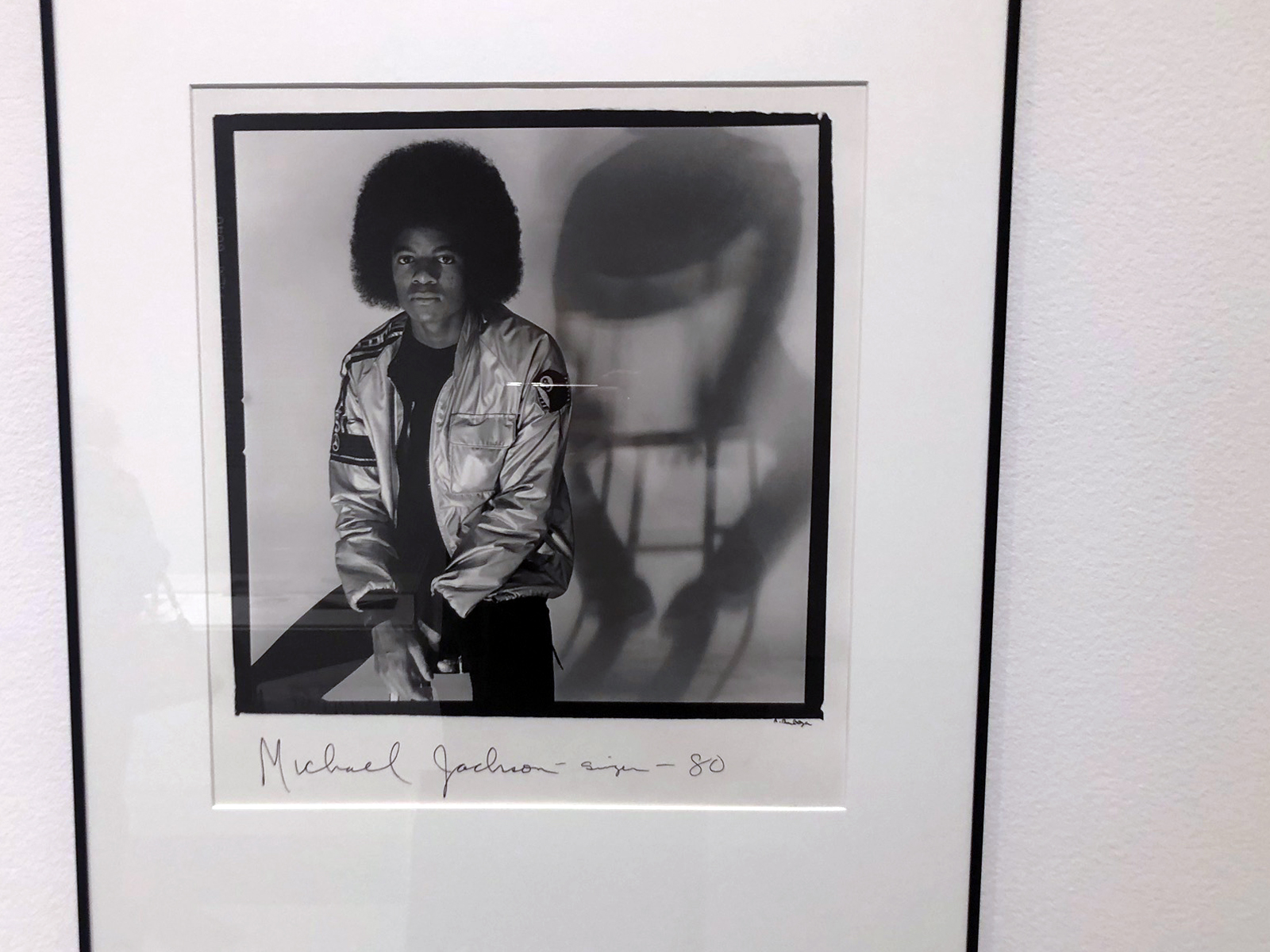
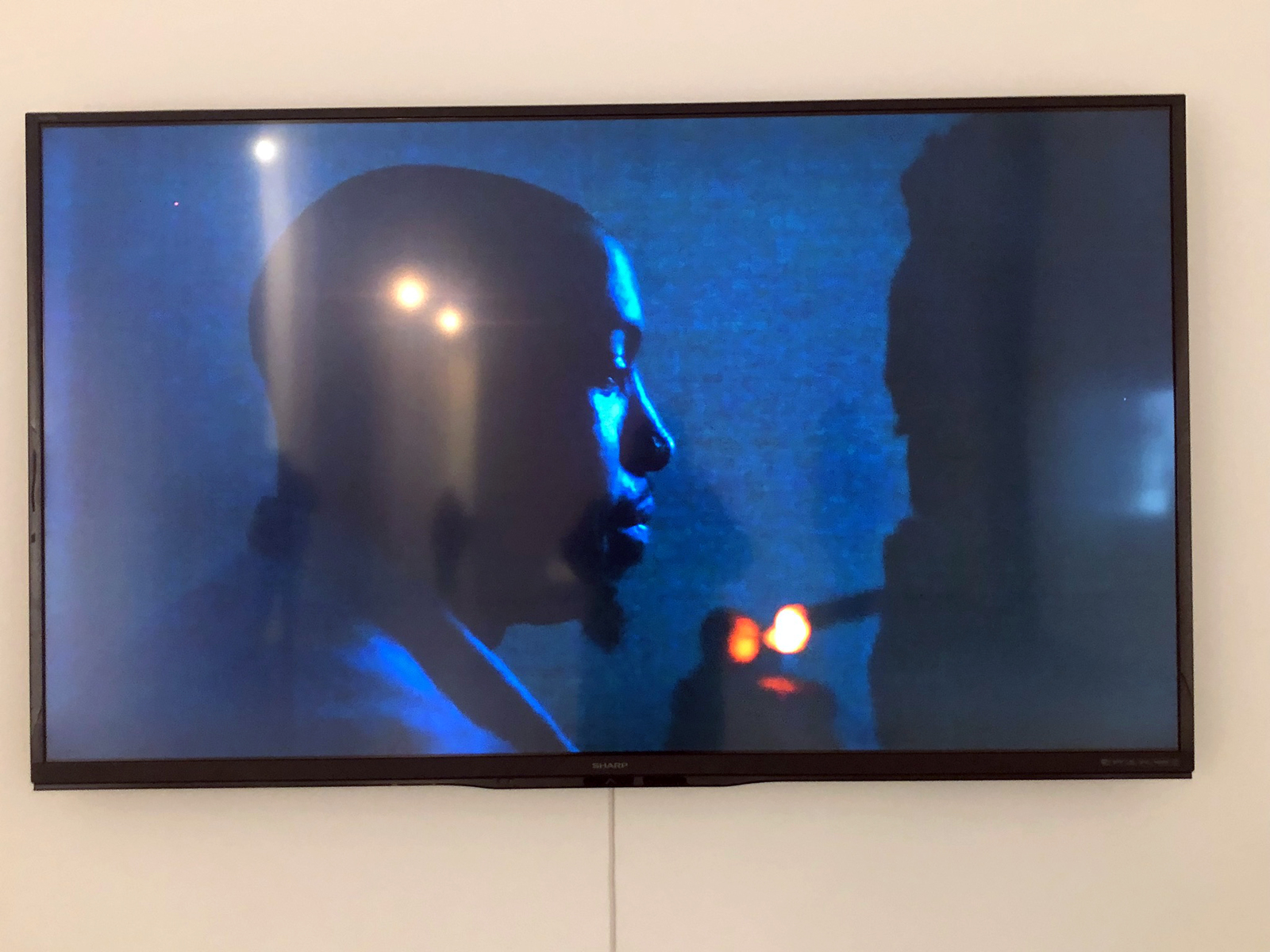
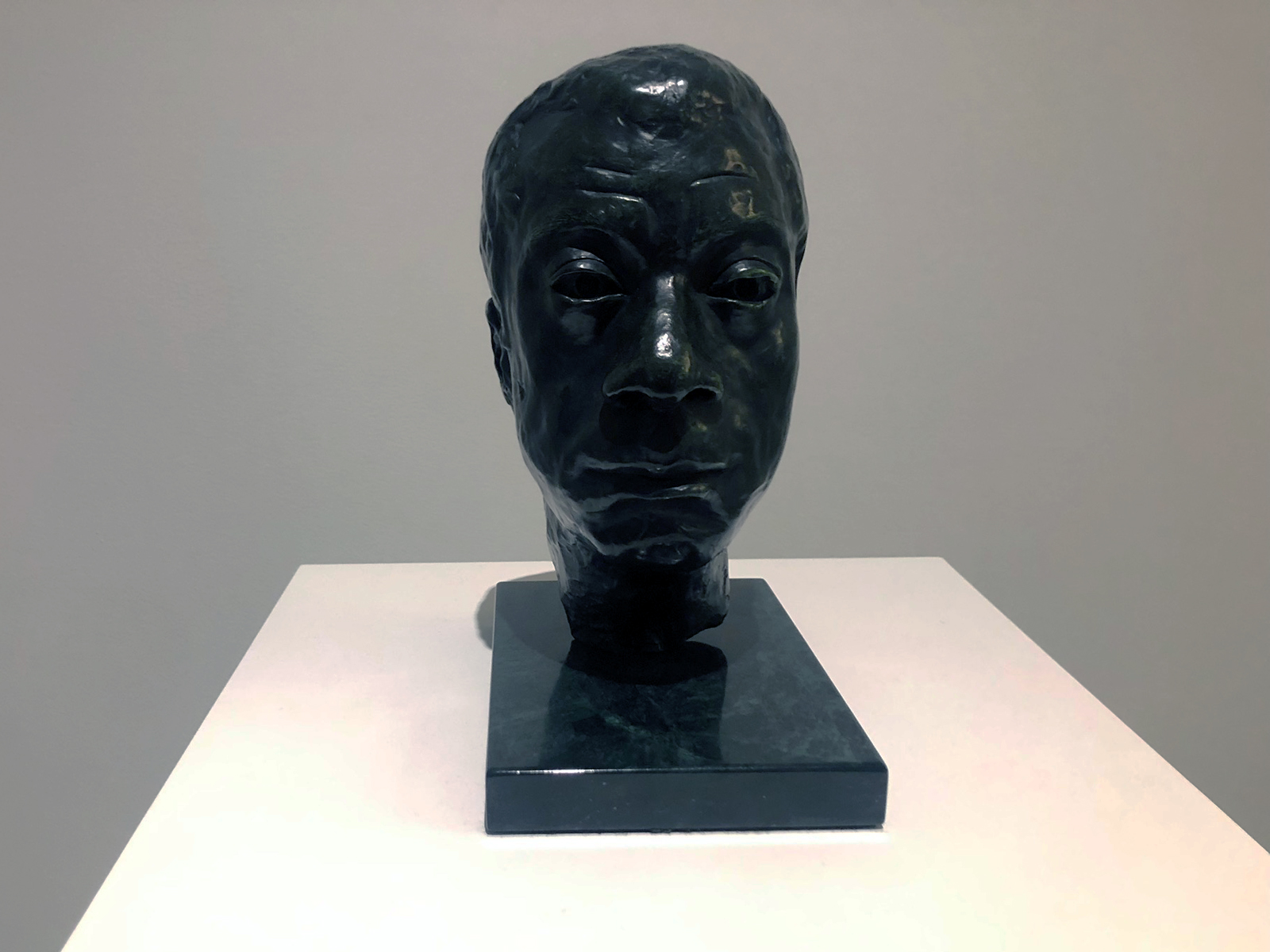
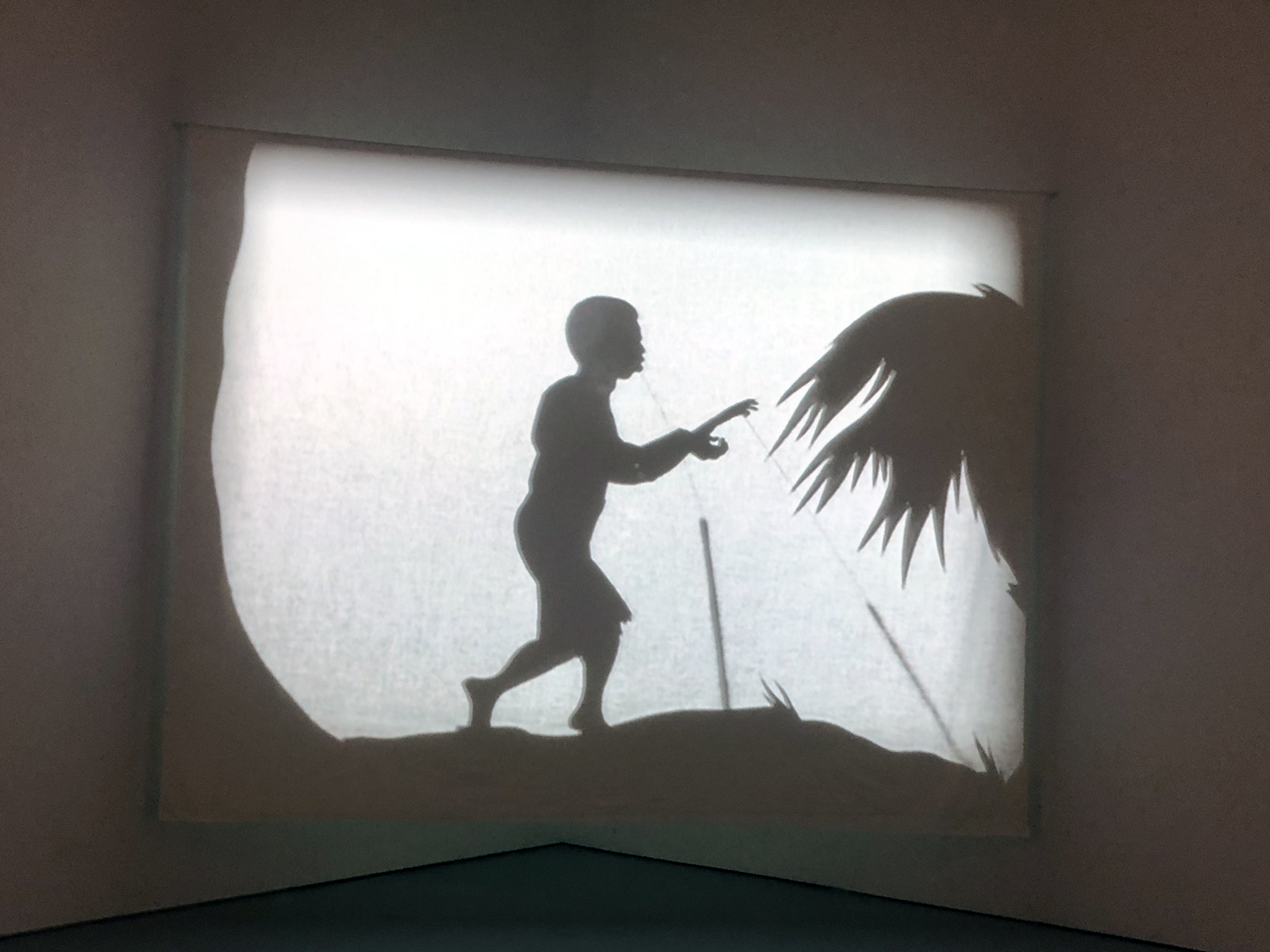
"God Made My Face: A Collective Portrait of James Baldwin" @ David Zwirner In New York

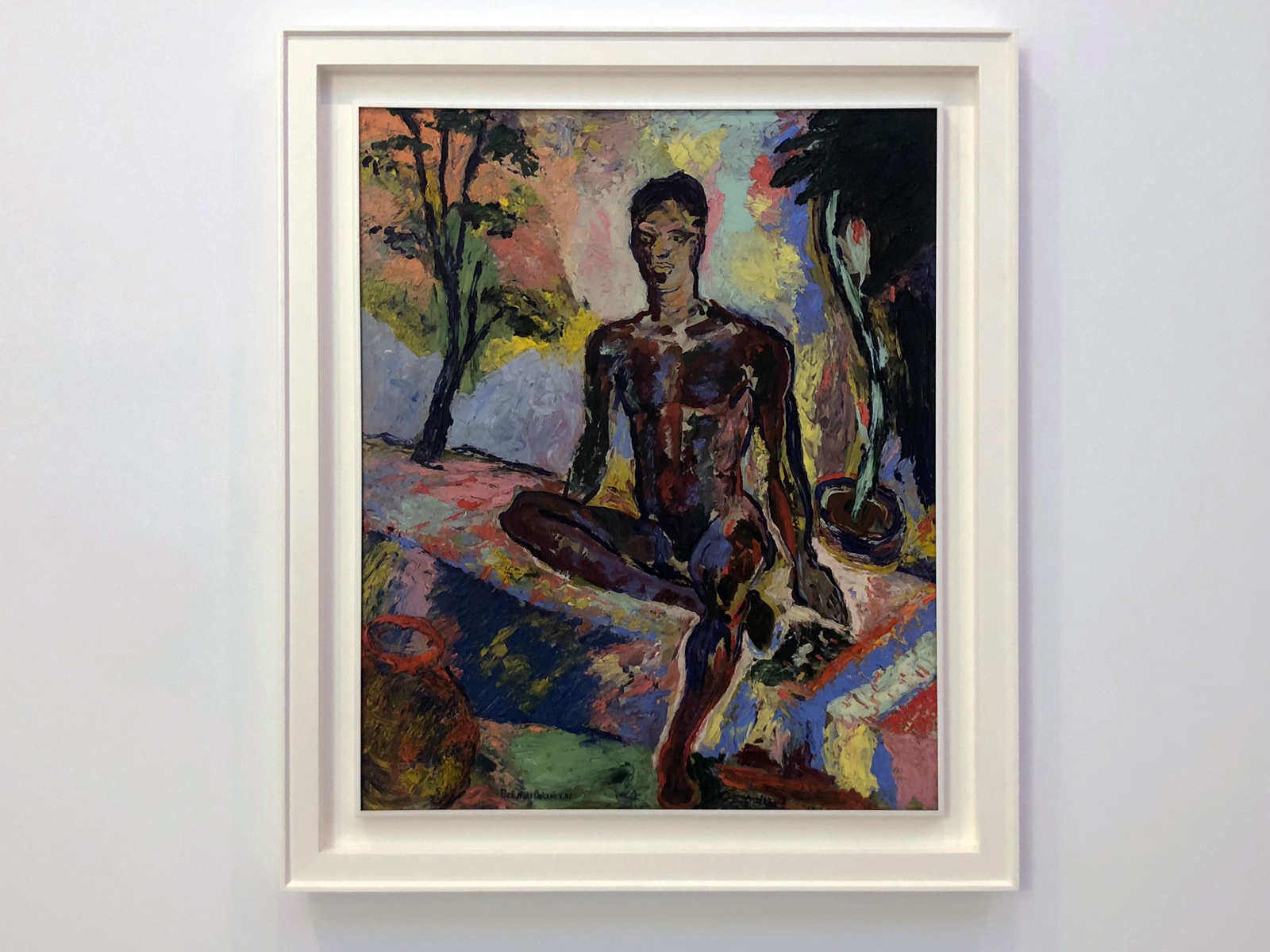
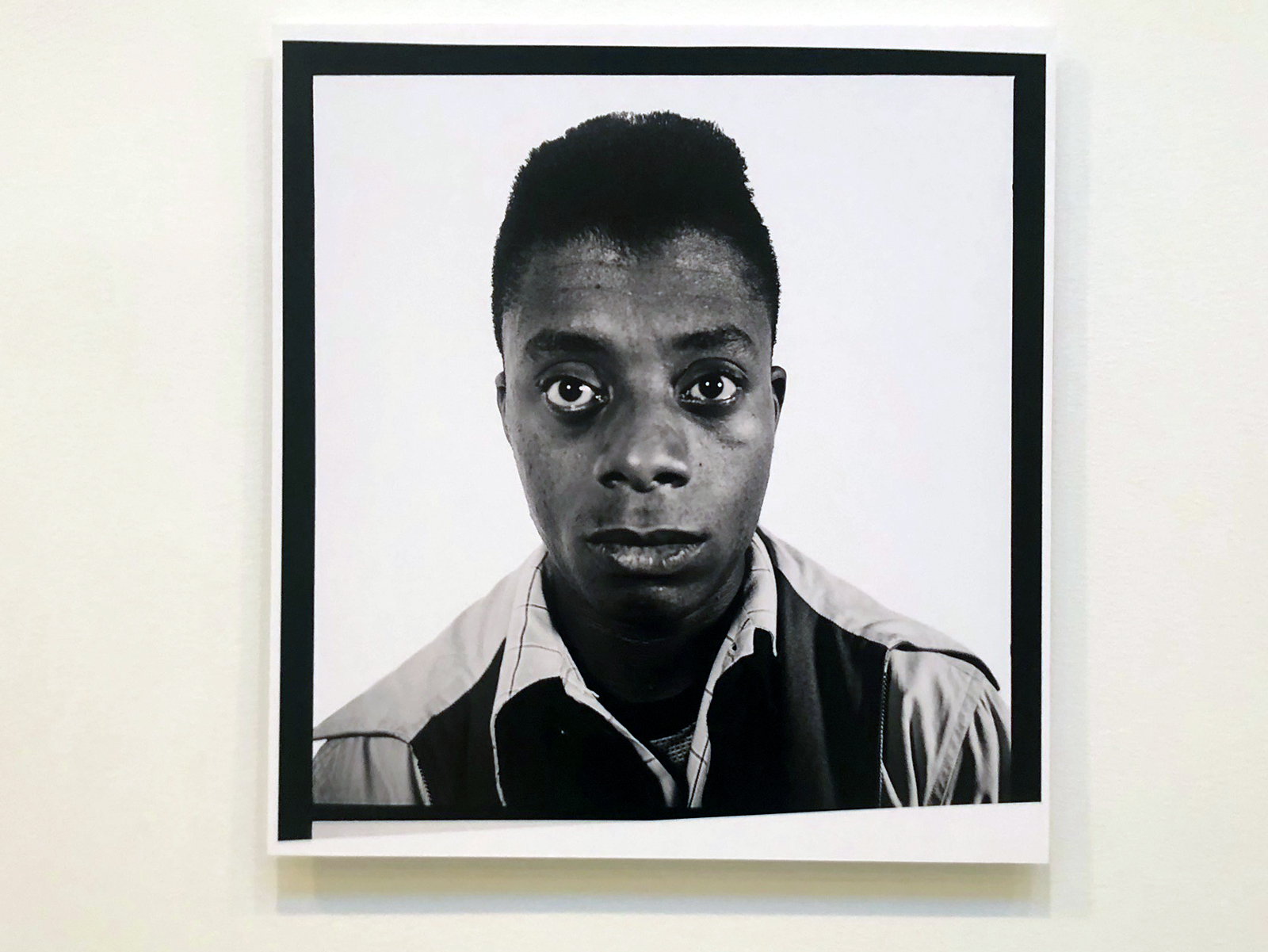
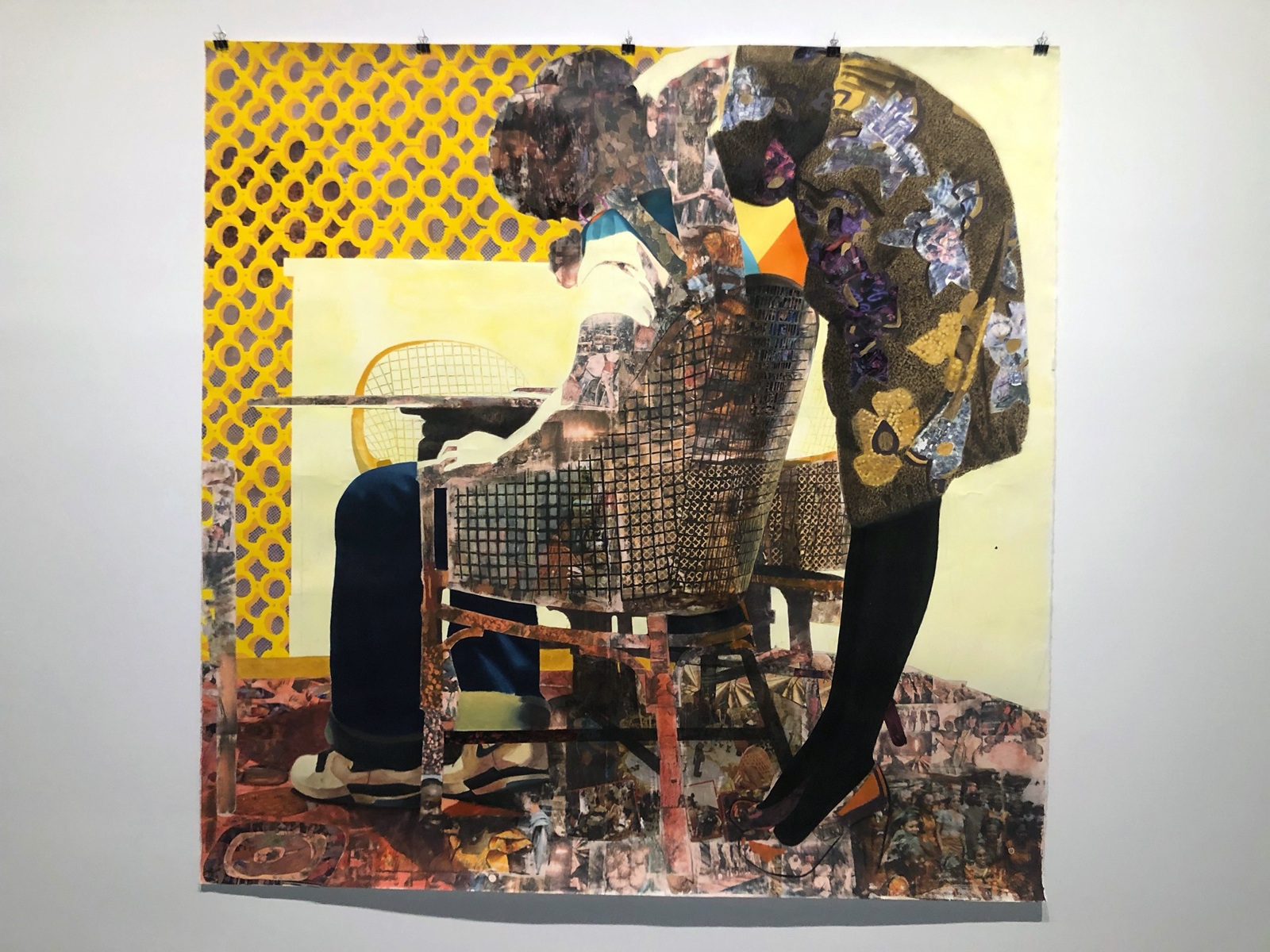
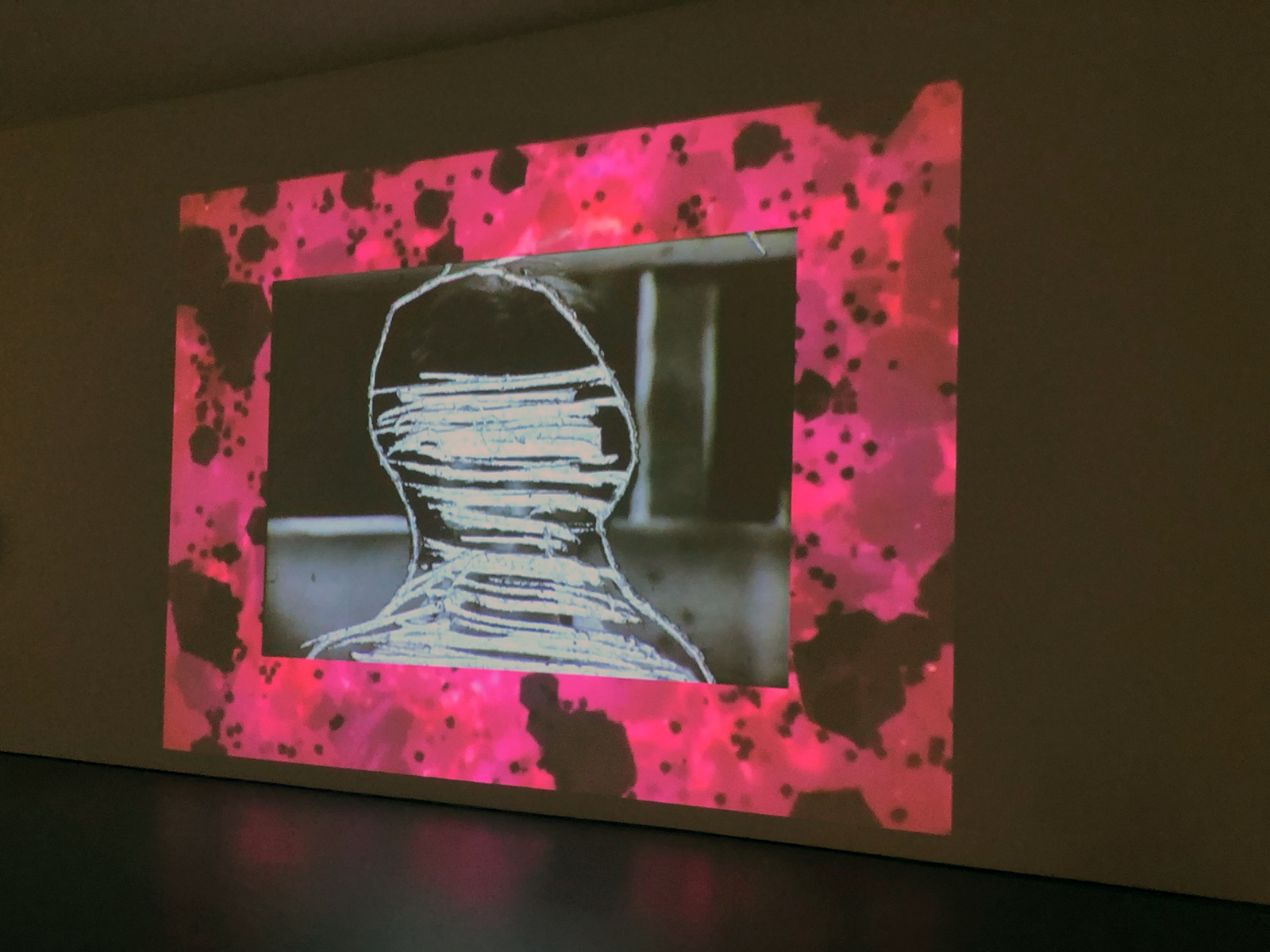
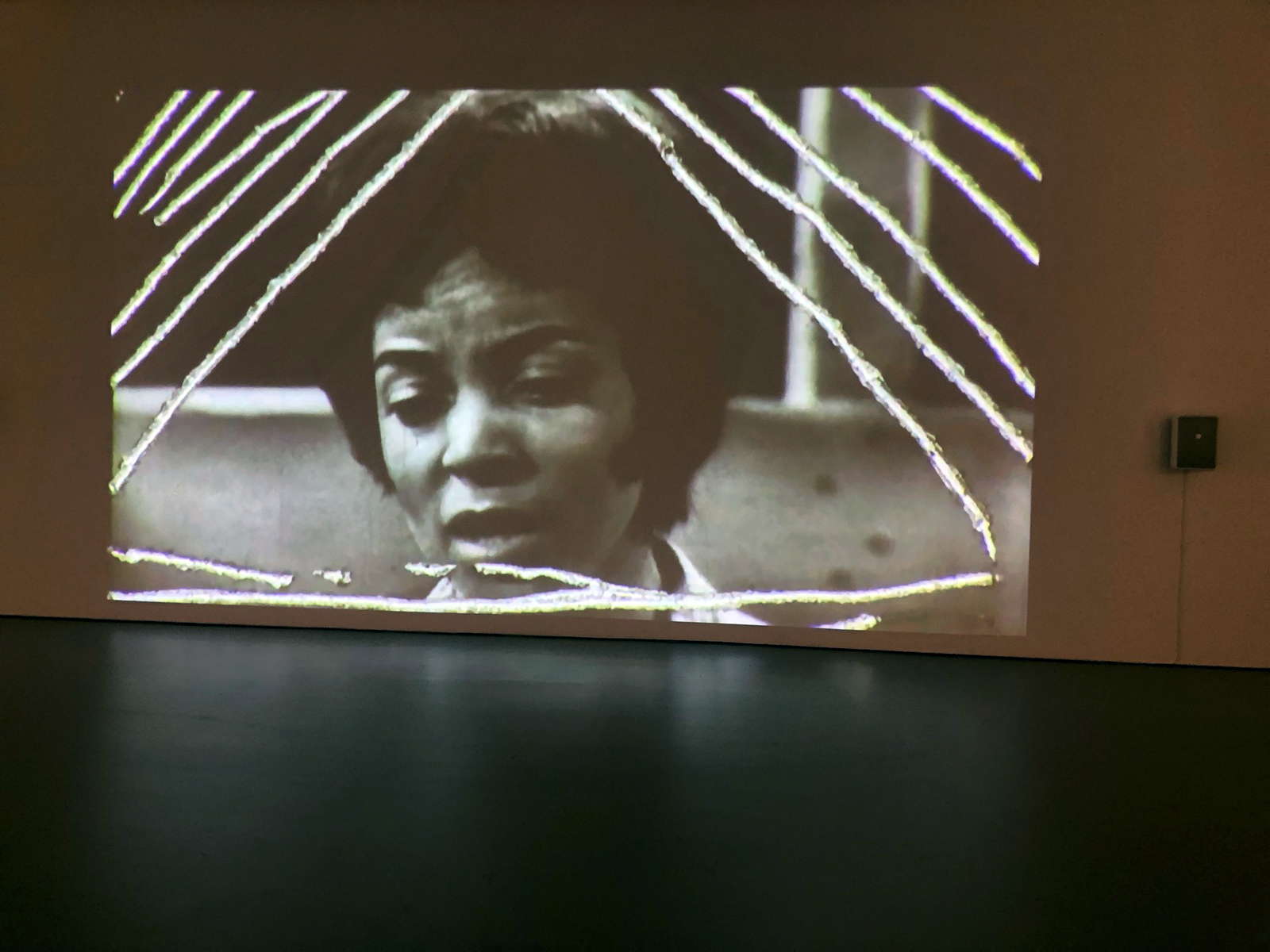
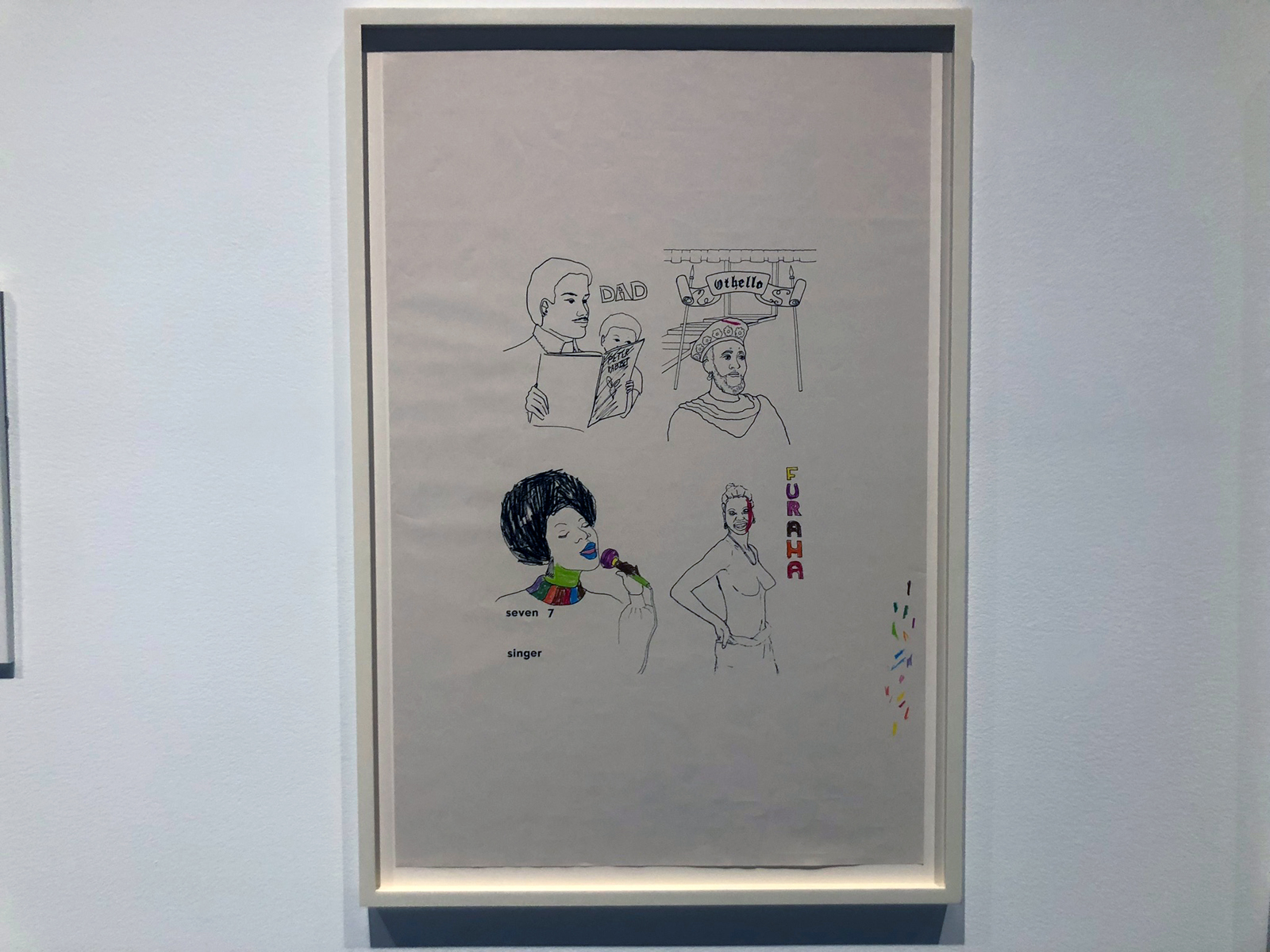
David Zwirner will present a group exhibition curated by Hilton Als, which will feature works by Njideka Akunyili Crosby, Diane Arbus, Richard Avedon, Alvin Baltrop, Beauford Delaney, Marlene Dumas, Ja'Tovia Gary, Glenn Ligon, Alice Neel, Cameron Rowland, Kara Walker, and James Welling, among other artists.

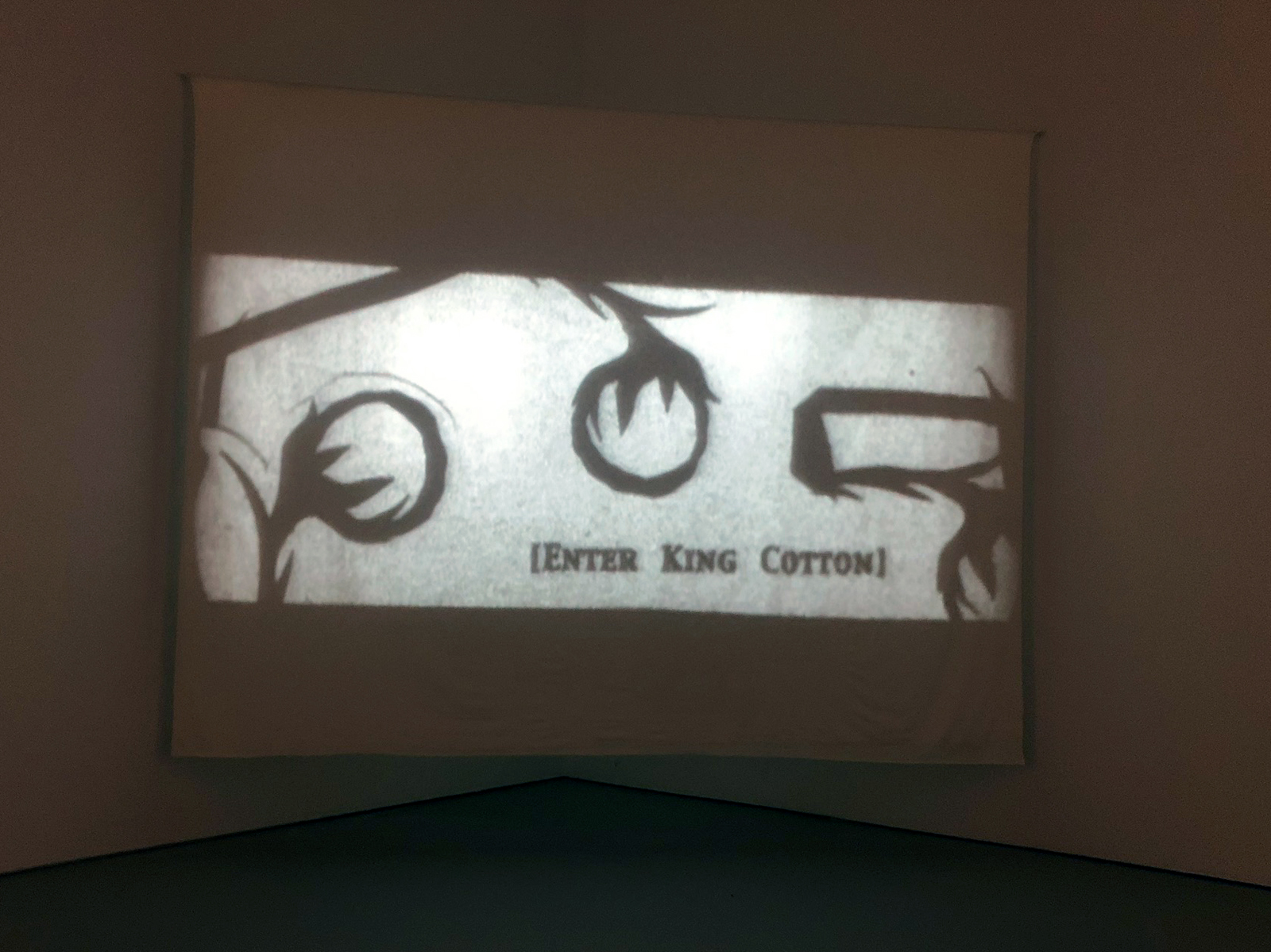
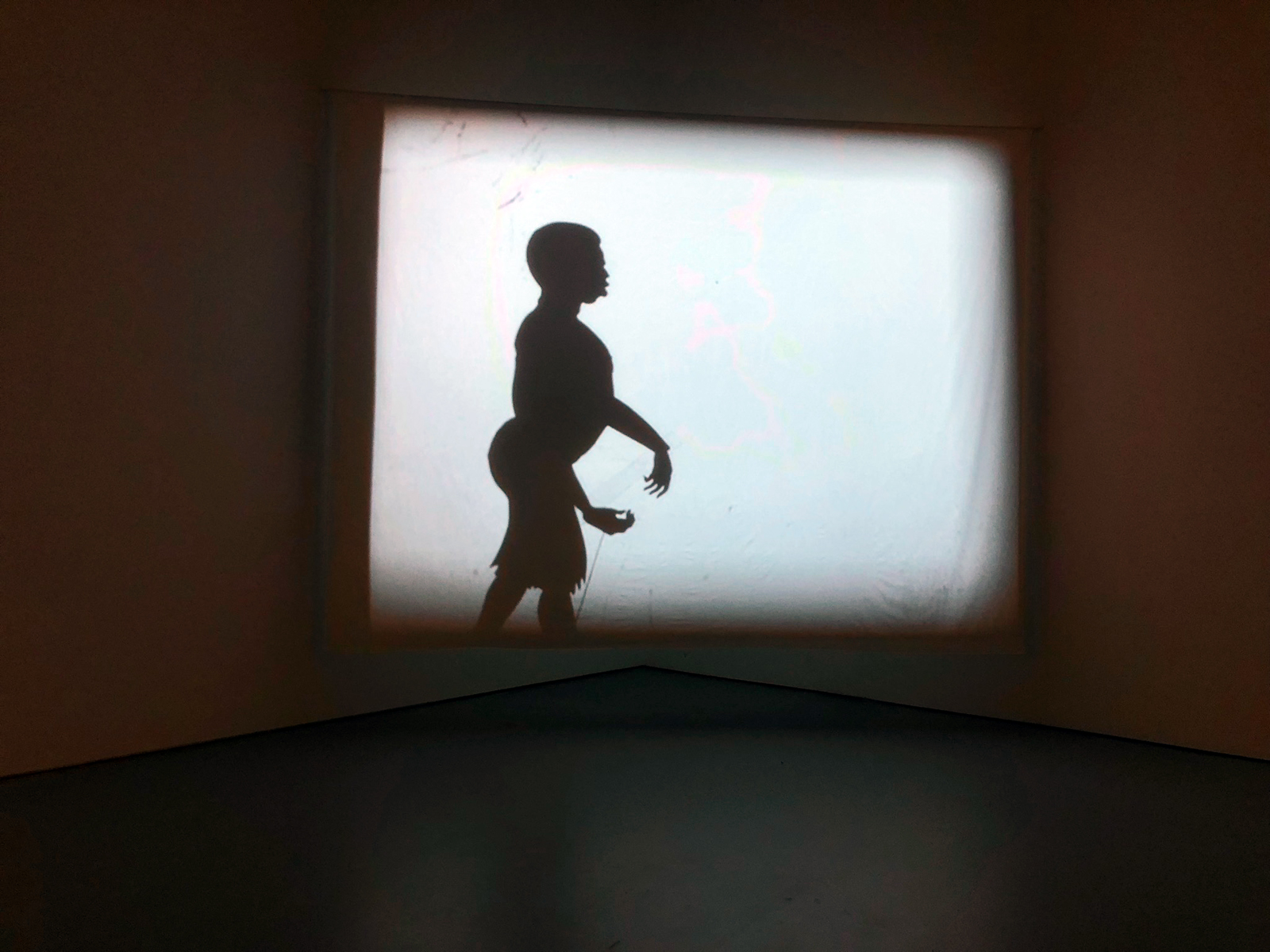
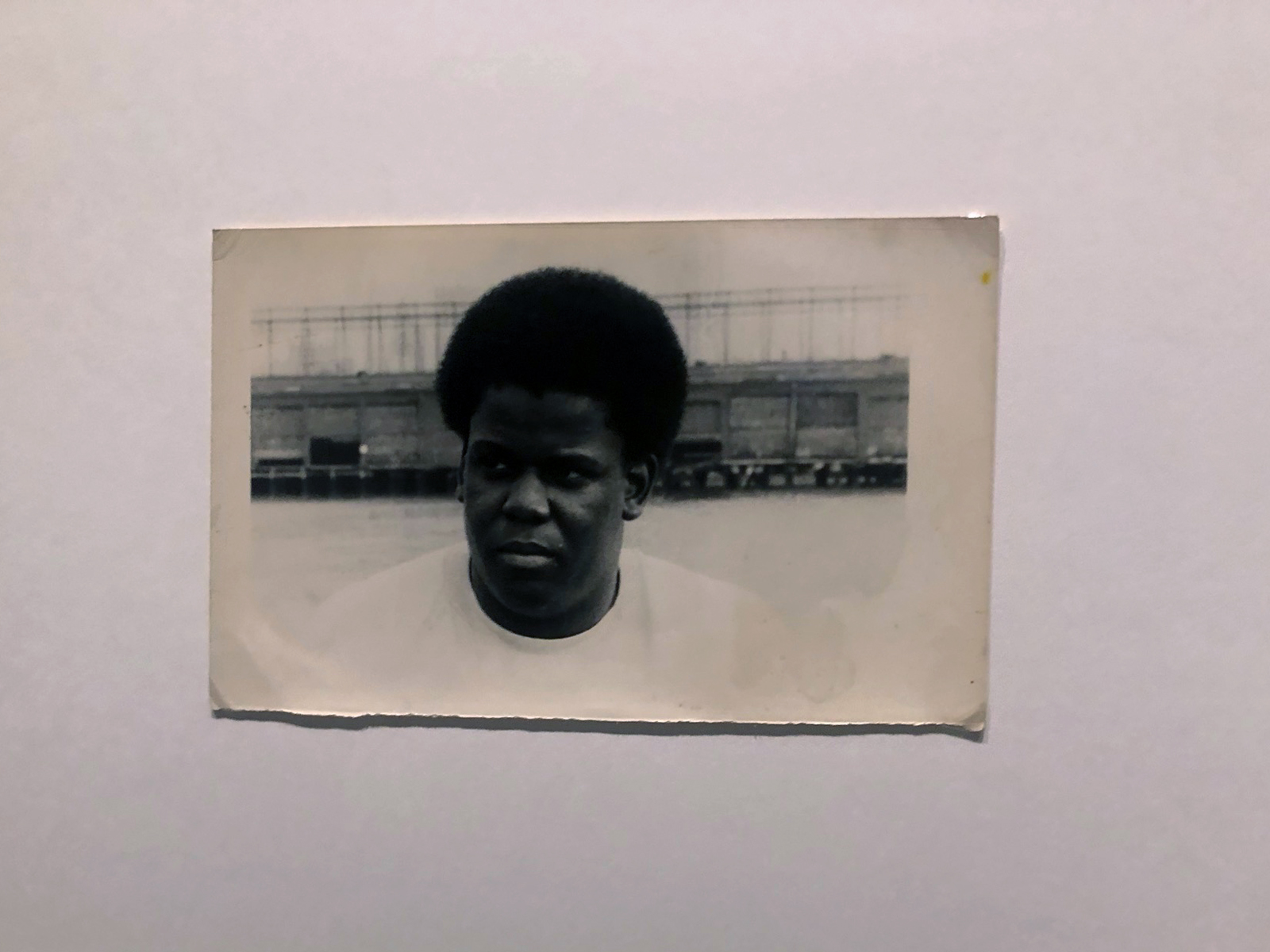
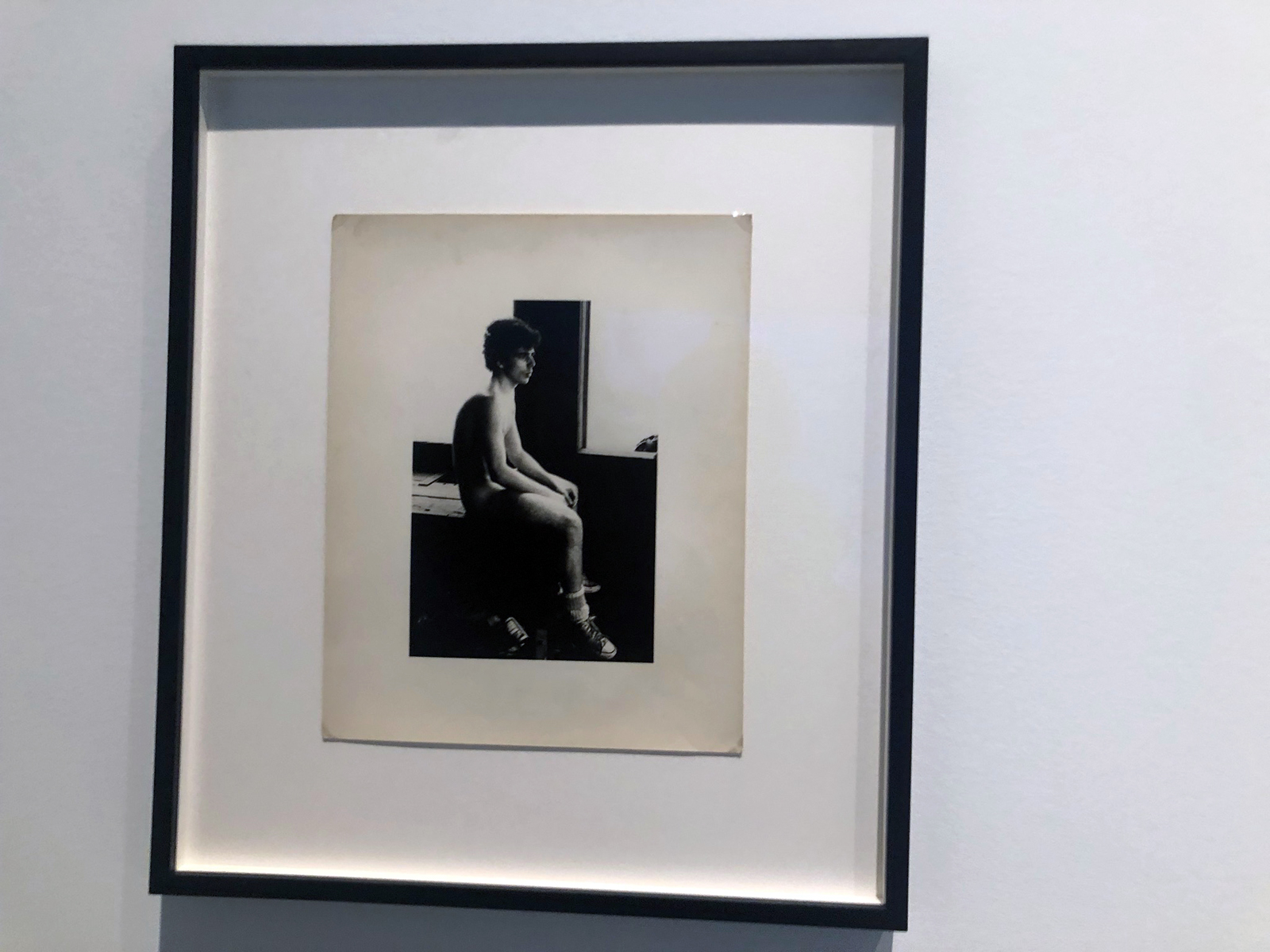
Troubled times get the tyrants and prophets they deserve. During our current epoch, the revival of interest in author James Baldwin (1924–1987), the subject of God Made My Face: A Collective Portrait of James Baldwin, has been particularly intense. This is in part due, of course, to his ability to analyze and articulate how power abuses through cunning and force and why, in the end, it’s up to the people to topple kingdoms. As a galvanizing humanitarian force, Baldwin is now being claimed as a kind of oracle. But by claiming him as such, much gets erased about the great artist in the process, specifically his sexuality and aestheticism, both of which informed his politics.

God Made My Face: A Collective Portrait of James Baldwin will be on view at David Zwirner 525 & 533 West 19th Street New York through February 16. photographs by Adam Lehrer