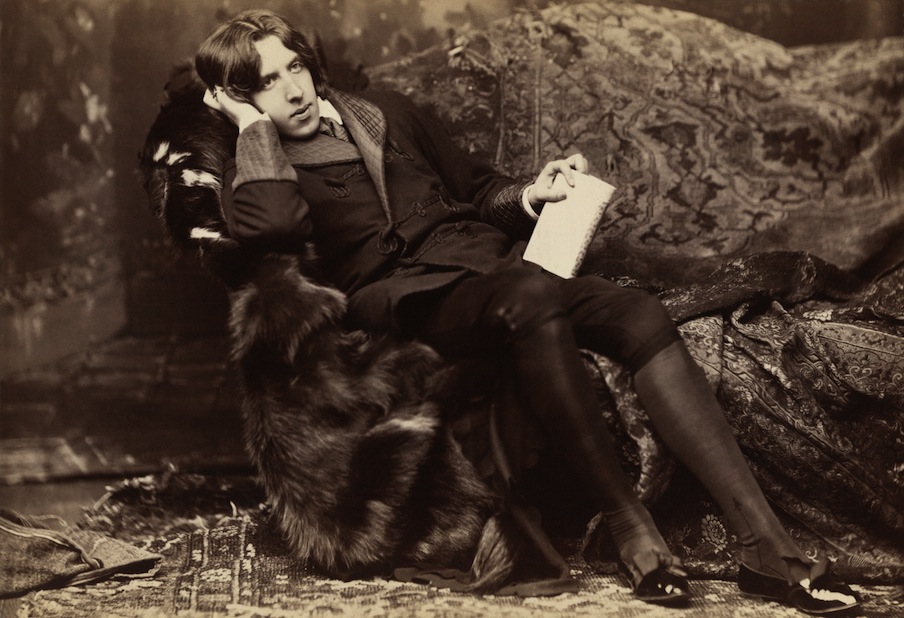
The Cult of Beauty: The Aesthetic Movement 1860-1900, opening April 2 at the Victoria & Albert Museum in London, is the first exhibition to comprehensively explore Aestheticism, an extraordinary artistic movement which sought to escape the ugliness and materialism of the Victorian era by creating a new kind of art and beauty.
The well spring of the 'new art' movements of the late 19th century, Aestheticism is now acknowledged for its revolutionary re-negotiation of the relationships between the artist and society, between the 'fine' and design arts, as well as between art and ethics and art and criticism. Aesthetic sensibilities produced some of the most sophisticated and sensuously beautiful artworks of the Western tradition.
Featuring superb artworks from the traditional high art of painting, to fashionable trends in architecture, interior design, domestic furnishings, art photography and new modes of dress, this exhibition traces Aestheticism's evolution from the artistic concerns of a small circle of avant-garde artists and authors to a broad cultural phenomenon.
The exhibition will feature paintings, furniture, ceramics, metalwork, wallpapers, photographs and costumes, as well as architectural and interior designs. Included will be major paintings by Whistler, Rossetti, Leighton, and Burne-Jones. Architecture and interior design will be represented by the works of Edward Godwin, George Aitchison, Philip Webb and Thomas Jeckyll, among others. Art furnishings designed by these and others, including William Morris, Christopher Dresser, Bruce Talbert, Henry Batley, and Walter Crane will showcase not only the designers and manufacturers they worked for, but also new retailers, such as Liberty's.
The Cult of Beauty: The Aesthetic Movement 1860-1900 is on view from April 2 to July 7 the Victoria & Albert Museum in London. www.vam.ac.uk
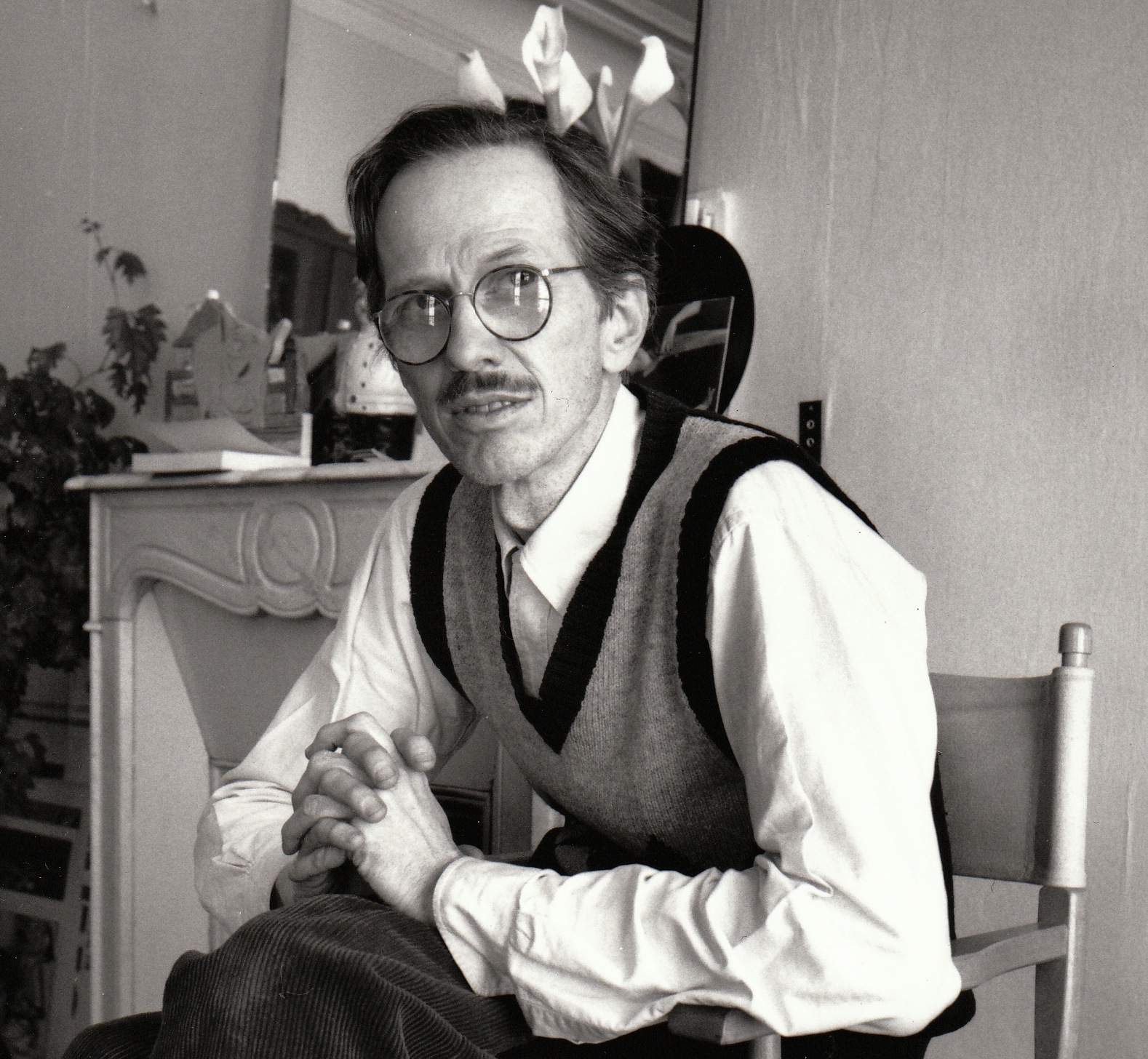

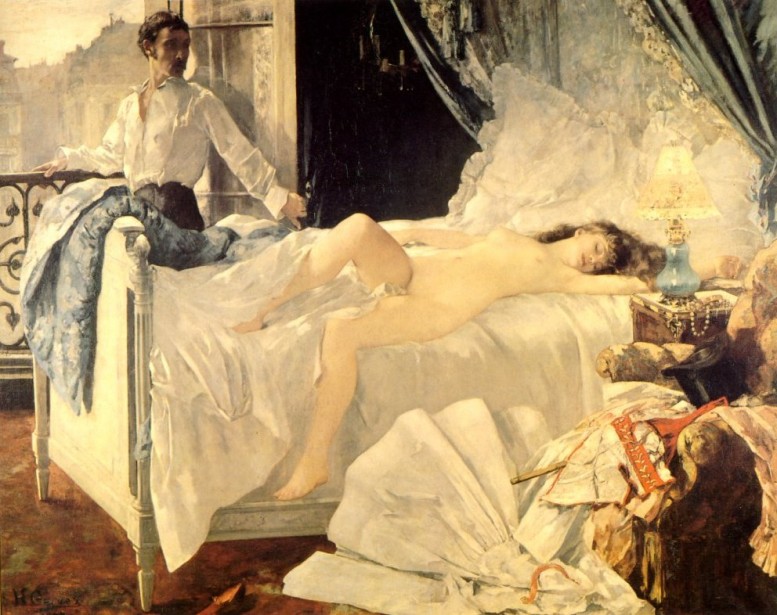
 Raif Adelberg is an artist and designer based in Vancouver, Canada.


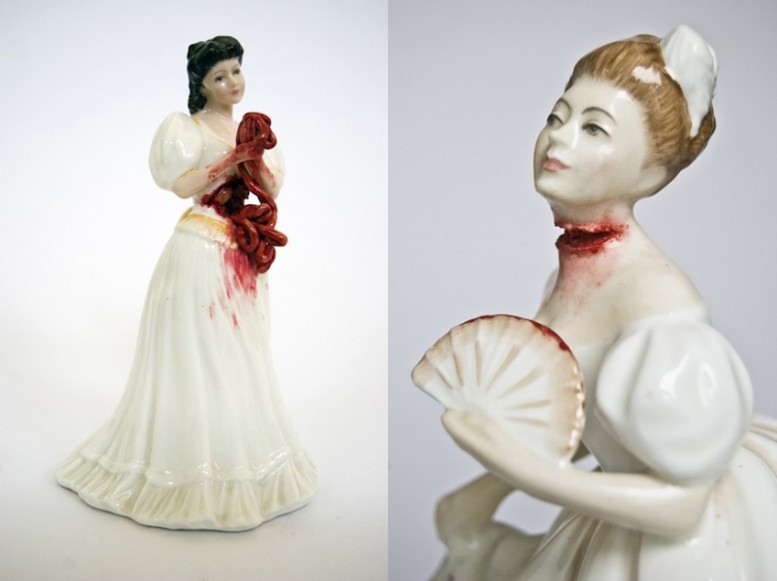 "The things I make are a complex description of simultaneous unmaking and making, deconstructing an object or a body before putting it back together again – this could be interpreted as a violent process, but is often a very delicate and fragile one, a process of transplantation rather than dislocation. The works are an attempt to change the relationship of the object to the body, making visible the invisible, opening up something normally closed, softening a usually hard surface." -
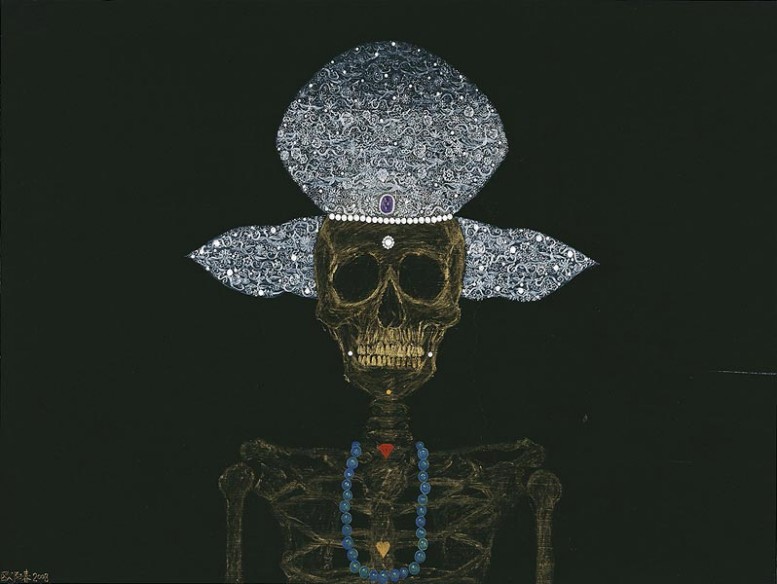
 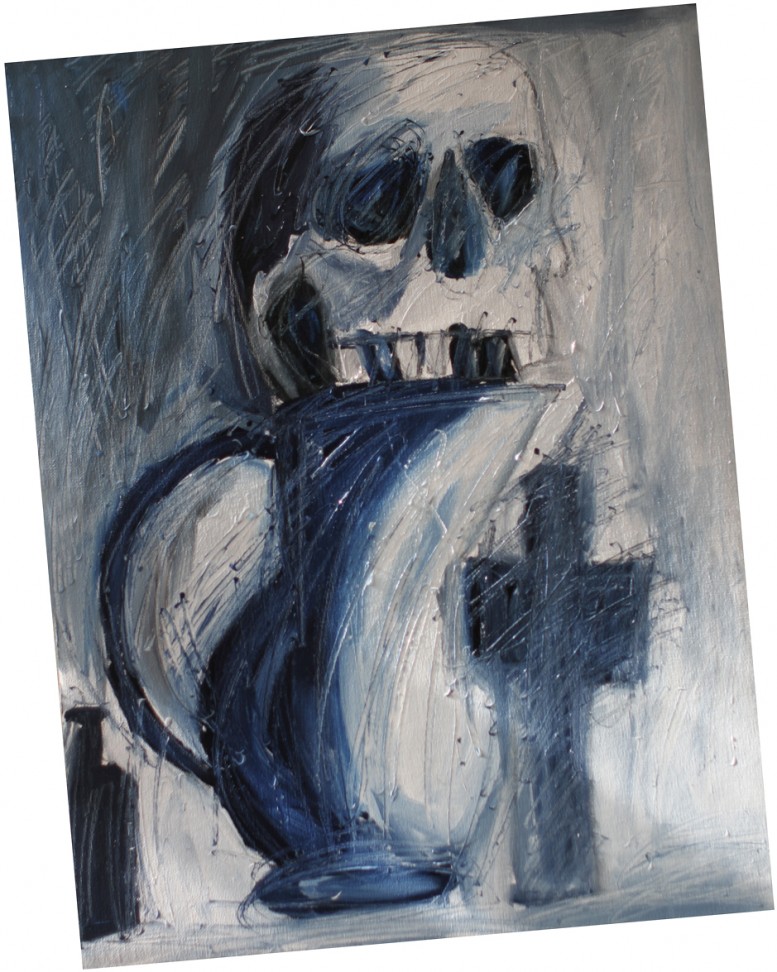 Morbid, delirious, and ecclesiastically erotic - from a series of skull paintings by
 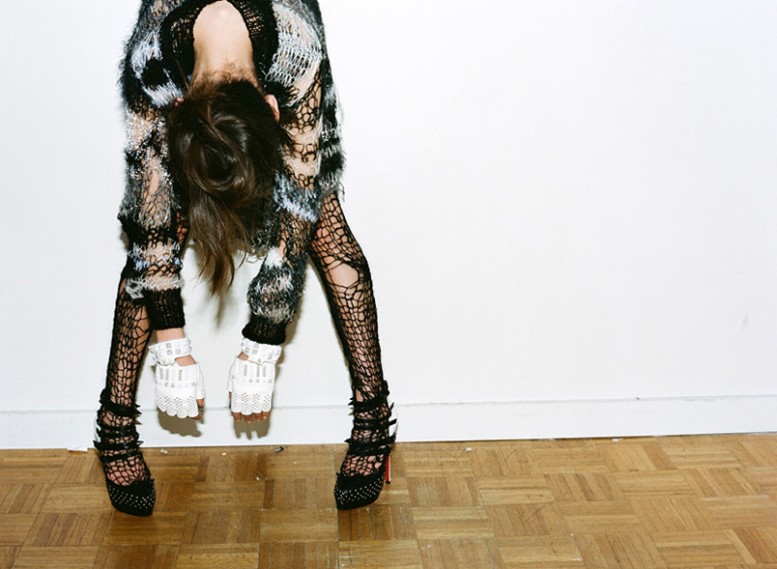 Rodarte: States of Matter presents recent work in fashion and costume design by Kate and Laura Mulleavy of Rodarte. Installed as a series of interrelated conceptual vignettes, both static and in motion, the installation portrays garments as charged sculptural objects. The exhibit opens today March 4 and runs until June 5.



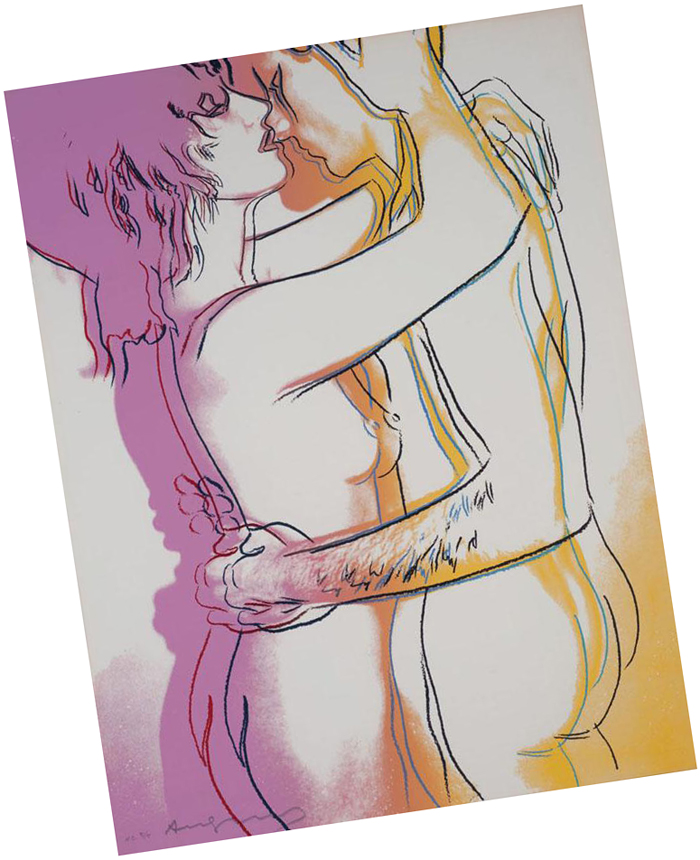 Andy Warhol 'Love,' 1983, Artist Proof 8 of 17