
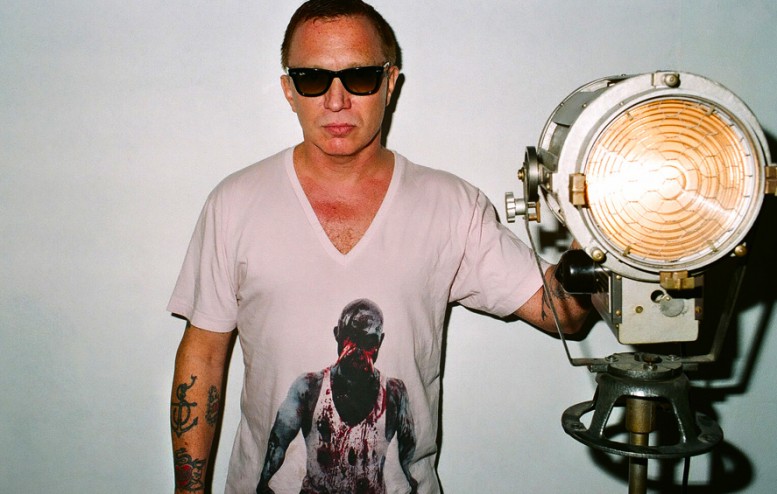
GLEE Curated by Cecilia Alemani
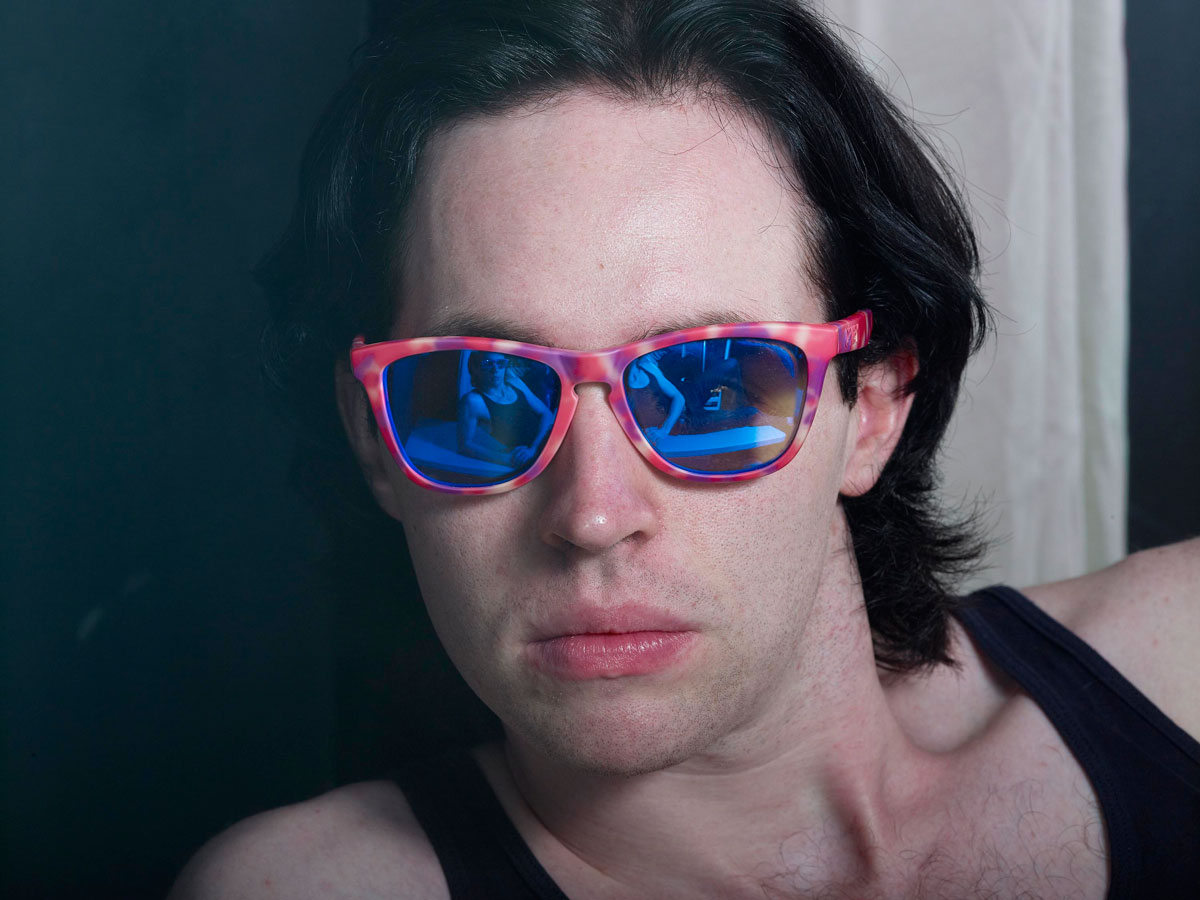
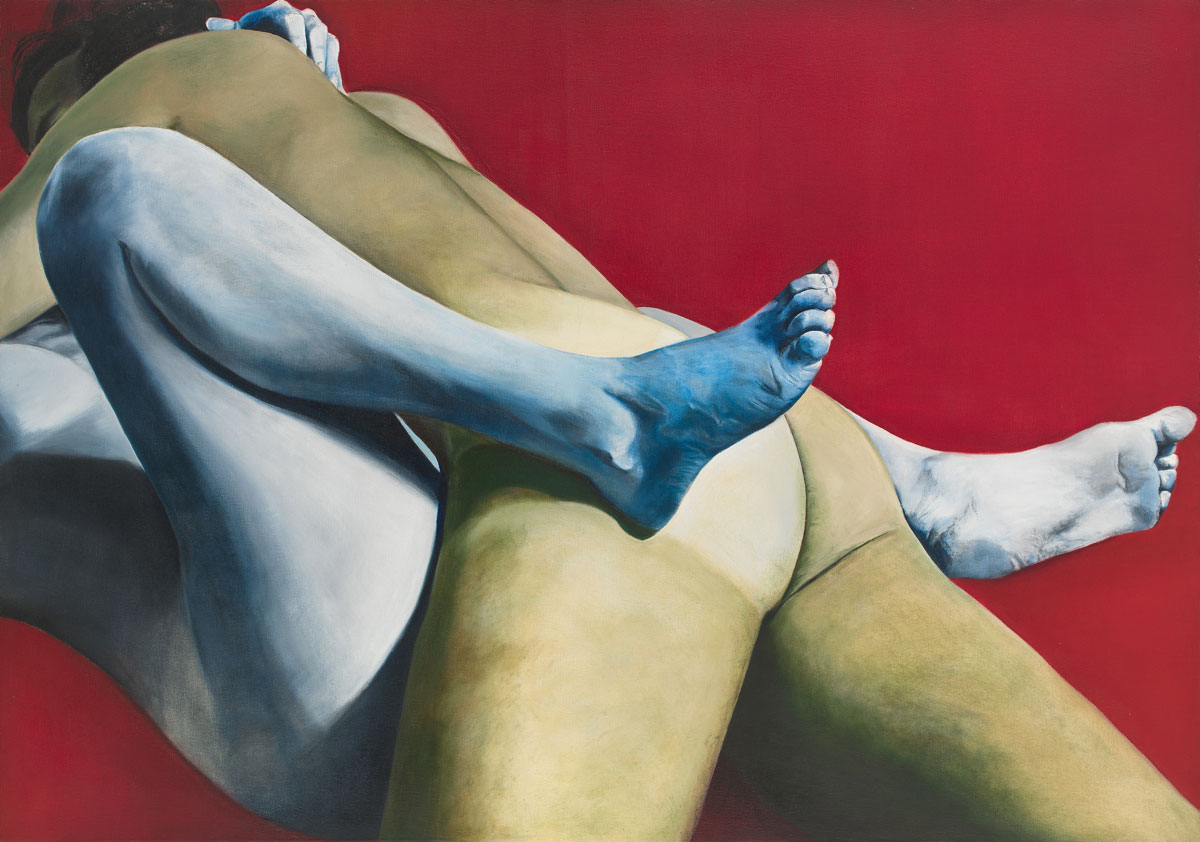
Blum and Poe gallery in Los Angeles presents Glee, a group exhibition curated by Cecilia Alemani featuring Michele Abeles, Shannon Ebner, Sharon Hayes, Tobias Madison, Kaspar Müller, Virginia Overton, Joan Semmel, Andra Ursuta, Jakub Julian Ziolkowski. The exhibition Glee brings together artworks by nine artists from different generations, working in both America and Europe. Glee is an exhibition informed by a synthetic look; a show in which works appear coated in a shiny patina charged with a startling artificiality. Imbued in an atmosphere of joyful madness, the exhibition is agitated by a strange, at times erotic, tension. Simultaneously affected and sincere, superficial and deep, pop and rotten, the selected works share a blissful and seductive presence that can hide an incumbent sense of tragedy. Glee will be on view until August 27 at Blum and Poe.
Carlo Mollino: Un Messaggio dalla Camera Oscura
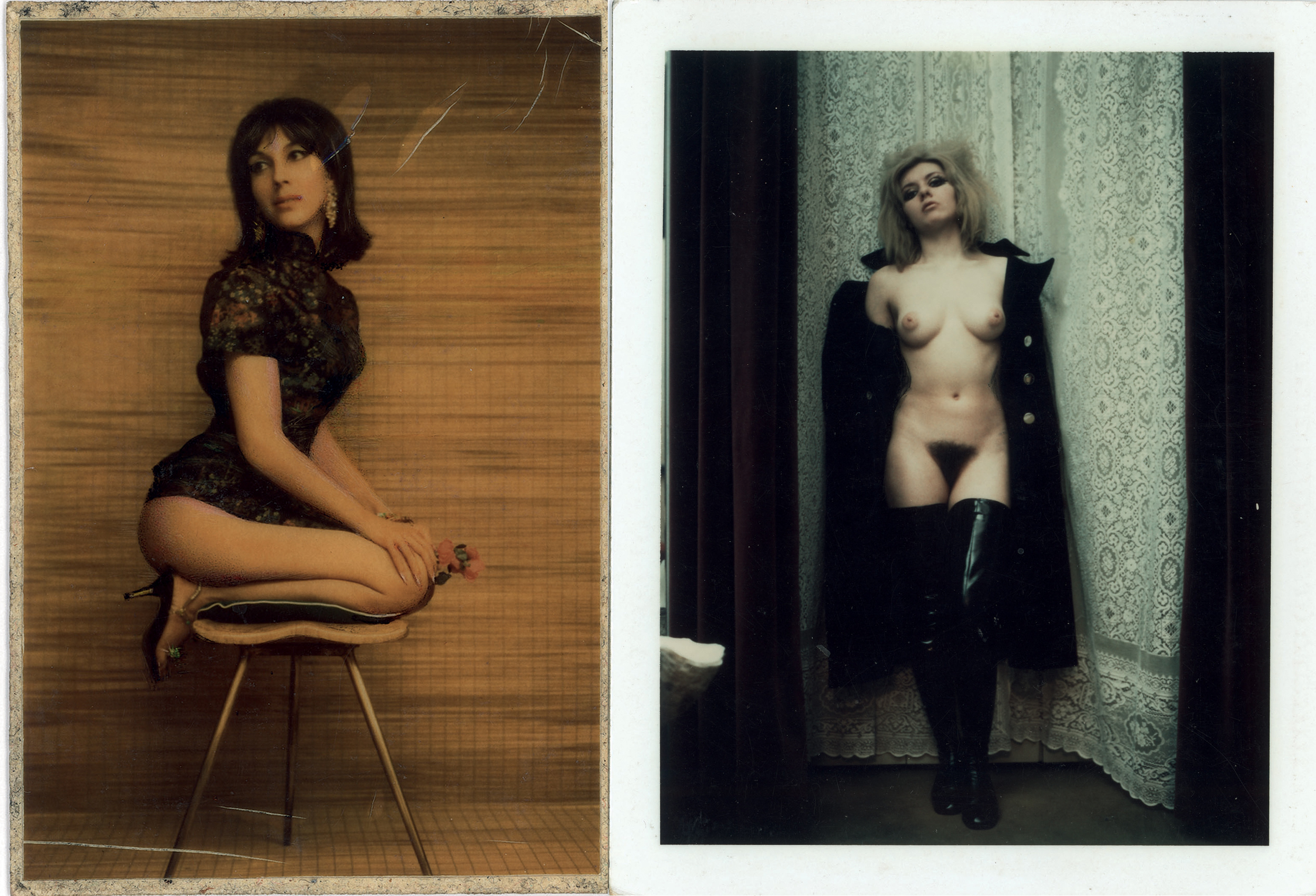
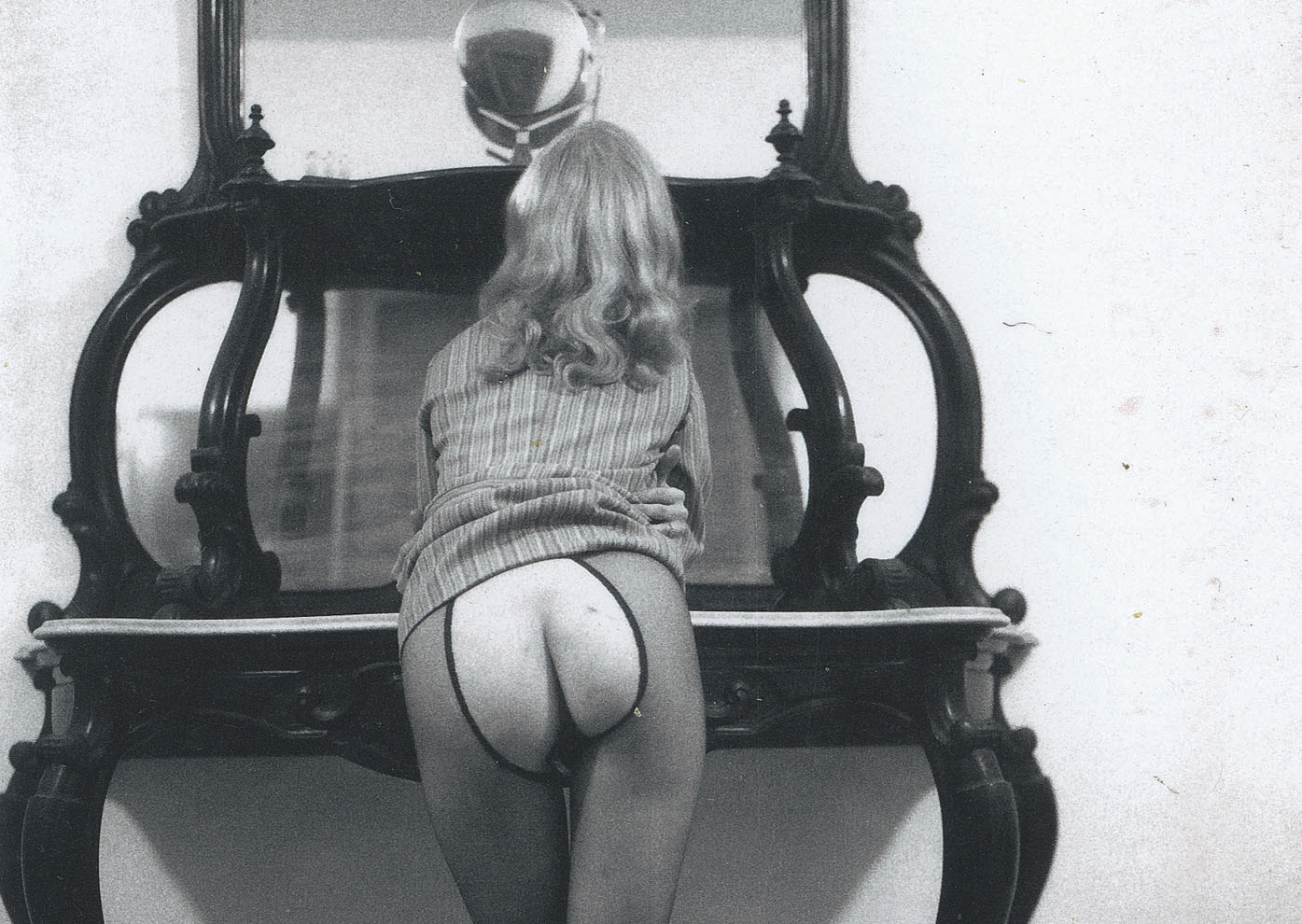
Born into a Turin architect and civil engineer’s family, Carlo Mollino studied art history and architecture and made a name for himself as a skier, racecar driver and aerobatic pilot, as an author and photo artist. Yet his international renown is primarily based on his work as a designer of furniture and exclusive interiors in the spirit of the gesamtkunstwerk – the German philosophy of total art. His organic language of forms was not least inspired by the form of the female body – as particularly evidenced by the part of his photographic work he always kept private: over 1,000 Polaroids portraying beauties of Turin’s night life in the nude in mise-en-scène settings. The pictures were part of the preparation of his “House for the warrior’s rest” (today: Casa Mollino), a villa in Turin on the Po River. An exhibition, opening at this month at the Kunsthalle Wien in Vienna, will juxtapose furnishings of the villa with a selection of these Polaroids for the first time. It explores the boundaries and bridges between this universal artist’s male erotic imagination and his intellectual and artistic attitude. On view at the Kunsthalle Wien from August 31 to September 25.
Cris Cleen Works
Short documentary on tattoo artist Cris Cleen by Andreas Tagger from Brothers By Choice.
[LONDON] Power of Making
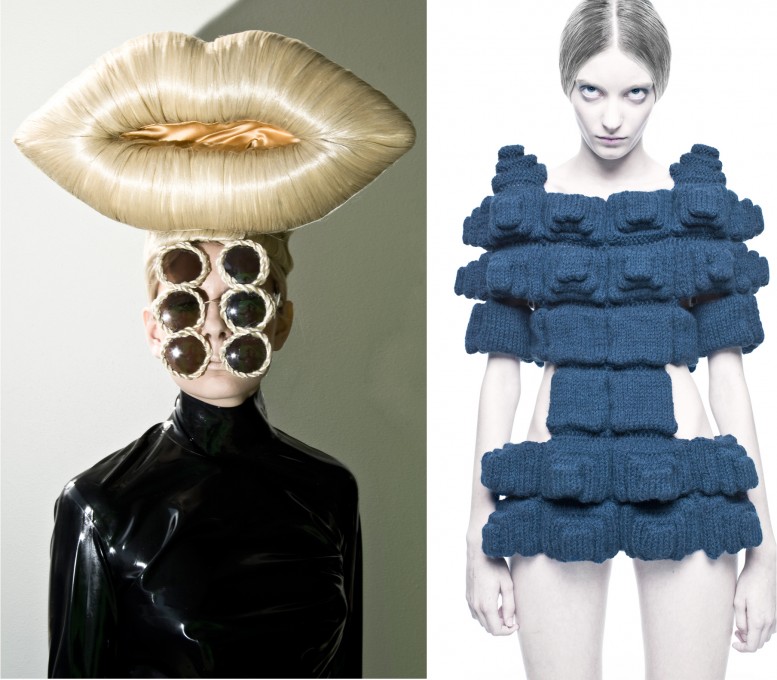 Left: Blond Lips, Charlie Le Mindu using Hairdreams. Image by Manu Valcarce - Right: Sandra Backlund knitted dress, © John Scarisbrick
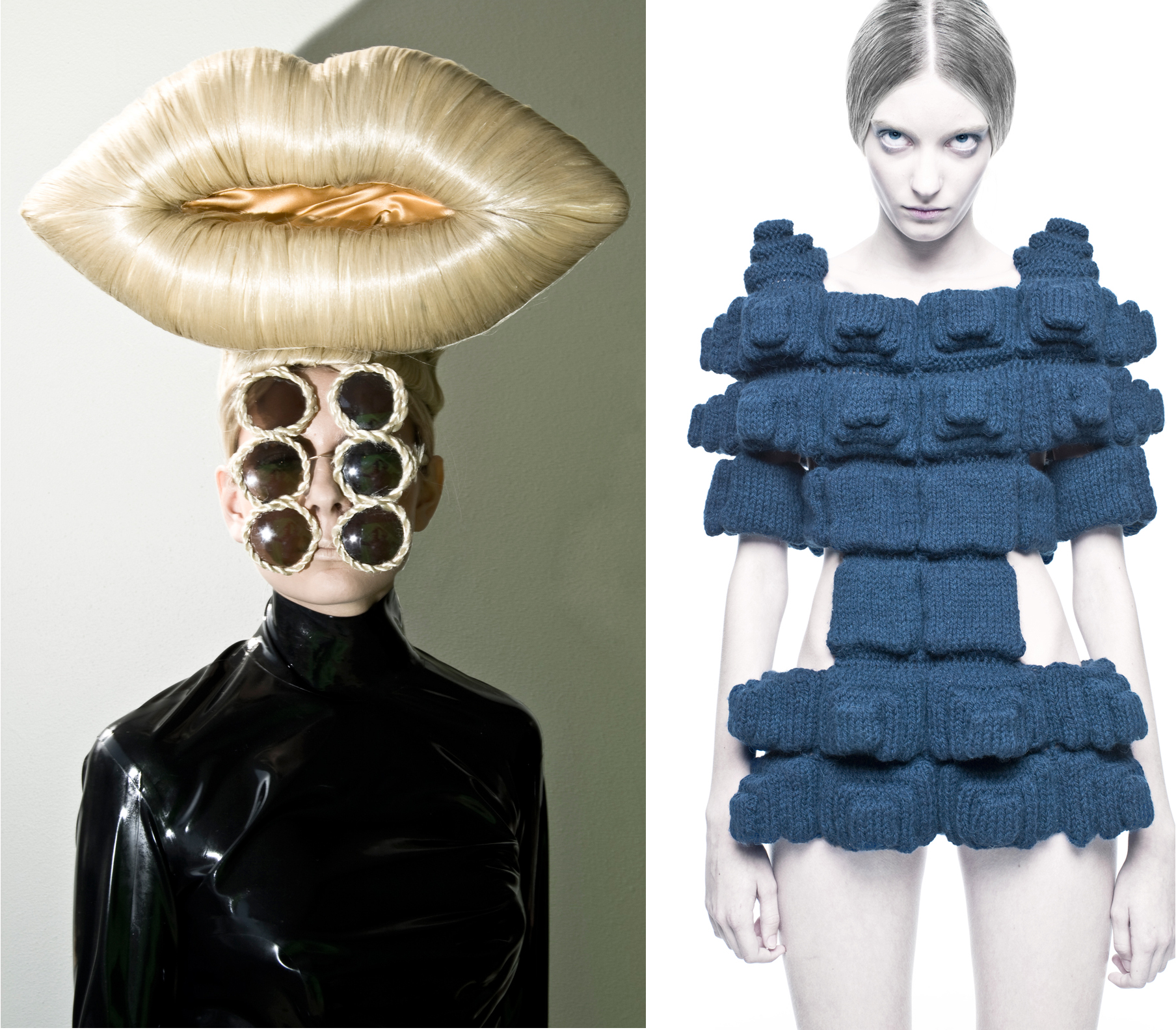
The Victoria and Albert Museum in London and Crafts Council celebrate the role of making in our lives by presenting an eclectic selection of over 100 exquisitely crafted objects, ranging from a life-size crochet bear to a ceramic eye patch, a fine metal flute to dry stone walling. Power of Making is a cabinet of curiosities showing works by both amateurs and leading makers from around the world to present a snapshot of making in our time. On view September 6 to January 2, 2012.
[FILM STILL] MY HUSTLER by Andy Warhol
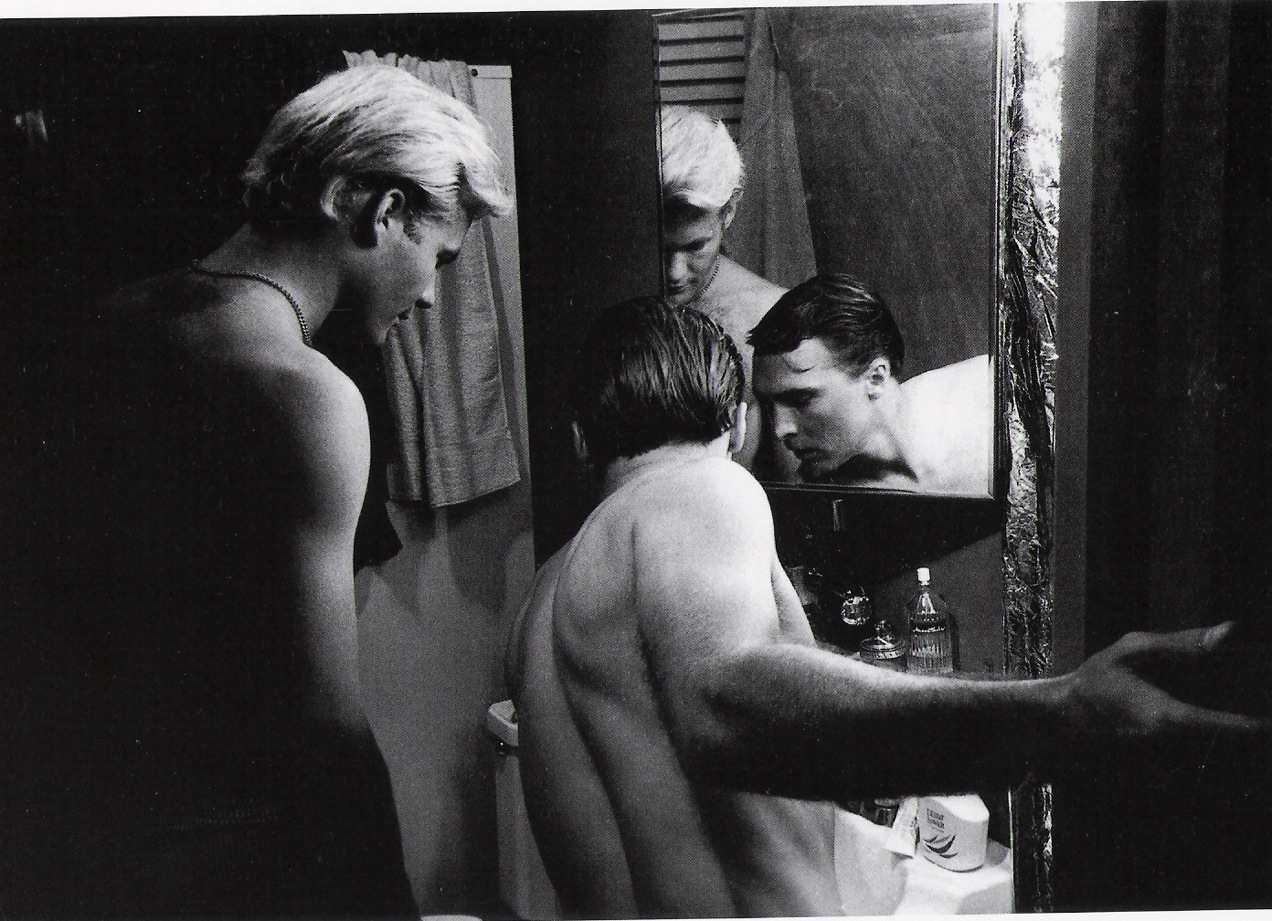
Directed by Andy Warhol & Chuck Wein. With Paul America, Ed Hood, Joseph Campbell, Genevieve Charbon. In this early Warhol narrative, several men and women on Fire Island vie for the attention of a hustler. Featuring catty dialogue, a few long takes, and limited camera movement, the film appears artless at first but ultimately proves canny, casual, and affecting. On view tonight and Wednesday night the MoMA in New York as part of the Hot and Humid: Summer Films from the Archives series.
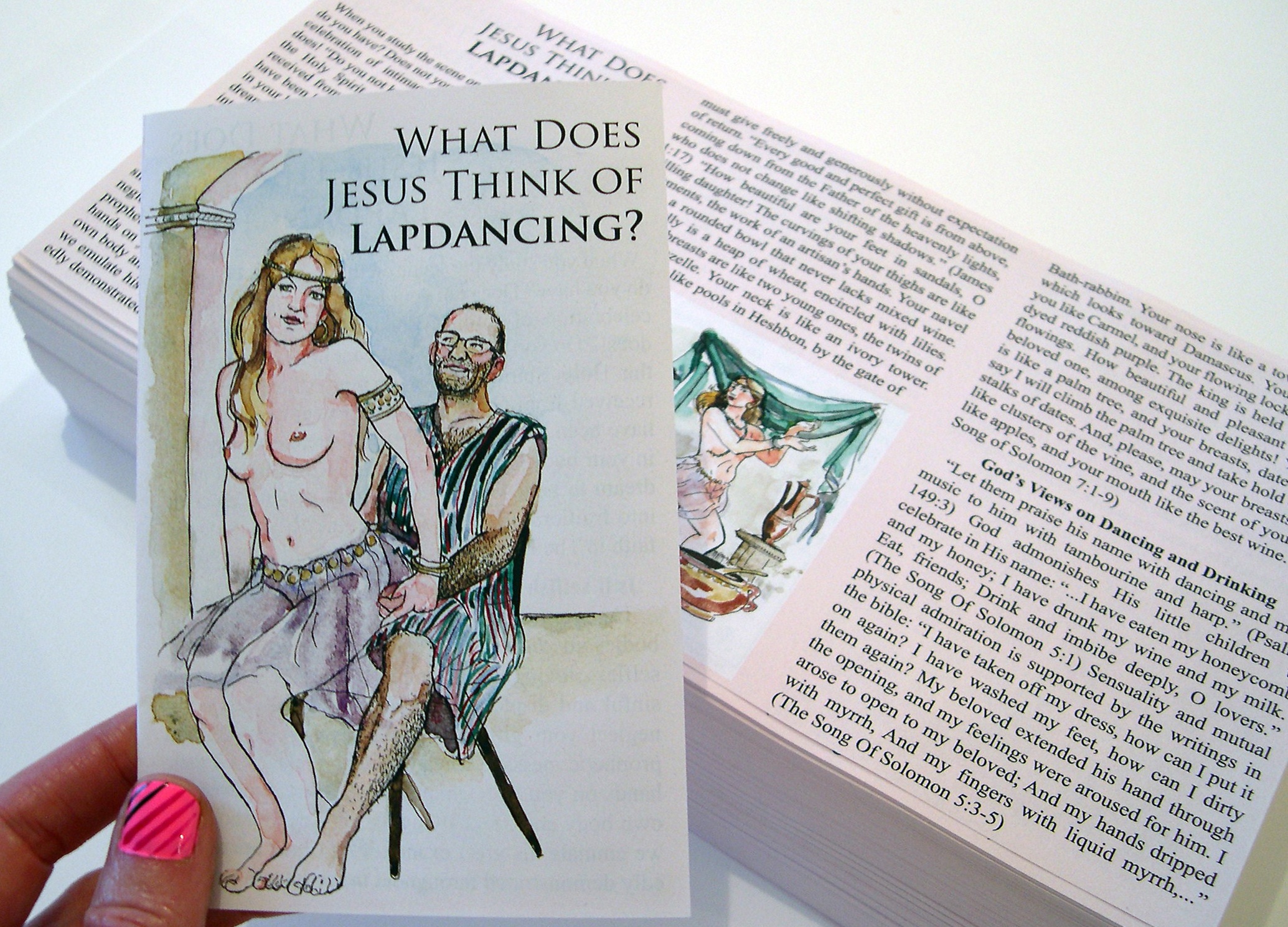
What Does Jesus Think of Lapdancing?
Charmaine_Wheatley_art
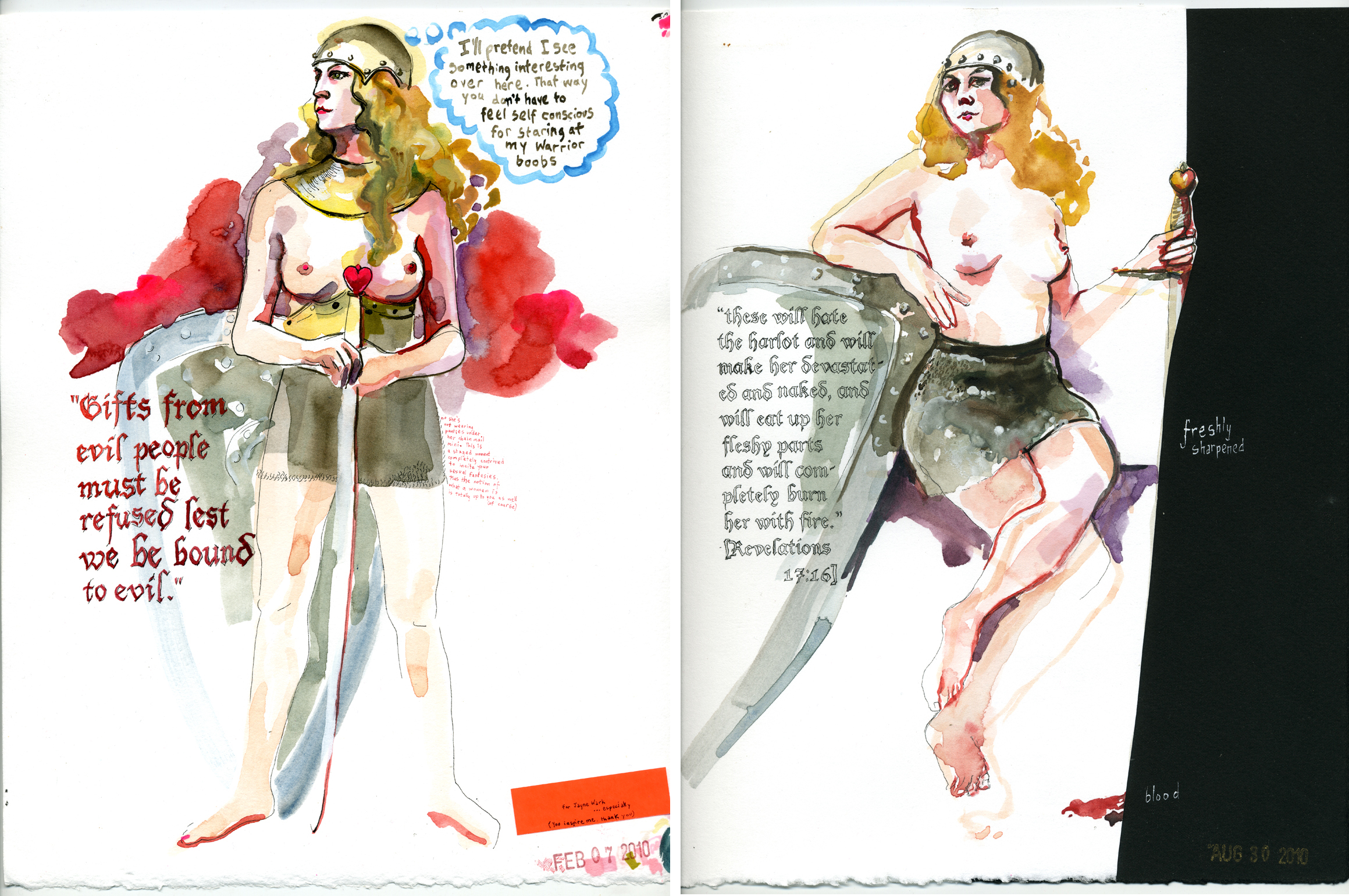
If you can believe it, she has read the bible a total of six times. Canadian born artist Charmaine Wheatley is as prolific as she exhibits her work, but lately its sex thats been on her mind. Her new series of erotic illustrations are a testament to her own path of discovery of sex outside the confines of her religious upbringing. Having been living in New York for a little over a decade, Charmaine Wheatley – with ample freedom and wells of creativity – has certainly found her artistic identity, but as for her sexual identity, its exploration is all there on the canvas, per se. Charmaine Wheatley's artwork is extremely multi-dimensional. Mediums integrate into mediums: from illustration, to performance art, to sculpture and back again. In her collaboration with DJ and sound artist Taketo Shimada, inspired by her namesake – her name comes from the widely recorded song and 1920s standard "Chaarmaine" – they are trying build and demonstrate the personality of CHARMAINE. And if this collaboration is an example, it is proof unto itself how multifaceted and adroit the sum of Charmaine Wheatley's artistic ambitions are. A description of this collaboration then makes total sense: "....a direct reference to fantasy, gift giving, sound art, contemporary feminist dialogue and pop culture while investigating issues of intimacy and sexual tension that dissolve any boundaries between sexual preference, cultural or class backgrounds, age or gender types." Pas Un Autre was lucky enough to ask Charmaine Wheatley a few pertinent questions, after the jump.

Charmaine_Wheatley_abbey_meaker
Why did you decide to move to New York City from Canada? When Halifax (Nova Scotia) started to feel too small. There was no where I could go without bumping into someone I knew. I liked the anonymity of NYC. If I want to bump into people I know, I go to Chelsea, the Lower Eastside/ West Village, Williamsburg, Dumbo, etc. If I want to make sure I don’t I just go uptown or the Financial District. Also I was trying to get away I realize now from an f’d up relationship and social situation. I didn’t feel much loyalty in my circle the way things were up there. Also I was dazzled by the possibilities of NYC. I didn’t want to see anymore rocks, trees, lakes, ocean... Of course the last part has changed. I need nature in my life.
How has living in the city impacted your work/direction?I can get whatever materials I want. I don’t have to just look in books to see an artwork I like. I just go see the piece in the museum or gallery. I’m visually stimulated on a daily basis. No one ever calls what I do, “strange” or “weird”. If I need to dress up like a tooth fairy in the middle of the day and walk down 5th Ave. people barely bat an eyelash. I mean, I haven’t had the need to explore that particular identity but I am aware of the freedom to if I need to....However walking around naked isn’t tolerated...even the naked cowboy and cowgirl aren’t naked. But that conservatism is something to challenge.
Can you remember the first thing you drew?Hmmm the very first thing? Really I can’t. I’m sure I did all the same kind of little kid drawings....I guess I remember the 1st drawing contest I won 1st prize in. Like in Grade 1 or 2. It was a 2-frame comic, color, on bristol board with crayons and markers. The Royal Bank sponsored the competition. The 1st frame was a boy on the bank of a lake, throwing a rock into the water. The second frame was a close up of the rock hitting the water and ripples emanating. My text was like: ‘Putting your money in the bank is like throwing a rock in the water. Your money gets bigger and bigger’ or something like that...Making reference to savings account and accruing interest on deposits. I don’t even think I was trying to suck up to the bank. I don’t think I understood that the bank chose the winners or whatever. I really honestly thought banks were great. I was a nerdy, earnest kid with a piggy bank and was really into saving money. There was a picture of me in the paper accepting the prize of my first bank account. They put a little money in it and gave me some pen. I was so very honored!
What are your inspirations?Basically I’m inspired by everything and everyone.
Can you tell us a little bit about the erotic series?My keen interest in all things sexual is pretty textbook actually. I’ll now admit I was raised in a strict and cloistered religion. I’ve read the bible 6 times. Premarital sex was a sin. I had to figure out how to sin on my own, without any clues from my parents and I wasn’t allowed to take Health class in school plus I was so busy with studying the bible and such that I had no time for making friends. Besides friends that weren’t part of our religion weren’t really to be trusted... “Bad associations spoil useful habits” (1 Corinthians 15:33). So of course I became acutely curious and wanted to learn first hand all about that which I knew nada. That interest only grows...
What are you working on now?I’ll mention these 3 things: 1. The above drawings are more recent and the propaganda tract is the first of a series I’m working on producing. The next one will be excellent! “What Is The Role Of Women?” I’ll paint a dazzling portrait of Babylon a.k.a. Mother of the Harlots for the front. There is some related performance activity that accompanies the tract. 2. Also I did a collaborative piece with a fellow artist who draws, Joan Linder for the publication “FUKT” that comes out of Berlin. It’ll be available at the upcoming NY Art Book Fair. 3. sex
www.charmainewheatley.com
Text by Abbey Meaker and Oliver Maxwell Kupper for Pas Un Autre
charmaine_wheatley_jesus_laplancing
Blow Up
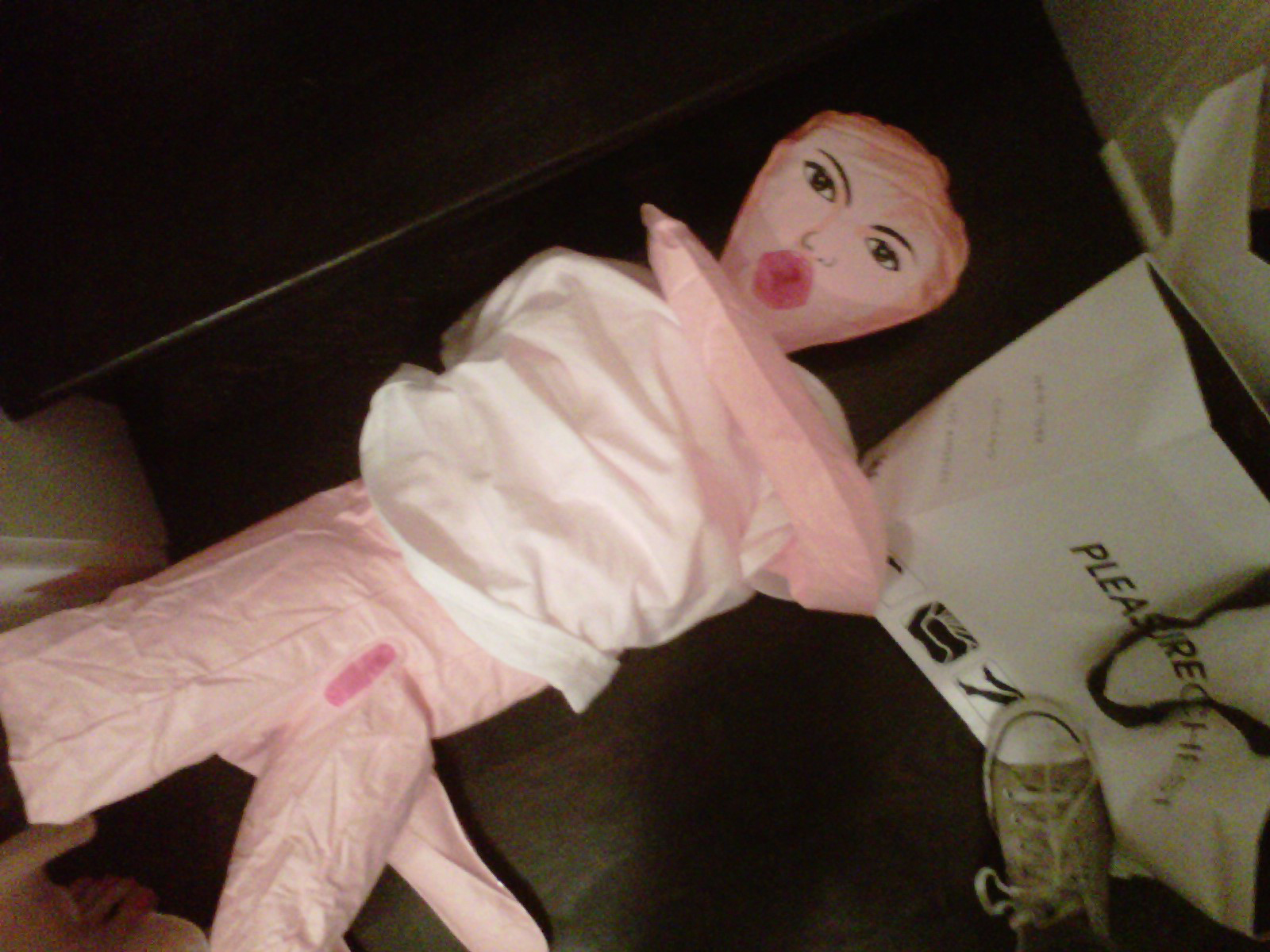
Chateau Marmont in Los Angeles: A beautiful blow up doll, a prop from a secret movie project shot in Los Angeles.
Love Forever
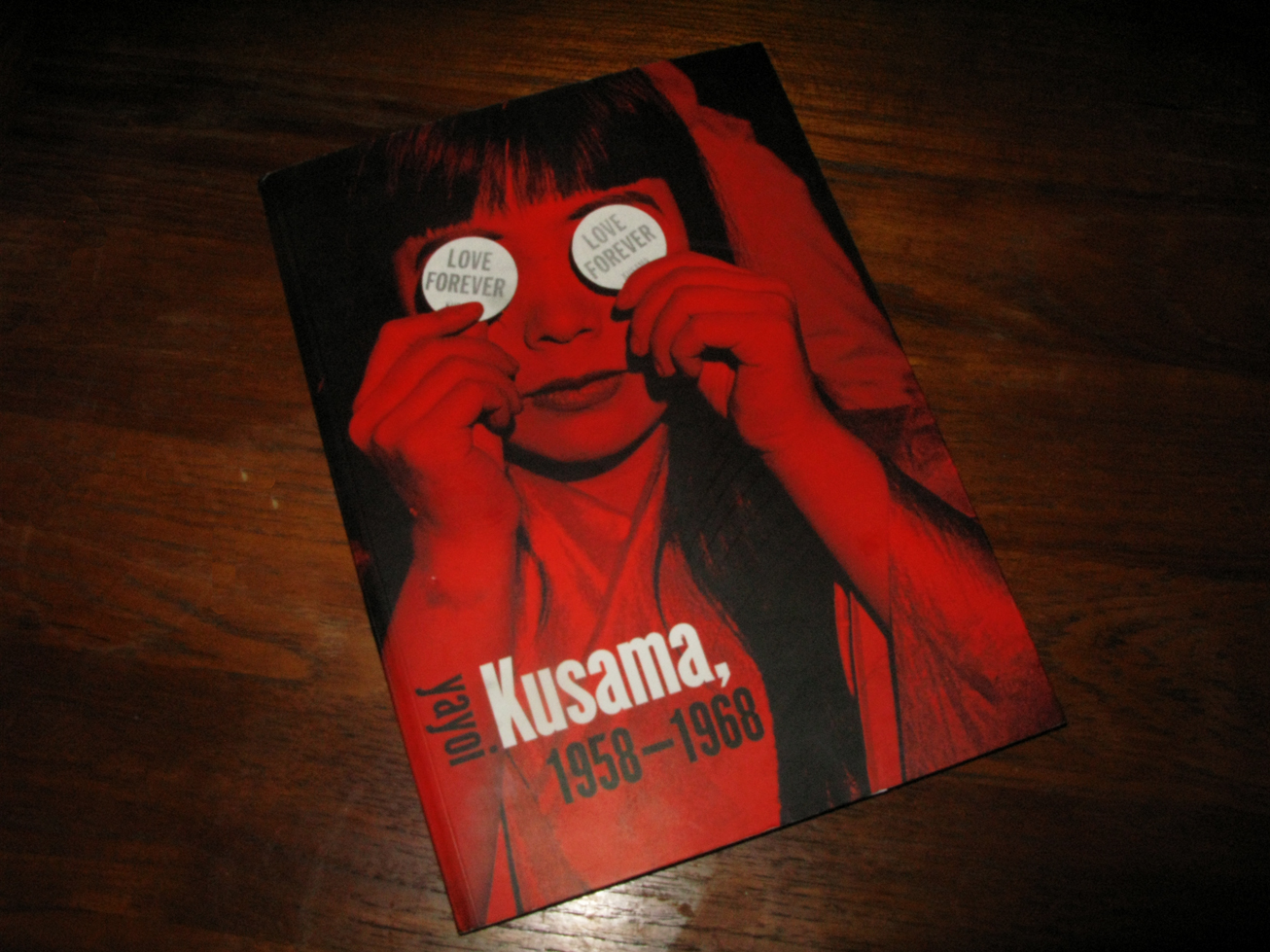
Getting to know Yayoi.....
The New Hieroglyphic Language of Light and Time
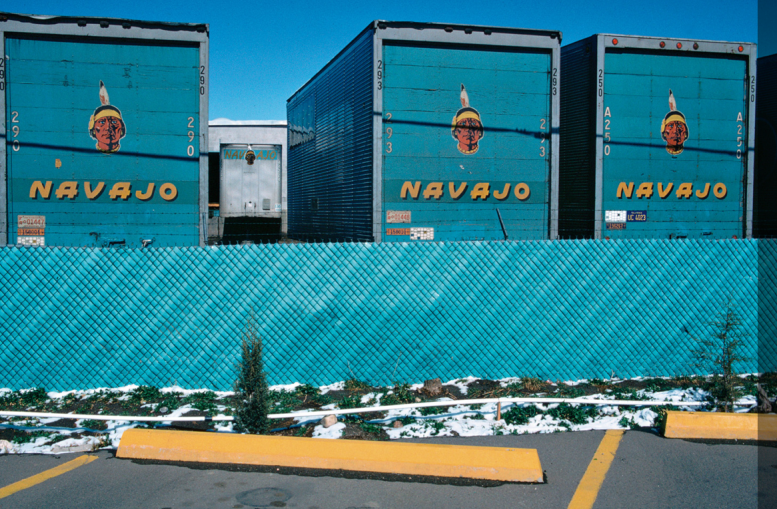 New Mexico, USA, 1975
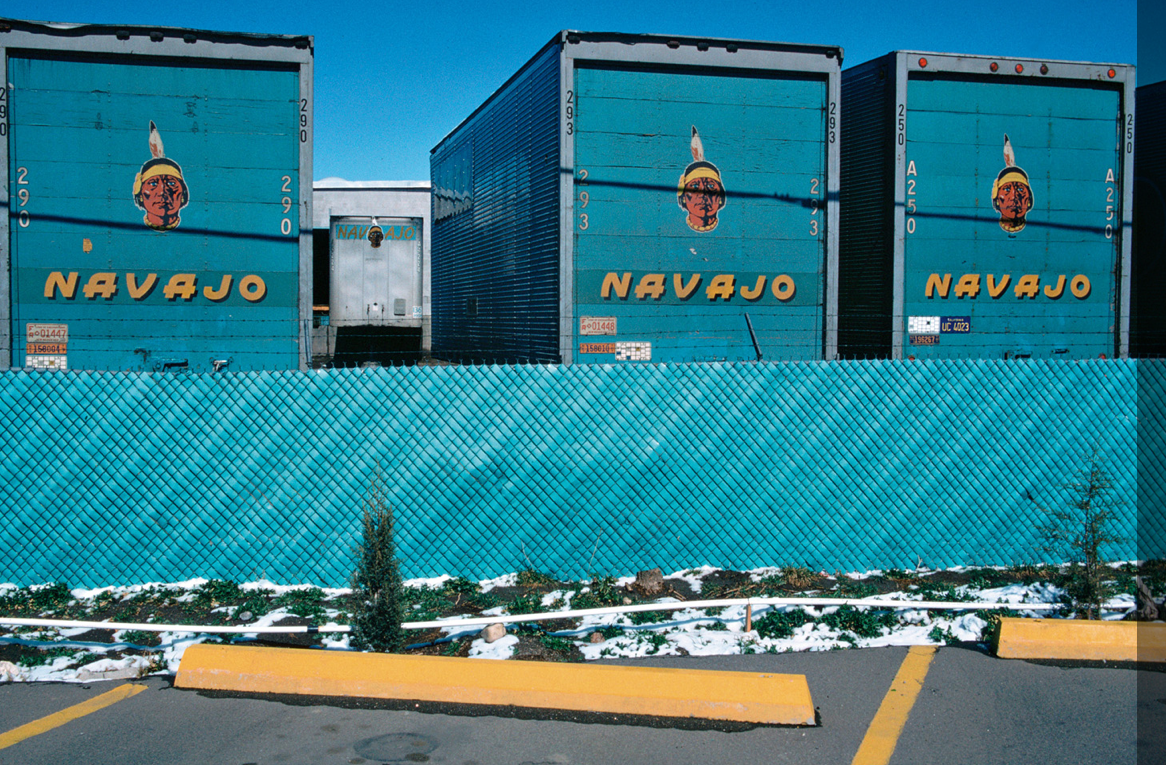
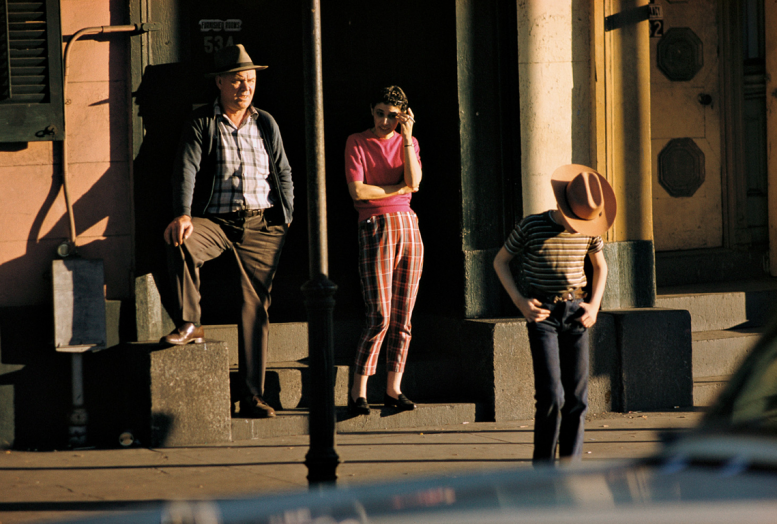
Ernst Haas was one of those rare photographers of the 20th century imbued with a certain poetical sensibility. Born in Vienna in 1921, Haas almost went into medicine, but his artistic inclinations led him to photography. Haas was soon invited into the famous Magnum photo agency, the first invitation by the agency's founder's Robert Capa, Henri Cartier-Bresson, George Rodger, and David Seymour. Haas, like William Eggleston, was one of the first adopters of color photography and is largely credited with changing the medium as an artform altogether. Ernst Haas was also profoundly prolific, traveling the world for assignments for magazines, but along the way he was building a personal portfolio of images the world has never seen – until now. Color Correction, a recently published monograph, exhibits a collection of never before seen photographs that are considered "far more edgy, loose, complex and ambiguous," and that Haas believed – in his own lifetime – people just wouldn't understand.
 New Mexico, USA, 1975
On Photography: Philosophy by Haas
Photography is a bridge between science and art. It brings to science what it needs most, the artistic sense, and to art the proof that nothing can be imagined which cannot be matched in the counterpoints of nature. Through photography, both artist and scientist can find a common denominator in their search for the synthesis of modern vision in time, space and structure. We can write the chapters in a visual language whose prose and poetry will need no translation.
The camera only facilitates the taking. The photographer must do the giving in order to transform and transcend ordinary reality. The problem is to transform without deforming. He must gain intensity in form and content by bringing a subjective order into an objective chaos. Living in a time of the increasing struggle of the mechanization of man, photography has become another example of this paradoxical problem of how to humanize, how to overcome a machine on which we are thoroughly dependent....the camera....
In every arts there is poetry. In every human being there is the poetic element. We know, we feel, we believe. As knowers we are like the scientist relating through logical determination. As feelers, we are like poets relating the unrelated through intuition. As believers, we are only accepting our human limitations. The artist must express the summation of his feeling, knowing and believing through the unity of his life and work. One cannot photograph art. One can only live it in the unity of his vision, we well as in the breadth of his humanity, vitality, and understanding....
There is no formula – only man with his conscience speaking, writing, and singing in the new hieroglyphic language of light and time.
Text by Ernst Haas
Intro Text by Oliver Maxwell Kupper
Color Correction by Ernst Haas (Steidl)
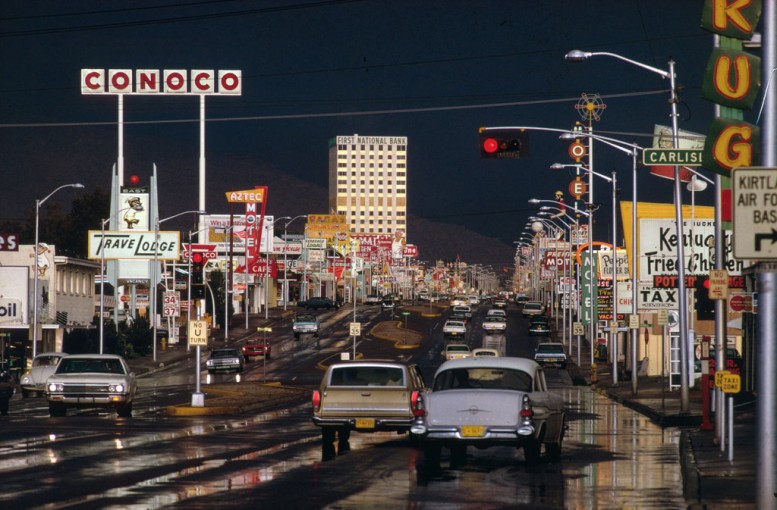 Route 66, Albuquerque, New Mexico
[LIQUIDATED] ZEVS Solo Show in Tokyo

zevs_losangeles_2
zevs_liquidated_logos_hong_kong_artist_statements
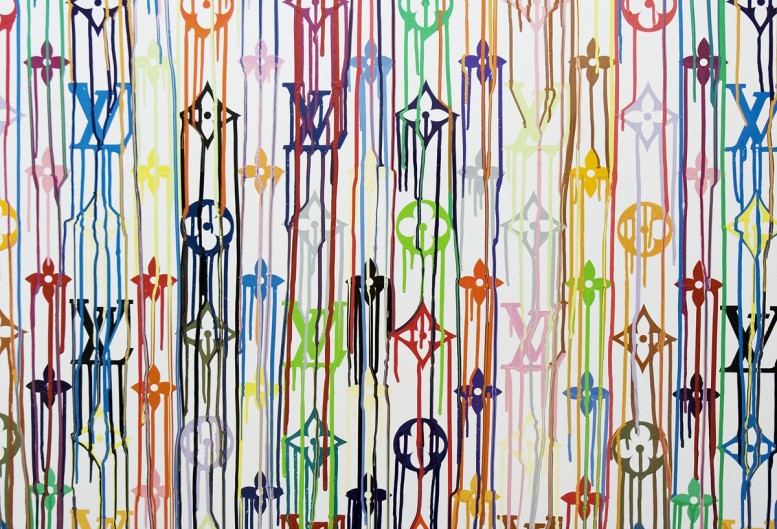
Venerable French street art mainstay ZEVS' first solo show will open in Tokyo at Art Statements Gallery this September 2 and will be on view until September 23. ZEVS twisted, dripping logos and corporate iconography is obvious statement unto itself and have become as recognizable as the logos themselves. 3-2-12 Ebisu-minami Shibuya-ku, Tokyo 150-0022, Japan
Berlinde De Bruyckere and John Currin in Montreal
BerlindedeBruyckere
john_currin_porn
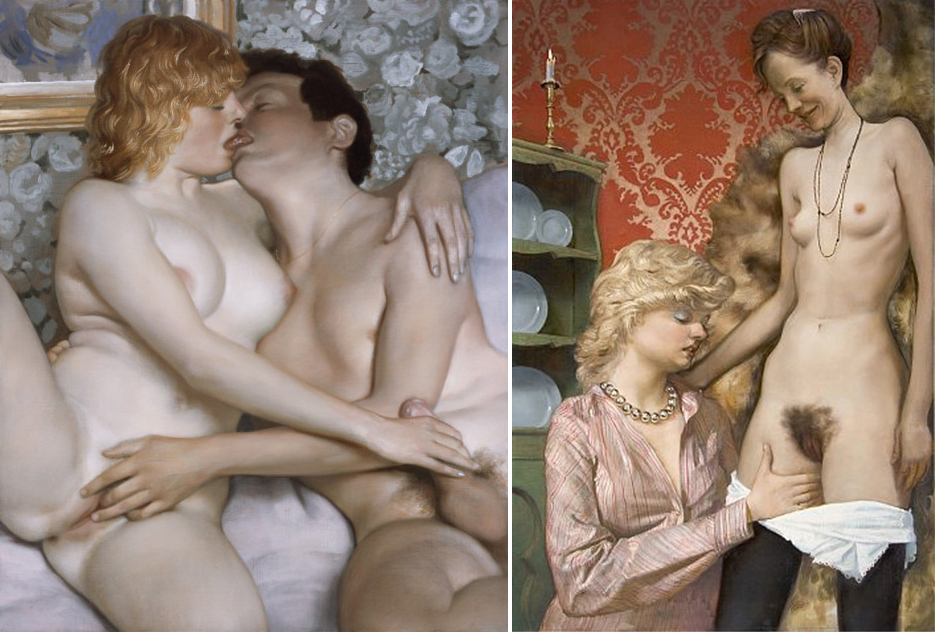
left: John Currin, Deauville right: John Currin, The Dane
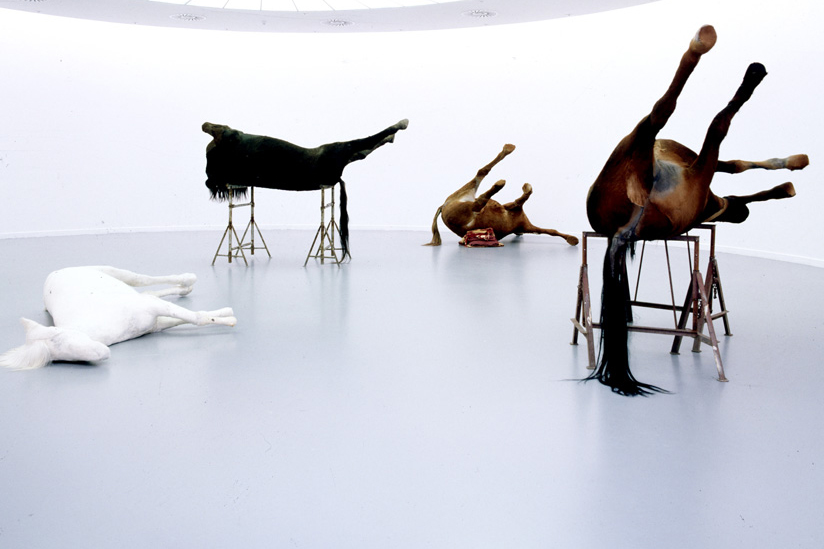
DHC/ART in Montreal presents two concurrent solo exhibitions by acclaimed Belgian sculptor Berlinde De Bruyckere and American painter John Currin - "two leading international figurative artists working in a virtuosic, old masterly tradition yet testing and expanding the parameters of their respective disciplines." On view until November 13. www.dhc-art.org
A Scattering of Blossoms & Other Things
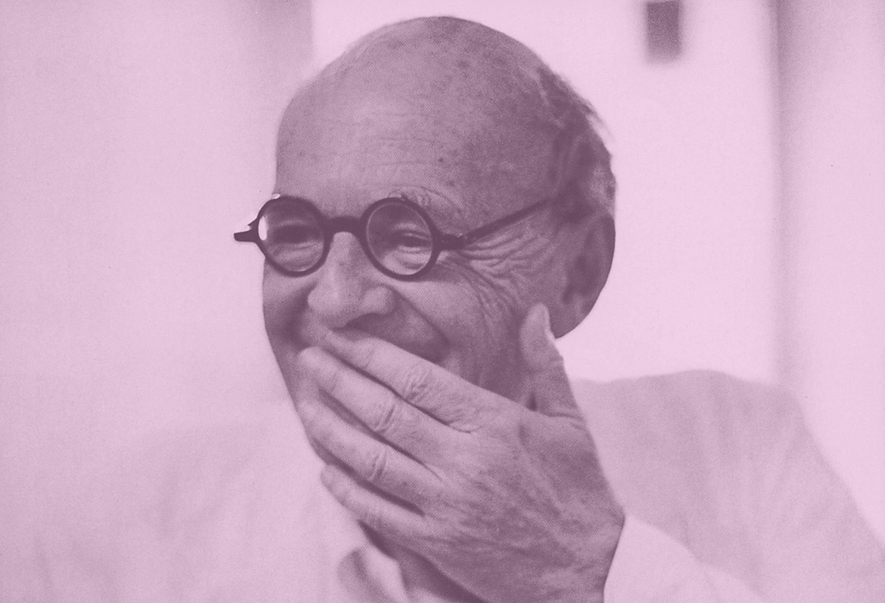
The Museum of Contemporary Art presents Cy Twombly Tribute: A Scattering of Blossoms & Other Things, a memorial exhibition of the late painter Cy Twombly on view at MOCA Grand Avenue through October 2, 2011.
Dalí: Mind of a Genius
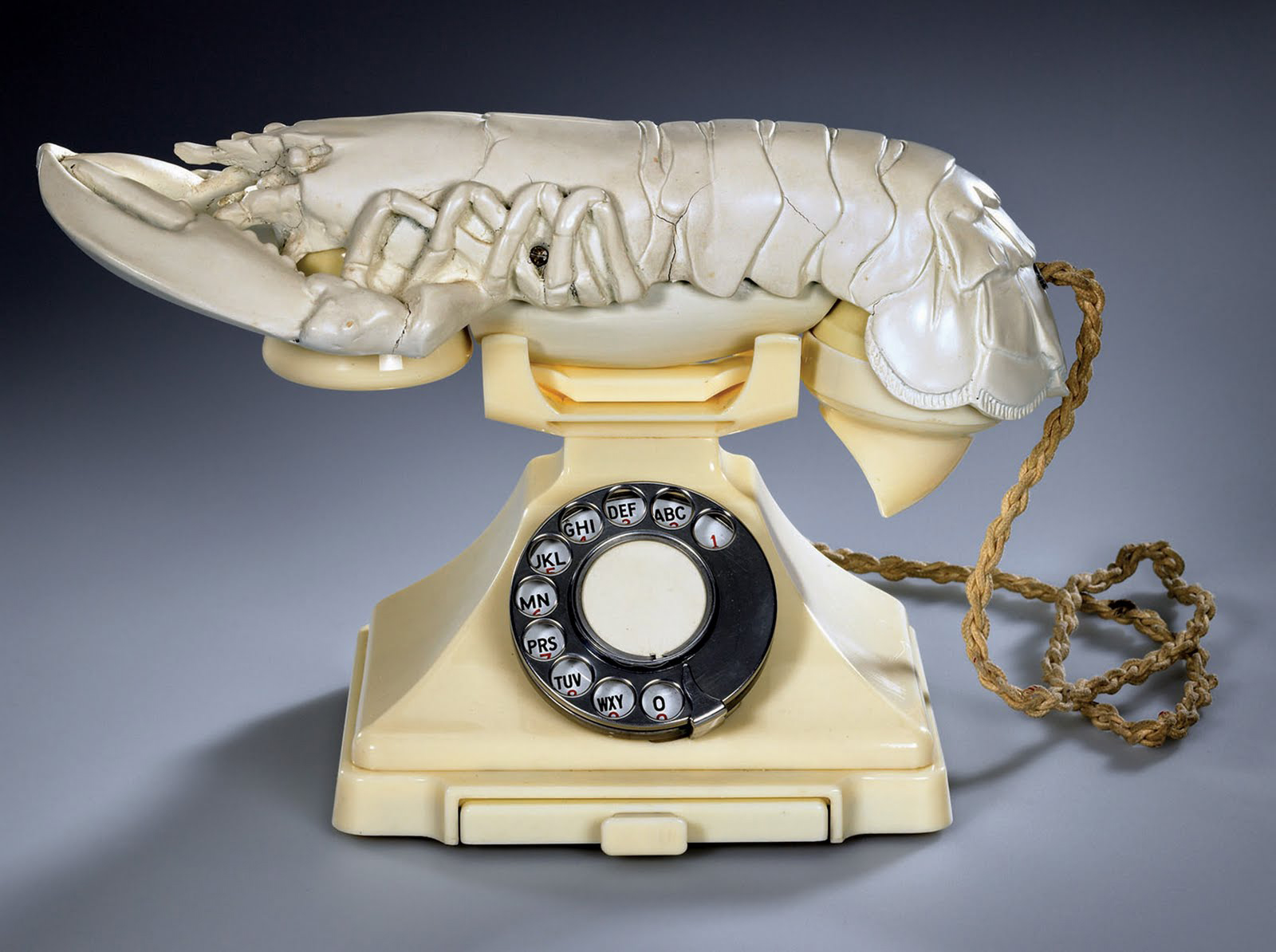 The aphrodisiac telephone by Salvador Dali
SINGAPORE: Explore over 250 artworks which highlight the creativeness of Dalí across different mediums, including bronze sculptures, rare graphics, furniture, gold jewelry and crystal pieces in three themed areas – Femininity and Sensuality, Religion and Mythology, Dreams and Fantasy. Highlights include Dance of Time I (Dalí's famous representation of melted clocks), Woman Aflame (sculpture uniting two of Dalí's obsessions - drawers and fire), Spellbound (a huge painting featured in Alfred Hitchcock's movie of the same name) and the Mae West Lips Sofa (inspired by actress Mae West's sensual lips). Now on view at the Marina Bay Sands in Singapore until October 11.
Ingrid Calame at the Edinburg Art Festival
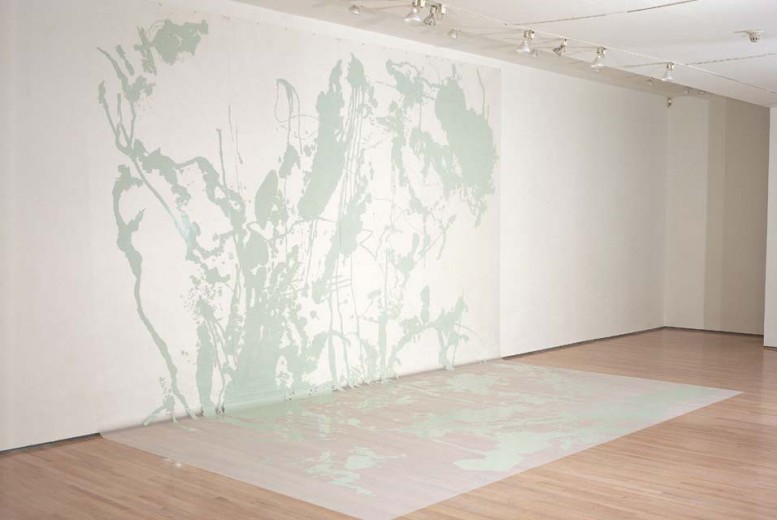
Calame’s paintings and drawings all begin with Calame tracing marks, stains and cracks on the ground. She then combines, layers and retraces the tracings before transforming them into drawings in coloured pencil or pure pigment and paintings in enamel or, more recently, oil paint. The works that result from this singular process are beautiful and intelligent abstractions. Displayed in a gallery, they retain their connection with the world outside at several removes, exerting an oddly insistent presence. Ingrid Calame's solo show is now on view at the Fruitmarket Gallery in Edinburg until October 9.
[MOMENTO MORI] Chalkboard Skulls
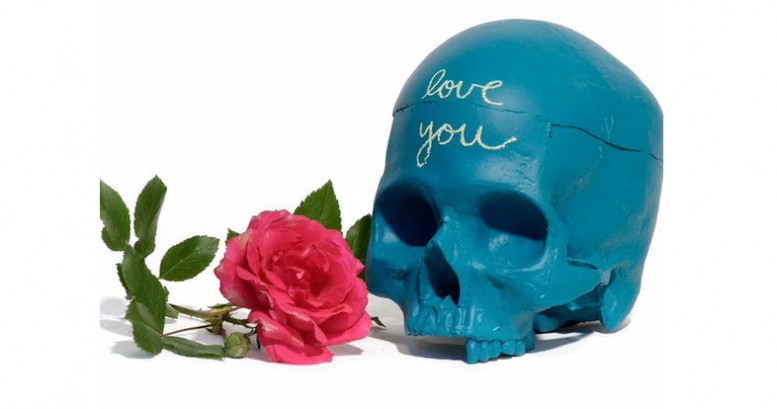
Momento mori and momento to pick up the milk, some things are better said written on a human skull. Chicago-based artists and designers Sarah Belknap and Joseph Belknap's matt colored plastic chalkboard skulls should replace post-it notes all together. www.iamhome.us
All Hail Kimiko Yoshida

Since I fled my homeland to escape the mortifying servitude and humiliating fate of Japanese women, I amplified, through my art, a feminist stance of protest against contemporary cliches of seduction, against voluntary servitude of women, against “identity” defined by appurtenances and “communities”, against the stereotypes of “gender” and the determinism of heredity....Art is above all the experience of transformation. Transformation is, it seems to me, the ultimate value of the work. Art for me has become a space of shifting metamorphosis. My Self-portraits, or what go by that name, are only the place and the formula of the mutation. The only raison d’être of art is to transform what art alone can transform. All that’s not me, that’s what interests me. To be there where I think I am not, to disappear where I think I am, that is what matters.....
Text by Kimiko Yoshida
Lucian Freud on Obsession
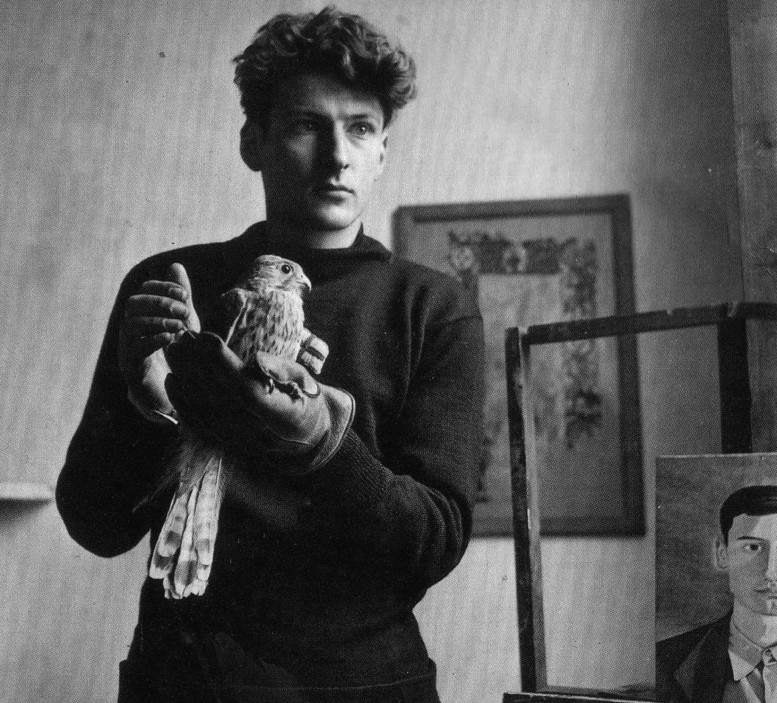
"A painter's tastes must grow out of what so obsesses him in life that he never has to ask himself what it is suitable for him to do in art." - Lucian Freud
LYNDA BENGLIS Retrospective at the MOCA Los Angeles
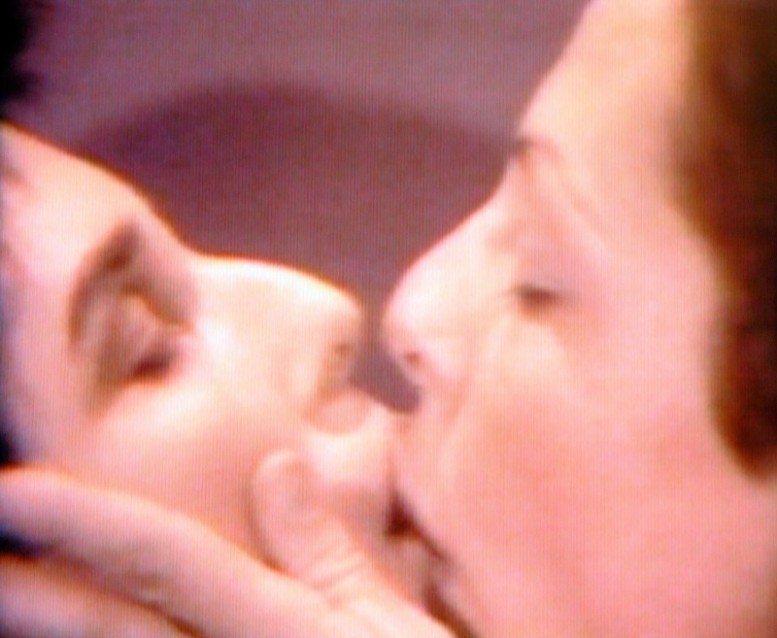
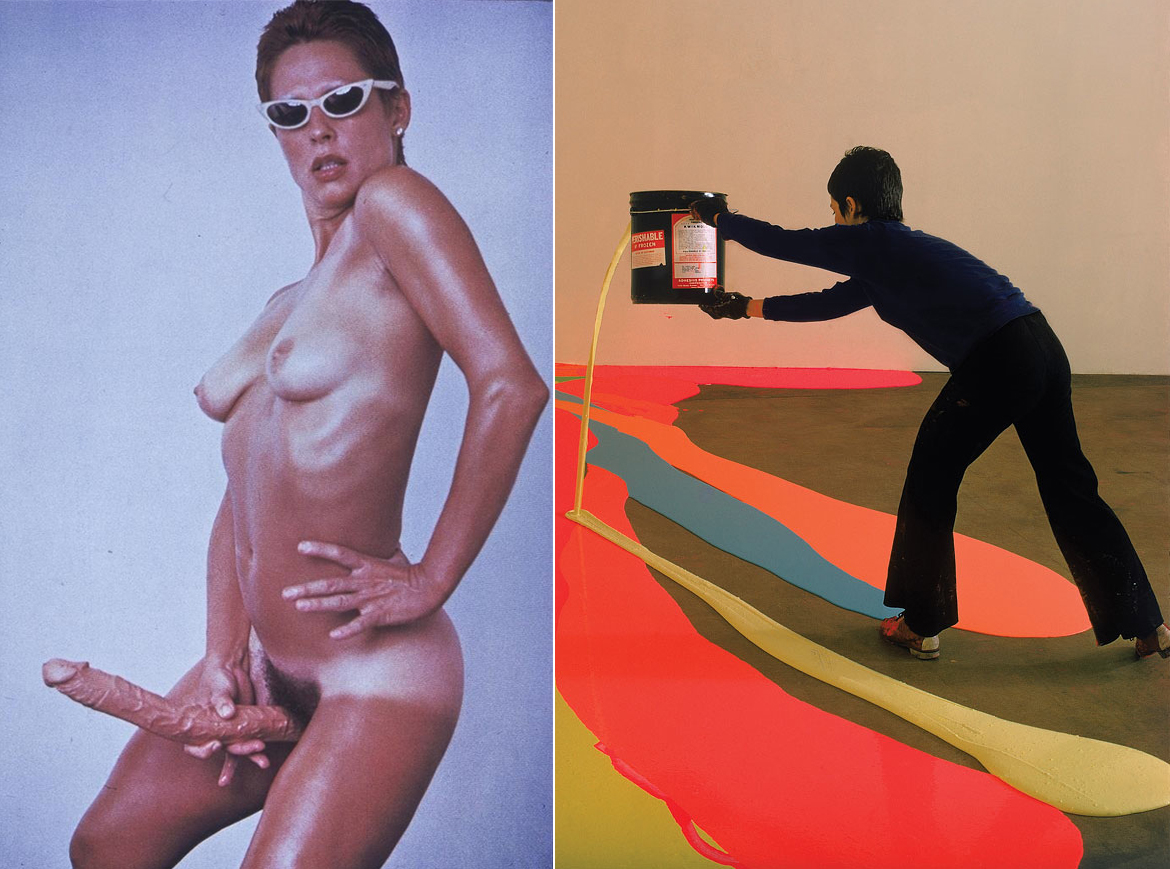
This is Lynda Benglis' first retrospective in 20 years–this one held at the MOCA Los Angeles.This travelling exhibition spans the range of Lynda Benglis's career, including her early wax paintings, her brightly colored poured latex works, the Torsos and Knots series from the 1970s, and her recent experiments with plastics, cast glass, paper, and gold leaf. It features a number of rarely exhibited historic works, including Phantom (1971), a dramatic polyurethane installation consisting of five monumental sculptures that glow in the dark, and the installation Primary Structures (Paula's Props), first shown in 1975. Alongside her sculptural output, Benglis created a radical body of work in video, photography, and media interventions that explore notions of power, gender relations, and role-playing. These works function in tandem with her sculpture to offer a pointed critique of sculptural machismo and suggest a fluid awareness of gender and artistic identity. They also contribute to an understanding of the artist's objects as simultaneously temporal and physically present, intuitive, and psychologically charged. On view until October 10 at the Los Angeles Museum of Contemporary Art.
[ART] DAVID NOONAN
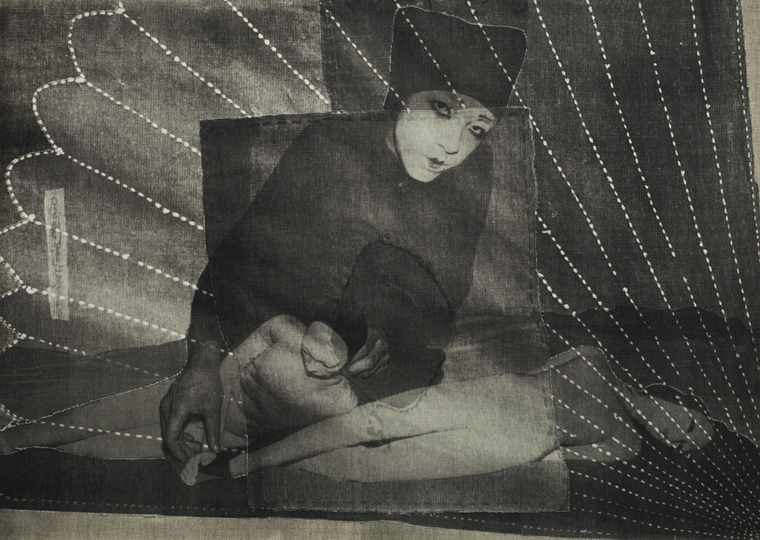
The Contemporary Art Museum, St. Louis is currently organizing the first solo presentation of the work of London-based Australian artist David Noonan in an American museum. Since emerging in the early 2000s, Noonan has developed an international reputation for works that incorporate photographic imagery of costumed performers, groups of figures from utopian collectives, and other elements of theater and stagecraft in collaged, painterly, or sculptural formats. In doing so, he encourages us to consider how documentary images of events and happenings might be transformed into fiction, while suggesting the significant roles that theatricality and performance have played in our recent cultural history. This exhibition will present a survey of recent works in a variety of media as well as numerous new works created especially for this presentation at CAM. The main gallery spaces will feature examples of large-scale works featuring evocative photographic images from various sources such as books about experimental theater or puppetry, as well as Japanese textile designs, all screen-printed onto different fabrics which are layered and stitched together. Noonan’s process of creating these works gives the images a shadowy sense of mystery, while the layering of the figurative and abstract imagery creates a tension between abstraction and representation. The exhibition is set to open on September 9 and will run until January 8. www.camstl.org