
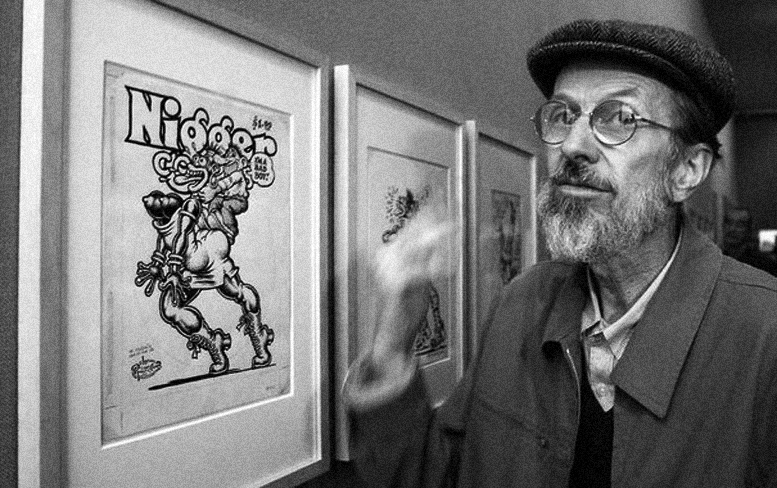
His LSD-inspired heroes, rampant sex and frontal assaults on political correctness made comic artist Robert Crumb an icon of US counter-culture, but why on earth, he wonders, put his work on show in a museum? Crumb's cult universe, from hippy-era characters like "Fritz the Cat" to his cartoon take on the Bible, is on show -- uncensored -- until August at Paris' Museum of Modern Art, hosting the largest-ever retrospective of his work. Many of the 600 works on display are original drawings shown for the first time, loaned by a handful of private collectors in Europe and the United States. Crumb: De l’Underground à la Genèse will be on view at the Paris Museum of Modern Art until August 19, 2012.
Made in America
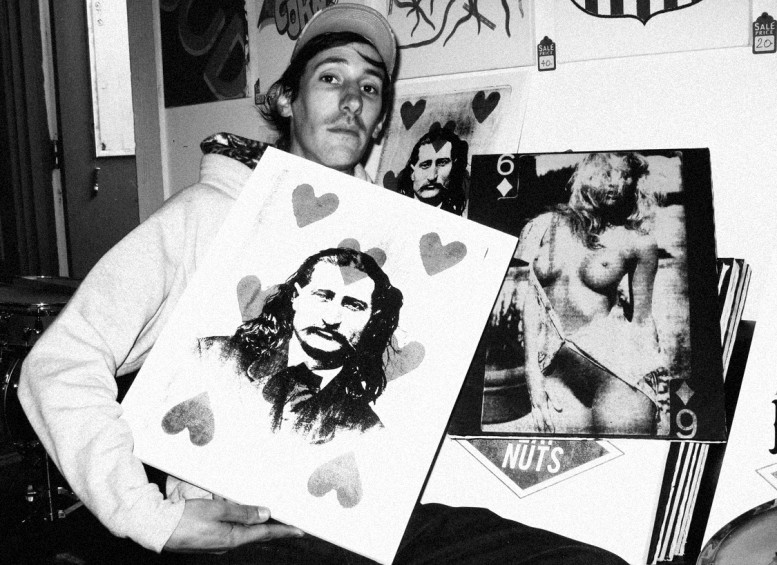
This Friday at the Roll Up Gallery in San Francisco will present Matthew Henri's solo exhibition of new works entitled Made in America. Using his unique silkscreen method "Henri will present portraits of bank robbers and wanted posters, prostitutes of the Barbary Coast in San Francisco’s now defunct red light district, old whiskey bottles, railroad ties, public hangings, along with other haunting ephemeral nostalgia. By digging further than most, culling and obtaining imagery from obscure books and libraries, with exhaustive research, and artifacts such as nudie playing cards found at seedy liquor stores on the outskirts of the Las Vegas desert, Henri has created an extremely visceral and heartbreaking portrait of an American landscape...." Made in America will be on view from April 13 to April 29 at Roll Up Gallery, 161 Erie Street, San Francisco.
The Shaping of New Visions
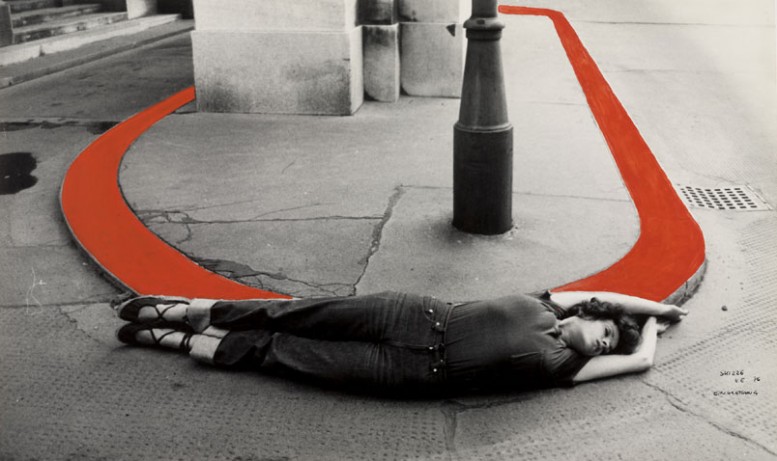 Valie Export, Einkreisung (Encirclement) from the series Körperkonfigurationen (Body Configurations). 1976.

The Shaping of New Visions: Photography, Film, Photobook, on view this month at the MOMA in New York, covers the period from 1910 to today, offers a critical reassessment of photography's role in the avant-garde and neo-avant-garde movements—with a special emphasis on the medium's relation to Dada, Bauhaus, Surrealism, Constructivism, New Objectivity, Conceptual, and Post-Conceptual art—and in the development of contemporary artistic practices. The shaping of what came to be known as "New Vision" photography bore the obvious influence of "lens-based" and "time-based" works. El Lissitzky best summarized its ethos: "The new world will not need little pictures," he wrote in The Conquest of Art (1922). "If it needs a mirror, it has the photograph and the cinema." The Shaping of New Visions: Photography, Film, Photobook will be on view at the Museum of Contemporary art from April 18 to April 29, 2013.
Three Degrees of Certainty

New work by Canadian based artist Maskull Lasserre, entitled Incarnate (Three Degrees of Certainty II), a skull is carved into old computer manuals representing the death of the printed manual.
Bag of Bones
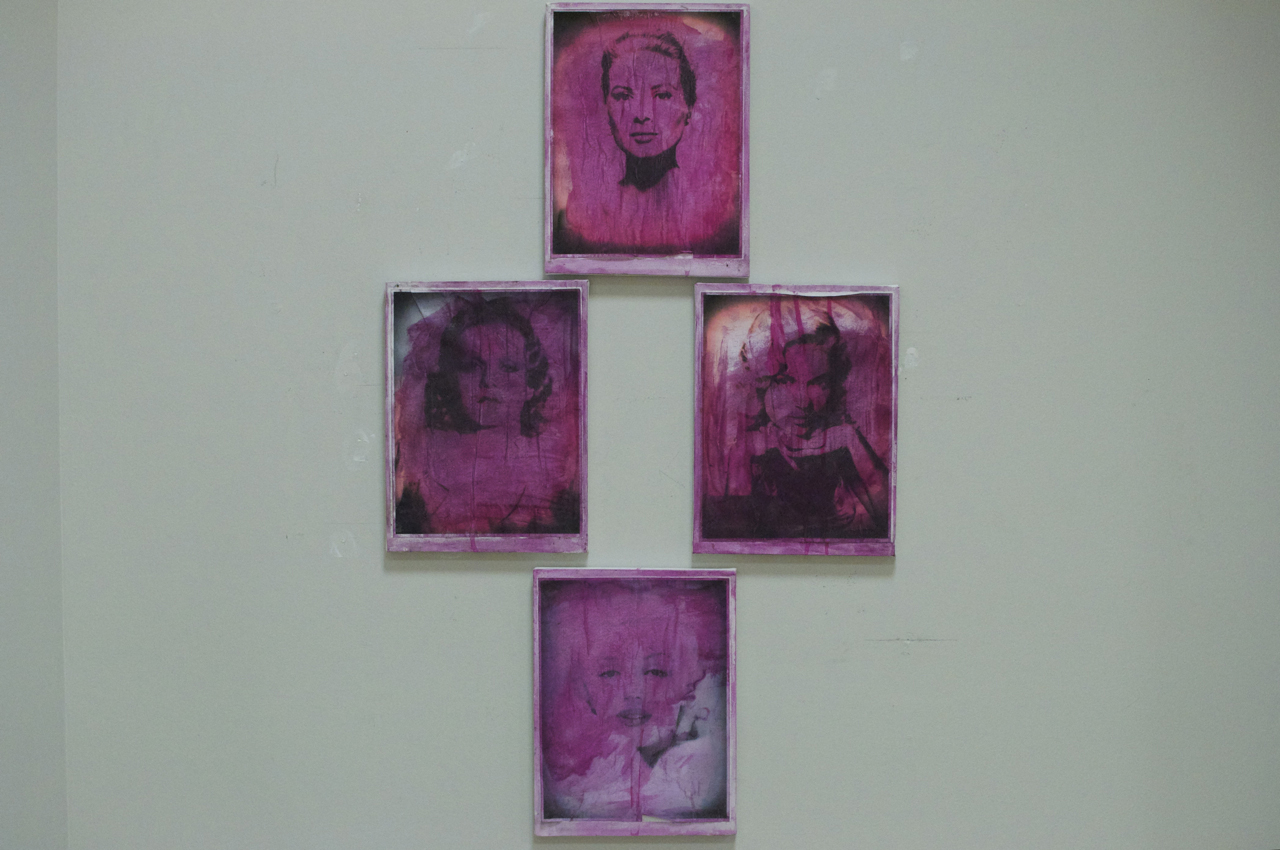
blankgallery_bag_of_bones_west_virginia_christopher_lusher_max_snow
Exhibition view of Bag of Bones, the new show with Max Snow and Christopher Lusher which opened last night at Blank Gallery in West Virginia. Photo by John Drake.
Giverny
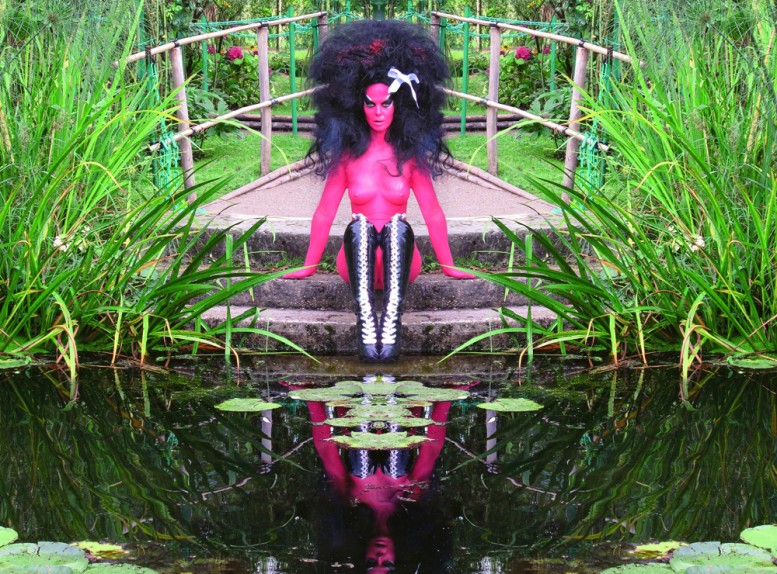
The Hole gallery in New York presents the exhibition Giverny, a collaboration between E.V. Day and Kembra Pfahler. The artists created photographic works in the famous French gardens built and immortalized in paint by Claude Monet, and will be exhibiting them for the first time here on the Bowery. Playboy.com has generously funded this massive exhibition, for the duration of which the Hole will be transformed into a living, breathing garden—with a lily-padded pond traversed by Monet’s signature green Japanese arched bridge, and scattered with the indigenous plants he is famous for painting. The walls of the exhibition will be printed with the almost claustrophobically green willow trees that surround this historic French site, and your first step into the gallery will be onto grass. Giverny will be on view until April 24 at the Hole Gallery.
Earthling
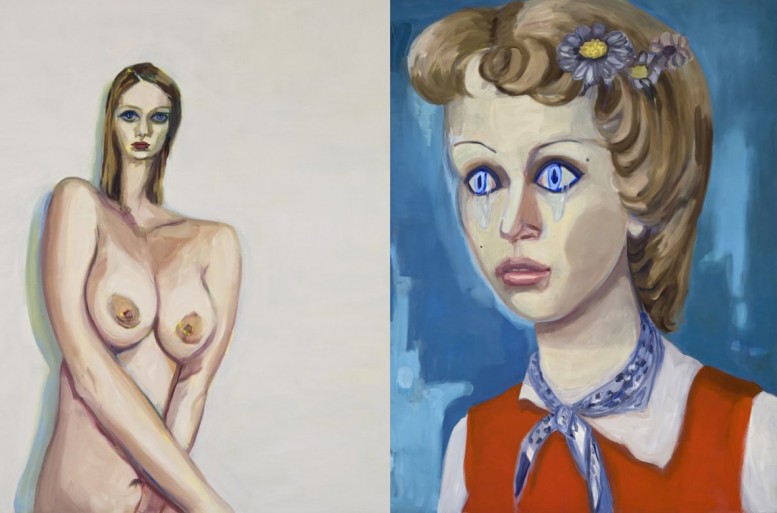
Janet Werner’s work focuses on the invention of fictional characters based on found images from popular culture including models, celebrities, dolls and figurines. The paintings operate within and against the genre of portraiture, taking anonymous female figures and imbuing them with fictional personalities. For Werner, the process of painting is a way of investigating the iconic power of the image, invoking imagination, memory, and projection to invest the anonymous figures with human subjectivity and emotion. The final paintings are composite portraits that retain aspects of the original while also representing notions of transformation, innocence and loss. Janet Werner's Earthling will show at Parisian Laundry from March 29 until April 28.
Robert Carrithers: The Groovy Dada Lounge Revisited

Prague – On view now at the Fotograf Gallery in Prague: rediscovered photographs by Robert Carrithers of Basquiat, Haring, the New York scene in the 1980s and the infamous Club 57.“One staircase led to heaven the other to hell” says Robert Carrithers of a building in New York’s St. Mark’s Place Street, number 57. The building whose basement housed, in the late 1970s and early 1980s, Club 57 – a creative laboratory for all non-conformists and free-thinkers from the East Village – actually belonged to the central offices of the Polish Catholic Church. The Groovy Dada Lounge Revisited will be on view until April 20 at the Fotograf Gallery in Prague, Školská 28, Prague 1.
The Gods of Love
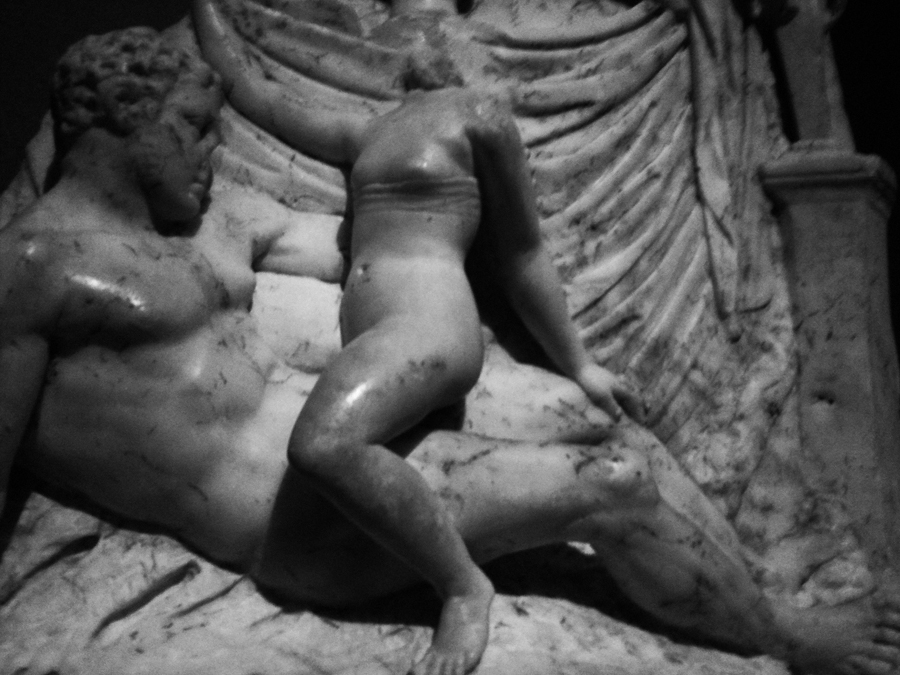
Aphrodite and the Gods of Love at the Getty Villa in Malibu until July 9, 2012. Photograph by Oliver Maxwell Kupper
A Visit to Kathe Burkhart's Studio
 Pas Un Autre correspondent Annabel Graham visits Kathe Burkhart's studio for an upcoming article interview. Photograph by Annabel Graham.
John Waters: Neurotic
John_Waters_Neurotic_exhibit_March_2012_Neurotic_WHITE_SPACE
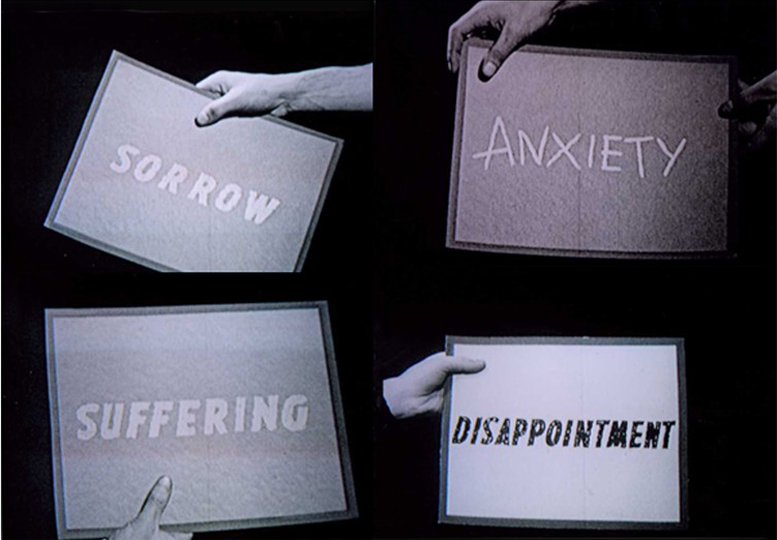
Neurotic, McClain Gallery in Houston, Texas, displays conceptual works by the "Pink Flamingos" director made between 1993 and 2009 that comment on film, writing, sex, humor, and, neuroses. On view from until April 21st.
Sunny Days & Sweetness
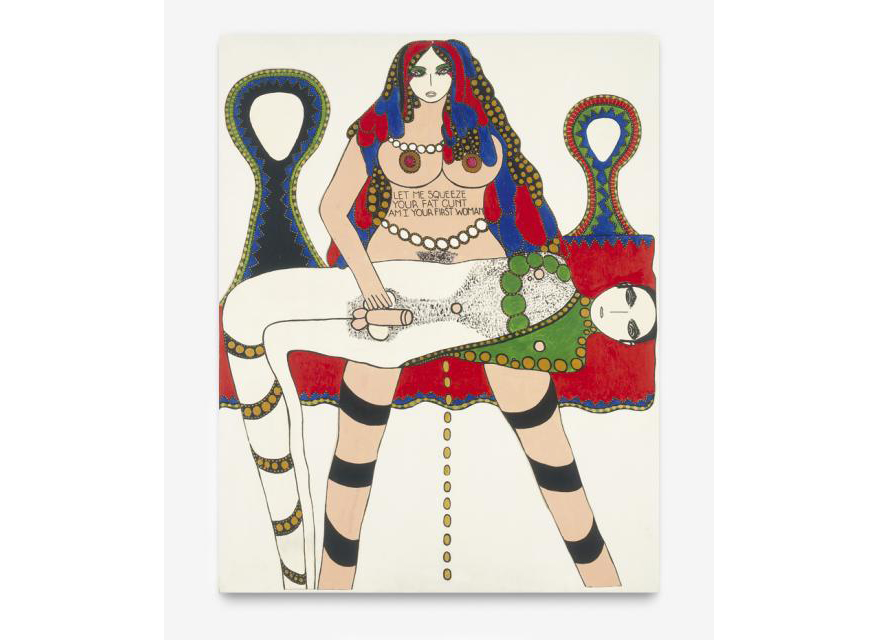
sunny_days_and_sweetness_DOROTHY_IANNONE_peres_projects
Dorothy Iannone's exhibition entitled Sunny Days & Sweetness is on view at Peres Projects unti April 17.
Walking Piece
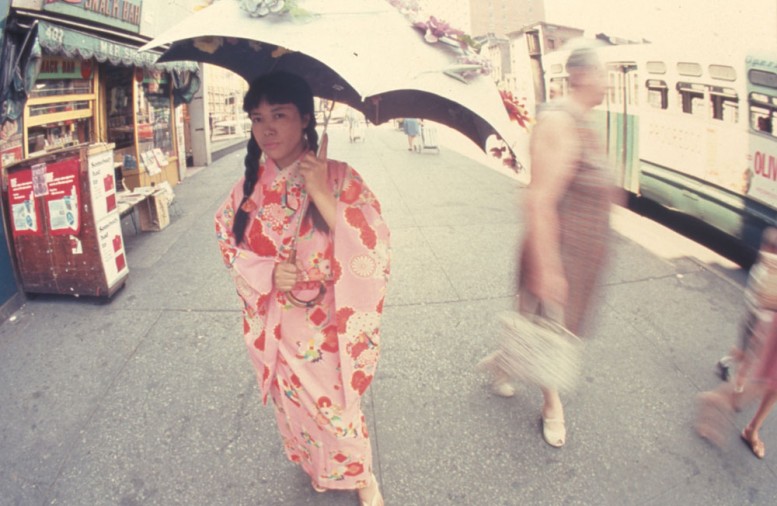 Walking Piece, 1966 / Image courtesy: Ota Fine Arts, Tokyo / © Yayoi Kusama, Yayoi Kusama Studio inc.
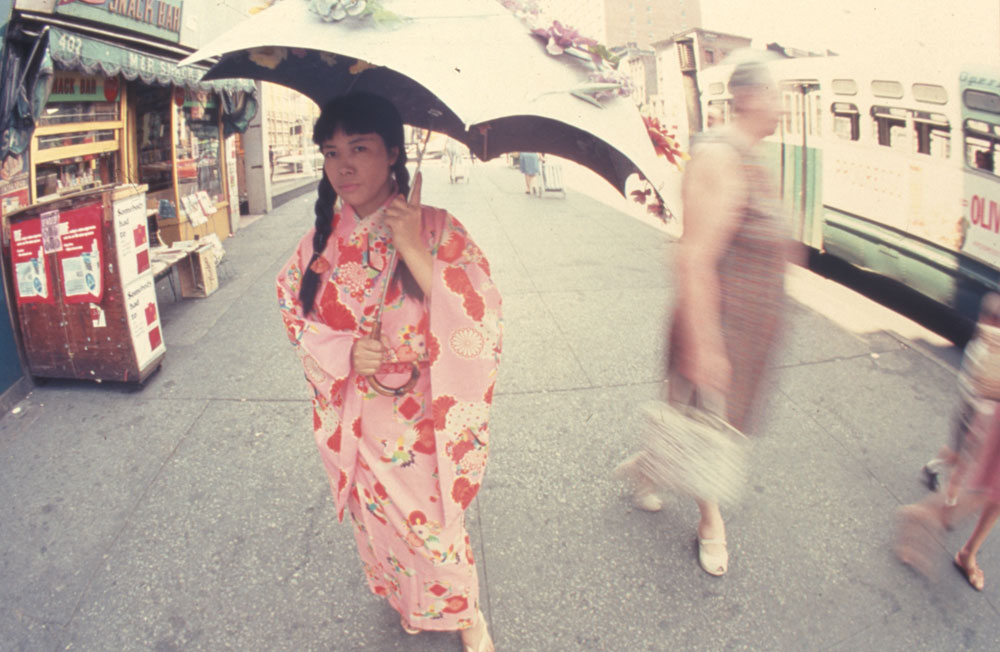
Yayoi Kusama in one of her performance art pieces entitled Walking Piece. Stay tuned for an interview and more photos of Yayoi Kusama in the upcoming issue of AUTRE - out this week. Be sure to sign up for the newsletter to find a copy!
Parra
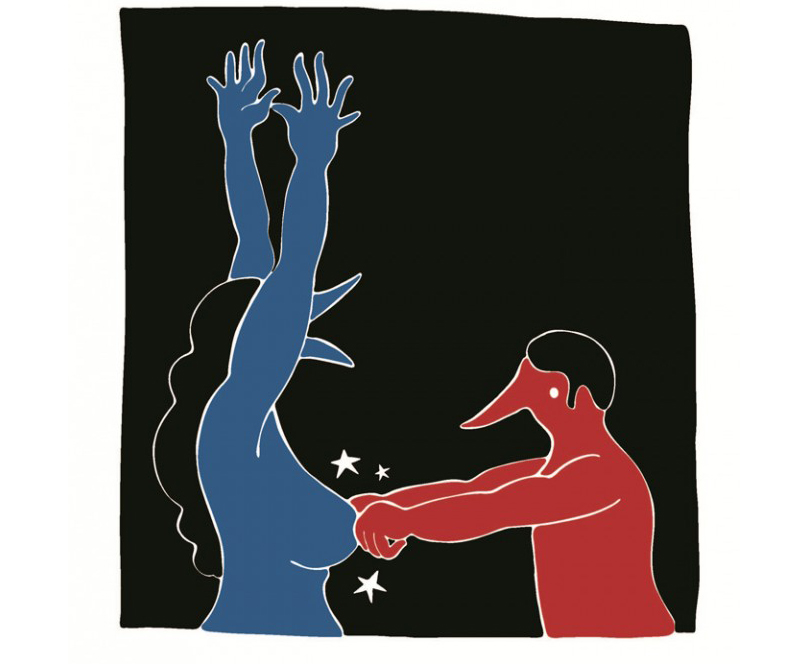
With its vibrant color, curvaceous lines, and eccentric, distinctive imagery, the bold and playful work of Dutch graphic artist Parra has garnered a substantial cult following since it first appeared in the 1990s. Parra's cartoonlike, hybridized characters and free-form typography have become iconic, while his hand-drawn approach to graphic design has landed him high-profile collaborations with companies like Nike and InCase. For this exhibition, his first in a U.S. museum, Parra is taking over SFMOMA's second-floor landing with an expansive mural that showcases his irrepressible post-Pop design style. On view until July 29, 2012.
Love
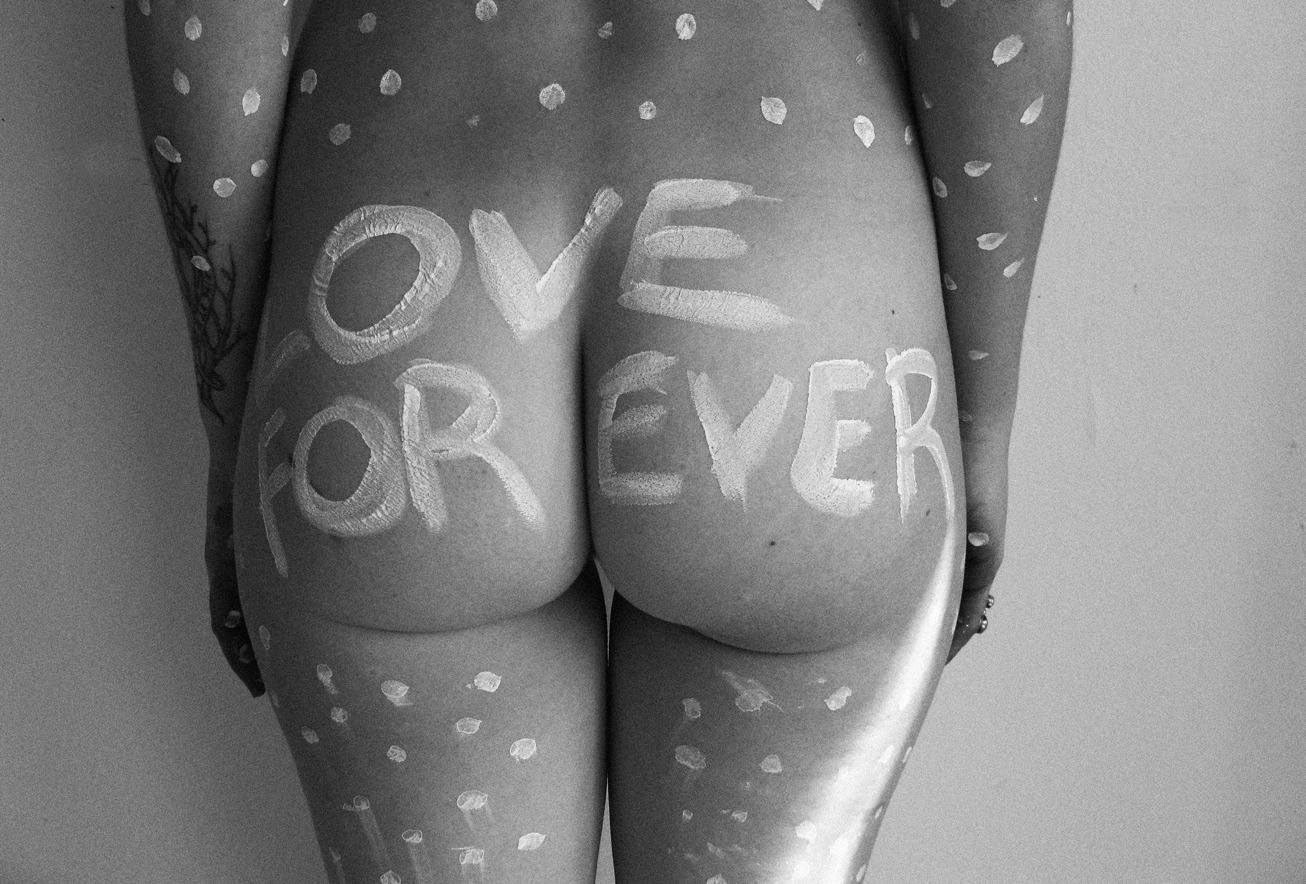 Inspired by Yayoi Kusama, photograph by Oliver Maxwell Kupper
A Special Message from Yoko Ono

Stay tuned for an interview and other important messages from Yoko Ono in our next issue....sign up for the newsletter to find our first where to get a copy.....or purchase a subscription!
MIMMO ROTELLA Retrospective
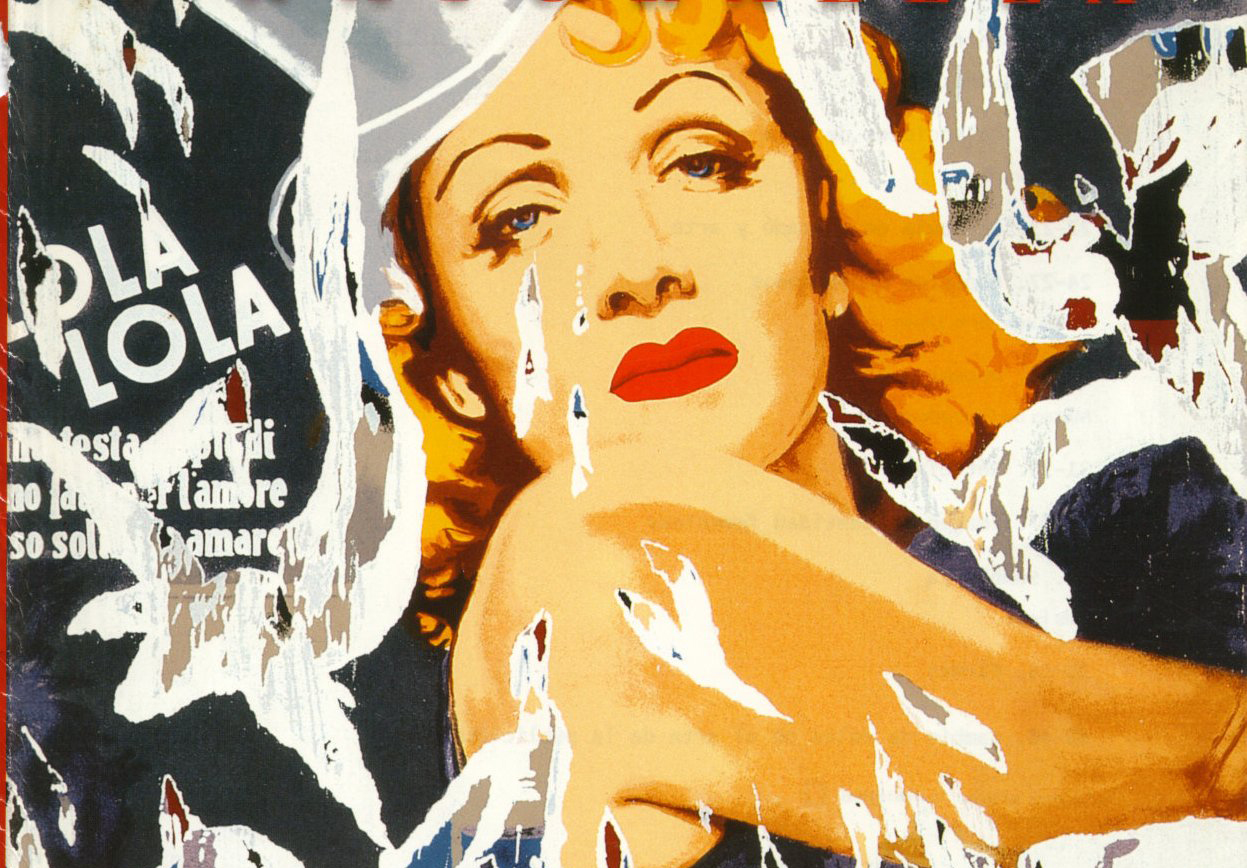
mimmo-rotella-detalle
Mimmo Rotella was perhaps the very first street artist. His art is shown and exhibited around the world, but in 1951 Rotella (born in Catanzaro, Calabria, 1918; died in Milan 2006) was one of the first to turn the language of art upside down by using materials from the urban environment, particularly advertising posters, which he collected then changed by lacerating them. Mimmo Rotella is thoroughly avant-‐garde. In 1949, while he was searching for new forms of self-‐expression, he even invented a phonetic poetry made up of sounds and words without any sense, for which he coined the term “épistaltique language." He spent time as an artist in residence in the United States, where he met Rauschenberg, Cy Twombly, Pollock and Kline. He was later to meet de Kooning and Rothko in Rome in 1960. But in 1953 he underwent a crisis during which he stopped painting, saying that “everything in art has already been done." It was in 1954 that he had what he called a “Zen illumination." He discovered the advertising poster as a means of expression and invented the tearing method that he was to use for the rest of his life. By carrying out what he called “double décollage” – first detaching the poster from the wall, then tearing it in his studio. A retrospective of Mimmo Rotella will be on view at the Tornabuoni Art Gallery in Paris from March 30 to June 9, 2012
Chaos, Gravity, and Fire

Cai Guo-Qiang and volunteers creating two gunpowder drawings, Desire for Zero Gravity and Chaos in Nature, taken this week at The Geffen Contemporary at MOCA.
Adanowsky at the Teatro Metropolitan in Mexico City
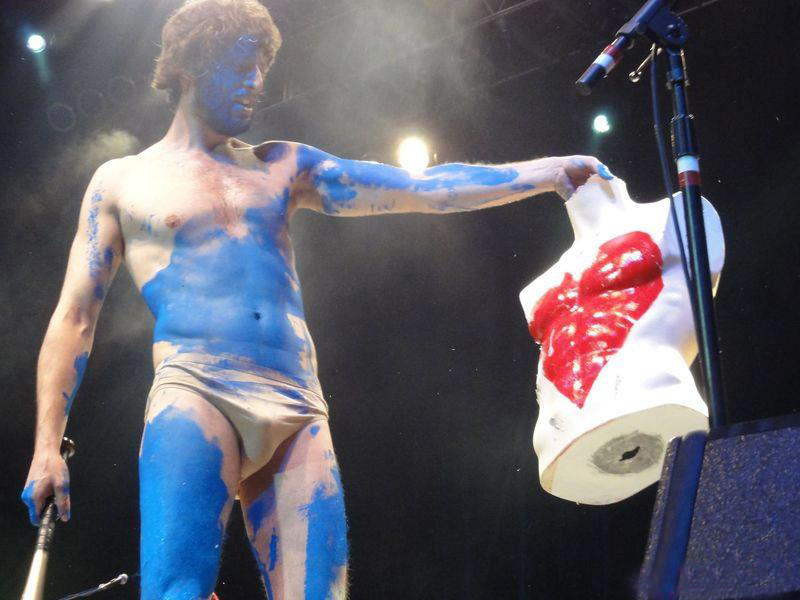 Adanowsky at the Teatro Metropolitan in Mexico City performing La Muerte de Amador
Adanowsky: La muerte de Amador
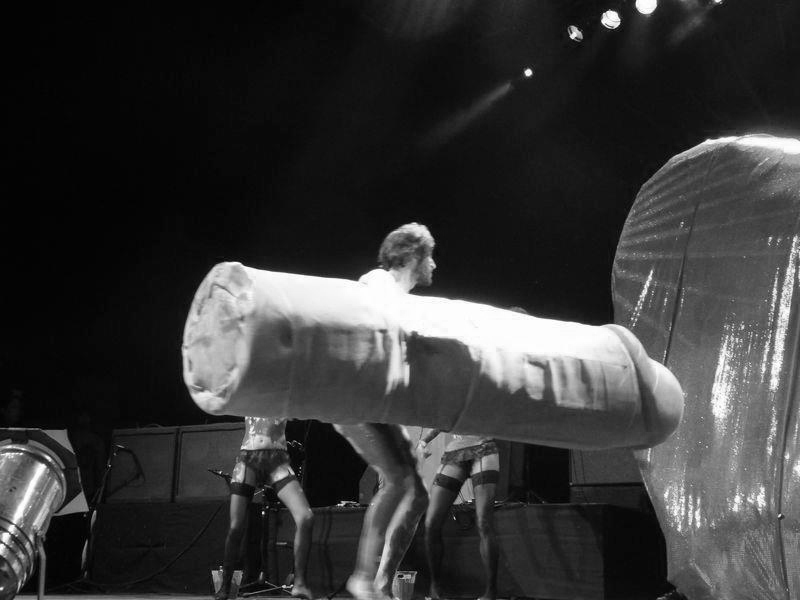
Adanowsky performs La Muerte de Amador at the Teatro Metropolitan in Mexico City - staged by his father Alejandro Jodorowsky - which included dwarfs, monsters, dancers, coffins, and one giant penis.