[LONDON] Power of Making
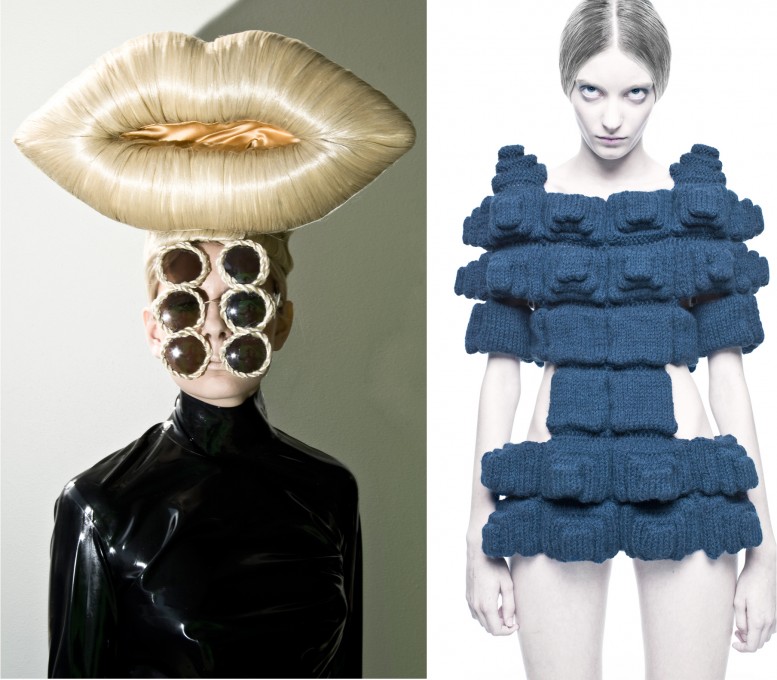 Left: Blond Lips, Charlie Le Mindu using Hairdreams. Image by Manu Valcarce - Right: Sandra Backlund knitted dress, © John Scarisbrick
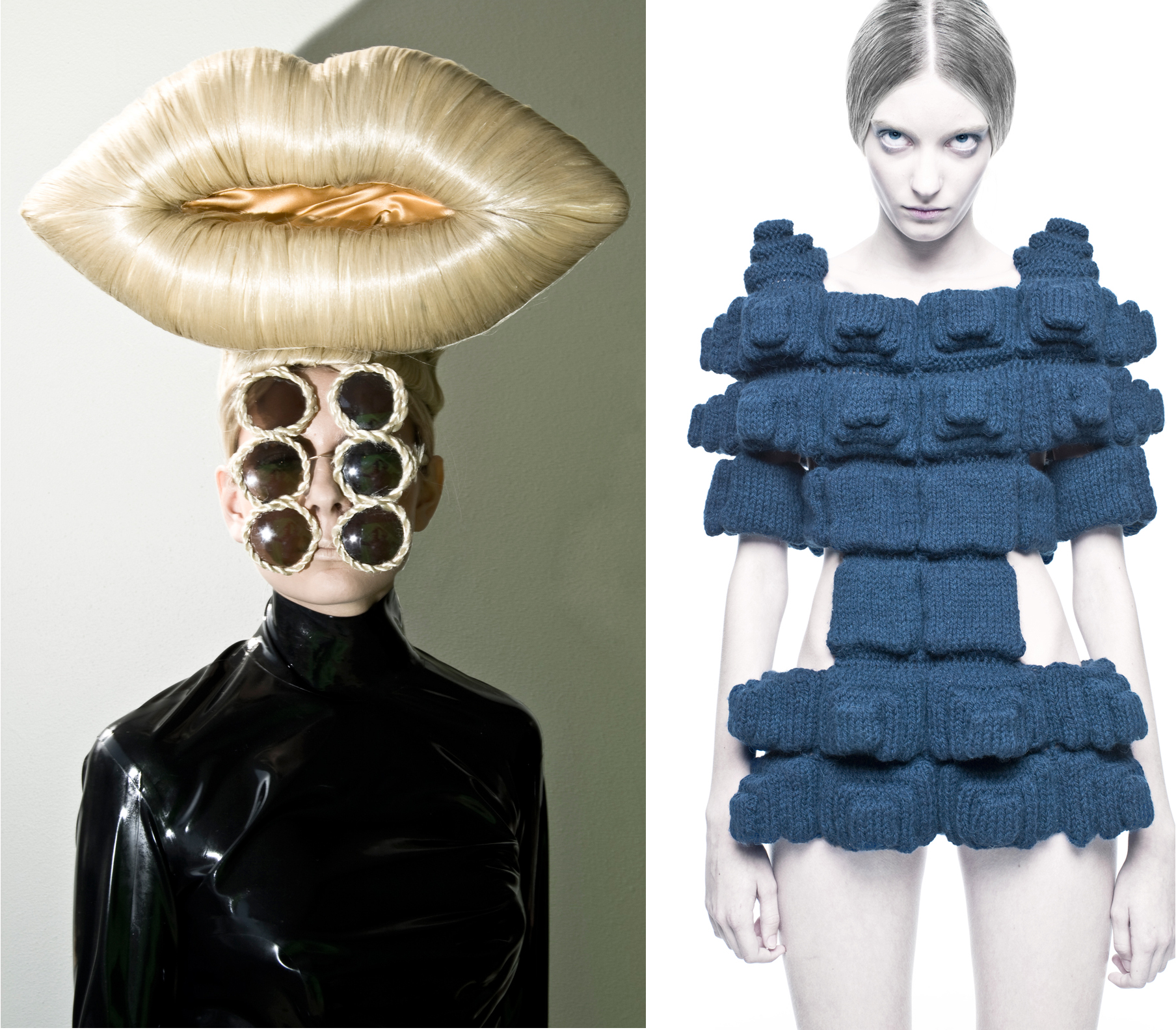
The Victoria and Albert Museum in London and Crafts Council celebrate the role of making in our lives by presenting an eclectic selection of over 100 exquisitely crafted objects, ranging from a life-size crochet bear to a ceramic eye patch, a fine metal flute to dry stone walling. Power of Making is a cabinet of curiosities showing works by both amateurs and leading makers from around the world to present a snapshot of making in our time. On view September 6 to January 2, 2012.
MIU MIU F/W 2011 Campaign by Bruce Weber



On the Rise: Lia Ices
Lia Ices premiers a new music video for her song Love is Won on her current album Grown Unknown (Jagjaguwar). New york based singer/songwriter Lia Ices veers close to that edge of 'sappy love pop,' but careens away at the last moment proving to be an artist with an enormous potential and a beautiful vocal style that recalls that of Sinéad O'Connor's.
[books] MAXIM'S, MIRROR OF PARISIAN LIFE
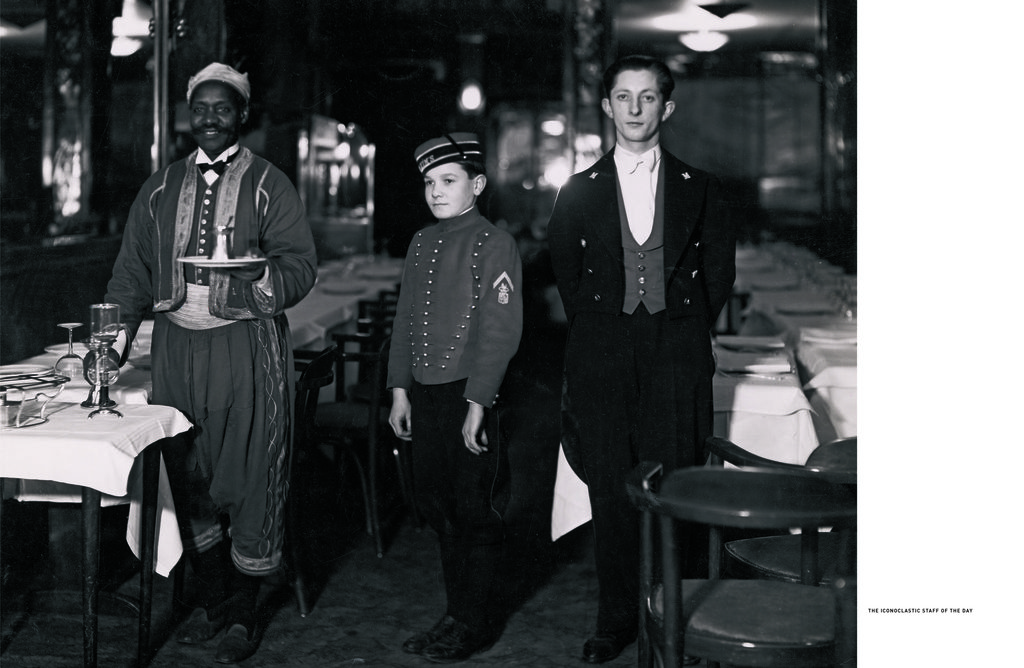
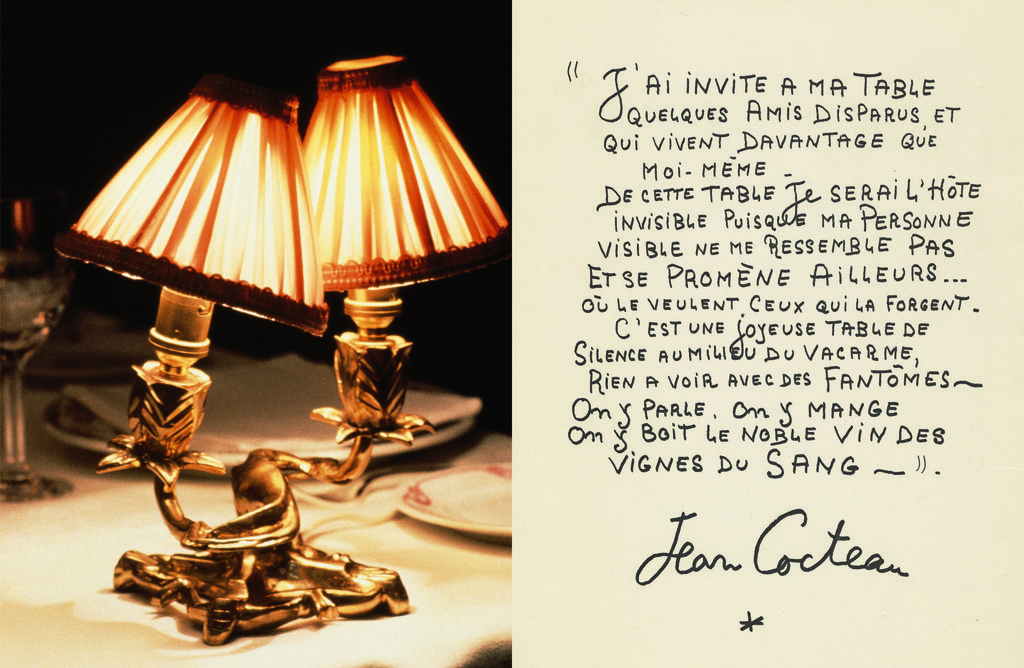
"The mythic Parisian restaurant Maxim's—owned and operated for the past twenty-five years by iconic designer Pierre Cardin — has hosted patrons from royalty and celebrities to courtesans and starving artists since opening its doors more than a century ago. The history of this legendary restaurant is captured through stunning photographs, and also features a selection of Maxim's most successful recipes." A new book out now by Assouline....
[FILM STILL] MY HUSTLER by Andy Warhol
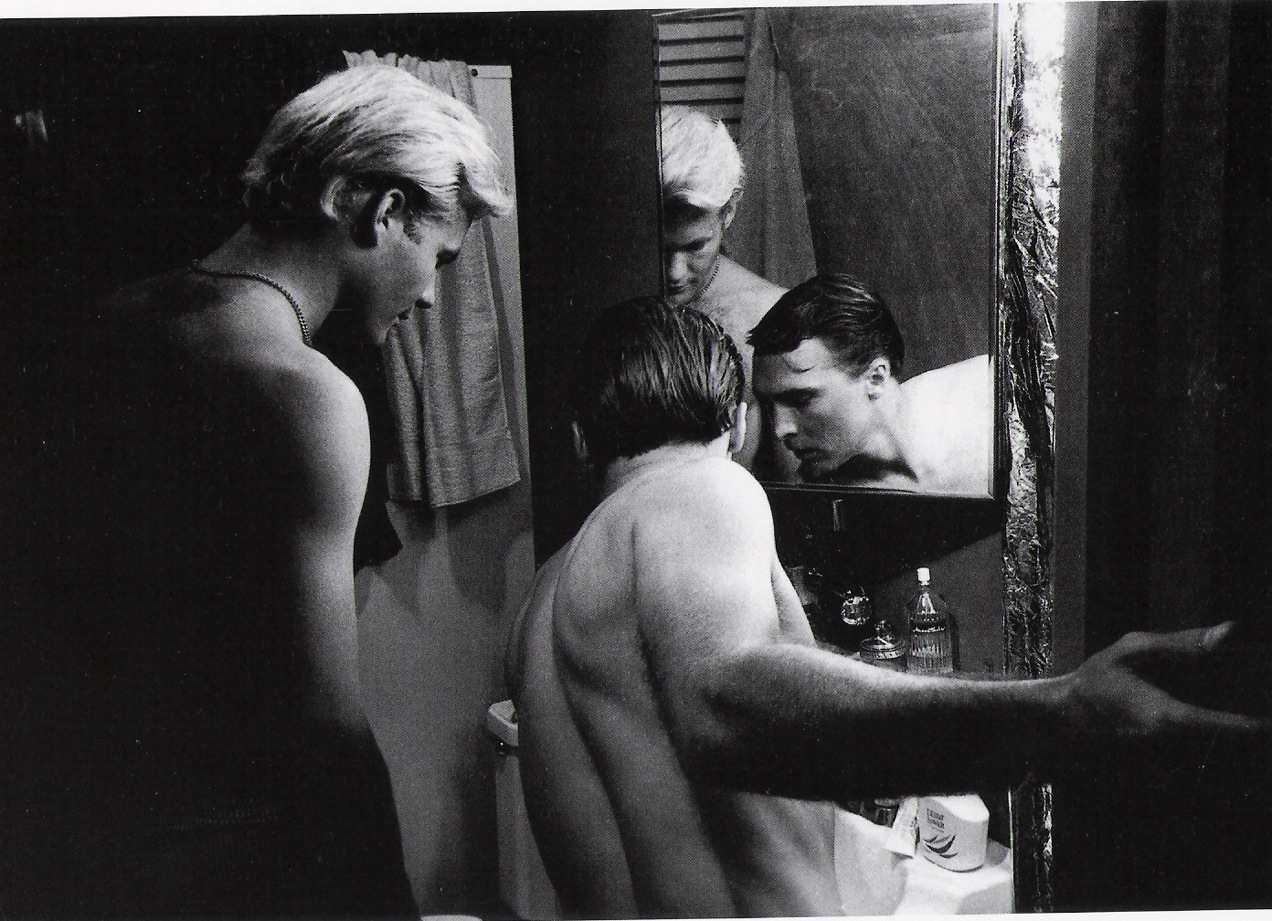
Directed by Andy Warhol & Chuck Wein. With Paul America, Ed Hood, Joseph Campbell, Genevieve Charbon. In this early Warhol narrative, several men and women on Fire Island vie for the attention of a hustler. Featuring catty dialogue, a few long takes, and limited camera movement, the film appears artless at first but ultimately proves canny, casual, and affecting. On view tonight and Wednesday night the MoMA in New York as part of the Hot and Humid: Summer Films from the Archives series.
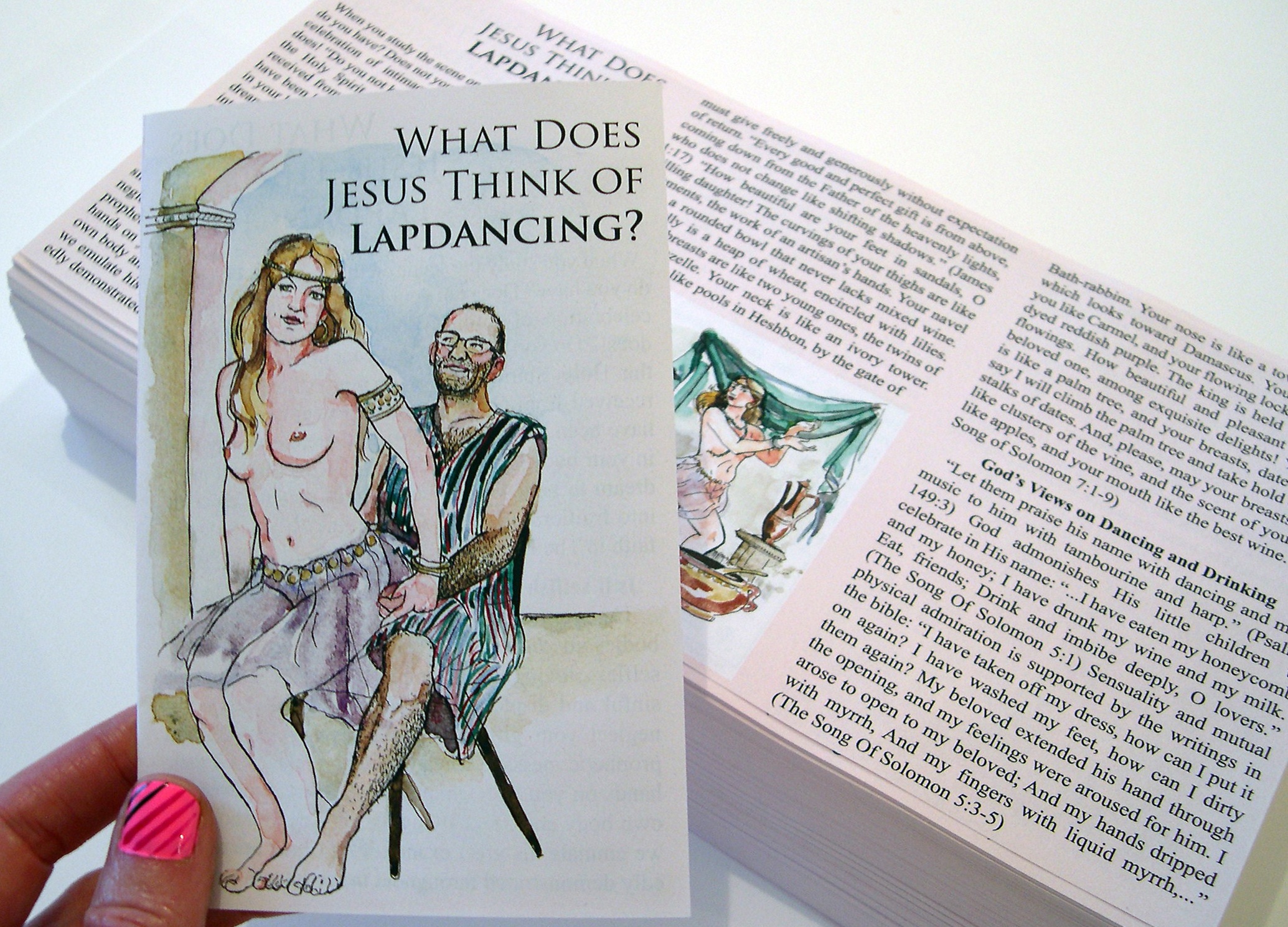
What Does Jesus Think of Lapdancing?
Charmaine_Wheatley_art
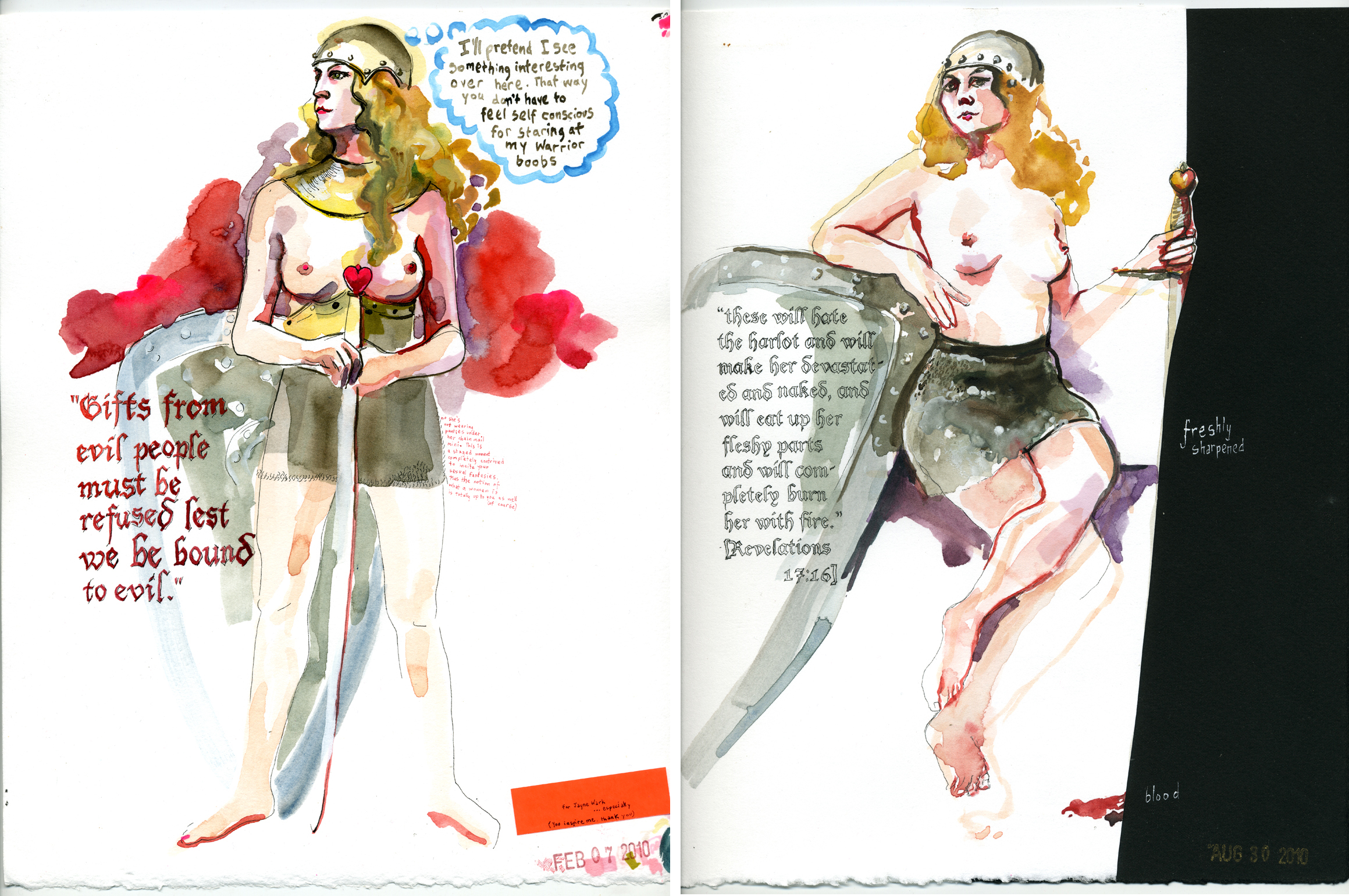
If you can believe it, she has read the bible a total of six times. Canadian born artist Charmaine Wheatley is as prolific as she exhibits her work, but lately its sex thats been on her mind. Her new series of erotic illustrations are a testament to her own path of discovery of sex outside the confines of her religious upbringing. Having been living in New York for a little over a decade, Charmaine Wheatley – with ample freedom and wells of creativity – has certainly found her artistic identity, but as for her sexual identity, its exploration is all there on the canvas, per se. Charmaine Wheatley's artwork is extremely multi-dimensional. Mediums integrate into mediums: from illustration, to performance art, to sculpture and back again. In her collaboration with DJ and sound artist Taketo Shimada, inspired by her namesake – her name comes from the widely recorded song and 1920s standard "Chaarmaine" – they are trying build and demonstrate the personality of CHARMAINE. And if this collaboration is an example, it is proof unto itself how multifaceted and adroit the sum of Charmaine Wheatley's artistic ambitions are. A description of this collaboration then makes total sense: "....a direct reference to fantasy, gift giving, sound art, contemporary feminist dialogue and pop culture while investigating issues of intimacy and sexual tension that dissolve any boundaries between sexual preference, cultural or class backgrounds, age or gender types." Pas Un Autre was lucky enough to ask Charmaine Wheatley a few pertinent questions, after the jump.

Charmaine_Wheatley_abbey_meaker
Why did you decide to move to New York City from Canada? When Halifax (Nova Scotia) started to feel too small. There was no where I could go without bumping into someone I knew. I liked the anonymity of NYC. If I want to bump into people I know, I go to Chelsea, the Lower Eastside/ West Village, Williamsburg, Dumbo, etc. If I want to make sure I don’t I just go uptown or the Financial District. Also I was trying to get away I realize now from an f’d up relationship and social situation. I didn’t feel much loyalty in my circle the way things were up there. Also I was dazzled by the possibilities of NYC. I didn’t want to see anymore rocks, trees, lakes, ocean... Of course the last part has changed. I need nature in my life.
How has living in the city impacted your work/direction?I can get whatever materials I want. I don’t have to just look in books to see an artwork I like. I just go see the piece in the museum or gallery. I’m visually stimulated on a daily basis. No one ever calls what I do, “strange” or “weird”. If I need to dress up like a tooth fairy in the middle of the day and walk down 5th Ave. people barely bat an eyelash. I mean, I haven’t had the need to explore that particular identity but I am aware of the freedom to if I need to....However walking around naked isn’t tolerated...even the naked cowboy and cowgirl aren’t naked. But that conservatism is something to challenge.
Can you remember the first thing you drew?Hmmm the very first thing? Really I can’t. I’m sure I did all the same kind of little kid drawings....I guess I remember the 1st drawing contest I won 1st prize in. Like in Grade 1 or 2. It was a 2-frame comic, color, on bristol board with crayons and markers. The Royal Bank sponsored the competition. The 1st frame was a boy on the bank of a lake, throwing a rock into the water. The second frame was a close up of the rock hitting the water and ripples emanating. My text was like: ‘Putting your money in the bank is like throwing a rock in the water. Your money gets bigger and bigger’ or something like that...Making reference to savings account and accruing interest on deposits. I don’t even think I was trying to suck up to the bank. I don’t think I understood that the bank chose the winners or whatever. I really honestly thought banks were great. I was a nerdy, earnest kid with a piggy bank and was really into saving money. There was a picture of me in the paper accepting the prize of my first bank account. They put a little money in it and gave me some pen. I was so very honored!
What are your inspirations?Basically I’m inspired by everything and everyone.
Can you tell us a little bit about the erotic series?My keen interest in all things sexual is pretty textbook actually. I’ll now admit I was raised in a strict and cloistered religion. I’ve read the bible 6 times. Premarital sex was a sin. I had to figure out how to sin on my own, without any clues from my parents and I wasn’t allowed to take Health class in school plus I was so busy with studying the bible and such that I had no time for making friends. Besides friends that weren’t part of our religion weren’t really to be trusted... “Bad associations spoil useful habits” (1 Corinthians 15:33). So of course I became acutely curious and wanted to learn first hand all about that which I knew nada. That interest only grows...
What are you working on now?I’ll mention these 3 things: 1. The above drawings are more recent and the propaganda tract is the first of a series I’m working on producing. The next one will be excellent! “What Is The Role Of Women?” I’ll paint a dazzling portrait of Babylon a.k.a. Mother of the Harlots for the front. There is some related performance activity that accompanies the tract. 2. Also I did a collaborative piece with a fellow artist who draws, Joan Linder for the publication “FUKT” that comes out of Berlin. It’ll be available at the upcoming NY Art Book Fair. 3. sex
www.charmainewheatley.com
Text by Abbey Meaker and Oliver Maxwell Kupper for Pas Un Autre
charmaine_wheatley_jesus_laplancing
Blow Up
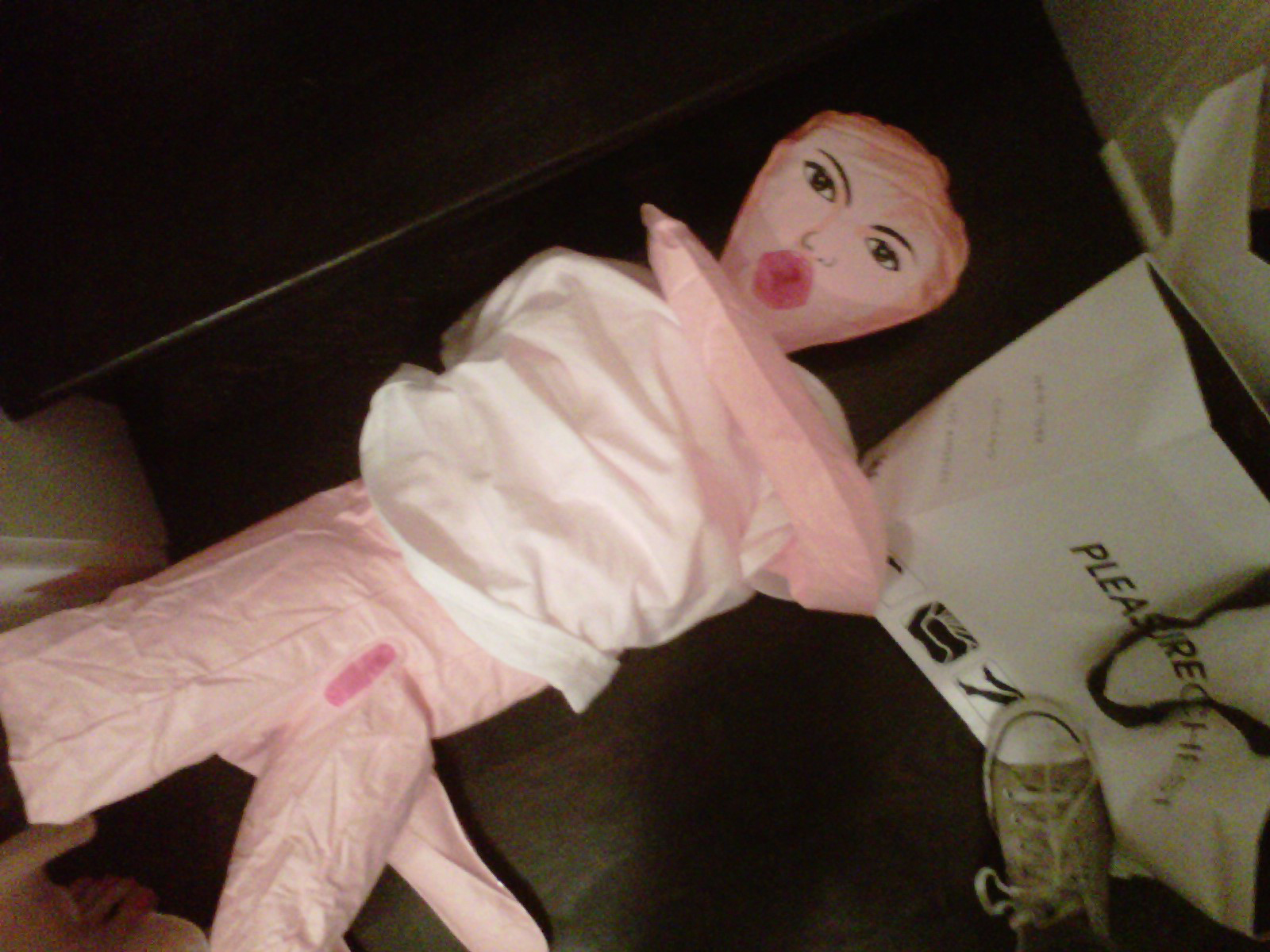
Chateau Marmont in Los Angeles: A beautiful blow up doll, a prop from a secret movie project shot in Los Angeles.
Love Forever
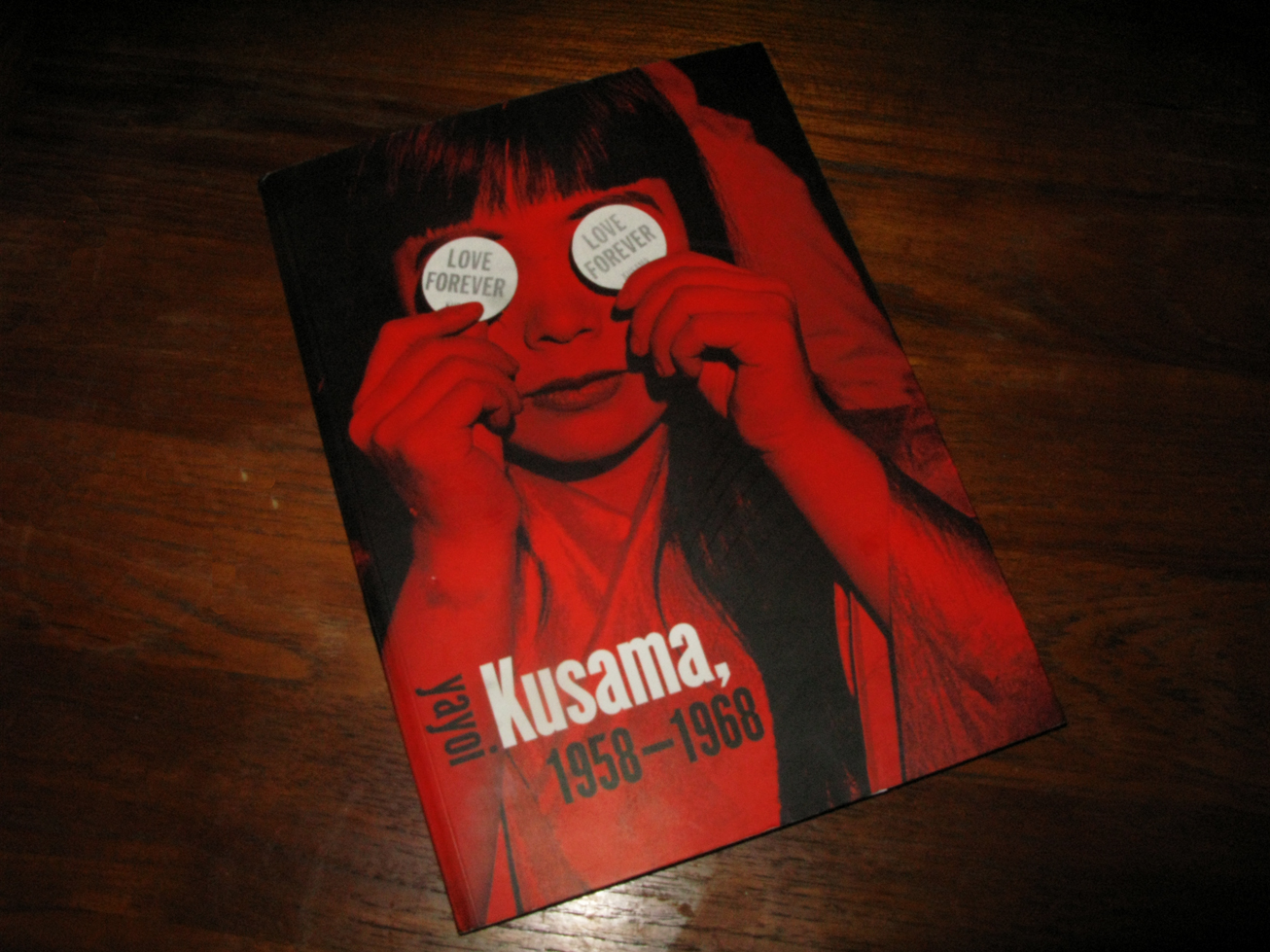
Getting to know Yayoi.....
WAR IS OVER, IF YOU WANT IT
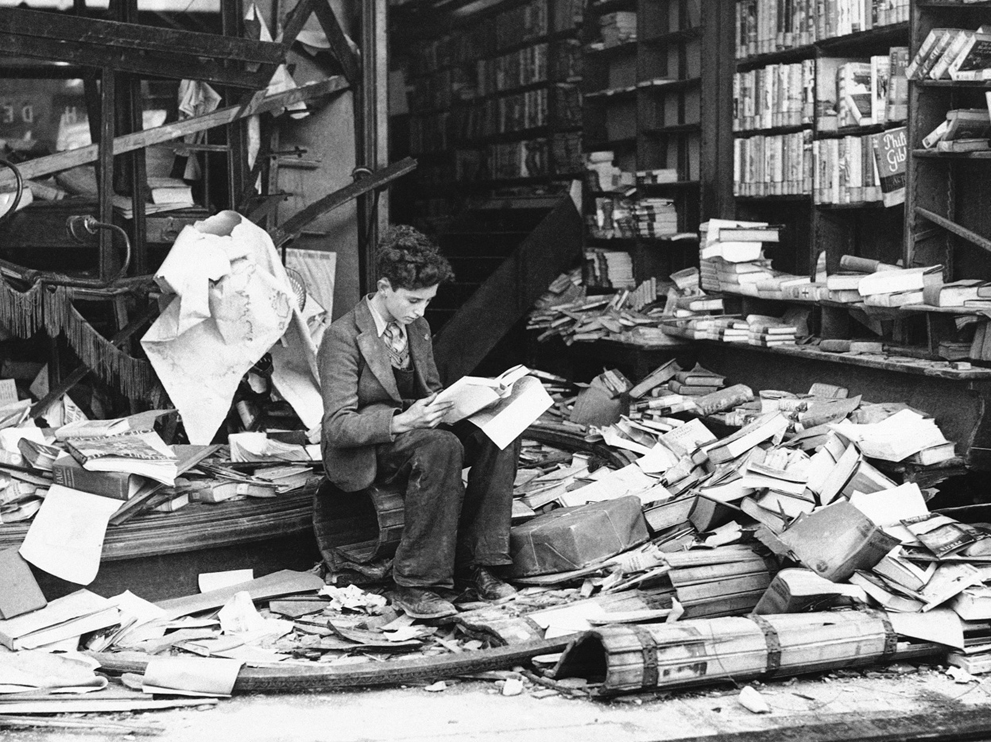
A boy sits amid the ruins of a London bookshop following an air raid on October 8, 1940, reading a book titled "The History of London." (AP Photo) From Alan Taylor's photo retrospective entitled World War II in Photos presented in 20 parts on the Atlantic's web platform. "World War II is the story of the 20th Century. The war officially lasted from 1939 until 1945, but the causes of the conflict and its horrible aftermath reverberated for decades in either direction. While feats of bravery and technological breakthroughs still inspire awe today, the majority of the war was dominated by unimaginable misery and destruction. In the late 1930s, the world's population was approximately 2 billion. In less than a decade, the war between the nations of the Axis Powers and the Allies resulted in some 80 million deaths -- killing off about 4 percent of the whole world." [site]
Anarchy in the UK
 A hooded youth walks past a burning vehicle in Hackney on August 8, 2011. (Peter Macdiarmid/Getty Images)

Mime at Sacre Coeur – Paris
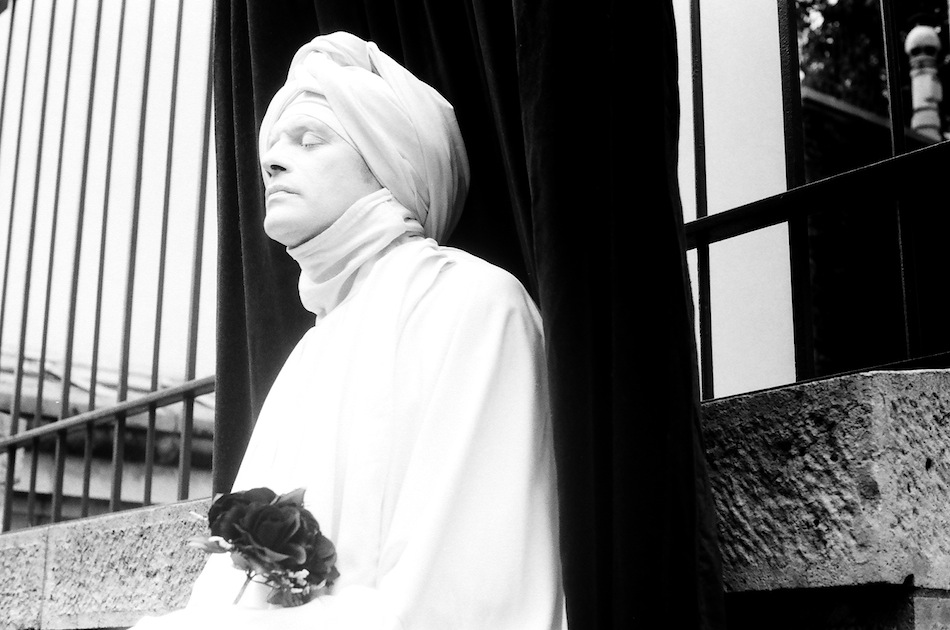
Photography by Adarsha Benjamin
SMOKIN HOT: AUTRE QUARTERLY
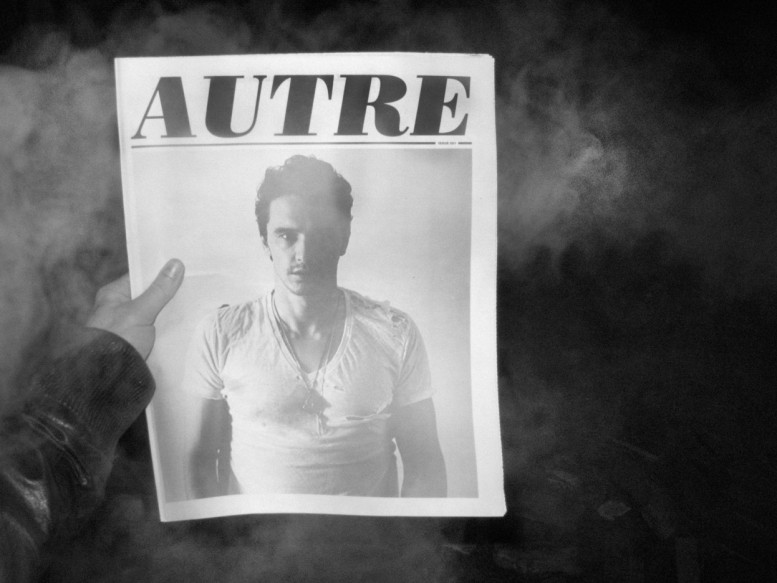
AUTRE QUARTERLY, issue one, cover shot of JAMES FRANCO by ADARSHA BENJAMIN – fashion editorials with CAVERN COLLECTION – interviews with KAWS and ARIEL PINK – art by ALIA PENNER, MINKA SICKLINGER, and JAMES GEORGOPOLOUS. Now available at COLETTE (Paris) VIOLA (London) STANDARD BOOKSTORE (Osaka) THE IMPOSSIBLE PROJECT SPACE (New York) INCU (Sydney) PARK LIFE (San Francisco). More to come....
[IN THEATERS] The Man Who Fell To Earth

David Bowie in Nicolas Roeg's THE MAN WHO FELL TO EARTH (1976). Courtesy BFI.
David Bowie in Nicolas Roeg's THE MAN WHO FELL TO EARTH (1976). Courtesy BFI.
“Are you Lithuanian?” After a space craft seemingly crashes to Earth, David Bowie walks off to sell a ring for twenty bucks in a dusty Southwestern town, then almost immediately hires high-priced, thick-spectacled patent attorney (Graduate screenwriter Buck Henry) to register ten world-changing patents. Orange-haired, pale-faced, minimally expressioned Bowie (the pop legend obviously well-cast as an alien in his first starring role) desperately yearns to return himself and water to his parched planet — but will the authorities let him? — with coed-shtupping professor Rip Torn providing technical help, and chambermaid Candy Clark providing distractions via overdoses of very terrestrial booze, church, sex, and television (“Get out of my mind, all of you!”). Roeg’s science fiction cult classic/cautionary moral tale is an assault of fragmented, non-linear narrative style, typically striking visuals, echt 70s soundtrack by John Phillips of The Mamas and Papas (along with period “needle drops”), with a pathbreaking no-comment depiction of a gay couple and multiple eye-brow-raising sexual romps — including one punctuated by gunshots. All too often seen in washed-out copies, this new 35mm print of the uncut director’s version allows Roeg’s dazzling visuals (Pauline Kael called him “the most visually seductive of directors”) to be seen as they were meant to be. [site]
A Return To The Garage: Bare Wires 'Cheap Perfume'
Hailing from Oakland, Bare Wires, a legitimate throwback through and through are set to release their own infectious brand of garage fuzz this September with their album Cheap Perfume.
The New Hieroglyphic Language of Light and Time
 New Mexico, USA, 1975
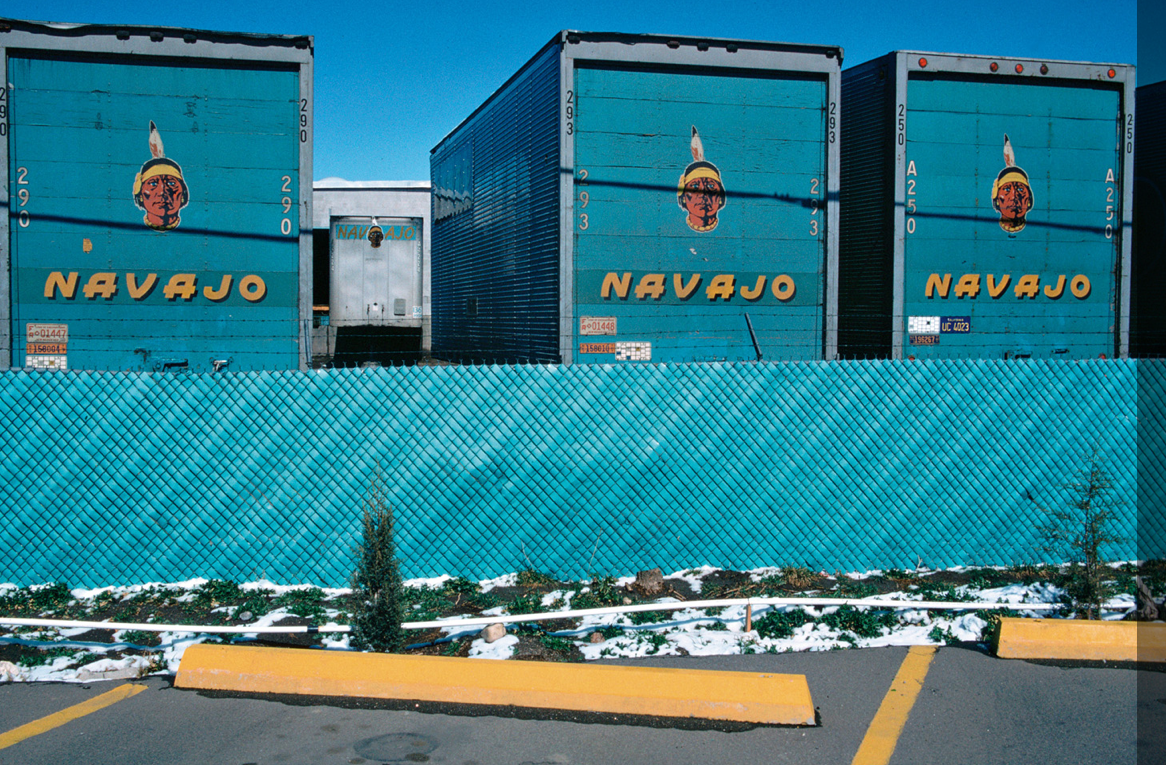
Ernst Haas was one of those rare photographers of the 20th century imbued with a certain poetical sensibility. Born in Vienna in 1921, Haas almost went into medicine, but his artistic inclinations led him to photography. Haas was soon invited into the famous Magnum photo agency, the first invitation by the agency's founder's Robert Capa, Henri Cartier-Bresson, George Rodger, and David Seymour. Haas, like William Eggleston, was one of the first adopters of color photography and is largely credited with changing the medium as an artform altogether. Ernst Haas was also profoundly prolific, traveling the world for assignments for magazines, but along the way he was building a personal portfolio of images the world has never seen – until now. Color Correction, a recently published monograph, exhibits a collection of never before seen photographs that are considered "far more edgy, loose, complex and ambiguous," and that Haas believed – in his own lifetime – people just wouldn't understand.
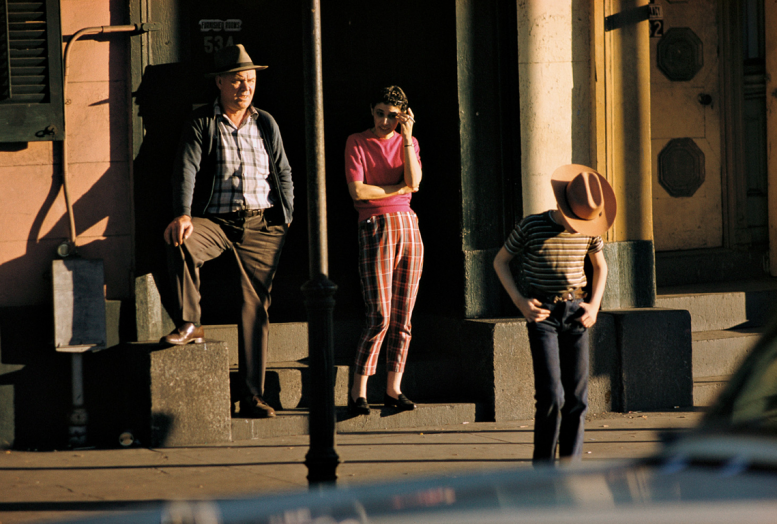 New Mexico, USA, 1975
On Photography: Philosophy by Haas
Photography is a bridge between science and art. It brings to science what it needs most, the artistic sense, and to art the proof that nothing can be imagined which cannot be matched in the counterpoints of nature. Through photography, both artist and scientist can find a common denominator in their search for the synthesis of modern vision in time, space and structure. We can write the chapters in a visual language whose prose and poetry will need no translation.
The camera only facilitates the taking. The photographer must do the giving in order to transform and transcend ordinary reality. The problem is to transform without deforming. He must gain intensity in form and content by bringing a subjective order into an objective chaos. Living in a time of the increasing struggle of the mechanization of man, photography has become another example of this paradoxical problem of how to humanize, how to overcome a machine on which we are thoroughly dependent....the camera....
In every arts there is poetry. In every human being there is the poetic element. We know, we feel, we believe. As knowers we are like the scientist relating through logical determination. As feelers, we are like poets relating the unrelated through intuition. As believers, we are only accepting our human limitations. The artist must express the summation of his feeling, knowing and believing through the unity of his life and work. One cannot photograph art. One can only live it in the unity of his vision, we well as in the breadth of his humanity, vitality, and understanding....
There is no formula – only man with his conscience speaking, writing, and singing in the new hieroglyphic language of light and time.
Text by Ernst Haas
Intro Text by Oliver Maxwell Kupper
Color Correction by Ernst Haas (Steidl)
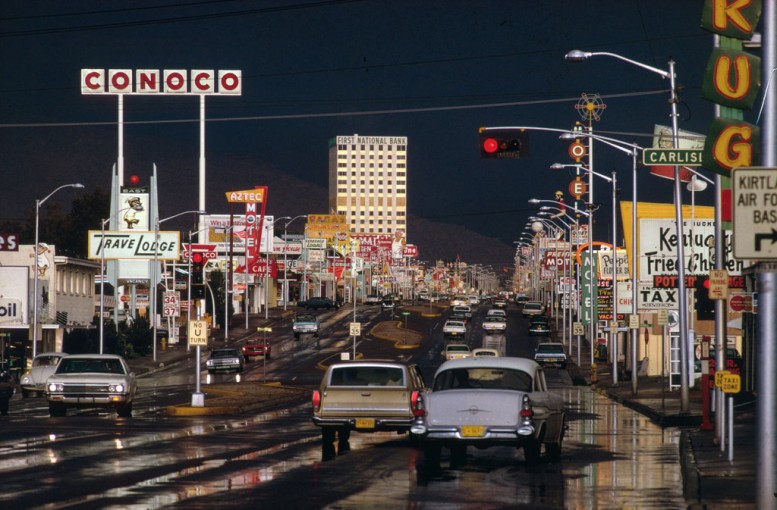 Route 66, Albuquerque, New Mexico
Roman Polanski Film Retrospective at the MOMA

jack_nicholson_china_town
Roman Polanski has, over the course of a half century, become recognized as one of the great modern masters of the cinema. Many of his films are infused with a mysterious, difficult-to-define sense of dread, which is understandable given much of his early life experience. Polanski’s parents were sent to a concentration camp, where his mother died, and he lived as a fugitive Jewish teenager in Nazi-occupied Poland. His 1984 autobiography begins, “For as far back as I can remember, the line between fantasy and reality has been hopelessly blurred,” and his films use the fantastical elements of cinema to make sense of the extraordinary reality he has experienced. Roman Polanski, a film retrospective at the NY MoMA, will run from September 7 to September 30.
Stella McCartney Spring 2012

The Phoenix Hotel

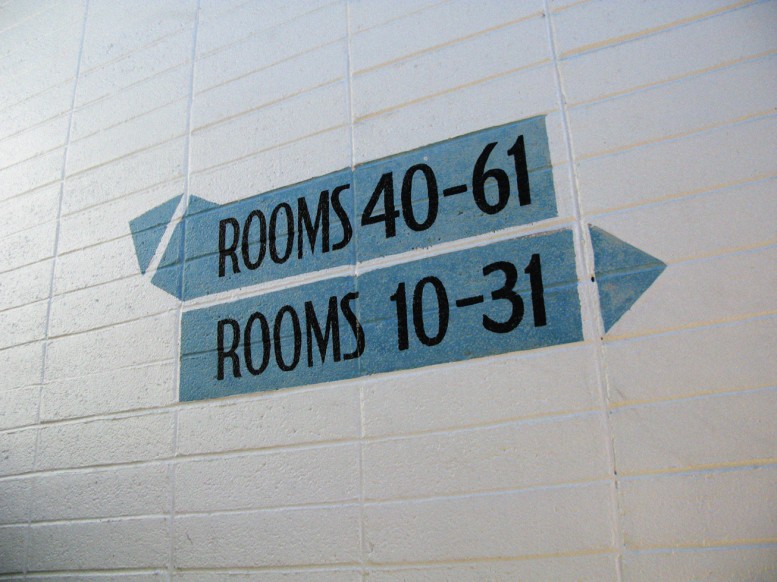

Location scouting: The Phoenix Hotel, a mid-century, kitsched out motor-lodge in the heart of the Tenderloin in San Francisco. Photography by Oliver Maxwell Kupper.
Warby Parker Monocle