Dawn Williams Boyd Reverses America's Racial Narrative @ Fort Gansevoort

Dawn Williams Boyd
Abduction, 2025
Assorted fabrics and cotton embroidery floss
45 x 67.5 inches

text by Hank Manning

In FEAR at Fort Gansevoort, Dawn Williams Boyd inverts American history, imagining a parallel universe where Black oppressors imported white slaves and have maintained an economy predicated on race-based exploitation for centuries. Her cloth paintings, made with textiles imported from Africa, all closely resemble canonical American ephemera, including historical photographs and advertisements. Maintaining this color-inverting framework, the gallery, for its third solo exhibition with Boyd, has painted its typically white walls black. 

The exhibition quickly succeeds in making us hyperaware of our racial biases. The scenes depicted—enslaved people chained together on ships, hooded horsemen celebrating lynchings, peaceful protestors attacked by police and civilians—are so ingrained in our memories that we instinctively assign roles before noticing Boyd has reversed them. Even knowing the artist’s intent, standing before these explicit works, our minds still resist the uncanny world she constructs. 


Dawn Williams Boyd
Brainwashed, 2025
Assorted fabrics and cotton embroidery floss
66 x 43.5 inches


In addition to these violent scenes, Boyd highlights the psychological violence that racism perpetuates in relation to the commercialization of cultural tropes. In a piece titled Brainwashed, a young Black girl, holding a black bar of soap, asks a white slave, “Why doesn’t your mamma wash you with Fairy Soap?” We are directly confronted with the immediate qualities we assign to the colors black and white, as well as how these perceptions affect one’s feelings of self-worth, particularly when learned at a young age.

Dawn Williams Boyd
Cultural Appropriation, 2025
Assorted fabrics and cotton embroidery floss
47 x 58 inches

More than 150 years after the de jure end of slavery in America, economic and social inequalities persist. In keeping with this reality, Boyd’s textile works generally proceed chronologically through history, but they offer no hint of progress toward integration or equality; the racial divide remains unambiguous. She further underscores the role of seemingly benevolent industries, like entertainment and medicine, in perpetuating racial inequality. We see white subjects forced into society’s most exploited roles, from dancing in banana skirts in service of the hegemonic class (at a Prohibition era nightclub in Harlem), to being the subjects of gruesome gynecological research (imitating the work of Marion Sims, the “father of gynecology” who performed studies on enslaved Black women). In the real world, Black patients disproportionately lack access to the advances their exploitation made possible.

Dawn Williams Boyd
The Lost Cause Mythos, 2025
Assorted fabrics and cotton embroidery floss
56 x 70.5 inches

In The Lost Cause Mythos, a reframed Gone With the Wind features a white mammy serving a Black Scarlett O’Hara. Boyd addresses the power of art in shaping and reinforcing societal myths, however, she refuses to entertain the “happy slave” stereotype, instead portraying a despondent attendant. White characters lose their individuality; in settings from the beginning of the slave trade to the present day, men and women sport identical short blond hair and appear either nearly nude or in plain white garments. This homogenization dehumanizes them, treating them as props devoid of personality. Their Black counterparts, by contrast, have diverse hairstyles and elaborate clothing in a variety of colors, with red—here a symbol of power—especially prevalent.

Today, the US federal government and many state governments are attacking DEI initiatives, legal protections secured by the Civil Rights movement, and the honest teaching of American history, denigrating attempts to right historical wrongs as “reverse racism.” Boyd’s stark work puts these unsubstantiated claims into perspective. It asserts the degree to which most Americans underestimate the ongoing legacy of systemic racism and emphasizes the role of emotion in our material world. We see fear in the eyes of everyone, from those experiencing the horrors below deck on slave ships to a fragile ruling class who feels existentially entitled to their privilege and is terrified of losing it. 

Dawn Williams Boyd: FEAR is on view through January 24 at Fort Gansevoort, 5 Ninth Avenue, New York
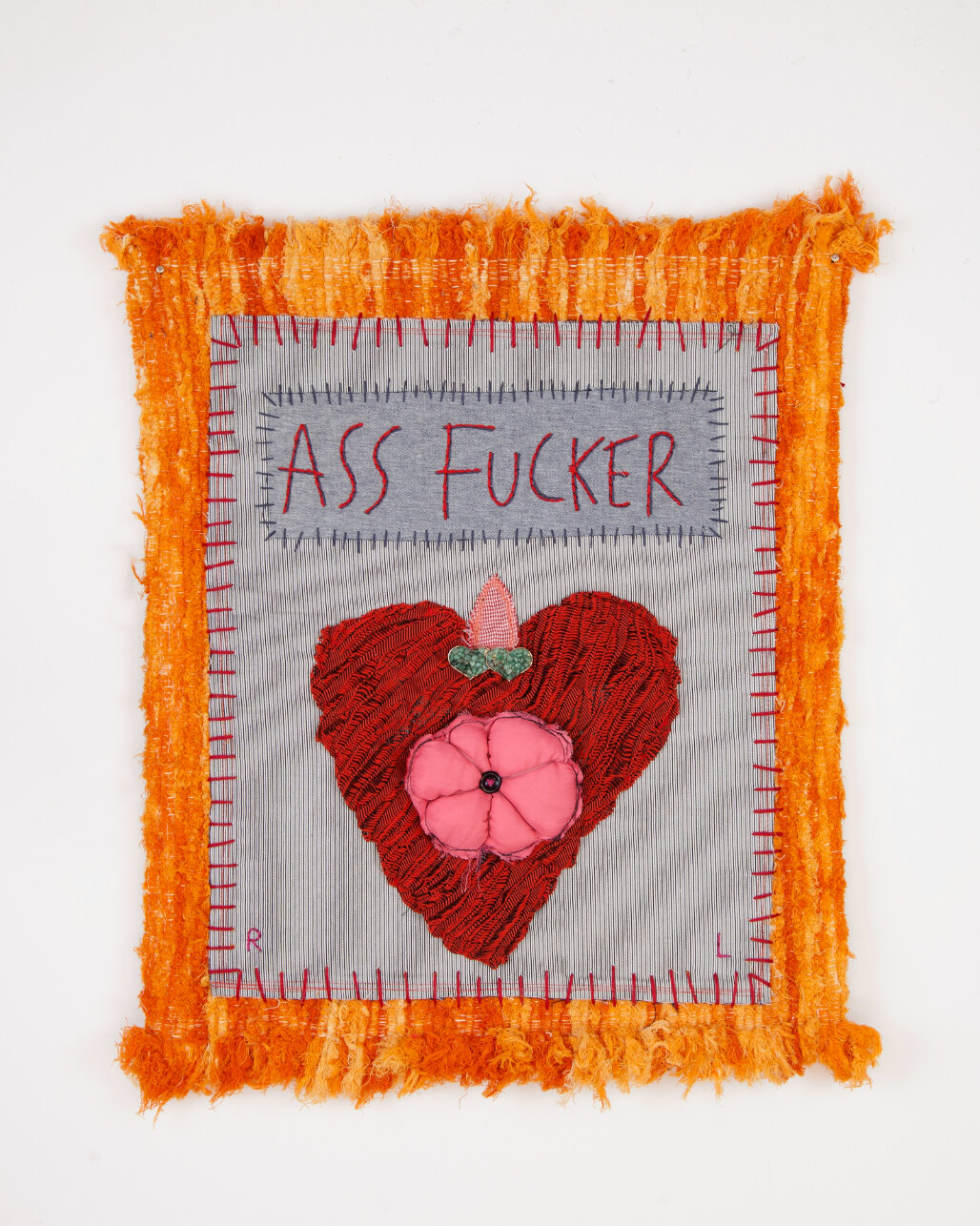
Randolpho Lamonier Presents My Kind Of Dirty @ Fort Gansevoort


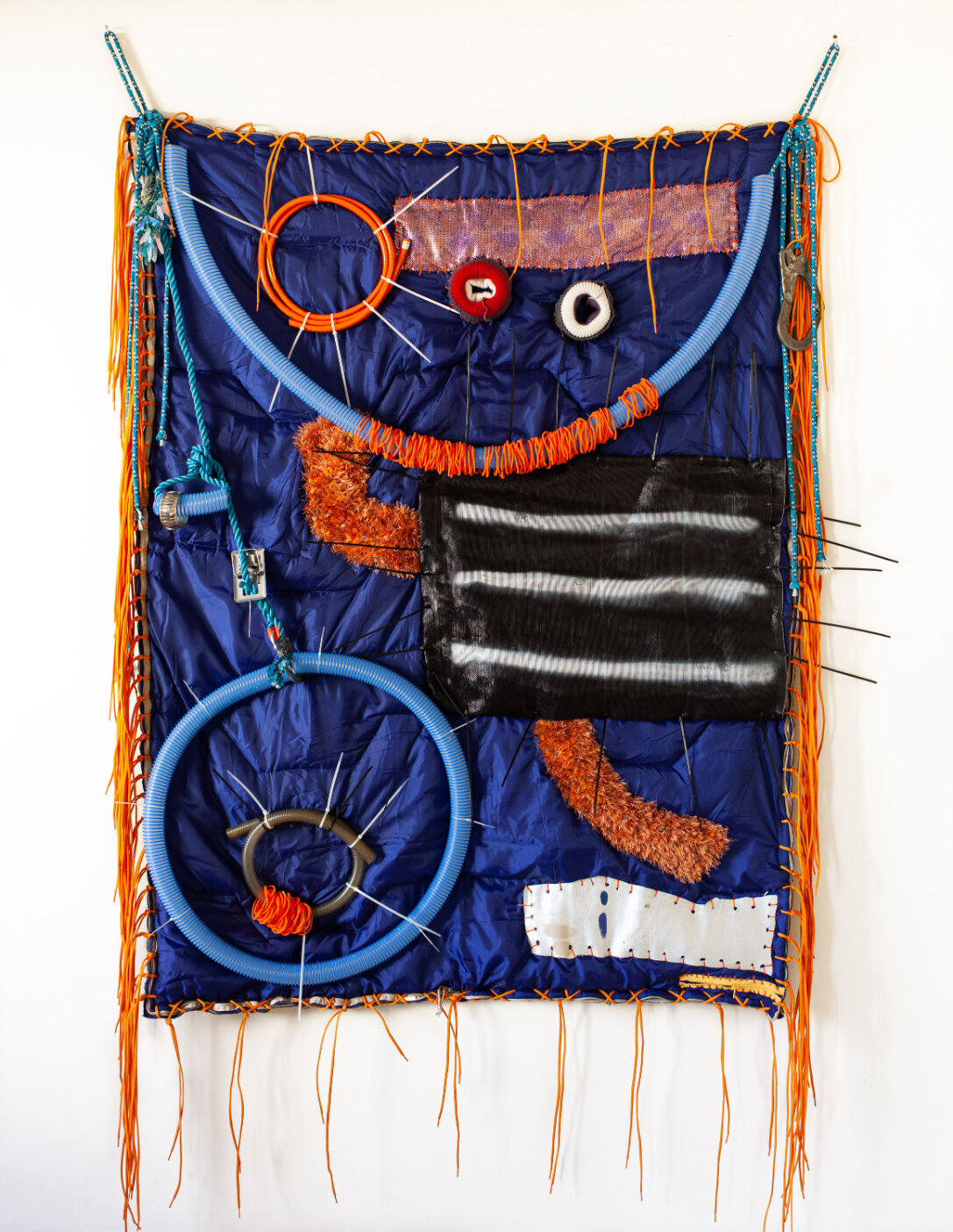
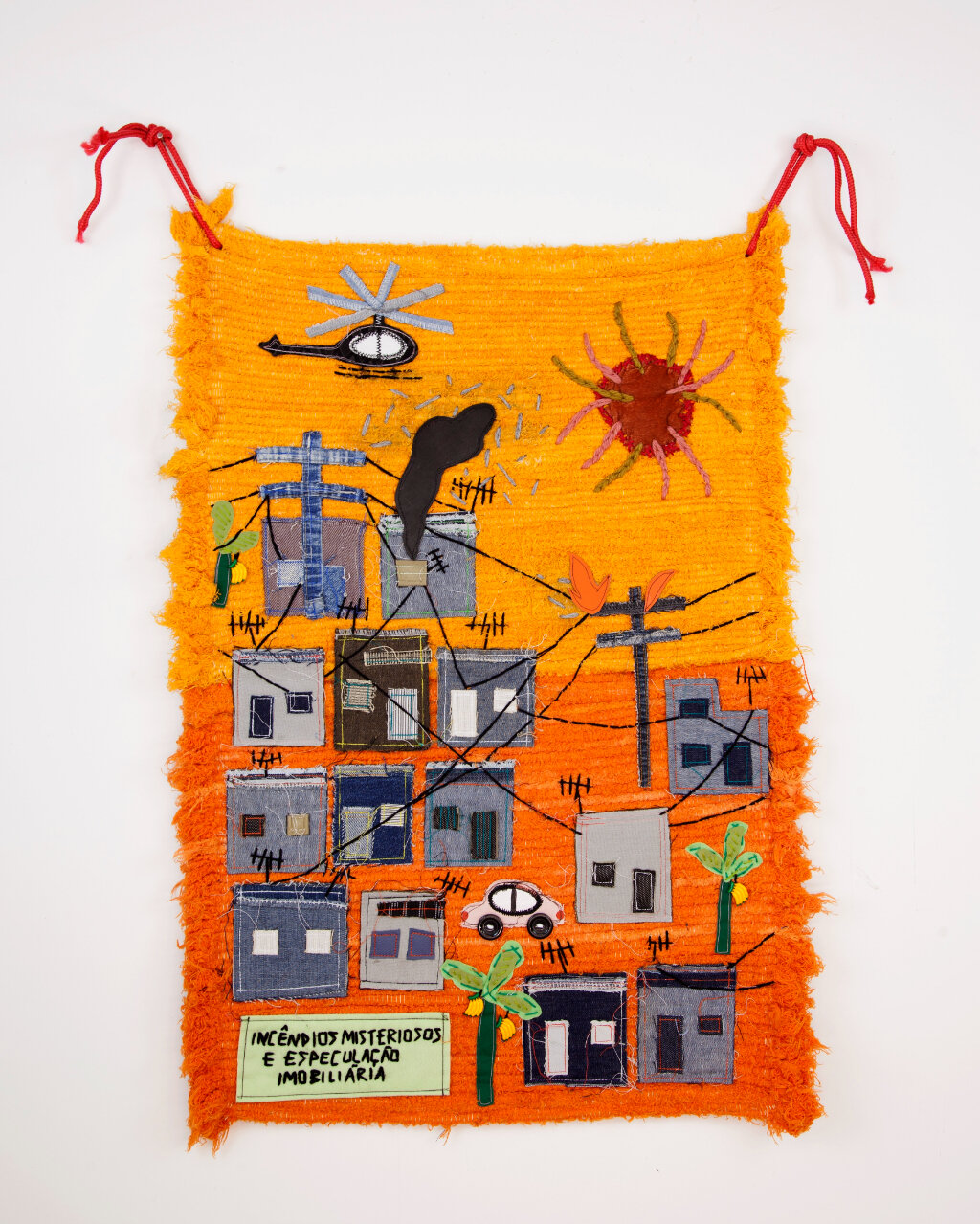
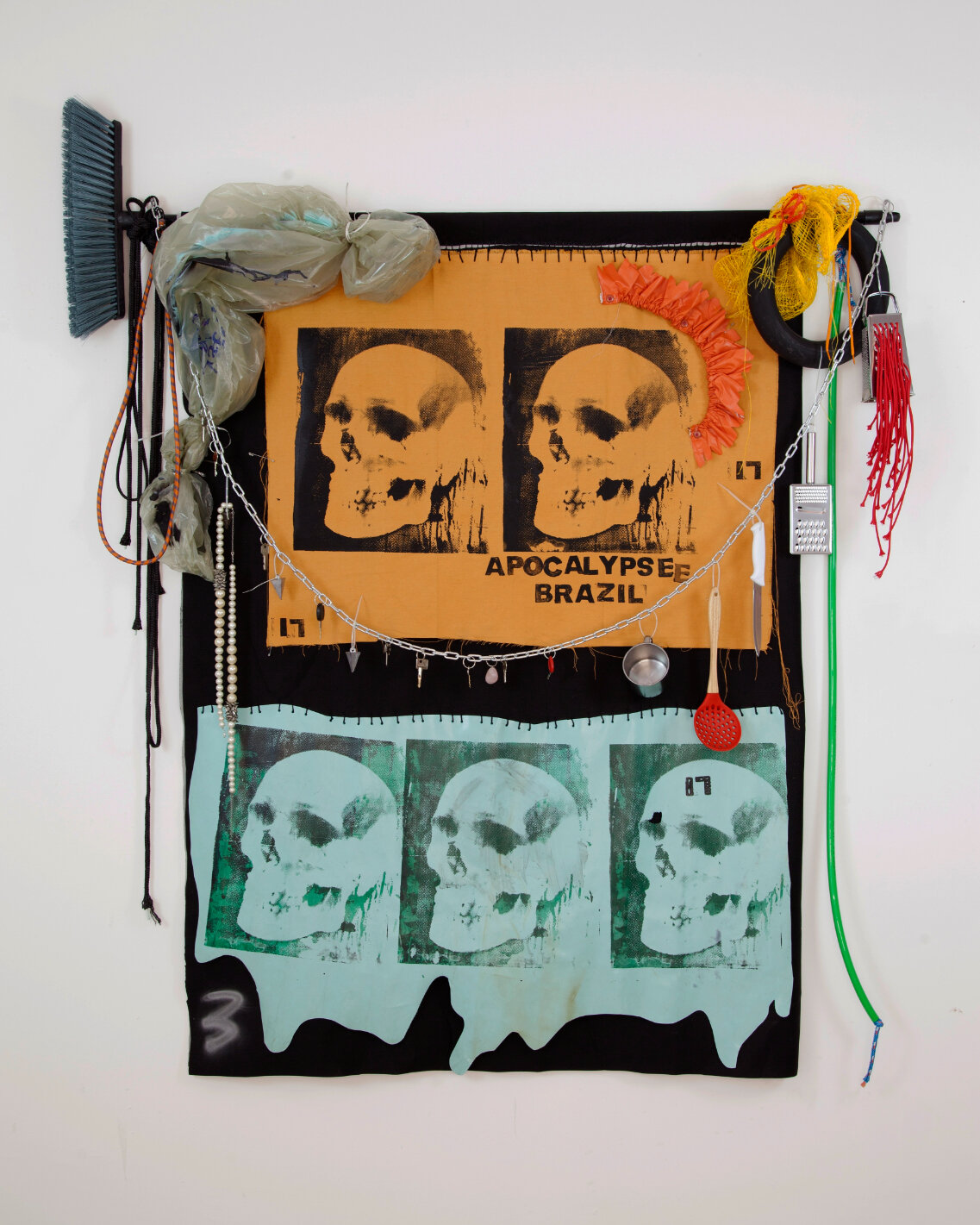
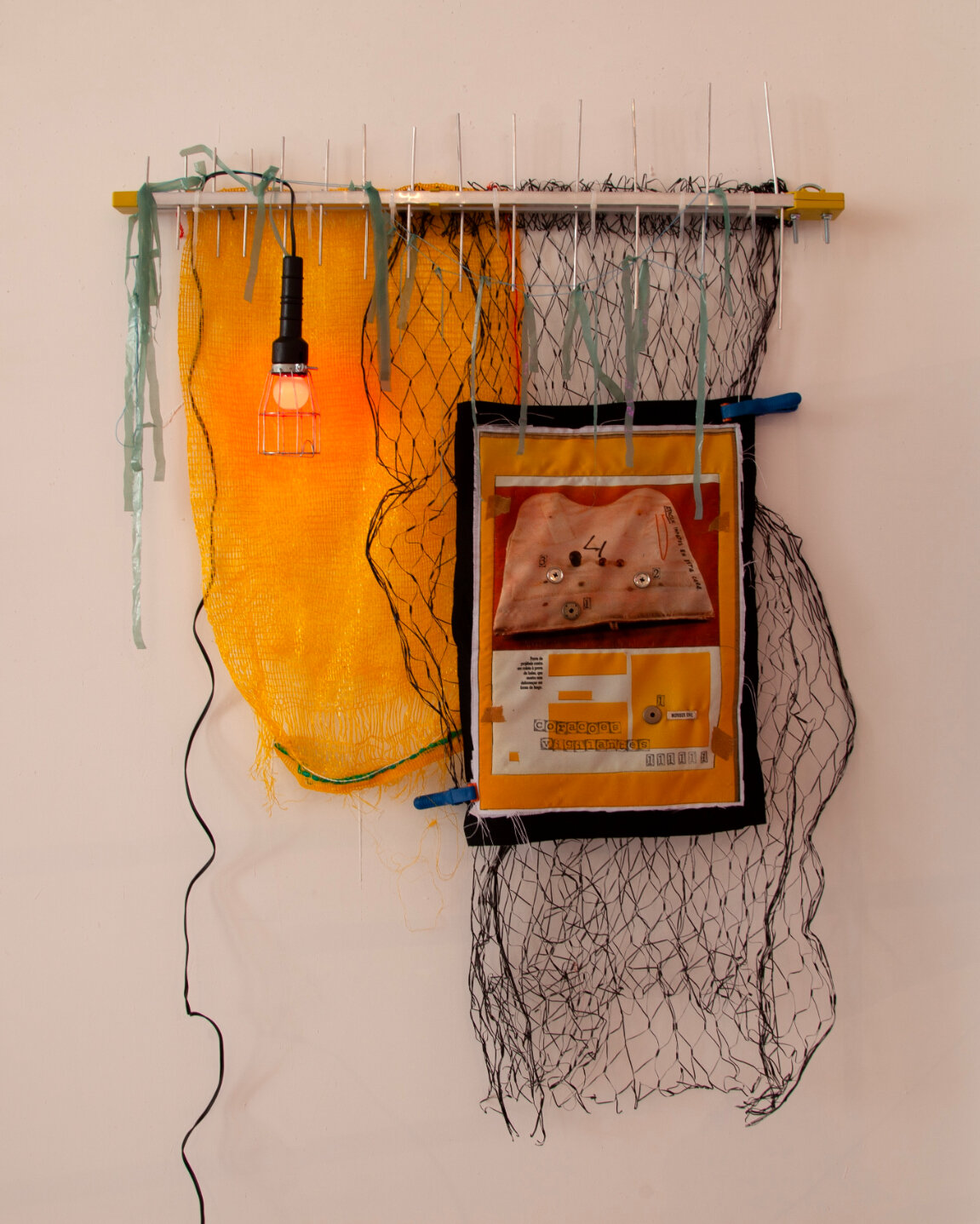
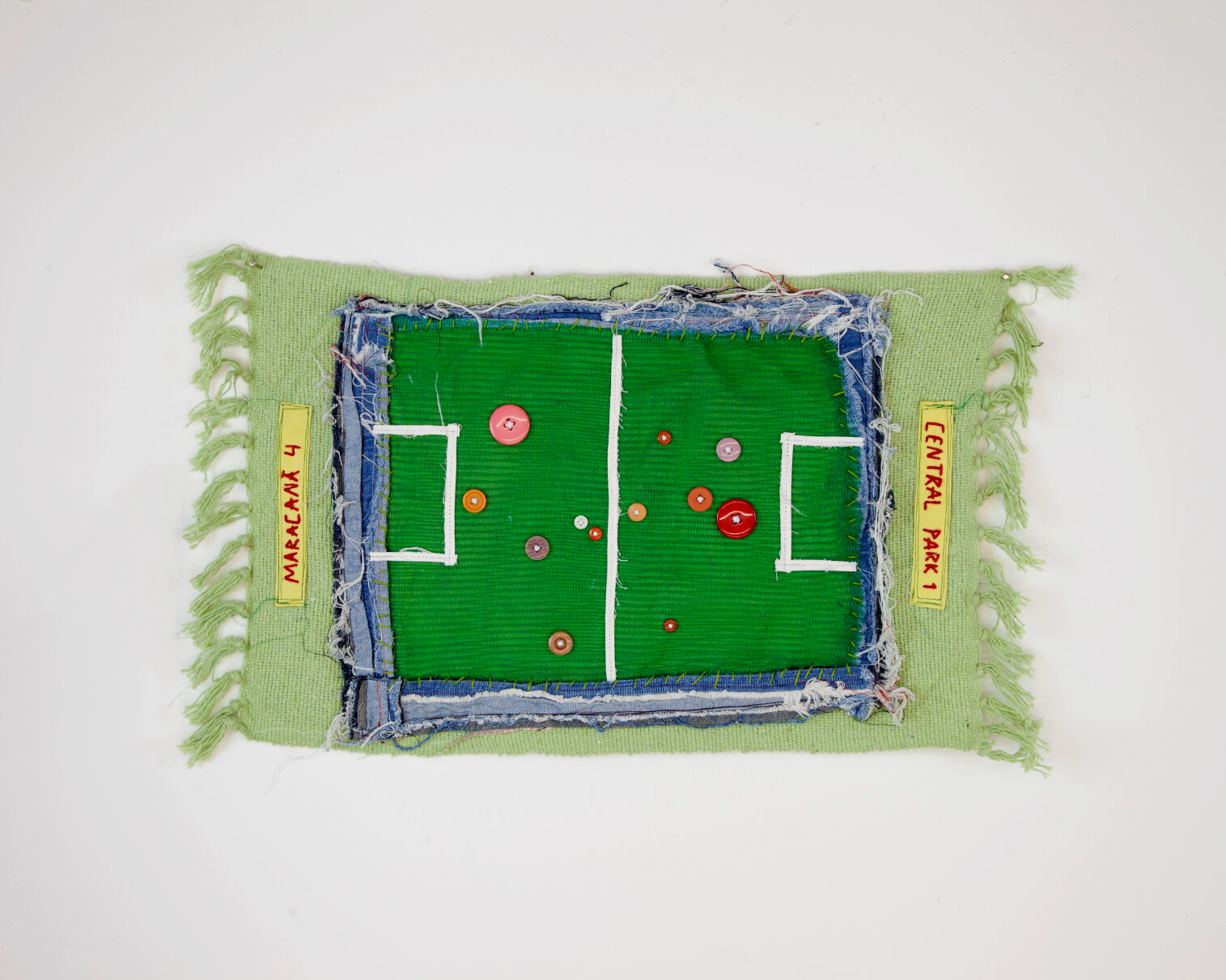
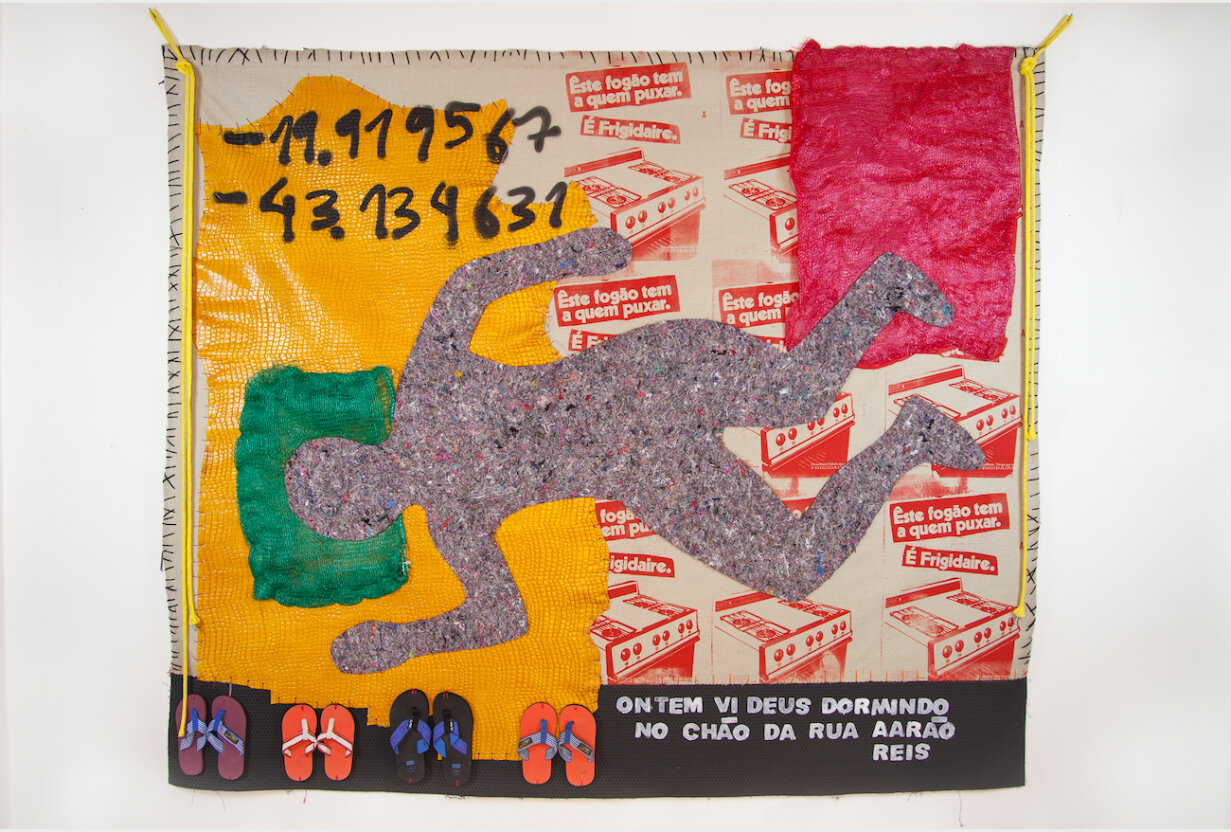
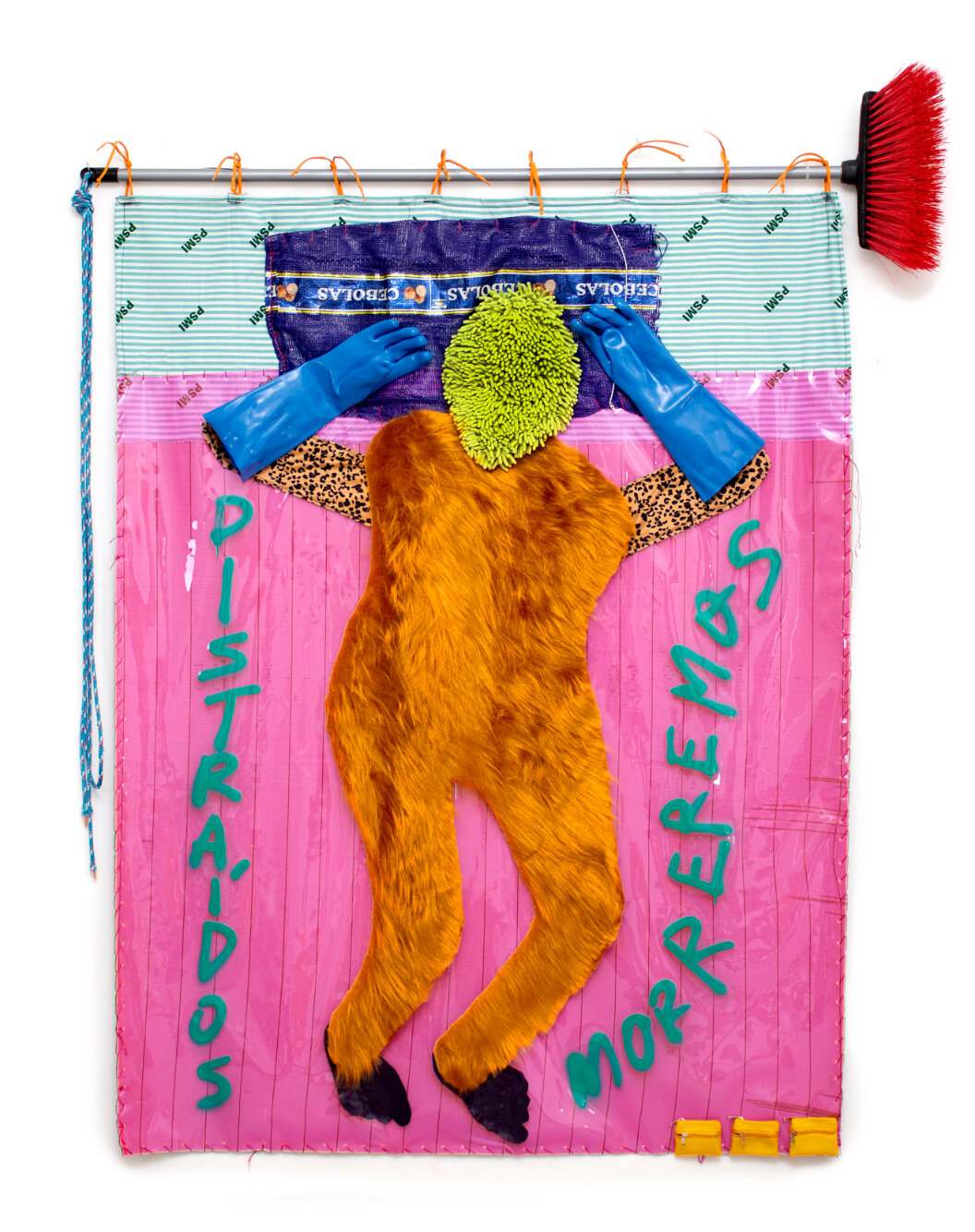
My Kind Of Dirty is Brazilian artist Randolpho Lamonier’s first exhibition with Fort Gansevoort. This online presentation brings together recent textile works in which Lamonier responds to his upbringing in Contagem, an industrial city in southeastern Brazil, drawing  upon observations of hardship and inequality to create powerful expressions in vivid colors, word  combinations, and raw images. The artist locates his inspiration in an environment where joy grows  proportionally to misfortune and likens his work to diaristic entries. Rendered in deceptively humble handwork and fabrics, the scintillating psychedelic landscapes on view in My Kind Of Dirty celebrate “the  exuberance of life that resists against the necropolitical agenda guided by the current Brazilian government,” the artist has said. In this way, Lamonier’s approach to representation acts as personal revolution, whereby the aura of possibility defines his blueprint for the future. 

My Kind Of Dirty is available for online viewing through May 15

Hybrid Forms: Read Our Interview Of Artist & Storyteller Christopher Myers

Courtesy of the artist and Fort Gansevoort

How does a country like Vietnam, absent of a black community, develop a rich brass band tradition with roots in the American South? How did the British flag inspire a Ghanaian tradition in textiles that is steeped in magical superstition? What do Aimé Césaire, Vaslav Nijinsky, and Emma Goldman all have in common? To find the answers to any of these questions you’d have to ask none other than the multi-disciplinary, head honcho of hybridity, artist Christopher Myers. His practice is as much about connecting the mythologies of ancient Egypt and Greece with those of Judeo-Christian scripture, as it is about connecting the migrations of syncratic practices across the globe and throughout history. His most recent solo exhibition, Drapetomania, at Fort Gansevoort in Los Angeles primarily features hand-sewn flags depicting a wide array of syncratic allegories that in many ways define the globalized, contemporary psyche. Click here to read more.

Zoe Buckman: Heavy Rag @ Fort Gansevoort In New York

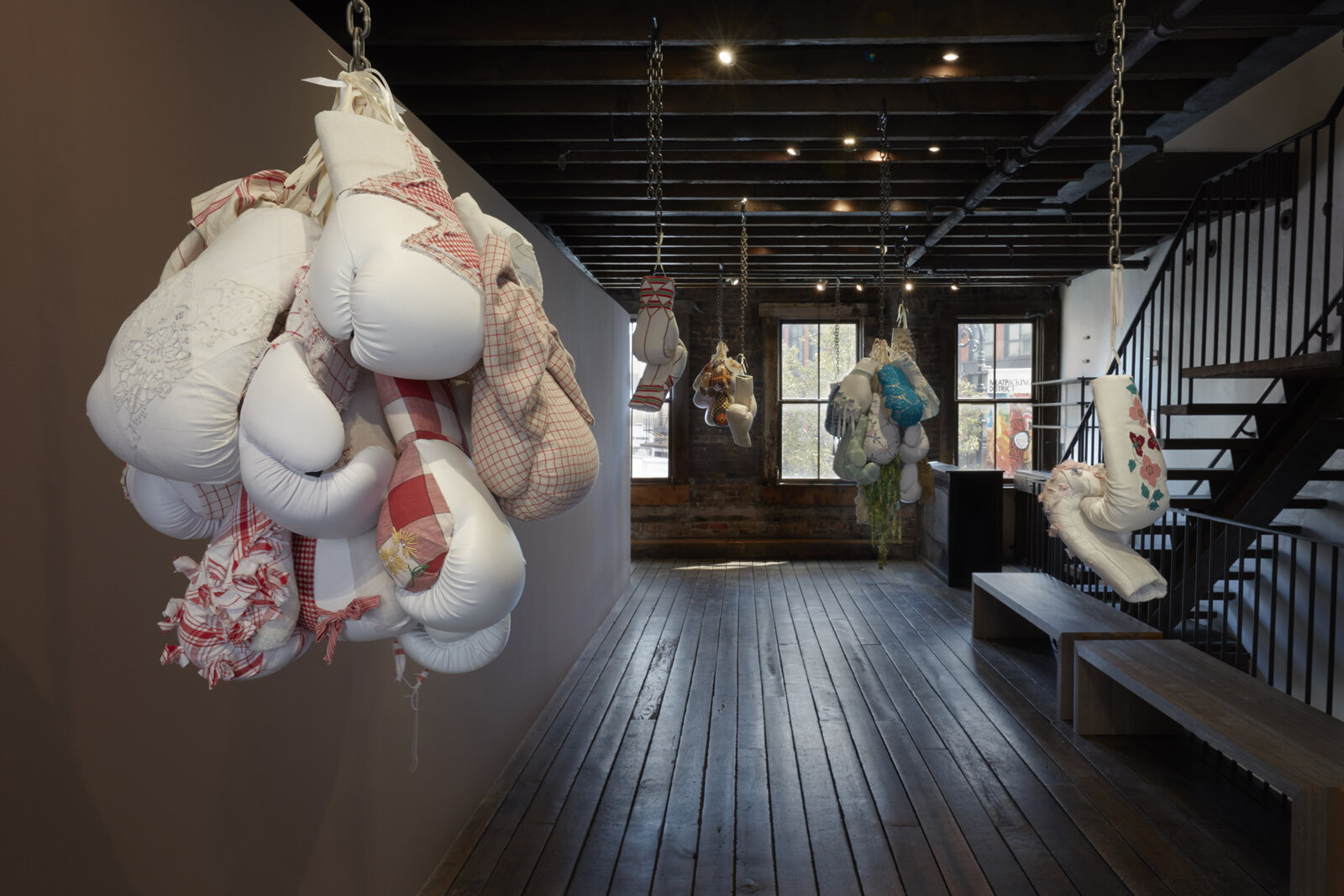
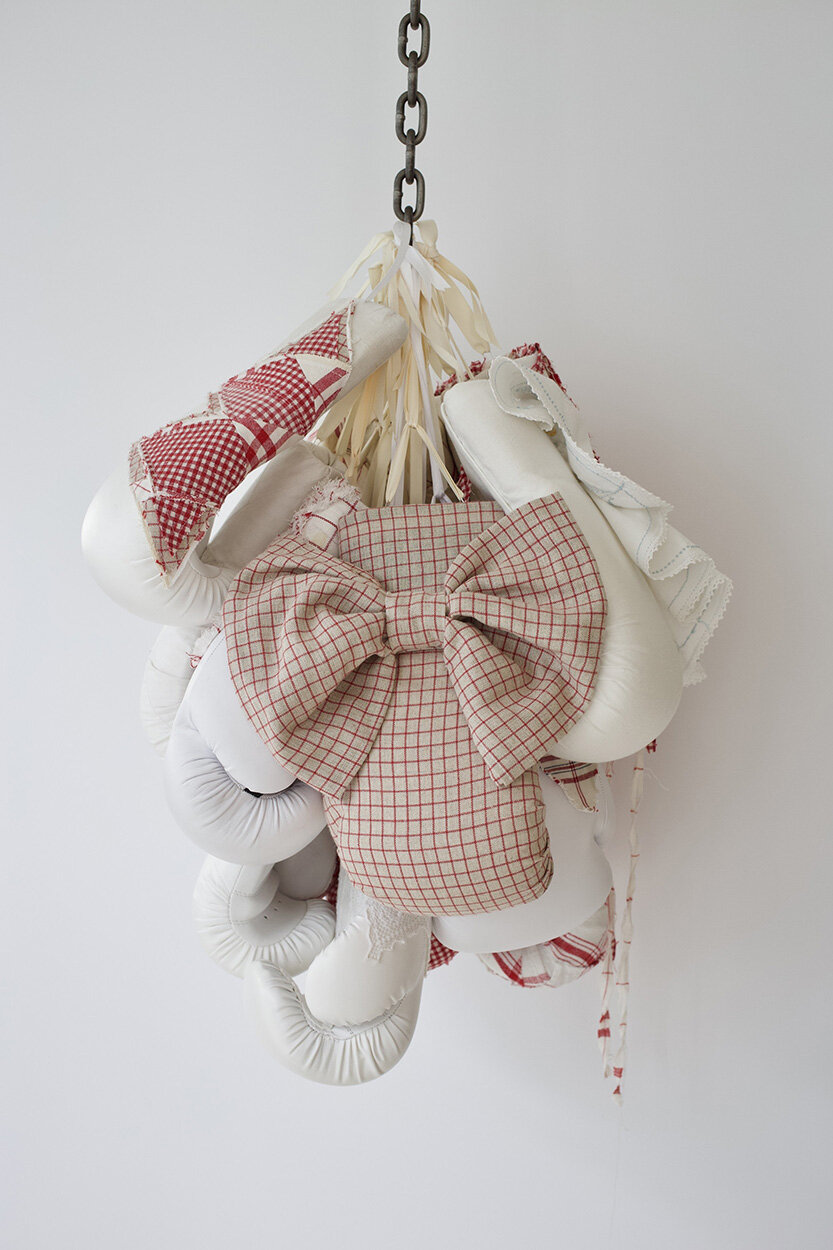
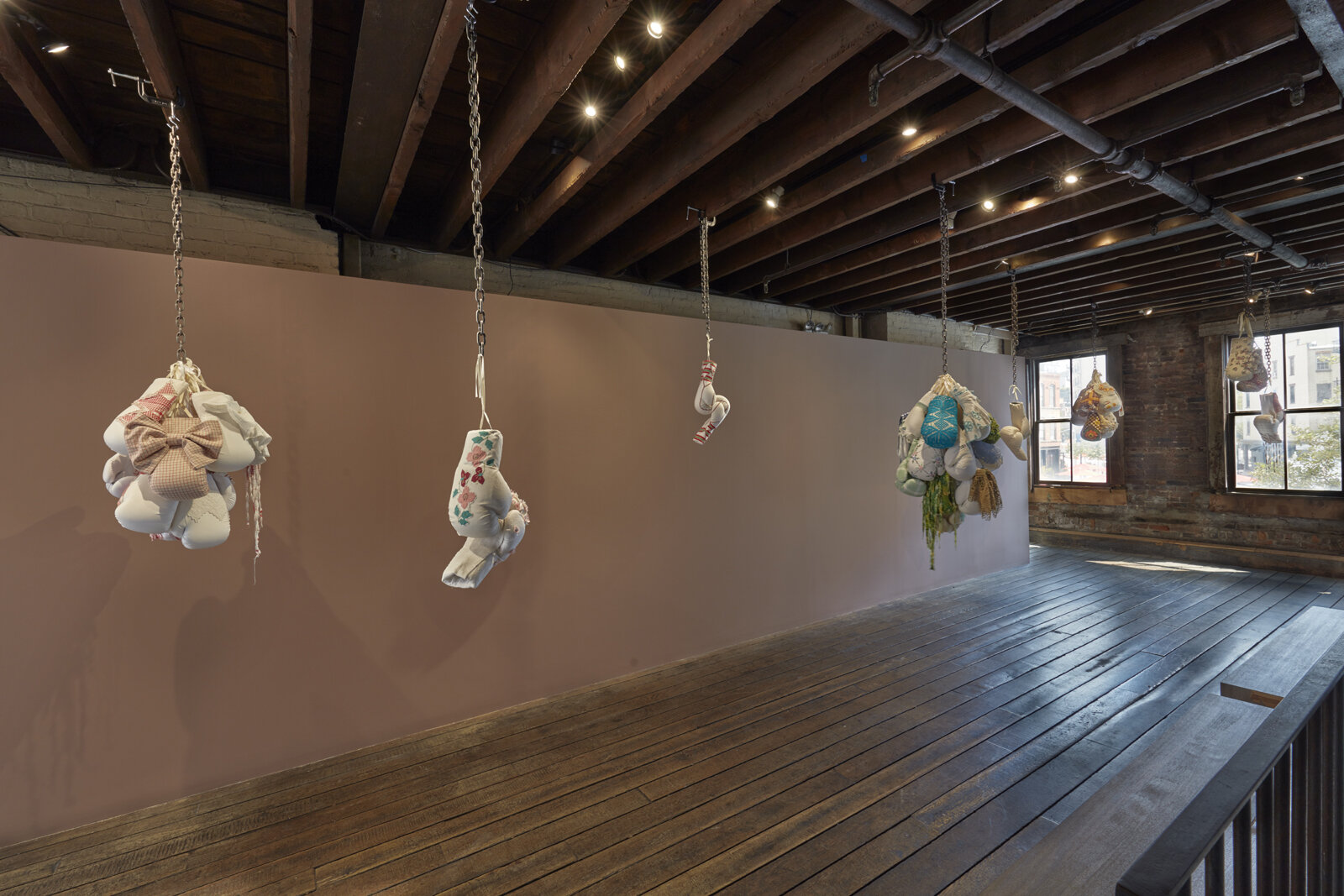
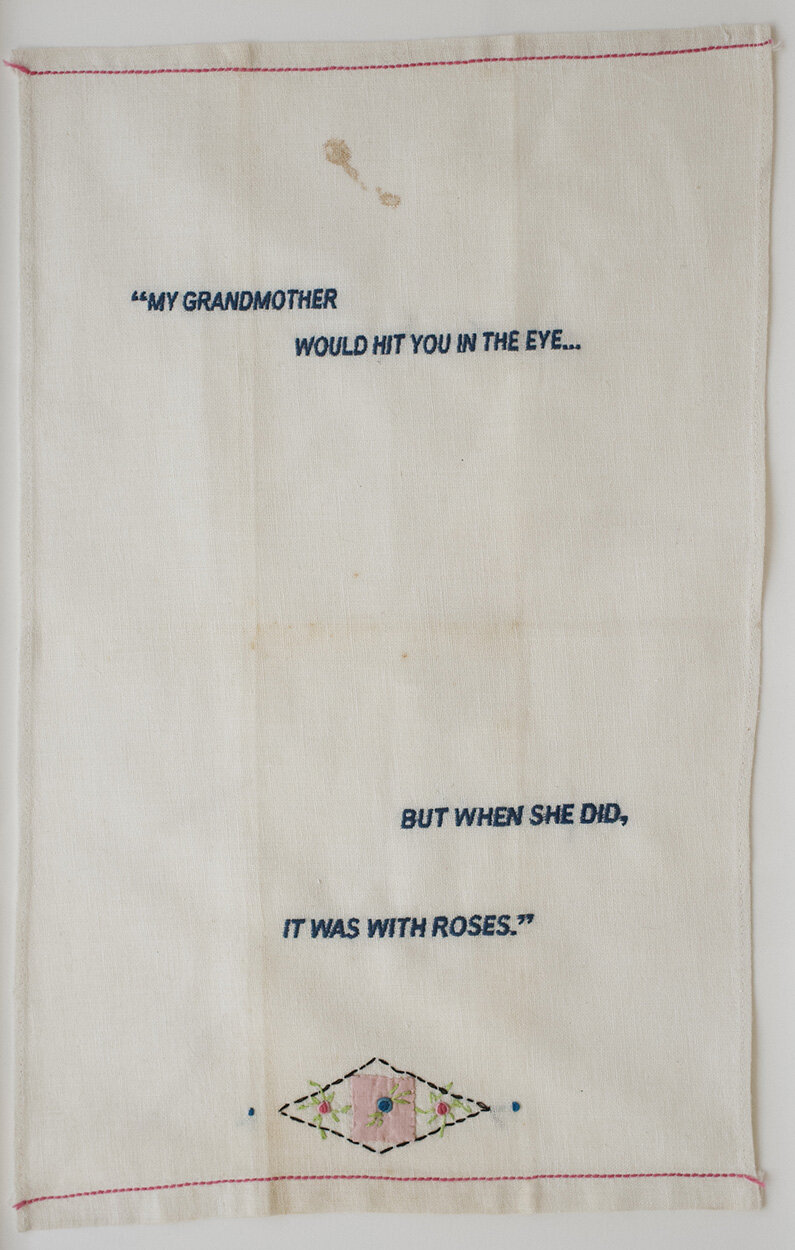
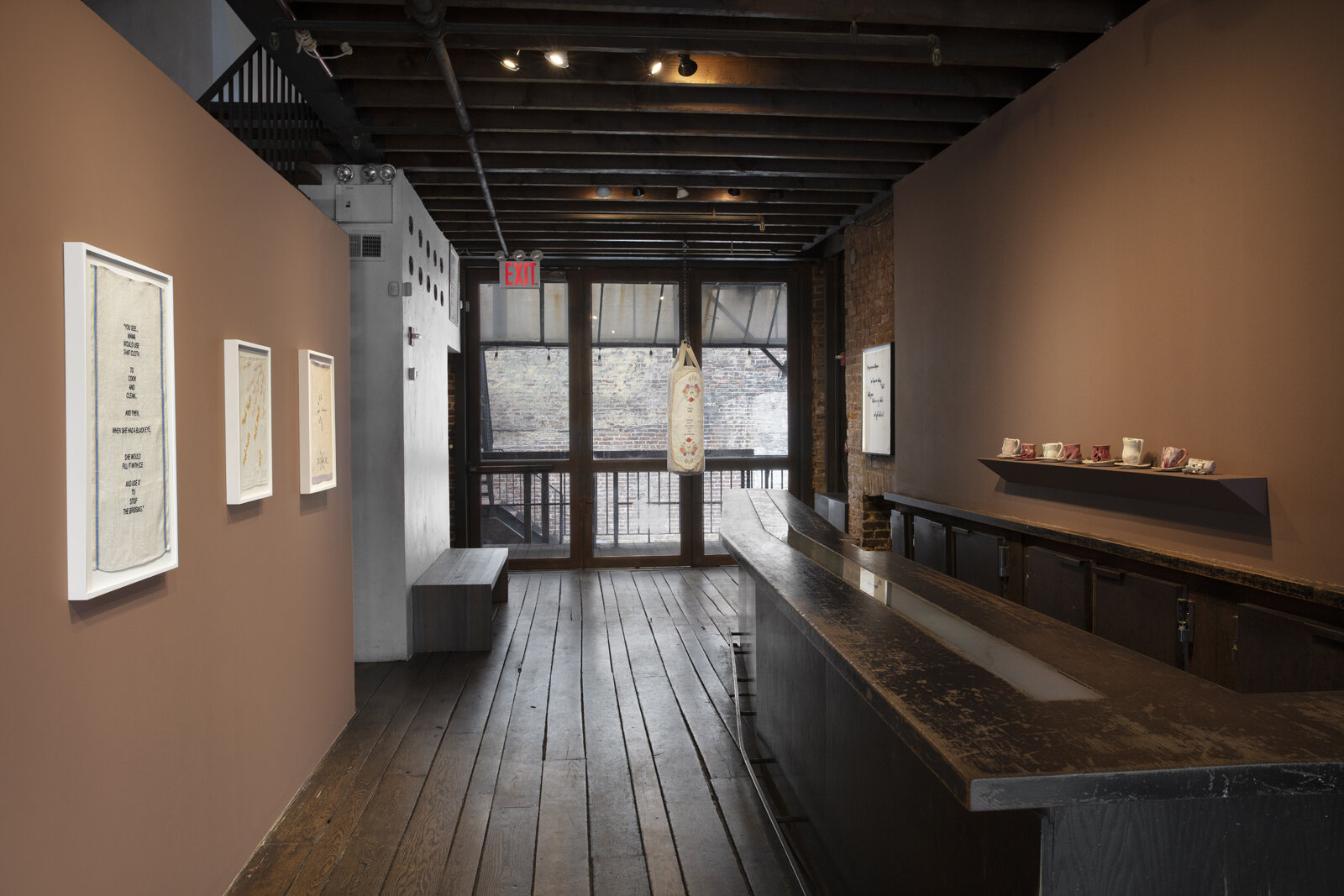
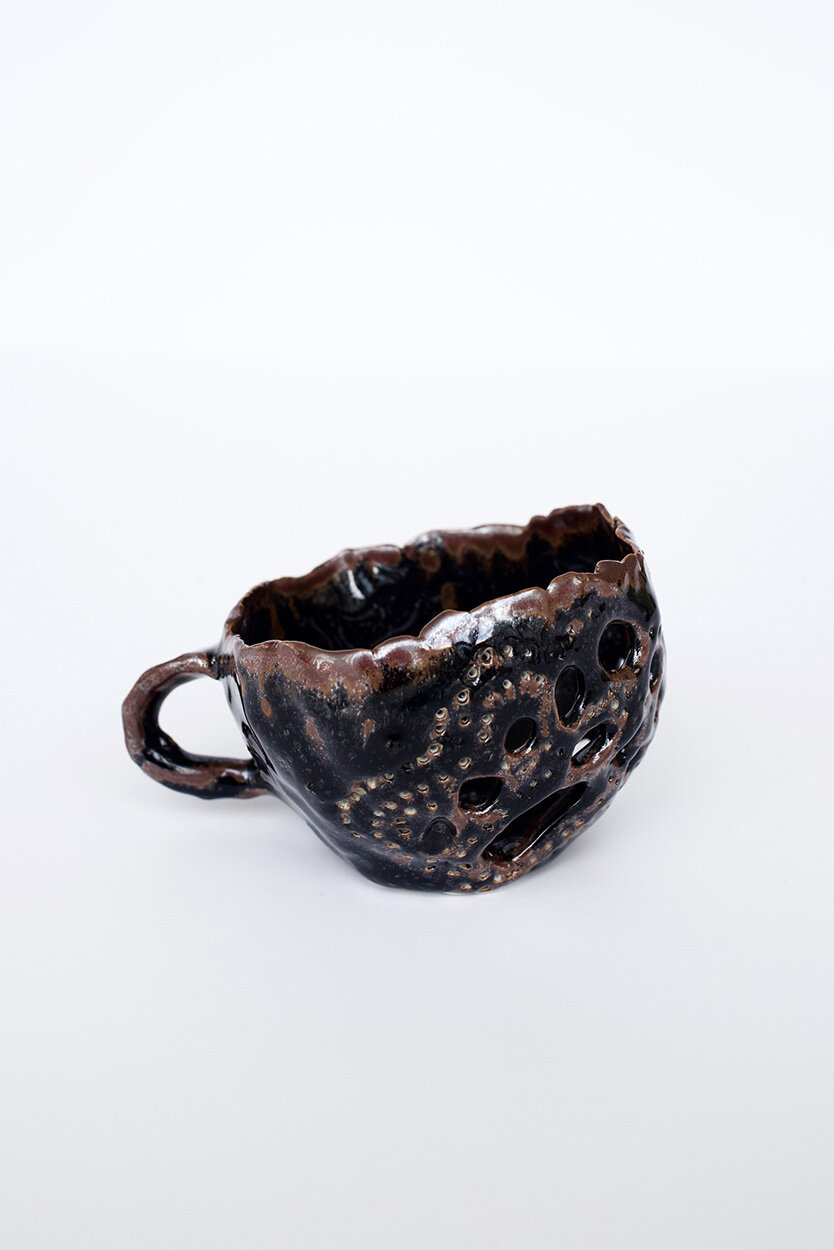
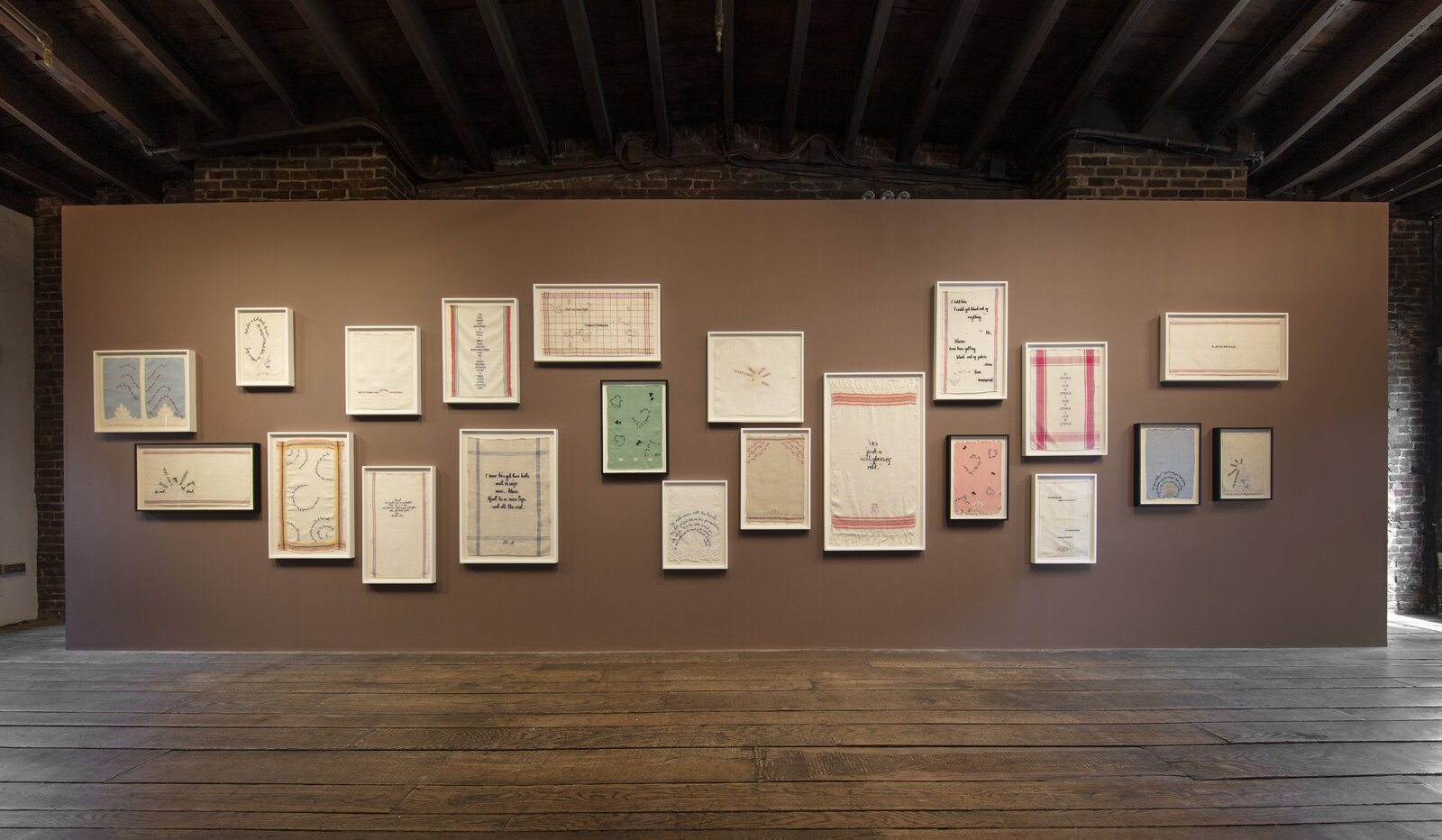
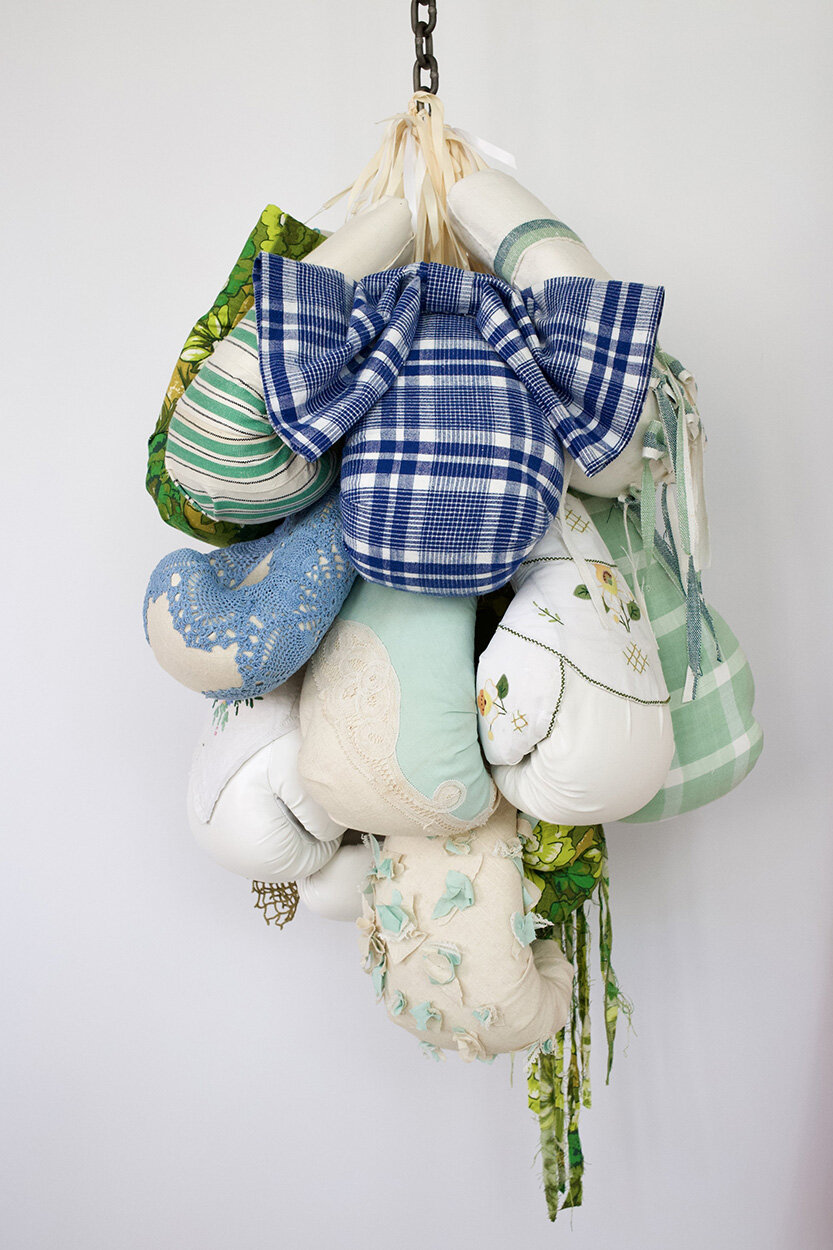
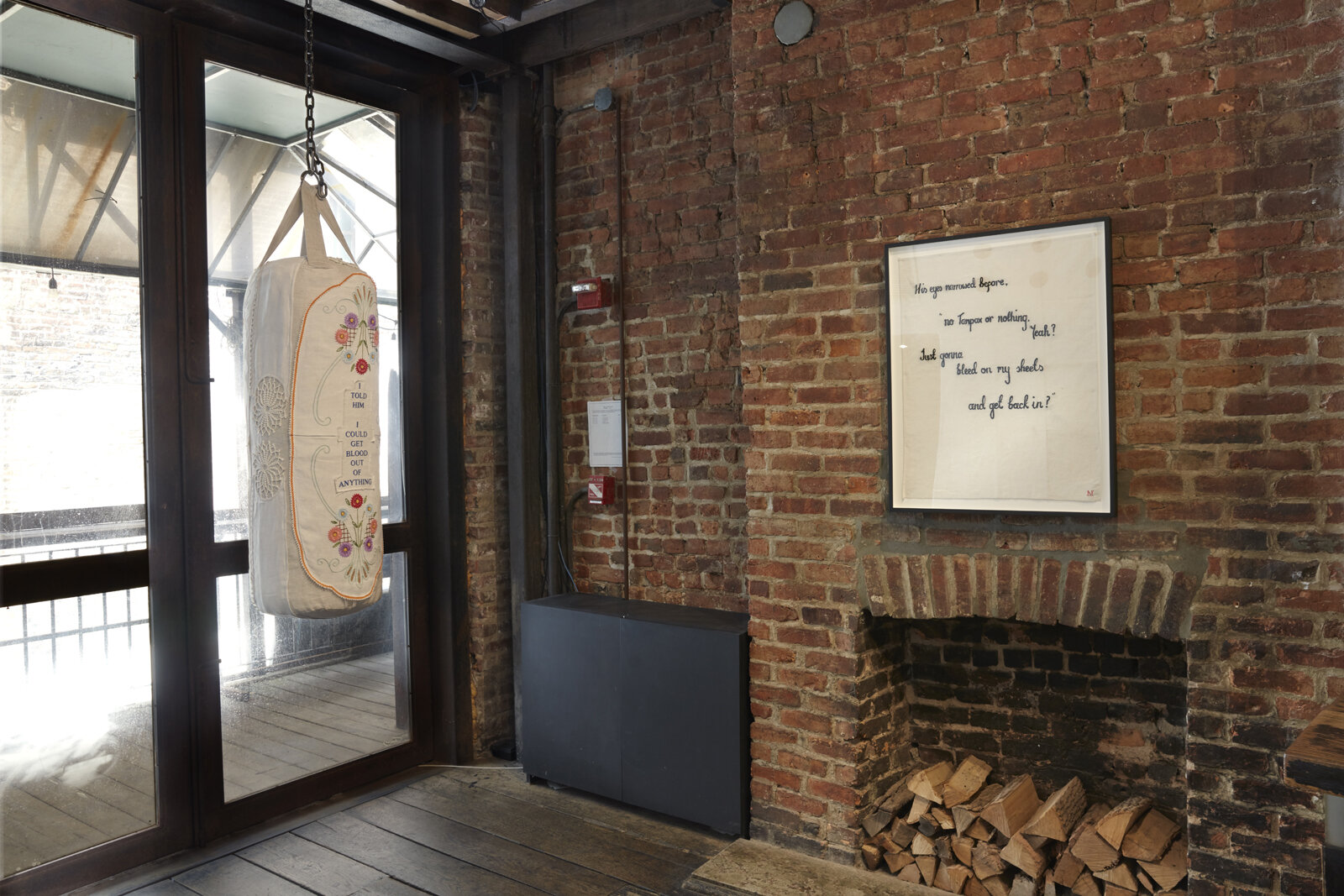
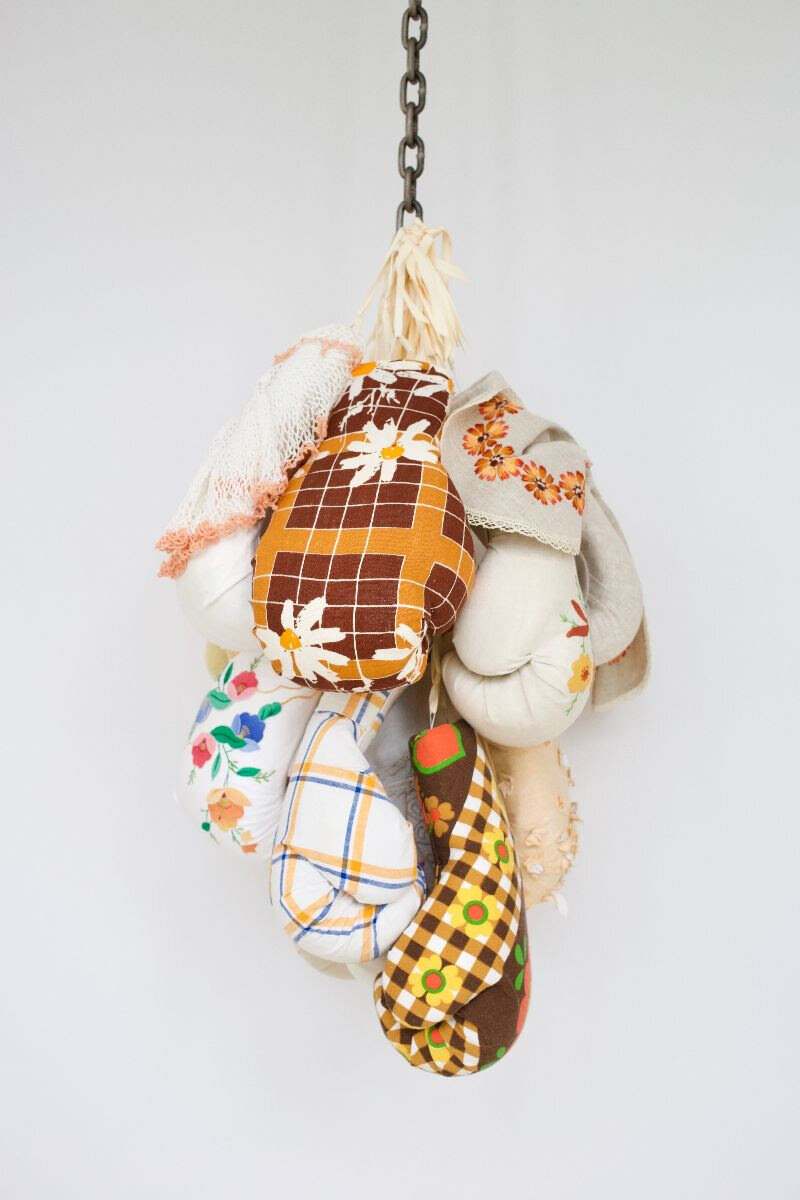
Zoe Buckman’s solo show is explicitly linked to women’s work. Culled from deeply personal experience, the exhibition embraces the domestic archetype by balancing an ambiguity between vulnerability and strength. Occupying the three floors of the gallery, the bodies of work are interconnected by the manifestation of the artist’s relationship to physical spaces—the home, her mother’s kitchen table, the boxing gym. After learning of her mother’s terminal diagnosis, Buckman began to employ a variety of techniques and materials traditionally adorned by women; embroidered tea towels, quilting and pottery. The works which take form as misshapen tea cups, clusters of boxing gloves, and framed flatworks are intrinsically referential to the bodily form; all at once unveiling a complex dichotomy of trauma and pleasure and the slippage in between. Heavy Rag is on view through October 12 at Fort Gansevoort 5 Ninth Avenue, New York. photographs courtesy of the artist and Fort Gansevoort, New York
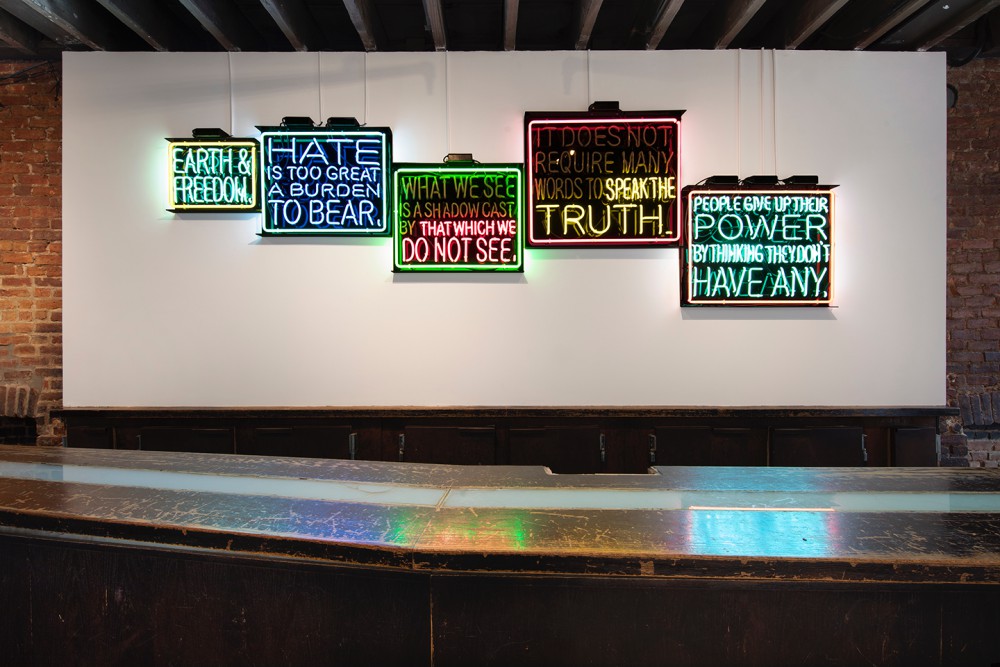
Patrick Martinez Presents That Which We Do Not See @ Fort Gansevoort In New York

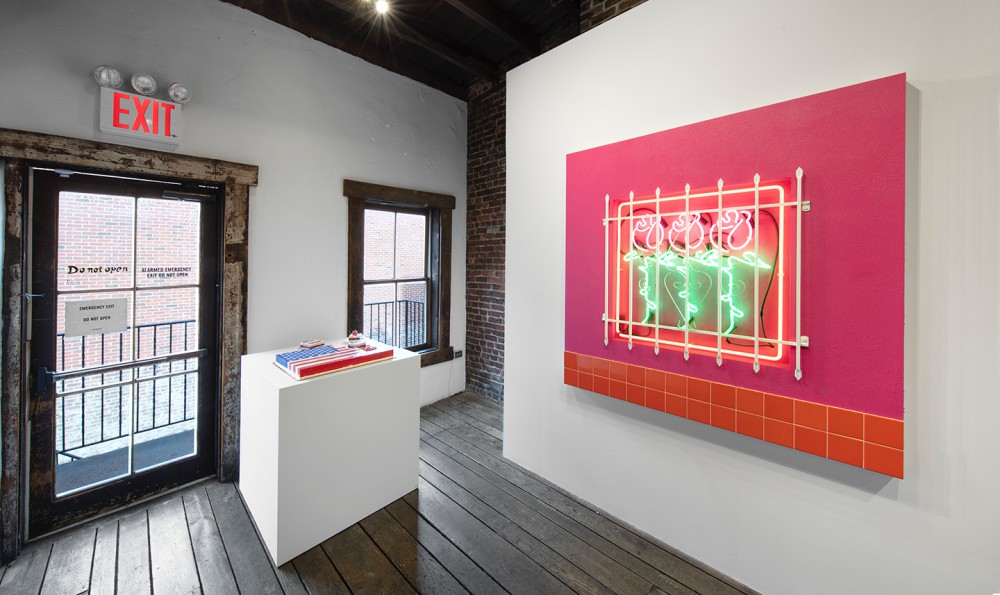
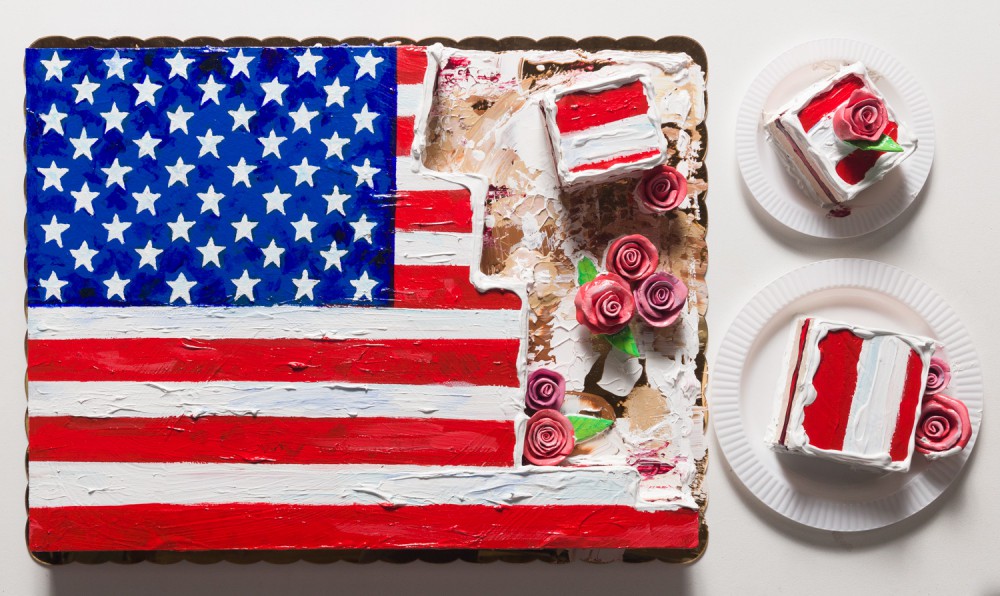
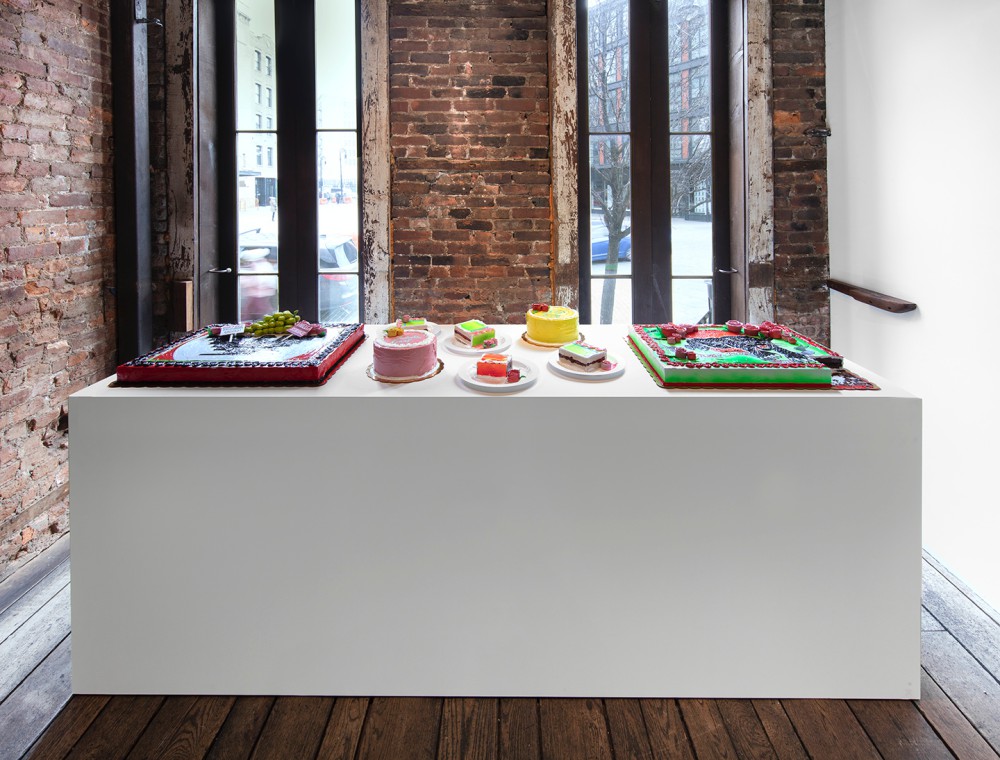
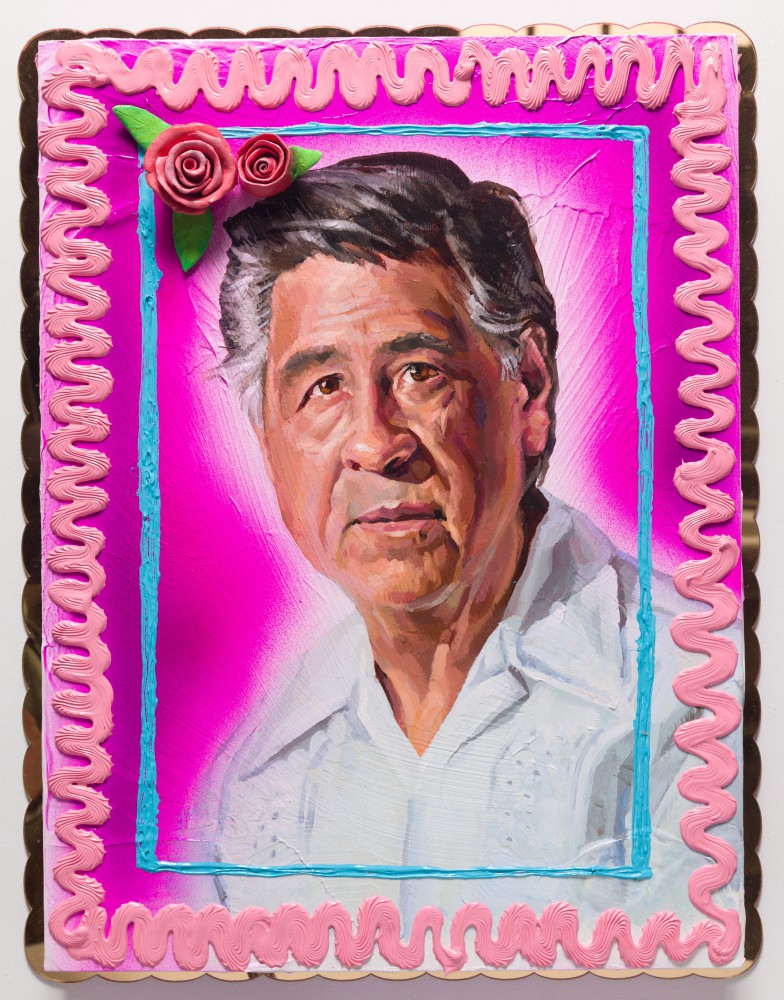
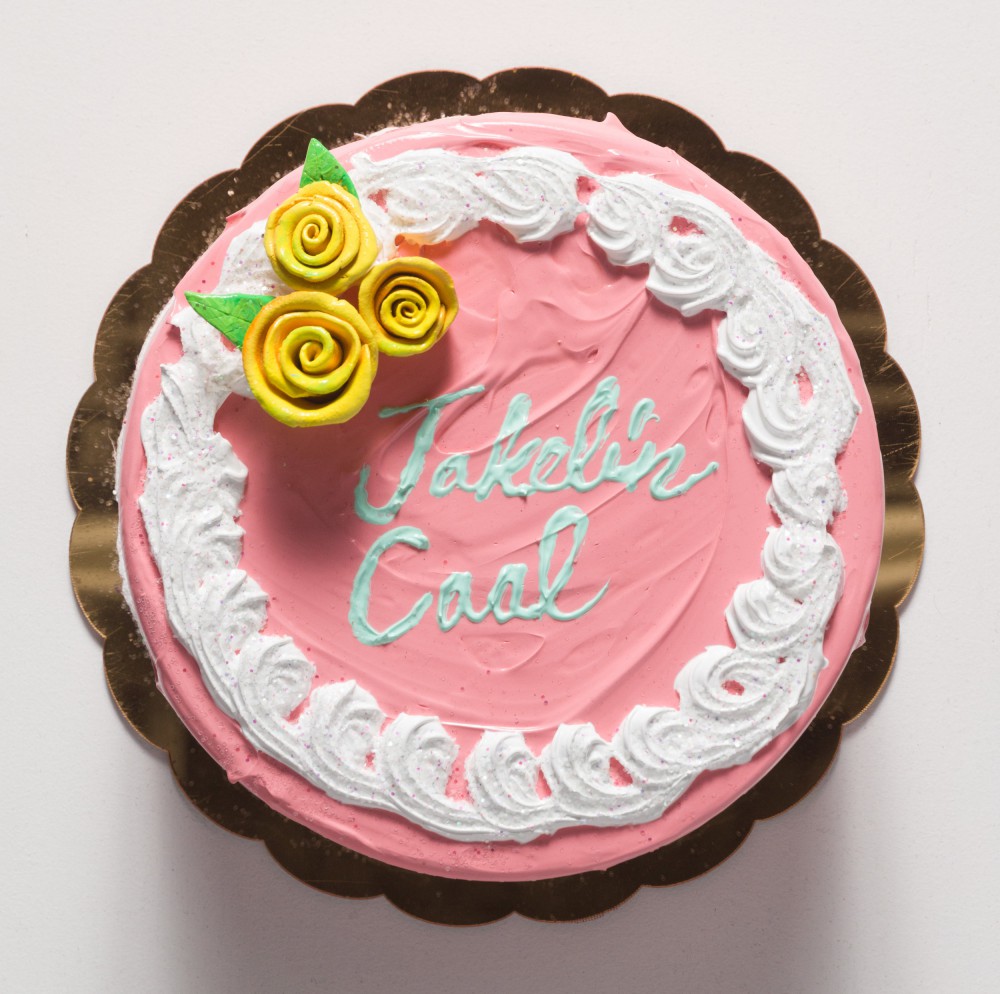
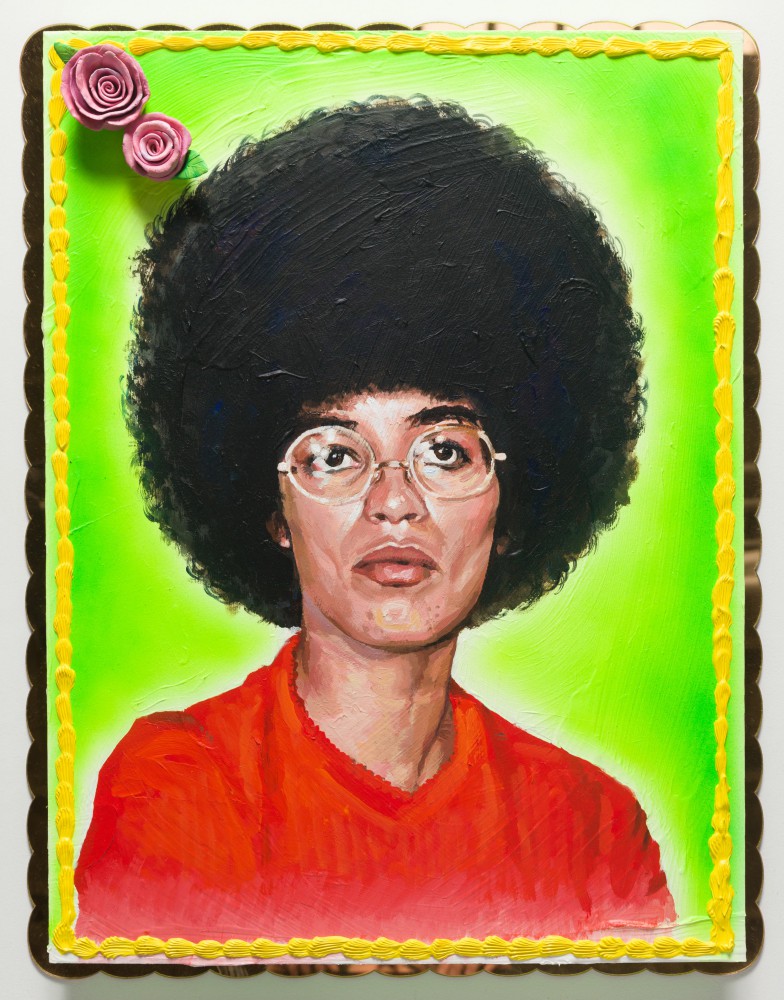
Through formally painted portraits, Patrick Martinez sheds light on past and current civil rights leaders who would historically be left in the shadows. These portraits are found atop realistically depicted three-dimensional cakes, embodying the celebratory tone that Martinez wishes to portray. Through a study of the lack of diverse representation in historical portrait painting, a medium traditionally used to celebrate ones successes and wealth, Martinez was led to the portrait cake paintings. The cake acts as a globally and socio-economically understood medium of celebration, now featuring the faces of not only white historical figures but the faces of freedom fighters of all races. This series was first inspired by a video of Tupac’s last birthday, which included a cake frosted with his portrait that did not resemble him in the slightest. The cake paintings feature the likes of Angela Davis, James Baldwin, and Malcolm X, and include even lesser known freedom fighters such as Larry Itliong of the Philippines paying respect to Martinez’s mother’s birthplace. Martinez also works with the insignias of civil rights activist groups, such as the Black Panther Party in his piece titled Chocolate Cake for the Black Panther Party. That Which We Do Not See will be on view through April 20 at Fort Gansevoort 5 Ninth Avenue, New York. photographs courtesy of the artist and Fort Gansevoort, New York.