Dawn Williams Boyd Reverses America's Racial Narrative @ Fort Gansevoort

Dawn Williams Boyd
Abduction, 2025
Assorted fabrics and cotton embroidery floss
45 x 67.5 inches

text by Hank Manning

In FEAR at Fort Gansevoort, Dawn Williams Boyd inverts American history, imagining a parallel universe where Black oppressors imported white slaves and have maintained an economy predicated on race-based exploitation for centuries. Her cloth paintings, made with textiles imported from Africa, all closely resemble canonical American ephemera, including historical photographs and advertisements. Maintaining this color-inverting framework, the gallery, for its third solo exhibition with Boyd, has painted its typically white walls black. 

The exhibition quickly succeeds in making us hyperaware of our racial biases. The scenes depicted—enslaved people chained together on ships, hooded horsemen celebrating lynchings, peaceful protestors attacked by police and civilians—are so ingrained in our memories that we instinctively assign roles before noticing Boyd has reversed them. Even knowing the artist’s intent, standing before these explicit works, our minds still resist the uncanny world she constructs. 


Dawn Williams Boyd
Brainwashed, 2025
Assorted fabrics and cotton embroidery floss
66 x 43.5 inches


In addition to these violent scenes, Boyd highlights the psychological violence that racism perpetuates in relation to the commercialization of cultural tropes. In a piece titled Brainwashed, a young Black girl, holding a black bar of soap, asks a white slave, “Why doesn’t your mamma wash you with Fairy Soap?” We are directly confronted with the immediate qualities we assign to the colors black and white, as well as how these perceptions affect one’s feelings of self-worth, particularly when learned at a young age.

Dawn Williams Boyd
Cultural Appropriation, 2025
Assorted fabrics and cotton embroidery floss
47 x 58 inches

More than 150 years after the de jure end of slavery in America, economic and social inequalities persist. In keeping with this reality, Boyd’s textile works generally proceed chronologically through history, but they offer no hint of progress toward integration or equality; the racial divide remains unambiguous. She further underscores the role of seemingly benevolent industries, like entertainment and medicine, in perpetuating racial inequality. We see white subjects forced into society’s most exploited roles, from dancing in banana skirts in service of the hegemonic class (at a Prohibition era nightclub in Harlem), to being the subjects of gruesome gynecological research (imitating the work of Marion Sims, the “father of gynecology” who performed studies on enslaved Black women). In the real world, Black patients disproportionately lack access to the advances their exploitation made possible.

Dawn Williams Boyd
The Lost Cause Mythos, 2025
Assorted fabrics and cotton embroidery floss
56 x 70.5 inches

In The Lost Cause Mythos, a reframed Gone With the Wind features a white mammy serving a Black Scarlett O’Hara. Boyd addresses the power of art in shaping and reinforcing societal myths, however, she refuses to entertain the “happy slave” stereotype, instead portraying a despondent attendant. White characters lose their individuality; in settings from the beginning of the slave trade to the present day, men and women sport identical short blond hair and appear either nearly nude or in plain white garments. This homogenization dehumanizes them, treating them as props devoid of personality. Their Black counterparts, by contrast, have diverse hairstyles and elaborate clothing in a variety of colors, with red—here a symbol of power—especially prevalent.

Today, the US federal government and many state governments are attacking DEI initiatives, legal protections secured by the Civil Rights movement, and the honest teaching of American history, denigrating attempts to right historical wrongs as “reverse racism.” Boyd’s stark work puts these unsubstantiated claims into perspective. It asserts the degree to which most Americans underestimate the ongoing legacy of systemic racism and emphasizes the role of emotion in our material world. We see fear in the eyes of everyone, from those experiencing the horrors below deck on slave ships to a fragile ruling class who feels existentially entitled to their privilege and is terrified of losing it. 

Dawn Williams Boyd: FEAR is on view through January 24 at Fort Gansevoort, 5 Ninth Avenue, New York
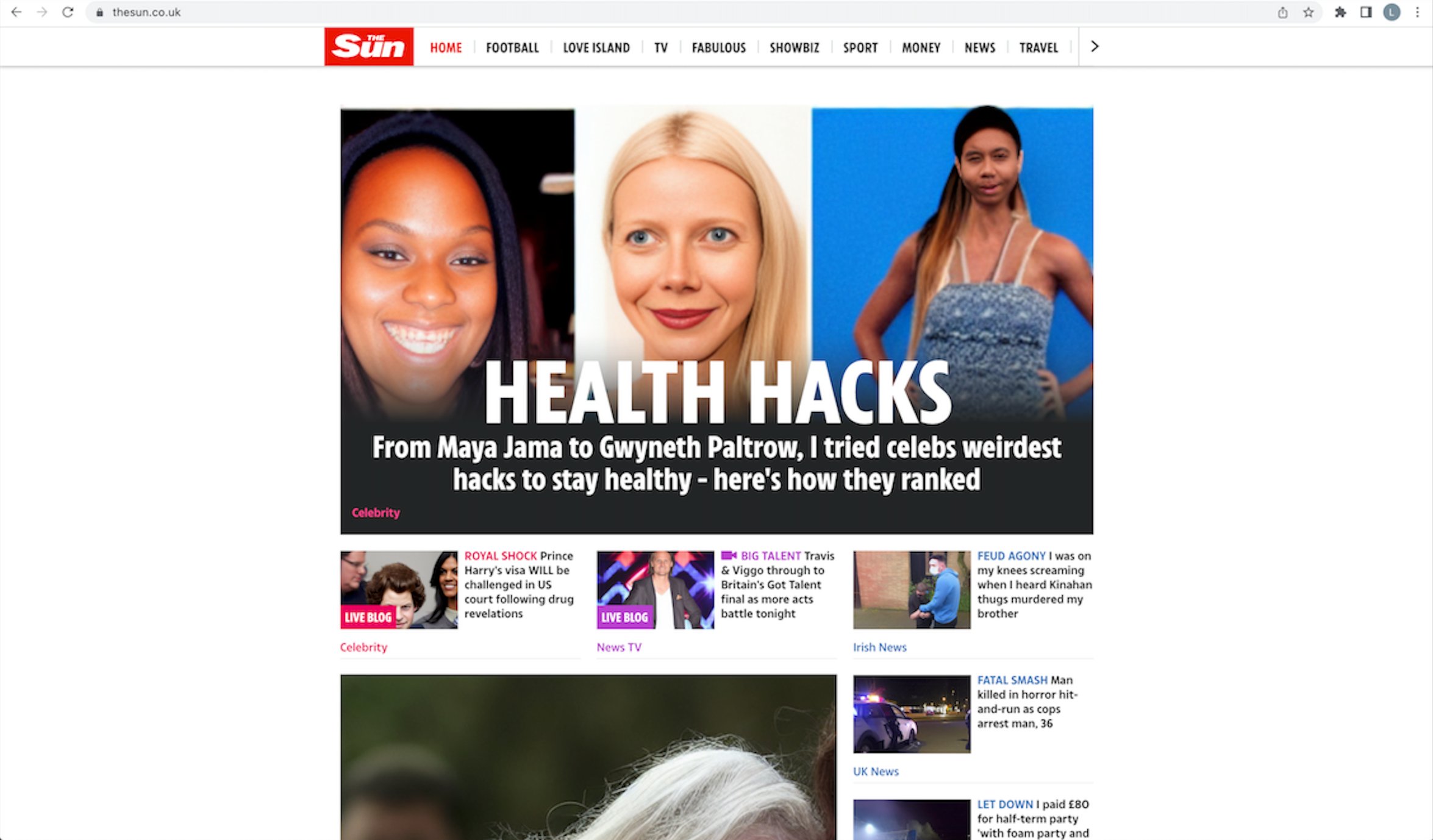
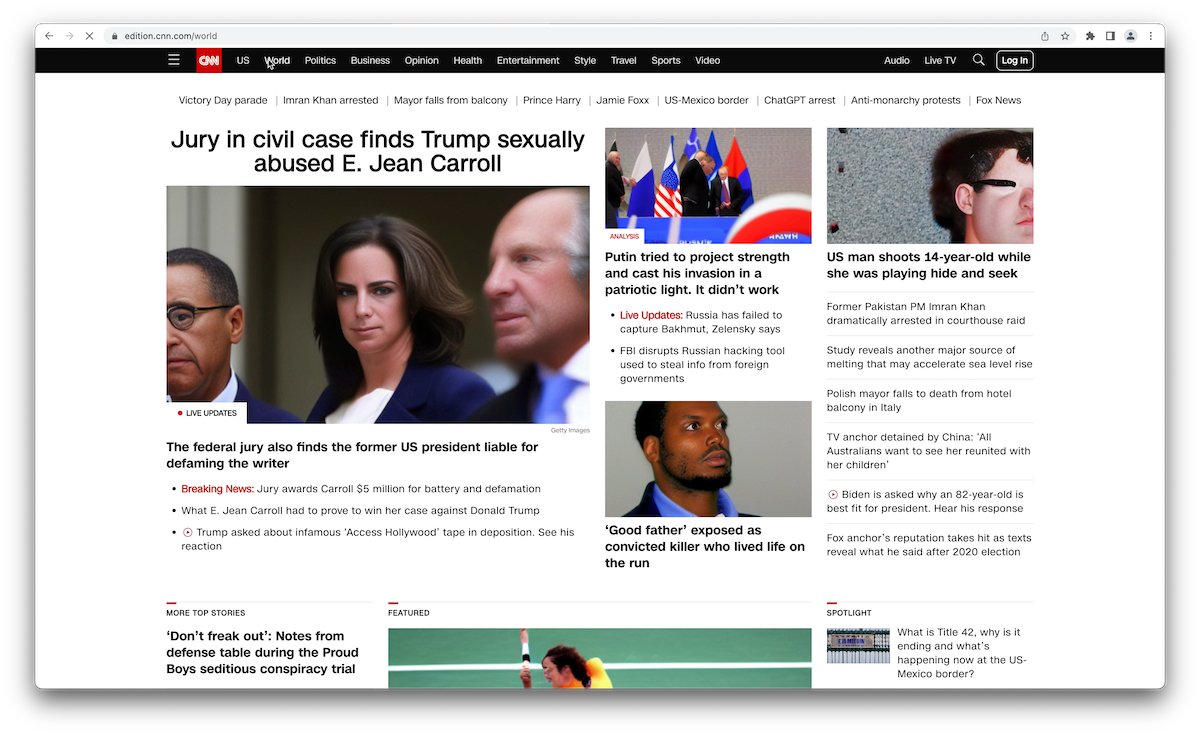
REALITYBYTES Warps The Virtual World @ panke.gallery in Berlin

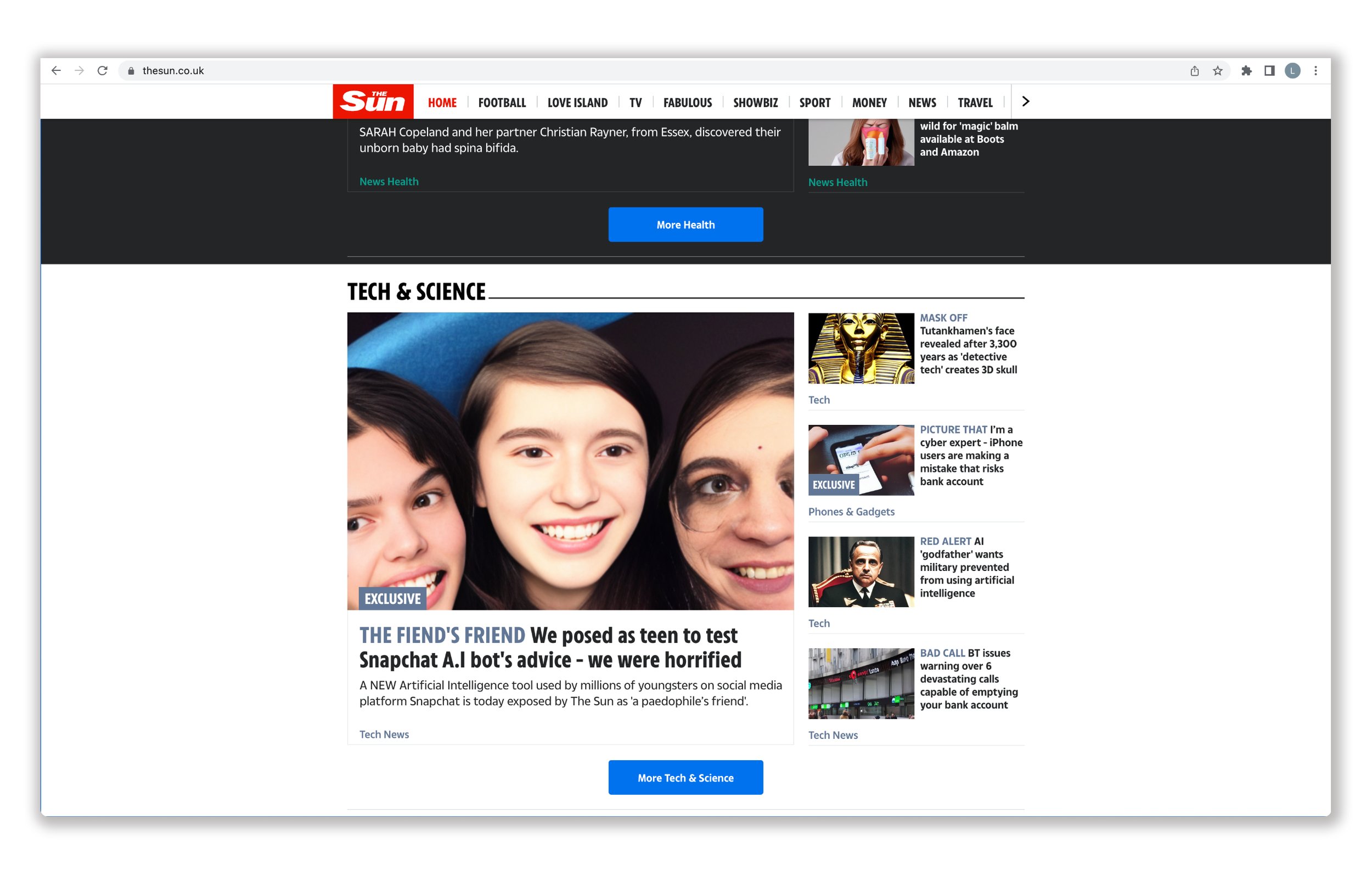
REALITYBYTES is a web-browser plugin that substitutes images and photographs on cnn.com, thesun.co.uk and pornhub.com with AI-generated counterparts. 

The plugin blurs the boundary between AI-created and human-created images, delivering results that are both uncanny and humorous. At the same time, it provides a stark insight into the racism and biases deeply ingrained within AI, spotlighting AI's growing influence on image perception and representation. 

Next to this, a broadcast entirely authored by an artificial intelligence will be presented. The presentation not only probes the ethics and reliability of AI-generated content but also challenges us to question the integrity of the content we routinely absorb in this era where AI is omnipresent.

Lotte Louise de Jong is a media artist from the Netherlands with a background in film-making. Her work ranges from physical, digital and online installations to more traditional forms of narrative. Her practice addresses how we, as a society, view and shape our identity through mediated spaces like the digital world. The internet as a space for exploring intimacy has been the main focus of her past projects. She obtained a master’s degree in Fine Art and Design at the Piet Zwart Institute in Rotterdam in 2019. In 2020 she received an emerging artist grant from the Mondriaan Fonds. 

REALITYBYTES is available for download here and will be on view through July 8th at panke.gallery, Hof V, Gerichtstraße 23, 13347 Berlin

Read Our Interview Of Ceri Hand: The Art Mentor Fostering A More Inclusive Art World

Ceri Hand, Photo by Lorna Milburn

From running a successful commercial art gallery to becoming Associate Director at Simon Lee Gallery and director of programs at Somerset House Trust, London, Ceri Hand, also known as the Artist Mentor, is championing a more holistic support framework for creative practitioners and professionals through her mentoring and coaching services. 

Lara Monro spoke with Hand about how her own experiences in the arts shaped her approach to mentoring and coaching, and why her upbringing instilled a level of responsibility in championing a more inclusive art world.  

Growing up in the Midlands, Hand was introduced to the importance of social justice and the need to support others from a young age. Her mother established and ran women's refuges and her father taught children with learning disabilities. While Hand came from a multi-racial family who combatted racism by achieving great success in business and embracing family, music and dance, she was confronted by the realities of prejudice from a young age. Read more.

Embodied Resonance: Read Our Interview Of Pop Sensation Mandy Harris Williams


Mandy Harris Williams is a renaissance woman working across more media than one could reasonably hyphenate. On social media, in her monthly #brownupyourfeed radio hour on NTS, and with her myriad published essays, she challenges us to consider critical theories on race, gender, sexuality, and above all, privilege. She dares us to meet the most divisive aspects of our charged political culture with a caring ethic that prioritizes those most deprived of our love and compassion. Offline, her DJ sets are like a blast of Naloxone to the automatic nervous system with the power to reanimate the rhythm in even the shyest of wallflowers. After studying the history of the African diaspora at Harvard and receiving a masters of urban education at Loyola Marymount, Harris spent seven years as an educator in low-income communities. From there, she expanded her educational modalities to include a conceptual art practice, musical production informed by years of vocal training, and a lecture format of her own dialectic design. These “edutainment” experiences are one part college seminar, one part church sermon, and one part late-night talk show with a heavy dose of consensual roasting. It’s a Friar’s Club for an intellectual, intersectional, and internet-savvy generation. These performances draw us in with their vibey bass lines and hooks before they throw us under the quietly segregated bus that we’re still struggling to rectify. Mandy and I sat by the fire one lovely winter night in Los Angeles to talk about the contours of fascism, algorithmic injustice, her latest film for the Centre d’Art Contemporain Genève, and her upcoming residency at MoMa PS1.Read more.

Ben Sakoguchi's Chinatown @ Bel Ami In Los Angeles

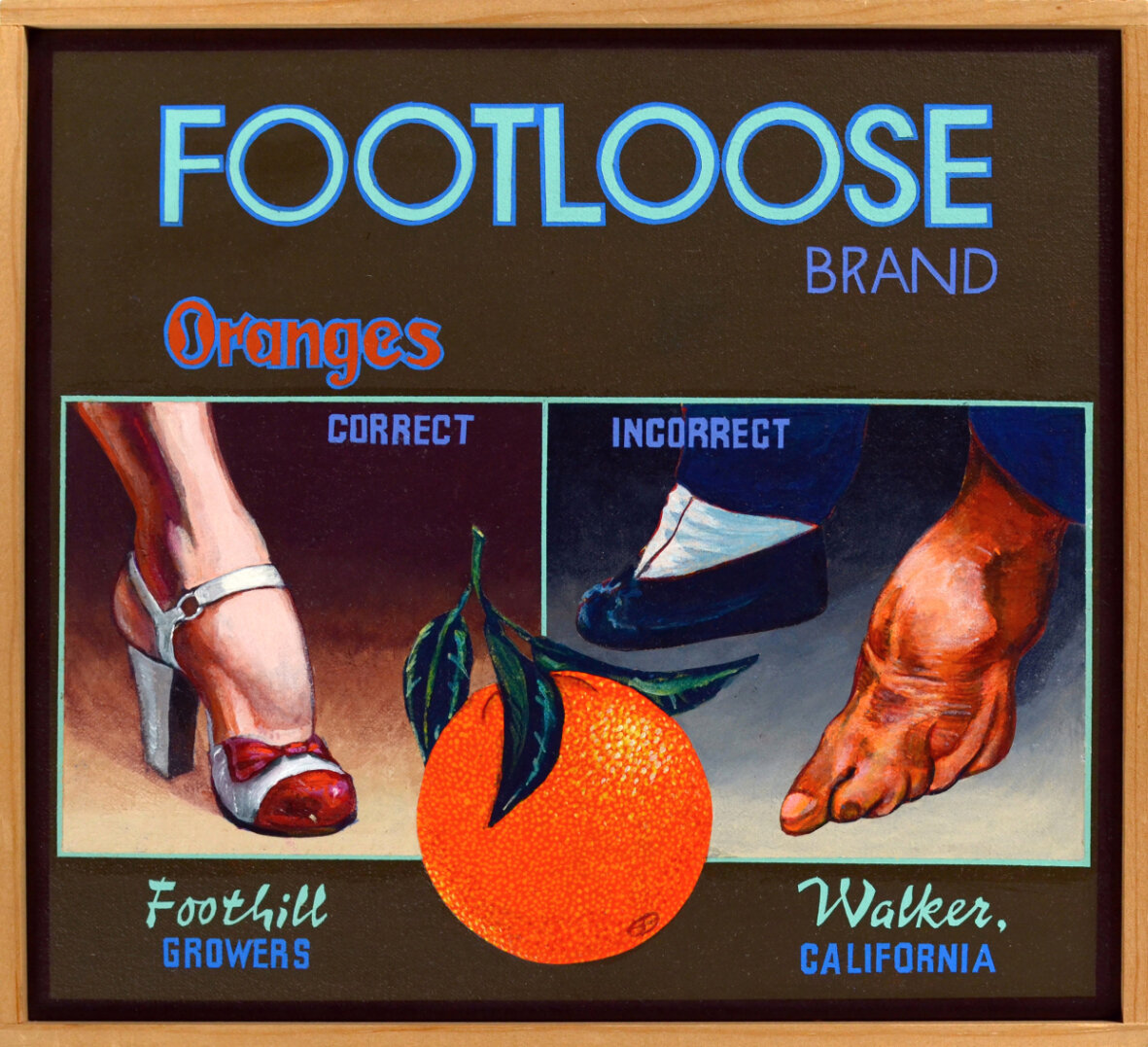
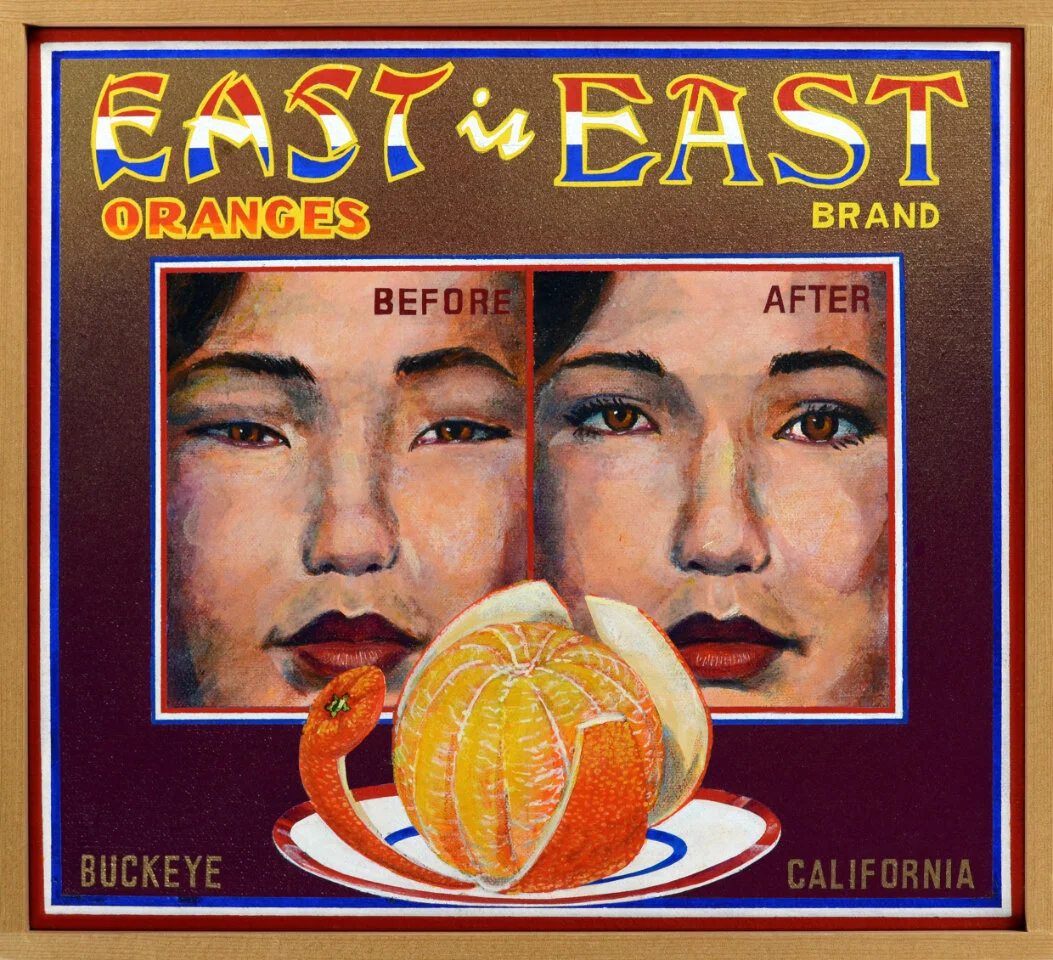
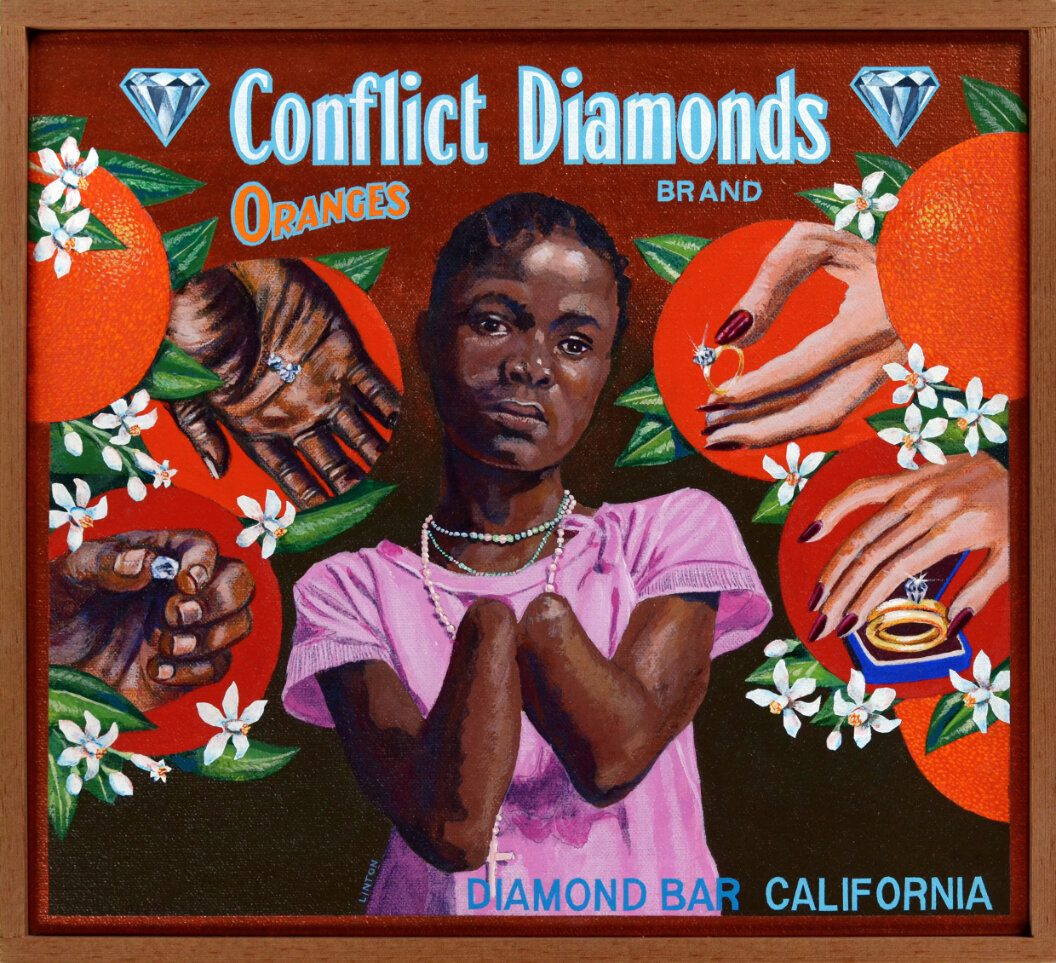
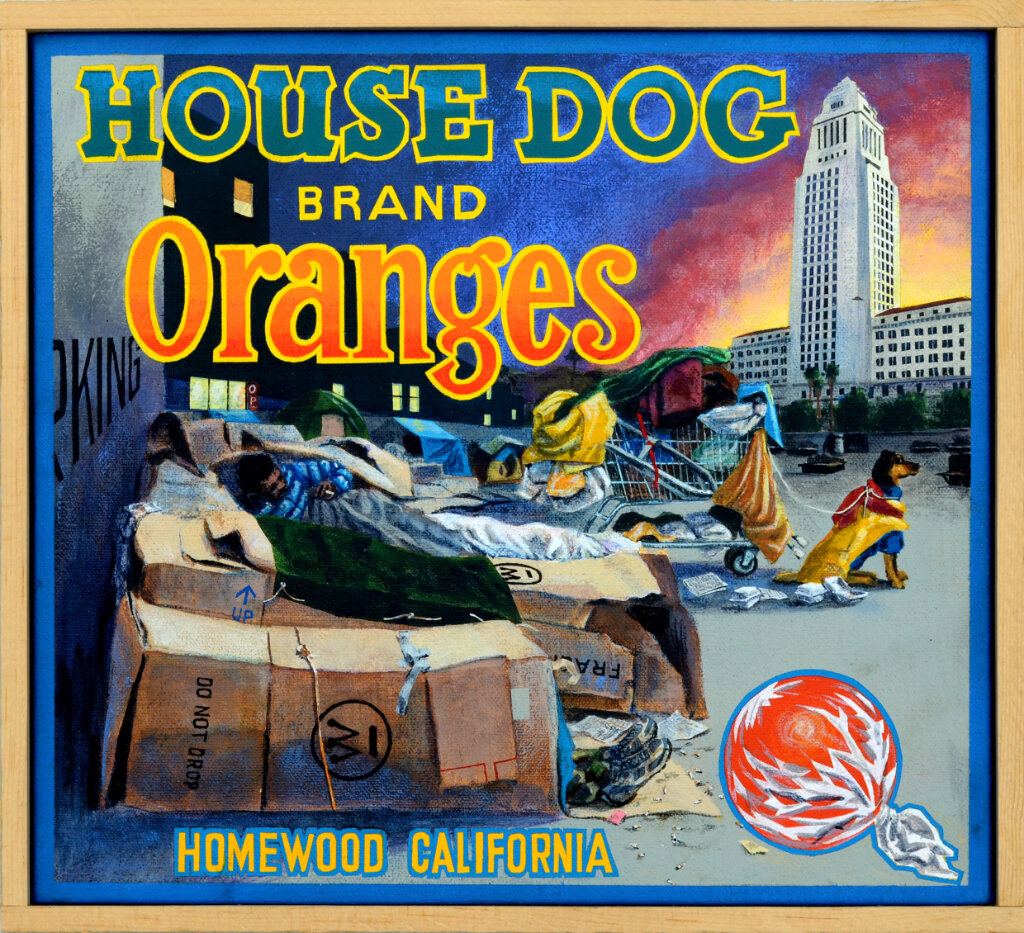
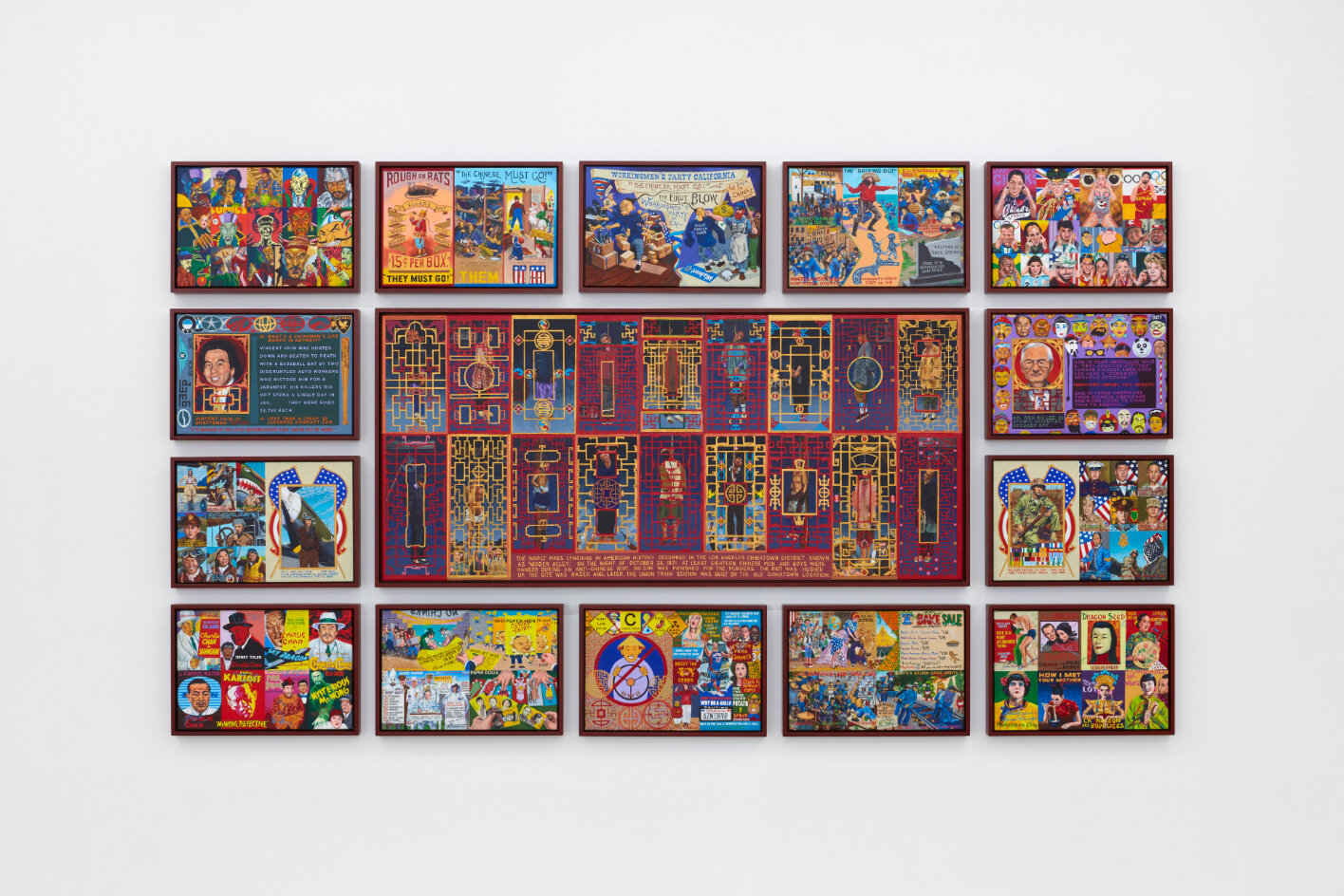
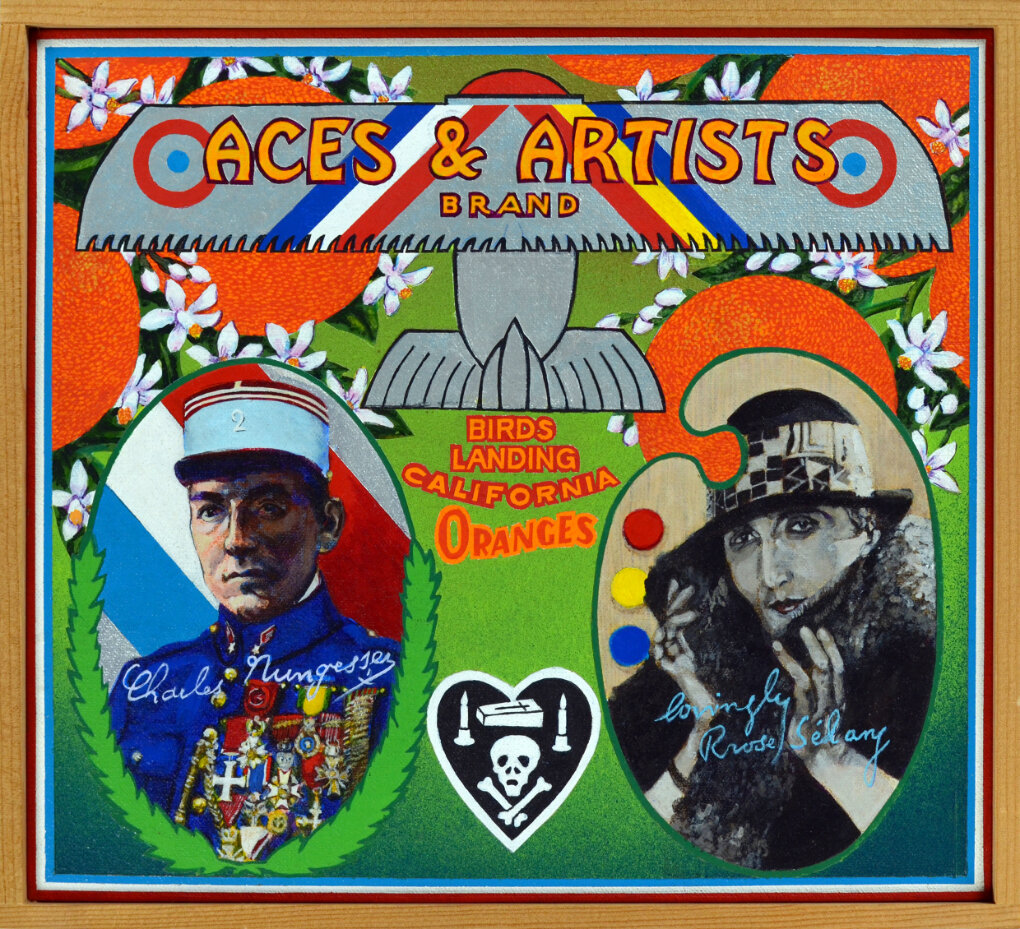
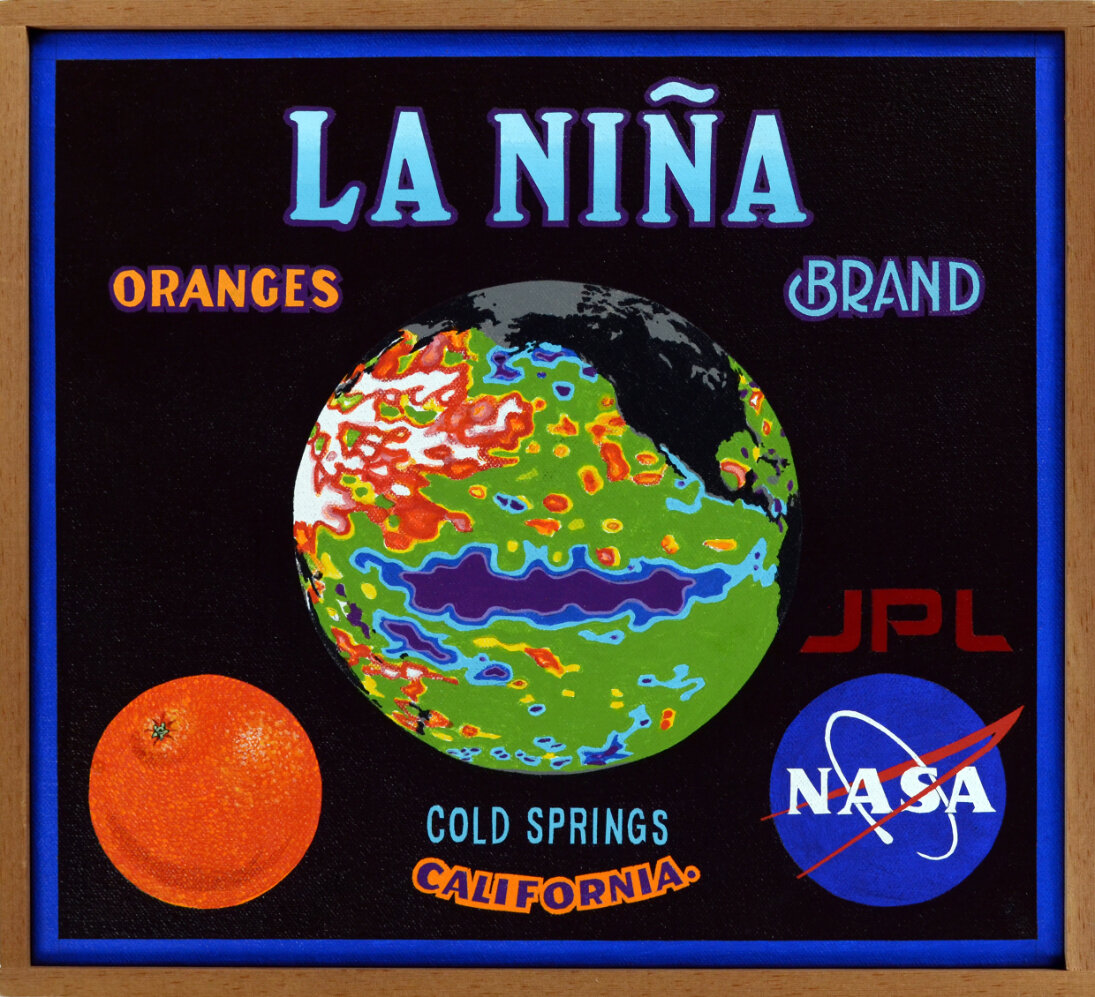
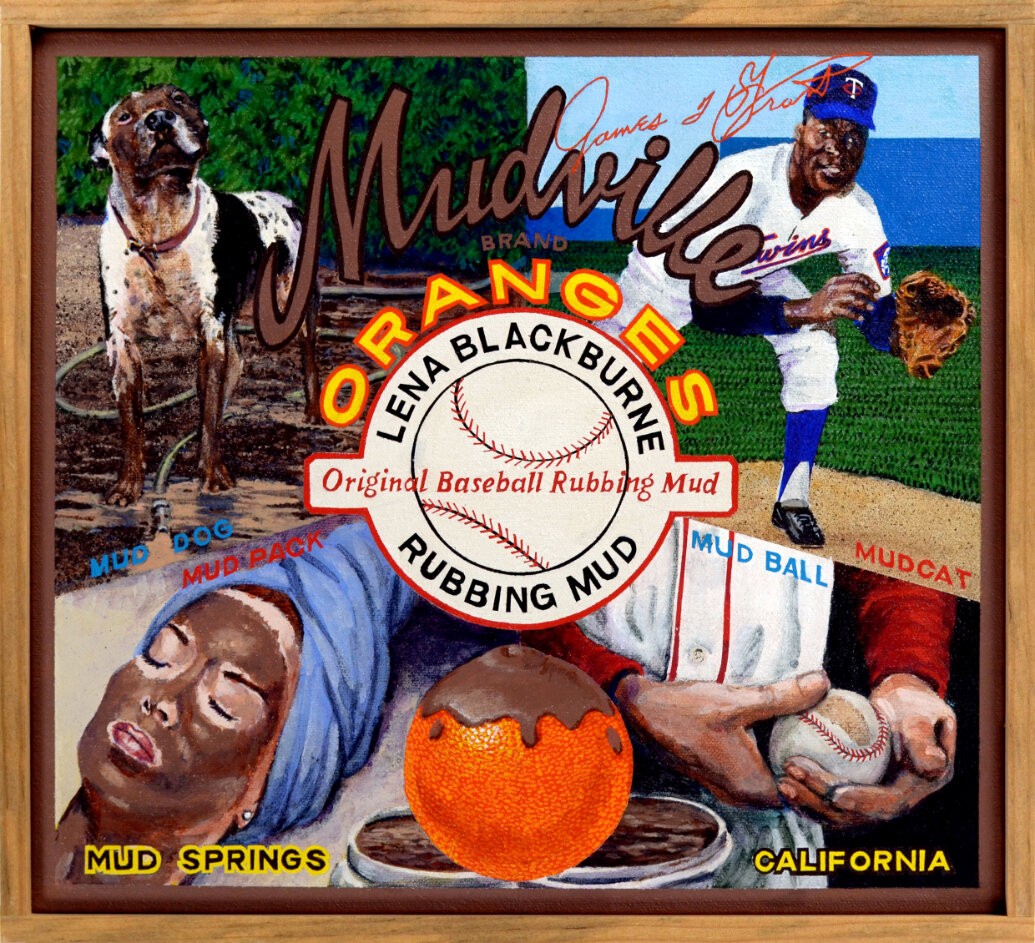
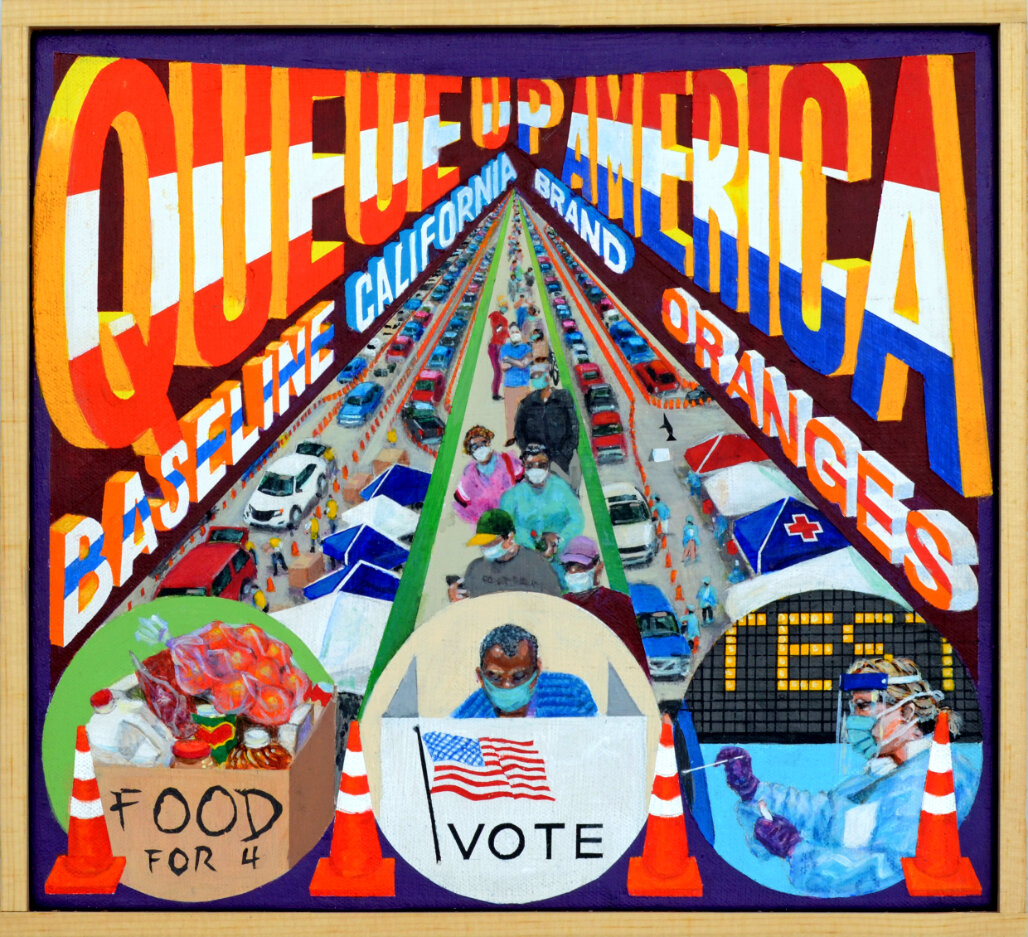
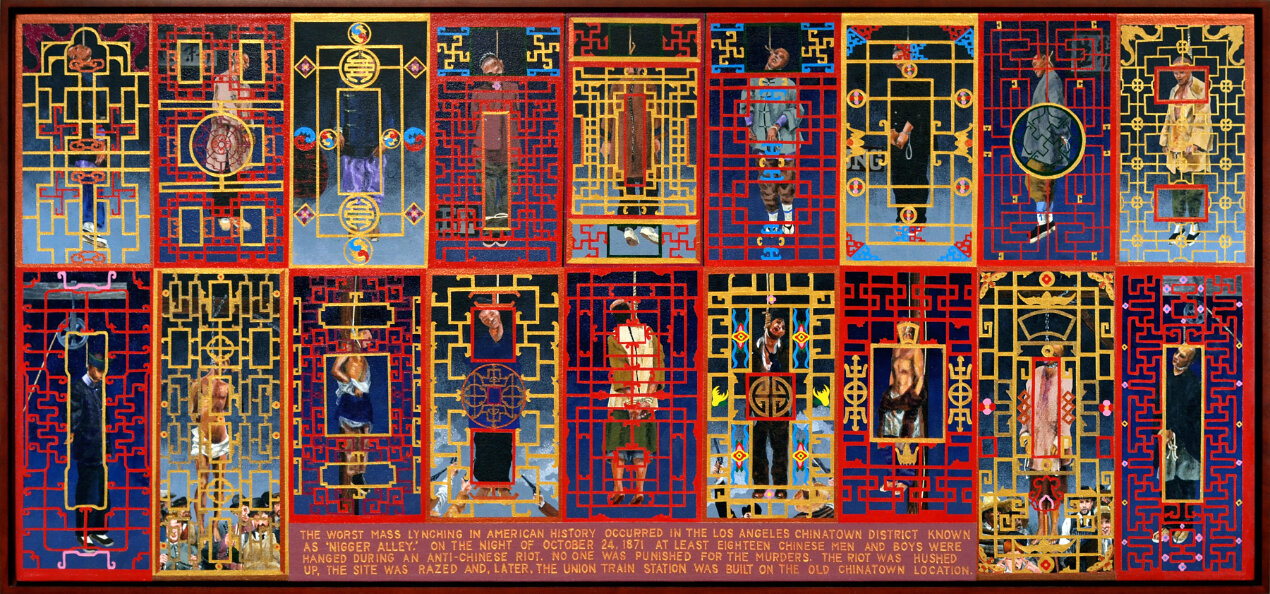
Ben Sakoguchi’s combinations of commercial signage, history painting, and Pop Art comment on the American Dream and its fraught entanglement with xenophobia and racism. With acrylic paint on canvas, Sakoguchi reassembles imagery from film posters, newspapers, comics, and internet searches to reveal subtexts of local discrimination, mass media exploitation, and state-sanctioned violence. A Japanese American who spent years of his childhood living in an internment camp during World War II, Sakoguchi comments on a century and a half of prejudice against diasporic Asians. Contending with overlapping histories that contribute to ideas of Asian American identity, Sakoguchi creates an ironic primer on capitalism’s treachery with an audacity that challenges and uplifts.

A publication with essays by Eli Diner (Critic, Curator, and Executive Editor of Cultured magazine), Steven Wong (Curator and the Director of the Vincent Price Art Museum, Monterey Park, CA), and Ana Iwataki (Writer, Curator, and PhD student in Comparative Studies in Literature and Culture, University of Southern California, Los Angeles) will be released in PDF and printed form during the course of this exhibition.

Chinatown is on view through April 24 @ Bel Ami 709 N Hill St. #105, Los Angeles

Ben Sakoguchi Chinatown, 2014  Acrylic on canvas, wooden frames (1 of 15 panels) 53 x 91 in (134.6 x 231.1 cm)

Ben Sakoguchi
Chinatown, 2014
Acrylic on canvas, wooden frames (1 of 15 panels) 53 x 91 in (134.6 x 231.1 cm)