PAUL THEK: Diver, A Retrospective

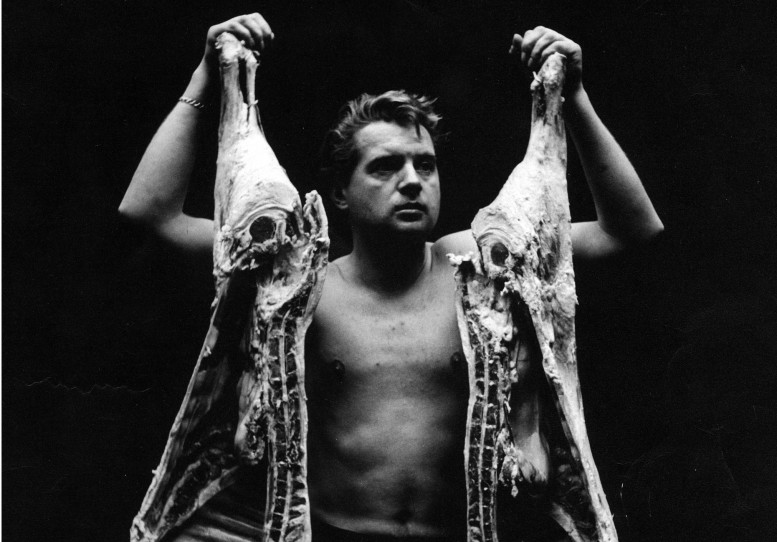
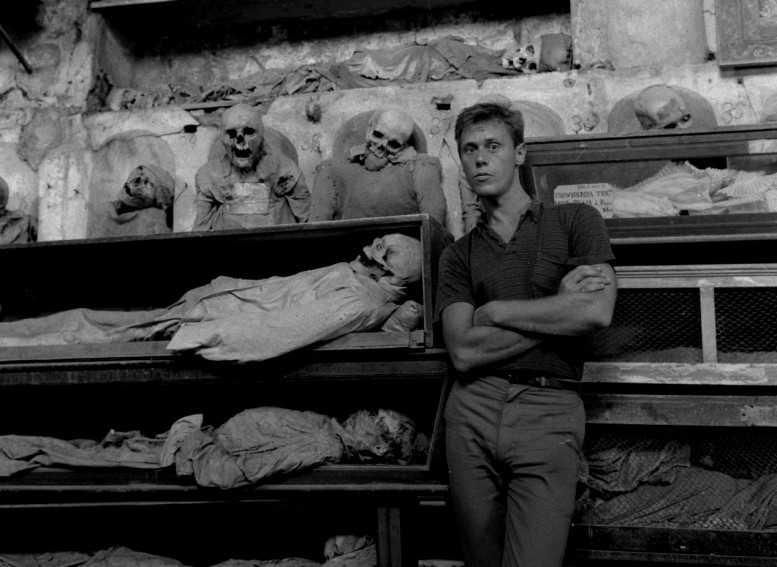
Paul Thek: Diver, a Retrospective is the first retrospective in the U.S. devoted to the legendary American artist Paul Thek (1933–1988). A sculptor, painter, and one of the earliest artists to create environments or installations, Thek was first recognized when he showed his sculpture in New York galleries in the 1960s. These early works, which he began making in 1964 and called “meat pieces,” resembled flesh and were encased in Plexiglas boxes that recall minimal sculptures. With his frequent use of highly perishable materials, Thek accepted the ephemeral nature of his works—and was aware, as writer Gary Indiana has noted, of “a sense of our own transience and that of everything around us.” With loans of work never before seen in the U.S., this exhibition is intended to introduce Thek to a broader American audience. On view at the Hammer Museum in Los Angeles - May 22 to August 28 - website.
Warhol Worship: Aloof Self Portrait Goes for $38.4 Million

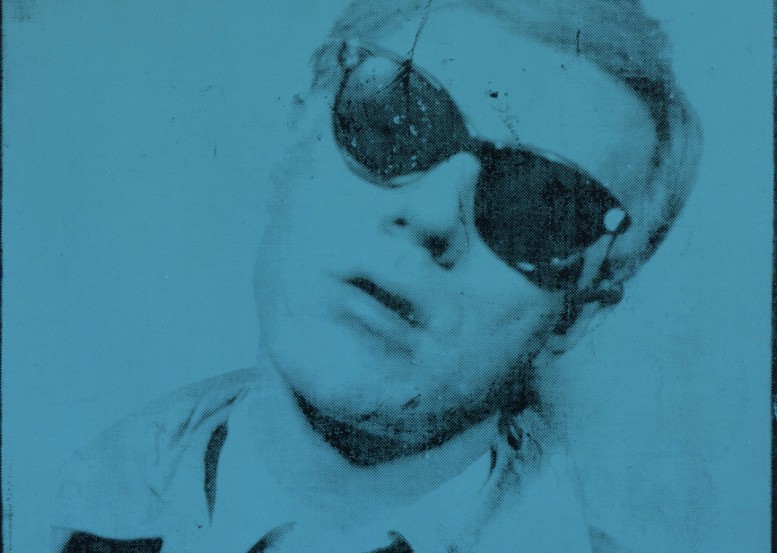
In 1963 Andy Warhol was on the cusp of fame when patron of the arts Florence Barron commissioned a painting that would become a seminal work of art in a nascent pop art movement. Barron purchased the self portrait, in which Warhol photographed himself in a photobooth and silkscreened the image onto a four panel canvas, for $1,600 - in installments. After a heated 16-minute bidding war the self portrait was ultimately won by an unnamed European collector who agreed to pay the $38.4 million.

Paris: Life & Luxury

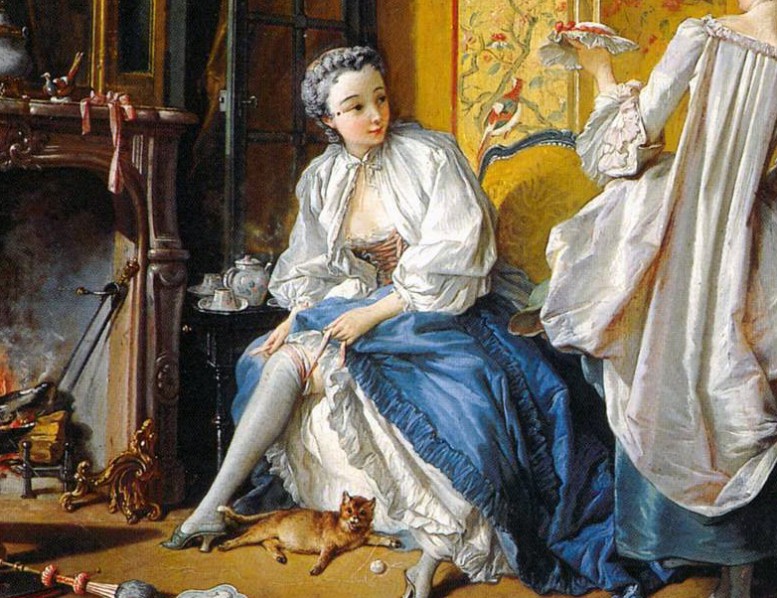
Francois Boucher "Lady Fastening Her Garter" of "La Toilette" 1742

An exhibition at the Getty in Los Angeles, entitled Paris: Life & Luxury,  "evokes the rich material ambiance of Paris during the mid-18th century. It brings together a wide variety of objects—from candlesticks and firedogs, to furniture and clocks, dressing gowns and jewelry, musical instruments and games—all from elite society in Paris, the fashion and cultural epicenter of Europe at the time." On view until August 7. www.getty.edu

David Bowie, Artist

David_Bowie_Artist

This summer, the Museum of Arts and Design in New York presents David Bowie, Artist, a multi-platform retrospective re-framing Bowie’s daring, multi-discipline career as that of an artist working primarily in performance. From his roots in such performance-based practices as cabaret, mime, and avant-garde theater, to Ziggy Stardust, his revolutionary tour that synthesized theater, music, and contemporary art into a rock spectacle, as well as his innovative video collaborations, and his work in cinema and theater, David Bowie, Artist presents Bowie as one of the most iconoclastic cultural producers of the 20th century. On view until July 15th - www.mademuseum.org

Matisse, Picasso, and the Parisian Avant-Garde

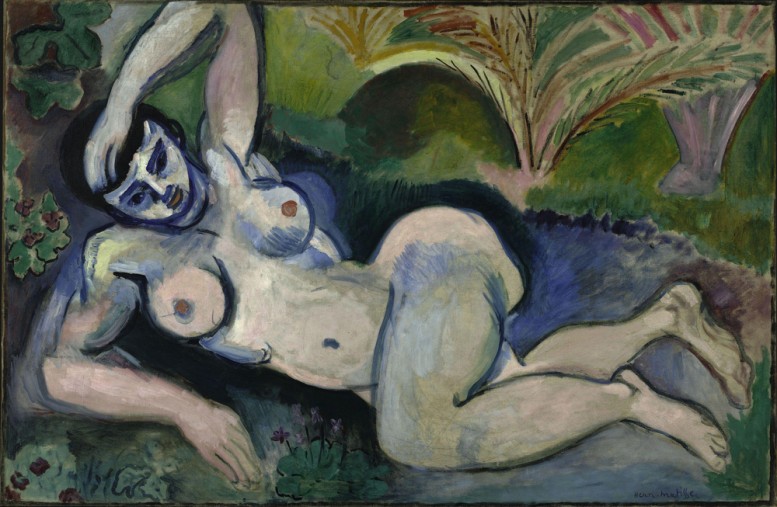
American expatriates in bohemian Paris when the 20th century was young, the Steins — writer Gertrude, her brothers Leo and Michael, and Michael's wife, Sarah — were among the first to recognize the talents of avant-garde painters like Henri Matisse and Pablo Picasso. Through their friendship and patronage, they helped spark an artistic revolution. This landmark exhibition draws on collections around the world to reunite the Steins' unparalleled holdings of modern art, bringing together, for the first time in a generation, dozens of works by Matisse, Picasso, Paul Cézanne, Pierre-Auguste Renoir, Henri de Toulouse-Lautrec, and many others. Artworks on view include Matisse's Blue Nude (Baltimore Museum of Art )and Self-Portrait (Statens Museum, Copenhagen), and Picasso's famous portrait Gertrude Stein (Metropolitan Museum of Art). Matisse, Picasso, and the Parisian Avant-Garde is on view at the San Francisco Museum of Modern Art from May 21 to September 6. www.sfmoca.org


Houdini: Art & Magic

Magician, escape artist, and showman extraordinaire Harry Houdini (1874–1926) has remained an object of fascination for generations. Combining biographical and historical artifacts with contemporary art inspired by his physical audacity and celebrity, Houdini: Art and Magic explores Houdini as an individual and an enduring cultural phenomenon, documenting the period in American history when the young Jewish immigrant helped shape the cultural landscape and became an acknowledged mass-market star. Featuring more than 150 objects—including film clips, stunning period posters, dramatic theater ephemera, rare photographs, original props (including a straitjacket, milk can, and Metamorphosis Trunk used by Houdini), and the work of select avant-garde artists—the exhibition reveals Houdini’s legacy as an iconic figure, both in his time and in ours, who has inspired artists today to reconsider his role as a daring persona. On view at the Skirball Center in  Los Angeles until September 4. www.skirball.org

The Mourners: Tomb Sculptures from the Court of Burgundy

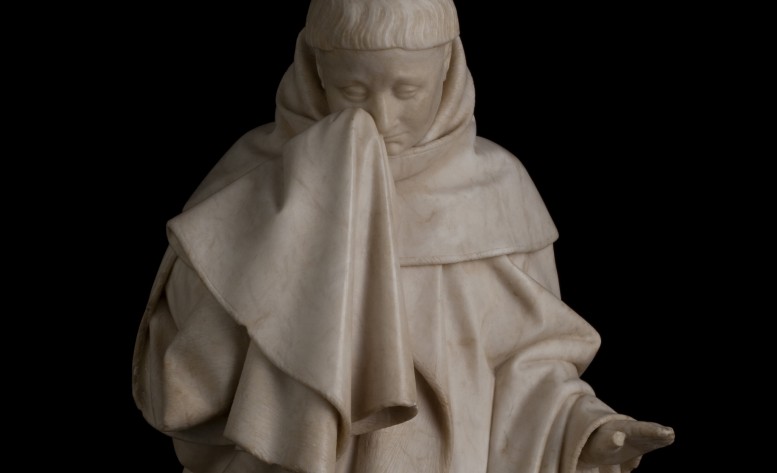
The Mourners: Tomb Sculptures from the Court of Burgundy features thirty-seven sculptures from the tomb of John the Fearless (1342–1404), the second duke of Burgundy. His elaborate tomb, once housed at a monastery on the outskirts of Dijon, is now one of the centerpieces of the Musée des Beaux-Arts de Dijon. On view until July 31 at the Los Angeles County Museum of Art. www.lacma.org

Inspiration Dior

A this one to the list of the growing phenomenon of designer retrospectives being held around the world. Inspiration Dior, an exhibition at the Pushkin Museum in Moscow, explores the birth of the legendary fashion house. Christian Dior was born in the seaside town of Granville on the coast of France, the second of the five children of Maurice Dior, a wealthy fertilizer manufacturer and his wife.  His family had hopes that the young Dior would become a diplomat, but his artistic sensibilities would obviously prevail.  In 1947 his 'new look' collection is established and the House of Dior is born. The exhibition explore not only Dior, but the inspiration behind Dior, guiding the visitor "through the Dior artistic creative sources of fashion and its links to history, nature, painting, sculpture, drawing, photography and film. It reveals how an idea, a feeling, an era, a garden, a perception or even a smell can instill an idea in the heart and mind, giving rise to a unique creation." Inspiration Dior is on view until July 24 2011. www.arts-museum.ru


(Un) dressed: An Evolution of the Nude

20110405-1369-Halsman - Story for life(Un) dressed

right: Philippe Halsman, Story for life + lover, 1949 left: Bert Stern, Fashion for Prenton Vogue, 1970

Aristocratic, the online gallery of limited edition art photography, presents an exhibition entitled (Un) dressed - an exploration of the nude in photography from 900 until today. The exhibit is an exploration, not so much of the nude itself, but of the evolution of  the nude - "women in their complexity" seen through the eyes of major Italian and international photographers in the last century such as Edward Weston, Helmut Newton, Karl Lagerfeld, Hideki Fujii, Nan Goldin, Araki and Maurizio Galimberti. The 25 works on display offer a fascinating journey through space and time to grasp how the image of the women have changed.  The exhibition can be seen from May 5 to 18 at the Hettabretz, Palazzo Borromeo in Milan or online.  www.aristocratic.com

[OUTSIDERS] MIROSLAV TICHÝ

MIROSLAV_TICHÝ_london

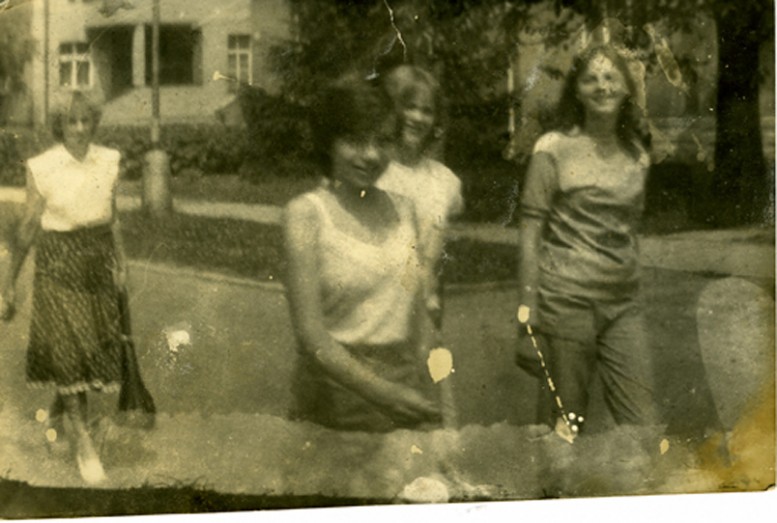
Miroslav Tichý, who died only a few weeks ago, began taking photographs in the 1960s, continuing until the late 1980s, accumulating an expansive archive of images. Tichý originally studied painting at the Academy of Fine Arts in Prague, where he was an esteemed painter and draughtsman, taking a lively modernist approach to his artwork. In 1948, with the adoption of communism in Czechoslovakia, artists were enforced to produce work in the socialist realism manner, which Tichý determinedly rejected. In opposition, he and like-minded alumni formed an artist collective, the Brněnská Pětka (Brno Five), staging subversive exhibitions, which attracted continuous state surveillance. In 1957, the artist suffered a mental collapse - he was prone to psychological breakdowns from a young age - and this led to his removal from mainstream society, moving back to his small hometown, Kyjov. He became a non-conformist, eccentric character, half-conscious, half-delusional to his subversive outsider situation. A new exhibition on view at the Wilkinson Gallery in London until June 11 explores the works of Miroslav Tichý.  www.wilkinsongallery.com

ALL CANNIBALS?

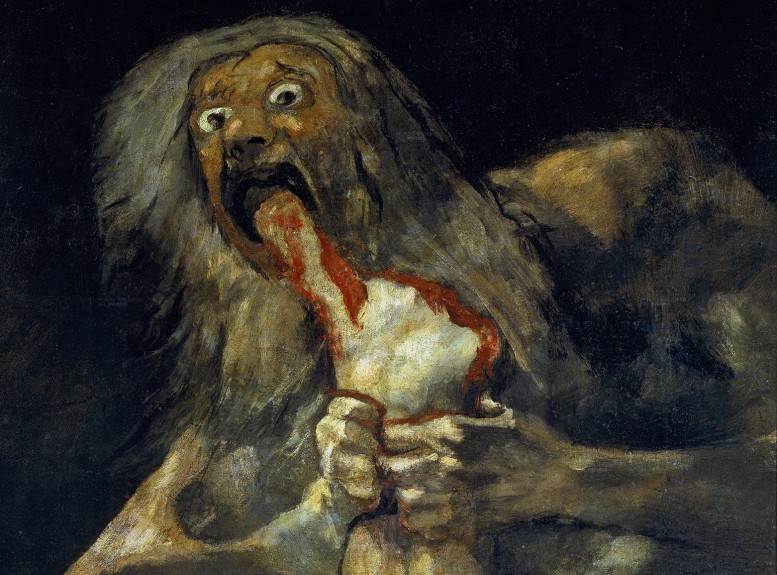
Francisco_de_Goya,_Saturno_devorando_a_su_hijo_(1819-1823)

Francisco de Goya - Saturn Devours His Son - 1819-1923

Goya's famous image of Saturn devouring his son epitomizes the lust the cannibal has for human flesh.  The painting depicts the myth of the greek god Saturn - fearing that his sons would overthrow him he would eat each one after birth. Male lions eat their cubs after birth in order to bring the females into heat.   Goya's image of the savage cannibal with its wide eyes and devious abandon, satiating itself on a child is also representative of Goya's fear of madness.  Saturn Devouring His Son was part of a series called the Black Paintings painted on the walls of his Spanish villa toward the end of Goya's life.  The series was never commissioned and exhibited only posthumously. The painting, haunting and dark in nature, are indicative of a man alone, deaf - confronting the harrowing possibilities of eternal nothingness.  

Jérôme-Zonder-Jeu-denfants-n°1-2010-mine-de-plomb-sur-papier-160-x-160-cm-©-Jérôme-Zonder-et-Galerie-Eva-Hober-Paris-klein

Jérôme Zonder - Jeu-denfants n°1 2010

The myth of cannibalism seemed to have a very Jungian catharsis for Goya - it is as if through Saturn's consuming of a child brought Goya a transmutative feeling of youth.  Cannibalism though, the mere notion of a man eating another man brings back primitive visions.  Artists in one medium or another have confronted cannibalism  in society for centuries. Claude Lévi-Strauss, the French anthropologist, is quoted as saying, "“We are all cannibals. The simplest way to identify with others is still to eat them.” Really now? An exhibition at the Me Collector's room in Berlin begs a question in return - all cannibals?

The exhibition All Cannibals? at me Collectors Room explores the topic of cannibalism (anthropophagy) in art. "Anthropophagy can be found in the myths of all cultures and ages—with examples ranging from antiquity, the Bible, or folk tales to classicist authors and modern horror movies. The recurring motifs of desire and brutality can likewise be found in modern and contemporary art. The concept for the exhibition emerged from the observation that the theme of consumable flesh seems to be gaining in significance within many current art works."

The exhibition is being held in cooperation with the Paris exhibition venue “la maison rouge.” Presented in parallel in the art magazine ART PRESS is a special issue on cannibalism, including interviews with collectors Antoine de Galbert and Thomas Olbricht in French and English. On view May 29 to August 21, 2011. www.me-berlin.com

Will-Cotton-Consuming-Folly-2009-2010-Öl-auf-Leinwand-1829-x-1438-cm-©-Will-Cotton-Mary-Boone-Gallery1

Will Cotton - Consuming Folly - 2009

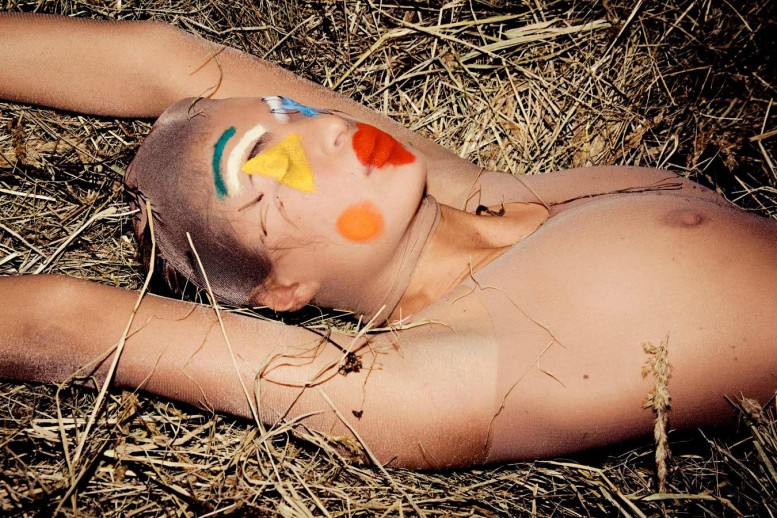
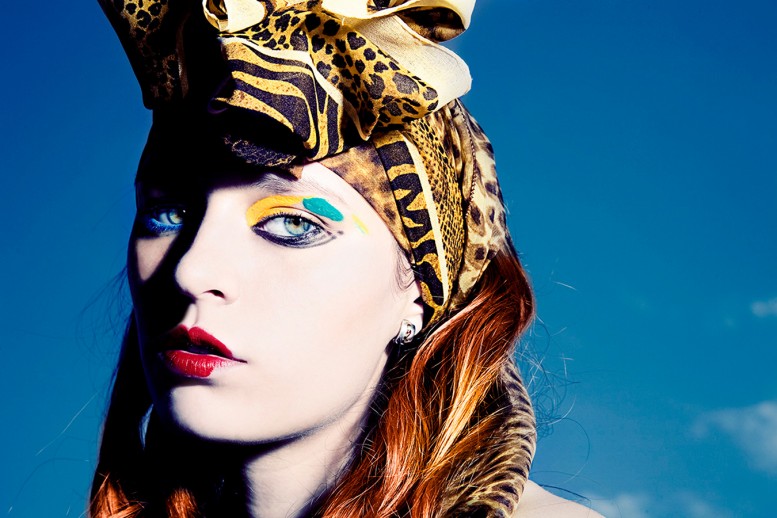
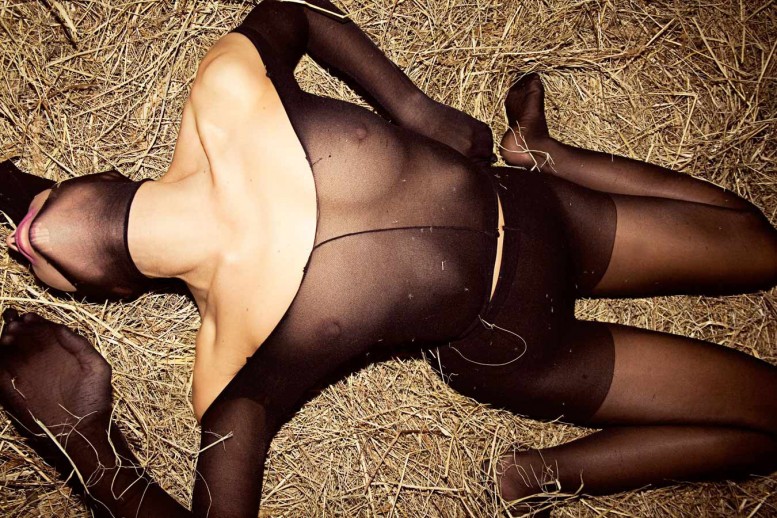
[MOSCOW] Sex:Female

In a buy me, sell me, fuck me world Lena Vazhenina's photography is an atonement for all our collective mediocrity.  Vazhenina thinks sex is cool, but don't be fooled - her photo project is named Sex:female just to grab your attention.  With its weirdly placed colon and poor English, the title is also confusing.  However, Lena Vazhenina just might be on to something, because this Moscow based photographer is on the rise. Vazhenina's intriguing images look like whimsical gender bending rape scenarios crossed with what the world would look like if you had a magic pair of glasses that made everything look like an MDMA trip.  

sexfemale.cc

[Documentary] L'Amour Fou: The Legacy of Yves Saint Laurent

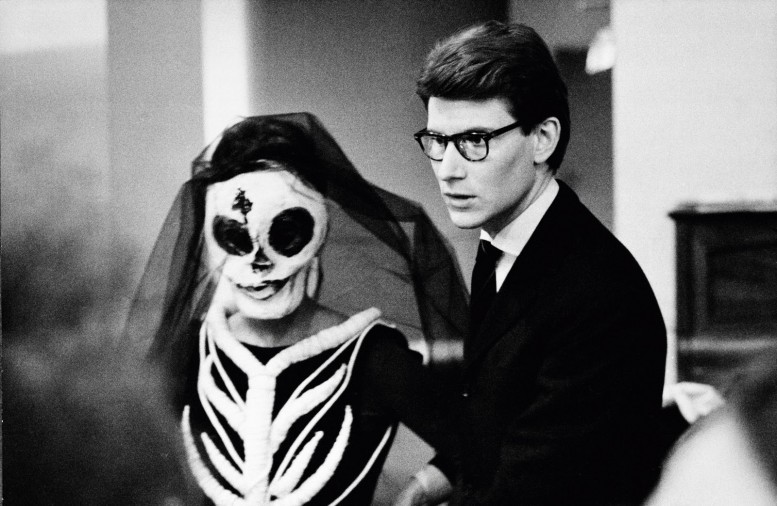
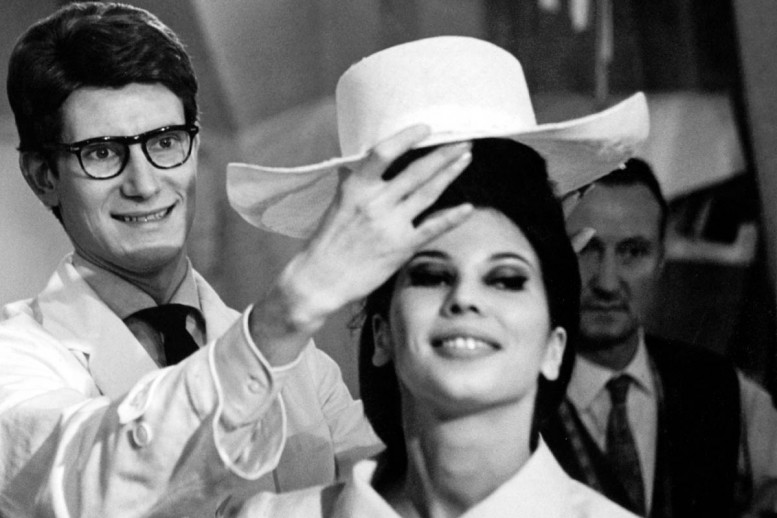
Yves Saint Laurent left a fashion legacy. He also left behind an extraordinary collection of art. In L'amour fou, Saint Laurent's partner in business and life, Pierre Bergé, made the choice to auction off the collection after Saint Laurent's death in 2008. It was considered "the auction of the century." Bergé talks about their relationship in both respects—from meeting Saint Laurent after his dismissal from Dior to starting up their fashion house and, of course, the art that they amassed. The collection started in the 1950s and included works ranging from Picasso and Matisse to Egyptian sculptures.

The art collection is impressive, but it represents more than just two collectors—they're the puzzle pieces that form a picture of a unique, half-century partnership. Carefully crafting a loving and well-deserved tribute, director Pierre Thoretton stunningly blends Bergé's interviews, rare archival footage, and incredible access to their homes to make what amounts to more than a biography. He captures a love story—a so-called crazy love—of art, fashion, and the two men who loved both and one another.

L'Amour Fou is currently being premiered at the Tribeca Film Festival. www.tribecafilm.com

Text by  David Kwok

Paris Through the Window: Marc Chagall and His Circle

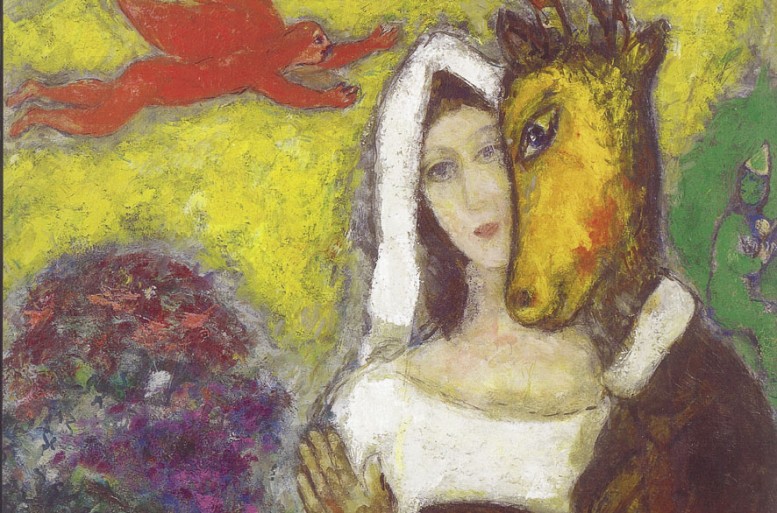
Chagall - Midsummer Nights Dream

As a symbol of culture, freedom, and modernity, the city of Paris held a magnetic attraction for artists from around the globe during the early decades of the twentieth century. Most painters and sculptors, as well as poets and writers, settled in a vibrant area of Paris known as Montparnasse, which was sprinkled with art galleries, artists’ residences, and cafés. It was here that Alexander Archipenko, Marc Chagall, Moïse Kisling, Moïse Kogan, Jacques Lipchitz, Louis Marcoussis, Amedeo Modigliani, Chana Orloff, Jules Pascin, Chaim Soutine, and Ossip Zadkine established studios and discovered each other’s work.

Chaim Soutine, Girl in Green

An exhibition at the Philadelphia Museum of Art includes more than 70 paintings, sculptures, and works on paper by these émigré artists and their French colleagues, all of which were created in a unique atmosphere of mutual encouragement and support in Paris during the early decades of the twentieth century. Interwoven throughout is the story of Chagall’s formative years in the French capital during the 1910s, his return to Russia during World War I and the rise of the Russian Revolution, and the artist’s triumphant return to Paris in the 1920s as a leading figure of the city’s thriving avant-garde.

Paris Through the Window: Marc Chagall and His Circle is on view until July 10. www.philamuseum.org

Ecce Homo: The Jewelry of Chris Habana

spring/summer 2011

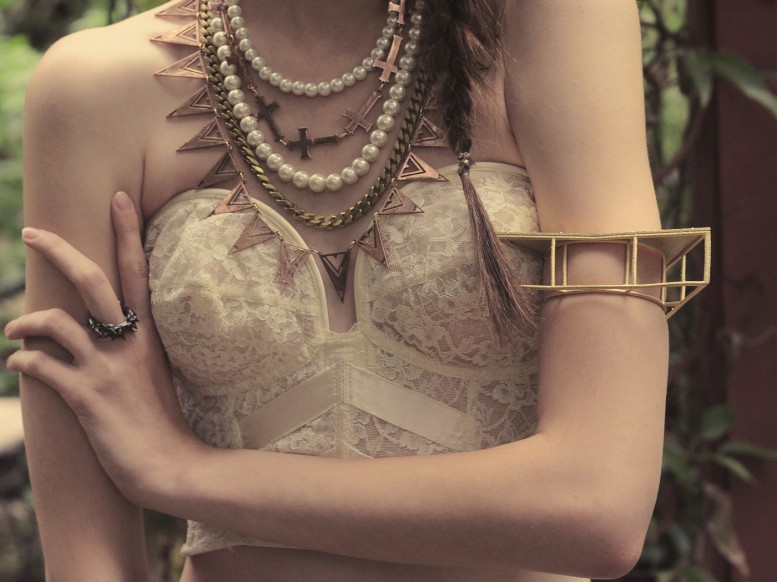
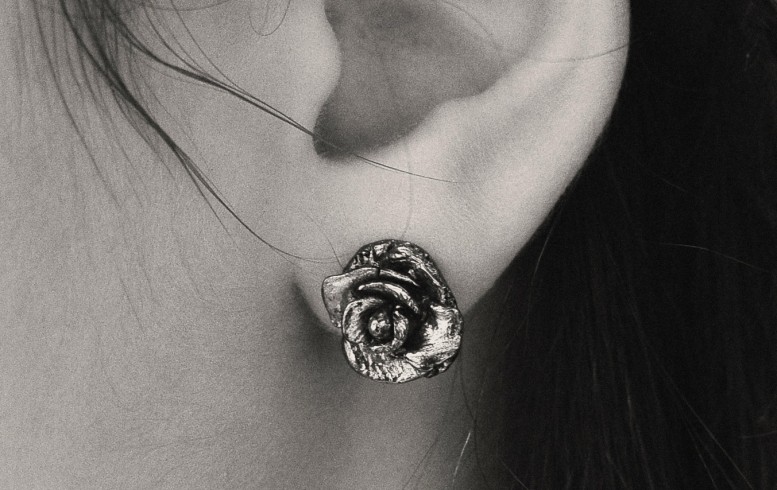
If Jesus Christ were to be crucified today, Pontius Pilate would get his crown of thorns from jewelry maker Christ Habana. Custom made crown of thorns - he'd probably make a concession for the lord and savior. With a small, creeping trend in religious iconography popping up Chris Habana's eponymous label stays clear of the eternal flaw of most gothic inspired jewelry lines: taking it all way too seriously.

spring/summer 2011

There is a definitive, down to earth sensibility in all of Habana's creations. Spending his life in the Philippines and New York City, the 34 year old designer had a childhood "...rooted in fantasy and sci-fi...." and later "reveled in the 90s gay counter-culture..." - thusly merging the two worlds when Habana debuted his line in 2004. Habana's autumn/winter collection, entitled "Weird N' Kinky," is, well, weird and kinky.

www.chrishabana.com

Le Surréalisme, c’est moi!

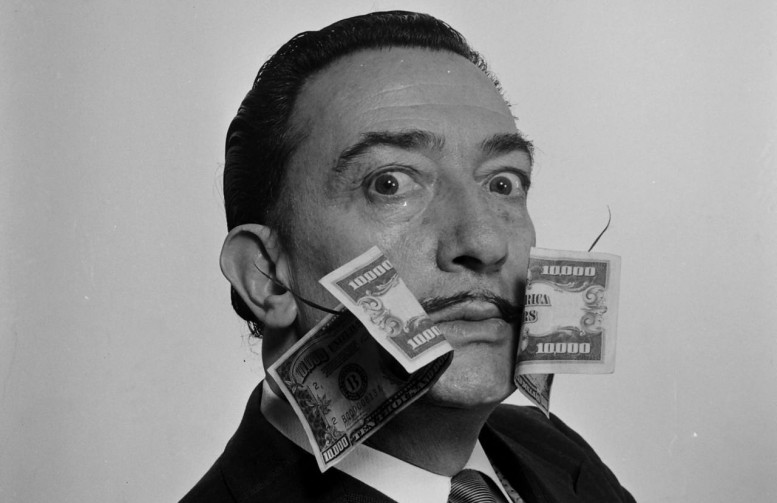
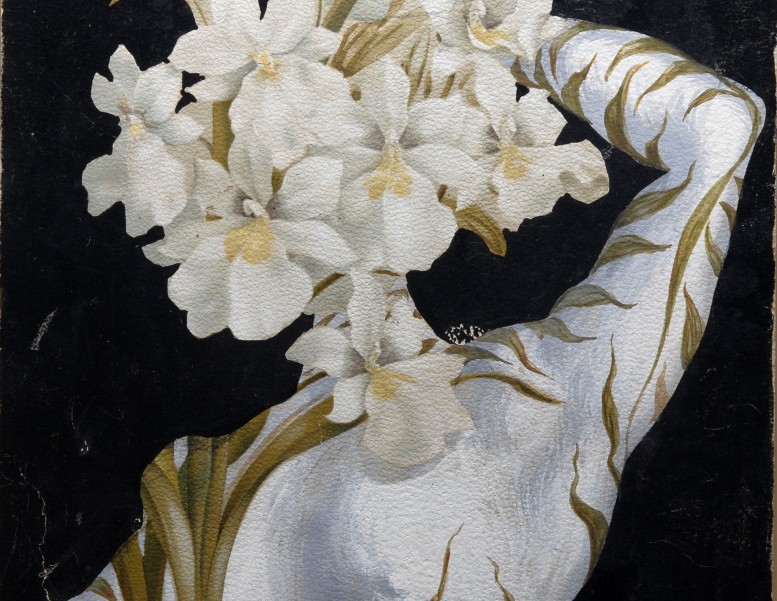
Even today, Salvador Dalí’s creative output as an artist, his experimental films, and his unmistakable style of painting exert an inspiring fascination on artists up to the present day. By the early 1930s, Dalí had found his medium and his distinctive painting style. The world of the unconscious and of dreams, melting watches and endless, expansive landscapes, bathed in a cool sunshine, are his recognisable motifs.

Salvador Dalí, Flores surrealistas, 1938

Dalí’s virtuoso technique allowed him to paint his pictures in a style reminiscent, at the same time, of the old masters and the photo-realism of today. A new exhibition at Kunsthalle Wien presents Salvador Dalí together with works by Louise Bourgeois, Glenn Brown, Markus Schinwald and Francesco Vezzoli.

www.kunsthallewien.com

Treasures of Heaven: Saints, Relics & Devotion

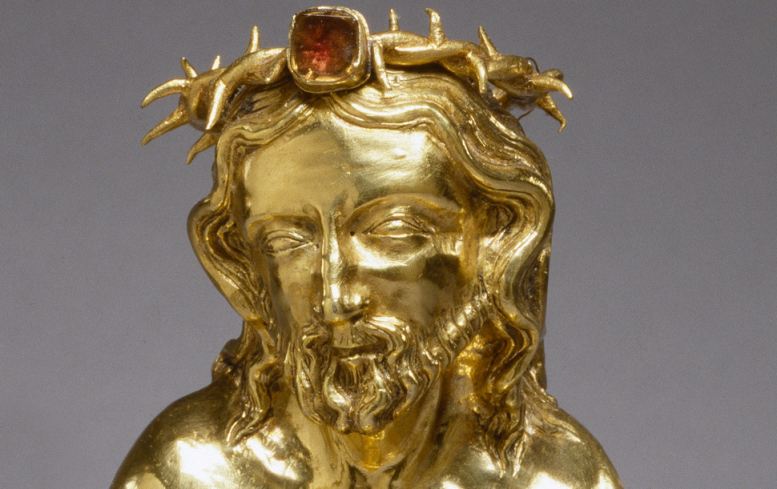
Reliquary With the Man of Sorrows

Treasures of Heaven: Saints, Relics & Devotion in Medieval Europe, on view this June at the British Museum, brings together for the first time some of the finest sacred treasures of the medieval age. It features over 150 objects from more than 40 institutions including the Vatican, European church treasuries, museums from the USA and Europe and the British Museum’s own pre-eminent collection. It was during the medieval period that the use of relics in devotional practice first developed and became a central part of Christian worship. For many, the relics of Christ and the saints – objects associated with them, such as body parts or possessions – continue to provide a bridge between heaven and earth today. Relics were usually set into ornate containers of silver and gold known as reliquaries, opulently decorated by the finest craftsmen of the age. They had spiritual and symbolic value that reflected the importance of their sacred contents. The earliest items date from the late Roman period and trace the evolution of the cult of the saints from the 4th century to the peak of relic veneration in late medieval Europe. Relics featured in the exhibition include three thorns thought to be from the Crown of Thorns, fragments of the True Cross, the foot of St Blaise, the breast milk of the Virgin Mary, the hair of St John the Evangelist, and the Mandylion of Edessa (one of the earliest known likenesses of Jesus). Treasures of Heaven: Saints, Relics & Devotion in Medieval Europe - June 23 – October 9 2011 - www.britishmuseum.org

Alexander McQueen: Savage Beauty

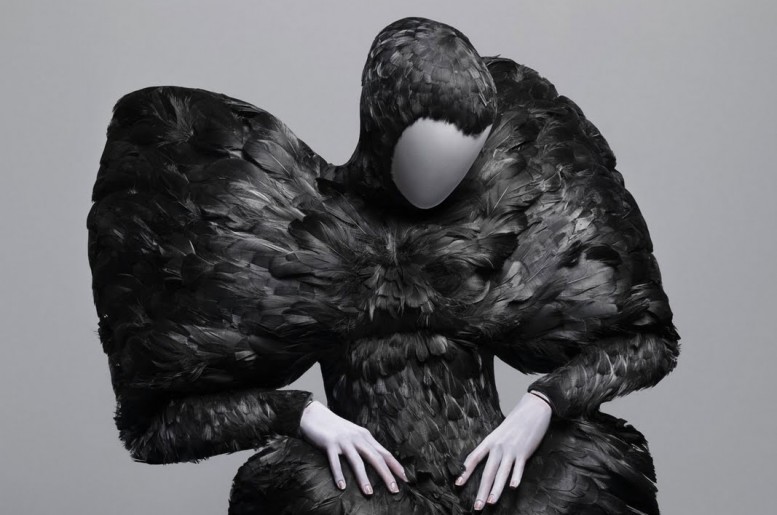
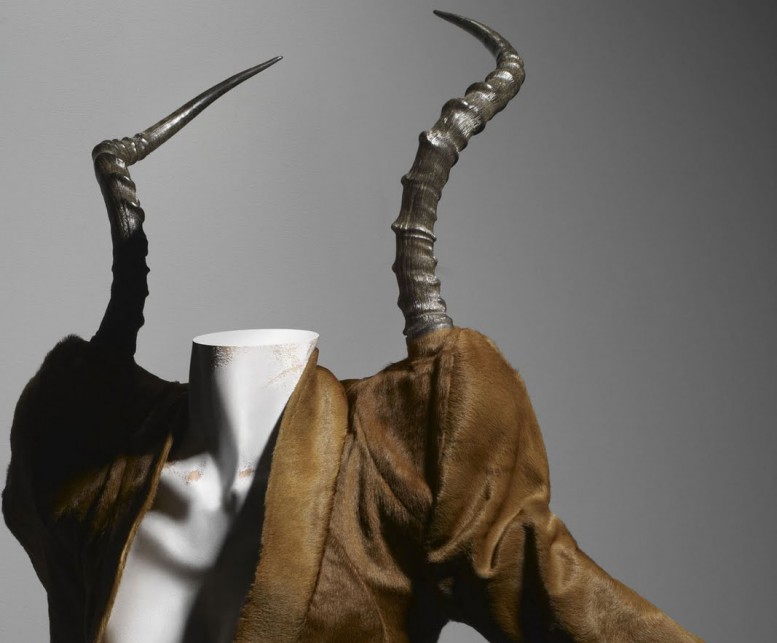
This May 6 the Metropolitan Museum of Art in New York will present Alexander McQueen: Savage Beauty - a posthumous retrospective of the late designer's brilliant career. The exhibition, organized by The Costume Institute, will celebrate Alexander McQueen's extraordinary contributions to fashion. From his postgraduate collection of 1992 to his final runway presentation which took place after his death in February 2010, Mr. McQueen challenged and expanded "the understanding of fashion beyond utility to a conceptual expression of culture, politics, and identity."

His iconic designs constitute the work of an artist whose medium of expression was fashion. Approximately one hundred examples will be on view, including signature designs such as the bumster trouser, the kimono jacket, and the Origami frock coat, as well as pieces reflecting the exaggerated silhouettes of the 1860s, 1880s, 1890s, and 1950s that he crafted into contemporary silhouettes transmitting romantic narratives. Technical ingenuity imbued his designs with an innovative sensibility that kept him at fashion's vanguard.

Alexander McQueen: Savage Beauty: May 4, 2011–July 31, 2011 - www.metmuseum.org