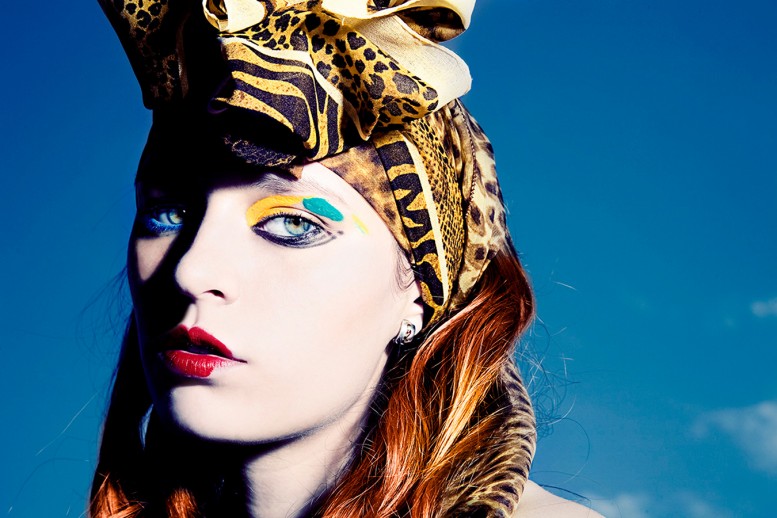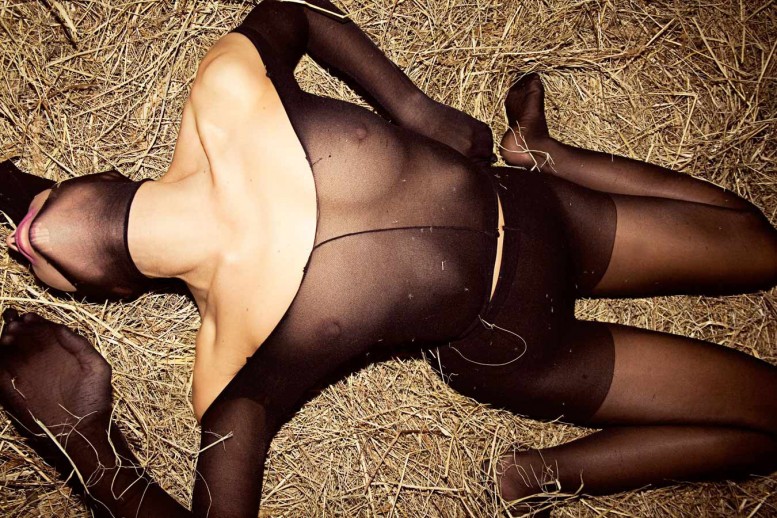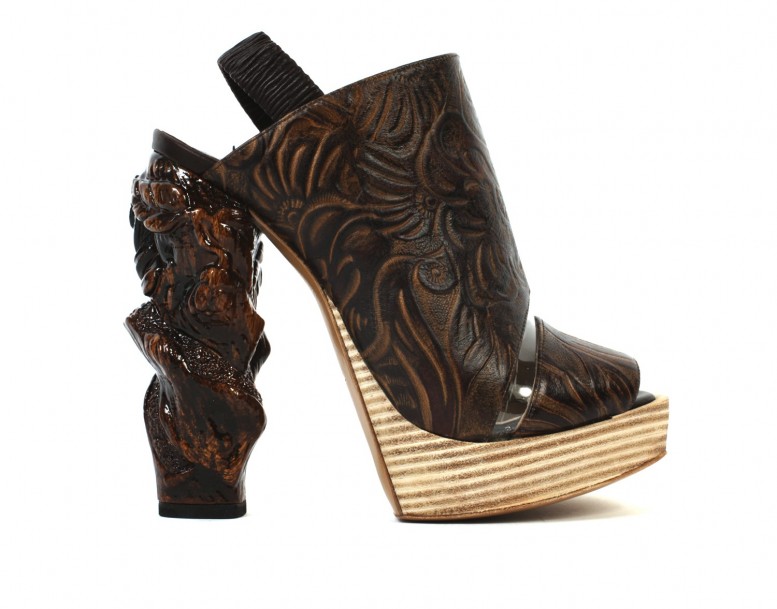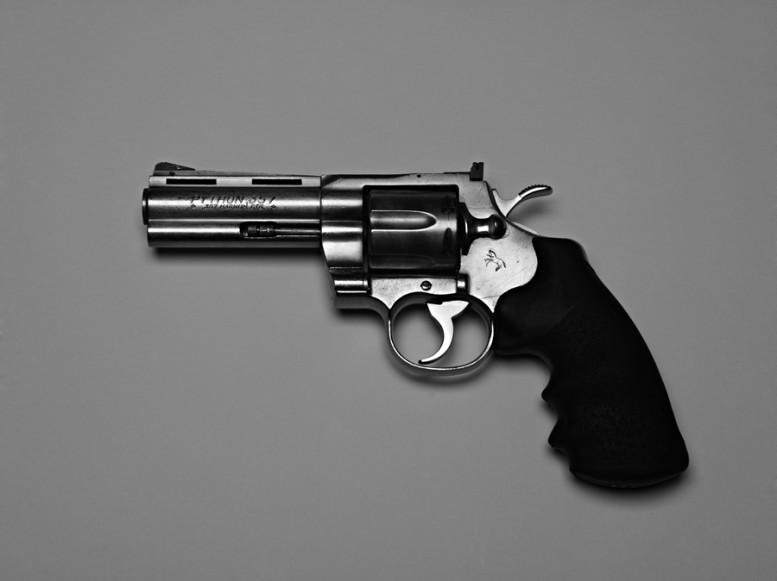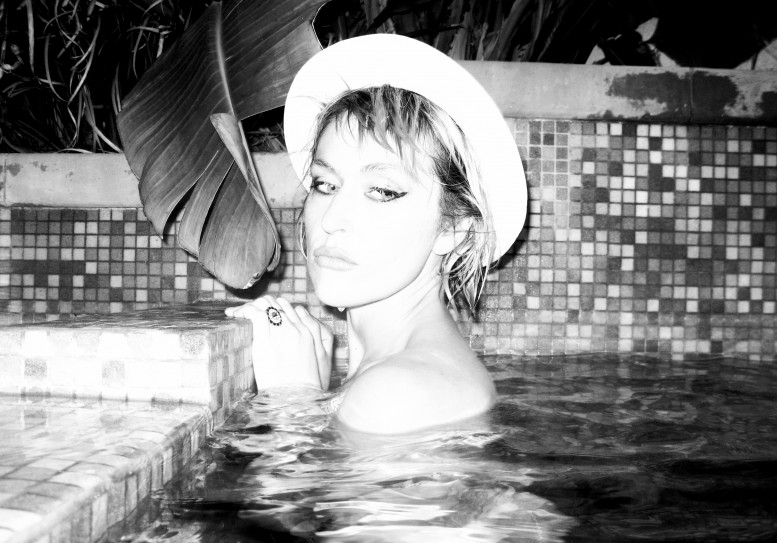
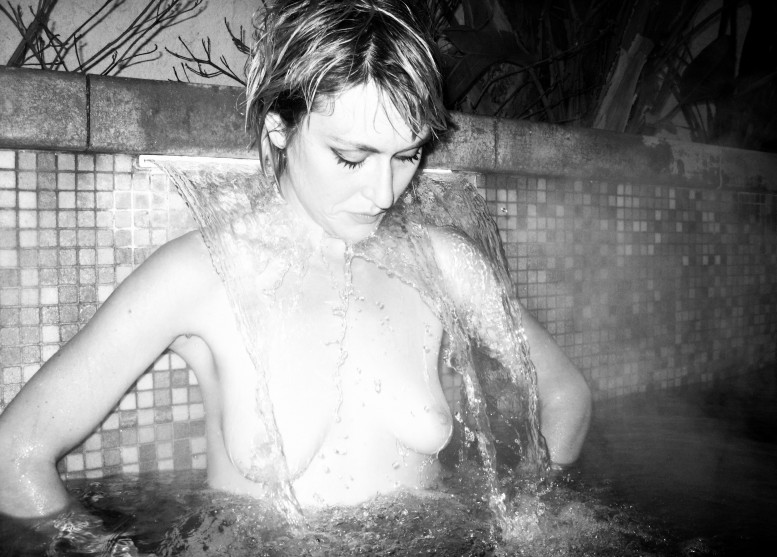
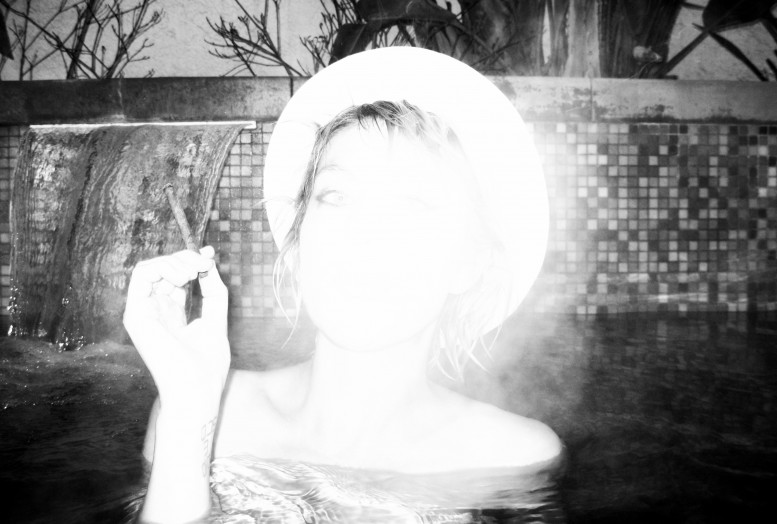
Photography by Oliver Maxwell Kupper
Shot on Location in the Pacific Palisades, CA

Photography by Oliver Maxwell Kupper
Shot on Location in the Pacific Palisades, CA
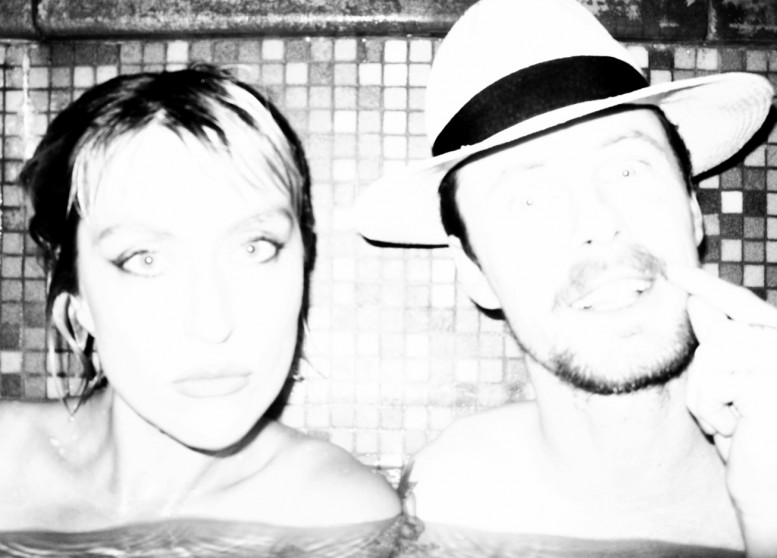 Adarsha Benjamin and Oliver Maxwell Kupper in the pool, Los Angeles, California - year of our lord two thousand and eleven. Photography by Bethany McCarty.
Directed by M Blash. 'Lose It' is the new single from Austra's debut album 'Feel It Break' out May 16/17th on (Domino World / Paper Bag Canada)

A this one to the list of the growing phenomenon of designer retrospectives being held around the world. Inspiration Dior, an exhibition at the Pushkin Museum in Moscow, explores the birth of the legendary fashion house. Christian Dior was born in the seaside town of Granville on the coast of France, the second of the five children of Maurice Dior, a wealthy fertilizer manufacturer and his wife. His family had hopes that the young Dior would become a diplomat, but his artistic sensibilities would obviously prevail. In 1947 his 'new look' collection is established and the House of Dior is born. The exhibition explore not only Dior, but the inspiration behind Dior, guiding the visitor "through the Dior artistic creative sources of fashion and its links to history, nature, painting, sculpture, drawing, photography and film. It reveals how an idea, a feeling, an era, a garden, a perception or even a smell can instill an idea in the heart and mind, giving rise to a unique creation." Inspiration Dior is on view until July 24 2011. www.arts-museum.ru
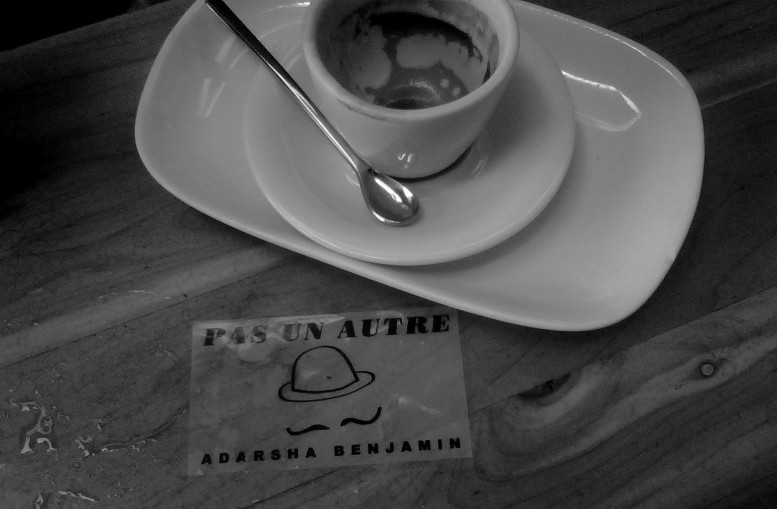
Pas Un Autre photographer Adarsha Benjamin's transparent business card. Look out for her editorials in the first issue of Autre Quarterly, a quarterly print edition of Pas Un Autre, coming out this summer. Please sign up for our newsletter and we'll send an invitation to receive a free copy of the first issue to your doorstep.
Cult Australian fashion label Ksubi, toast the long awaited return of their colored denim range, with a short film directed by Australian director Daniel Askill. Kolors is a fume-fuelled, slow-motion battle between three color-clad models and a trio of ‘80s muscle cars. With the Ksubi team securing the very last sets of limited edition colored tires by Kumho available in Australia they then enlisted Askill and his team at Collider to fuse the vivid smoke with the spectral denim range. Models Bambi Northwood-Blythe, Cisco Gorrow and Heidi Harrington-Johnson act as modern-day matadors to the rumbling Ford's that attempts to hunt them down while the girls soar above the cars to an operatic soundtrack. Shot next to Sydney’s Kingsford Smith International Airport in barren industrial wasteland that car fanatics converge on after dark and with a Phantom camera, Askill captures each and every denim movement and smoke billow at 1500 frames per second. The collection is available today in stores worldwide. www.ksubi.com

right: Philippe Halsman, Story for life + lover, 1949 left: Bert Stern, Fashion for Prenton Vogue, 1970
Aristocratic, the online gallery of limited edition art photography, presents an exhibition entitled (Un) dressed - an exploration of the nude in photography from 900 until today. The exhibit is an exploration, not so much of the nude itself, but of the evolution of the nude - "women in their complexity" seen through the eyes of major Italian and international photographers in the last century such as Edward Weston, Helmut Newton, Karl Lagerfeld, Hideki Fujii, Nan Goldin, Araki and Maurizio Galimberti. The 25 works on display offer a fascinating journey through space and time to grasp how the image of the women have changed. The exhibition can be seen from May 5 to 18 at the Hettabretz, Palazzo Borromeo in Milan or online. www.aristocratic.com
Behind the scenes. Adarsha Benjamin Shoots Voxhaul Broadcast in Venice, California. Footage by Oliver Maxwell Kupper for Pas Un Autre. Music by Voxhaul Broadcast
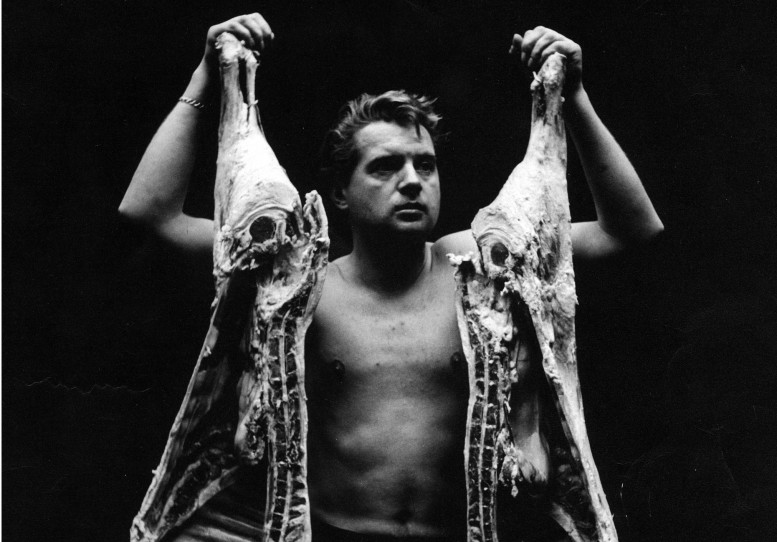
A groundbreaking new exhibition pairs the artwork of Chaim Soutine and Francis Bacon now on view until June 18 at the Helly Nahmad Gallery in New York City. www.hellynahmadgallery.com

After director Fritz Lang vaulted to prominence with such masterpieces of German cinema as Metropolis and M, he brought his art to Hollywood films, including Fury, Ministry of Fear, The Woman in the Window and more trenchant tales of innocents caught in a web of seeming guilt. His last U.S. movie is this intriguing film noir about a novelist (Dana Andrews) out to expose the injustices of capital punishment. Working with his fiancée’s (Joan Fontaine) father, a newspaper publisher (Sidney Blackmer), he frames himself for murder, intending to produce exonerating evidence at the last moment. But the publisher suddenly dies, the evidence is lost… and that’s only the first twist in a brilliantly layered plot ideally suited to Lang’s talents. Beyond a Reasonable Doubt has been recently restored and is available on DVD.
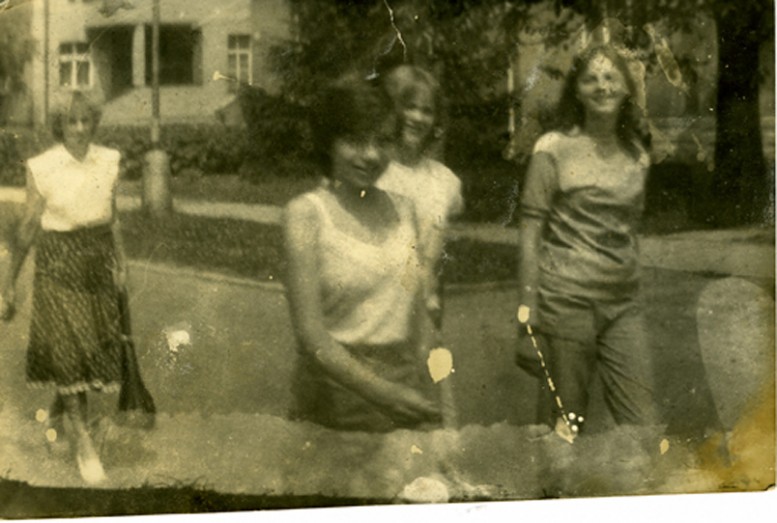
Miroslav Tichý, who died only a few weeks ago, began taking photographs in the 1960s, continuing until the late 1980s, accumulating an expansive archive of images. Tichý originally studied painting at the Academy of Fine Arts in Prague, where he was an esteemed painter and draughtsman, taking a lively modernist approach to his artwork. In 1948, with the adoption of communism in Czechoslovakia, artists were enforced to produce work in the socialist realism manner, which Tichý determinedly rejected. In opposition, he and like-minded alumni formed an artist collective, the Brněnská Pětka (Brno Five), staging subversive exhibitions, which attracted continuous state surveillance. In 1957, the artist suffered a mental collapse - he was prone to psychological breakdowns from a young age - and this led to his removal from mainstream society, moving back to his small hometown, Kyjov. He became a non-conformist, eccentric character, half-conscious, half-delusional to his subversive outsider situation. A new exhibition on view at the Wilkinson Gallery in London until June 11 explores the works of Miroslav Tichý. www.wilkinsongallery.com
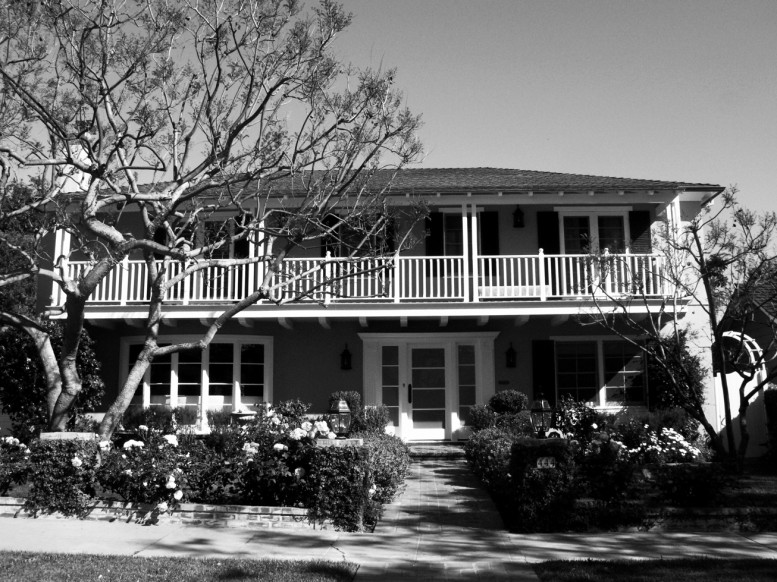 Pacific Palisades, California, photography by Oliver Maxwell Kupper
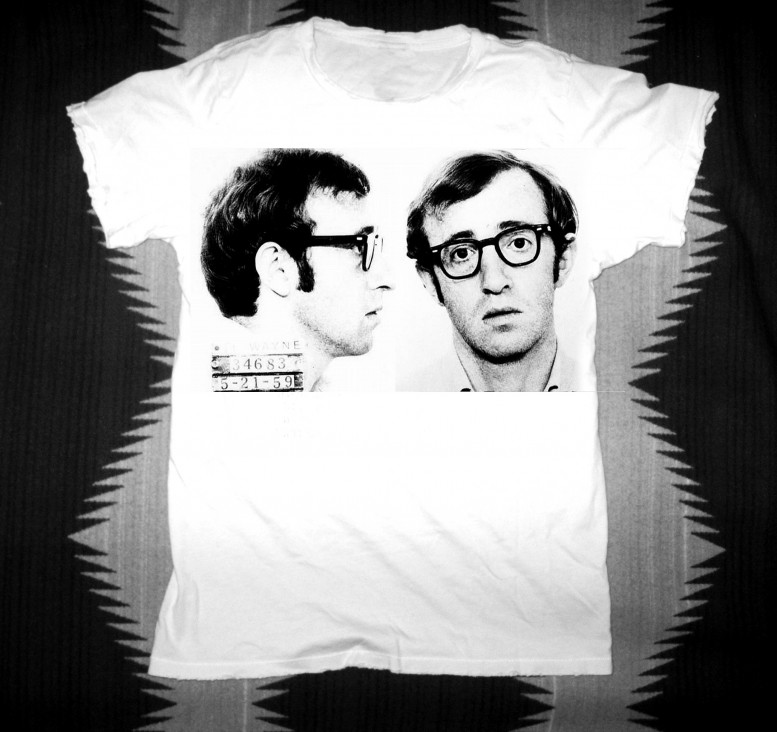 Check out the Pas Un Autre store! Each tee ships with a gratis copy of Pas Un Autre Quarterly.
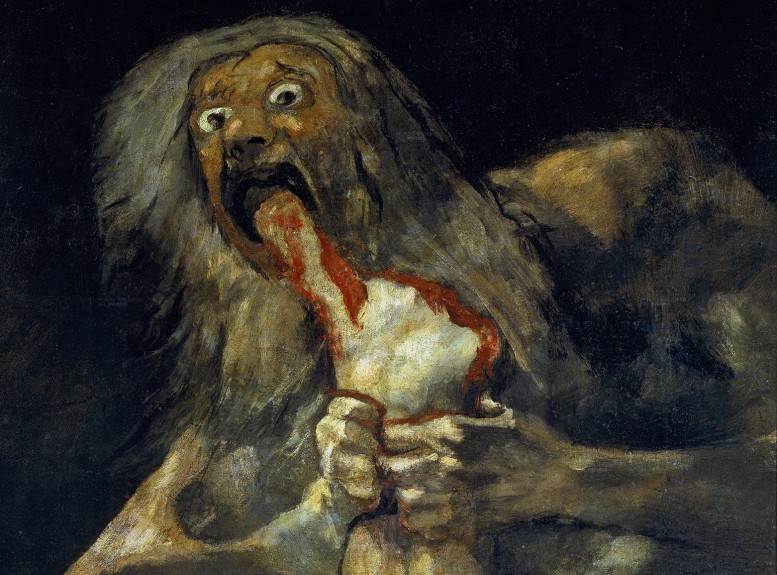
Francisco de Goya - Saturn Devours His Son - 1819-1923
Goya's famous image of Saturn devouring his son epitomizes the lust the cannibal has for human flesh. The painting depicts the myth of the greek god Saturn - fearing that his sons would overthrow him he would eat each one after birth. Male lions eat their cubs after birth in order to bring the females into heat. Goya's image of the savage cannibal with its wide eyes and devious abandon, satiating itself on a child is also representative of Goya's fear of madness. Saturn Devouring His Son was part of a series called the Black Paintings painted on the walls of his Spanish villa toward the end of Goya's life. The series was never commissioned and exhibited only posthumously. The painting, haunting and dark in nature, are indicative of a man alone, deaf - confronting the harrowing possibilities of eternal nothingness.

Jérôme Zonder - Jeu-denfants n°1 2010
The myth of cannibalism seemed to have a very Jungian catharsis for Goya - it is as if through Saturn's consuming of a child brought Goya a transmutative feeling of youth. Cannibalism though, the mere notion of a man eating another man brings back primitive visions. Artists in one medium or another have confronted cannibalism in society for centuries. Claude Lévi-Strauss, the French anthropologist, is quoted as saying, "“We are all cannibals. The simplest way to identify with others is still to eat them.” Really now? An exhibition at the Me Collector's room in Berlin begs a question in return - all cannibals?
The exhibition All Cannibals? at me Collectors Room explores the topic of cannibalism (anthropophagy) in art. "Anthropophagy can be found in the myths of all cultures and ages—with examples ranging from antiquity, the Bible, or folk tales to classicist authors and modern horror movies. The recurring motifs of desire and brutality can likewise be found in modern and contemporary art. The concept for the exhibition emerged from the observation that the theme of consumable flesh seems to be gaining in significance within many current art works."
The exhibition is being held in cooperation with the Paris exhibition venue “la maison rouge.” Presented in parallel in the art magazine ART PRESS is a special issue on cannibalism, including interviews with collectors Antoine de Galbert and Thomas Olbricht in French and English. On view May 29 to August 21, 2011. www.me-berlin.com

Will Cotton - Consuming Folly - 2009
 What now? Photography by Oliver Maxwell Kupper

Architecture and art have played a particular part for Walter Benjamin, because the relation of the past to the present was not of a temporal but of a figurative nature for him. Thus, according to his conception, the past could converge with the present via a flashlike image to form a ‘constellation’ and produce a ‘profane enlightenment’. Just like a configuration can be seen in the bright spots of a starry sky, interpreted as an astronomical constellation, the past is captured in a ‘dialectical picture in a standstill’. The conceptual arguments are only the ‘reverberating thunder’. Not only works of the visual arts, like Paul Klee’s water colour ‘Angelus Novus’, but in particular buildings and cities provided such dialectical images for him, as a ‘past become space’, for instance with arcades, panoramas or interiors, which made him see through the dreams, ideals and phantasms of a collective. An exhibition at the Architekturmuseum in Munich, entitled Walter Benjamin: A Reflection in Pictures, explores Benjamin's complex relationship with architecture. On view until June 19. www.architekturmuseum.de

Amanda Assad Mounser is a New York-based jewelry designer with a penchant for the prickly and ecclesiastical. Her label Assad Mounser makes a bold statement. Assad Mounser's inspiration is "predominantly influenced by the gods of the Glam Rock Movement." Aptly so. Her Spring Summer 2011 collection "...focuses on a futuristic journey, one that many a rock star drenched in glitter might sing about. The collection, coined Neo Conquistador, follows a phoenix rising from the ashes of a catastrophic wave of destruction to a path of redemption and rebirth, creating a new world from the rubble. Groups within the collection follow these themes quite literally. Many pieces take on an appearance of an explosion, with shooting rods of metal juxtaposed against cracked rocks and glittering gems, meant to represent glass fragments. www.assadmounser.com
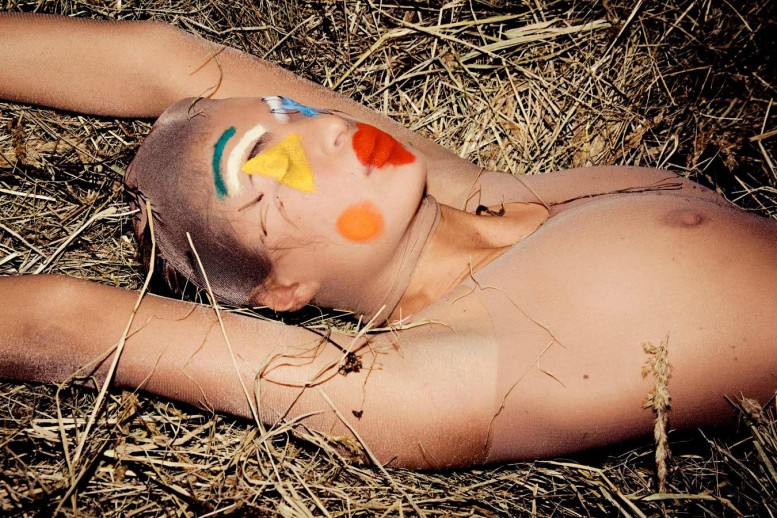
In a buy me, sell me, fuck me world Lena Vazhenina's photography is an atonement for all our collective mediocrity. Vazhenina thinks sex is cool, but don't be fooled - her photo project is named Sex:female just to grab your attention. With its weirdly placed colon and poor English, the title is also confusing. However, Lena Vazhenina just might be on to something, because this Moscow based photographer is on the rise. Vazhenina's intriguing images look like whimsical gender bending rape scenarios crossed with what the world would look like if you had a magic pair of glasses that made everything look like an MDMA trip.