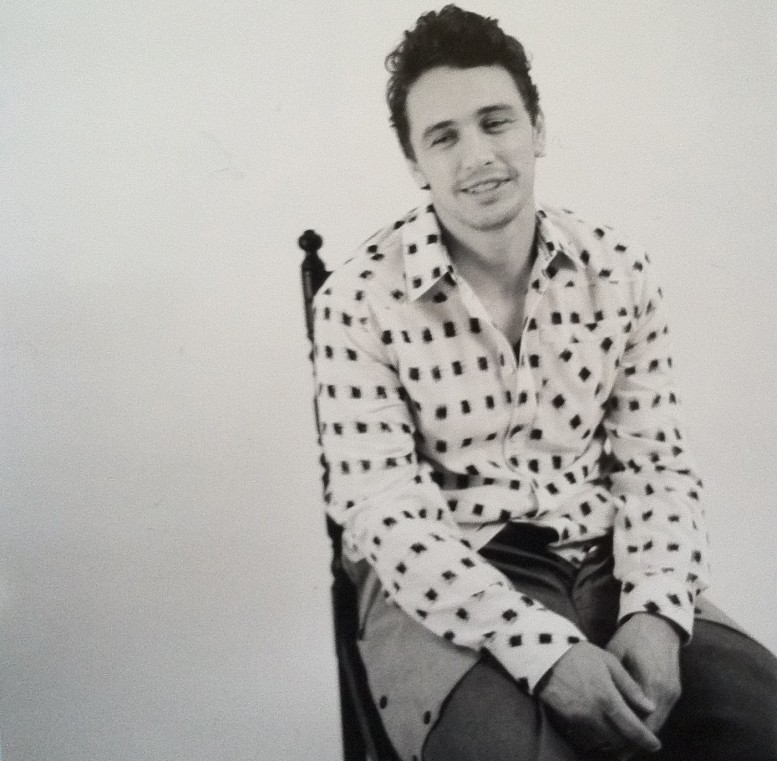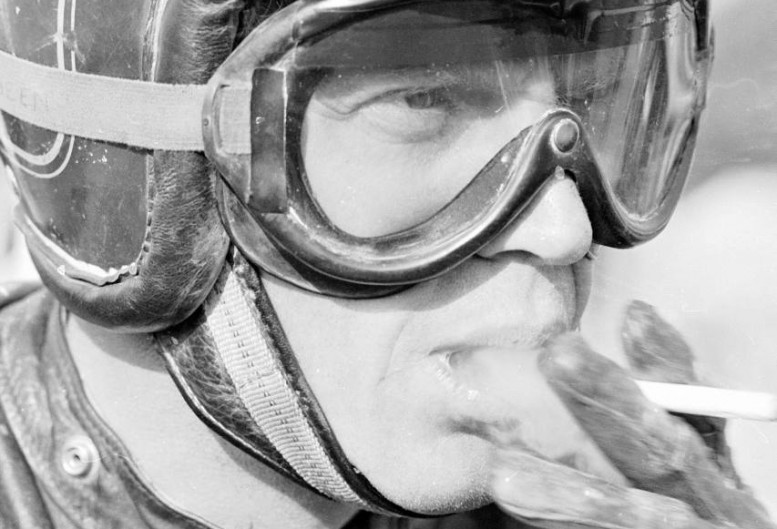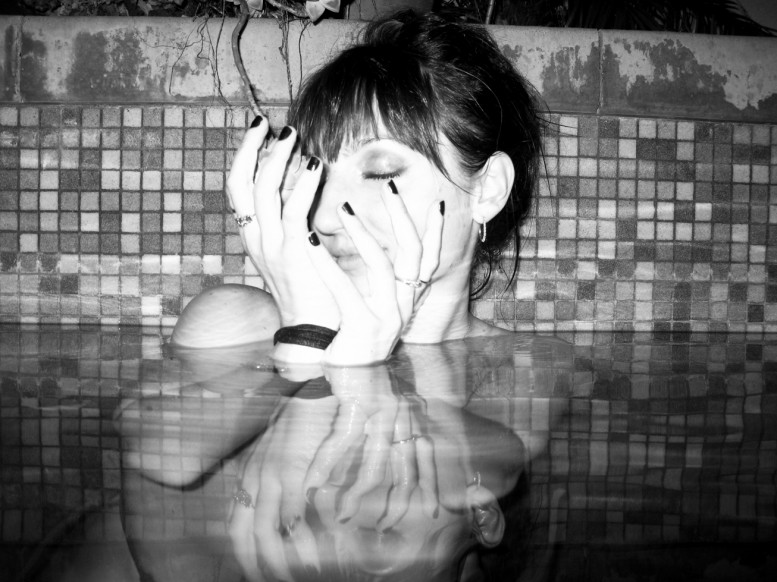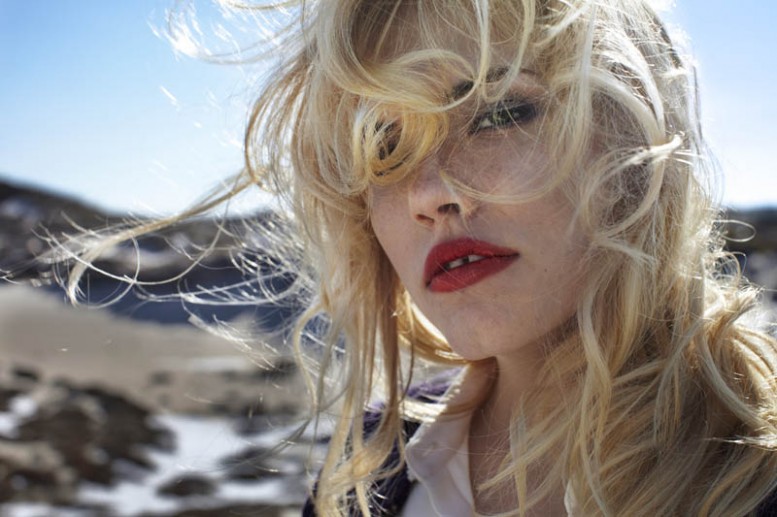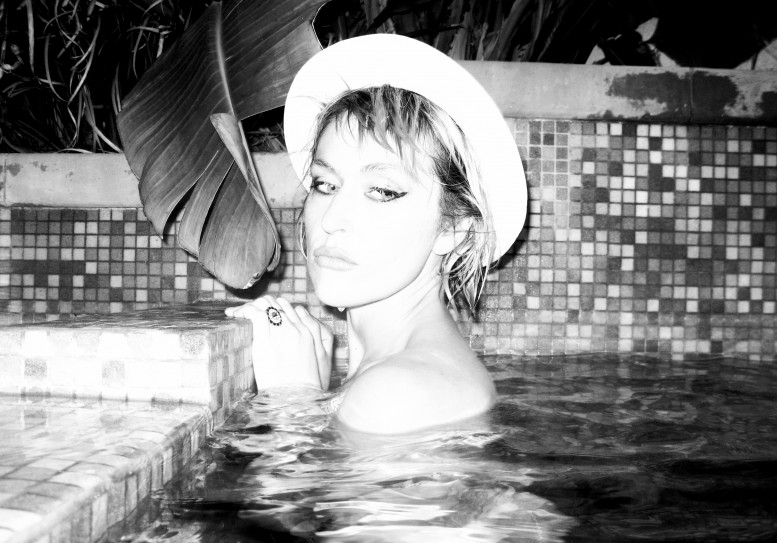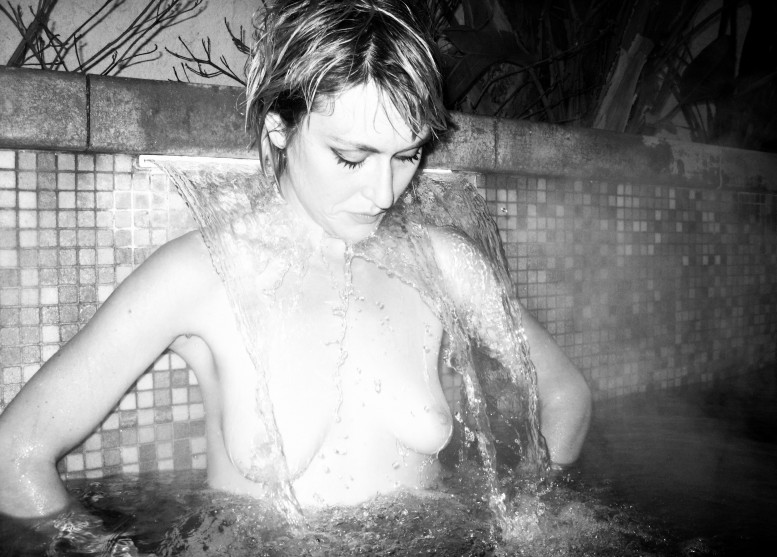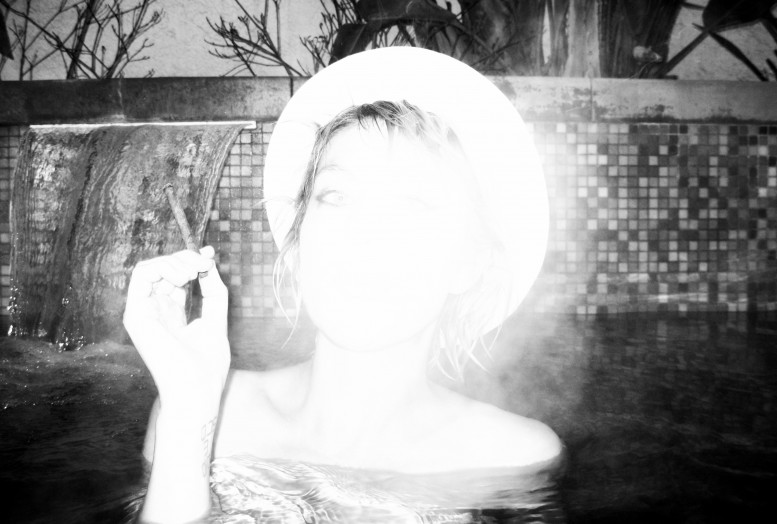
James Franco by Adarsha Benjamin for Pas Un Autre

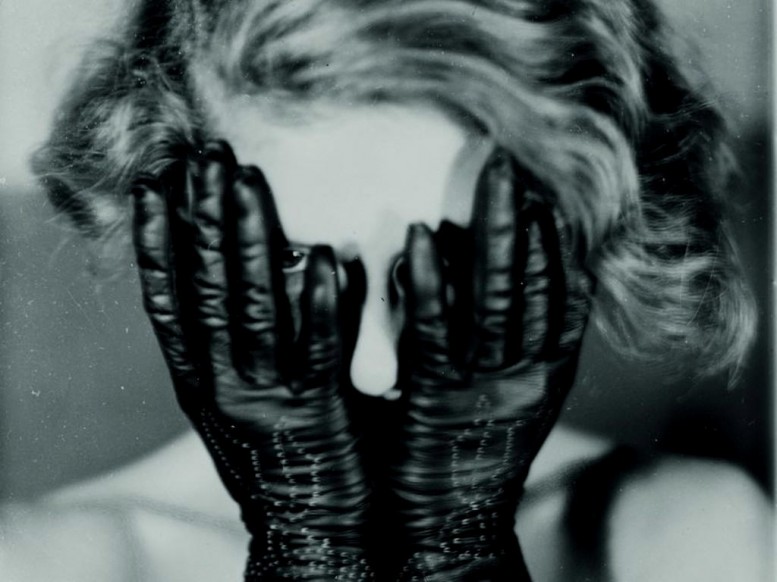
Test polaroid of James Franco for the first issue of Autre Quarterly, the print edition of Pas Un Autre. Shot earlier today in New York by the brilliant Adarsha Benjamin–styled by Paloma Perez–make-up/hair by Jordan Bree Long. Shot on location at the KDU Studios in Brooklyn.

[FILM] Pere Portabella - A Survey

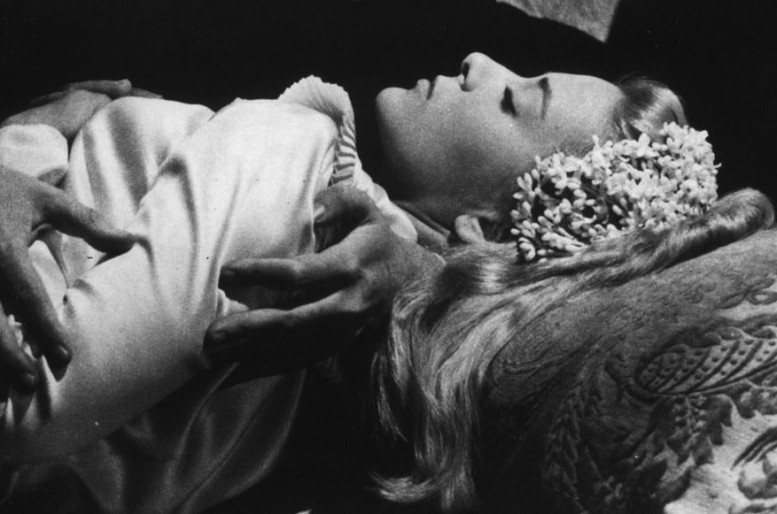
Francisco Rabal and Silvia Pinal in Luis Buñuel's VIRIDIANA.  Credit: Janus Films.  Playing 4/24 - 4/30.

In conjunction to the retrospective of the painter Joan Miró, the Tate Modern in London is showing a survey of films by the Catalan director Pere Portabella. His films, many made alongside his frequent collaborator Luis Buñuel, are distinct, revolutionary testaments to individual freedom and liberty in the ugly face of tyranny–namely General Francisco Franco.  "Portabella's radical experimentation with the limits and conventions of image, sound and genre is echoed in his eloquent critique of state repression and political indifference. His use of structural materialist devices to loosen the bond between image and referent serves to focus the viewer's attention on their role in the political and cultural processes of the circulation of meaning." On view at the Tate Modern until July 31, 2011. www.tate.org.uk

Eduardo Chillida's Rebellion Against Gravity

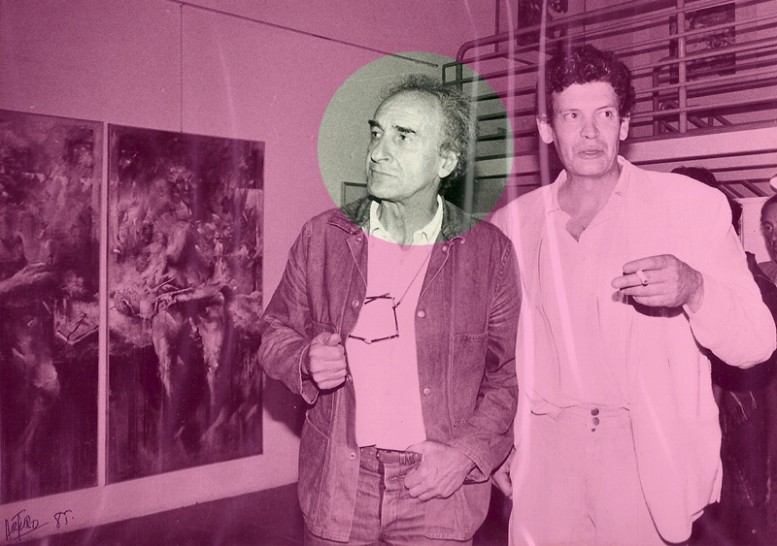
The limbs of Eduardo Chillida's (1924-2002) sculptures were monolithic gangplanks to nothingness - fingers that never touch - concrete testaments to humanities eternal, unrequited connectivity. His metal and stone sculptures, for which the Basque sculptor and former soccer player is most famous for, are like beautiful ruins, much like the labyrinthian formation of air-ducts after a building is blown away by a hurricane.

"My work is a rebellion against gravity."

Chillida had a romance with Space - nothingness wasn't really nothingness at all, but a disassembled puzzle waiting to be put together. Eduardo Chillida in the early 1960's engaged in a dialogue with the German Philosopher Martin Heidegger. When the two men met, they discovered that from different angles, they were "working" with Space in the same way. Heidegger wrote: "We would have to learn to recognize that things themselves are places and do not merely belong to a place," and that sculpture is thereby...the embodiment of places." This June marks the beginning of a large retrospective of Chillida's works at the Maeght Foundation in France. Almost 140 works are on display: 80 sculptures and 60 works on paper that include some Chillida's brilliant multi-media collages and drawings. On view June 26 to November 13 at the Maeght Foundation - www.fondation-maeght.com

The New Woman International

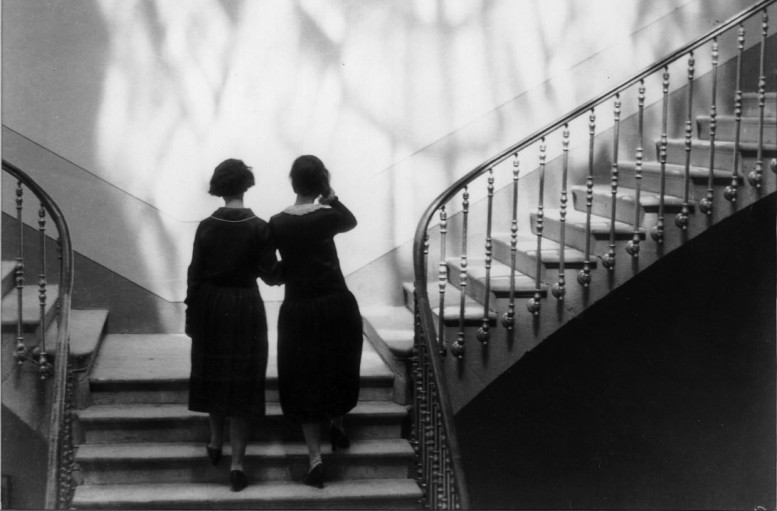
Germaine Krull by Eli Lotar

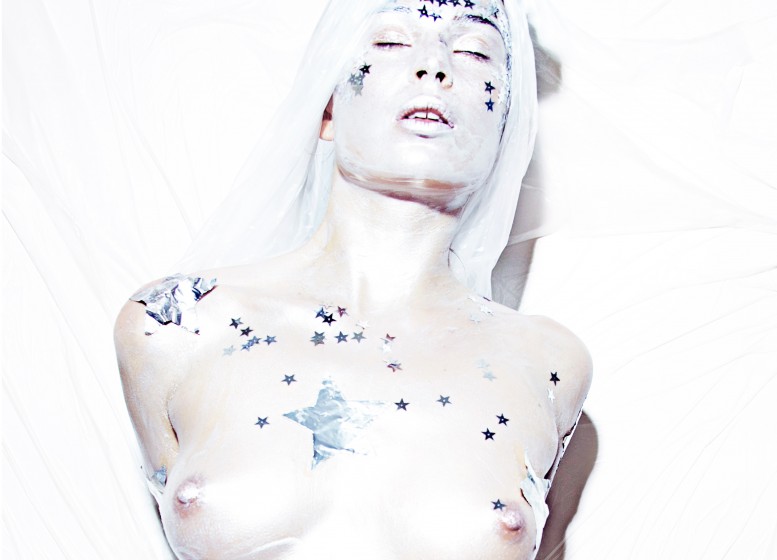
Images of flappers, garçonnes, Modern Girls, neue Frauen, and trampky—all embodiments of the dashing New Woman—symbolized an expanded public role for women from the suffragist era through the dawn of 1960s feminism. Chronicling nearly a century of global challenges to gender norms, The New Woman International: Representations in Photography and Film from the 1870s through the 1960s (University of Michigan Press) is the first book to examine modern femininity's ongoing relationship with the nineteenth and twentieth centuries' most influential new media: photography and film. You can find the book here.

Surrealism: The Poetry of Dreams

download

Victor Brauner, Romania/France 1903–66, Loup-table (Wolf-table) 1939, 1947, Wood and taxidermied fox

This June marks the beginning of a unique, expansive exhibit of surrealist artwork in Queensland, Australia. The Gallery of Modern art in Queensland, a land far from the birth of surrealism, is borrowing "the core" of one of the finest and largest collections held at the The Musée national d’art moderne in at the Centre Pompidou in Paris. Its a rare occasion in that the collection rarely leaves Paris.  The exhibition presents more than 180 artworks by 56 artists, including paintings, sculptures, ‘surrealist objects’, films, photographs, drawings and collages. Surrealism: The Poetry of Dreams is on view June 11 to October 2 at the The Gallery of Modern Art in Queensland - www.qag.qld.gov.au.

PAUL THEK: Diver, A Retrospective

Paul Thek: Diver, a Retrospective is the first retrospective in the U.S. devoted to the legendary American artist Paul Thek (1933–1988). A sculptor, painter, and one of the earliest artists to create environments or installations, Thek was first recognized when he showed his sculpture in New York galleries in the 1960s. These early works, which he began making in 1964 and called “meat pieces,” resembled flesh and were encased in Plexiglas boxes that recall minimal sculptures. With his frequent use of highly perishable materials, Thek accepted the ephemeral nature of his works—and was aware, as writer Gary Indiana has noted, of “a sense of our own transience and that of everything around us.” With loans of work never before seen in the U.S., this exhibition is intended to introduce Thek to a broader American audience. On view at the Hammer Museum in Los Angeles - May 22 to August 28 - website.

Warhol Worship: Aloof Self Portrait Goes for $38.4 Million

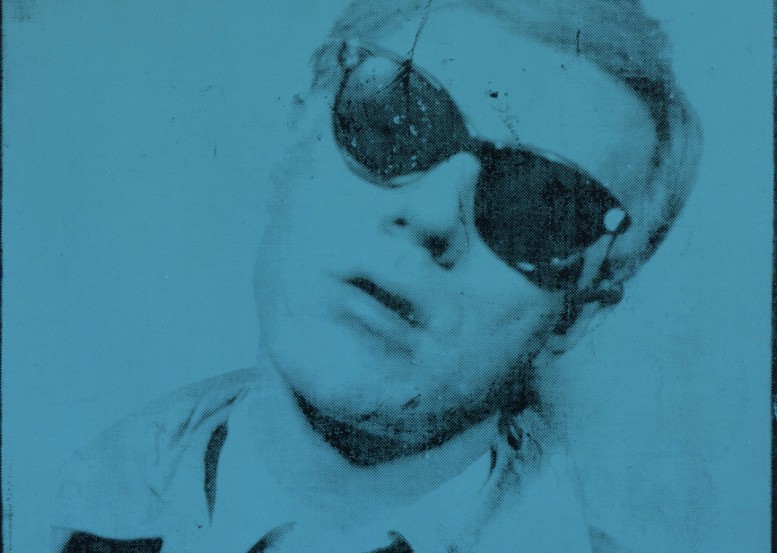
In 1963 Andy Warhol was on the cusp of fame when patron of the arts Florence Barron commissioned a painting that would become a seminal work of art in a nascent pop art movement. Barron purchased the self portrait, in which Warhol photographed himself in a photobooth and silkscreened the image onto a four panel canvas, for $1,600 - in installments. After a heated 16-minute bidding war the self portrait was ultimately won by an unnamed European collector who agreed to pay the $38.4 million.

Paris: Life & Luxury

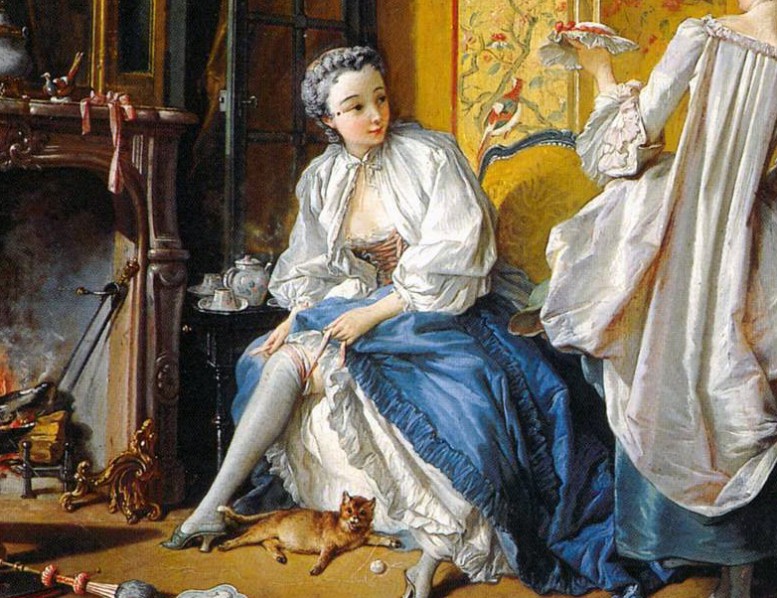
Francois Boucher "Lady Fastening Her Garter" of "La Toilette" 1742

An exhibition at the Getty in Los Angeles, entitled Paris: Life & Luxury,  "evokes the rich material ambiance of Paris during the mid-18th century. It brings together a wide variety of objects—from candlesticks and firedogs, to furniture and clocks, dressing gowns and jewelry, musical instruments and games—all from elite society in Paris, the fashion and cultural epicenter of Europe at the time." On view until August 7. www.getty.edu

Steve McQueen For Sale

Steve McQueen may have died thirty years ago, but his eternal cool has not. You can start the bidding now, but on Saturday the auction is on - from McQueen's famous 1971 Husqvarna 400 motorcycle to a wooden trunk of personal effects. In conjunction with the third annual Quail Motorcycle Gathering, Bonhams & Butterfields will conduct a live auction of authentic Steve McQueen artifacts. The auction takes place May 14 2011 at the Quail Lodge in Carmel, California.  www.bonhams.com

Benjamin Péret's Leg of Lamb

Benjamin Péret was a founding member of surrealism, a card carrying surrealist - if there ever was such a thing - and he was Salvador Dali's favorite poet; as well as a revolutionary and a rabble rouser who stirred the pot of literary movements as well as political ones. Péret, like his writing, led an almost automatic life. Entering world war one in order to avoid persecution for defacing a statue and whilst in a fox hole one day he discovers the writings of Dadaist Guillaume Apollinaire - a Dadaist poet who coined the word surrealism.  After the war Péret found his way in to the heart of the burgeoning surrealist movement and subsequently into the heart of its founder Andre Breton.  The surrealists found it best to stay close in the early years of its founding in order to protect their brilliant, insane, and sometimes infantile visions of the world - a vision that if proclaimed by a solitary person would most likely lead to confinement for insanity  in a world that saw if perfectly fine without all the sliced eyeballs and flying tigers.

“...a smorgasbord of automatic writing.”

But Benjamin Péret was one of the only surrealists, beside Andre Breton, who stayed a surrealist even after the mirage wore off.  Péret's Leg of Lamb: Its Life and Works, which is available now on Wakefield Press, is a "foundational classic of Surrealist literature."  Almost entirely written in the 1920s,  Leg of Lamb is a collection of brilliant, absurdist visions - twenty-four narratives in short prose  - a "smorgasbord of automatic writing."  Visit the the Wakfield Press website and pick up a copy for your collection - its a must for your library.  www.wakefieldpress.com

David Bowie, Artist

David_Bowie_Artist

This summer, the Museum of Arts and Design in New York presents David Bowie, Artist, a multi-platform retrospective re-framing Bowie’s daring, multi-discipline career as that of an artist working primarily in performance. From his roots in such performance-based practices as cabaret, mime, and avant-garde theater, to Ziggy Stardust, his revolutionary tour that synthesized theater, music, and contemporary art into a rock spectacle, as well as his innovative video collaborations, and his work in cinema and theater, David Bowie, Artist presents Bowie as one of the most iconoclastic cultural producers of the 20th century. On view until July 15th - www.mademuseum.org

Matisse, Picasso, and the Parisian Avant-Garde

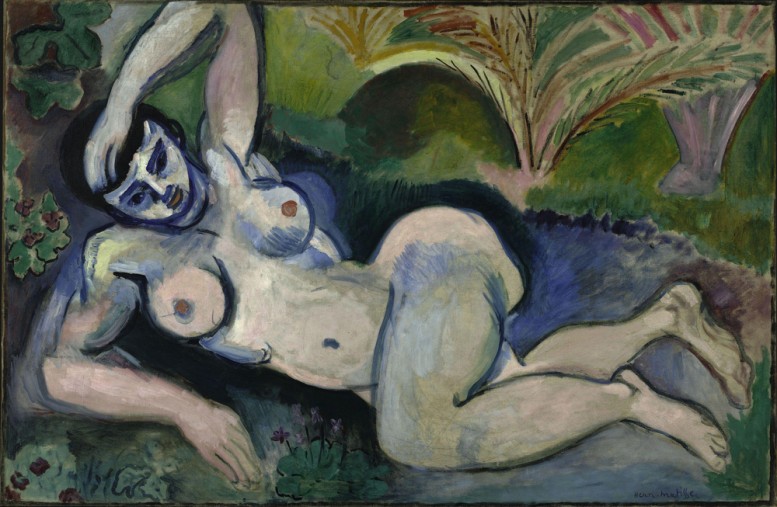
American expatriates in bohemian Paris when the 20th century was young, the Steins — writer Gertrude, her brothers Leo and Michael, and Michael's wife, Sarah — were among the first to recognize the talents of avant-garde painters like Henri Matisse and Pablo Picasso. Through their friendship and patronage, they helped spark an artistic revolution. This landmark exhibition draws on collections around the world to reunite the Steins' unparalleled holdings of modern art, bringing together, for the first time in a generation, dozens of works by Matisse, Picasso, Paul Cézanne, Pierre-Auguste Renoir, Henri de Toulouse-Lautrec, and many others. Artworks on view include Matisse's Blue Nude (Baltimore Museum of Art )and Self-Portrait (Statens Museum, Copenhagen), and Picasso's famous portrait Gertrude Stein (Metropolitan Museum of Art). Matisse, Picasso, and the Parisian Avant-Garde is on view at the San Francisco Museum of Modern Art from May 21 to September 6. www.sfmoca.org


In the Light of Mexico

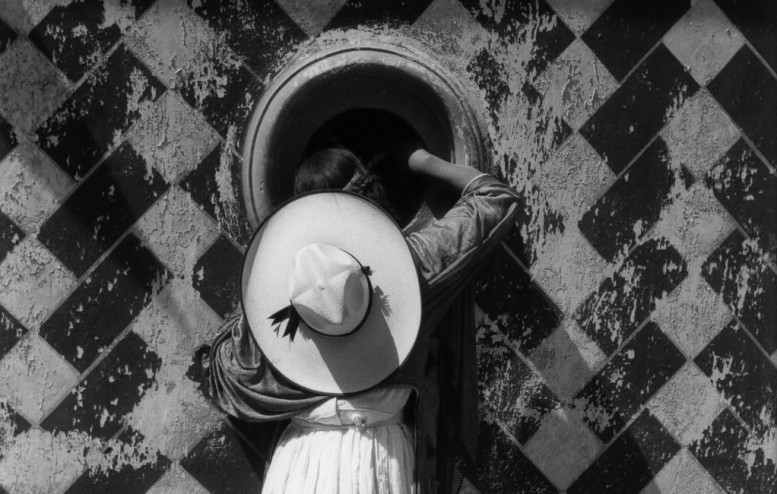
Pancho Villa and Emiliano Zapata were stealing back Mexico for the people.  Freedom was being won with blood.  Mexico was in the throes of a revolution. The great first quarter of the twentieth century Mexico was fertile ground for not only revolutionaries, but also artists. Mexico was indeed succeeding to a modern world.  Mexico, always the symbol and champion of the underdog, the poor, the hungry has always held on strong to its icons.  They were roughhewn in their prismatic, threadbare ponchos, sombreros, and dark mestizo skin that glowed amber under a romantic, warm desert sun in a landscape of infinite flowers, cobble stone, and chirping monkeys. And like inventing memories from photographs, our images of Mexico have been always invented by this imagery.  It's the murals of Diego Rivera, the gardens and portraits of Frida Kahlo and the poems of Octavio Paz that paint of landscape of a bygone Mexico - poorly preserved by kitsch, refrigerator magnates, and theme restaurants. We always wonder what happened to the good old days when they're seemingly gone forever.  Certainly one of the most influential icons of Mexico's good old days is the photographer Manuel Álvarez Bravo.
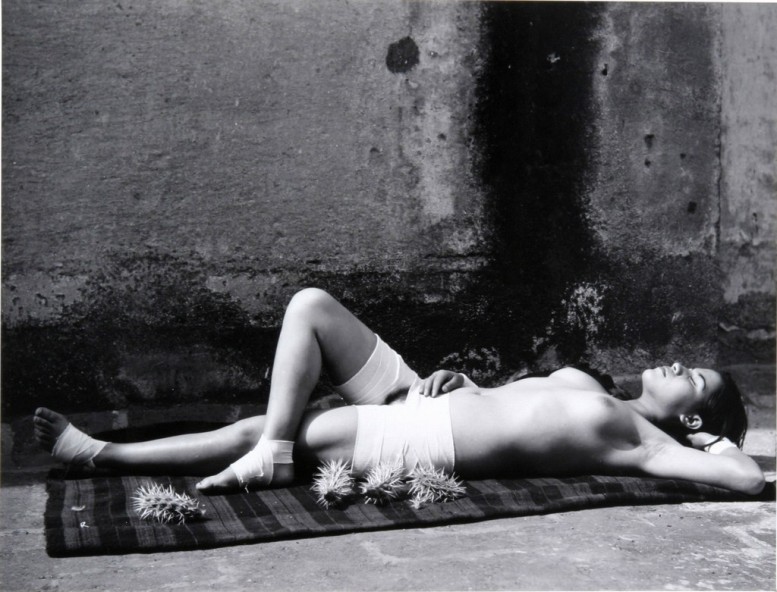
Manuel Álvarez Bravo, whose work is being exhibited alongside the poetry of another symbol of Mexico's heritage Octavio Paz, at the Mexican Embassy in India, captured the spirit of a Mexico experiencing the pangs of a revolution and the dialectic of an artistic movement mirroring back its angst. Screaming in a fulmination of dust, Bravo's photographs are as  journalistic as they are erotic.  Bravo was born in 1902 to a  family of artists and writers, and met several other prominent artists who encouraged his work when he was young, including Diego Rivera.  Bravo, who was inspired by the burgeoning surrealist movement in France, starting taking pictures at 18 whilst working a government job.  Bravo would become a profoundly influential figure in contemporary Mexican and Latin American photography, but he would not become largely known in the rest of the world.   Bravo died in 2002 at the age of 100, but his photographs are a significant part of Mexico’s history.

An exhibition, entitled In the Light of Mexico, curated by Conrado Tostado Gutierrez, the cultural attaché of the Embassy of Mexico in Delhi, comprises a substantial body of images that evokes the era of the Mexican Revolution of early 1907 to 1911, the newly independent Mexico and its people. Bravo’s daughter Aurelia Alvarez Bravo and his widow Collette Urbajtel have painstakingly developed the original negatives from the photographer’s work to make this exhibition possible. Bravo's photographs are coupled with the poems of poet and former Mexican Ambassador to India, Octavio Paz.

On view until June 30th in New Delhi, India. More info.

Text by Oliver Maxwell Kupper for Pas Un Autre
Houdini: Art & Magic

Magician, escape artist, and showman extraordinaire Harry Houdini (1874–1926) has remained an object of fascination for generations. Combining biographical and historical artifacts with contemporary art inspired by his physical audacity and celebrity, Houdini: Art and Magic explores Houdini as an individual and an enduring cultural phenomenon, documenting the period in American history when the young Jewish immigrant helped shape the cultural landscape and became an acknowledged mass-market star. Featuring more than 150 objects—including film clips, stunning period posters, dramatic theater ephemera, rare photographs, original props (including a straitjacket, milk can, and Metamorphosis Trunk used by Houdini), and the work of select avant-garde artists—the exhibition reveals Houdini’s legacy as an iconic figure, both in his time and in ours, who has inspired artists today to reconsider his role as a daring persona. On view at the Skirball Center in  Los Angeles until September 4. www.skirball.org

The Mourners: Tomb Sculptures from the Court of Burgundy

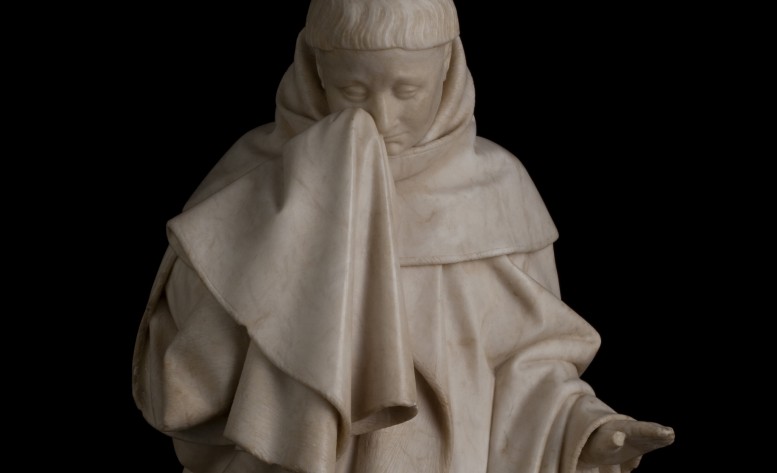
The Mourners: Tomb Sculptures from the Court of Burgundy features thirty-seven sculptures from the tomb of John the Fearless (1342–1404), the second duke of Burgundy. His elaborate tomb, once housed at a monastery on the outskirts of Dijon, is now one of the centerpieces of the Musée des Beaux-Arts de Dijon. On view until July 31 at the Los Angeles County Museum of Art. www.lacma.org