Louise Bourgeois
Gathering Wool
1990
Metal, wood, and mixed media
243.8 x 396.2 x 457.2 cm
© 2026 The Easton Foundation/VAGA at ARS, NY
Courtesy the Foundation and Hauser & Wirth
text by Arlo Kremen
The story goes something like this: Bourgeois was born in Paris to parents who operated a tapestry business. As young Louise grew up, her father met and began an affair with another woman, Sadie Gordon Smith. In 1922, eleven-year-old Bourgeois would find that Smith would move in with her father and mother as her governess. The affair continued, and young Louise’s mother would remain silent about the matter. Mrs. Bourgeois, as young Louise’s mother, would lose her role in the house, that of the moral instructor, replaced by her younger counterpart, relegating Mrs. Bourgeois to that of a worker in the house. Young Louise felt betrayed by her father. In fact, she felt betrayed by her mother too, betrayed by her mother’s abandoning her in her meekness.
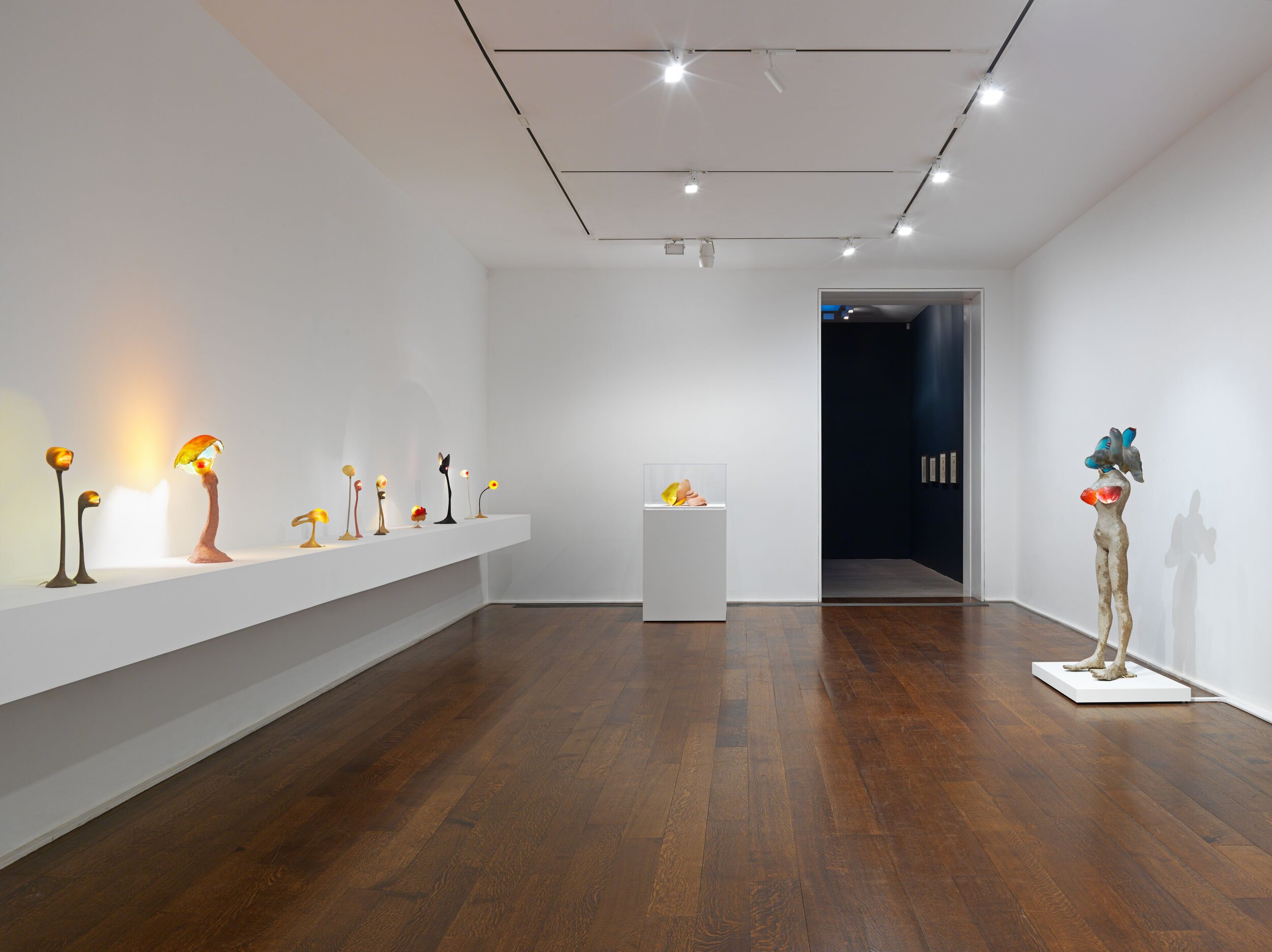
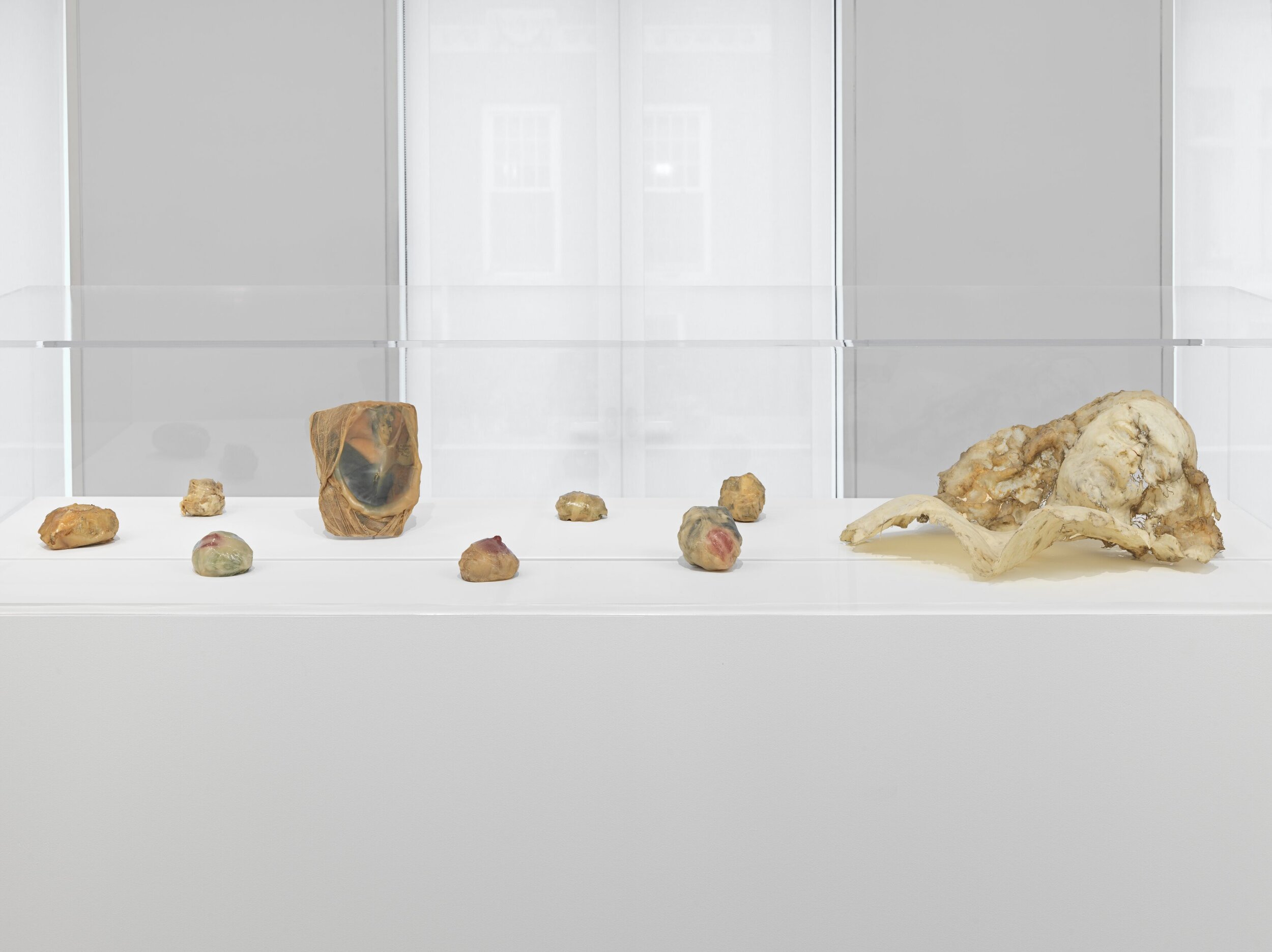
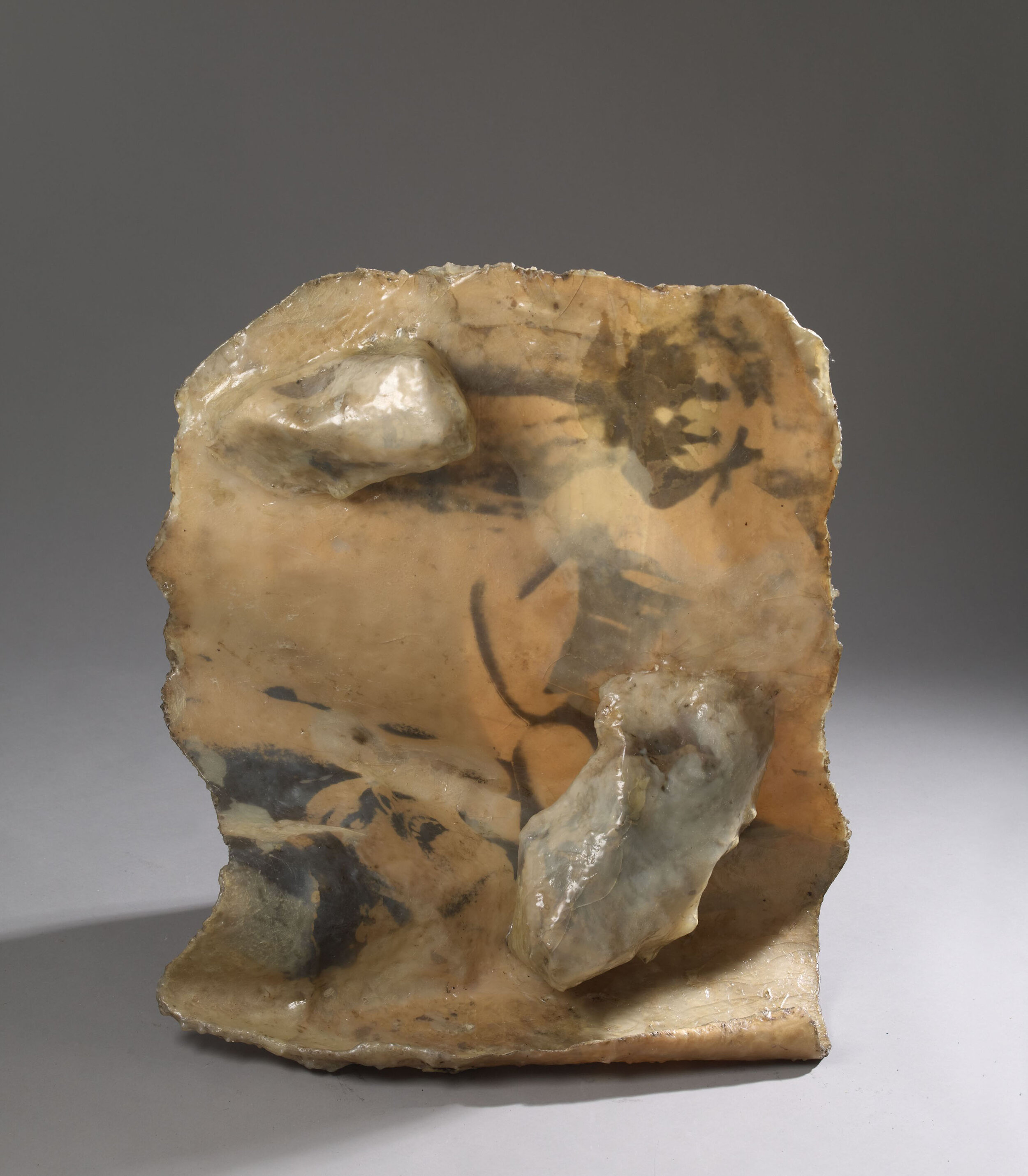
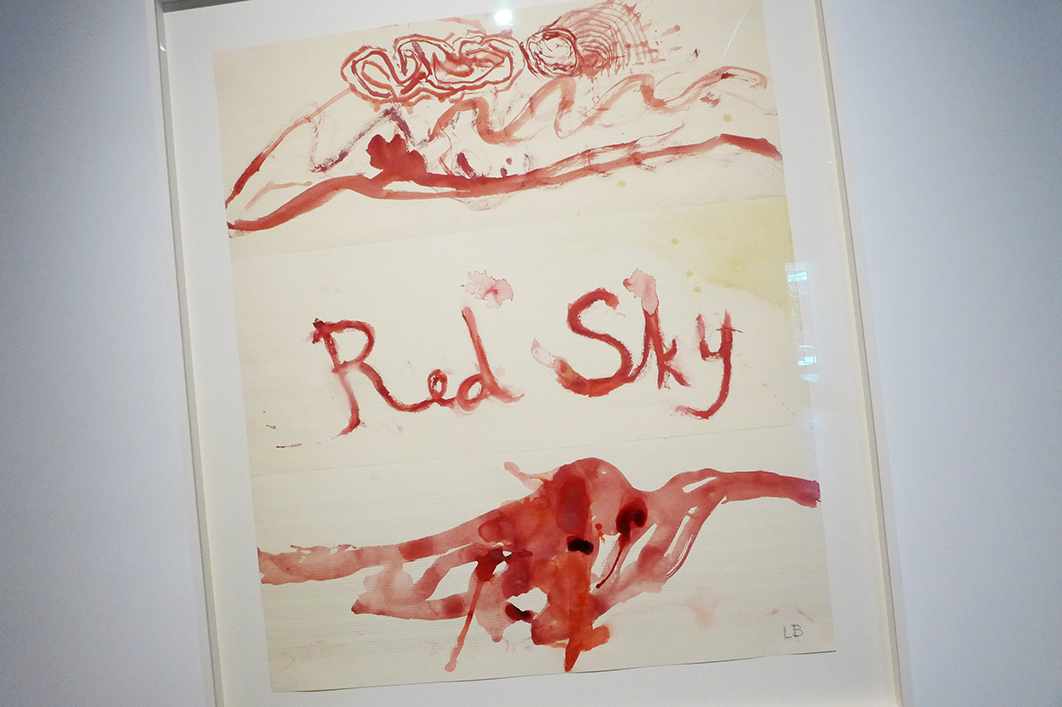
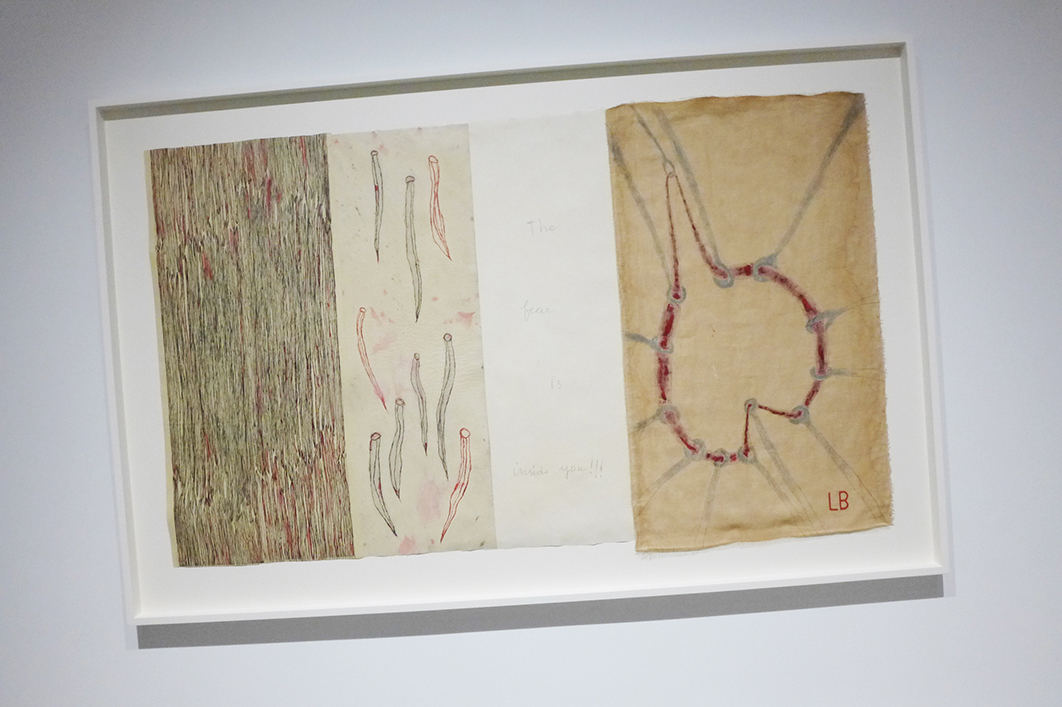
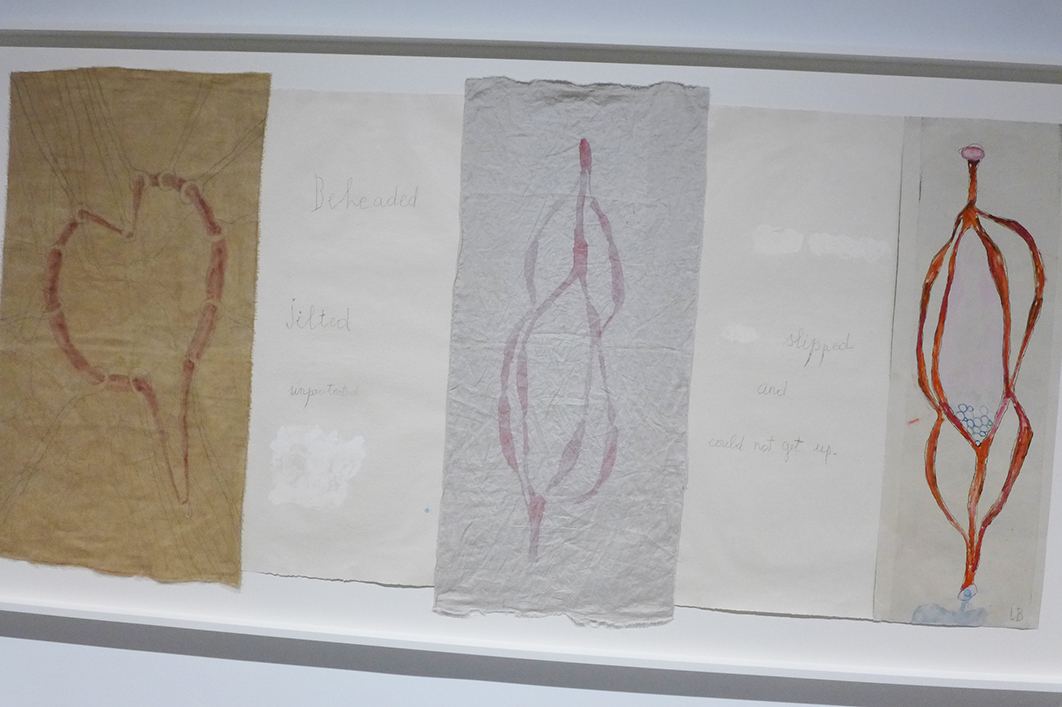
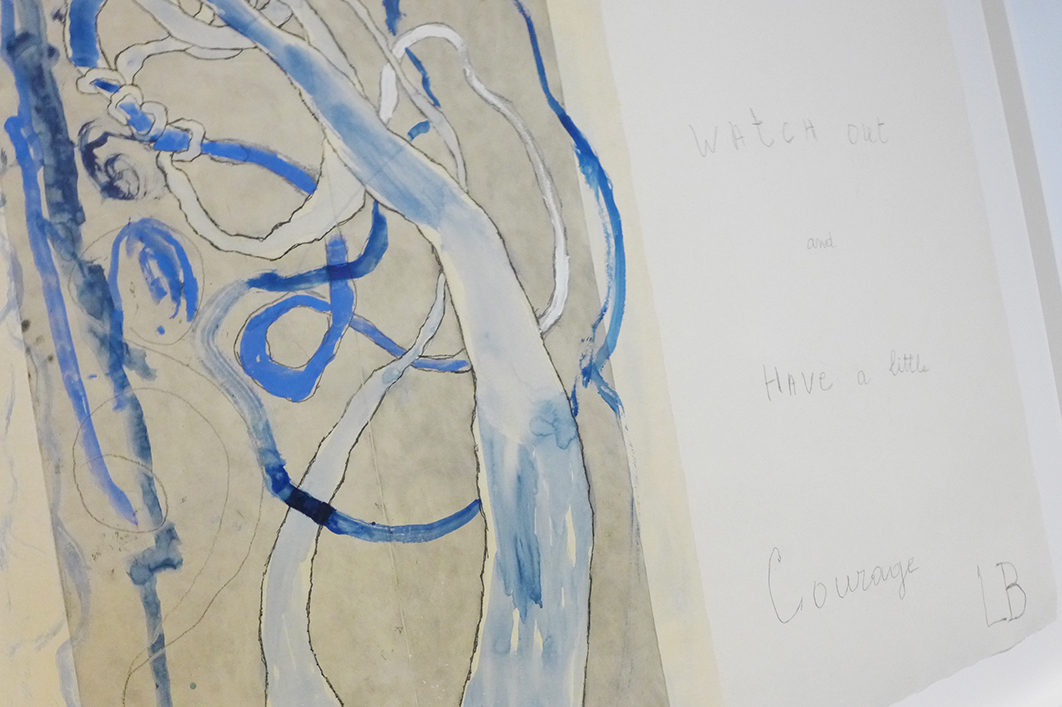
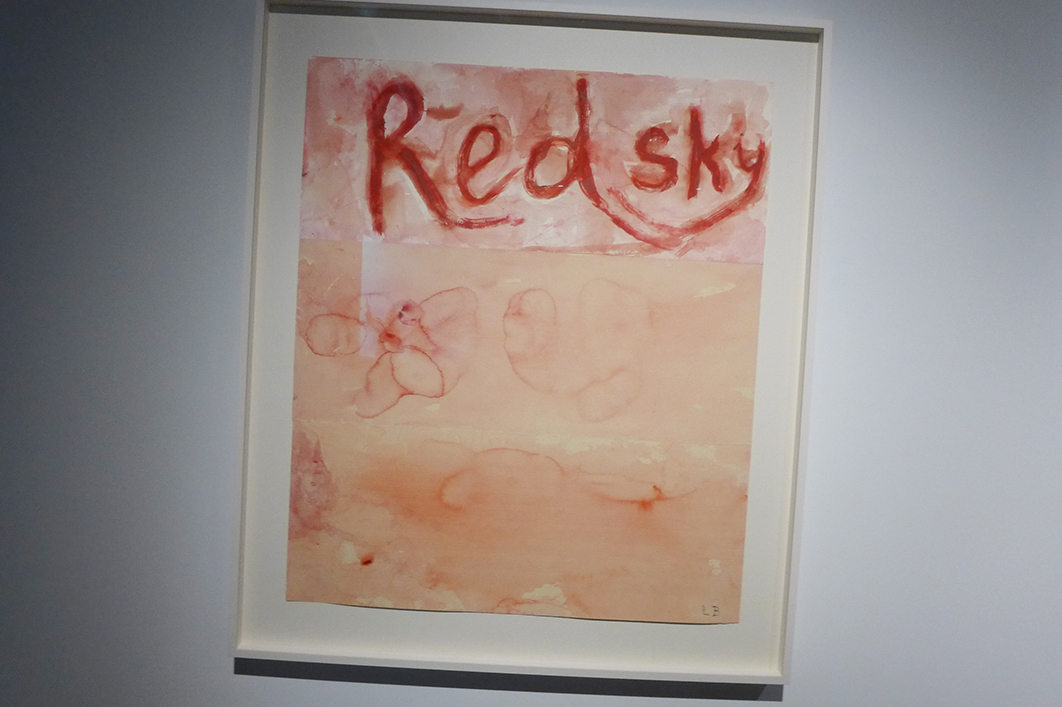
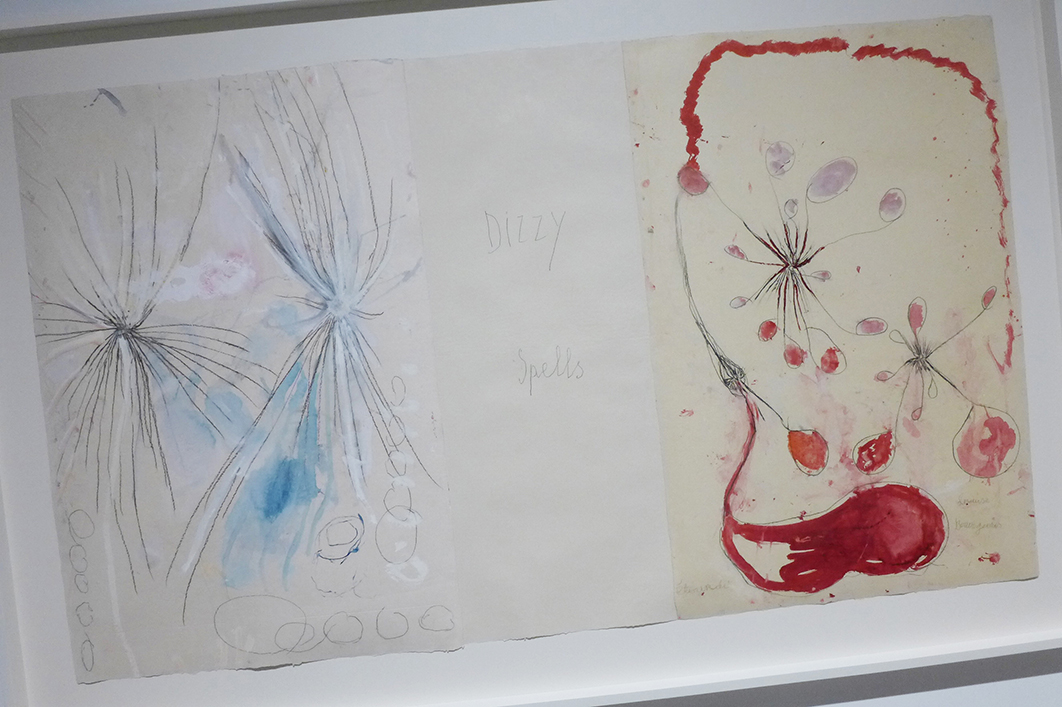
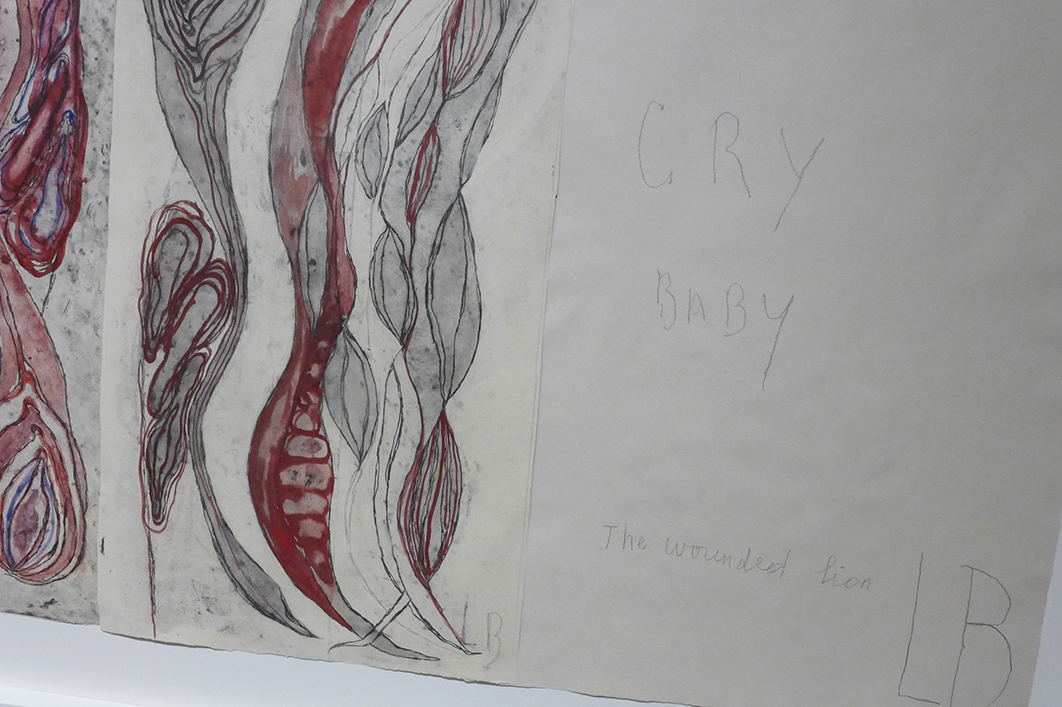
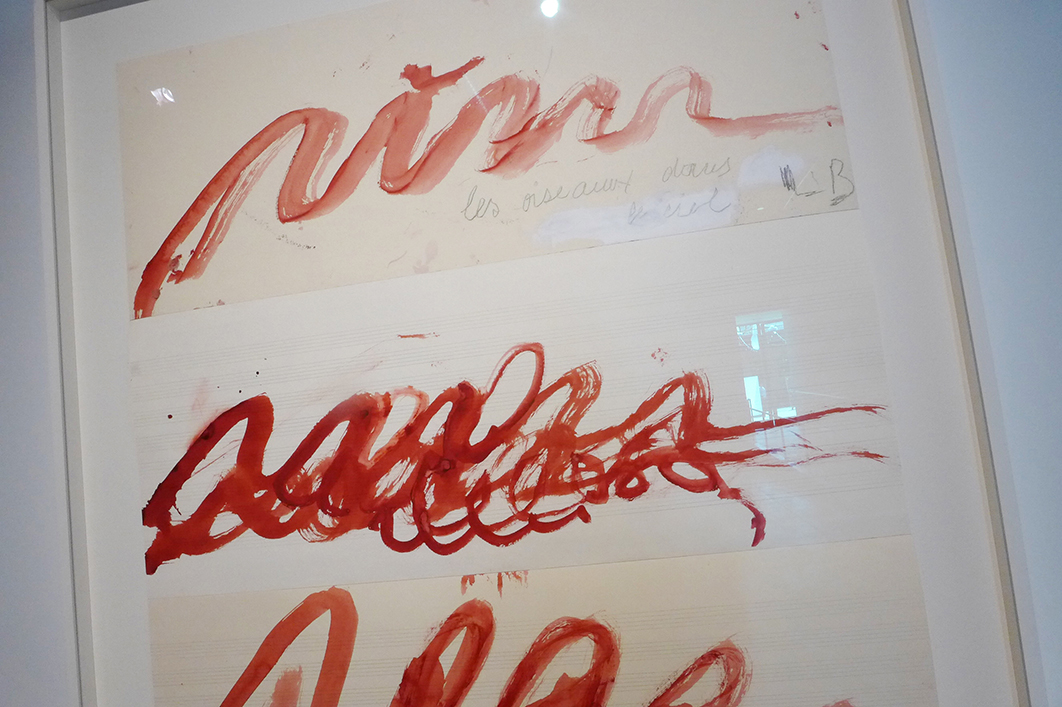
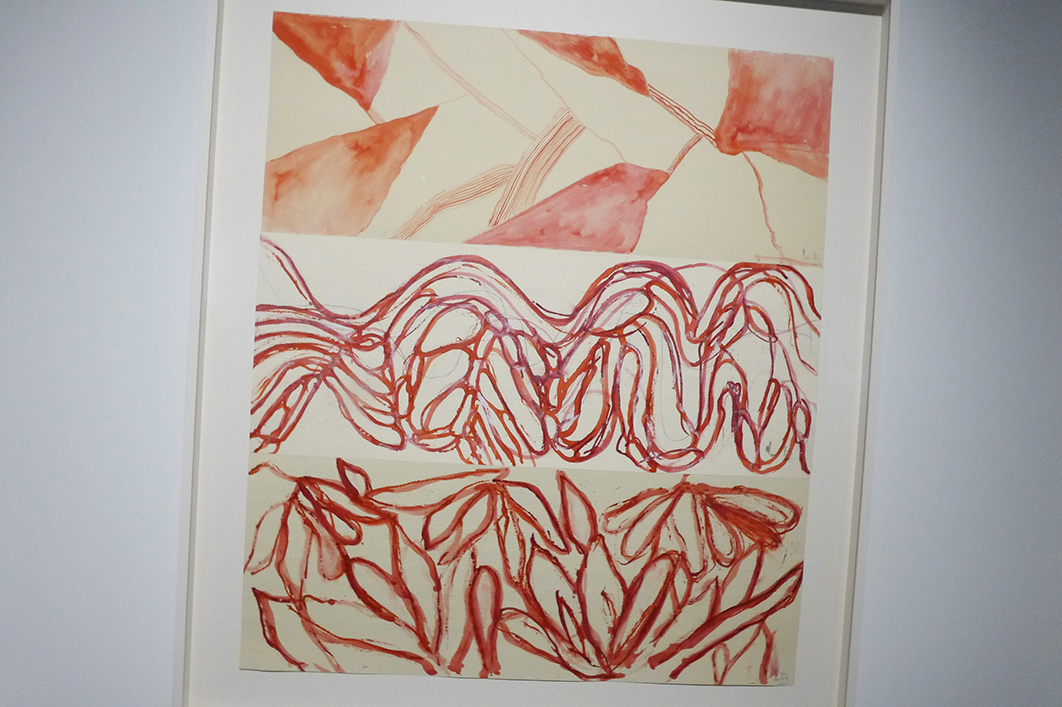
In 1982, Bourgeois was the first woman to have a major retrospective at the Museum of Modern Art in New York. In press for this exhibition, Bourgeois spoke publicly for the first time about the trauma of childhood as a well of inspiration, sparking the reading of this early narrative into all corners of her extensive oeuvre. Gathering Wool at Hauser & Wirth continues this reading, bringing sculptures, reliefs, and works on paper, some of which have never seen the light of day, into the psychoanalytic dimensions associated with the artist. Interested in Bourgeois’s relationship to abstraction, the show focuses on her later works. Shown in juxtaposition with early works, Gathering Wool aims to demystify the evolution of her symbolically charged visual lexicon.
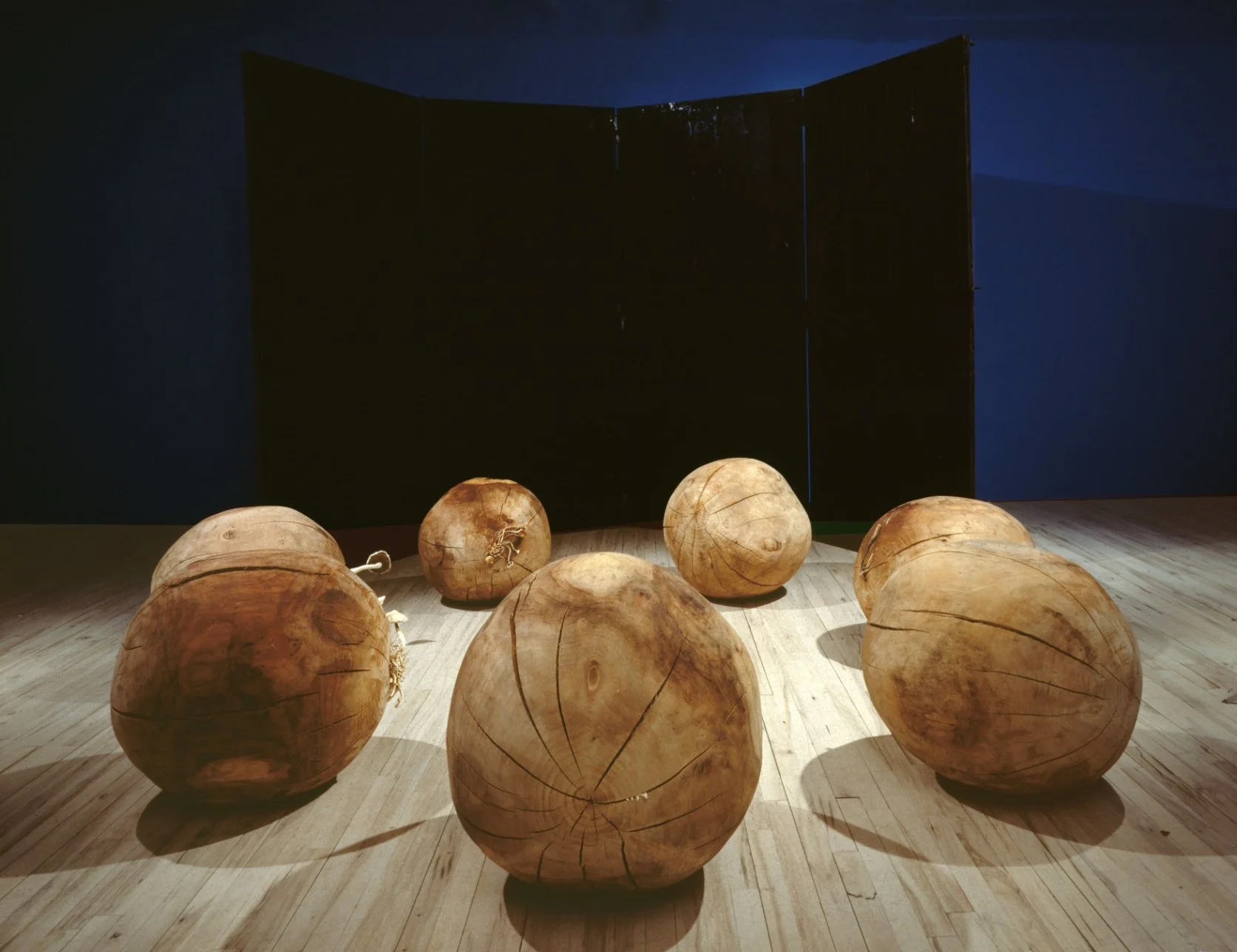
The titular work, Gathering Wool (1990), finds its title from an expression concerned with freedom from active, conscious thought. To ‘gather wool’ is to daydream and ruminate, caring for a form of thinking that is intuitive and fleeting. Spherical, wooden sculptures, seven in number, sit in a small circle. Behind, a four-panel metal divider haunts the collections of forms. In an interplay between light and dark, organic and industrial, and curved and linear, the precious sumptuousness of these works, shown vulnerable through the cuts and splits of wood, is underscored through juxtaposition. Bourgeois cherished the ‘gathering wool’ in her creative output, shoring up traces of her unconscious and sublimating her mysterious mental artifacts into her work.
Louise Bourgeois
Twosome
1991
Painted steel, electric light, and motor
190.5 x 193 x 1244.6 cm
© 2026 The Easton Foundation/VAGA at ARS, NY
Courtesy the Foundation and Hauser & Wirth
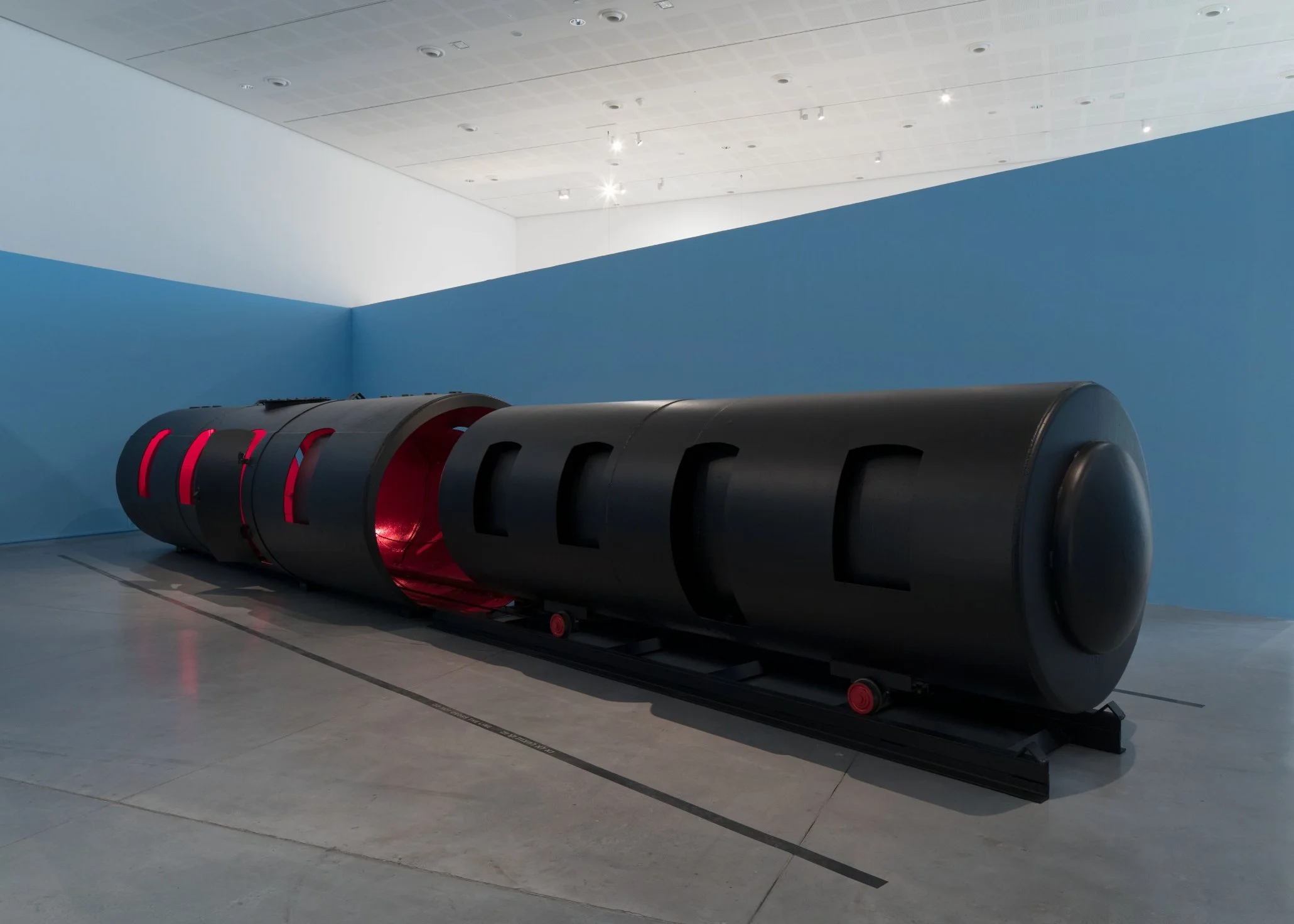
Gathering Wool does not begin the show; that honor is belongs to Twosome (1991). A mechanical sculpture where a smaller cylinder routinely leaves and re-enters a container only slightly larger. This work continues Bourgeois’s preoccupation with child psychology, particularly psychoanalysis. Here, the viewer seems to witness the point at which a child enters the symbolic stage; however, the presence of a male-charged form is entirely absent. The title, Twosome, and the continual entering and exiting of the mother-form allude to the constant back-and-forth in the identification of the daughter to her mother. In a displacement of the father, the figure who, for Lacan, initiates the division of child from mother, the abandonment of the mother seems to have thrust Bourgeois into the symbolic stage instead. A video projection in the same gallery seems to concur, where Actress Suzan Cooper sings “She Abandoned Me,” a track that accompanied Bourgeois’s 1978 performance A Fashion Show of Body Parts.
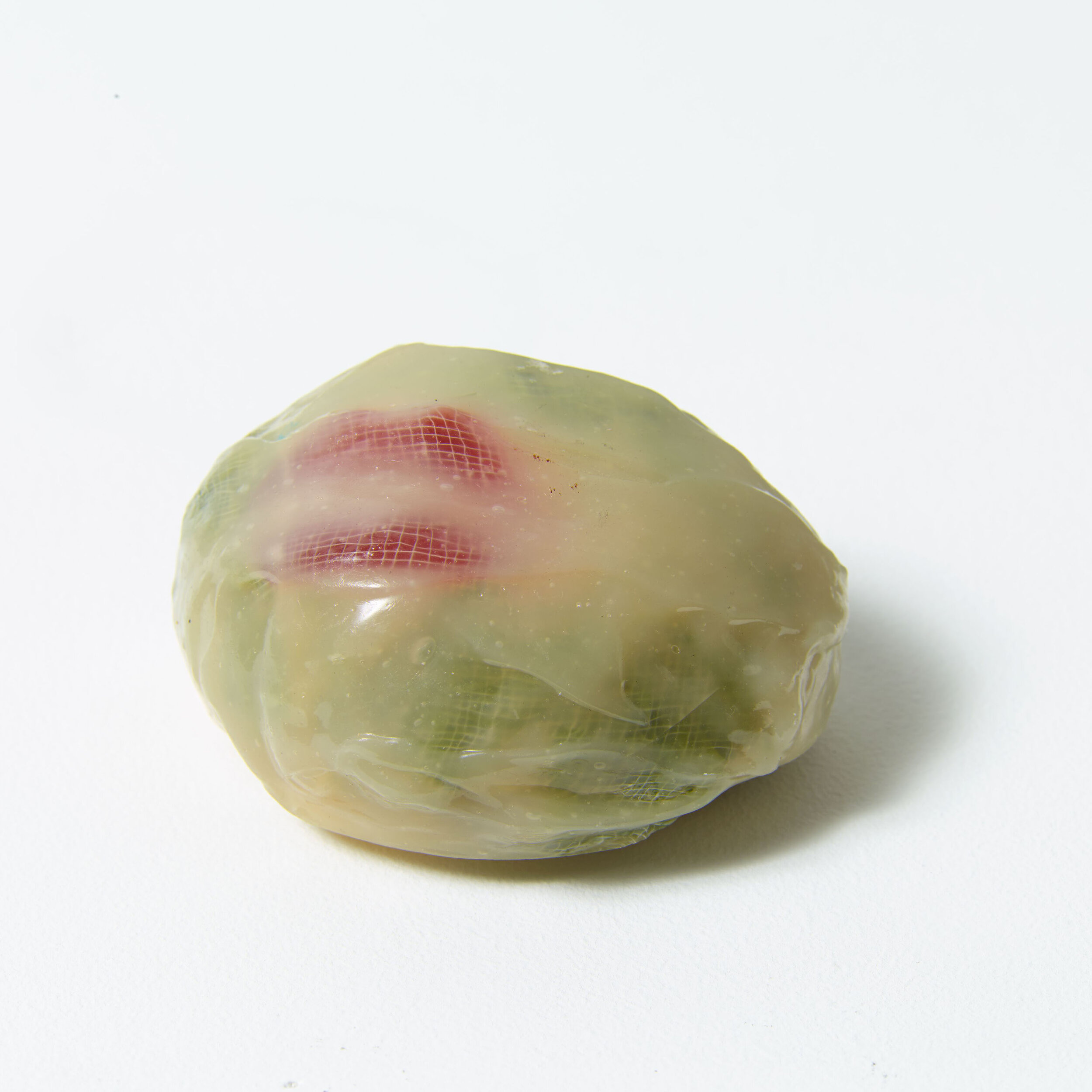
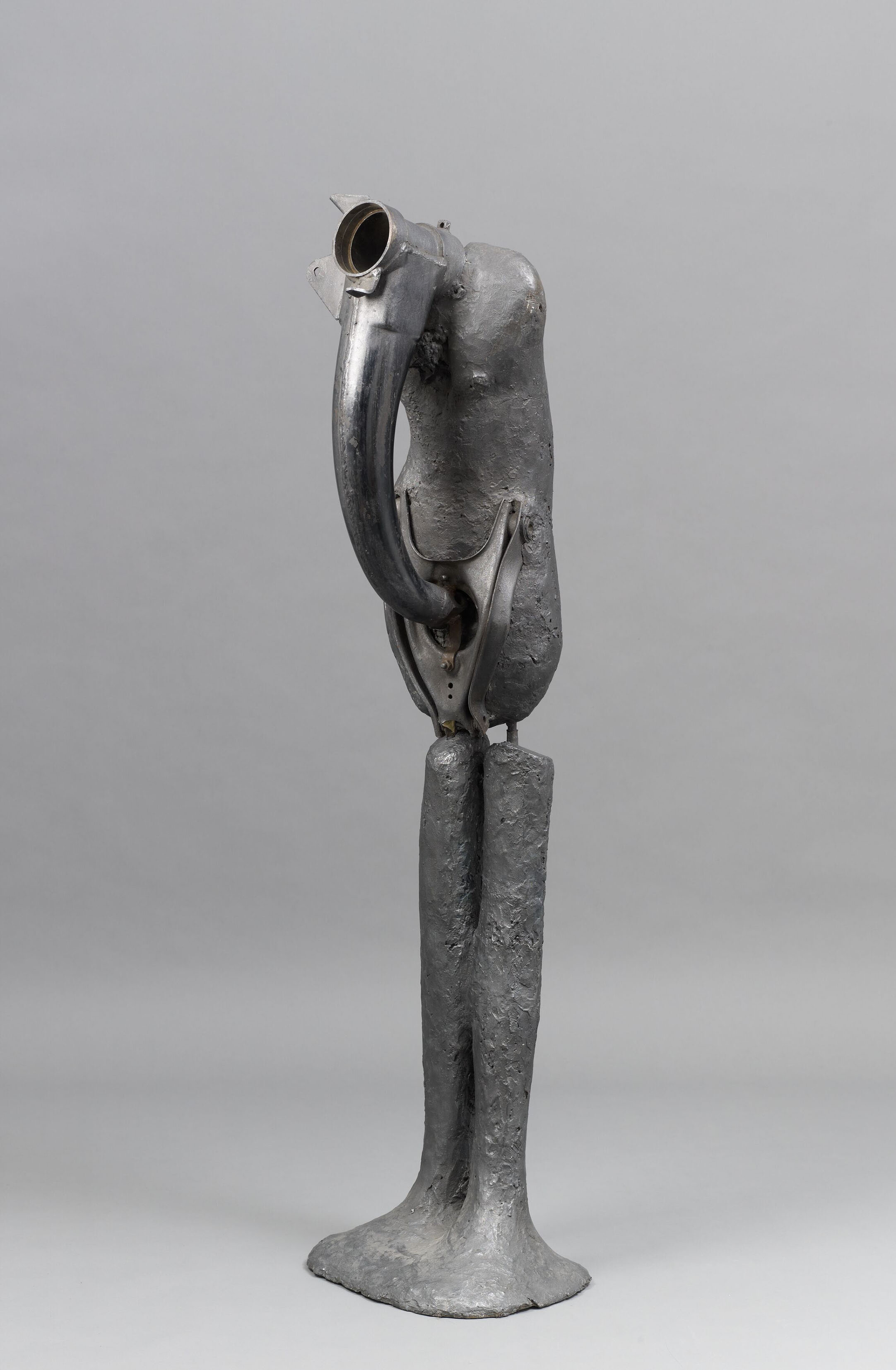
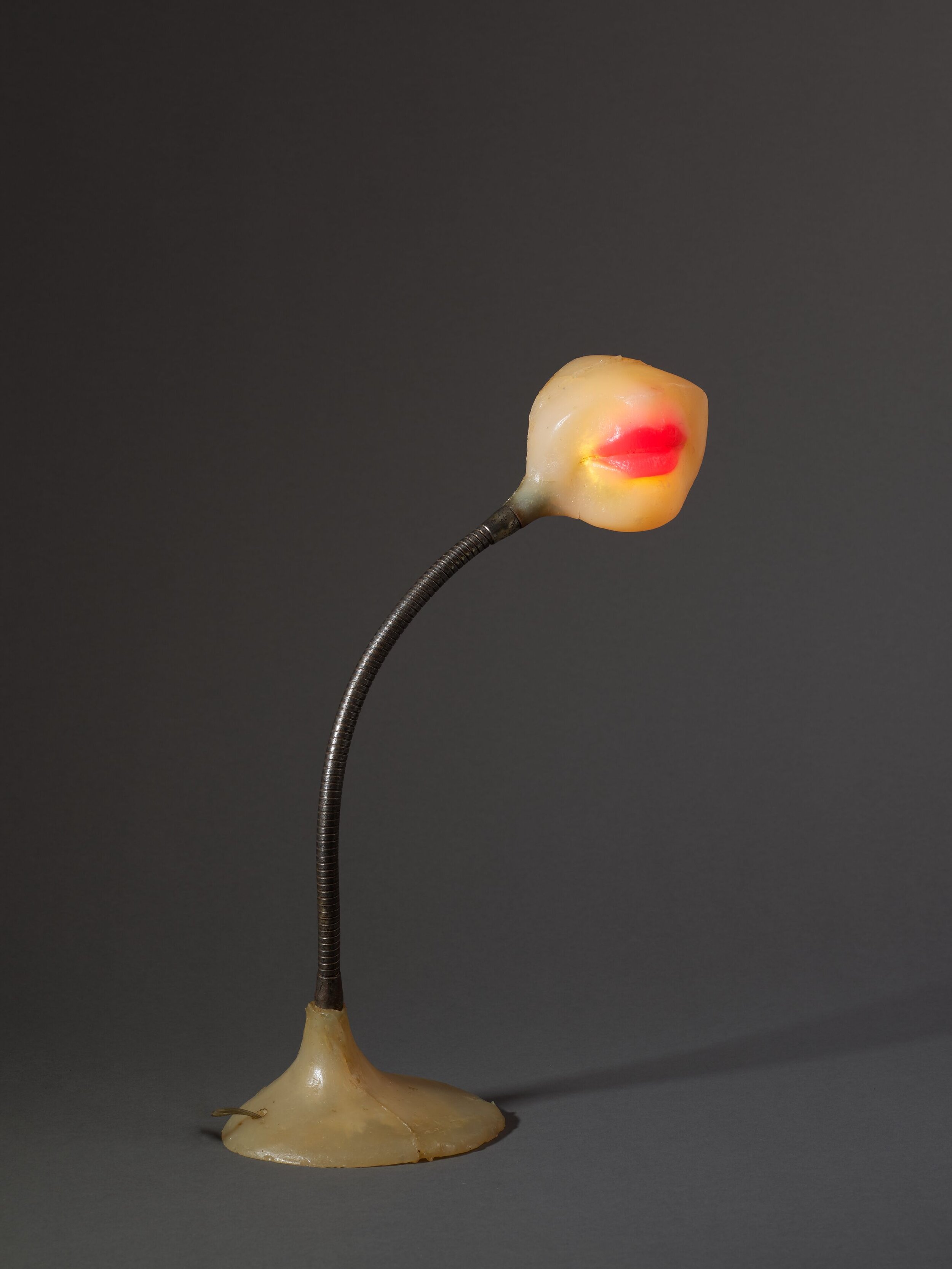
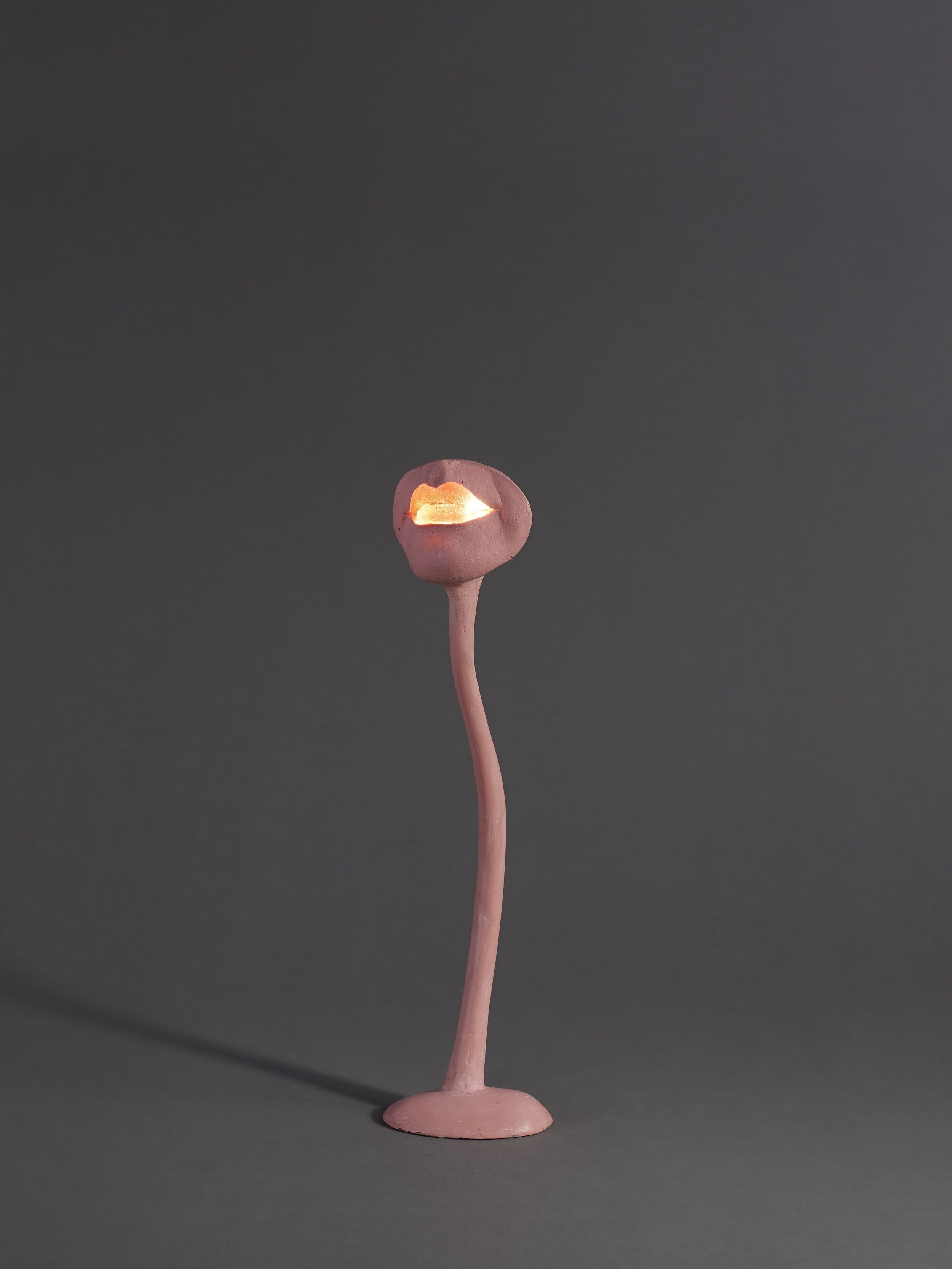
The show makes note of Bourgeois’s interest in protruding forms. Untitled (With Hand) (1989) has a child’s arm shooting out of a sphere that was sculpted out of the raw pink marble on which it rests. Mamelles (1991) spits water from the bronze breasts fixed to the wall. The aforementioned Gathering Wool offers fertile material for mushrooms to sprout from the wood spheres. Twosome, as well, engages in an act of protrusion in its cycle of exiting and entering. In a slightly different gesture, Le Défi II (1992) bounces light off and through its glass vessels, resulting in a soft illumination across the work. In all of these works, there is a borderless quality. Pre-established divisions between container and contained, raw and mediated, one form and another form, and conscious and unconscious all undergo complication at the artist’s behest. In her treatment of abstraction as often a source of figuration and of forms of representation more broadly, Bourgeois elucidates her pathologically encoded visual language, affirming her status as one of America’s most prolific artists.
Louise Bourgeois’s Gathering Wool is on view through April 18 @ Hauser & Wirth, 22nd Street, New York City.