Alexander McQueen: Savage Beauty

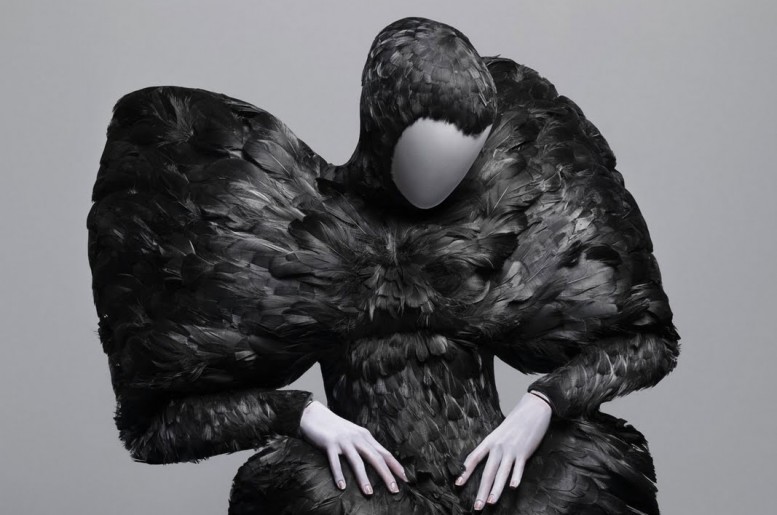
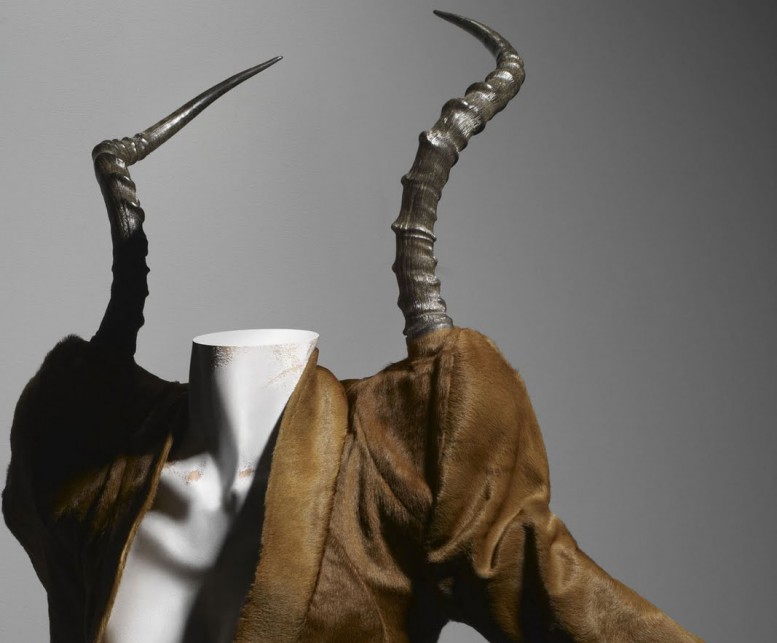
This May 6 the Metropolitan Museum of Art in New York will present Alexander McQueen: Savage Beauty - a posthumous retrospective of the late designer's brilliant career. The exhibition, organized by The Costume Institute, will celebrate Alexander McQueen's extraordinary contributions to fashion. From his postgraduate collection of 1992 to his final runway presentation which took place after his death in February 2010, Mr. McQueen challenged and expanded "the understanding of fashion beyond utility to a conceptual expression of culture, politics, and identity."

His iconic designs constitute the work of an artist whose medium of expression was fashion. Approximately one hundred examples will be on view, including signature designs such as the bumster trouser, the kimono jacket, and the Origami frock coat, as well as pieces reflecting the exaggerated silhouettes of the 1860s, 1880s, 1890s, and 1950s that he crafted into contemporary silhouettes transmitting romantic narratives. Technical ingenuity imbued his designs with an innovative sensibility that kept him at fashion's vanguard.

Alexander McQueen: Savage Beauty: May 4, 2011–July 31, 2011 - www.metmuseum.org


Jacques Henri Lartigue's Floating World

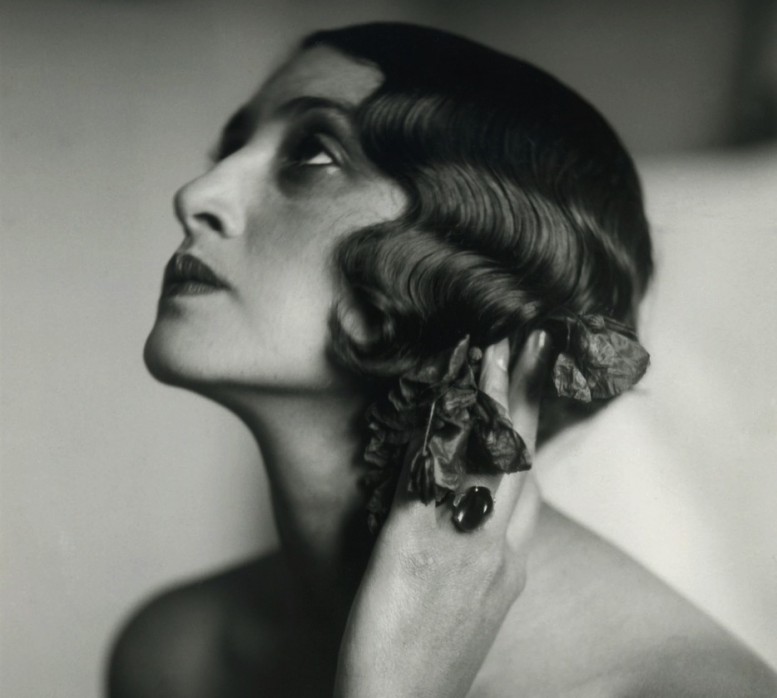
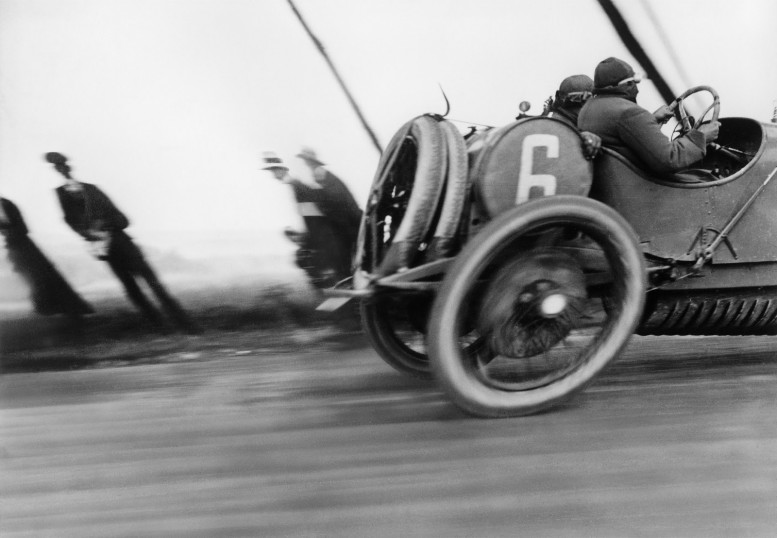
If it wasn't for a friend with connections and the assassination of John F. Kennedy it is quite possible that we may have never known of a photographer named Jacques Henri Lartigue.  Lartigue, born in 1894 to an illustrious French family, started taking photographs when he was only 6 years old. A hilarious photograph of a young Lartigue at 11 years old is a self portrait...in the bath....with a toy airplane.  Being well off afforded Lartigue camera equipment and time to explore  his photographic interests - which for most of his life was mainly a hobby.  Lartigue's happy go lucky images of a divined, French upperclass, attending automobile races, prancing on the beach, and laying about were all common divertissements of this bon vivant photographer during a burgeoning 20th century. He also photographed his lover and muse, the romanian model Renee Perle, a strikingly beautiful apparition that appeared in many of his photographs through out his oeuvra.

As Lartigue got older he mainly quit taking photographs - maybe he lost interest, maybe the world wasn't as happy go lucky after two wars, or, depressingly, maybe his innocence was gone. Only when he was 69 years old were his boyhood photographs serendipitously discovered by Charles Rado of the famous Rapho agency, who represented such notable photographers as Brassaï and Nora Dumas. Charles Rado in turn introduced Lartigue to John Szarkowski, then curator of the Museum of Modern Art in New York, who arranged an exhibition of his work at the museum and photo spread in Life magazine in 1963, which coincidentally landed in the commemoration issue of the death of president John F. Kennedy, allowing for a lot of exposure.  The rest was history - before Lartigue died at 92 in 1986, the offers to shoot for magazine came flooding in, and Lartigue was entered into the pantheon of some of the greatest artists of the 20th century.  Adding to the legacy of eccentricities, his son, Dany Lartigue, as well as being a painter, is a noted entomologist specialising in butterflies, and is patron of a museum in St. Tropez which, alongside paintings and souvenirs of his father, contains an example of every French diurnal butterfly discovered.

A Floating World: Photographs by Jaques Henri Lartigue (1894-1986), which is on view now at the CaixaForum Madrid, collects over 200 pieces that include modern reprints, original snapshots, cameras, notebooks, planners, and the diaries of one of the most formidable names in twentieth century photography.  The exhibit will join the 2011 PhotoEspana festival in Madrid  - a massive annual photographic expo - starting June 1 and running till July 24.

Text by Oliver Maxwell Kupper for Pas Un Autre

www.phe.es
Charles Brittin's Freckled Shangri-La

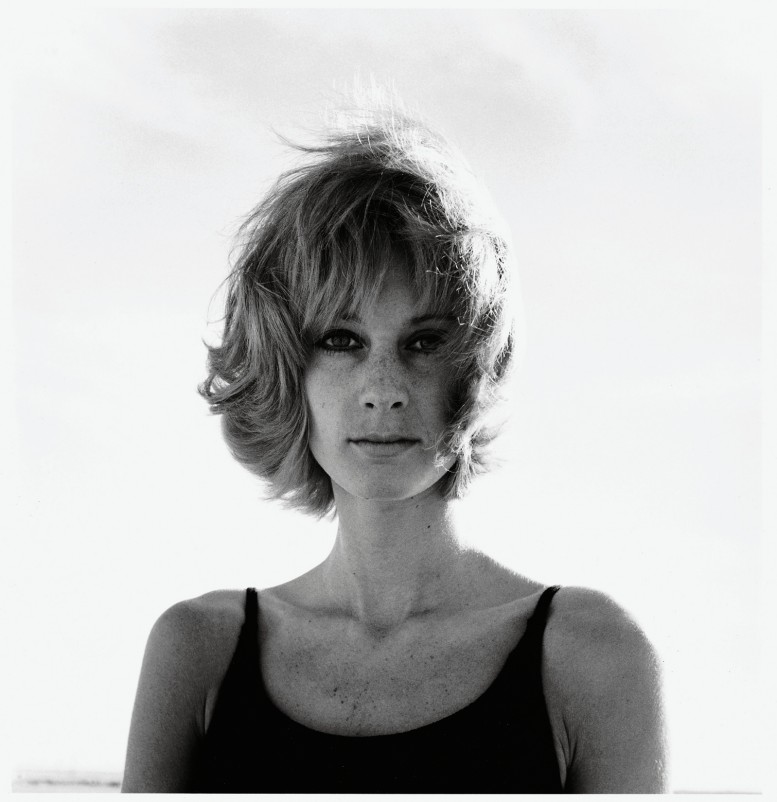
Beverly Walsh, 1958

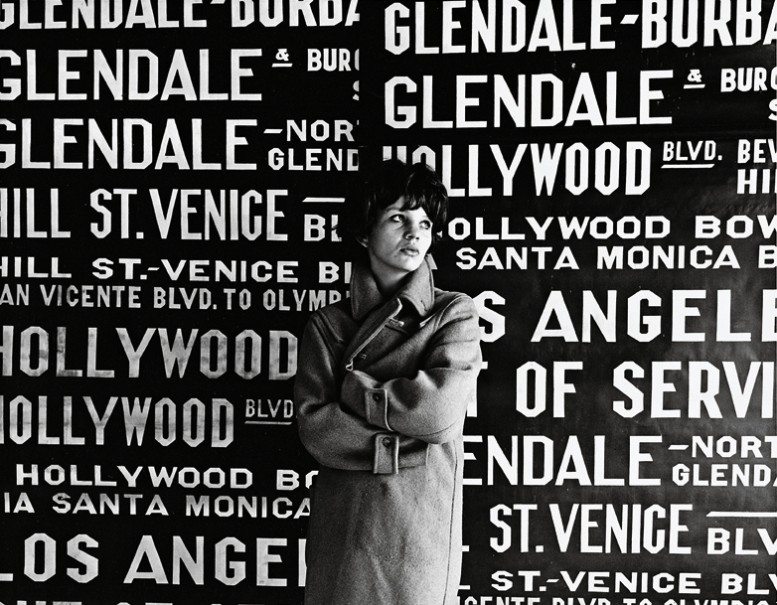
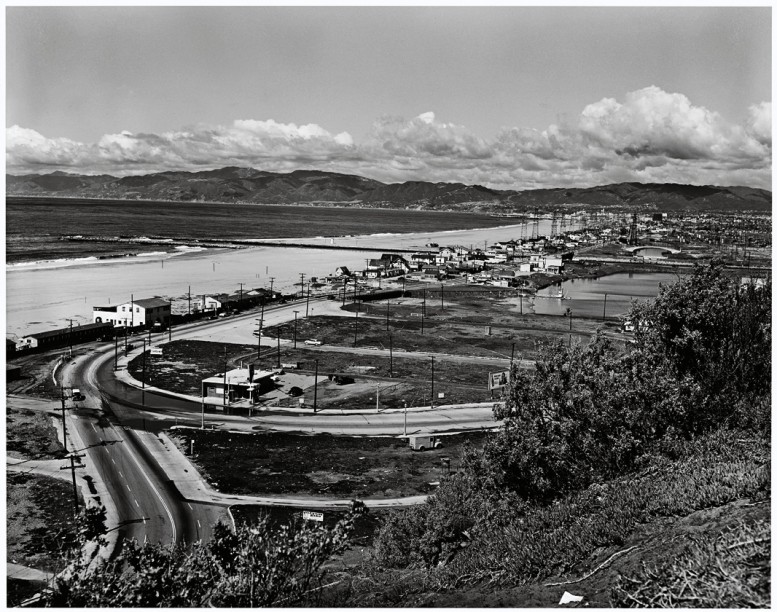
Charles Brittin, who died in January of this year at 82 years old, stole the ethos and the zeitgeist of the 1960s West coast in all its subtle wind-blown, freckled, ocean spray glamour - as well as the political angst of youth on the verge of revolt in honor of their young ideals. Charles Brittin: West & South, a retrospective exhibition of work by Los Angeles photographer Charles Brittin, featuring more than 100 photographs, many of them previously unexhibited is on view starting tomorrow at the Michael Kohn Gallery in Los Angeles.

Suzi Hicks, with signage from L.A.’s electric transit system, c.1956

Born in Cedar Rapids, Iowa, in 1928, Brittin briefly attended UCLA, then dropped out of school and taught himself how to take photographs. During the 1950s, Brittin became the unofficial house photographer for the Beat community that coalesced around the artist Wallace Berman, and contributed several photographs to Berman’s ground-breaking artist's magazine, Semina. Brittin settled in Venice Beach, California, in 1951, and his beach shack became a hangout for the Berman circle, which included actors Dean Stockwell and Dennis Hopper, artist John Altoon, curator Walter Hopps and poet Brittin was working as a mailman at the time, and spent much of his free time wandering the streets with a camera; he came to know Venice intimately, and his pictures of the sleepy beach town are freighted with a hushed beauty and forlorn sweetness.

www.kohngallery.com

Santa Monica Bay, 1950

Rimbaud, Symbolism's Pretty Young Thing

"The paths are rough. The knolls are covered with broom. The air is motionless. How far away are the birds and the springs! It can only be the end of the world, ahead."

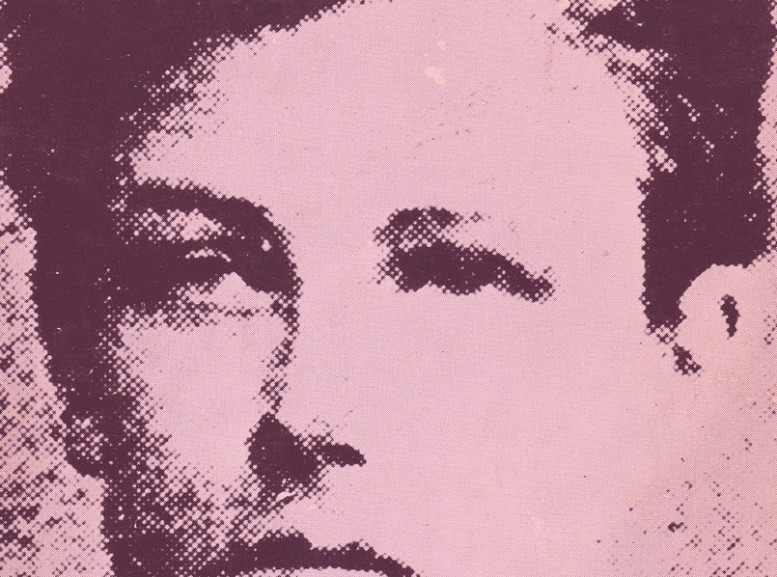
It is true that Arthur Rimbaud was a rabble-rouser and a libertine with louse infested hair, but he was a genius, on par with Mozart, whose provocative, symbolic lyricism was seemingly divined.  At only the tender age of 17 and 18 Rimbaud composed some of the most transcendent poetry the world had ever seen - Victor Hugo described him as "an infant Shakespeare."   A bright star indeed - whose comburent creativity seemed to burn out like a magnesium flash: at 21 the fire was out completely and Rimbaud quit poetry for good - at 37 he was dead. Rimbaud, who was raised on a farm in Charleville-Mézières, believed in some way that poetry was mysticism - that the poet was a "seer" by the practice of a "systematic derangement of all the senses." This derangement meant total abandonment of morality, judgement, and all things that make a modern man refined, and refined Rimbaud was not.  In the early 1870s he developed a relationship, that some debate was homosexual in nature, with the much older poet Paul Verlaine. The two poets would visit London in 1873 where Verlaine would attempt to assassinate his young lover, but it was by Verlaine's side that Rimbaud would write his masterpiece Illuminations, an "intense and rapid dream." A long awaited new translation of Rimbaud's Illuminations, translated by John Ashbery, considered a "major literary event," is due out this May by W.W. Norton and Company. books.wwnorton.com

Claude Montana: Fashion Radical

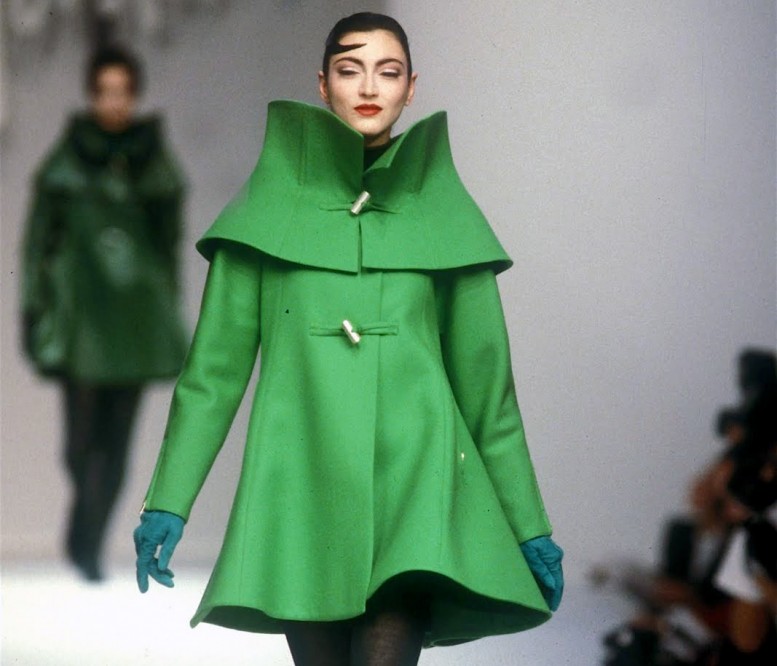
Claude Montana's eponymous, and infamous, brand went bankrupt at either exactly the right time or wrong time - the late 90s - before google, before animated gifs, and before blogs. As the world of high fashion entered the 21st century haute couture became saturated and the glamour died as the gilded lid of exclusivity and luxury was peeled slowly away.  Famous designers at their zenith became zealously celebrated, and with the tsunami of the blogosphere designers became objects of only a post-modern, digital obsession. Claude Montana, whose career is now being celebrated with a new book, dominated the fashion scene in the 80s and 90s, and now serves as inspiration to many of this century's designers. www.thamesandhudson.com

Paris at Night: Brassai, Ilse Bing, Doisneau & Kertesz

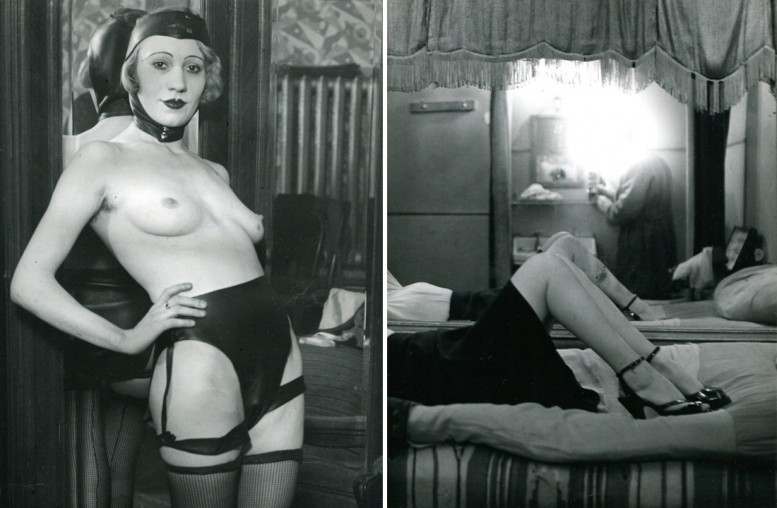
Left: Brassai, La Casque de Cuir, 1932 Right: Robert Doisneau, Untitled, 1952

"Night only suggests things, it doesn't fully reveal them. Night unnerves us and surprises us with its strangeness; it frees powers within us which were controlled by reason during the day..." -Brassai

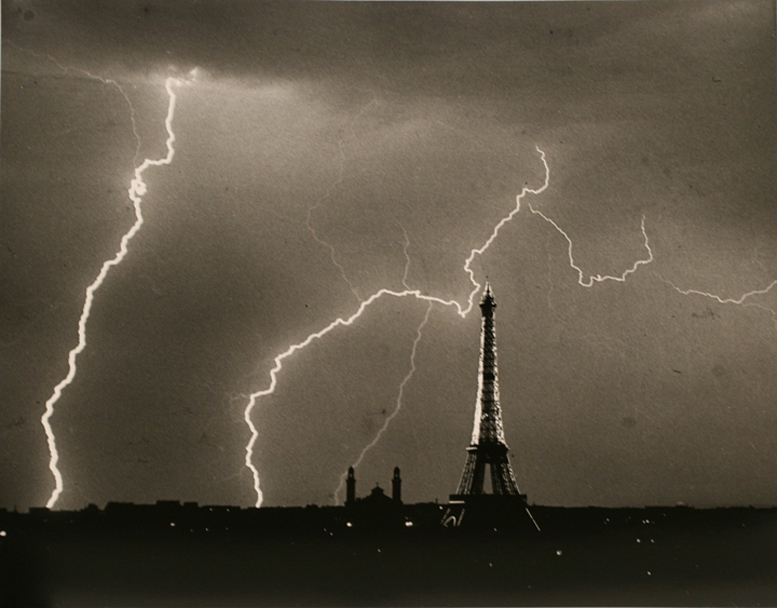
Andre Kertesz, Eiffel Tower (Summer Storm), 1927

Bruce Silverstein Gallery, in New York, presents: Night, an exhibition of the work of Brassai, Ilse Bing, Robert Doisneau and Andre Kertesz. The leading artists working with photography in Europe during the 1920s and 30s found the night to be an inspiring subject that became a leitmotif in their work, a revelatory expression of the burgeoning modernist approach to art making that reflects the shifting social and artistic conventions during this period. Photographic images made at night were new, bold, mysterious and brave, the ability to photograph at night being a recent technical capability that had yet to be mastered or even considered by the majority of photographers working in the 20s and 30s. Night was an artistic frontier and the making of images at night implied a certain creative seriousness that helped bring photographers into dialogue with the larger art world during these decades. At this moment in art and in photography in particular, night and all its connotations provided the perfect backdrop for realizing the artist’s creative intent.

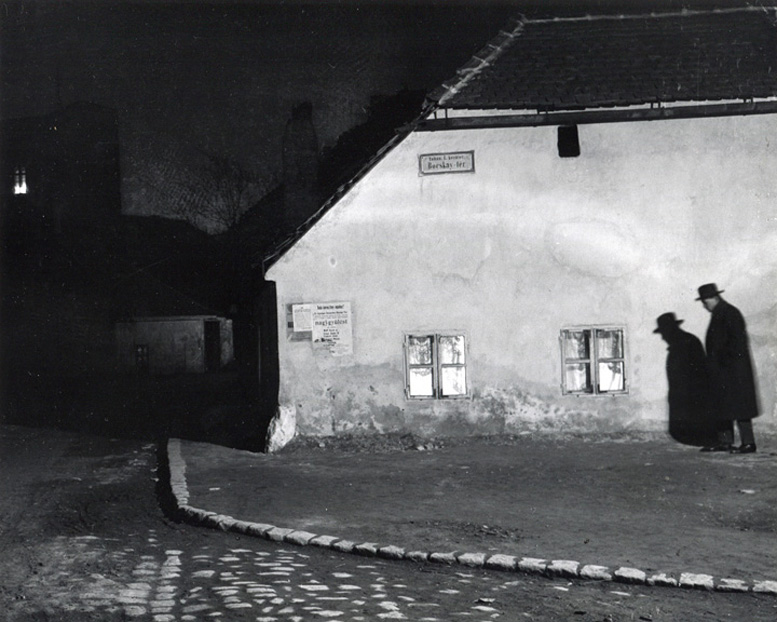
The four artists selected for this exhibition had an affinity for working at night and the images on view extend the first half of the 20th century. The works featured include Brassai’s well-known Paris de Nuit images, Ilse Bing’s early formalist compositions, Doisneau’s free-spirited and engaging photographs of Parisian nightlife, and Andre Kertesz’s early night photographs from Hungary—the purported inspiration for Brassai’s Paris series—as well as remarkable New York images that reveal the artist’s consistently innovative vision further inspired by the night.

On view until June 04, 2011www.brucesilverstein.com

Andre Kertesz, Untitled (Budapest), 1914

Forget Coachella, We're Going to the Austin Psych Fest

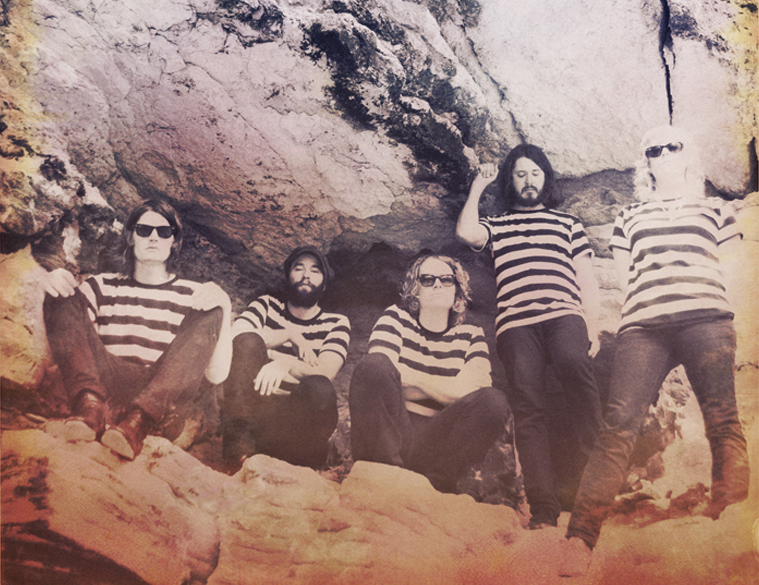
The Black Angels 

Austin, Texas has long been considered the counterculture capital of the American Southwest and the primary birthplace of the psychadelic rock movement, and this year’s Austin Psych Fest, which takes place from April 29th-May 1st at the Seaholm Power Plant in downtown Austin, will be the fourth annual synaesthetic three-day tribute to that title, showcasing and celebrating innovative visual art and experimental psych-rock from across the country.

Curated by the Reverberation Appreciation society and Austin-based band The Black Angels, this year’s music lineup includes The Black Angels, Black Moth Super Rainbow, Prefuse 73, Atlas Sound, Crystal Stilts, Dirty Beaches, Crocodiles, Tobacco, The Growlers, Black Ryder, Indian Jewelry, Beach Fossils, Pete International Airport and ZaZa, among many others.

This past December, Alta Real Pictures released Oswald James’ documentary of last year’s Psych Fest, which features performances from The Raveonettes, Spindrift, Pink Mountaintops, Warpaint and others. Watch the trailer below for an idea of the festival’s ambiance.

Full reportage on Psych Fest 2011 to come.

For tickets, full lineup and more information, visit www.austinpsychfest.com

Text by Annabel Graham Photo by Alexandra Valenti

Juergen Teller "Man With Banana"

Vivienne Westwood

It could be noted that the true face of Marc Jacobs is Juergen Teller. The german fashion photographer's images are so recognizable that the images in and of themselves are a personification of Teller himself. Teller, who was born in Germany in 1964, invented his own brand of 'snapshot' photography that has been imitated into oblivion.

Teller started his career in 1986 photographing celebrities for magazines. For Nirvana's album Smells Like Teen , Kurt Cobain called Teller and asked him to shoot the photos for the liner notes. What is so striking about Teller as a fashion photographer is that he has never once conceded by comprising his aesthetic to that of the fashion industry's. And his refusal to separate his personal work from his commercial work has made Teller's photography shockingly raw and painfully honest.

Last Friday saw the opening of a solo-exhibition at the Dallas Contemporary in Texas. Teller will present a selection of photographs specifically created for the exhibition. Juergen Teller: Man with Banana runs until August 2011. www.dallascontemporary.org

[Cinema] Let There Be Rock

Presley, Elvis (Jailhouse Rock)_02

A little over a month of rock n' roll films? Starting April 29 at the Queensland Cinémathèque in Australia, 'Let There Be Rock' brings together a wide range of documentaries and feature films capturing the rebellious spirit of rock music culture. The program features intimate portraits of bands and musicians, showcasing their magnetic stage presence and musical talents, as well as the fans, collaborations and locations that surround them.

davidbowie-mickronson-lunch20on20train1973cmickrock

Wild experiments with rock operas and musicals illustrate the blending of rock music and cinema into a unique film genre. Concert films and live recordings capture bands in full flight and the transformation of stage performances into visceral experiences. Iconic music events caught on film also chronicle rare pieces of music history and their ensuring influence on new generations of music fans. http://qag.qld.gov.au/cinematheque

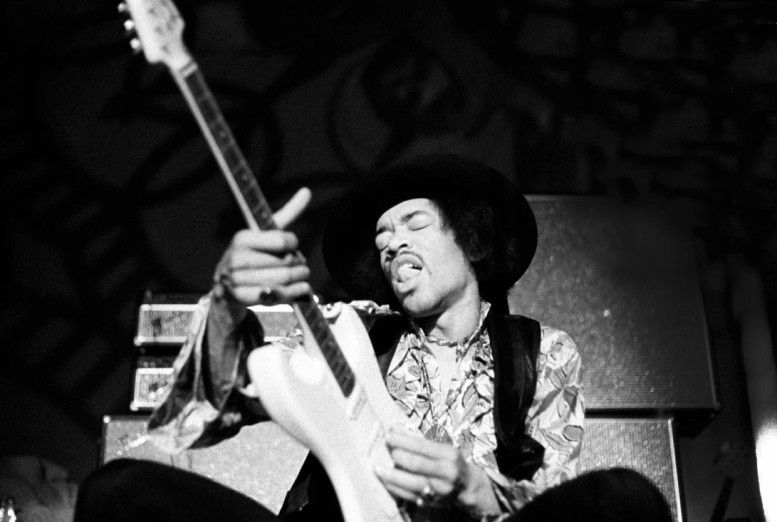
jimi_henrix

[FASHION] Gary Graham Spring 2011

Gary Graham is a designer to watch. Hailing from Wilmington, Delaware Graham's background in costume and textile design has attributed to the unique signature of his brand: strong heritage, luxury and richness of creativity in the meticulous craftsmanship of his pieces that are hand dyed, hand sewn, and hand finished. Gary Graham lives and works in New York. www.garygrahamnyc.com
Duelling Pistols at Bonhams: Objects of Beauty and Death

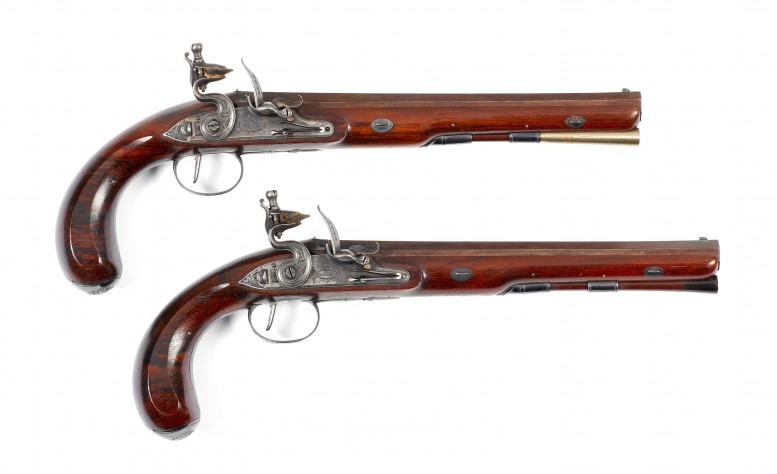
A Very Fine Pair Of 30-Bore Flintlock Duelling Pistols By Robert Wogdon, London, Circa 1785 made for the Duke of Bedford.

It was indeed a dueling pistol made by the Robert Wogdon of London gunsmith company that killed Secretary of the Treasury Alexander Hamilton in 1804 in Weehawken, New Jersey.  Usually the goal of the honorable duel was often not so much to kill the opponent as to restore one's honour by demonstrating a willingness to risk one's life for it. Even though it was illegal after the 17th century, one was rarely persecuted. This late April a dozen pairs of dueling pistols, including a set made by Robert Wogdon of London - by far the most synonymous manufacturer of dueling pistols, will go on the auction block at Bonhams. The set of pistols are expecting to fetch between £2,500 to £60,000 as "items of historical interest and fine workmanship, not death and destruction." And o' how glorious these pistols are in their intricate perfection - objets d'art that were once symbols of masculinity, honor, and inevitable permanence. Dueling Pistols at Bonhams: Objects of Beauty and Death will go on sale Wednesday 20 April 20 in Knightsbridge. www.bonhams.com

[LEGENDS] Nomad, Poet, 20th Century Prophet of the Wild West

Everette Reuss by Dorothea Lang

In 1934, at the age of 20, poet and nomadic wanderer Everette Reuss travelled into the red rock canyon lands of Southern Utah with two burros and vanished without a trace. In 2009 his apparent remains were found, but upon further analysis were called into question as to their authenticity. What happened to Everette Reuss? Some say he was murdered by natives for his burros, some say he simply drowned or fell off one of the many jagged cliffs, and some legends recount that Everette Reuss fell in love with a Navajo woman and ran away with her tribe. The life, disappearance  and legend of Everette Reuss has been an enduring mystery, an American saga exemplar to our own imaginings of the great adventure.  A new book, Everett Ruess: His Short Life, Mysterious Death, and Astonishing Afterlife, due out this summer on University of California Press examines the life and legend; going "...beyond the myth to reveal a troubled, idealistic adolescent who flirted with death and lost." www.ucpress.edu

Marilyn Minter: Paintings from the 80s

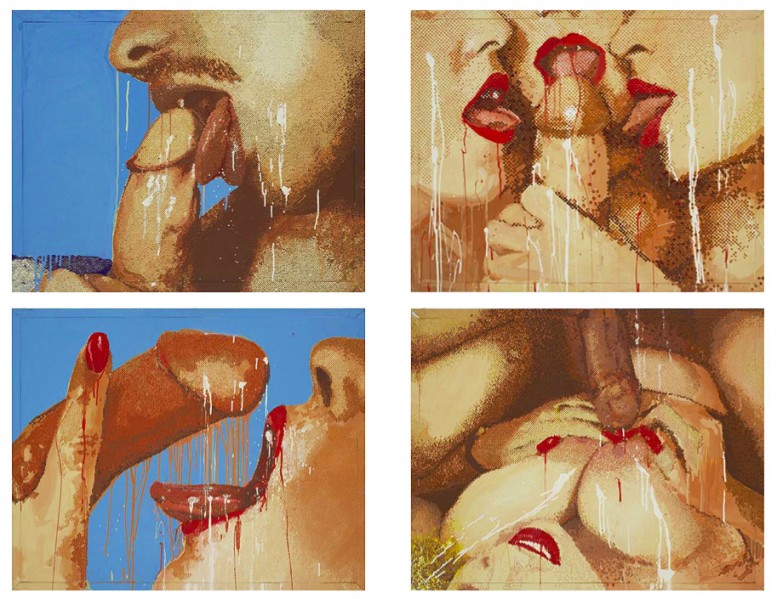
Porn Grid (#1-4) 1989 enamel on metal 4 panels, 52 x 64.5 inches overall

Marilyn Minter, who was born in Shreveport, Louisiana in 1948 gained recognition with her first series of photographs: images of her drug addicted mother. During the 1980s Minter explored pornography and erotica with a style that can be described at pop art.  Marilyn Minter: Paintings from the 80s is on view at Team Gallery until April. 30. www.teamgal.com