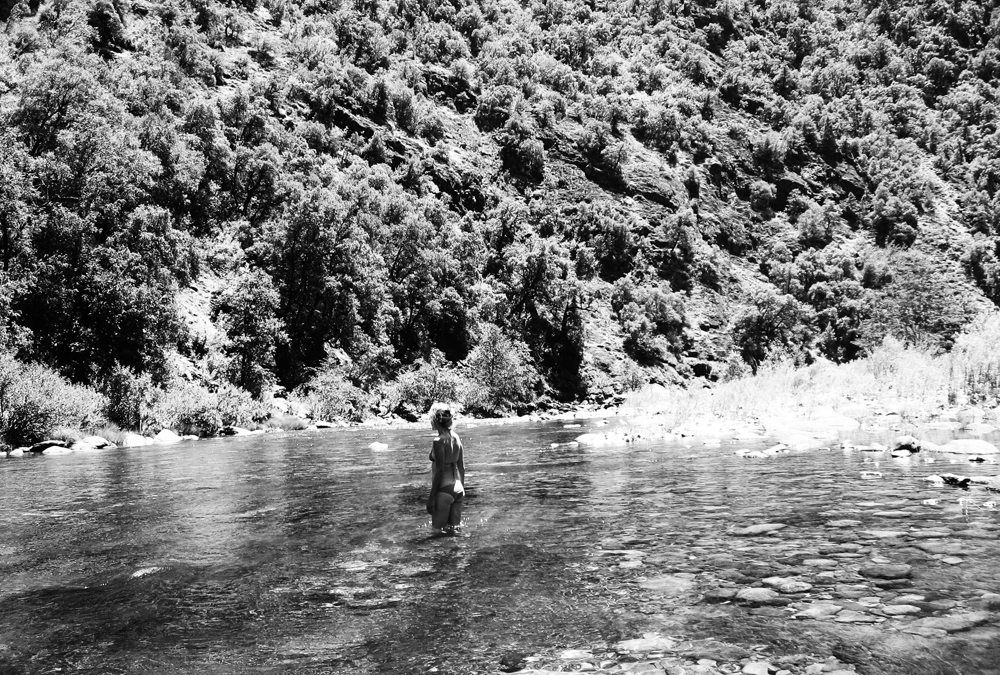
Adarsha in the crystal blue waters of the American River, California, photograph by Oliver Maxwell Kupper

Adarsha in the crystal blue waters of the American River, California, photograph by Oliver Maxwell Kupper
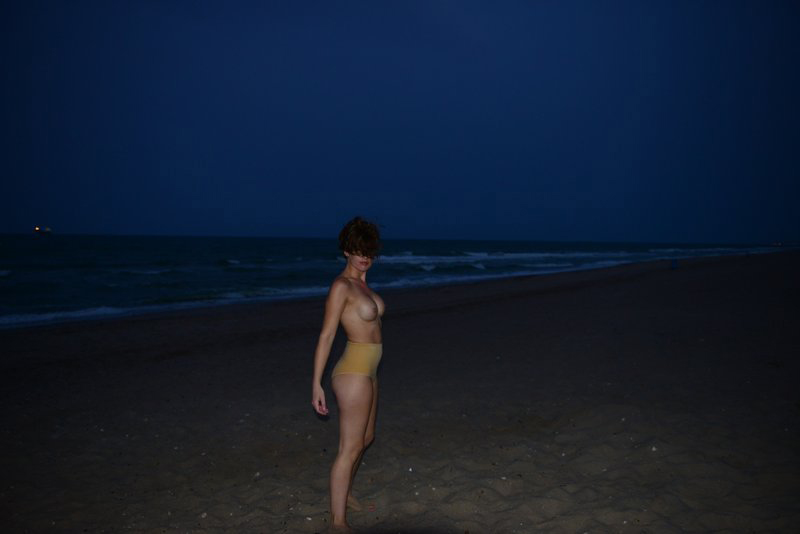 photograph by Javier Ferrer Vidal
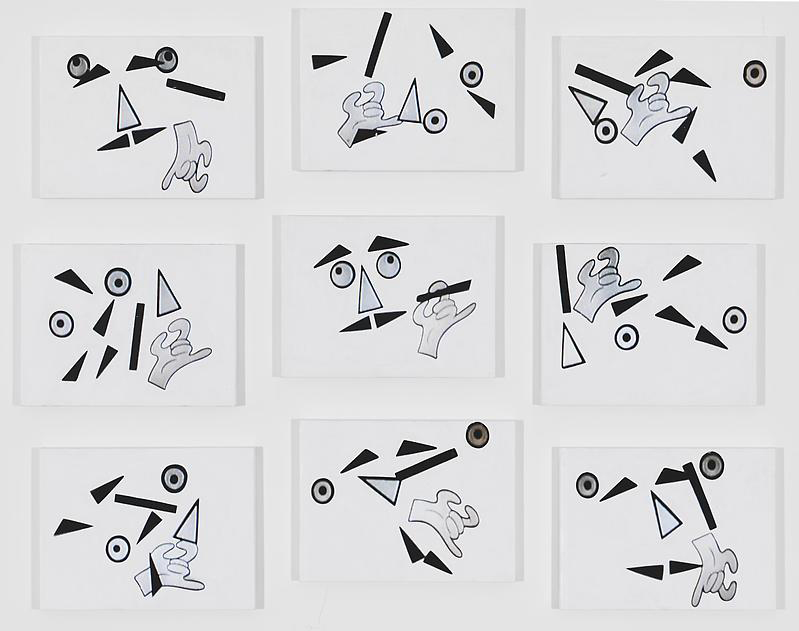
303 Gallery presents Marxism, an exhibition that examines the sociopolitical impact of the rebellious humor of the Marx Brothers - Chico, Groucho, Gummo, Harpo, and Zeppo - in relation to artwork by a gang of five contemporary artists - Marcel Duchamp, Jack Goldstein, Rodney Graham, Tim Lee and Richard Prince. The Marx Brothers are known for their subversive satire that cleverly addresses political and social issues with a touch of slapstick or a "honk honk" of Harpo's horn. Their beloved films continue to make people laugh with their particular brand of anarchic humor, where everything is taken literally and humor acts as a defense against the woes of the world. From Groucho's iconic mustache, glasses, and cigar to Chico's phony Italian accent and Harpo's squeaky walking stick, the Marx Brothers are unparalleled entertainers immortalized for their wit and use of simple props to address topics ranging from love and war to show business with a staunchly anti-authoritarian stance. Duchamp, Goldstein, Graham, Lee and Prince are similar innovators and provocateurs in the world of contemporary art, who have made work that relates to or references themes in the Marx Brothers' oeuvre. The exhibition will present works by each of the four artists as well as a large collection of historical material relating to the Marx Brothers, including films, photographs, records and props. Marxism is on view until August 3, 2012 at 303 Gallery, 547 W 21st Street
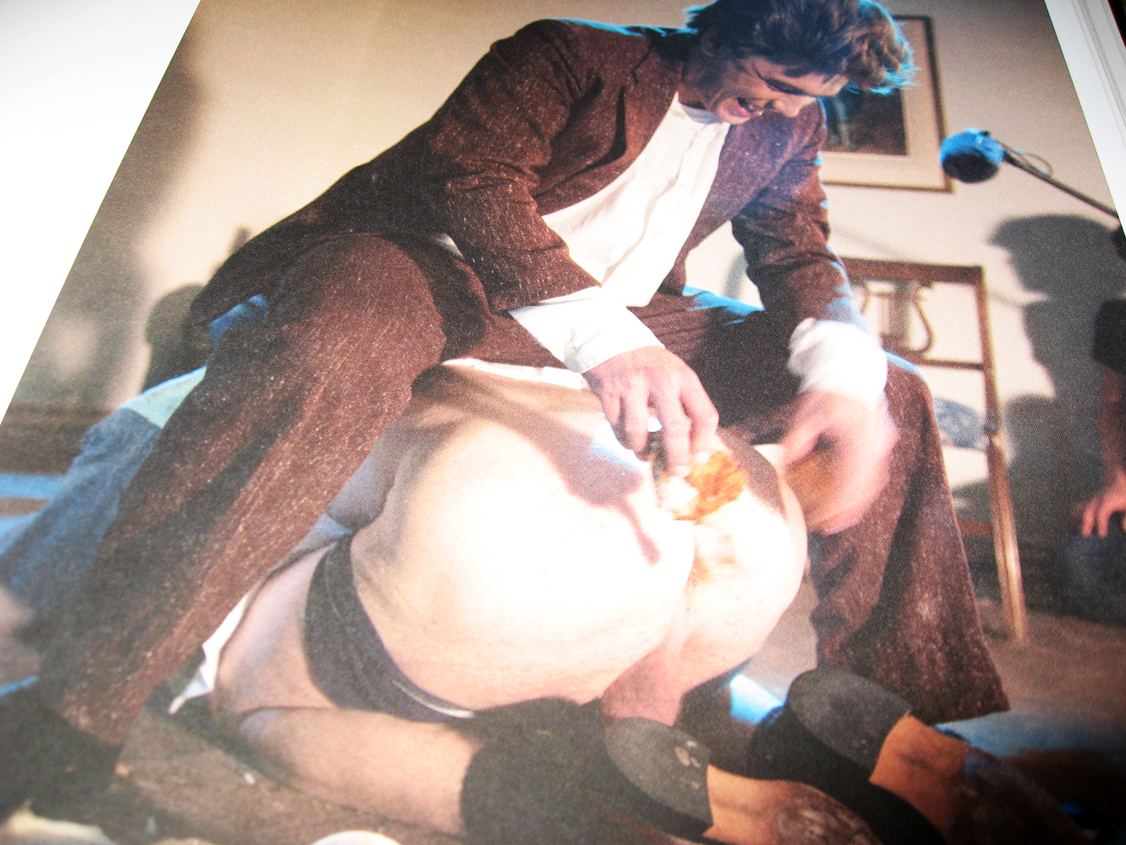
A great photograph of James Franco and Paul McCarthy for McCarthy and son Damon's contribution to Rebel in the exhibition monograph co-published by MOCA Los Angeles and OHWOW.
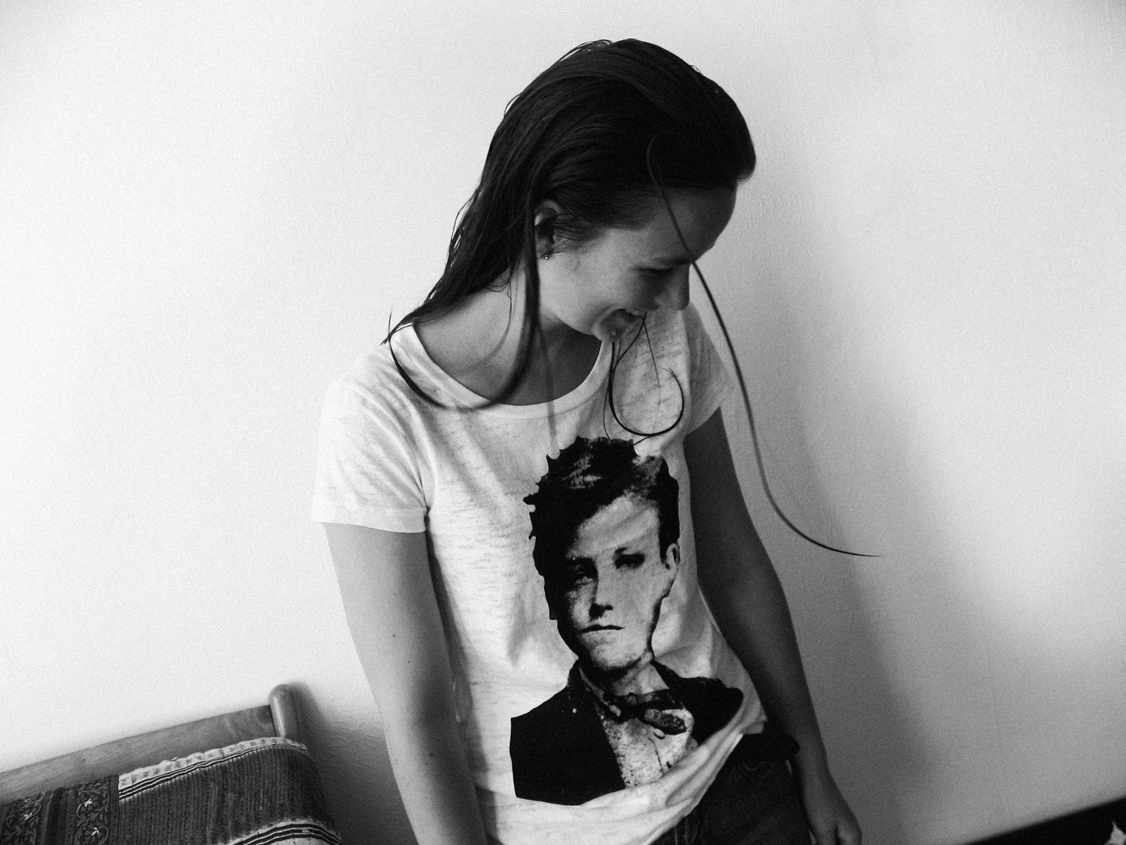
Charline Formenty is a choreographer from Paris. Here she is wearing a Pas Un Autre tee featuring the young poet Arthur Rimbaud. Available here.
 Adarsha & Chaussette, Photograph by Oliver Maxwell Kupper

Horacio Coppola, whose black-and-white photographs of the cafes, side streets and neon-lit boulevards of Buenos Aires in the 1930s, and of ordinary objects like a typewriter and a doll, introduced avant-garde photography to Argentina, died on June 18 in Buenos Aires. He was 105.
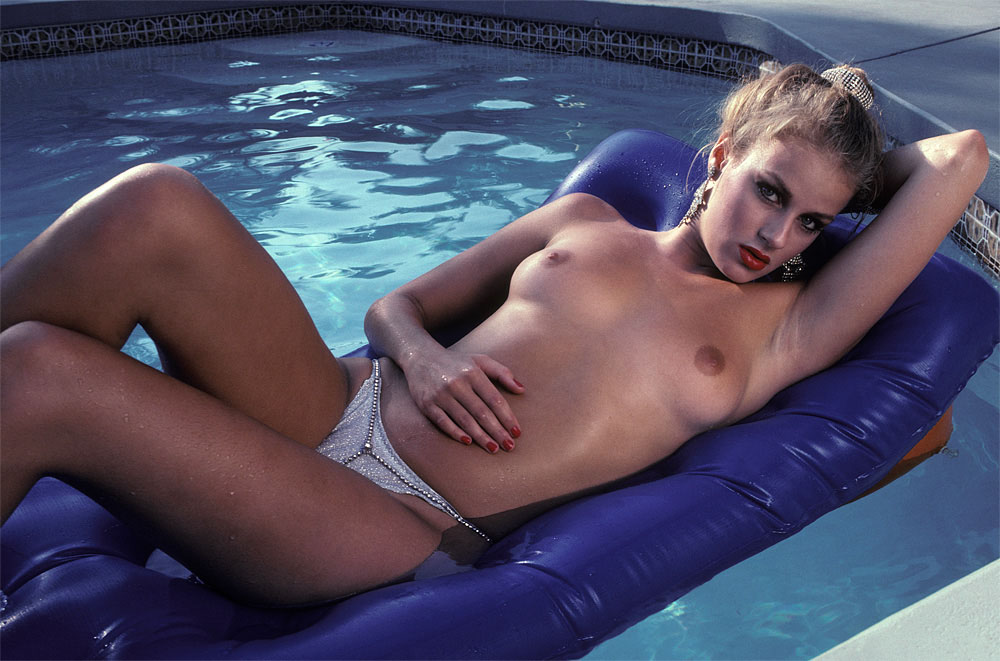
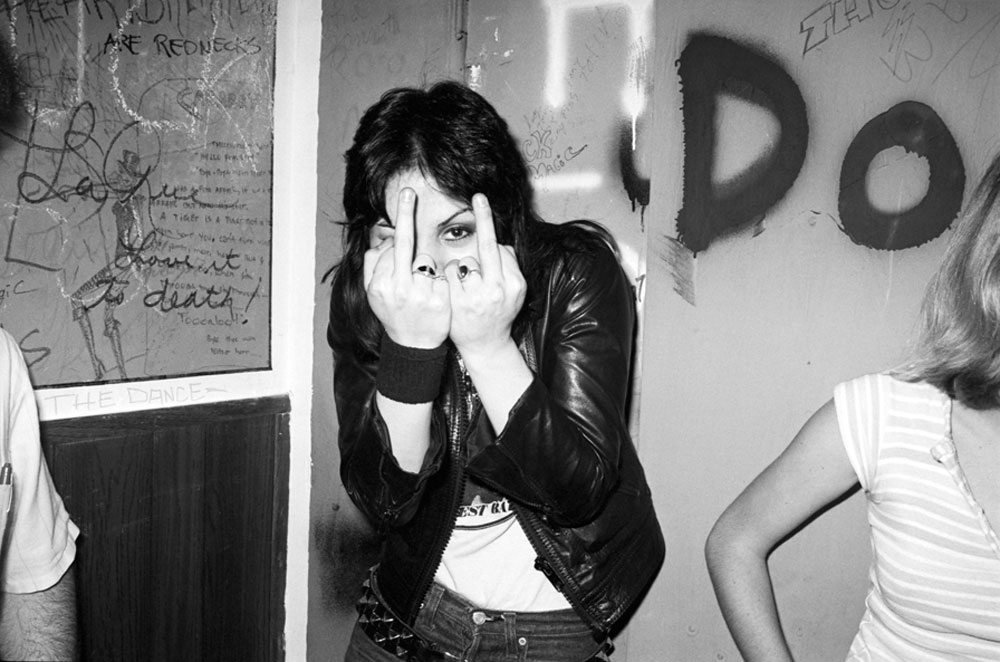
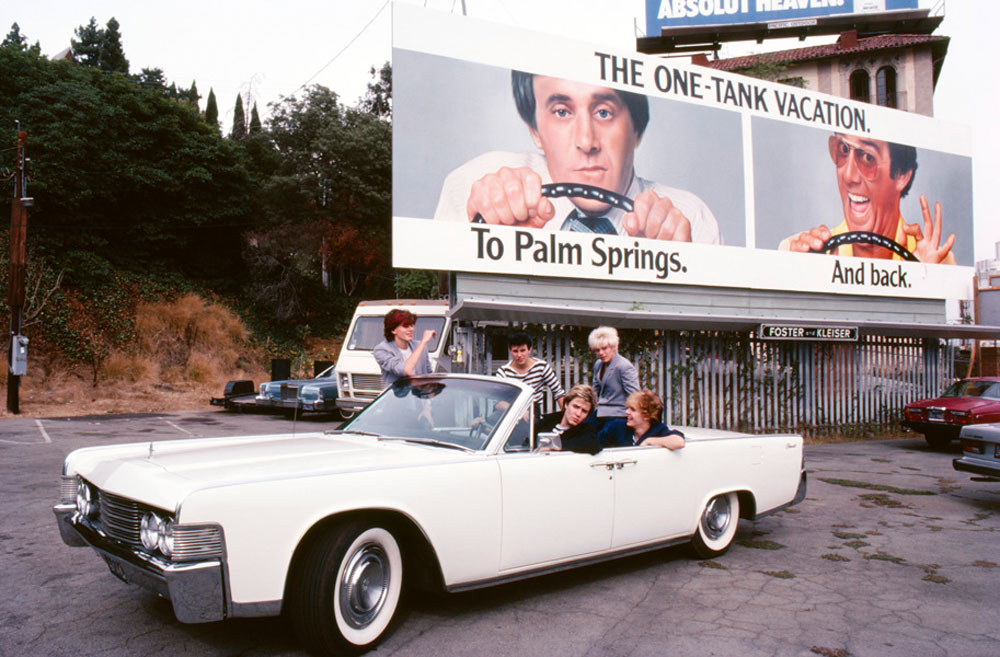
Brad Elterman's first photograph at the age of 16, of Bob Dylan performing on stage, started a life long love affair with photography. His images captured the last gasp of a bygone era of rock n' roll – the 1970s – the days when glamour was rare and pure and stars were stars because they were elusive and unattainable. His classic images of Joan Jett hanging out in motels and flipping off the camera, David Bowie coming out of his studio, Playboy Playmates hanging out in his Hollywood apartment pool, and more, capture moments in a snapshot style instantly recognizable as Elterman's own. And his photographs were published in every major magazine. Then he gave it all up. For three decades Elterman laid low. Over the last few years Elterman started to reemerge: he started a blog that archived his oeuvre, but also documents new moments, in 2011 he published a coffee table book called Like It Was Yesterday, and he has been having gallery shows across the world including his latest show Factory 77 in Los Angeles which opened a couple of days ago and will be open all summer. I got a chance to ask the very busy Brad Elterman a few questions about photography, Los Angeles, and some current projects he has been working on including including a new website that showcases his photographs from the 1970s and pop culture today, but is also a platform for new photographers.
PAS UN AUTRE: Can you remember the moment you knew you wanted to become a photographer - can you remember the first image you ever printed?
BRAD ELTERMAN: My first image ever printed was a performance photograph of Bob Dylan on stage in 1976. It was also probably the instant that I told myself that I would like to make a career out of this.
AUTRE: Who were some of your biggest inspirations - not just photographers?
ELTERMAN: Helmut Newton, Ron Galella, Richard Creamer all photographers of course. My mom was my greatest inspiration. She was a painter and she thought me to create my own style. She was so supportive as long as I was happy.
AUTRE: Who was your favorite subject to photograph?
ELTERMAN: Probably Joan Jett. She always has style and so cool to hang with and of course to photograph. Talent and style, you just can't beat that.
AUTRE: What was your impression of Los Angeles then (1970s) and now?
ELTERMAN: I loved L.A. during the 70's, but I did not know the rest of the world. Since traveling the world now, I still always come back to Los Angeles. The weather, the light, and all the characters. It really is one of the most creative and comfortable cities in the world. Not the culture of Pairs and New York, but you can n't have everything.
AUTRE: What are some of your thoughts as you look through the view finder?
ELTERMAN: It's hard to believe that I am taking photos again after a more than two decade break. During my silence, there was nothing to photograph and the internet did not exist. So when I look though the view finder I am sort of in disbelieve. It's a fun feeling and I like it.
AUTRE: What is Factory 77 and what can we expect from your current show?
ELTERMAN: Factory 77 just launched. It's my 70's photos, my new photographs of pop culture today and most importantly it is a showcase for all of the amazing young photo talent out there today. I have met so many talented photographers via the internet and I enjoy sharing stories with them. Erica Lauren, a Los Angeles based photographer is the editor and I will photo edit. We would love to showcase young rock bands who embrace the internet for exposure. No performance photos. I want the pictures to be raw and captivating. It will be great fun.
AUTRE: Most exciting plans for the future?
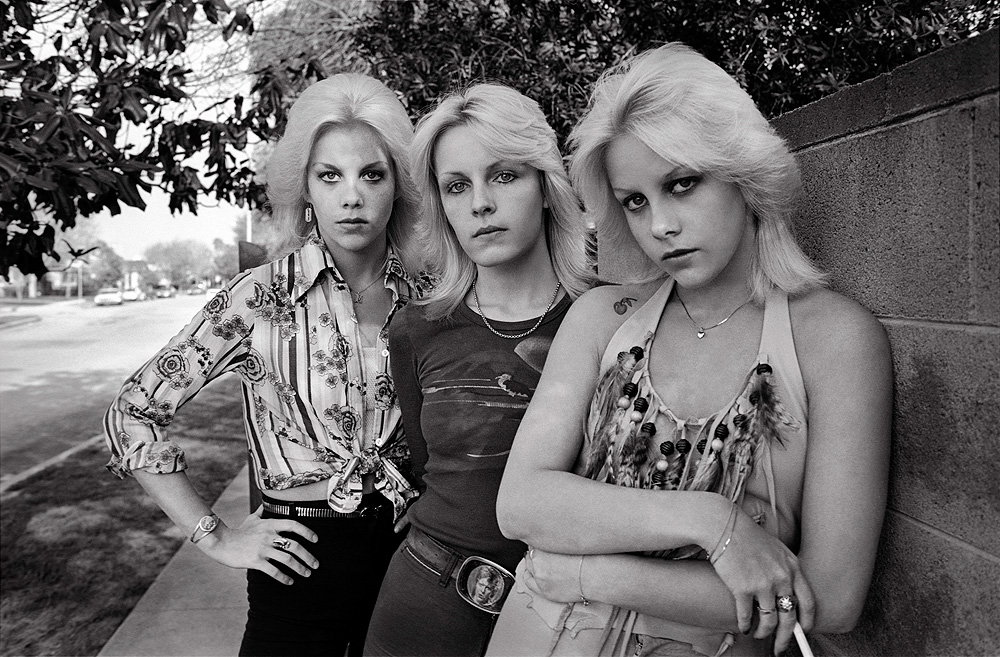
ELTERMAN: I am part of Vogue Italia's Photo Vogue this summer at 10 Corso Como in Milan. It is an exhibition from 101 photographers. The collection is amazing and there is some incredible talent. My photo is entitled "Valley Chicks" and I took it back in 1977 on a roll of black and white film. My Factory 77 exhibition photographs at Kana Manglapus Projects, Venice is up all summer and I plan on spending time at the gallery. It's going to be a cool summer.
Brad Elterman's exhibition Factory 77 will be on view until Spetember 10, 2012 at Kana Manglapus Projects. Follow Brad Elterman on his tumblr page. Text by Oliver Maxwell Kupper for Pas Un Autre

 Rudolf Stingel, Untitled, 2012 oil on canvas, 243.8 x 204.5 cm / 96 x 80 ½ in, Copyright the artist, courtesy Sadie Coles HQ, London
On view for only a couple of more days, Rudolf Stingel’s 2012 exhibition with Sadie Coles HQ takes place in a Grade II-listed Georgian townhouse whose interior looks back to French palatial architecture of the Renaissance. In the chandeliered first-floor ballroom, Stingel has installed a specially-designed carpet which spreads throughout the space. This site-specific installation is the latest in a twenty-year series in which the artist uses expansive carpets to dramatise and collapse the relationship between painting and its architectural contexts. Untitled (2012) hangs alone in an alcove in the manner of an altarpiece or devotional icon. This monumental self-portrait is painted from a photograph of Stingel illuminated by candlelight, which was taken by photographer Roland Bolego. On view until 04 July 2012 Sadie Coles HQ (off-site), 9 Grosvenor Place London SW1

In his latest show at Sadie Coles HQ, John Currin presents a new series of paintings centred on the female nude. These latest works combine the explicitness of his pornographic paintings of the last five years with a new level of psychological realism. In contrast to those works, which drew upon 1970s magazines, the majority were painted directly from life in the artist’s studio. They show reclining women who appear ambiguously caught between the art-historical trope of the female nude and an appearance of earthy naturalism. On view until August 18, 2012, atSadie Coles 69 South Audley Street London W1
Of his six-minute black-and-white short Vanishing Point, French director and writer Augustin Doublet says, “It’s all about creating a maze of memories and fancies out of this endless labyrinth that you find in Brooklyn. I refer to the subway tracks, to the shades...I was trying to get behind the skin of the city, and to explore this kind of dynamic between dream and reality. So to do that, I thought that to make a portrait of an artist, a woman, was the right way to do it. I tend to like to tell stories about women. And so this kind of descent into her own broken relationships, her broken dreams, was dynamic. I think that was the concept behind it. And one could say that there is something about masochism, which has a very strong link with the practice of art... the practice of painting... I think we take inspiration from our scars. I was interested in the remains of the ink, the remains of internal scars, psychological scars... how the trauma manifests itself into shadows of ink."
Vanishing Point paints a darkly stunning portrait of an artist living in Brooklyn. The film is bleak, discordant, smacking with violent urgency—and yet there is, at the same time, a certain fragility, a delicate quietness underneath its rough exterior. Perhaps this is borne out of Doublet’s own experience living in the ever-growing and changing neighborhood of Bushwick, Brooklyn; watching the juxtaposition between the grittier, rougher “low-life reality,” as he calls it, and the burgeoning artist’s community that has begun to emerge in past years.
Since his arrival in New York, Doublet has written, directed and produced several of his own short films. Initially fascinated by the “harshness, dirtiness, and loose eroticism” of the New Hollywood cinema of the 1970s, he says, “My imagination and my desire are very related to the location and environment I’m in.” Originally from the Belleville area of Paris, Doublet has been living for three years in The Schoolhouse (the interior of which is shown in Vanishing Point), a unique three-story red brick building in Bushwick that has worn multiple hats since its establishment in 1883—it functioned as an elementary school until 1945, when it was sold and used as a manufacturing space; then it was abandoned and finally converted into artists’ living and working spaces in the 1990s. Now, each floor houses an array of creative individuals—musicians, painters, poets, filmmakers and photographers who often collaborate together (Vanishing Point is set to the spoken words of Mariette Papic, a poet and fellow Schoolhouse resident who Doublet commissioned for the project). About New York, he says, “…if you’re able to project yourself, your energy and your ideas on the city and break through the glass, [it] gives you back so much…”
Text by Annabel Graham for Pas Un Autre

Hamilton's Gallery in London presents, for the first and possibly only time ever, Irving Penn's Cigarettes series in its entirety. Marking a quarter century as the UK representatives of Penn's studio Hamilton's has the unique privilege of presenting the full 26 images of the series along with a fully illustrated hardbound catalogue. Penn's cigarette still lifes were literally found on the street and brought into his studio to photograph, turning "pure detritus into a symbolic representation of contemporary culture." And by printing the photographs with his beautiful platinum palladium process he elevates the images to rare objects. Irving Penn's Cigarette series will be on view until August 17, 2012 at Hamilton's Gallery, 13 Carlos Place, London
Purity Ring releases their single, entitled Fineshrine, off their upcoming album Shrinesto be released on July 24 (available for preorder now). "Megan James’ lyrics are at once grisly and tender, a blood-soaked love song that sits atop Corin Roddick’s mammoth, ear-burrowing production." Listen to Fineshrine below.

Robert Longo’s mastery of charcoal drawing has made him one of America’s most admired artists. With every new work he reinvests the tradition of history painting with fresh relevance and impact, rendering majestic, era-defining images in a sensuous and sculptural photorealism. A new volume, entitled Robert Longo: Charcoal, surveys Longo’s drawings of the past two decades, from Magellan and the Freud cycle to Monsters (2000), Sickness of Reason (2003), Ophelia (2002), Beginning of the World (2007) and others. Robert Longo was born in Brooklyn in 1953. In the late 1970s and early 1980s, Longo collaborated with musicians loosely associated with New York’s No Wave movement, such as Glenn Branca, Rhys Chatham and Jonathan Kane, and formed the band Robert Longo’s Menthol Wars. In the 1980s, as his Men in the City drawing series was winning him critical acclaim, Longo also directed several music videos, including New Order’s “Bizarre Love Triangle” and R.E.M.’s “The One I Love.” In 1995, he directed the cyberpunk film Johnny Mnemonic, starring Keanu Reeves, Dolph Lundgren and “Beat” Takeshi. Robert Longo: Charcoal will officially be available on June 30 and is available for preorder now.
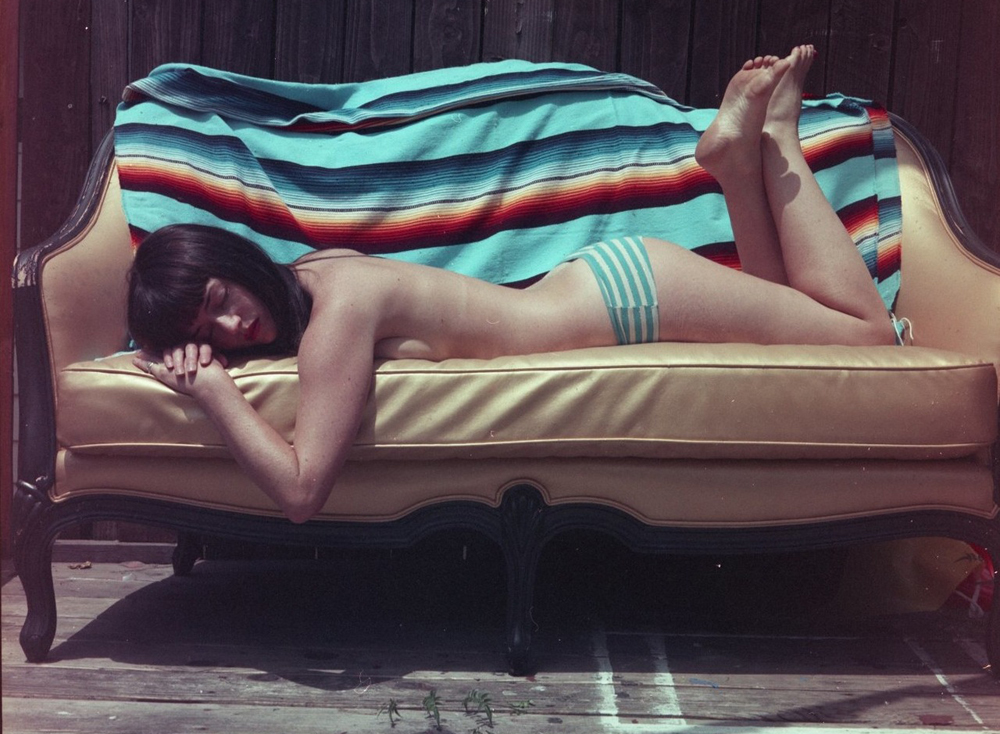 A new photograph by Adarsha Benjamin
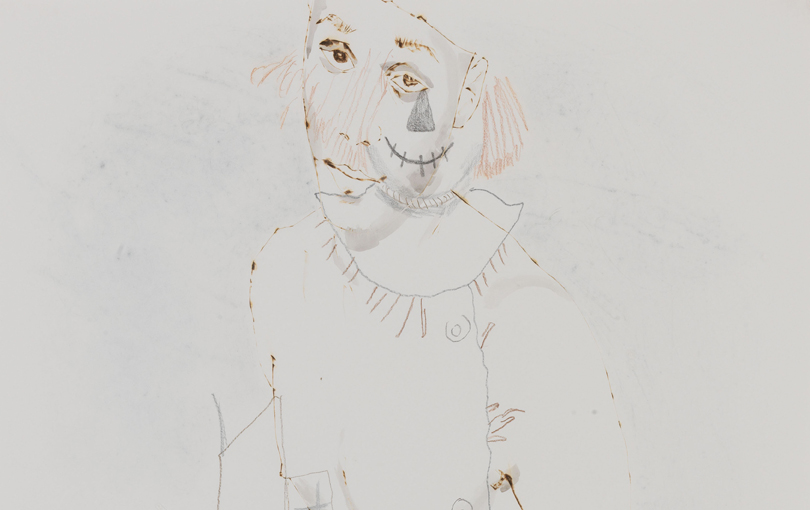
Currently on view at Cheim & Read gallery New York, an exhibition of recent works by multi-media artist and one half of the band Cocorosie Bianca Casady. The show, entitled Daisy Chain, will present installation works, drawings, collages, photographs, audio and projected video works. Casady’s recent group of works address ideas of gender and race, especially as they are played out in prison. Themes of wounds/scars/reconstruction, monsters, power and subordination are explored. The feminization of the male as a means of domination is depicted in a Genet-like fantasy. Daisy Chain is the first major New York exhibition since her 2007 Lil Girl Slim “Cosmic Willingness” Pipe Dreamz A Revelation exhibition at Deitch Projects. Daisy Chain will be on view until September 8, 2012 at Cheim & Read, 547 West 25th Street New York, NY
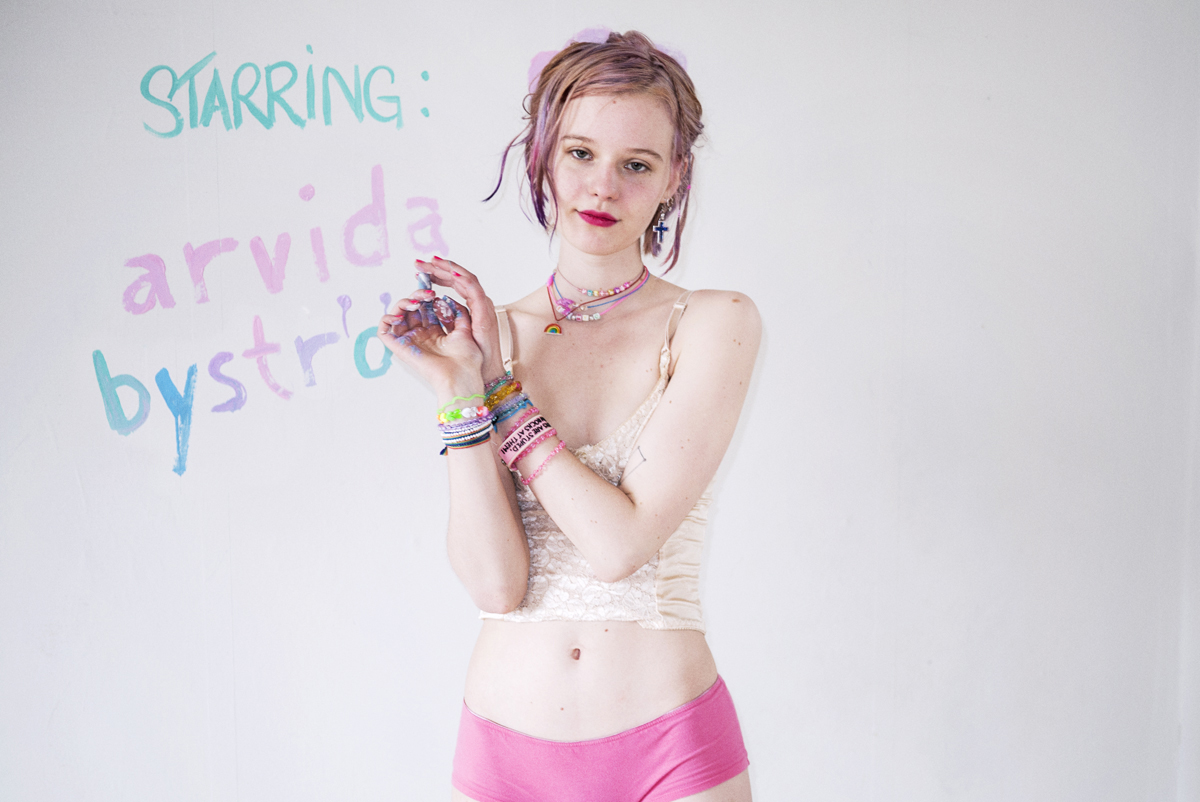
Valerie Phillips new self published zine Meow is now available from Create publishing. This is the first publication Valerie has released since Amber is for Caution back in 2010. Meow features model and photographer Arvida Bystrom. About the publication, photographer Valerie Phillips said, "...My friend Milene showed me a self-portrait by a girl called Arvida. She’d titled it Lick Fuck Luck. I loved it so much, I flew her from Sweden to spend the weekend with me in a big empty house in East London, so I could take pictures of her. We painted on walls, drank coffee and talked about all the random things we like. Arvida makes art mostly using her camera. She is 20 years old. She washes her hair, max, once a week. She has a hopelessly unrequited love of cats. She is allergic to them, so instead of the real thing, she surrounds herself with plastic ones. And stickers. Her favourite colours are pink and rainbow. She likes trance, techno and house. And she dresses in her own peculiar style, what I’d call girly intellectual hip hop." You can find Meow by Valerie Phillips here.
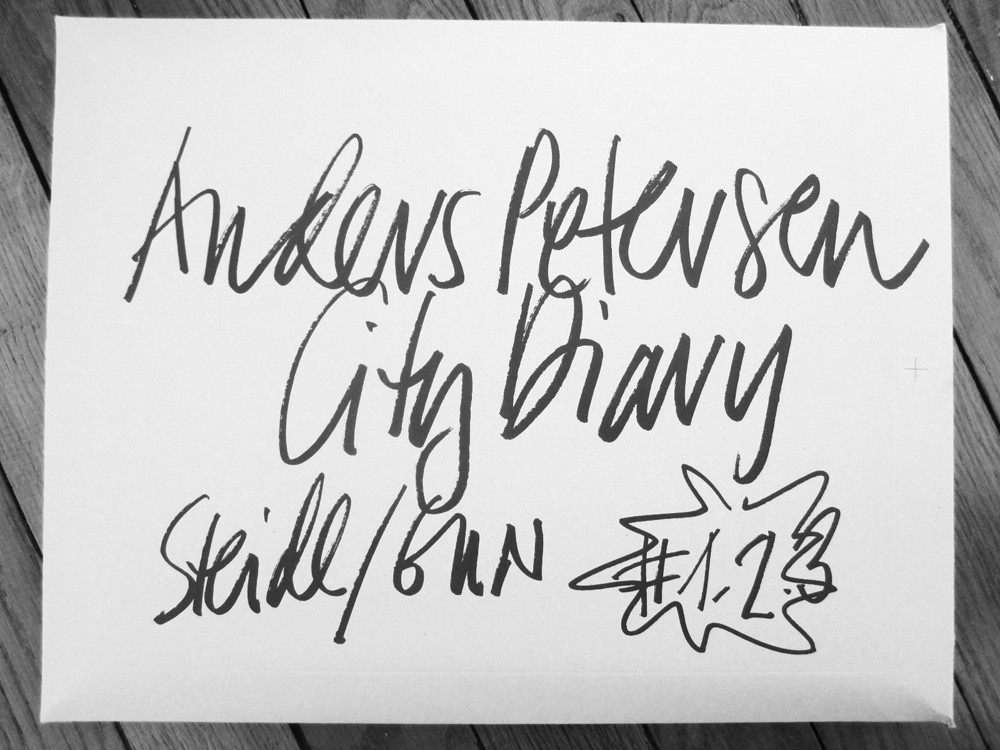
Now available, the first three volumes of Swedish photographer Anders Petersen's City Diary [Steidl]. Since the 1960s Anders Petersen has been documenting life beyond the margins of polite society, a world including prostitutes, transvestites, alcoholics, night-time lovers and adult conflict. Petersen photographs his subjects with a candid somewhat detached eye, and is able to disclose unpleasant realities such as drug abuse with a sense of bewilderment and currency. City Diary is an ambitious series of books ahowing Petersen's ongoing photographic engagement with life in the shadows in cities including Stockholm, Tokyo and St Petersburg. Anders Petersen's books are some of the most collectable produced by any living photographer. City Diary is the beginning of an open-ended book series which will be added to periodically and will available when ready. Together they will comprise one of the most exciting book works ever made. You purchase the first three volumes of City Diary here.
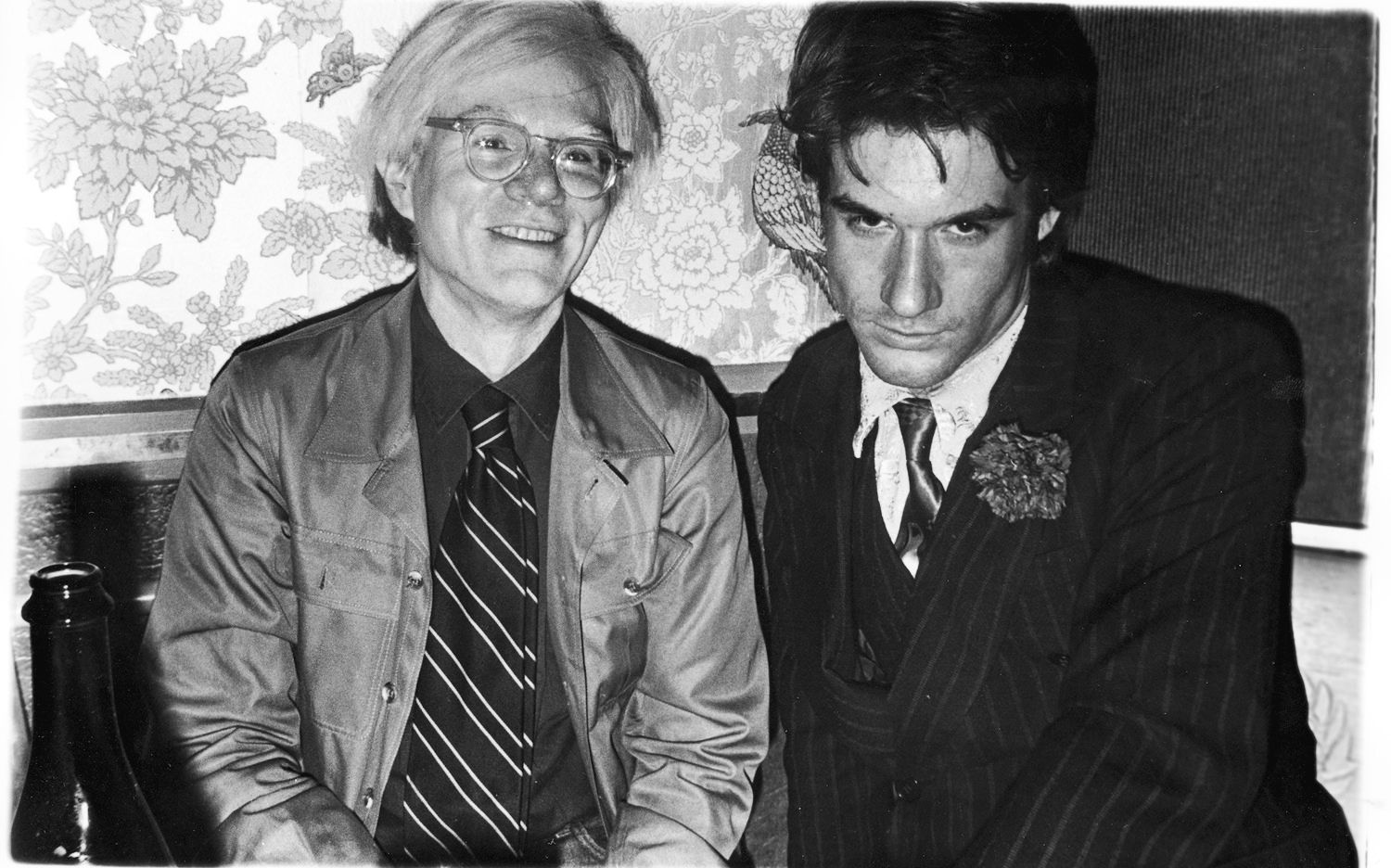
In 1973, An American Family was the most controversial and talked-about television program of its era. Anticipating the current deluge of ‘reality TV’ programming by three decades. The program chronicles seven months in the lives of the Loud family of Santa Barbara, California. The Louds were selected as an emblematic nuclear family pulled apart by the cultural shifts that marked America’s transition into the 1970s. Filmmakers Alan and Susan Raymond captured 300 hours of film that were edited to 12 one-hour episodes aired weekly on PBS. The series quickly became a national media event viewed by an audience of 10 million people. The ensuing depictions of divorce, West Coast affluence, and open homosexuality provoked a fervent public debate about the nation’s value system, its attitudes towards family and sexuality. An American Family was among the first television series to transform ‘ordinary people’ into media celebrities. During the series’s second episode, Lance Loud, who had left Santa Barbara to pursue a more bohemian life in Manhattan’s Chelsea Hotel, became arguably the first openly gay man on American television. On 22 December 2001, aged 50, Loud died of liver failure caused by hepatitis C and HIV co-infection. Having lived his youth onscreen in living rooms across America, several months before his death Loud asked Alan and Susan Raymond to film one final episode in the Loud story up until his death. The resulting documentary, Lance Loud! A Death in An American Family, commemorates the 30th anniversary of the original broadcast and explores Loud’s legacy. On July 4, presented by The Hepatitis C Trust and Tate Modern, celebrates the life of television and underground icon Lance Loud to raise awareness about HIVand hepatitis C co-infection. The screening of An American Family, episode 2 (1973, 60 min) and Lance Loud! A Death in An American Family (2003, 60 min) will be followed by a discussion with filmmakers Alan and Susan Raymond. Tate Modern, Starr Auditorium, Wednesday July 4, Bankside, London, SE1 9JE
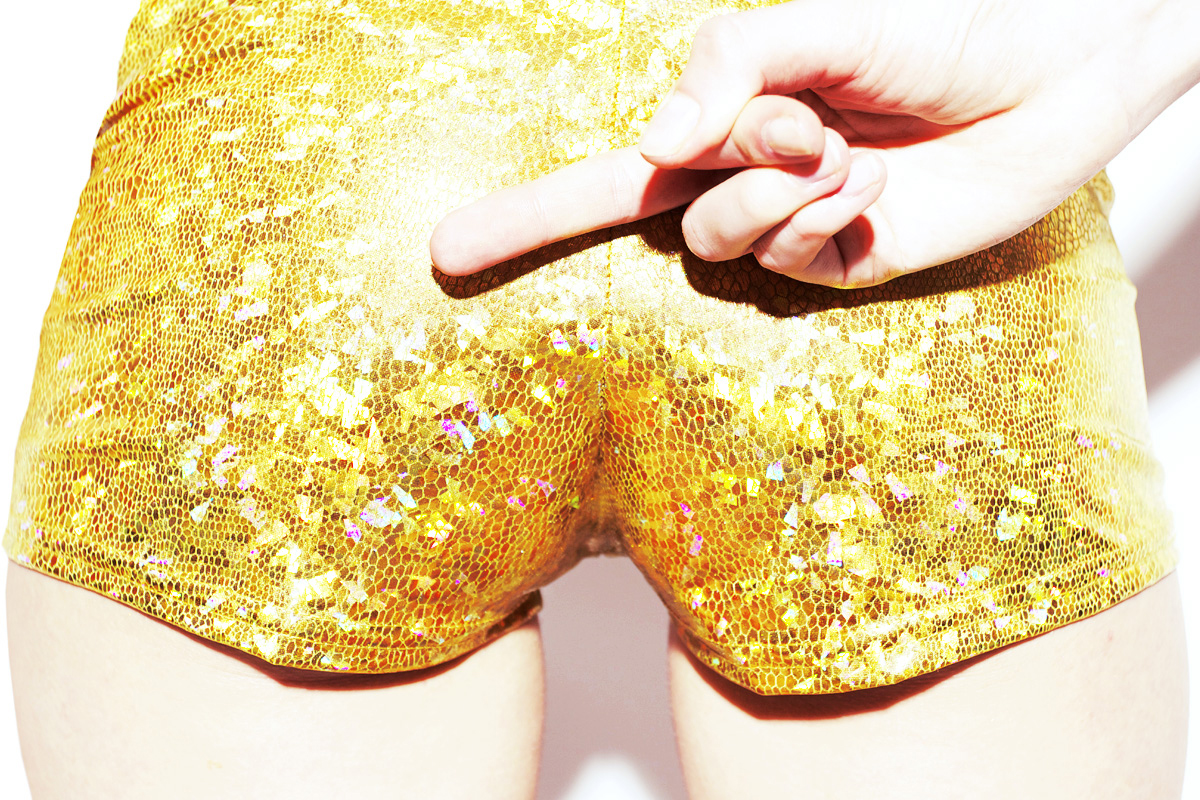
a new photograph by Moscow based Lena Vazhenina