Icon of 1940s Fashion: Ingrid Bergman

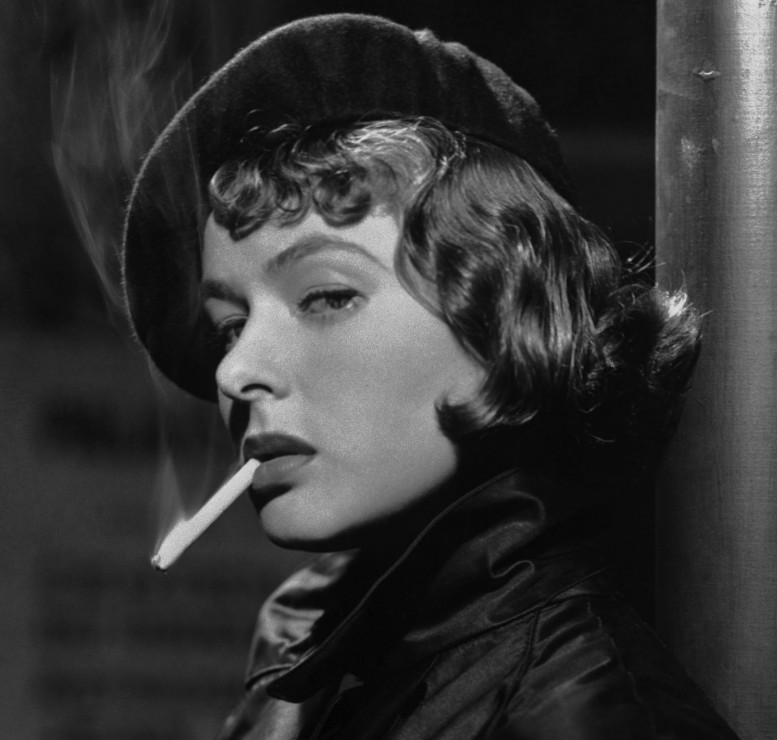
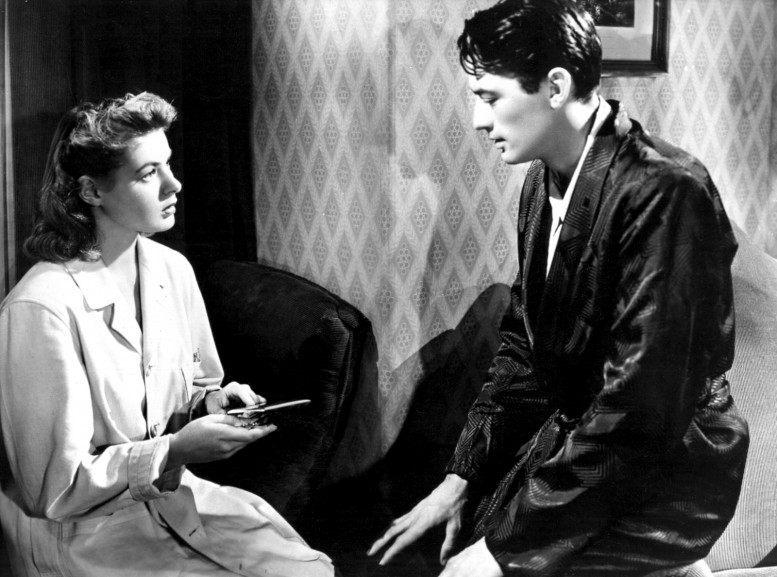
Ingrid Bergman is stunning when when she appears on the silver screen in the 1942 classic Casablanca, and the same in Hitchcock's 1946 masterpiece Notorious. Bergman was not only an icon of the silver screen, but an icon of fashion in a decade when the world was at war. In the 1940s the fashion houses of an occupied France were struggling with limited resources, a fabric shortage, and the rise of competing American fashion houses. In 1940s style was an experiment in sartorial renunciation - an "expression of circumstances" as opposed to frivolity. In 1947 Christian Dior introduced the New Look collection - a ‘make do and mend’ approach to fashion that didn't comprise "ideals of beauty, femininity and luxury." Ingrid Bergman was a life long fan of Dior - her fitted suits,  pencil skirts, subtle accessories, and a slightly androgynous charm helped define the era.
A new book, Forties Fashion:From Siren Suits to the New Look, Jonathan Walford, founder of the Fashion History Museum of Canada, "is an essential sourcebook" of 1940s fashion; "a glorious celebration of everything from practical attire for air raids to street and anti-fashion."  Around 250 illustrations reveal the wide range of fashions and styles that emerged throughout the Second World War, in Europe, North America, Australasia and Japan. Including period advertisements, images of real clothes, and first-hand accounts from contemporary publications.

www.thamesandhudson.com

Watch the Music Video for Teams vs. Star Slinger "Close to Me"

Knoxville, Tennessee's Teams and UK's Star Slinger have released a collaborative LP on the Mexican Summer label. The album with its all its delightful crackle includes "six blog-rockin’, booty-shakin’ rippers, culled from vinyl-sourced samples of R&B and modern soul classics and reworked, twerked, and shimmied into the matrix of hip hop rhythms, sunshine, and classy, electro-clipped states of mind." A new music video, directed by Jordan Kim, for the track "Close to Me" is brilliant.

www.mexicansummer.com

[INFLUENCERS] The Psychomagic of Alejandro Jodorowsky

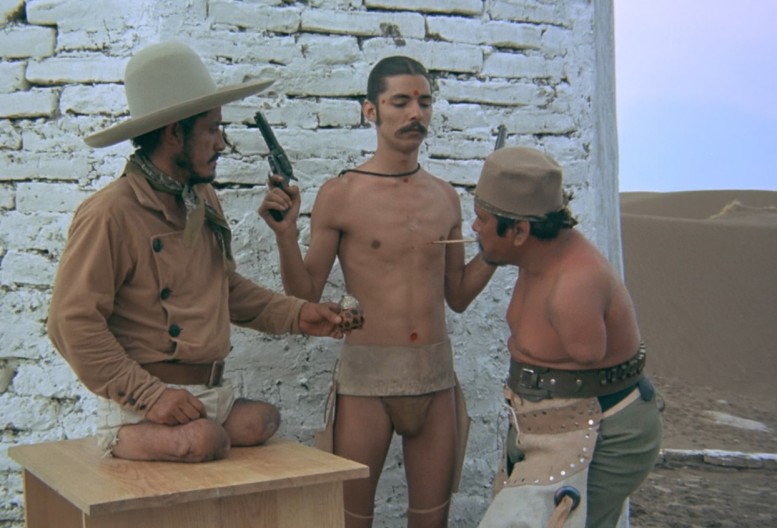
el_topo_ Alejandro_Jodorowsky

Film still from El Topo

With gallons of blood, dwarves, and maimed circus performers, weirdness is almost always guaranteed. Your money's worth? Not so much if you're not ready for the holy mountain that is Alejandro Jodorowsky.  A gunfighter on a violent quest for enlightenment, a feverish search for a mythical holy mountain, and a man serving as his armless mother's arms, carrying out vengeful murders on her behalf, all summarize, albeit briefly, the trifecta of Chilean filmmaker and artist Alejandro Jodorowsky's surreal and mystical cinematic masterpieces: El Topo, Holy Mountain and Santa Sangre. Or maybe they're a summary of all the alter-egos of the man himself, the cult legend, the auteur of weird.

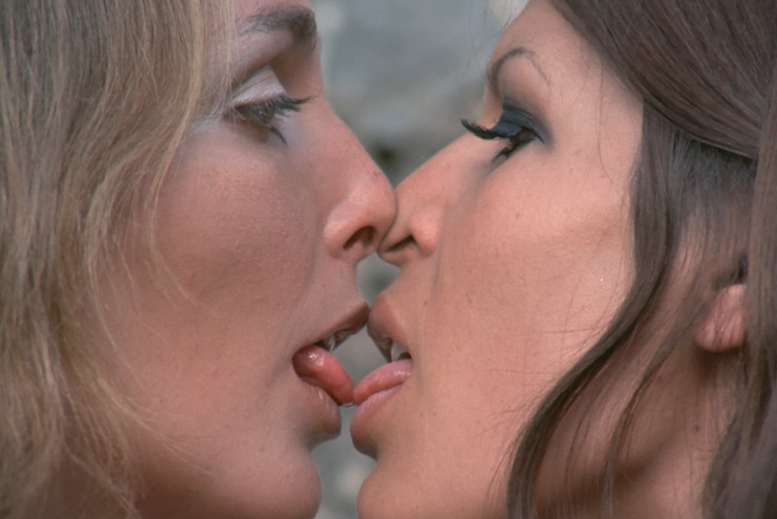
el_topo_ Alejandro_Jodorowsky_2

Film still from El Topo

Most people have probably never heard his name before - much less seen his films, but Jodoorsky has had a massive influence on the avant garde, as well as impact on mainstream culture, for almost 30 years.  And thankfully, these days his name has been rising to the surface a lot more. With a high definition version of El Topo, slated for release on April 26, and various premiers of his films, lectures, and collaborations Jodoworsky seems to be getting his rightly due.

In March, Jodowosky started production on a film version of his autobiography The Dance of Reality. To date he has published over 23 novels in the field of psychomagic - which aims to heal wounds of the soul using the Tarot and various forms of holistic mysticism.  He has even spent fifteen years recreating the Tarot of Marseilles - cards that have been de rigueur to the practice of Tarot reading since the 15th century; the cards most are familiar with.  In the end it seems as though Alejandro Jodorowsky is satisfied in the role as shaman and he professes that his main goal is mainly "to spread consciousness." But no matter the course of the artist's multiple identities, Jodorowsky will always be an artist and whatever the medium may be he will continue to have a tremendous influence and voice each time culture sheds its fickle skin.

Visit Alejandro Jodorowsky's official site

Text by Oliver Maxwell Kupper for Pas Un Autre

Ones to Watch: Trevor Powers of Youth Lagoon

Meet Trevor Powers, a 22 year old singer, songwriter, and multi-instrumentalist from from Boise, Idaho.  His voice and lyrics speak for itself in decibles beyond the music.  There is a certain trouble in this young man's heart that he seems to be working out with his music, and through the reverberating echoes of his voice his songs scratch on the very frosted windows of all the unanswerable questions of the universe - all with a raw, lo-fi romanticism. In that frailty and rawness Powers kind of reminds me of the romantic poet John Keats, and Power's first album a sort of post-modern, 21st century Ode to Solitude. Powers' debut album, The Year of Hibernation, is expected to drop May 11th on Juno Beach Records. The album is comprised of eight beautiful, nostalgic and angst laden arrangements.  

Treasures of Heaven: Saints, Relics & Devotion

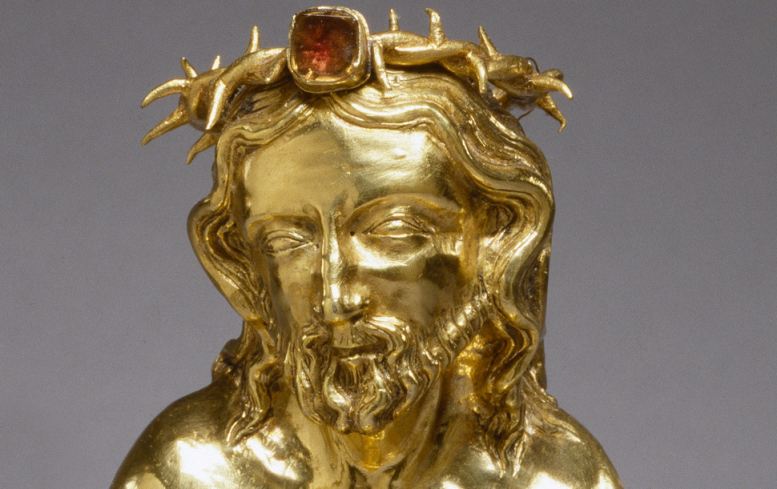
Reliquary With the Man of Sorrows

Treasures of Heaven: Saints, Relics & Devotion in Medieval Europe, on view this June at the British Museum, brings together for the first time some of the finest sacred treasures of the medieval age. It features over 150 objects from more than 40 institutions including the Vatican, European church treasuries, museums from the USA and Europe and the British Museum’s own pre-eminent collection. It was during the medieval period that the use of relics in devotional practice first developed and became a central part of Christian worship. For many, the relics of Christ and the saints – objects associated with them, such as body parts or possessions – continue to provide a bridge between heaven and earth today. Relics were usually set into ornate containers of silver and gold known as reliquaries, opulently decorated by the finest craftsmen of the age. They had spiritual and symbolic value that reflected the importance of their sacred contents. The earliest items date from the late Roman period and trace the evolution of the cult of the saints from the 4th century to the peak of relic veneration in late medieval Europe. Relics featured in the exhibition include three thorns thought to be from the Crown of Thorns, fragments of the True Cross, the foot of St Blaise, the breast milk of the Virgin Mary, the hair of St John the Evangelist, and the Mandylion of Edessa (one of the earliest known likenesses of Jesus). Treasures of Heaven: Saints, Relics & Devotion in Medieval Europe - June 23 – October 9 2011 - www.britishmuseum.org

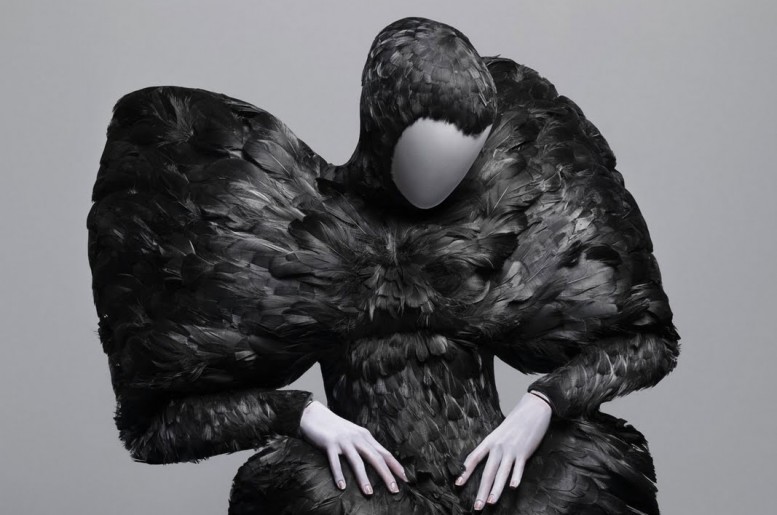
Alexander McQueen: Savage Beauty

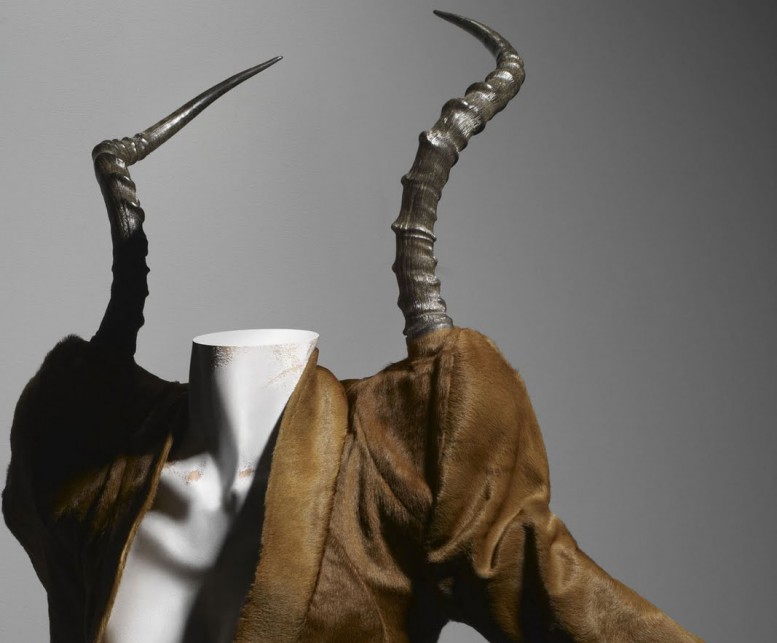
This May 6 the Metropolitan Museum of Art in New York will present Alexander McQueen: Savage Beauty - a posthumous retrospective of the late designer's brilliant career. The exhibition, organized by The Costume Institute, will celebrate Alexander McQueen's extraordinary contributions to fashion. From his postgraduate collection of 1992 to his final runway presentation which took place after his death in February 2010, Mr. McQueen challenged and expanded "the understanding of fashion beyond utility to a conceptual expression of culture, politics, and identity."

His iconic designs constitute the work of an artist whose medium of expression was fashion. Approximately one hundred examples will be on view, including signature designs such as the bumster trouser, the kimono jacket, and the Origami frock coat, as well as pieces reflecting the exaggerated silhouettes of the 1860s, 1880s, 1890s, and 1950s that he crafted into contemporary silhouettes transmitting romantic narratives. Technical ingenuity imbued his designs with an innovative sensibility that kept him at fashion's vanguard.

Alexander McQueen: Savage Beauty: May 4, 2011–July 31, 2011 - www.metmuseum.org


Jacques Henri Lartigue's Floating World

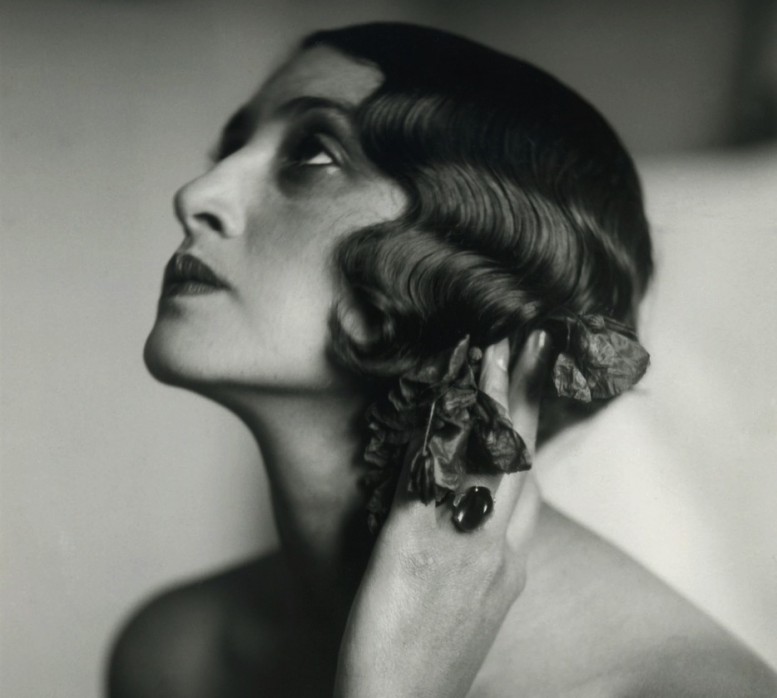
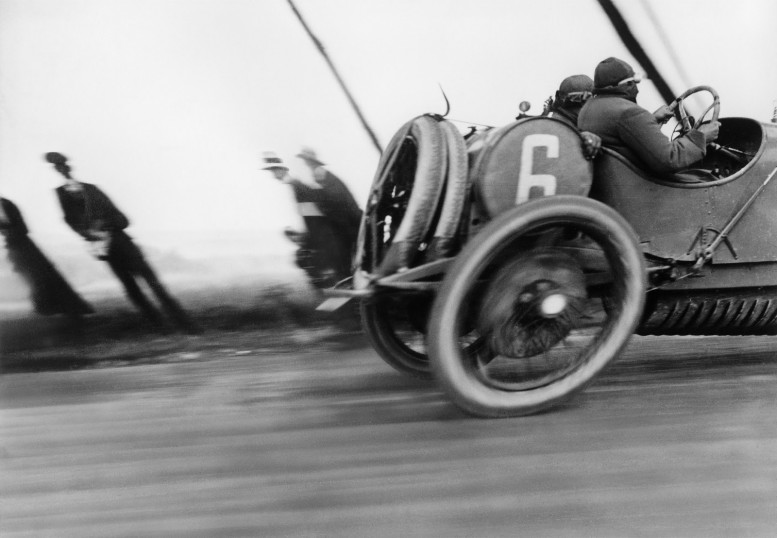
If it wasn't for a friend with connections and the assassination of John F. Kennedy it is quite possible that we may have never known of a photographer named Jacques Henri Lartigue.  Lartigue, born in 1894 to an illustrious French family, started taking photographs when he was only 6 years old. A hilarious photograph of a young Lartigue at 11 years old is a self portrait...in the bath....with a toy airplane.  Being well off afforded Lartigue camera equipment and time to explore  his photographic interests - which for most of his life was mainly a hobby.  Lartigue's happy go lucky images of a divined, French upperclass, attending automobile races, prancing on the beach, and laying about were all common divertissements of this bon vivant photographer during a burgeoning 20th century. He also photographed his lover and muse, the romanian model Renee Perle, a strikingly beautiful apparition that appeared in many of his photographs through out his oeuvra.

As Lartigue got older he mainly quit taking photographs - maybe he lost interest, maybe the world wasn't as happy go lucky after two wars, or, depressingly, maybe his innocence was gone. Only when he was 69 years old were his boyhood photographs serendipitously discovered by Charles Rado of the famous Rapho agency, who represented such notable photographers as Brassaï and Nora Dumas. Charles Rado in turn introduced Lartigue to John Szarkowski, then curator of the Museum of Modern Art in New York, who arranged an exhibition of his work at the museum and photo spread in Life magazine in 1963, which coincidentally landed in the commemoration issue of the death of president John F. Kennedy, allowing for a lot of exposure.  The rest was history - before Lartigue died at 92 in 1986, the offers to shoot for magazine came flooding in, and Lartigue was entered into the pantheon of some of the greatest artists of the 20th century.  Adding to the legacy of eccentricities, his son, Dany Lartigue, as well as being a painter, is a noted entomologist specialising in butterflies, and is patron of a museum in St. Tropez which, alongside paintings and souvenirs of his father, contains an example of every French diurnal butterfly discovered.

A Floating World: Photographs by Jaques Henri Lartigue (1894-1986), which is on view now at the CaixaForum Madrid, collects over 200 pieces that include modern reprints, original snapshots, cameras, notebooks, planners, and the diaries of one of the most formidable names in twentieth century photography.  The exhibit will join the 2011 PhotoEspana festival in Madrid  - a massive annual photographic expo - starting June 1 and running till July 24.

Text by Oliver Maxwell Kupper for Pas Un Autre

www.phe.es

Charles Brittin's Freckled Shangri-La

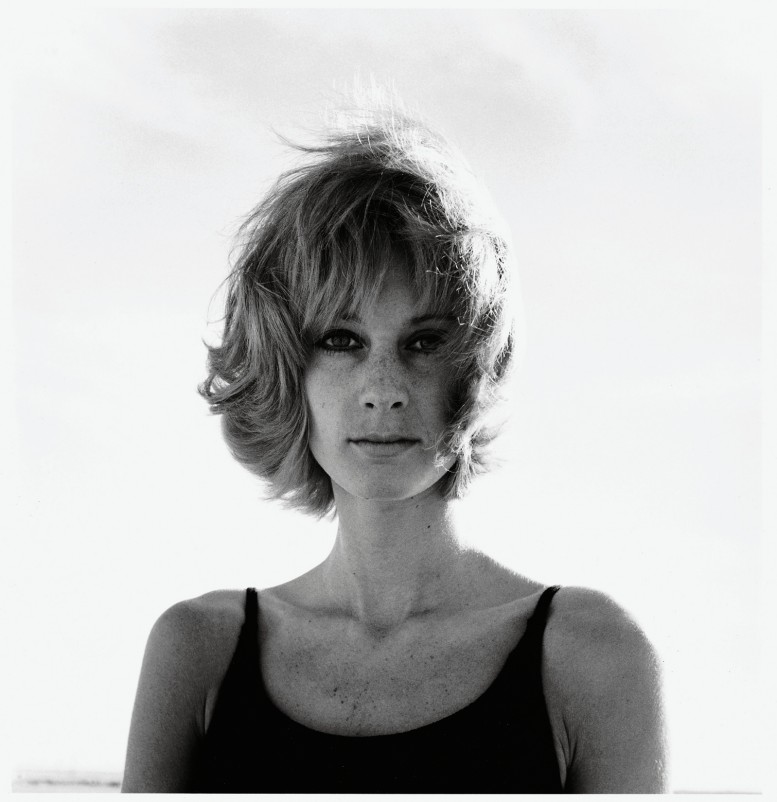
Beverly Walsh, 1958

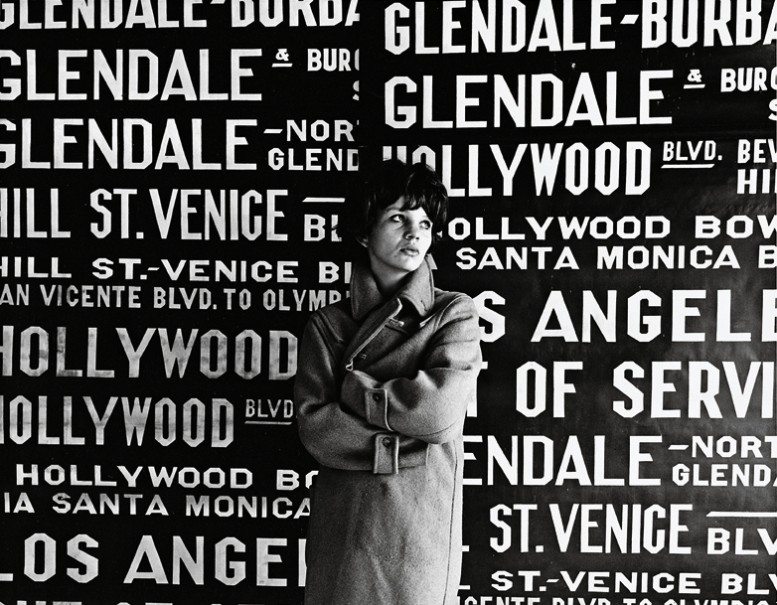
Charles Brittin, who died in January of this year at 82 years old, stole the ethos and the zeitgeist of the 1960s West coast in all its subtle wind-blown, freckled, ocean spray glamour - as well as the political angst of youth on the verge of revolt in honor of their young ideals. Charles Brittin: West & South, a retrospective exhibition of work by Los Angeles photographer Charles Brittin, featuring more than 100 photographs, many of them previously unexhibited is on view starting tomorrow at the Michael Kohn Gallery in Los Angeles.

Suzi Hicks, with signage from L.A.’s electric transit system, c.1956

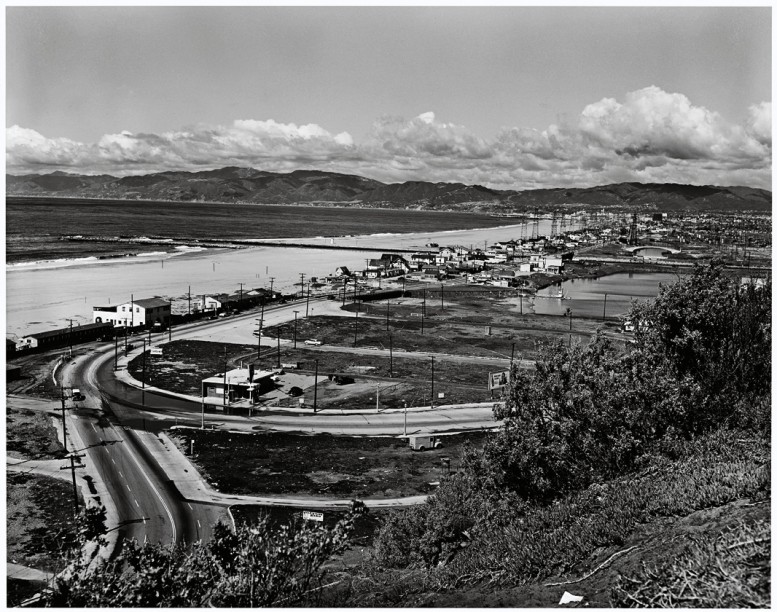
Born in Cedar Rapids, Iowa, in 1928, Brittin briefly attended UCLA, then dropped out of school and taught himself how to take photographs. During the 1950s, Brittin became the unofficial house photographer for the Beat community that coalesced around the artist Wallace Berman, and contributed several photographs to Berman’s ground-breaking artist's magazine, Semina. Brittin settled in Venice Beach, California, in 1951, and his beach shack became a hangout for the Berman circle, which included actors Dean Stockwell and Dennis Hopper, artist John Altoon, curator Walter Hopps and poet Brittin was working as a mailman at the time, and spent much of his free time wandering the streets with a camera; he came to know Venice intimately, and his pictures of the sleepy beach town are freighted with a hushed beauty and forlorn sweetness.

www.kohngallery.com

Santa Monica Bay, 1950

Rimbaud, Symbolism's Pretty Young Thing

"The paths are rough. The knolls are covered with broom. The air is motionless. How far away are the birds and the springs! It can only be the end of the world, ahead."

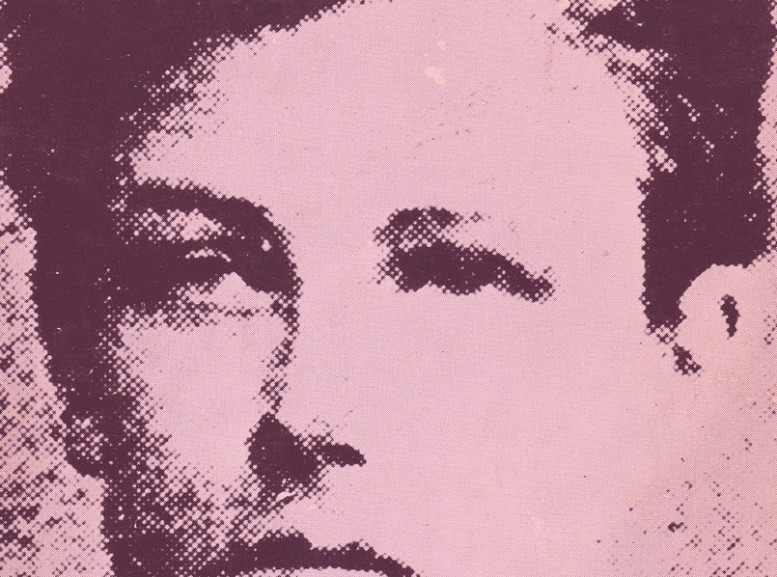
It is true that Arthur Rimbaud was a rabble-rouser and a libertine with louse infested hair, but he was a genius, on par with Mozart, whose provocative, symbolic lyricism was seemingly divined.  At only the tender age of 17 and 18 Rimbaud composed some of the most transcendent poetry the world had ever seen - Victor Hugo described him as "an infant Shakespeare."   A bright star indeed - whose comburent creativity seemed to burn out like a magnesium flash: at 21 the fire was out completely and Rimbaud quit poetry for good - at 37 he was dead. Rimbaud, who was raised on a farm in Charleville-Mézières, believed in some way that poetry was mysticism - that the poet was a "seer" by the practice of a "systematic derangement of all the senses." This derangement meant total abandonment of morality, judgement, and all things that make a modern man refined, and refined Rimbaud was not.  In the early 1870s he developed a relationship, that some debate was homosexual in nature, with the much older poet Paul Verlaine. The two poets would visit London in 1873 where Verlaine would attempt to assassinate his young lover, but it was by Verlaine's side that Rimbaud would write his masterpiece Illuminations, an "intense and rapid dream." A long awaited new translation of Rimbaud's Illuminations, translated by John Ashbery, considered a "major literary event," is due out this May by W.W. Norton and Company. books.wwnorton.com

Claude Montana: Fashion Radical

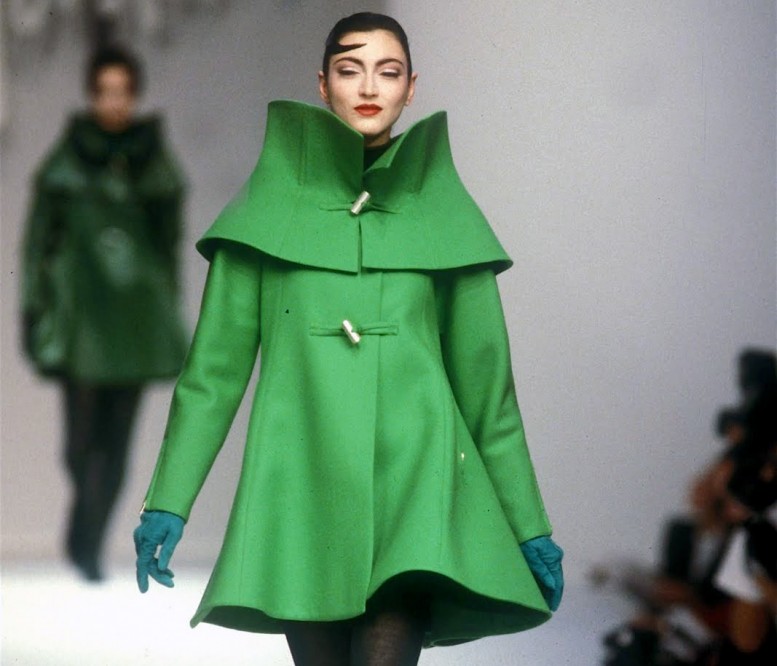
Claude Montana's eponymous, and infamous, brand went bankrupt at either exactly the right time or wrong time - the late 90s - before google, before animated gifs, and before blogs. As the world of high fashion entered the 21st century haute couture became saturated and the glamour died as the gilded lid of exclusivity and luxury was peeled slowly away.  Famous designers at their zenith became zealously celebrated, and with the tsunami of the blogosphere designers became objects of only a post-modern, digital obsession. Claude Montana, whose career is now being celebrated with a new book, dominated the fashion scene in the 80s and 90s, and now serves as inspiration to many of this century's designers. www.thamesandhudson.com

Paris at Night: Brassai, Ilse Bing, Doisneau & Kertesz

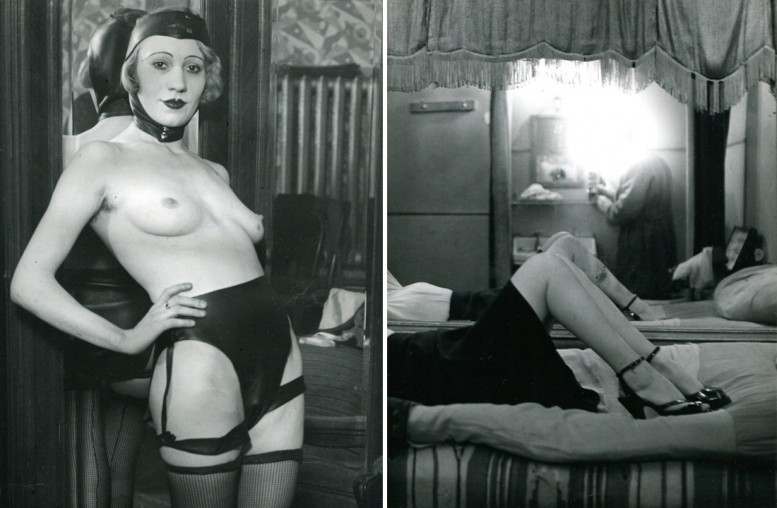
Left: Brassai, La Casque de Cuir, 1932 Right: Robert Doisneau, Untitled, 1952

"Night only suggests things, it doesn't fully reveal them. Night unnerves us and surprises us with its strangeness; it frees powers within us which were controlled by reason during the day..." -Brassai

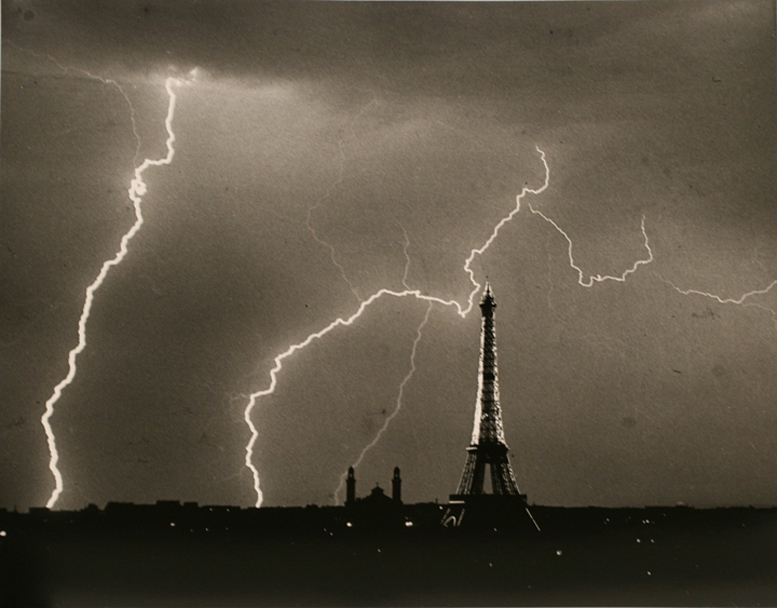
Andre Kertesz, Eiffel Tower (Summer Storm), 1927

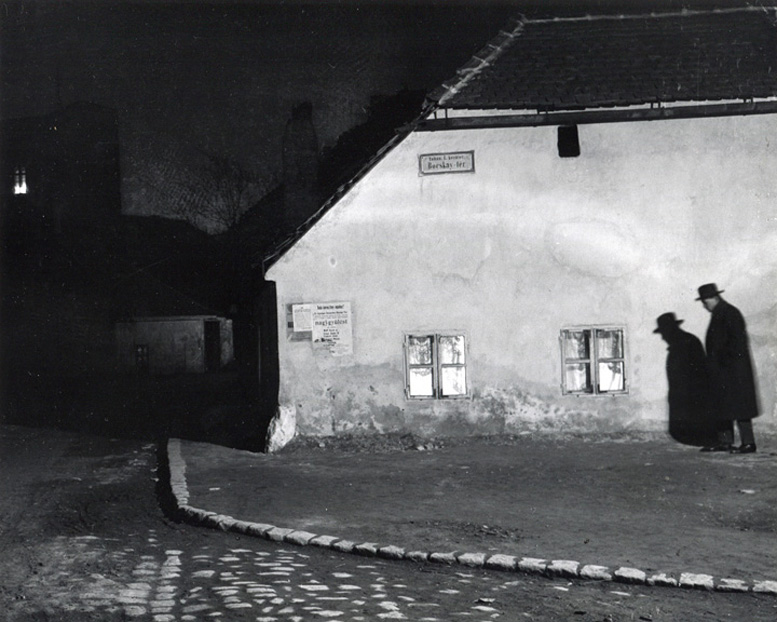
Bruce Silverstein Gallery, in New York, presents: Night, an exhibition of the work of Brassai, Ilse Bing, Robert Doisneau and Andre Kertesz. The leading artists working with photography in Europe during the 1920s and 30s found the night to be an inspiring subject that became a leitmotif in their work, a revelatory expression of the burgeoning modernist approach to art making that reflects the shifting social and artistic conventions during this period. Photographic images made at night were new, bold, mysterious and brave, the ability to photograph at night being a recent technical capability that had yet to be mastered or even considered by the majority of photographers working in the 20s and 30s. Night was an artistic frontier and the making of images at night implied a certain creative seriousness that helped bring photographers into dialogue with the larger art world during these decades. At this moment in art and in photography in particular, night and all its connotations provided the perfect backdrop for realizing the artist’s creative intent.

The four artists selected for this exhibition had an affinity for working at night and the images on view extend the first half of the 20th century. The works featured include Brassai’s well-known Paris de Nuit images, Ilse Bing’s early formalist compositions, Doisneau’s free-spirited and engaging photographs of Parisian nightlife, and Andre Kertesz’s early night photographs from Hungary—the purported inspiration for Brassai’s Paris series—as well as remarkable New York images that reveal the artist’s consistently innovative vision further inspired by the night.

On view until June 04, 2011www.brucesilverstein.com

Andre Kertesz, Untitled (Budapest), 1914

Forget Coachella, We're Going to the Austin Psych Fest

The Black Angels 

Austin, Texas has long been considered the counterculture capital of the American Southwest and the primary birthplace of the psychadelic rock movement, and this year’s Austin Psych Fest, which takes place from April 29th-May 1st at the Seaholm Power Plant in downtown Austin, will be the fourth annual synaesthetic three-day tribute to that title, showcasing and celebrating innovative visual art and experimental psych-rock from across the country.

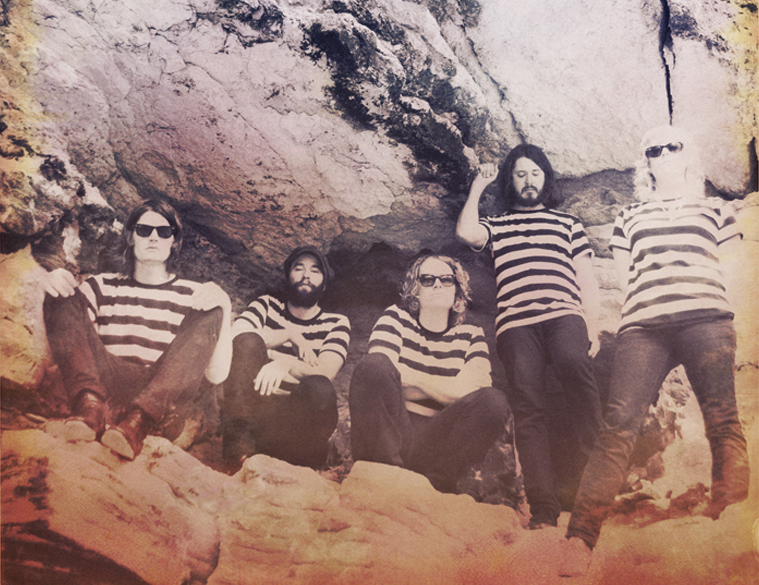
Curated by the Reverberation Appreciation society and Austin-based band The Black Angels, this year’s music lineup includes The Black Angels, Black Moth Super Rainbow, Prefuse 73, Atlas Sound, Crystal Stilts, Dirty Beaches, Crocodiles, Tobacco, The Growlers, Black Ryder, Indian Jewelry, Beach Fossils, Pete International Airport and ZaZa, among many others.

This past December, Alta Real Pictures released Oswald James’ documentary of last year’s Psych Fest, which features performances from The Raveonettes, Spindrift, Pink Mountaintops, Warpaint and others. Watch the trailer below for an idea of the festival’s ambiance.

Full reportage on Psych Fest 2011 to come.

For tickets, full lineup and more information, visit www.austinpsychfest.com

Text by Annabel Graham Photo by Alexandra Valenti

Juergen Teller "Man With Banana"

Vivienne Westwood

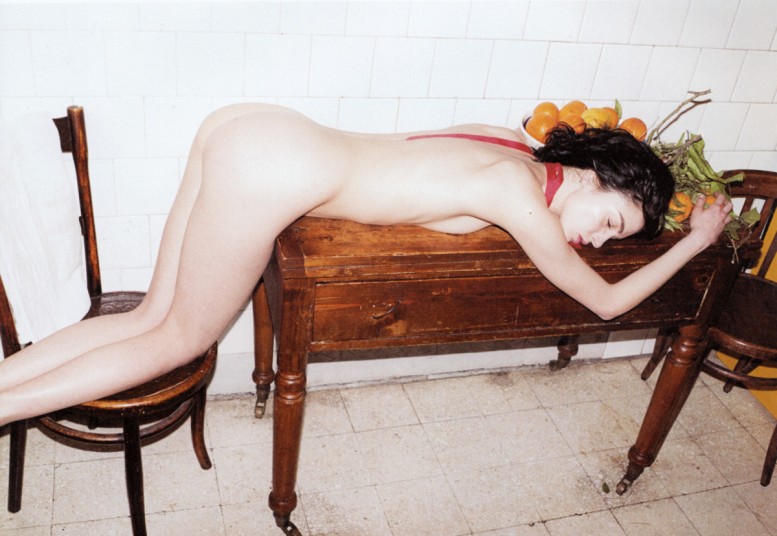
It could be noted that the true face of Marc Jacobs is Juergen Teller. The german fashion photographer's images are so recognizable that the images in and of themselves are a personification of Teller himself. Teller, who was born in Germany in 1964, invented his own brand of 'snapshot' photography that has been imitated into oblivion.

Teller started his career in 1986 photographing celebrities for magazines. For Nirvana's album Smells Like Teen , Kurt Cobain called Teller and asked him to shoot the photos for the liner notes. What is so striking about Teller as a fashion photographer is that he has never once conceded by comprising his aesthetic to that of the fashion industry's. And his refusal to separate his personal work from his commercial work has made Teller's photography shockingly raw and painfully honest.

Last Friday saw the opening of a solo-exhibition at the Dallas Contemporary in Texas. Teller will present a selection of photographs specifically created for the exhibition. Juergen Teller: Man with Banana runs until August 2011. www.dallascontemporary.org