
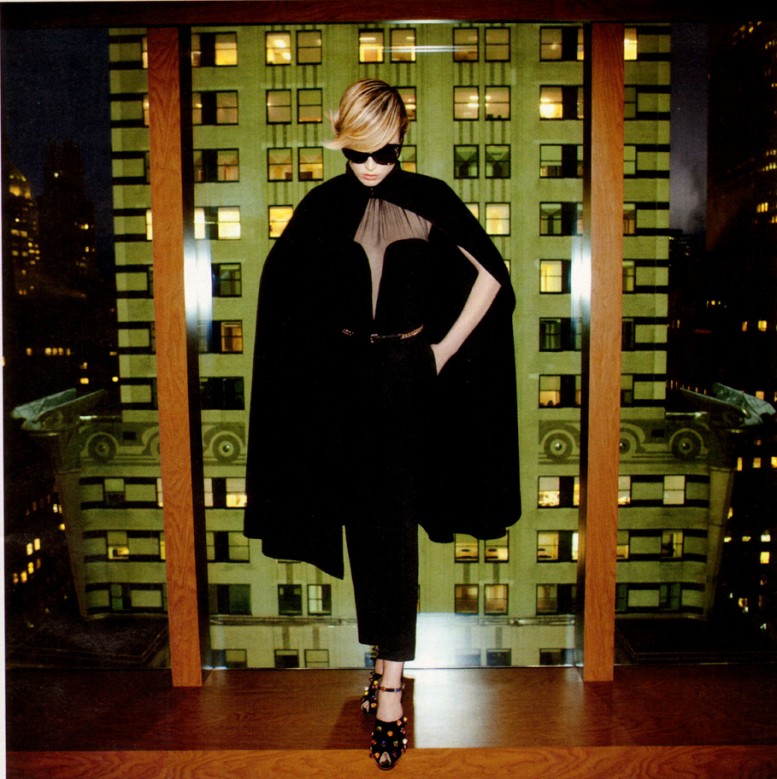
 Raquel Zimmermann photographed by Inez Van Lamsweerde and Vinoodh Matadin for YSL Fall 2011
Ain’t Got No How Watchamacallit
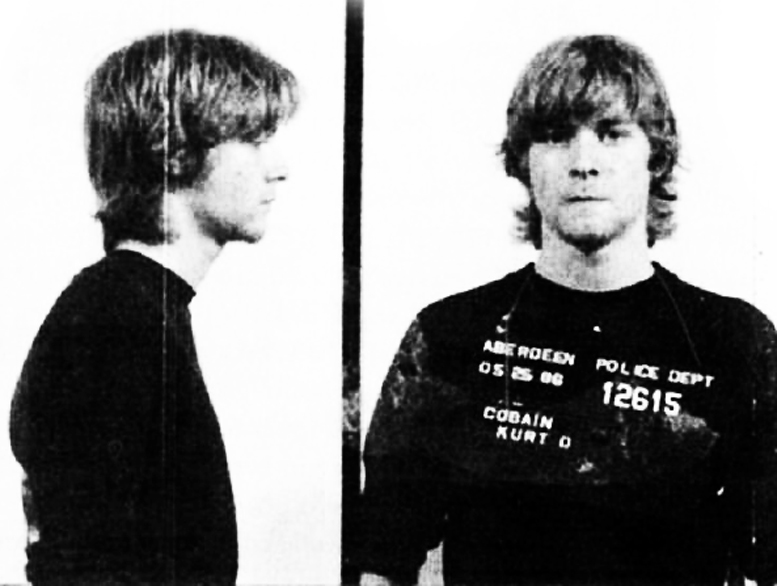
On May 25th 1986, a nineteen year old Kurt Cobain was arrested for spraypainting “Ain’t got no how watchamacallit" on a brick wall in Aberdeen, Washington.
Art Meets Rock

Richard_Kern_courtney_Love_live_art_meets_rock
RICHARD KERN, Nirvana, Courtney Love

CWT0008T_02.tif
left: WILLIAM ENGLISH, Vivienne Westwood in Sex, 1975, courtesy of Maggs Brothers, London right: URS LÜTHI, Un'isola dell'aria, 1975, particolare, 28 fotografie, cm60x50 cad, Collezione Fabio e Virginia Gori

Iain_Forsyth_Jane_Pollard_live_art_meets_rock
IAIN FORSYTH & JANE POLLARD, A Rock'N'Roll Suicide, 1998, Live performance, Photo: David Cowlard courtesy Kate MacGarry, London
Museo Pecci di Prato in Florence, Italy presents an exhibition entiled LIVE! Art Meets Rock. The exhibition, curated by Luca Beatrice and Marco Bazzini, adopts a suggestive perspective to show how the history of contemporary art and of rock music have followed parallel paths to contribute to the construction of the cultural universe of the last forty years. Music and the visual arts have crossed and overlapped, over time, engendering a unified and consistent landscape; what draws them together is the performative dimension, articulated according to the specific occasion within an exhibition or a concert. LIVE!offers a parallel and original reading of historic events by exhibiting paintings, sculptures, installations, video clips, artworks, LPs, graphic works, photographs, magazines and films. Artists include Andy Warhol, Yoko Ono, William English, Jean-Michel Basquiat, Cindy Sherman, David LaChapelle and more. The exhibition will be accompanied by Live!, a book published by Rizzoli with contributions by Luca Beatrice and Marco Bazzini. LIVE! Art Meets Rock view at the Museo Pecci di Prato until September 16.
1000 Kisses
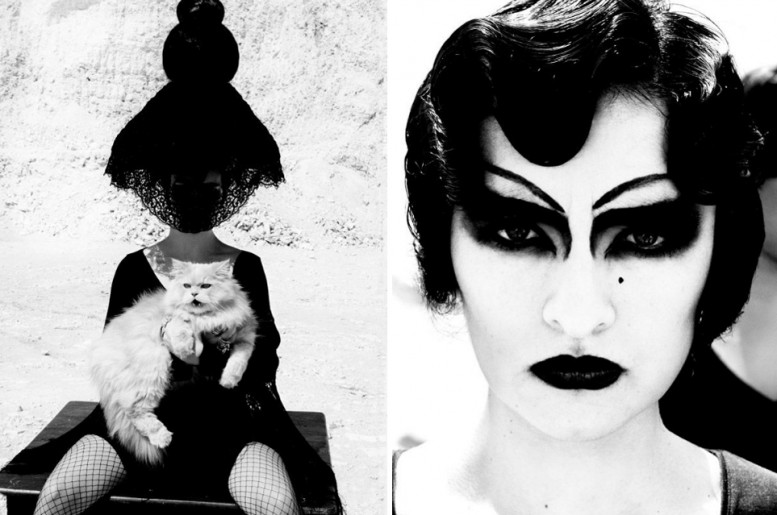
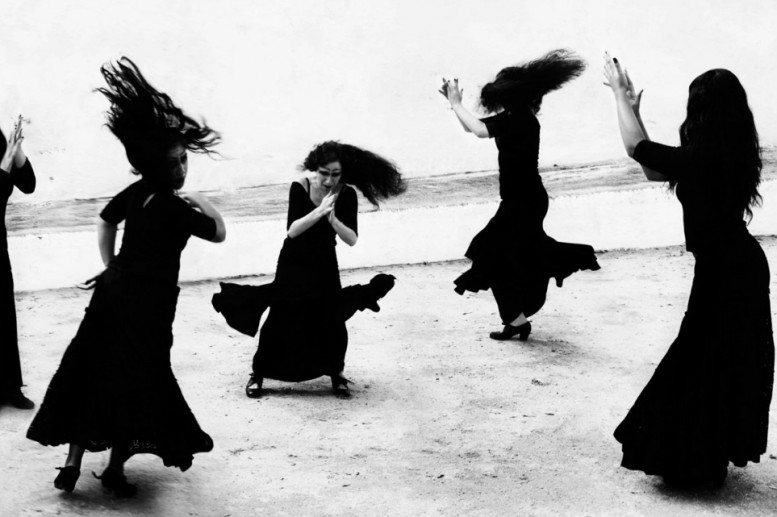
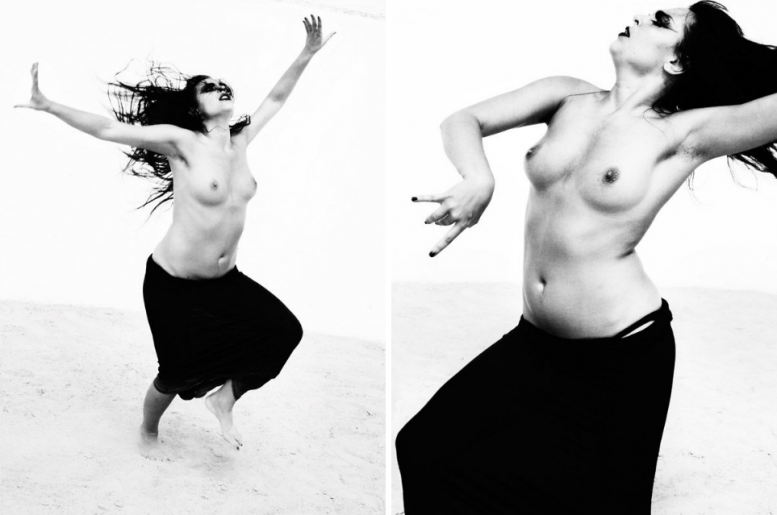
On view now at The MAMBO (museum of modern art in Bogotá) – works by Colombian artist Ruven Afanador. The exhibition has been awaited for more than twenty years and features his greatest works. The exhibition, entitled “I’ll be your mirror, Ruven Afanador: 80 Portraits”, features pictures from the artist’s books: Torero (2001), Shadow (2004) and Thousand kisses (2009). In his last book, Thousand Kisses, the photographer drew his attention to various flamenco dancers. The artist is fascinated by staging the body, so he did not choose any old dance at random. Ruven Afanador was born in Columbia in the sixteenth century city fo Bucaramanga, La Ciudad de los Parques high in the scenic plateau above Rio de Oro. Afanador's photography is a celebration of the poetry of bodies motion. Exhibition is on view until October 9.
Geronimo for DNA
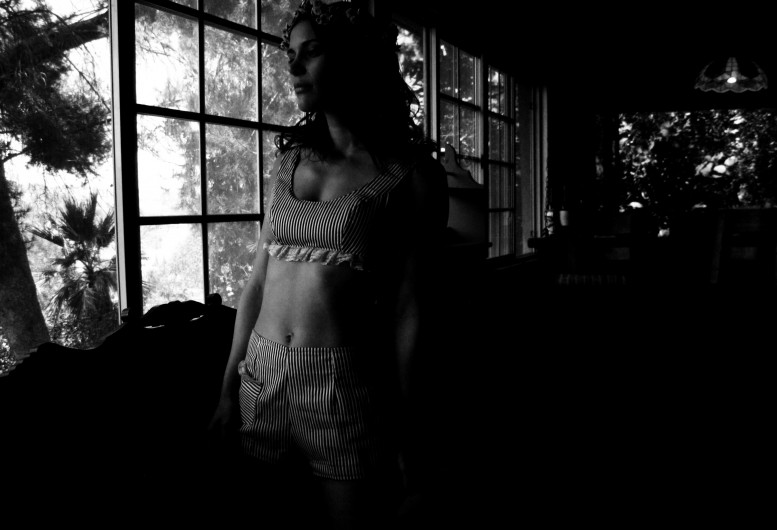
Another outtake from a photoshoot in Los Angeles for a special collection by Geronimo for DNA (the shop). Photography by Oliver Maxwell Kupper
[MUSIC VIDEO] Maxime Sokolinski 'Feels Like'
Music video by Maxime Sokolinski and Eric Wagliardo
GIUSEPPE VENEZIANO sculpture in Venice, Italy
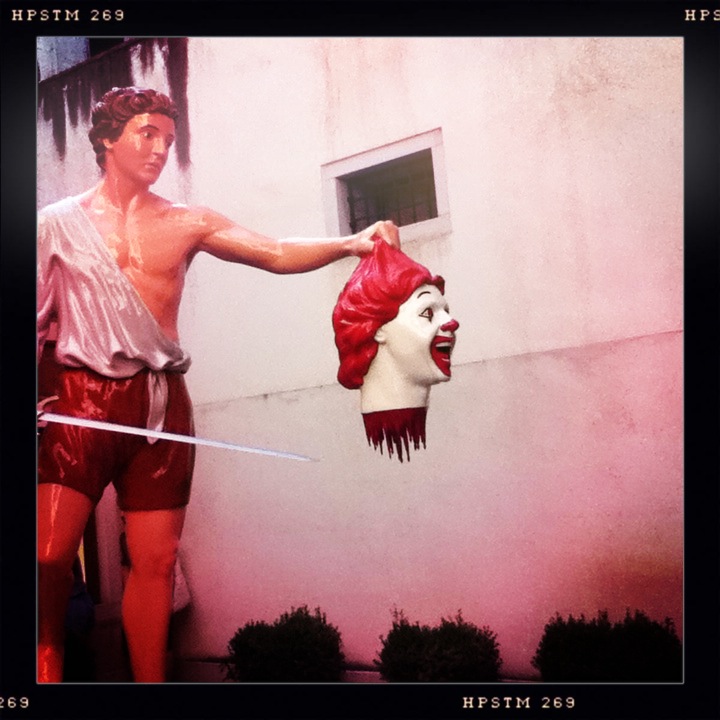
Photo by Adarsha Benjamin
Elite of the Obscure
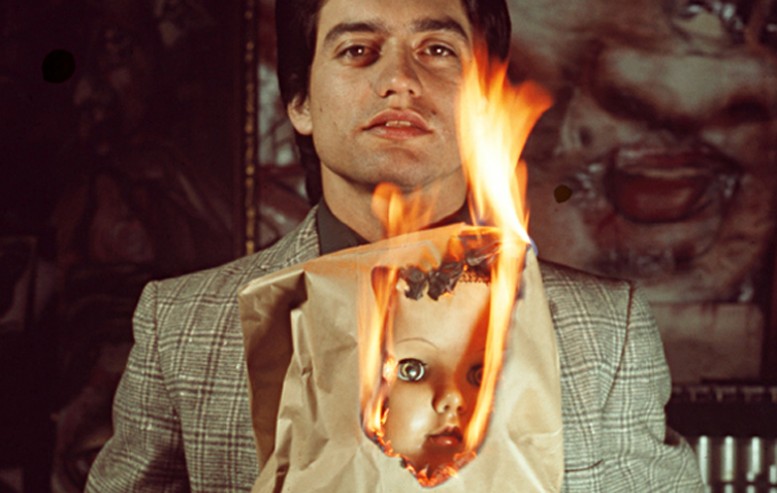 Harry Gamboa, Jr, Cruel, 1975. Super-8 film. Showing Willie Herrón III
This September, The Los Angeles County Museum of Art (LACMA) presents Asco: Elite of the Obscure, A Retrospective, 1972–1987, the first retrospective to present the wide-ranging work of the Chicano performance and conceptual art group Asco. Geographically and culturally segregated from the still-nascent Los Angeles contemporary art scene and aesthetically at odds with the emerging Chicano art movement, Asco members united to explore and exploit the unlimited media of the conceptual. Creating art by any means necessary — often using their bodies and guerilla tactics—Asco merged activism and performance and, in doing so, pushed the boundaries of what Chicano art might encompass. Asco: Elite of the Obscure includes nearly 150 artworks, featuring video, sculpture, painting, performance ephemera and documentation, collage, correspondence art, photography (including their signature No Movies, or invented film stills), and a series of works commissioned on occasion of the exhibition. Asco: Elite of the Obscure is on view at the Los Angeles Contemporary Museum of Art September 4 to December 4.
SO TATTED
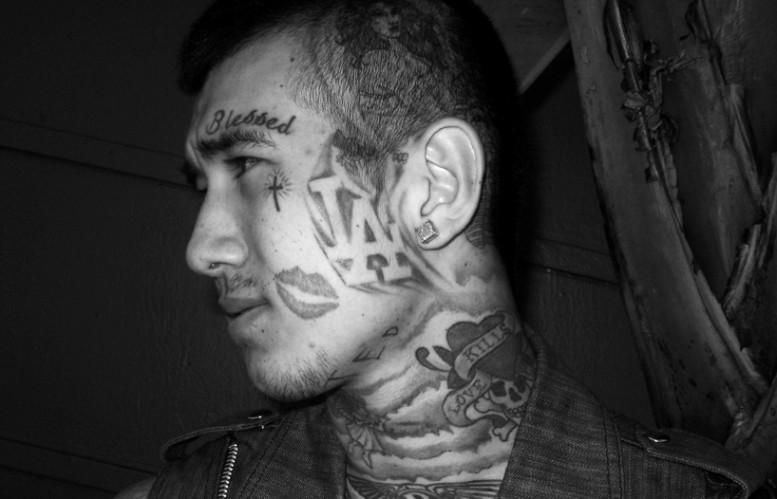
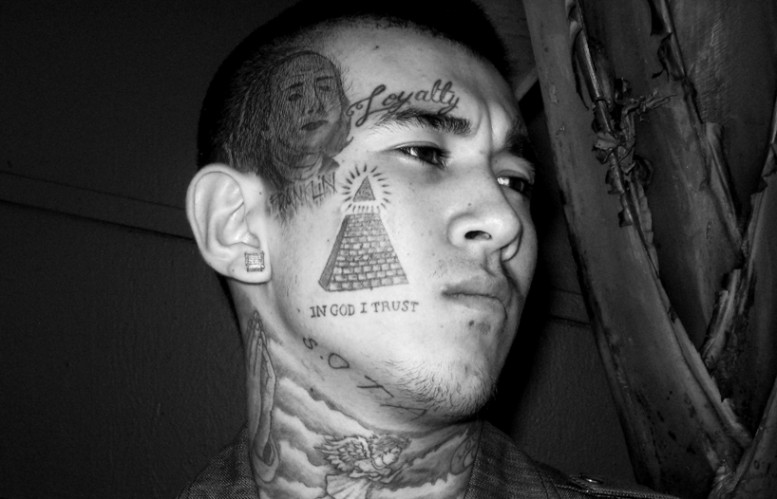
SHARKY'S tats. Denim motorcycle vest by STAND AND DELIVER. Los Angeles, 2011. photography by OLIVER MAXWELL KUPPER
[ART] Pacific Standard Time

5_Wasser__Marcel_Duchamp_und_Eve_Babitz_beim_Schach
Post-war Los Angeles was like a subtropical greenhouse where art flourished – a movement emerged that would define the second half of twentieth century contemporary art in America – artists like Ed Ruscha and John Baldessari, and major events like Warhol's first exhibition, and Marcel Duchamp's first retrospective. But most of what we know about this time is only the very tip of the iceberg and the Getty Research Institute has been tirelessly diligent: "Through archival acquisitions, oral history interviews, public programming, exhibitions, and publications, the Research Institute is responding to the need to locate, collect, document, and preserve the art historical record of this vibrant period." And as a result of these efforts one of the more monumental series of art exhibitions, collectively entitled Pacific Standard Time, will be on view this fall and winter at 60 venues across Southern California, including the Getty, the Hammer and LACMA. The above photograph, by Julian Wasser, is of a nineteen year old Eve Babitz – considered a muse or a midwife to the Los Angeles art movement – nude and playing chess with Marcel Duchamp at his retrospective. She won.
Rebel on Certosa Island
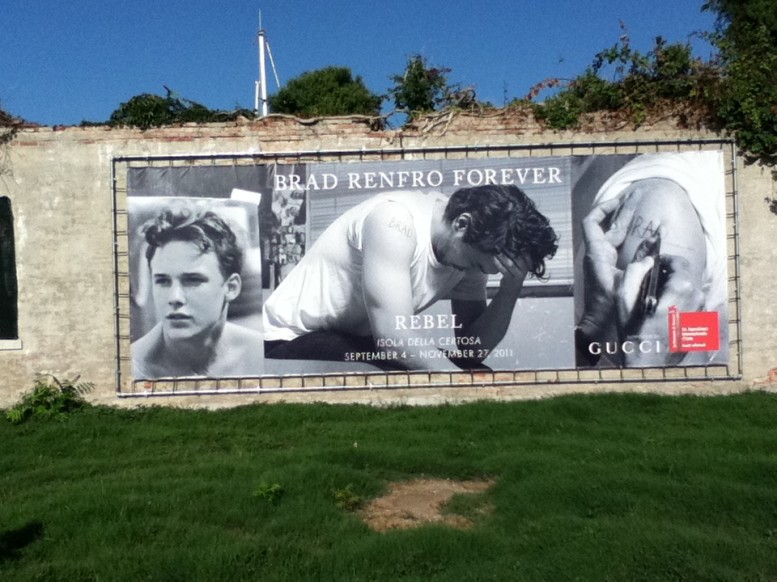
As part of the Venice Biennale in Italy, James Franco's site–specific film installation, entitled Rebel, will open on the island of Certosa. Rebel is a collaboration with artists Douglas Gordon, Harmony Korine, Paul McCarthy, Ed Ruscha, Aaron Young that "unites the myth-making allure of cinema and contemporary art, and acts as interrogative ode to Hollywood iconography." Rebel will be on view on Certosa Island from September 4 to November 27. Photo by Adarsha Benjamin
Causes and Spirits: William Carter

“Watch any mother kneeling beside her toddler, pointing and explaining what they are looking at. Our urge to see, and to connect, starts there.” William Carter. This book is both an autobiography of William Carter and a study of people. Carter’s photographs, beginning in 1960, take the viewer on his travels throughout the world, from home to New York and Kurdistan, from Dublin to Gaza. Whether working as a photojournalist or purely for himself, Carter focuses on the gestures and expressions of people (sometimes charming, sometimes unsettling), and on streets and landscapes that often long for human presence. The subtitle “Photographs from Five Decades” might seem misleading as it implies a “typical” photobook where the sequence of images is primary. For Carter, however, it is the interplay between his photographs and writings that allows him to see into himself and his subjects: indeed he calls himself a “photographer-writer”. In Carter’s words, his work aims to capture the “hidden implications, eye-blink compositions, odd ironies and happy accidents” of the world. – Steidl
Oliver in Vegas
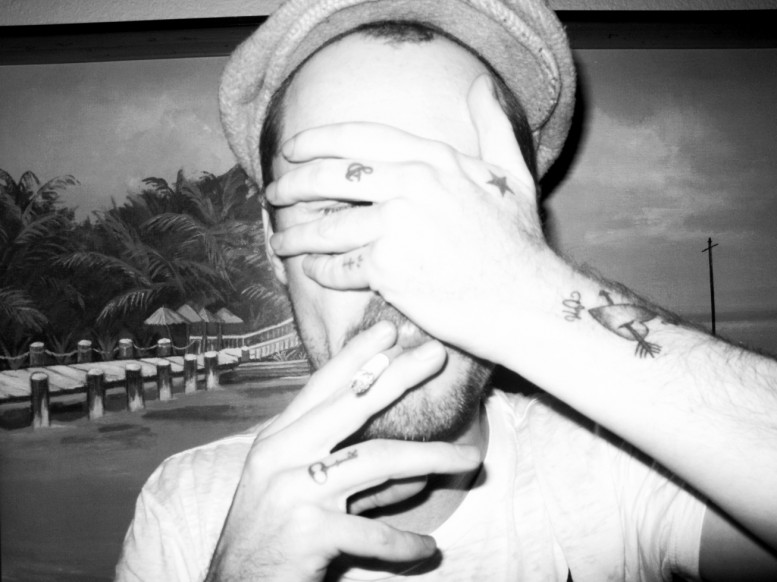
Oliver Maxwell Kupper in front of bad hotel art. Las Vegas, Nevada – a place to dash your dreams. Photograph by Dr. Goldstein.
Appropriated Imagery: Richard Prince + Jackson Pollock
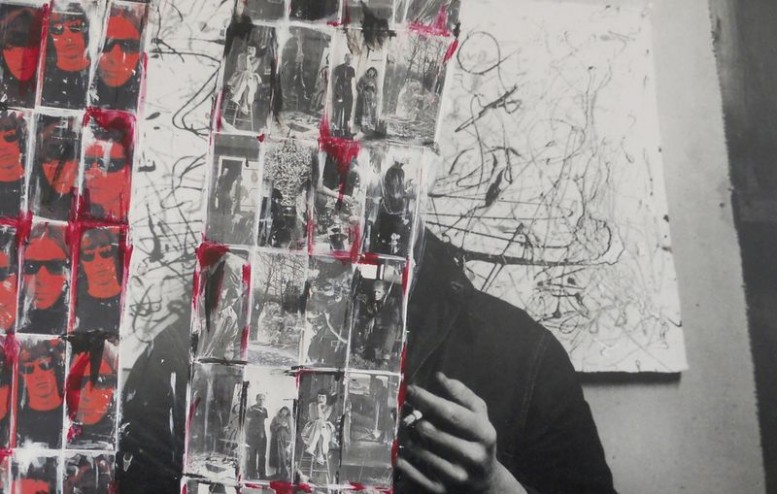
Guild Hall of East Hampton presents Richard Prince “Covering Pollock” featuring 27 new works that are focused on Jackson Pollock, a leader of the Abstract Expressionist group. Richard Prince uses appropriation to distill and disrupt America’s compulsive fascination with iconic brands, fame, and lifestyle. This is the first public viewing of “Covering Pollock” and the first museum exhibition of Richard Prince’s work on Long Island. On view until October 17.
Leaving Las Vegas

las_vegas_hustler_club_pas_un_autre-777x601
Larry Flynt's original Hustler Club in Las Vegas, Nevada hosts the Erotic Dancer's Ball – where the best erotic dancers in the world compete for a golden crown. Photograph by Oliver Maxwell Kupper
[SERBIAN DIARY] Waiting for Autumn
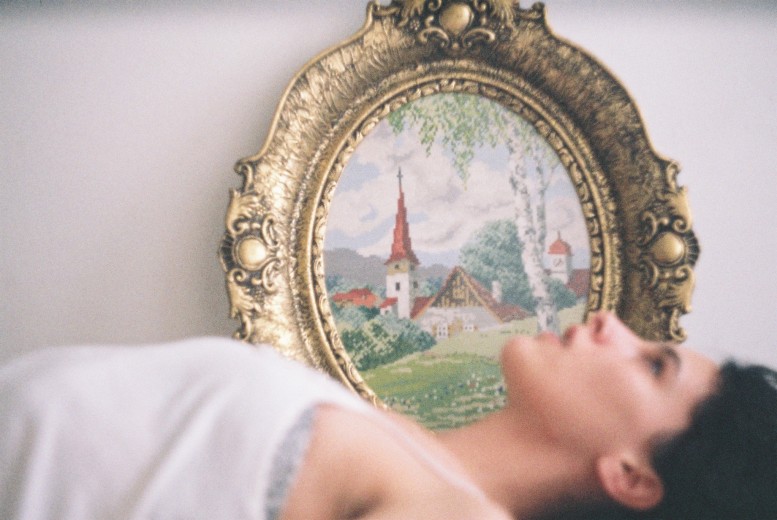
I am so tired. I need to rest for a while. I have to keep quiet. I have to think. I need to get some sleep. I can't wait for the yellow Autumn days to come. Photo and text by Marija Mandic who is a photographer based in Novi Sad, Serbia - we're hoping Pas Un Autre might see regular dispatches by Marija for a series entitled Serbian Diary.
New Leica
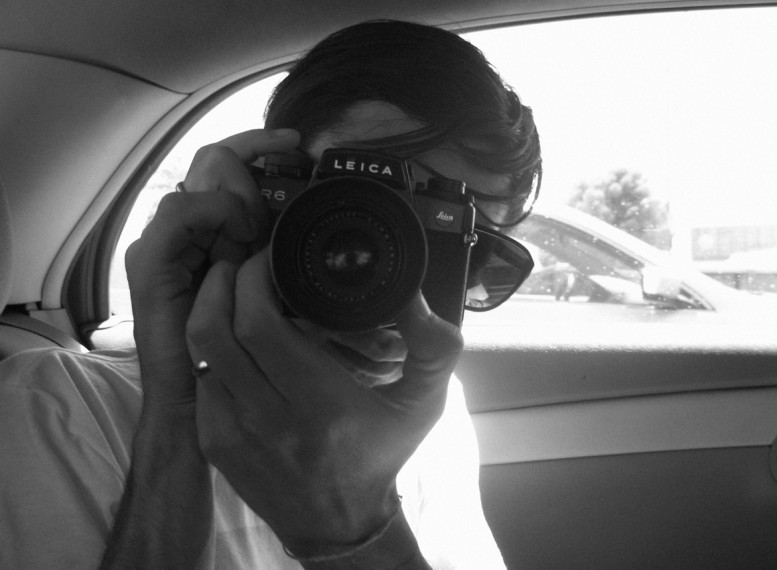
Artist MATTHEW HENRI with his new LEICA R6 – LAS VEGAS, NEVADA. Photography by OLIVER MAXWELL KUPPER.
[EXHIBITION] Frida Kahlo and Diego Rivera
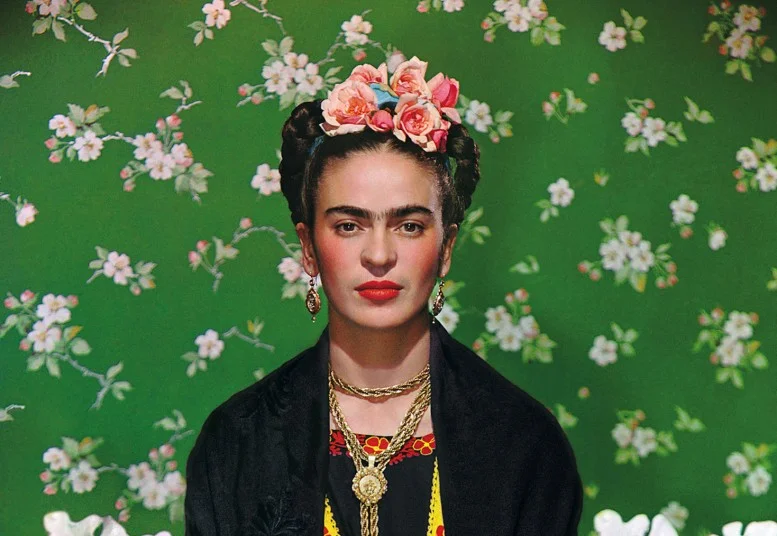
Frida-White-Bench
The two most famous artists to have come from Mexico, the lives of Frida Kahlo and Diego Rivera have attained a mythological status. A major touring exhibition, which comes first to Chichester from Istanbul and Dublin, brings together works by Frida Kahlo and Diego Rivera for the first time ever in the UK. On view now until October 9 at the Pallant House Gallery in Chichester, U.K.
Photographs by Luna Tristá
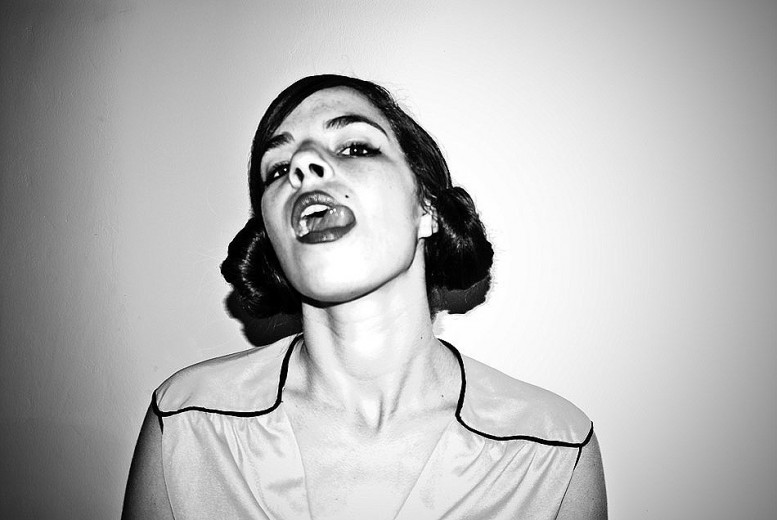
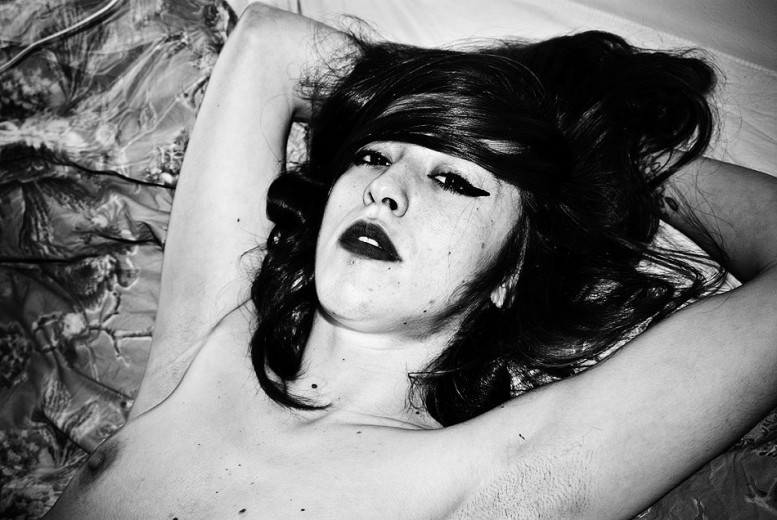
More photographs by the amazing Cuban born, Milan based photographer Luna Tristá
Fools Gold In Las Vegas

mandalay_bay_house_of_blues_fools_gold_pool_party