Alexander Kaletski’s 50-Year Retrospective is a Paean to Semiotic Poetry @ Anna Zorina Gallery in New York


Alexander Kaletski
Blonde in Amazon, 2026
mixed media on cardboard
59 x 32 in


text by Hank Manning


Born in Monchegorsk, Russia, in 1946, Alexander Kaletski established himself as an actor in the Soviet Union, but his true passion was always painting, which he found difficult to pursue in a heavily censored cultural landscape, where art’s primary role was in service to a specific Party narrative. Repurposing the materials most readily available, Kaletski began privately making collages out of Communist propaganda posters. KGB officers, alerted to these attempts to avoid censorship, came to Kaletski’s theater to inspect. However, rather than reprimanding the artist, they burst out laughing at the absurdities on display. Fifty years later, standing at this intersection between sexuality, corporate marketing, and religion, it is still hard to not at least crack a smile. 

Using cardboard boxes collected on New York streets, Kaletski continues to take a similar approach. He paints portraits of a motley crew of prophets, athletes, outlaws, prisoners, and so on. At Anna Zorina Gallery, his fifty-year retrospective, Cardboard Chapel, exclusively considers the Russian émigré’s work on cardboard, referencing the Vatican’s Sistine Chapel and the employment of art as a tool for political, religious, and financial persuasion.


Alexander Kaletski
Sugar Free, 2006
mixed media on cardboard
82.25 x 54.5 in


Kaletski emphasizes his source material, leaving familiar logos and cardboard ribbing easily visible. Brand names often feel like product placement, or like NASCAR drivers adorned in a semiotic web of sponsorship. However, Kaletski’s intent is primarily aesthetic. Here, Smirnoff Citrus Twist matches Ricola for reasons of palette rather than palate, with both sharing nearly identical shades of green and yellow branding.

Each of these brands’ powers derives from their ubiquitous appearance in the world. The images themselves are the result of meticulous planning. They are designed to be reproduced ad infinitum until they naturally start to foster a sense of familiarity and desire. The Coca-Cola signature is so common that it has been embedded in our subconscious as a source of dopamine-inducing refreshment, yet here, the artist forces us to reconsider popular symbols outside of their typical function. Amazon arrows seamlessly form characters’ mouths; Target bullseyes their eyes. On occasion, instructional text, like Fragile Don’t Crush, is left intact to remind us of the canvas’ previous employment. 


Alexander Kaletski
Time Marches On, 1976
mixed media on cardboard
30 x 24 in


Time Marches On, suitably featuring a boot and a clock, is his oldest painting on display and the only one without a face. Nothing is said of what led to his practice evolving the way it did. The show hardly focuses on charting Kaletski’s evolution as an artist, preferring instead to mix and match pieces from different eras. Seventeen paintings, spanning the period from 1977 to 2025, come together to form a large mural titled Big Apple Last Judgement. At the center, Jesus—painted on LesserEvil popcorn packaging, which prominently features the Buddha—has a shaggy beard and crown of thorns. Around him are other biblical notables, including Mary Magdalene in a dress from a rival popcorn brand, and Adam and Eve, at ease with organic apples. These are featured alongside many of Kaletski’s modern characters, including Matisse-like nudes, a cubist magician, and a Surrealist carnival. His characters’ eyes especially stand out—they are large, bulging, and uneven, as if they are equally surprised to see us as we are to see them. 

Alexander Kaletski
Cardboard Chapel: A Fifty Year Retrospective
October 22 - December 5, 2026
Installation View
Photography: JSP Art Photography.

Apart from recycling and repurposing popular imagery, Kaletski’s original intent was simply a cost-cutting measure. When he first came to the US and found traditional art cost-prohibitive, he turned to what was available—a useful reminder that producing fine art need not be expensive, though Kaletski notes the cardboard itself was more beautiful and of higher quality than anything available in Moscow. Although his motivations are no longer primarily economic, he has faithfully stuck to his chosen medium. His work supports the hypothesis that if an artist has something to say, they’ll find a way to say it, one way or another.

Alexander Kaletski: Cardboard Chapel is on view through December 5 at Anna Zorina Gallery, 532 West 24th Street, New York

Alexander Kaletski
Cardboard Chapel: A Fifty Year Retrospective
October 22 - December 5, 2026
Installation View
Photography: JSP Art Photography.

Pictures Girls Make Inverts Archaic Norms Through Portraiture @ Blum & Poe in Los Angeles

“Pictures Girls Make”: Portraitures, Installation view, 2023, Blum & Poe, Los Angeles © The artists; Courtesy of the artists and Blum & Poe, Los Angeles/New York/Tokyo, Photo: Evan Walsh

Blum & Poe presents Pictures Girls Make: Portraitures, an exhibition bringing together over fifty artists from around the world, spanning the early nineteenth century until today. Curated by Alison M. Gingeras, this prodigious survey argues that this age-old mode of representation is an enduringly democratic, humanistic genre.

“Pictures girls make” is a quip attributed to Willem de Kooning who purportedly dismissed the inferior status of his wife Elaine’s portrait practice. Inverting the original dismissal into an affirmation, Pictures Girls Make is a rallying cry for this exhibition which examines how different forms of portraitures defy old aesthetic, social, and ideological norms.

Pictures Girls Make is on view through October 21 @ Blum & Poe, 2727 South La Cienega Boulevard, Los Angeles, California 90034

NKSIN Presents REVIVAL @ albertz benda in Los Angeles

NKSIN, S60, 2023. All images courtesy of albertz benda.

NKSIN, S60, 2023. All images courtesy of albertz benda.

In his first solo exhibition, REVIVAL, with albertz benda, Japanese-Filipino artist NKSIN will present a paintings that offer a sardonic examination of the human experience through the lens of the artist’s signature greyscale figures.

NKSIN’s monochromatic paintings tackle universal emotions — desire, envy, joy, and grief — in the age of information overload. Bombarded with an overwhelming amount of news through social media and the internet at large, NKSIN and his figures reject the adversarial effects of technology to restore the capacity to reflect and function effectively. Favoring internal reflection and exuding a sense of serenity, these figures plug their ears with headphones and defiantly shut their eyes and mouths. These works offer a message of hope and resilience, countering the despair endemic to our modern moment.

REVIVAL is on view through July 8 at albertz benda, 8260 Marmont Ln. Los Angeles


Read Our Interview Of Photographer and Filmmaker Lewis Khan → →

 
Blurry image of a dark street with a blue haze over the image. In the foreground is a bright lamp with a passer-by a few steps ahead.
 

British Photographer and filmmaker, Lewis Khan, uses London as one of his many creative resources. The city has great sentimental importance to the native South Londoner, who has lived on Bonnington Square for most of his life. Tucked away behind the traffic of Vauxhall, the square is one of 300+ housing cooperatives in London, owned and run by its tenants. It has a unique and fascinating history that owes much to the squatters who moved in during the 80s as a preventative measure to avoid demolition of the residential buildings. The community set up a wholefoods shop and vegetarian café, which is still there to this day. Read more.

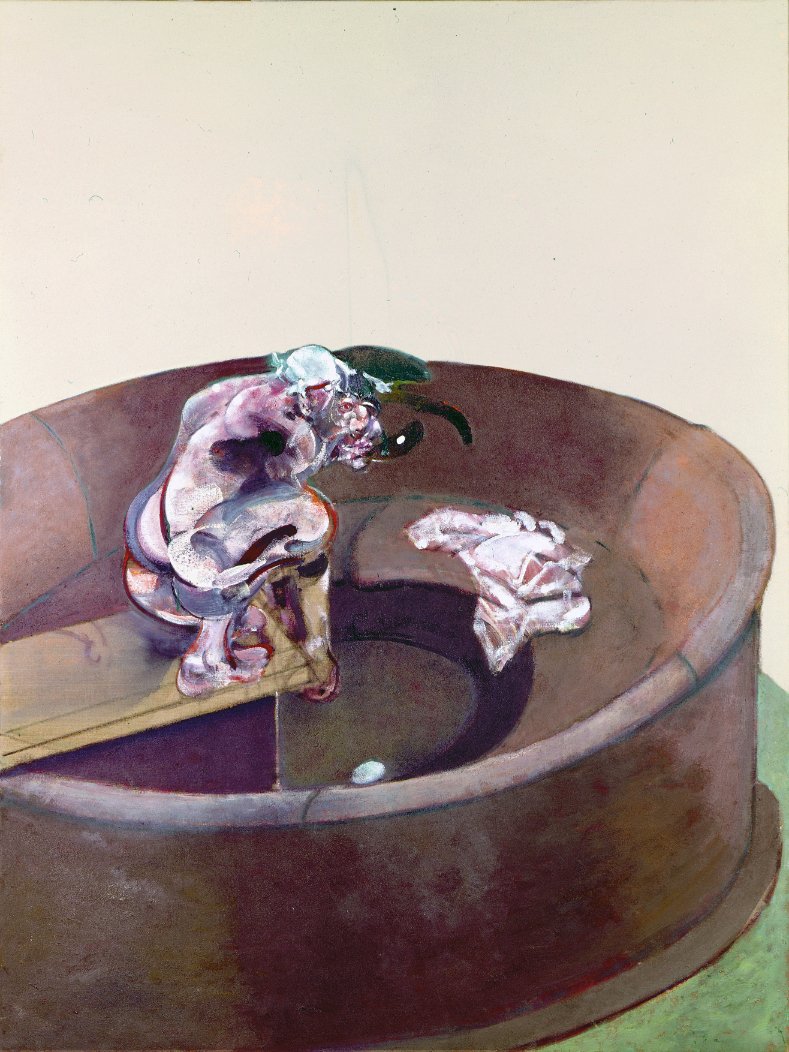
Shrinking Away To Nothingness: A Review Of Francis Bacon's Man And Beast @ The Royal Academy Of Arts


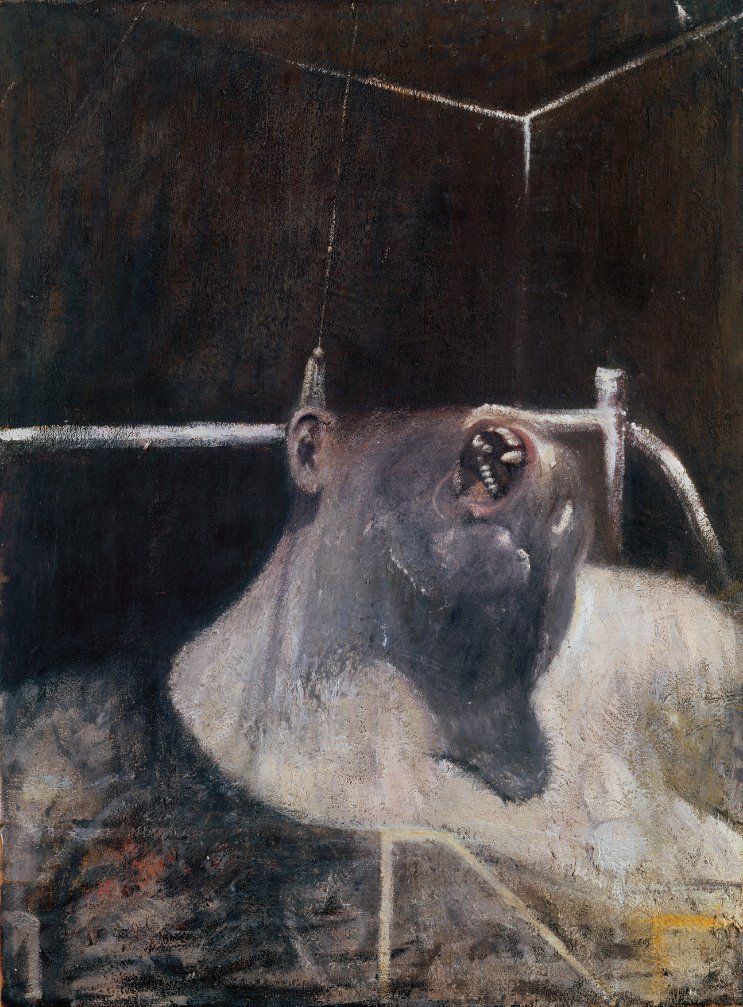
Francis Bacon, Head VI, 1949
Oil on canvas, 91.4 x 76.2 cm
Arts Council Collection, Southbank Centre, London
© The Estate of Francis Bacon. All rights reserved, DACS/Artimage 2021. Photo: Prudence Cuming Associates Ltd


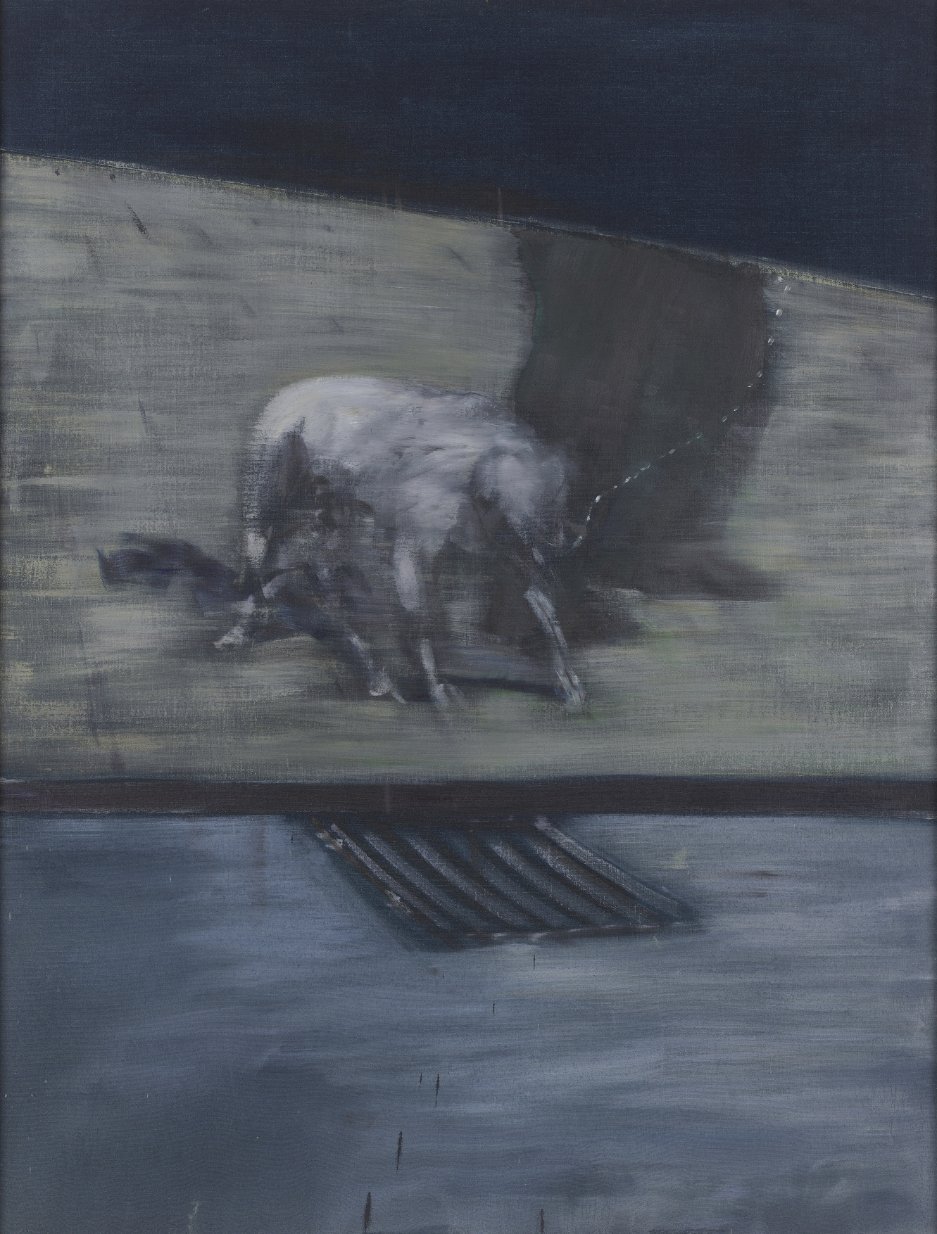
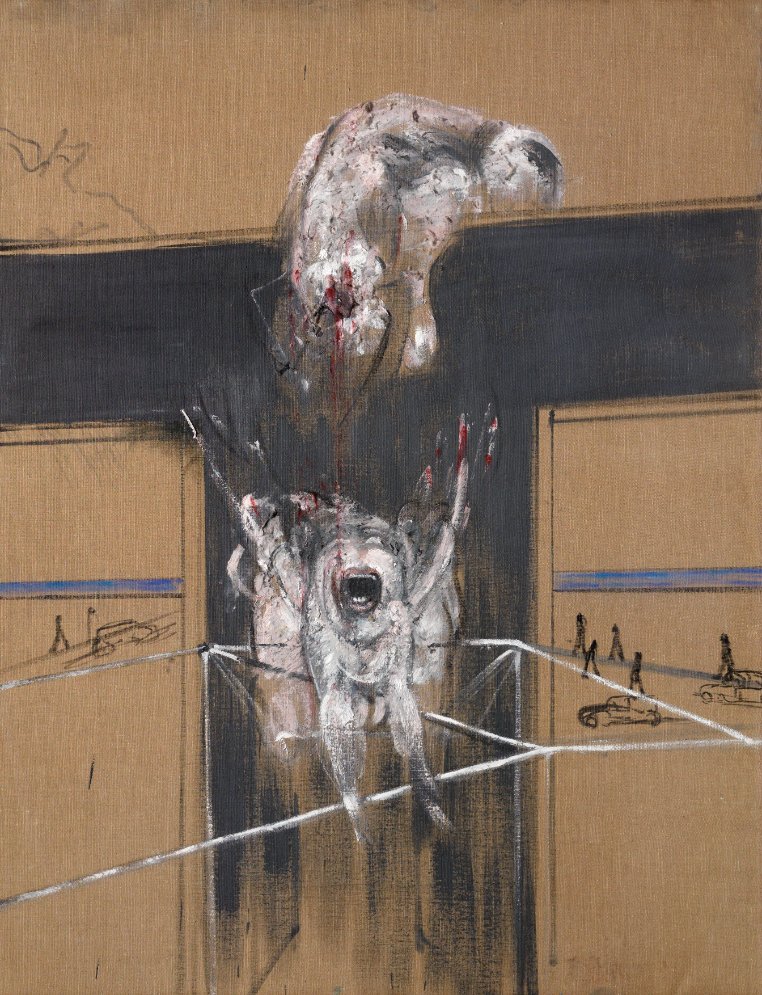
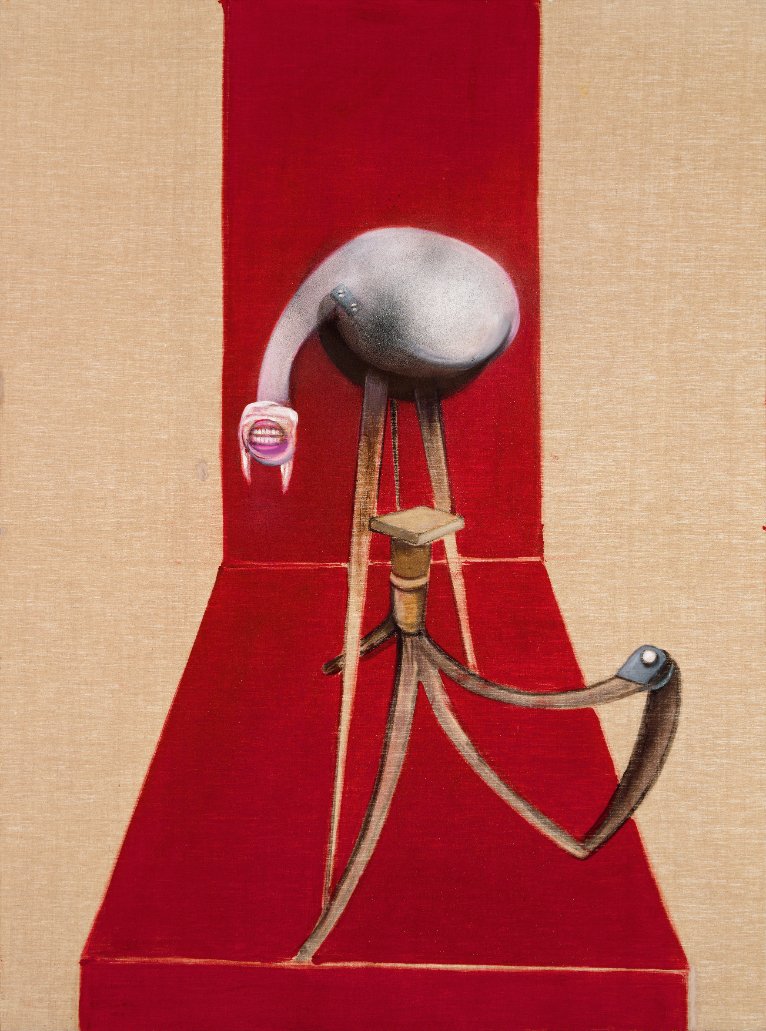
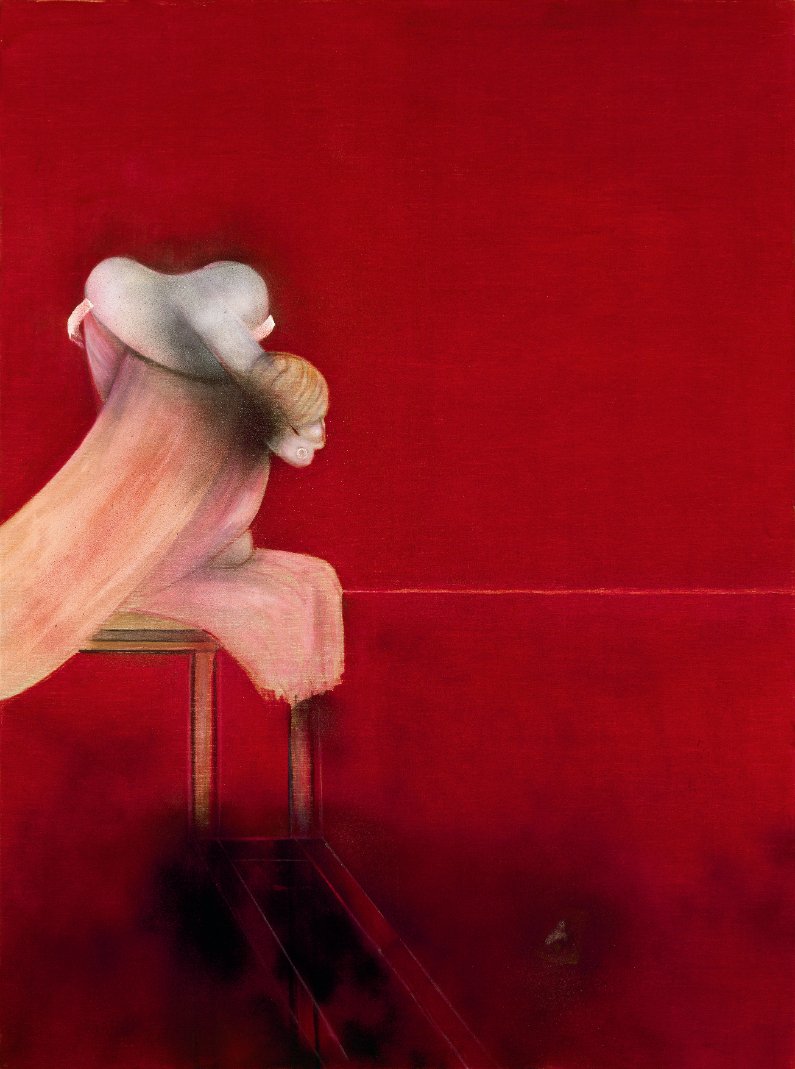
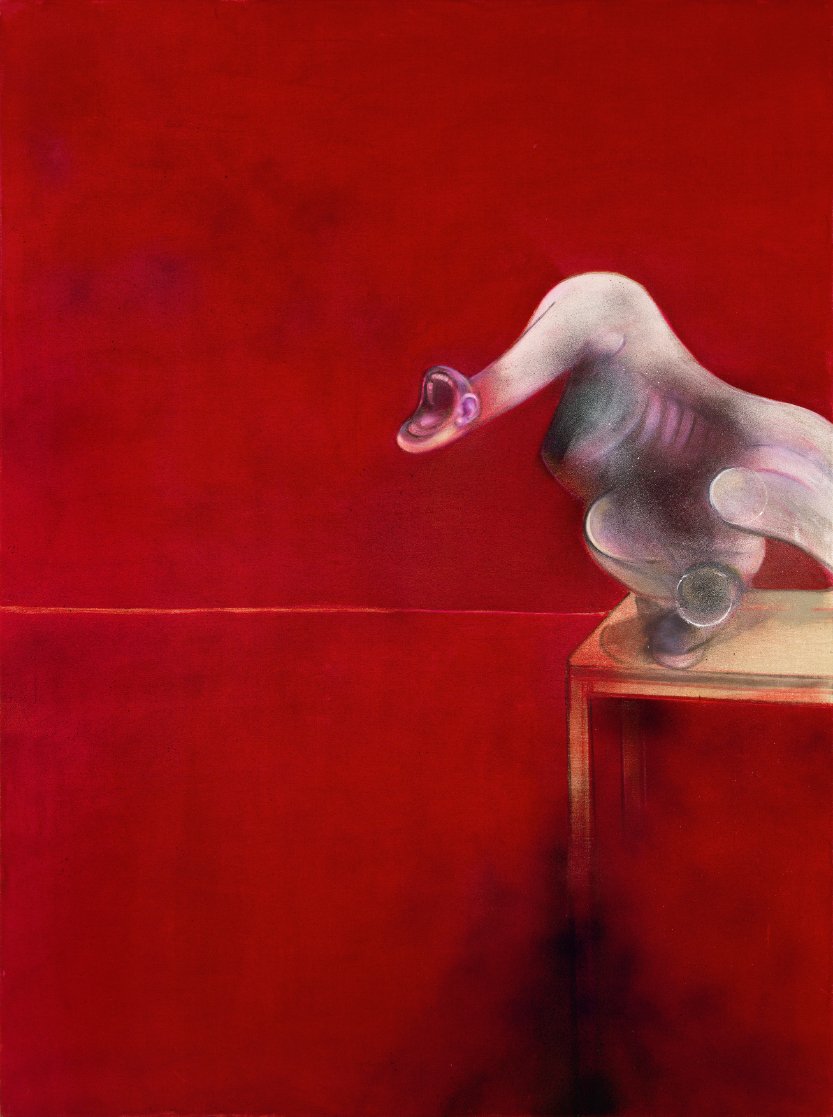
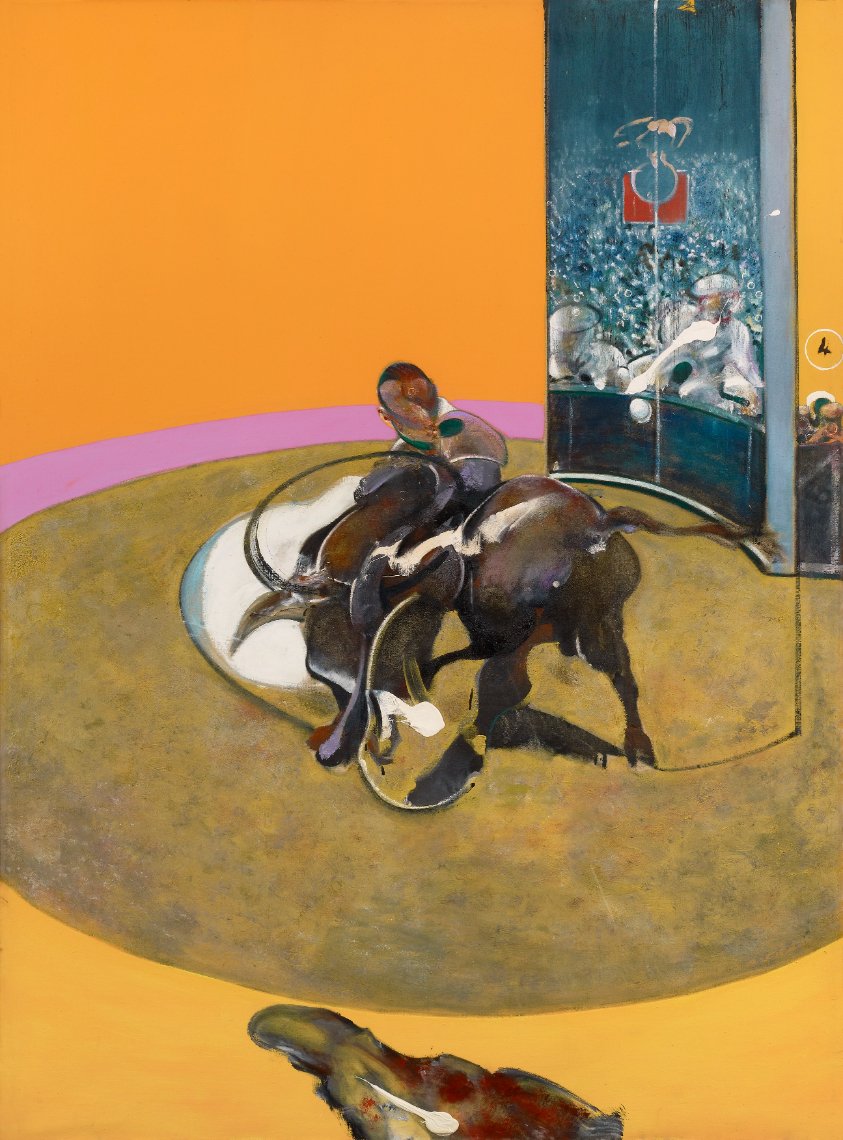
The Royal Academy presents Francis Bacon: Man and Beast, an impressive showcase of the Northern Irish artist. It reveals his unquestionable skill and craftsmanship as well as the infinitely dark depths of his imagination. 

Banished at sixteen from his Catholic family in 1926 for being openly gay, Bacon left Ireland for Berlin, then Paris until landing in London in 1929 to establish himself as an acclaimed artist. Exempt from military service in 1939 because of his asthma, Bacon spent time in London and Hampshire, surrounding himself with artists that included Lucian Freud. 

Walking through Man and Beast makes you ponder the shifting tides of post-war England and how it inspired individuals such as Joe Orton, the Kray Twins, Philip Larkin, and Bacon himself. Similar to Edvard Munch's Scream, Bacon’s work prompts an unsettling effect of synesthesia. Perhaps this is no surprise for an artist who strove to render the “brutality of fact.”

Profound and moving, his figurative works focus on the human form; crucifixions, self-portraits, and portraits of friends. Faces appear as if covered with nylon stockings, or cut away to expose the tendon and bone beneath; figures are reduced to a tiny space on the canvas, suggestive of being tortured in a shell, or shrinking away to nothingness.  

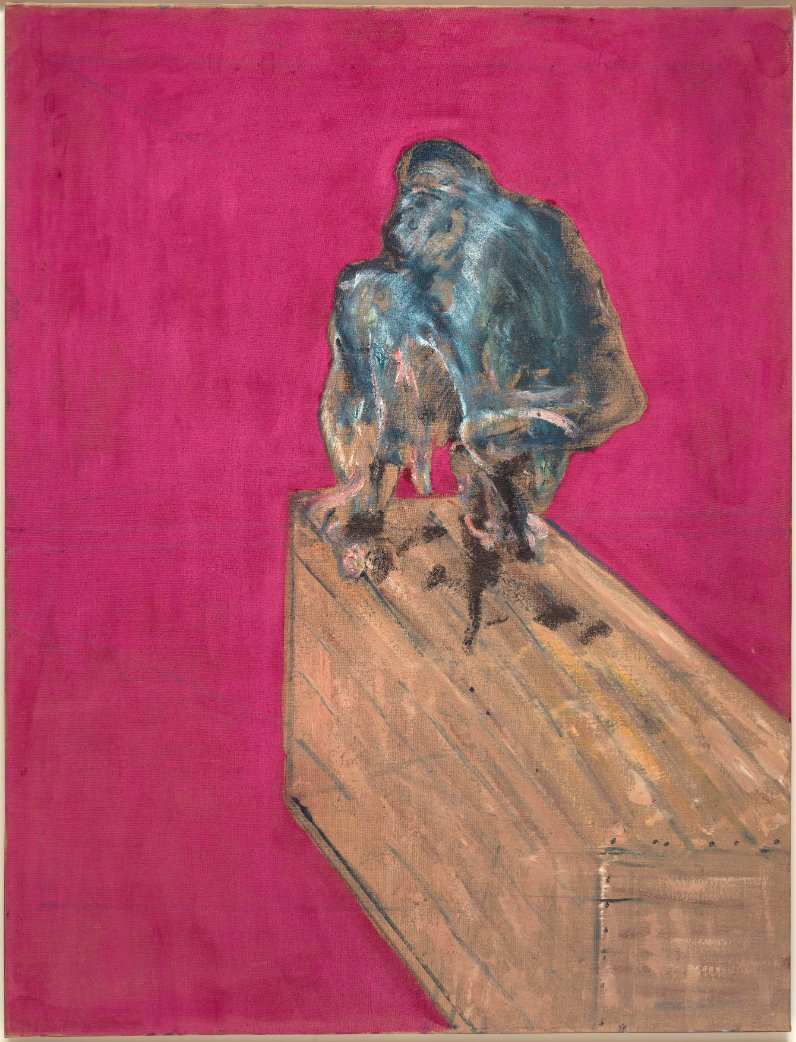
Many of these images accompany the show's exploration into his unerring fascination with animals. Be it chimpanzees, bulls, dogs, or birds of prey, Bacon felt he could get closer to understanding the true nature of humankind by watching the uninhibited behavior of animals. We see carnality, appetite and decay, raw expression of anxiety and instinct through his anthropomorphic forms. From his Picasso influenced bio-morphs from the ‘30s, male heads isolated in rooms, or geometric structures in the ‘40s to animals and lone figures in the late ‘50s, Man and Beast highlights his existential approach to painting and why he presented his unique human forms the way that he did. Francis Bacon: Man and Beast is on view through April 17 @ The Royal Academy of Arts. Text by Lara Monro


Brian Calvin Presents Sound @ Almine Rech Shanghai

Back in the 1990s, Brian Calvin began developing a figurative, non-narrative, pictorial style. Landscapes and portraits steeped in his Californian roots dominated this work. Close-up treatment of subjects, highly composed structures, as well  as  luminous colors laid flat endow these large-scale paintings with a  strange temporality. In observing his technique of pictorial economy, one gradually comes to see a type of abstraction in his representation of certain details. They reveal, even greater still, the true finality of his work, reaffirming the primacy of a visual reflection on painting itself and its possibilities. “I prefer to experience abstraction through the creation and tending of images. Painting provides the medium.”

Almine Rech Shanghai is pleased to present Sound, an exhibition of Brian Calvin’s recent portraits. The exhibition continues the artist’s exploration of the unique genre of painting, and furthers Calvin’s distinct development of emotions and imagery.

Sound is on view throughout February 29, 2020 @ Almine Rech Shanghai 27 Huqiu Road, 2nd Floor, 200002 Shanghai, China. photographs courtesy of the gallery

Margot Bergman: Family Album @ Anton Kern Gallery in New York

For the artist’s second solo exhibition with Anton Kern Gallery, Margot Bergman presents Family Album, which includes her most recent paintings and photographs. Bergman has sustained an active painting practice in Chicago since the 1950s and honed a peerless style of figuration. For the last 15 years her subject matter has focused on individual faces of imagined people, predominantly women. Her style is characterized by active expressionistic brush work, unconcerned with symmetry, realistic proportions, and traditional notions of femininity. The artist can adeptly shift styles within a single composition, juxtaposing photorealistic eyes and lips, with a scribbly green hair-do, and a thin wash of color for the complexion. Accompanying Bergman’s paintings are theatrical and lively photographs that bear an uncanny resemblance to her painted works. Together Bergman’s paintings and photographs create a manufactured family album that memorializes the environment in which they were created and their palpable relationship with the artist.

Family Album is on view through August 16 at Anton Kern Gallery 16 East 55th Street New York, NY. photographs courtesy of the artist and Anton Kern Gallery

DESIGNER J.W. ANDERSON RELEASES EXCLUSIVE PRINTS BY PHOTOGRAPHER IAN DAVID BAKER

J.W. Anderson is currently hosting an exclusive, online exhibition and print sale of photographs by English photographer Ian David Baker. Baker's intimate, black-and-white portraits and collages offer a rare glimpse into gay youth subculture of 1980s England. The 50 images displayed in the exhibit have been personally curated by designer Jonathan Anderson and selected from Baker's archive. Many of the negatives no longer exist, making these original prints the last remaining copies of Baker's early work. Visit J.W. Anderson's website to view the exhibition and purchase prints.

Portrait in the Twenty-First Century @ Postmasters

Postmasters presents a show of portraits, real and imagined, that reflect our moment in time, the currently available technologies and the growing popular fascination with portraiture over social media platforms. Portrait in the Twenty-First Century will be on view until January 17, 2015 at Postmasters Gallery, 54 Franklin Street New York, NY