Monet and the Floating World

text by Perry Shimon

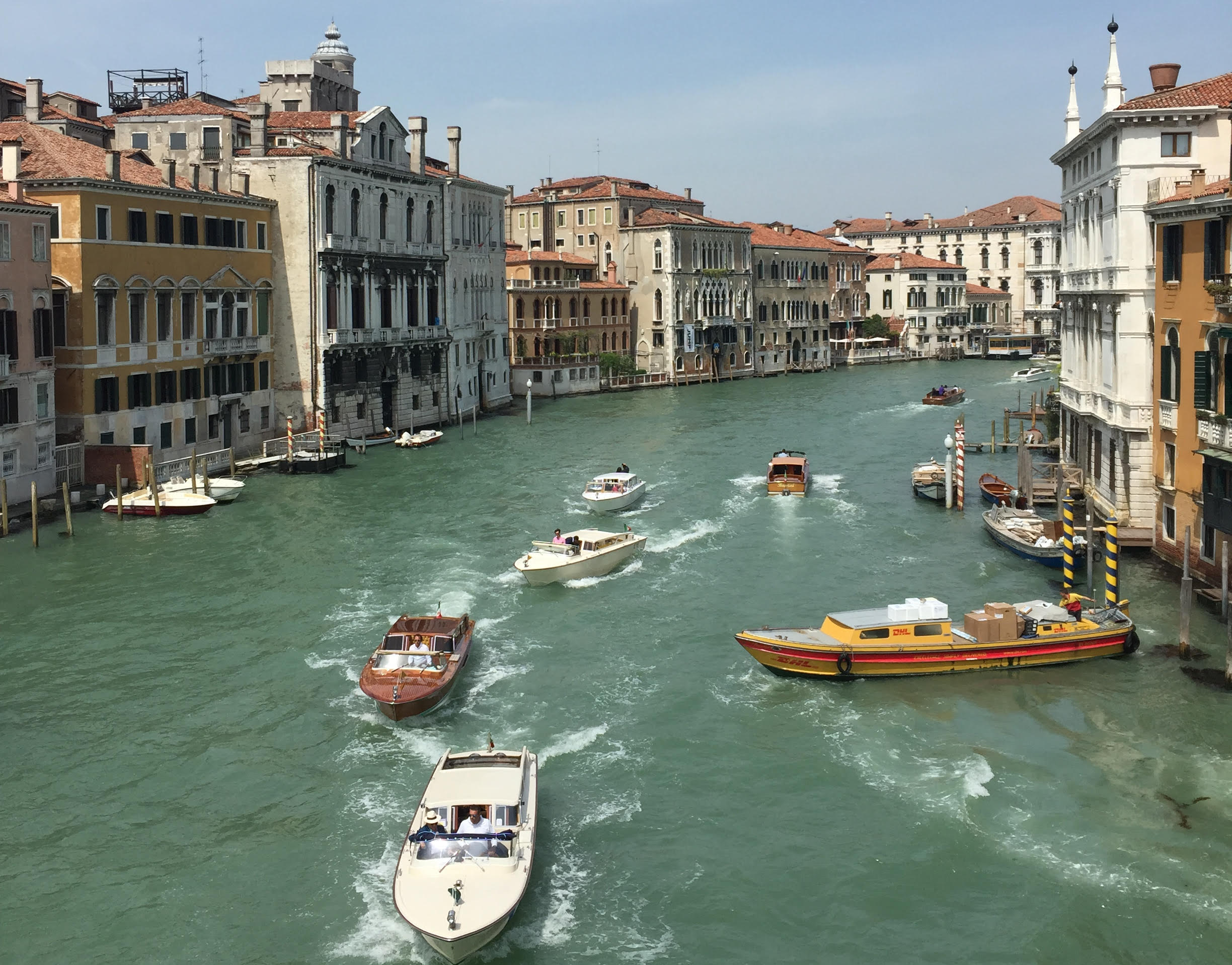
“It’s too beautiful to be painted,” Monet is said to have remarked, in a prominently placed quotation opening the thoughtfully conceived exhibition at the de Young Museum, co-organized with the Brooklyn Museum, on Monet’s late visit to Venice. The period under review was a challenging time in the artist’s development, a moment of intense frustration with his water lilies, and an encounter with a city so beautiful—and so beautifully rendered—that he felt overcome. We are told that the subsequent late lilies painted back home in his Giverny garden—some exceptional examples of which are on display in the exhibition—were largely a result of this Venetian journey.

One of the more interesting, if not entirely surprising, curatorial gambits of the exhibition suggests the extent to which much of Monet’s output resulted from pressure exerted by his dealers to produce for the market. This detail makes the rather uninspired and repetitive suite of Venetian paintings appear something of a capitulation to those imperatives. That Monet was captivated by Venice seems clear, though the works on view betray an ambivalent practice distinctly disenchanted by market pressures and anxiety before tradition.

San Biagio, James McNeill Whistler

Santa Maria della Salute, John Singer Sargent

The Piazzetta, Palazzo Ducale (Doge's Palace), J.M.W. Turner from 1840

The show contextualizes Monet’s engagement within a lively milieu of contemporaries, each endeavoring to make a mark on the flowing city. Whistler produced a series of fine etchings depicting working-class Venetians in the shadowy crevices of the city; Sargent offered a shimmering eruption of watercolor scenes rendering its excitement and affluence; and Turner created a suite of watercolors and gouaches that barely coalesce into legible scenes, rather more as ambient moods of light on water.

Venice, the Grand Canal looking East with Santa Maria della Salute, Canaletto around 1740

Canaletto’s formidable paintings, frighteningly beholden to the grid, impose a stately grandeur and insistent rigidity diametrically opposed to Monet’s intuitive transience. They render administrative power, mercantile prestige, and Grand Tour spectacle, produced amidst the political decline of the Republic and in the wake of the sumptuous and suffocating Christianity of Bellini, Titian, and Tintoretto.

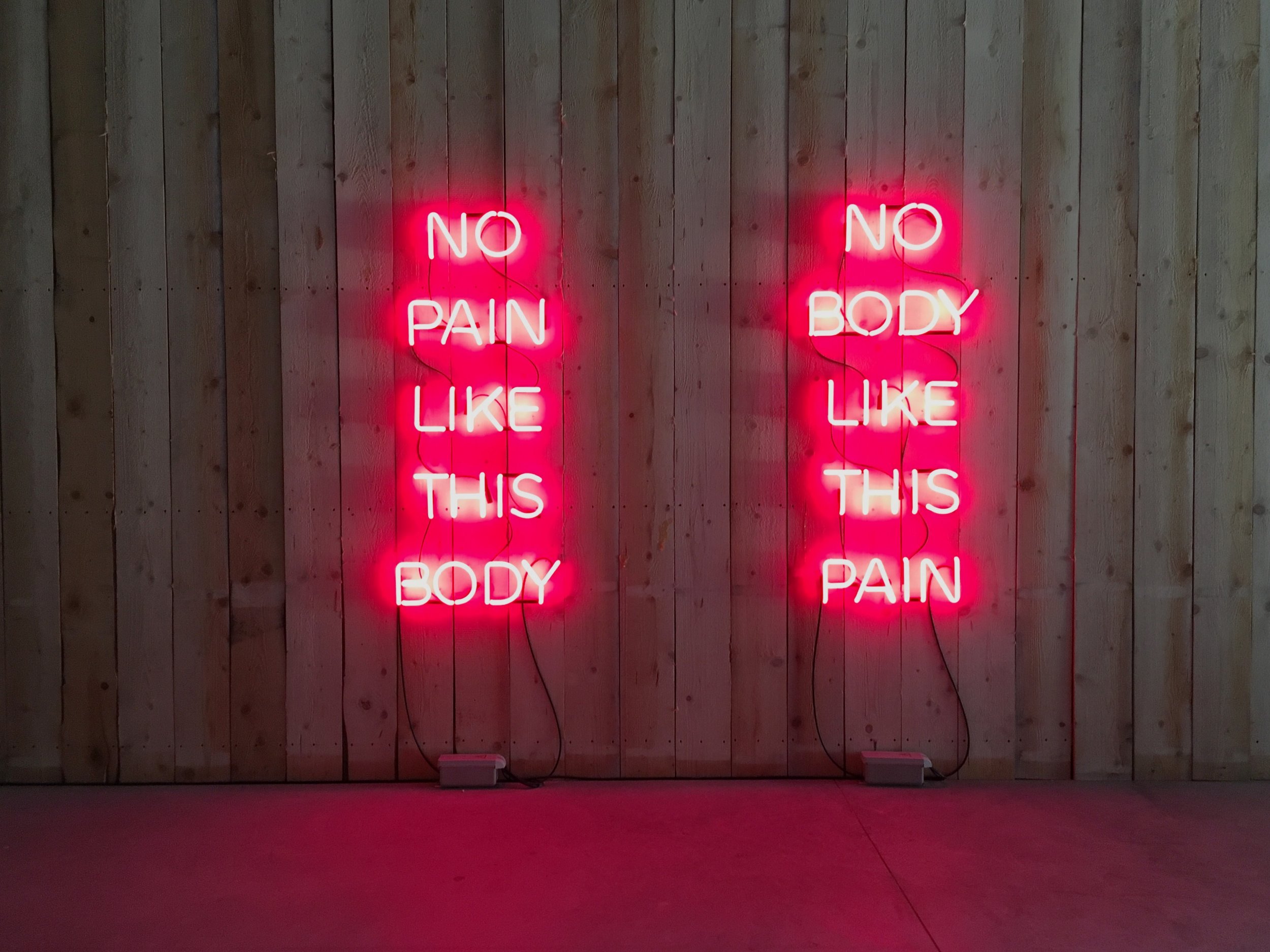
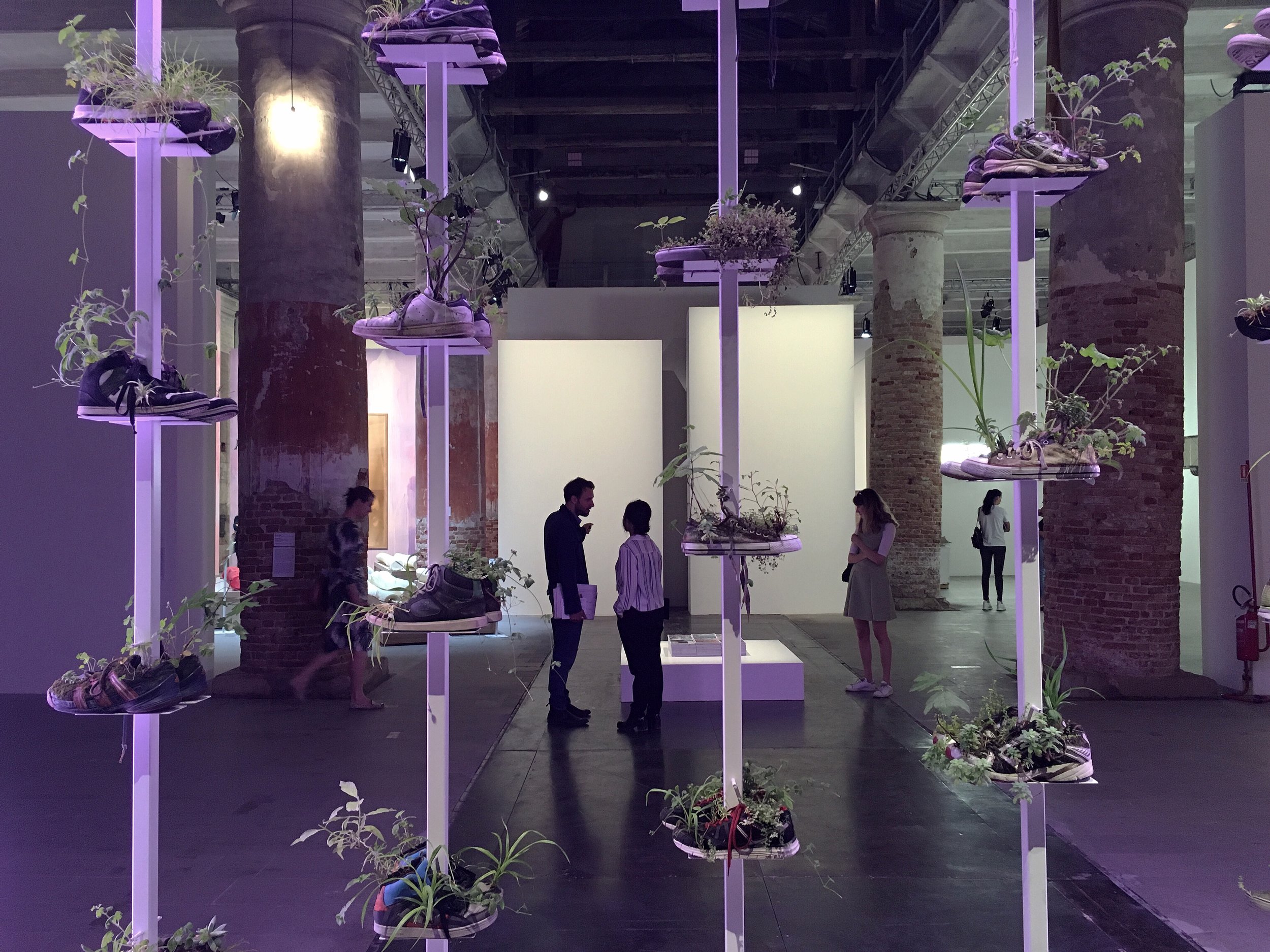
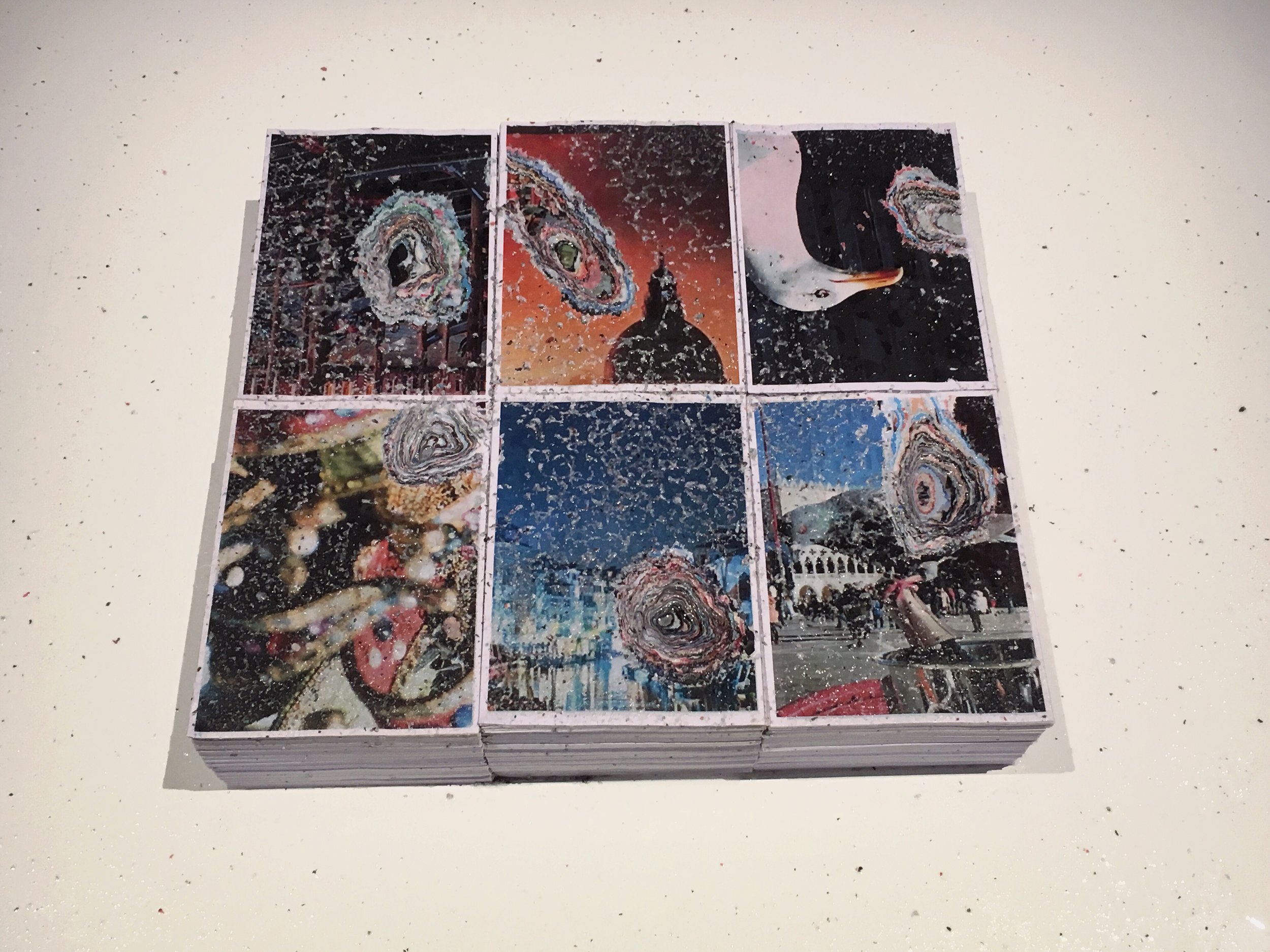
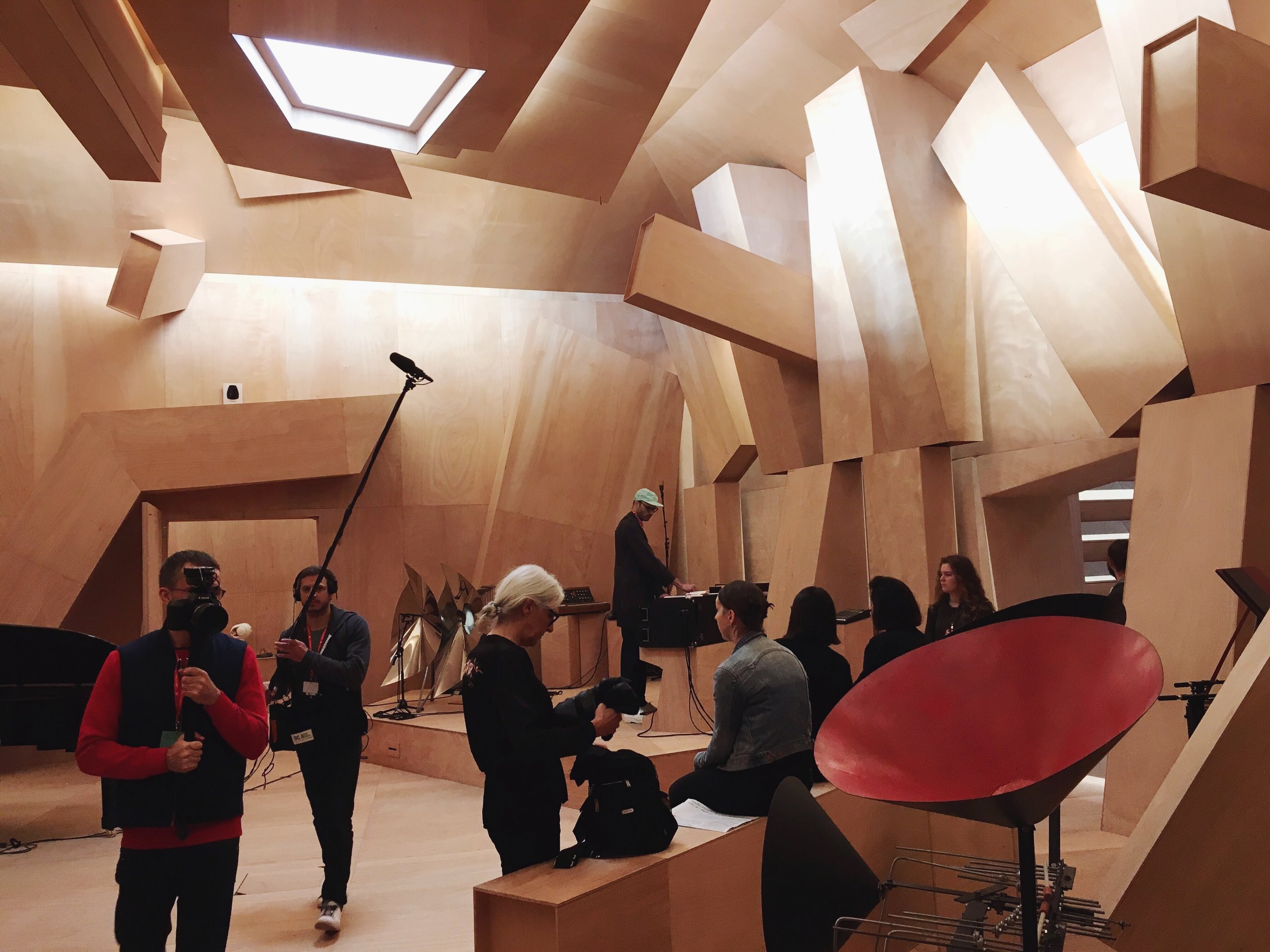
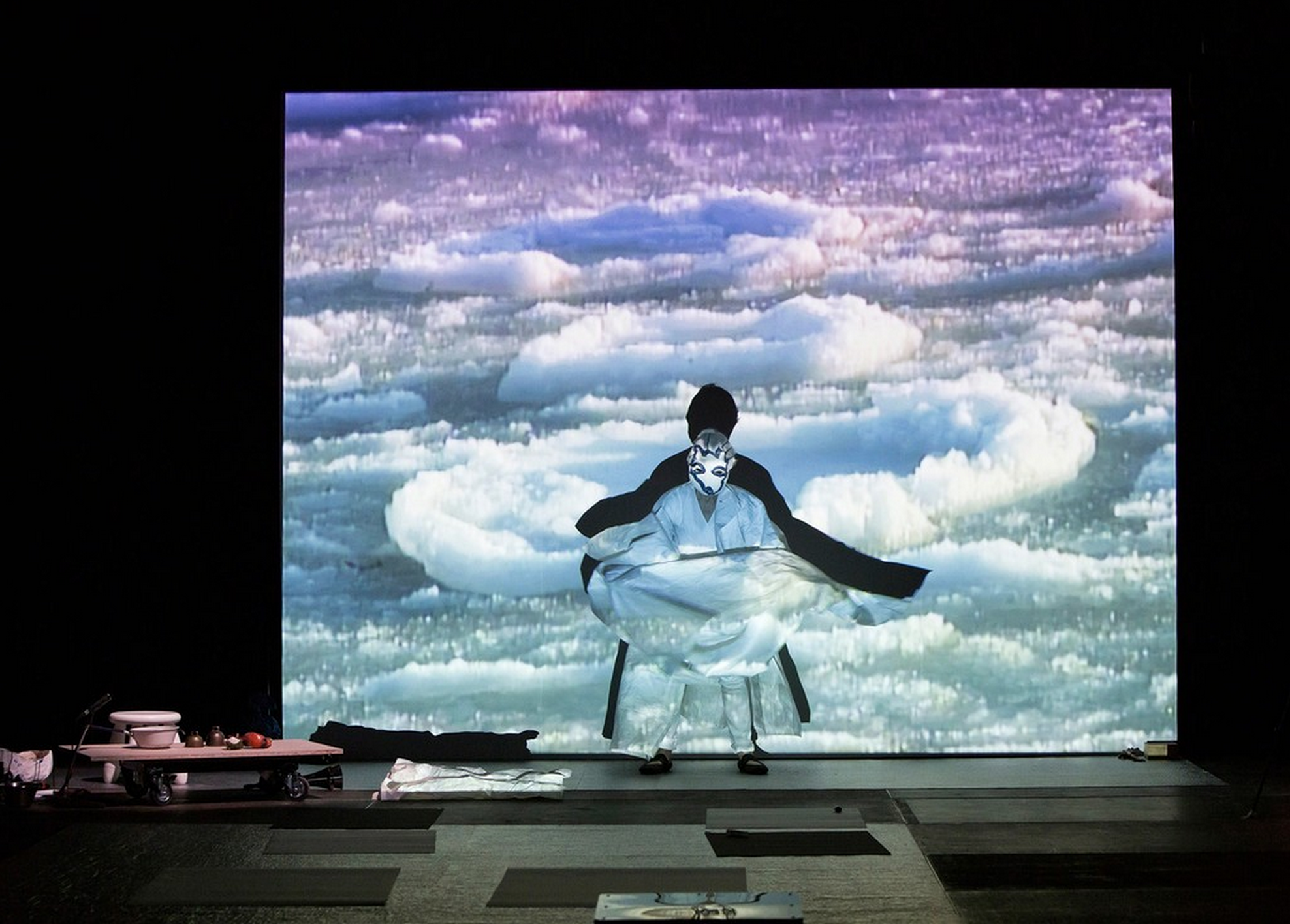
A little over a decade before Monet’s visit, Venice inaugurated the Biennale di Venezia, a cultural super-event descending from the Crystal Palace exhibitions and world’s fairs and growing into a nationalistic arena, a watery Colosseum, in which power and culture compete on a global stage. Today, Venice exists as a year-round spectacle of art, finance, soft power, and attentional economies. In the current edition, Austrian artist Florentina Holzinger orchestrated a number of performances, which she describes as “highly complex compositions with a short duration, important material studies, and a peak intensity.” Her SEAWORLD VENICE features a cast of naked performers engaged in activities such as riding Jet Skis in circles inside a small gallery and sitting in tanks filled with water filtered from portable toilets that visitors are encouraged to use.

Florentina Holzinger: SEAWORLD VENICE, 2026, Austrian Pavilion, 61st International Art Exhibition – La Biennale di Venezia

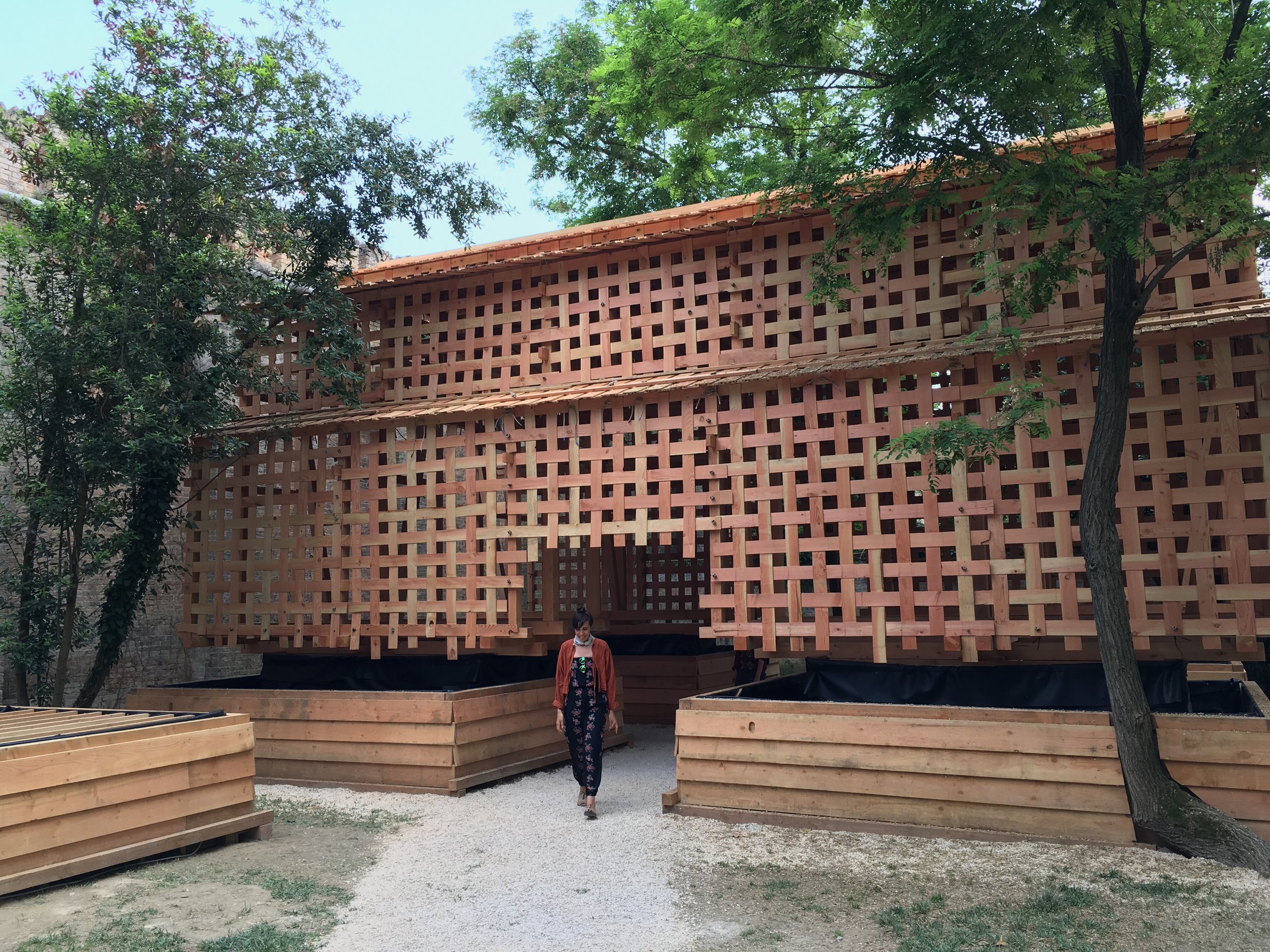
Abbas Akhavan: Entre chien et loup, 2026, Canada Pavilion, 61st International Art Exhibition – La Biennale di Venezia

Montreal-based Abbas Akhavan, representing Canada in this edition, offered Entre chien et loup (Between Dog and Wolf), reimagining the Canadian Pavilion as a Wardian case—an early terrarium used to transport, among many other things, giant water lilies endemic to South America, favored by British colonial elites during the Victorian era and named after the Queen.

The exhibition concludes with a small photograph—a “selfie” avant la lettre—of Monet’s own reflection in a floating lily garden, a thoughtful curatorial gesture invoking the coming age of photography, already at work unsettling a painting tradition infused with broader cultural influences and beset by the epochal unrest of the industrial age, with its many social and ecological dislocations. Beside the photograph hangs a late painting: an animated limning of floating lilies suspended in a harmonious balance of water, light, and space.


If you should take a ferry from Honshu or Shikoku to Naoshima, the art-revitalized, postindustrial former fishing island, and on through the now rather overcomplicated app-based pilgrimage to see the monumentalized installations of artists from East and West proffering syncretic concepts of impermanence, quotidian beauty, and commodified spectacle, you’ll arrive, after walking through a shimmering water garden, at the Chichu Museum, where Tadao Ando has built a naturally lit subterranean den of white marble and luminous, softly curving walls for its collection of large, late Monet lilies. You’ll be invited to remove your shoes, walk into the cool cavern, and observe the ongoing transformation and relational becoming.

Chichu Art Museum, Monet Room, Yurika Kono

Monet and Venice is on view through July 26, 2026 at the de Young Museum

Read Our Interview of Artist Darius Airo Ahead of Both His Exhibitions in Los Angeles

Installation view of Casual Banter @ Face Guts. Courtesy of Darius Airo and Joshua White.

Heavily intertwined with the work of the Chicago Imagists, artist Darius Airo has derived a decent amount of his contemporary style from the group of representational artists. Imbued with the quintessential imagery and pop iconography of the Imagists, Airo’s work fuses these art historical trends with his own inclination for surrealist imagery and the grotesquerie. His romanticization of public space is influenced by these same artistic roots, but is guided by the poetry he writes. Airo interweaves the quotidian with the romantic through his poetic approach to painting and drawing, unintentionally highlighting the exceptional in the mundane. 
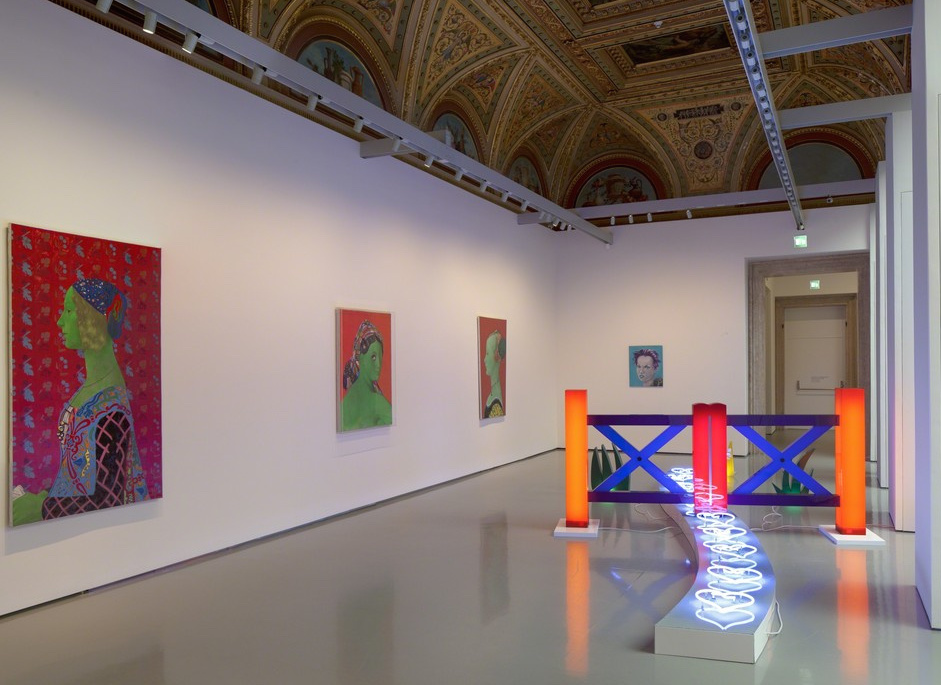
Airo has two shows happening concurrently in Los Angeles. His show Dense at Central Server Works is a collaboration between him and Jim Mooijekind. The respective artists’ work operates in tandem; the paintings are in conversation with one another, all generally characterized by the abstracted figure and its gaze. Casual Banter at Face Guts is a sort of retrospective of Airo’s drawings from the last ten years, curated by photographer Joshua White. The drawings are filled with kinetic figural forms seemingly capable of conversing amongst themselves. Read more.

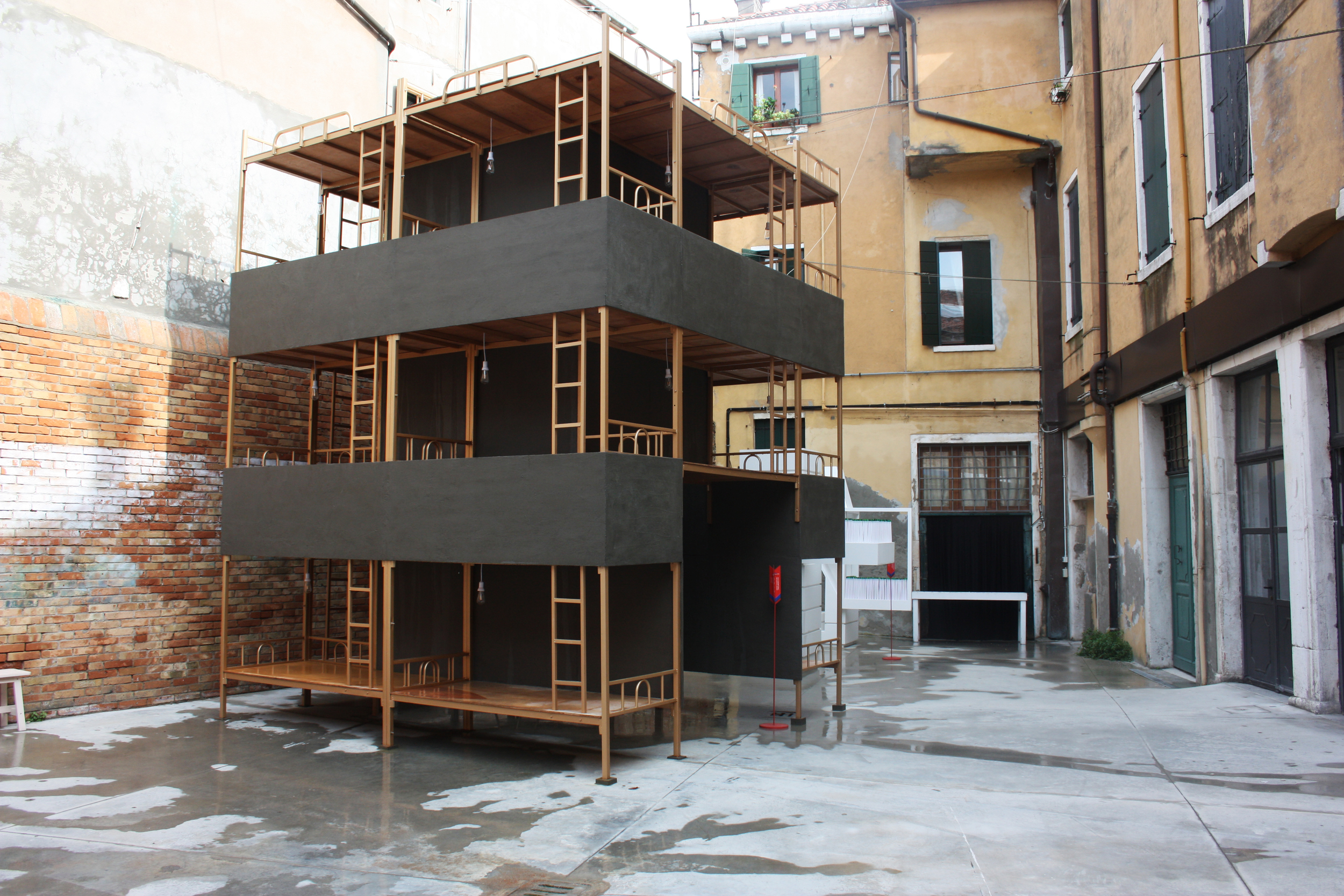
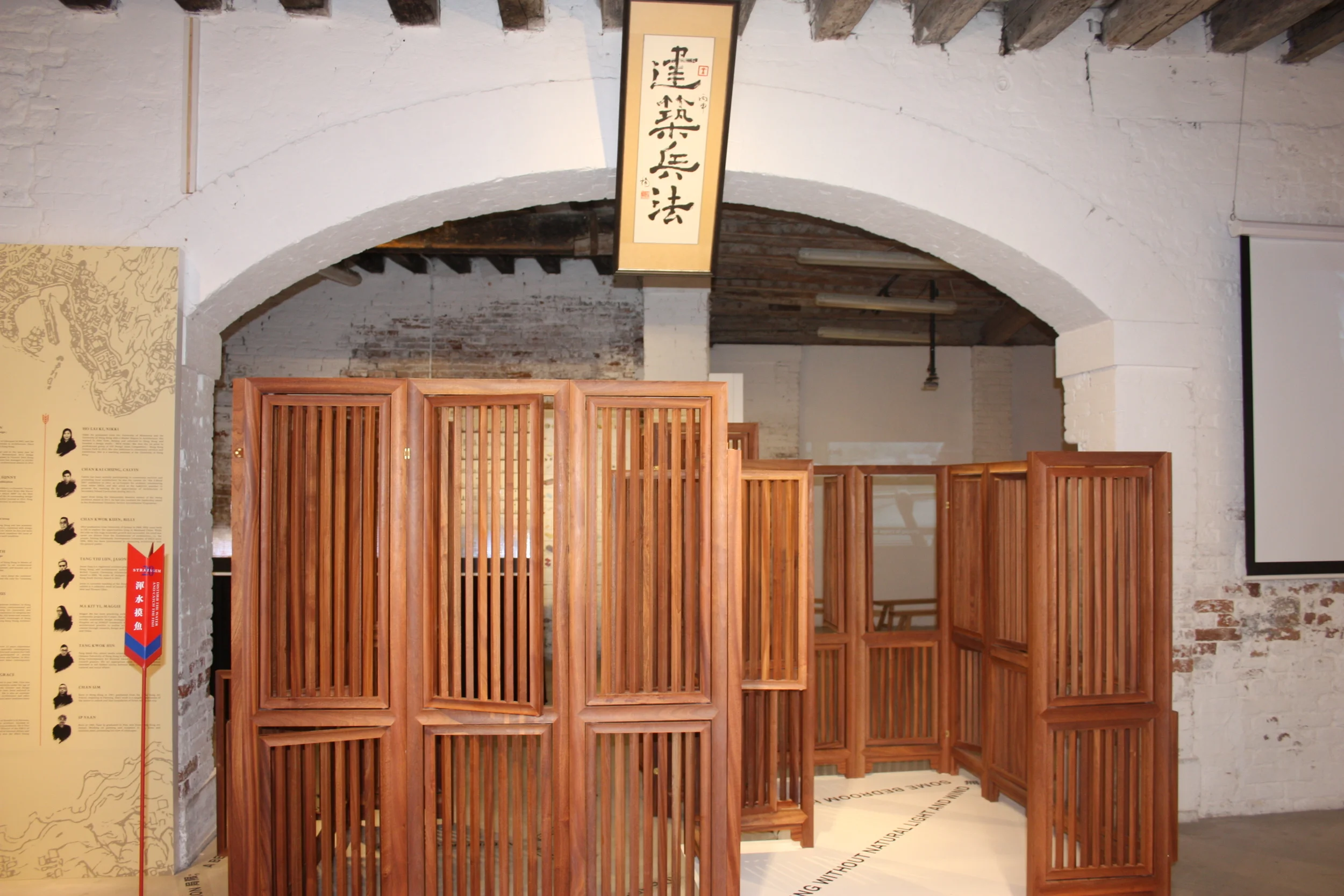
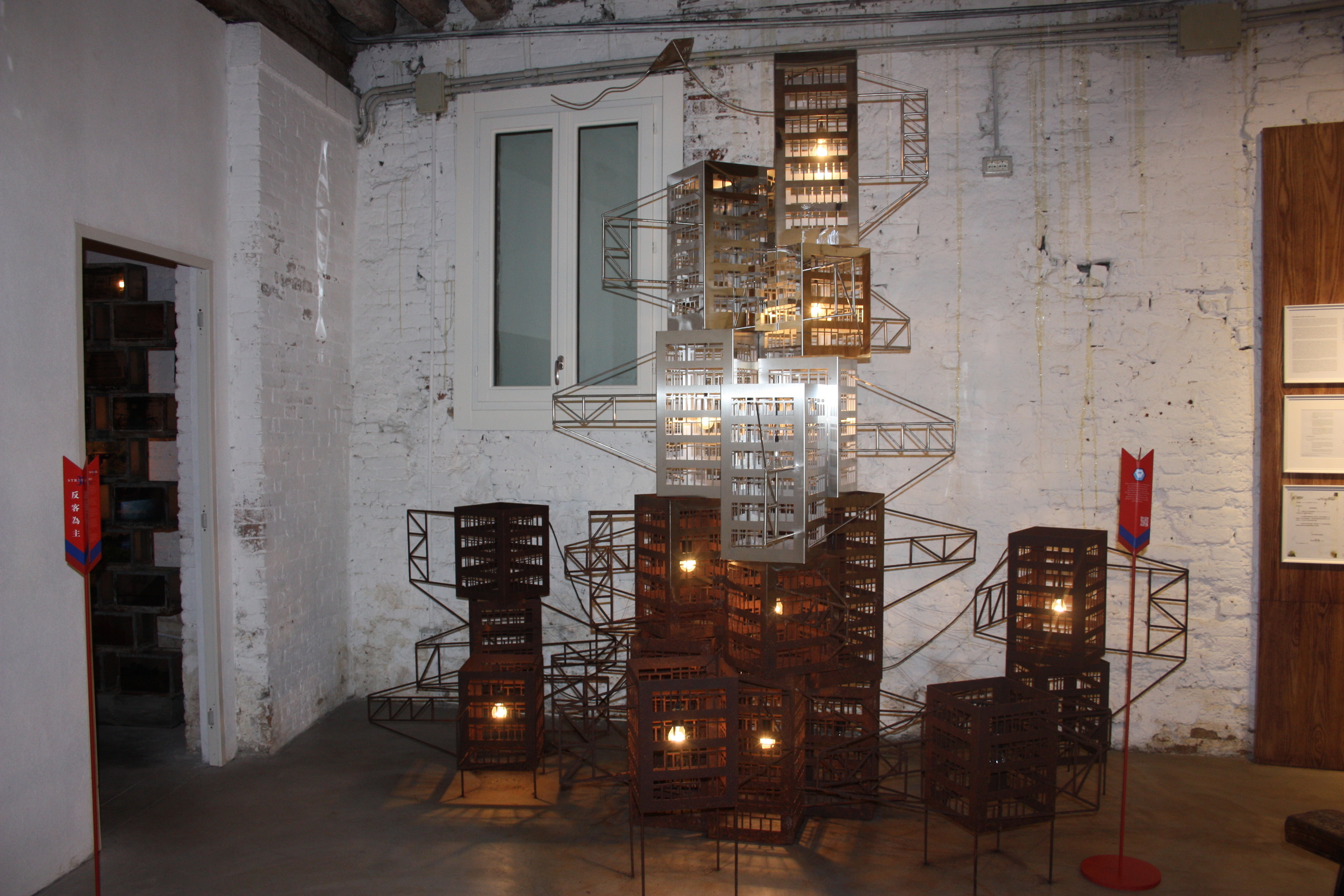
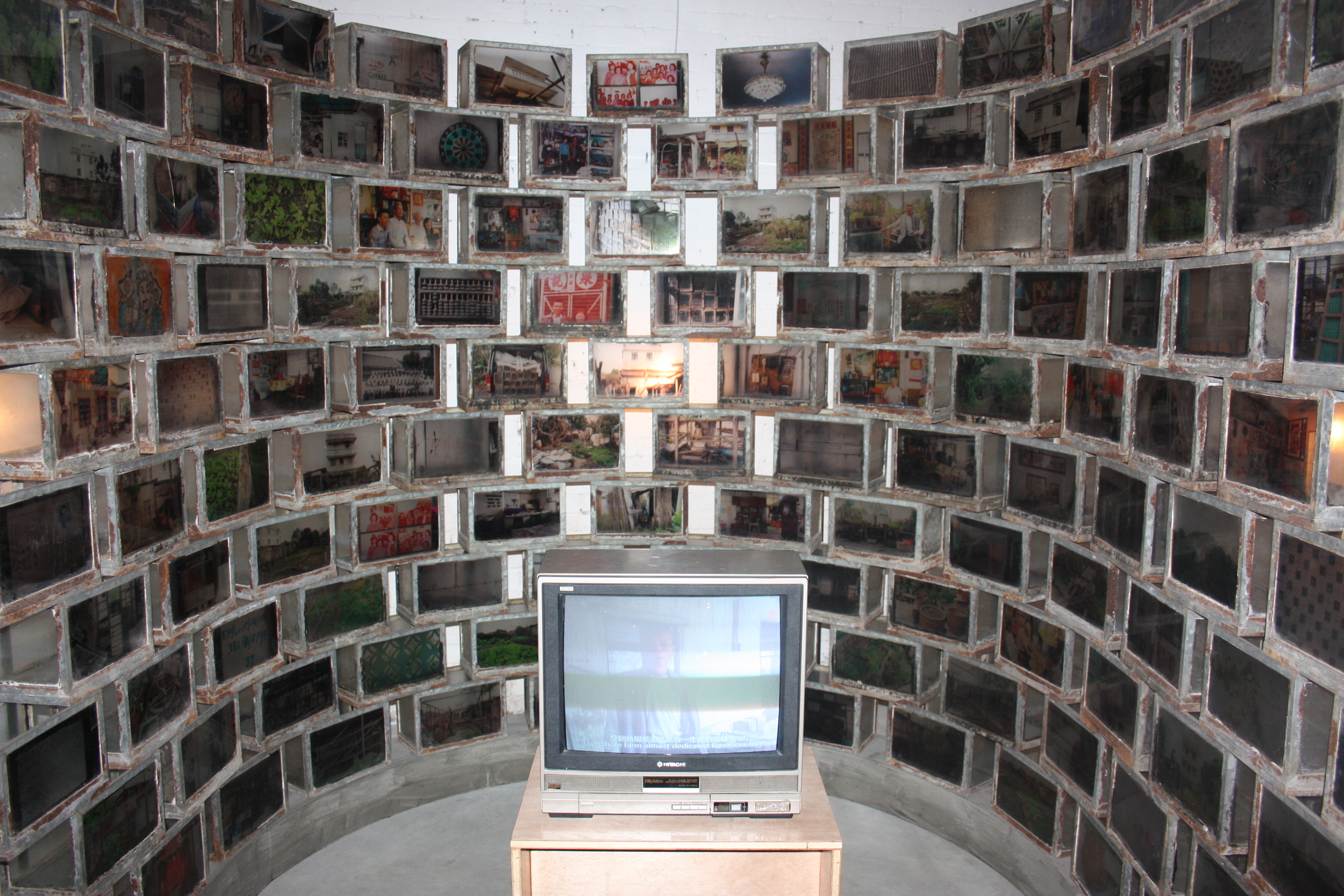
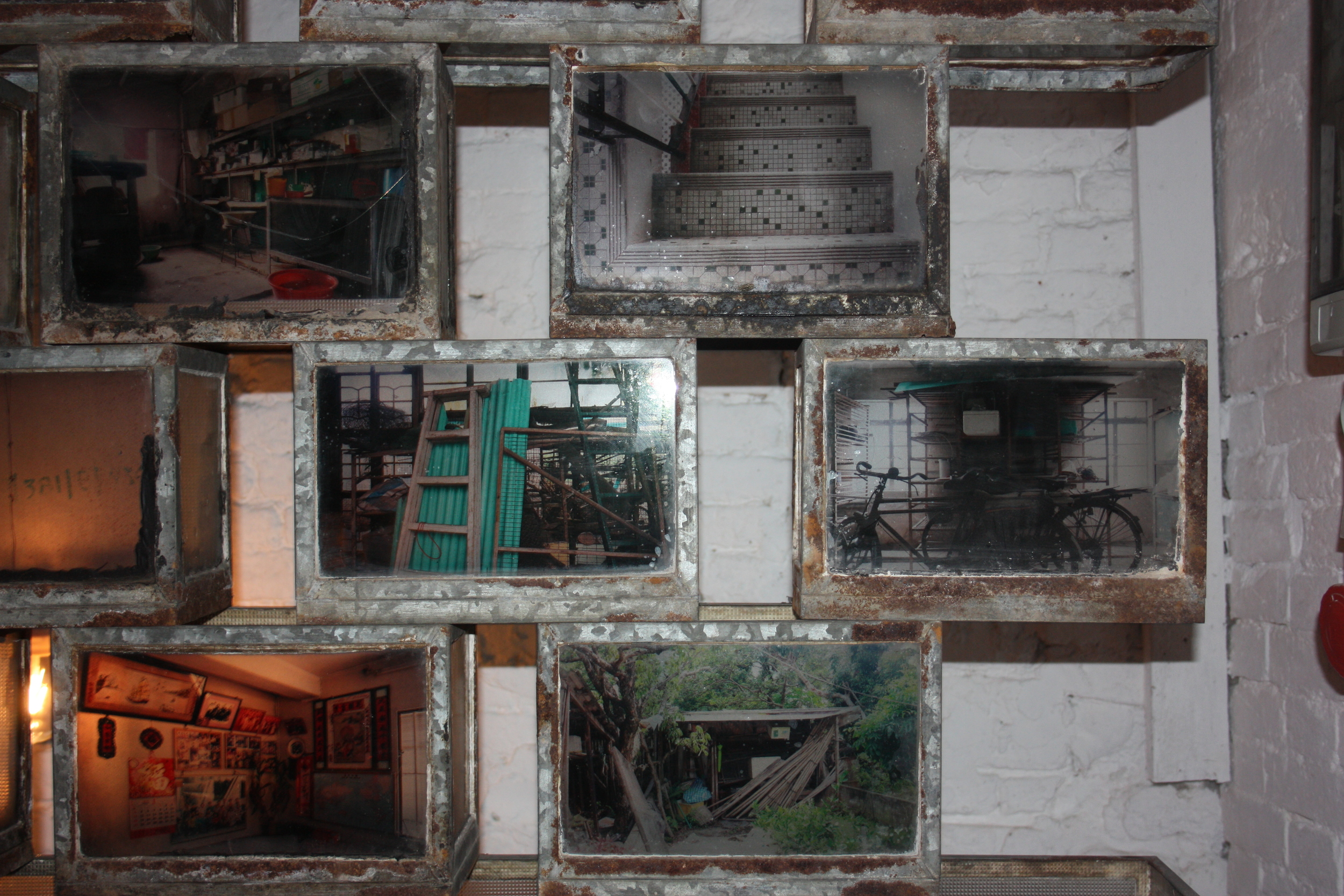
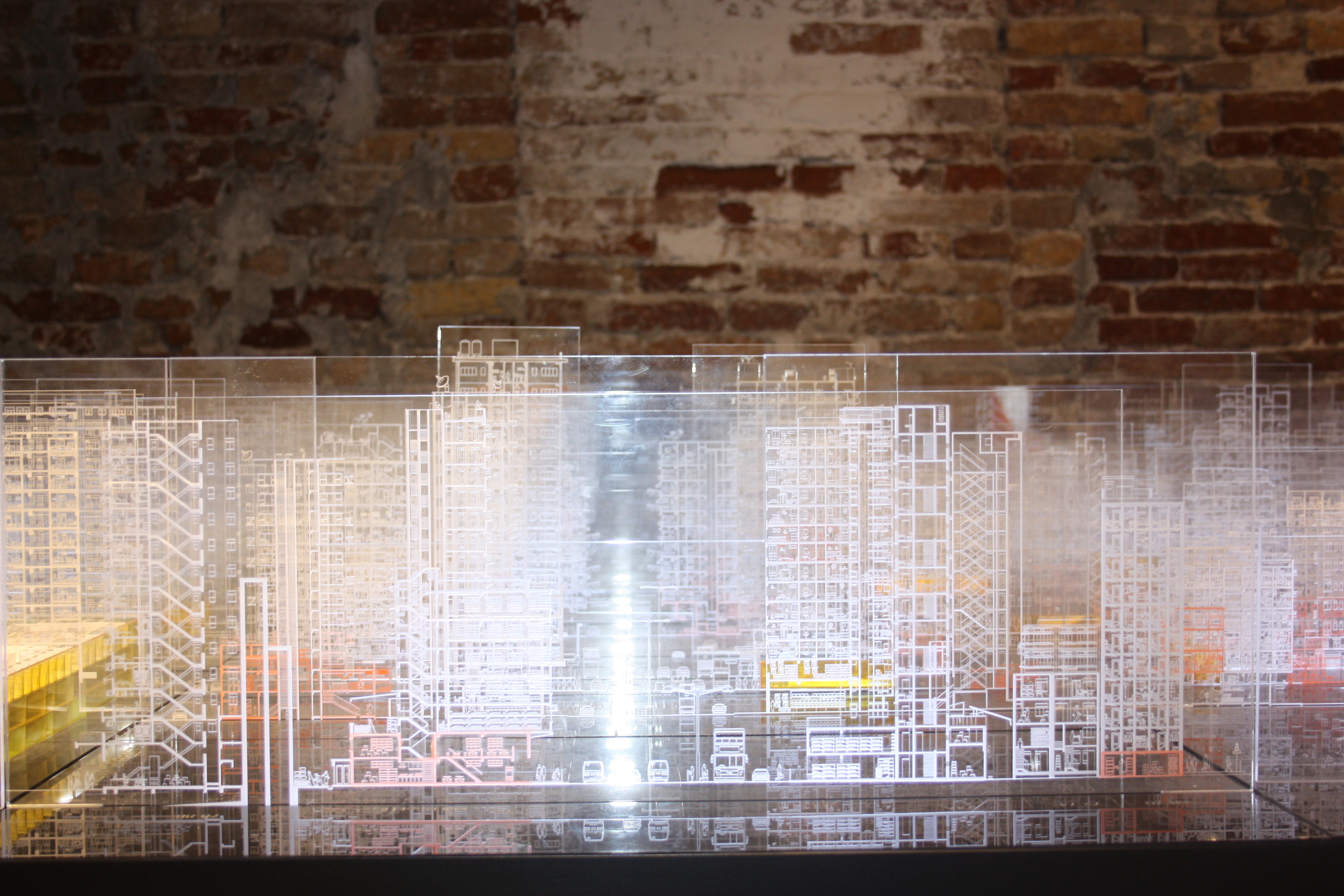
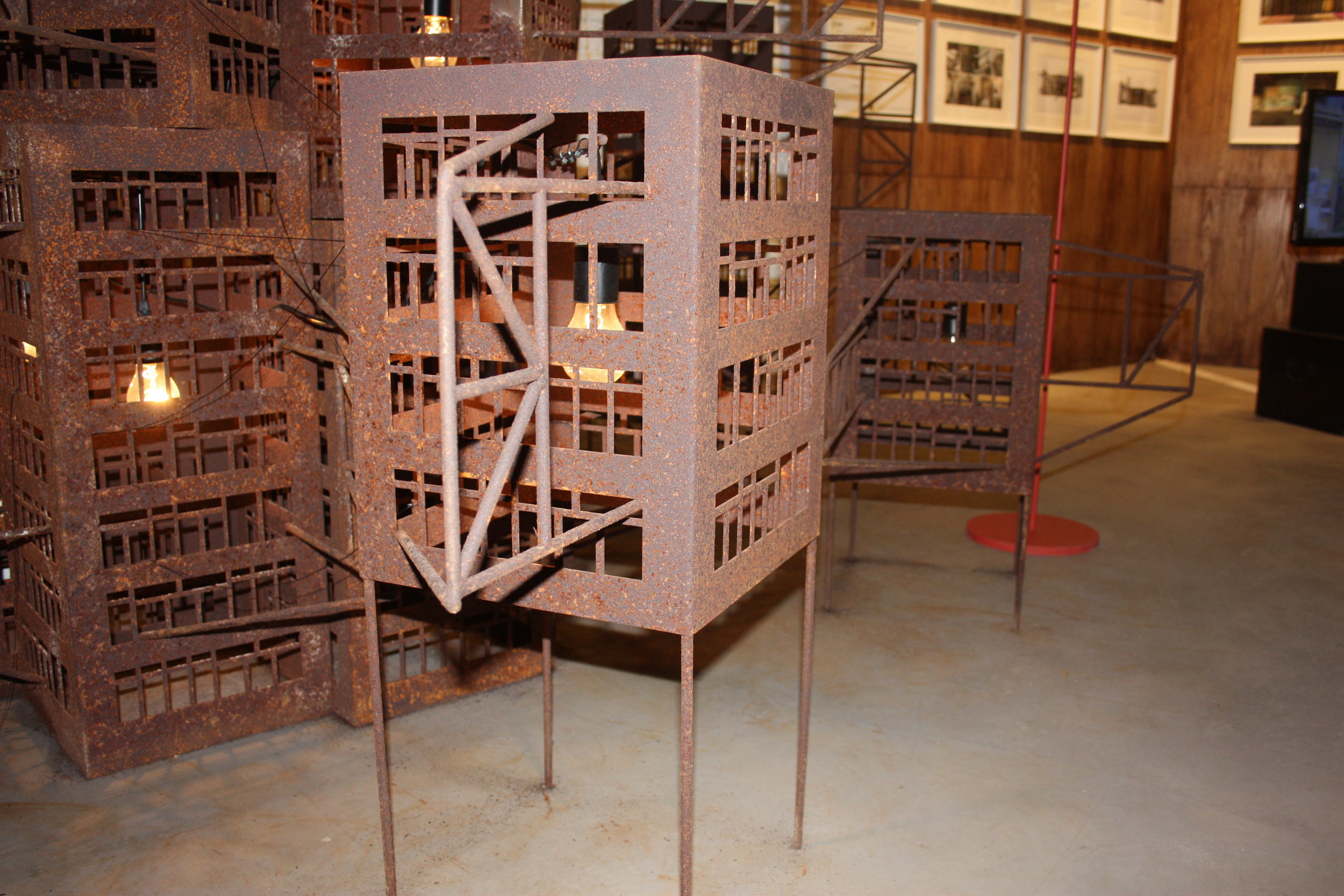
"Stratagems in Architecture: Hong Kong in Venice" During The Venice Architecture Biennale 2016

Hong Kong is a city known for its versatility and resilience; yet what is often seen in daily life is rigidity and lack of alternatives. Architecture, under such circumstance, becomes an agency reflecting on human, social and even political conditions, and at the same time moulding the values of the public. On one hand, it conforms to the rules of capitalism and private demand; on the other, it seeks to transcend the norm and open up imagination. What lies in between could be conflictive and creates endless and ever-changing battlefields. New ideas are put to test at the borderline; they may fail or they may transform into new set of values. Working on the margins often unveils the social dilemma – whether human need should be replaced by the need for progress and wealth. The classical Chinese essay Thirty-Six Stratagems is a collection of military tactics applied at wars in ancient China. The wisdom provides guides in politics, business and civil interaction in modern time. The stratagems are categorized into chapters that illustrate different situations, both advantageous and disadvantageous. Drawing reference from the classic, the exhibiting architects and artists examine the challenges they face and attempt to provide solutions to the complexity of reality. “Stratagems in Architecture: Hong Kong in Venice” will be on view as a collateral event during the Venice Architecture Biennale, which runs until November 26, 2016. Location: Venue Campo della Tana, Castello 2126-30122 Venezia, Italia (opposite the main entrance of Arsenale)

"Home Economics" At the British Pavilion For The Venice Architecture Biennale 2016

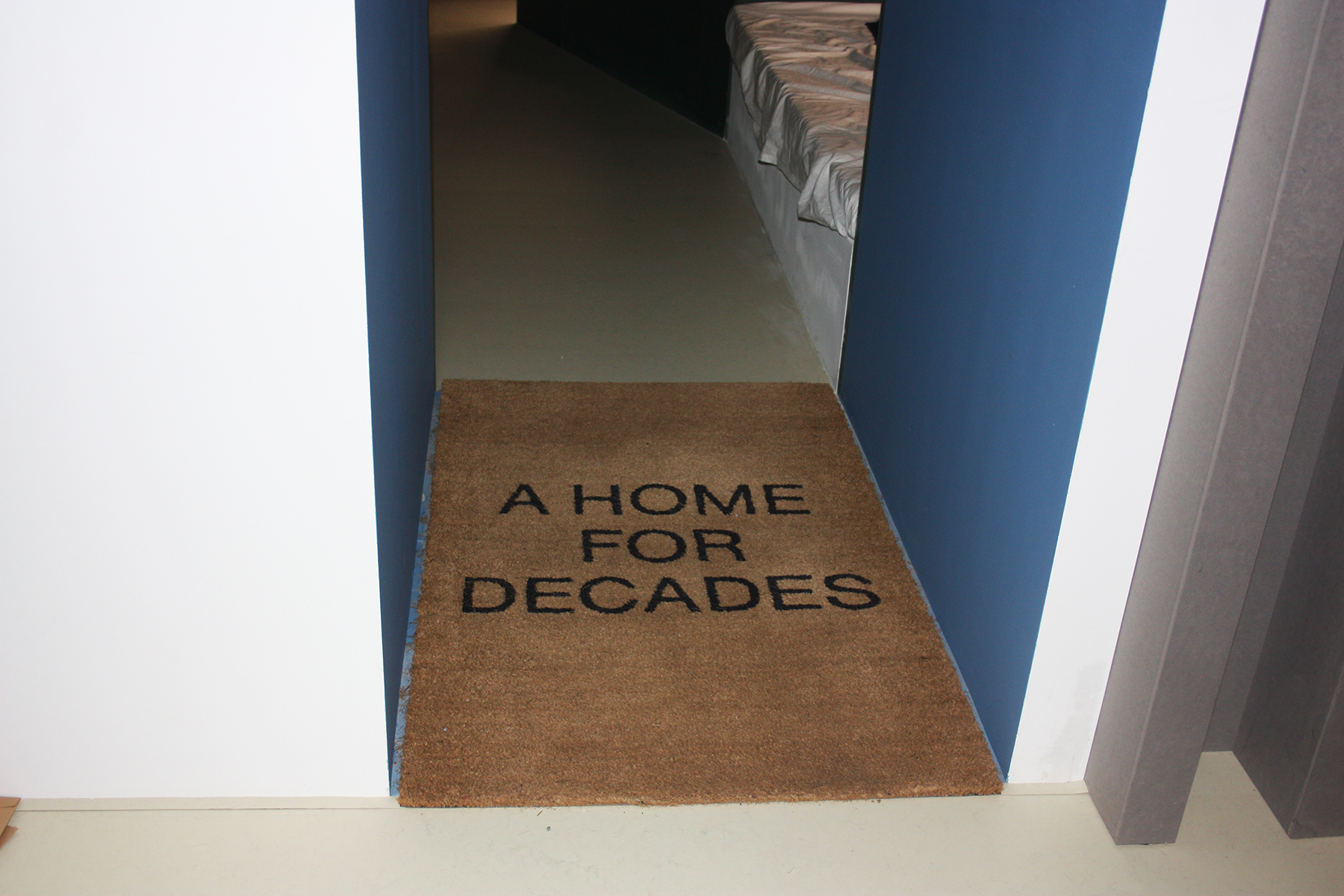
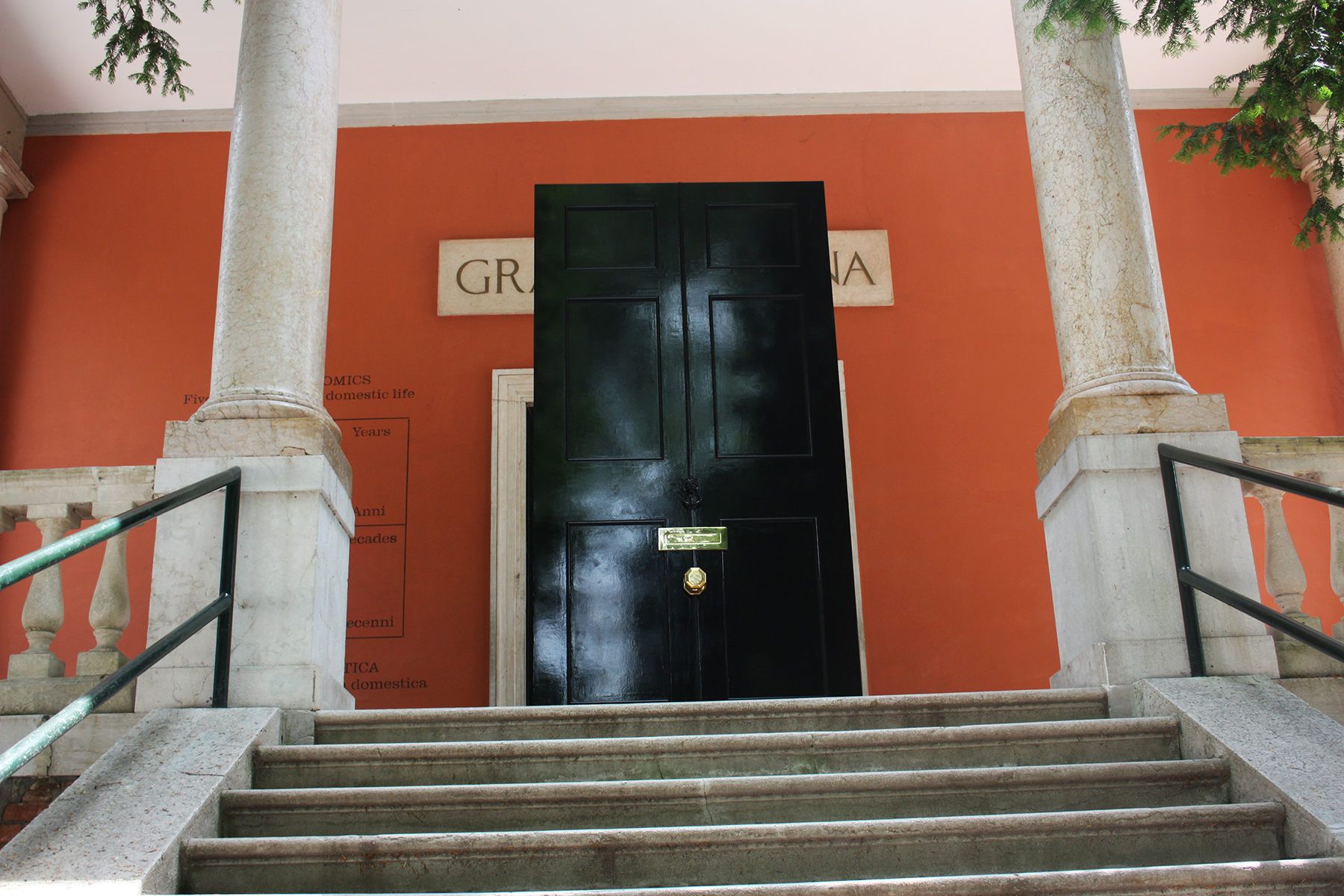
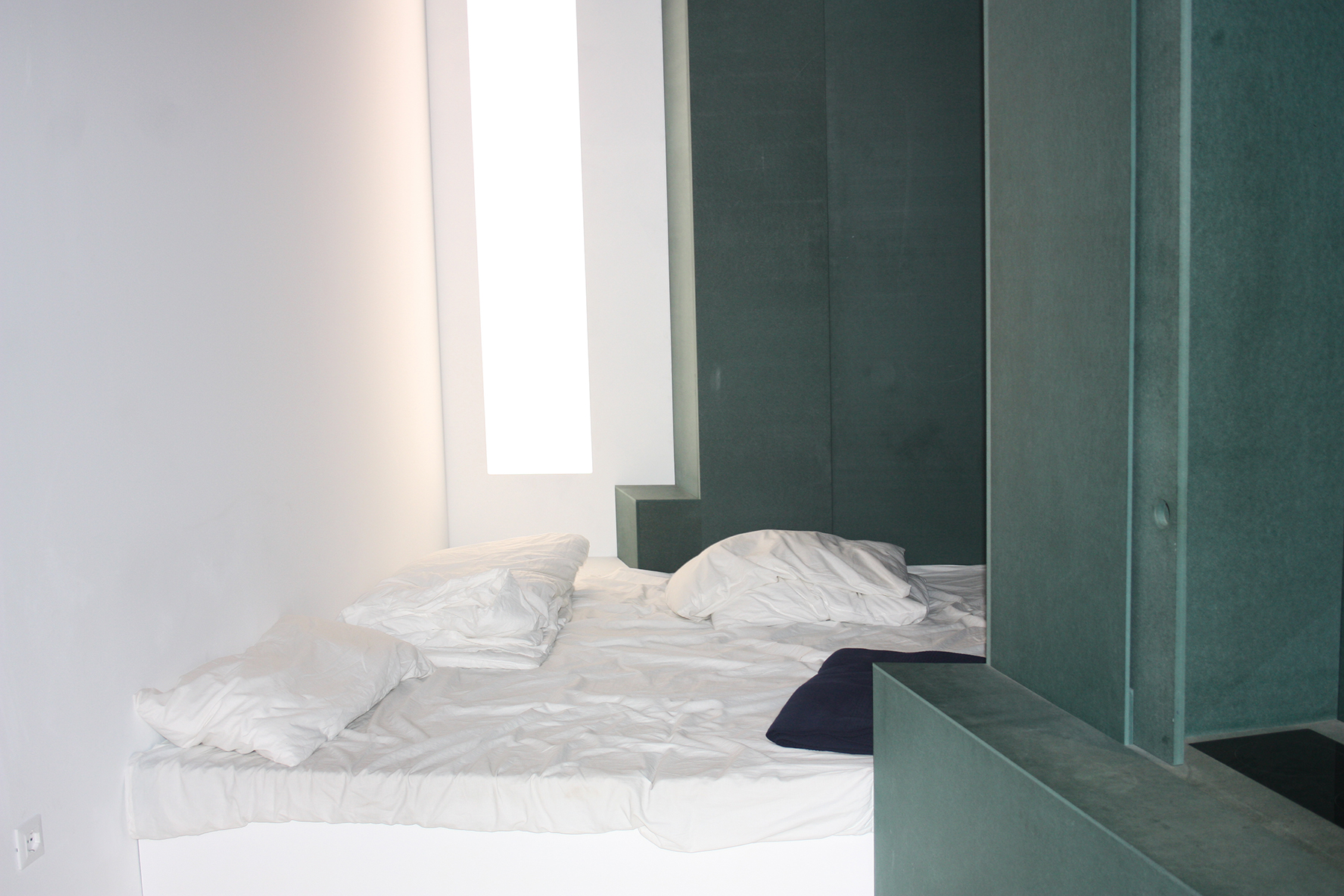
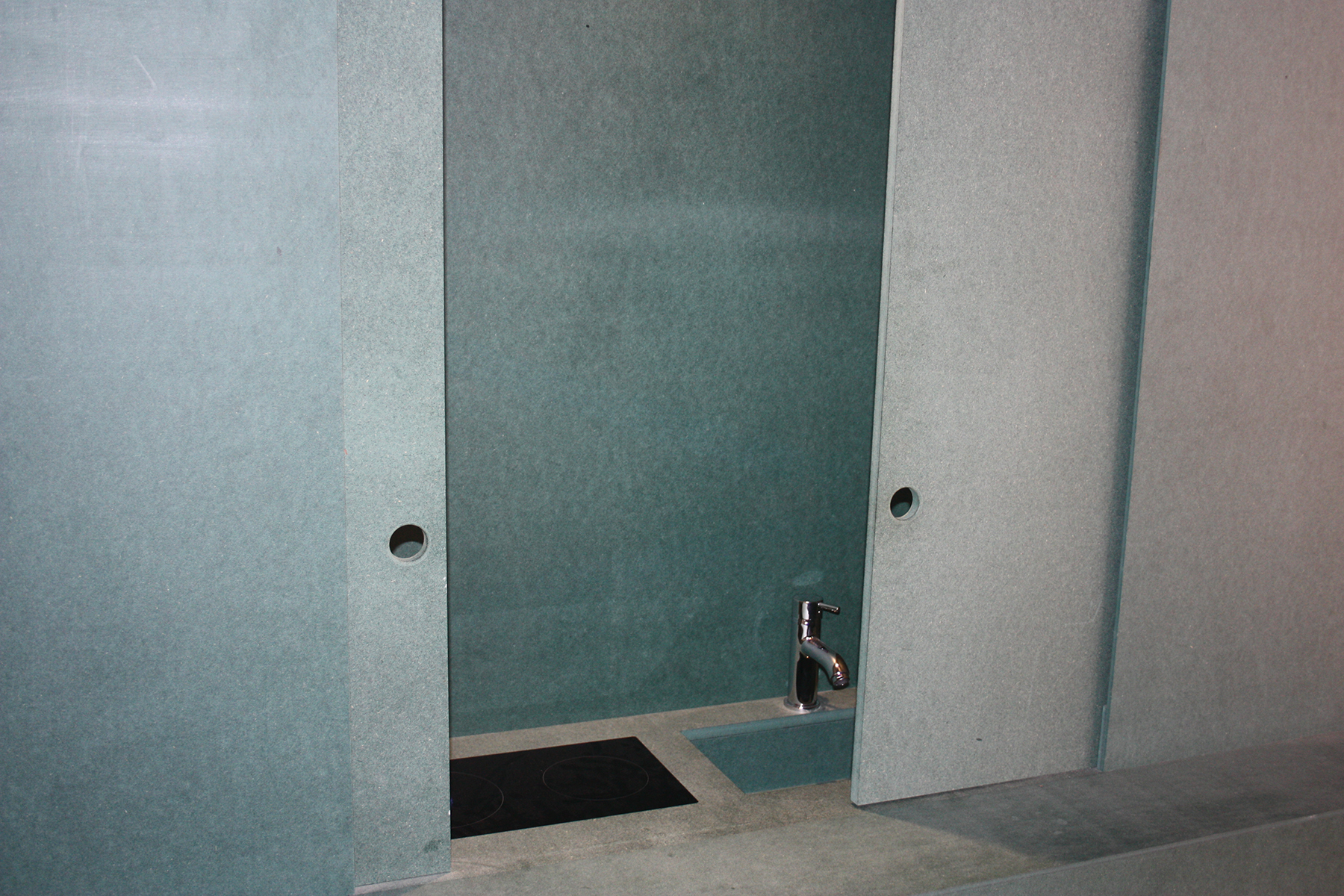
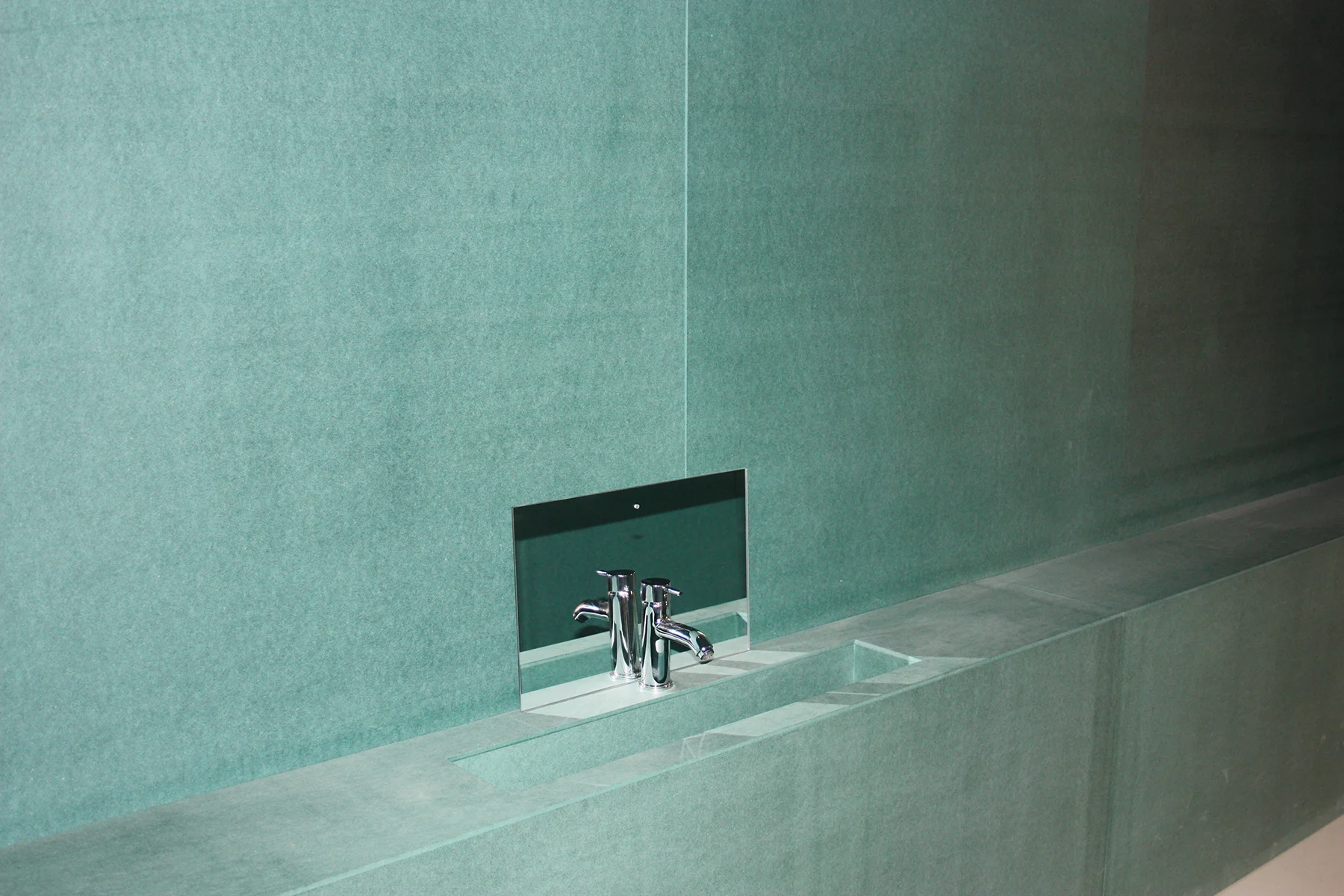
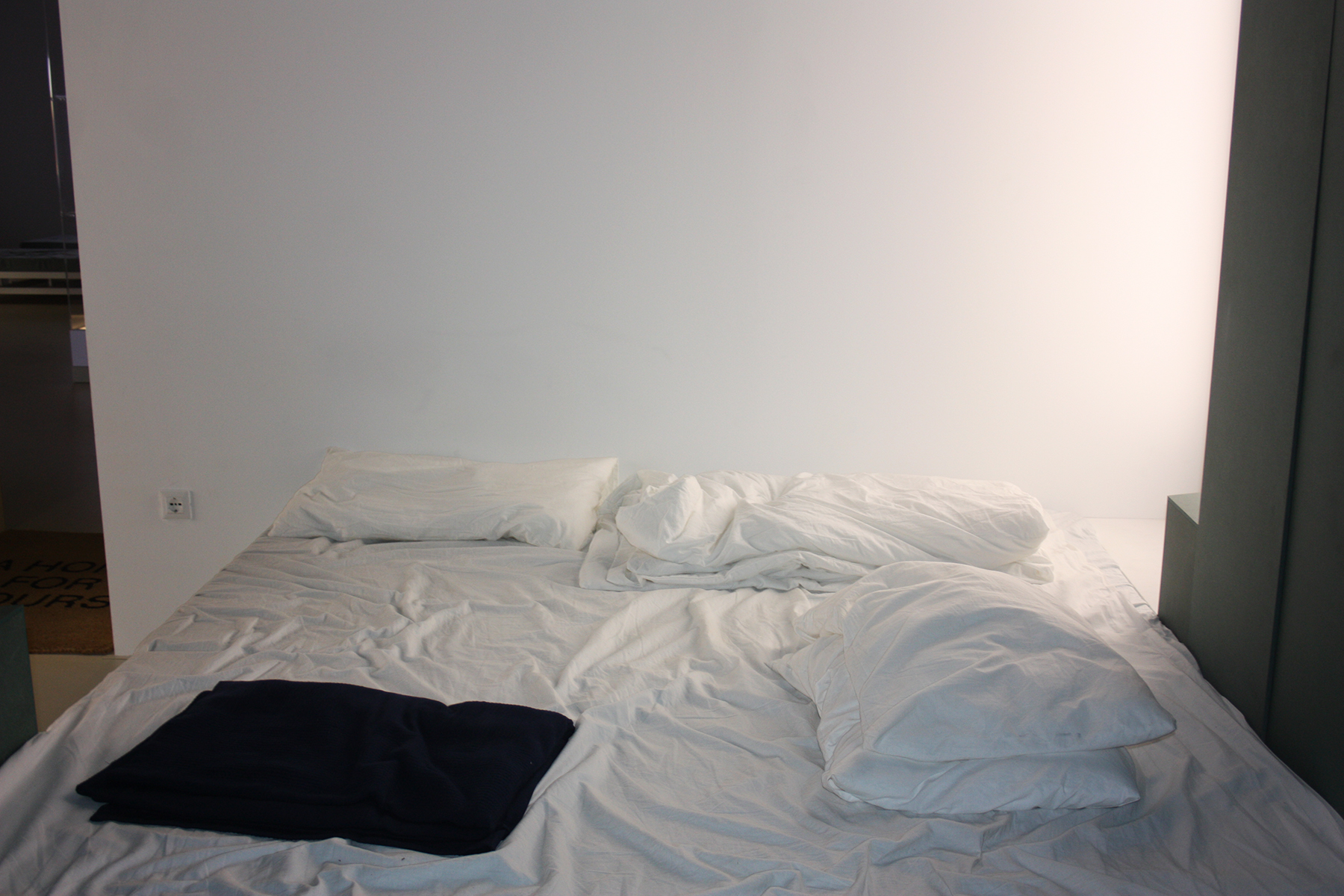
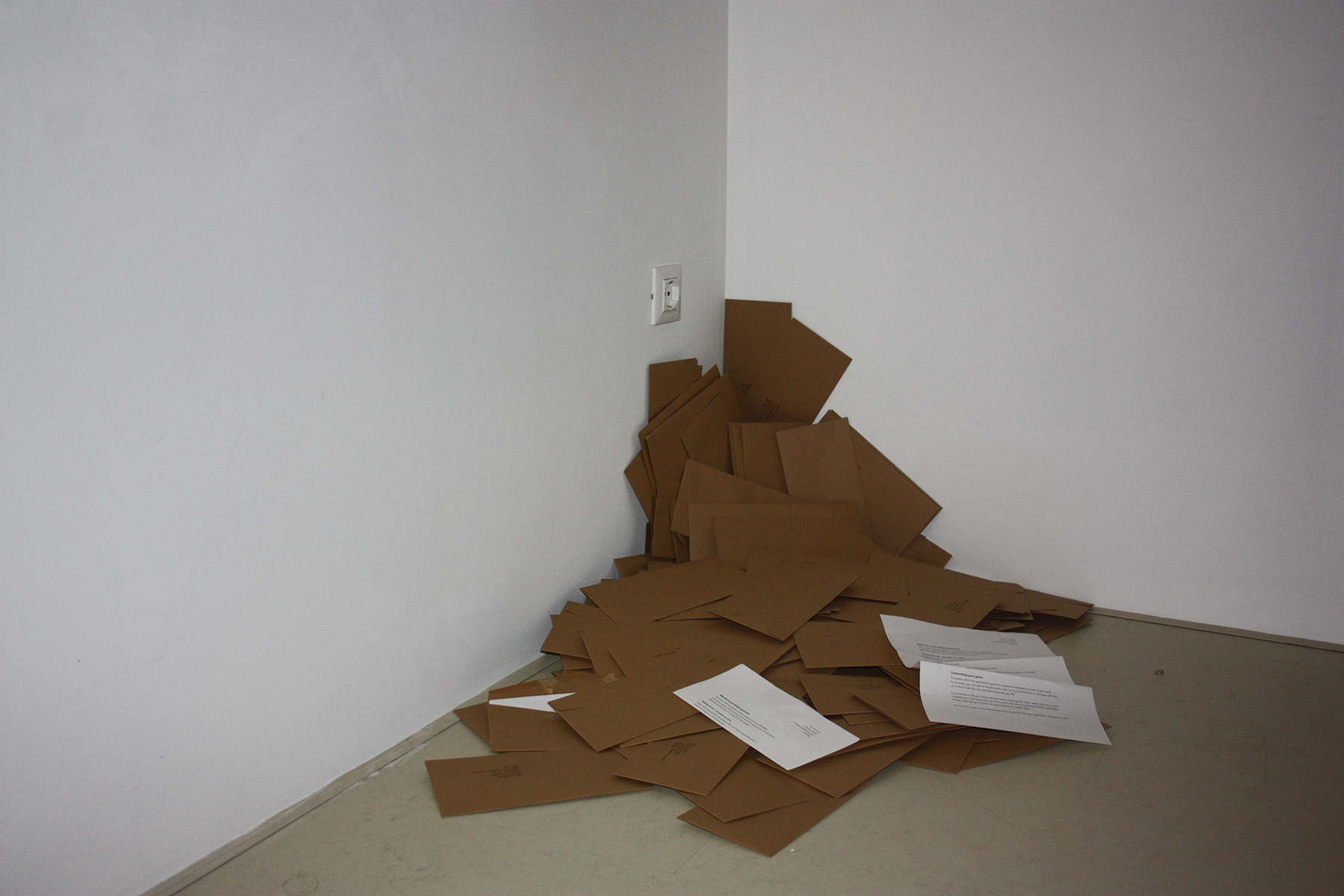
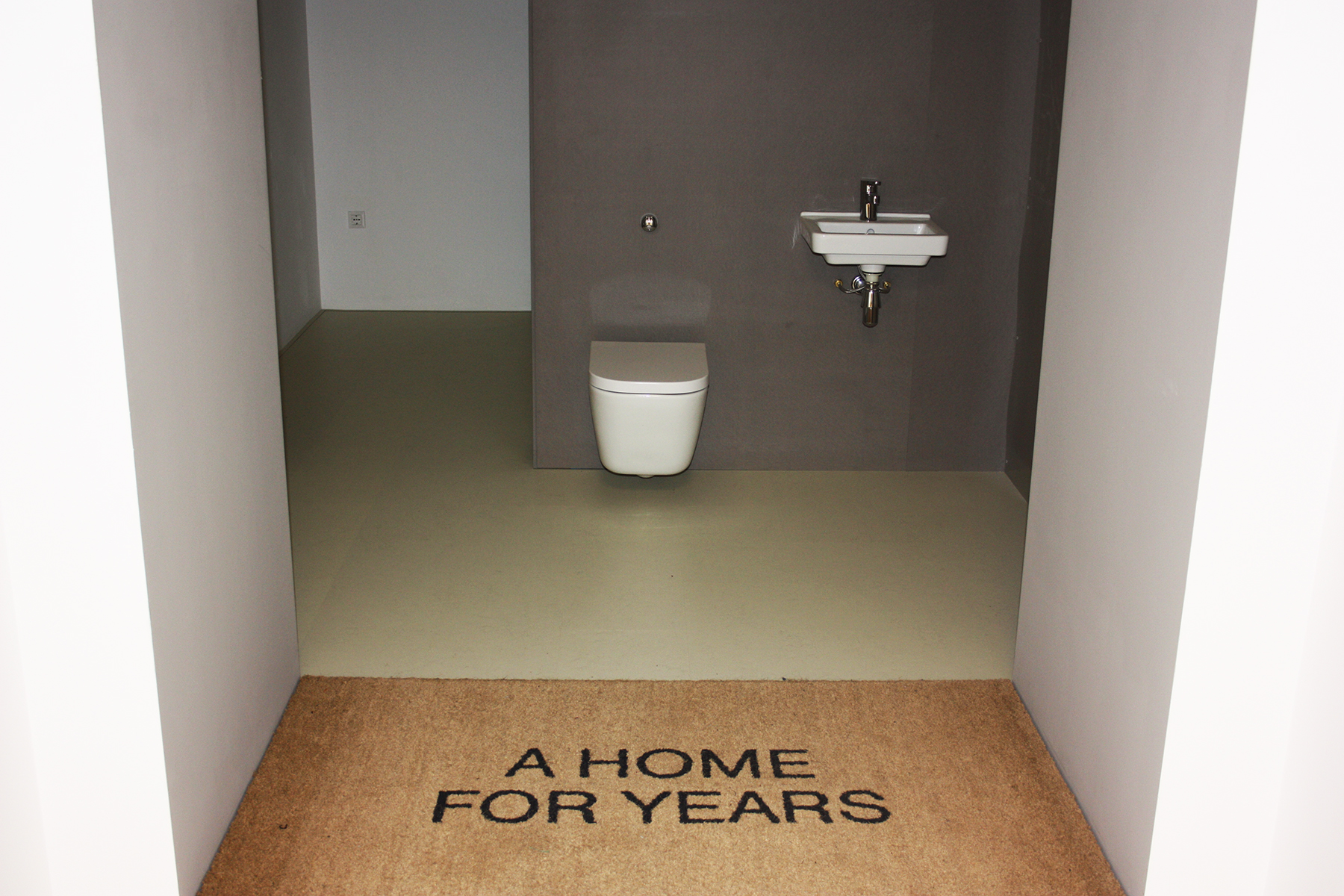
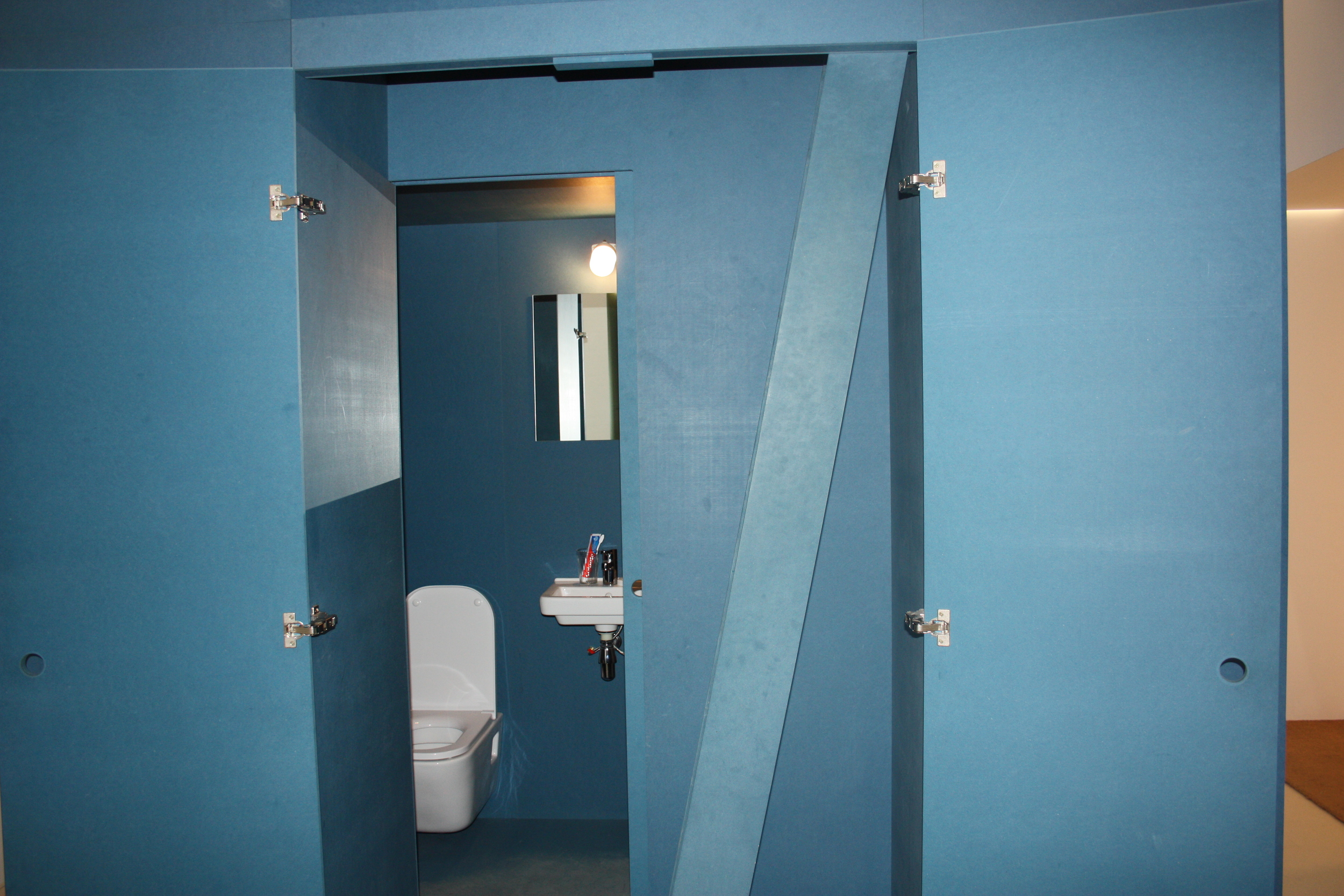
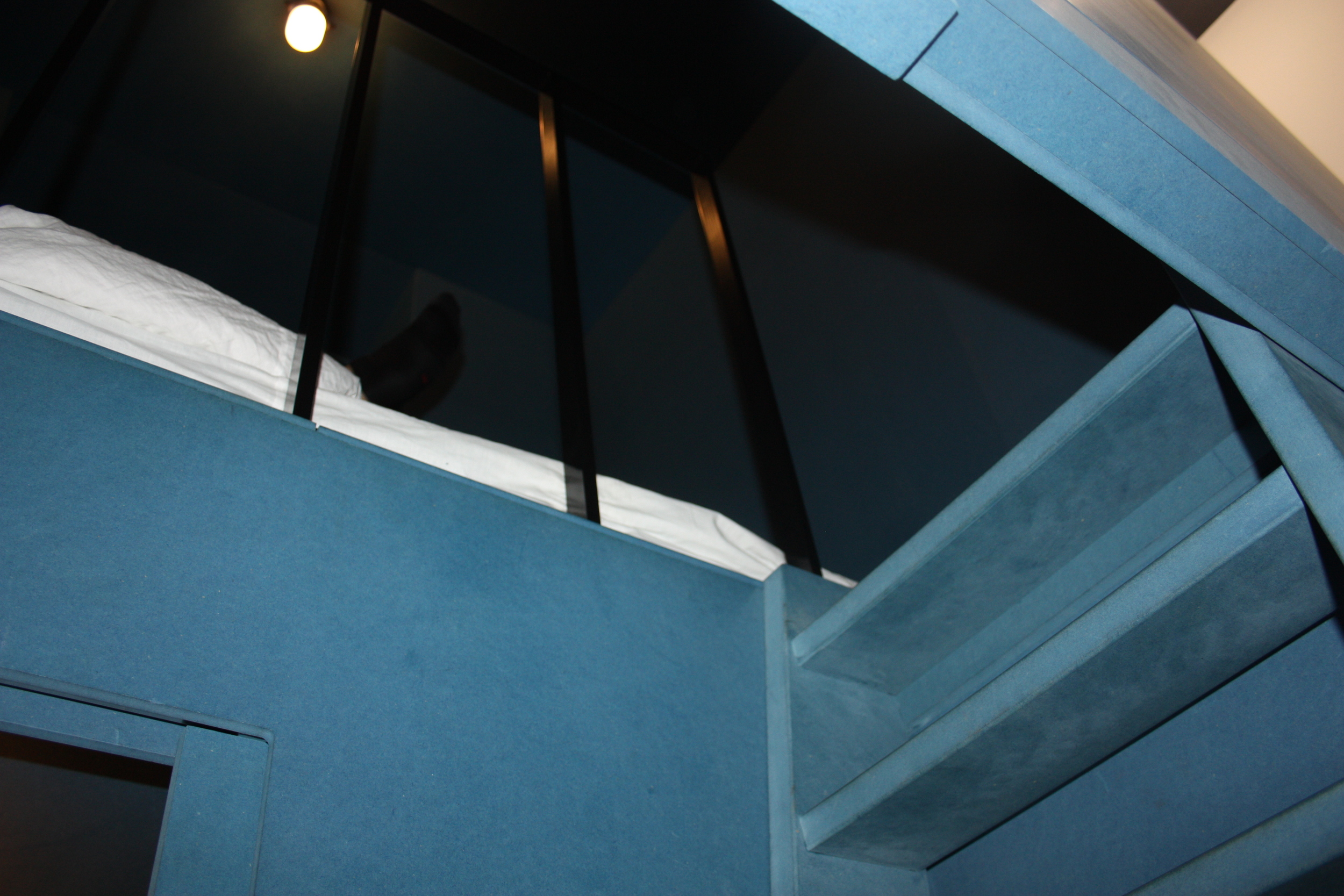
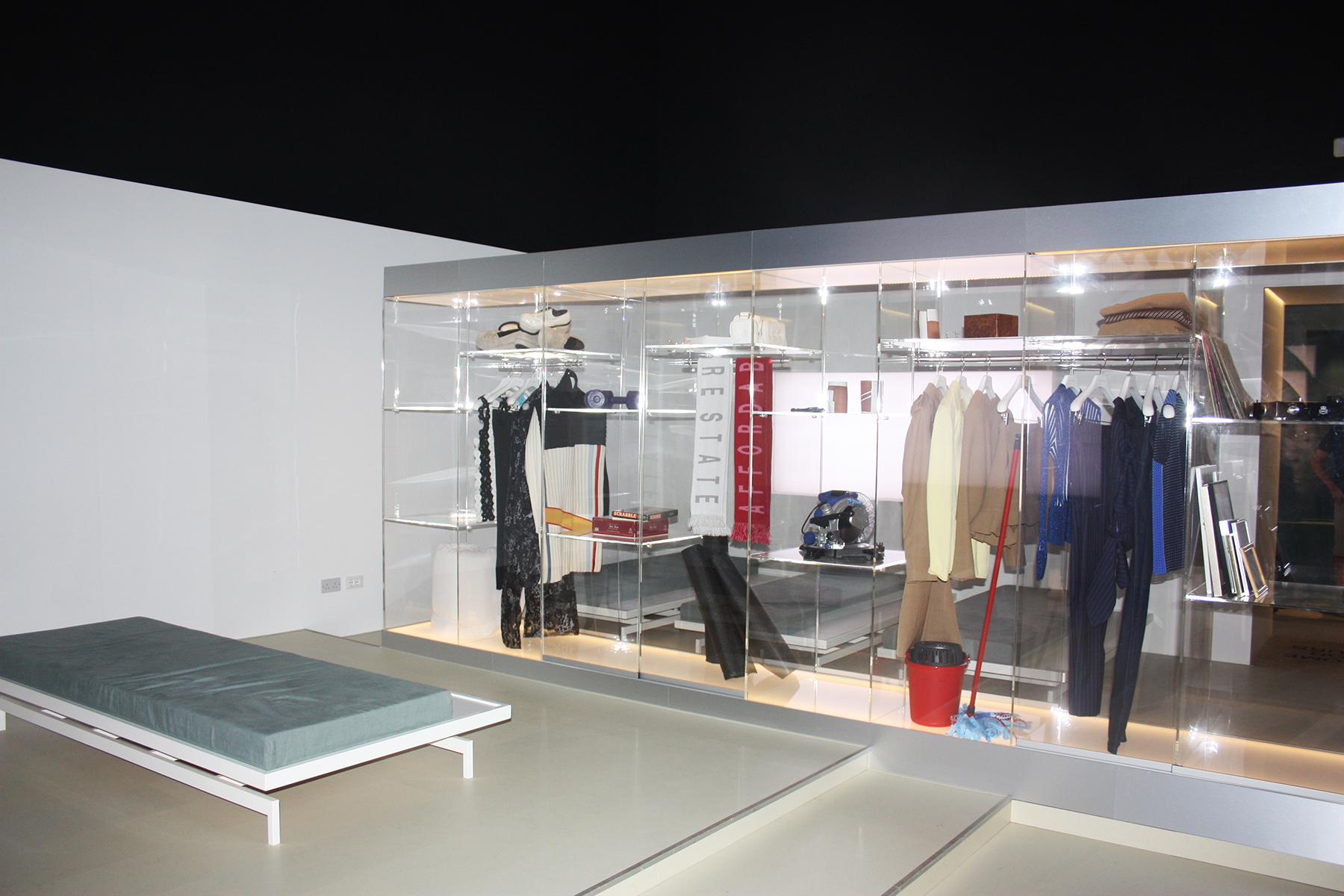
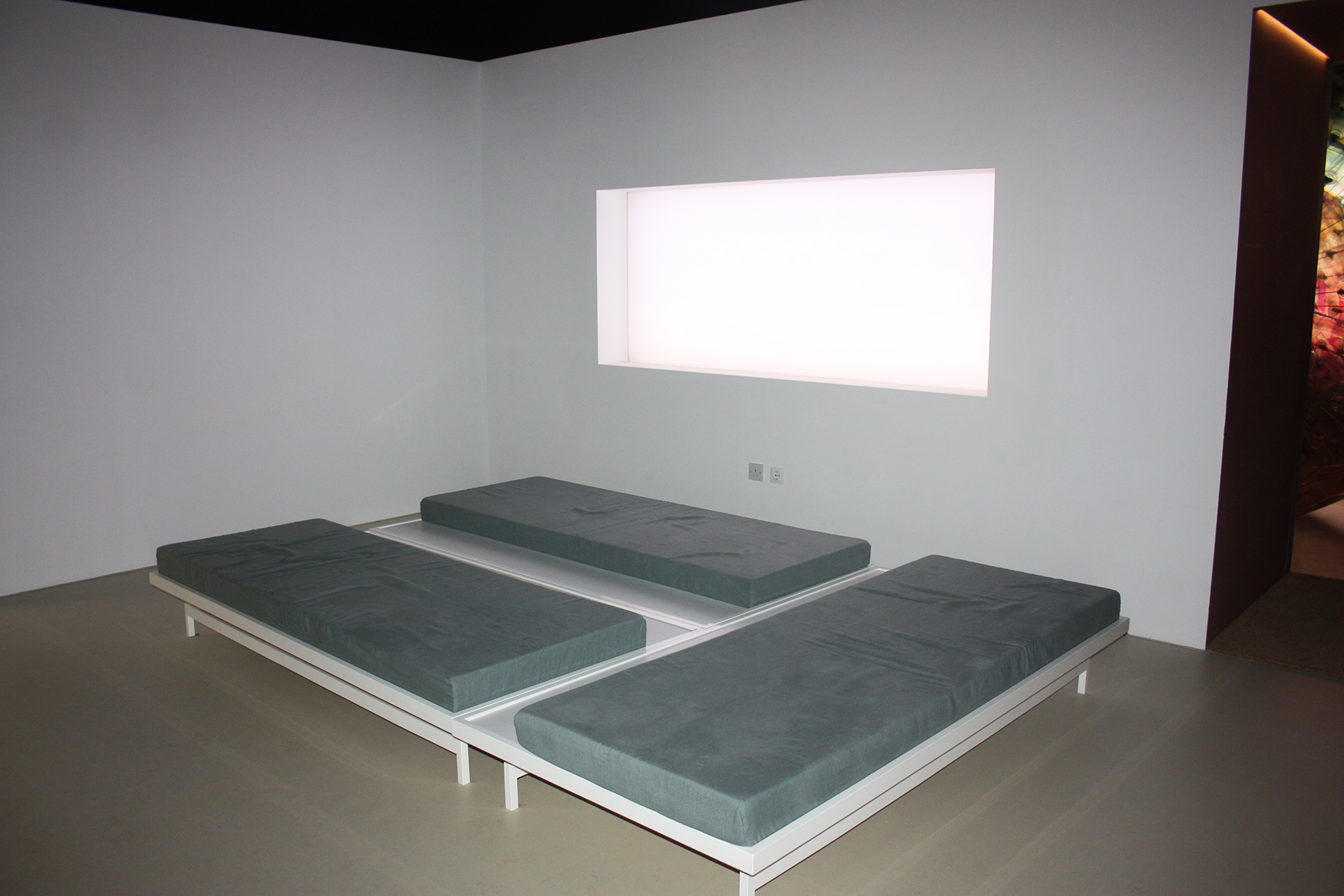
Visitors approaching the British Pavilion are welcomed by an over-sized Georgian panelled door. To prevent the spread of plague, Queen Elizabeth I forbade families from sharing homes by saying “each must have their own front door”, a decree that led to the advent of the terraced house and entrenched the importance of the front door in the British psyche. Black, glossy and monolithic, the Home Economics front door dominates the central axis of the Giardini as a monument to the British home, inviting visitors to explore the different environments. Home Economics responds to the Biennale Architettura 2016 curator Alejandro Aravena’s theme Reporting from the Front by tackling the frontline of British architecture: the home. The curators, Shumi Bose, Jack Self and Finn Williams, were chosen following an open call organized by the British Council and have invited established and emerging artists, architects and designers to produce immersive 1:1 environments, which challenge the status quo and propose new models for the home. Home Economics asks questions of British society and architectural culture that have come about as a result of changes in patterns of everyday life. The exhibition unfolds through a series of five architectural propositions, designed around incremental amounts of time: Hours, Days, Months, Years and Decades. Each room designer has been asked to propose architectural responses, rather than solutions, to the conditions imposed on domestic life by varying amounts of occupancy, and each response inhabits one of the five rooms in the British Pavilion. Home Economics will be open to the public throughout the 15th International Architecture Exhibition – La Biennale di Venezia from 28 May to 27 November 2016 - at the Giardini. photographs by Sara Kaufman

Kelsey Lee Offield of Gusford Gallery Shares Her Highlights and Adventures from the 2015 Venice Biennale

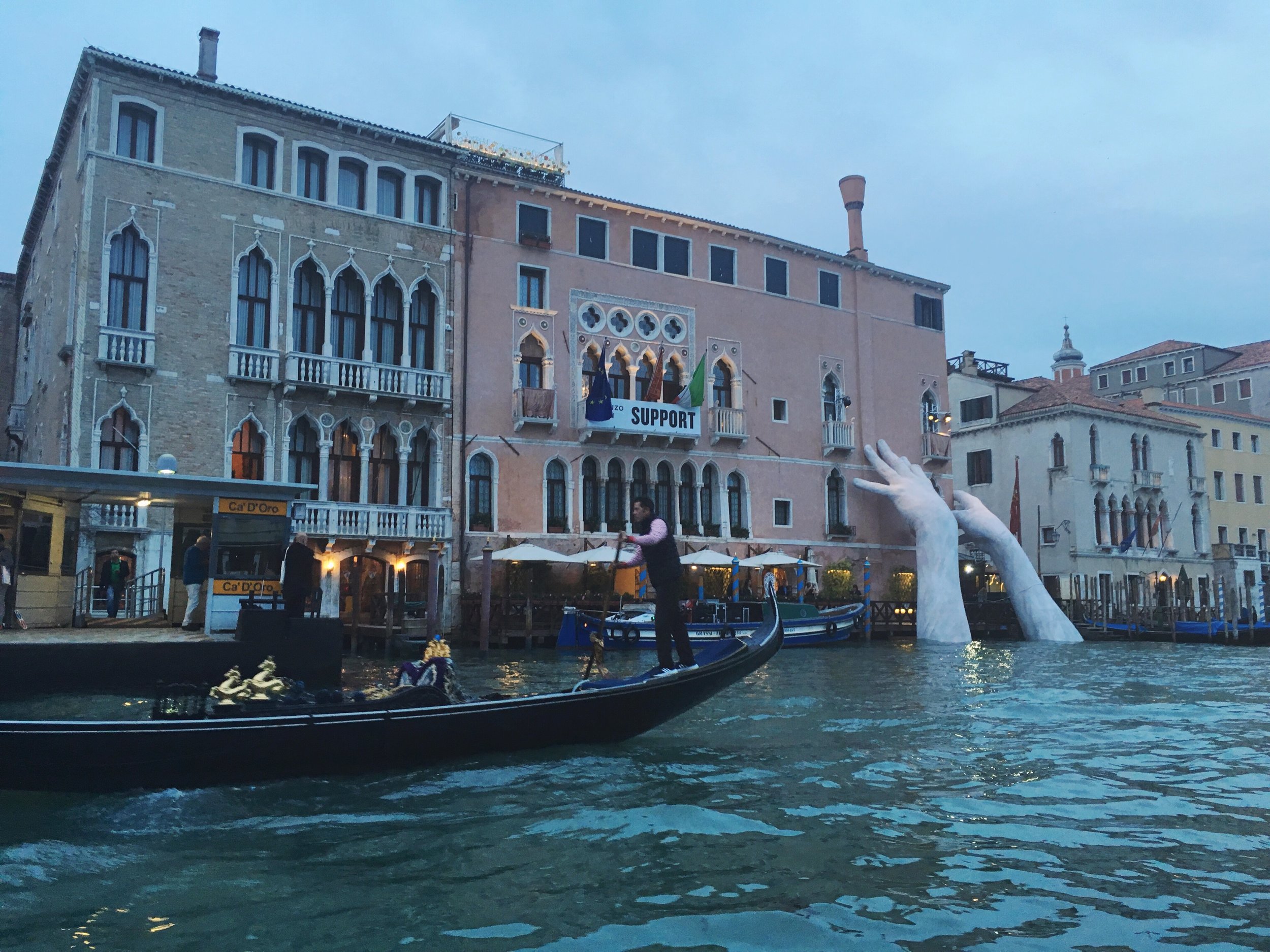
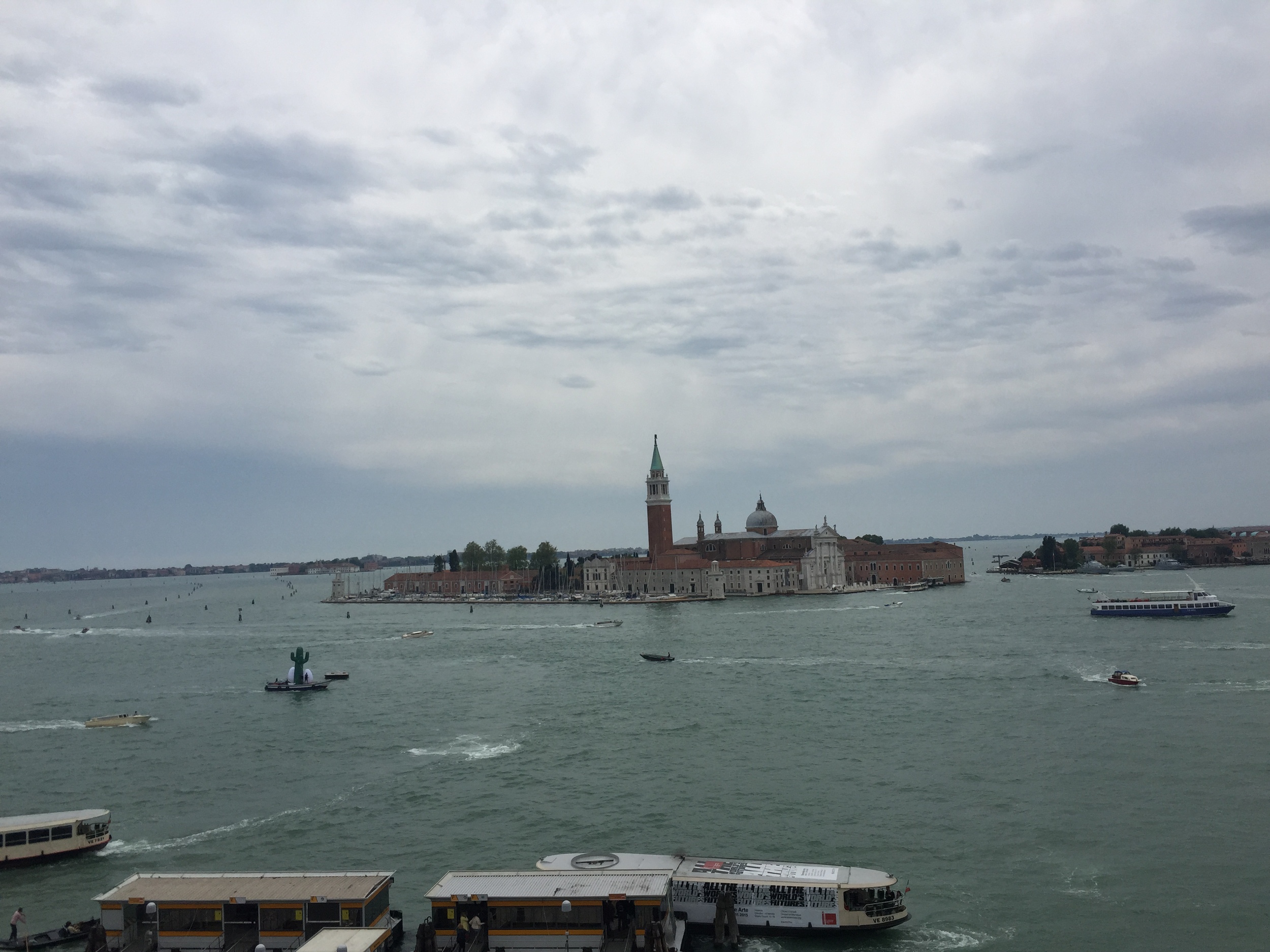
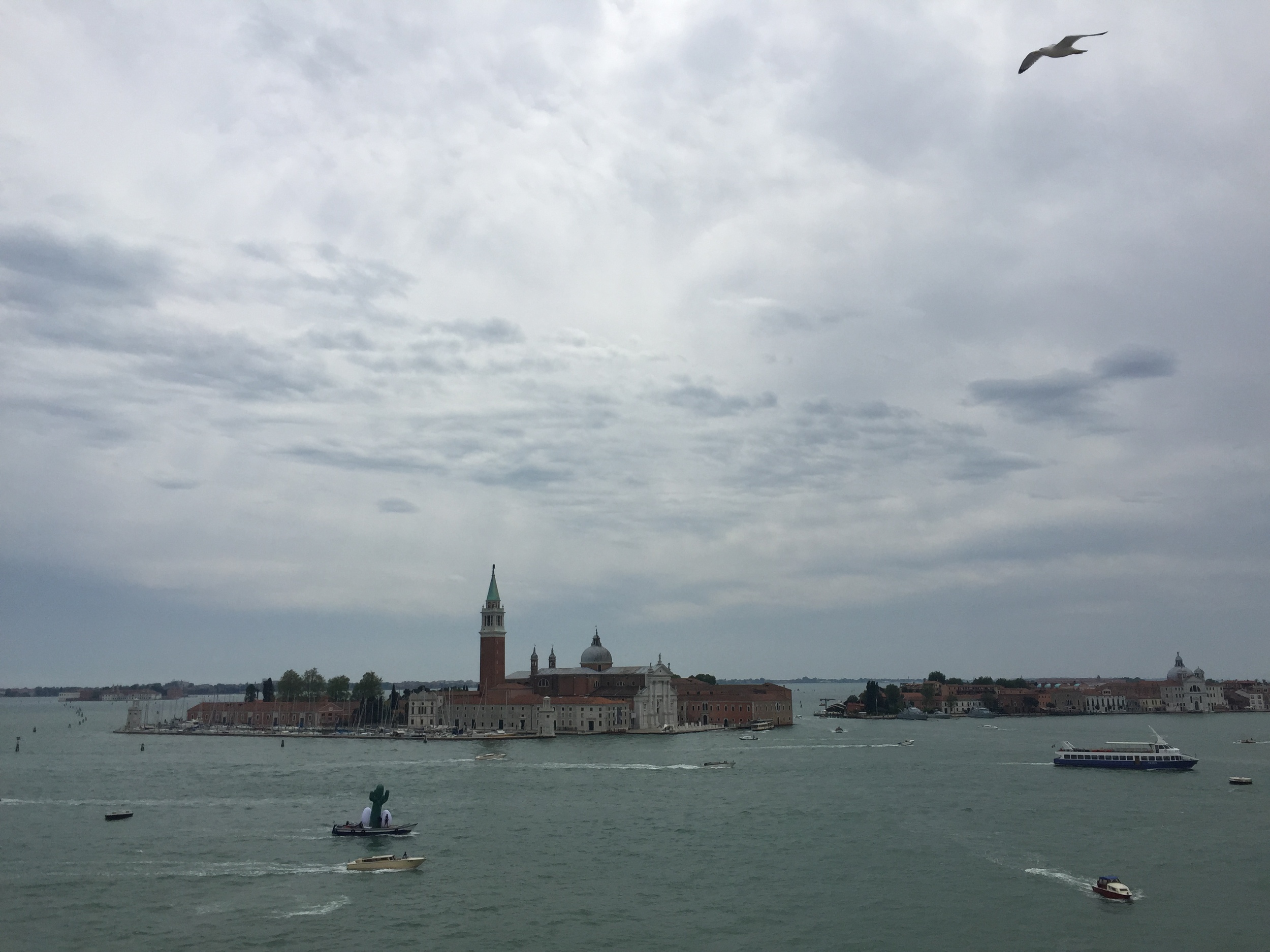
Kelsey Lee Offield, art collector and owner/director of Los Angeles based Gusford Gallery, shares with Autre her highlights and adventures from the 2015 Venice Biennale, which include the multi-room international pavilions to smaller satellite exhibitions - some that literally float on the canals, like Maurizio Cattelan's gigantic cactus, which is flanked between two white eggs (see if you can catch it in the distance of one of the photographs above). photographs by Kelsey Lee Offield

The 2015 Venice Biennale Central Exhibition 'All the World’s Futures' At The Giardini

Jeremy Deller's jukebox plays nothing but 7-inch records, which emit factory machine noise. 

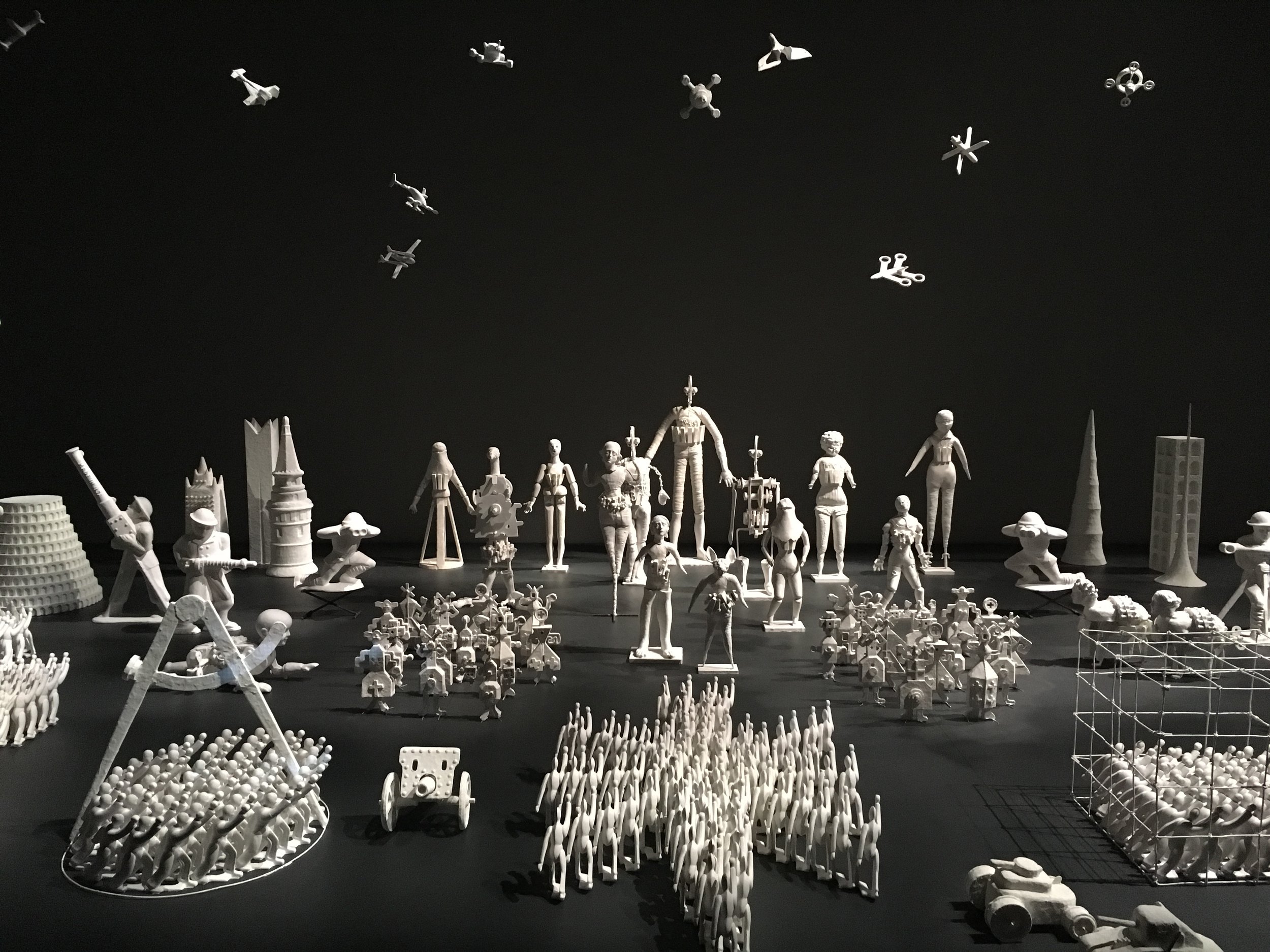
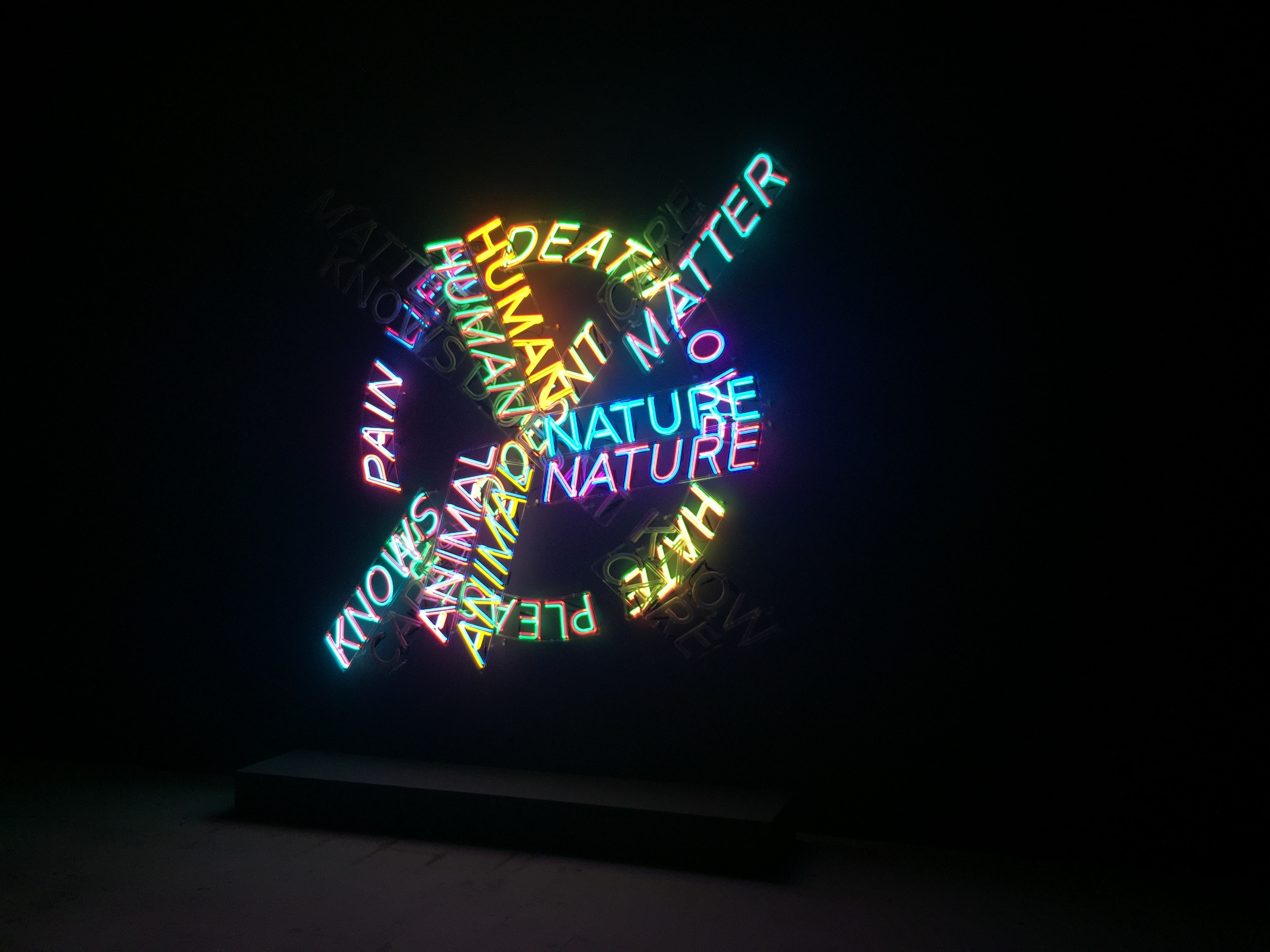
Curated by Nigerian curator and the director of the Haus der Kunst in Munich Okwui Enwezor, 'All the World's Futures' is the central exhibition held at the Giardini during the 2015 Venice Biennale, which opens to the public tomorrow. Over 140 artists have been asked to be a part of this exhibition - from Oscar Murrilo to Glenn Ligon. The exhibition is a brutal statement exploring violence and pain, global catastrophe and mass anxieties, and the psychic and physical destruction caused by global capitalism. All the World's Future's will be on view from May 9 to November 22, 2015 at the 2015 Venice Biennale. 

Pamela Rosenkranz 'Our Product' @ The Swiss Pavilion

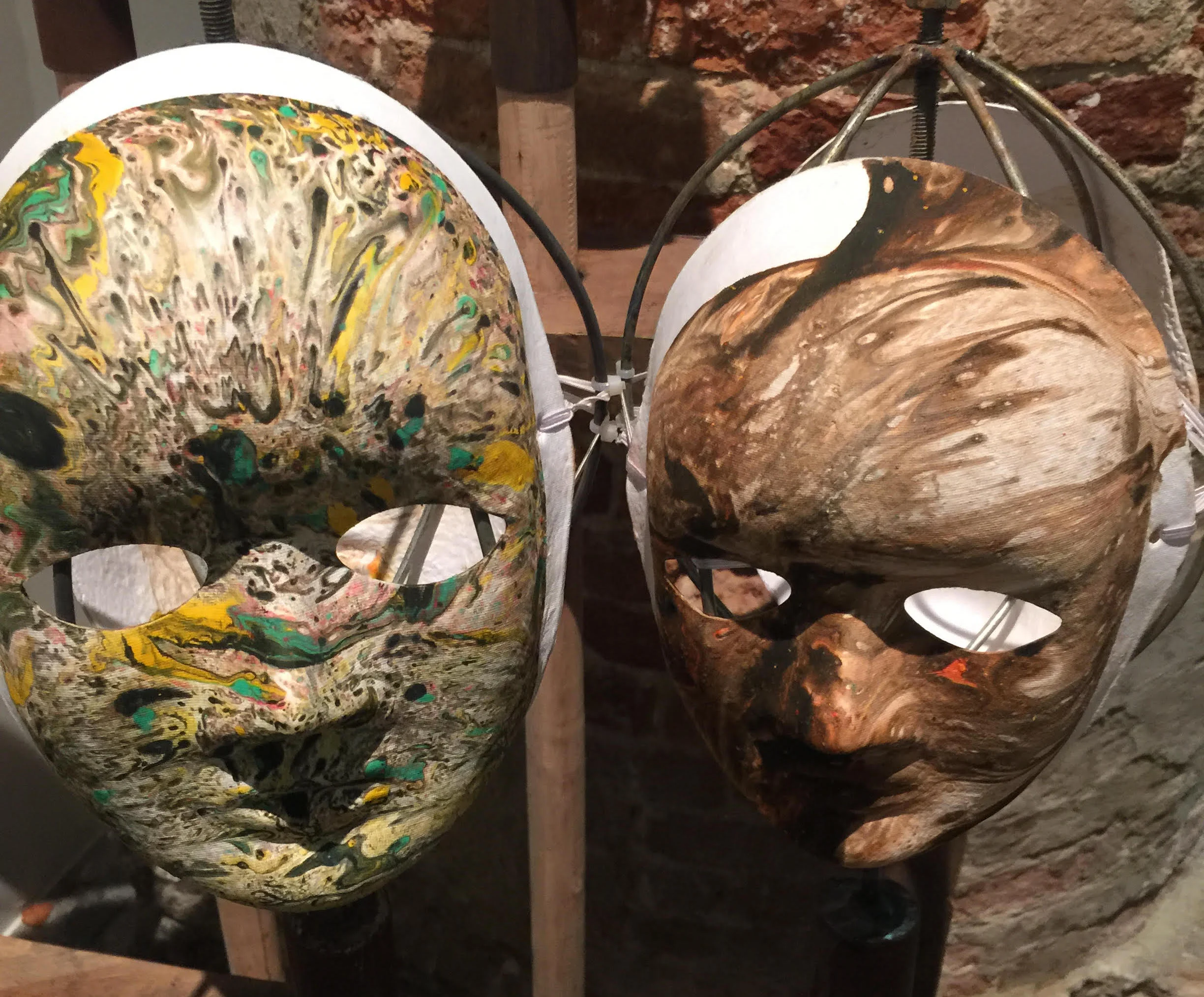
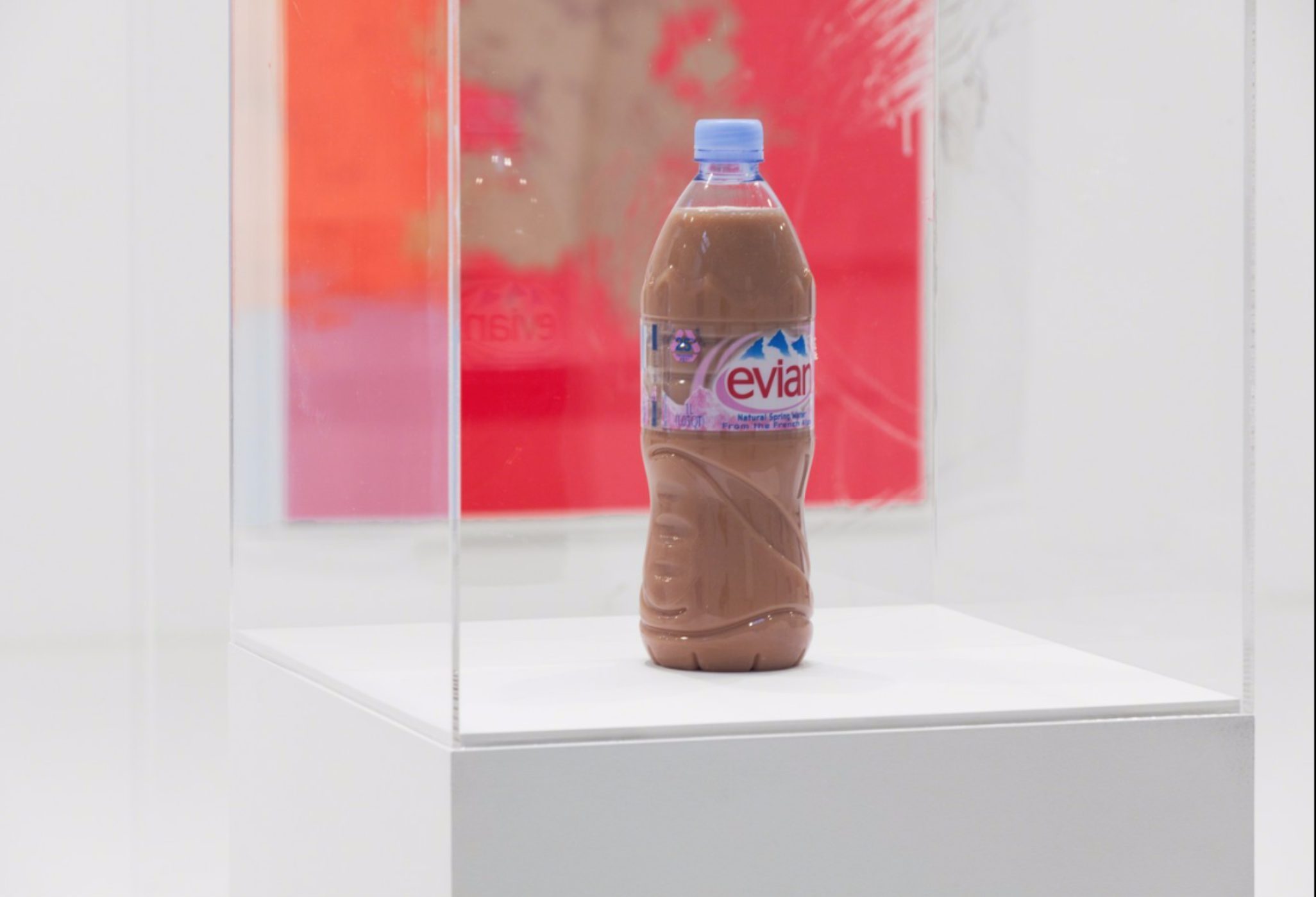
Curated by Susanne Pfeffer, Pamela Rosenkranz’s exhibition for the 2015 Venice Biennale transmutes the Pavilion of Switzerland into a body of a local skin color through fluid, sound and movement. A pigment that originally emerged as the specific product of migration, sun-exposure, nutrition, and any number of other contingent factors is resynthesized as a stock formula, composed of unknown ingredients. You can see Pamela Rosenkranz 'Our Product' until November 22, 2015 at the Swiss Pavilion

10 Exhibitions You Need to See at the 56th Venice Biennale

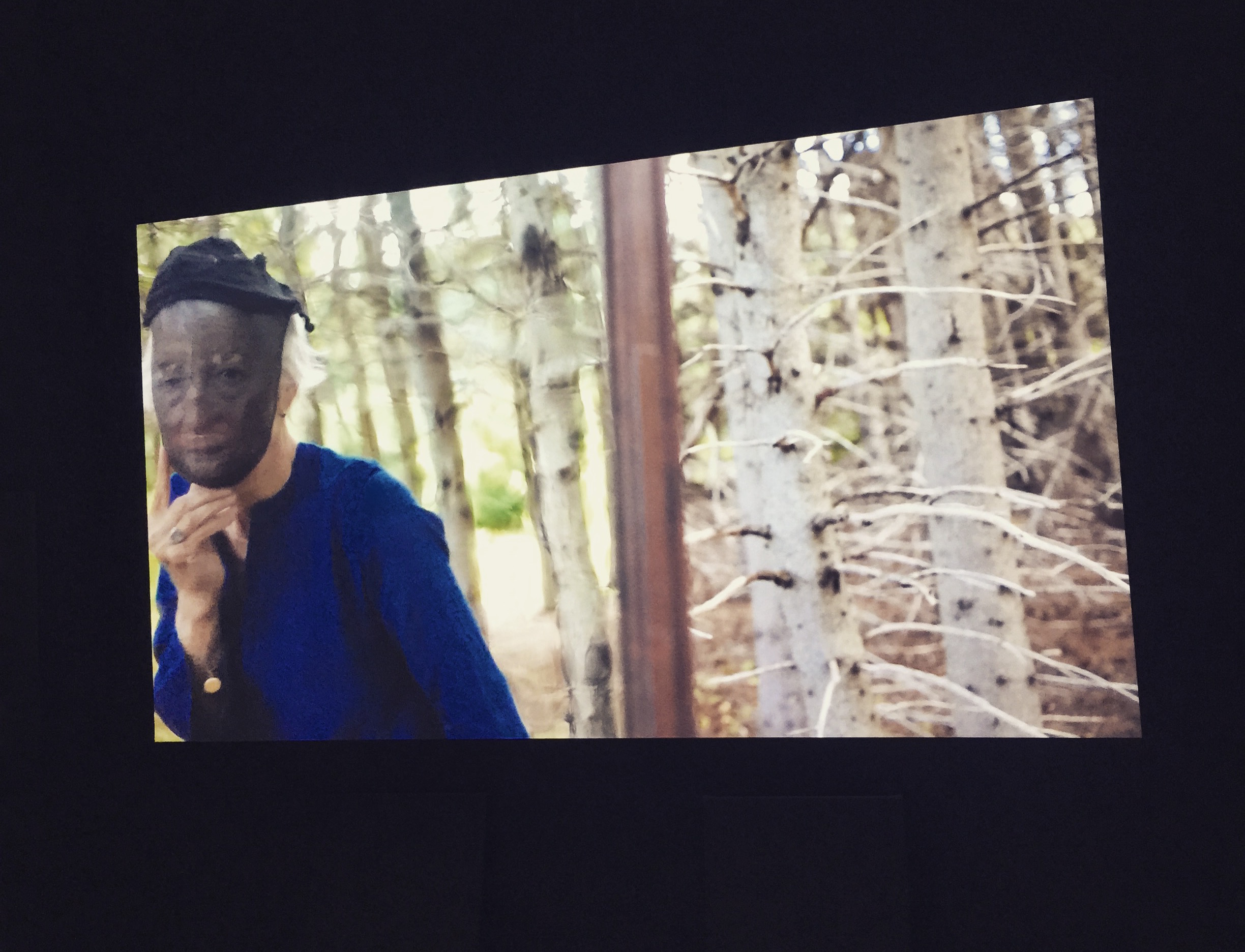
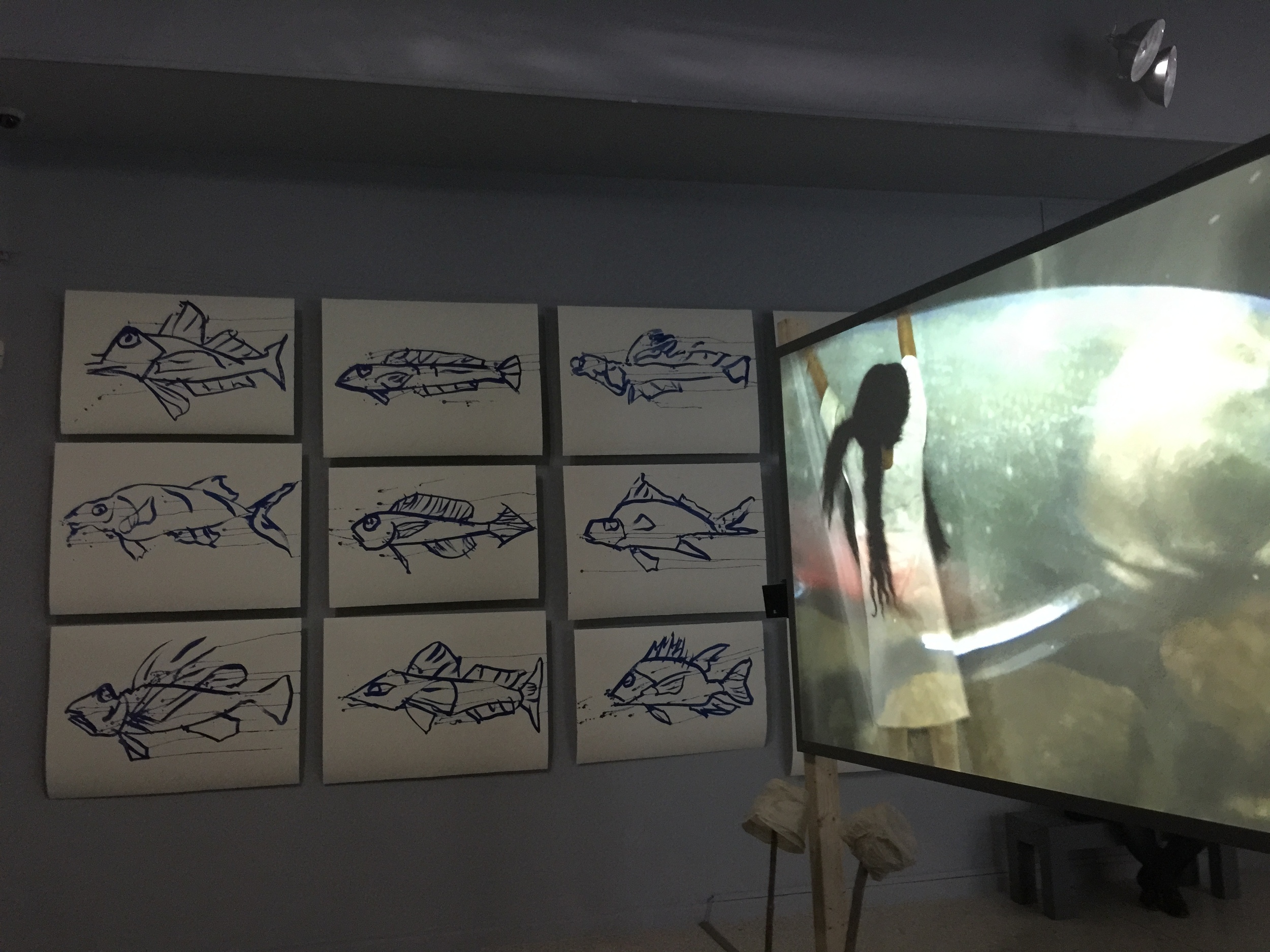
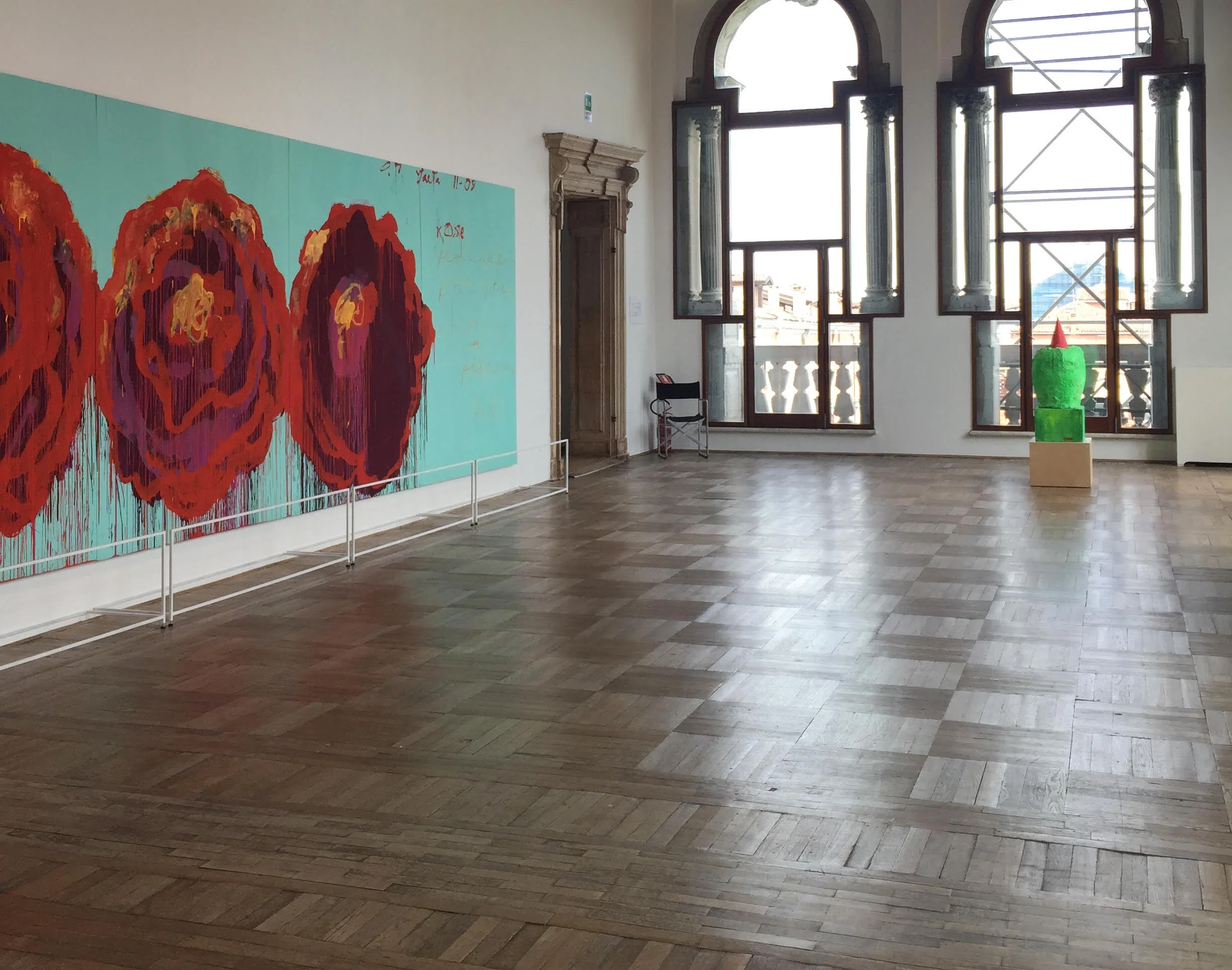
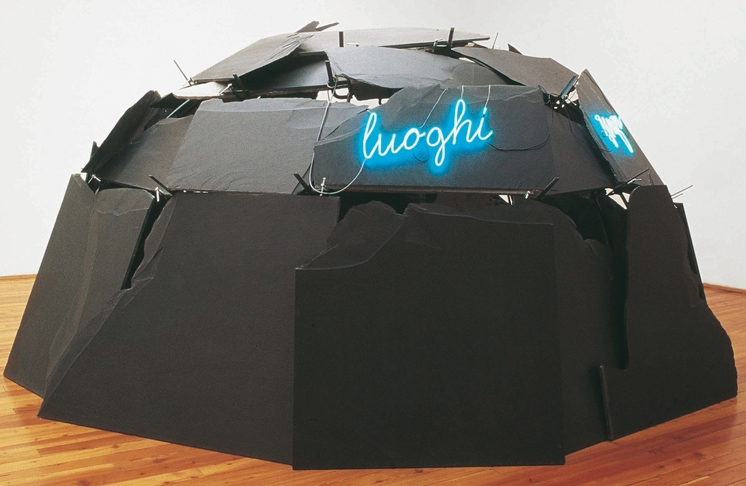
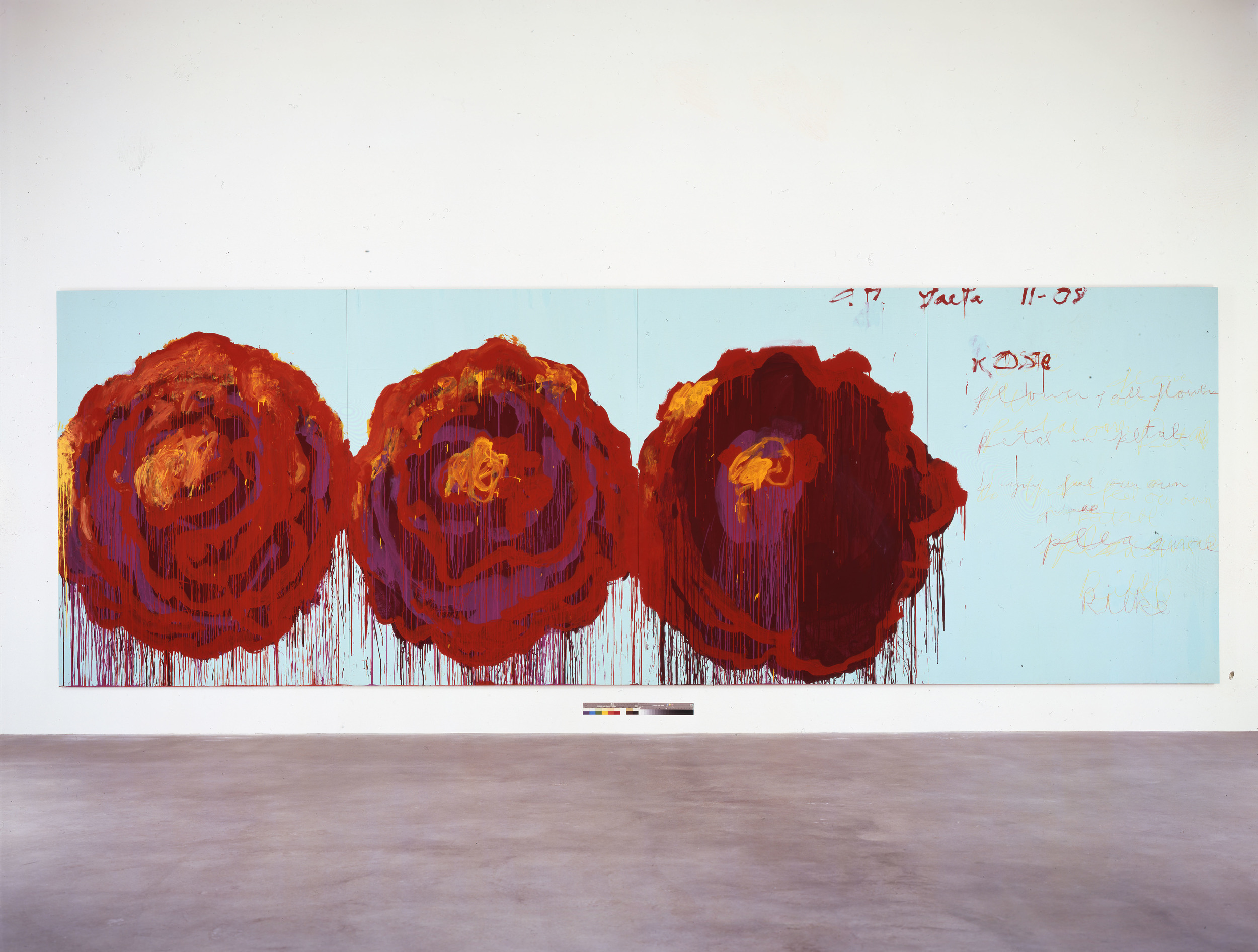
What is the Venice Biennale and why is everyone talking about it? – The Venice Biennale is largely considered one of the most important art exhibitions in the world. Located in Venice, Italy, the exhibition is sort of like the art world's Olympics - each country chooses a single artist as a representative and that artist is given a "pavilion" to show their work. This year, there are over 136 artists and 53 countries showing. There are also many satellite and pop up exhibitions.  Here are Autre's picks for the top exhibitions. 1. U.K. artist Sarah Lucas presents 'I Scream Daddio' for the British Pavilion 2. The late Mario Merz will be holding an exhibition, entitled 'Unreal City,' at the Gallerie dell’Accademia di Venezia 3. The late, great Cy Twombly will have an exhibition entitled 'Paradise' at Ca'Pesaro 4. New York based artist Aurel Schmidt will be showing her series 'New Gods' at Cannaregio 5. Part of the unique Vanhaerents Collection will be on display for an exhibition entitled Heartbreak Hotel at the Zuecca Projects Space 6. Jonas Mekas: Internet Saga at the Palazzo Foscari Contarini 7. Artist Rob Pruitt's unique Flea Market in Venice will be on display at A Plus A gallery 8. Pamela Rosenkranz has been nominated by her country to exhibit at the Swiss Pavilion with an exhibition that averages European skin color 9. At the age of 78, Joan Jonas represents the United States at the 56th Venice Biennale with They Come To Us Without A Word 10. Frontiers Reimagined, a major group exhibition with 44 artists will be on view at Museo di Palazzo Grimani

The World Belongs to You

Boris Mikhailov

Boris Mikhailov

The World Belongs to You, an exhibition presented by the François Pinault Foundation, at the Palazzo Grassi in Venice, Italy, brings together works by artists from different practices, generations, and backgrounds, exploring artists’ relationships to history, reality and its own representation. "The exhibition revolves around major themes of contemporary history: from the breakdown of symbols, to the temptation of self-withdrawal and isolation, the attraction of violence and spirituality in a troubled and globalized world.” (Caroline Bourgeois) www.palazzograssi.com