L’Area tonight, like every Saturday night, has spilled a crowd of well-dressed twenty-somethings out onto the streets. The rain comes down in a light haze, and smokers rotate in groups out of the doors. Some women’s fur coats are being flattened by the rain that rolls off the edges of their slanted umbrellas. The smokers hug the small, flat green face of l’Area and step away from the windows, from which you can see, behind and around them, a growing crowd inside the bar.
L’Area, during the day, is a quiet restaurant that serves Lebanese and Brazilian food on a side street between Bastille and Le Marais. The food feels home-cooked, comforting; it’s rich curries and shawarma, black rice and pita bread, citrusy ceviche, and a cold glass of white wine. You can’t go to l’Area and order just one thing—a meal at l’Area means a table covered in plates.
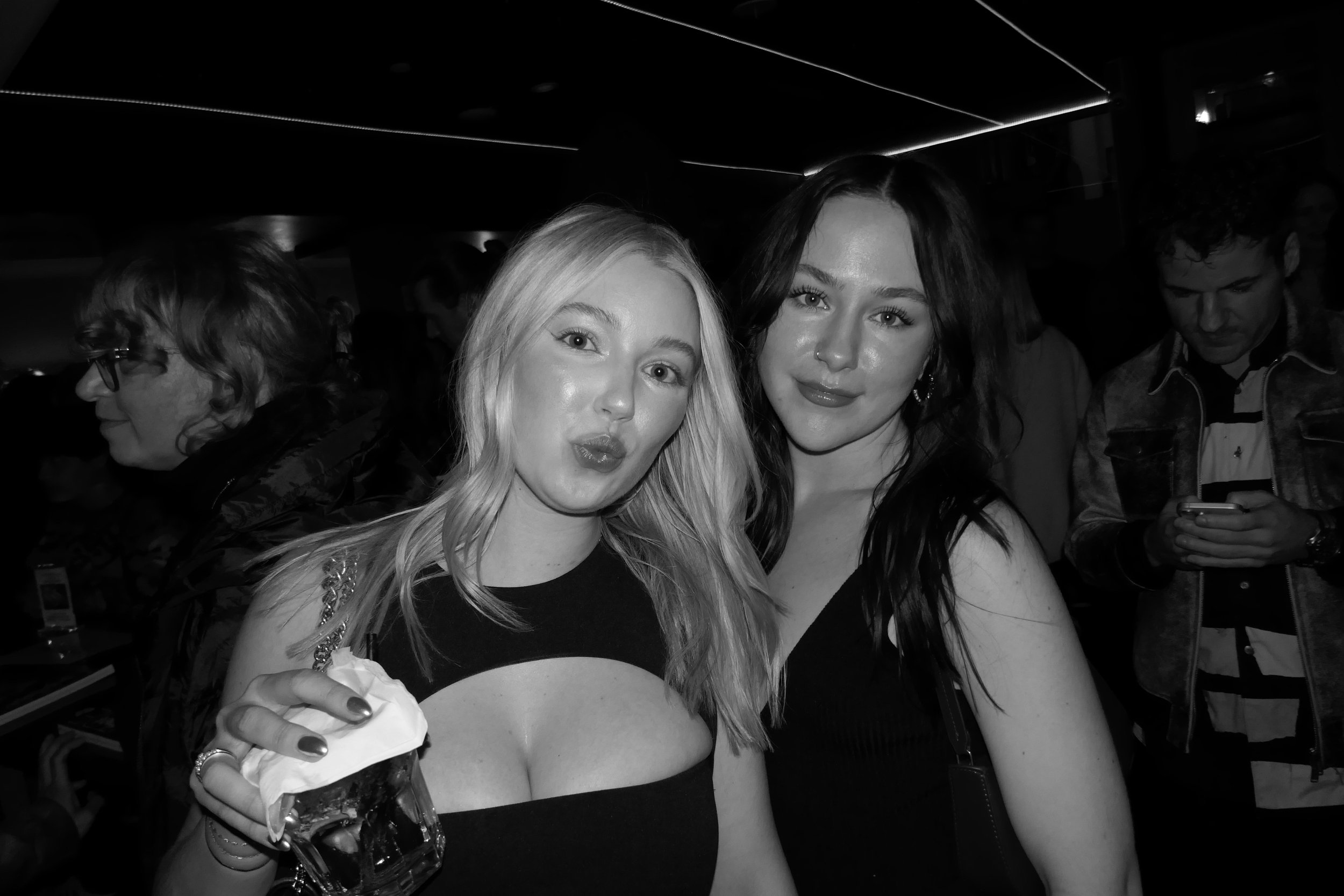
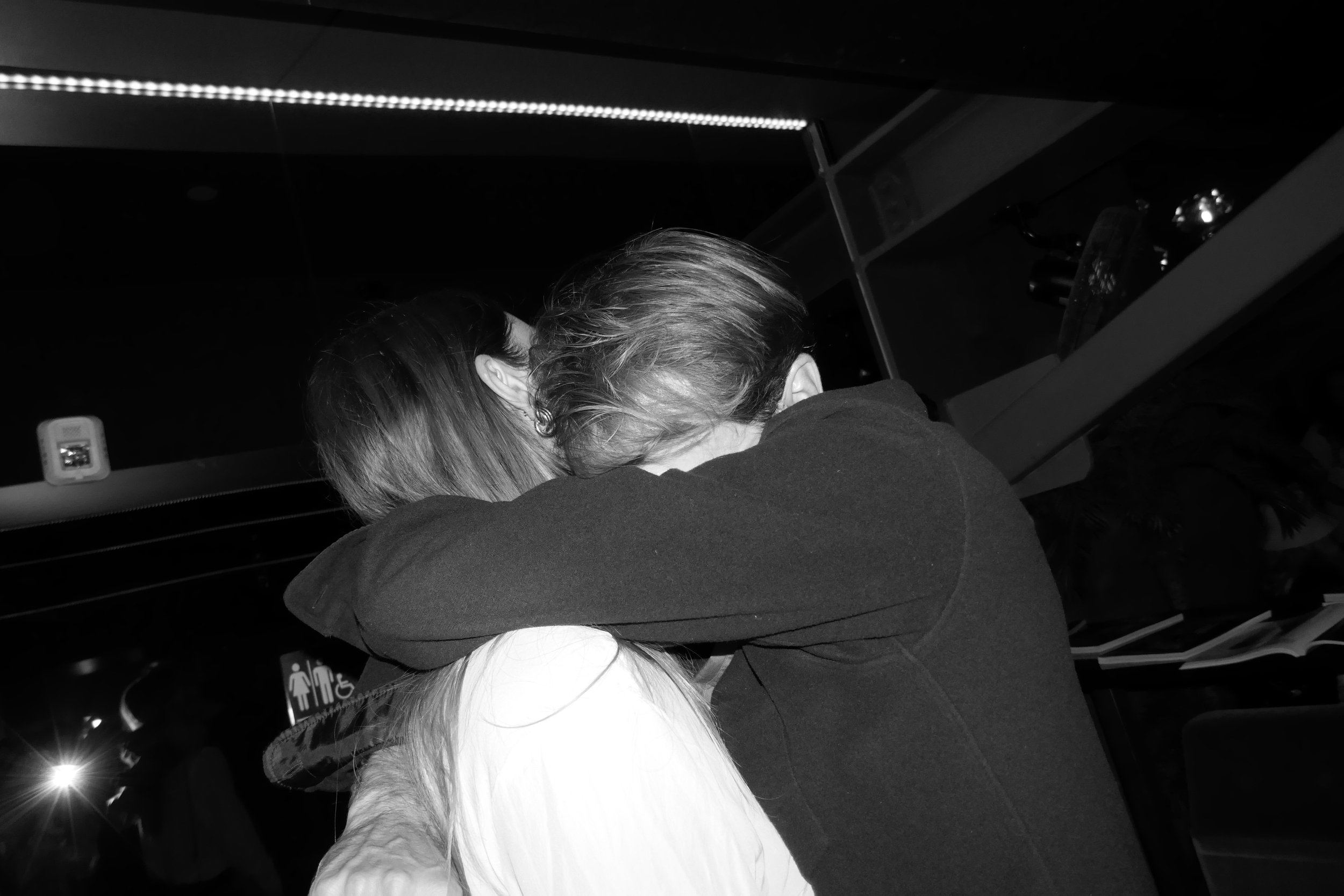
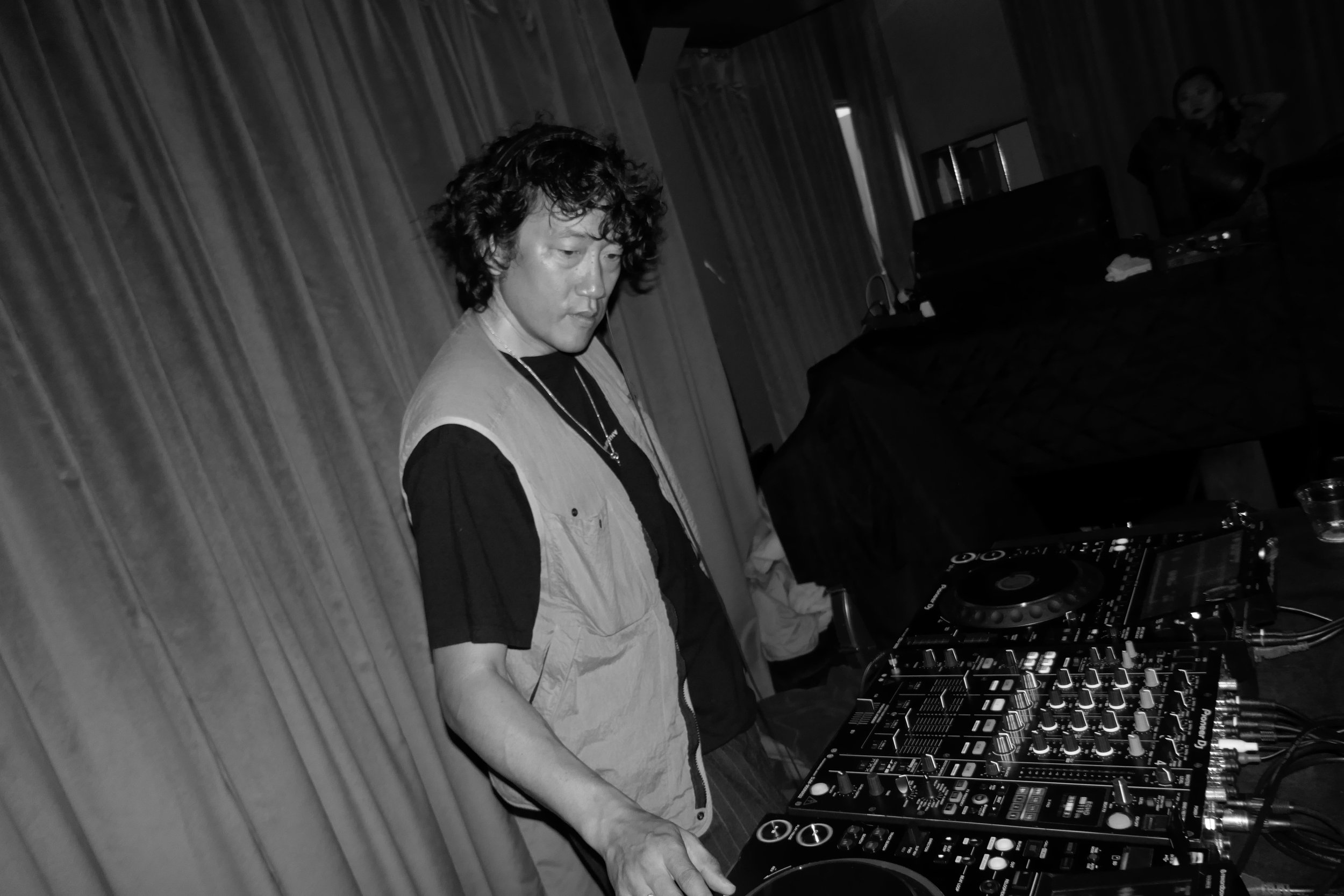
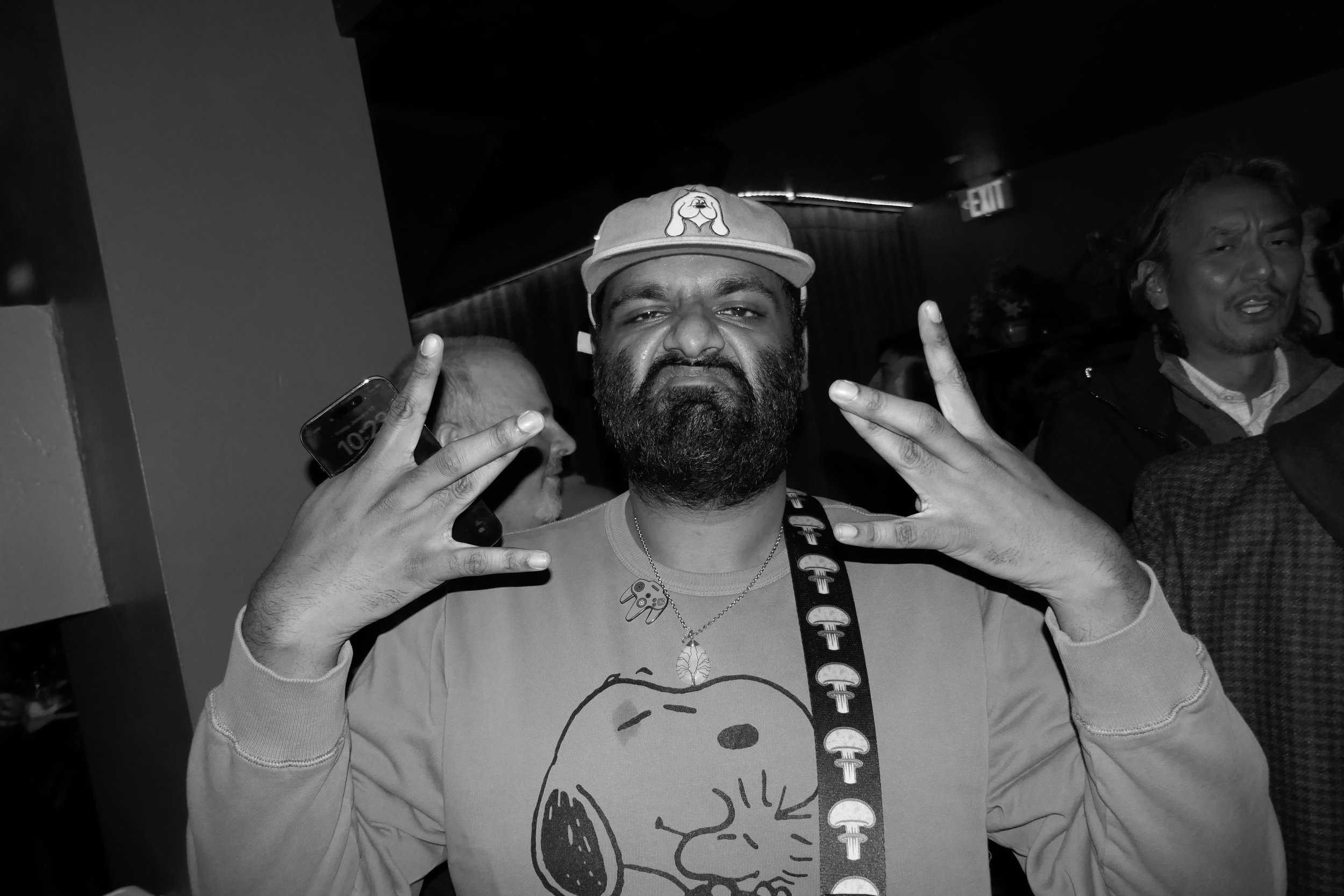
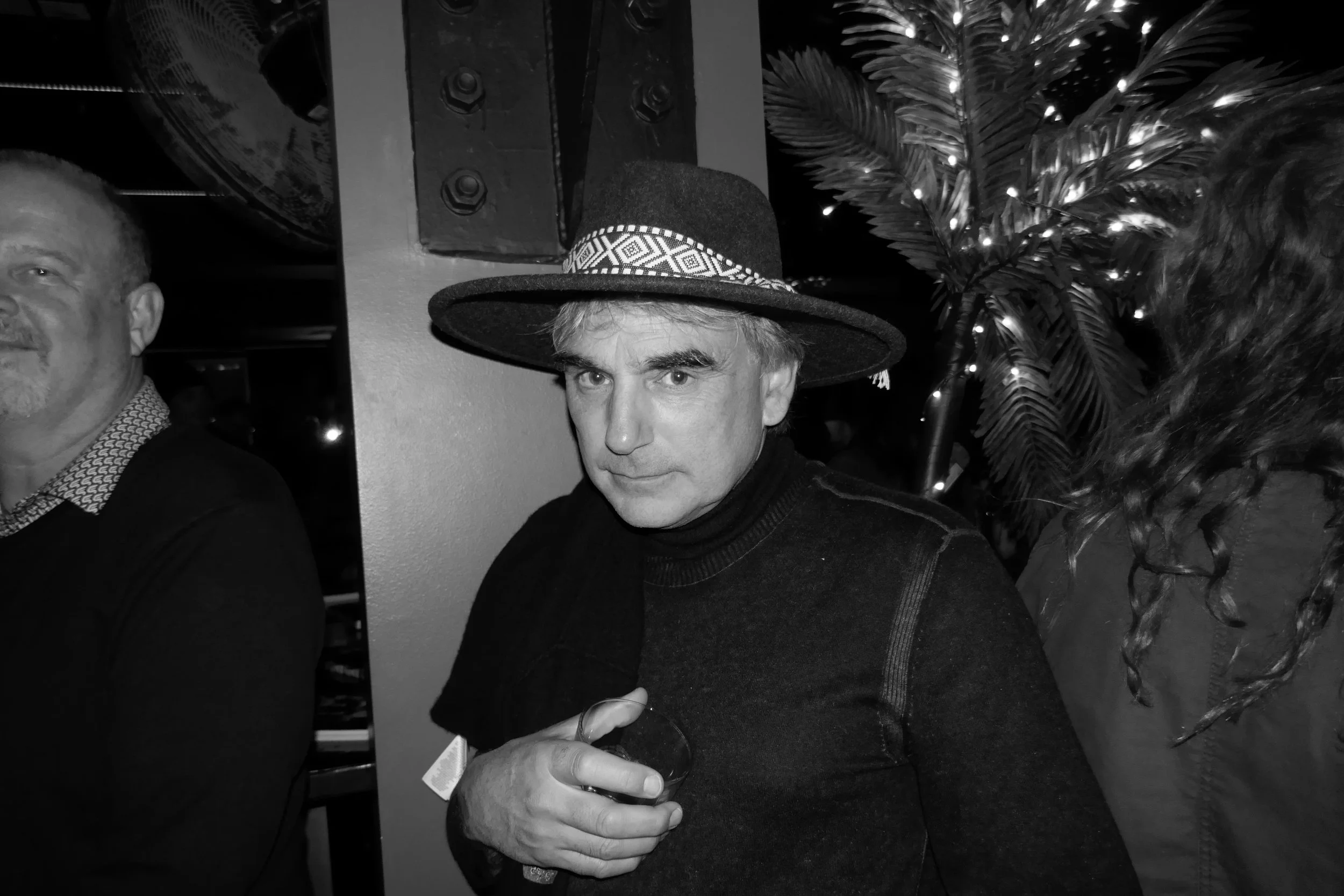
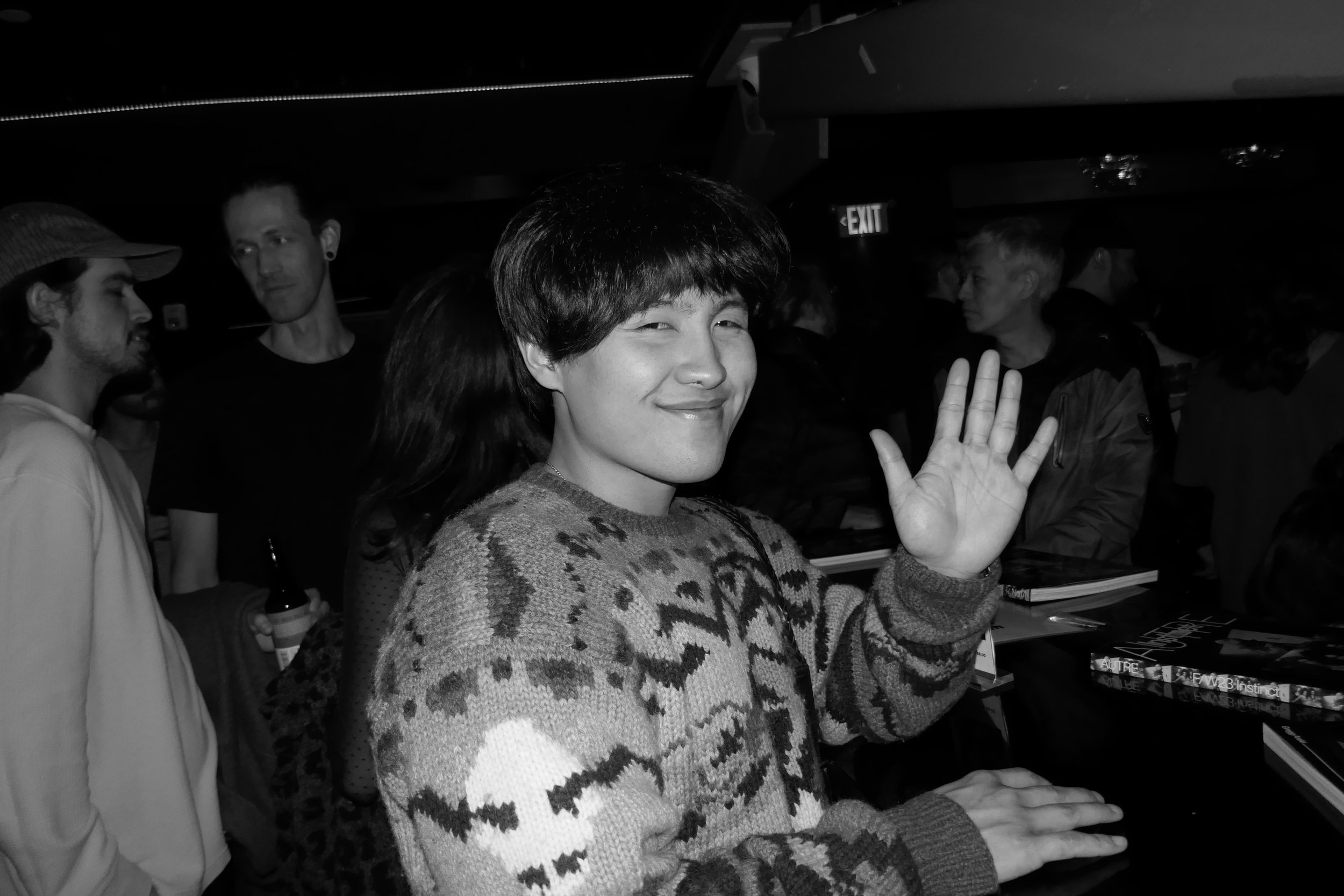
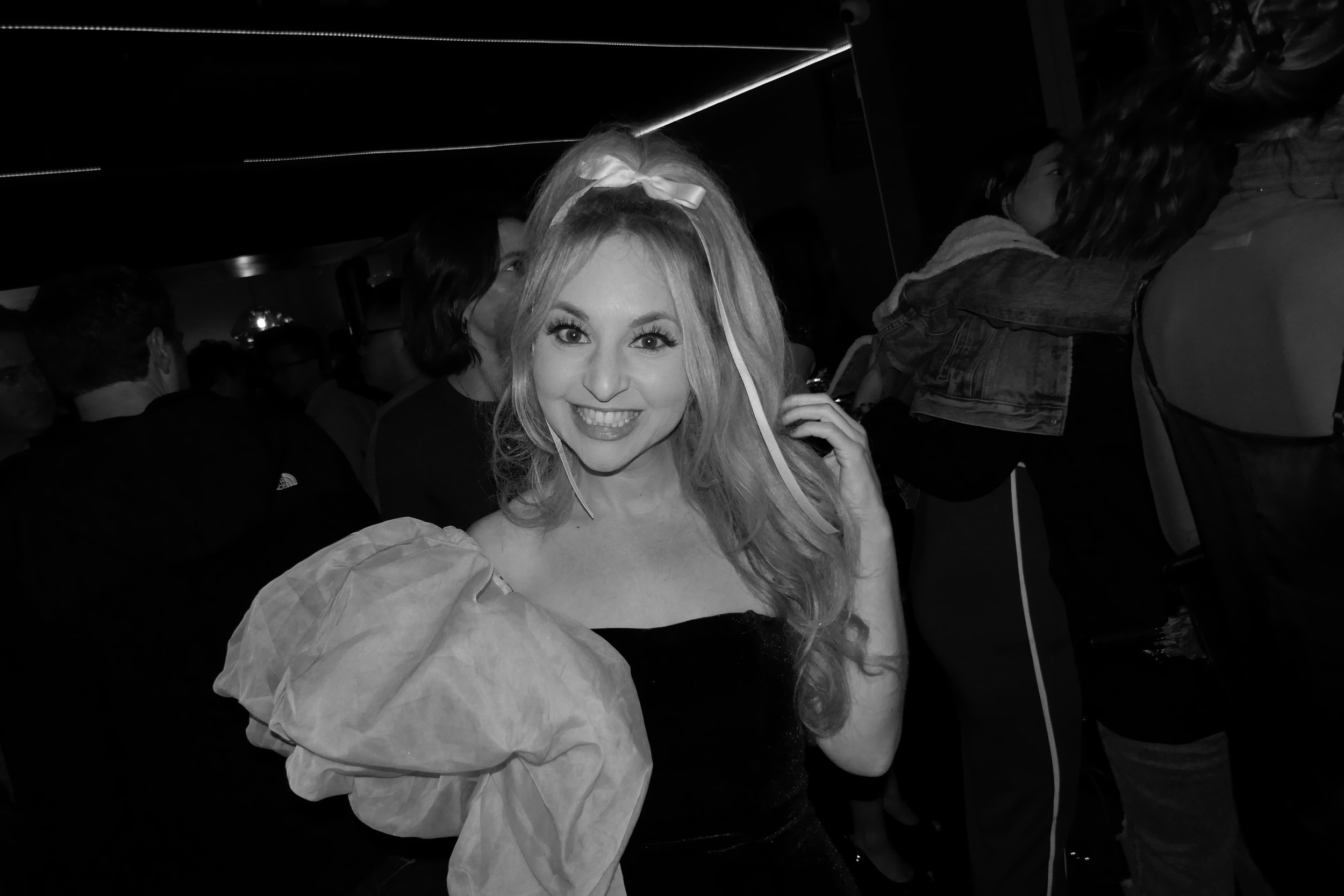
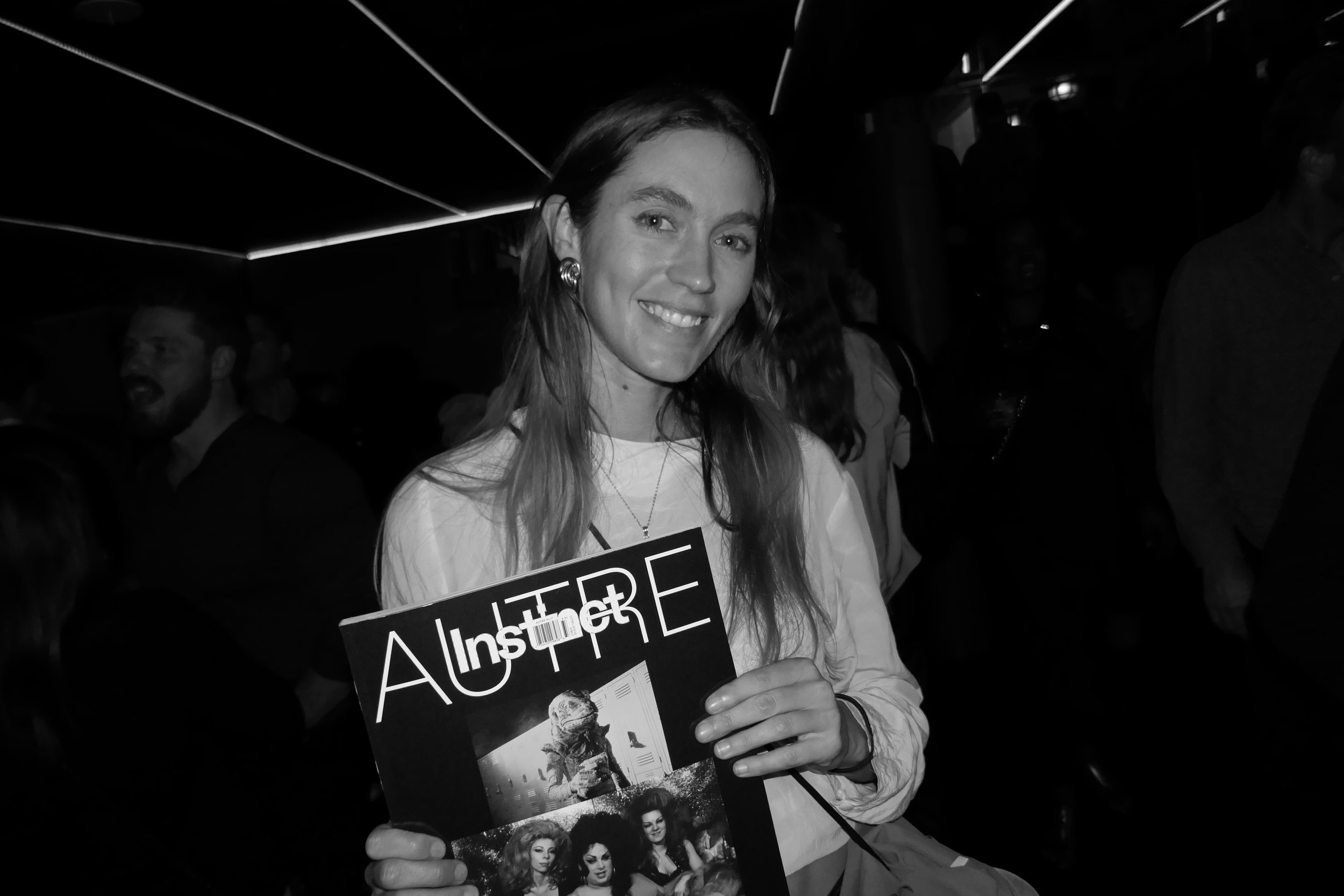
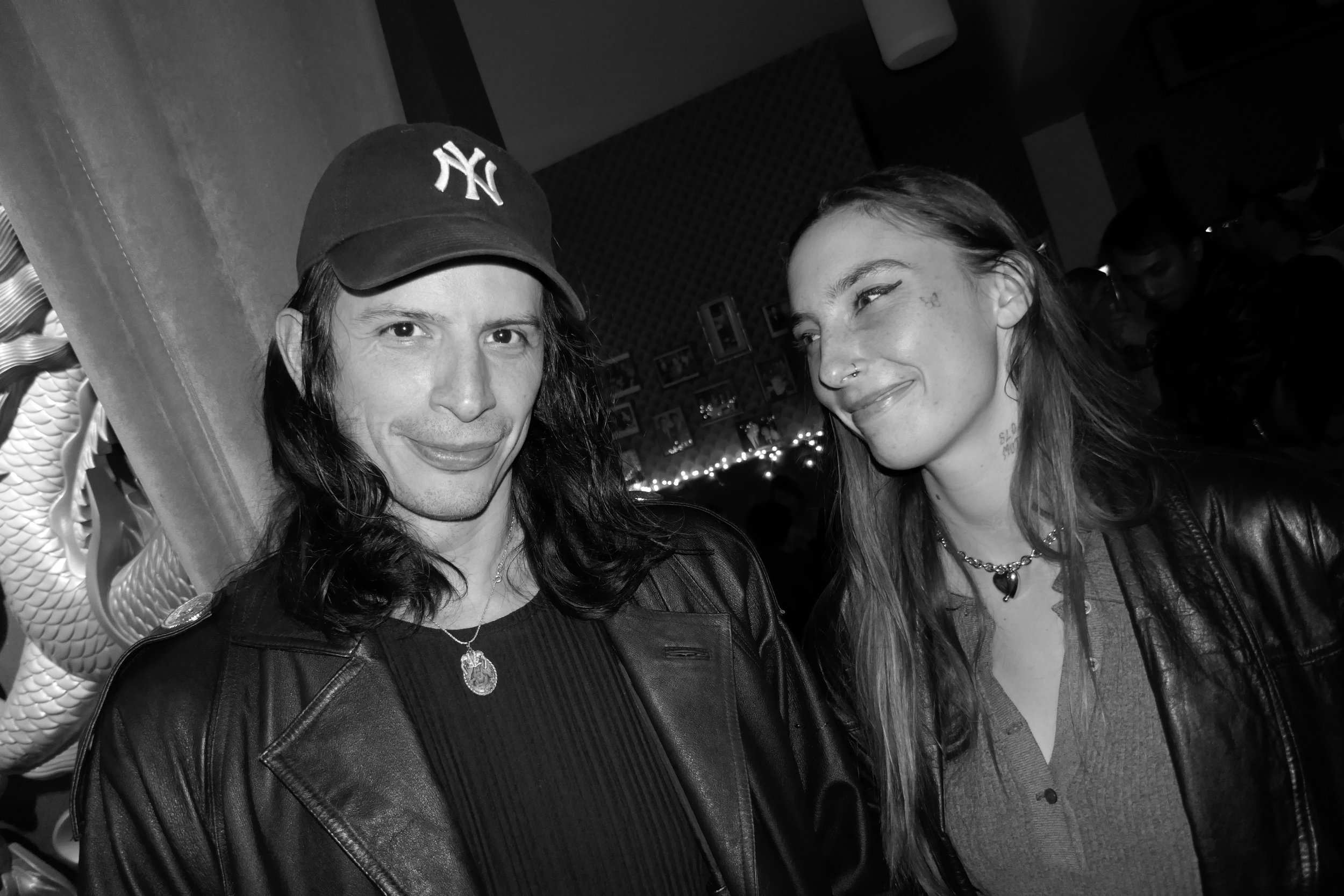
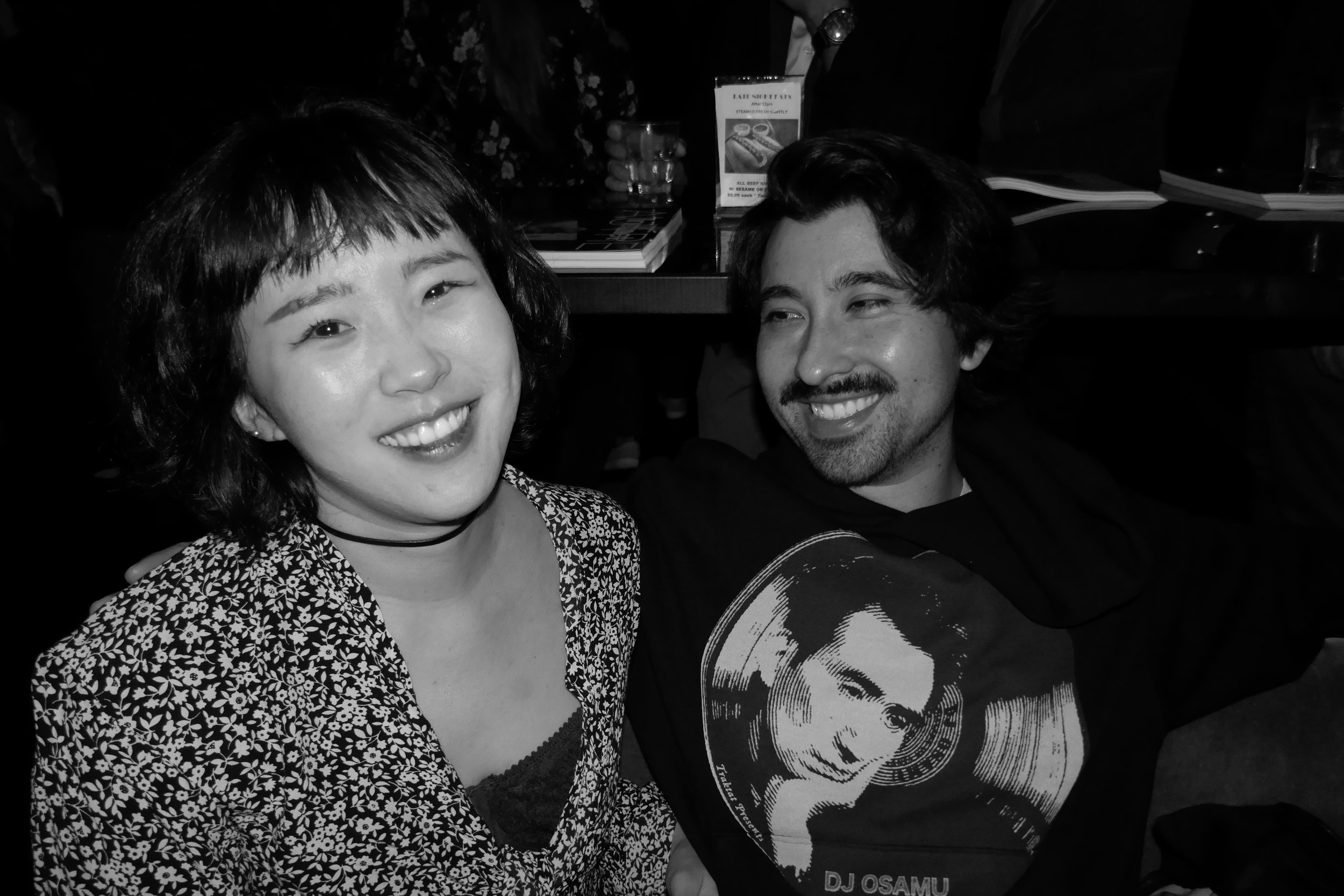
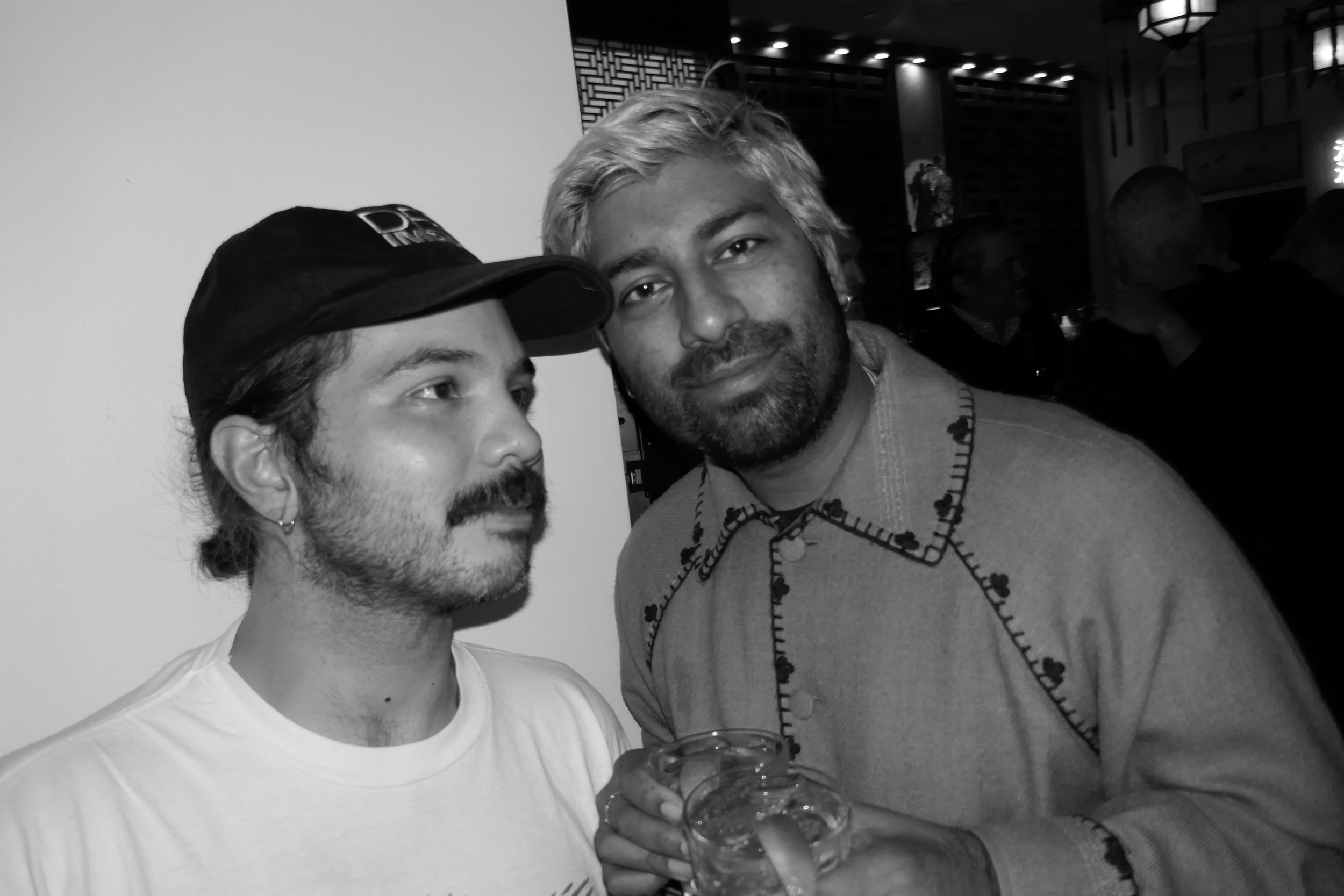
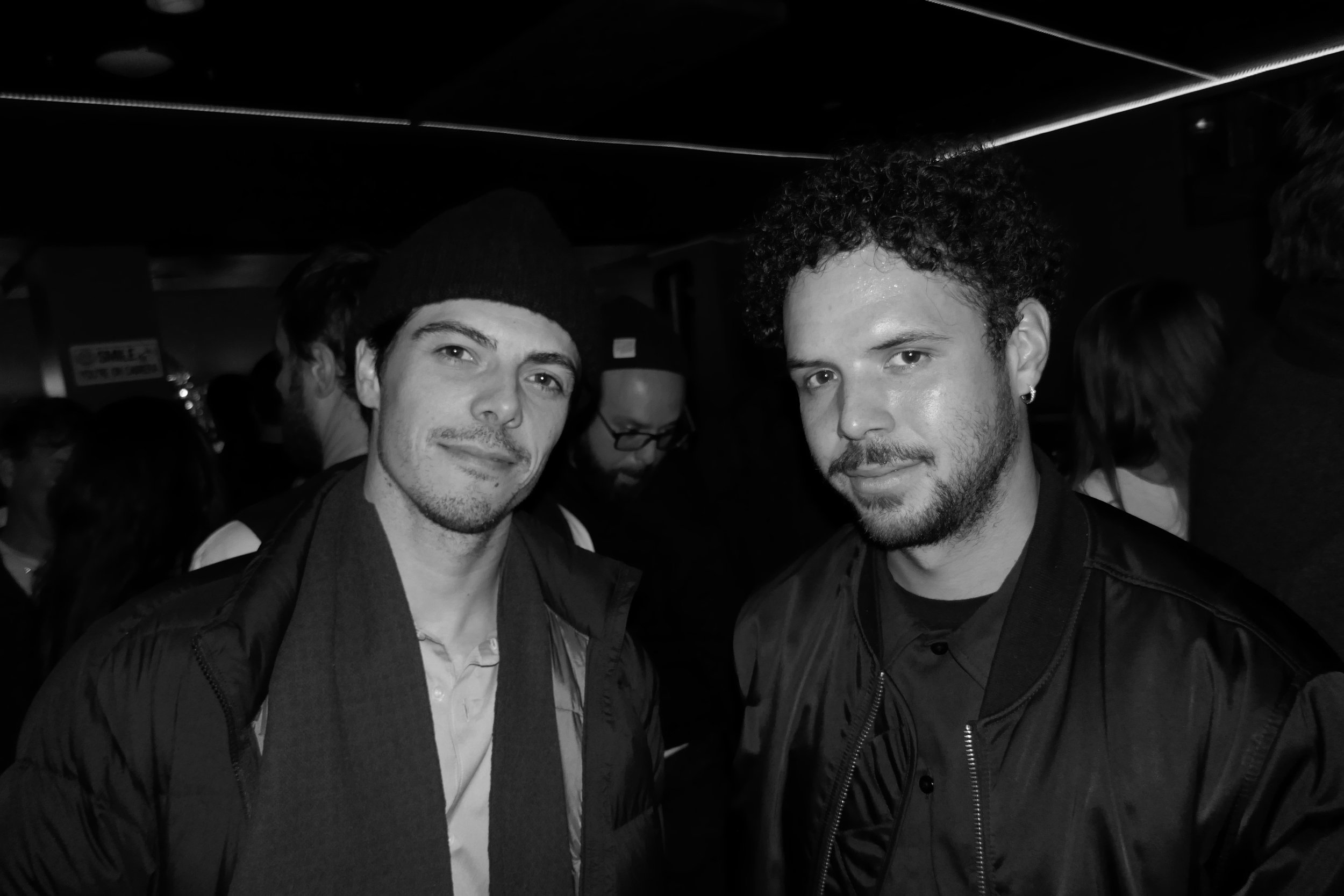
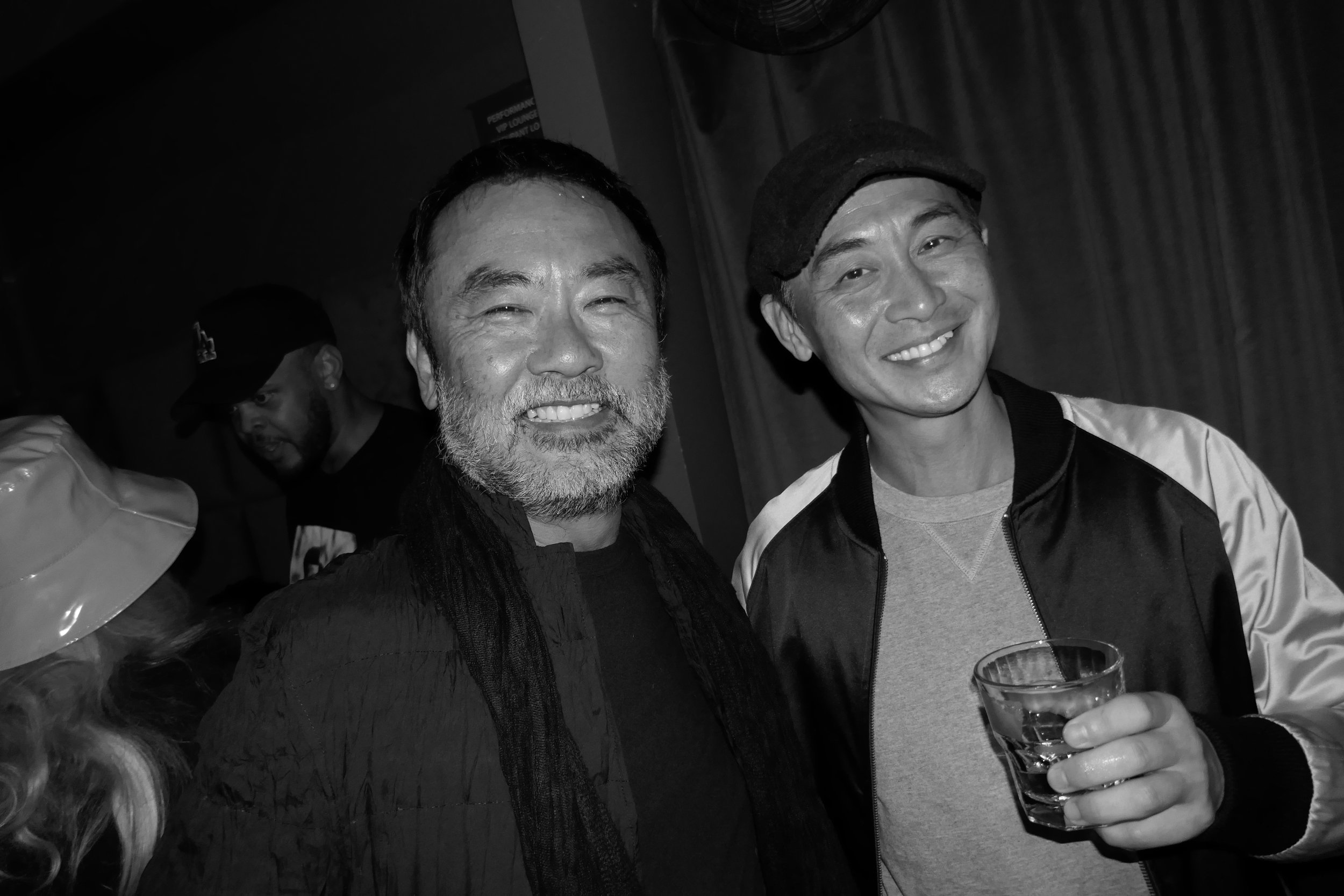
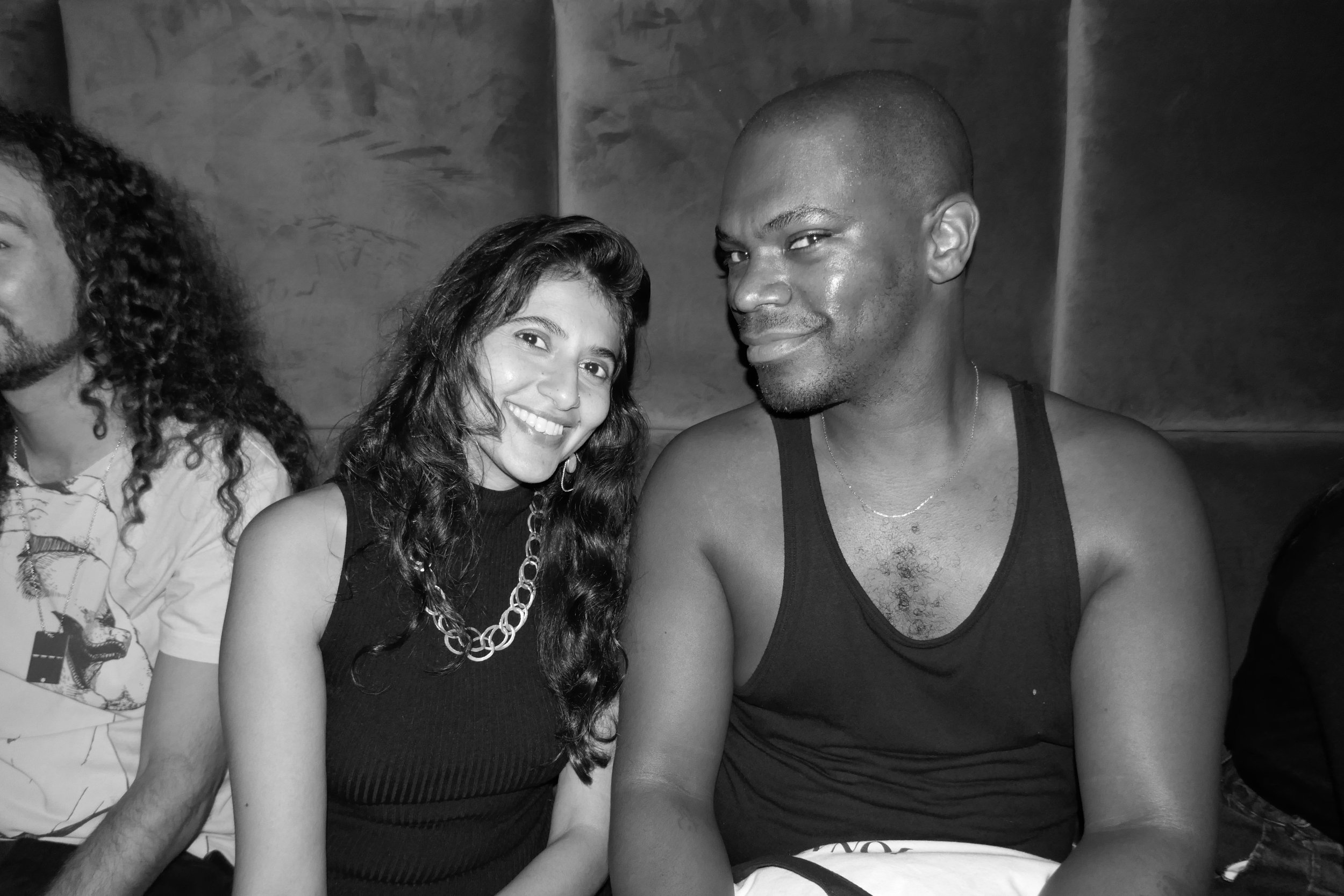
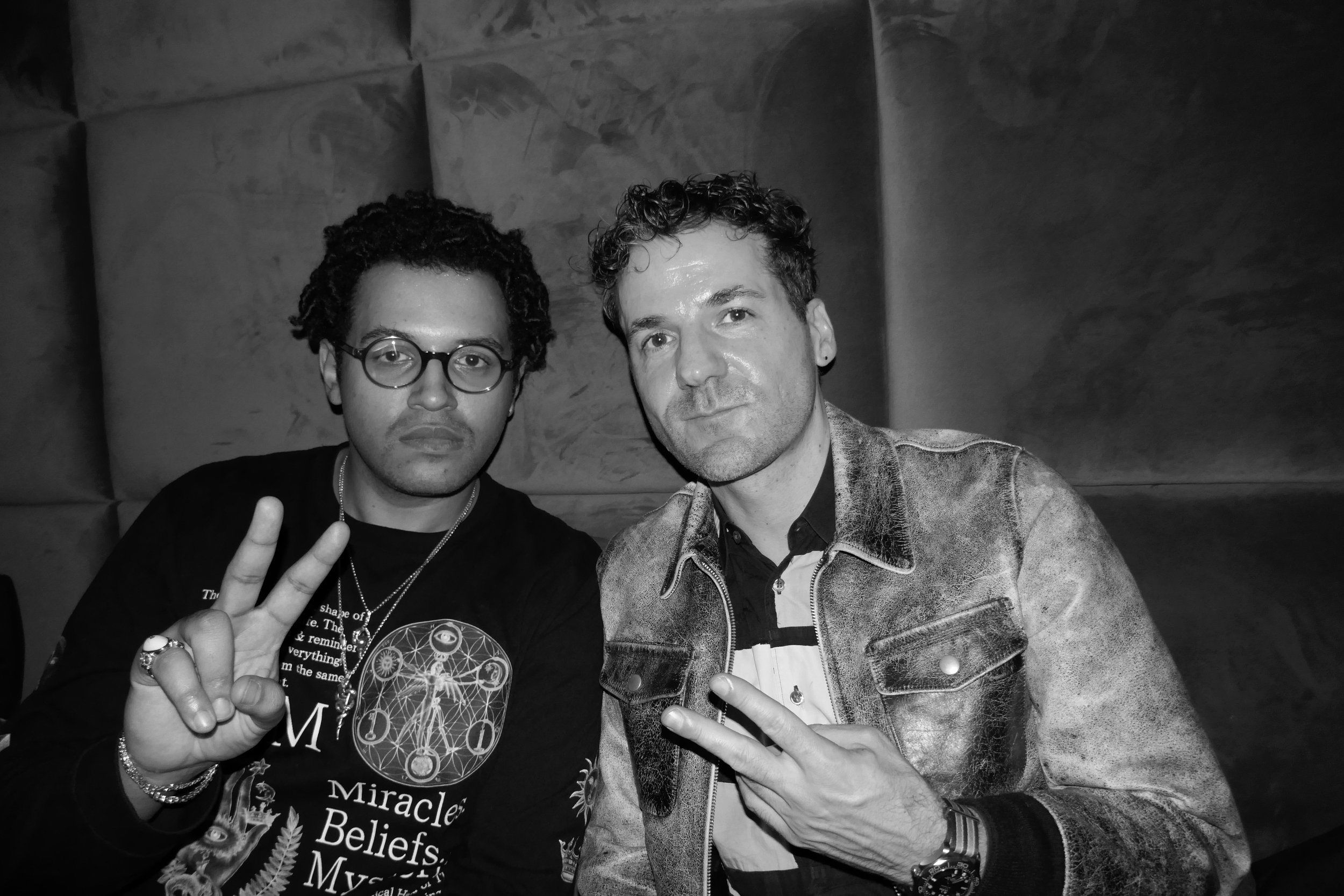
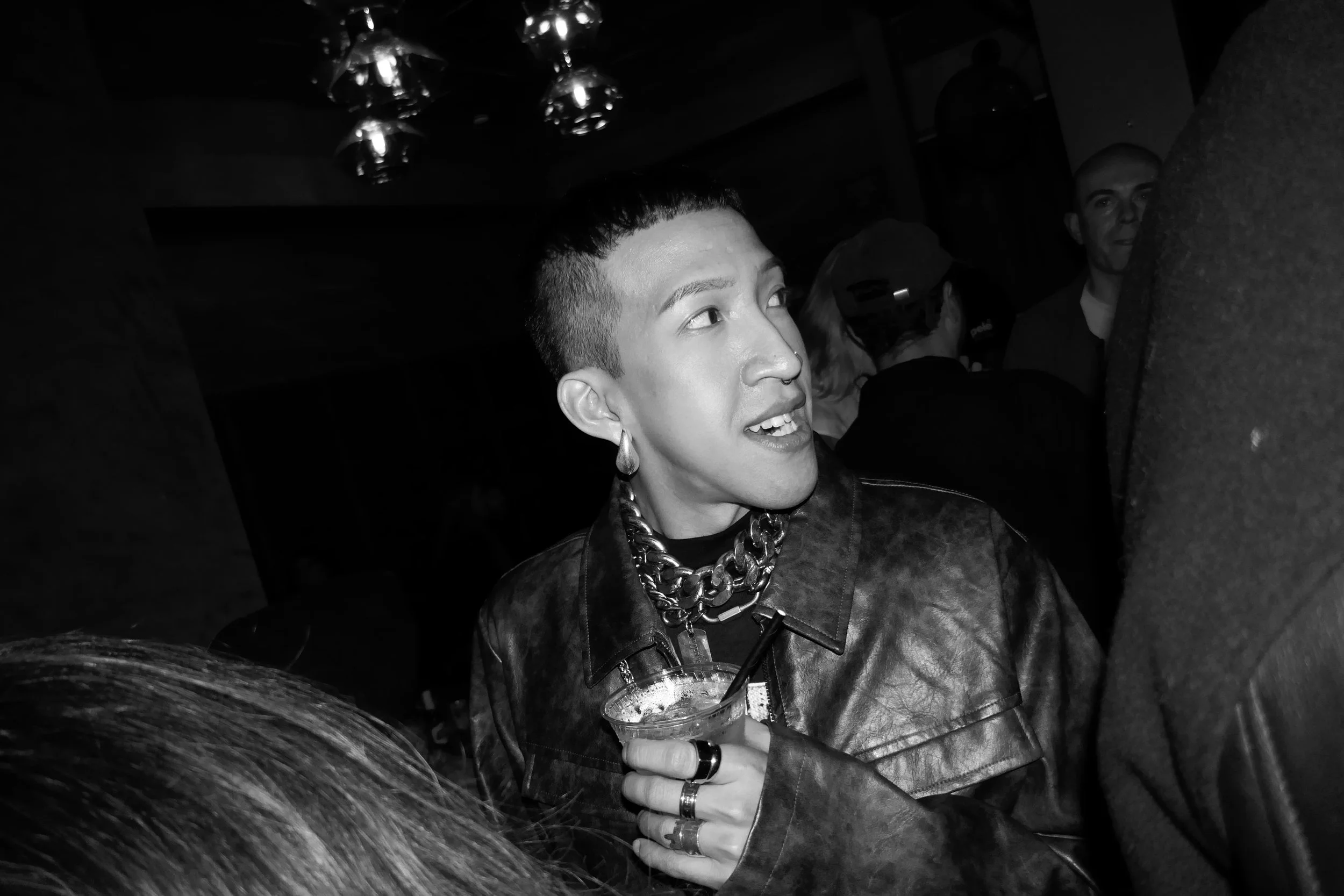
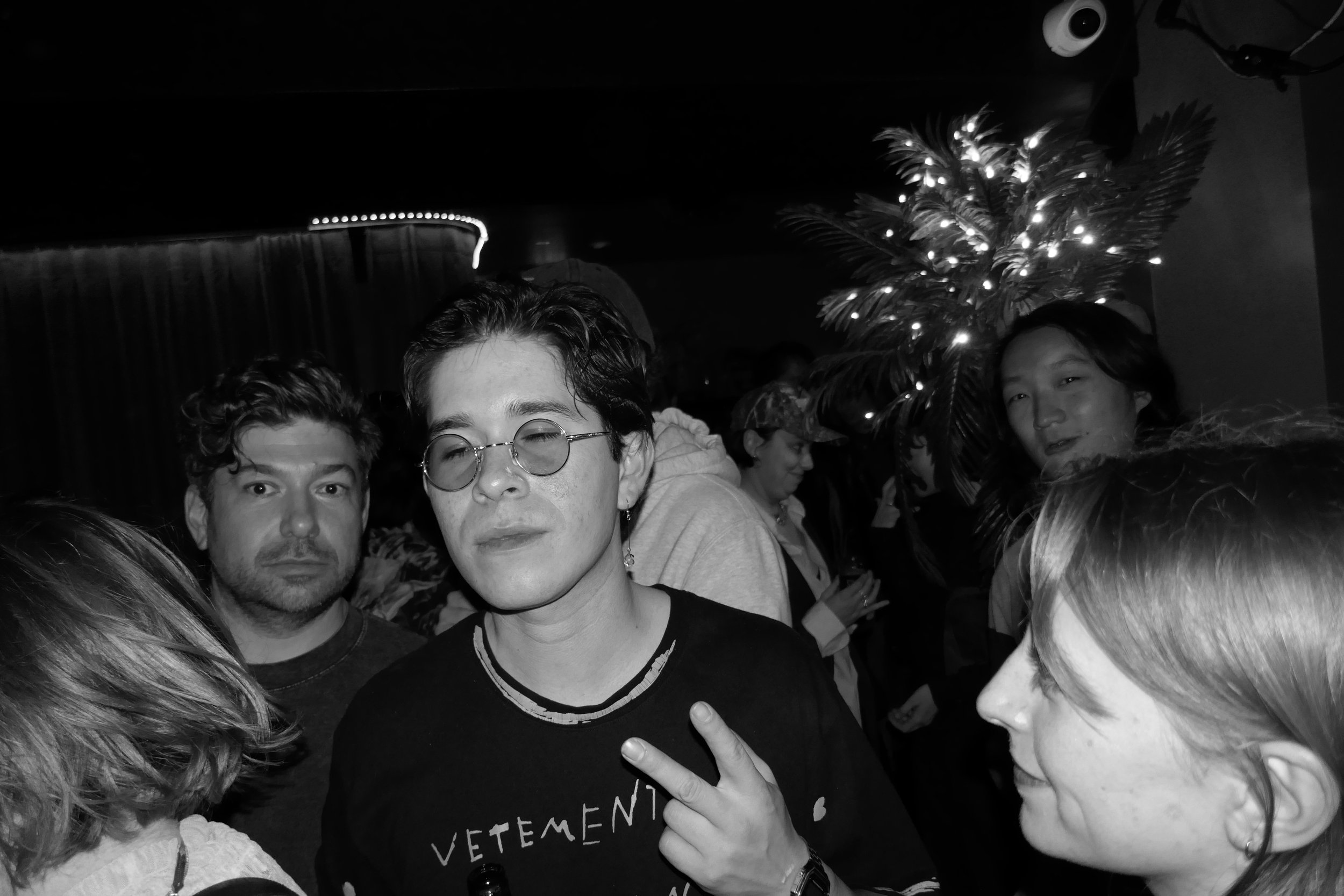
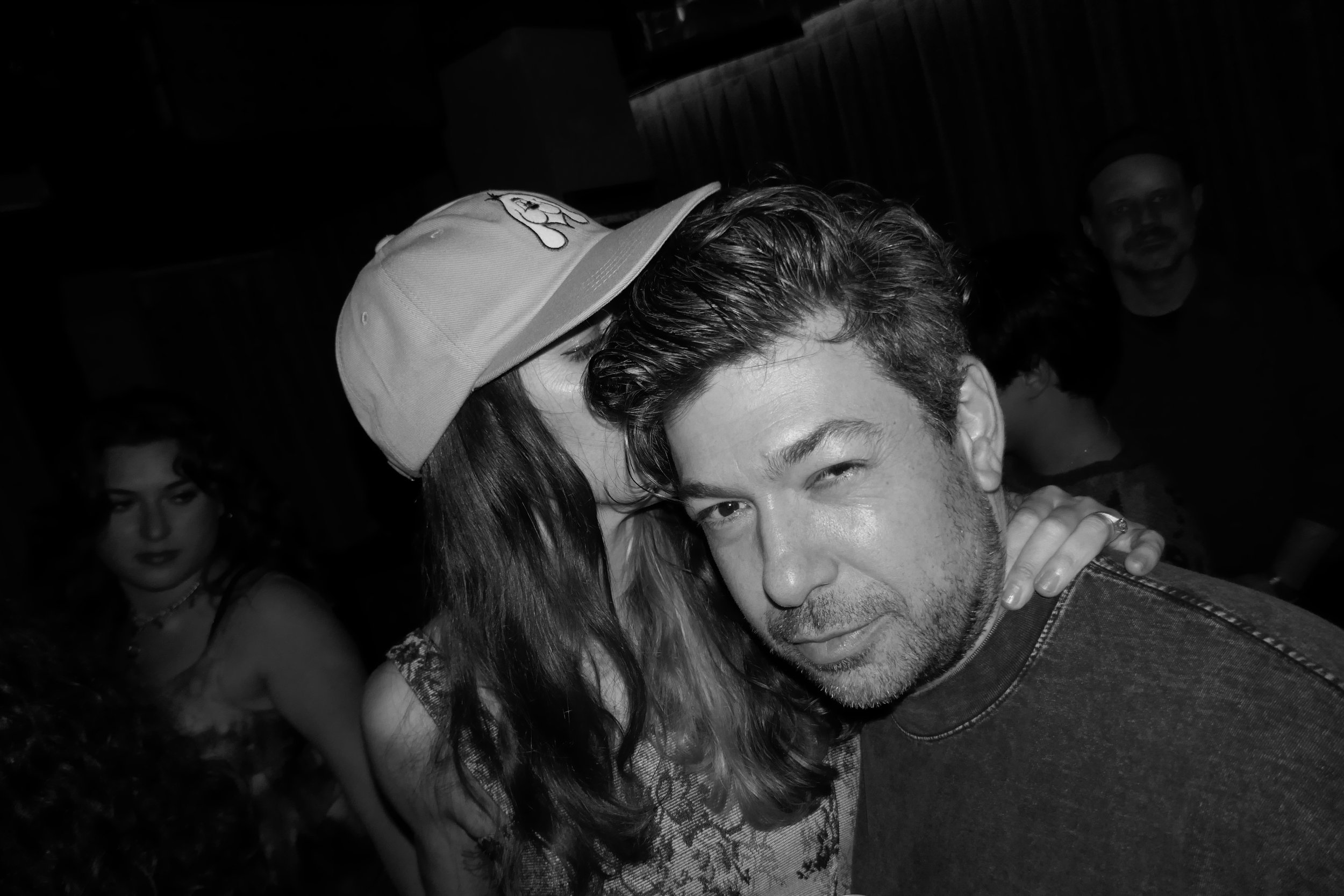
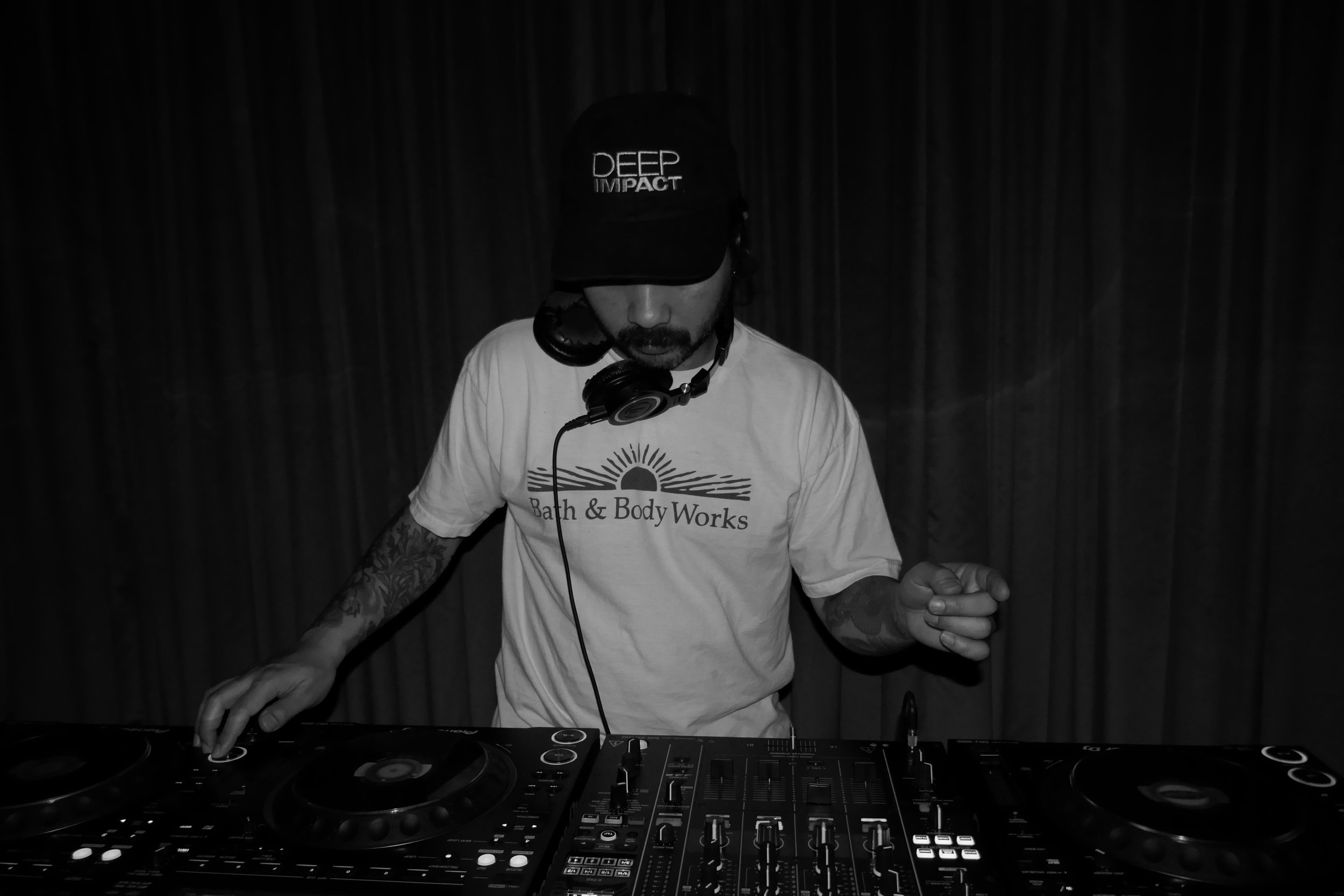
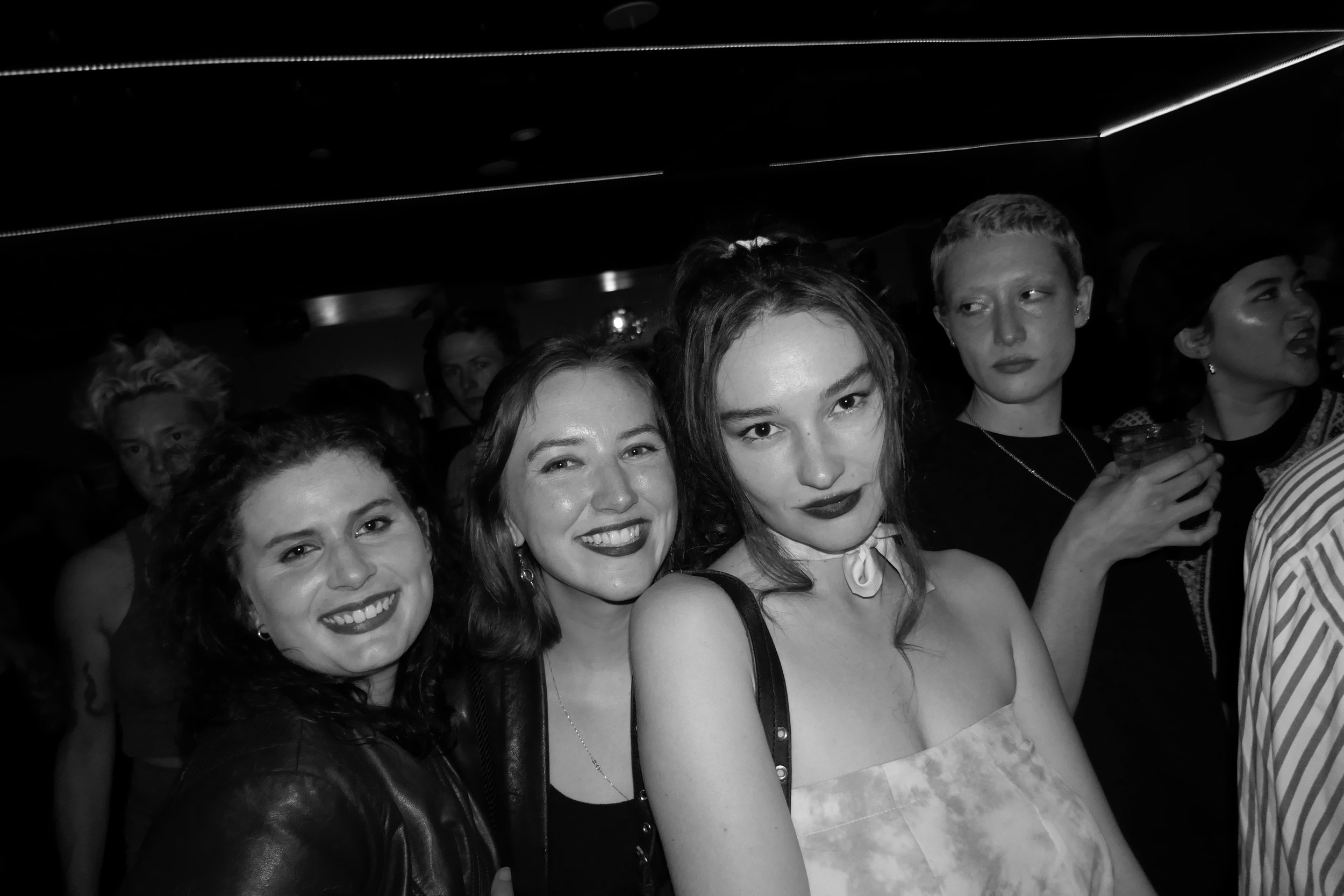
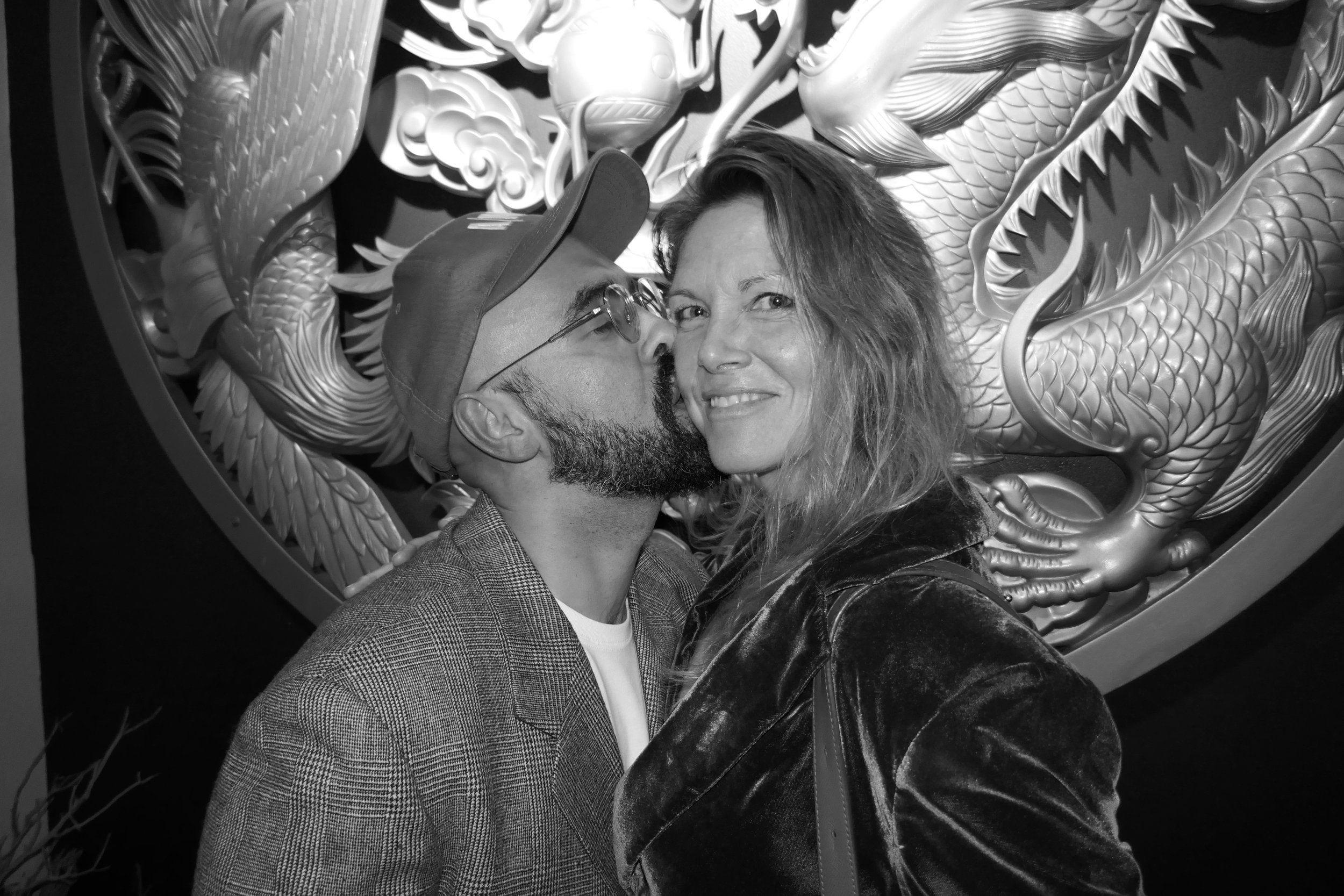
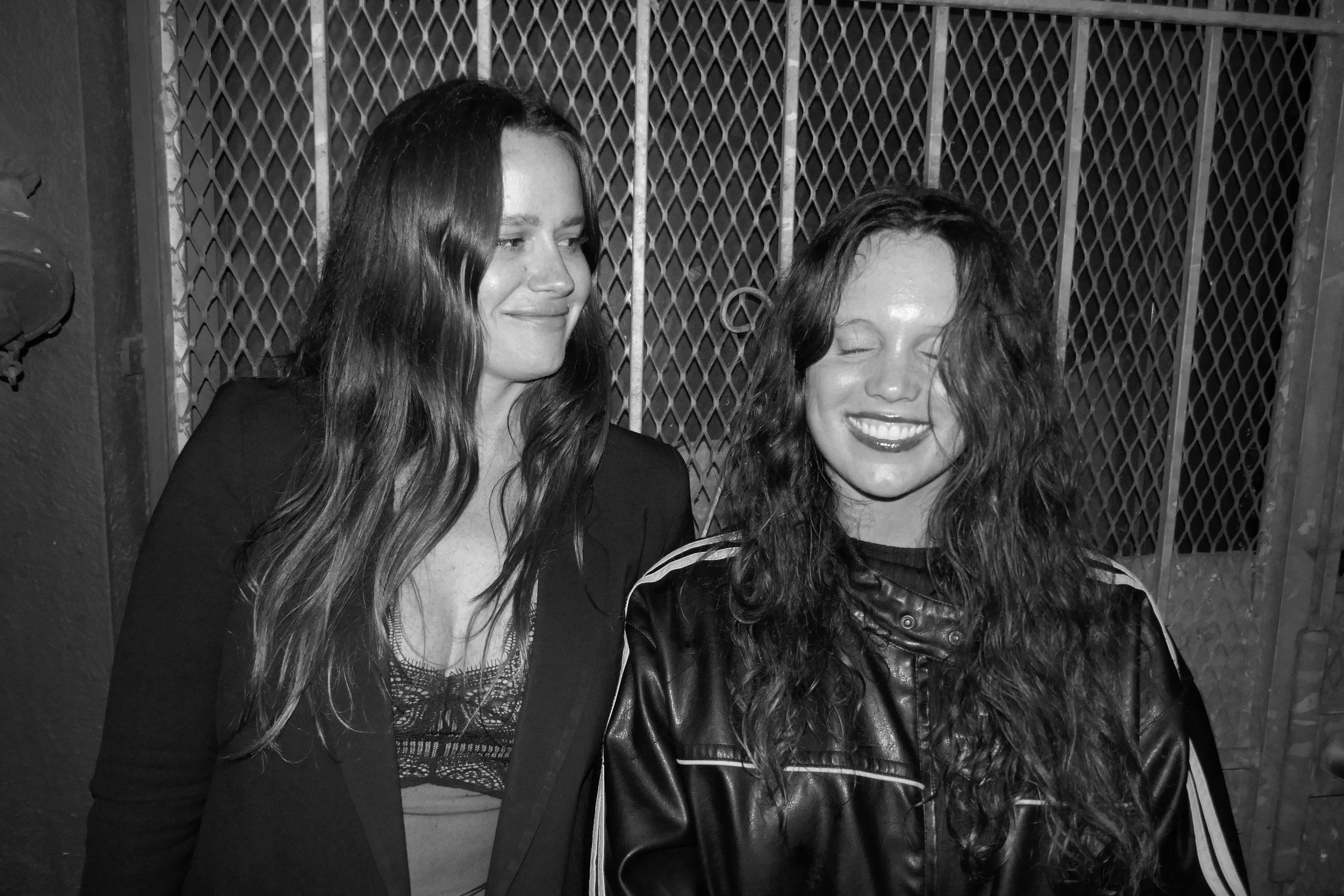
But at night, l’Area becomes something else—an overflowing bar where you can start or end your night, a refuge from the rain, good drinks and good music, but also one of the hearts of Paris’ youth scene. L’Area attracts artists, students, musicians, and, during fashion week, half of everyone who’s left their afterparties. It’s designed for conversations, for making connections. At l’Area, you can find a photographer for your brand, a writer for your magazine, or a date for next Saturday.
Inside the bar, the soft light feels as if it could all be from the glow of candles. The walls are mostly covered with thick white paint that thins in some important places and cracks in others. On each wall, there are mirrors, tchotchkes, and photos and paintings in thick and thin frames. The bar’s counter is long and shining and turns at one end to meet the wall.
The wall behind the bar has a splash of blue and green tiles. There are glass shelves covered in glass bottles and aluminum cans and corks and towels and art and busy hands and other things that a bar should or shouldn’t have. And the bar’s counter itself is covered in action and movement, the knocking of glass on the counter, the shifting of elbows under thick coat sleeves.
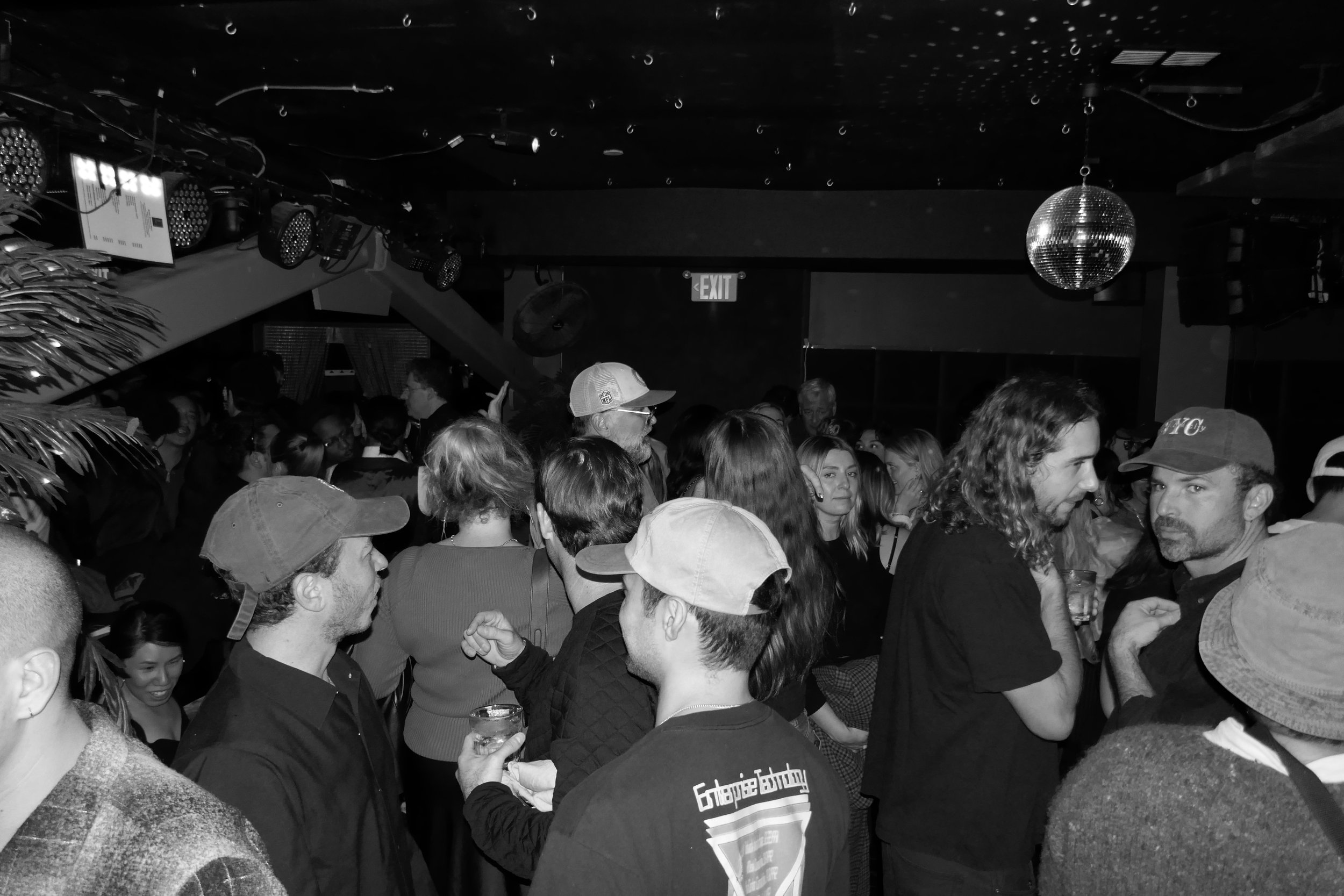
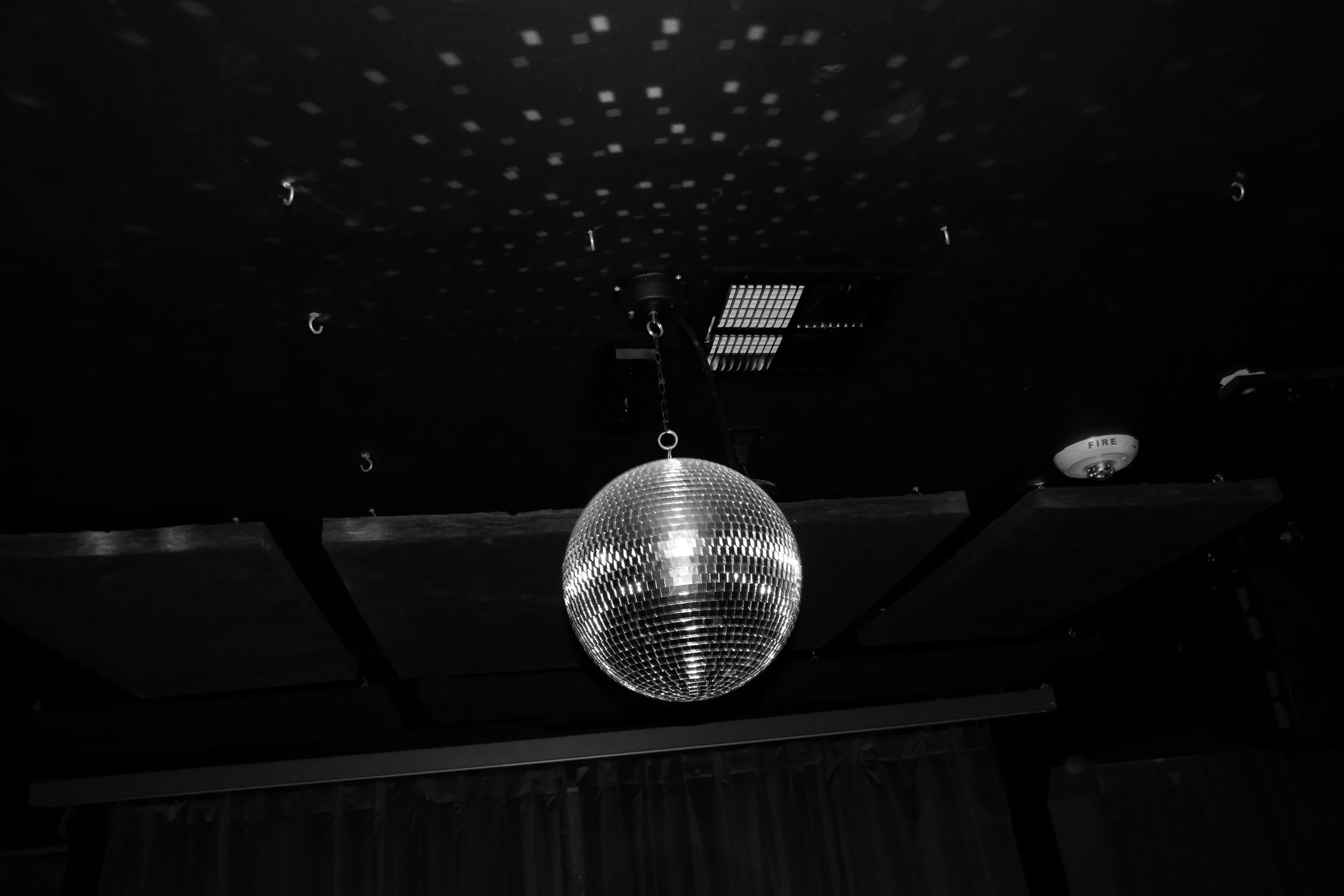
I move with the crowd as the room thins and then pushes out into the bar’s barely larger backroom, filled with a traffic jam of tables, benches, chairs, and people. You have to step over and squeeze past creaking wooden chairs with skinny iron legs. Boot heels catch on coats, elbows brush against the shoulders of drinkers, and backs press against backs. A small projector sends a faint blue glow—cut through by the shadow of the spinning ceiling fan’s blades—against a screen blocked by pots of flowers, a glittering silver lava lamp, and an enormous glass vase filled with coffee beans. Wine-soaked cushions and a floor sticky with Saint Germain lick the soles of boots and Puma runners.
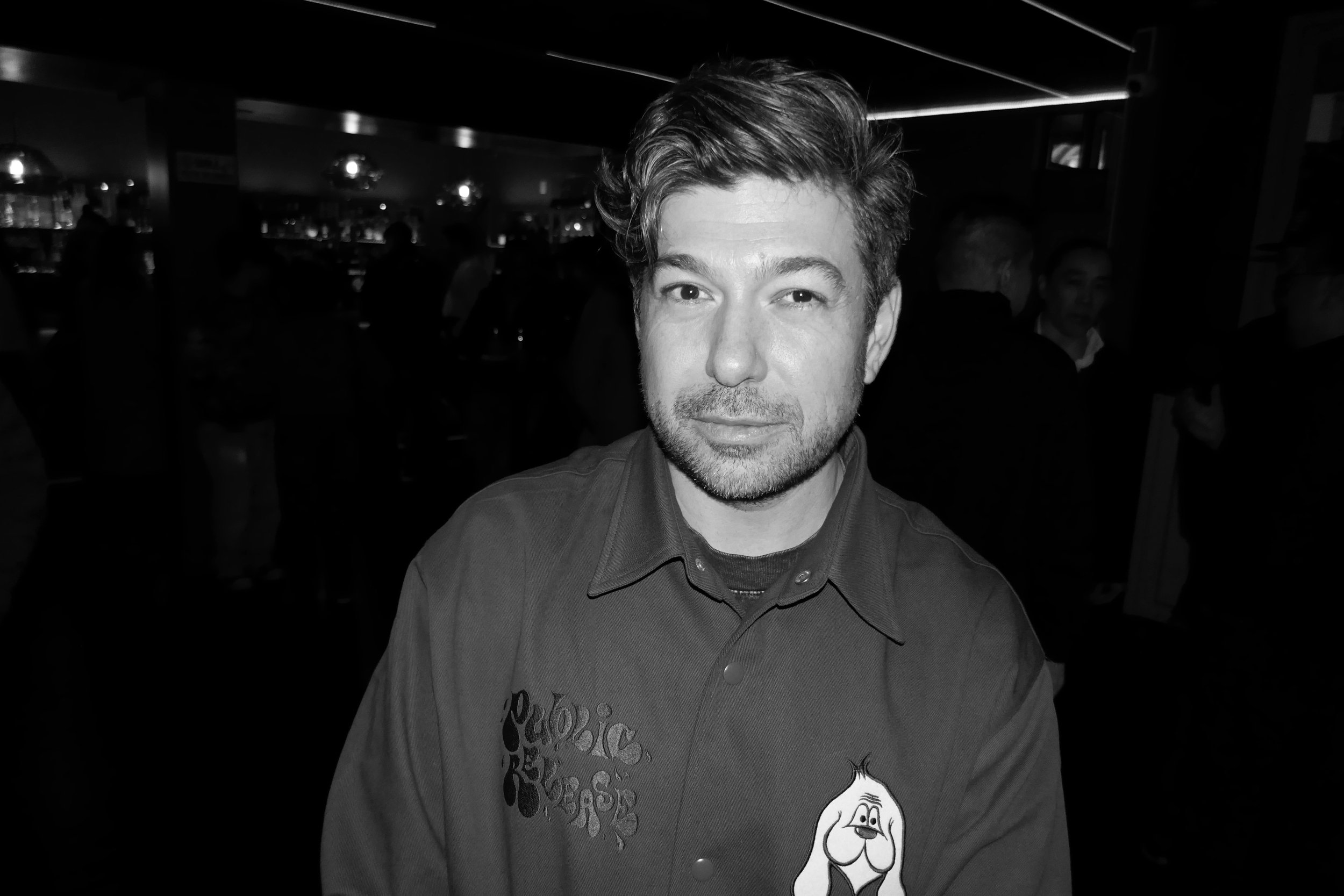
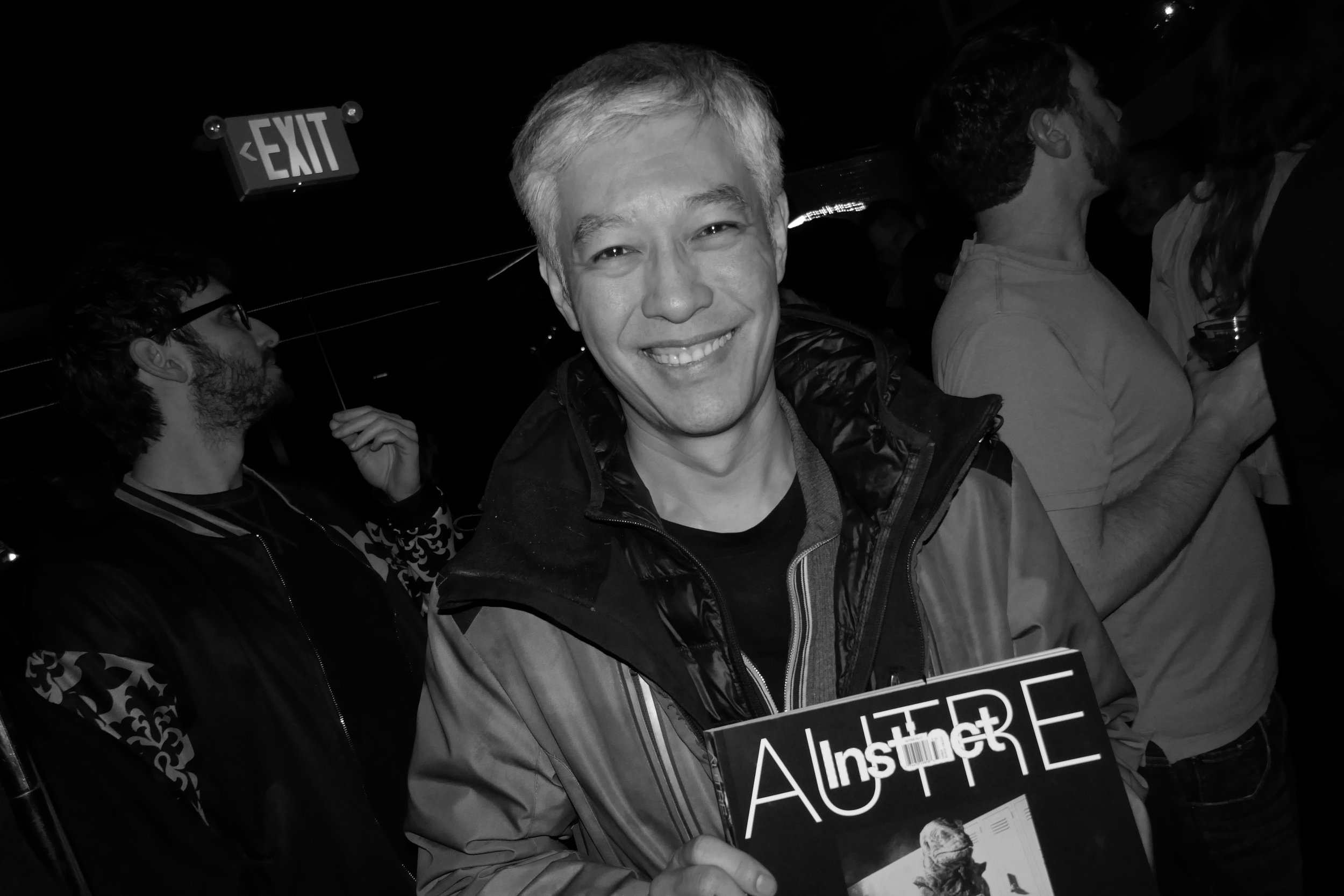
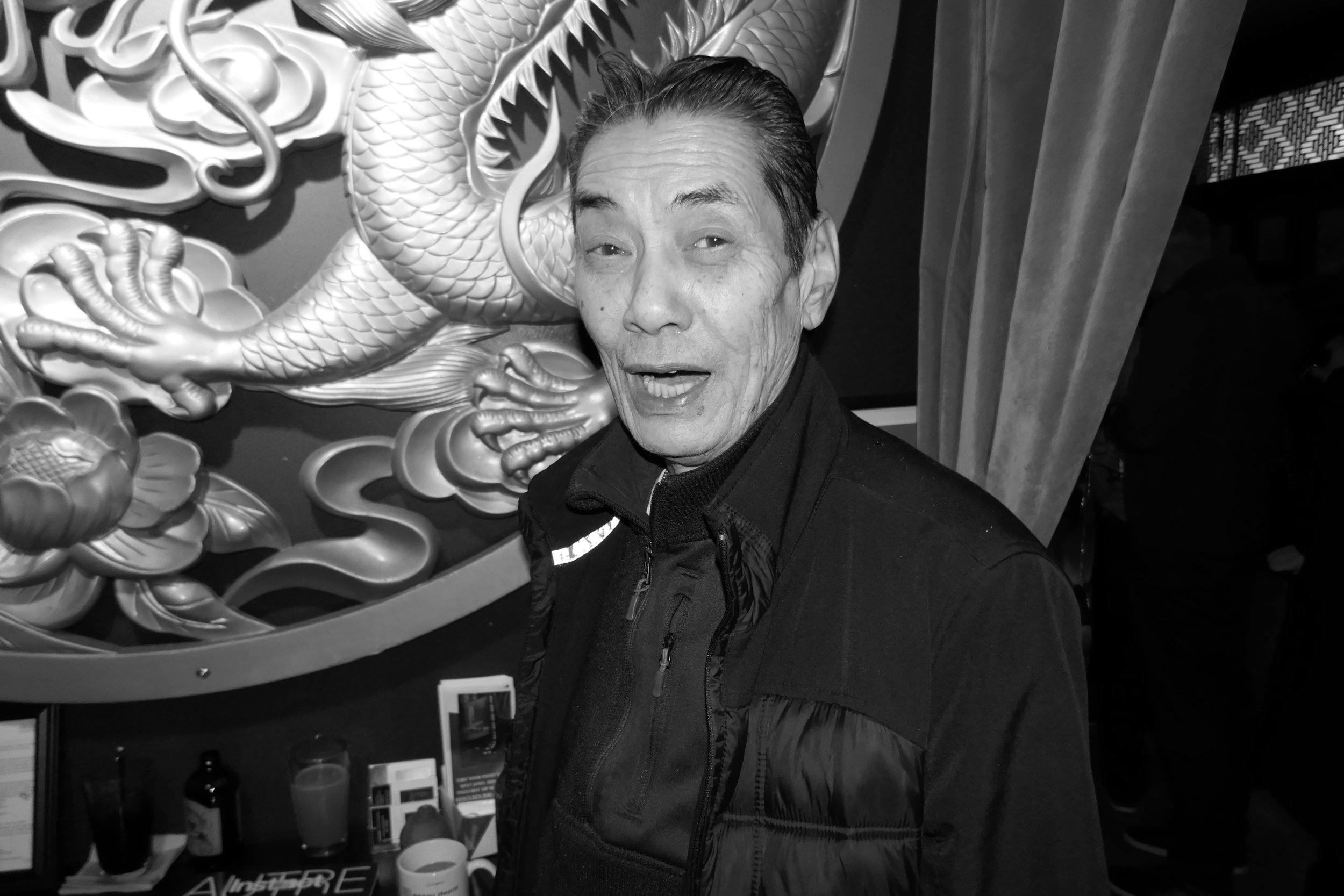
The restaurant's owner, Edouard, steps into the backroom and lights his cigarette from a candle placed on a countertop. Edouard has silver hair and skin that looks like it has spent most of its life smiling. He wears a sweater knit tight like l’Area’s weave of tables and chairs. It is my first time back in two years; Edouard remembers my name.
There is no l’Area without Edouard. You would be hard-pressed to find a kinder man in Paris, and if you did, he would be nowhere near as cool. Edouard creates the culture of l’Area. When he can find a break between pouring drinks and hugging friends, he will pull you aside to connect you with someone he wants you to know. And all night, until the bar closes, through every backhanded glass, late reservation, and declined card, he keeps smiling.
I caught up with Edouard the next day. I sat at the counter as he paced back and forth behind the bar. I had to follow him with my phone so the recording would stay clear. Read more.





















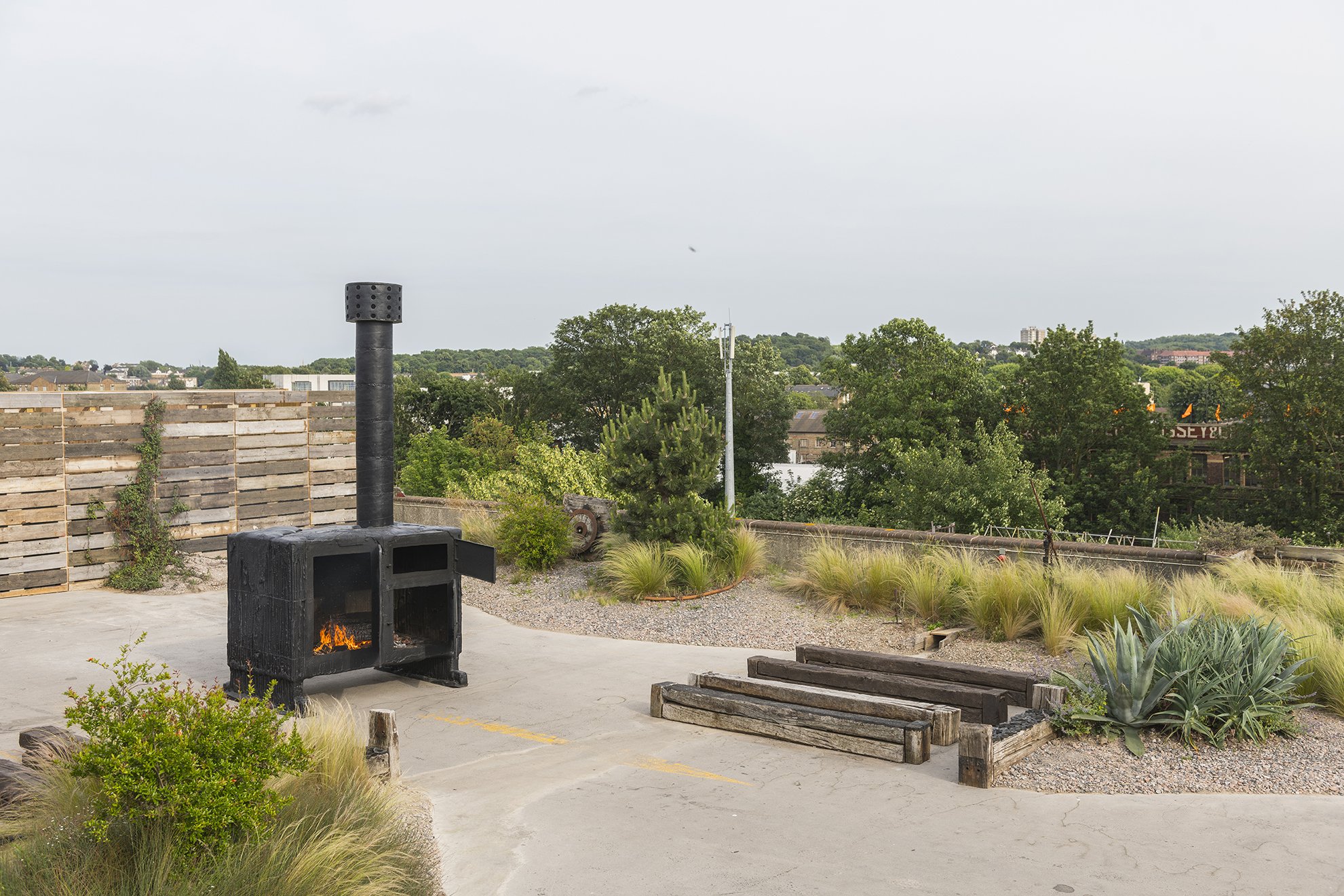


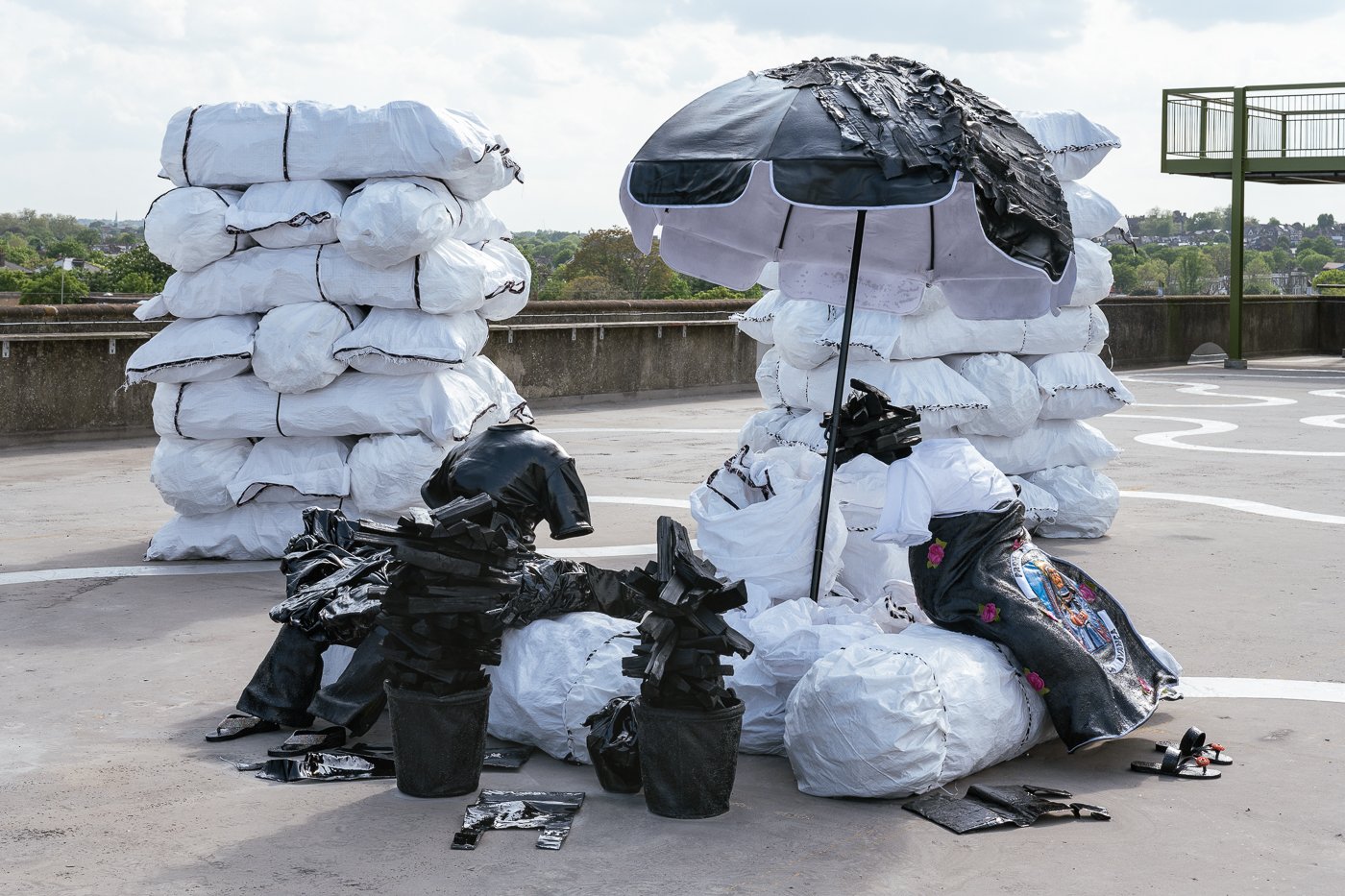
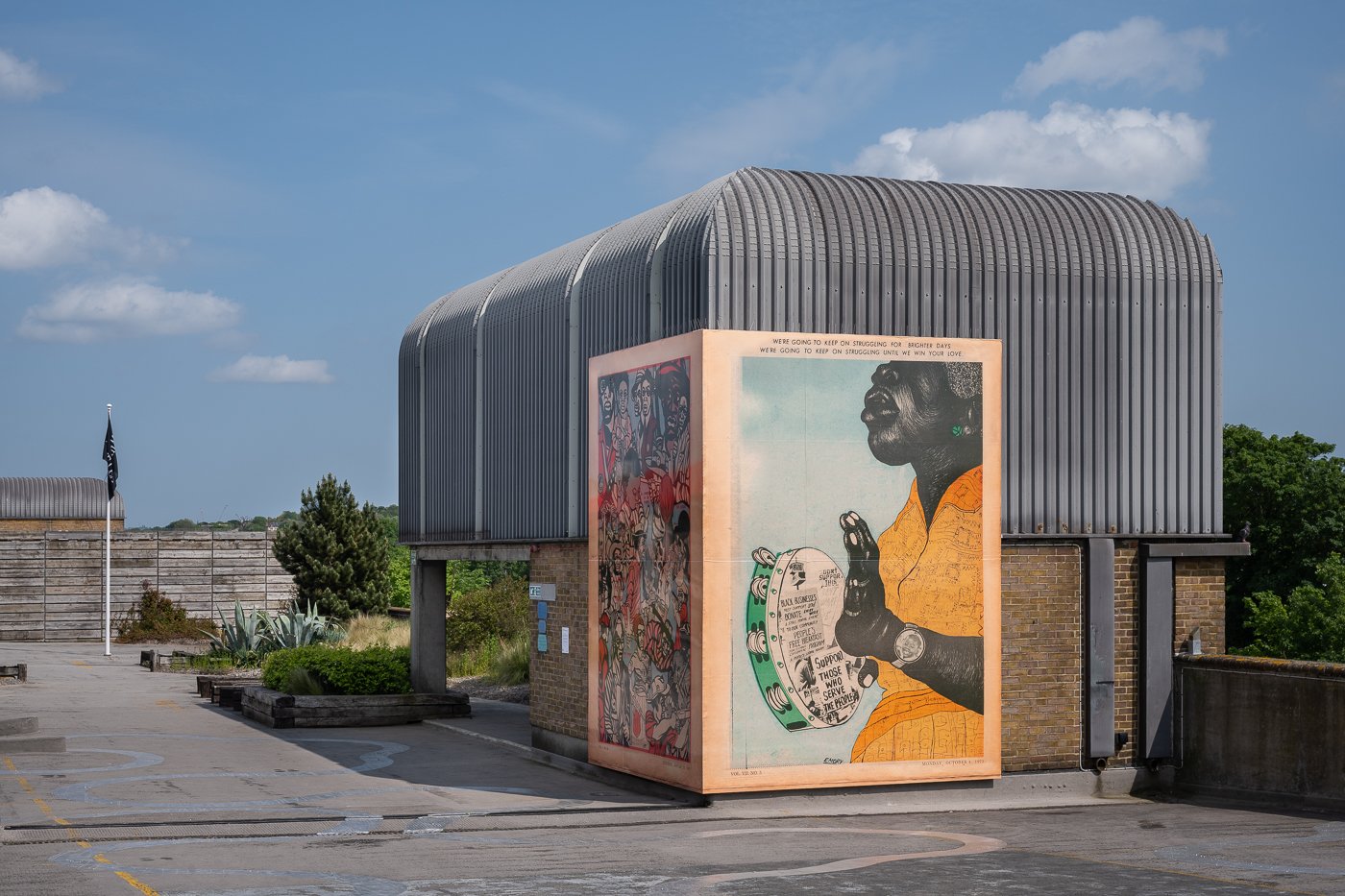
![Kahlil Robert Irving, Memorial to Labor [{Through my wonder} My memory to your labor] LOST , 2023 (installation view). Courtesy of the artist and Bold Tendencies. Photography © Damian Griffiths](https://images.squarespace-cdn.com/content/v1/544cb720e4b0f3ba72ee8a78/1690341787963-ZVOFU357HRZKJ8OPXWB4/Copy+of+LR+32+-+Kahlil+Robert+Irving%2C+Memorial+to+Labor+%5B%7BThrough+my+wonder%7D+My+memory+to+your+labor%5D+LOST%2C+2023+%28installation+view%29.+Courtesy+of+the+artist+and+Bold+Tendencies.+Photography+%C2%A9+Damian+Griffiths.jpg)