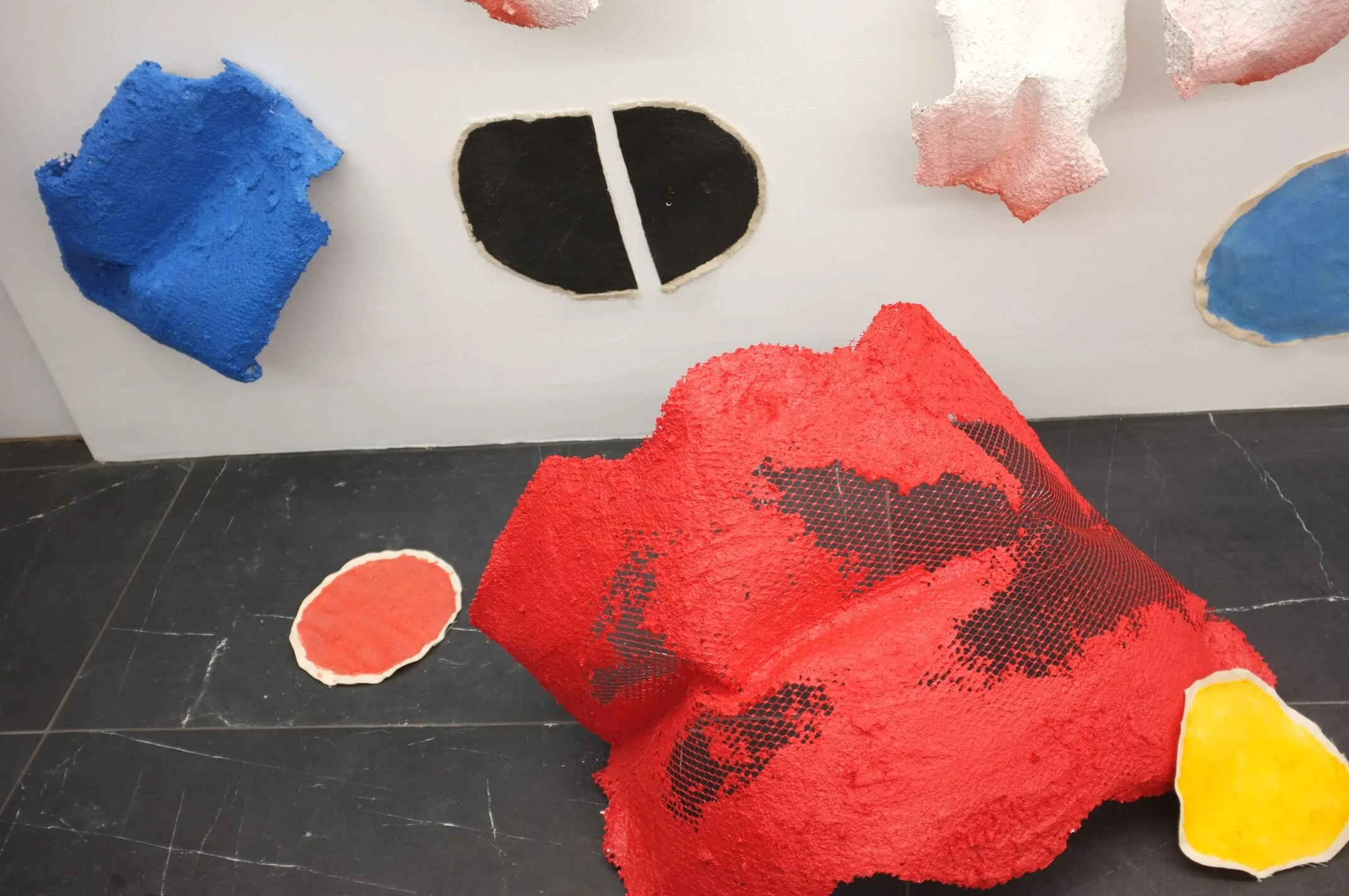


photographs by Oliver Maxwell Kupper

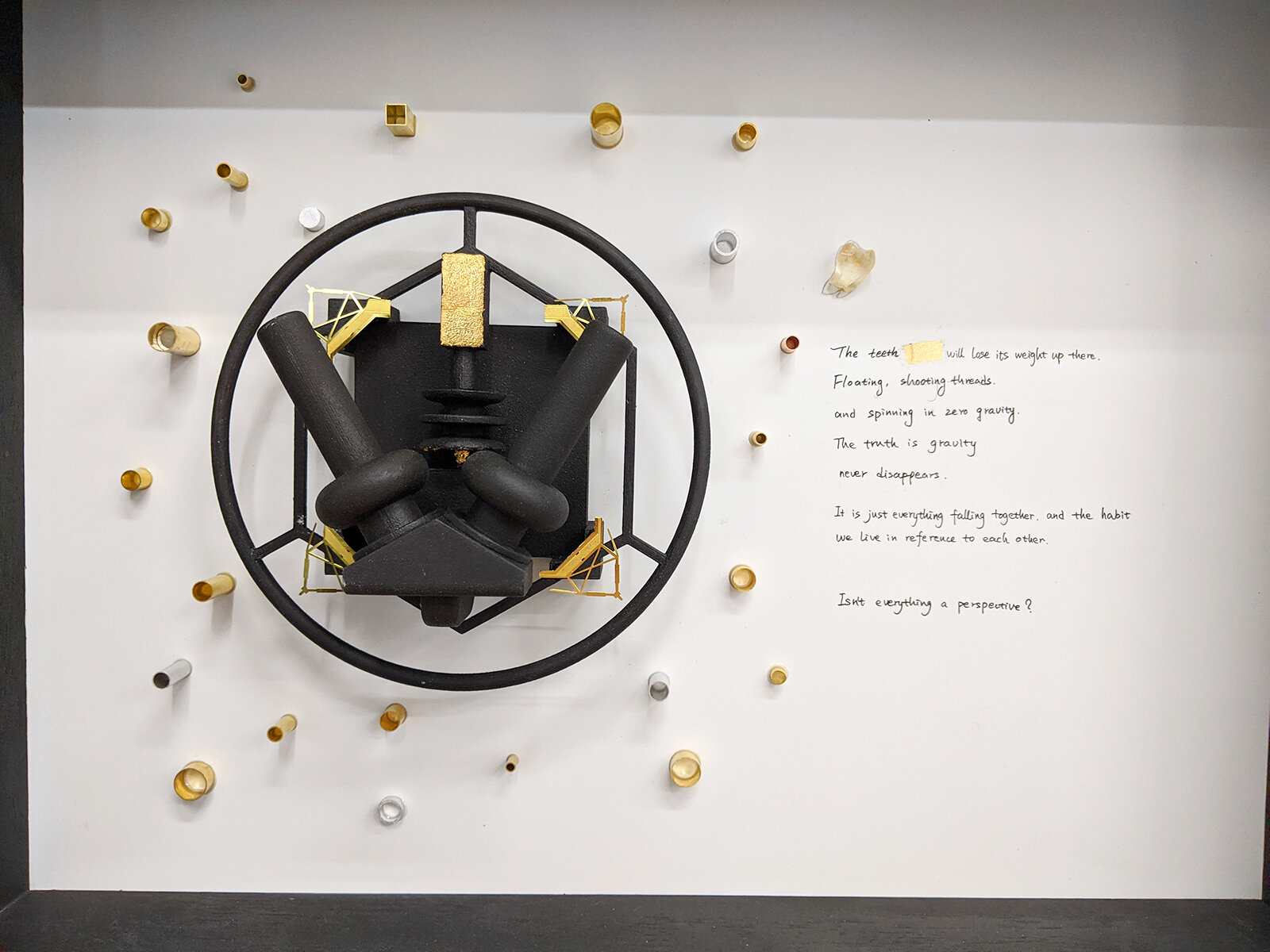
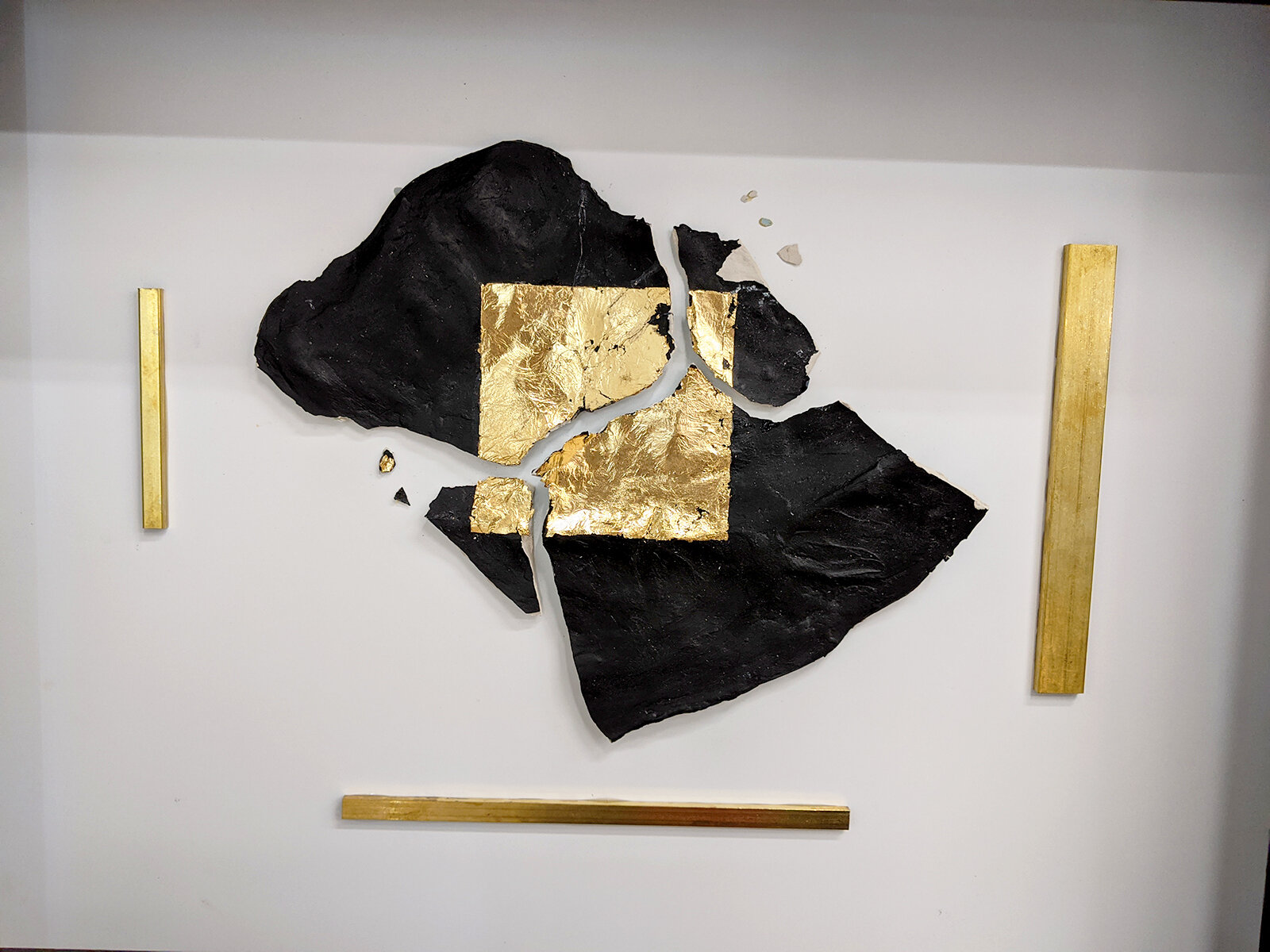
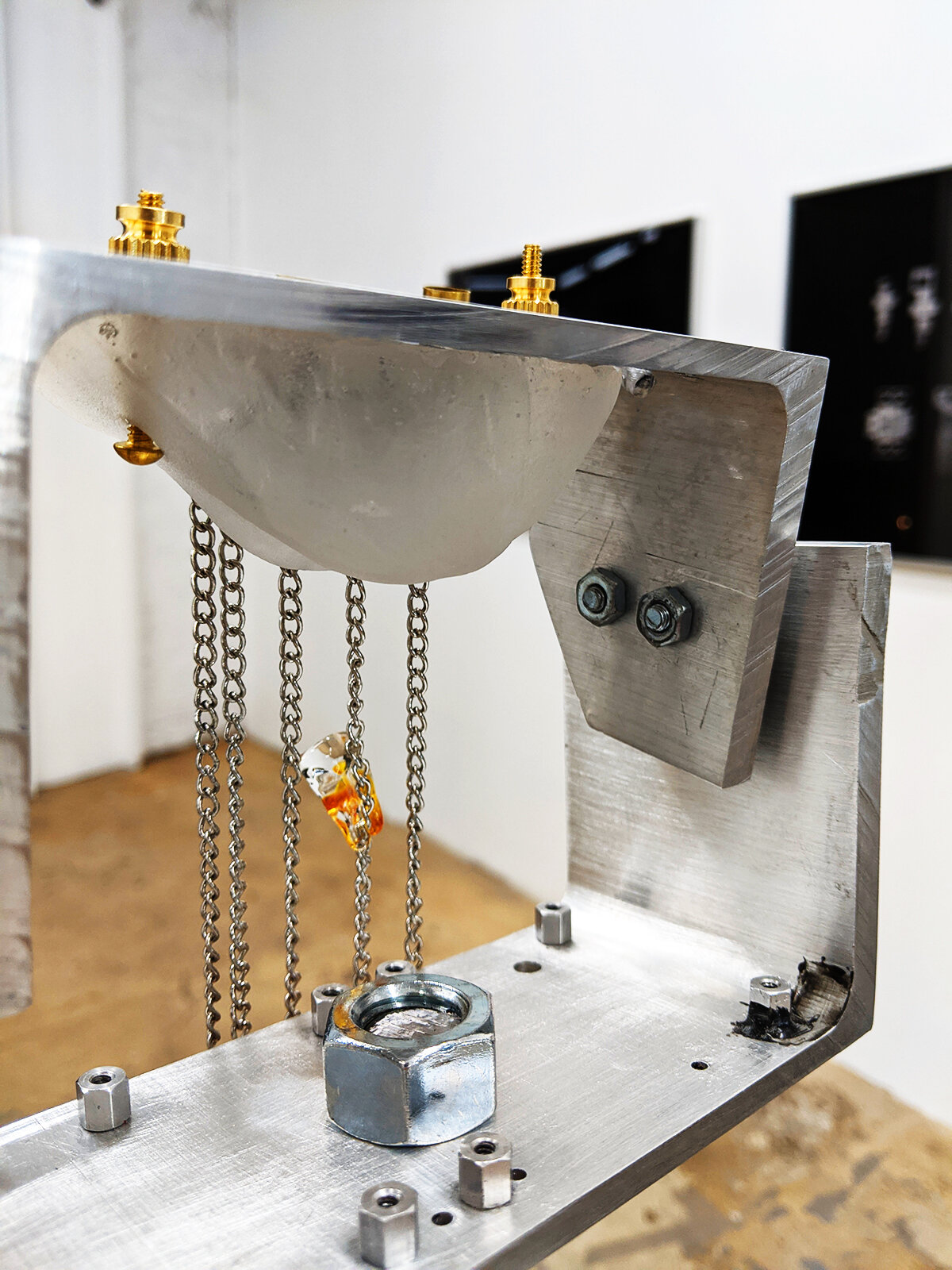
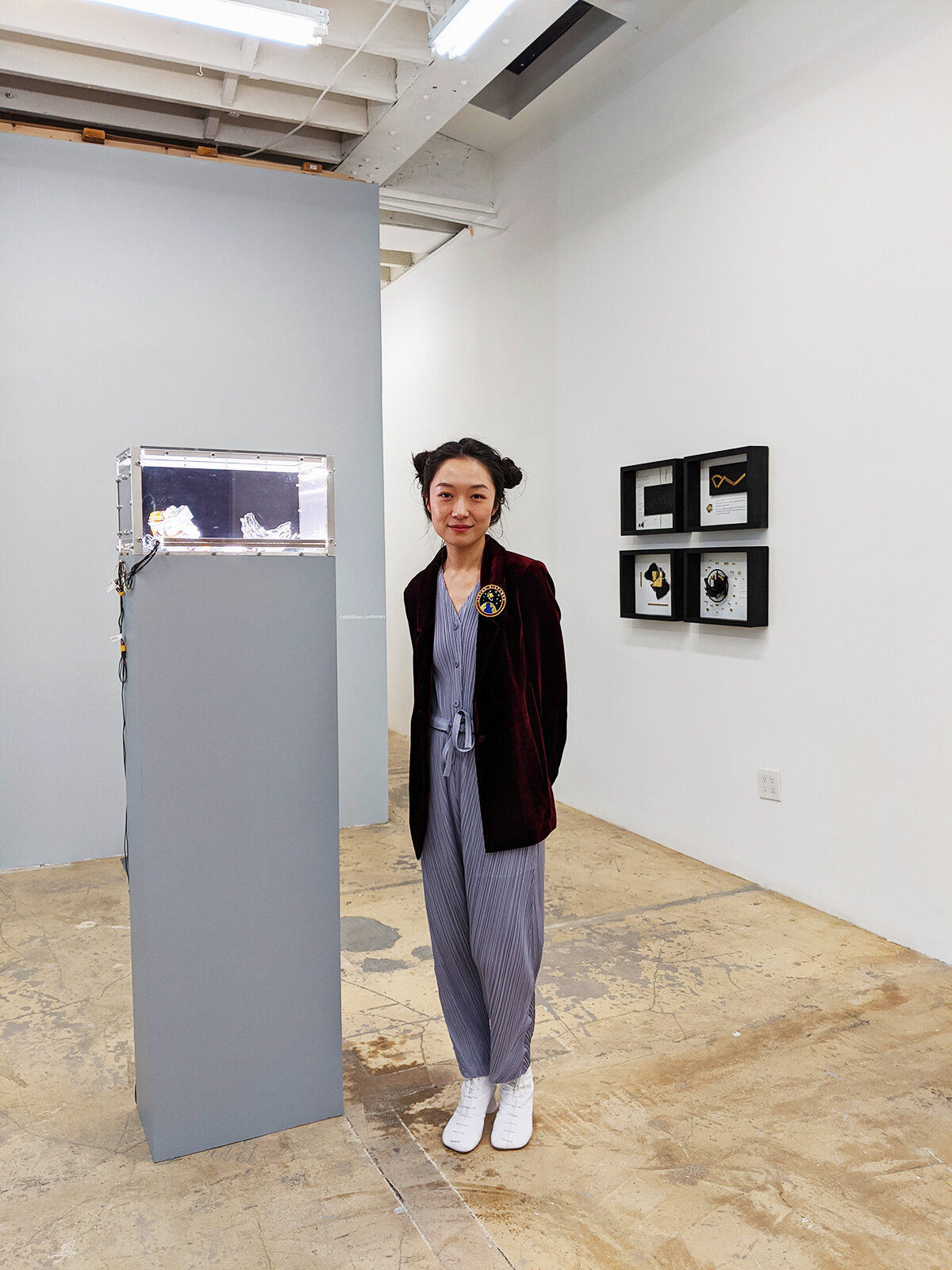
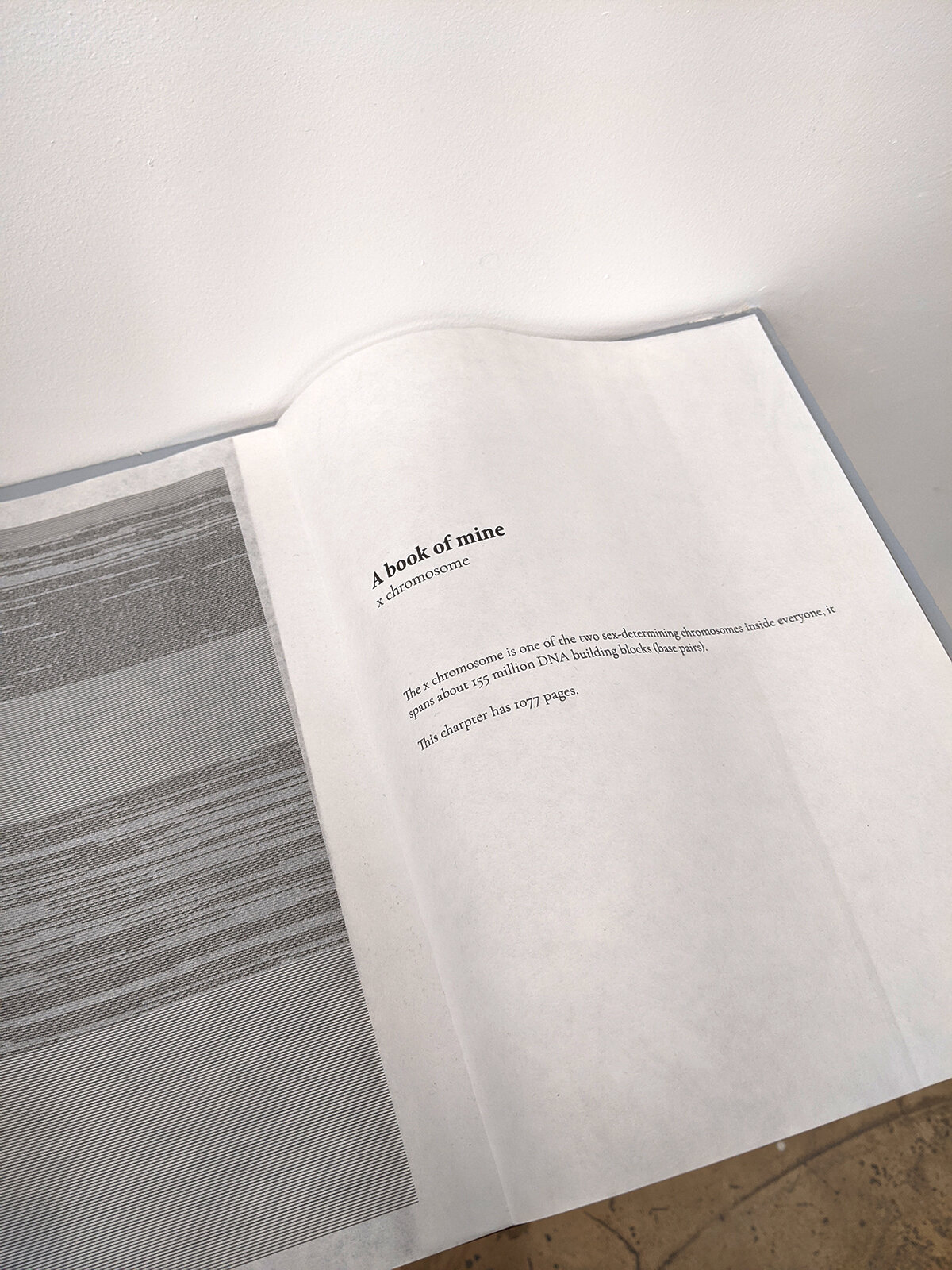
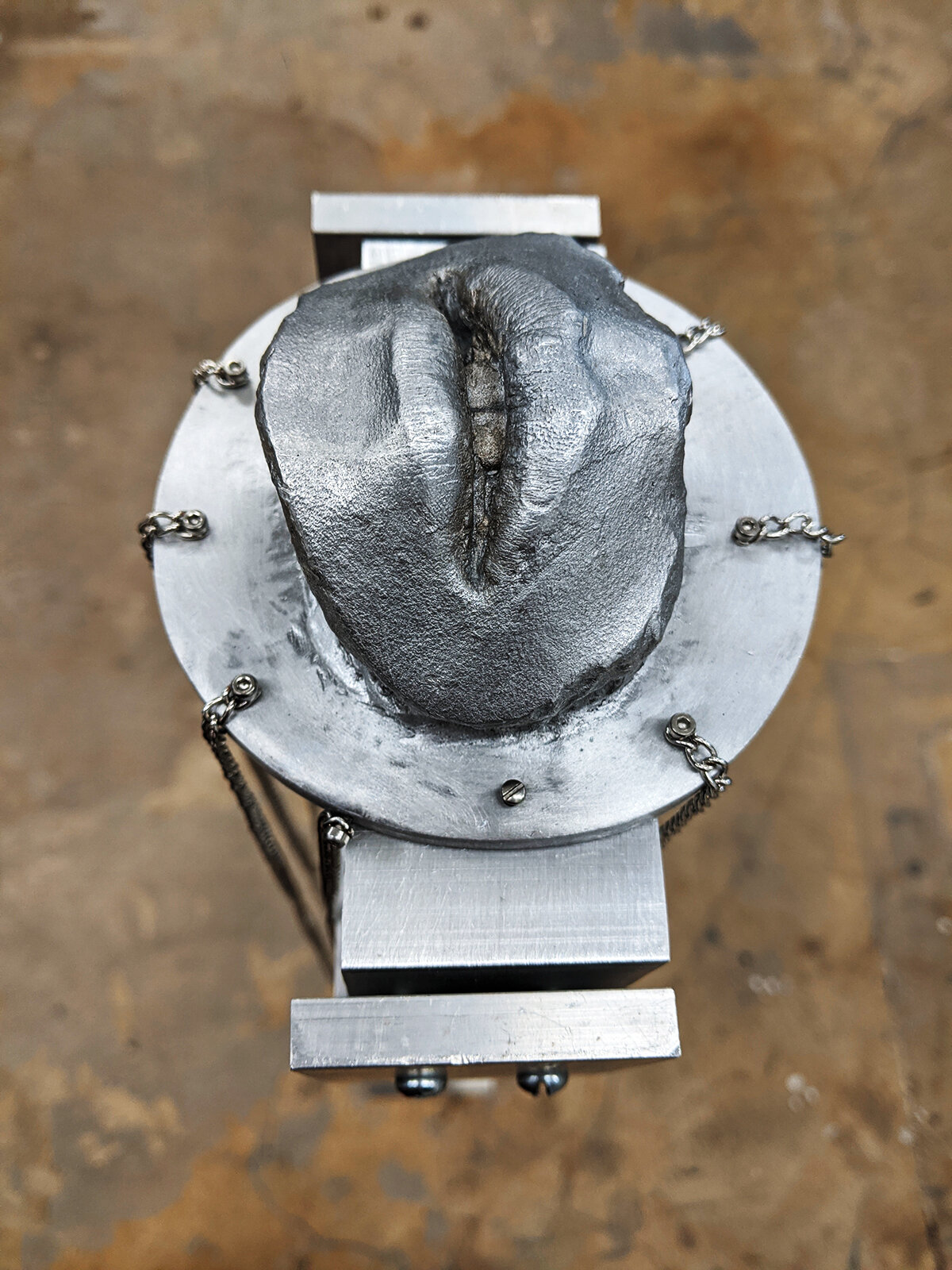
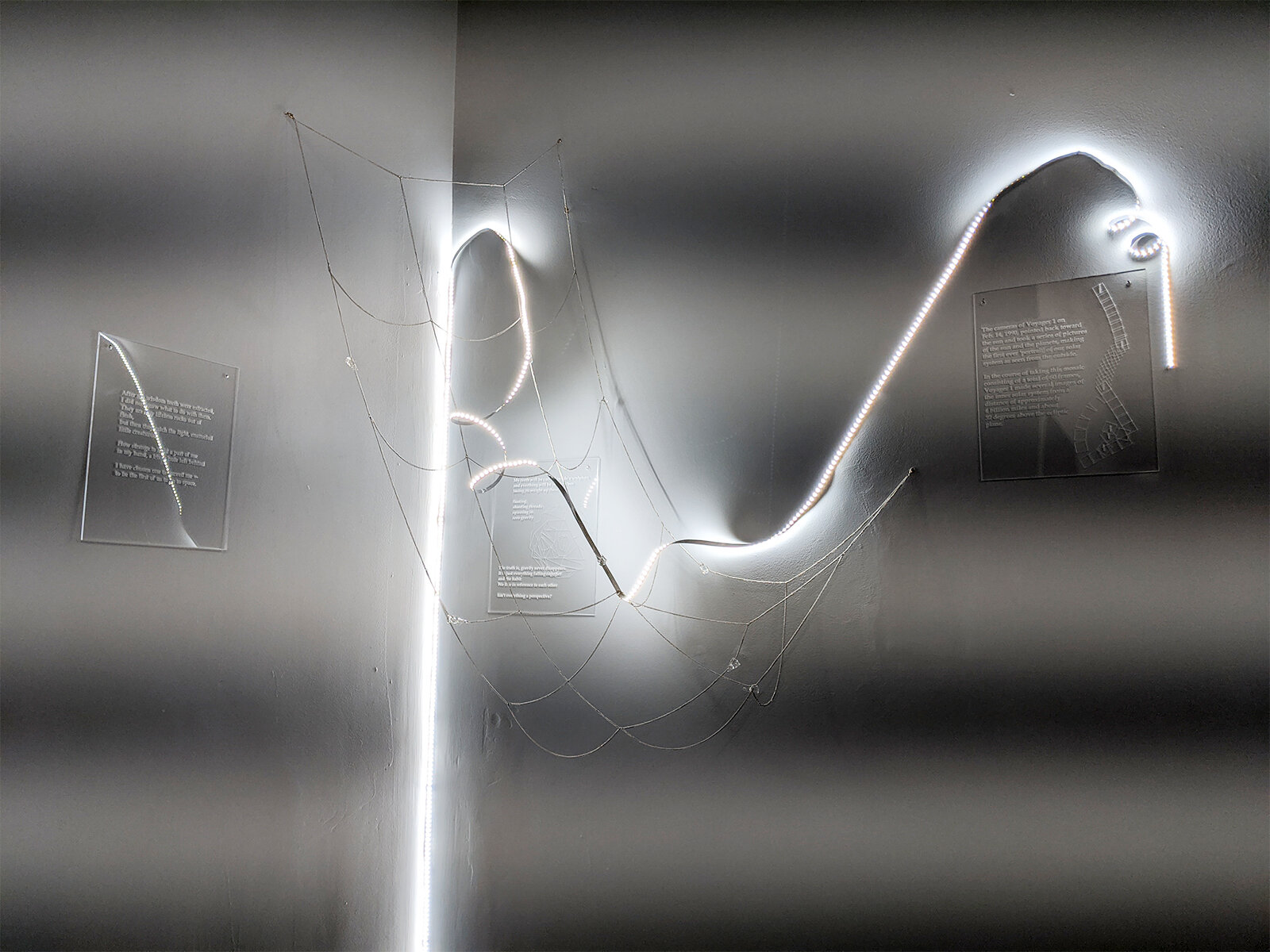
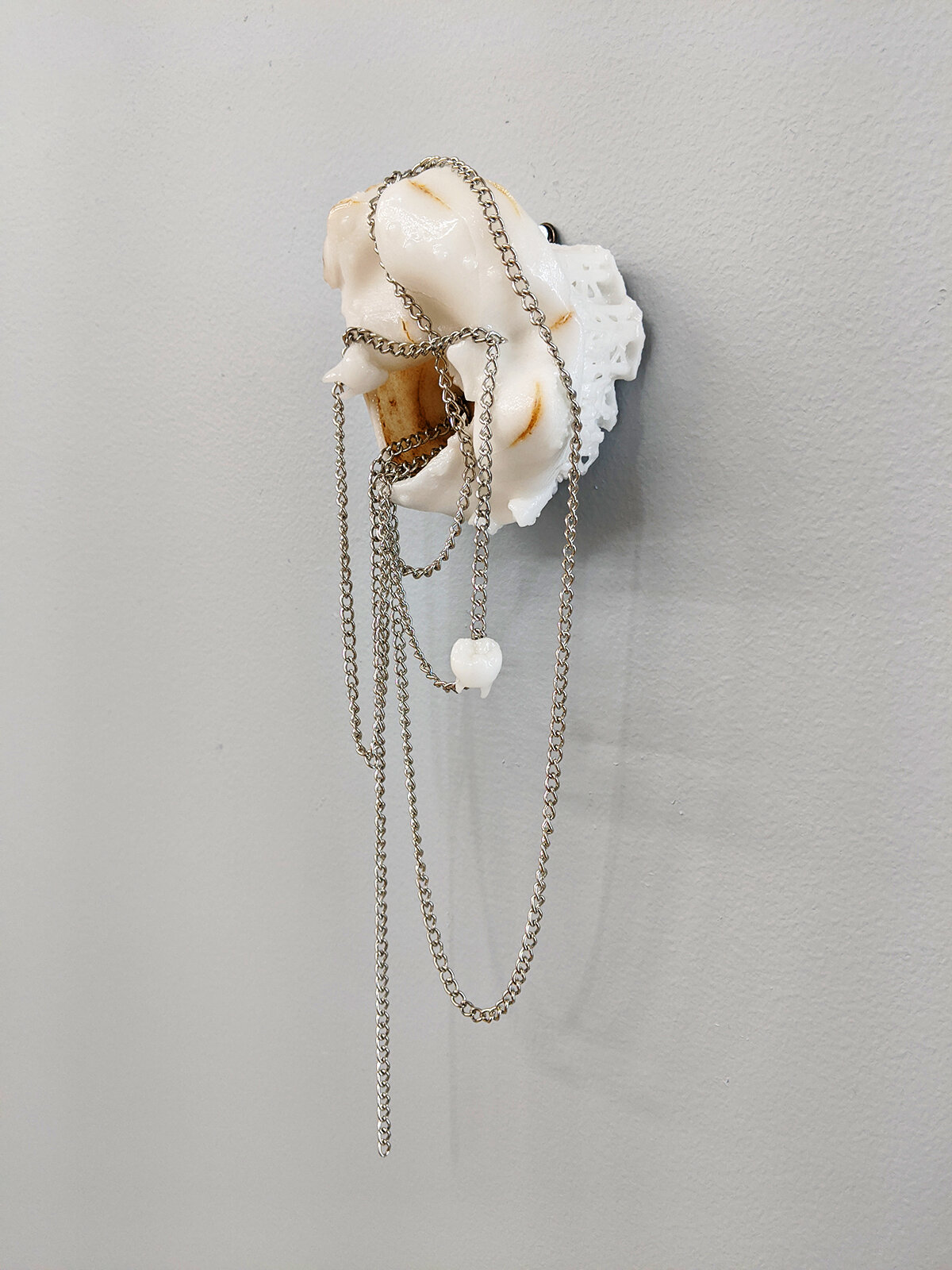
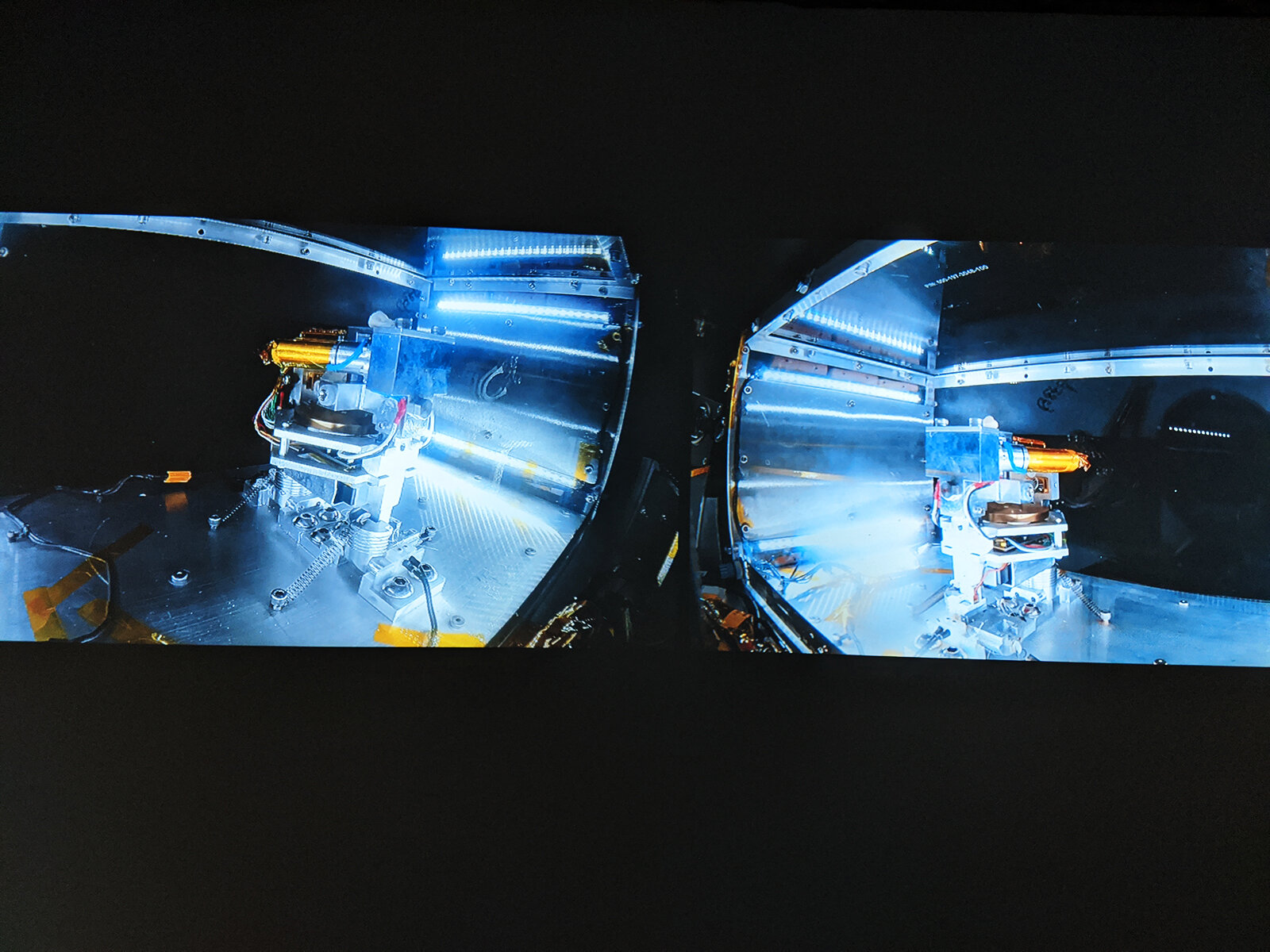
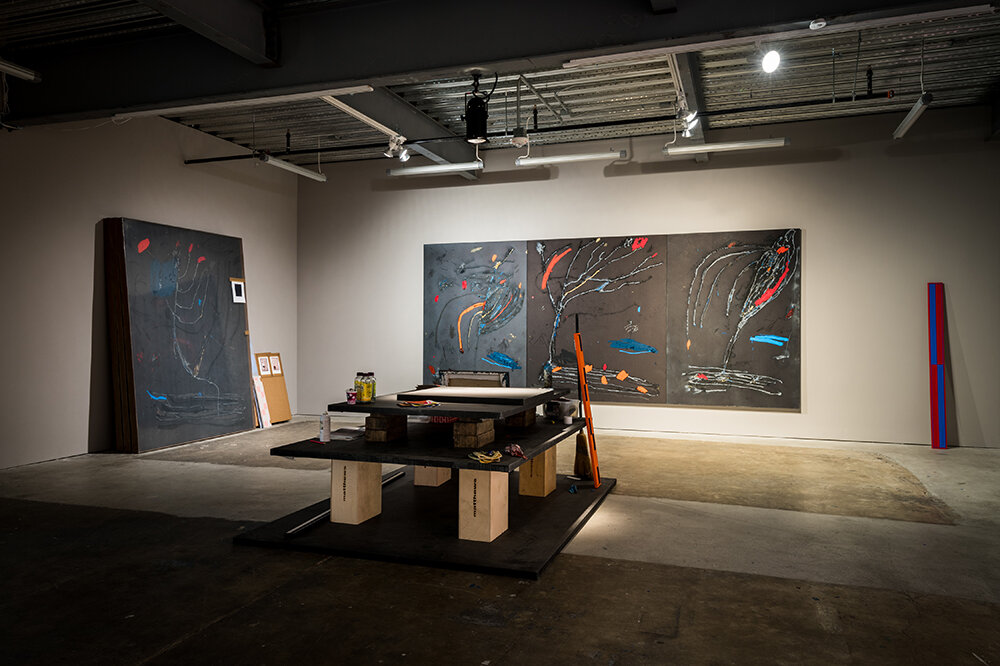
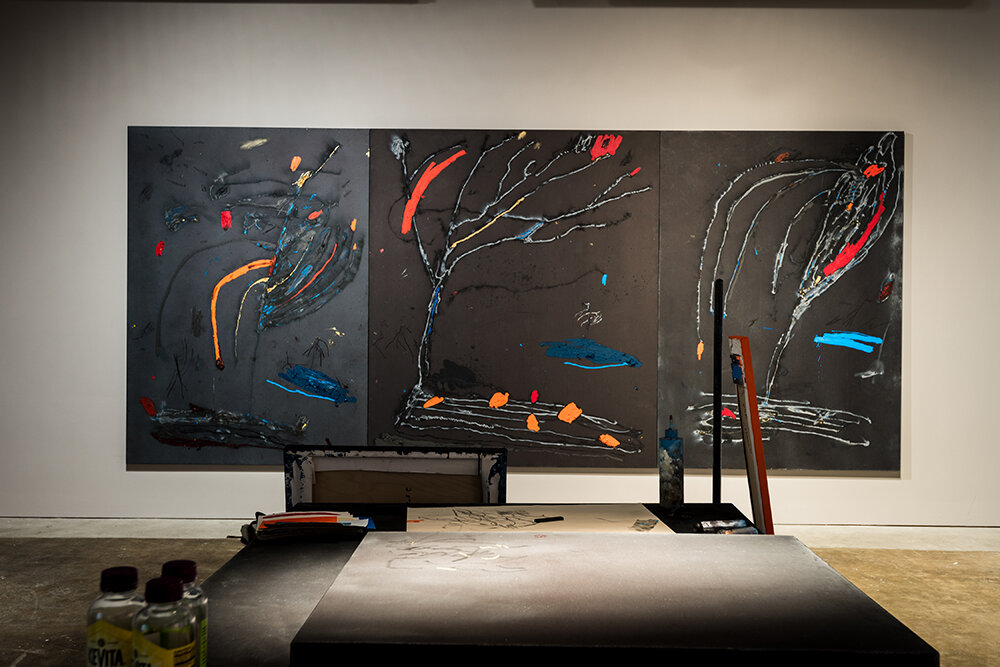
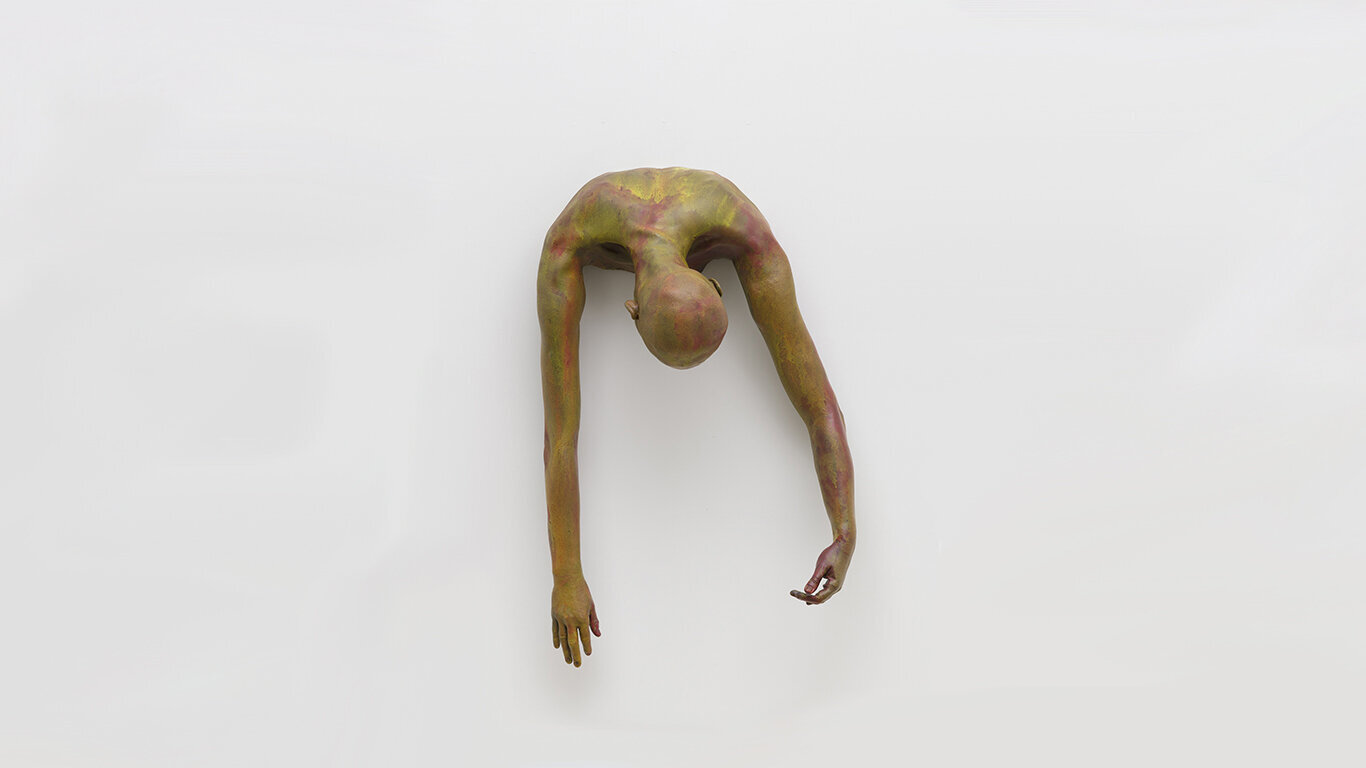
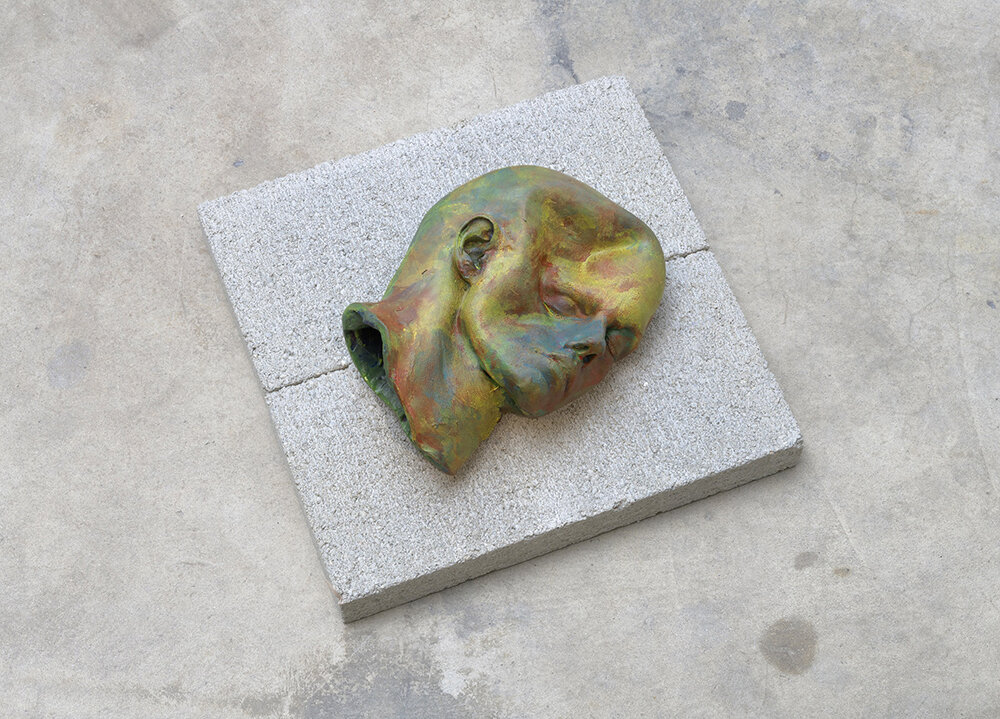
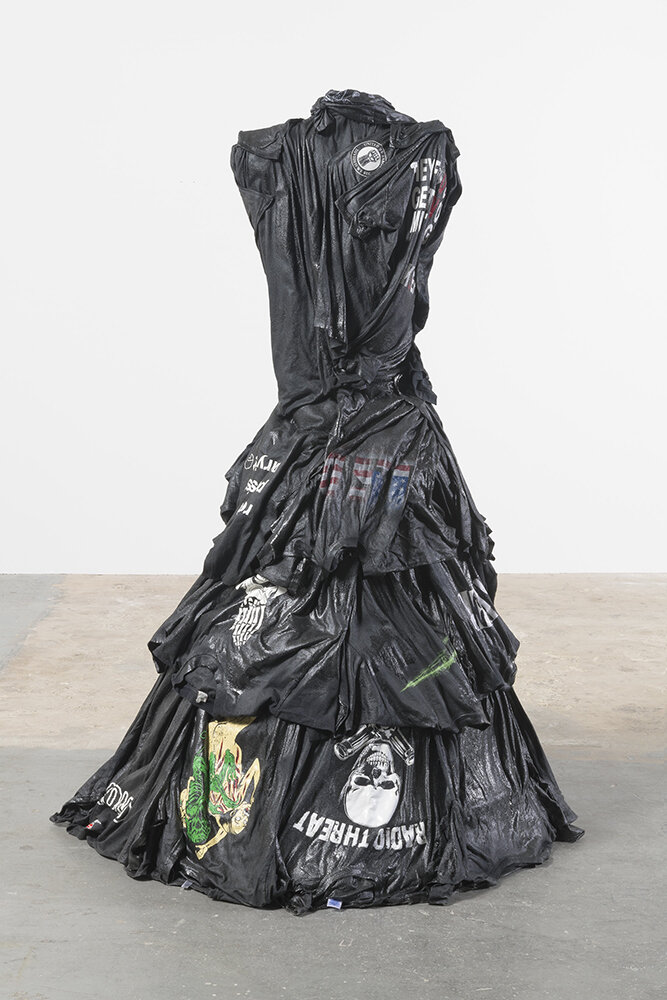
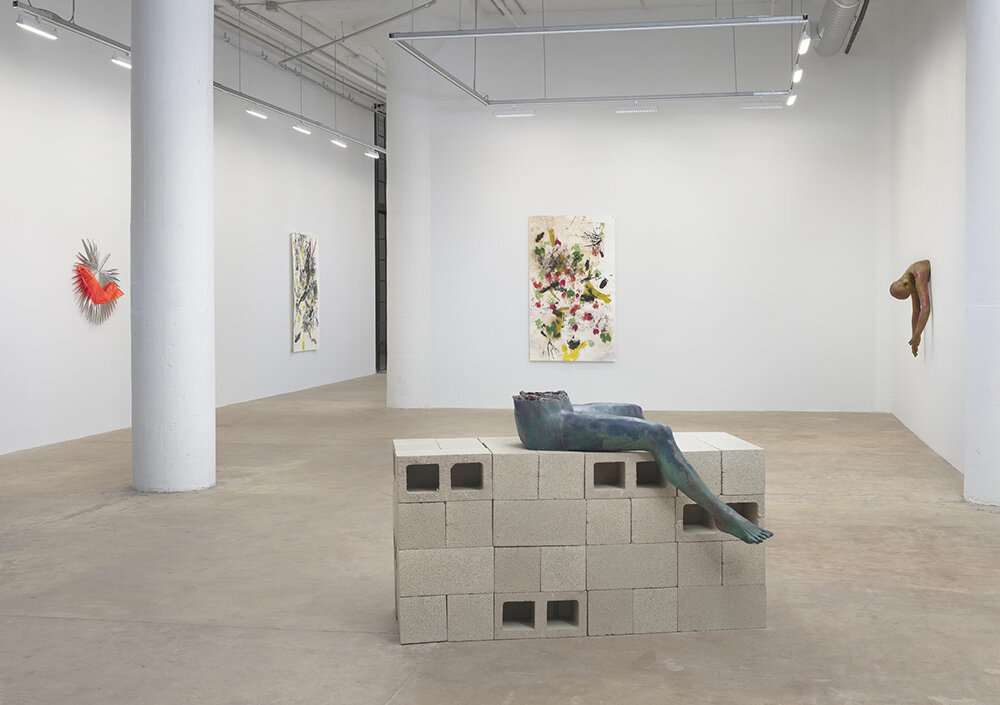
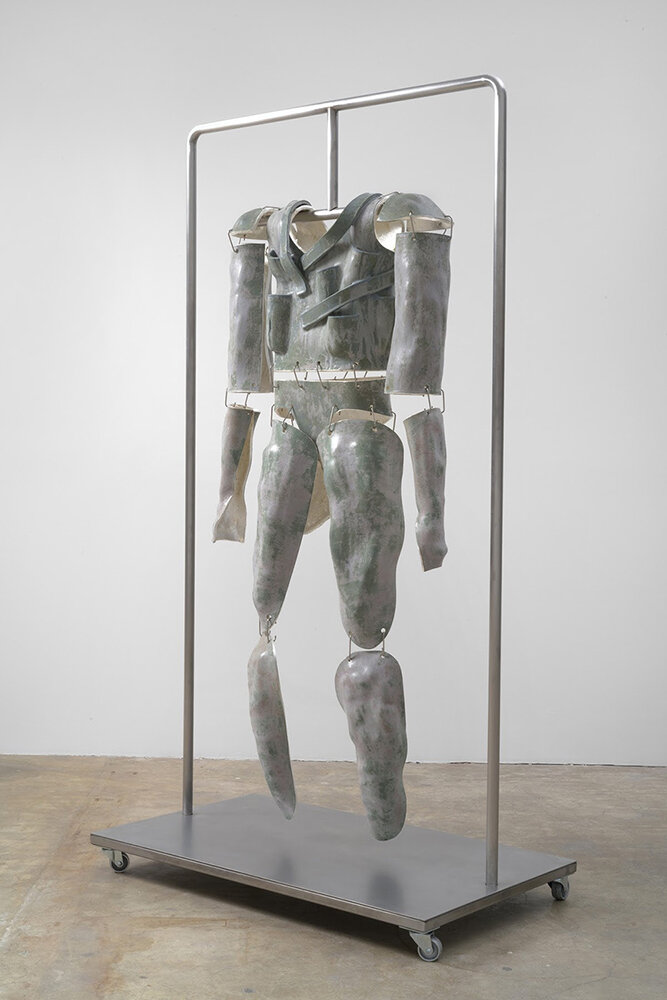
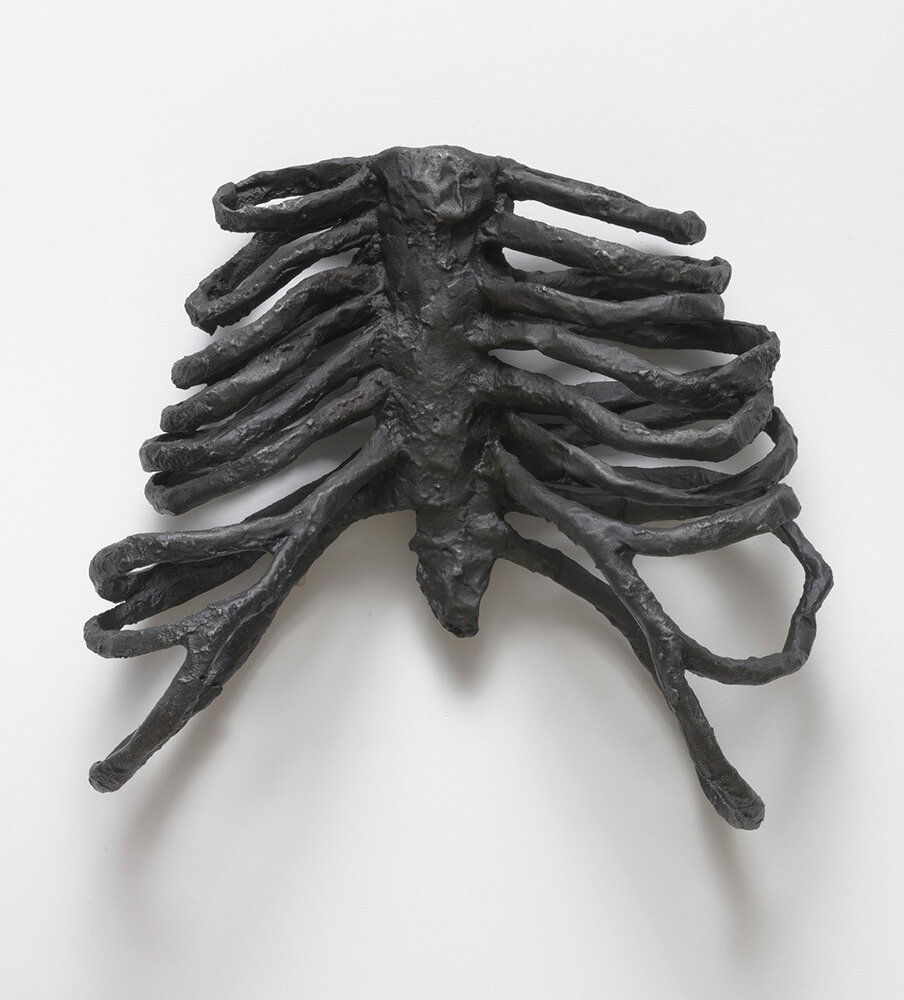
“Is breeding a physiological instinct for women? I put my life (time, effort, intelligence) into an inorganic, ruthless mechanical system, and then place my bone and blood (teeth) in the center. It is part of me, my avatar. We will never be alive in the same space, it will break into pieces before returning to Earth. It came to life in the absence of gravity, but I am standing here firmly. I speculate that "humanity" will not break through the interstellar space-time distance in the form of organism. If we acknowledge our limits as biological species, how can human beings face the others, who are created and feared by us?”
— Xin Liu
Living/Distance is on view through Feb 1, 2020 @ MakeRoom 1035 N Broadway, Los Angeles. photographs courtesy of Lani Trock
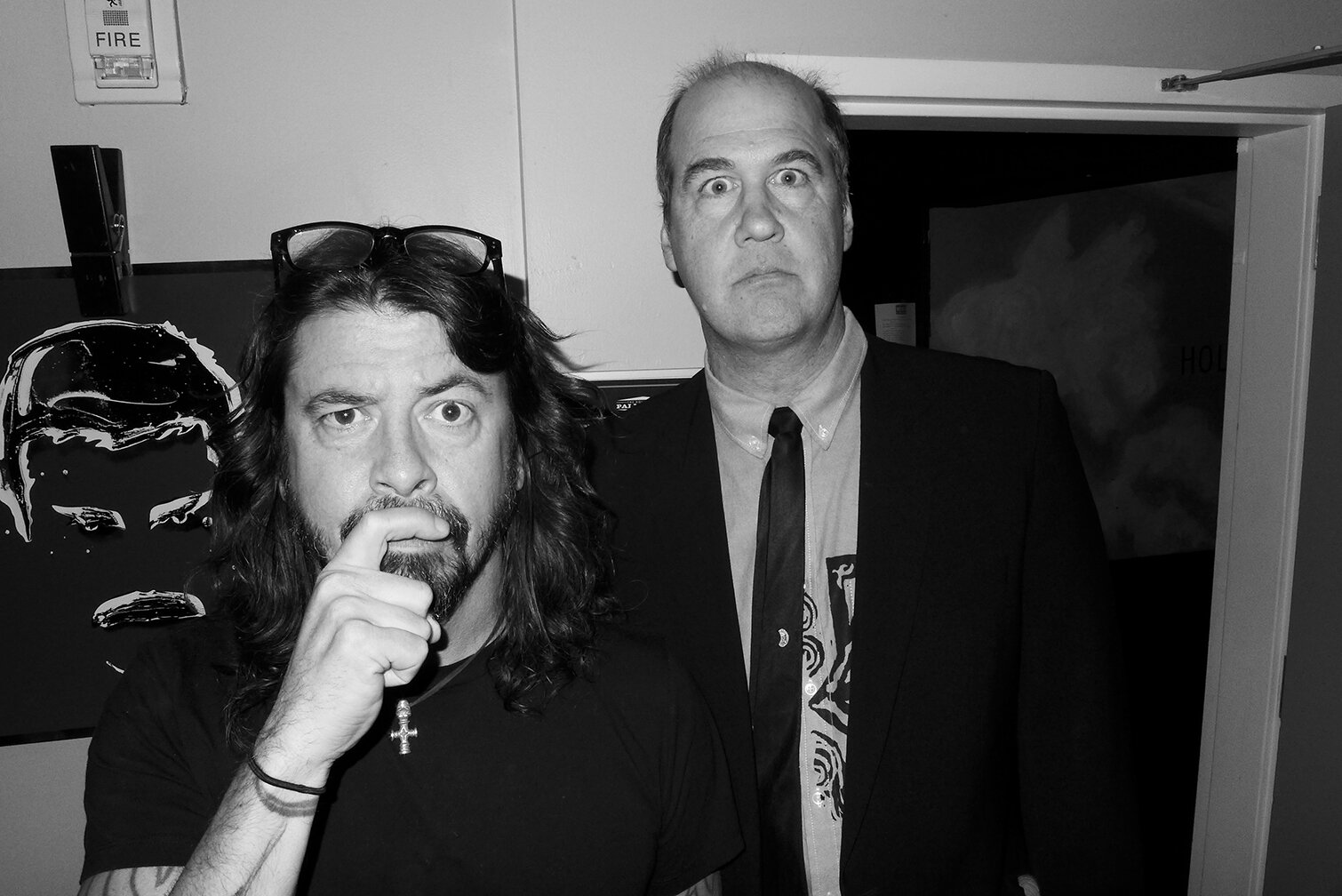
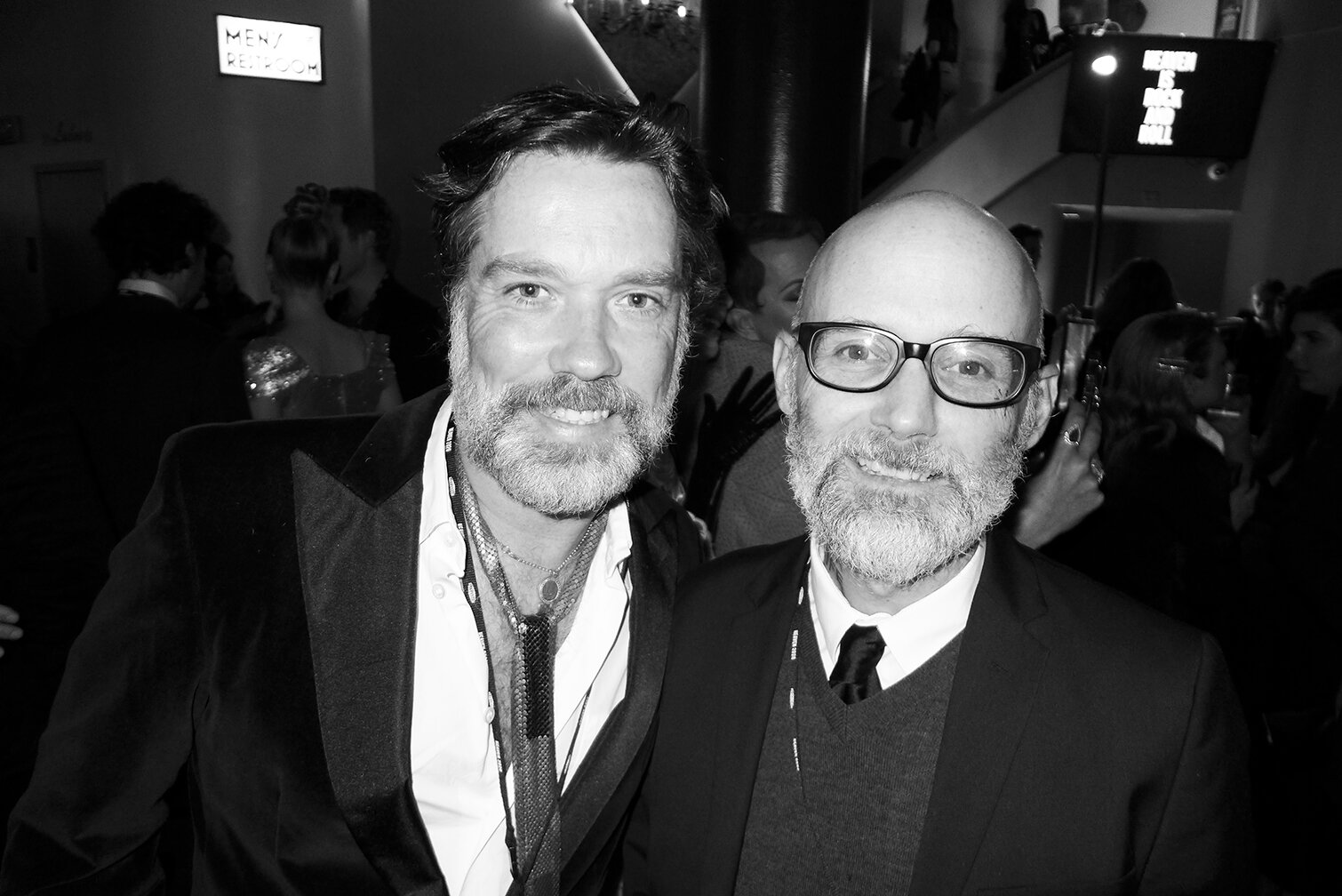
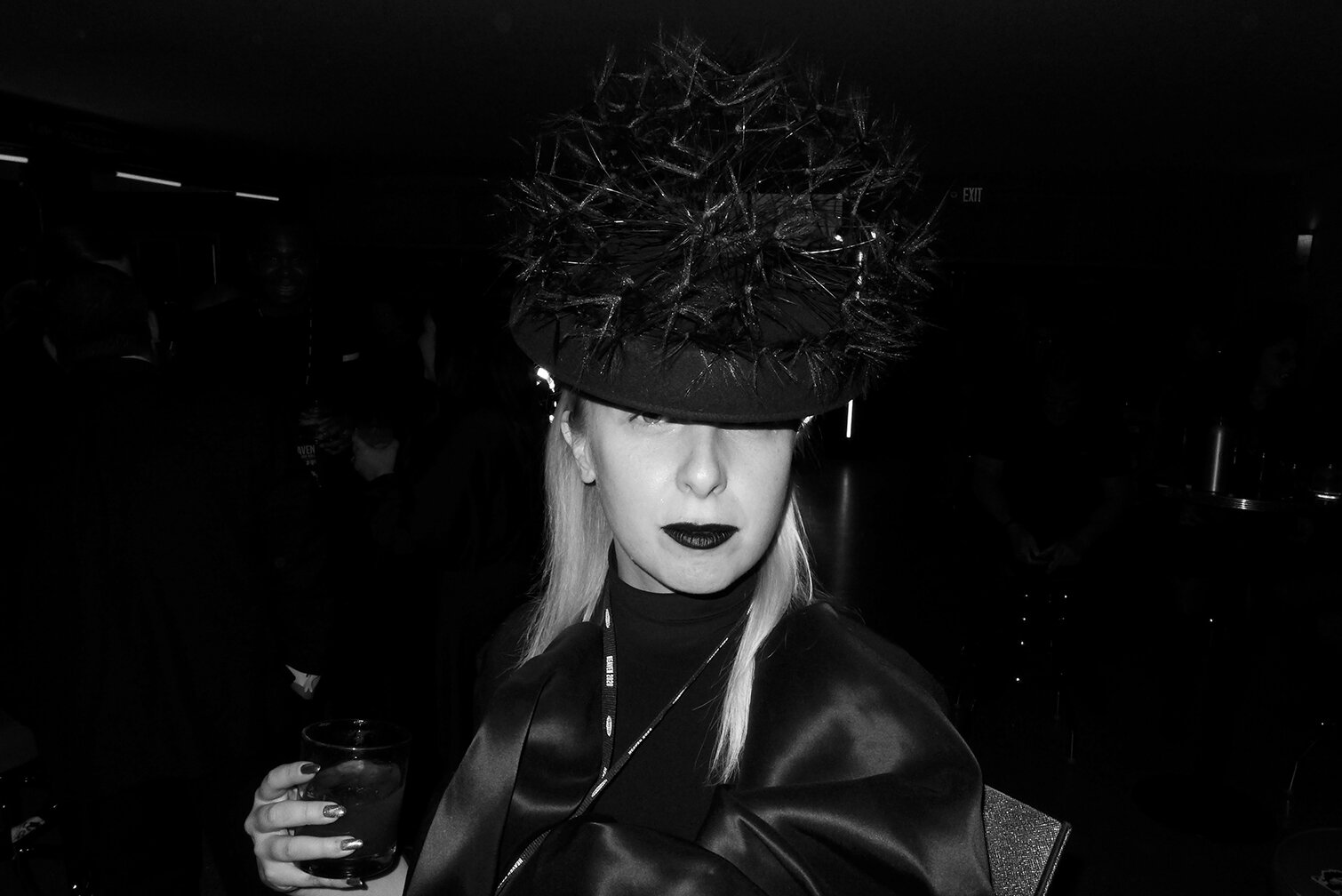
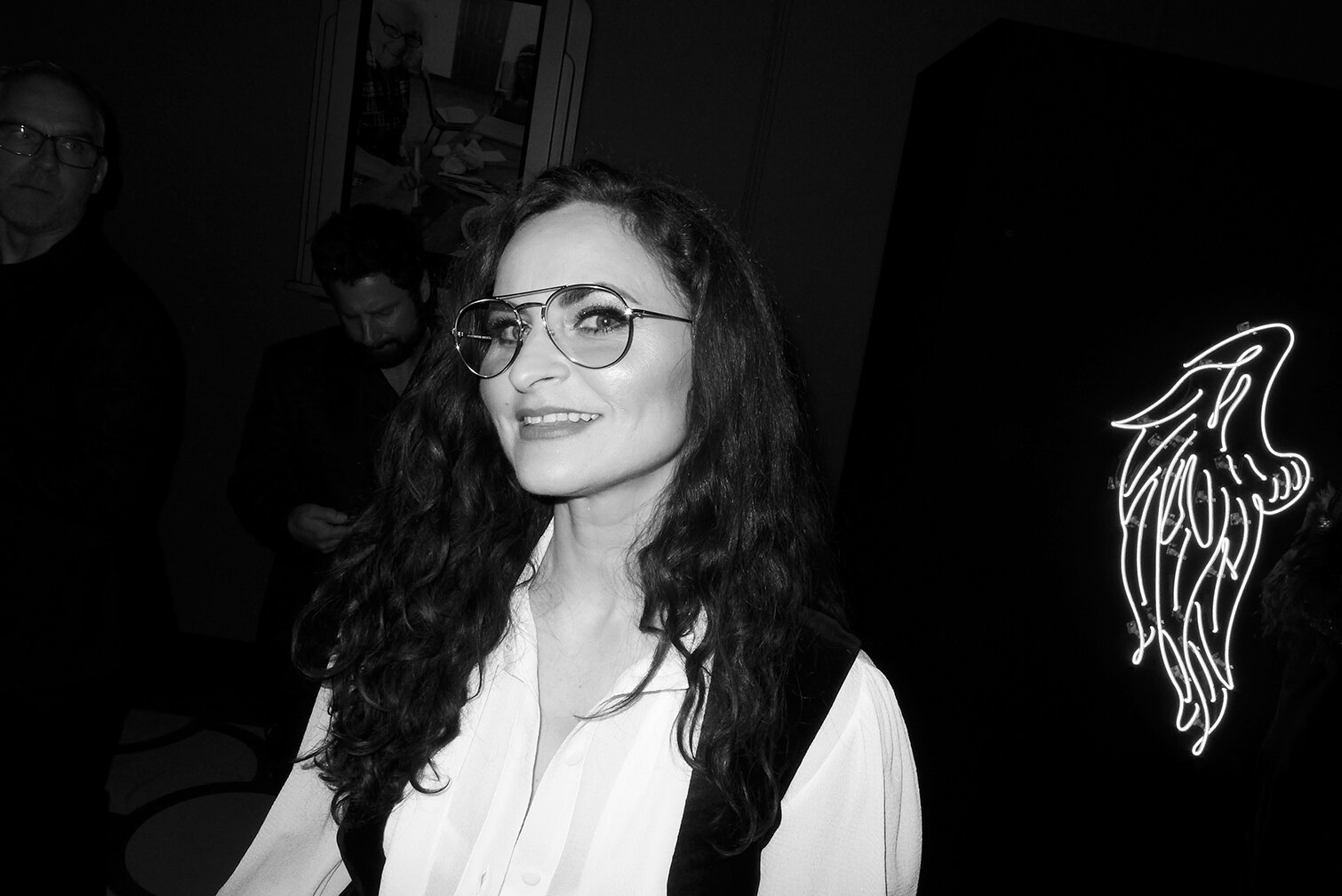
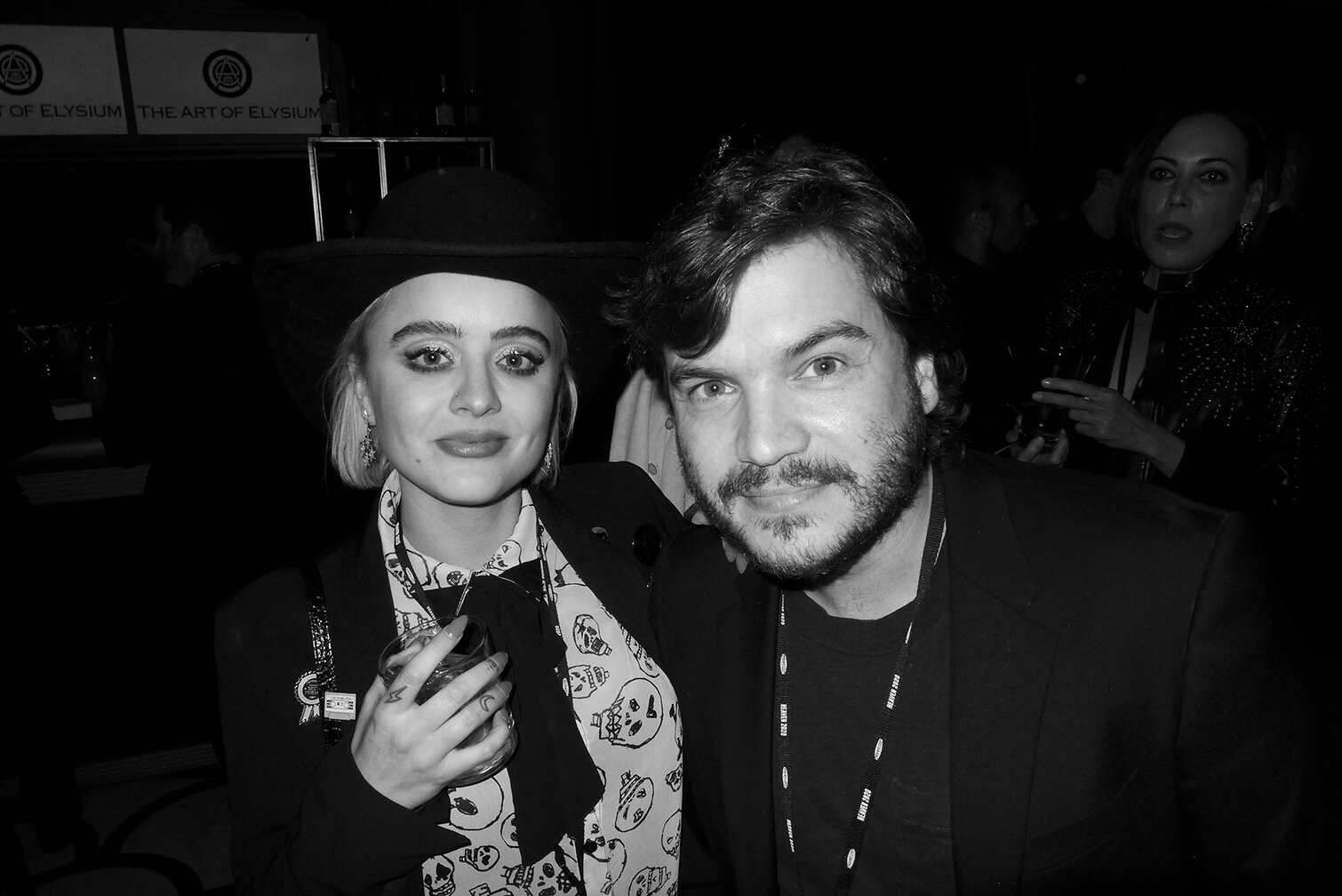
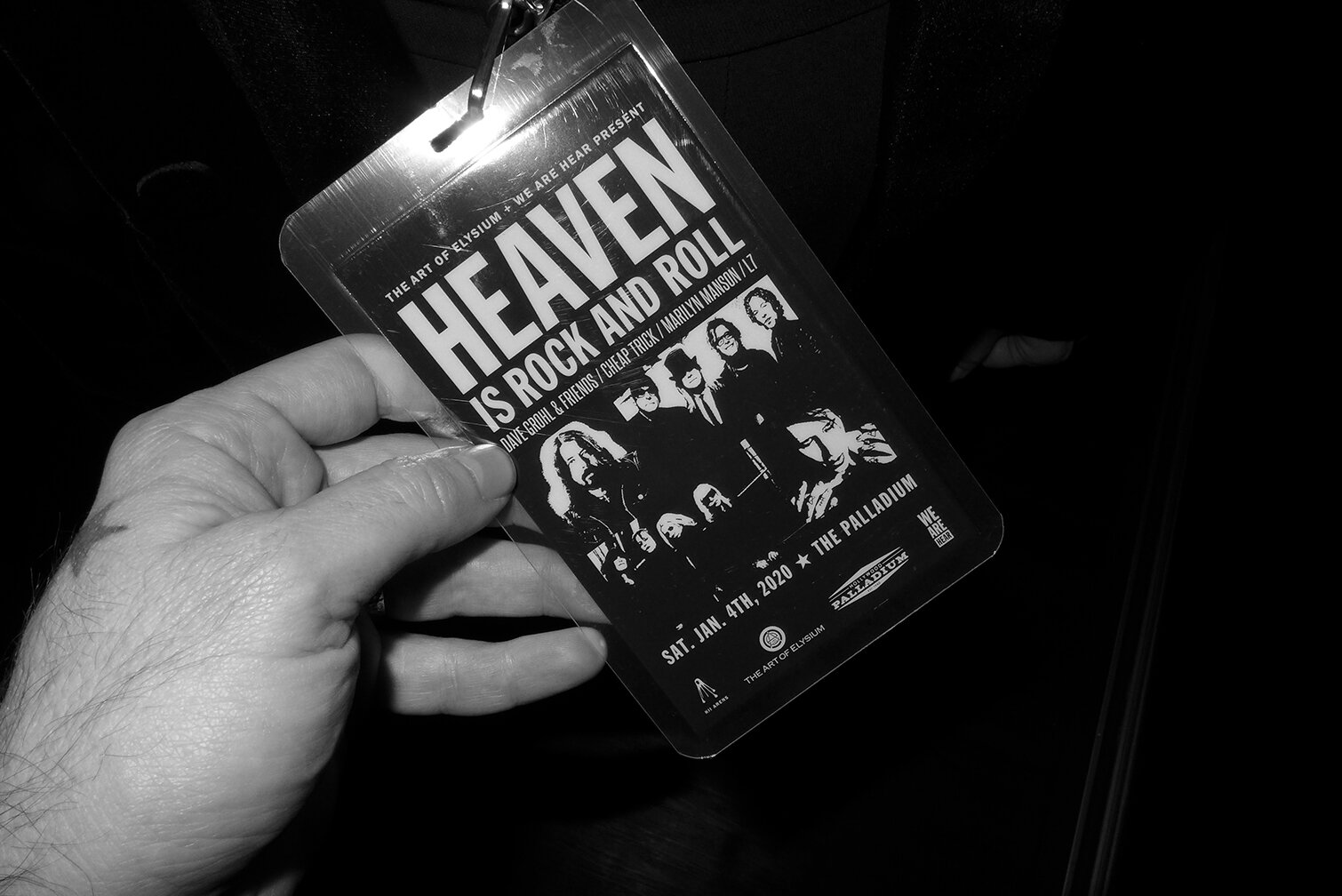
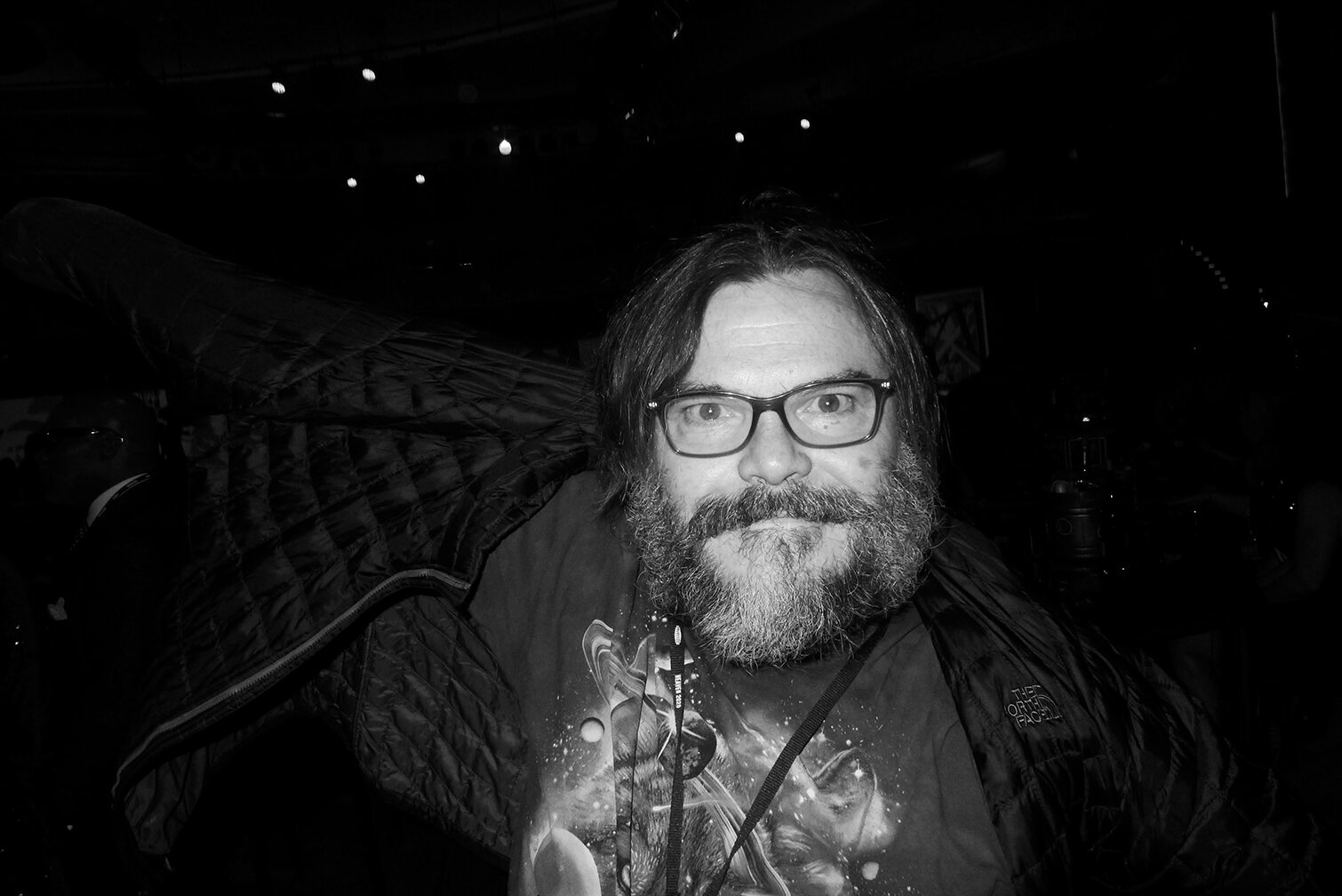
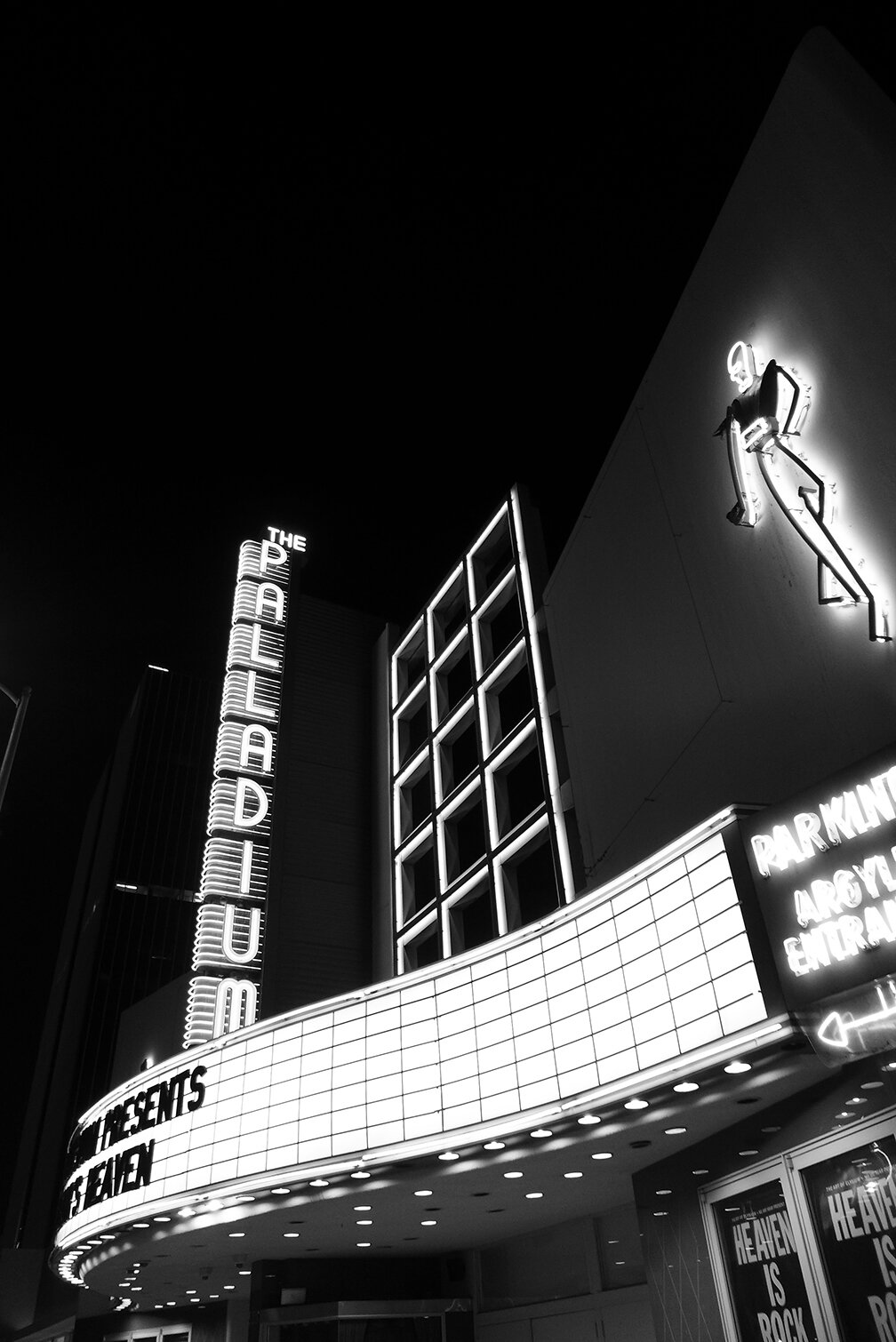
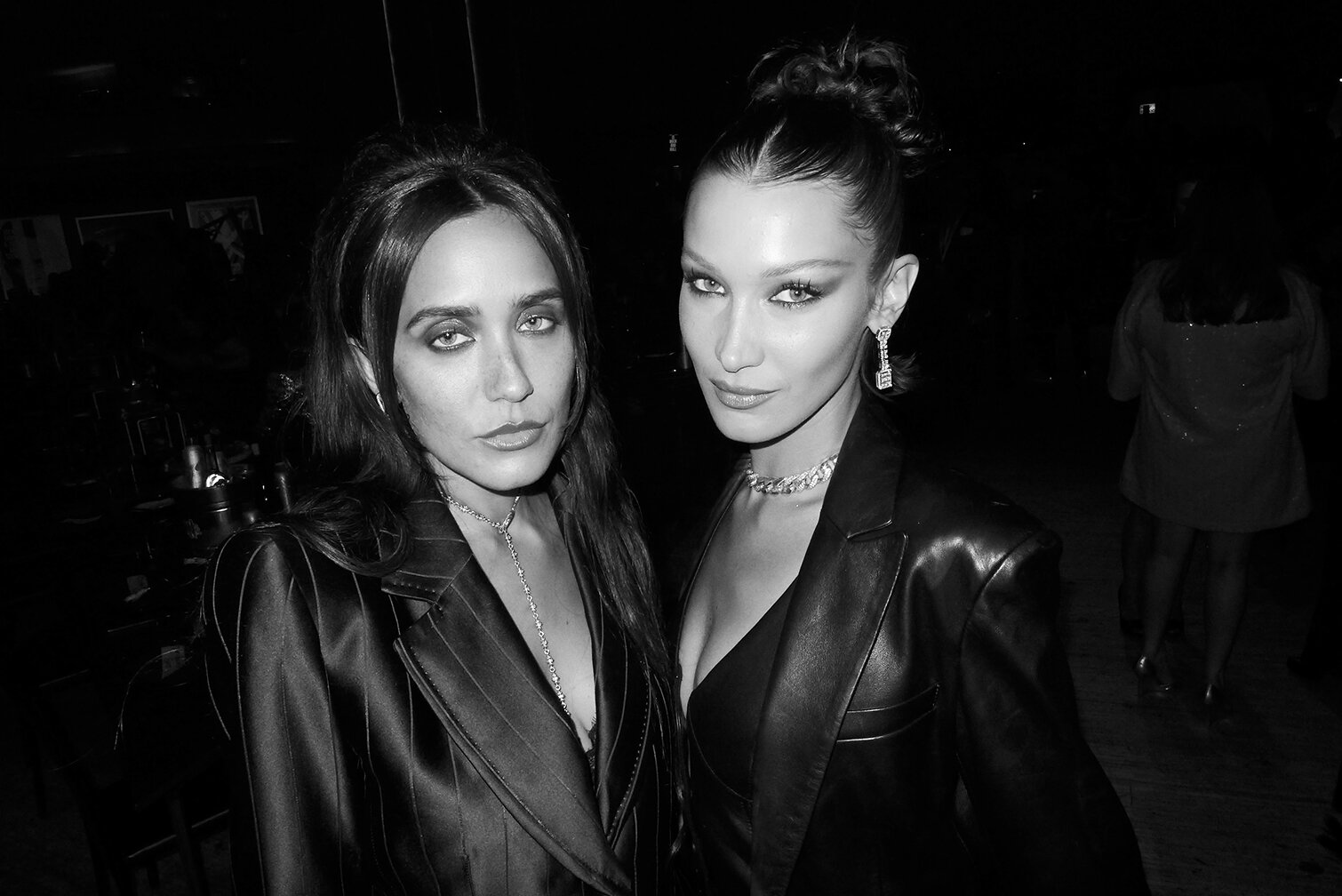
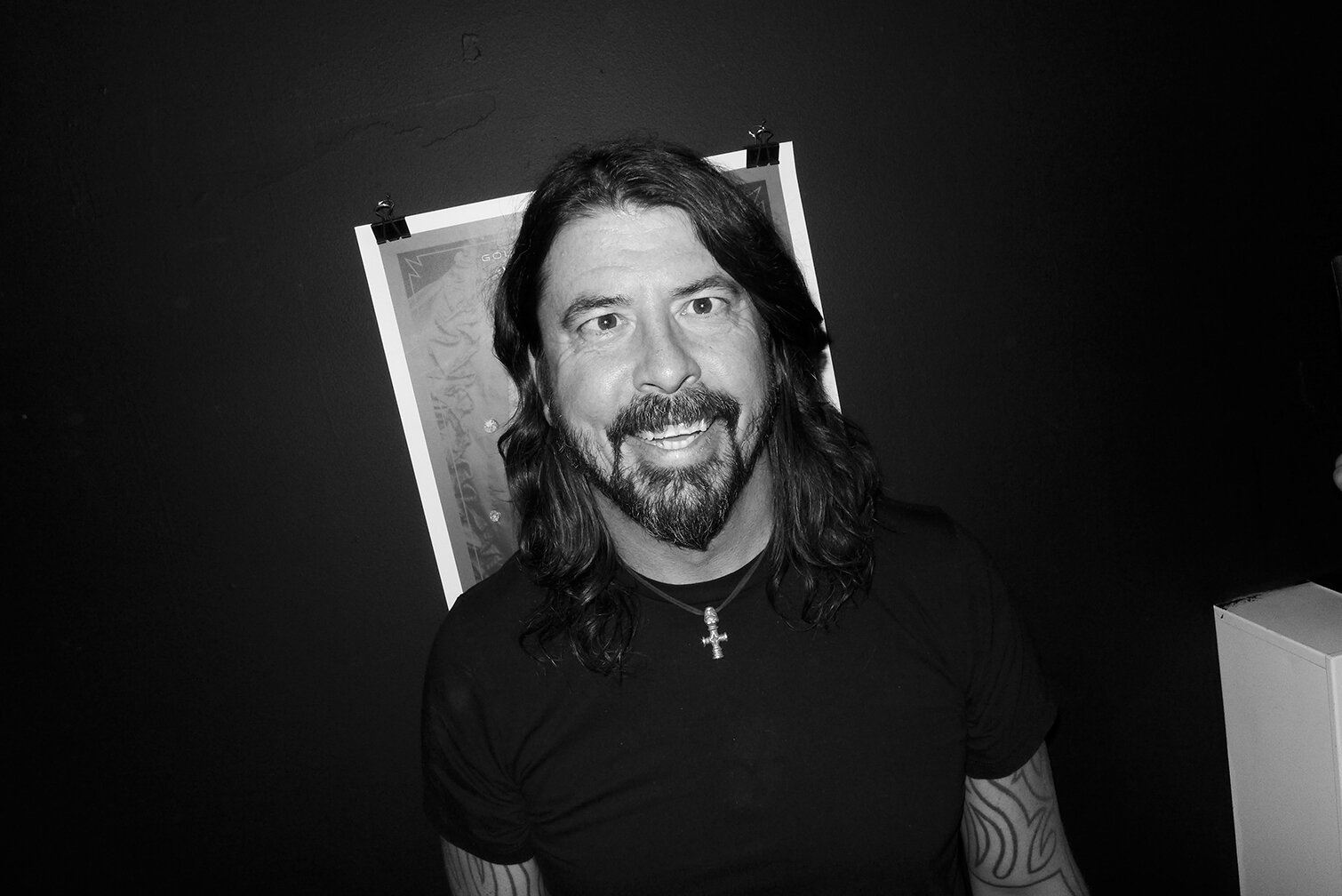
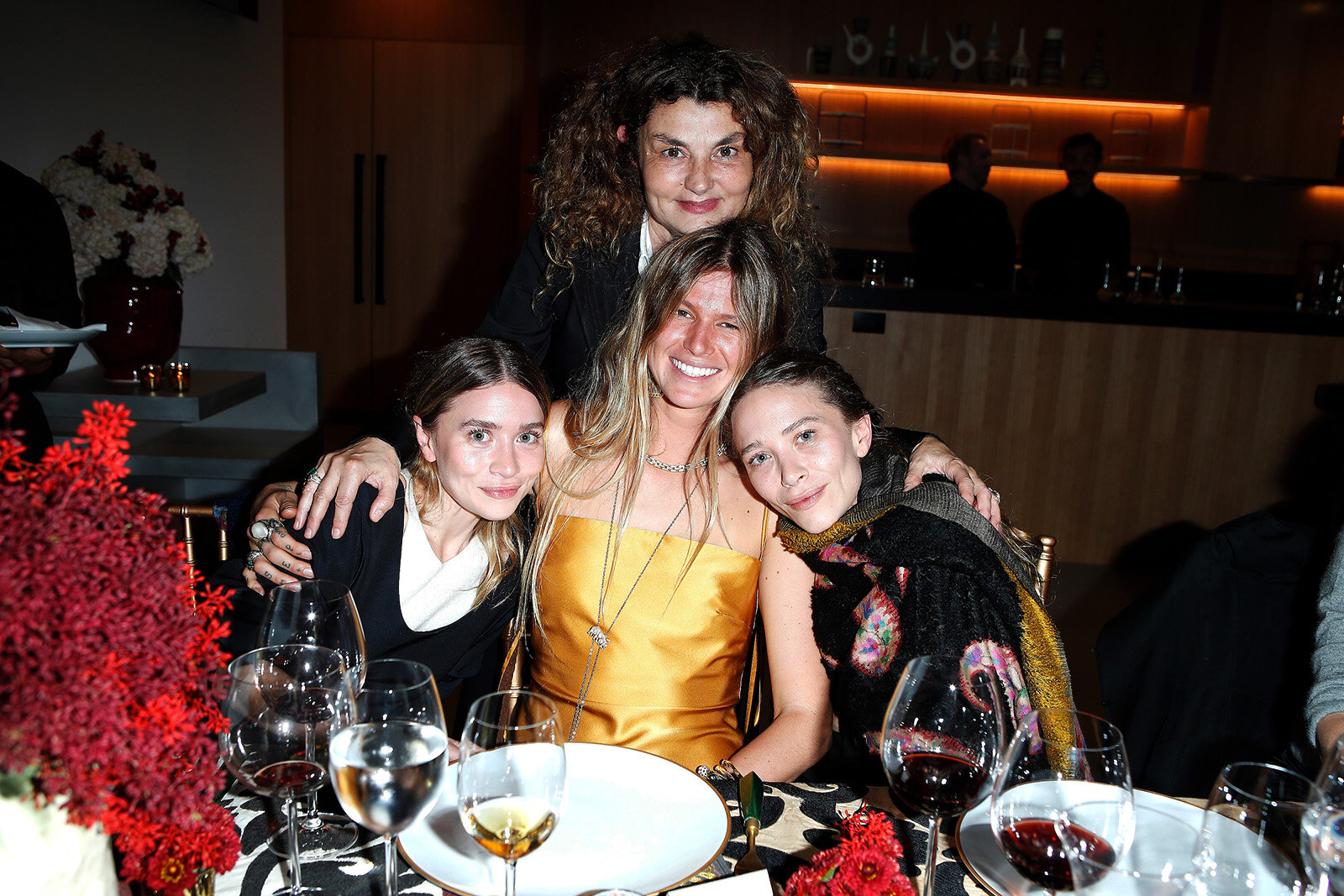
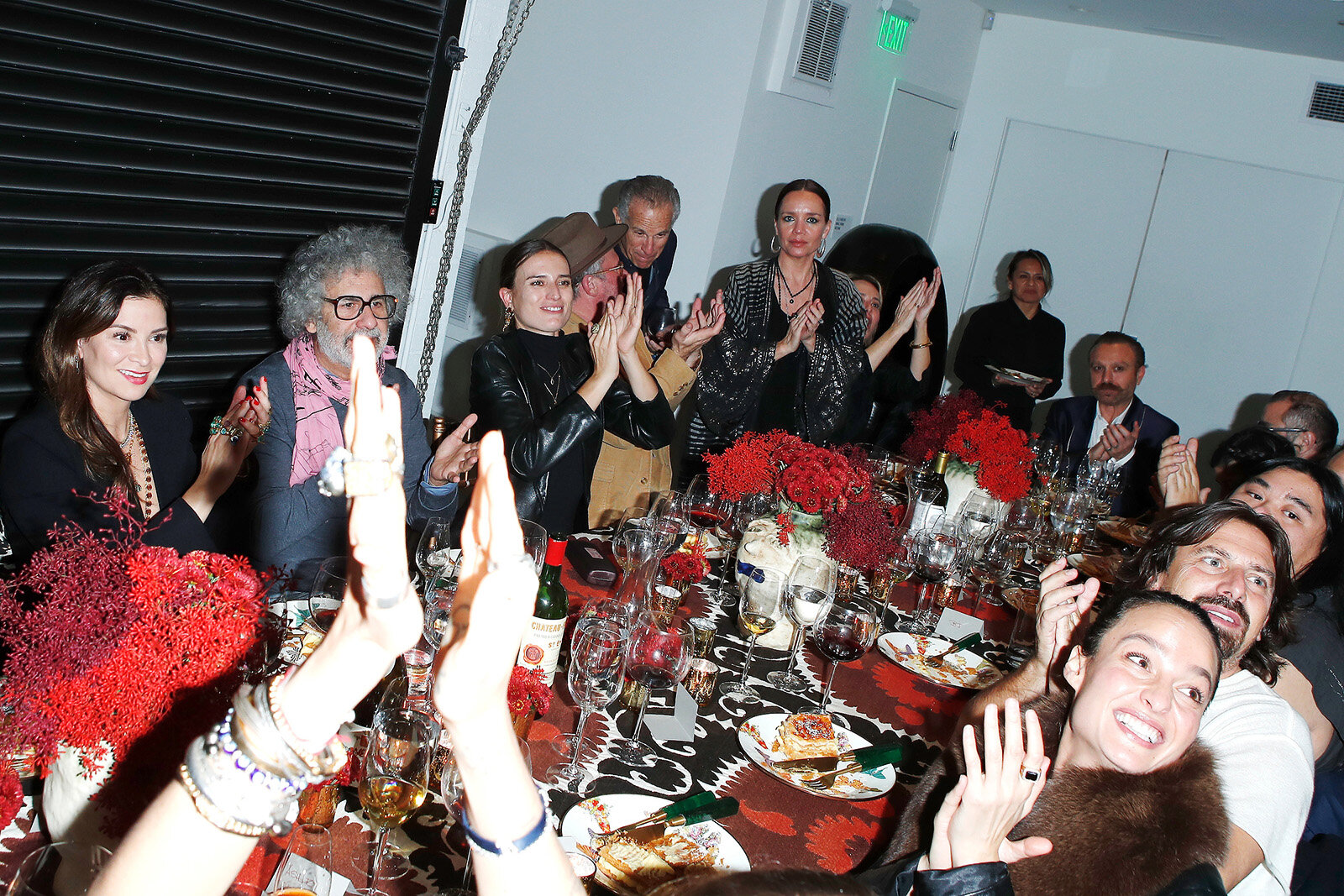
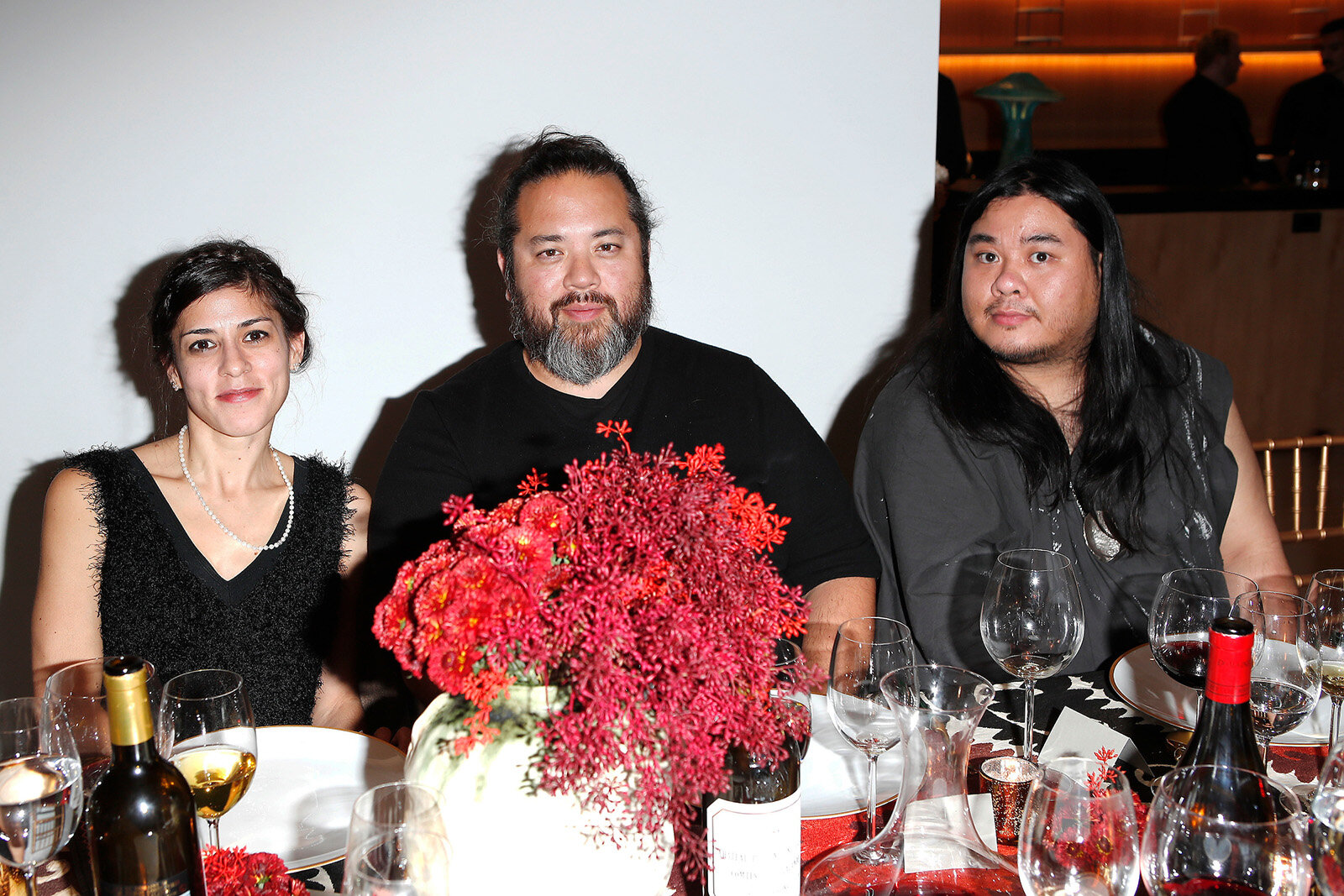
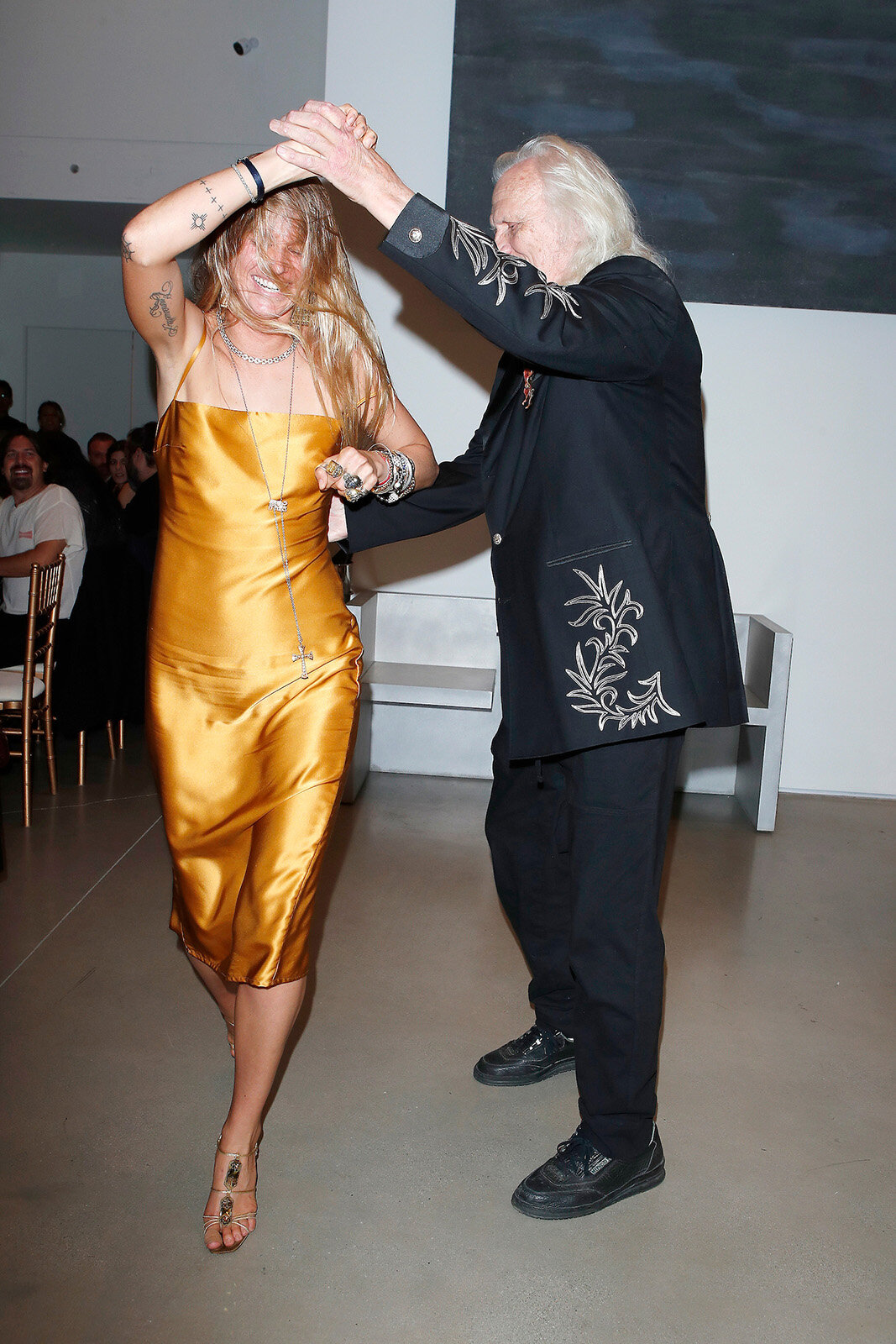
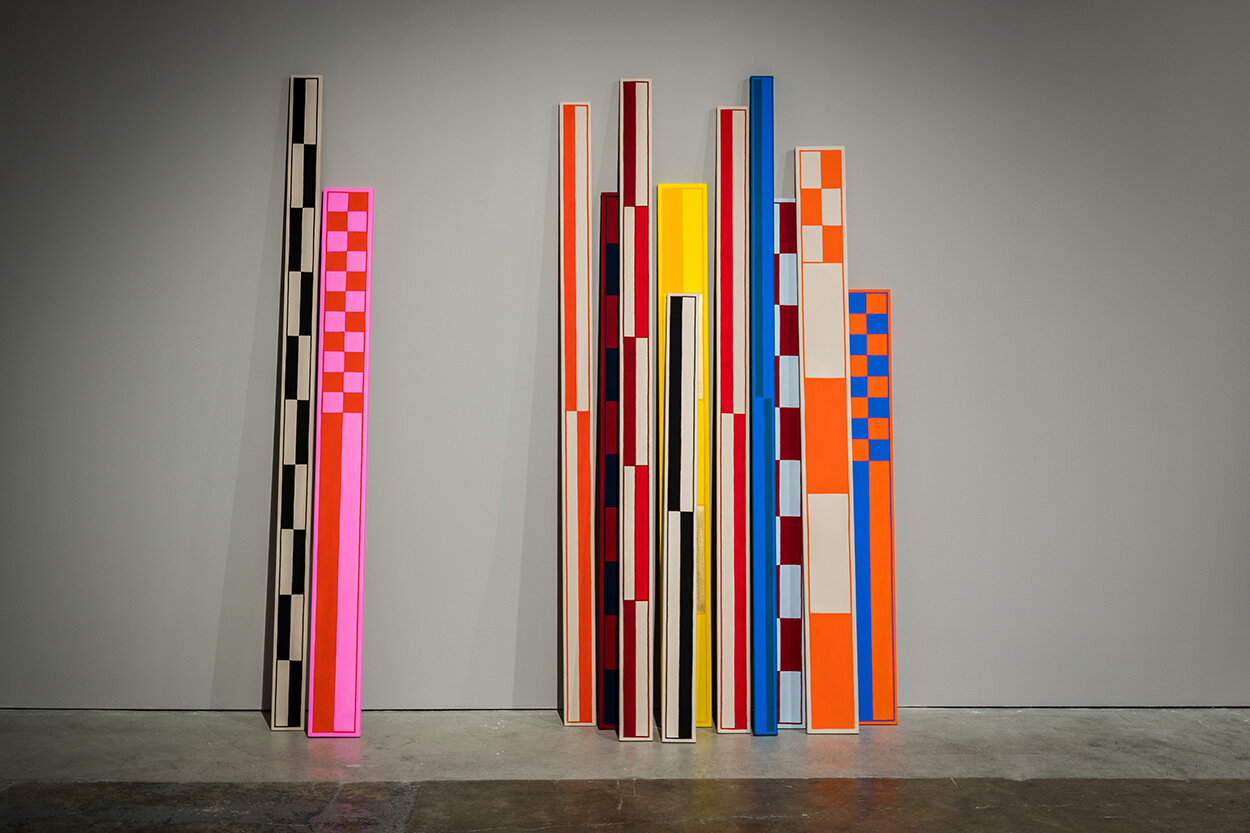
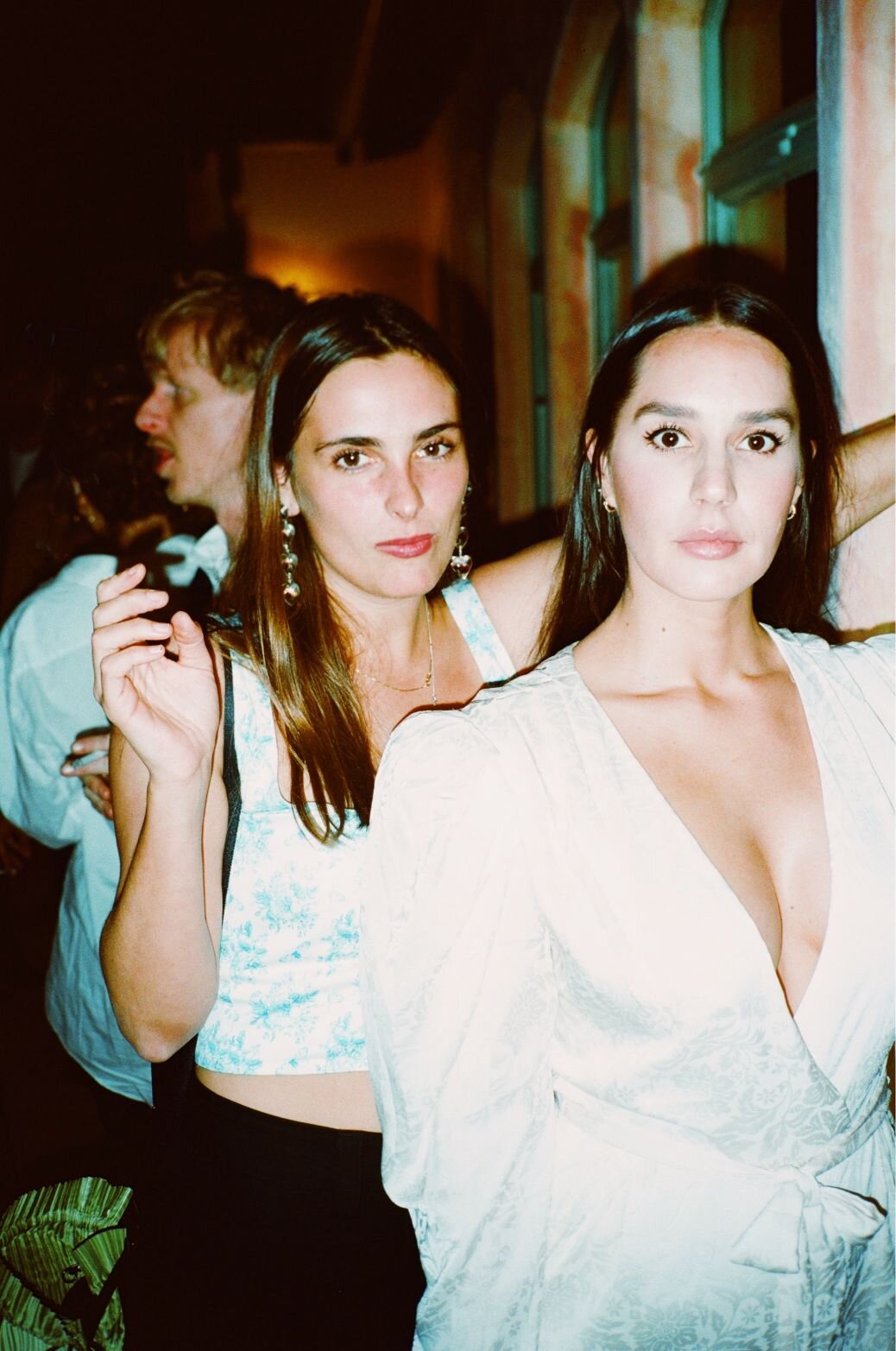
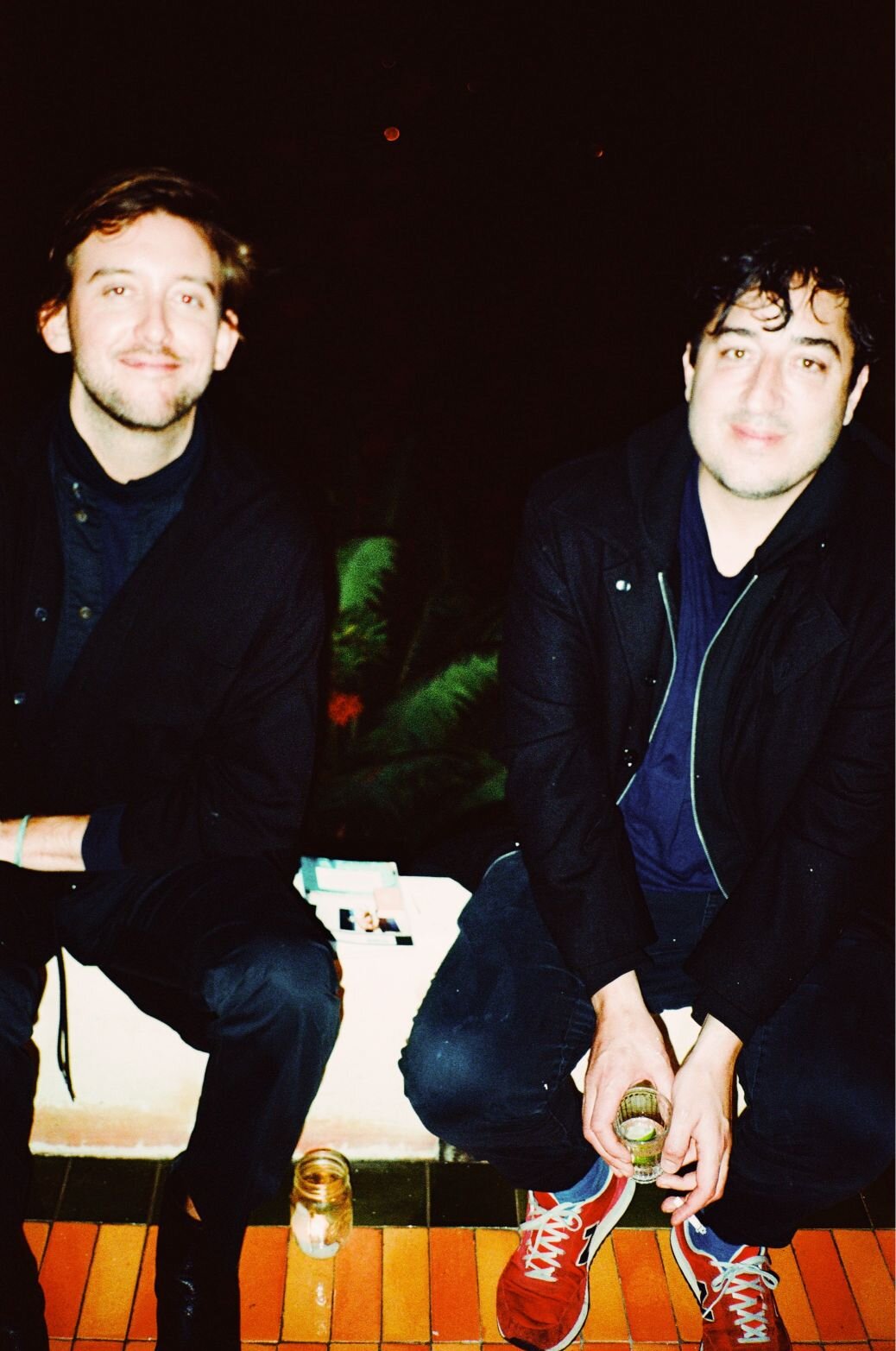
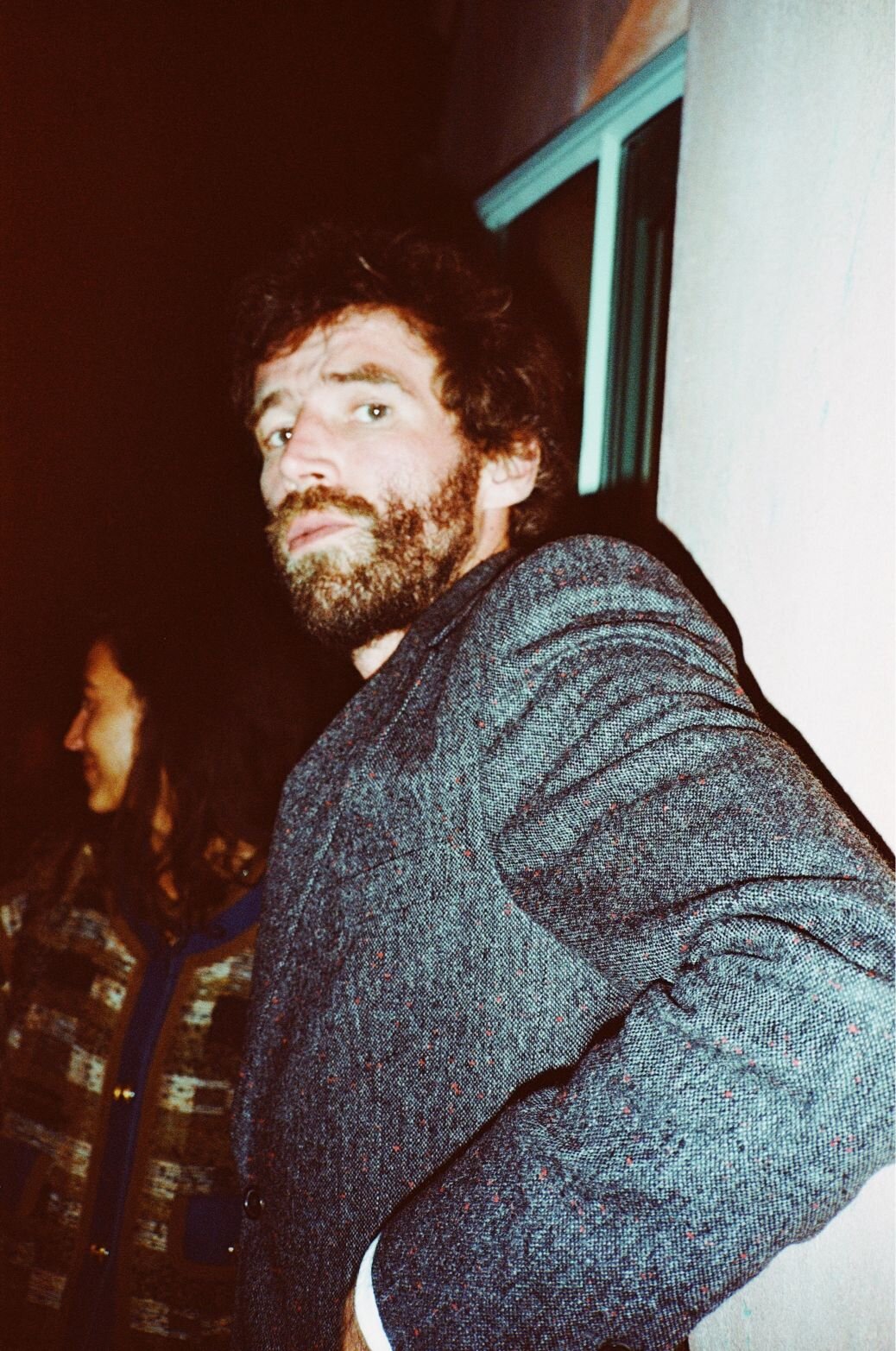
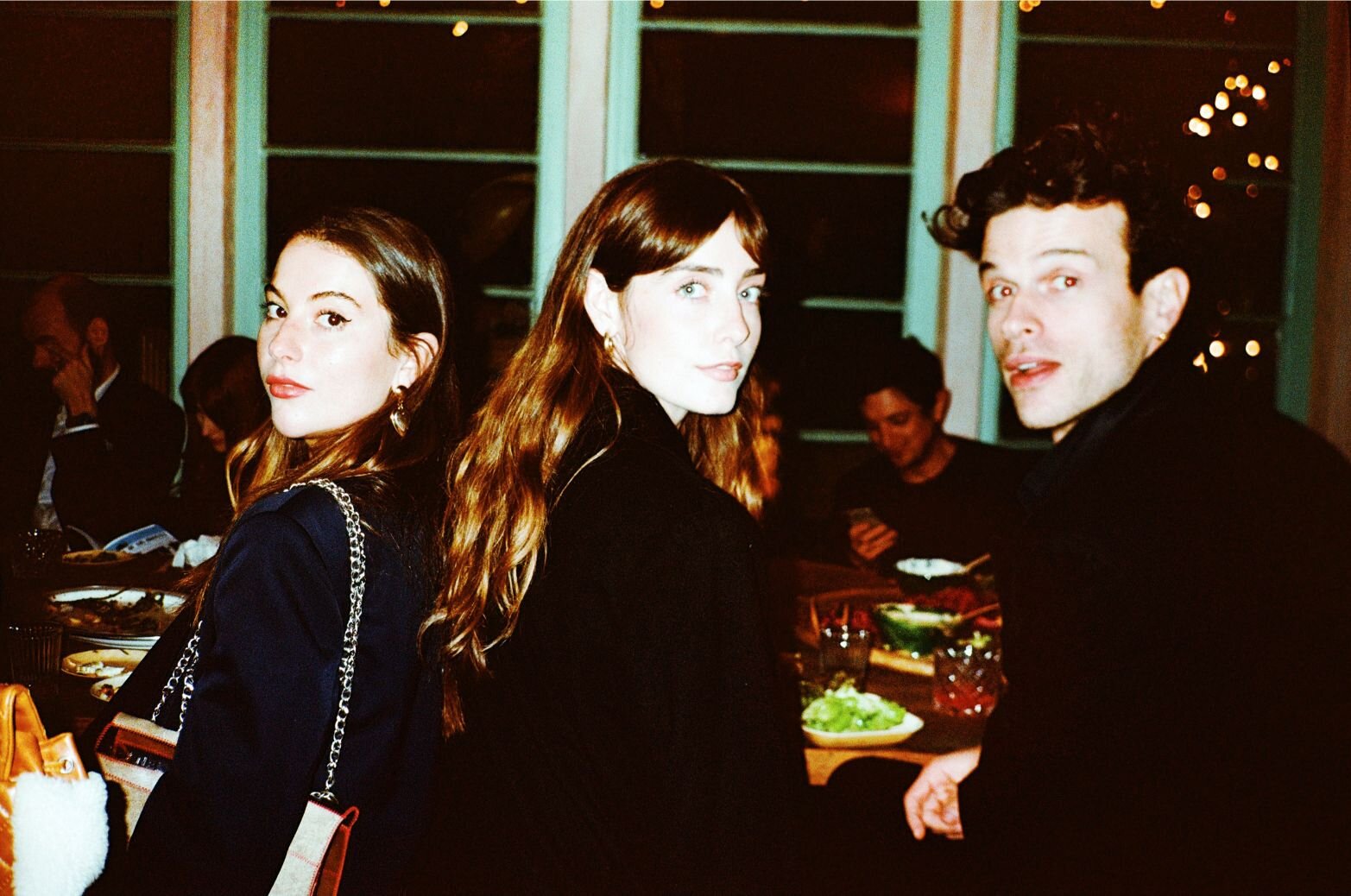
The Art of Elysium’s annual HEAVEN is an artistic installation curated by some of the world’s leading and most renowned luminaries. Each year, The Art of Elysium celebrates a chosen visionary who creates their idea of “Heaven on Earth” as it relates to the charities four main disciplines: fashion & design, fine arts, music & movement, and theatre & film. The Art of Elysium was founded in 1997 to support artists working for the benefit of others. For over twenty years, they’ve paired volunteer artists with communities in Los Angeles to support individuals in the midst of difficult emotional life challenges like illness, hospitalization, displacement, confinement, and/or crisis. They also serve medically fragile children, teens, adults, seniors, those dealing with social, emotional and mental health issues, and the homeless. photographs by Oliver Maxwell Kupper
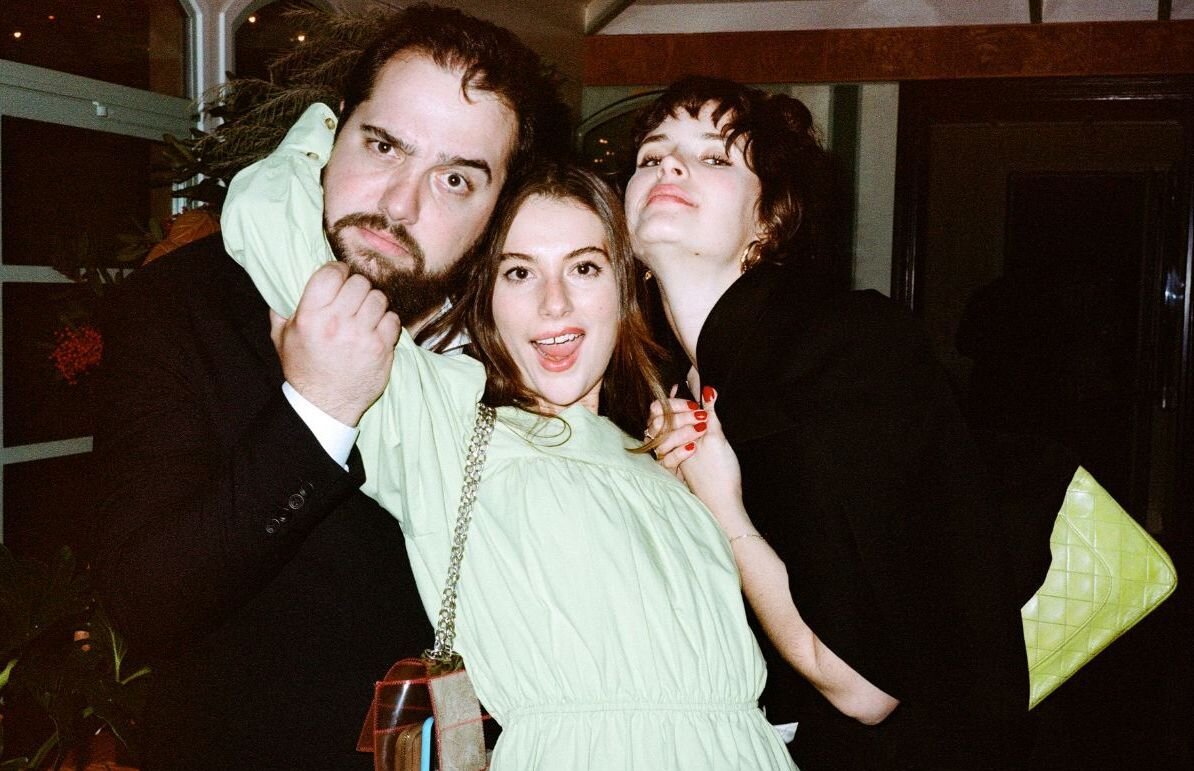
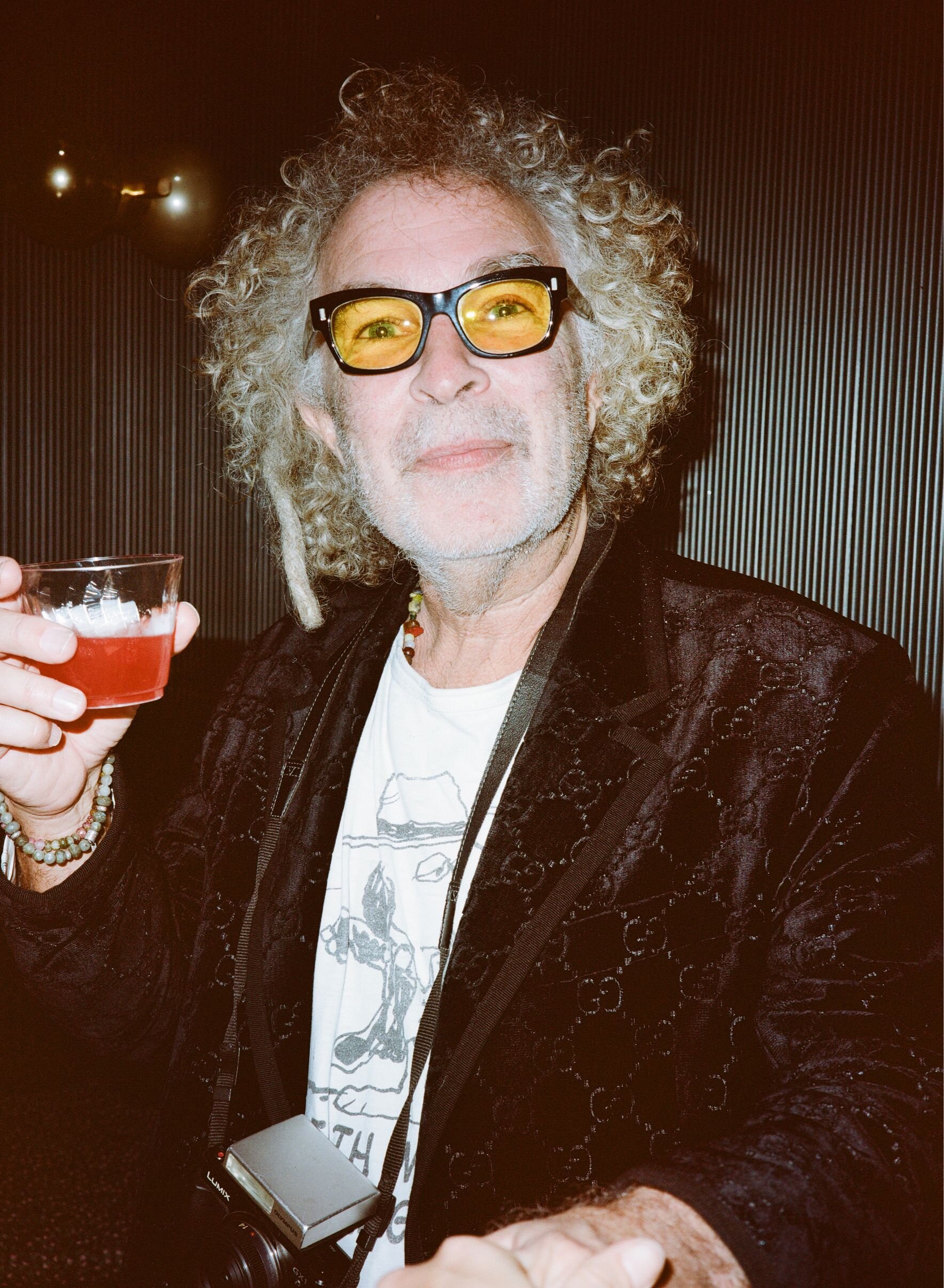
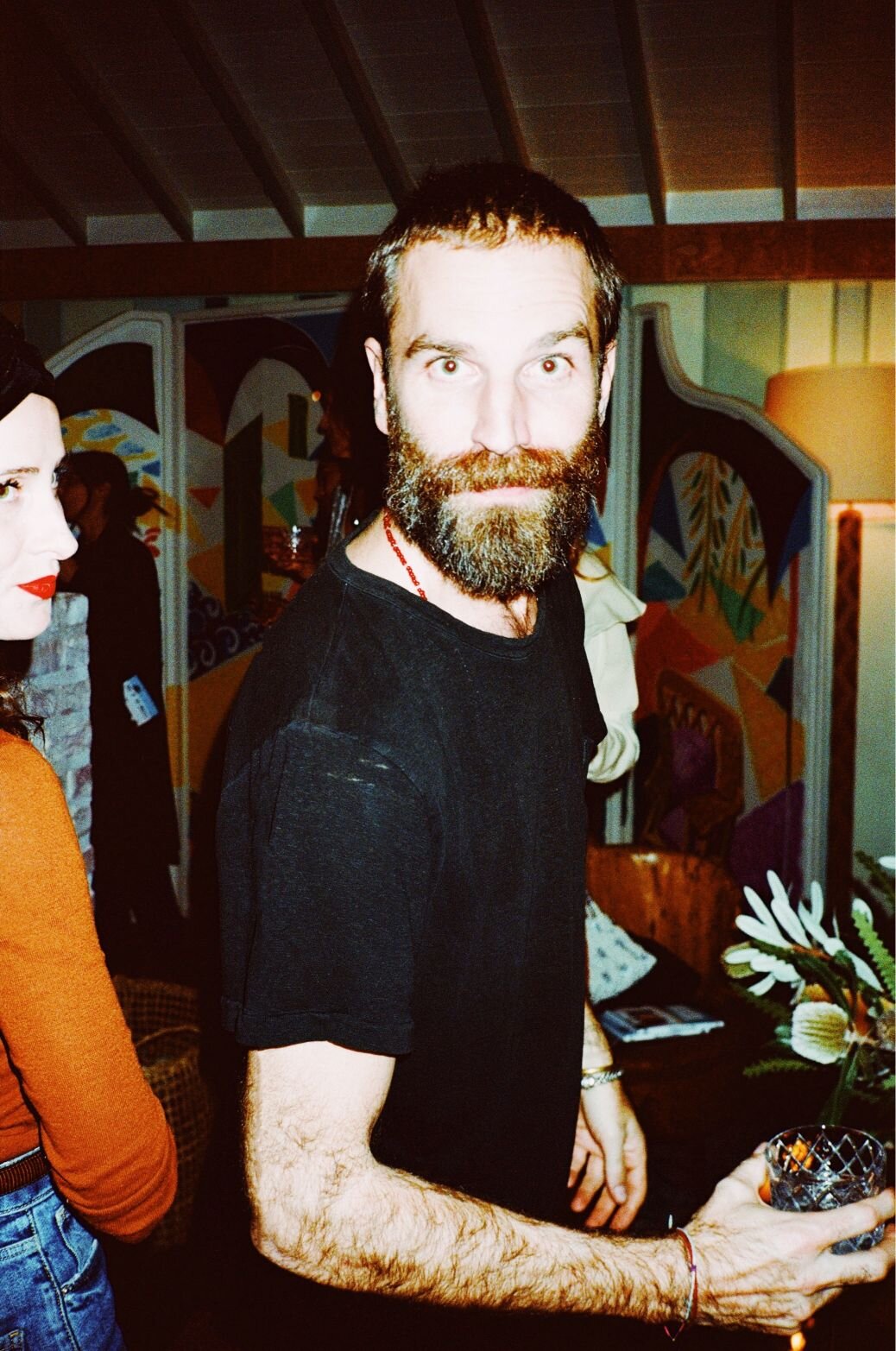


photographs by Pia Riverola

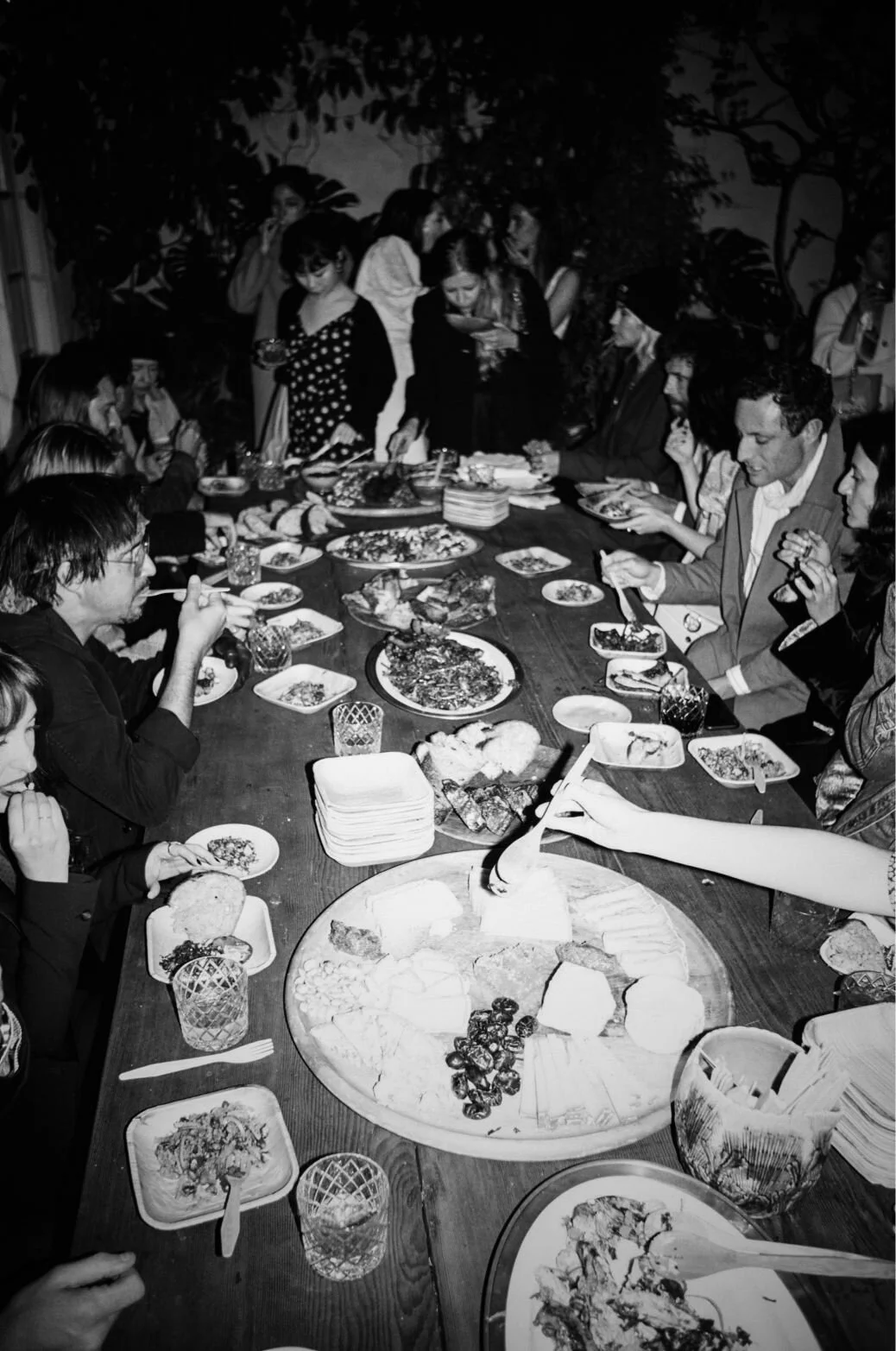


photographs by Jesse Salto
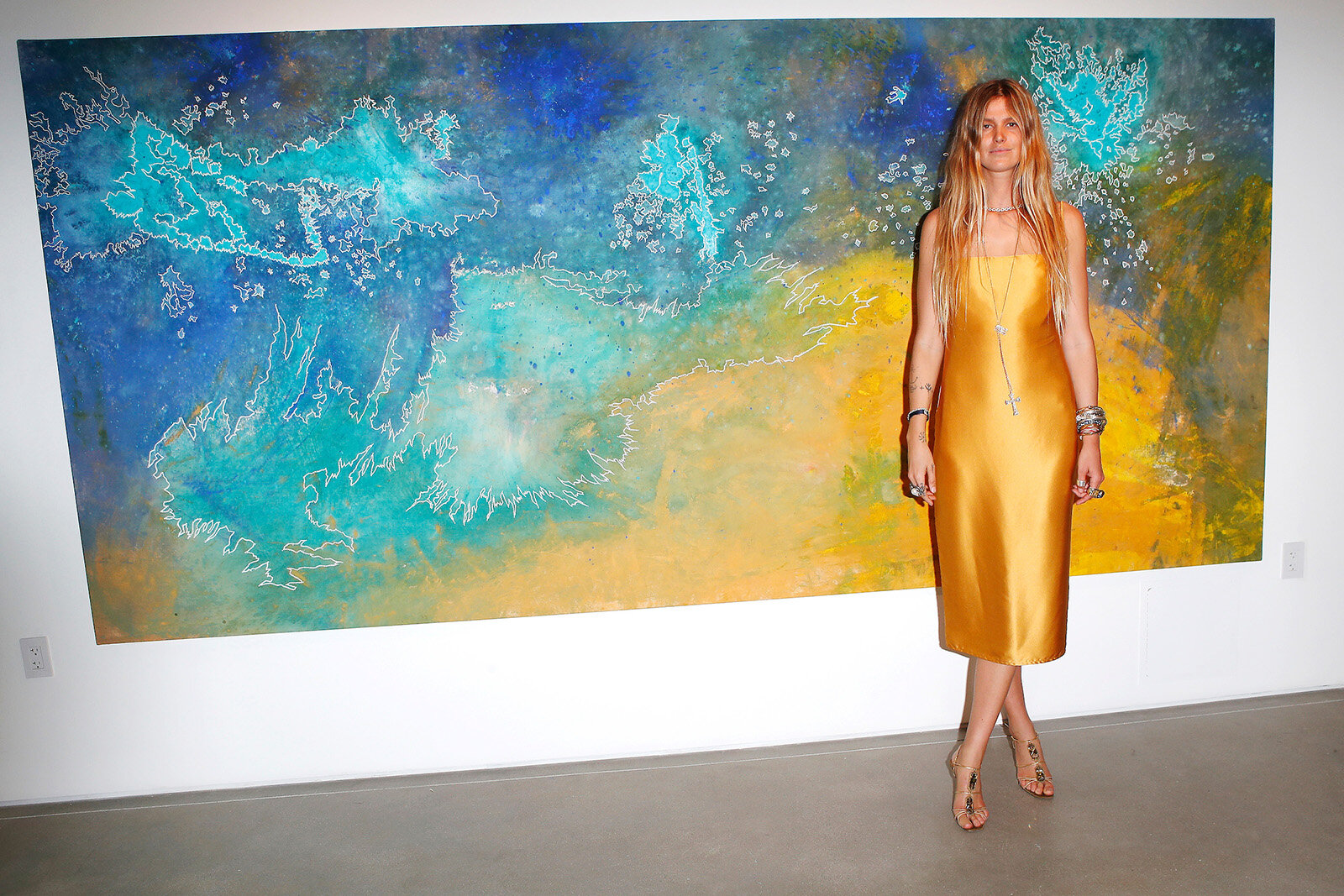
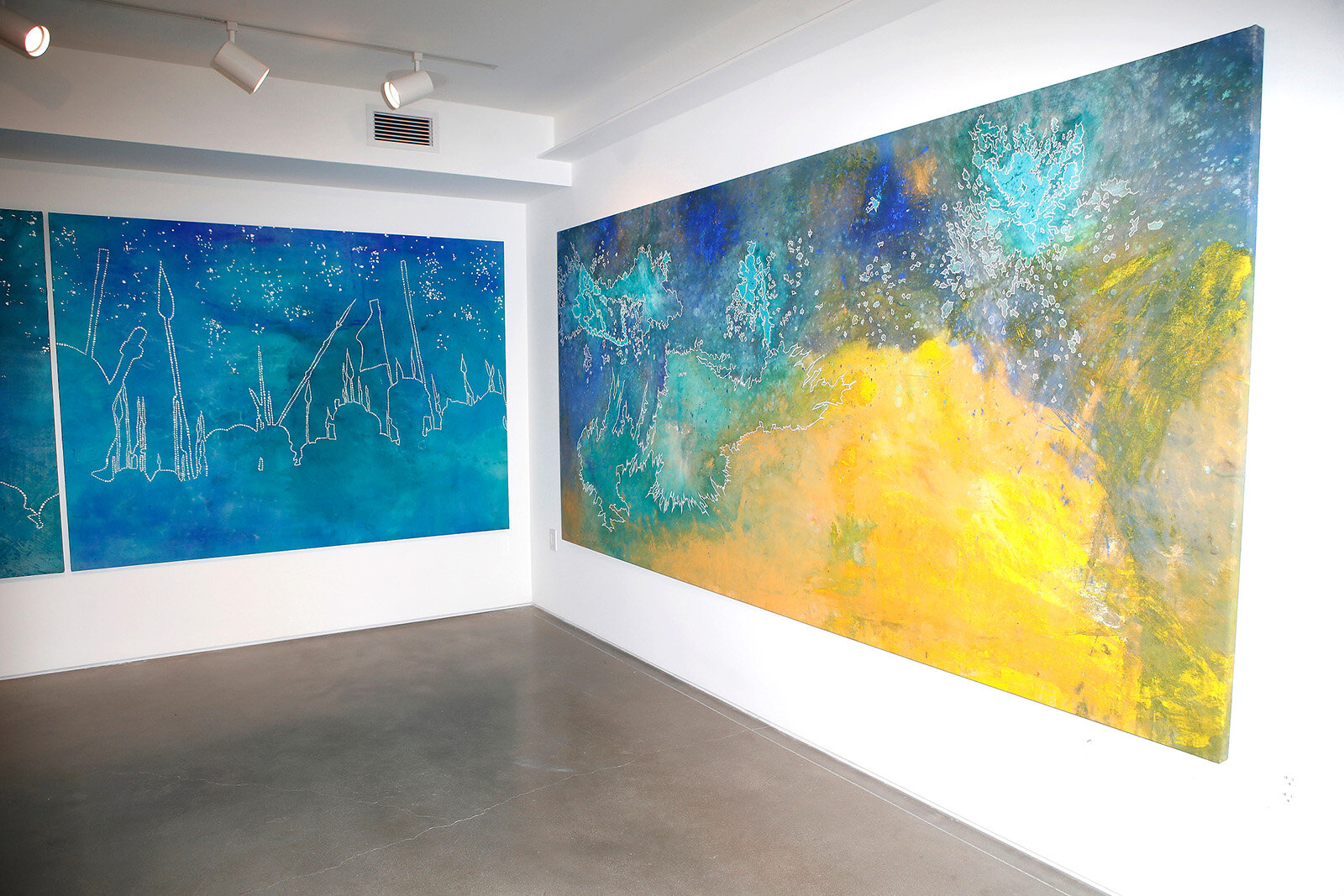
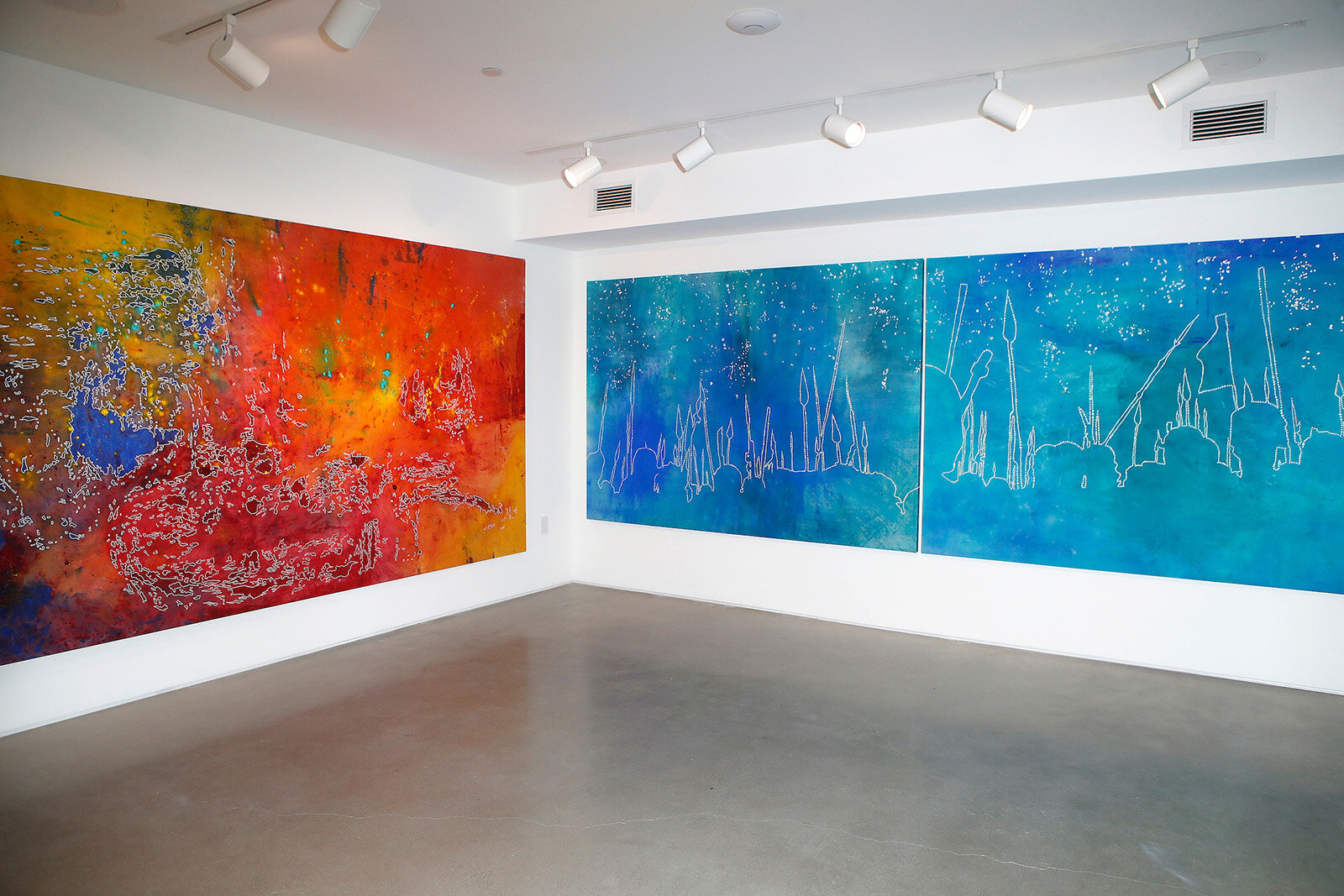
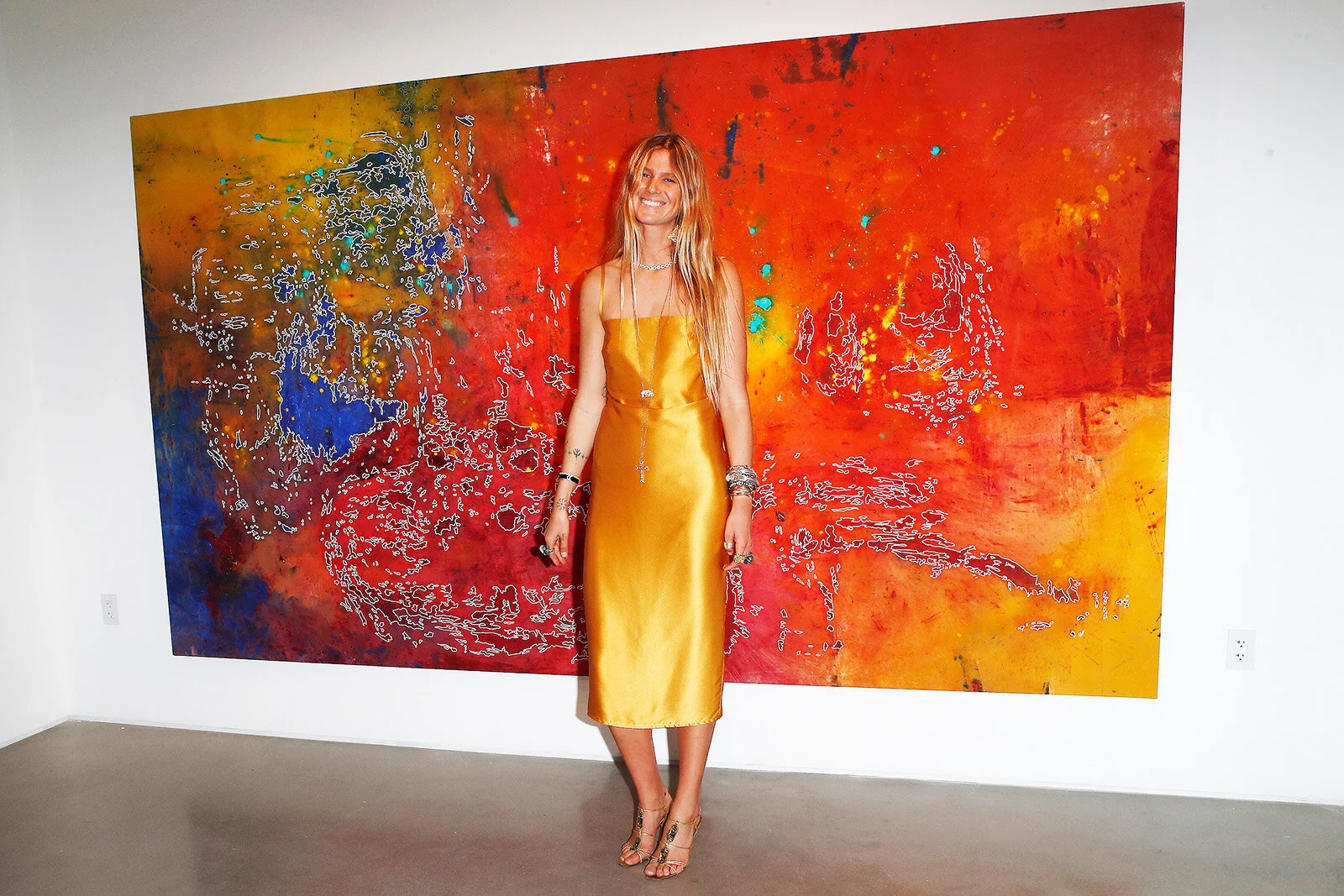
Archipelago tells a story of an imaginary new world, perhaps here on Earth or in the stars. As a child, Pytka always dreamt of being an adventurer and cartographer in the early days of exploration. At fifteen, she crossed the Atlantic Ocean, crewing on a vintage sailboat and in 2015, she completed another transatlantic crossing, sailing in the Panerai Transat Classique, in which her team came in first place. All of this time at sea fueled her creative inspiration and interest in the discovery of distant new lands and people. The paintings in Archipelago are a reflection of her desires to map unknown places. She subconsciously began painting maps to destinations that do not exist on our globe. Some of these paintings are reminiscent of island chains in South East Asia, where she lived part-time for the last 5 years.
Archipelago is on view at Just One Eye 915 North Sycamore Ave. LA. photographs courtesy of Nina Prommer
PSYCHO GRAPHICS connects material transformation to the shape of an uncontainable future that exceeds our current bodily and psychic experience of power. The works on view manifest Tajima’s continued investigation into the production and transmutation of matter, energy, and the human psyche. PSYCHO GRAPHICS is on view through January 11 at Kayne Griffin Corcoran 1201 South La Brea Ave, Los Angeles. photographs courtesy of Kayne Griffin Corcoran
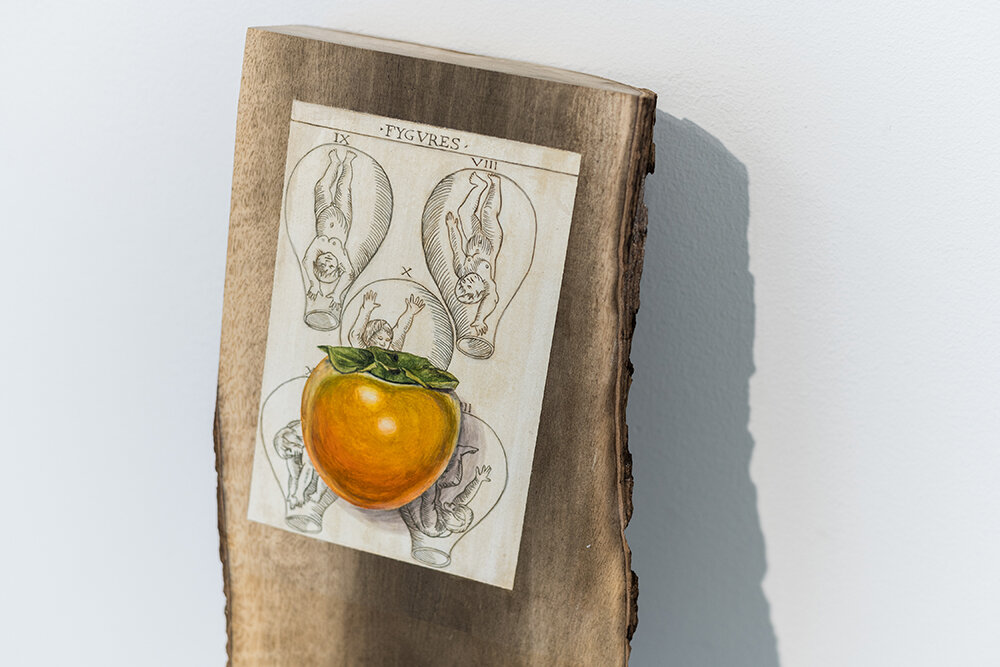
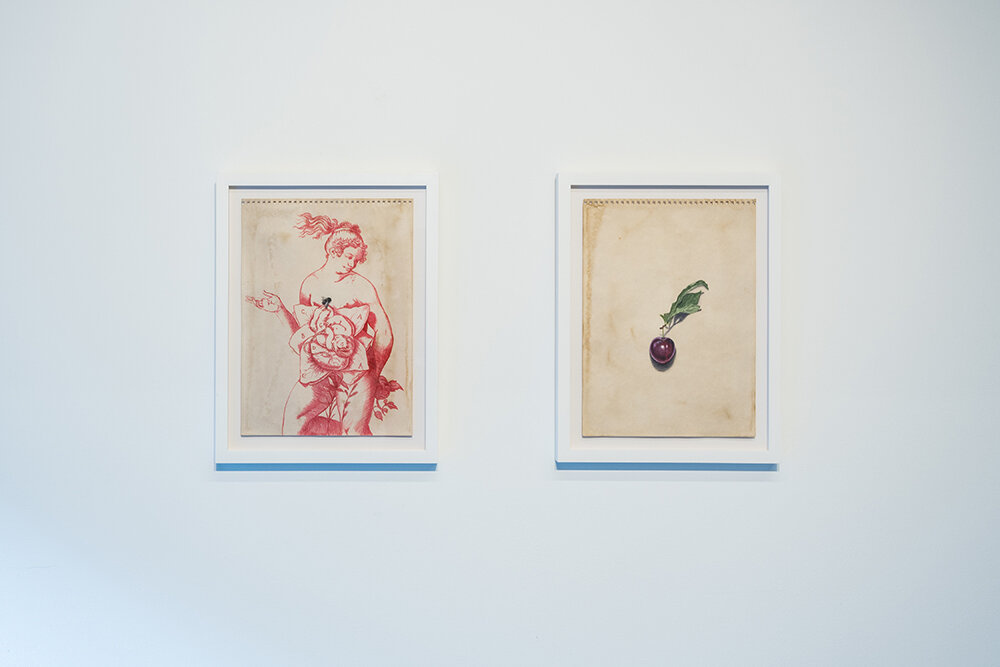
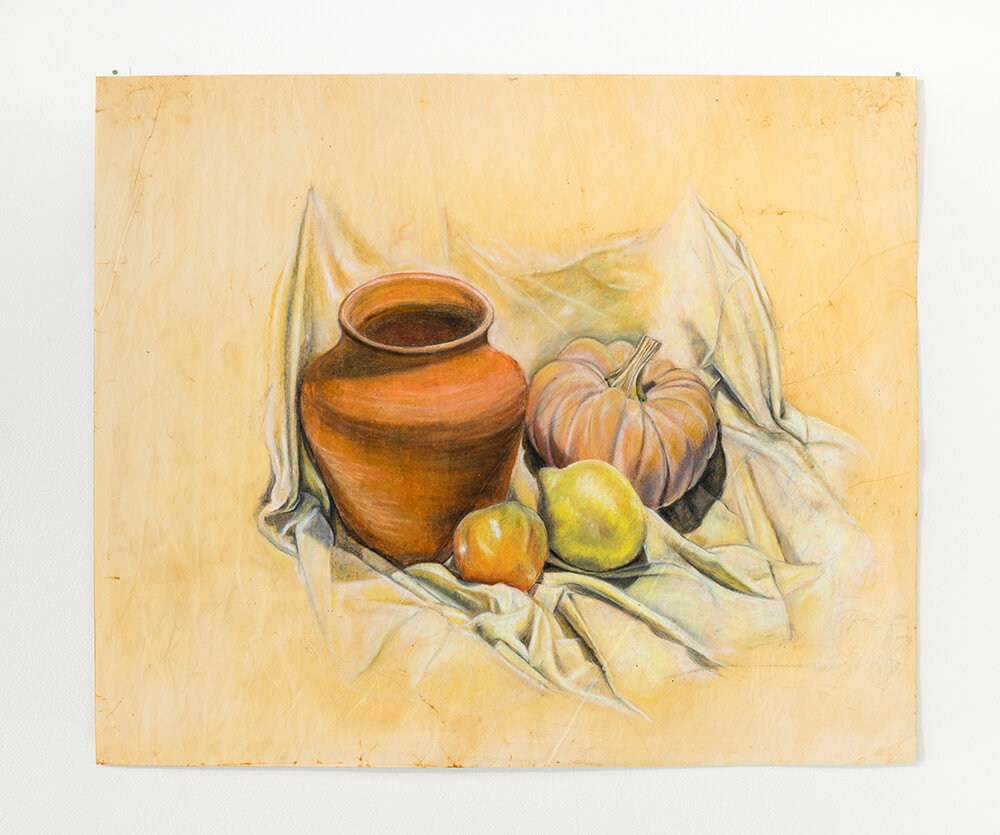
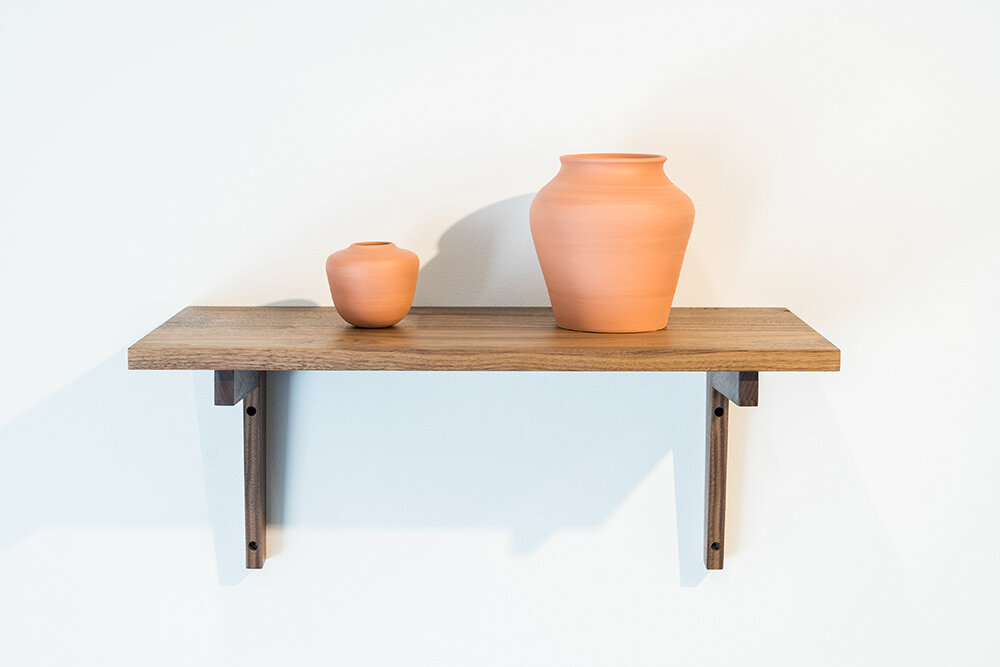
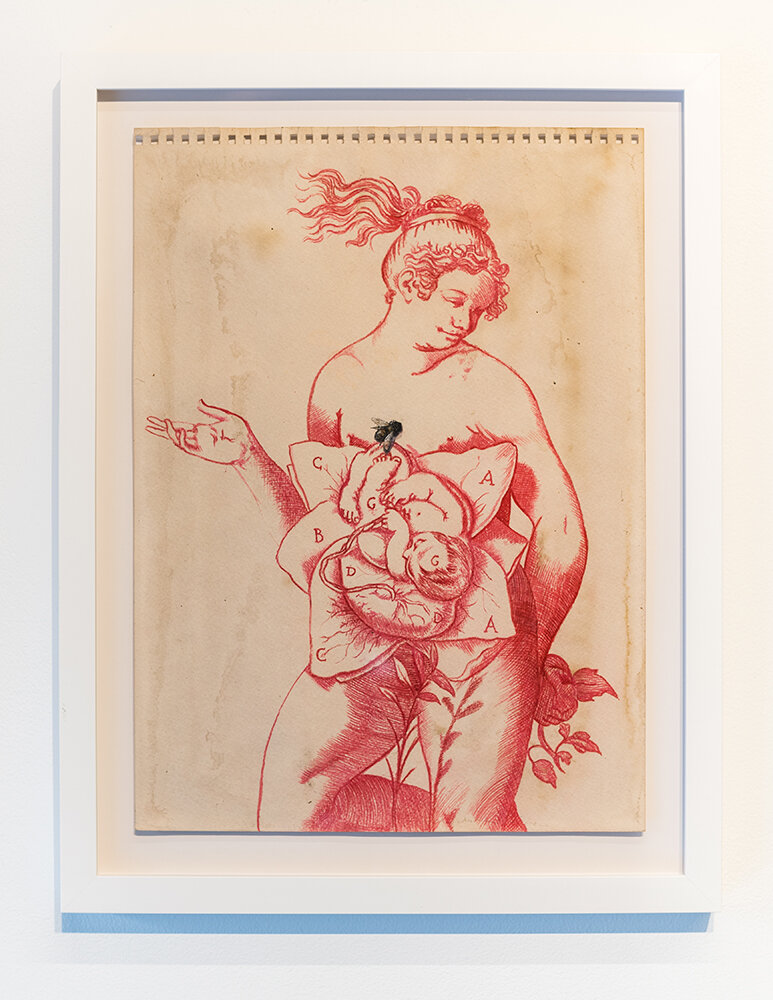
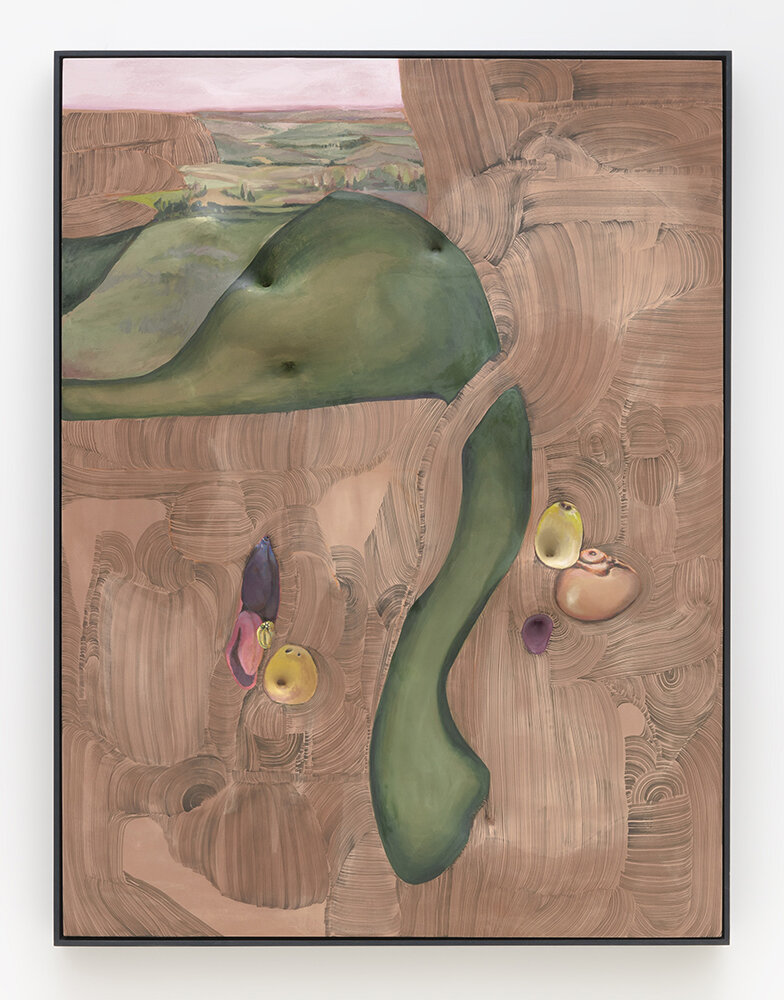
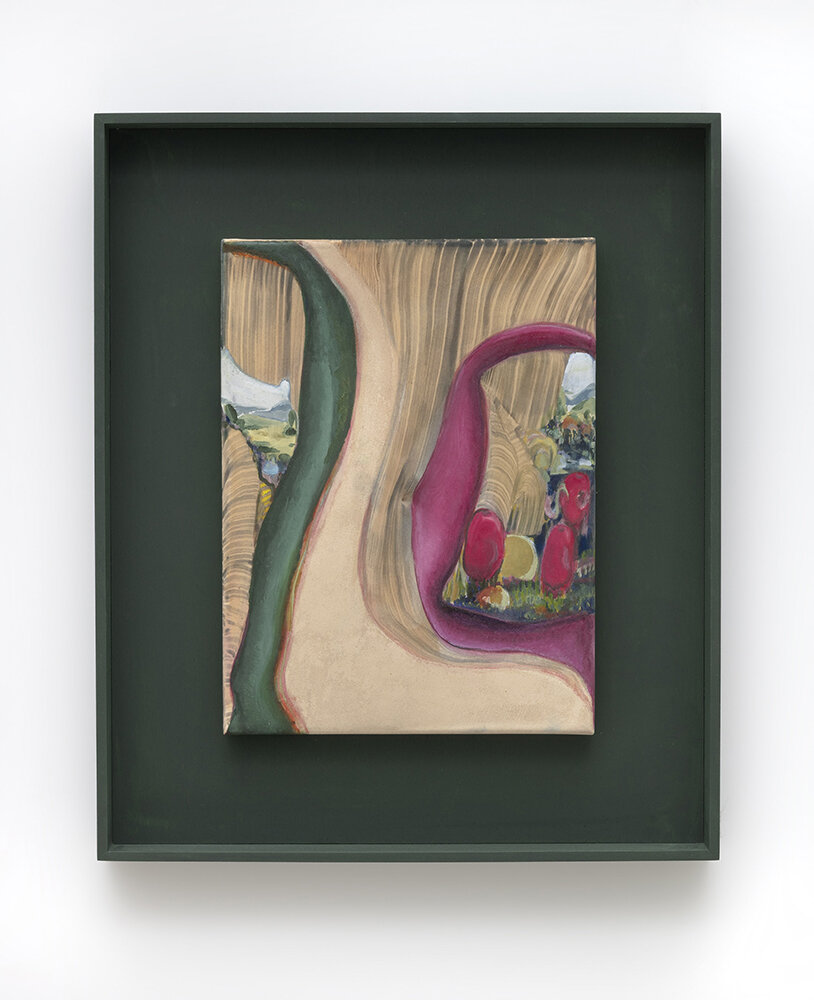
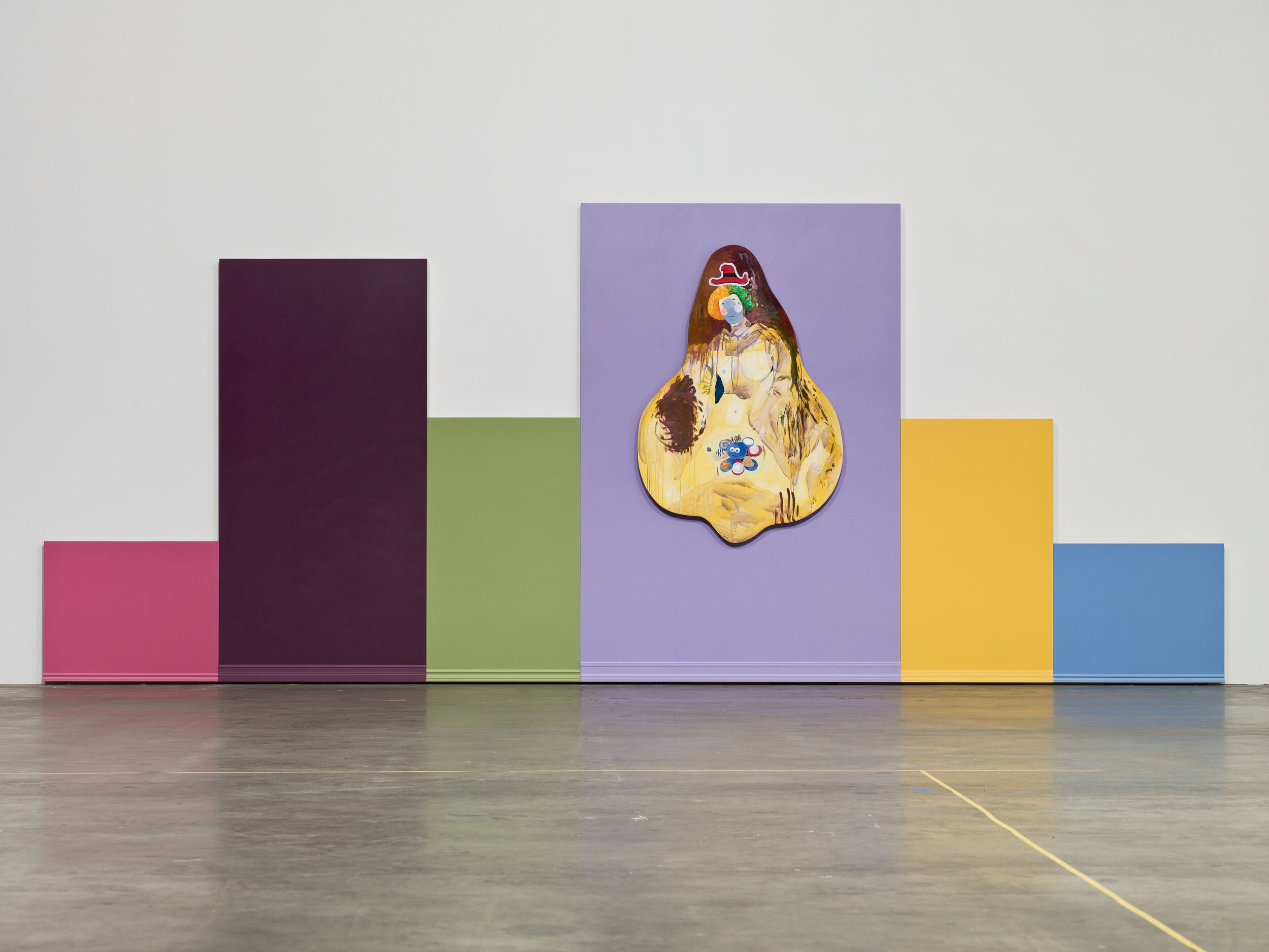
In new paintings, drawings, and sculptures, Ariane Vielmetter explores representations of the female body in relation to fruits and flowers, and the ways these visual metaphors relate to lived experience. The female body, as a vessel for new life, is a natural structure for this kind of projection, and Vielmetter is particularly interested in the way this kind of imagery relates to the experiences of pregnant women. In a culture overloaded with information about best health practices, and a political climate that is very unpredictable with regards to women’s rights, the pregnant body has become an increasingly political site.The Rose Garden is on view through December 21 at Ever Gold [Projects] 1275 Minnesota Street #105, San Francisco. photographs courtesy of Ever Gold [Projects]
The paintings and drawings on view extend the forensic system Horowitz began developing after visiting the Roman ruins in Milreu, Portugal, which inspired him to restage previously abandoned works using archeological motifs. TQVP is at times a painterly Rorschach test that asks the viewer to inhabit decisions made by the artist to expose the detritus of his own jokes, but it also seems like something or someone decided to go off script along the way. Or, that an off-color joke, though aborted, continues to make appearances, to refer to a glyph or key which would unlock deeper meanings if it were available. Alas, some mysteries remain precisely within the surface on which they were inscribed, alluding to and denying their secret in the same gesture. The Qualitative Validation Principle is on view through December 21 at Ever Gold [Projects] 1275 Minnesota Street Suite 105, San Francisco. photographs courtesy of Ever Gold [Projects]
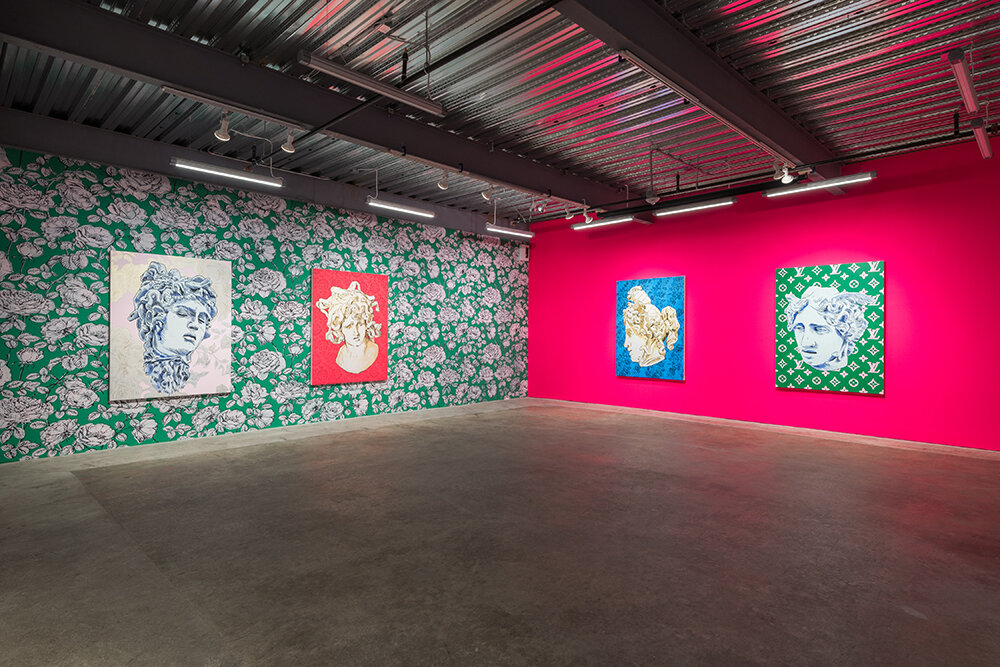
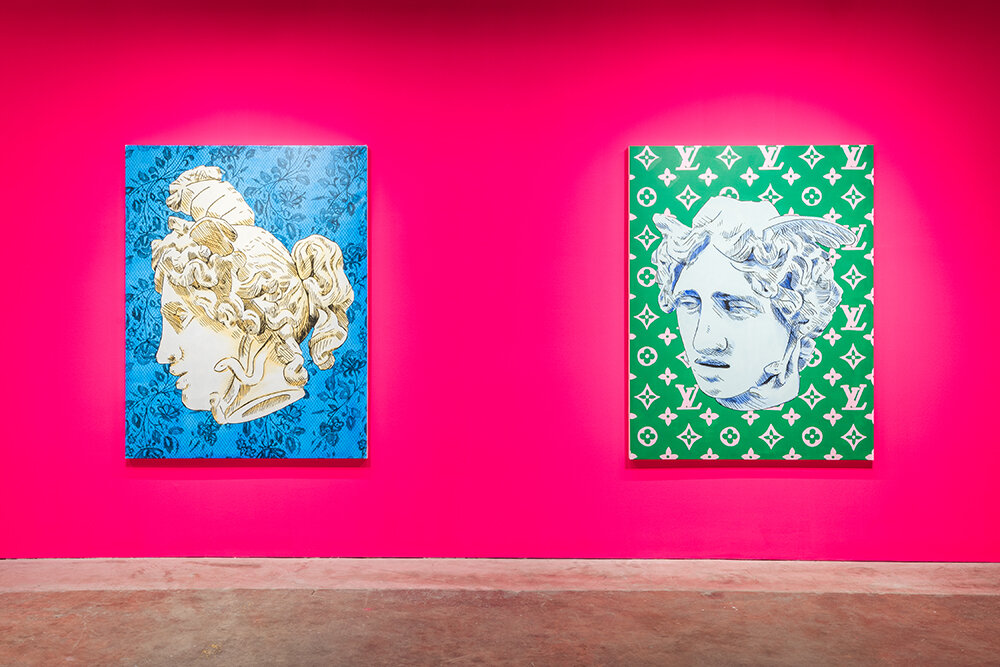
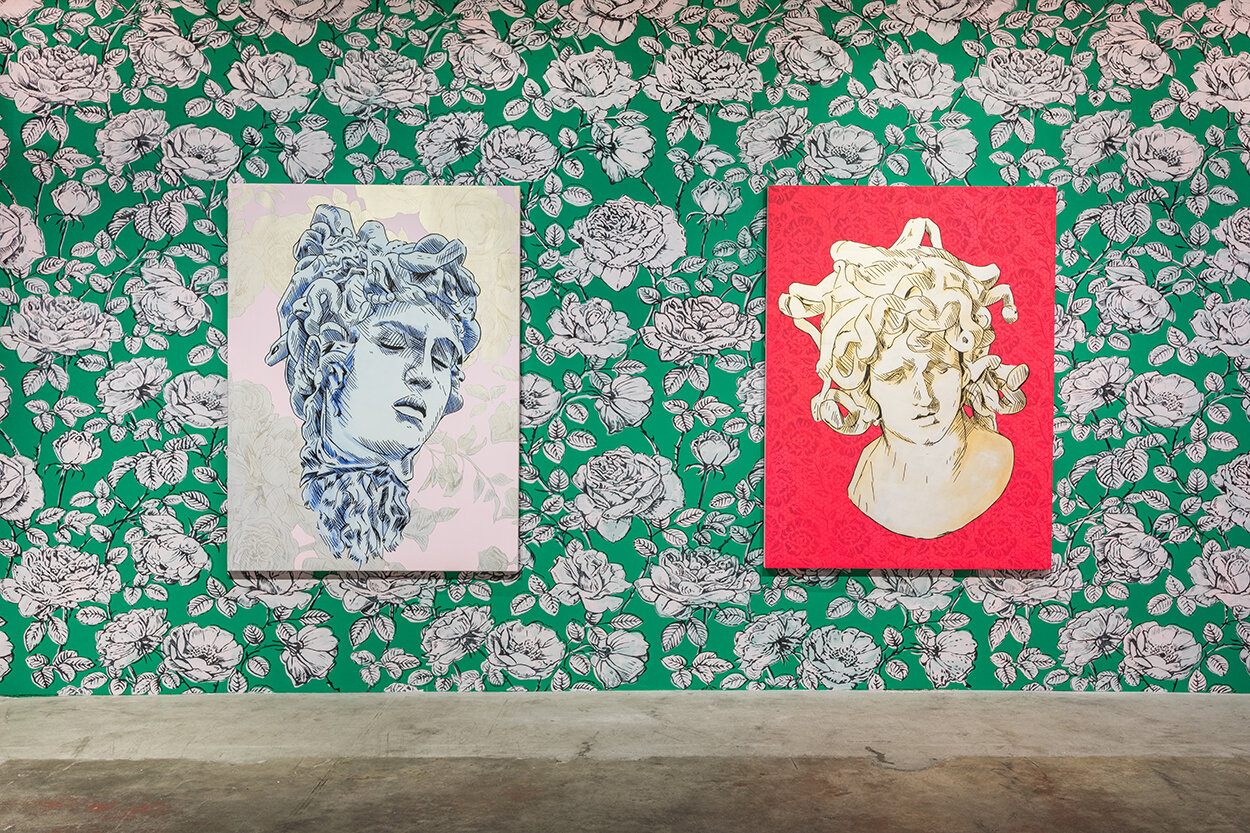
Bad Feminist reflects on the ancient Greek myth of Medusa in the era of #MeToo. Taking its title from Roxane Gay’s book Bad Feminist: Essays (2014), in which the author describes a sexual assault she experienced as a child, Marple reflects on historical depictions of women and rape in light of today’s changing understanding of the power dynamics at play within society at large. Bad Feminist is on view through January 18 at Ever Gold [Projects] 1275 Minnesota Street Suite 105, San Francisco. photographs courtesy of Ever Gold [Projects]
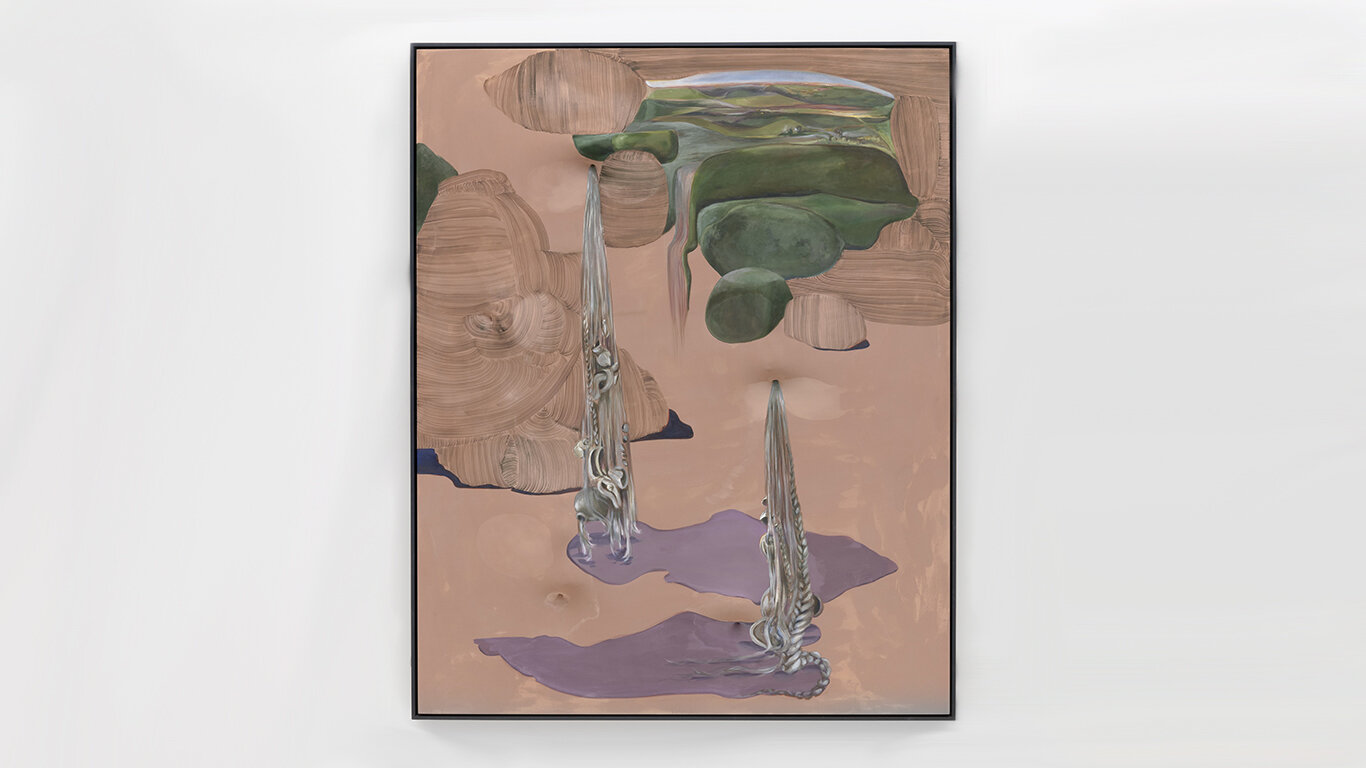
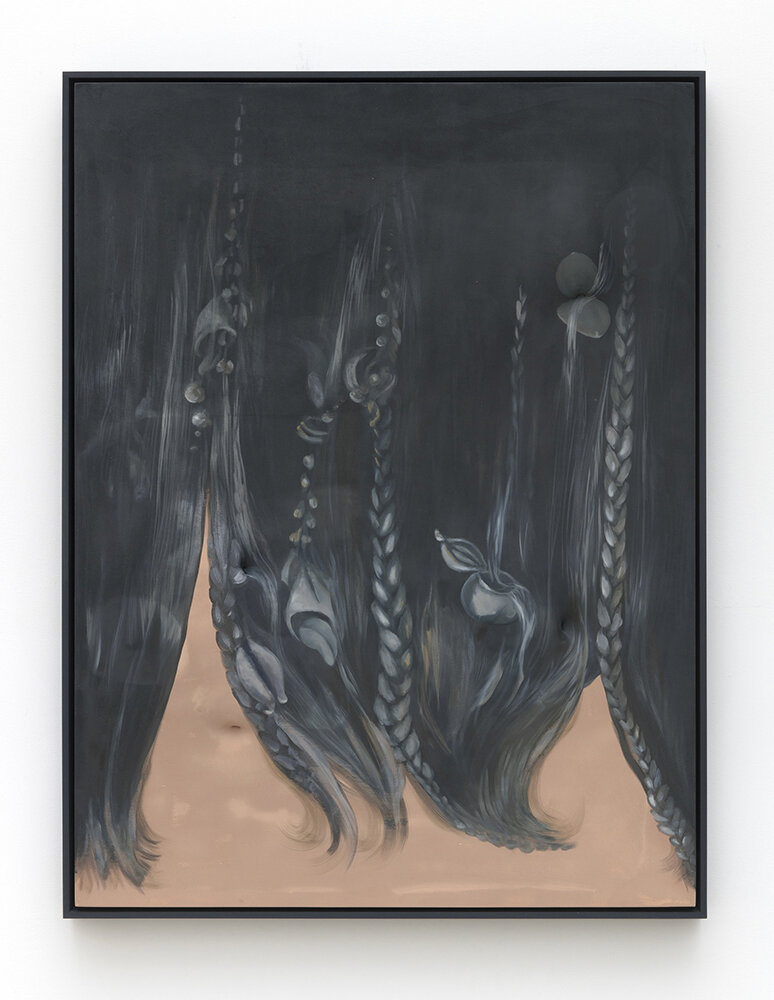
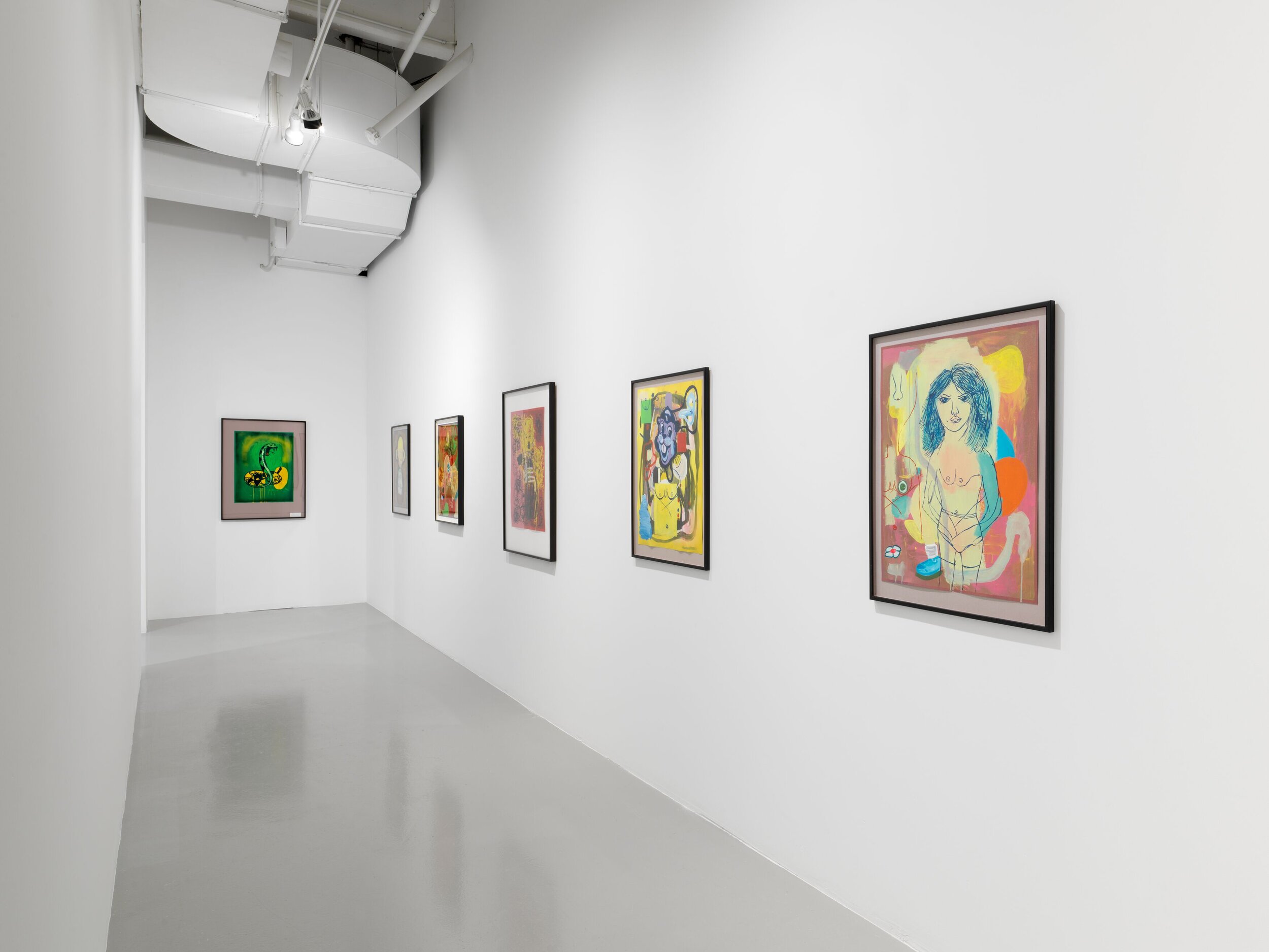
Comprised of 16 fabric-relief paintings, April Street’s The Lady of Shalott melds landscapes with corporeal elements to create portrait-like vignettes where waterfalls cascade into braids and hair extensions, surreal forms and voluminous lines define space and hyper-sexualized otherworldly elements rise inside and throughout her multi-dimensional surfaces. The Lady of Shalot is on view through January 11 at Vielmetter 1700 S Santa Fe Ave, Los Angeles. photographs courtesy of the artist and Vielmetter
Liz Glynn’s 2017 MASS MoCA solo exhibition, Archaeology of Another Possible Future, considered the contradictions of the contemporary American economy, where value is increasingly abstract and established through declarative acts divorced from material reality. In Emotional Capital, Glynn explores the intersections of material and affective realities as they play out in and on bodies within the context of increasingly polarized and irrational political and economic systems. Emotional Capital is on view through January 11 at Vielmetter 1700 S Santa Fe Ave, Los Angeles. photographs courtesy of the artist and Vielmetter
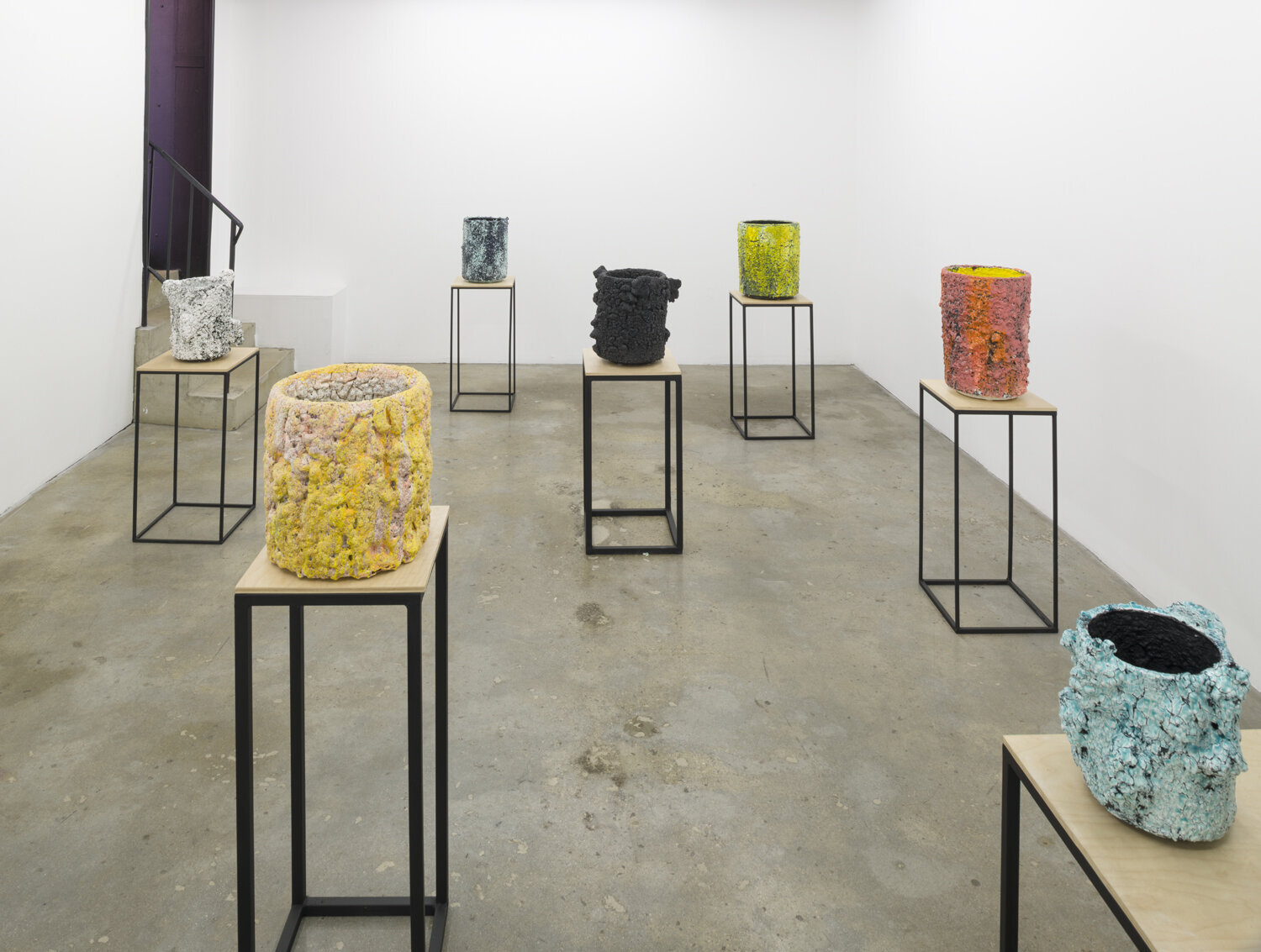
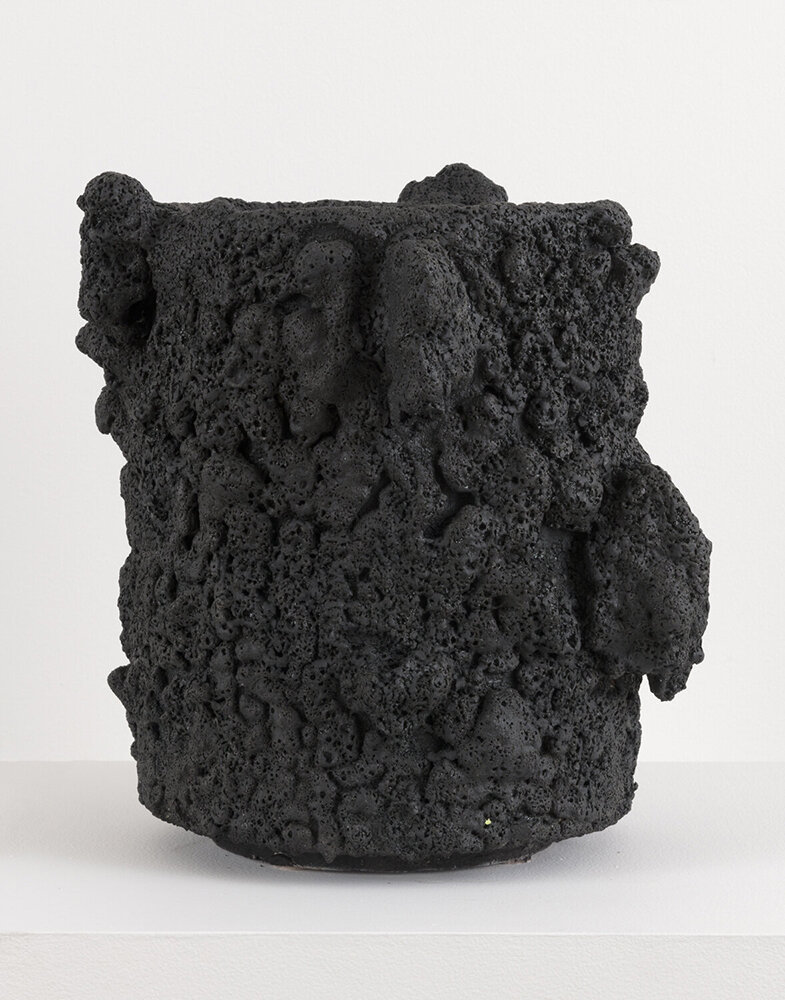
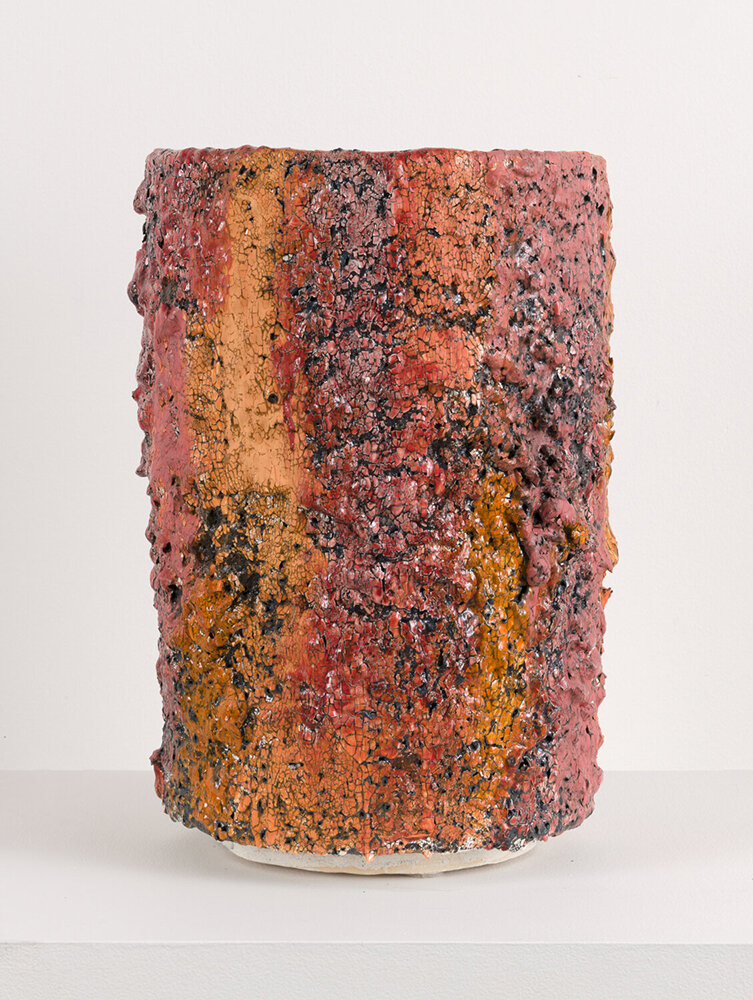
Tony Marsh’s Like Water Uphill consists of eleven of Marsh’ ceramic works from his ongoing Crucible and Cauldron series. Marsh’s practice fixates on the long history of the creation of vessels. His method of production is predicated on the acceptance of failure, and an interest in the unpredictable. As a medium, ceramics are known for their fragile nature, not just their delicate nature after having been fired, but also their tendency to collapse, explode, crack, or fall apart while the clay is still wet or during the firing process. The ability to overcome these obstacles, and adhere to chemical and compositional constraints is often times what warrants the success of the finished piece. However, Marsh’s approach in his Crucible and Cauldron works embraces discovery and ultimately searches for unpredictable outcomes. The works are built up from multiple applications of mineral mixtures, different glazes, pigments, and even found scraps of other ceramic material. Like Water Uphill is on view through December 14th at The Pit 918 Ruberta Ave, Glendale. photographs courtesy of the artist and The Pit
In TIJUAS! , Crosthwaite will present selections from several bodies of work that continue his exploration of this ever-evolving transnational culture, among them the Tijuana Bibles , a new series of stop-motion drawing animations and books; graphite, charcoal and ink on canvas and panel paintings; new Tijuanerias ink drawings; and Death March , a phenomenal 27 foot 30-panel work mural. This will be the first time this work will be presented since it was commissioned in 2010 for Morbid Curiosity: The Richard Harris Collection at the Chicago Cultural Center. TIJUAS! (Death March, Tijuana Bibles and Other Legends) is on view through through December 21, 2019 at Luis De Jesus 2685 S La Cienega Blvd, Los Angeles . photographs courtesy of the artist and Luis De Jesus
French Gaule wave band FAIRE just release another video for Laisse Lucifer, featuring french burlesque dancer Maud Amour and directed by Lucie Bourdeu. Their first EP “La Vie” is available on every streaming platform. Read our previous interview with FAIRE here

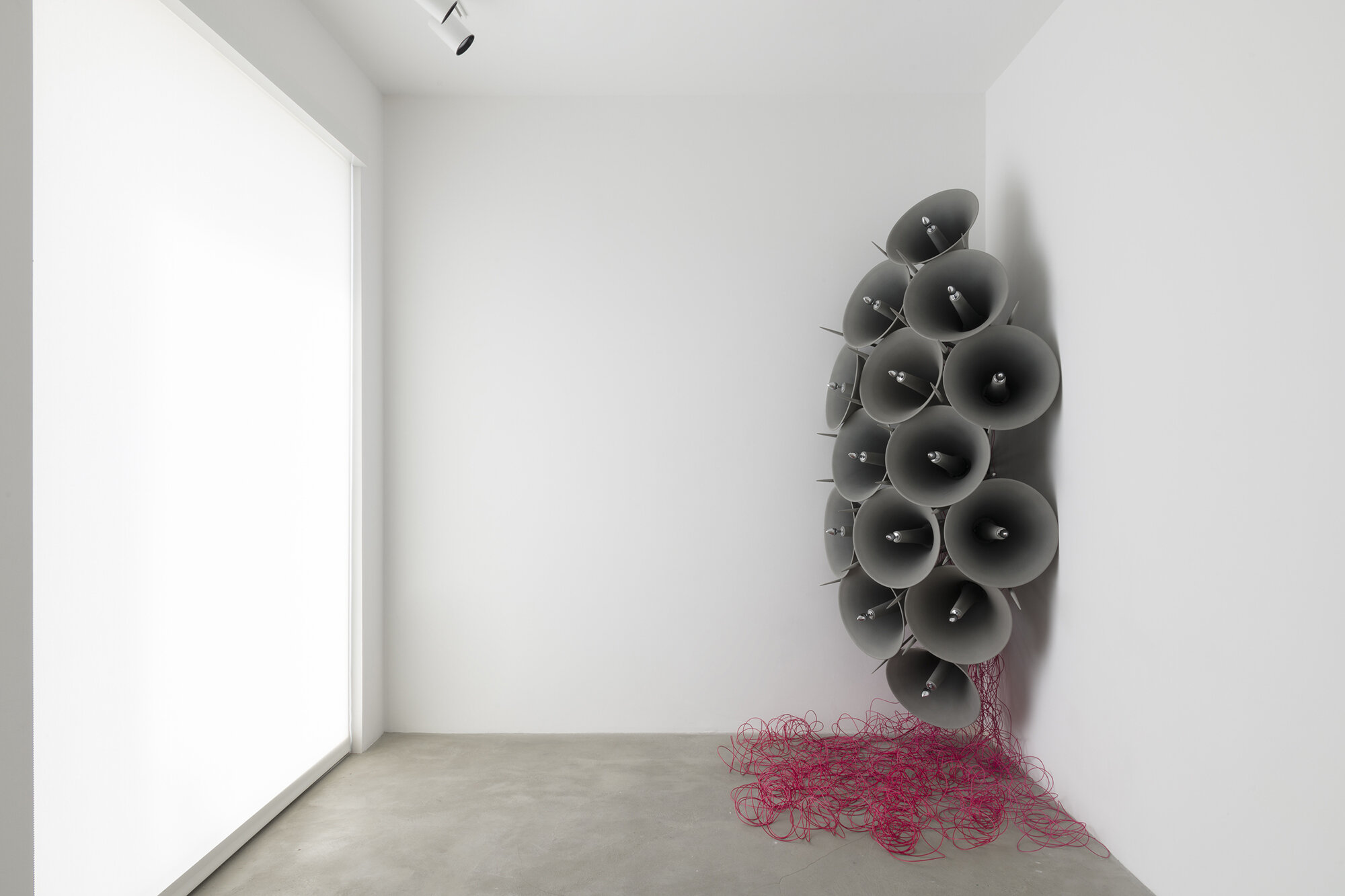
Installation view, Tanya Bonakdar Gallery, Los Angeles, 2019.
Photo by Jeff Mclane
Courtesy the artist and Tanya Bonakdar Gallery, New York / Los Angeles
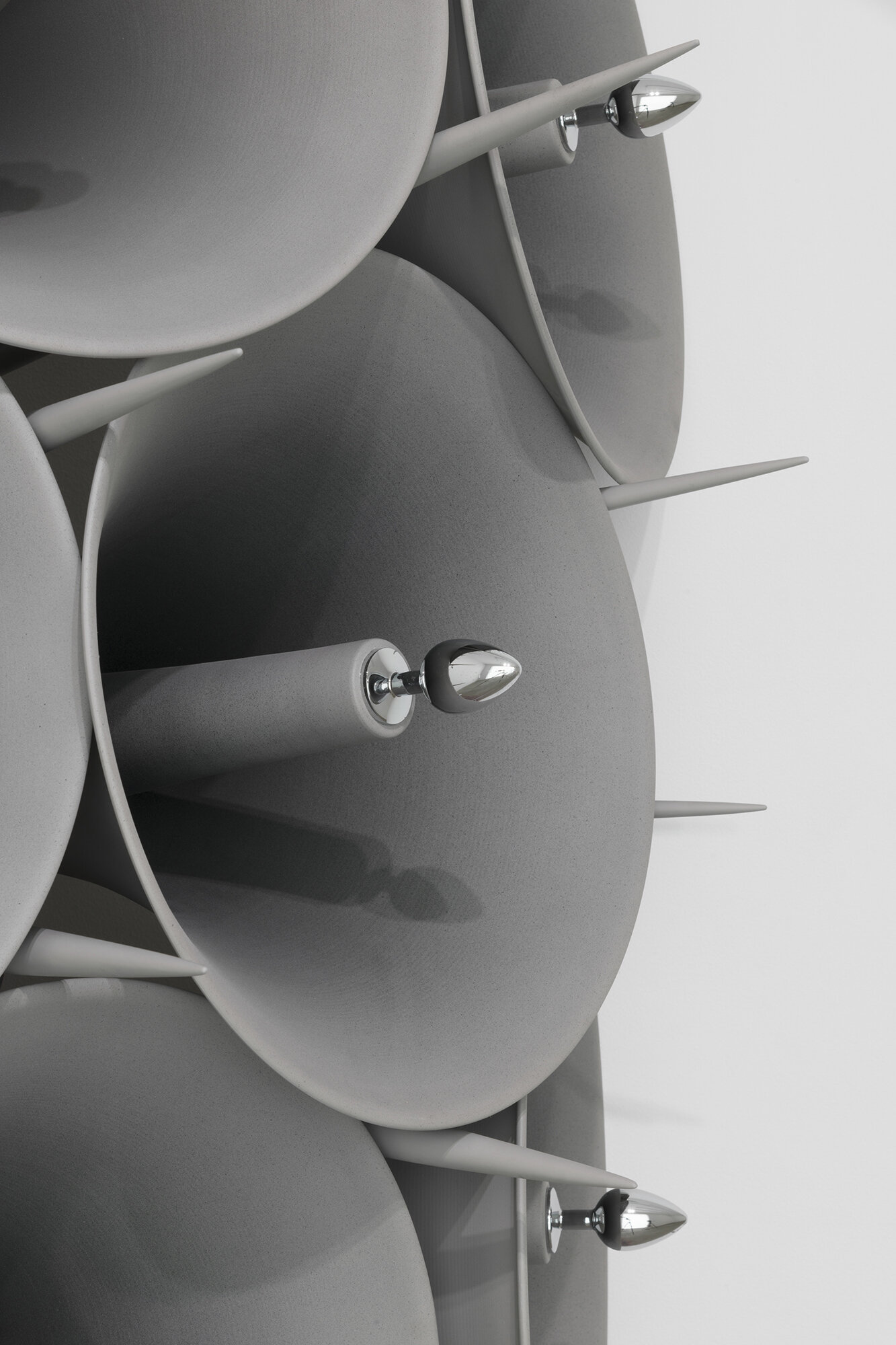
Installation view, Tanya Bonakdar Gallery, Los Angeles, 2019.
Photo by Jeff Mclane
Courtesy the artist and Tanya Bonakdar Gallery, New York / Los Angeles
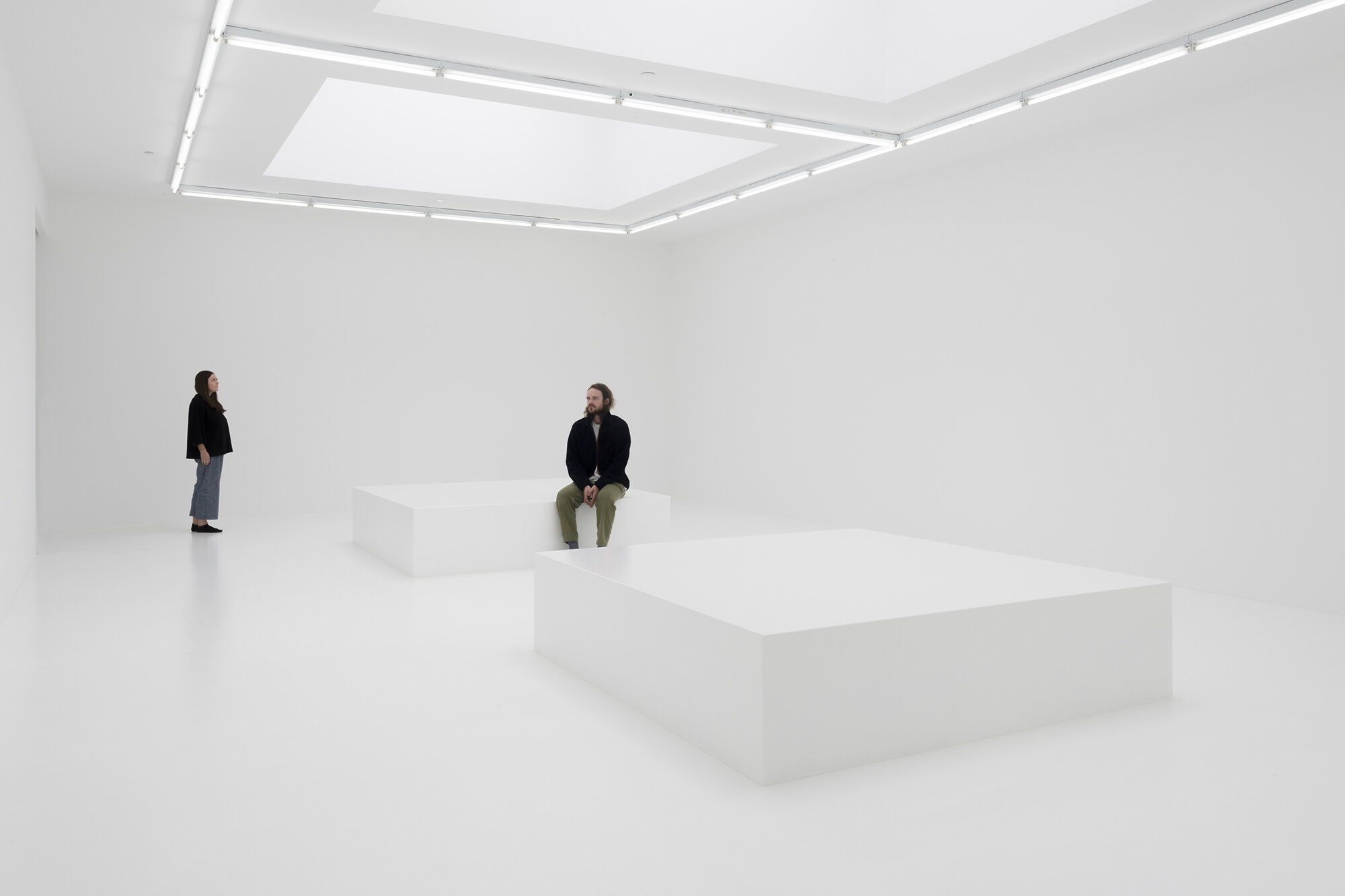
Installation view, Tanya Bonakdar Gallery, Los Angeles, 2019.
Photo by Jeff Mclane
Courtesy the artist and Tanya Bonakdar Gallery, New York / Los Angeles
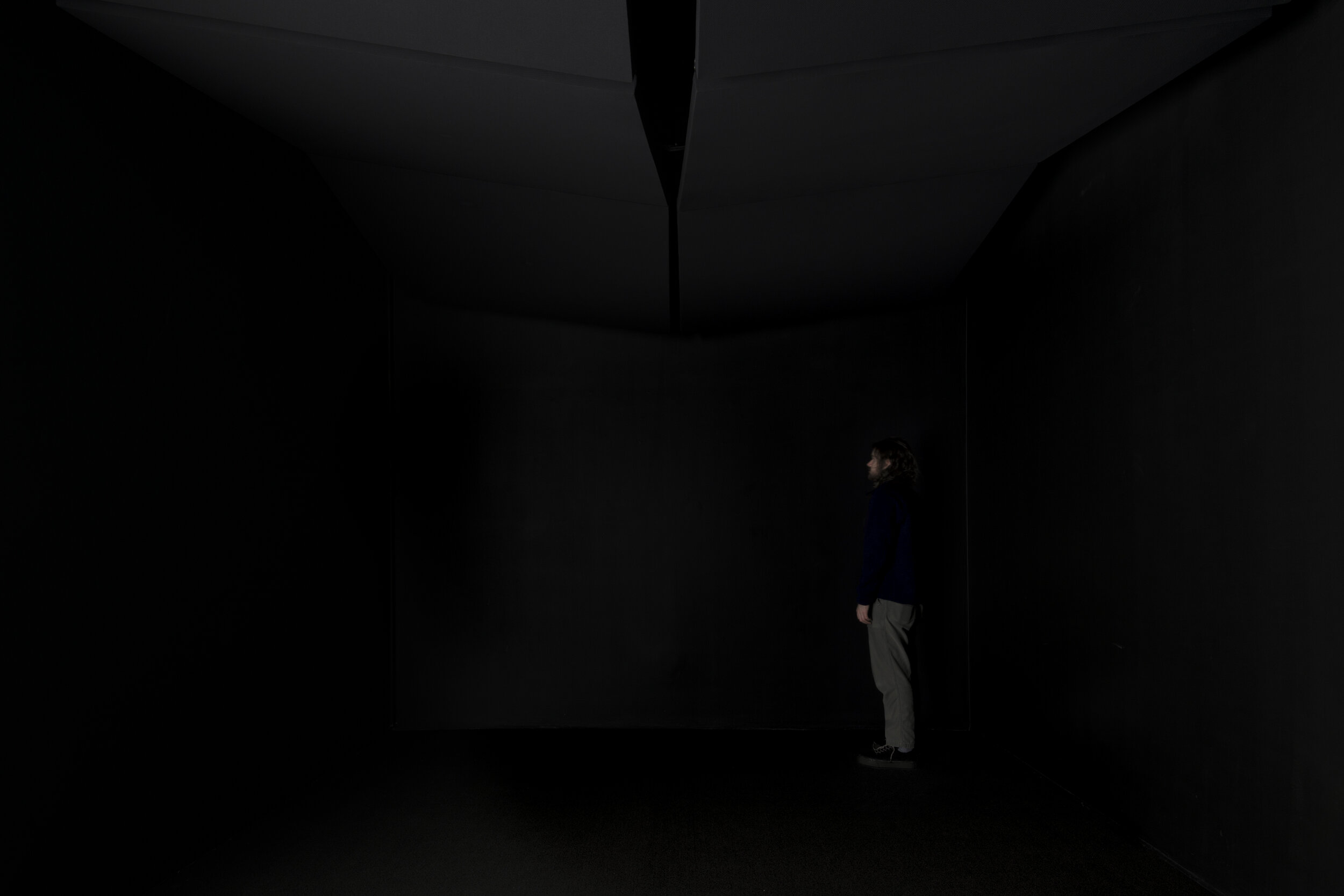
Installation view, Tanya Bonakdar Gallery, Los Angeles, 2019.
Photo by Jeff Mclane
Courtesy the artist and Tanya Bonakdar Gallery, New York / Los Angeles
In a series of three new gallery-based works, Jónsi riffs on the invocation of sensory inversion in Goethe’s fifth Roman Elegy in which the Romantic poet makes a connection between the experience of a lover’s body and a classical marble sculpture with the phrase, “see with a feeling eye, feel with a seeing hand.” In Jónsi’s remix, Goethe’s advice to experience the world in a different way is given a sonic update that might read as follows: “hear with a feeling ear, feel with a hearing hand.” Seeing, hearing, feeling – each of these senses collapse upon one another in Jónsi’s work as sound takes a concrete form and the tactile and the auditory merge into a surprising synesthesia. While one might read these works within the lineage of bombastic noise experiments harkening back to those of the Italian Futurists who championed the revolutionary aspects of noise in opposition to formal music, Jónsi’s approach is far more interested in exploring the phenomenological complication and extension of the senses as an antidote to a world in which we are constantly confronted by the agitated white noise of contemporary civilization. In his work there is an overarching attempt to assert the primacy of the auditory, the tactile, and the visual in helping the human organism navigate its way through this unmoored and volatile world. Jónsi’s solo exhibition is on view through January 9, 2020 @ Tanya Bonakdar Gallery 1010 N Highland Avenue. photographs by Jeff Mclane, courtesy the artist and Tanya Bonakdar Gallery, New York / Los Angeles
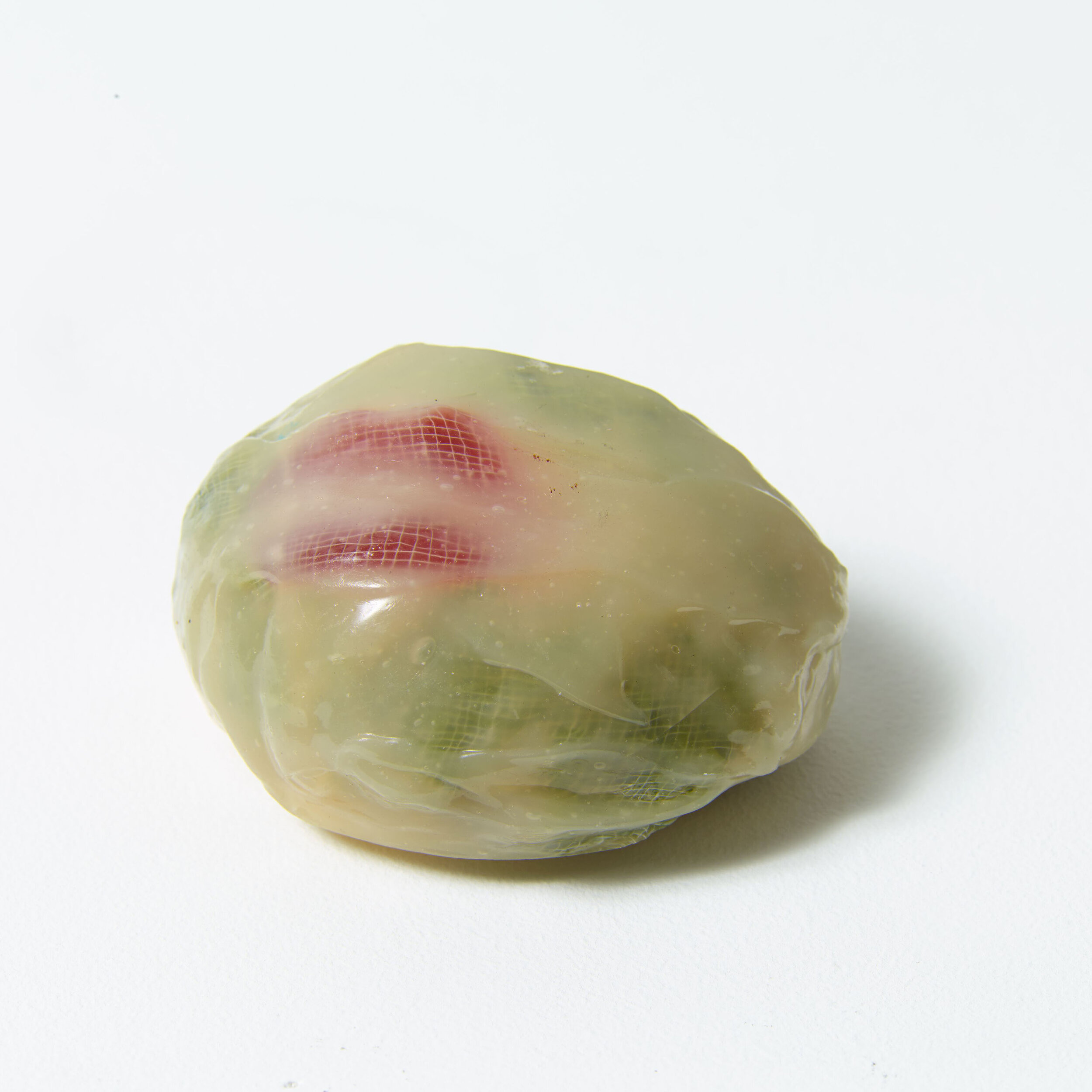
Tumeur (Tumor)
1970
Coloured polyester resin and gauze
4.6 x 6.5 x 8 cm / 1 3/4 x 2 1/2 x 3 1/8 in
Photo: Fabrice Gousset
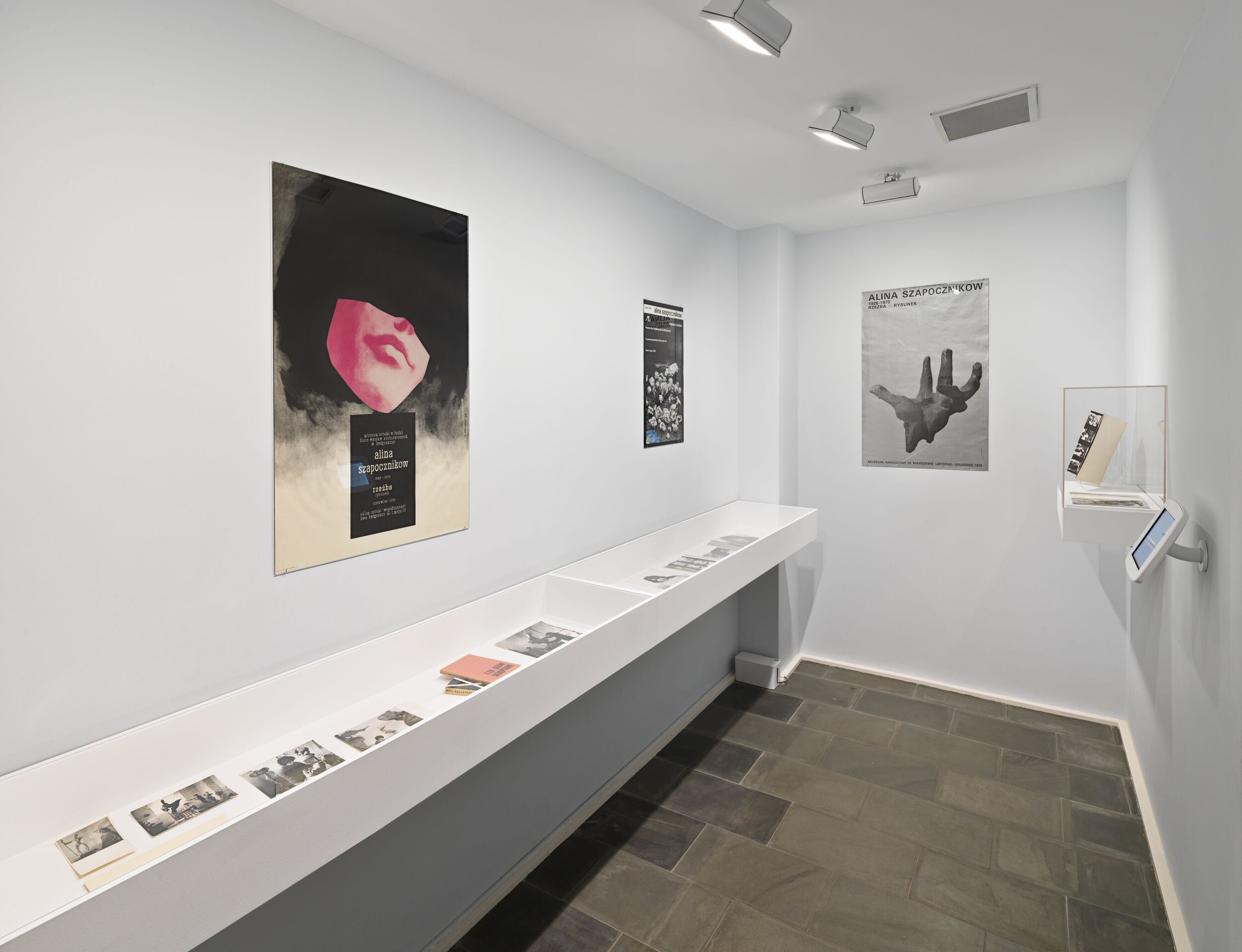
Installation view, ‘To Exalt the Ephemeral: Alina Szapocznikow, 1962 – 1972,’ Hauser & Wirth New York, 69th Street
Photo: Genevieve Hanson
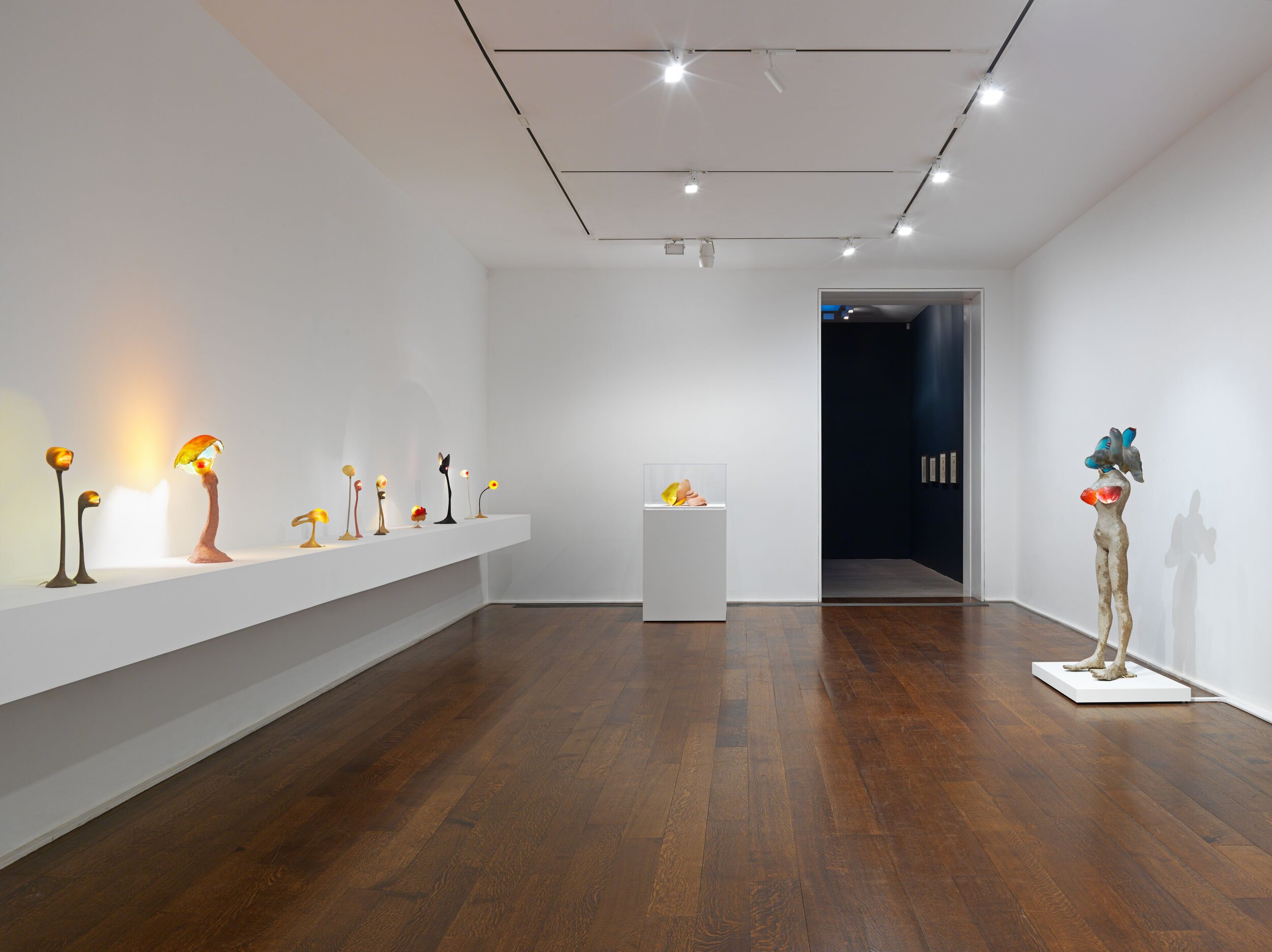
Installation view, ‘To Exalt the Ephemeral: Alina Szapocznikow, 1962 – 1972,’ Hauser & Wirth New York, 69th Street
Photo: Genevieve Hanson
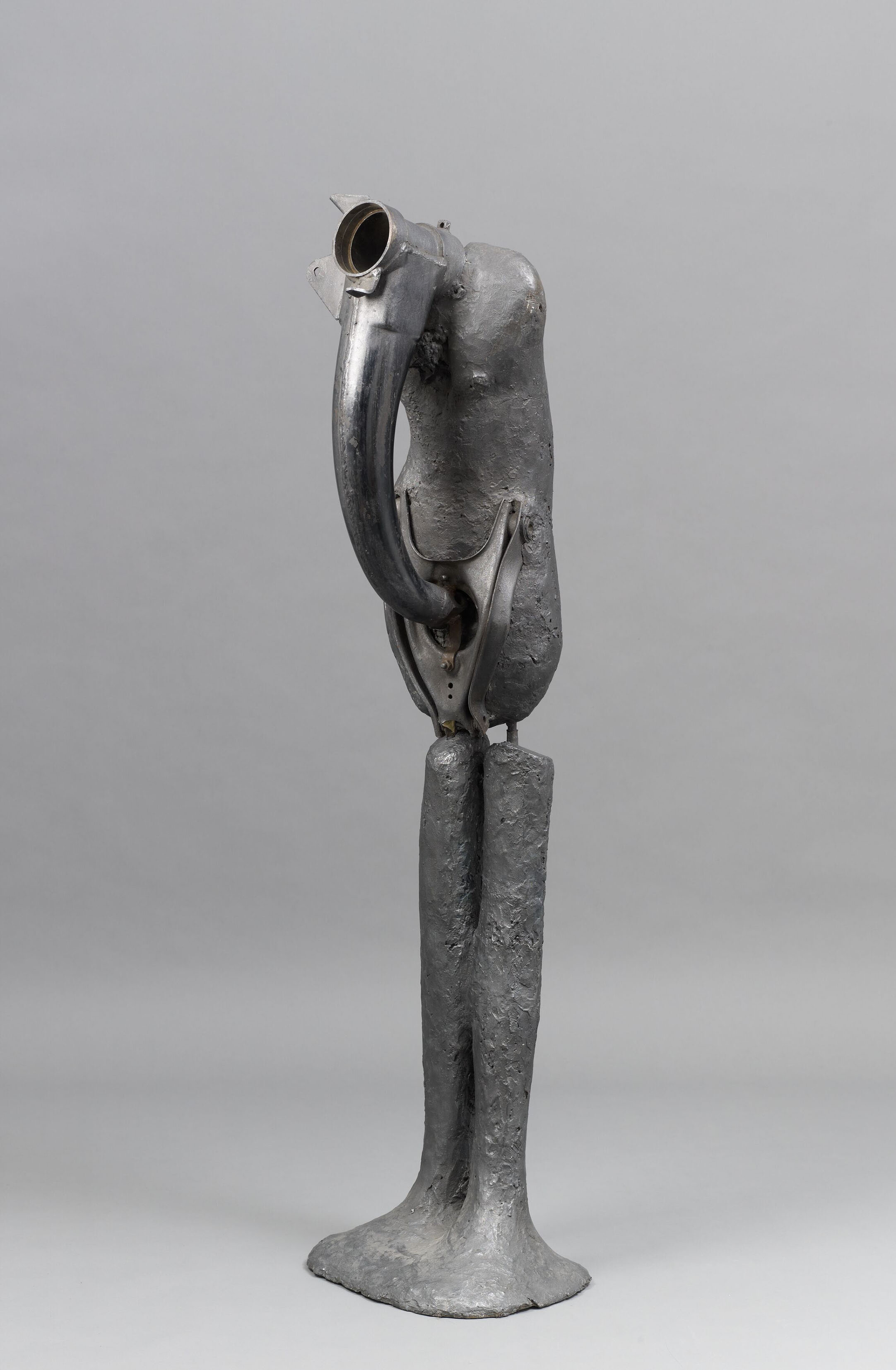
Człowiek z instrumentem (Man with Instrument)
1965
Cement, metal car part and black patina
148 x 40 x 35 cm / 58 1/4 x 15 3/4 x 13 3/4 in
Photo: Fabrice Gousset
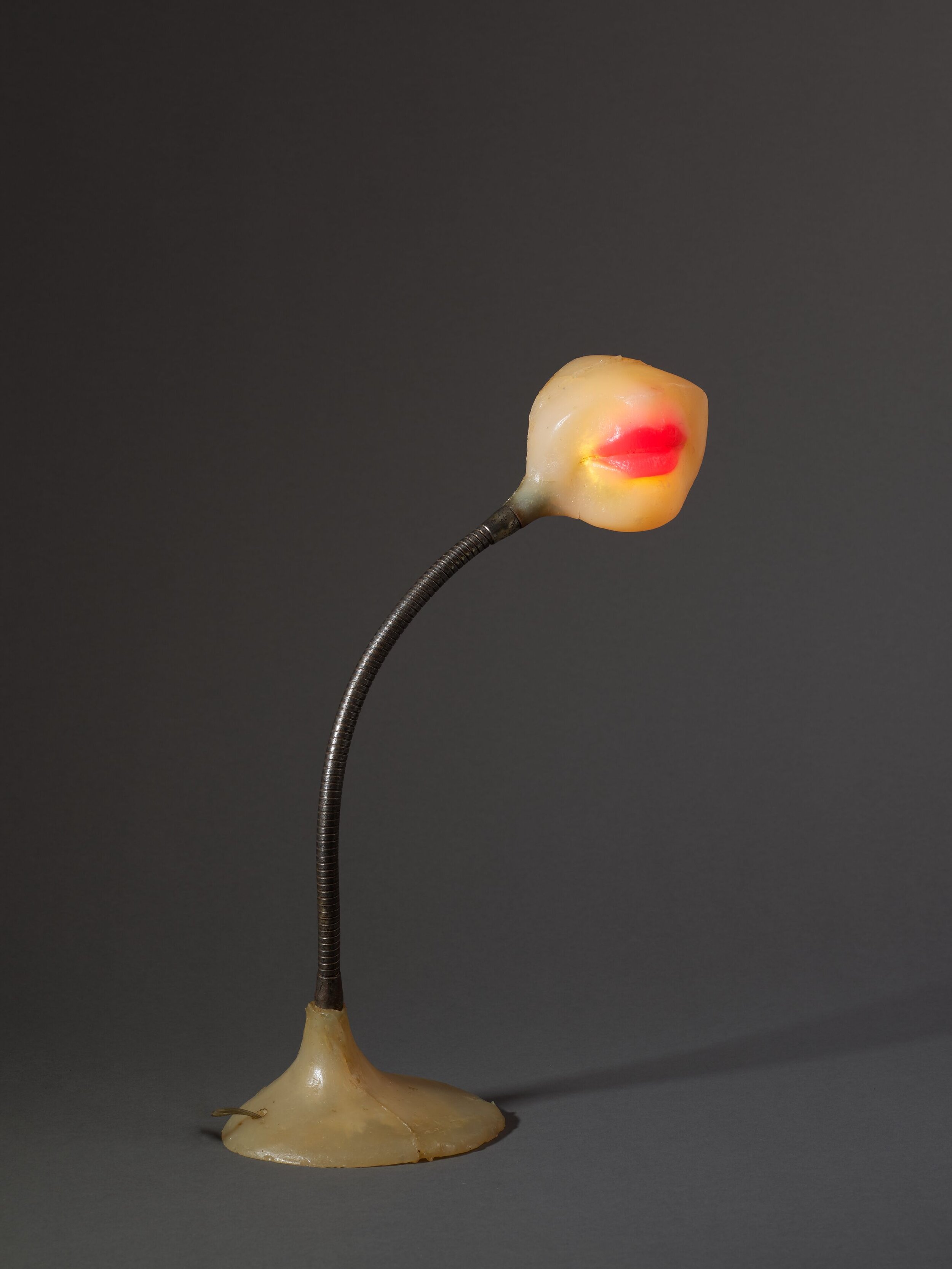
Lampe-bouche (Illuminated Lips)
1966
Coloured polyester resin, light bulb, electrical wiring and metal
43 x 15 x 11 cm / 16 7/8 x 5 7/8 x 4 3/8 in
Photo: Thomas Barratt
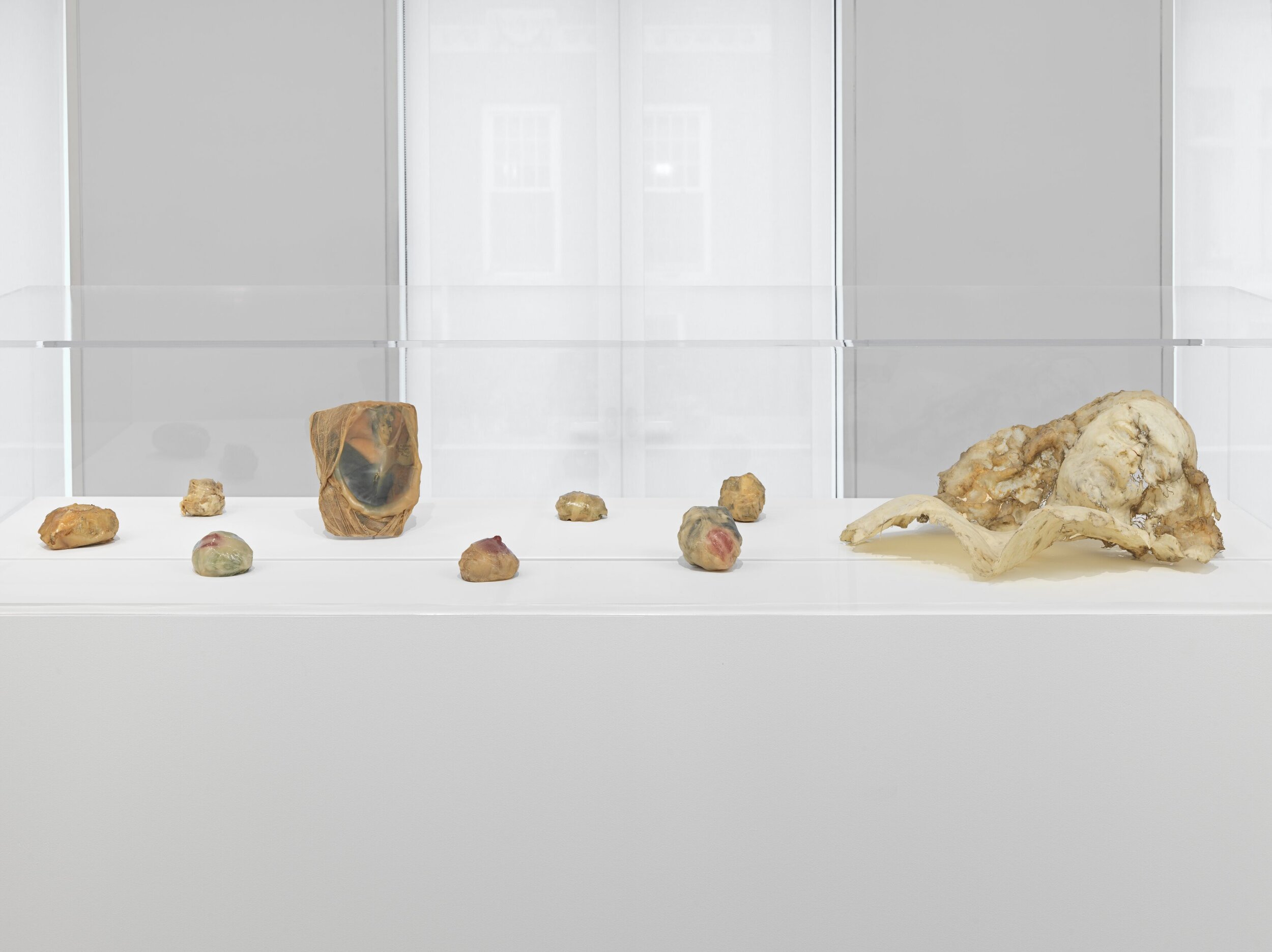
Installation view, ‘To Exalt the Ephemeral: Alina Szapocznikow, 1962 – 1972,’ Hauser & Wirth New York, 69th Street
Photo: Genevieve Hanson
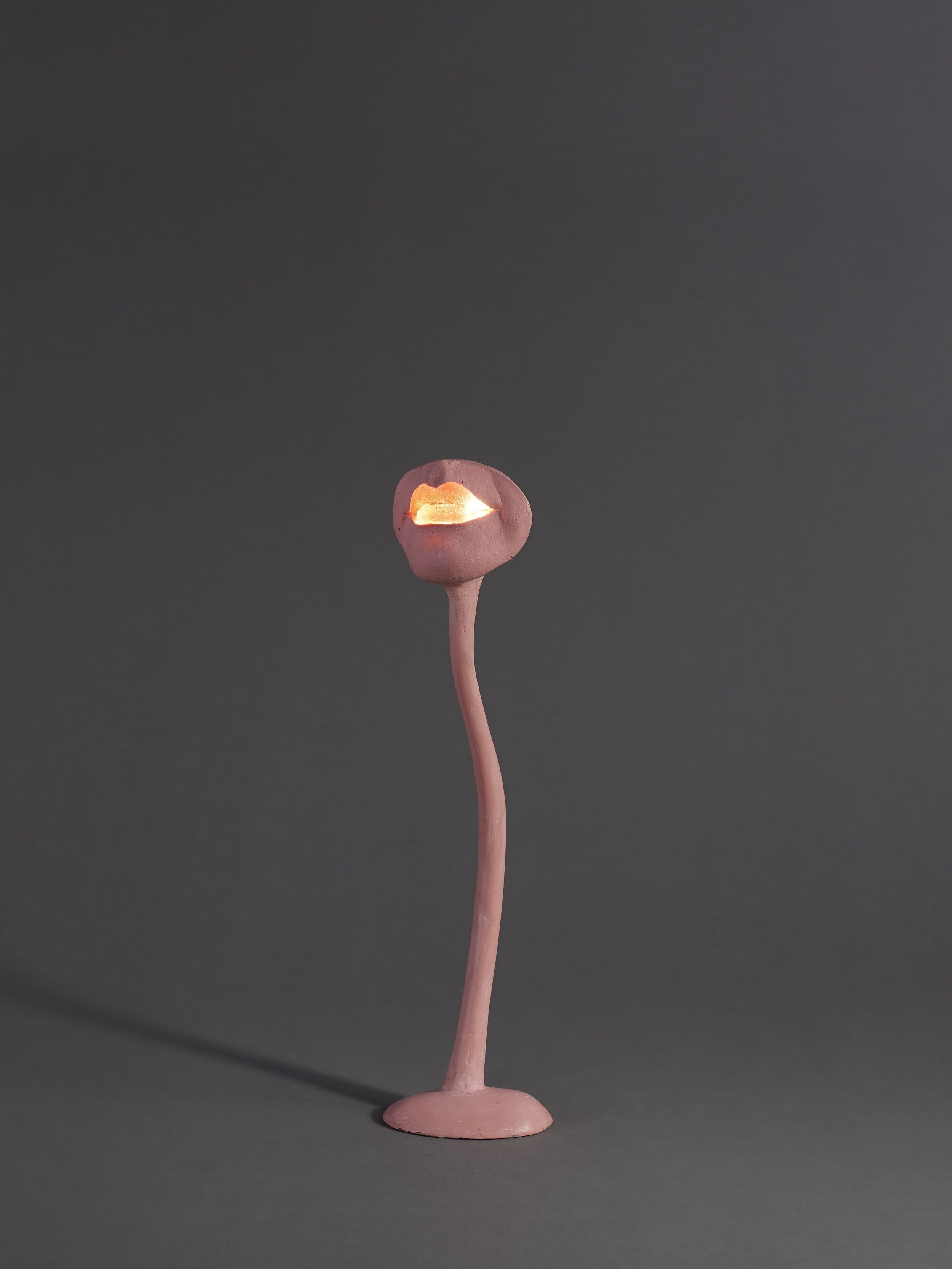
Lampe-bouche (Illuminated Lips)
1966
Coloured polyester resin, light bulb, electrical wiring and metal
36 x 11 x 8 cm / 14 1/8 x 4 3/8 x 3 1/8 in
Photo: Thomas Barratt
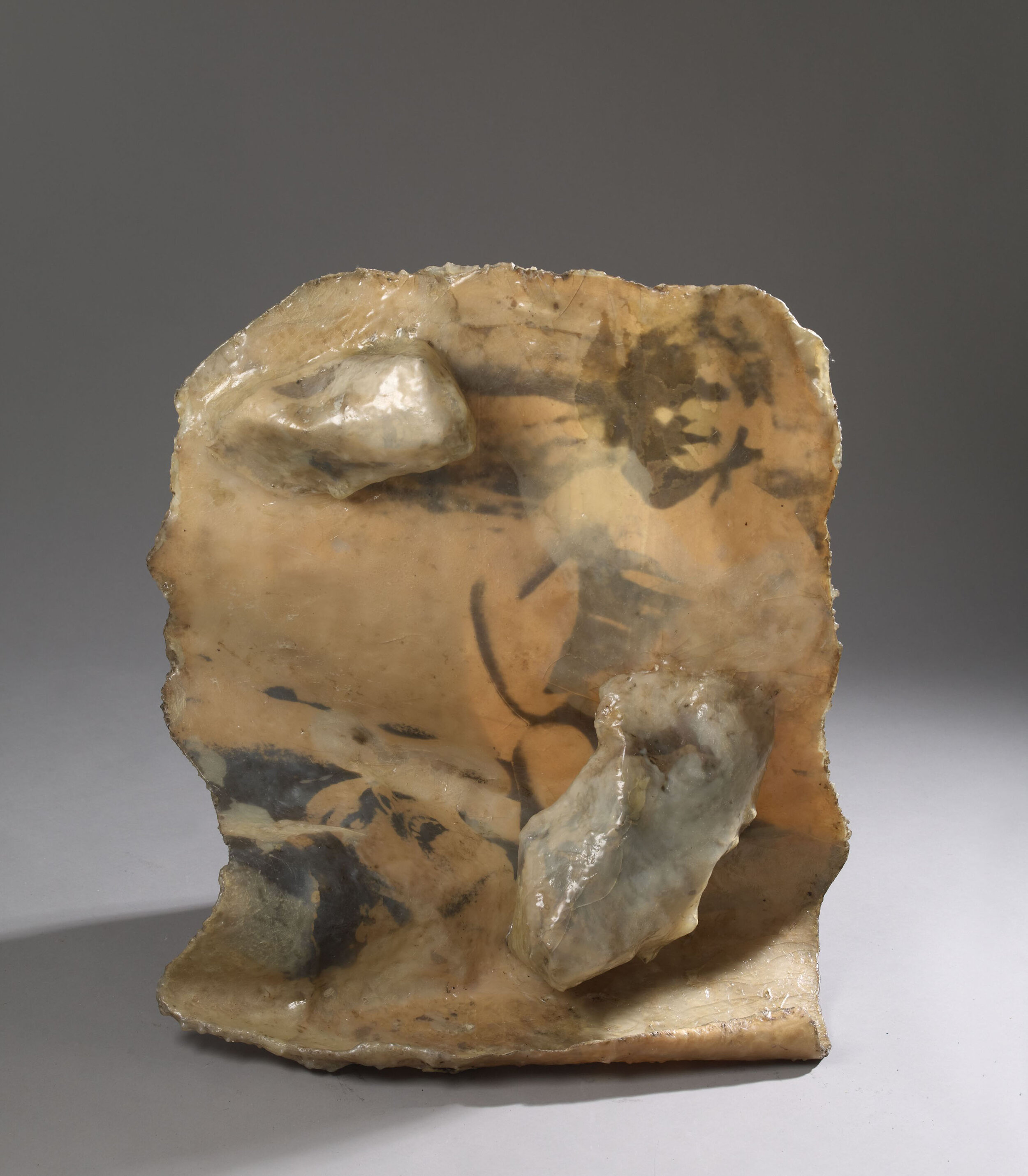
Pamiątka I (Souvenir I)
1971
Polyester resin, fiberglass and photographs
75 x 70 x 33 cm / 29 1/2 x 27 1/2 x 13 in
Photo: Fabrice Gousset
In a brief but explosively inventive career, Alina Szapocznikow (1926 – 1973) radically re-conceptualized sculpture as a vehicle for exploring, liberating, and declaring bodily experience, from the ecstatic, to the harrowing, to the uncanny.
Through her material experiments, Szapocznikow generated a series of lamps, exemplified here by the ‘Lampe Bouche (Illuminated Lips)’ (1966) works, functional sculptures of glowing female lips extending from elongated stem-like bases. Although the artist lived and worked in Paris at the time, her focus on malleable material as a proxy for the body firmly positions her among contemporaries practicing in the United States, including Eva Hesse, Hannah Wilke, and Lynda Benglis, as well as noted friend Louise Bourgeois, to whom Szapocznikow dedicated and gifted two of the lamps on view.
An integral component of Szapocznikow’s practice was her mastery of new materials and techniques. Thus, she produced most of her work in her own studio rather than outsourcing fabrication to a factory. By focusing on an intimate, tactile relationship with her mediums, Szapocznikow was able to push the experimental boundaries of artistic gesture, resulting in such works as Souvenirs. On view on the gallery’s second floor, these sculptures, radically integrate polyester resin, glass, wool, and photographs that capture both personal and collective histories – images ranging from a picture of Alina as a child, to a photo of a female victim of a concentration camp, to a portrait of ‘60s icon Twiggy. The Souvenirs suggest mementos – or memento mori – for an ambiguous new era.
To Exalt the Ephemeral: Alina Szapocznikow, 1962 – 1972 is on view through December 21 @ Hauser & Wirth 548 West 22nd Street New York.
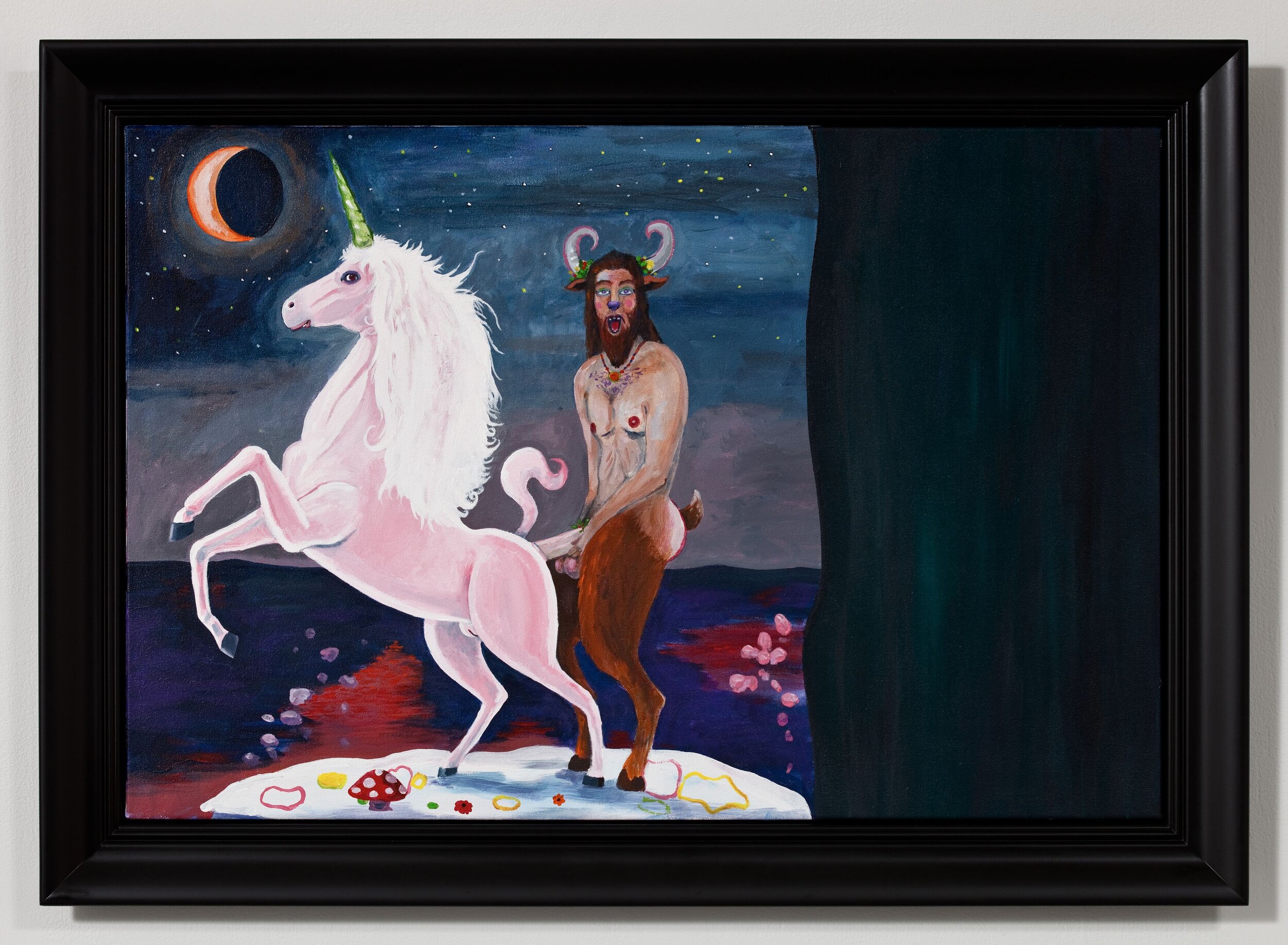
Yummy Puffy Mommy Yoni
2008
Acrylic on canvas
61 x 91.4 cm / 24 x 36 in
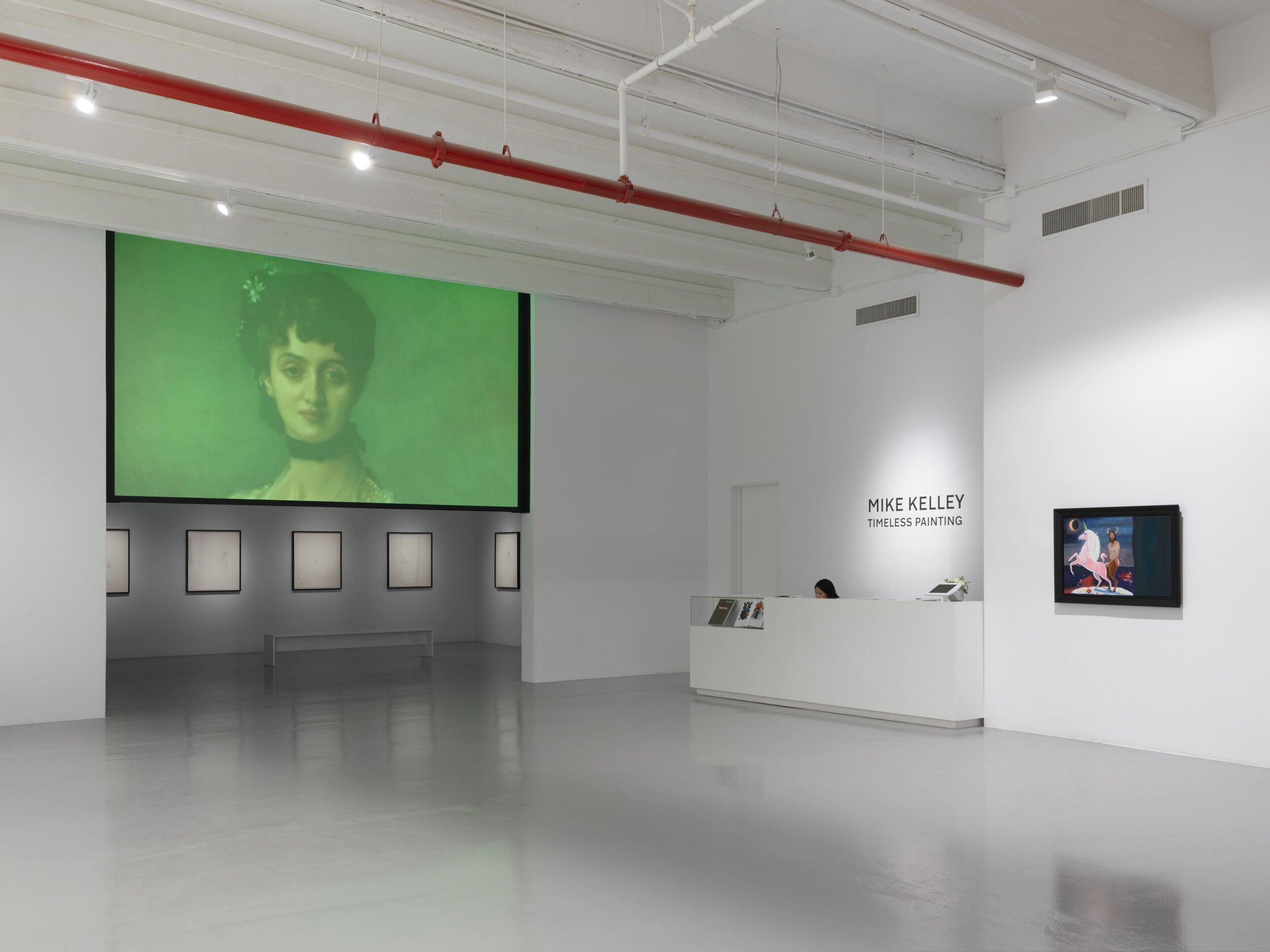
Installation view, ‘Mike Kelley. Timeless Painting,’ Hauser & Wirth New York, 22nd Street, 2019.
© Mike Kelley Foundation for the Arts. All Rights Reserved/VAGA at ARS, NY
Courtesy the Foundation and Hauser & Wirth
Photo: Dan Bradica
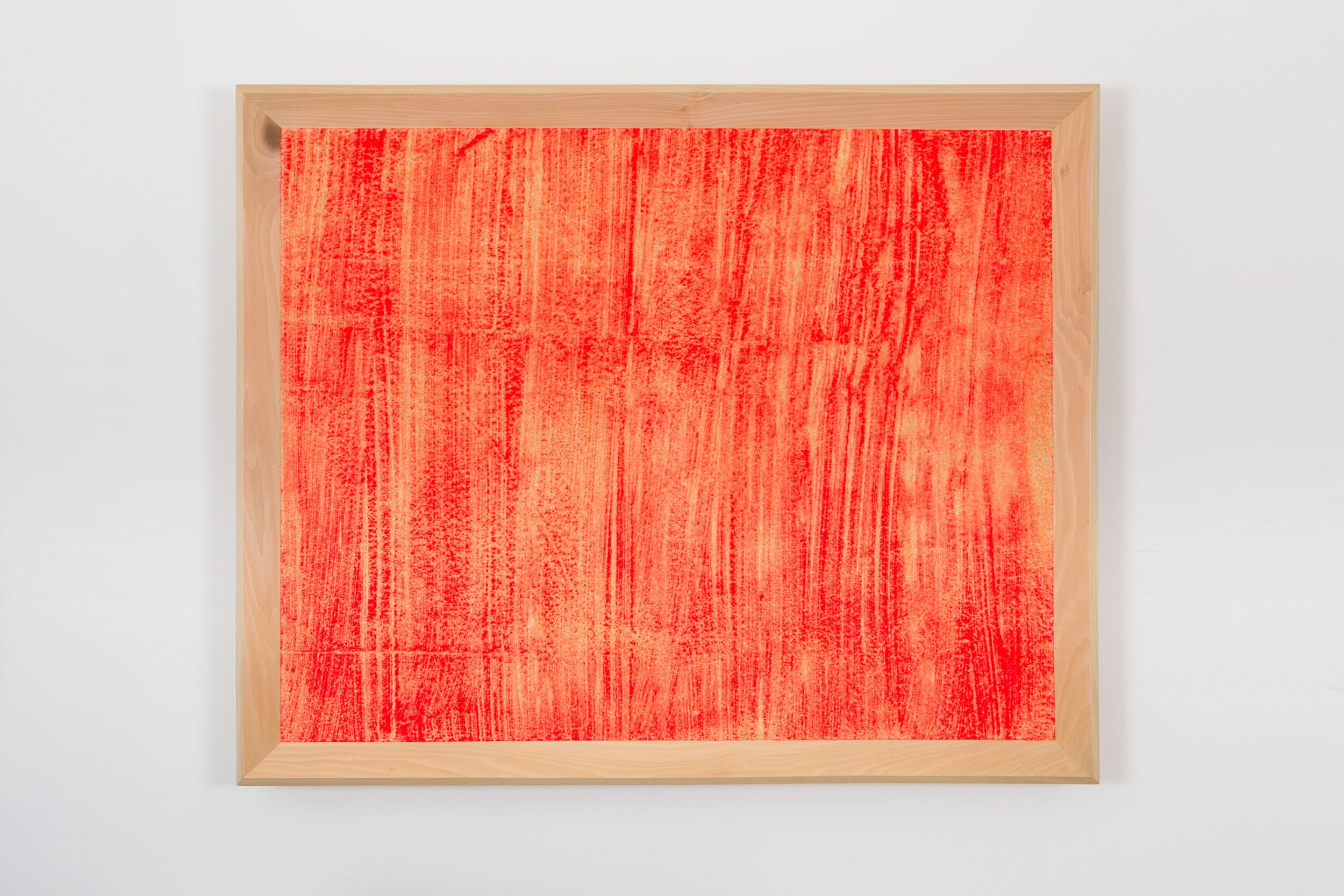
Carpet #2
2003
Acrylic on carpet
101.9 x 124.5 x 10.2 cm / 40 1/8 x 49 x 4 in
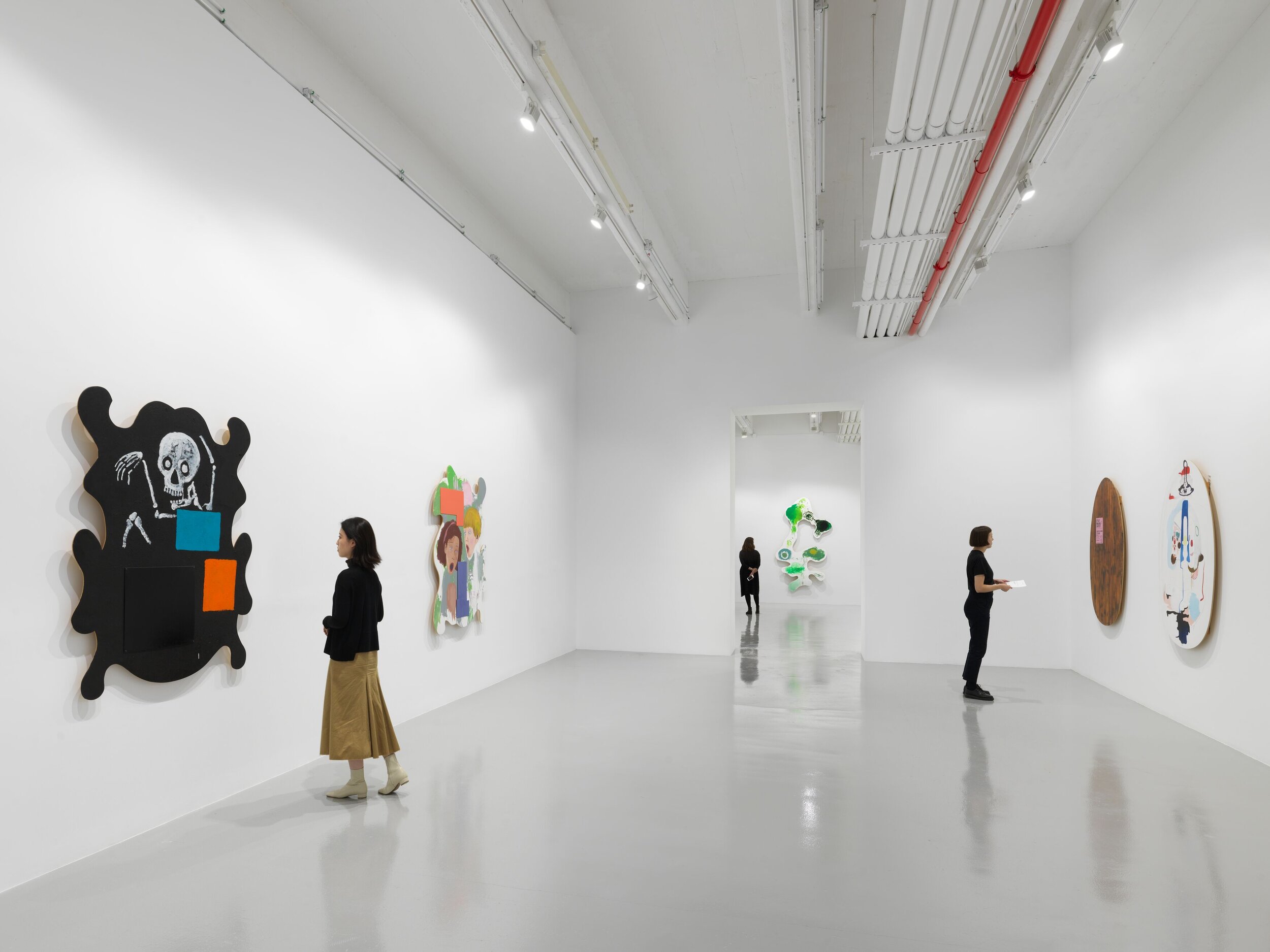
Installation view, ‘Mike Kelley. Timeless Painting,’ Hauser & Wirth New York, 22nd Street, 2019.
© Mike Kelley Foundation for the Arts. All Rights Reserved/VAGA at ARS, NY
Courtesy the Foundation and Hauser & Wirth
Photo: Dan Bradica
Untitled 2
2008-2009
Acrylic on wood panels
243.8 x 633.7 x 12.7 cm / 96 x 249 1/2 x 5 in
Installation view, ‘Mike Kelley. Timeless Painting,’ Hauser & Wirth New York, 22nd Street, 2019.
© Mike Kelley Foundation for the Arts. All Rights Reserved/VAGA at ARS, NY
Courtesy the Foundation and Hauser & Wirth
Photo: Dan Bradica
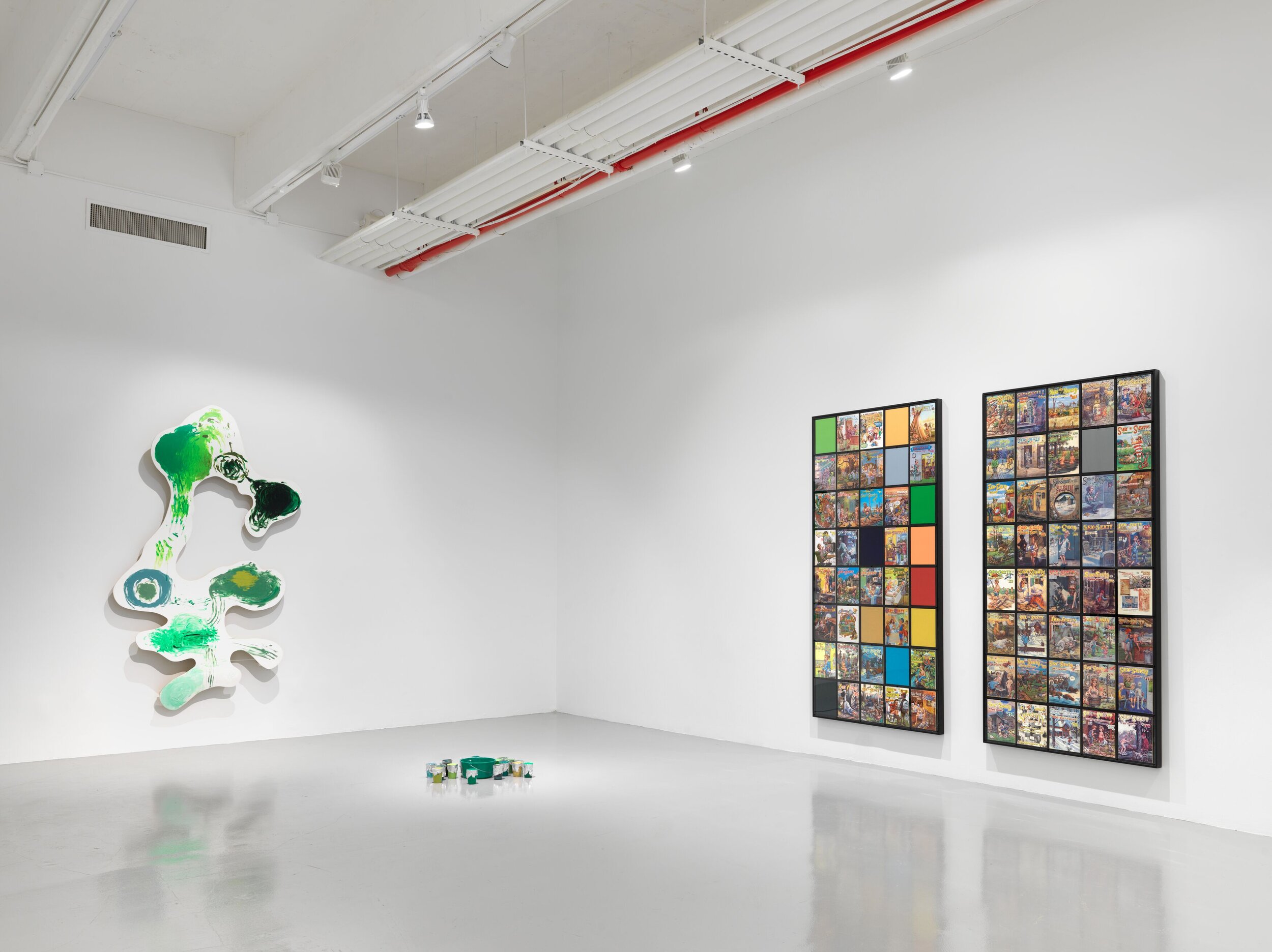
Over the course of his four-decade career, Mike Kelley generated a remarkably diverse oeuvre in an array of media, conflating so-called high culture and low culture, critiquing prevailing aesthetic conventions, and combining traditional notions of the sacred and the profane. The exhibition, organized in collaboration with the Mike Kelley Foundation for the Arts, features paintings from different series created over a 15-year period, between 1994 and 2009, spotlighting the breadth of the artist’s engagement with the medium of painting.
The Timeless Painting exhibition and publication contribute new perspectives to the discourse around the artist’s work, challenging conventional readings by exploring Kelley’s own meticulously documented intentions as a point of departure; resituating these works within the larger formal context of his oeuvre; and expanding traditional definitions of painting.
Mike Kelley: Timeless Painting is on view through January 25, 2020 @ Hauser & Wirth 548 West 22nd Street
New York
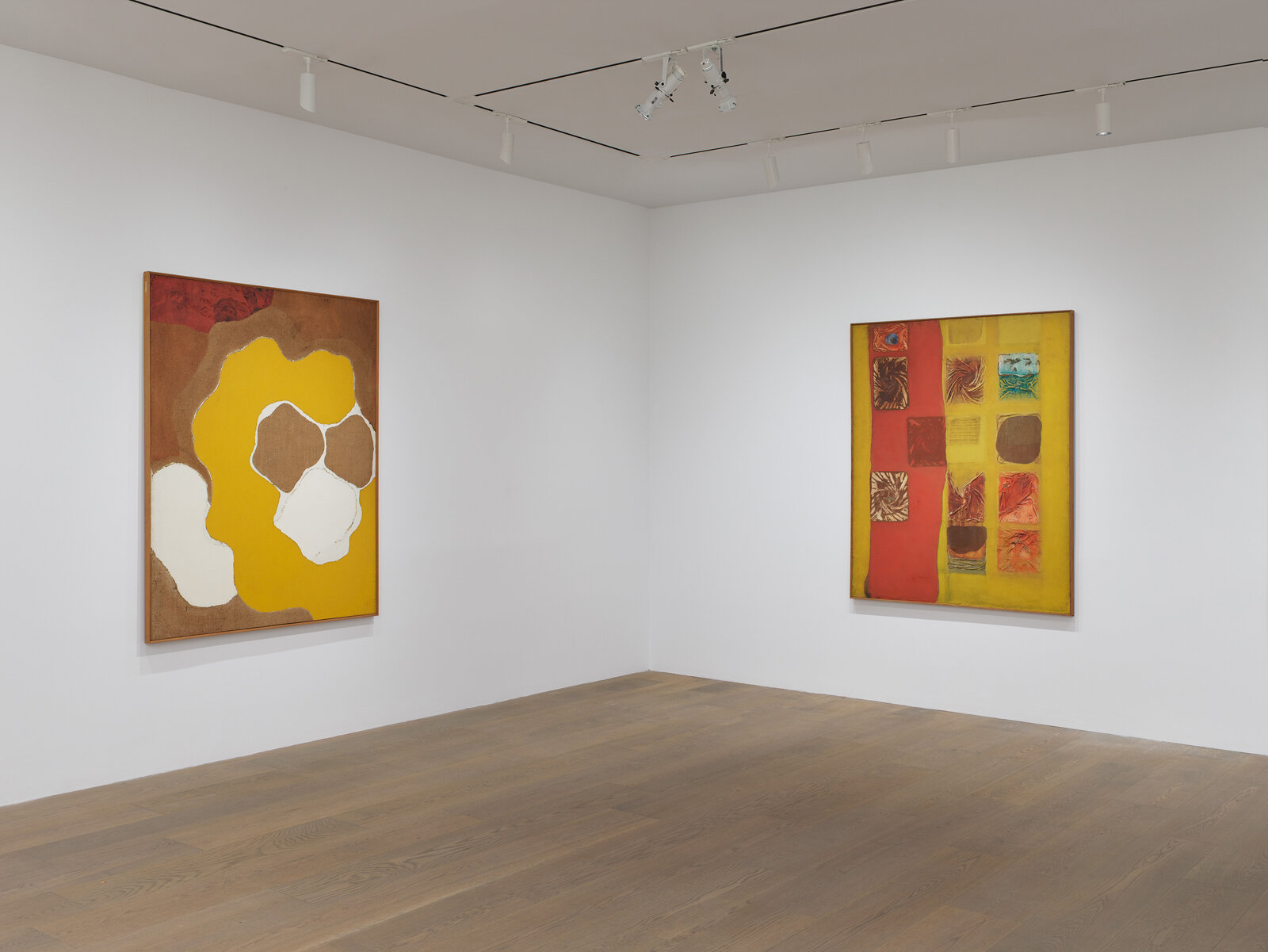
Installation view, Chung Sang-Hwa: Excavations, 1964-78, Lévy Gorvy, New York, 2019. Photo: Elisabeth Bernstein
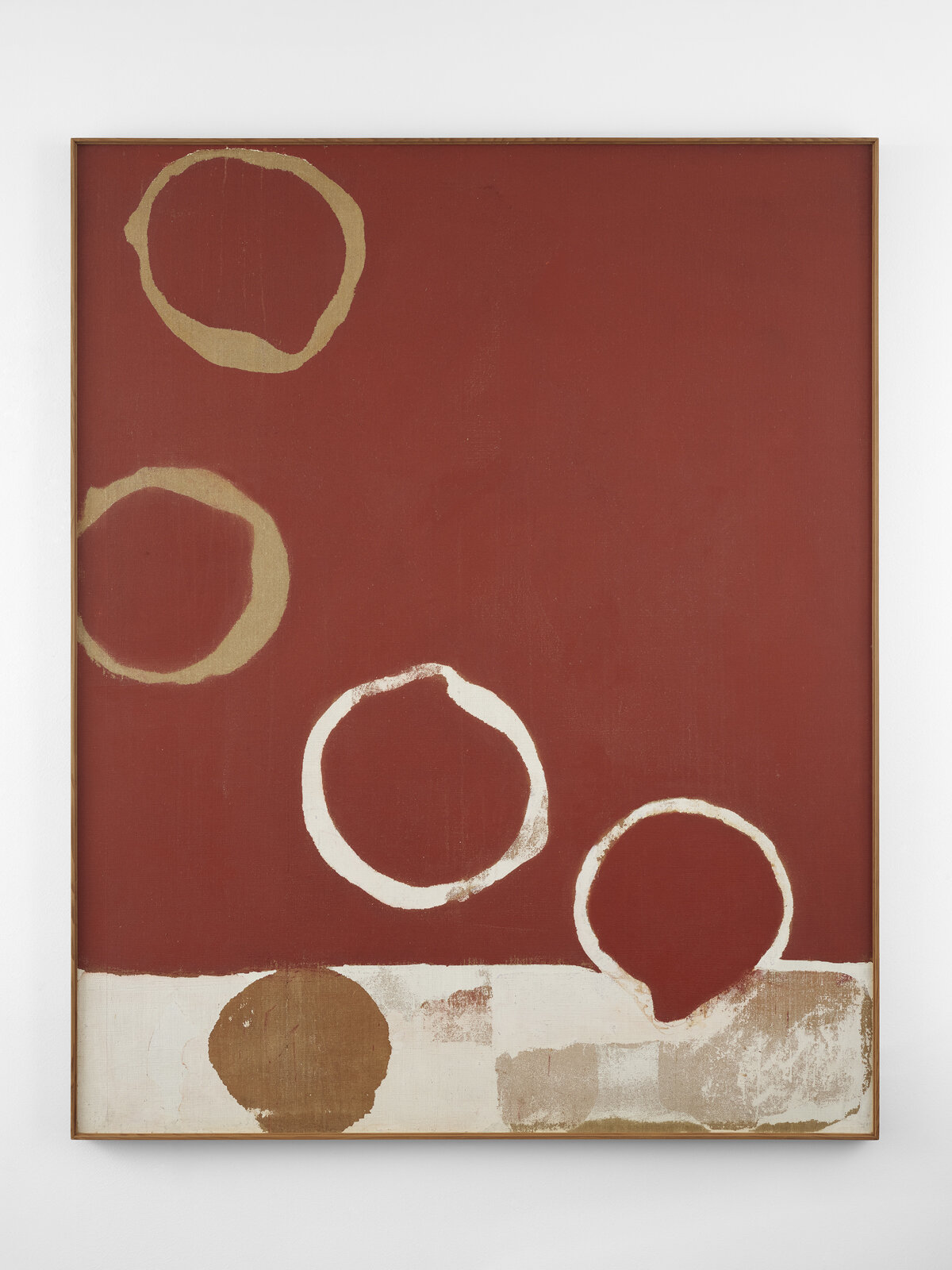
CHUNG SANG-HWA
Work 70-9-15
1970
Acrylic and oil on canvas
63.86 x 51.3 inches (162.2 x 130.3 cm)
© Chung Sang-Hwa
Courtesy Lévy Gorvy, New York and Gallery Hyundai, Seoul Photo: Elisabeth Bernstein
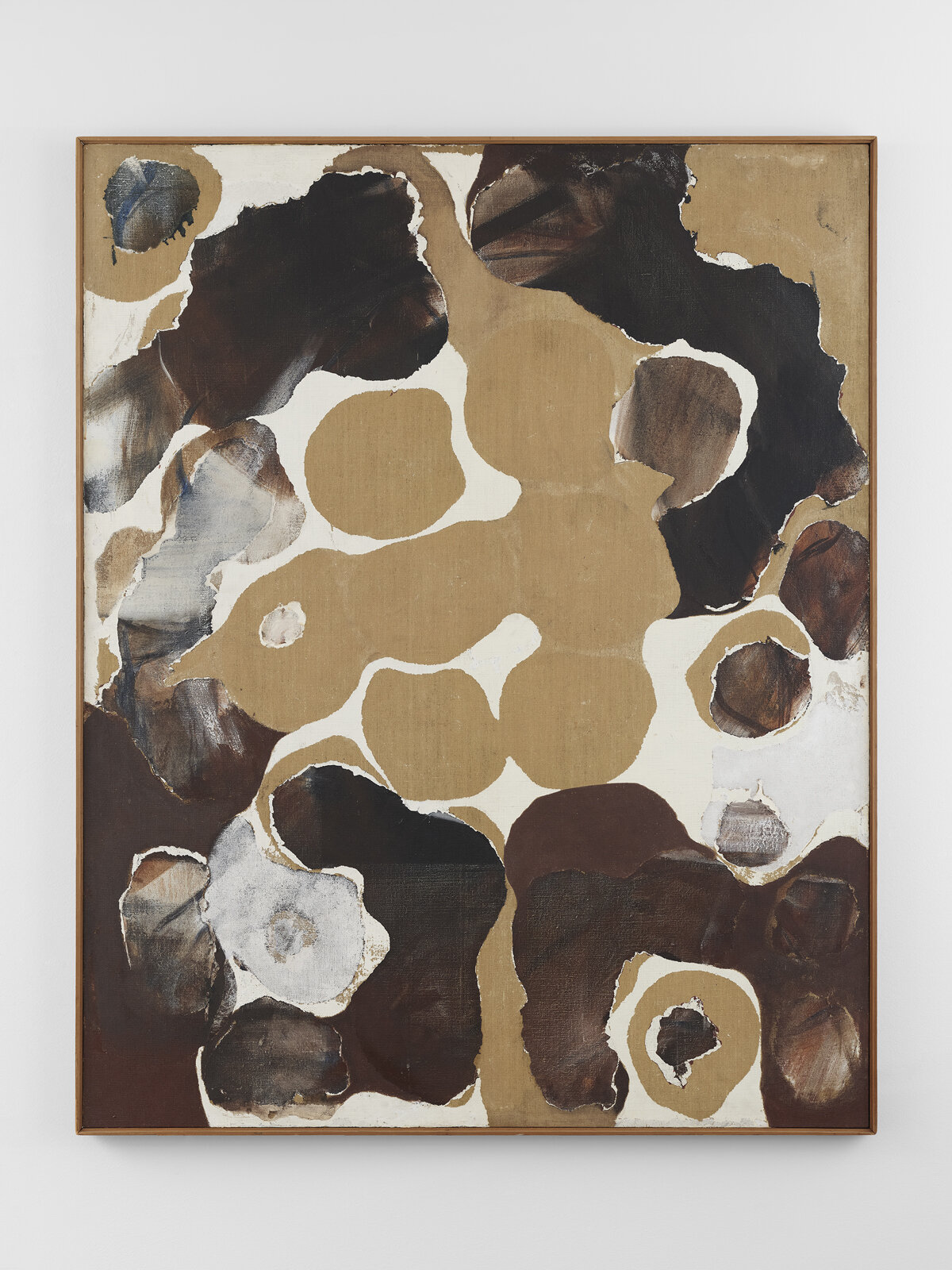
CHUNG SANG-HWA
Work K-3
1970
Acrylic, kaolin and oil on canvas
64.02 x 51.3 inches (162.2 x 130.3 cm)
© Chung Sang-Hwa
Courtesy Lévy Gorvy, New York and Gallery Hyundai, Seoul Photo: Elisabeth Bernstein

Installation view, Chung Sang-Hwa: Excavations, 1964-78, Lévy Gorvy, New York, 2019. Photo: Elisabeth Bernstein
Chung Sang-Hwa: Excavations, 1964–78 is an exhibition of paintings from a formative era of Chung’s five-decades-long career. It includes works from a crucial period in which the Korean master was immersed in the international avant-garde milieus of both Asia and Europe. The paintings illuminate the conceptual and technical trajectories that led Chung to the profoundly original, finely honed approach that defines the art of his mid and late career. By highlighting the eclectic transnational influences in which Chung was immersed throughout the 1960s and ’70s, the exhibition provides rare insight into the progression of his practice, in order to galvanize discourse surrounding Chung’s singular approach to the medium.
Excavations, 1964–78 is on view through January 18, 2020 @ Levy Gorvy 909 Madison Avenue New York. photographs courtesy of the gallery
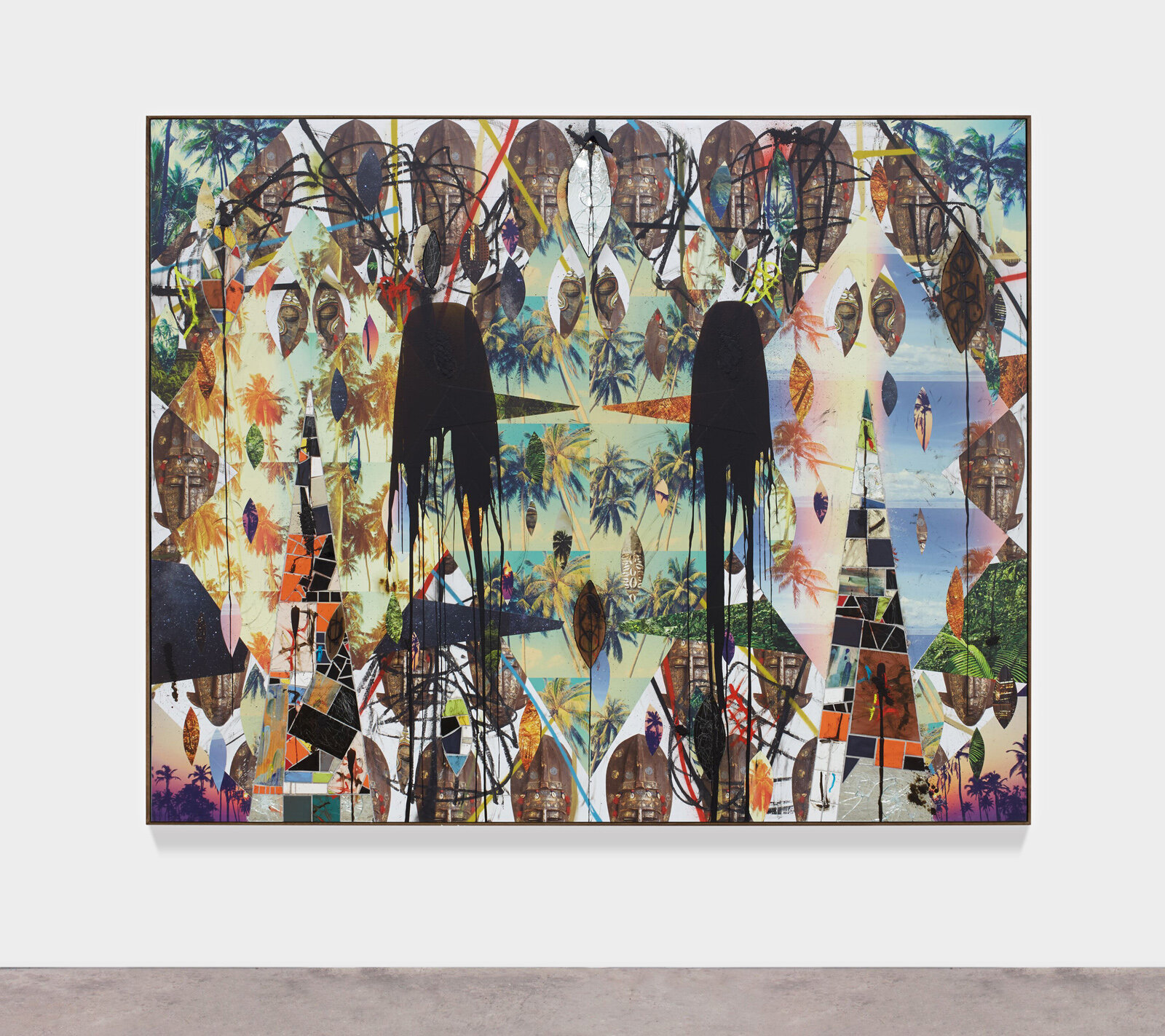
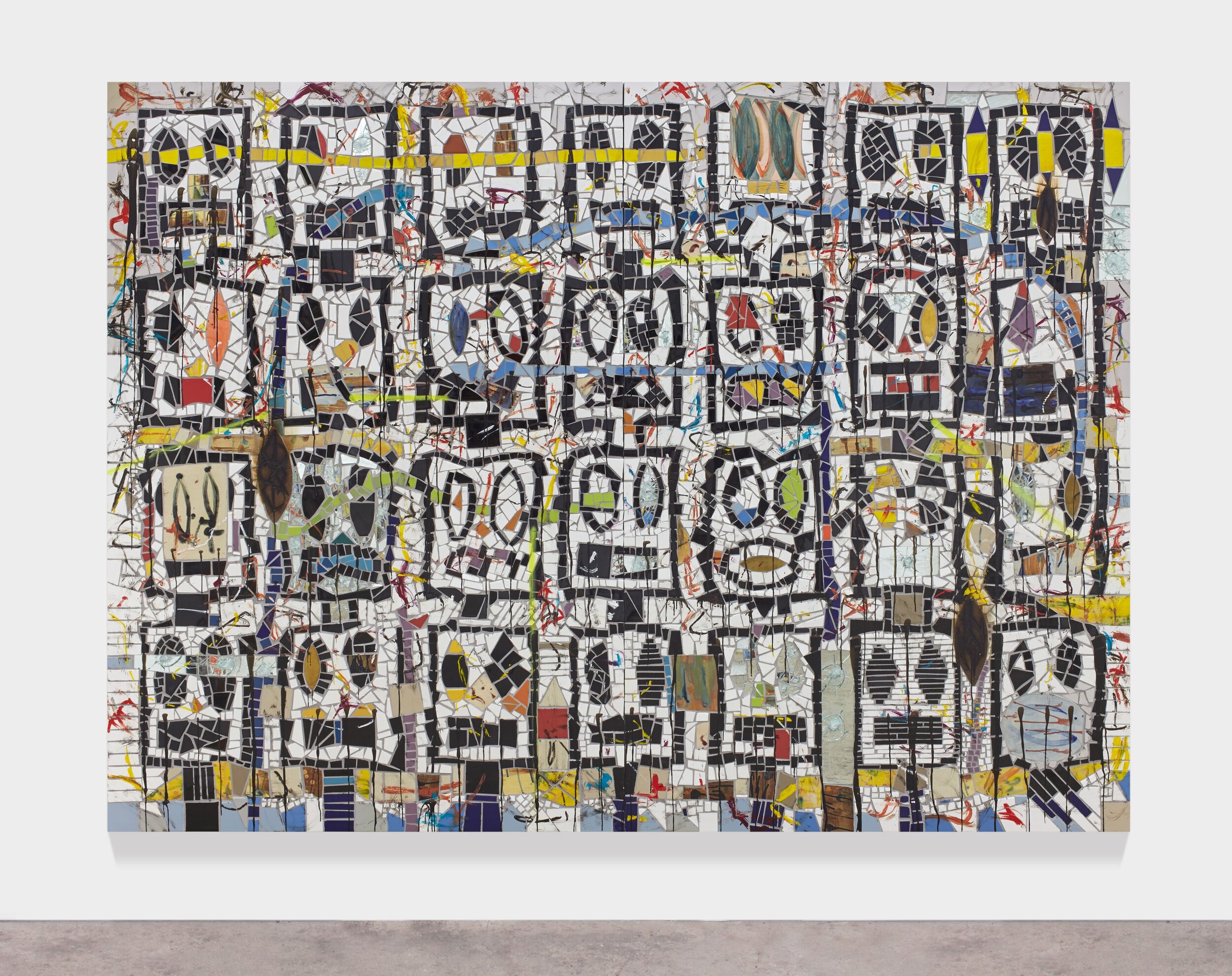
Untitled Escape Collage
2019
Ceramic tile, mirror tile, branded red oak flooring, vinyl, spray enamel, oil stick, black soap, wax
246.4 x 307.3 x 6.4 cm / 97 x 121 x 2 1/2 in
Photo: Martin Parsekian
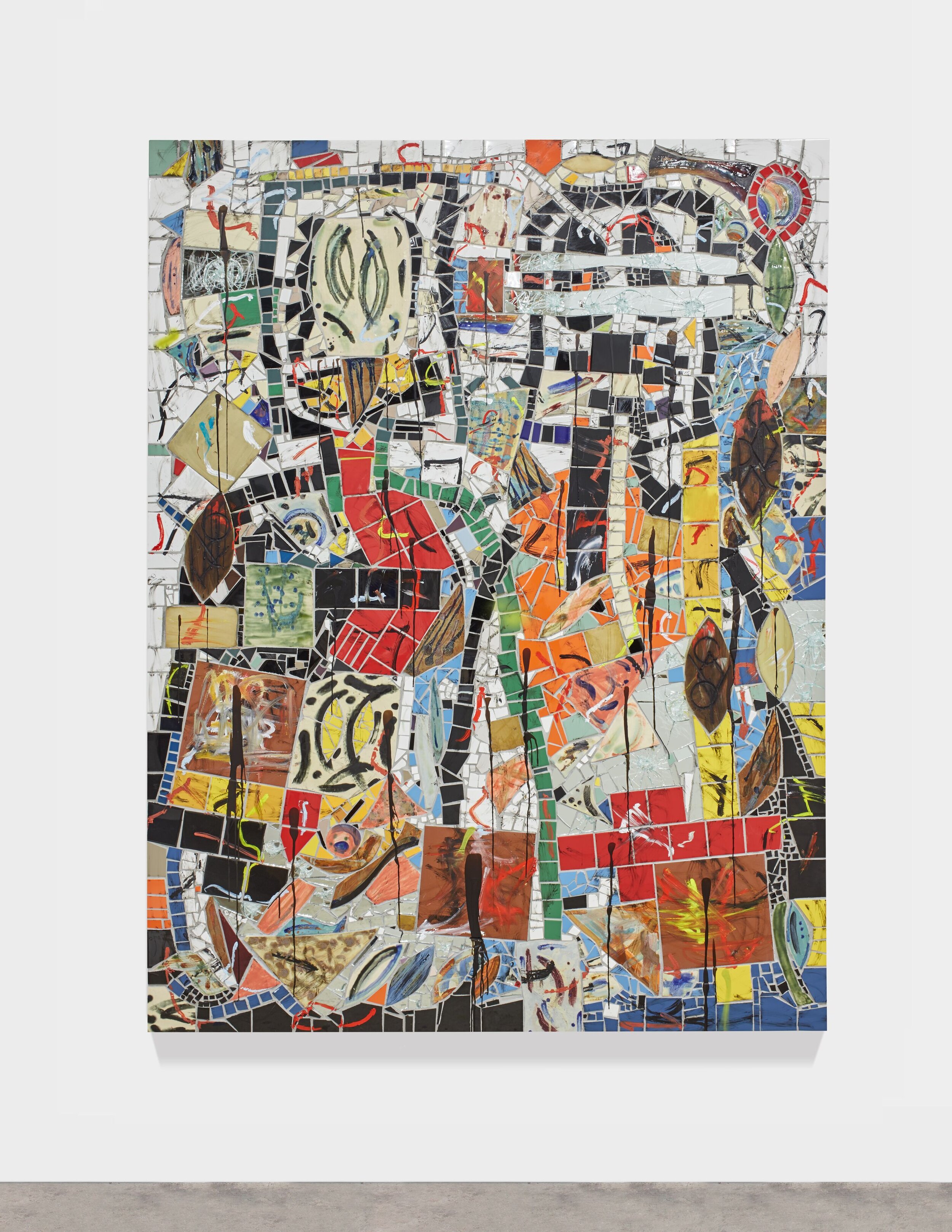
Two Standing Broken Men
2019
Ceramic tile, mirror tile, spray enamel, bronze, oil stick, branded red oak flooring, black soap, wax
243.2 x 182.6 x 7.6 cm / 95 3/4 x 71 7/8 x 3 in
Photo: Martin Parsekian
Untitled Broken Crowd
2019
Ceramic tile, mirror tile, spray enamel, bronze, oil stick, branded red oak flooring, black soap, wax
240 x 326.4 x 7.6 cm / 94 1/2 x 128 1/2 x 3 in
left: H.96 W.66 D.3 in
right: H.96 W.66 D.3 in
Photo: Martin Parsekian
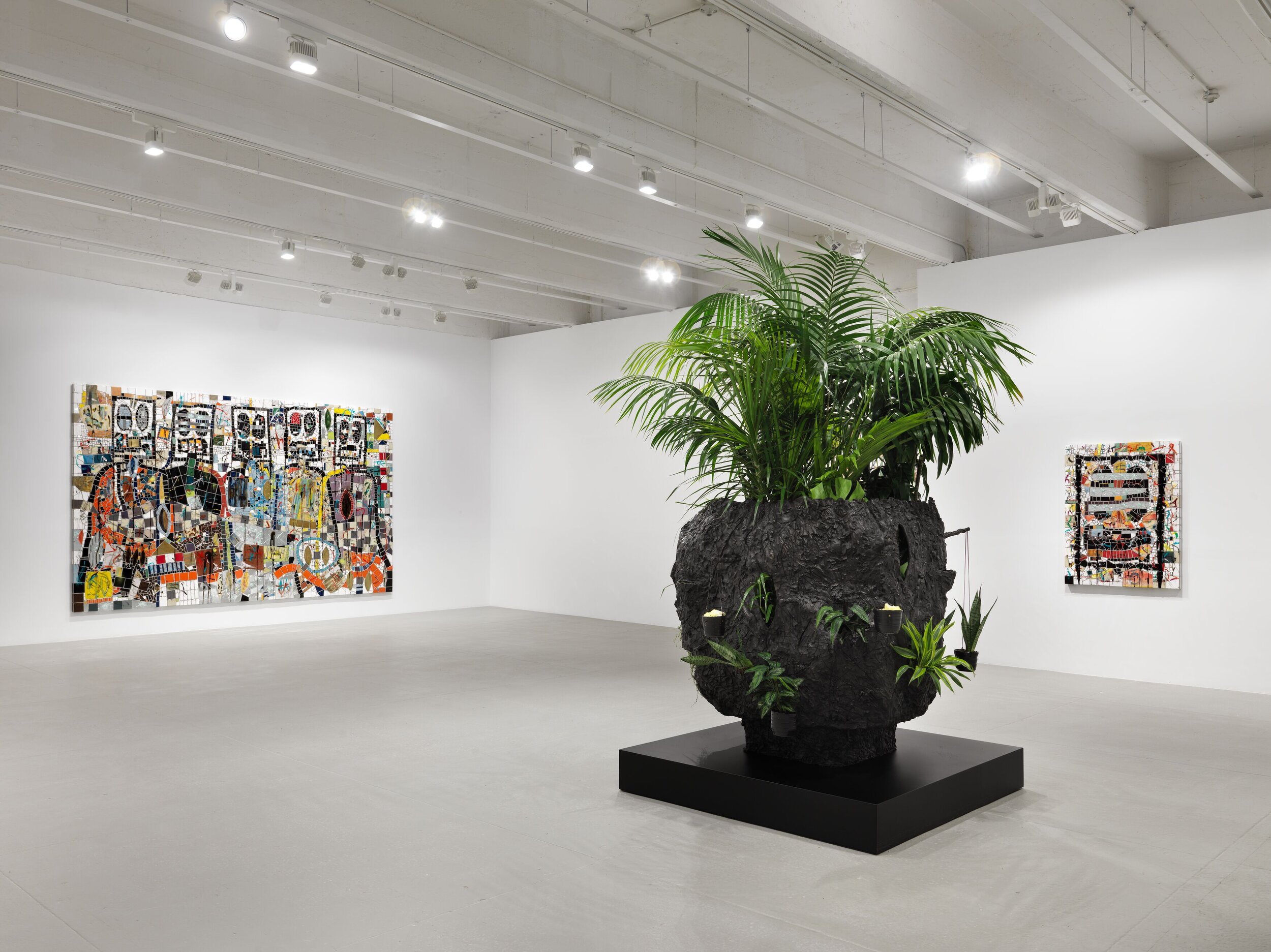
Installation view, Rashid Johnson ‘The Hikers,’ Hauser & Wirth New York, 22nd Street, 2019.
© Rashid Johnson
Courtesy the artist and Hauser & Wirth
Photo: Dan Bradica
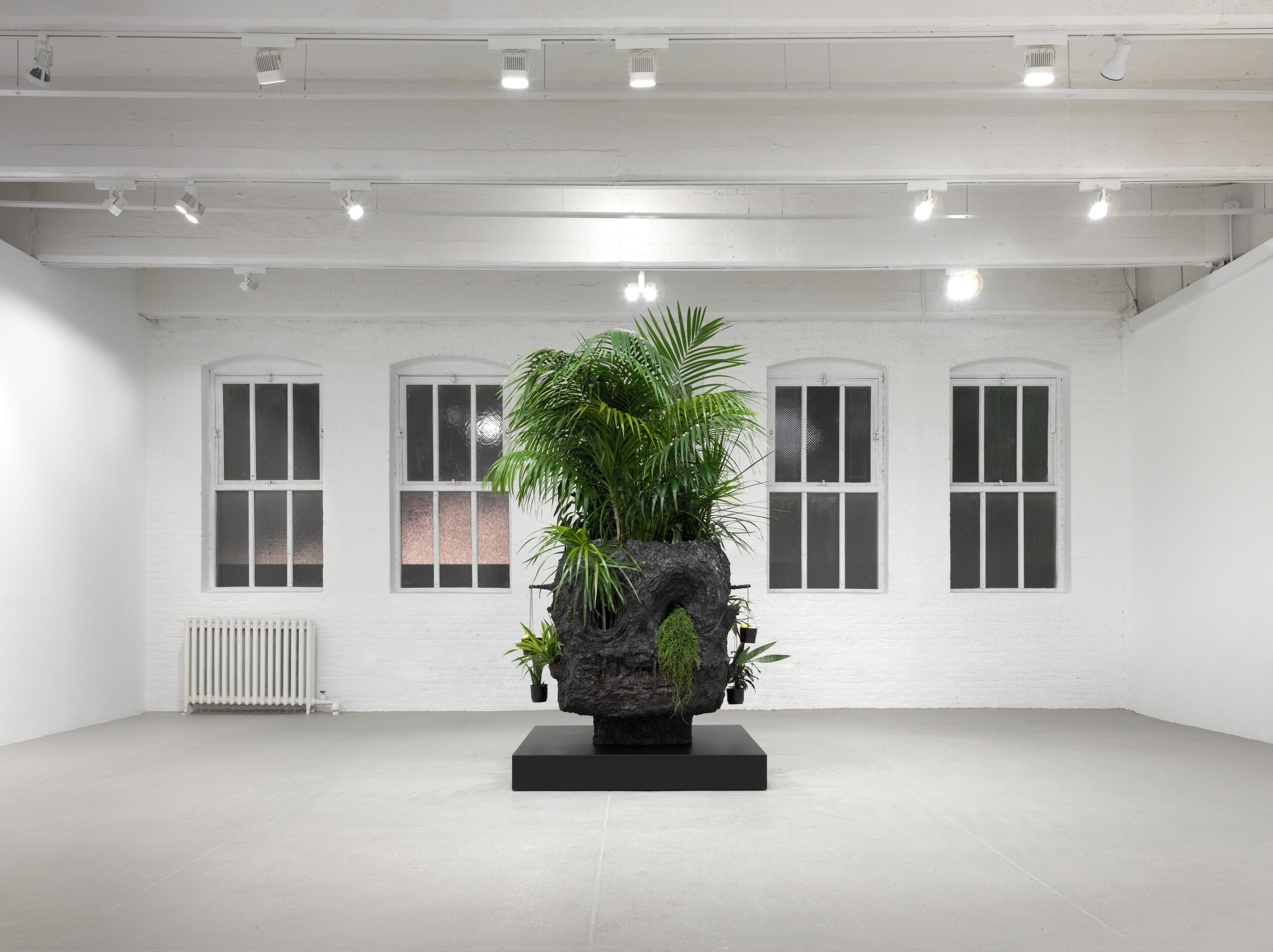
Installation view, Rashid Johnson ‘The Hikers,’ Hauser & Wirth New York, 22nd Street, 2019.
© Rashid Johnson
Courtesy the artist and Hauser & Wirth
Photo: Dan Bradica
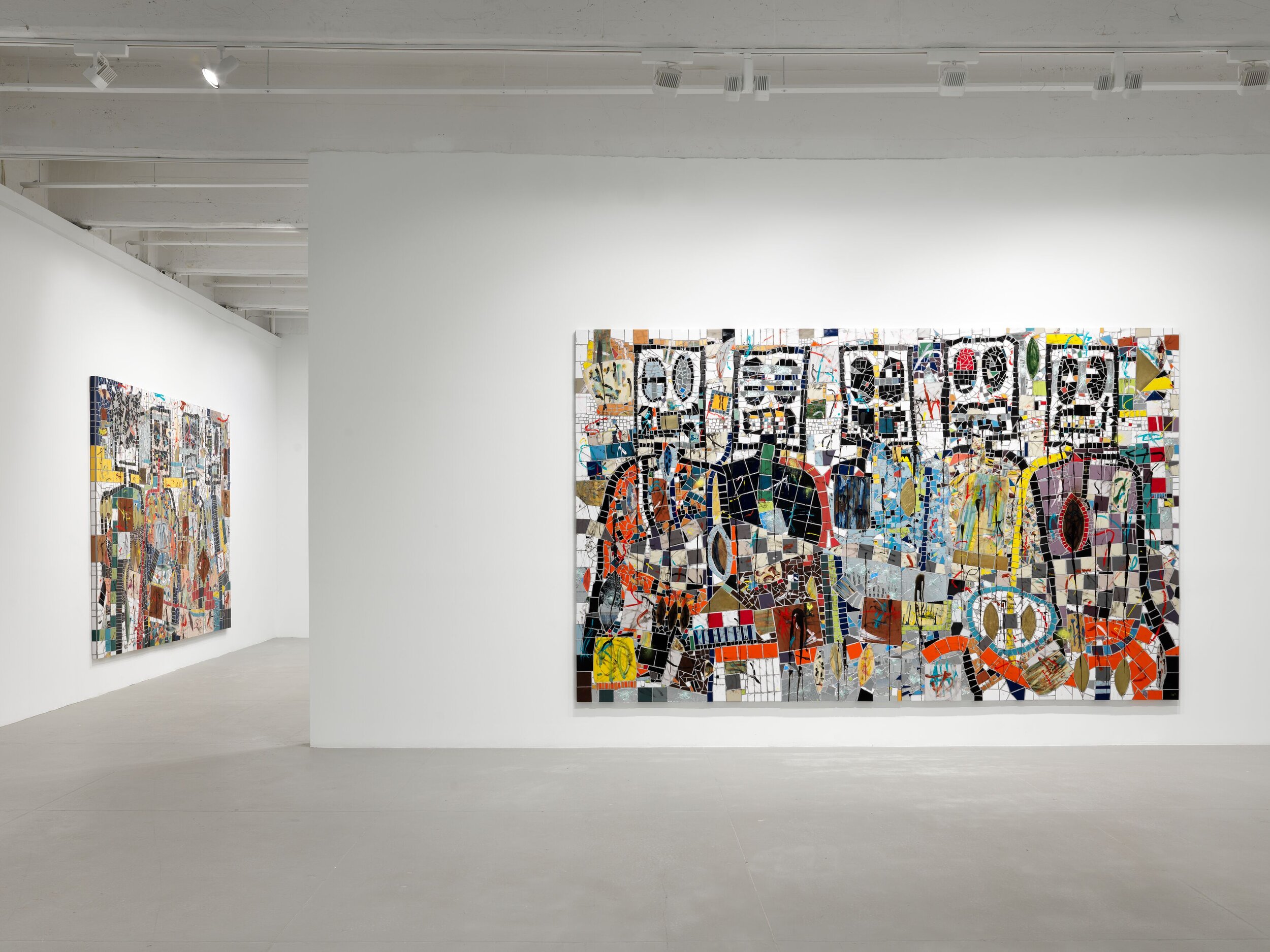
Installation view, Rashid Johnson ‘The Hikers,’ Hauser & Wirth New York, 22nd Street, 2019.
© Rashid Johnson
Courtesy the artist and Hauser & Wirth
Photo: Dan Bradica
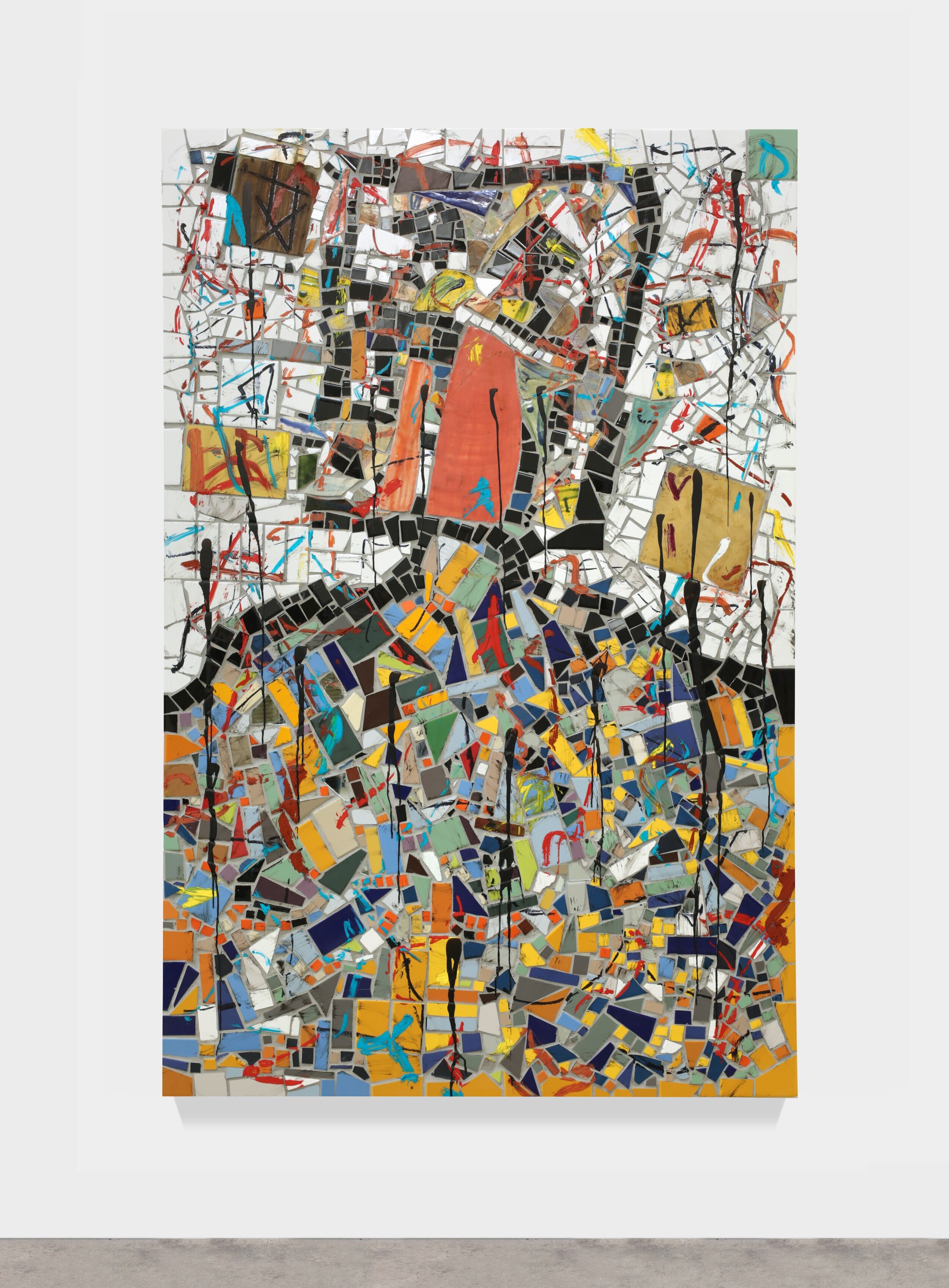
Portrait of a Broken Man
2019
Ceramic tile, mirror tile, spray enamel, bronze, oil stick, branded red oak flooring, black soap, wax
186.1 x 121.9 x 7.6 cm / 73 1/4 x 48 x 3 in
Photo: Martin Parsekian
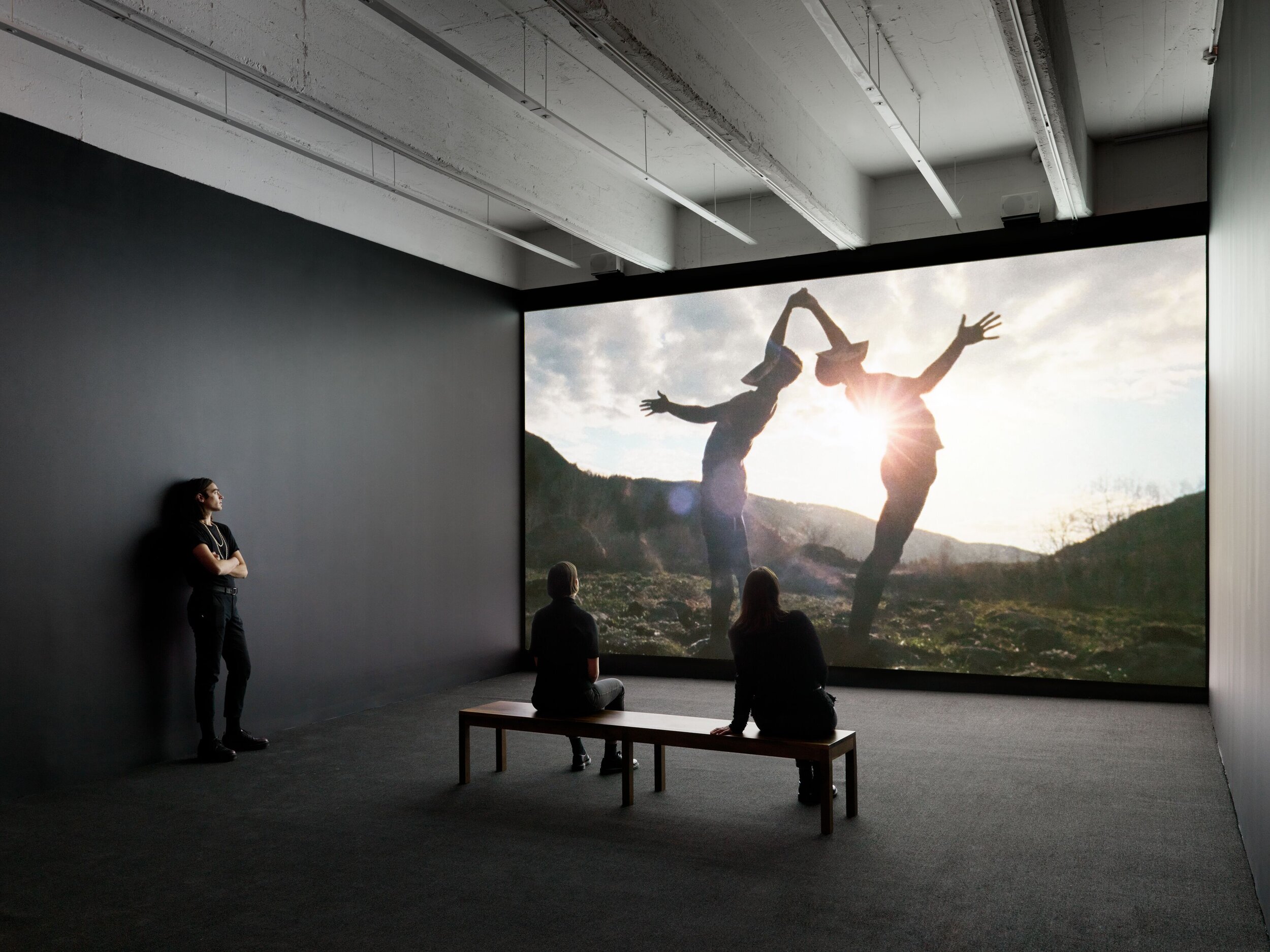
Installation view, Rashid Johnson ‘The Hikers,’ Hauser & Wirth New York, 22nd Street, 2019.
© Rashid Johnson
Courtesy the artist and Hauser & Wirth
Photo: Dan Bradica
The Hikers unfolds through five rooms in a formal arrangement that echoes the fragmentation and accumulation of Johnson’s mosaics and collaged works on display. The viewer is first greeted by three monumental mosaics, each comprised of myriad materials familiar from the artist’s practice: multi-color ceramic and mirror tile, oil stick, black soap, wax, and branded red oak flooring. These works evolved out of Johnson’s Anxious Men and Anxious Audiences (2015 – 2018), earlier series in which frenzied, abstracted faces were rendered in black soap and wax on a grid of white tiles. Here, his images of Broken Men and their fellows explode in a storm of bold hues, errant drips of wax, splashes of paint, and splintered surfaces.In these new works, Johnson pushes the anxiety of his figures to a breaking point, both metaphorically and physically. Whether portrayed alone or in groups, as in ‘Broken Crowds’ (2019), on view in the exhibition’s second room, these broken figures speak to collective and individual identities caught in the midst of shifting social realities. As injustices and racial conflicts in the US have continued to flare, Johnson’s works have likewise become more charged and dystopian than their earlier Anxious counterparts.
Rashid Johnson: The Hikers is on view through January 25, 2020 @ Hauser & Wirth 548 West 22nd Street
New York