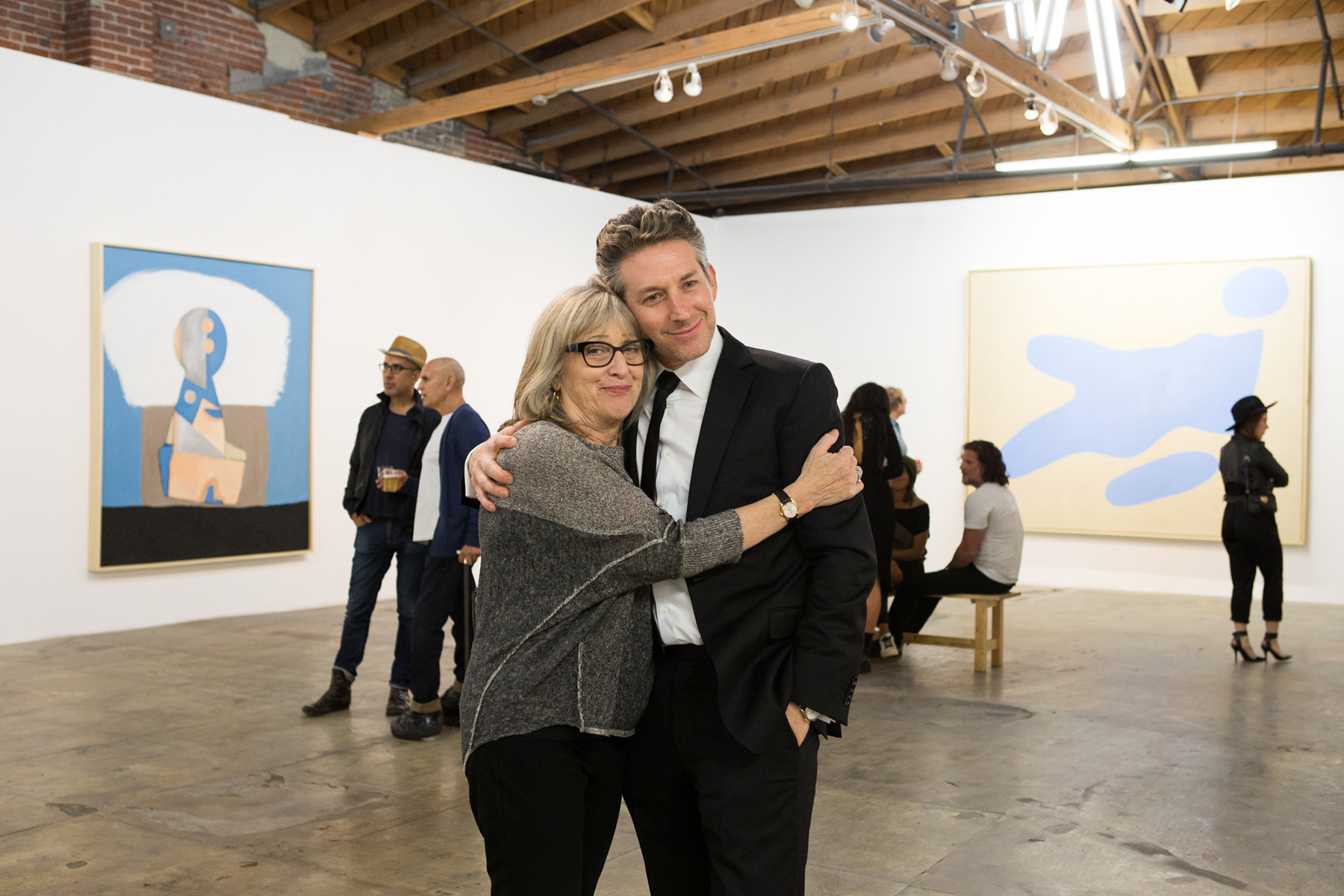
Rocío García and Carmen Maria Machado Navigate the Joys and Horrors of Power and Submission

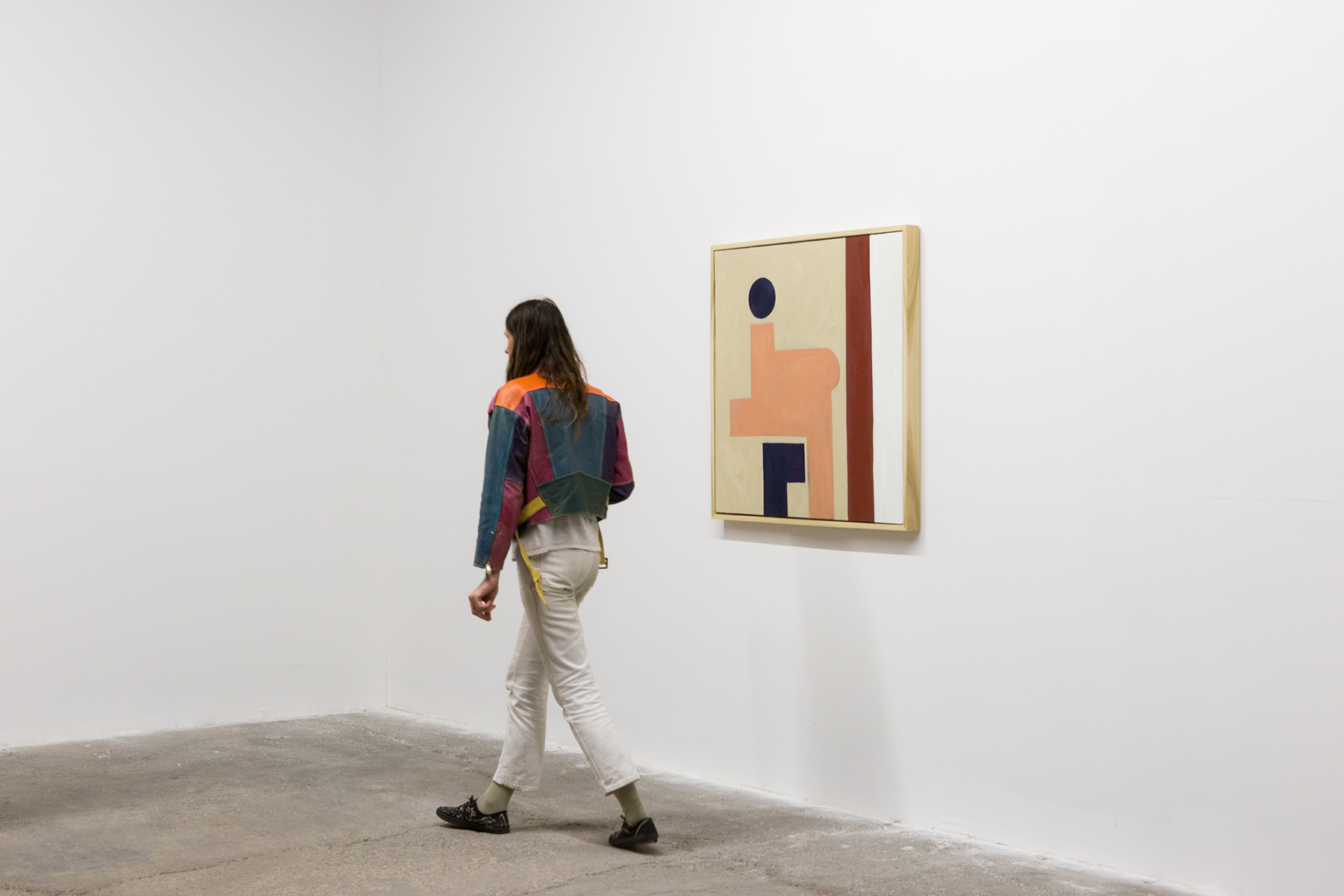
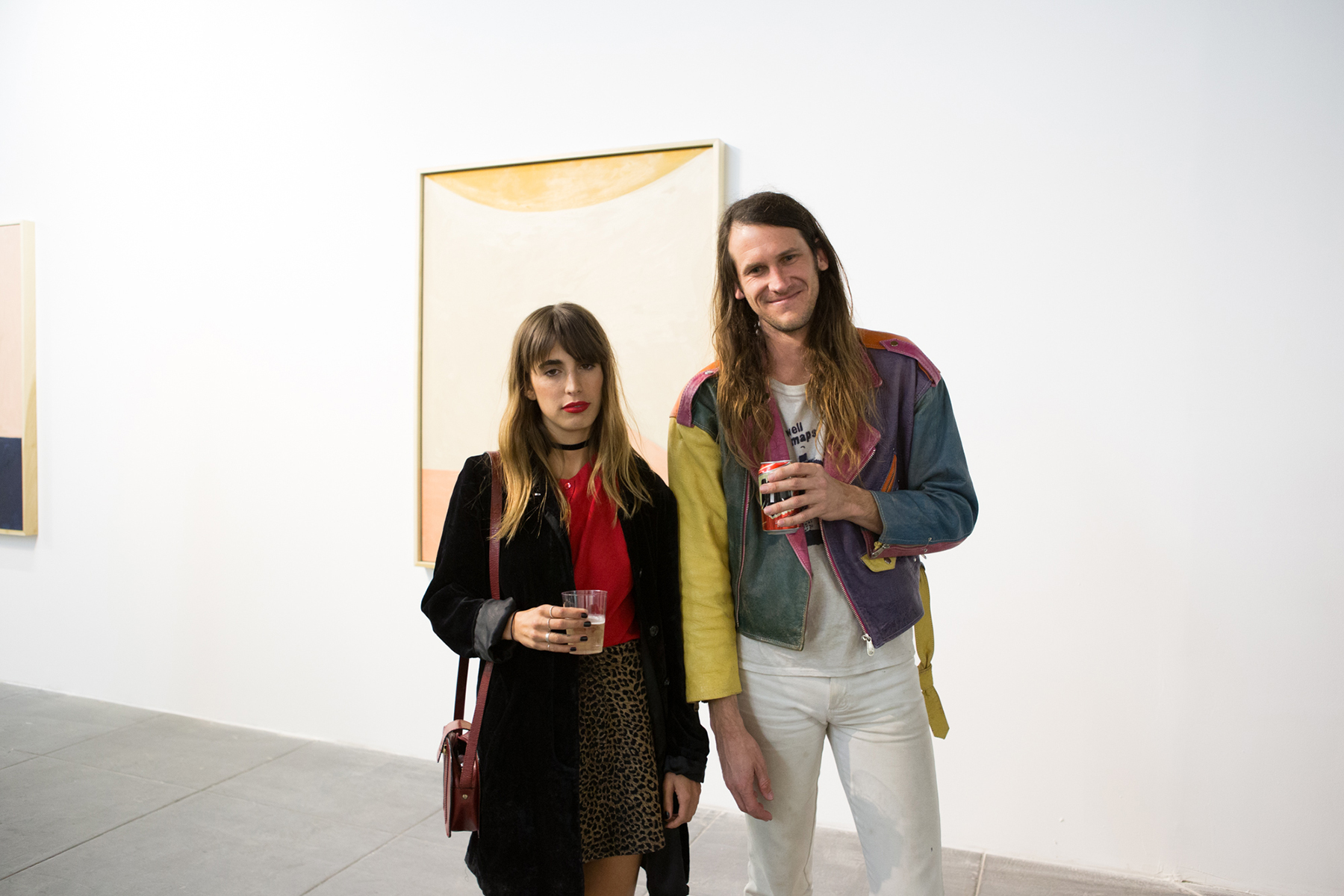
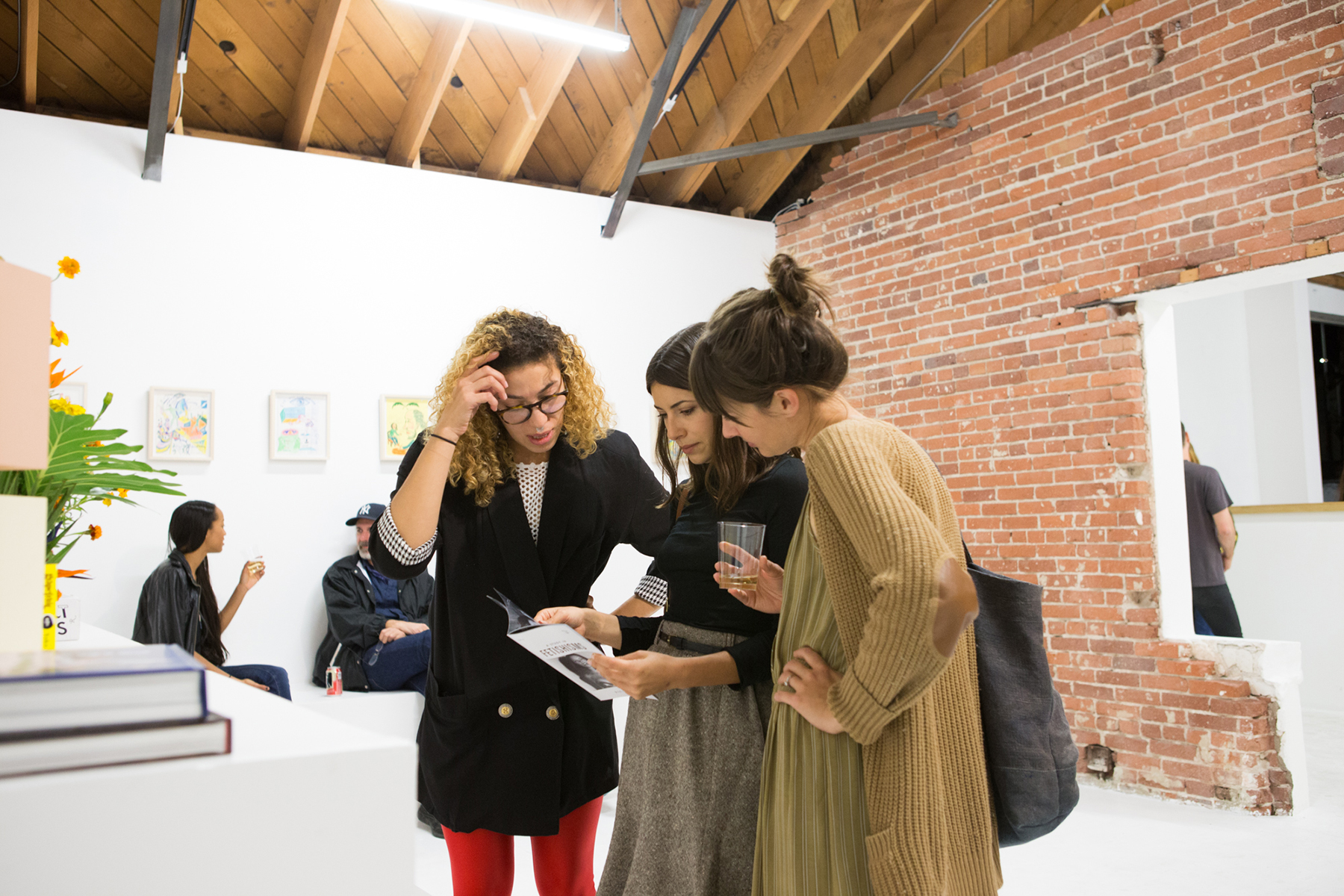
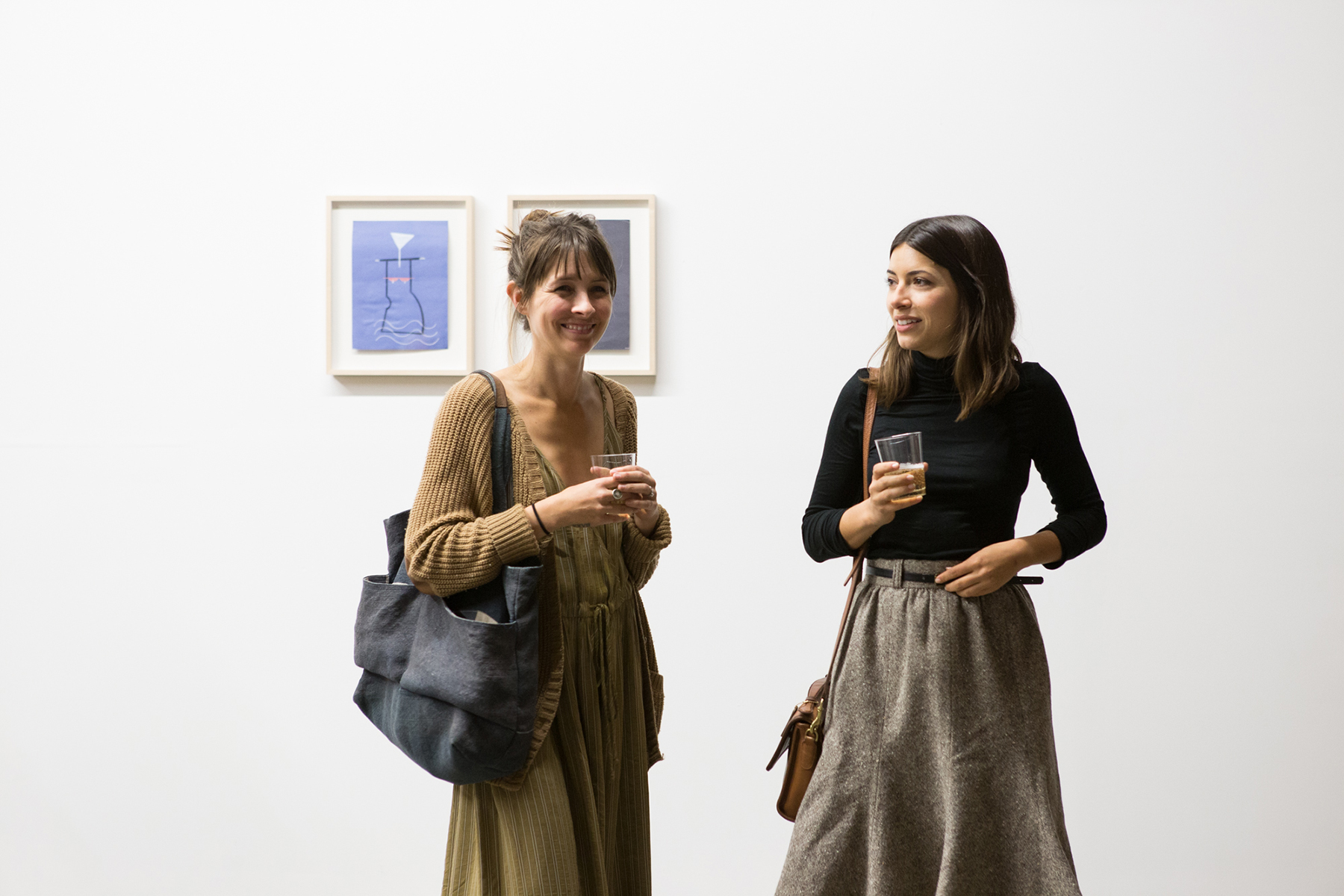
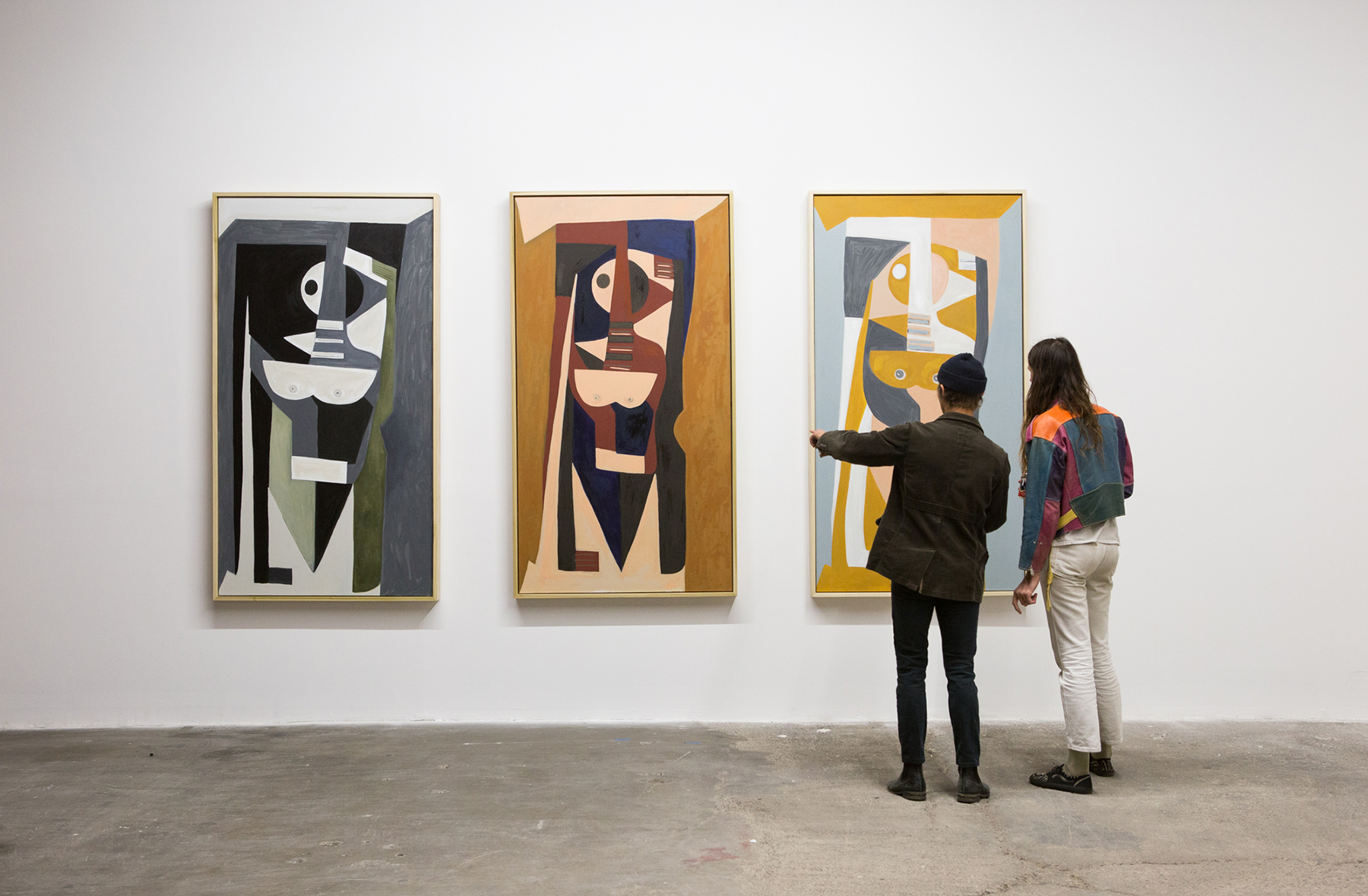
Installation view. Photograph by Garrett Carroll

text by Hank Manning

Rocío García’s oil paintings look like frames taken from a movie’s climax. We wonder what led to the perilous conundrums depicted and if the subjects will get out safely or meet their demise. With a single perspective and key details cropped out, both the viewer and subject have only a partial understanding of the situation. Within every scene, there is a composite of genres—action, drama, mystery, horror, comedy. Headless men are chained together and handcuffed, whilst curiously riding rollerskates. Another headless man, this one with chicken feet, guards his bed with a rifle, while the decapitated heads of his prey above have seemingly reincarnated to plot against him. A fierce-looking man called Jack the Punisher stands shirtless in the snow, seemingly held captive by a small rabbit. 


Rocío García
Magia blanca, 2012
From the series El regreso de Jack el Castigador
oil on canvas
79 × 85.5 in
Photograph by Garrett Carroll


The exhibition is a collaboration between García and the author Carmen Maria Machado, whose memoir In the Dream House focuses on an abusive same-sex relationship. Machado, here in her first curation, wrote captions that thoughtfully explore some of the context the paintings so demand. She chose the show’s title, The Object of Power is Power, from George Orwell’s 1984. The paintings certainly support the assertion that people seek power without any need for external reward, but for sheer enjoyment of power itself. The works interrogate the multidimensionality of power—how individuals and institutions dominate one another through force, but also through voluntary and even enthusiastic consent. Power is a subject that naturally blends genres. It is sometimes simultaneously horrifying and hilarious, demeaning and arousing. It often feels permanently entrapping, though it may only truly endure for a brief period. 


Rocío García
La Bella Samurai, 2021
From the series Bella floras del mal
oil on canvas
63 x 75 in


Personality differences sometimes naturally precipitate power dynamics—in romantic couples, a confident, assertive partner may exert power over one who is more apprehensive. García draws on another literary influence in the painting La Bella Samurai, named after Charles Baudelaire’s book of poetry. Two women sit in a bath in a bright turquoise room. One of them appears relaxed, drinking a glass of wine, while the other, on high alert, grips a samurai sword, as she looks outward at the viewer. Clearly, love can feel like one thing for one partner and at the same time something very different to another. Baudelaire’s Le Vin de l’Assassin described the “dark enchantments” of love. García and Machado also clearly highlight the frequent anxiety involved. They further challenge the misogynistic tropes associated with femininity and, in particular, lesbian relationships, by showing that these dynamics are just as complex as any other. The sword contrasts symbols of domesticity also on view, including brushes, slippers, and flowers. 

Rocío García
Like the Last Blues (Triptico), 2006
From the series El Thriller
oil on canvas
all works 47 x 55 in
Photograph by Garrett Carroll

The exhibition links these intimate, natural power dynamics with those entirely artificial and at a systemic level. Like the Last Blues, a triptych, depicts a scene of tied-up and gagged migrants under the discretion of one free man who wields a passport. Besides the shackles and binds seen in most paintings (which Machado reminds us may be applied either by force or by choice), weapons, here swords and guns, can reinforce or reshuffle existing hierarchies. 

The large canvases are not black and white—neither literally nor figuratively. They all feature otherworldly bright colors, like Technicolor film cranked to maximum saturation. Likewise, most do not portray obvious good and evil. Neither García’s paintings nor Machado’s pontifications encourage us to root for or against any of the subjects, although many of them seem moments away from determining a winner and a loser, whether a victim escapes or succumbs, or if a complete reversal of fortune could occur. Power exists for its own sake, but it may be natural or man-made, voluntary or enforced, benevolent or destructive, or somehow, all of these contradictions simultaneously. 

The exhibition forces us to consider how to balance the power we give up. Some amount of vulnerability is pleasurable, and even necessary for social and romantic relationships. But erring too far towards submission leaves us vulnerable to abuse, both by individuals and the state. 

Rocío García: The Object of Power is Power is on view through September 20 at the Leslie-Lohman Museum of Art, 26 Wooster Street, New York
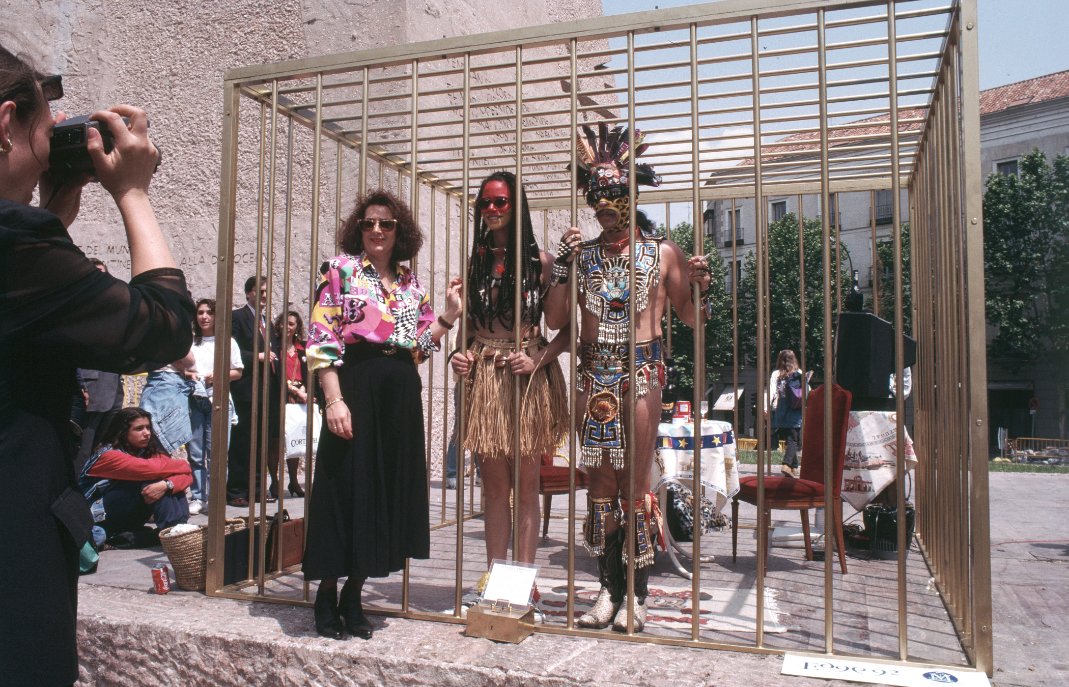
Tomorrow, I Will Become an Island Charts Coco Fusco's Radical Path of Social Reckoning @ KW Institute in Berlin

Tomorrow, I Will Become an Island is the first major retrospective of Cuban-American artist Coco Fusco (b. 1960, US). For more than three decades, she has been a key voice in discourses on racial representation, feminism, postcolonial theory, and institutional critique. The exhibition seeks to trace the profound influence that Fusco’s work has had on contemporary art discourses in the Americas and Europe. To do so, it features a broad selection of the artist’s videos, photography, texts, installations, and live performances from the 1990s to the present day.
With her multidisciplinary practice, Fusco explores the ways that intercultural dynamics affect the construction of the self and ideas about cultural otherness. Her work is informed by multicultural and postcolonial discourses as well as feminist and psychoanalytic theories. Her investigation of intercultural dynamics has led her to develop art projects about ethnographic displays, animal psychology, sex tourism in the Caribbean, labor conditions in free trade zones, suppressed colonial records of Indigenous struggles, and the military interrogation techniques used in the war on terror. Her more recent work focuses on the relationship between poetry and revolutionary politics in Cuba.
The exhibition is loosely structured along these various interconnected themes. As such, Tomorrow, I Will Become an Island shows the breadth of Fusco’s artistic practice that is highly relevant considering current political and cultural debates in Germany and beyond.

Tomorrow, I Will Become an Island is on view through January 24th, 2024, at the KW Institute for Contemporary Art in Berlin at Auguststraße 69, 10117 Berlin, Germany

Marco Castillo Presents The Decorator's Home @ UTA Artist Space in Los Angeles

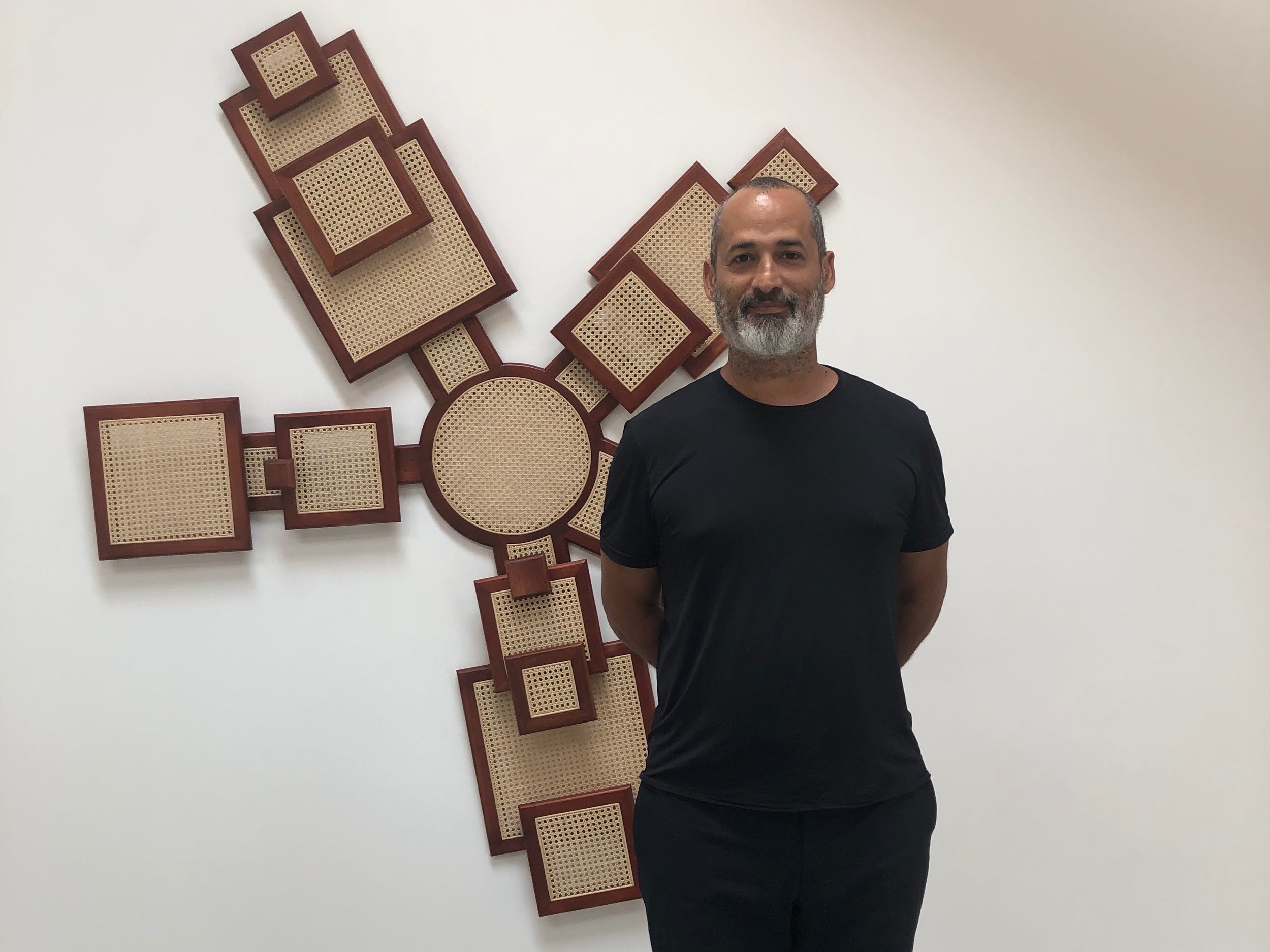
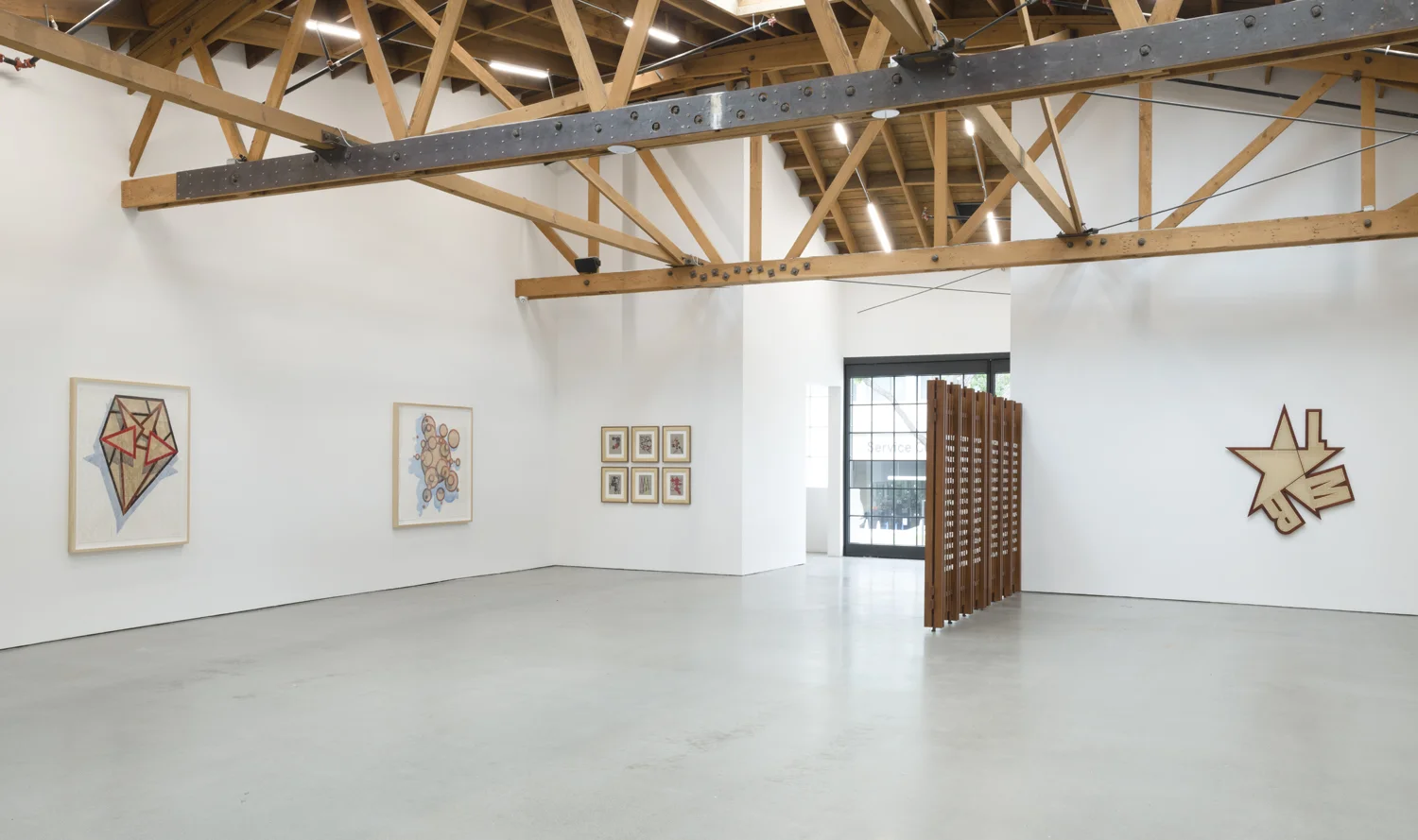
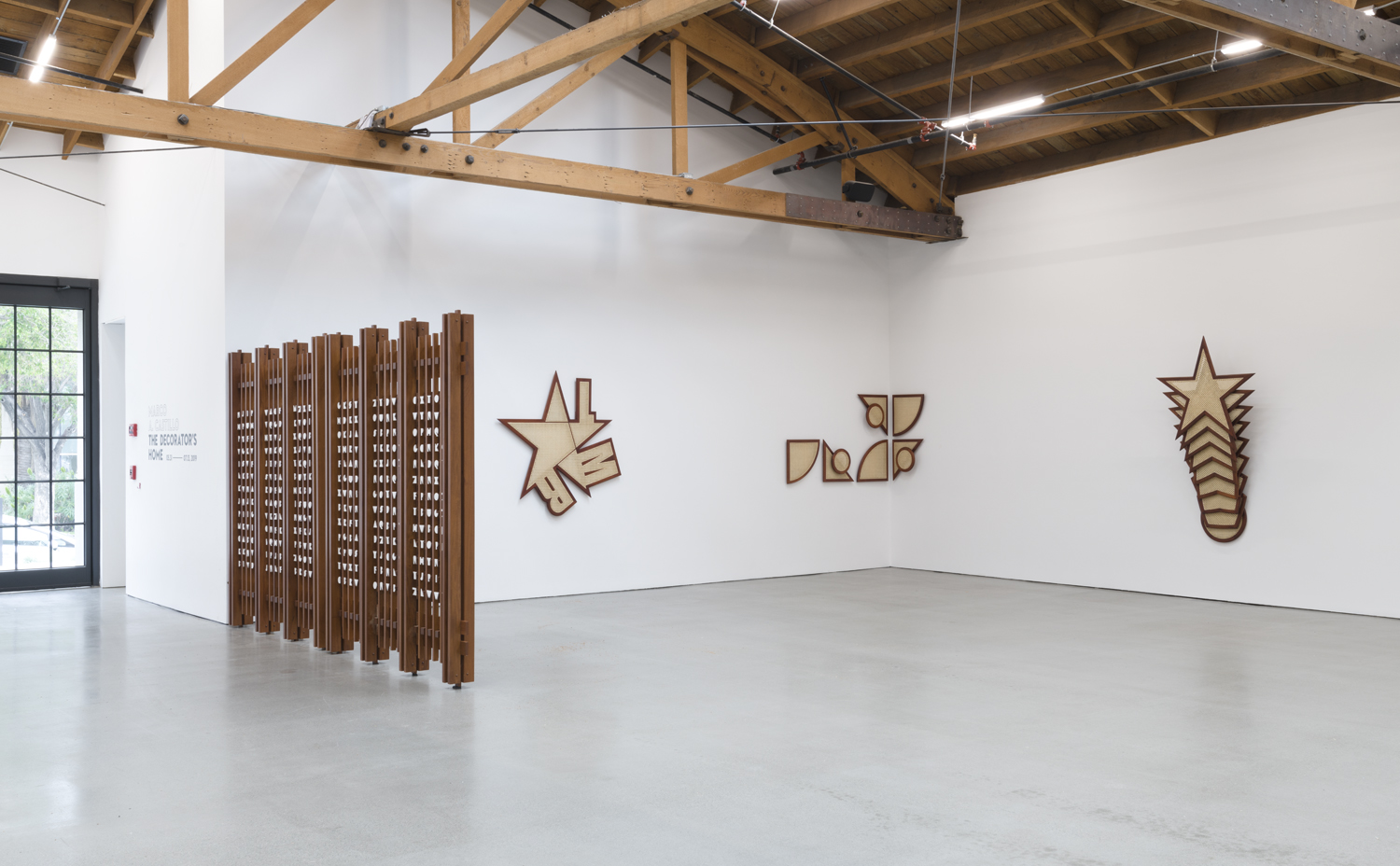
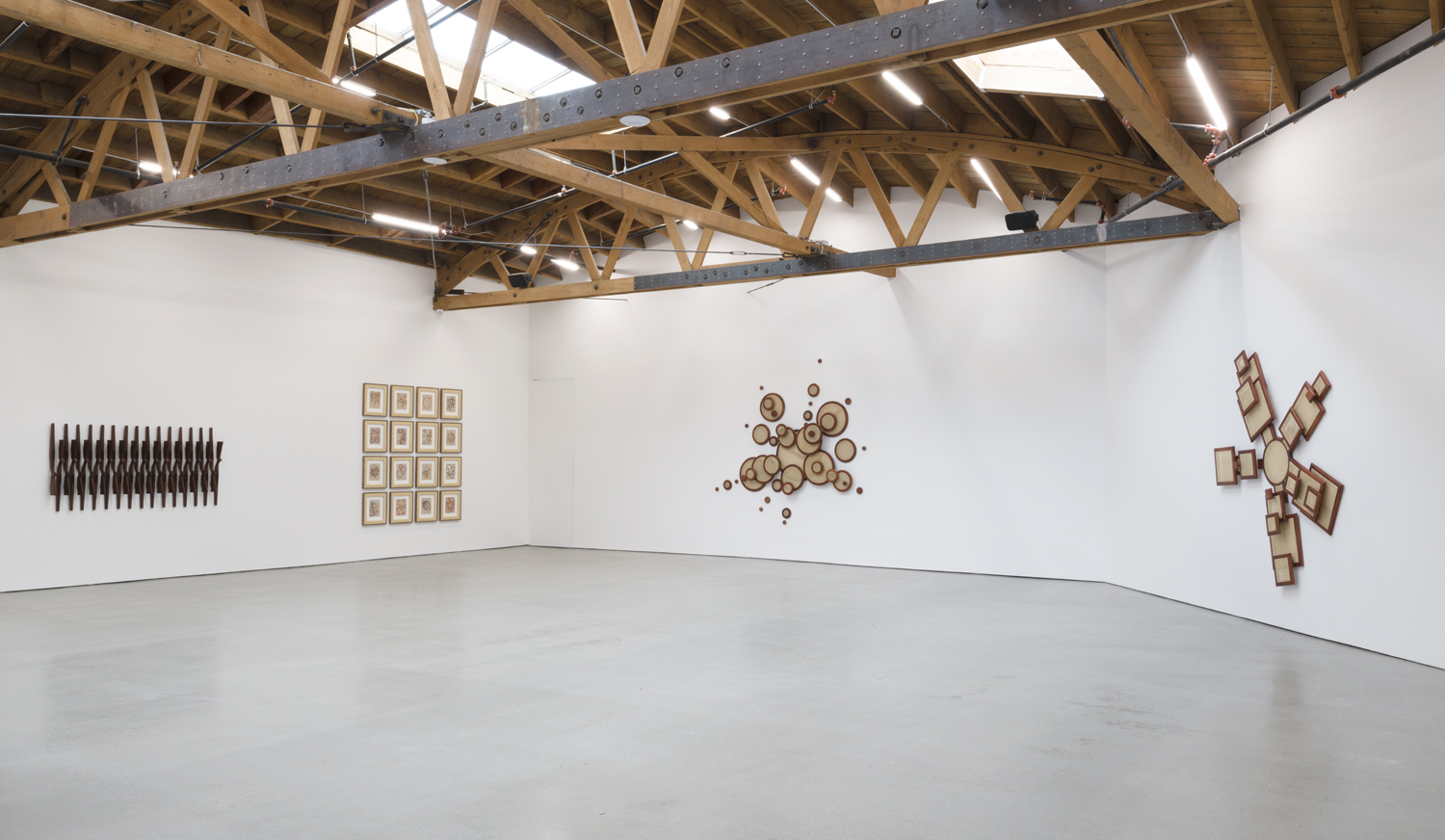
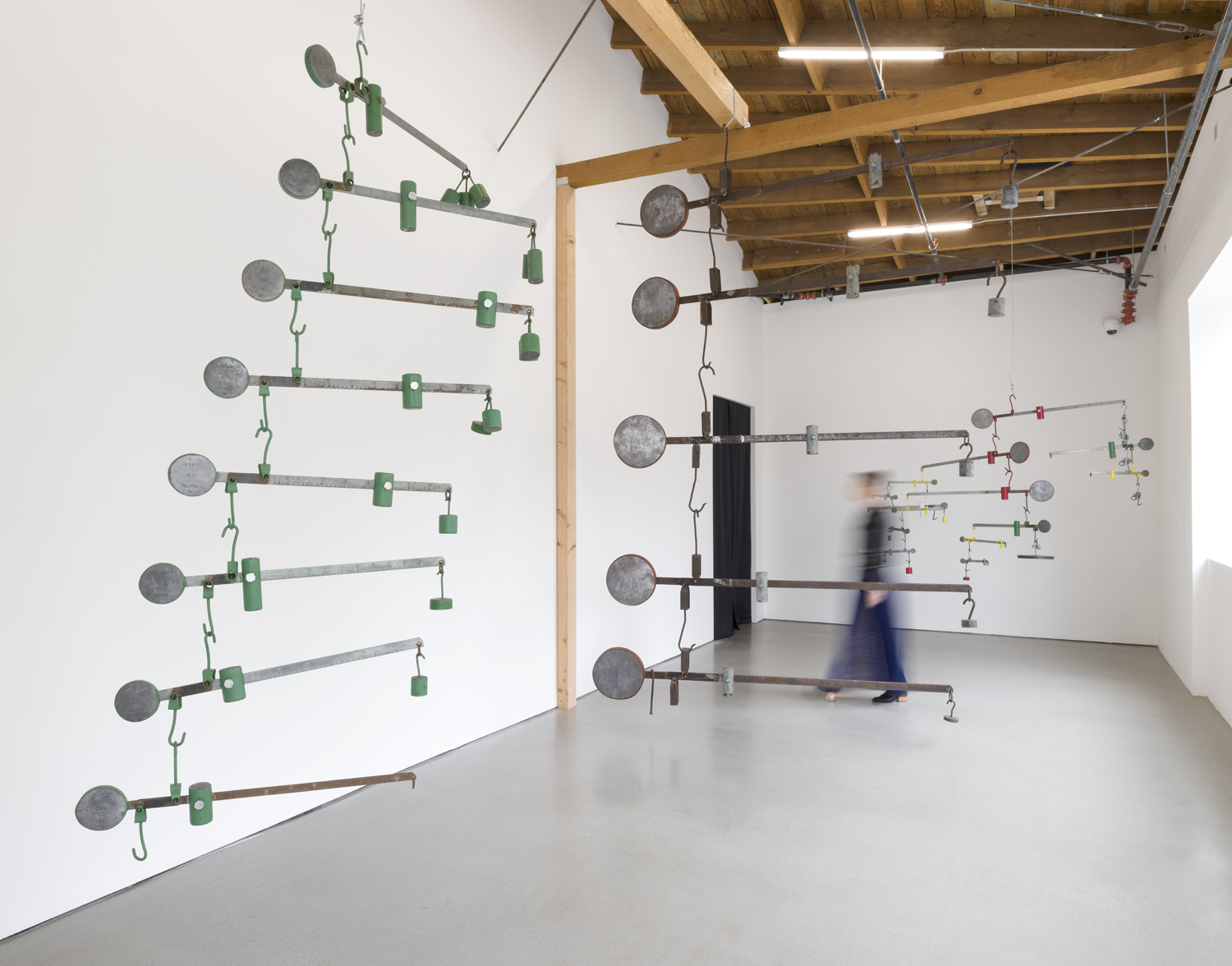
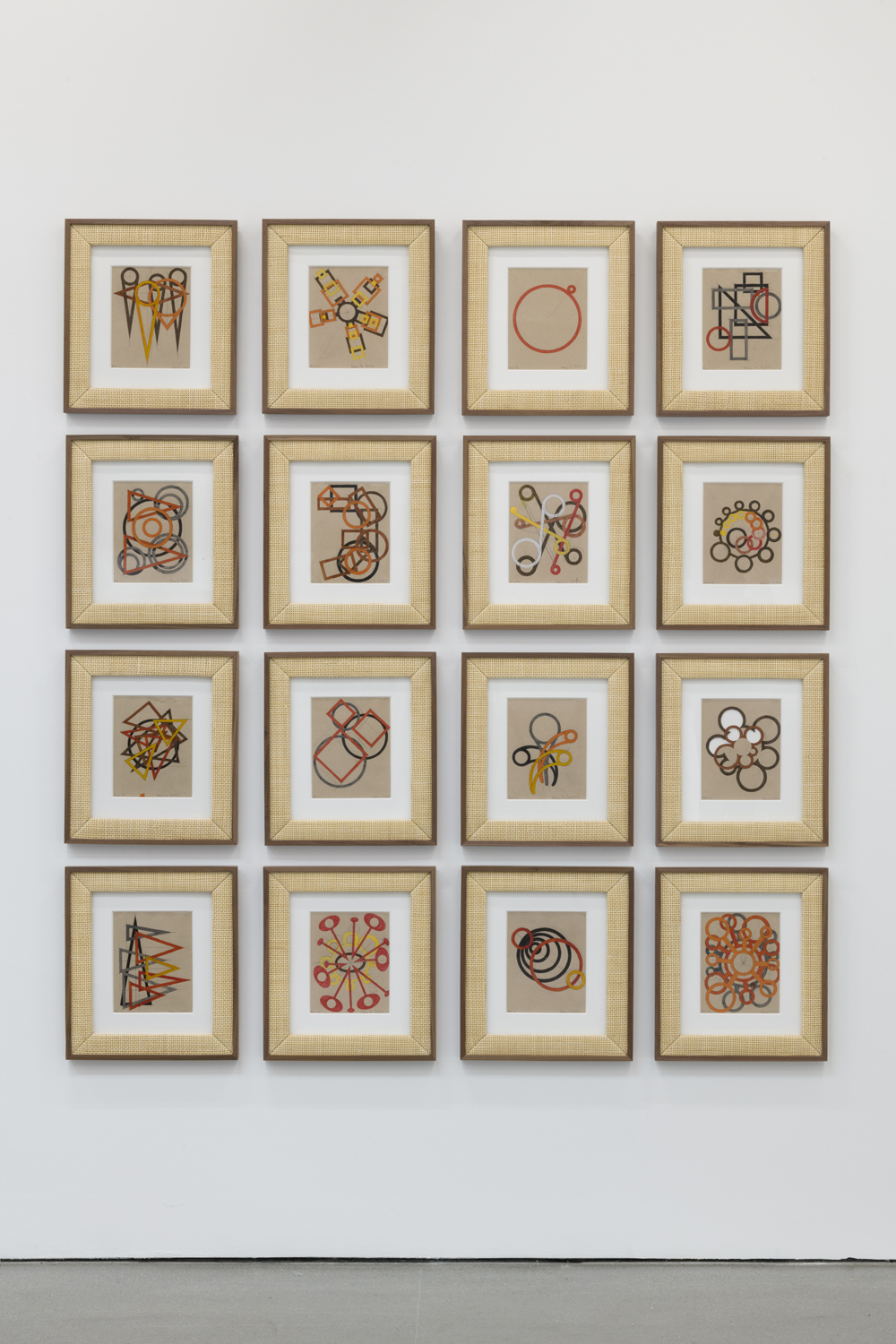
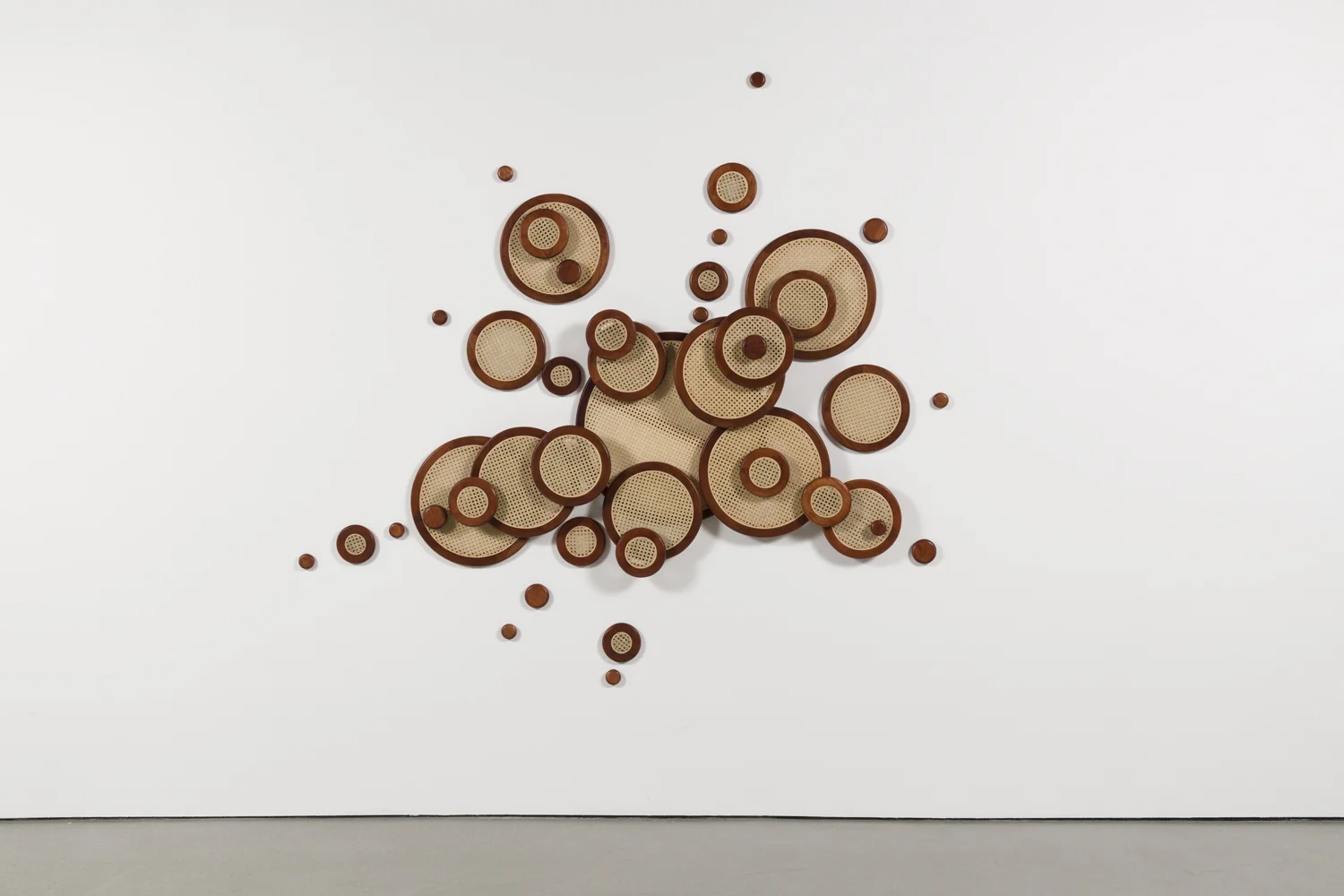
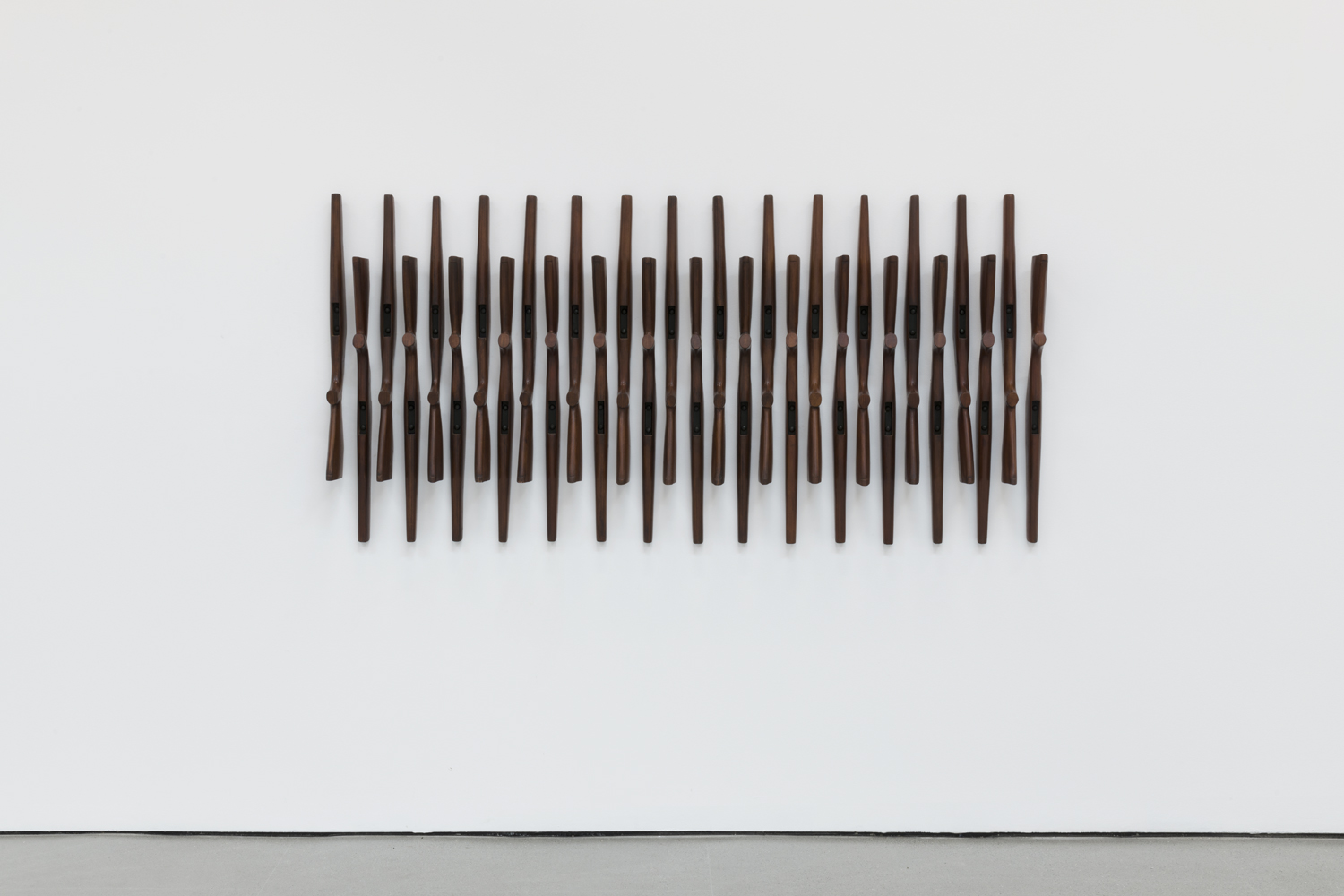
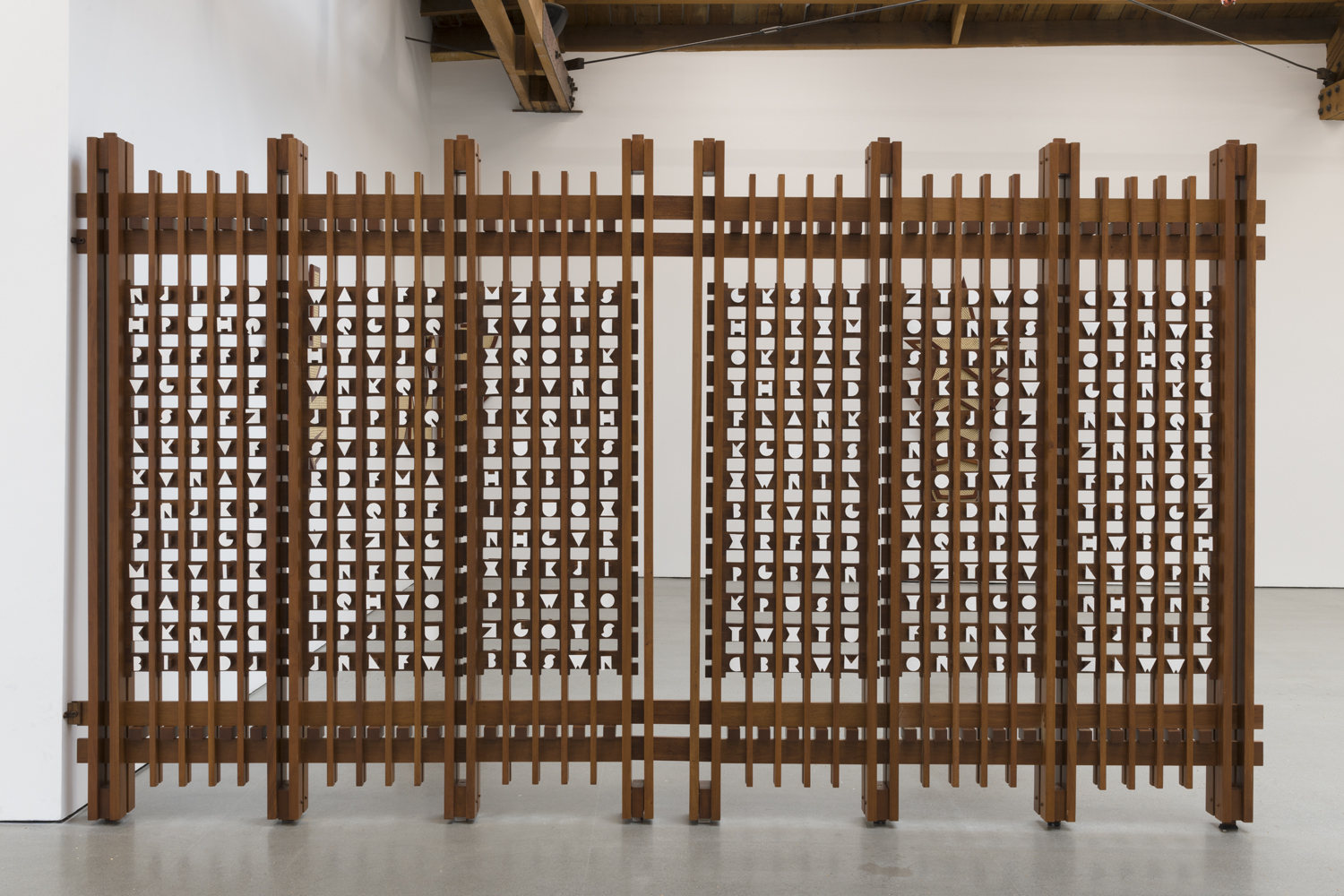
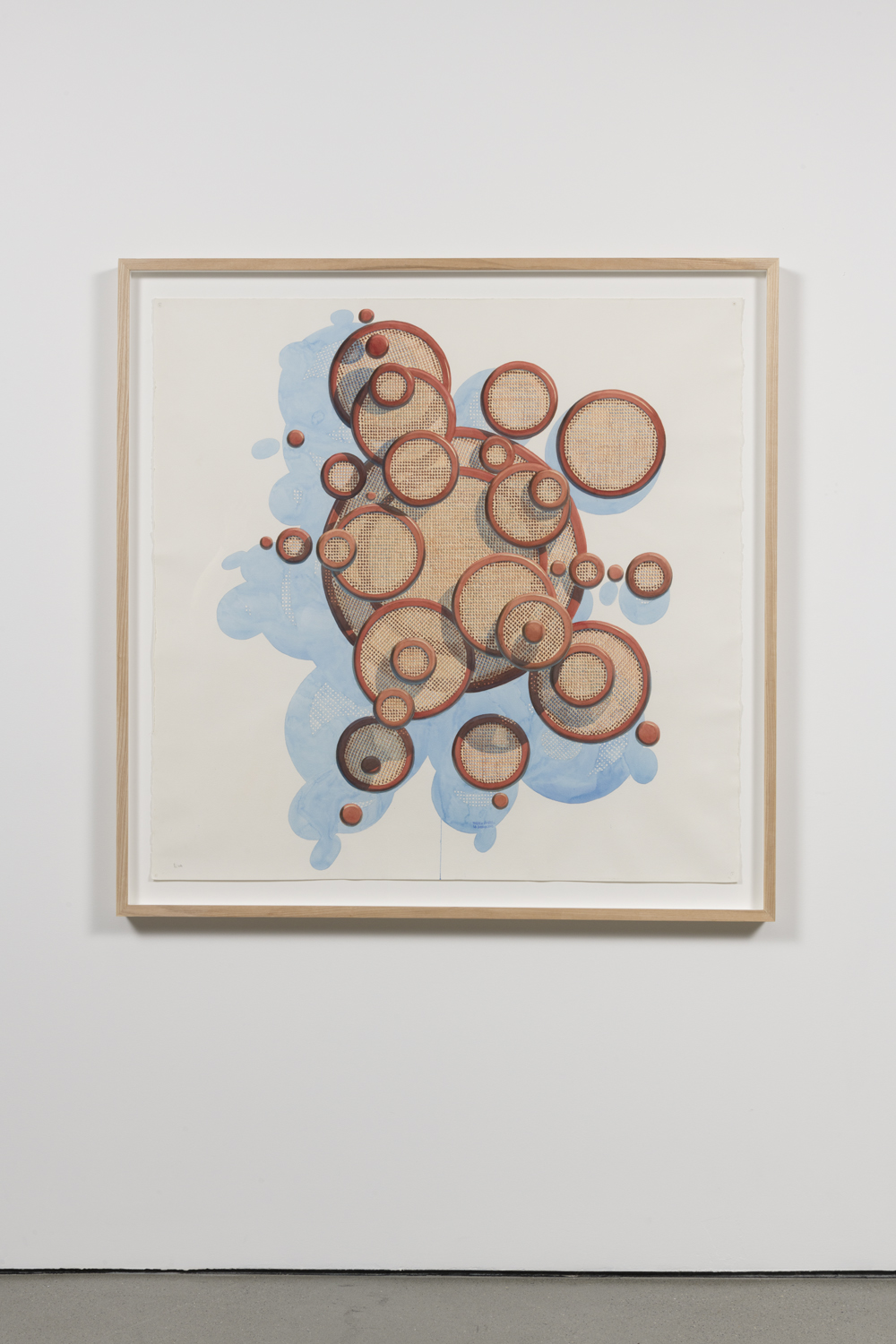
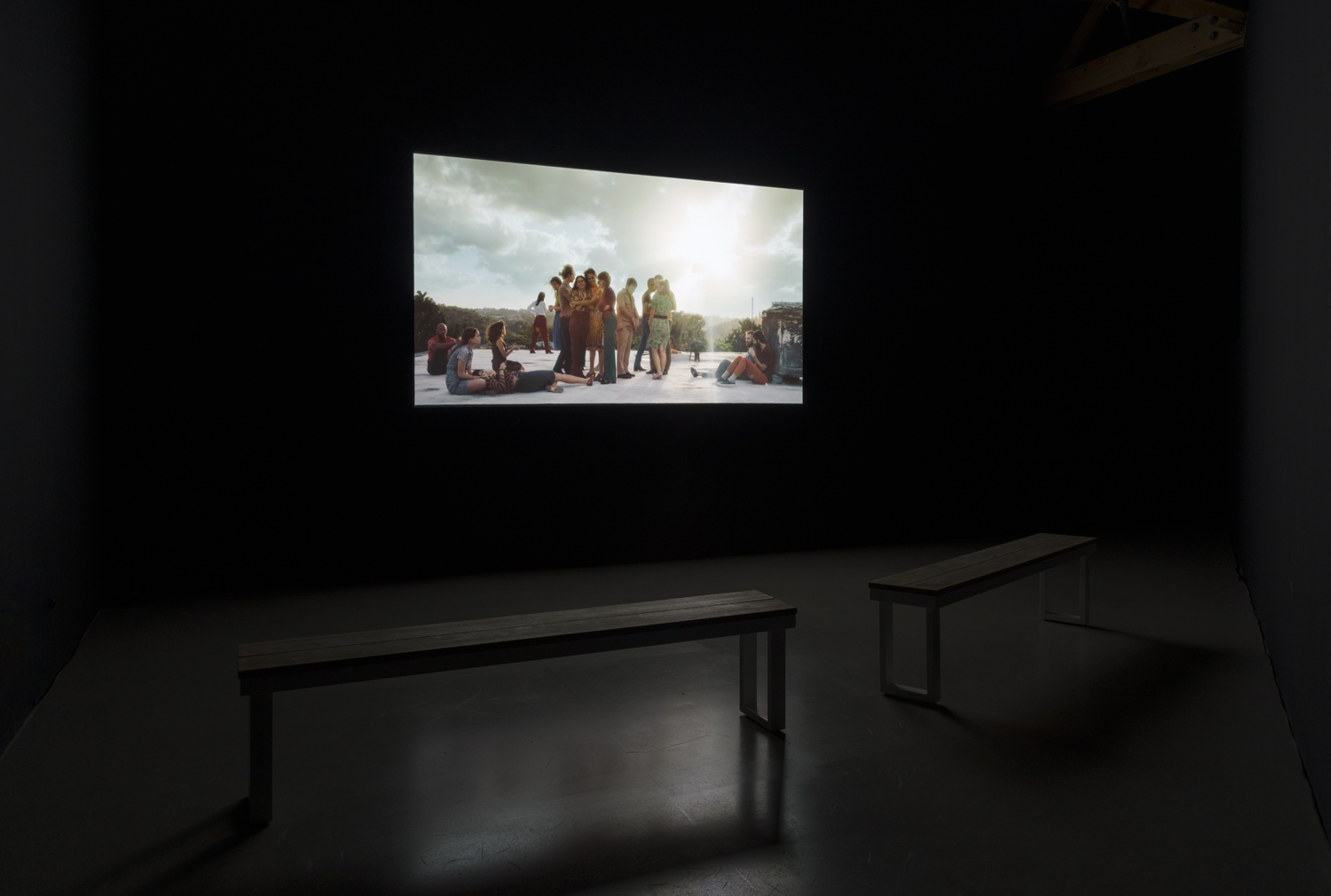
Inspired by Cuban Modernism, The Decorator’s Home, curated by Neville Wakefield, personifies the vision of a fictional interior designer, tracing their style evolution from the commercial, North American-influenced Modernist design of the 1950s to the revolutionary, Soviet-influenced style of the 1960s and 1970s. Through sculptural installations, watercolors, drawings and a video, The Decorator’s Home is an attempt to capture the work of a generation that was cut short. Click here to read our interview with the artist.

The Decorator’s Home is on view through July 13 at UTA Artist Space 403 Foothill Rd. Beverly Hills, CA 90210.

A Trip To Vedado In Cuba by Mattea Perrotta

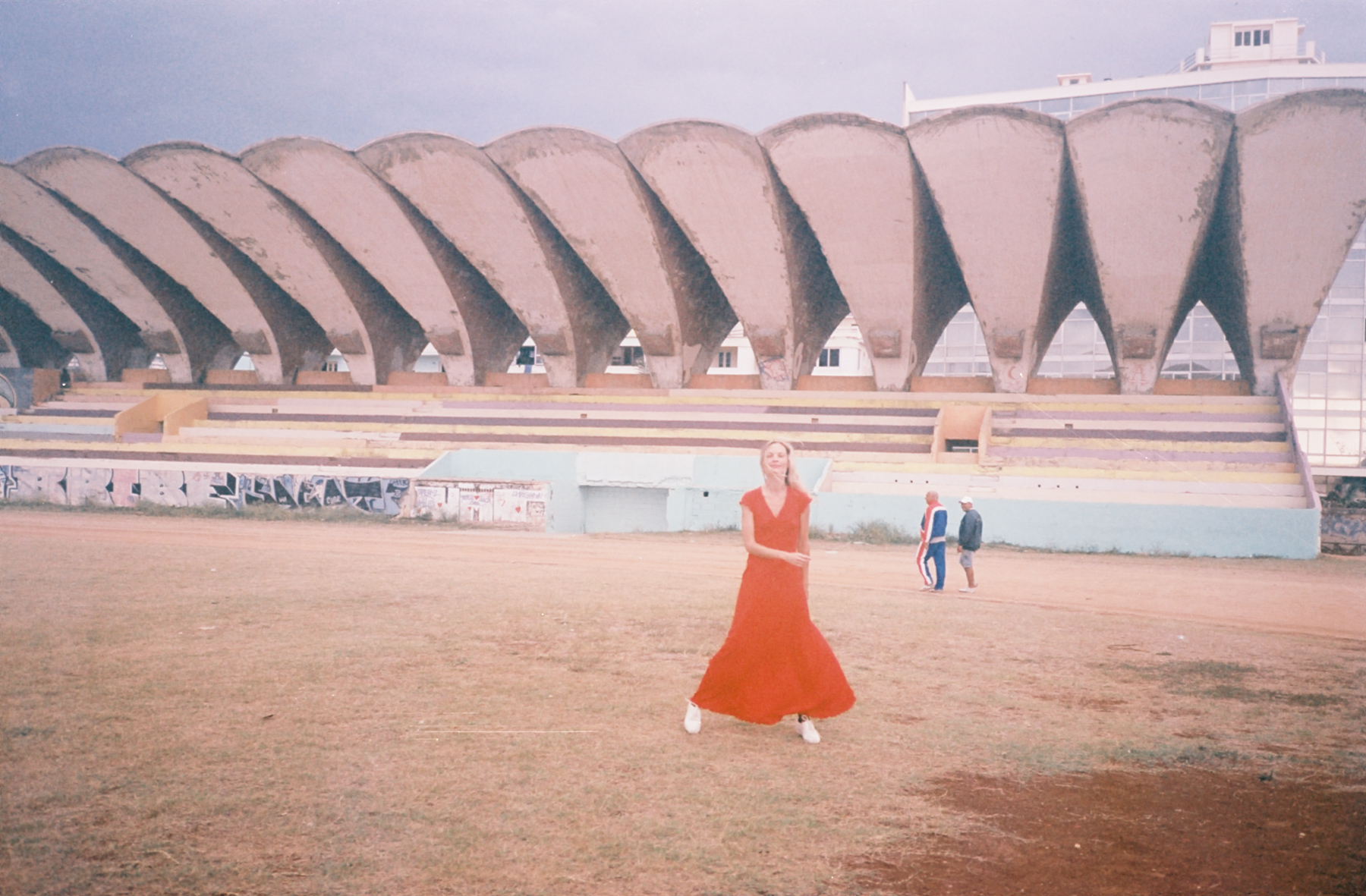
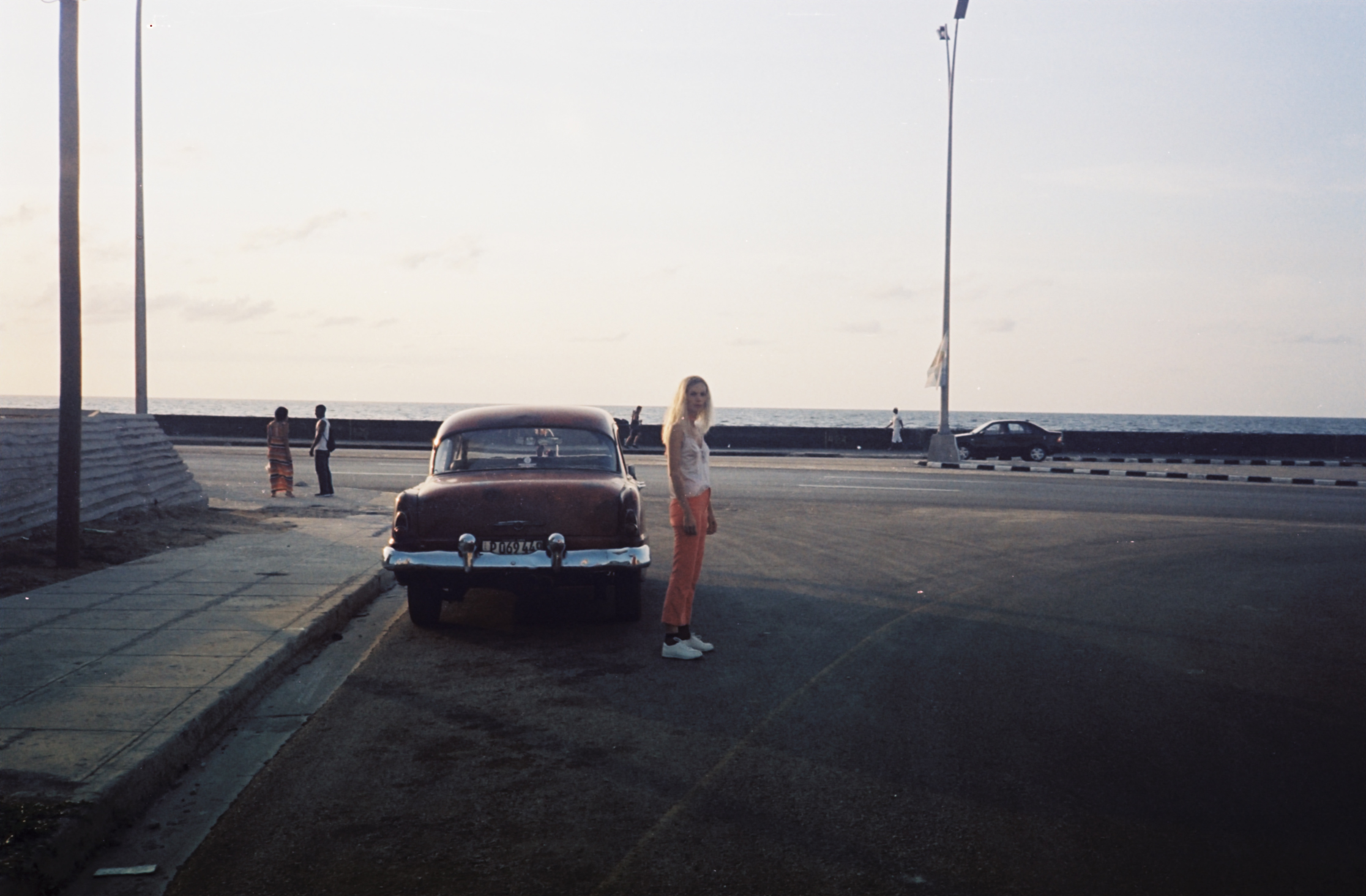
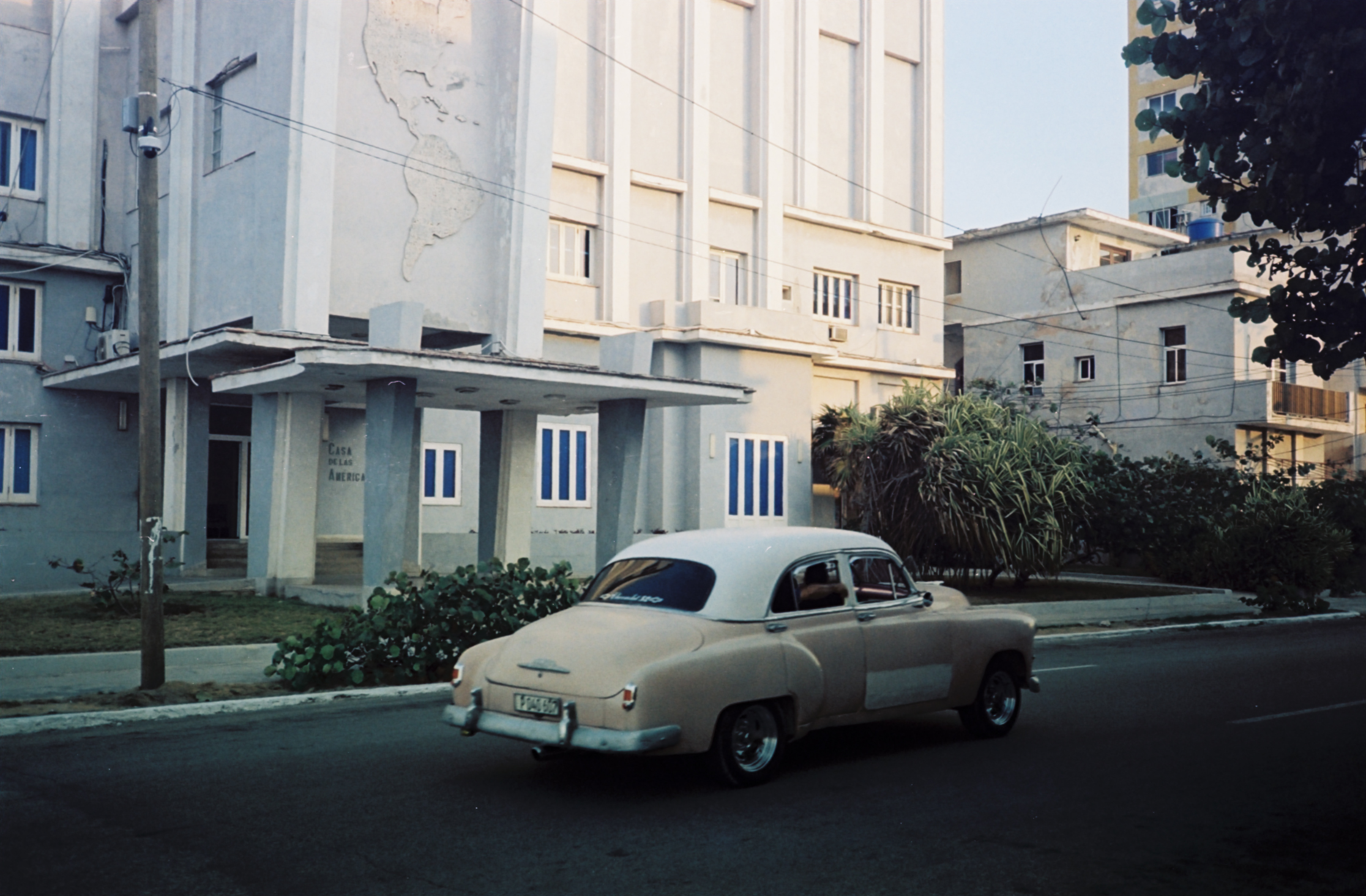
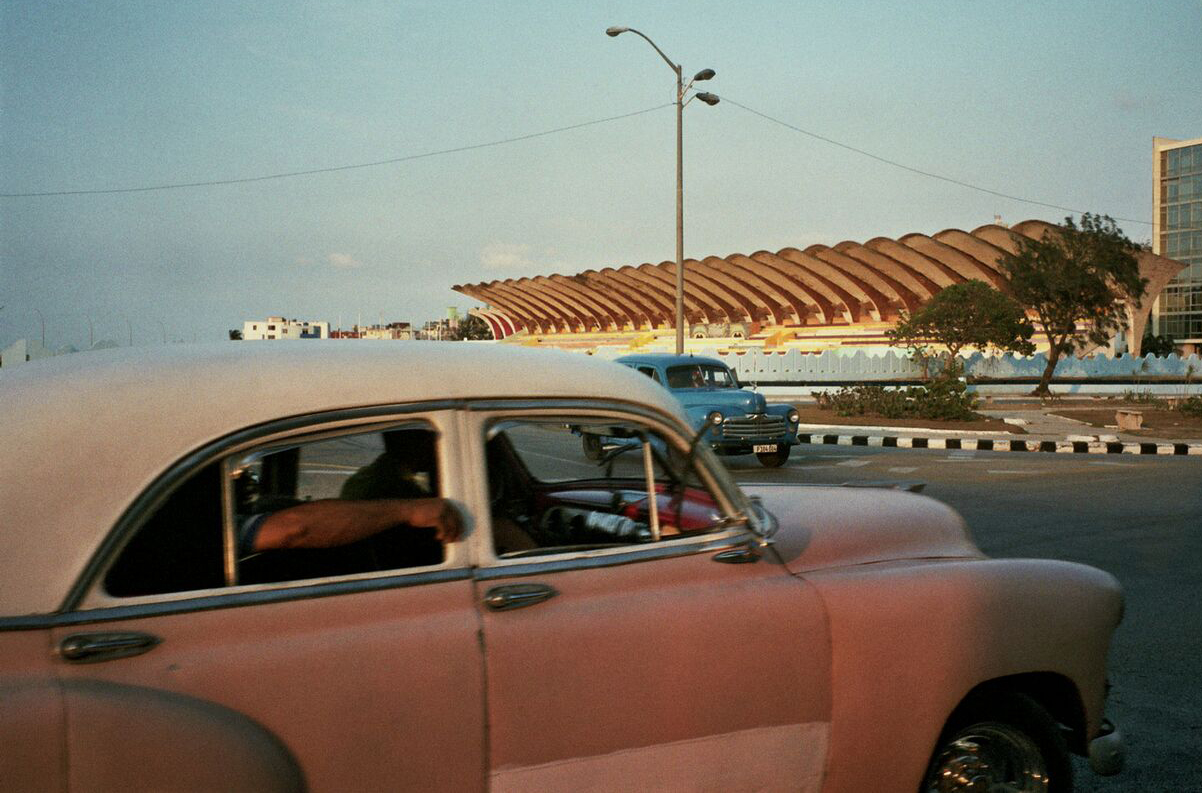
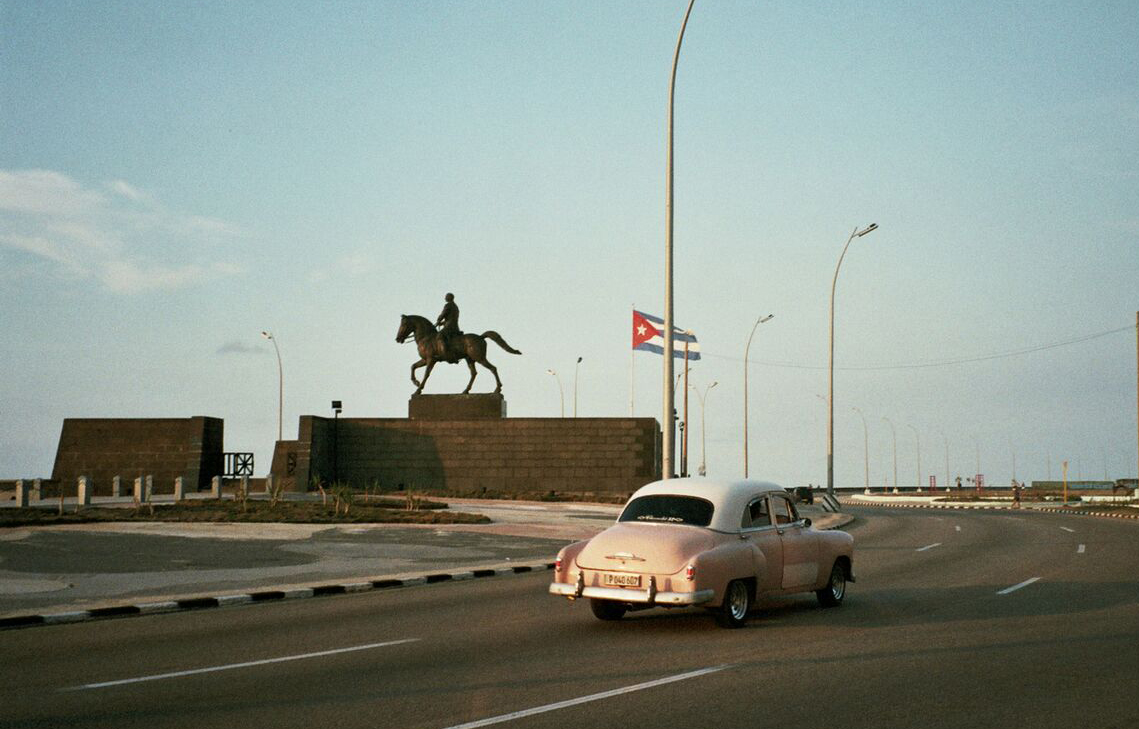
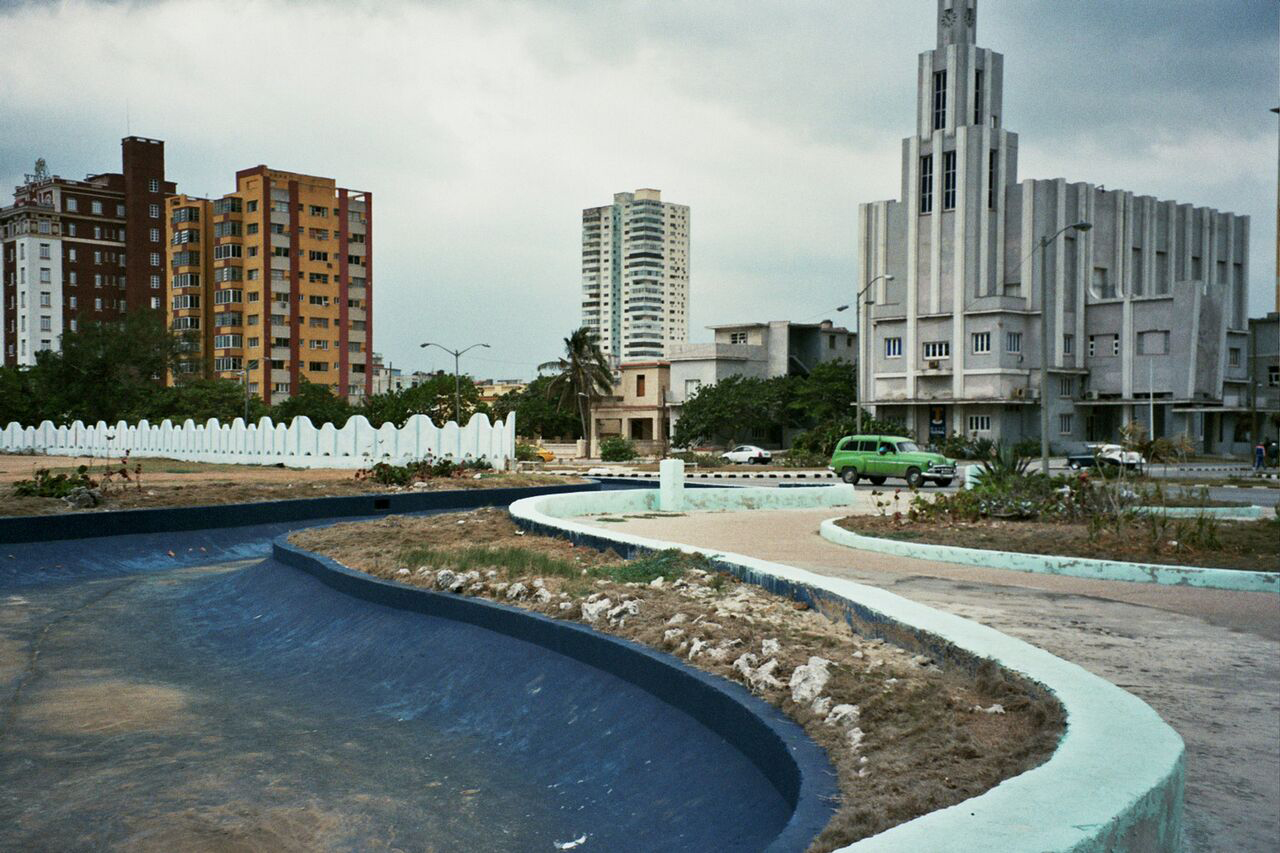
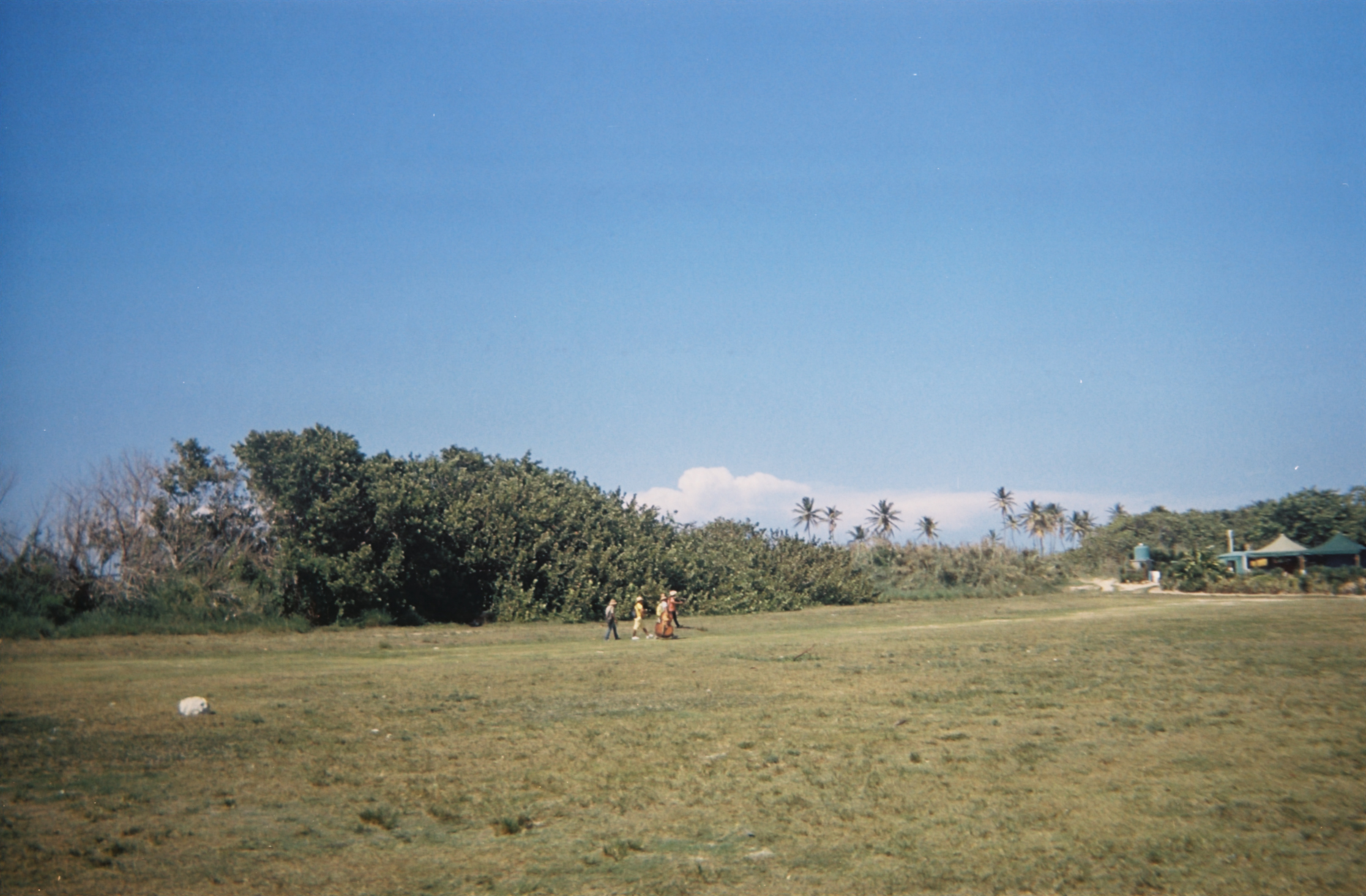
El Vedado is a unique place. Sitting outside of the Old City, El Vedado has it’s own identity that architecturally resembles almost nothing of Old Havana. El Vedado features some of the best examples of early and mid-twentieth century architecture and urban planning in Cuba. The influx of Spanish immigrants in the early twentieth century brought with them art nouveau, along with neoclassical buildings, Art Deco styles, as well as works of the Modern movement. The neighborhood was initially developed in the second half of the nineteenth century, but became the heart of modern Havana in the 60’s. One of my favorite structures was the Vedado Sports arena built in 1956, located along the Malecon waterfront boulevard. Big arches, minimal lines and the bright colors of the arena’s steps make it stand out among the rest of the structures along the Malecon. If you travel through Vedado, take some time to see it. Lucky enough, we had a flat only a few blocks from the arena, and one block from the sea. The Malecon is a destination spot on it’s own, it's a seawall that stretches about 5 miles down Havana. The Malecón is popular among Habaneros, lovers and fishermen and becomes a nighttime promenade for the poor. It serves itself as my favorite bar and dance hall in Cuba. Locals gather in the evenings to watch the sunset, drink rum from a bottle and play their favorite Cuban melodies. photographs by Mattea Perrotta and Kate Parfet. Text by Mattea Perrotta

A Trip To Playa Santa Maria, Cuba by Mattea Perrotta

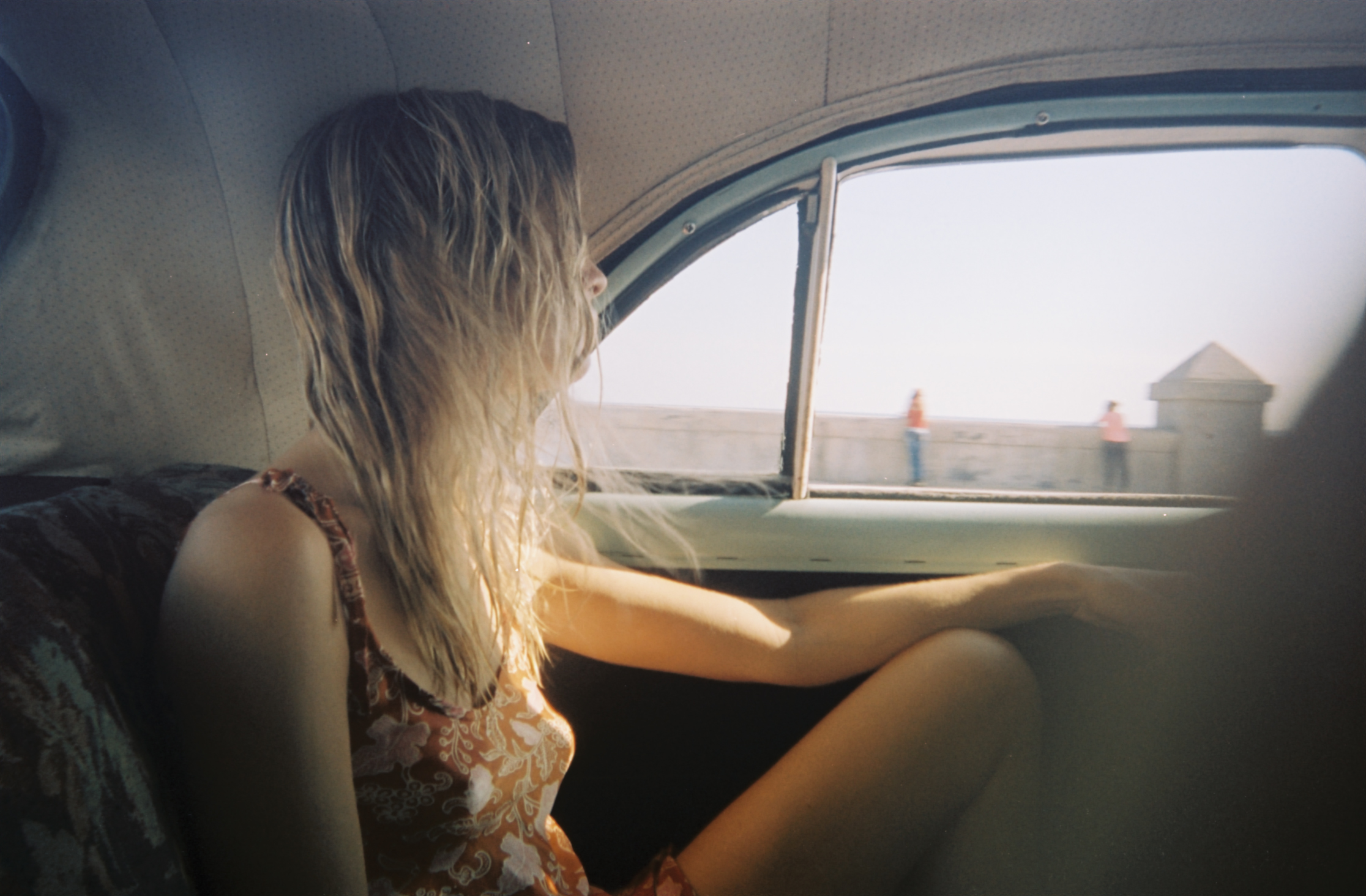
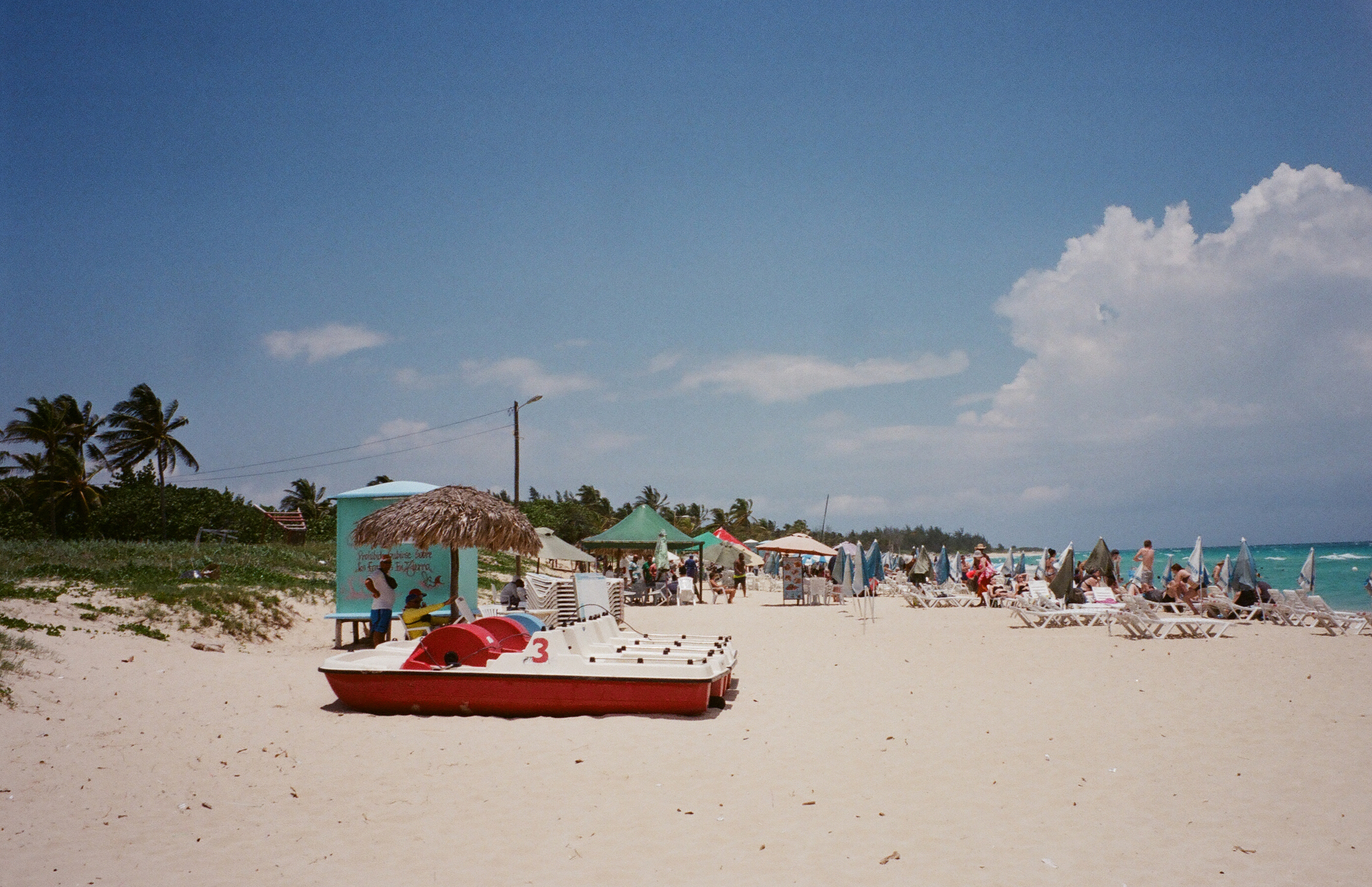
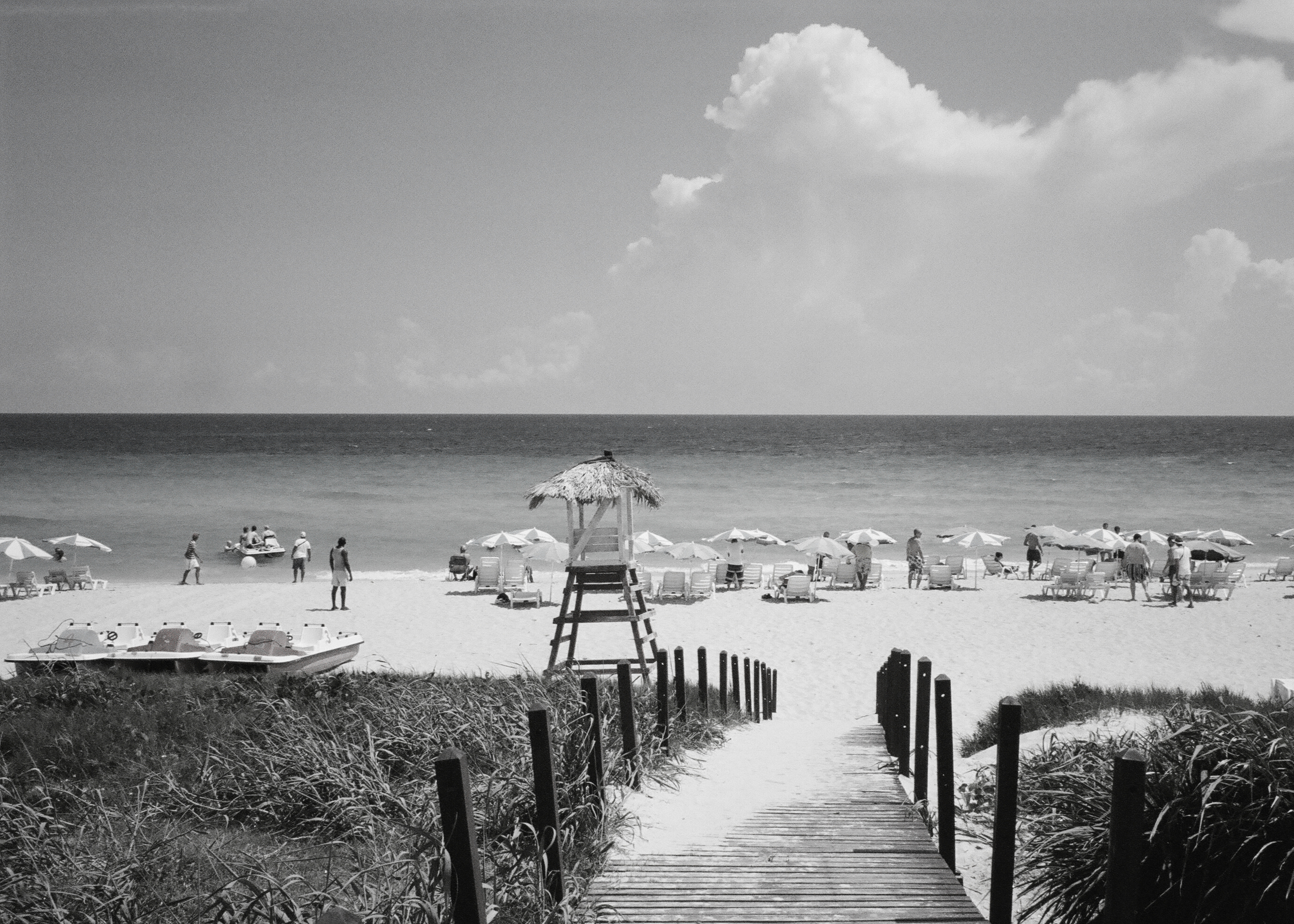
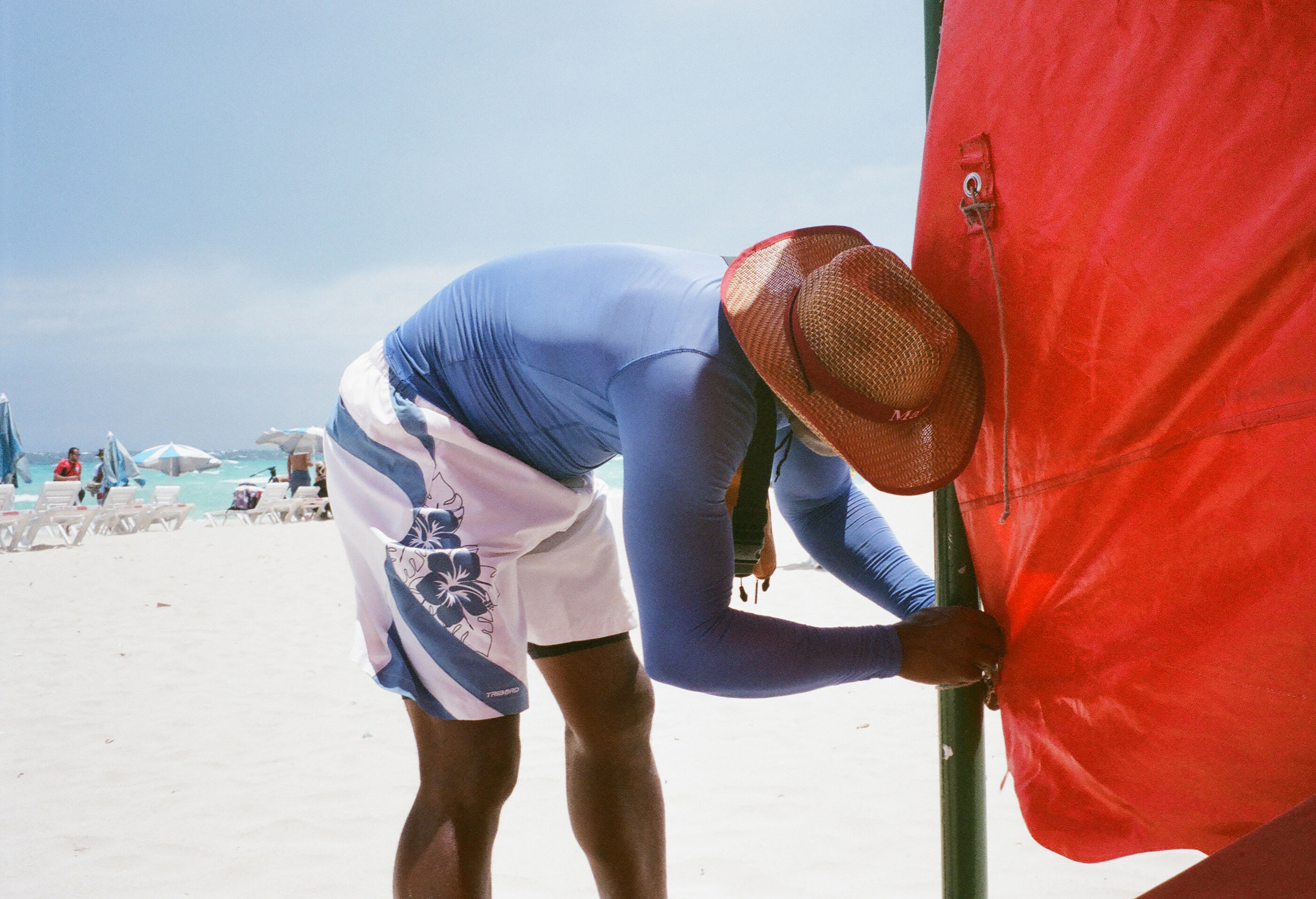
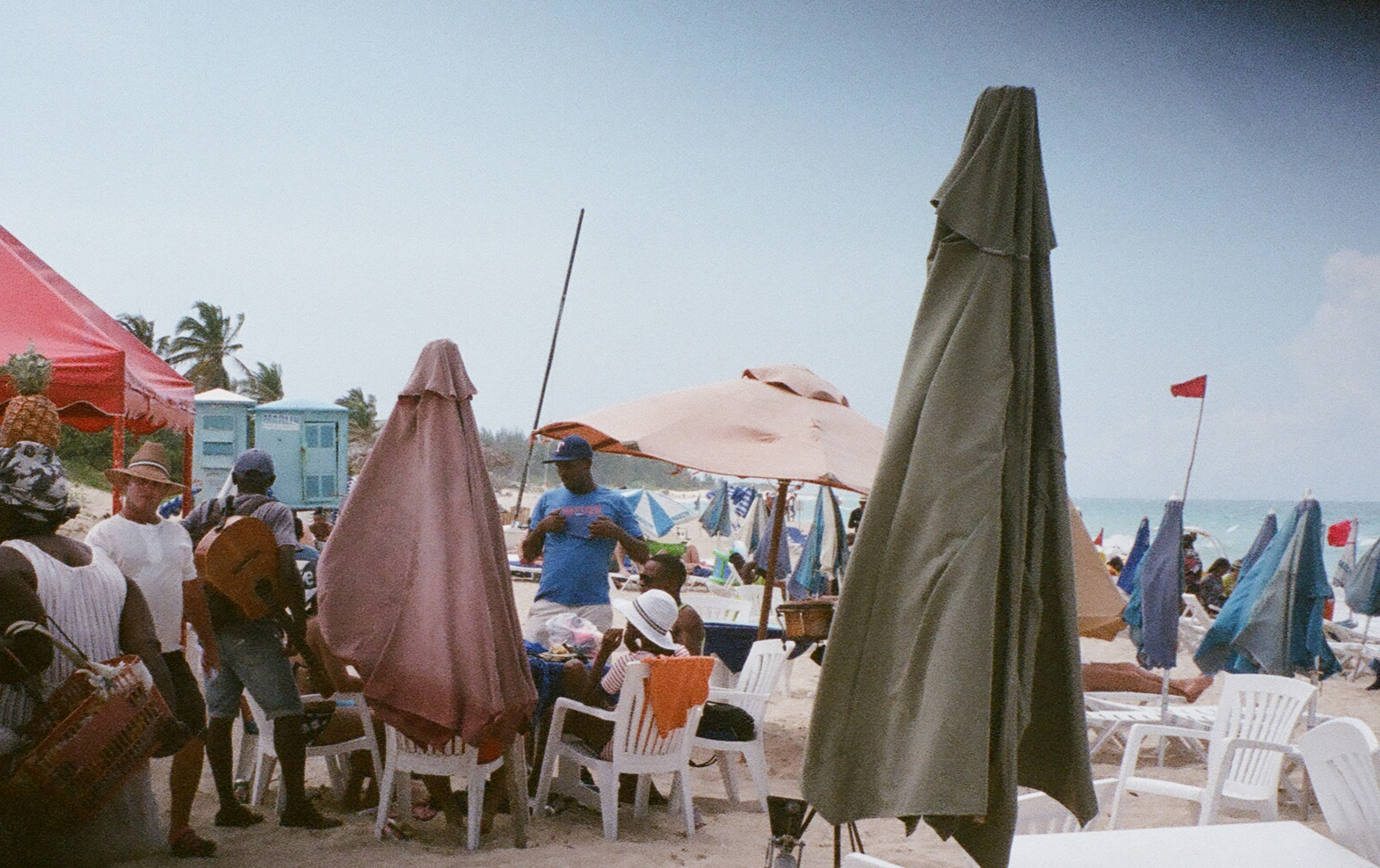
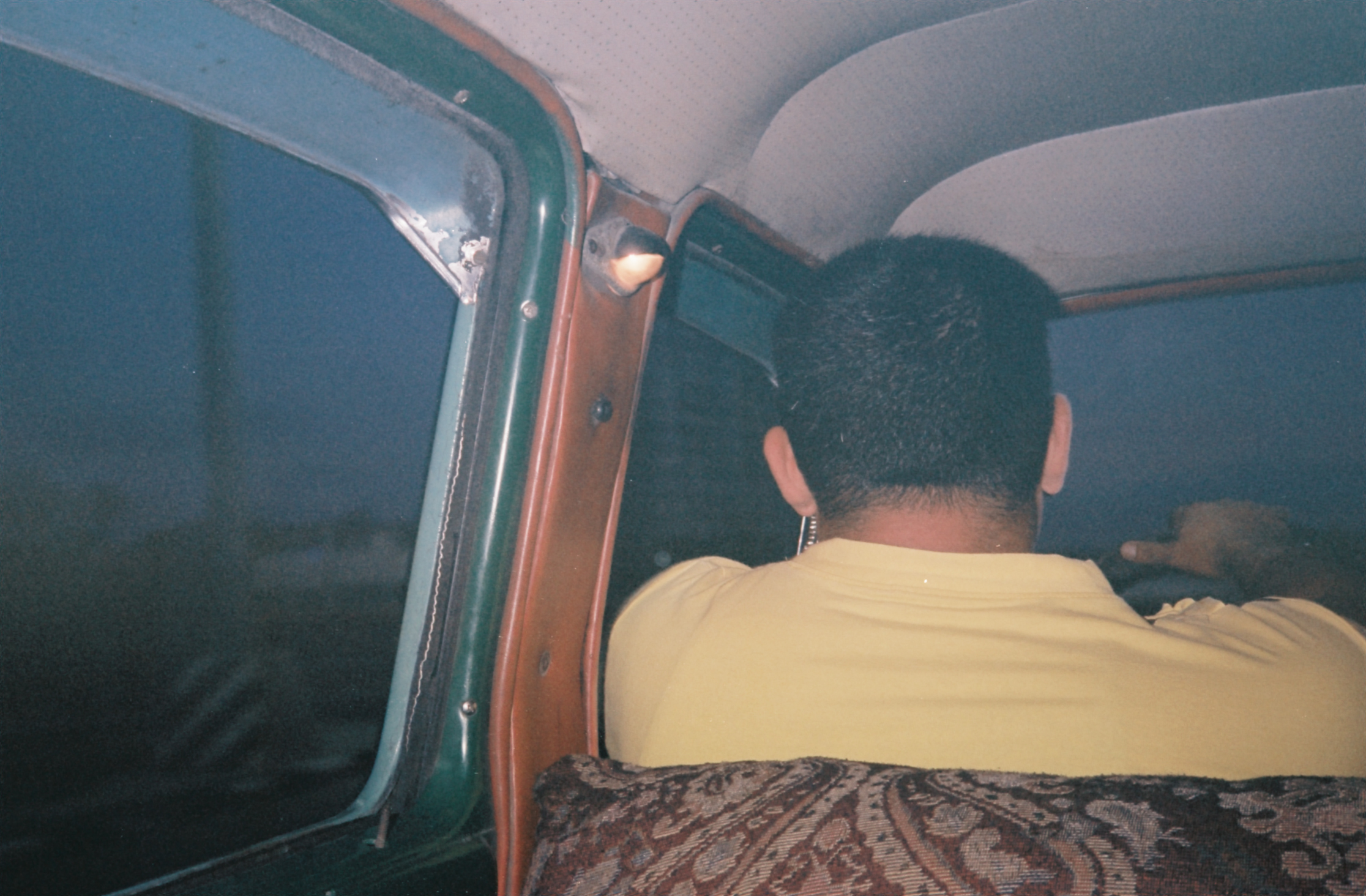
Only minutes from the Old City, a chevy taxi drive through a tunnel along the sea reminded me of driving along PCH, except instead of massive beachfront mansions, there were modest Cuban pastel homes that decorated the roadside. The Azul sea is more like bath water, and you can’t help but sing Kevin Ayers Caribbean Moon while you float and look up towards the sky. Locals from surrounding towns come to this beach, laying large spreads of fresh fruit and grilled fish. Young kids play football on the sand. An older man with one leg offers to sell us a rum filled coconut. The beach is lively, raw, echoes of Cuban percussions come from the distance. The weather was erratic that day, the sun was hot , water was warm, and an hour later the clouds created a canopy of grey with the wind blowing so intensely that we had to seek coverage under a giant red umbrella while three men held it down. The water boats blew sideways on the sand and we watched the tropical storm blow through the beach goers. It didn’t phase them. They laid like starfish on the sand and waited it out until they could continue their beach party. photographs by Mattea Perrotta and Kate Parfet. Text by Mattea Perrotta

A Trip To Old Havana, Cuba by Mattea Perrotta

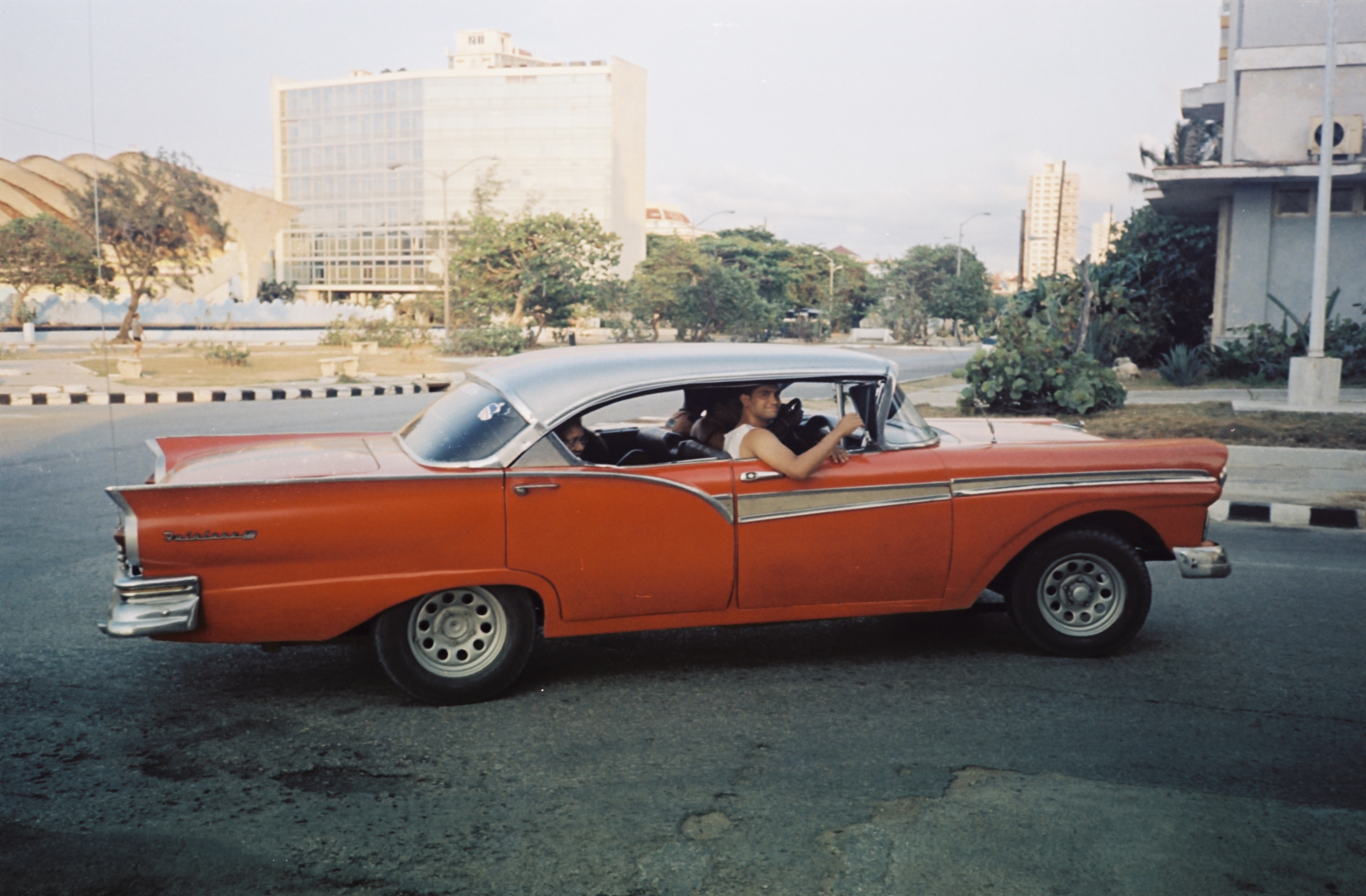
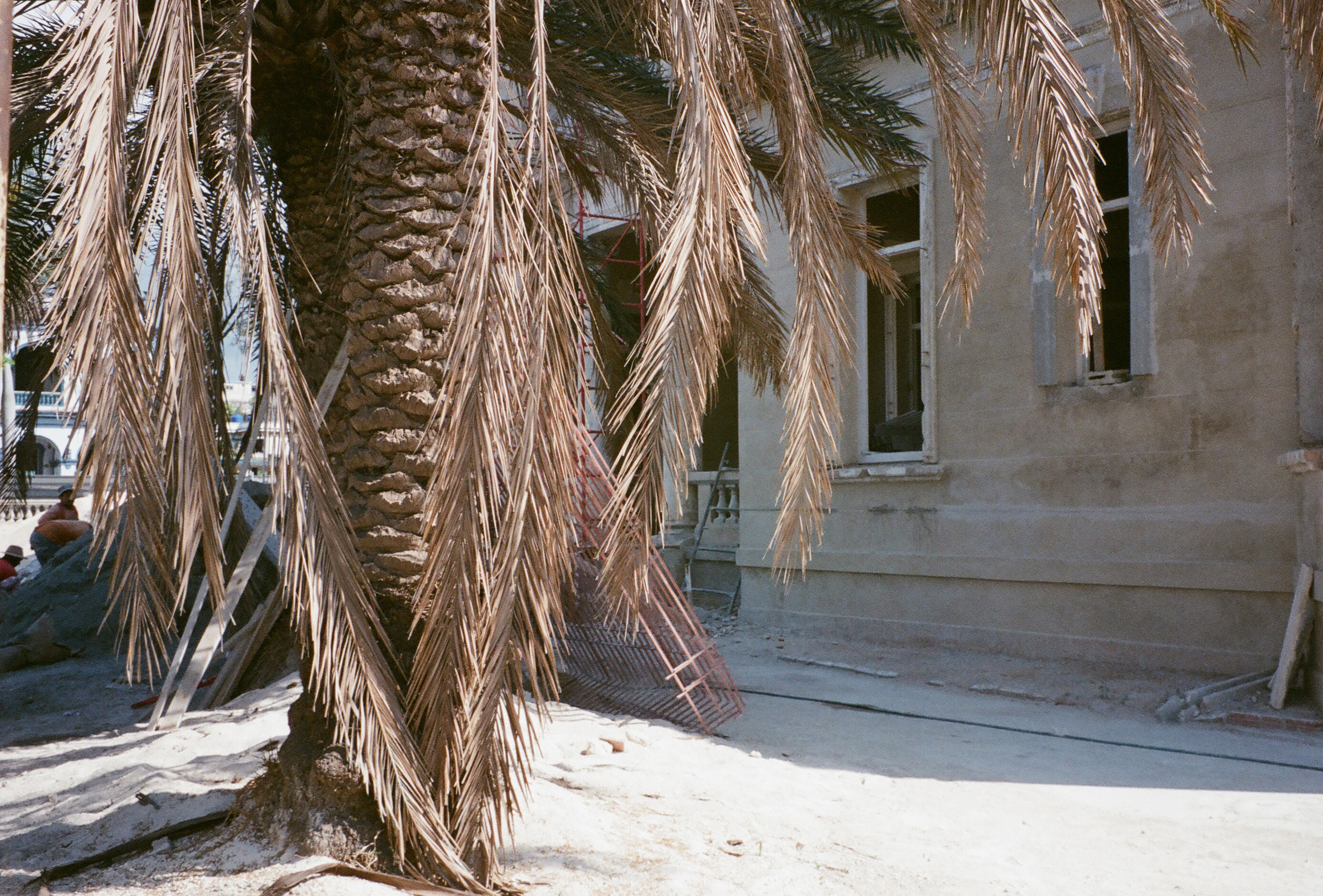
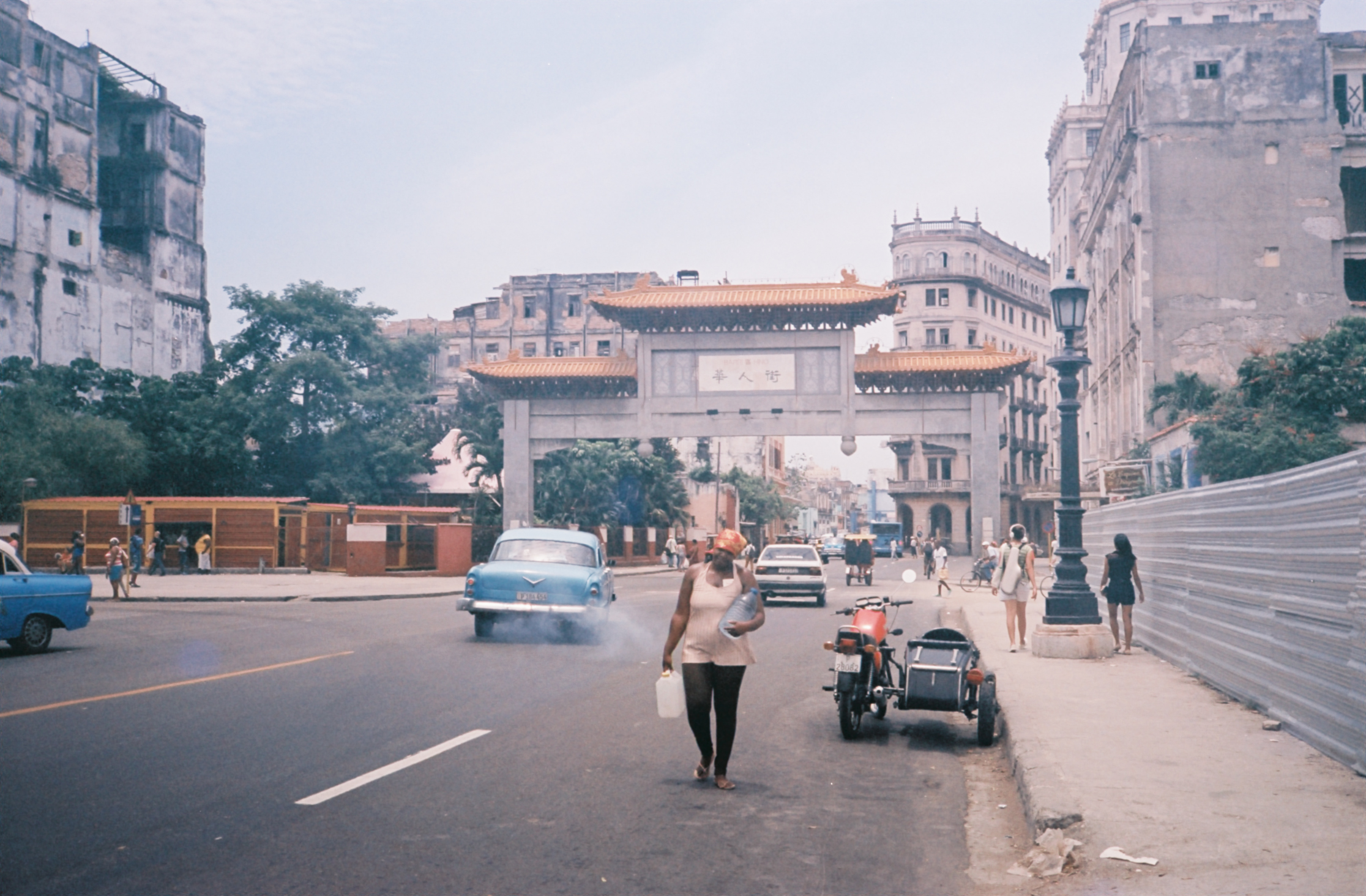
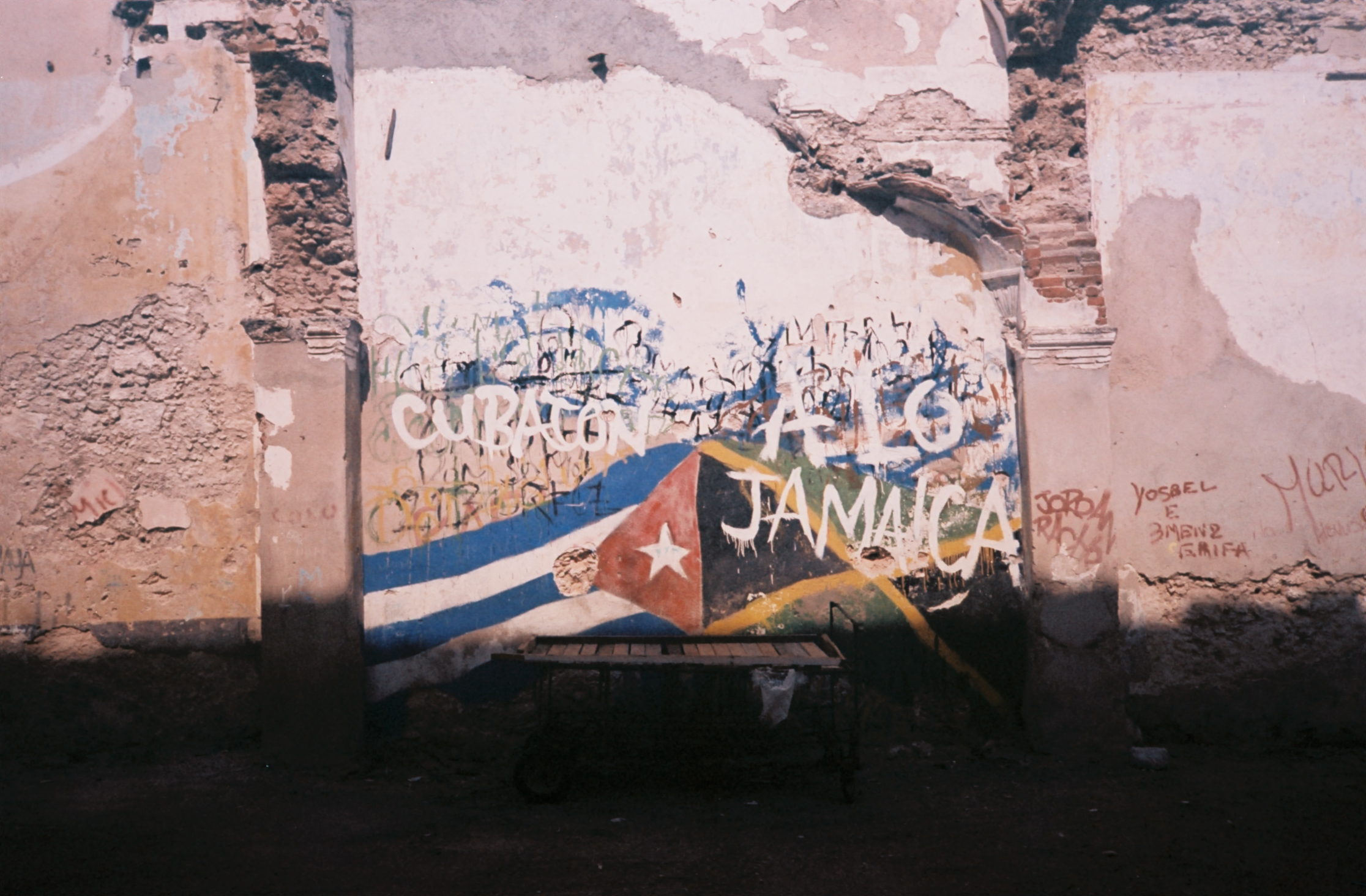
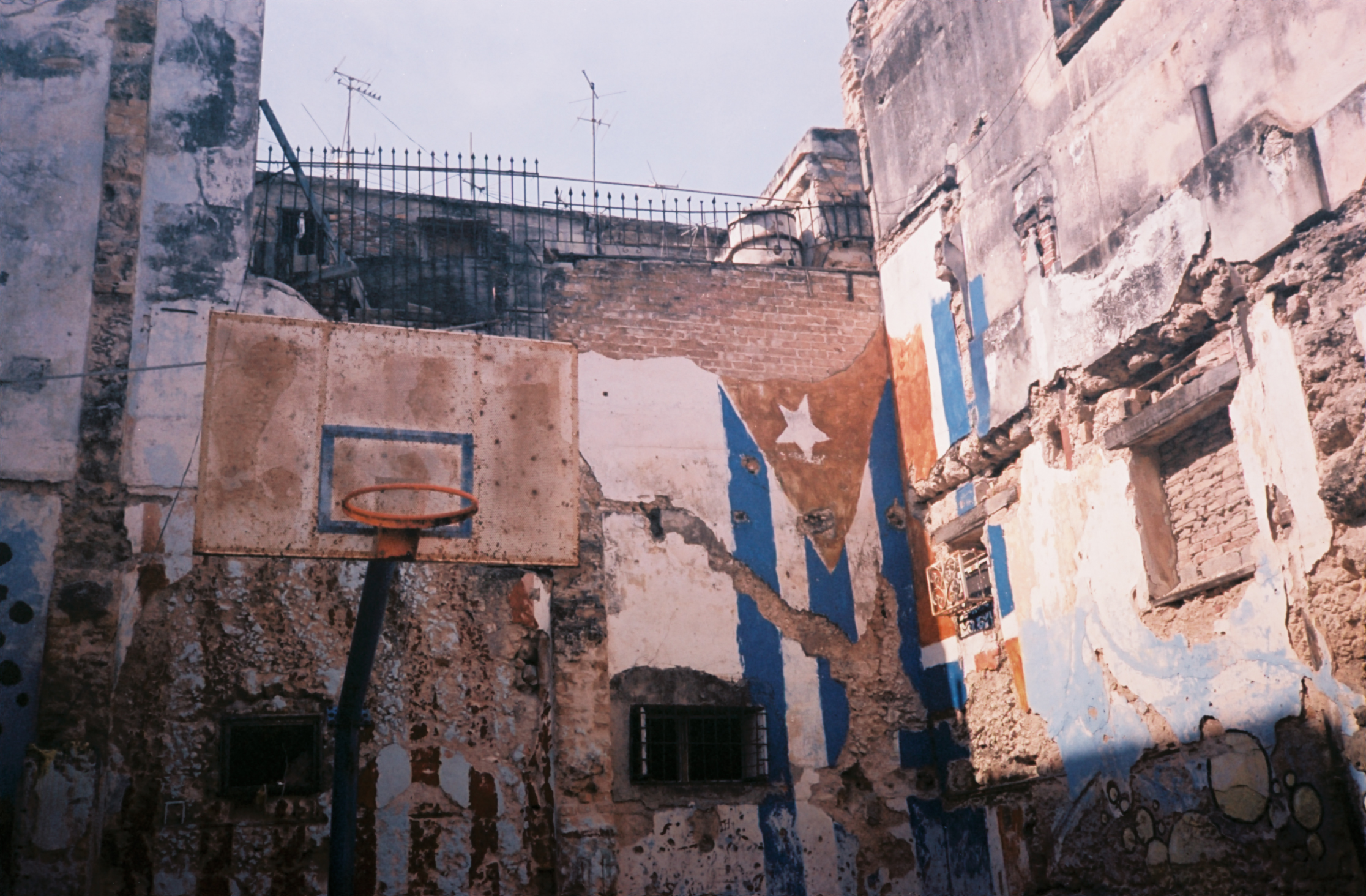
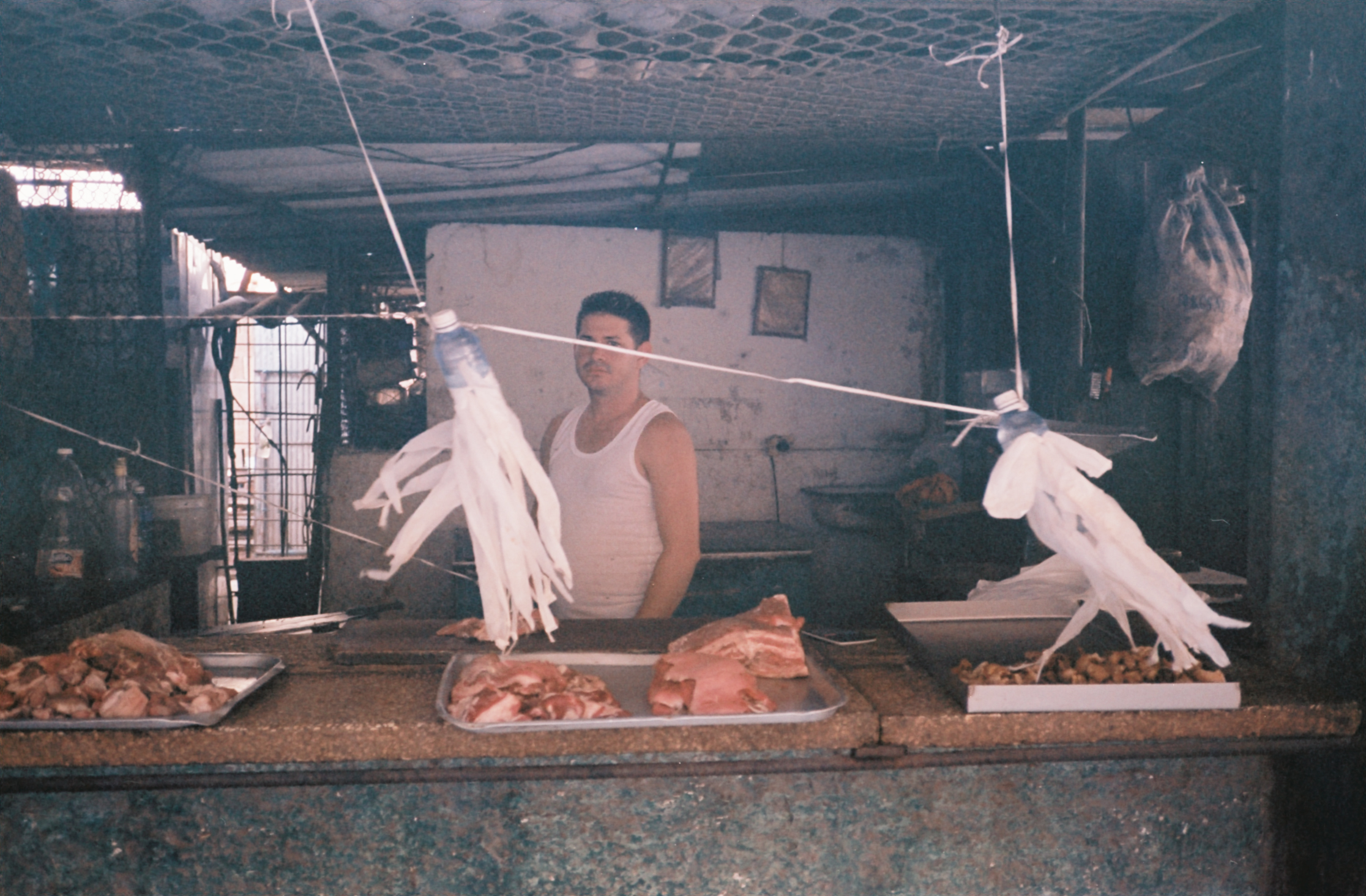
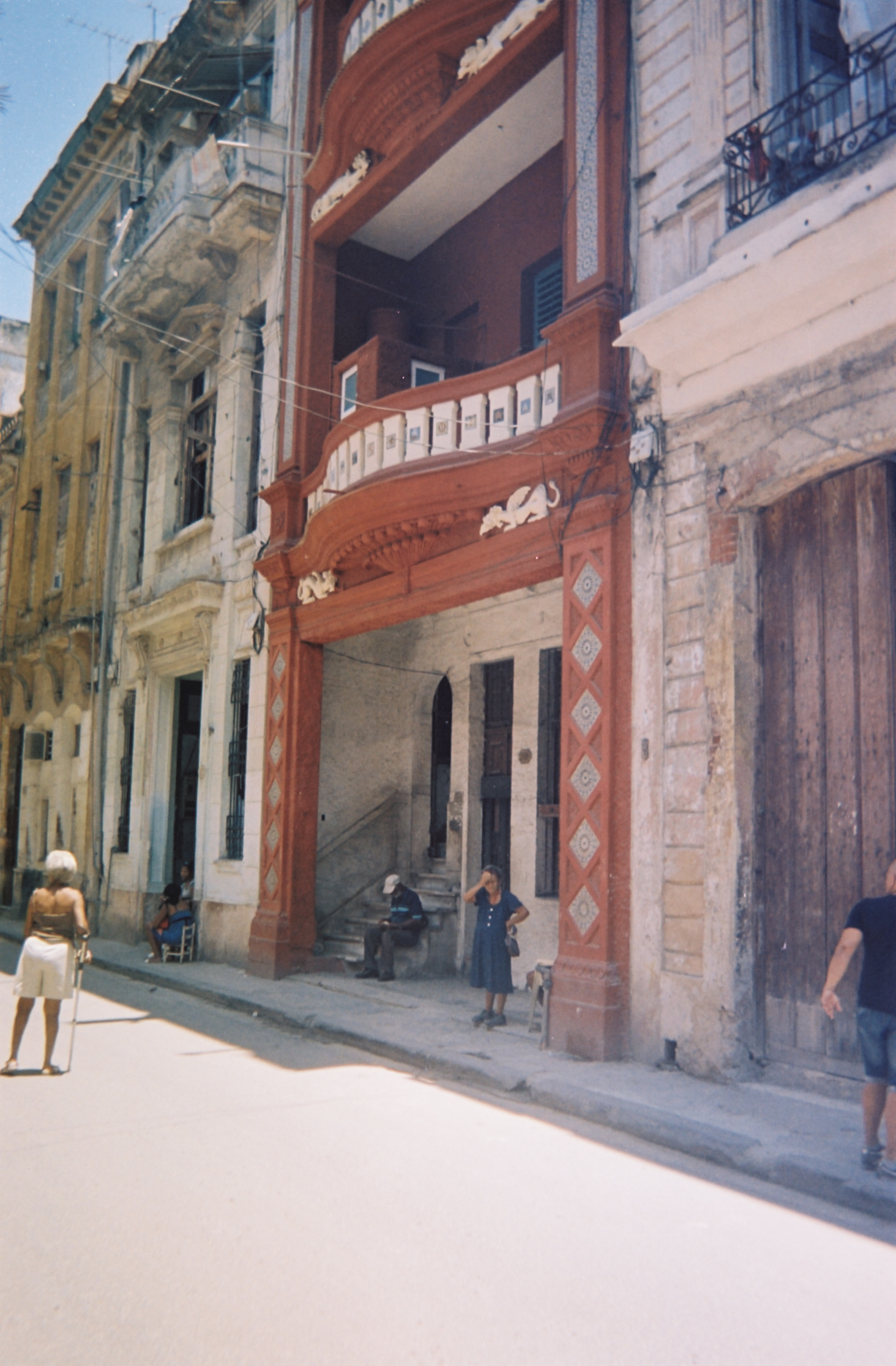
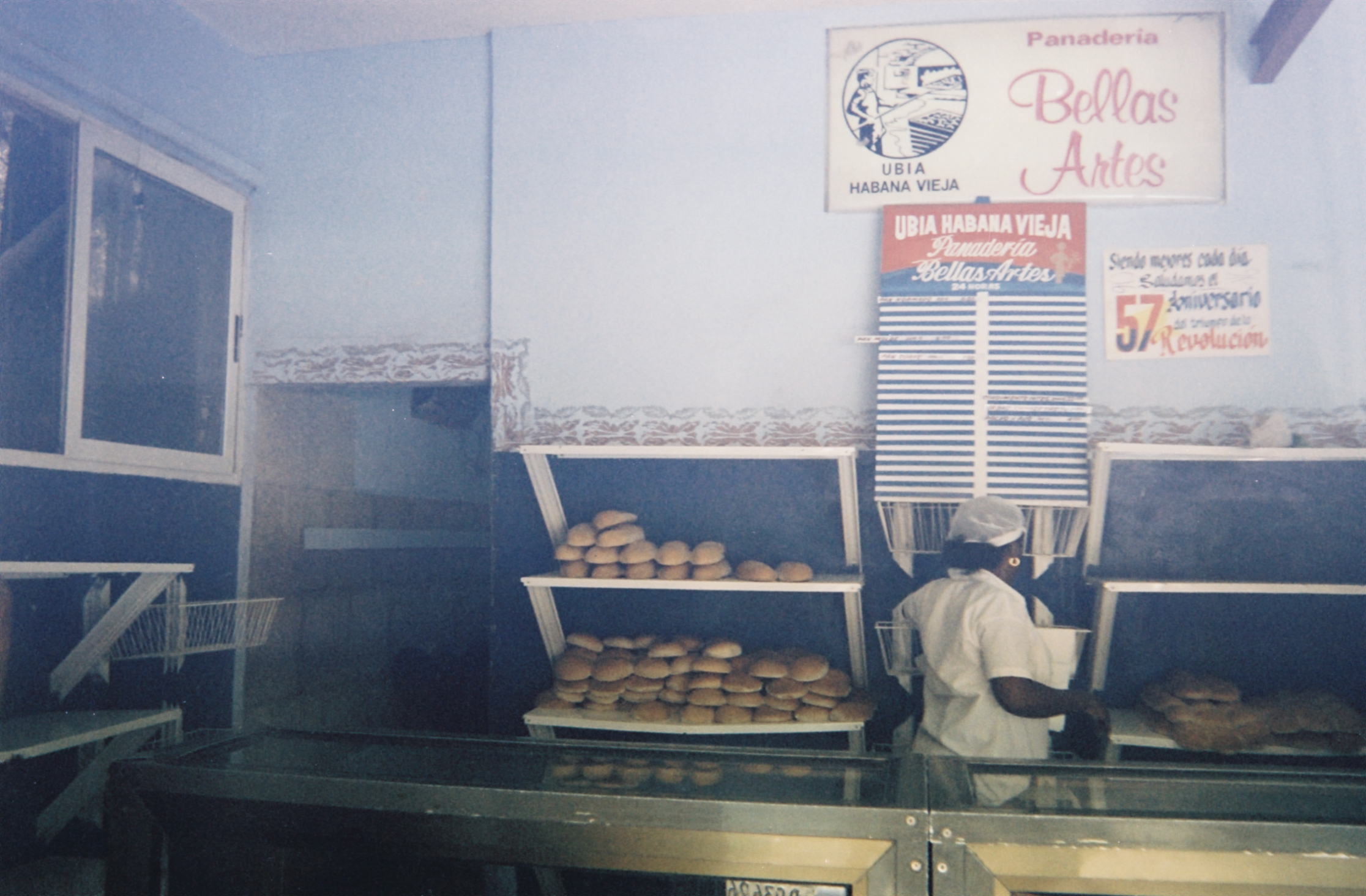
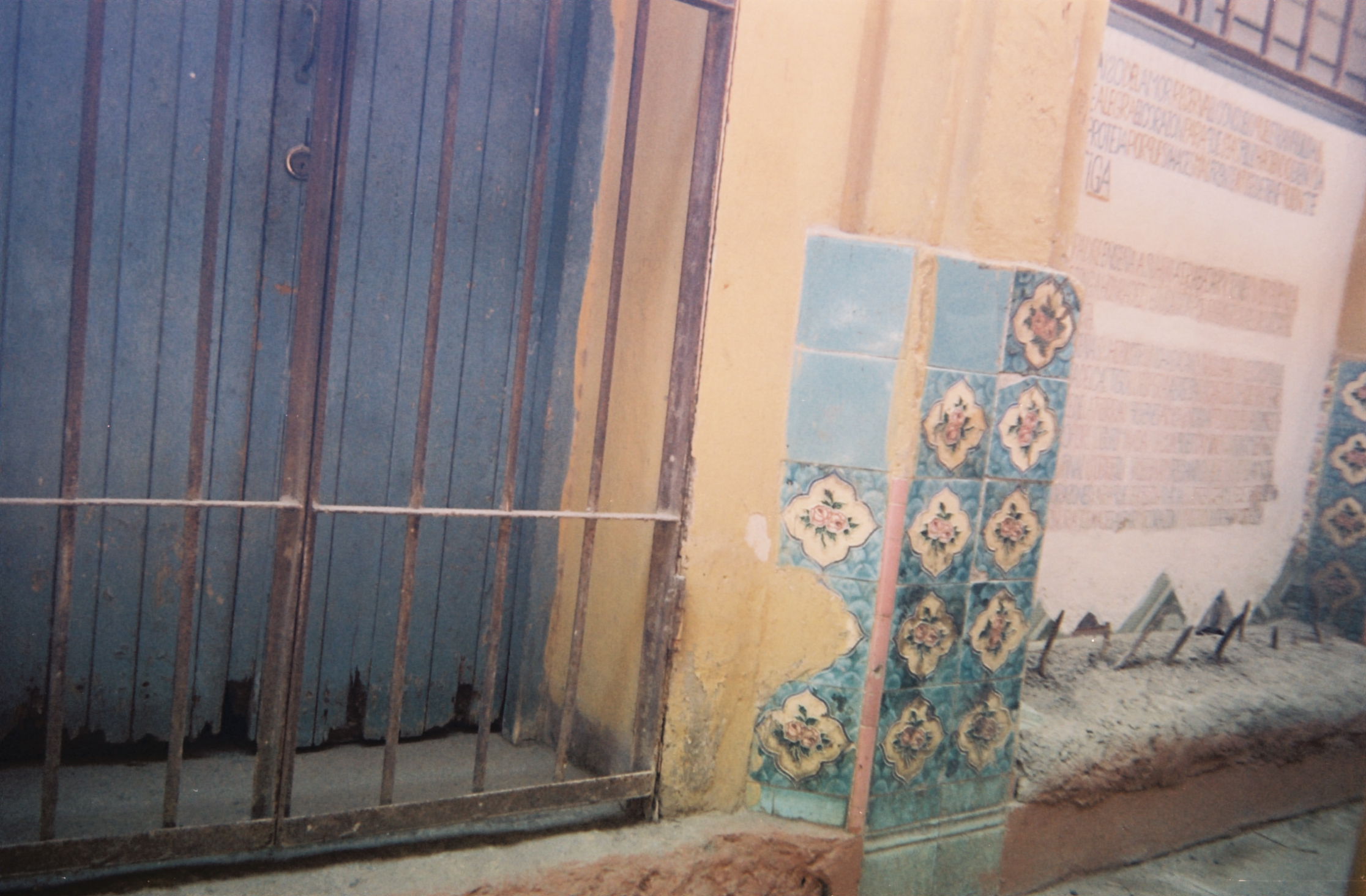
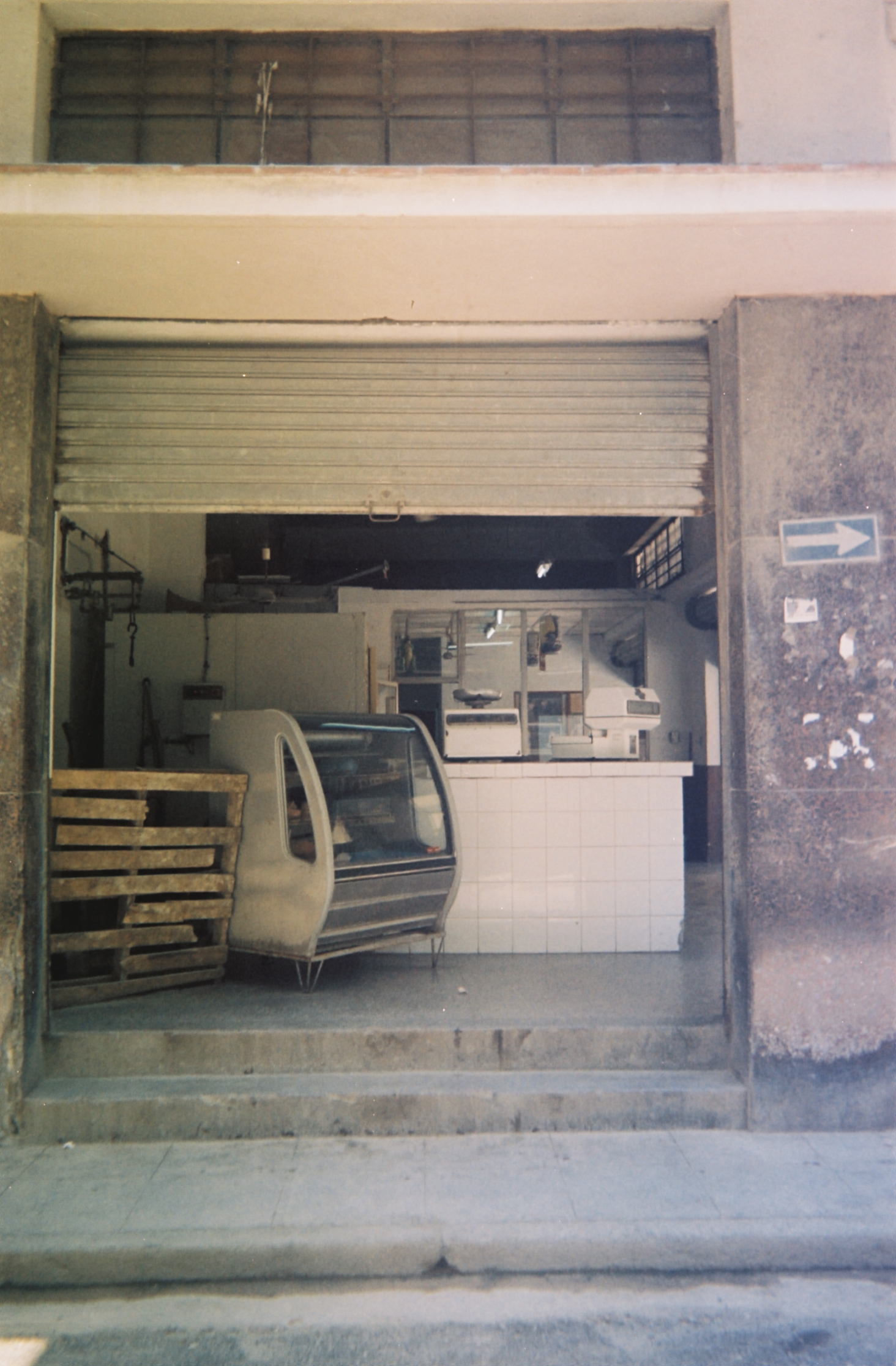
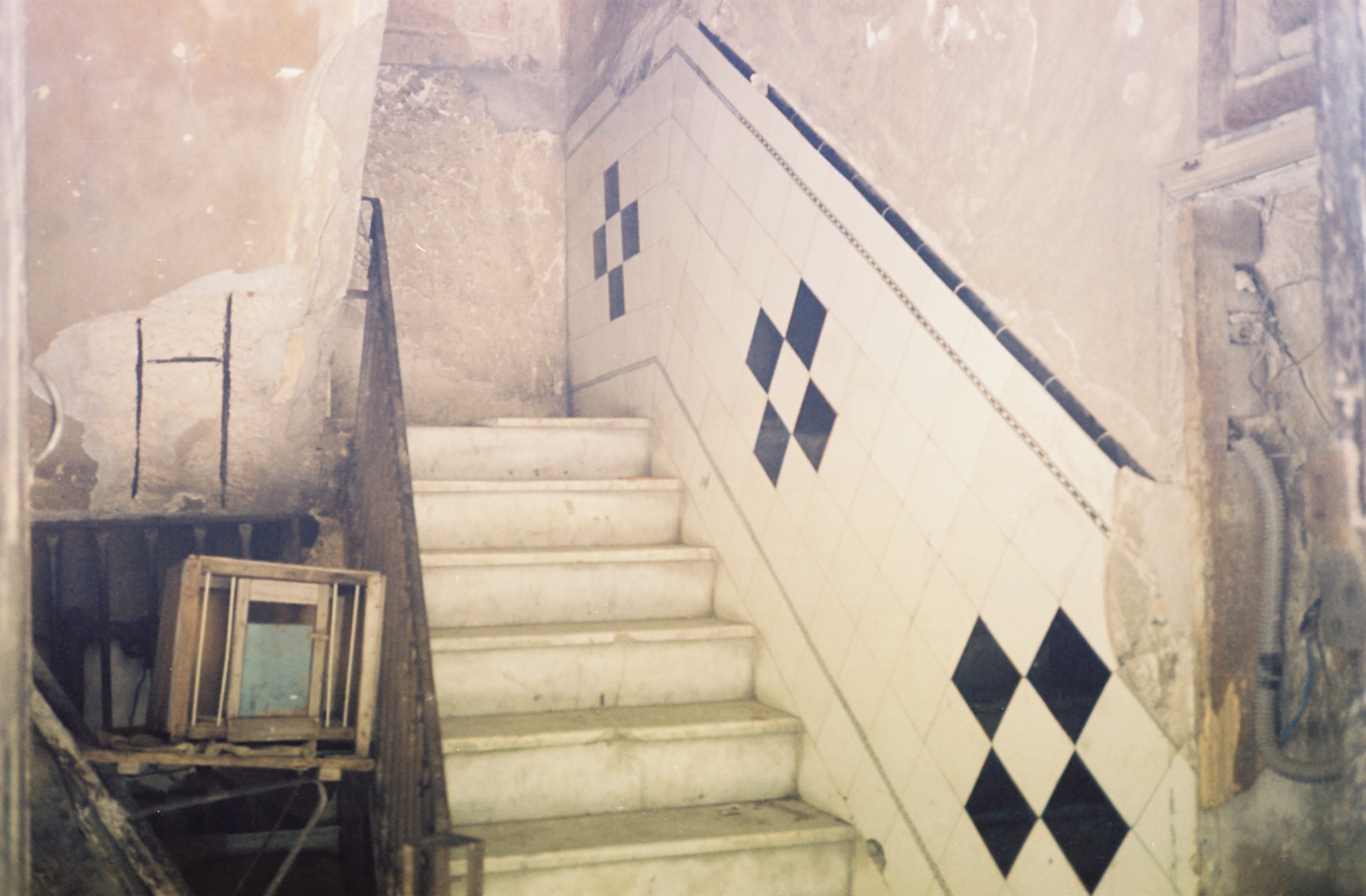
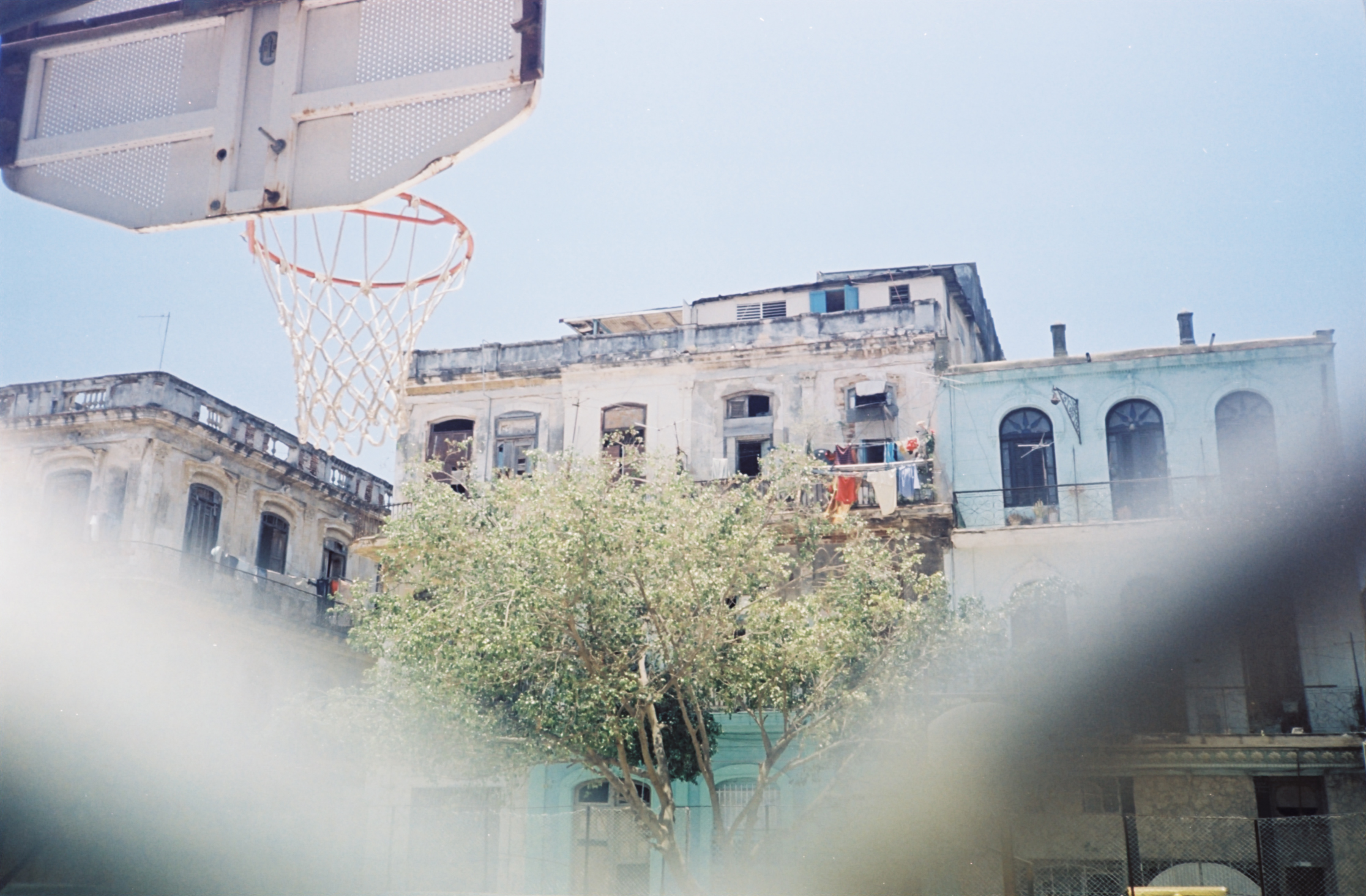
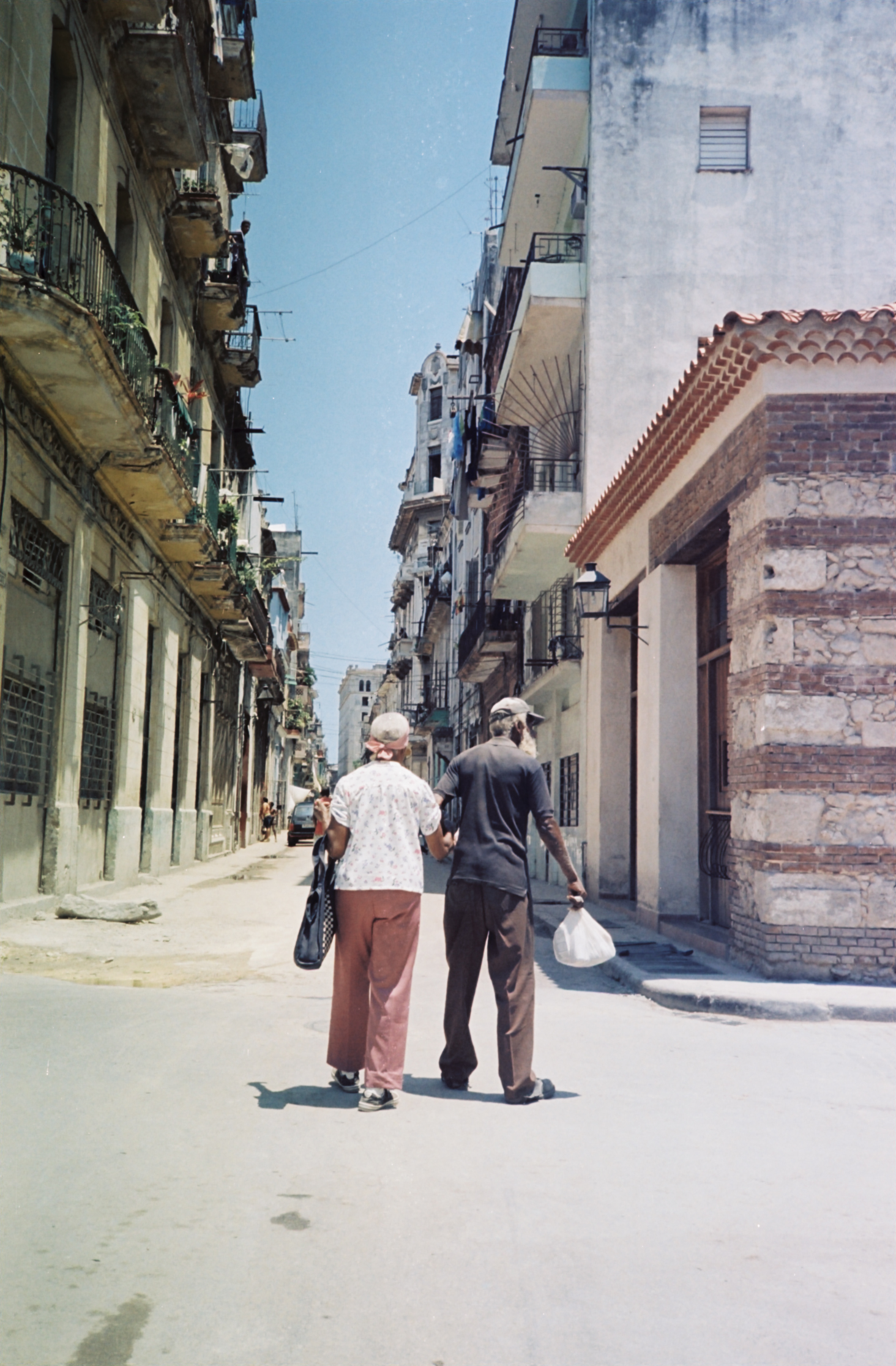
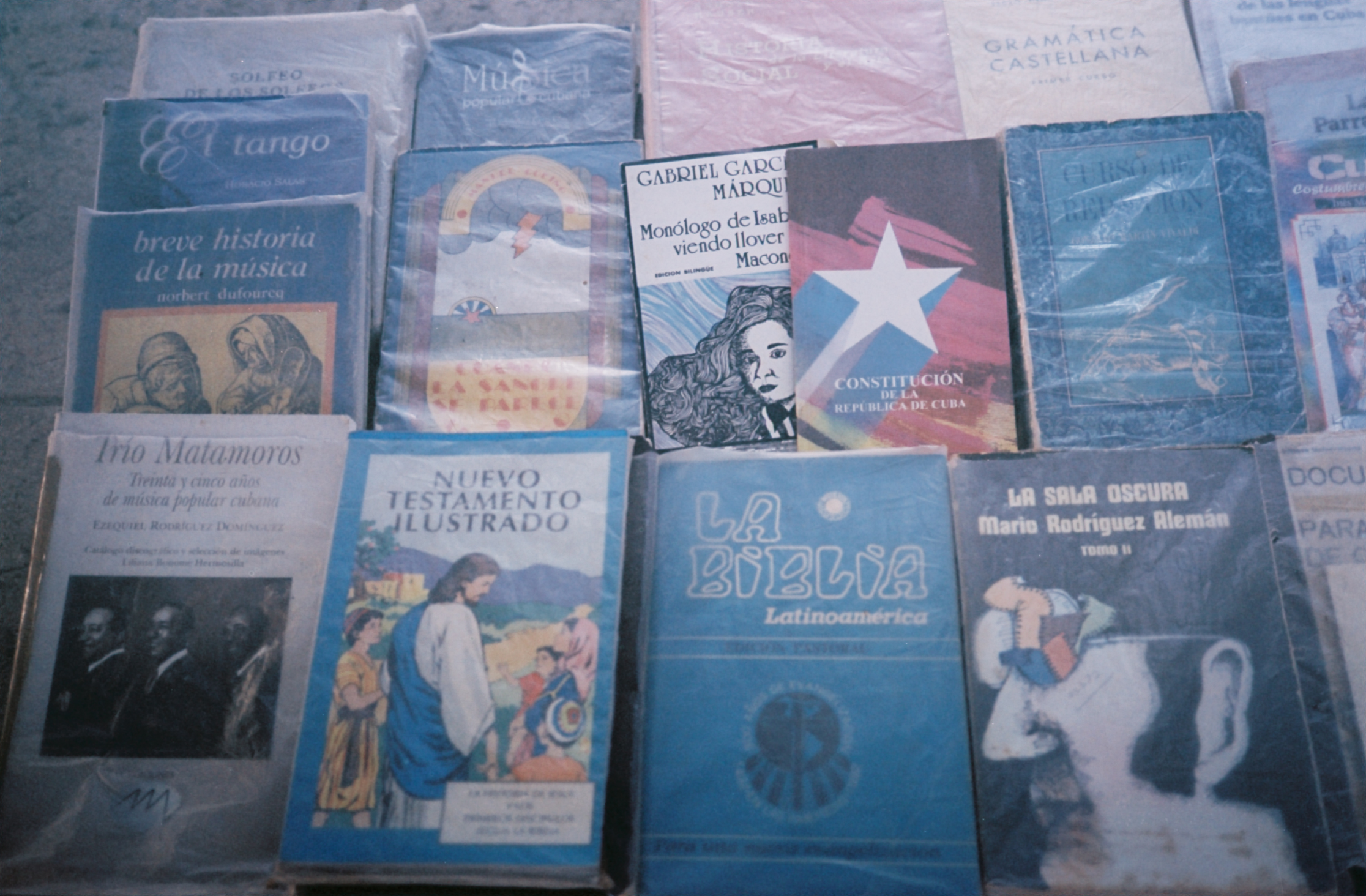
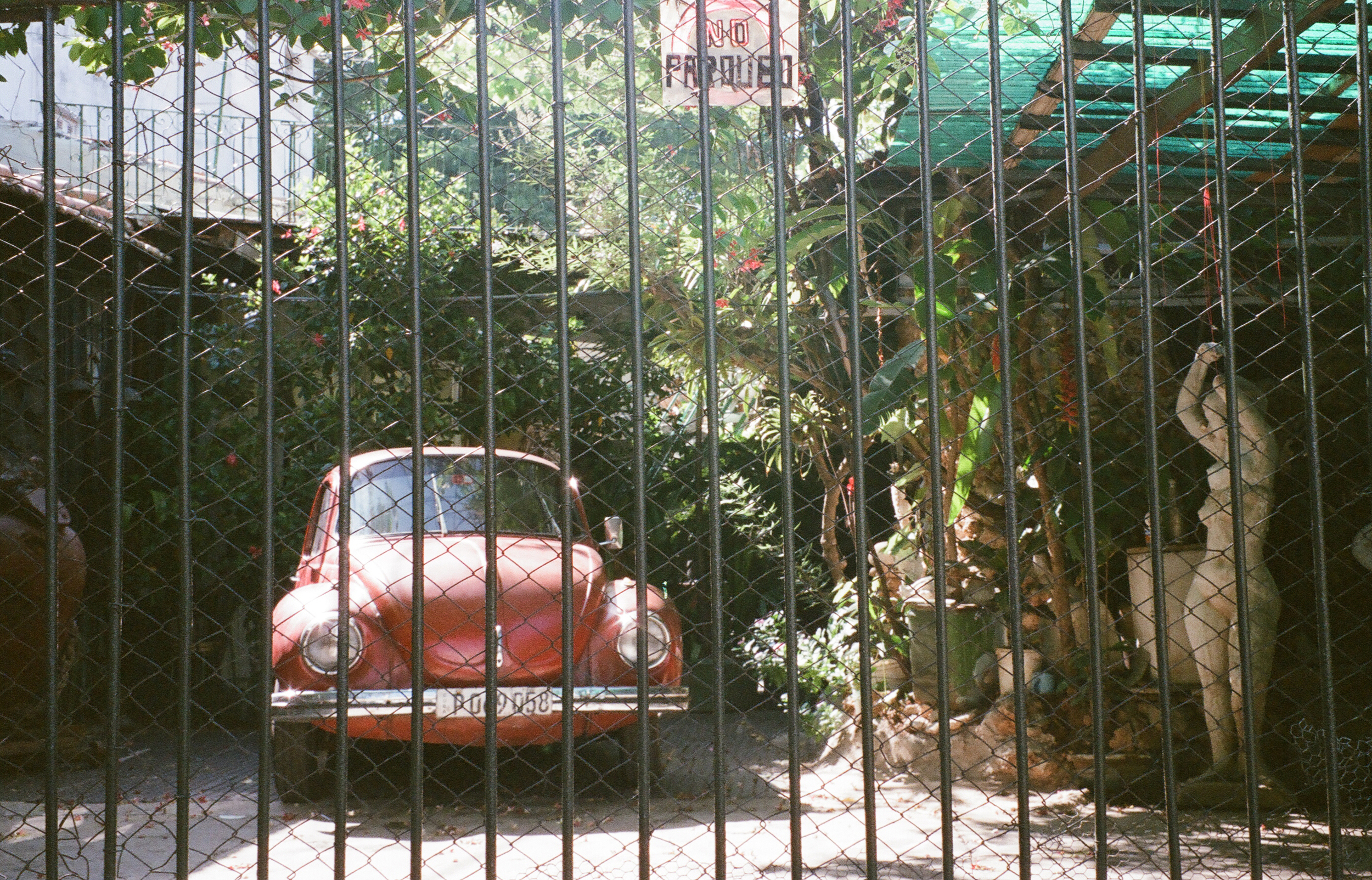
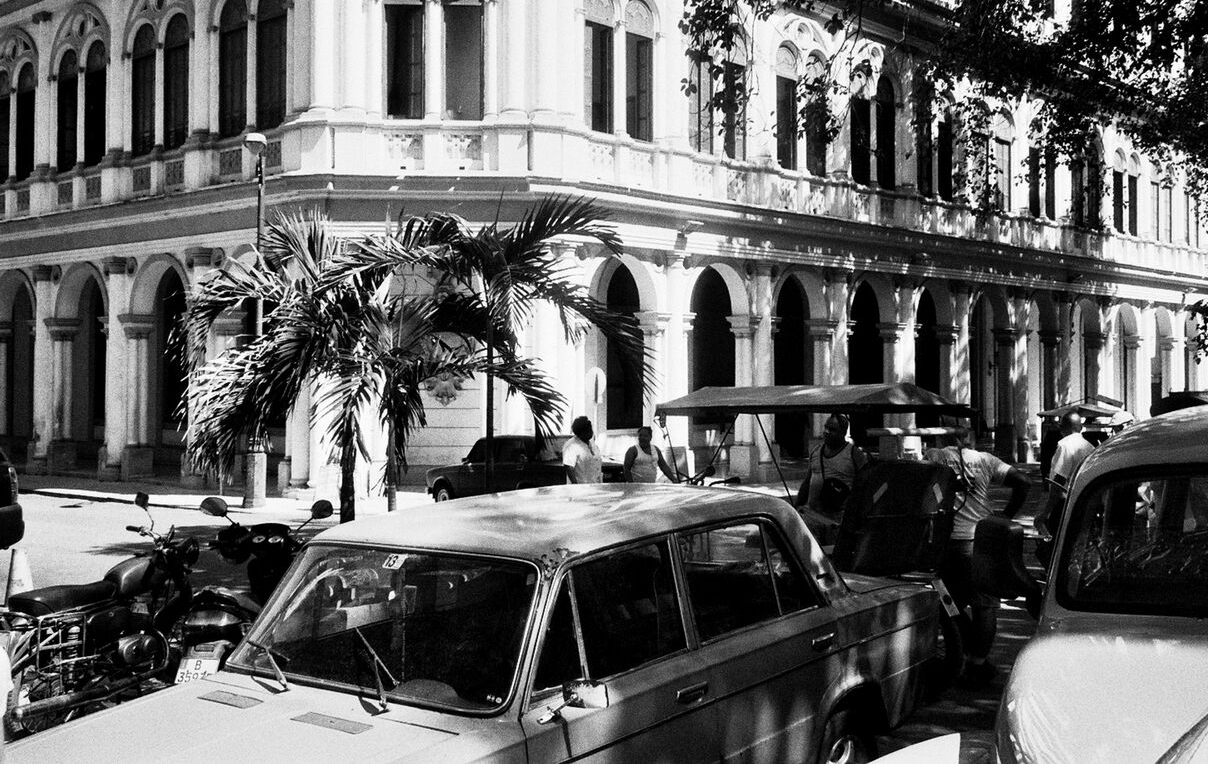
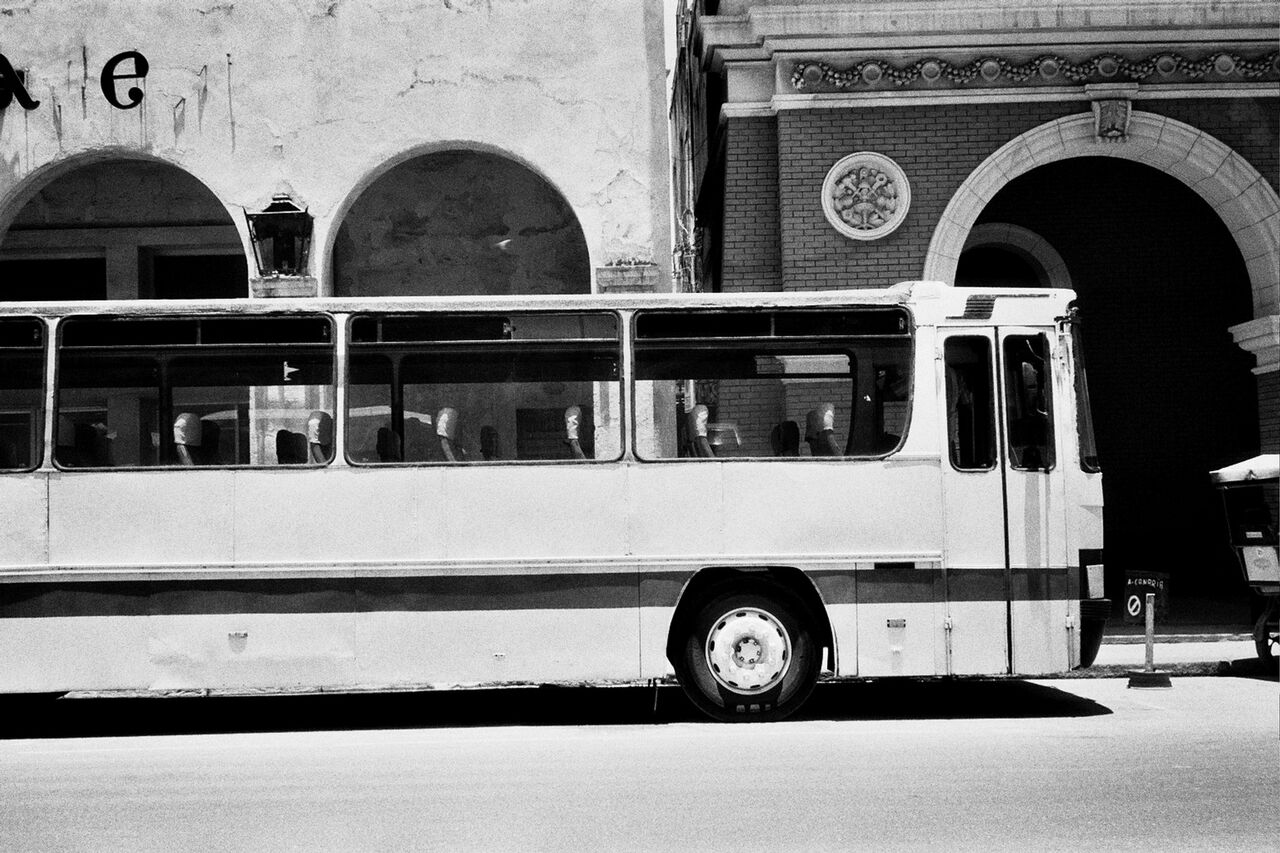
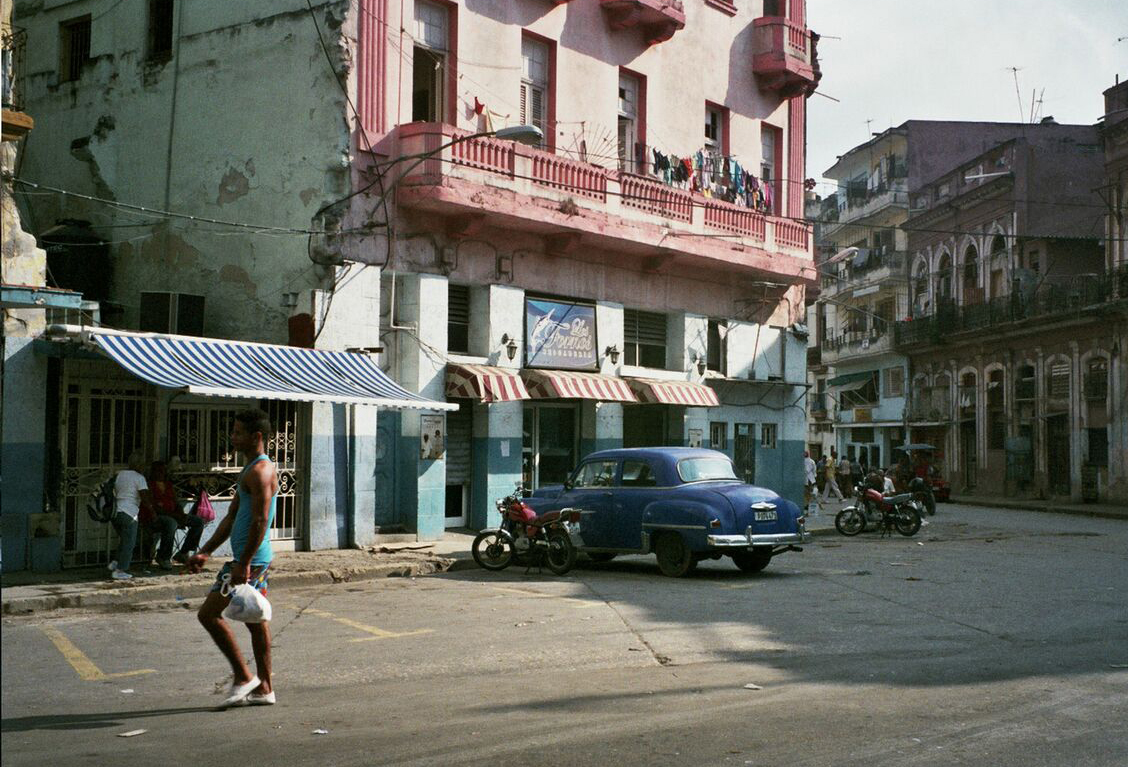
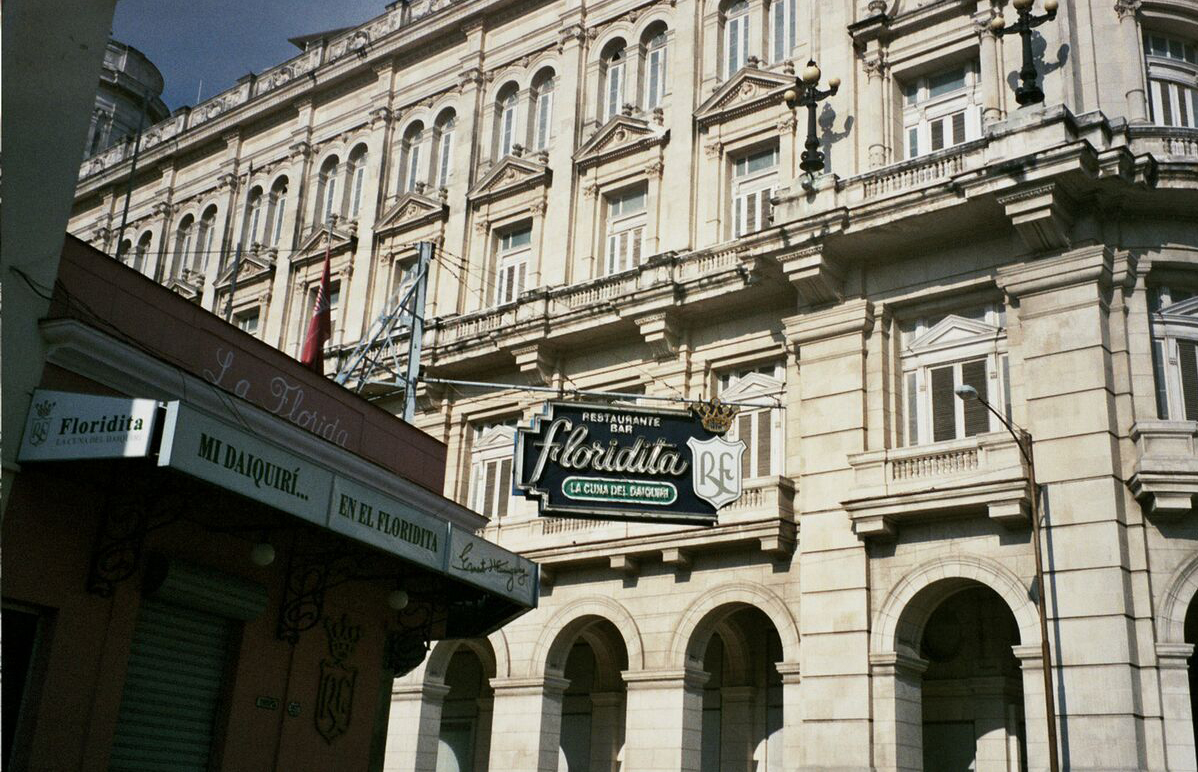
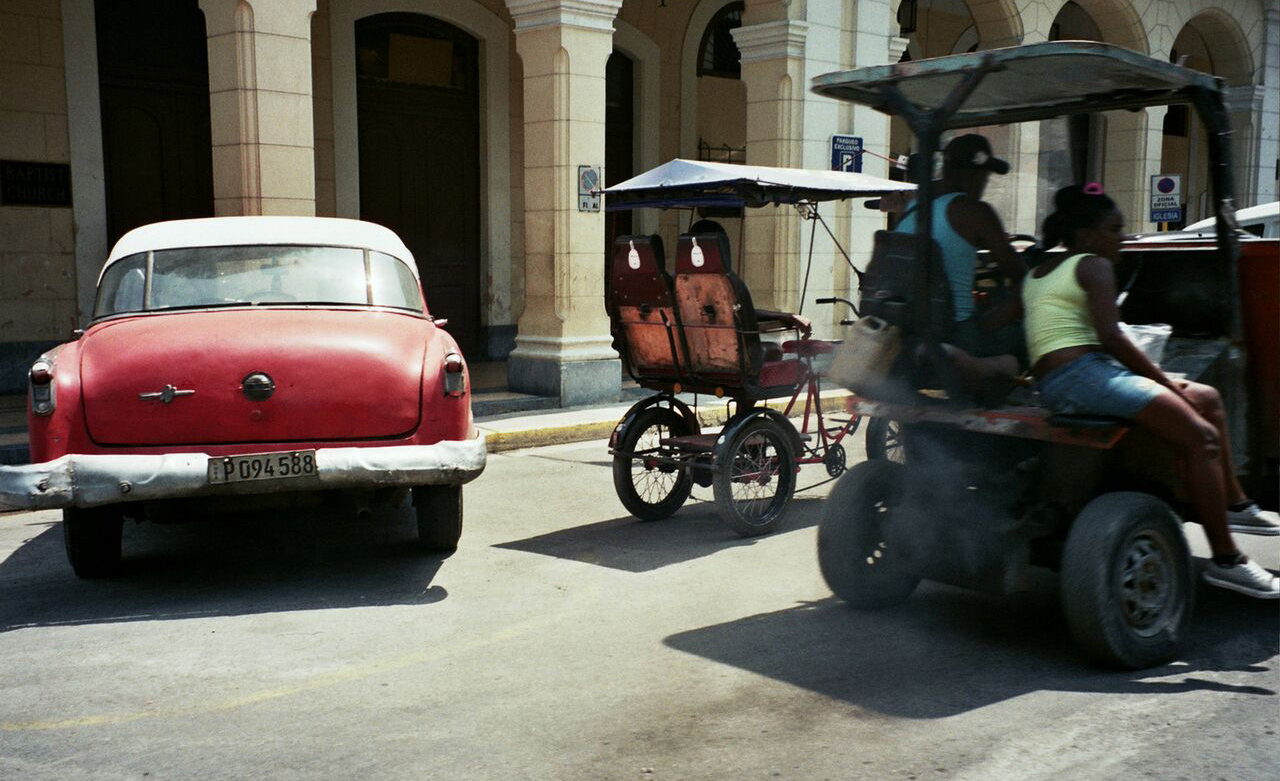
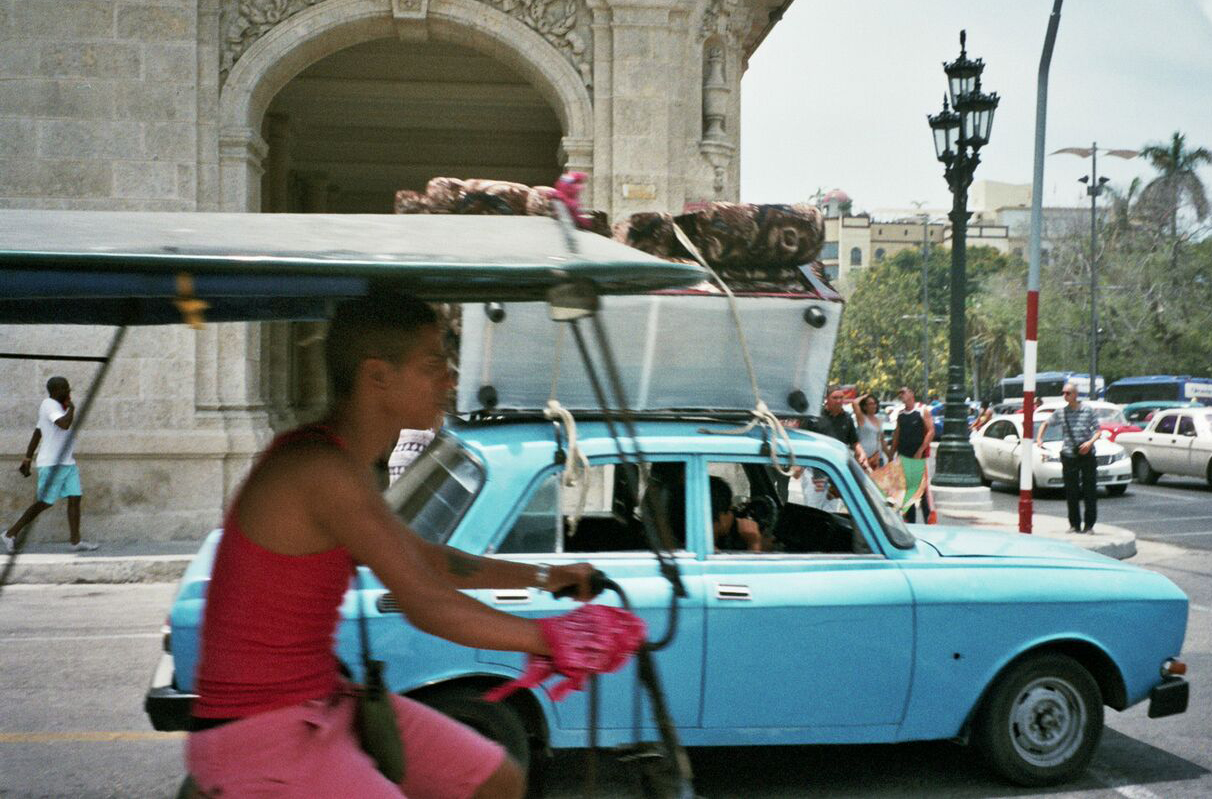
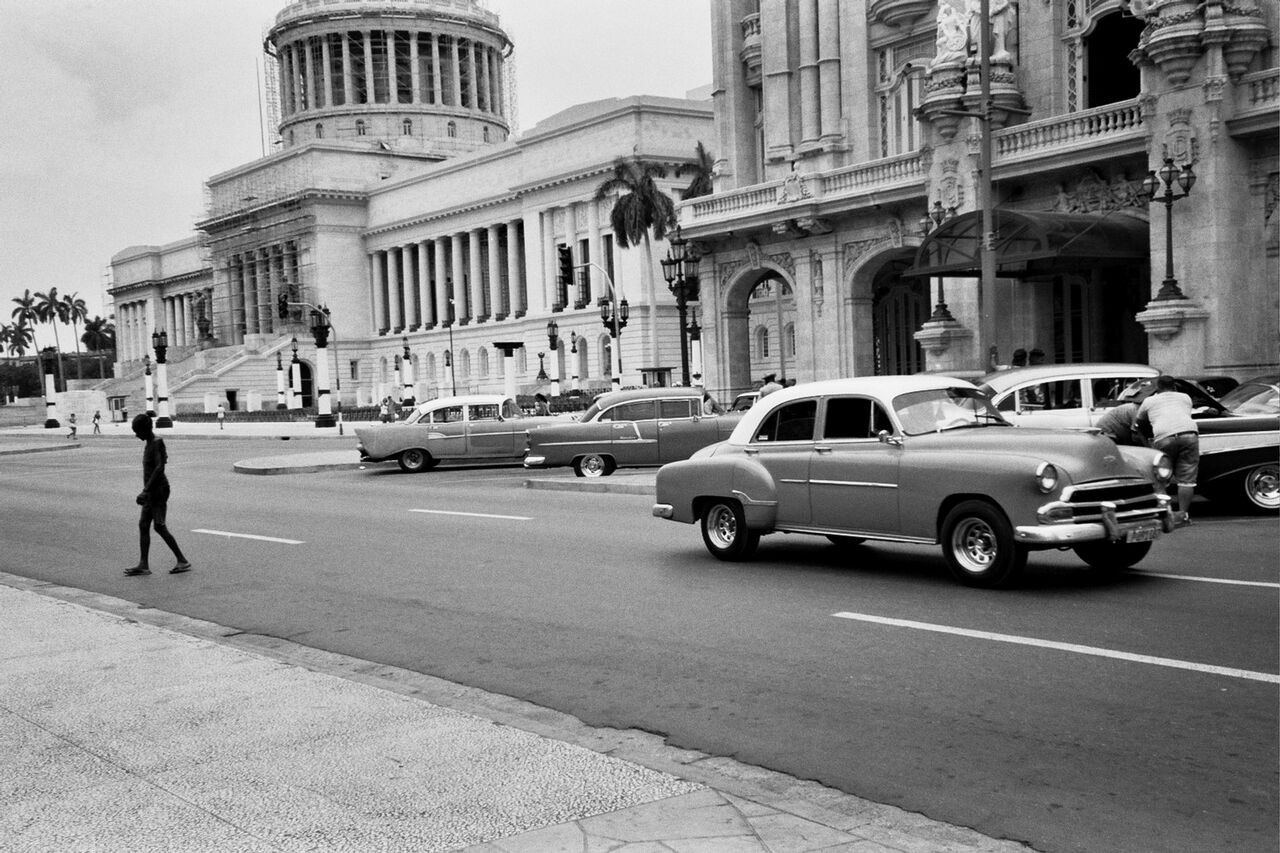
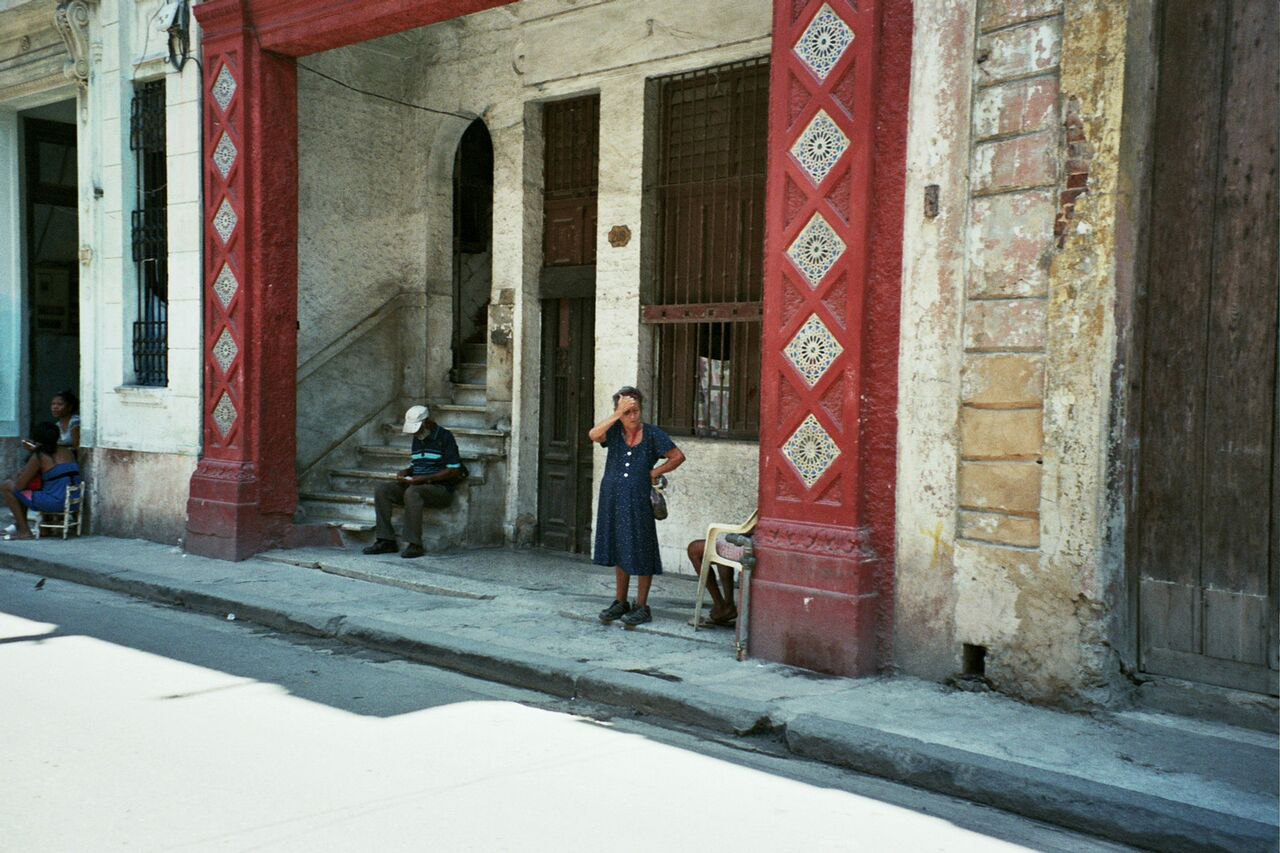
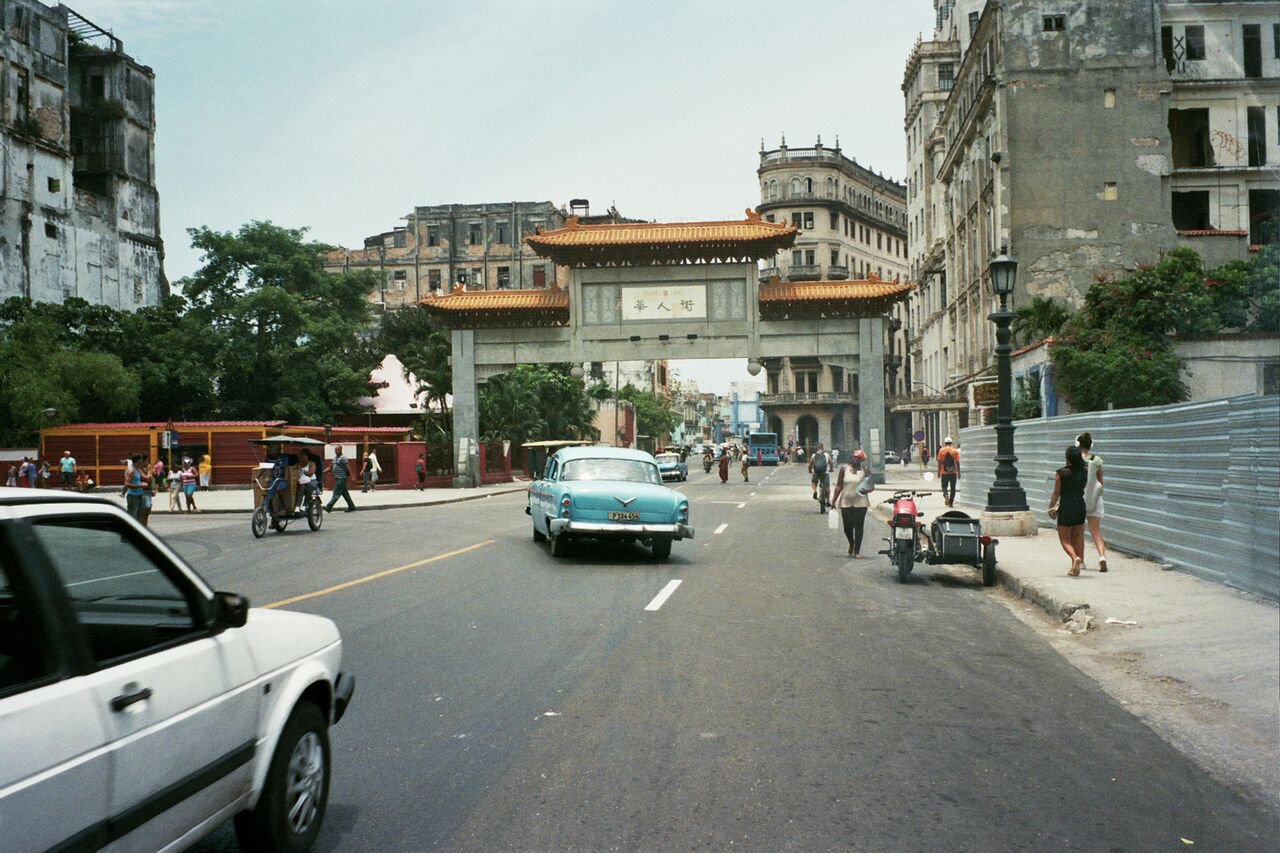
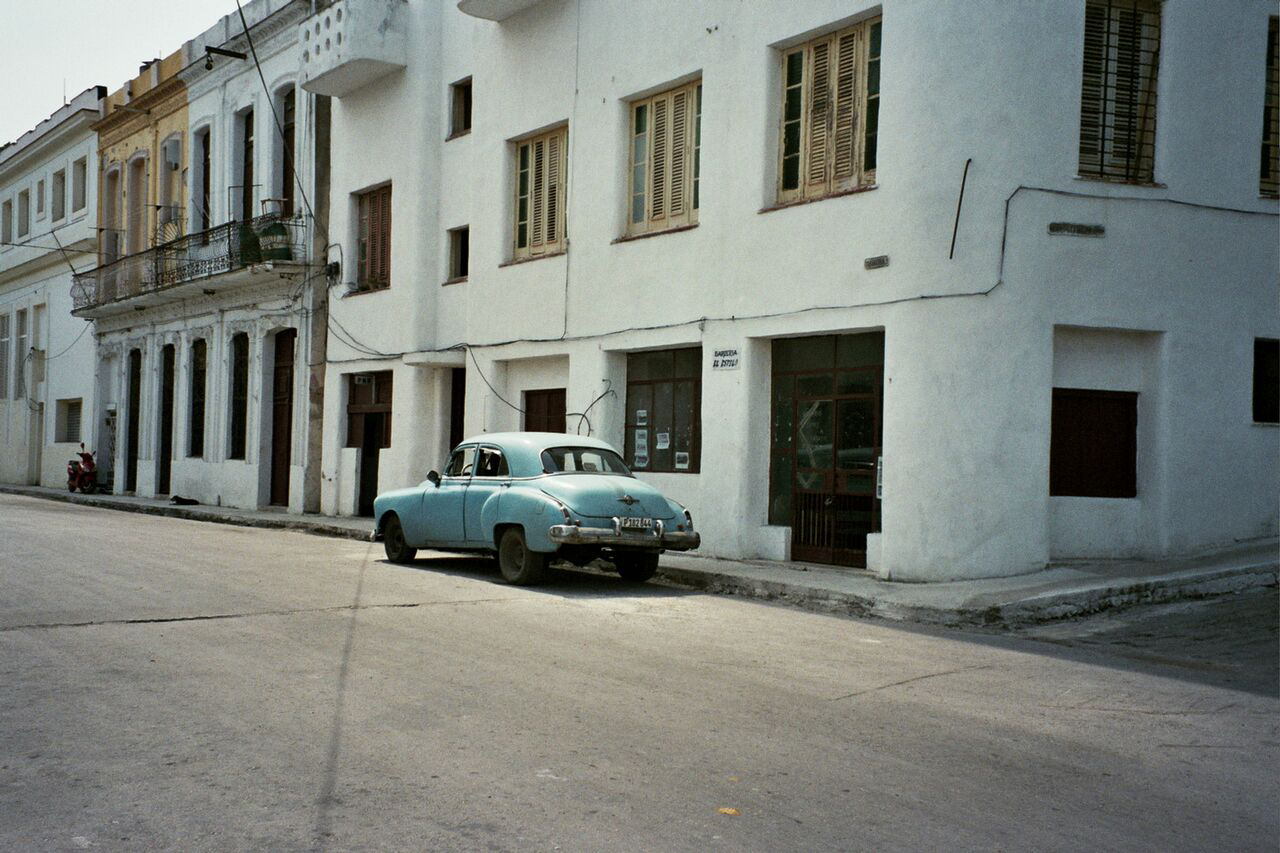
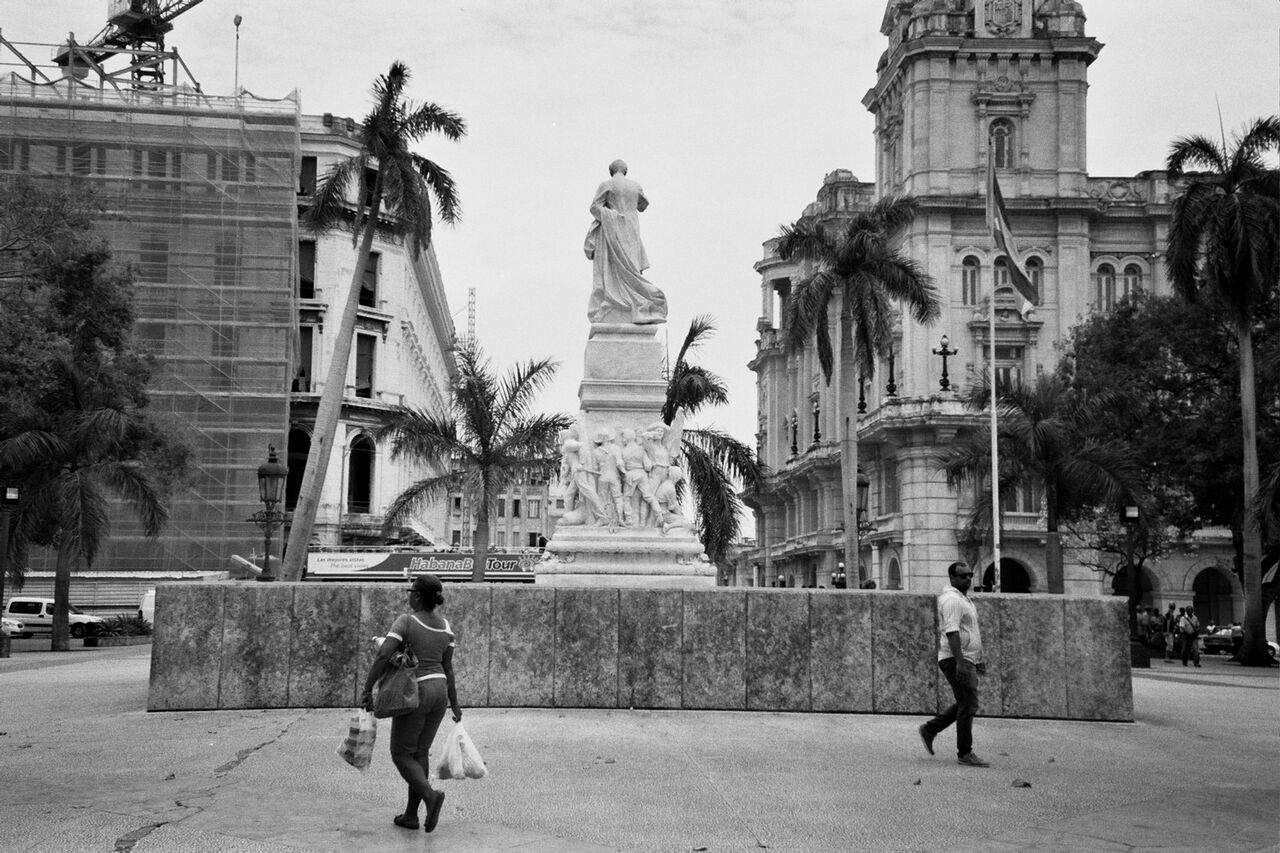
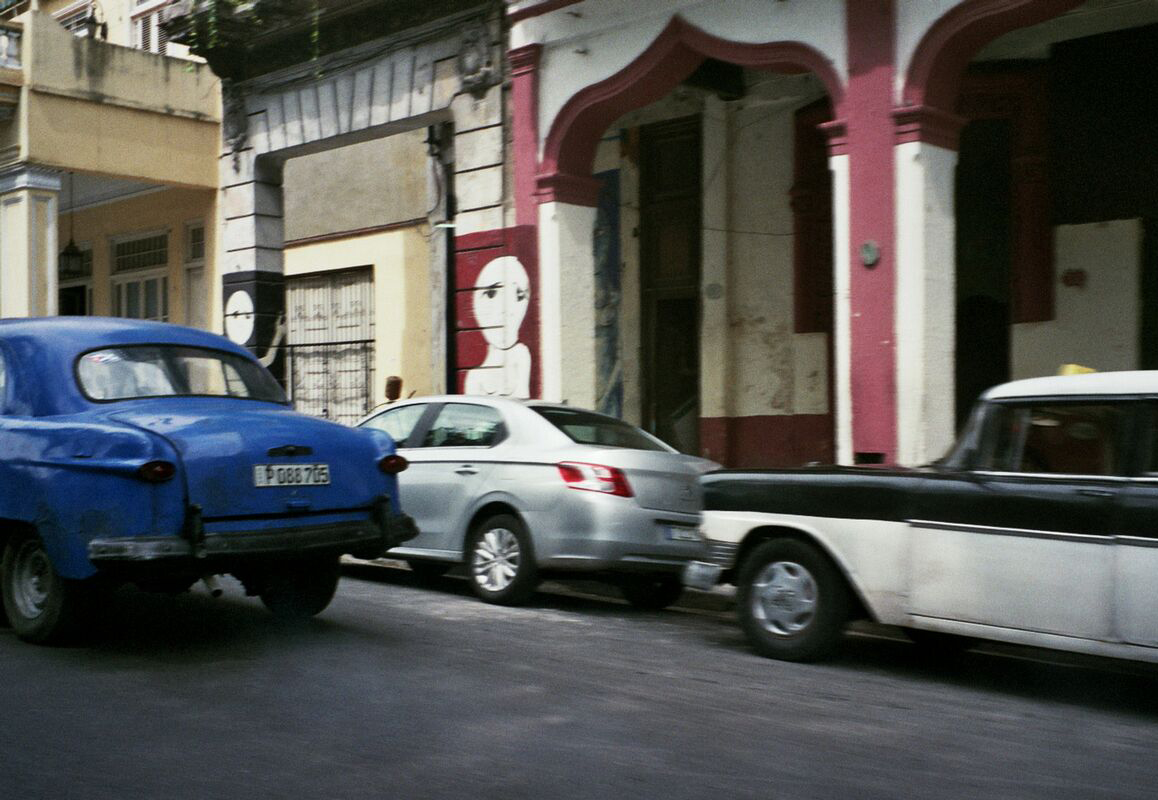
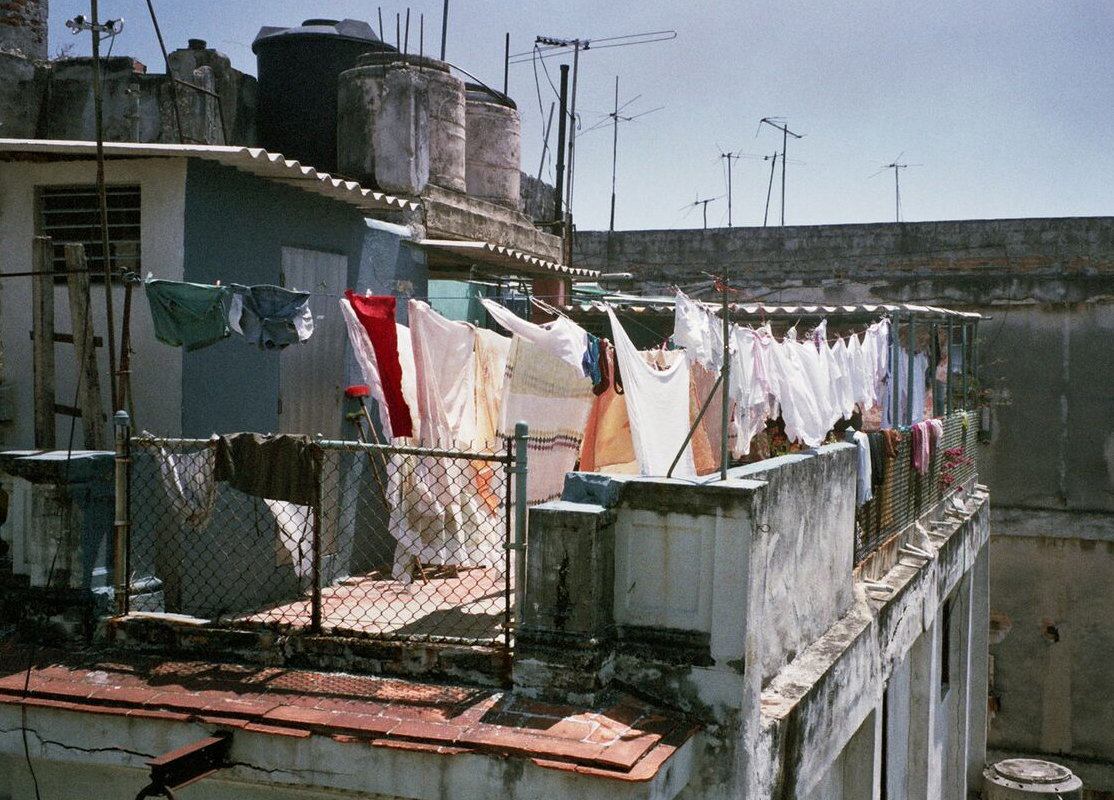
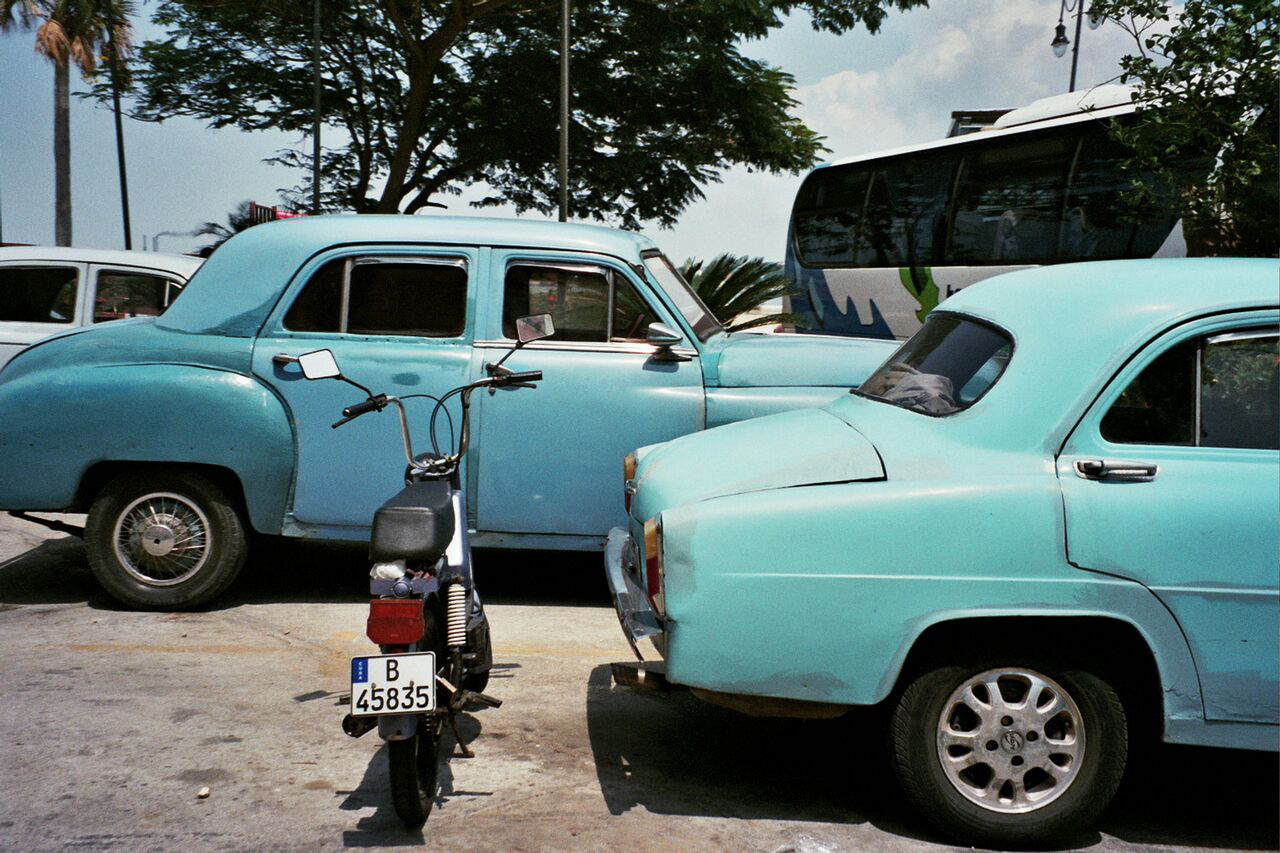
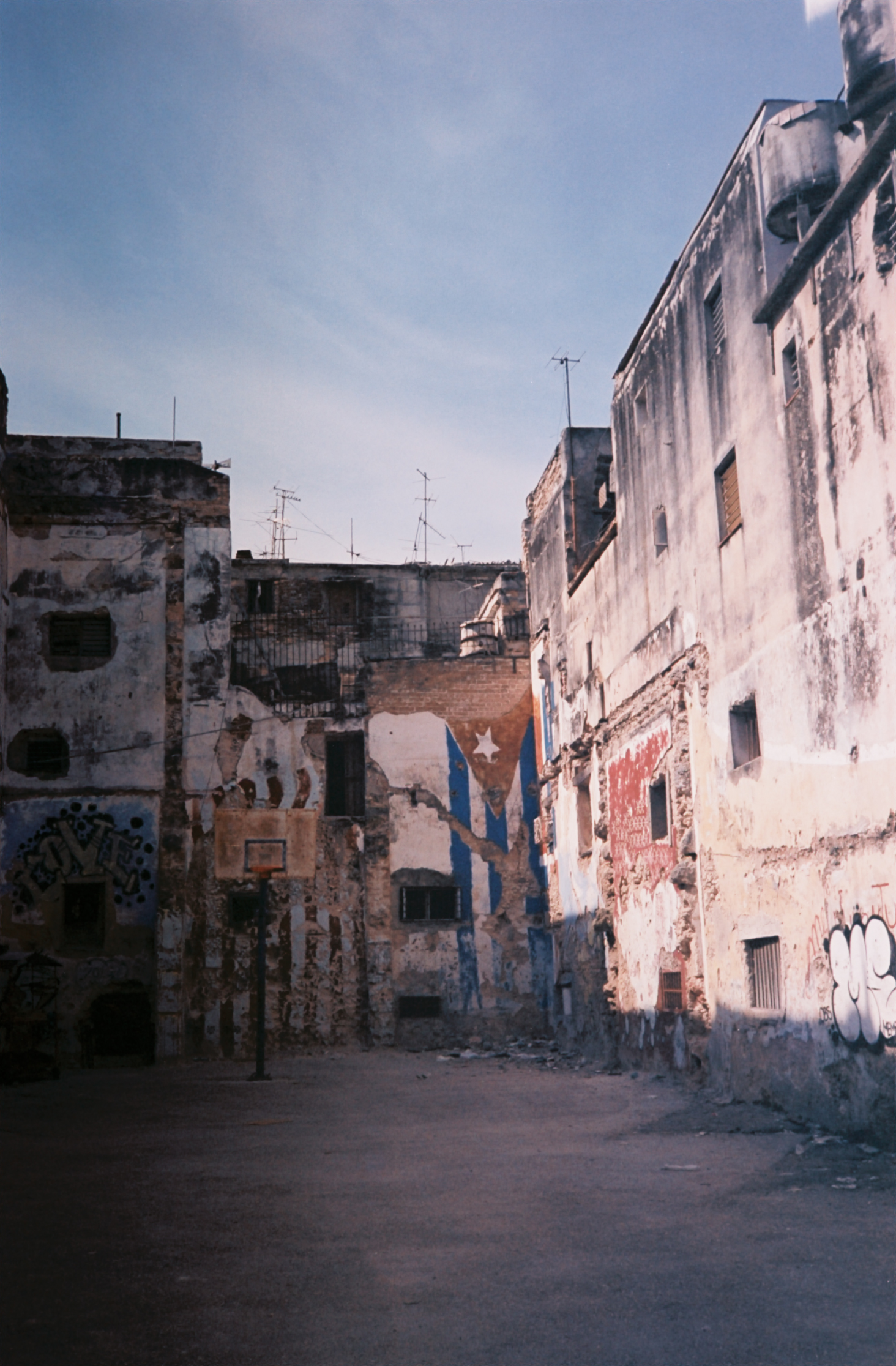
When you think of Cuba a few things come to mind: vintage Chevrolets, cigars and rum, and lots of rum. Sure, the cars were neat the first ten minutes upon my arrival and the old women with skin like leather made for the perfect subject for any american tourist canon rebel. Yes all these things are beautiful, and quintessentially anyone’s understanding of Cuba. But there was so much more beauty and old timelessness to be discovered. Havana was once considered the Las Vegas of the Caribbean, a place for the Hollywood elite, a getaway for the rat pack and Audrey Hepburn. But when communist Cuba was born, this once glamorous destination spot went south. Little did we know, when President Kennedy signed the Embargo Act in 1962, and Fidel’s communist powers become more in alignment, that subconsciously Cuba was being put into a time capsule to legally be rediscovered by Americans only until this year. To my surprise, since Cuba’s communist exit, so much of the city is still regulated in a way that makes it difficult for Cubans to get daily essential items that we take for granted. This city by the sea once glittered with a smorgasbord of architectural styles and eras of wealth, from the Spanish colonial days,1940’s Hollywood and 1950s modernism. Sadly, so many of the old grandames and Hemingway's poetic romanticism are simply crumbling away; some have collapsed into piles of rubble. Life in Cuba has been hard on the people because they can’t make a living off of their government salaries. Sure they have free education and health care, but there are not enough jobs to provide income for the people. I think it’s inevitable to not be sensitive to this kind of poverty, especially living in a place where a realty TV star may become President. But I did not see any beggars in the streets. The people were gracious, happy and full of life. They finally ate the forbidden fruit of “freedom” after all these years, and to experience that kind of joy and liberty was amazing. Old Havana is beautiful, cobble stone streets, pastel art nouveau architecture decorate Paseo del Prado, but if you travel outside of the center you can discover more about Cuba’s history, such as Havana’s Chinatown. There are strong historical relations for Communist Cuba and China. This made it easy for Havana to establish its own Chinatown. photographs by Mattea Perrotta and Kate Parfet. Text by Mattea Perrotta