Sterling Ruby’s Atropa Explores the Duality of Life @ Sprüth Magers New York

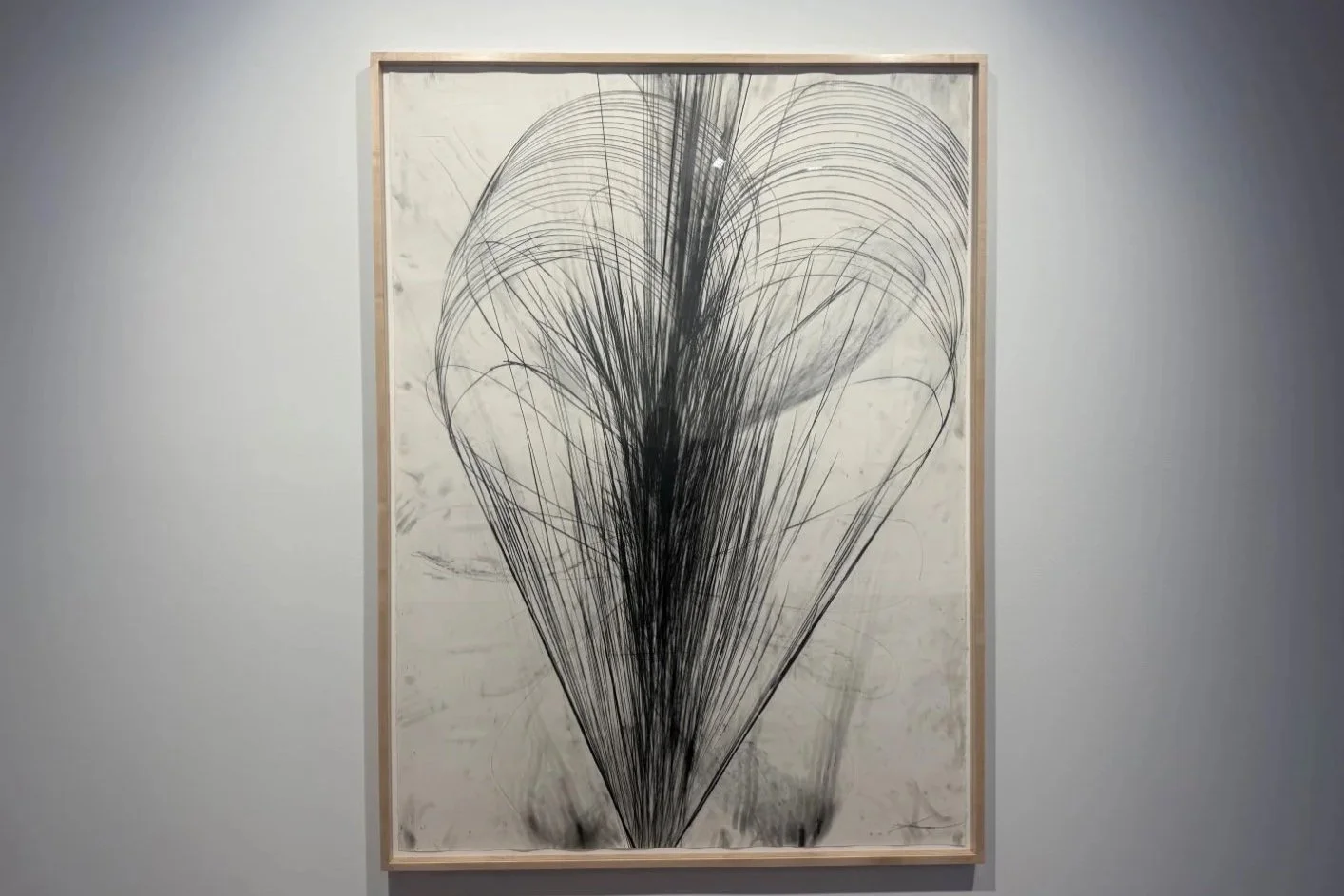
Atropa by Sterling Ruby, Sprüth Magers New York, 2026. Photo: Isabella Bernabeo.

text and photographs by Isabella Bernabeo

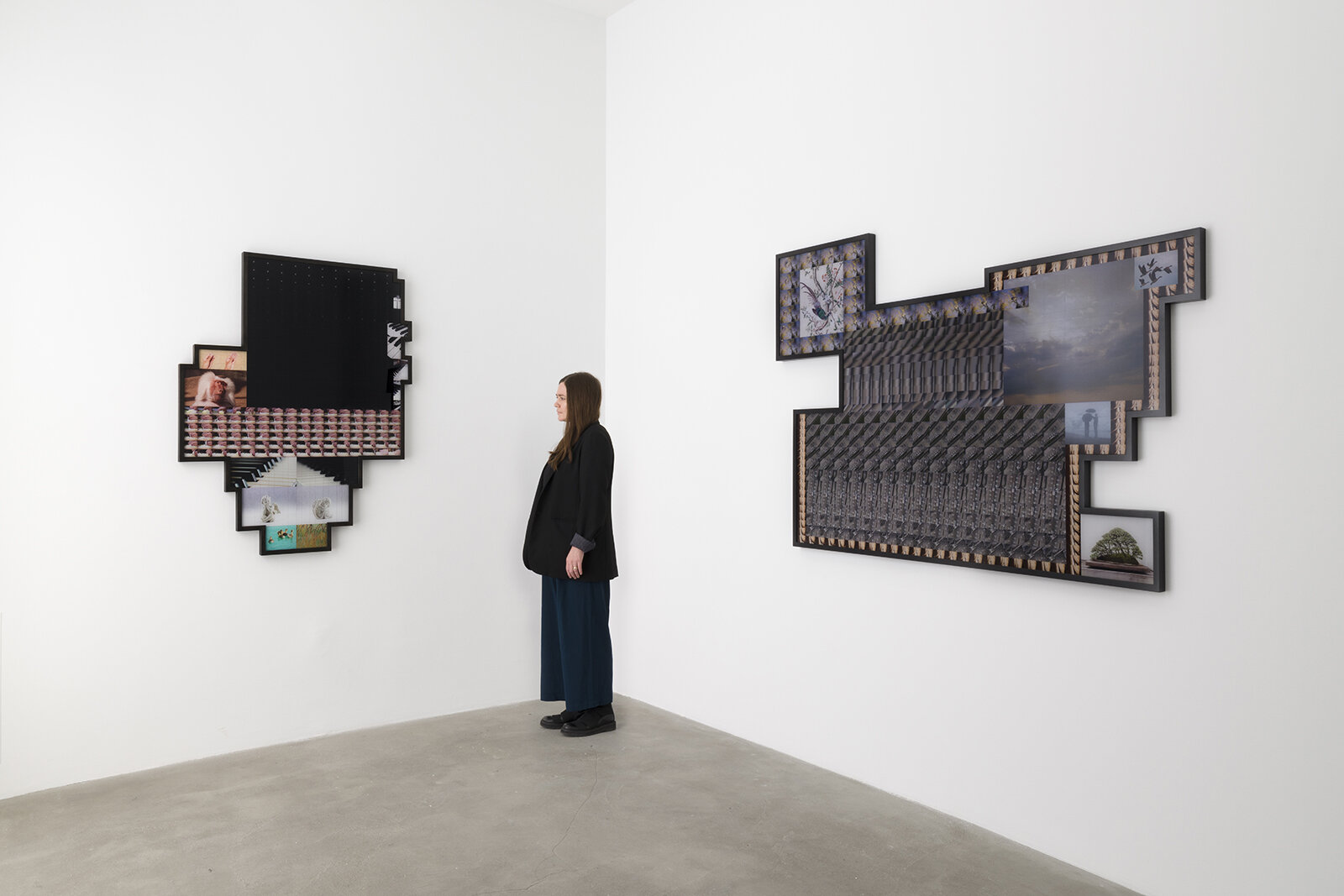
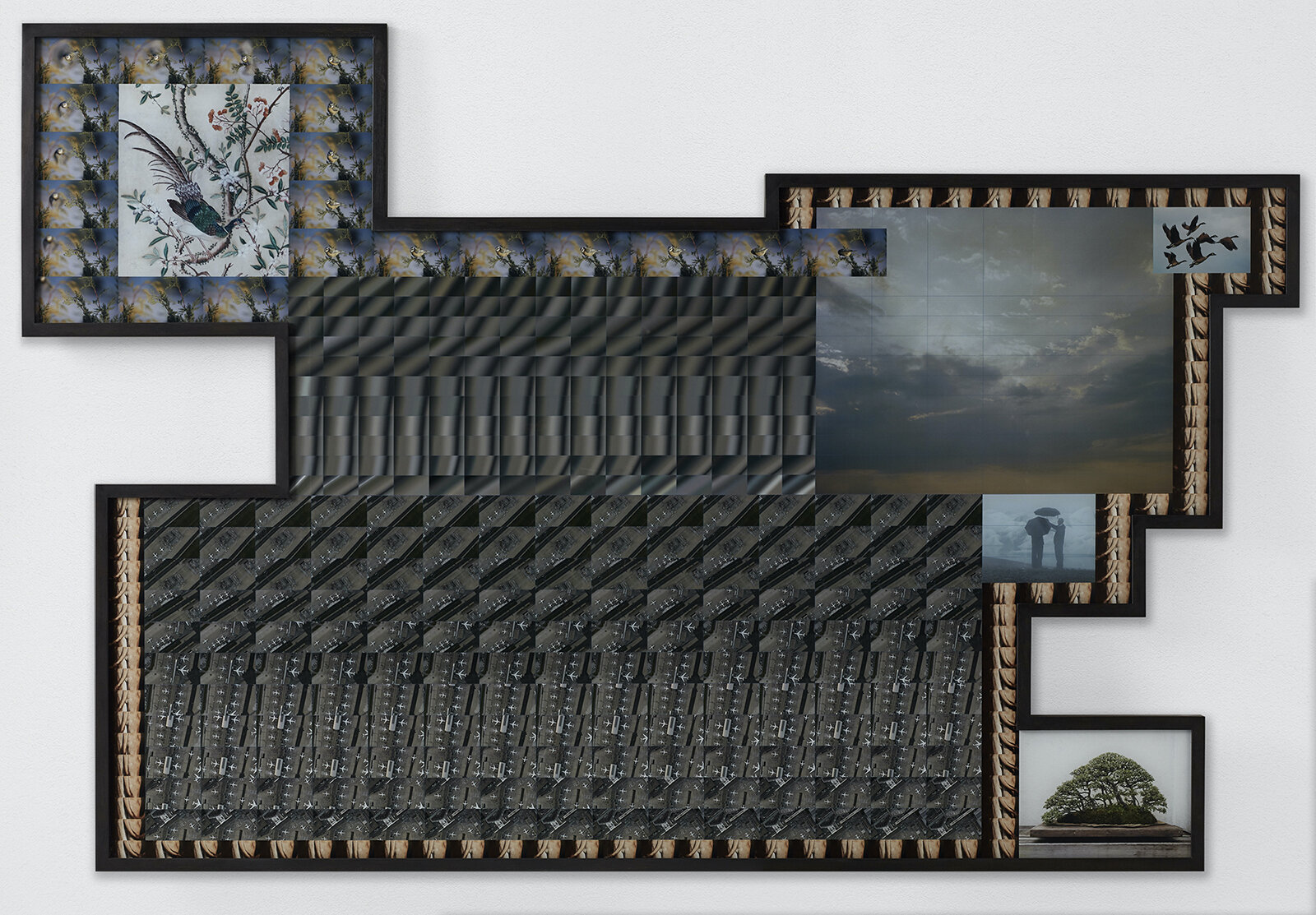
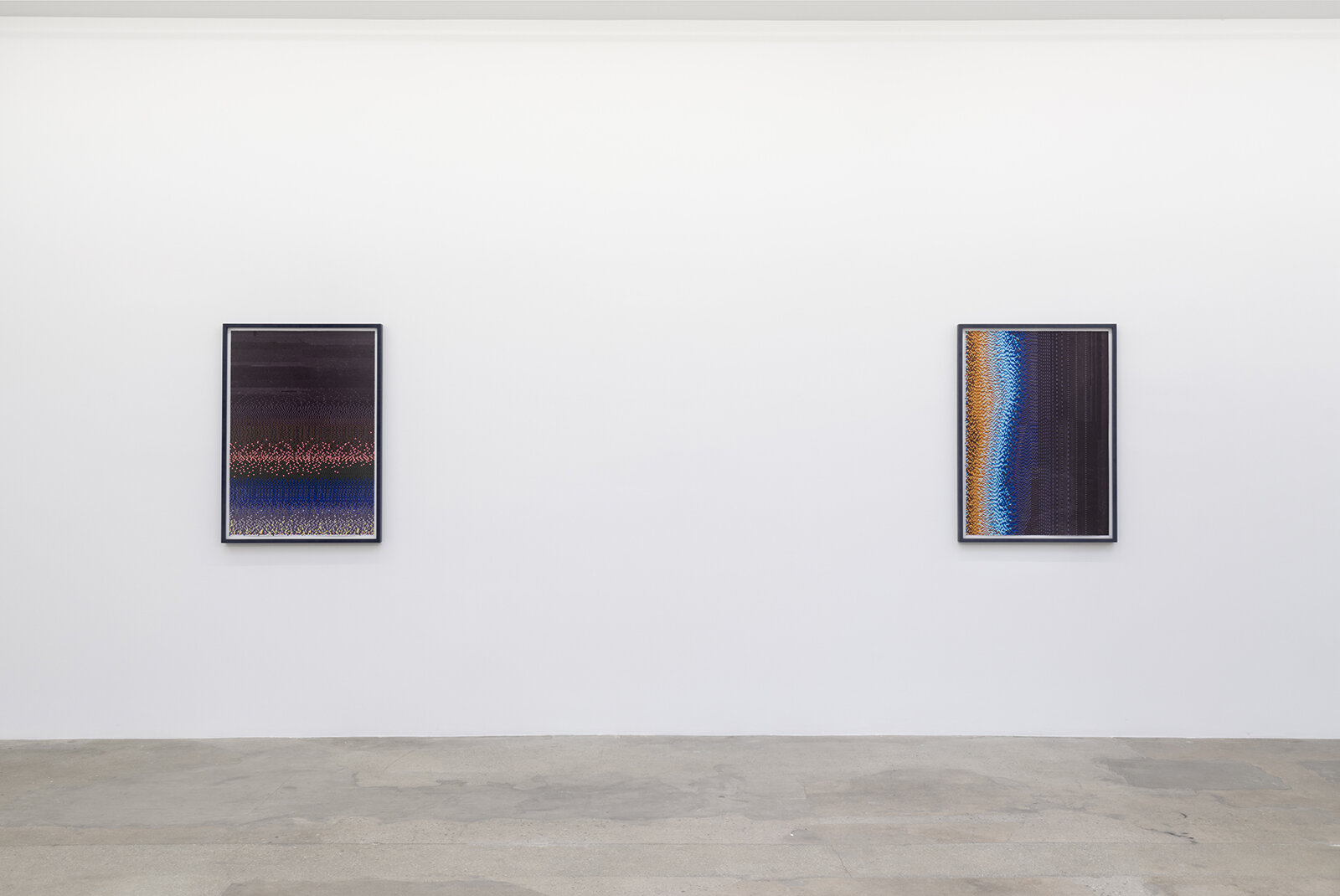
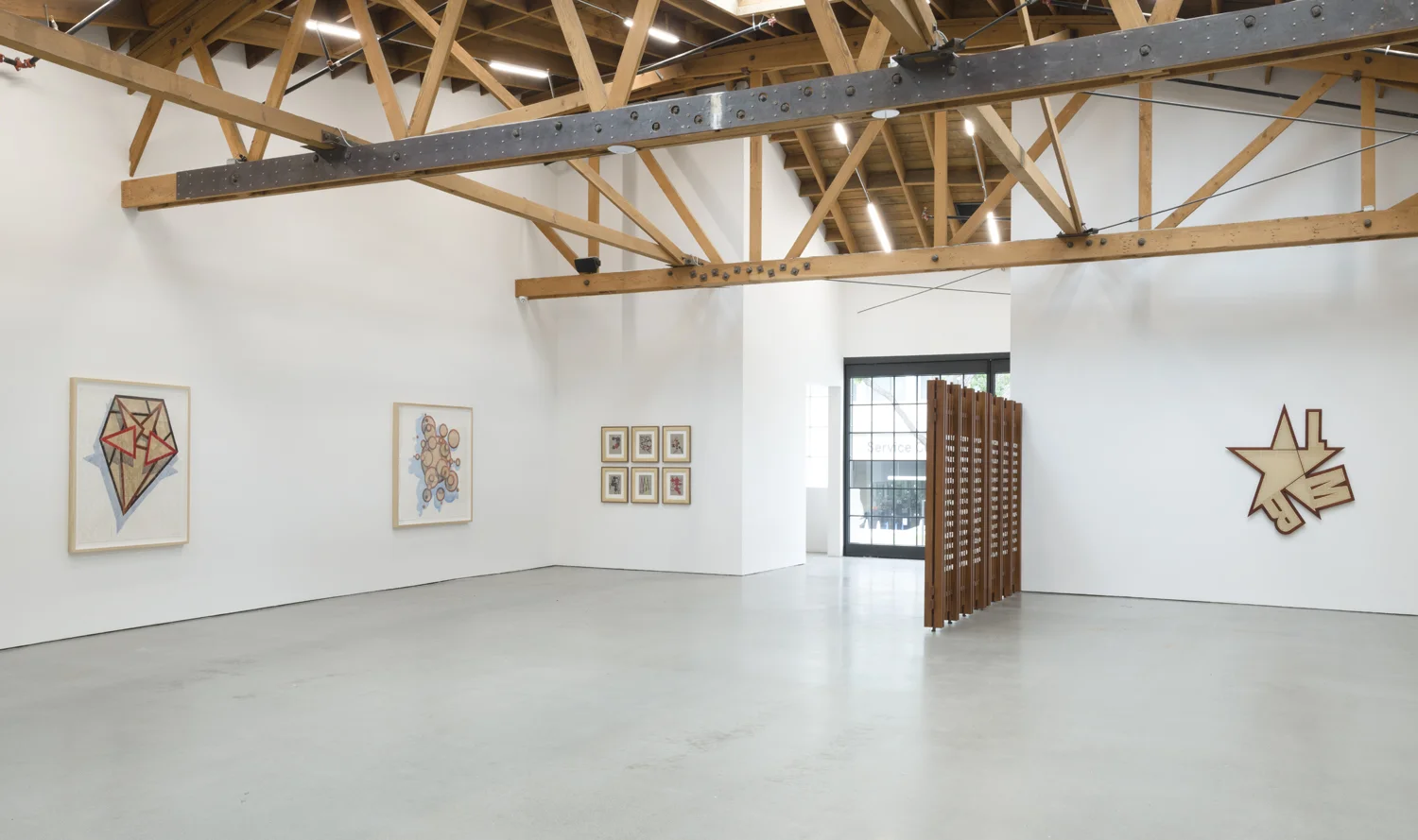
Hidden away on the second floor of an old Upper East Side building, Sterling Ruby’s Atropa explores the duality of life through unconventional artistic methods. Named after the nightshade genus, more commonly known as deadly nightshade, Atropa also references Atropos, a Greek Fate and the eldest daughter of Zeus and Themis. She is the goddess who cuts the thread of life, allowing her to decide the time and manner of a mortal’s death.

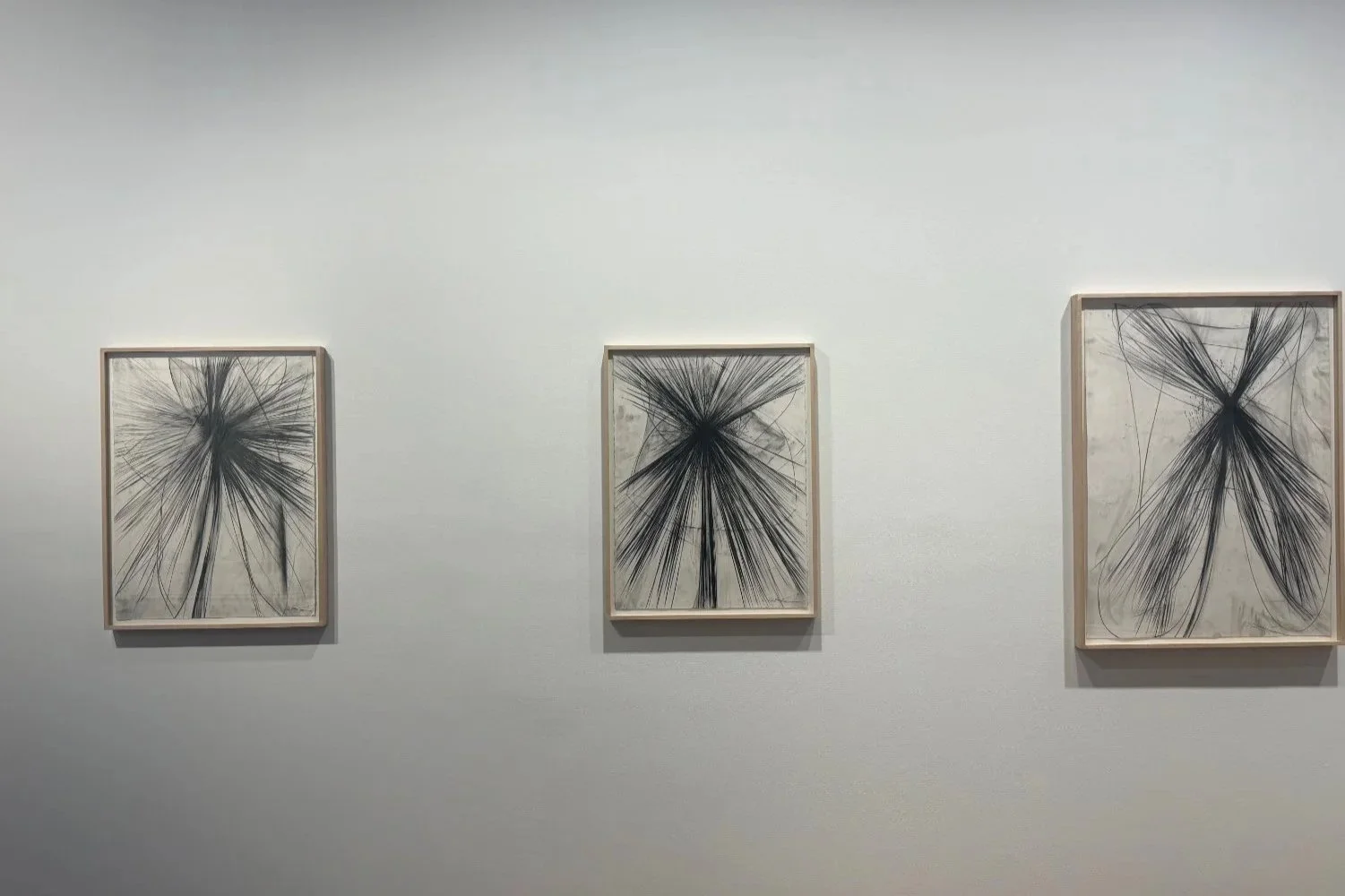
After climbing up an old, rickety staircase, we enter what appears to be an empty apartment flat. The sleek white walls and dark brown hardwood floors dominate the space until they are met by tiny, intricate black lines within pale wood frames, arranged along the walls. 

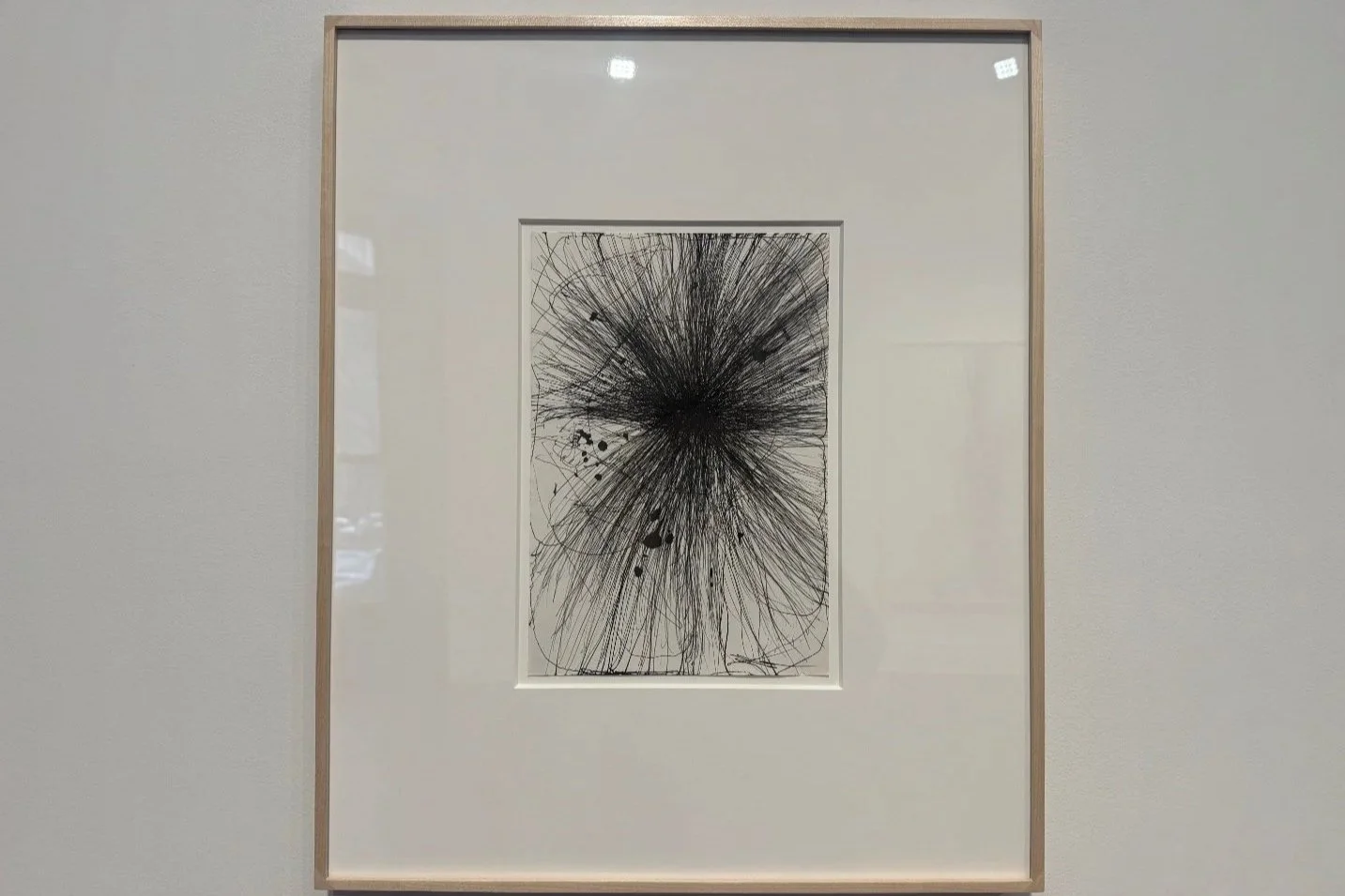
Atropa by Sterling Ruby, Sprüth Magers New York, 2026. Photo: Isabella Bernabeo.

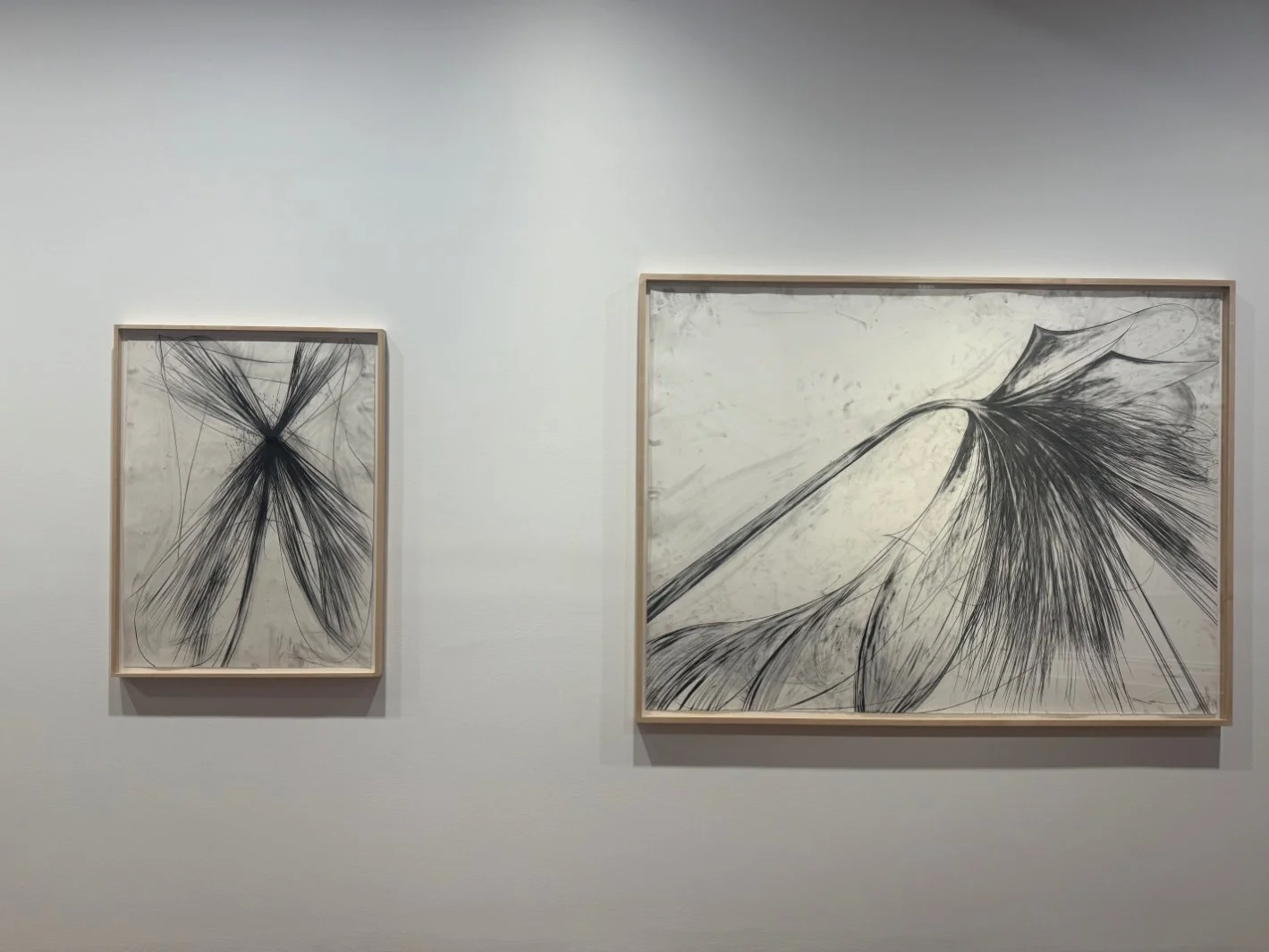
These graphite and pen-on-paper drawings seem to shift and move, their lines twisting fluidly like a worm wiggling to life. Though they were made just last year, these pieces trace back to a series that Ruby began working on thirty years ago. Each of them is drawn with instinctive human gestures rather than the controlled mark-making characteristic of a traditional representational practice. 

All eight drawings are also named after a flower – from Henbane in the nightshade family to Bleeding Hearts in the poppy family to Morning Glory in the convolvulaceae family – many of which are highly poisonous plants. 
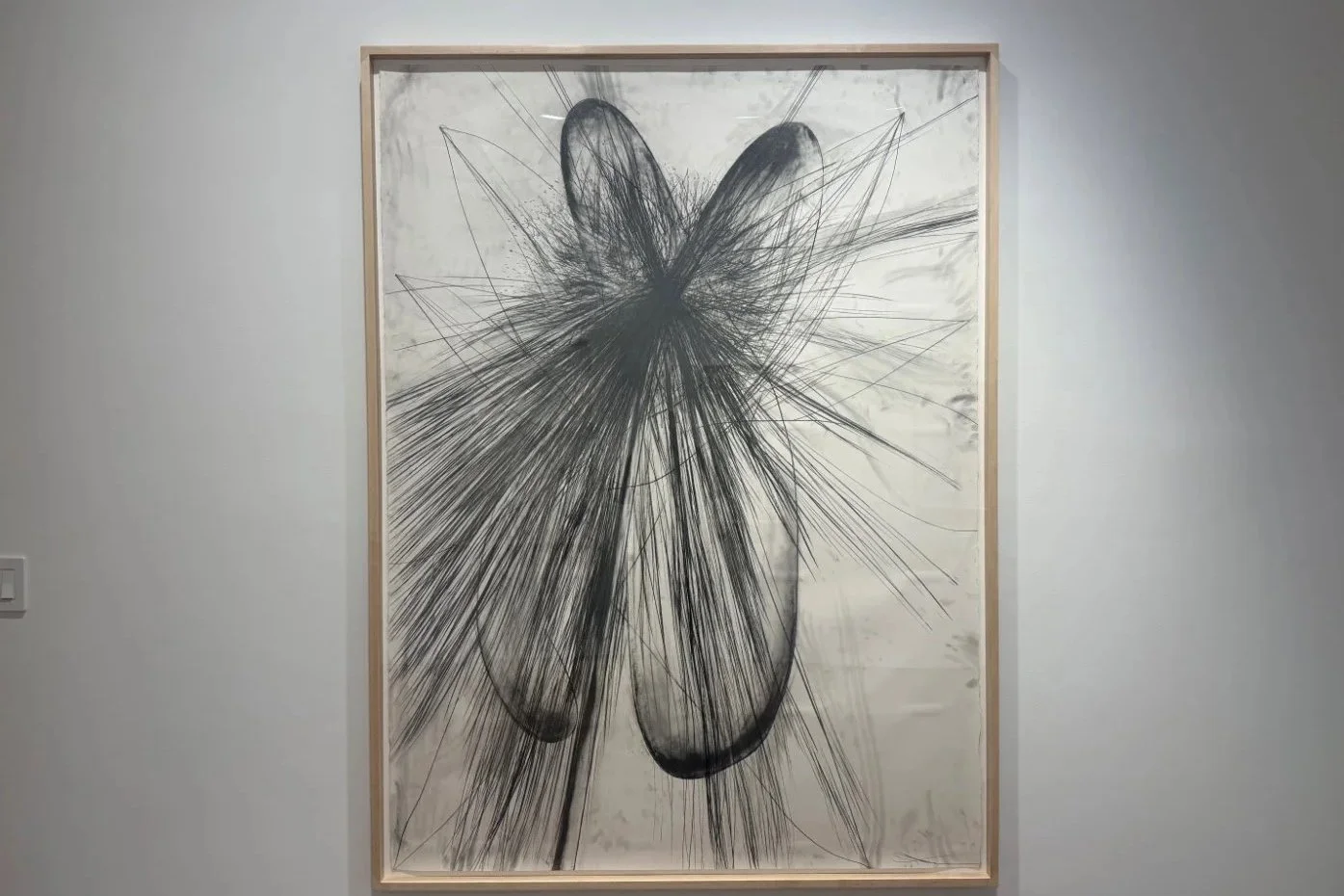
The artworks, each with a dark void near the center of the penwork, seem to represent the endless dangers that accompany the natural world, yet the black, scrawled lines from the void seem to reach beyond the page, yearning to reconnect with the land of the living. The pieces showcase the true paradox nature embodies: the destructive venoms of a flower alongside its medicinal properties, the beauty humans create alongside the destructive instincts that surface daily. 

Atropa by Sterling Ruby, Sprüth Magers New York, 2026. Photo: Isabella Bernabeo.

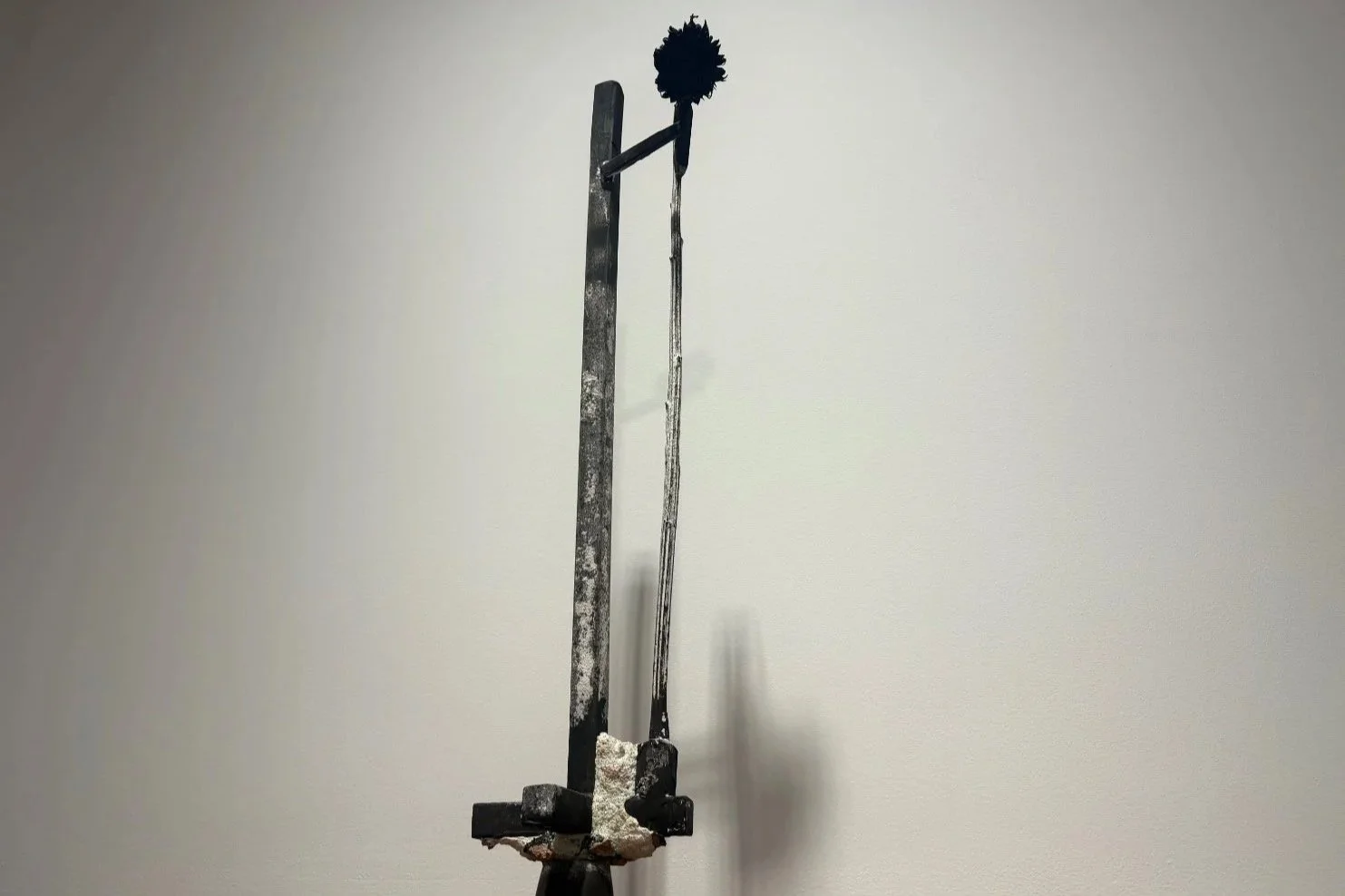
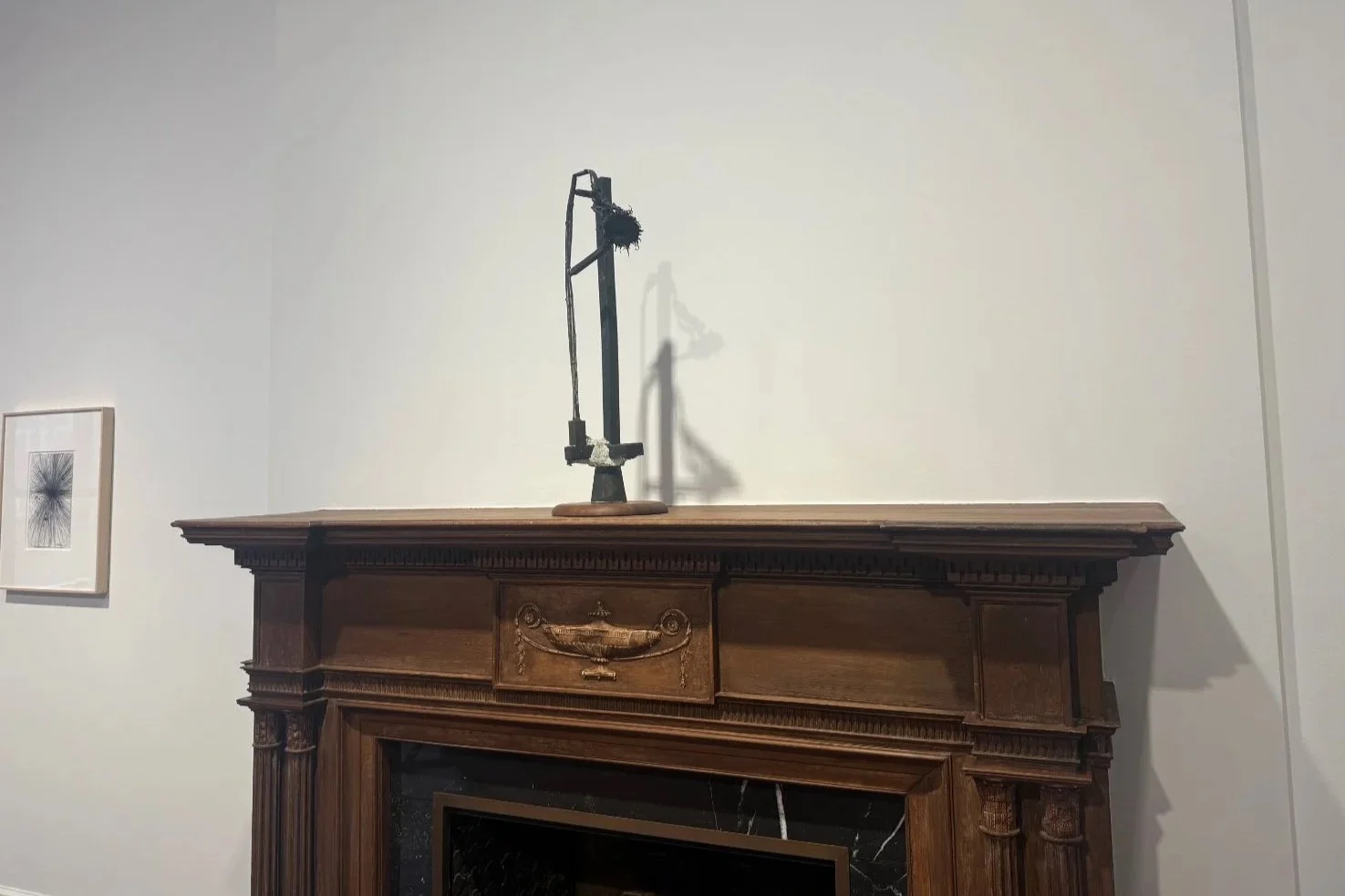
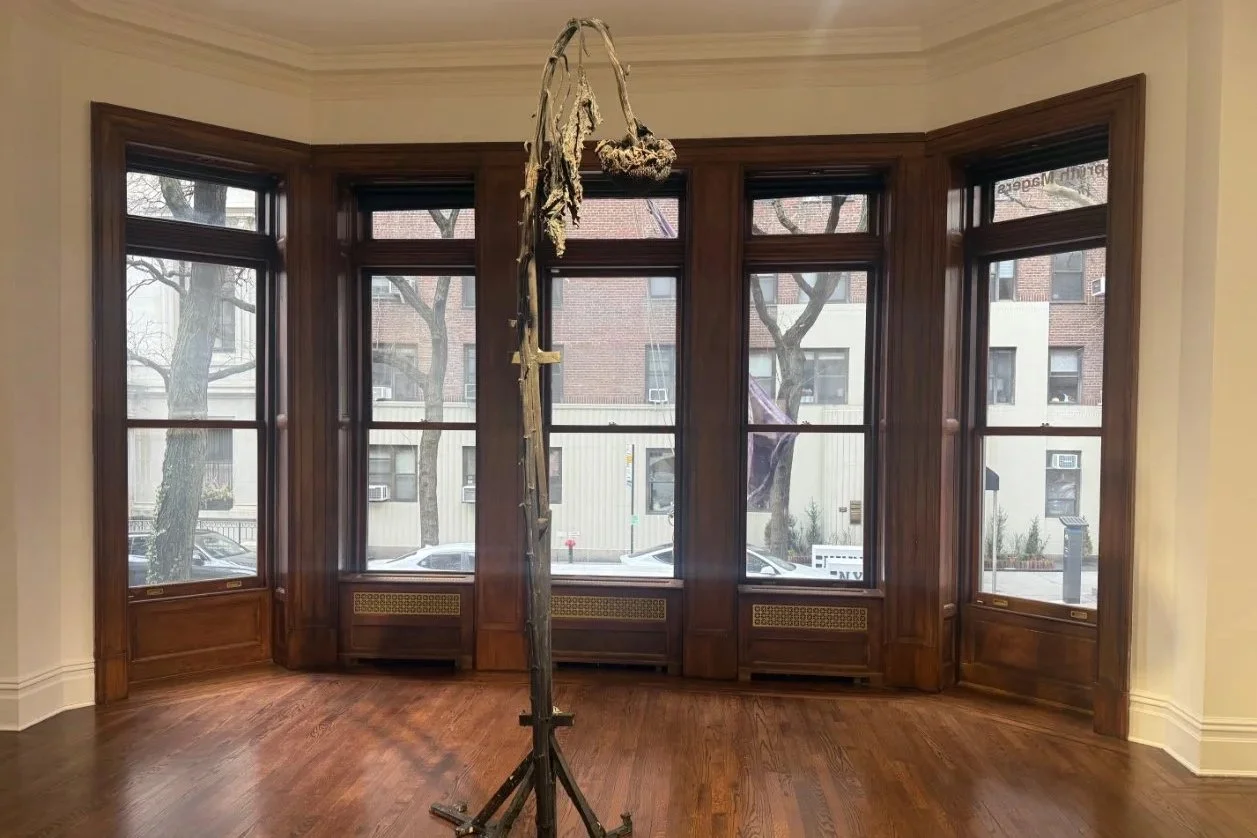
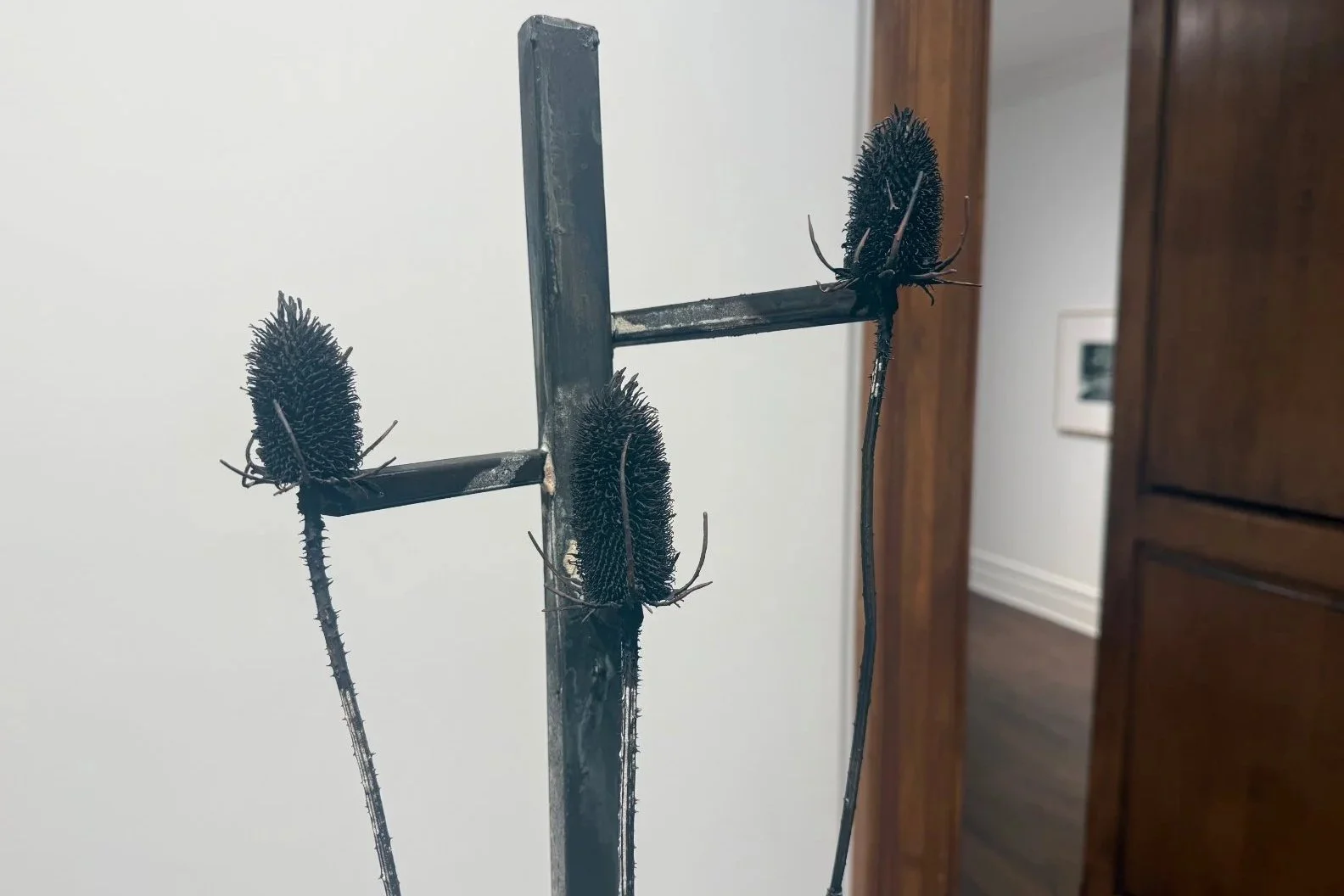
Settled between the drawings are six bronzed flowers, some resting upon dark brown mantels, others stationed on white podiums, and one even large enough to stand on its own: a lone slouched sunflower waiting for the sun to rise. 

All of these flowers, which are the exhibition’s sole sculptural component, are made in Ruby’s studio after being cut, dried, and cast. The burnout process fully incinerates the flower, leaving behind only a bronze mold of what it once was. These sculptures each reveal the flowers in various states of blooming and decay, underscoring once again the bewitching parallels of life. 
It’s only then that you turn around and spot a small square opening leading into a second room, just now realizing that Ruby’s exhibit is separated into two parts. The second section clearly contrasts with the first space; the endless whites, blacks, and browns are now replaced with vibrant splashes of blue, purple, and green. 
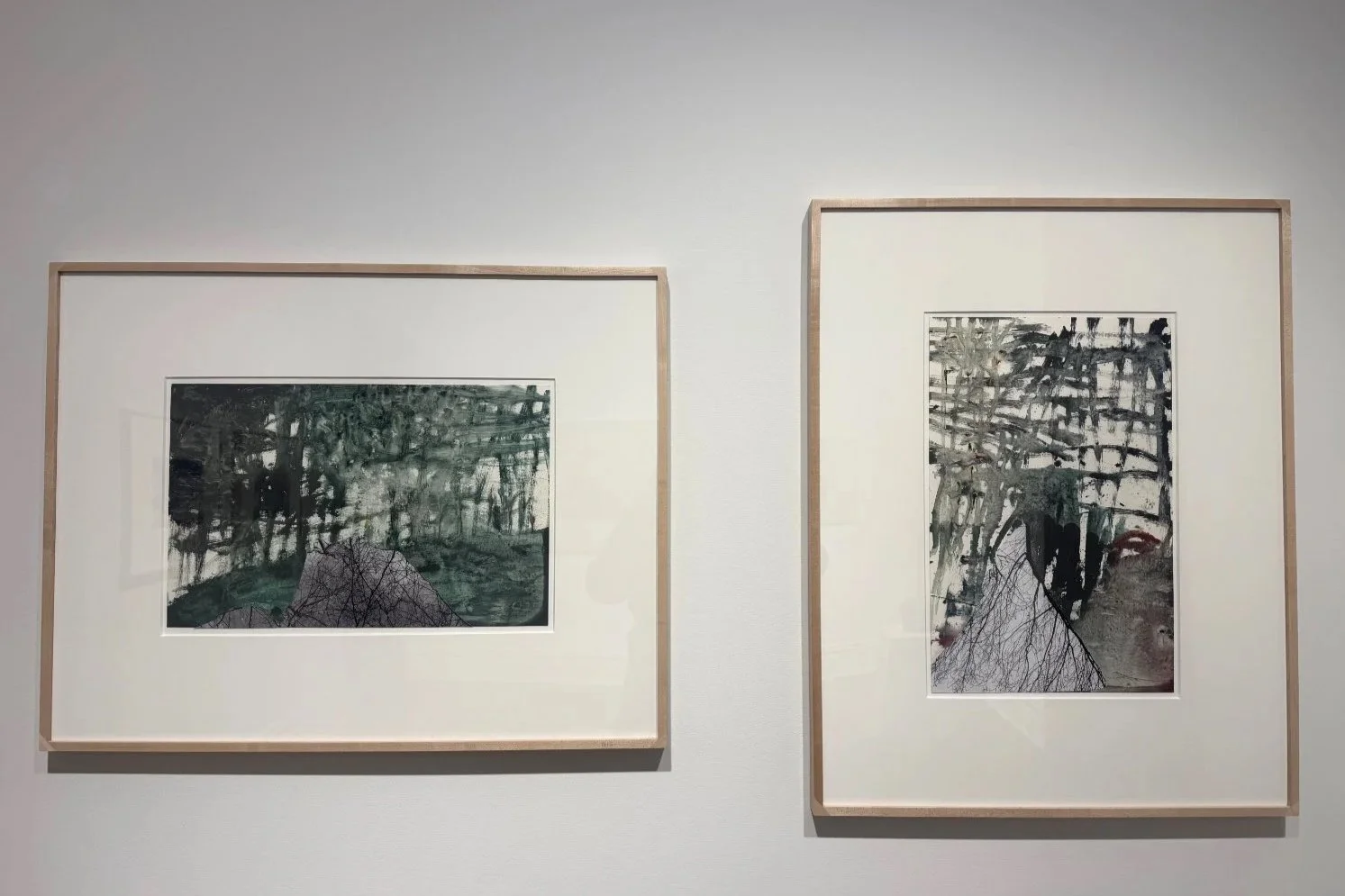
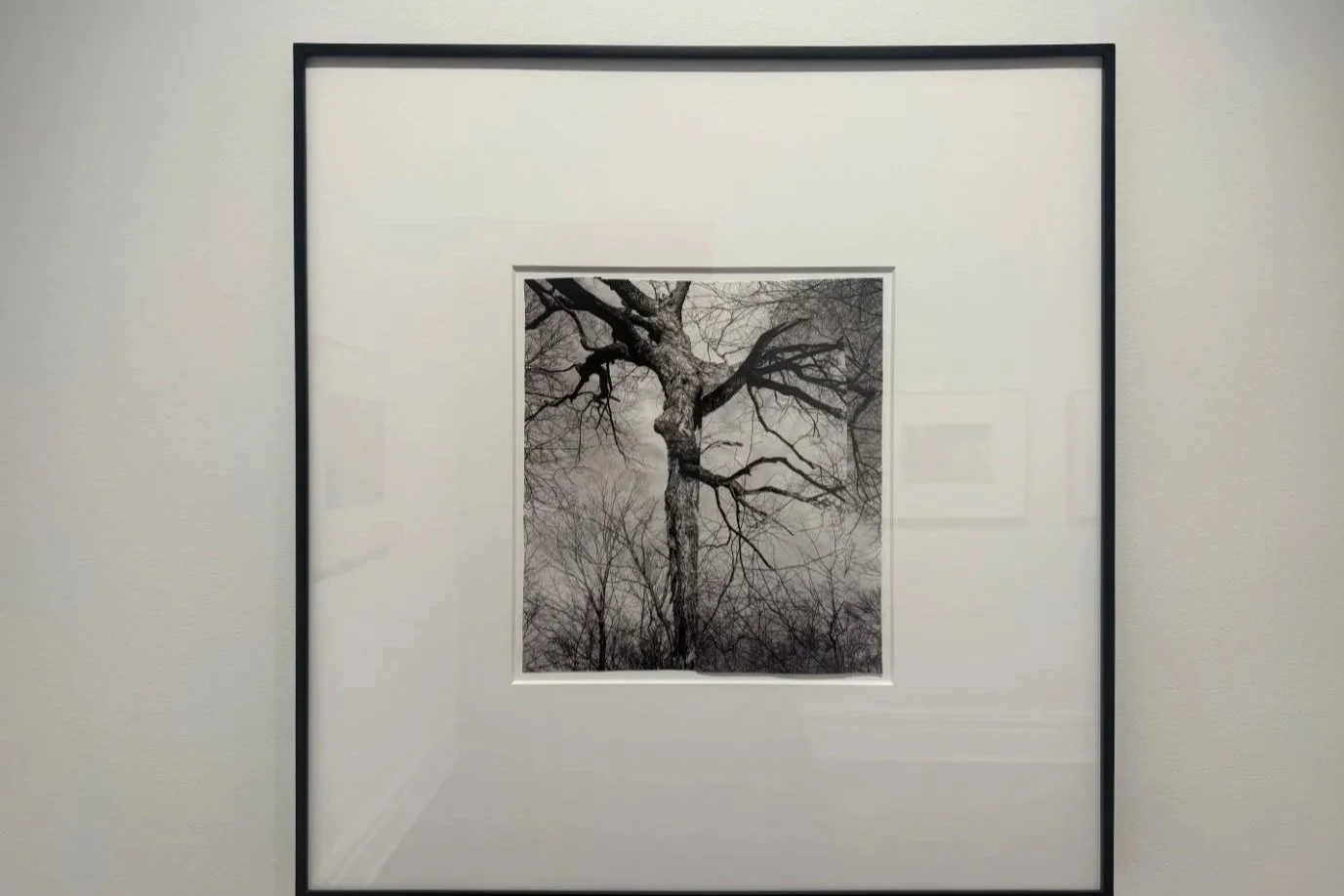
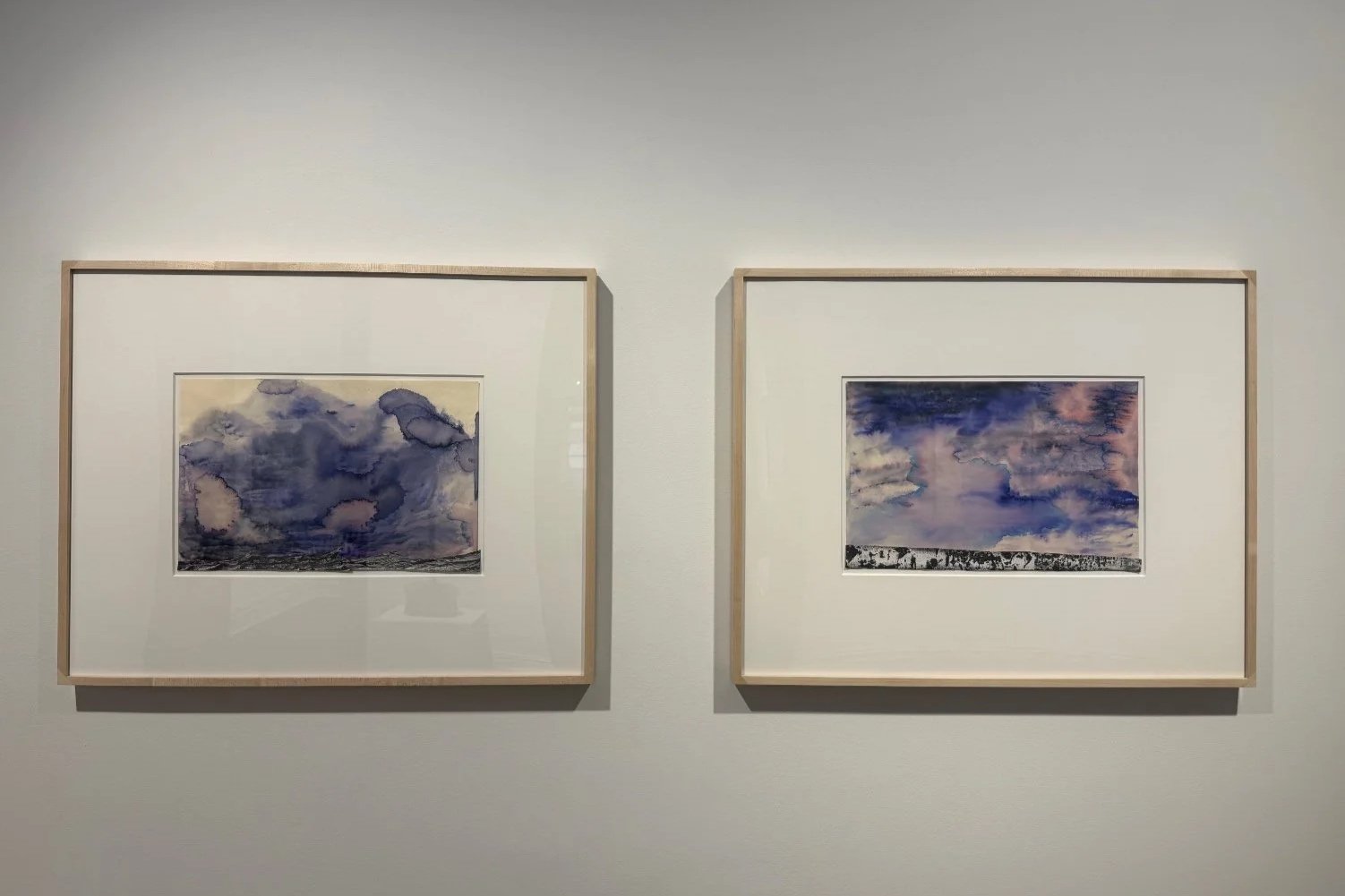
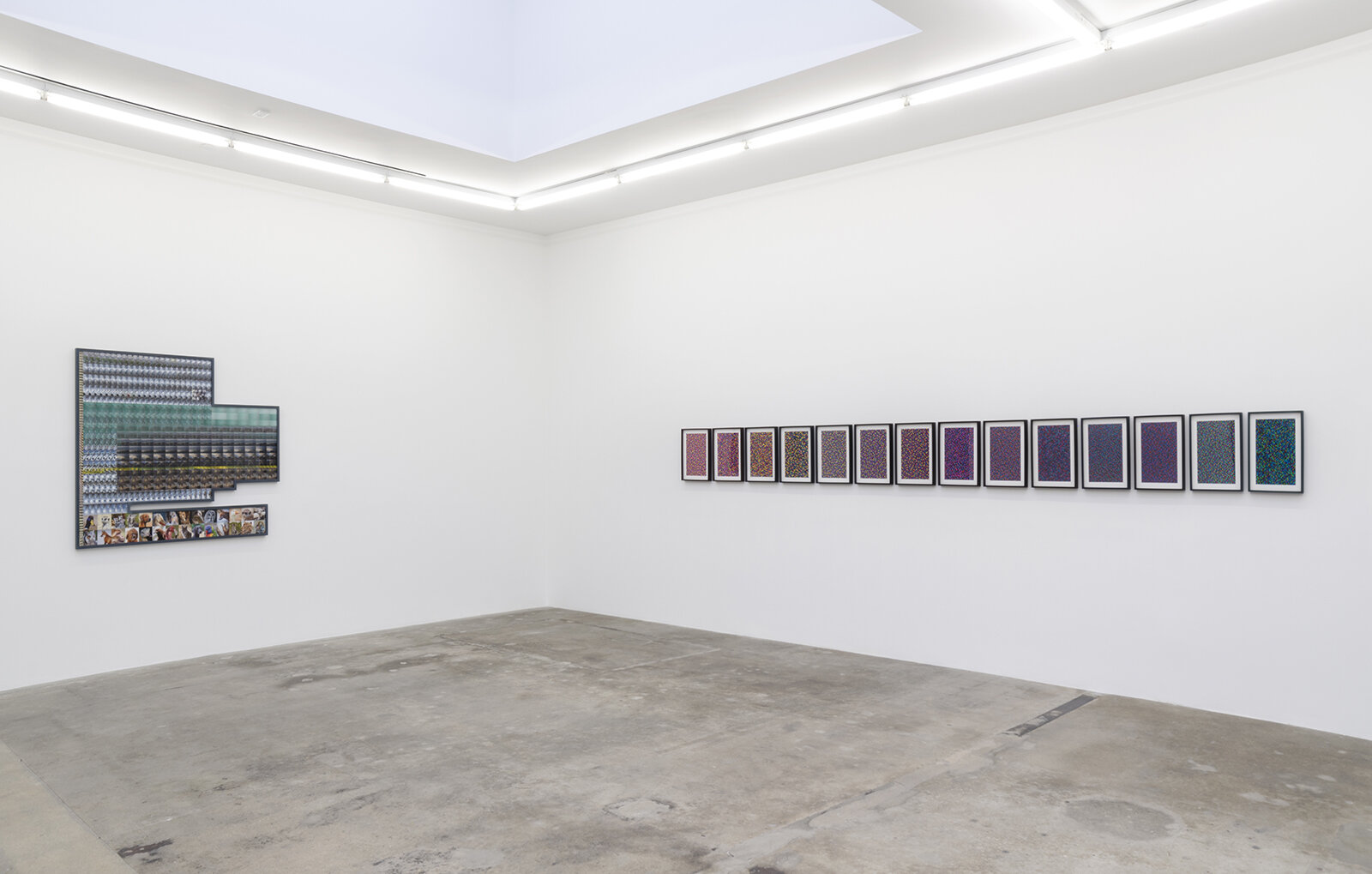
This compact rectangular room is filled with watercolor collages. Hanging on the wall to the right are three black-and-white photographs of overgrown trees whose branches split off in every direction. One of the images, SPLITTING, remains as simple as that, whereas the two others are engulfed in a spray of green lines that design a checkered pattern. On the adjacent wall hang two very similar works, yet instead of black-and-white photographs of trees, it’s a flat landscape. Painted above the curvy hills are clouds of purples, pinks, and blues, creating a stunning winter sunset. 

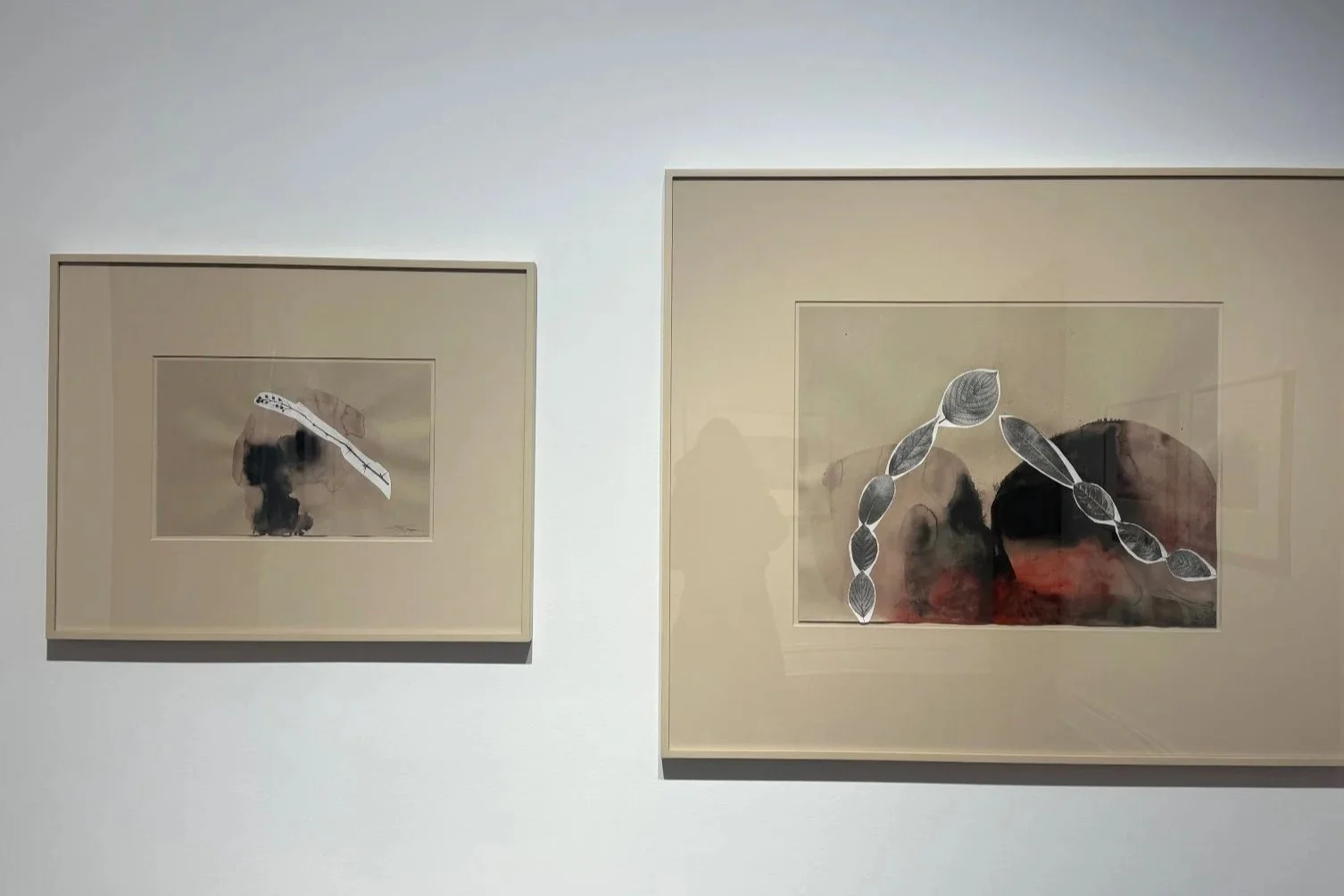
Across from this scene, beige and aqua take over, as two final collages hang next to a wood and bronze sculpture. The sculpture, Vestige, appears to be a curved sword or feather thrust into a stone. The handle, a light burl wood, slowly morphs into an aqua blade. The collages, Hippies and Kissing Hippies, apply large black watercolor stains on a beige background to create human faces, both crowned with wreaths of leaves and flowers. 
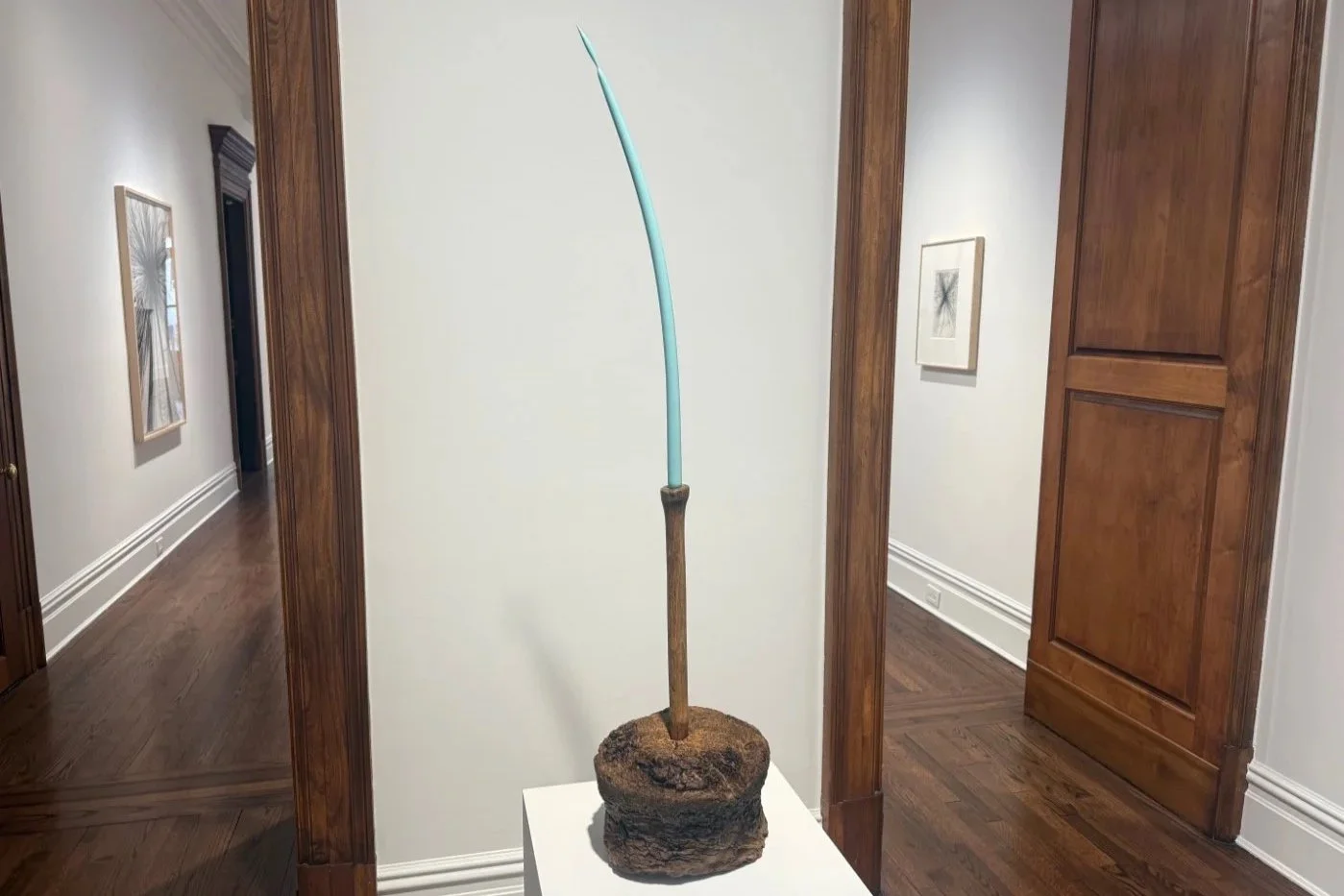
Whereas Ruby’s first room encapsulates the natural decay of an environment, this room embodies an exuberance of life. Atropa collocates mortality within two separate encounters, balancing the pleasant beauties and agonizing inevitables that life has to offer.

Atropa is on view through March 28 @ Sprüth Magers 22 E 80 Street, New York
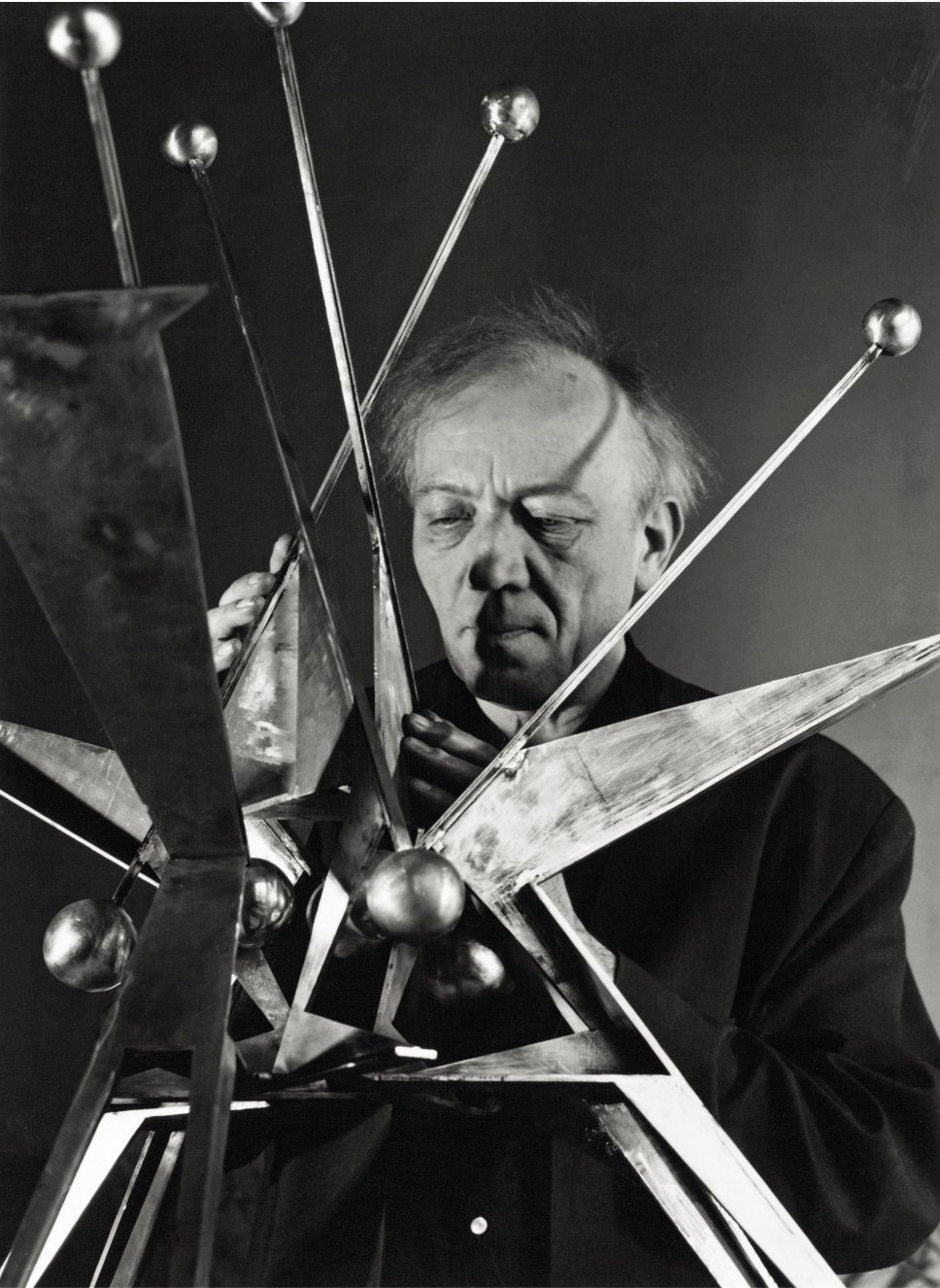
How Hans Uhlmann Created New Forms for a New World @ Berlinische Galerie in Berlin


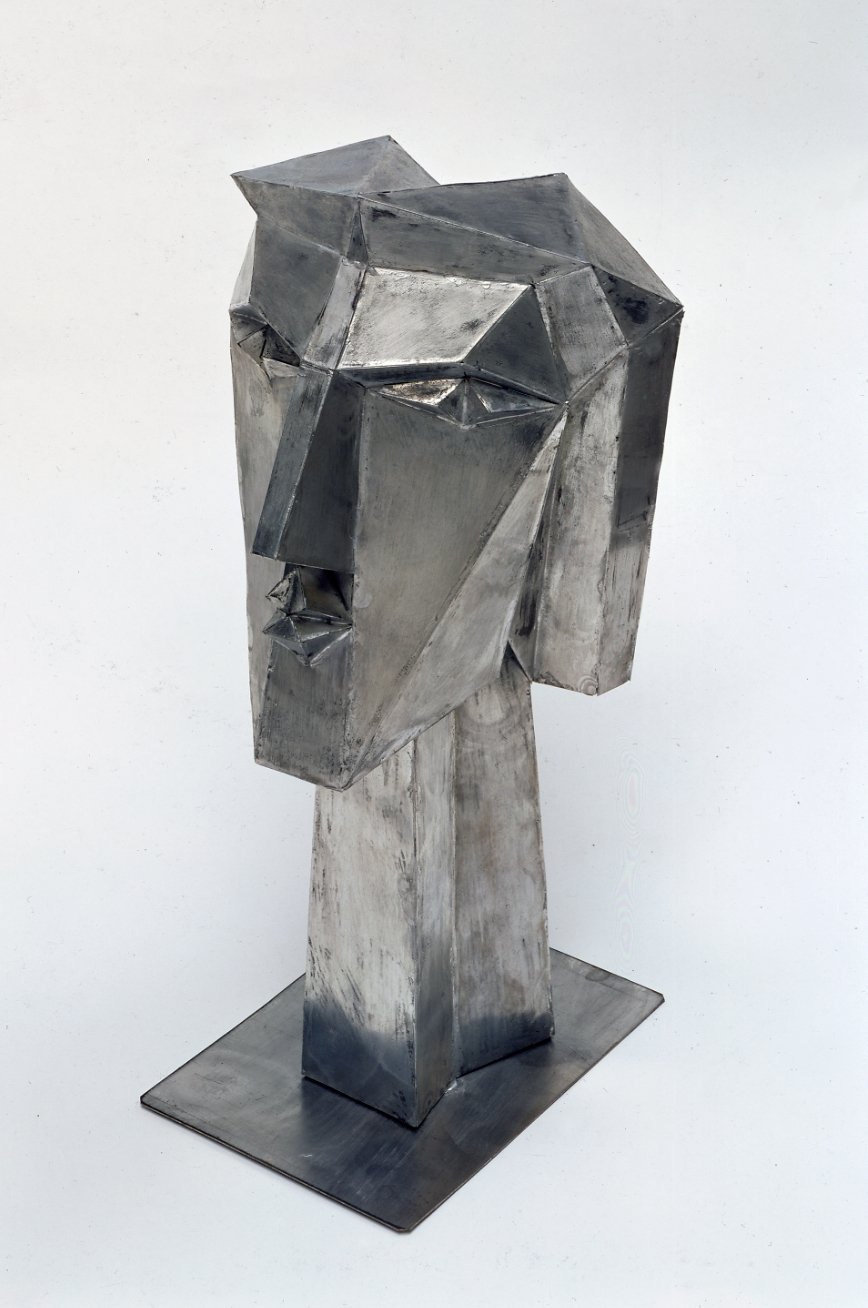
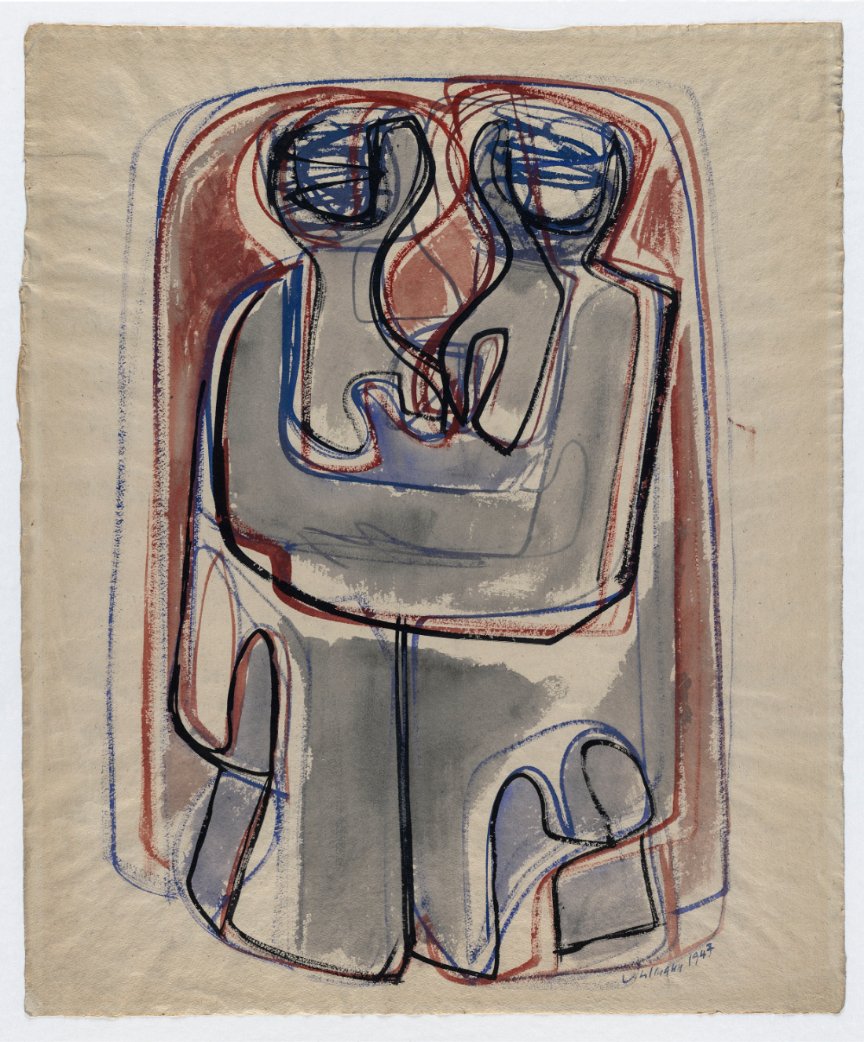
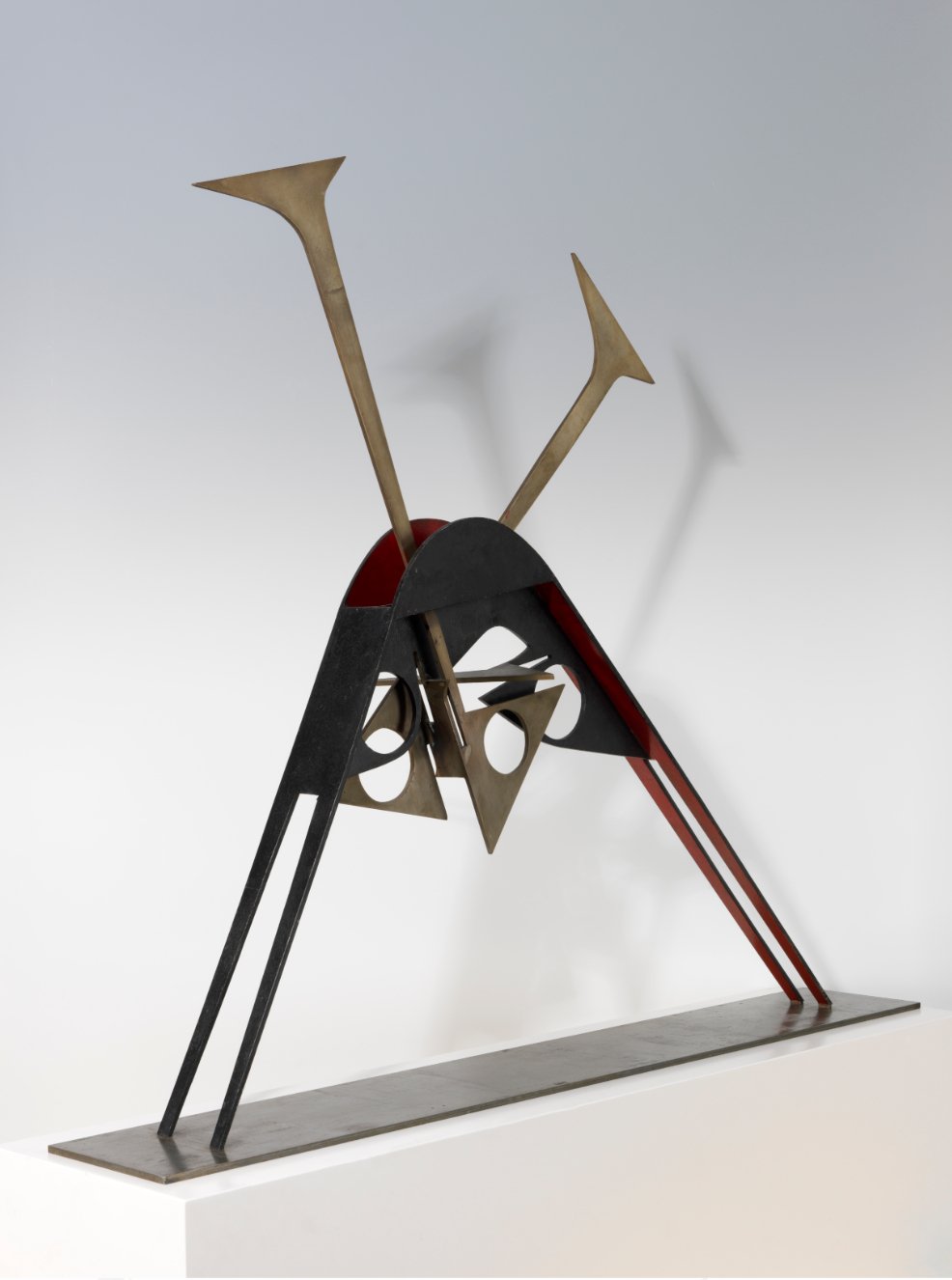
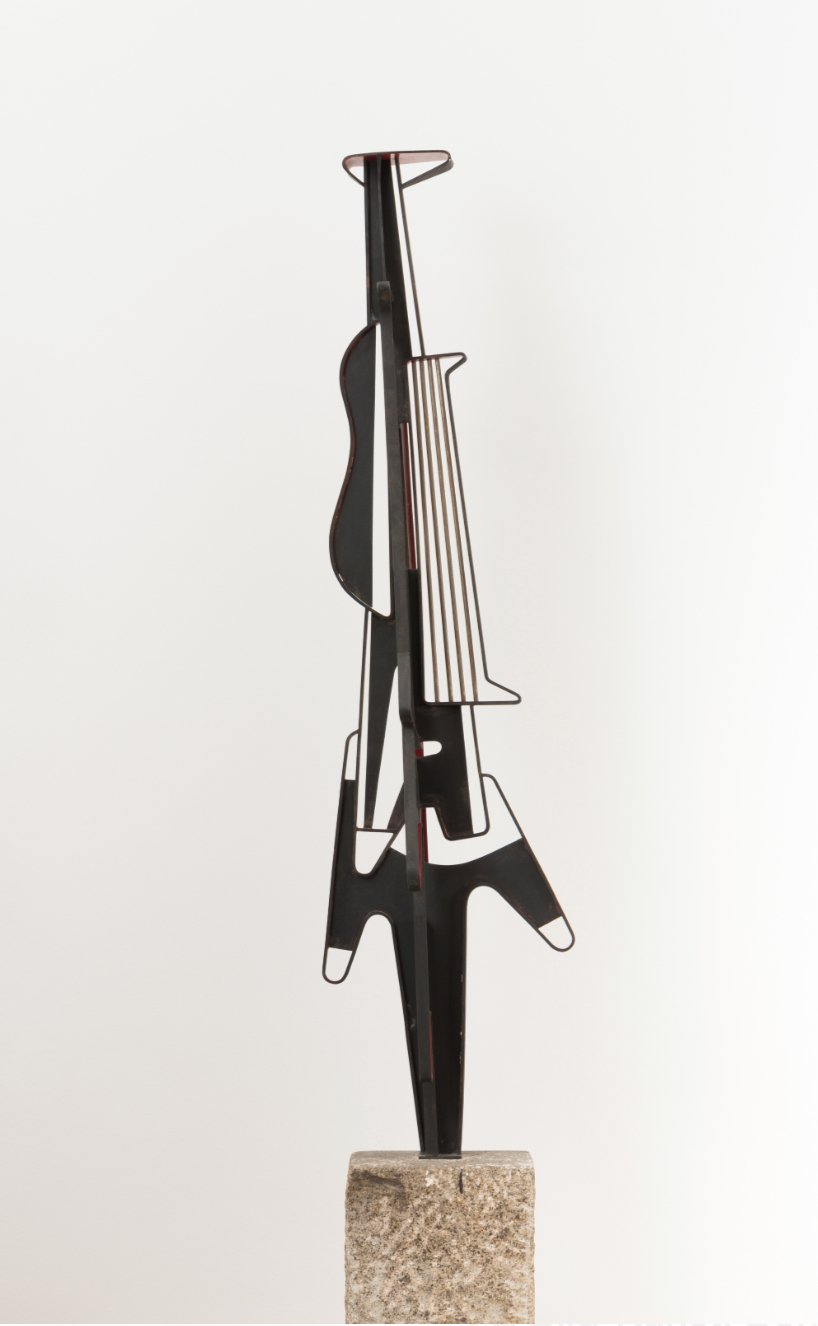
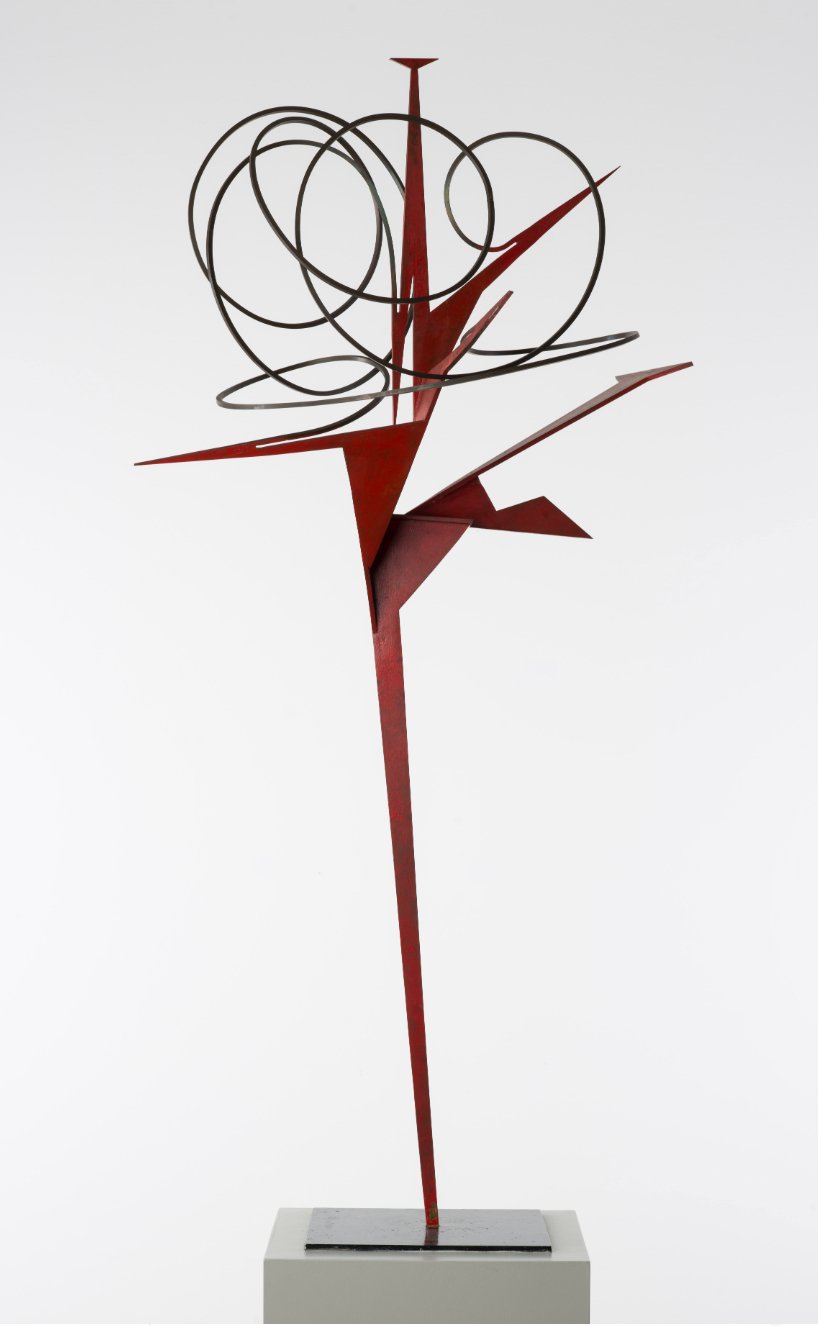
Hans Uhlmann's (1900–1975) abstract metal sculptures and drawings shaped the image of German post-war modernism. Berlinische Galerie’s current exhibition traces his creative periods from the 1930s to the 1970s. Using around 80 works - sculptures, drawings, photographs and archive material - it also examines his role as a curator, university teacher and networker in post-war West Berlin. It is the first comprehensive retrospective in more than 50 years.
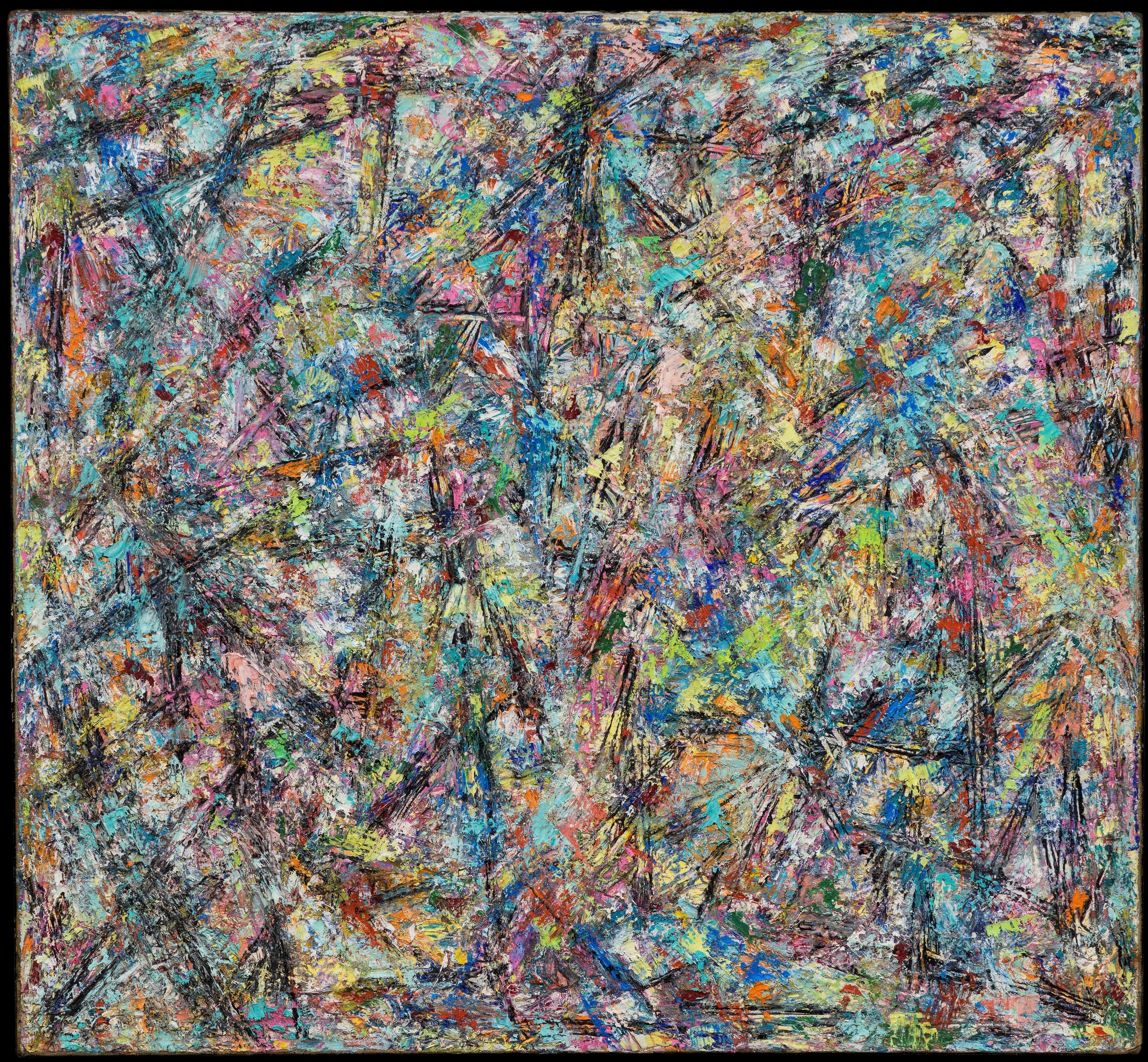
Experimental molding is on view through May 13th at Berlinische Galerie, Alte Jakobstraße 124-128, 10969 Berlin.

Watch Abraham Cruzvillegas Recite Tres Sonetos By Concha Urquiza @ Regen Projects In Los Angeles

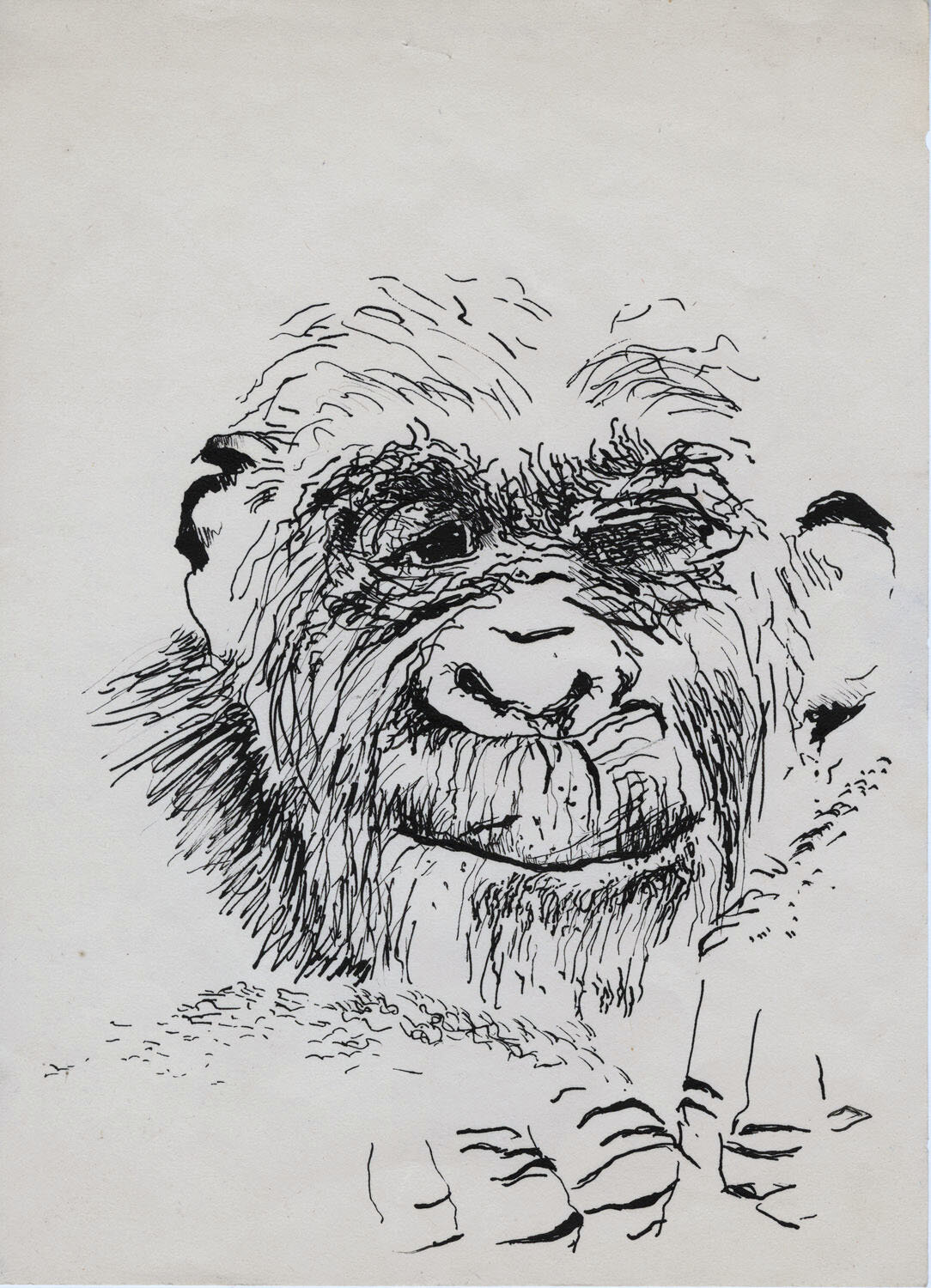
Over the past decade, Abraham Cruzvillegas has explored the myriad ways to represent his life experiences in physical form. His humorous but incisive takes on identity often employ animal avatars to draw out similarities between humans and other species, particularly primates.

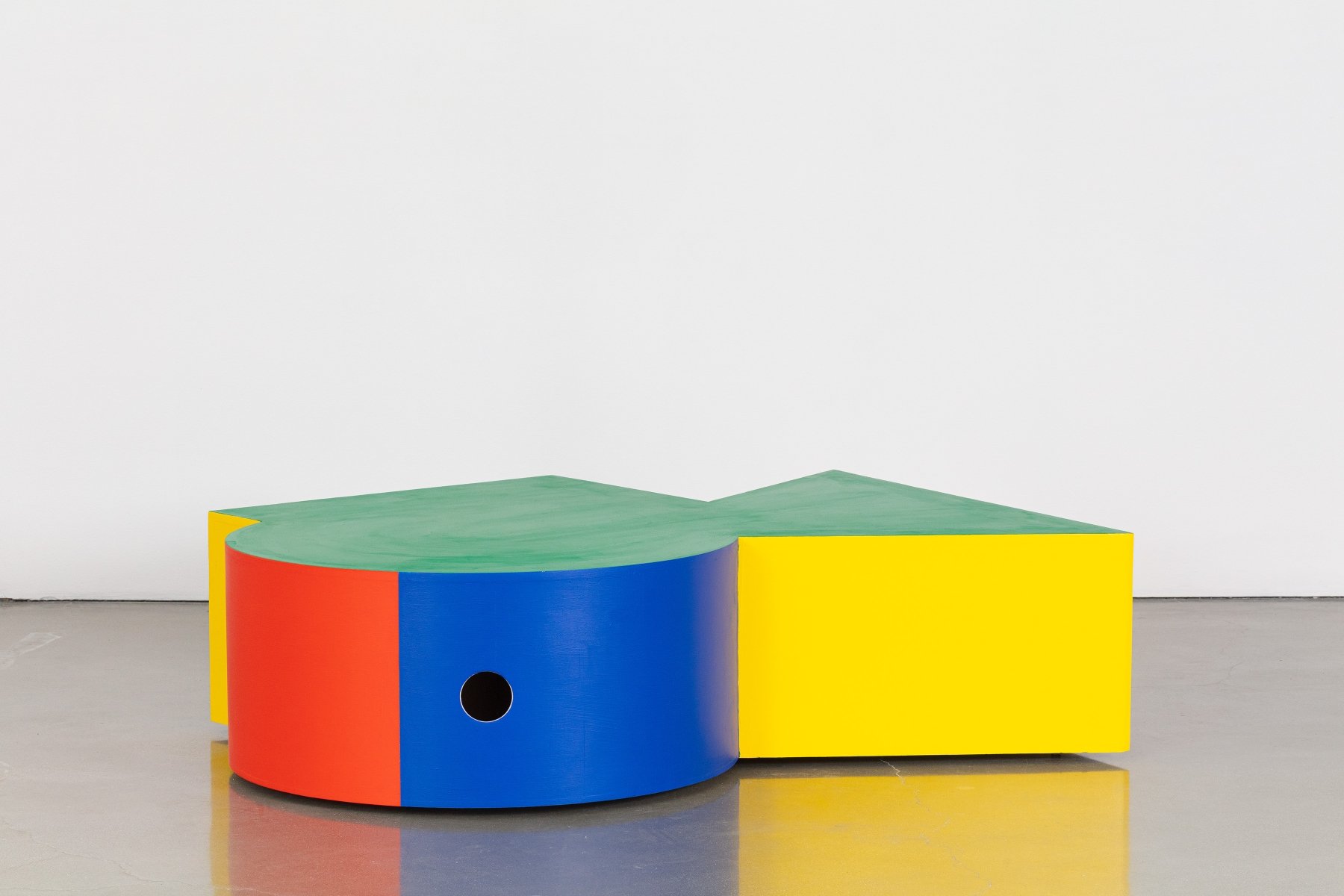
At the opening reception for Cruzvillegas’s third solo presentation at Regen Projects, the artist gave a rhythmic reading of three poems by Mexican poet Concha Urquiza. Standing upon sculptural elements from the show that function as performance platform and gallery seating, Cruzvillegas introduced a new series of drawings and paintings produced on-site during the installation of the exhibition.

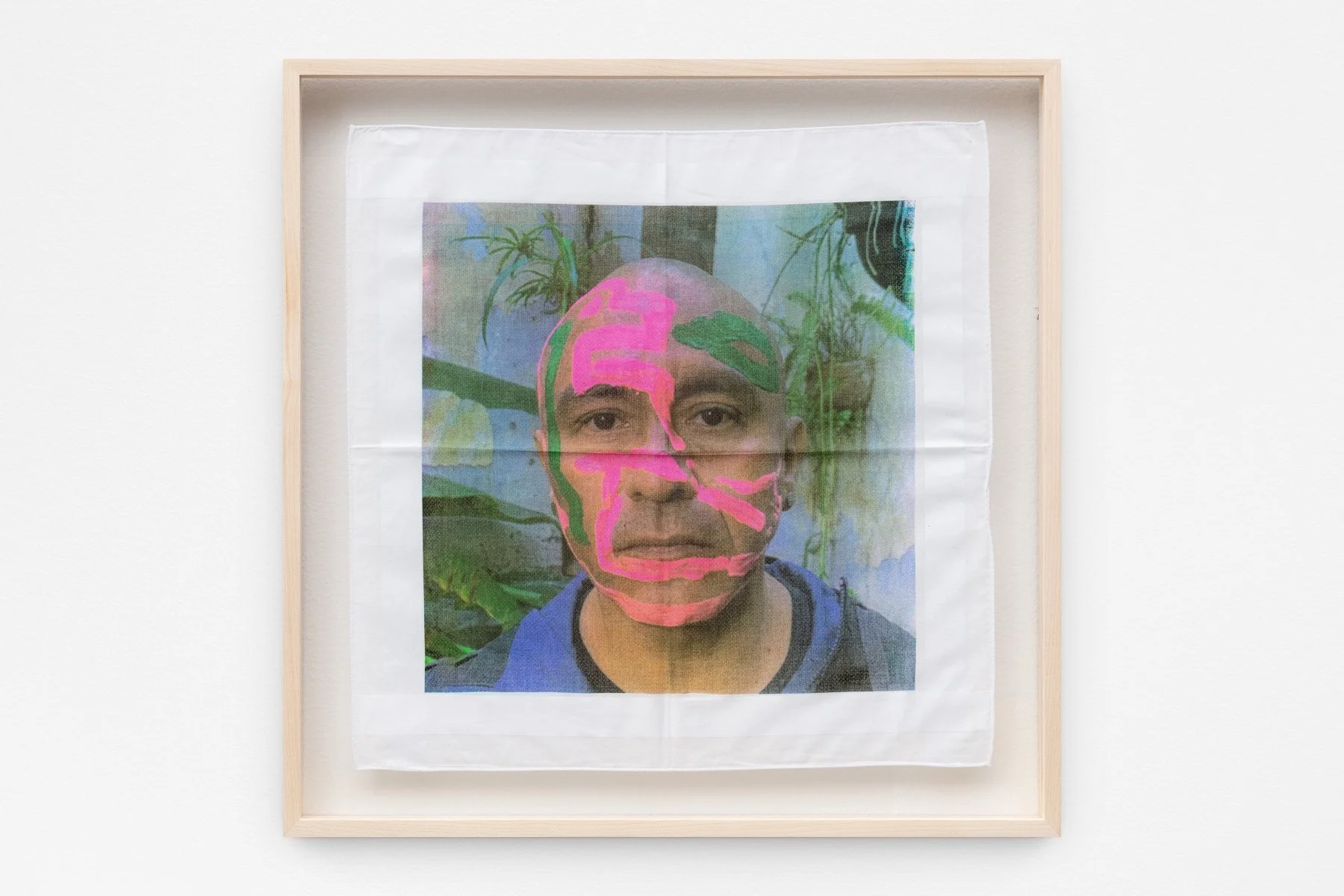
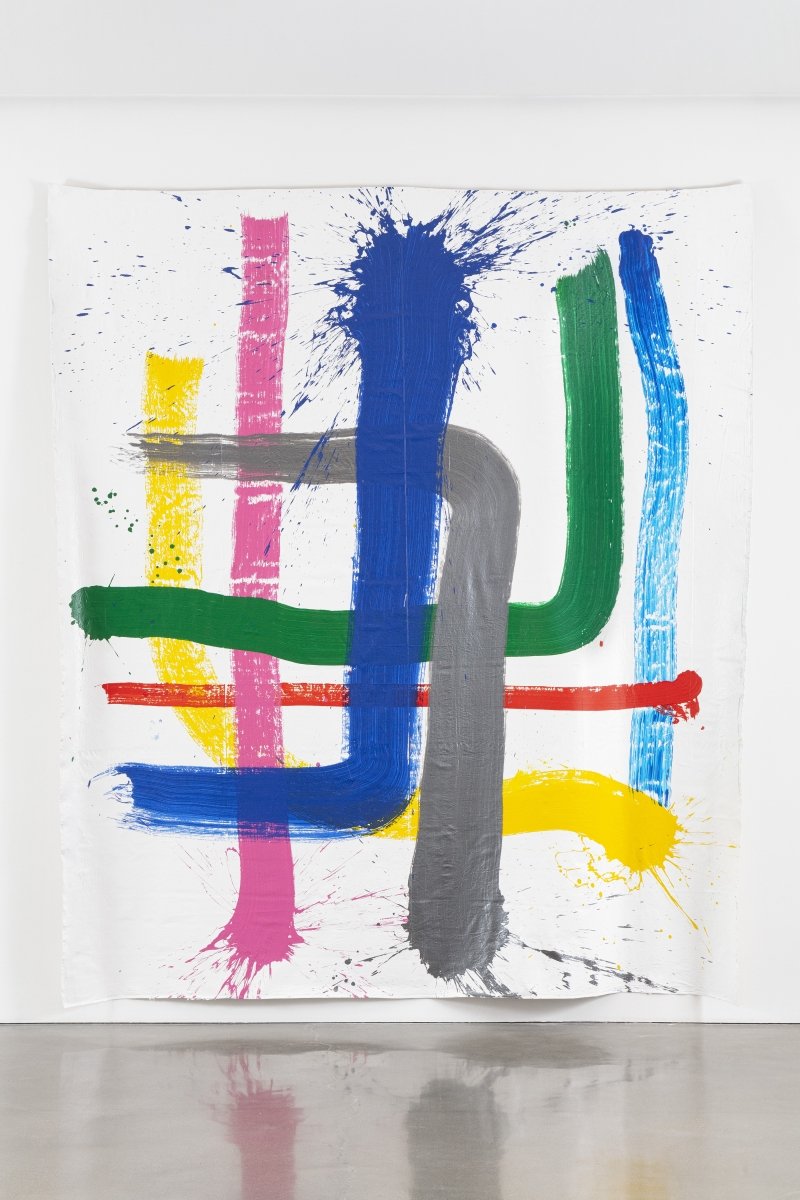
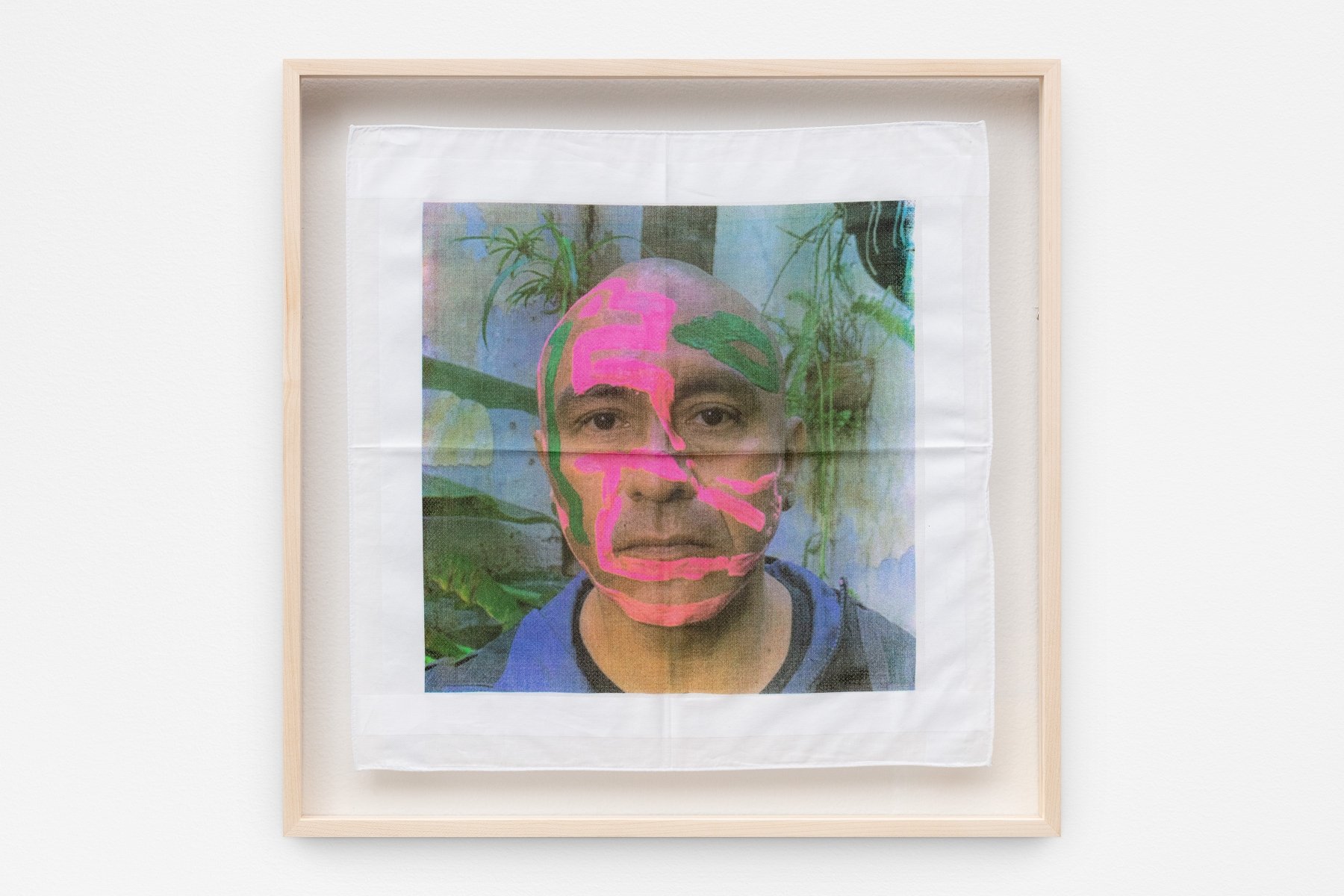
In this new series of drawings, the artist’s own photographic likeness serves as the basis for such investigations. Thin textiles printed with images of his face act as canvases that the artist embellishes with designs rendered in bold colors. Employing a similar formal language, the artist presents a group of large-scale calligraphic paintings. Composed flat on the gallery floor, he uses a mop or broom to apply paint, tools chosen as a gentle nod to the workers who employ them, in loose, expressive gestures that serve as records of their performative nature. They translate the rhythms and tones of the Urquiza’s poems with precision and grace.

Abraham Cruzvillegas: Tres Sonetos is on view through April 23 @ Regen Projects 6750 Santa Monica Blvd. Los Angeles

Star 80: Nick Taggart's LA Stories Encapsulates An Era & A City's Electric Energy

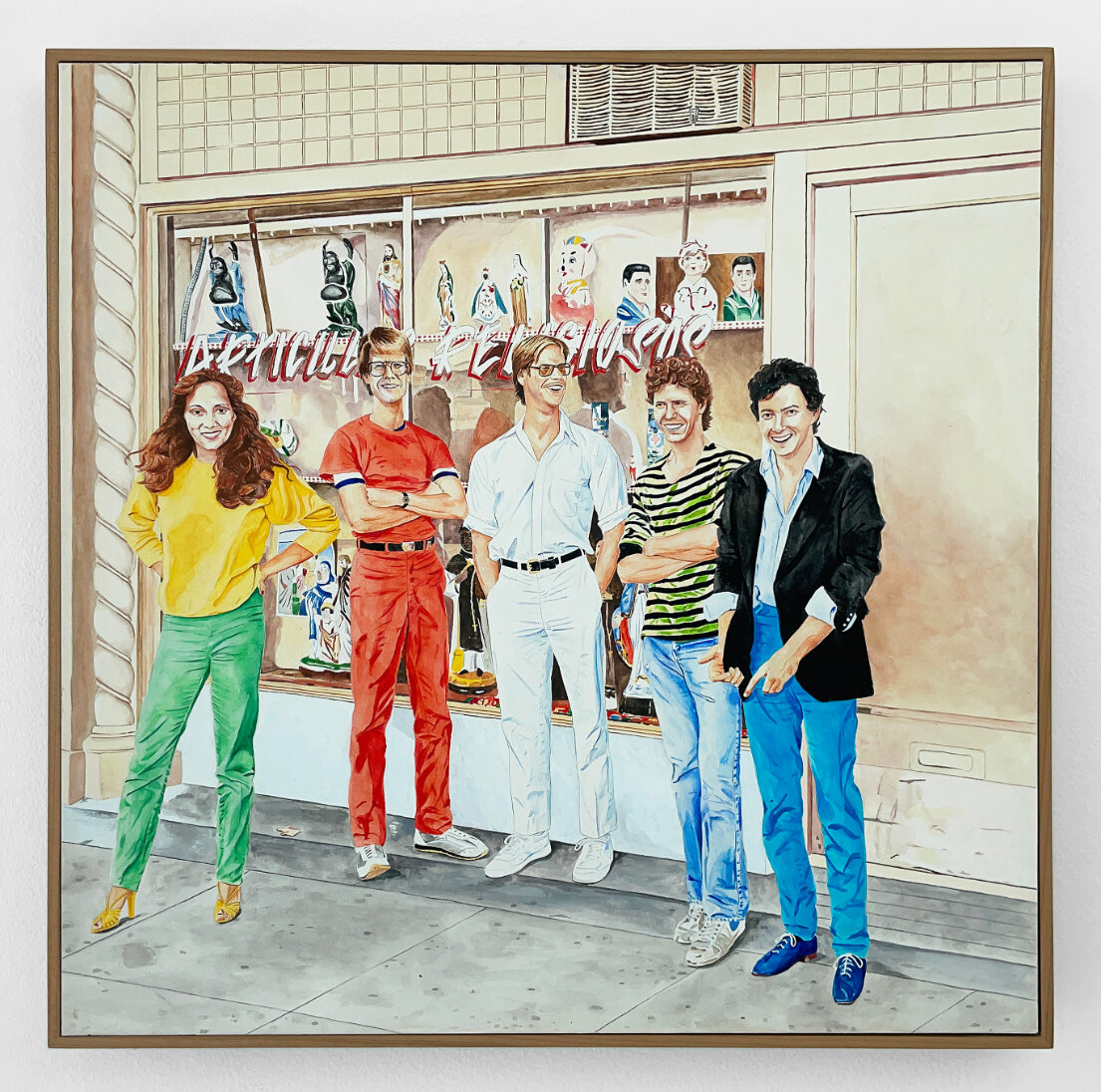
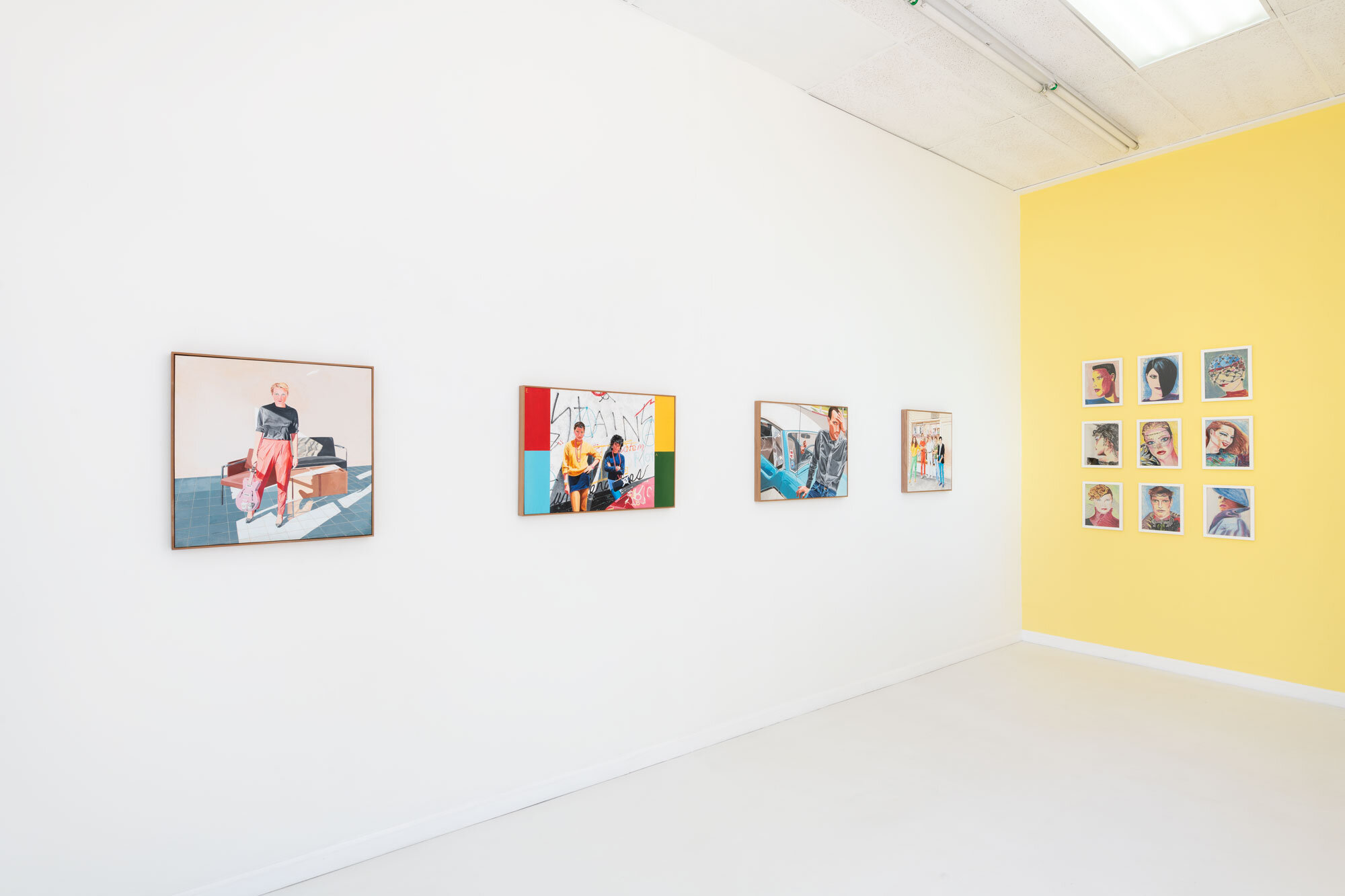
“Gillean”, 1980, acrylic on board, mounted on panel, 23 1/4” x 23 inches   Gillean McLeod in the loft on Spring Street that she lived in with her band Party Boys. The band played in downtown lofts and bars such as Jacarandas and Brave Dog. They built the stage at Al’s Bar and were one of the first bands to play at what became a gathering spot for the downtown art and music scene.

“Gillean”, 1980, acrylic on board, mounted on panel, 23 1/4” x 23 inches

Gillean McLeod in the loft on Spring Street that she lived in with her band Party Boys. The band played in downtown lofts and bars such as Jacarandas and Brave Dog. They built the stage at Al’s Bar and were one of the first bands to play at what became a gathering spot for the downtown art and music scene.


text by Steffie Nelson


When the British-born artist Nick Taggart came to Los Angeles in 1977, he planned to stay for three months. Four-plus decades later, he is still here, living on the same Glassell Park street he was told about at a Stranglers show in London. Then twenty-five, Taggart, who studied illustration at Cambridge University, found LA’s legendary light, eclectic architecture, and frontier landscape irresistible—and the antithesis of gray, recession-bound London. He quickly connected with the vibrant underground art and music scenes centered in downtown LA and Hollywood, at clubs like Al’s Bar and the Masque, which gave rise to iconic punk and new wave bands like X, The Go-Go’s, Devo, and Missing Persons, as well as lesser-known groups like Party Boys and Fender Buddies, who became his friends. 

All the while, Taggart sketched his new city in his notebook, depicting the color-soaked mystique of the Santa Monica Pier, Hollywood’s Stardust Motel, Colorado Boulevard in Eagle Rock, and the dynamic characters in his social and creative orbit. But it wasn’t until he switched from colored pencils to acrylic paints that Taggart finally found a way to capture the city’s light. “Once I started using acrylics I felt like I could get that intensity within the shadows,'' Taggart says today. “Even in the shadows there’s like a blue glow; even the dark has light.” 


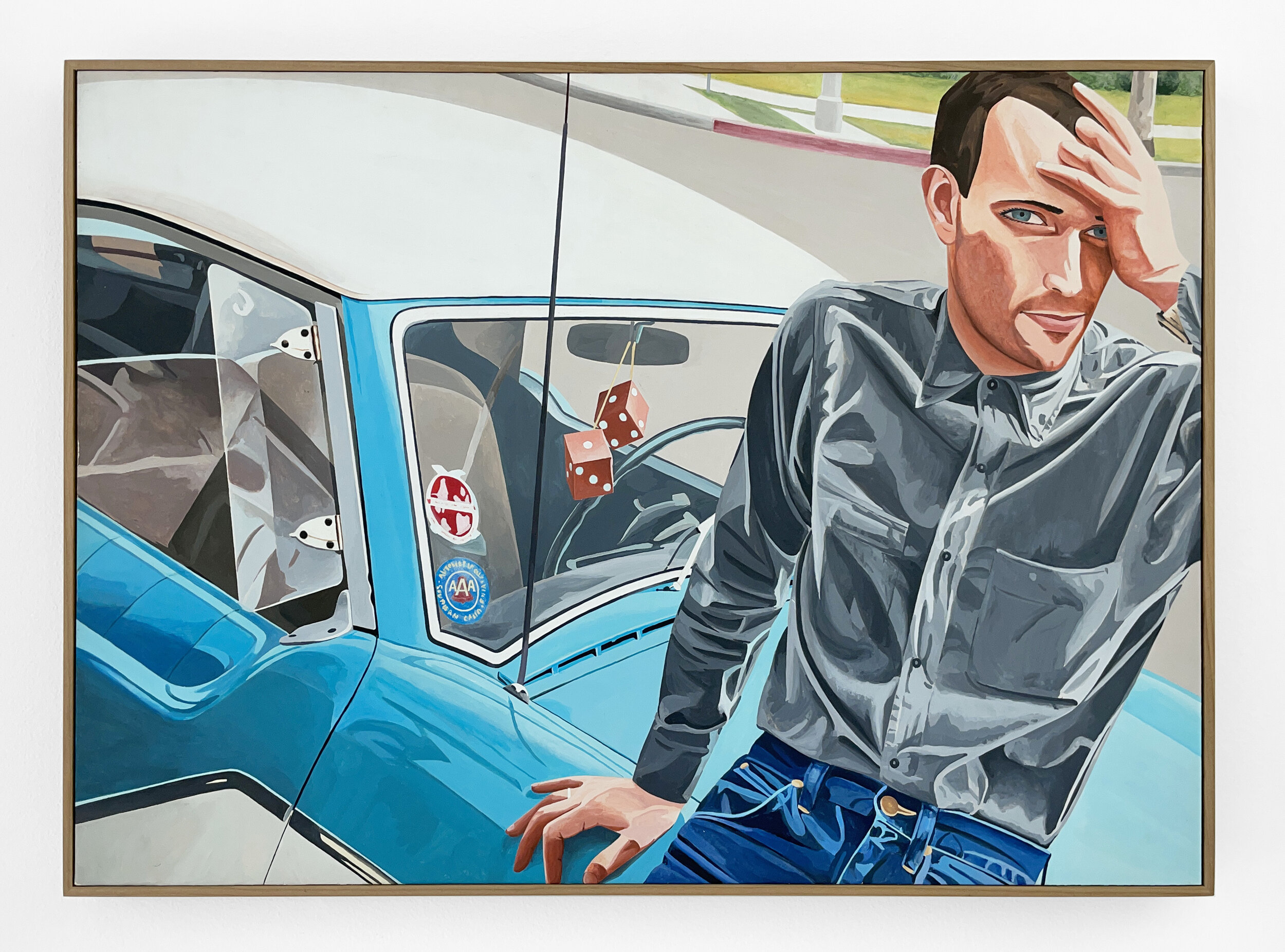
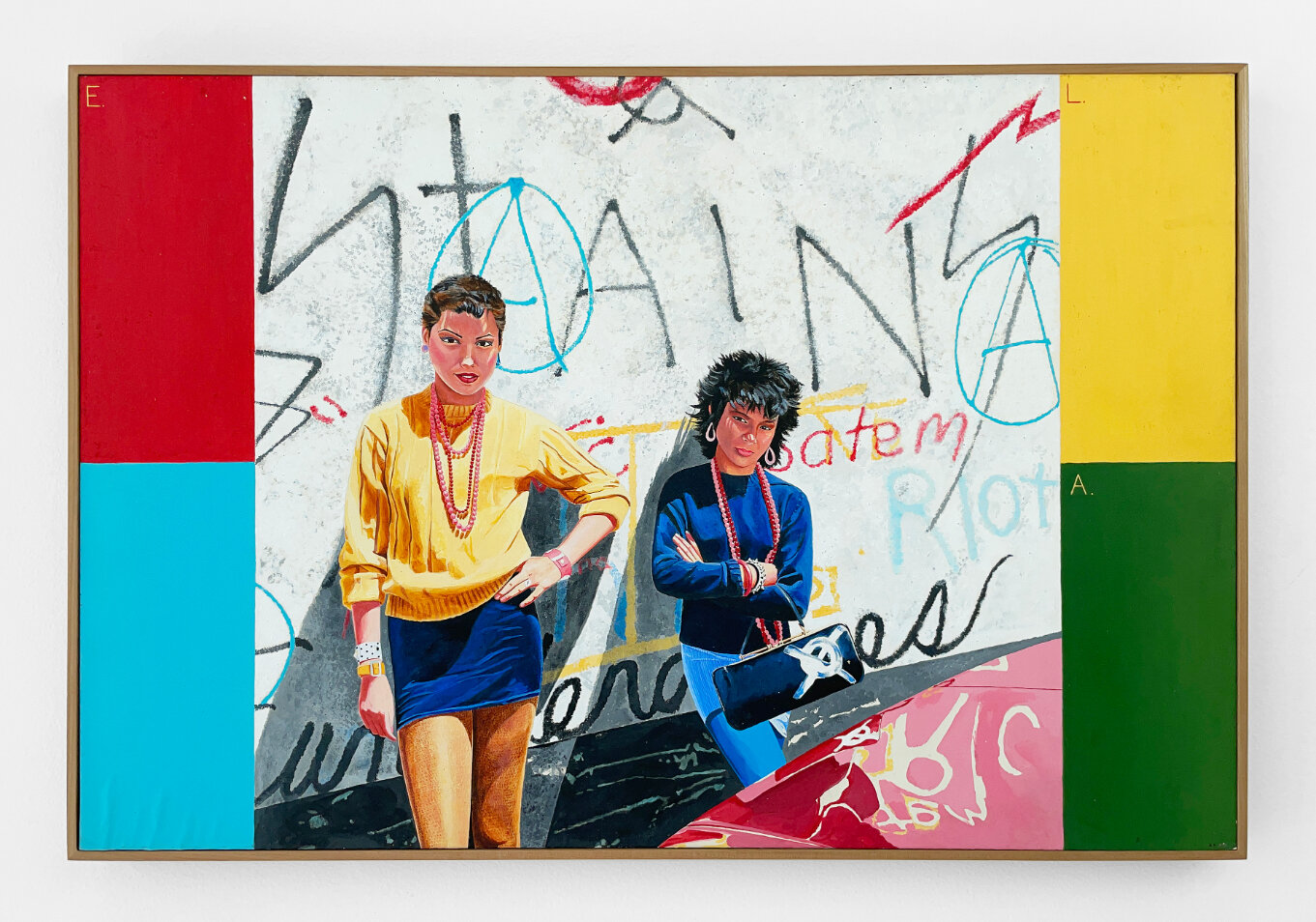
In 1980, Taggart painted a series of portraits of friends in their native environments. They included the stylist and musician Gillian McLeod, pictured in her Spring Street loft with her lavender Gibson guitar; the photographer Jules Bates, who is shown leaning against his restored Nash Metropolitan, defiantly holding up his left hand to reveal two missing fingertips he’d lost in an explosion; and punk fans Sandy and Rochelle, whose gumball-palette fashions coordinate with the graffiti’d wall of a venue in Little Tokyo. 

In another painting, the purple pointy shoes on a pair of legs standing over a topless blonde woman, who is lying poolside in a clear plastic raincoat, belong to the fashion designer Gregory Poe, the older brother of gallerist Jeff, of Blum & Poe, and designer of said raincoat. That work caught the eye of Jann Wenner, who tried to commission something similar for Rolling Stone, but Taggart was traveling, and already on to the next thing—which at the time included book and record covers and T-shirt and poster designs for the pop culture emporium Heaven, a counterpart to Fiorucci. The paintings went into flat files, where they remained, unseen for 40 years, until Taggart started sharing some of his archives on Instagram during the pandemic. 

Dani and Yvonne Bas Tull, who run the gallery ODD ARK • LA and are fellow Northeast LA artists, began to take notice of Taggart’s Instagram posts—the work from the 1980s, in particular. “It got to a point where it was kind of exciting to see what he would post next,” recalls Dani Tull, a born-and-bred Angeleno whose mother had an art studio on Skid Row during that same time. Recognizing a little-known slice of LA art history and a vital link between the renegade spirit of the underground and the global art market of today, they approached Taggart—now an art professor whose work skews toward meticulous organic abstractions—about a show. 

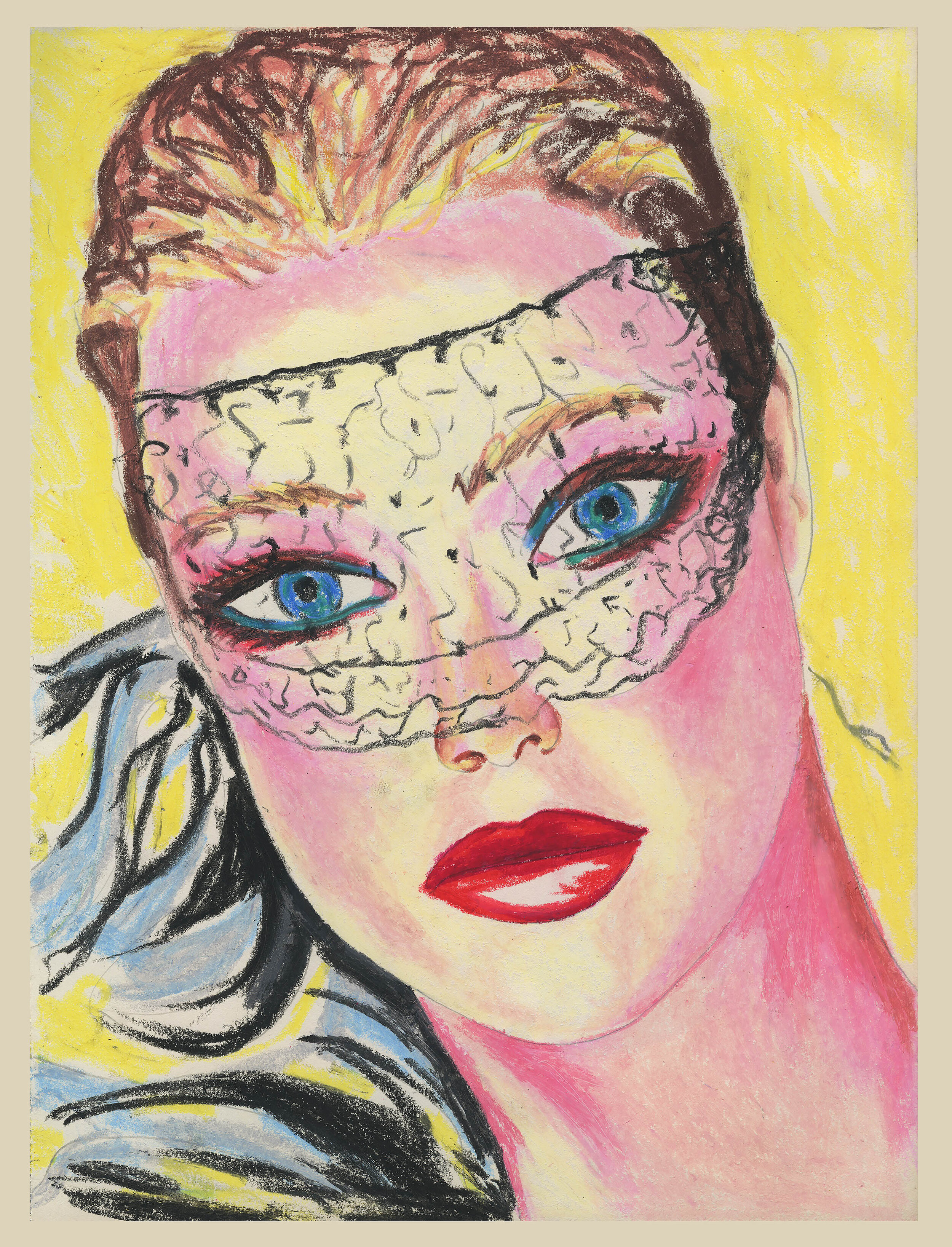
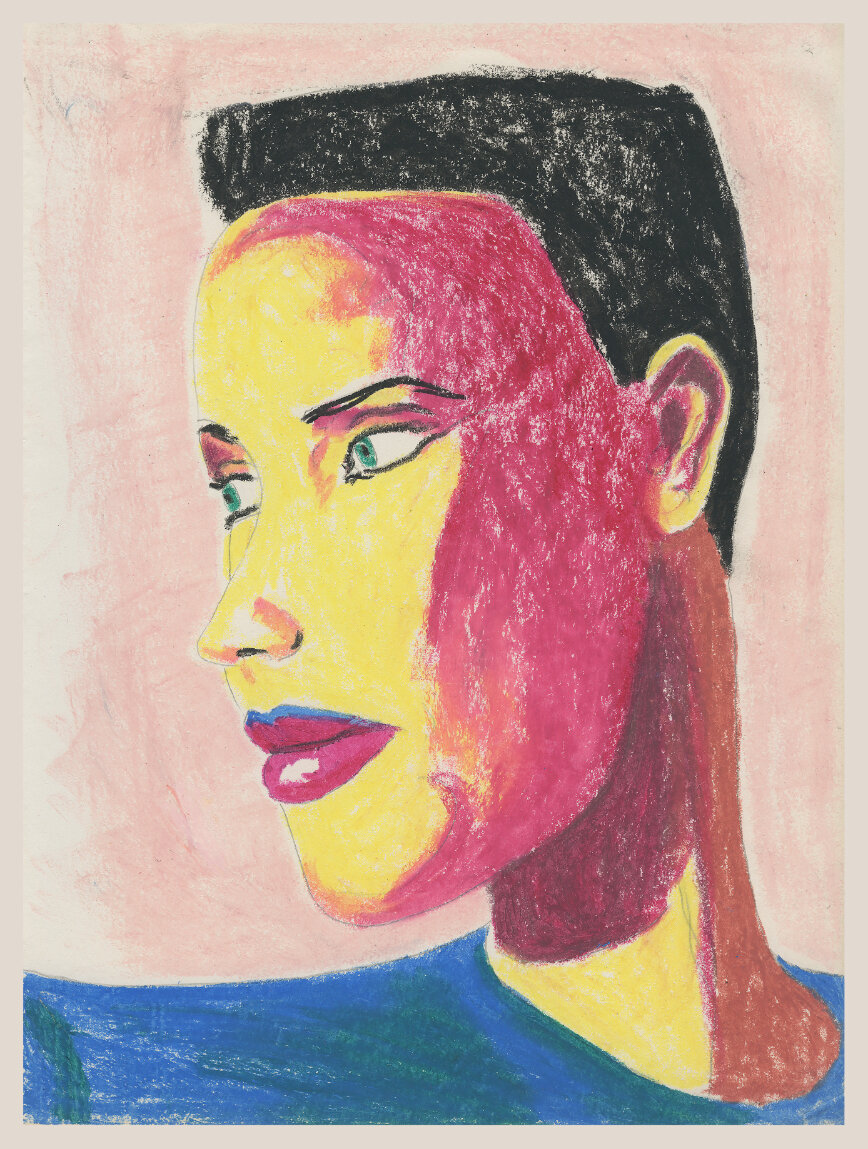
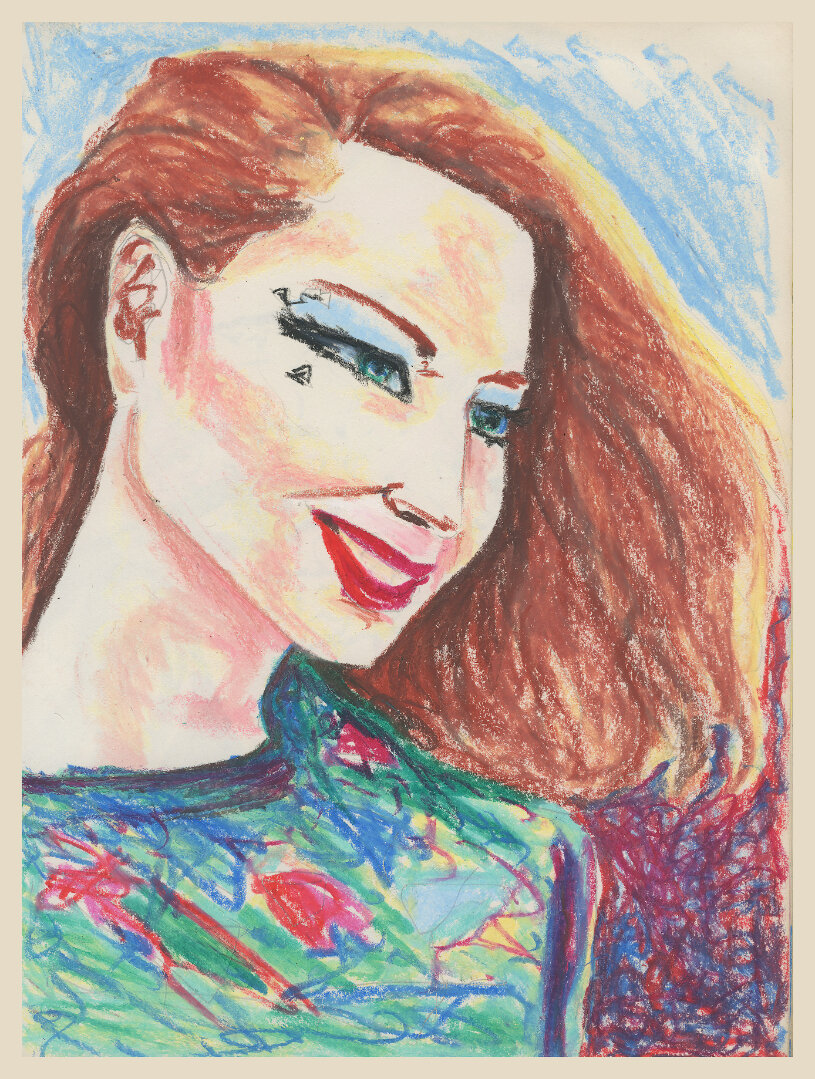
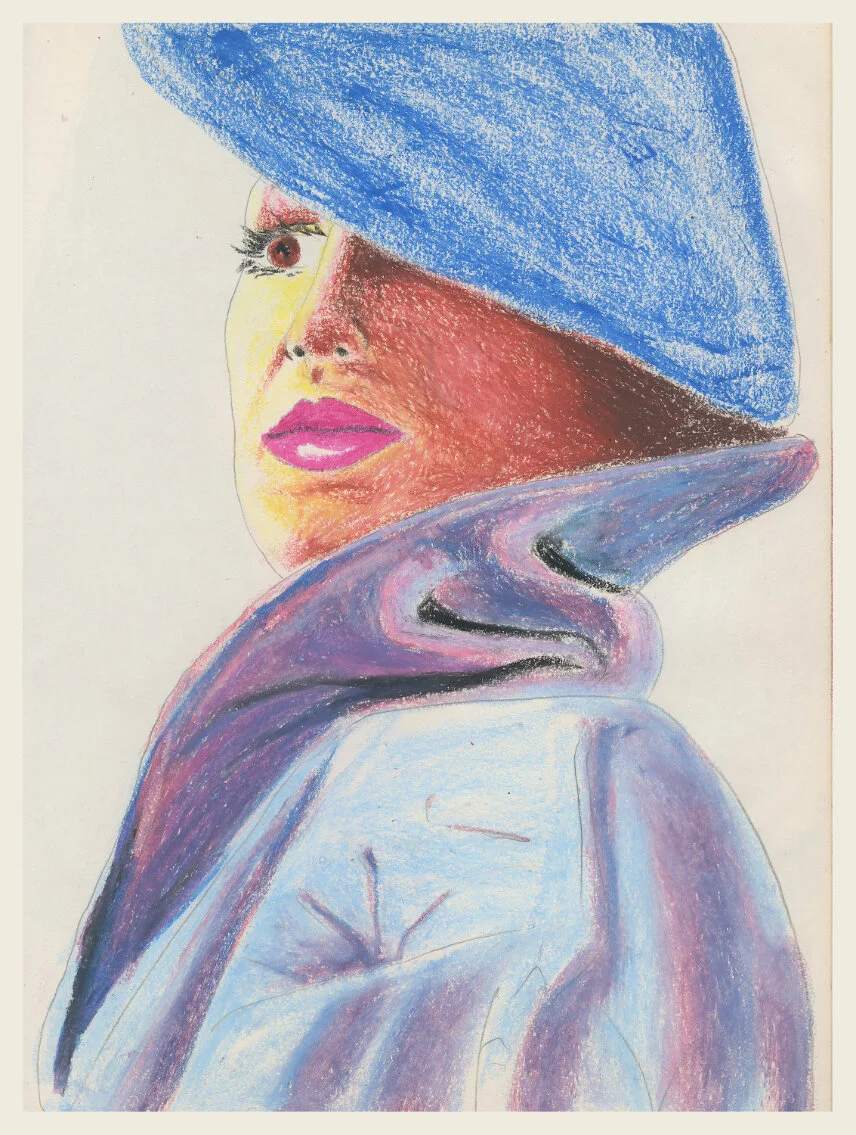
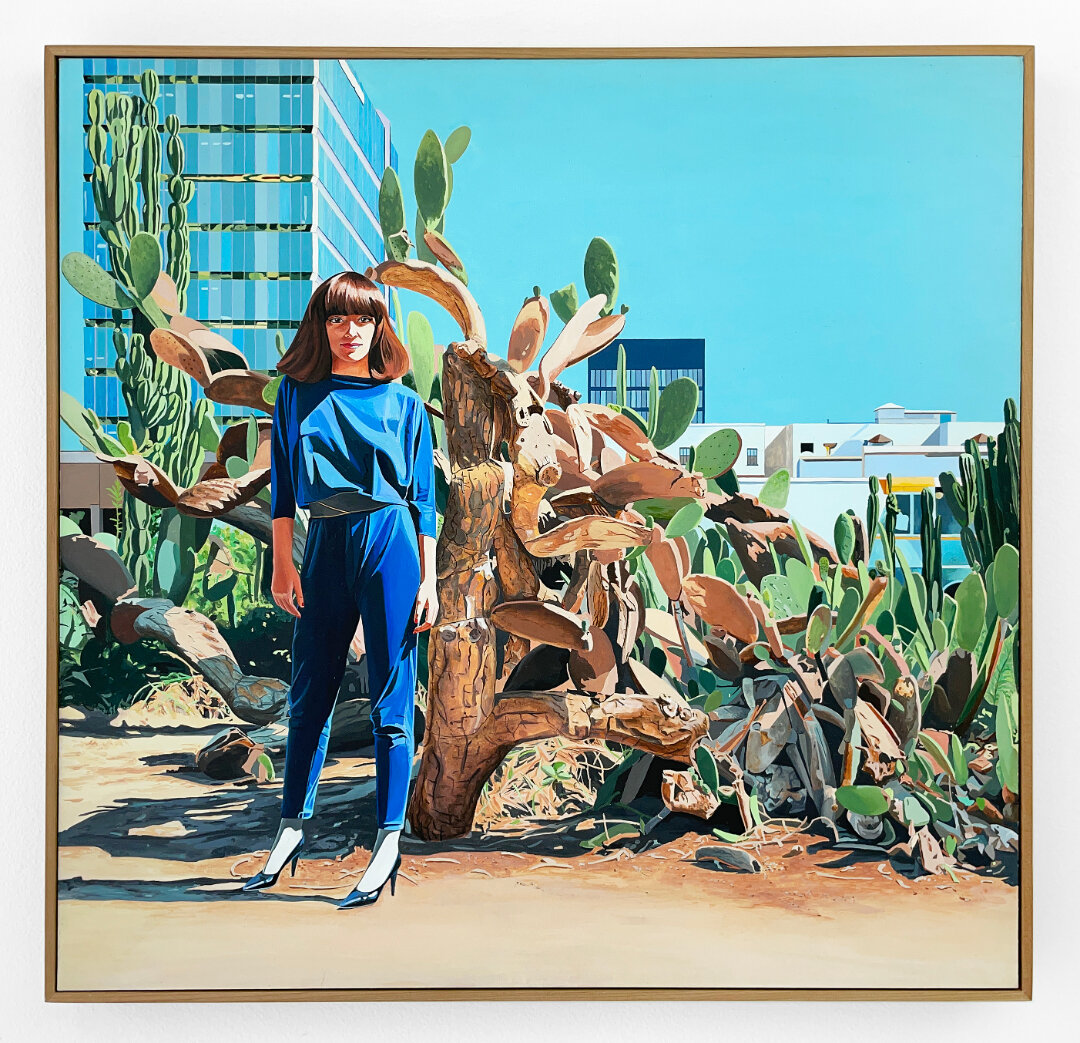
LA Stories: Paintings and Drawings from 1980, featuring six paintings and nine oil pastel portraits of models and cultural figures like Brooke Shields and Grace Jones (available as limited-edition prints, along with a limited-edition t-shirt featuring a Heaven design), is a technicolor time capsule. The high-gloss surfaces and saturated hues, angular compositions and cuts of clothing, sculpted coifs and bold slashes of blush and lipstick, all point to the digital age on the horizon, yet are masterfully rendered, in fact, by hand. Seen up close, minute details are revealed within the brushstrokes. For Taggart, who framed the paintings for the exhibition, seeing them in a new context after forty years has been revelatory. “It's sort of more interesting to see them now,” he notes, adding that perhaps he was simply “waiting for the right moment” to show them.  

In Tull’s opinion, the screen-friendly nature of the work makes it that much more rewarding to see it in a brick-and-mortar space. He views presenting the paintings IRL, as it were, as an opportunity “for people to ponder the history of the LA art community. And in that pondering we have an opportunity to think about where we’re at, and where we’re going...Aside from that, the paintings are really fucking cool.”

LA Stories: Paintings and Drawings from 1980 is on view for the first time by appointment only through August 1 @ ODD ARK • LA. text by Steffie Nelson

David Hicks Presents Inaugural Solo Exhibition @ Diane Rosenstein Gallery In Los Angeles

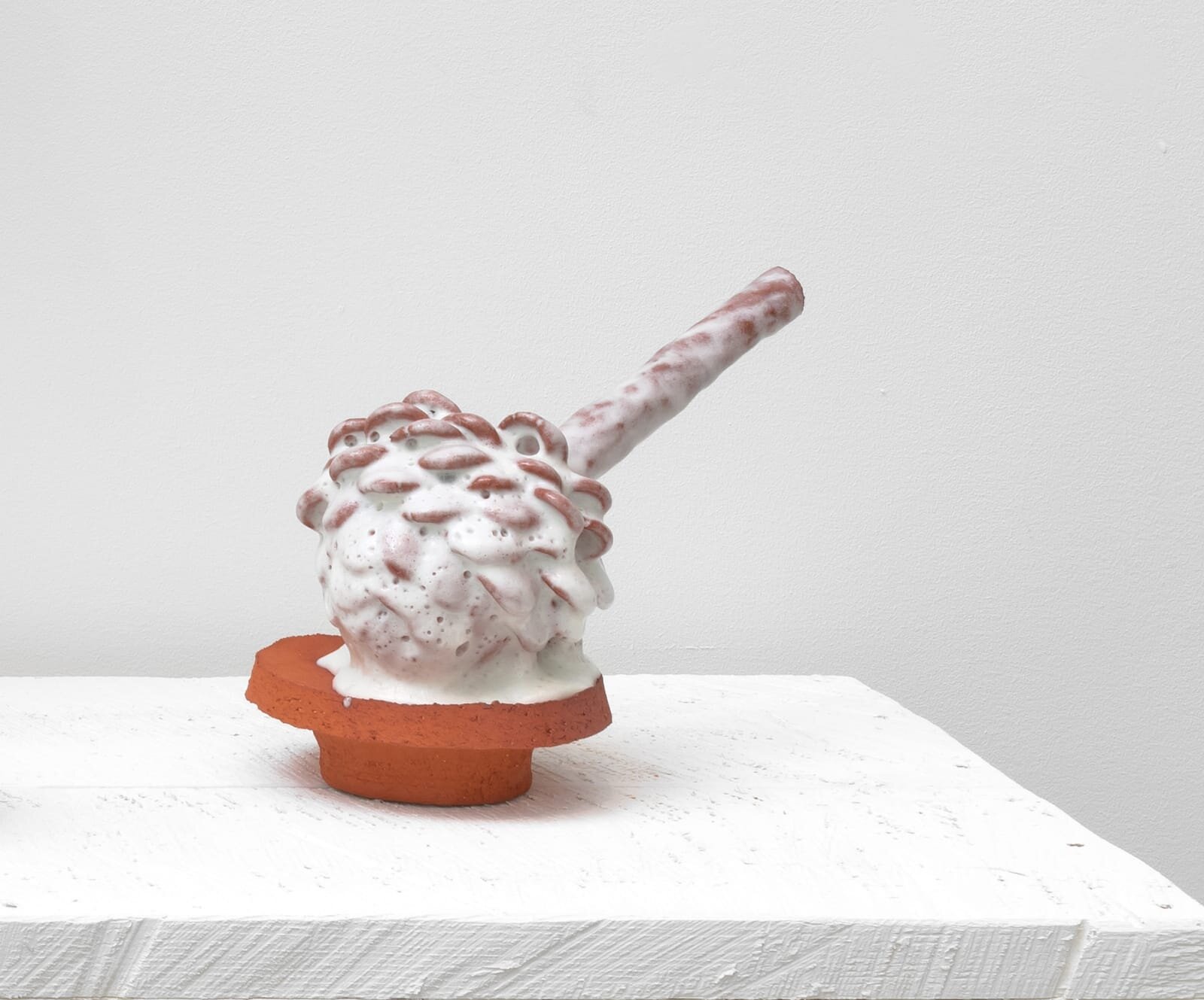
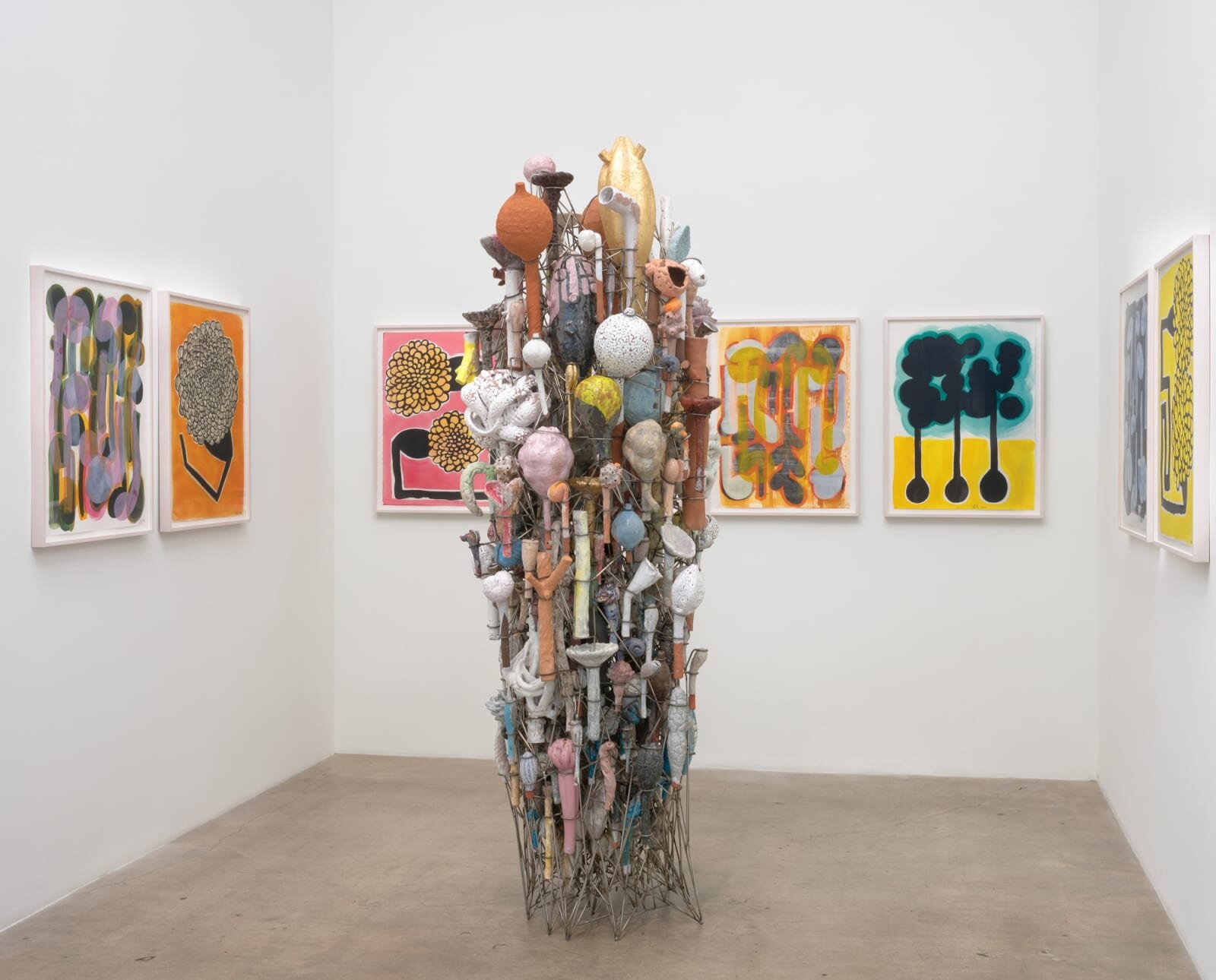
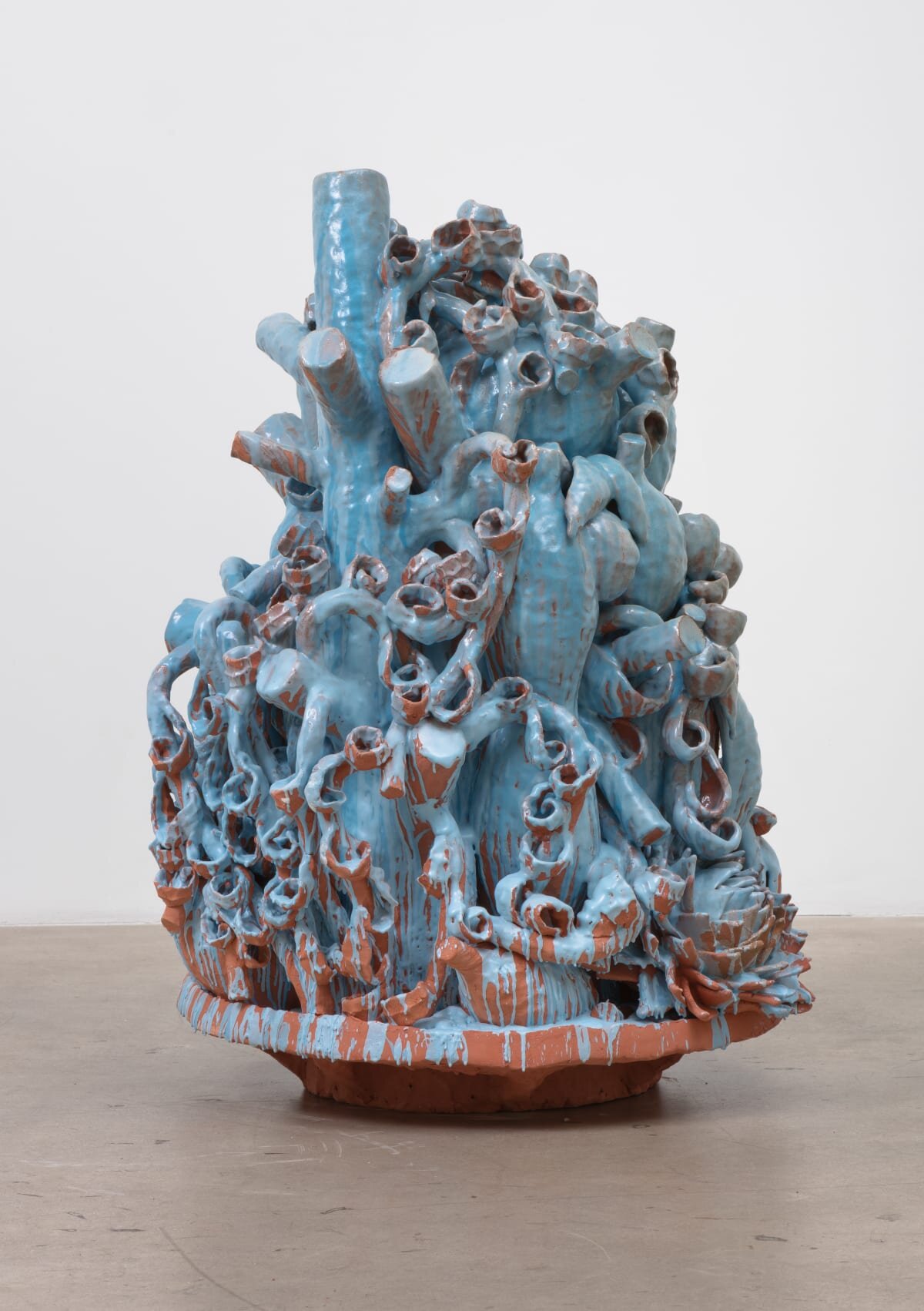
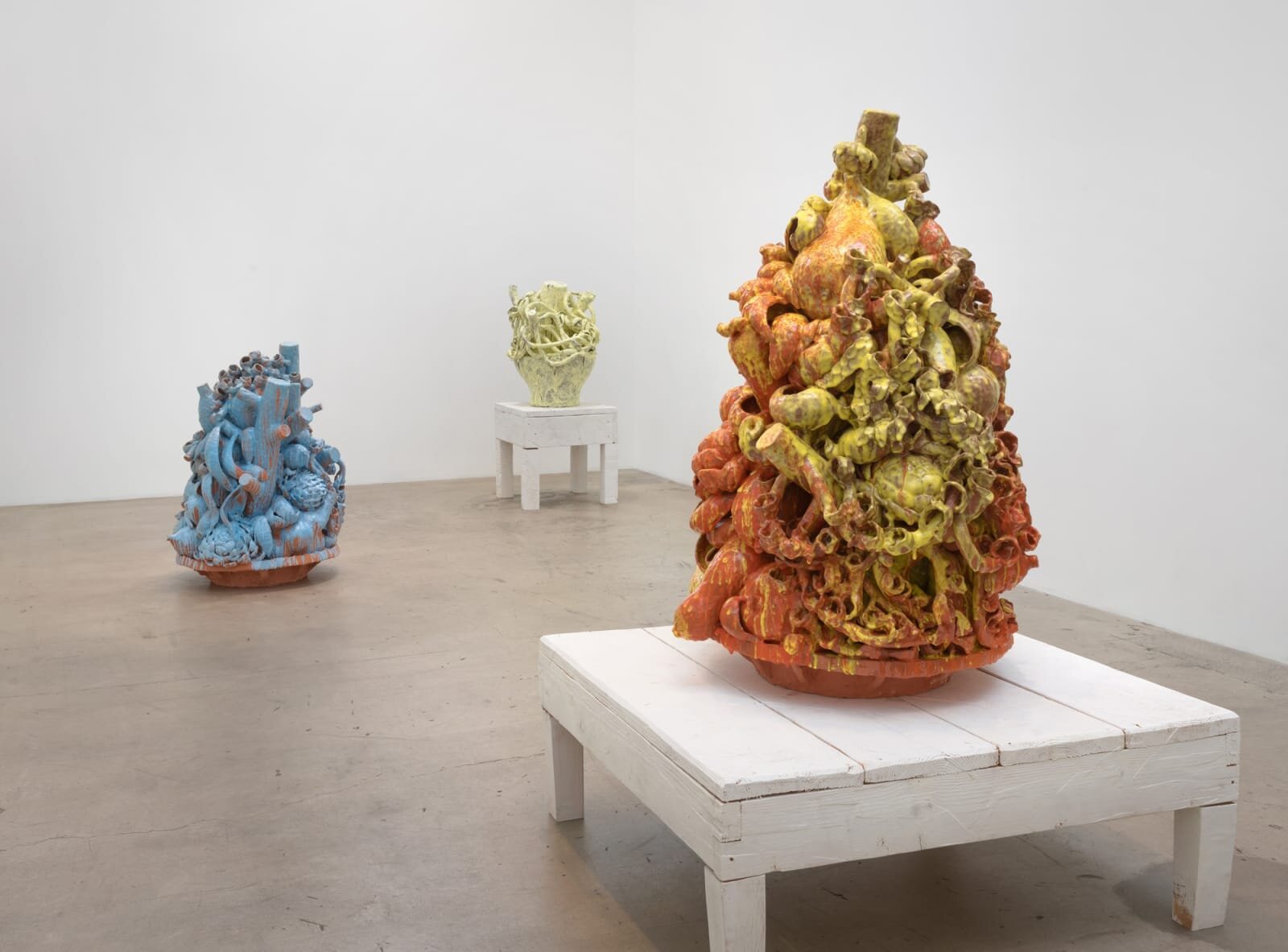
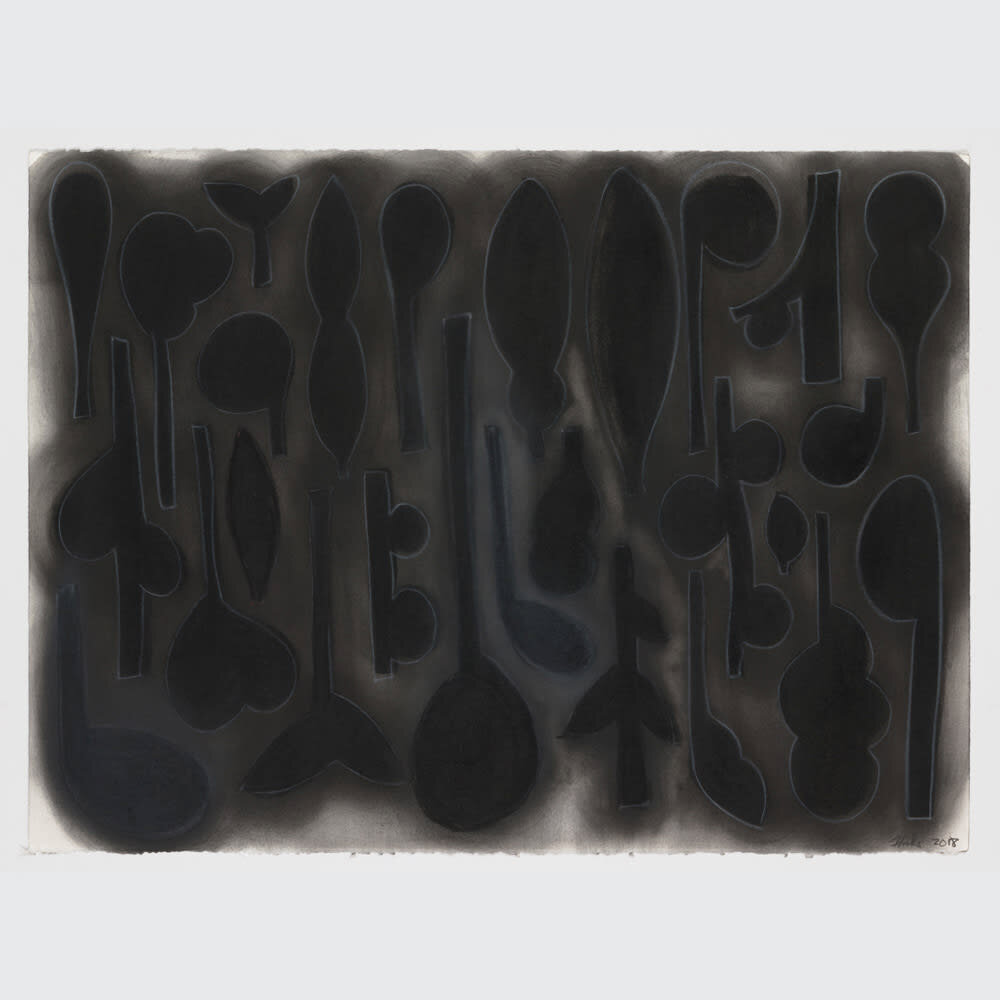
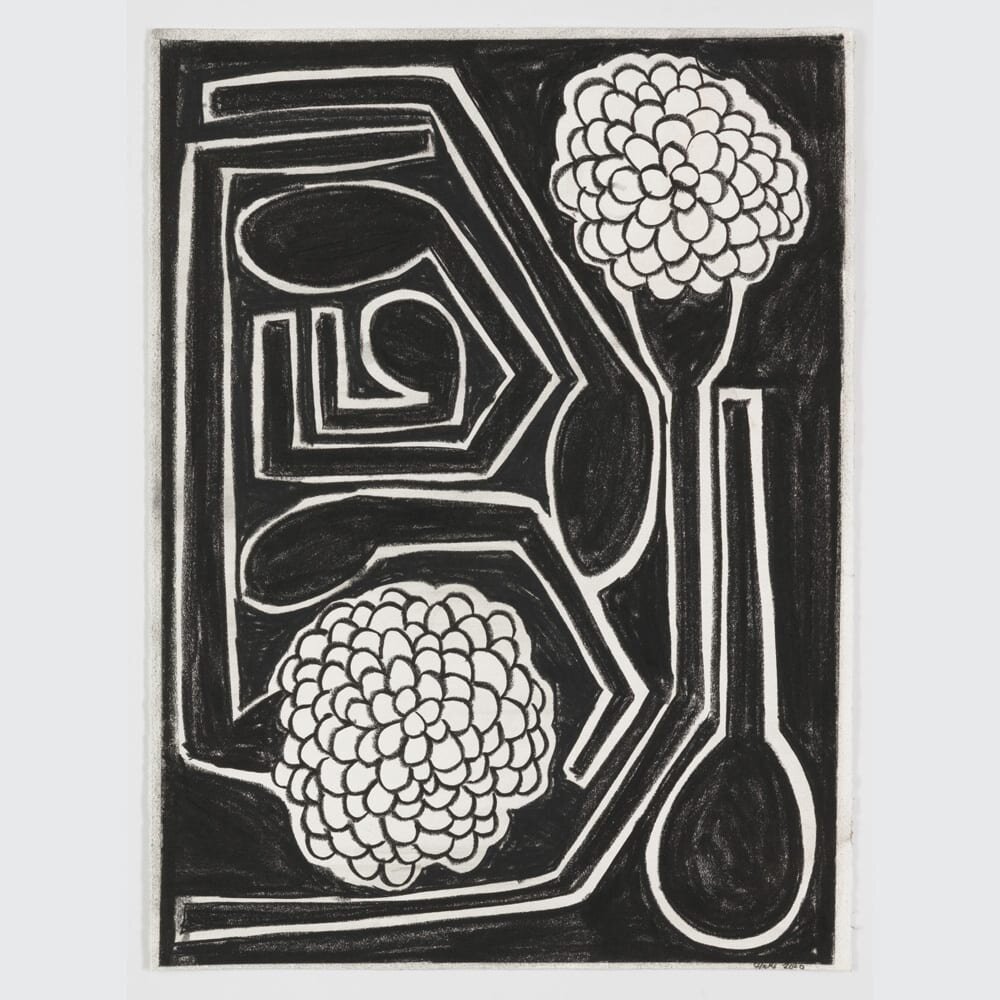
Seed, David Hick’s exhibition of ceramics and drawings represents the artist’s first solo show with Diane Rosenstein Gallery. This body of work is closely connected to the landscape surrounding Hicks’ studio and home in Central San Joaquin Valley, a largely agricultural area in California. The artist writes,

While not tethered to a focused realism of nature’s shapes and natural development, my approach is more a loose conversation with natural form; one that addresses my interpretations of growth, irregularity and the movements of nature.

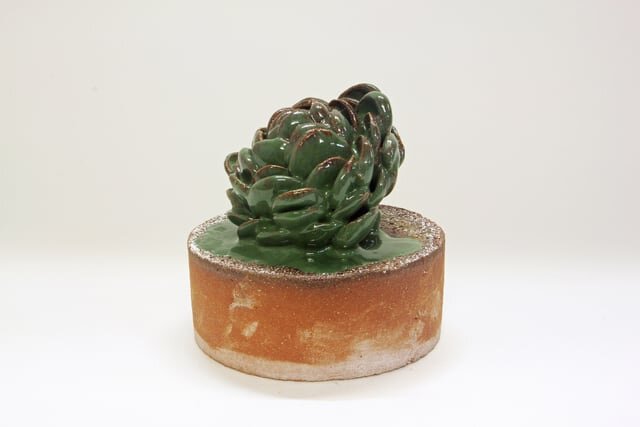
David Hicks’ multifaceted terracotta works ‘grow’ up and around the space in which they are installed. Dionysian ‘Offerings’ take the artist’s maximalist approach to an extreme, depicting heaping plates of vegetal forms—some rising four feet high off the floor—doused in thick glazes, often captured in mid-drip. Plant-like forms also appear as small talismanic objects the artist calls ‘Clippings’. In places, the forms appear more bodily, like heads or organs, offering a reminder that we, too, are a part of the landscape.

Seed is on view by appointment through February 13 @ Diane Rosenstein Gallery 831 N Highland Avenue

Liu Shiyuan Presents For Jord @ Tanya Bonakdar Gallery In Los Angeles

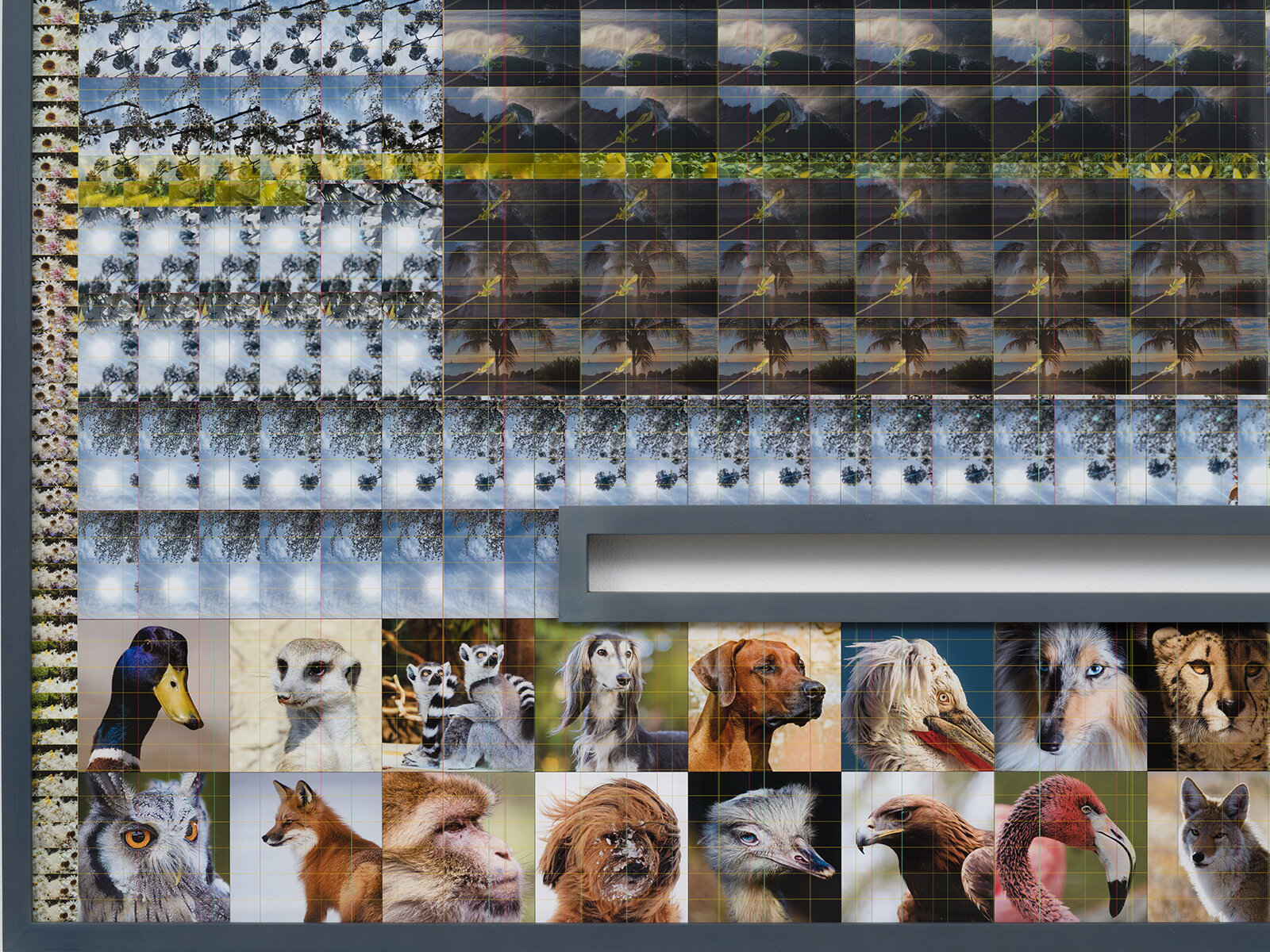
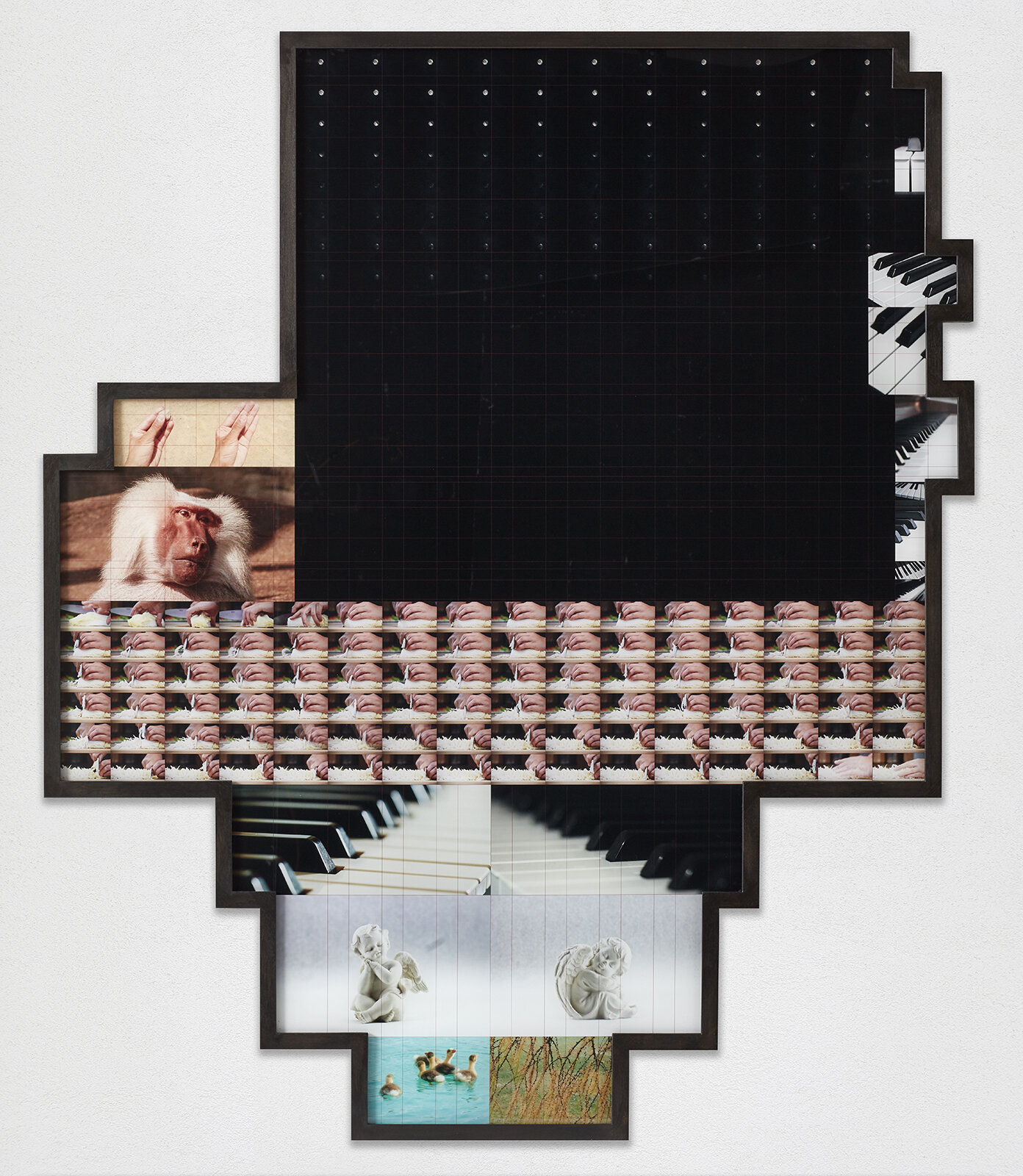
For Jord, Liu Shiyuan’s first solo exhibition in Los Angeles, is comprised of photography, video and drawings, that revolve around a fictional character named Jord. In Danish, the word jord translates to ‘earth’ or ‘dirt’, and as a name, it means ‘divine being’ or ‘peace’. In Liu’s work, this character is not human, not from the past or the future, and has no race or gender. They are the amorphous, symbolic protagonist who binds the work across ideological and formal narratives.

In her photography practice, Liu uses personal iPhone videos and Google image searches as primary sources for her work. By searching words and phrases online, Liu identifies images with multiple meanings that can be attributed to the same word, offering a diversity of perspectives and interpretations. At her studio in Copenhagen, Liu searched the word “Jord” on Google images, resulting in images of dirt. Interestingly, many of the thumbnails featured two hands holding soil - giving the dirt a border, a containment and a sense of belonging. As a country, a culture, or any community with boundaries, the character Jord represents our connected and shared nature. For Liu Shiyuan, a Chinese national living in Denmark, this common ground of all humans is an important aspect of our livelihood.

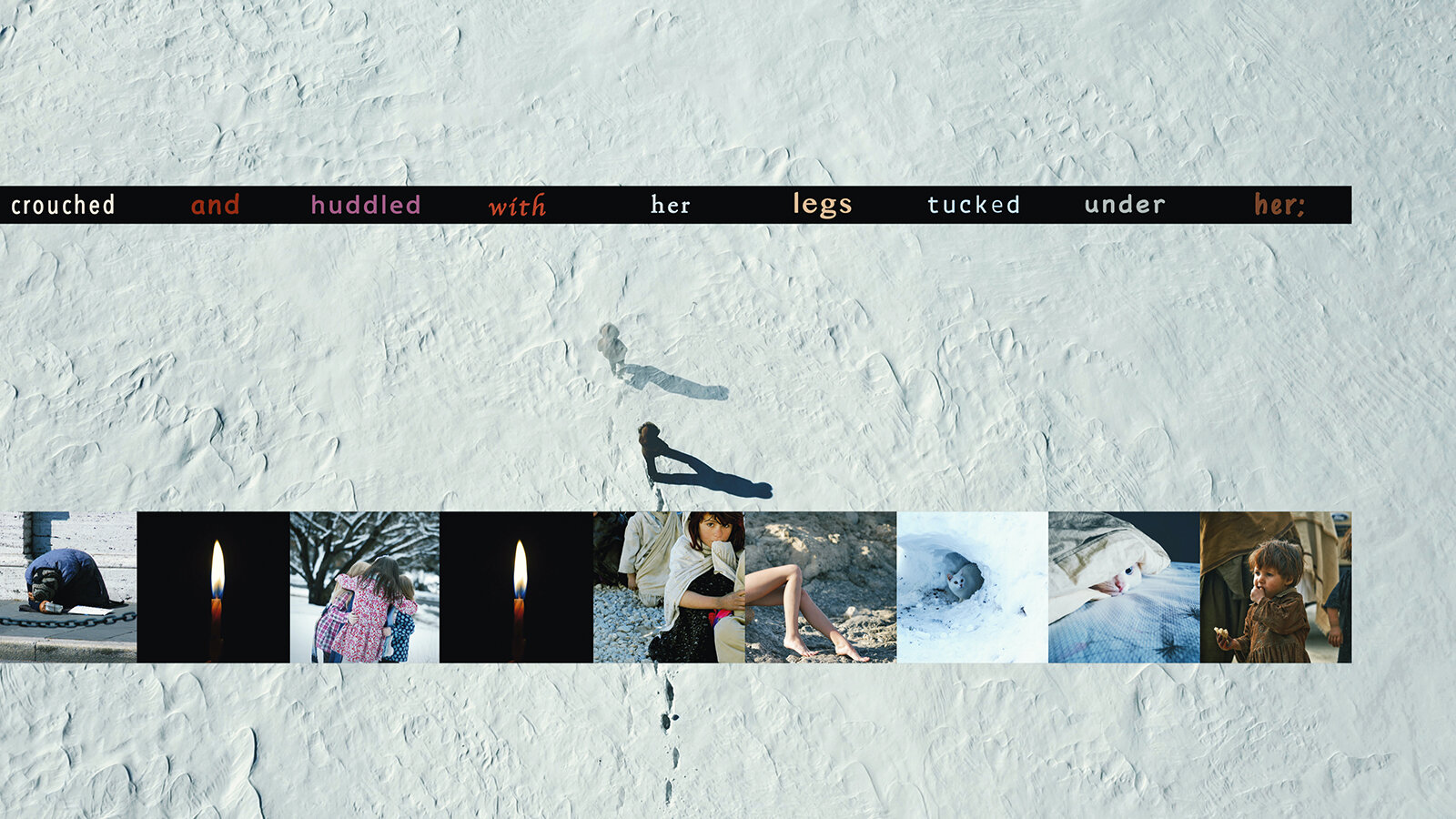
Liu’s new film, For the Photos I Didn’t Take, For the Stories I Didn’t Read, is inspired by Danish author Hans Christian Andersen’s book The Little Match Seller. The story portrays a penniless young girl on New Year’s Eve trying to sell matches to make money for her family. From the cold and snowy street, she peers into other homes, imagining a better life. As she fantasizes, she peacefully passed away in the dawn of the new year, an abrupt and tragic end to the tale. In 1920, The Little Match Seller was translated to Chinese and included in educational books throughout the country. The story was used by the Chinese government during the Cultural Revolution as a way of explaining how the communist party was saving China from the problems of Western capitalism.

Liu reintroduces the audience to The Little Match Seller with a stream of images the artist found online by individually searching every word in the entire text. By recontextualizing the narrative, the viewer simultaneously reads both stories: the written version from 1845 and a parallel story created by today’s imagery. Every time the word “SHE” or “HER” appears in the text, Liu uses portraits of young girls from around the world - girls from poor families and wealthy families, from refugee camps and of different ethnicities. The result is surprisingly complex and unified. From one perspective it is clear to see the shadow of post-war society; from another, there is no change at all.

Set softly behind the rolling text and images, otherworldly environments create an atmosphere of the unknown, as if the viewer is looking onto earth from another universe. The idea of being a foreigner, an outsider or an alien is a frequent theme in Liu’s practice. Having lived in many different countries: growing up in China, studying in the United States and now living in Denmark — the same country as Hans Christian Andersen — Liu has a unique perspective on the cultural and political differences in these countries. For the Photos I Didn’t Take, For the Stories I Didn’t Read contemplates and questions larger issues of communism, socialism, capitalism and the affects on the individual — especially during the holiday season when indulgence and extravagance are celebrated, disparity and inequality become more pronounced. By bringing up these questions, Liu leaves the viewer to observe our differences, consider alternative perspectives and most importantly, understand our shared connection as humans.

For Jord is on view through January 30 @ Tanya Bonakdar Gallery 1010 N Highland Ave Los Angeles, CA 90038.

The Hammer Museum in Los Angeles Presents Paul McCarthy: Head Space, Drawings 1963–2019

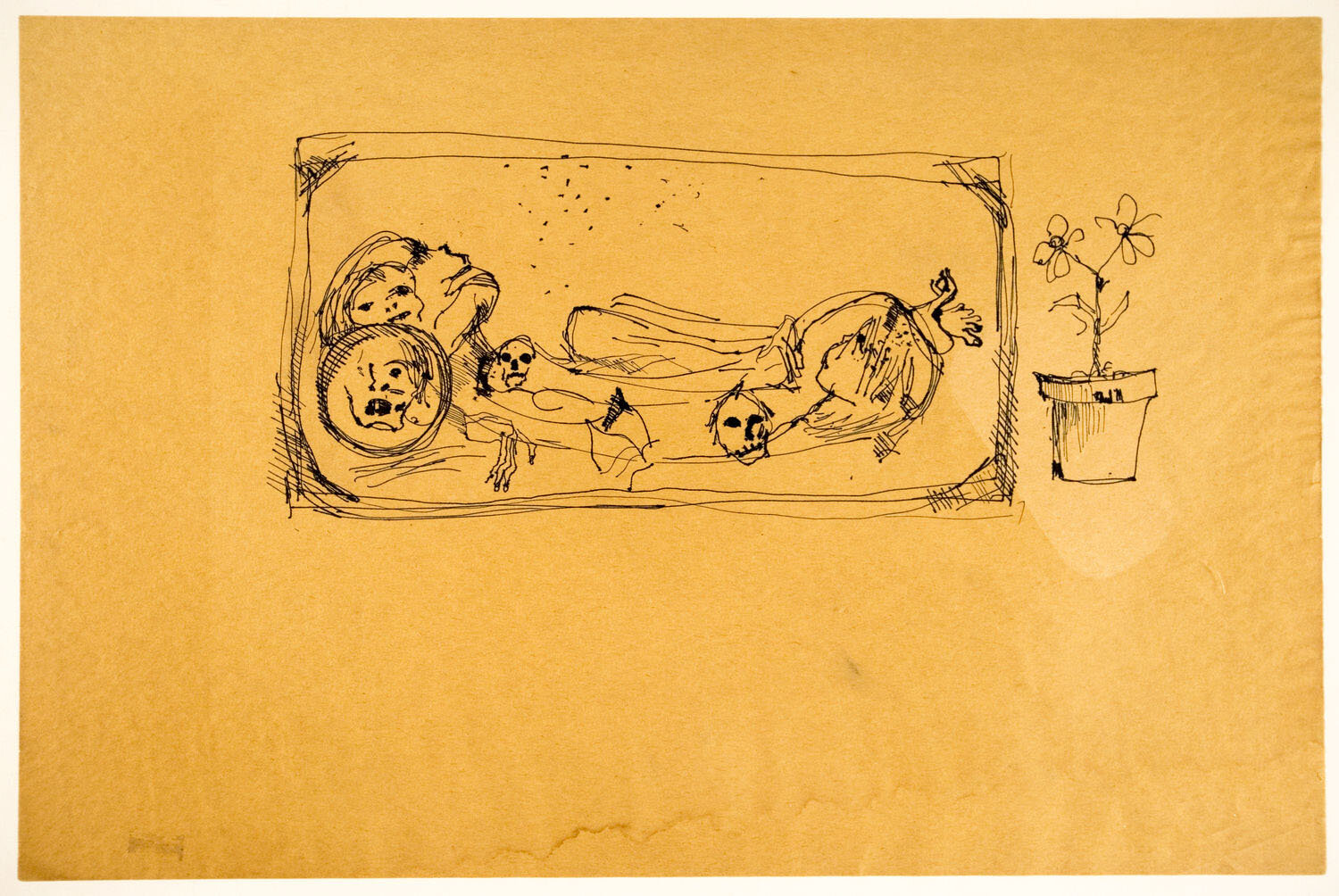
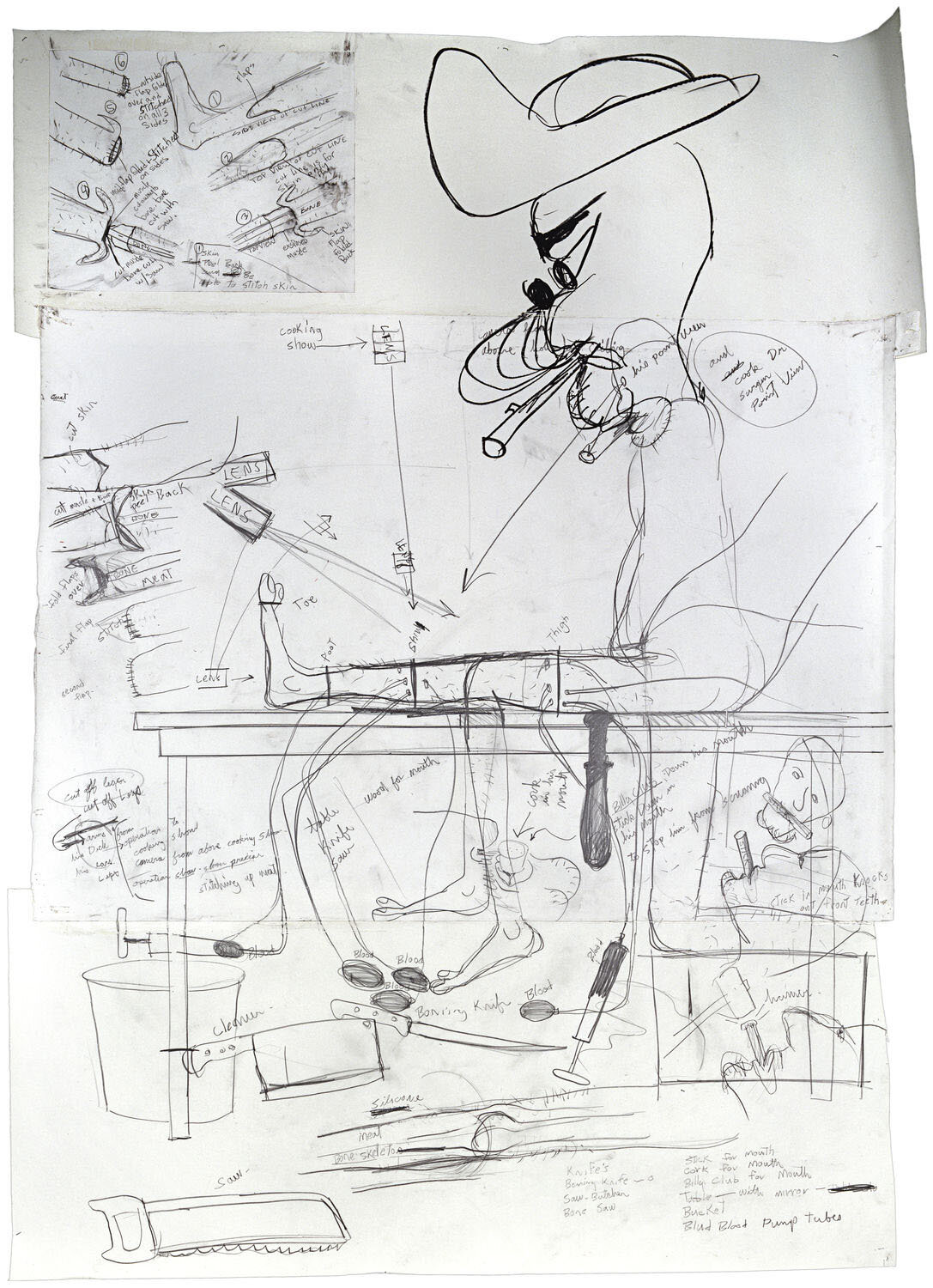
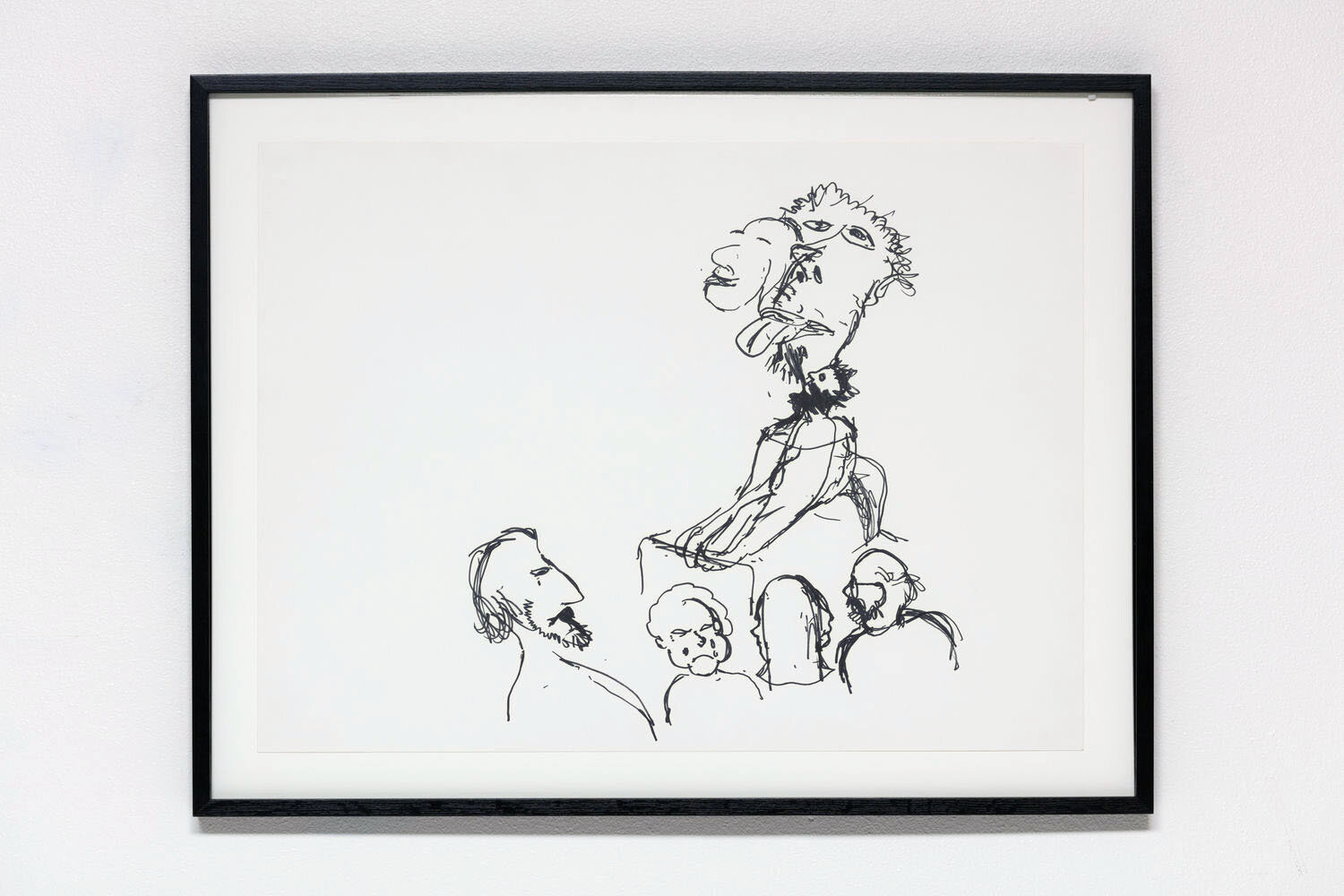
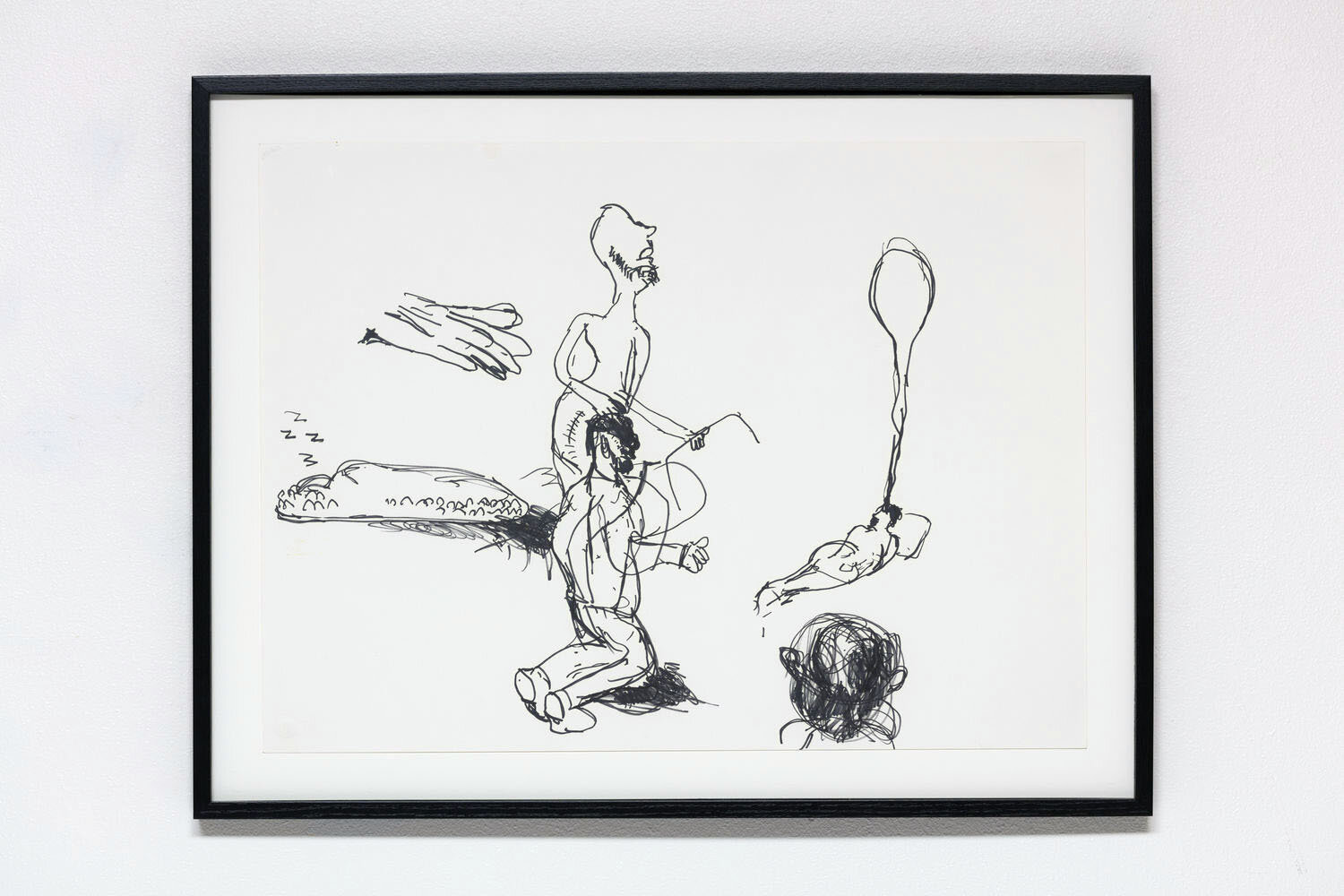
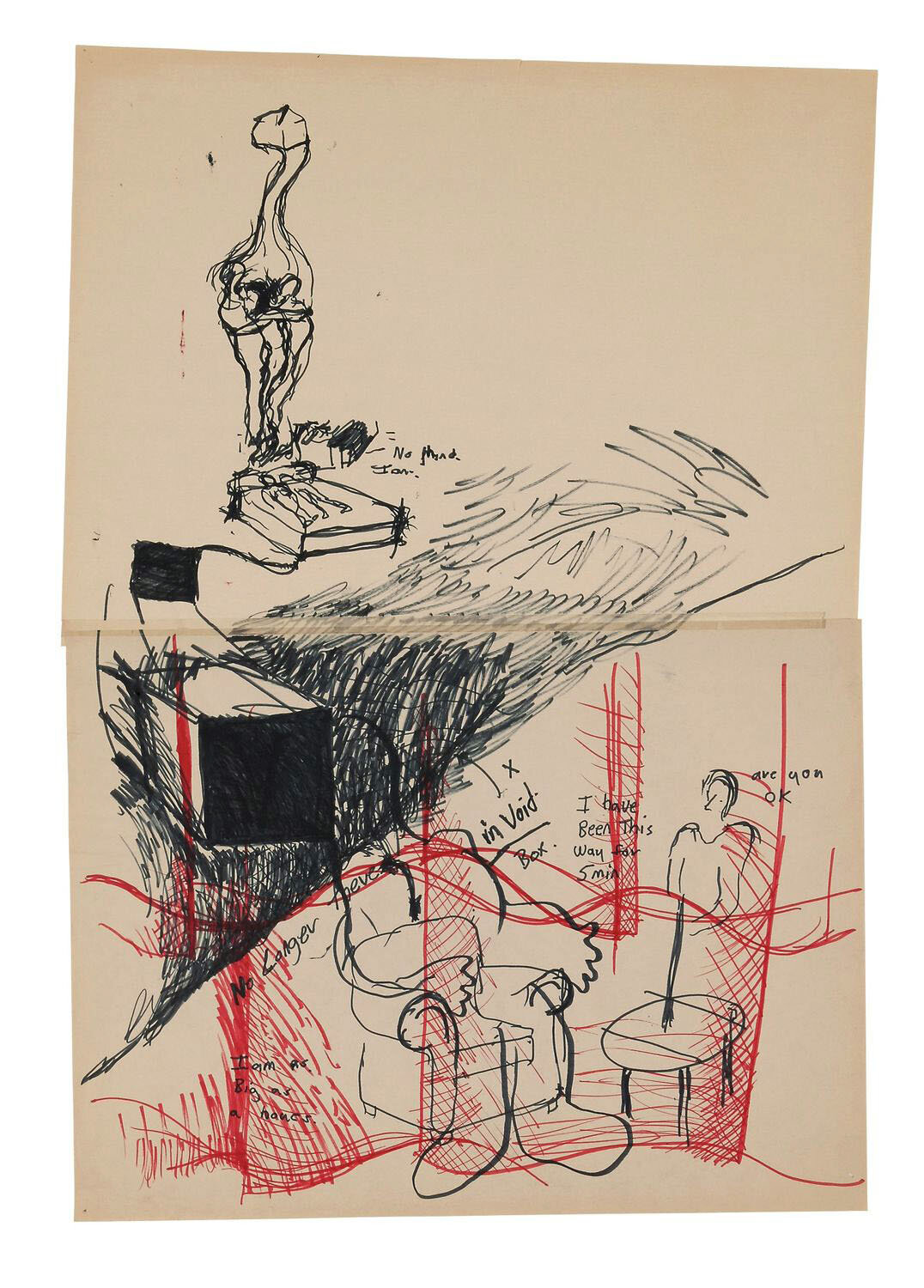
The first comprehensive survey in the United States of drawings and works on paper by the Los Angeles–based artist Paul McCarthy (b. 1945, Salt Lake City), Paul McCarthy: Head Space, Drawings 1963–2019, reveals a rarely examined aspect of the artist’s oeuvre. Produced in thematic cycles, McCarthy’s drawings share the same visual language as the artist’s sculptural and performance works, addressing themes of violence, humor, death, sex, and politics, and featuring extensive art historical and pop-cultural references. By presenting his expansive career of more than five decades through the focused lens of drawing, the exhibition offers a greater understanding of this influential artist and social commentator.

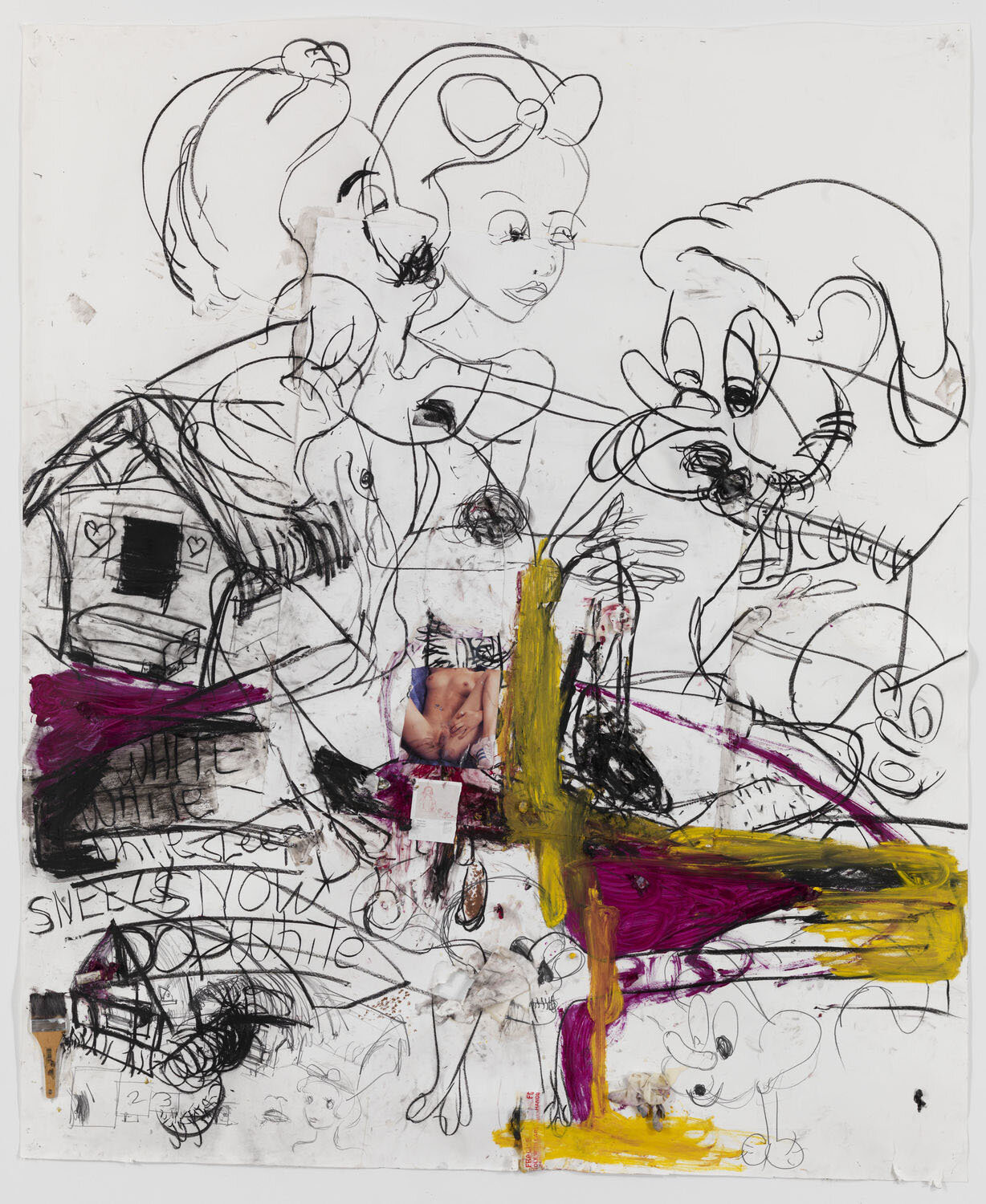
Paul McCarthy: Head Space, Drawings 1963–2019 features 600 works on paper selected from McCarthy’s archive. The works incorporate and utilize a variety of mediums, including charcoal, graphite, ink, marker, and collage, as well as more unorthodox materials such as ketchup and peanut butter. A consummate and accomplished draftsperson, McCarthy approaches his daily drawing practice as a way of thinking—a blueprint for projects and a tool to flesh out complex ideas. Since the 1970s, McCarthy has also incorporated drawing into his performances, implementing it as part of an action and often drawing in character. In recent years, this practice of drawing in character has become central to his large-scale video performance projects, such as WS White Snow (2012–13), CSSC Coach Stage Stage Coach (2017), and NV Night Vater (2019–). In a process McCarthy terms “Life Drawing, Drawing Sessions” the artist and his actors produce drawings in costume among the props and simulacrum of his film sets. These works bring together the materials and crude gestures that have been present in the artist’s work for the greater part of his career.

Paul McCarthy: Head Space, Drawings 1963–2019 will be on view throughout May 10, 2020 at The Hammer Museum 10899 Wilshire Boulevard Los Angeles, CA. photographs courtesy of the gallery

Richard Serra: Forged Rounds @ Gagosian In New York

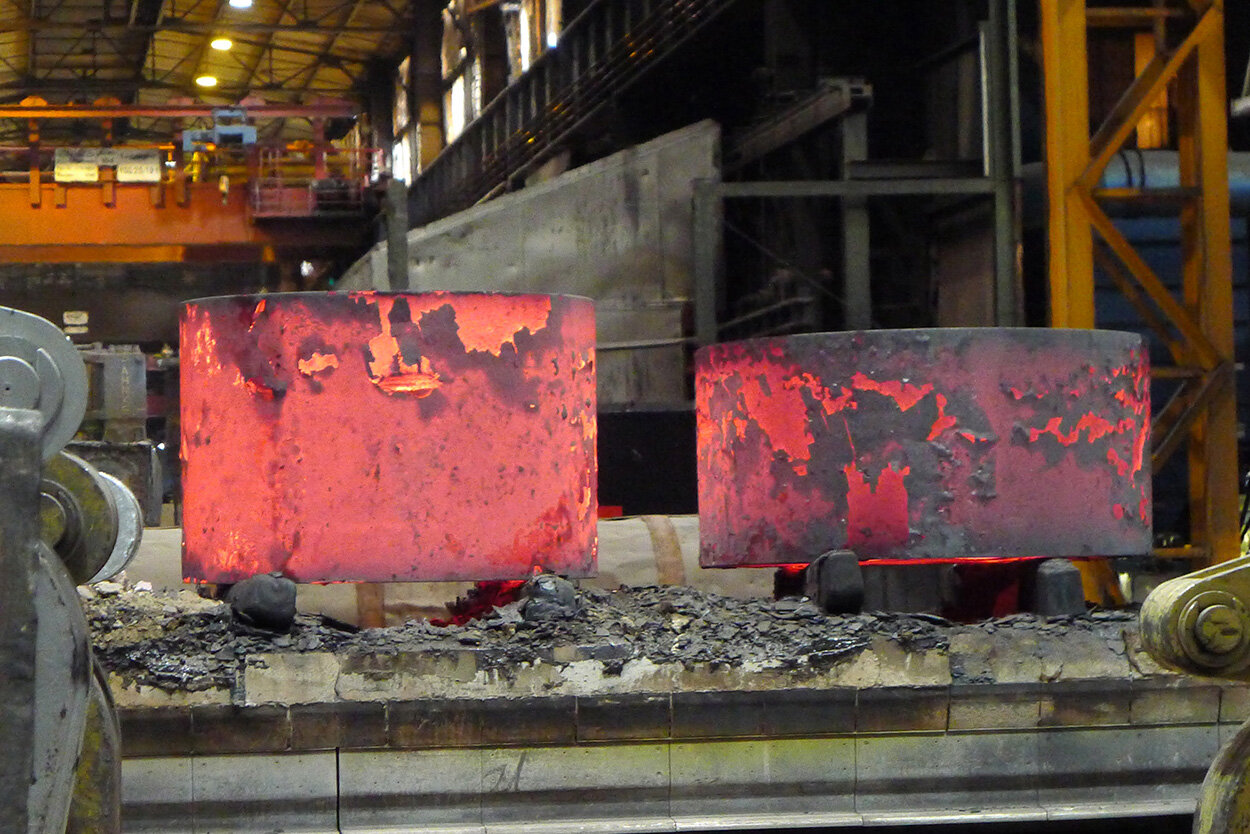
Photo: Silke von Berswordt. Courtesy the artist and Gagosian.

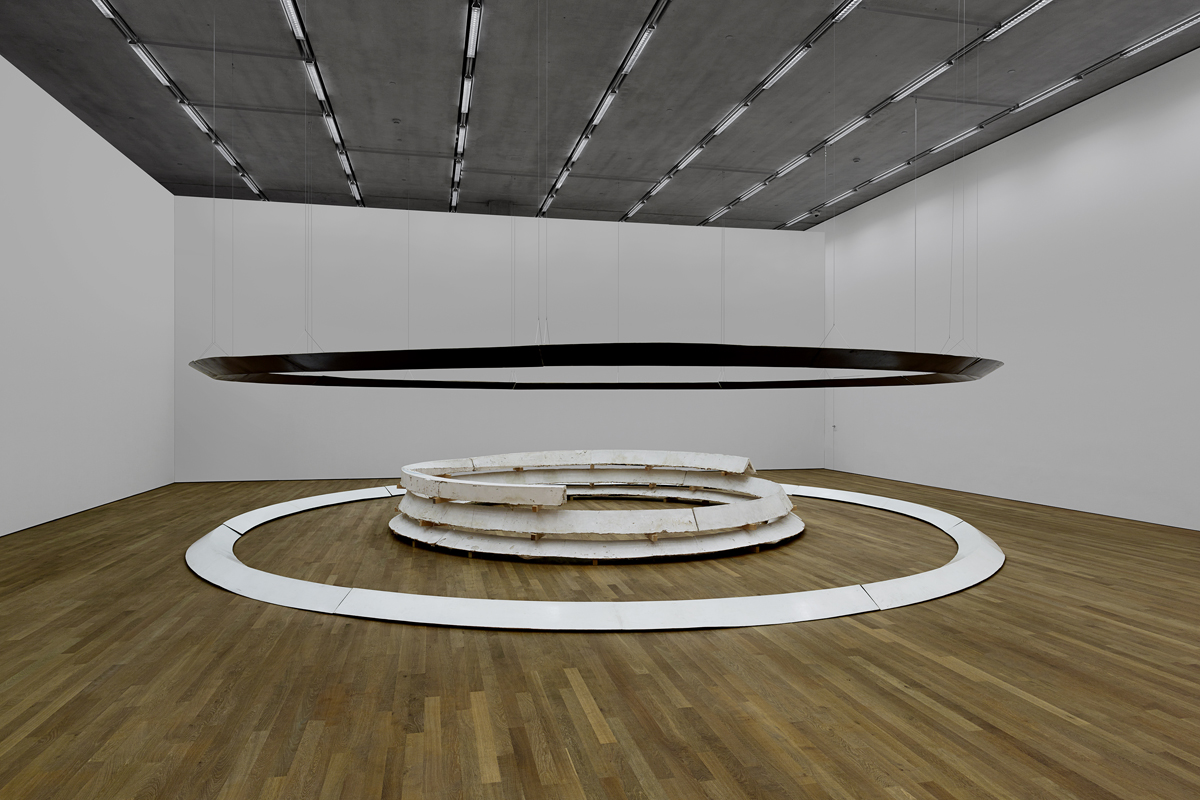
Four new works from Richard Serra’s Rounds series fills the entire West 24th Street gallery. Each forged steel sculpture is composed of multiple -ton elements of differing diameters and heights. Bisecting the West st Street gallery space will be Reverse Curve, a sculpture measuring feet long and feet high. Originally conceived in for a public project in Reggio Emilia, Italy, Reverse Curve is finally being realized for the first time. In conjunction with these exhibitions, Gagosian and Anthology Film Archives will present a three day retrospective of Serra’s films and videos from October 17 through 19, drawn from the collections of the Museum of Modern Art, Anthology Film Archives, Joan Jonas, and Stiftung Situation Kunst. This is the first time that all of the artist’s film and video work will be shown together. The screening on October will be followed by a panel discussion between curators Søren Grammel, Chrissie Iles, and Jeffrey Weiss, moderated by art historian Benjamin Buchloh. Additional screenings of the full program will take place on October 20 and 23. The exhibition will be accompanied by a fully illustrated catalogue with an essay by Julian Rose. Forged Rounds is on view through December 17 at Gagosian 555 West 24th Street, New York.

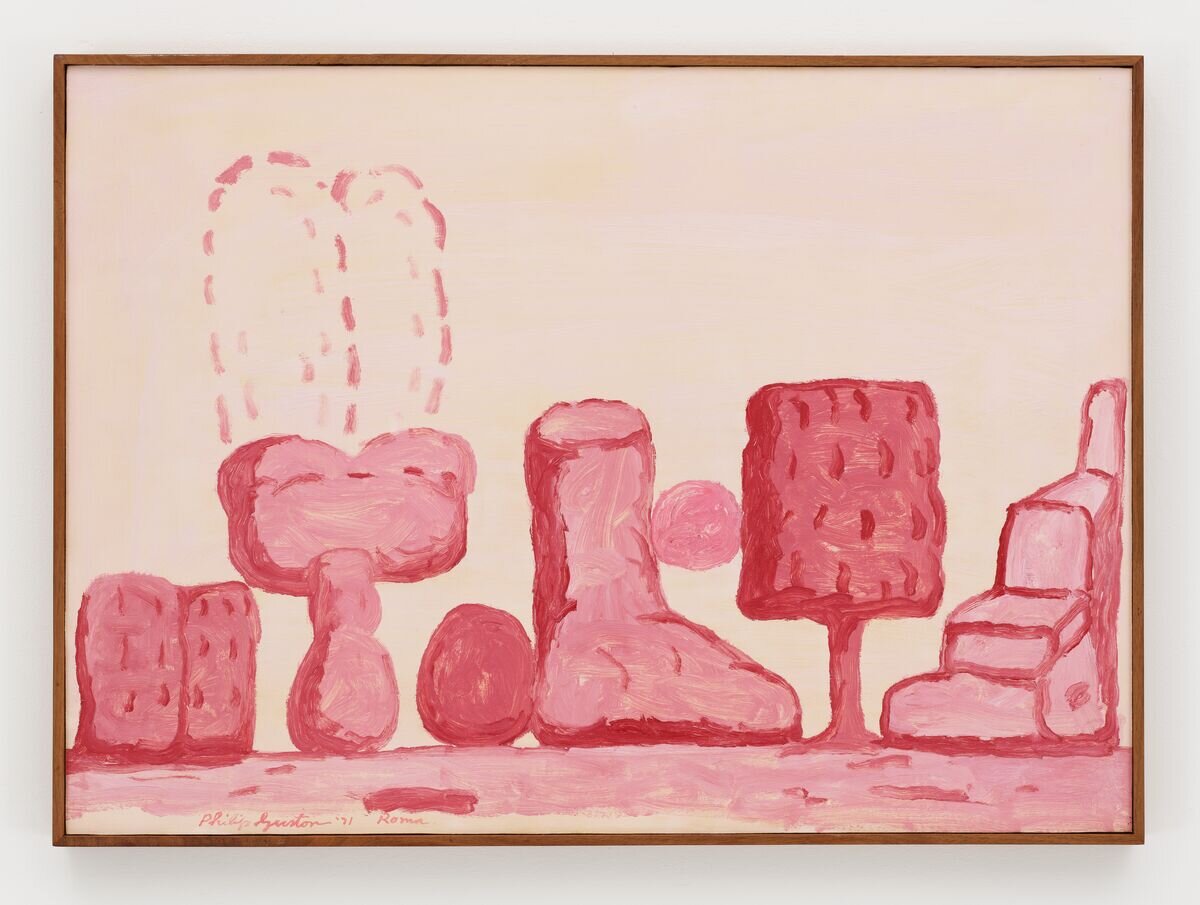
Resilience: Philip Guston in 1971 @ Hauser & Wirth In Los Angeles

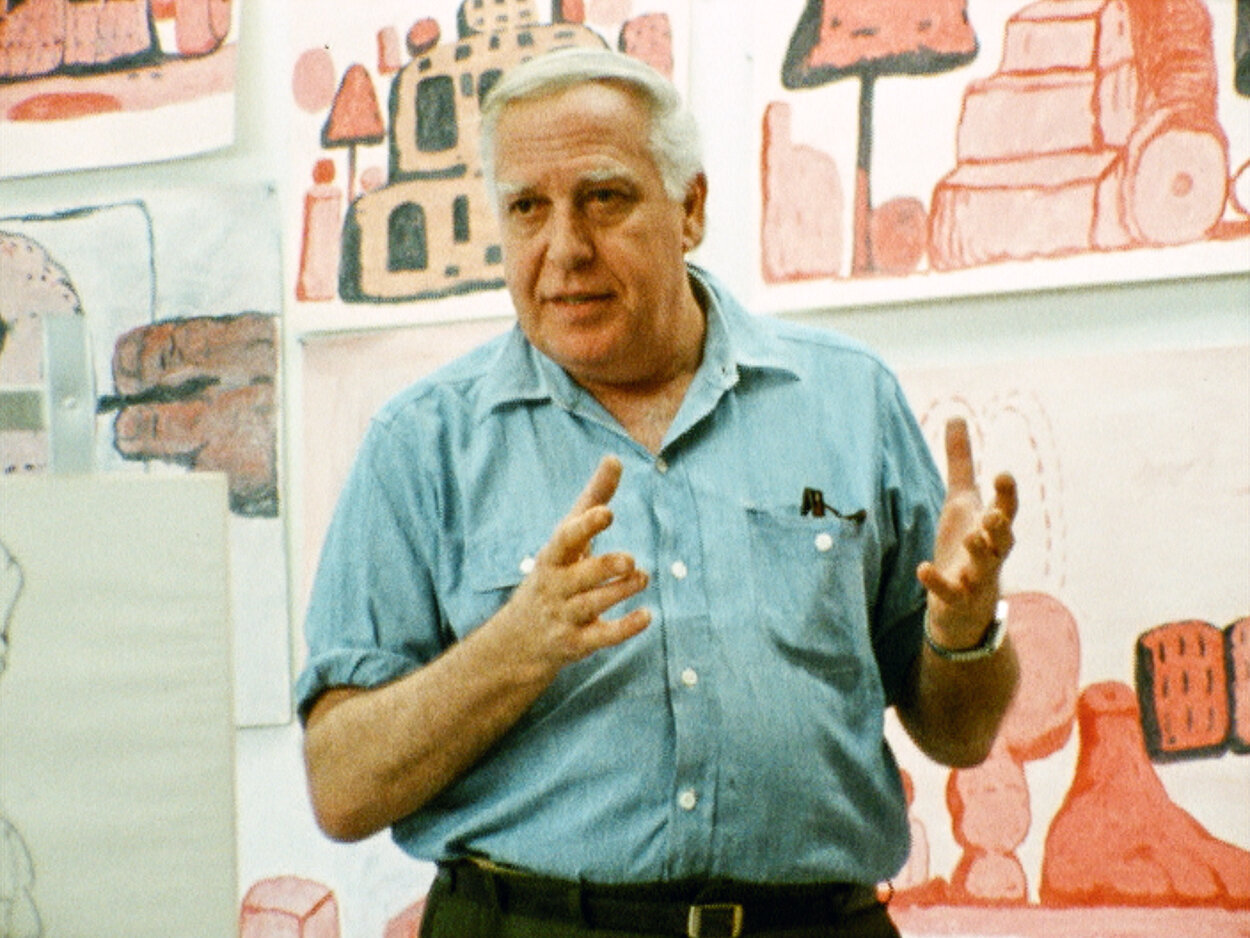
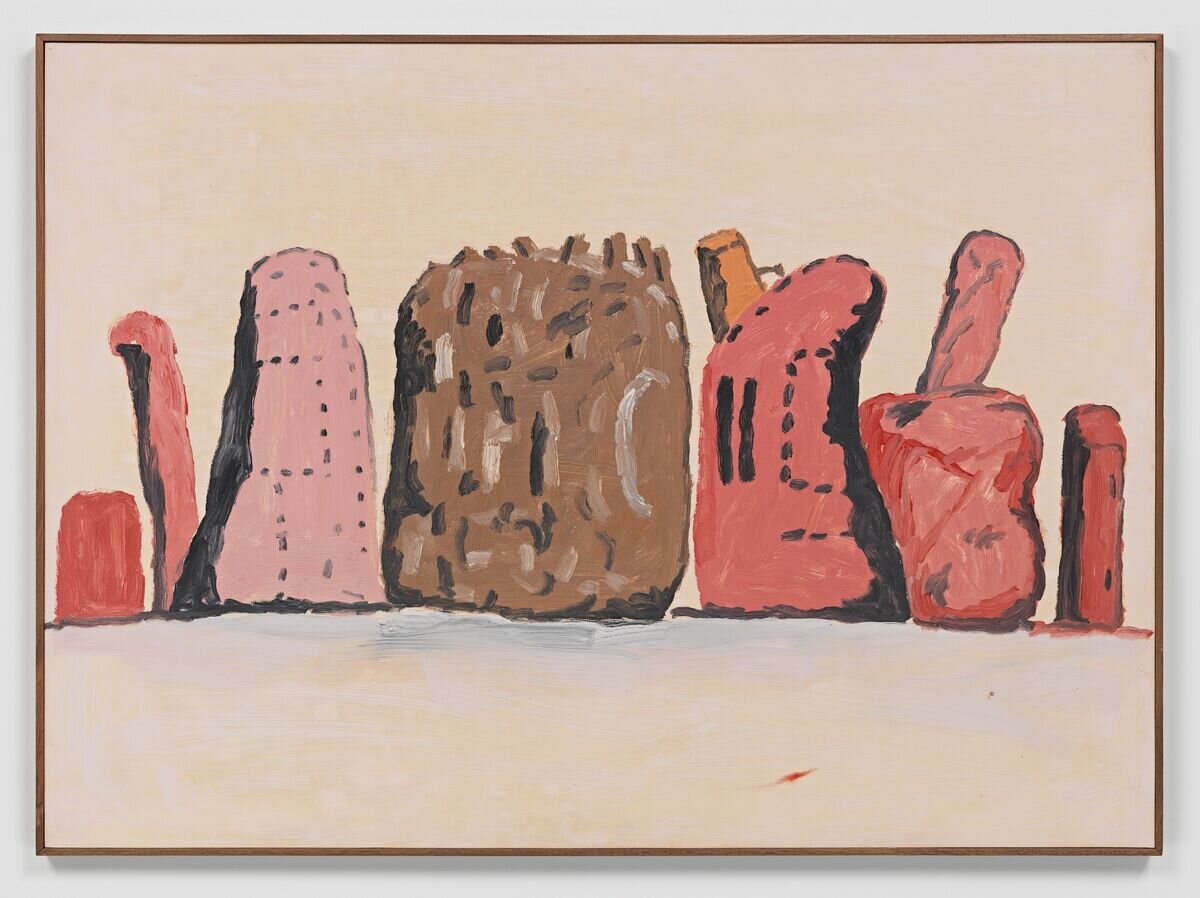
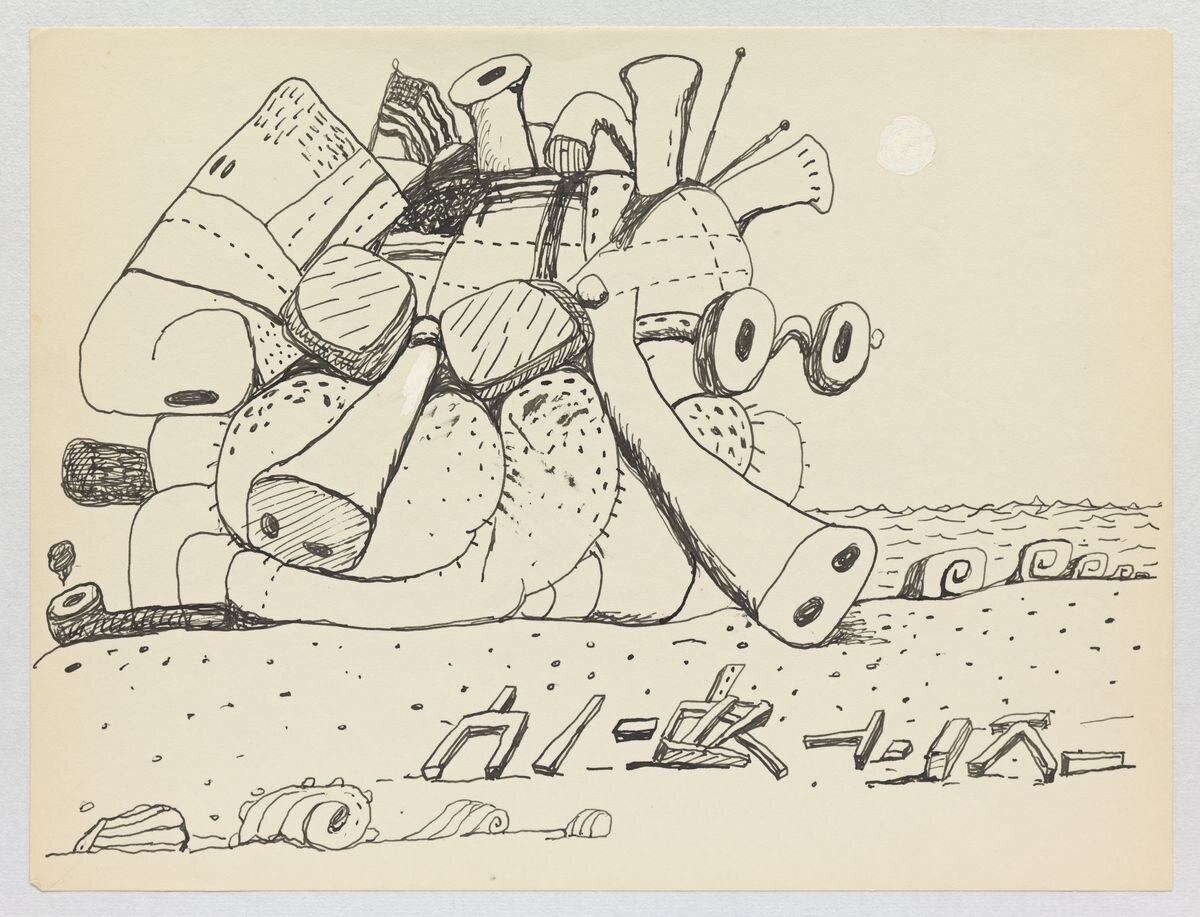
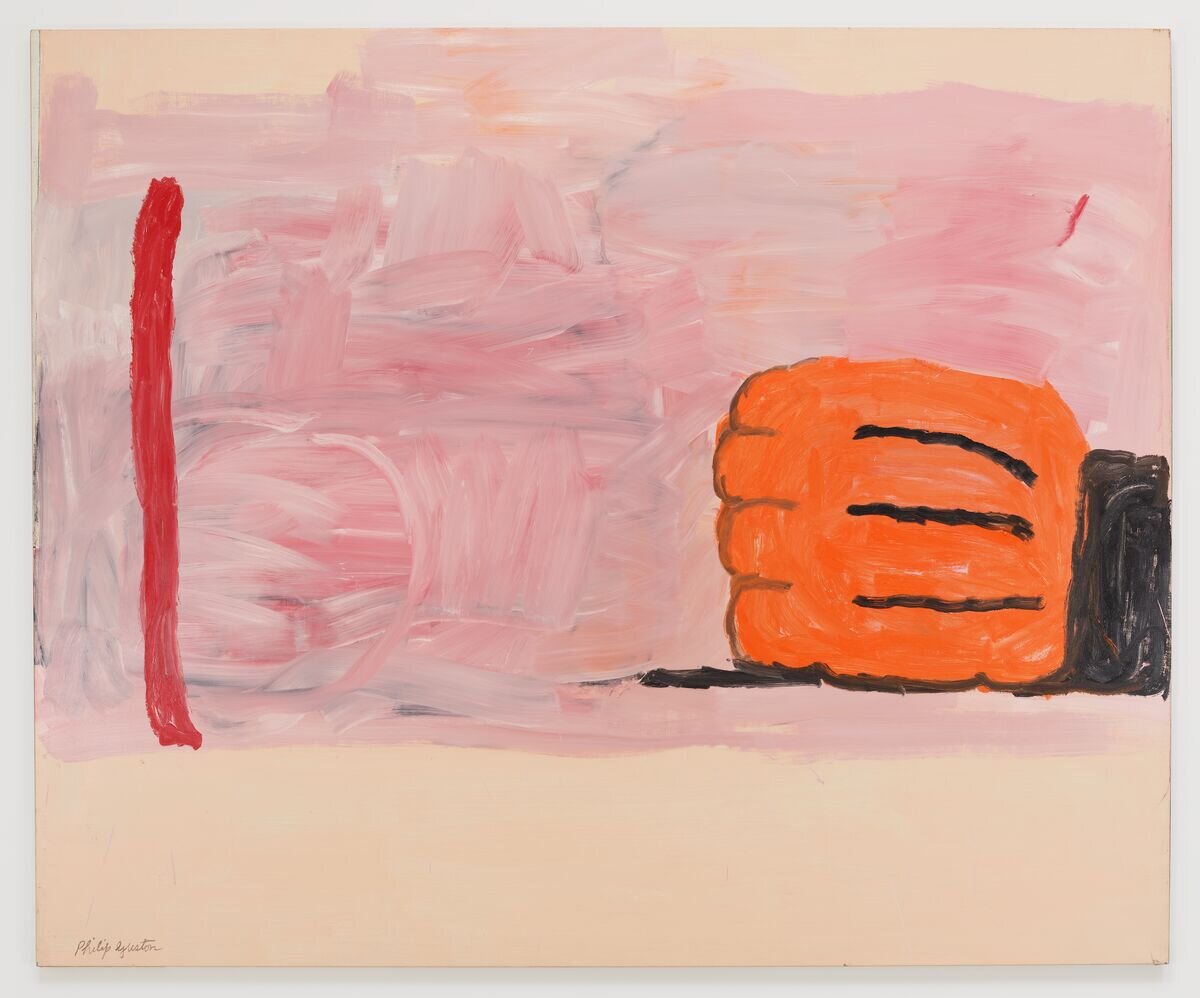
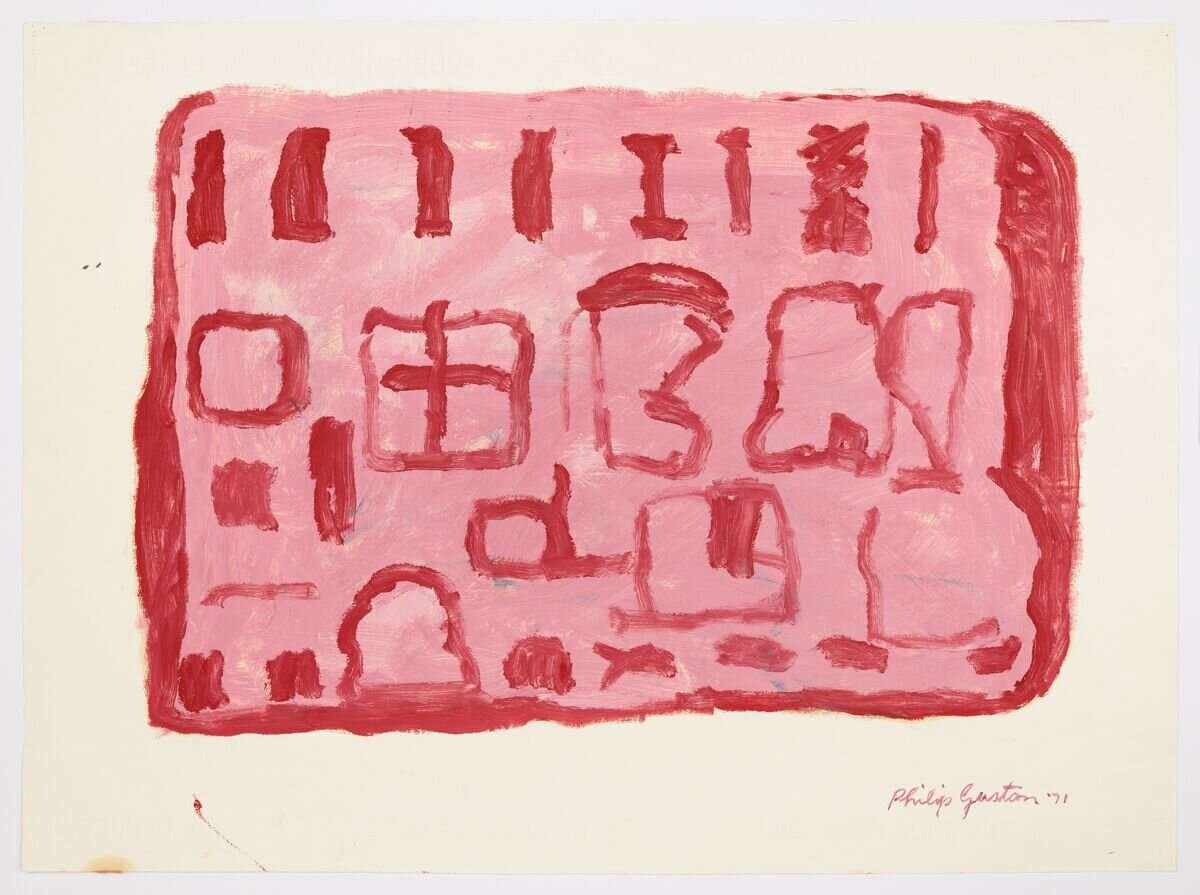
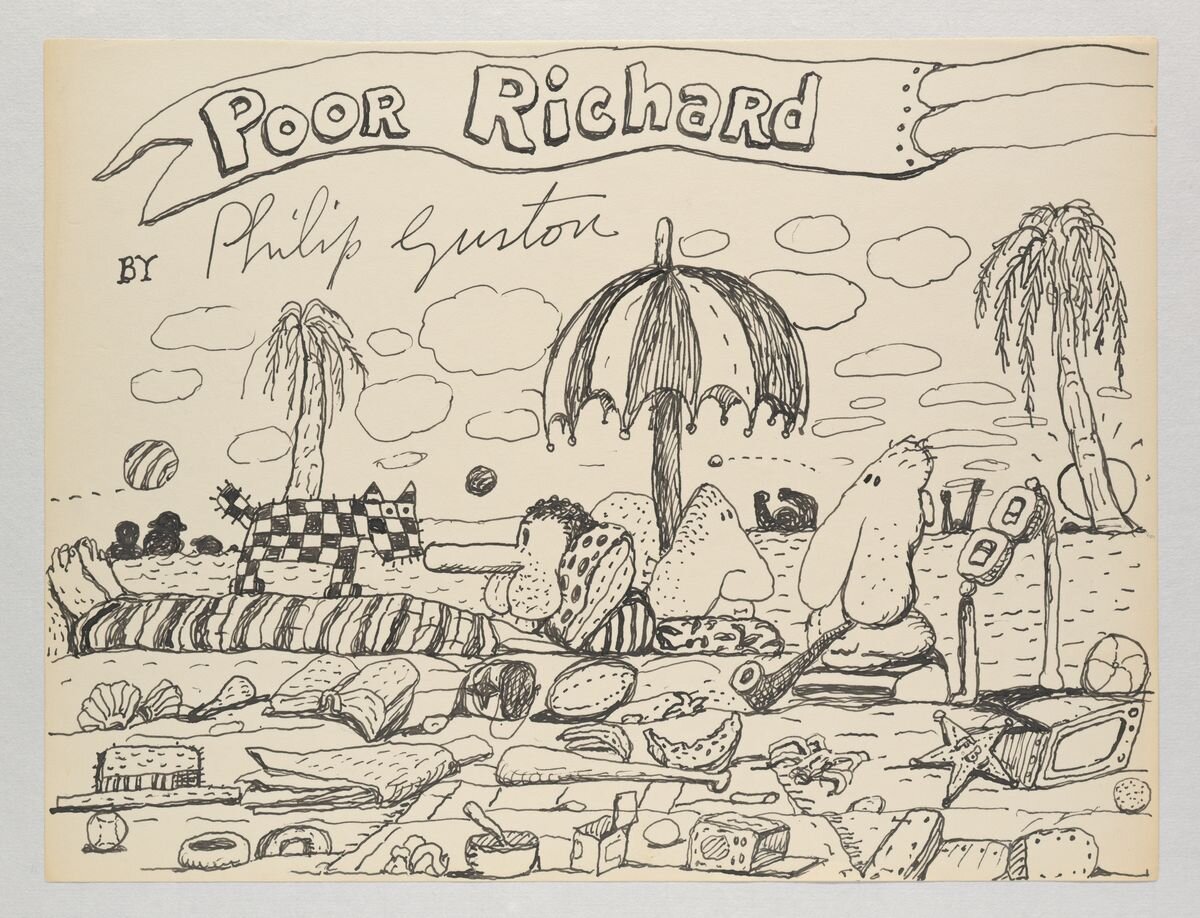
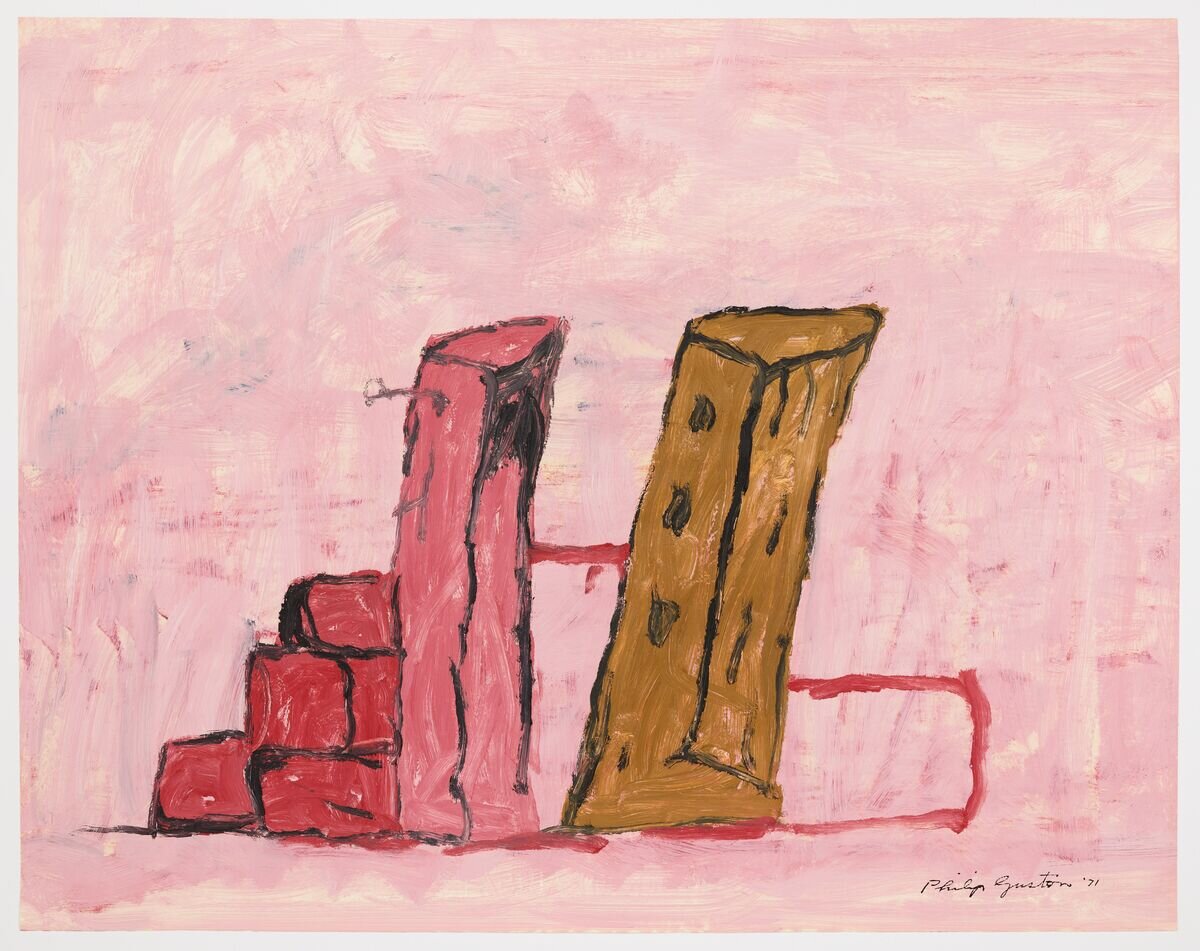
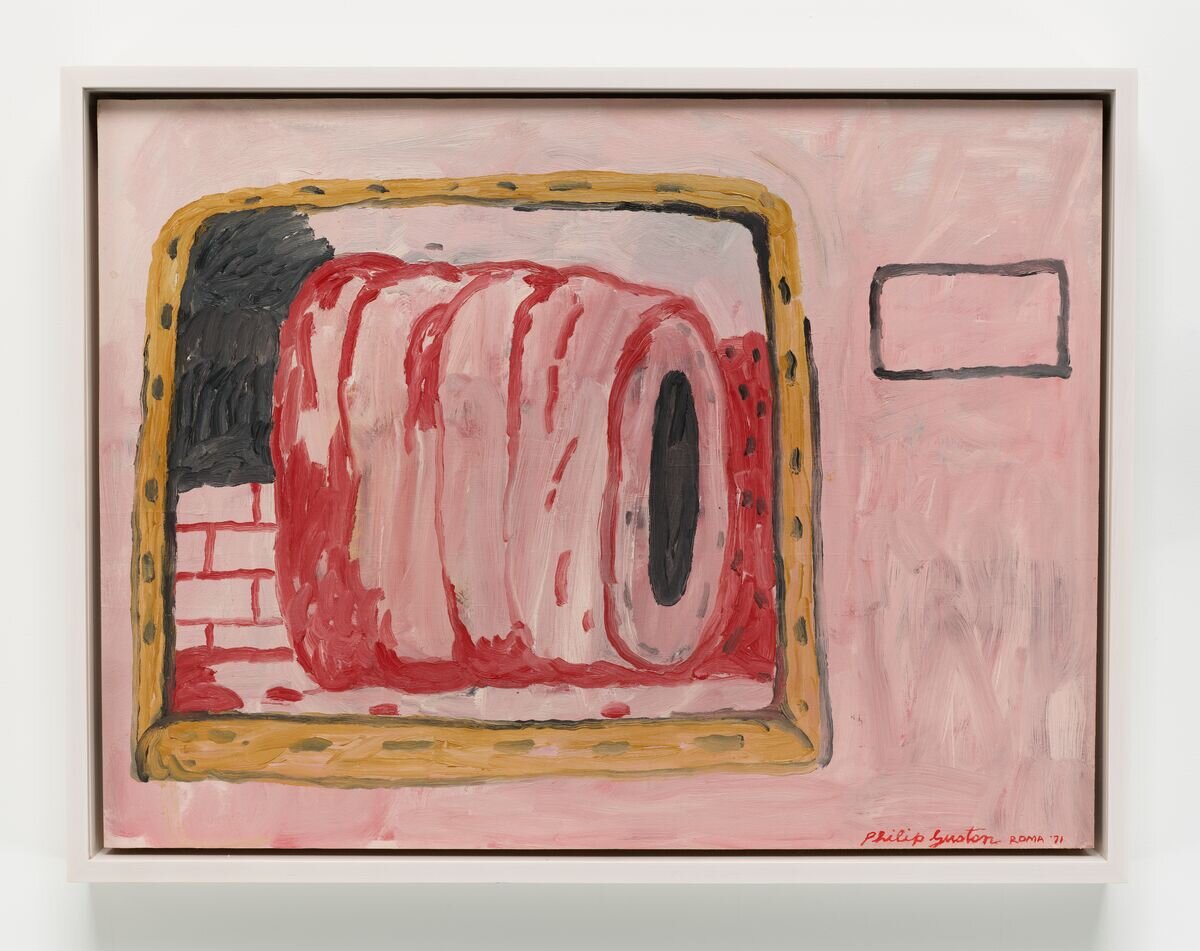
Resilience: Philip Guston in 1971 is Guston’s first solo Los Angeles exhibition in over half a century. The exhibition sheds light on a single pivotal year that launched Guston into the final prolific decade of his career, during which he painted what are now celebrated as some of the most important works of art of the 20th Century. On view will be two major series, the Roma paintings and the Nixon drawings, accompanied by a select group of larger works. Created immediately after the overwhelming critical rejection of his new figurative work, exhibited in October 1970 at Marlborough Gallery in New York City for the first time, during a time of social and political turmoil in the United States, these works bear witness to an artist at the height of his powers, exquisitely responsive to his world. Resilience: Philip Guston in 1971 is on view through 5 January 2020 at Hauser & Wirth 901 East 3rd Street Los Angeles. photographs courtesy of Hauser & Wirth

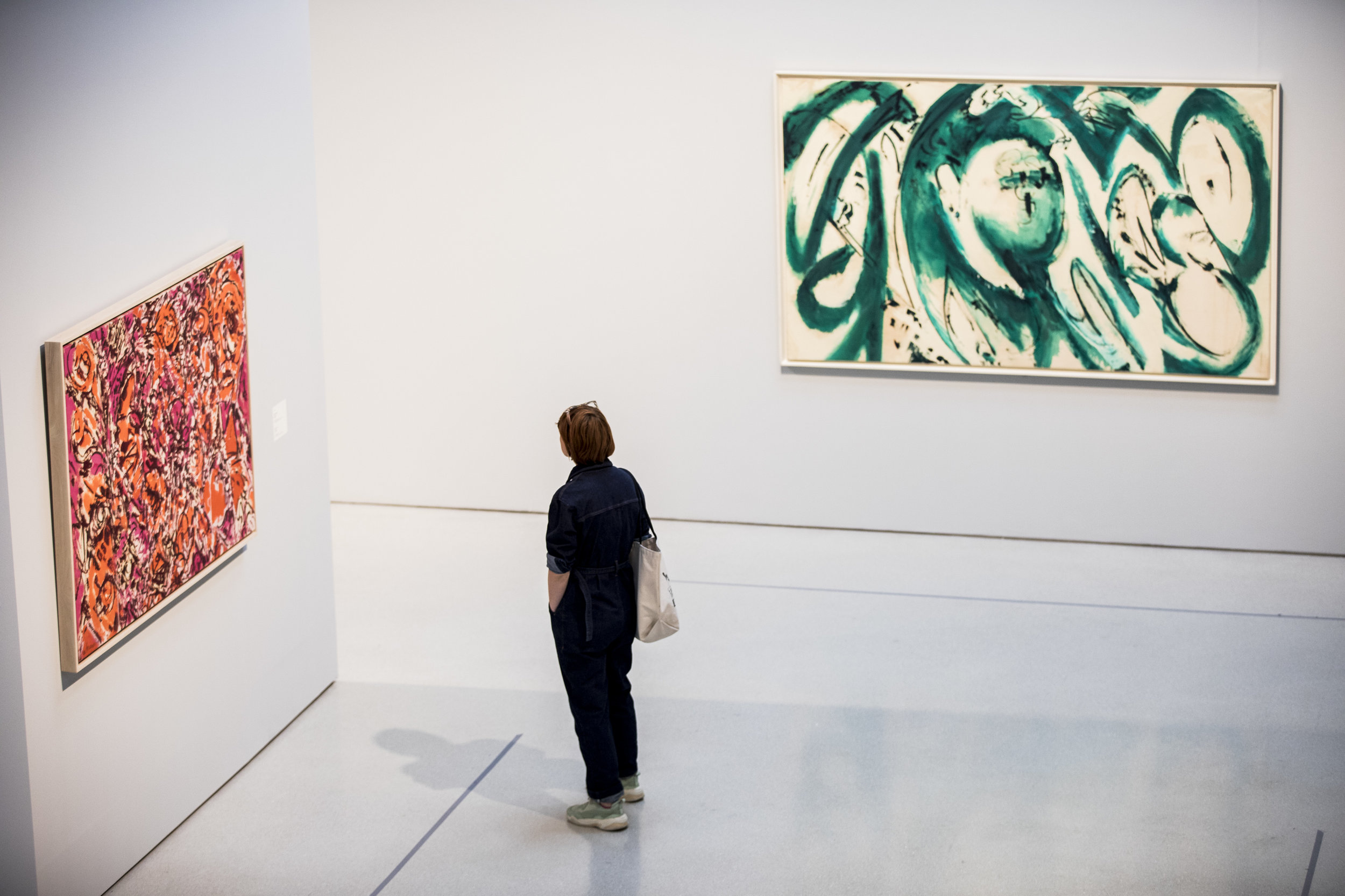
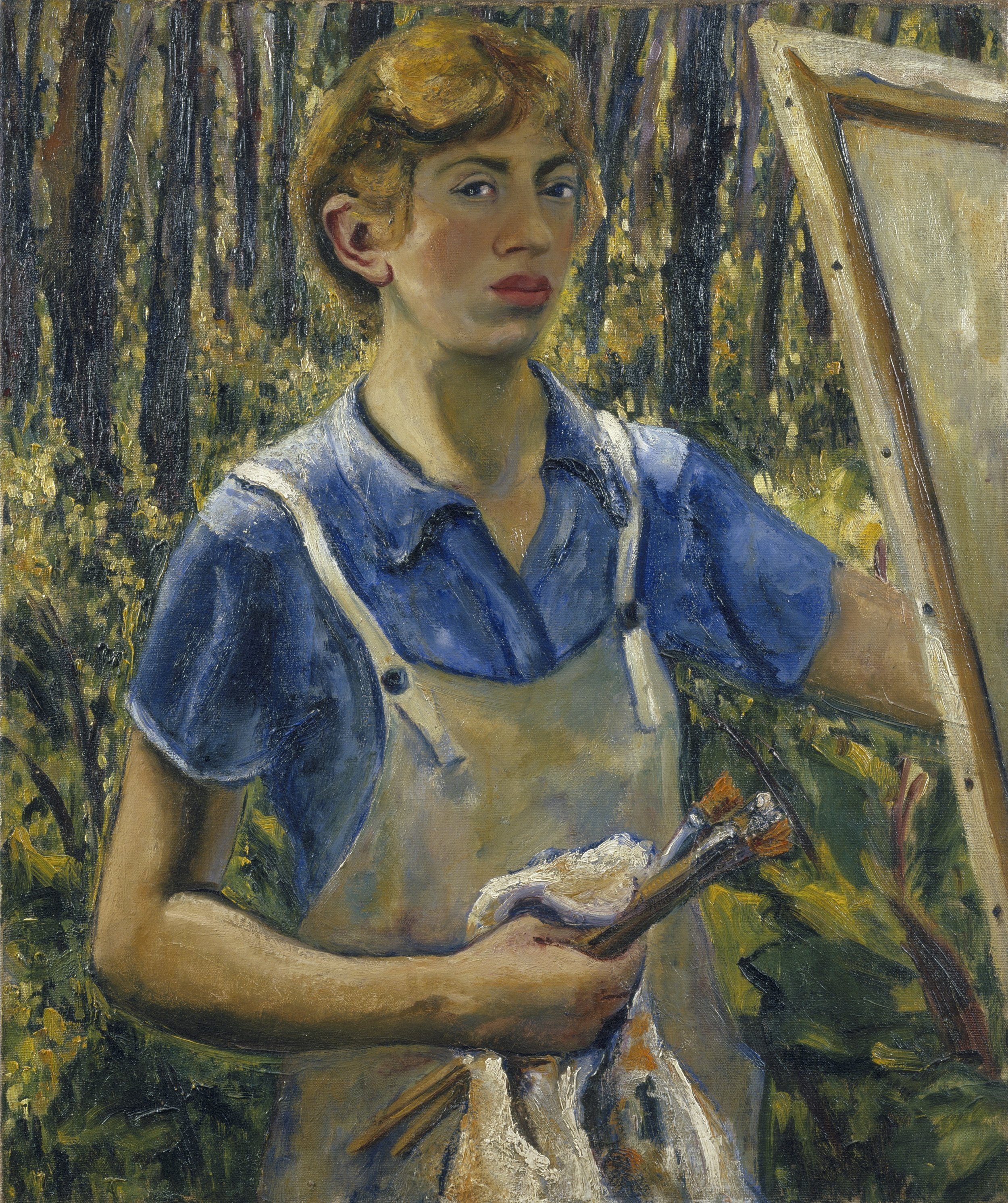
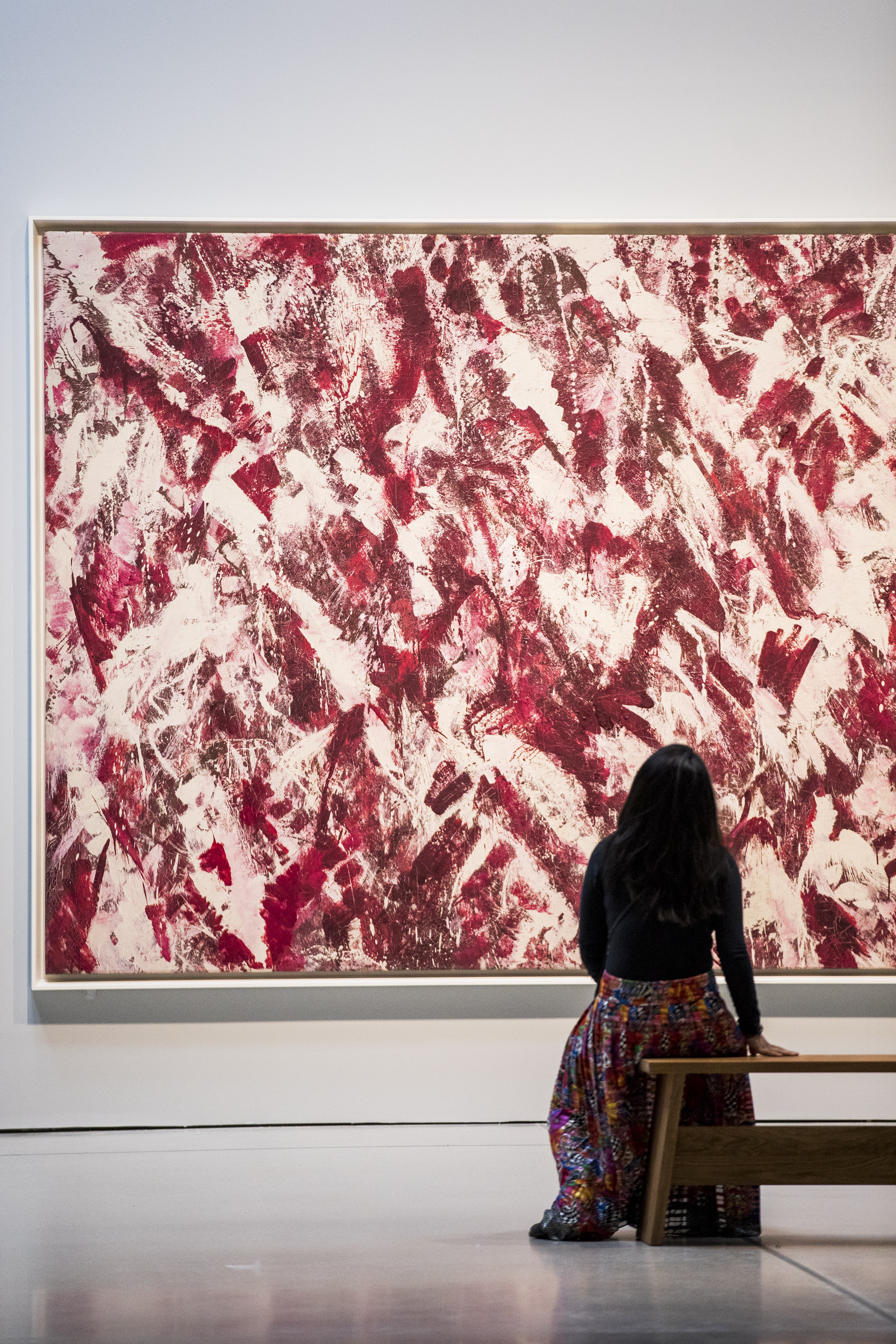
Lee Krasner: Living Colour @ Barbican Art Gallery in London

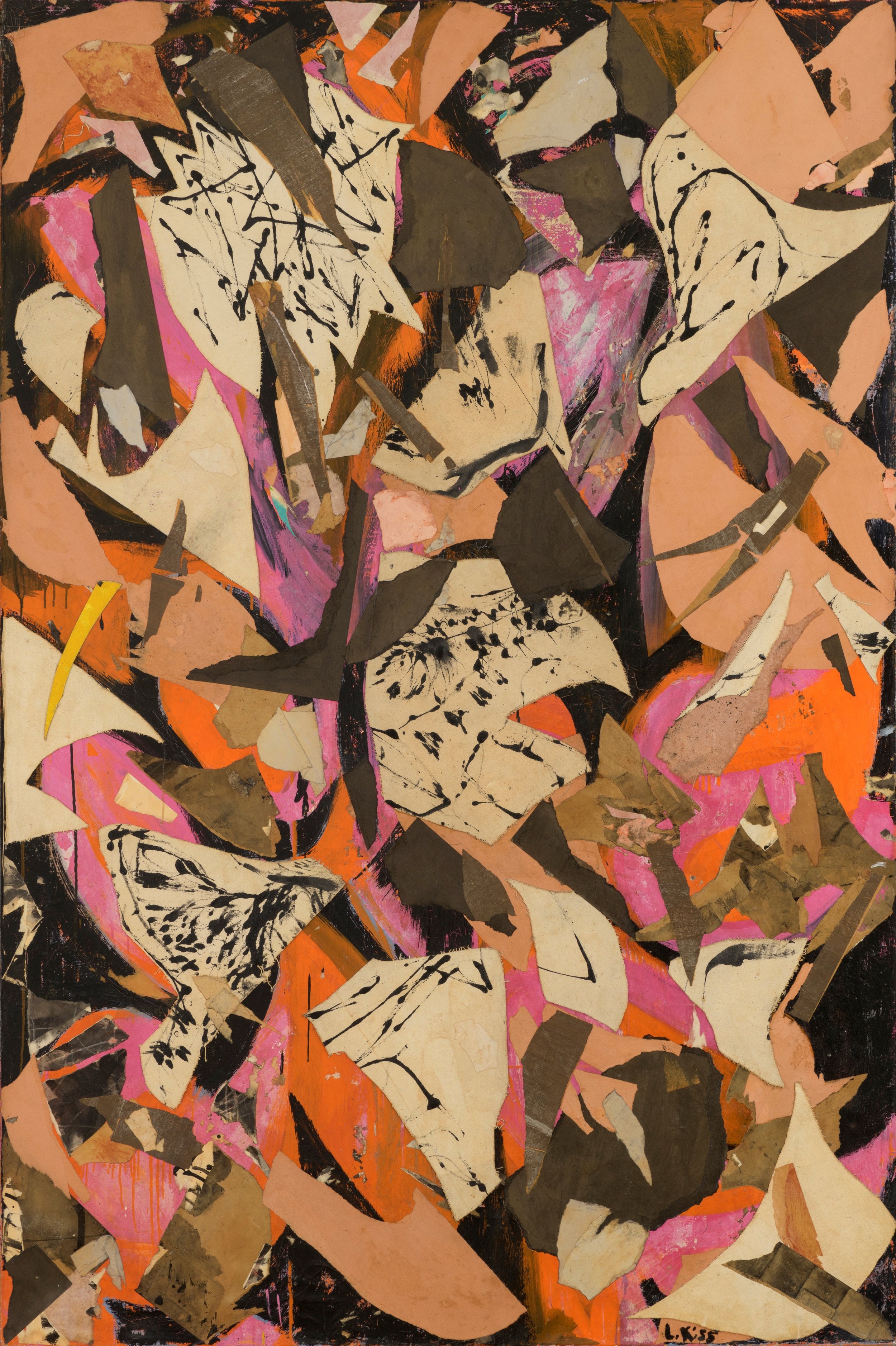
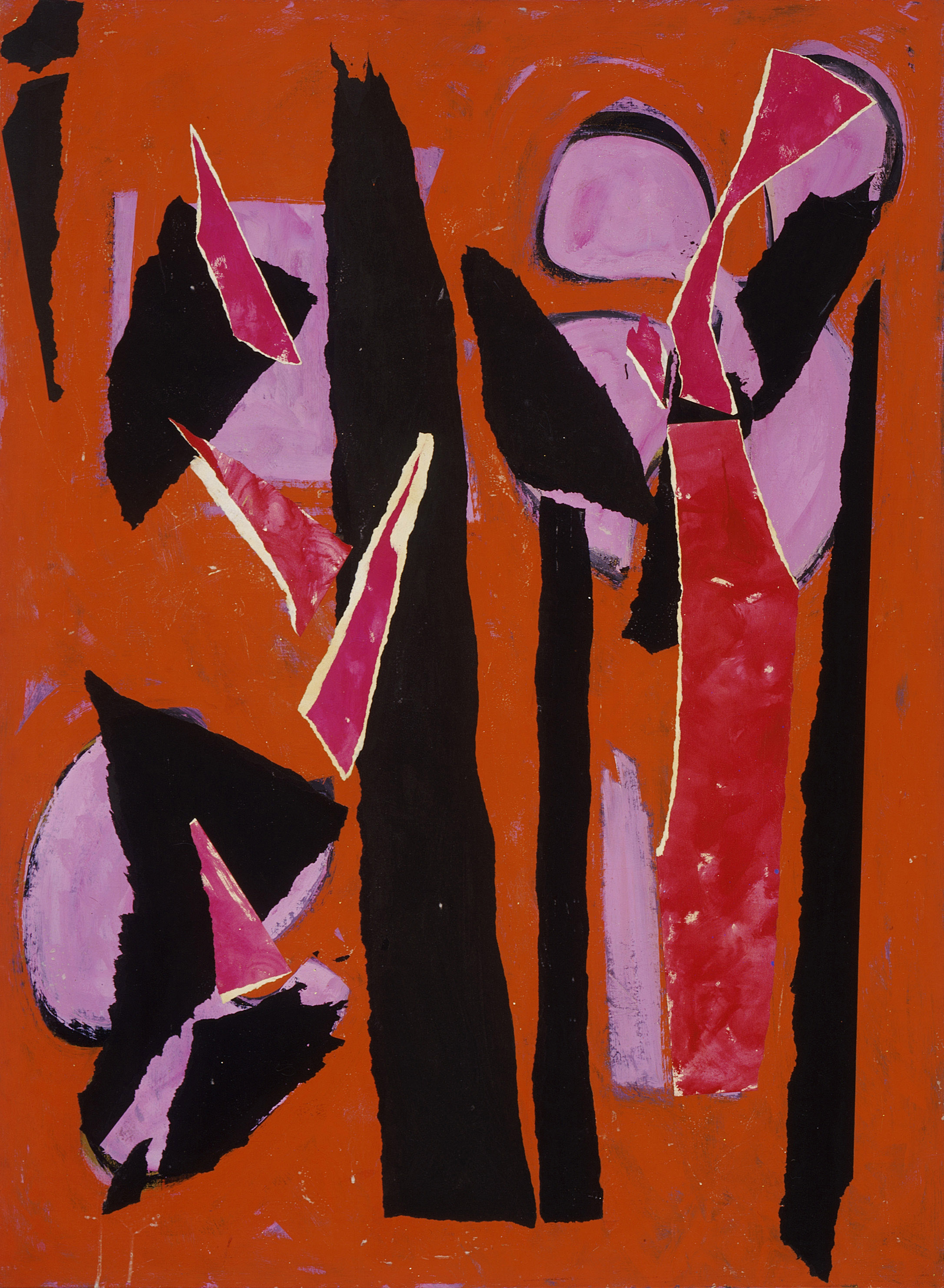
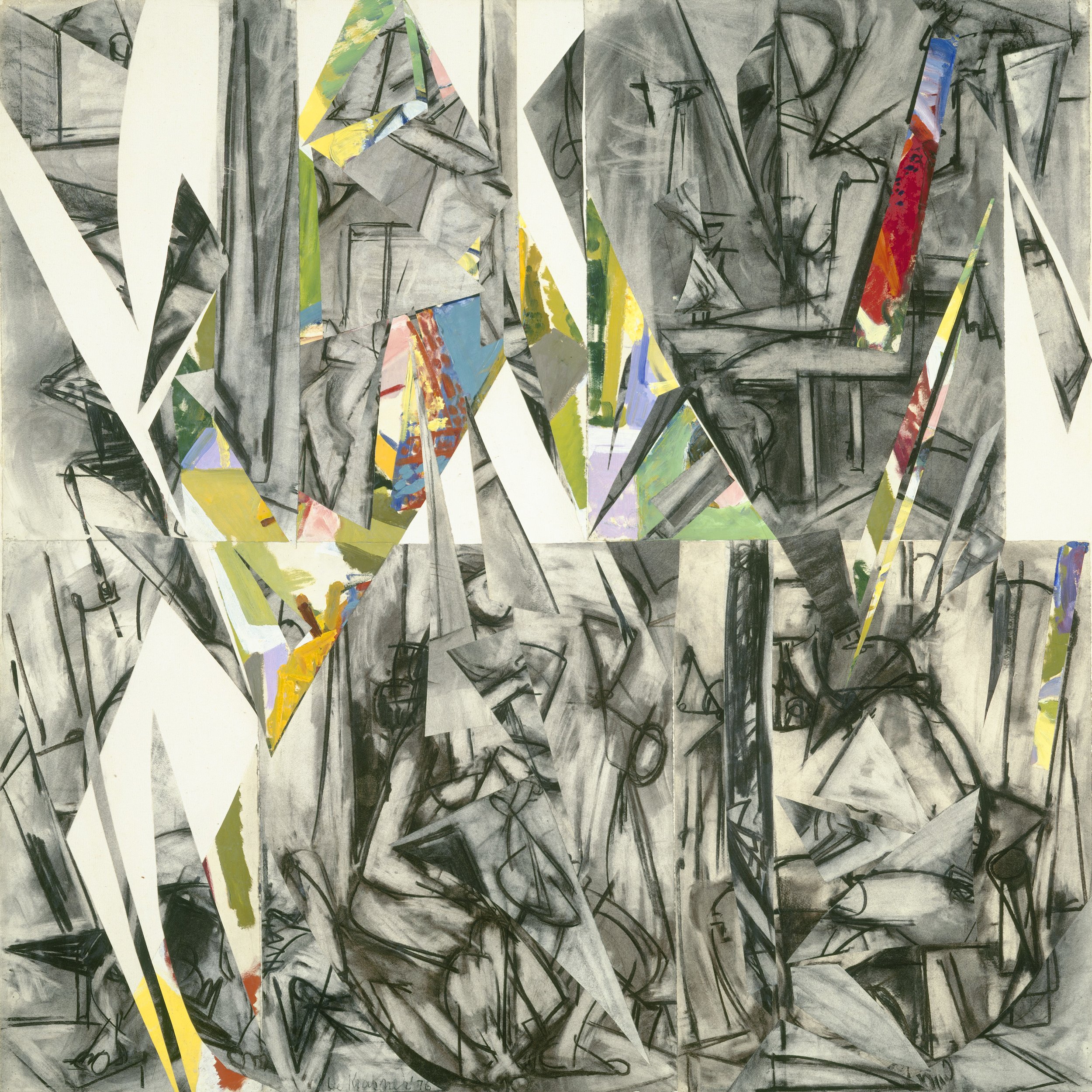
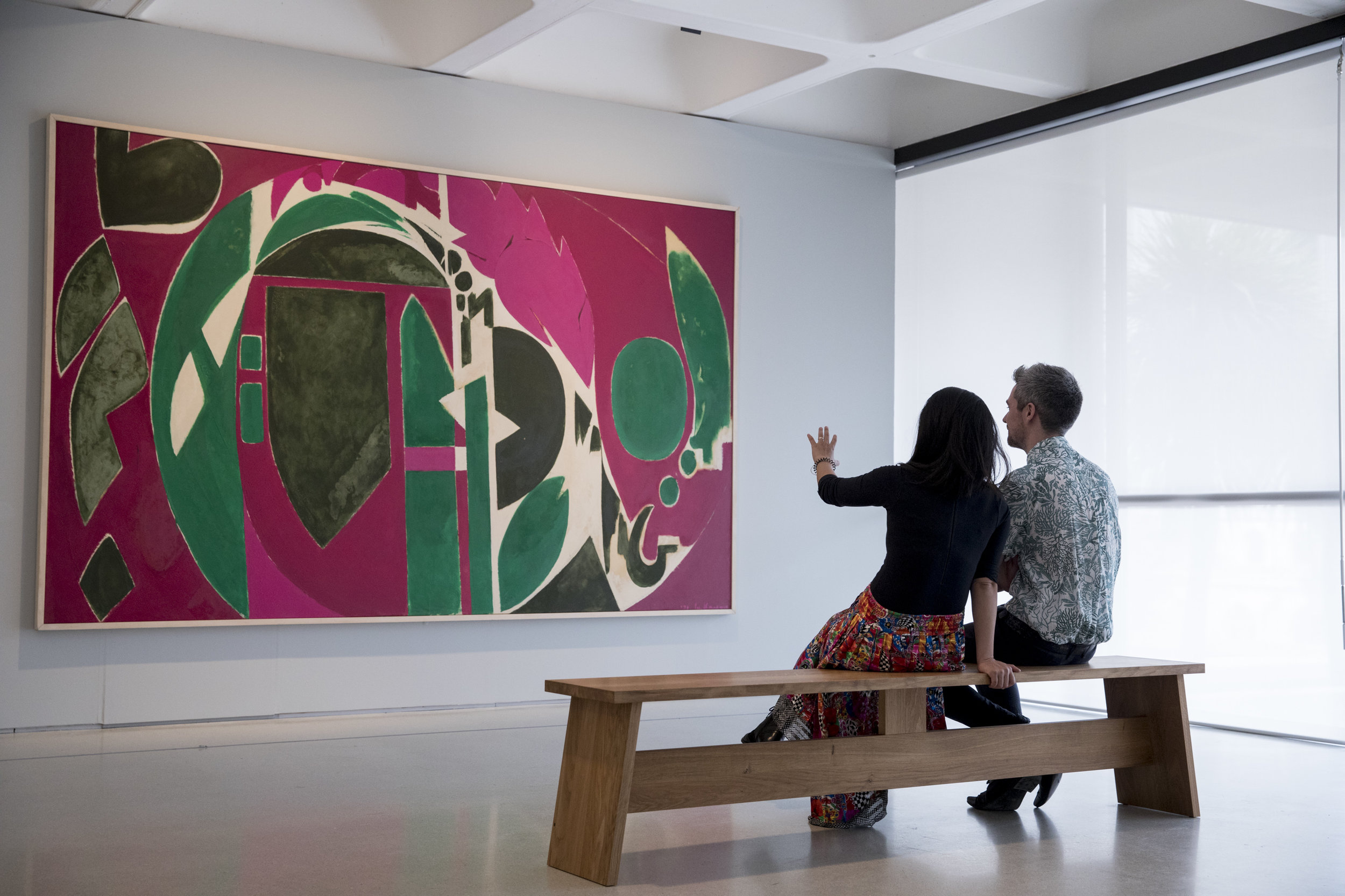
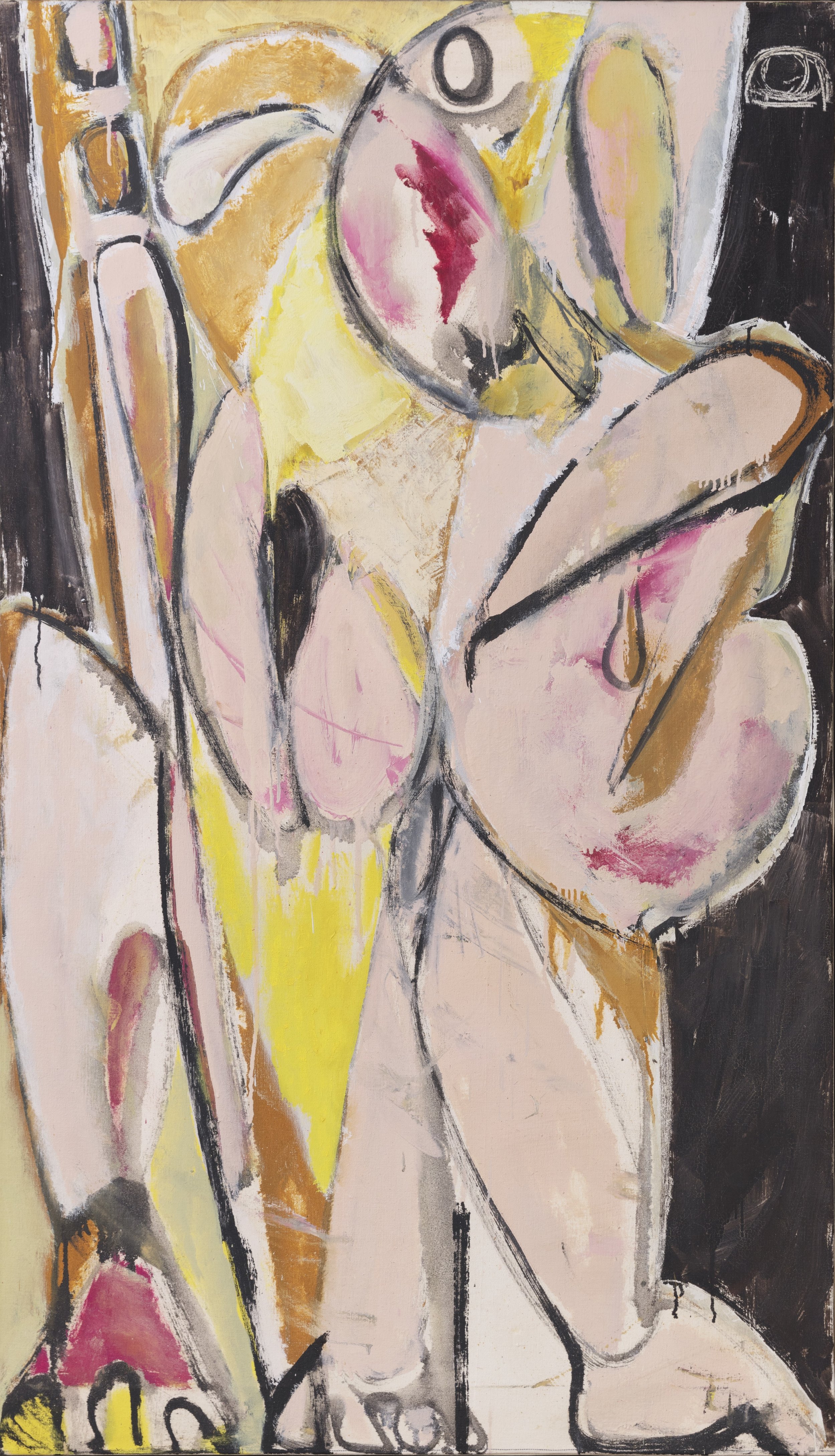
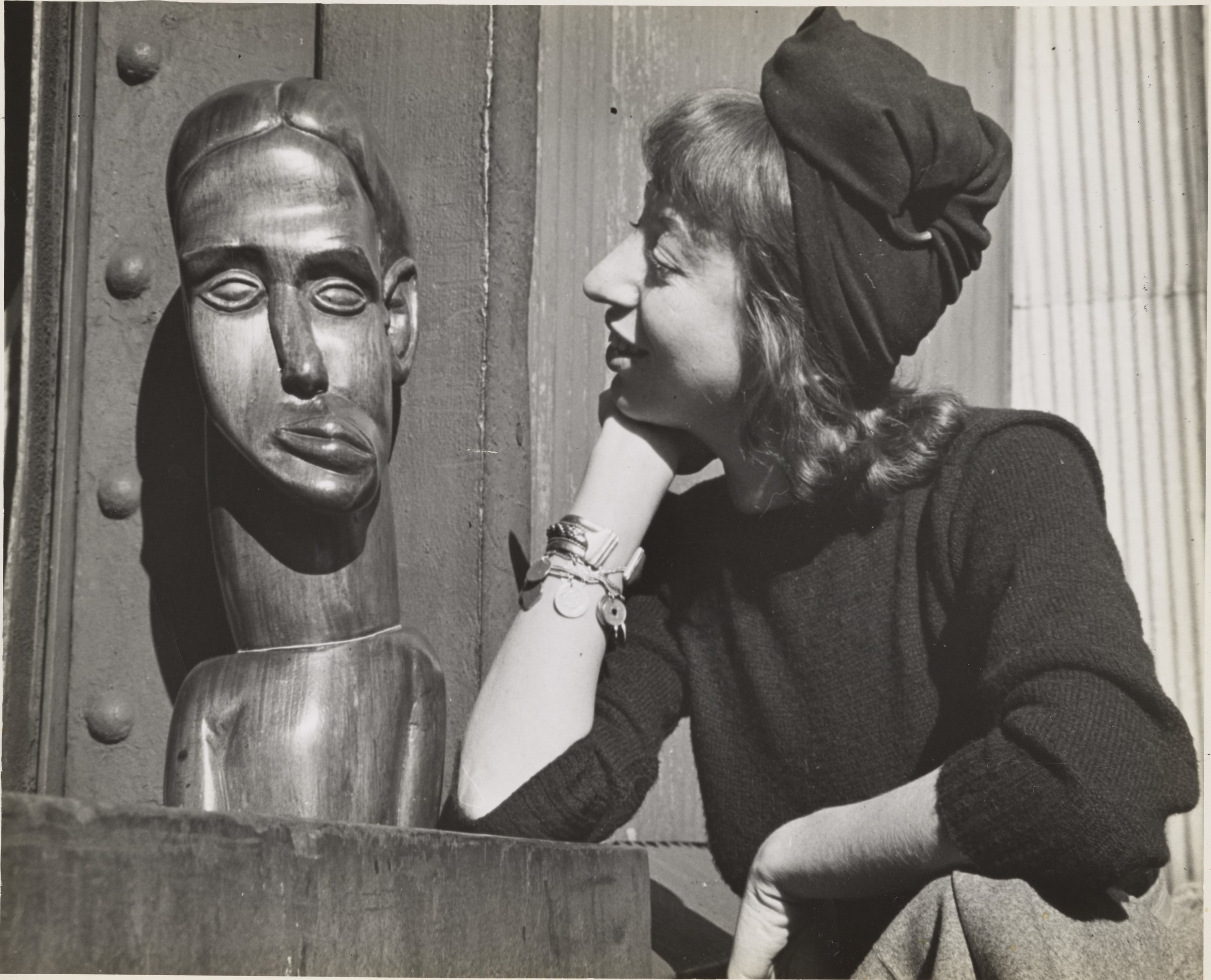
The first European retrospective of Lee Krasner’s work in over fifty years is now showing at the Barbican Art Gallery in London. Lee Krasner: Living Colour features nearly 100 works made throughout the artist’s career, including self-portraits, energetic charcoal life drawings, as well as her acclaimed “Little Image” paintings. As one of the pioneers of Abstract Expressionism, Krasner created pieces reflecting the feeling of possibility and the spirit of experimentation in post-war New York. Krasner’s talents have often been eclipsed by her marriage to Jackson Pollock, however, this exhibition celebrates the career of a formidable artist dedicated to her dynamic, abstracted vision.

Lee Krasner: Living Colour is on view through September 1 at Barbican Art Gallery Barbican Centre, Silk St, London. photographs courtesy of Barbican Art Gallery

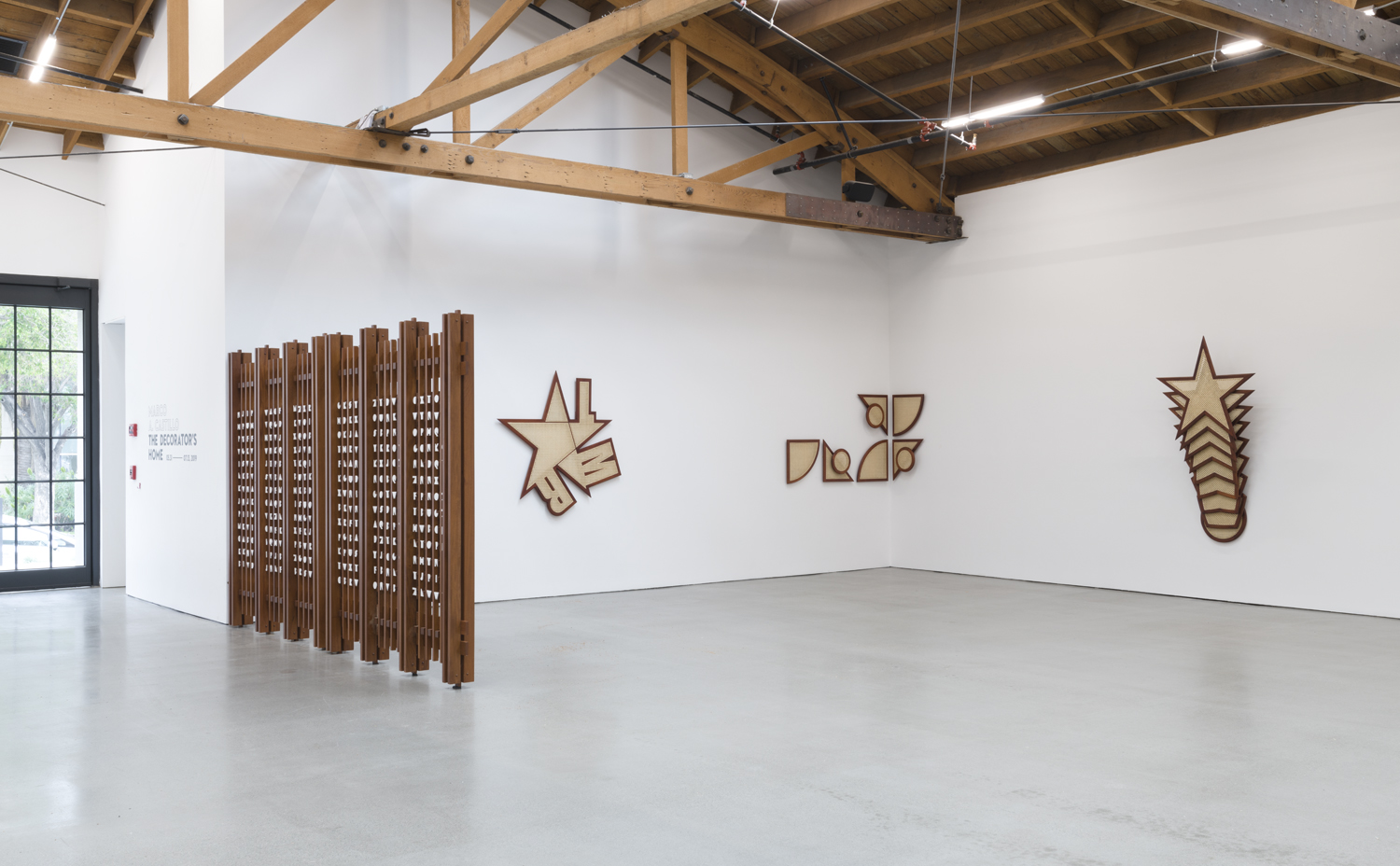
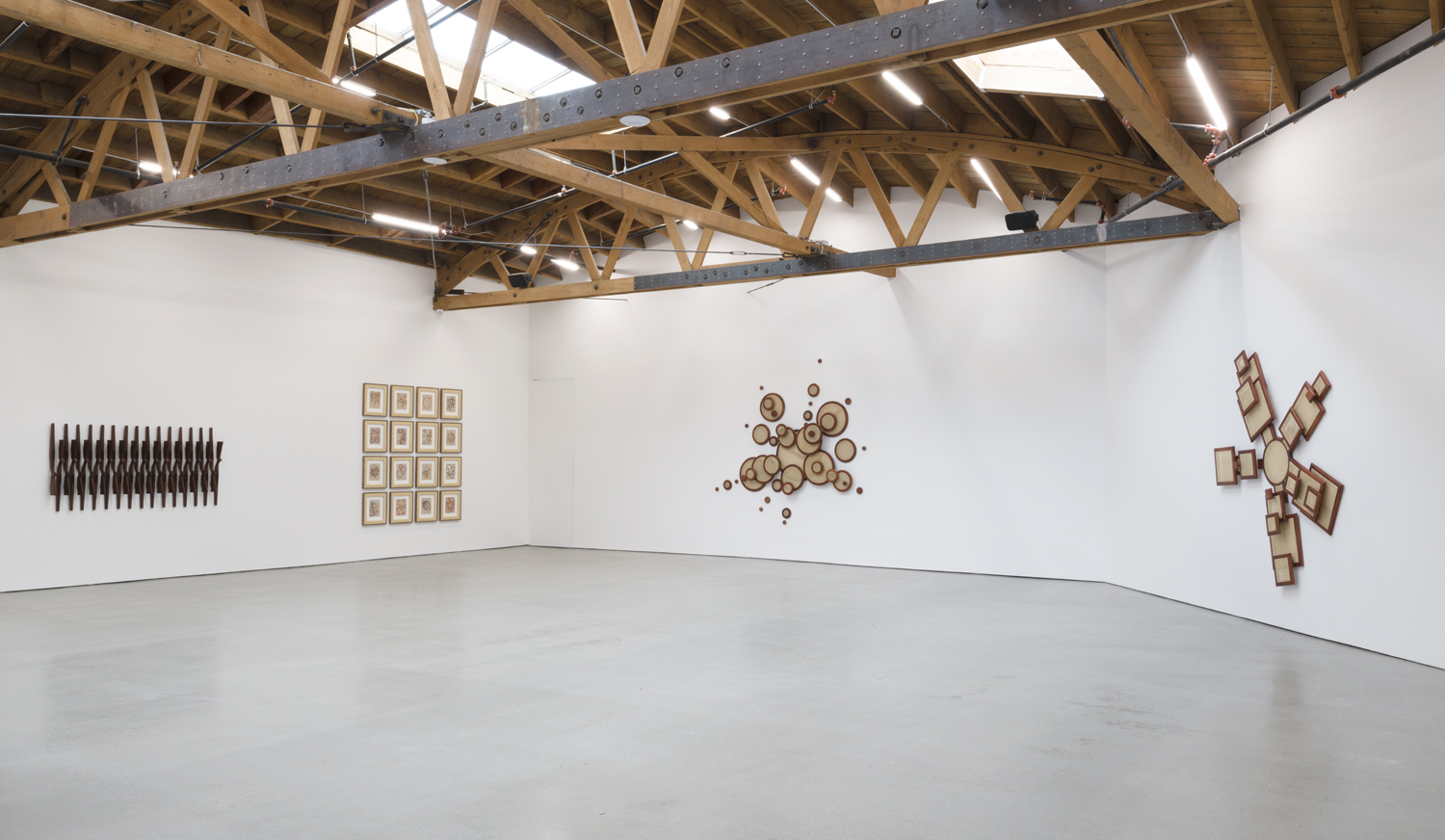
Marco Castillo Presents The Decorator's Home @ UTA Artist Space in Los Angeles

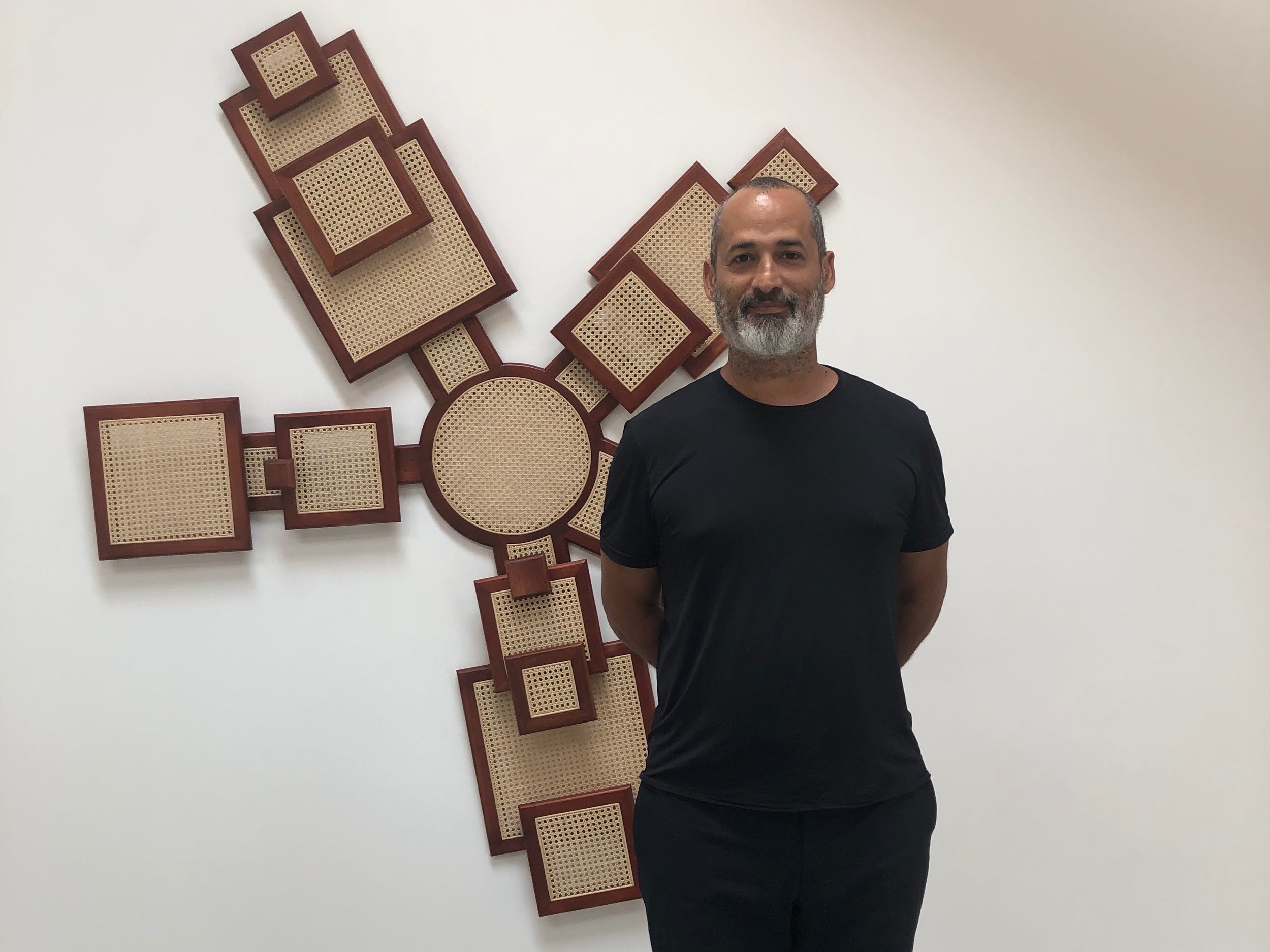
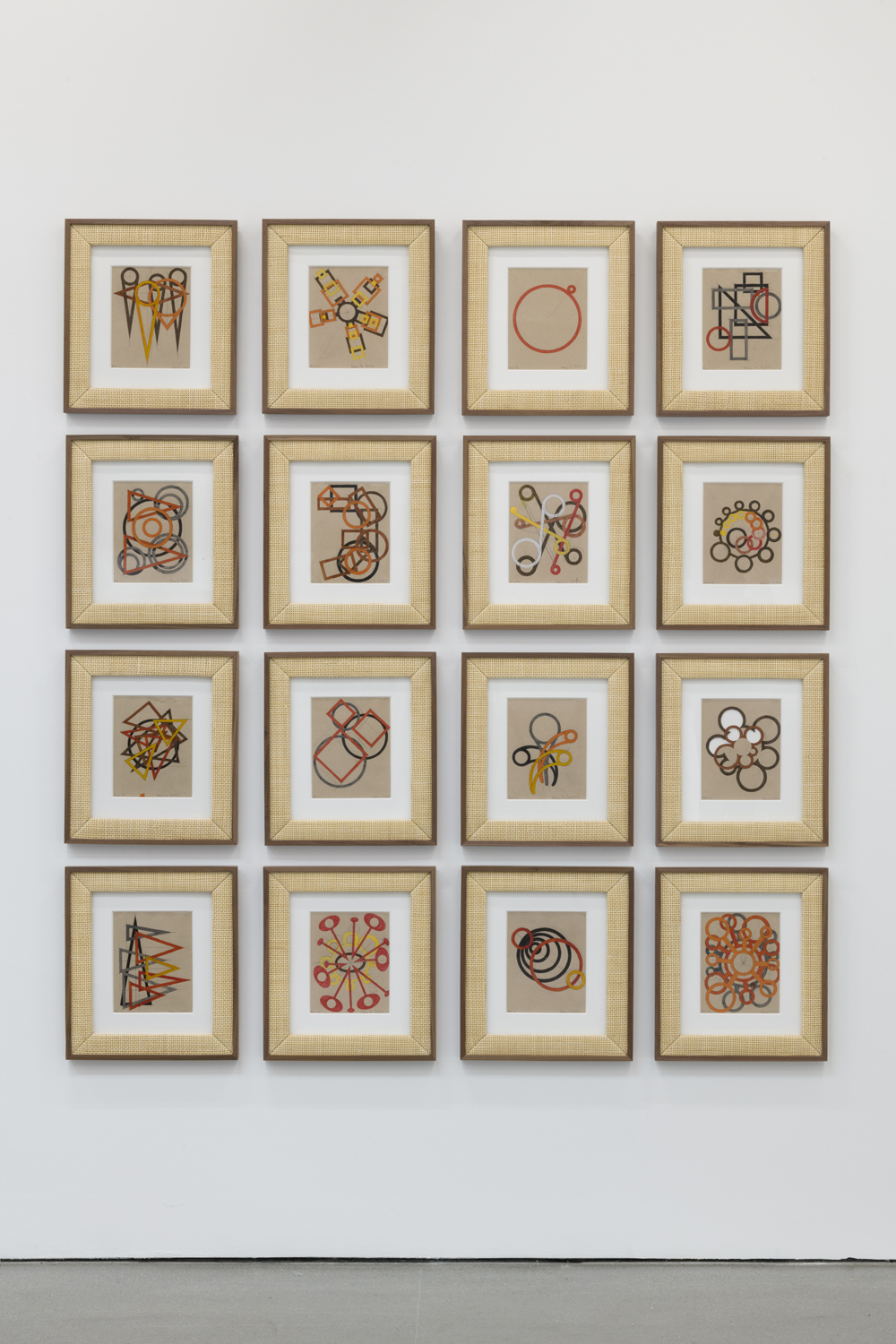
Inspired by Cuban Modernism, The Decorator’s Home, curated by Neville Wakefield, personifies the vision of a fictional interior designer, tracing their style evolution from the commercial, North American-influenced Modernist design of the 1950s to the revolutionary, Soviet-influenced style of the 1960s and 1970s. Through sculptural installations, watercolors, drawings and a video, The Decorator’s Home is an attempt to capture the work of a generation that was cut short. Click here to read our interview with the artist.

The Decorator’s Home is on view through July 13 at UTA Artist Space 403 Foothill Rd. Beverly Hills, CA 90210.

Claudia Parducci Presents 23 Columns @ Ochi Projects In Los Angeles

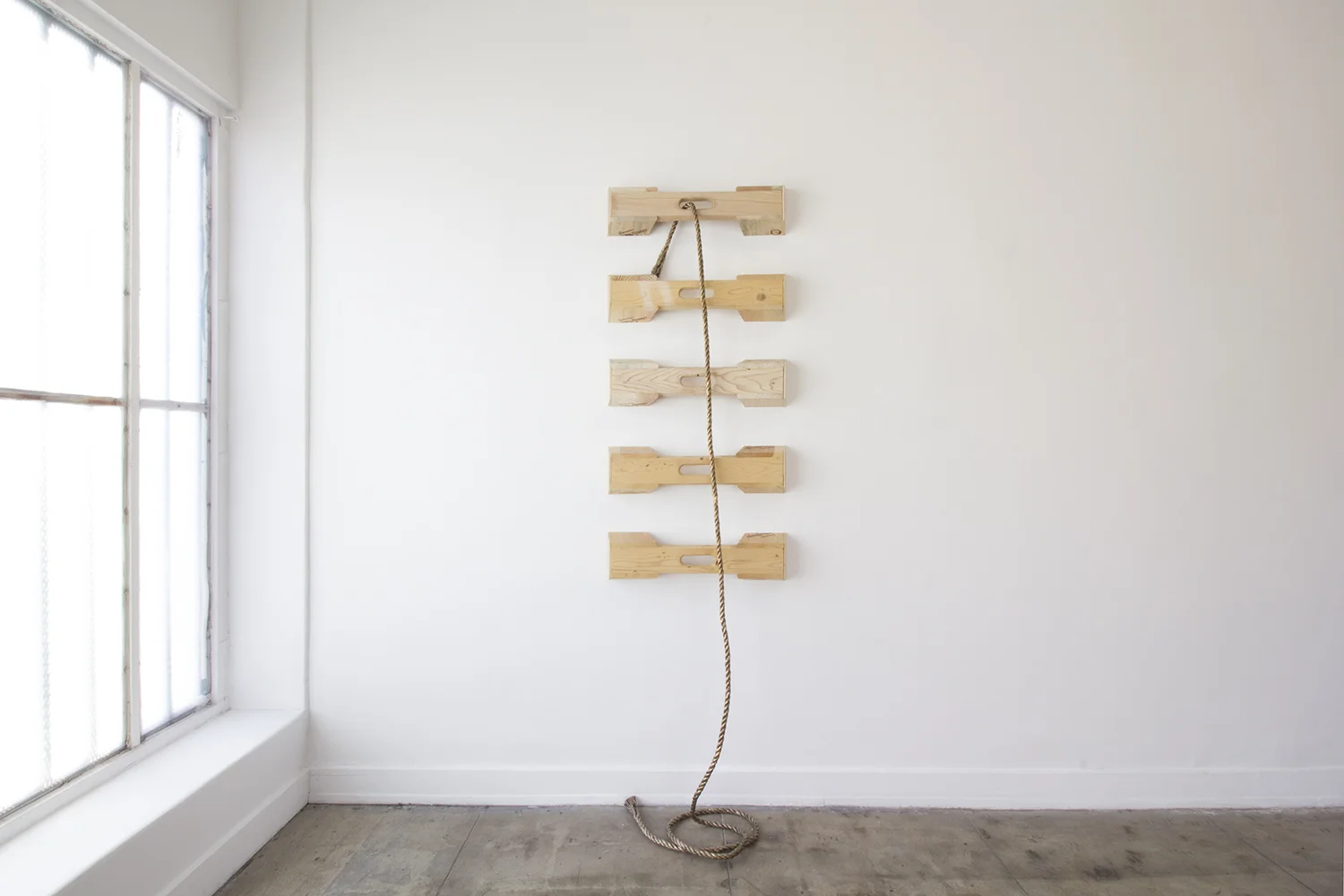
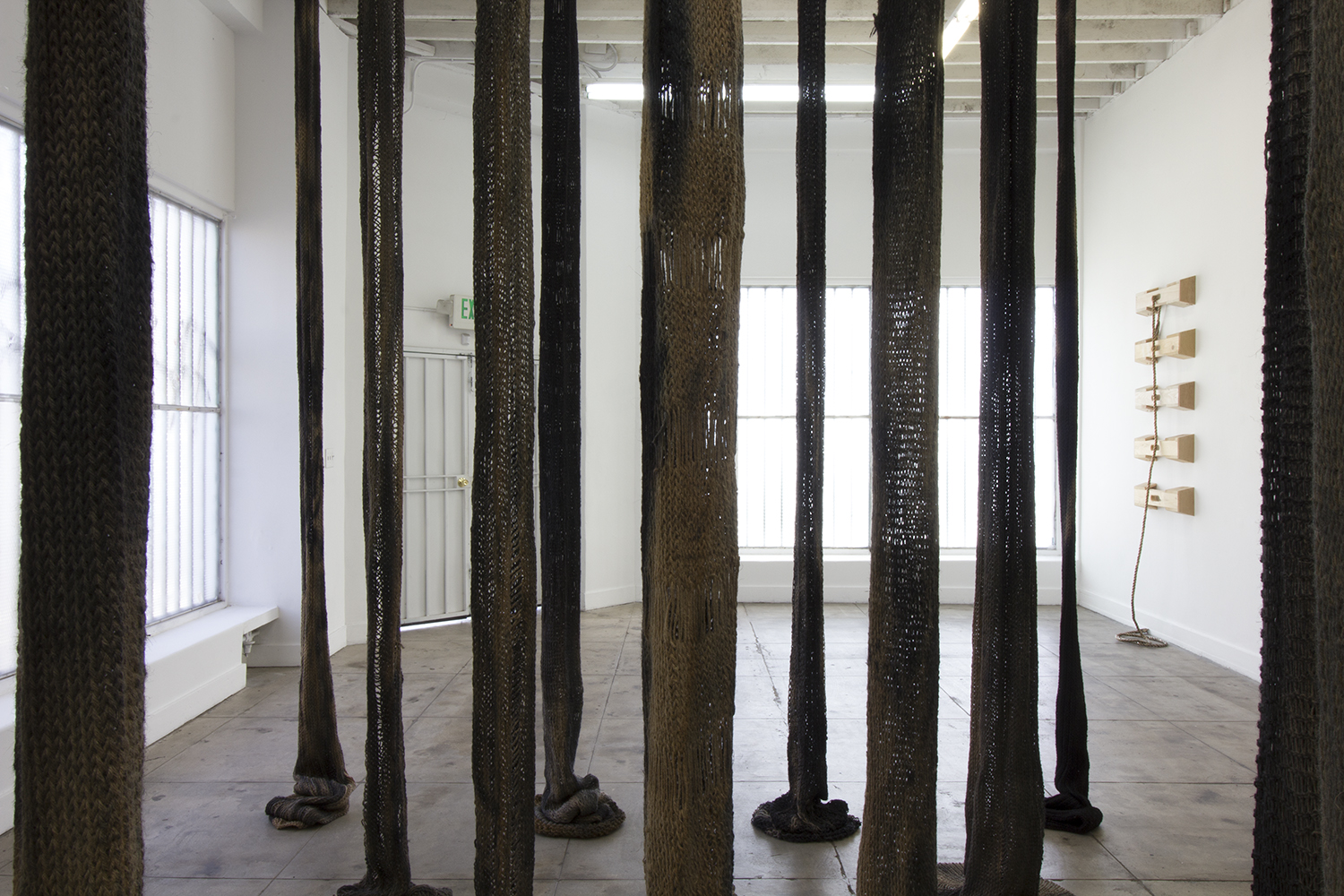
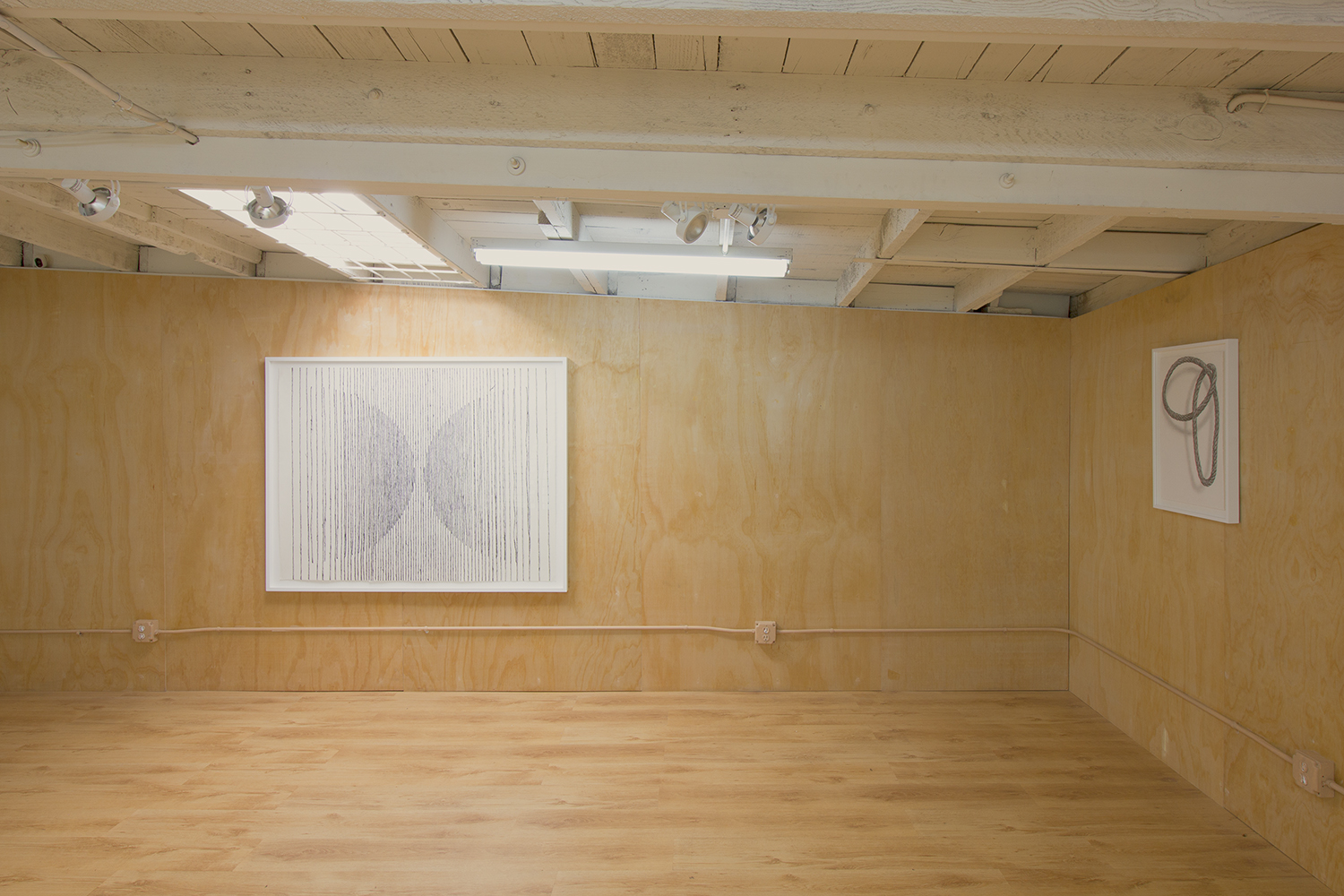
The central focus of Claudia Parducci’s exhibition consists of twenty-three 16’, hand-knit jute pillars spanning from floor to ceiling. Arranged in a staggered grid measuring approximately 14 feet square, they reference the twenty-three interior columns of the Parthenon that surrounded the monumental statue of Athena. Over the two years Parducci spent knitting these pillars, she considered the gendered aspects of labor, and the symbolic significance of the physical remnants of Western history. Appearing, but failing to be structurally supportive, Parducci’s knit columns, along with related sculptures and drawings, address the dual nature of societies that build, and then ultimately destroy themselves. Through the substitution of a traditionally feminine craft as the means of production, Parducci considers these recurring cycles in history and wonders about the possibilities of a society built from a female perspective. 23 Columns will be on view through April 27 at Ochi Projects 3301 W Washington Blvd, Los Angeles. photographs courtesy of the gallery

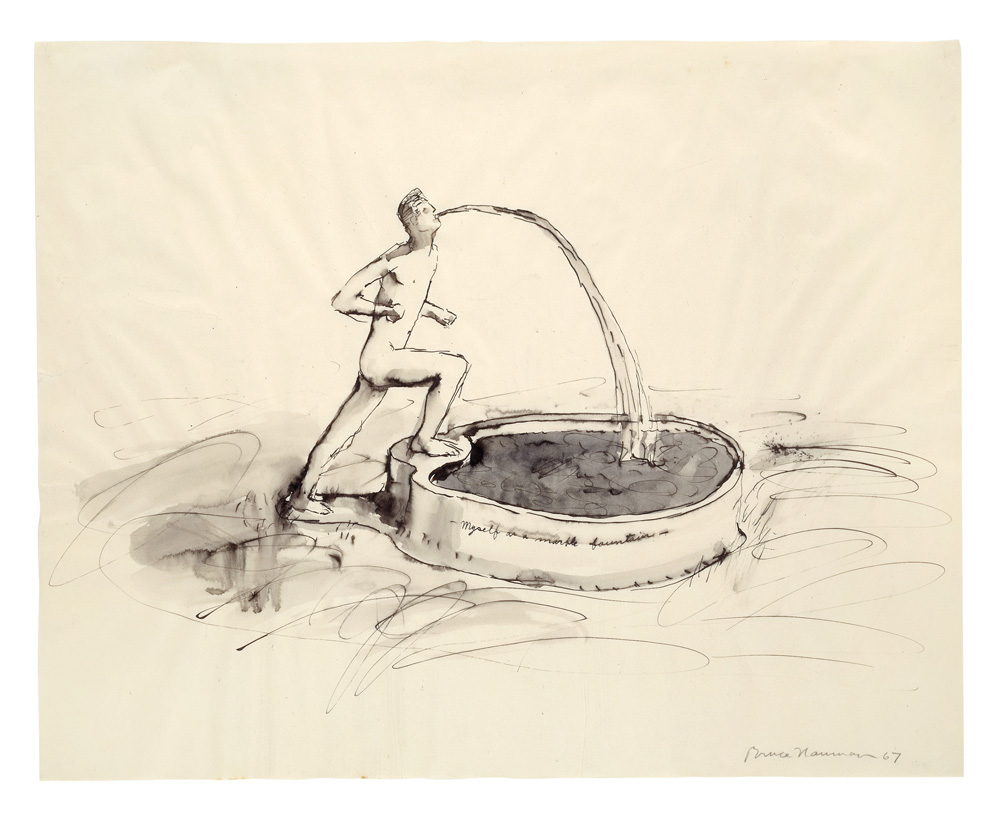
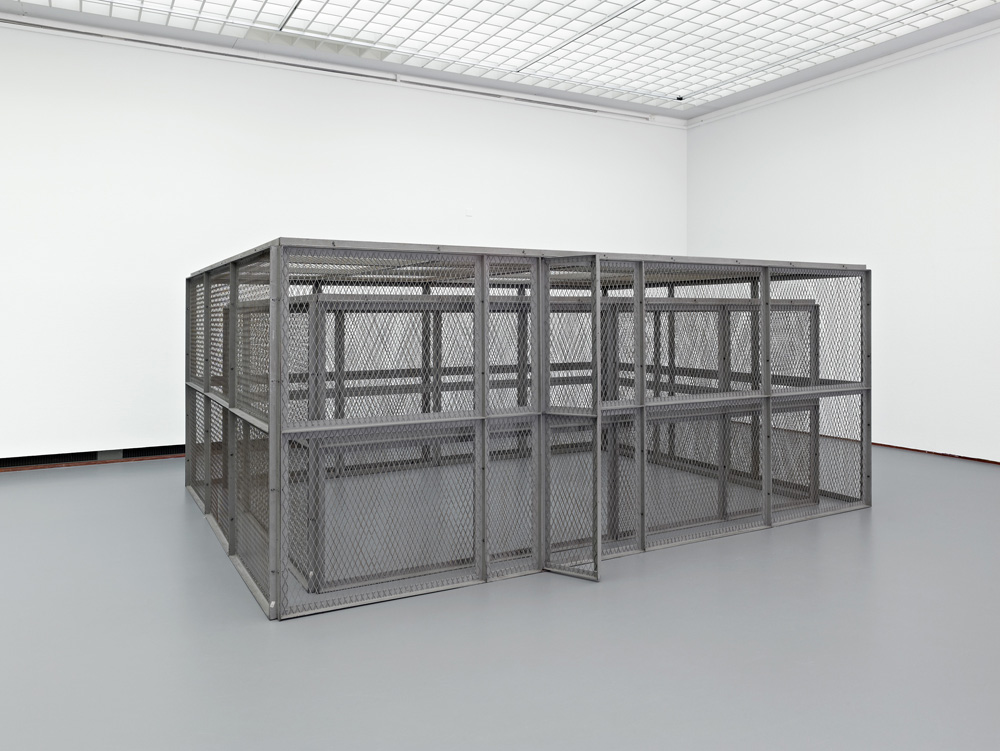
The Museum Of Modern Art & MoMA PS1 Present First Major Retrospective Of Bruce Nauman In 25 Years

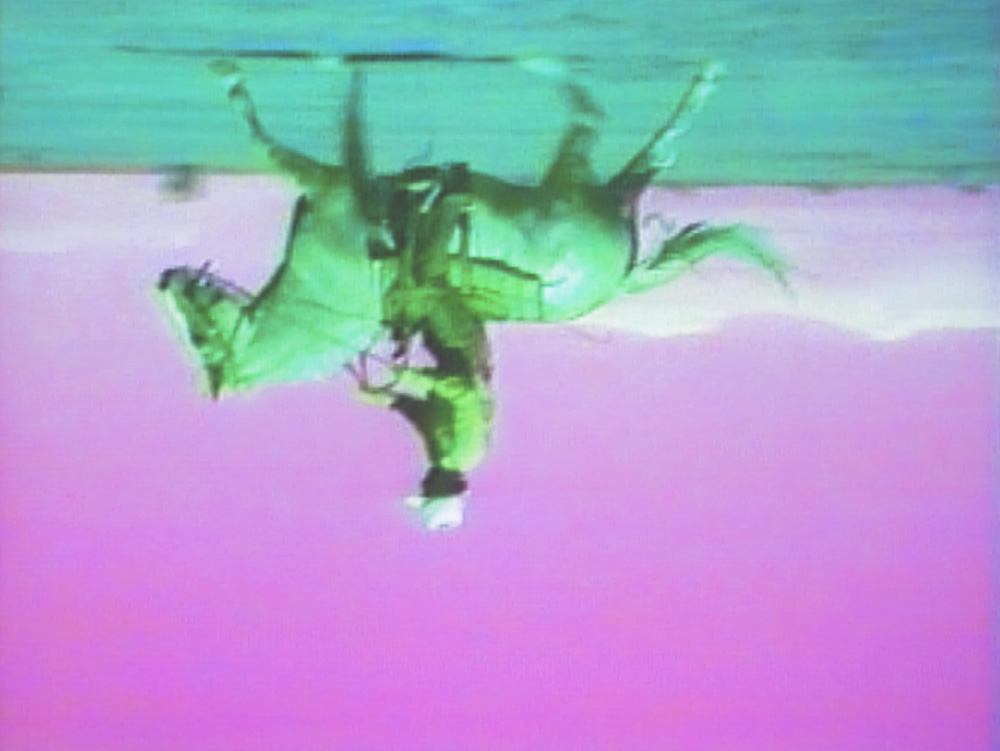
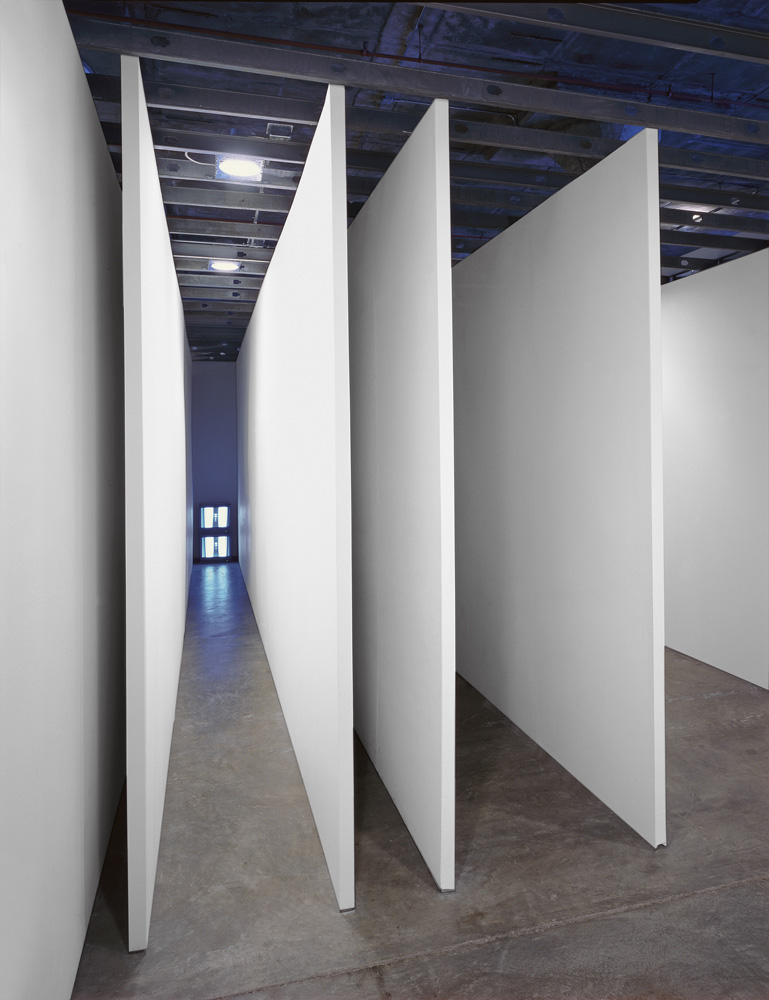
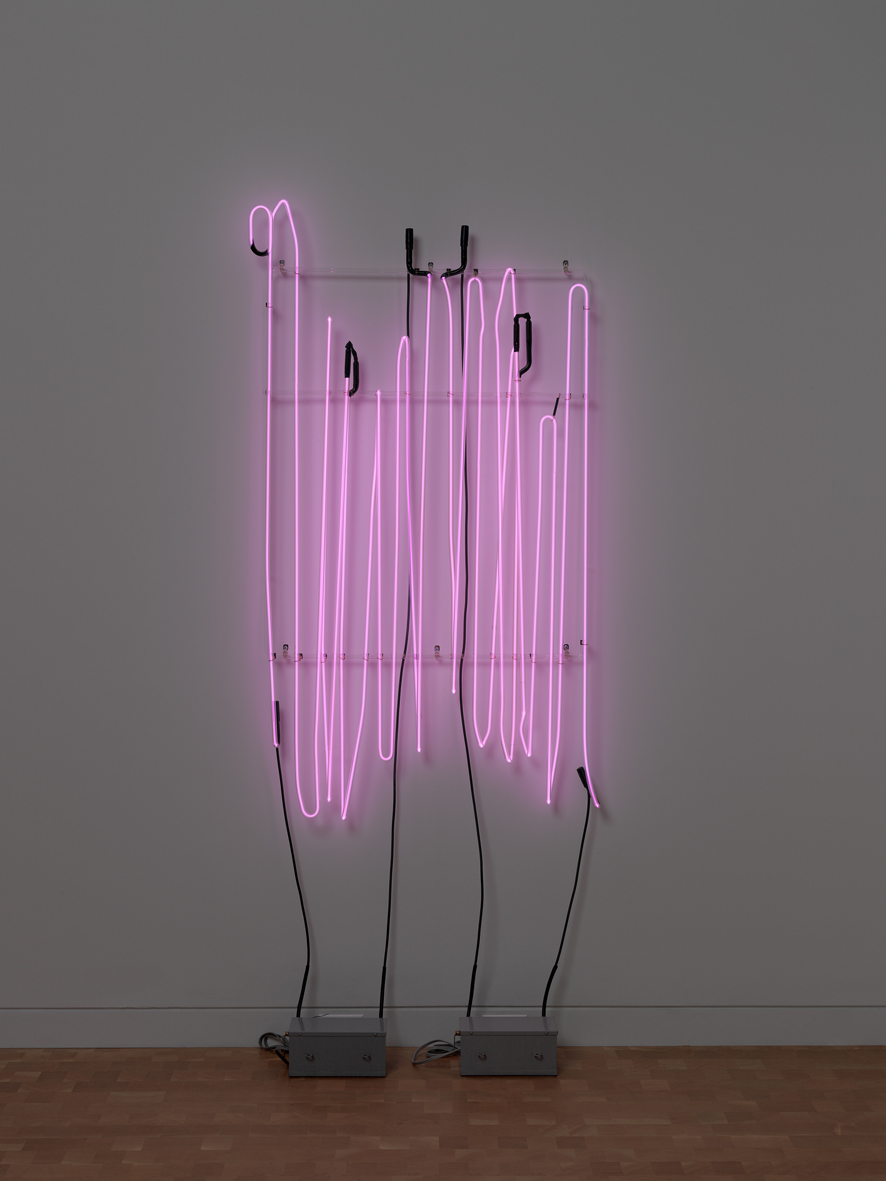
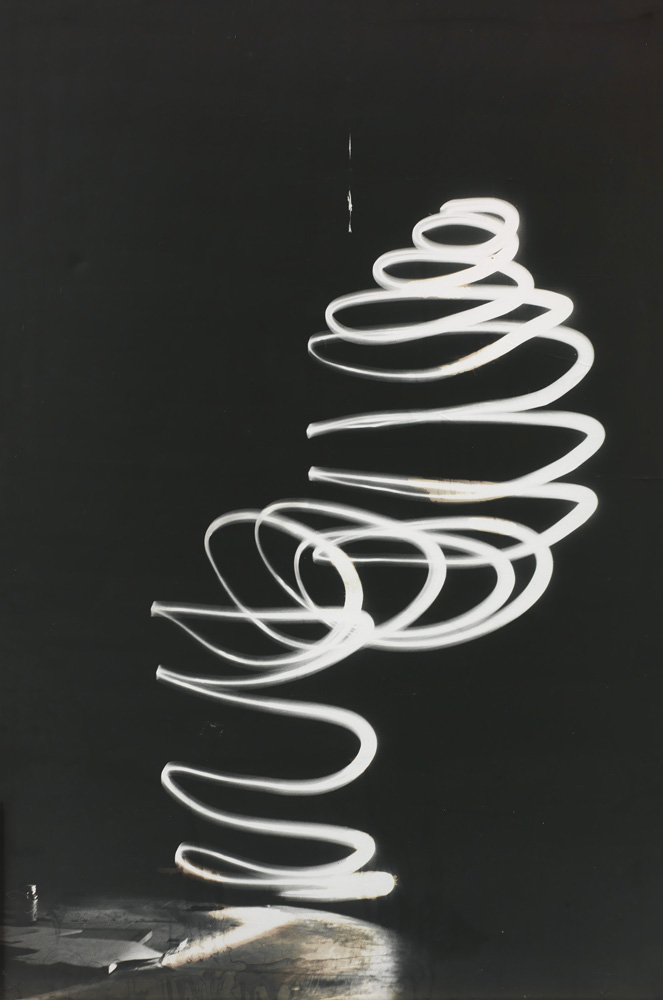
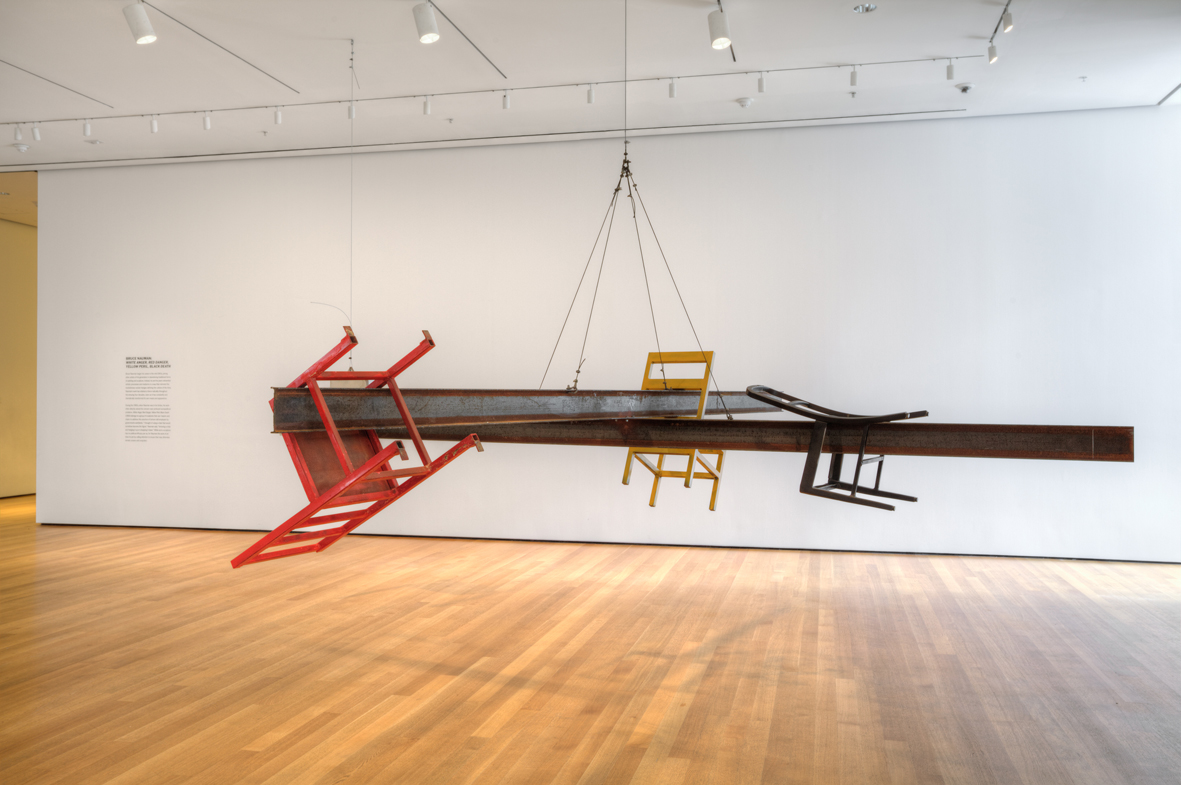
Co-organized by The Museum of Modern Art and Laurenz Foundation, Schaulager Basel, Bruce Nauman: Disappearing Acts draws upon the rich holdings of both institutions and nearly 70 lenders. Encompassing Nauman’s full career and featuring a total of 165 works, the exhibition occupies the Museum’s entire sixth floor and the whole of MoMA PS1. This joint presentation provides an opportunity to experience Nauman’s command of a wide range of mediums, from drawing, printmaking, photography, and sculpture to neon, performance, film and video, and architecturally scaled environments.

Disappearing Acts traces strategies of withdrawal in Nauman’s art—both literal and figurative incidents of removal, deflection, and concealment. Close relatives of disappearance also appear in many forms. They are seen, for example, in holes the size of a body part, in the space under a chair, in the self vanishing around a corner, and in the mental blocks that empty creative possibility. “For Nauman,” said Halbreich, “disappearance is both a real phenomenon and a magnificently ample metaphor for grappling with the anxieties of both the creative process and of navigating the everyday world.”

Bruce Nauman: Disappearing Acts is on view through February 18 @ The Museum of Modern Art, and through February 25 @ MoMA PS1, 22-25 Jackson Ave, Long Island City, New York. photographs courtesy of MoMA

Marlene Dumas Presents "Myths & Morals" @ David Zwirner New York

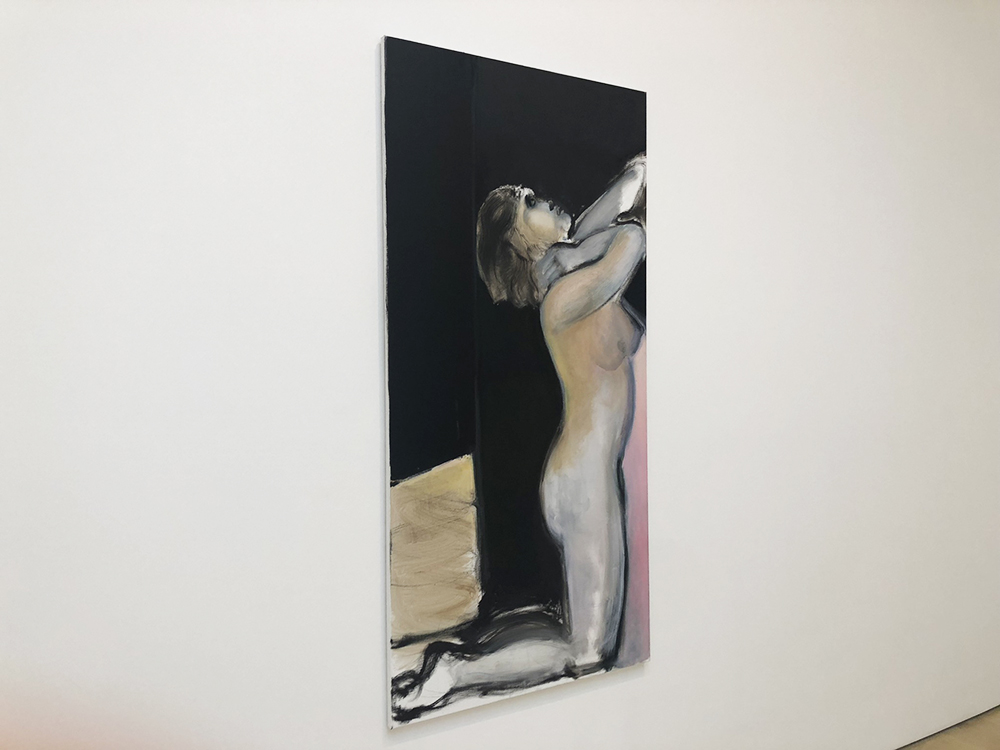
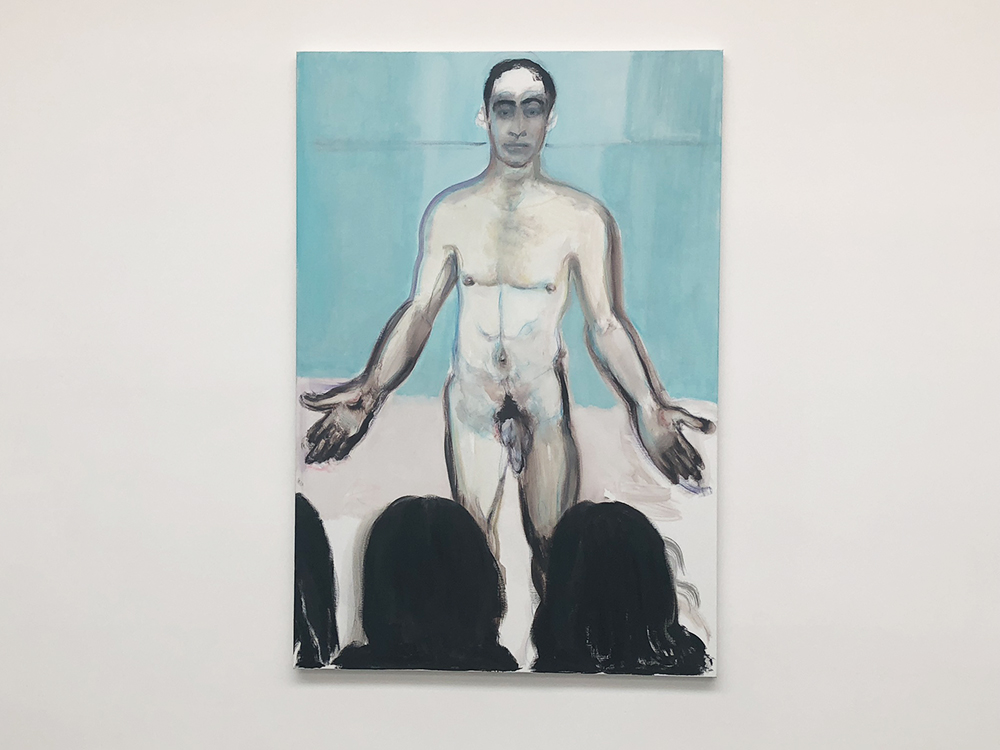
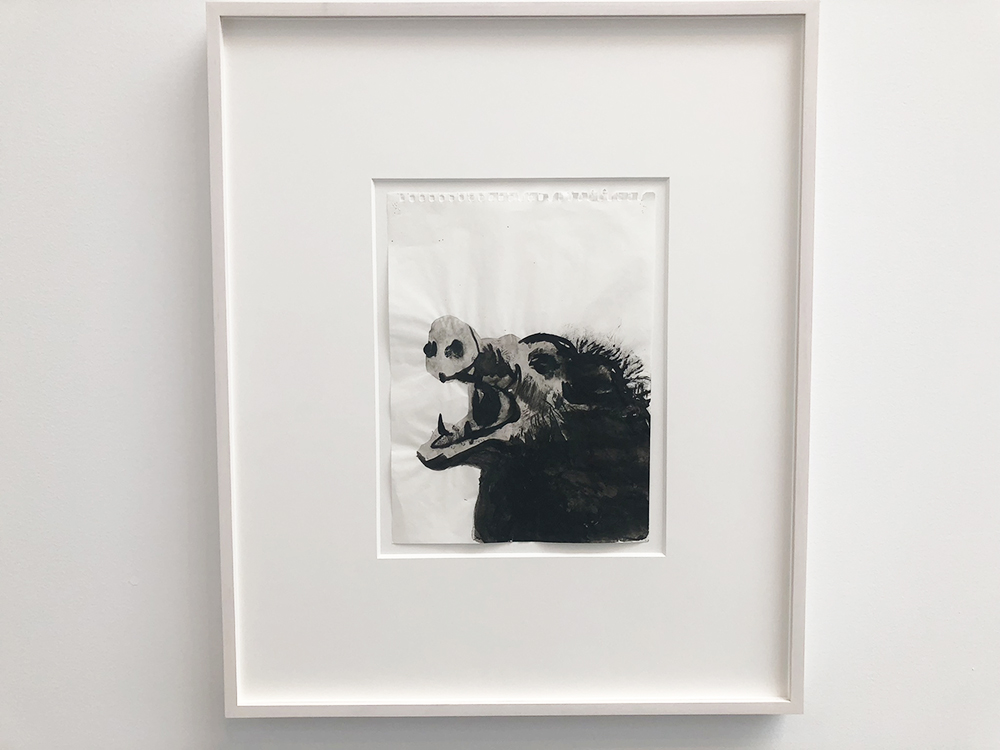
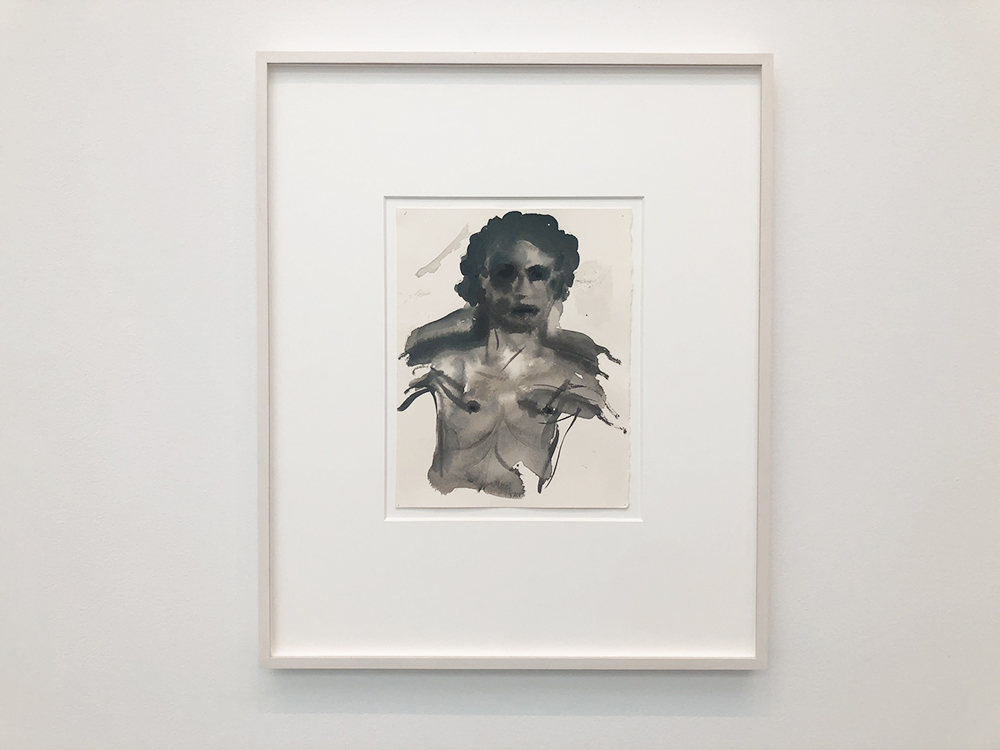
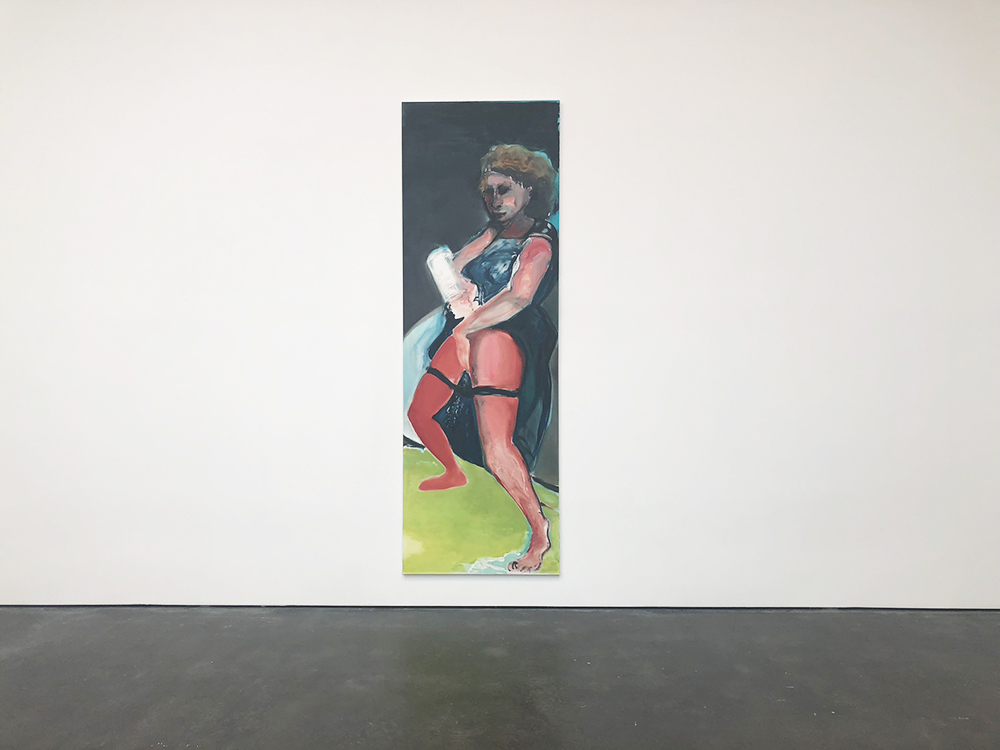
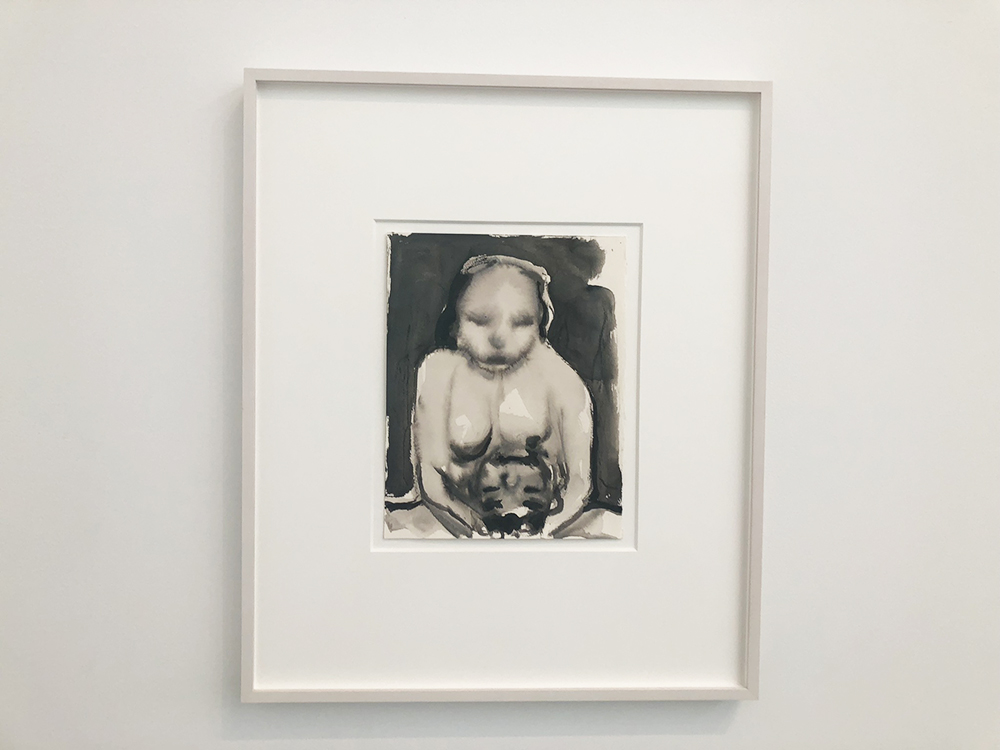
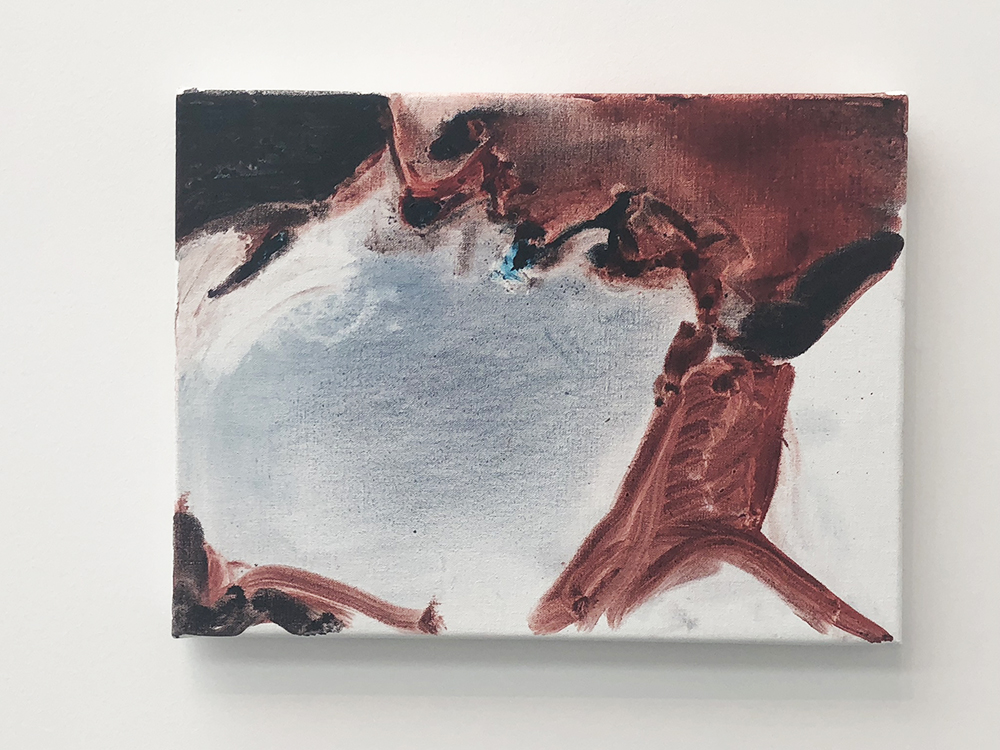
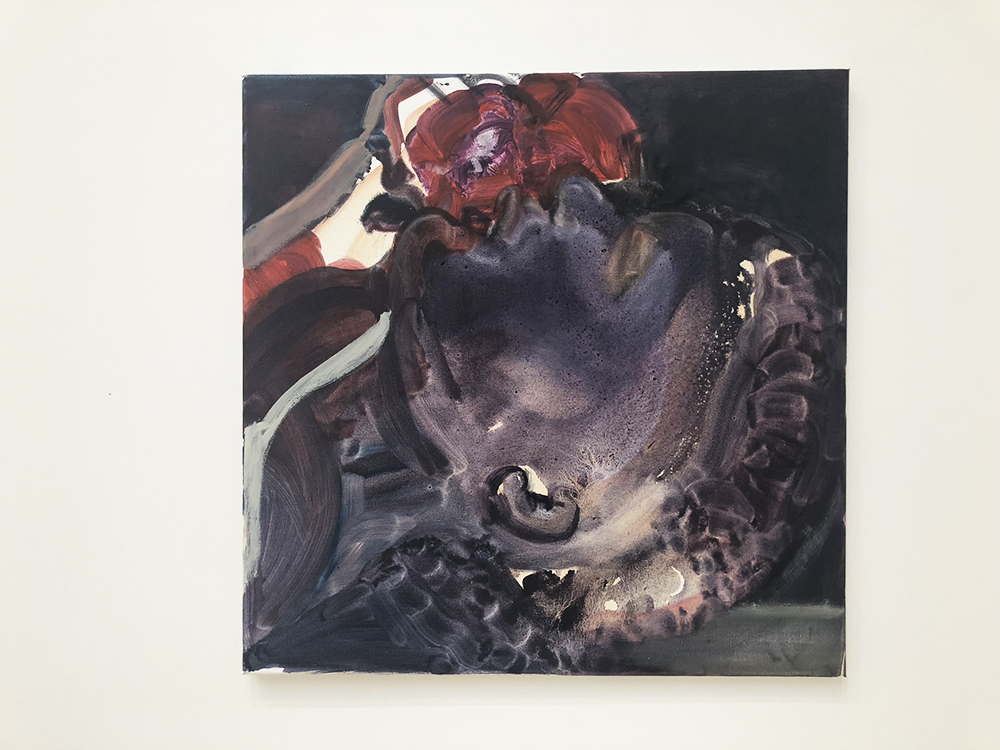
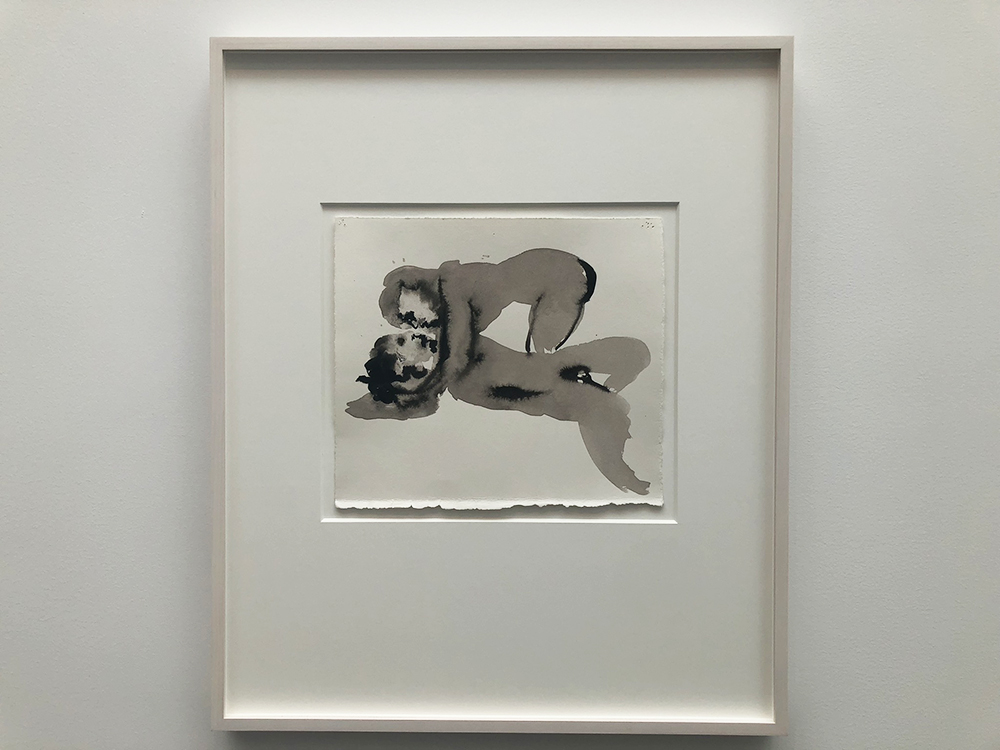
Myths & Mortals is Marlene Dumas' first solo presentation in New York since 2010, features a selection of new paintings that range from monumental nude figures to intimately scaled portraits. Alongside these works, Dumas is debuting an expansive series of works on paper originally created for a recent Dutch translation by Hafid Bouazza of William Shakespeare’s narrative poem Venus and Adonis (1593). In these drawings—tender and erotic with hints of violence—the artist renders the story of Venus, the goddess of love, and her tragic passion for the handsome youth Adonis in her singularly expressive ink wash. Myths & Mortals is on view through June 30 at David Zwirner 537 West 20th Street New York. photographs by Adam Lehrer

This Brush for Hire: Norm Laich & Many Other Artists @ Institute of Contemporary Art

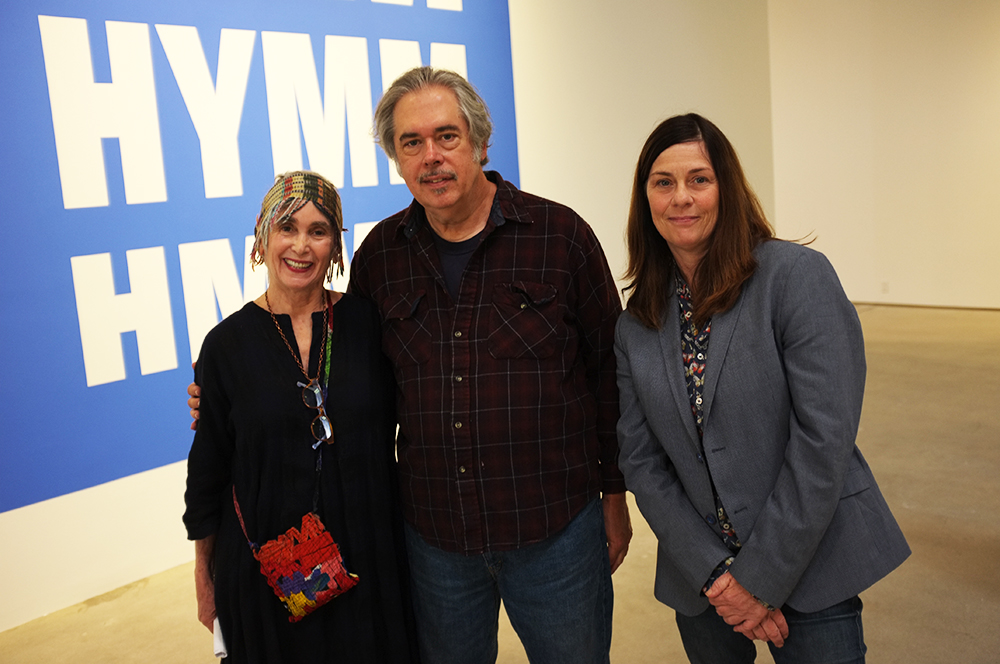
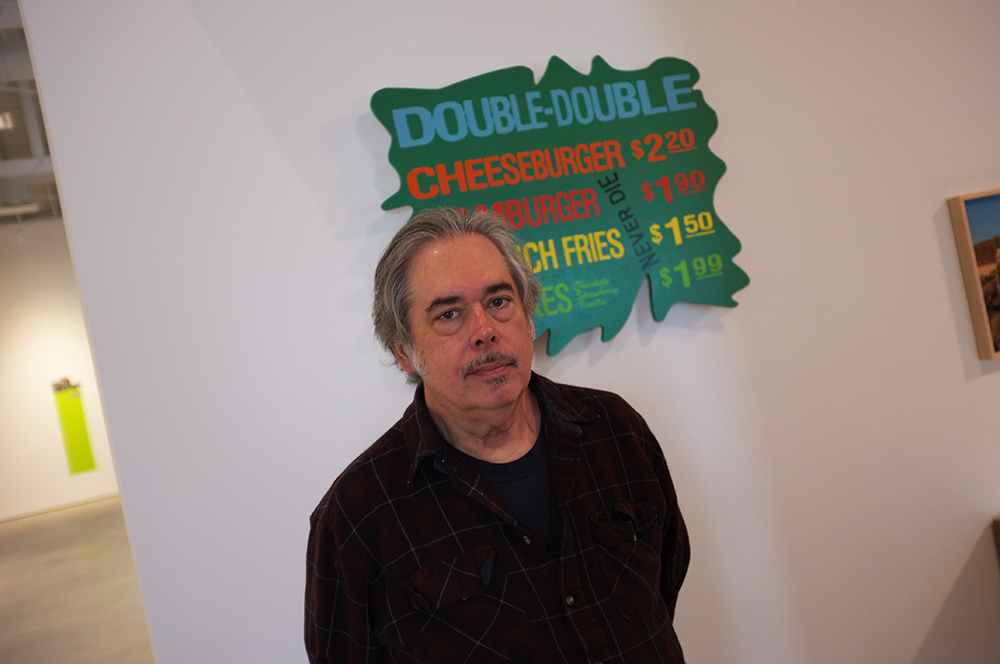
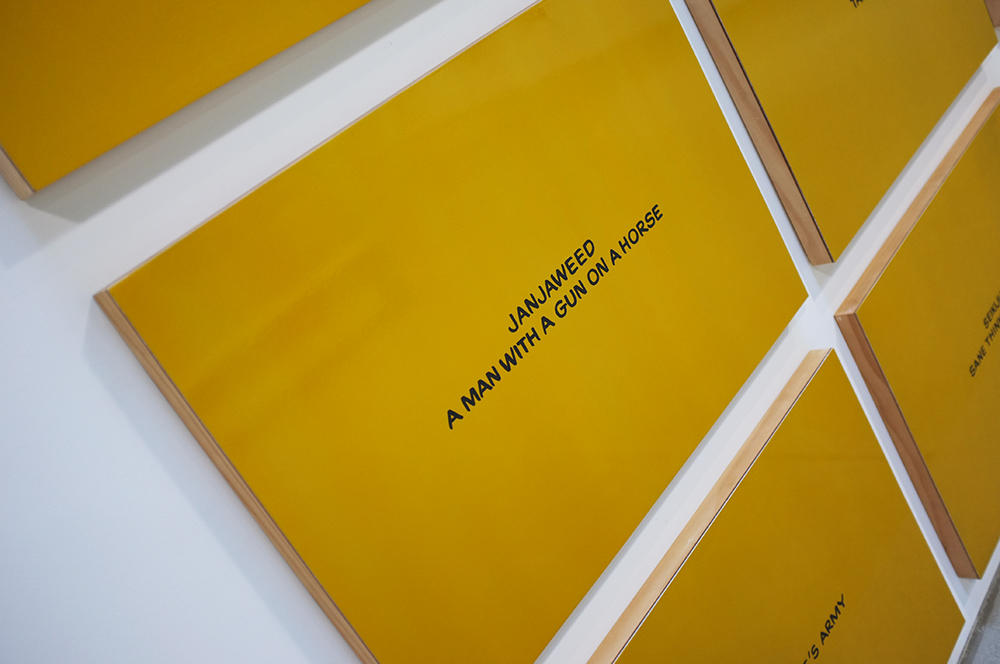
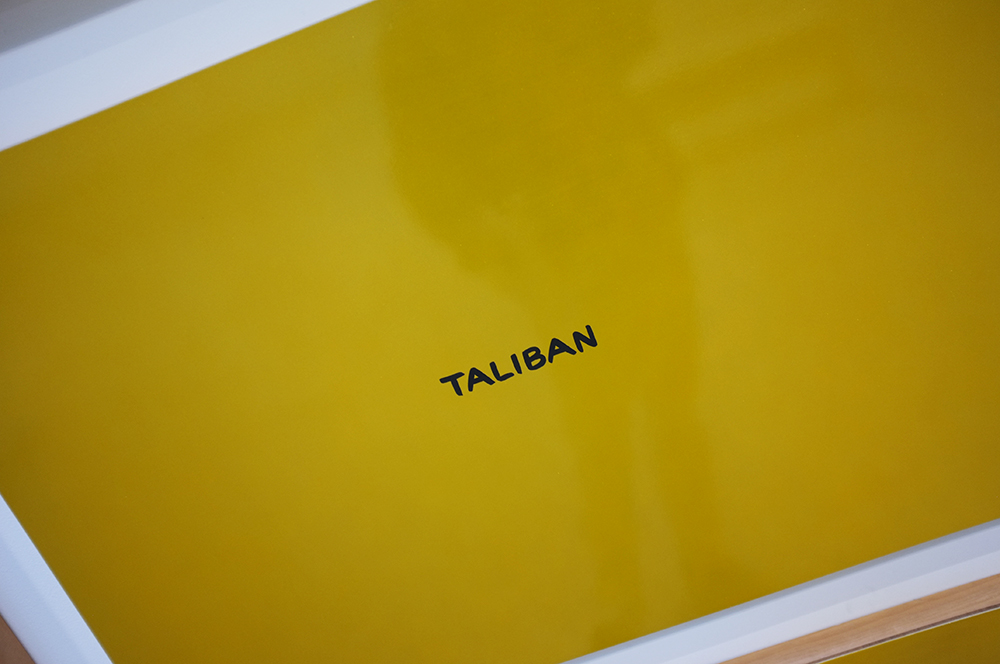
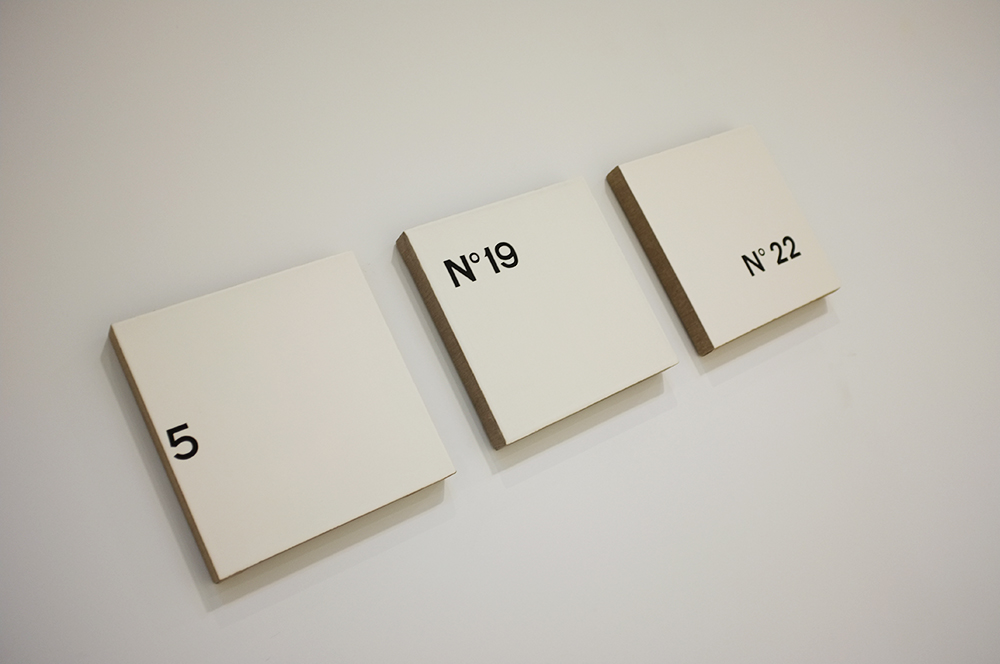
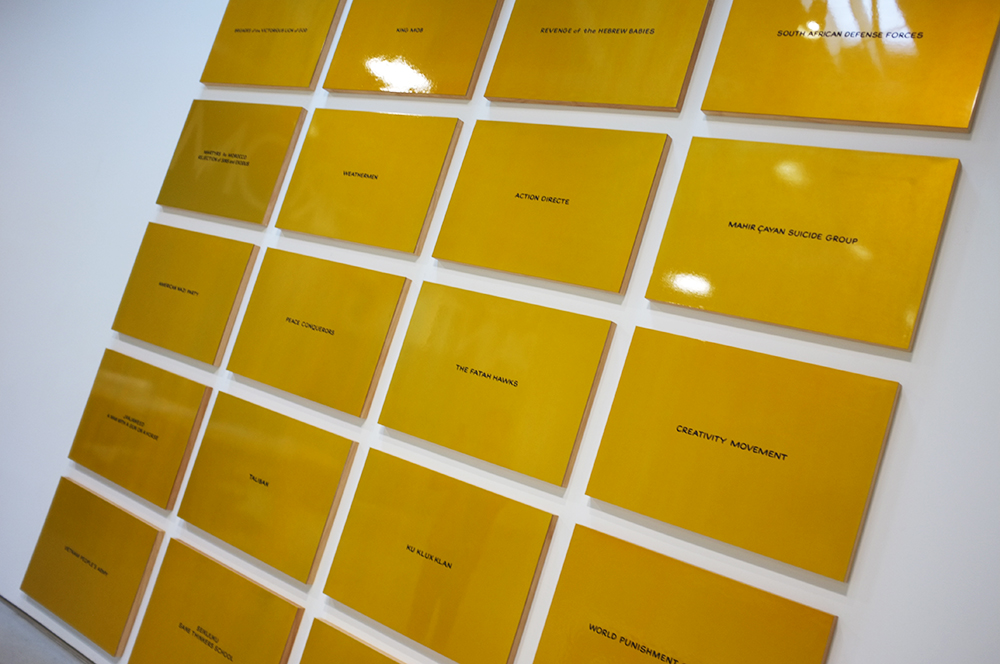
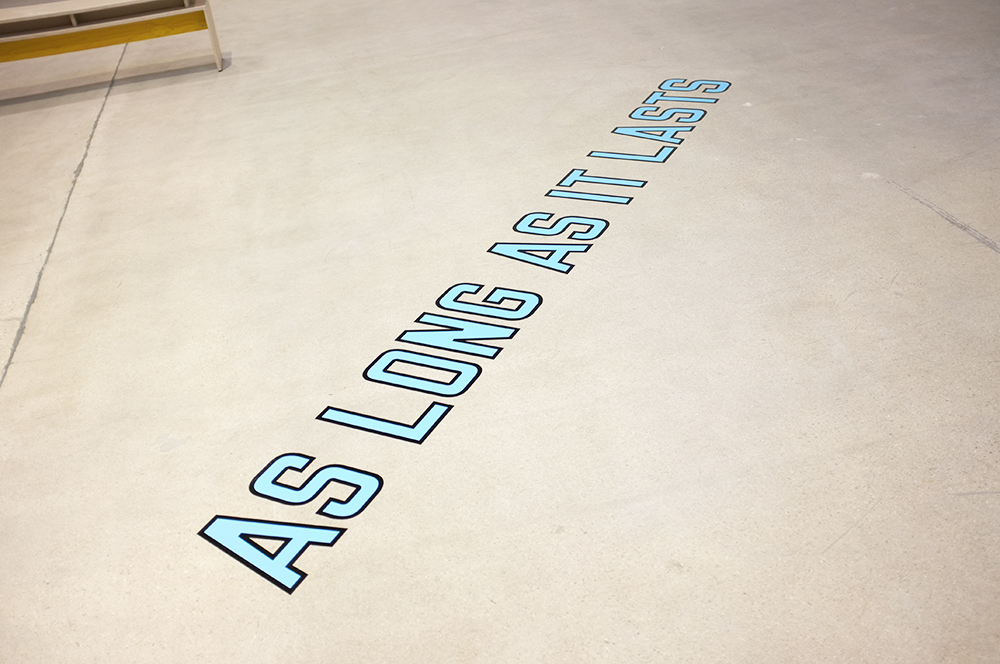
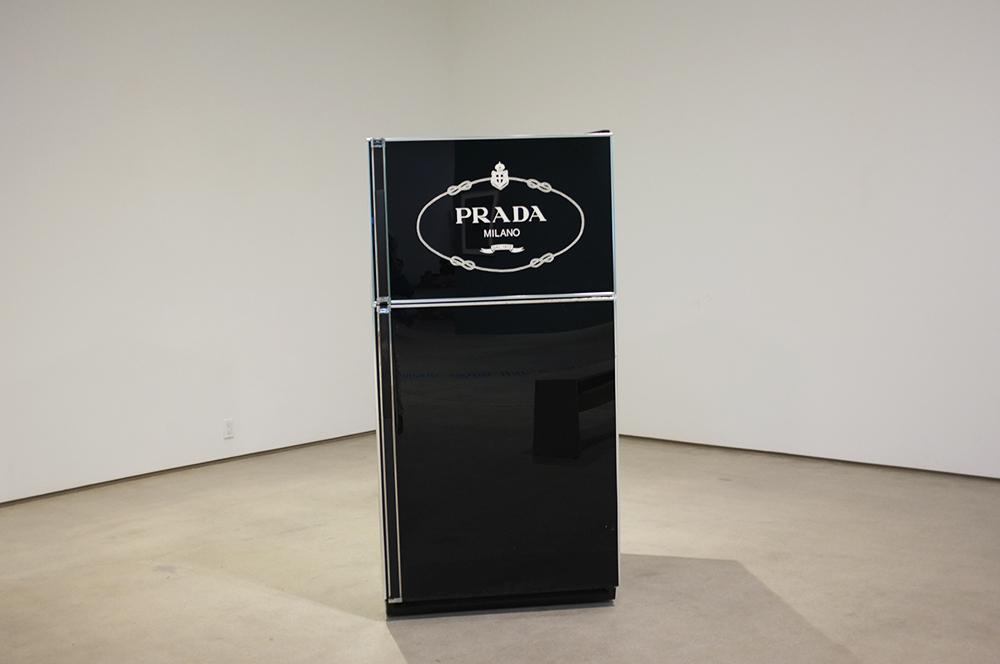
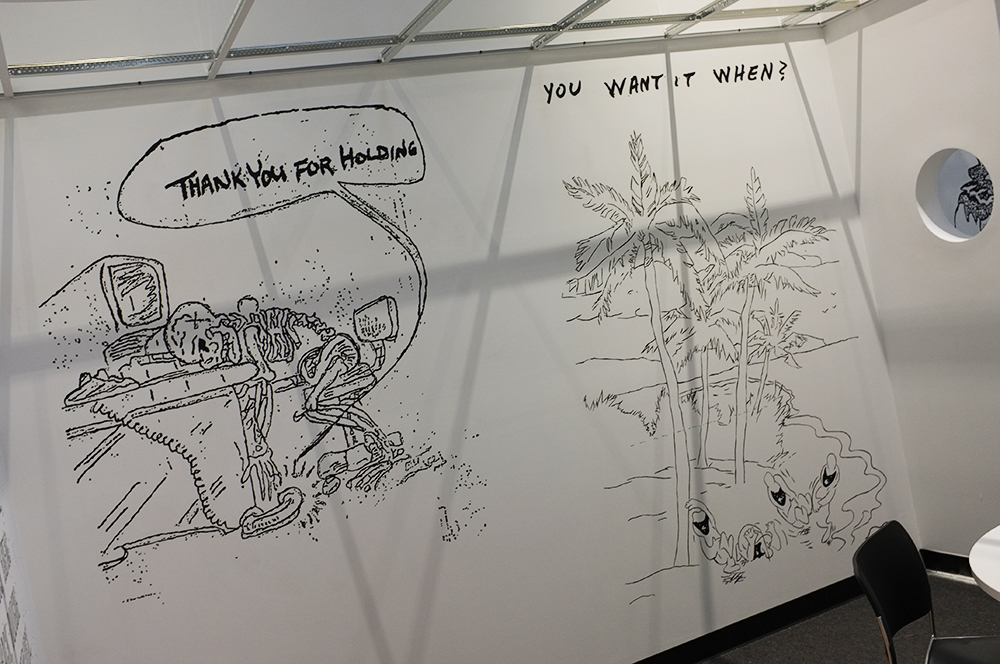
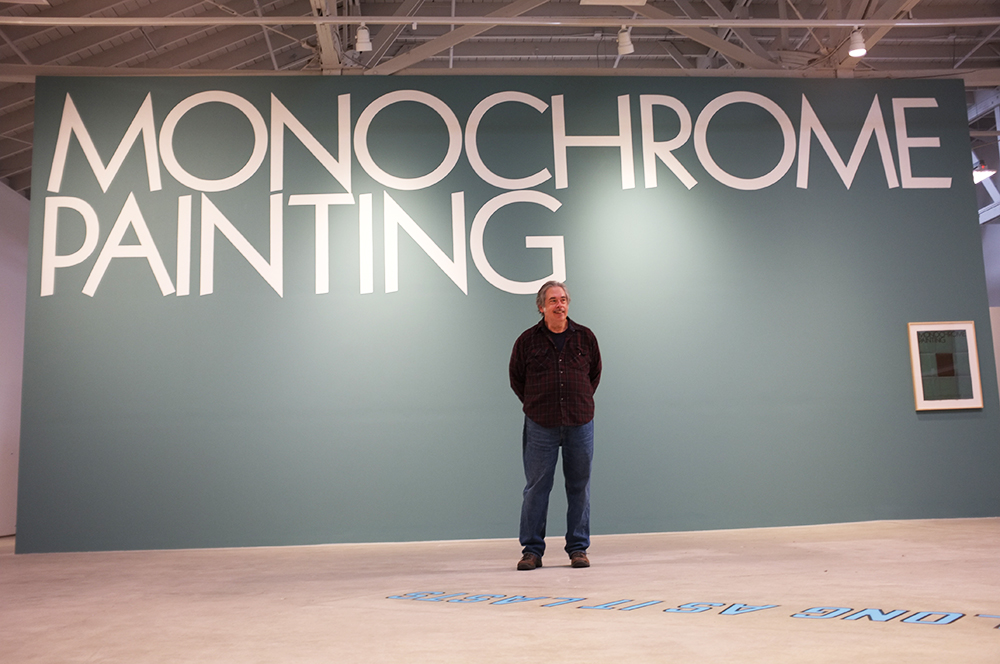
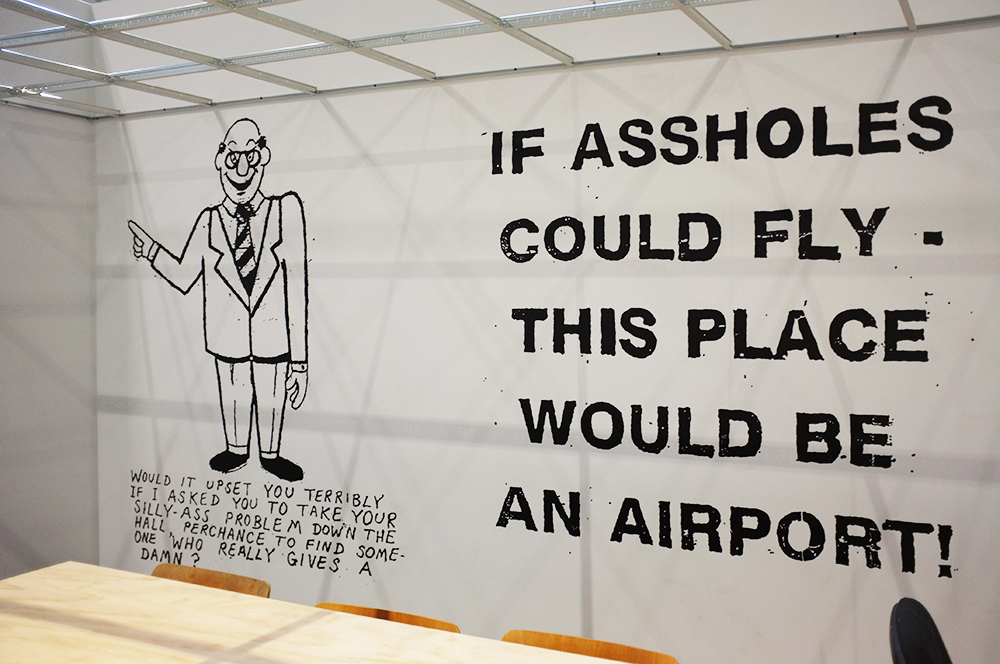
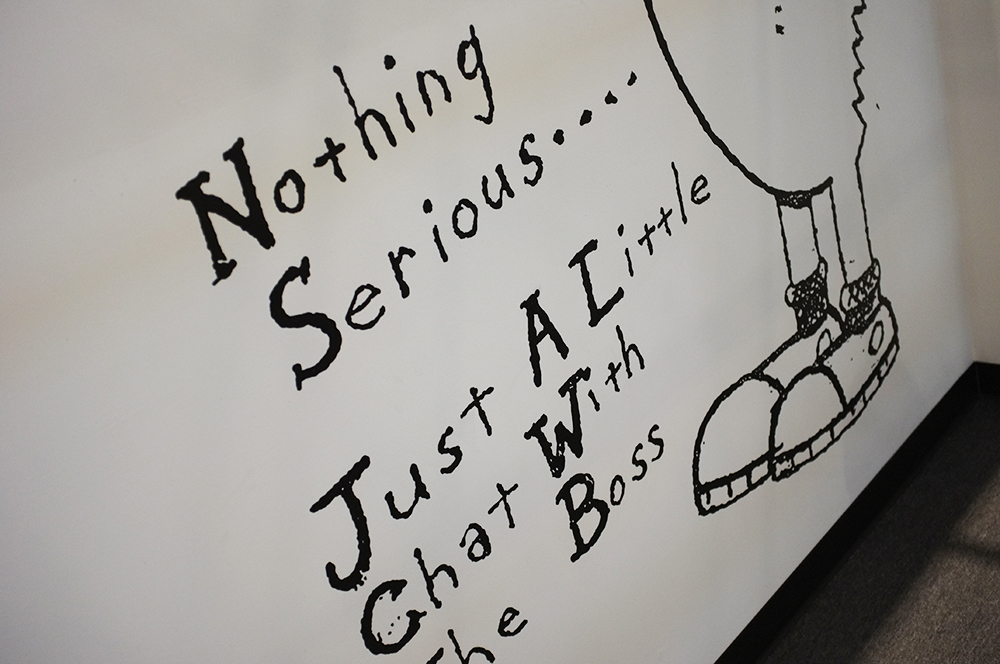
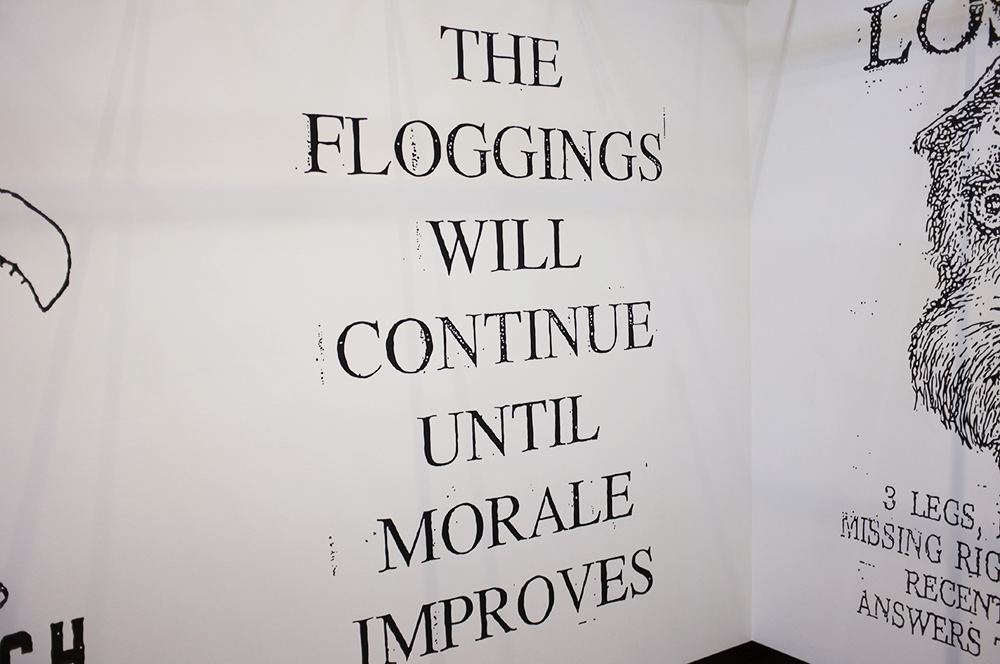
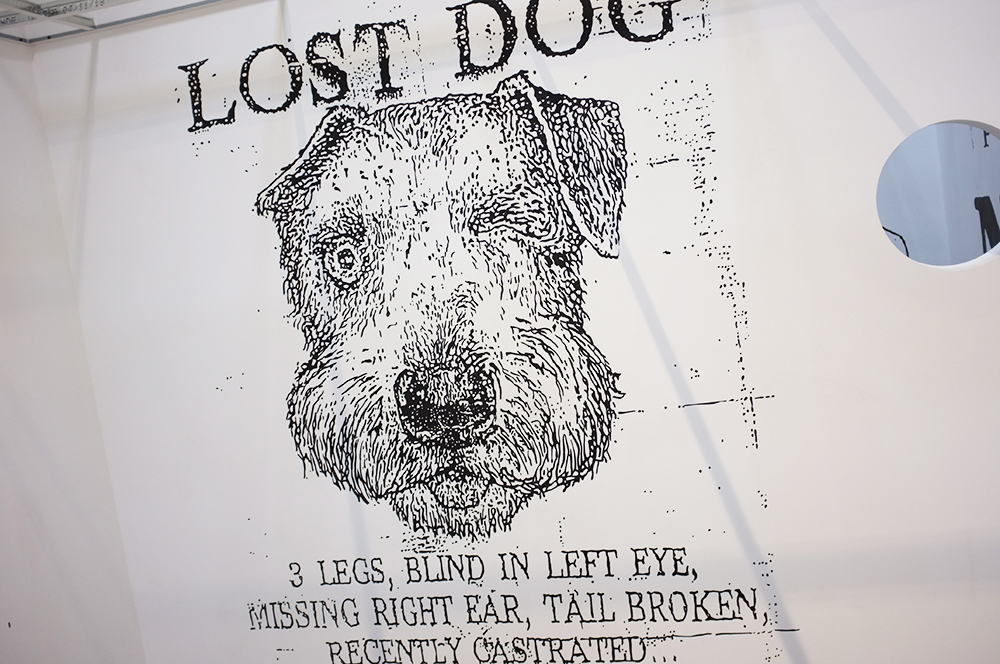
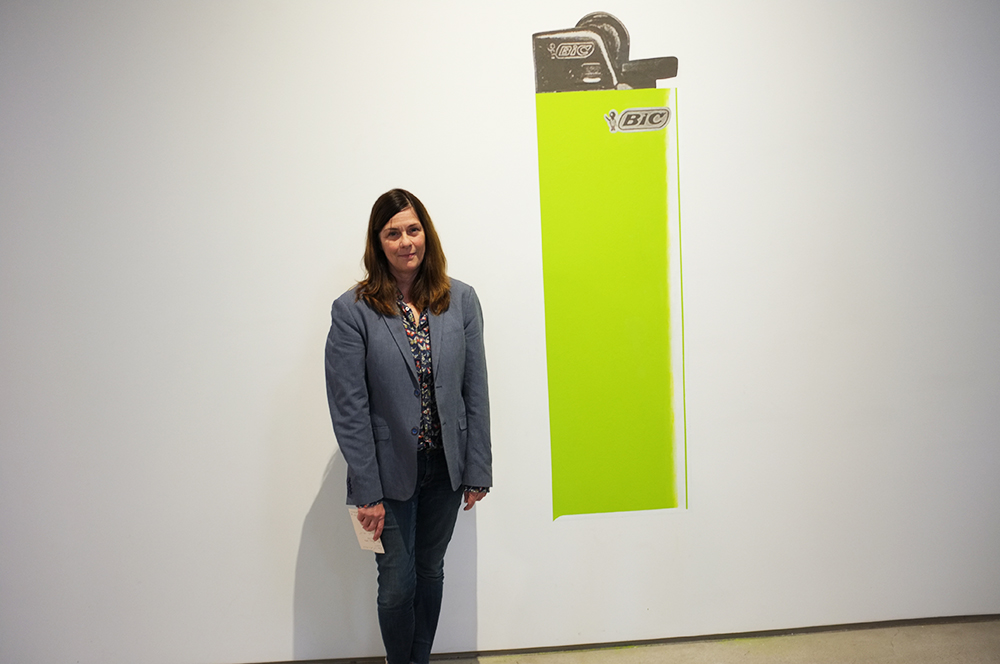
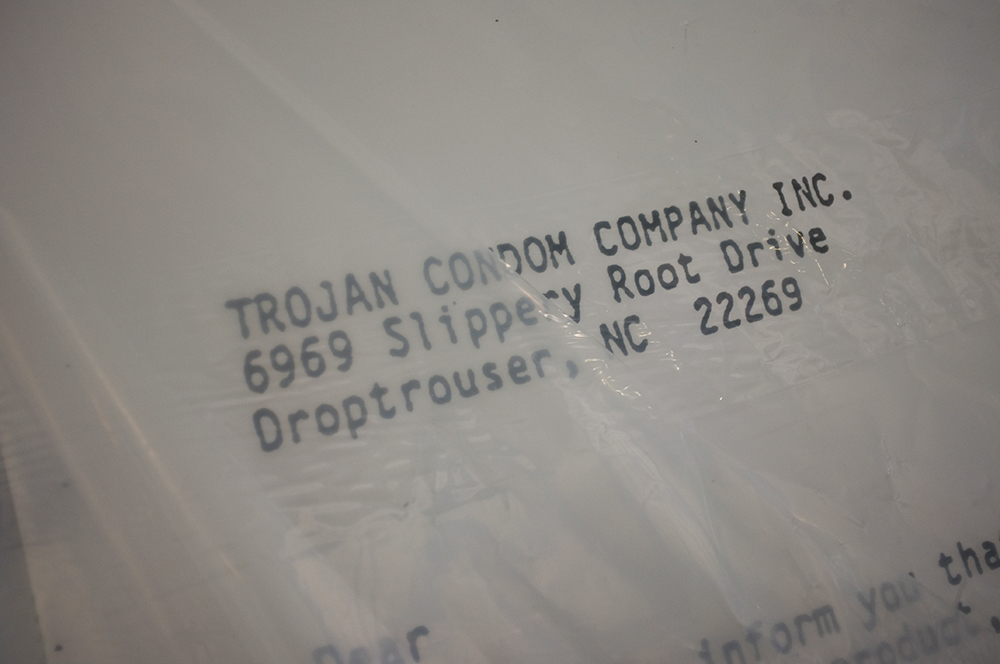
This Brush for Hire: Norm Laich and Many Other Artists surveys an array of world-renowned artists and one indispensable assistant—the Los Angeles-based artist, sign painter, and fabricator Norm Laich. The exhibition will consist of paintings and graphic installations fabricated by Laich over the past three decades. Laich has been a key contributor to the production of many iconic works by a range of artists including Ed Ruscha, Paul McCarthy, Barbara Kruger, Allen Ruppersberg, and Jenny Holzer, among many others. The exhibition is on view through September 2 at Institute of Contemporary Art 717 East 7th Street Los Angeles. photographs by Oliver Maxwell Kupper