Iris van Herpen Brings Haute Couture to Life

Installation view of Iris van Herpen: Sculpting the Senses, Brooklyn Museum, 2026. (Photo: On White Wall/Paula Abreu Pita)

text by Hank Manning


Clothing may have originally been developed as a form of portable shelter from the elements, but at the Brooklyn Museum, over 140 garments reveal how nature can inspire fashion and how a garment might serve to connect us to, rather than separate us from, the world around us. In this way, Iris van Herpen invites us to shift our gaze to the organisms and systems we tend to overlook—because they are too small or too big, because they’re underground or under skin, or because they’re far under the ocean or off in outer space, or simply because their process of manufacturing is hidden from consumers. 

Seijaku, the first dress on display, asserts van Herpen’s persistent goal of finding harmony in chaos, looking at the whole world and attempting to find patterns. For this dress, she suspends a wave that somehow looks more calming than many of the symmetrical 3D-printed patterns that come later. Fittingly, as life on Earth began in the water, the first section (of eleven), “Water and Dreams,” reveals many ways in which movements of water—bubbles, raindrops, waterfalls—inspire her. 


Iris van Herpen. Living Algae Look, from the Sympoiesis collection, 2025.
Pyrocystis lunula algae, nutrient gel, H2O, silicone, silk organza, and tulle.
Collaborator: Chris Bellamy. Model: Stella Maxwell. (Photo: Molly SJ Lowe)


Sea life, much of it microscopic, forms an essential part of the world’s ecosystem. Van Herpen uses multidimensional modes of biomimicry; in addition to the stable appearance—shapes and colors—she also considers movement, her outfits simulating the gentle sway of coral or the rhythmic pulsations of a jellyfish. Truly merging biology and fashion, the dress Living Algae contains 150 million bioluminescent algae that light up alongside the wearer’s movement. One of the only dresses kept behind glass, it requires strict maintenance of temperature, humidity, and light cycles to keep the algae alive.

Terrestrial life motivates designs as well. Even some of our smallest neighbors—like bees and their honeycombs—and those seemingly stagnant—like trees’ root networks—form geometrically intricate and often precisely symmetrical systems. Luminous Lichen, replicating fungal networks, could also be said to resemble the wiring of a motherboard. Pioneering 3D printing in 2010, the Crystallization moved skeletons from beneath the skin to above it. 

Installation view of Iris van Herpen: Sculpting the Senses, Brooklyn Museum, 2026. (Photo: On White Wall/Paula Abreu Pita)

Van Herpen explores the diversity within and across human minds. In “Synesthesia,” she intimates the intertwining of senses by visually representing sound waves. She appropriates mythology, rendering gowns in the forms of metal snakes or items in Bosch paintings. Towards the end of the show, she considers how humans will continue to evolve, with biotechnology and extraterrestrial exploration. In “Cosmic Bloom,” some mannequins hang upside down or sideways to consider the opportunities of fashion in environments with little or no gravity, though the exhibition does not approximate how these billowing dresses would move in outer space. 

Throughout, artwork and scientific artifacts complement the dresses, challenging how we categorize the work. With immobile mannequins that the viewer can walk around, the experience differs greatly from a runway show. Here, each dress is its own work of art. The slow pace, encouraged by a somewhat gloomy soundscape by Salvador Breed, van Herpen’s long-time collaborator and life partner, is juxtaposed with the inherent joie de vivre and natural inspiration within the garments; they are like fossils frozen in time.

Installation view of Iris van Herpen: Sculpting the Senses, Brooklyn Museum, 2026. (Photo: On White Wall/Paula Abreu Pita)

To be sure, these pieces are not merely museum specimens. Worn in music videos, on musical tours, and on the red carpet, they are titans of popular culture. Repeat clients include Beyoncé, Björk, and Lady Gaga—Photographs of these and other “muses” appear near the show’s end, bringing the dresses back to life and providing a second perspective on their functions. 

Van Herpen’s reorientation underscores the egocentrism of the human race, with our fixation on things of our own size, in our near vision, and on the most familiar and easily observed processes. Likewise, we often ignore the labors of others even within our species. Inside our own bodies, operations constantly persist to sustain life in our circulatory, digestive, and nervous systems. And each of us, in our minds, has innumerable new and ever-evolving worlds. Van Herpen’s designs make the invisible visible, reminding us of the complex, interlinked, and essential beauty that surrounds us, big and small, near and far. One series at a time, they impress through their novelty and eccentricity; seen in aggregate, as in Sculpting the Senses, we get a sense of awe, an almost life-affirming quality. 

Van Herpen’s boundless curiosity—her ongoing discovery of untapped sources of inspiration—complicates her stated goal of finding harmony in chaos. Although she succeeds at this in many individual dresses, the show’s increasing diversity in color, form, and source hardly feels harmonious in aggregate. But, in this multiplicity, we can easily find comfort in our place in the interconnectedness and infinite beauty of the universe, inspiring a sense of wonder about what is still to learn.  

Iris van Herpen: Sculpting the Senses is on view through December 6 at the Brooklyn Museum, 200 Eastern Parkway, Brooklyn

Installation view of Iris van Herpen: Sculpting the Senses, Brooklyn Museum, 2026. (Photo: On White Wall/Paula Abreu Pita)

The Artistry of Azzedine Alaïa and Thierry Mugler meets in a celebration of their shared vision in Paris


Veste en astrakan d’Azzedine Alaïa, 1980. © Julien Vidal


text by Eva Megannety

The legacy of two fashion visionaries intertwines in a new exhibition at the Fondation Azzedine Alaïa, where the artistry of Alaïa and Thierry Mugler meets in a celebration of their shared vision. Running from March 3rd to June 29th, 2025, this retrospective honors the friendship and creative affinities between the two designers, offering a rare glimpse into their personal and professional bond.

Azzedine Alaïa found a kindred spirit in Thierry Mugler, whose larger-than-life creations and theatrical approach to fashion were as iconic as the silhouettes he designed. Their relationship began in 1979, when Mugler invited Alaïa to design tuxedos for his autumn-winter 1979-80 collection. The collaboration marked the beginning of a decade-long friendship that would leave an indelible mark on the fashion world.

In this exhibition, over forty works from Mugler’s archive are displayed alongside Alaïa’s own creations, allowing visitors to see how their shared creative spirit manifested in their designs. From Alaïa’s impeccable craftsmanship to Mugler’s bold experimentation with shape and form, the two designers were united by a mutual respect that transcended the runway. Both were masters of the female form, crafting garments that enhanced and empowered, each piece telling a story of elegance, strength, and sensuality.

Alaïa’s reputation as a perfectionist who favored intimate settings and close relationships with his clients contrasted with Mugler’s penchant for dramatic spectacles and larger-than-life fashion shows. Yet, together, they influenced each other in profound ways. Mugler’s theatrical flair found a new sophistication in Alaïa’s structured designs, while Alaïa’s meticulous attention to detail encouraged Mugler to refine his aesthetic and focus on the body’s natural lines. Their shared vision culminated in the 1980s, when both designers elevated glamour to new heights, drawing inspiration from the silhouettes of the 1930s and 1950s.

This exhibition is not only a celebration of two extraordinary designers but also a testament to the enduring power of collaboration. Alaïa’s dedication to preserving and enhancing his own work—through his foundation and vast personal archive—ensures that the dialogue between him and Mugler will continue to inspire future generations of designers and fashion lovers alike.

The Fondation Azzedine Alaïa, located at 18 rue de la Verrerie in Paris, remains a cultural beacon, housing not only Alaïa’s collections but also a space for art, design, and creative expression. The exhibition invites visitors to immerse themselves in the world of two legendary couturiers whose mutual admiration and creative exchange left an indelible mark on the fashion industry.


Thierry Mugler and Azzedine Alaïa 1980/1990: Two decades of artistic affinities is on view March 3 to June 29, 2025 at Saillard Fondation Azzedine Alaïa, 18 rue de la Verrerie, Paris 4e

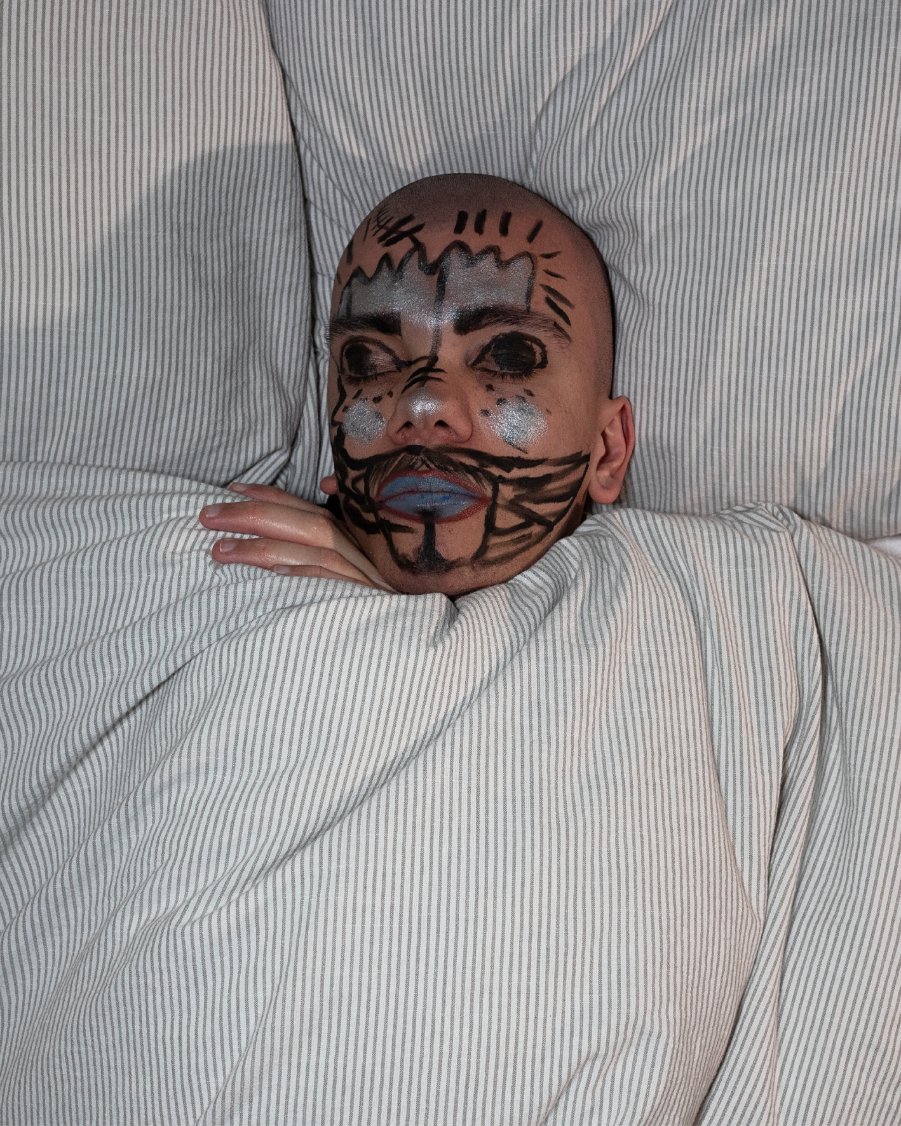
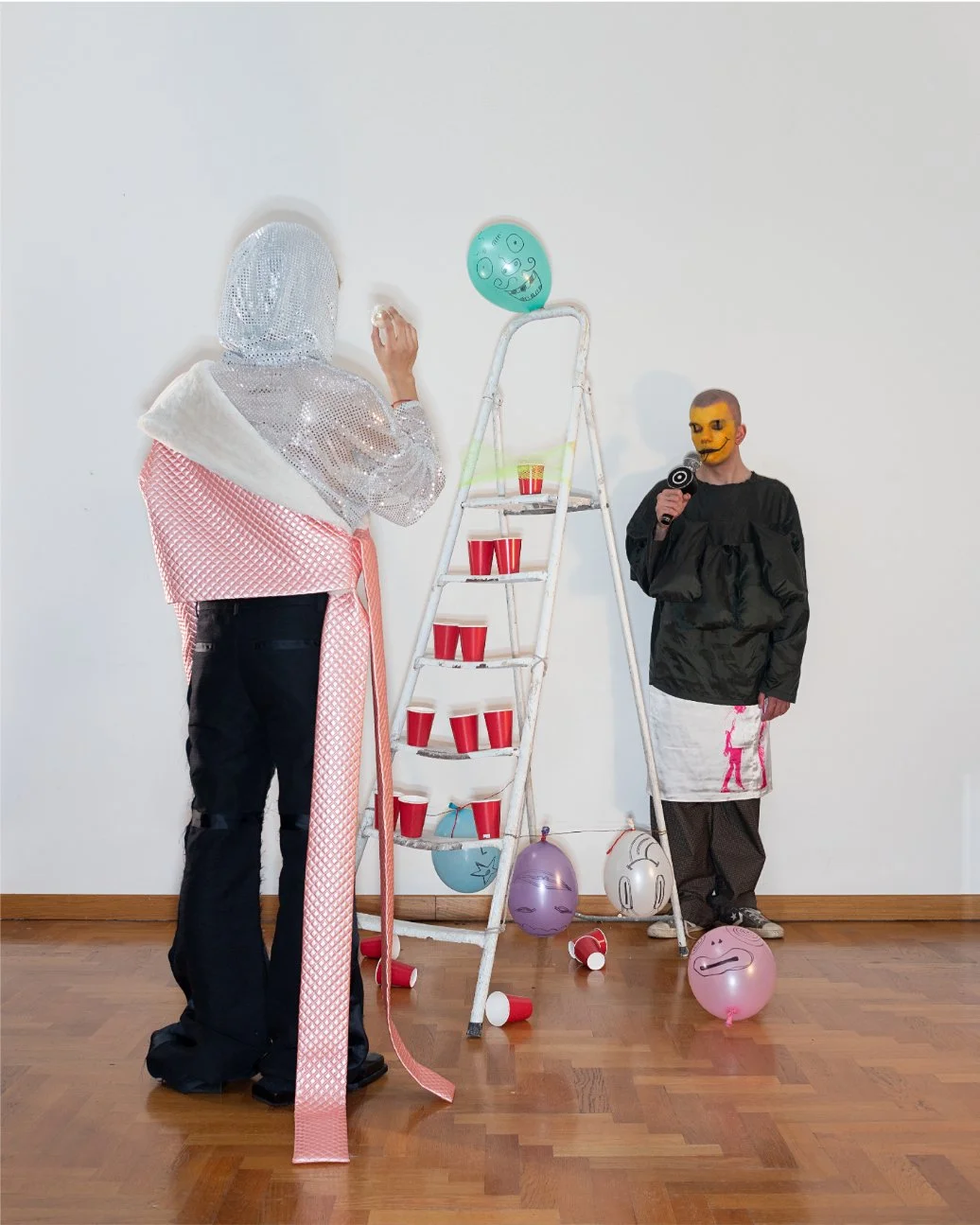
Boozed Things: A Story Of Intoxicating Folly By Enrico Caputo & Valerio Nico


photography Valerio Nico
creative direction and styling by
Enrico Caputo
makeup by
Greta Giannone
set design by
Nour Choukeir  
AI by
Chiara Kristler

top and skirt: GIANMARCO MUSSI
pants: VITELLI

shirt: stylist’s own

sweater: VITELLI
skirts: GIANMARCO MUSSI
shoes: MARSELL

sweater: VITELLI

LEFT
hoodie: GIANMARCO MUSSI
jacket: NEITH NYER
pants: GIOVANNI PORTA
shoes: ÇANAKU

top: MOTOGUO
skirt: VITELLI
pants: GIOVANNI PORTA
shoes: MARSELL
kneeler: STUDIO CROMATO

sweater: VITELLI
skirts: GIANMARCO MUSSI
shoes: MARSELL

top: MOTOGUO
skirt: VITELLI
pants: GIOVANNI PORTA
kneeler: STUDIO CROMATO

Alexander McQueen & Vestiaire Collective Are Pioneering Circular Practices In Luxury Fashion

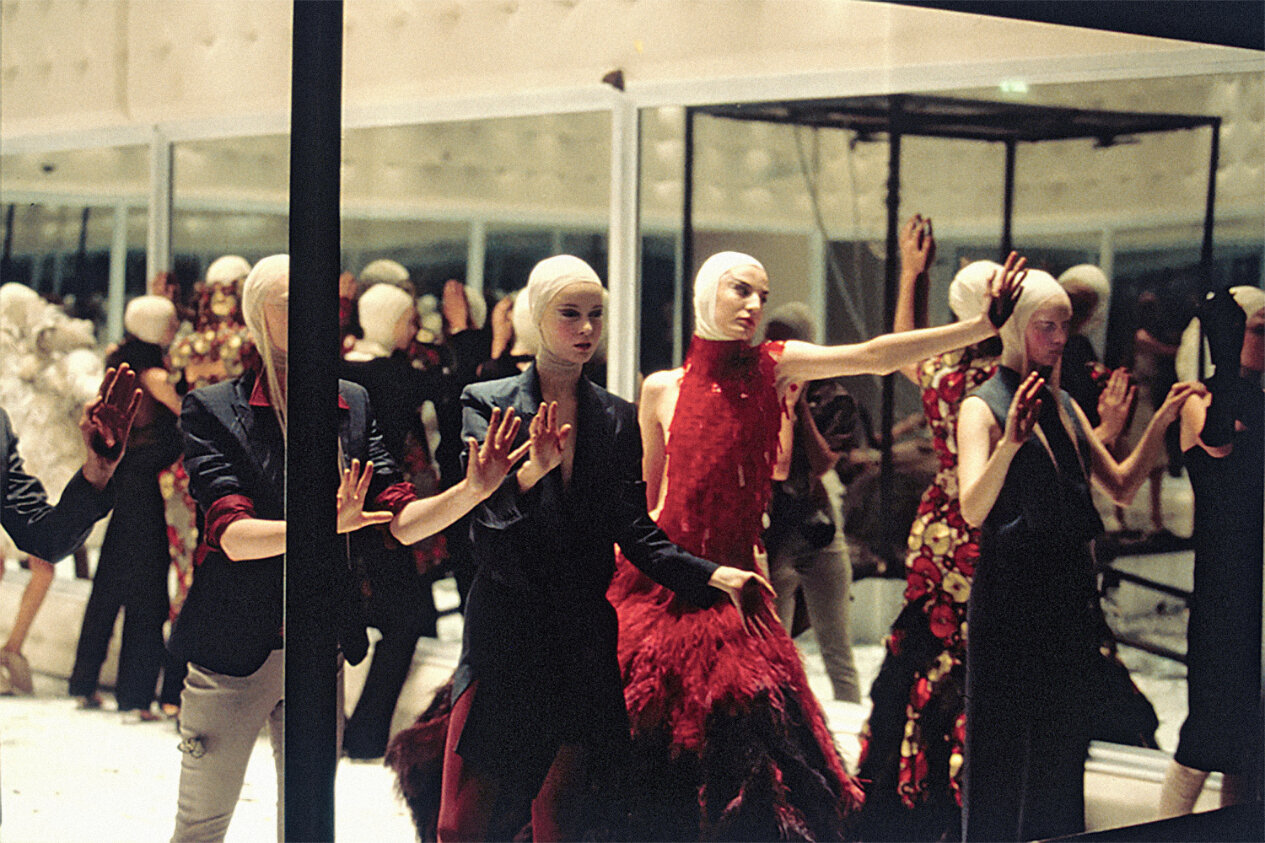
ALEXANDER MCQUEEN VOSS finale  photograph: Chris Moore Catwalking.com

ALEXANDER MCQUEEN VOSS finale
photograph: Chris Moore Catwalking.com

Alexander McQueen and Vestiaire Collective have just launched a pioneering collaboration aimed at empowering a move towards sustainability and circular practices. Supported by innovative technology, the collaboration marks the launch of Vestiaire Collective’s new ‘Brand Approved’ programme and reinforces Alexander McQueen’s growing commitment to the durability of luxury fashion.

A select group of clients will be contacted by a sales representative at Alexander McQueen. Any pieces the clients wish to sell will be assessed and if eligible assigned a buy-back price. Once the pieces are received and authenticated by Alexander McQueen, the client will be issued with a credit note with which they will immediately be able to purchase new items from specified Alexander McQueen stores. Once processed by Vestiaire Collective the pieces will carry an external NFC tag giving prospective new buyers access to information confirming the authenticity of the piece. The pieces will be available to purchase on a dedicated ‘Brand Approved’ page on the Vestiaire Collective app and site.

There are currently two pieces available for purchase.

Tuxedo jacket ALEXANDER MCQUEEN Sarah Burton’s first show as creative director SS11  photograph: Chris Moore Catwalking.com

Tuxedo jacket
ALEXANDER MCQUEEN
Sarah Burton’s first show as creative director SS11
photograph: Chris Moore Catwalking.com

Tartan skirt ALEXANDER MCQUEEN  ‘Widows Of Culloden’ AW06  photograph: Chris Moore Catwalking.com

Tartan skirt
ALEXANDER MCQUEEN
‘Widows Of Culloden’ AW06
photograph: Chris Moore Catwalking.com

Watch S.R. Studio's Debut "Apparitions" For Paris Haute Couture Week

California Couture. A collection created in America, reflecting America. Shot in Los Angeles on January 19, 2021, the last day of the Trump presidency. 

The Puritan and Pilgrims, traveling to America in the 17th century, viewed the United States as a “Redeemer Nation” — a belief in the country’s divinely ordained redemptive role in the world. It is a narrative being profoundly questioned today, inseparable from the enduring inequalities and ongoing threat of violence framed as patriotism.  

Responding to the history of the United States — imagined and real — Sterling Ruby explores the intersection of fashion, art, craft and culture for this first haute couture collection created at the invitation of the Fédération de la Haute Couture et de la Mode, Paris. Silhouettes, shapes, garment archetypes reference American heritage: Puritan collars, styles of dress inextricable from colonialism, neocolonialism, and religious persecution. These contrast with the uniforms of modern America: references to skate wear, workwear, business wear. 

creative direction and editing by Ruby

Concept 005: Read Our Interview Of Union Los Angeles Founder Chris Gibbs & Nordstrom Men's Sam Lobban On Their Recent Collaboration

Founded in 1989, Union’s history first started in New York’s Soho with the gracious ambition of giving a space to young, local designers on their way to recognition. The Los Angeles shop followed a few years later and strived to maintain the same principle born thirty years ago: embracing the creativity of fresh designers within the city while being inspired by trends coming from Japan and the UK. Union Los Angeles has now become one of LA’s prime destinations for men's contemporary fashion and streetwear. Earlier this month, Chris Gibbs, who used to work at the original NYC shop and is now the owner and operator behind Union LA, announced Union’s first ever collaboration with a national retailer: Nordstrom. Click here to read more.

A Paris Fashion Week Diary From The Spring Summer 2019 Collections

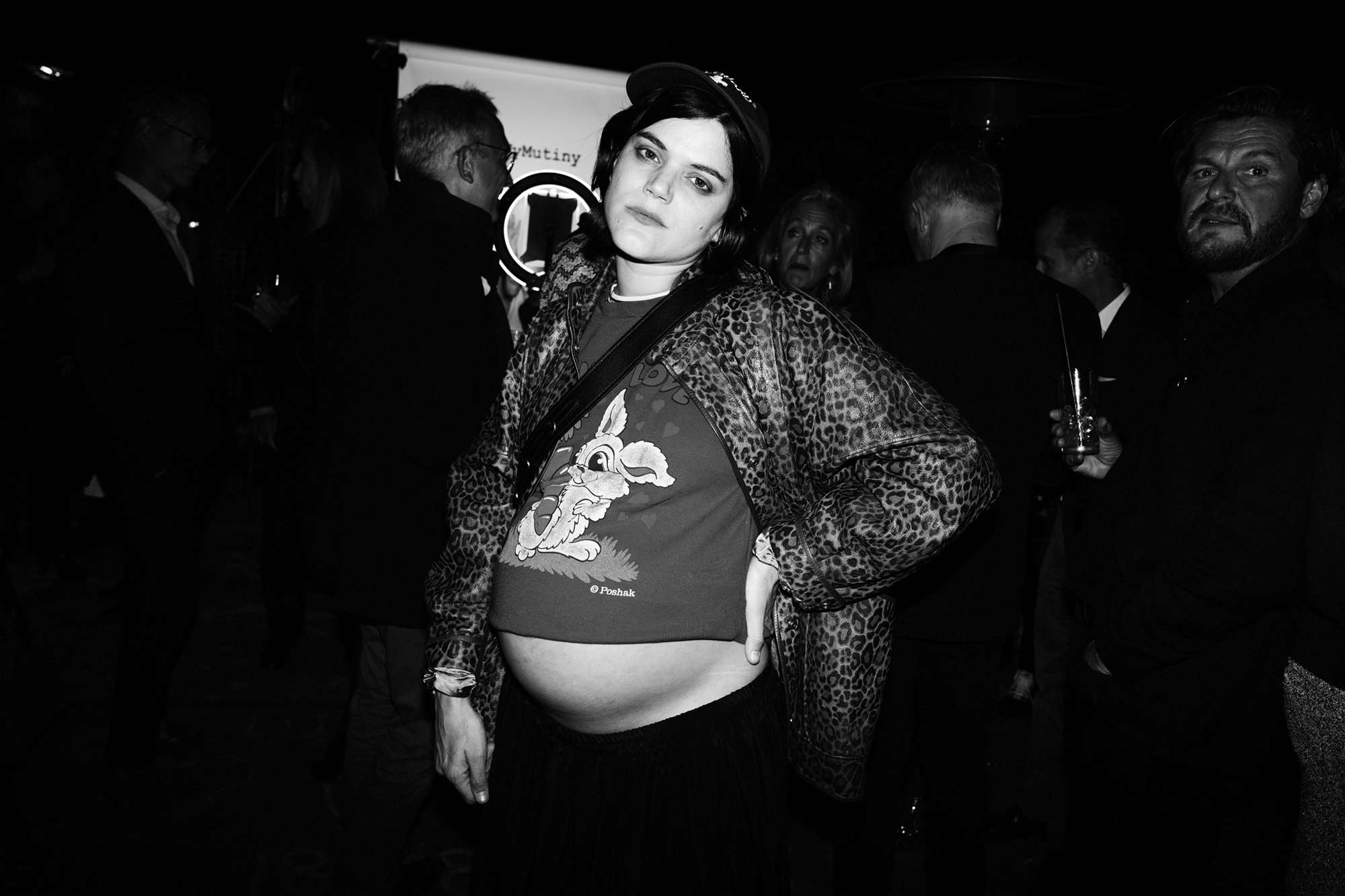
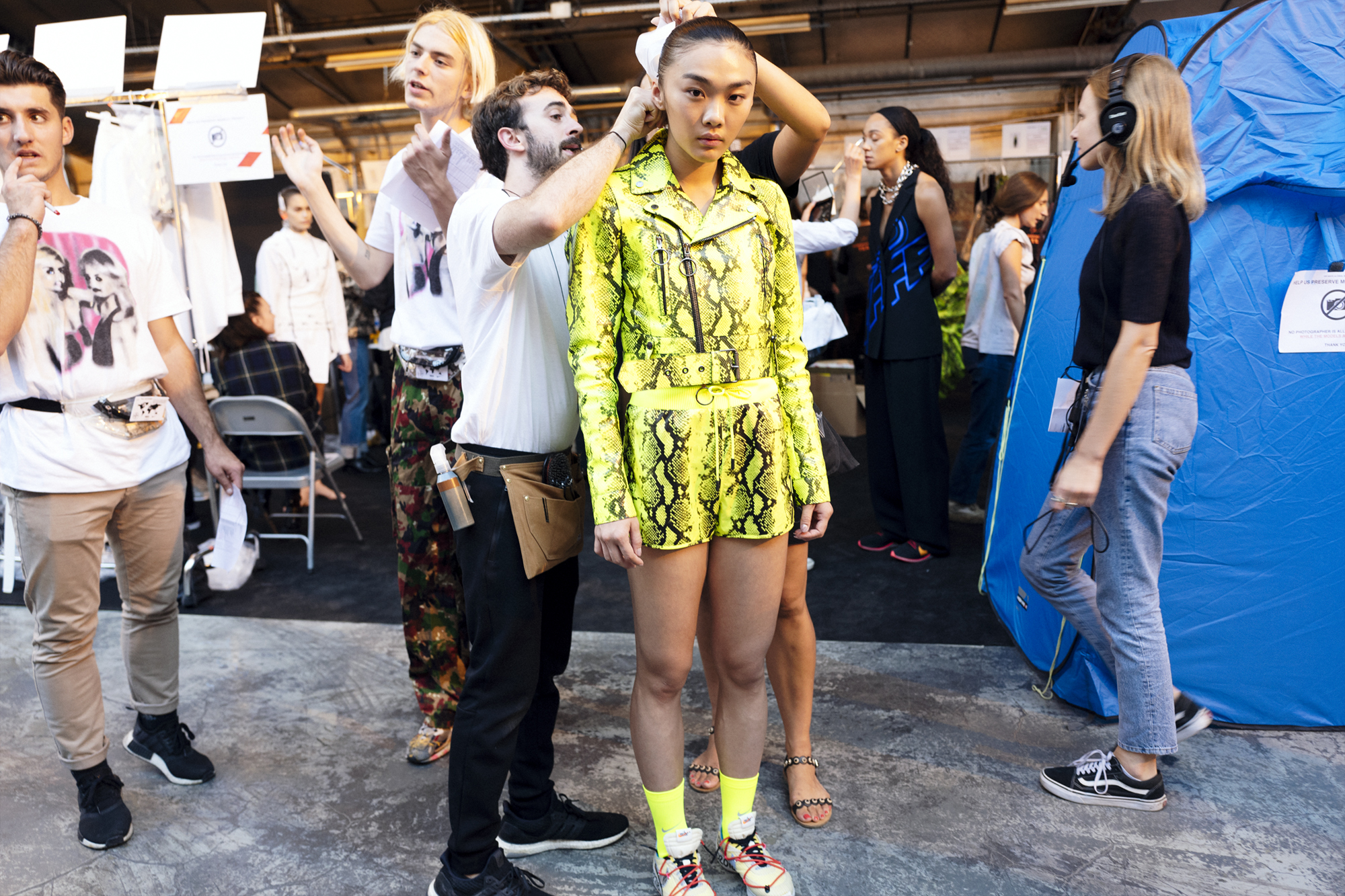
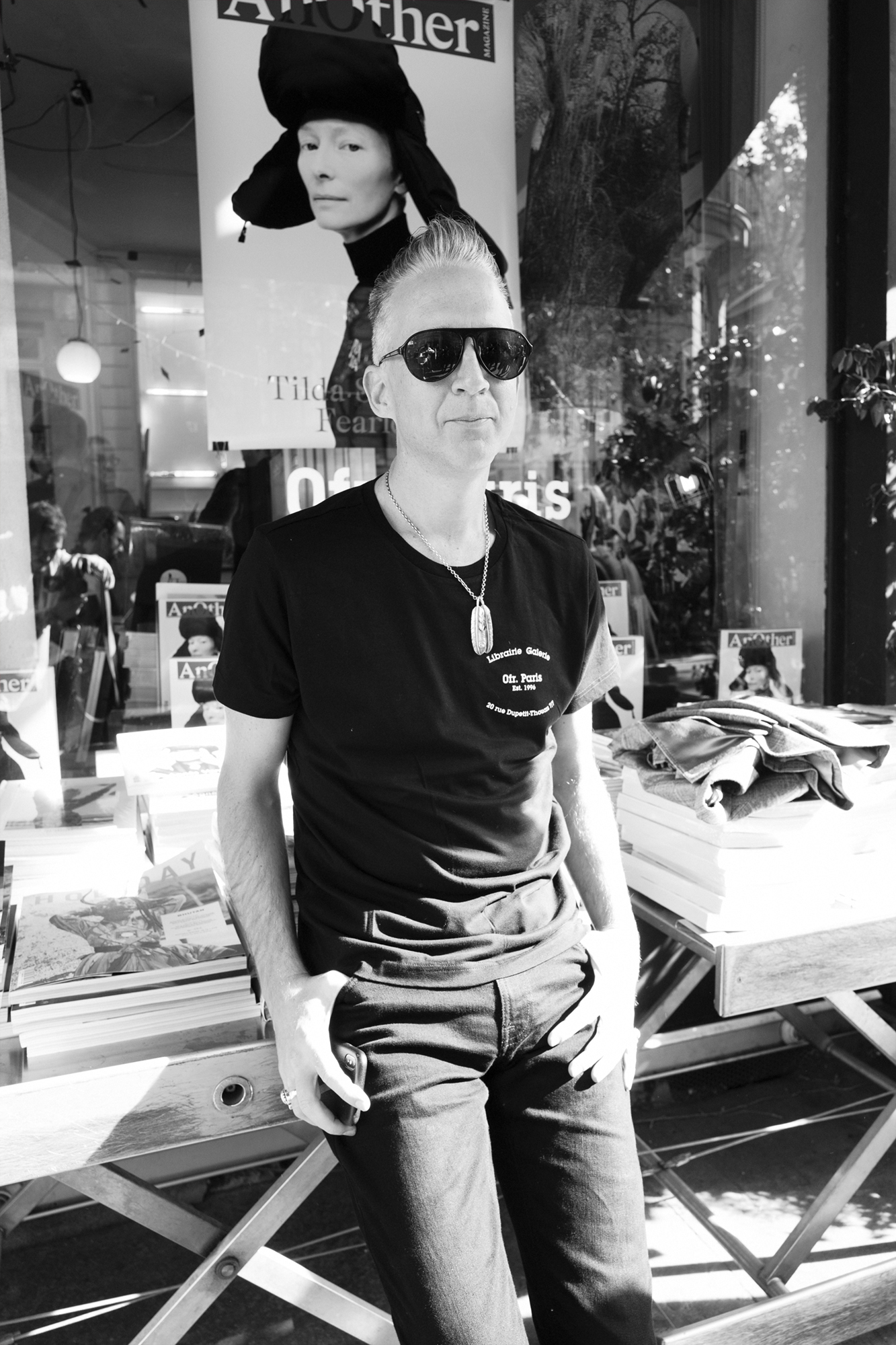
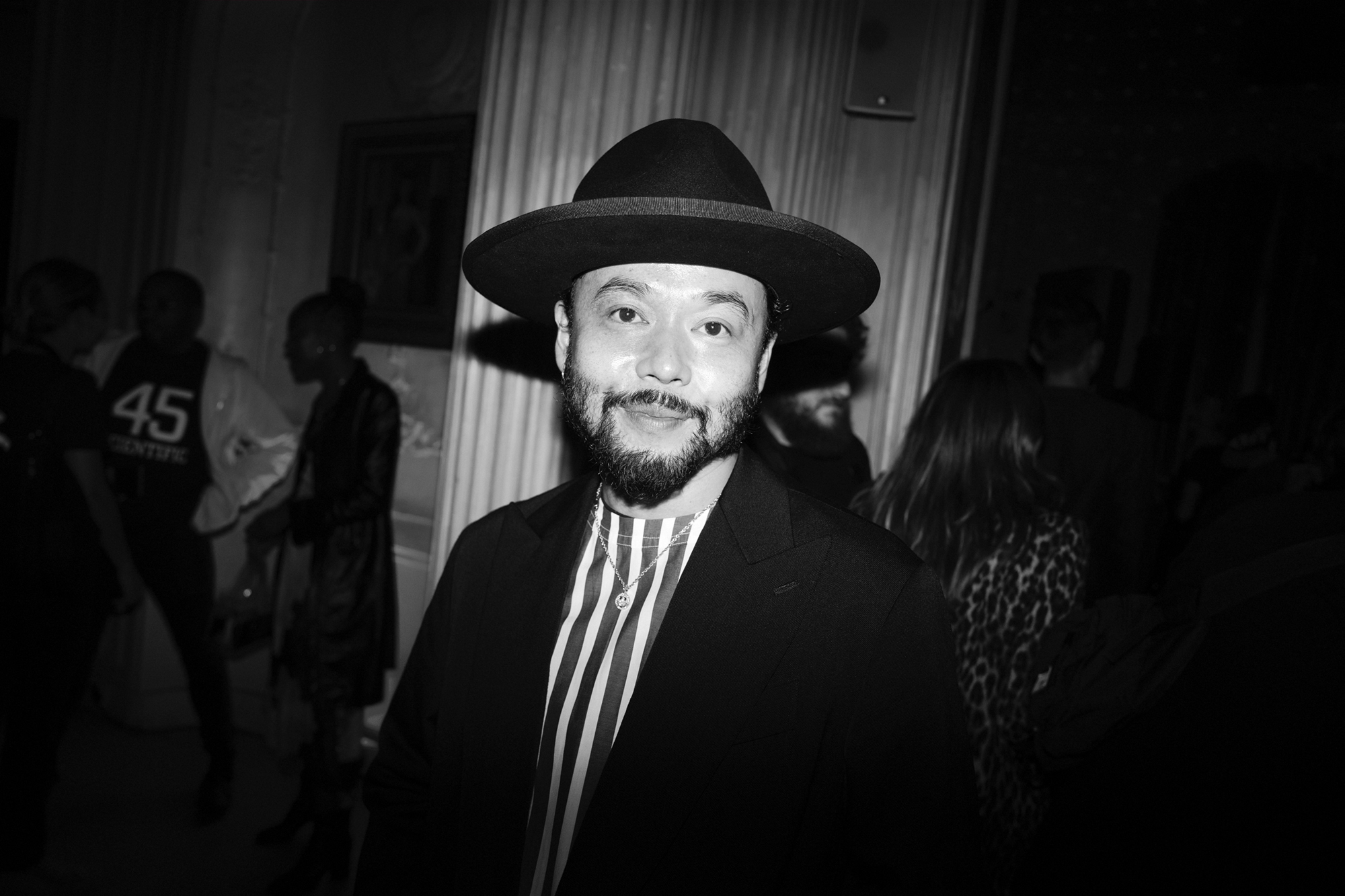
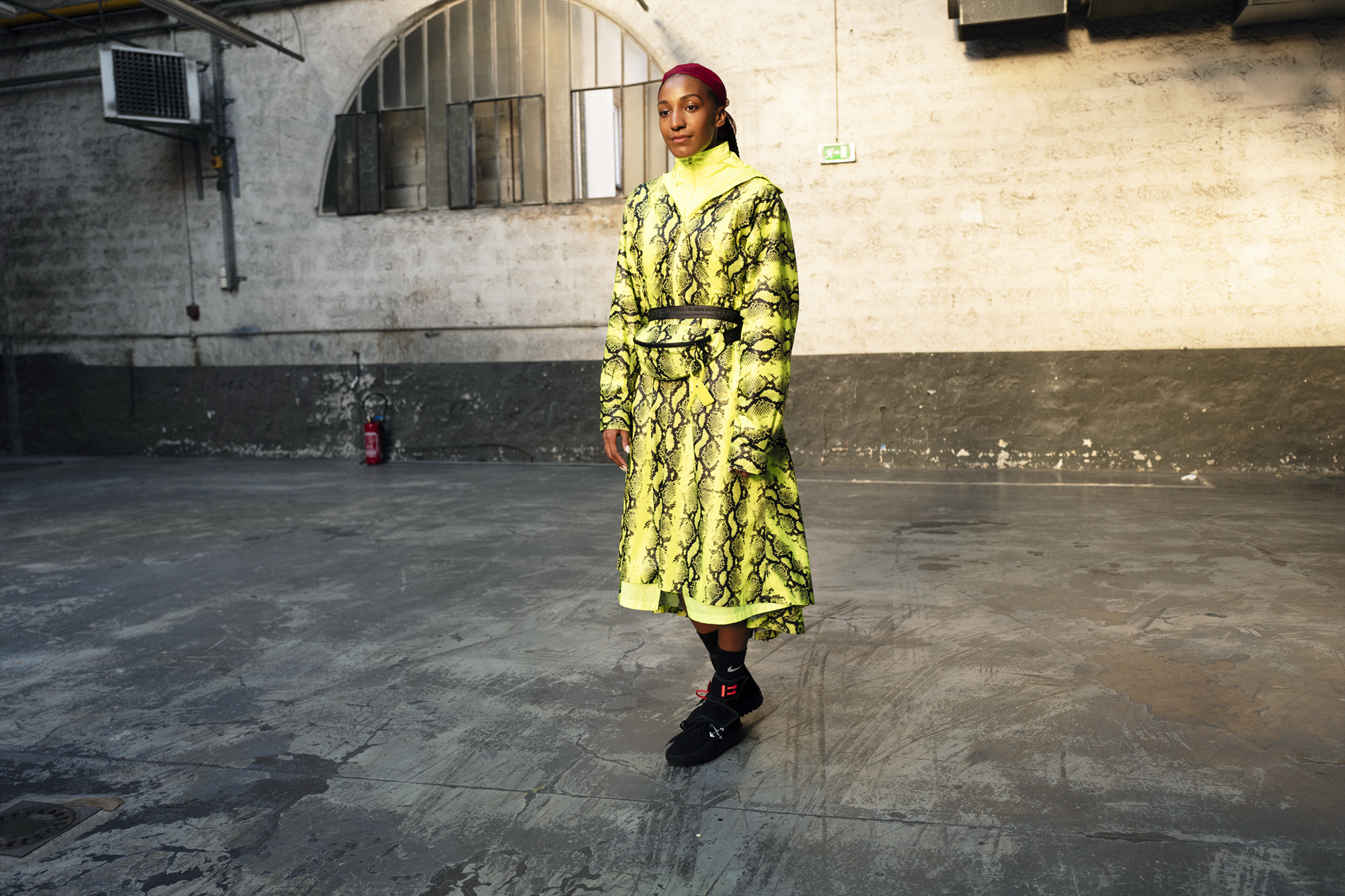
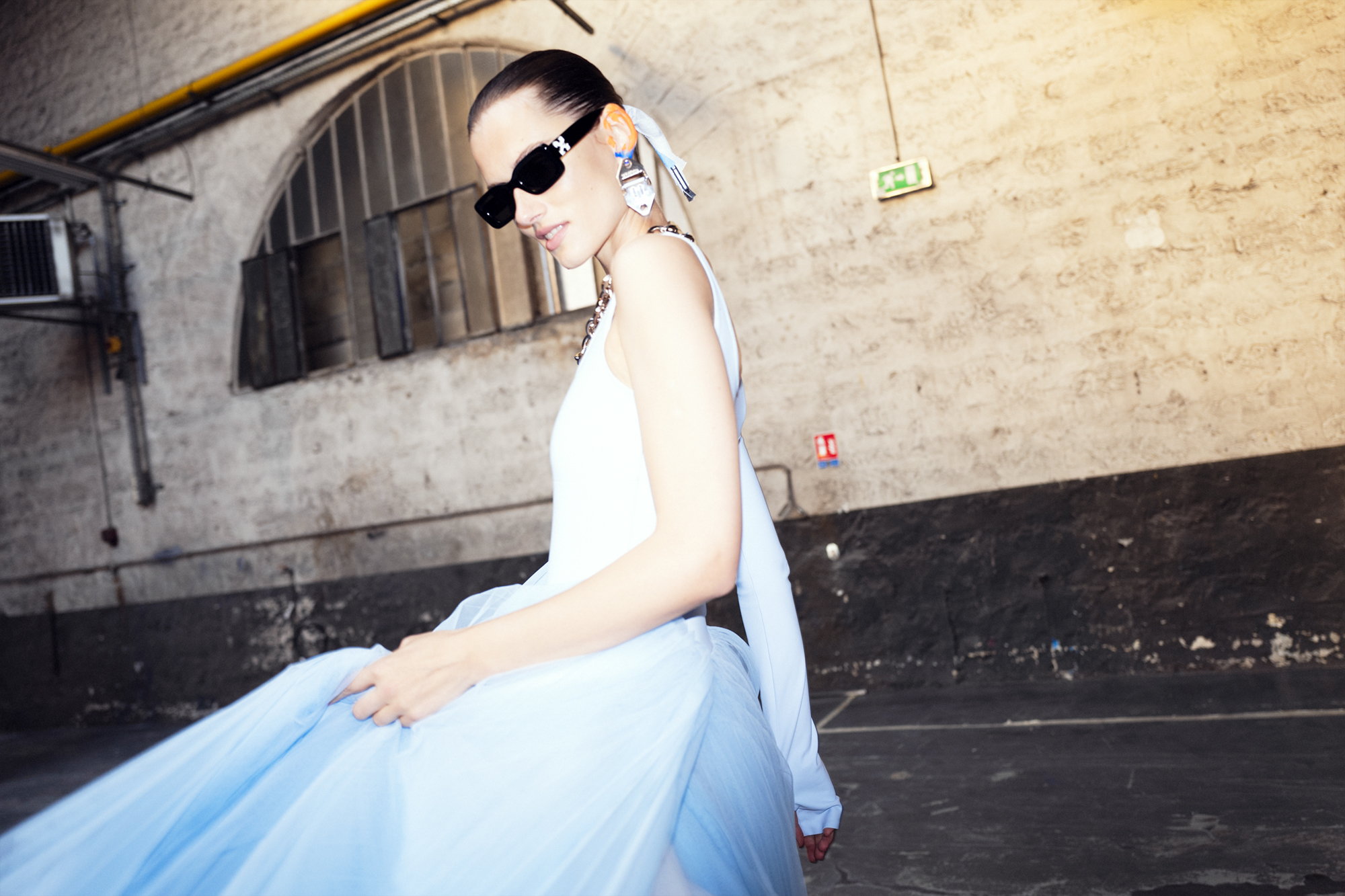
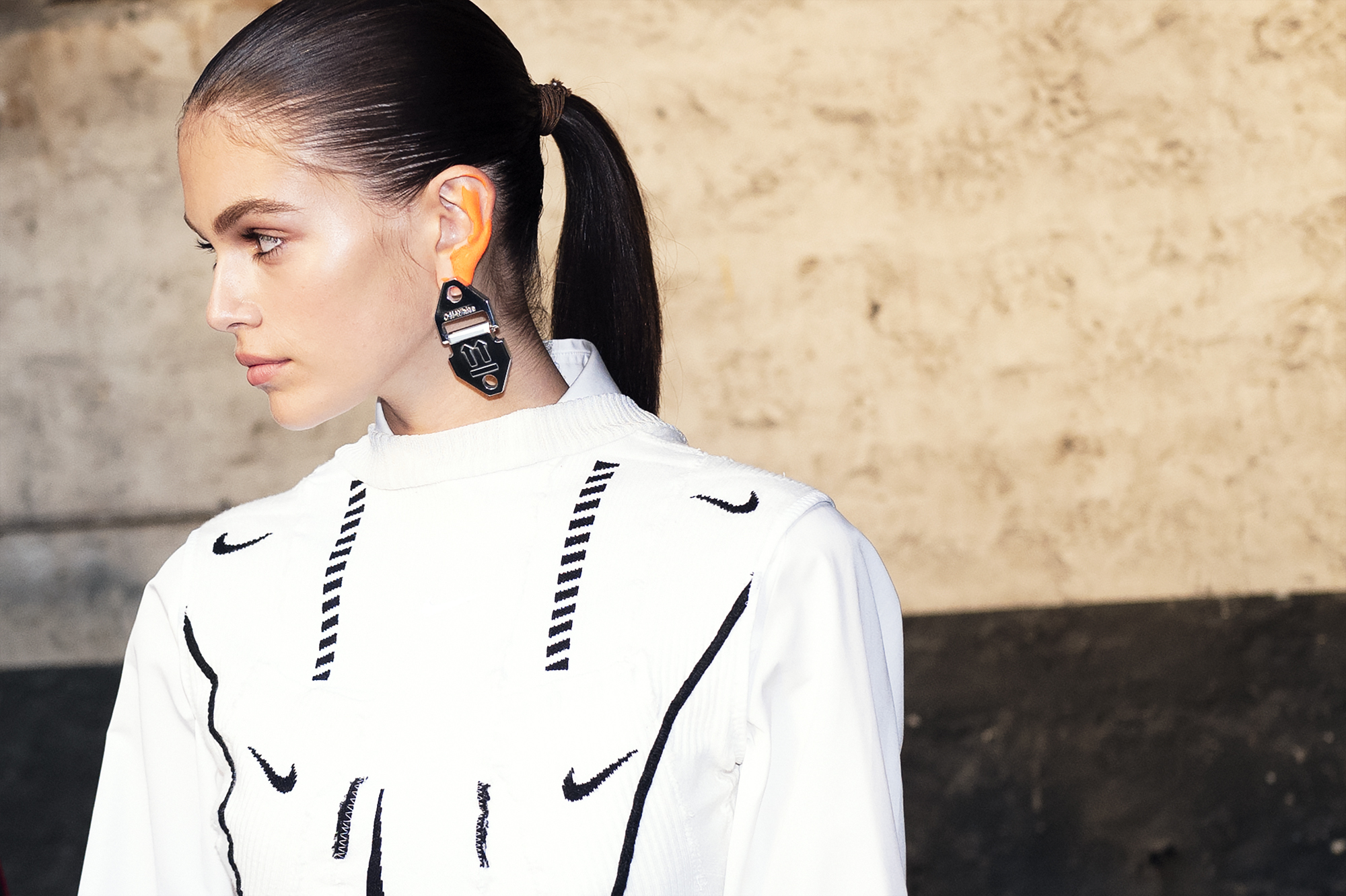
photographs by Flo Kohl

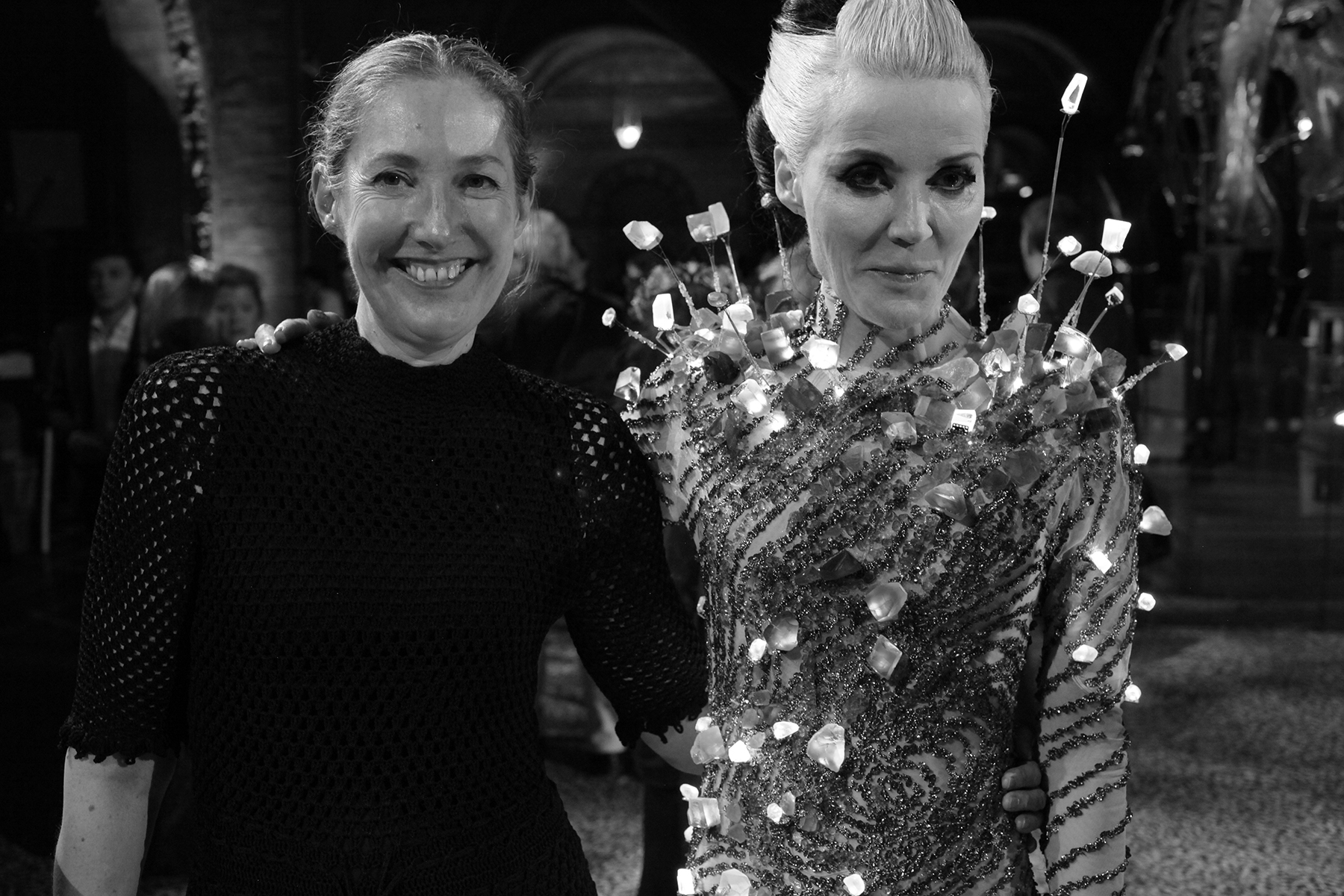
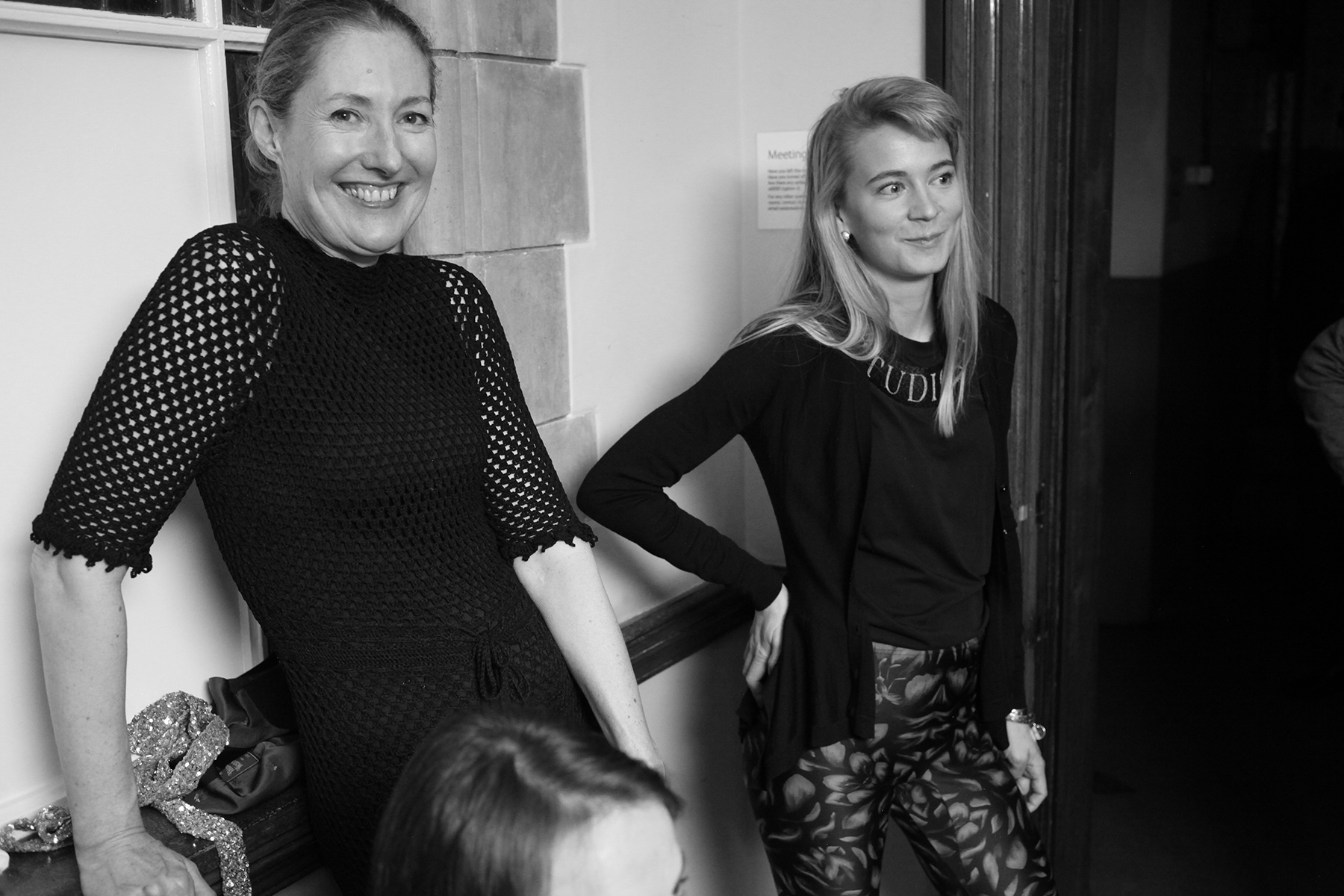
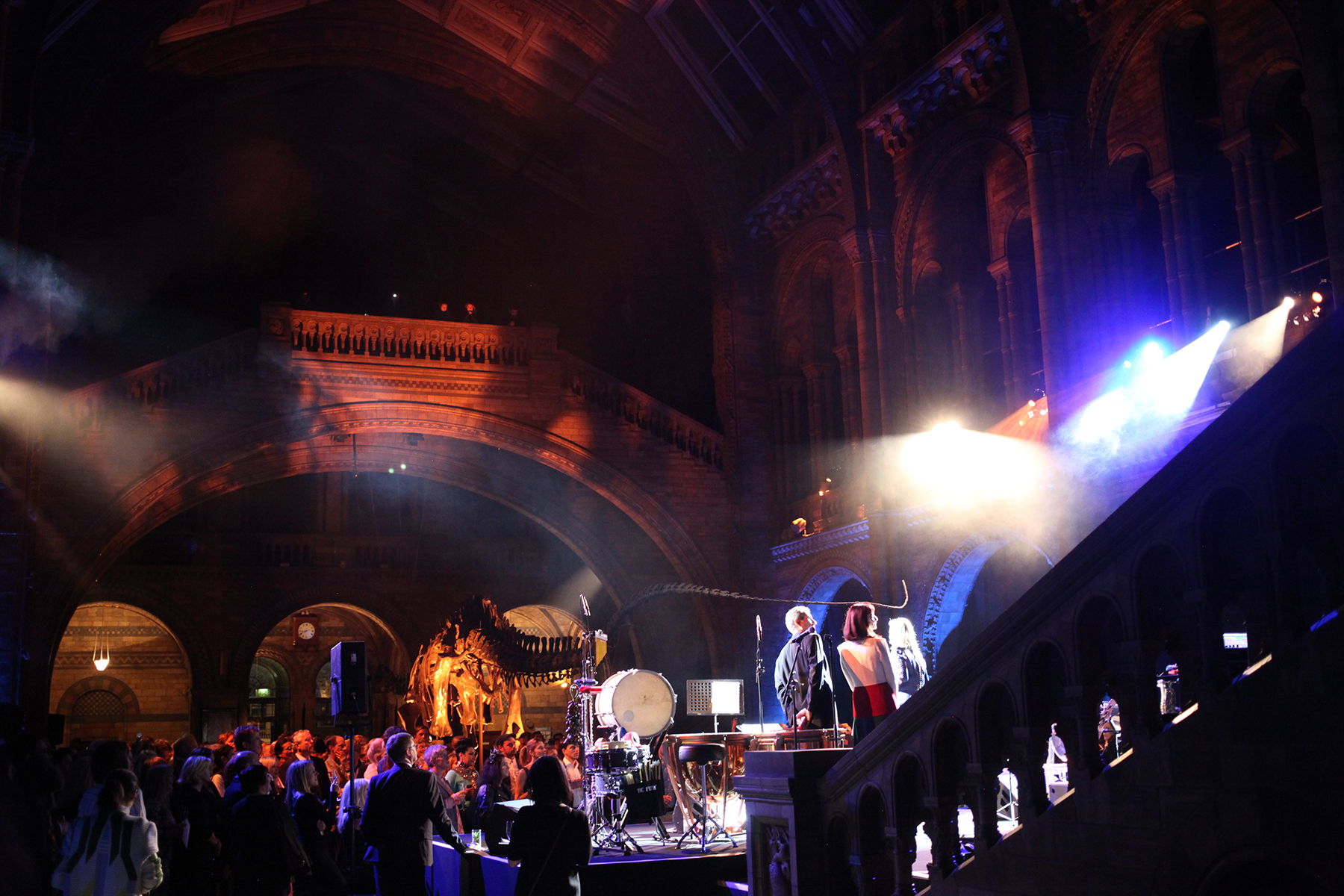
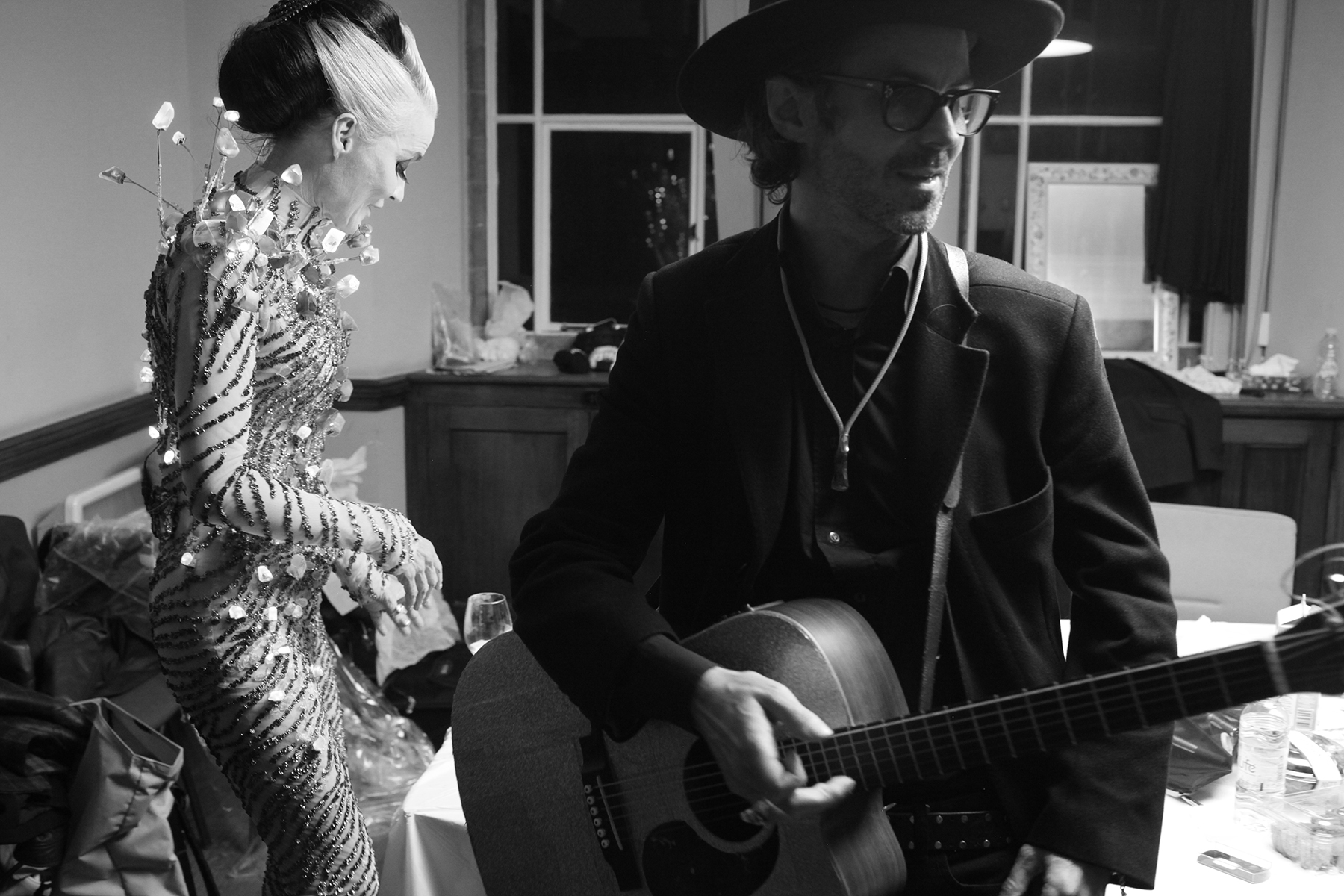
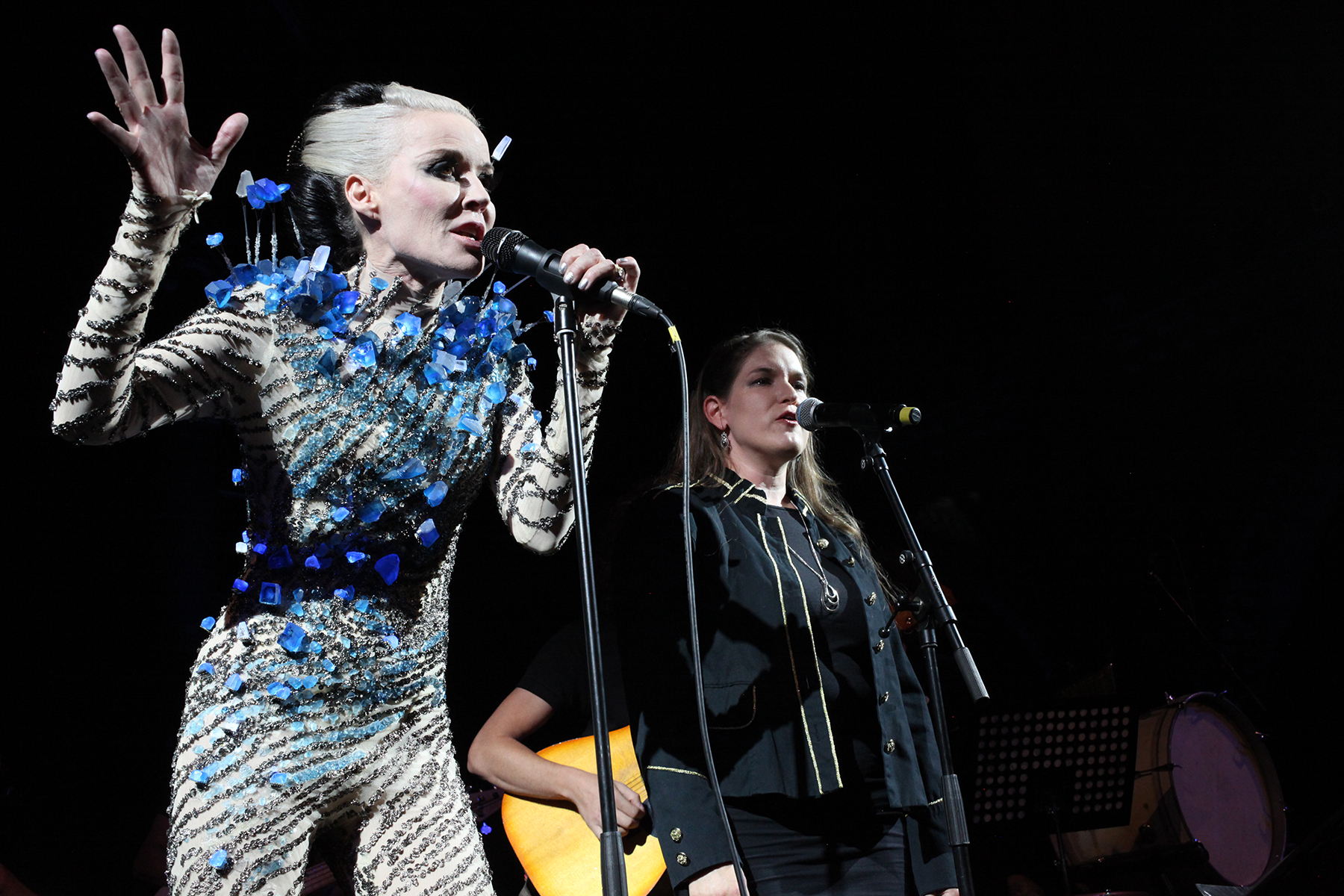
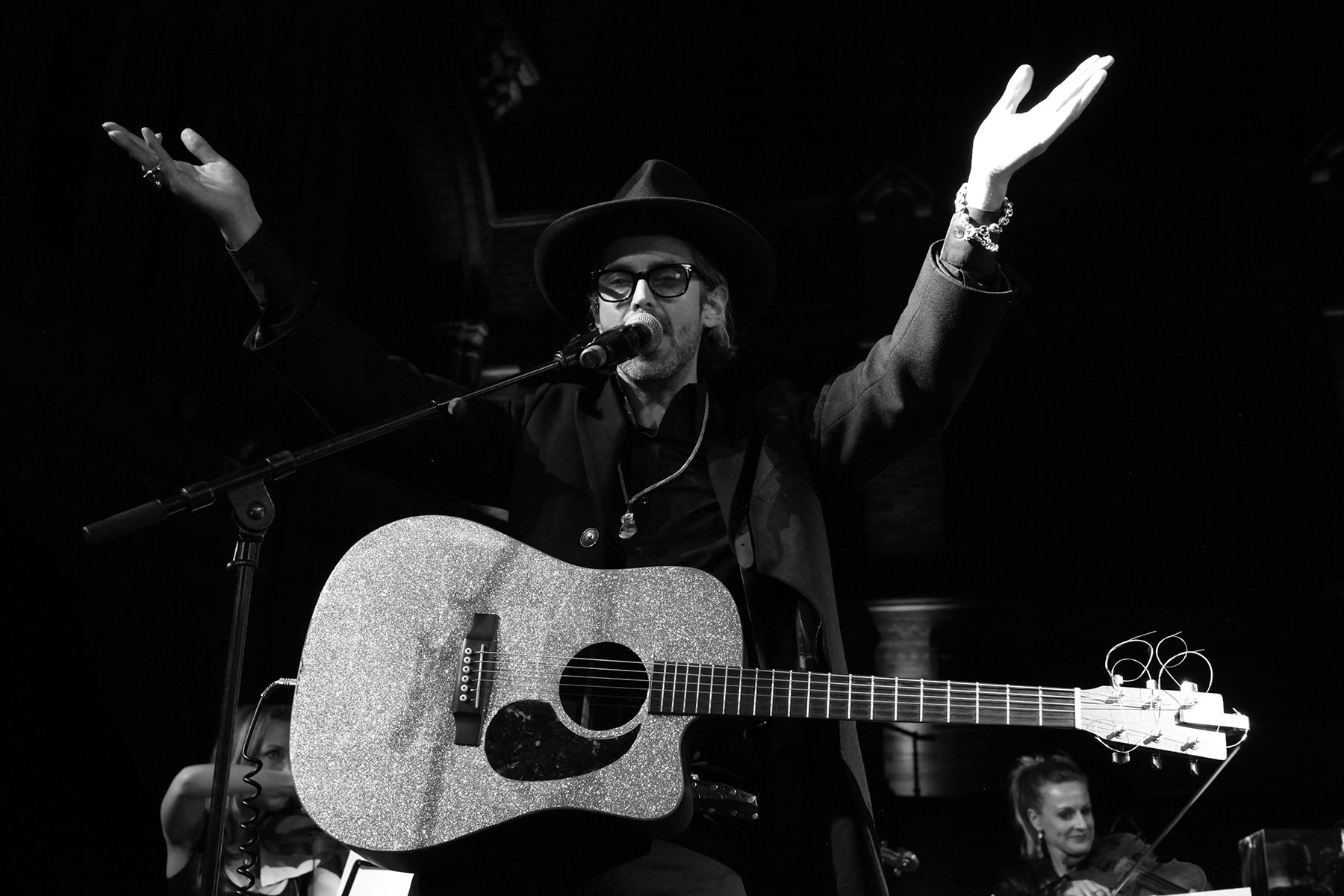
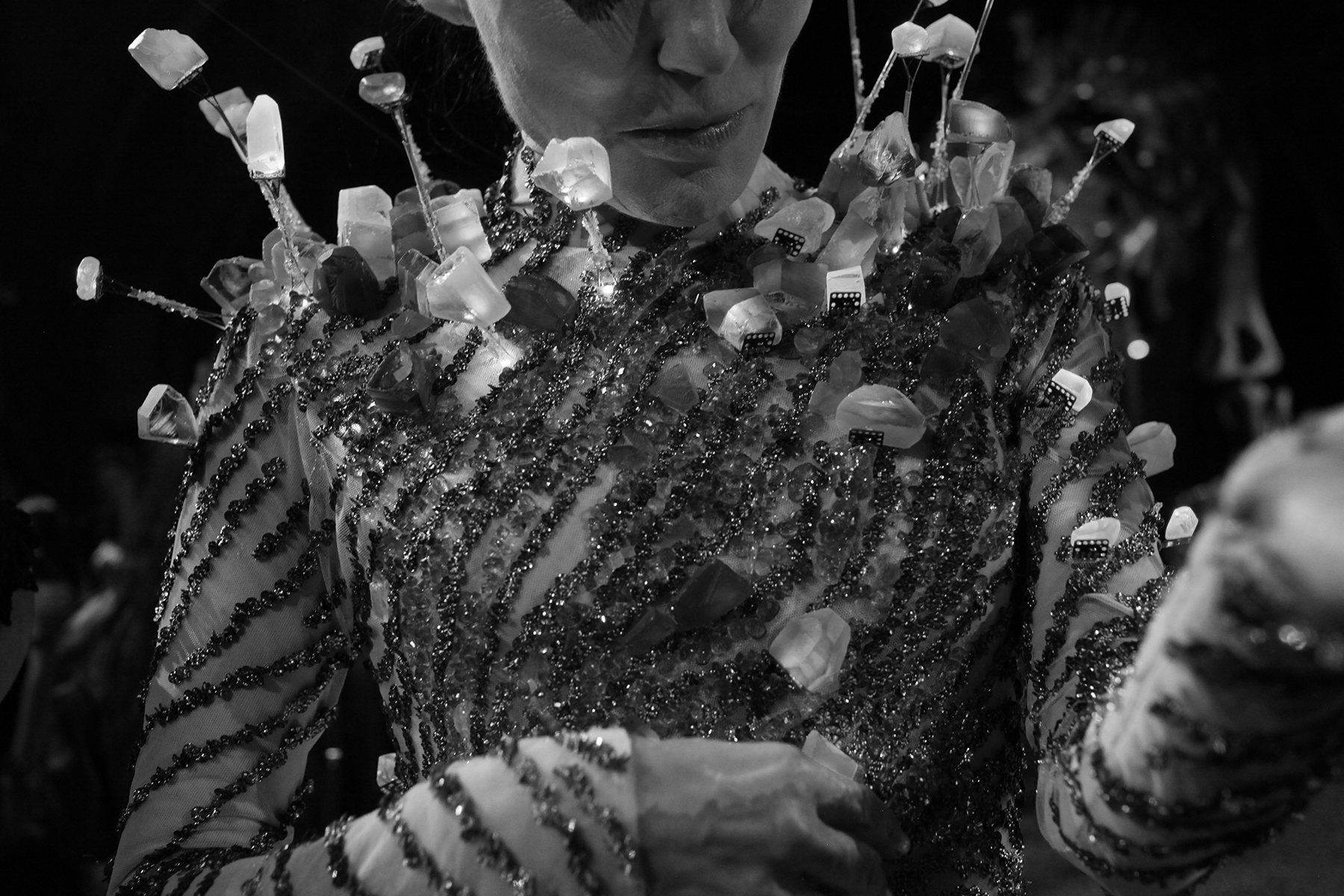
Daphne Guinness Performs "Evening In Space" @ The Natural History Museum In London During Frieze Week

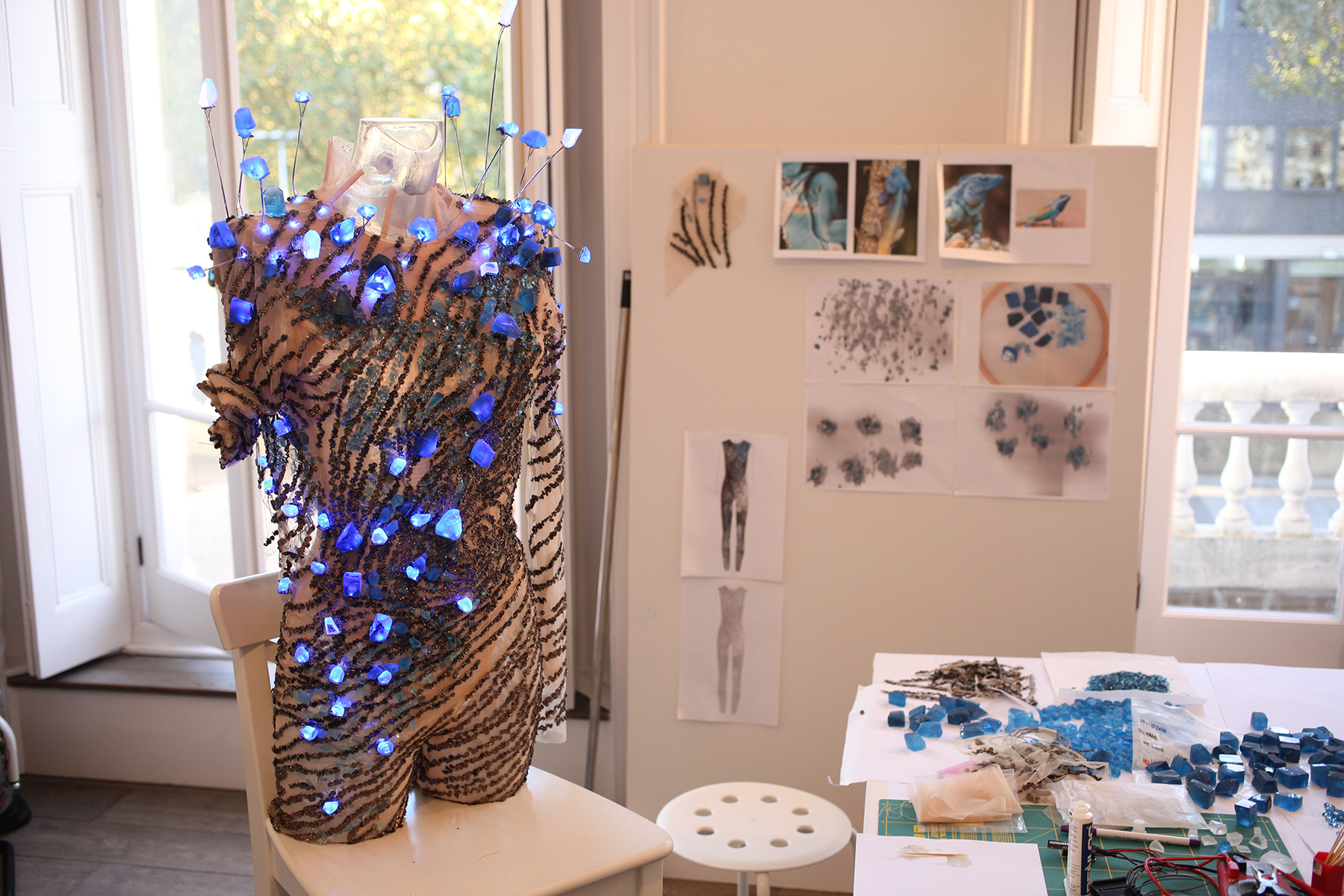
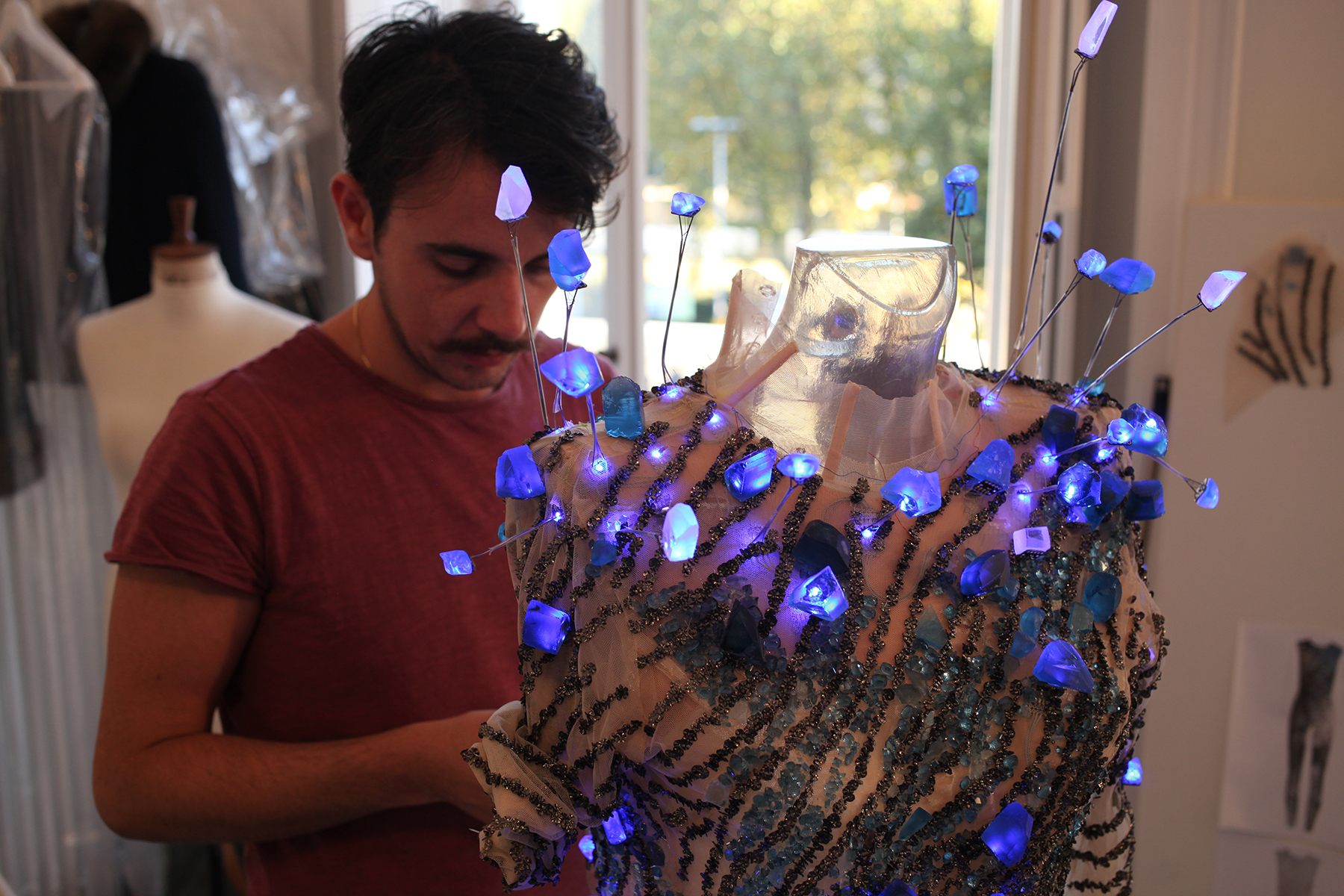
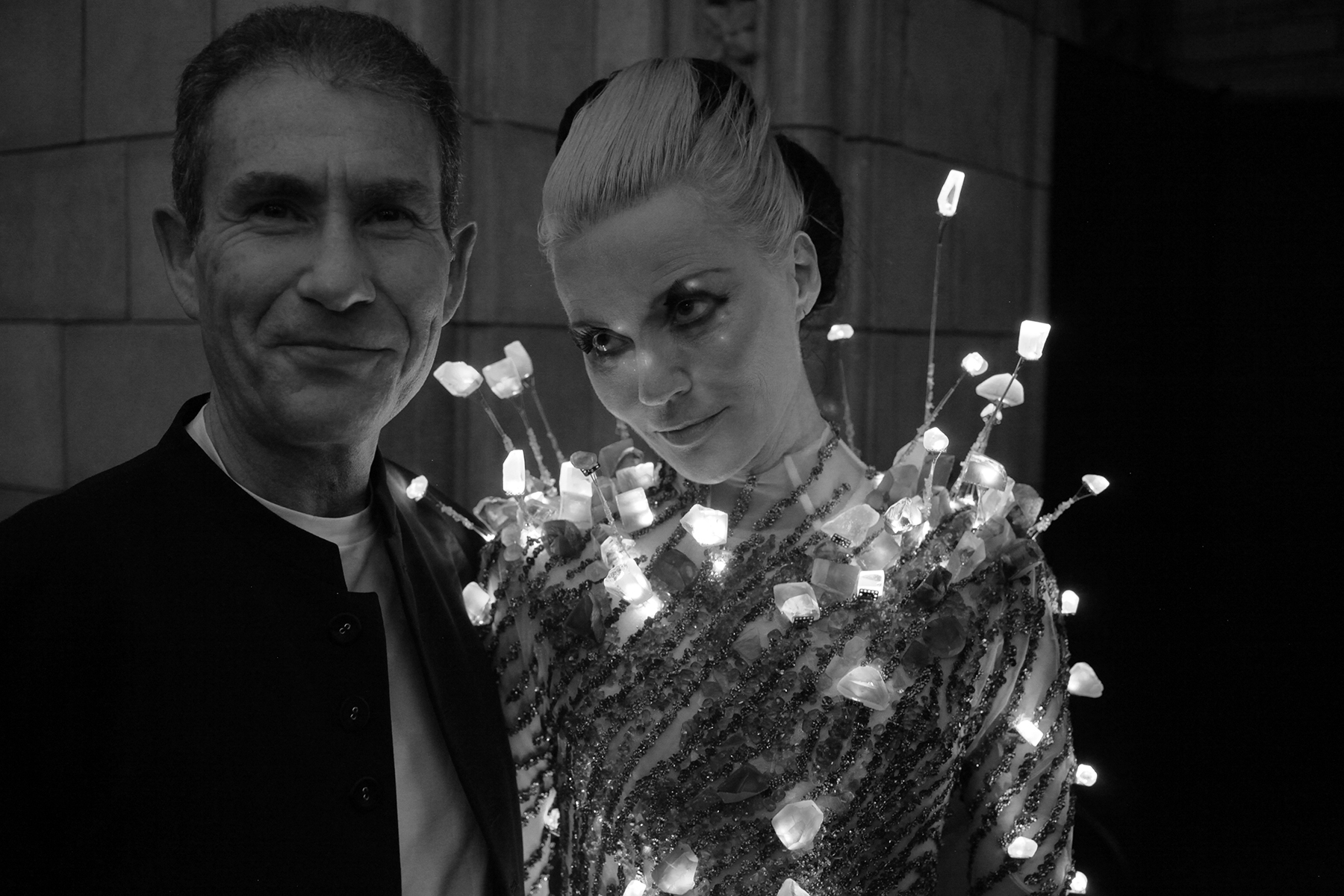
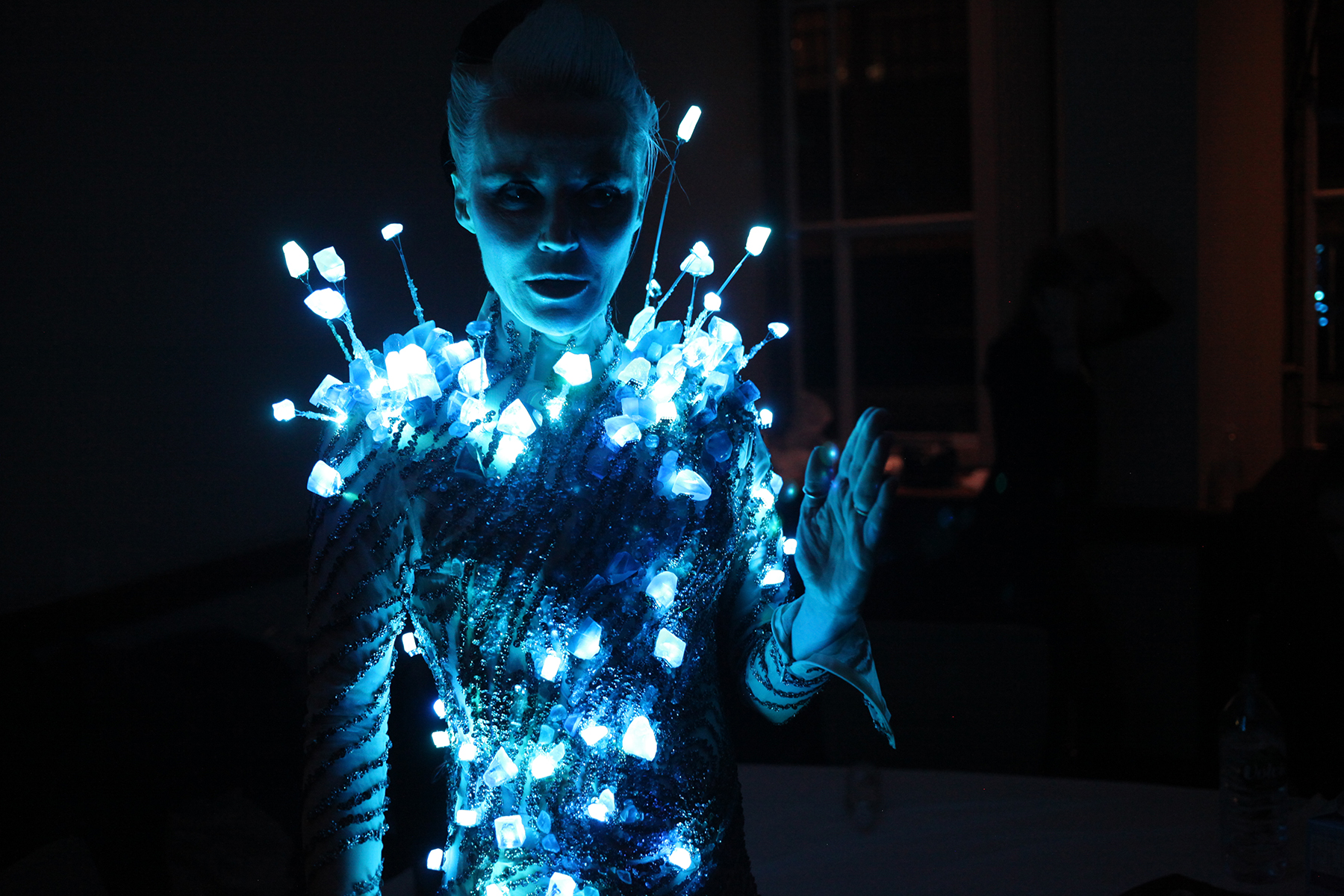
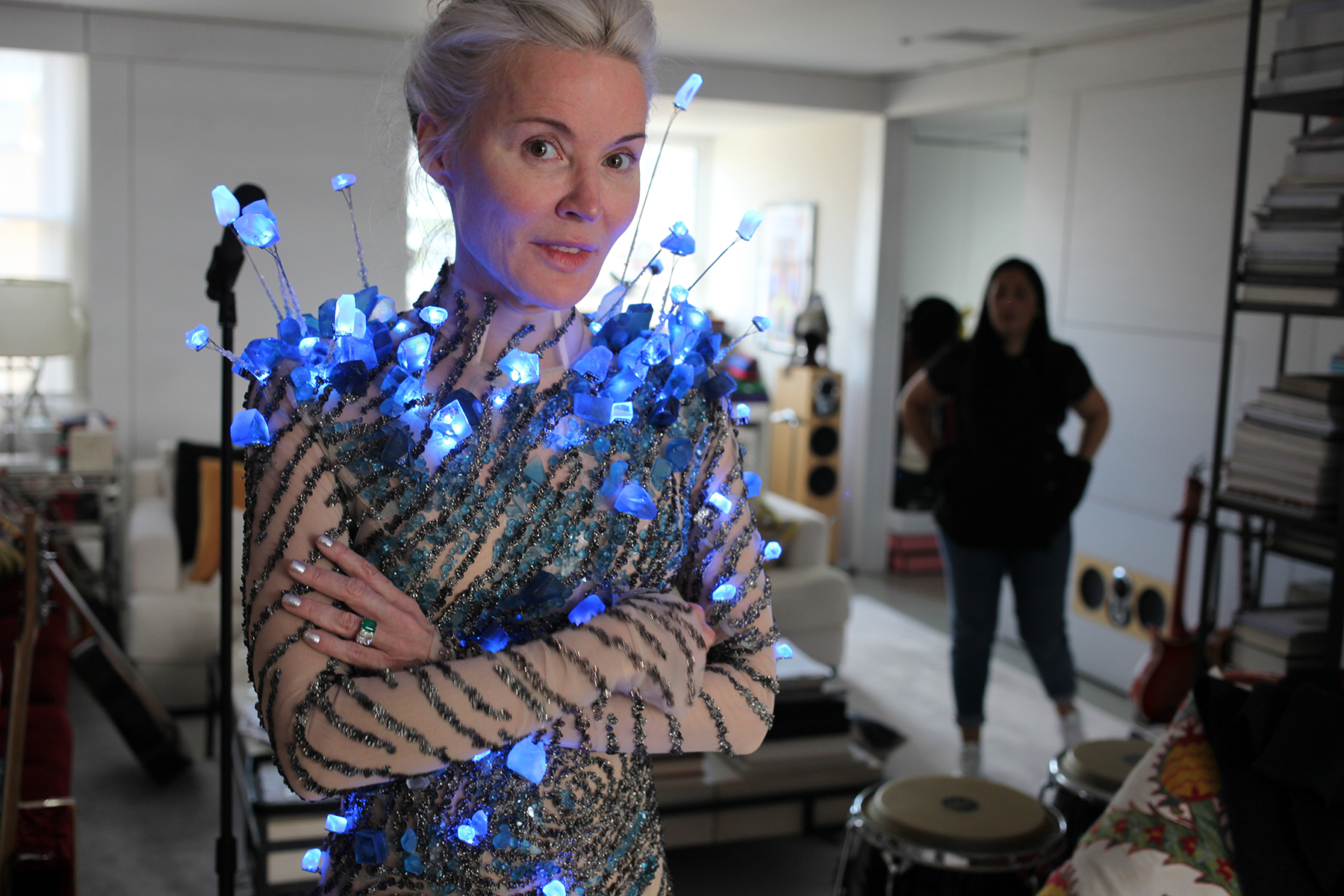
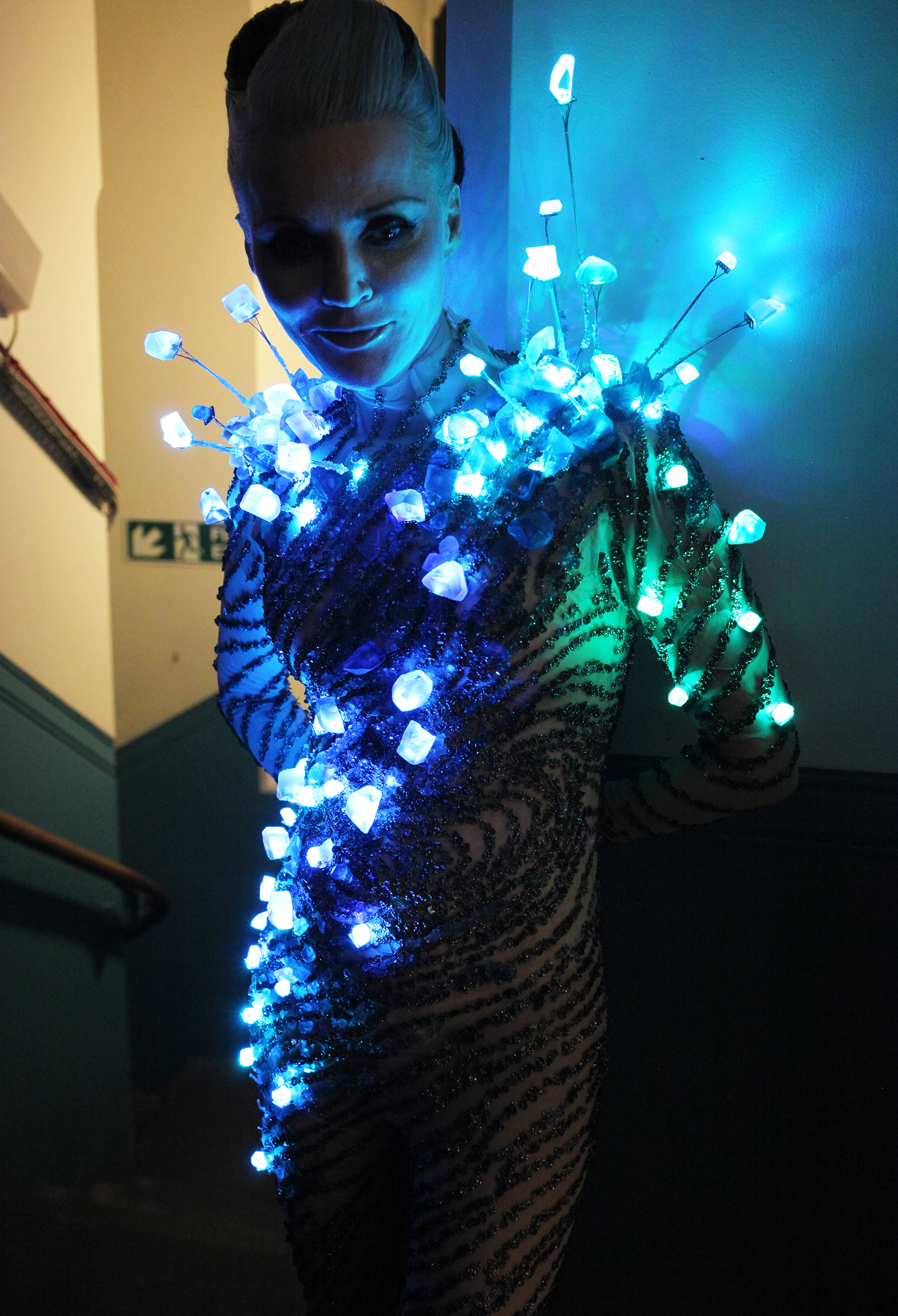
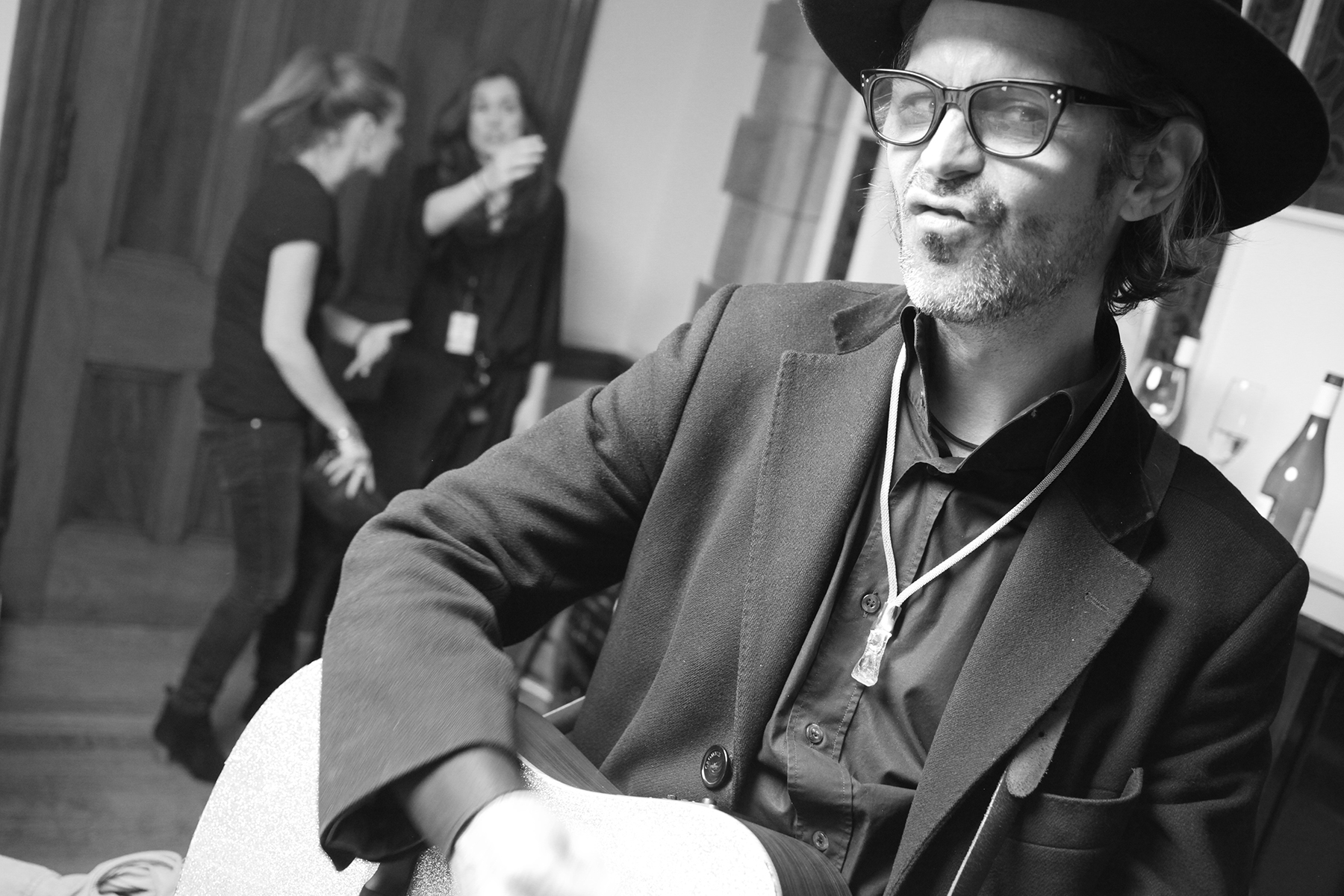
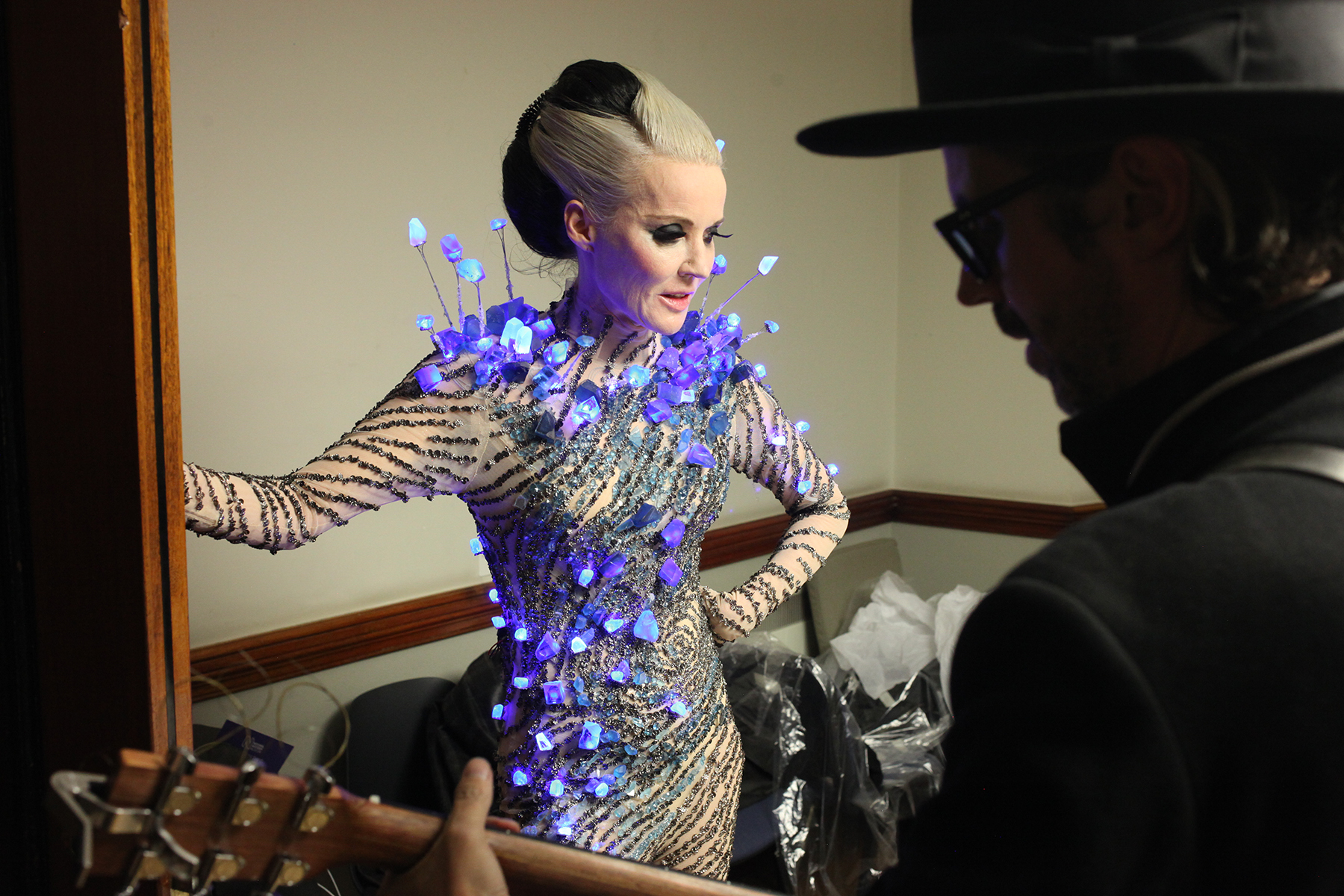
Daphne Guinness performs wearing a catsuit by Deborah Milner with LED lighting by Moritz Waldemeyer and Blue Topaz stones by Ostro Minerals during her performance at the Natural History Museum in London. photographs by Moritz Waldemeyer