A Look Through the Monocle: 100 Years of The New Yorker @ The New York Public Library

A Century of The New Yorker by The New York Public Library, The New York Public Library, 2026. Photo: Isabella Bernabeo.

text and photographs by Isabella Bernabeo

In honor of the iconic magazine’s 100th anniversary, the New York Public Library presents A Century of The New Yorker. Beginning in the light blue wallpaper-covered Rayner Special Collections Wing, visitors are fully immersed in the story of how The New Yorker came to be. High along the walls, the periodical’s most notable covers line the crown molding from end to end. 
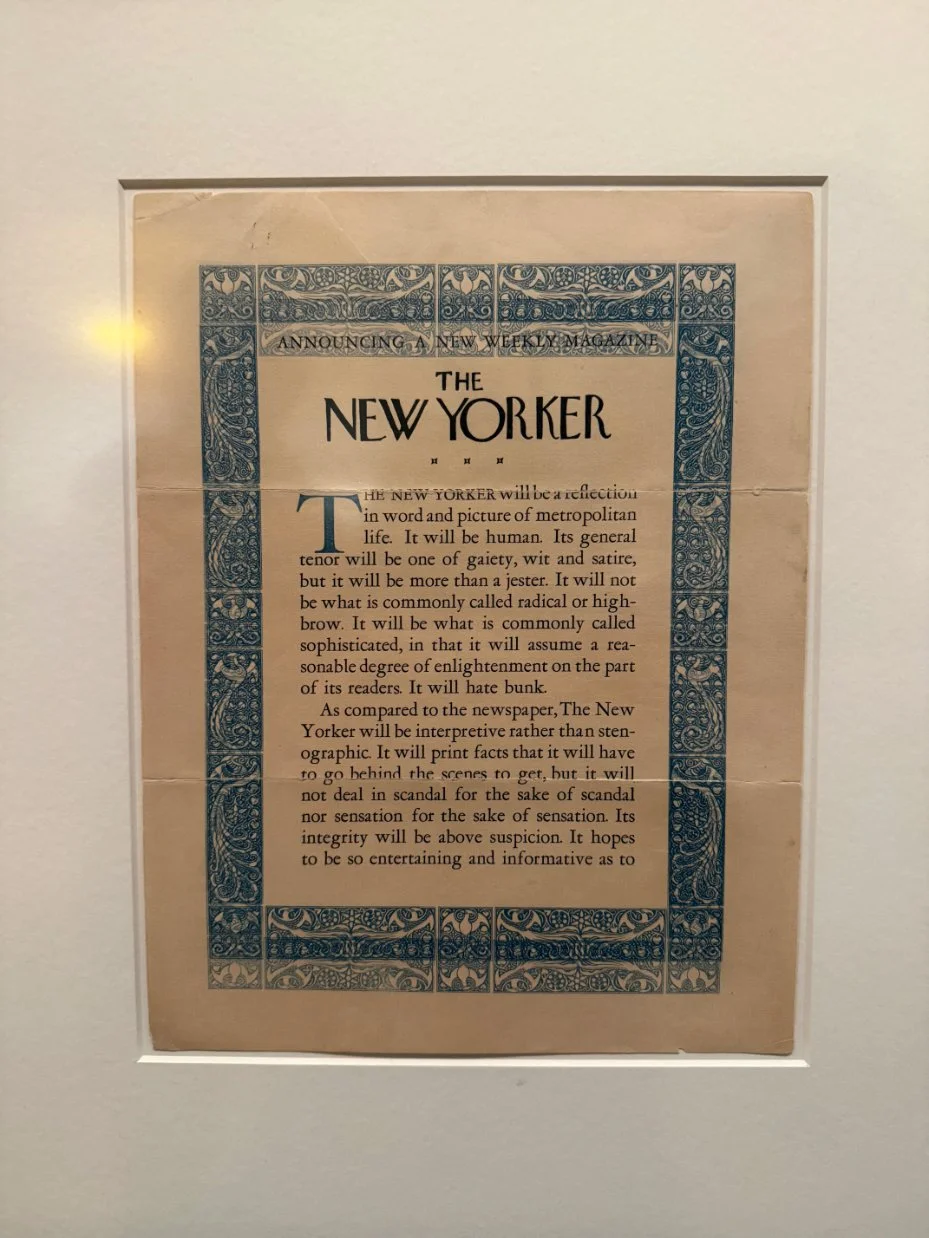
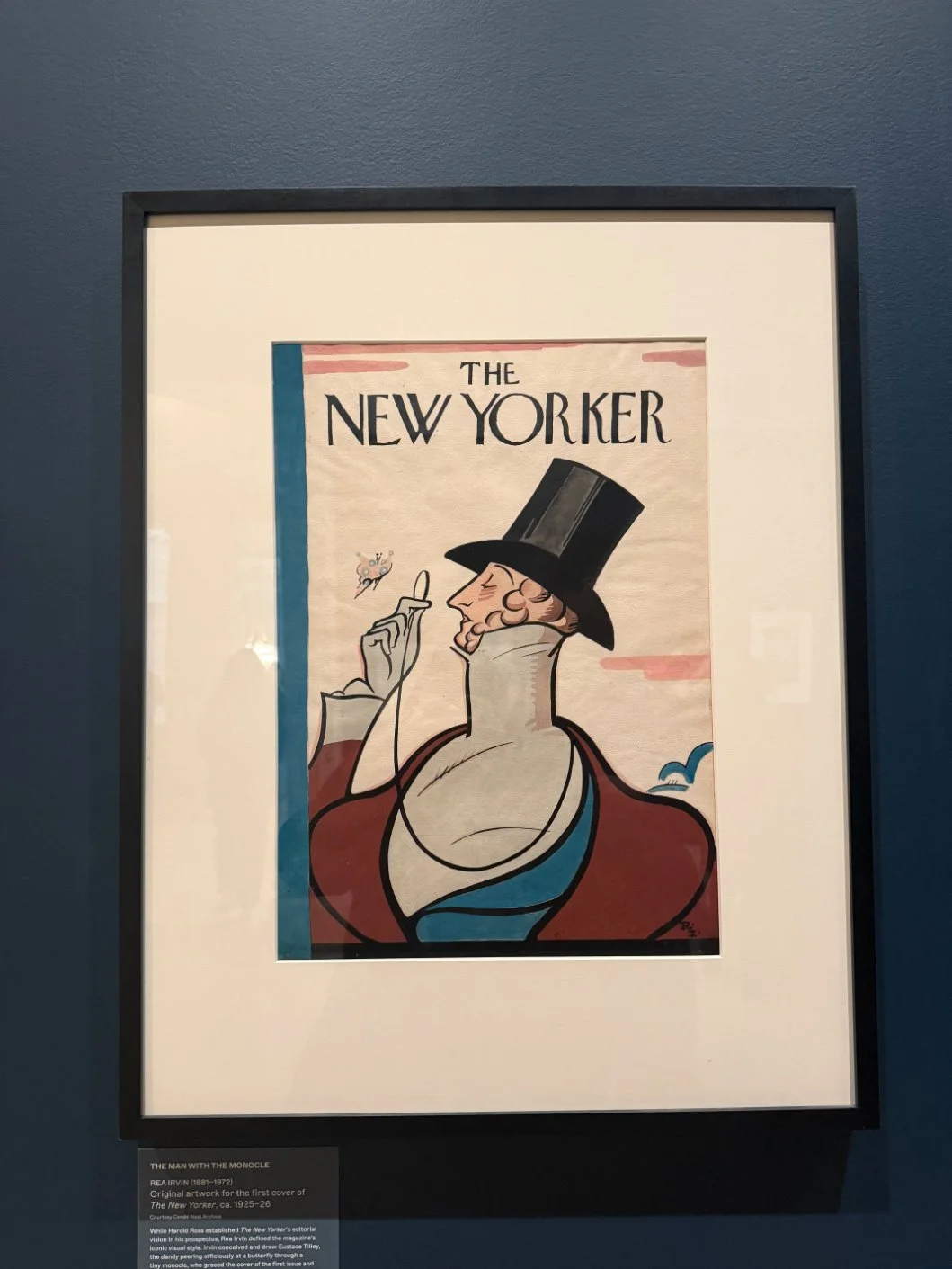
The first section of the exhibit, titled “Beginnings,” opens with the story of husband and wife Harold Ross and Jane Grant launching The New Yorker on February 21, 1925, with the original cover illustration by art editor Rea Irvin—the progenitor of Eustace Tilly aka “The Man with the Monocle.” Through the monocle, Tilly stares at a pink-and-purple butterfly flying about, and with this subtly defiant gesture, a semiotic celebrity was born, thus codifying the magazine’s righteous charge in the pursuit of erudite musings. Here we also see The New Yorker prospectus, written in 1924, where Ross famously declared, “The New Yorker will be the magazine which is not edited for the old lady in Dubuque.” While one might argue this is a hilariously serious sentiment, Ross made his intent to edit a weekly for the unapologetically intellectual.

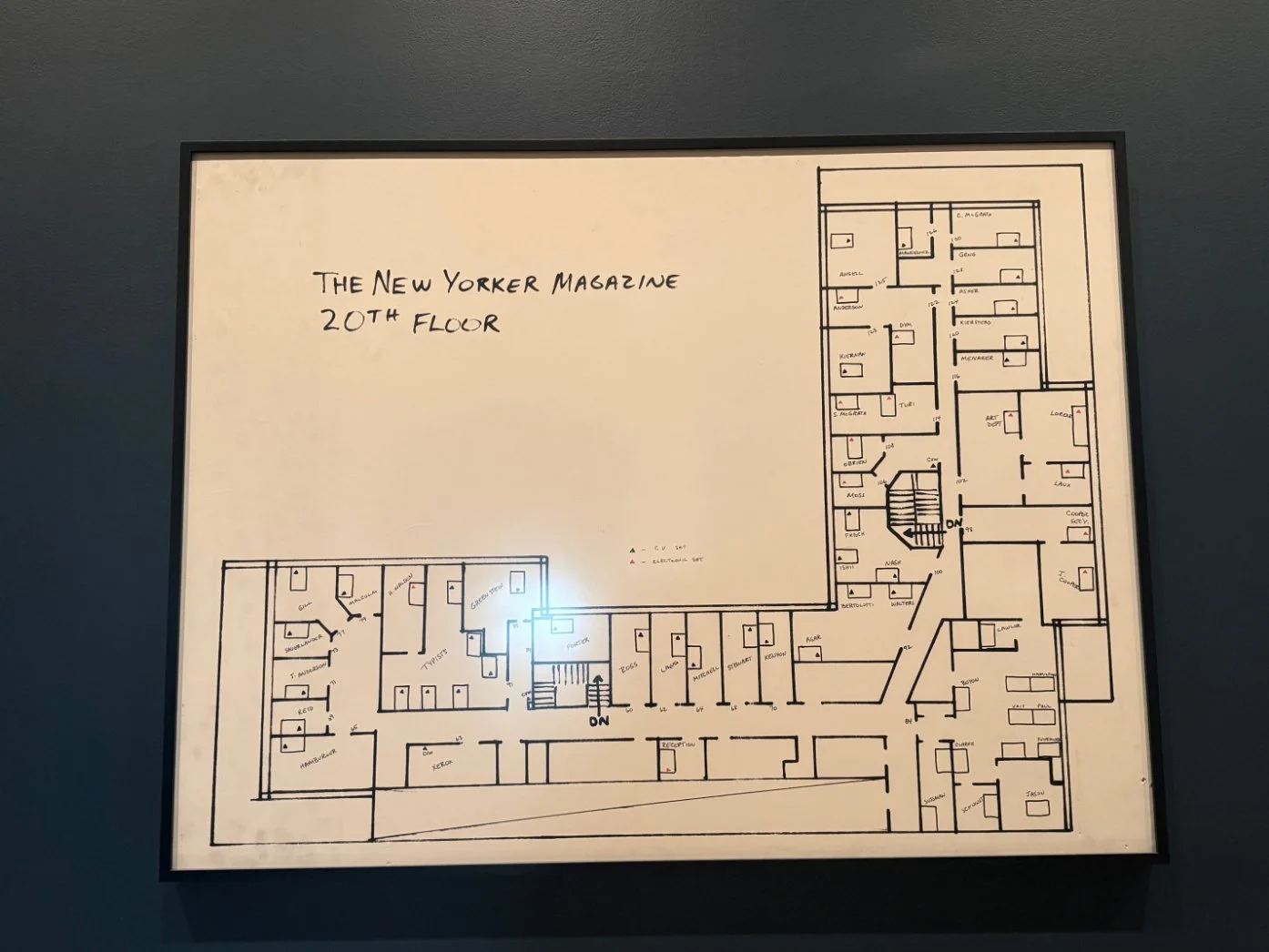
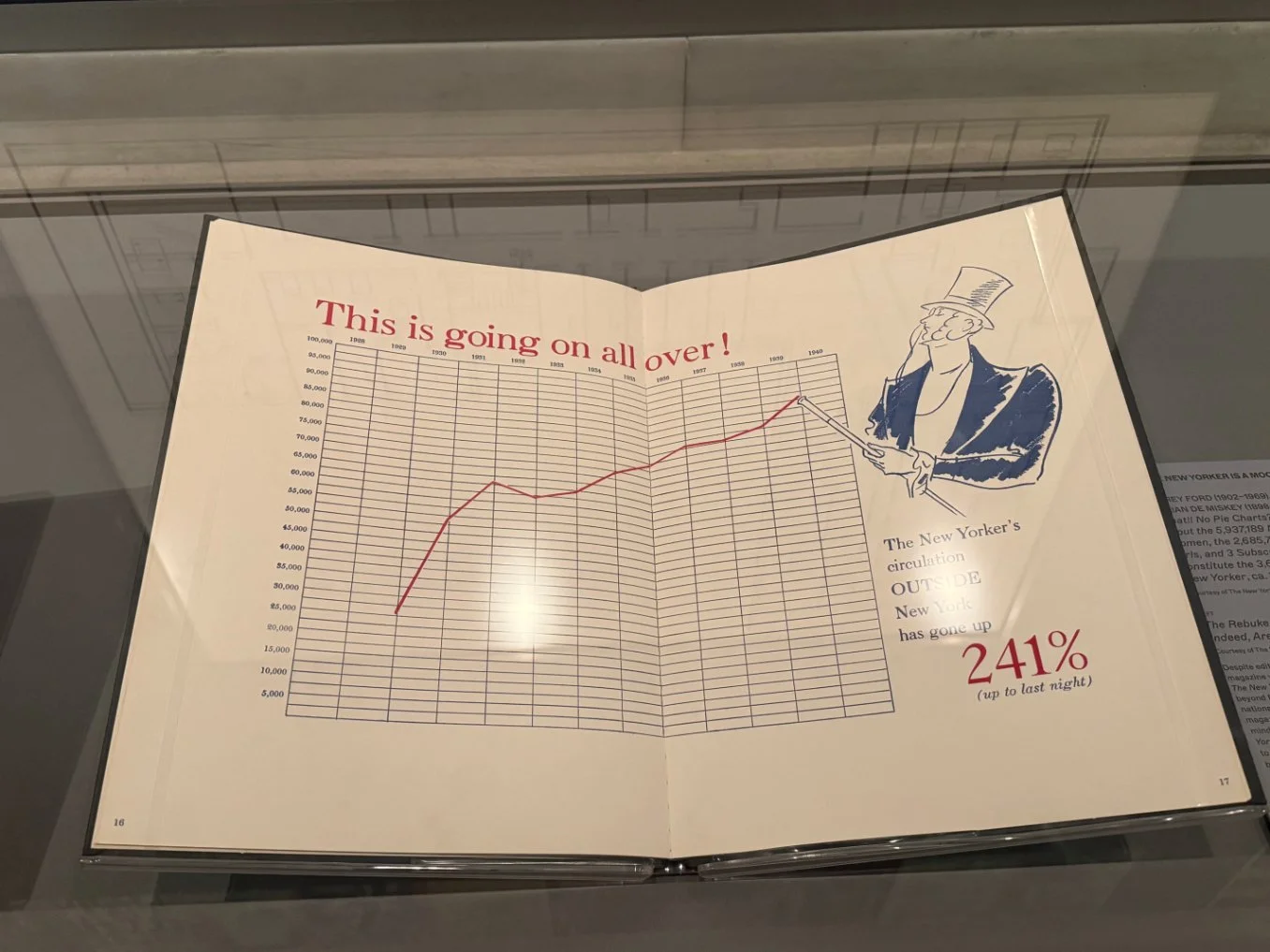
The second section, titled “Anatomy of a Magazine,” features a drawing of The New Yorker’s 20th floor, with names of editors, artists, and more in their respective offices; a remarkably humble team as compared to the current media juggernaut. There are even charts displaying the gradual rise in readership outside of New York from 1930 to 1939, which states, “The New Yorker’s circulation outside New York has gone up 241% (up to last night).”
One of my favorite pieces within this section is from 1927, when the magazine published a profile of the notorious feminist poet Edna St. Vincent Millay that was riddled with errors. Millay’s mother wrote a letter to The New Yorker complaining about the falsehoods, which Ross later published under the title “We Stand Corrected.” Later, in 1970, fact-checker Anne Mortimer-Maddox made a hand-sewn banner featuring Eustace Tilly on the phone with the Latin phrase “Non omnis error stultitia est dicendus,” which translates to “Not every error is folly.” This banner has hung in the fact-checking department ever since, along with a sign that reads “Better perfect than done,” emphasizing their commitment to responsible journalism and correcting their errors.

A Century of The New Yorker by The New York Public Library, The New York Public Library, 2026. Photo: Isabella Bernabeo.

The third section, “The New Yorker Makes Its Mark,” shares the prolific rise of the magazine during the 1930s and 1940s when they acquired numerous well-known writers and artists as contributors, in addition to its vanguard coverage throughout the Second World War.

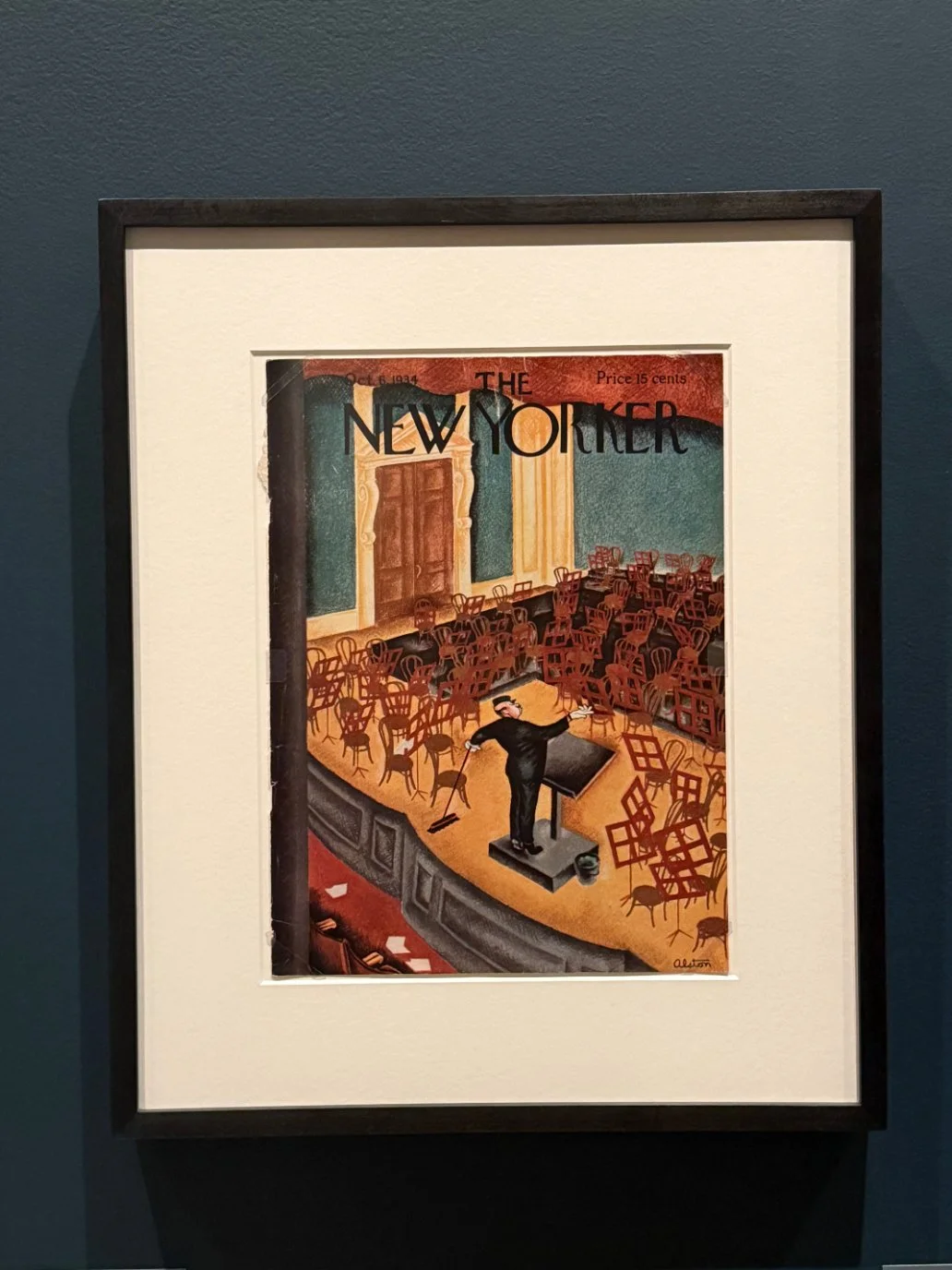
On October 6, 1934, Charles Henry Alston, one of the magazine’s first Black artists to illustrate the cover, drew a janitor conducting an empty orchestra, wielding a mop as his baton. Chairs are thrown everywhere, yet no one else is seen, emphasizing the ubiquity of human ambition, the realization and sharing of which is often only afforded to the privileged few. Alston’s work centered on the Black artists working behind the scenes, who seldom received the credit or fruits of their labor. The New Yorker at this time was mainly made up of a white staff who wrote and drew for white readers; however, this inclusion represented a small stride forward in their stutter-stepping evolution.
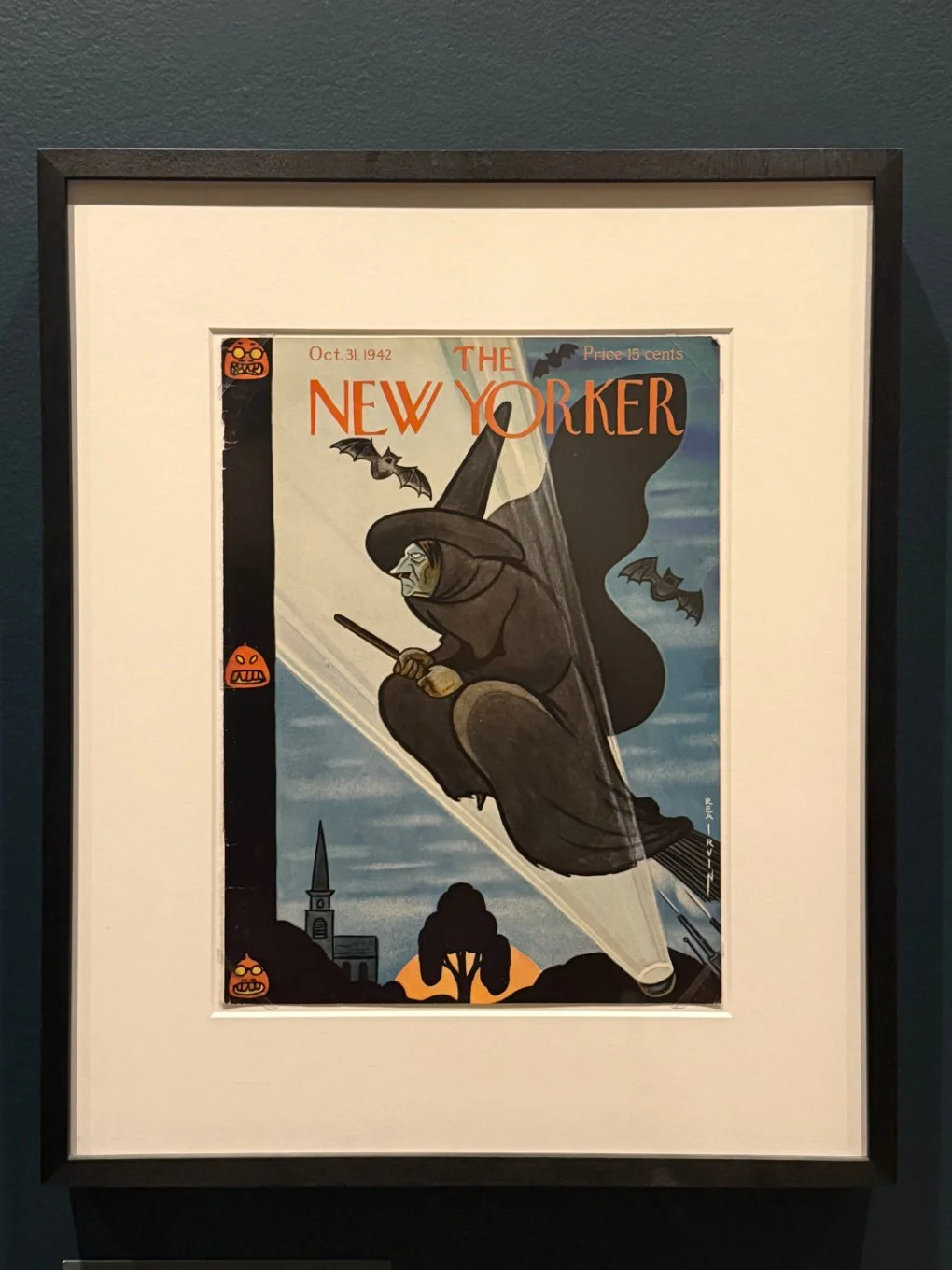
Another notable cover was from The New Yorker’s Halloween edition in 1942. Rea Irvin drew Adolf Hitler as a green-skinned, wicked witch flying in the sky on a broomstick. Ross had typically avoided publishing public figures on the magazine’s cover, however, that was not what made it problematic. The backlash was in response to the three jack-o-lanterns depicted with stereotypically Asian features, othering them as the enemy for siding with the Axis powers. This was also an era rife with racist images of the Japanese that aimed to justify their imprisonment in US internment camps. 

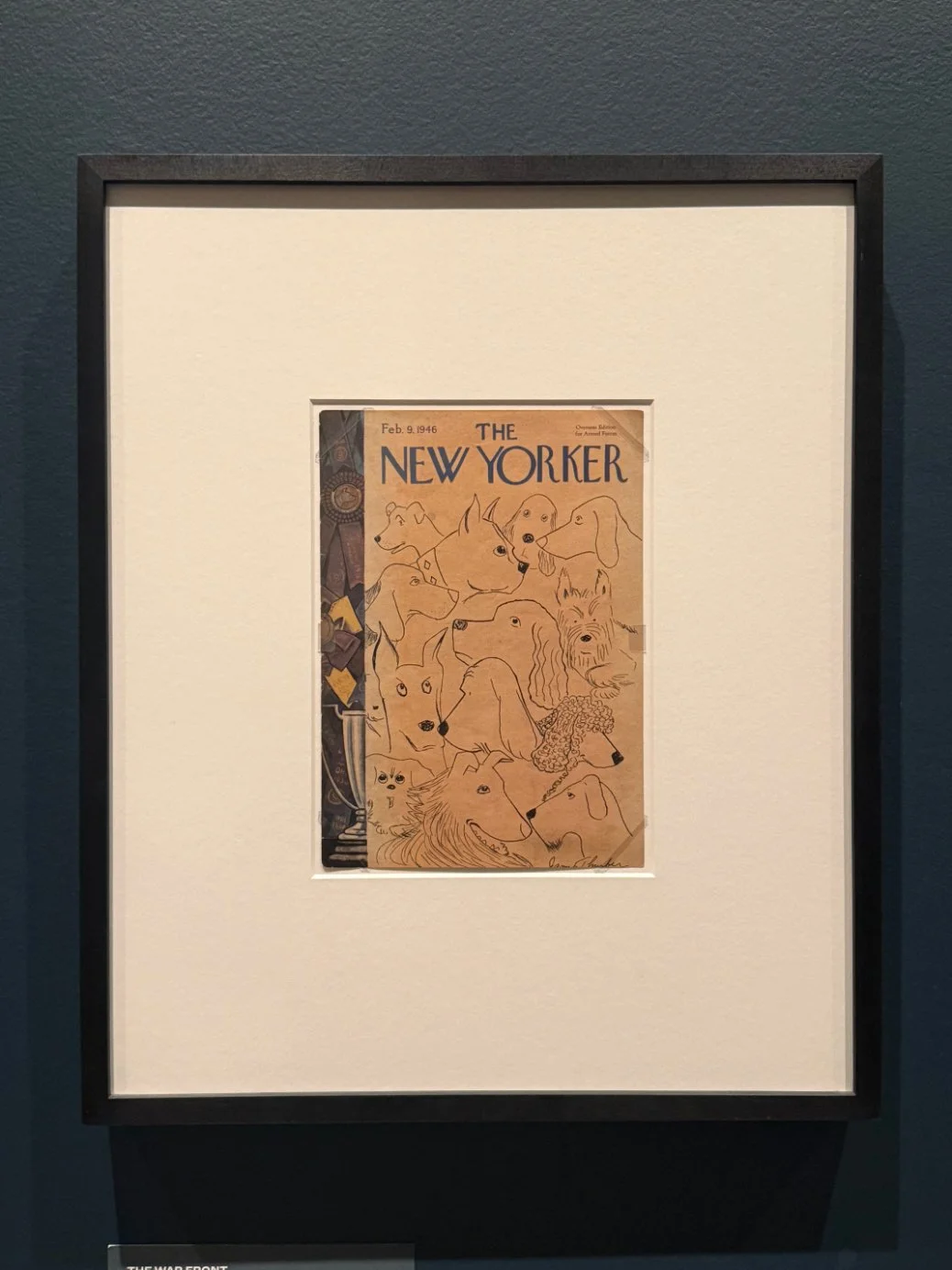
In 1943, The New Yorker began publishing miniature editions of its magazines and sending them overseas for US troops to read. By the end of the war, these miniature editions had circulated more than their standard magazine, leading to their next generation of readership largely belonging to the US military folks.
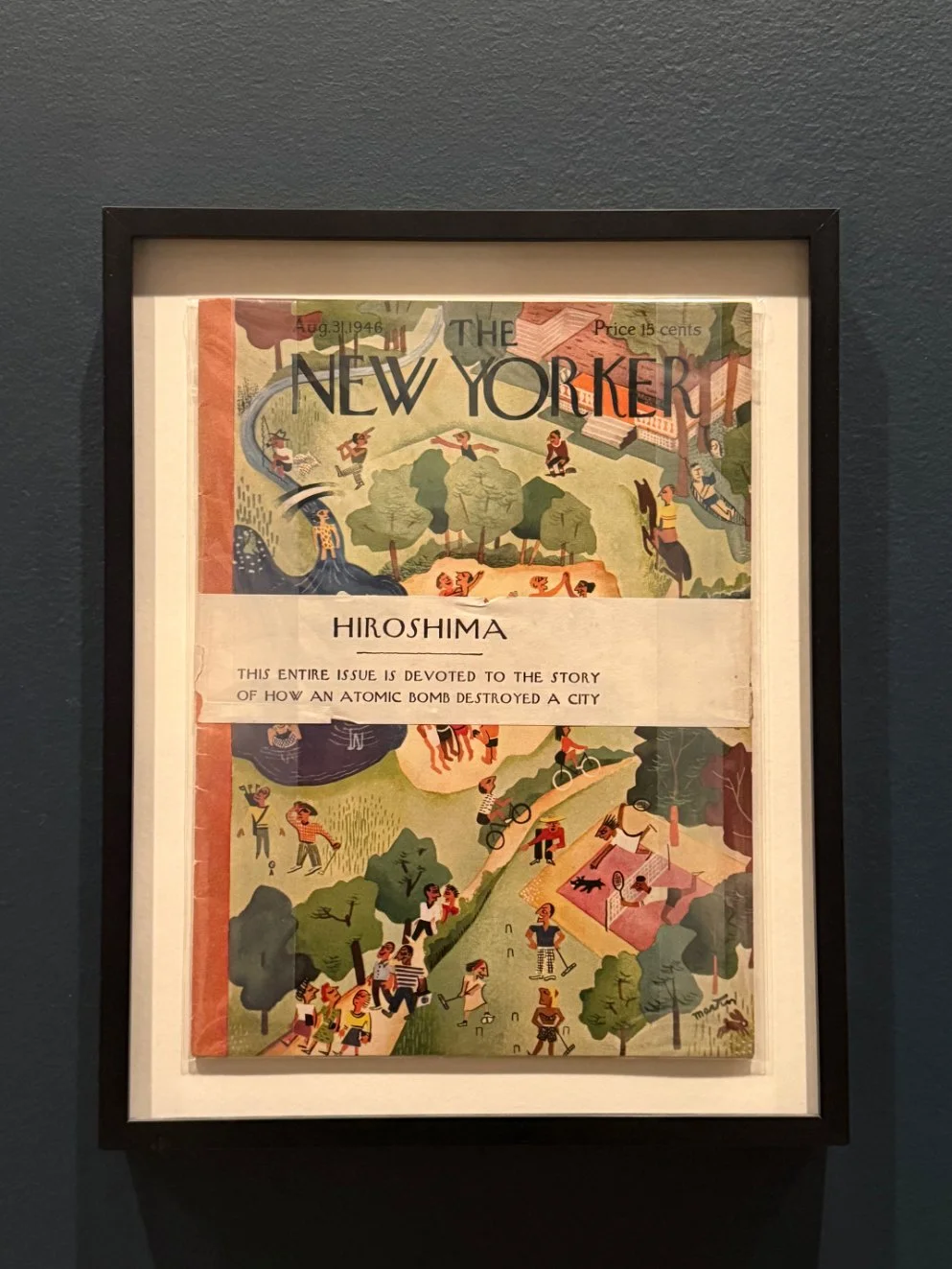
Perhaps the most consequential issue of all time was released on August 31st, 1946, which comprised a single 30,000-word story by war journalist John Hersey detailing the gruesome impact of the atomic bomb on six survivors in Hiroshima. The issue, which sold out within hours, was published with an obi band that stated, “This entire issue is devoted to the story of how an atomic bomb destroyed a city,” however most readers discarded this band, and today, there are almost no known issues that are fully intact.

Continuing across the hall to “The Story of the Century,” the fourth section focuses on Ross’s death in 1951 and on his successor, William Shawn’s, development of a new wave of nonfiction storytelling. One of the most famous issues from this time period was the June 23, 1962, edition, where Rachel Carson’s Silent Spring was first serialized before it was later published as a full book. The cover depicted a whale in the ocean with a seagull on its head as an abstraction of ice melting in the background. Carson’s Silent Spring brought to light the dangers that humans have caused to the environment, specifically through the pesticide DDT, leading to the birth of the environmental movement and the establishment of Earth Day in 1970.

A Century of The New Yorker by The New York Public Library, The New York Public Library, 2026. Photo: Isabella Bernabeo.

The fifth section, titled “A New Era,” details how the global media corporation Advance Publications, Inc. bought The New Yorker in 1985 due to ongoing financial struggles. Chairman S.I. Newhouse promised that the magazine would maintain its editorial independence, but believed it was in desperate need of new leadership to effect a fresh and modernized change, leading to his replacement of William Shawn with esteemed book editor Robert Gottlieb in 1987.

However, this change in leadership was met with strong defiance and backlash from the magazine’s staff, who believed Shawn had been a worthy editor and should carry on. These feelings ran so deep that the magazine staff wrote a letter to Gottlieb urging him to withdraw his acceptance of the position. They signed off the letter with their names, line after line, largely lengthening it and underscoring that he was an unwelcome leader. However, this letter did not change his decision. Gottlieb’s leadership at The New Yorker was brief but effective, as he introduced transparency between departments that had been lacking; however, he failed to keep the staff happy and the magazine evolving.

A Century of The New Yorker by The New York Public Library, The New York Public Library, 2026. Photo: Isabella Bernabeo.

When Gottlieb left in 1992, he made way for Tina Brown, former editor of Vanity Fair, to modernize The New Yorker. This switch in editors was an extremely radical cultural shift at the time, as her background enabled her to bring more celebrity and pop culture-based news to the magazine, attracting a new set of readers. However, Newhouse disagreed with the approach the magazine was headed in, as he sought for The New Yorker to keep its traditional prestige as compared to the flashier era that Brown brought in. Brown ultimately left The New Yorker in 1998 due to these ongoing tensions, causing Newhouse to appoint the magazine’s current editor, award-winning journalist David Remnick who has expanded the magazine into its current multimedia era and allowed subscriptions to keep their finances high instead of their previous ad-dependent approach, leading into the sixth and final section of the exhibit, titled “The 21st-Century New Yorker.”

The internet caused great concern for The New Yorker, as it did for many other publications, over how they would survive in the online world. However, this new era also led the way for the publication to further diversify its staff and publish works on important political topics. 

A Century of The New Yorker by The New York Public Library, The New York Public Library, 2026. Photo: Isabella Bernabeo.

Viewers get an inside look at the evolving office space where the magazine is made. The office moved in 2015 from 20 West 43rd Street to One World Trade Center and has become much more lively in an effort to mature from a simple workspace to a true community. People dash around the open floor plan to meet with other departments, and there are now spaces to relax, eat, and take breaks, fostering a much healthier community than that of the 20th century.

A Century of The New Yorker by The New York Public Library, The New York Public Library, 2026. Photo: Isabella Bernabeo.

Another flashback is a riff from Irvin’s first cover made on March 6, 2017, by artist Barry Blitt. It features Vladimir Putin as Eustace Tilly, looking through his monocle at a butterfly with Donald Trump’s face and the logo spelled out in Russian. A clear indication that Remnick has no qualms with placing public figures on covers. If World War II has taught us anything, it’s that American foreign policy is not an issue that the media can afford to ignore.

However, Eustace Tilly, redrawn as Putin, is one of many symbols that The Man with the Monocle has come to represent. Since its inception, The New Yorker has used Eustace Tilly to embody numerous ethnicities and genders. It has grown into a magazine where writers and artists of all ages and identities are invited to contribute to unabashedly studious discourse without regard for being perceived as pretentious or pedantic.

A Century of The New Yorker by The New York Public Library, The New York Public Library, 2026. Photo: Isabella Bernabeo.

The exhibit is free and available for viewing through February 2 @ the Stephan A. Schwarzman Building, 476 5th Ave.

A Steamy Night of Readings with Camille Sojit Pejcha and Substack

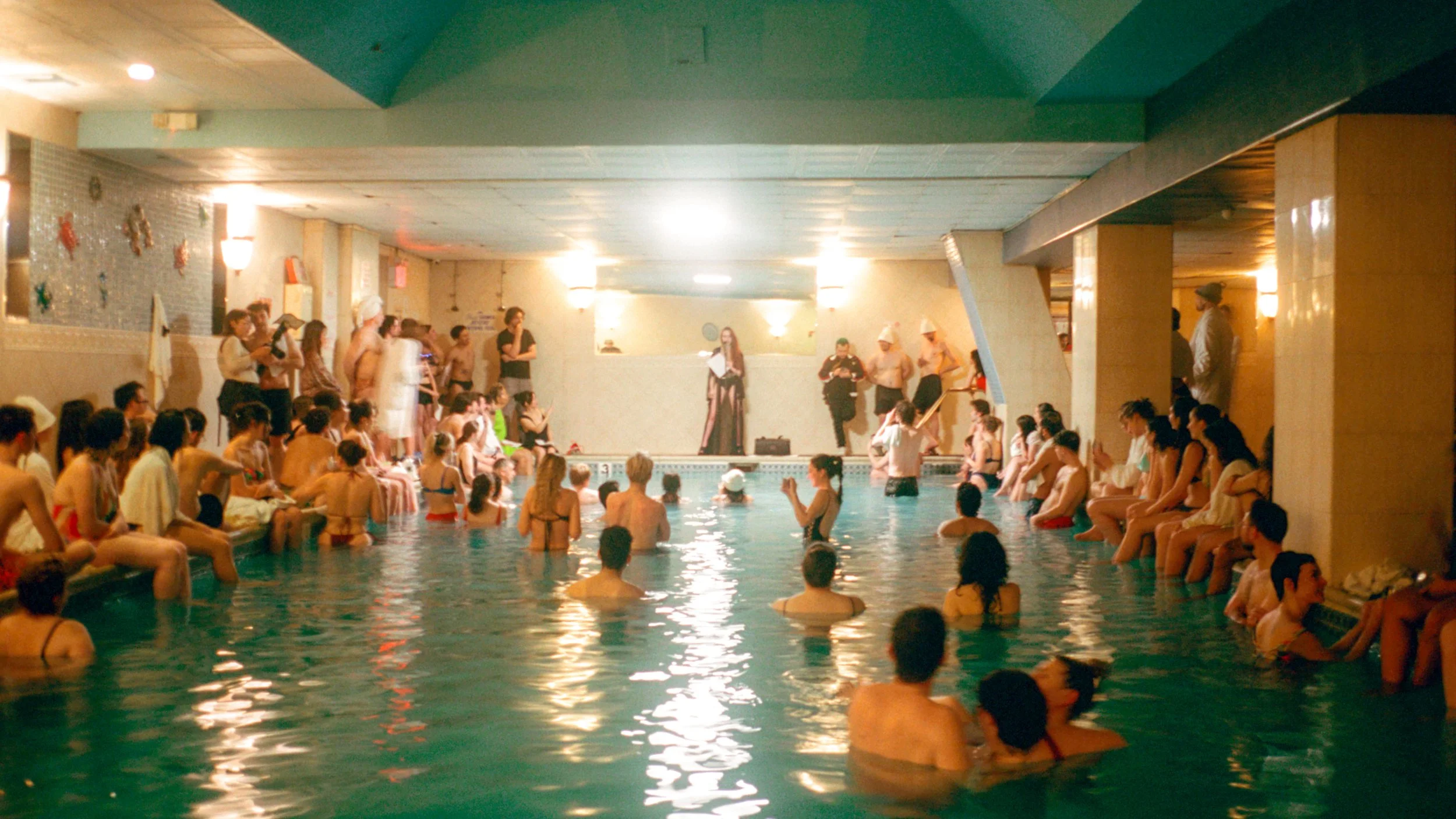
Last Tuesday, New York’s literary world descended on a Wall Street bath house for a midnight reading on desire.

text by Karly Quadros

There’s rarely a good reason for any self-respecting writer to be in the Financial District at 10:30 pm on a Tuesday, but here I am at a Russian bath house, standing behind a girl complaining loudly on the phone about how she’s definitely over her situationship this time. It’s a fitting start to the real reason that I’m here: a late-night reading on the topic of desire from some of New York’s seamiest and funniest writers, hosted by writer Camille Sojit Pejcha and Substack.

At the tail end of my first frigid New York City winter, I’m ready for a schvitz and a soak in my red Coca-Cola vintage one piece. It was an apt fashion choice: the decor had a distinctly 80s flair, all blue tiles and decals of mermaids and tropical fish. Amidst a modern sauna renaissance, the focus is less wellness and more third space. Clusters of attendees bounce on pruny toes between the sauna, bar, and a large central pool where the readings take place. The hot tub is packed to the brim while the rest of us paddle placidly in the pool or perch on its edge sipping orange juice and house-made vodkas infused with horseradish, lemon, black currant, and raspberry.

Bath houses have been around since as long as humans have lived together. The sauna’s simple, woody engineering helped people escape brutal Norse winters. Russian and Eastern European immigrant communities carved out their own little piece of New York City with homosocial bath houses where potbellied men socialized and sweated it out together in between cold plunges and traditional beatings with prickly oak branches. In the 20th century, bath houses became iconic for their status as gay cruising grounds. But, as Sojit Pejcha reminds me, before all of that, in ancient Roman times, public baths were community spaces, closer to libraries than bedrooms. With this reading, organized in collaboration with Substack’s Matt Starr and Sophia Efthimiatou, she was blending the two.

Featuring performances from Sojit Pejcha, Brontez Purnell, Cat Cohen, Mary H.K. Choi, Jaboukie, J Wortham, Liara Roux, Old Jewish Men, and Sherry Ning, the readings are occasionally erotic, often funny, always revealing. They detailed desires that were passing or all encompassing. The desires were sometimes existential (wanting to be beautiful), sometimes specific (wanting to be let into the Delta Sky Club.) Like an extension of a dream where you have to give a speech only to realize that you’re not wearing any pants, many of the writers, performing in swimsuits, took on the things they’re a little embarrassed to want in the first place. 

Sojit Pejcha riffed on the misbegotten workplace dalliances of her early twenties. Cat Cohen tore through several poems on everything from $400 Zoom psychics to wanting to be so tiny and thin she could ice skate on the crust of crème brûlée. Others wrote about wanting things they feel they should probably be a little more ashamed of but aren’t, like Brontez Purnell taking on relapses and near-death experiences. Mary H.K. Choi channeled her irrepressible lust for affordable health care through Luigi Mangione’s delicately shackled ankles. And then there was Jaboukie who fantasized about a kinky threeway with Senate Republican leader Mitch McConnell and his remote control buttplug-wielding wife.

Maybe it’s the humidity or the smell of smoked herring that’s gone to my head, but the night is shaping up to be, if not exactly sexy, then much more revealing. With authors and audience alike in nothing but their skivvies, there’s nowhere to hide. Considering the avalanche of hand-wringing thinkpieces about how Gen Z is too prudish, I think to myself that those authors clearly didn’t show up here.

Sojit Pejcha, whose newsletter Pleasure-Seeking focuses on desire and sexuality with a gonzo, anthropological aplomb, agrees. She points to a collective burnout in the face of the overzealous sex positivity of the 2010s, in which dating apps gave rise to a particular kind of casual sex and corny brands Urban Outfitters were hawking vibrators as a quick path to empowerment. Ultimately, however, that promised sexual empowerment was just another way for brands to leverage human desires to sell products. 

“I think it’s worth interrogating what shapes our desires, what social conditions we’re responding to and why we think things are subversive,” said Sojit Pejcha. “Brands and dating apps marketed sex as a source of liberation for women–but failed to close the orgasm gap. Between this and the conservative cultural turn, there was a sense that sex positivity wasn’t all it cracked up to be, and sex negativity almost seemed subversive.”

With this event and her newsletter, she’s refocusing the conversation on pleasures and vulnerabilities both transgressive and ordinary. “So much of the conversation is about how atomized we are, how isolated and sexless we are. I think part of that is true, but at a certain point, complaining about it online is not helpful,” she said. “My role is to seek out sexual culture where it exists in the real world.”

If the event’s near instant ticket sell out and 300 person waitlist is any indicator, the appetite for spaces that are sultry and silly isn’t just existent – it’s ravenous. Spilling out into the night, still March brisk but no longer wind whipped January, I can feel the thaw coming.

Images courtesy of Anna Maria Lopez

Preorder Autre's New Summer 2018 Issue

Autre’s rainbow magic Summer 2018 Issue features a 23-page interview of the legendary Los Angeles-based Norwegian-born photographer Torbjørn Rødland who has three major solo exhibitions this summer. One in Los Angeles at David Kordansky gallery, one at Bergen Kunsthall in Norway and one at Fondazione Prada in Milan. The feature includes a double interview with Autre’s editor-in-chief Oliver Maxwell Kupper and one with Serpentine Gallery’s director Hans-Ulrich Obrist. This issue also includes over 40 pages of fashion editorials with LVMH prize finalist Eckhaus Latta and Maryam Nassir Zadeh. Autre also interviews actor Matthew Modine with rare photographs from the set of Stanley Kubrick’s Full Metal Jacket, feminist surrealist Penny Slinger, Lisa Immordino Vreeland on the legacy of photographer Cecil Beaton with gorgeous self portraits, Duncan Hannah on living the high life in New York City, Marilyn Minter on her new show at Regen Projects, legendary German New Wave director Wim Wenders, and Herb Alpert. The summer edition also includes an excerpt from Françoise Hardy’s memoirs, interviews with Lauren Halsey about her community-based practice and Koak about the power of comics, and a special photo document from Pierre-Ange Carlotti. Preorder now – the first ten orders receive a previous issue of Autre of your choosing, for free (exempt are issues volume one issue three with John Baldessari and volume two issue one with David Hockney). Only 50 copies left of our Spring 2018 issue featuring Paul Thomas Anderson. 


Read An Exclusive Excerpt From D. Foy's New Novel "Patricide"

Suicidal, apt to crumple on a dime in fits, I was flown out to my father’s in his dustbowl town, where nothing was expected, said my father, the place would be all mine, take a job when you’re ready, said my father, or anything you like. I’m looking for my own work, said my father, but we’ll fix you up, and if you need it, said my father, we’ll go find it, that’s what really counts. You’ve only got to get here, said my father, that’s it. We’ll be together then, and together we’ll be good. Click here to read more. 

Courageous Writing For IRL Cowards: Novelist Matt Binder Chats With Novelist Clancy Martin On Making Bad Decisions and The Thin Veil of Fiction

In 2012, shortly before I lost my mind and committed myself to writing fiction, I was sitting at a pal’s apartment in San Diego, waiting on him to shower and ready himself for a night out, when I picked up a copy of the Vice fiction issue. I flipped through the magazine’s pages looking for something of interest. A story titled “Whores I Have Loved” immediately resonated with me. I understood the sentiment completely. I read with ferocious curiosity as the writer sermonized on the dangers of falling in love with prostitutes in locations foreign and remote. Prior to reading the piece, I didn’t think it possible for a work to exist that was so honest, tender, and vulnerable about a subject so fraught with moral pitfalls. Click here to read more. 

Read An Exclusive Excerpt from Matthew Binder's Tour De Force Debut Novel "High In the Streets"

"One day Lou Brown decided to kill himself. But when he sat down to craft a suicide letter, the simple act of committing words to the page was like opening up a window to his mind, allowing the whole world to shine. His book went on to become a runaway bestseller, making him a literary icon, earning him all the trappings of the American Dream. It’s now five years later and the obligations that come along with great success have robbed him of the freedom he values above all else. When Lou suspects his fiancé of an infidelity, he moves into the Frontier Motel, setting himself up for a week-long adventure where he’ll once again learn to buck convention, indulge in his honest appetites, and follow his uninhibited instincts." Click here to read the excerpt. 

Watch The Premiere of A Short Film That Brings To Life Charles Bukowski's Poem "Nana" On The Anniversary of the Poet's Death

This month marks the 22nd anniversary of the great poet of the street Charles Bukowski's death. To mark this occasion, Autre exclusively presents the premiere of Nana, a short film by Nana Ghana that brings to life Bukowski's poem Nana from his 1978 novel Women. The book focuses on the constant carousel of women with whom Henri Chinaski, an alter ego of Bukowski's, only finds temporary fulfillment.

A Glimpse Into the First Issue of The Feros Review, An Erotic Notebook From France

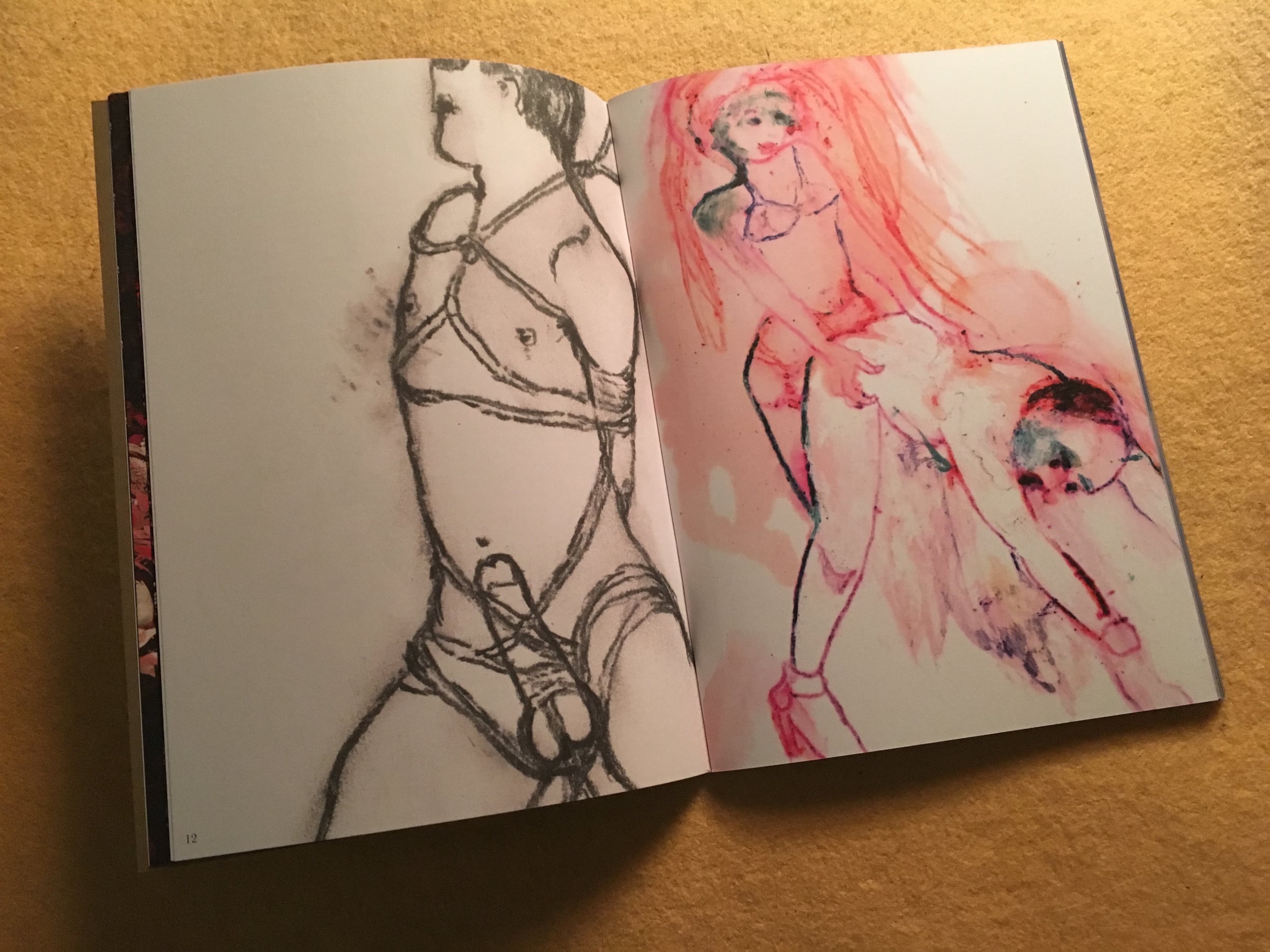
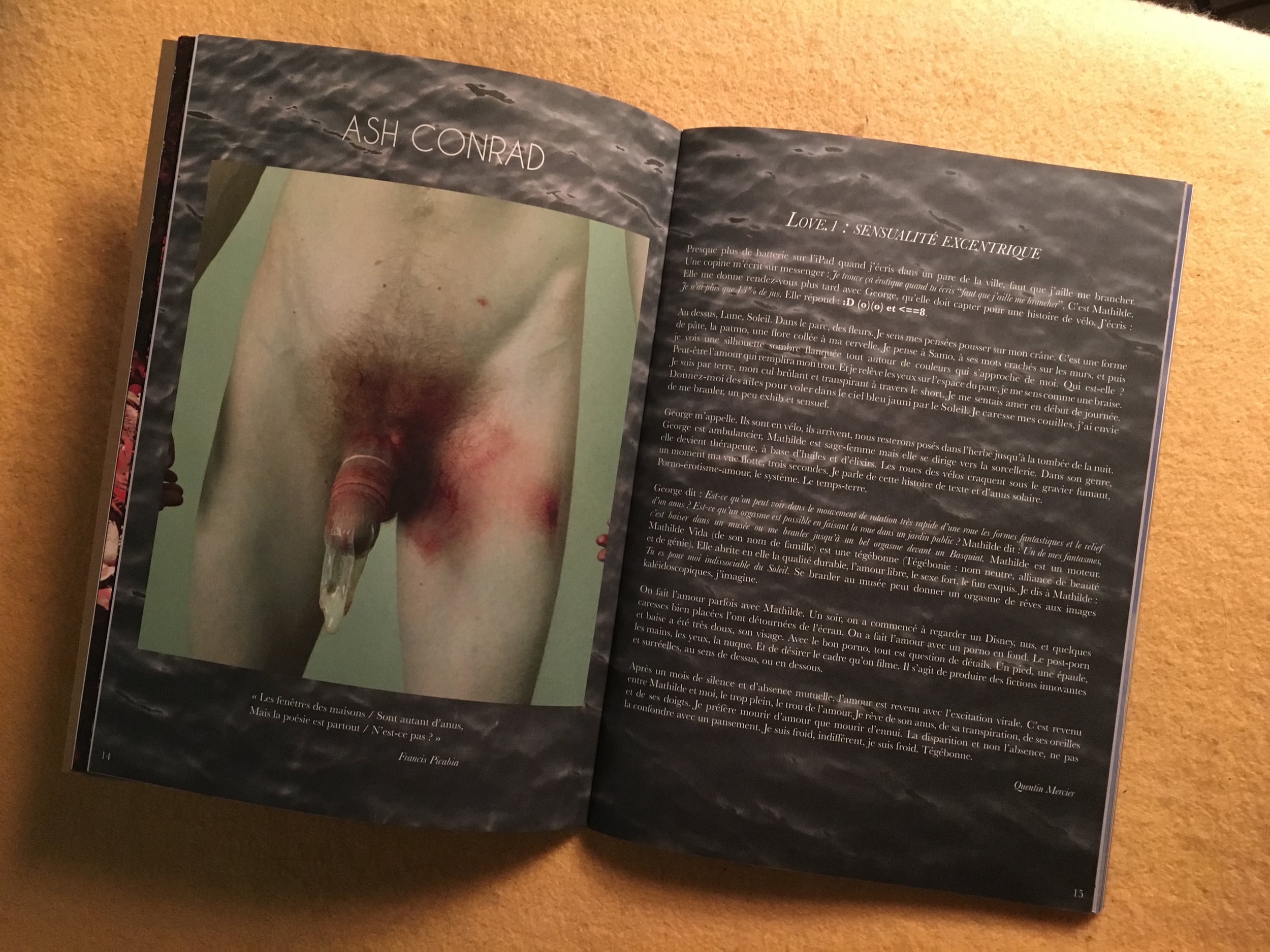
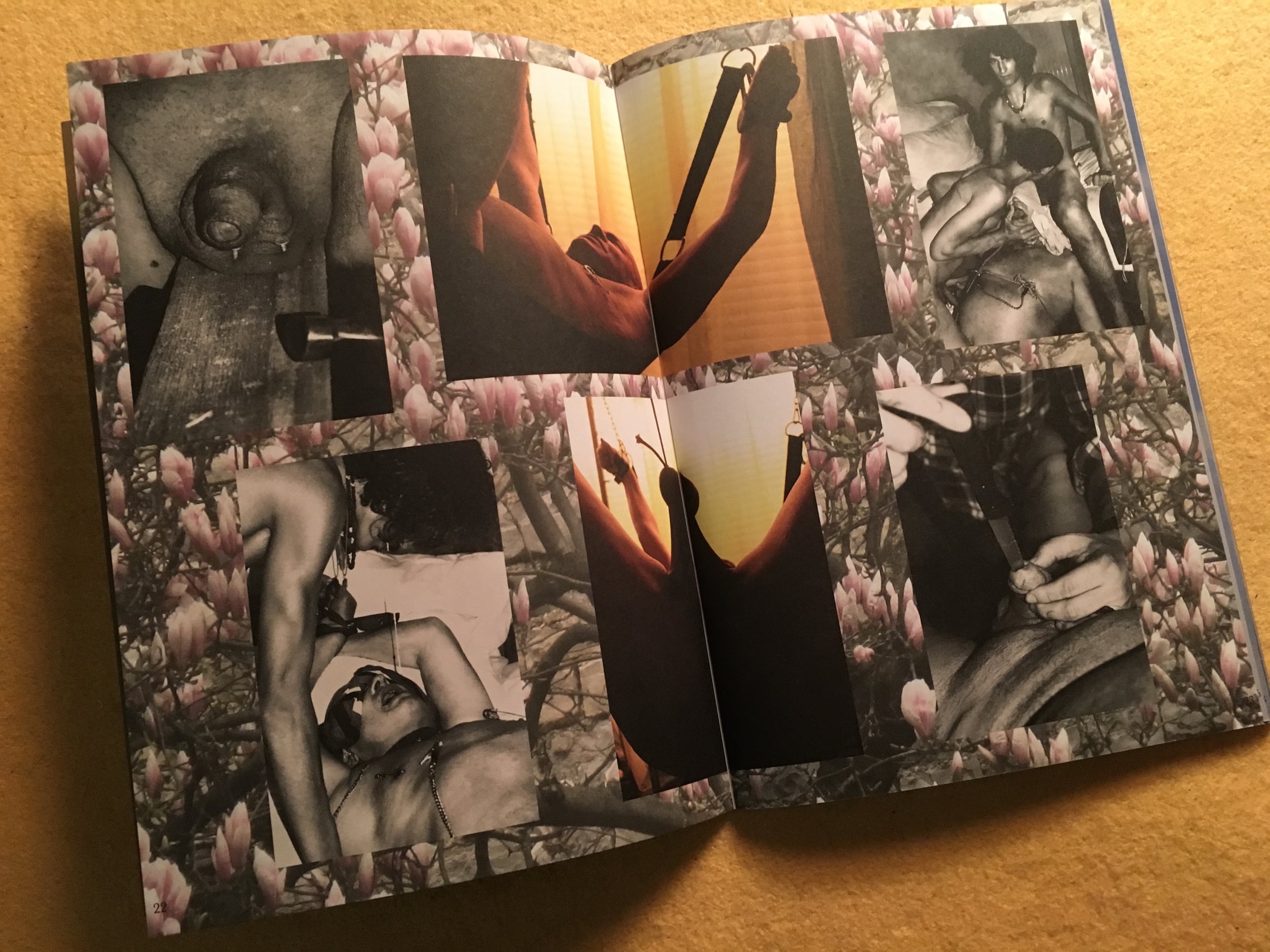
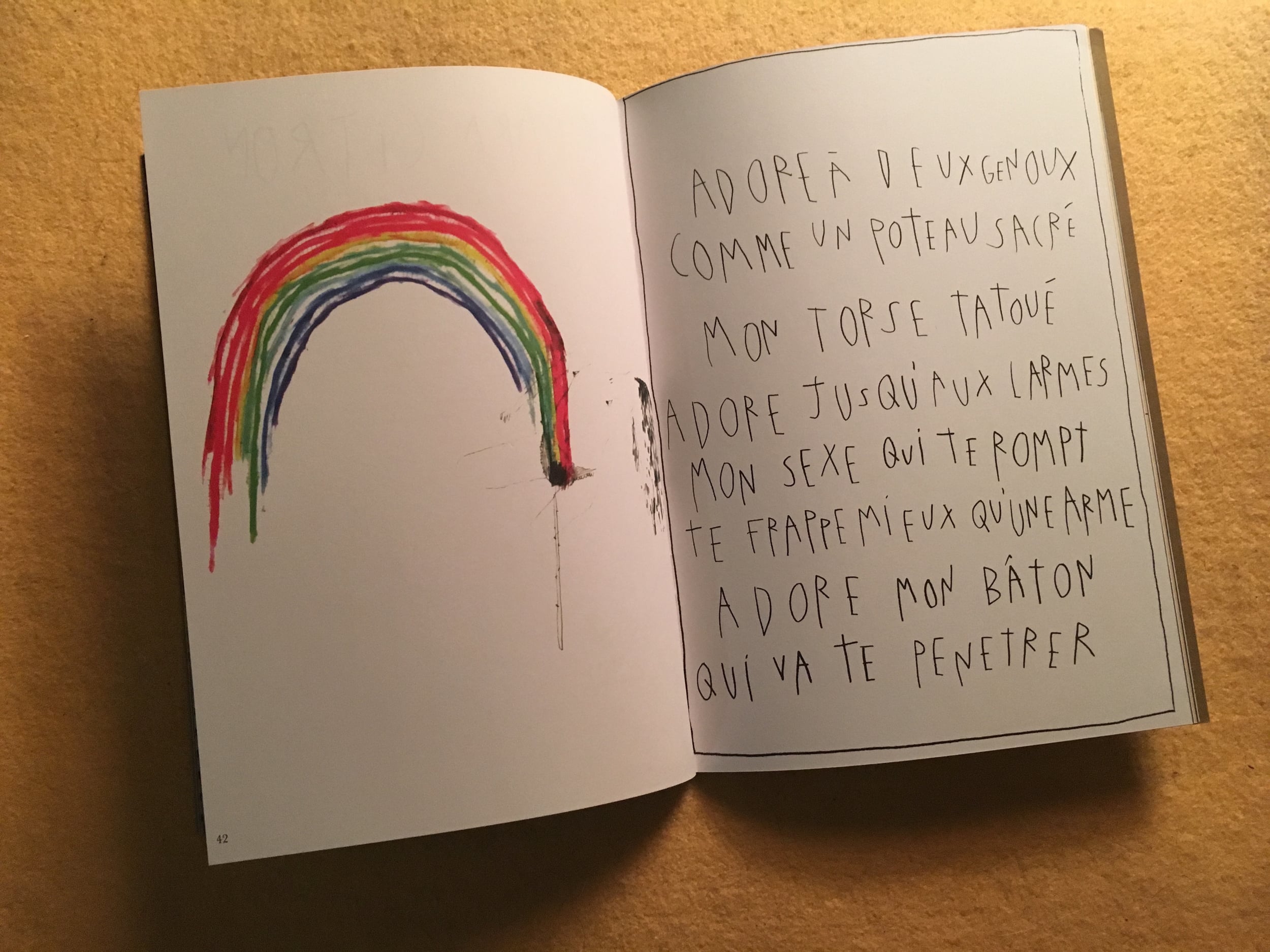
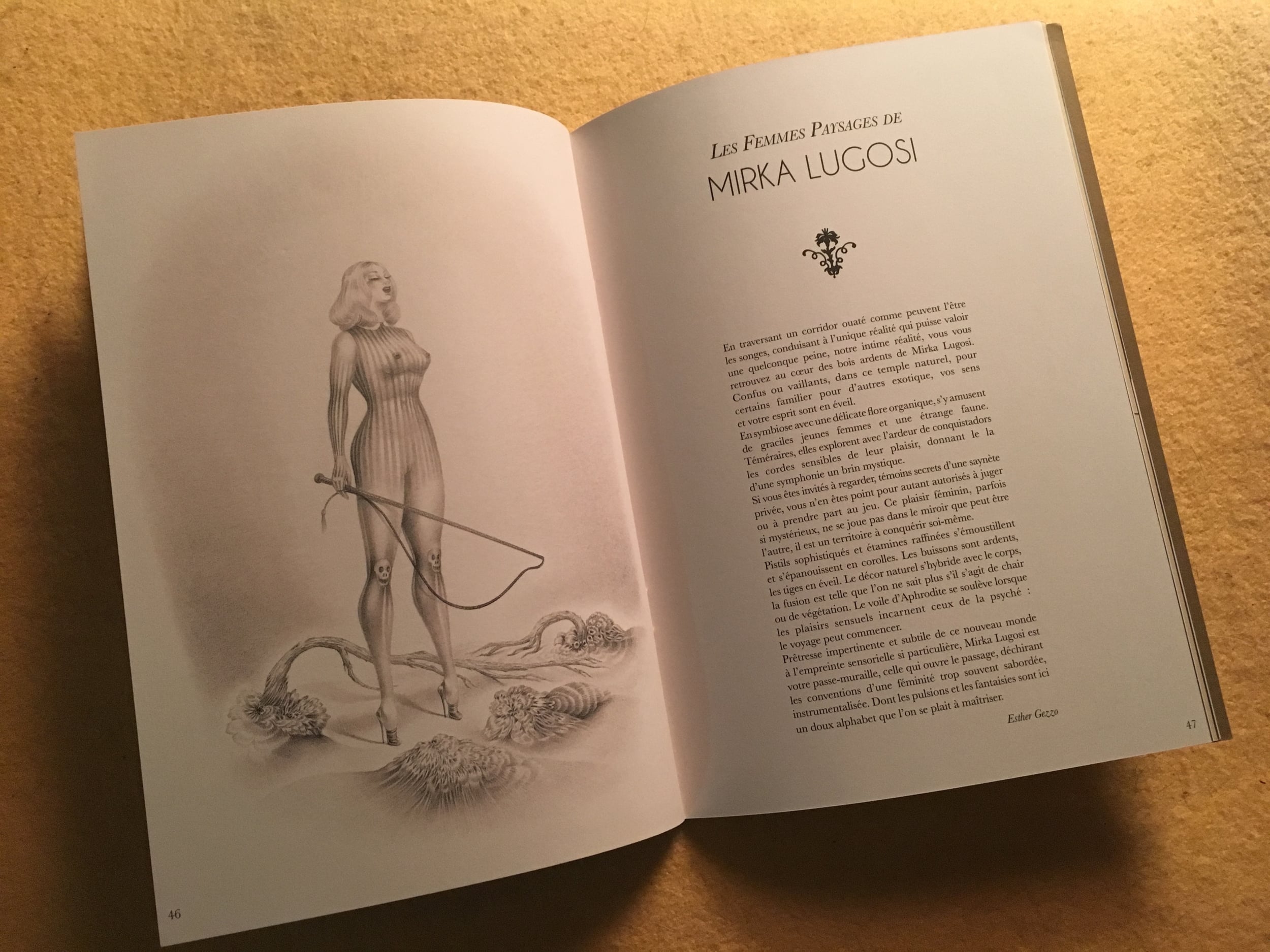
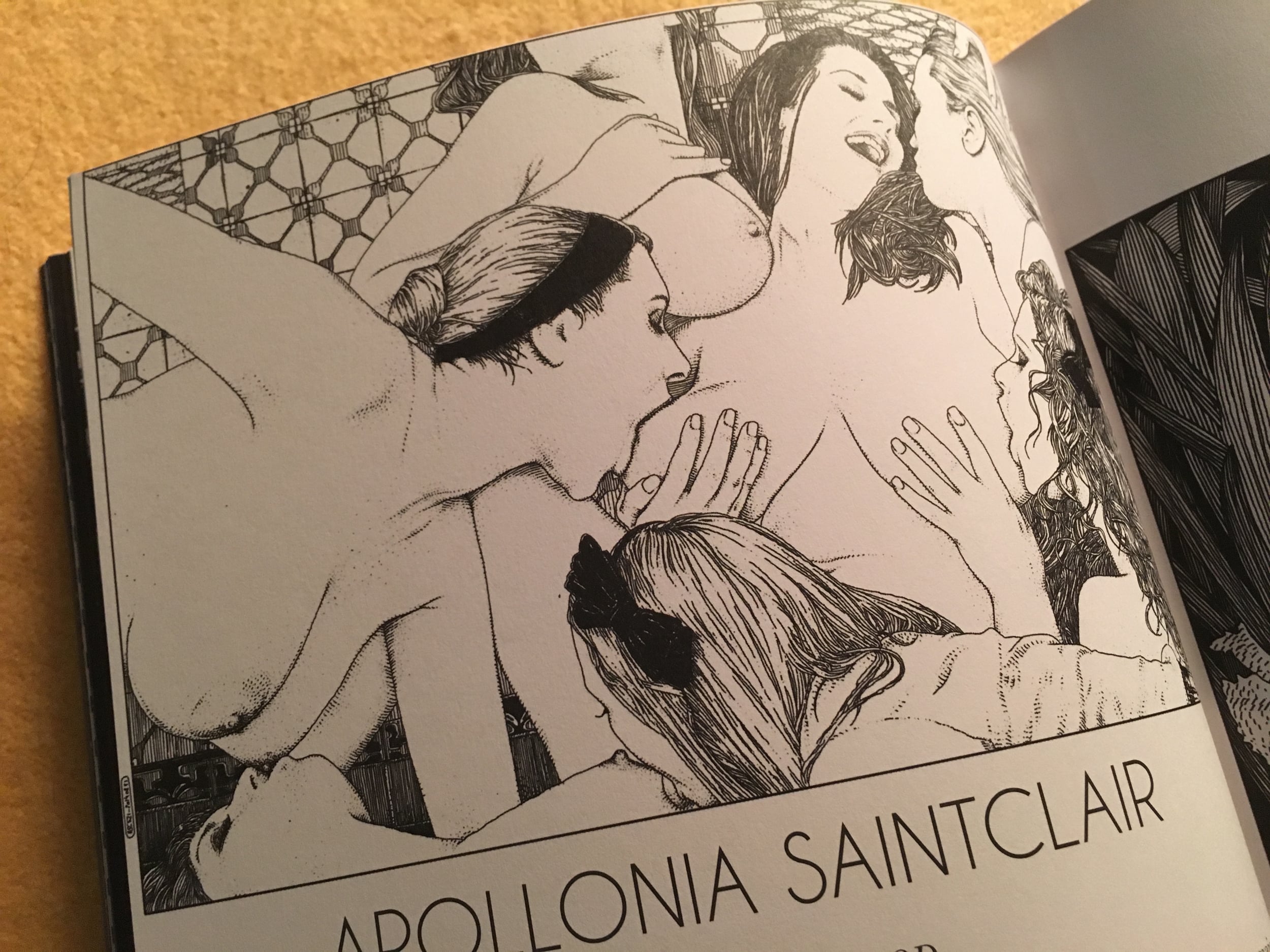
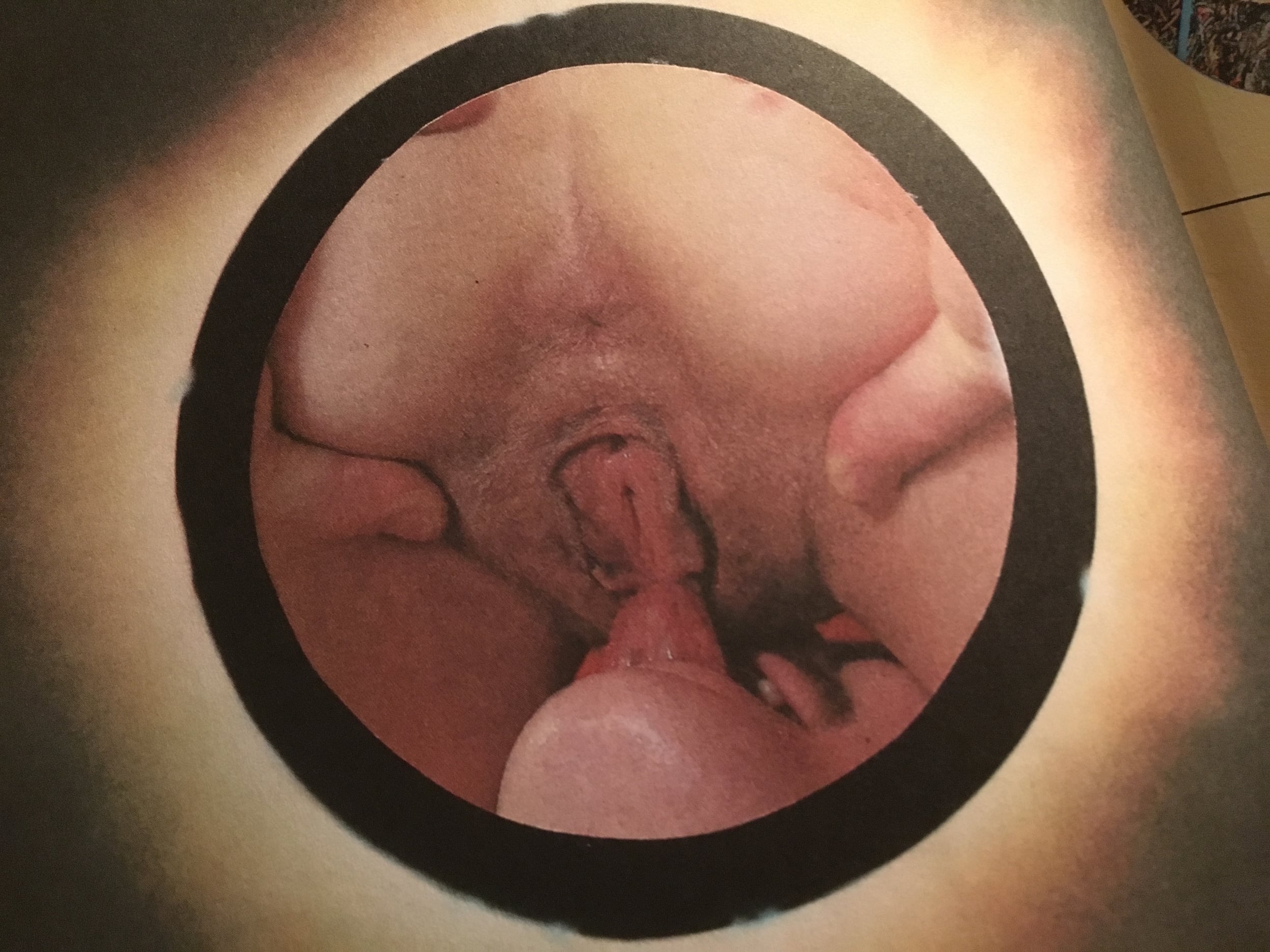
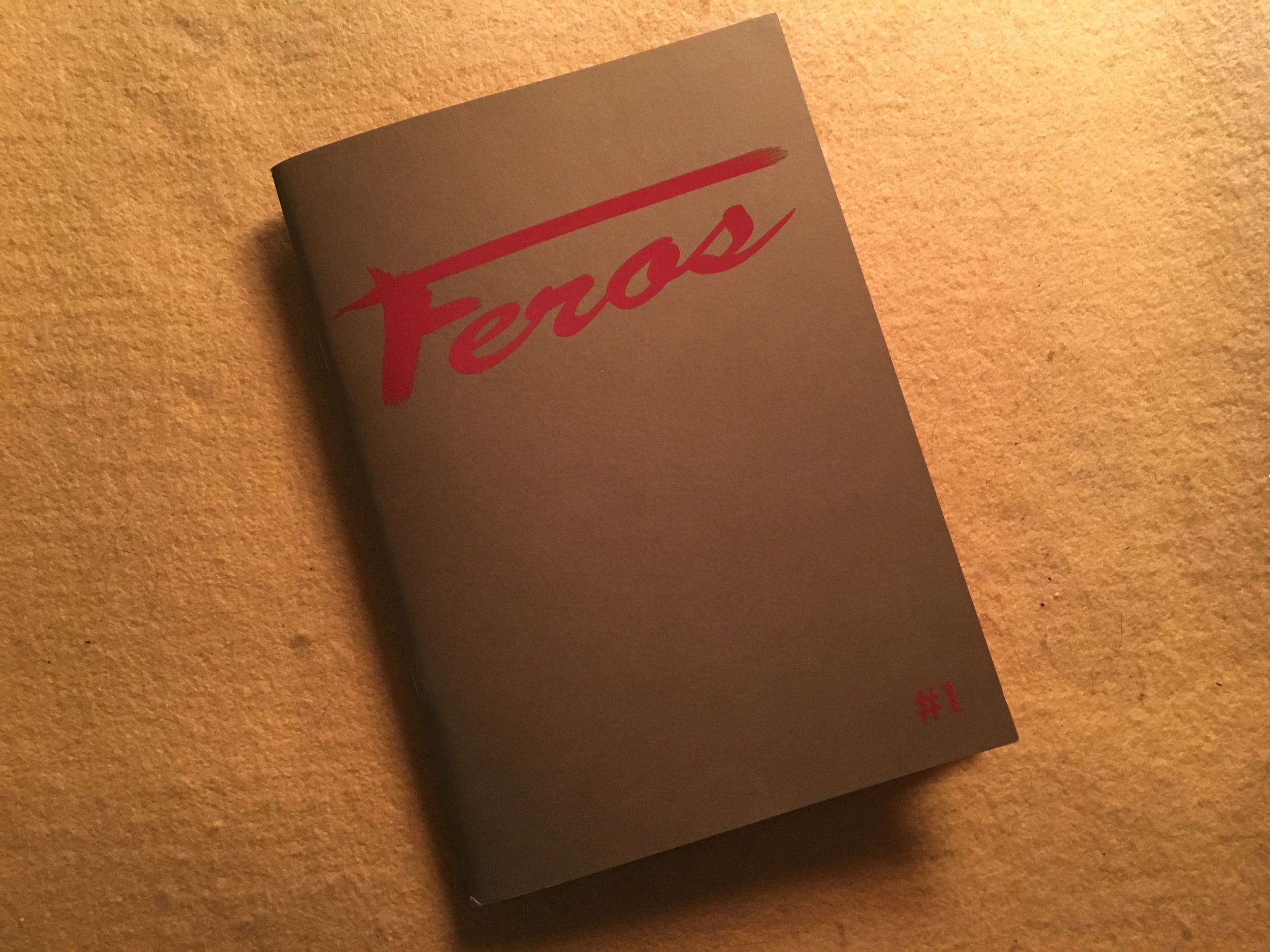
Sometimes sensual, sometimes sexual, Feros a call to awake the senses. Firmly rooted in this time, the erotic review explores an obsessive look aesthetic and contemporary fascinations for impulses living being. The publication stands out as the need to reveal the principles of a contemporary eros which seeks and is constantly renewing itself, without manipulating representations. In each issue, art and literature intersect, align and interact freely. Wild beauty and sought: Feros. The first issue includes contributions from Julian Feeld, Apollonia Saintclair, Mirka Lugosi and more. You can purchase the first issue of Feros in a standard edition and limited edition here

Watch The Strange Hyper-Digital Trailer For Ryan Ridge and Mel Bosworth's Must Read Book Of Short Stories

Step into Camouflage Country and meet a nation of misfits only masquerading as such. For these up-and-comers, down-and-outs, and good-for-nothings move through Ryan Ridge’s and Mel Bosworth’s microfictions with a zealousness that obliges rockets and octopus-men, devil babies and light eaters. Yet their earnestness also submits to stories like ‘Dust Bowling,’ ‘The Power of Pie Compels You,’ and ‘Cuckolding Down the Fort,’ which reveal the collection’s swift motion across the hilarious–heartbreaking spectrum. Featuring the illustrations of Jacob Heustis, Camouflage Country is a flipbook of faces incapable of concealment—too original to be overlooked, too distinctive to be forgotten. Click here to purchase. 

Read Ryan Ridge's Timely Short Story Selections from ECHO PARK

Ryan Ridge's short stories carry a sort of essence of the 21st century. His brief prose style parallels with our abrupt, social-media-driven way of communicating in the modern world. The following tales--centered around the recently gentrified  community of Echo Park in Los Angeles--capture the dark tensions behind everything from climate change to Charlie Chaplin tramp stamps. Click here to read the selections.

Creamed His Corn: Read Luke Goebel's Newest Stream Of Lascivious Consciousness In A Short Story About Desire, Fantasy And Wanting a Bigger Everything

photograph by Maurizio Cattelan and Pierpaolo Ferrari

He was a “he,” which meant the dummie knew already that there was only two things in the world that mattered and he wasn’t either of them. Were, were! There was the online world of instagram photos and sexiness. Everything that was young or female and sexy or famous and rich and arching its back in a photo, which he wasn’t and then there was the physical world of problems, such as taking a shit and what was written on the wall, and having to go upstairs to take a shit because someone was already in the bathroom, which was the janitor, probably, and him being on campus, and him being in his office, and his being on campus, and him being a fuckhead professor, which you shouldn’t and couldn’t really even say as a fuckhead who was a professor. Fuckhead. click here to read the full story

Max Barrie Talks About The Vagina of His Dreams In the Latest Installment of A Trendy Tragedy

"...Women in the past, they usually reacted like a dog ate their homework. Of course, I'm referring to the ladies that weren't handing me an invoice after I ejaculated..." Max Barrie talks about the "vagina of his dreams," being in the friend zone and the ultimate torment of both rejection and self realization in the latest installment of his non-fiction short story series A Trendy Tragedy. Read the store here

Read Max Barrie's Humorously Dark Riff on Suicide and the Meaning of Life and Death

Writer Max Barrie waxes poetic in a darkly humorous riff on suicide and depression - with a few tragic stories thrown in the mix - in the new installment of his non-fiction short story series A Trendy Tragedy. Read the full text here