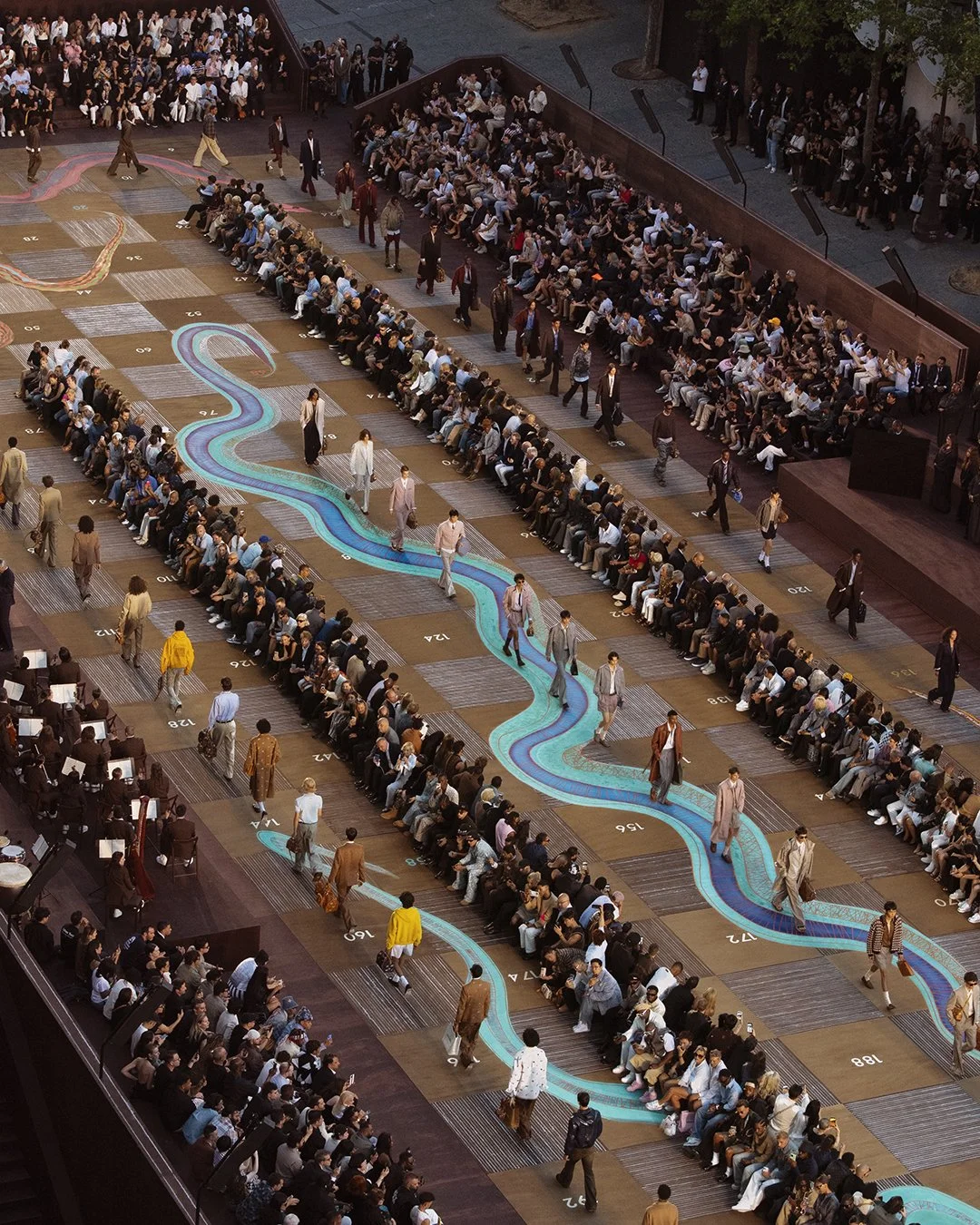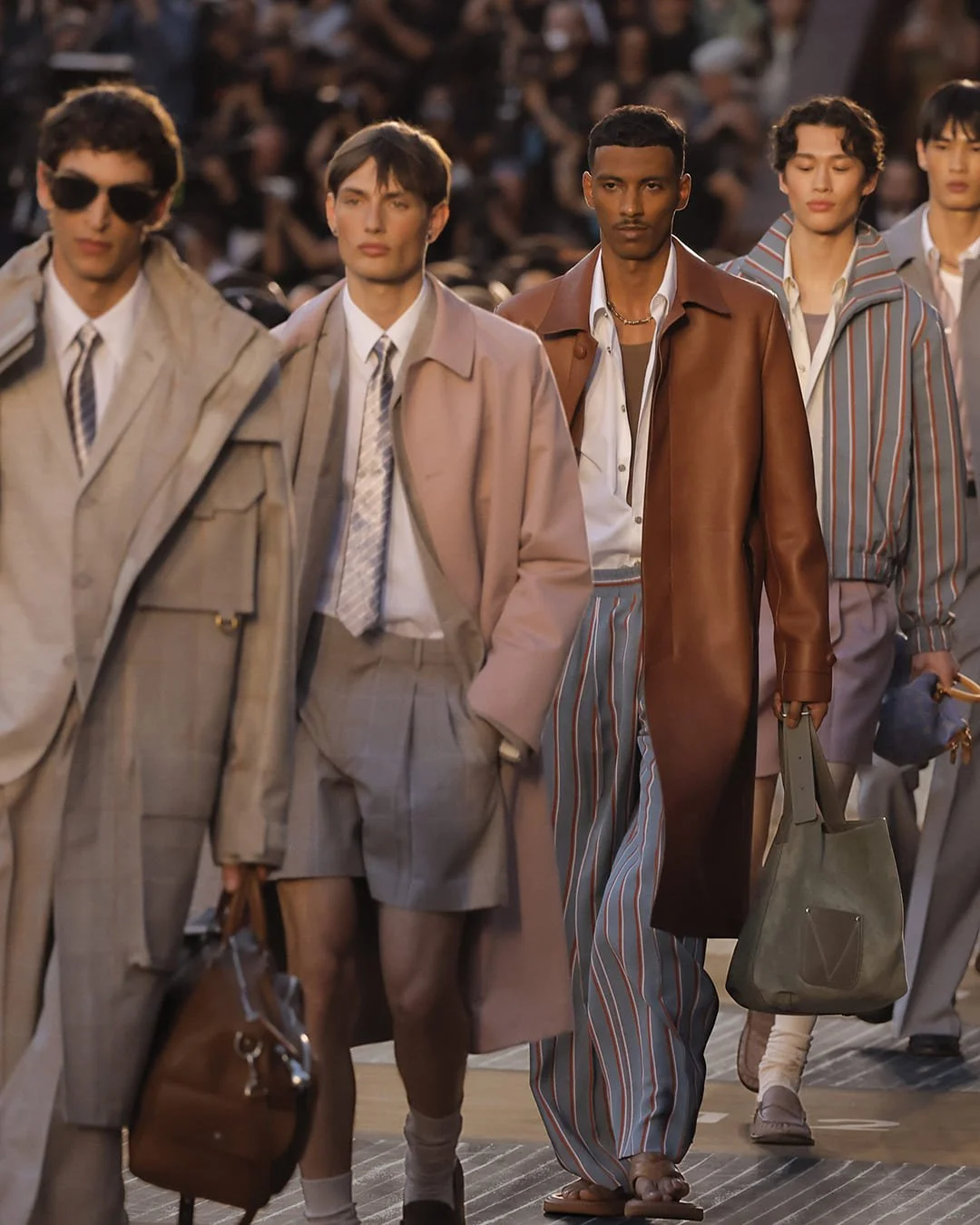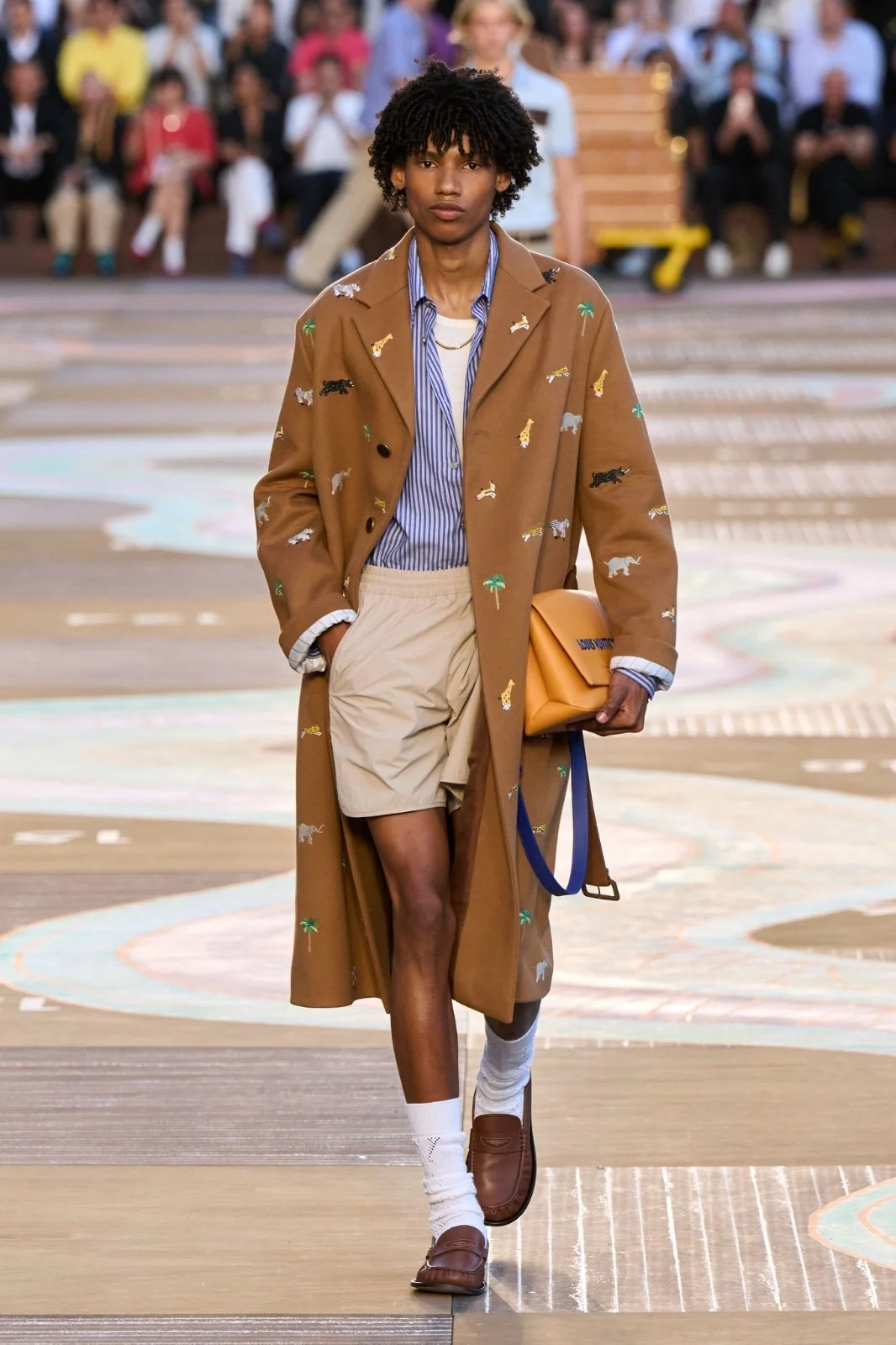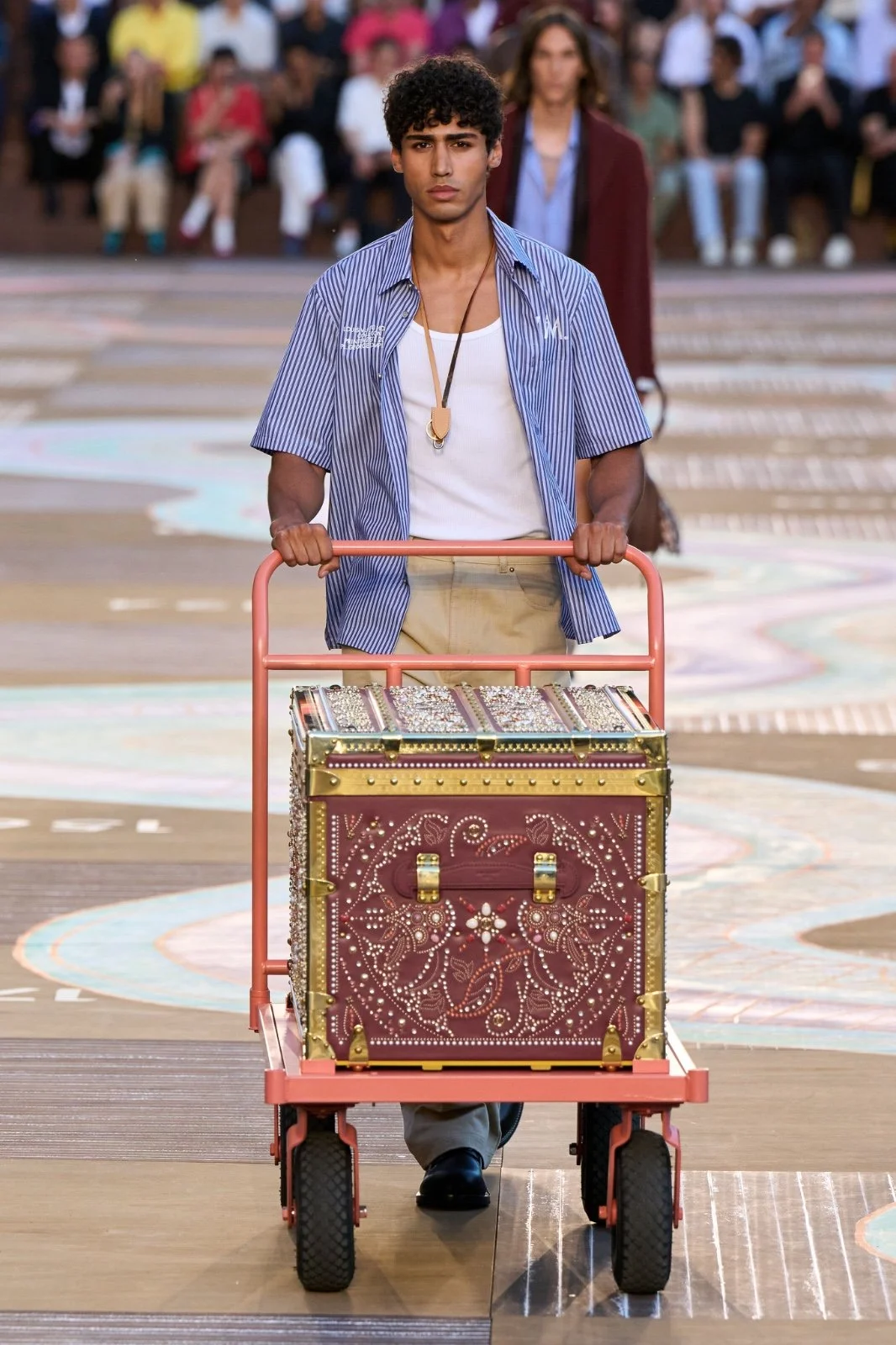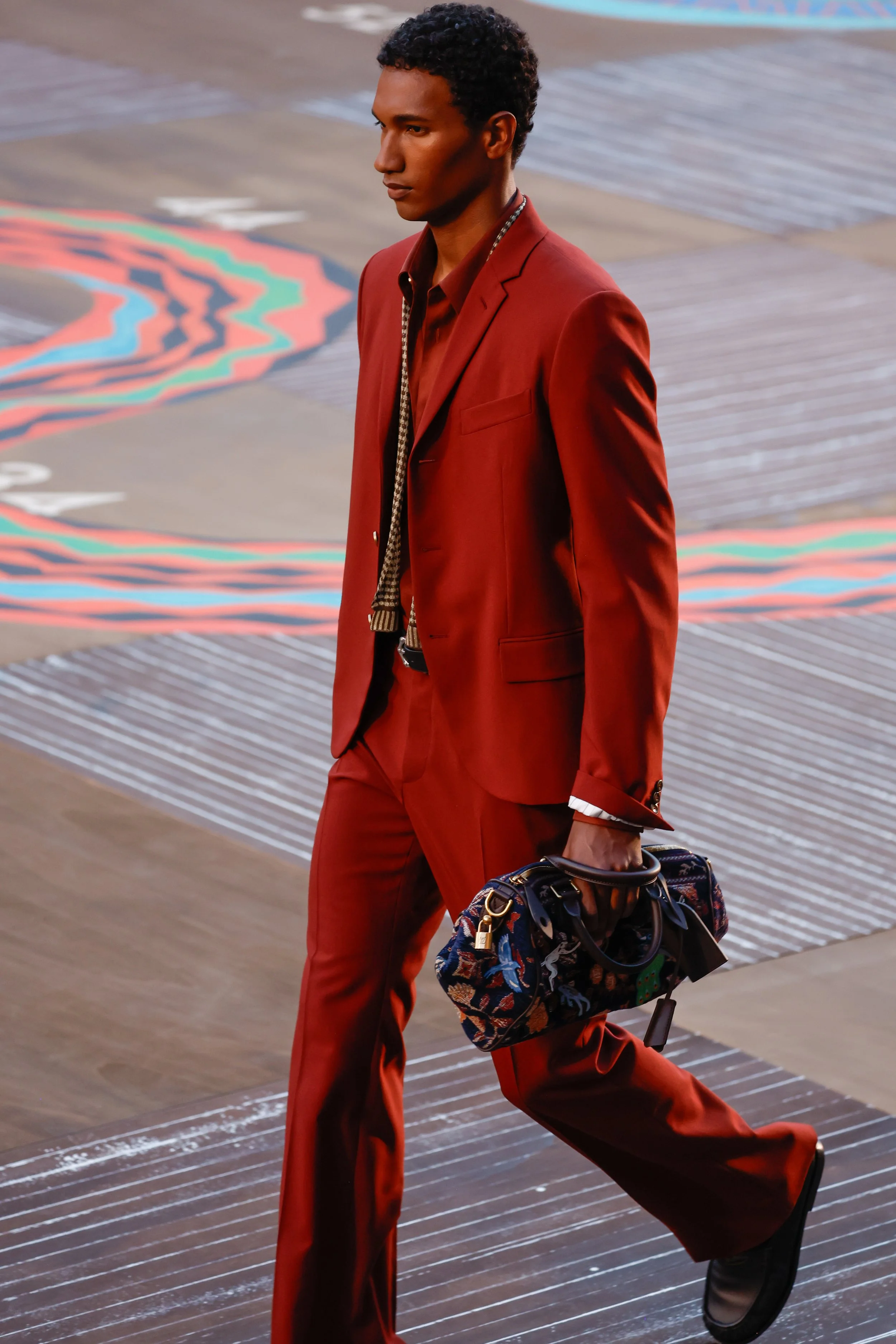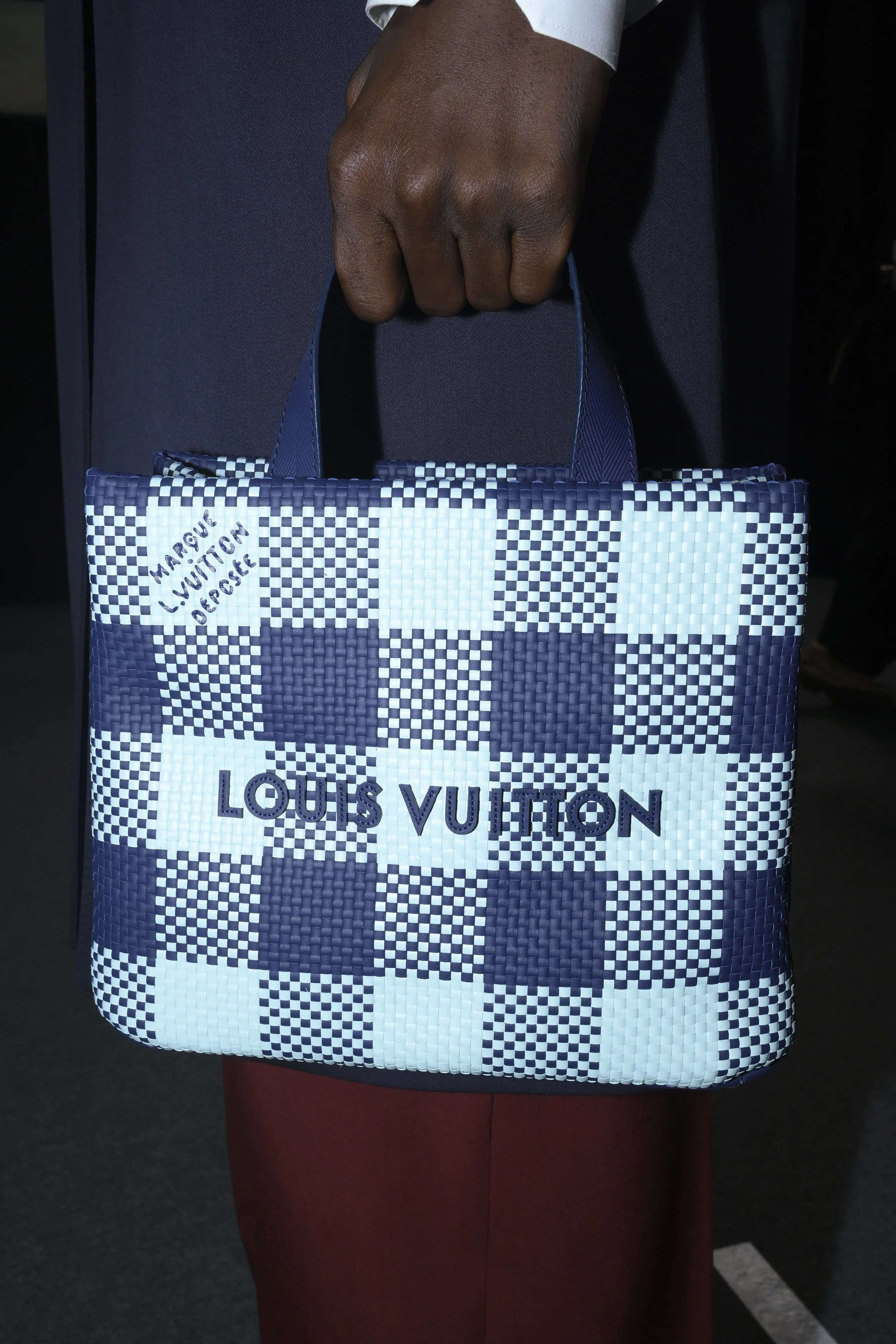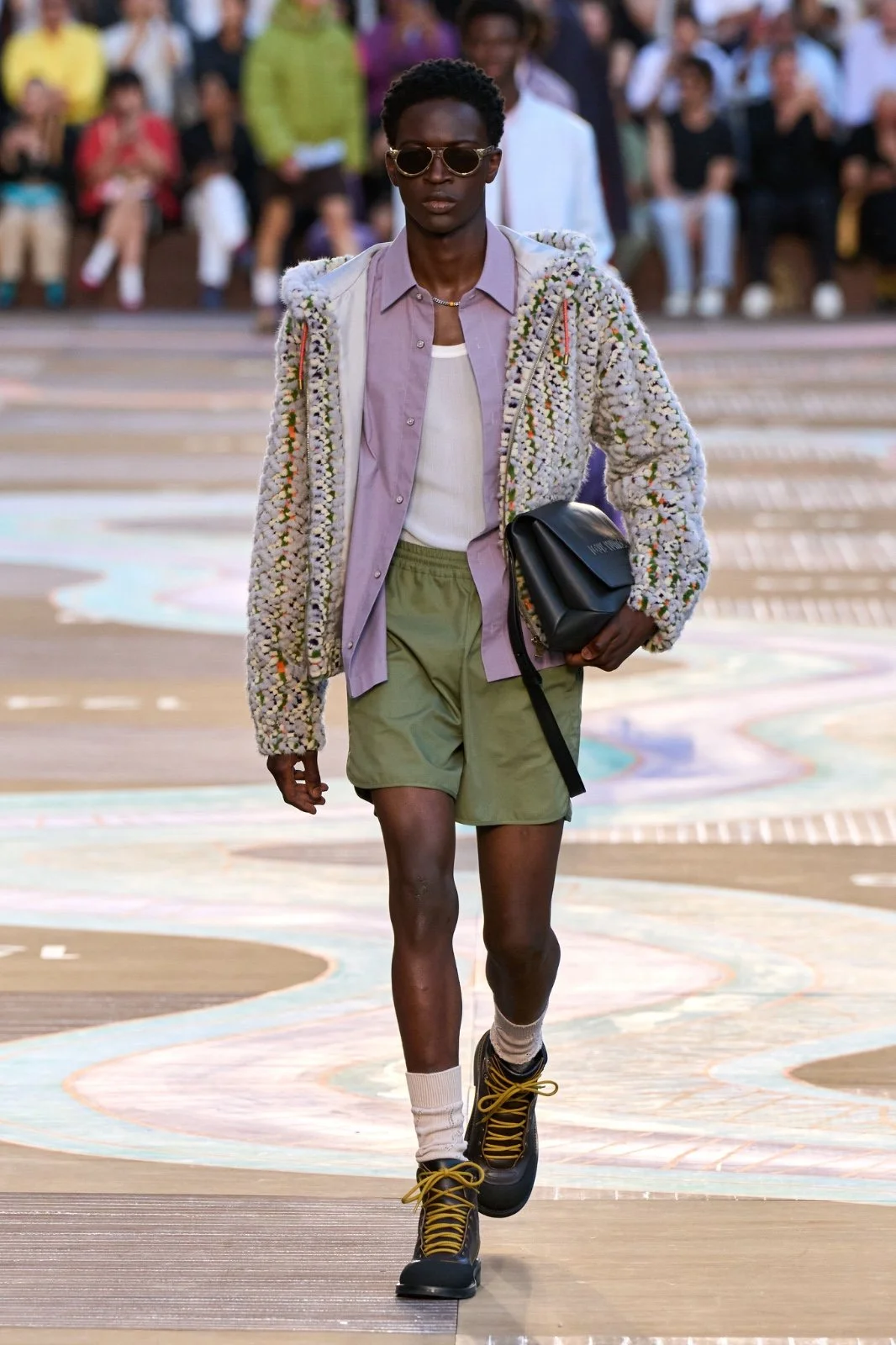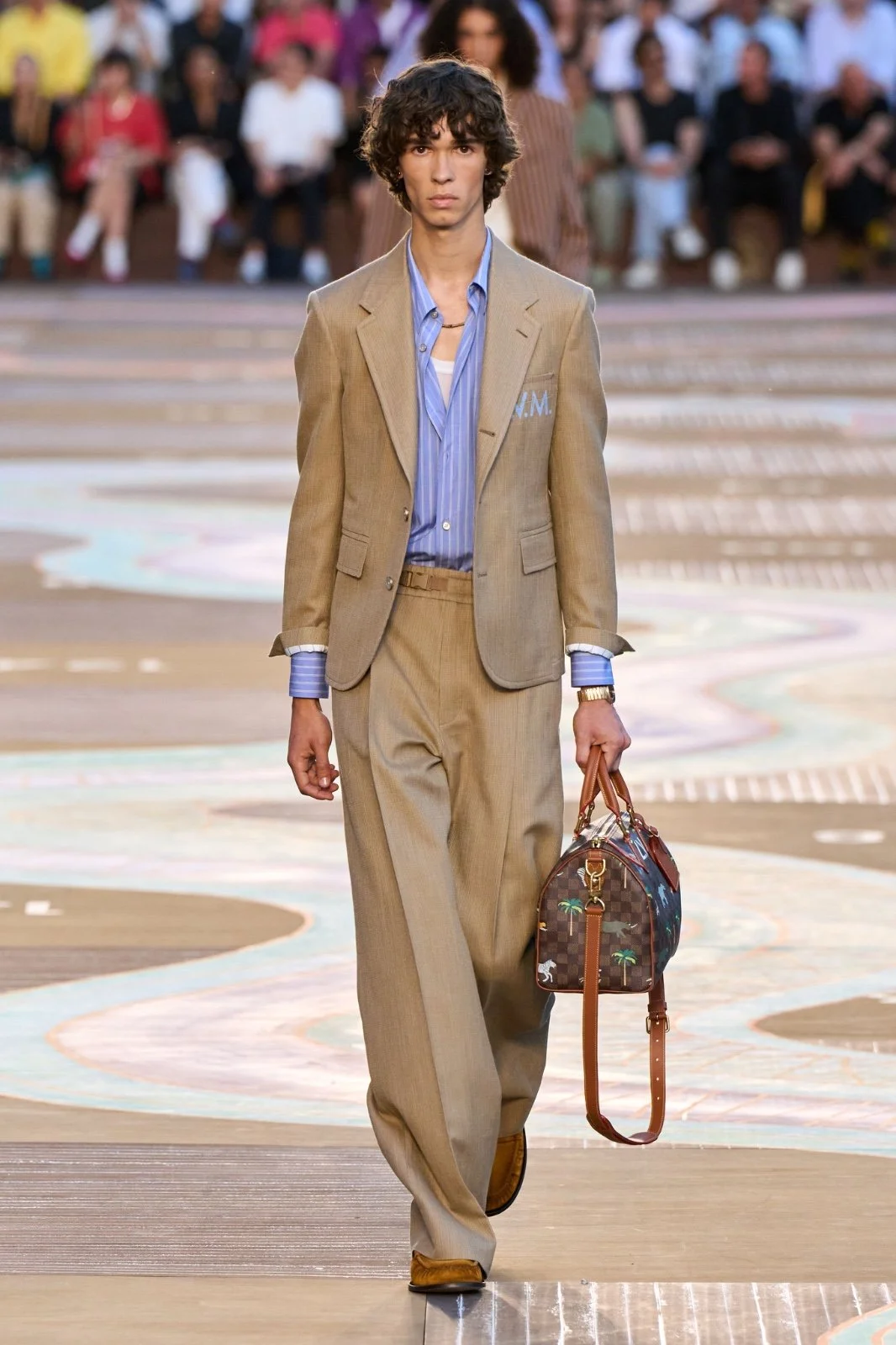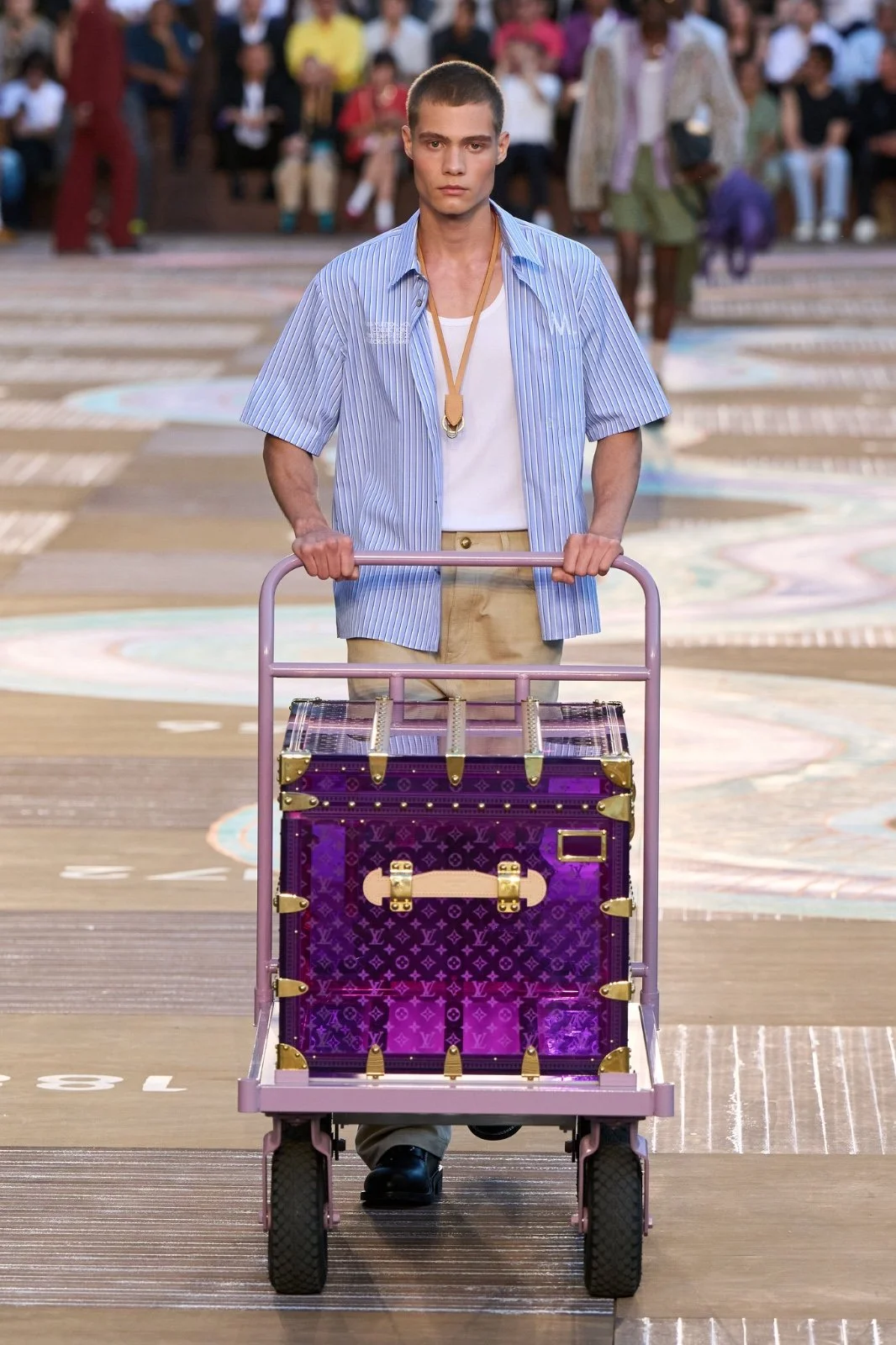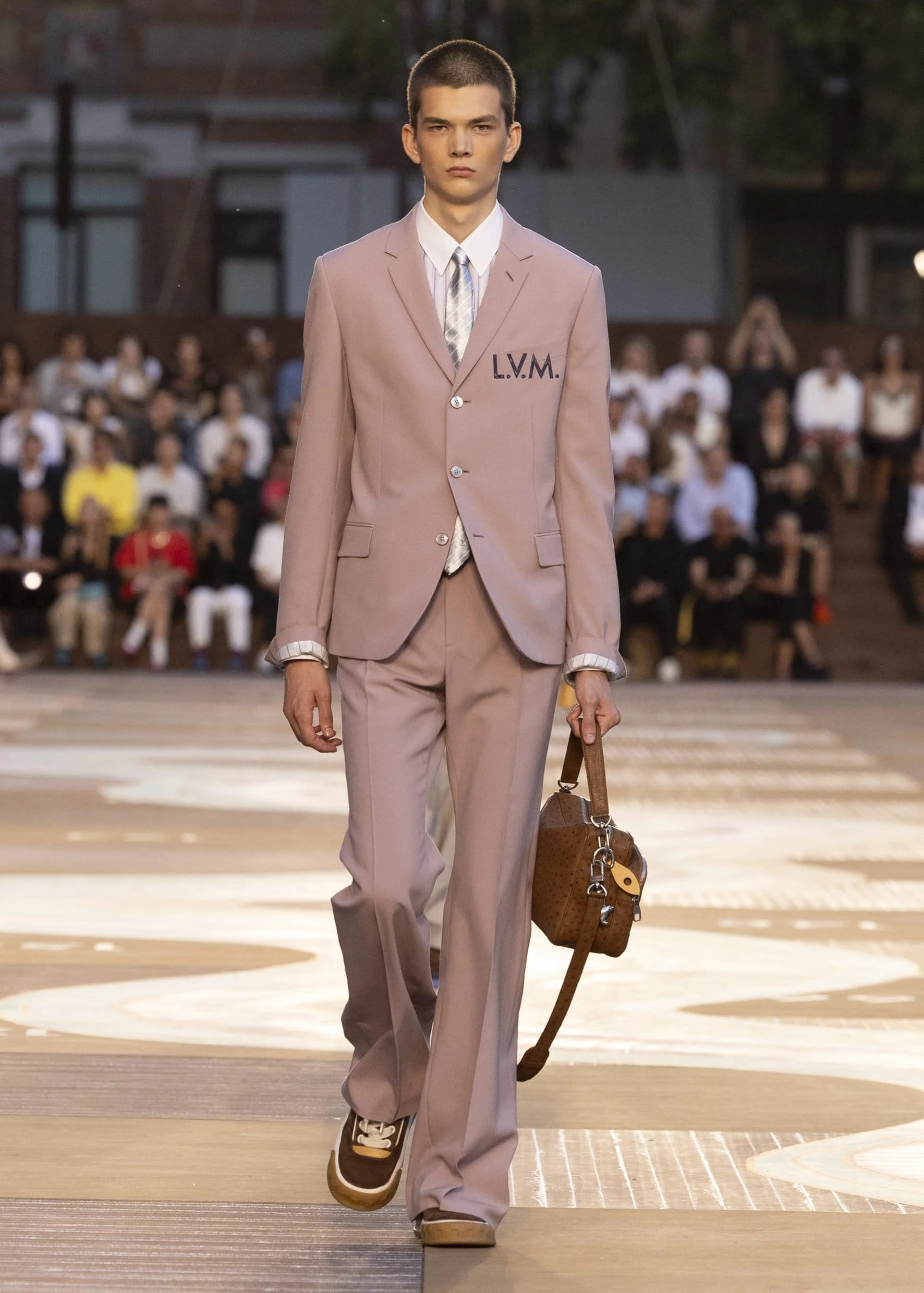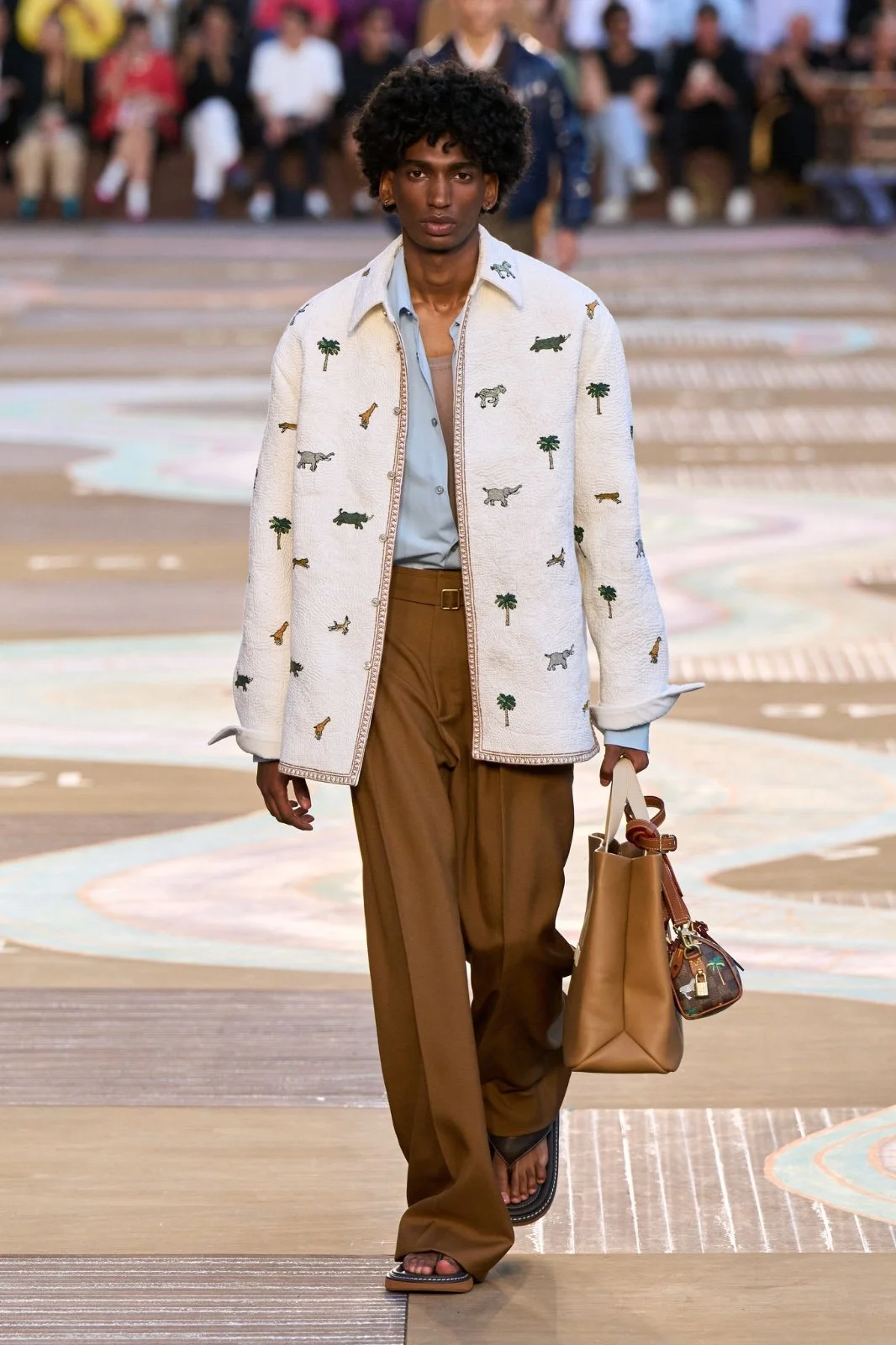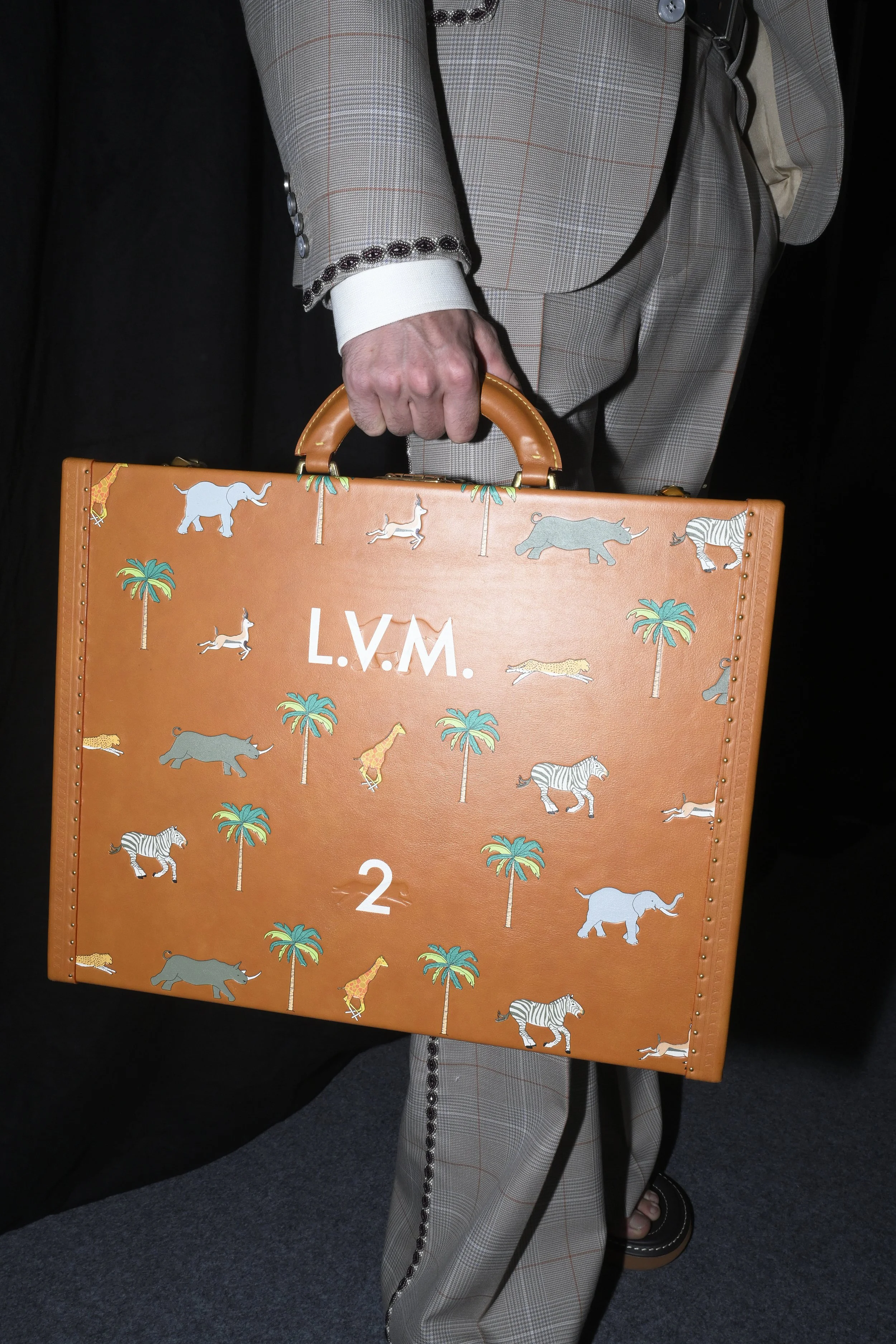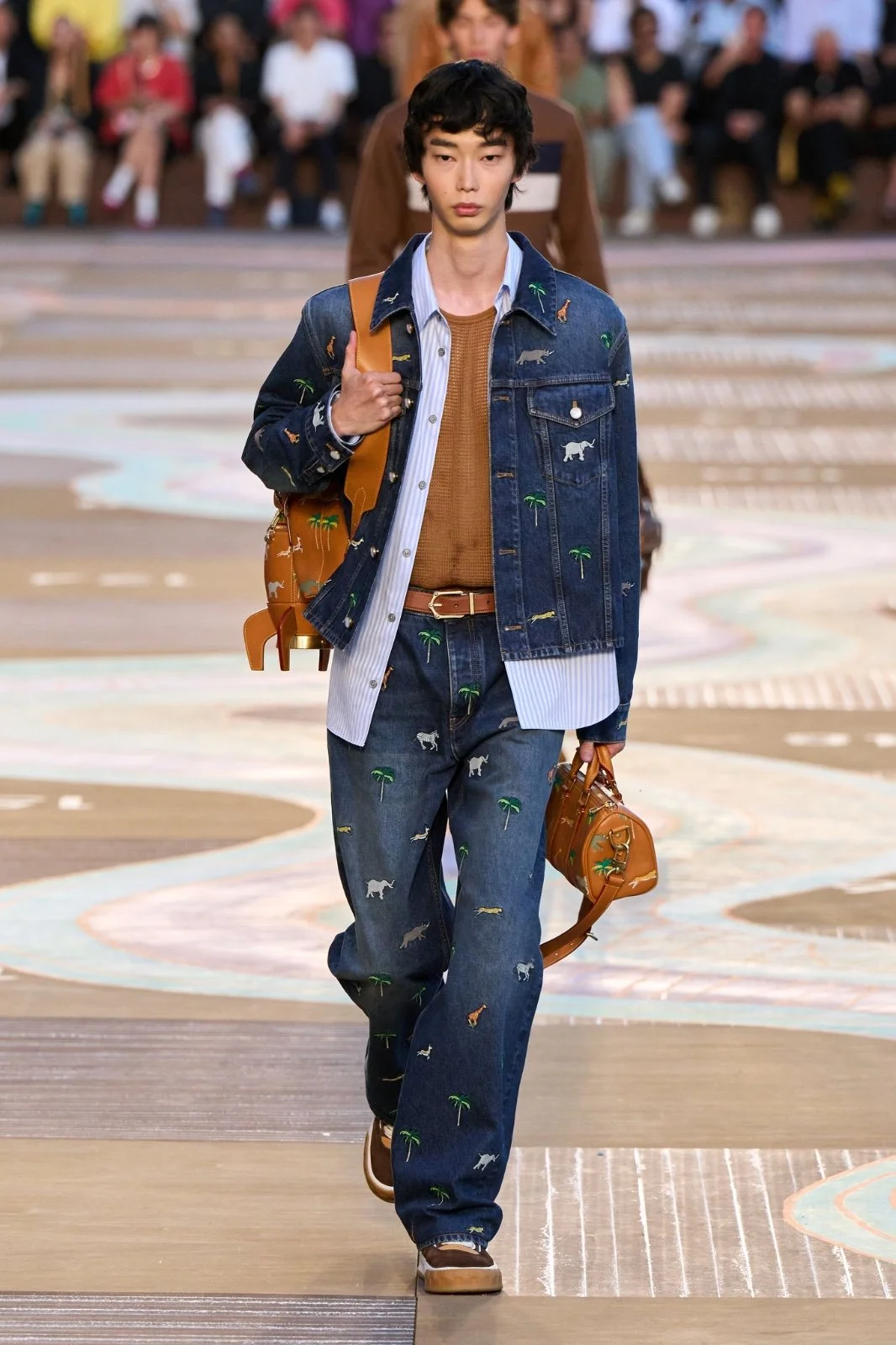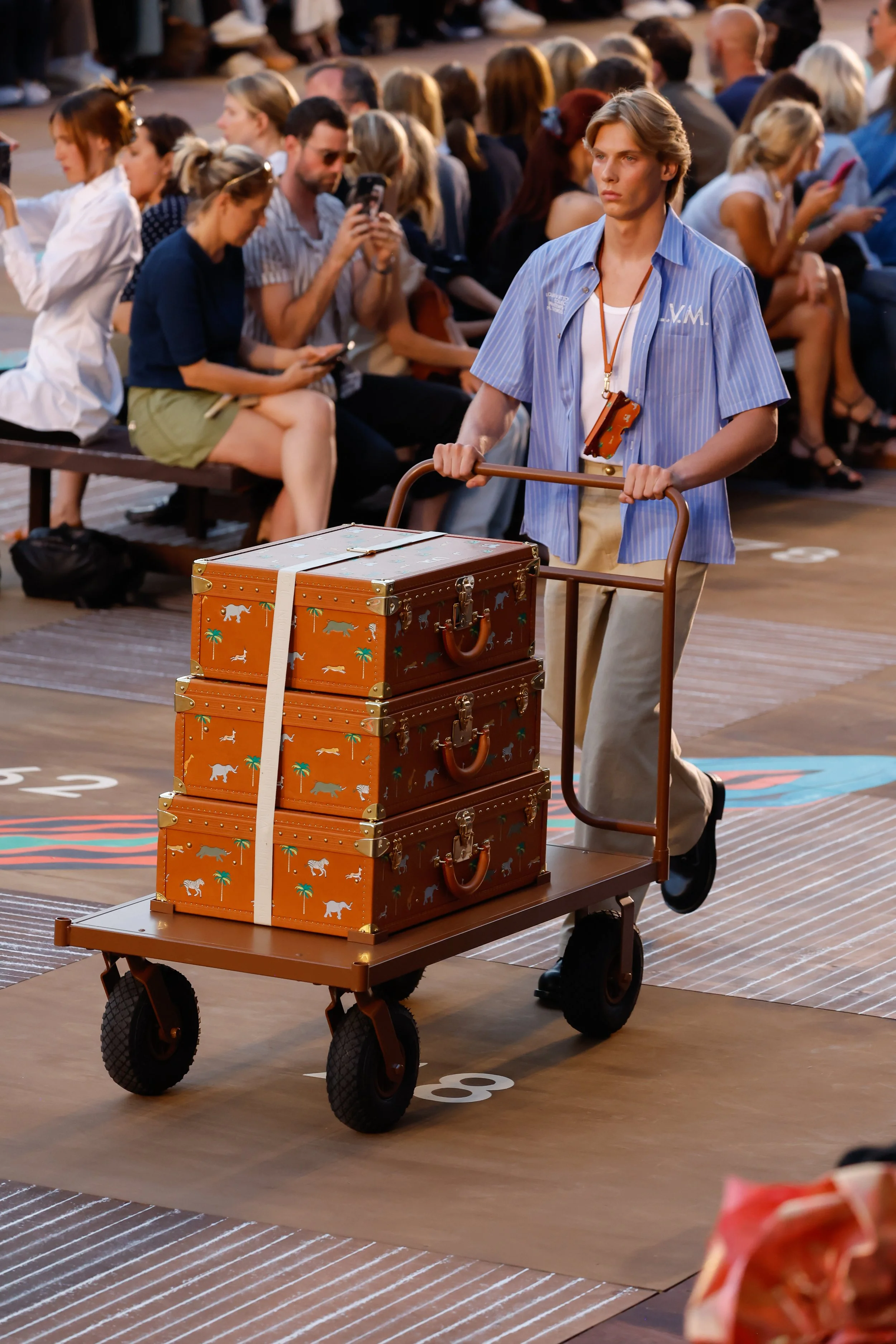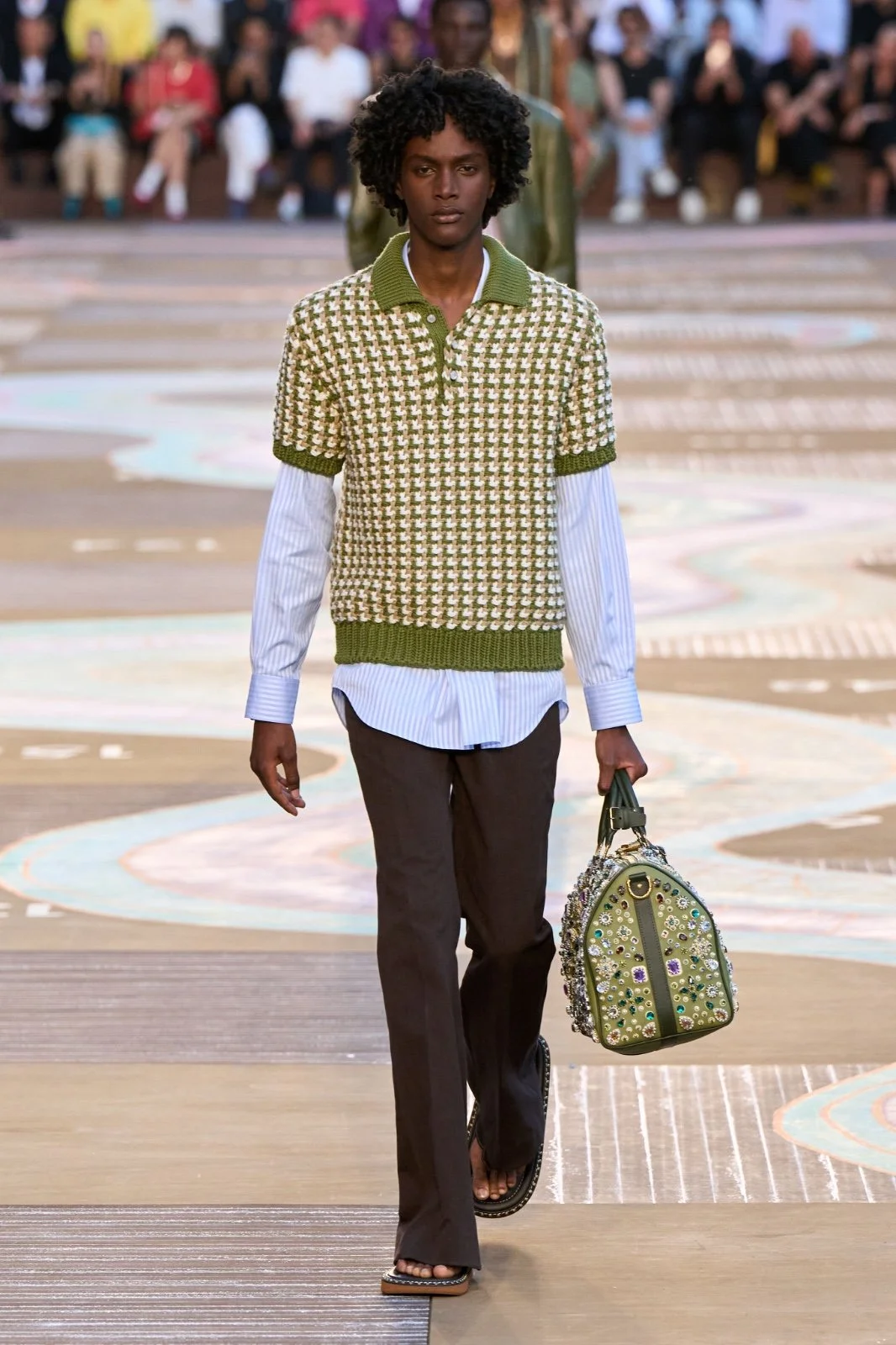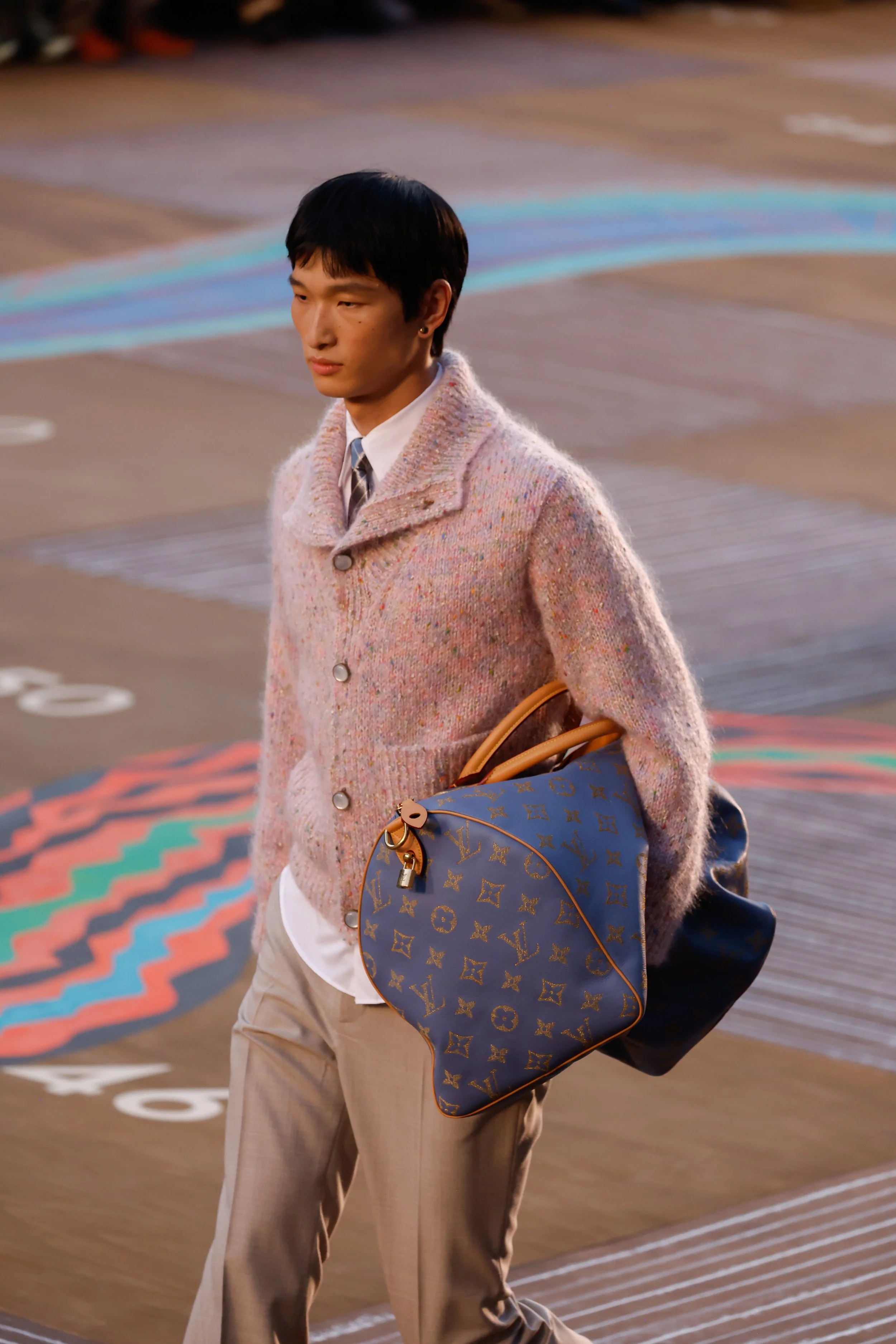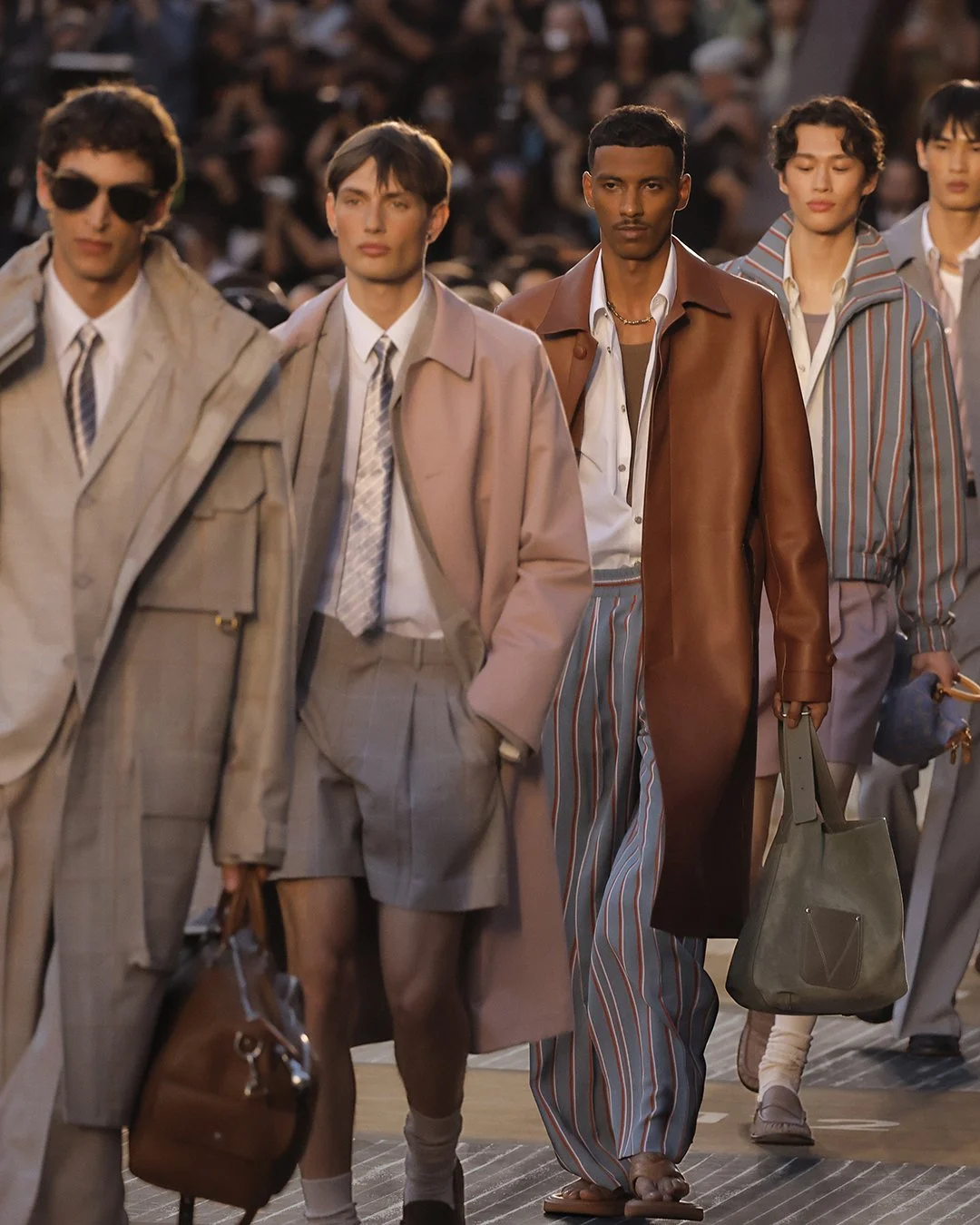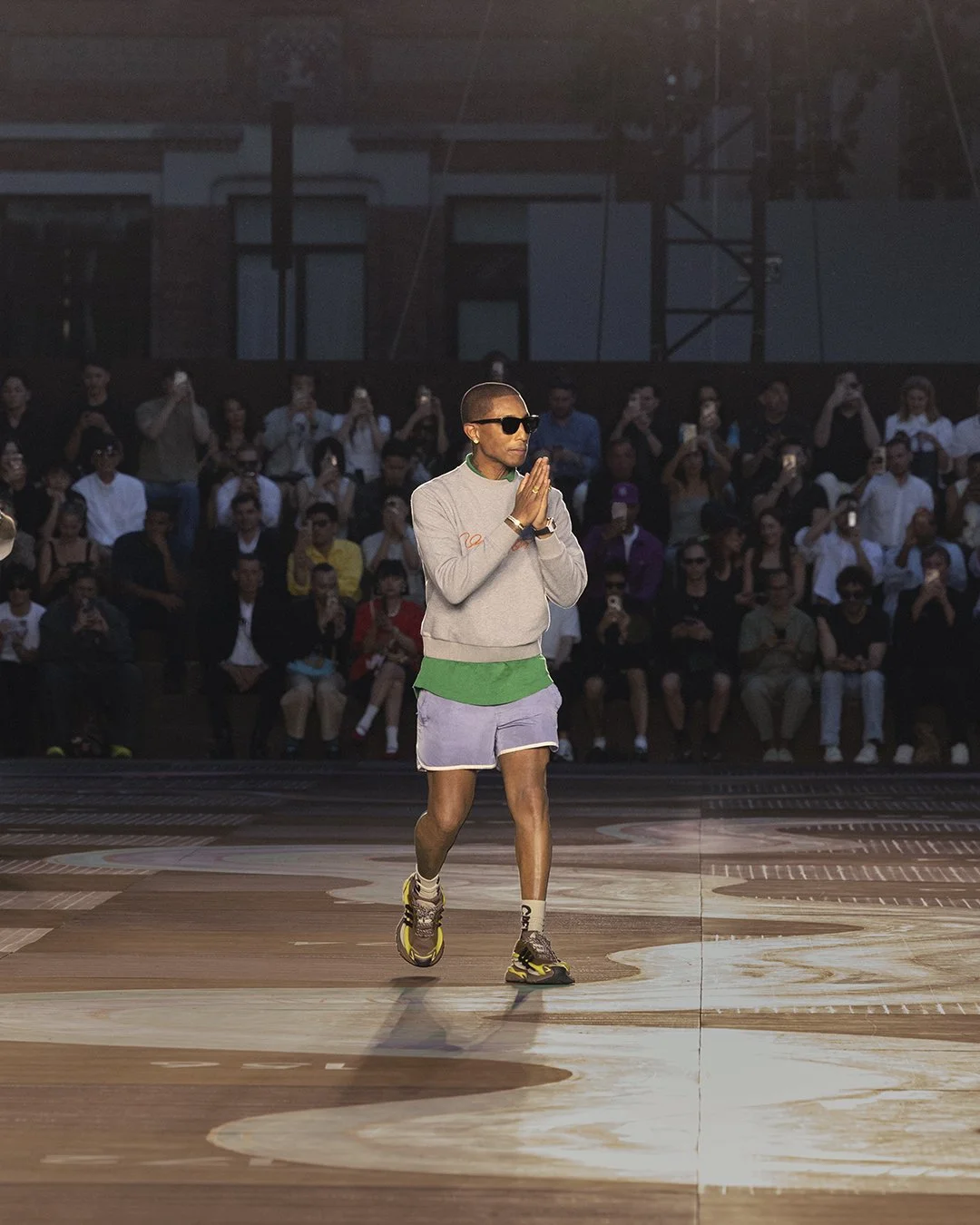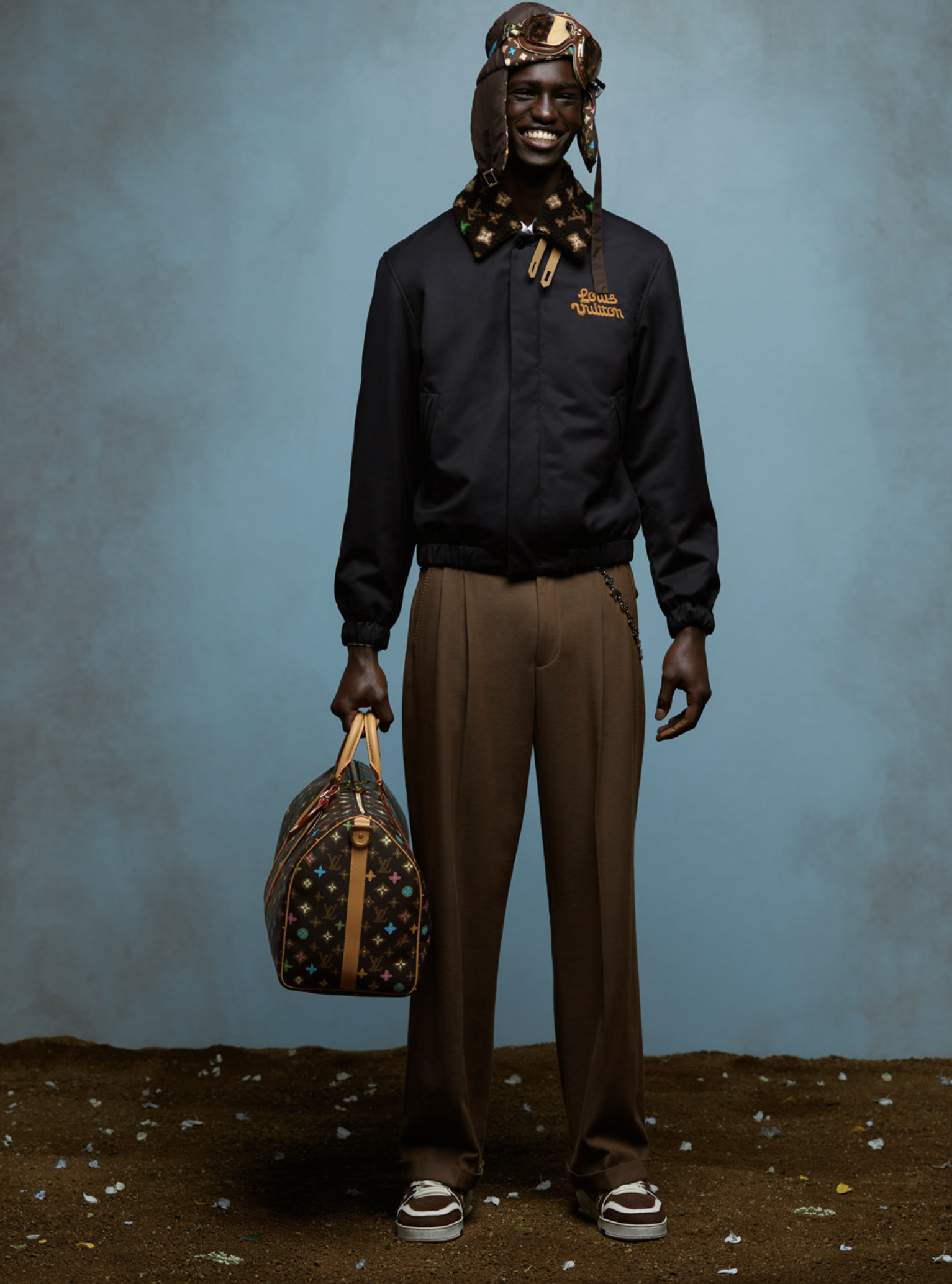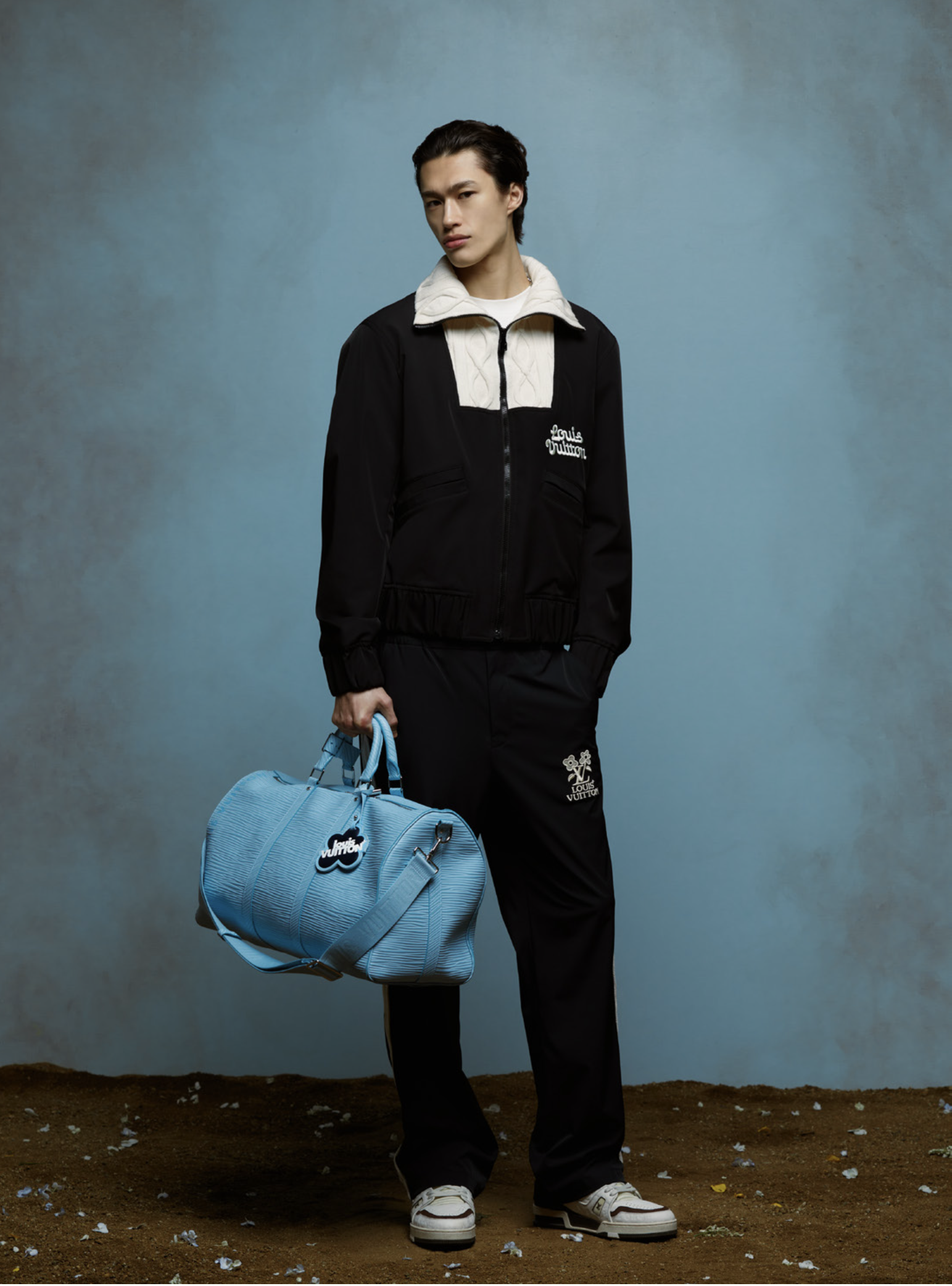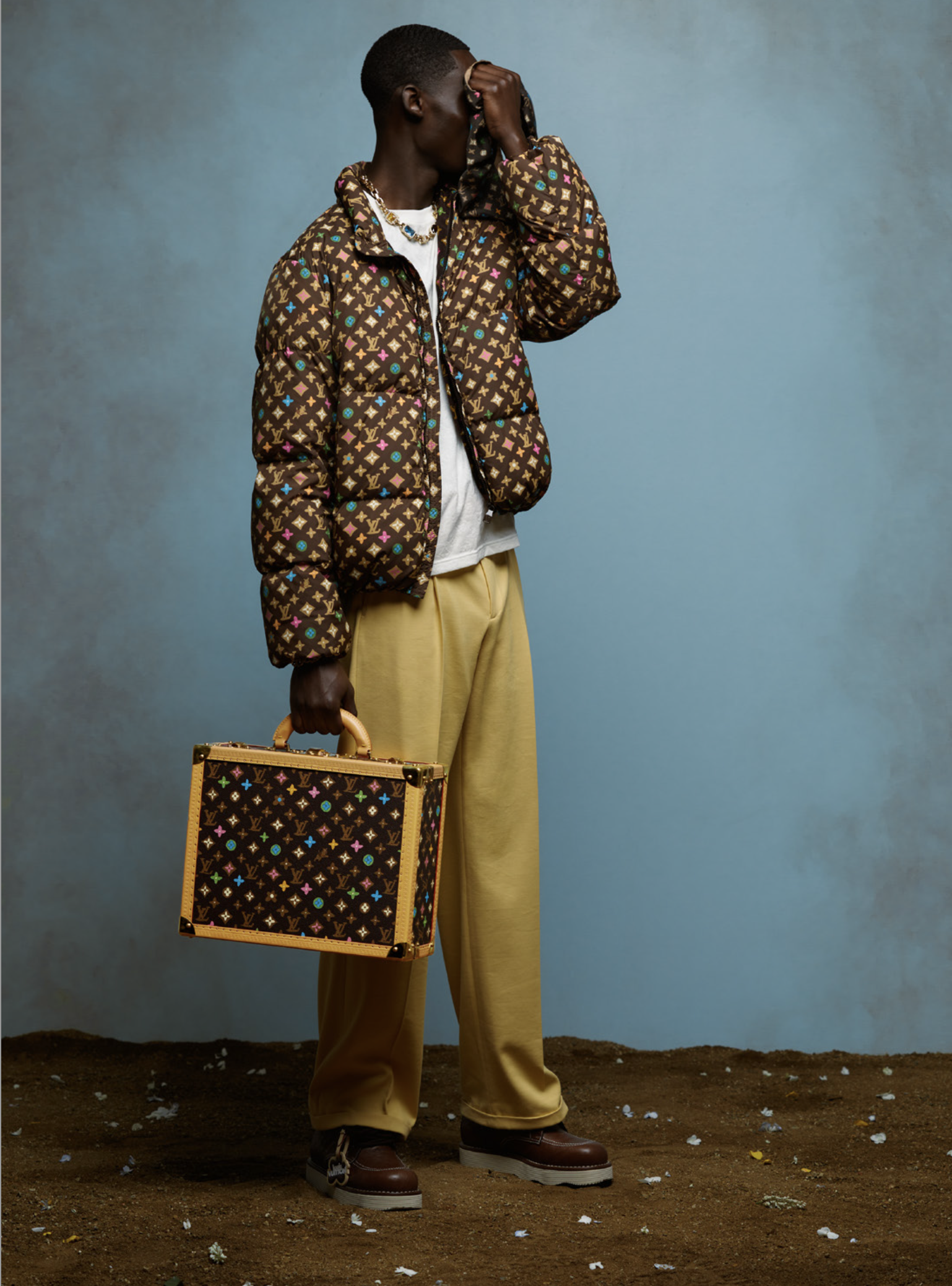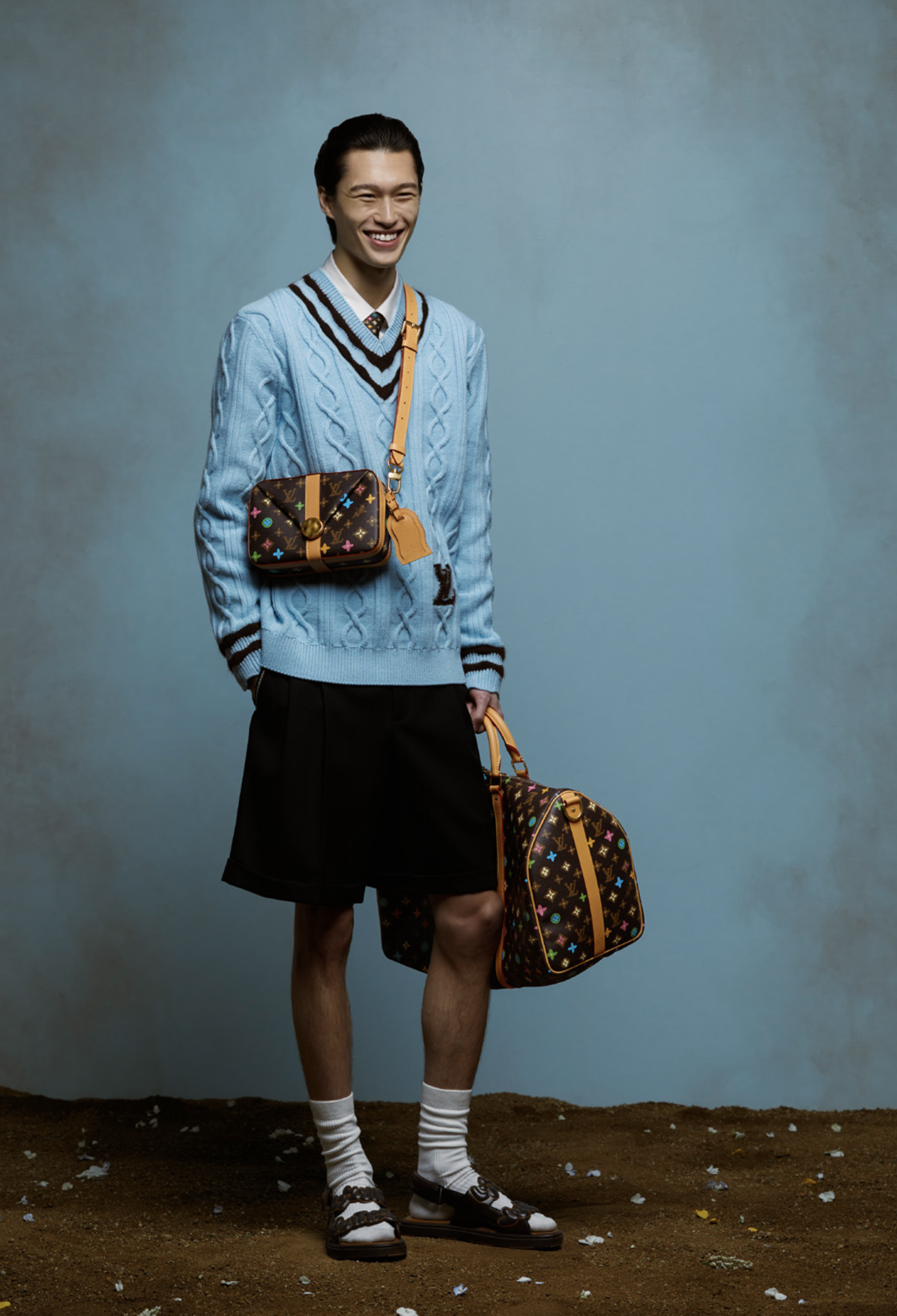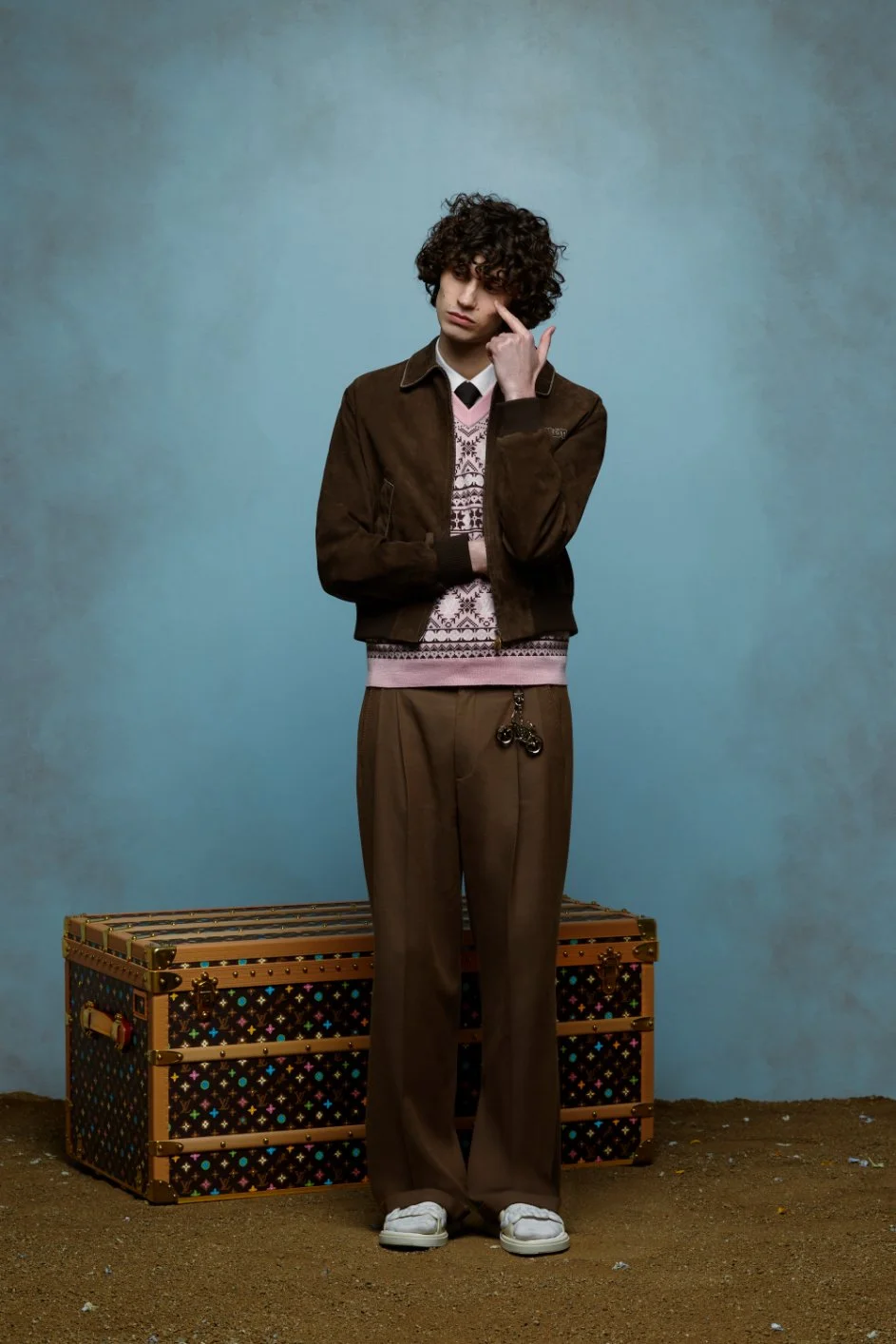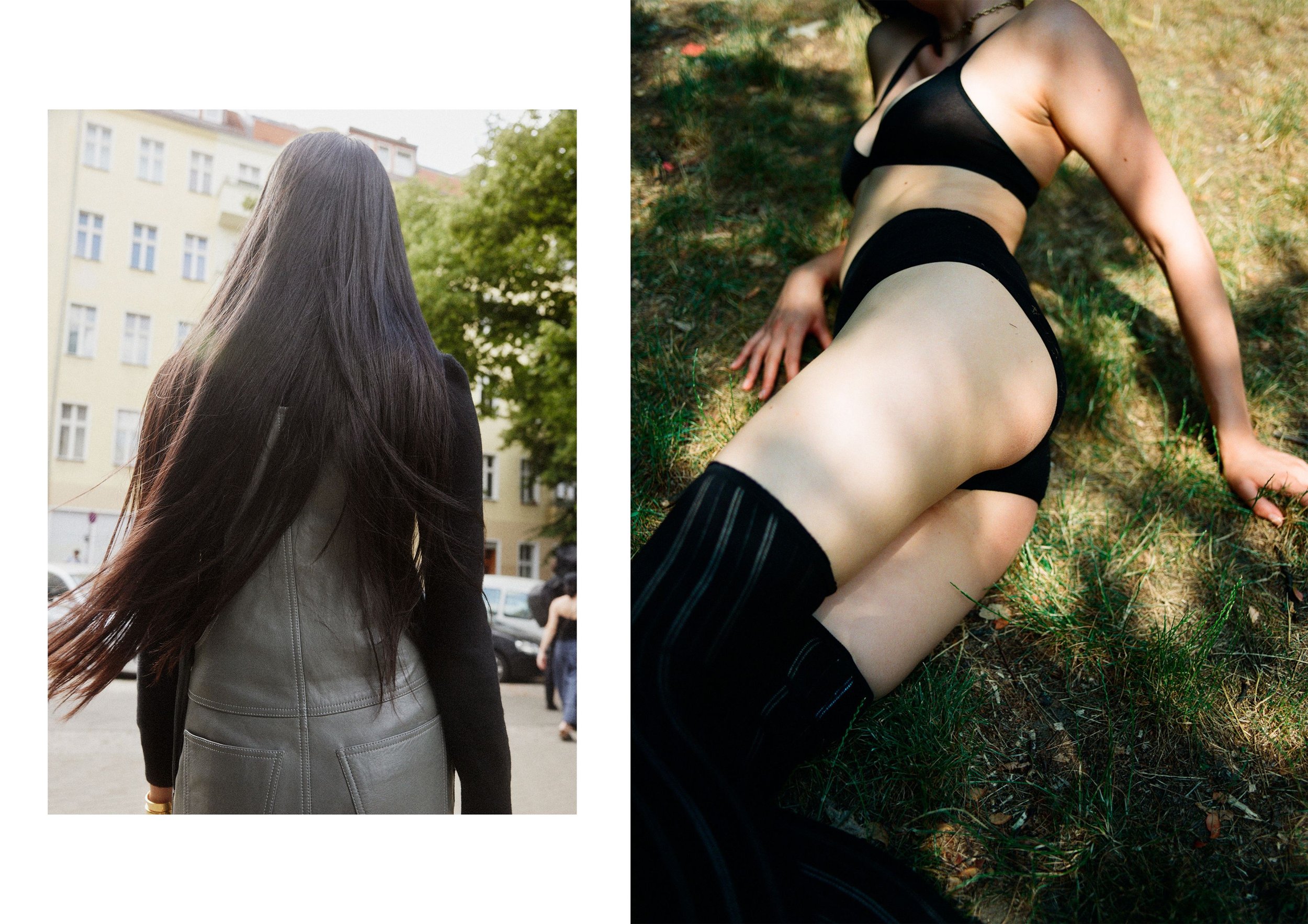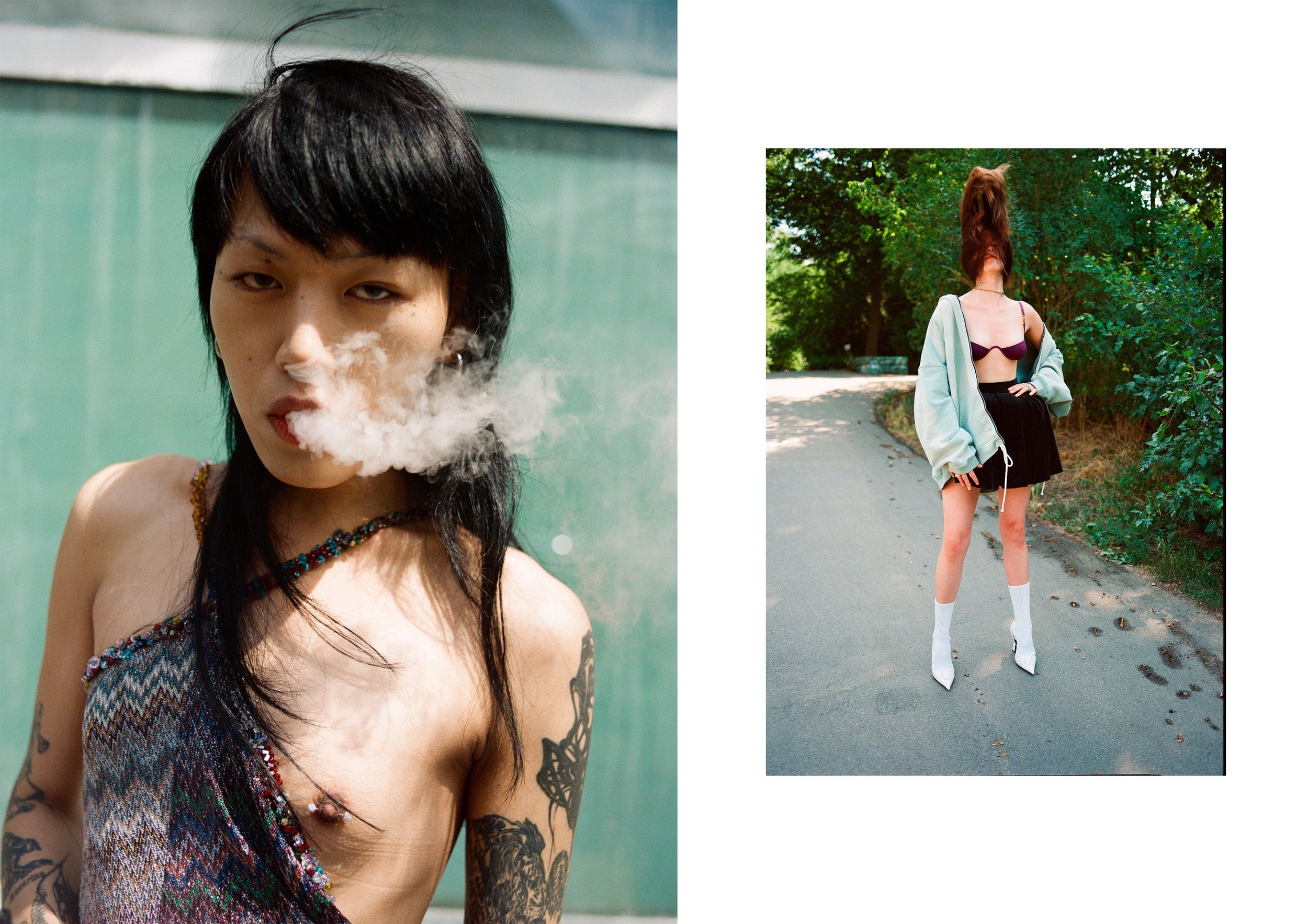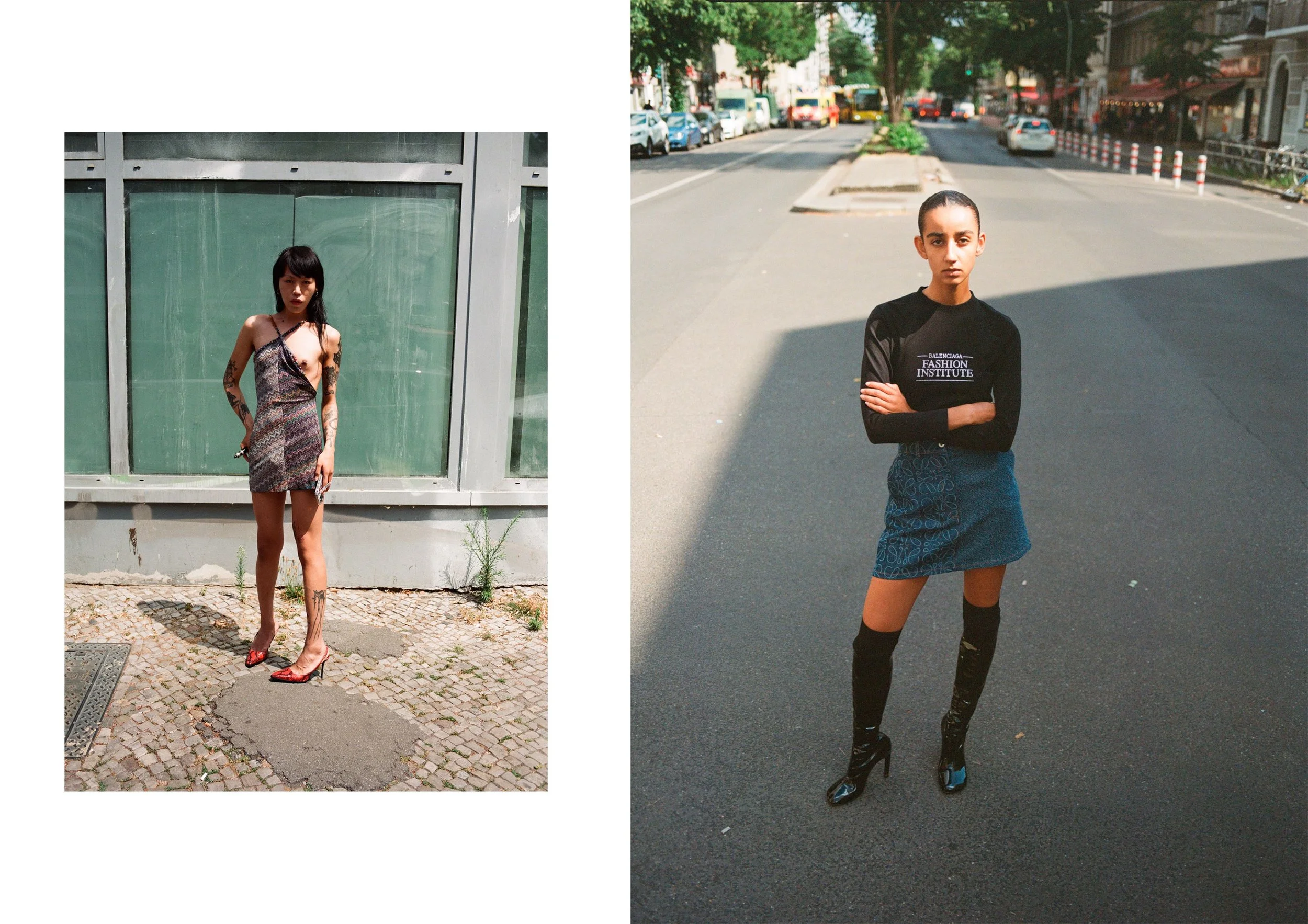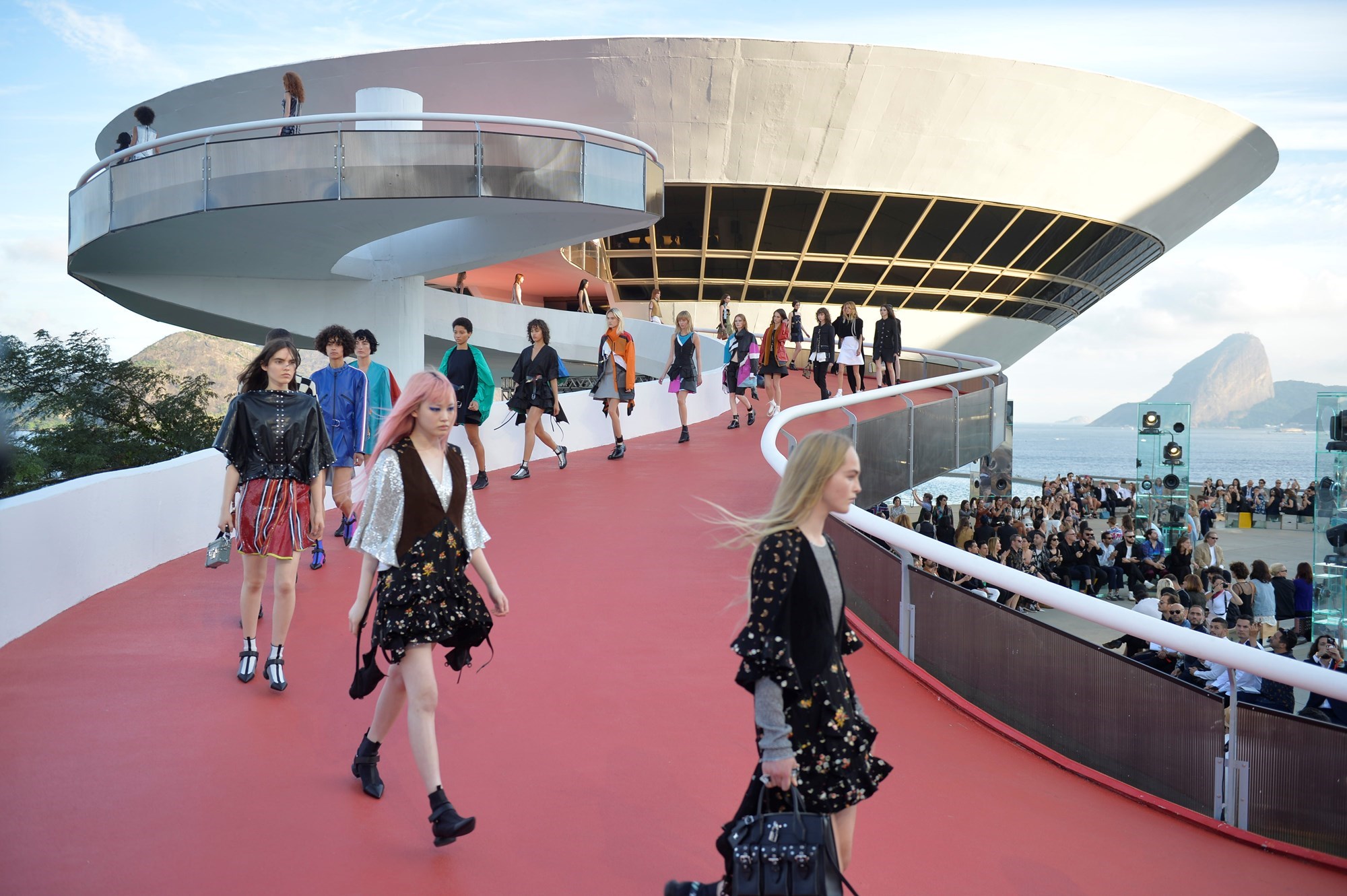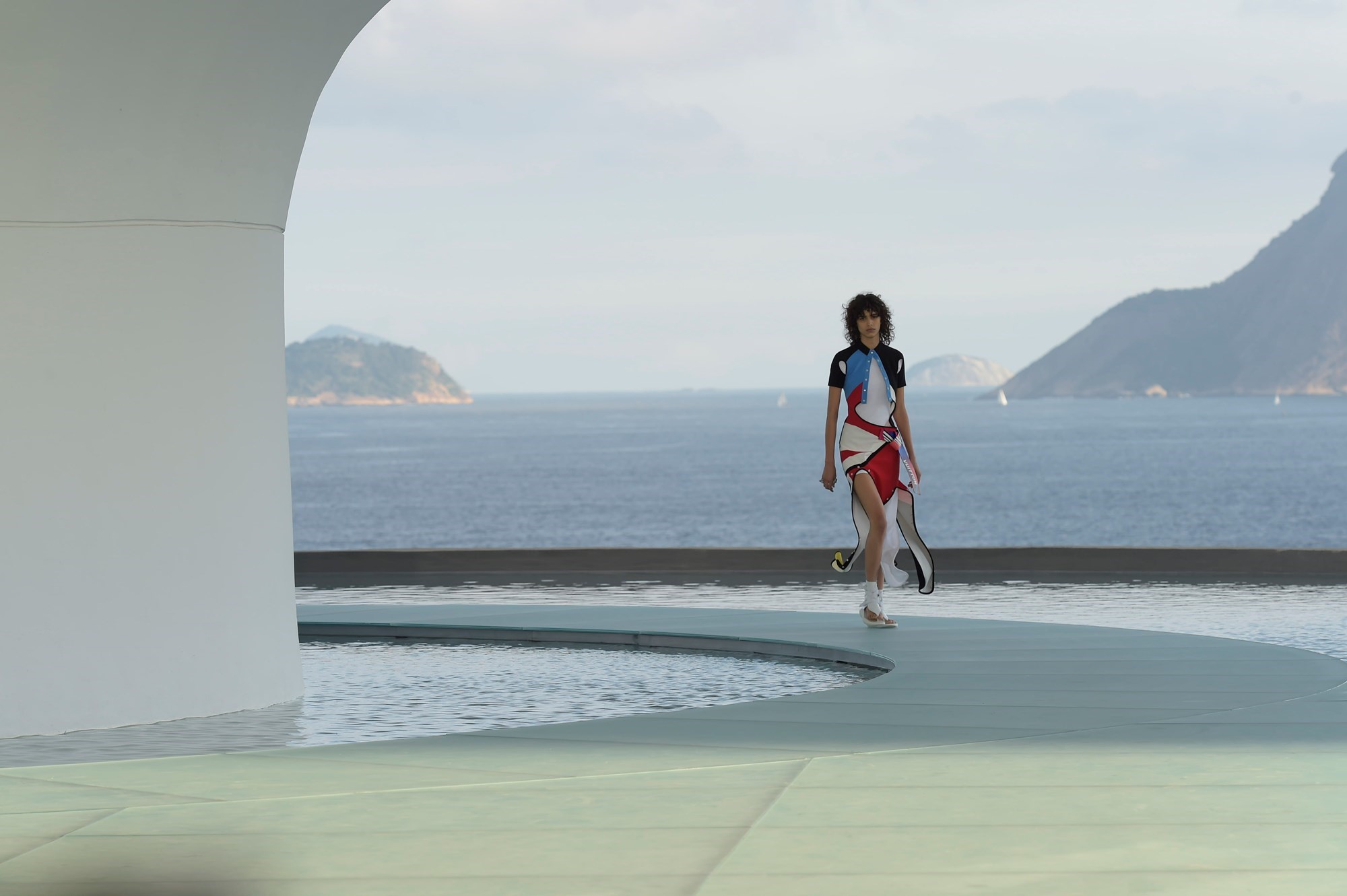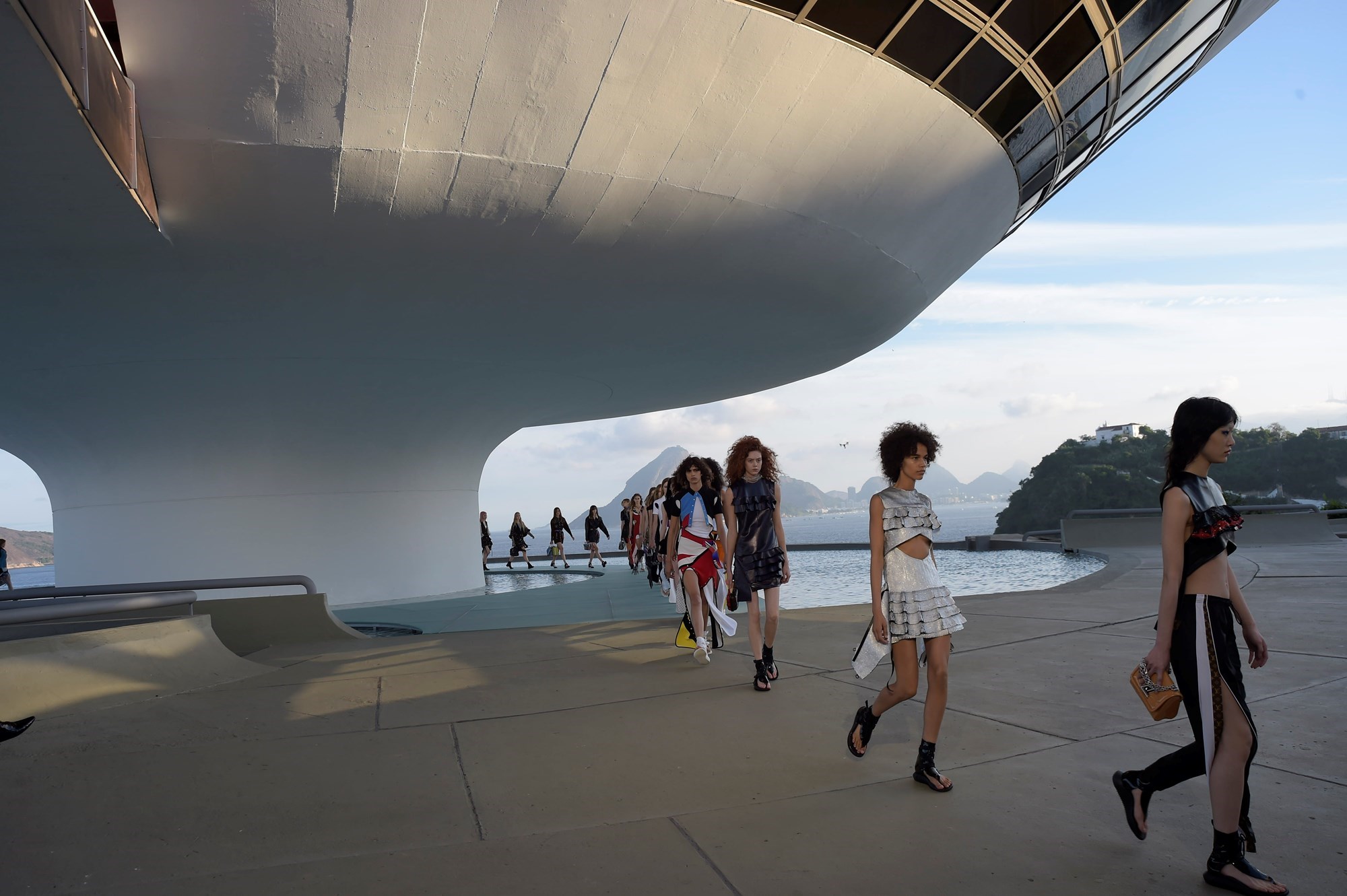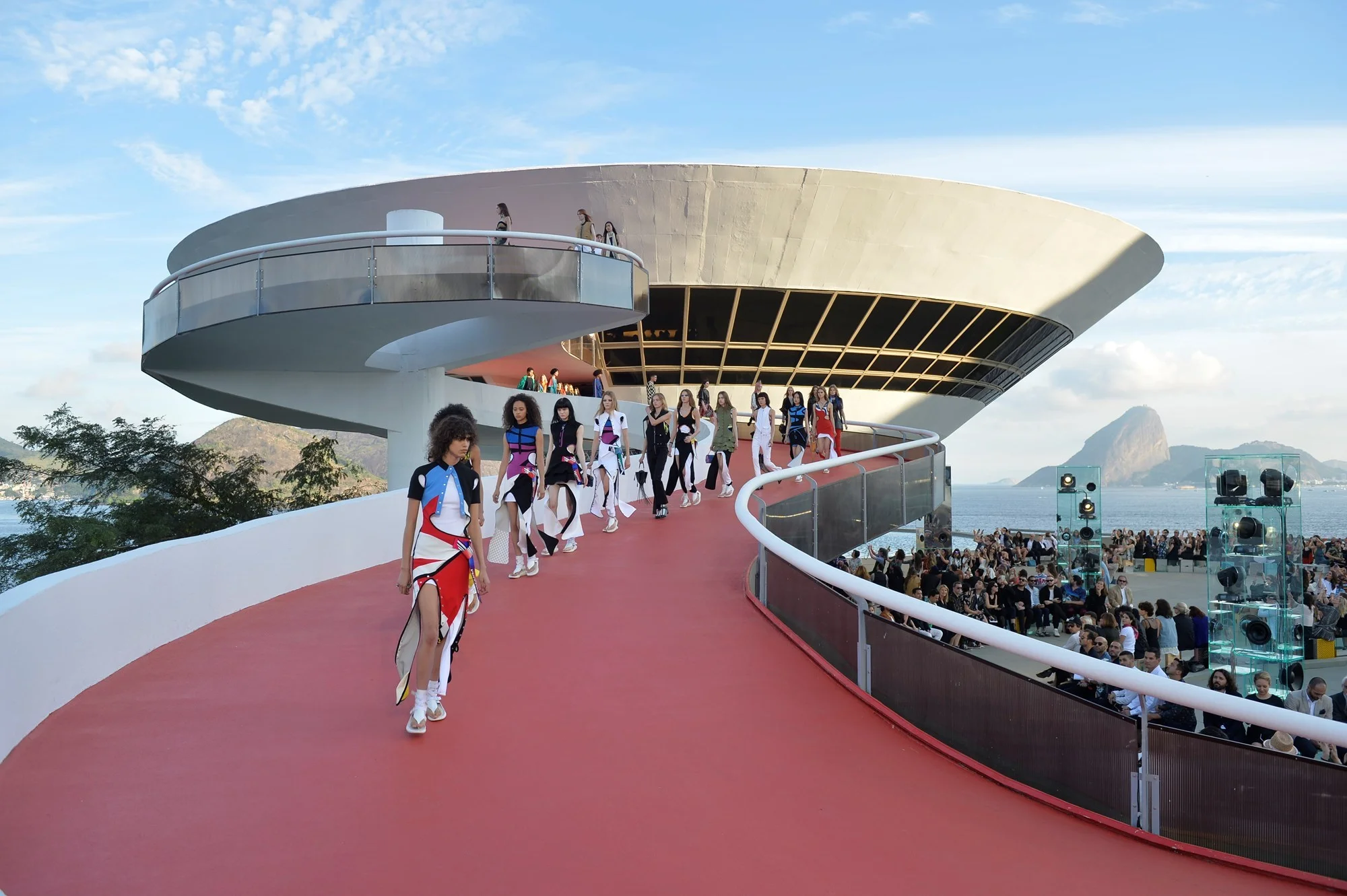
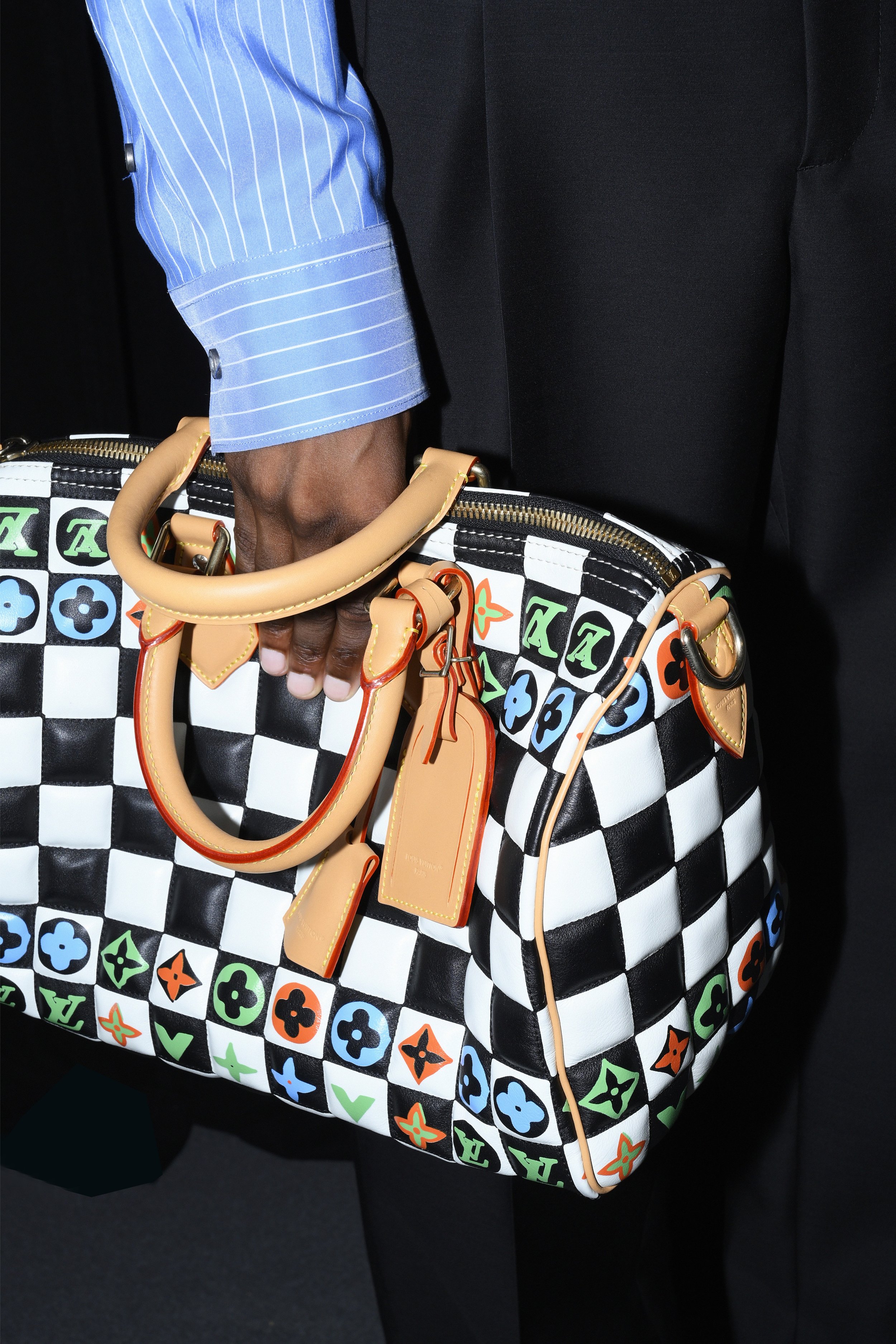
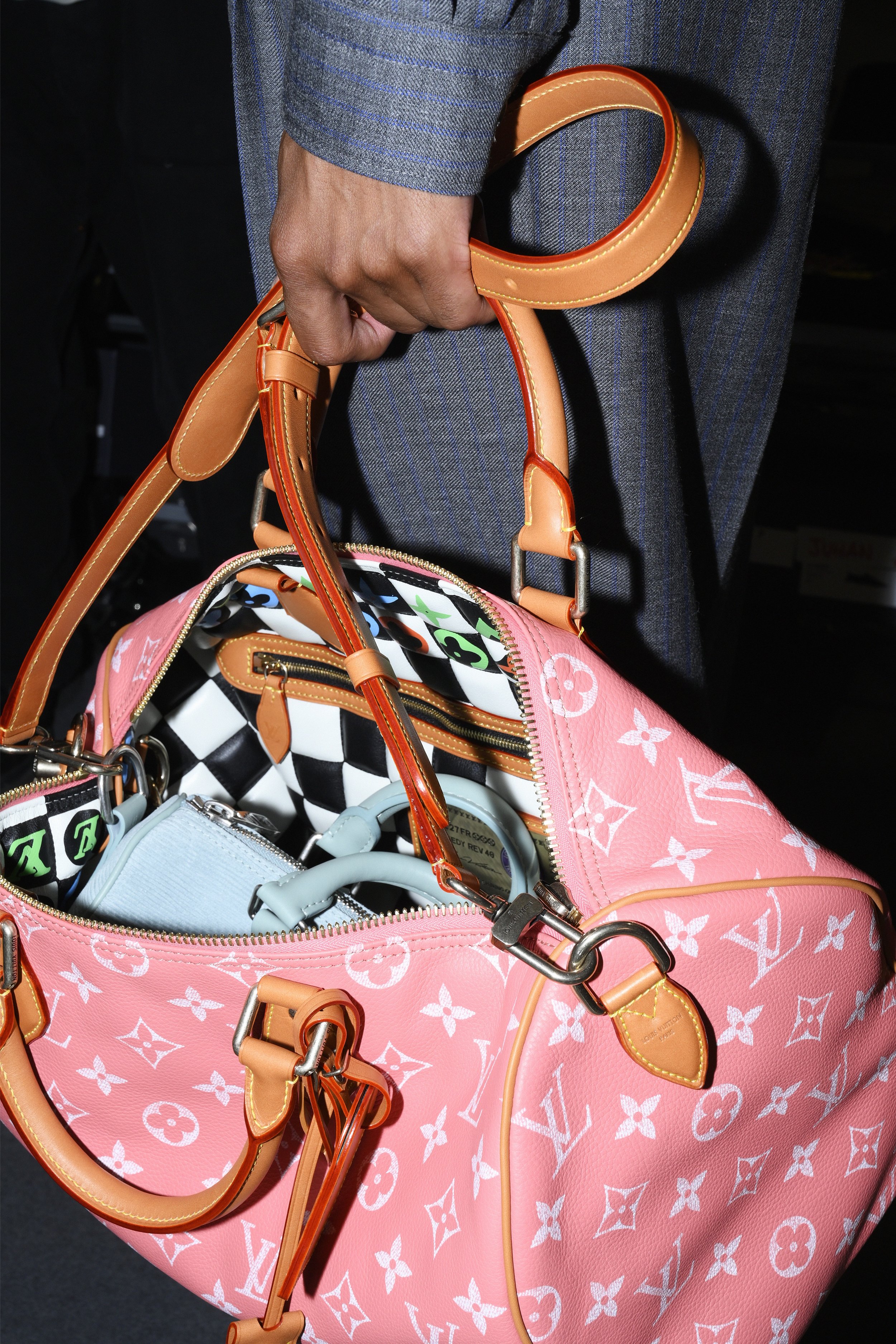
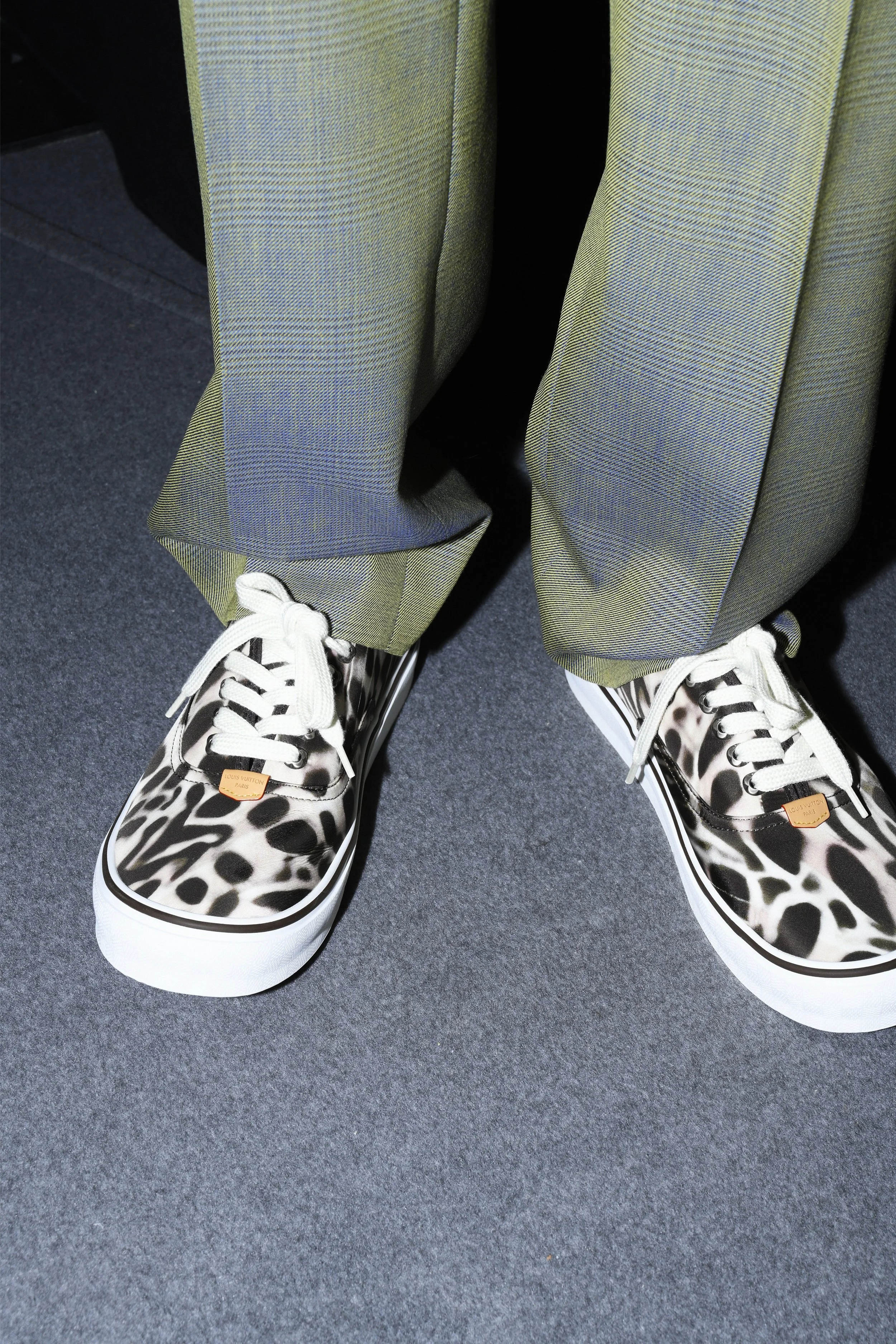
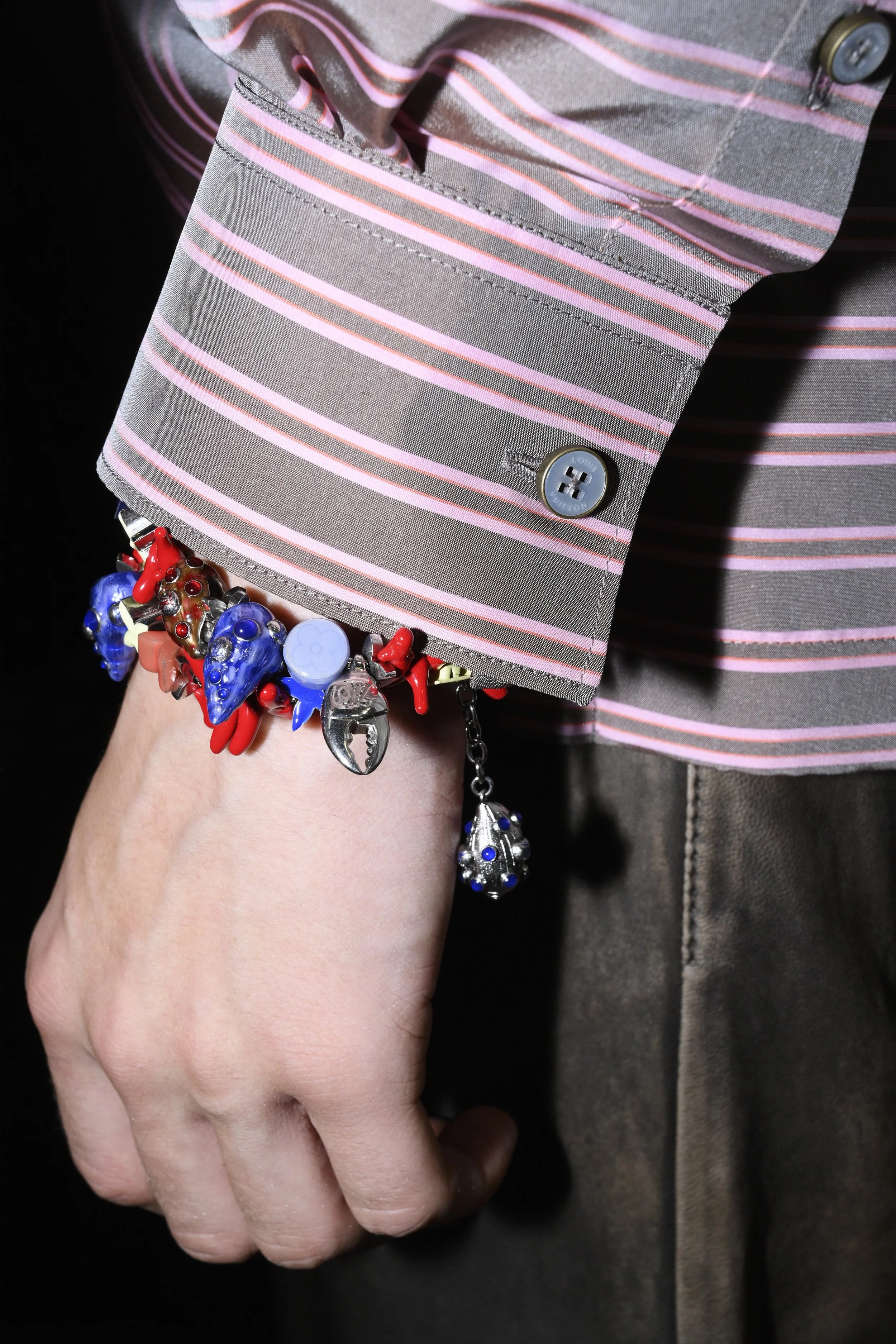
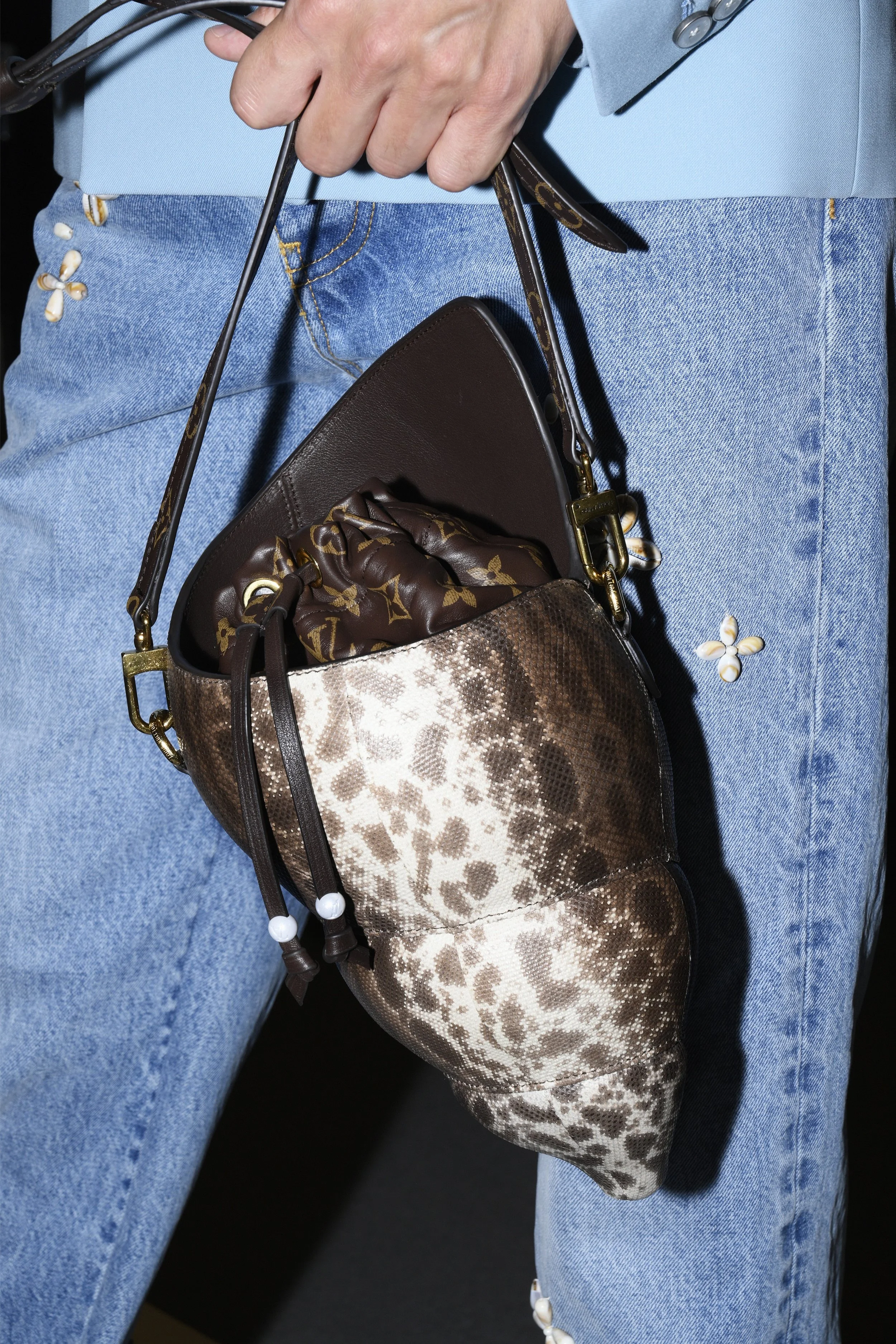
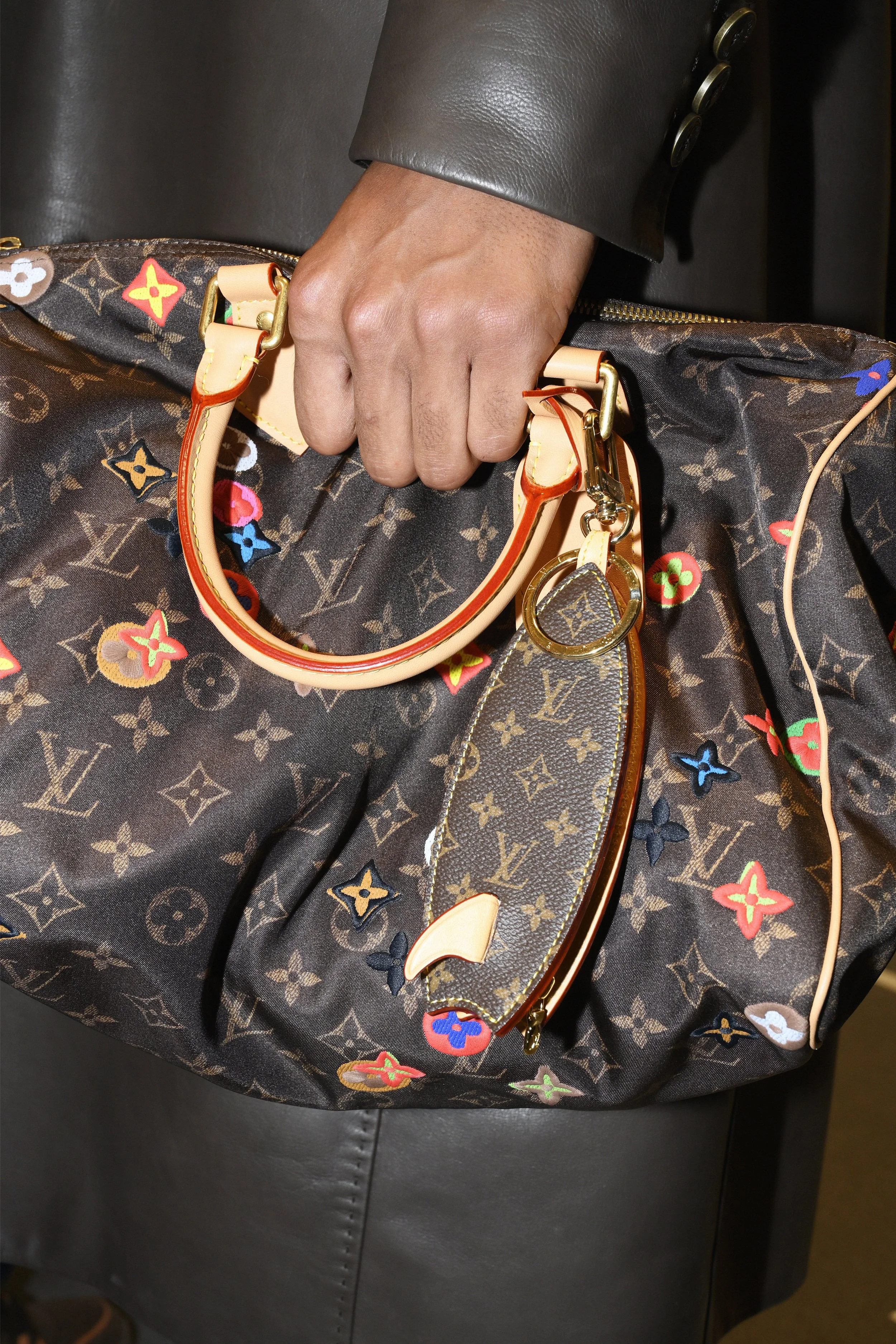
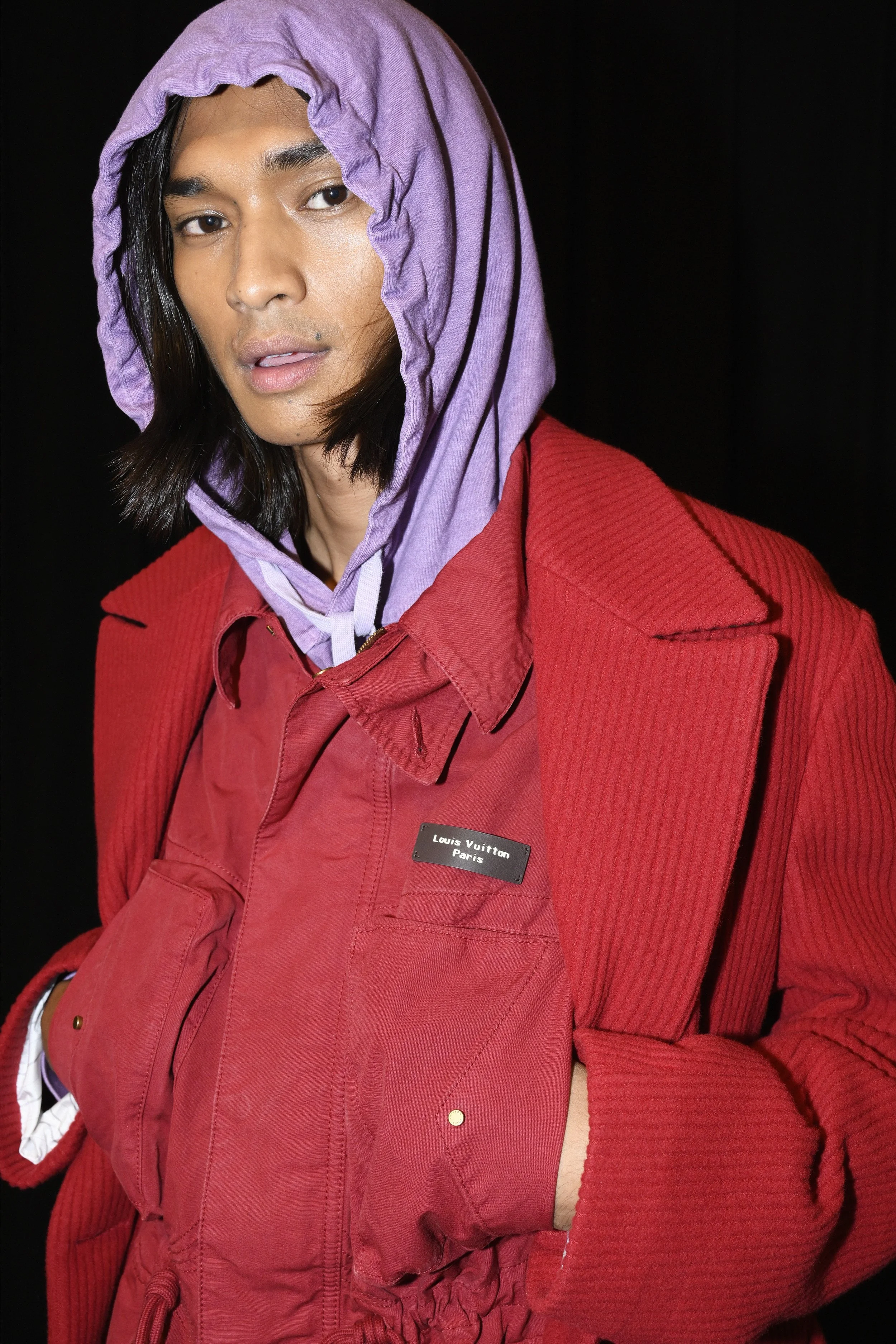
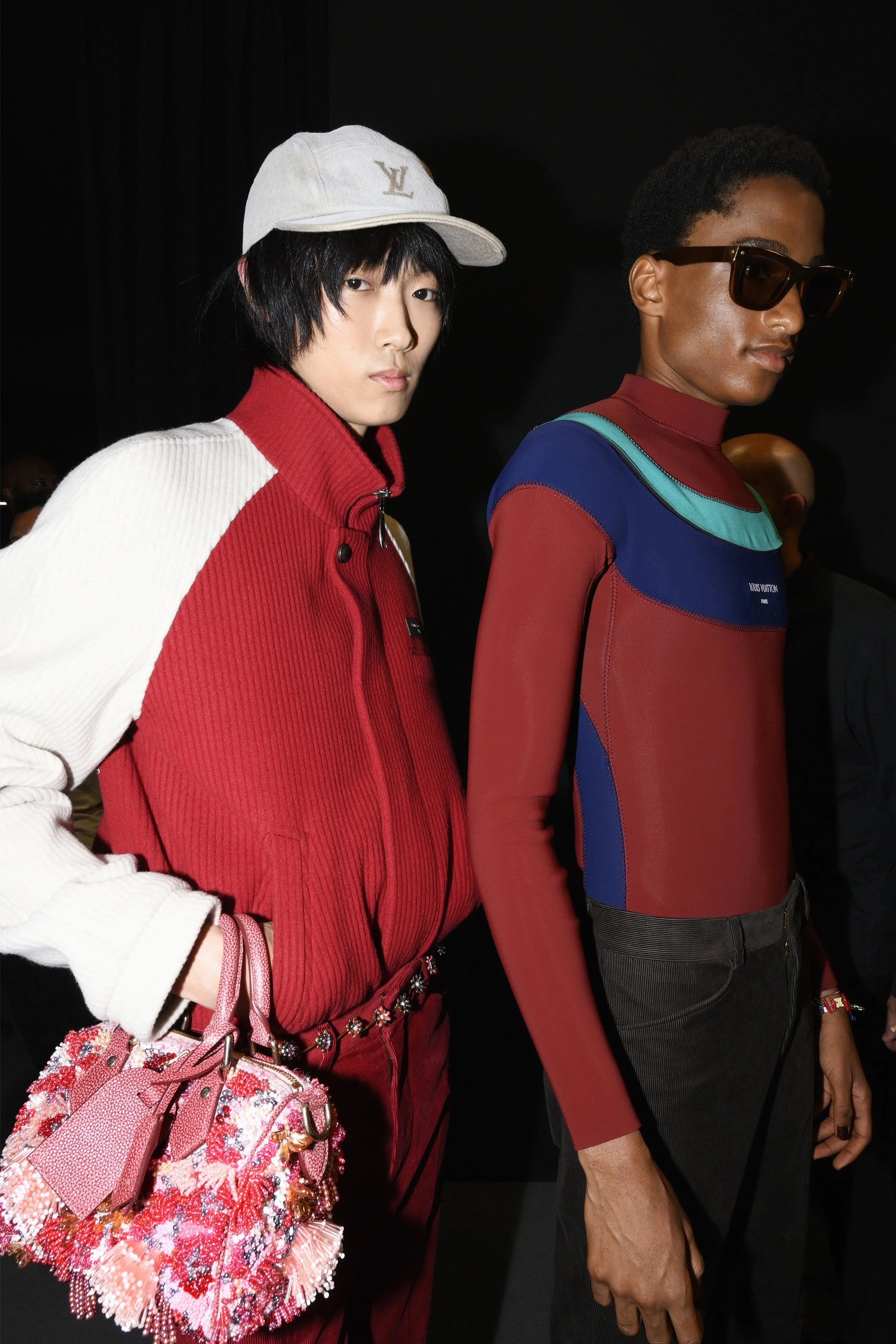
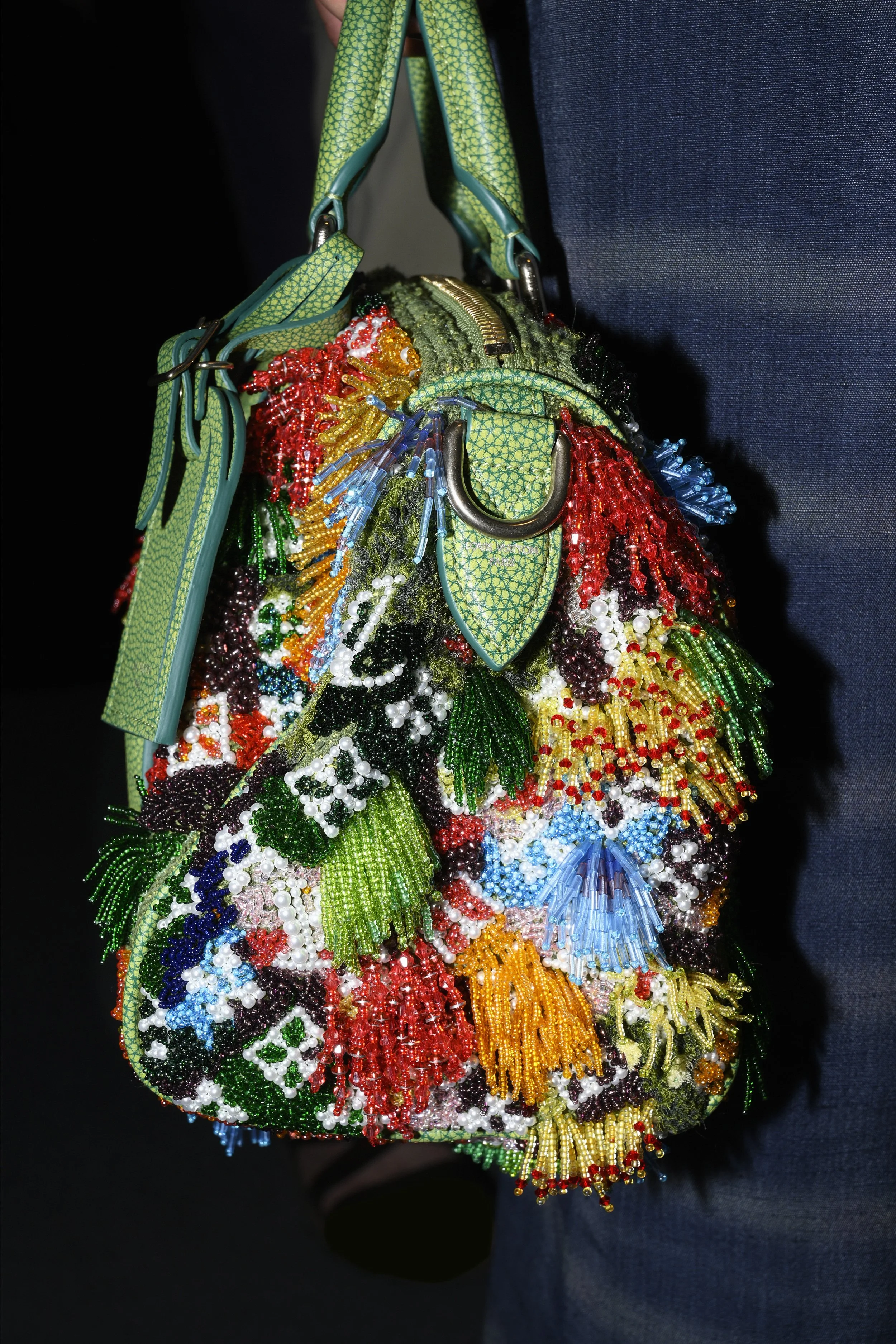
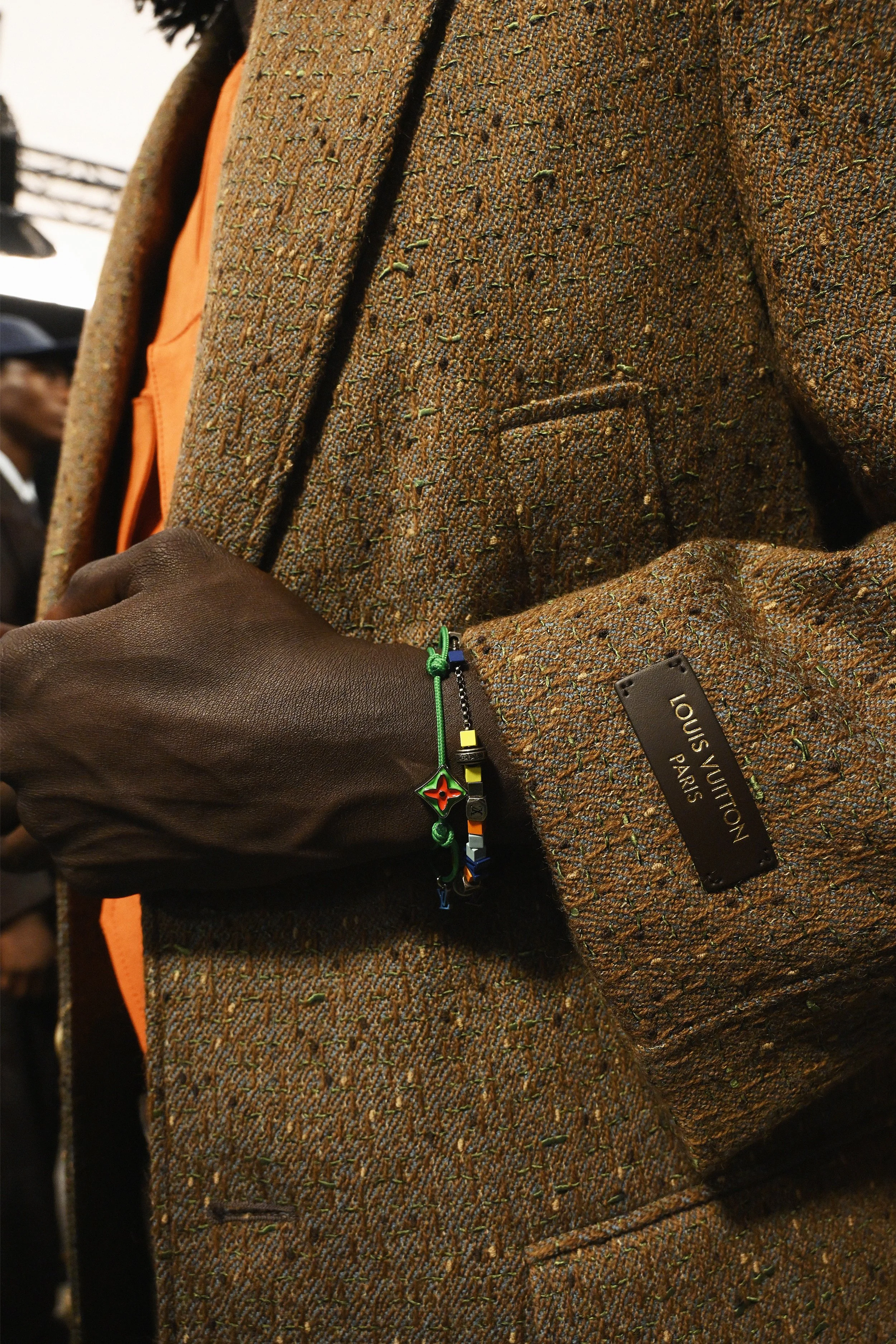
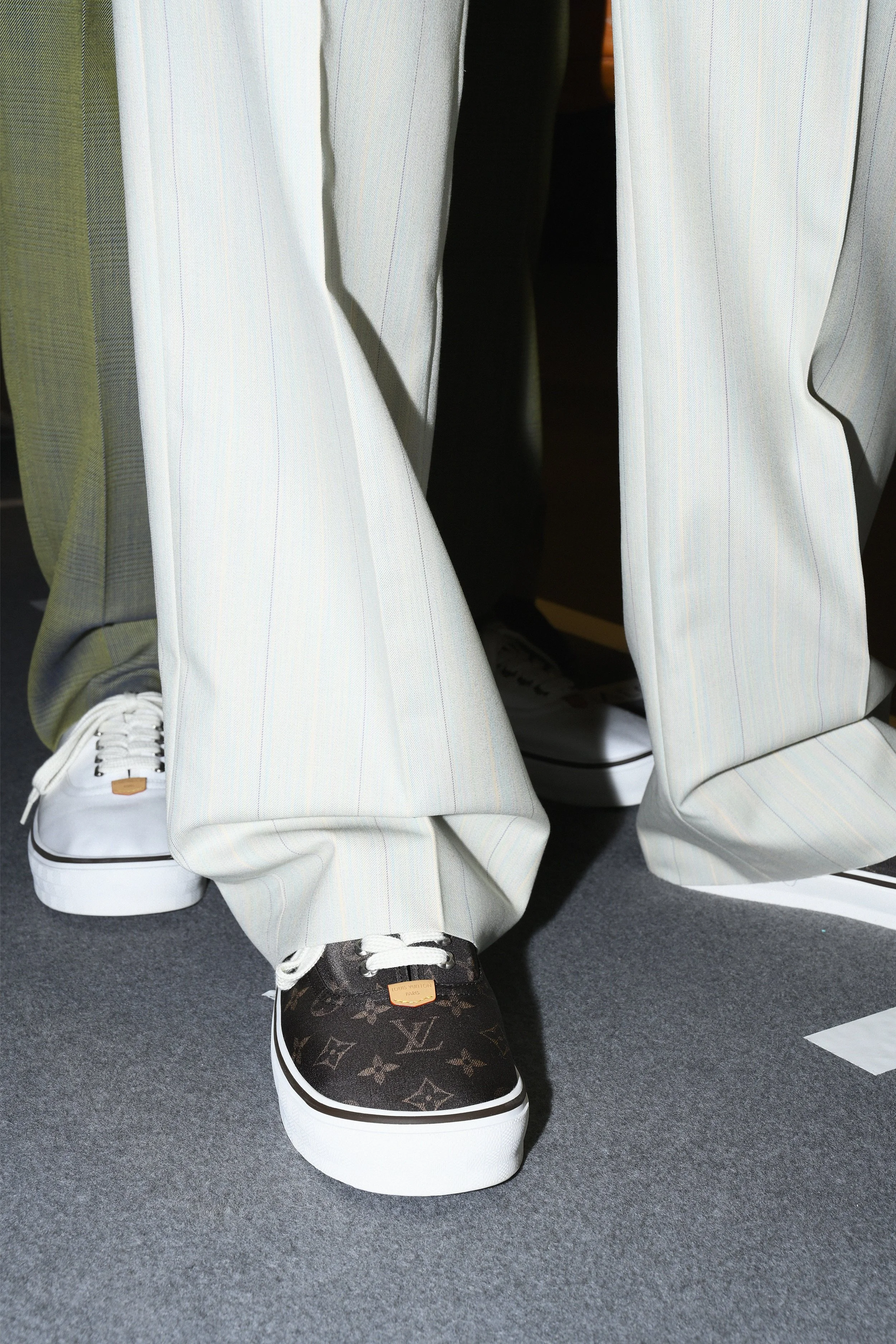
Louis Vuitton Men’s Spring-Summer 2027 by Pharrell Williams unfolds as a “Dandy Experience” shaped by the ocean as both metaphor and material reality—where the wave becomes a universal equaliser, drawing together coastlines, cultures, and ways of living. Set against a hyper-sensorial staging in Paris, the show channels surfing as a global language of movement and belonging, with water imagined as a force of life, connection, and return.
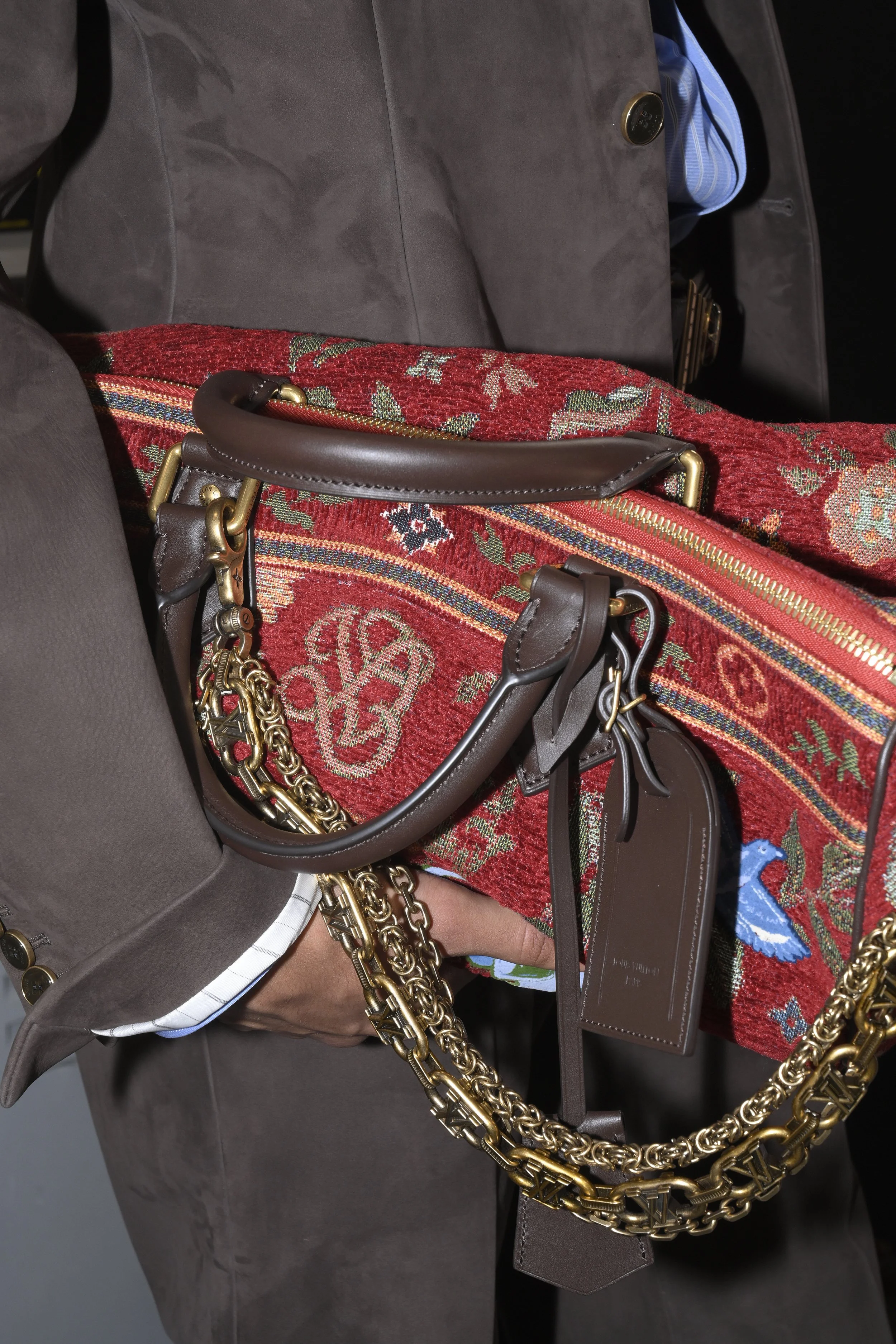
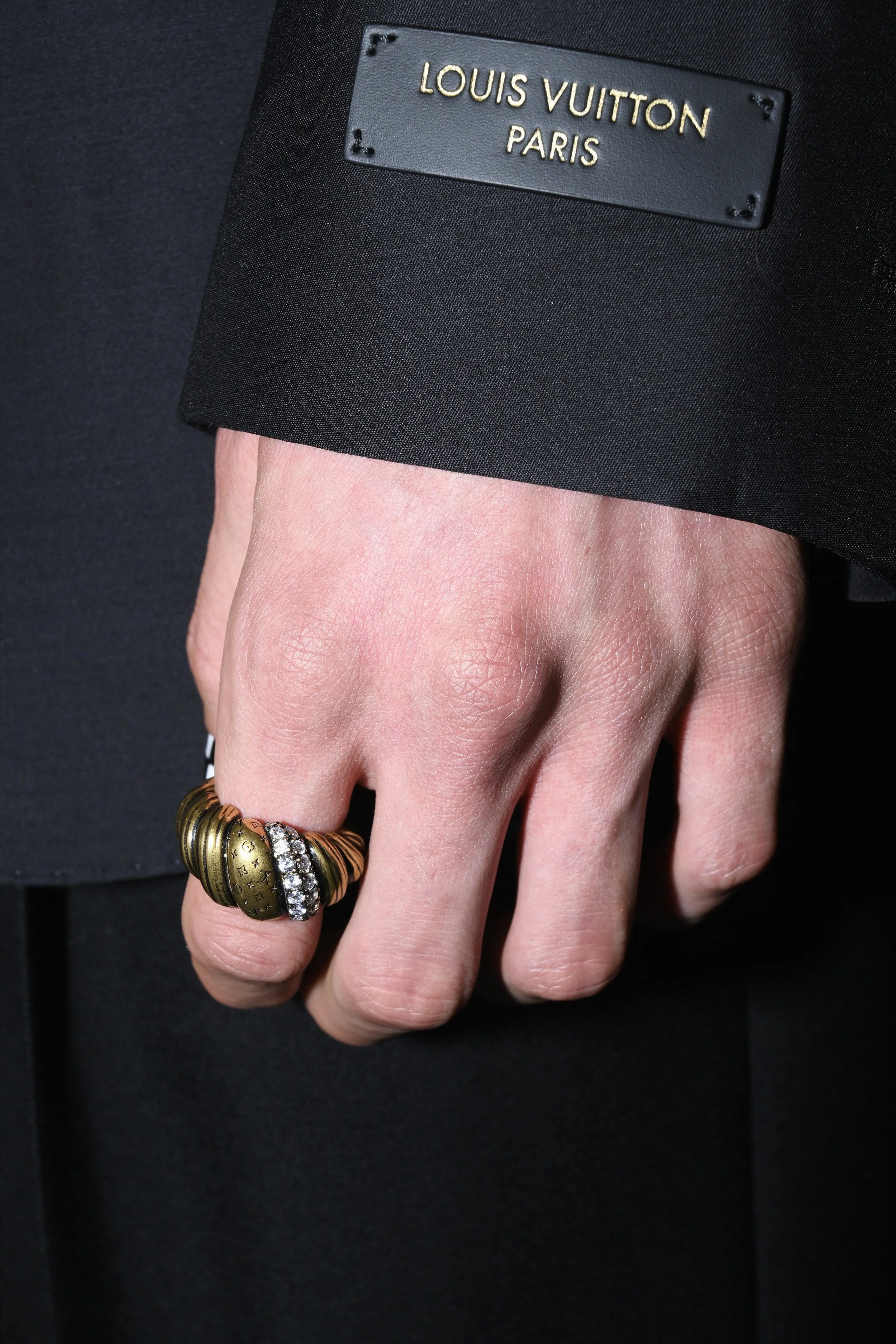
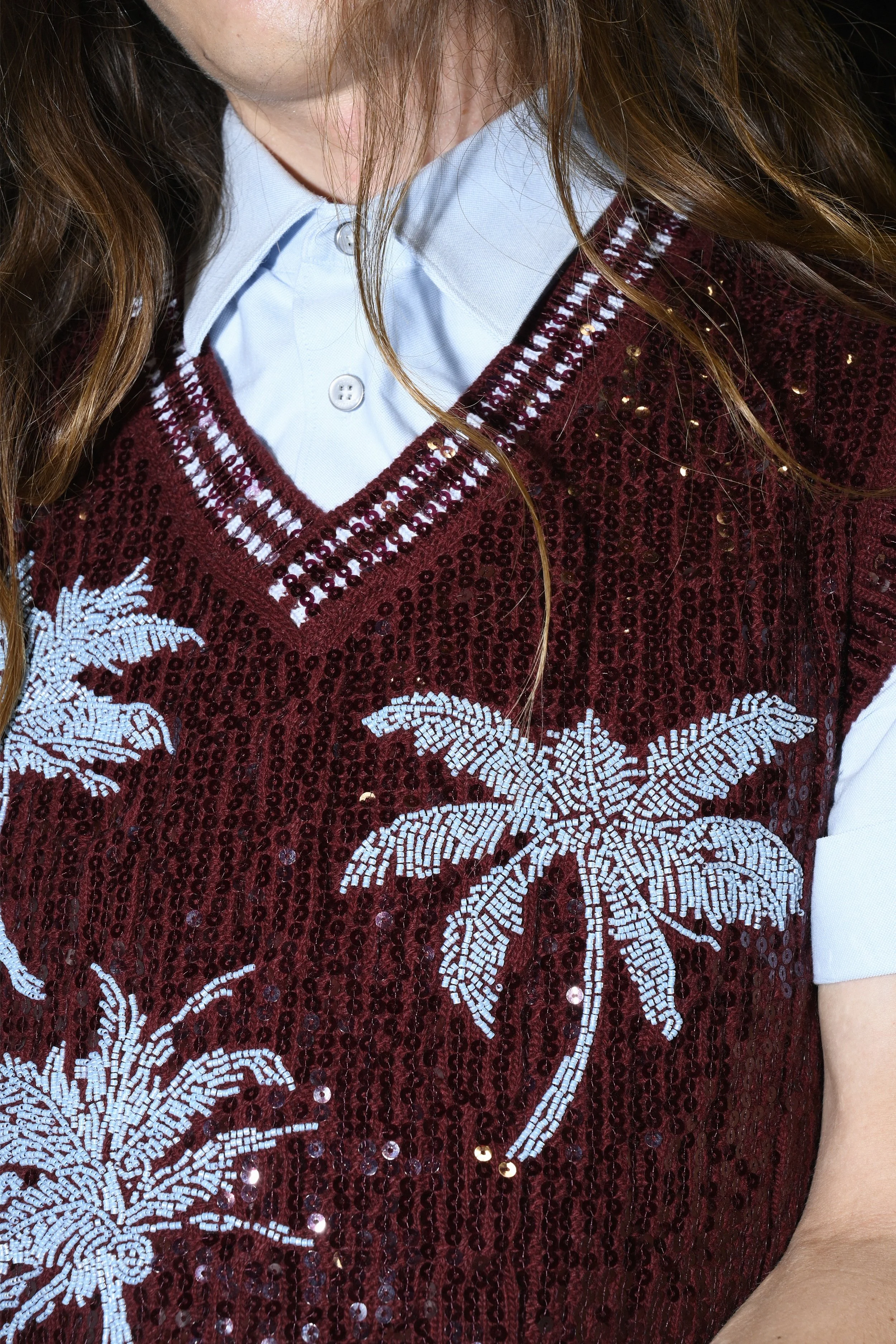
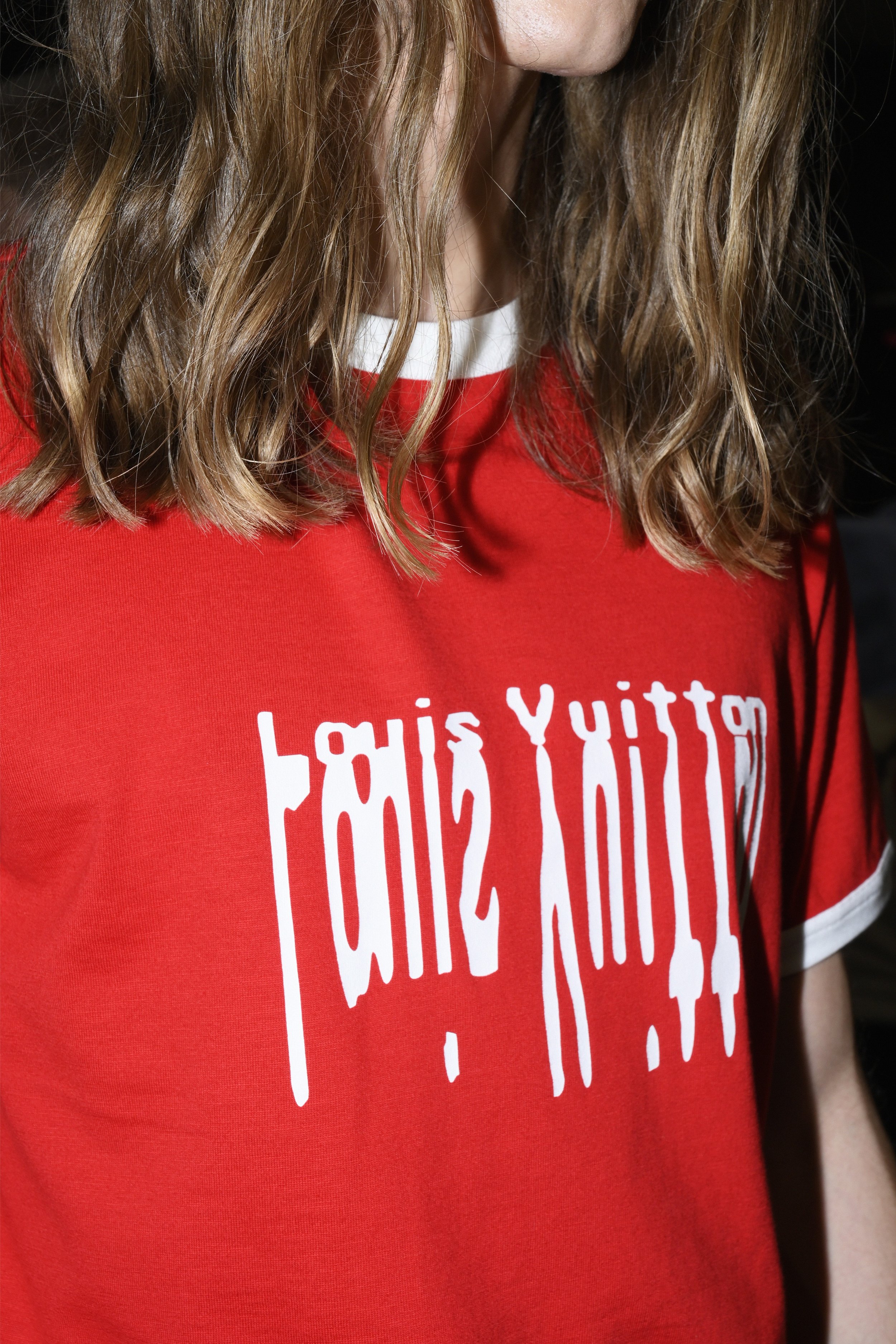
As the moon—the wavemaker—rises over the Parisian sky, the collection emerges from a monumental wave, dissolving the boundary between city and shoreline. Pharrell Williams extends his signature dandy silhouette into this coastal vocabulary, fusing unconventional elegance with the tactile codes of surf culture: hand-spun textures, weathered finishes, and bohemian ease translated through Louis Vuitton’s technical savoir-faire. Wetsuits and tailoring are placed in dialogue, while trompe l’oeil surfaces and surf-inspired graphics blur the line between illusion and touch.
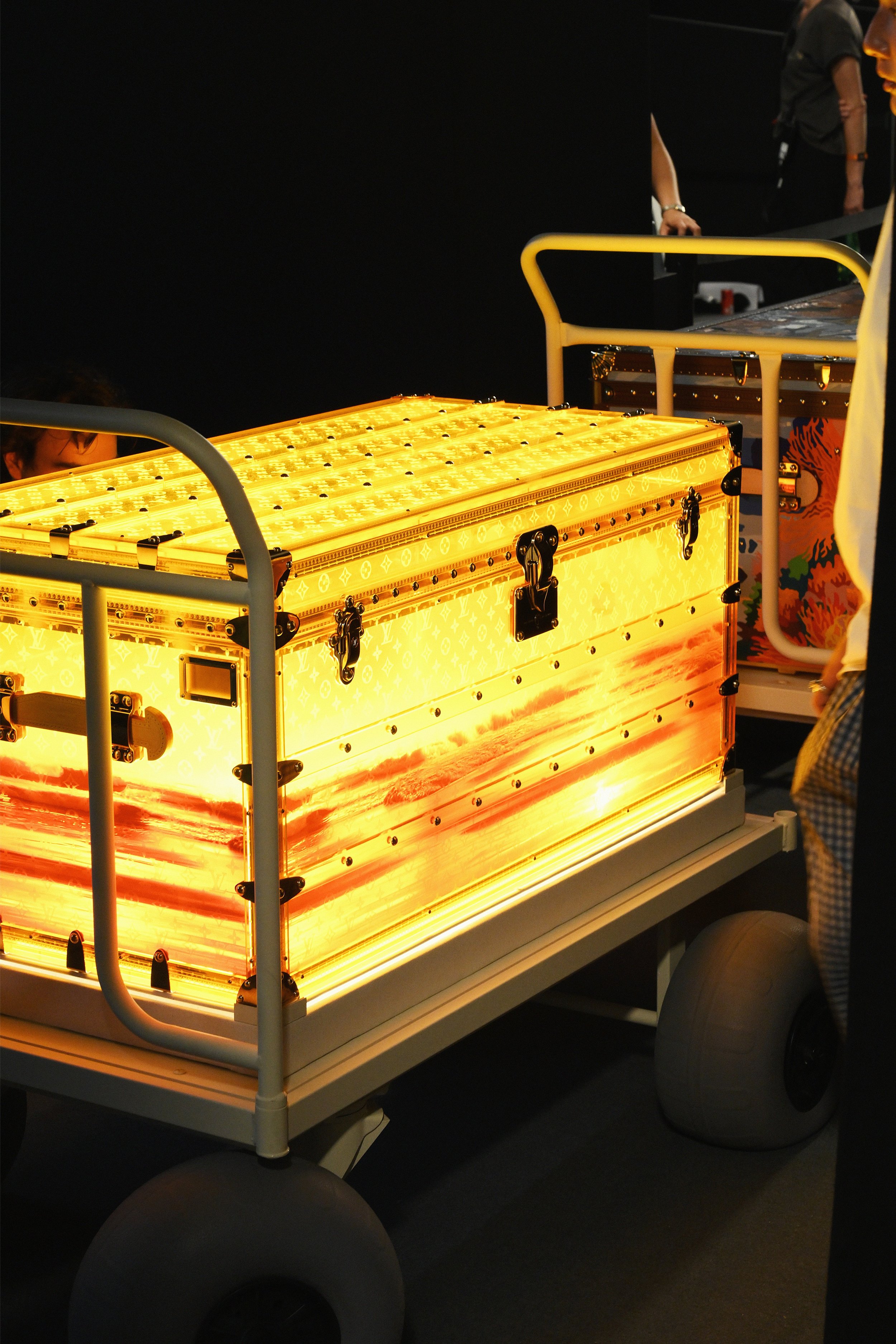
Parked beside the dunes of the set, a silver camper reimagined in the House’s future-facing design language anchors the narrative—like a suspended drop within an elemental landscape, placing the nomadic dandy in direct contact with nature’s rhythm. A cinematic prelude featuring surfers Mikey February and Julian Wilson sets the tone, as the sound of crashing water merges with an original score recorded in Pharrell’s Louis Vuitton studio.
Extending beyond the runway, the collection connects to Louis Vuitton’s Regeneration 2030 initiative in partnership with Coral Gardeners, supporting reef restoration in French Polynesia—out-planting 1,000 corals and restoring 250 square metres of reef habitat at the Tiaia site in 2026. In this context, the show frames the ocean not only as aesthetic inspiration, but as a living system to be preserved and regenerated.