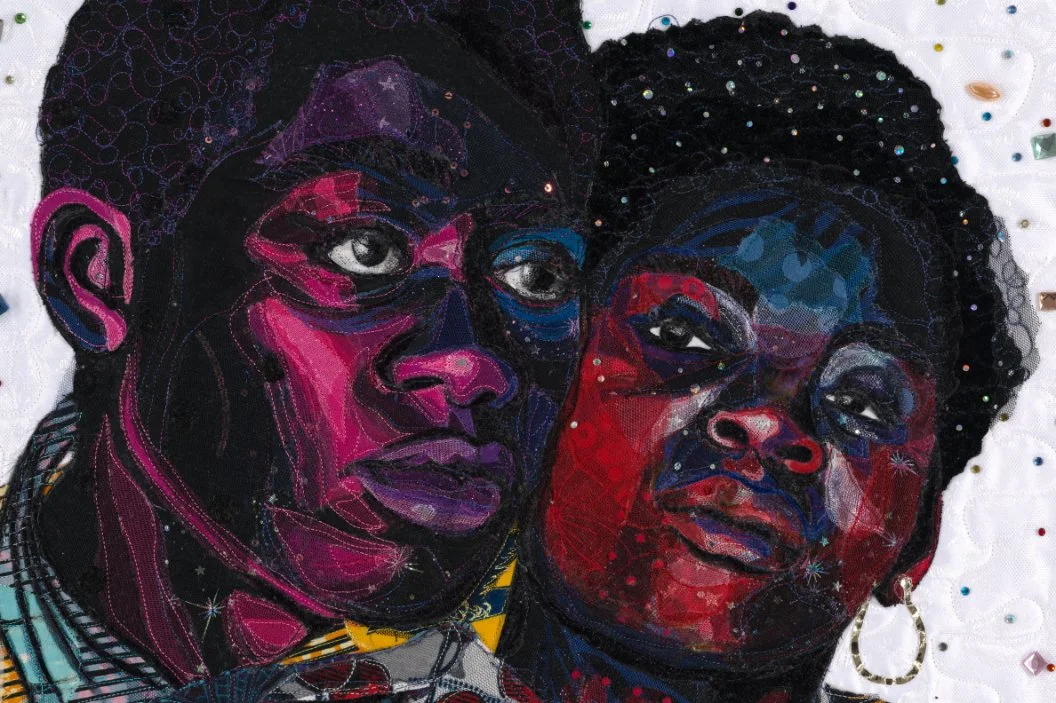
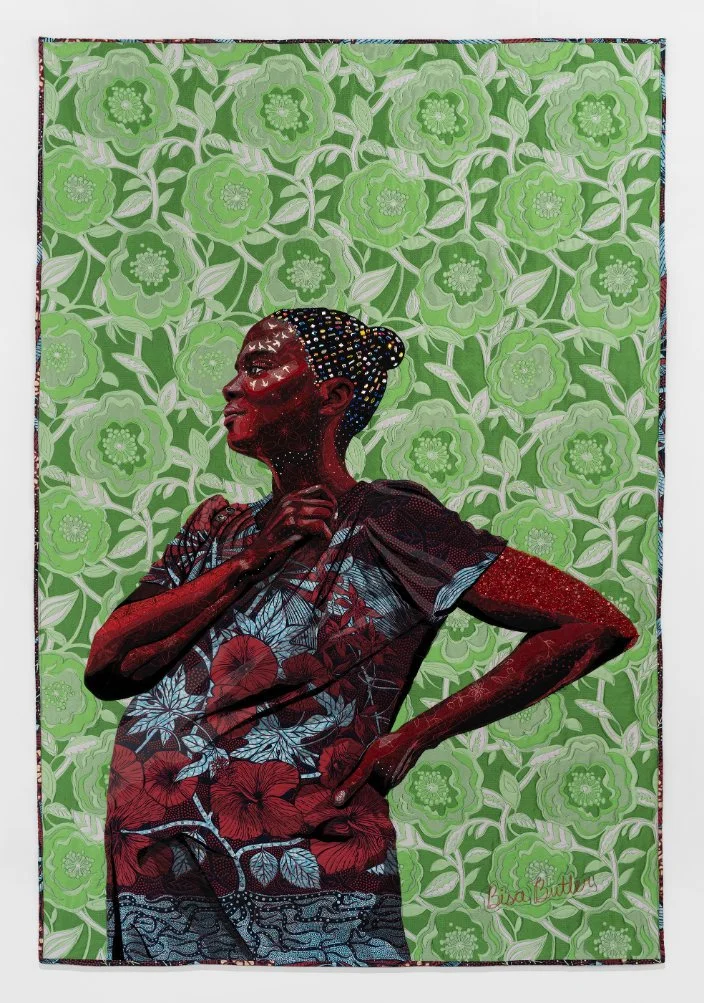
Jakkai Siributr’s There’s No Place (2020–ongoing) picks up this thread with aching precision. His textile banners—suspended like breath from the ceiling—began in a refugee camp on the Thailand–Myanmar border. There, members of the stateless Shan community were invited to stitch their life stories, one thread at a time. Through embroidery, memory passed from hand to hand. Siributr resists fixed authorship; instead, the work becomes a space—porous, open, collective—where narrative is not imposed but invited, and where histories are not merely preserved, but reimagined and remade.
From Lakota Indian poems to the Norwegian literary act of naming the industrial meat complex, the undertaking of the Bergen Assembly feels less like an exhibition and more like a search — for a word, a wound, a world still forming. Art for those who aren’t truly invested, yet still addressed. For the half-interested, the distracted, the ones who stumble into it accidentally. Maybe especially for them — because they carry the weight of the big pockets, the silent majorities, the soft architecture of society.
If this assembly of relations weren’t rooted in Bergen, I doubt it would hum with the same resonance. Here, the land presses in—not as a distant backdrop, but as presence. The damp air, the weight of the sky, the quiet rhythm of water folding into stone. Everything feels shaped by something older, heavier. Isidora Sekulić’s letters from Norway in 1914 captured it simply: “So much of nature in this country—by its beauty, its terror, and its power—is superior to man, that all the importance and interest of Norway’s past seem to be more the will of geology and geography than the fate of a people.”
It’s true here. In Bergen, the past doesn’t live in monuments or myths, but in the earth’s sheer force—in cliffs, fjords, moss, and cloud. The works don’t just occupy this place; they are held by it, folded into a terrain that remembers more than we do. Maybe that’s the point: resonance isn’t always about meaning. Sometimes it’s about atmosphere—about being in the right kind of weather to feel it.
Had this been placed further west—closer to the art world’s centers of gravity—it might have slipped into commodification or the tidy boxes of identity politics. The focus would shift from fragile, shifting relations to something more legible, more fixed. But here, the rhythm is slower, softer, less utilitarian. There’s no pressure to explain everything. It’s a place where work can take its time—where ambiguity isn’t a problem to solve, but a space to inhabit. And that difference in tempo changes everything: how the pieces unfold, how they breathe, how they hold you.
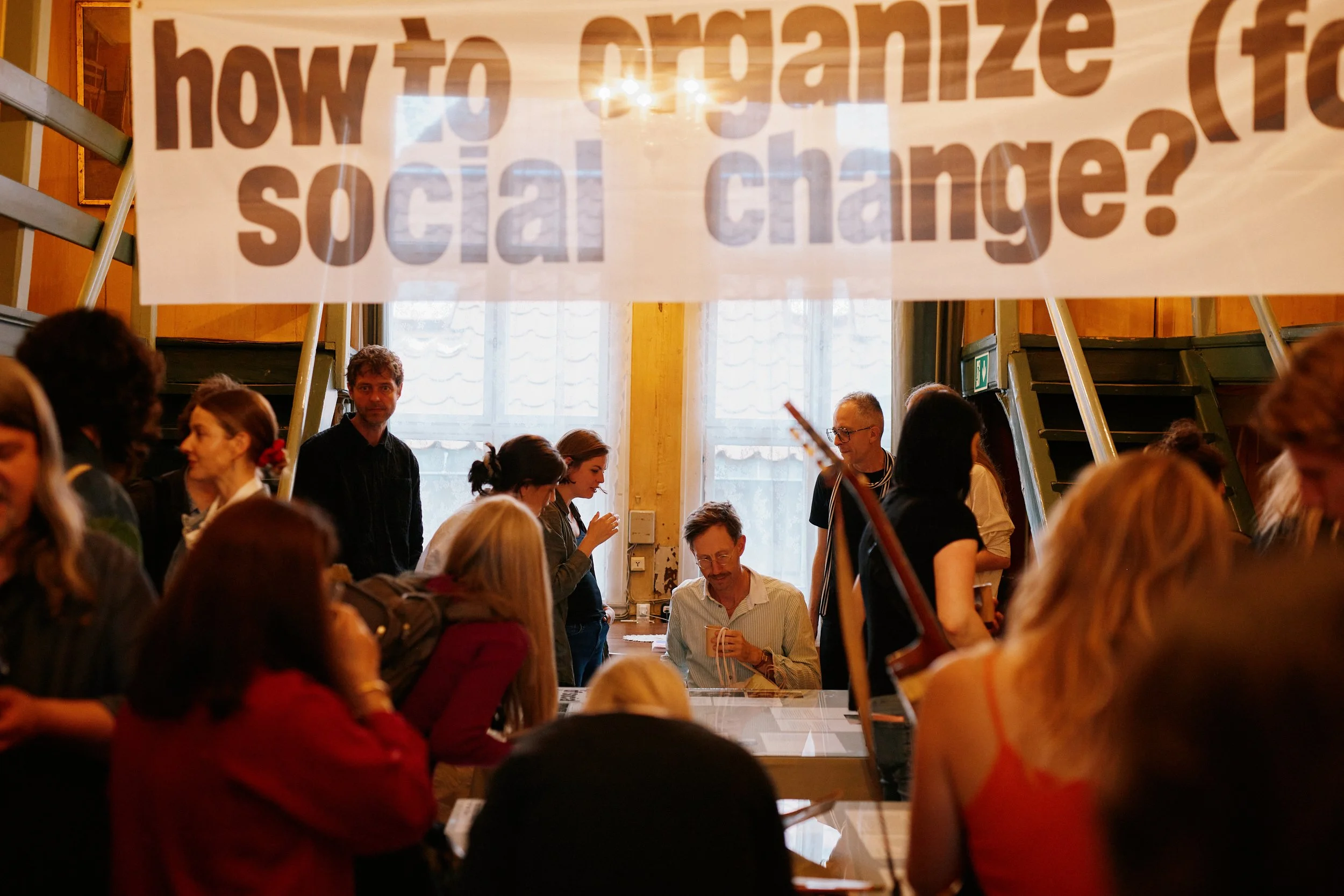
We were listening to a panel at the famous Amundsen Bar at the Grand Hotel Terminus, one of Bergen Assembly’s venues. Someone mentioned it was once the place from which an explorer was bid farewell, setting off to find a friend lost on an expedition further north — a journey from which he never returned. It seemed fitting. In a way, the Bergen Assembly had sent us out as explorers too. But unlike that story, we came back — and brought a friend with us.
We are all just passersby. But even in passing, something stirs: a feeling, a flicker, a thread pulled loose. Impermanence doesn’t absolve us. If anything, it sharpens the need to take responsibility.
To witness. To respond. To stay, if only for a breath. A footprint in wet moss. A glance that clings. A gesture, unfinished but felt. What we touch touches back. Nothing holds. But everything leaves an imprint. And Bergen Assembly, in its passing, left traces—soft, deliberate, awake. It remembered to take responsibility.