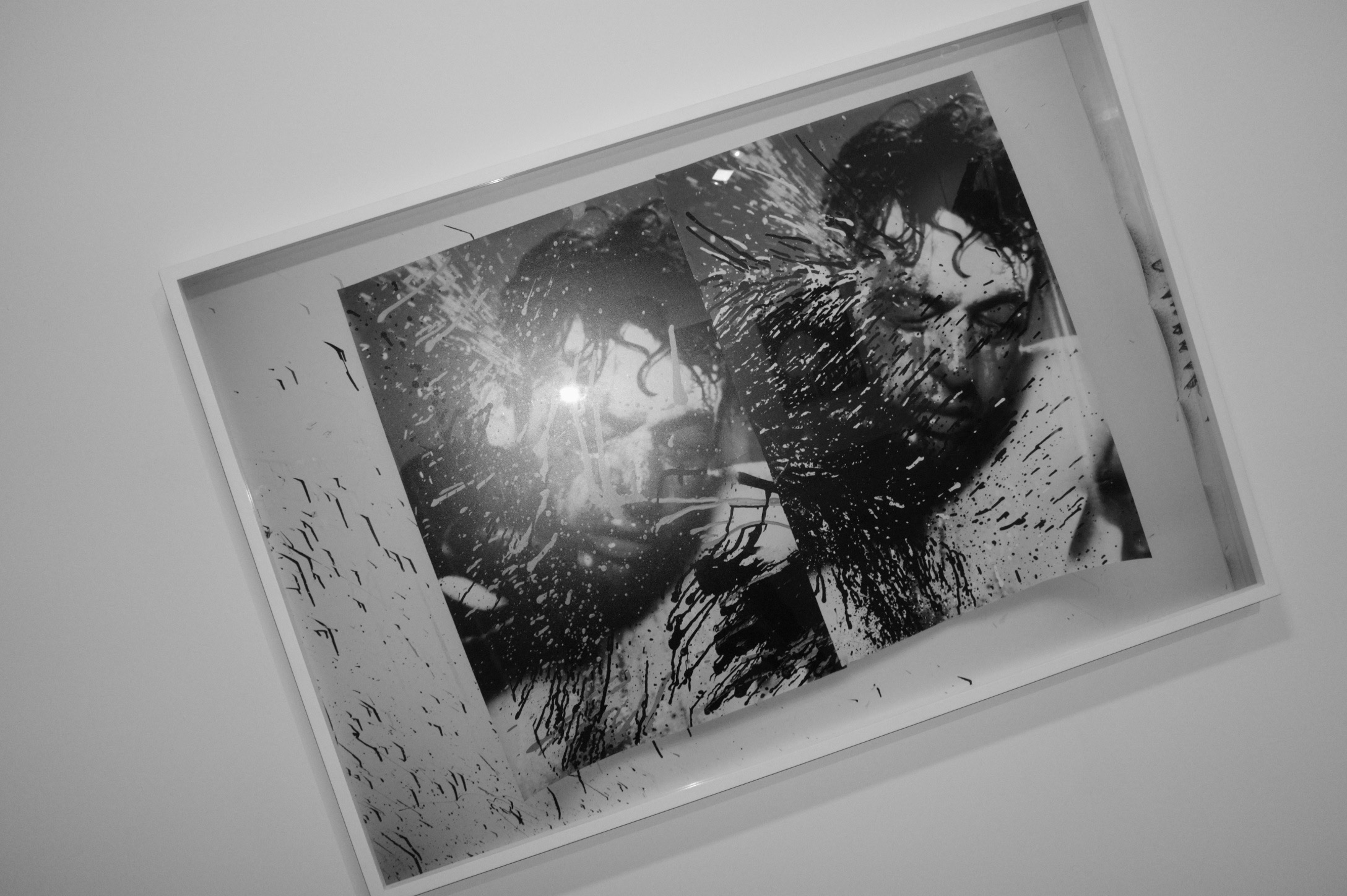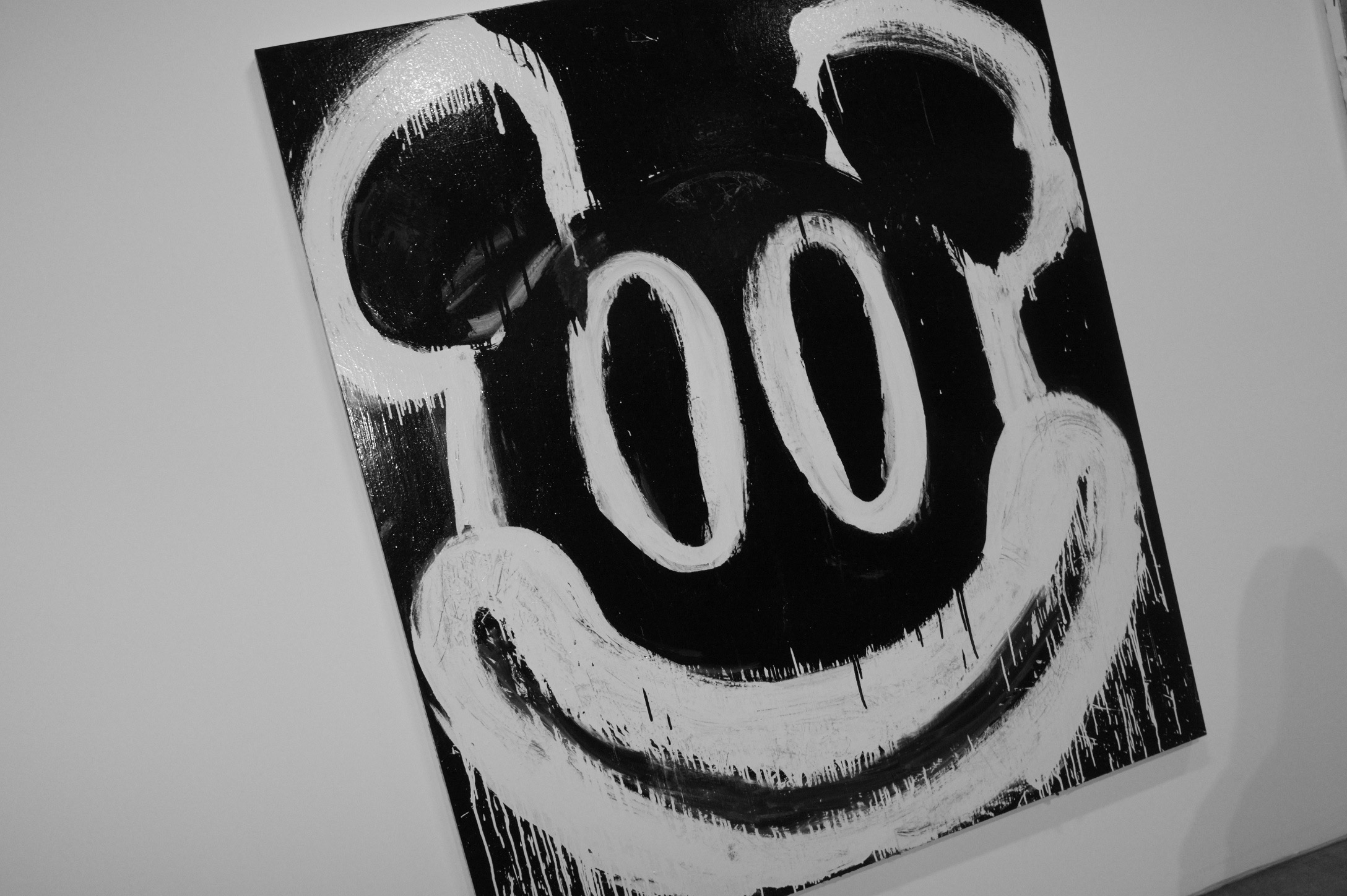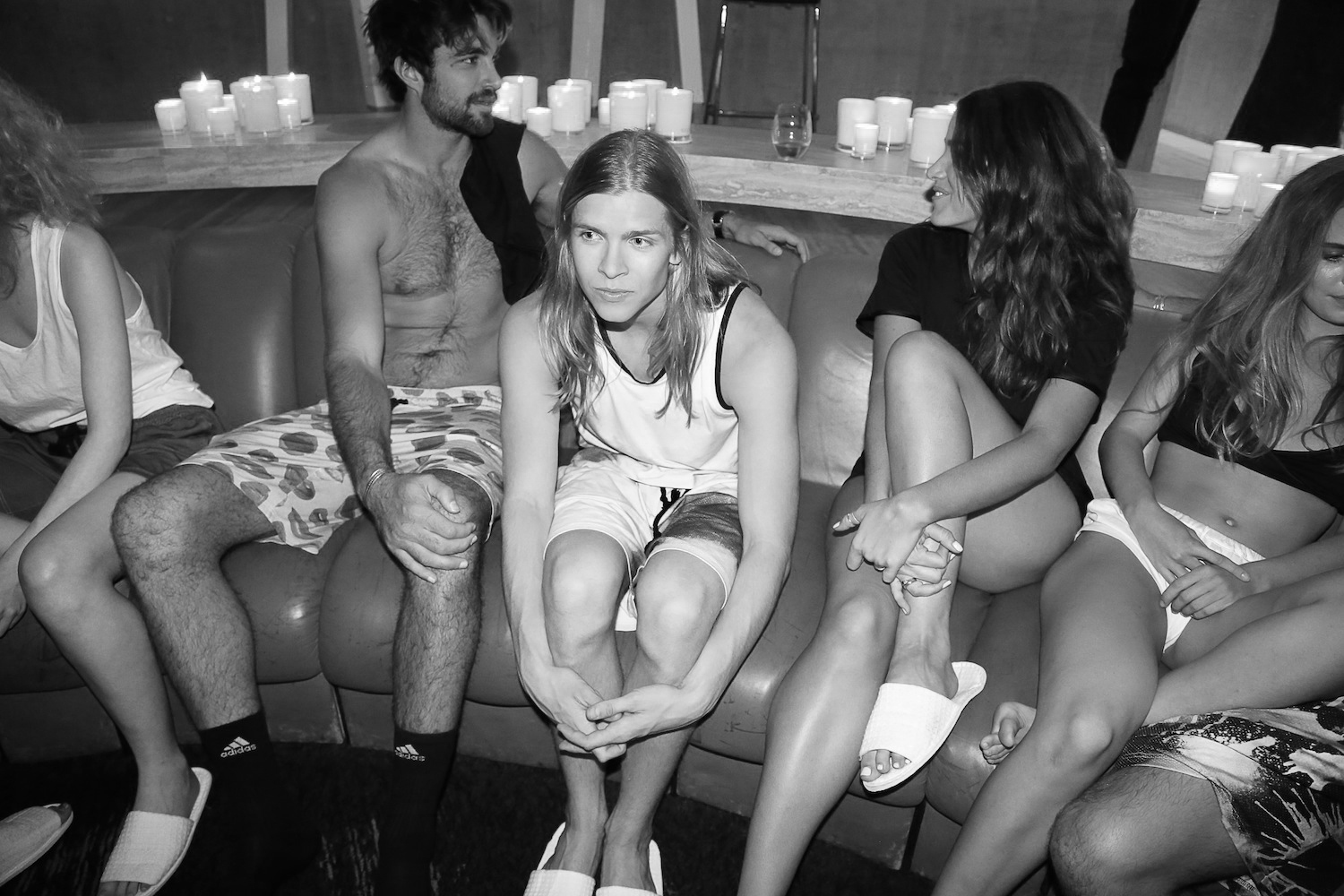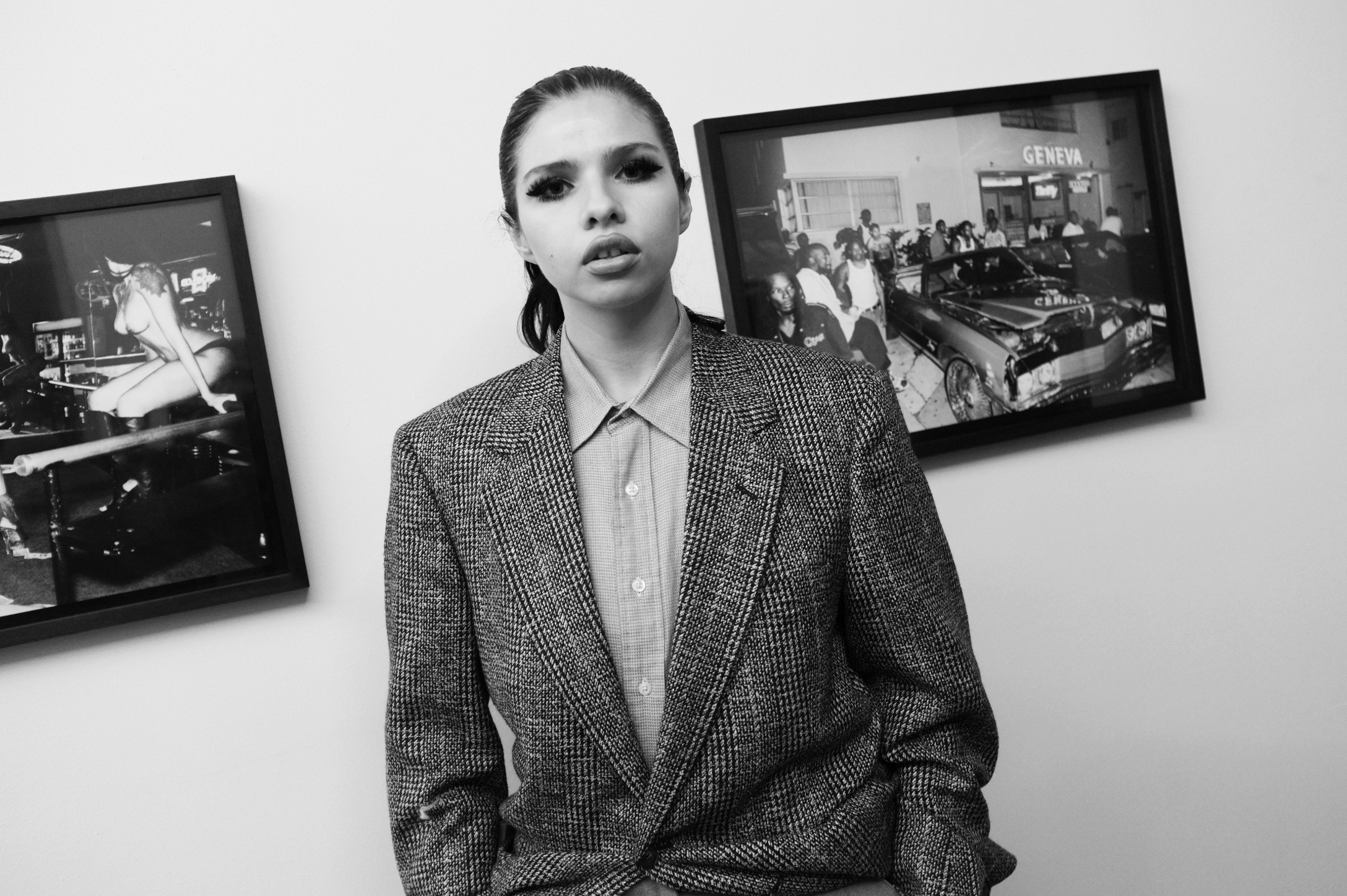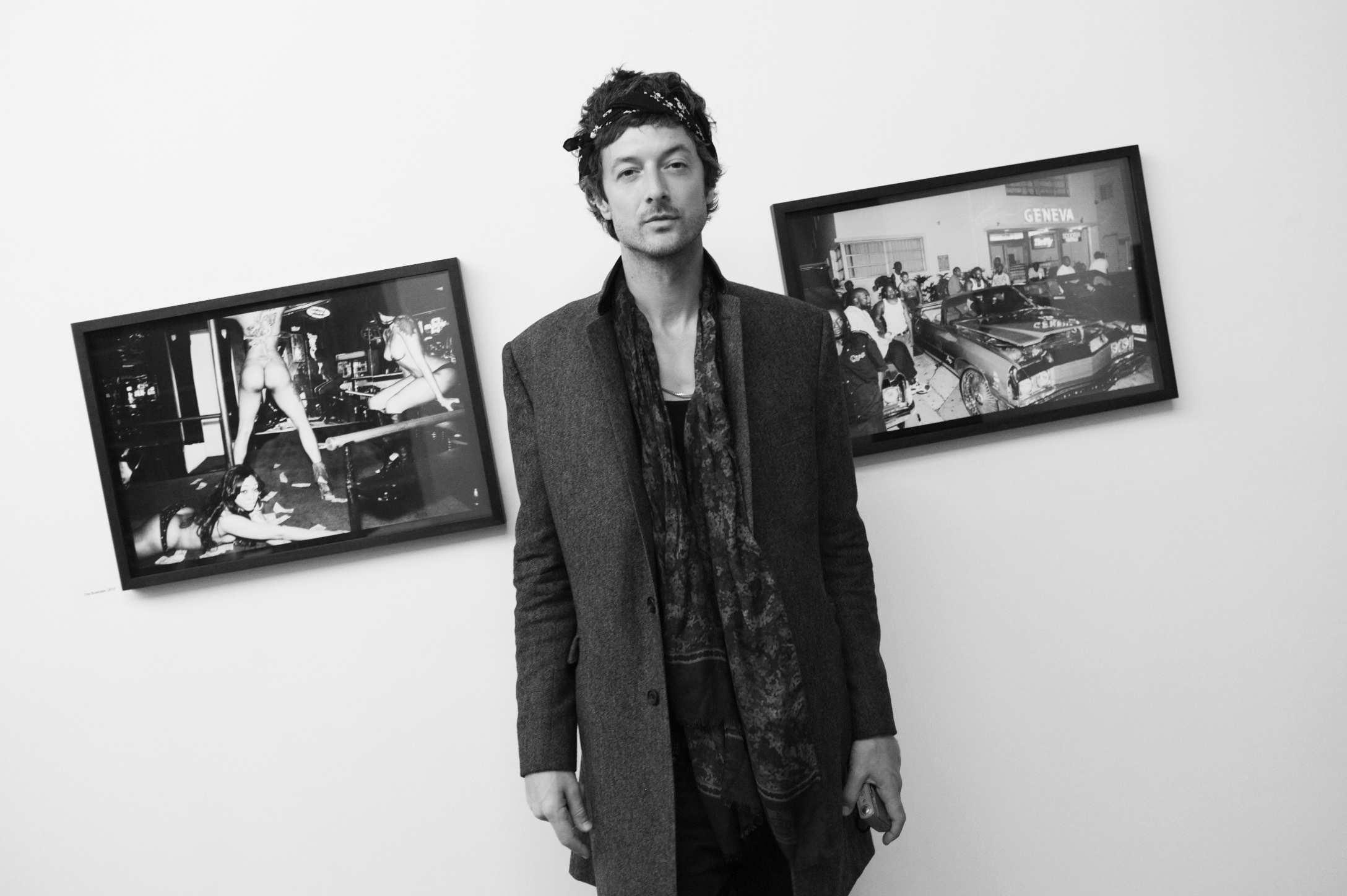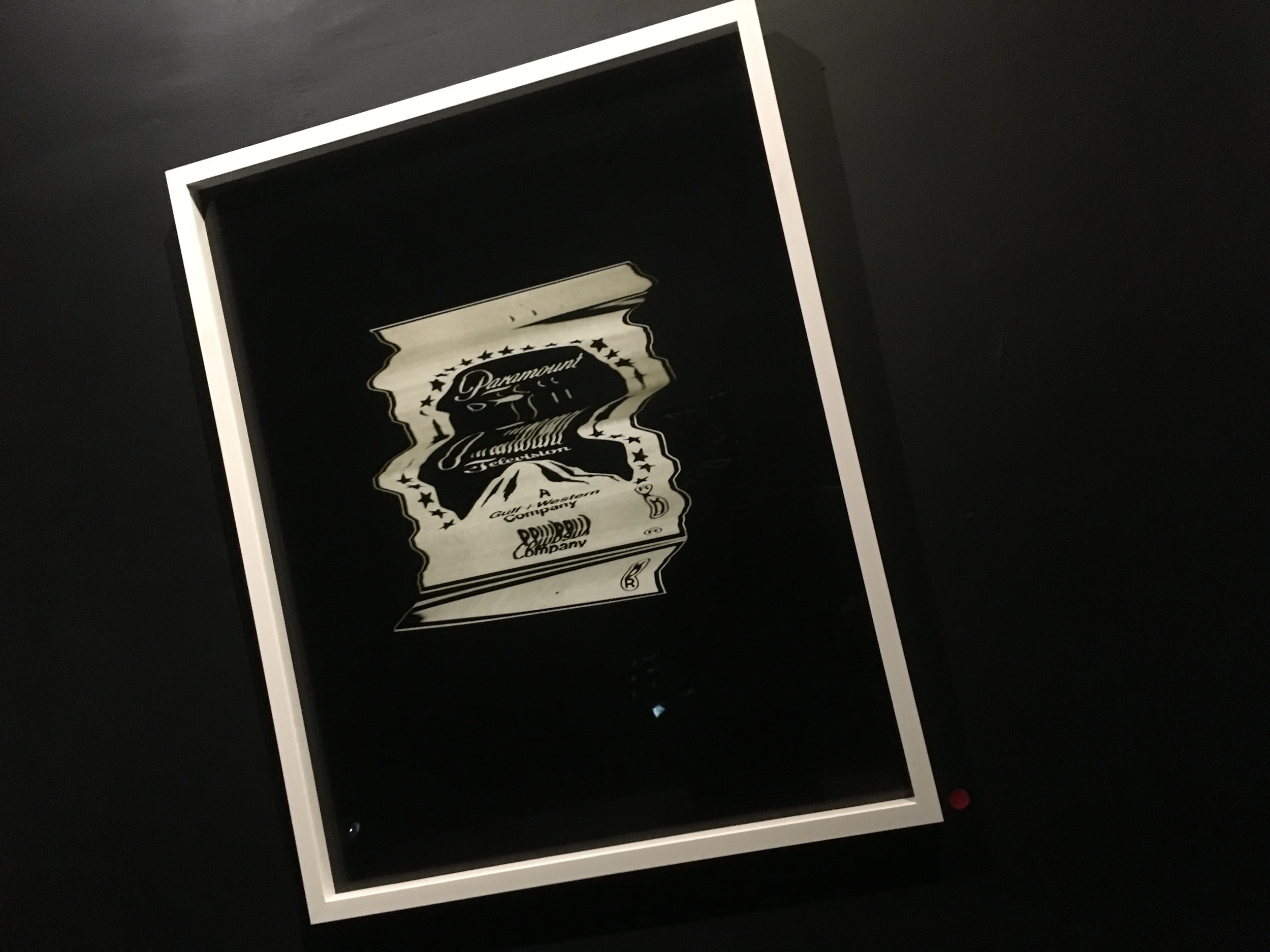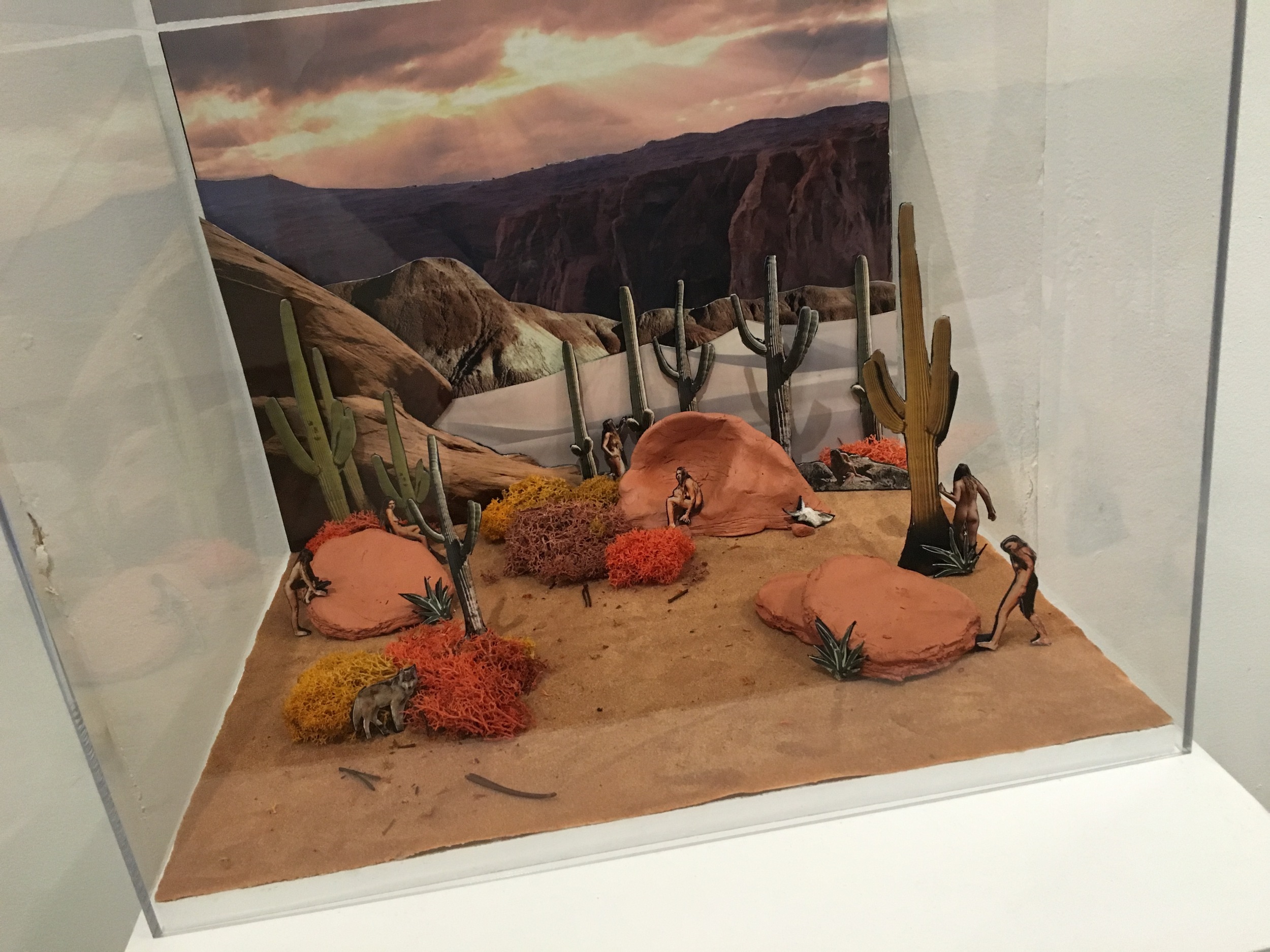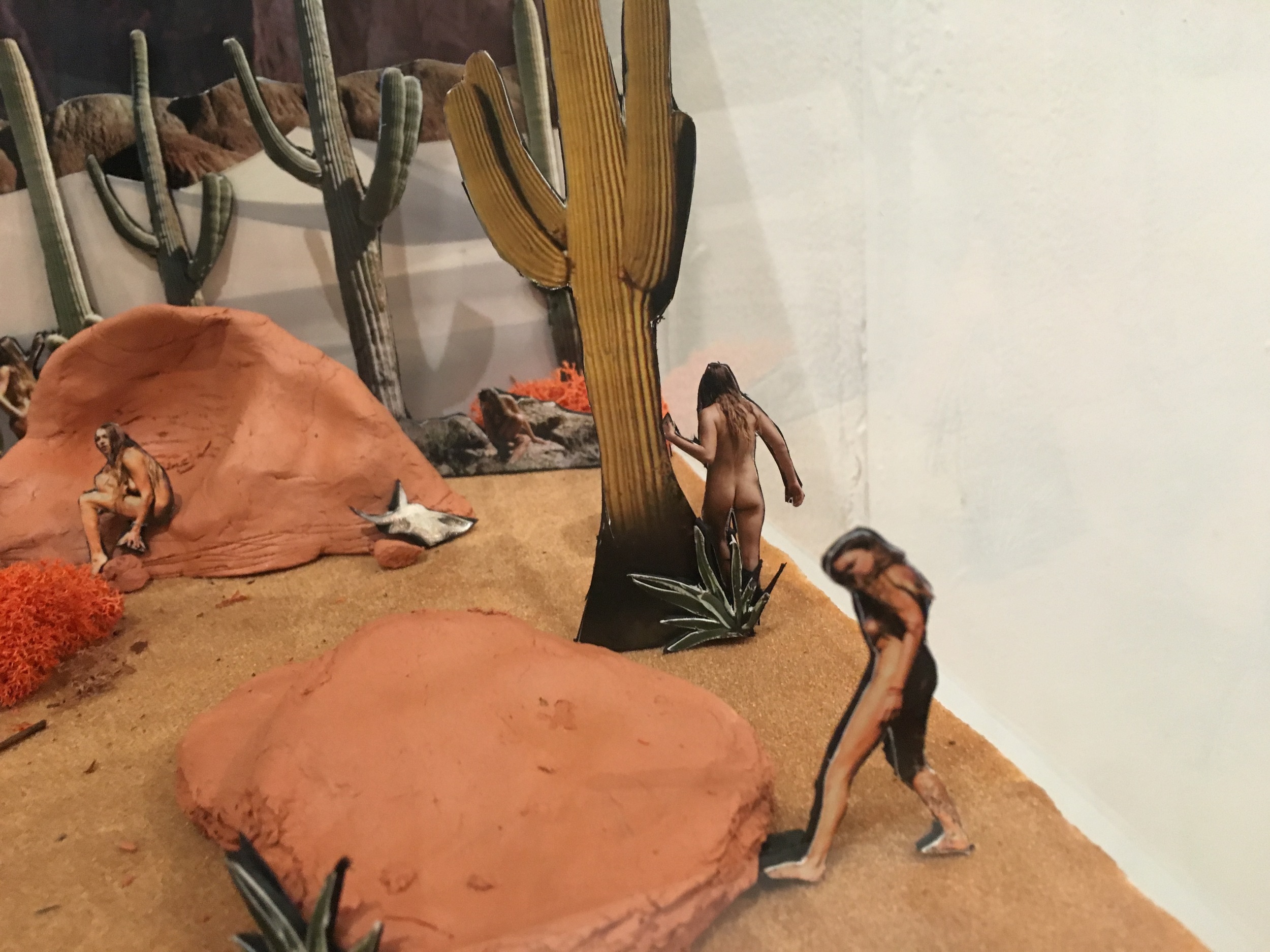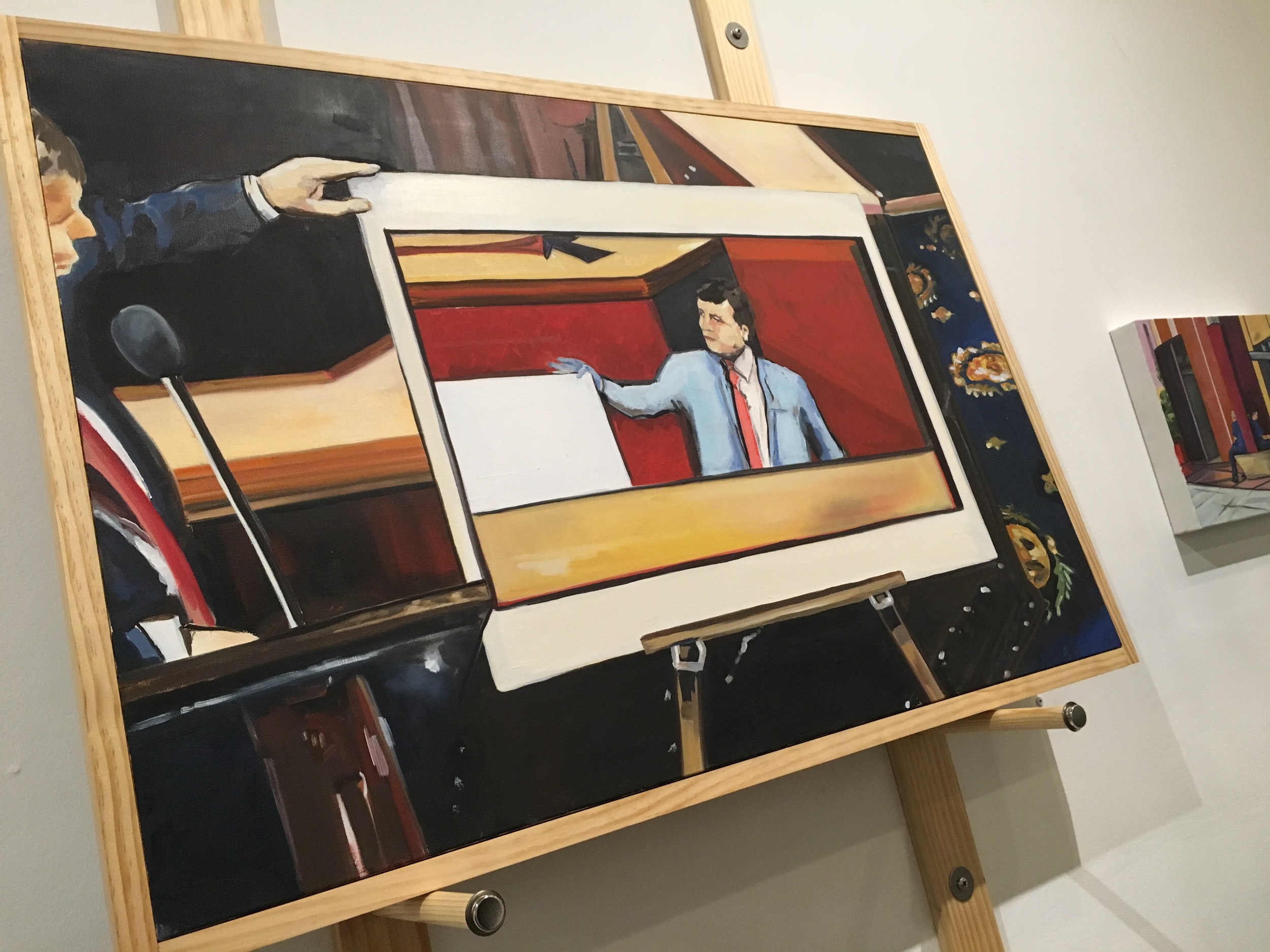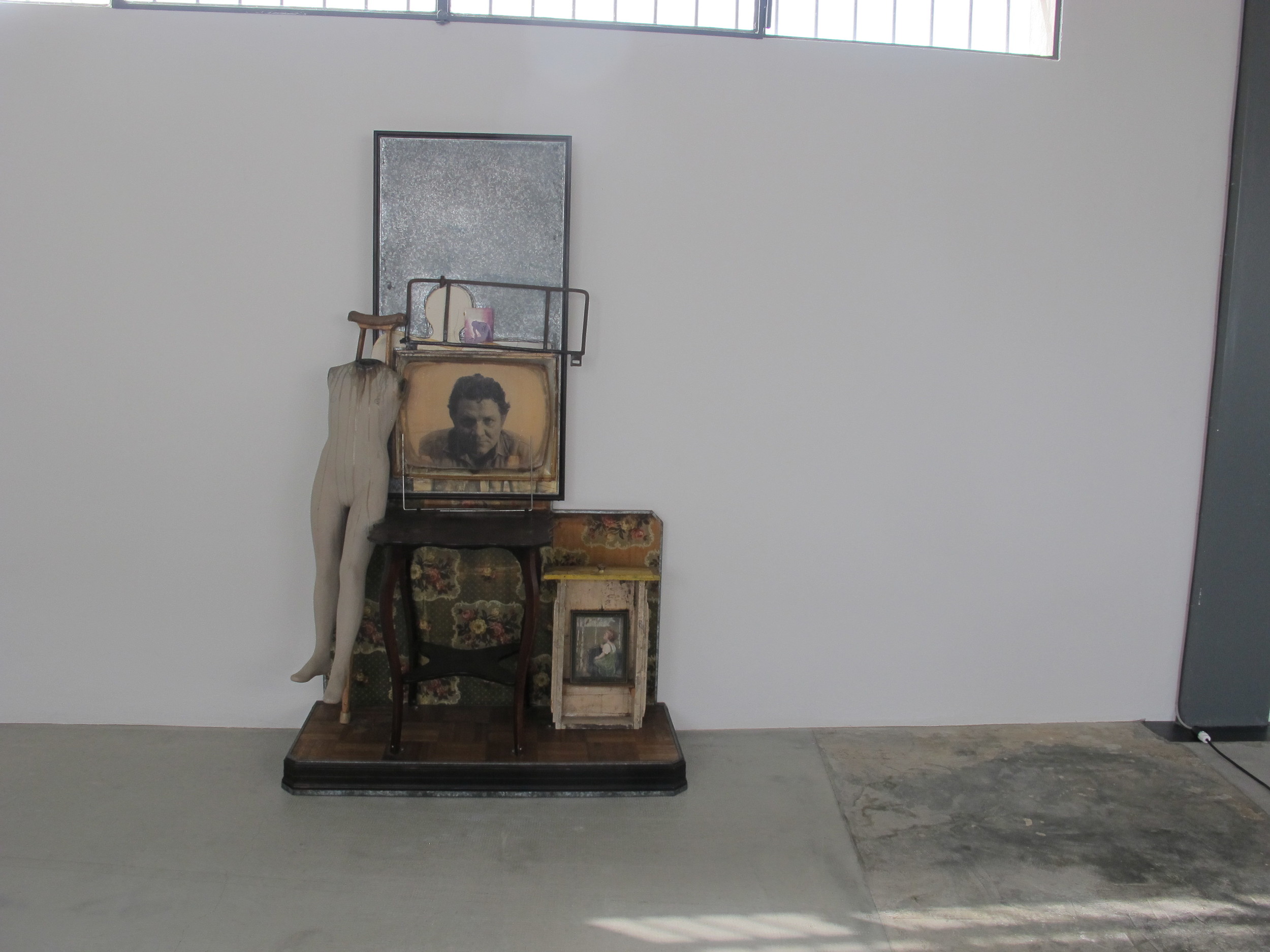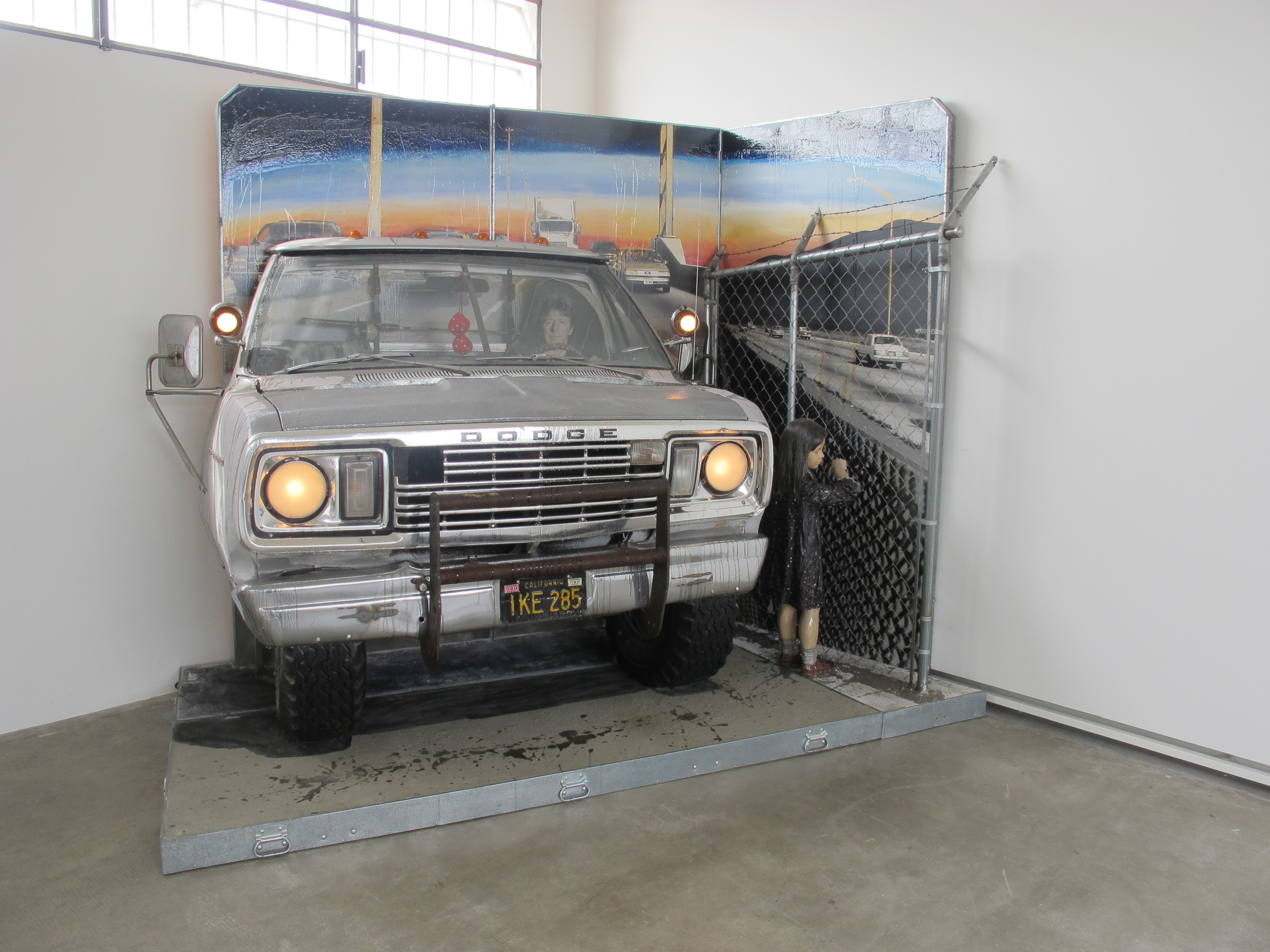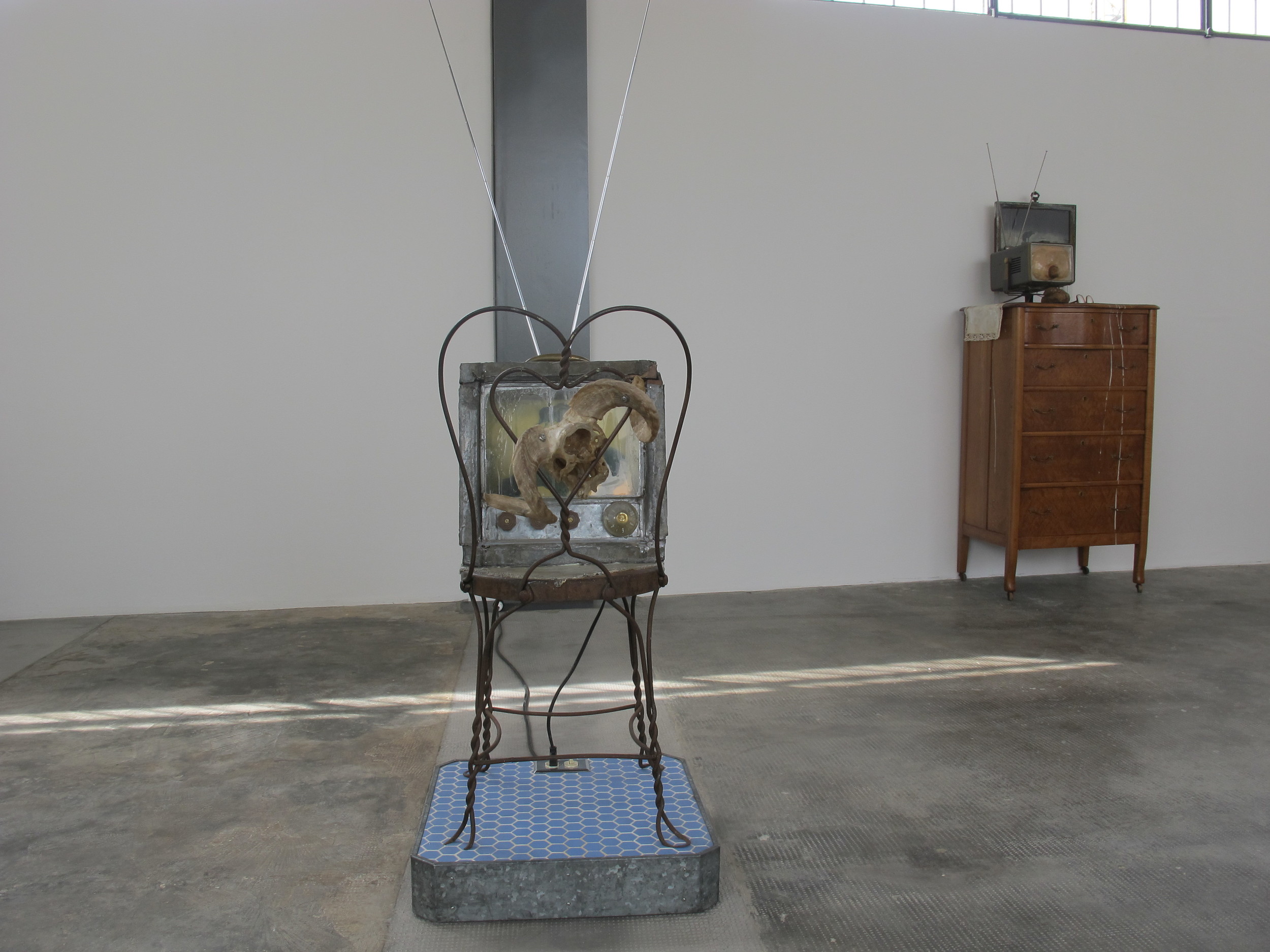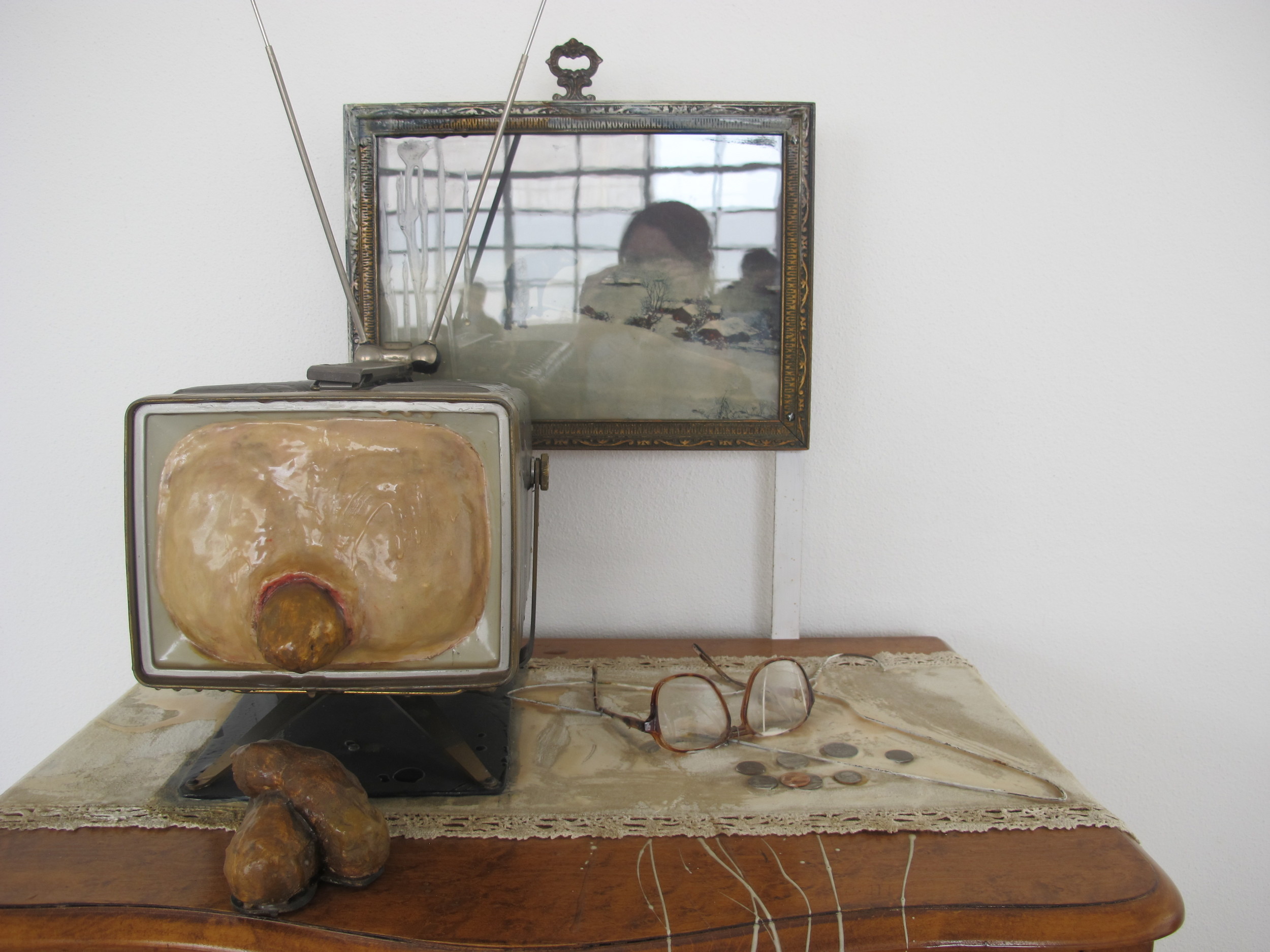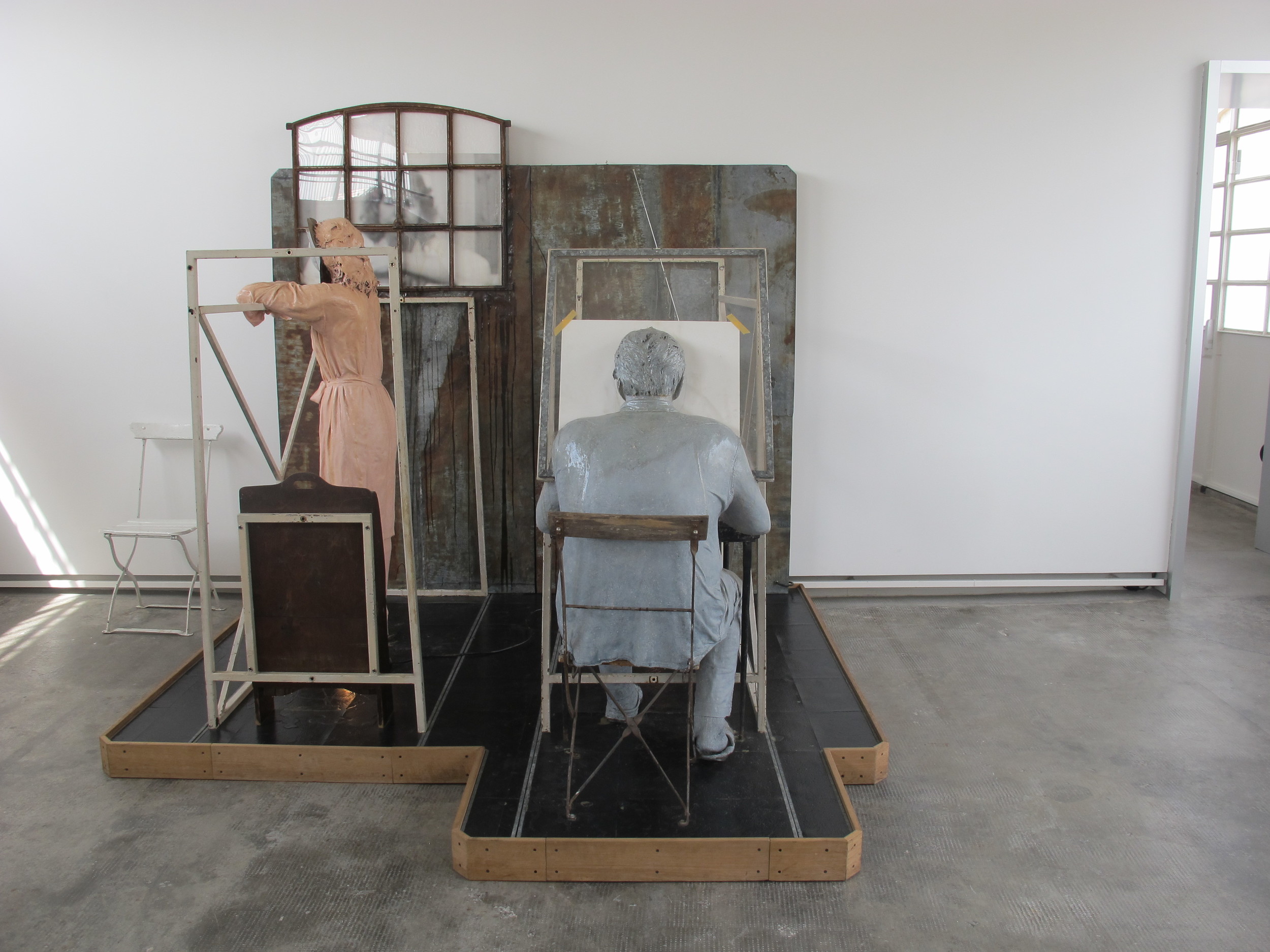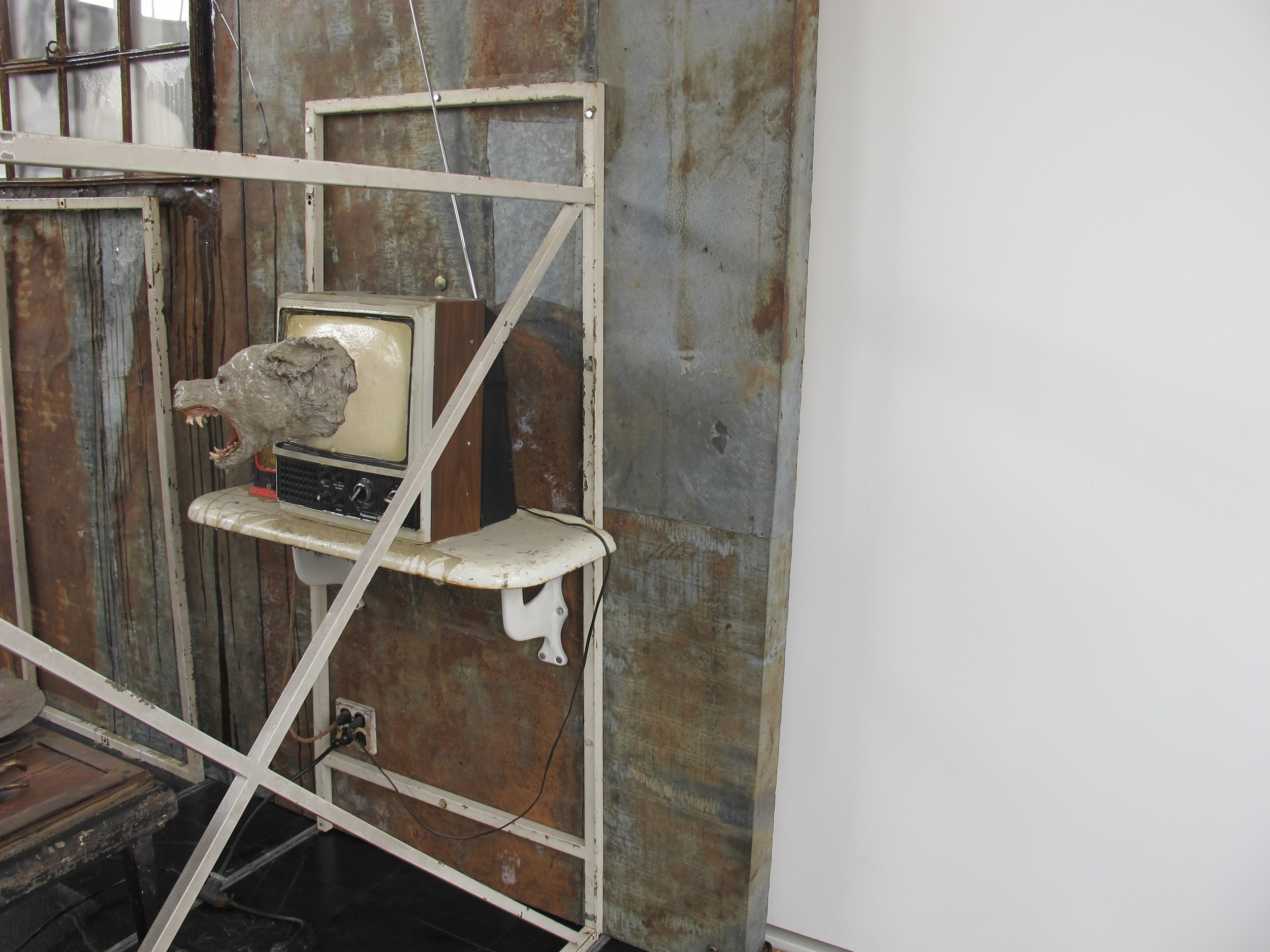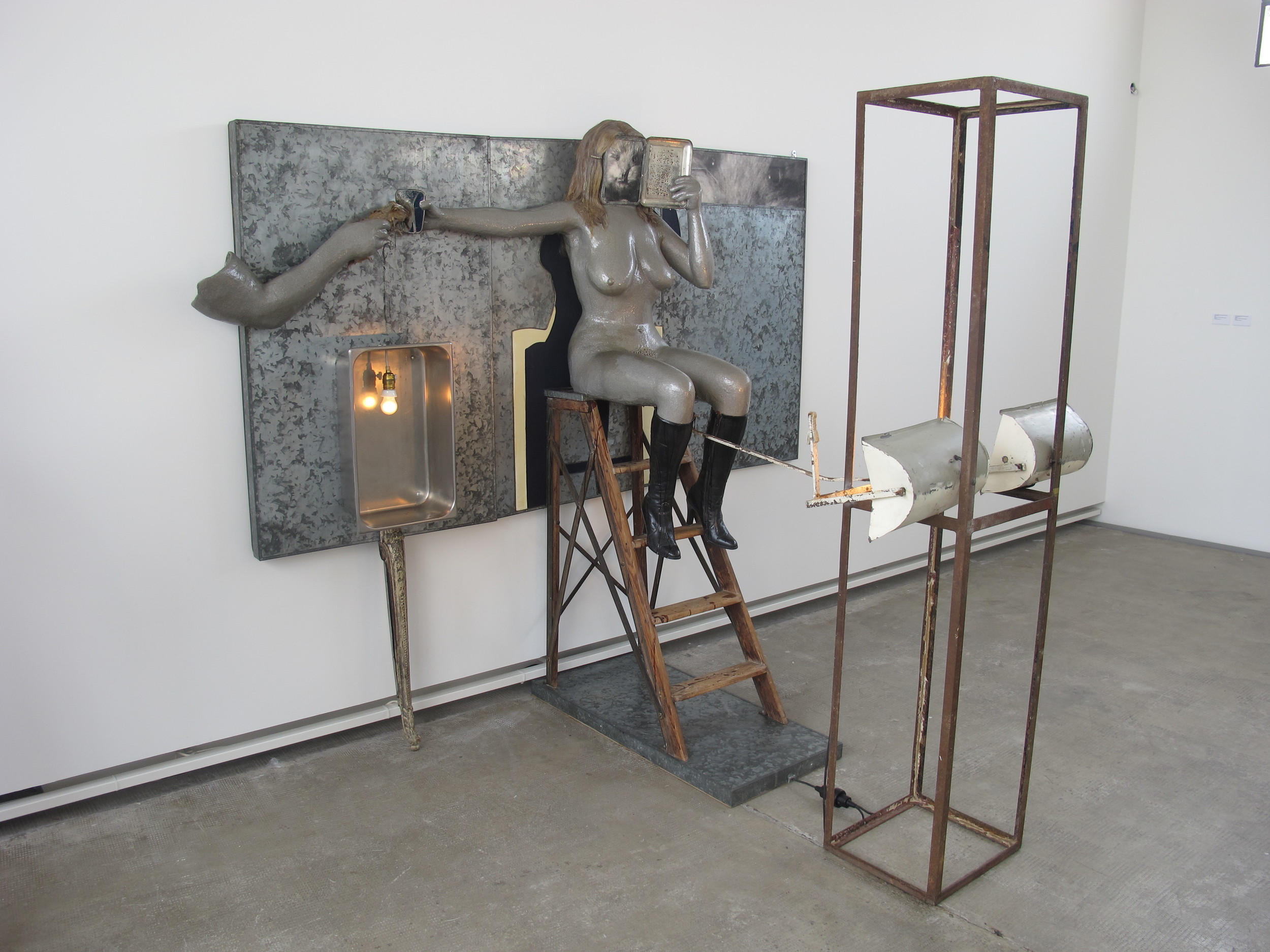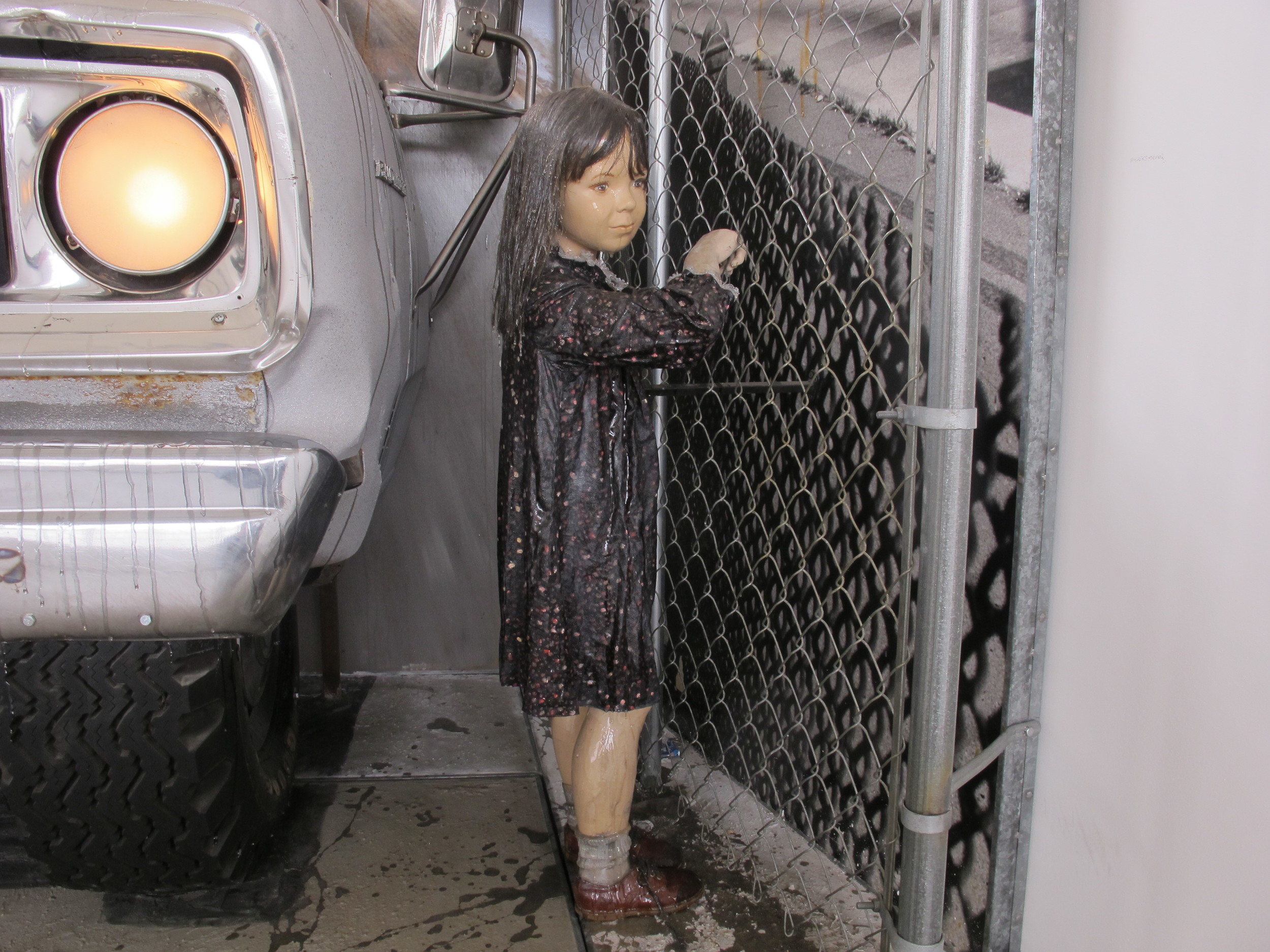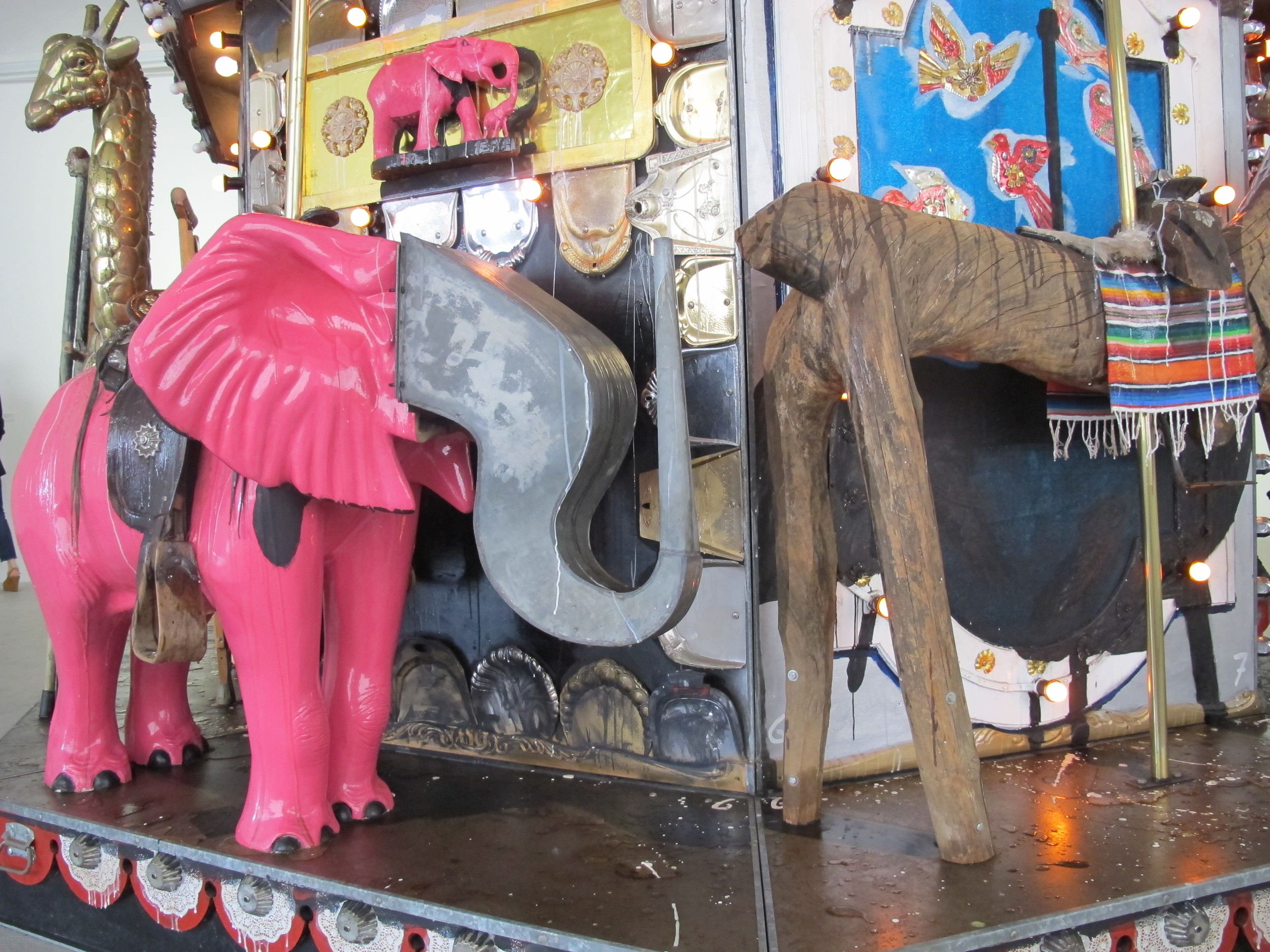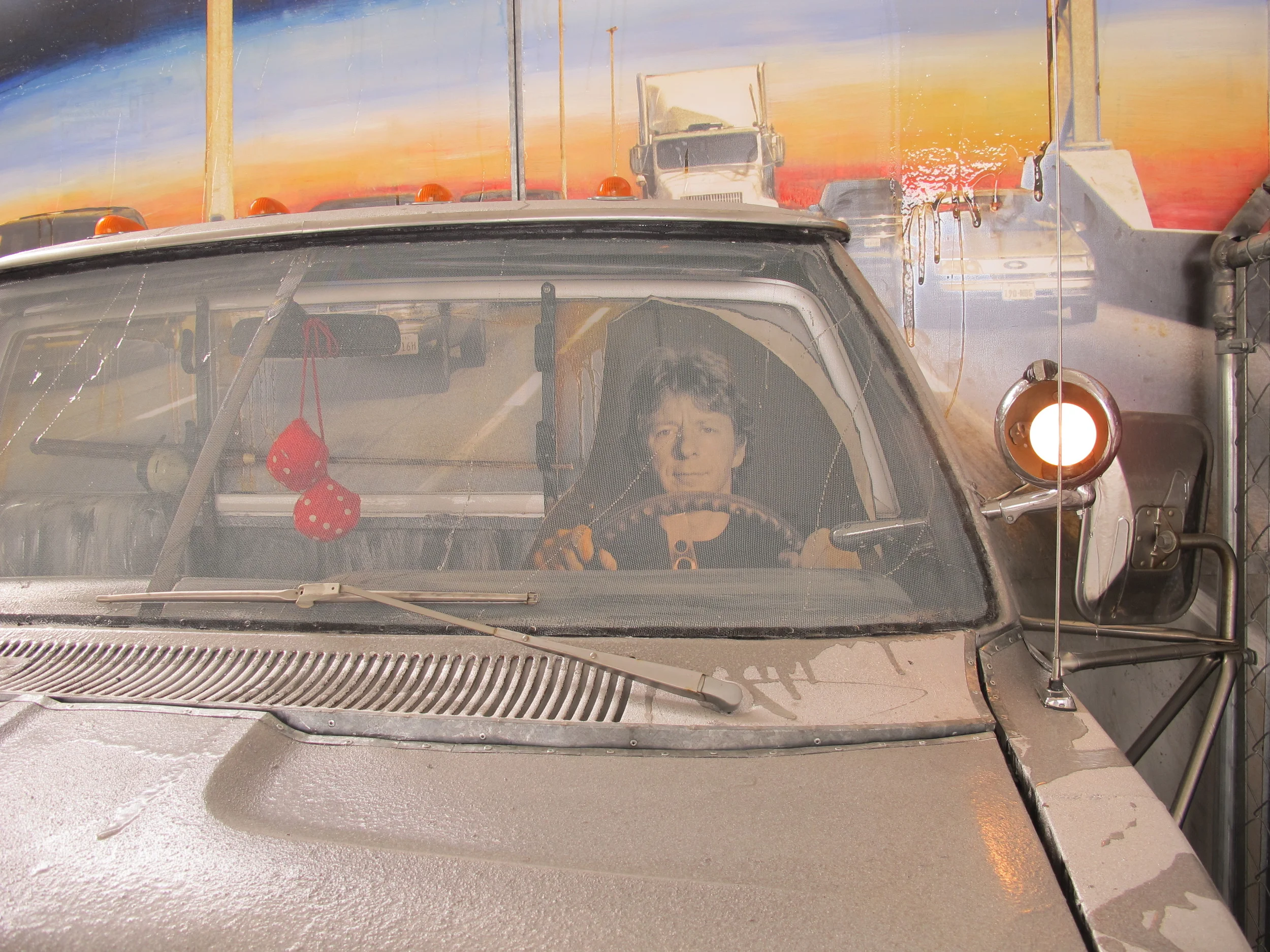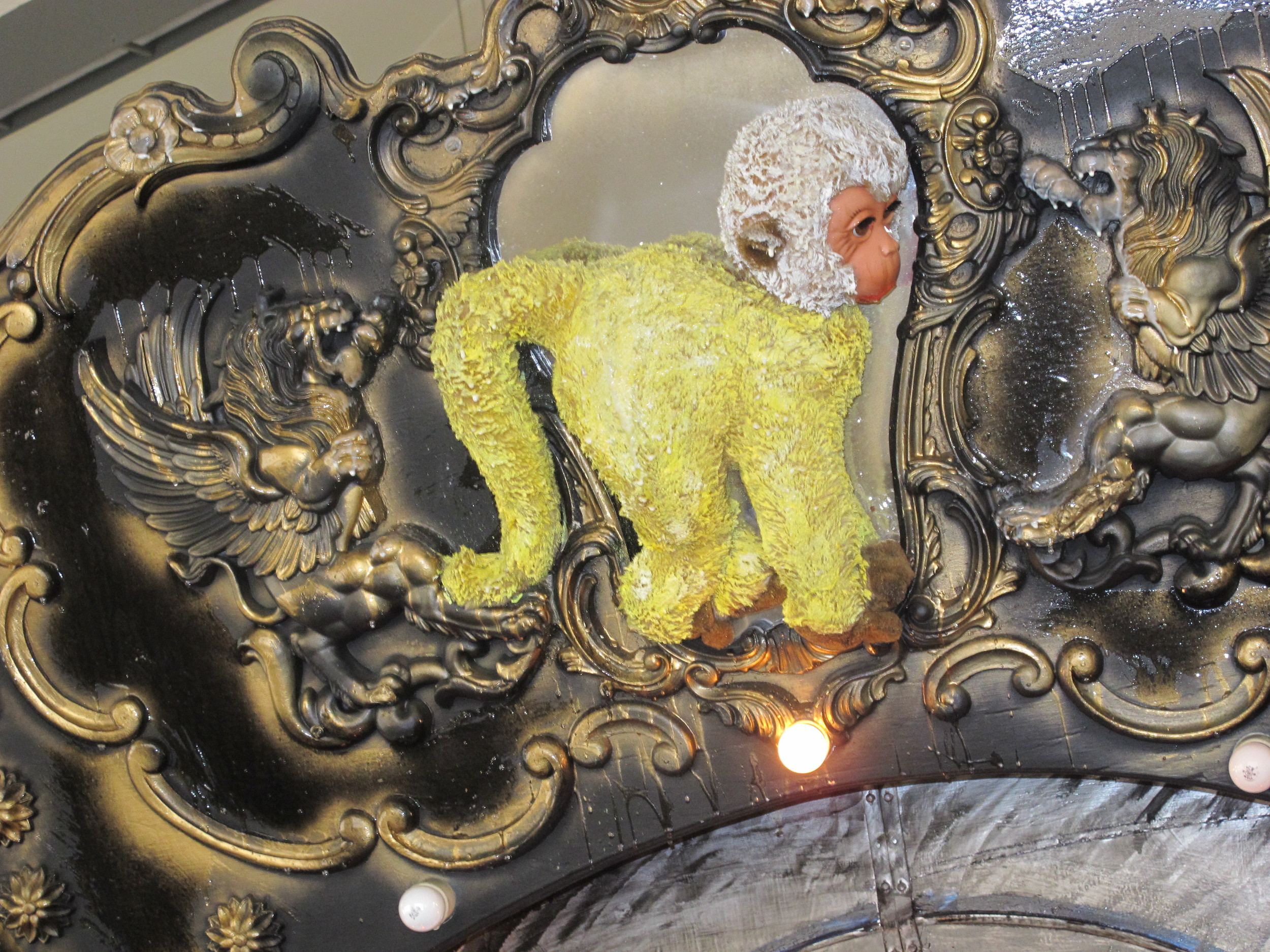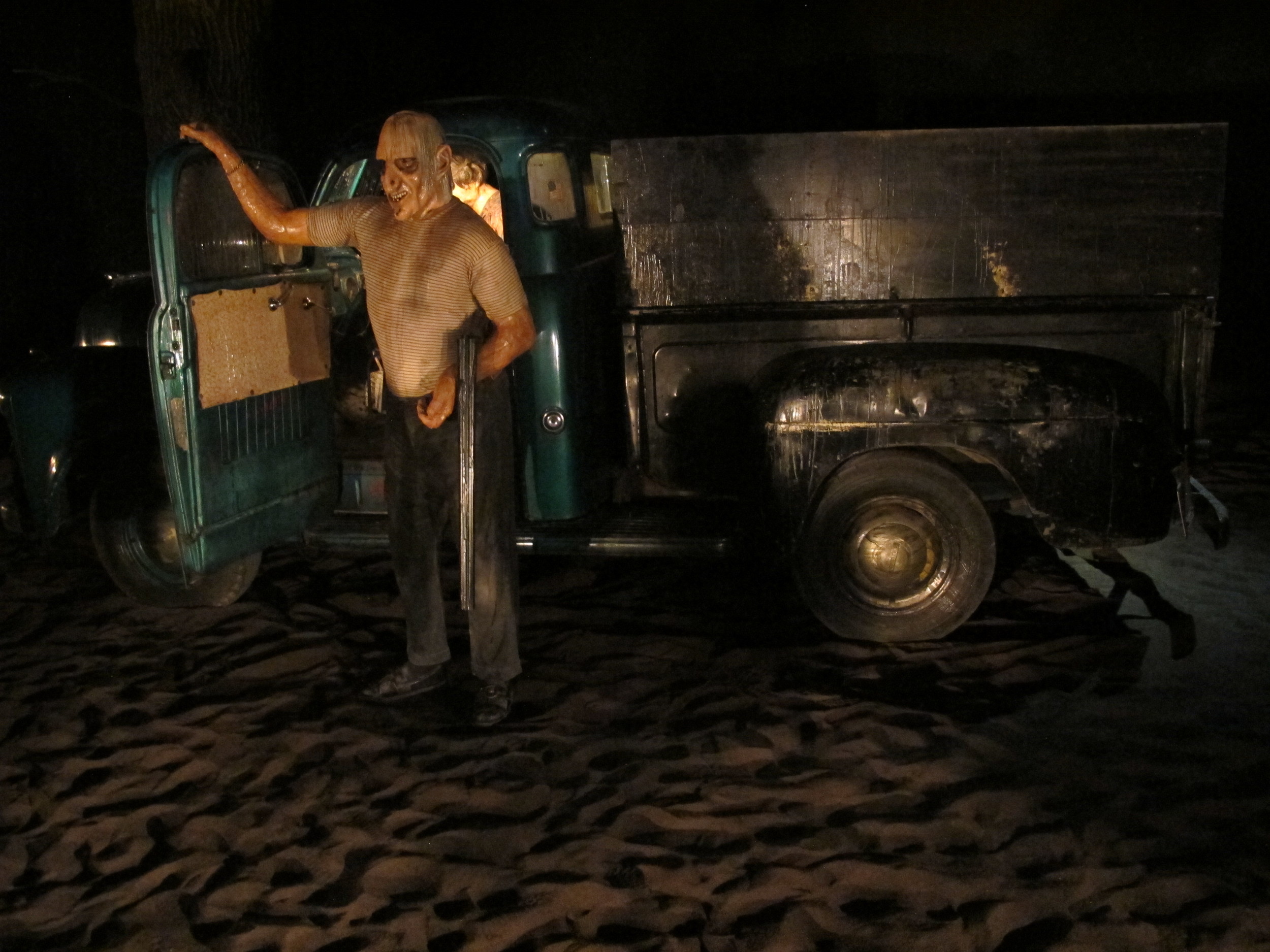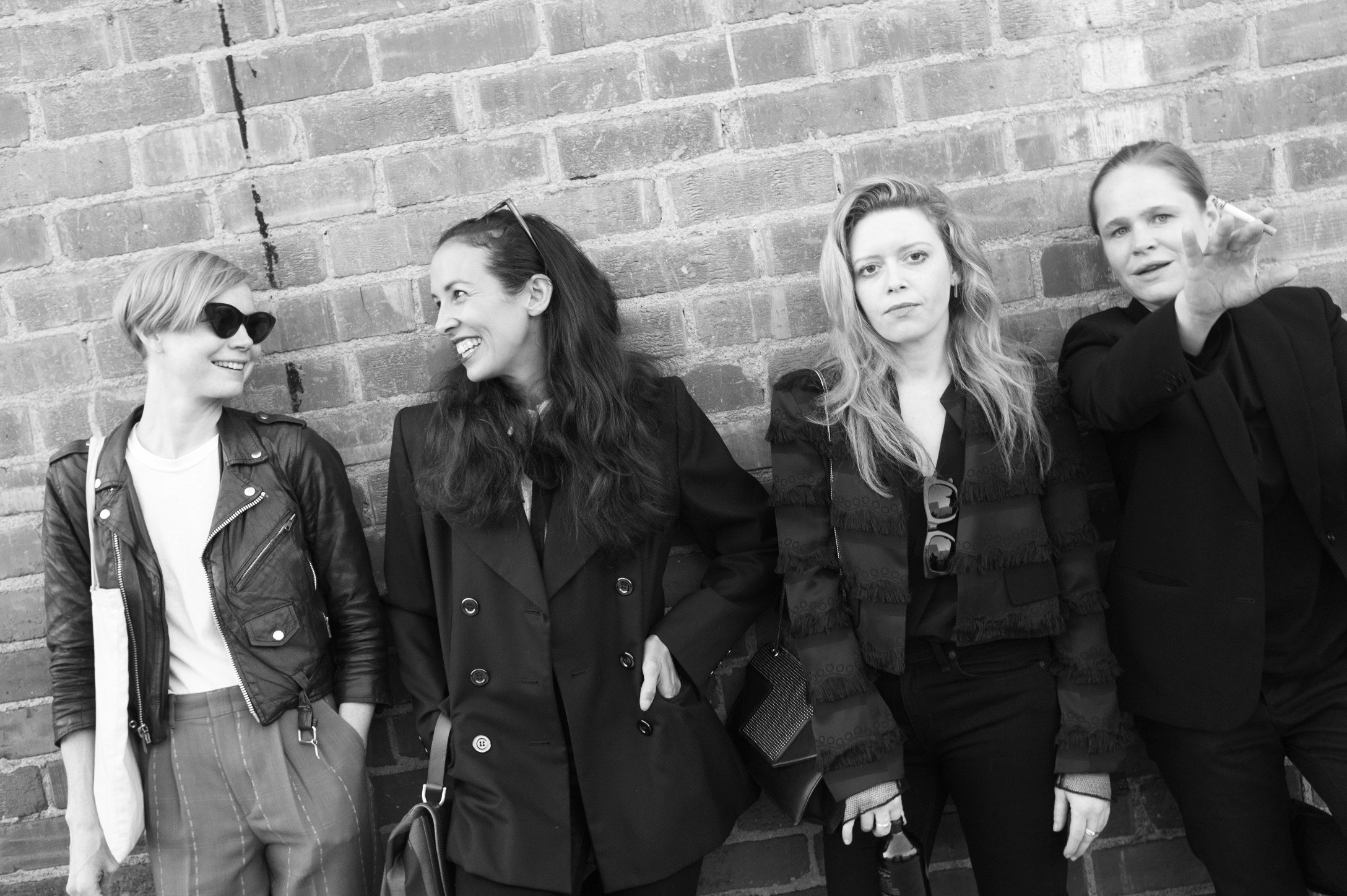
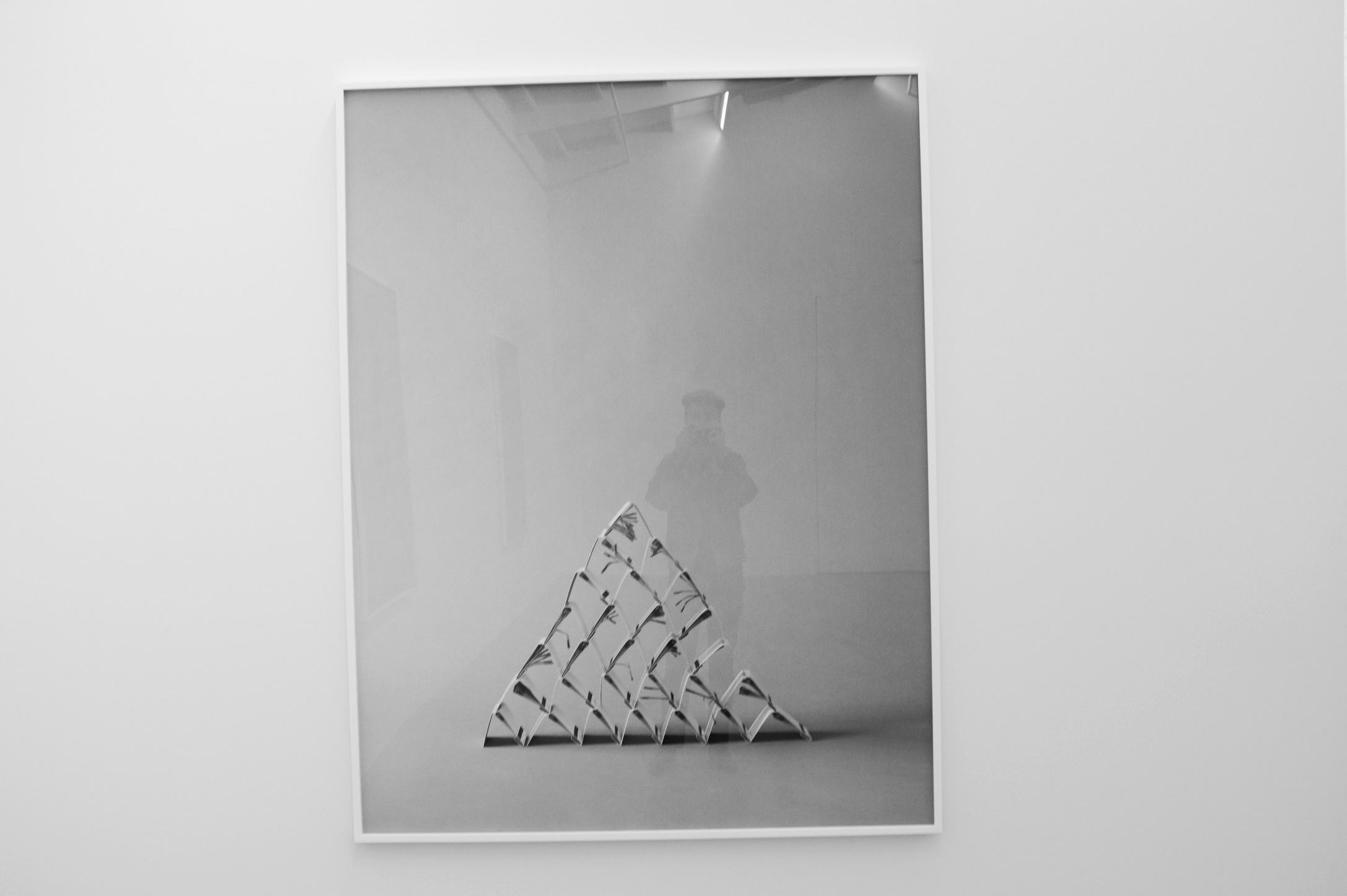
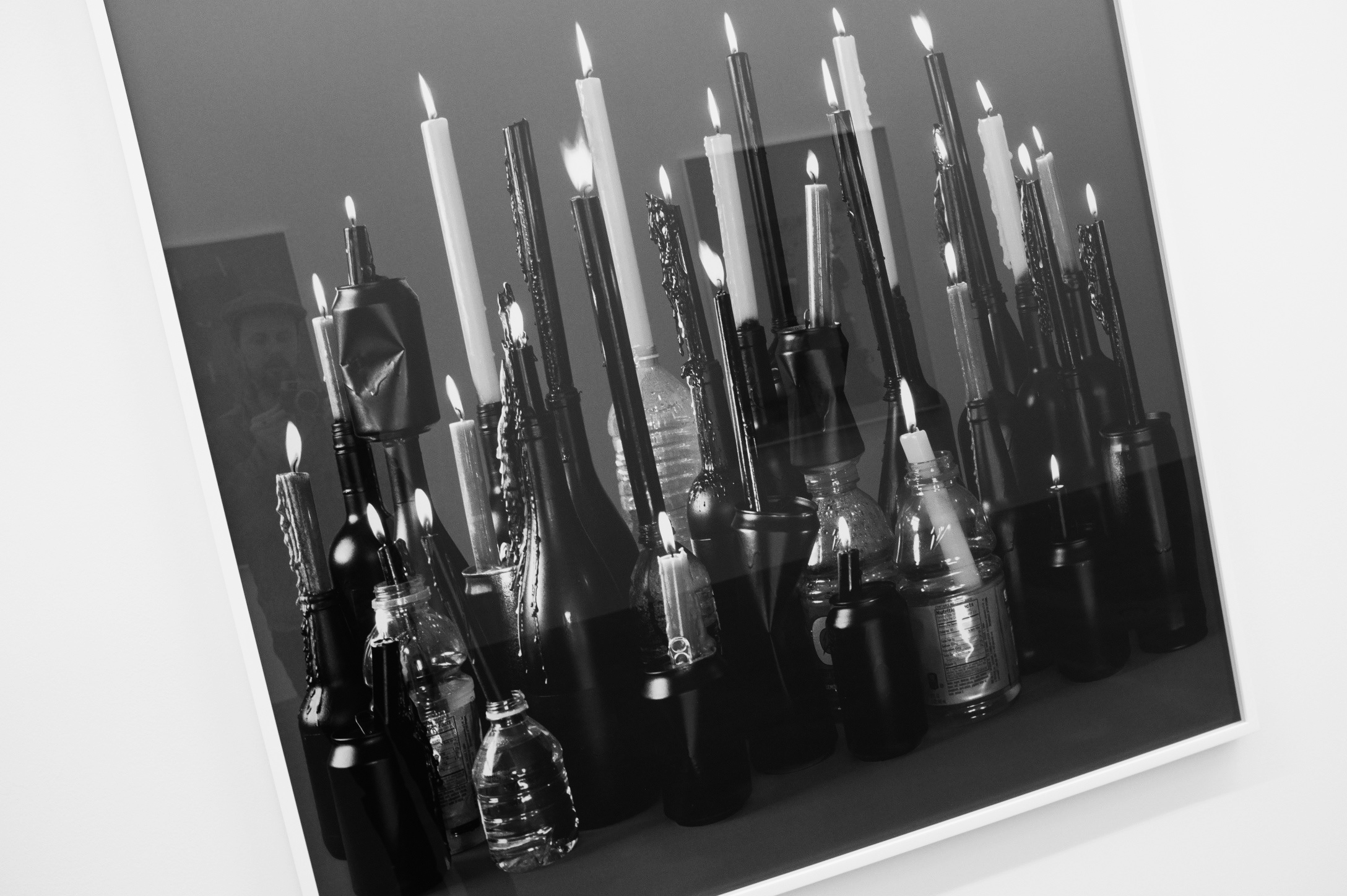
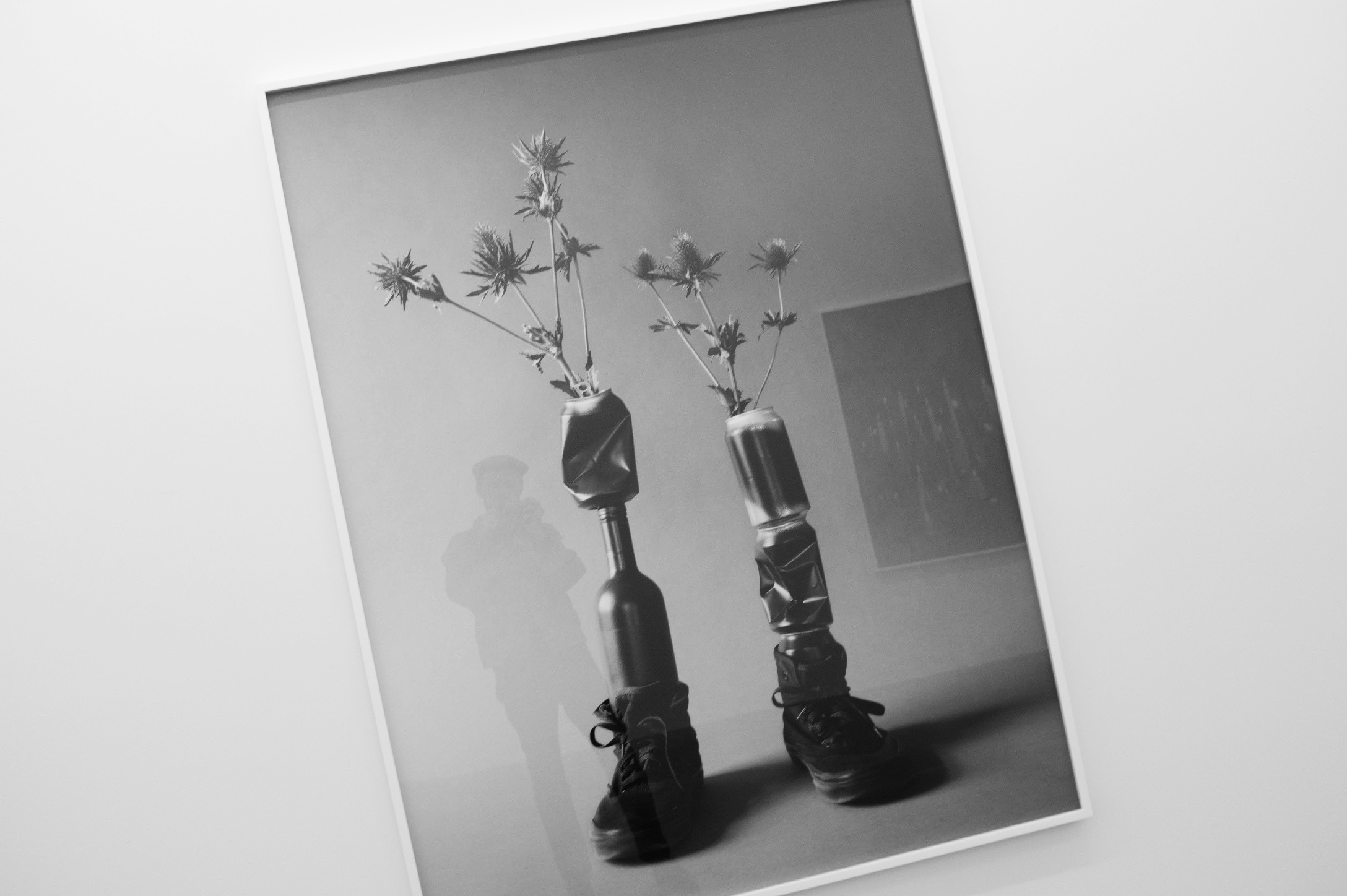
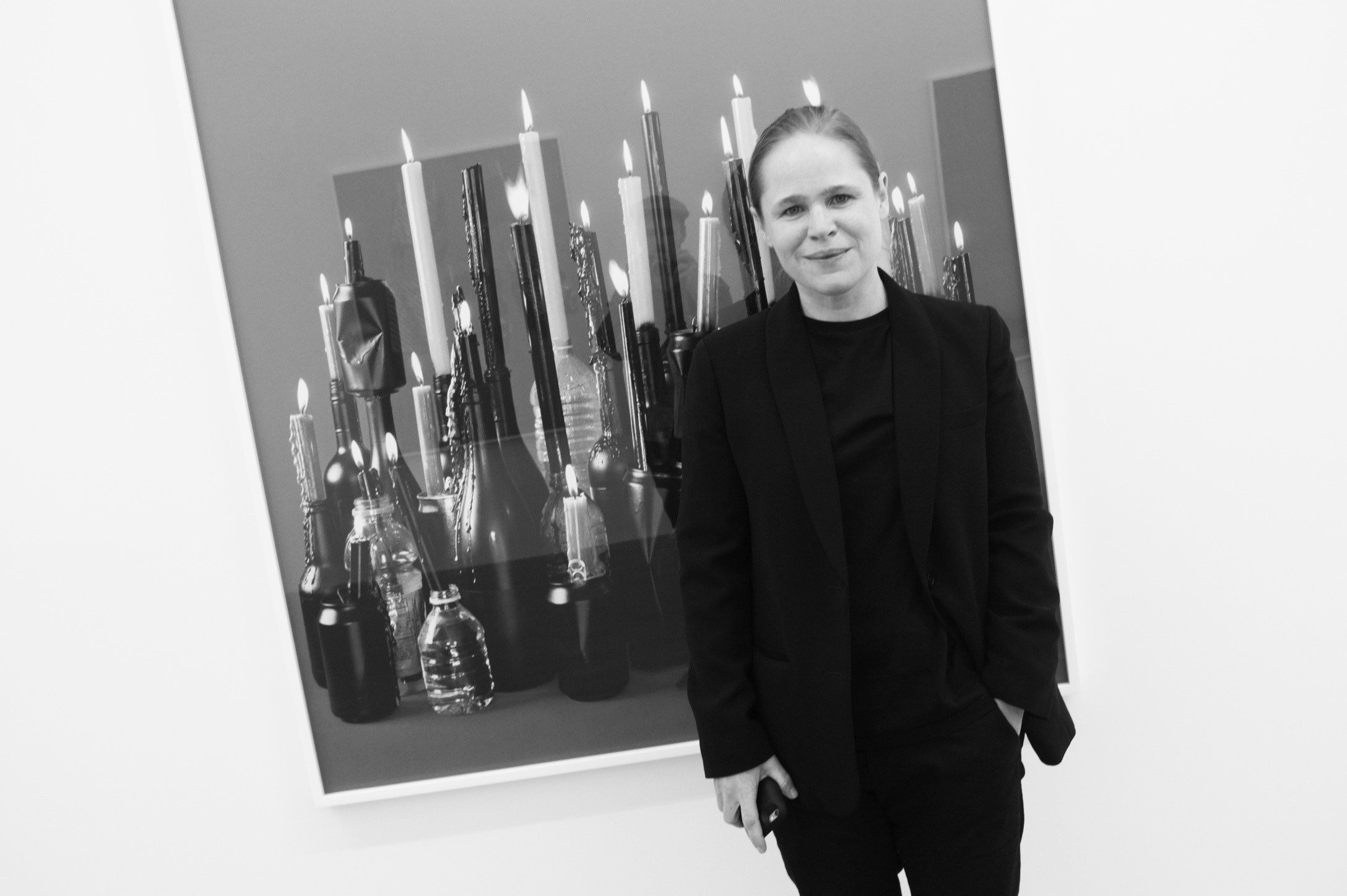
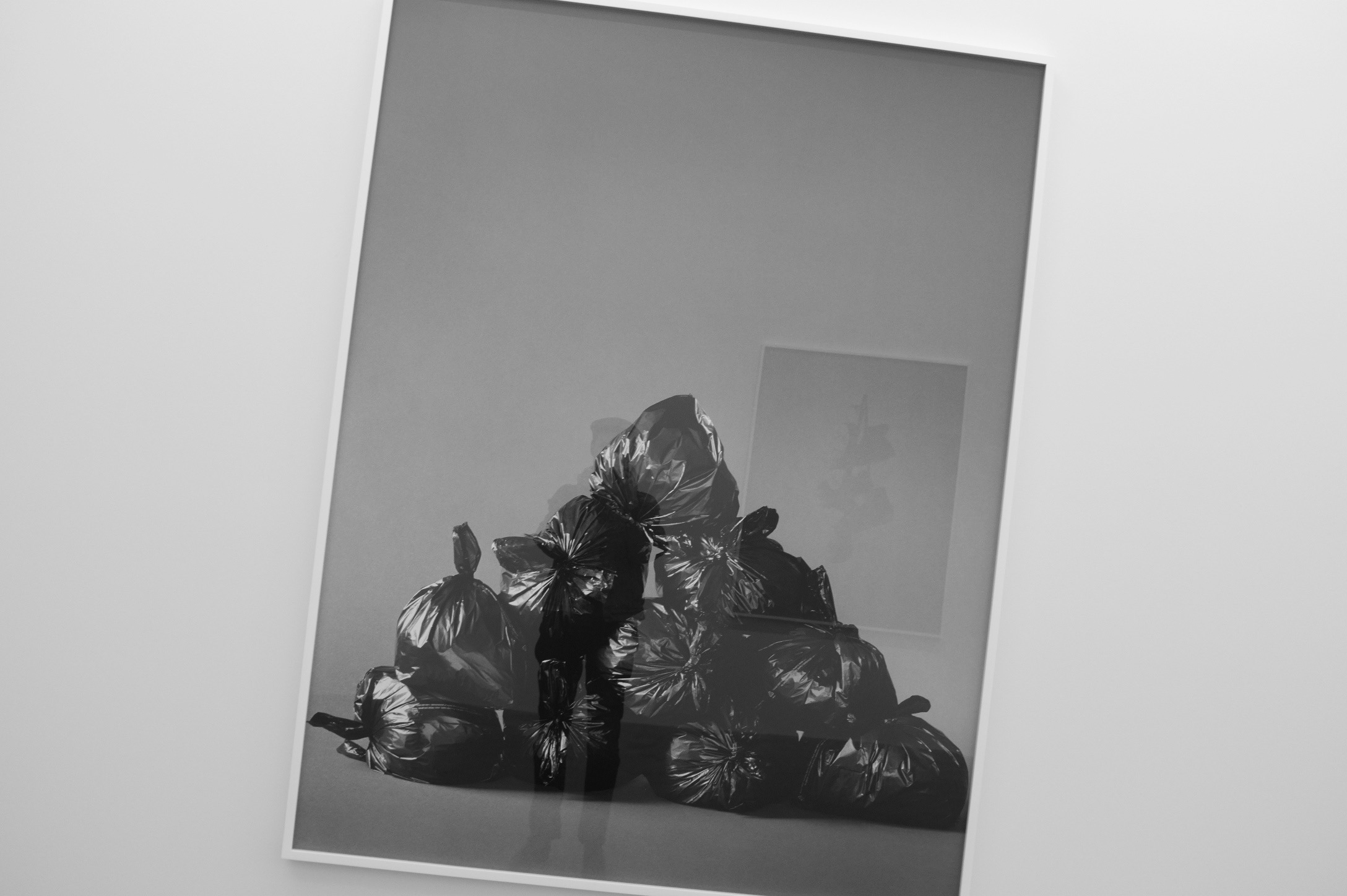
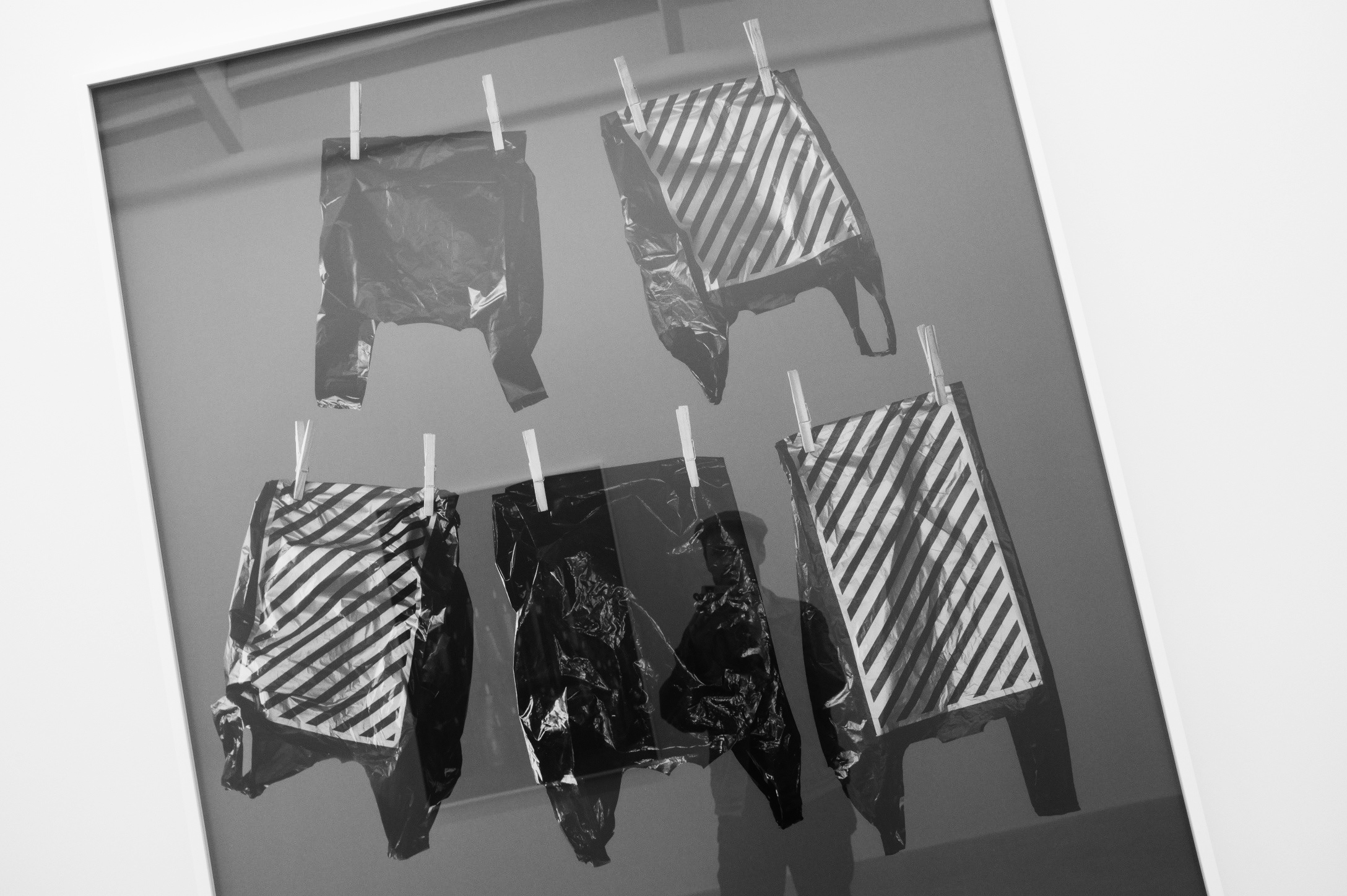
photographs by Oliver Maxwell Kupper

'Love Is Not Love' is the second single taken from Cate Le Bon's album 'Crab Day'. 'Crab Day' out now! The music video is directed by the wonderfully idiosyncratic Turner Prize nominee Phil Collins. Shot in Berlin, the video sees Cate being joined by an elite troupe of dancers to engage in some seriously avant-garde yet clinically synchronized dance routines! Buckle up kiddos, things are about to get weird.
"I’m making The Misandrists with limited resources because I feel it’s important to push my work forward as a filmmaker regardless of budgetary constraints or the prior censorship that certain kinds of more conventional financing may entail. Working with modest budgets has always allowed me the freedom to make challenging and provocative films that would otherwise be very difficult or impossible to finance. The film itself is about characters with radical leftists beliefs that question authority and the dominant ideology, so it seems very fitting that we are asking for broad-based, community support for the movie, a project to which everyone can feel they have contributed and had a part in making." Click here to learn more.
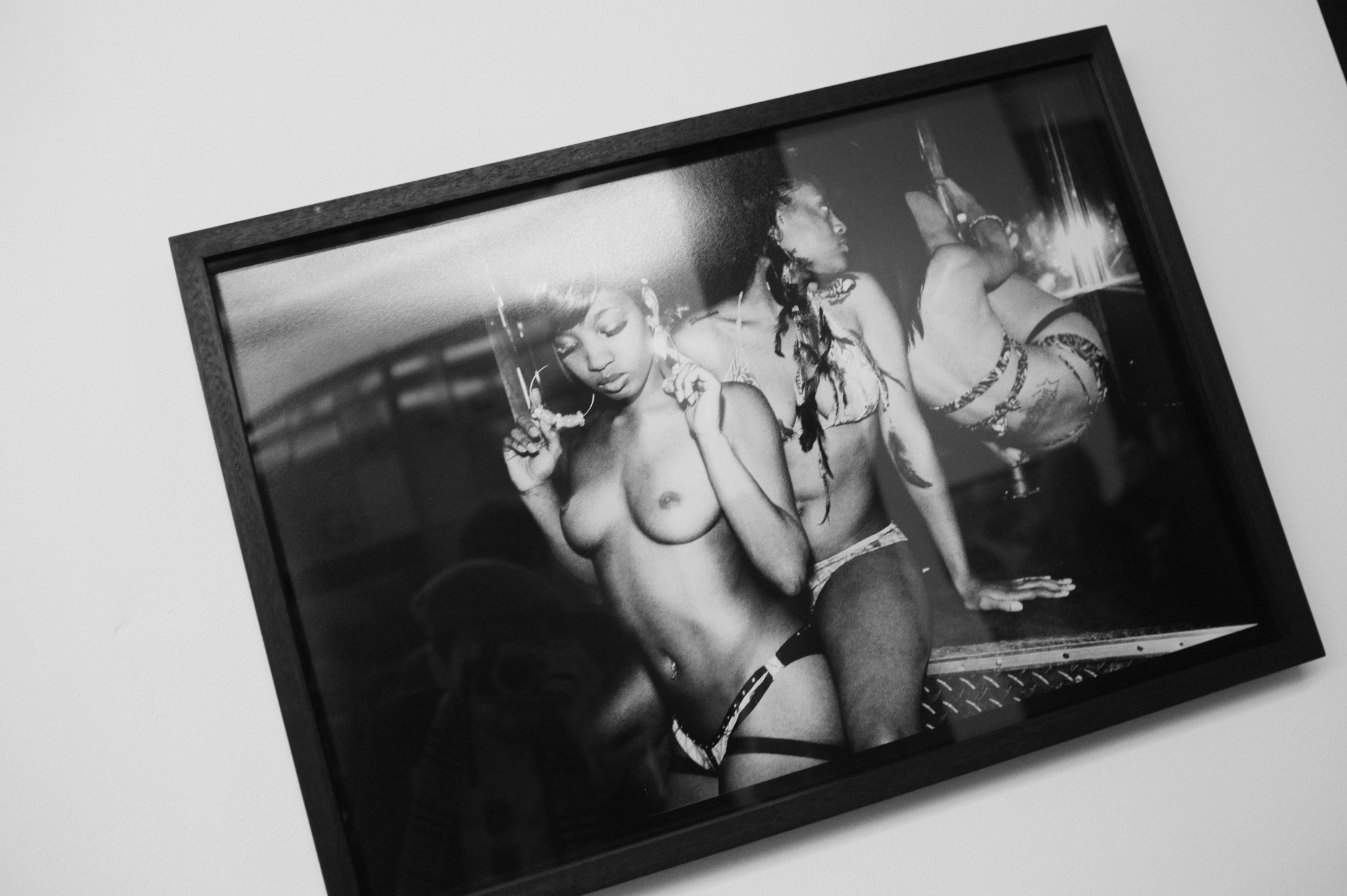
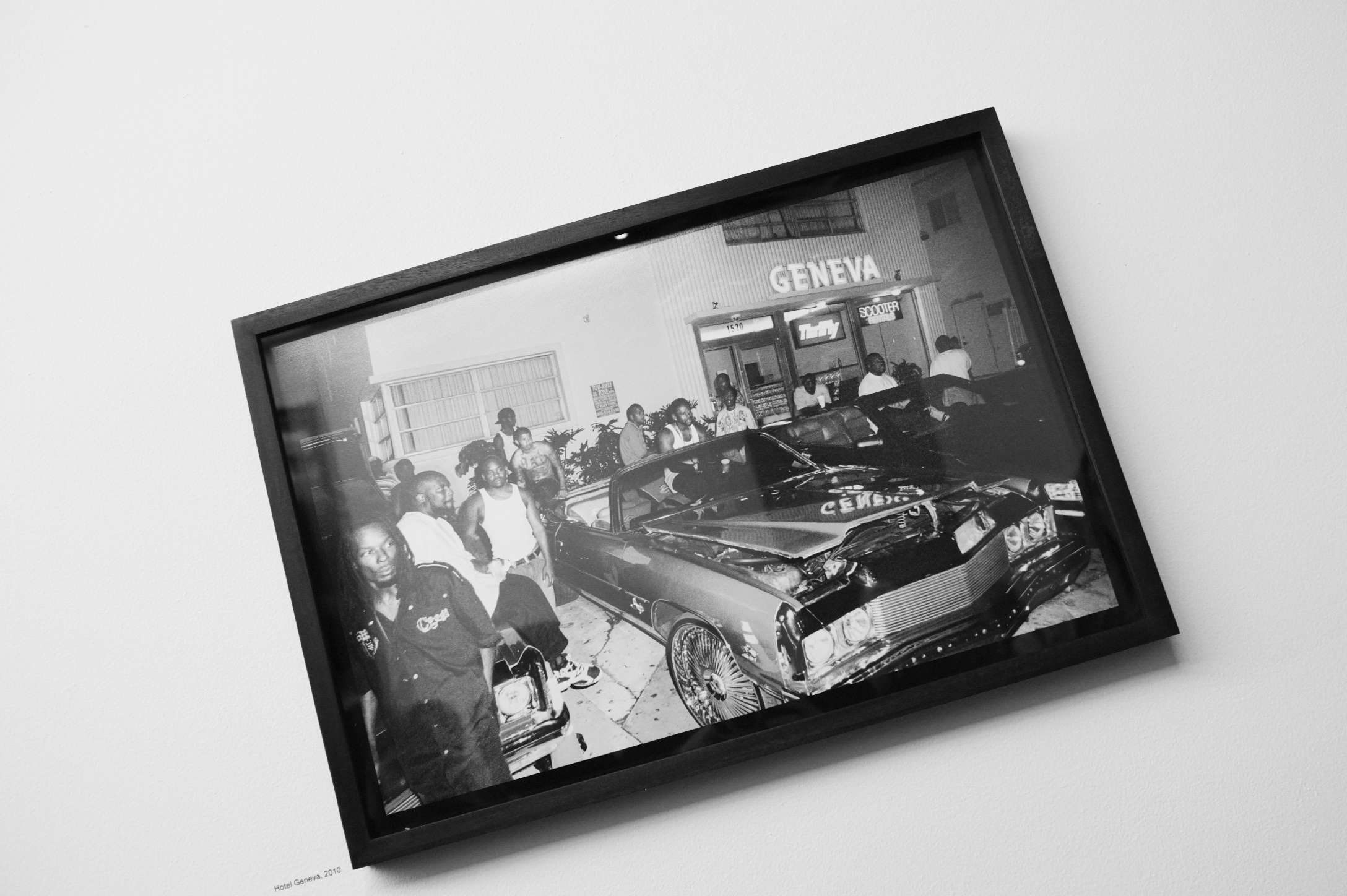
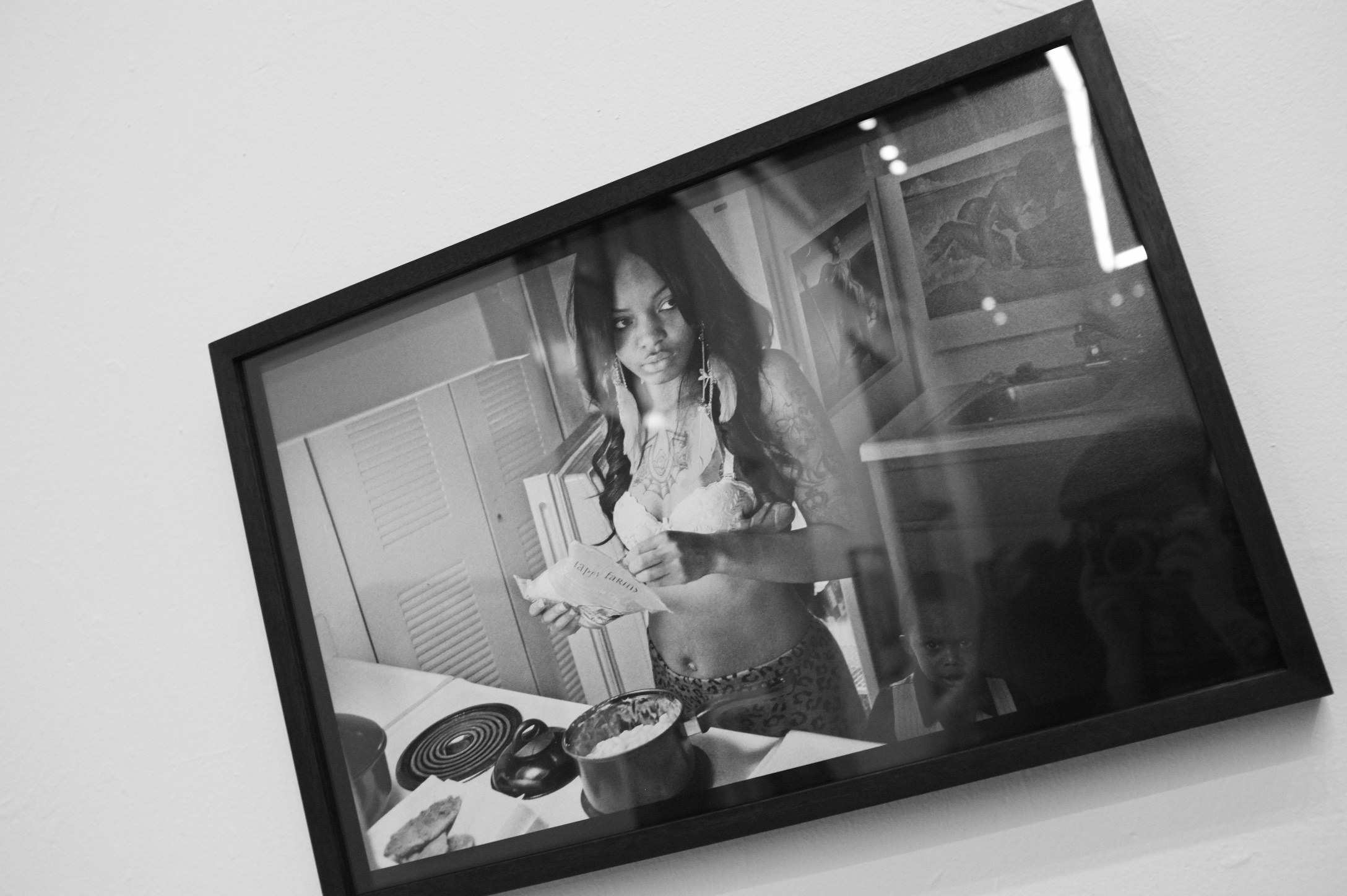
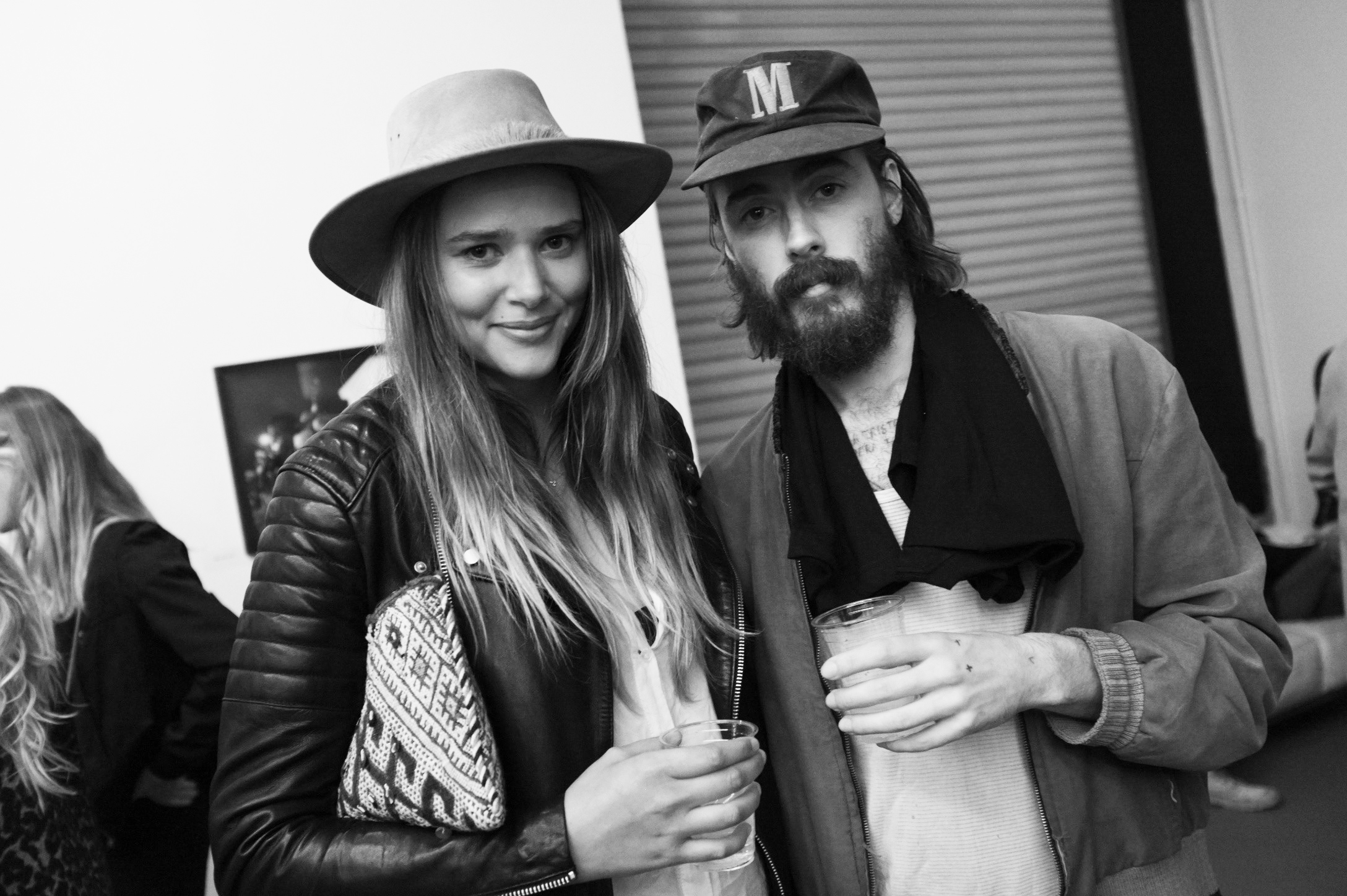
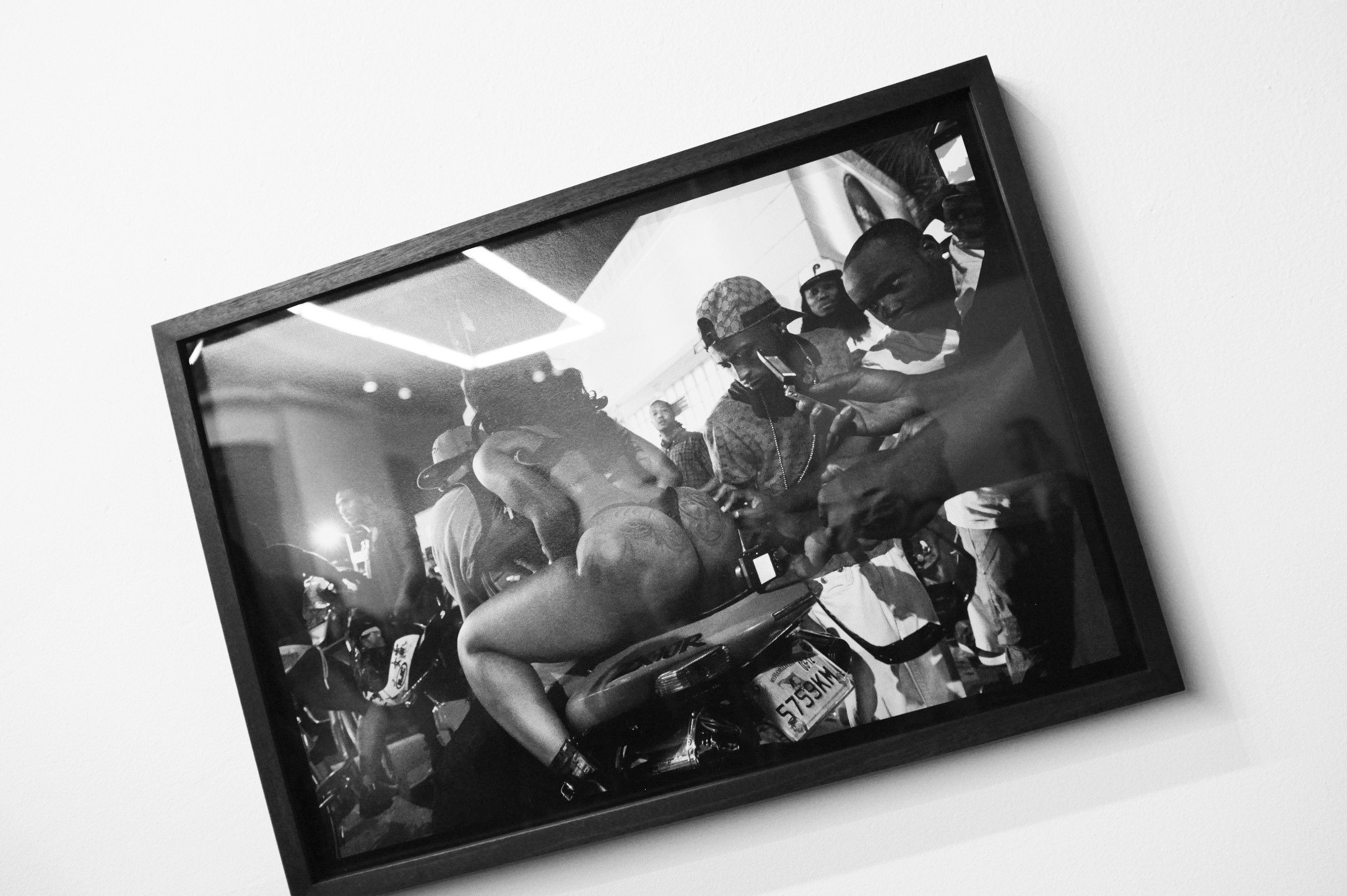
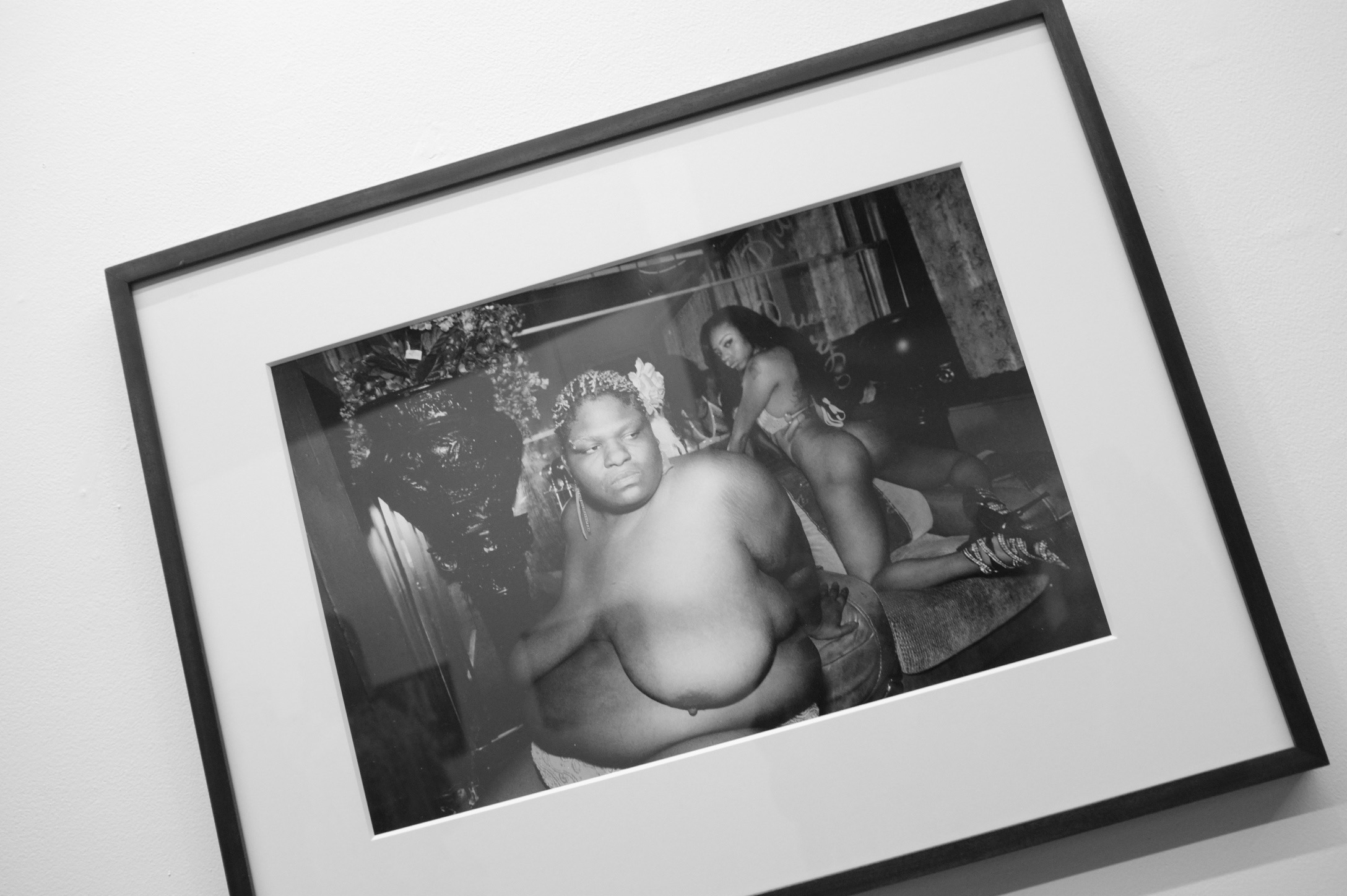
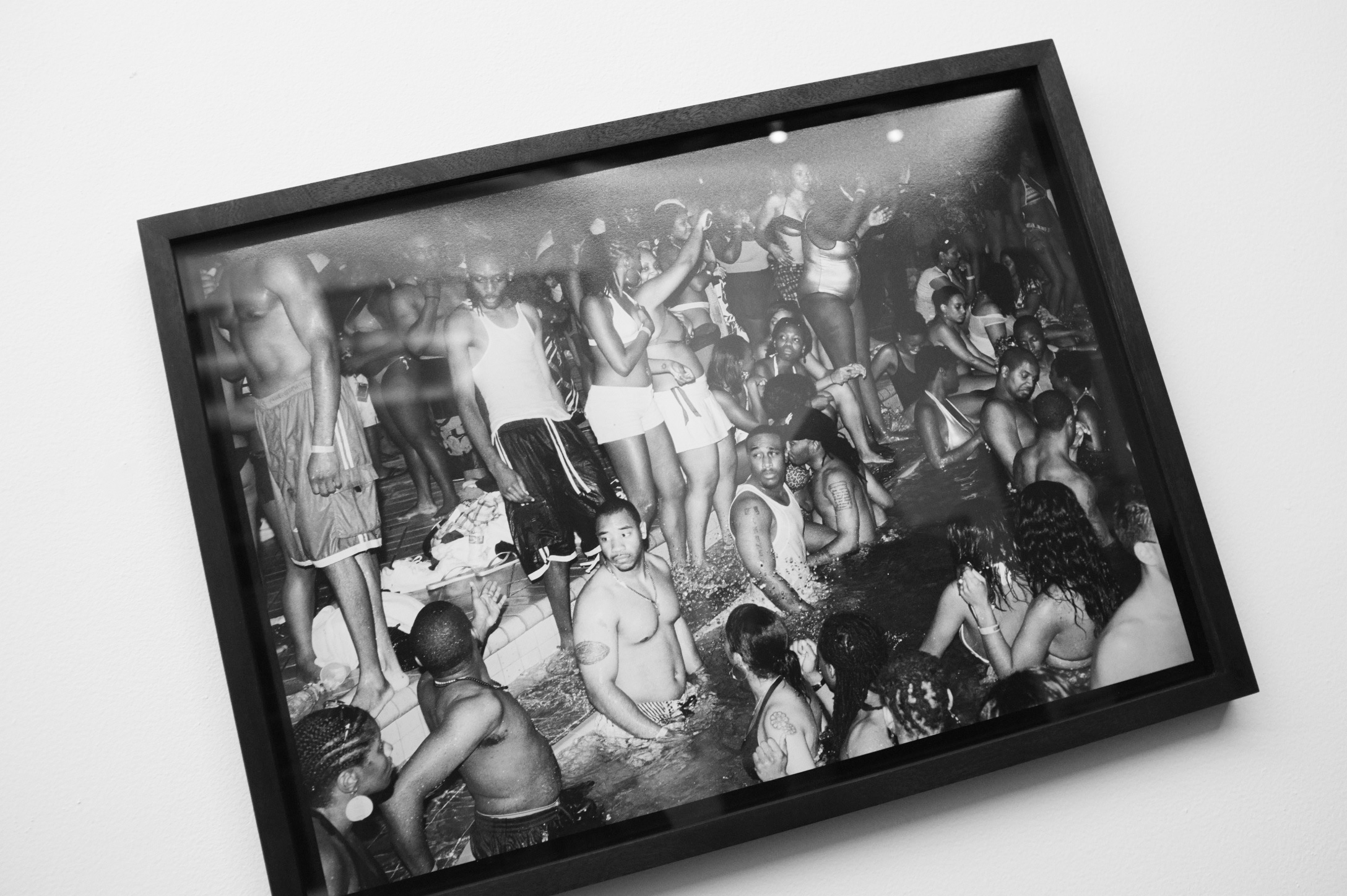
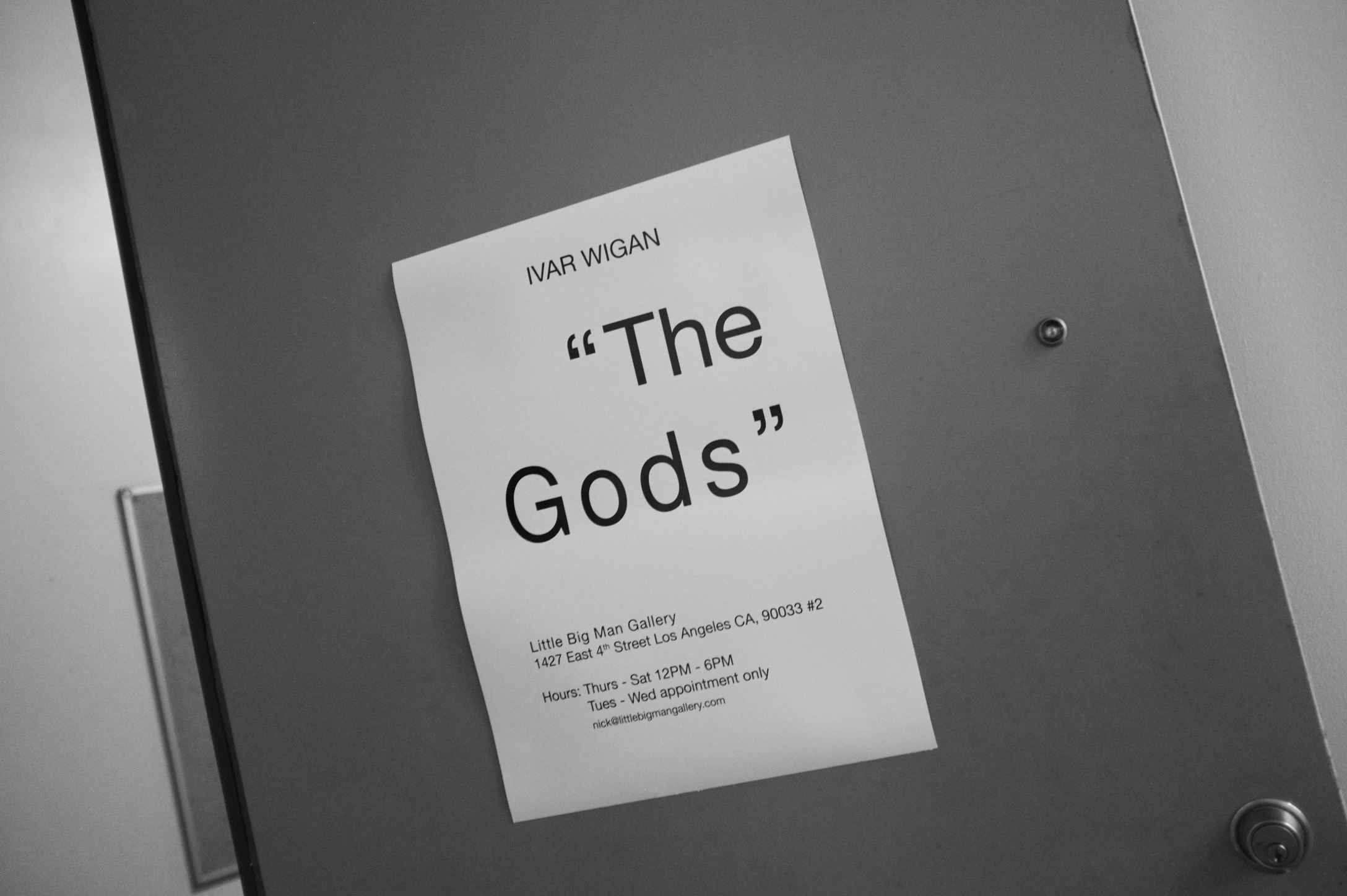
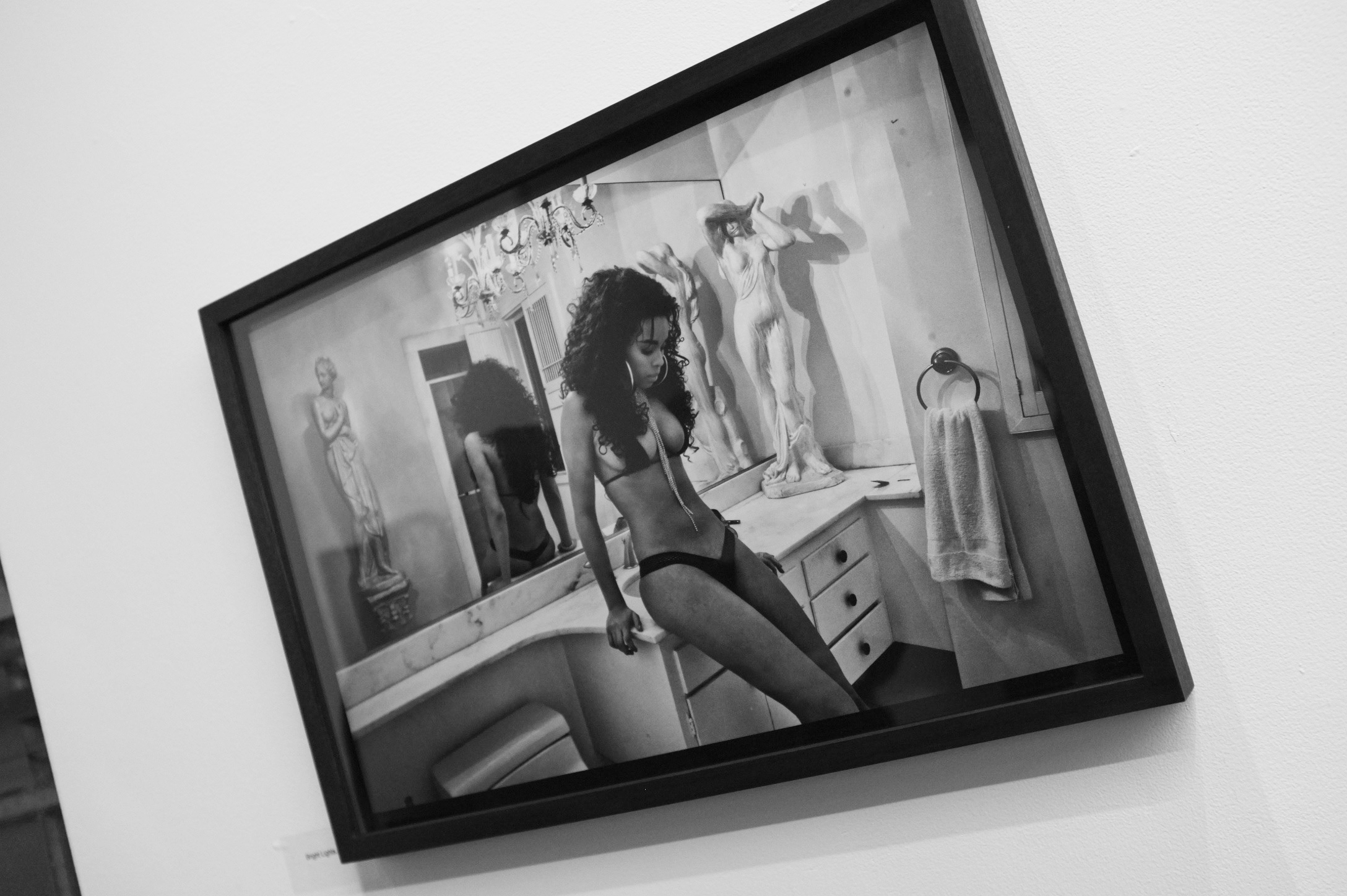
Scottish Photographer, Ivar Wigan, presents a series of images taken around the street culture associated with the urban music scene of the American South. Captured on the urban fringes of multiple cities—predominately from Miami, Atlanta and New Orleans—the images are a defiant celebration of a marginalized and often demonized culture, here raised to iconographic status and suffused with a sense of admiration and empathy. The Gods will be on view until June 19, 2016 at Little Big Man Gallery, 1427 E. 4th Street
Click here to read more.
Design is important because it reinvigorates our everyday objects with new life. A good designer does not just make a bed; he makes a bed into a crucifix made out of sot polyurethane. A good architect does not just redesign a basement; he turns the basement into a drugstore/nightclub. We are speaking of the multi-talented architect and artist François Dallegret. The French-born, Montreal-based designer studied architecture at the famous Beaux-Arts in Paris before he tired of their strict, conformist imaginations of what spaces and objects might look like. Since the 60s, Dallegret has been experimenting with futuristic and imaginative concepts and materials, creating multifunctional furniture, strange machines, walking cakes, jumping spheres, electrical and inflated garments, and more. On the occasion of the architect's latest exhibition in Los Angeles, here are ten of his most whimsical and fantastic creations. Click here to read more.
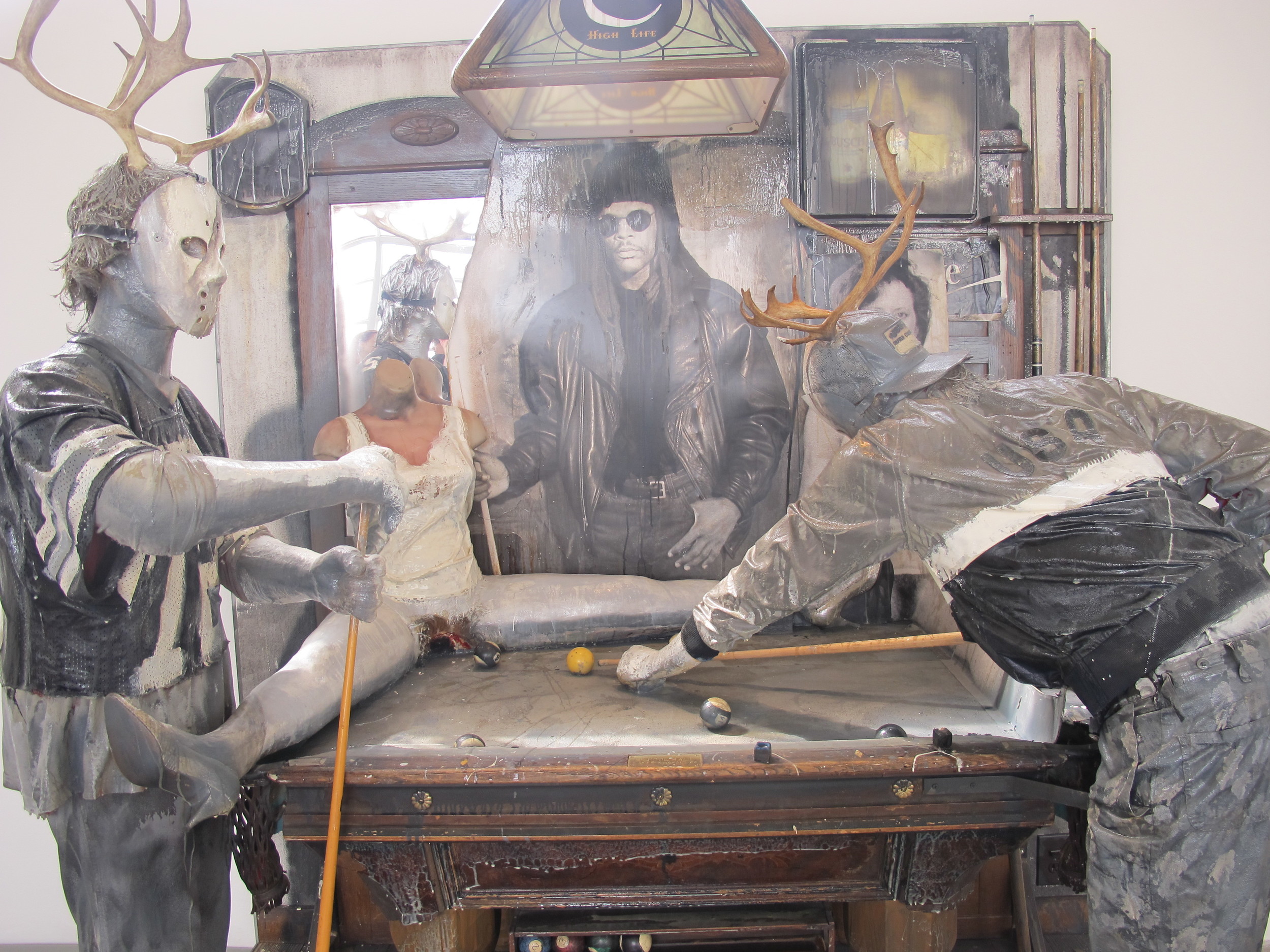
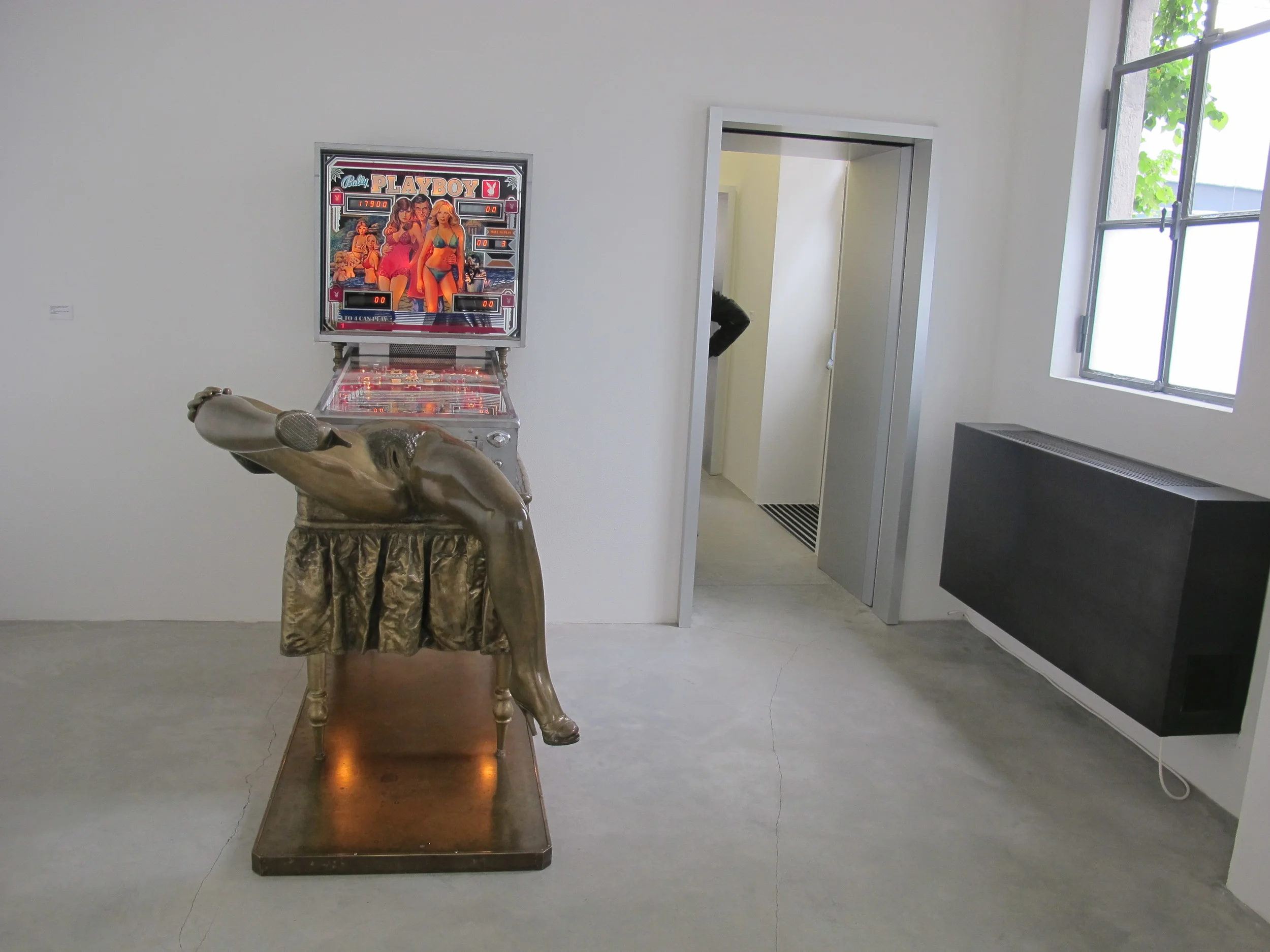
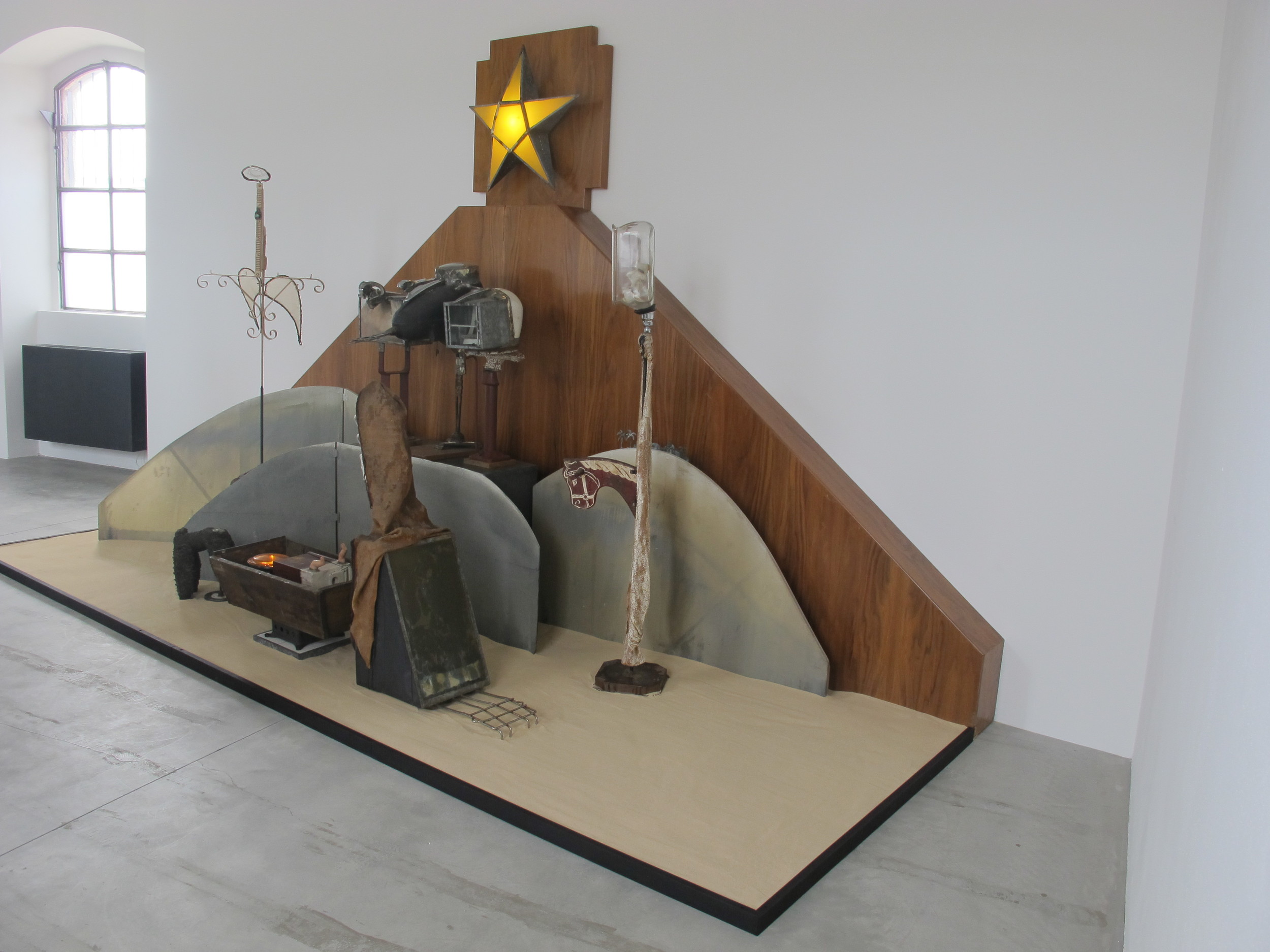
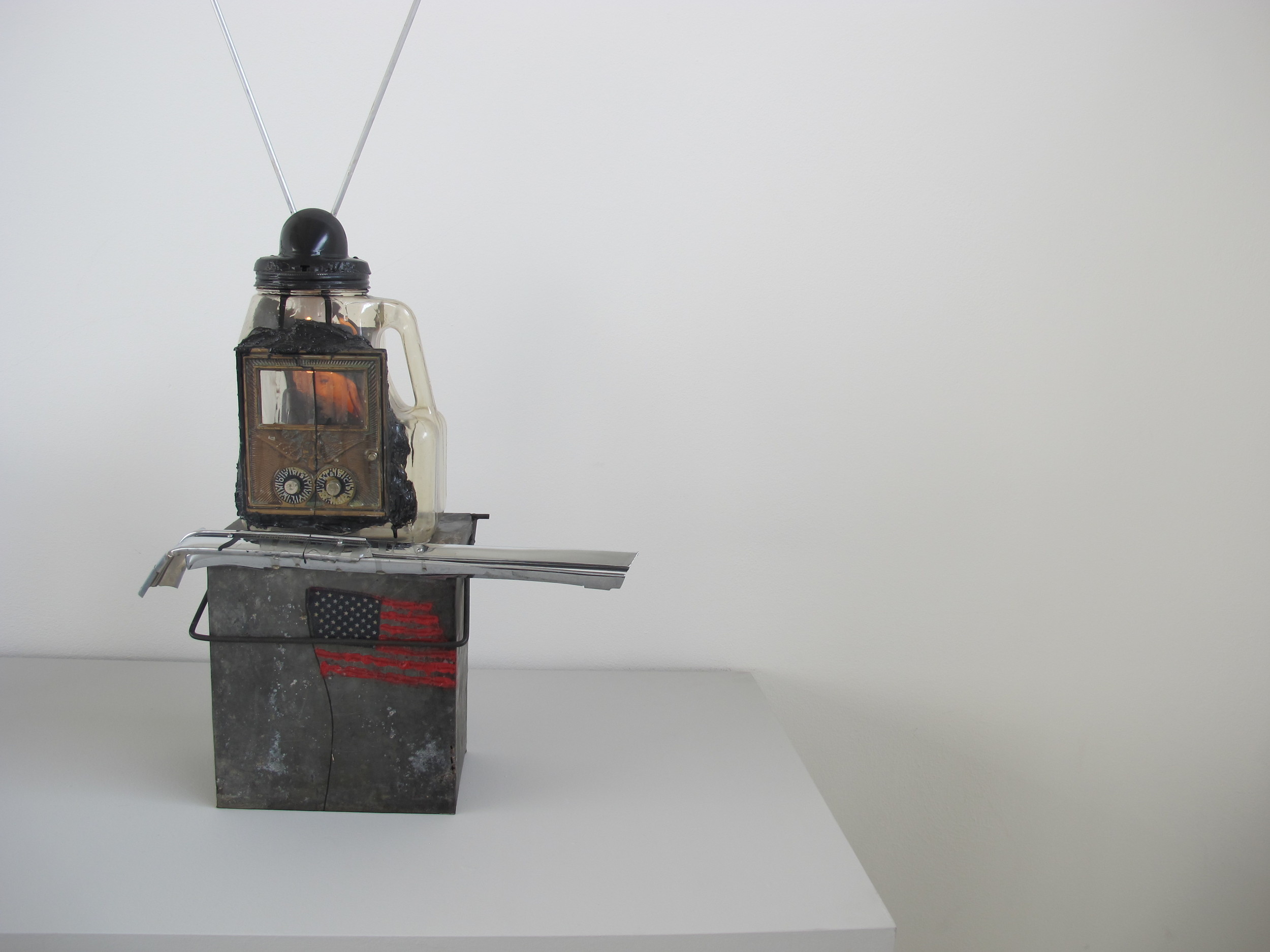
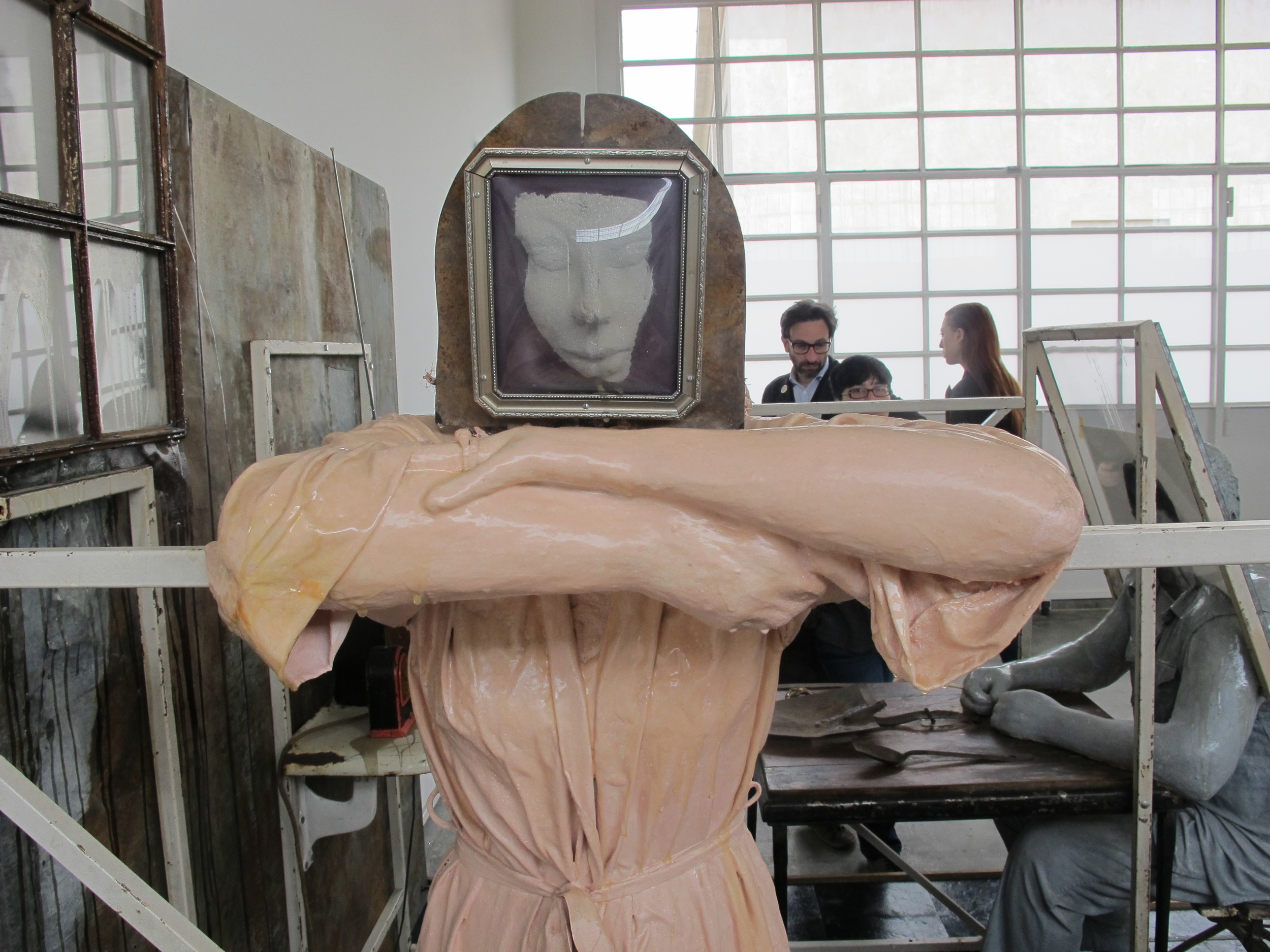
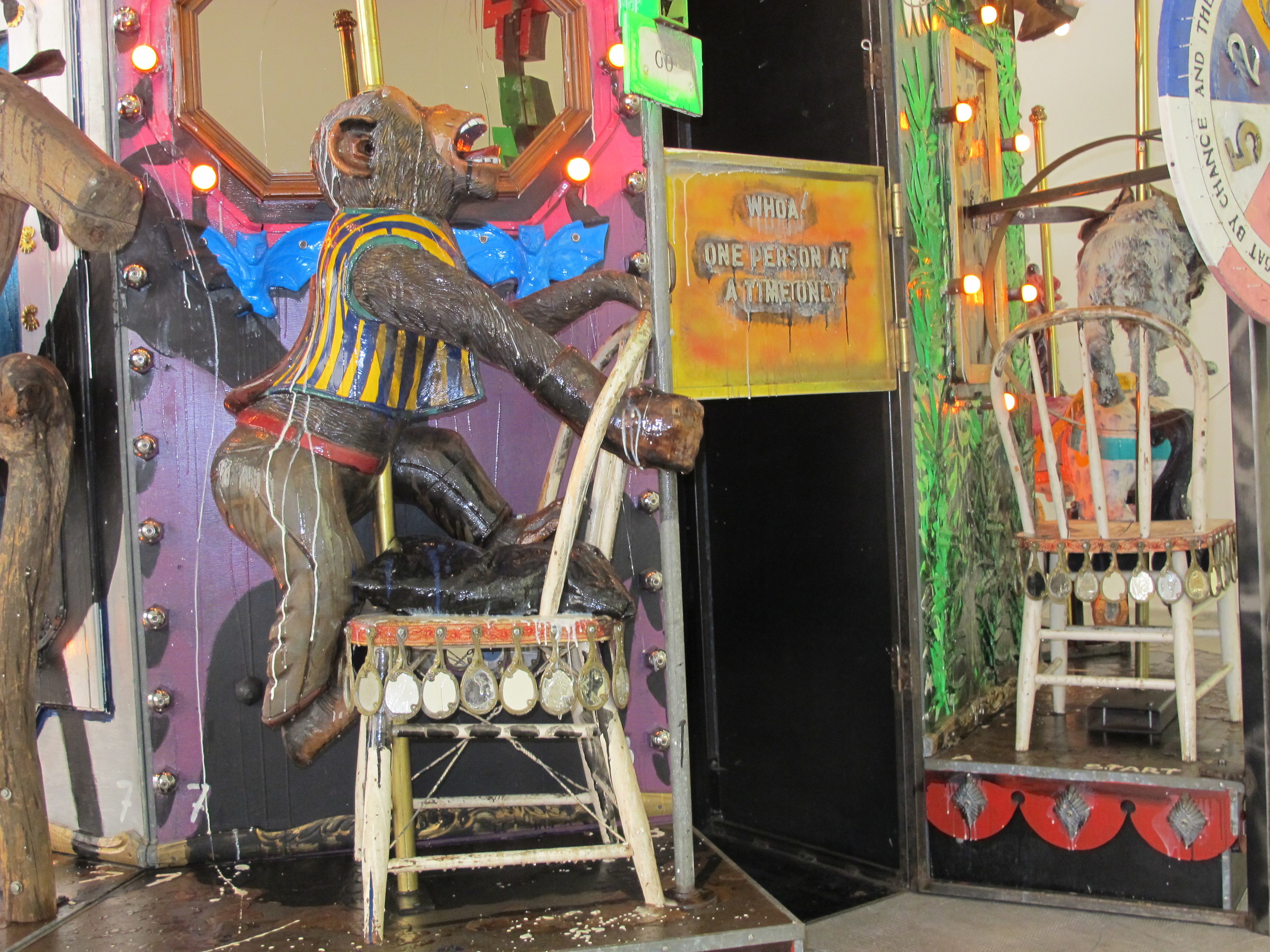
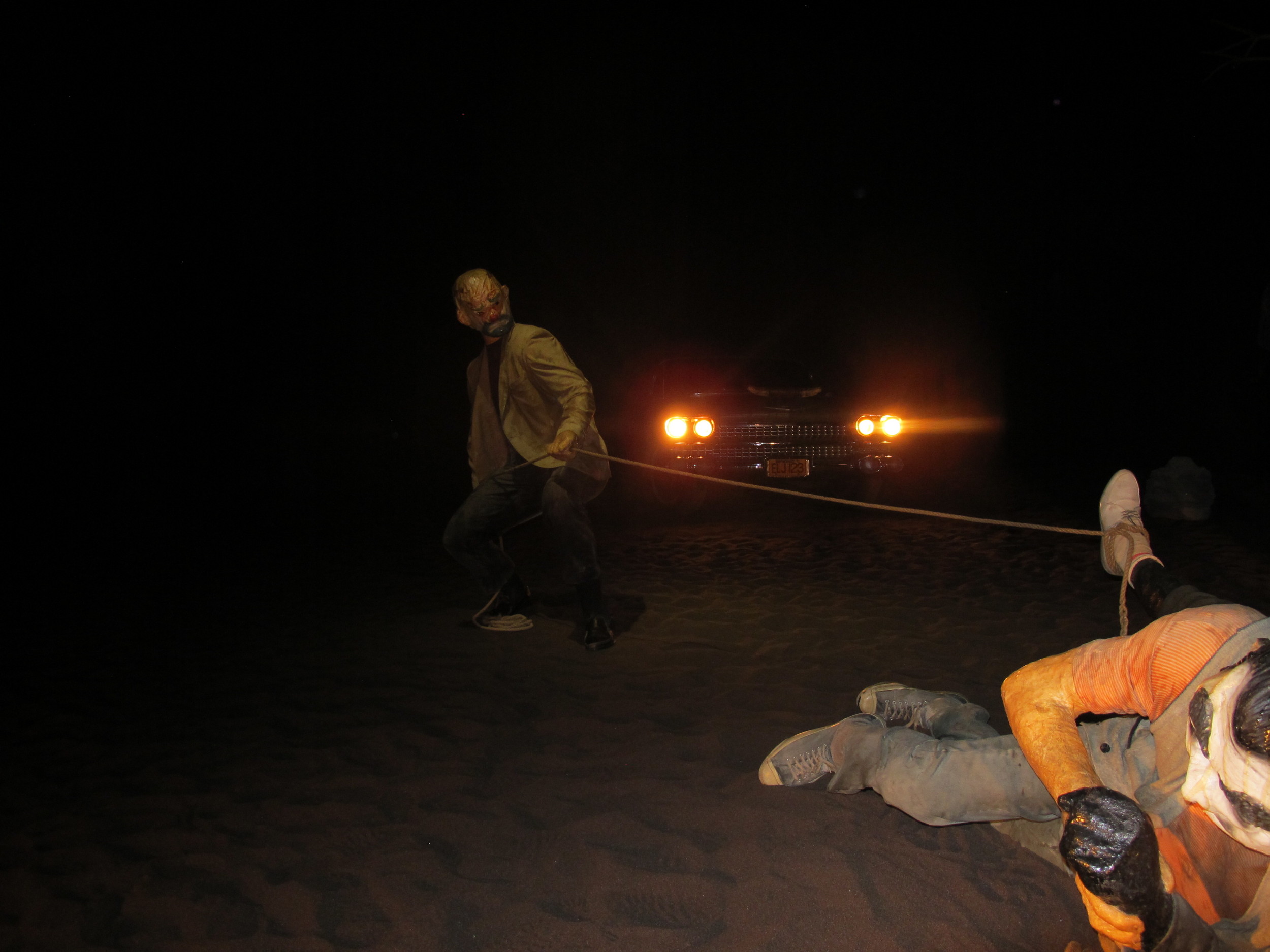
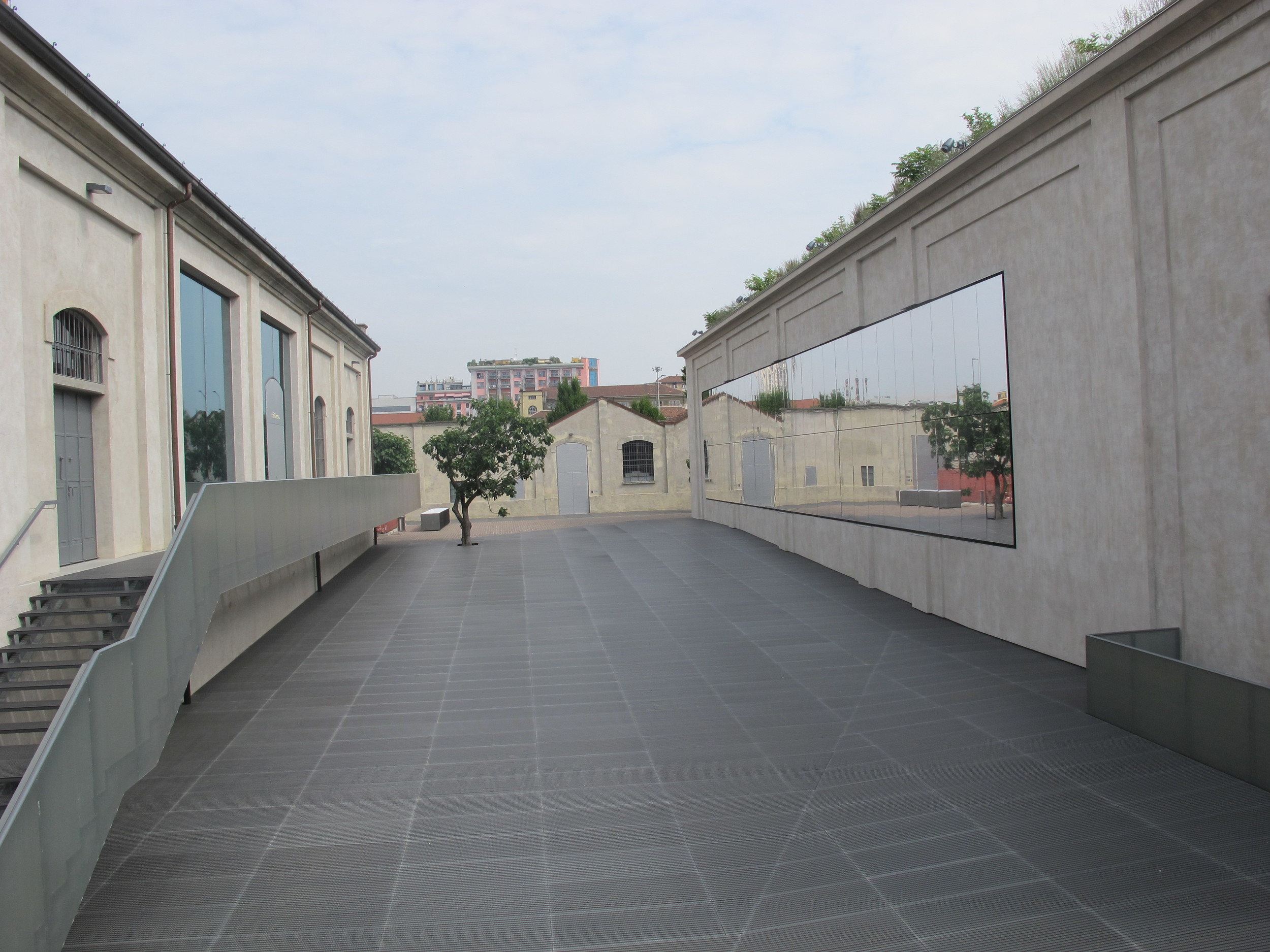
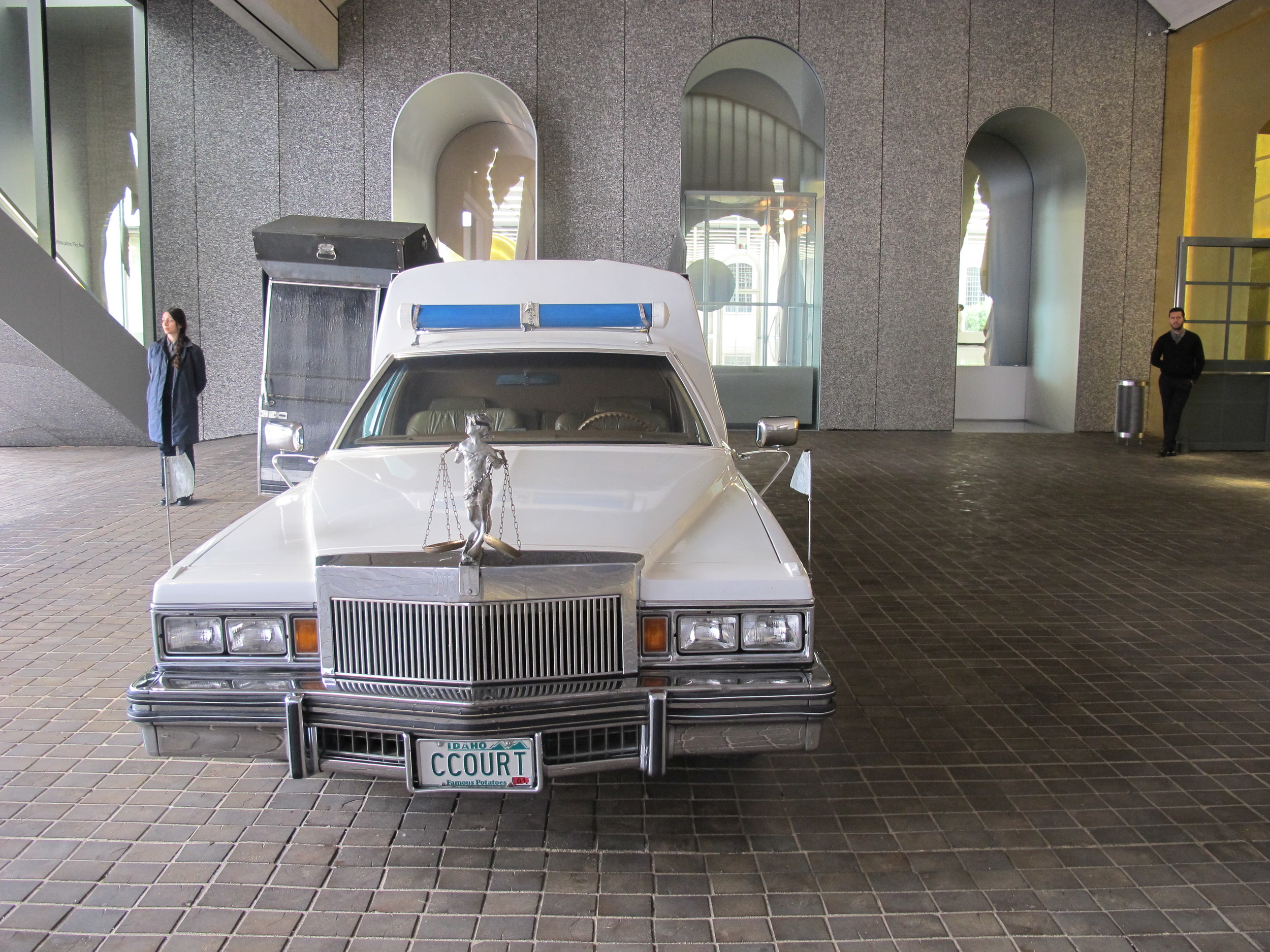
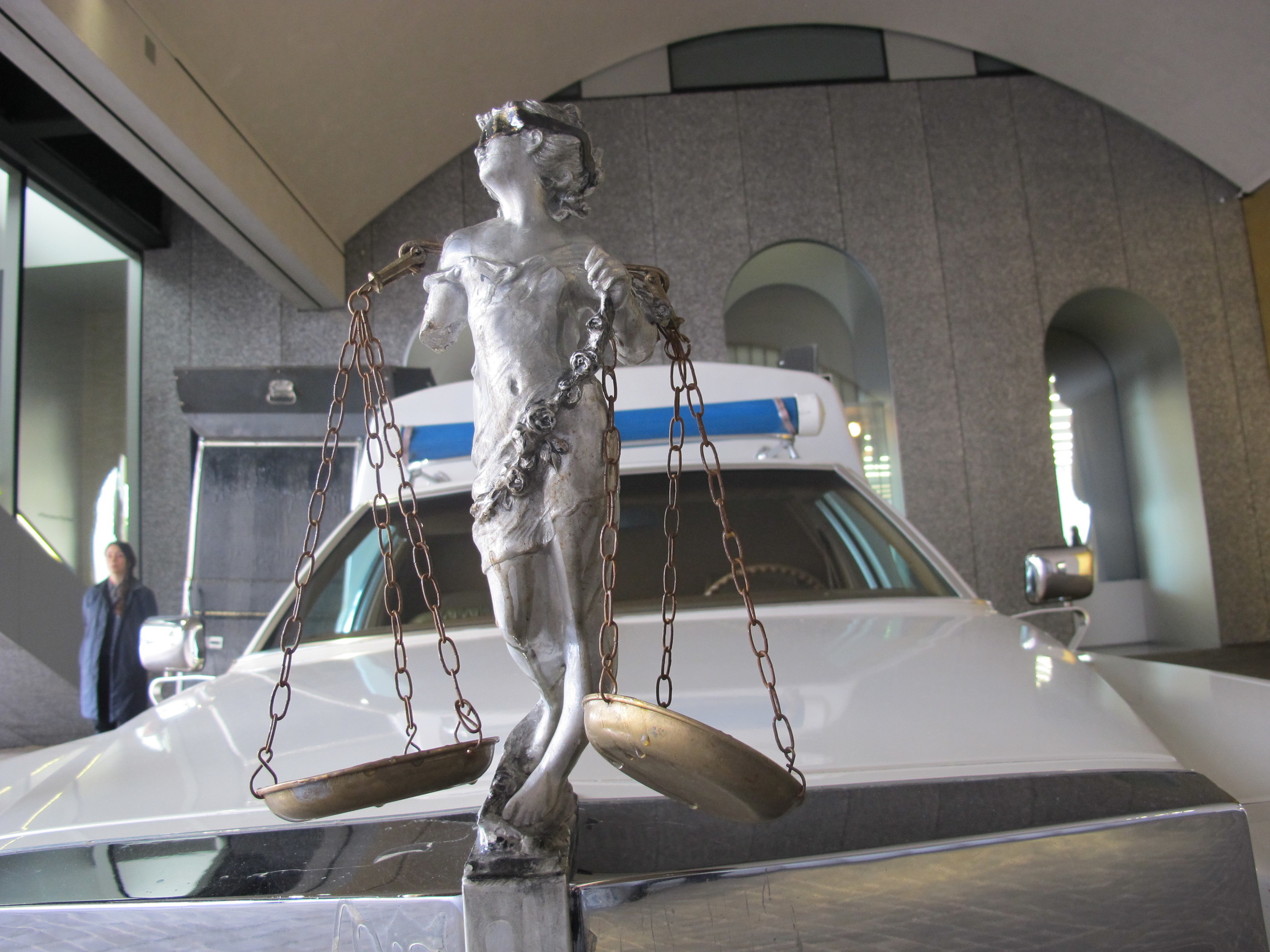
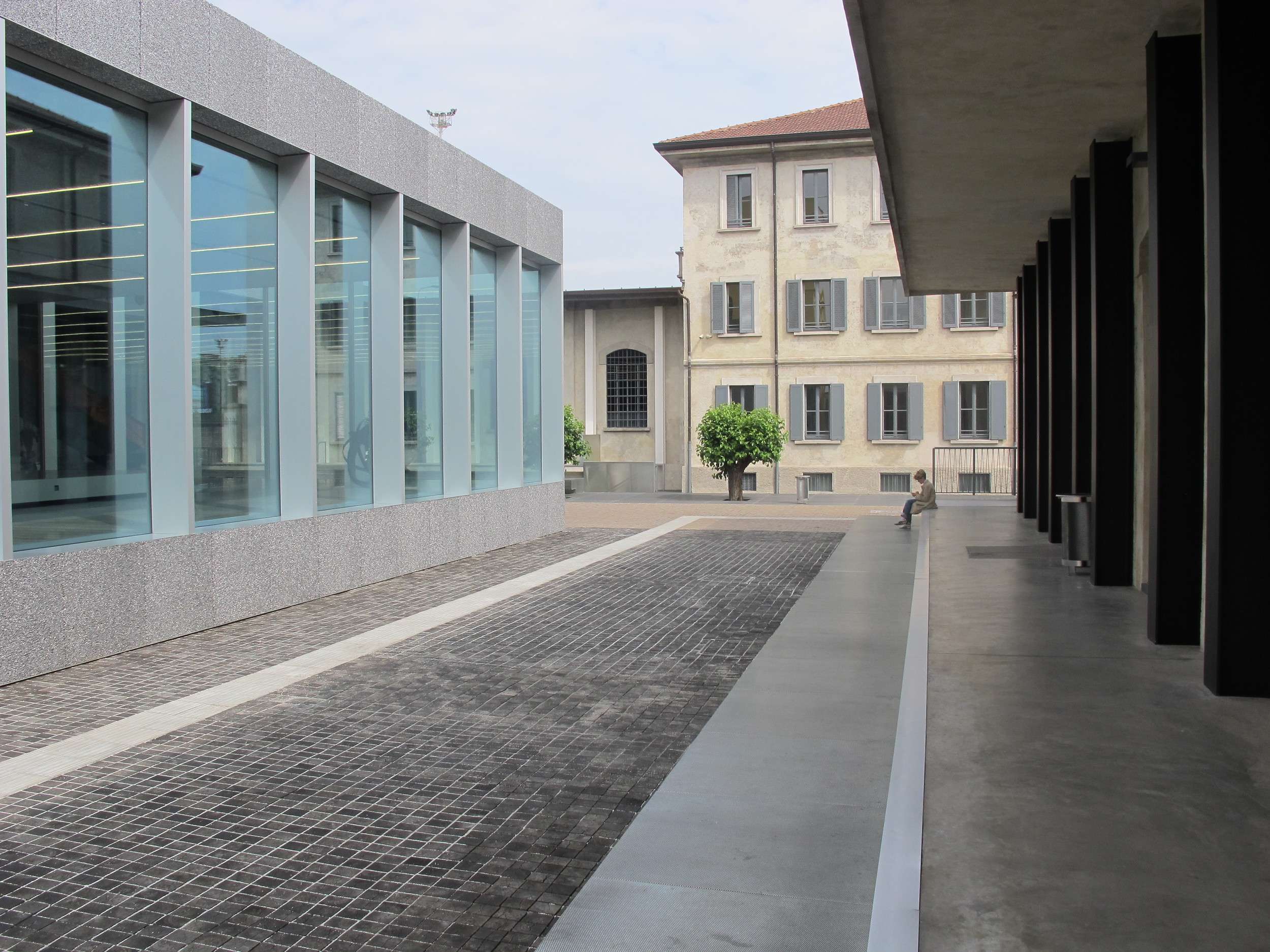
Milan’s Fondazione Prada presents “Kienholz: Five Car Stud”. The exhibition brings together a selection of artworks by Edward Kienholz and his wife Nancy Reddin Kienholz, including the well known installation that gives the show its title. A self-taught artist from Washington State, Edward Kienholz’s work was described by Germano Celant as “making no attempt to sublimate the meanness and tragedy of life, its condition of loneliness and triviality, but on the contrary using them as a way of highlighting a low and popular universe in which the wasted and the dirty, the depraved and the filthy, represented a new and surprising beauty”. The exhibition features numerous installations and tableaux created by the couple between the early late fifties and the nineties, often directly representing death, violence, war and various kinds of social injustices. Looking at them makes the viewer feel uncomfortable and powerless but, at the same time, turns him into a participating witness as the urge to meticulously explore the details take over: Voyeurism and the power of crude beauty win over the common sense of morality. The main installation, “Five Car Stud”, catapults the viewer into a nightmarish situation, plunging him into a dimension of extreme violence. It recreates a dark, isolated environment, illuminated merely by the headlights of four cars and a pick-up truck, at the center of which lies an African–American man, surrounded by five white men wearing Halloween masks. The aggressors grab his arms and legs while one of them prepares to castrate him. A woman is forced to watch, shocked and powerless, and a frightened little boy witnesses the scene from the backseat of his father’s car. This work was defined by Kienholz as the representation of “The Burden of Being American”. The exhibition will be on view until December 31 2016 at Fondazione Prada, Largo Isarco 2, Mila. Text and photographs by Sara Kaufman
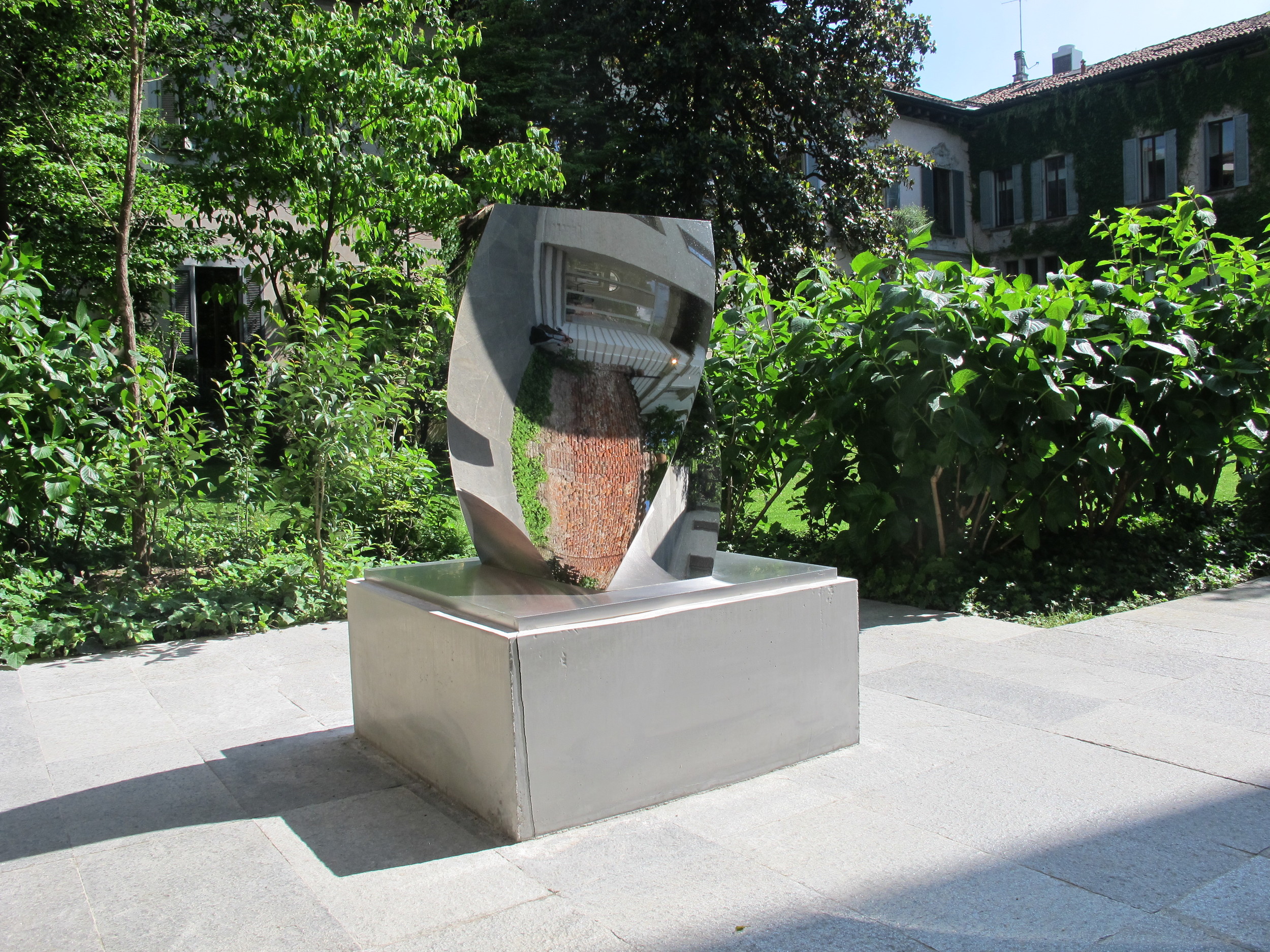
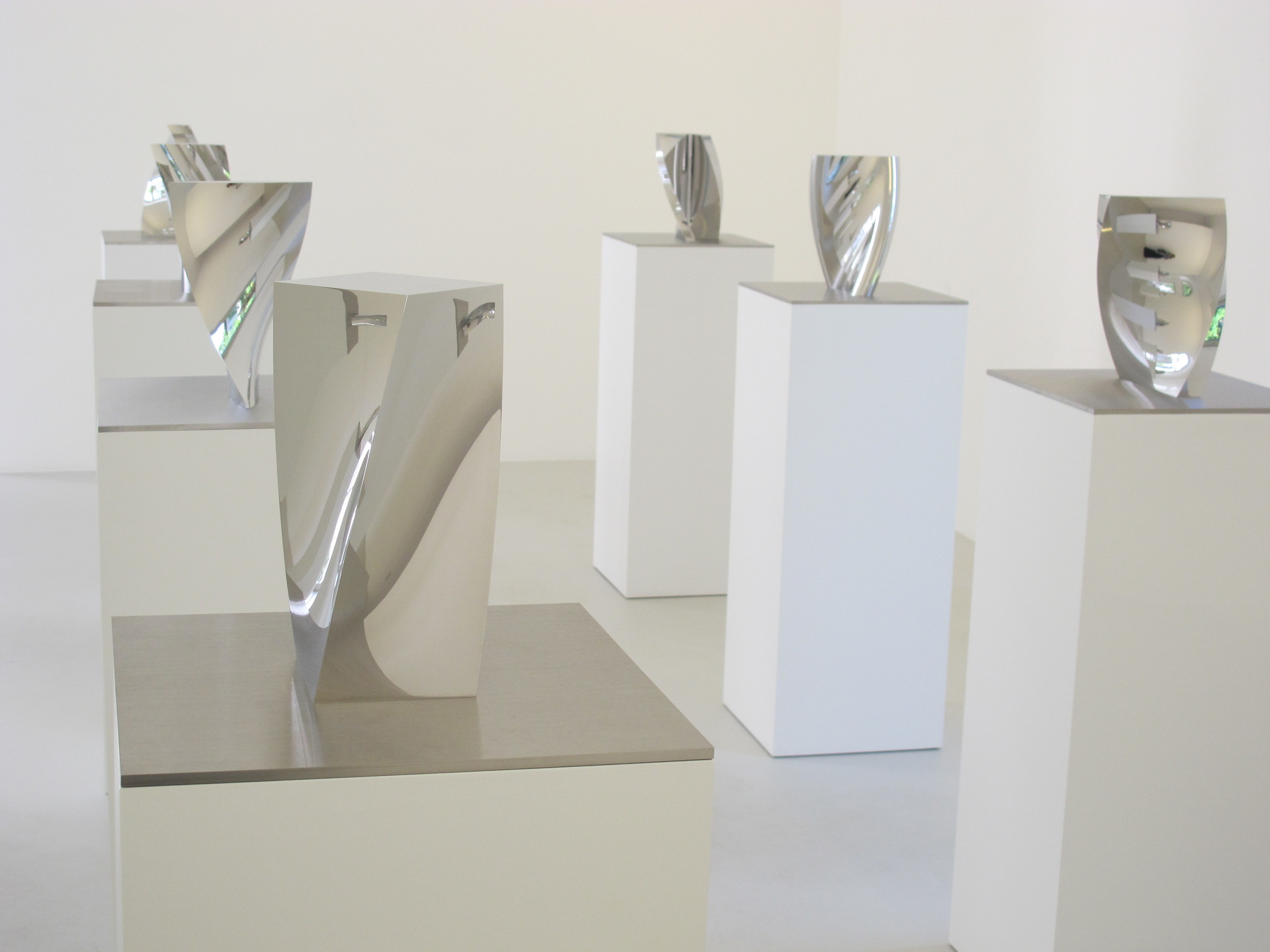
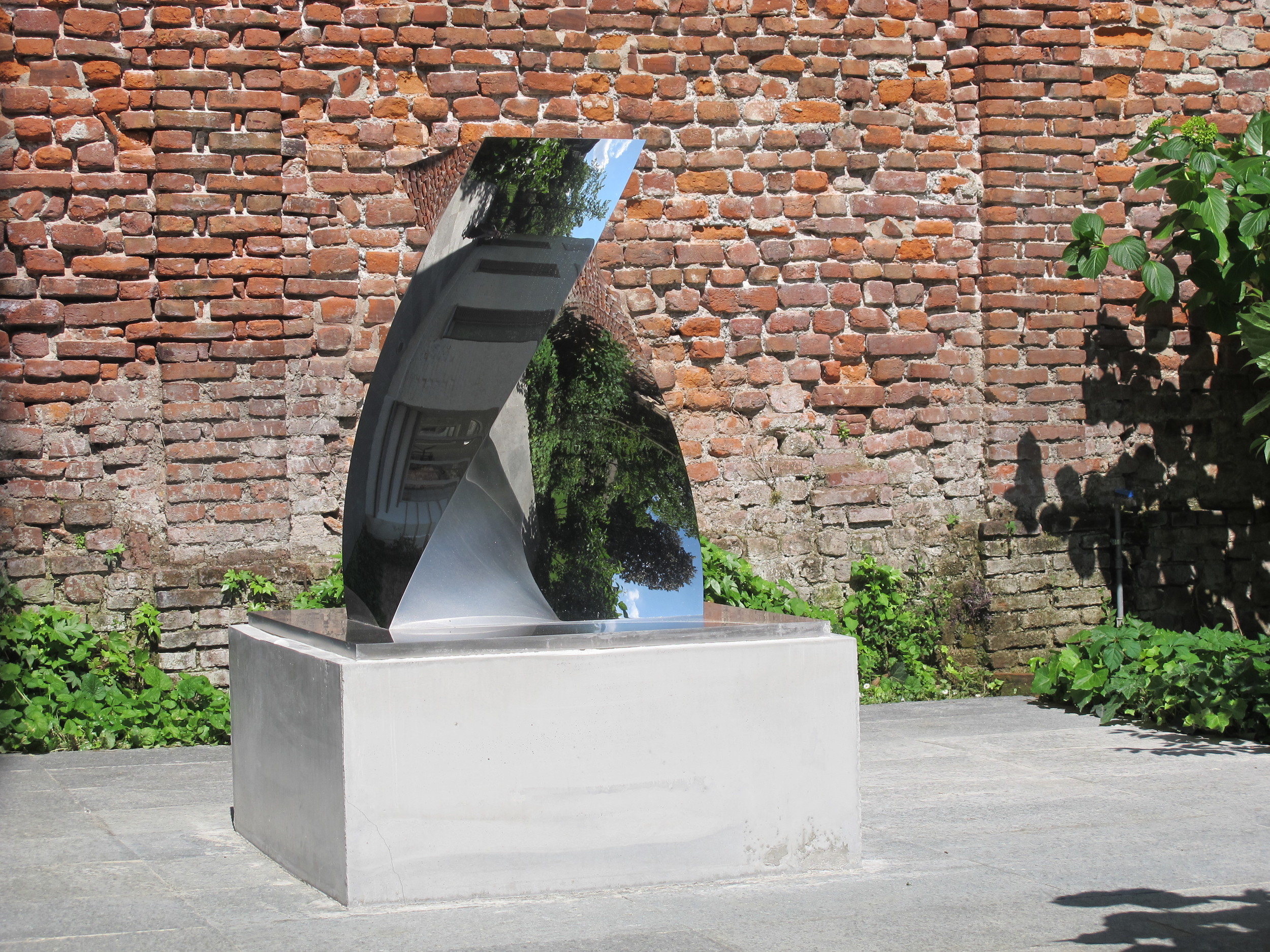
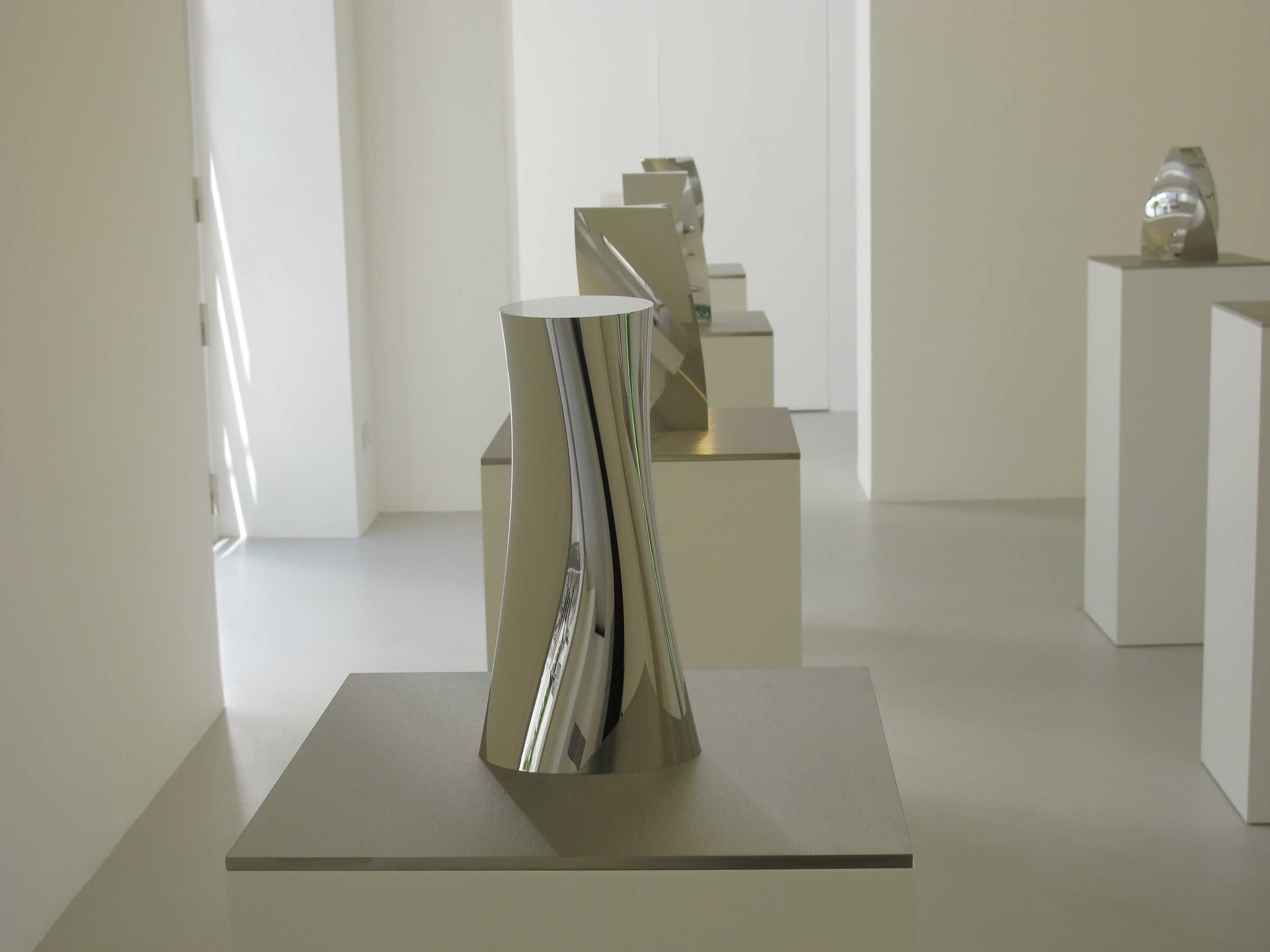
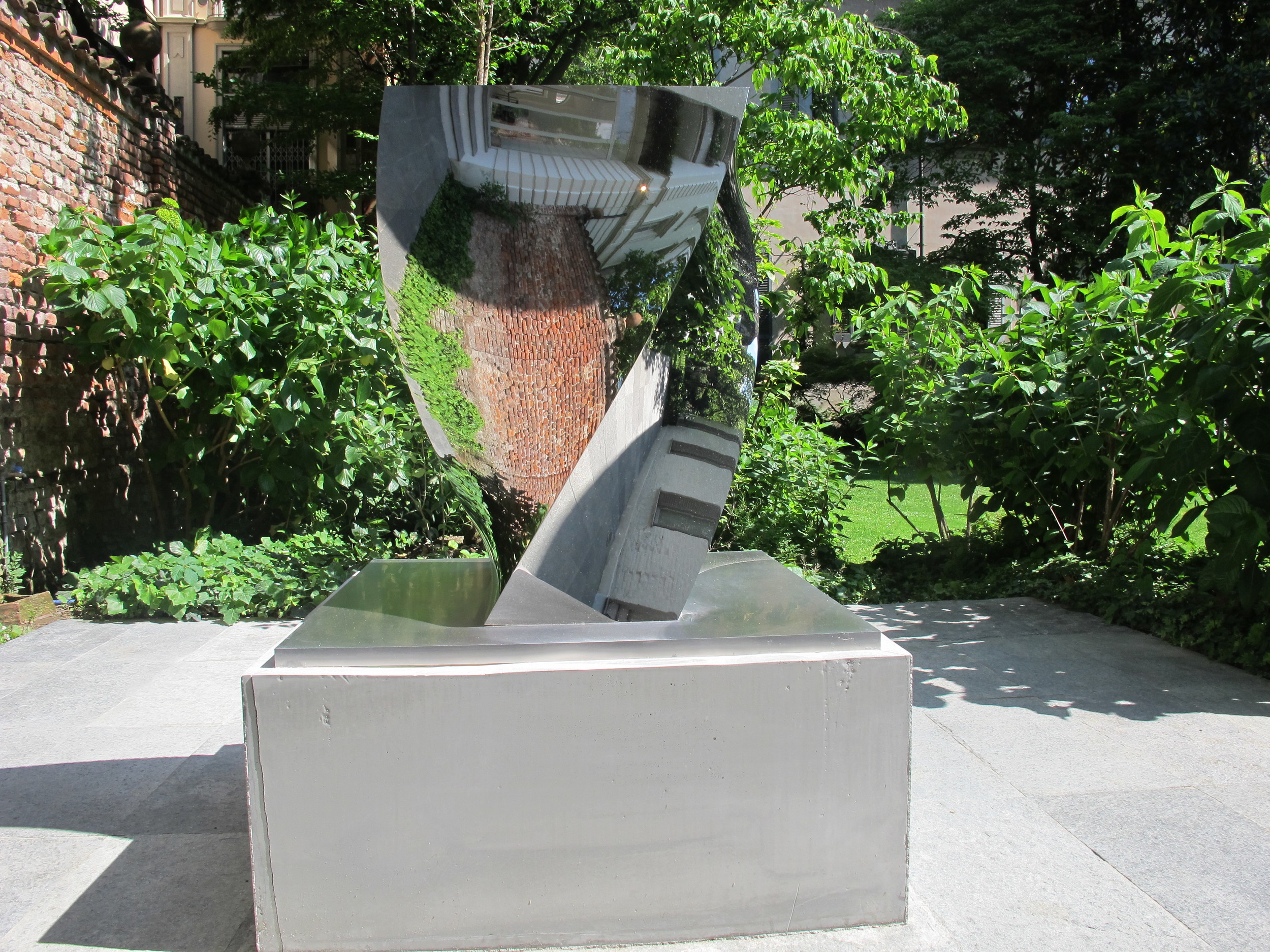
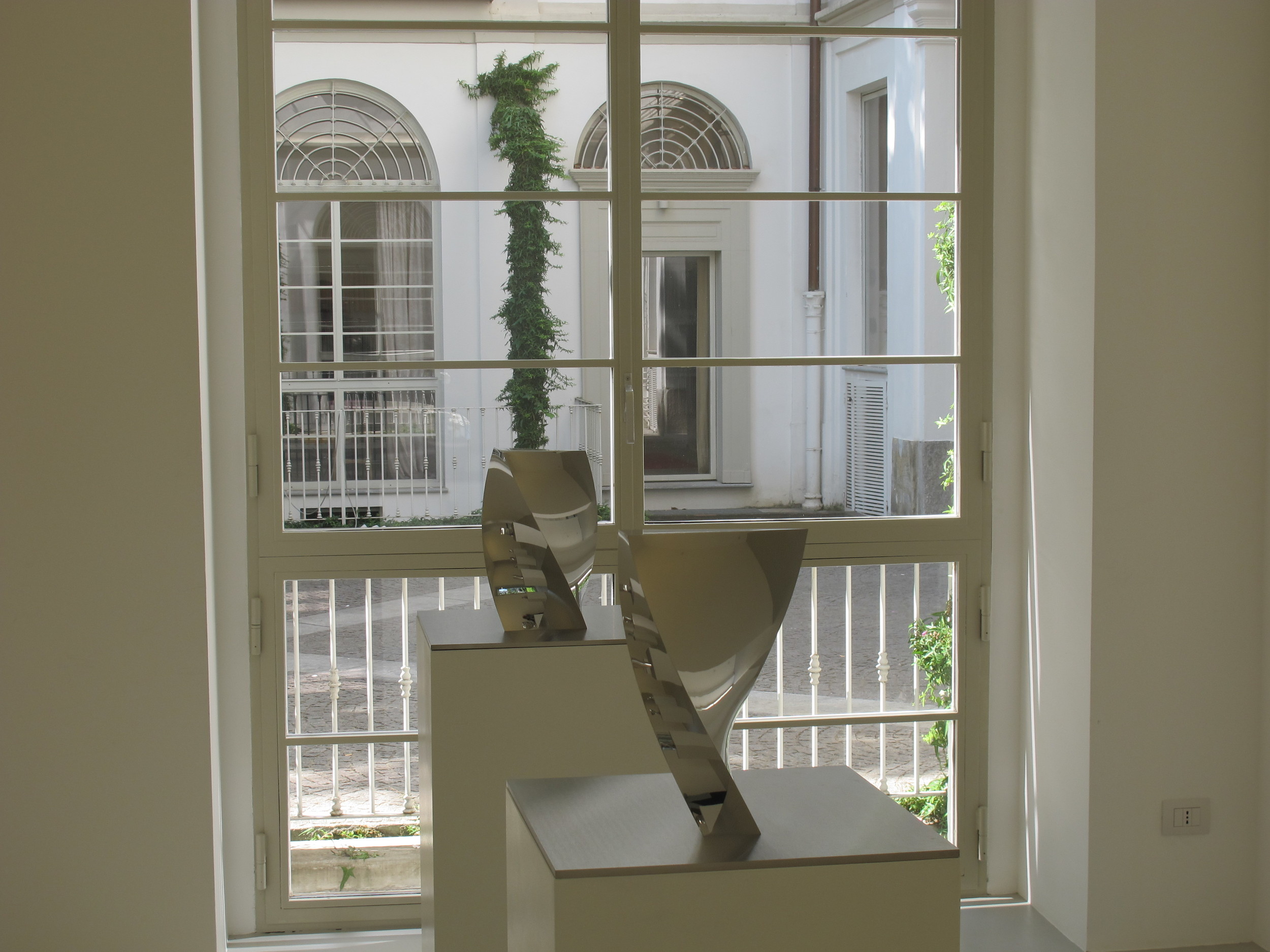
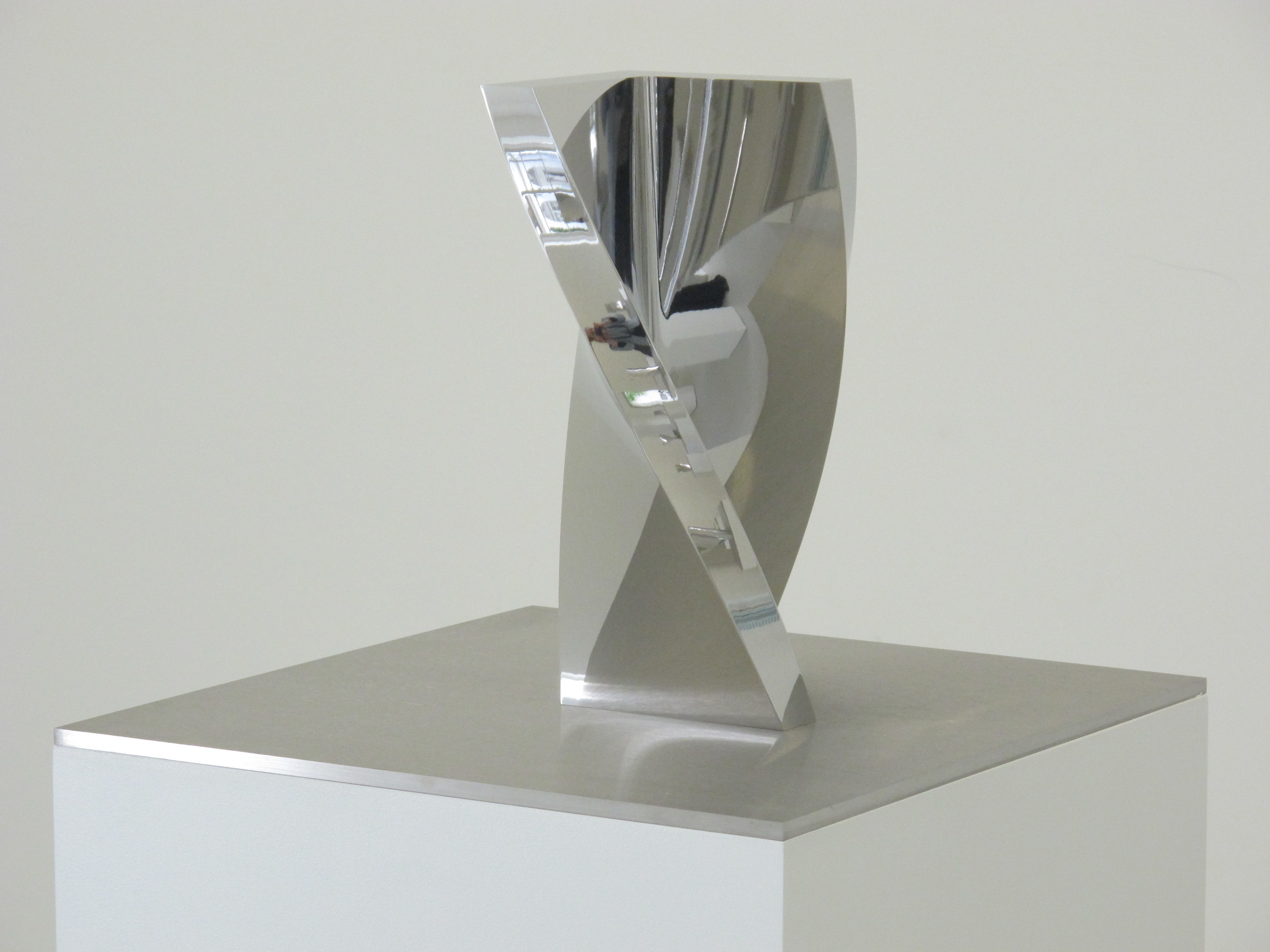
For his first exhibition in Milan’s Lisson Gallery, Anish Kapoor presents a new series of fourteen steel sculptures, stainless and polished, twisted through an unspecified number of degrees. These small scale twists - thirty centimeters by height - are shown for the first time as an entire group, placed together in a room, interacting with one another and with the public by creating fluid reflections, which disrupt and dismantle any stable imagery: their original pre-twisted form becomes impossible to detect and the space around them turns into a surreal mixture of reality and reflection, continuously changing according to one’s vision and perspective . The artist has referred to similar sculptures as “non – objects”, losing themselves almost completely because of their unidentifiable geometry and their highly reflective material. One larger twist (100 cm) is placed outside on the terrace. Just like in some of his best –known works such as the Cloud Gate in Chicago’s and the C-Curve at the Chateau De Versailles, Anish Kapoor once again explores the idea of the curve. In this particular case his twisted forms somehow provide an optical vision of the universe by warping the light on its way through space and tilting our intuition to one side, presenting to the viewer a distorted vision of reality which is totally subjective to his point of view. The exhibition will be on view until July 22nd at Lisson Gallery Milan (via Zenale 3, Milan). text and photographs by Sarah Kaufman
Inspired by the Los Angeles riots, a power hungry nine-year-old tries his hand at filmmaking.
One might expect someone with the credentials of Christophe Coppens – internationally acclaimed avant garde fashion designer, official milliner for the Belgian Royal Family, former theatre actor and director, burgeoning artist – to be radically unapproachable. Instead, Coppens shakes your hand warmly, orders iced tea at an outdoor café, talks about his love for cheap avocado toast and the 20s style bungalows in Silverlake. Perhaps this is why Coppens jumped the brutal, fast-paced, capitalist boat of the fashion industry circuit five years ago, abandoning his label to pursue art. Click here to read more.
Take It All Back is a track off the upcoming album Secretly Susan. As waves lap on the shore in the opening moments of Secretly Susan, you know you're in for a journey. Sui Zhen, aka Susan, aka Melbourne-based Dream Beat artist Becky Sui Zhen, is at the helm. Drifting by tiki beach parties and nostalgic Sound Systems, Becky's ethereally radiant jams lead you on a path to positive enlightenment. Inspired by Japanese Lovers Rock, 80s Electro-Bossanova and Dubby-Lounge Pop which she discovered on holidays in Japan and London as a participant at the Red Bull Music Academy, Secretly Susan is truly a World album wrapped neatly in a an accessible cloak and tied with a bow. The album lands in North America for the very first time June 17th via Twosyllable Records (on exclusive license from Dot Dash/Remote Control) in decadent bubblegum pink vinyl. Click here to preorder.
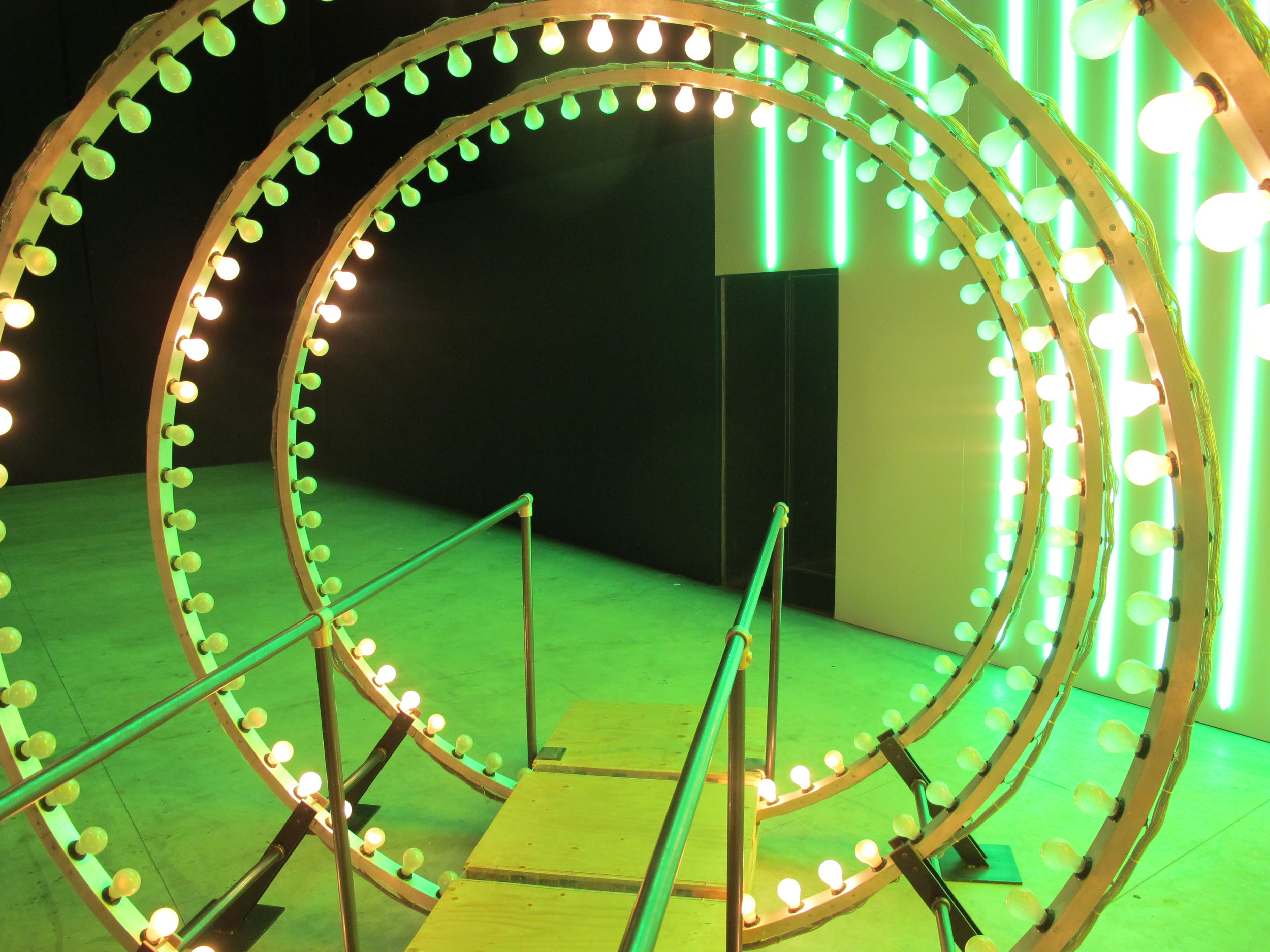
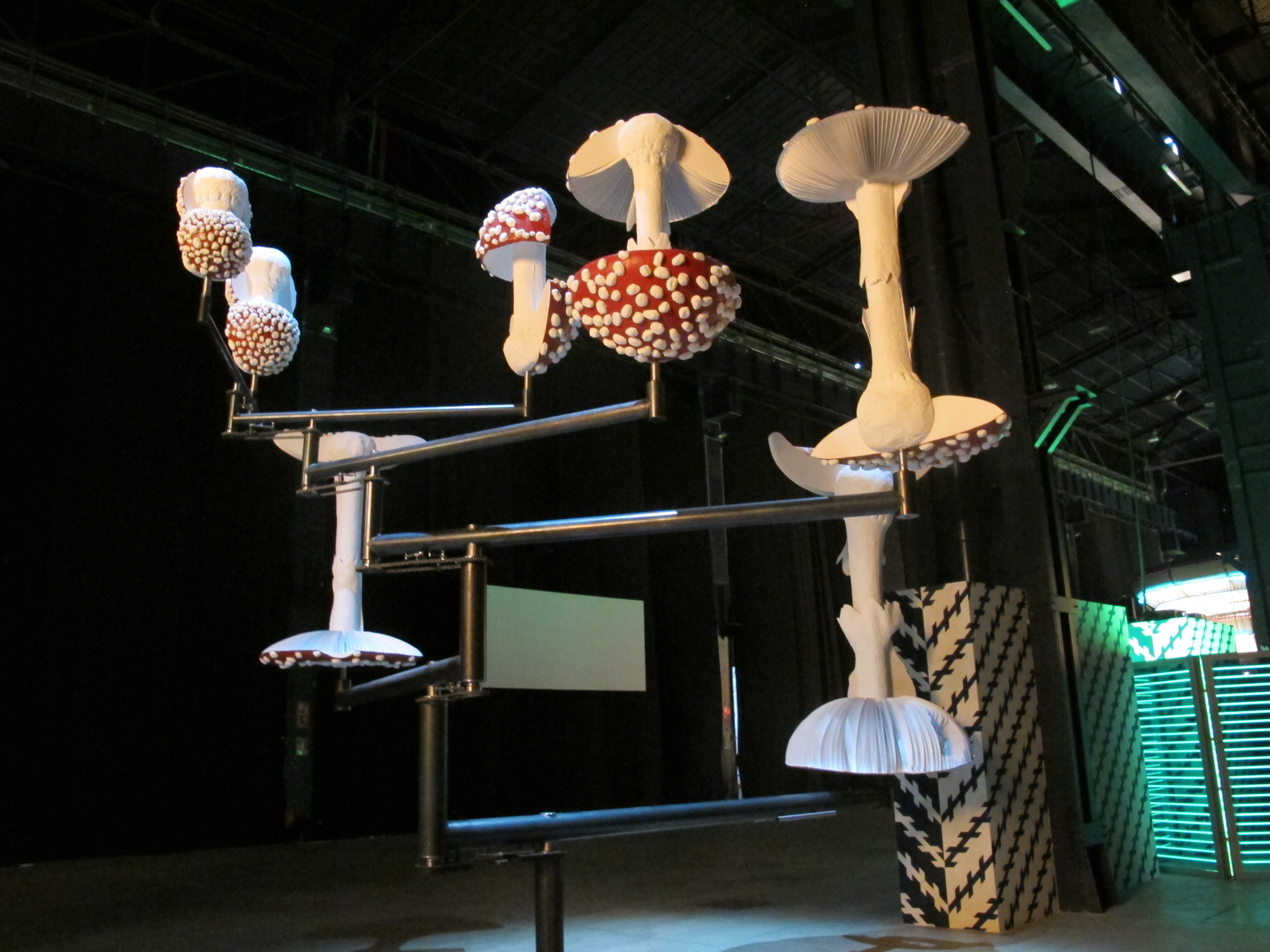
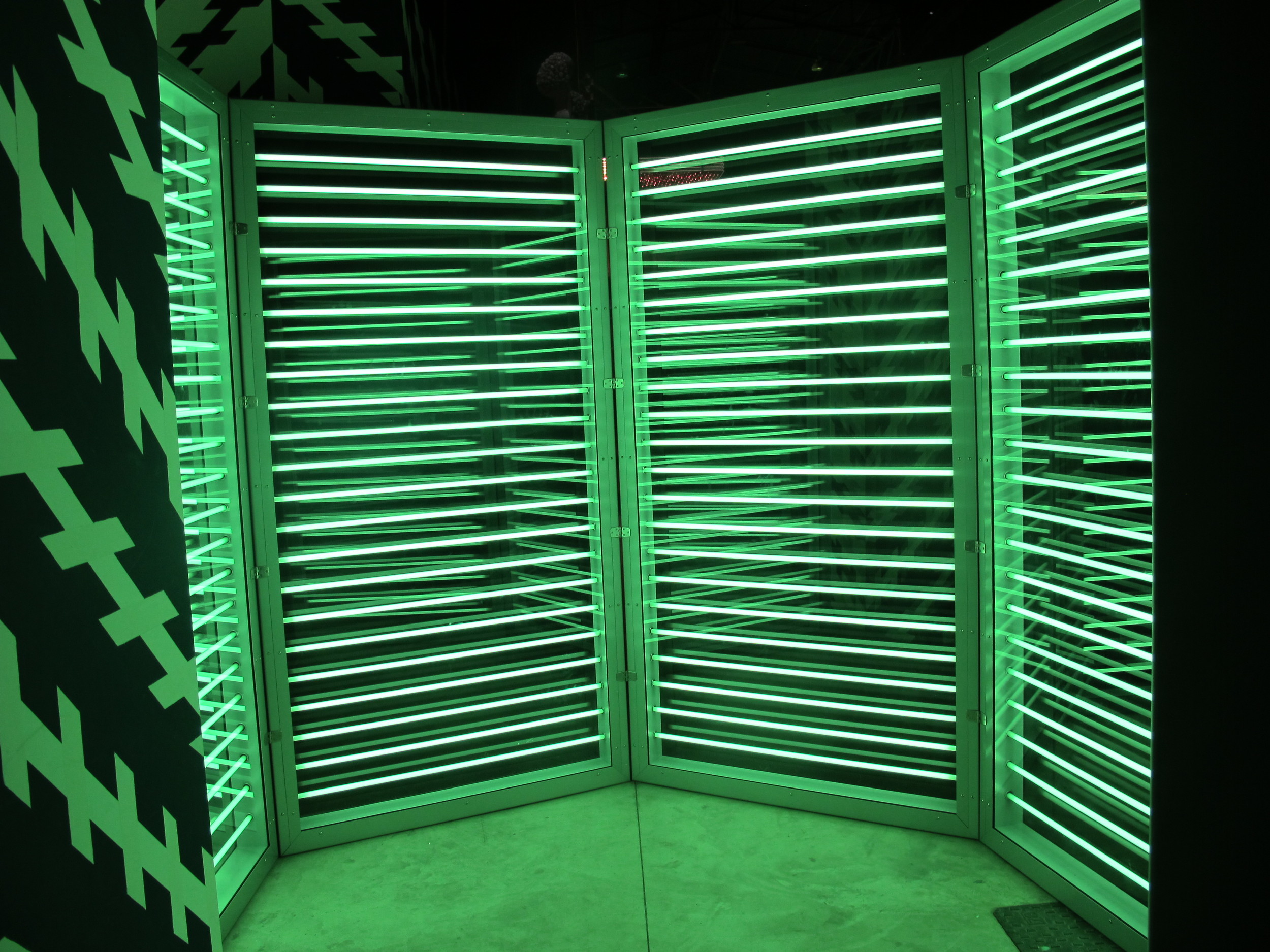
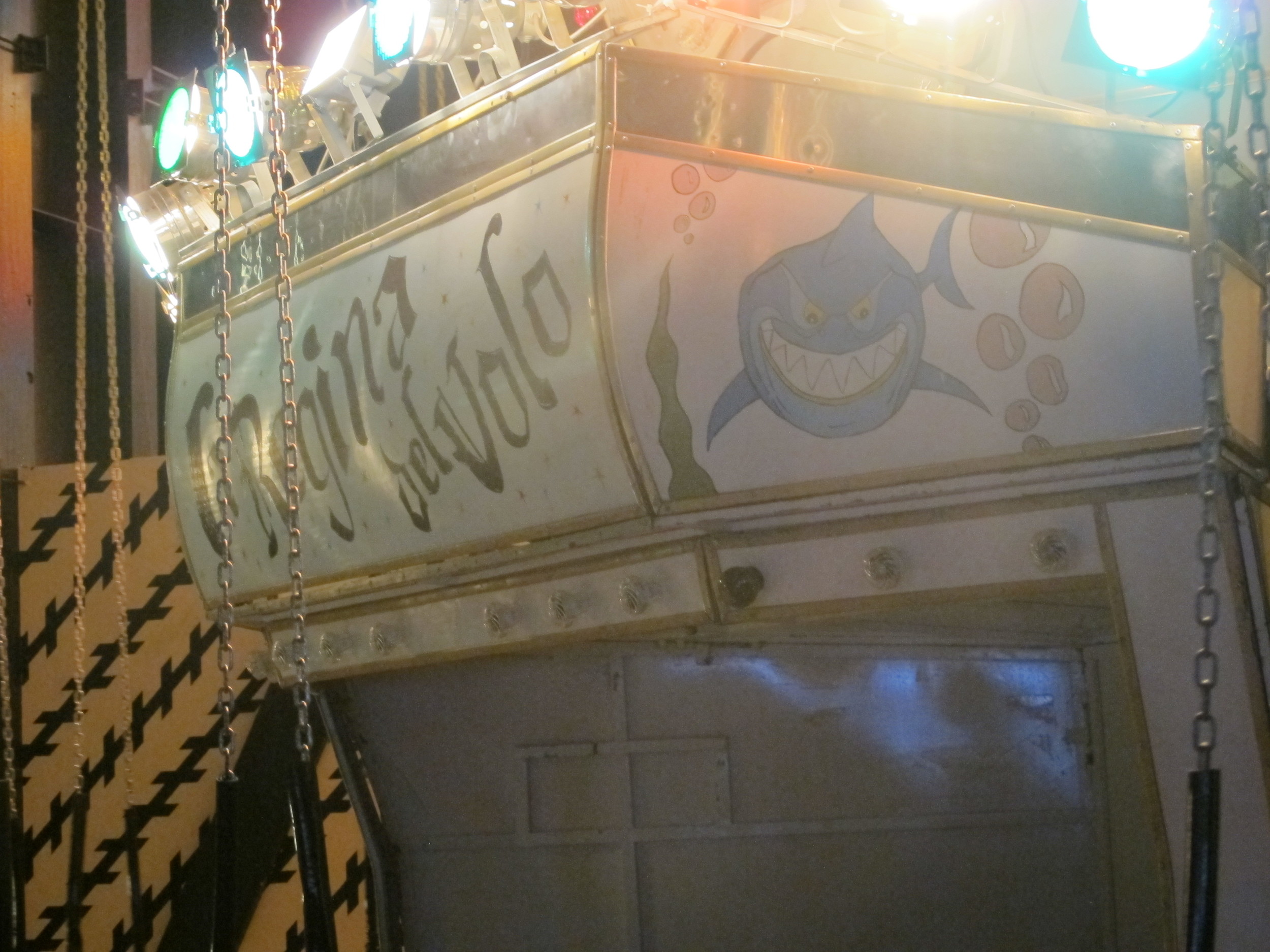
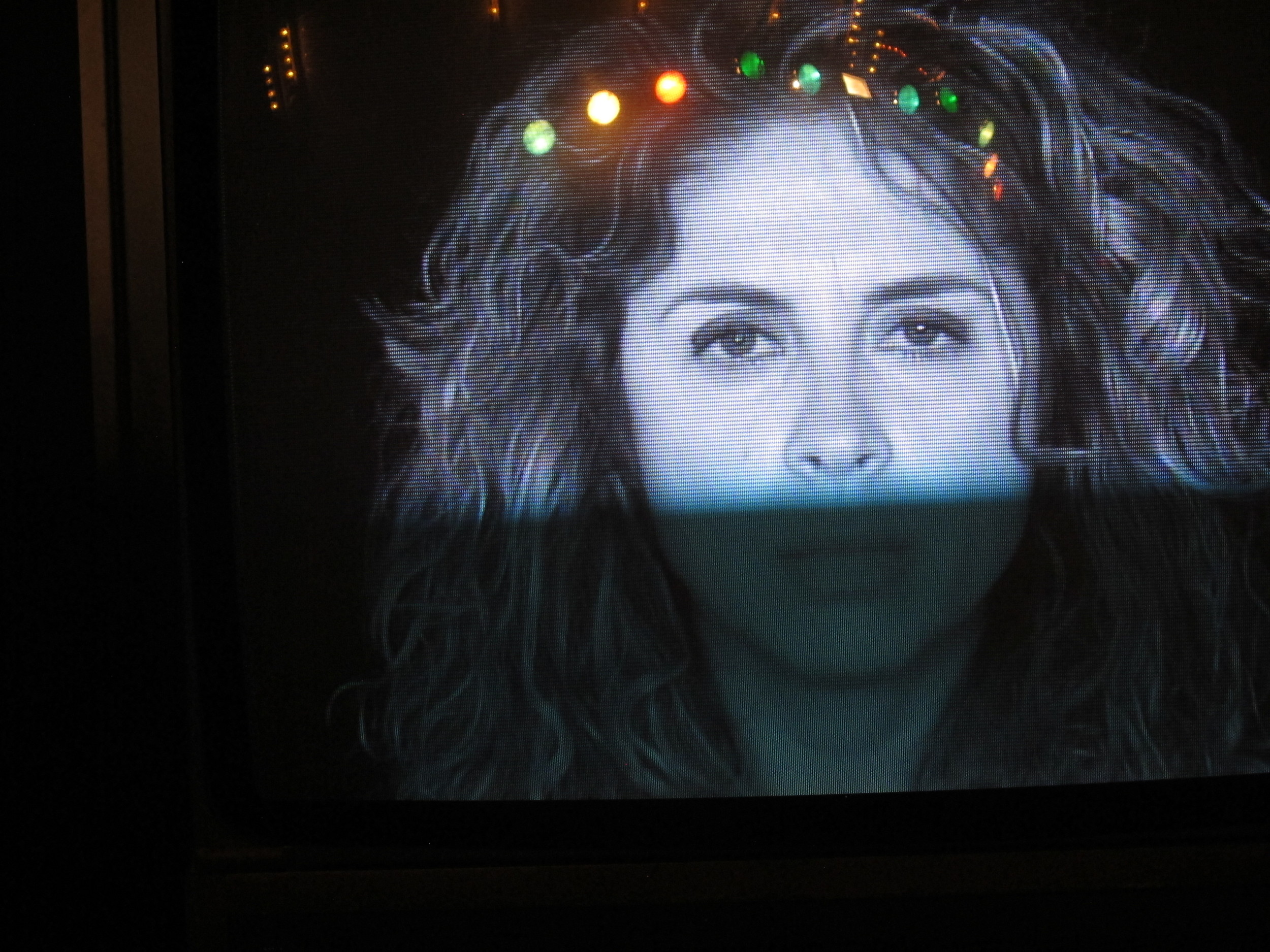
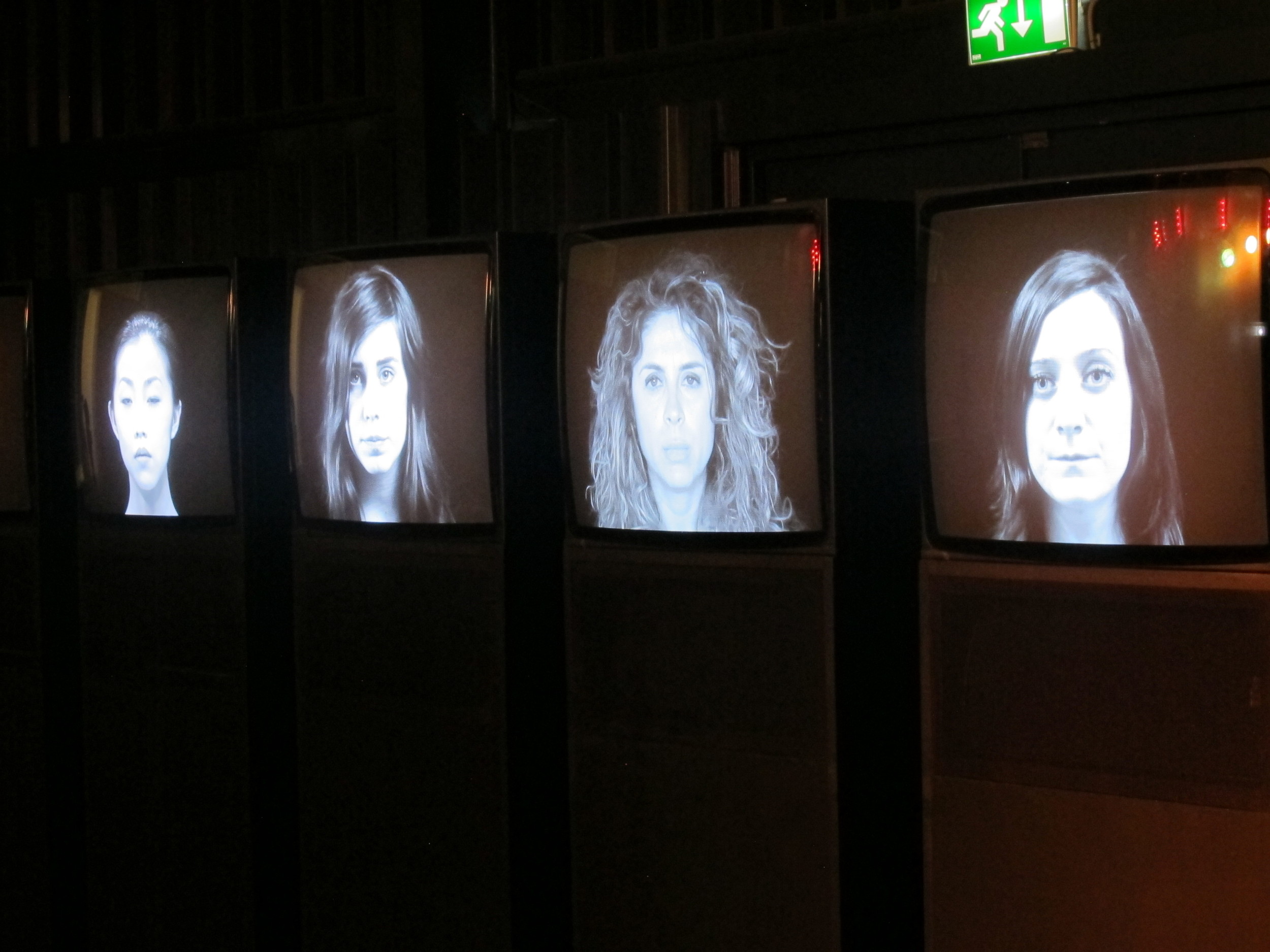
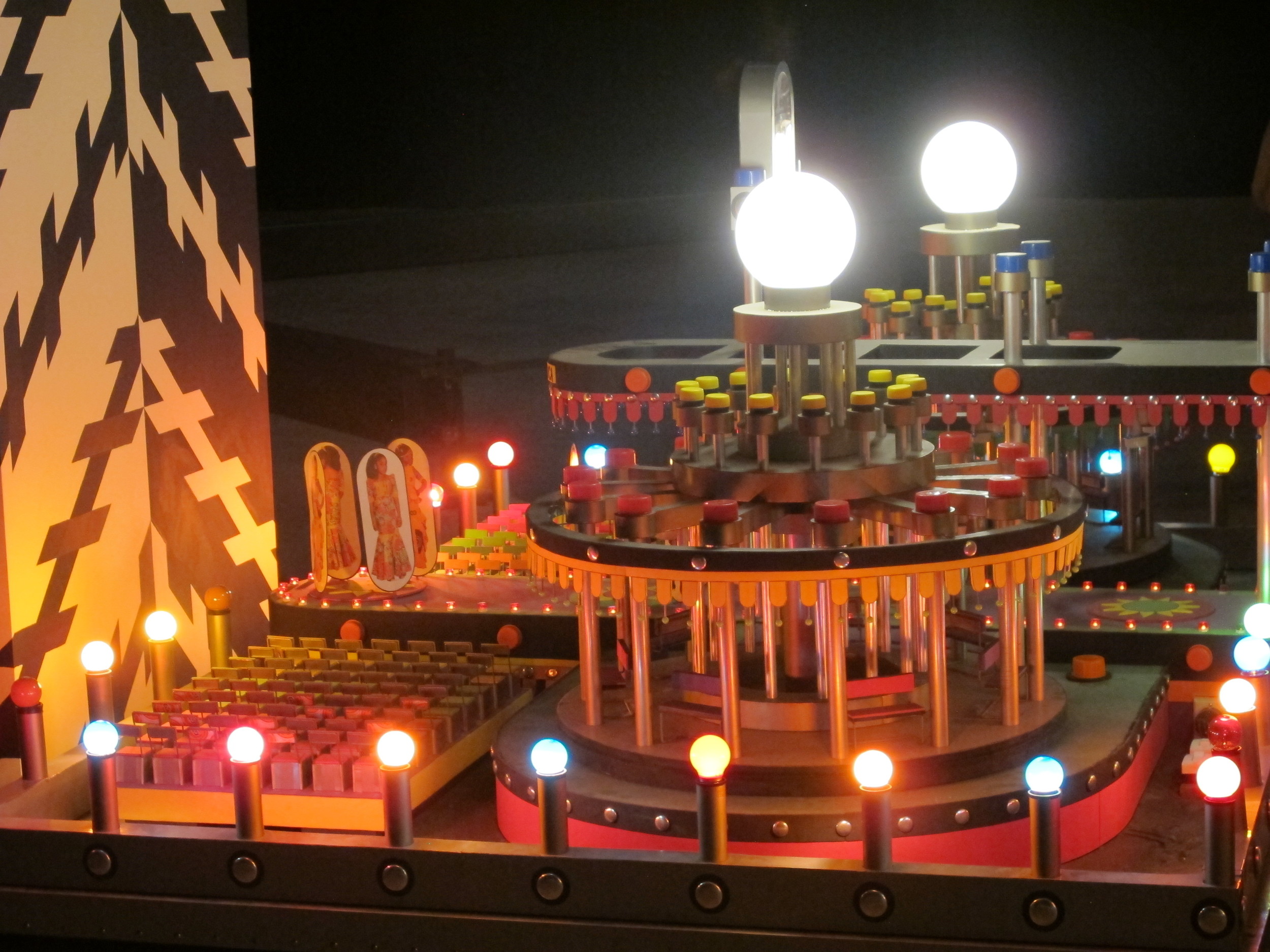
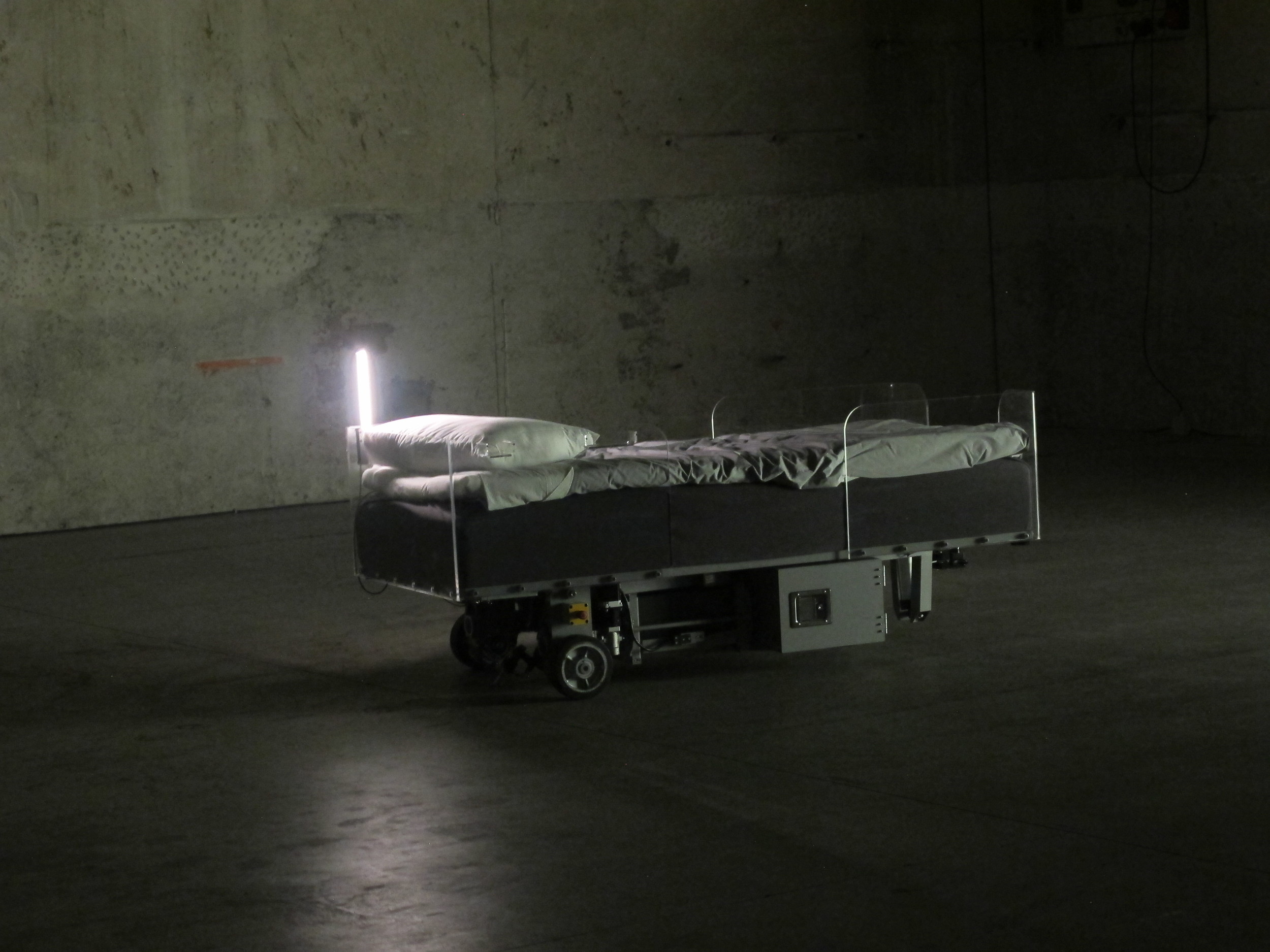
In his works, Carsten Höller investigates the nature of human experience. His settings dismantle not only the traditional concept of art work but also the very idea of experiencing an exhibition or a museum. Visitors are put into a condition of disorientation and confusion, which turns out to be an incredibly productive state of mind. The loss of every certainty is precisely the condition which inspired this particular exhibition: “Doubt”. The “Doubt” starts from the very beginning, when the visitor is asked to choose between two opposite directions (“Y”), both of them leading into long pitch black corridors (“Decision Corridors”). At this point, after having walked through complete darkness for several minutes, the viewer finds himself in the perfect physical and mental condition to access the main room, where all sort of interactive works are placed, from flying machines to carousels, video art and interactive Aquariums, giving the surreal idea of an amusement park. Höller named it “Radical Entertainment”, aiming to reflect both on art as a form of entertainment as well as on fun itself being a dominant aspect in our lives. From the main room once again two different corridors lead to another space, where the exhibition ends with one last work, “Two roaming beds”, which recreates the concept of doubt and uncertainty experimented in the very first part. Carsten Höller "Doubt" will be on view until July 31, 2016 at Pirelli HangarBicocca, Via Chiese 2, 20126 Milano. text and photographs by Sara Kaufman
His face splattered with Hello Kitty temporary tattoos, a chiseled male hustler body and a thick Austrian accent, Candy Ken is a Harajuku Greek God run through the sieve of a culture on digital overload. If you held a mirror to the teenage zeitgeist of the twenty first century, Candy Ken’s smiling gold grill would be twinkling right back at you. Over the weekend, the Berlin-based performer released his first official album, entitled Real Talk, and he did it as his own manager, promoter and record label. Click here to read more.