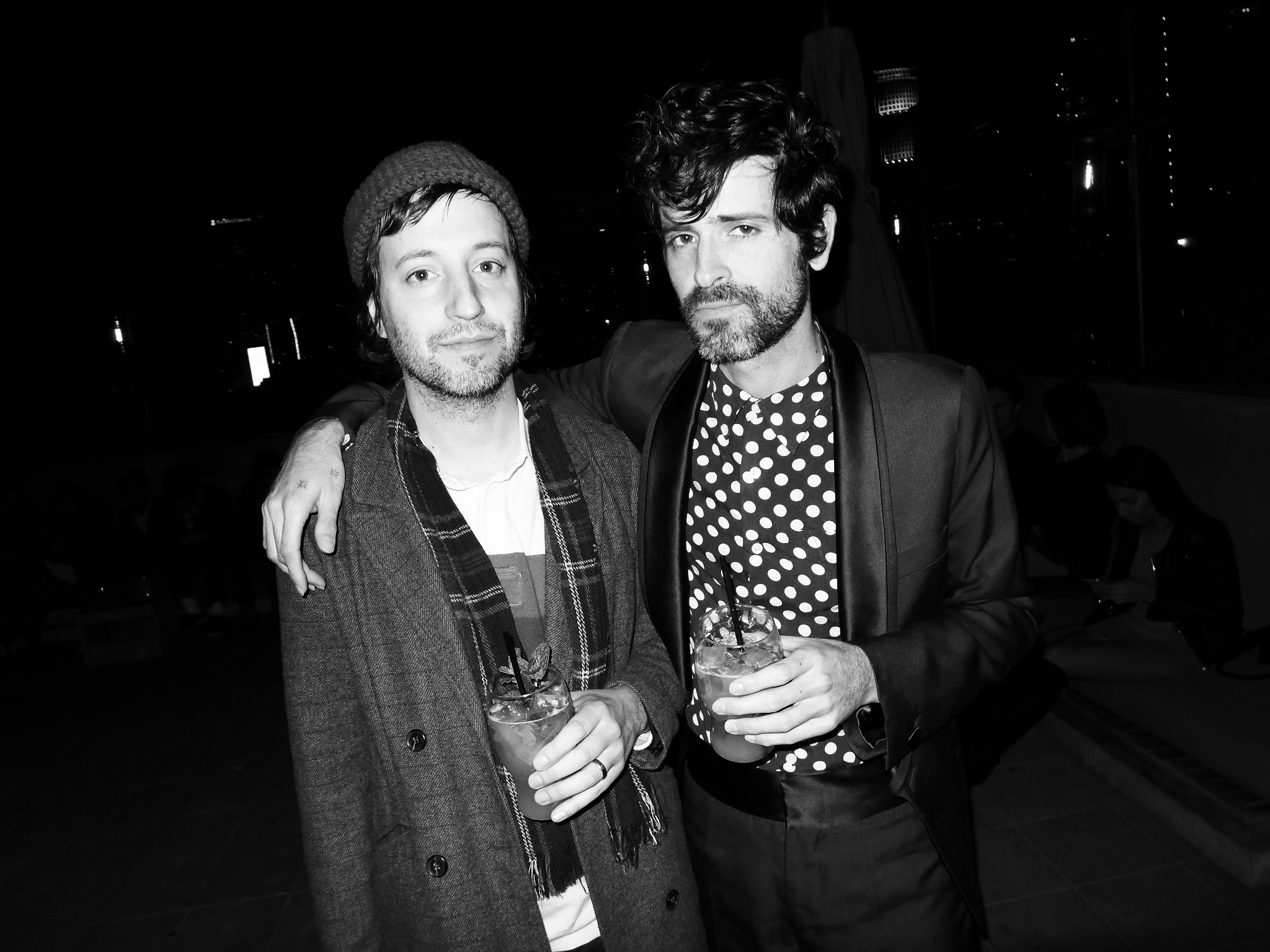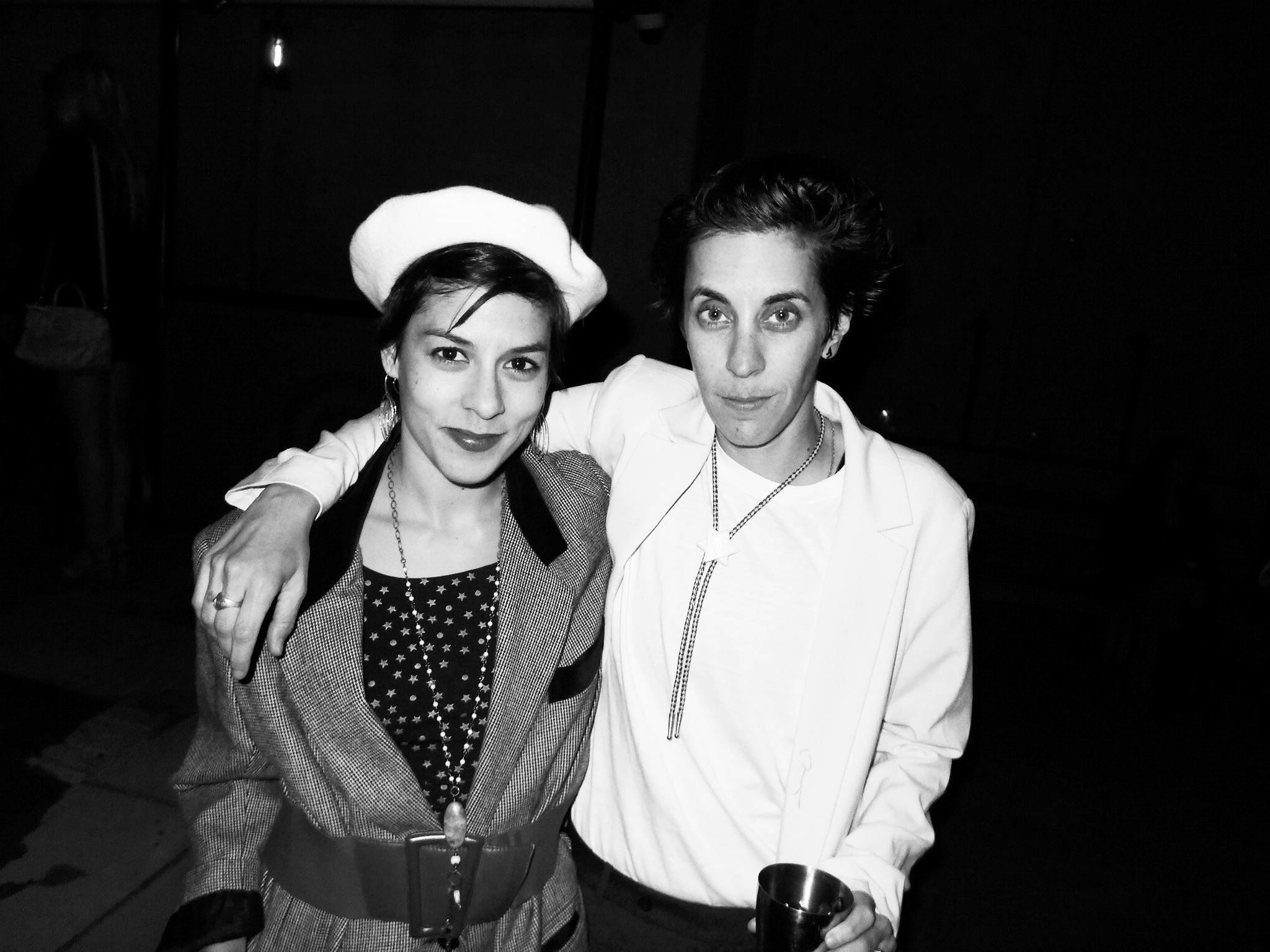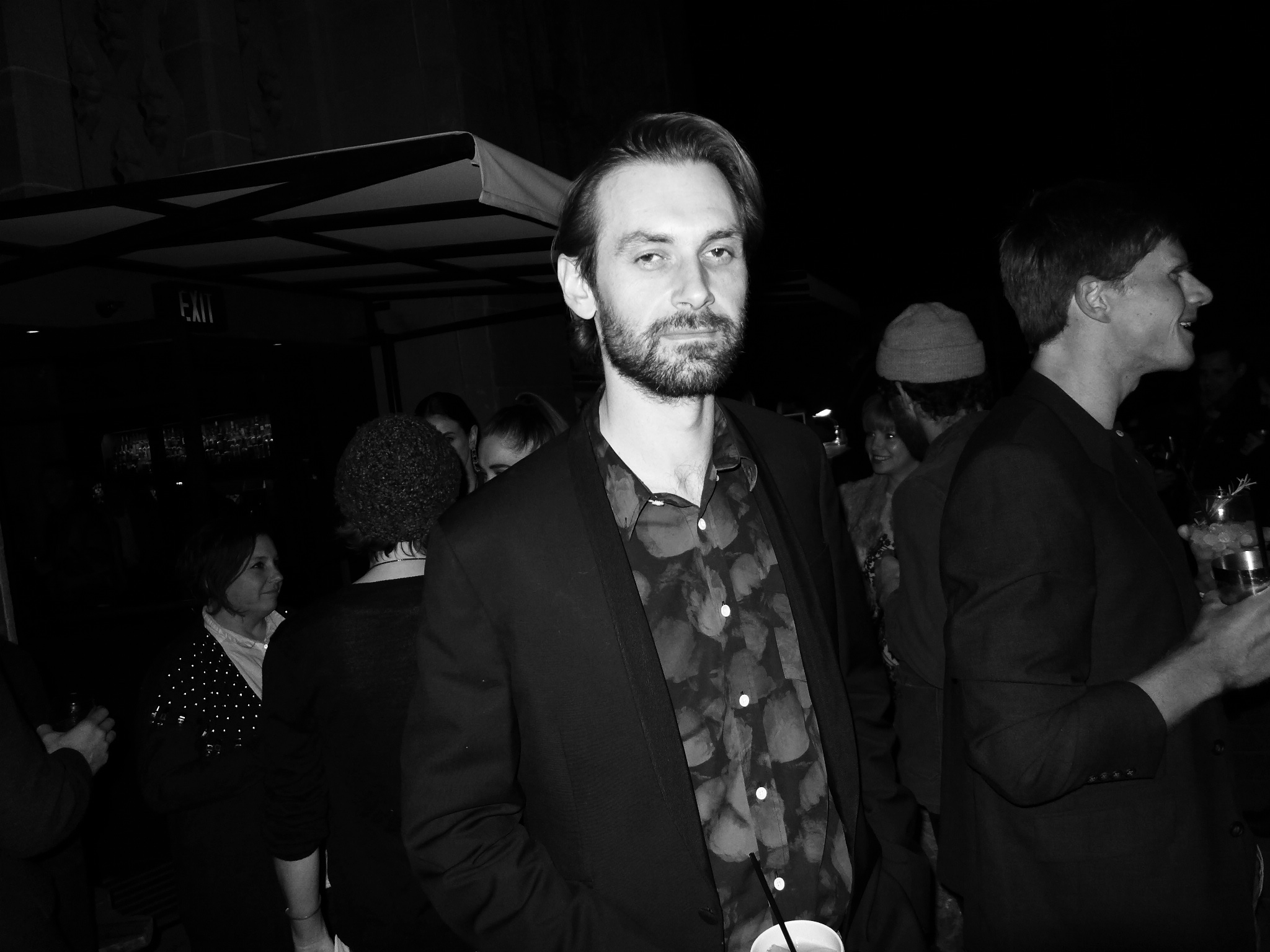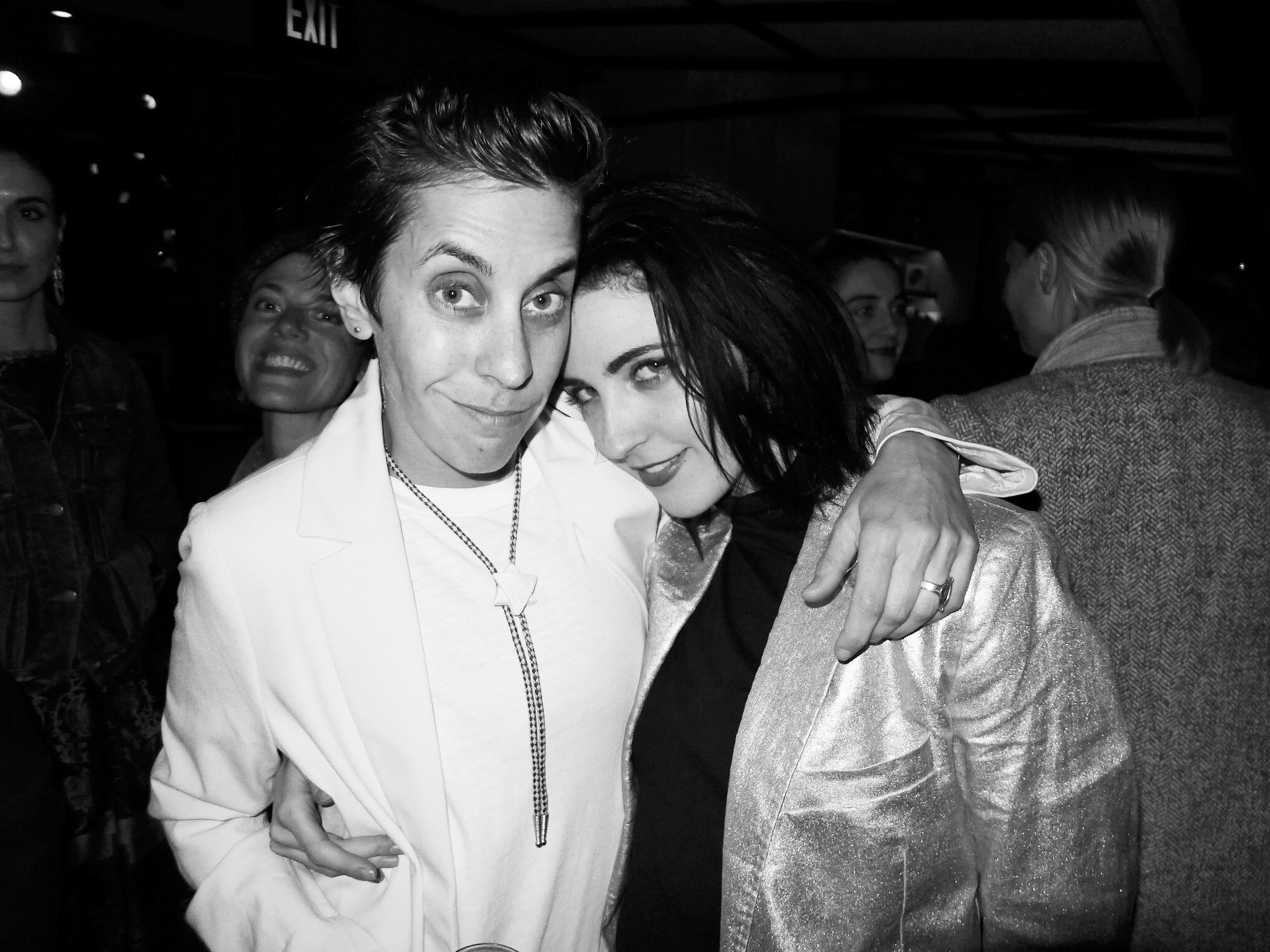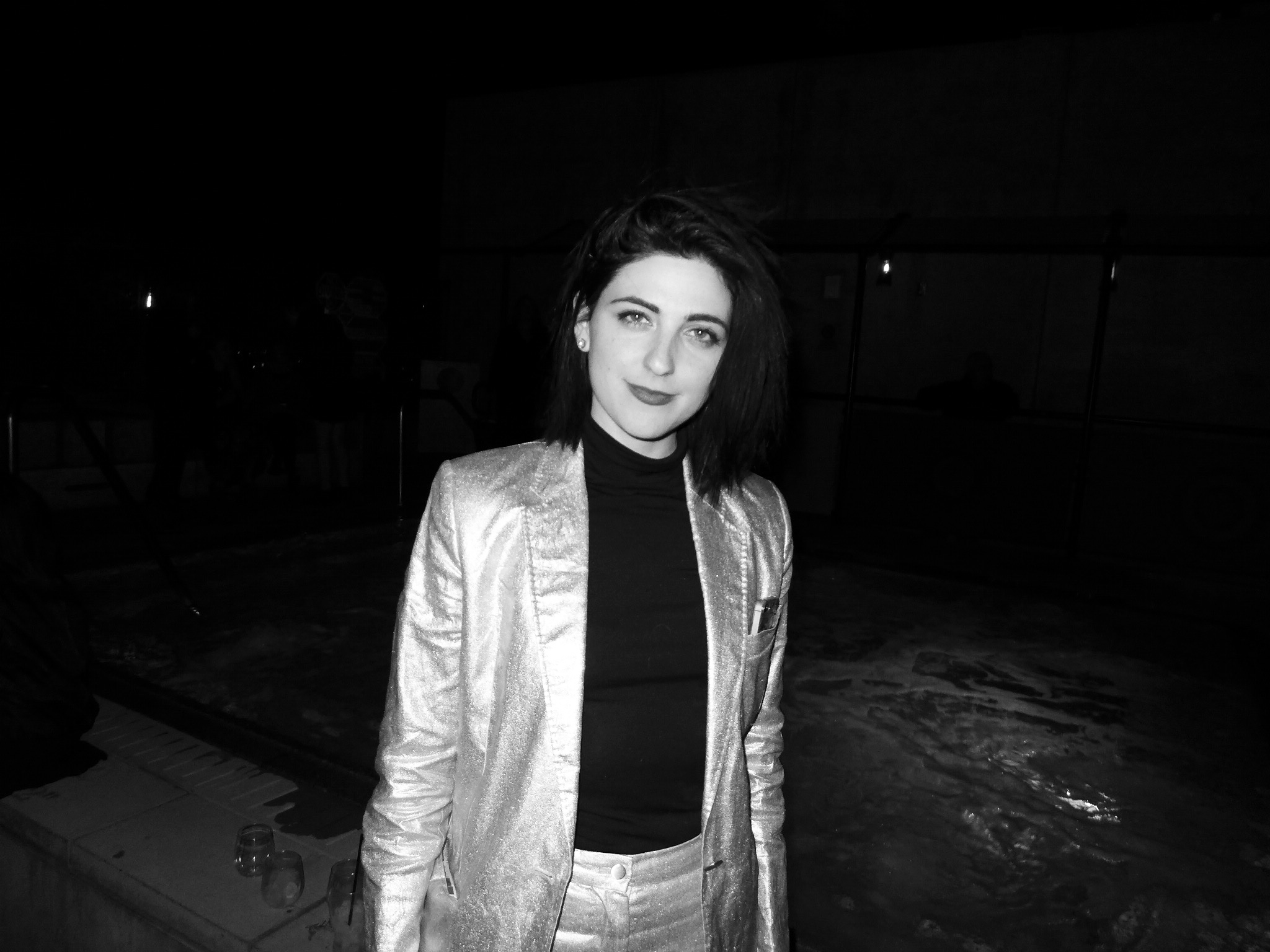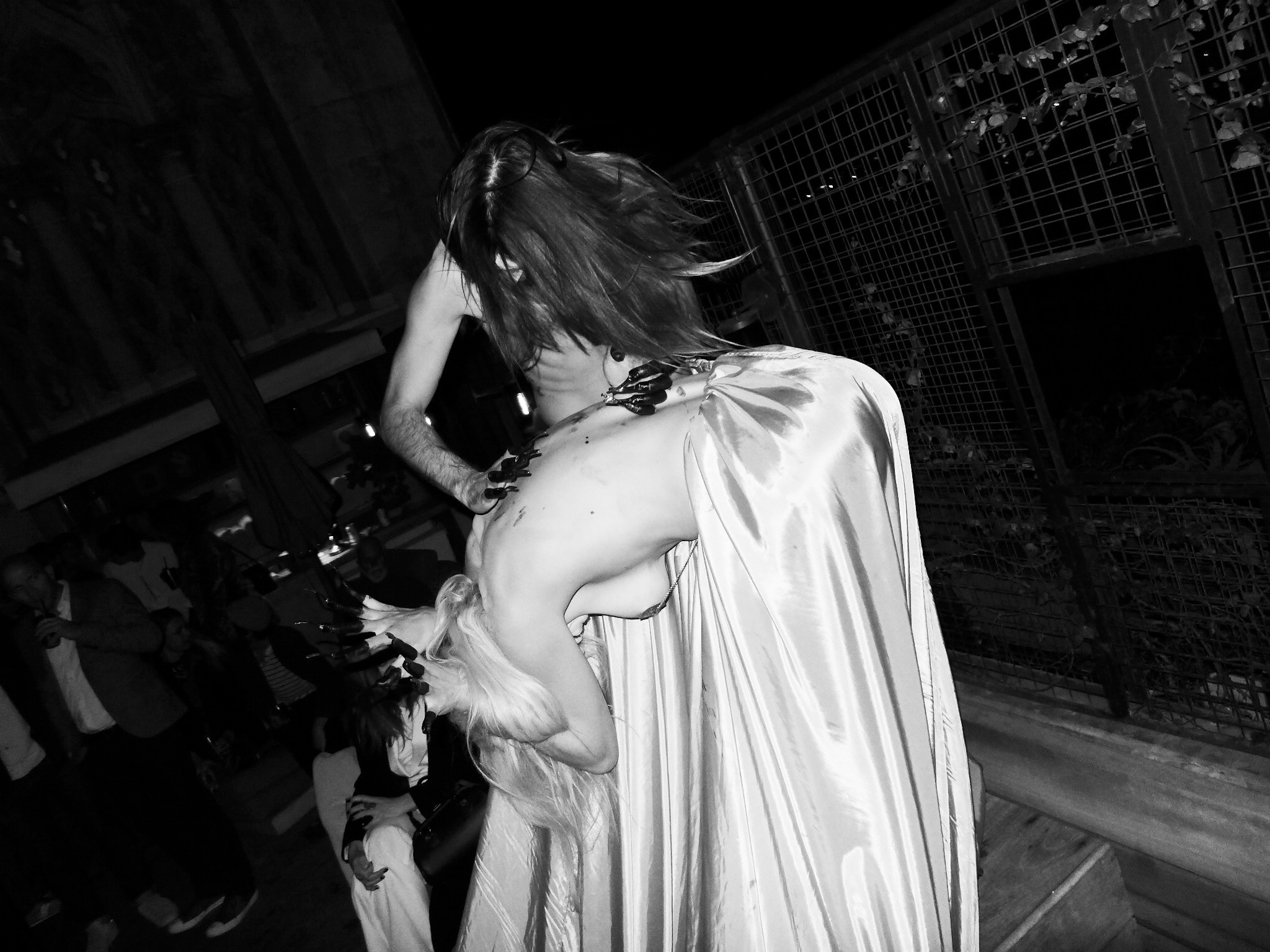
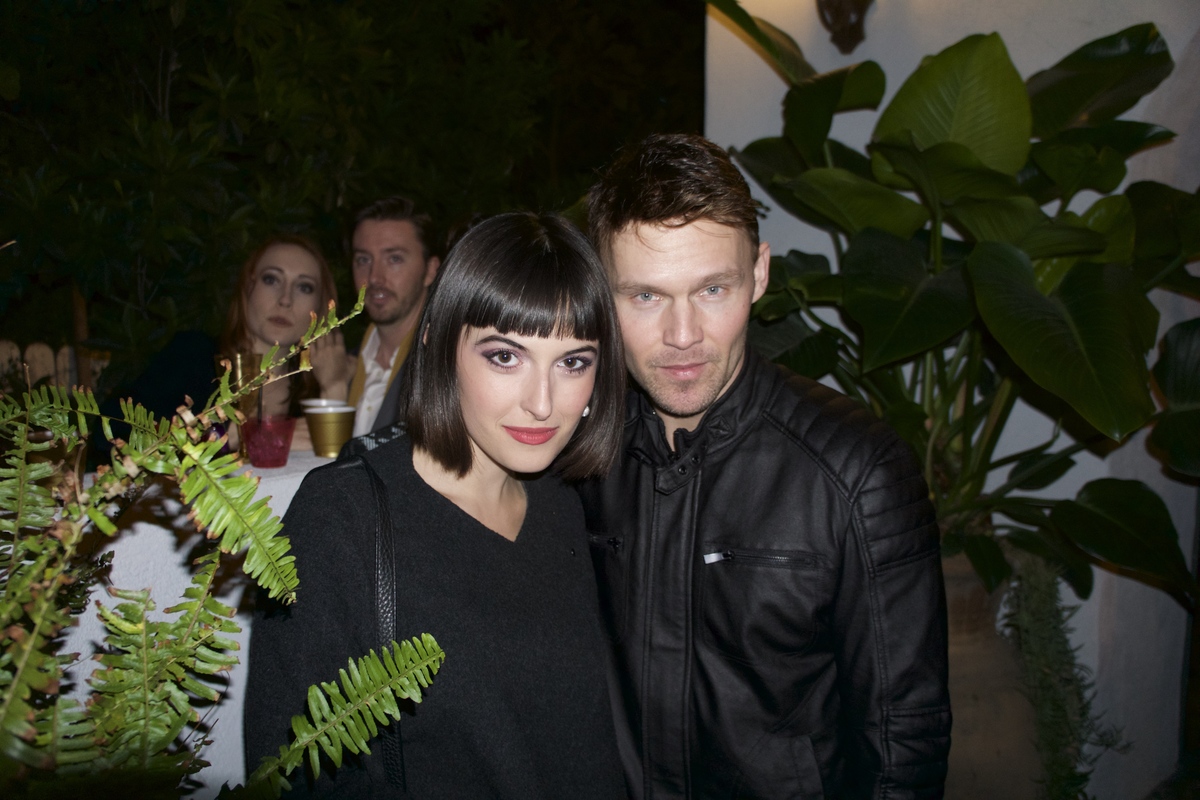
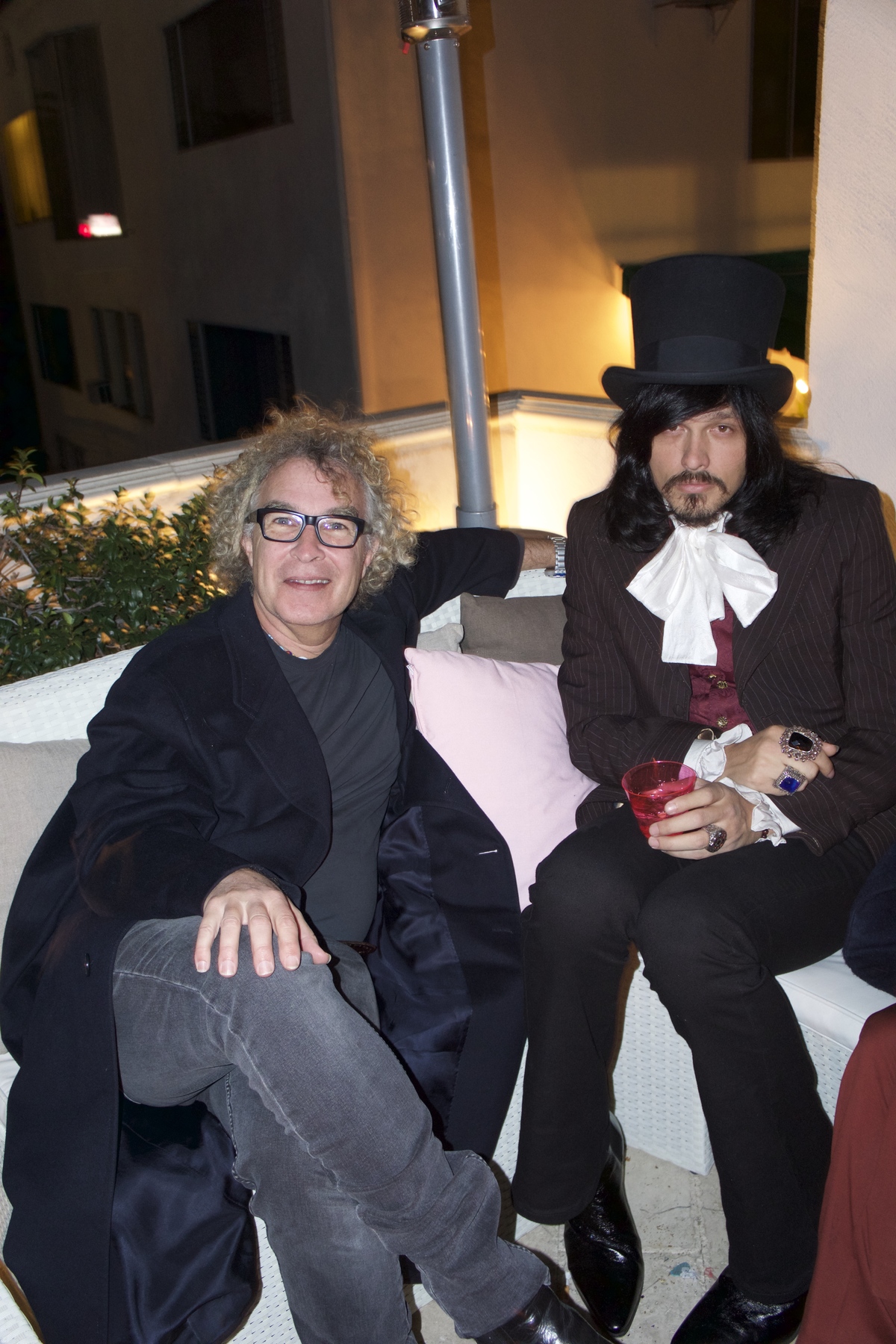
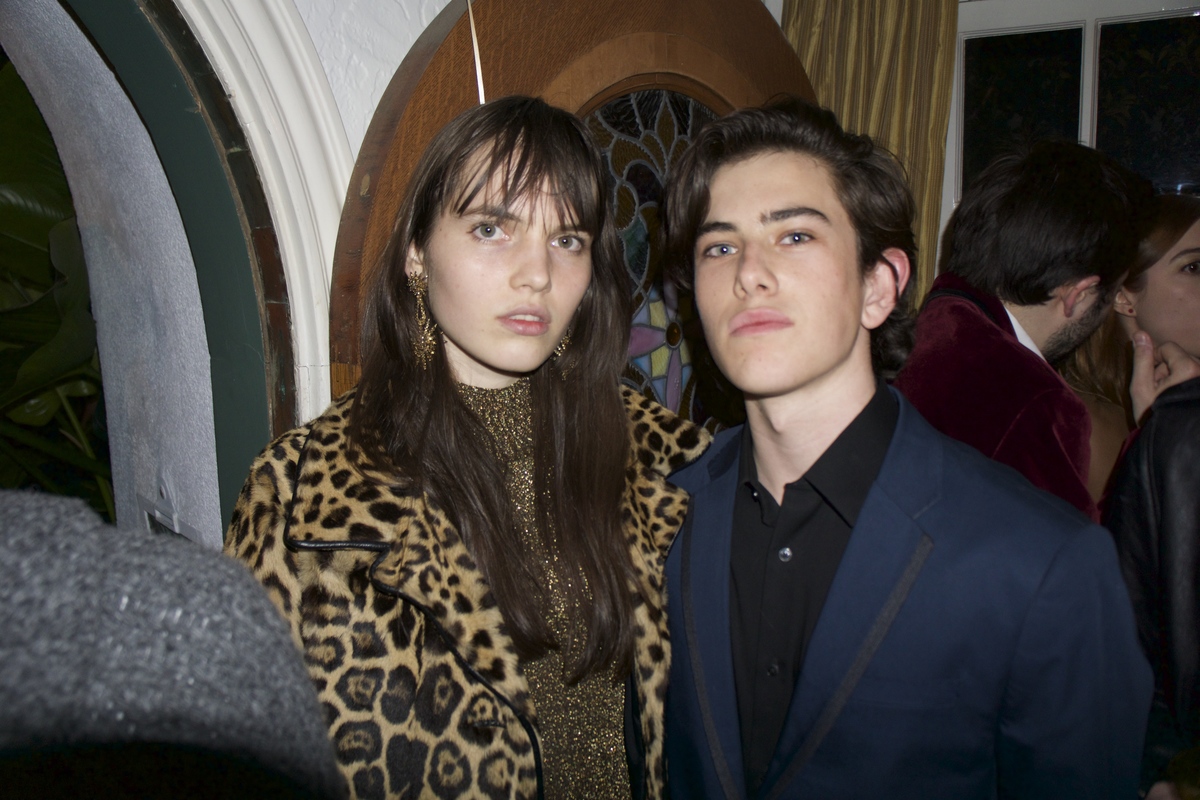
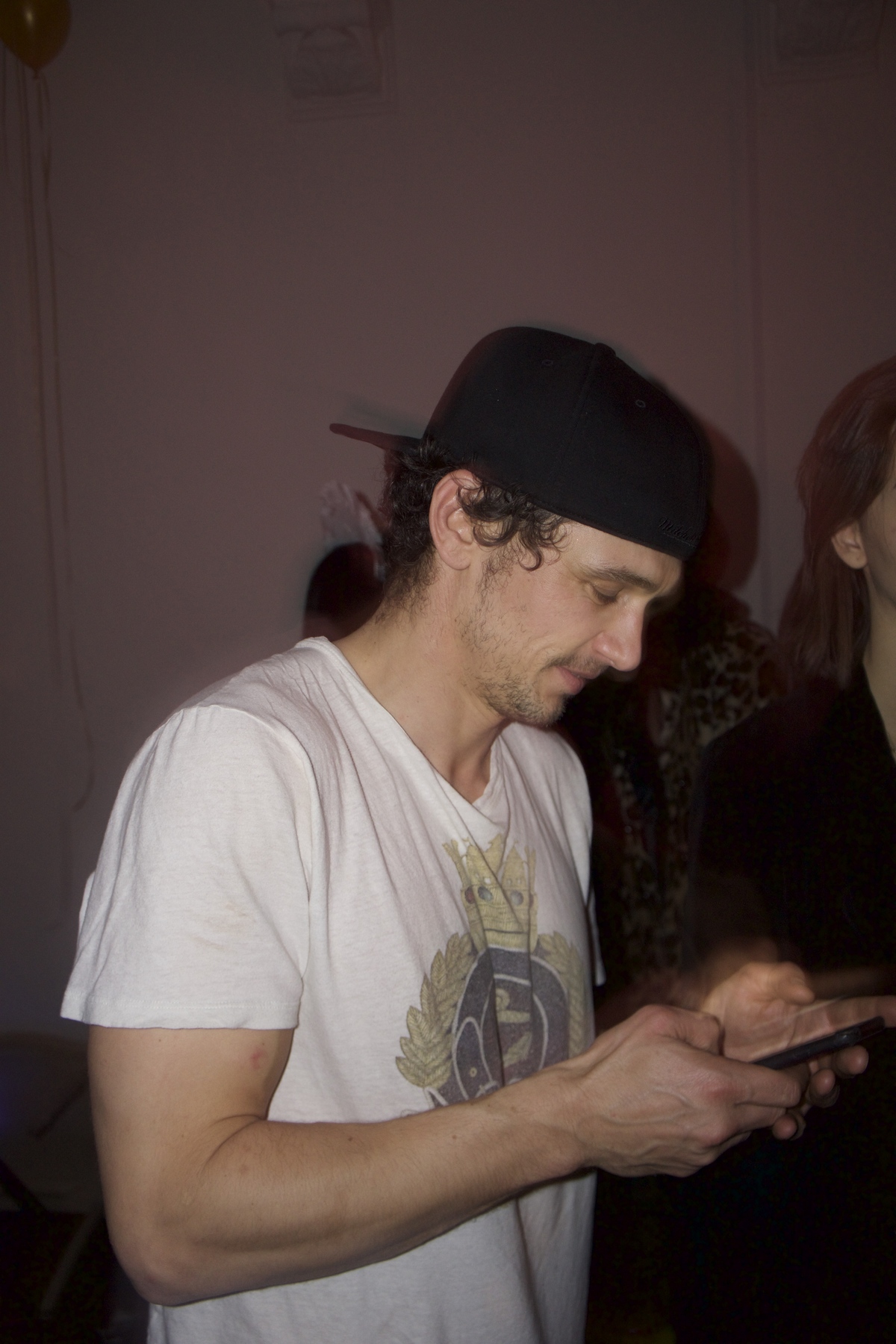

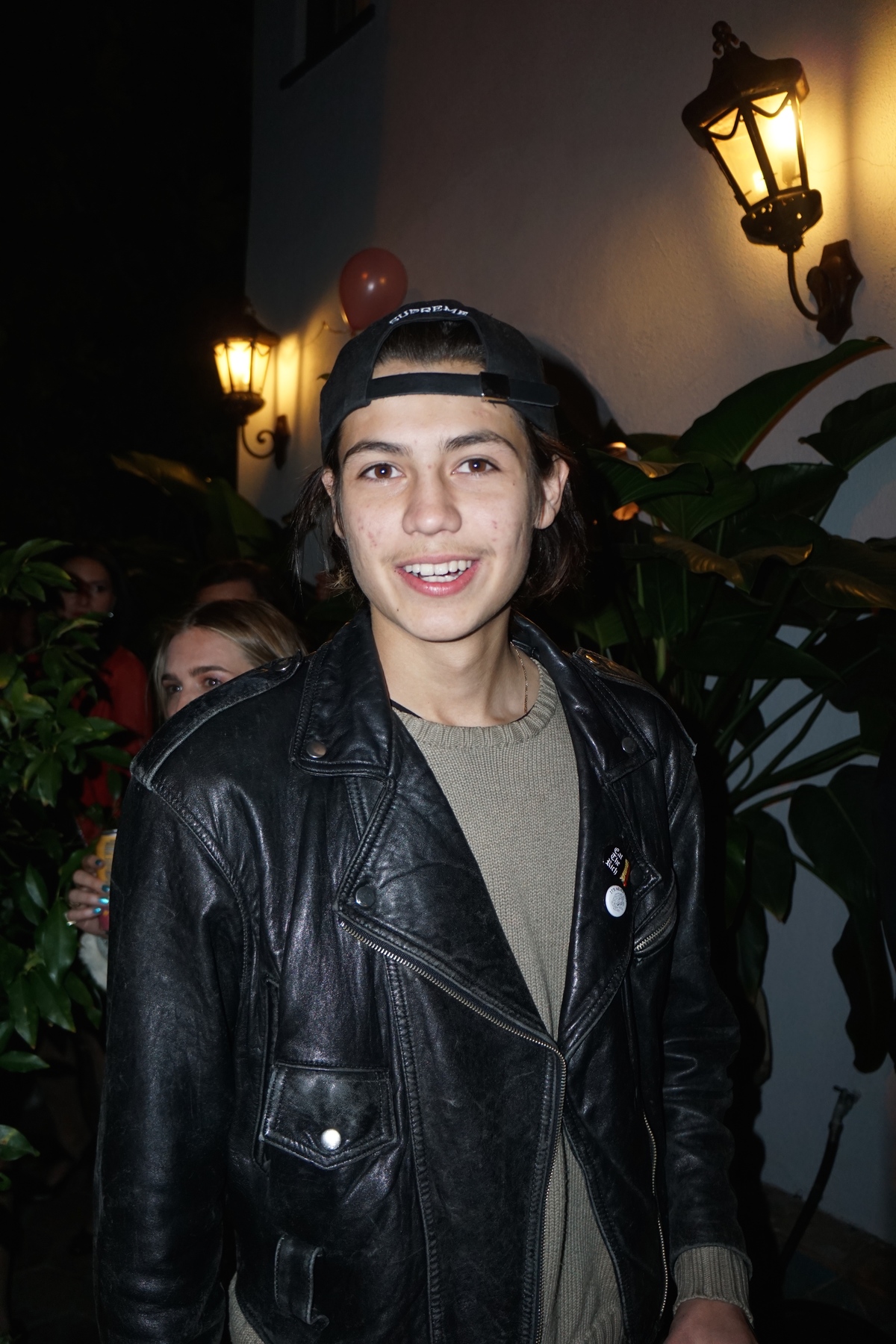

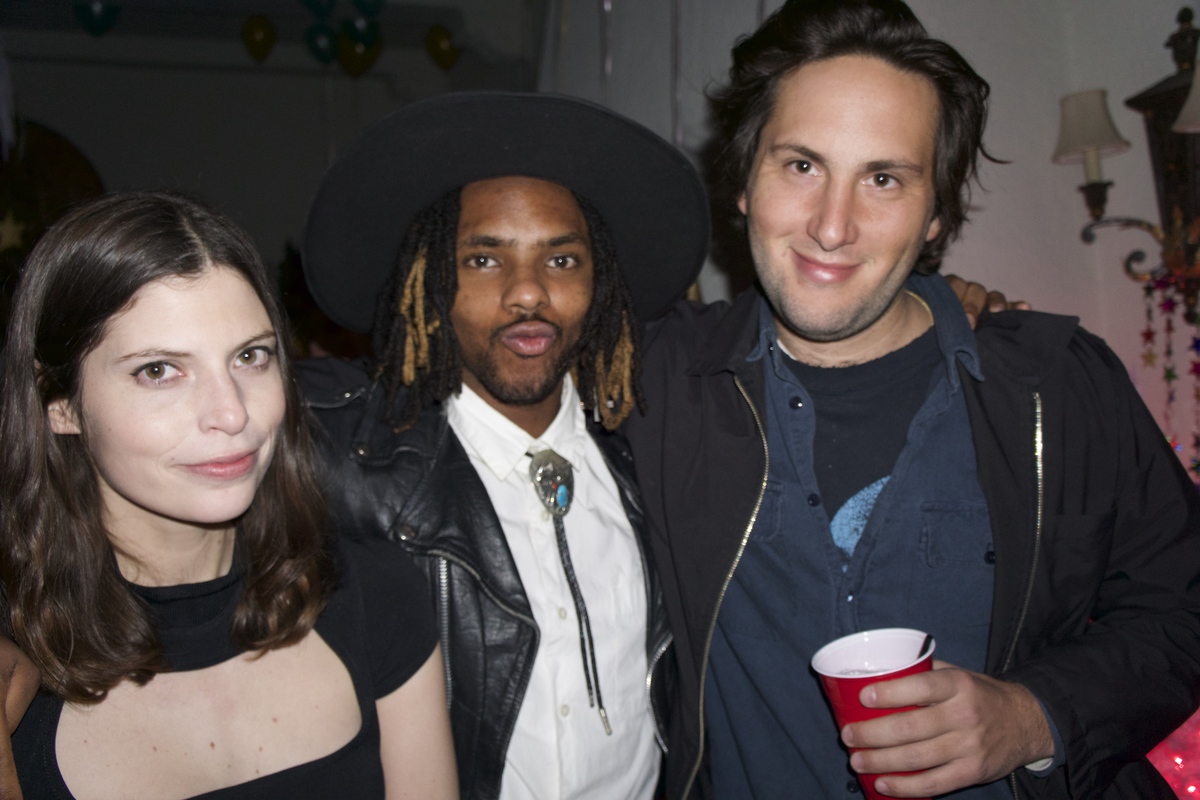
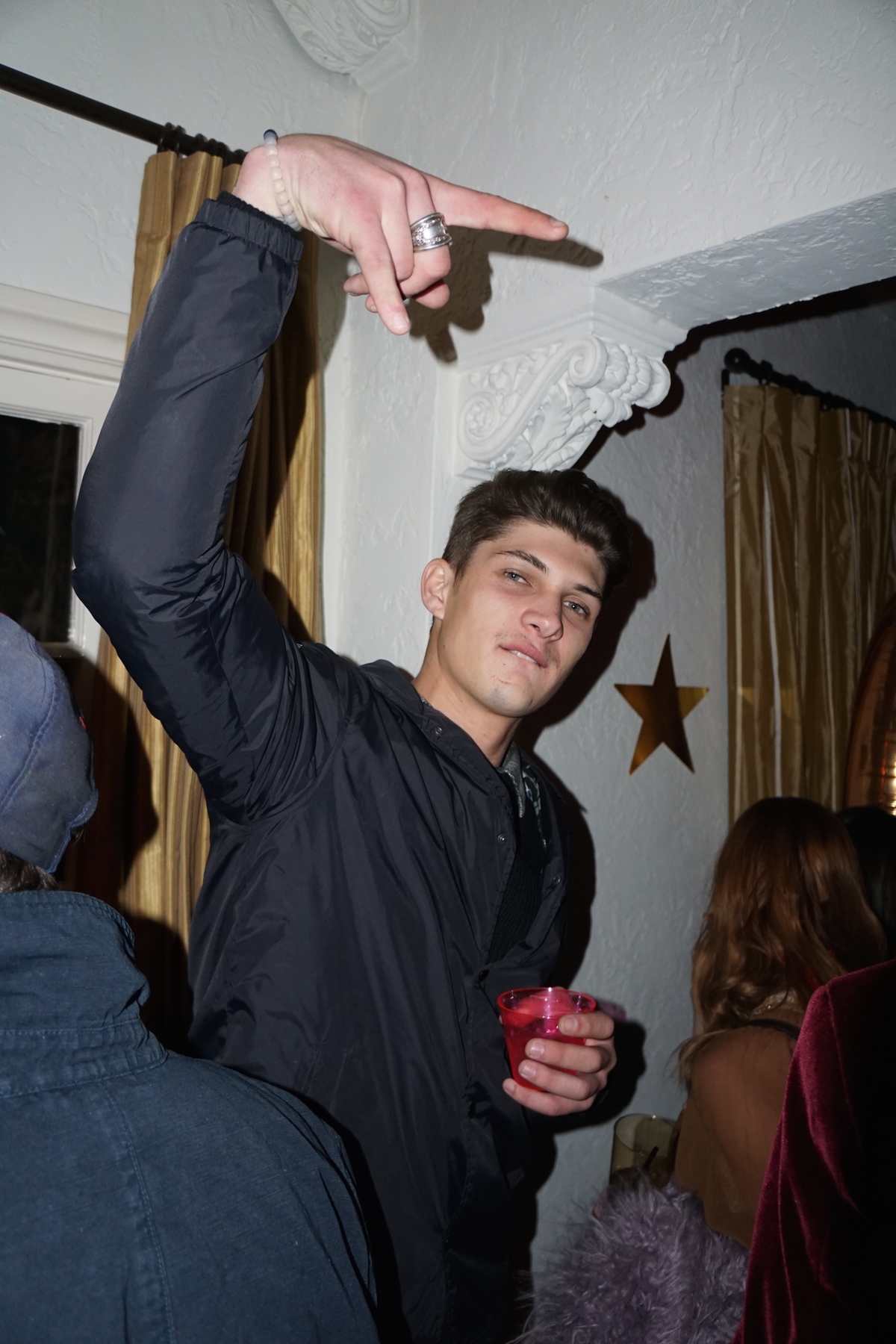
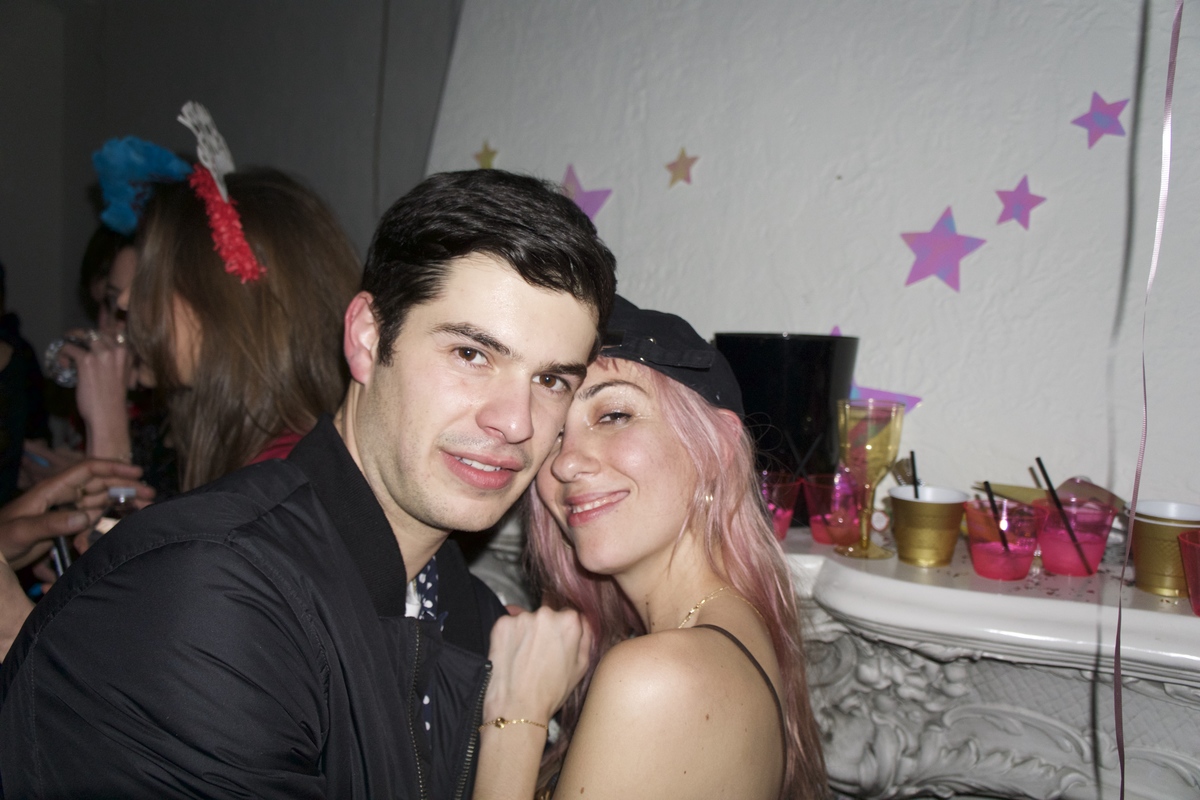



Photographs by Kevin Hayeland

My sexual freedom had turned into burgeoning co-dependency and like a shark sniffing out blood in the water, my eyes went white and I could no longer see the world as I once had. I fiended for that good stuff and locked myself away gnawing at the fence of sexual satisfaction. I started getting attached, paranoid, neurotic. This was a real problem for me. I am interested in sex, I write about sex, I think about sex, I like sex very much. I don’t even have to question it—I’m just there, fucking. And therein lied the problem: reckless, automatic over-investment. By diving head first into something that was supposed to be on particular terms, did I lose the ability to create the framework in the first place? Click here to read more.
photograph by Chris Rubino
Wow, what a year. In 2015, we were fortunate to sit down with some of the world's most important artists, musicians, photographers, trouble-makers, truth-seekers, and cultural warriors. Here are choice quotes from some of our best interviews of the year, featuring Alan Vega, Genesis Breyer P'Orridge, Roger Ballen, Albert Hammond Jr., and Jack Walls. Click here to read the quotes...
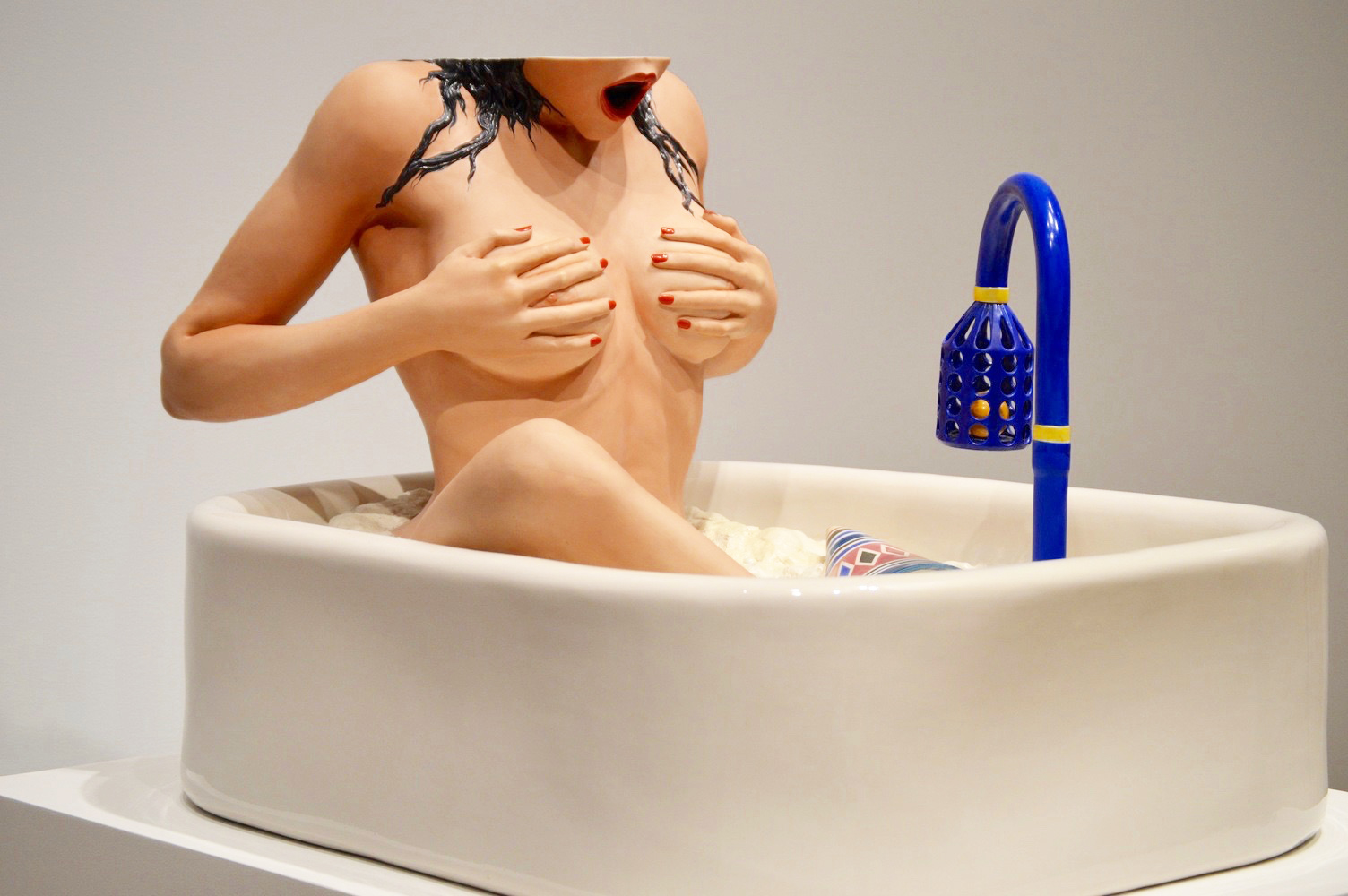
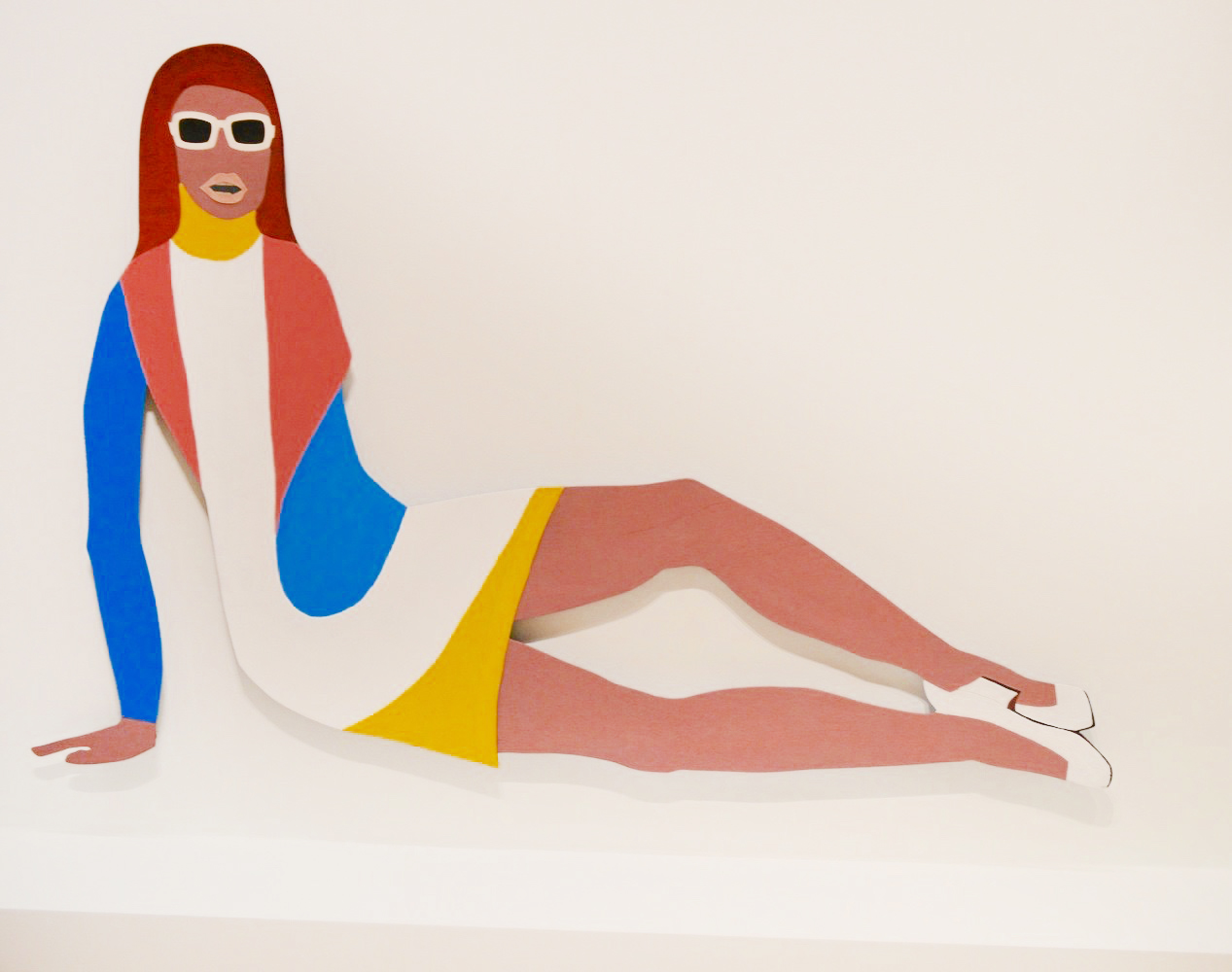
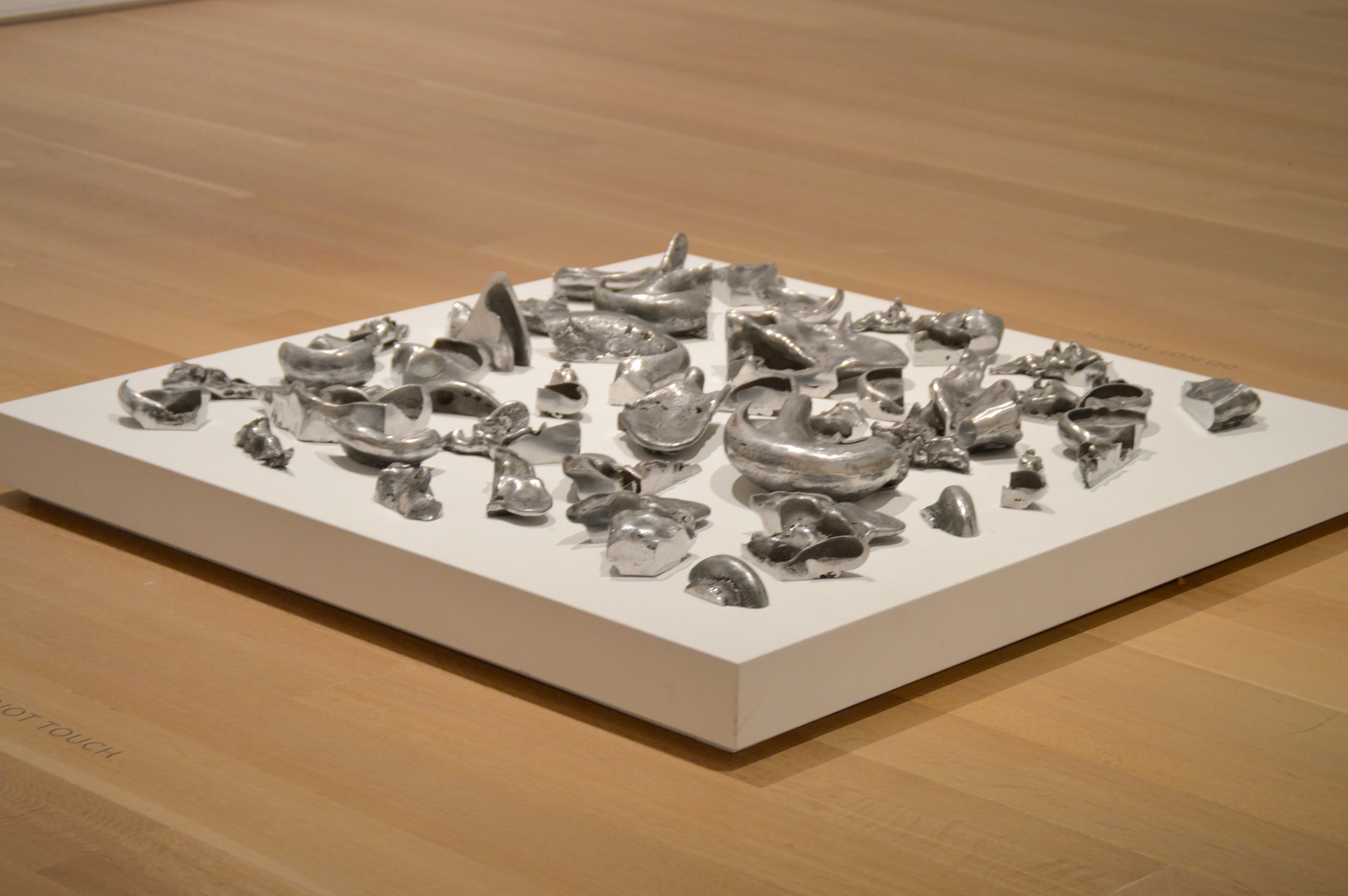
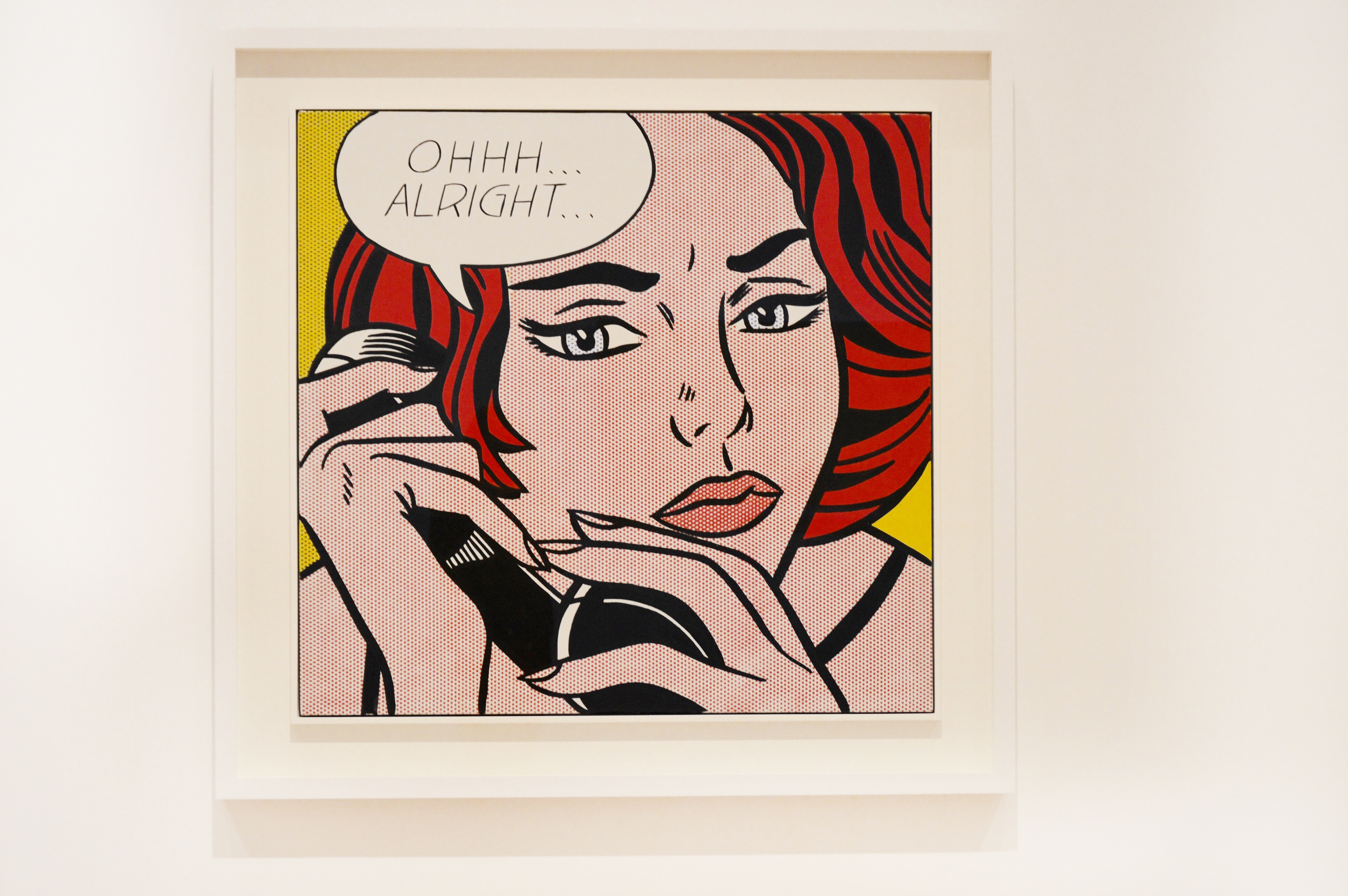
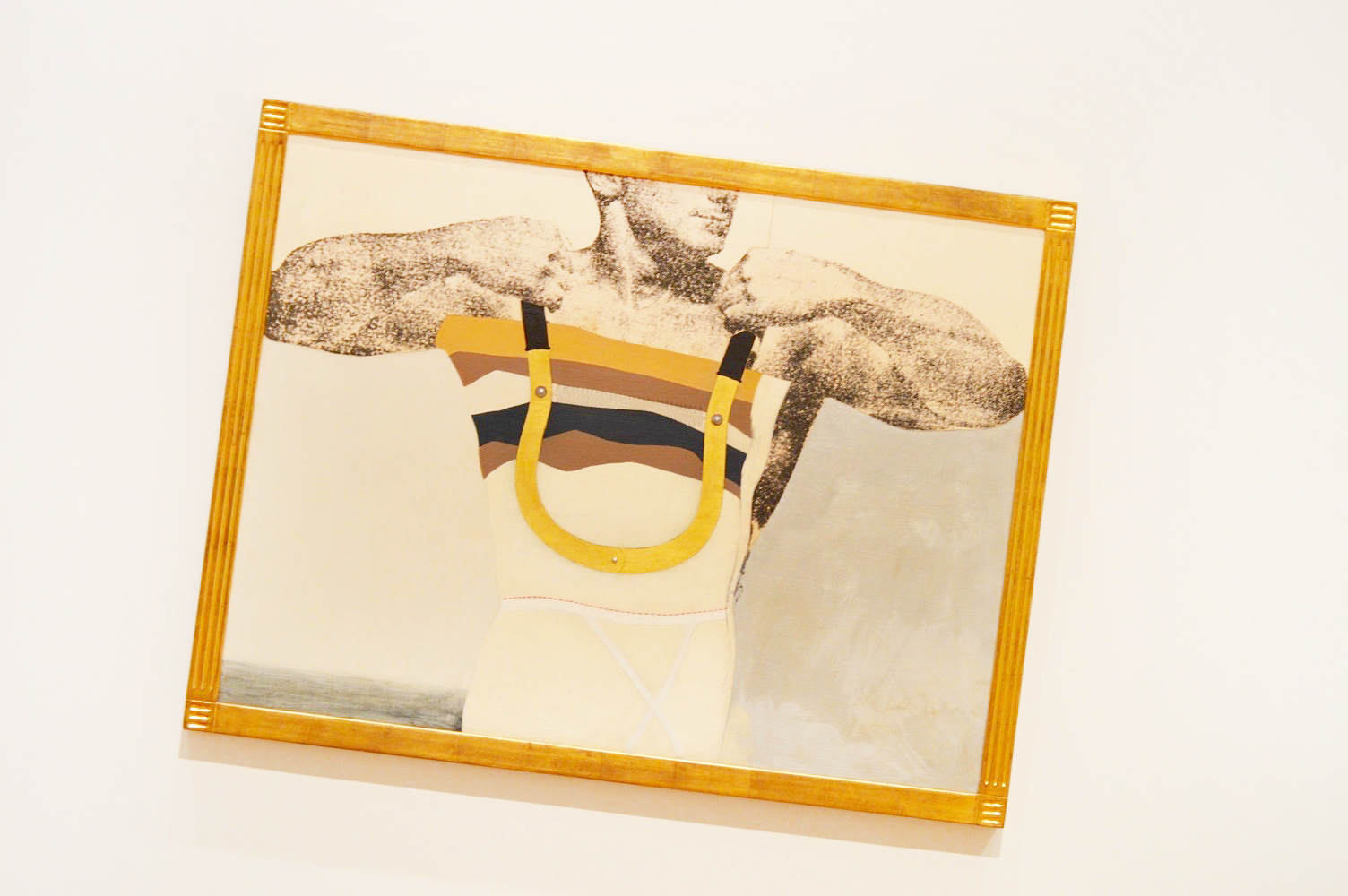
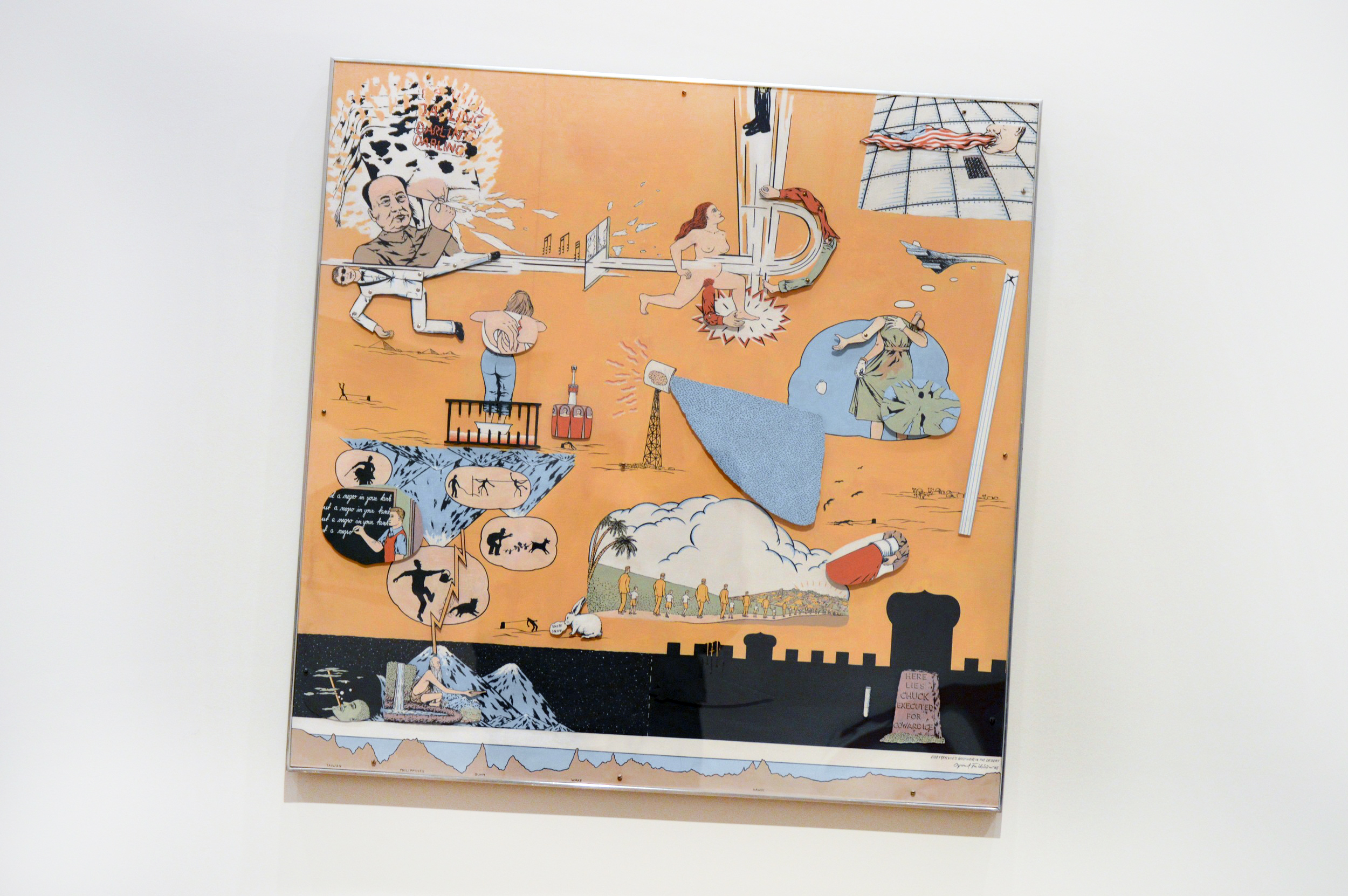
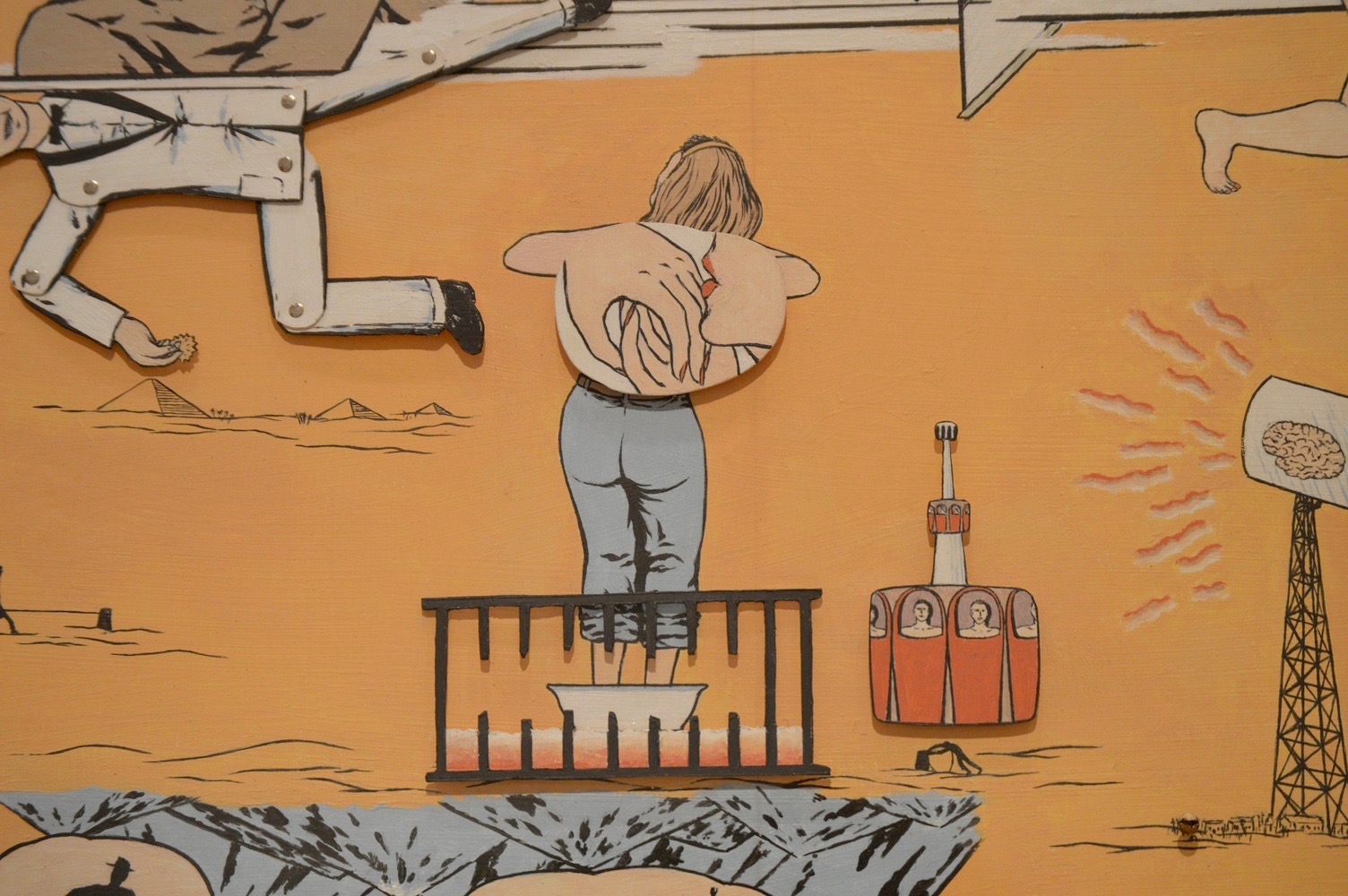
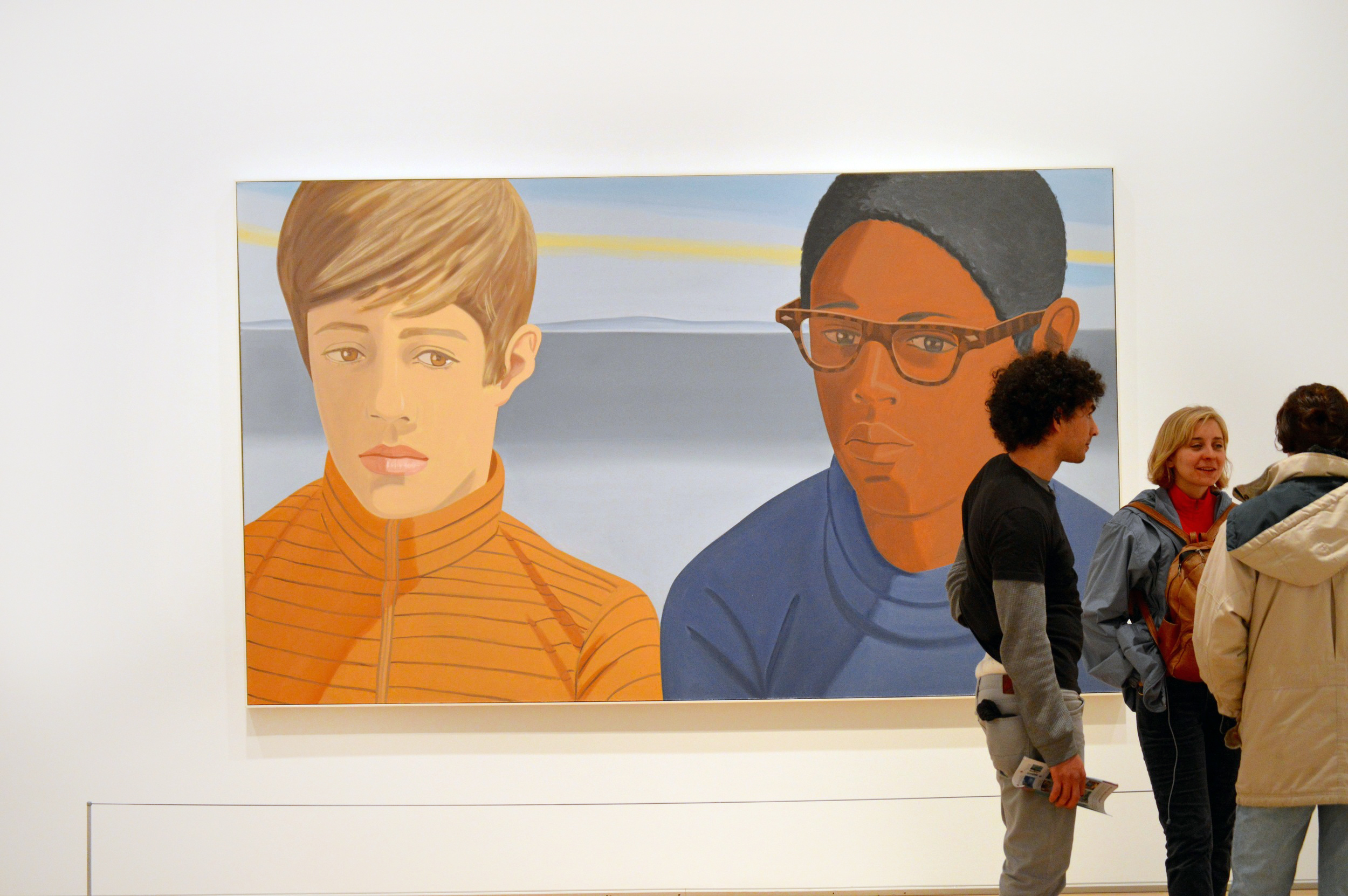
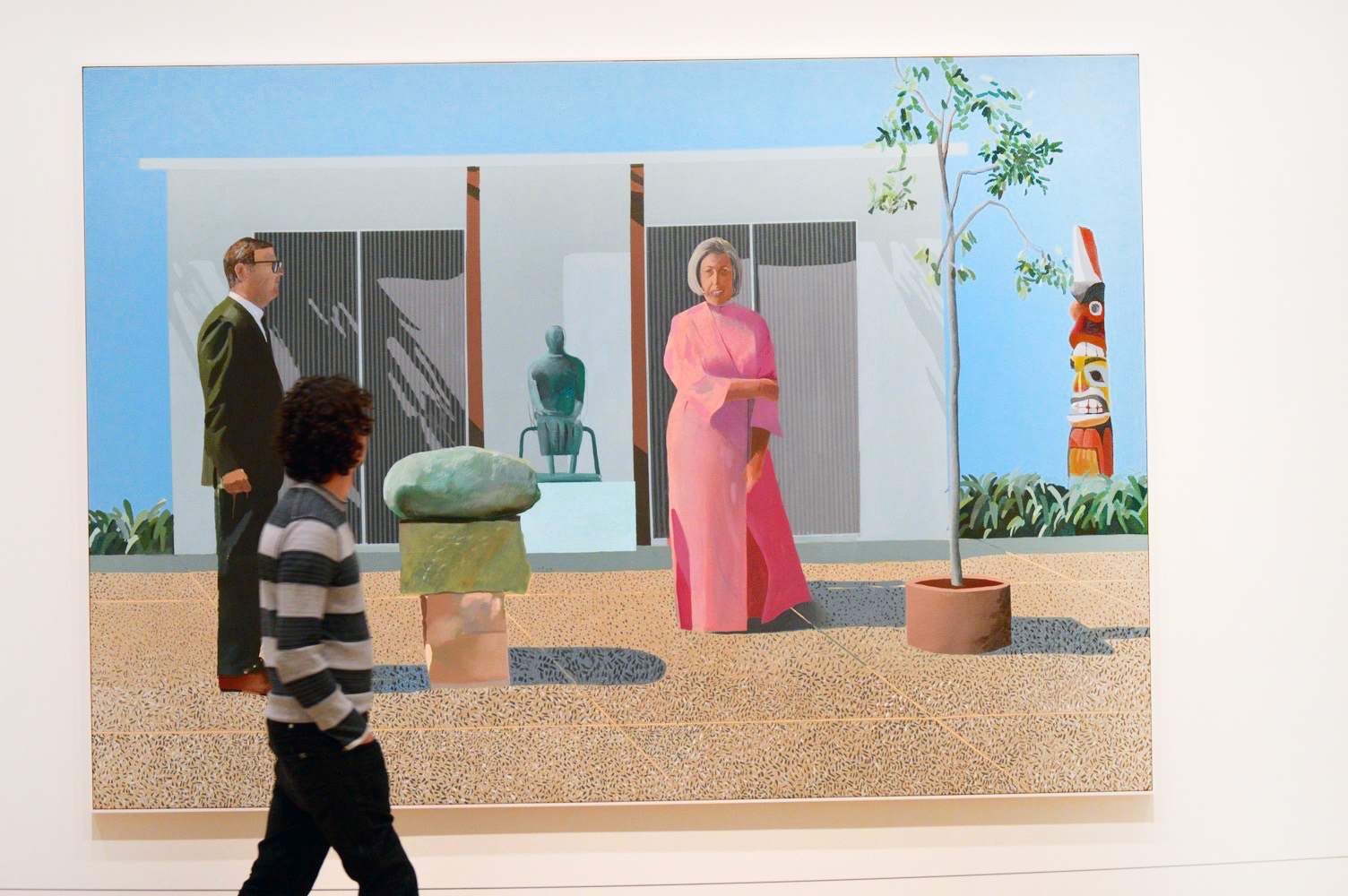
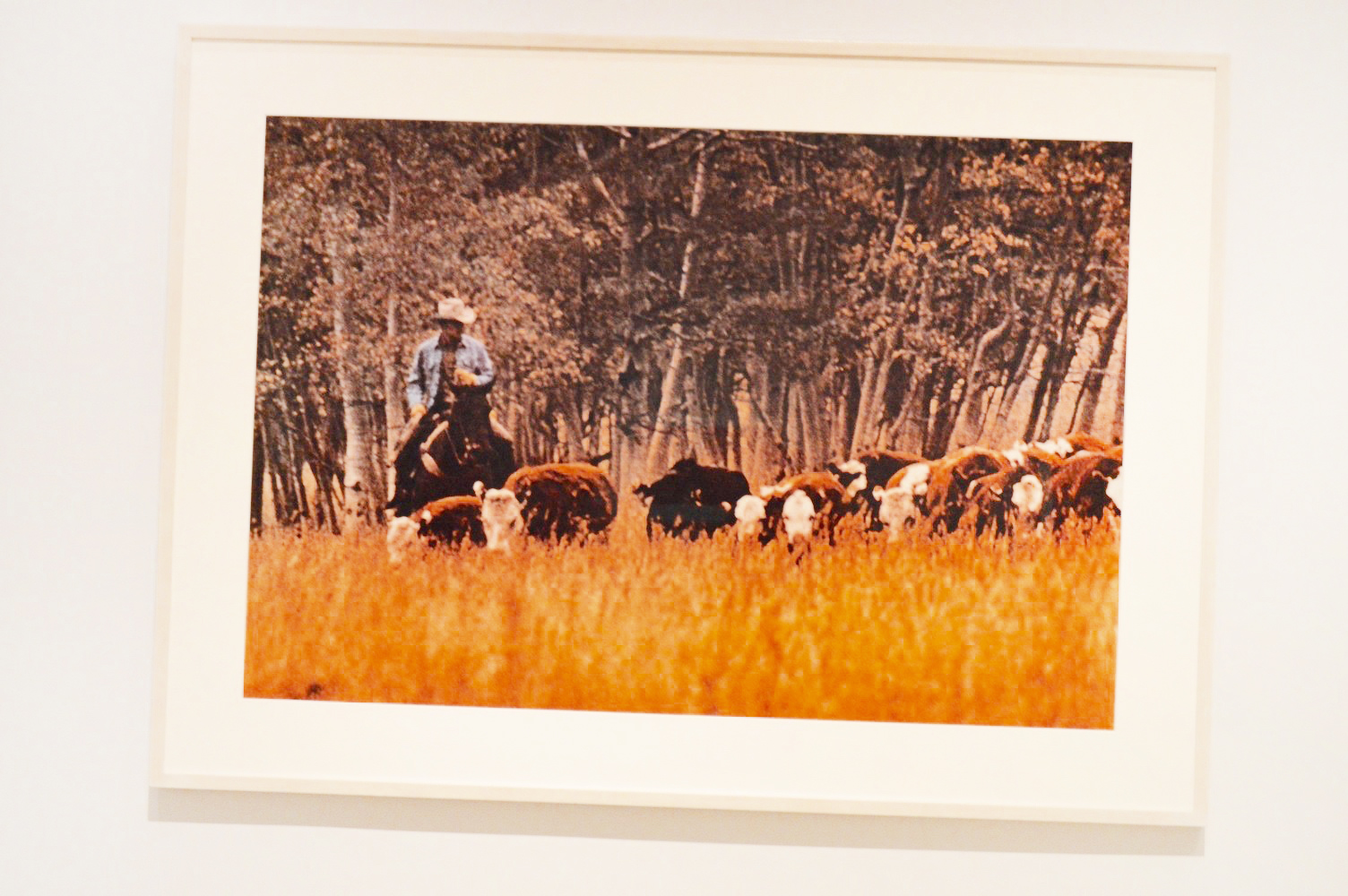
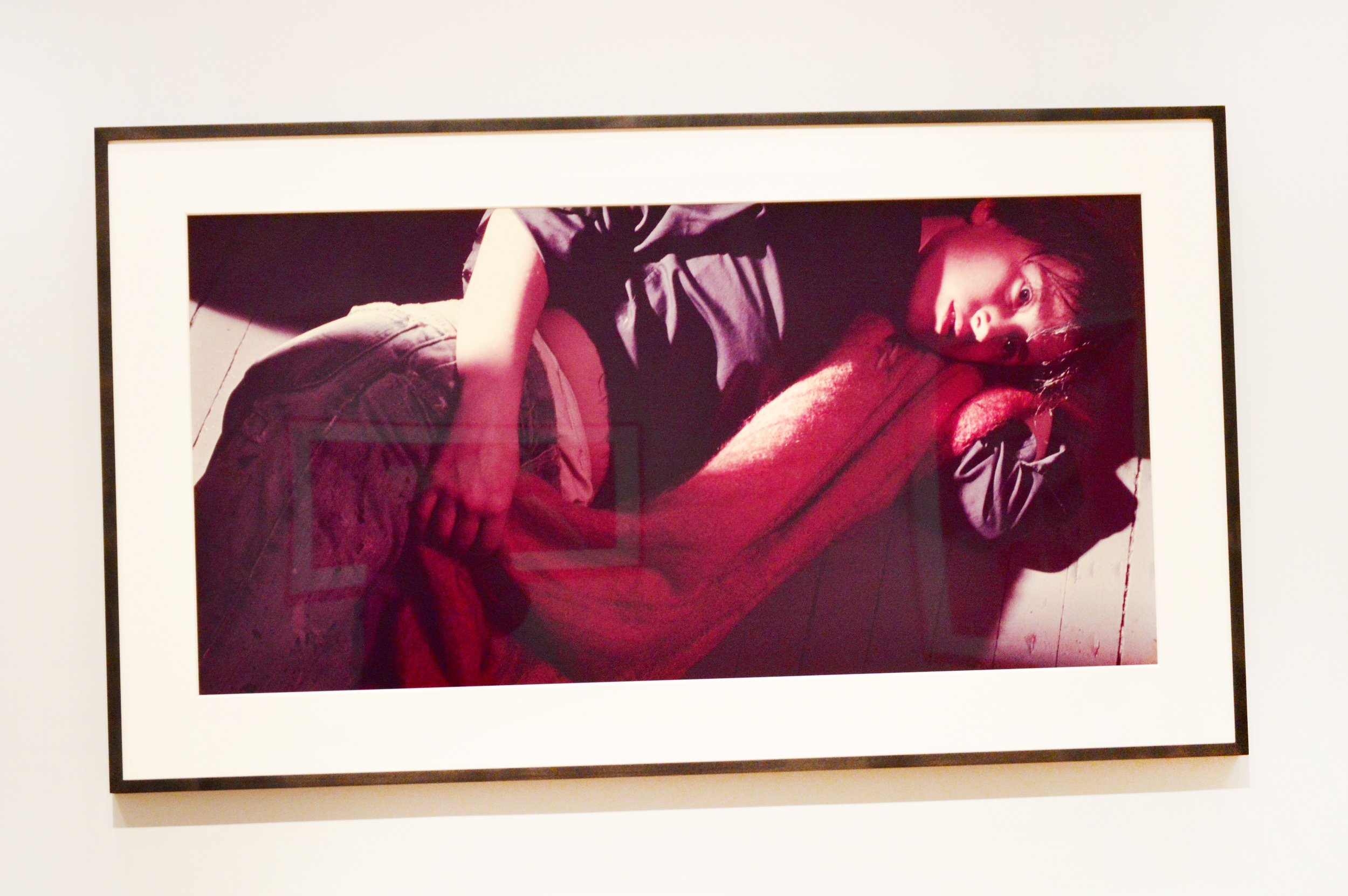
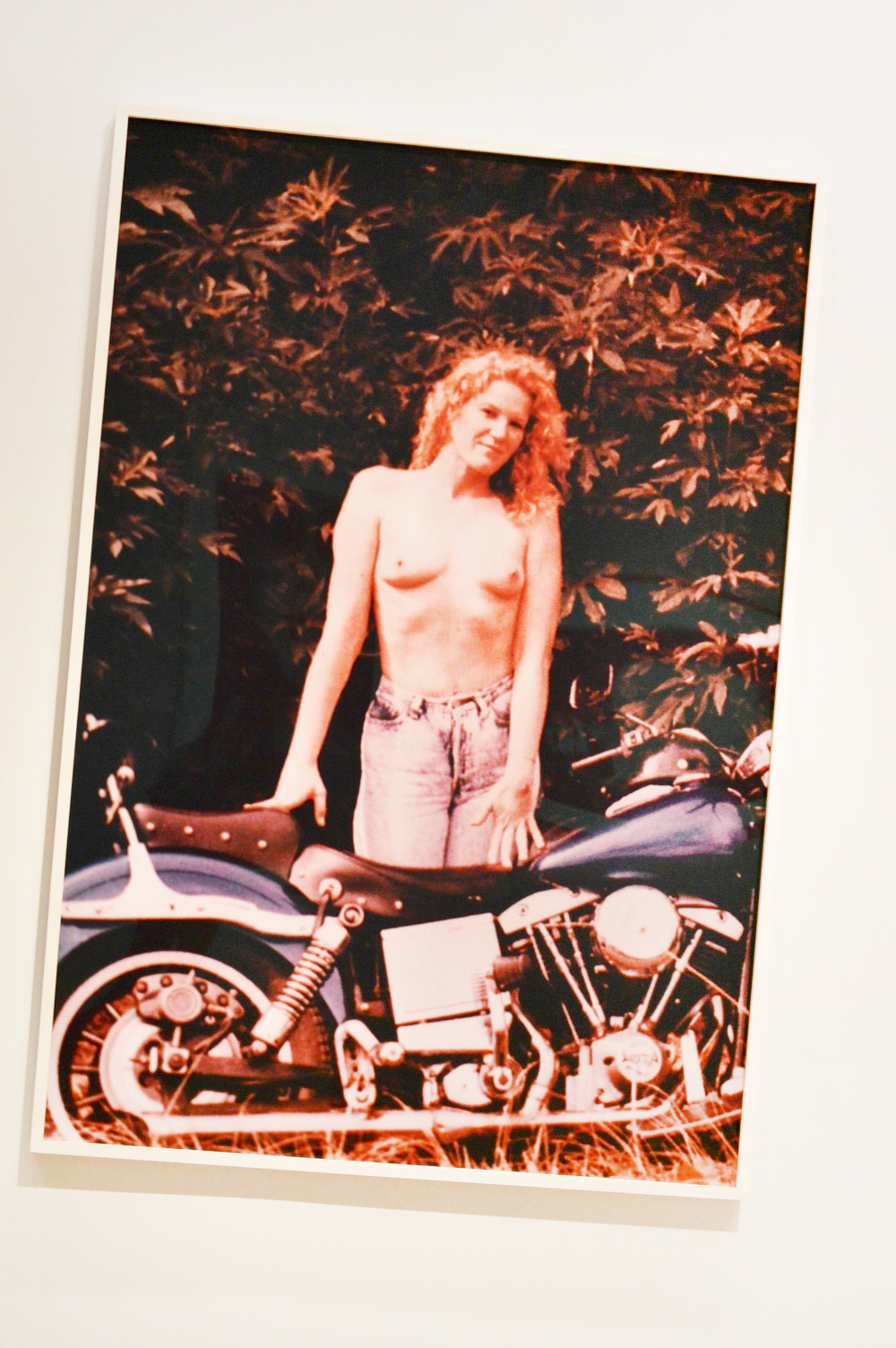
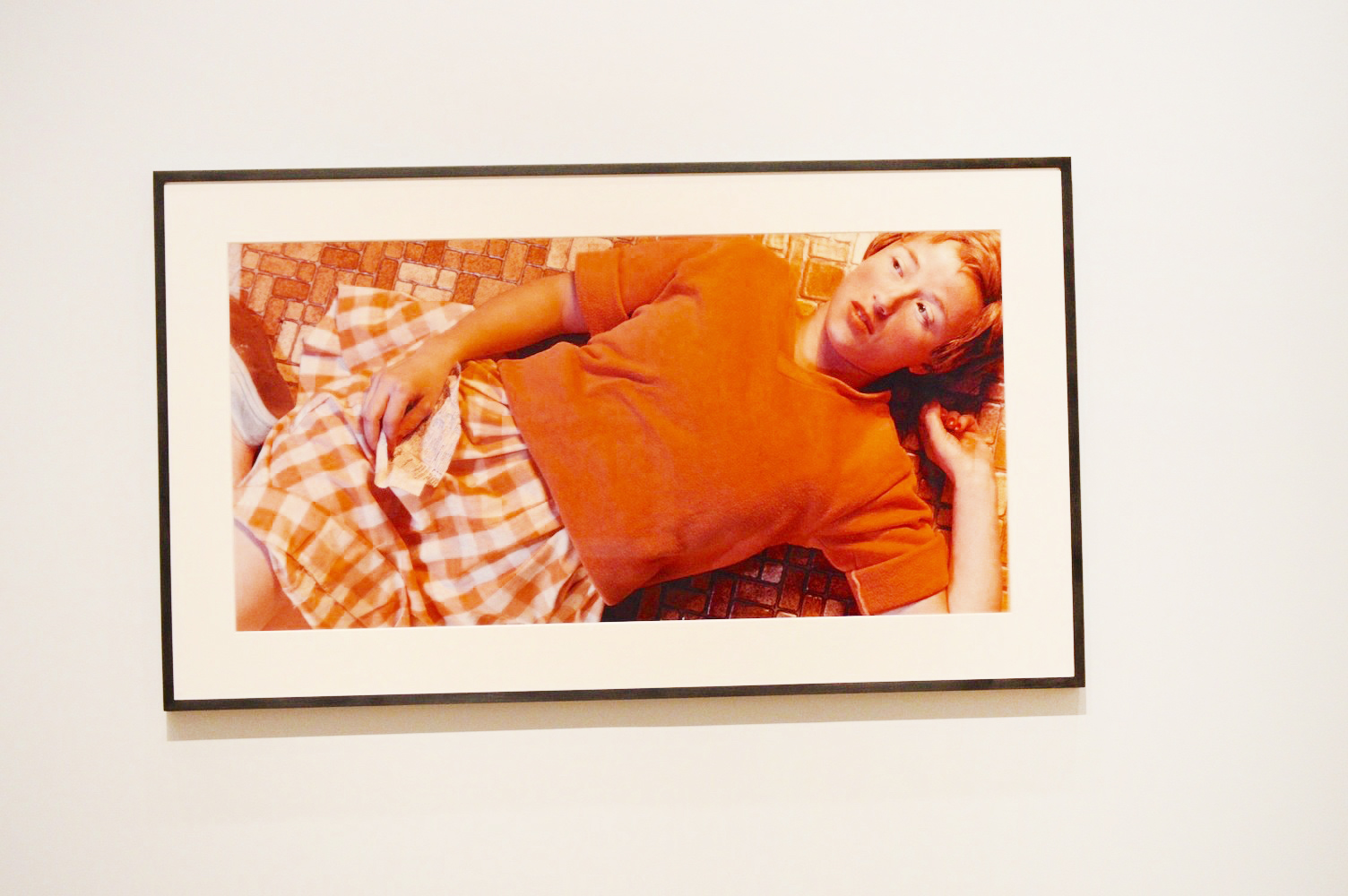
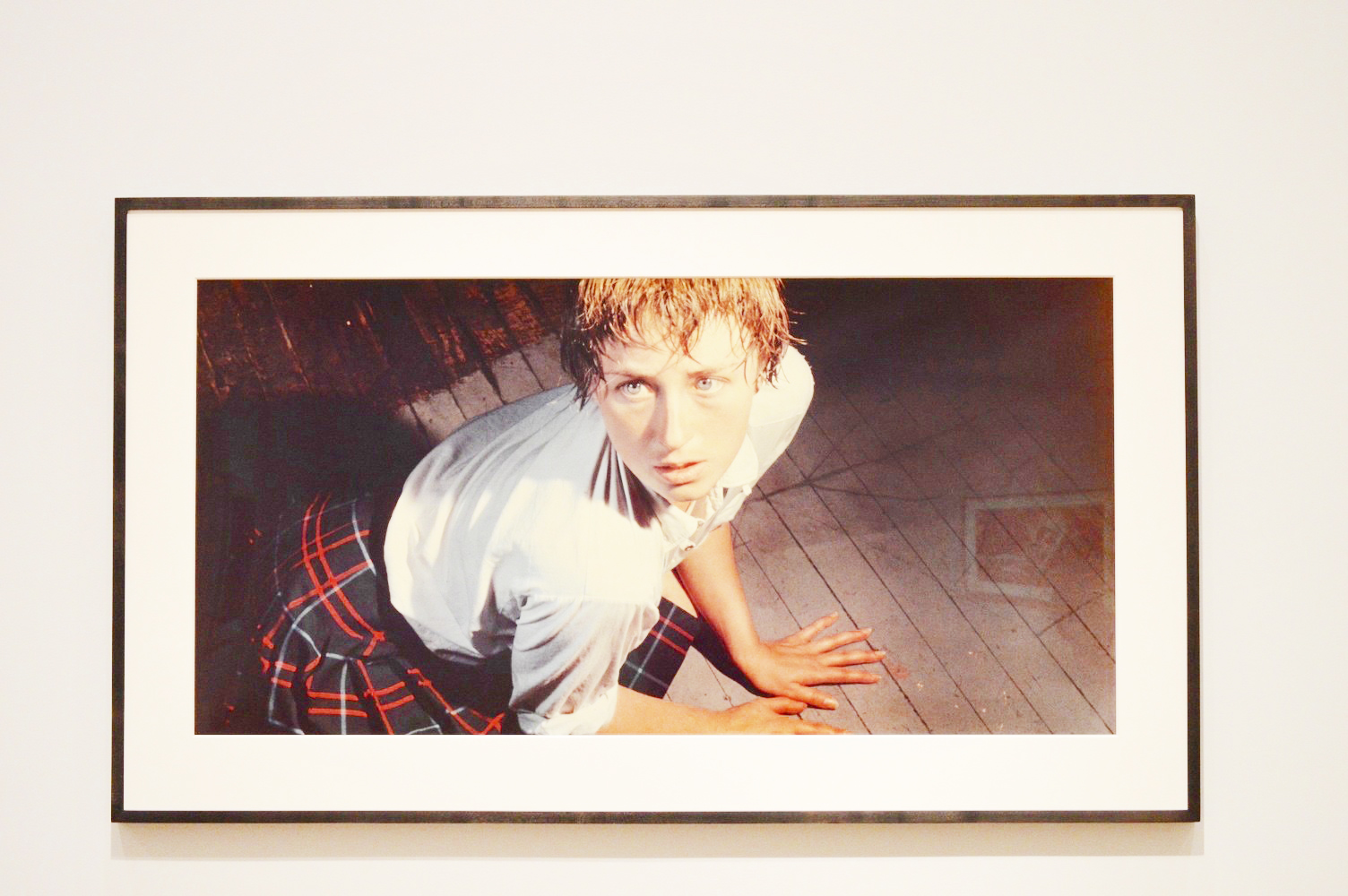
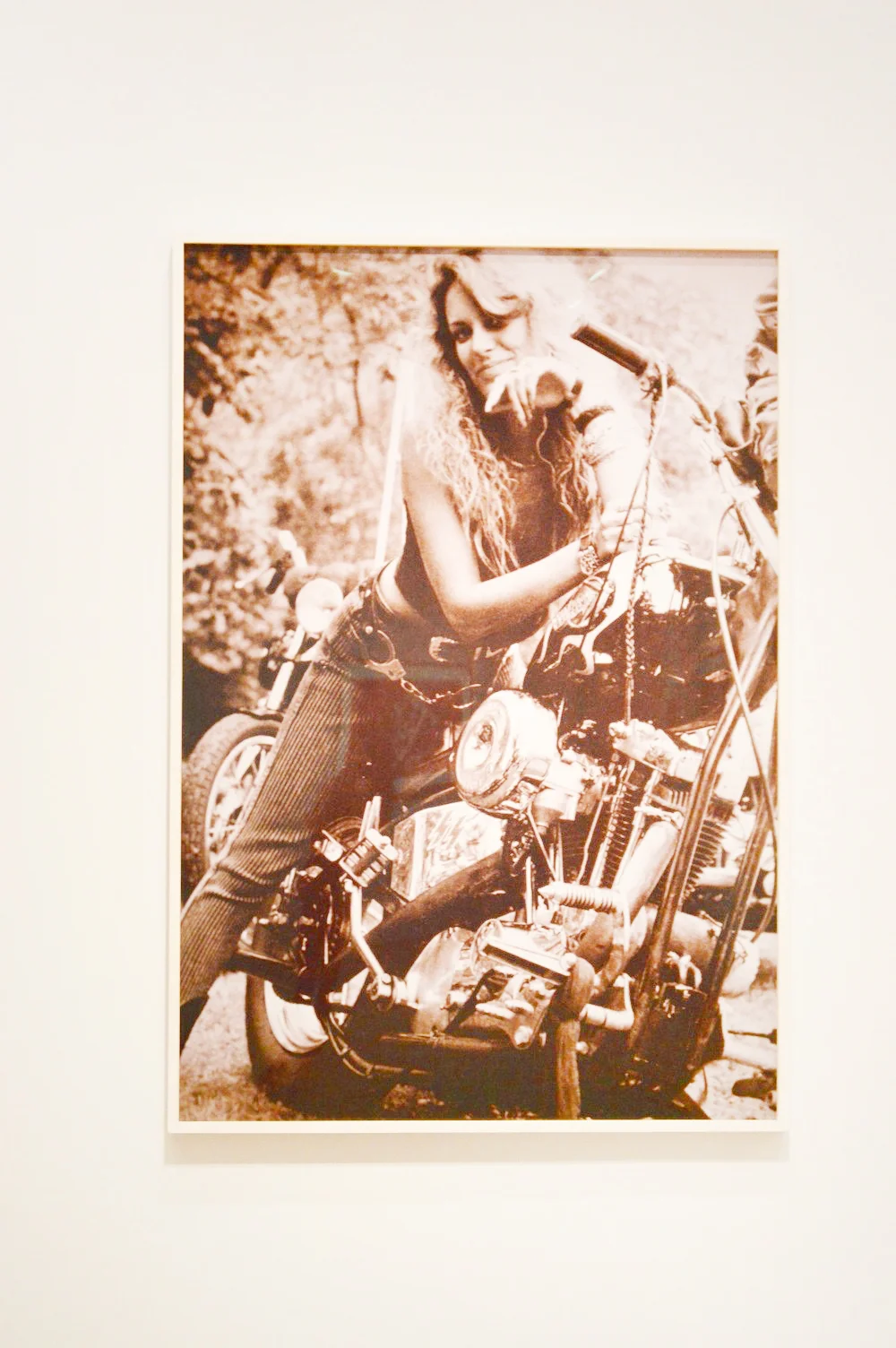
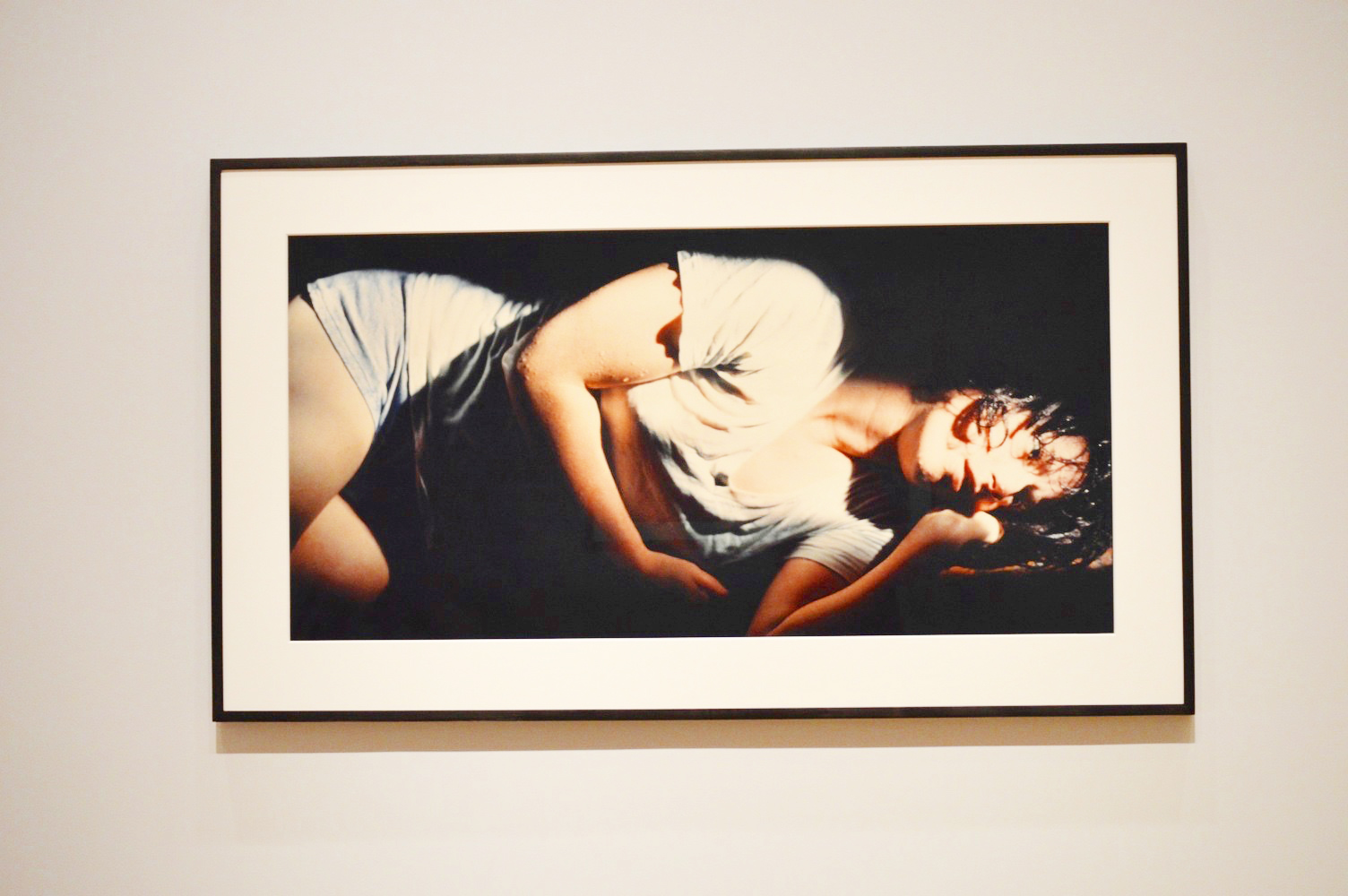
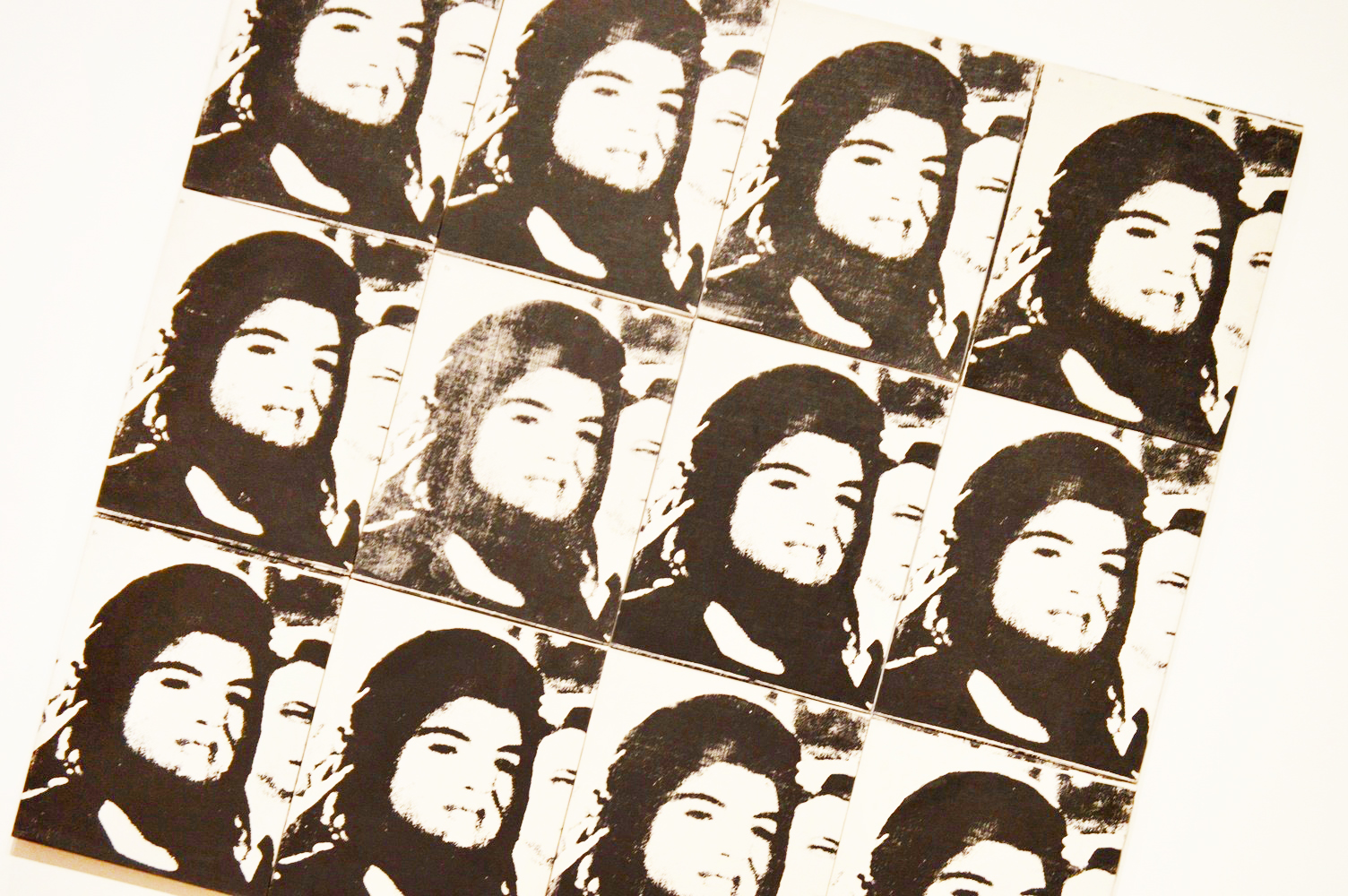
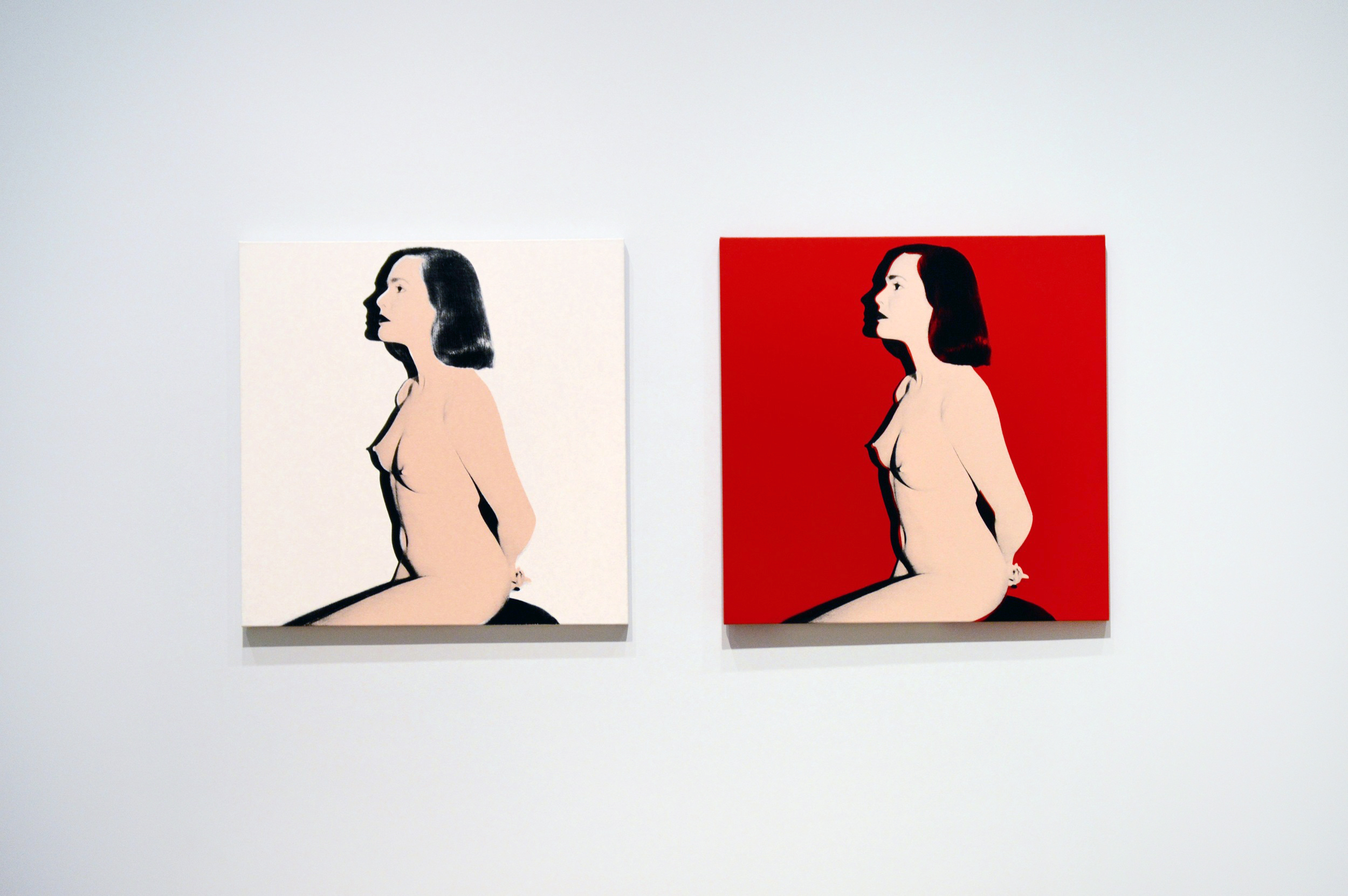
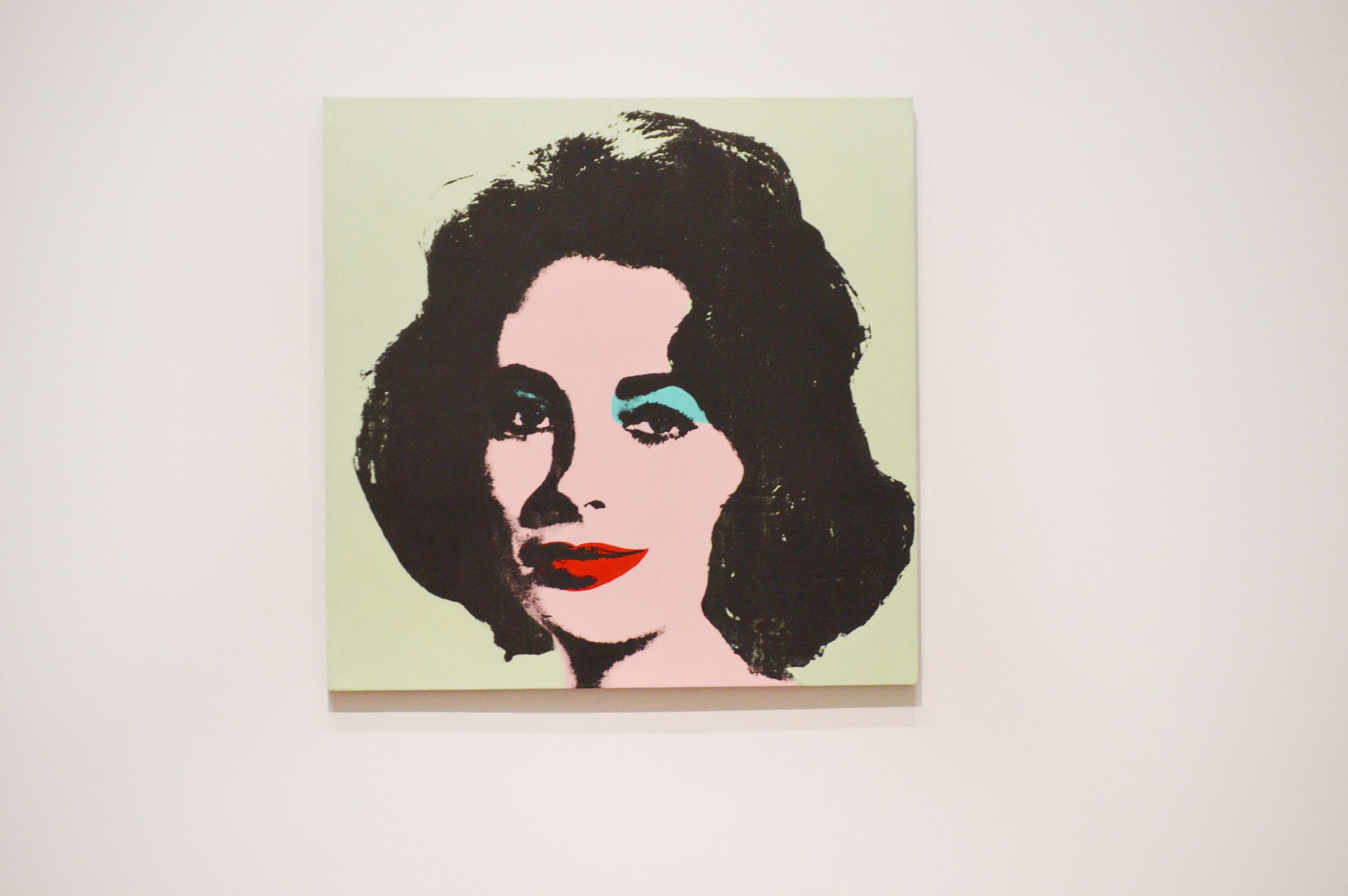
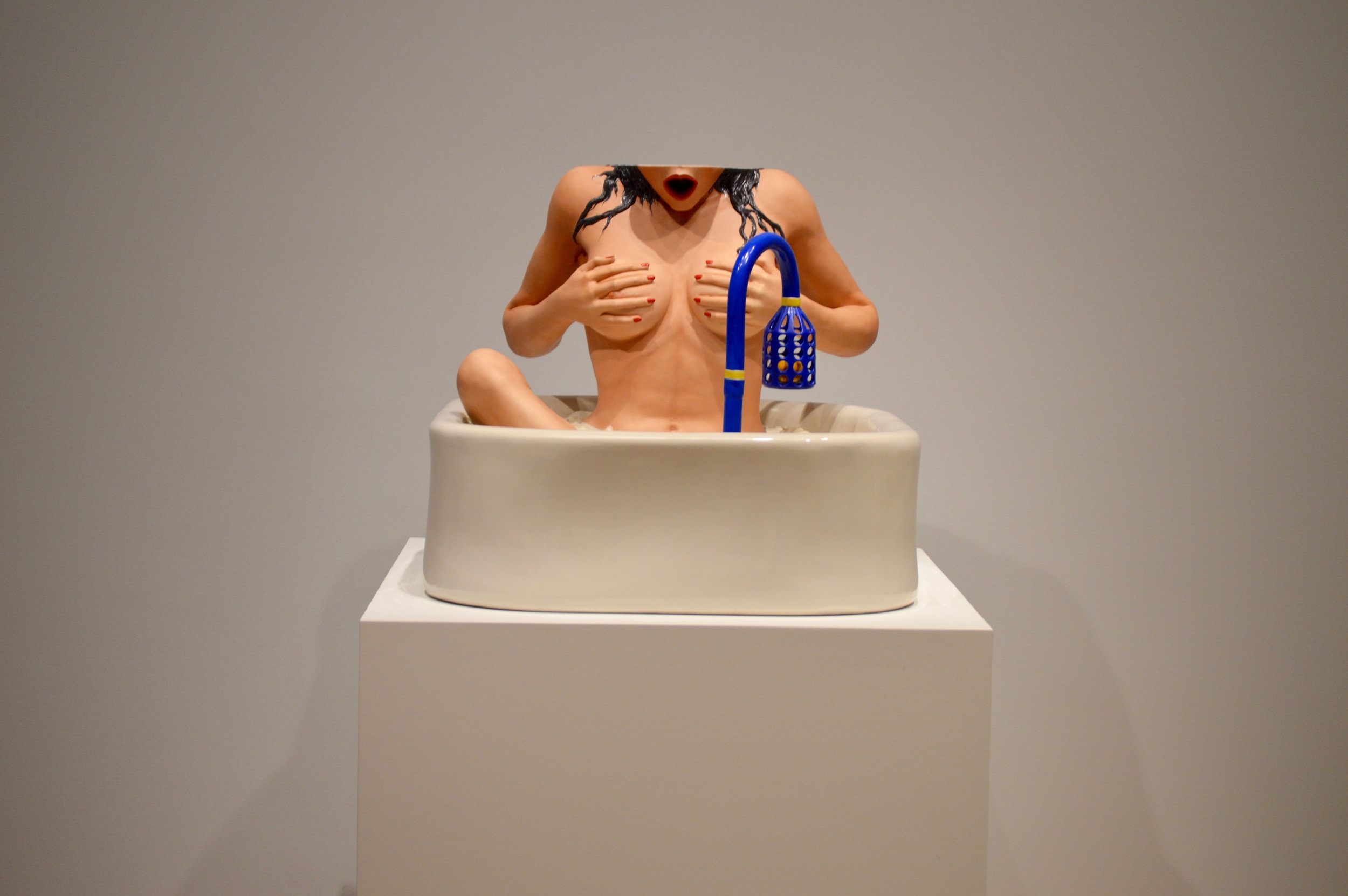
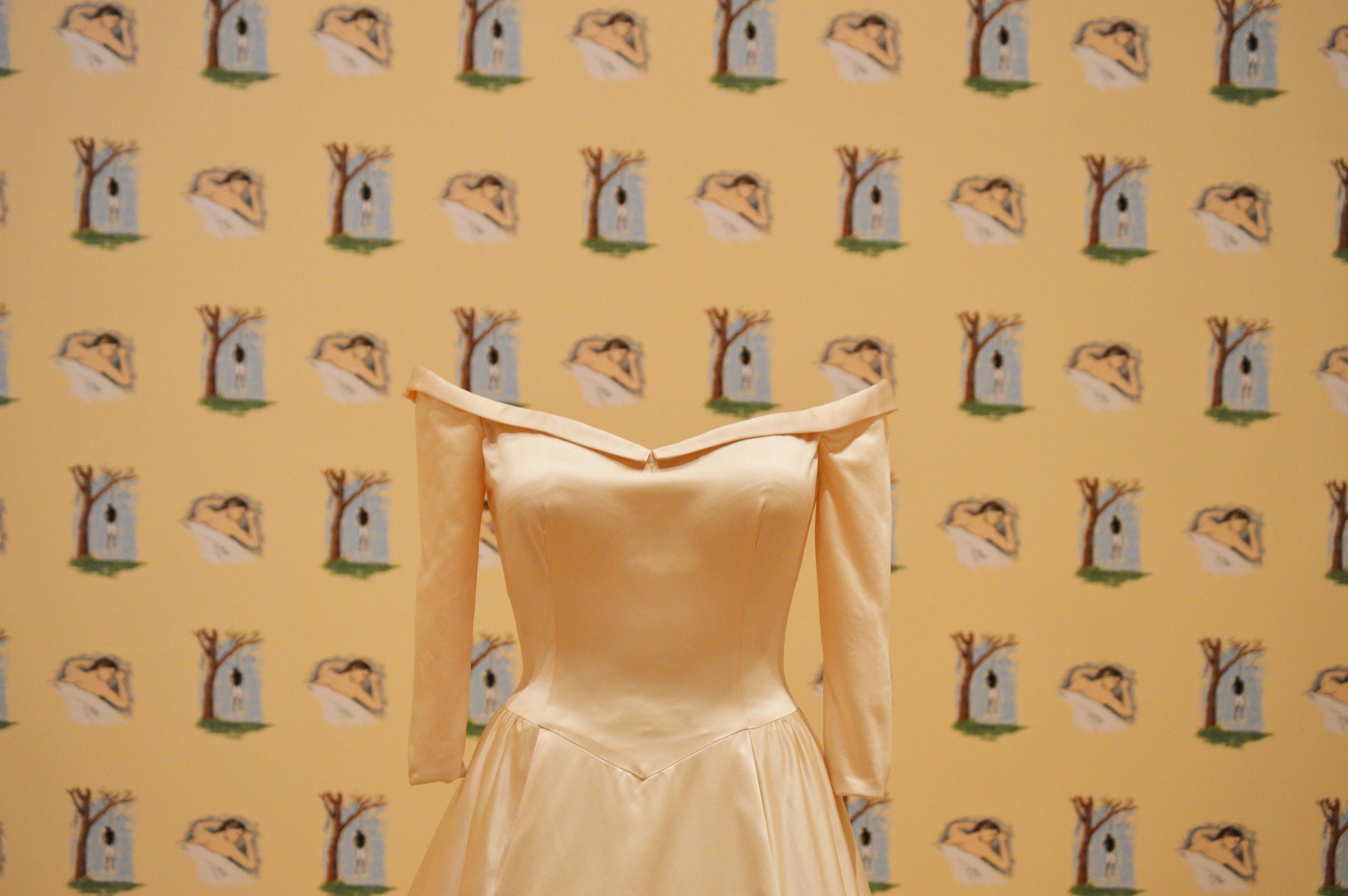
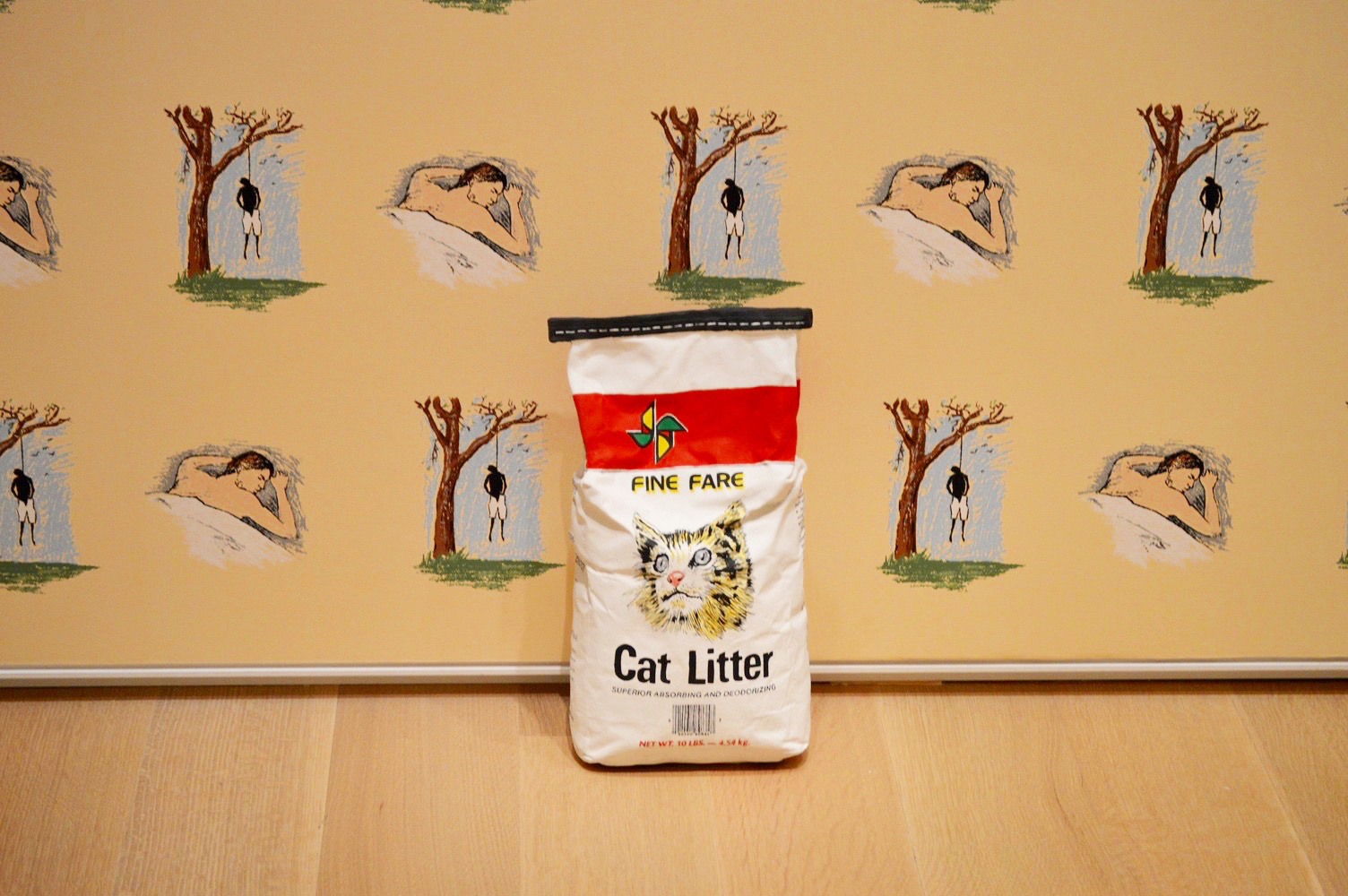
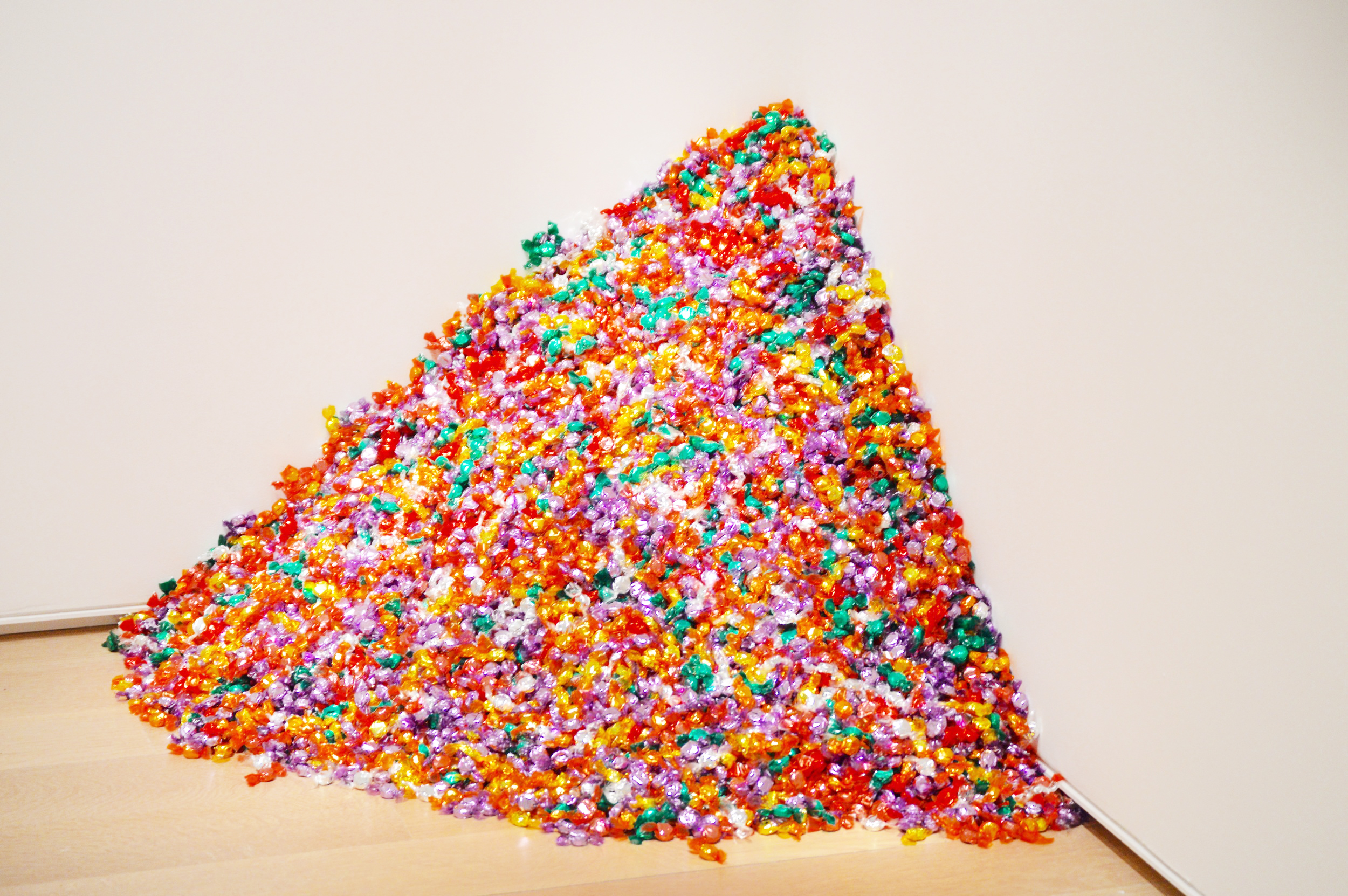
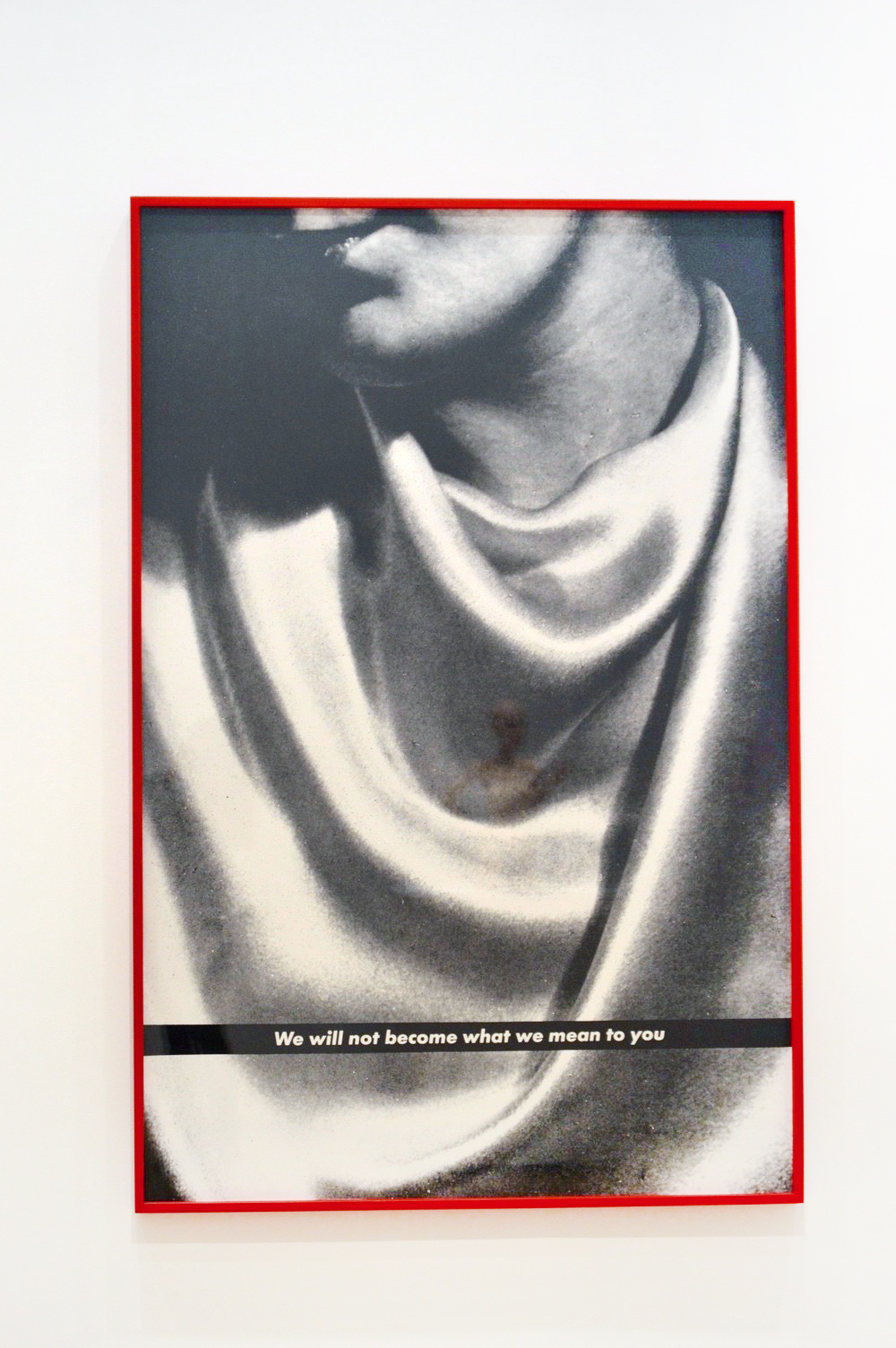
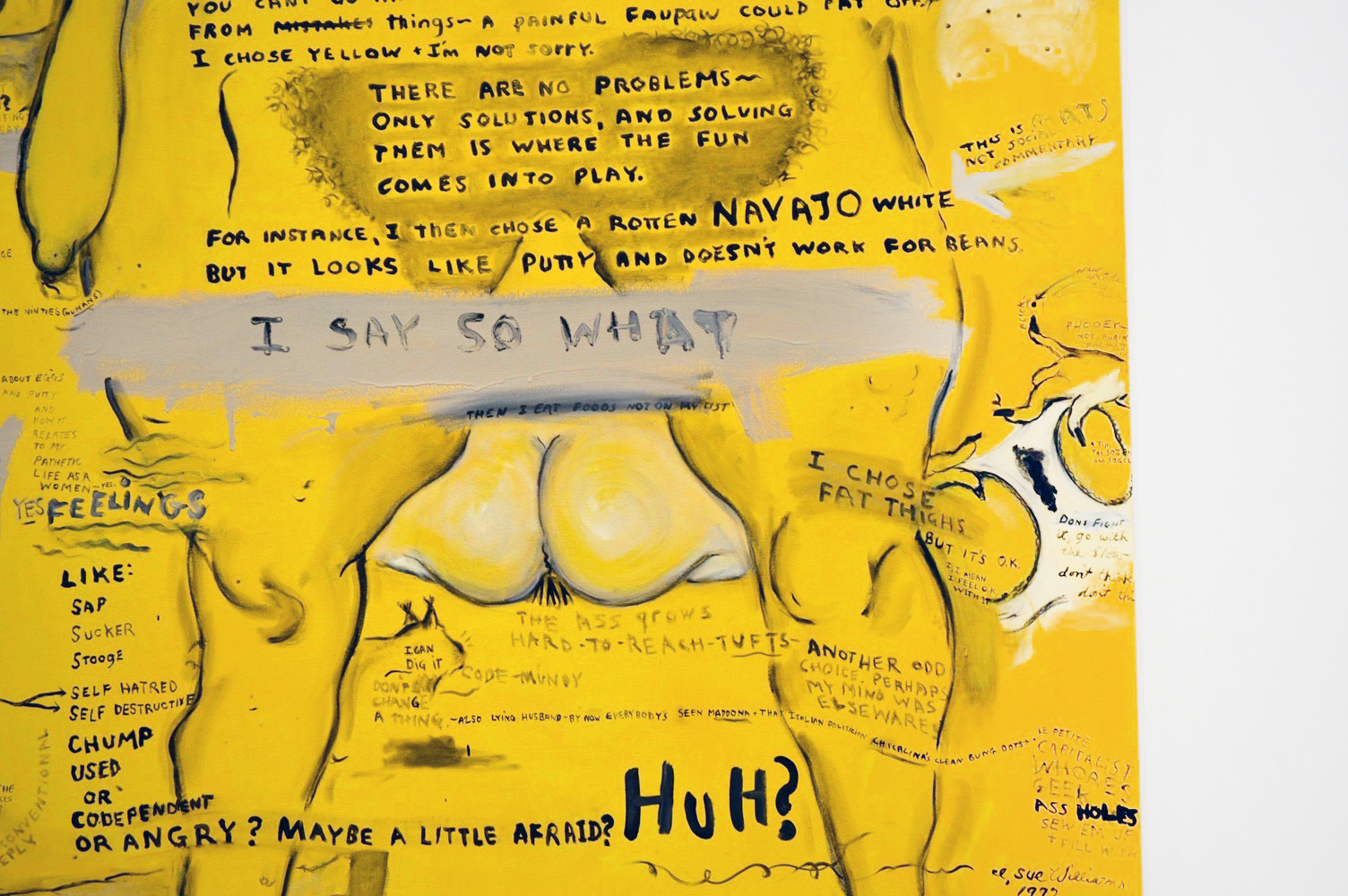
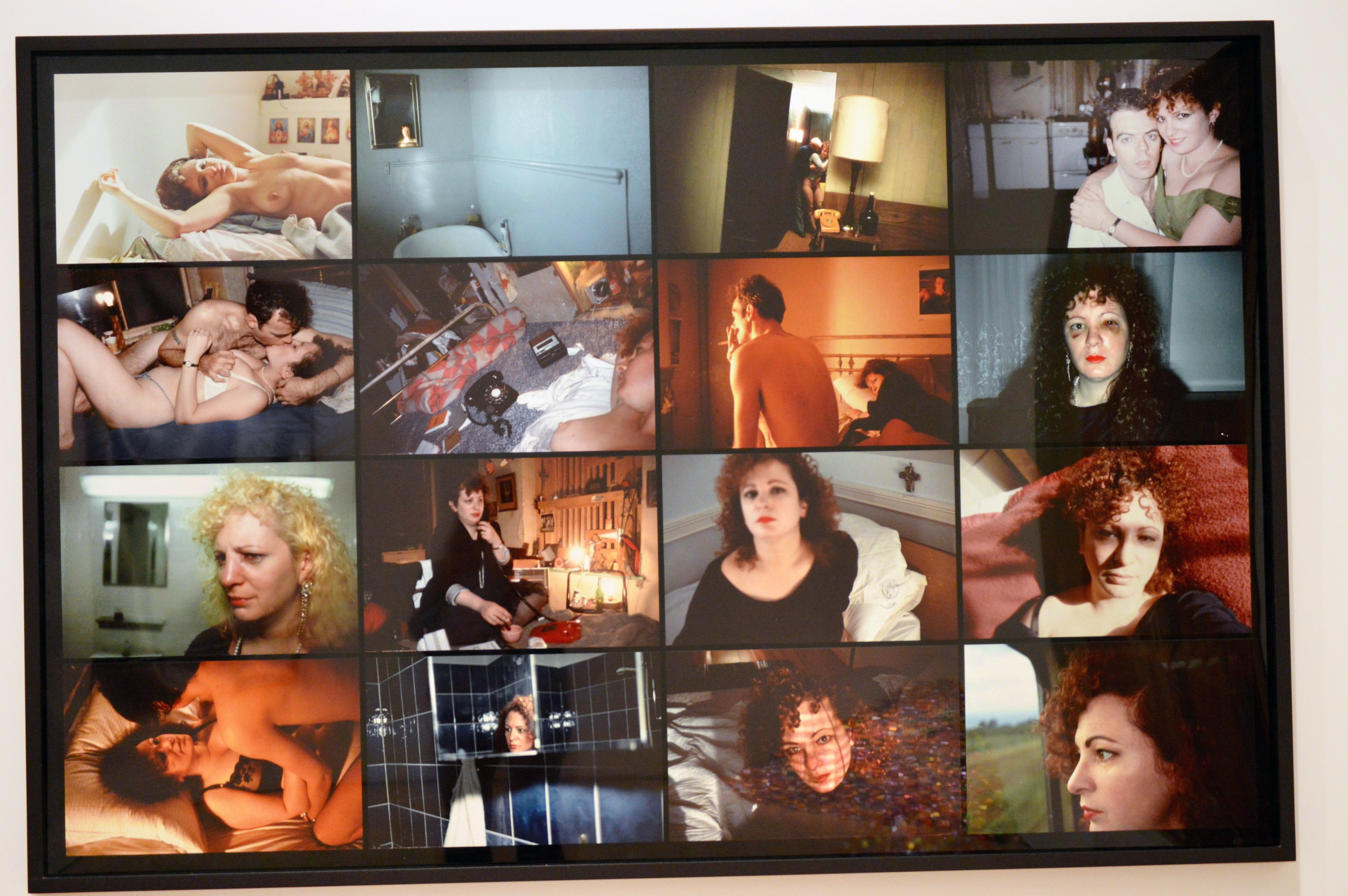
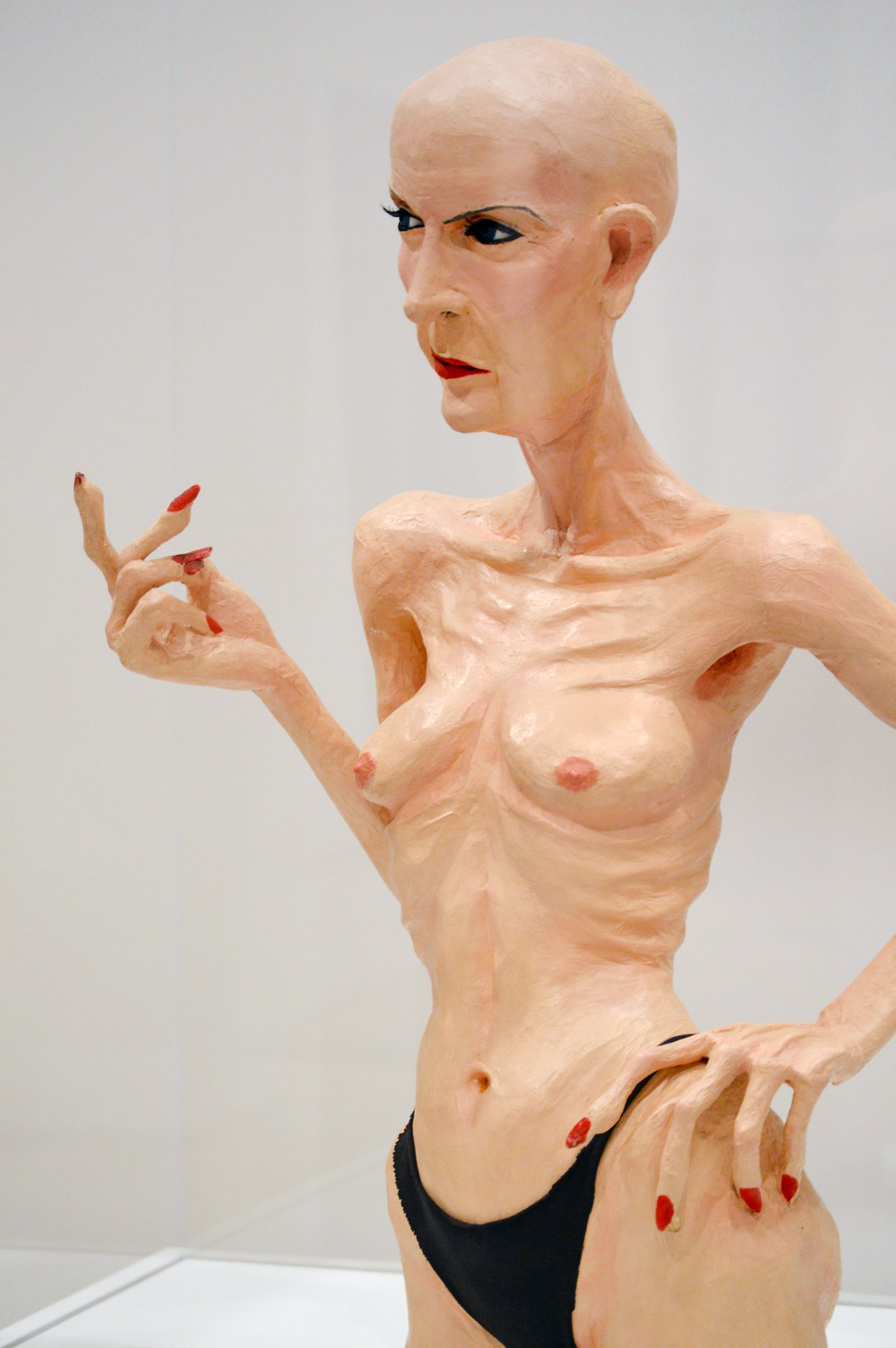
The Art Institute's already extensive contemporary art collection was made richer this year by the generous donation of Chicago art collectors Stefan Edlis and Gael Neeson. The 44 paintings, sculptures, and photographs complete the largest donation in the museum's history. Their gift charts the course of the most adventurous art movements since the 1950s, featuring abstract expressionist Cy Twombly and Pop Art legend Andy Warhol. The collection also chronicles the significant and enduring influence of Pop Art on later generations of artists, including the photography-based critiques of Richard Prince and Cindy Sherman, and the pop-culture riffs of Jeff Koons. Newly designed, the New Contemporary exhibit at the Art Institute features these new donations alongside its comprehensive collection of works by Jackson Pollack, Felix Gonzalez-Torres, David Hockney, Joan Mitchell, Nan Goldin, Barbara Kruger, and more. See the exhibition now at the Art Institute of Chicago, 111 S. Michigan Ave., Chicago, IL. Photographs by Keely Shinners
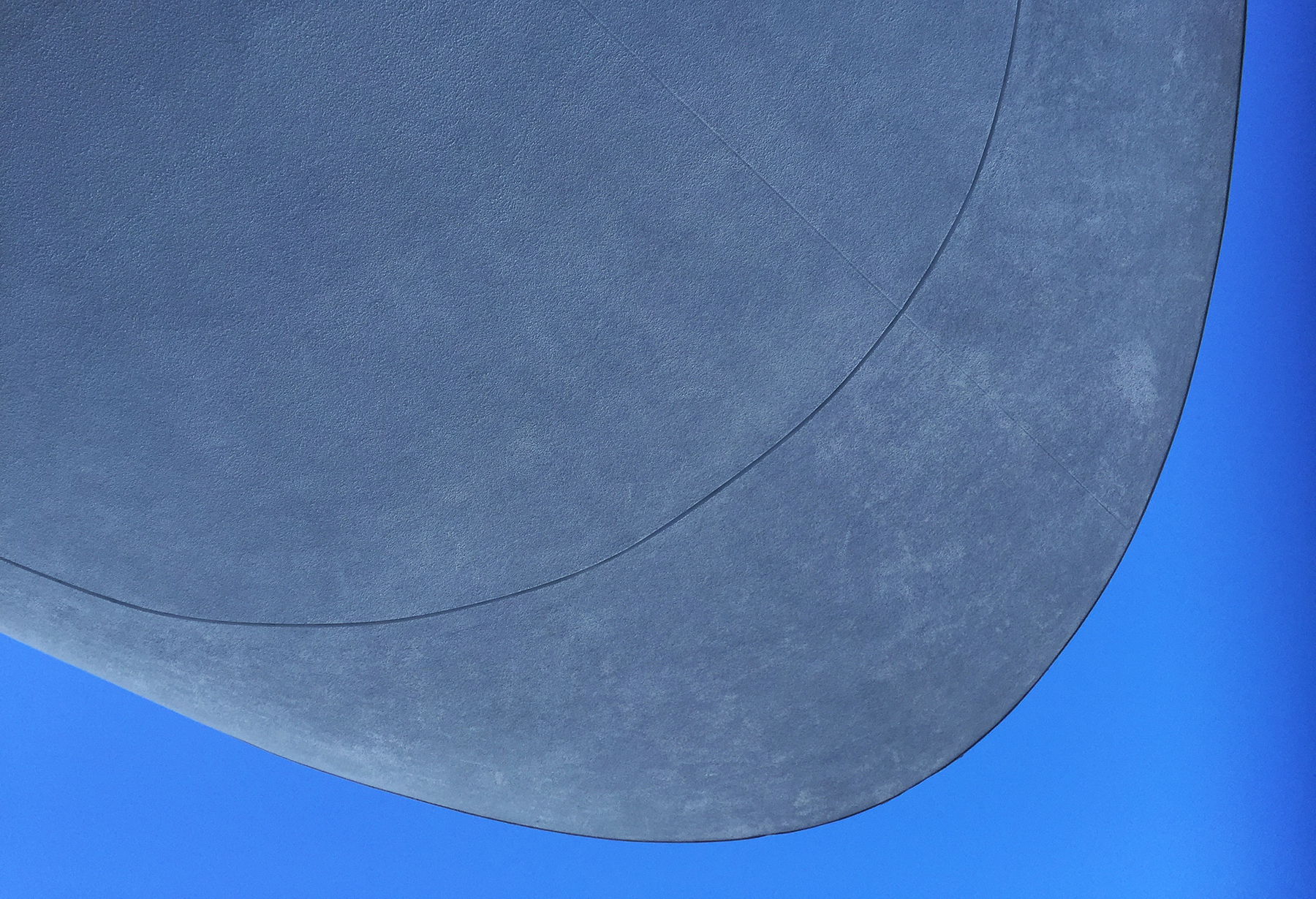
The Sculptured House, also known as the Sleeper House, is a distinctive elliptical curved house built on Genesee Mountain in 1963 by architect Charles Deaton. It is featured prominently in the 1973 Woody Allen sci-fi comedy Sleeper - to this day, the original Orgasmatron is still inside (in the form of a working elevator). Architect Charles Deaton has described his inspiration for the house: "On Genesee Mountain I found a high point of land where I could stand and feel the great reaches of the Earth. I wanted the shape of it to sing an unencumbered song." photographs by Oliver Maxwell Kupper
Step into Camouflage Country and meet a nation of misfits only masquerading as such. For these up-and-comers, down-and-outs, and good-for-nothings move through Ryan Ridge’s and Mel Bosworth’s microfictions with a zealousness that obliges rockets and octopus-men, devil babies and light eaters. Yet their earnestness also submits to stories like ‘Dust Bowling,’ ‘The Power of Pie Compels You,’ and ‘Cuckolding Down the Fort,’ which reveal the collection’s swift motion across the hilarious–heartbreaking spectrum. Featuring the illustrations of Jacob Heustis, Camouflage Country is a flipbook of faces incapable of concealment—too original to be overlooked, too distinctive to be forgotten. Click here to purchase.
Bubblegum goddesses. Wannabe Debbie Harrys. Dystopian mental illnesses. Solo rock shows in a mystical desert landscape... These are the videos that stood out in 2015 for their strangeness, abstraction, and beauty. And good tunes, of course. Click here for the full list...
photograph by Oliver Maxwell Kupper. Click here to preorder Autre's Rimbaud tee.
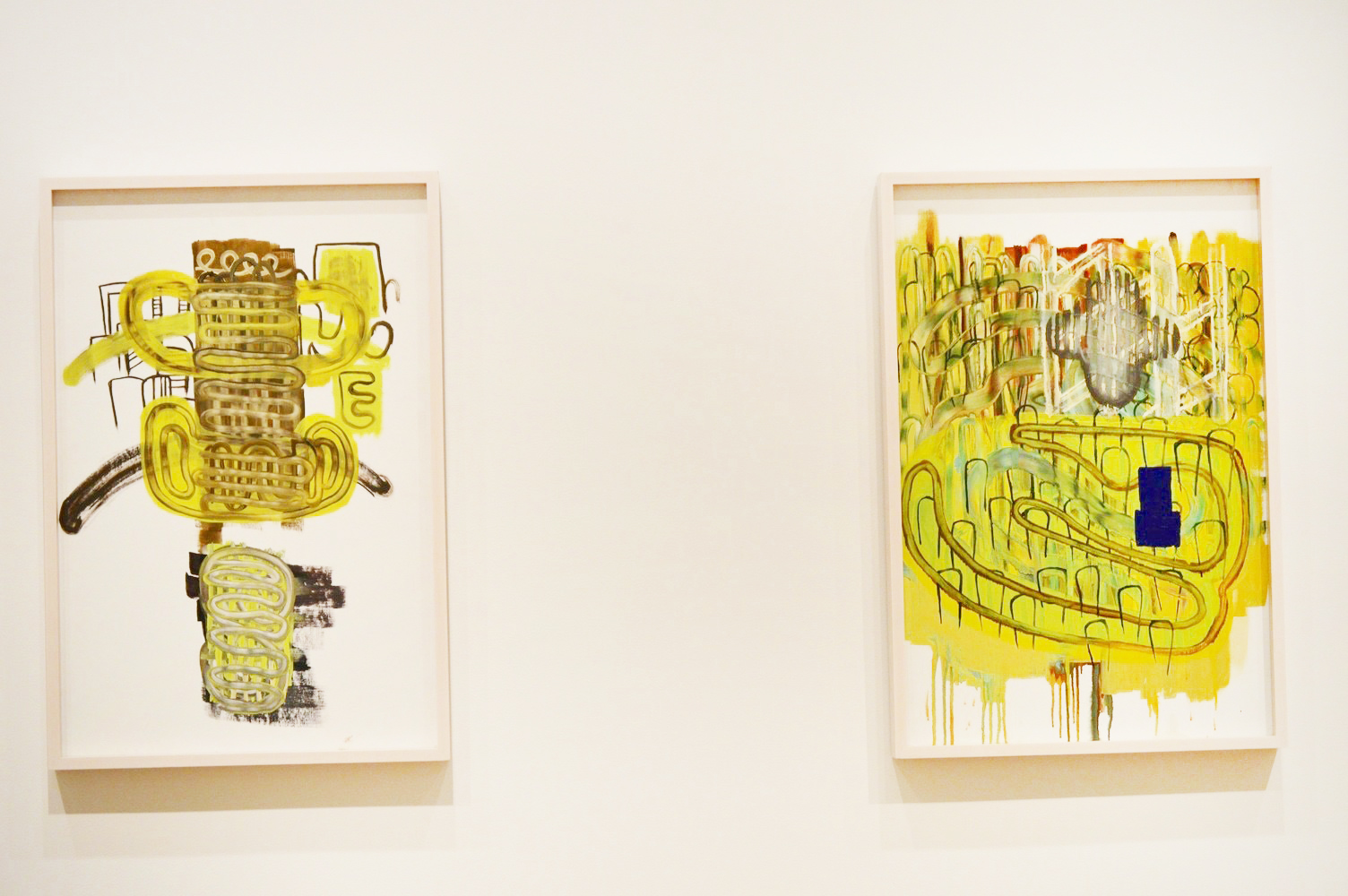
Ellsworth Kelly was an American painter, sculptor, and printmaker associated with hard-edge painting, Color Field painting and the minimalist school. His works demonstrate unassuming techniques emphasizing simplicity of form, He lived and worked in Spencertown, New York and died there at the age of 92. photograph by Michel Grinberg
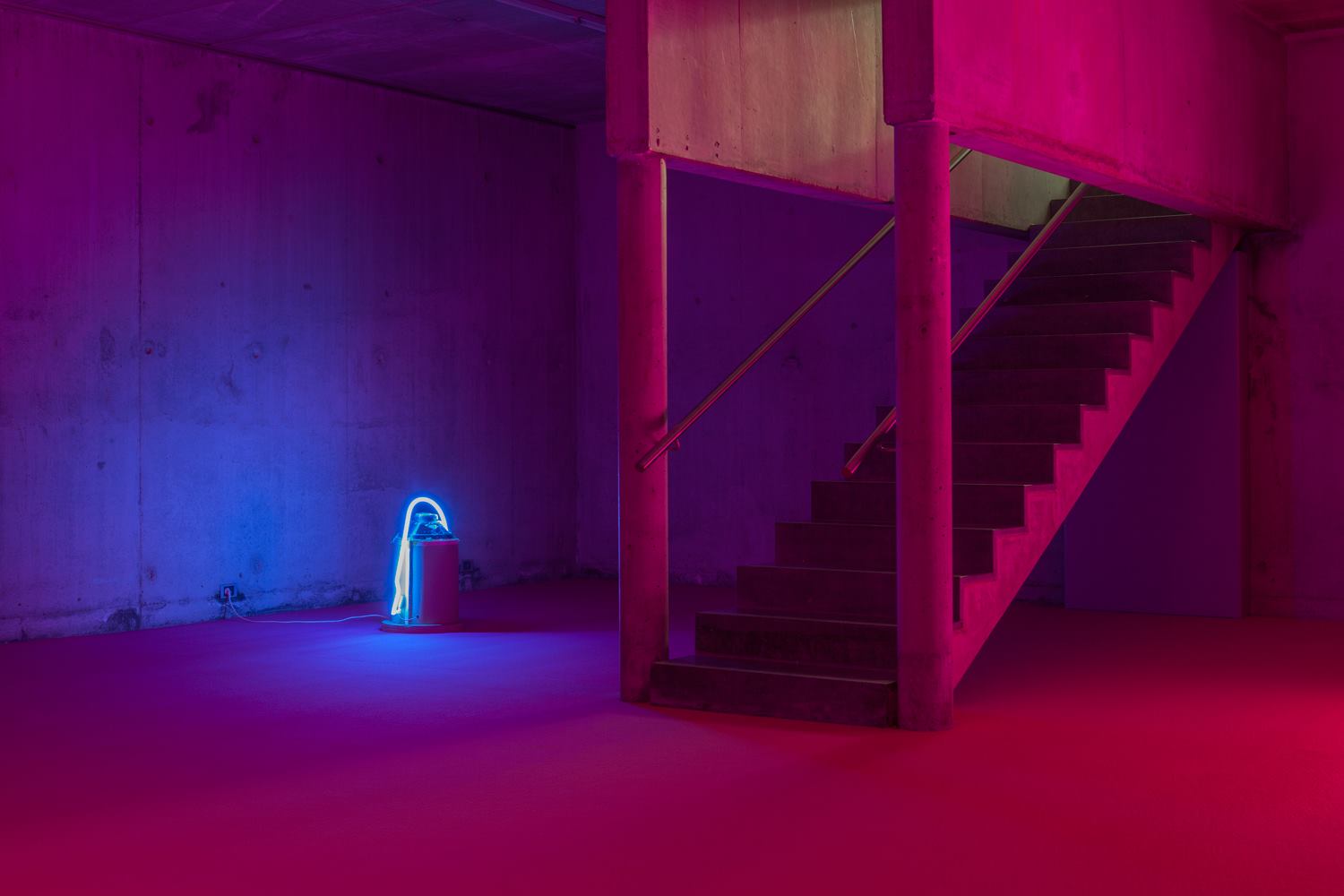
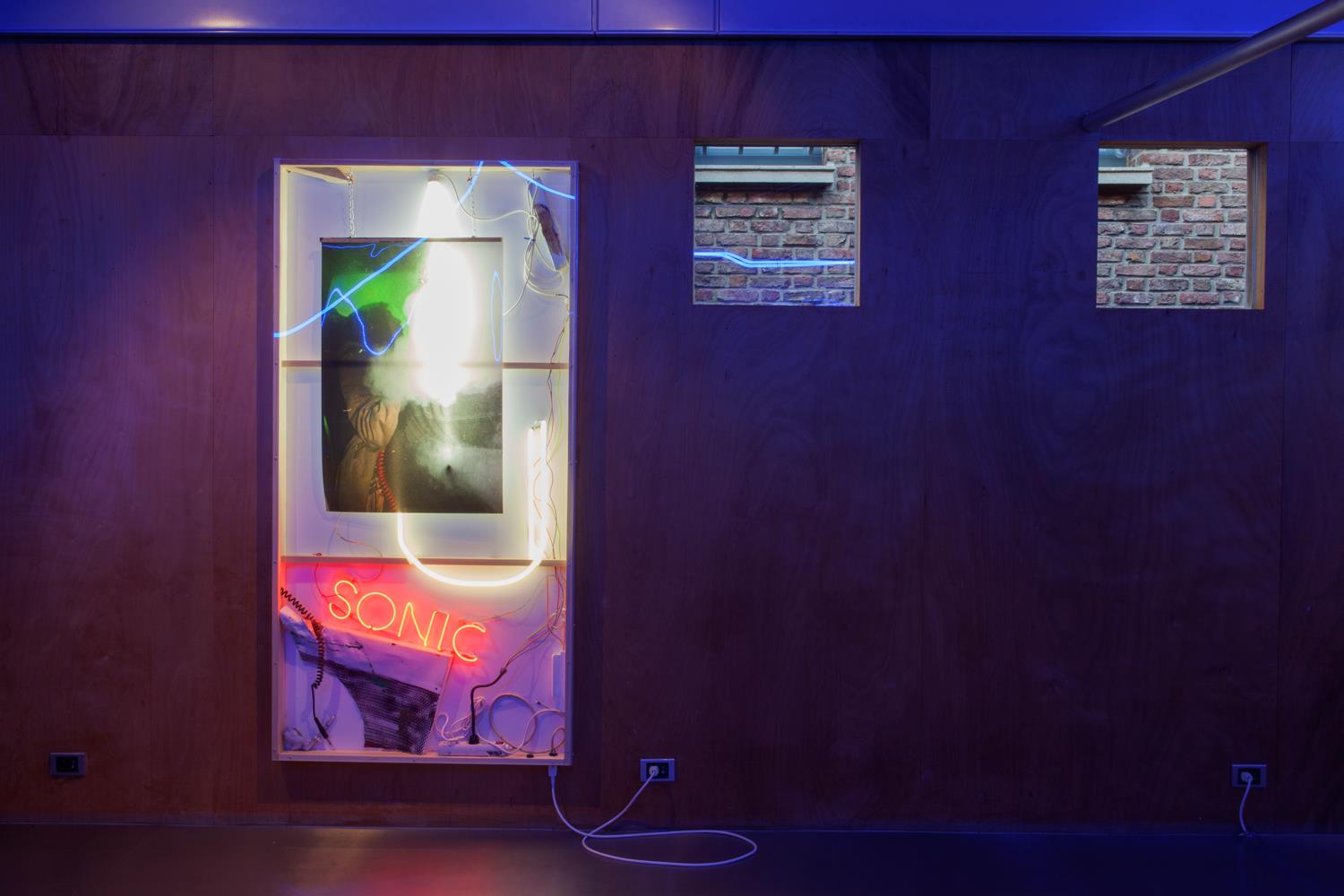
Joris Van de Moortel, 31, has intrusive bluish-gray eyes. They are unsettling; despite the subdued kindness that surrounds them. Looking in to them one realizes Moortel doesn’t see the same boundaries most of us do, the boundaries that most of us construct our lives around. Moortel smashes, sometimes literally, the line between art and music. He is both musician and artist and the two feed off one another. Moortel makes mixed media pieces that often incorporate elements of his musical performances; a guitar he smashed on stage the night before, panels from a stage he played on. Sometimes the work comes after a performance; sometimes it’s made during. Read our interview with the artist here.
Click here to read our interview with Joris Van de Moortel. "Ça vous intéresse l'architecture?" will be on view until January 31, 2016 at the Be-Part Contemporary Art Center in Belgium, Westerlaan 17, 8790 Waregem, Belgium
10 years ago, when the phrase “pop music” conjured associations of Backstreet Boys and Britney, I would have never even thought to make a pop music list. But we are well into the Internet age at this point (it feels like just yesterday when I was on the Shoutweb message boards, discussing the excellence of KoRn and Slipknot with other pimply faced malcontents, but in reality it was 15 years ago), and the artists that grew up watching TRL and then reading Pitchfork on their desktops have come of age. Pop music has mutated into a variety of forms, only connected through an accessible, danceable, and sing-along quality. You can have the retro-psych R&B of Miguel, the post-modern alterna-pop of Bjork, or the British dancefloor celebration of Jamie XX, and it is all pop. Sub-culture has thoroughly been erased, and that isn’t a bad thing. It just means that individual taste has come to the forefront. You will have a much harder time finding someone who is only into black metal these days, but you might find a girl who has Grimes playing on her headphones sitting at the coffee shop wearing a Darkthrone t-shirt.
The point is, the artists making pop these days are very much artists, and not corporate drones. They by and large love music and are acquainted with at least some form of music history. In the words of Future and Drake, “What a time, TO BE ALIVE!”
Click here to listen to the full playlist...
Just in time to soundtrack your own disillusionment with Christmas week, Dent May shares the music video for his Holiday classic-in-the-making, "I'll Be Stoned For Christmas." The video follows a former Hollywood It Girl named Cherry who visits her small hometown for the holidays and gets stoned to deal with the whole ordeal. It was expertly directed by Robbie Hillyer Barnett, who has two exciting forthcoming projects in the form of a stereoscopic 3D short film starring Kate Lyn Sheil entitled Talk About Your Dreams and the feature film Tears of God with Kate Lyn Sheil and Samuel T. Herring. Dent May is currently working on a new LP, and spending his Christmas in Jackson, MS.
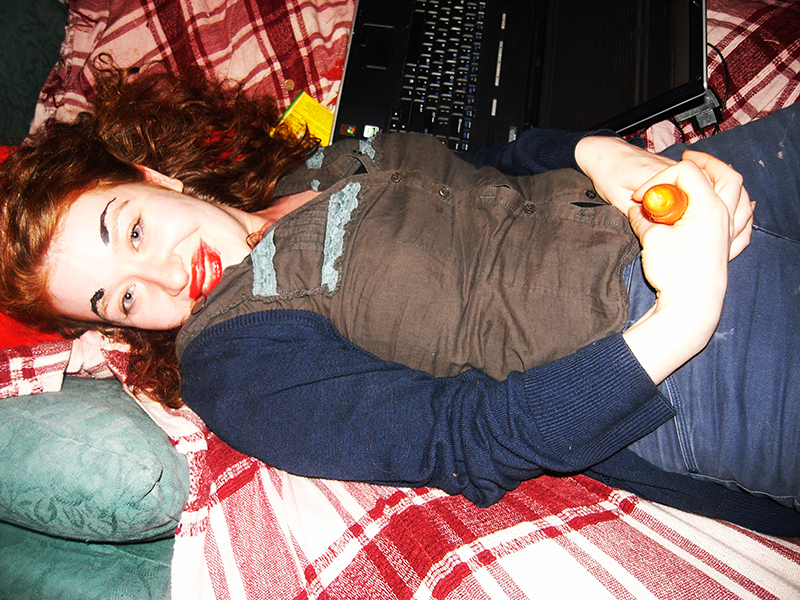
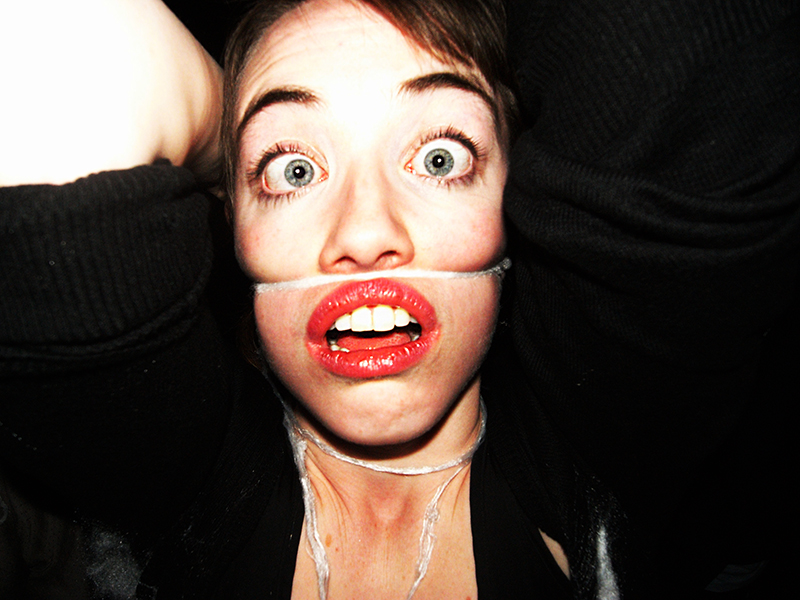
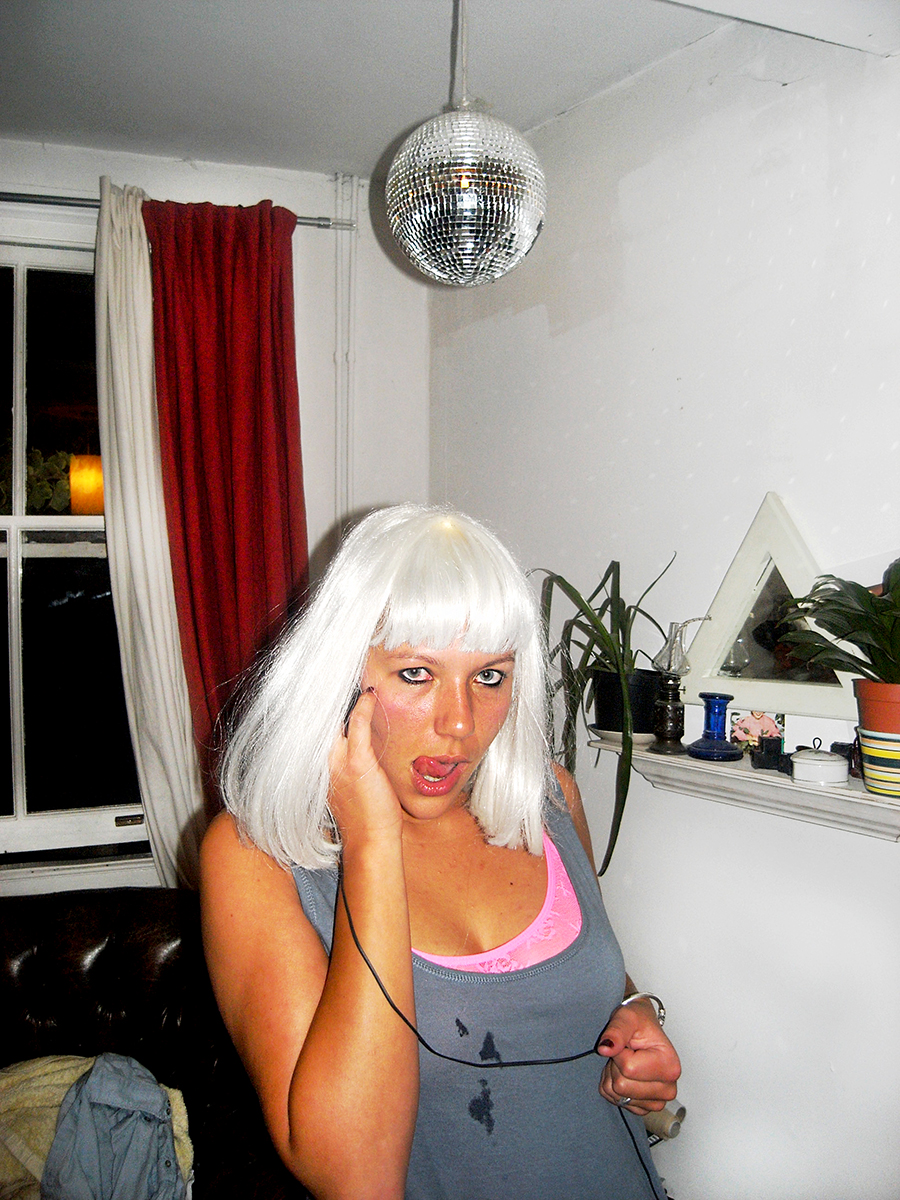
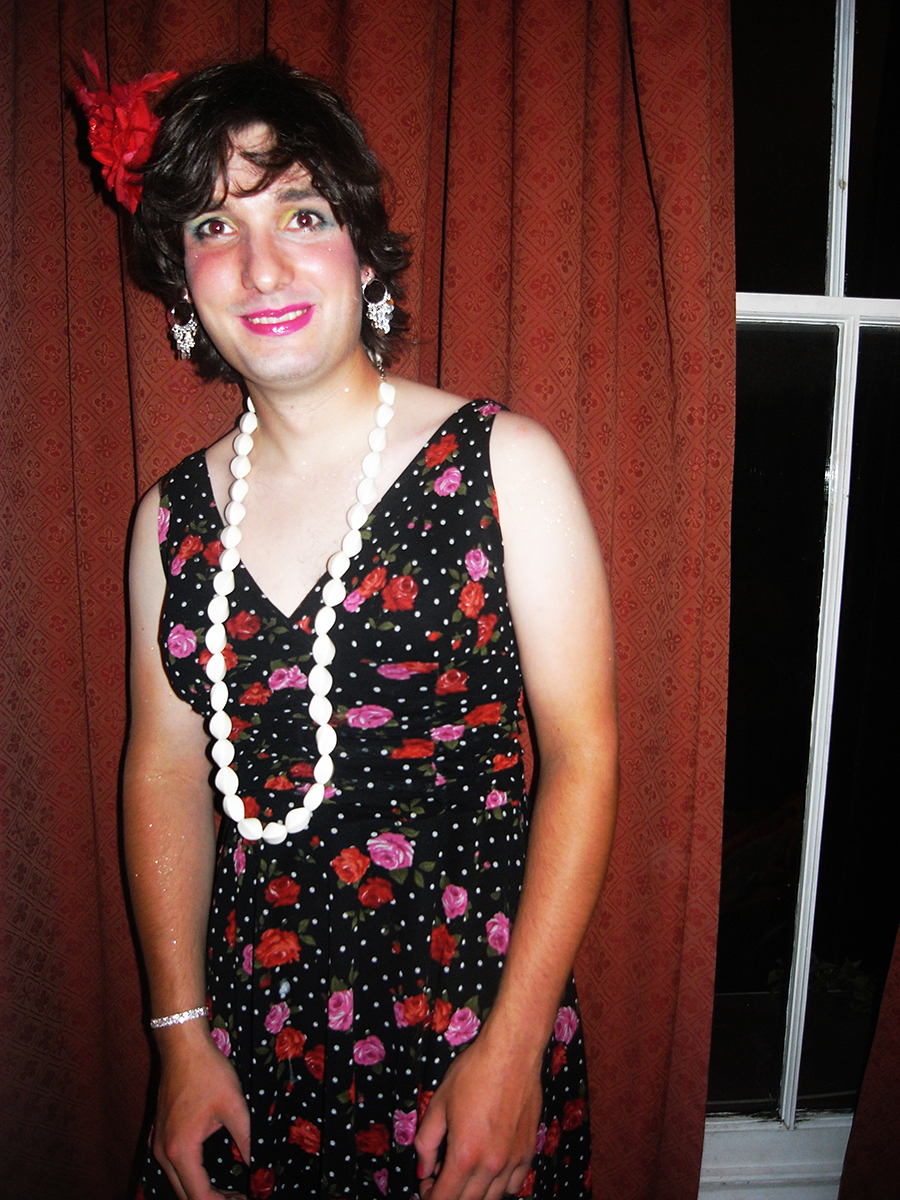
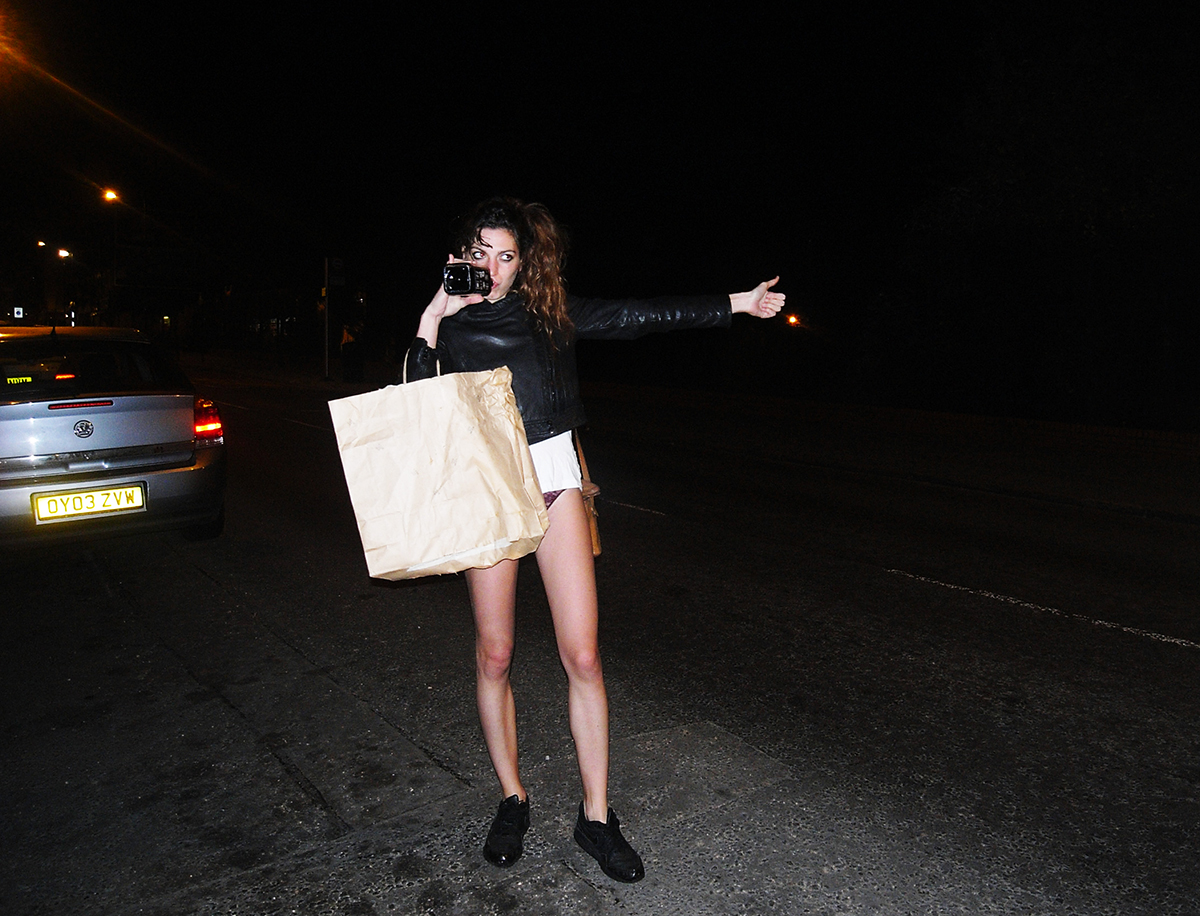
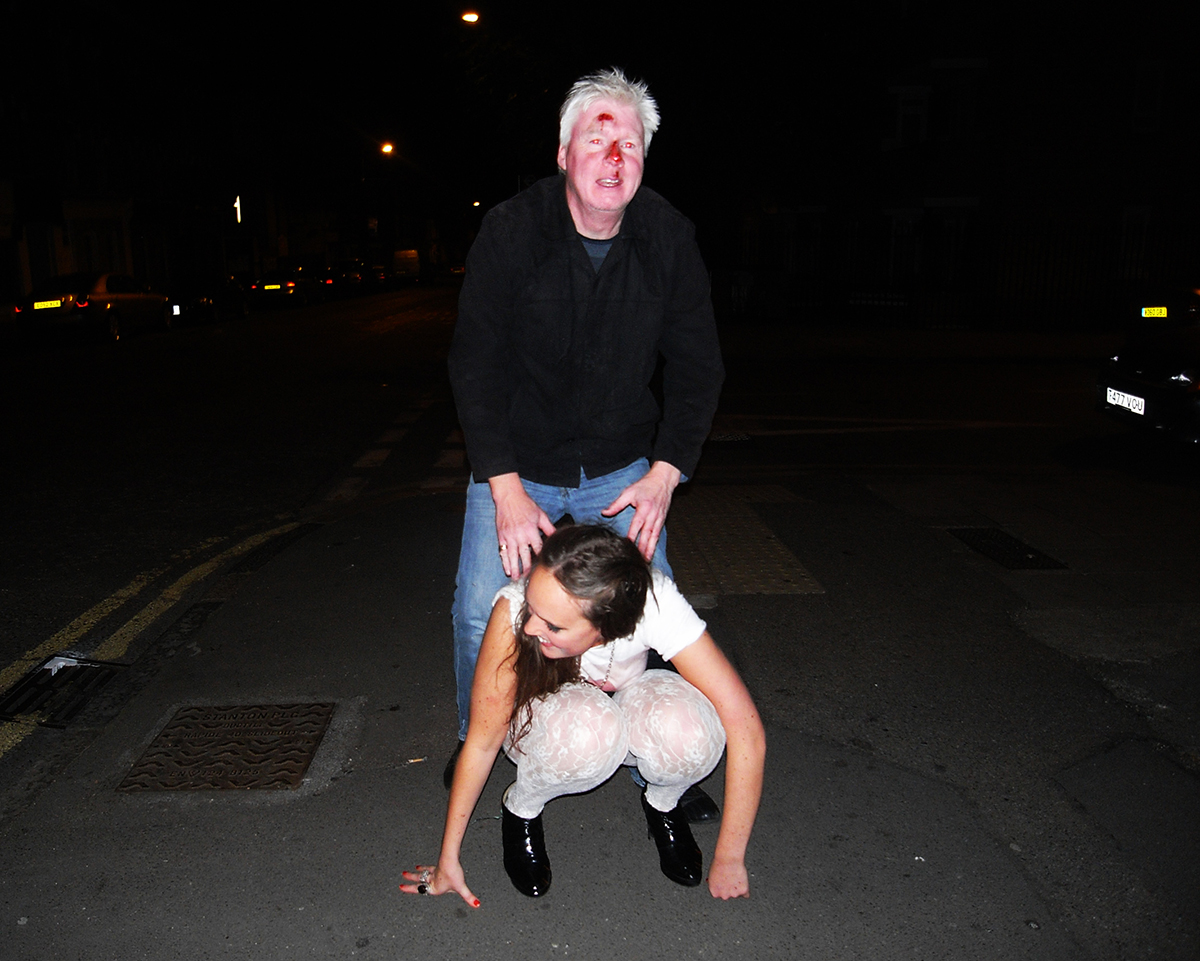
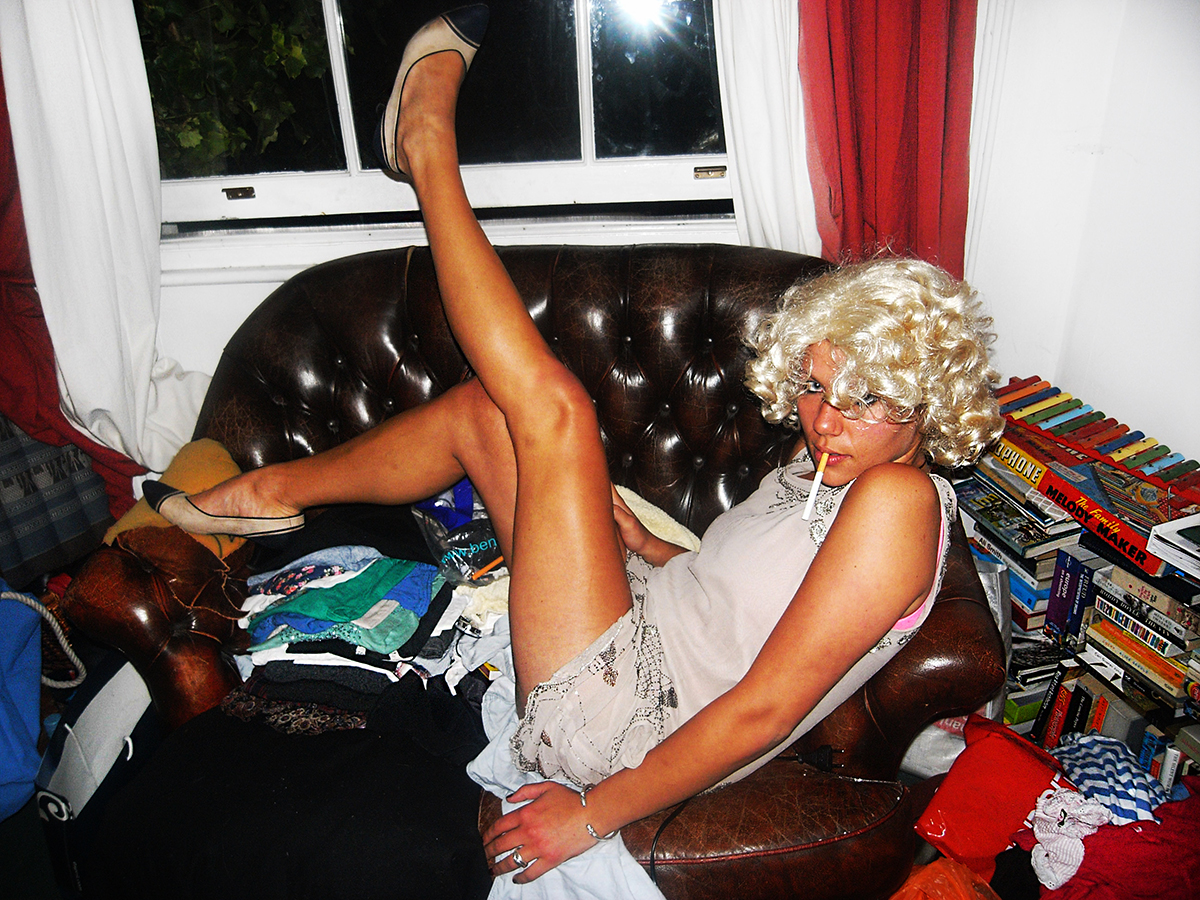
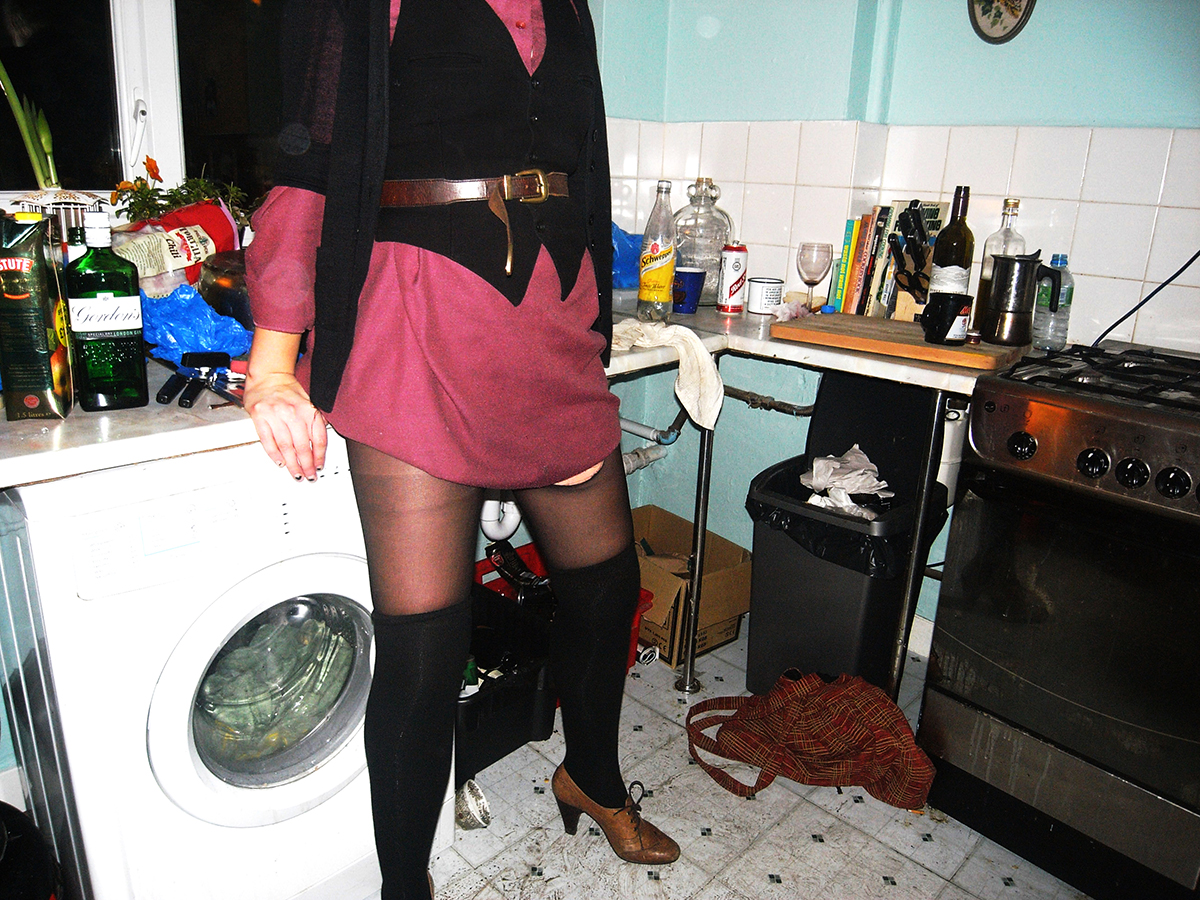
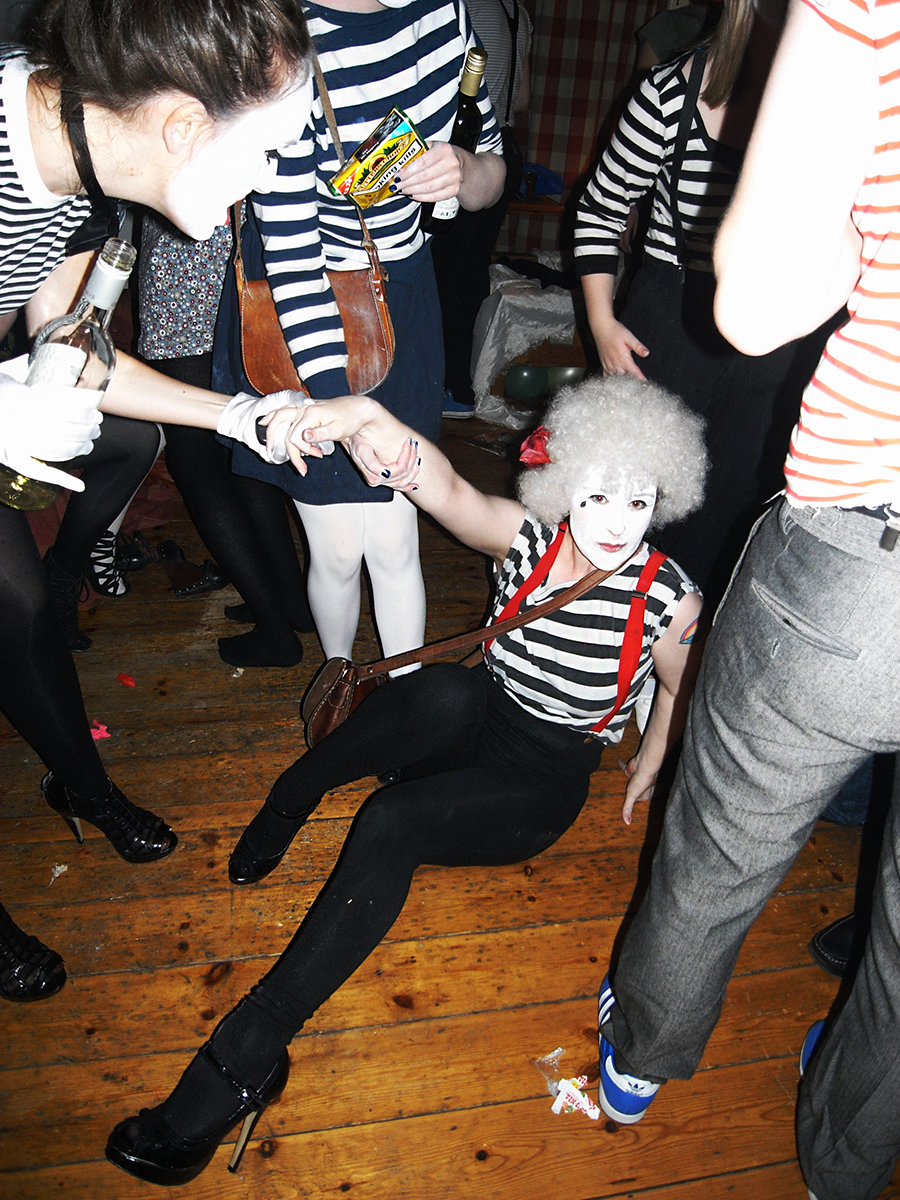
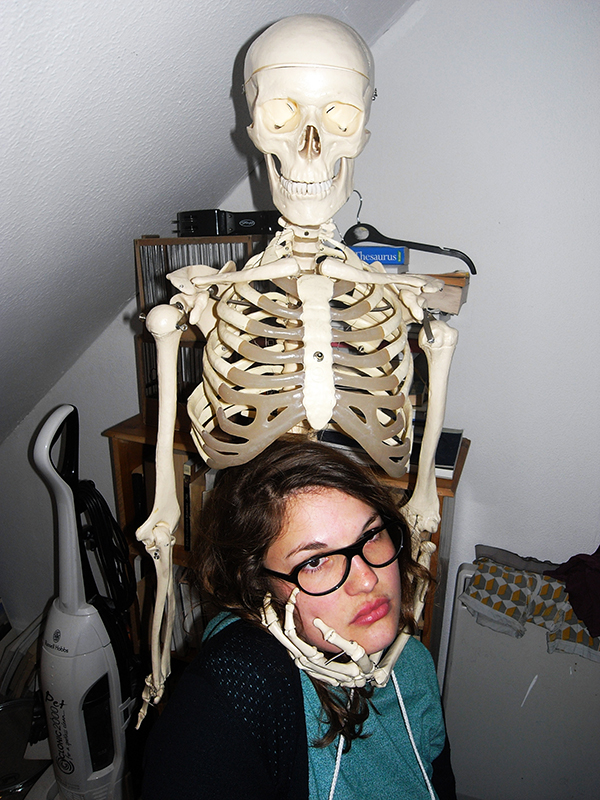
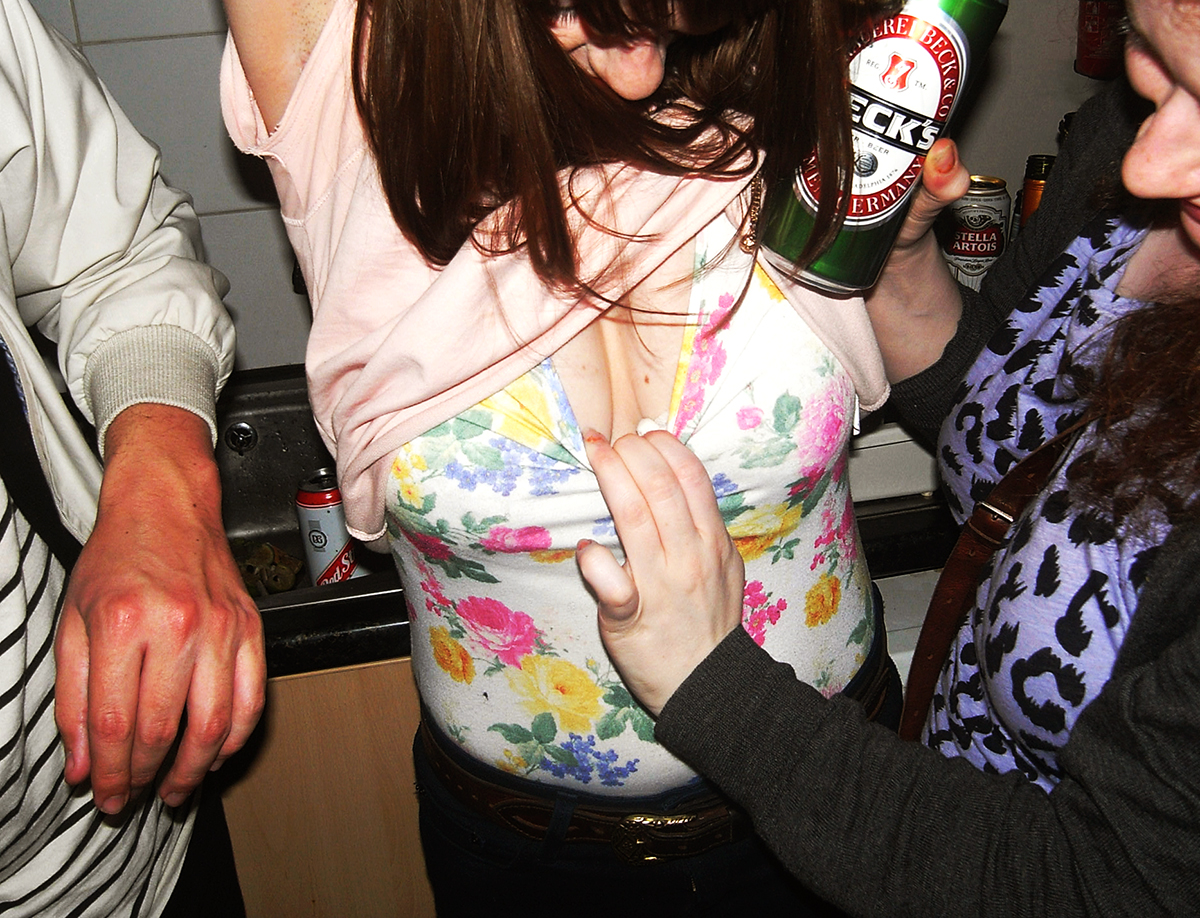
Self taught photographer Robert Lang grew up in Durban, South Africa, but moved to Camden Town, London, in 2001. With his day job, er, night job, as a fashion photographer and correspondent, he started to spend a lot of wild nights out on the town where he began to photograph some of the locals. Never intending for the series to become public, what would become Filthy Gorgeous was a photographic diary of sorts to laugh at the next day – perhaps as a cure to alleviate the impending hang over. Lang says he calls the series Filthy Gorgeous "because all of us ran wild living, working and partying in Camden and we had no inhibitions." He also says, "These women represented everything about our period at that time in London and were smart, fashionable and witty." Bruised, bloody and bloody bruised, the characters in these photographs – many of them friends of the photographer – have moved on from their party life, which makes these images all the more indicative of a rare and special moment in time.
Click here to read part one.
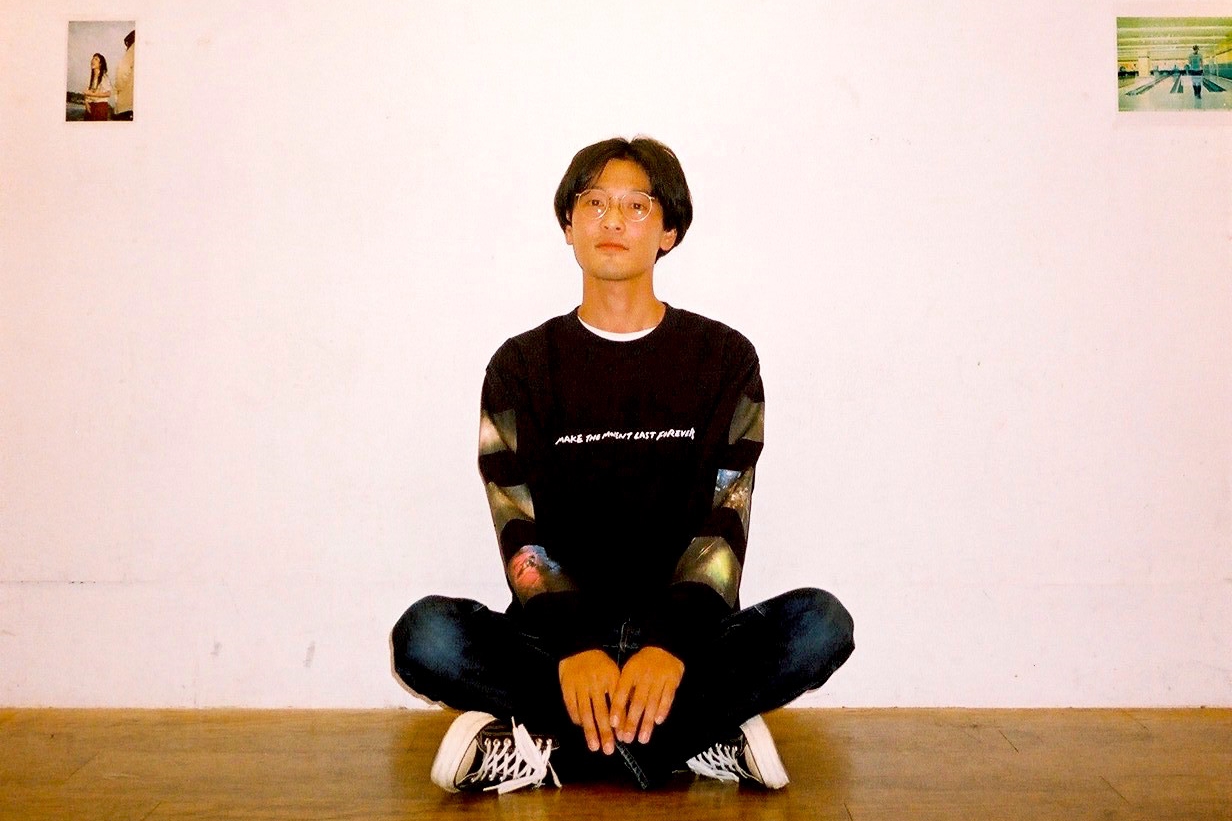
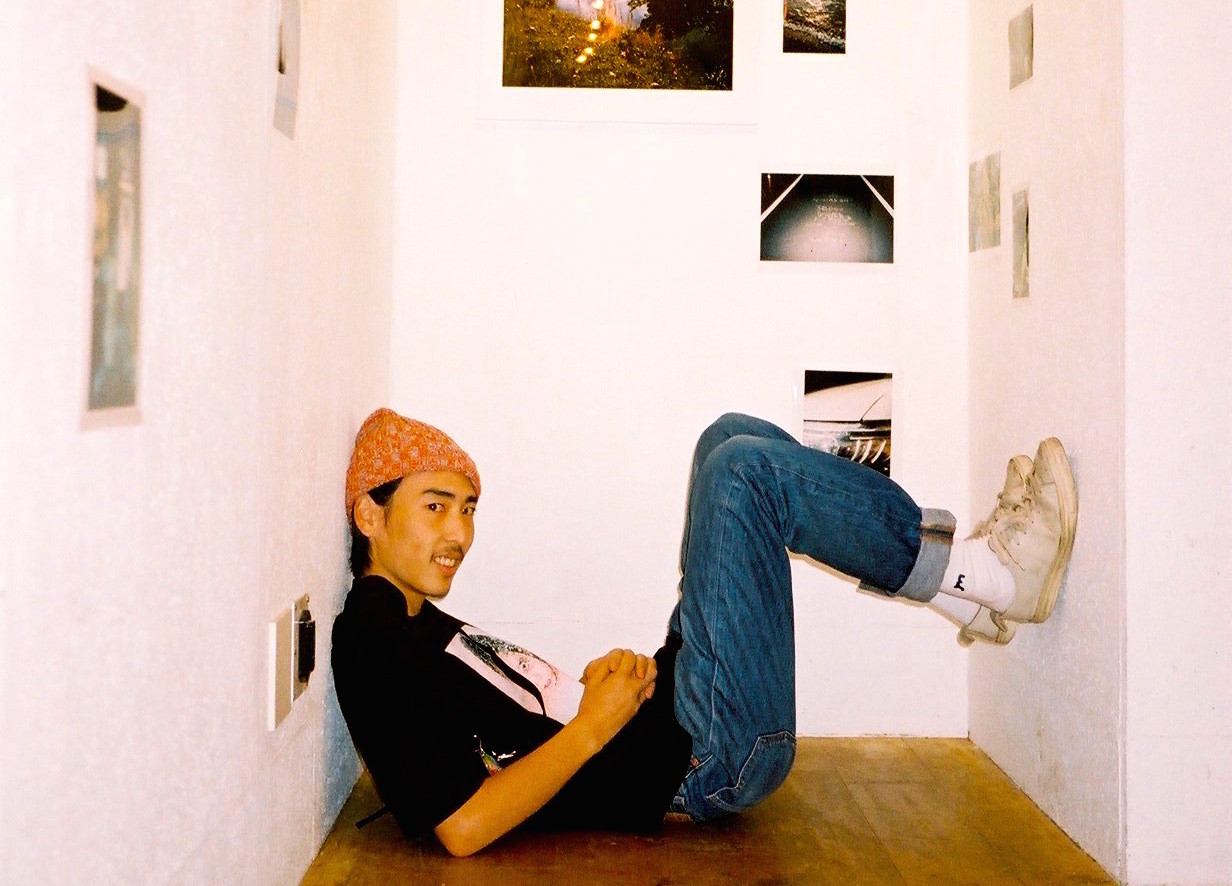
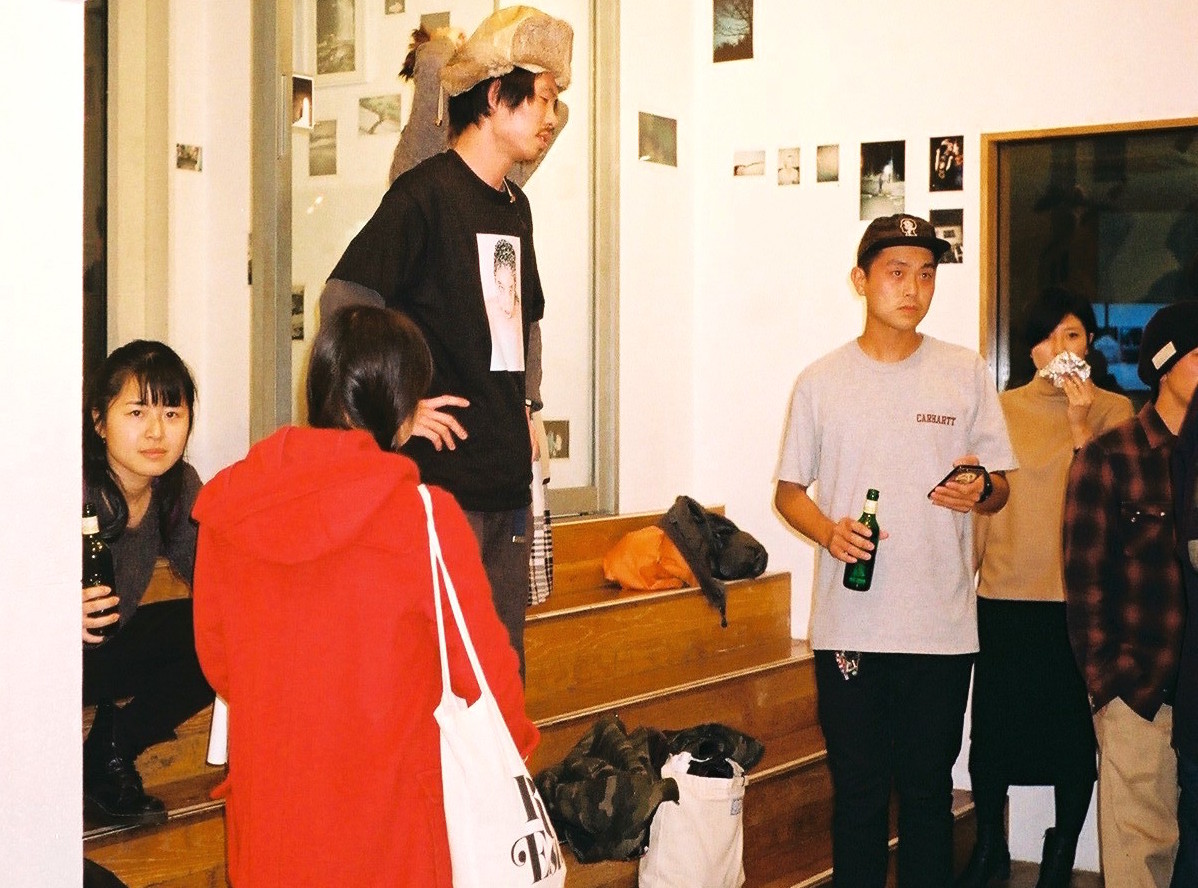
Takuroh Toyama is a photographer based in Tokyo and my good friend. He actually has a lot to do with how I started taking photographs and continue doing it now. I had never encountered photography that moved me before, but the first time I saw his photos it felt like they were somehow different from anything I'd seen up to that point, and I still can clearly remember how excited they made me. It doesn't matter if the subject is fashion or a band, his pictures have a consistency and are full of his own thoughts and viewpoint. That isn't a negative thing, it's in every way positive, and there is a chaotic blend of a longing gaze that isn't offensive, and a warmth overflowing with humanity. He introduced me to the work of amazing photographers like Ryan McGinley and Peter Sutherland. He always walks around with his camera and is always taking pictures. He never does anything stupid like going to hip parties and only taking pictures of cool people. He knows those kinds of pictures aren't any good (they just get consumed), and he is well aware the "cool" generally talked about is a persona. I really feel like I learned a lot from that attitude of his and his work which is full of it. His exhibition ended just the other day. I helped out and just because I was free I went there many days, and there were always only good people there. The mood was always good, and even though it's too bad that it ended, you can see his photos online too, so definitely take a look. text and photographs by Yuki Kikuchi. Translation by Bowen Cassey
AL: Do you remember the moment you fell in love with hip-hop?
Lily Mercer : Yeah. There were two songs. One was “Wishing on a Star” by Jay-Z. Weirdly, that’s the Jay-Z [track] that no one thinks of. My mum had grown up playing Motown, so there was a soul connection. It was hearing a song that was accessible but also quite deep. To me, those songs were quite profound at eight years old. After, when [rap] became an obsession, was when Eminem came out. That was a gateway drug. He’s a white rapper with middle class parents. I was a middle class kid, so it was the kind of hip-hop that was acceptable.
Click here to read the interview.
"There are no excuses. If you don’t like what you’re reading about in Spin and Pitchfork, then you need to search engine that shit, harder." Click here to listen to the playlist and read our review of the best electronic-experimental noise records of 2015.